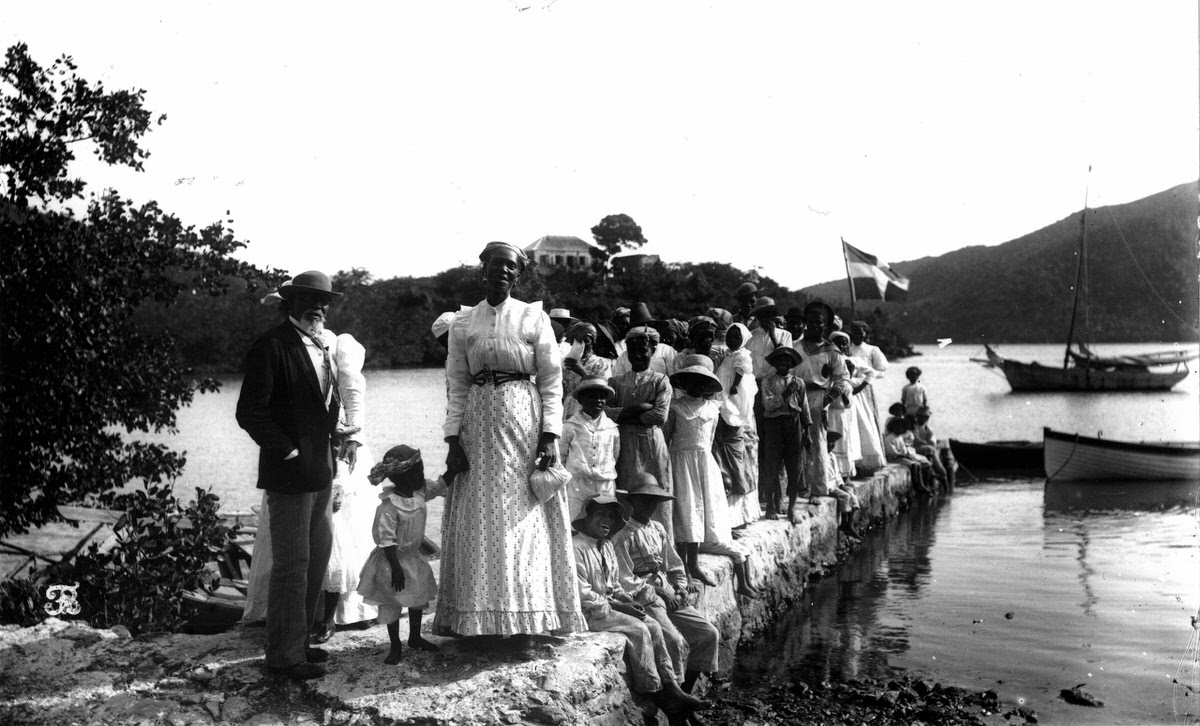
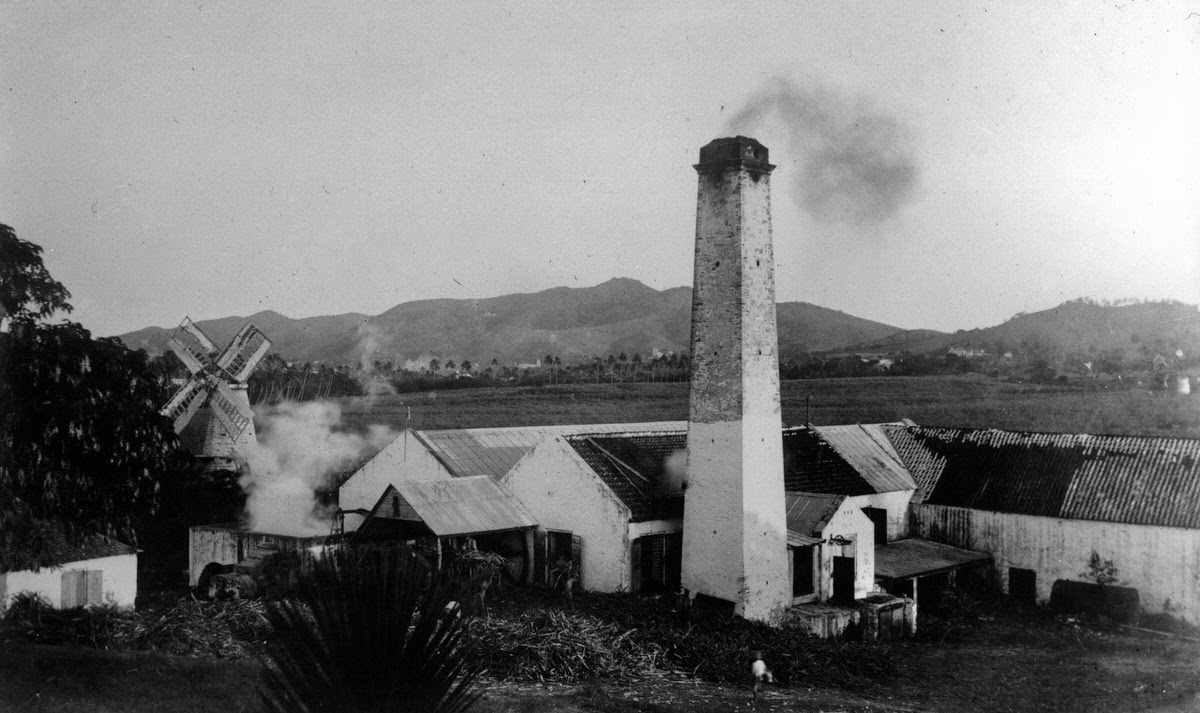
In the 1910s, St. Croix functioned as the agricultural engine of the Danish West Indies. While St. Thomas focused on shipping and trade, St. Croix relied almost entirely on the cultivation of sugar cane. The island landscape featured rolling green fields dotted with the stone towers of old windmills and the smokestacks of steam-powered factories. However, the industry faced a severe crisis during this decade. The price of cane sugar dropped sharply due to competition from sugar beets grown in Europe. Planters struggled to keep their estates running, and many fields lay fallow as debts mounted.
The Rise of the Labor Union
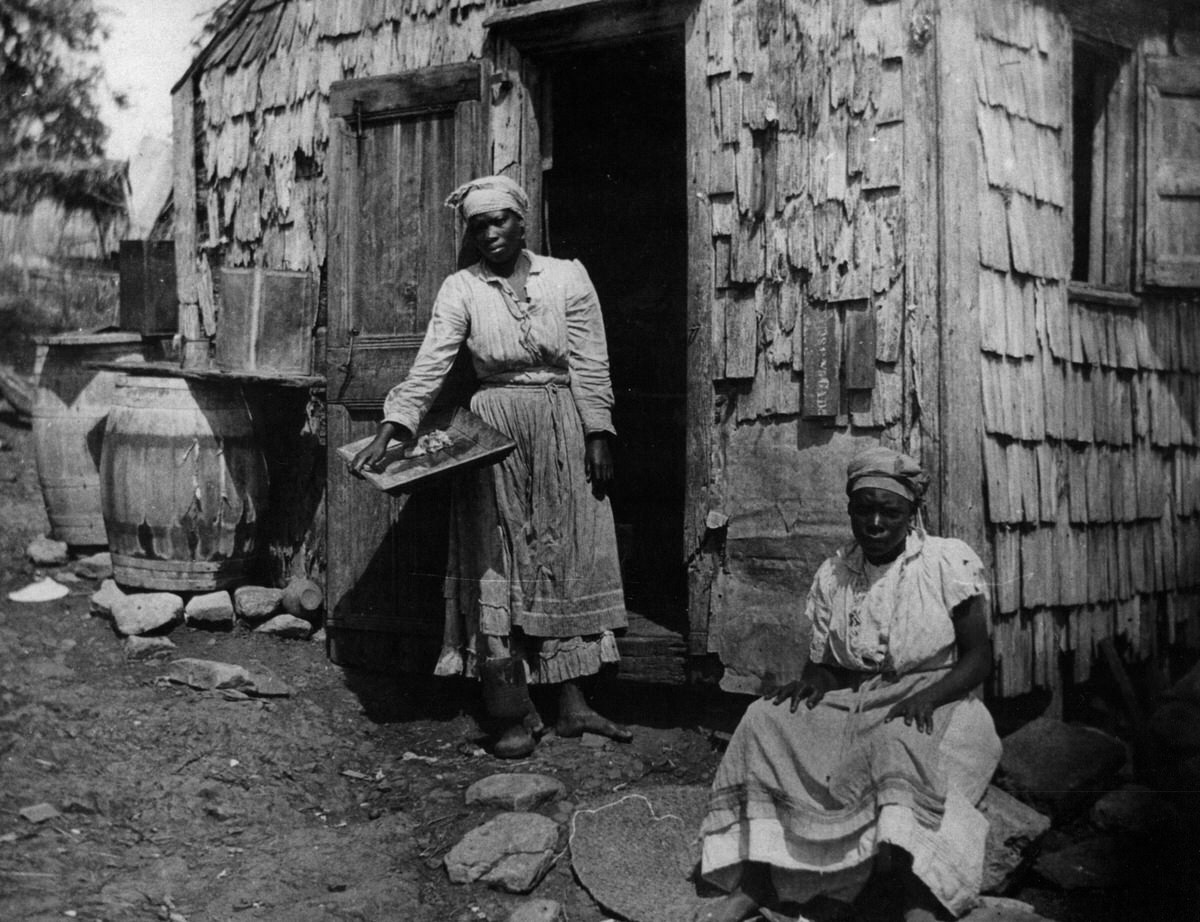
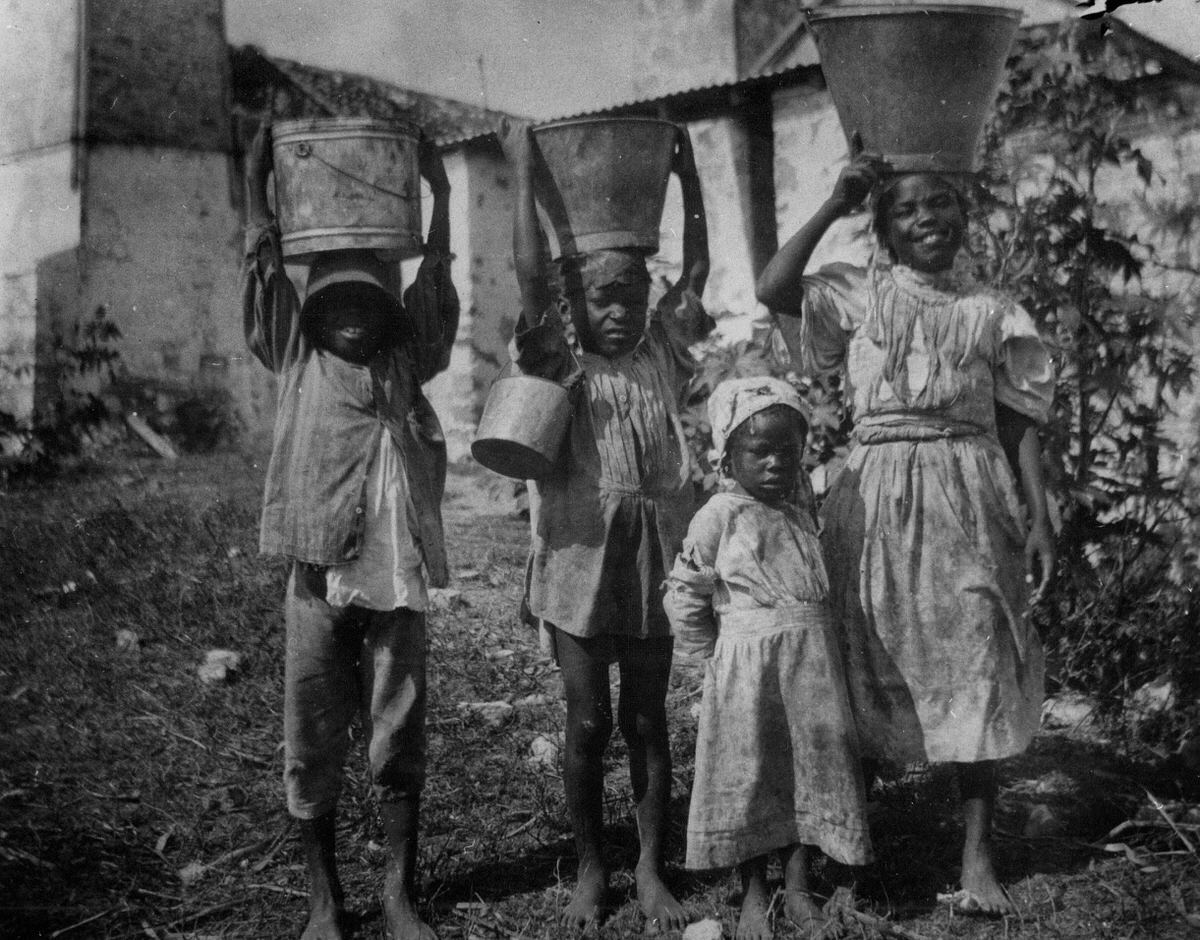
The workers who cut the cane lived in difficult conditions. Most laborers earned only about 20 to 35 cents a day. They lived in small village houses owned by the plantation owners, which kept them dependent on their employers. In 1915, a labor leader named D. Hamilton Jackson organized the first major trade union to fight for better treatment. He traveled to Denmark to appeal directly to the government and the press. Upon his return, he led a general strike that lasted for weeks. The workers refused to harvest the crop until the planters agreed to raise wages and improve working conditions.
Read more
Life in Christiansted and Frederiksted
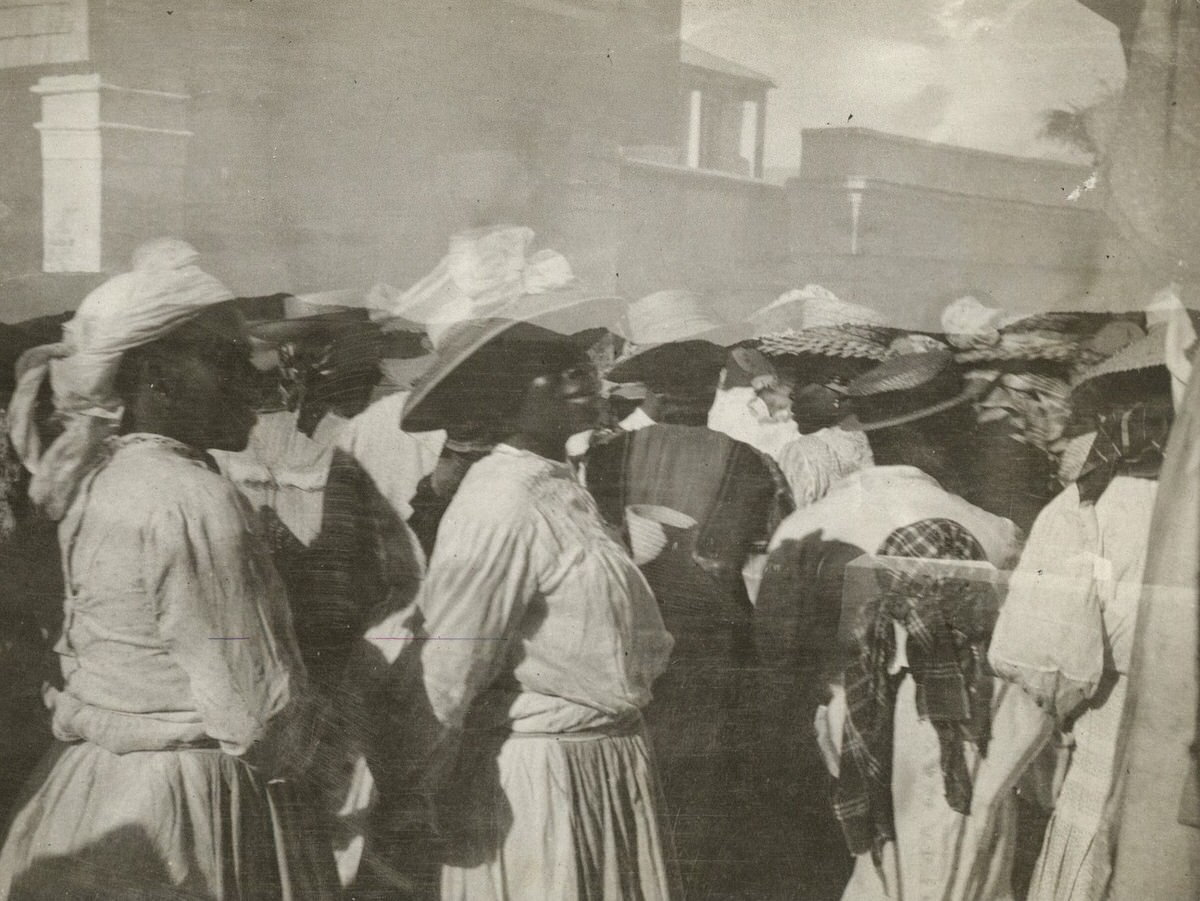
The two main towns on the island displayed a distinct Danish colonial style. Government buildings and merchant houses featured covered sidewalks, known as arcades, which protected pedestrians from the tropical sun and rain. Builders constructed these structures using yellow brick brought from Denmark as ship ballast, topped with red corrugated iron roofs. Danish Gendarmes, the local police force, patrolled the streets in blue uniforms. Despite the European architecture, the streets bustled with a Caribbean rhythm, filled with donkey carts hauling produce and women selling fish or charcoal at the market squares.
The Threat of Sale and War
Throughout the early 1910s, rumors circulated that Denmark planned to sell the islands. The colony had become a financial burden to the Danish treasury. At the same time, the United States grew concerned about the events of World War I. American officials feared that Germany might invade Denmark and then seize the Virgin Islands to use as a submarine base in the Caribbean. This strategic fear accelerated negotiations. By 1916, the two nations agreed on a sale price of $25 million in gold coin, a massive sum for the territory.