
South of Market — known today as SoMa — is one of San Francisco’s most recognizable neighborhoods. Bordered on the north by Market Street and on the east by the San Francisco Bay, the area stretches south to 16th Street and west toward Hayes Valley. Its boundaries shift slightly depending on the source, but its history is long and layered.
In the mid-1800s, SoMa grew into a pioneer community built around low-density housing, a business district along 2nd and 3rd Streets, and industrial zones near the waterfront. The wealthy first settled on Rincon Hill, while the upper-middle class clustered around nearby South Park. As heavy industry expanded in the early 20th century — driven by the proximity to the docks and cable car lines — those wealthier residents relocated to Nob Hill and neighborhoods further west. What remained was a working-class community of European immigrants, factories, sweatshops, power plants, and flophouses.
The 1906 earthquake leveled the area entirely. When it was rebuilt, the streets were made wider and the focus shifted firmly toward light and heavy industry. Redevelopment planning began in 1953, and by the late 1970s, the neighborhood stood at a crossroads — caught between its industrial past and an incoming wave of large-scale construction.
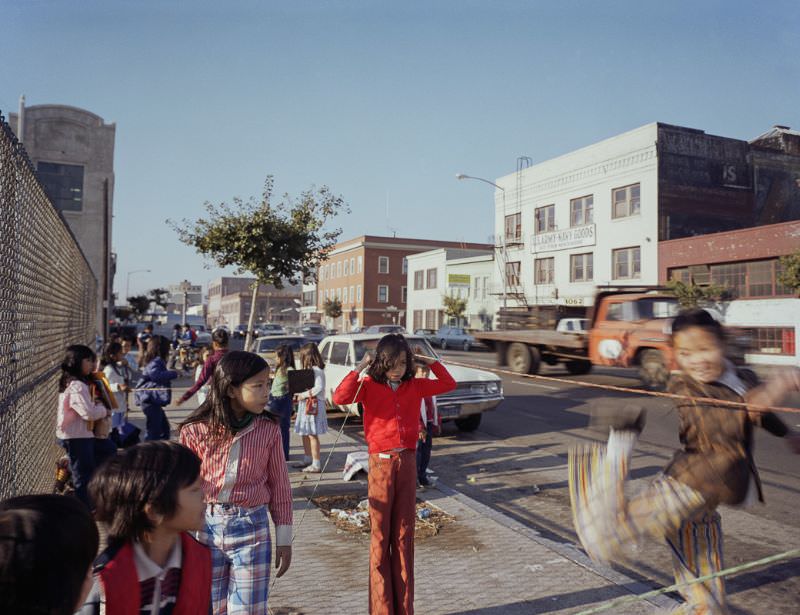
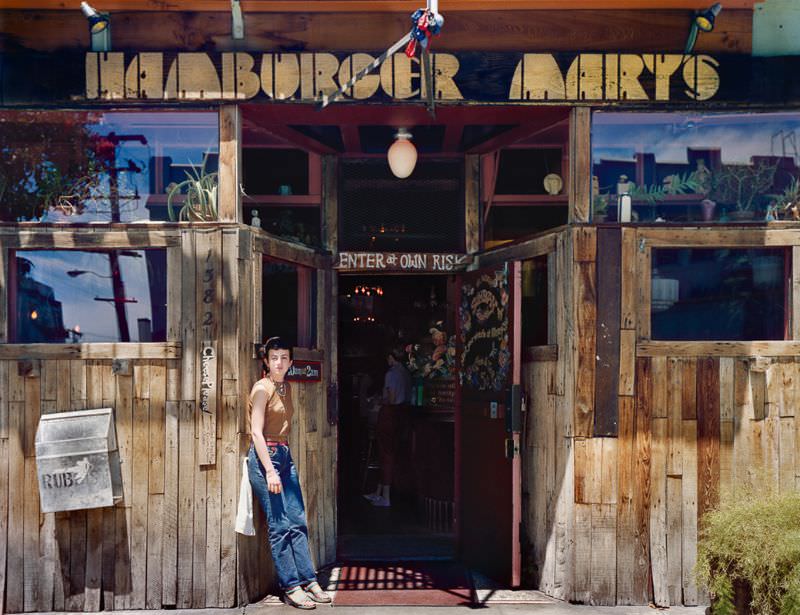
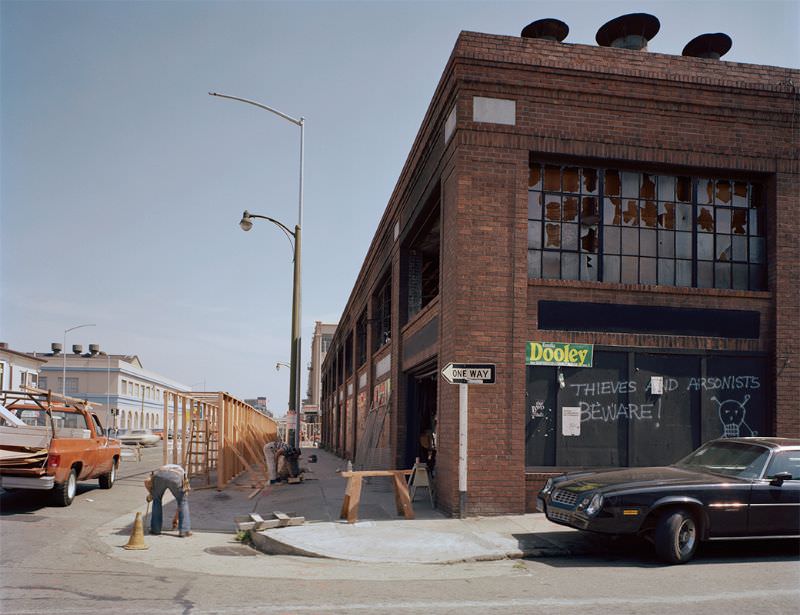
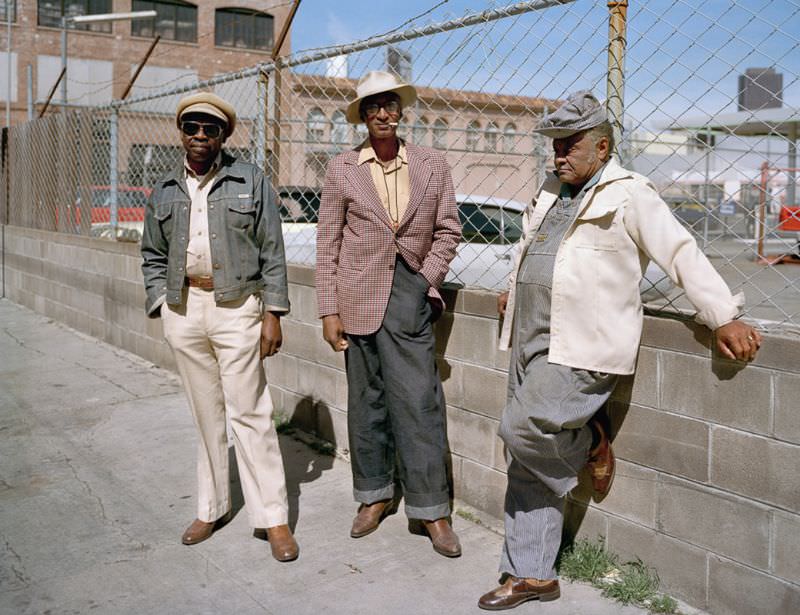
It was in this moment of transition that American photographer and educator Janet Delaney turned her camera on SoMa. Starting in 1980, she documented the neighborhood’s street corners, storefronts, residents, and routines with precision. Her photos capture a place that was alive with daily activity even as demolition crews and developers closed in from every direction.
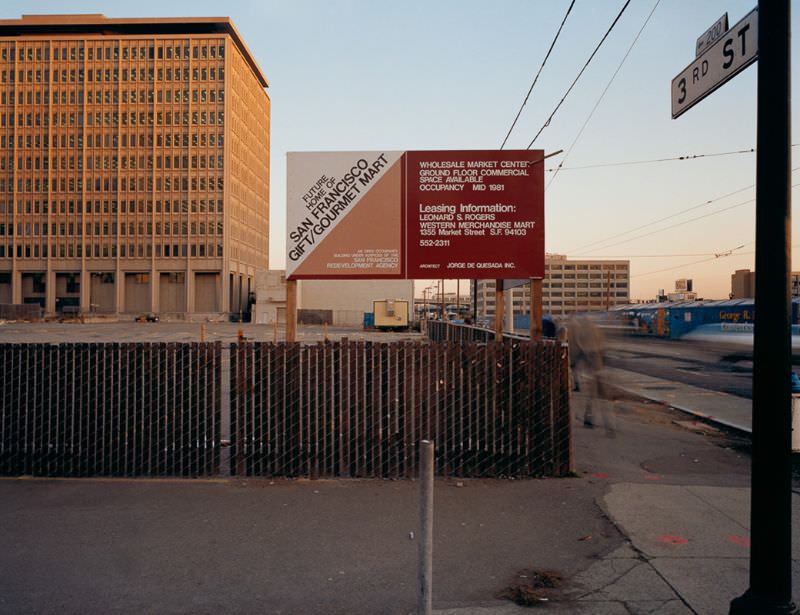
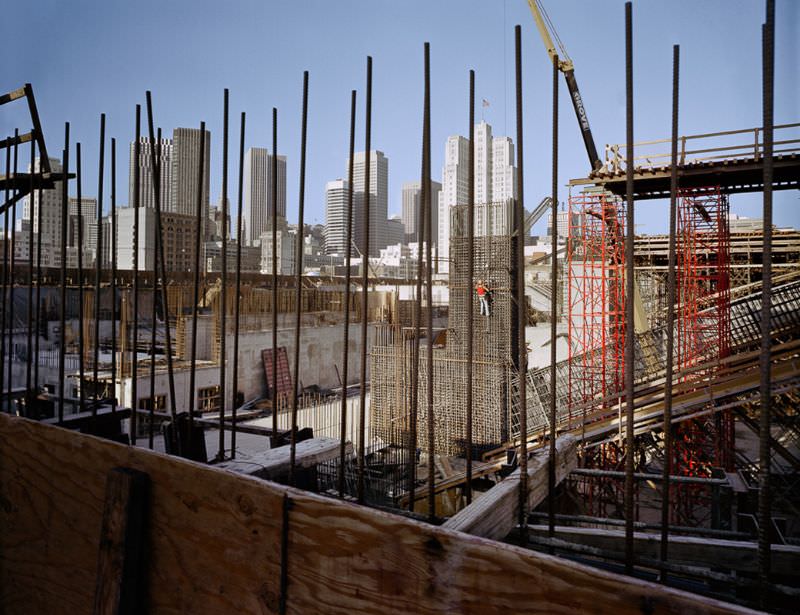
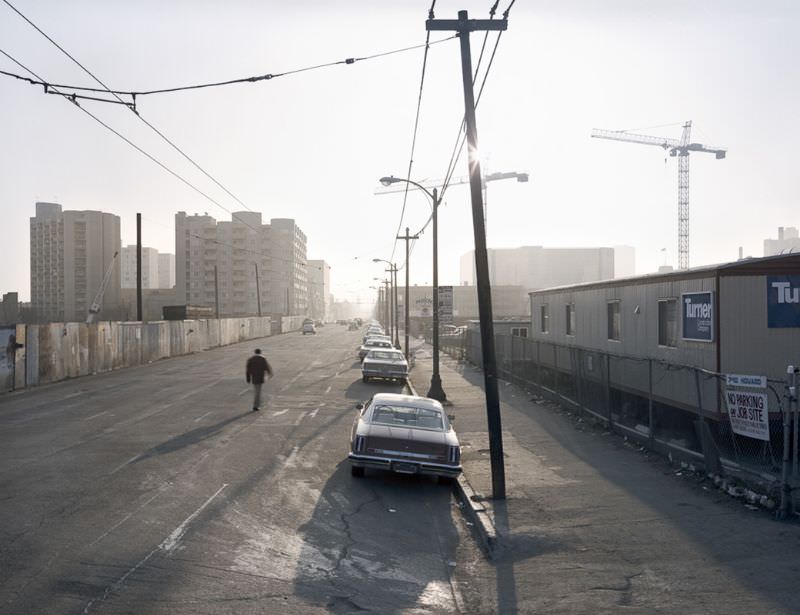
The Moscone Center was the largest and most visible sign of the changes underway. The conference center, which occupies three full city blocks, was built in the late 1970s and early 1980s. Moscone South opened in 1981, with Moscone North following in May 1992 and Moscone West in June 2003. The construction was a defining event for the neighborhood — it displaced residents, altered street life, and signaled that SoMa was being remade for a different future.
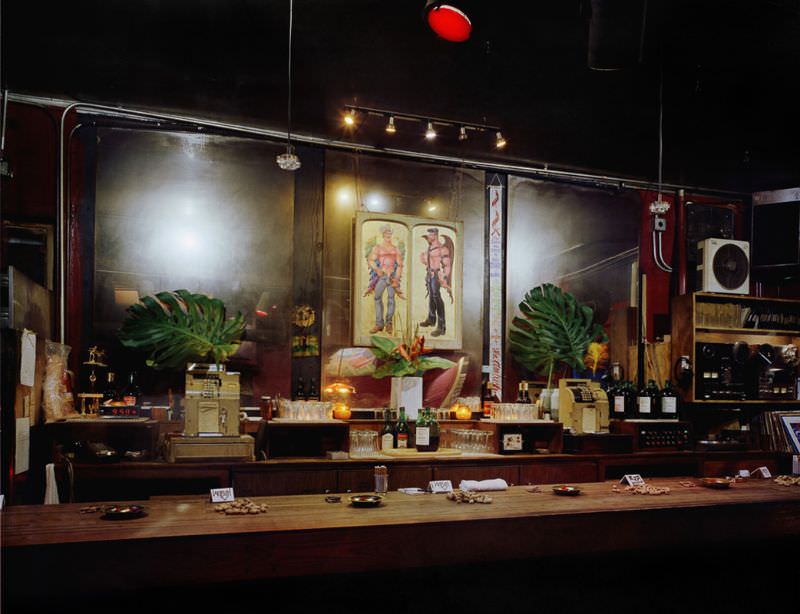
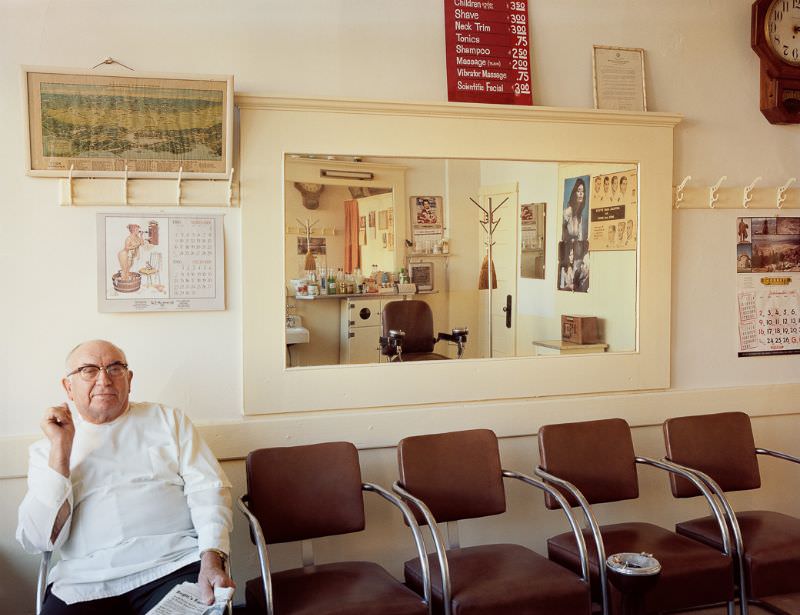
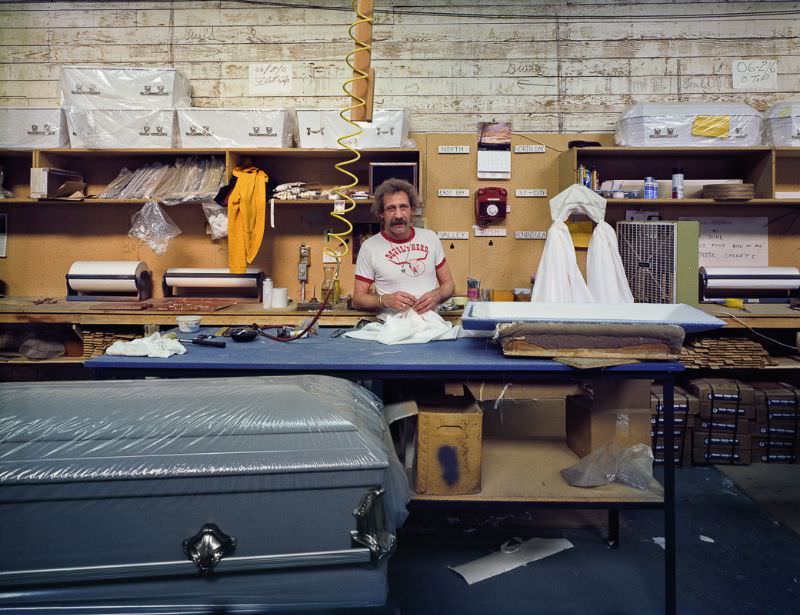
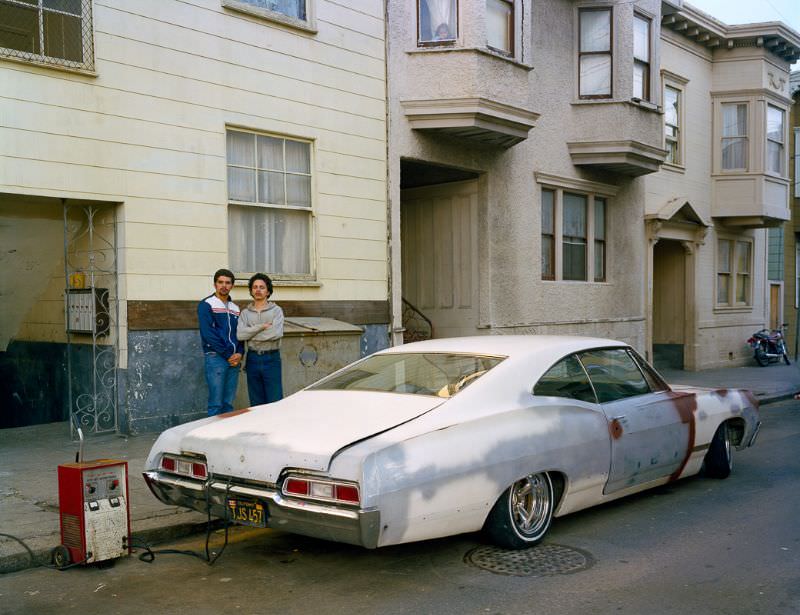
SoMa in 1980 was not a polished neighborhood. It was functional, gritty, and full of small businesses that had been rooted there for decades. The Bay Casket Company on Folsom Street operated alongside barbershops, auto body shops, diners, and a flag-making operation. A barber named Giannini had kept his shop on 6th Street since 1936.
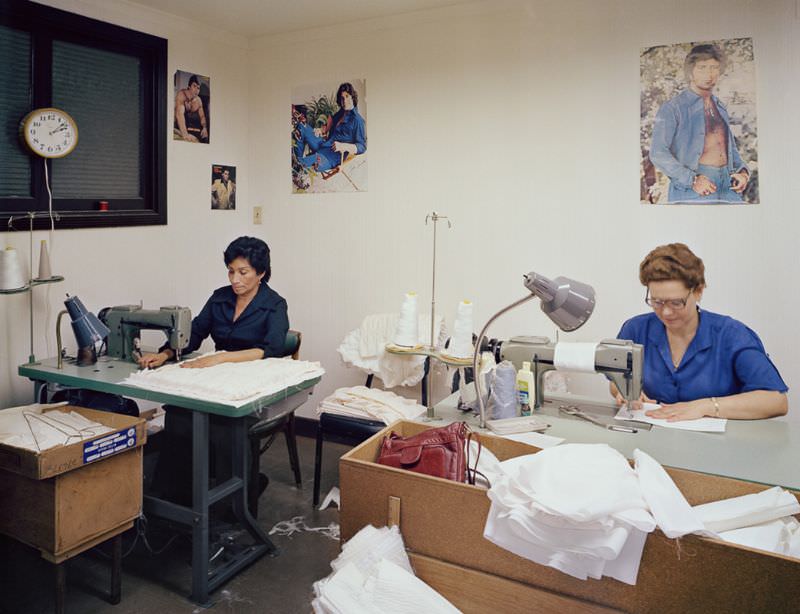
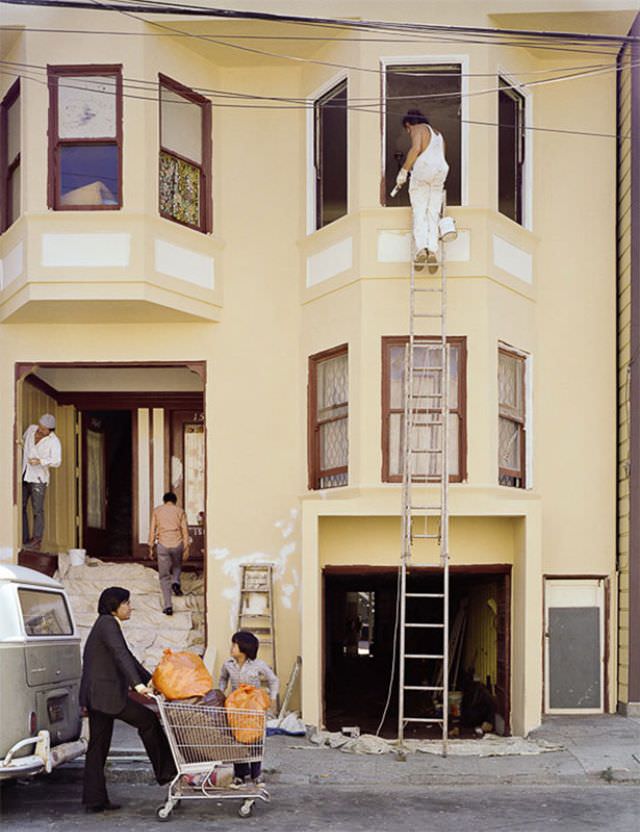
The neighborhood’s residents were equally varied. Families lived on Langton Street alongside longtime neighbors who had watched the block change year after year. Evictions were visible and frequent — a direct consequence of the redevelopment pressure pushing through the area. The photograph of an eviction at 158–160 Langton Street in 1980 says more about the cost of urban renewal than any planning document.
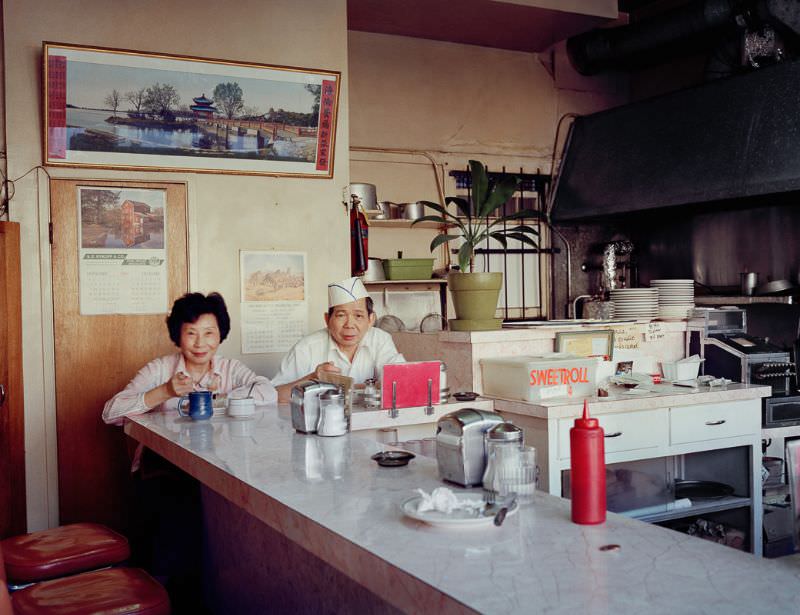
At 484 6th Street, Giannini’s barbershop had been a fixture of the neighborhood since 1936. Just a door down, Helen and her husband Chester ran the Helen Cafe at 486 6th Street. These were not trendy establishments — they were the kind of places where the same customers showed up every day and the owners knew everyone by name.
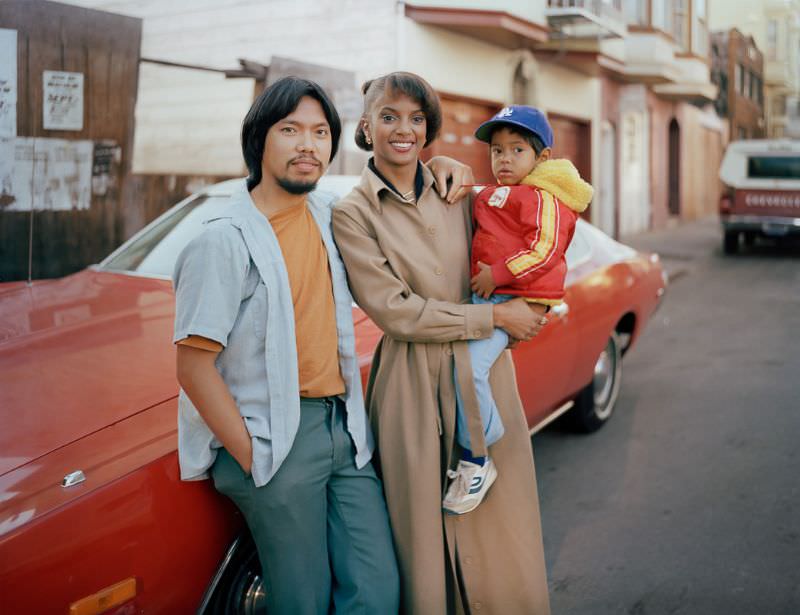
Langton Street appears throughout Delaney’s work as a kind of anchor. The Fernandez family — Lalett, Vanessa, and their son — were among the residents she photographed there in 1980. The street had its own park, its own murals, and its own community identity, all of it squeezed into a narrow alley off Folsom.
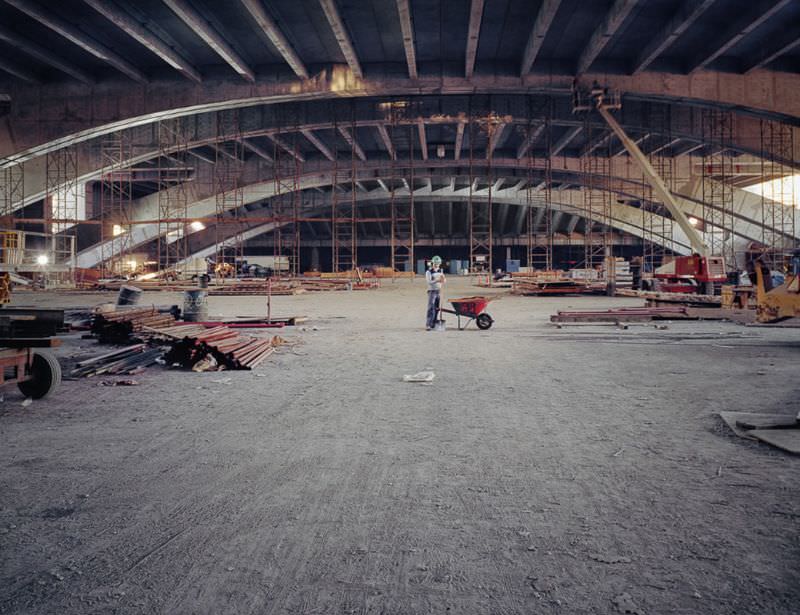
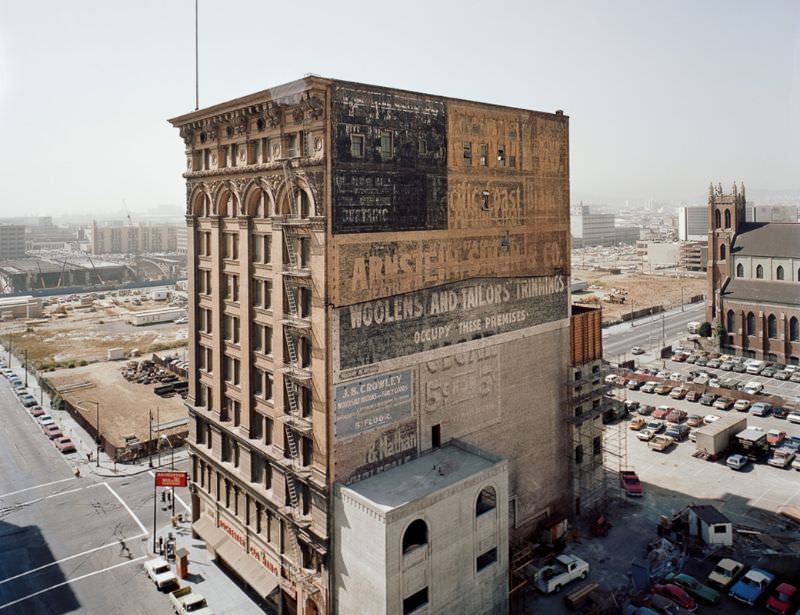
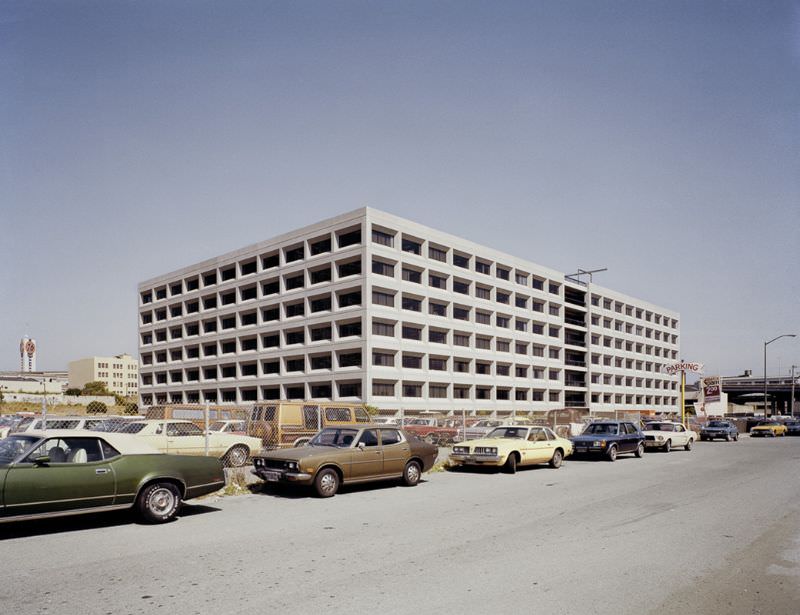
Construction on the Moscone Center dominated the visual landscape of SoMa throughout 1980. Workers moved through active job sites while the surrounding blocks continued their normal routines. The contrast between the scale of the new conference center and the small storefronts and apartments nearby was sharp and unavoidable.
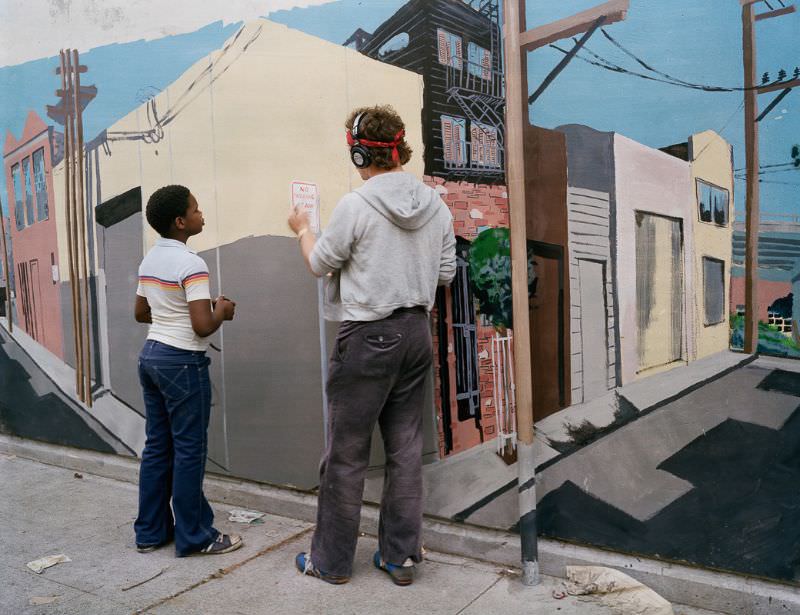
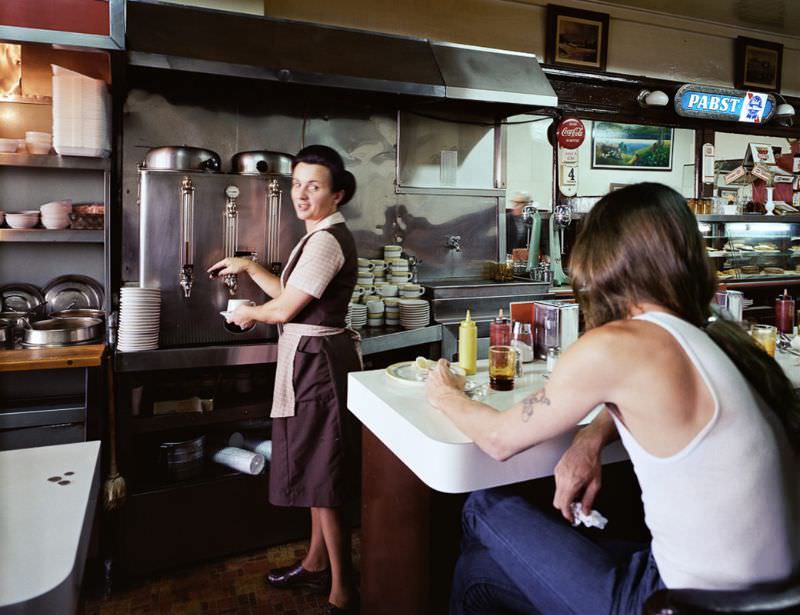
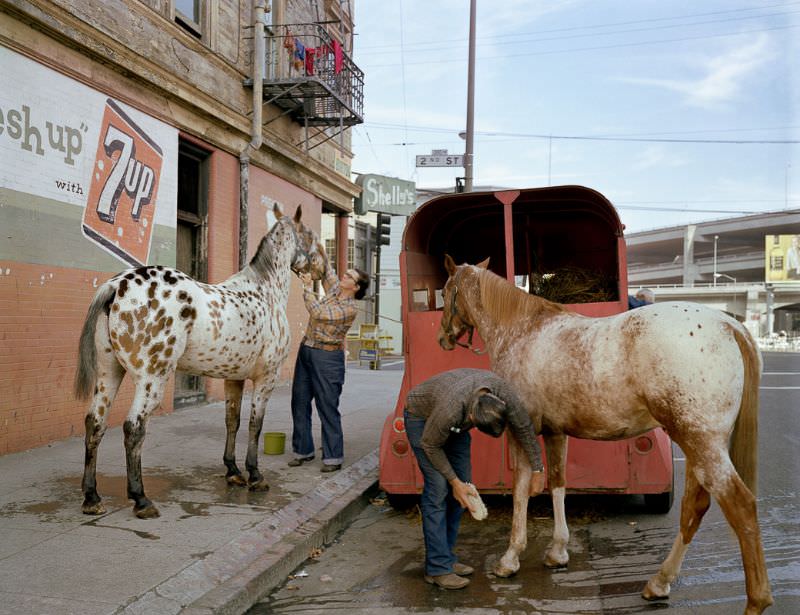
Street-level commerce defined SoMa’s daily rhythm. Pat served coffee at the Gordon Cafe on 7th and Mission. A policeman wrote a ticket on Howard near 6th. Skip Wheeler and his wife groomed their horses on Folsom at 2nd Street after the Veterans Day Parade. These weren’t staged moments — they were the ordinary texture of a neighborhood going about its day.
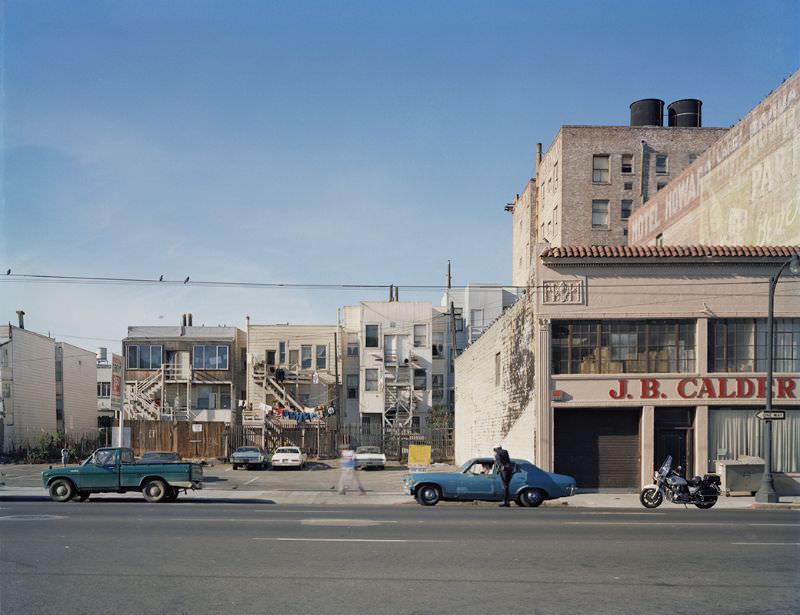
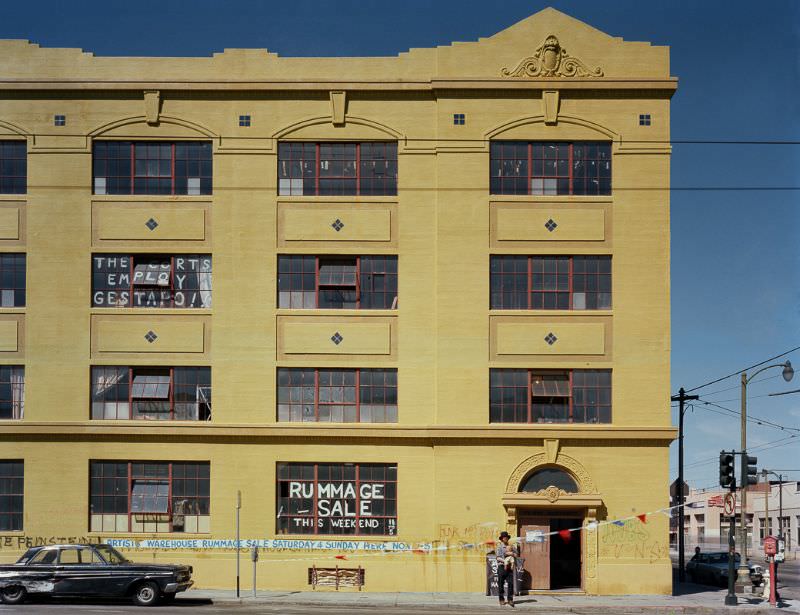
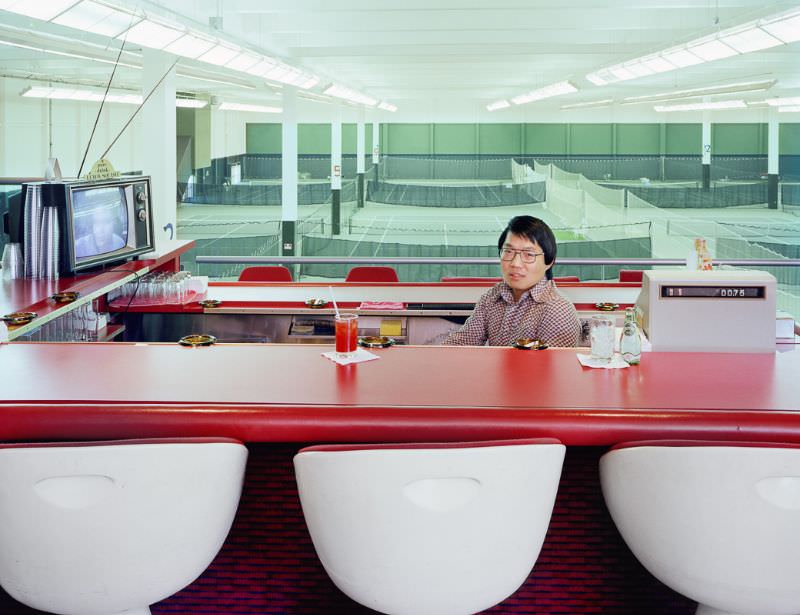
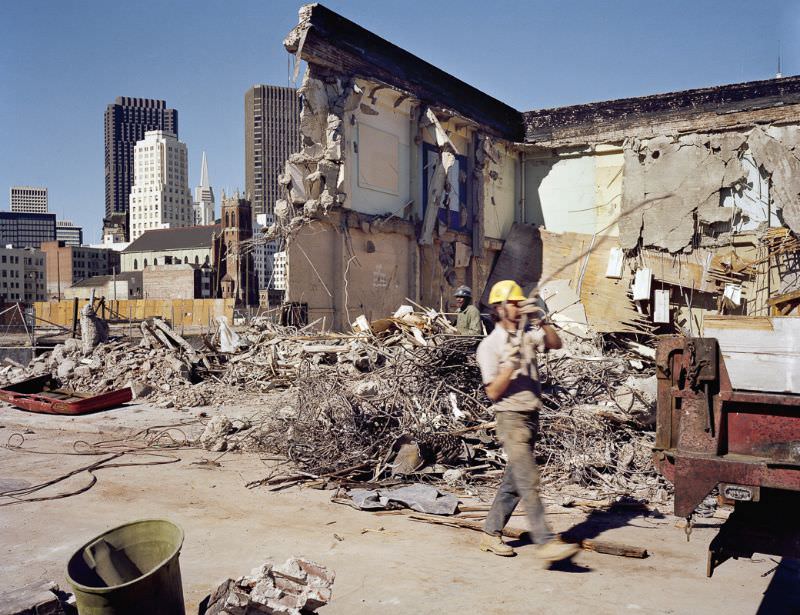
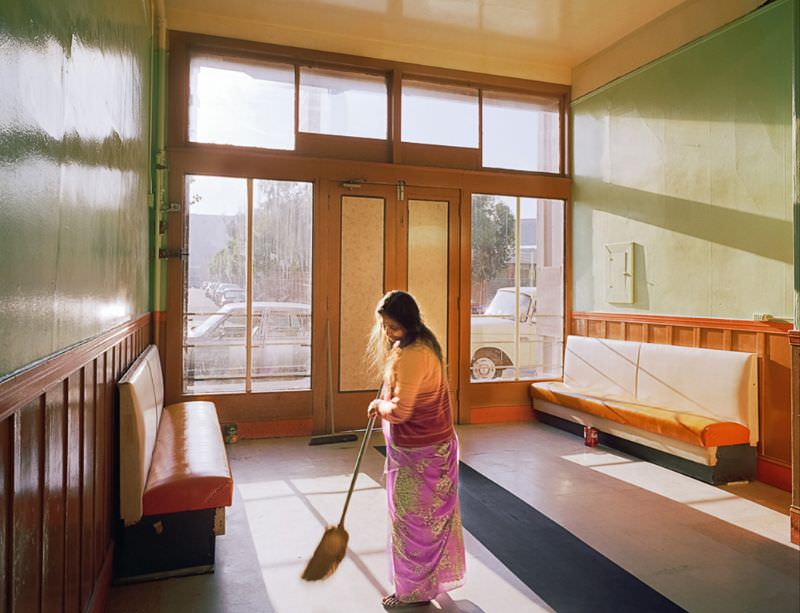
The demolition of a school at 4th and Howard was another marker of the redevelopment era. Old buildings came down to make room for new ones, and the institutions that had served the community for years disappeared along with them. Shantiben Dahyabhai Patel, photographed at the Park Hotel on 1040 Folsom Street, was one of many residents whose daily life unfolded against a backdrop of constant change.
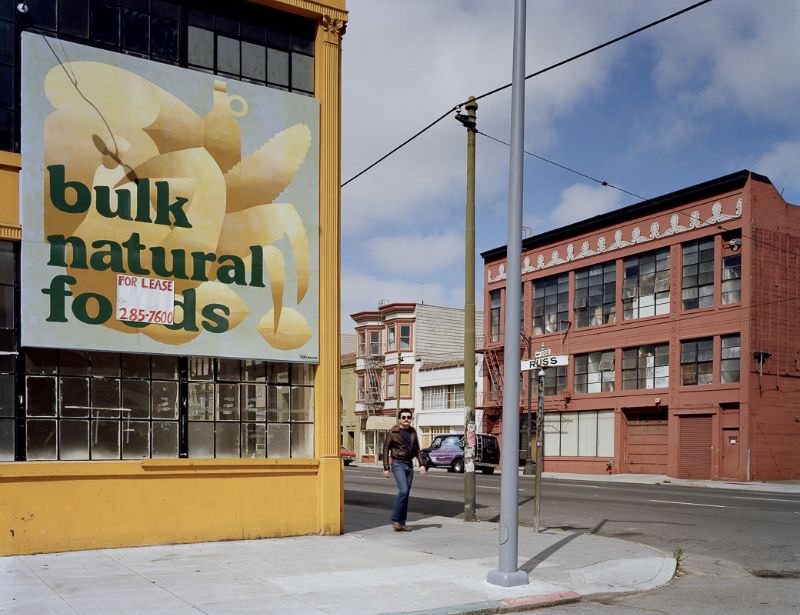
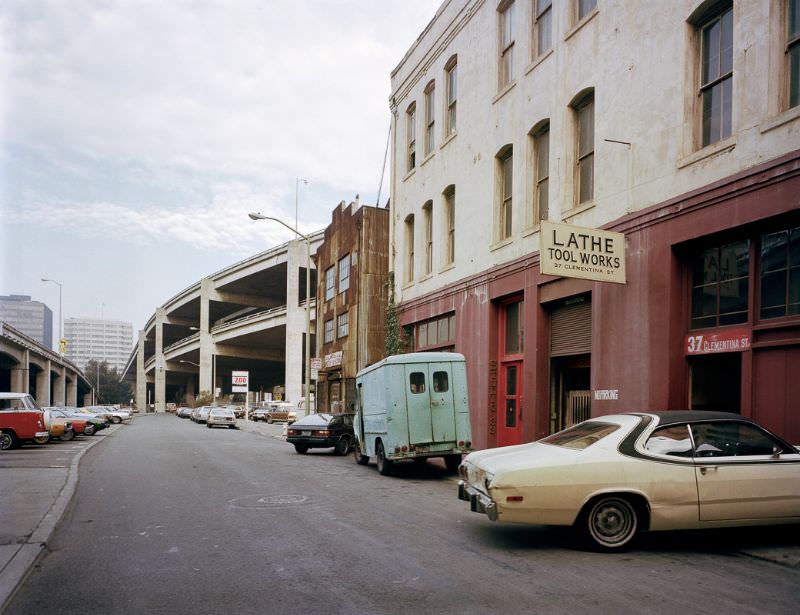
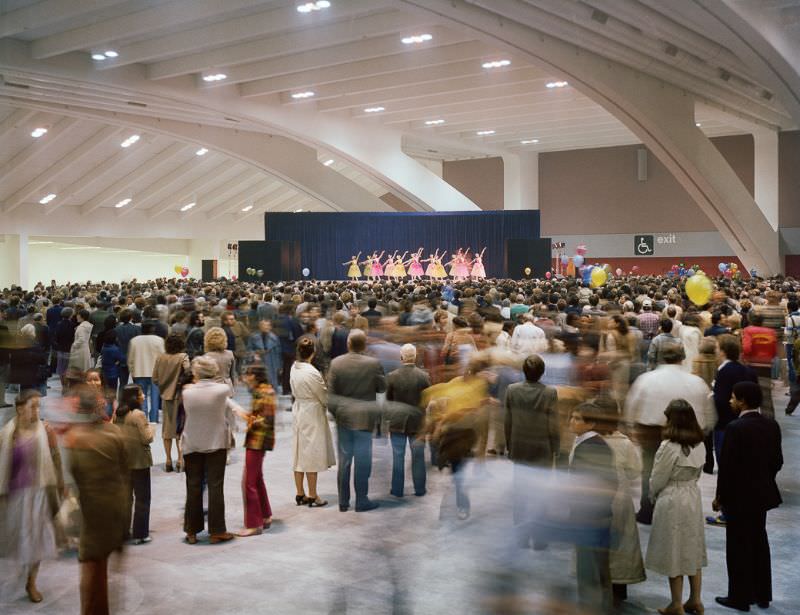
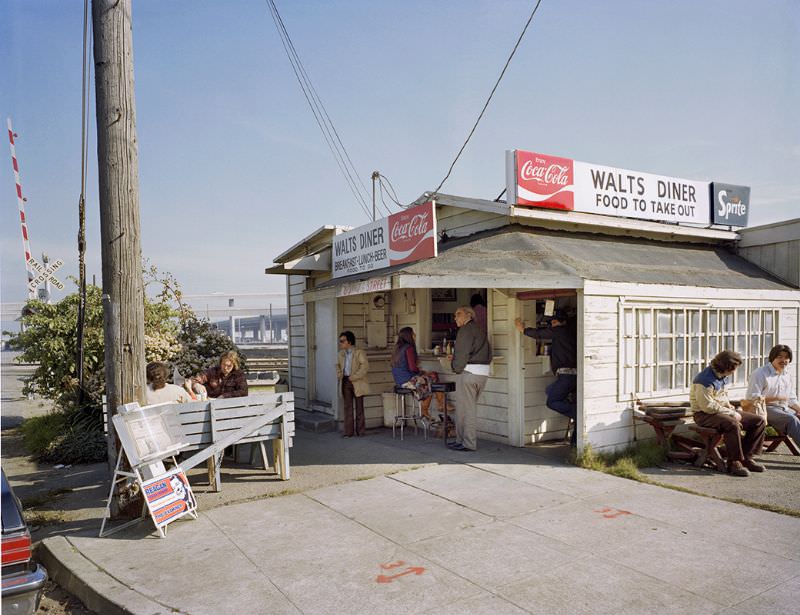
By 1981, Moscone South had officially opened, and the San Francisco Ballet performed on its opening day. Langton Park was photographed that same year, as was a lathe and tool works shop on Clementina Street that had been operating for years. Walt’s Diner on 7th at King Street and the Russ Street Apartments represented the quieter, residential side of SoMa that persisted alongside all the construction.
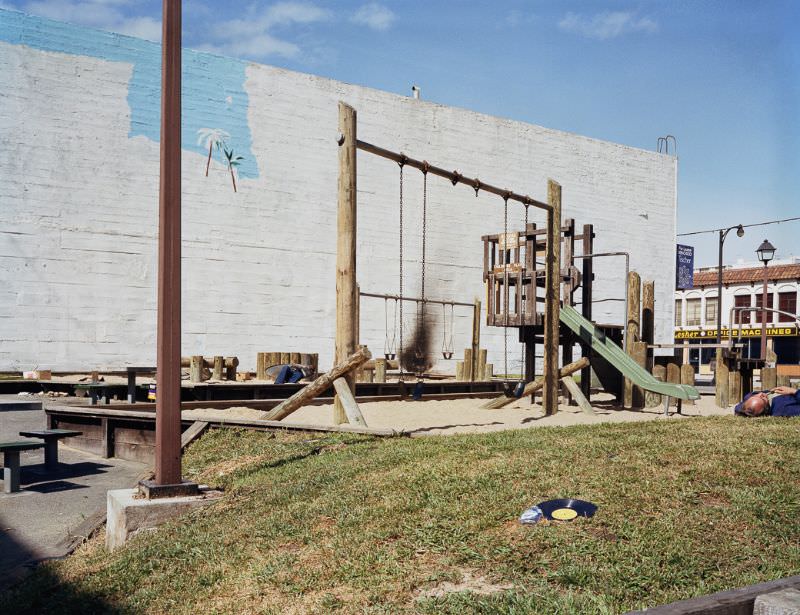
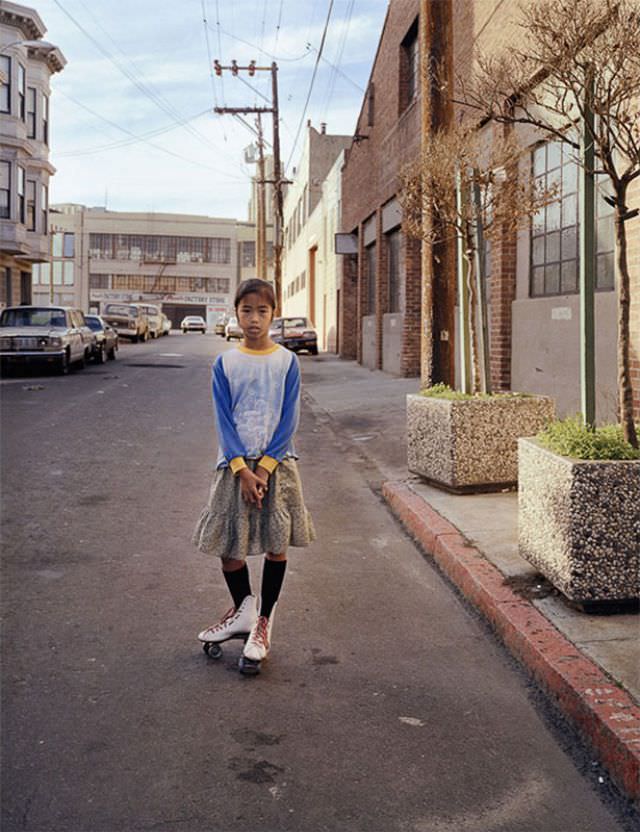
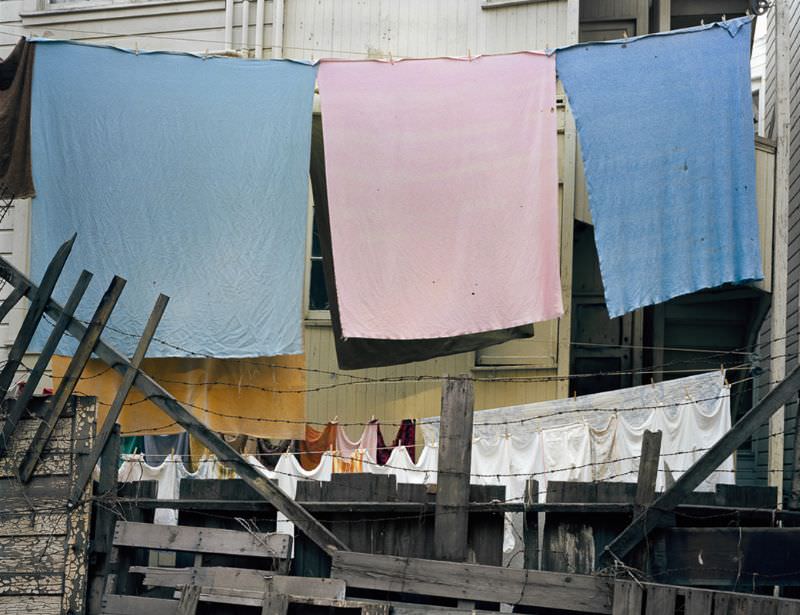
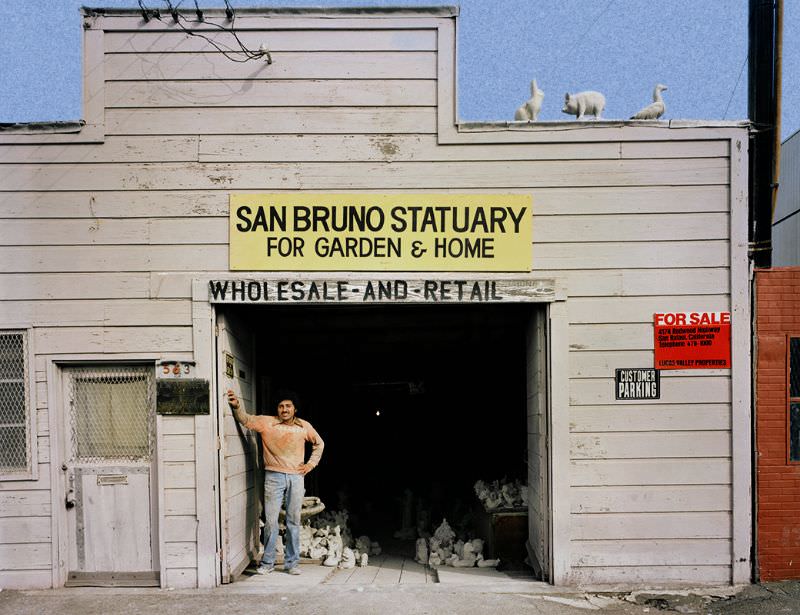
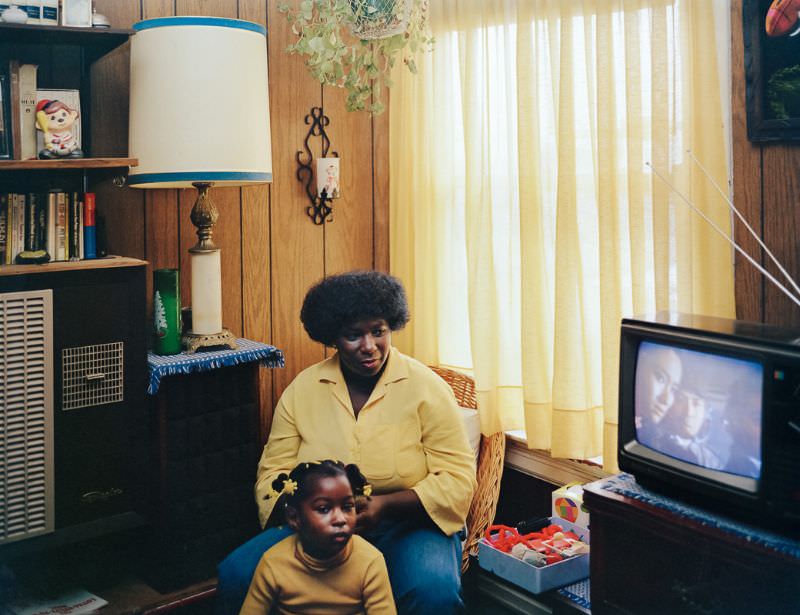
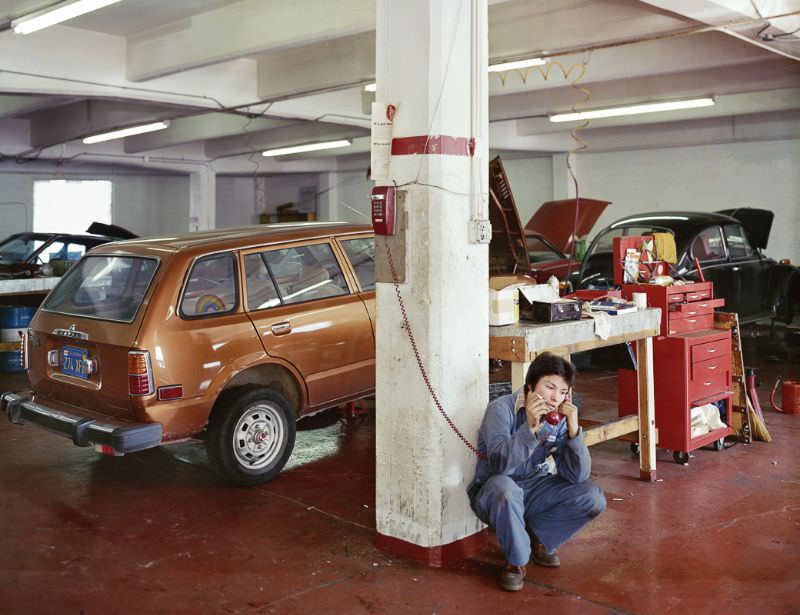
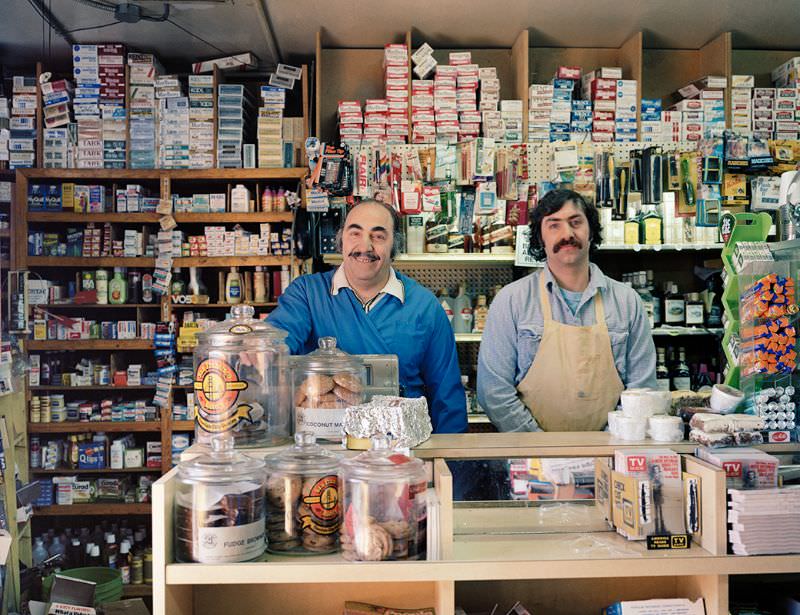
In 1982, Delaney continued documenting the neighborhood’s evolving mix of people and places. Ted Zouzounis and his son David ran Ted’s Market on Howard Street. Bobbie Washington and her daughter Ayana lived at 28 Langton Street. At 240 6th Street, Labyris Auto Repair advertised itself as offering “Complete Car Care By Women” — one of the more distinctive businesses in the area.
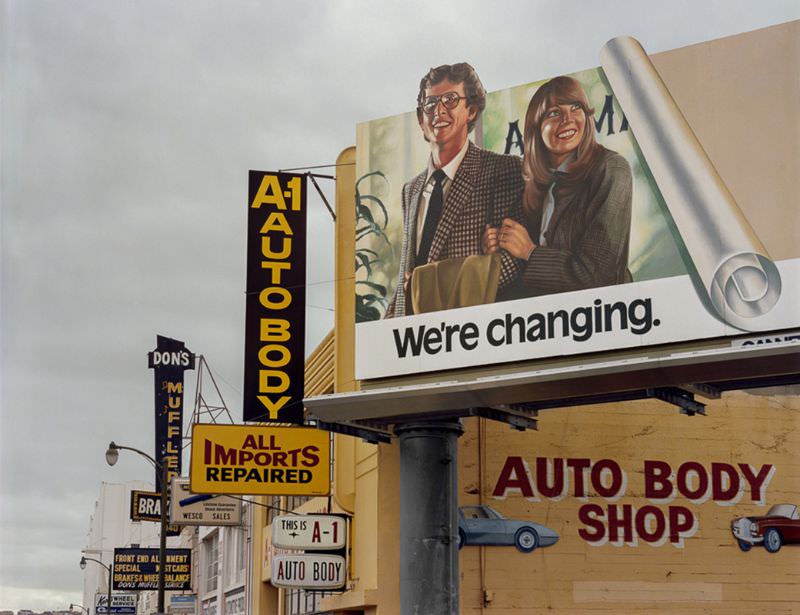
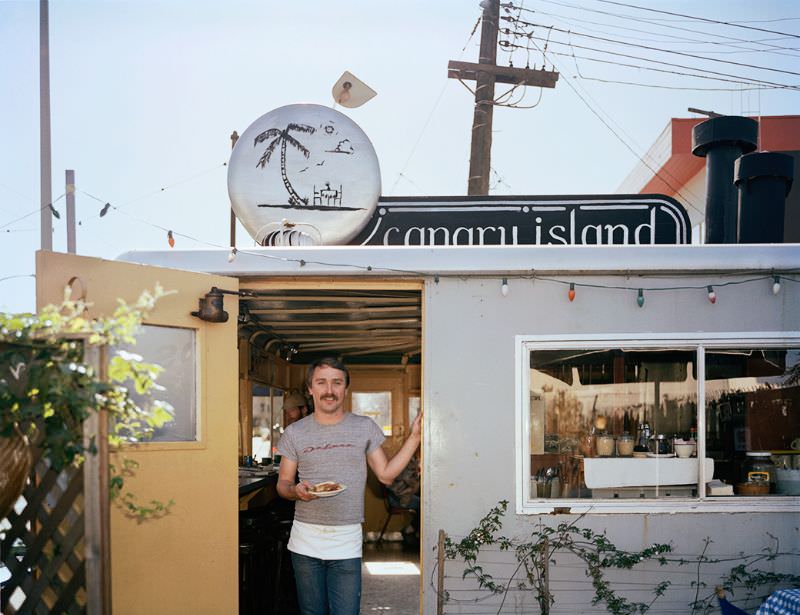
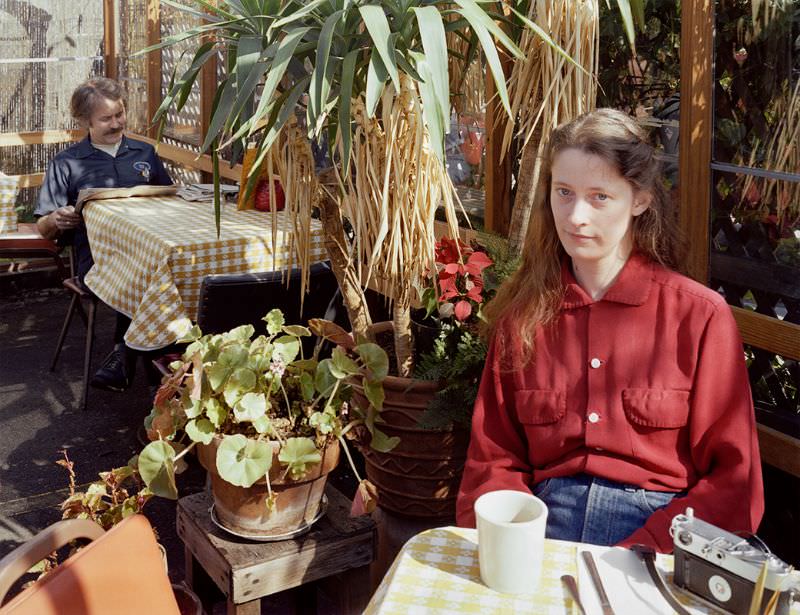
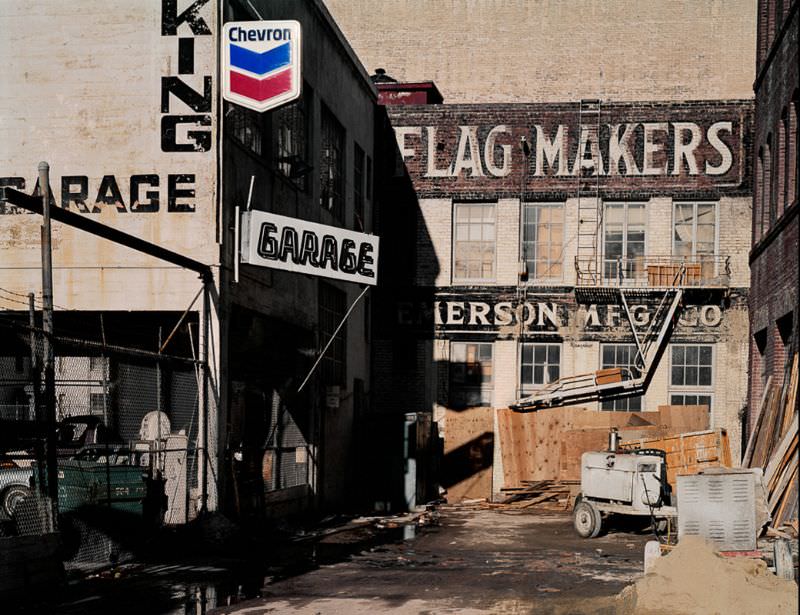
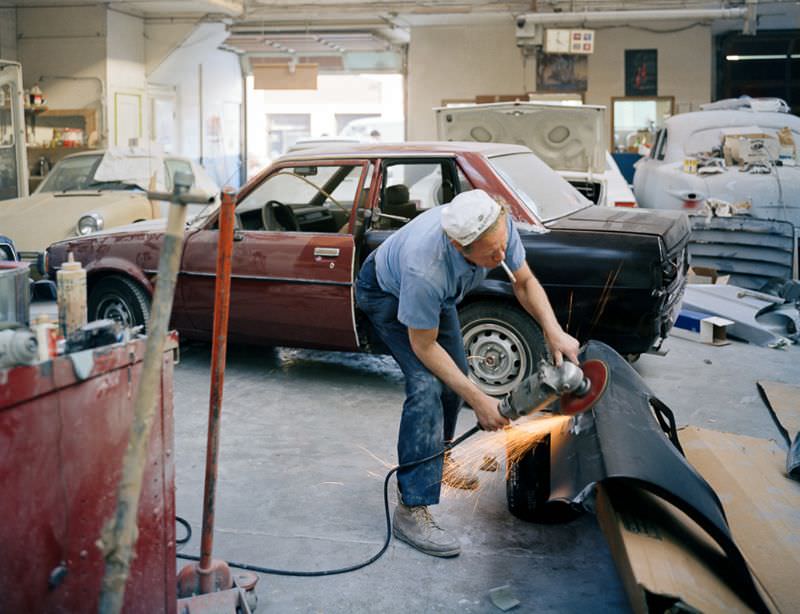
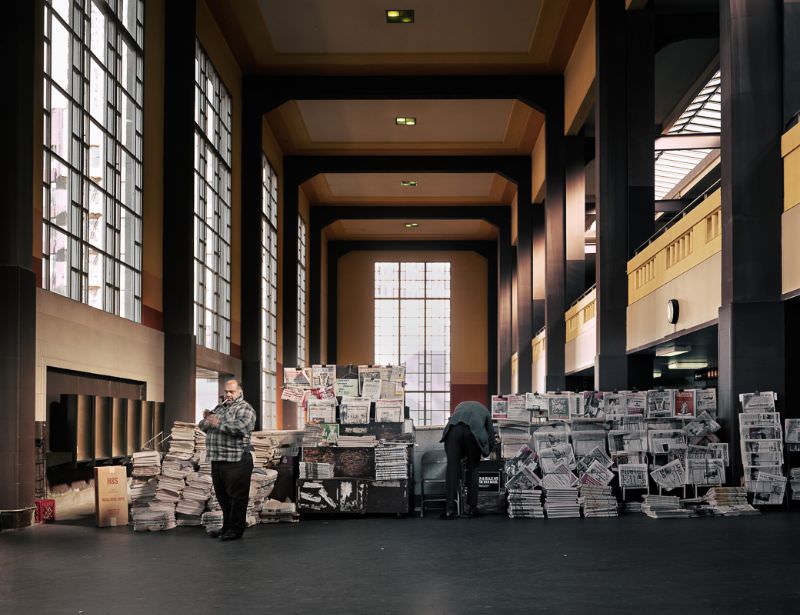
Flag makers worked out of a space on Natoma at 3rd Street. The Greyhound Bus Depot on 7th Street between Mission and Market was still a major transit hub, connecting SoMa to the rest of the country. Jean Decottignies ran Jean’s Auto Body Specialists at 1264 Folsom. The Transbay Terminal newsstand served the daily commuters passing through.
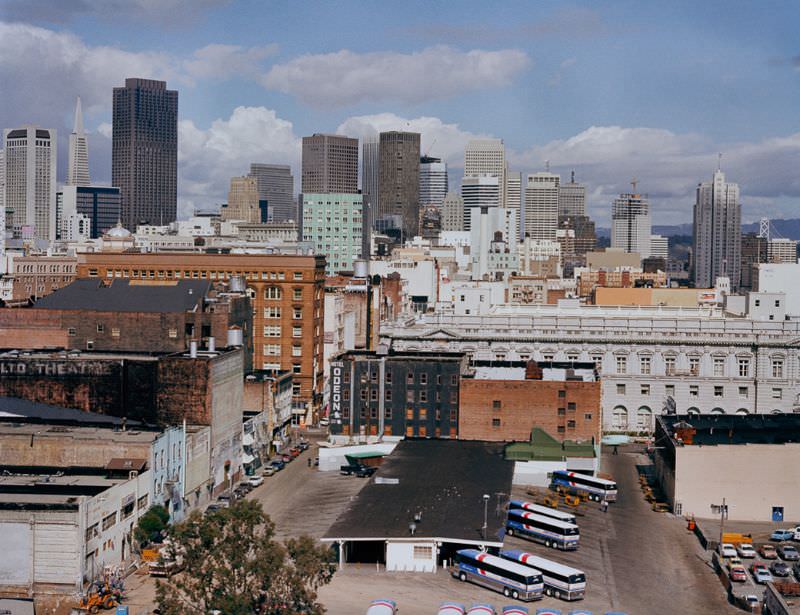





These pictures are a treasure. Back when we used to make things in San Francisco. When there was real work for blue collar folks. The picture of 3rd/Mission while Yerba Buena was being prepared is insane! It makes me want to check old pictures to see what the area looked like prior to redevelopment.
While I can’t claim to be blue collar, jobs like the tool/lathe works sustained my ancestors in the city.
HOLY CRAP, Ted’s! I didn’t realize it was that old!! Still there. I think it’s the only business out of the 37 pictures that still exists (excluding Moscone center, obviously)
I love these! This is my neighborhood! It’s a little depressing how little new housing we’ve built since the 80s. Hopefully we can turn that around this decade and we can bring this energy back
So beautiful. I wonder what kind of camera was used? I love 35, it looks so desolate. I love 5 as well. Makes me nostalgic for a time I wasn’t alive.
Is it just me or does it look cleaner back then?
Thank you —- that was a great walk down memory lane