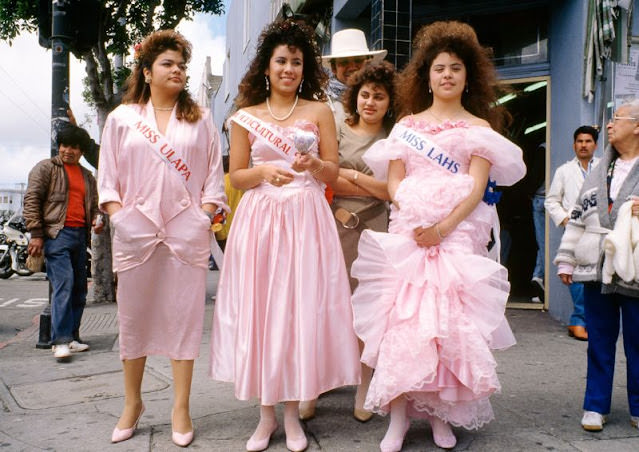

San Francisco in the 1980s was a city under pressure. Immigration was reshaping neighborhoods, political movements were demanding to be heard, and communities like the Mission District were finding their footing in the middle of it all. Photographer Janet Delaney showed up with a large-format camera and color film and started documenting what she saw — not from a distance, but from the street level, where ordinary life was actually happening.
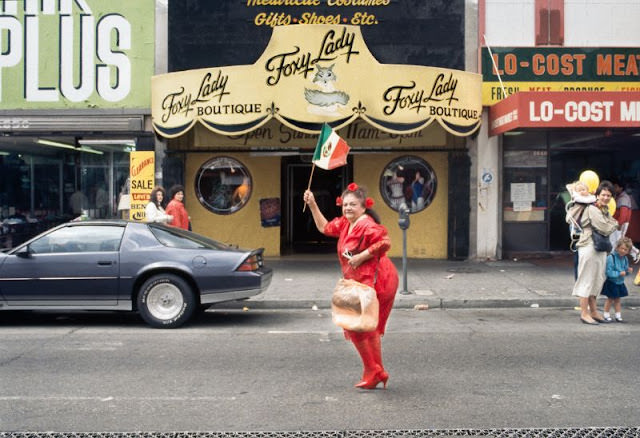
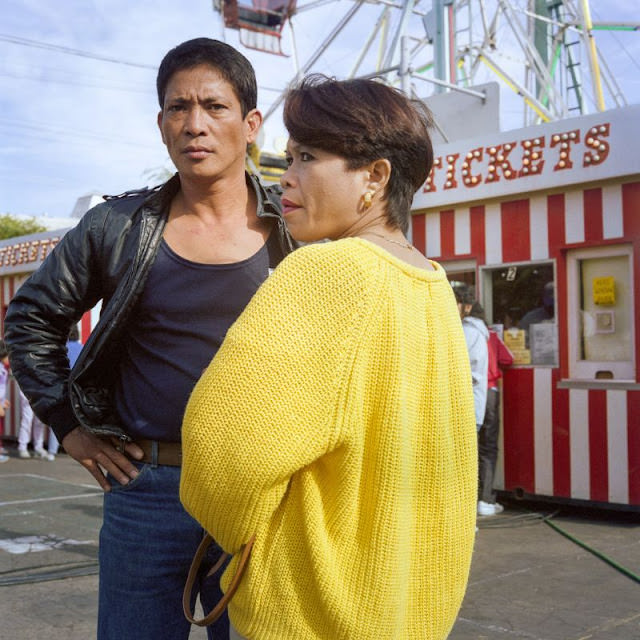
The resulting body of work, titled “Public Matters,” spans the years 1983 to 1988. Delaney moved through the Mission District and the broader city with deliberate attention. She photographed shop fronts, parade crowds, political marches, and quiet sidewalk moments with equal care. Her large-format camera required patience and intention — these were not quick snapshots.
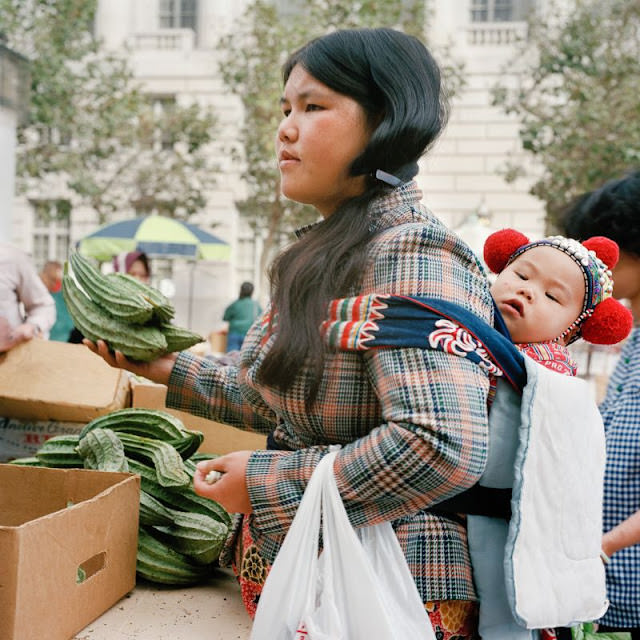
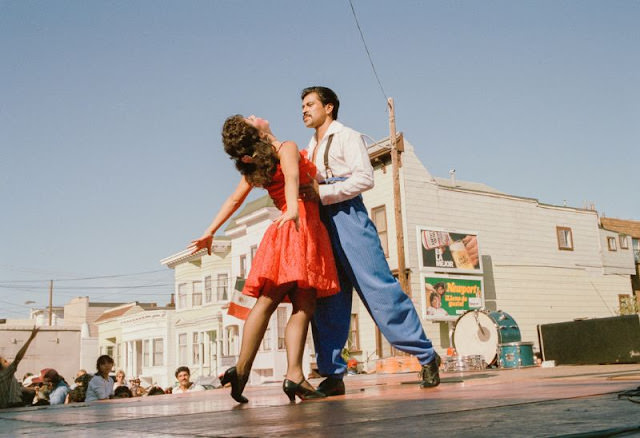
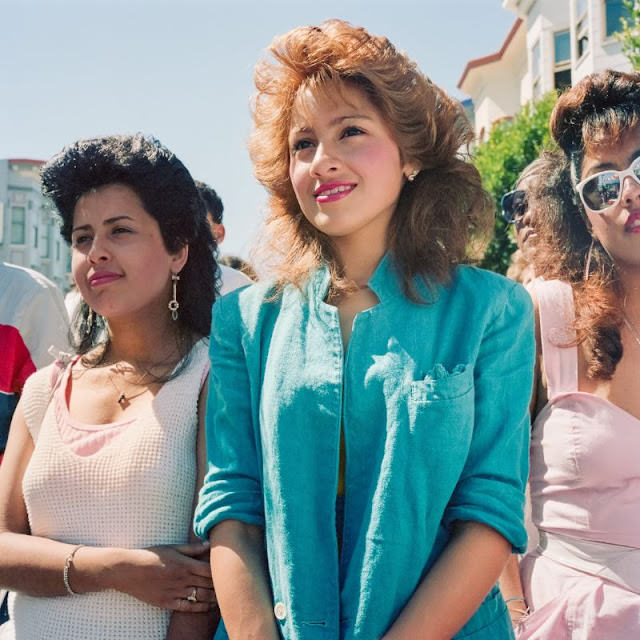
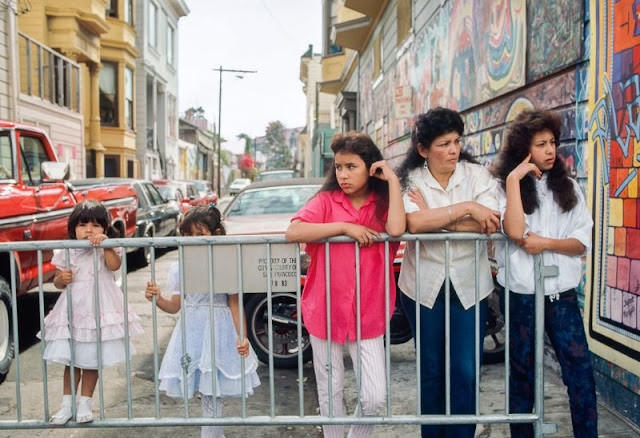
The Cinco de Mayo parade was one of Delaney’s recurring subjects. The annual celebration drew out the full cultural energy of the Latino community — color, tradition, and public pride on full display along the city’s streets.
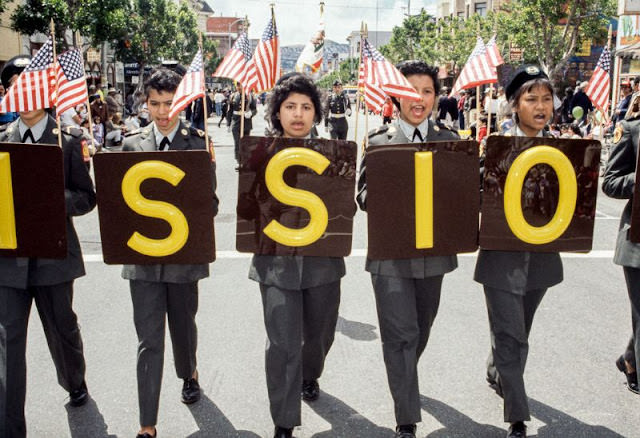
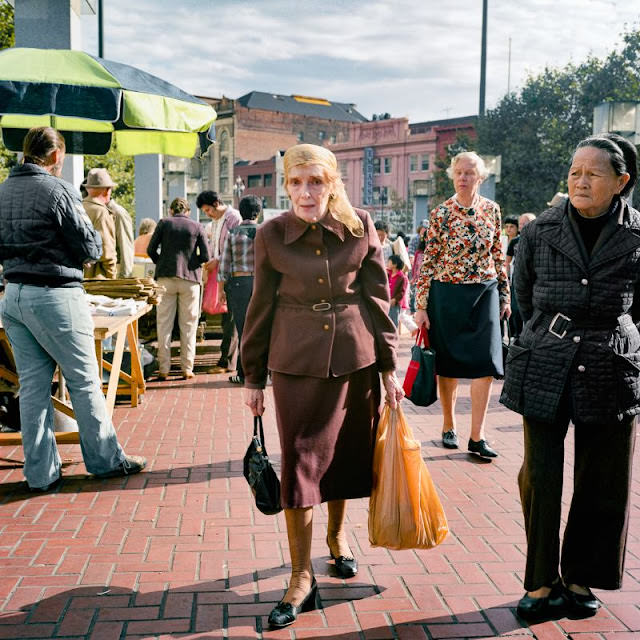
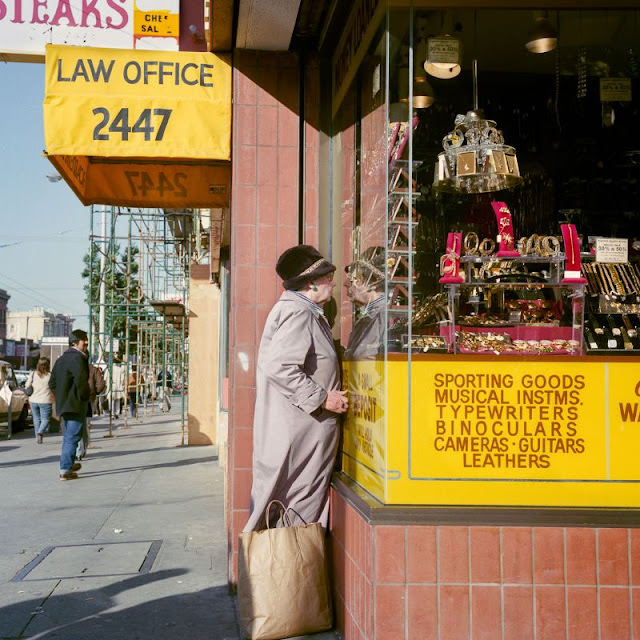
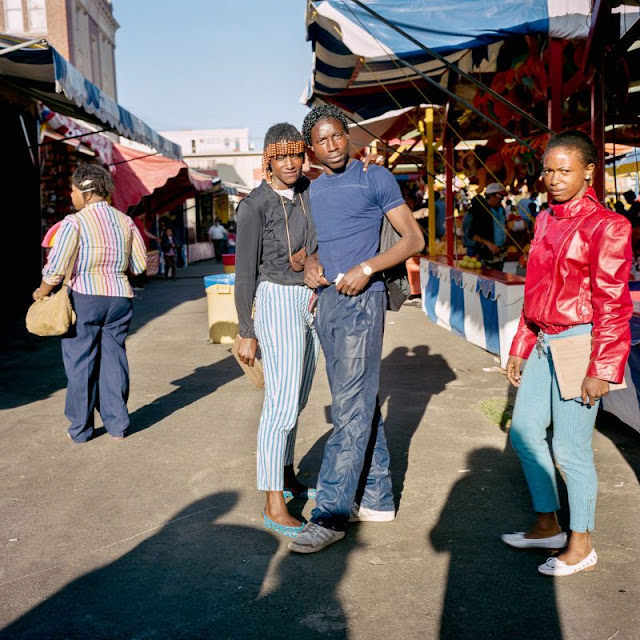
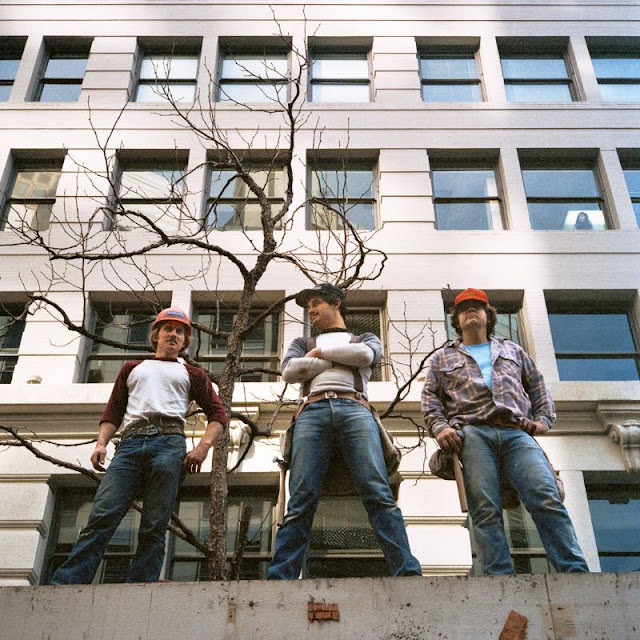
Beyond the parades, Delaney captured everyday urban life with the same level of seriousness. The Mission District’s storefronts, its sidewalks, and the people who moved through them all became part of her visual record. These were not posed portraits of neighborhood leaders — they were scenes from a community in motion.
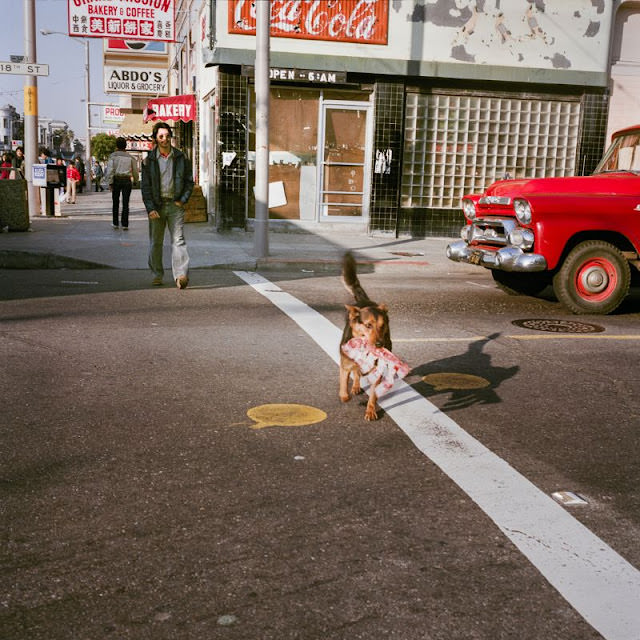
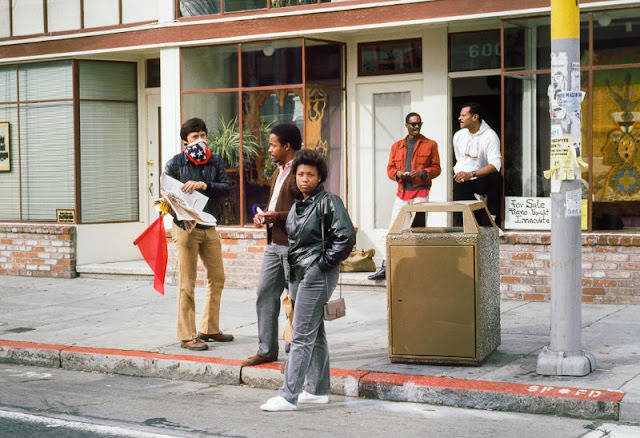
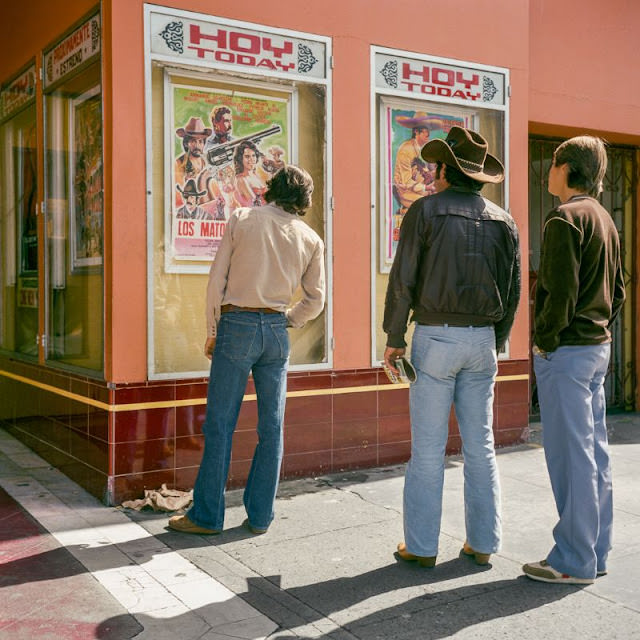
Mission Street itself was a layered visual environment — movie posters stacked on walls, pawnshops marking economic realities, and religious imagery woven into the fabric of daily life. Delaney’s color film captured all of it without filtering out the rougher edges.
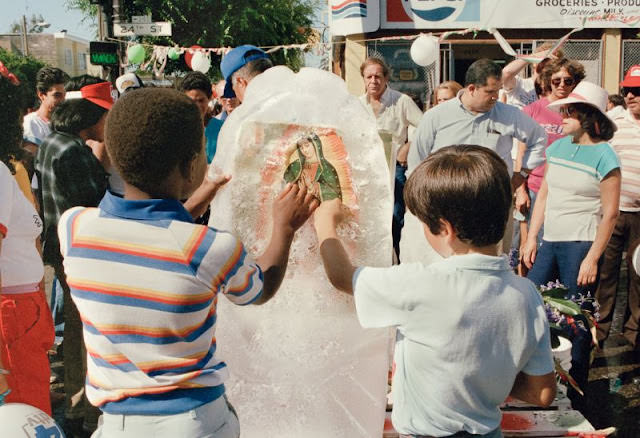
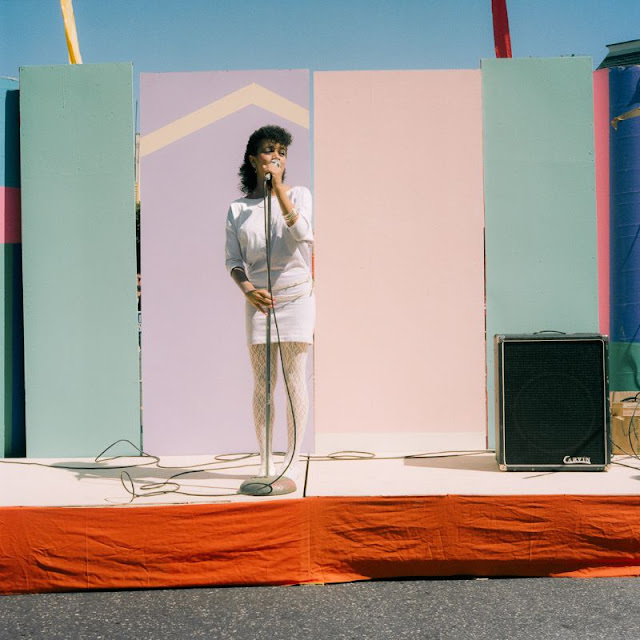
By 1985, Delaney was present at Carnaval and community stage performances, photographing the faces of performers and attendees alike. These gatherings brought together people from across the Mission’s diverse population — Latino families, young people, and activists.
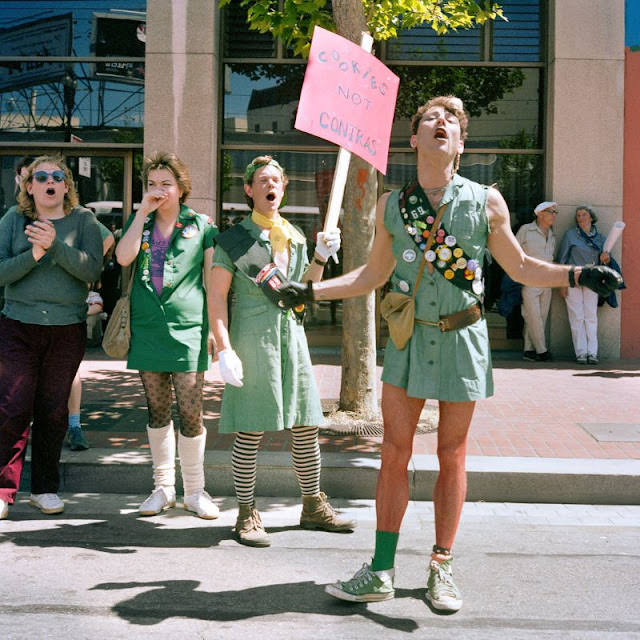
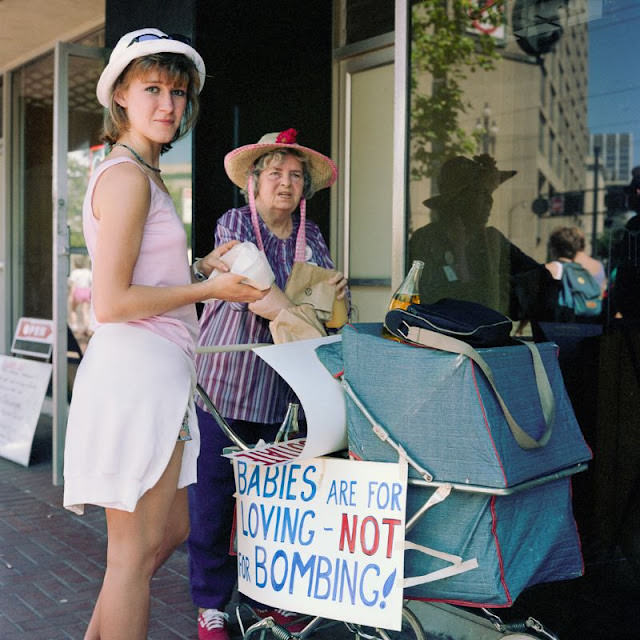
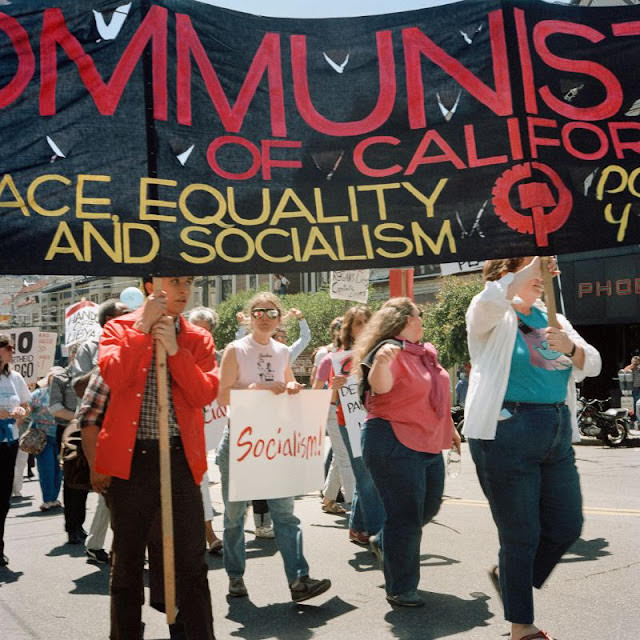
The political dimension of “Public Matters” sharpens in 1986. Delaney photographed the Peace, Jobs, and Justice marches, where protesters carried signs opposing U.S. involvement in Central America — “Cookies not Contras” being one of the more direct messages on display. These weren’t fringe events. They drew large crowds and reflected real policy debates gripping the country at the time.
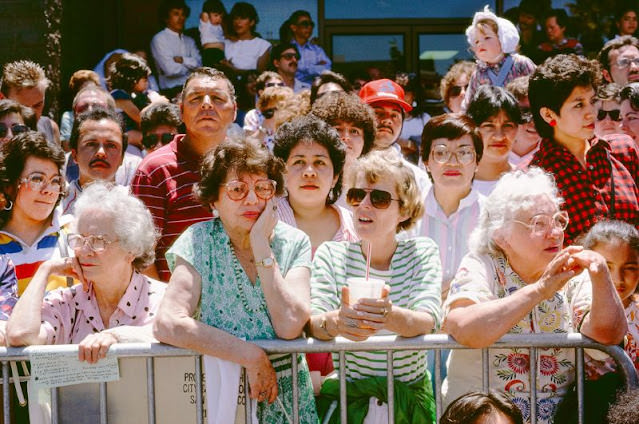
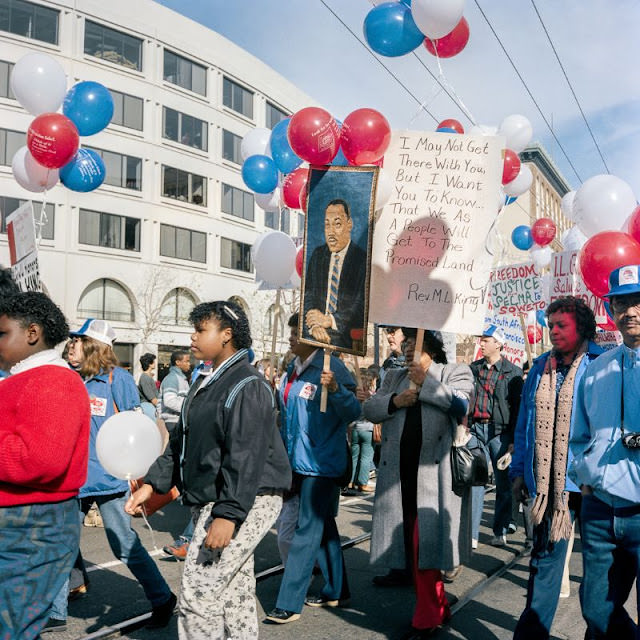
That same year, San Francisco held its first Martin Luther King Jr. Day Parade. Delaney documented AIDS activists marching alongside families and crowds lining the barricades. The AIDS crisis was decimating San Francisco’s communities by this point, and its presence in the parade made plain what the city was living through.
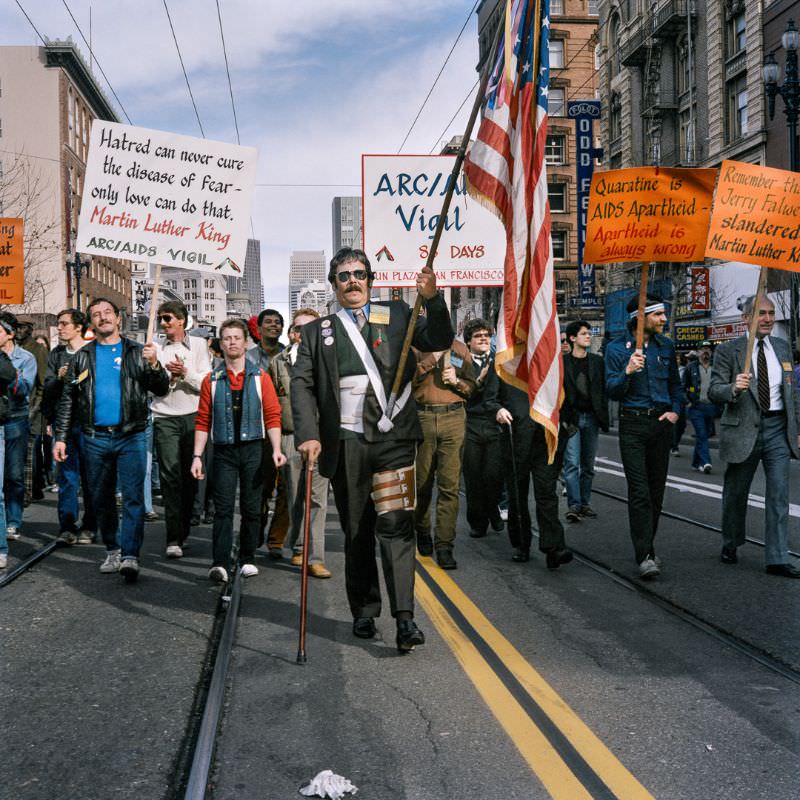
One of the most striking images from that parade carries a sign quoting Dr. King’s final speech: “I may not get there with you.” Photographed in the context of the AIDS crisis and ongoing civil rights activism, the words carried particular weight on the streets of San Francisco in 1986.
Delaney’s series closes in 1988, its final frames still rooted in community and public life. Across five years of photographs, “Public Matters” builds a detailed, color record of a city navigating immigration, political protest, cultural celebration, and public health crisis — all at once.