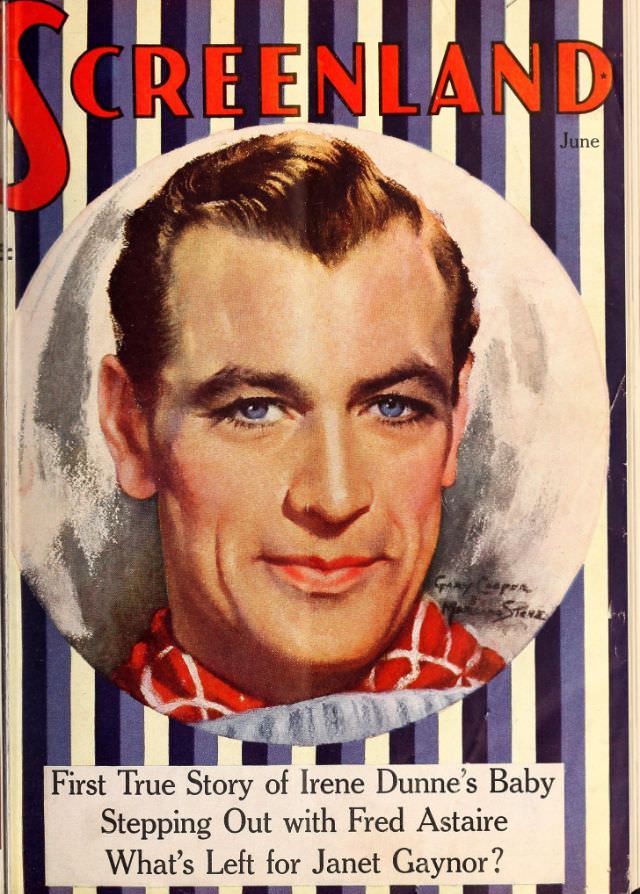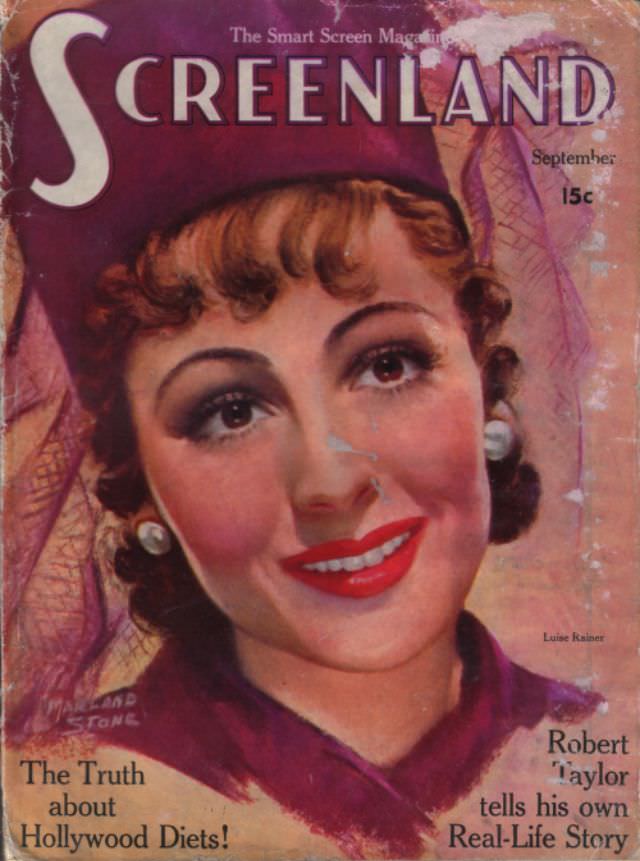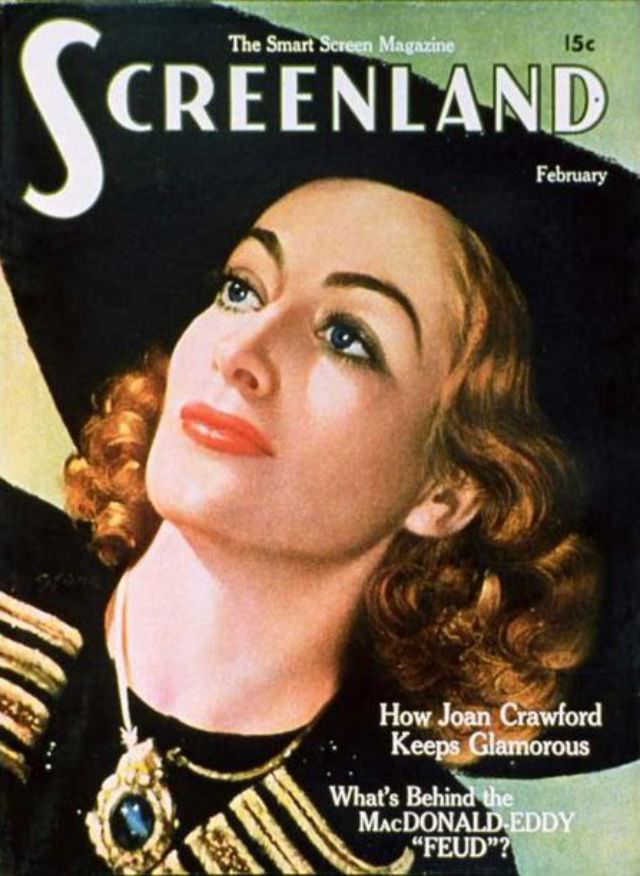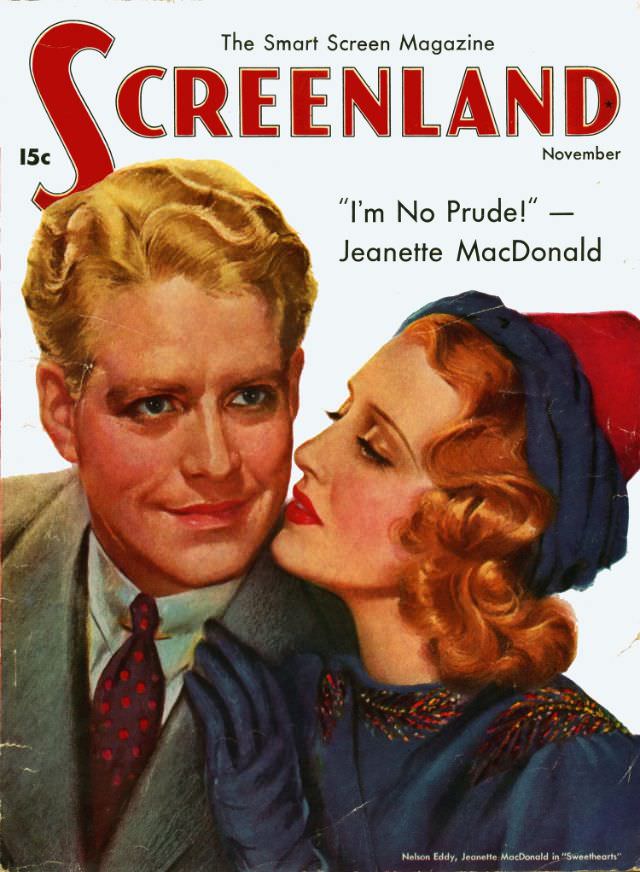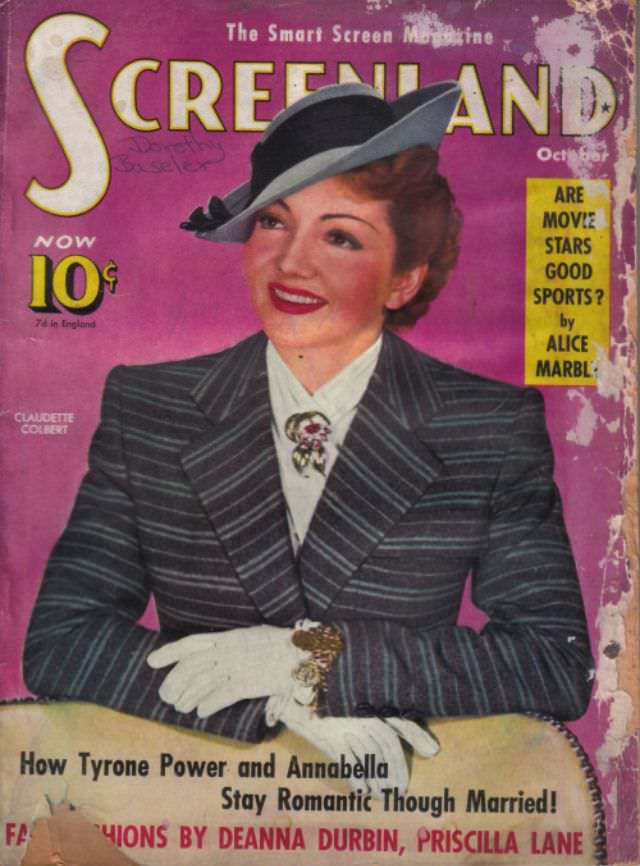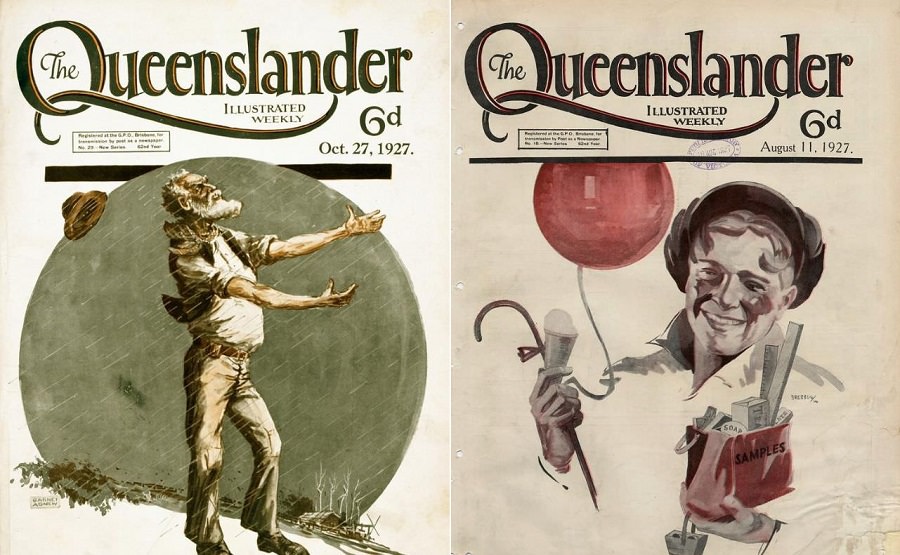
Long before celebrity social media accounts and entertainment news websites, Americans got their Hollywood fix from print. Screenland Magazine was one of the most widely read film publications in the United States from the 1920s through the 1950s. It gave fans something they craved: a direct window into the lives, faces, and personalities of their favorite movie stars. And no part of the magazine made a stronger first impression than its covers.
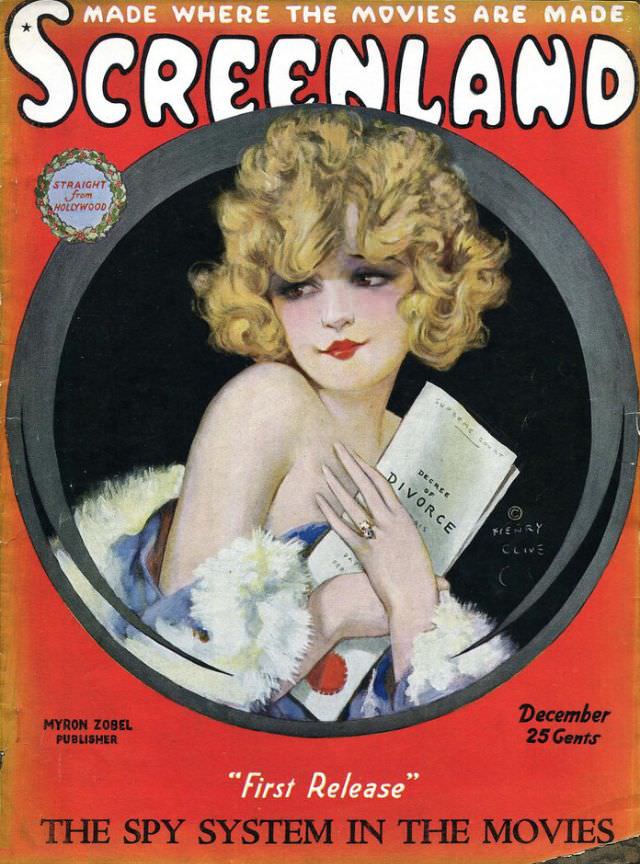
From its earliest issues in the early 1920s, Screenland established a visual identity built on glamour. Each cover featured a carefully composed portrait — bold colors, soft lighting, and stars posed to project both beauty and star power. These weren’t candid snapshots. They were deliberate images designed to sell Hollywood as a dream factory, and they worked.
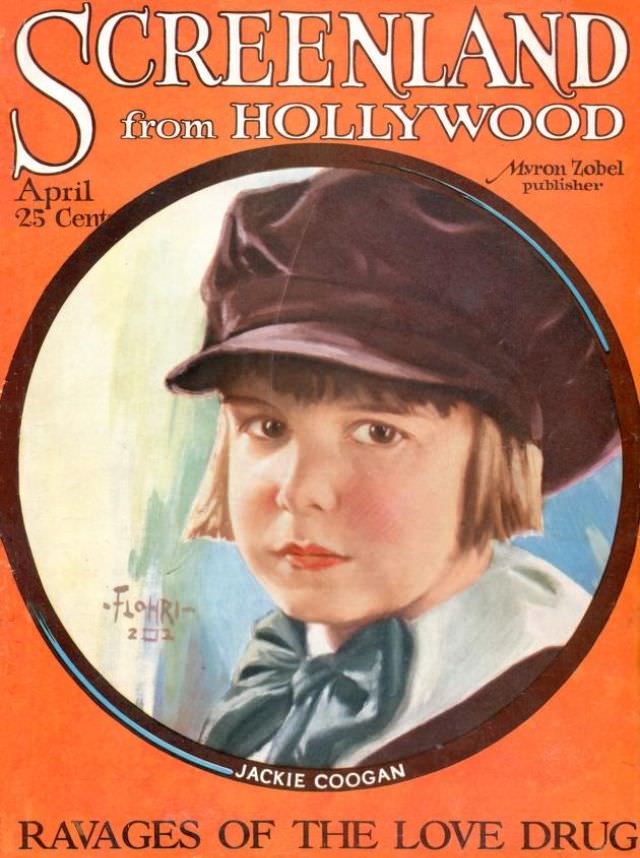
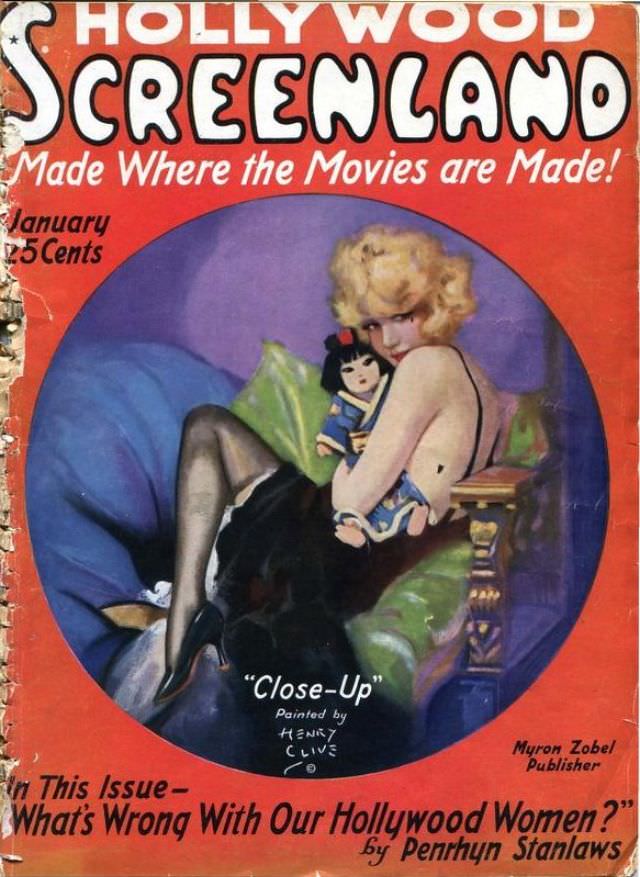
The year 1923 was a productive one for the magazine. Multiple issues hit newsstands with striking cover art that reflected the visual style of the silent film era — ornate, painterly, and romantic. Women dominated the covers throughout this period, presented as idealized figures of femininity and grace.
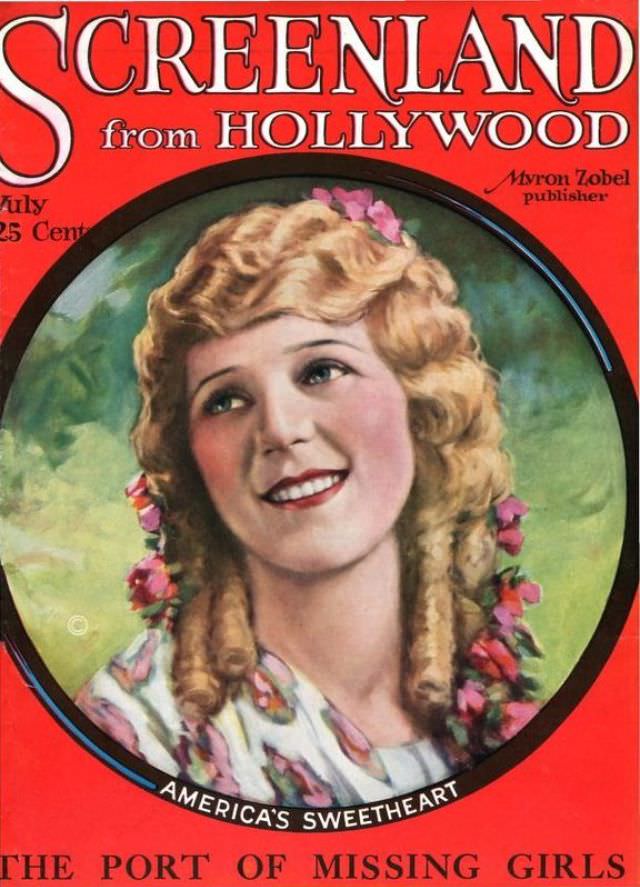
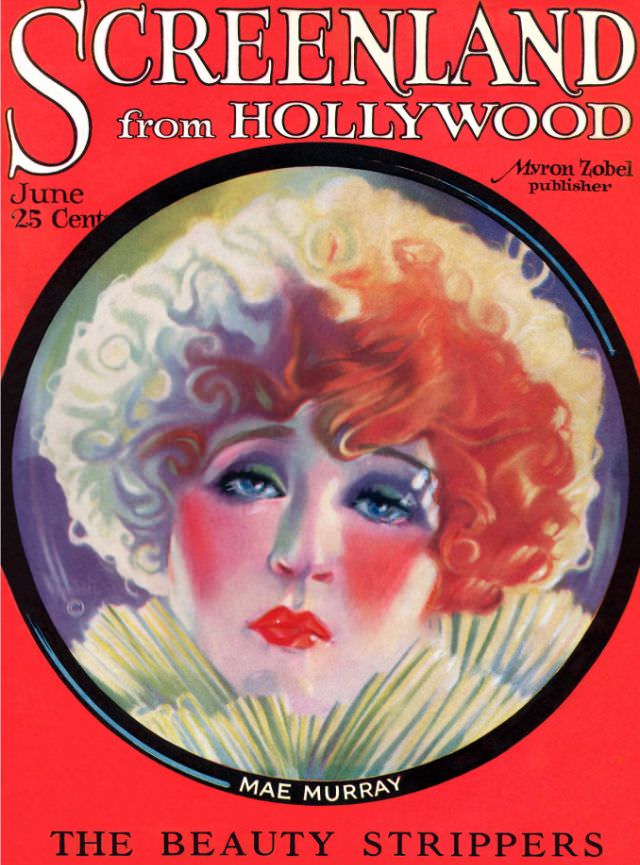
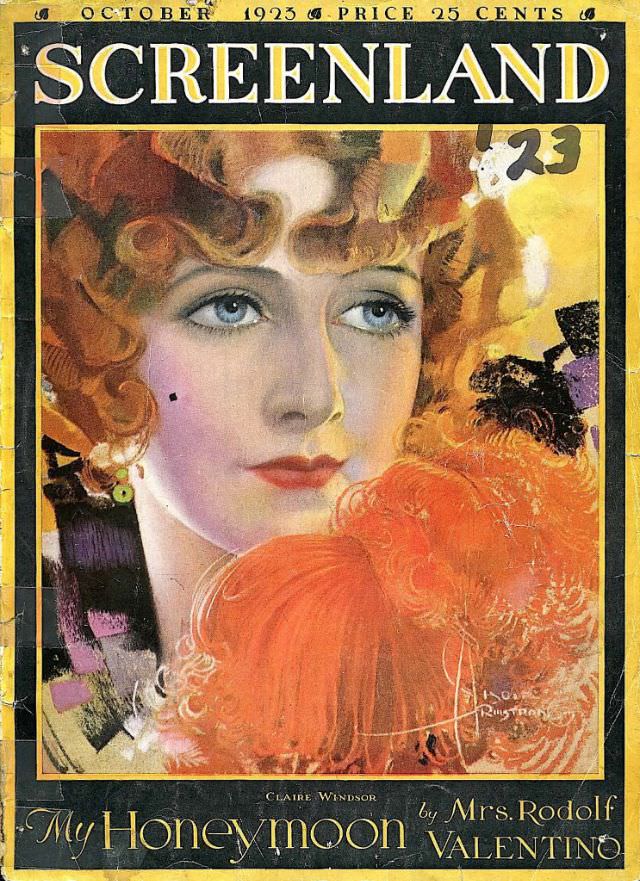
Inside each issue, readers found in-depth articles on the latest releases, behind-the-scenes gossip, and interviews with actors and directors. But Screenland also functioned as a cultural authority. What it covered — and who it put on its cover — shaped how the public thought about Hollywood and which stars were considered the biggest names in the business.
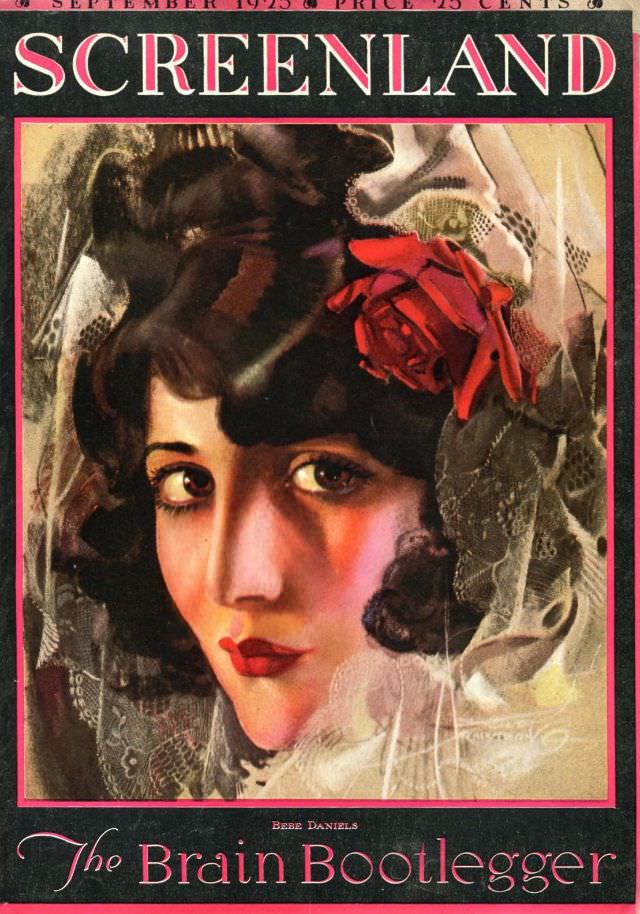
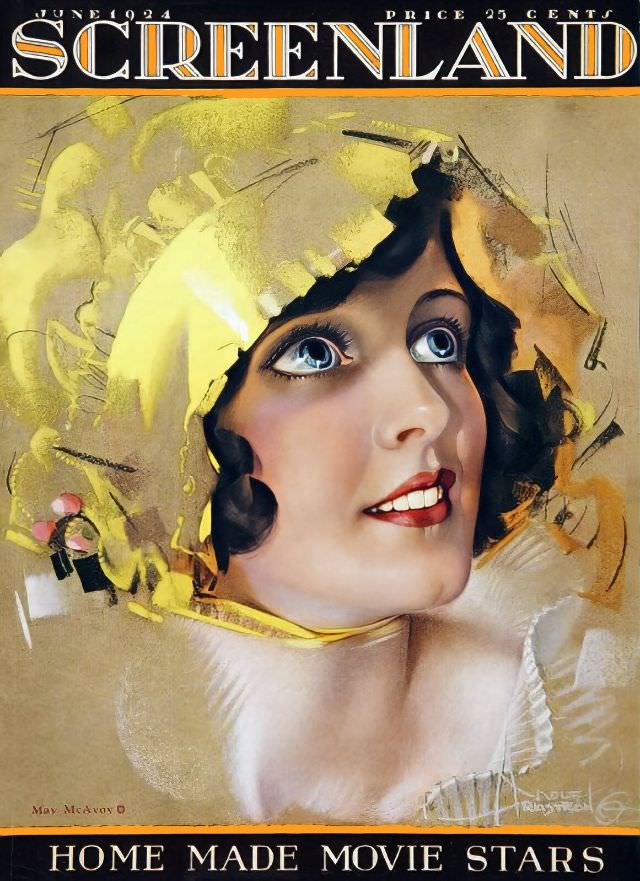
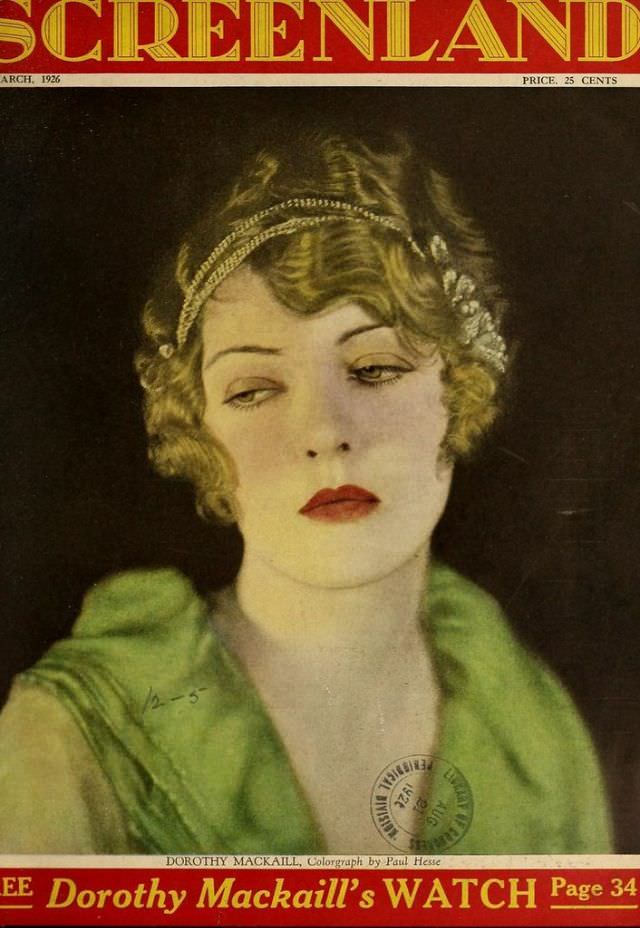
By the mid-1920s, the magazine’s covers had become polished and consistent in their approach. Illustration and photography blended together, giving each issue a look that felt both artistic and aspirational. A Screenland cover appearance was a mark of status in Hollywood.
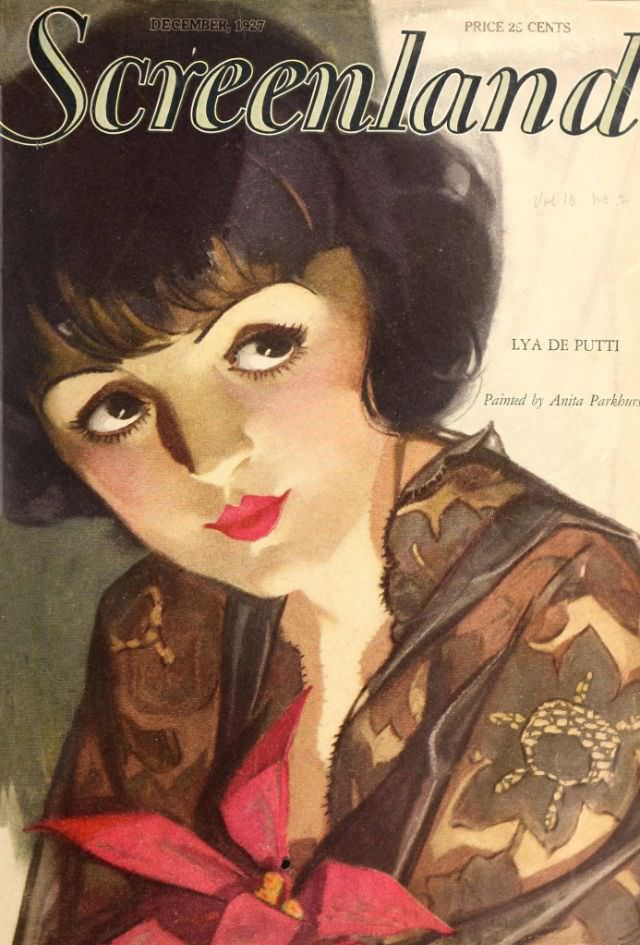
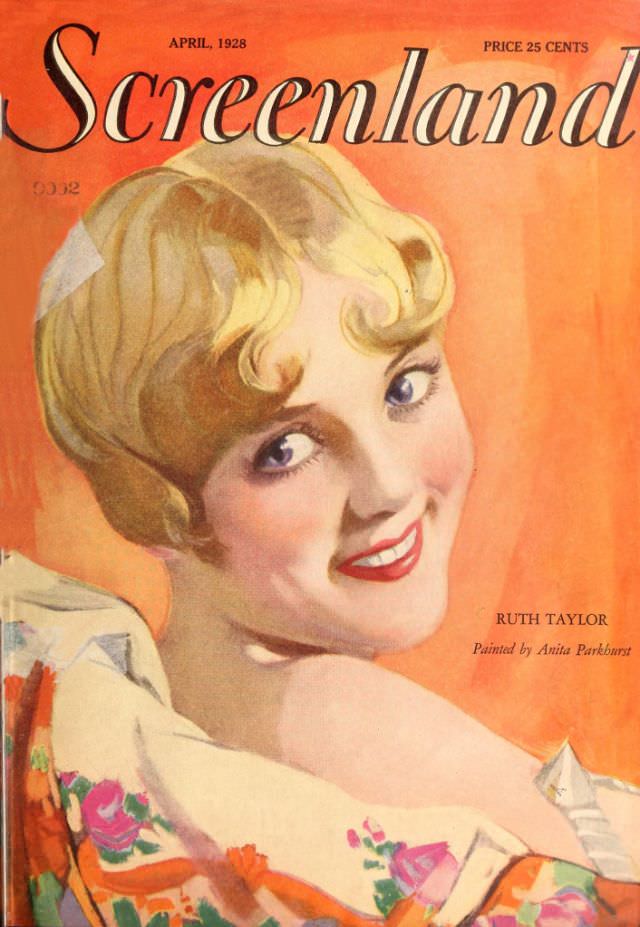
The late 1920s brought major changes to Hollywood with the arrival of sound films. Talkies transformed the industry almost overnight, and Screenland adapted right alongside it. The covers from 1928 and 1929 reflected the new energy in Hollywood — faces that could now be heard as well as seen, and a public hungry to know everything about them.
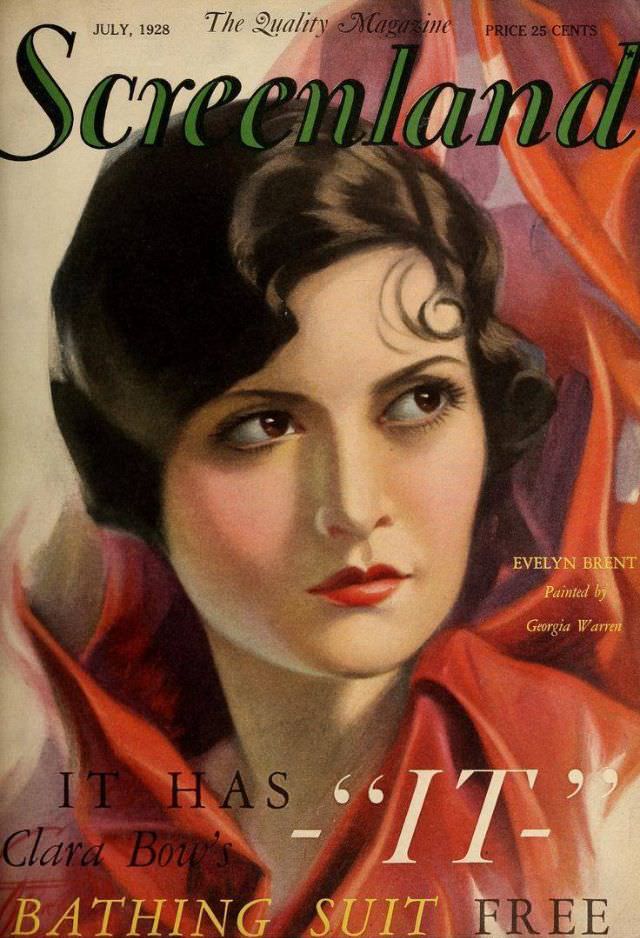
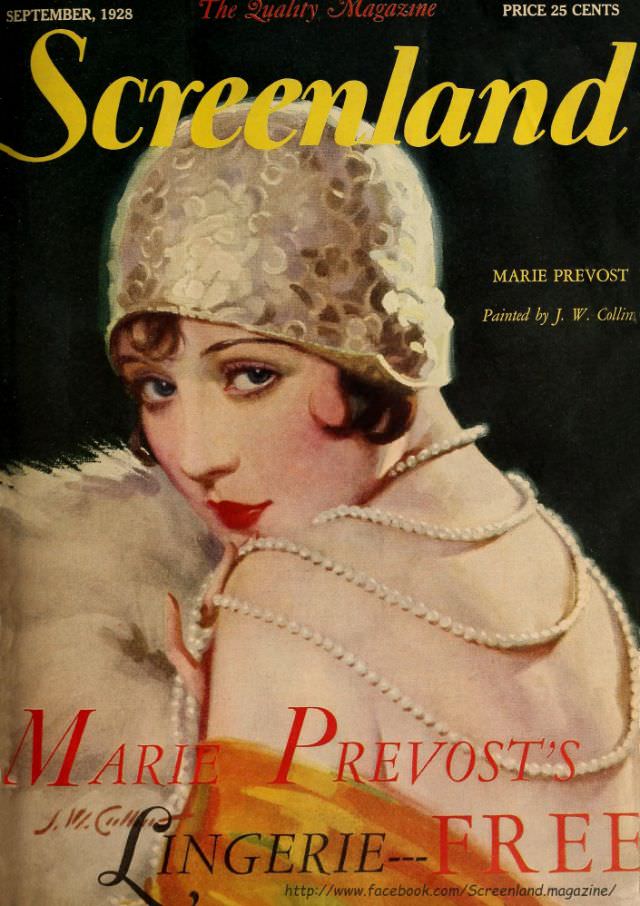
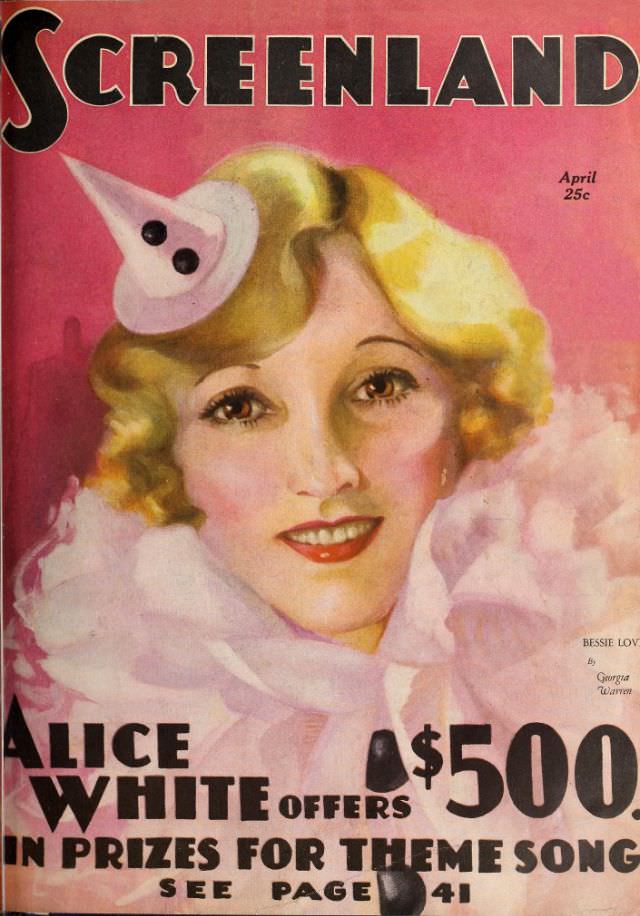
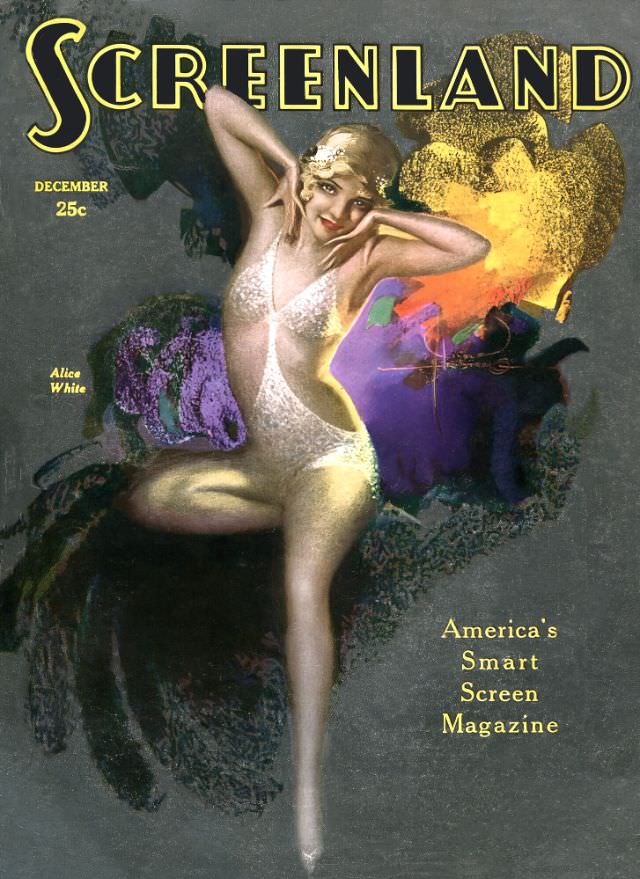
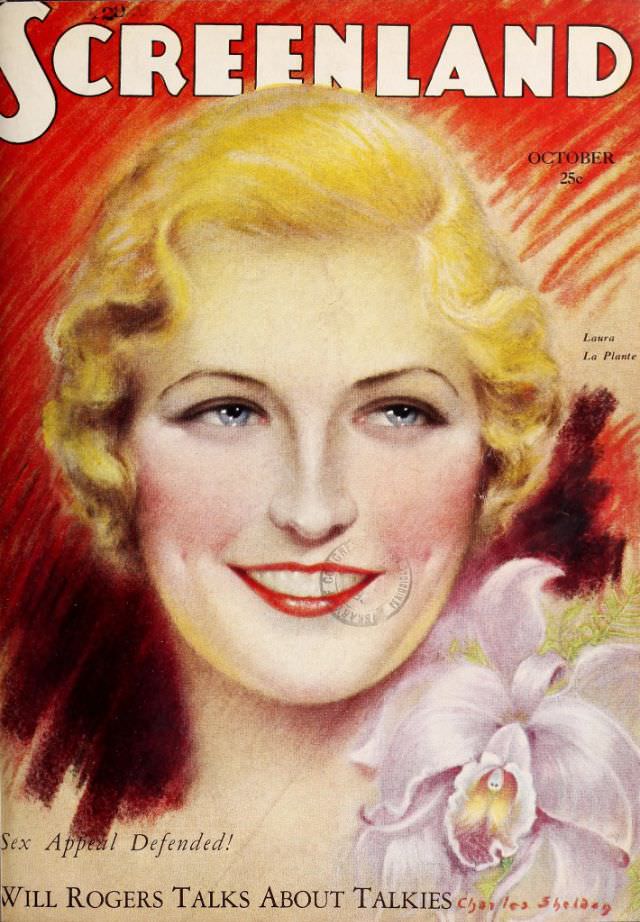
As the 1930s began, the Great Depression had settled across the country. Movie theaters became an affordable escape for millions, and Hollywood leaned into its role as entertainment for a struggling nation. Screenland’s covers reflected this shift — the glamour remained, but there was something more urgent about the faces staring back from the newsstand.
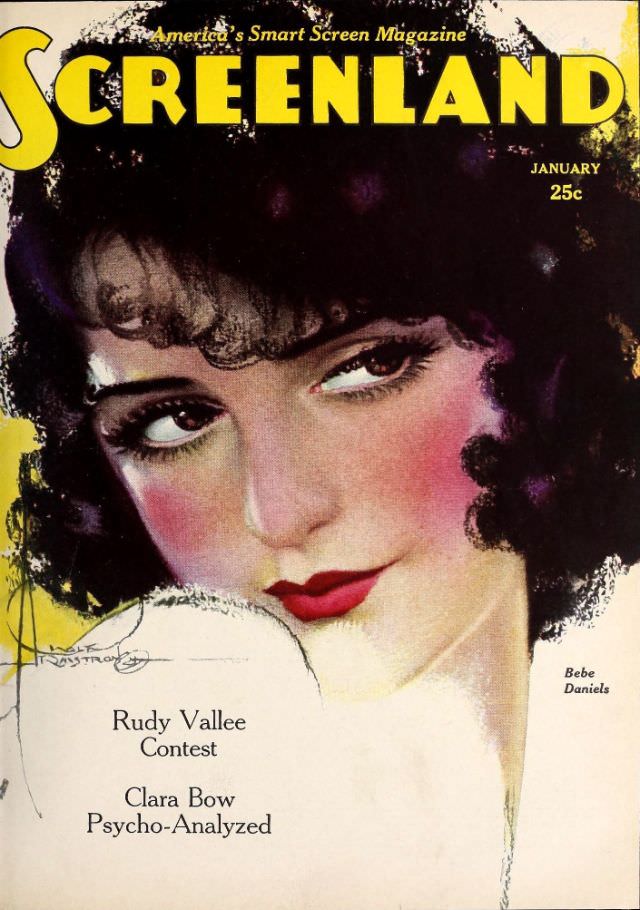
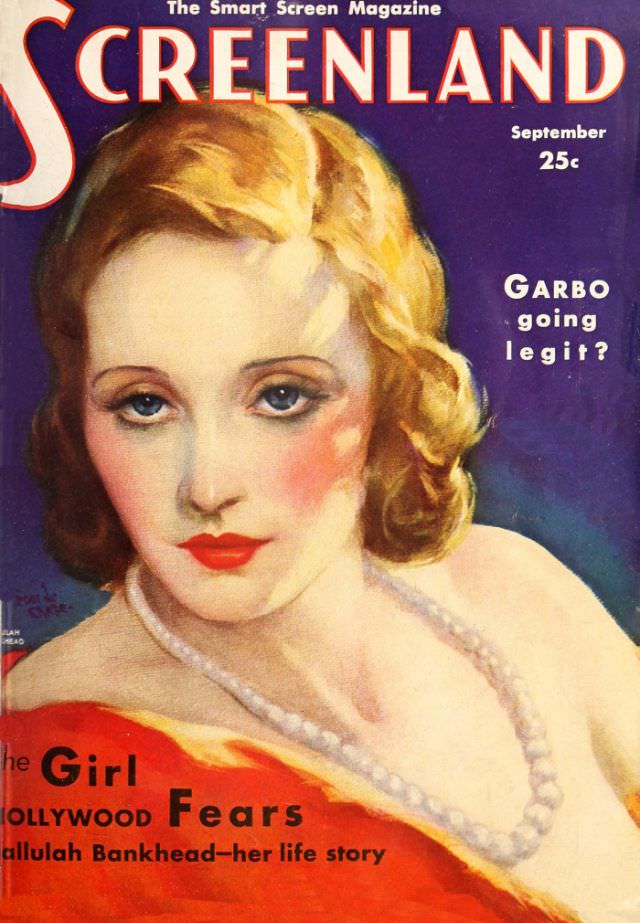
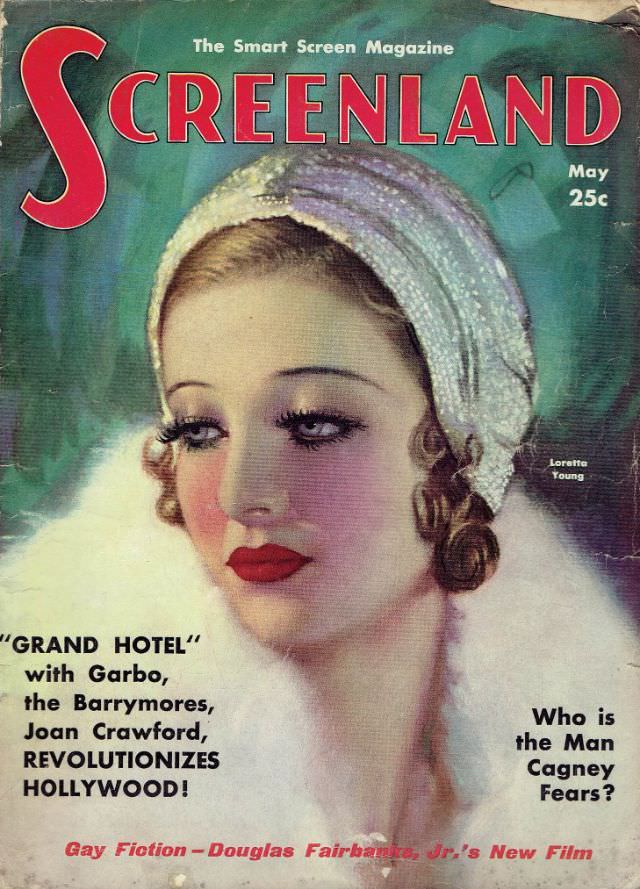
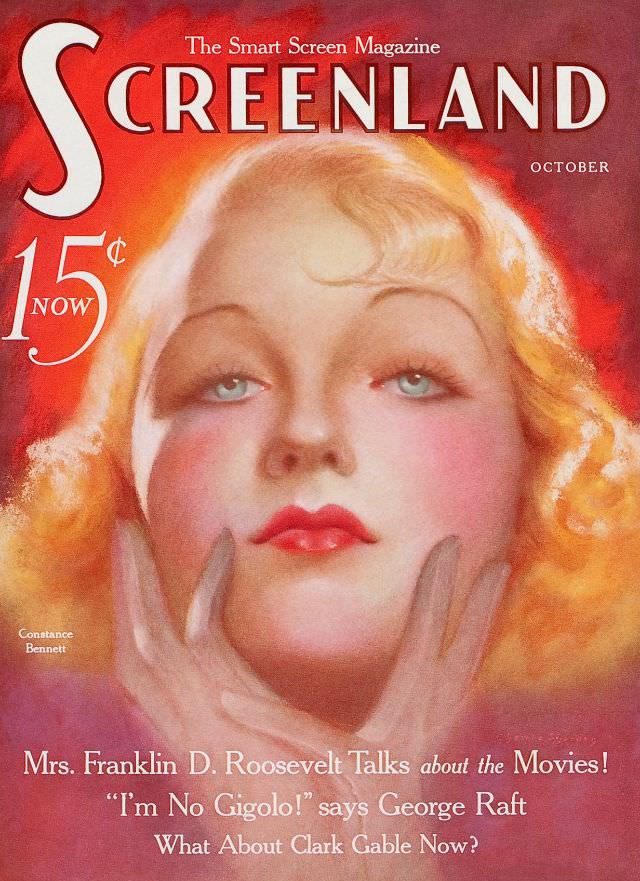
Through the early and mid-1930s, Screenland kept pace with Hollywood’s most productive years. The studio system was running at full speed, churning out dozens of films each year and building stars into household names. The magazine covered it all — from contract players to the biggest names at MGM, Paramount, and Warner Bros.
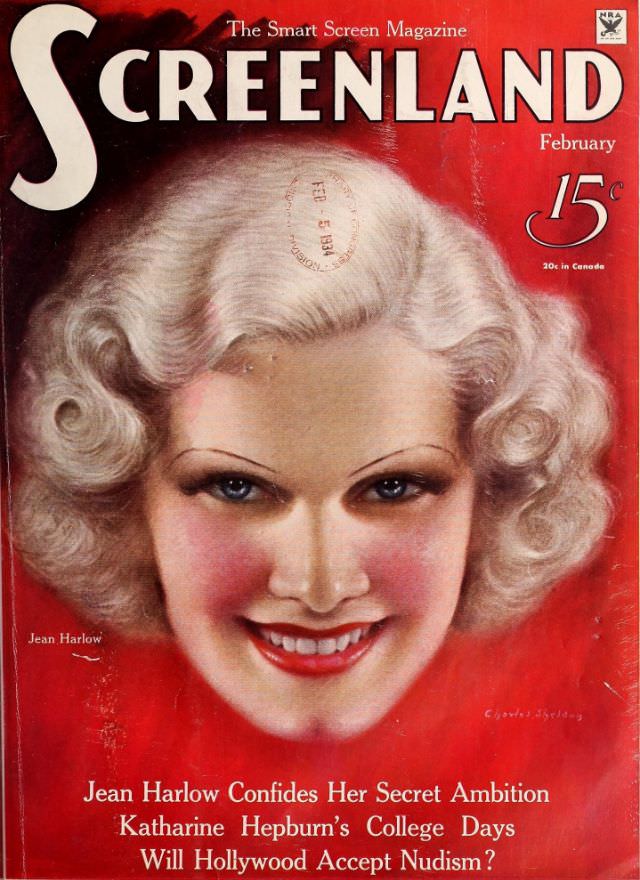
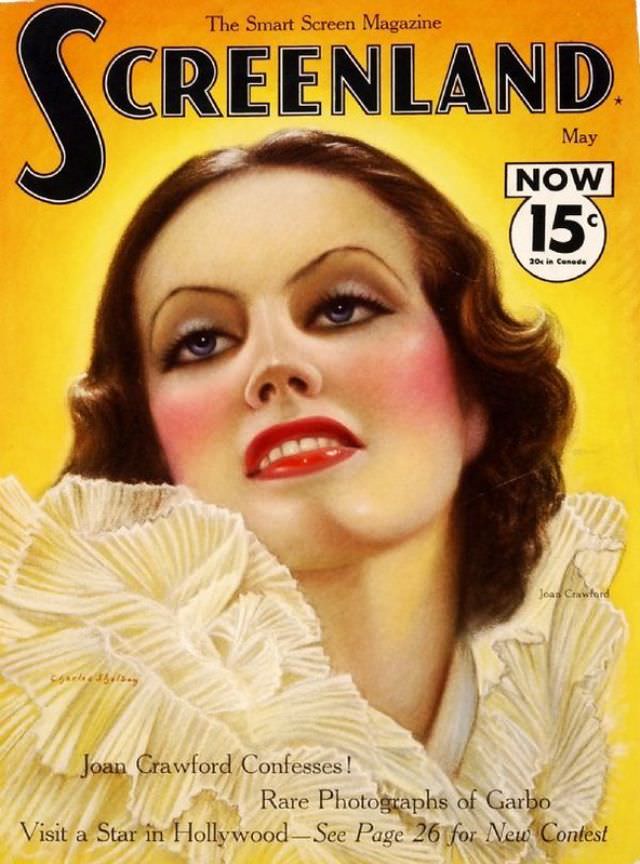
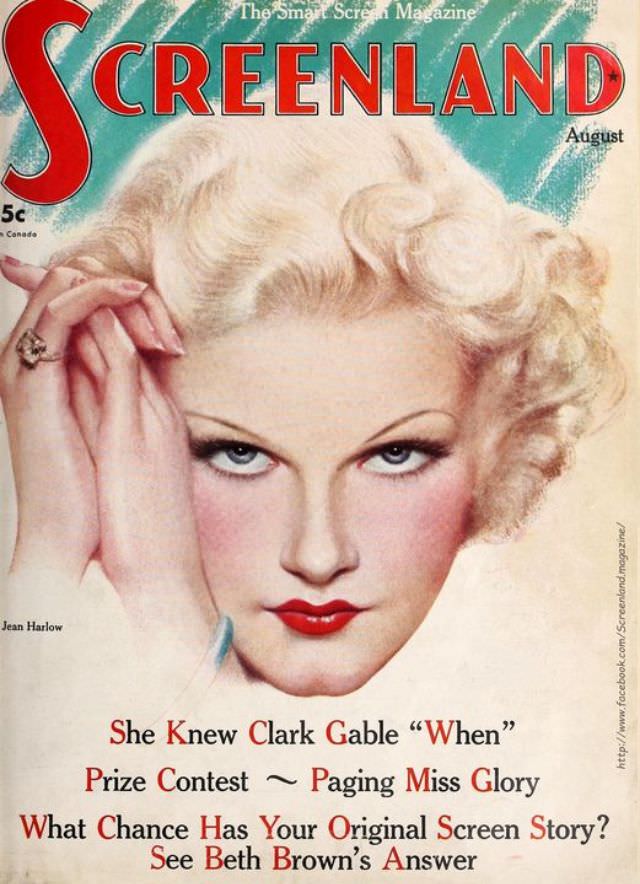
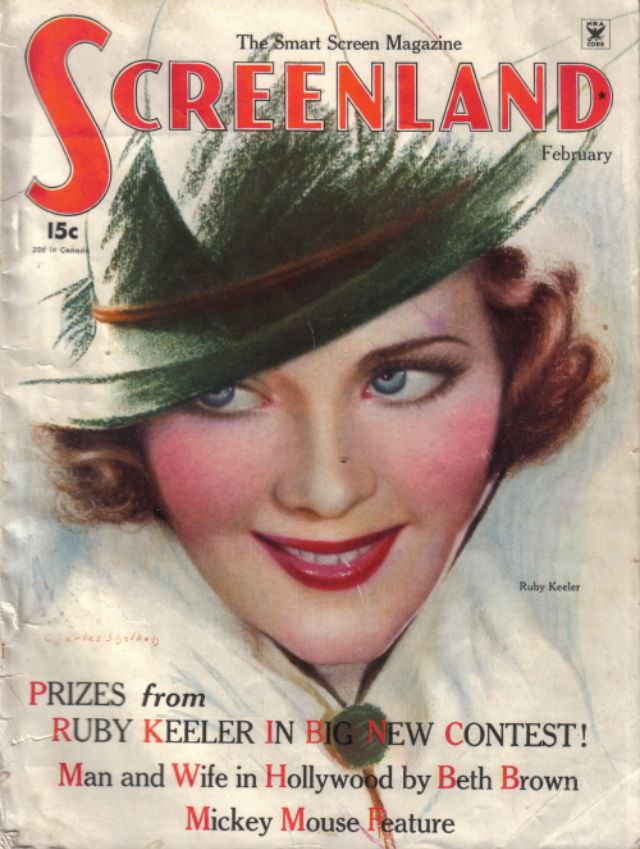
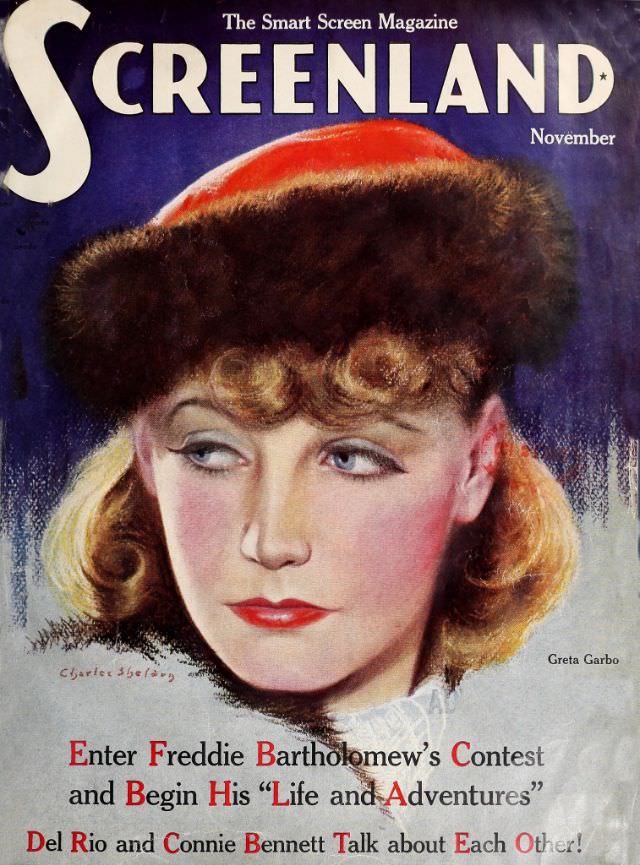
The covers from 1936 show a magazine at the height of its visual confidence. Photography had largely replaced illustration by this point, and the results were striking. Close-up portraits filled the frame, making the stars feel immediate and accessible — even as they remained objects of fascination and fantasy.
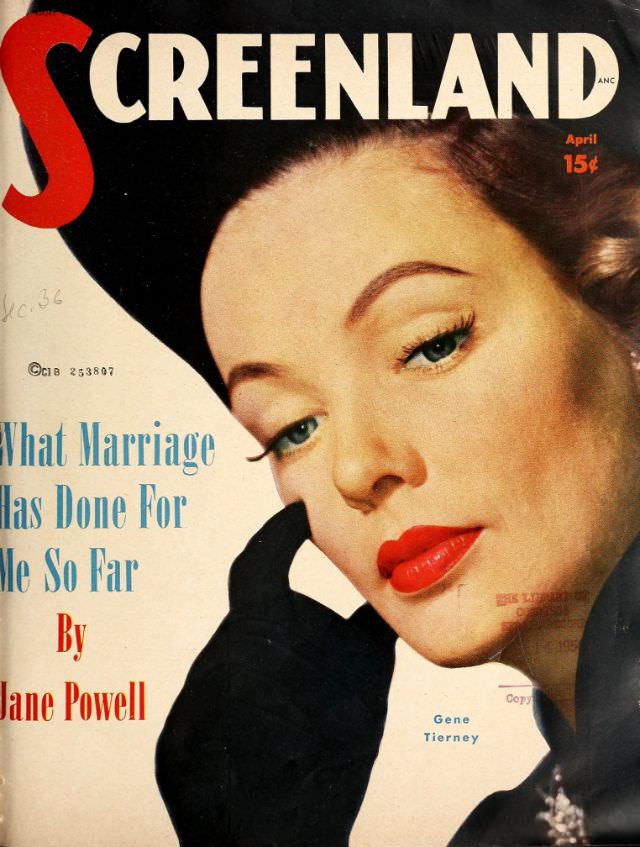
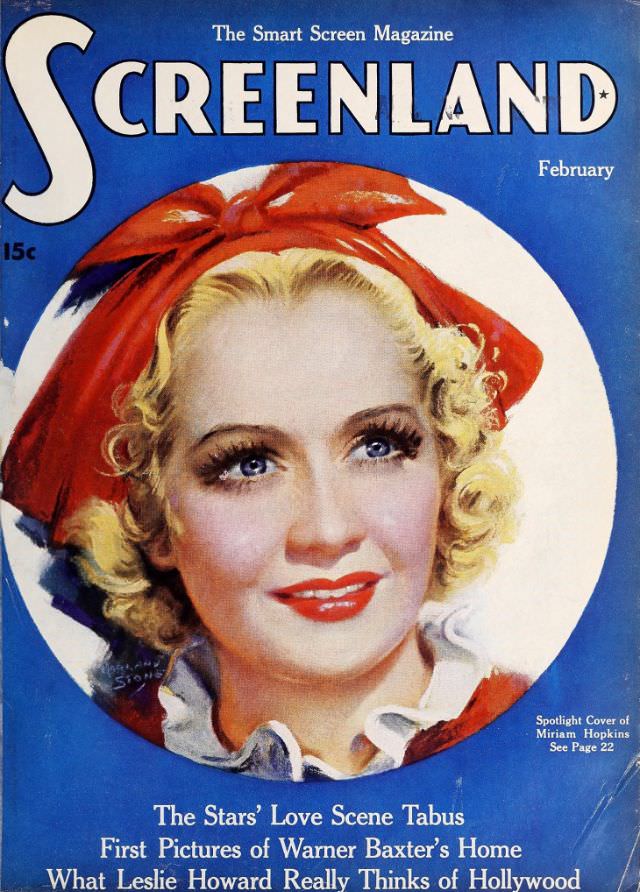
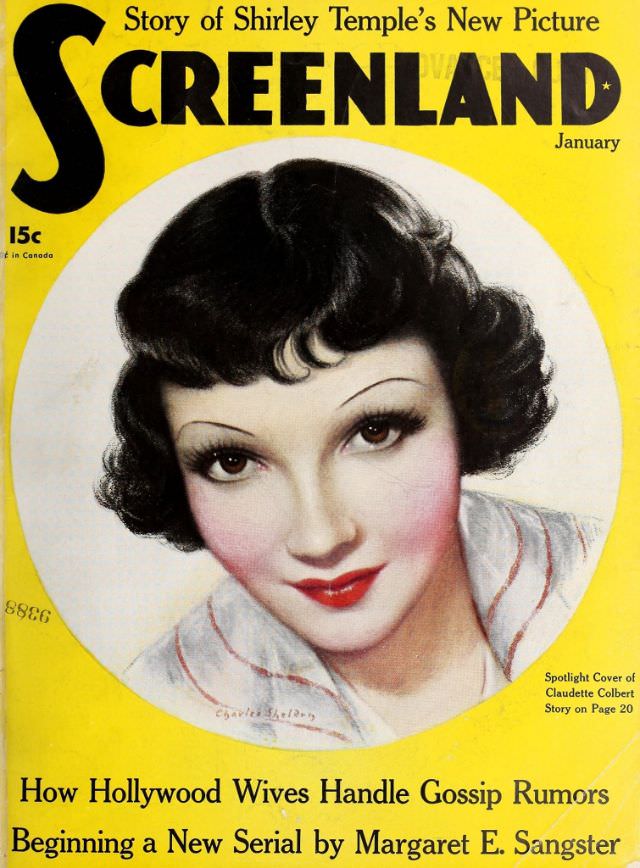
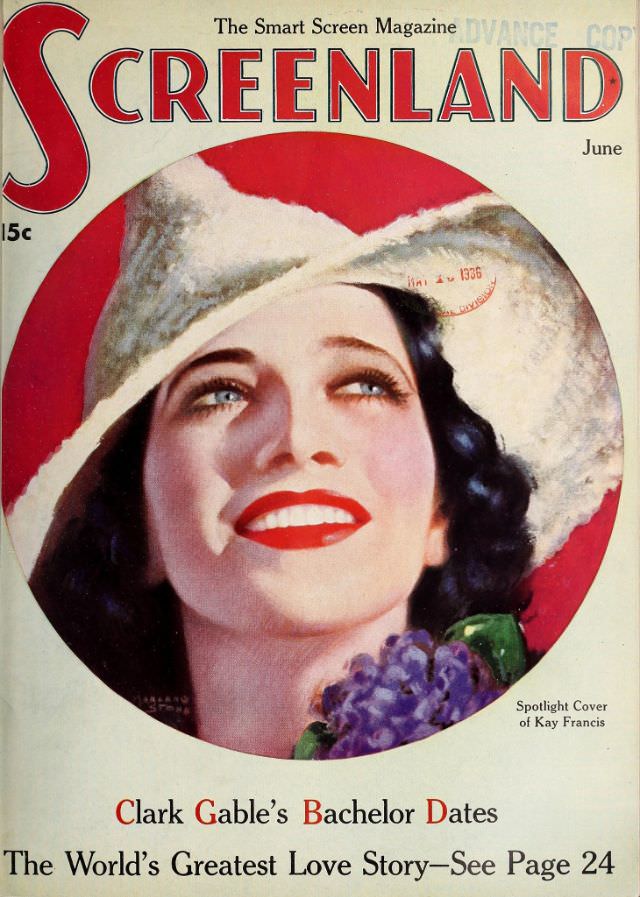
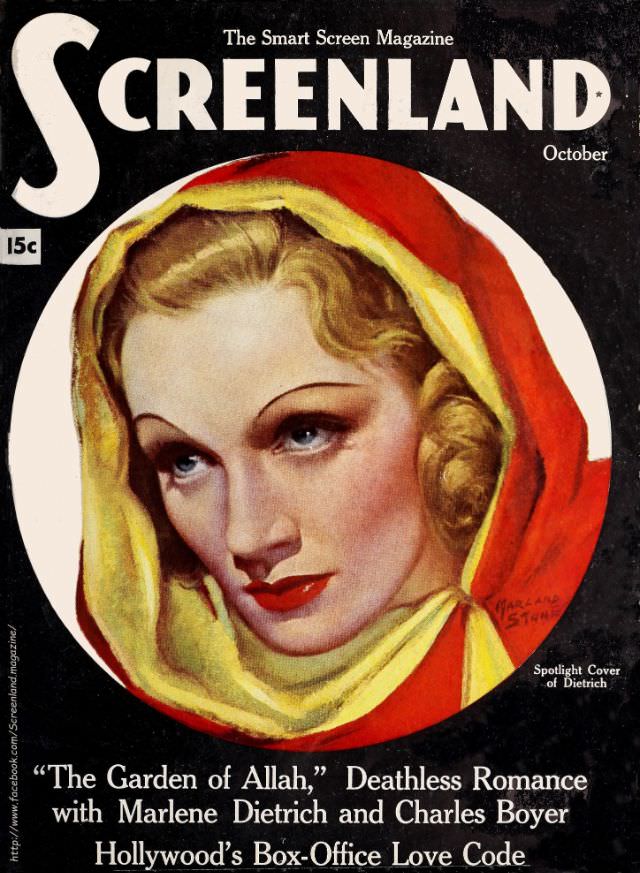
By the late 1930s, Hollywood was entering a new phase. Production values were rising, color film was expanding, and competition among studios was fierce. Screenland continued to document this world issue by issue, its covers serving as a real-time record of who was rising, who was at the top, and who the public could not stop watching.