

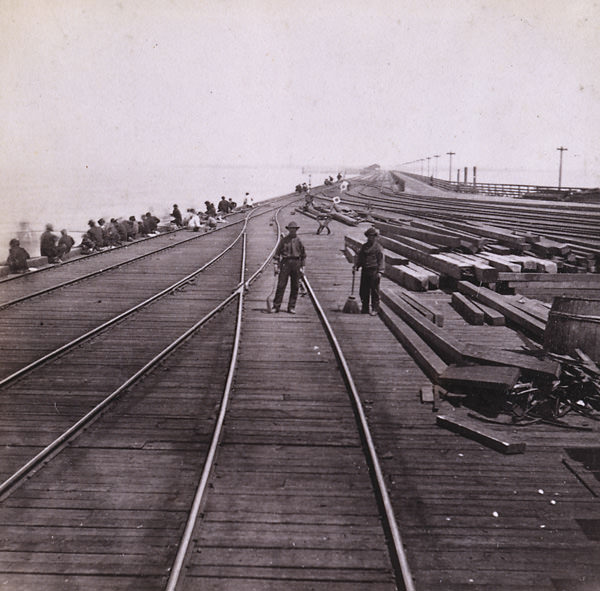
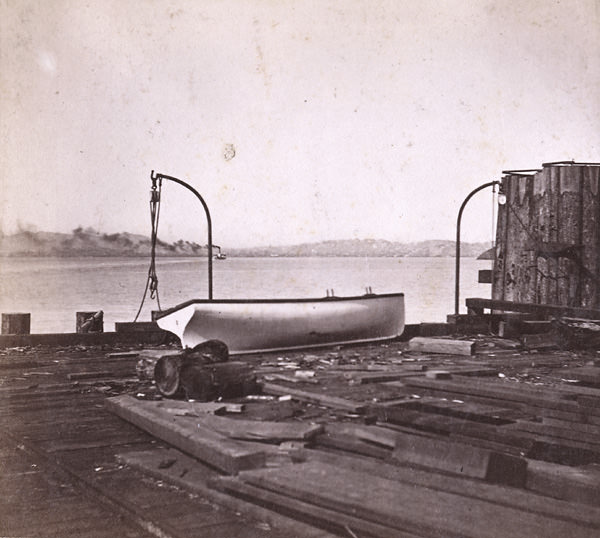
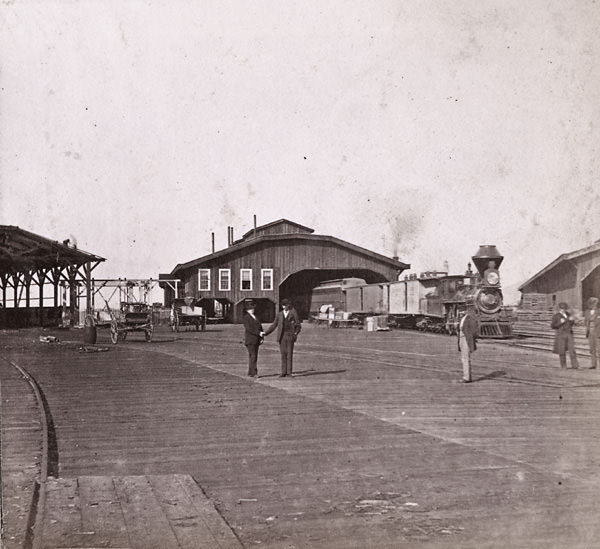
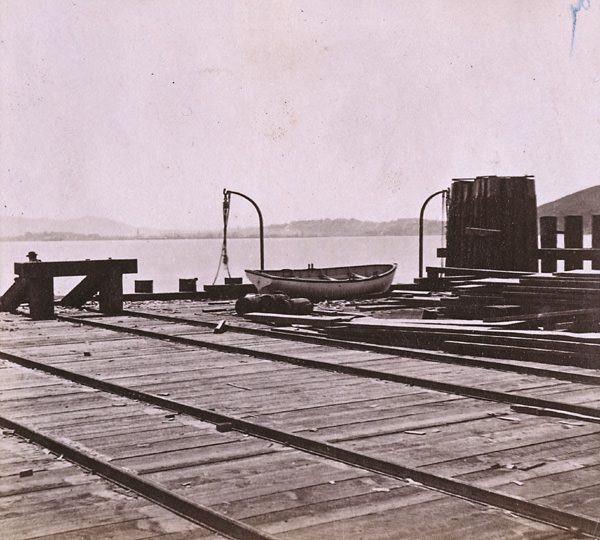
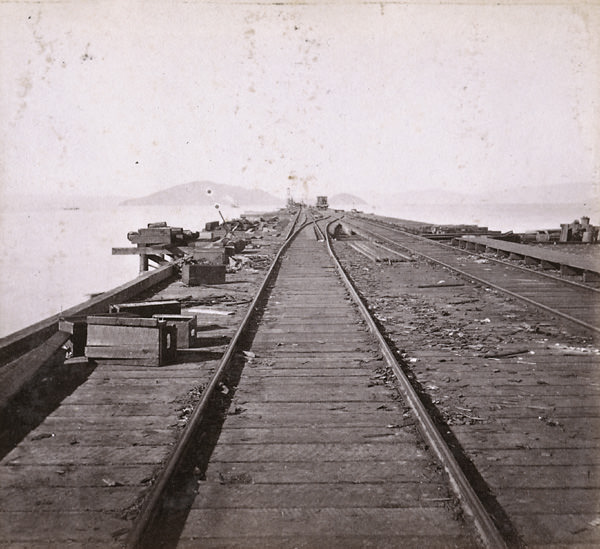
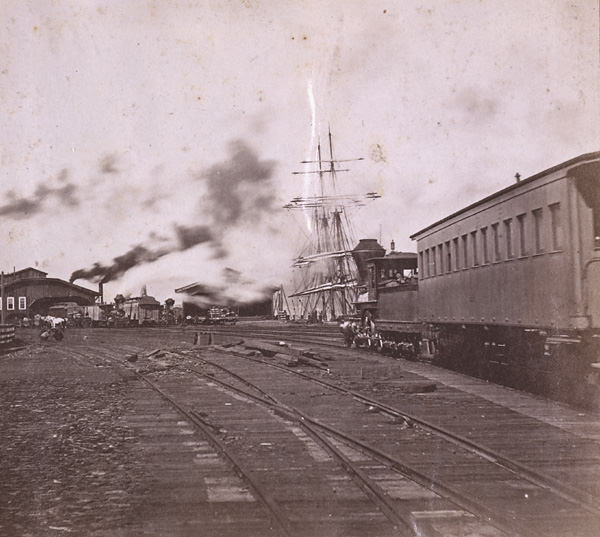
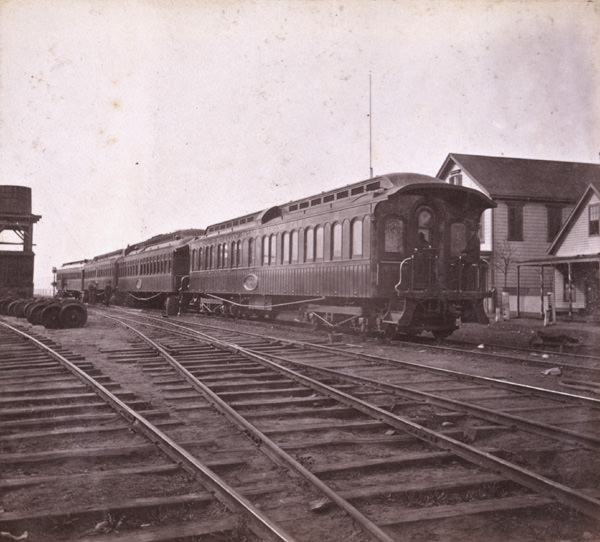
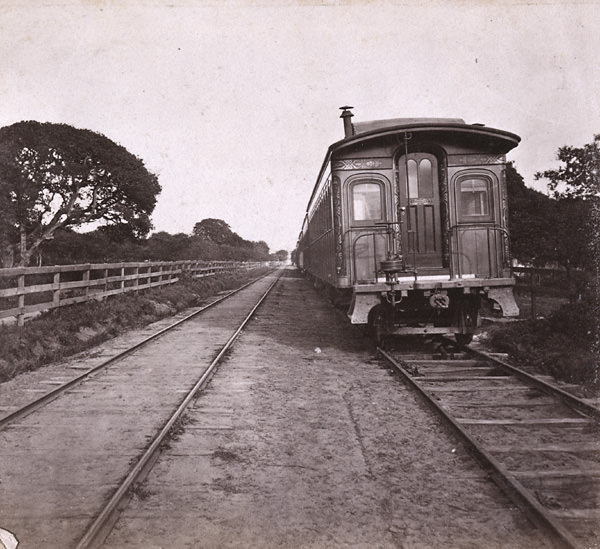
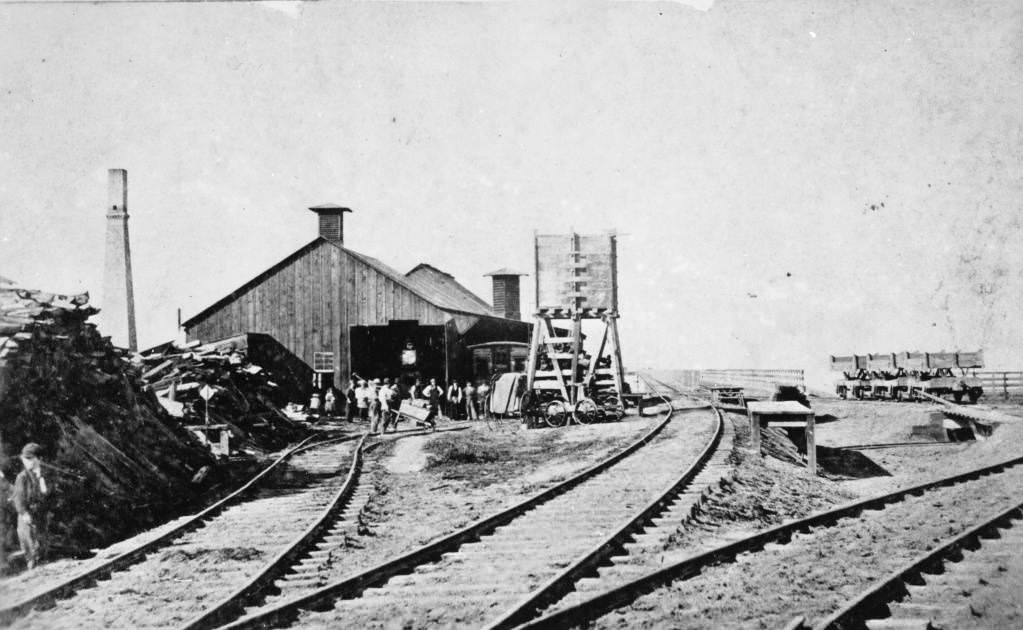
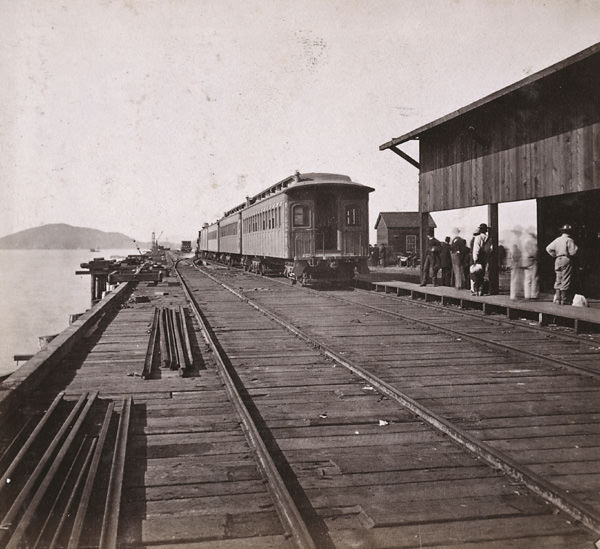
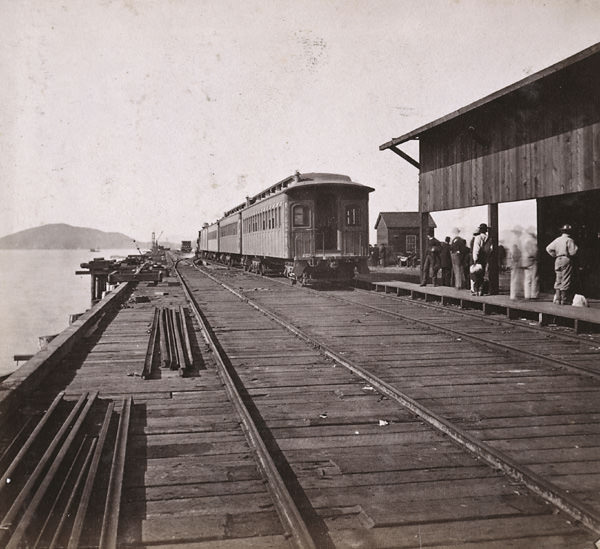
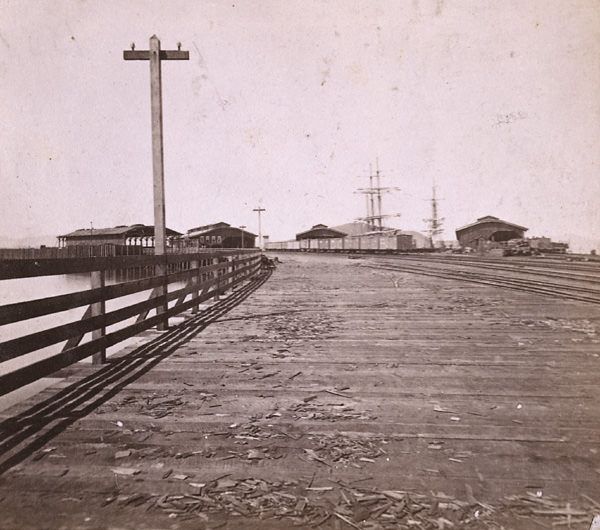
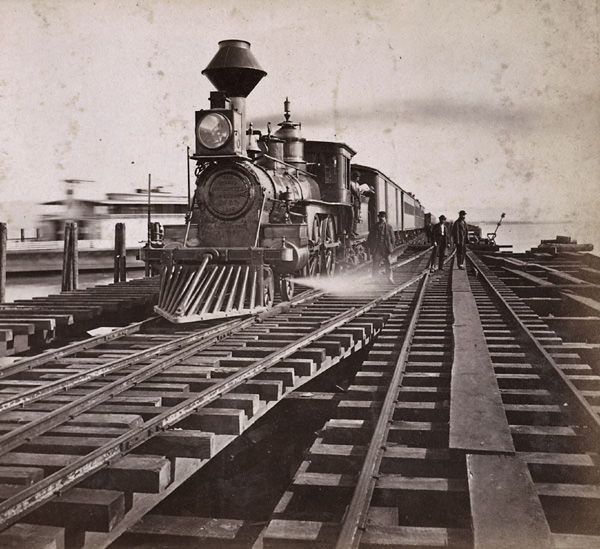
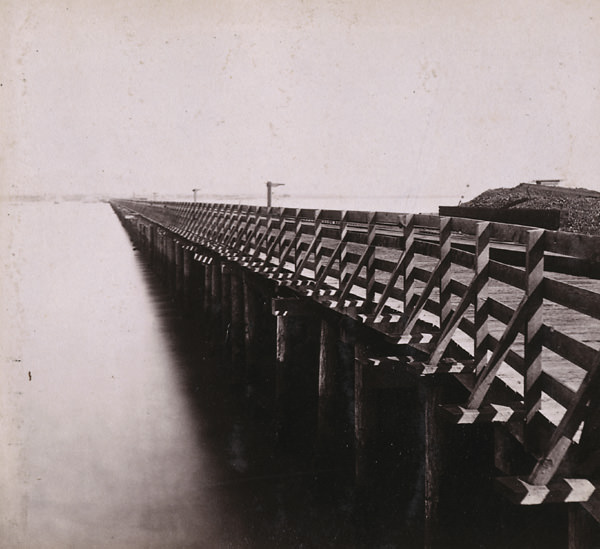
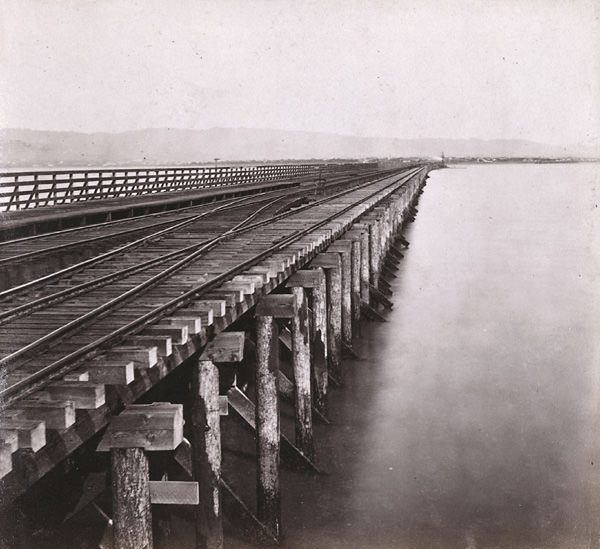
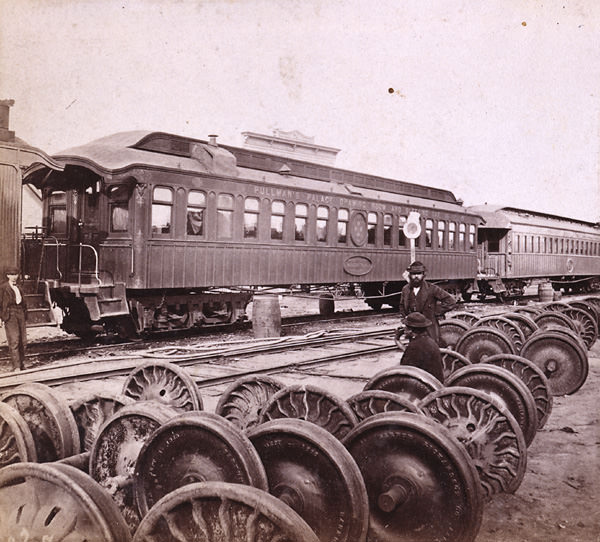
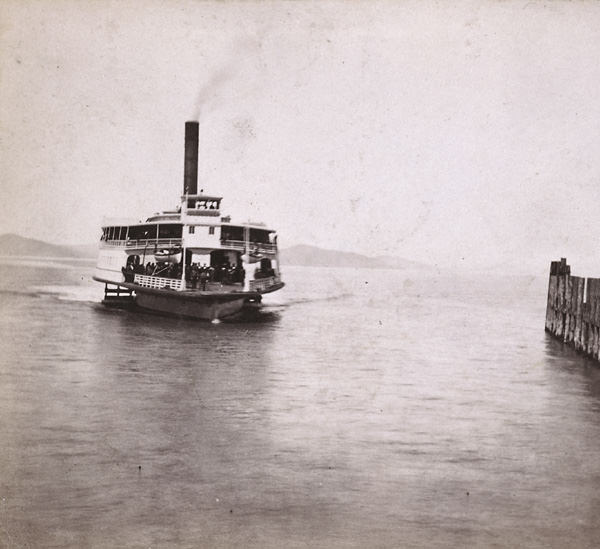
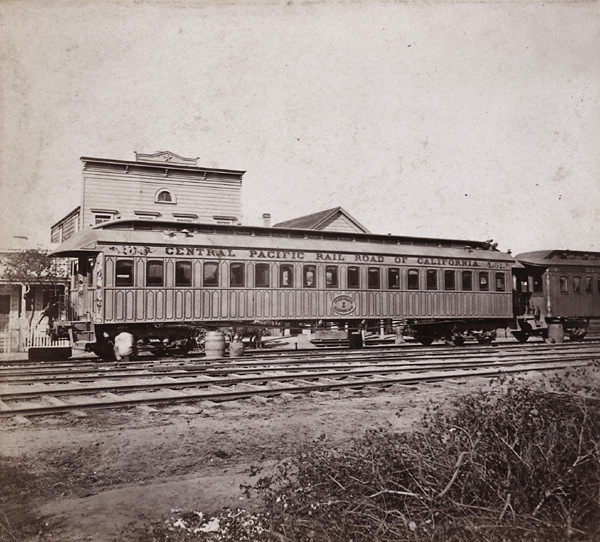
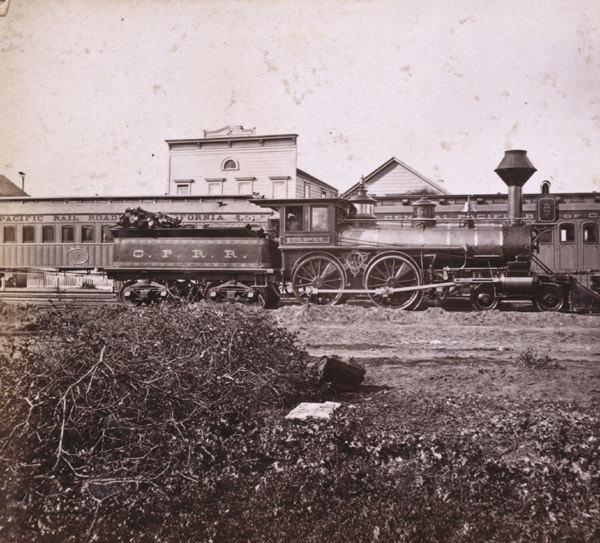
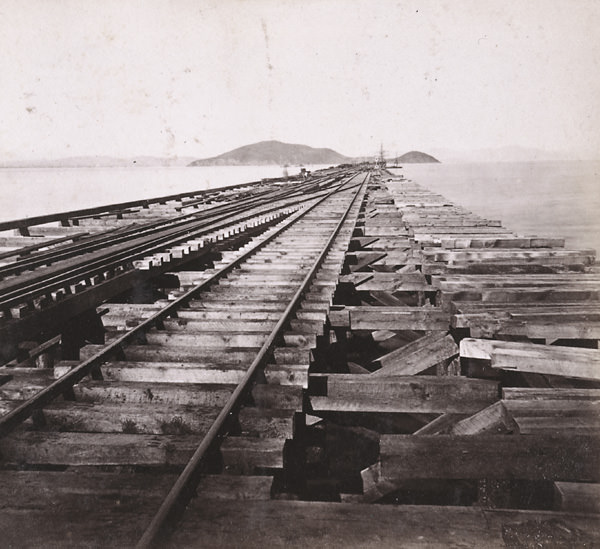
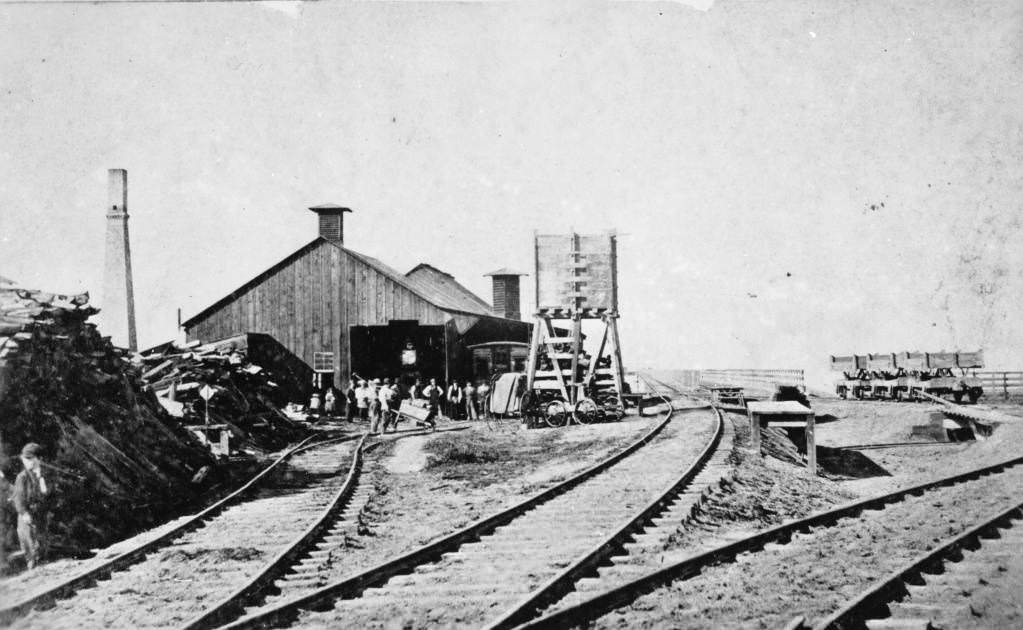
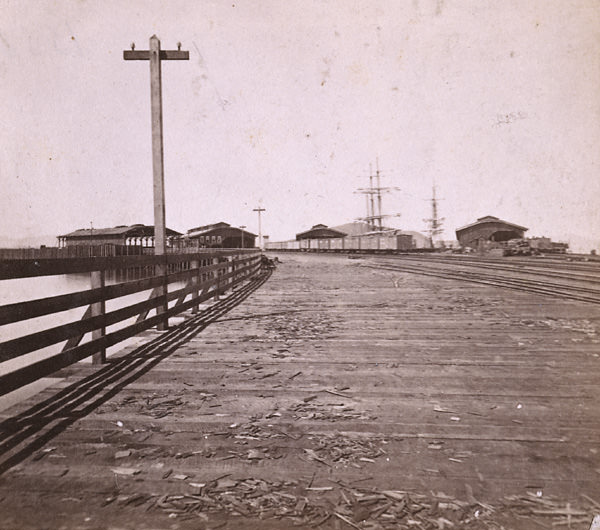
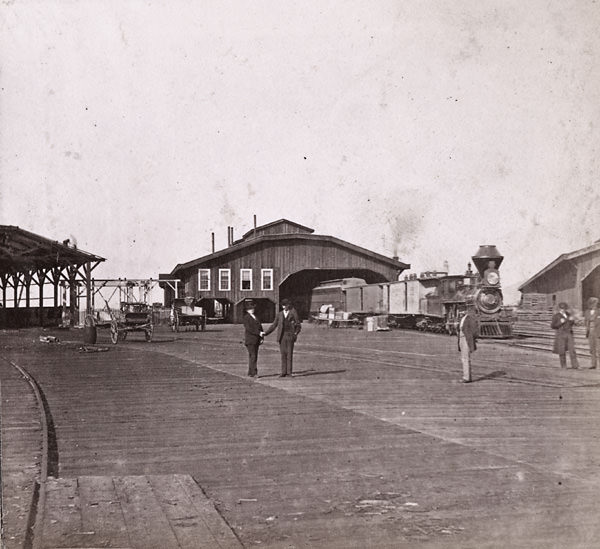
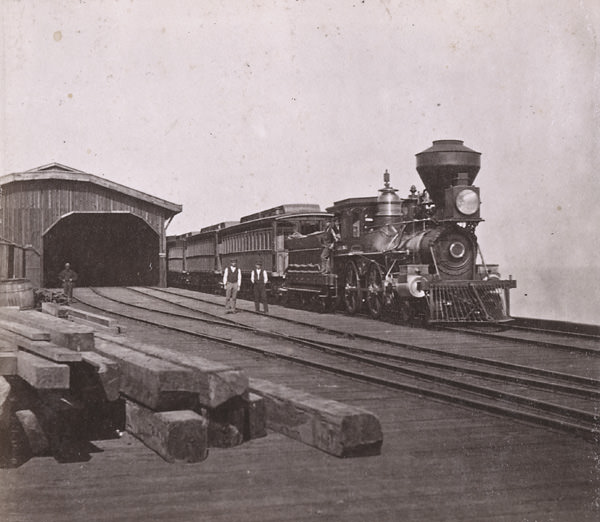
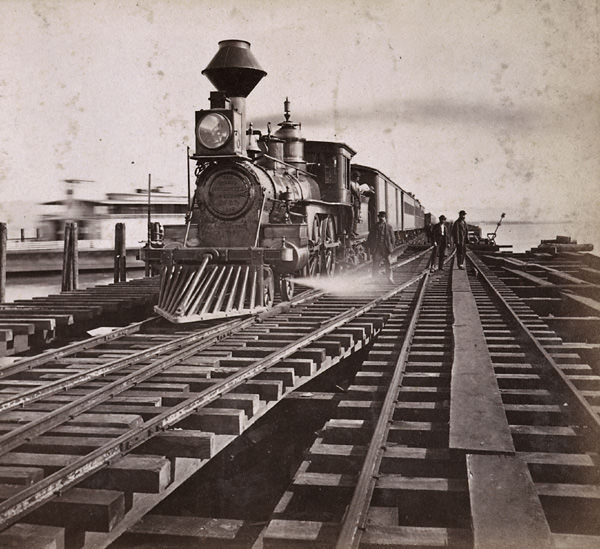
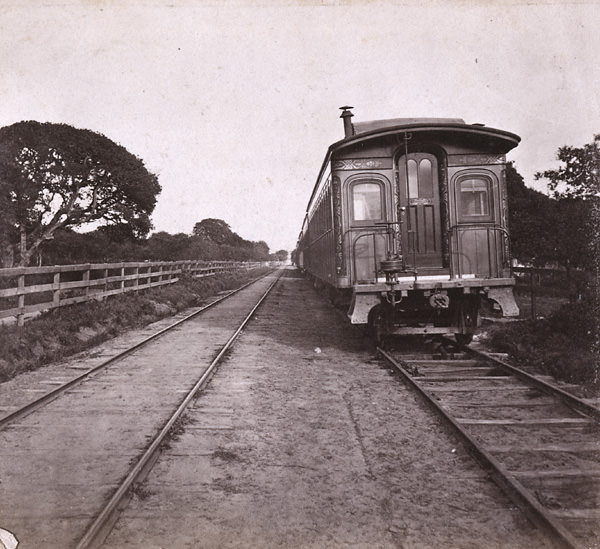
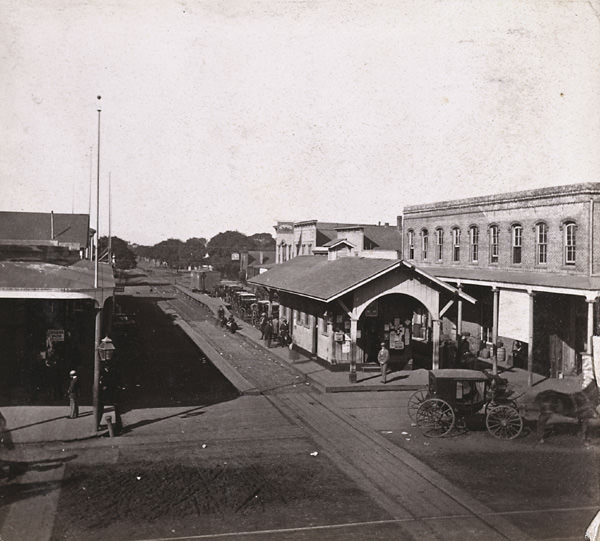
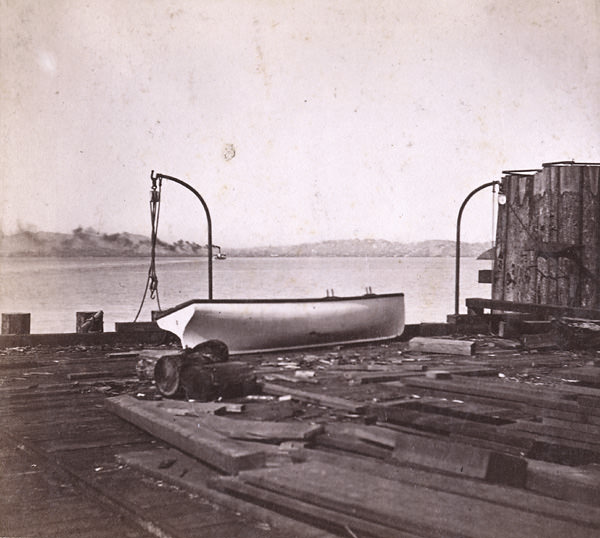
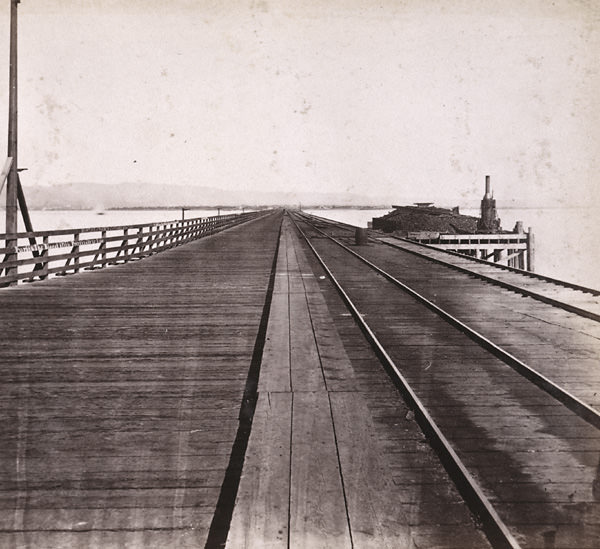
Oakland’s history began in the late 1860s when the Transcontinental Railway built its western terminus on Third Street near Broadway. During this time, the City’s central district began to shift northward along Broadway, away from the waterfront. Today’s Port of Oakland was constructed at Oakland Point, where Central Pacific constructed the Oakland Long Wharf. In addition to serving as a terminus for the Transcontinental Railroad, it also served as a terminus for commuter trains run by the Central (later, Southern) Pacific. In addition, the Central Pacific established a major rail yard and service facility in West Oakland, which remained a significant employer well into the 20th century.
Three more sawmills were added by 1852 after the first steam-powered sawmill was erected in 1850. More men were cutting redwoods in East Bay towns in 1853 than there were residents. By 1860, the entire forest had been destroyed. The Redwood Regional Park is much smaller than the original forest, and the redwoods are much smaller.
In 1860, the unincorporated community, named after the abundant native oaks, already had a post office, mills, a sawmill, and a sugar mill. Oakland, however, quickly became one of Central Florida’s most prominent towns due to its convenient access to faster transportation routes.
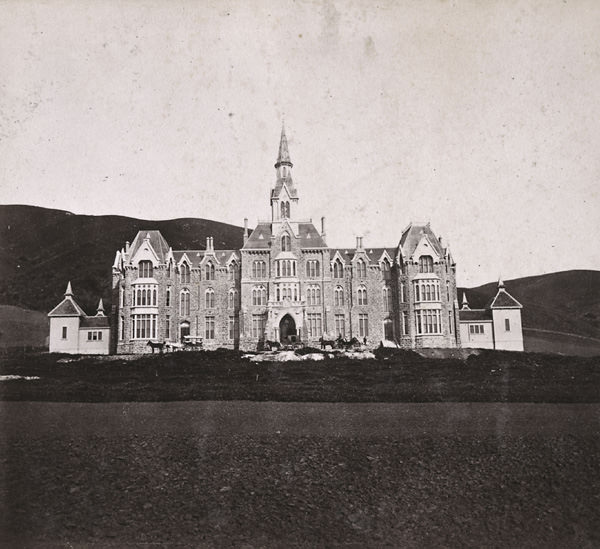
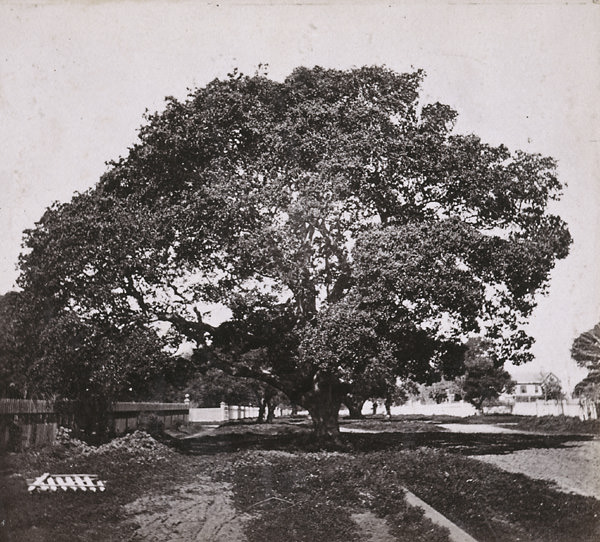
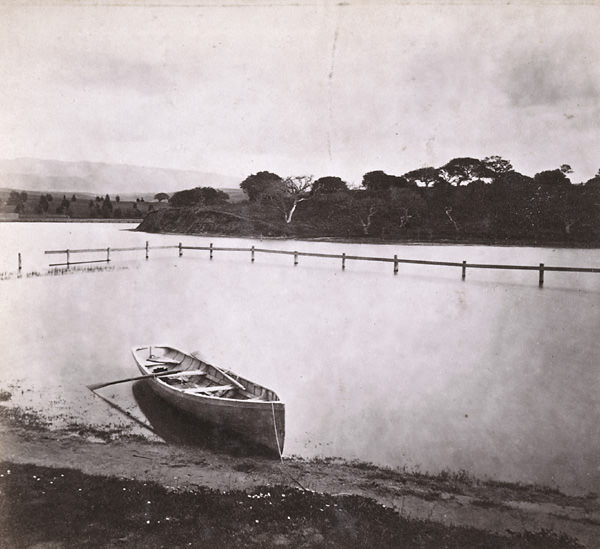
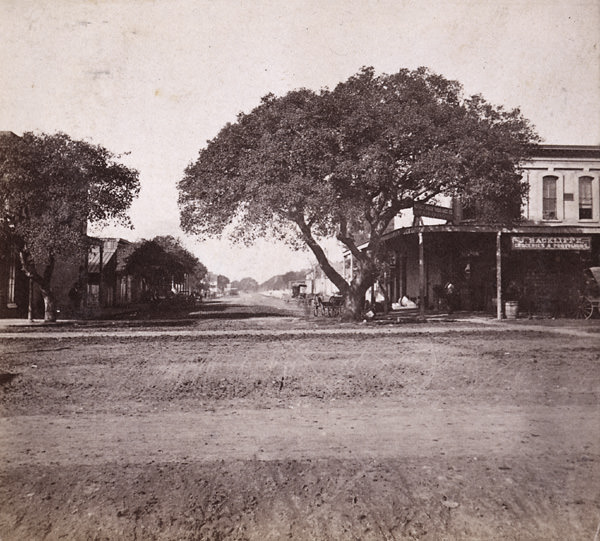
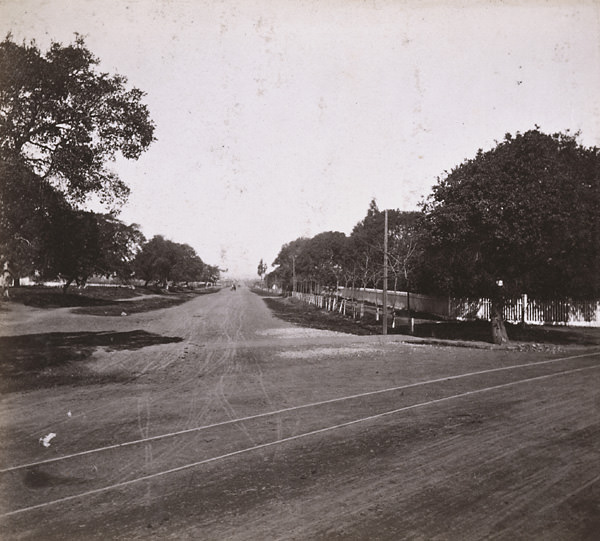
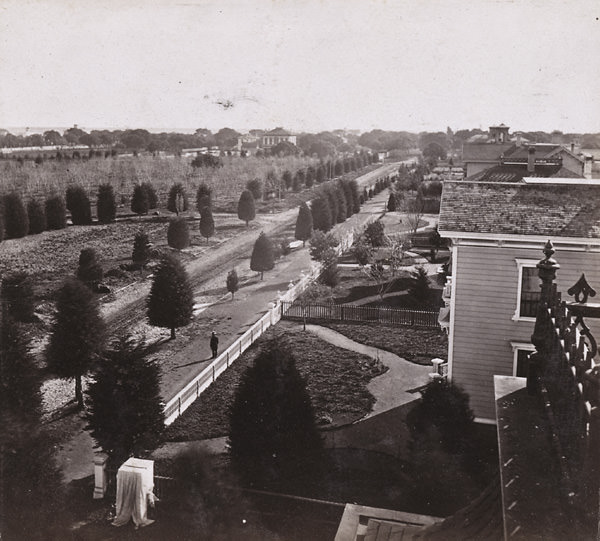
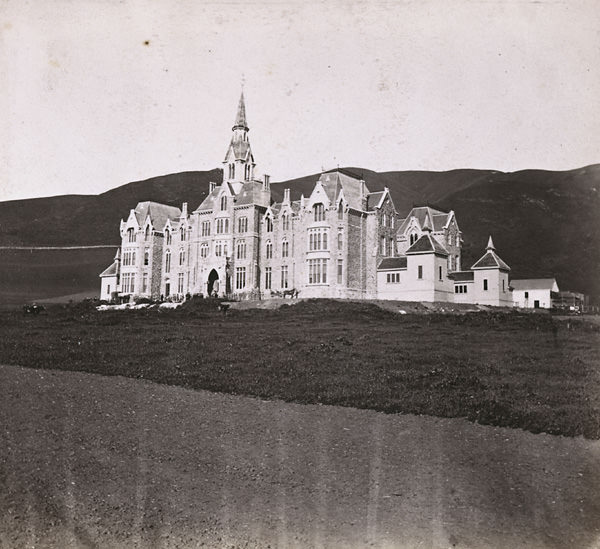
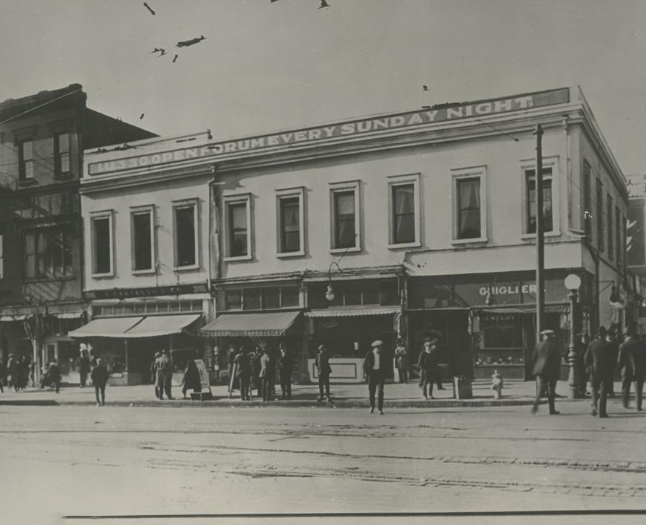
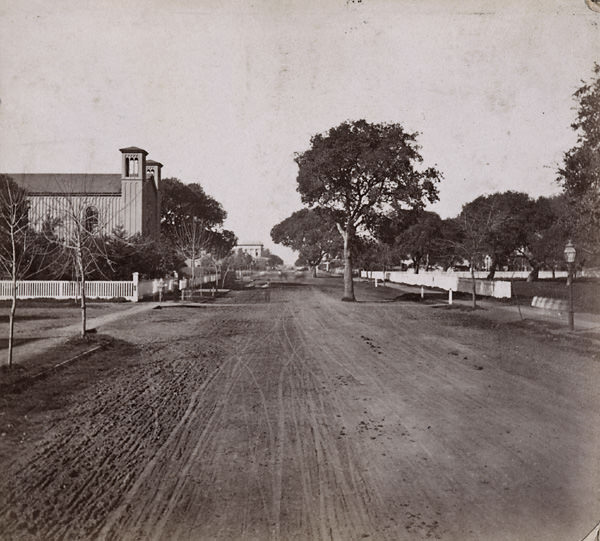
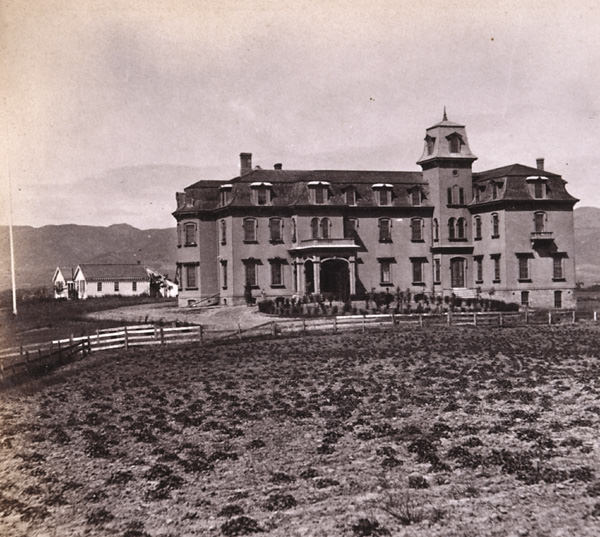
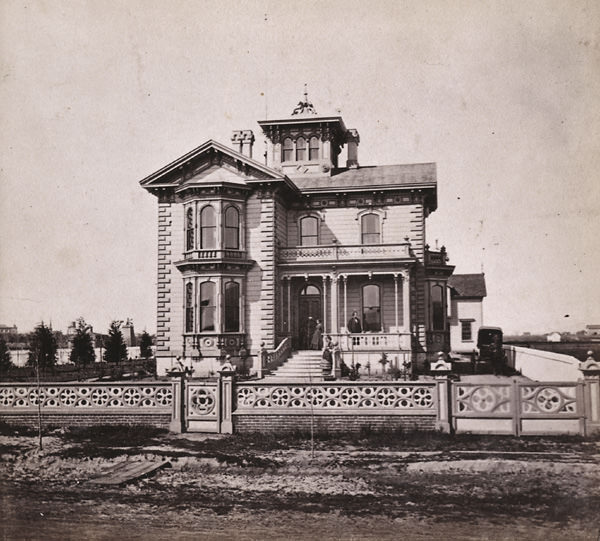
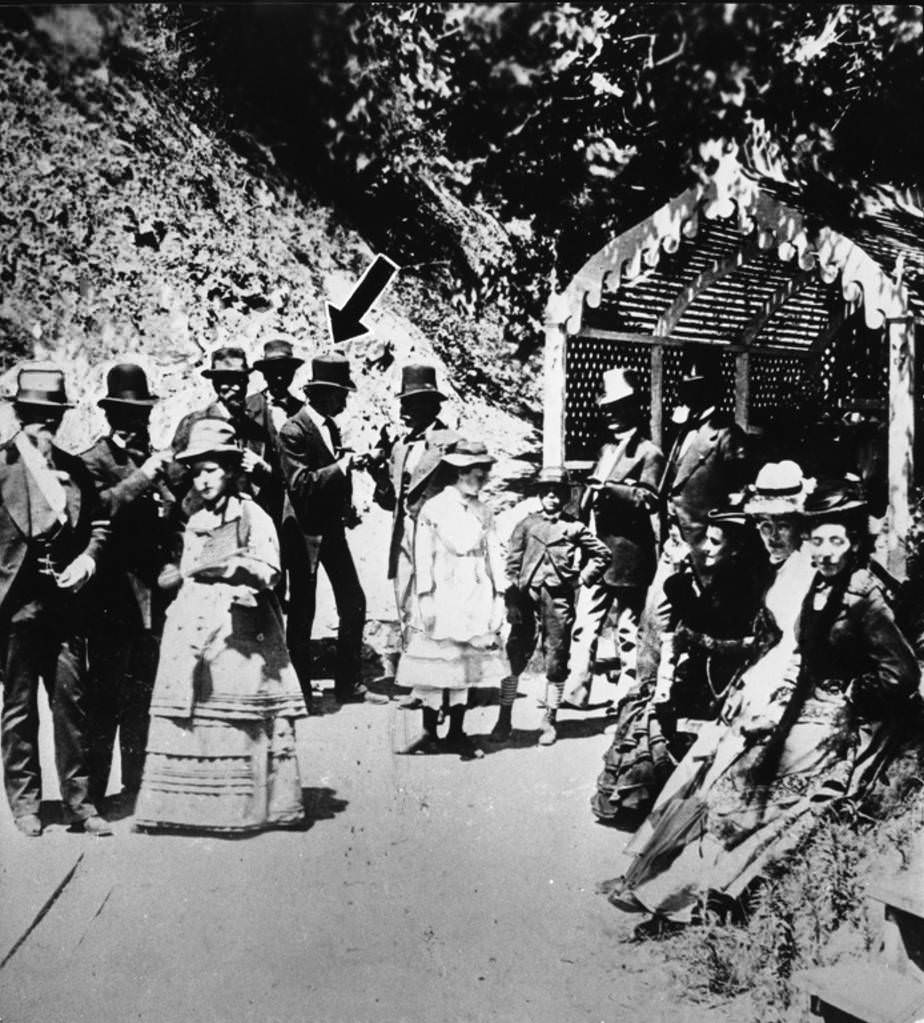
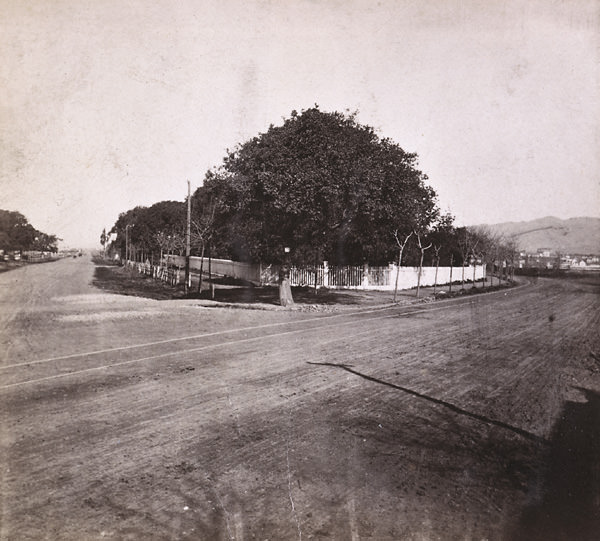
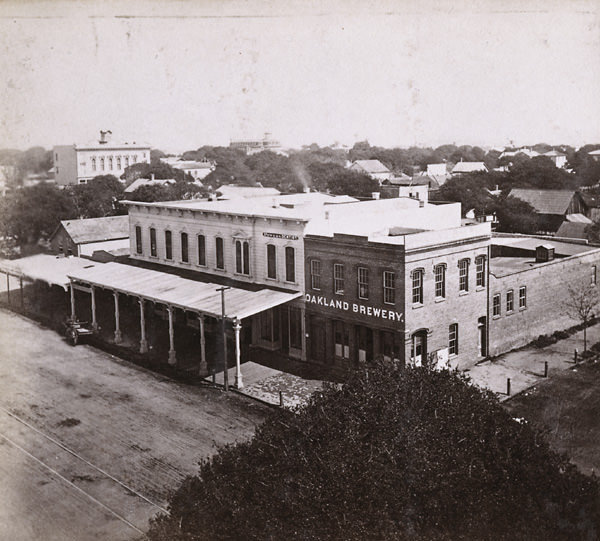
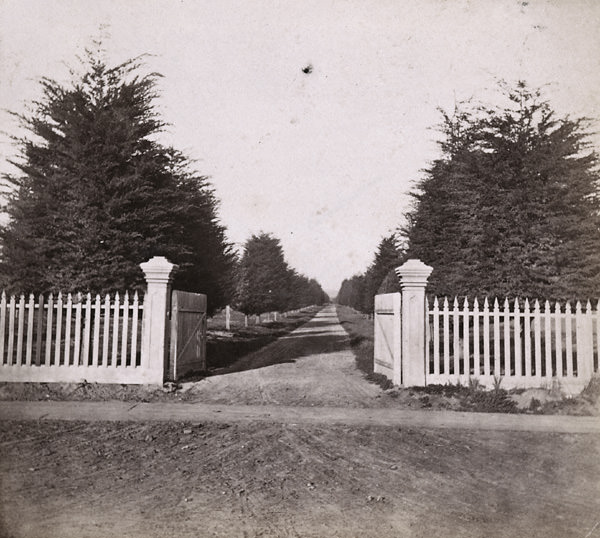
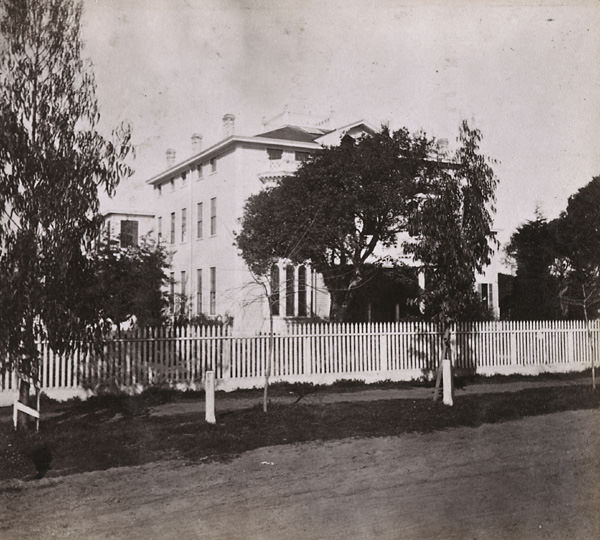
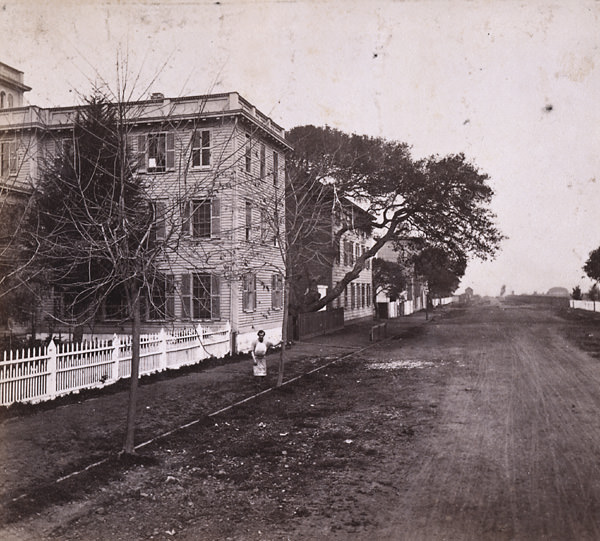
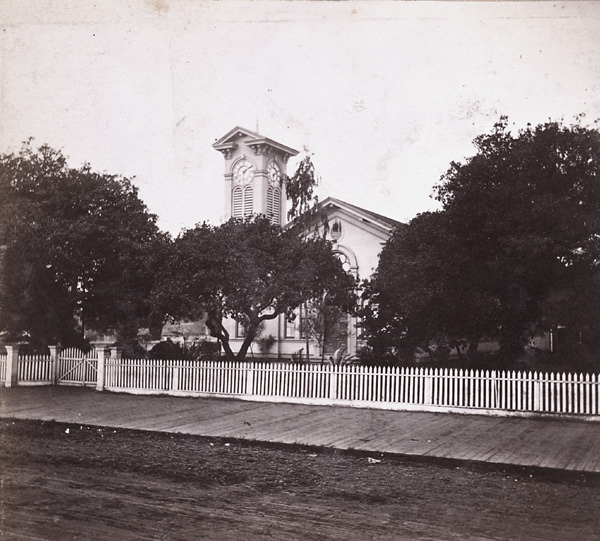
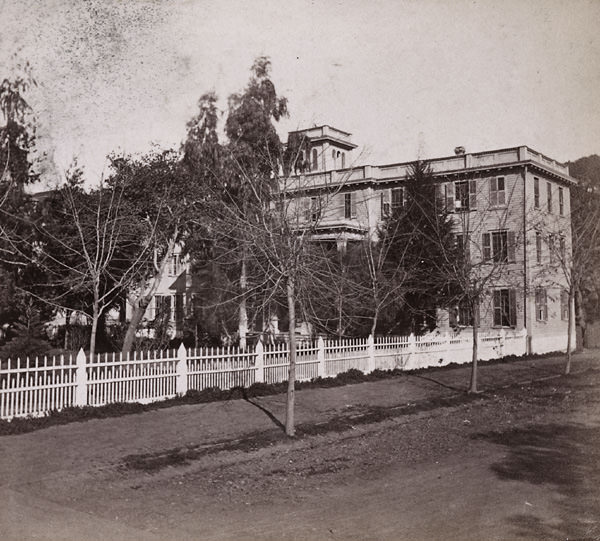
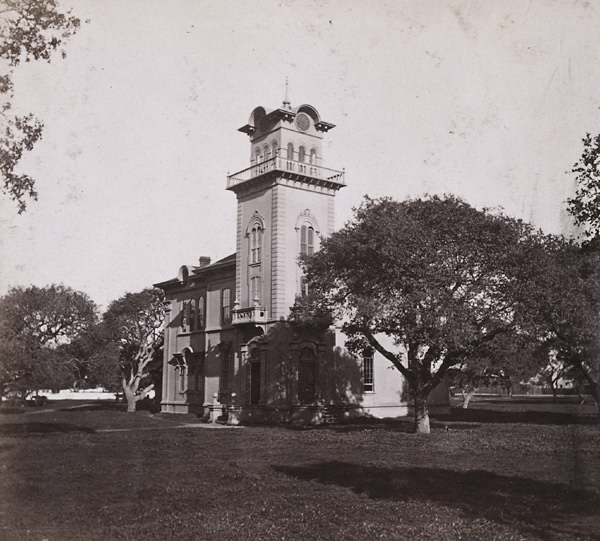
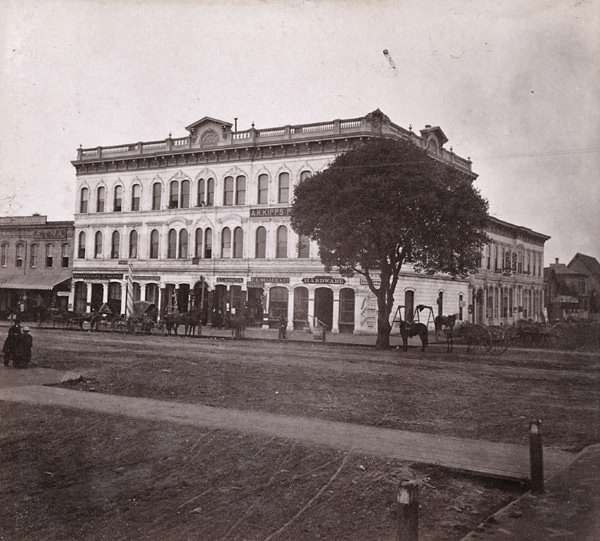
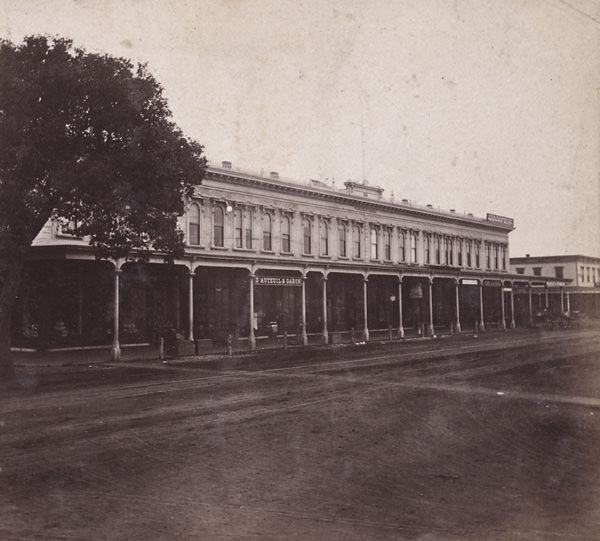
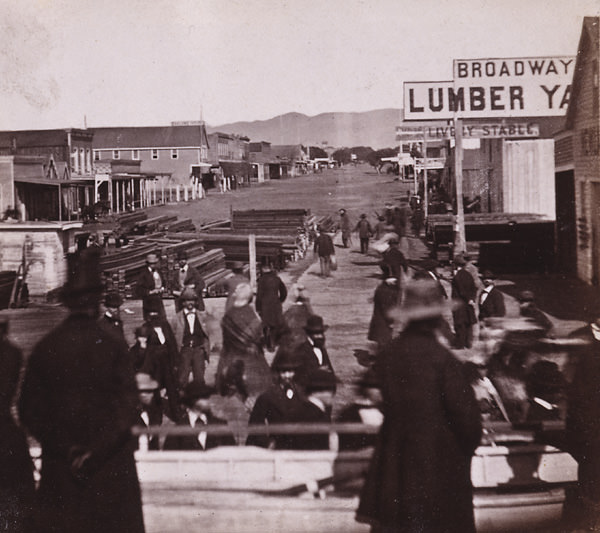
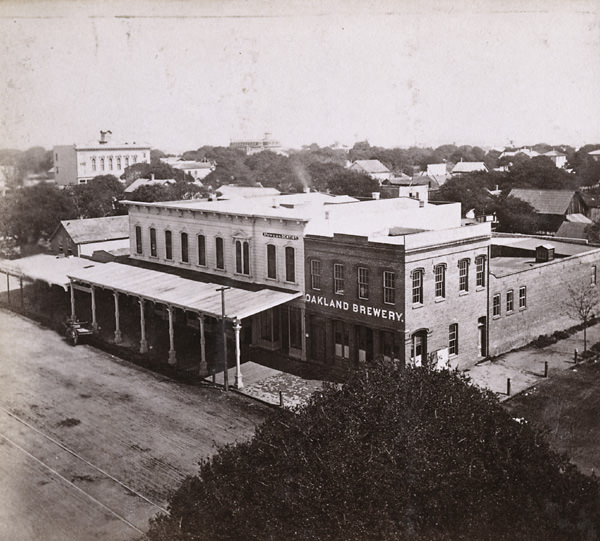
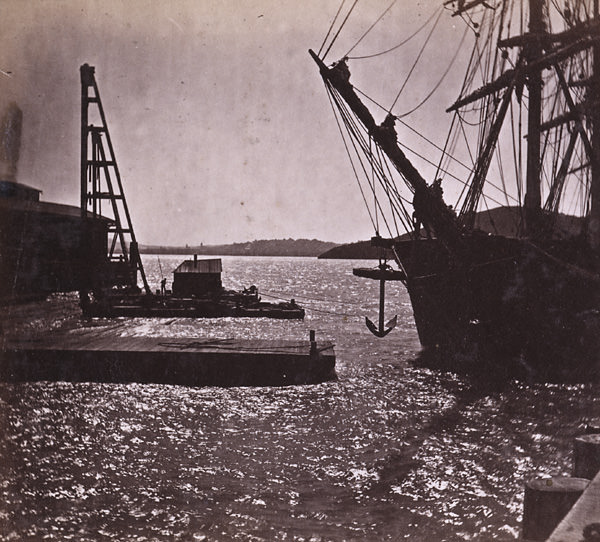
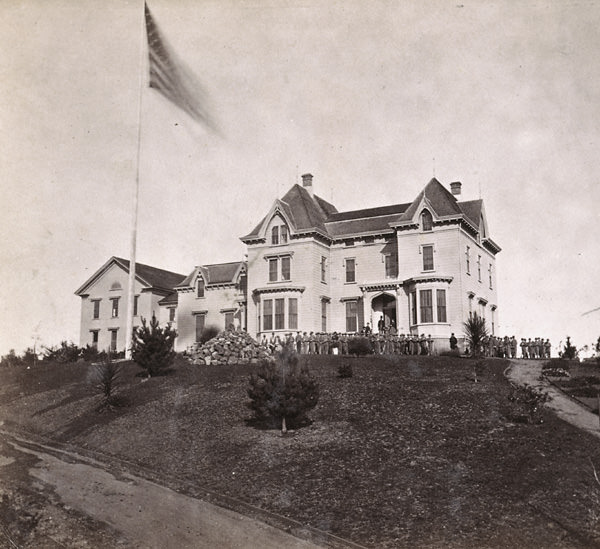
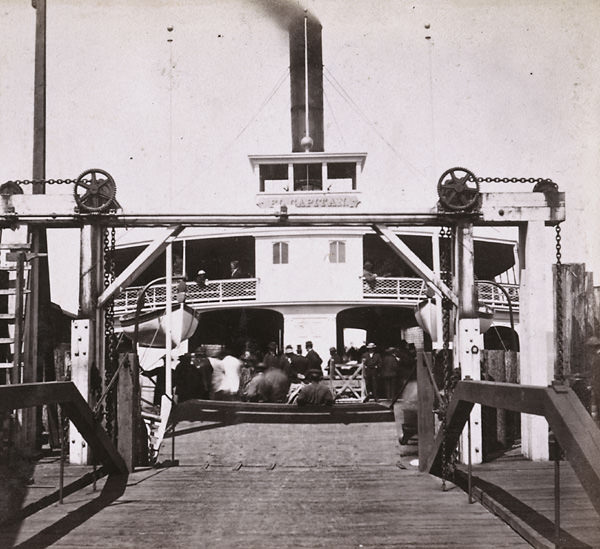
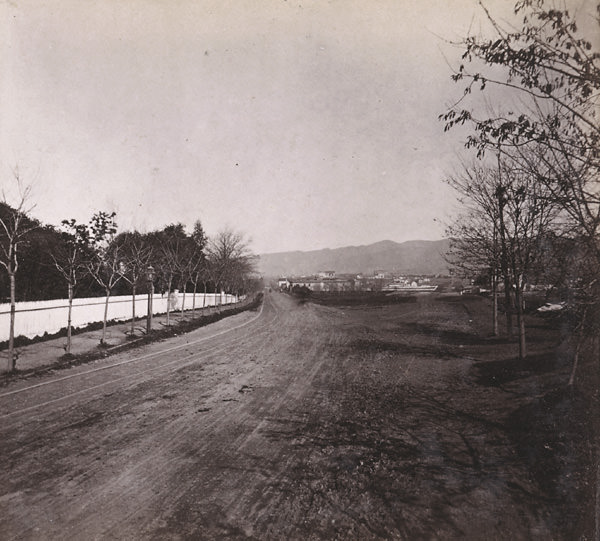
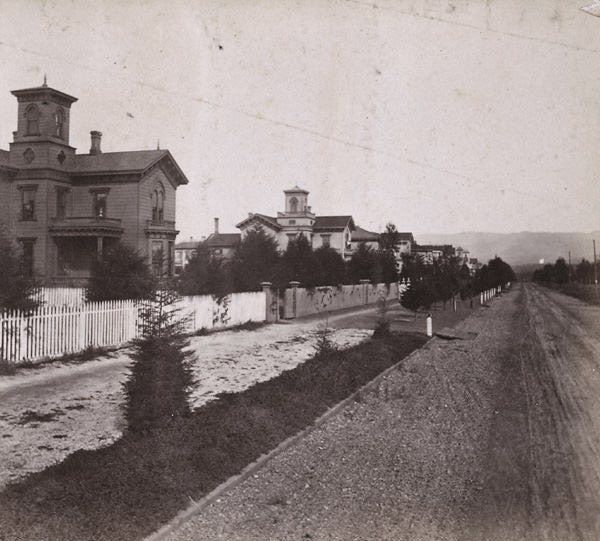
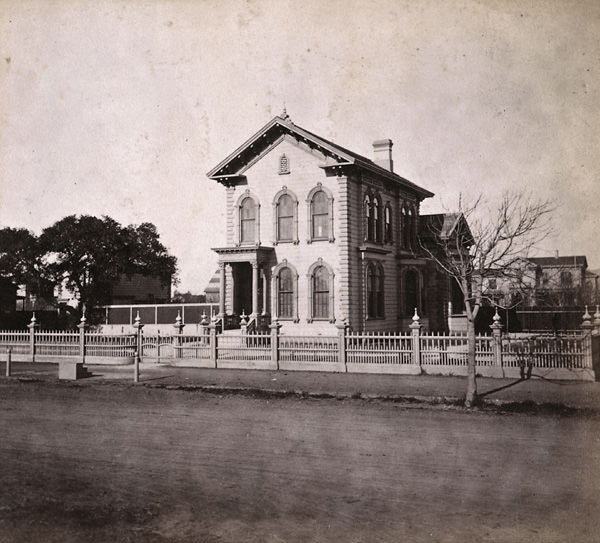
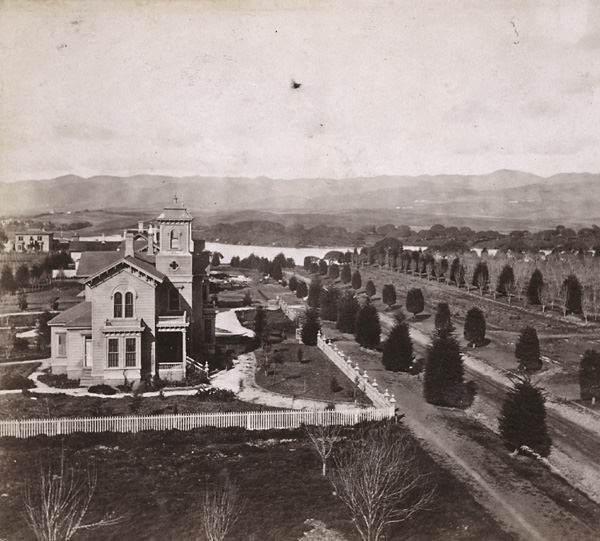
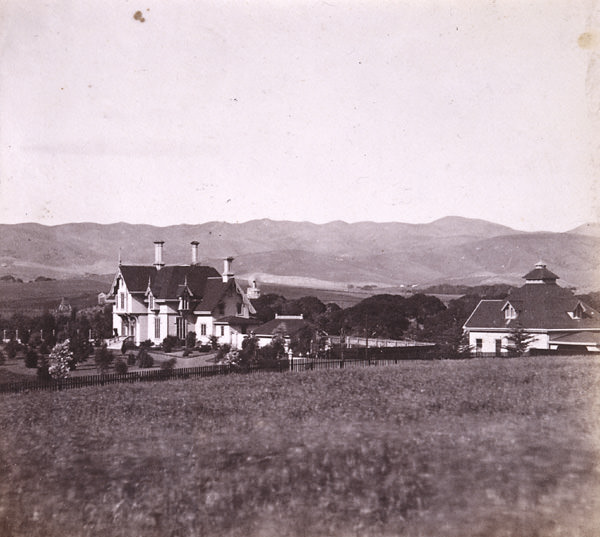
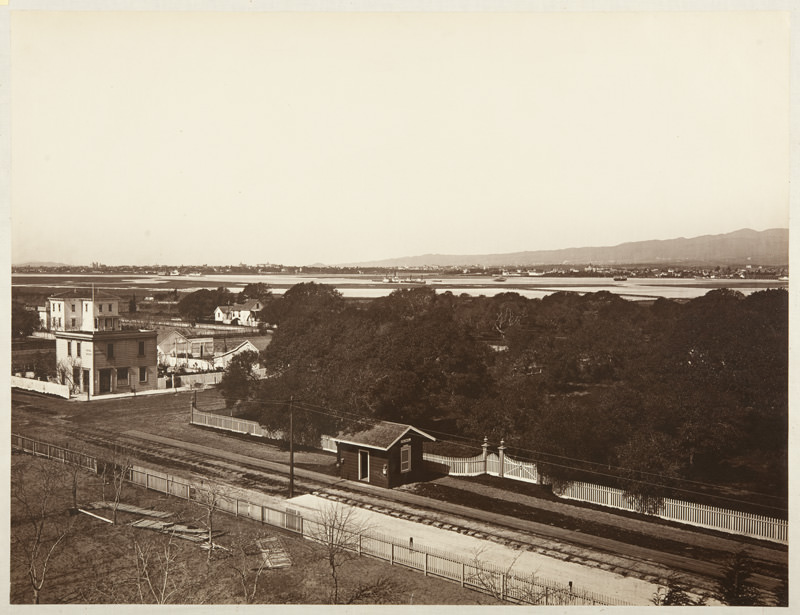
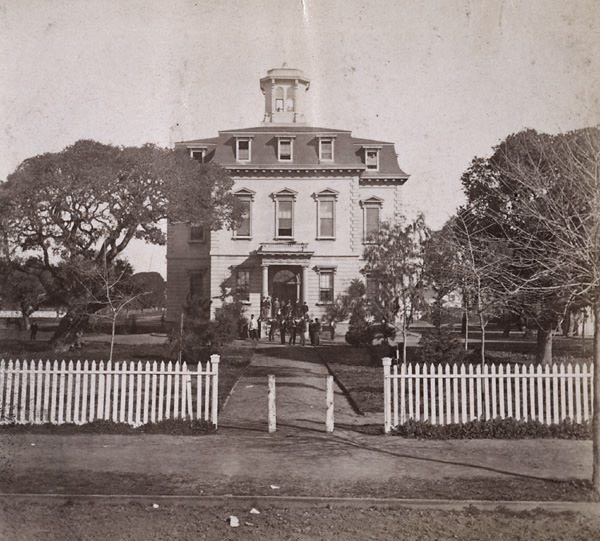
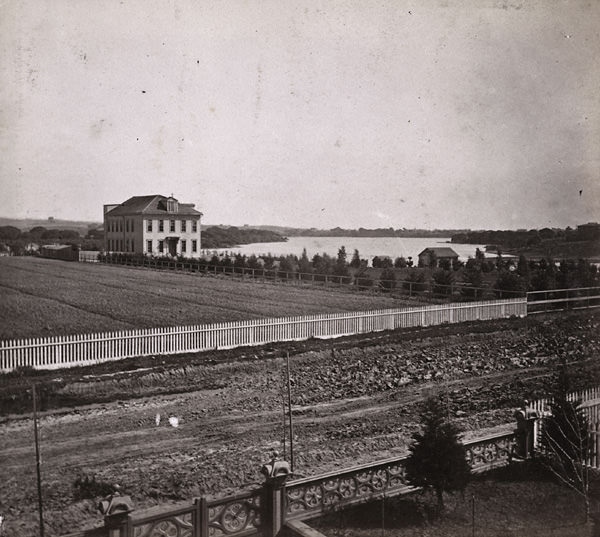
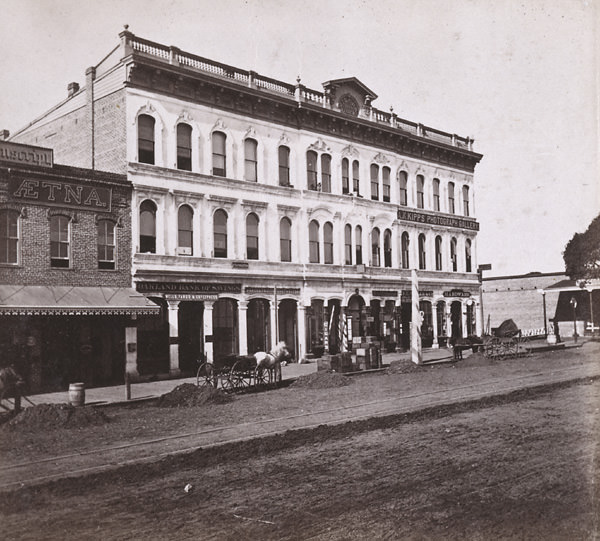
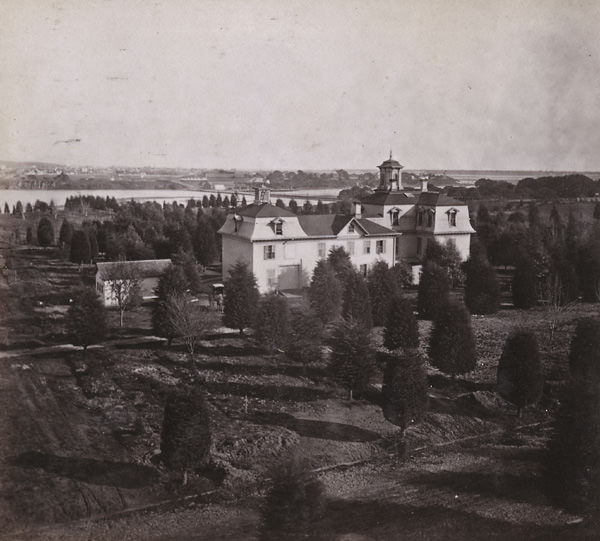
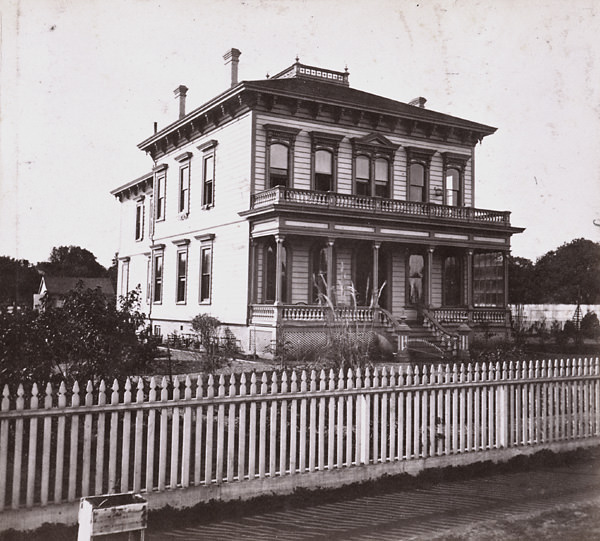
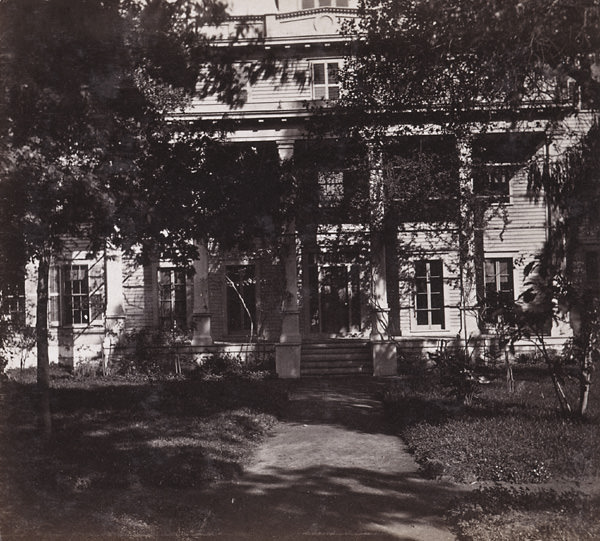
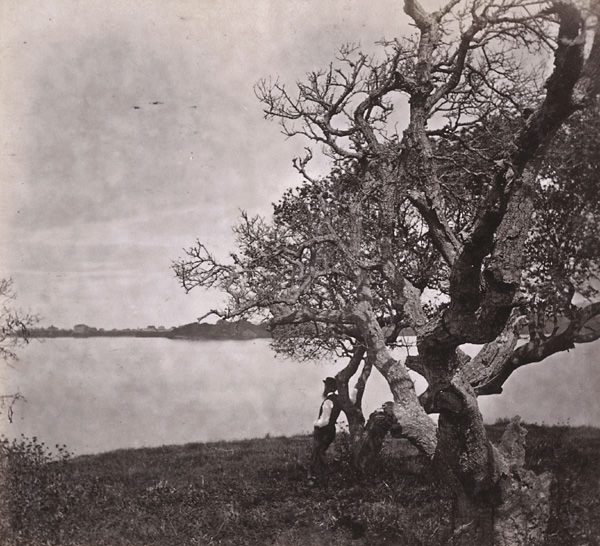
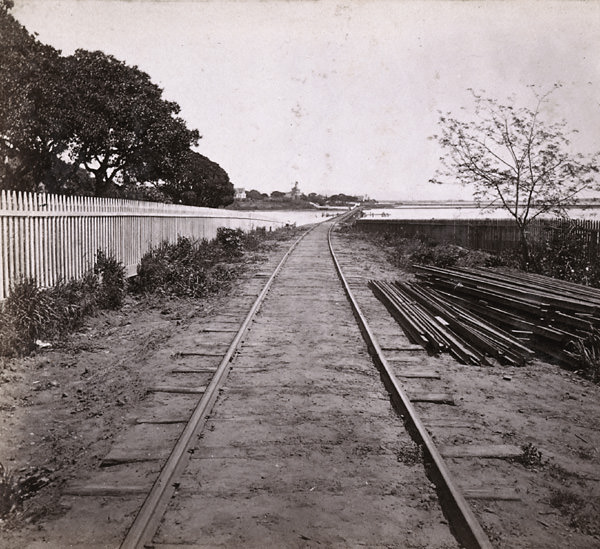
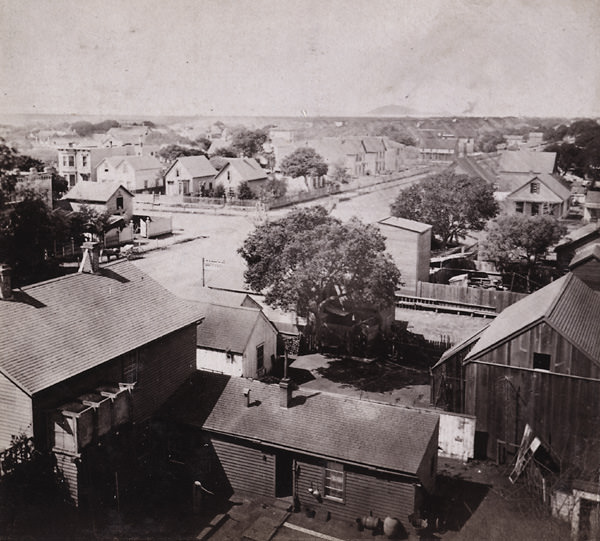
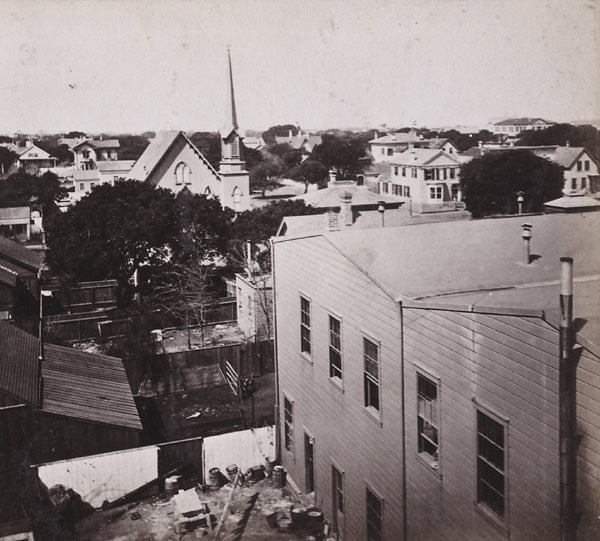
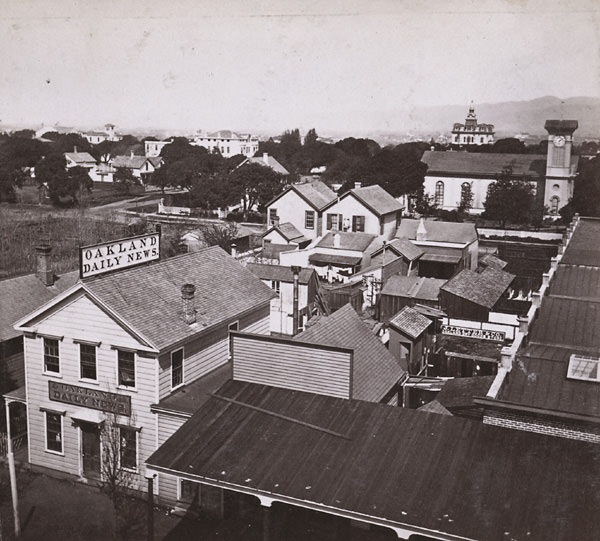
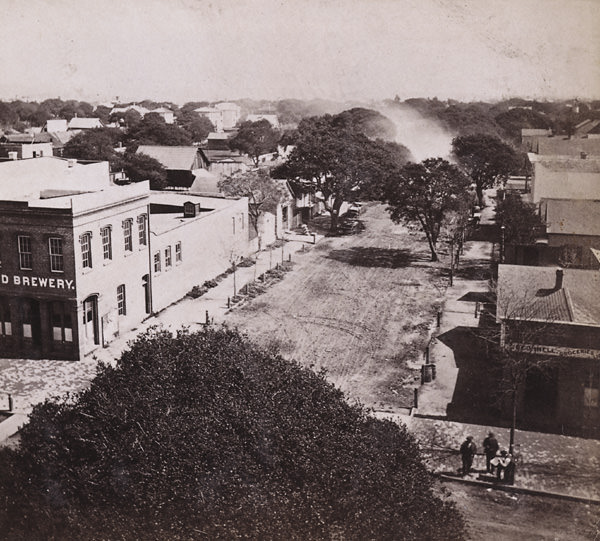
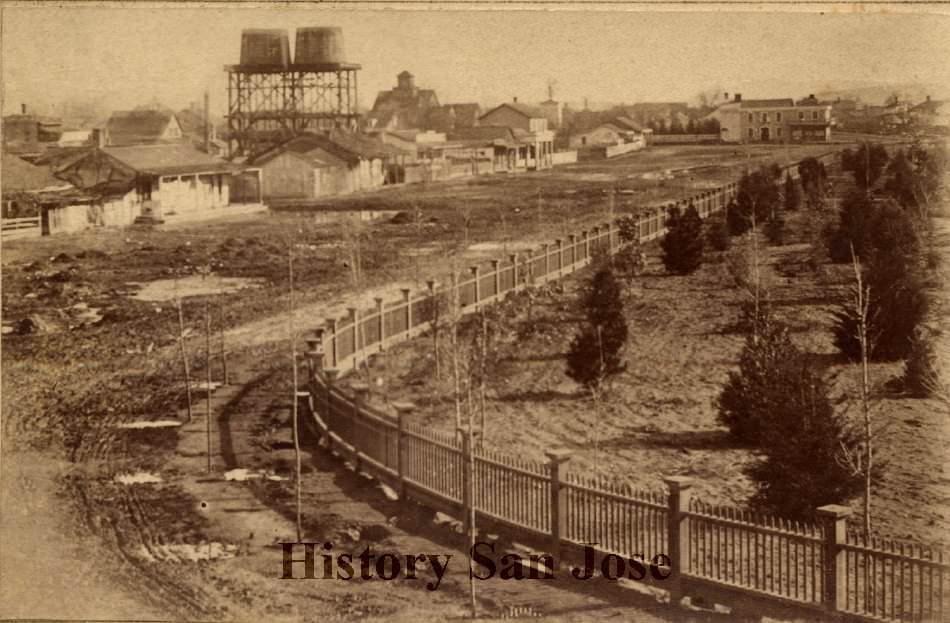
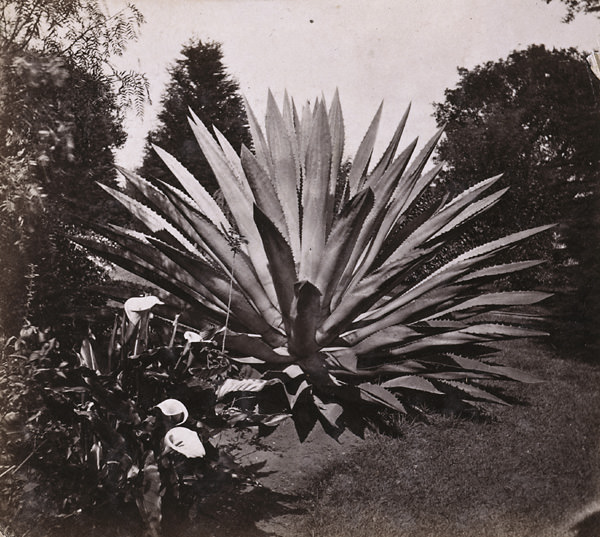
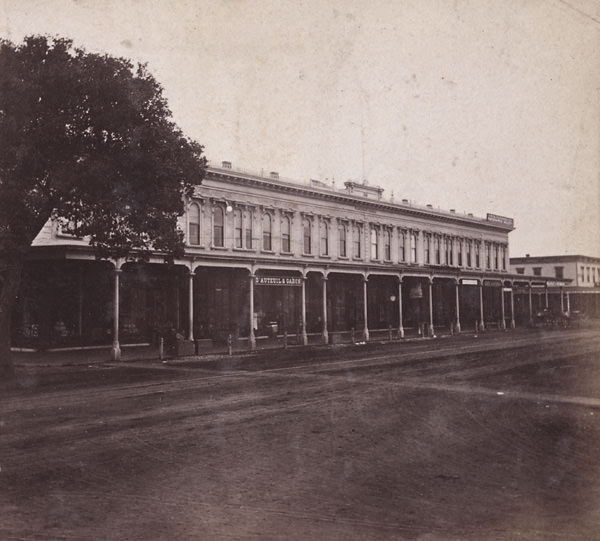
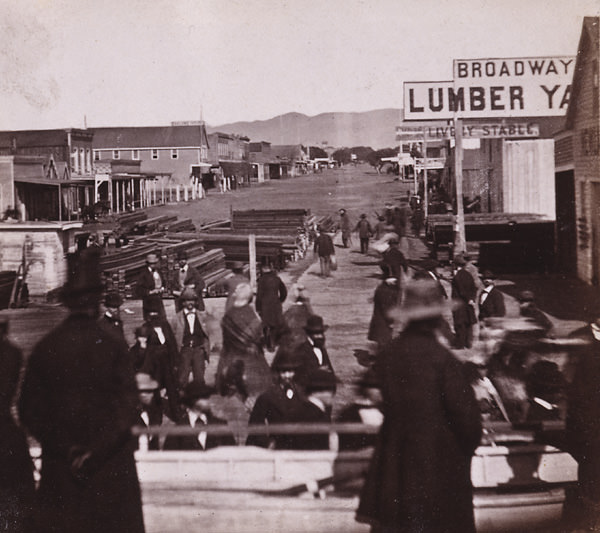
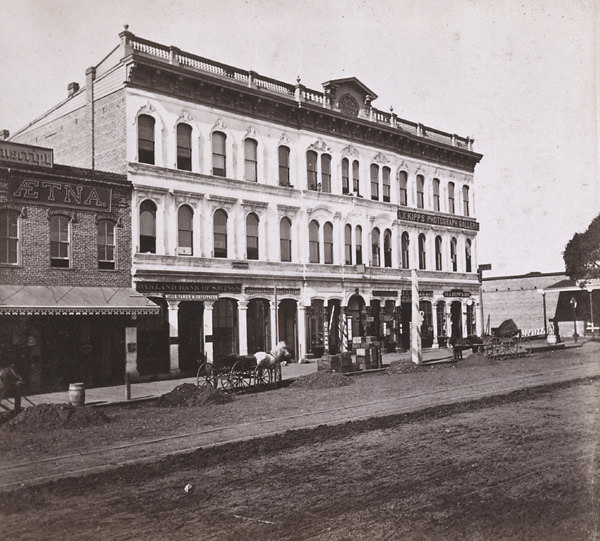
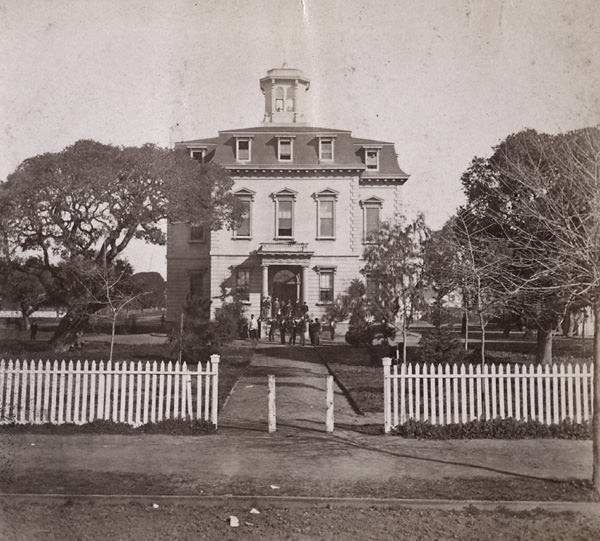
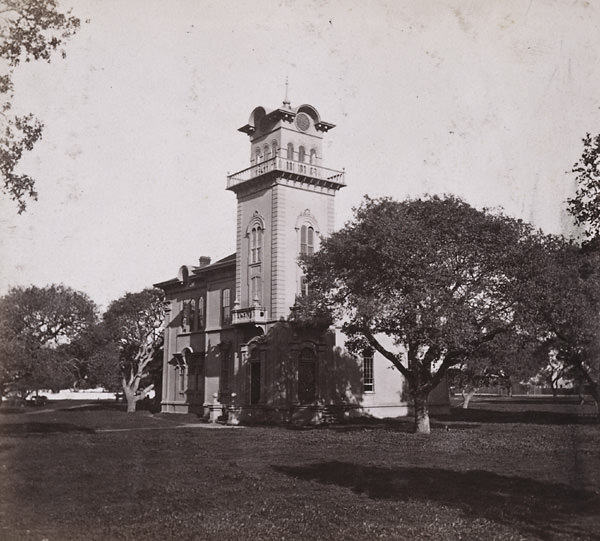
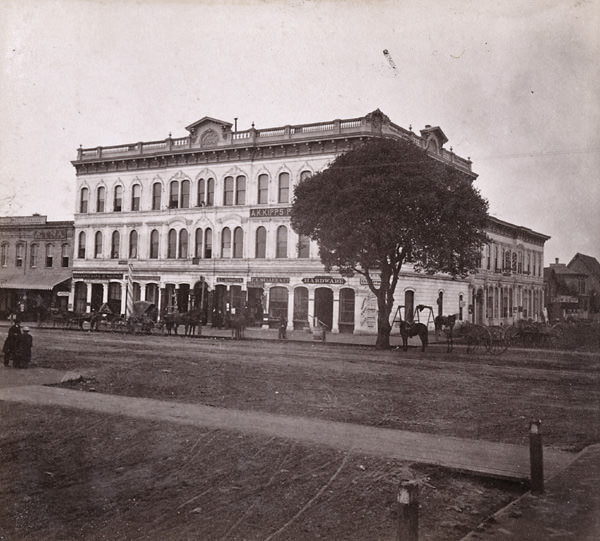
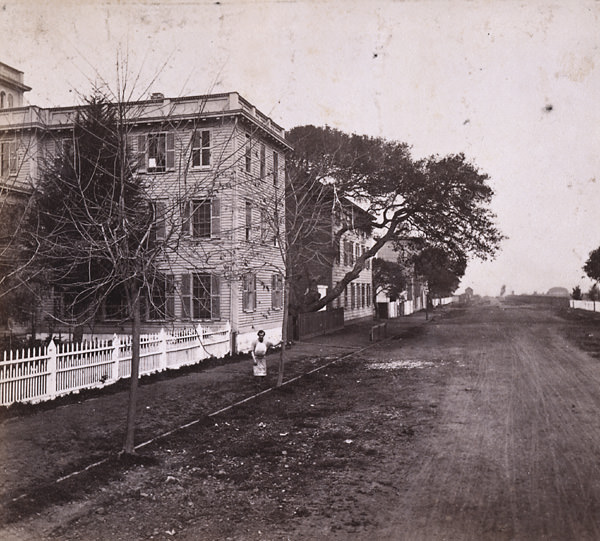
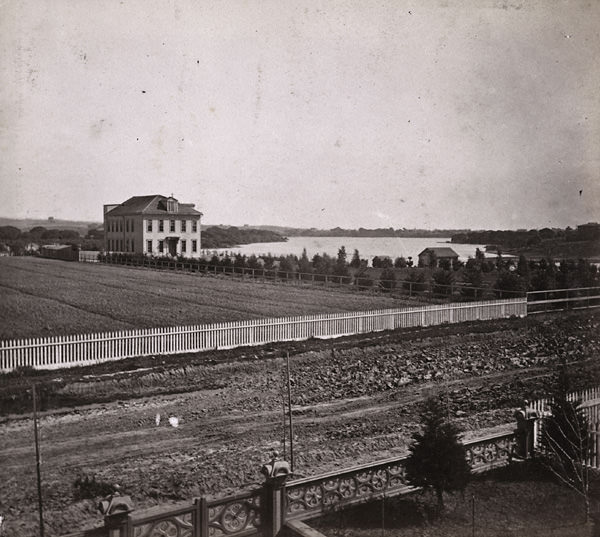
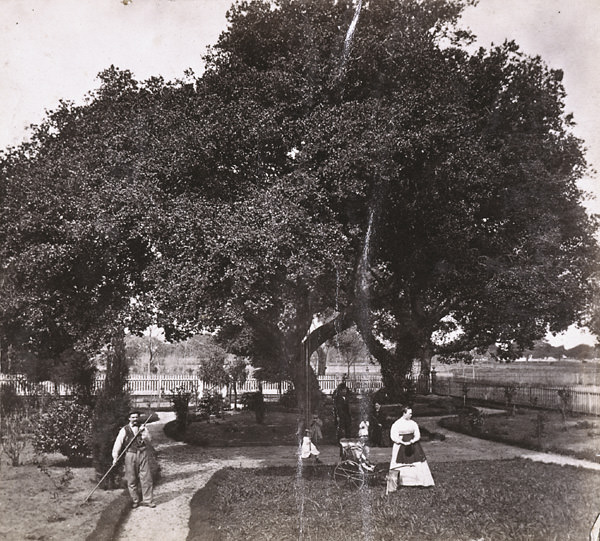
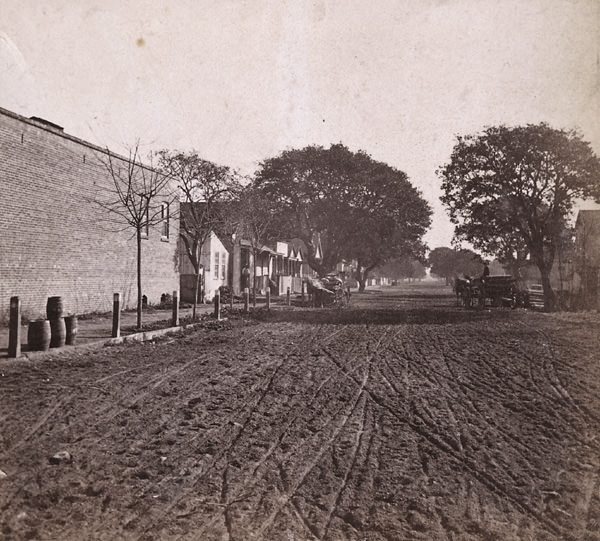
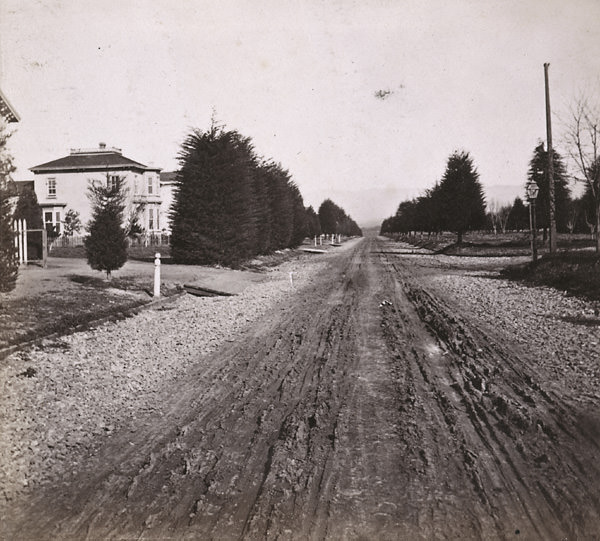
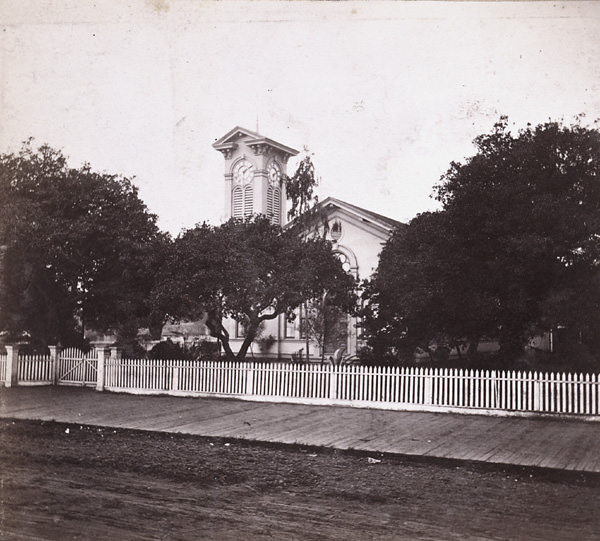
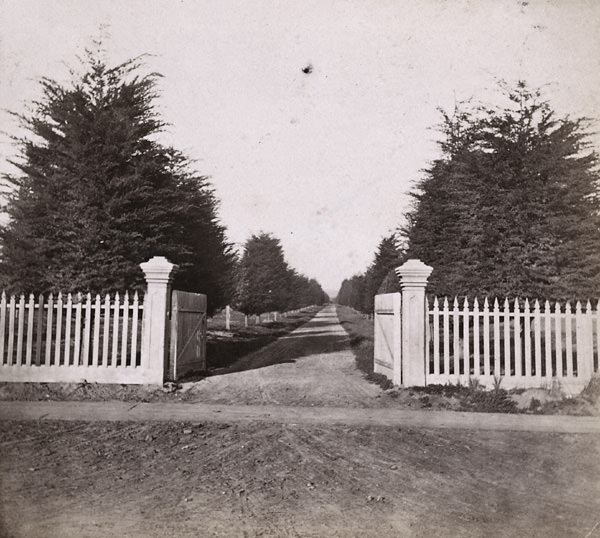
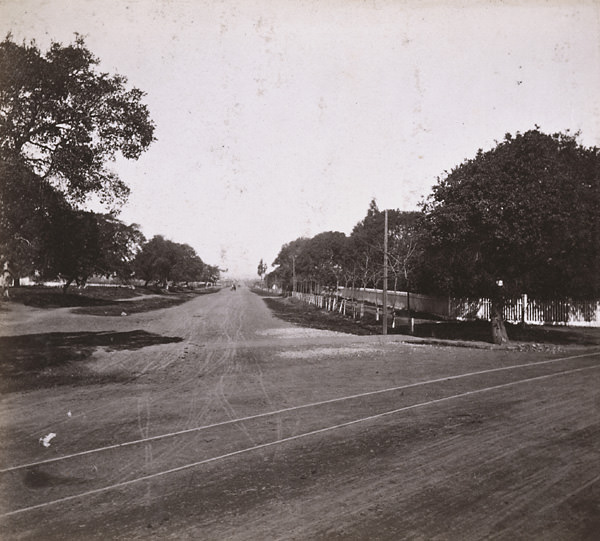
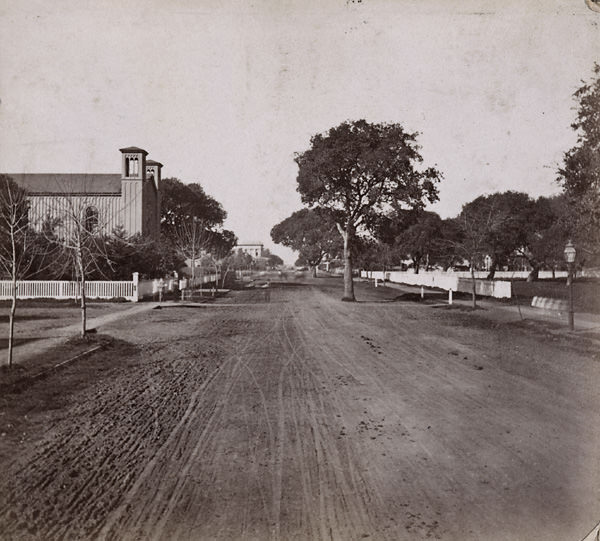
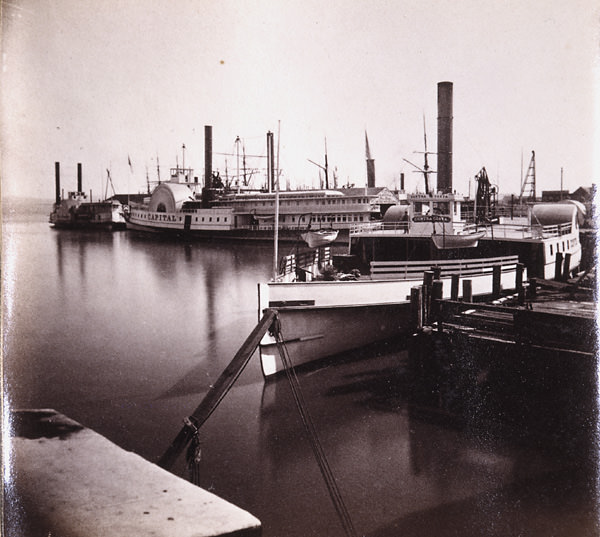
Here are some fascinating historical photos that show Oakland in the 1860s.
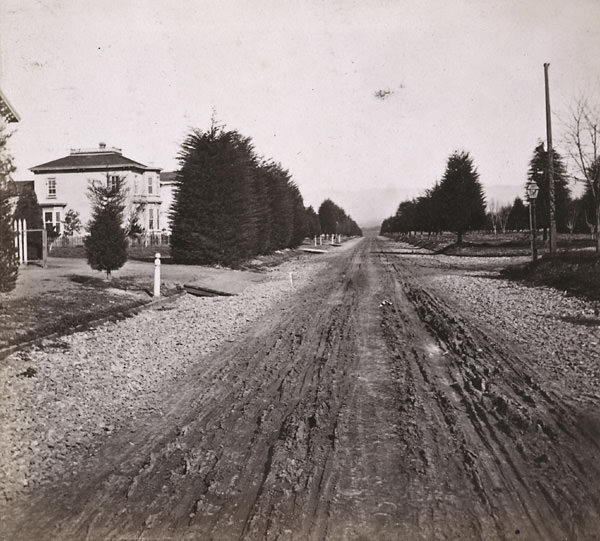
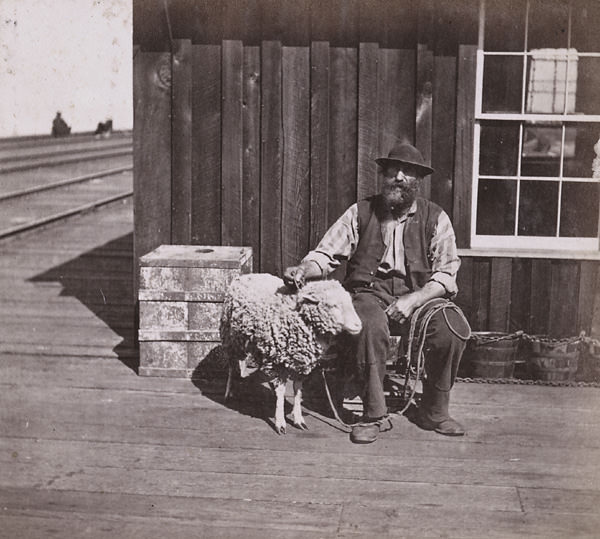
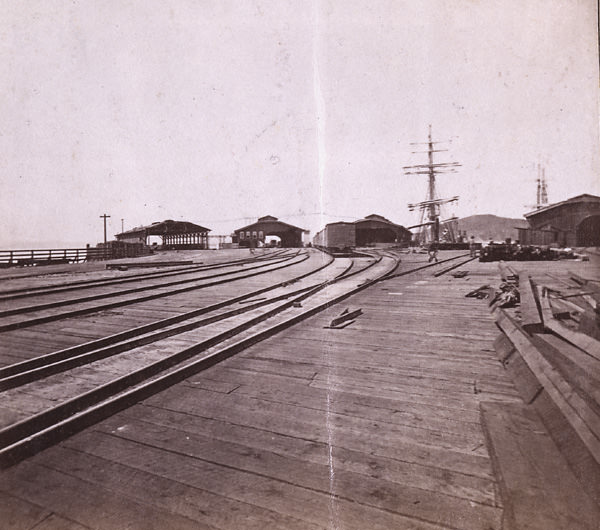
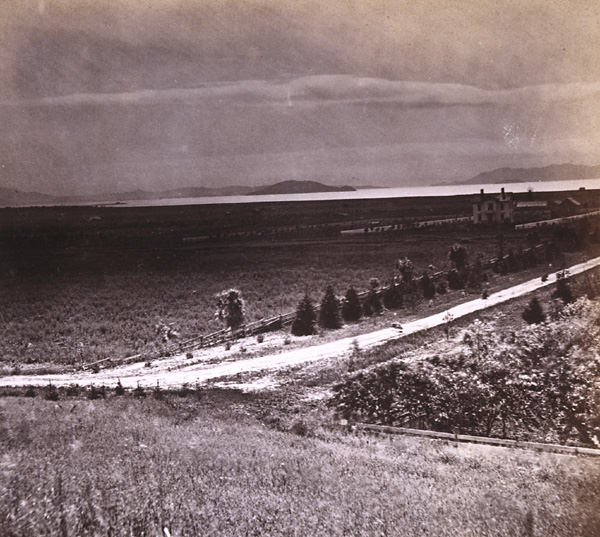
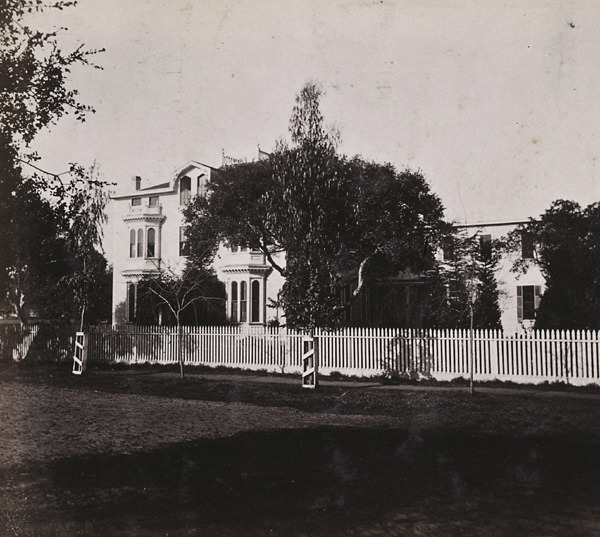
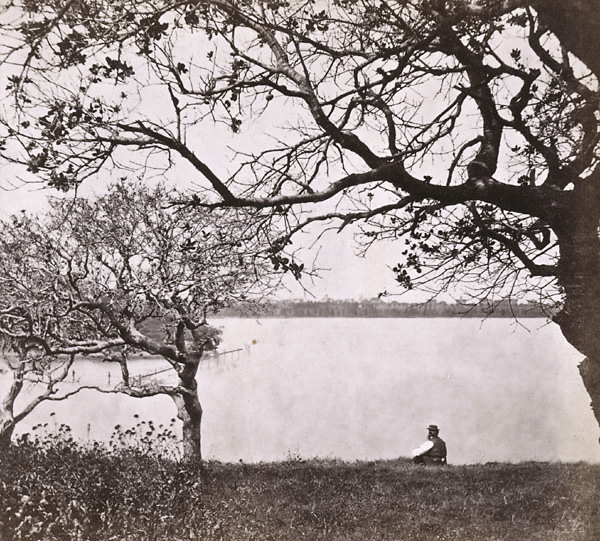
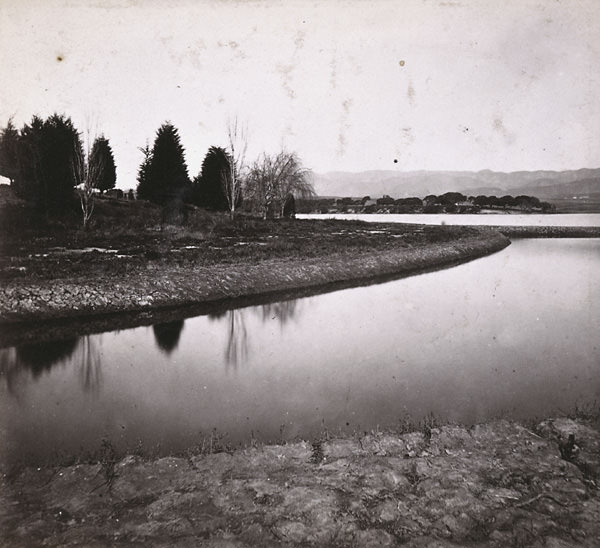
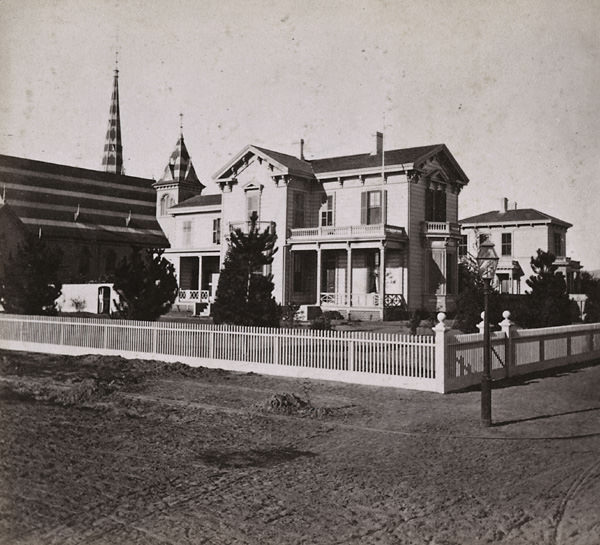
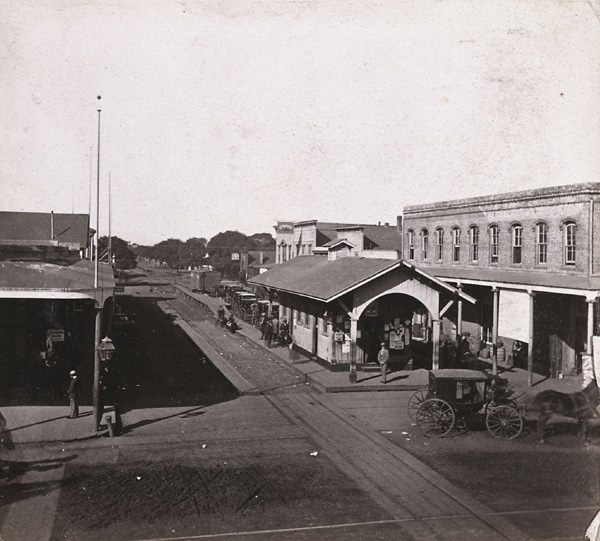
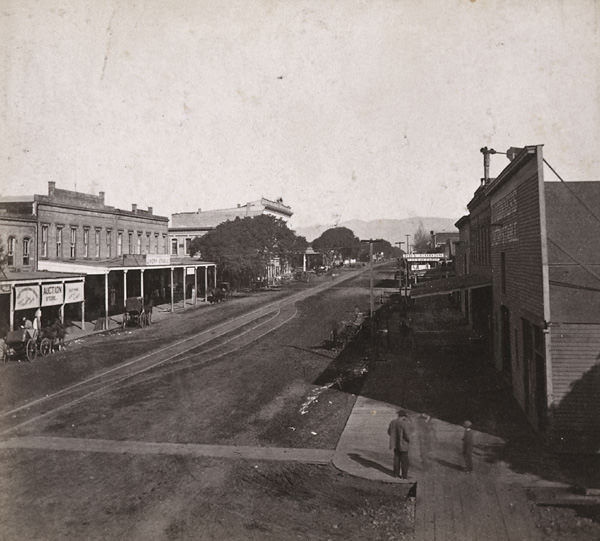
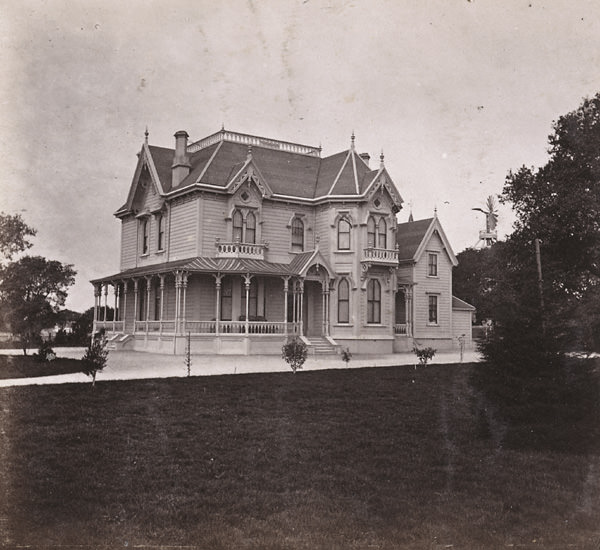
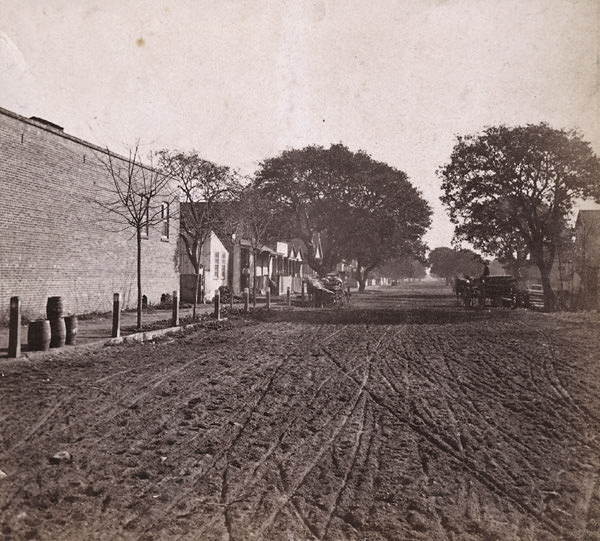

Anyone know the deal with the Decoy Sheep in #18?
Before we planted all the eucalyptus and have so much scotch broom, would there have been just more oak trees in the hills?
These are awesome! Thanks for sharing.
I wonder if any of these buildings and trees are still standing
These are great! There’s a lot of old photos on the second floor of the main Oakland Public Library outside of the Oakland History Center. It’s fun to find what still stands. Our city has/had some beautiful architecture!