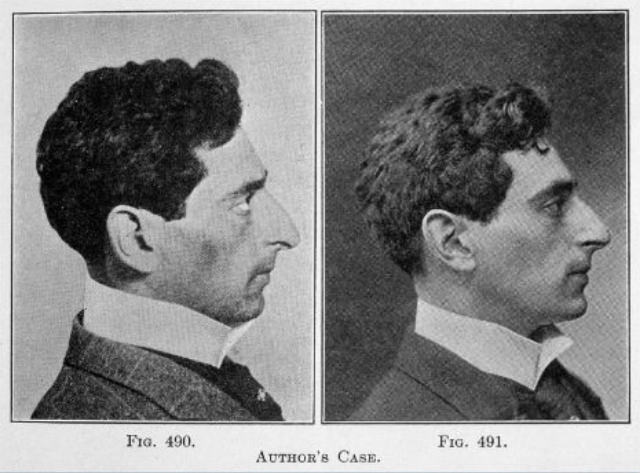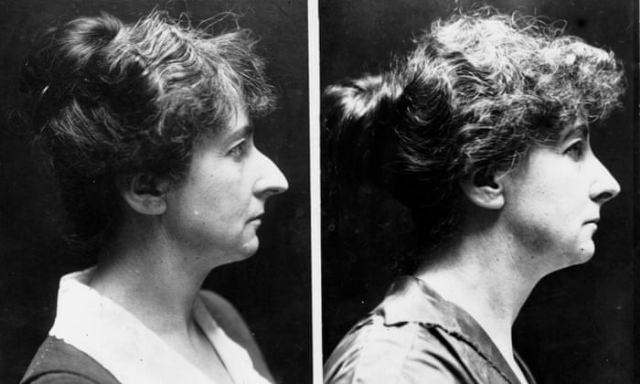
Rhinoplasty — the surgical reshaping of the nose — is one of the oldest known surgical procedures in human history. Long before Hollywood made the “nose job” famous, surgeons were performing nasal reconstruction for medical reasons. In the 18th century, the procedure was primarily used to repair noses destroyed by late-stage syphilis. By the 19th century, the first purely cosmetic rhinoplasties appeared, marking a clear shift: physical appearance was starting to matter as much as medical need.
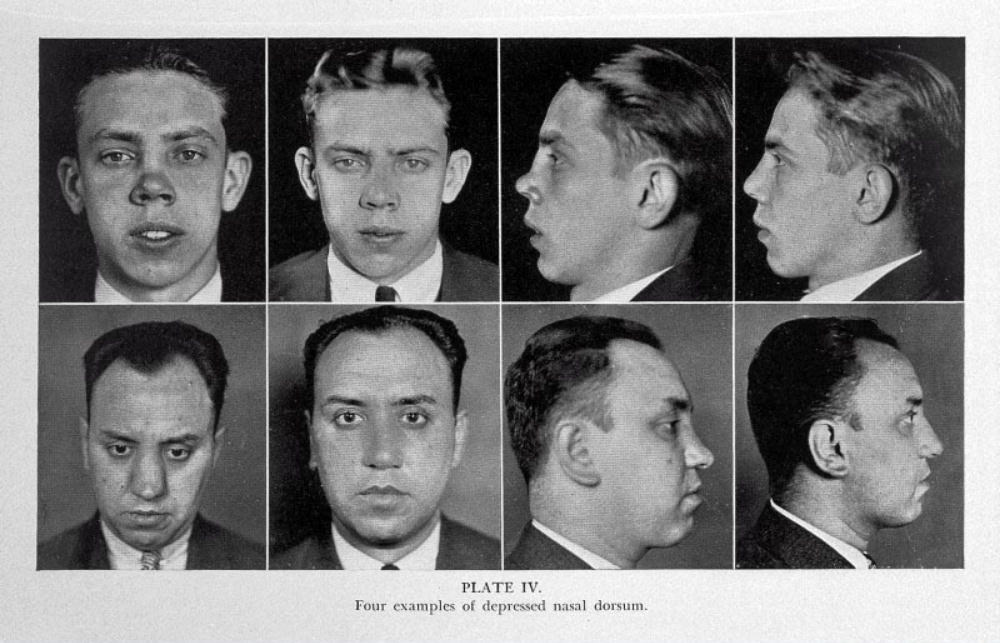
The 1920s and 1930s were a turning point for the procedure. Rhinoplasty began taking on the form we recognize today, driven largely by advances born out of wartime necessity. World War I left enormous numbers of soldiers with severe facial injuries, forcing surgeons to develop new and faster techniques for reconstruction. This urgent demand pushed the entire field of surgery forward in ways that peacetime medicine had not.
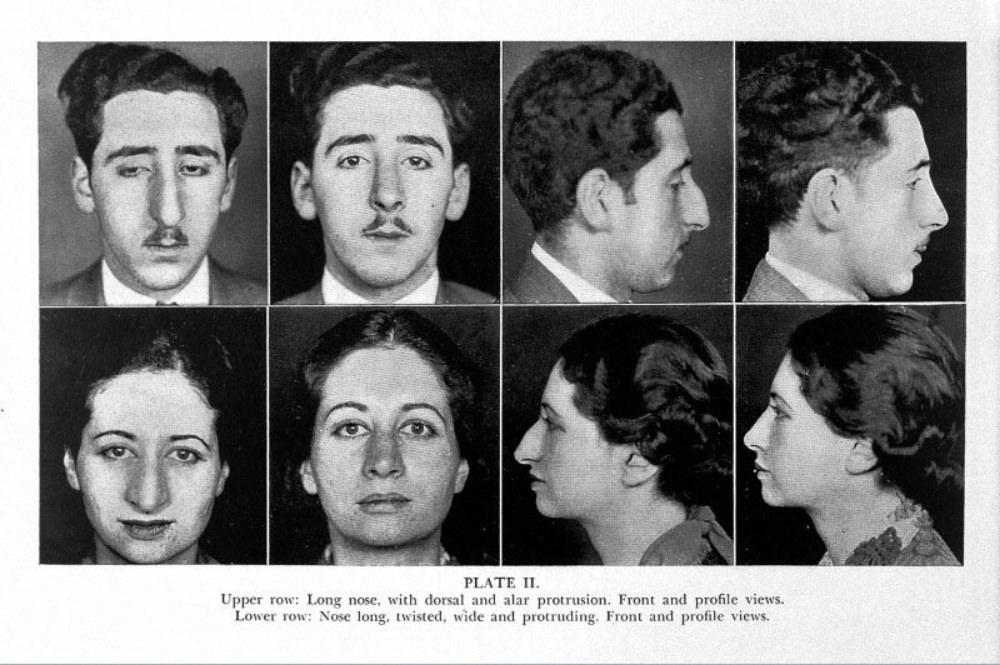
Two major medical developments shaped surgery in this era: improved anesthesia and the introduction of antibiotics. Before reliable anesthesia, operations were brutally painful and had to be completed as fast as possible. Better anesthesia gave surgeons more time to work carefully. Antibiotics then dramatically reduced the risk of post-operative infection, which had previously made many procedures life-threatening.
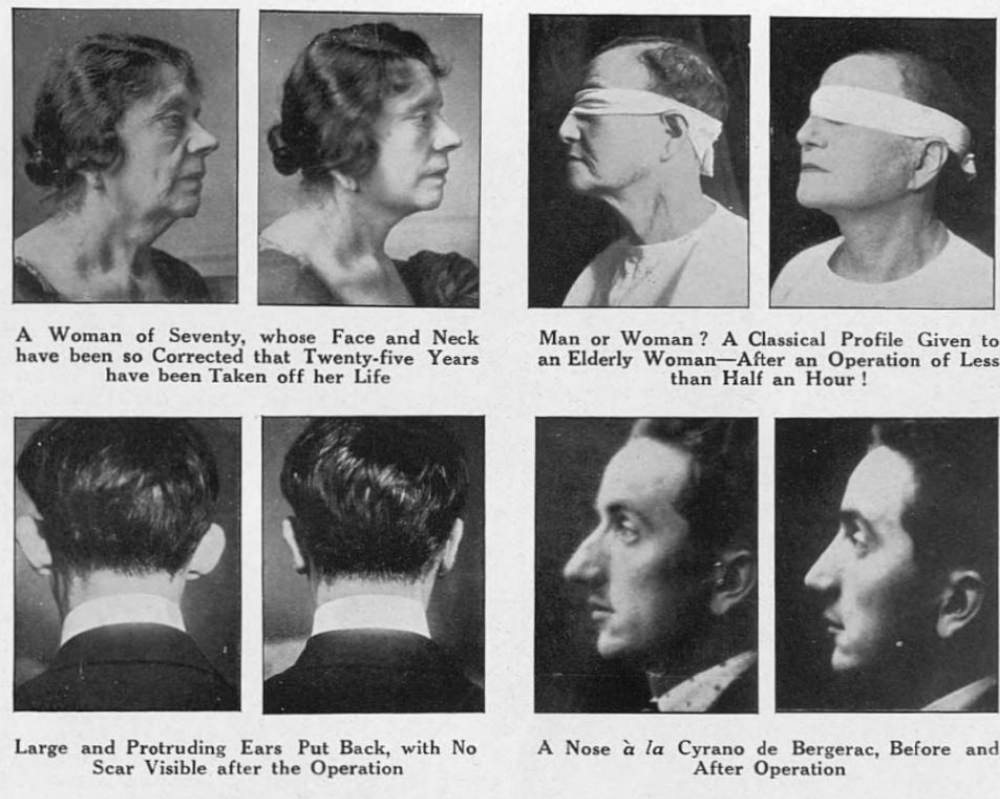
Together, these advances made rhinoplasty safer and more accessible to ordinary people — not just soldiers or the seriously ill. Surgeons refined their techniques during this period, developing more precise methods for altering the bone and cartilage of the nose. Operative tools improved, and surgeons began documenting their results more carefully, building a growing body of knowledge that others could learn from.
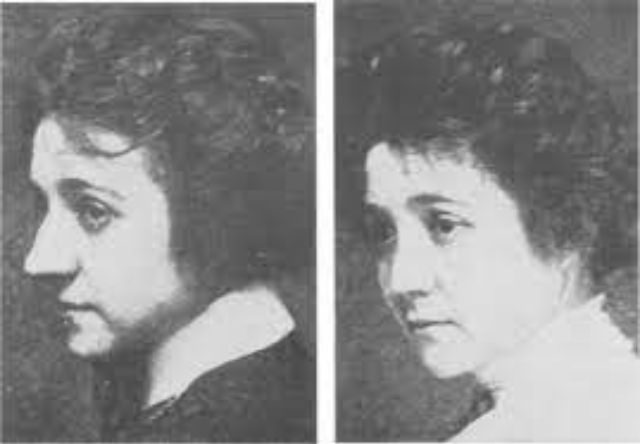
The cultural climate of the 1920s also played a role. The decade brought a new emphasis on personal image and self-presentation. As mass media grew — through film, magazines, and advertising — public awareness of physical appearance increased. People began thinking about their looks in ways that earlier generations simply had not. Rhinoplasty quietly moved from the medical ward into the realm of personal choice.
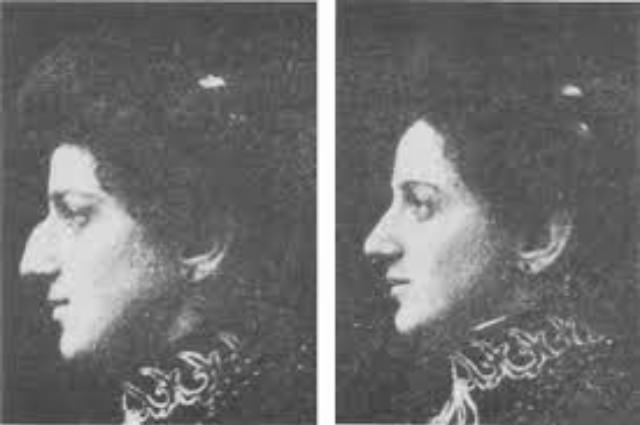
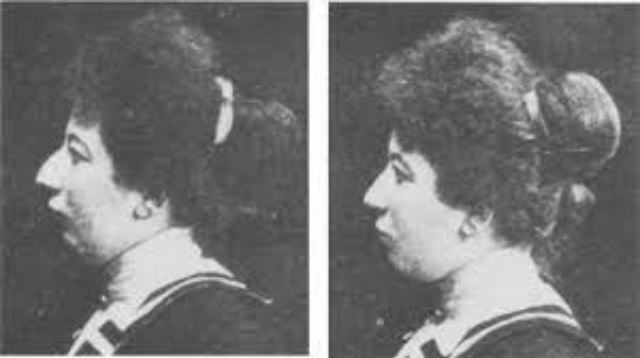
By the 1930s, rhinoplasty was no longer exclusively reconstructive. Patients sought the procedure to change features they simply did not like — a bump on the bridge, a wide tip, or an asymmetrical shape. Surgeons catered to these requests, and the cosmetic surgery industry began to take shape as a legitimate medical specialty rather than a fringe practice.
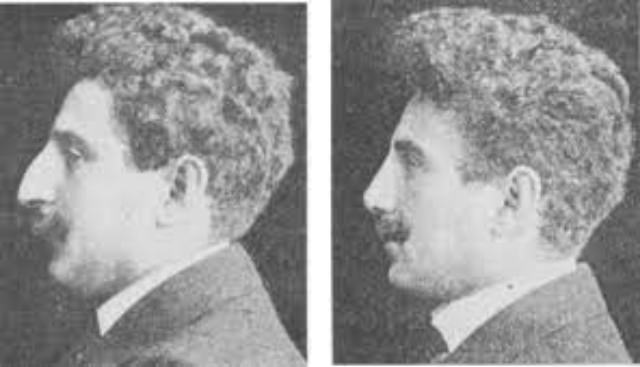
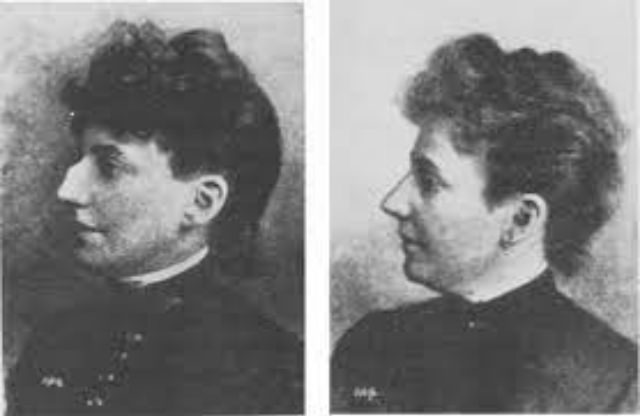
It is worth noting that rhinoplasty in the 1920s and 1930s carried social and ethnic dimensions that are well-documented. Many patients sought surgery specifically to alter features associated with their ethnic backgrounds, reflecting the prejudices and beauty standards of the time. Jewish, Irish, and Italian immigrants in the United States, for example, sought to reshape noses they felt marked them as outsiders. Surgeons openly marketed procedures with this framing.
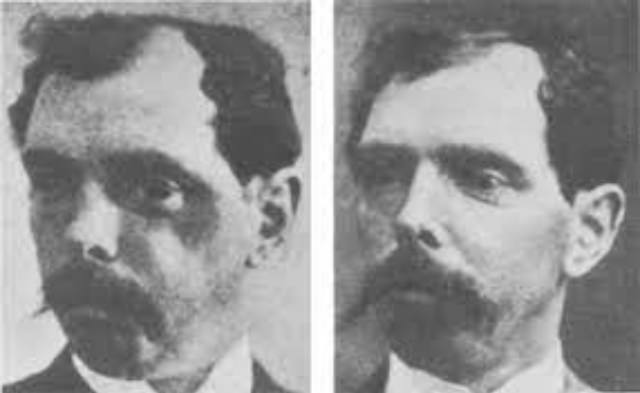
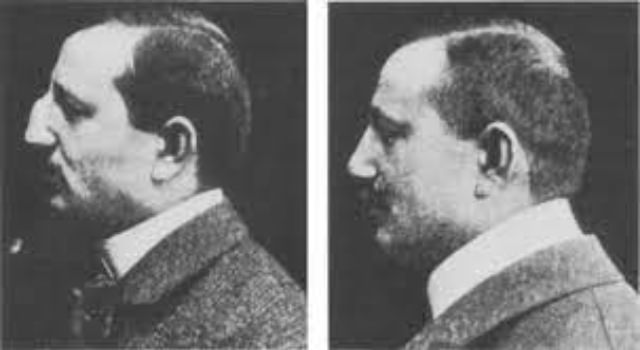
The procedure was not without serious risk. Anesthesia, though improved, was still far from safe by modern standards. Surgical infections remained a genuine threat even as antibiotics became available, since their widespread use did not become standard until later decades. Patients accepted these risks, and complications were not uncommon.
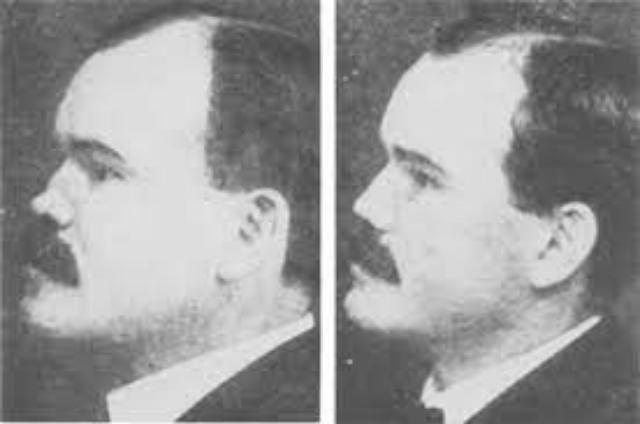
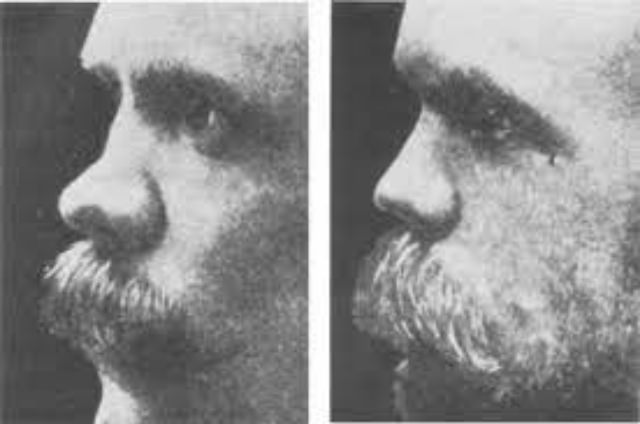
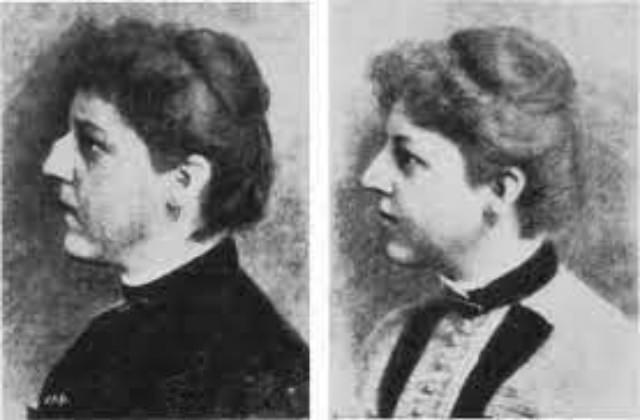
Key figures in early rhinoplasty helped define the field during this period. Surgeons like Jacques Joseph in Germany had already laid groundwork in the early 1900s with endonasal techniques — operating from inside the nose to avoid visible scarring. His methods were widely studied and adopted by surgeons throughout Europe and North America during the interwar years.
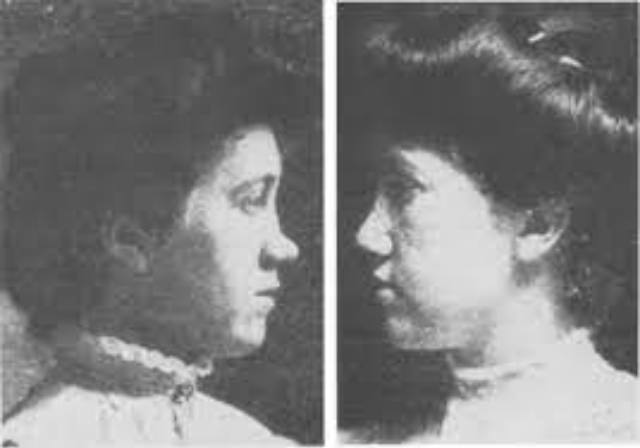
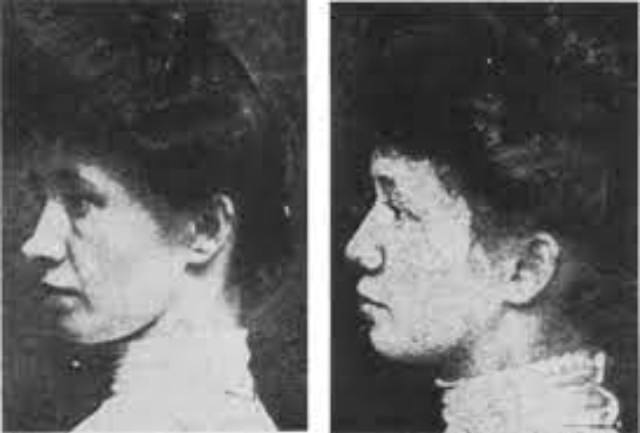
The 1920s and 1930s are often overshadowed by the post-war cosmetic surgery boom of the 1950s, when celebrities like Marilyn Monroe, Rita Hayworth, and John Wayne were publicly linked to the procedure. But the groundwork for that era was laid in the decades before. The tools, techniques, medical safety standards, and cultural acceptance that made 1950s rhinoplasty possible were all products of the interwar period.
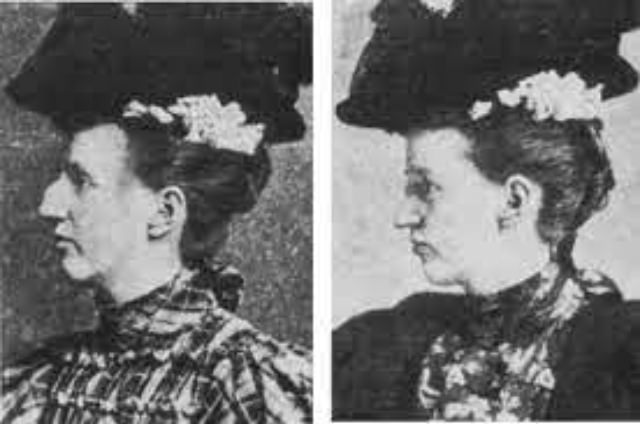
Surgical training also became more structured during the 1930s. Medical schools and hospitals began formalizing how reconstructive and cosmetic procedures were taught. This meant that rhinoplasty techniques were no longer passed down informally from one surgeon to another — they were being standardized and published in medical journals for a wider professional audience.