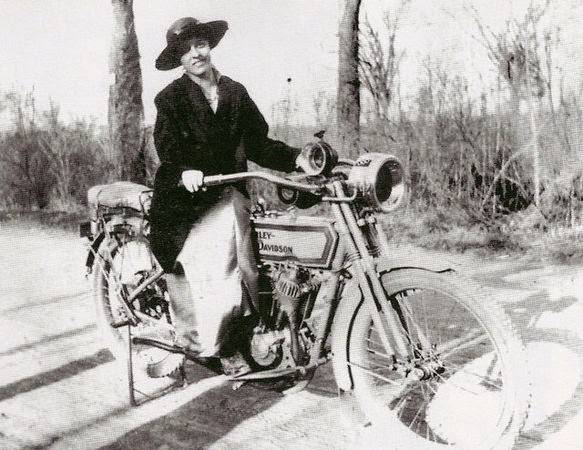
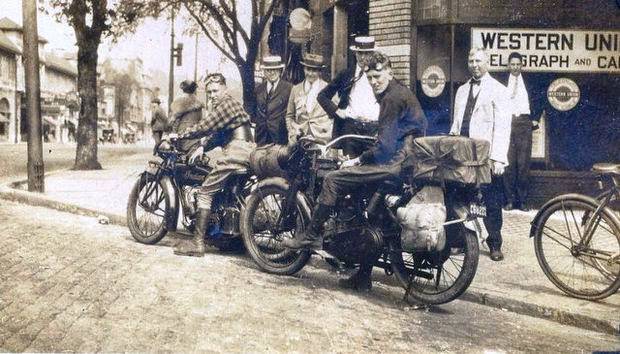
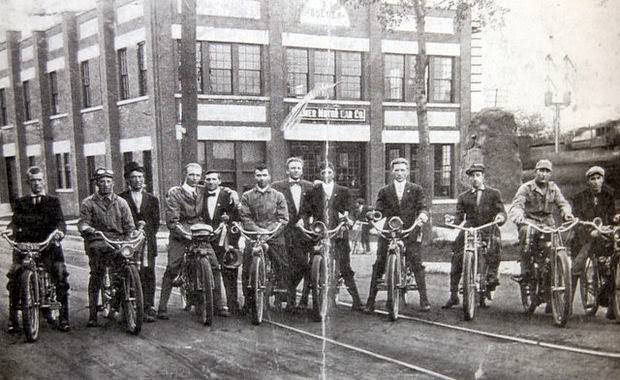
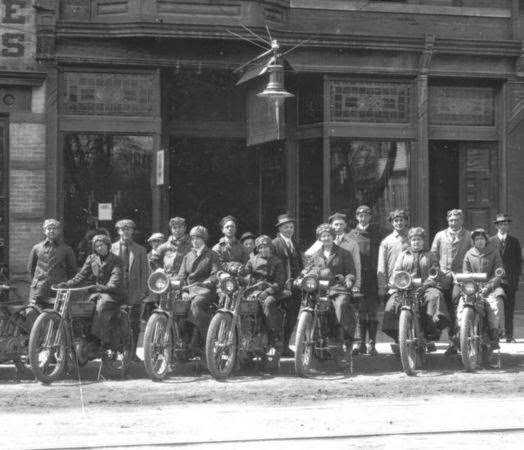
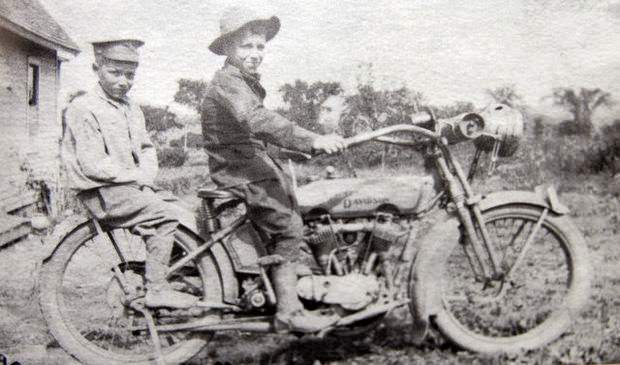
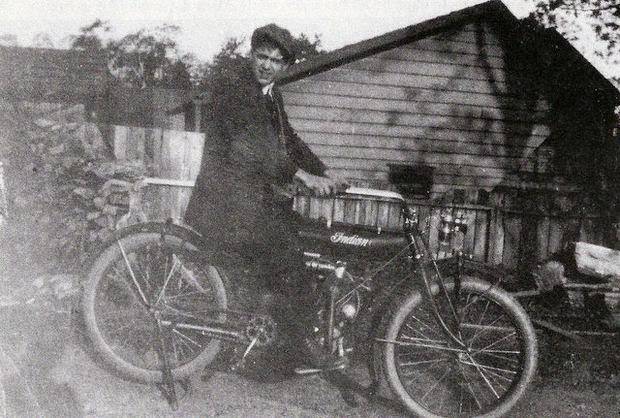
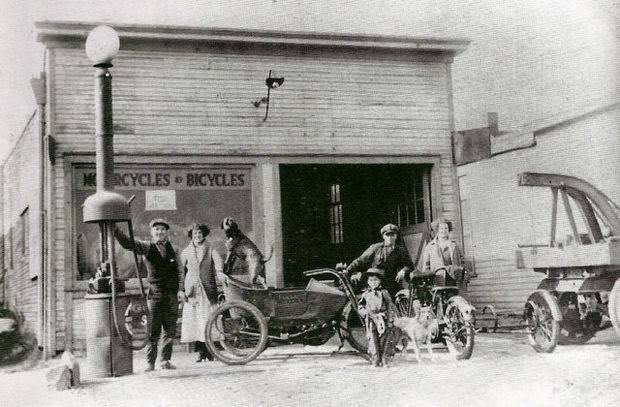
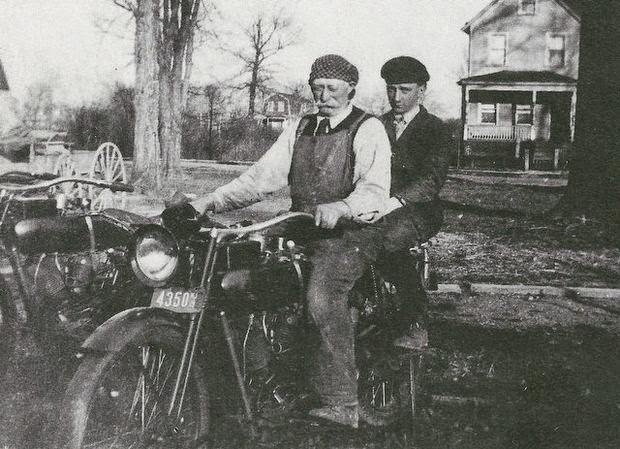
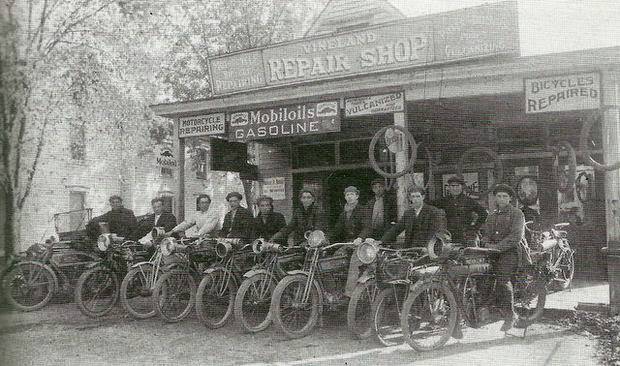
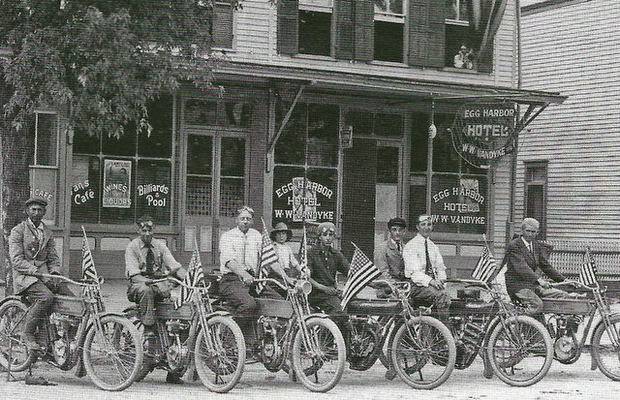
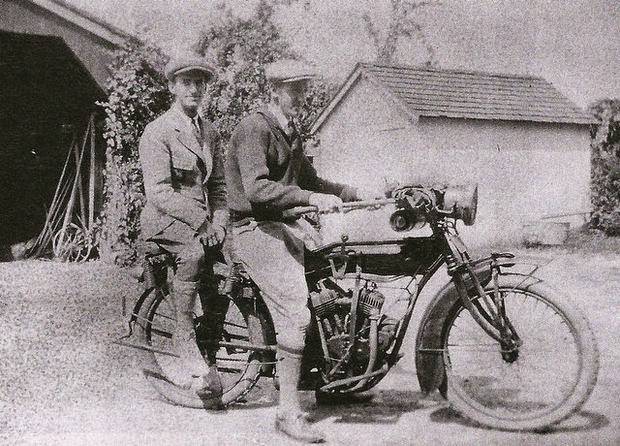
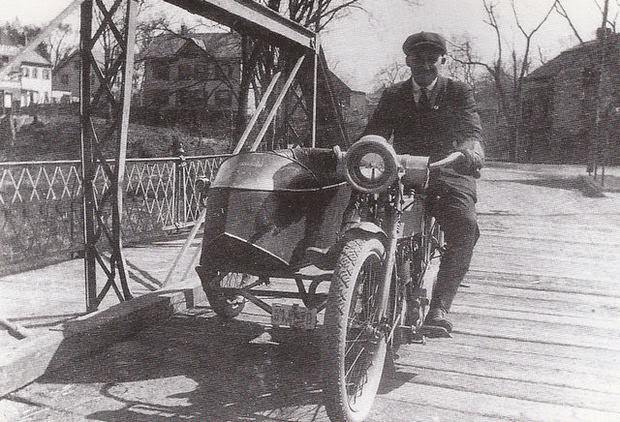
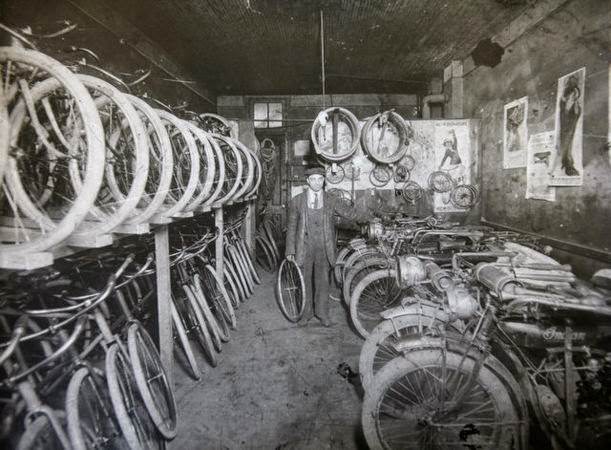
Motorcycles appeared on New Jersey roads in the early 1900s. At first, they were practical machines used for work and transport. Riders included factory workers, delivery drivers, and messengers. These early bikes were loud, heavy, and required constant maintenance. Riding demanded skill and physical strength.
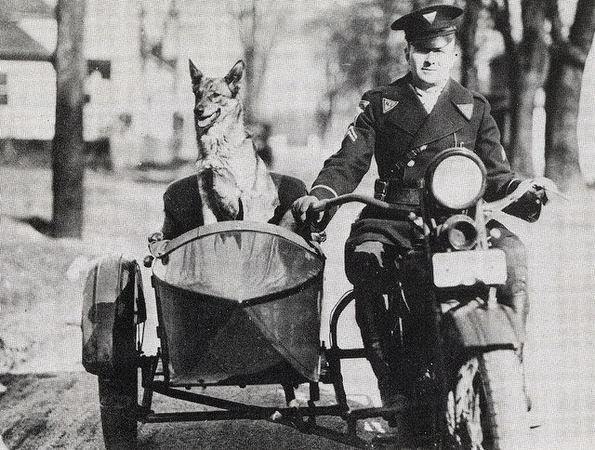
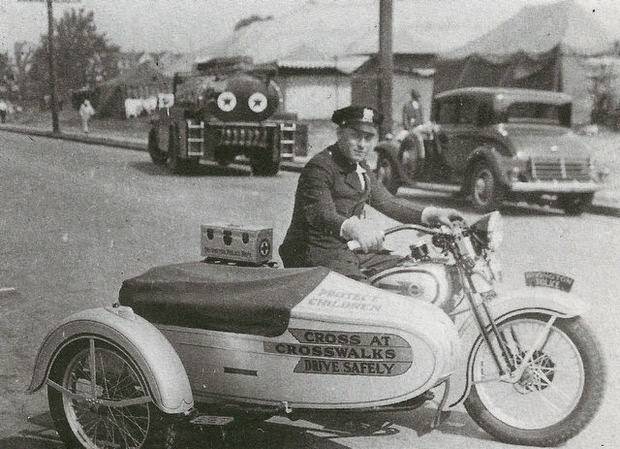
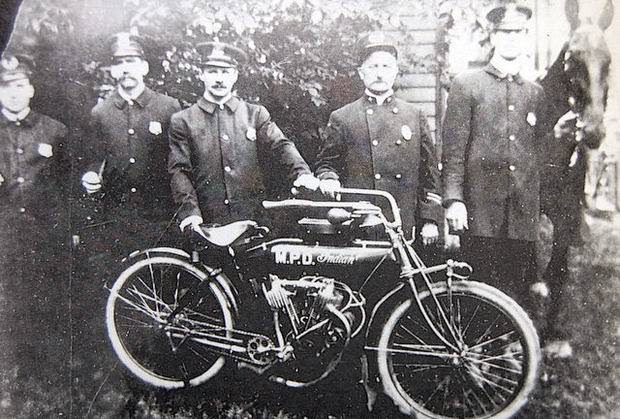
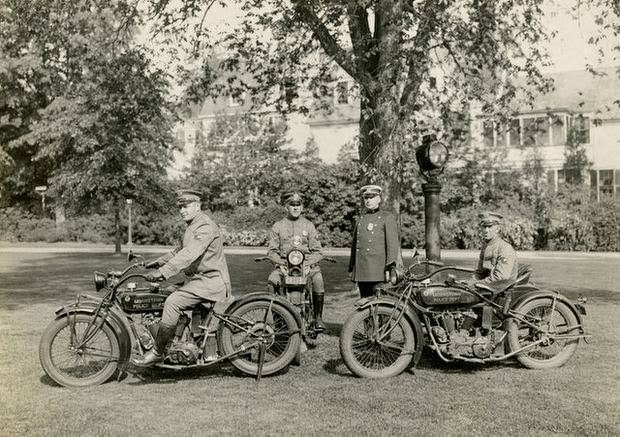
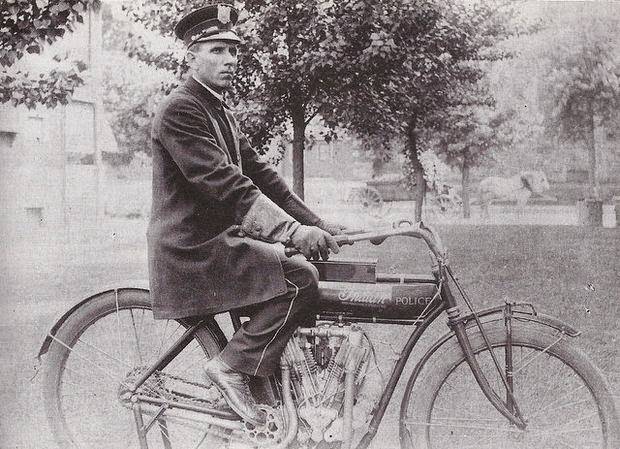
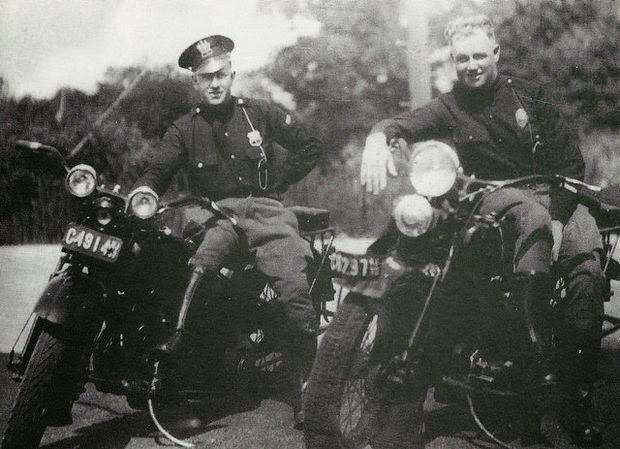
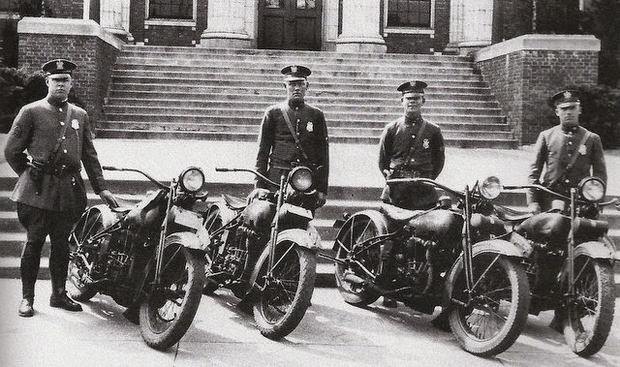
During the 1920s and 1930s, motorcycles became more common across the state. Riders traveled on unpaved roads that cut through farmland, towns, and industrial areas. New Jersey’s mix of rural routes and growing cities made motorcycles useful and efficient. Police departments began using motorcycles for patrols and traffic control.
World War II changed motorcycle culture in the state. Many New Jersey men served in the military and learned to ride during service. They returned home with riding skills and a strong connection to motorcycles. Military surplus bikes became available after the war. These machines were affordable and durable.
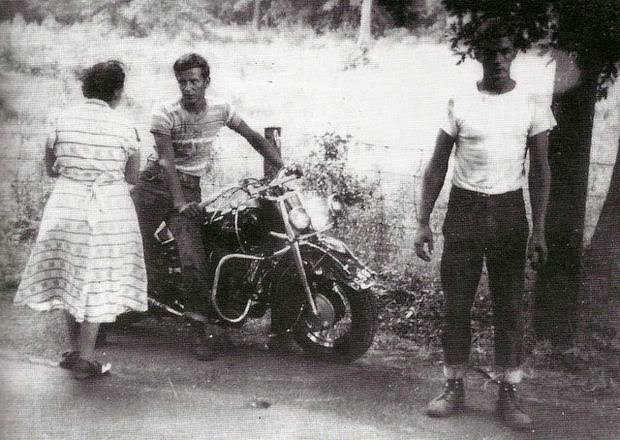
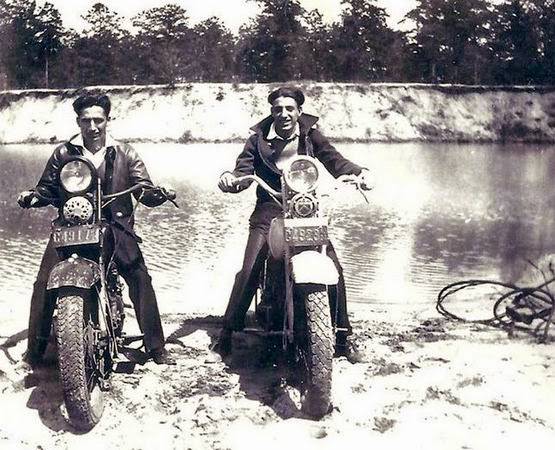
By the late 1940s and 1950s, motorcycle riding shifted from work to recreation. Riders formed local clubs that met regularly. Weekend rides along the Jersey Shore, through the Pine Barrens, and across back roads became common. These rides offered freedom from factory jobs and routine life.
Read more
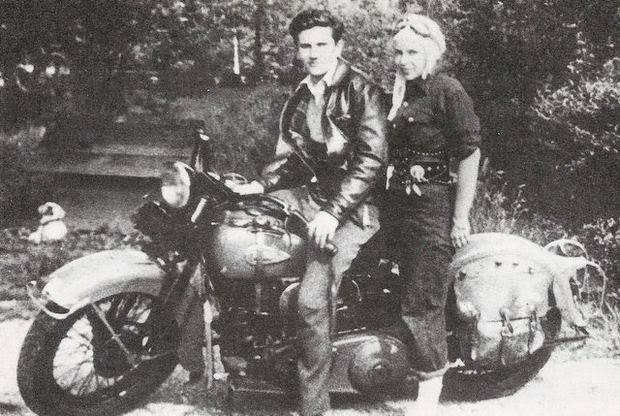
Clothing played a clear role in rider identity. Leather jackets protected riders from wind and road debris. Heavy boots and gloves were standard. Helmets were rare and often optional. Riders relied on experience rather than safety gear.
Motorcycles of this era were large and loud. Brands like Harley-Davidson and Indian dominated the roads. Riders customized their bikes with new handlebars, seats, and paint. Each machine reflected the personality of its owner.
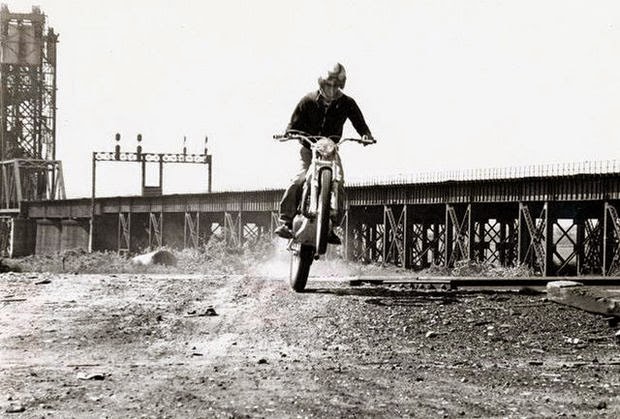
New Jersey’s industrial towns shaped the rider population. Many riders worked long shifts in shipyards, factories, or rail yards. Motorcycles provided fast travel between work and home. They also served as an escape from crowded neighborhoods.
Public reaction to motorcyclists was mixed. Some viewed riders as skilled and disciplined. Others associated them with noise and rebellion. Police monitored clubs but allowed them to operate openly. Riders gathered at diners, gas stations, and roadside bars.