Established in 1873 as a small-format magazine called The Queen, McCall’s Magazine was a beacon of style and substance for generations of women. It underwent a transformation in 1897, rebranding as McCall’s Magazine—The Queen of Fashion, before eventually simplifying to McCall’s. This wasn’t just a name change; it signified the magazine’s growth into a large-format glossy publication that combined fashion, lifestyle, and service journalism. From homemaking tips and cooking recipes to fashion trends and thought-provoking articles, McCall’s was a treasure trove of information and inspiration.
Part of the esteemed “Seven Sisters” group of women’s service magazines, McCall’s was much more than just a monthly publication. It was a guide, a friend, and a confidant to millions of women. At its peak in the early 1960s, the magazine boasted a whopping readership of 8.4 million.
And let’s not forget the fashion! McCall’s Magazine was truly the ‘Queen of Fashion.’ It brought the latest trends right to the doorsteps of American women, offering them a window into the glamorous world of haute couture. It was in the pages of McCall’s that many women found their personal style, their fashion inspiration.
The legacy of McCall’s Magazine is undeniable. It was a stalwart of the magazine industry, setting the bar high for women’s publications. Despite ceasing publication, its influence can still be seen today in the approach and ethos of modern women’s magazines.
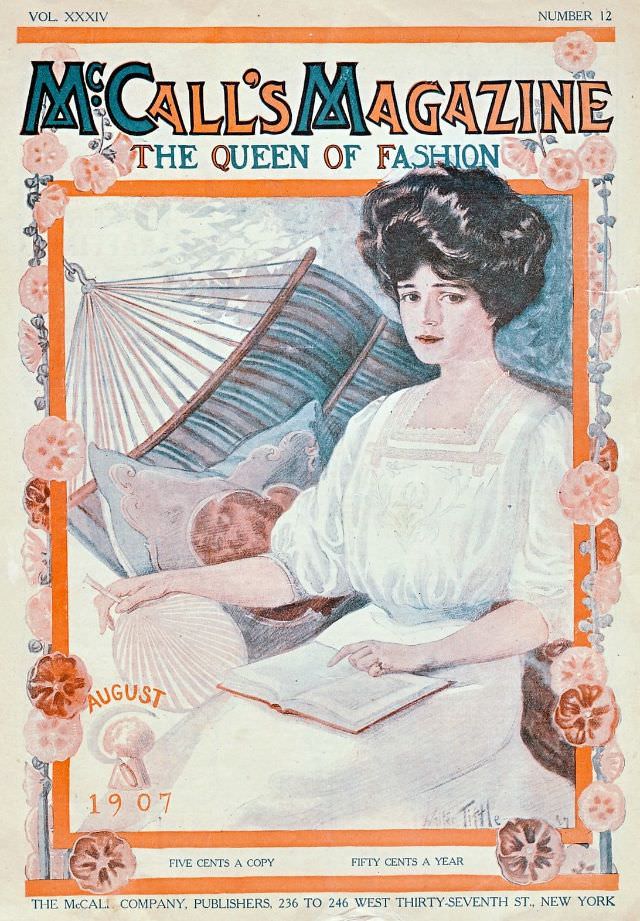
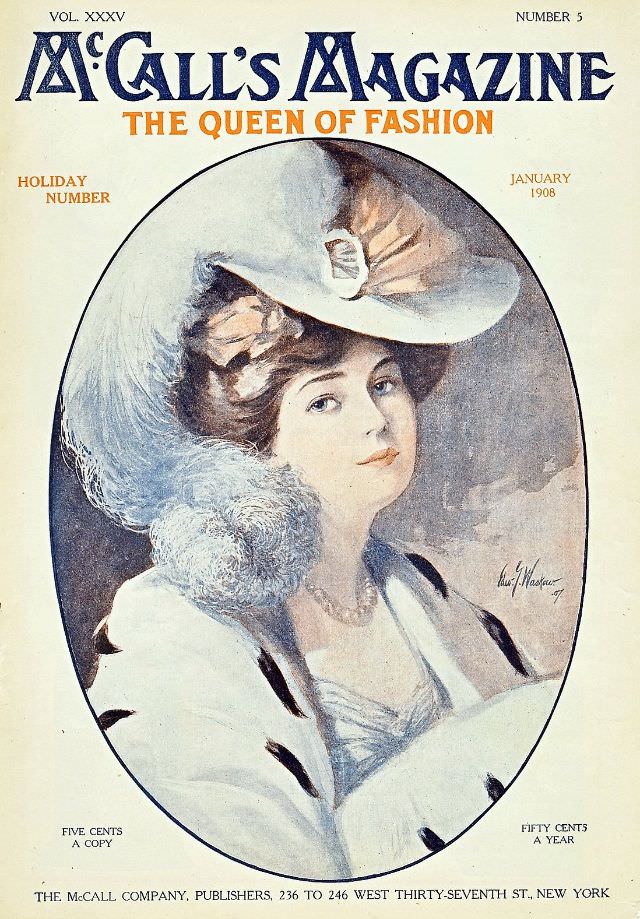
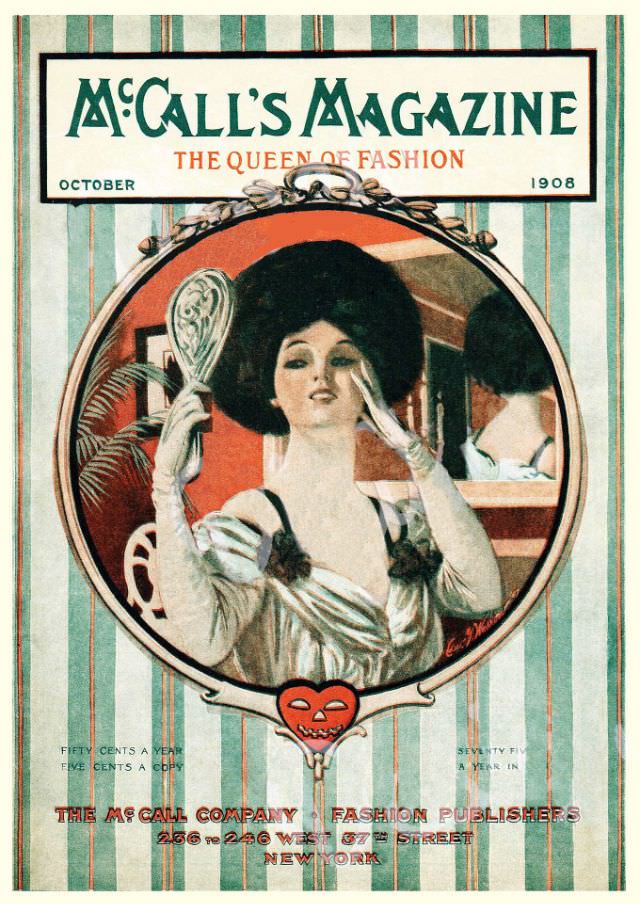
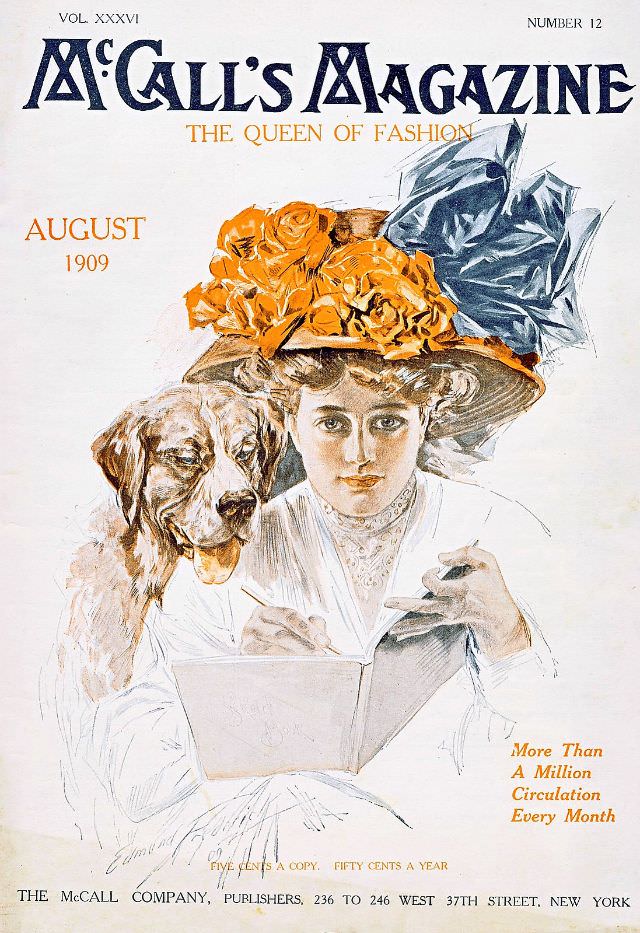
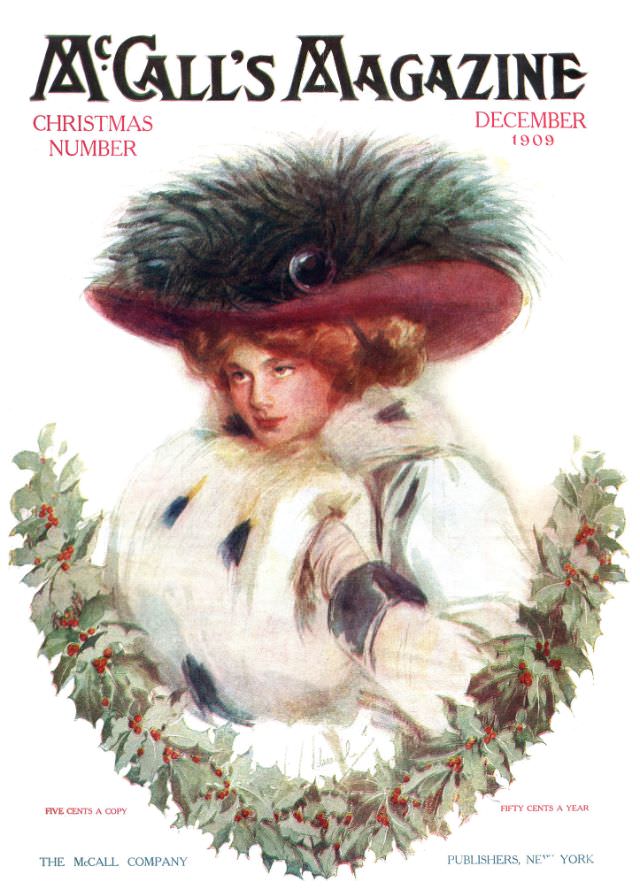
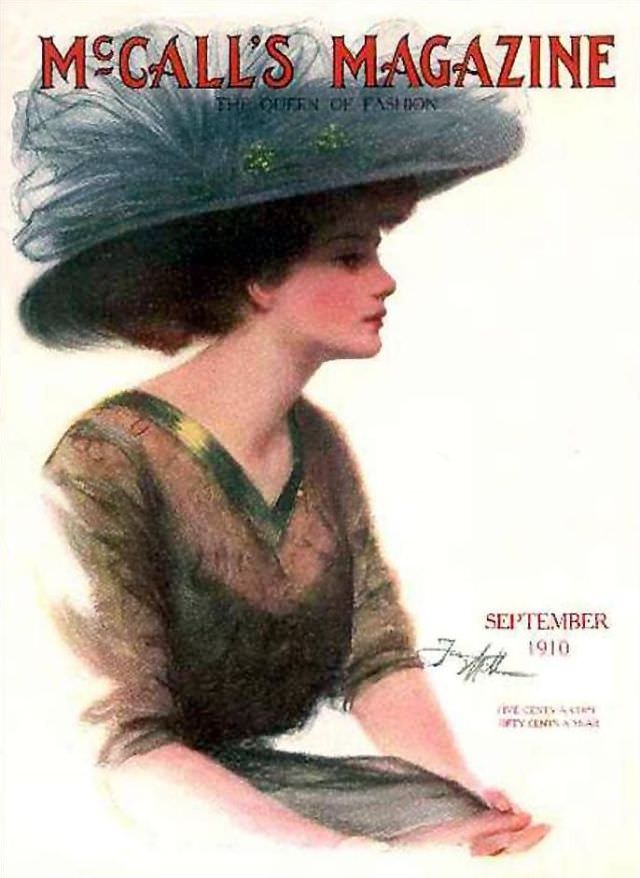
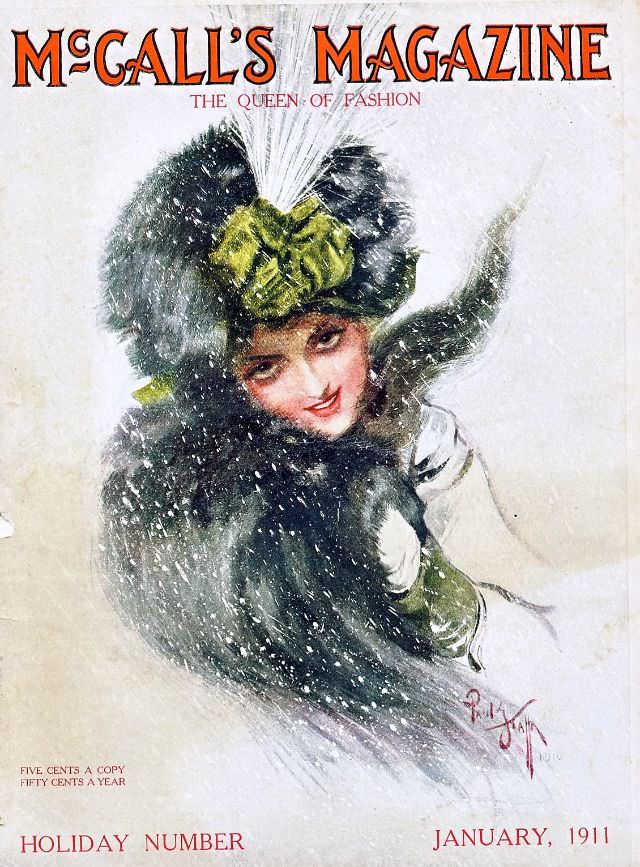
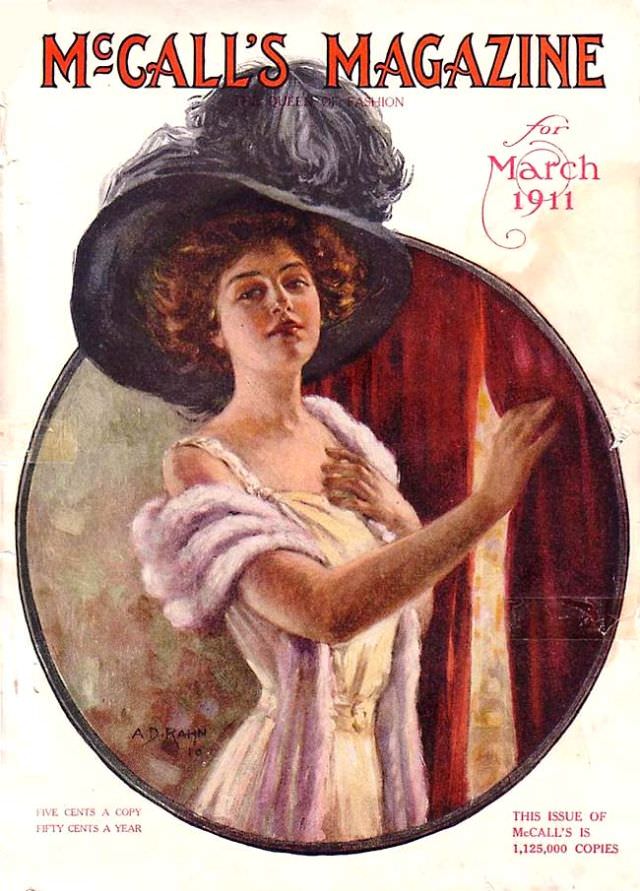
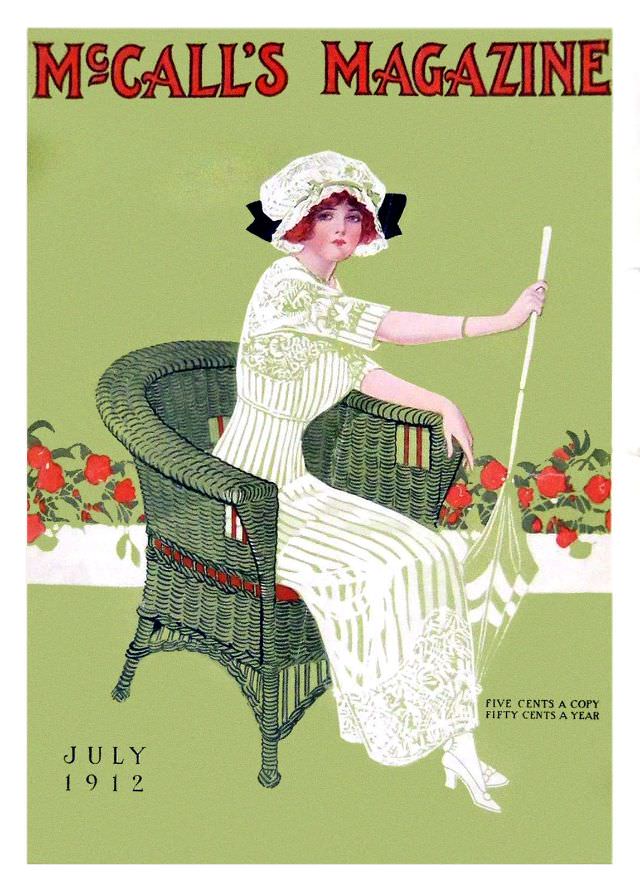
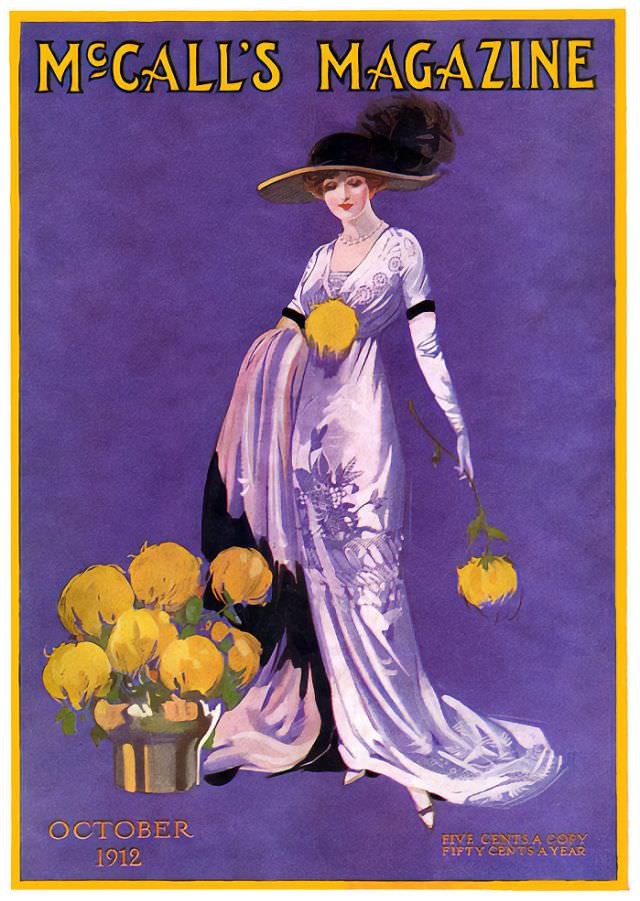
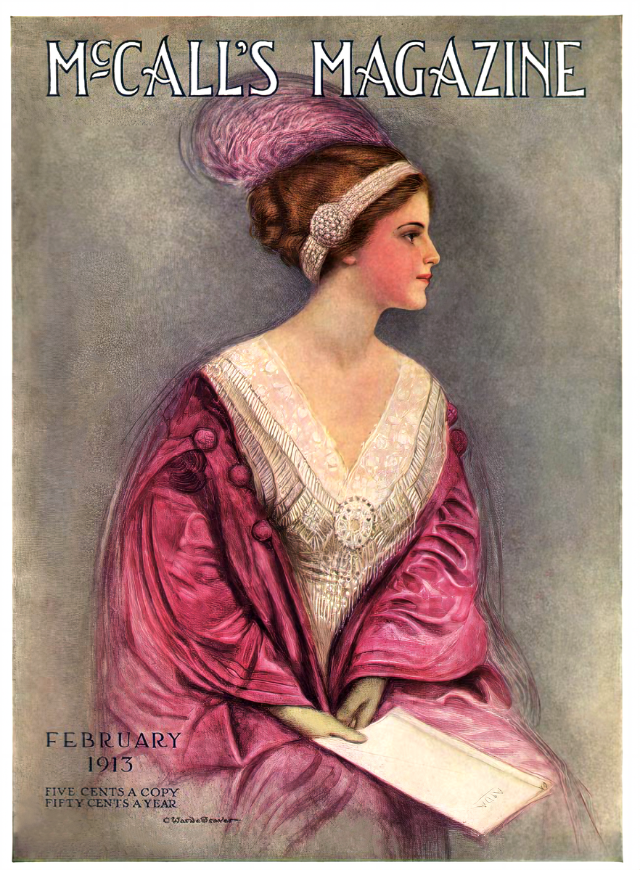
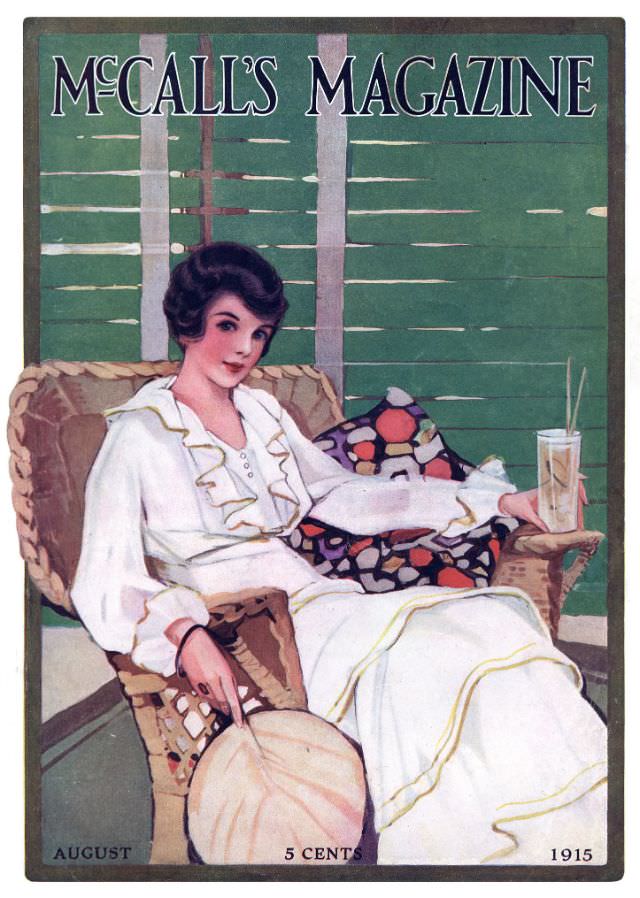
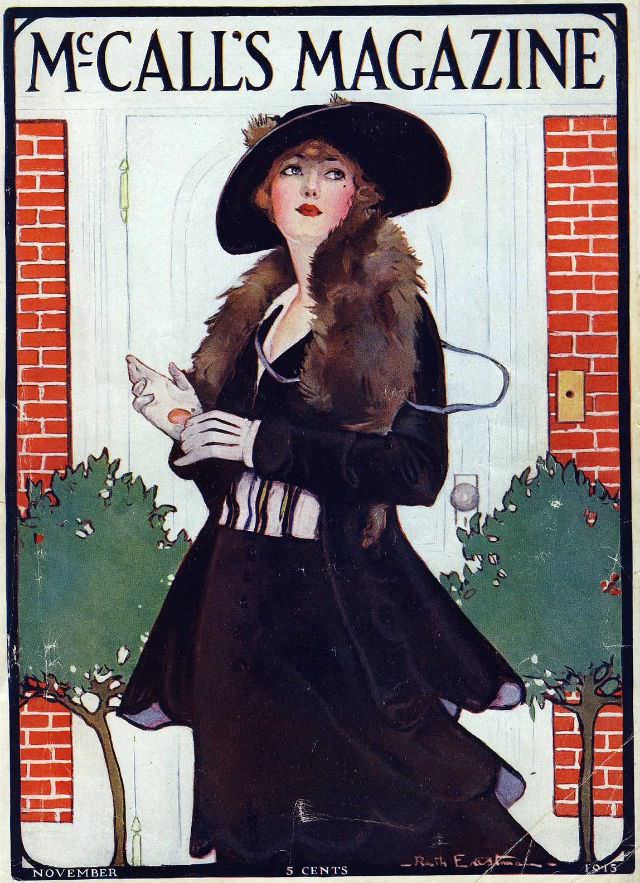
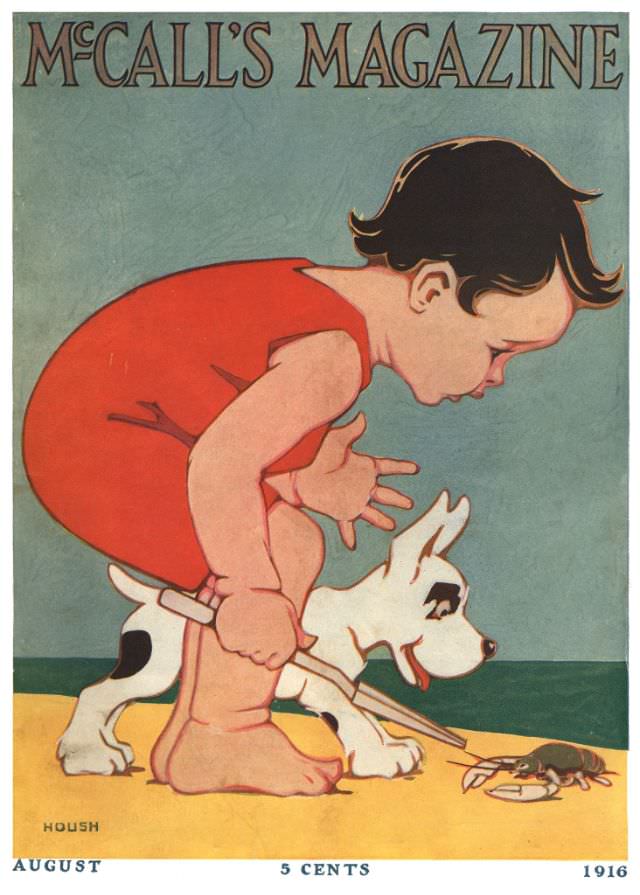
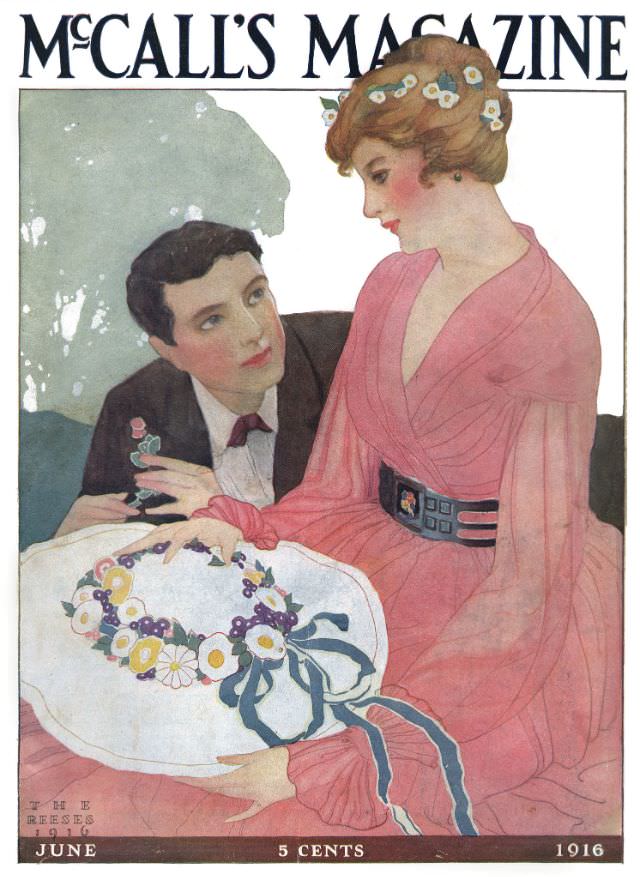
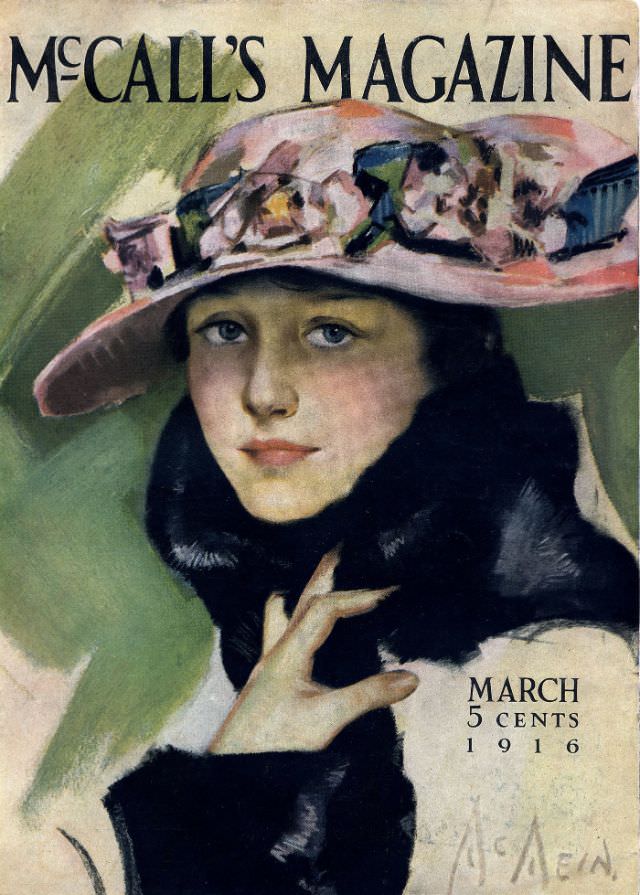
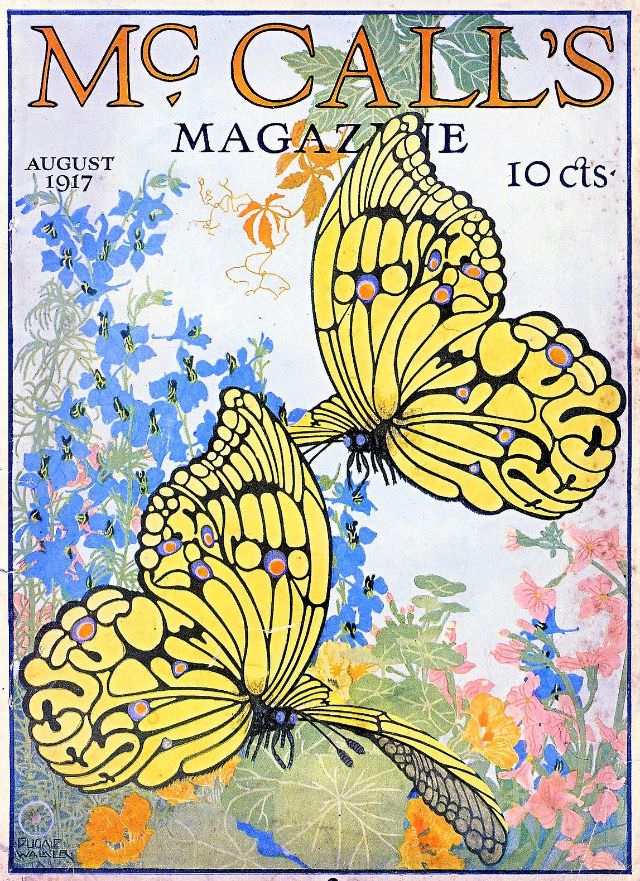
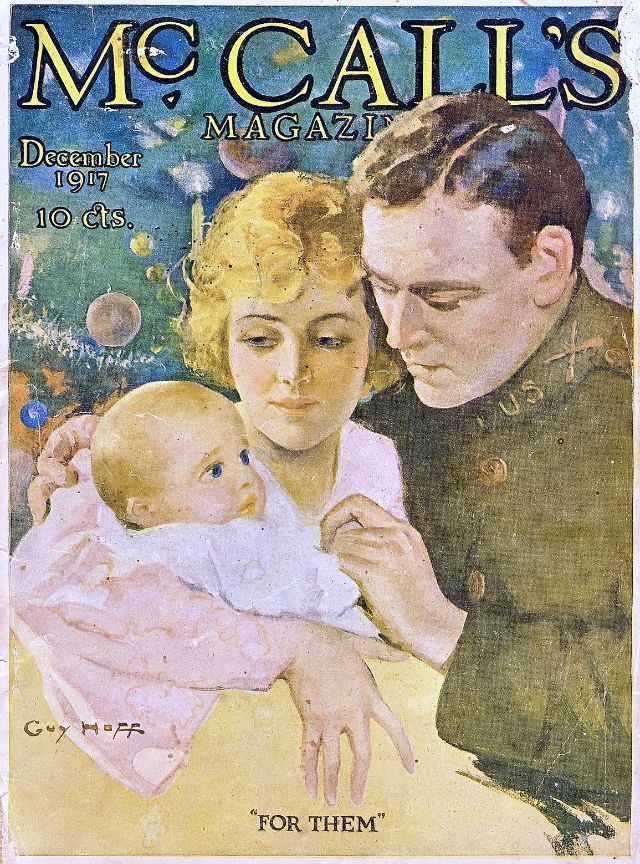
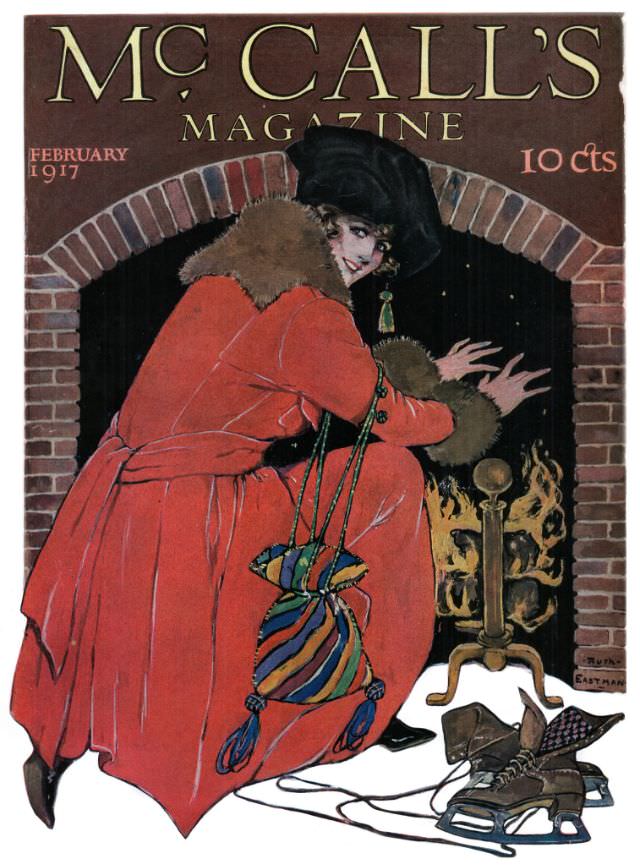
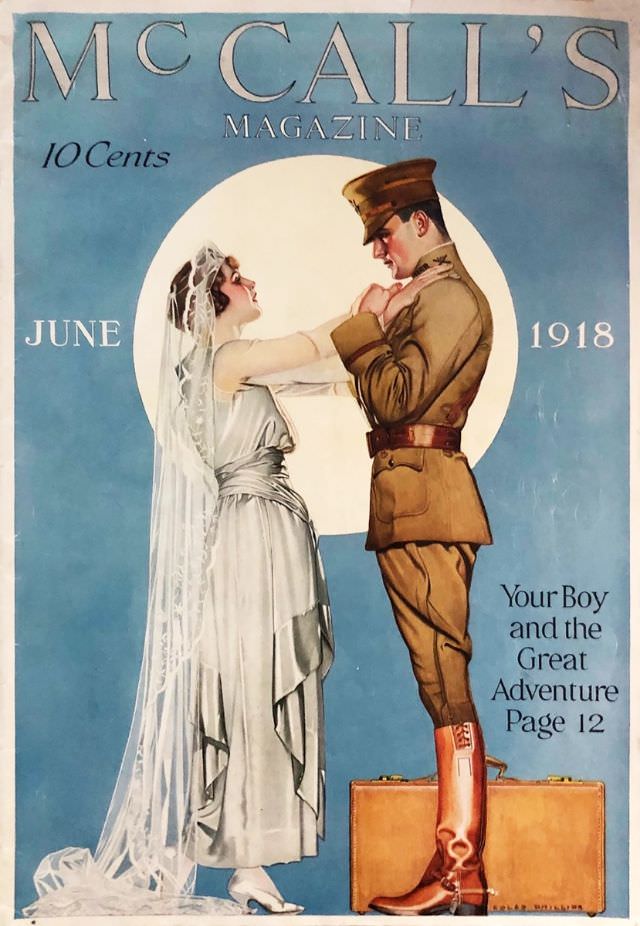
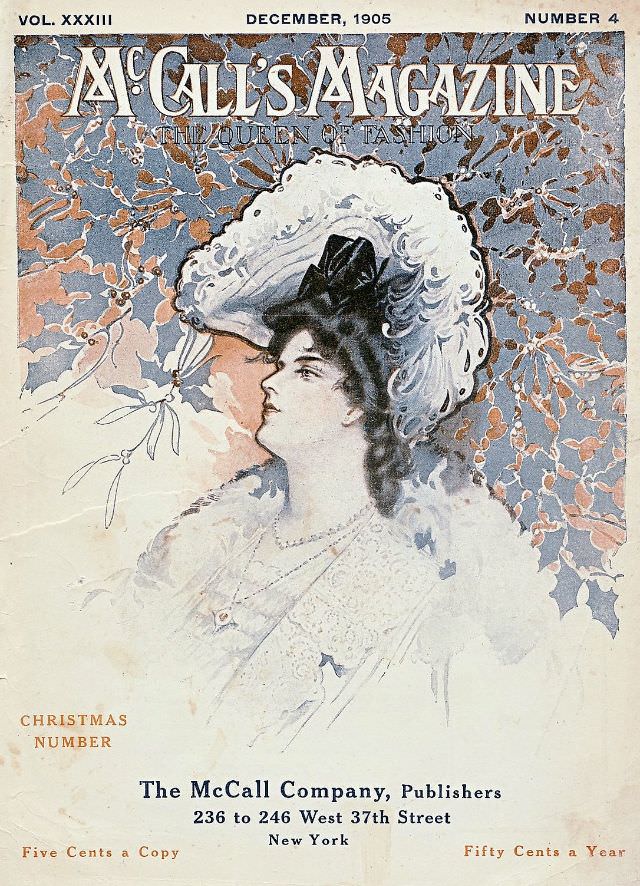
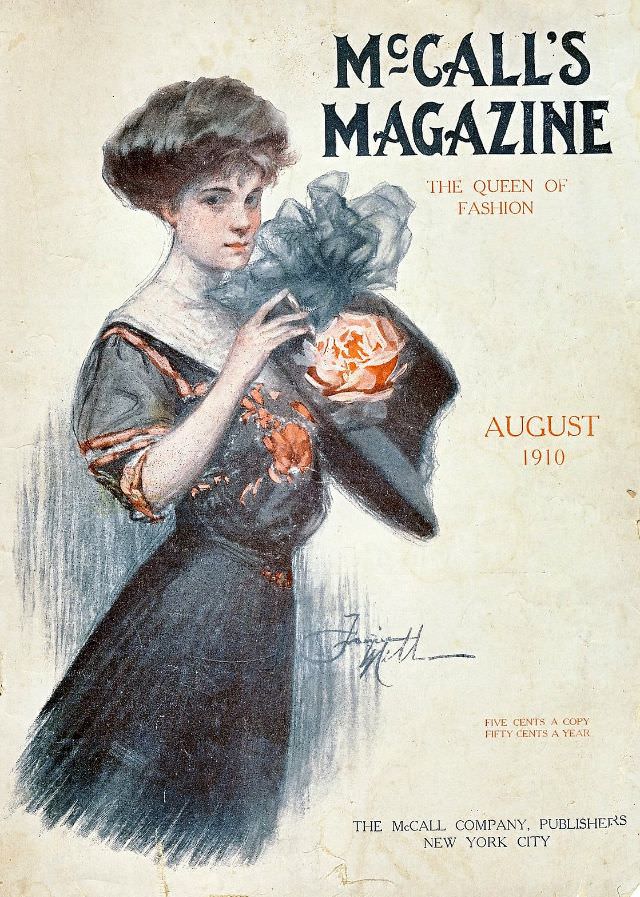
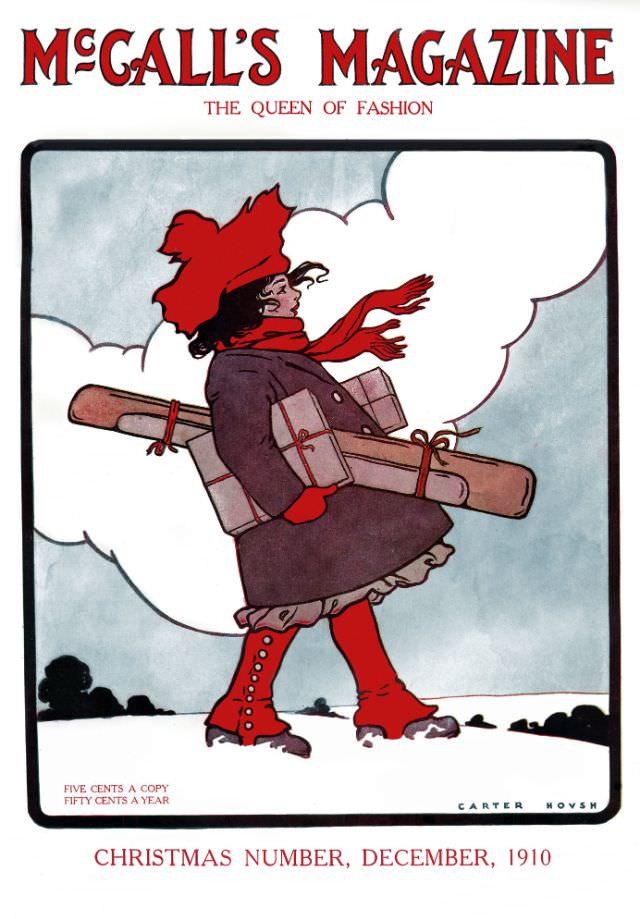
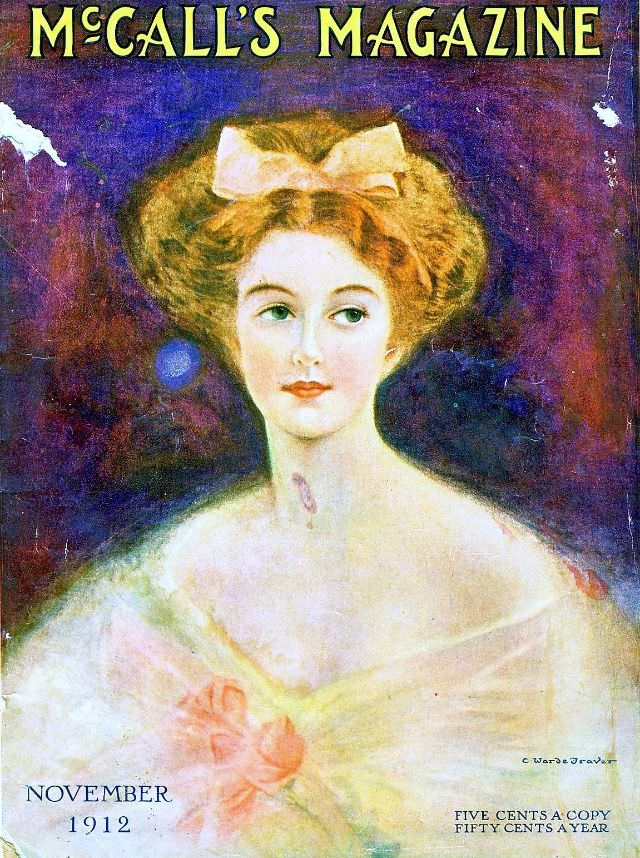
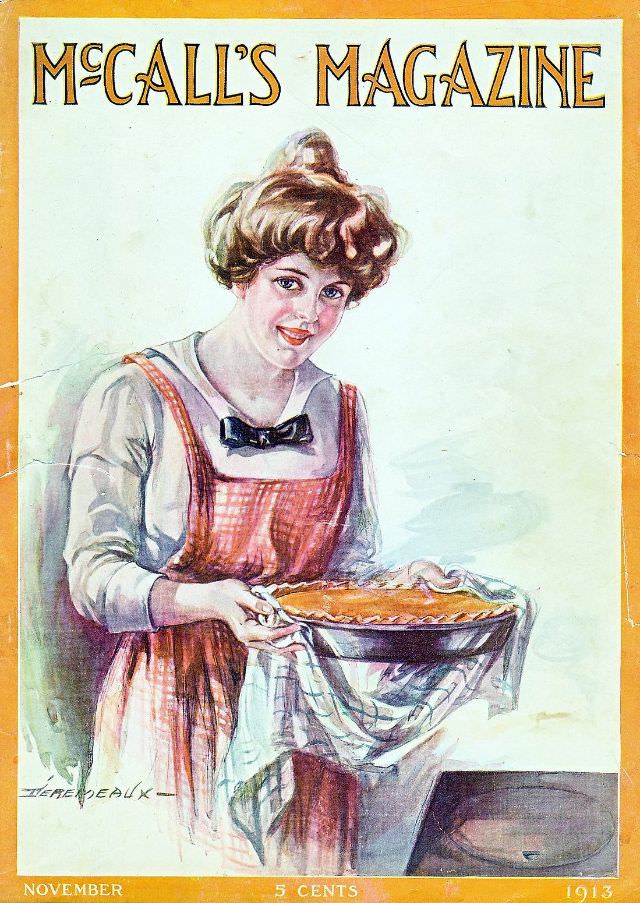
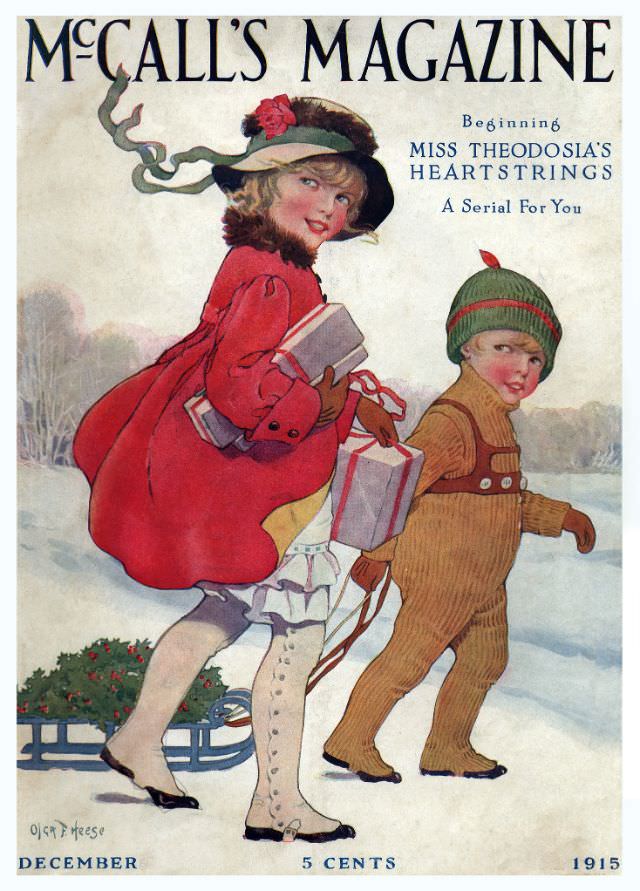
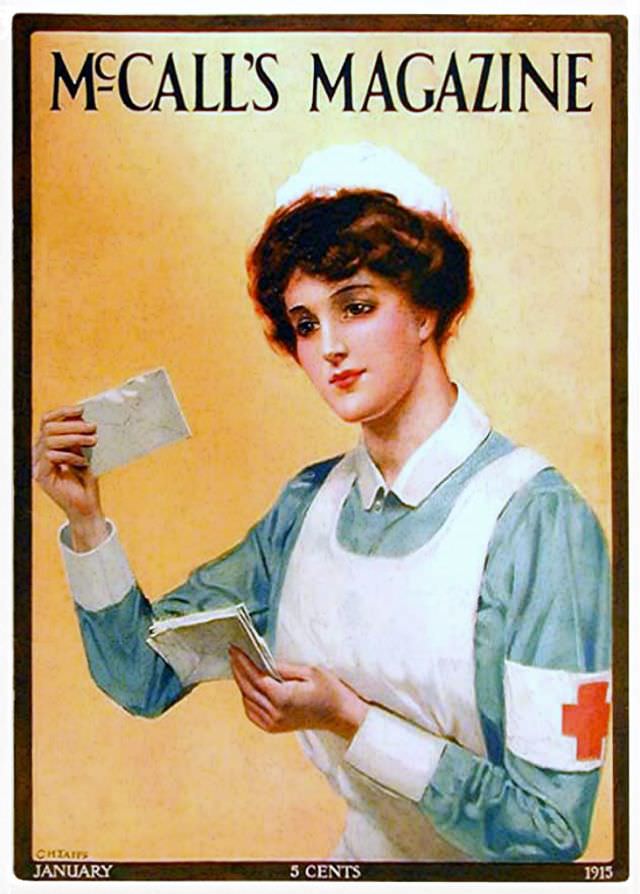
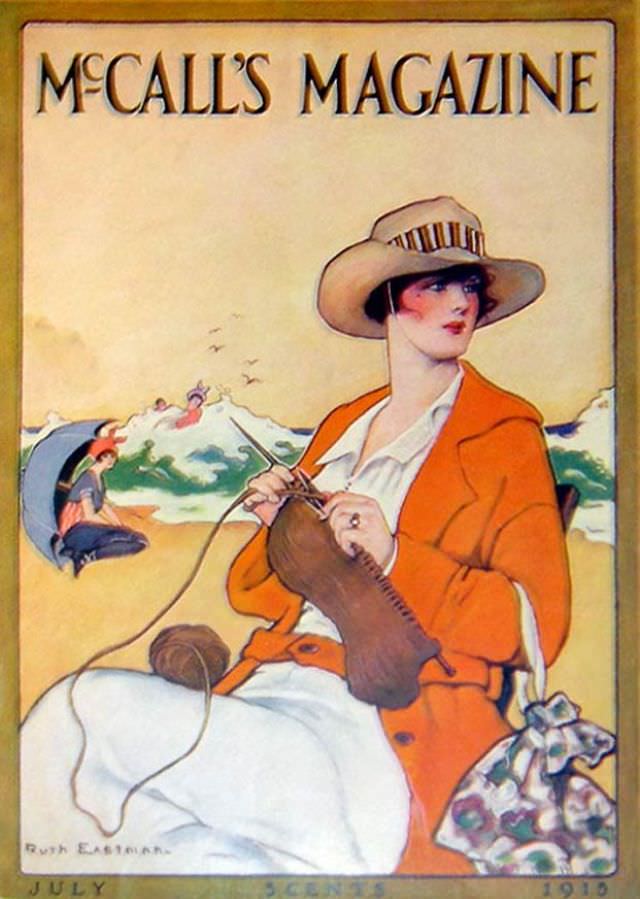
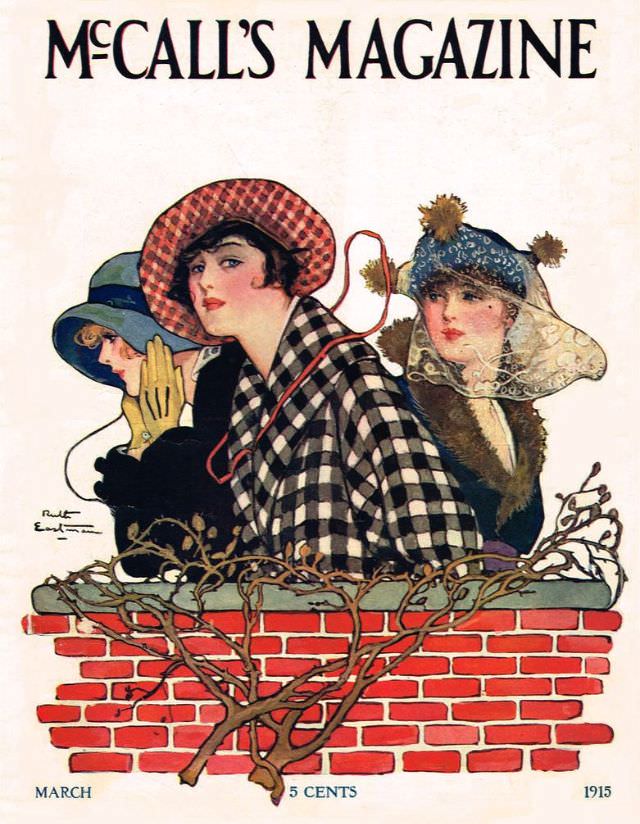
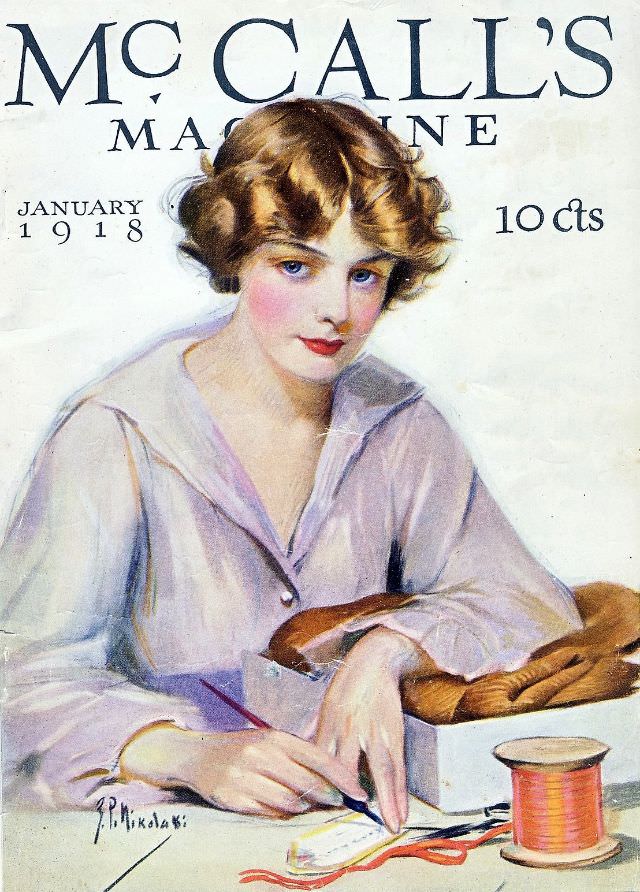
Below are some cover photos of McCall’s magazine in the 1900s and 1910s.