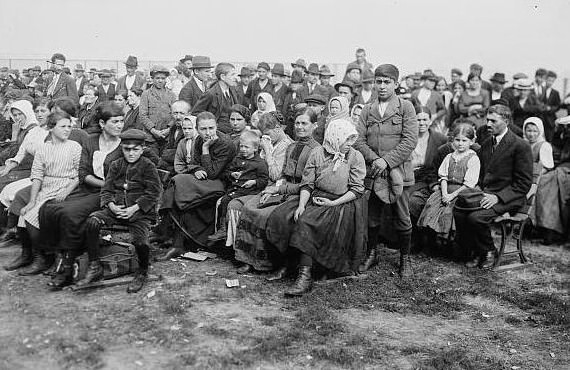
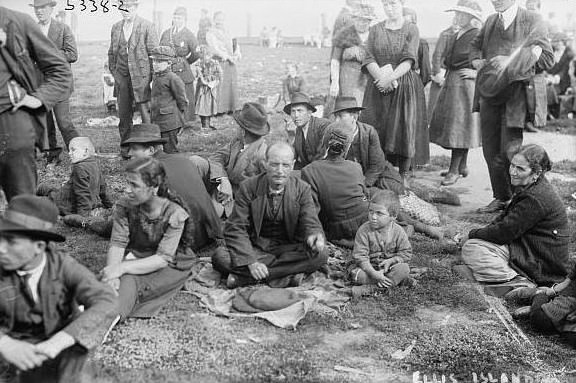
Between 1900 and 1914, millions of immigrants passed through Ellis Island in New York Harbor. For most of them, the journey began in the lowest decks of large steamships — a section called steerage. It was the cheapest way to cross the Atlantic, and passengers were packed tightly together with little comfort. Children, families, and single travelers all made the crossing the same way, carrying everything they owned in bundles, wicker baskets, and wooden trunks.
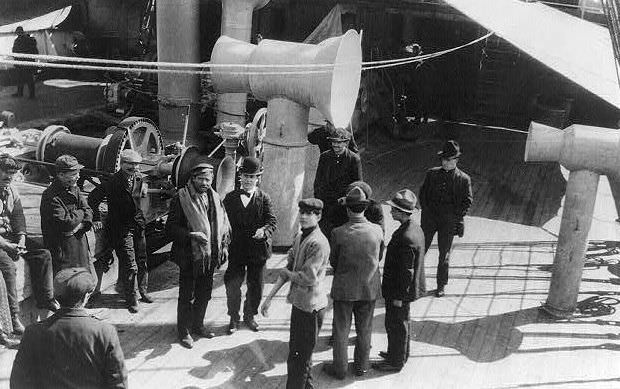
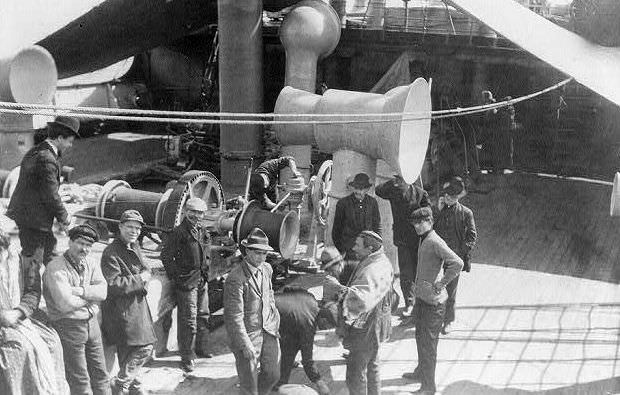
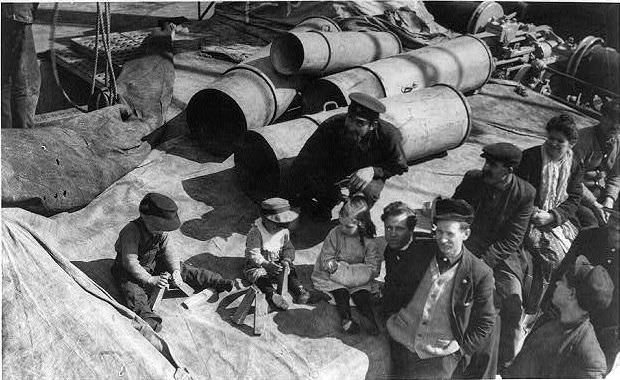
Children aboard these ships found ways to pass the time even in cramped conditions. Steerage decks served as both living quarters and, on calmer days, open-air gathering spaces where families tried to maintain some sense of daily life during the long voyage.
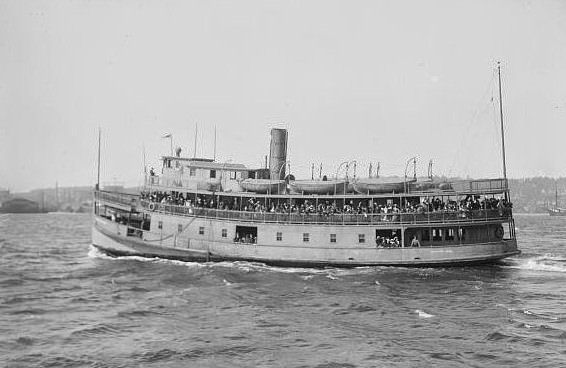
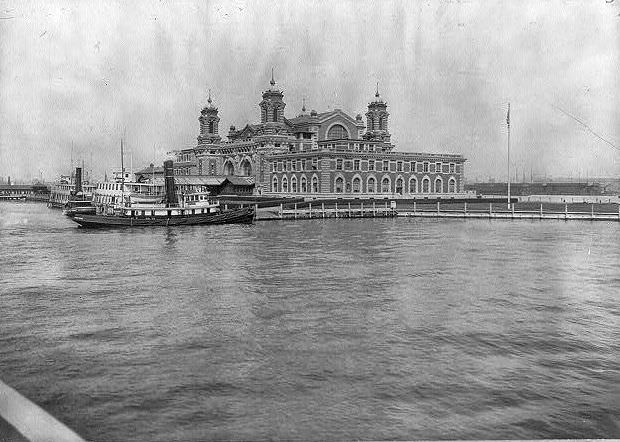
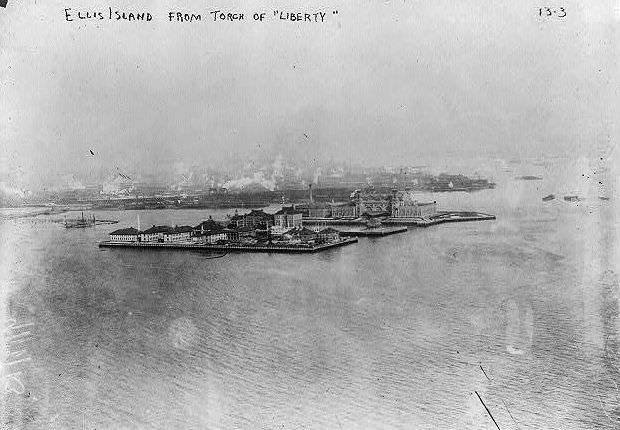
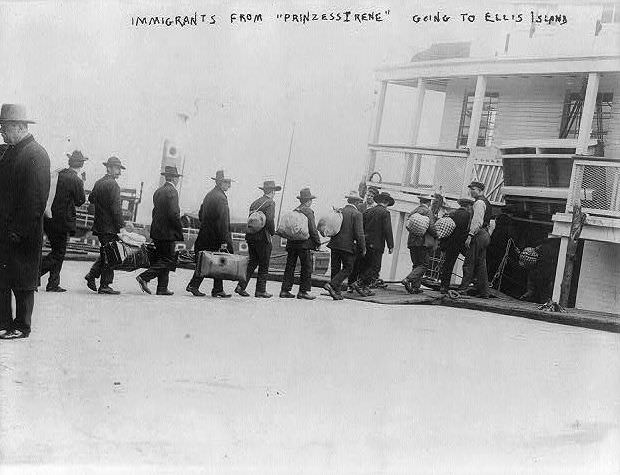
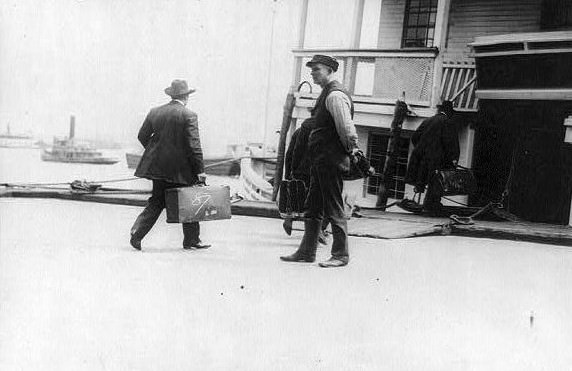
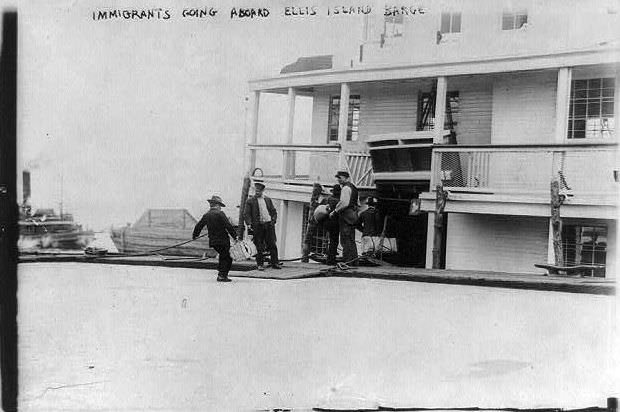
Once ships reached New York Harbor, tugboats guided them to the docks. From there, immigrants boarded ferries for the short ride to Ellis Island itself. The massive red-brick Main Building loomed ahead — the gateway to a new country.
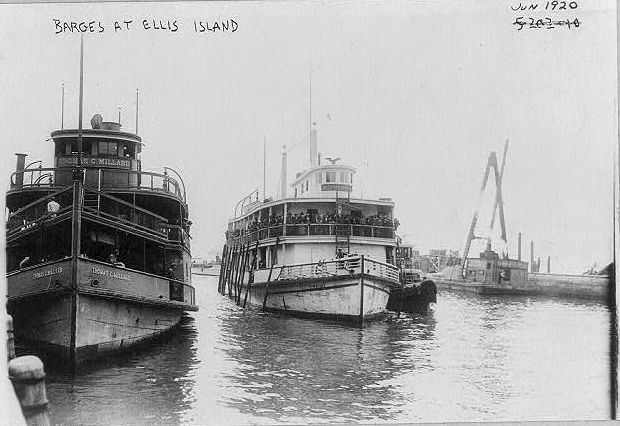
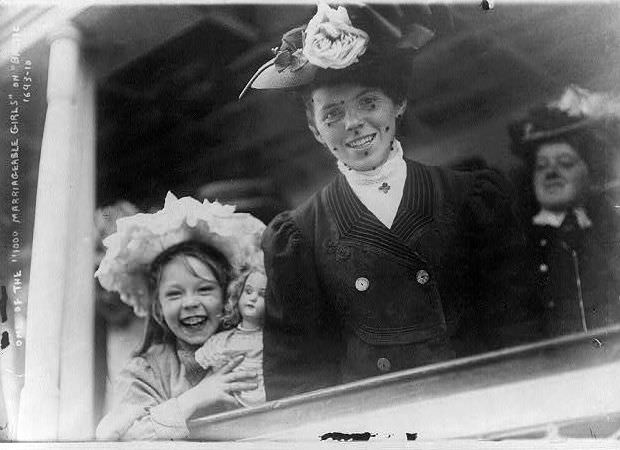
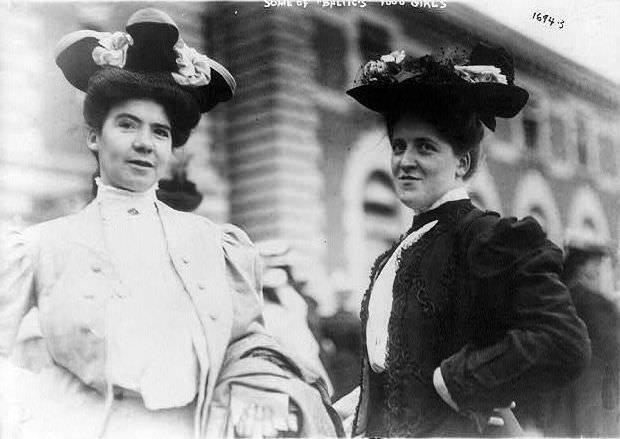
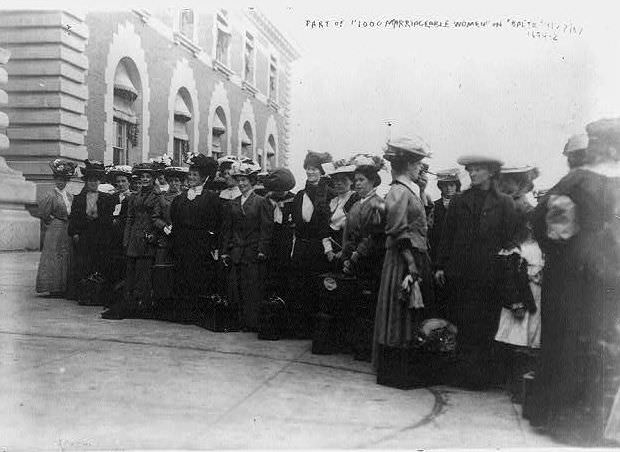
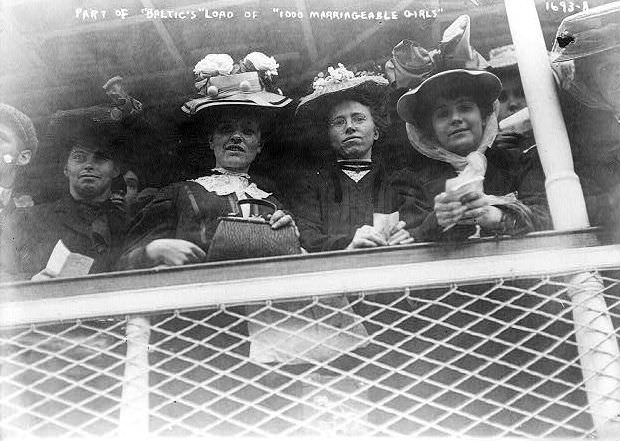
Some crossings carried notable passenger groups. The Baltic arrived in 1907 with a reported 1,000 unmarried women aboard, drawing significant press attention at the time.
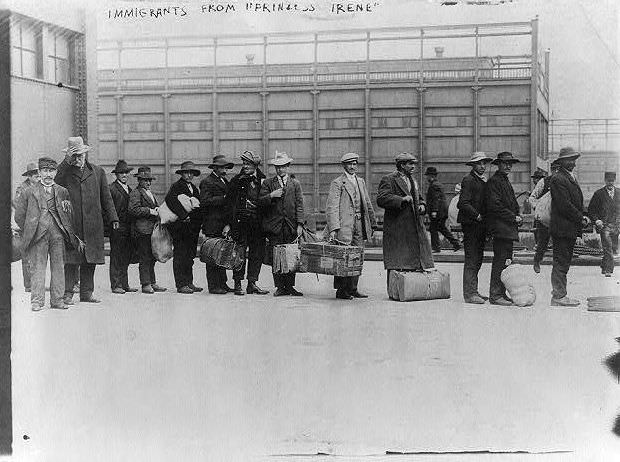
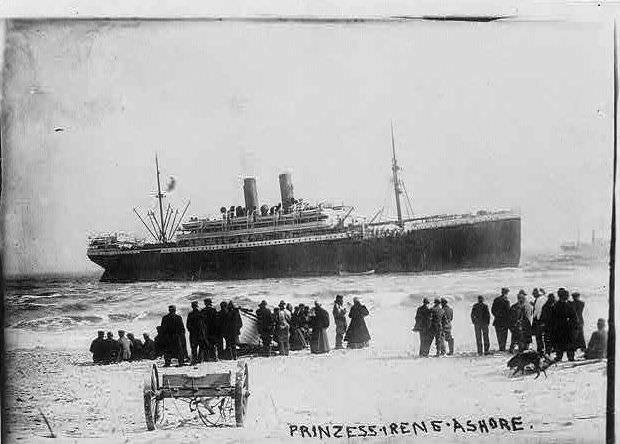
The Prinzess Irene was another frequently photographed vessel during this era, making multiple documented arrivals in 1911. Passengers from the ship were photographed both aboard and during the ferry transfer to the island.
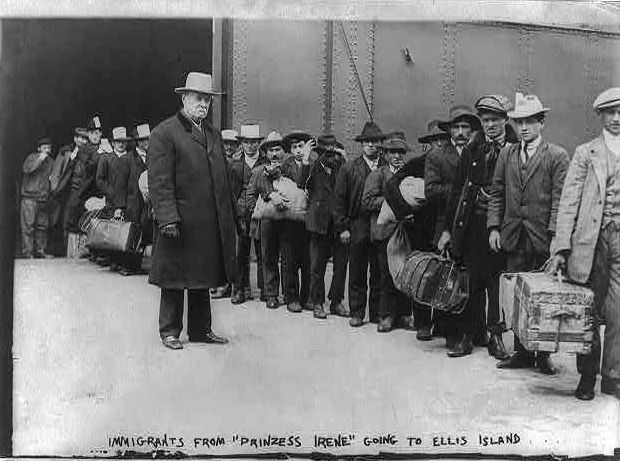
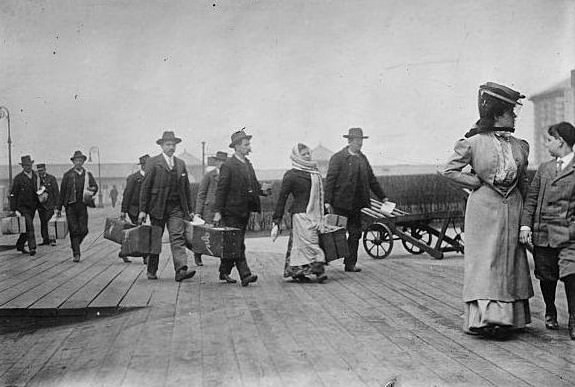
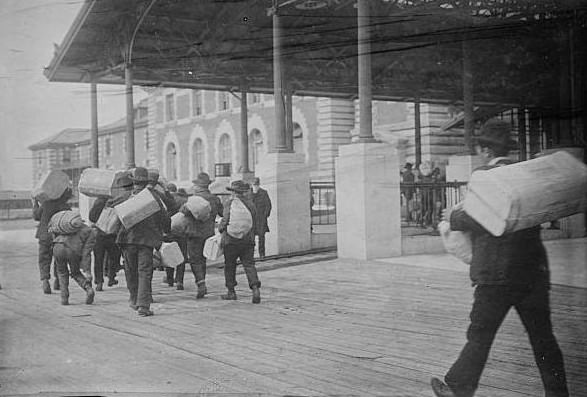
After stepping off the ferry, immigrants carried their belongings toward the Main Building. They left heavy luggage in a ground-floor baggage room and then climbed the stairs to the Registry Room — also called the Great Hall. The room measured 200 feet long and 100 feet wide, with a tall vaulted ceiling overhead. Thousands of people waited in lines separated by metal railings, speaking dozens of different languages at once.
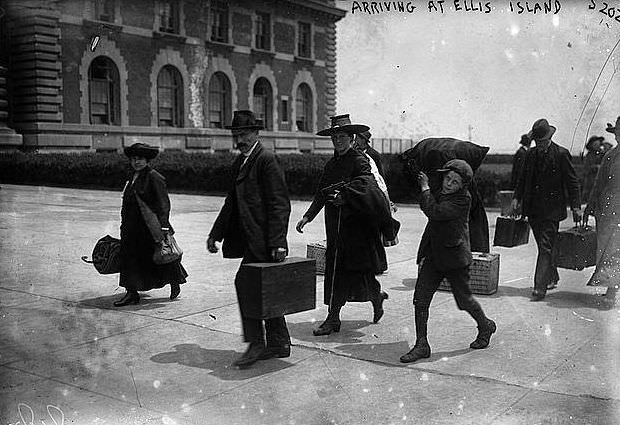
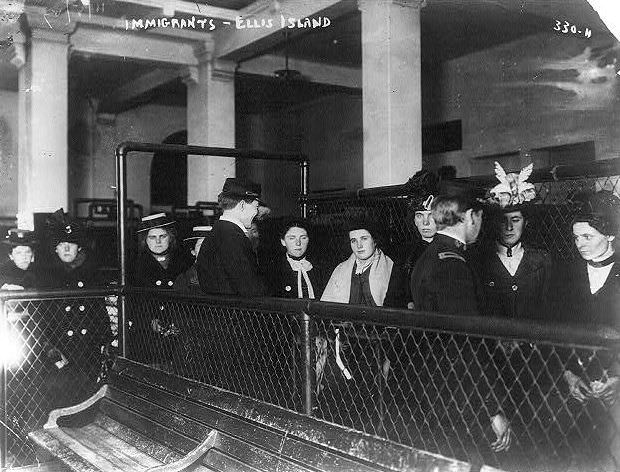
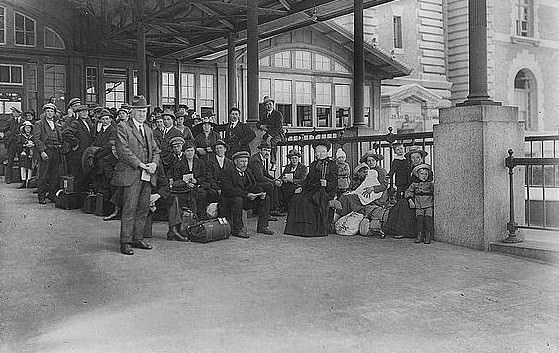
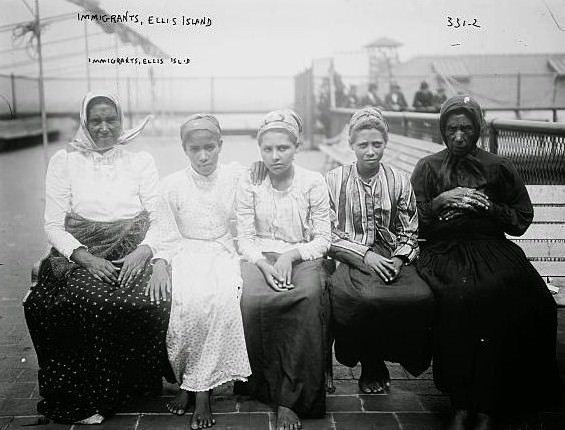
U.S. Public Health Service doctors watched immigrants as they climbed the stairs, looking for limping, shortness of breath, or other signs of illness. In the Great Hall, doctors performed what was called the “six-second physical.” They used a buttonhook tool to flip eyelids and check for trachoma, a contagious eye disease that was grounds for deportation. If a doctor spotted a potential problem, they marked a chalk letter on the person’s clothing — “X” for a suspected mental health issue, “P” for lung problems. Those with marks were sent to the island’s hospital for further testing.
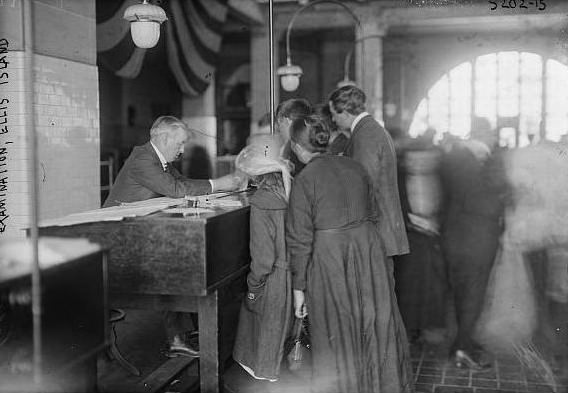
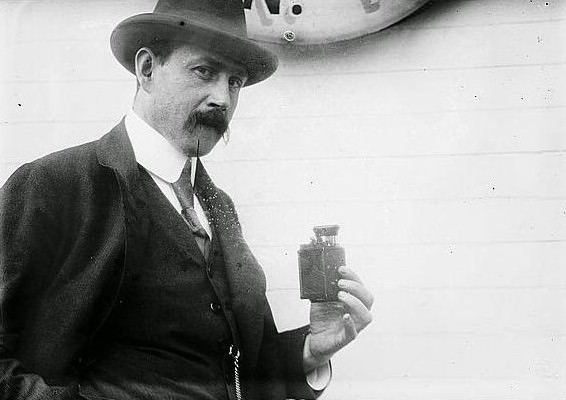
Those who cleared the medical exam moved to the manifest desk, where inspectors cross-checked each person’s identity against the ship’s ledger books. Inspectors asked each immigrant 29 specific questions, including how much money they carried and whether a job was already waiting for them. Interpreters stood nearby to assist anyone who did not speak English. The entire process took most people between three and five hours.
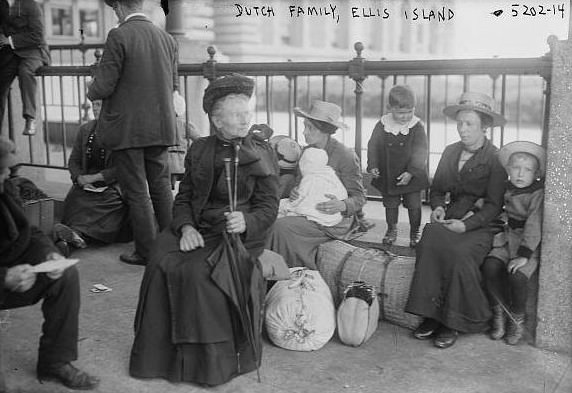
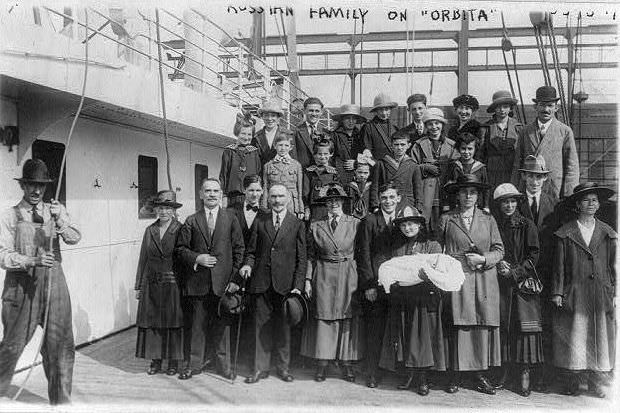
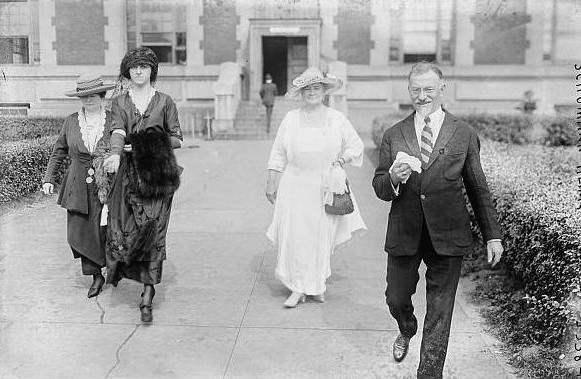
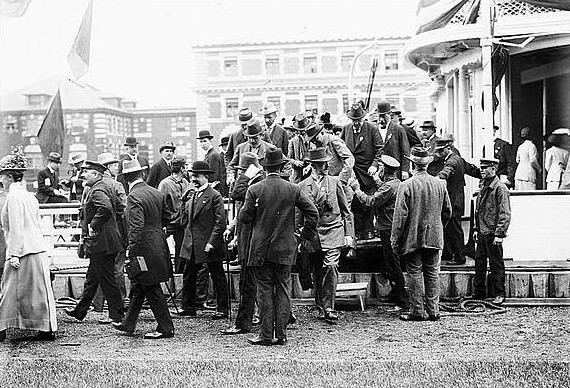
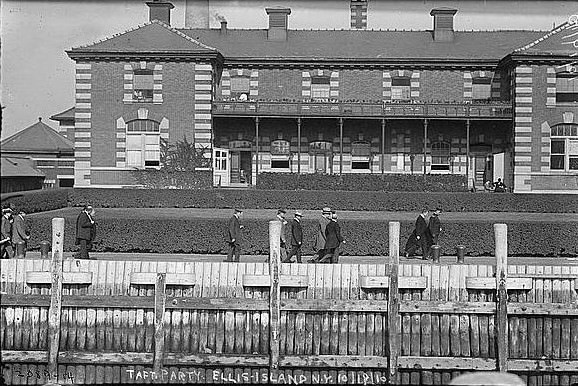
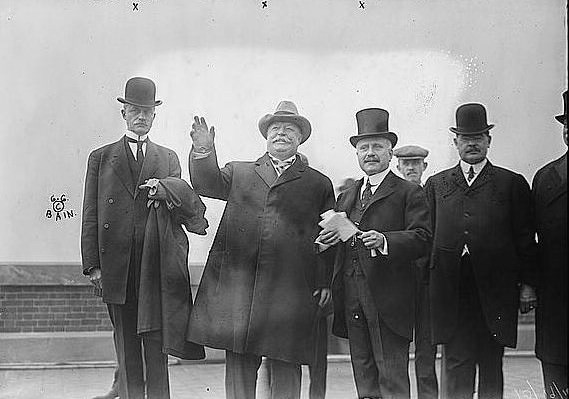
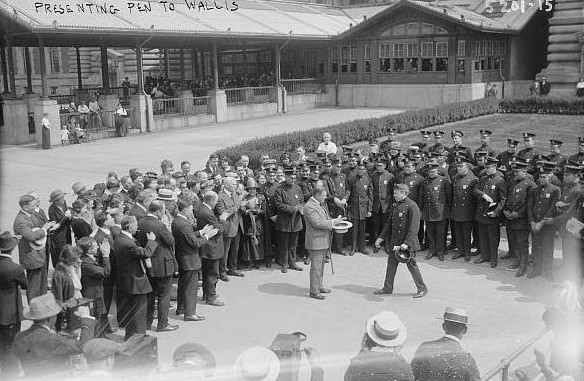
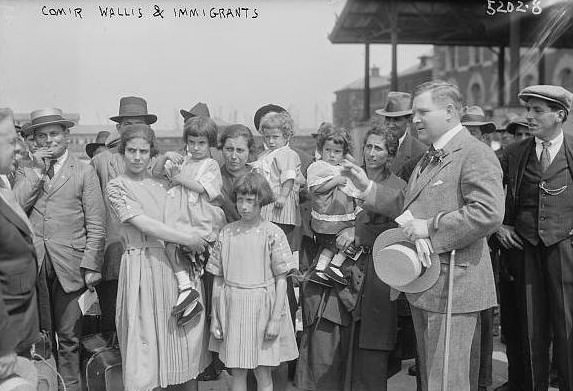
Government officials, including President William Howard Taft, made visits to Ellis Island to observe operations firsthand. Taft toured the station in 1910 alongside Secretary of Commerce and Labor Charles Nagel and Commissioner Williams.
After passing both the medical and legal exams, immigrants reached the “Staircase of Separation” — three aisles that sent people in different directions. The right aisle led to the railroad ticket office for those heading to other states. The left aisle led to the ferry for Manhattan. The center aisle led to the detention area, where officials held anyone who had failed an exam. About two percent of all arrivals were denied entry entirely and returned to their home countries, with the cost of the return voyage paid by the steamship company that brought them.