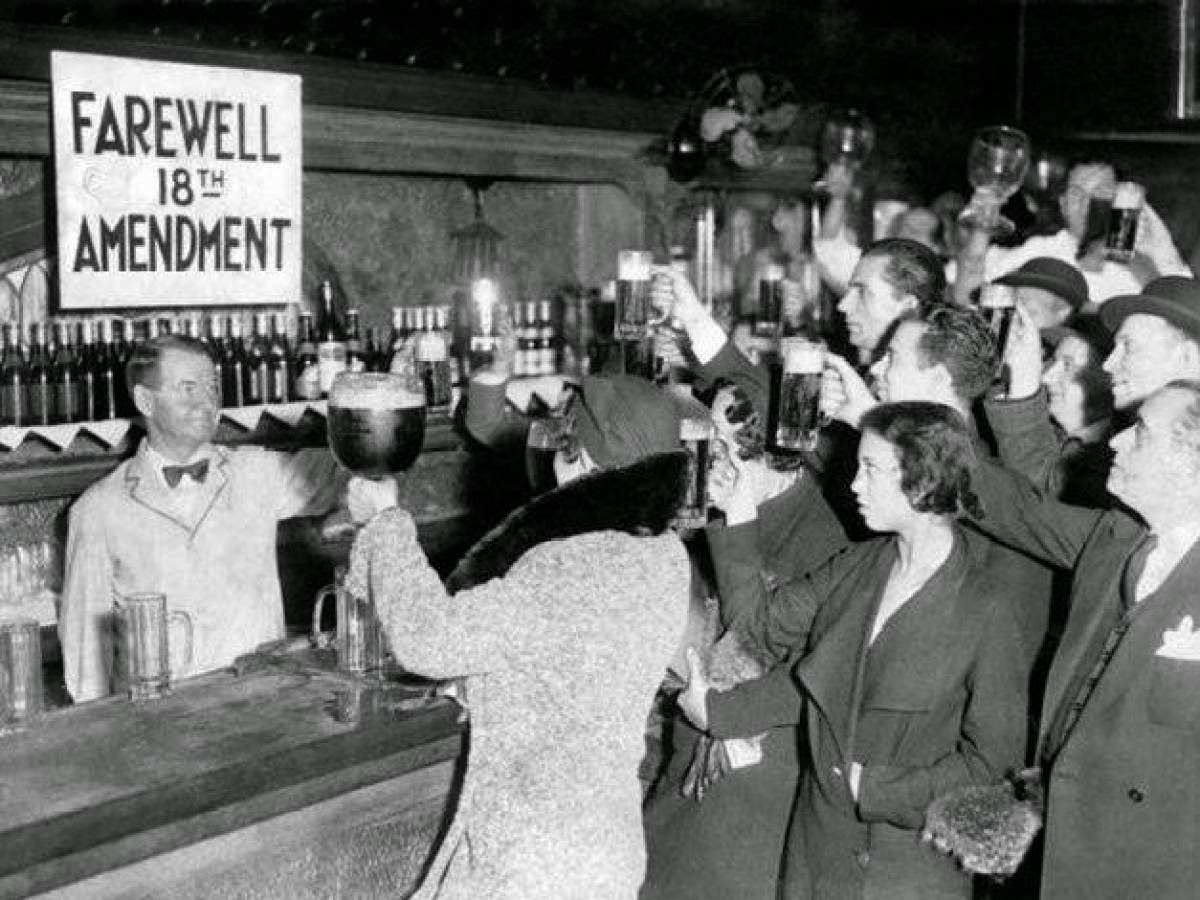
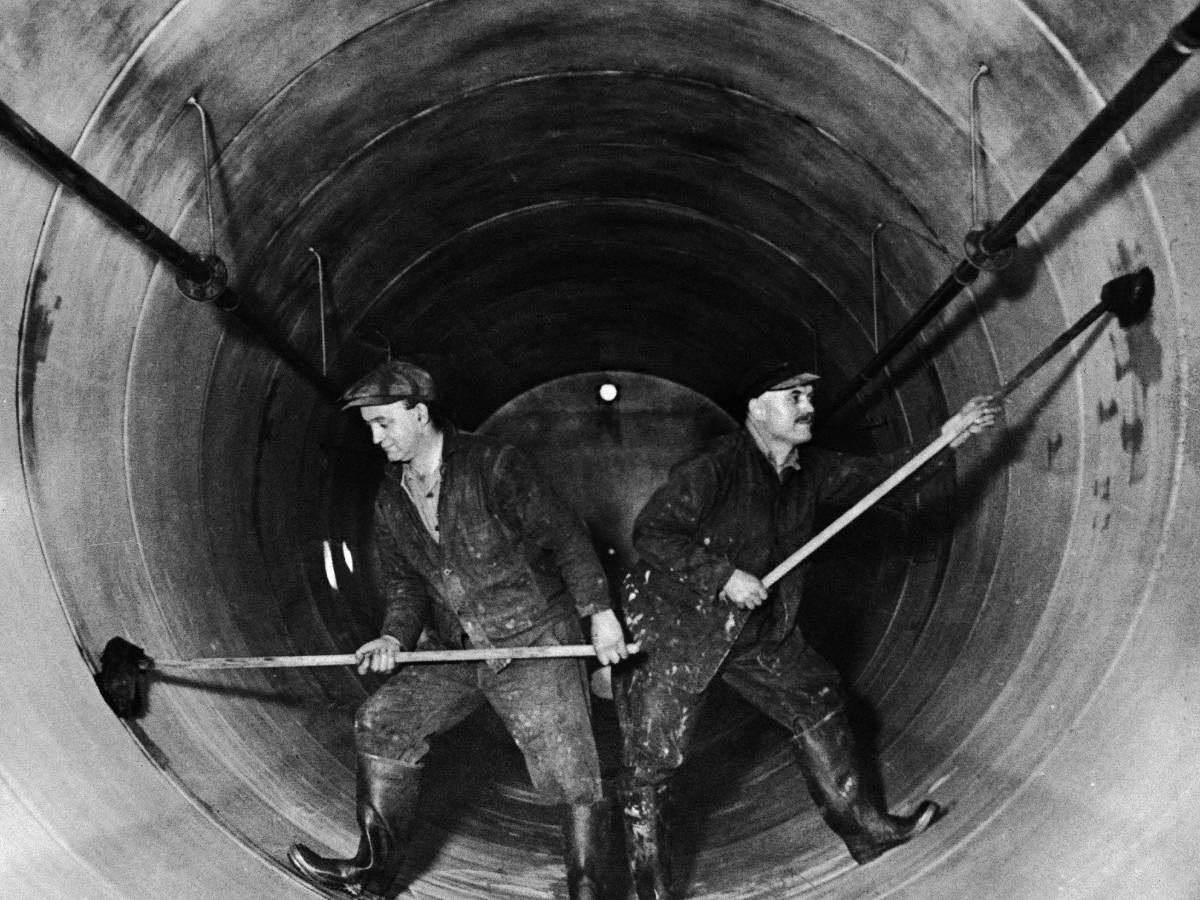
On January 17, 1920, the United States entered one of the most turbulent chapters in its history. The 18th Amendment made the manufacture, sale, and transportation of alcohol illegal nationwide. Supporters called it a “Noble Experiment” — a fix for poverty, crime, and domestic violence. What it actually created was something far more complicated.
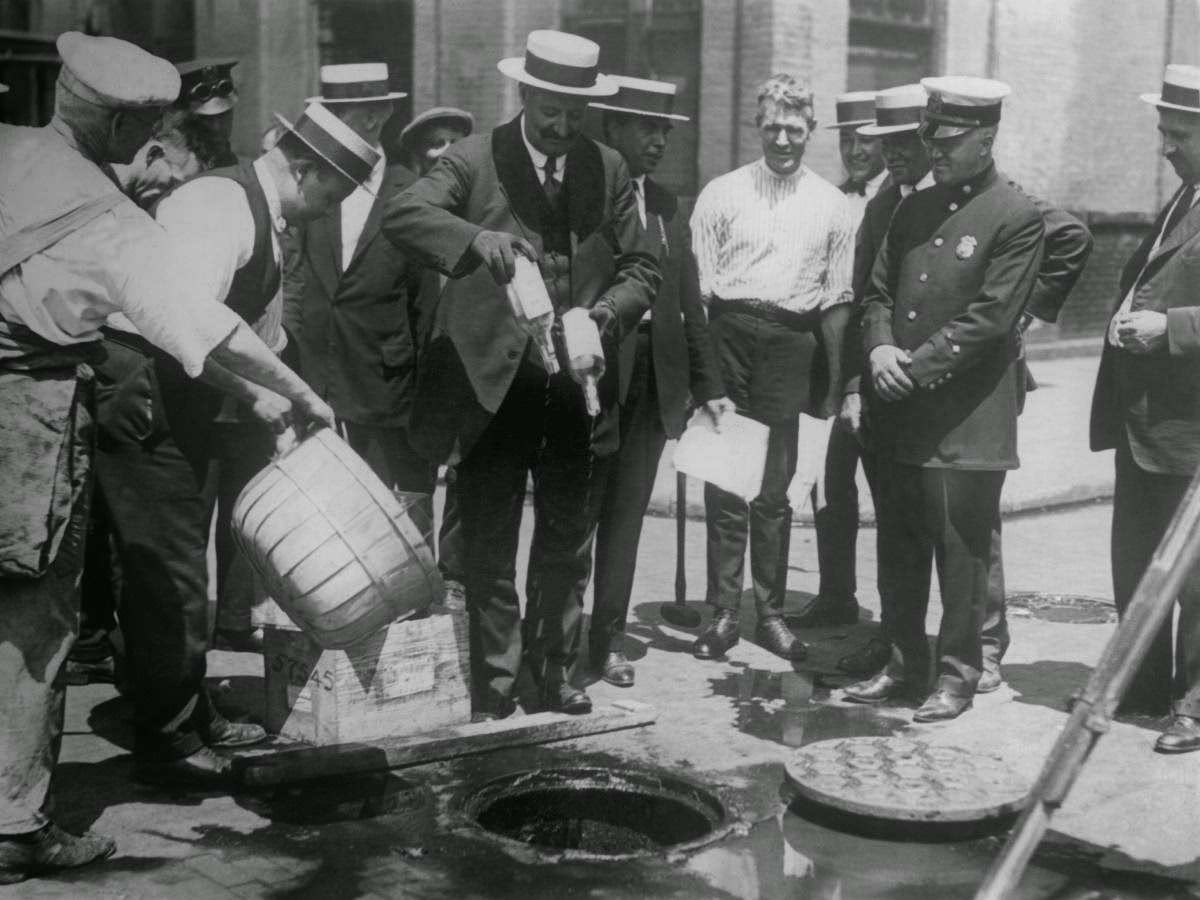
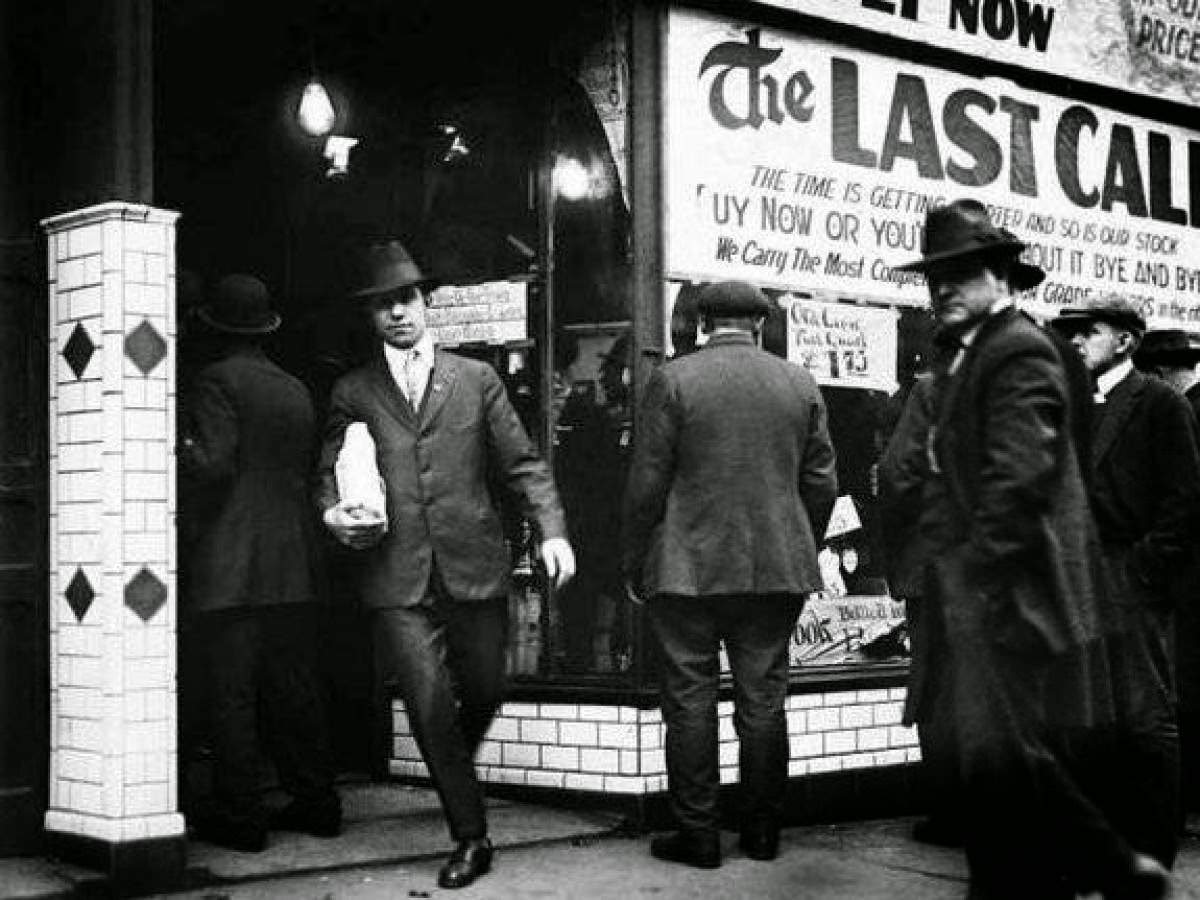
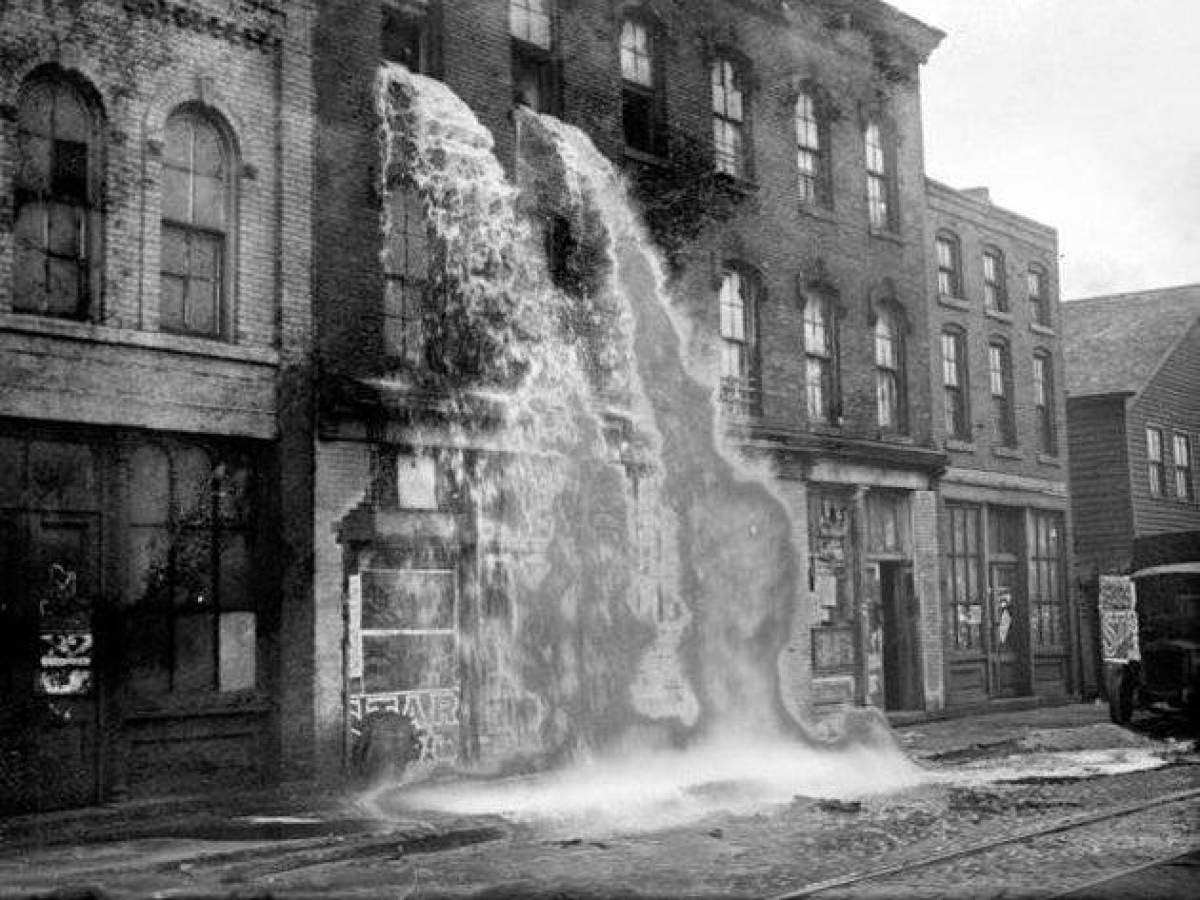
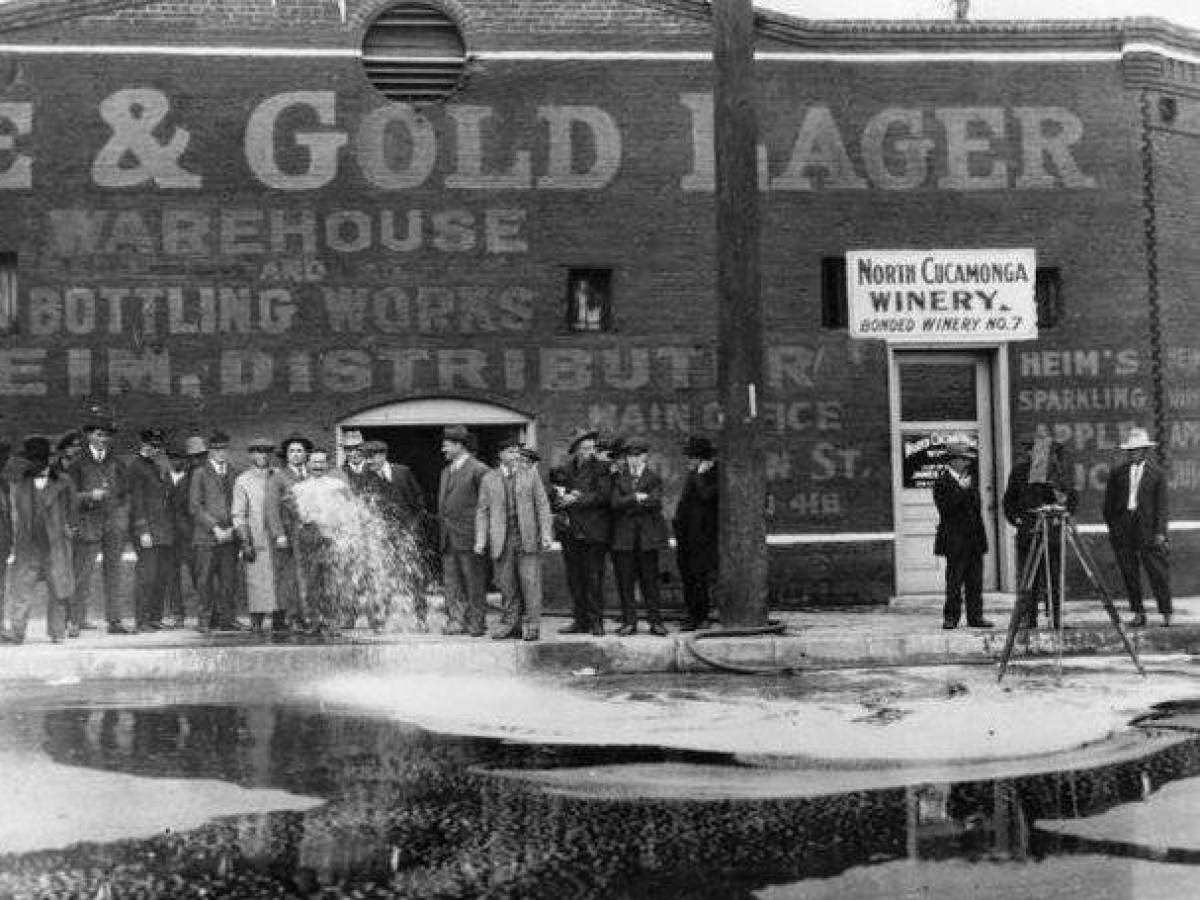
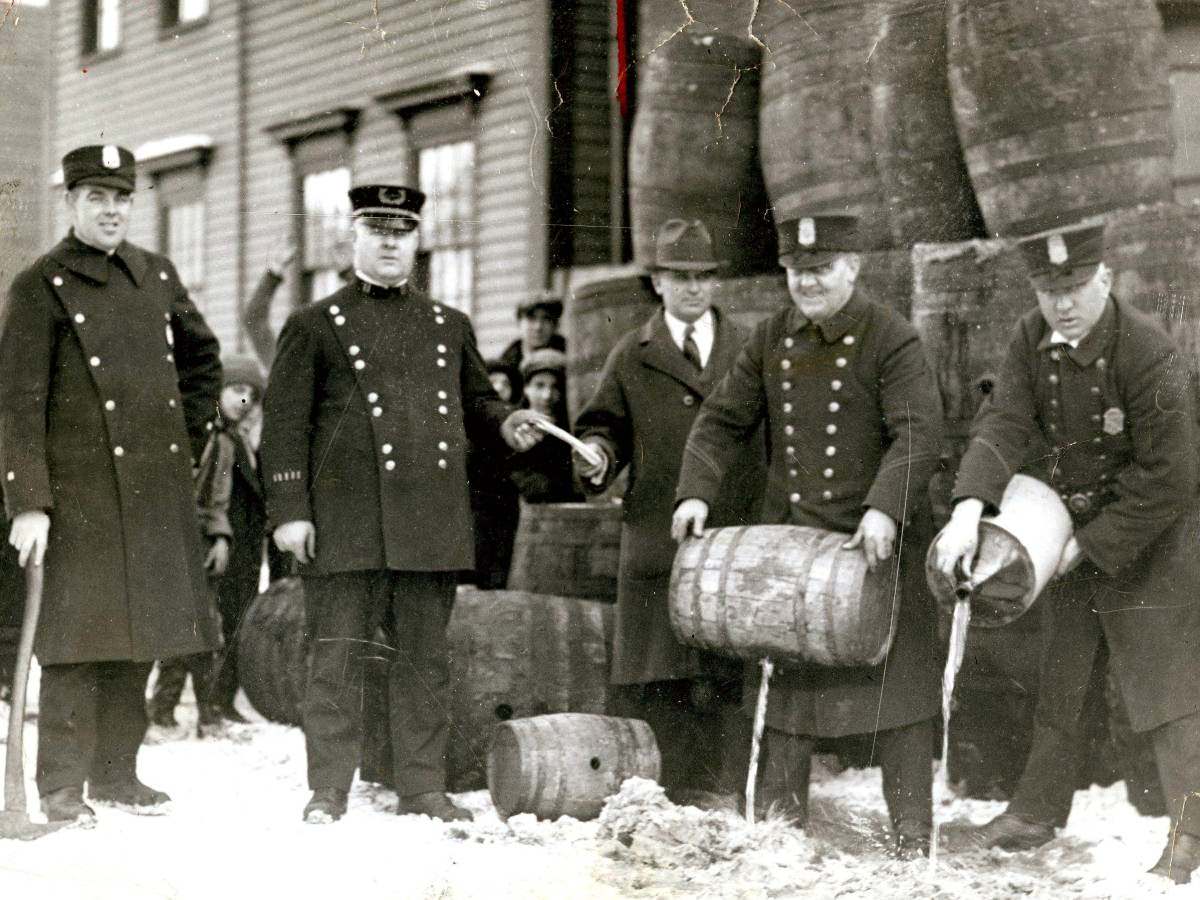
The Volstead Act gave the government the legal teeth to enforce the amendment. Almost immediately, police across the country began seizing and destroying massive stockpiles of alcohol. Distilleries were shut down, casks were smashed open, and millions of gallons of beer, wine, and spirits were poured into gutters and sewers. Liquor store owners raced to sell off their remaining stock before the deadline hit.
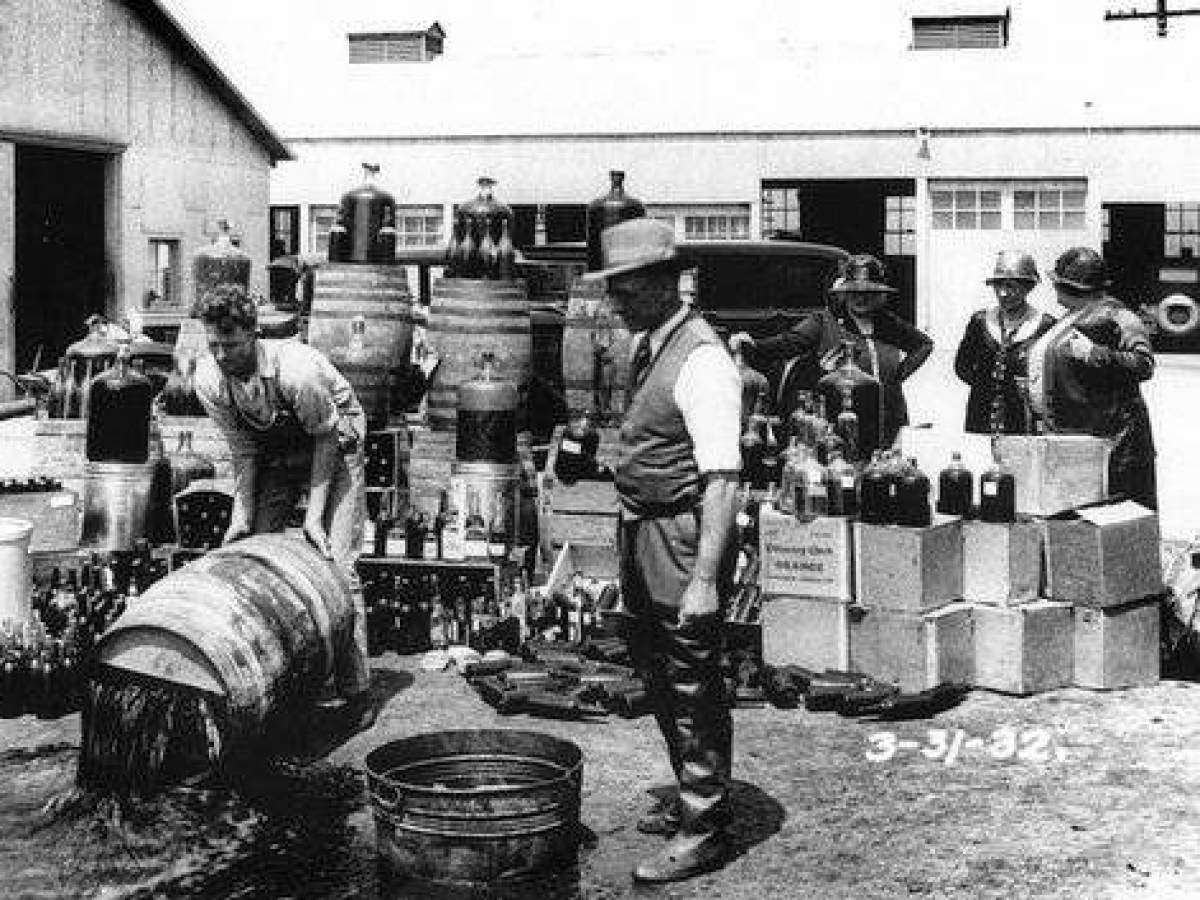
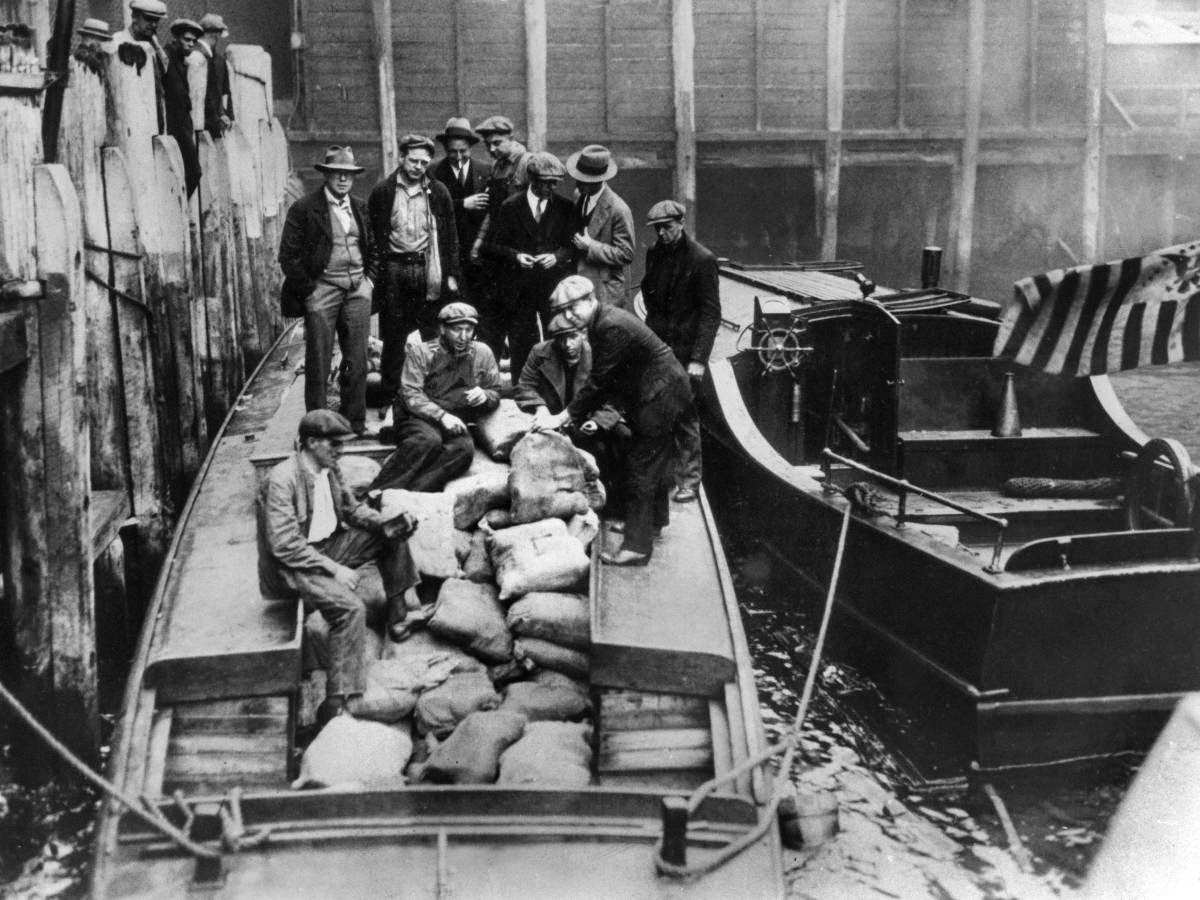
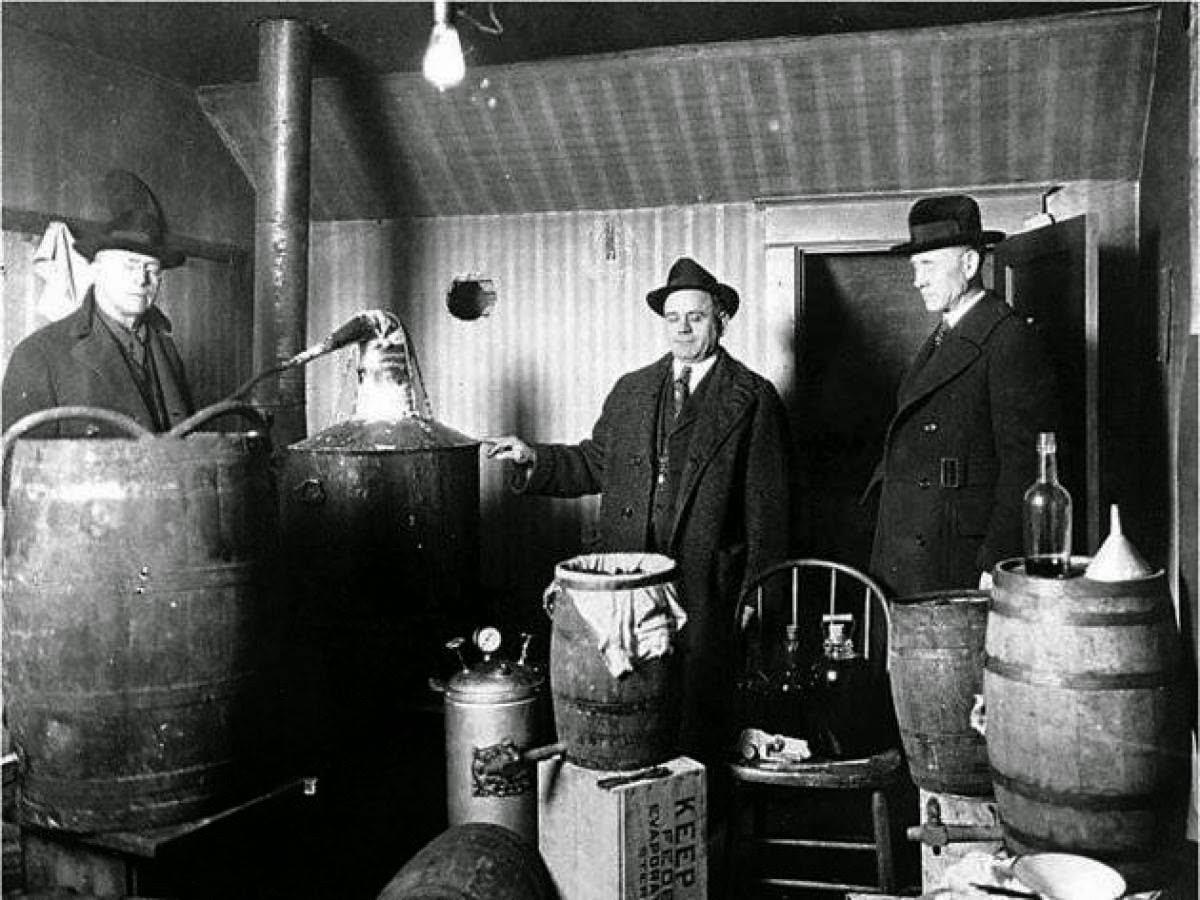
Law enforcement targeted illegal production operations wherever they found them — from city warehouses to rural woods. Distilleries near major cities like Detroit and Los Angeles were raided and shut down, their equipment seized and their product destroyed on the spot.
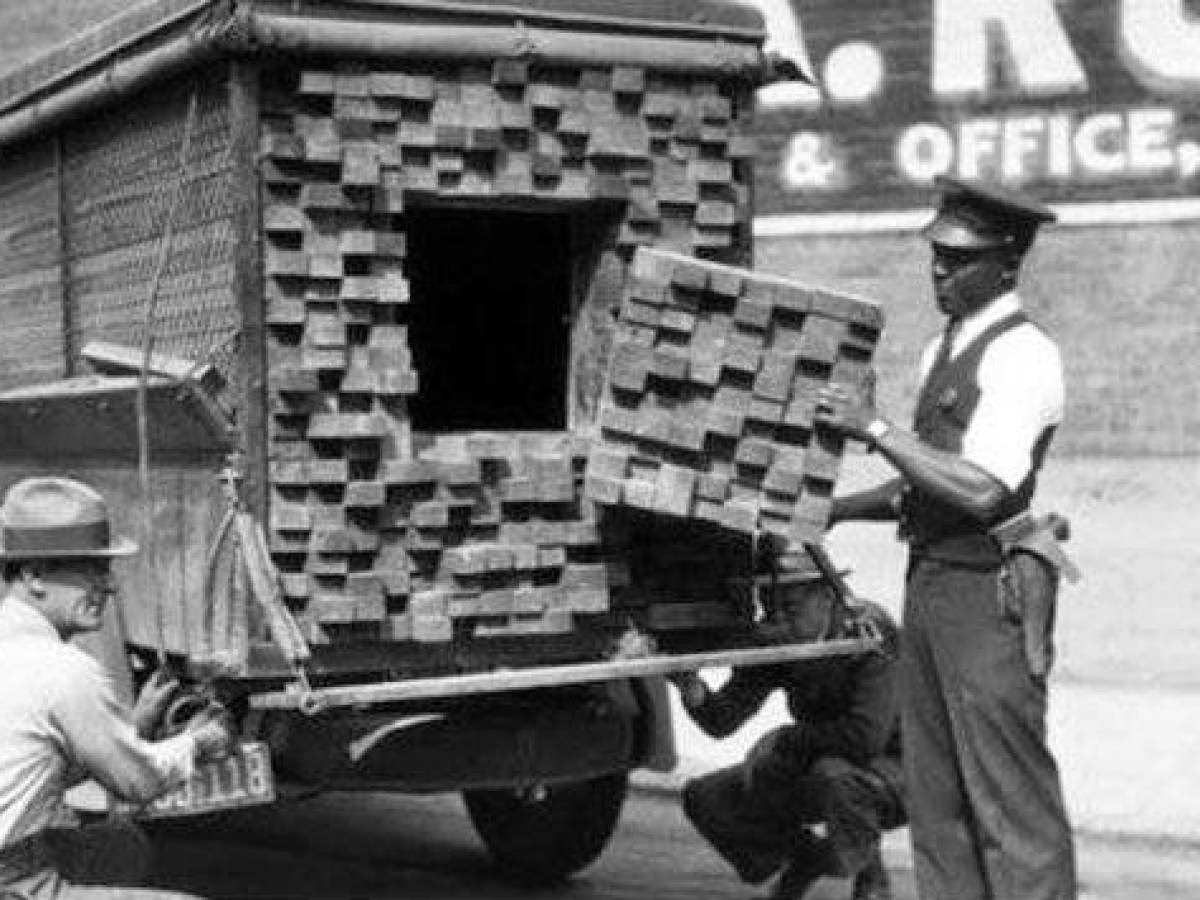
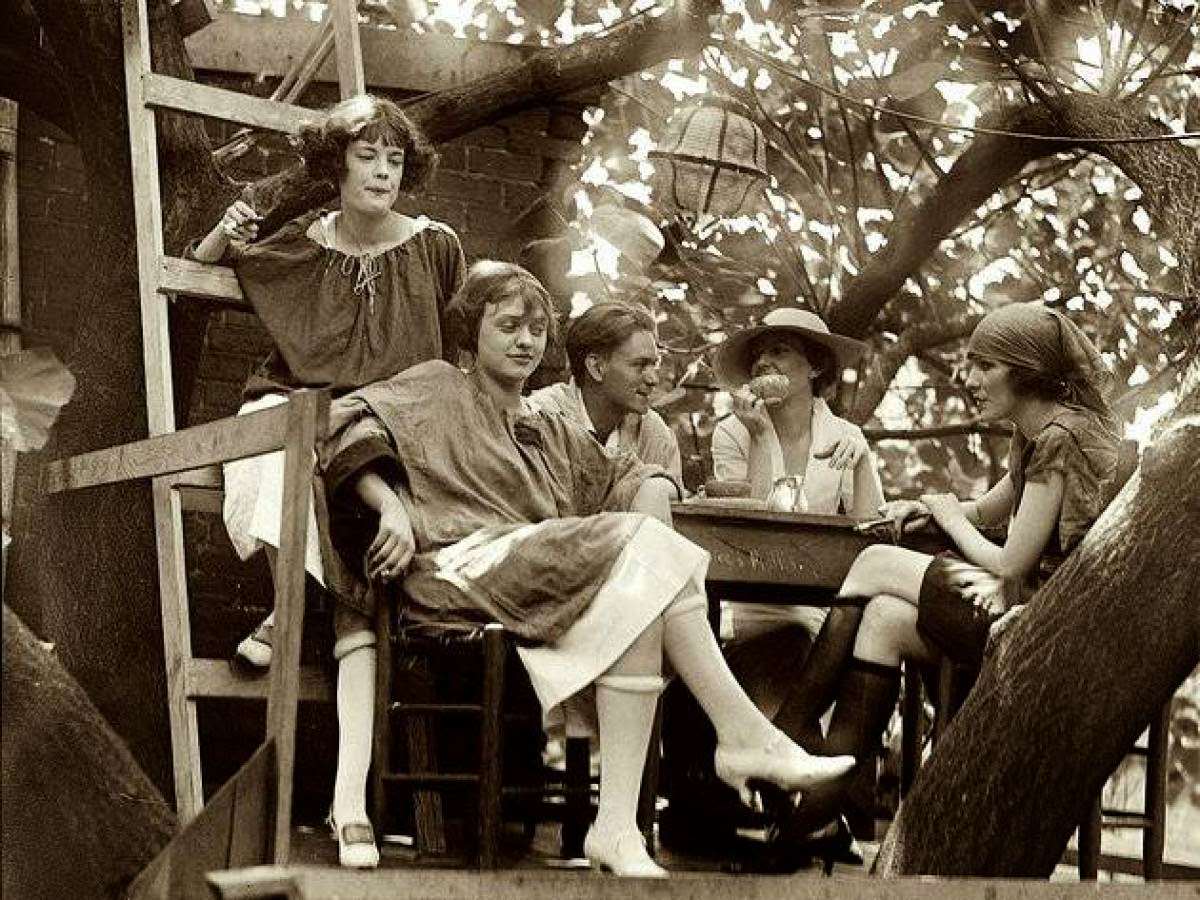
Despite the crackdowns, Americans found inventive ways to keep the liquor flowing. High-speed boats called rum-runners waited just outside U.S. territorial waters, smuggling quality alcohol from the Bahamas, Canada, and the Caribbean. On land, bootleggers hid bottles in everything from coat linings to hollowed-out books. Some operations ran under elaborate disguises, and not all of them were run by men.
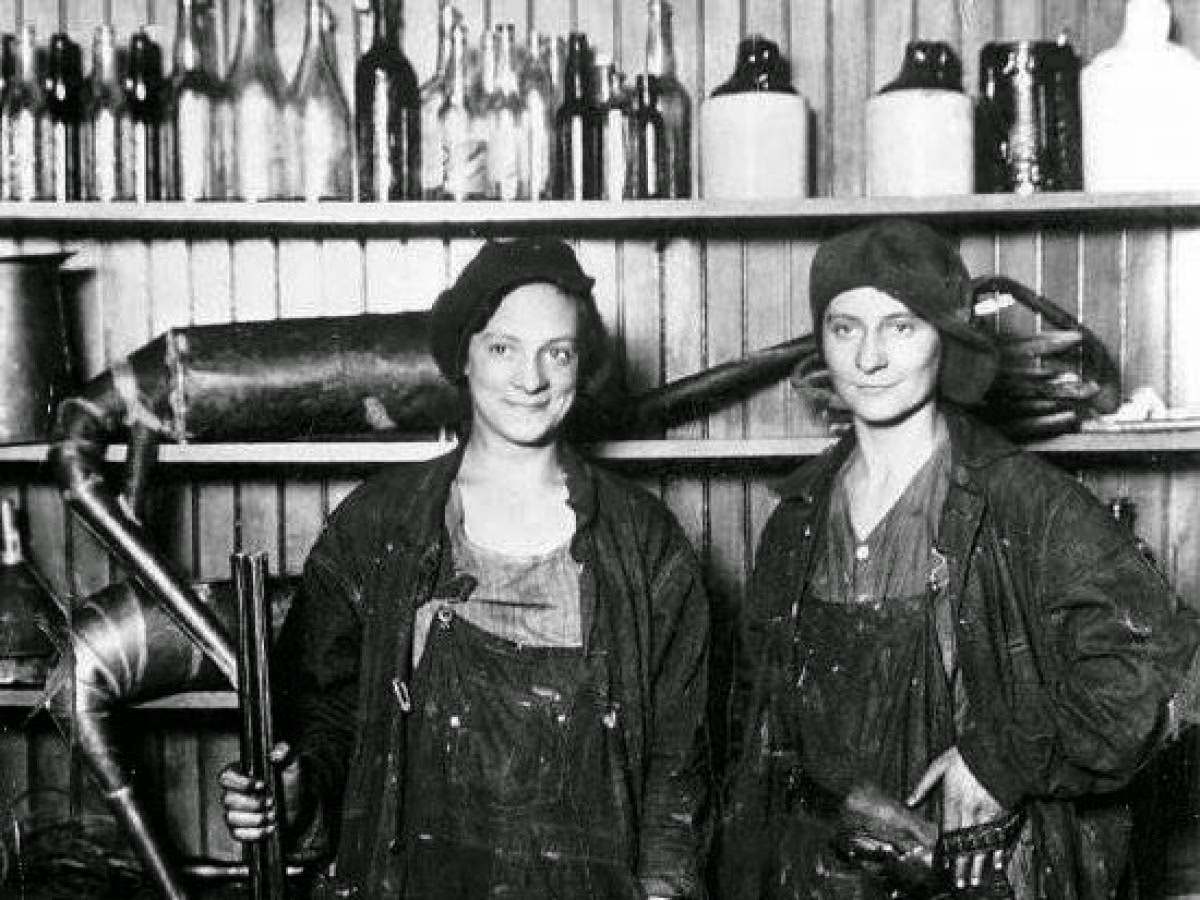
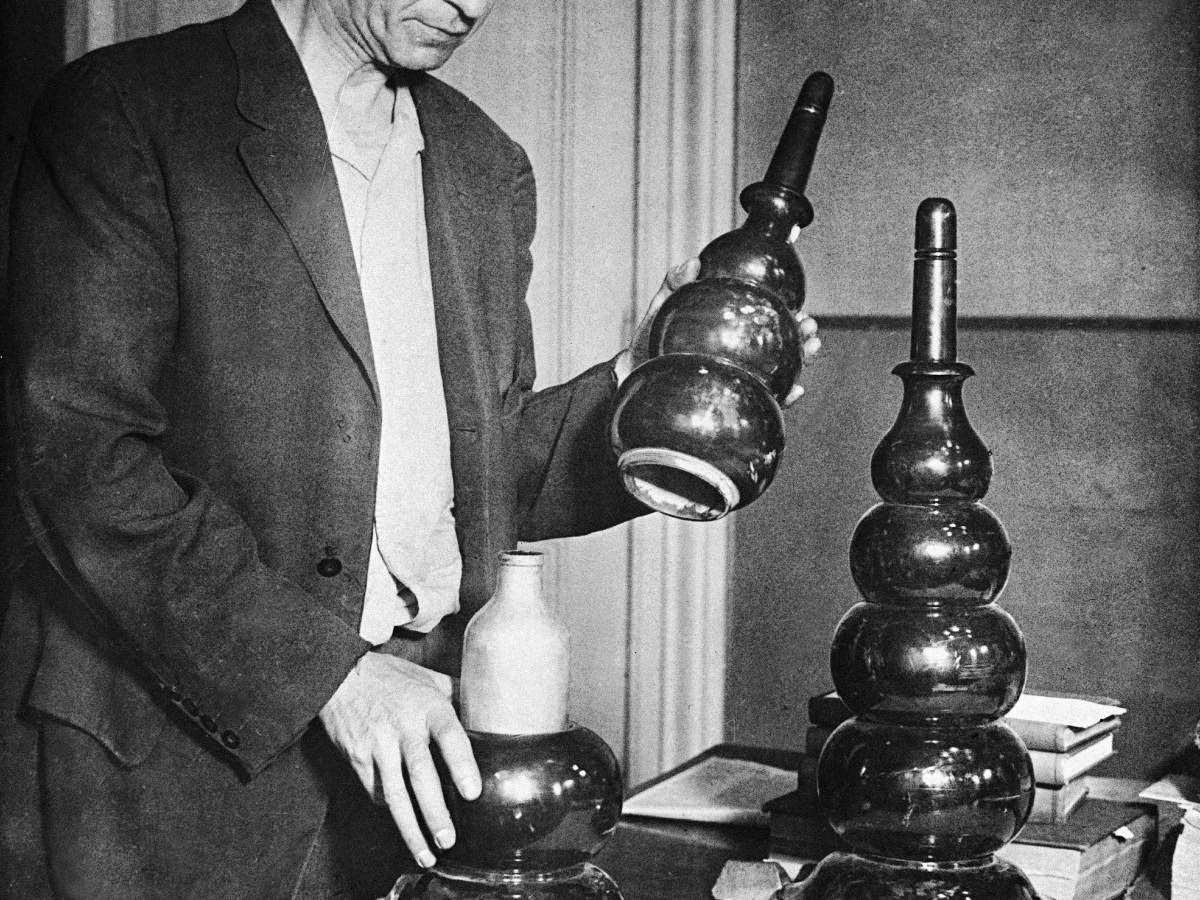
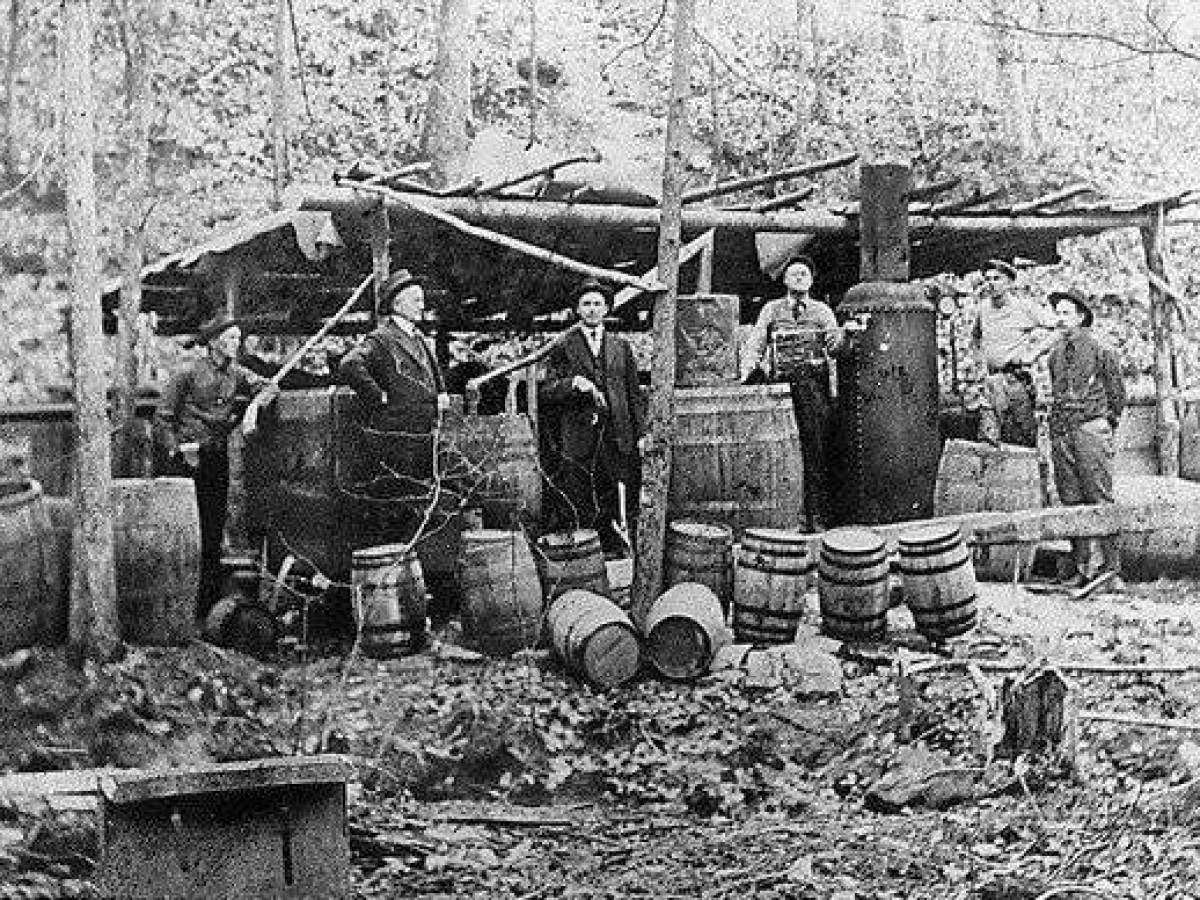
Out in the countryside, moonshiners set up home stills deep in the woods, far from the reach of federal agents. These amateur distillers produced high-proof spirits that often tasted harsh or even dangerous. Bartenders began mixing them with juices, sodas, and honey to mask the burn — and in doing so, they unintentionally invented the modern cocktail.
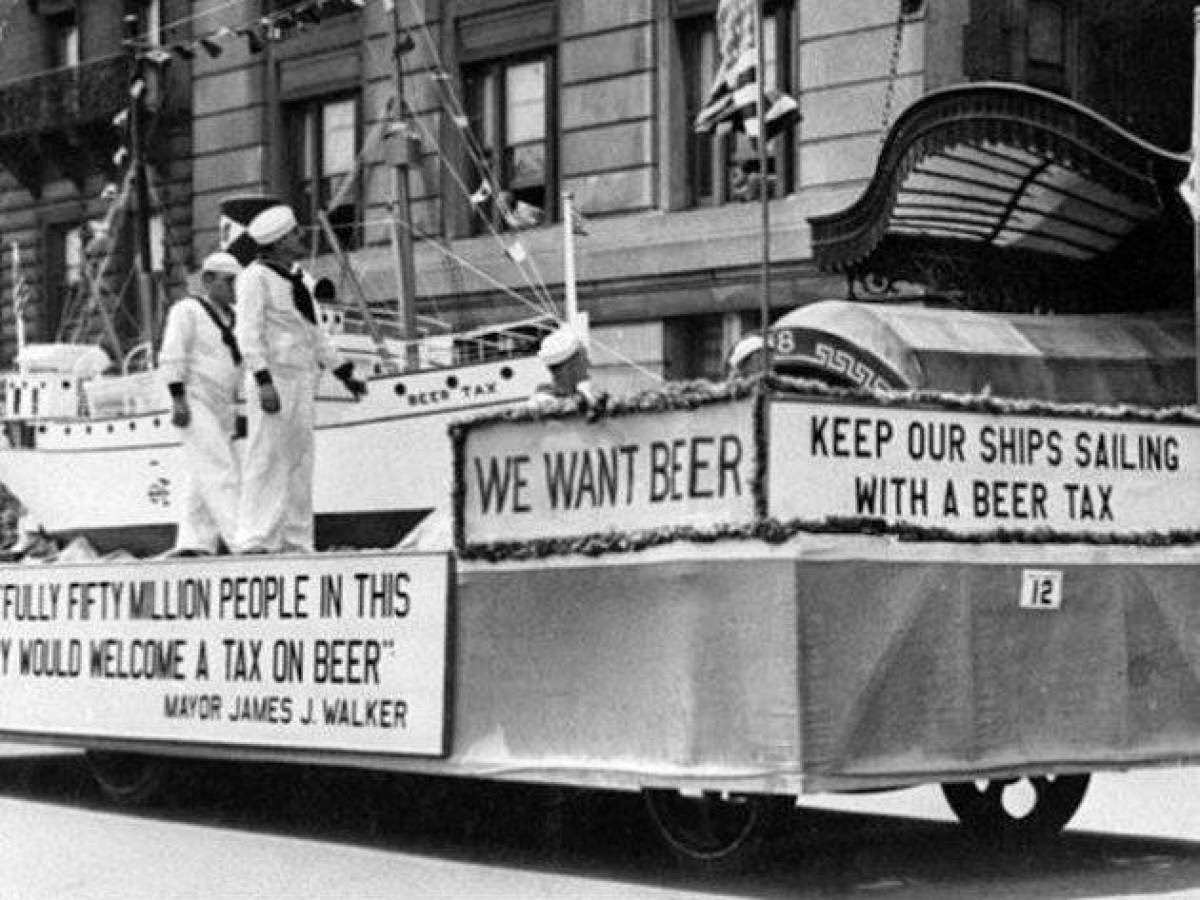
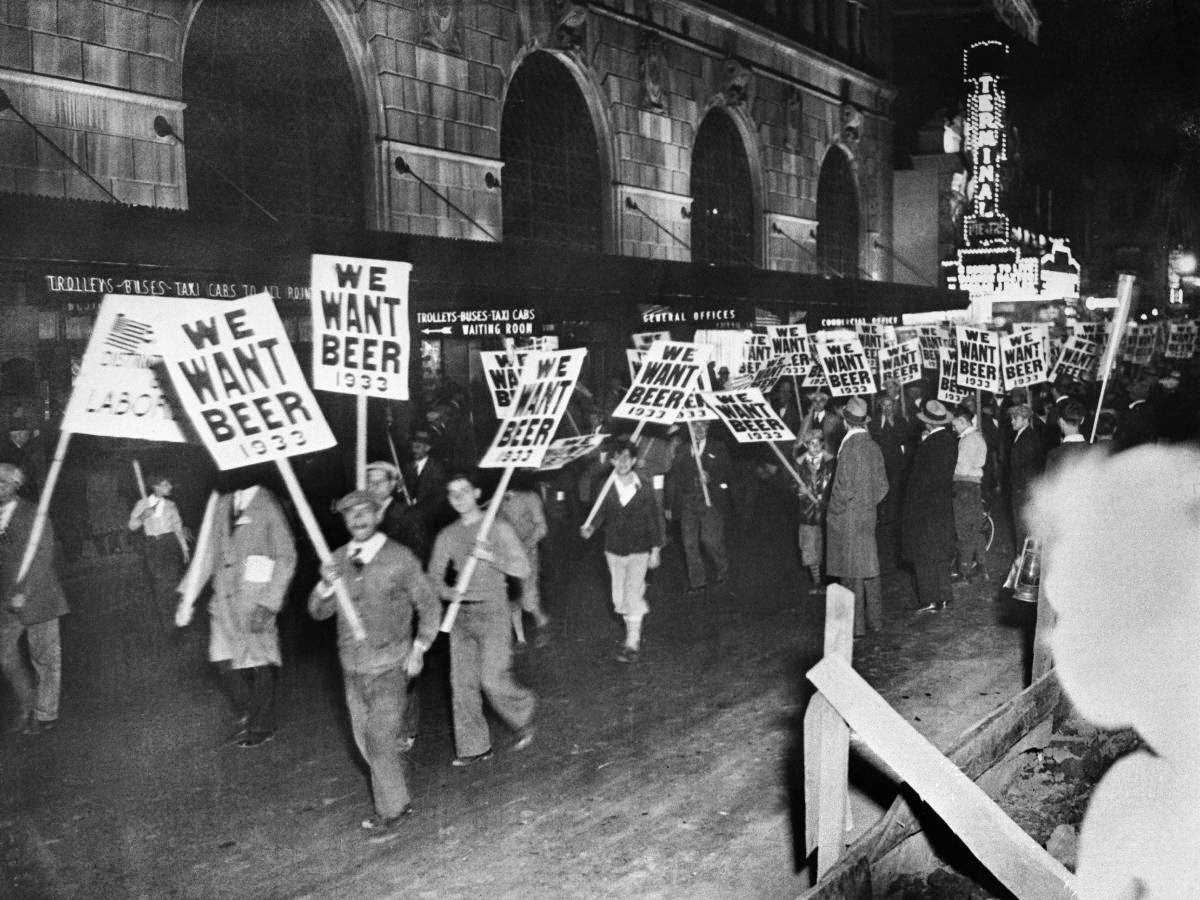
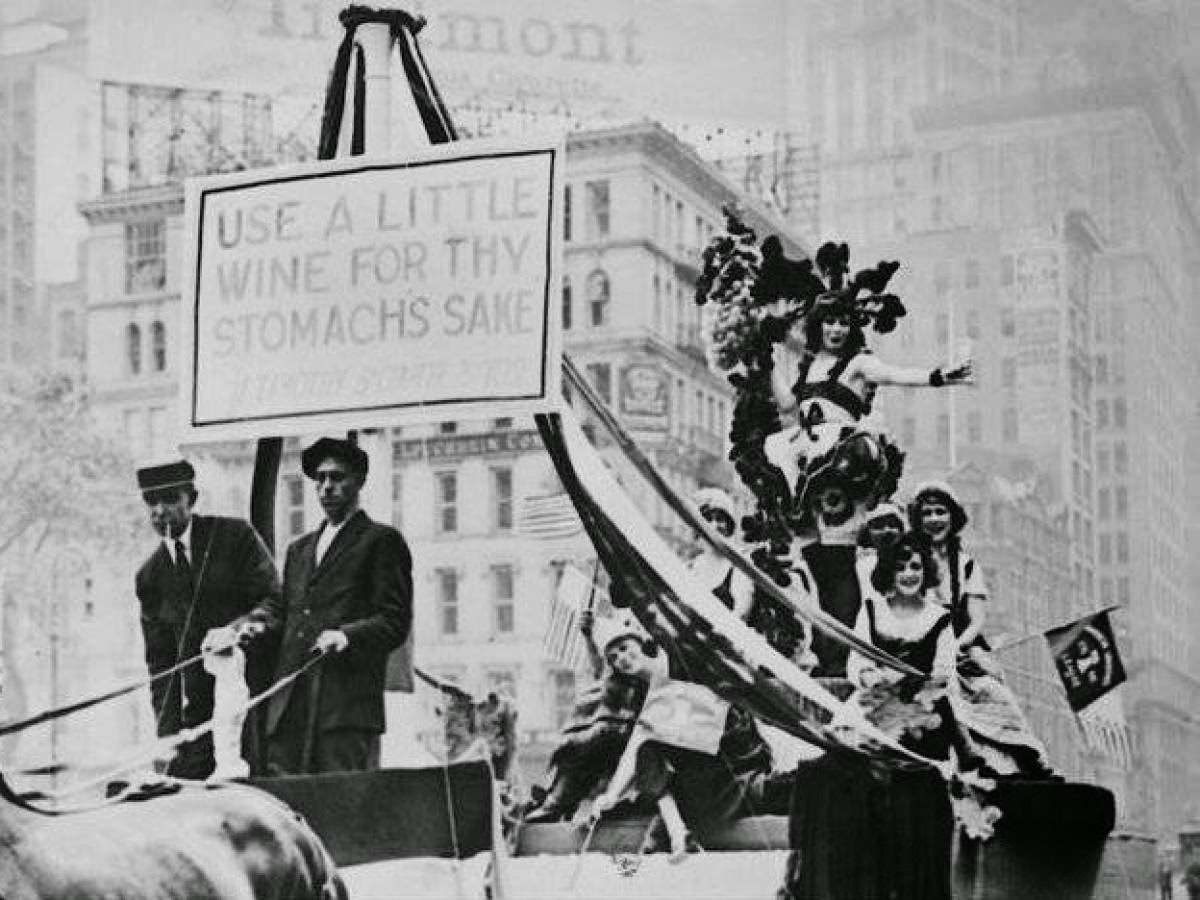
Prohibition was never universally accepted by the American public. Protests broke out in cities across the country. Demonstrators carried signs, marched through the streets, and even quoted scripture to argue that the law was unjust and unenforceable.
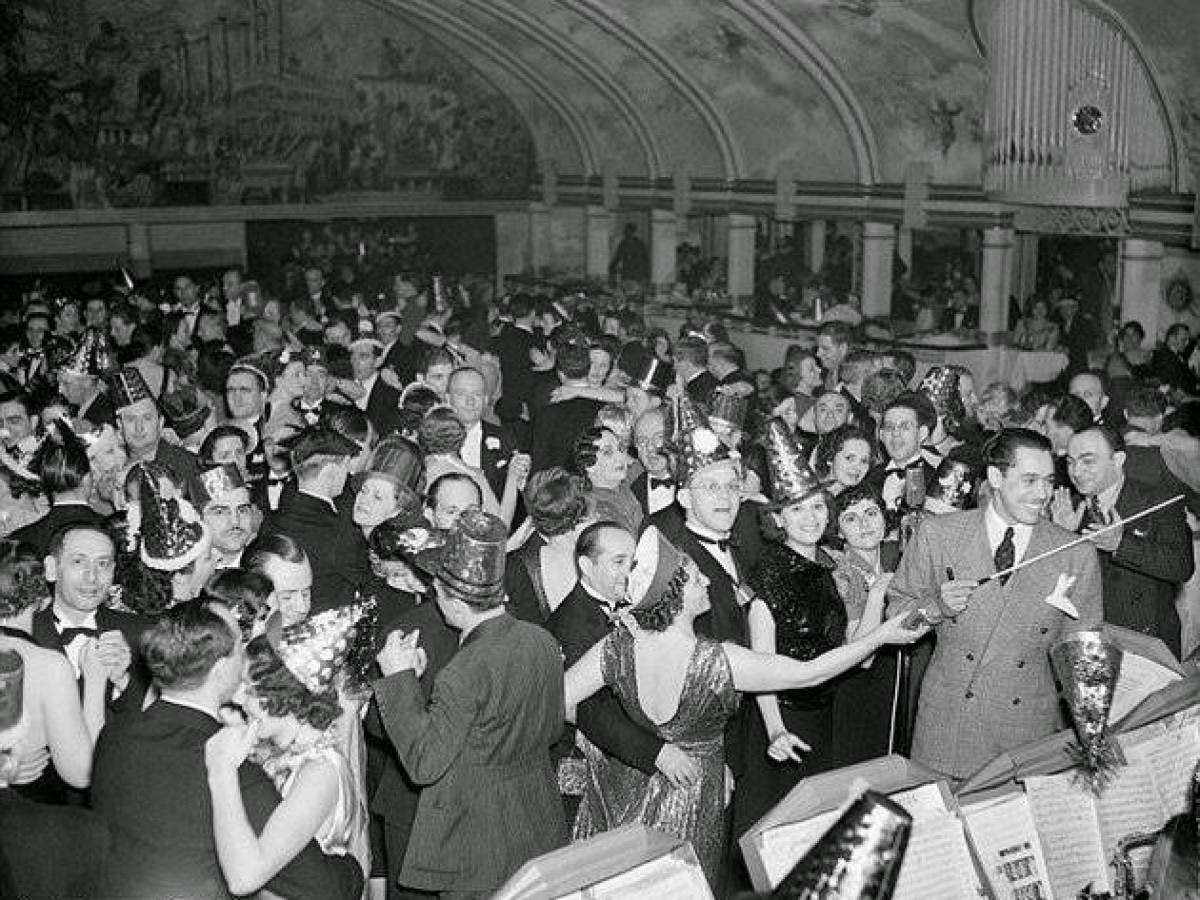
Underground drinking clubs called speakeasies filled the void left by shuttered saloons. The name came from the practice of speaking quietly to a doorman to gain entry. These hidden bars ranged from grimy basement joints to upscale clubs where jazz bands played nightly. Unlike the old saloons, speakeasies welcomed women — making them some of the first integrated social spaces in the country by gender. Whole new social rituals were born inside their walls.
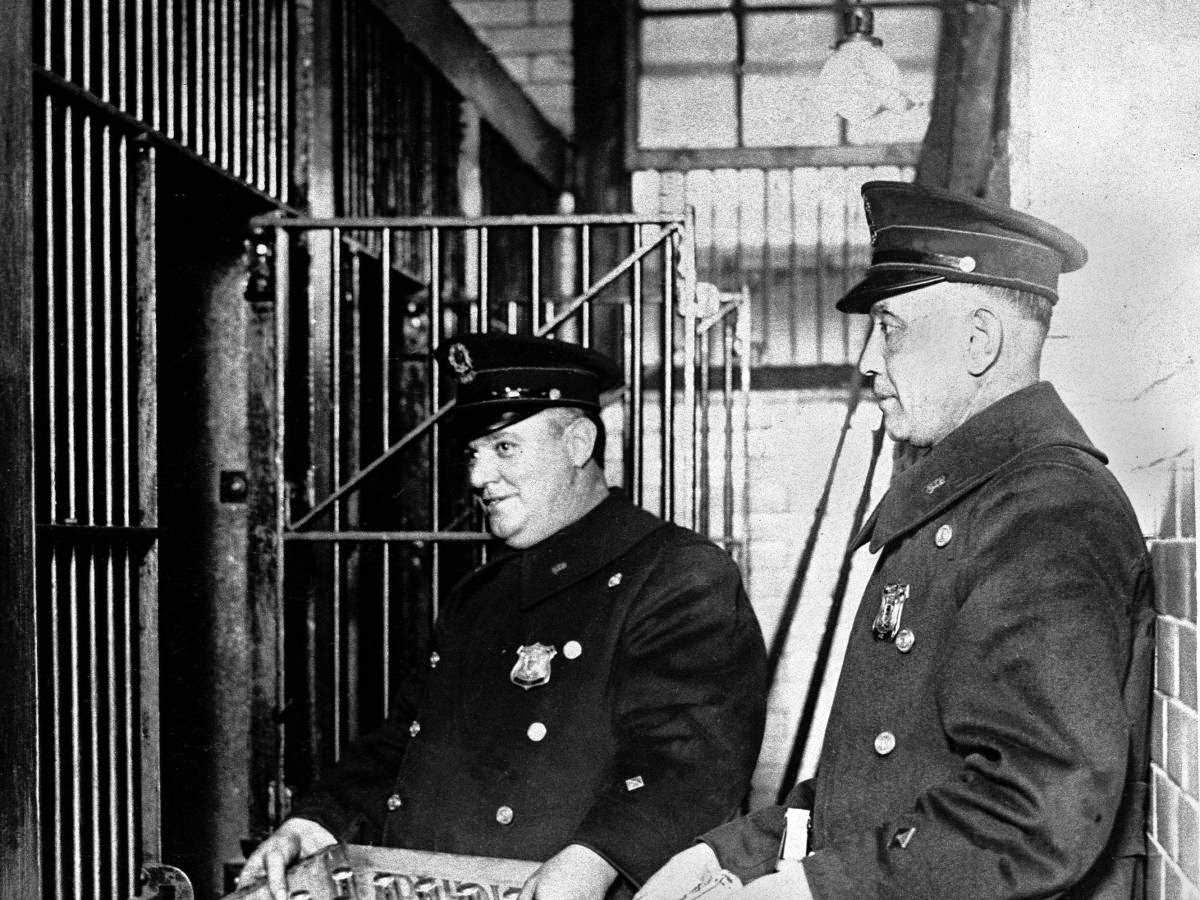
Raids on illegal operations never stopped throughout the Prohibition era. Federal agents and local officers regularly busted distilleries and speakeasies, hauling off equipment and making arrests. But corruption ran deep — gangsters like Al Capone in Chicago and Lucky Luciano in New York bribed police officers, judges, and politicians to keep their operations running. The violence of bootlegging turf wars, including the St. Valentine’s Day Massacre of 1929, turned public opinion sharply against the law.
By the early 1930s, the Great Depression had devastated the economy. The government needed tax revenue, and the cost of enforcing Prohibition was staggering. In 1933, the 21st Amendment was ratified — making the U.S. the first and only nation to repeal a constitutional amendment. On December 5, known as Repeal Day, Americans took to the streets to celebrate. Breweries that had sat dormant for over a decade scrambled to get back into production.