
The 1920s were a decade of dramatic change in the United States. After World War I, the country shifted away from farming and toward industry at a pace that reshaped everyday life for millions of Americans. Cities grew fast. The nation’s total wealth more than doubled. A housing boom gave middle-class families access to mortgages on far more generous terms than before. People bought cars, home appliances, and ready-to-wear clothing like never before. By the decade’s end, radios sat in more than 12 million homes. These rare color photographs capture that world — its farms, streets, cities, coastlines, and communities — in vivid detail.
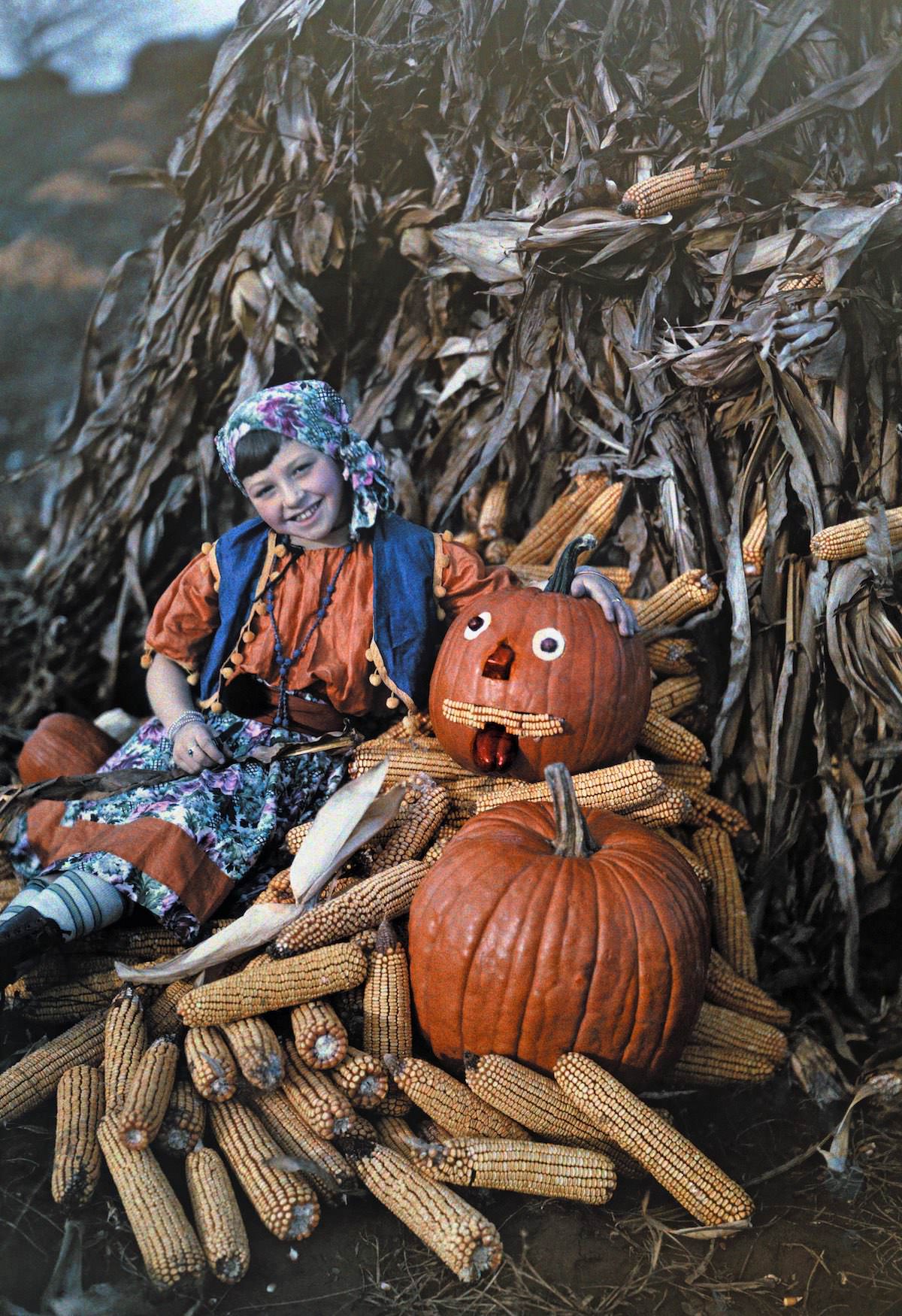
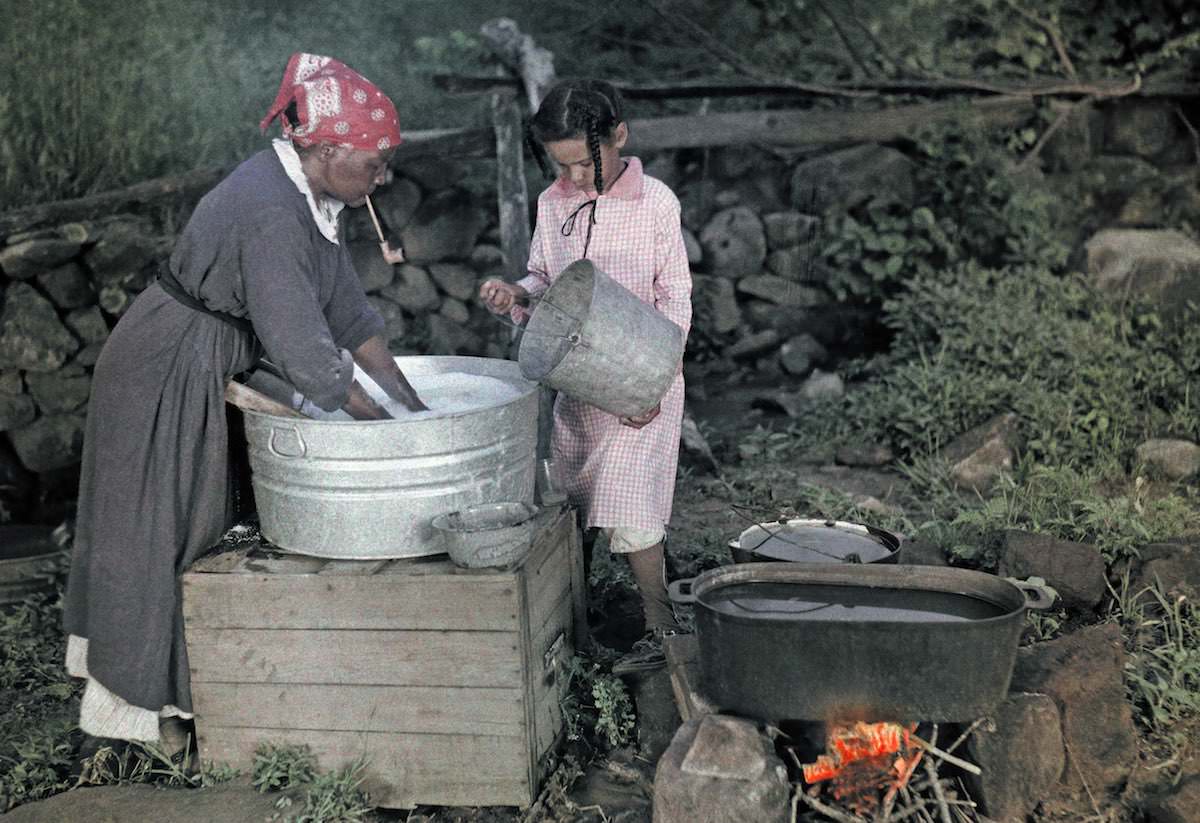
Rural life still anchored much of the country during the 1920s. Small towns and farming communities continued their seasonal rhythms even as industrialization pulled workers toward urban centers. Across Virginia, the Carolinas, and the broader South, harvest season brought families and neighbors together for shared labor. Everyday domestic tasks, too, remained communal in many towns.
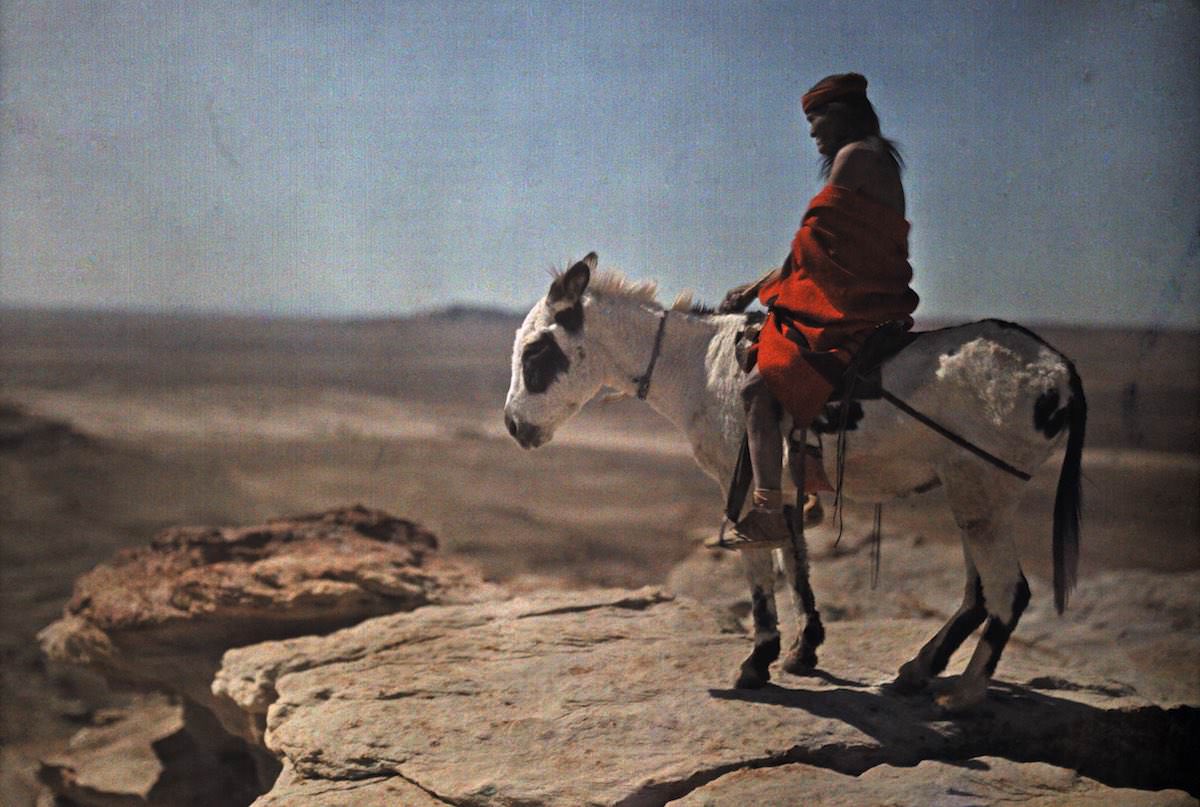
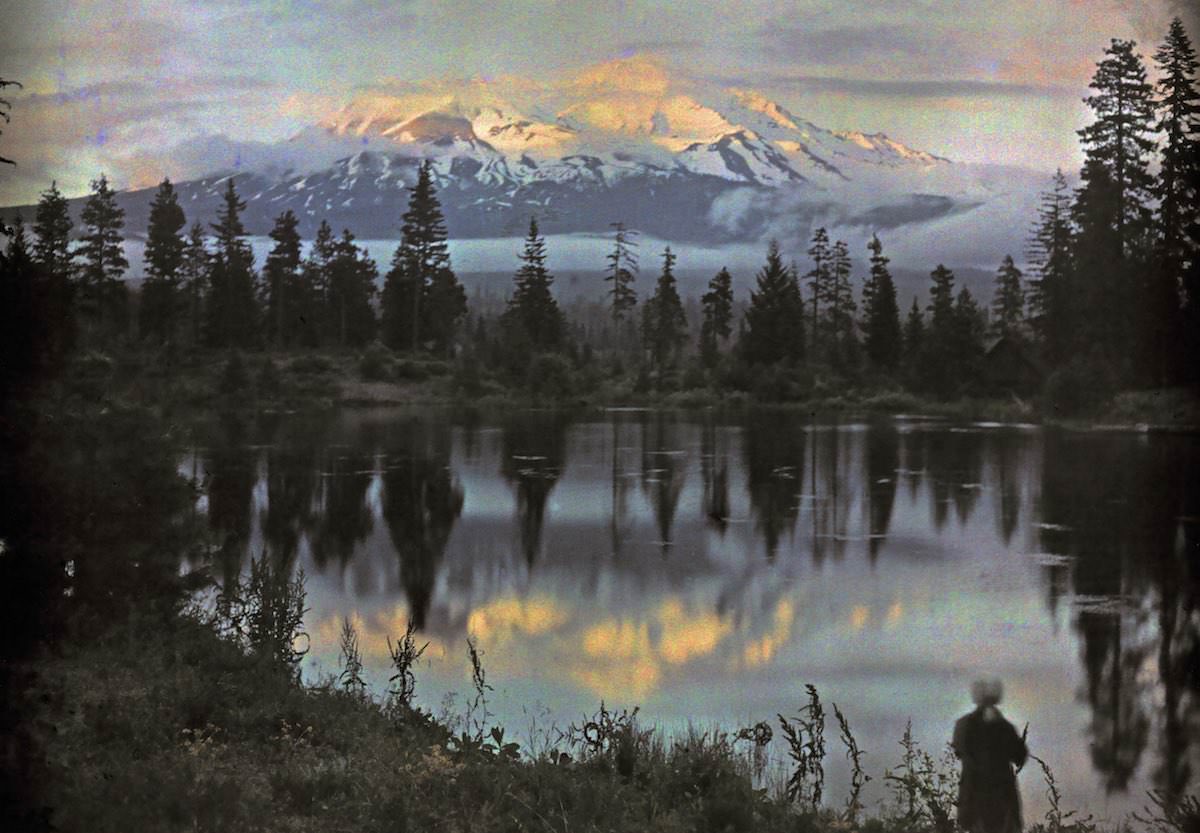
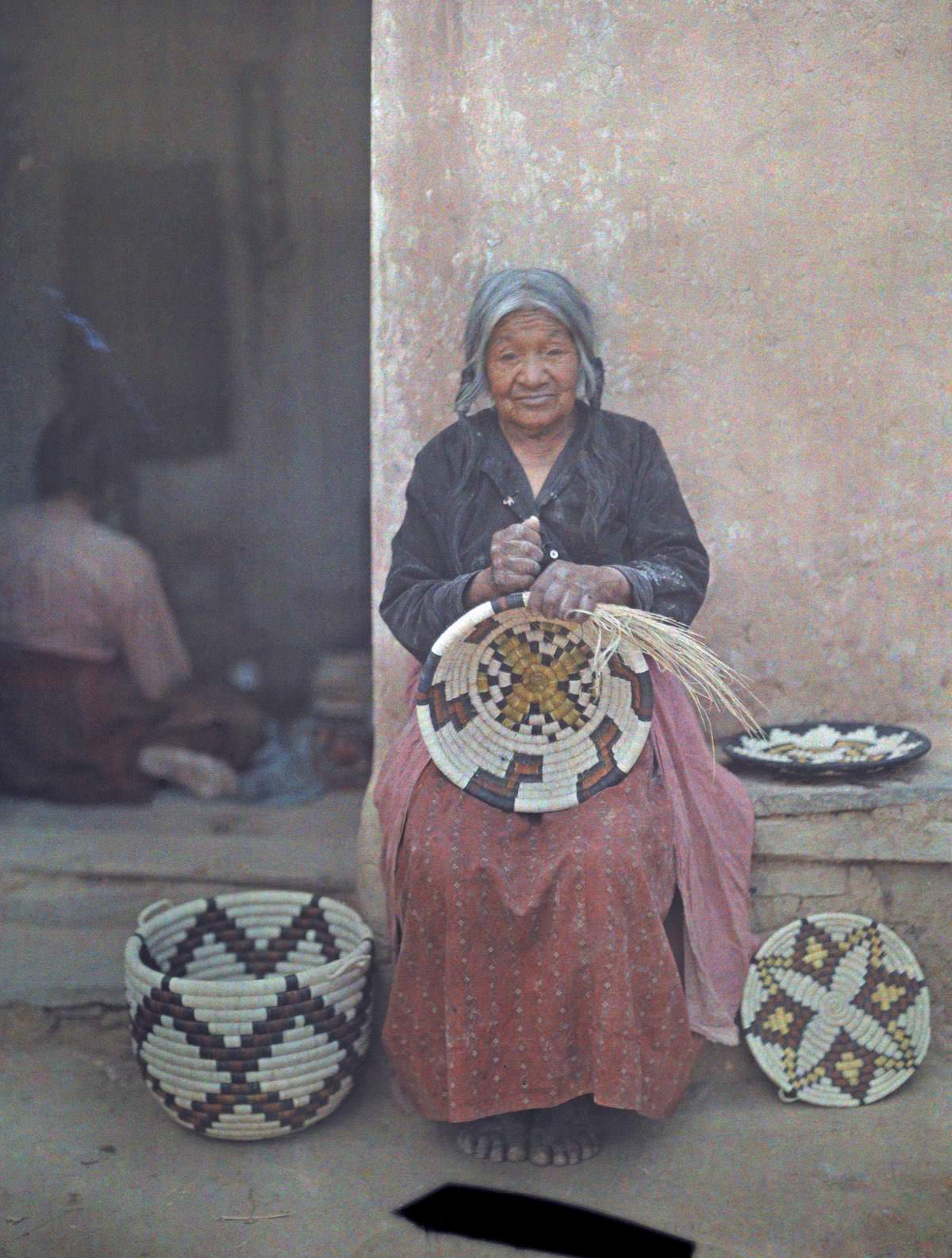
The American West presented a landscape of striking contrasts — towering mountains, open plains, and long-established Native communities navigating a rapidly changing nation. The Hopi people of the Southwest maintained their way of life, culture, and traditions even as outside pressures mounted.
Hopi basket weaving was not merely a craft — it was a deep cultural tradition passed through generations, with each pattern carrying meaning. Women were the primary weavers, and their work was central to Hopi ceremonial and daily life.
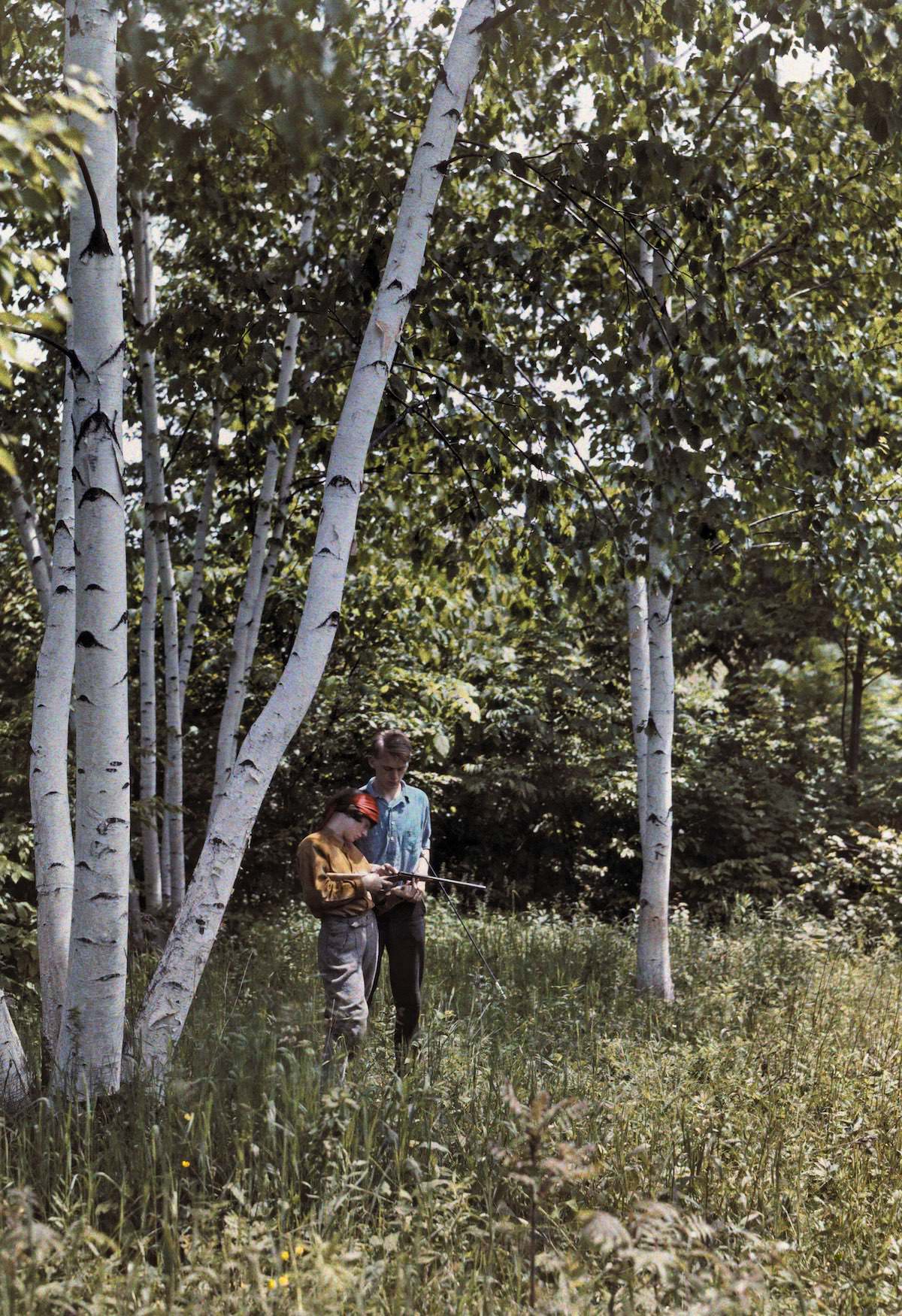
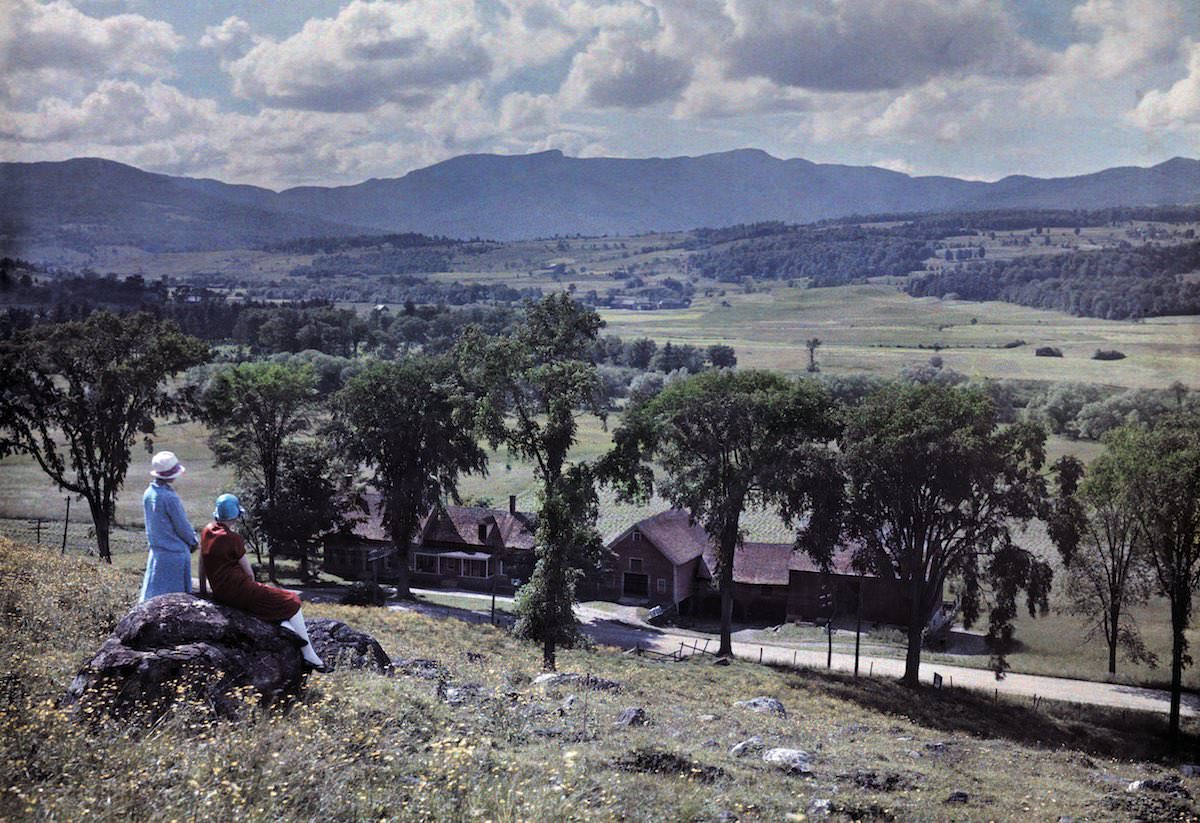
In New England, small towns and quiet valleys offered a sharp contrast to the roaring industrial cities of the Northeast. Vermont’s hills and birch forests gave the region a slower, more pastoral character. Yet these communities were not untouched by change — railroad lines, new roads, and the automobile were beginning to connect even the most remote corners of America.
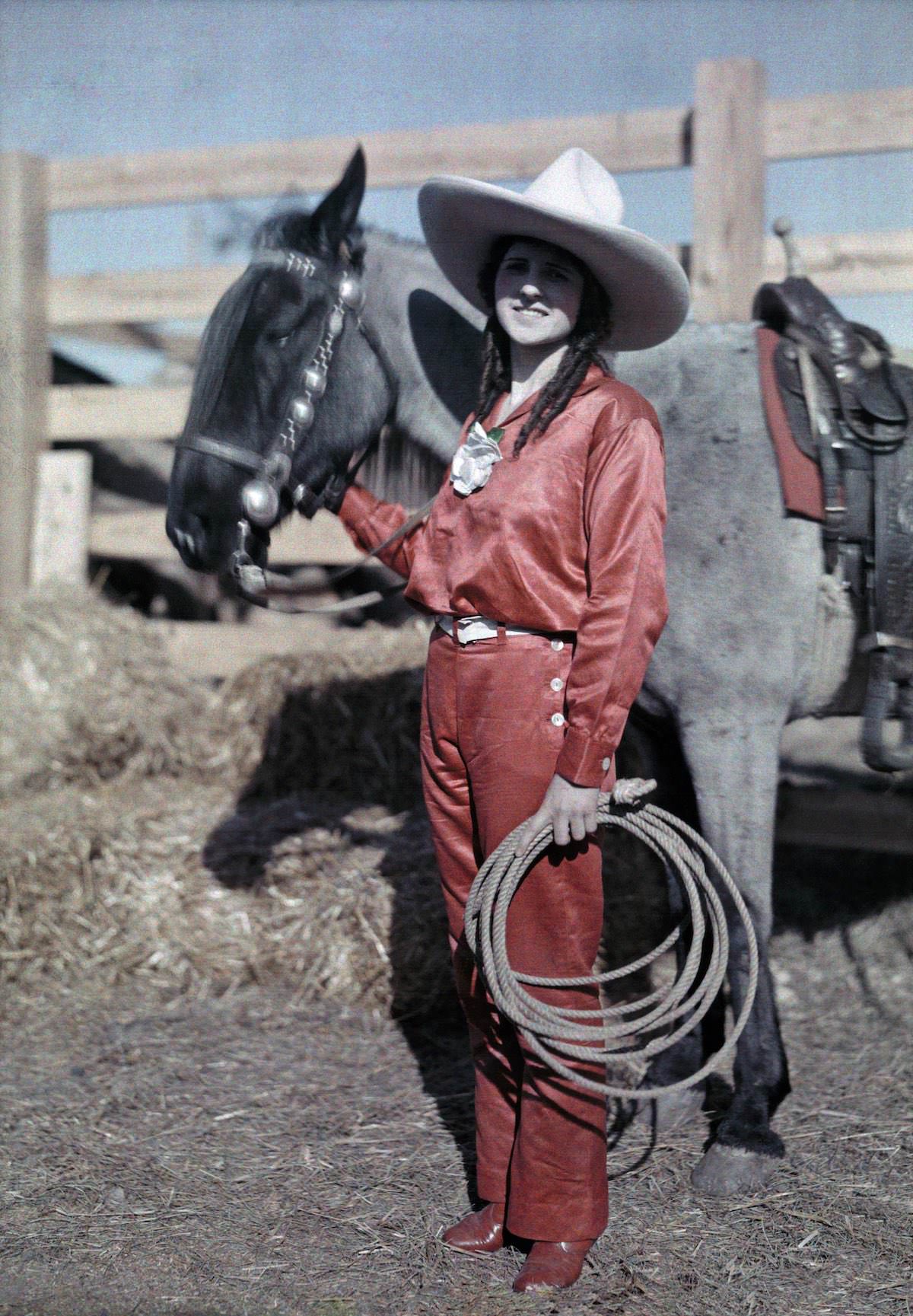
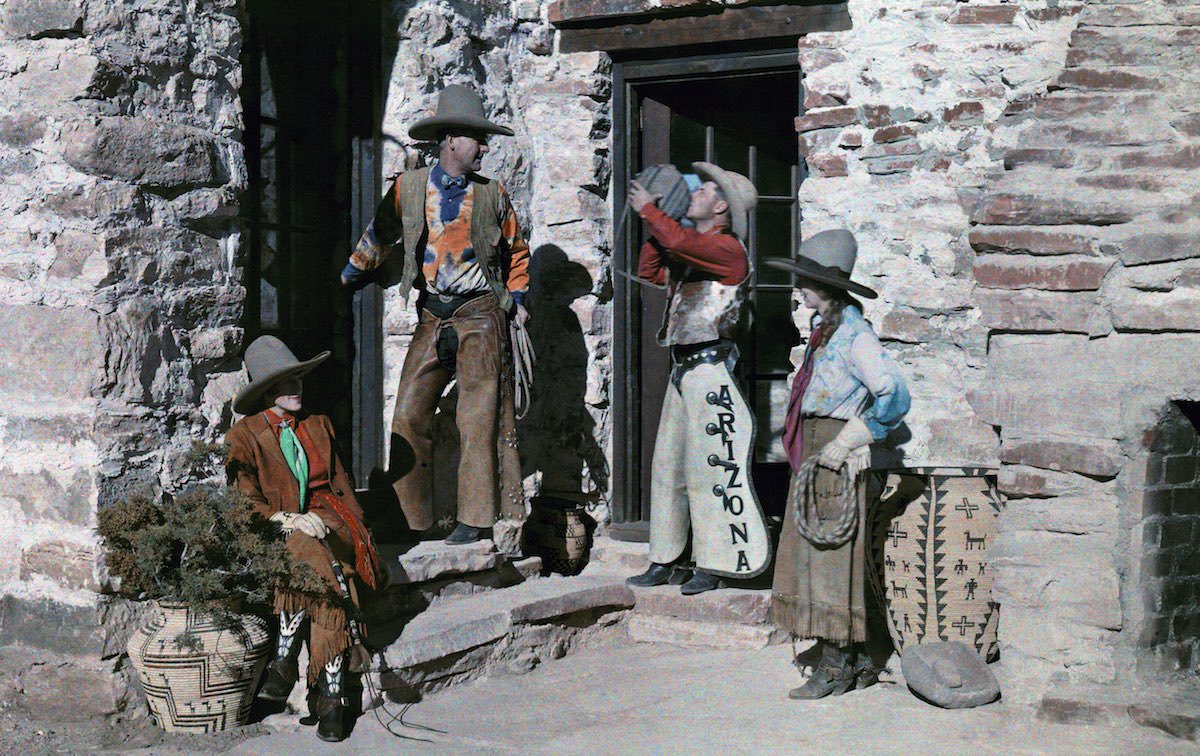
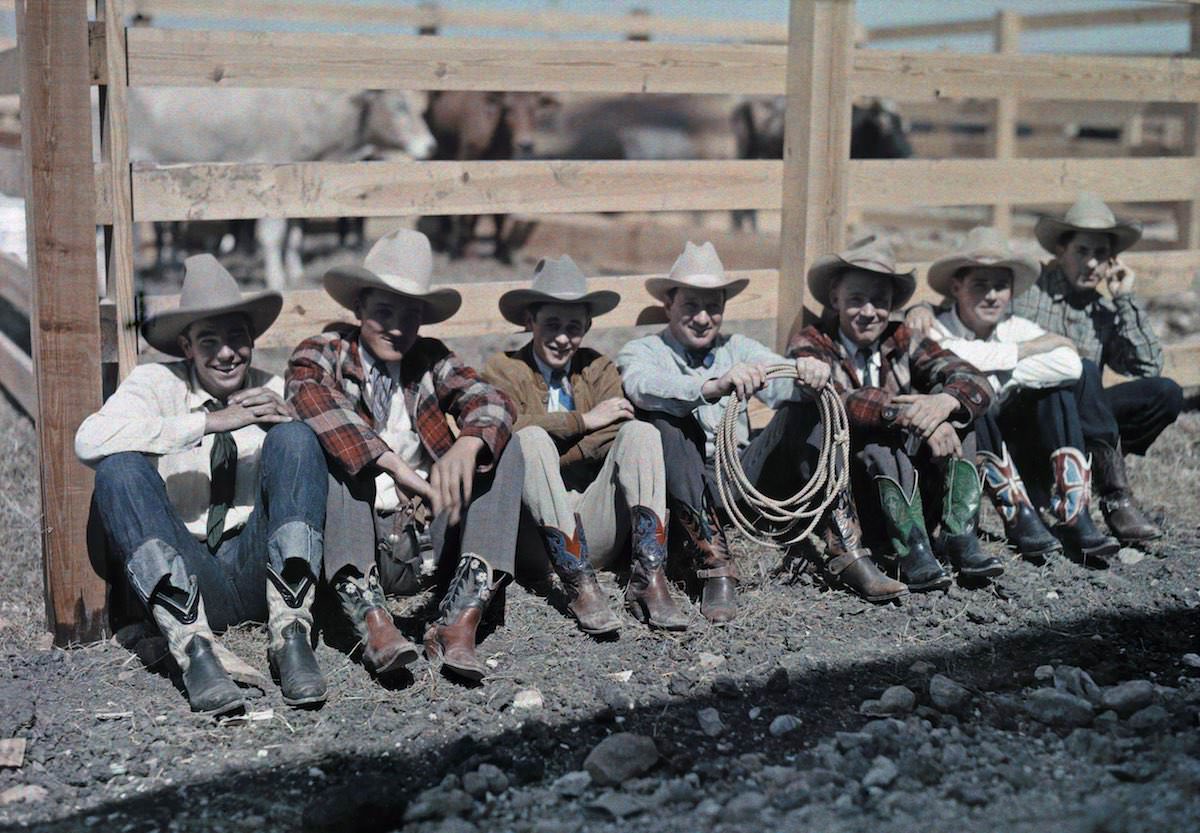
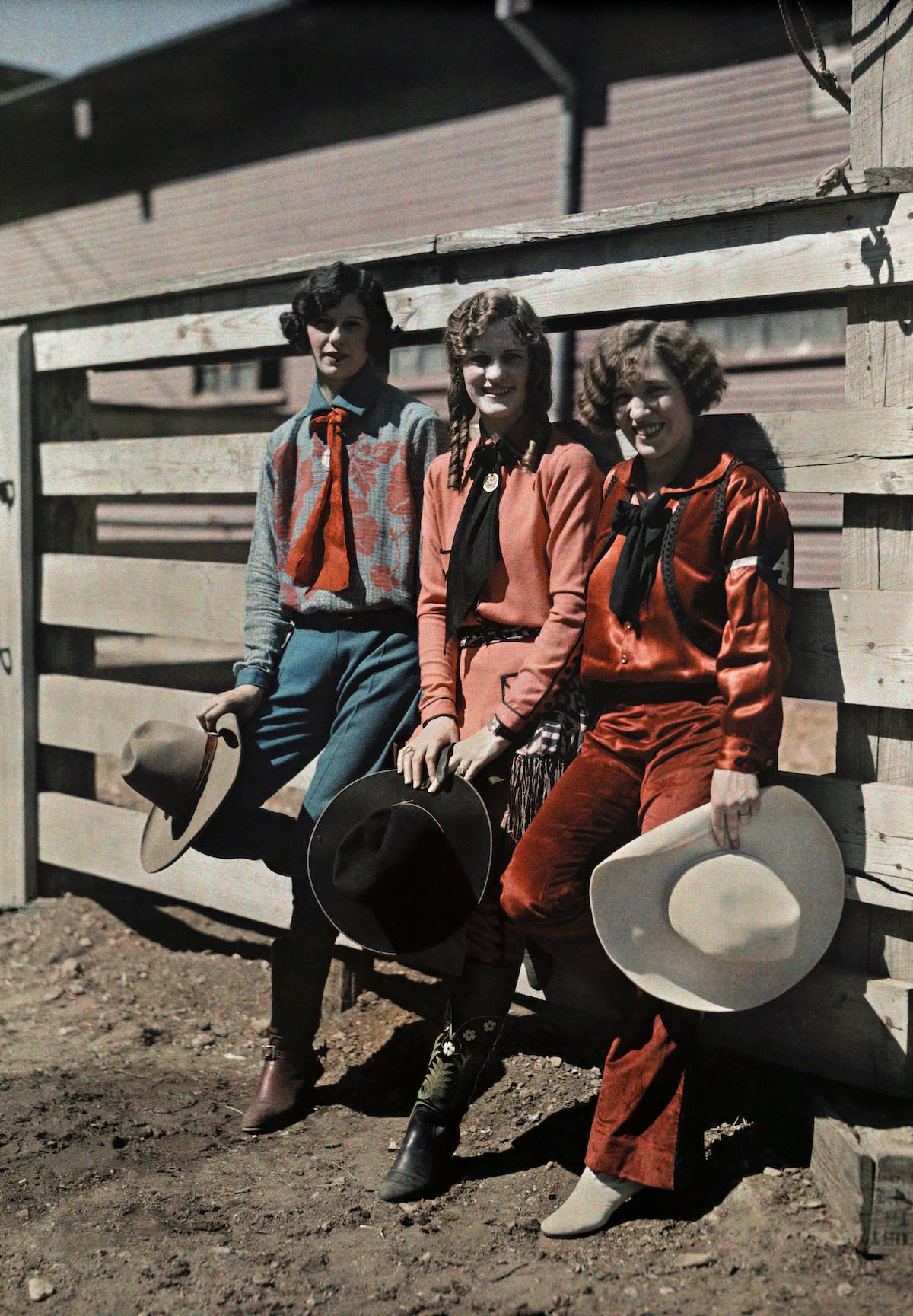
Texas in the 1920s was rodeo country. The cowboy tradition was alive in cities like Fort Worth and San Antonio, where riders competed and crowds gathered to watch feats of horsemanship and roping. Women took part too — not just as spectators, but as skilled riders in their own right.
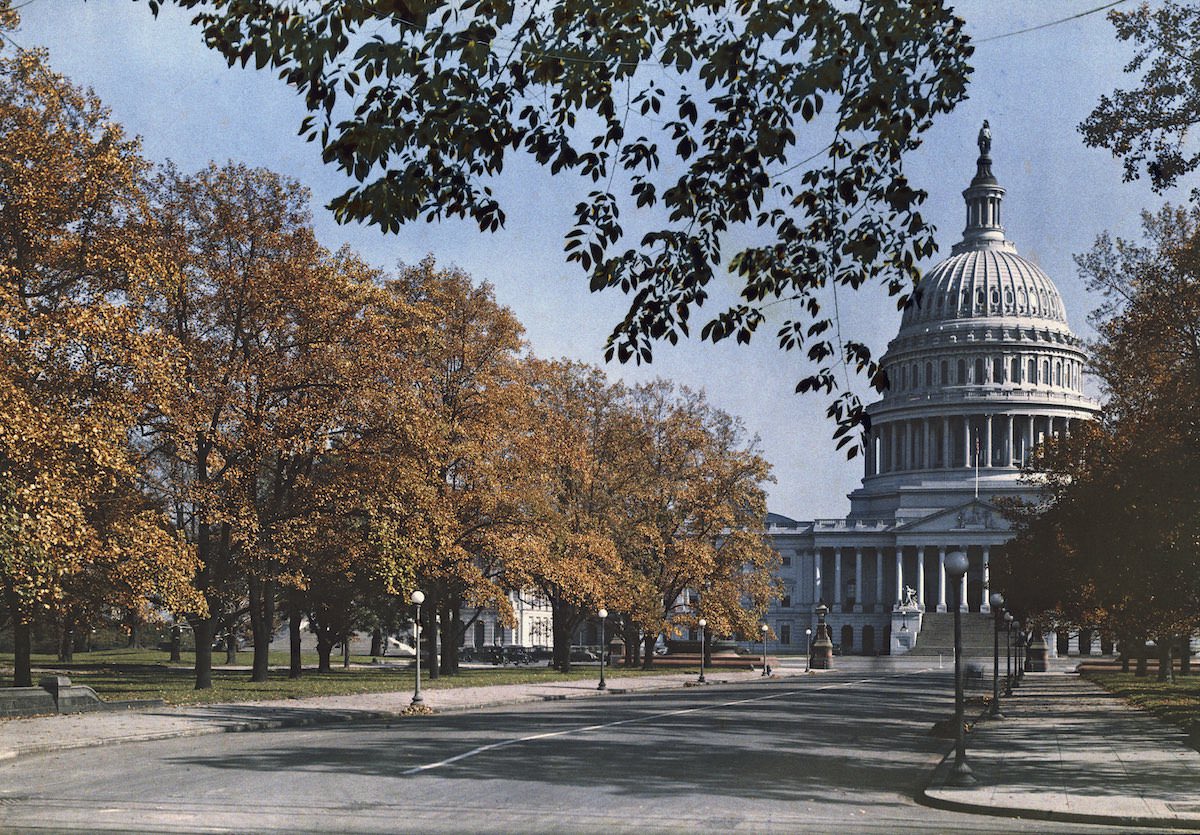
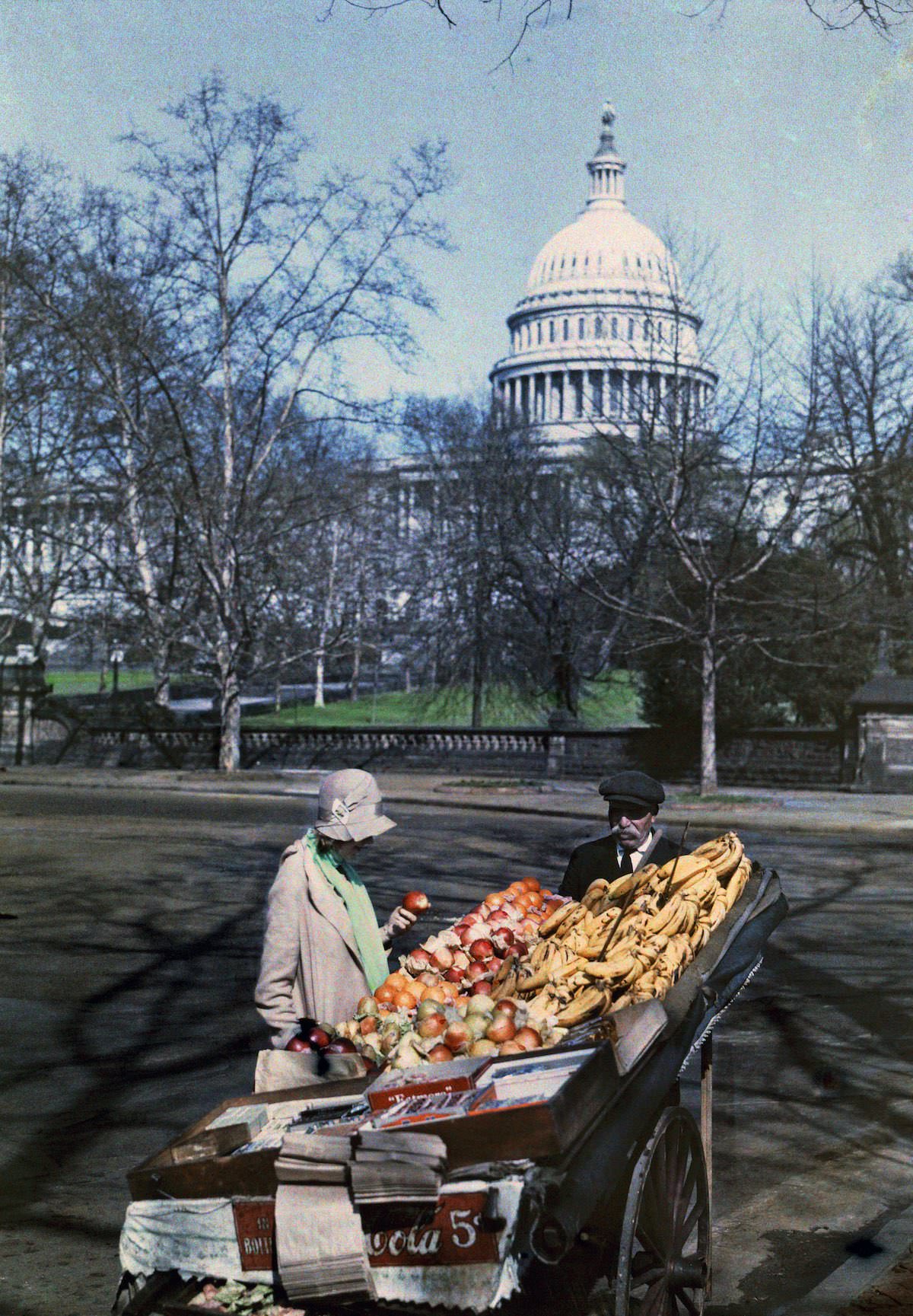
Washington, D.C., stood as the symbolic center of a nation growing in confidence and global standing. The Capitol building anchored the city’s identity, while its streets and markets reflected a diverse, working population going about daily business.
Vermont’s mountains drew visitors who came to take in the scenery. Mount Mansfield, the state’s highest peak, loomed over the village of Stowe and offered views that stretched for miles. Tourism, powered in part by the expanding road network and the growing number of cars, was becoming a real industry.
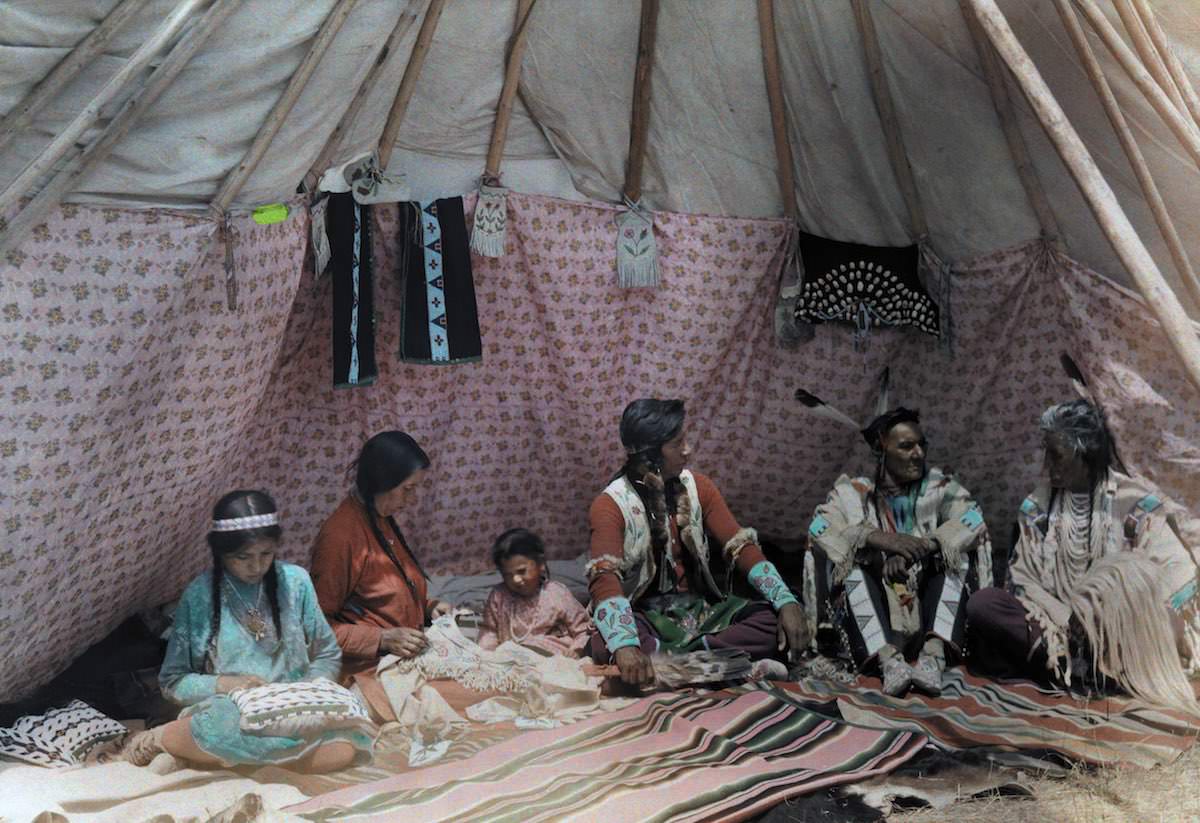
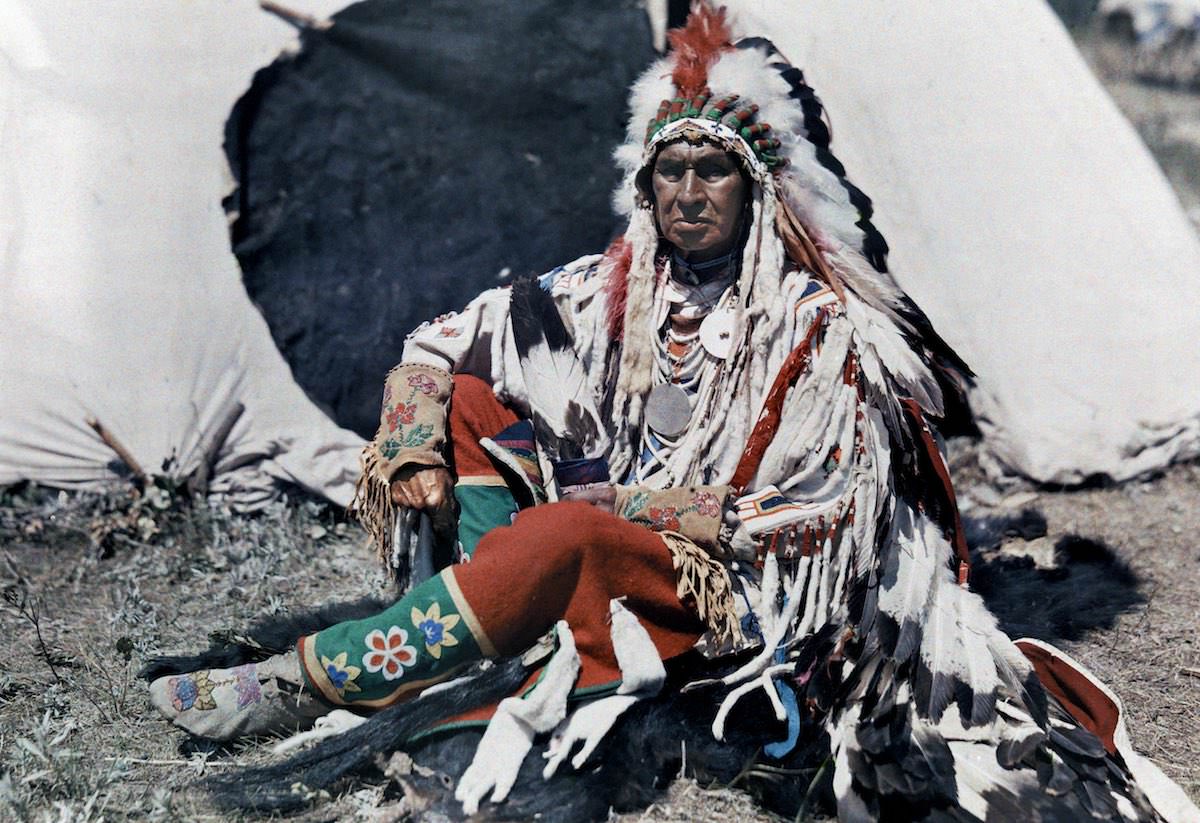
On the Northern Plains, Native communities lived in ways that blended traditional practices with the realities imposed by the reservation system. In Montana, the Crow people maintained strong cultural ties even as the federal government exercised control over reservation life. Extended families lived together, and the tipi remained a meaningful part of their identity.
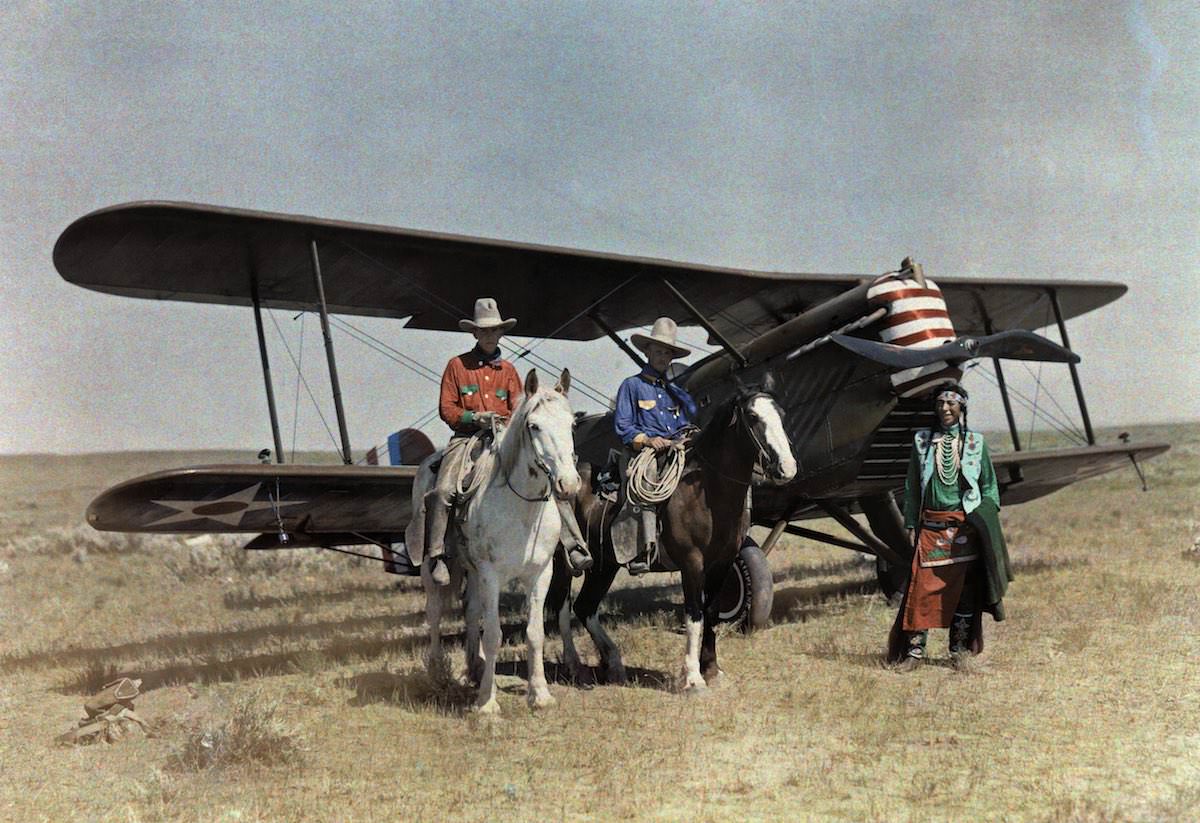
The airplane was still a novelty for most Americans in the 1920s. Charles Lindbergh’s transatlantic flight in 1927 captured the national imagination, but even before that milestone, planes were showing up in unexpected places — including on Native reservations in Montana.
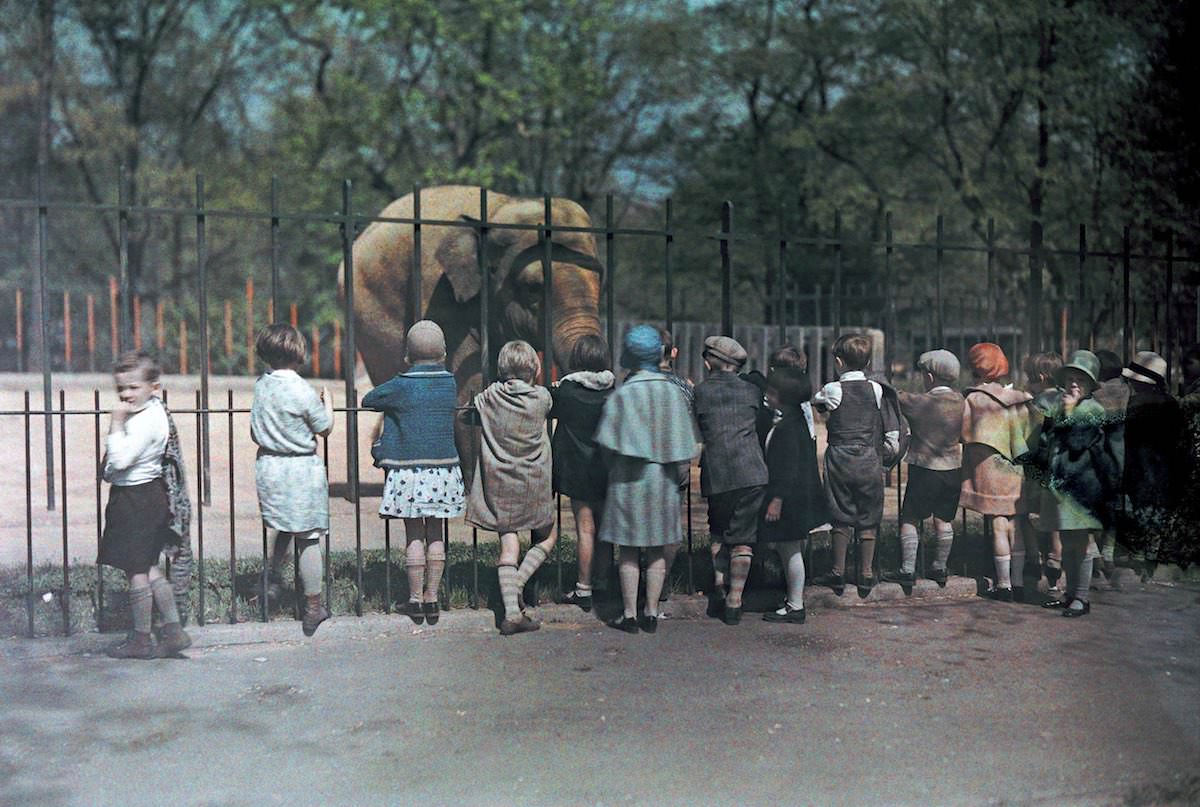
In Washington, D.C., the National Zoo drew families from across the city. Founded in 1889, it was one of the earliest public zoos in the country and remained a popular destination for urban residents looking for a day out. For many children, it was their first encounter with animals from distant parts of the world.
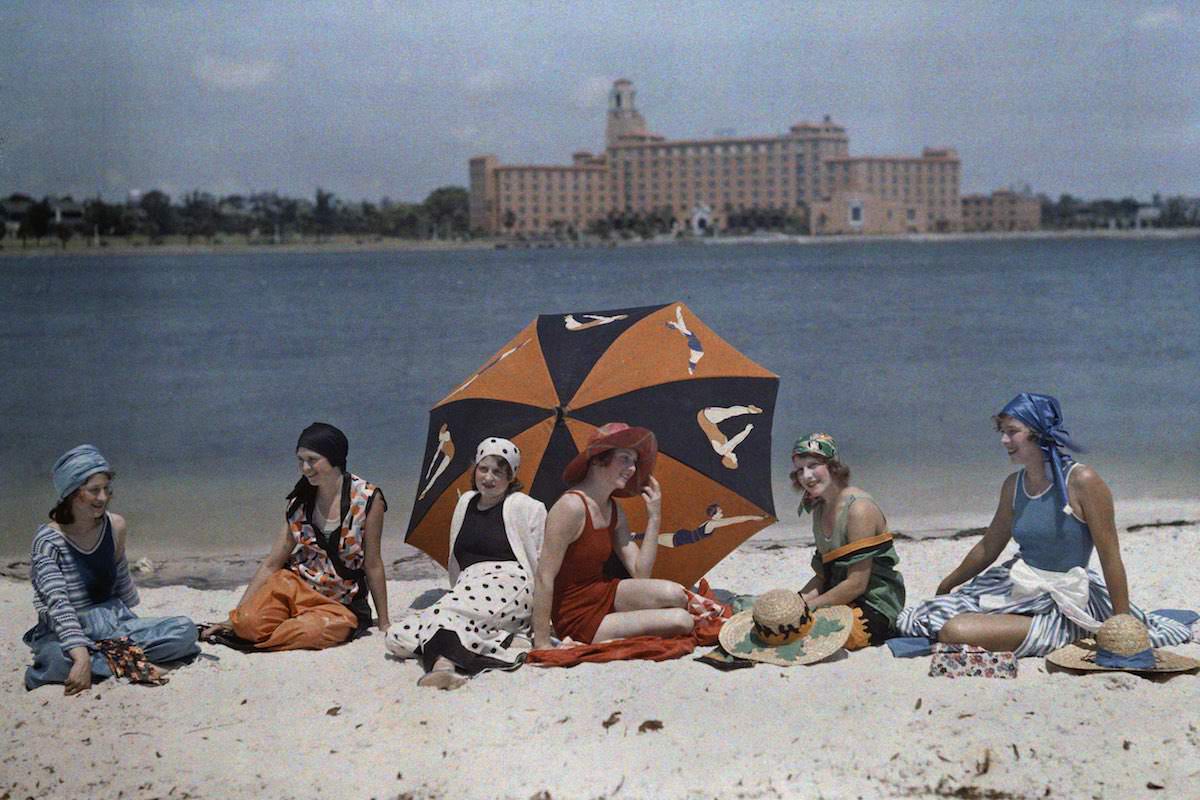
Florida was booming in the 1920s. A massive real estate surge brought new residents and vacationers to cities like Miami, St. Petersburg, and Miami Beach. Warm weather, long coastlines, and new rail connections made Florida a destination for Americans who could afford the trip.
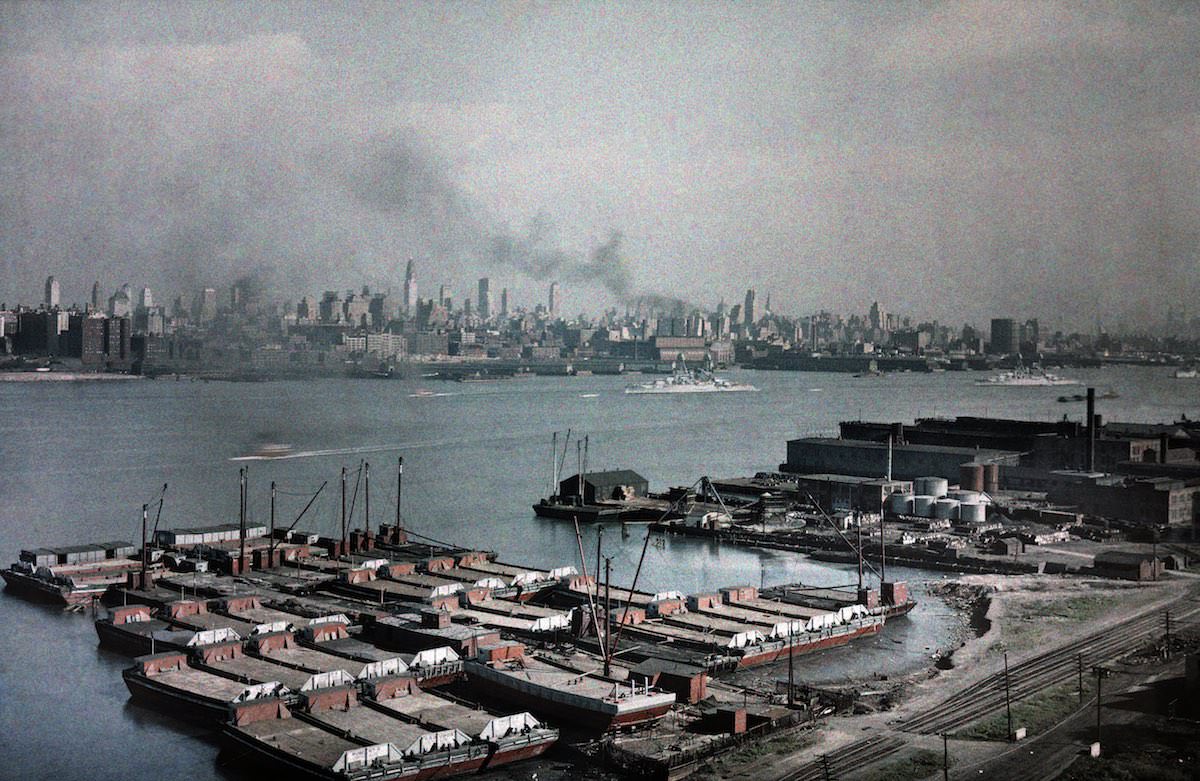
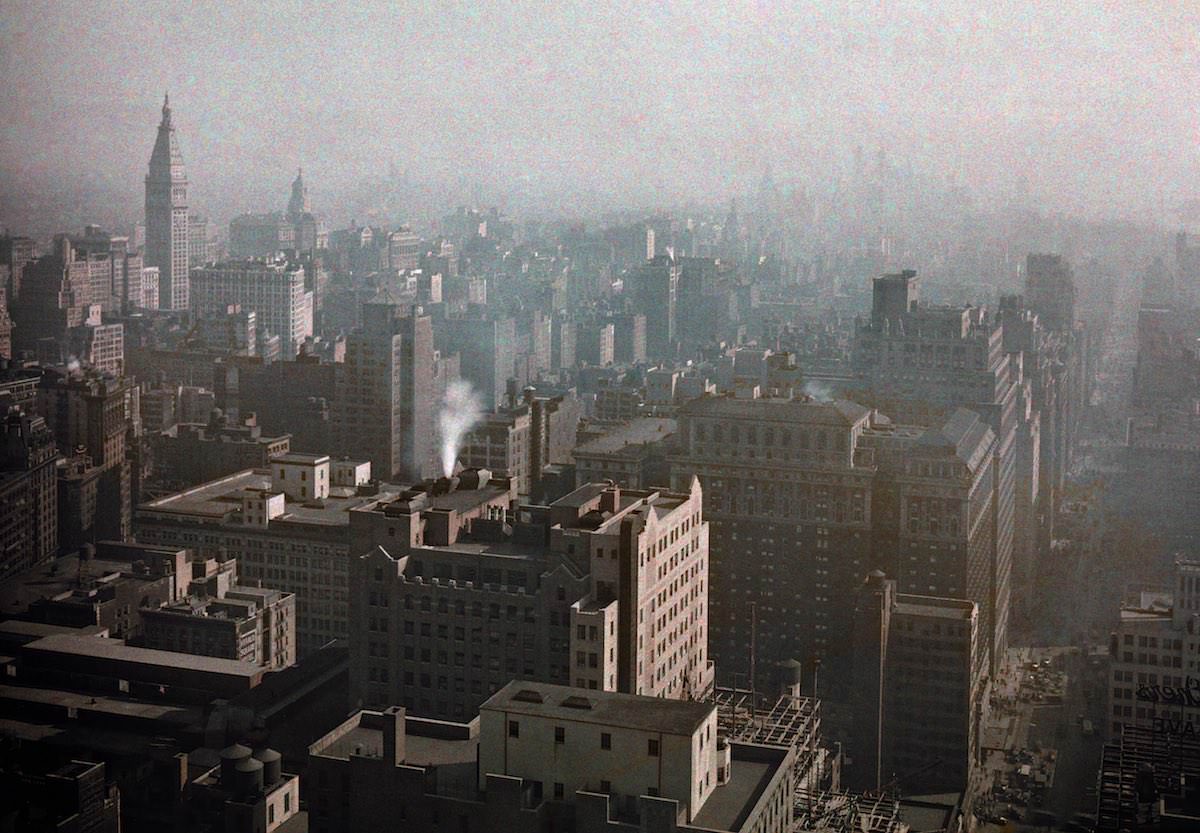
New York City was the economic and cultural engine of 1920s America. The Hudson River carried commercial traffic that fed the city’s relentless growth. The skyline was climbing skyward, defined by skyscrapers that announced American ambition in steel and stone.
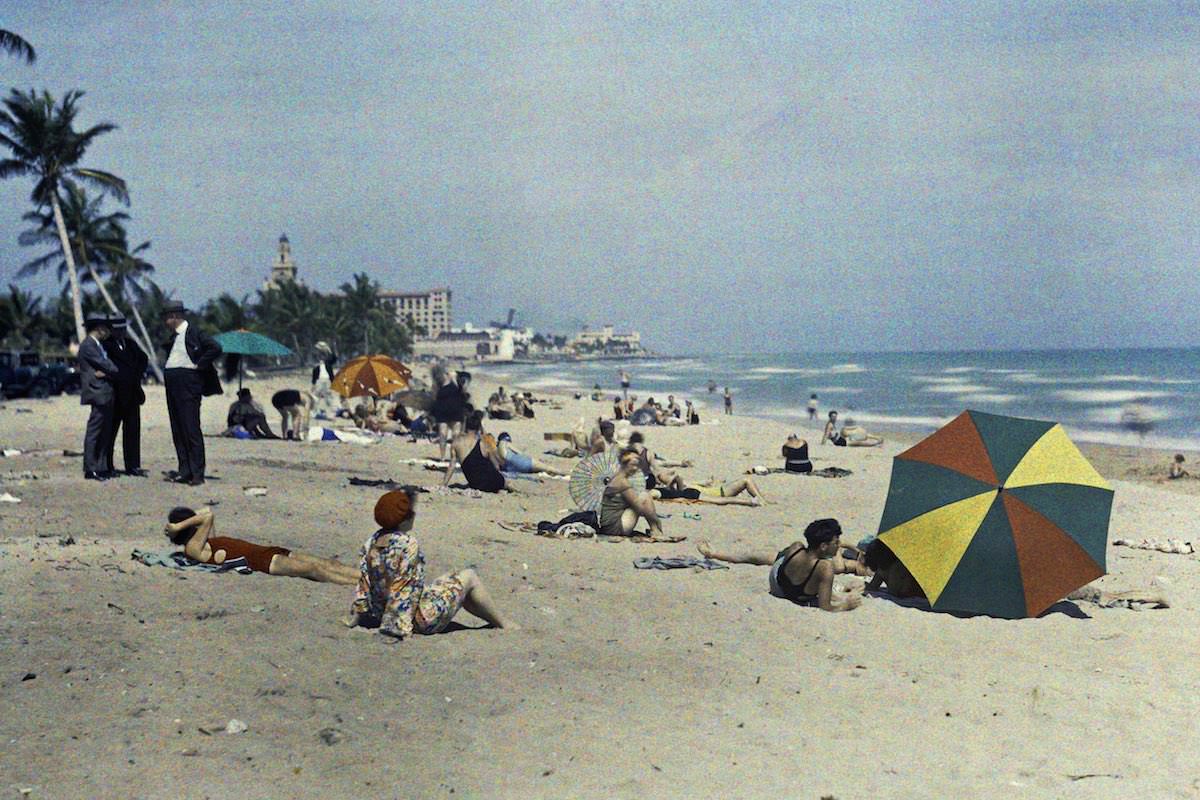
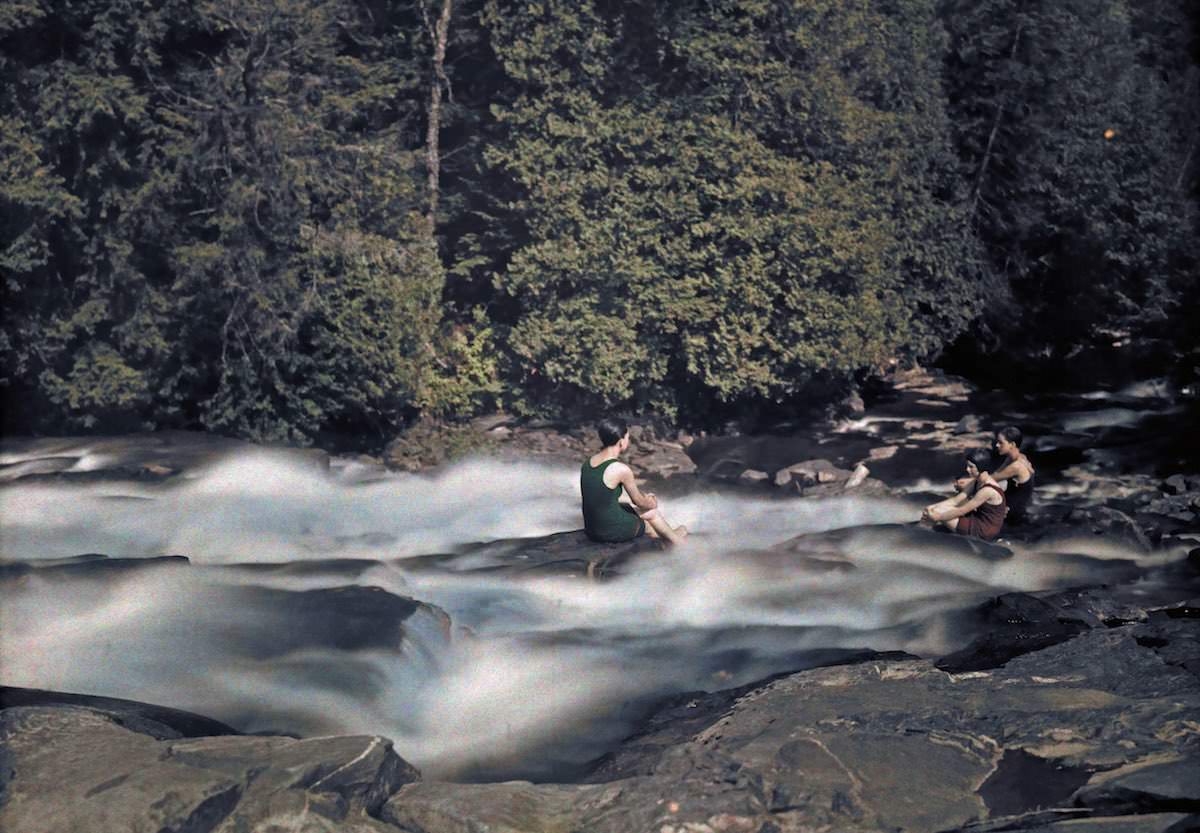
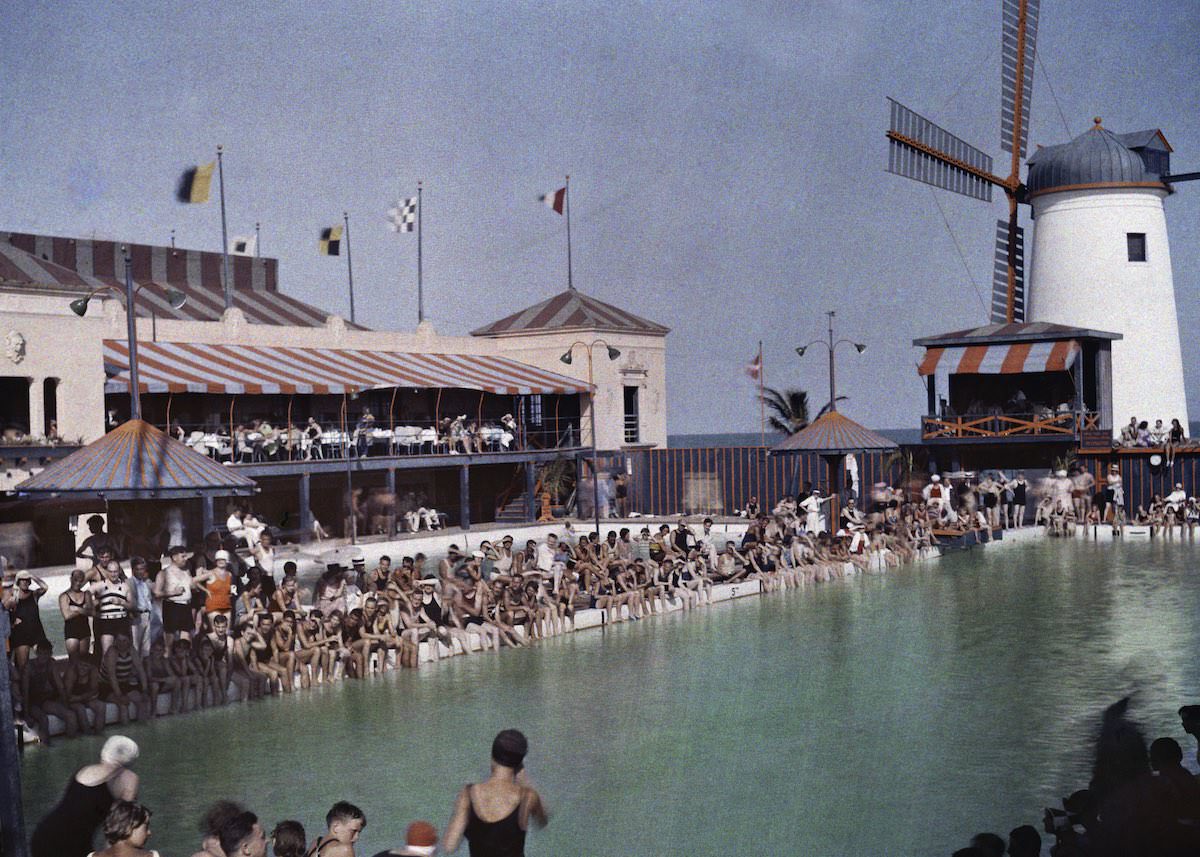
Florida’s coastal cities hosted swimming competitions that drew large crowds. Outdoor sport and leisure were becoming a central part of American life, fueled by more disposable income and shorter working hours in many industries.
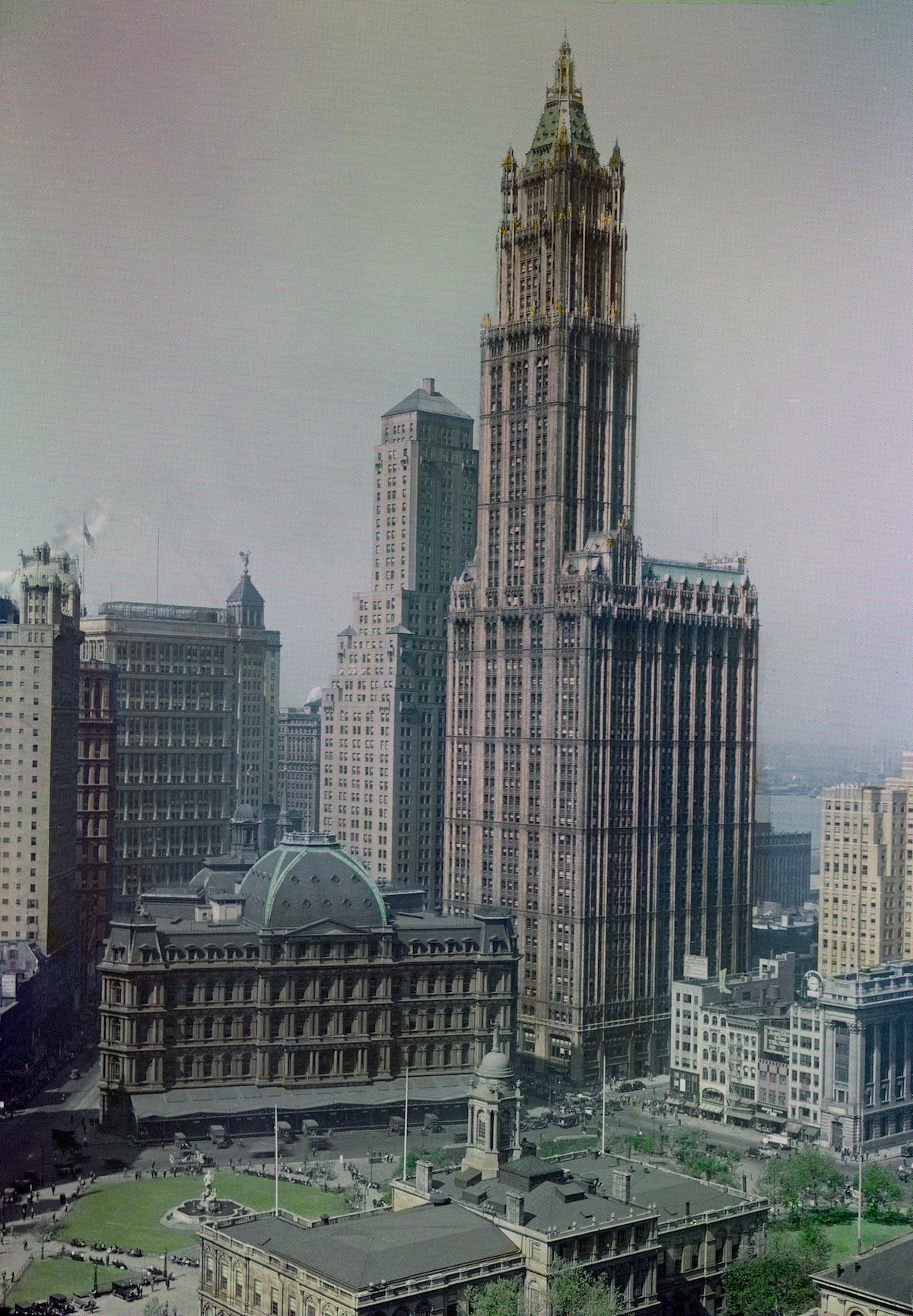
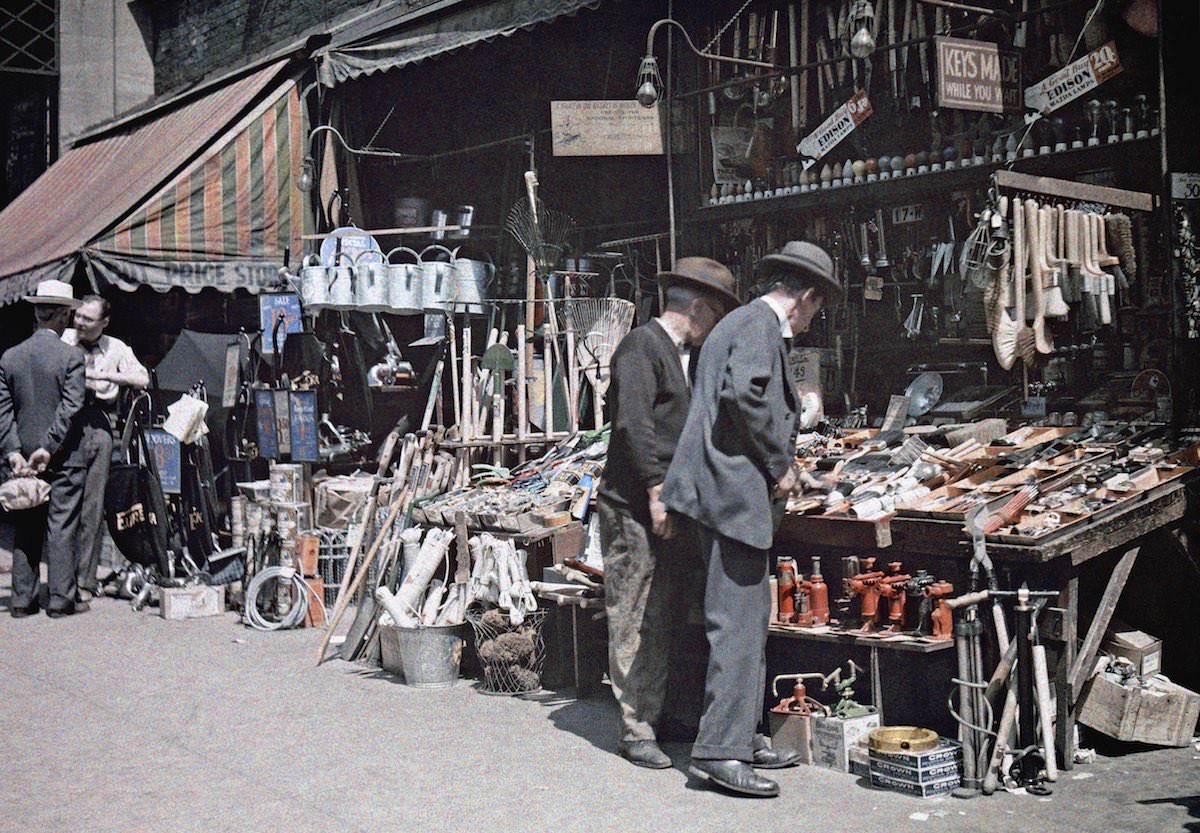
The Woolworth Building in Lower Manhattan was completed in 1913 and stood 60 stories tall — the tallest building in the world until 1930. By the 1920s, it had become a defining feature of the New York skyline and a symbol of American commercial power. Street life below was equally energetic, with vendors lining the sidewalks selling everything from food to clothing.
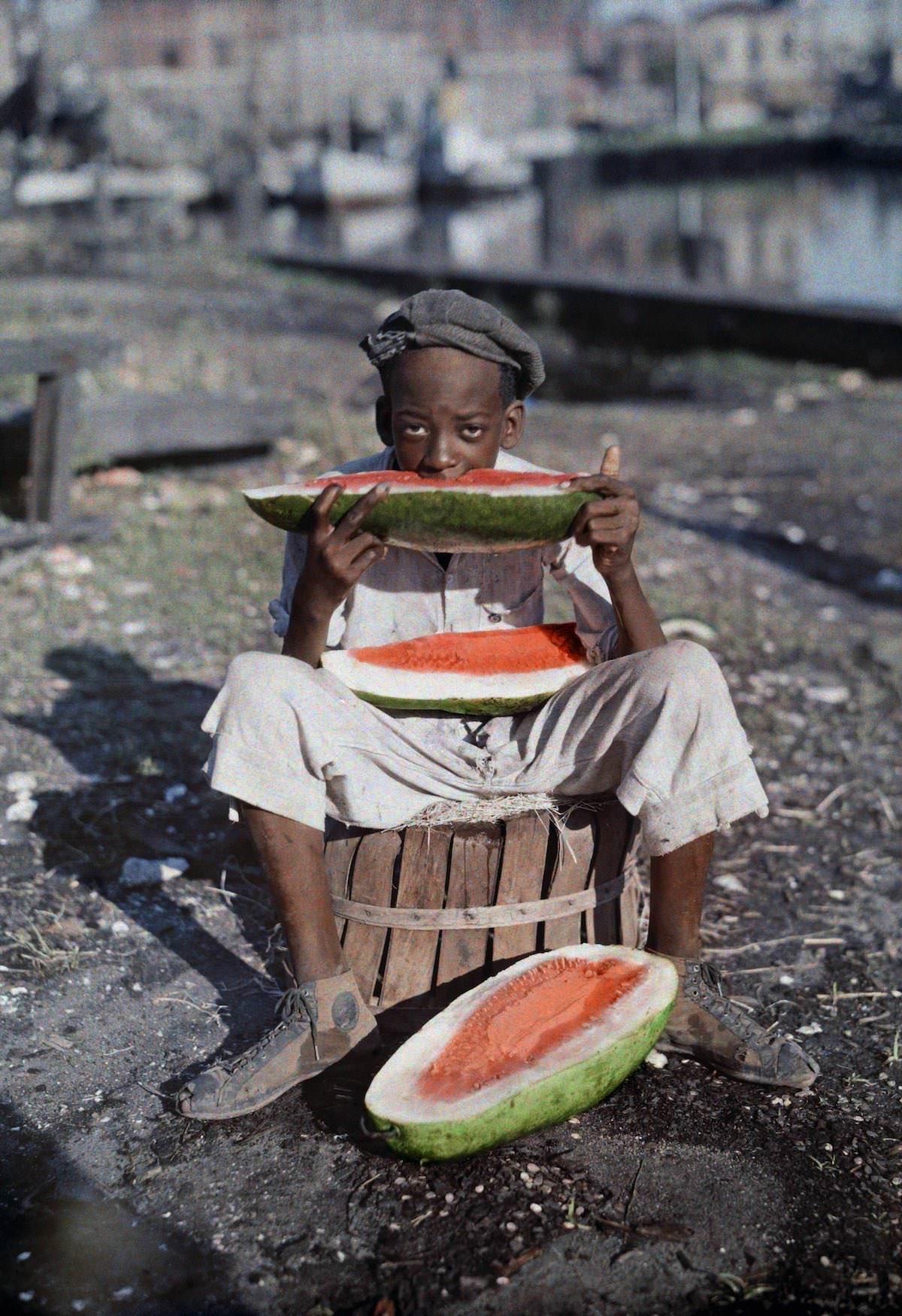
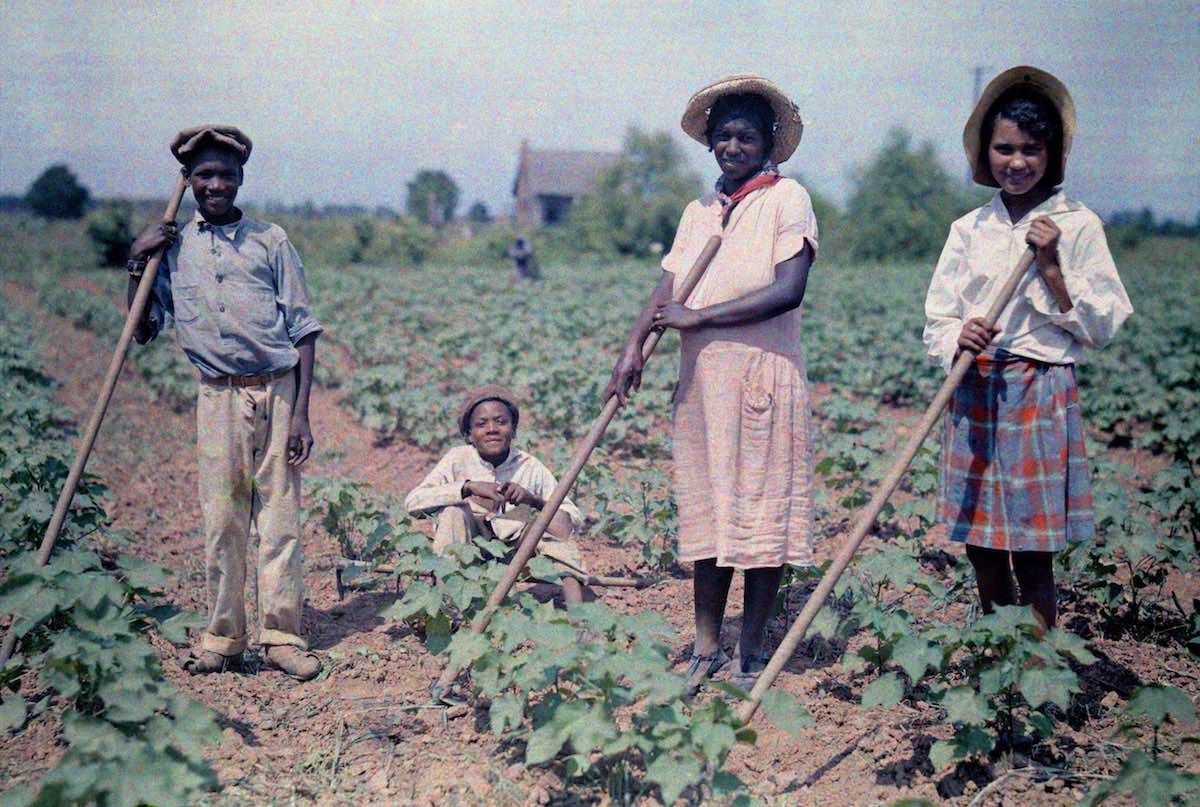
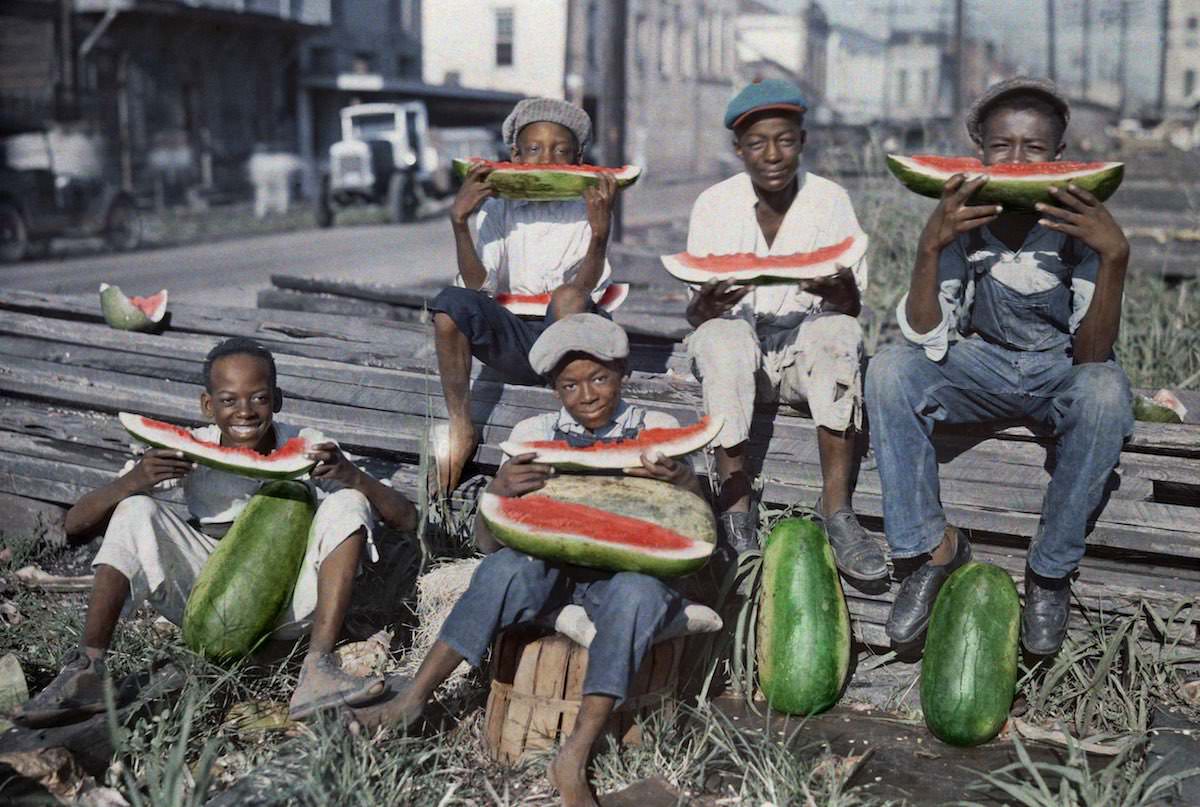
The South’s economy still relied heavily on cotton in the 1920s. Louisiana, Mississippi, and other Gulf states employed large numbers of Black workers in cotton fields under conditions that had changed little since the post-Civil War era. The Great Migration was underway, drawing many Black Southerners north toward cities like Chicago and Detroit, but those who remained continued to work the land.
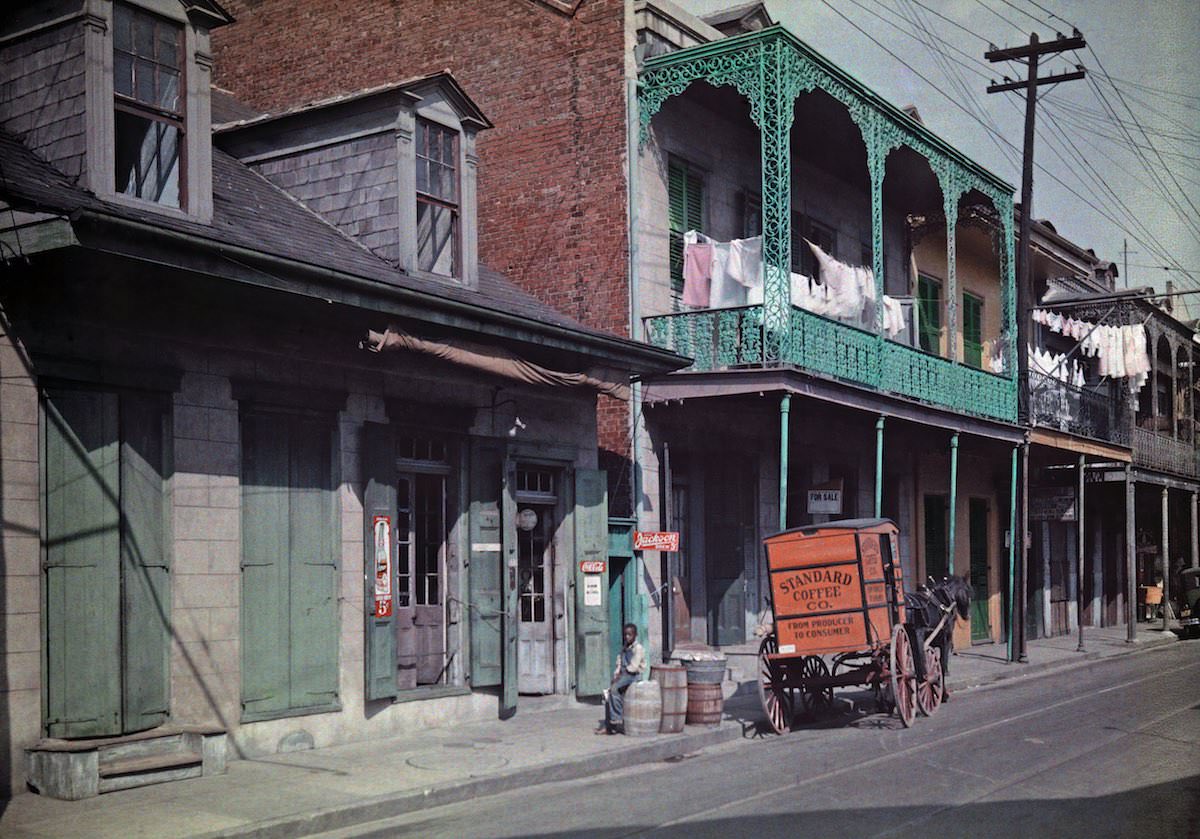
New Orleans had a culture unlike anywhere else in the United States. The French Quarter preserved its 18th-century architecture and street life, and the city’s food traditions were deeply rooted in Creole and African heritage. Street vendors, local children, and the architecture of the Quarter all appear in these photographs, offering a ground-level view of a city unlike any other.
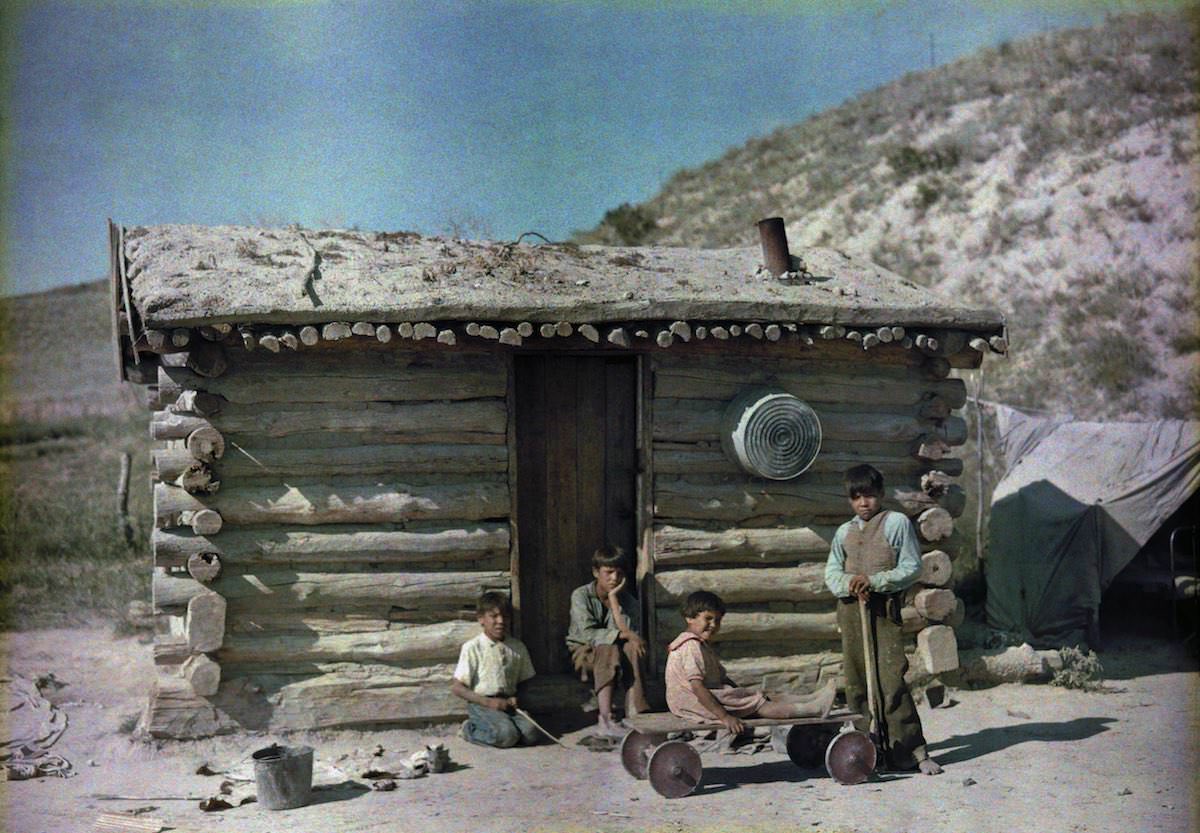
On the Pine Ridge Indian Reservation in South Dakota, the Oglala Lakota lived under federal oversight that controlled land use, education, and daily life. Housing on reservations ranged widely, and some structures reflected traditional building methods adapted to available materials.
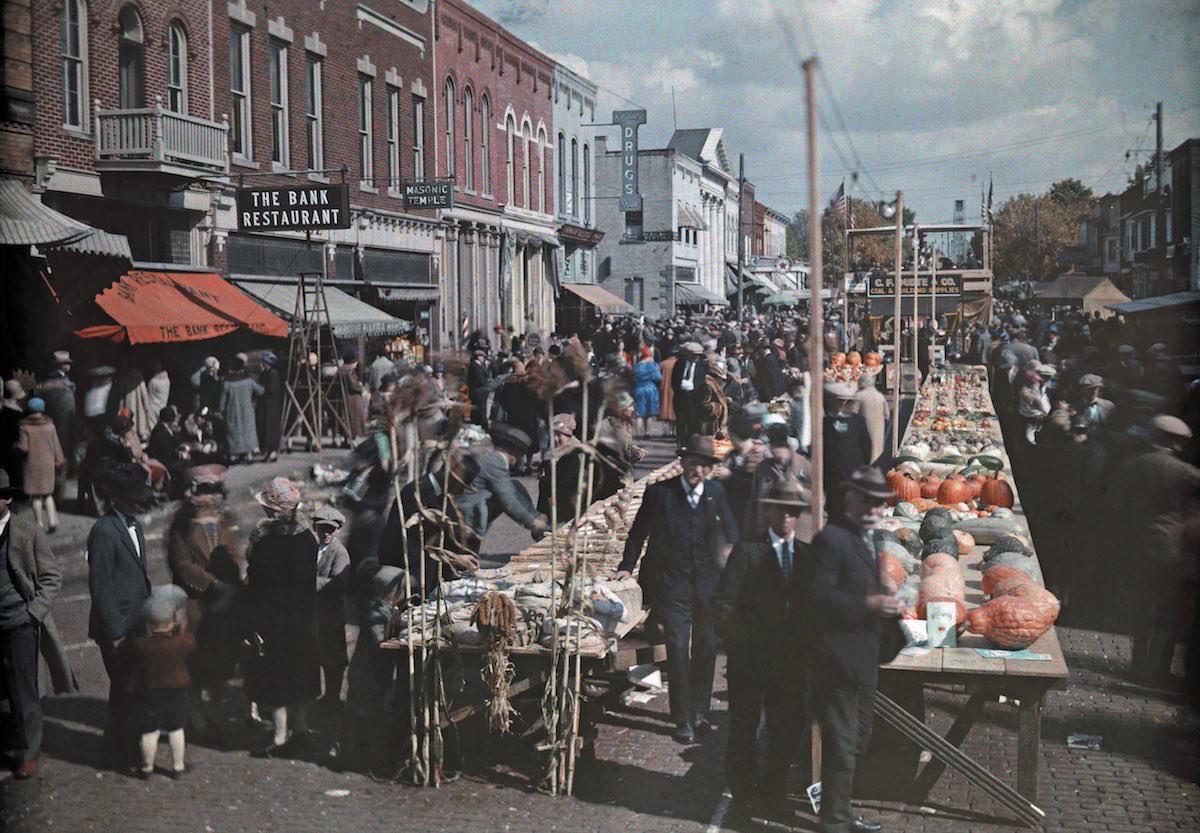
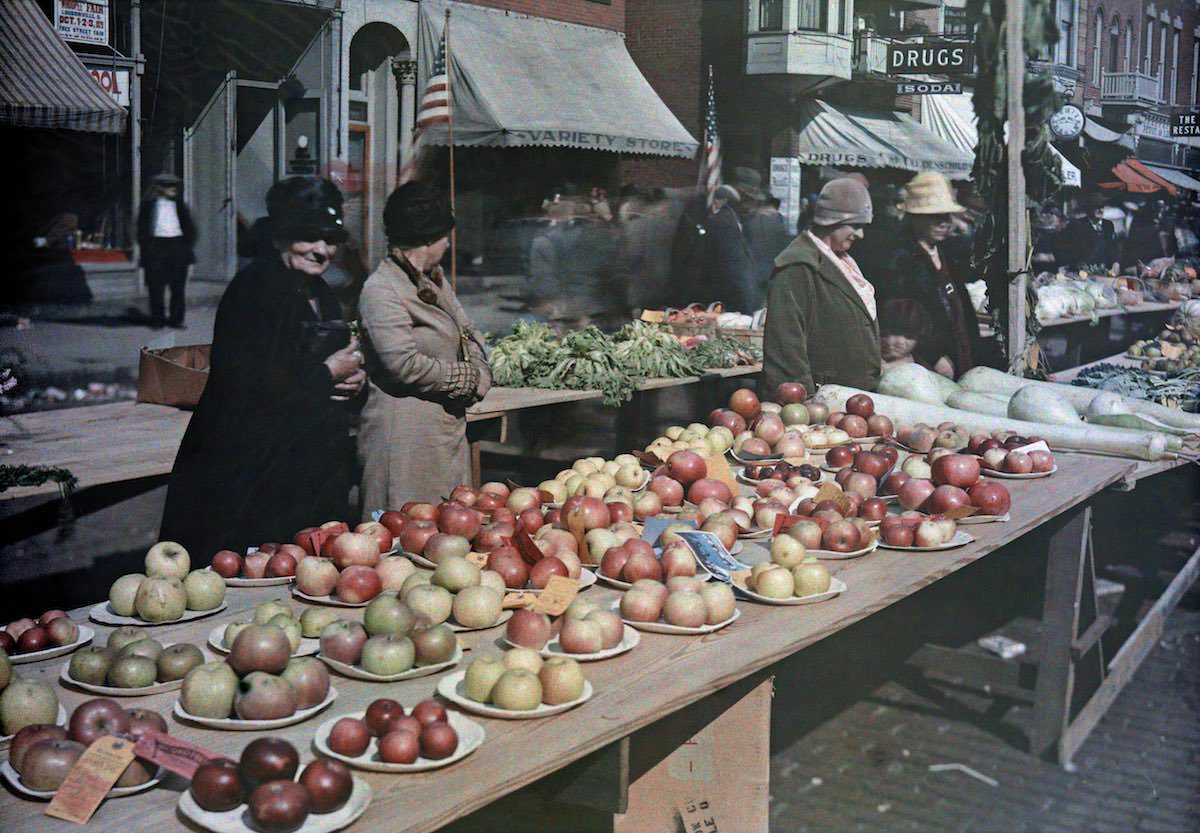
County fairs were a cornerstone of community life across the Midwest. In small Ohio towns like Lyndonville, the annual fair brought out vendors, farmers, livestock, and crowds of locals. Produce stands stacked high with apples were a familiar sight, connecting agricultural producers directly with their neighbors.
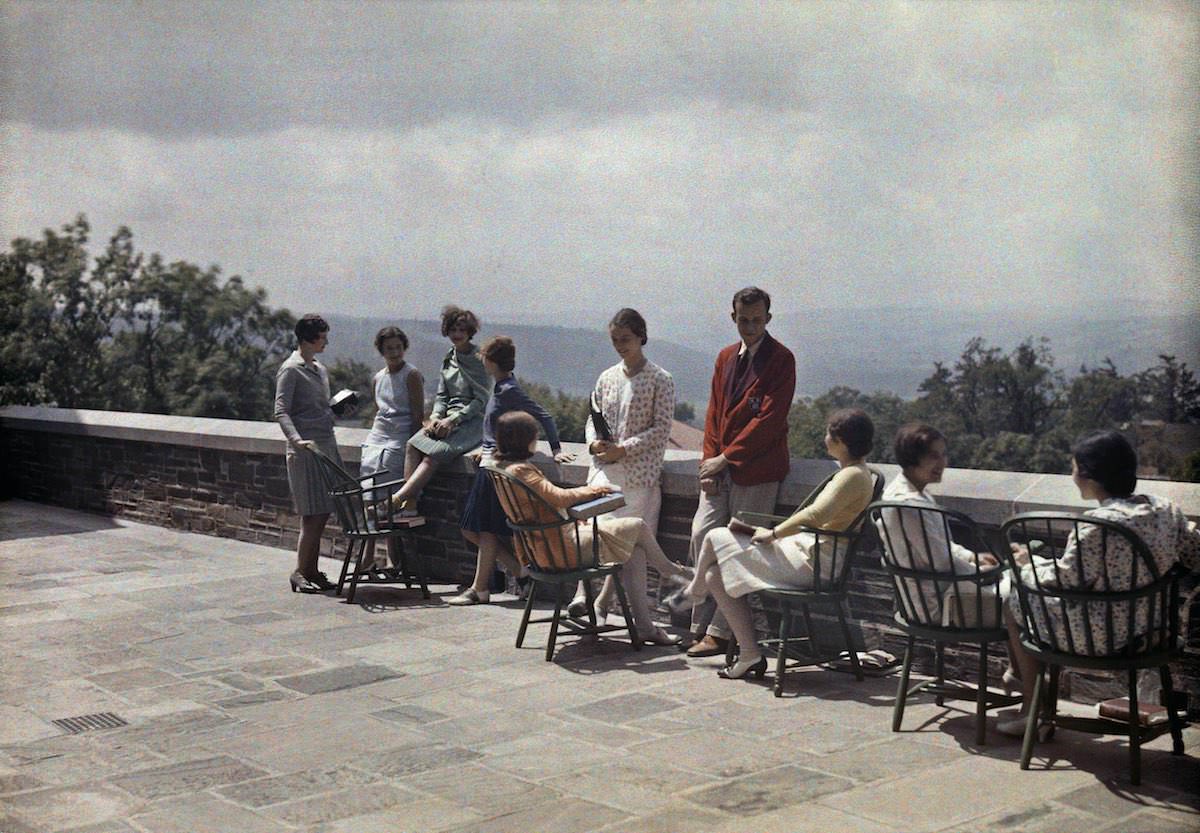
Higher education was expanding in the 1920s, with enrollment rising at universities across the country. Cornell University in Ithaca, New York, was a prominent institution with both an Ivy League reputation and a land-grant mission that made it accessible to students from a range of backgrounds.
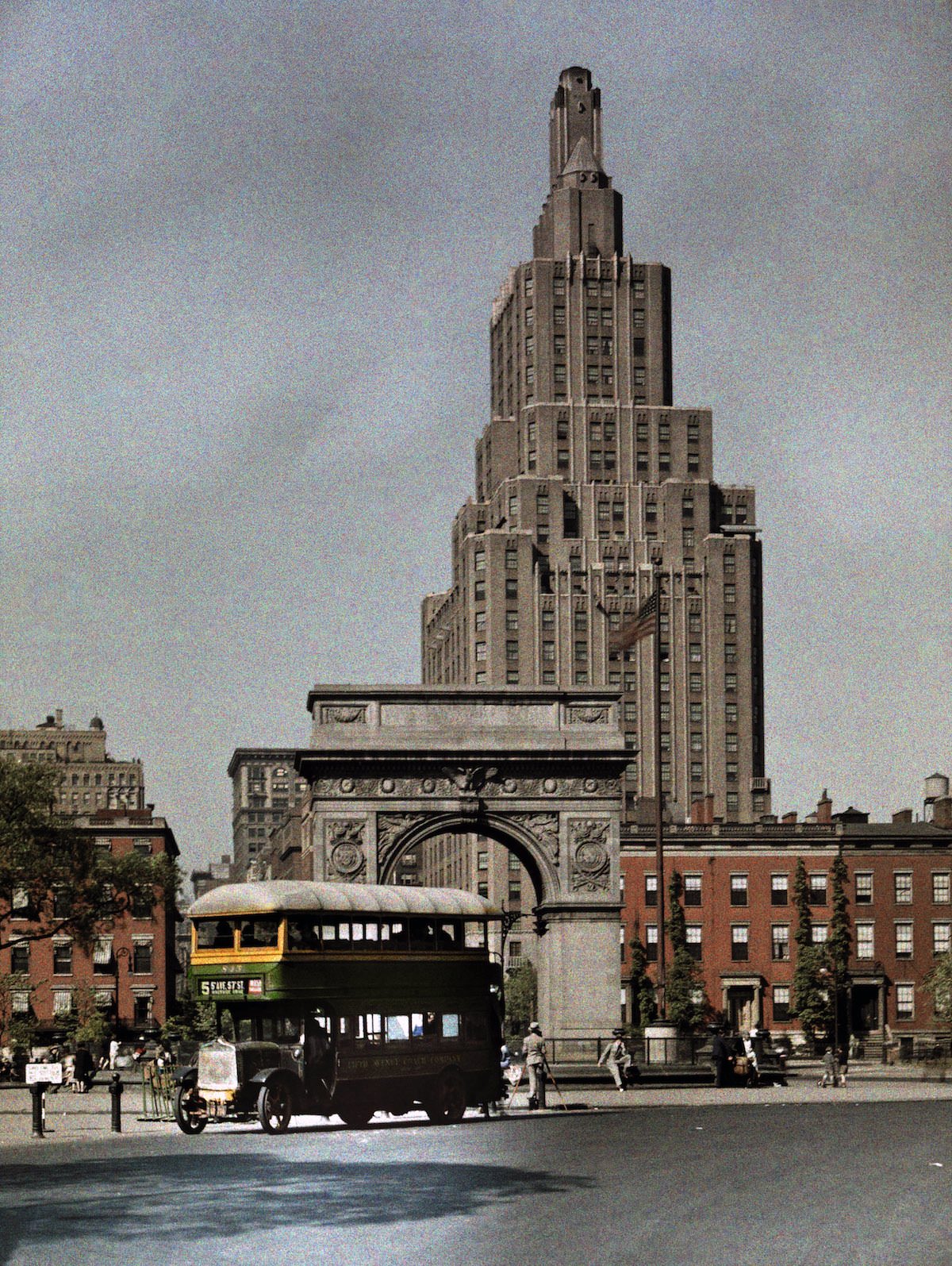
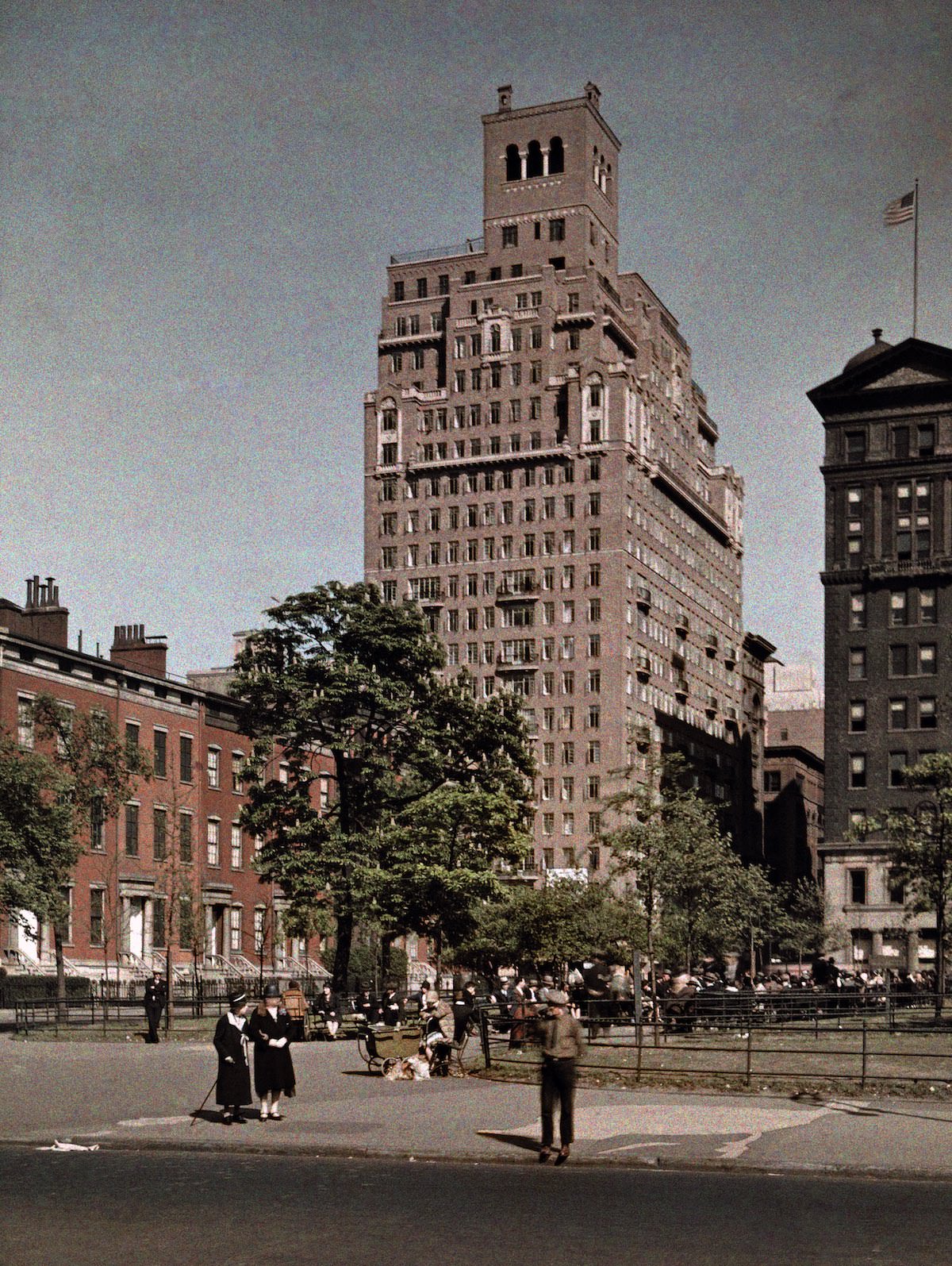
Washington Square in lower Manhattan was one of New York’s most recognizable public spaces. Anchored by its marble arch and surrounded by townhouses, the square sat at the base of Fifth Avenue — one of the most commercially active streets in the world by the 1920s.
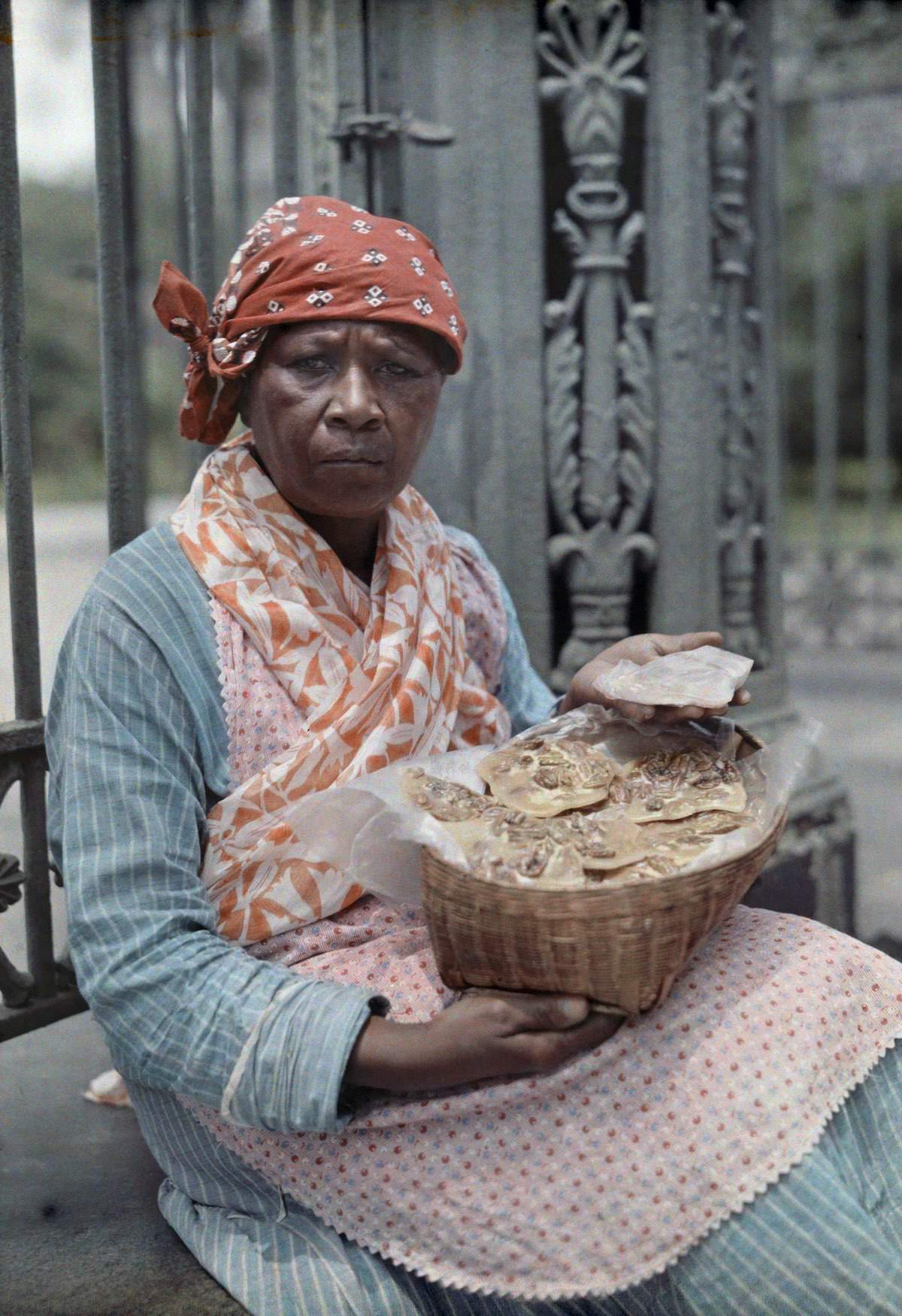
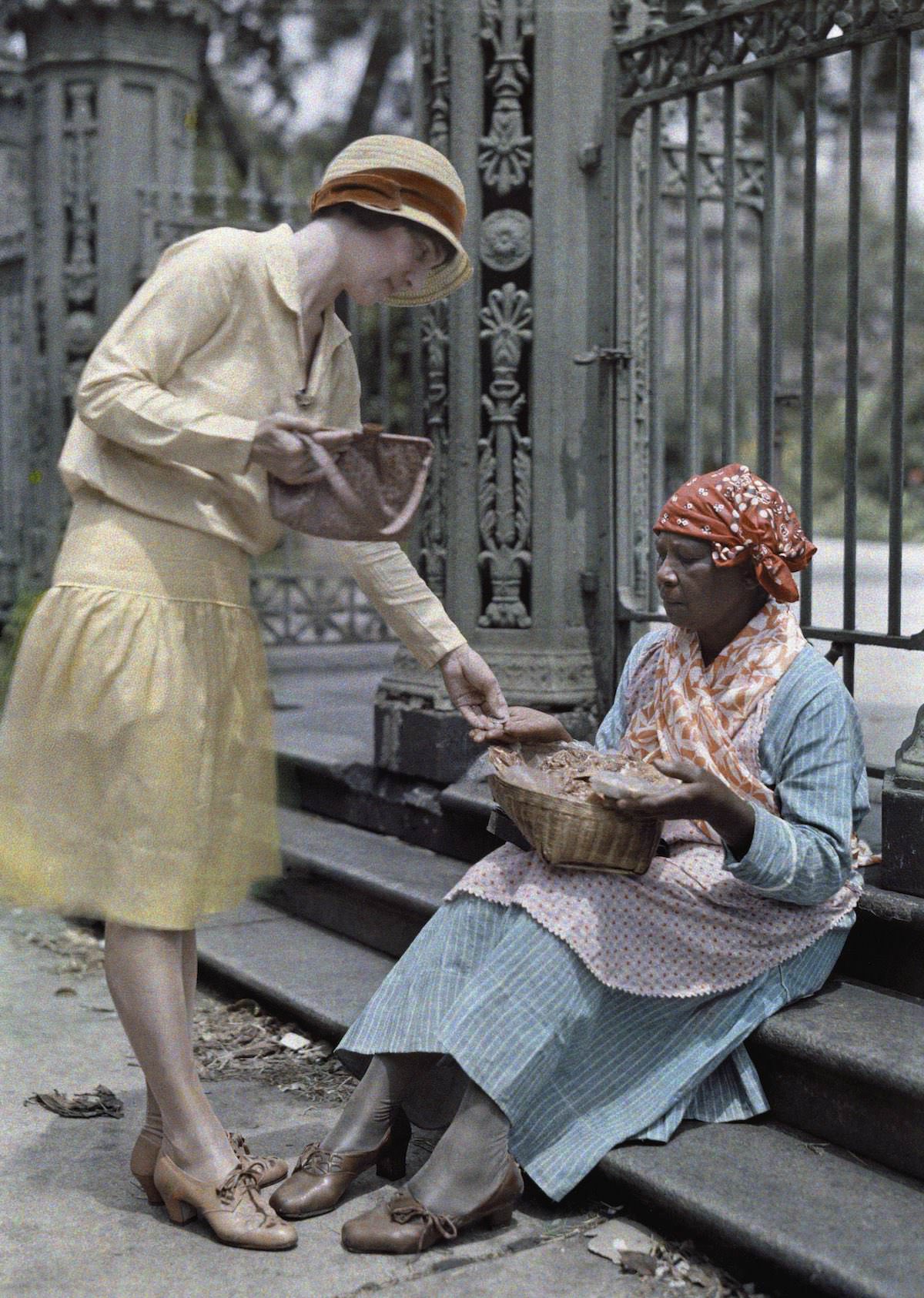
New Orleans’ French Quarter was the center of the city’s street commerce. Praline sellers — many of them Black women who had turned candy-making into a livelihood — were a fixture of the neighborhood. The praline trade had roots going back generations in New Orleans and remained a visible part of French Quarter life in the 1920s.
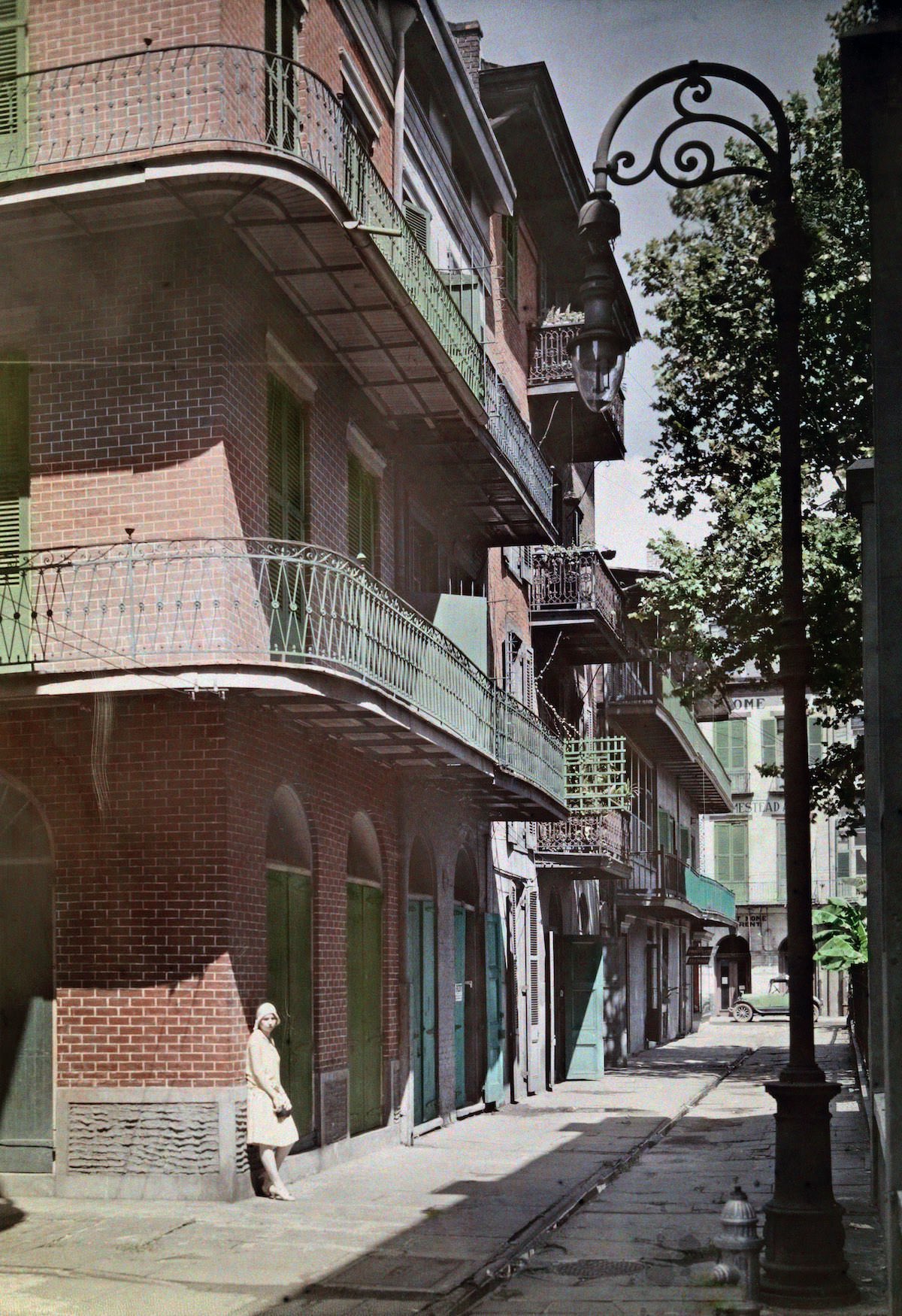
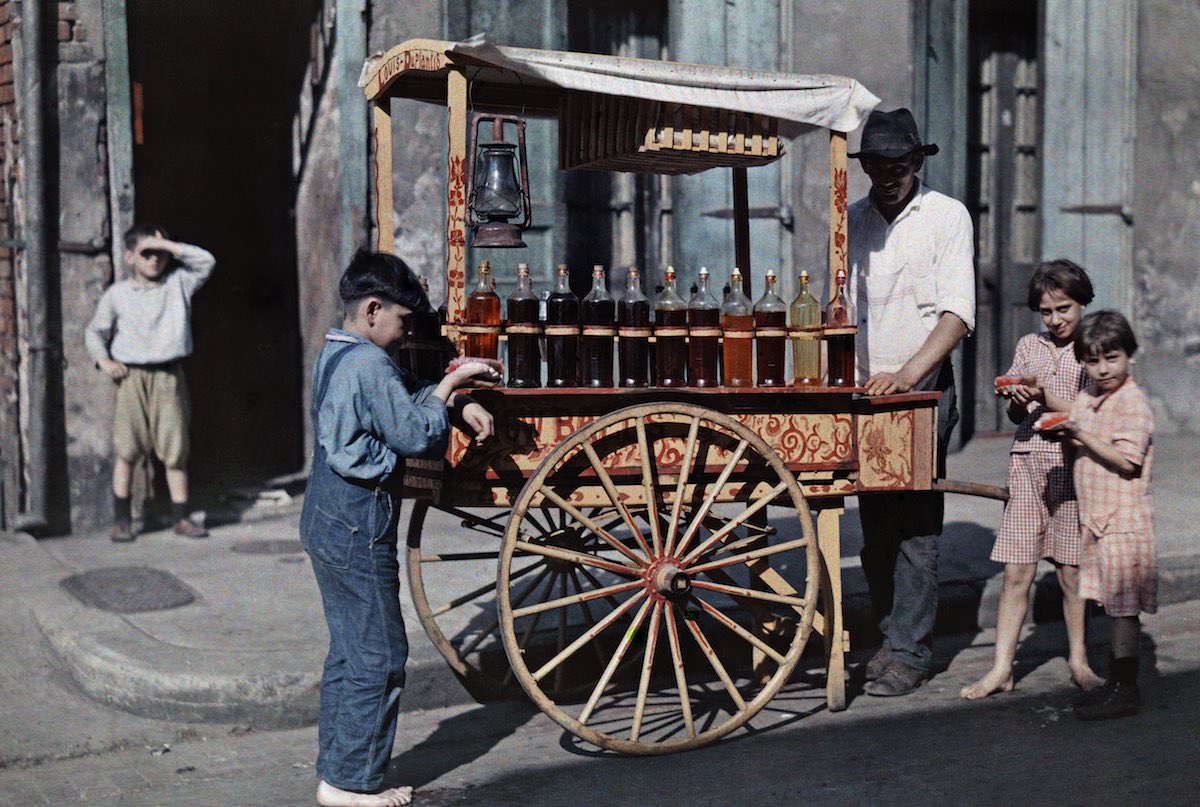
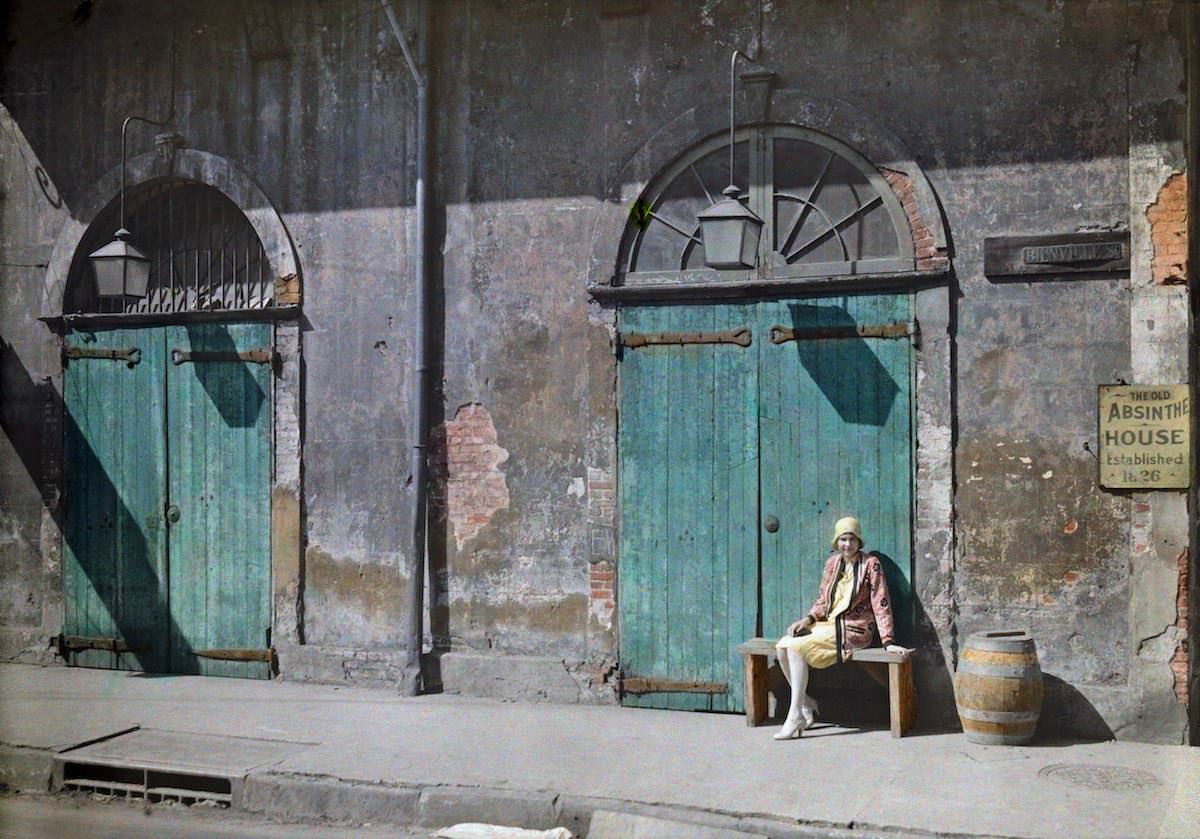
Prohibition was the law of the land from 1920 to 1933, but New Orleans enforced it loosely compared to much of the country. The city’s French Quarter breweries and drinking establishments found ways to keep operating, and street life around them continued largely undisturbed.
The Hopi Reservation in northeastern Arizona was one of the most remote corners of the American Southwest. By the 1920s, automobiles were beginning to reach even these isolated landscapes, though the roads were rough and the distances enormous. The canyon terrain surrounding the reservation made travel challenging under the best conditions.
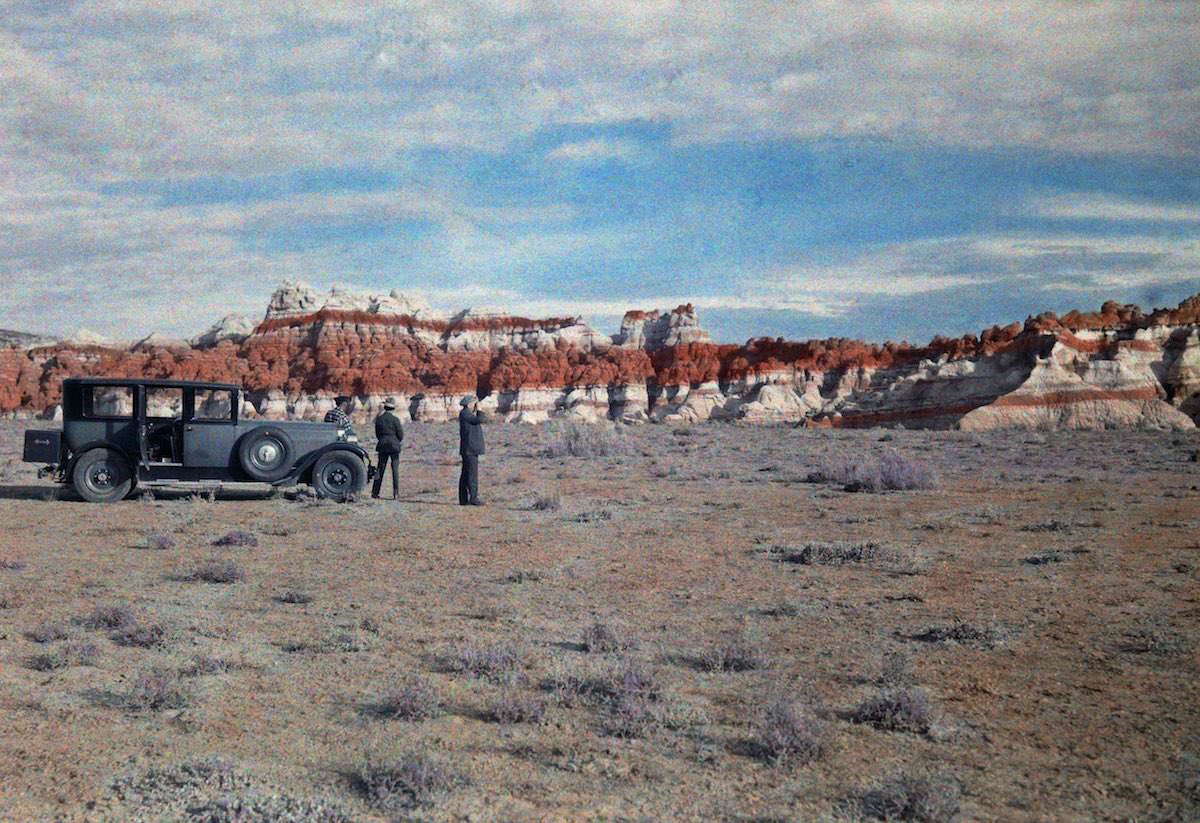
In Texas, rodeo culture extended well beyond the arena. Ranching families passed skills like roping and riding from older siblings to younger ones, keeping the cowboy tradition alive in a practical, everyday way.
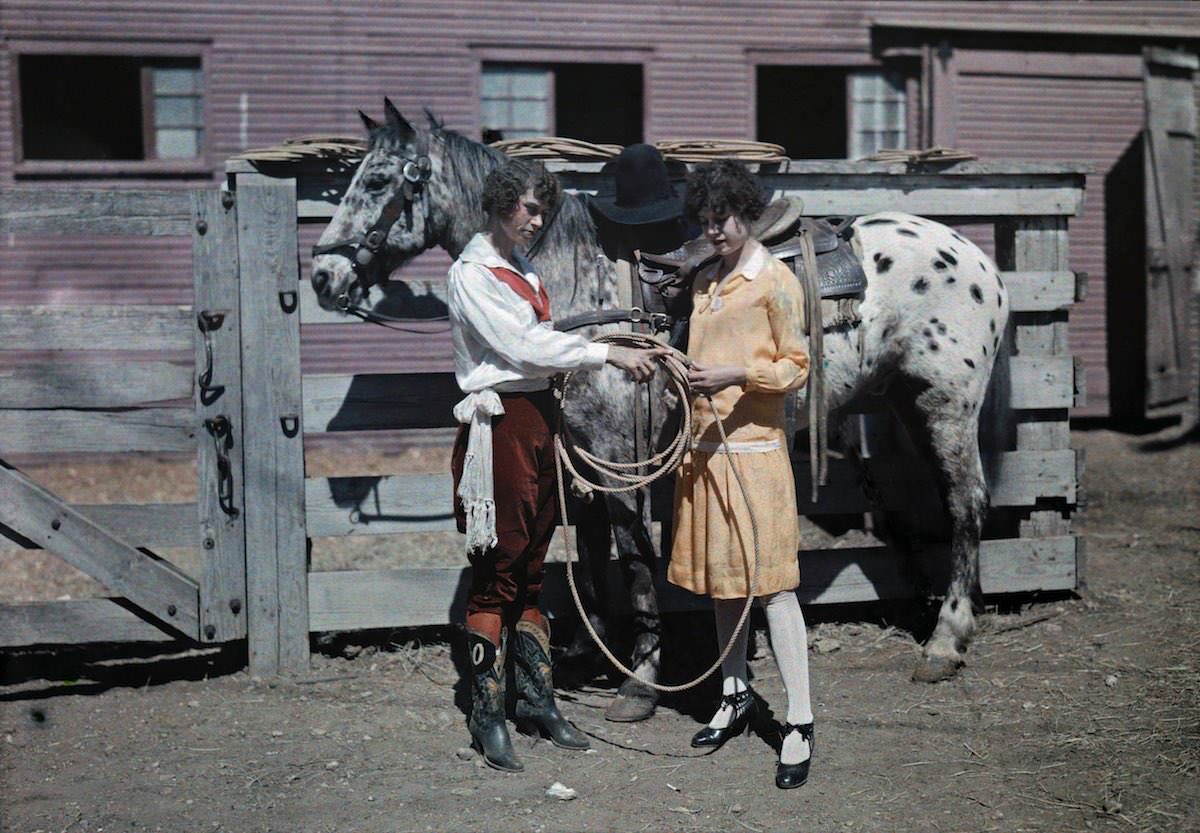
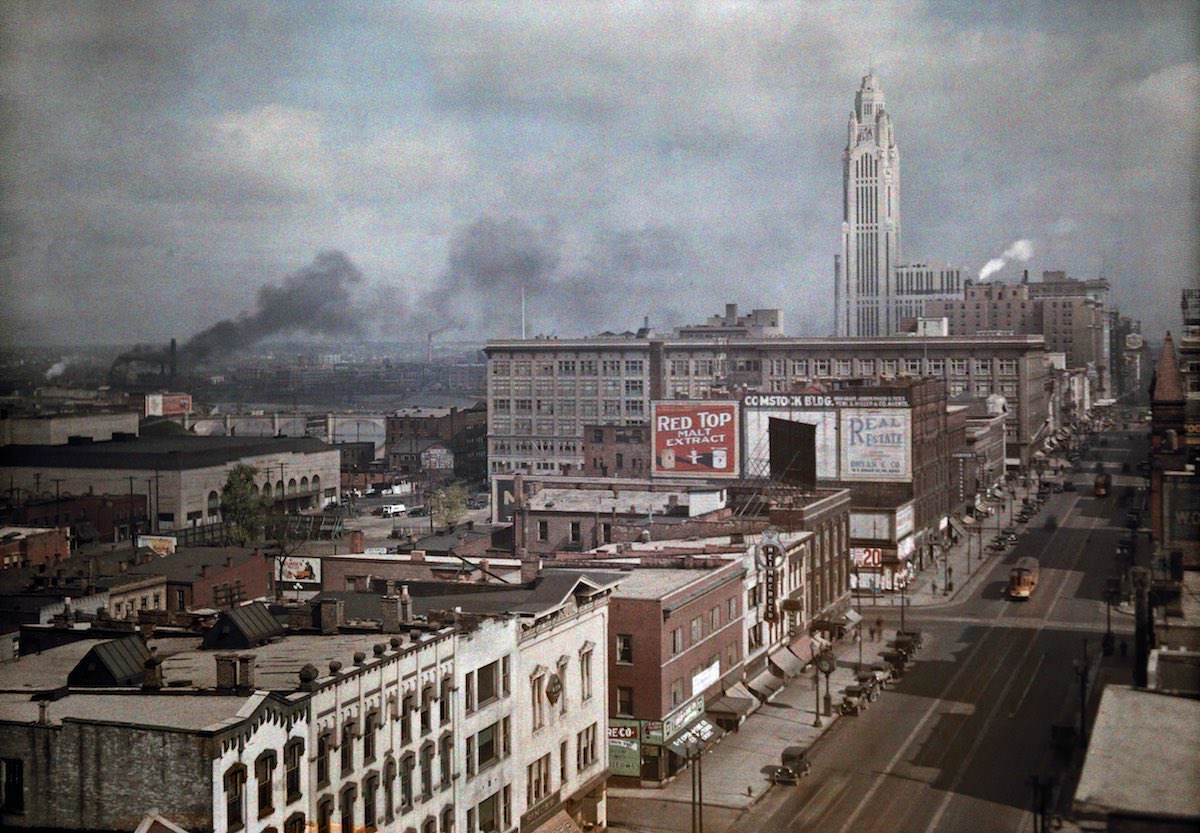
Ohio’s cities were growing fast in the 1920s. Columbus, the state capital, developed a busy downtown commercial district with department stores, banks, and offices lining its main streets. The automobile was reshaping urban layouts, with wider roads and new traffic patterns becoming standard.
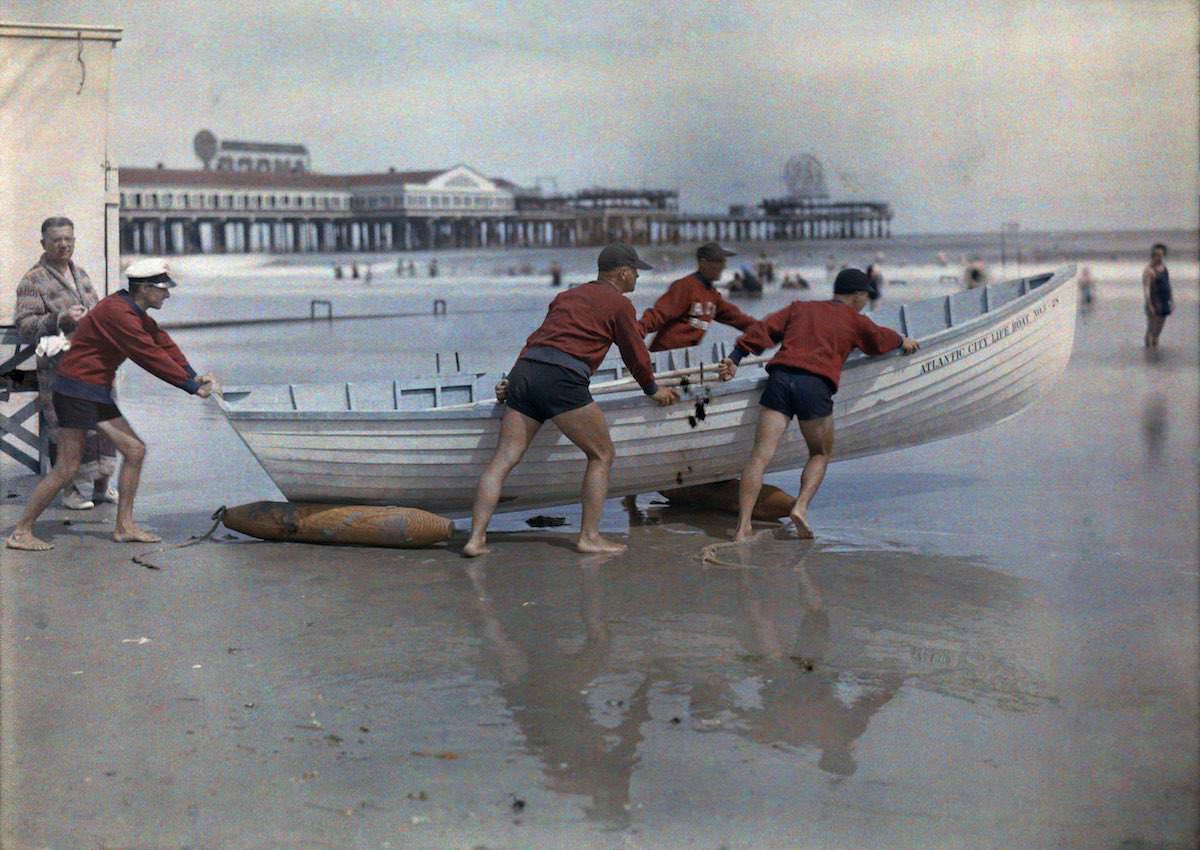
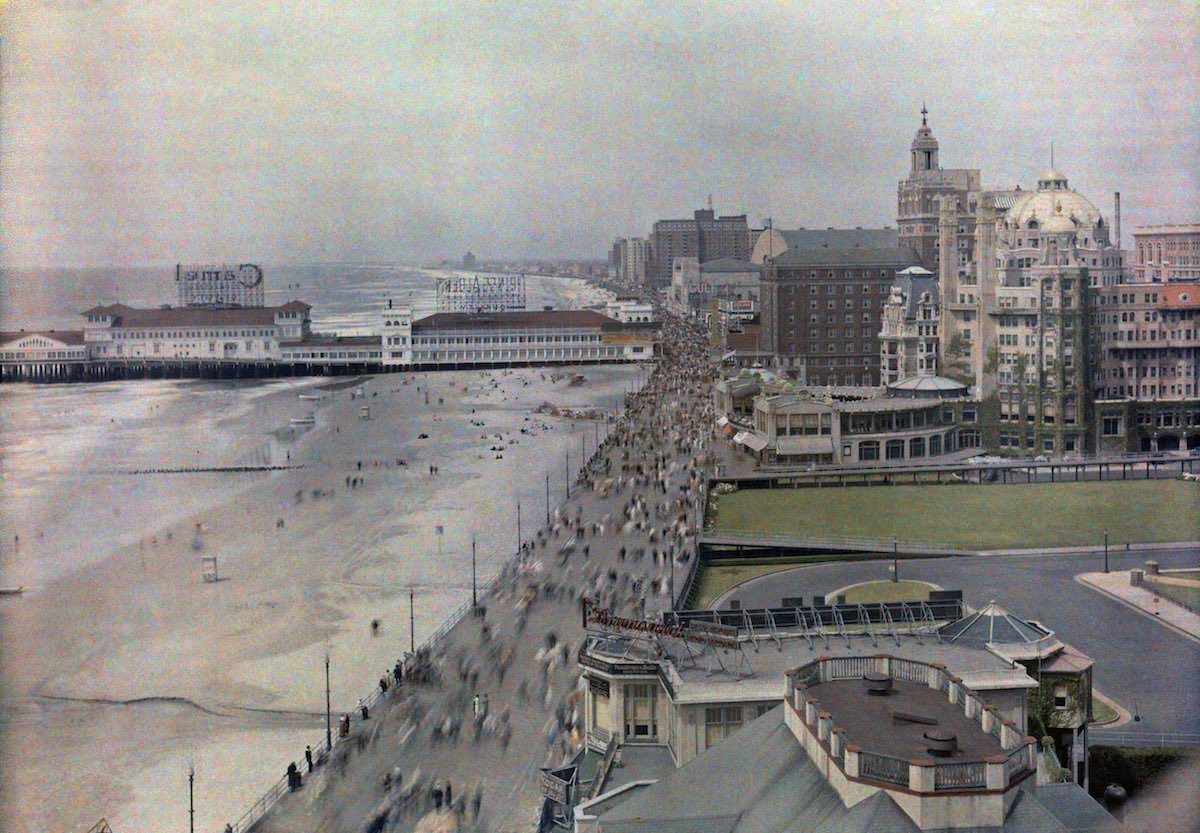
Atlantic City, New Jersey, was one of the premier resort destinations of the 1920s. Its famous Boardwalk stretched along the waterfront, flanked by grand hotels, amusement piers, and beaches that drew visitors from Philadelphia, New York, and beyond. The city’s coastline was a showcase of American leisure at its most developed.
Guest ranches — sometimes called dude ranches — emerged in the 1920s as a popular tourism concept. Travelers from eastern cities paid to spend time on working ranches in Arizona and other western states, riding horses and experiencing a version of cowboy life.
The Gettysburg Battlefield in Pennsylvania was one of the most visited historic sites in the country by the 1920s. The battle fought there in July 1863 had cost nearly 50,000 casualties over three days and remained the bloodiest engagement of the Civil War. Trained tour guides led visitors across the fields and monuments, narrating the movements of Union and Confederate forces.
San Antonio’s rodeo scene drew cowboys and spectators from across the region. The fence lines at these events were packed with riders on horseback, waiting for their turn in the arena or watching competitors work through the events. Rodeo was both a competition and a social gathering that reinforced the culture of the Texas ranching community.
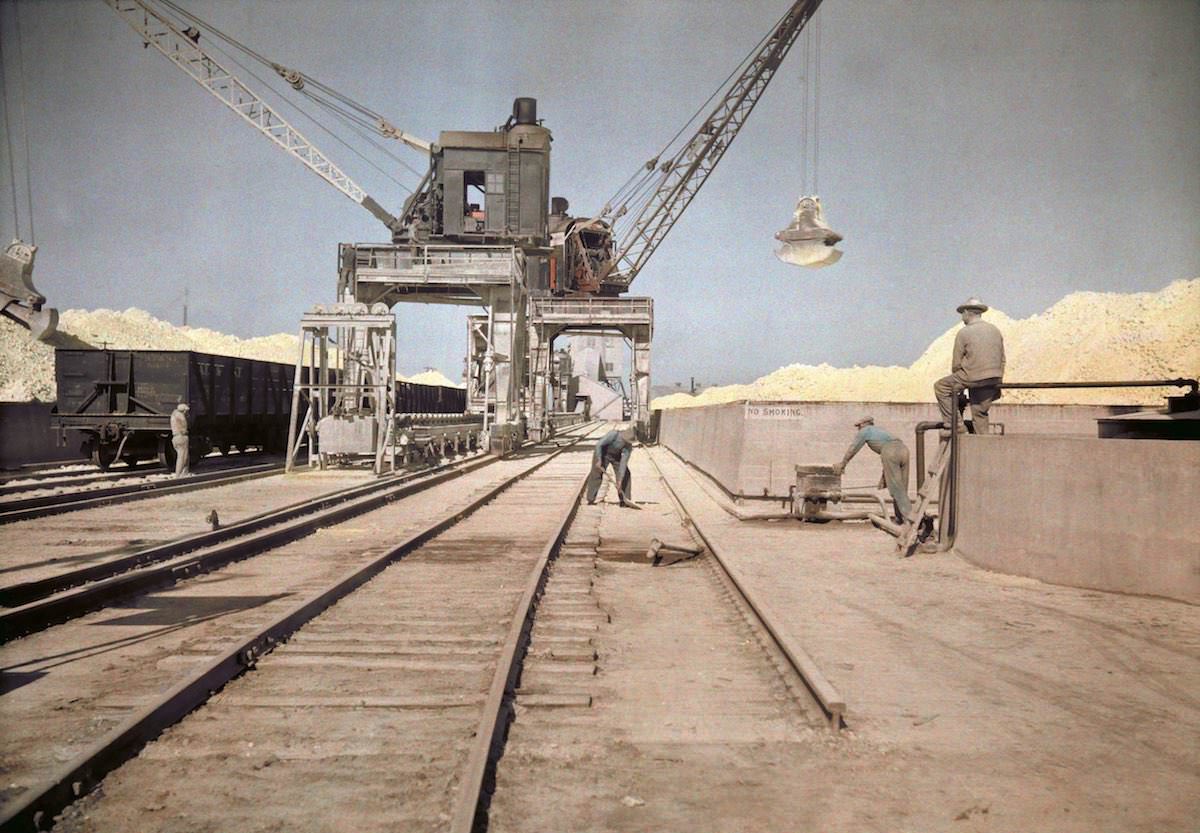
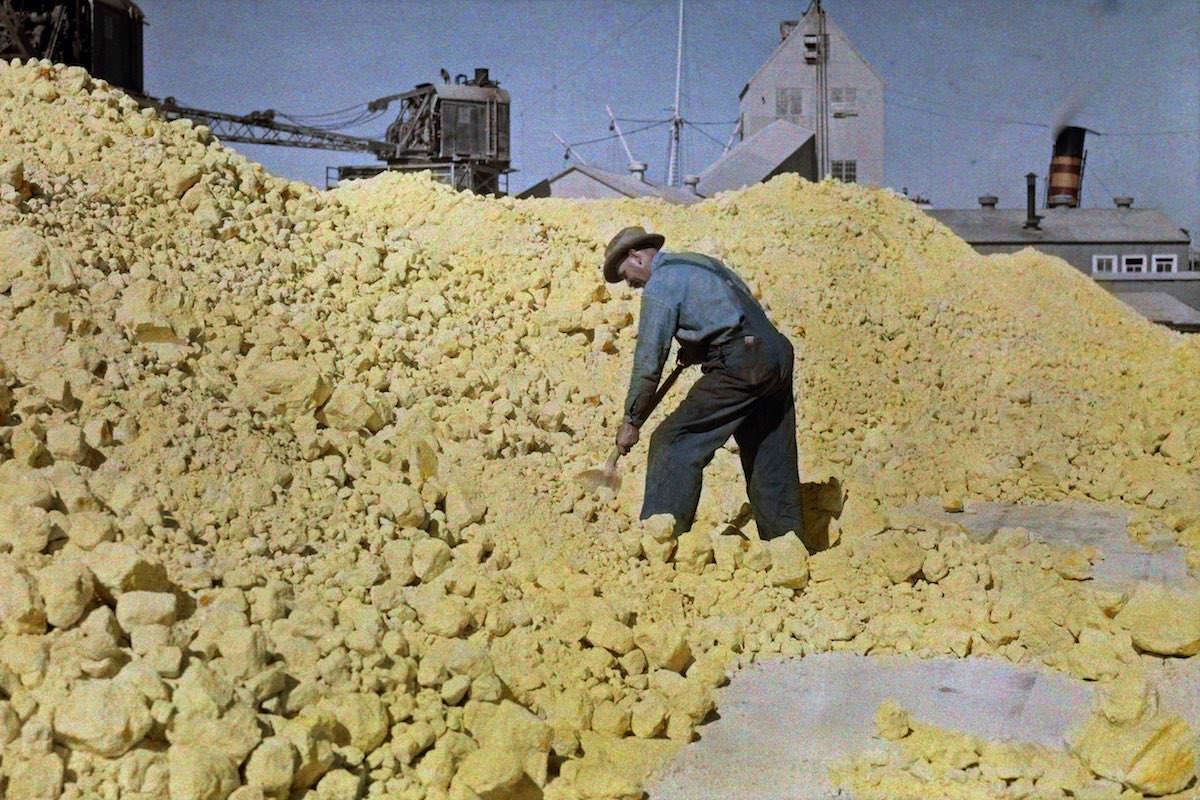
Galveston, Texas, was one of the Gulf Coast’s busiest ports in the 1920s. The city shipped enormous quantities of sulfur mined from the salt dome deposits of the Texas Gulf Coast. Workers loaded the bright yellow mineral into warehouse bins and shipping containers bound for industrial markets across the country and abroad.
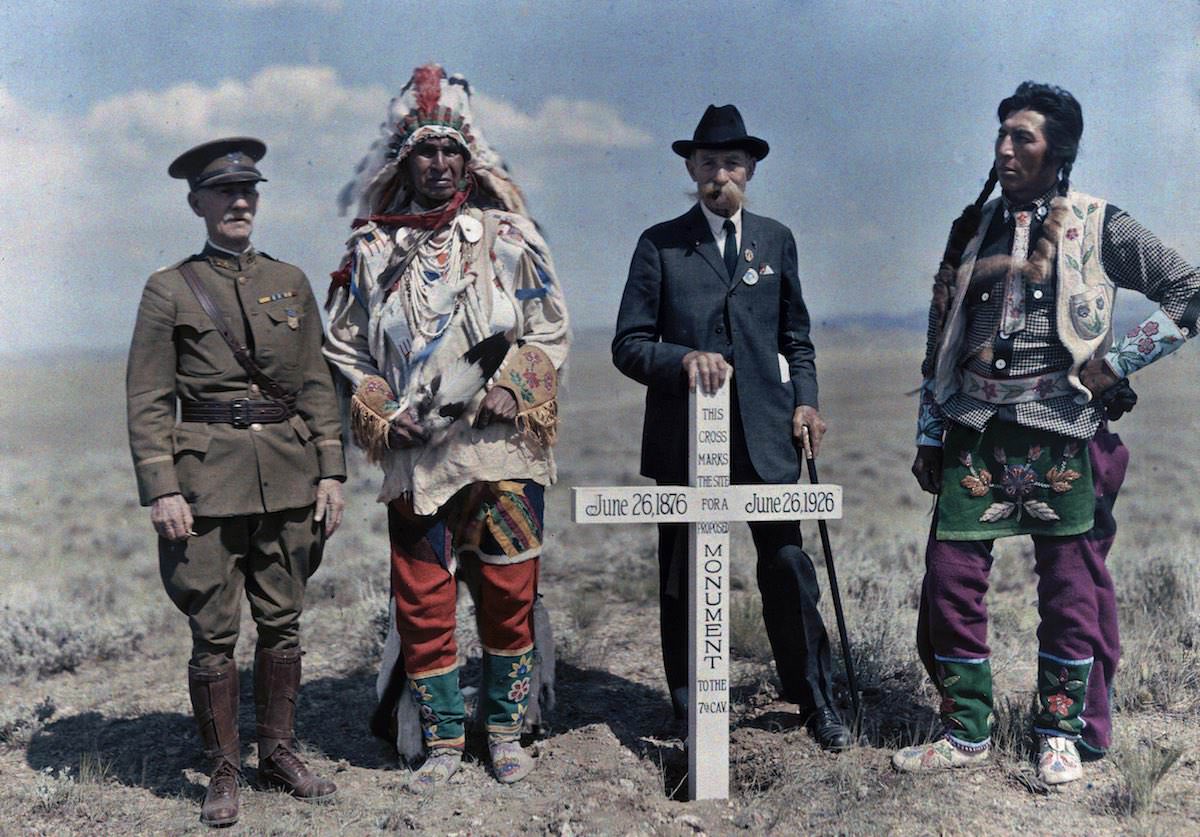
On the Crow Indian Reservation in Montana, the memory of the Battle of the Little Bighorn — fought in 1876 just miles from the reservation — remained significant. The Seventh Cavalry, nearly wiped out in that battle under General Custer, was commemorated with a monument that reservation residents and visitors stood beside for photographs. The Crow Nation itself had scouts who fought alongside Custer that day.





Most beautiful pictures! Love them! Leigh from Delaware