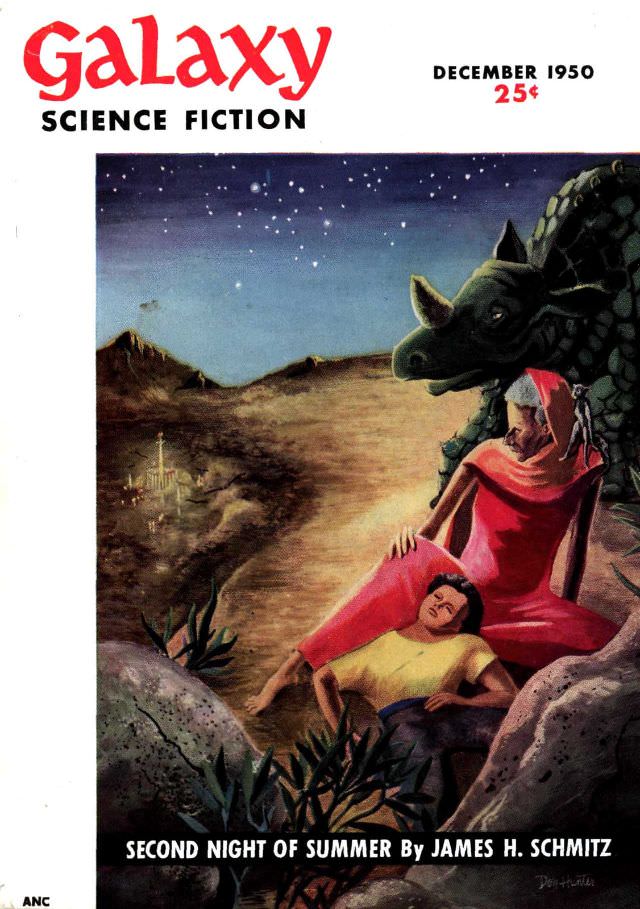
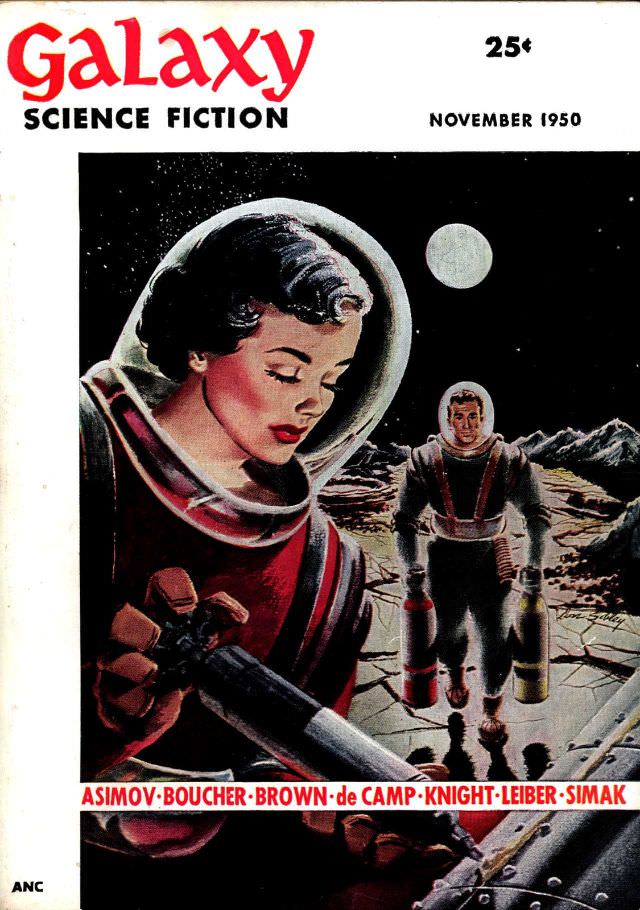
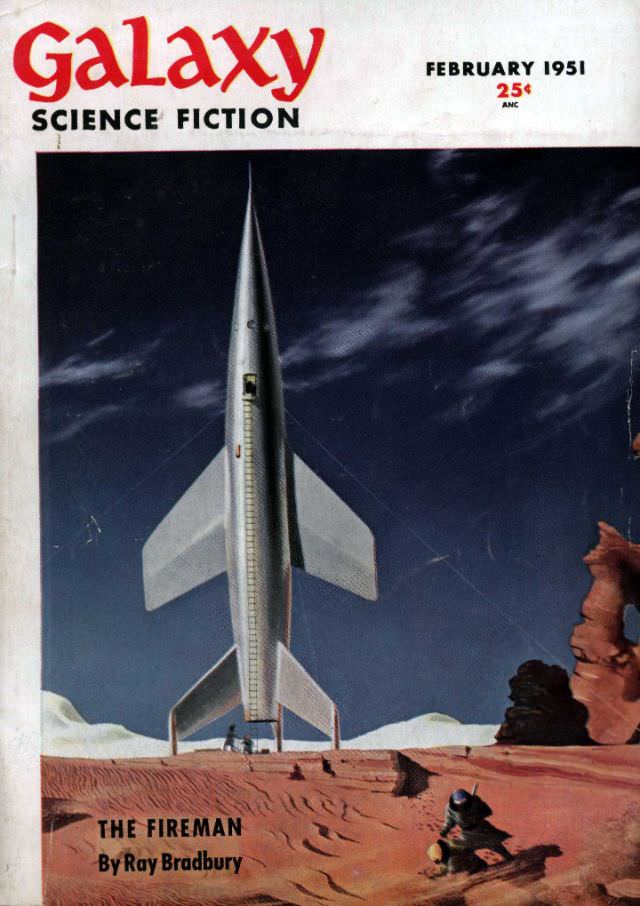
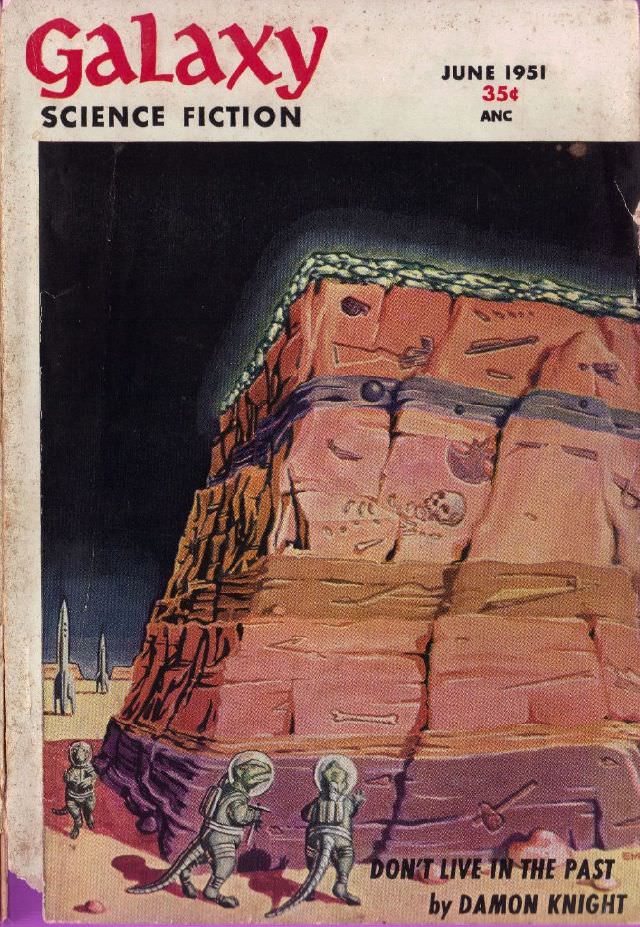
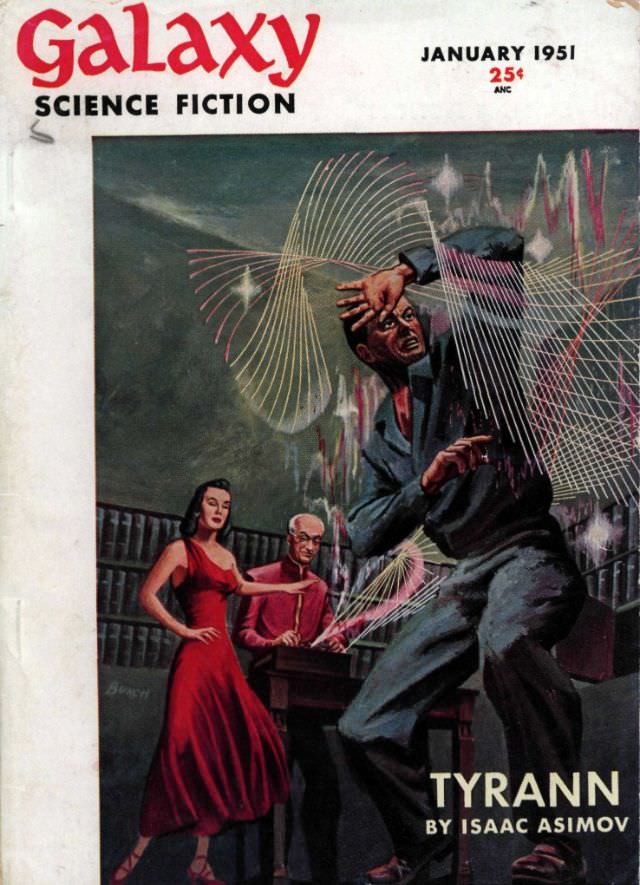
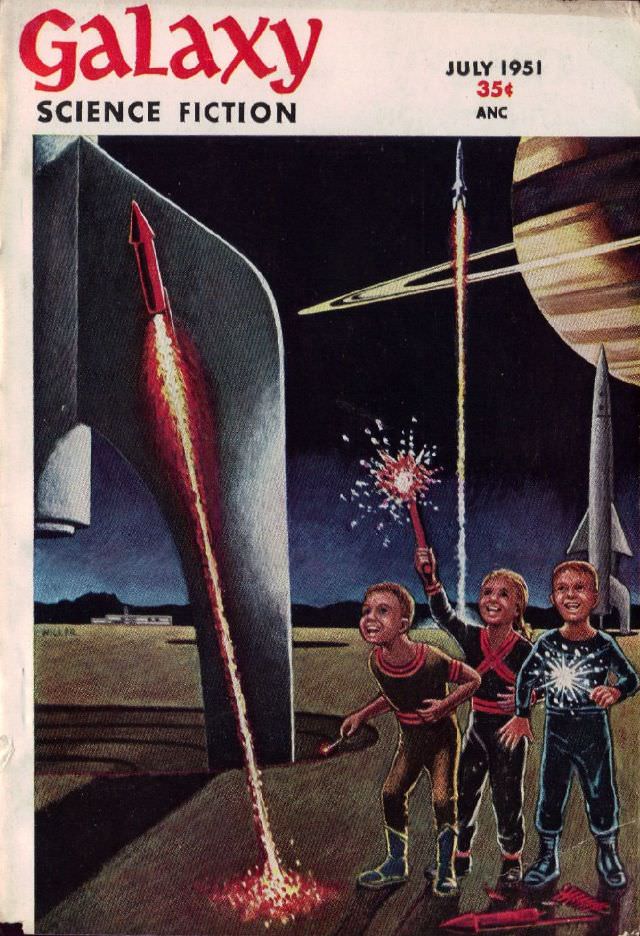
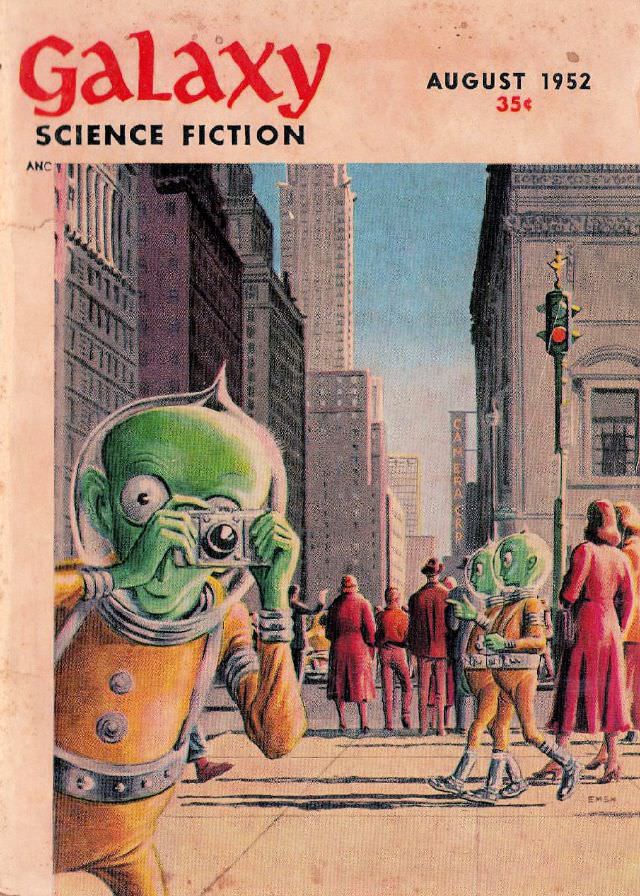
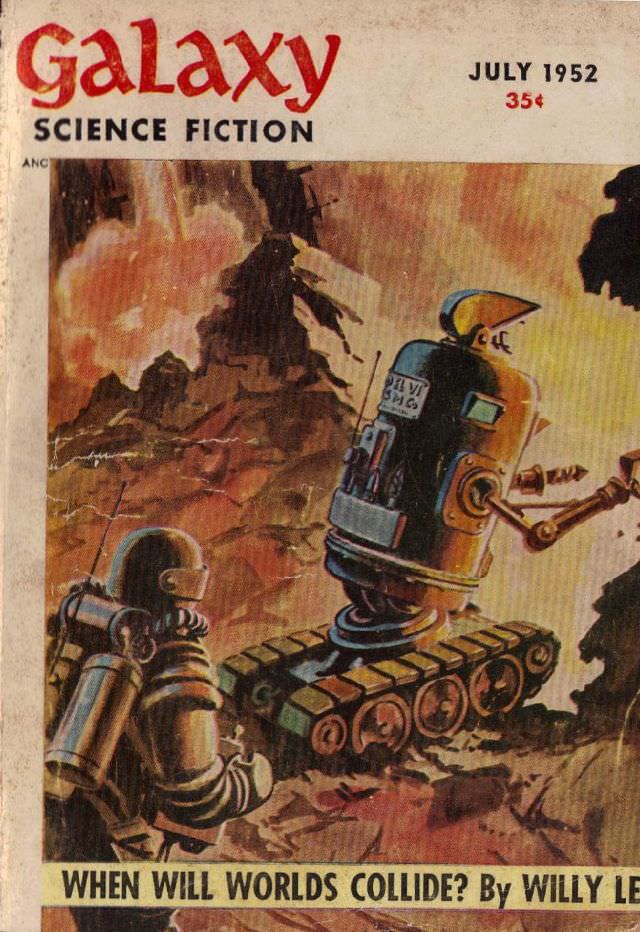
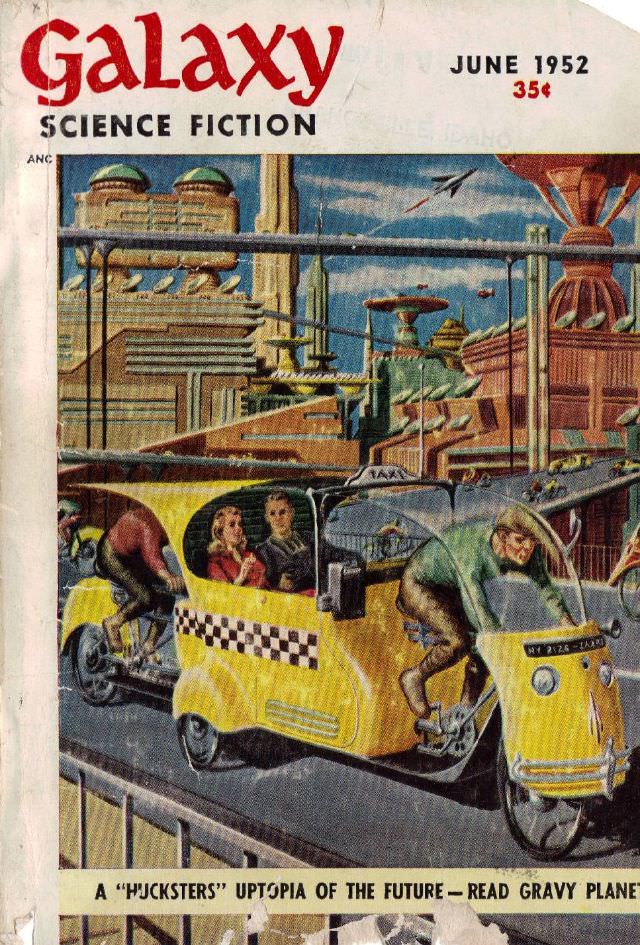
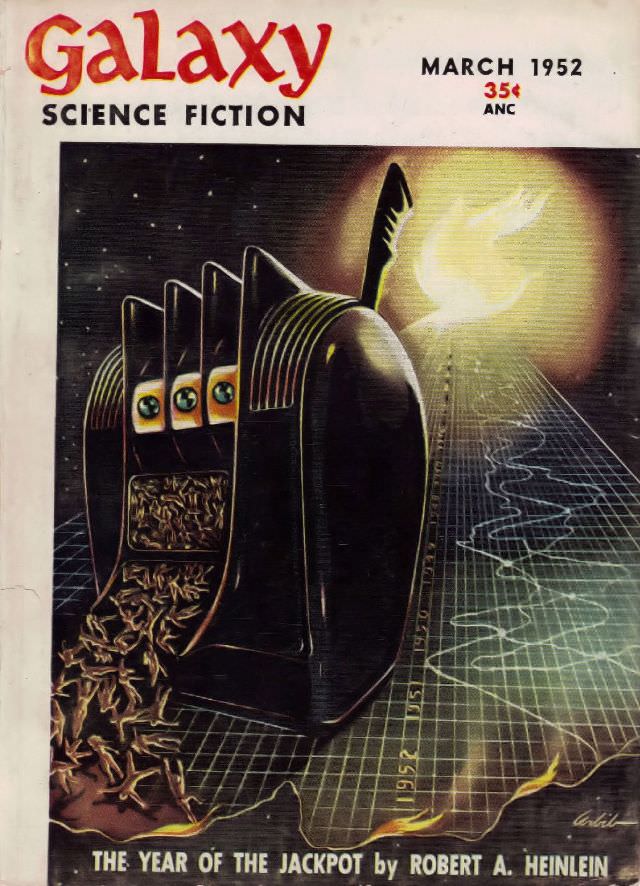
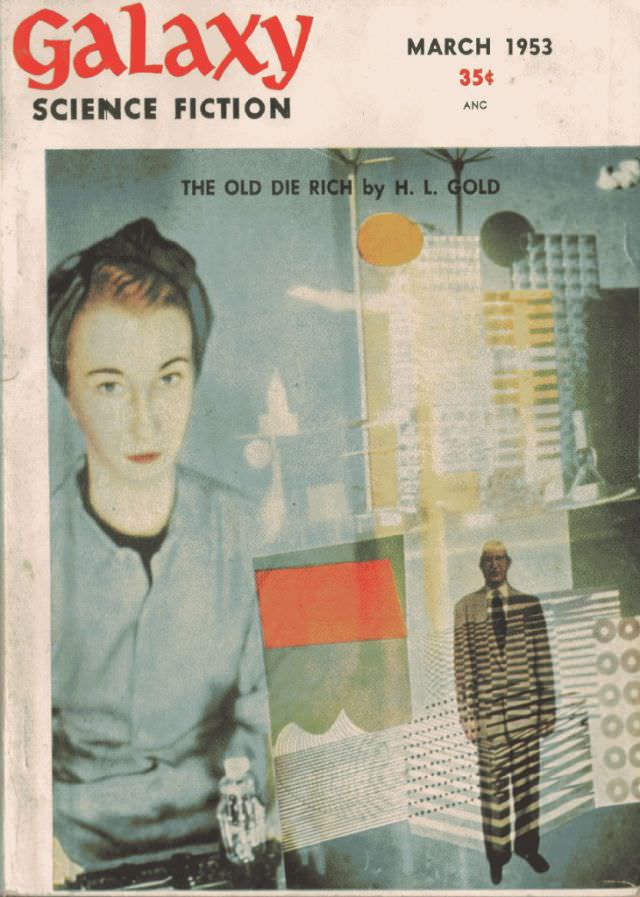
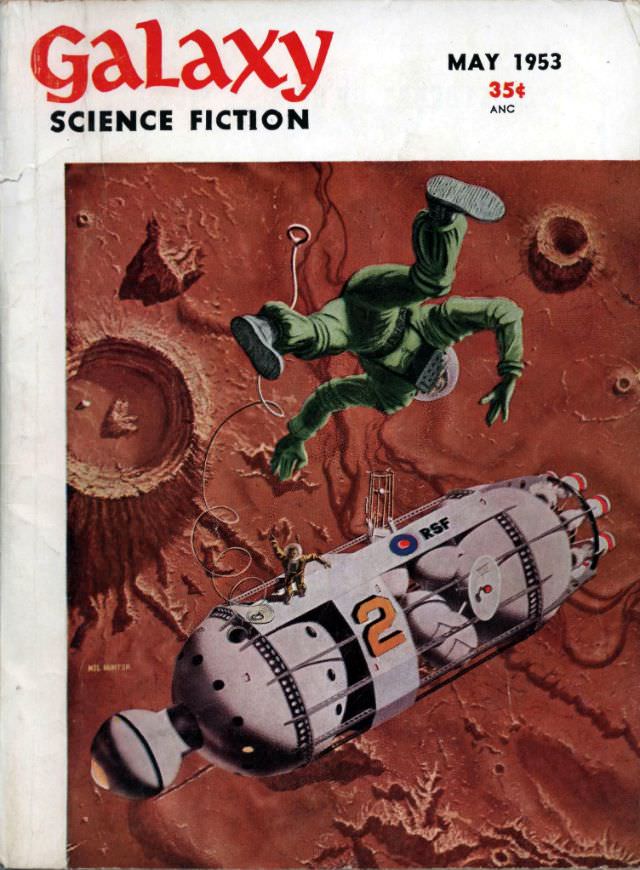
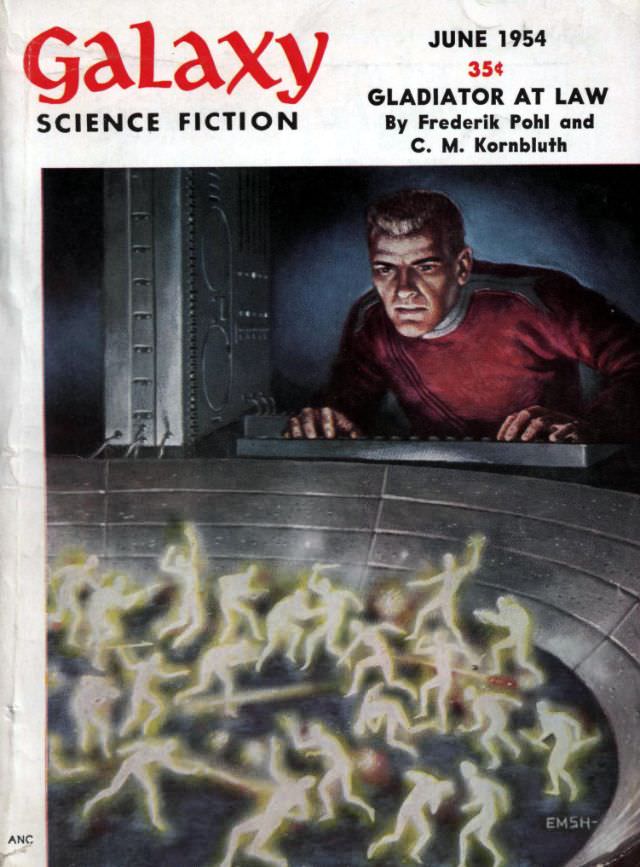
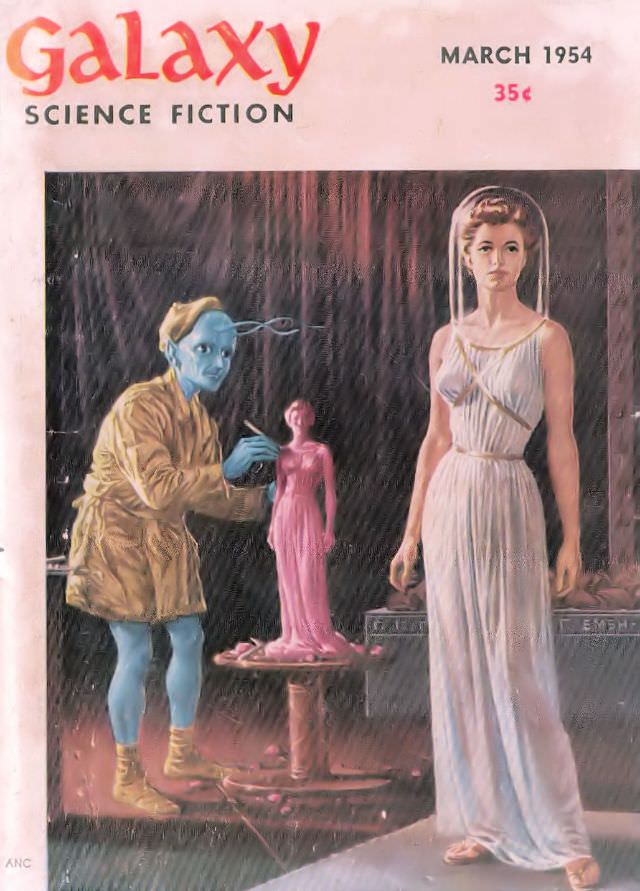
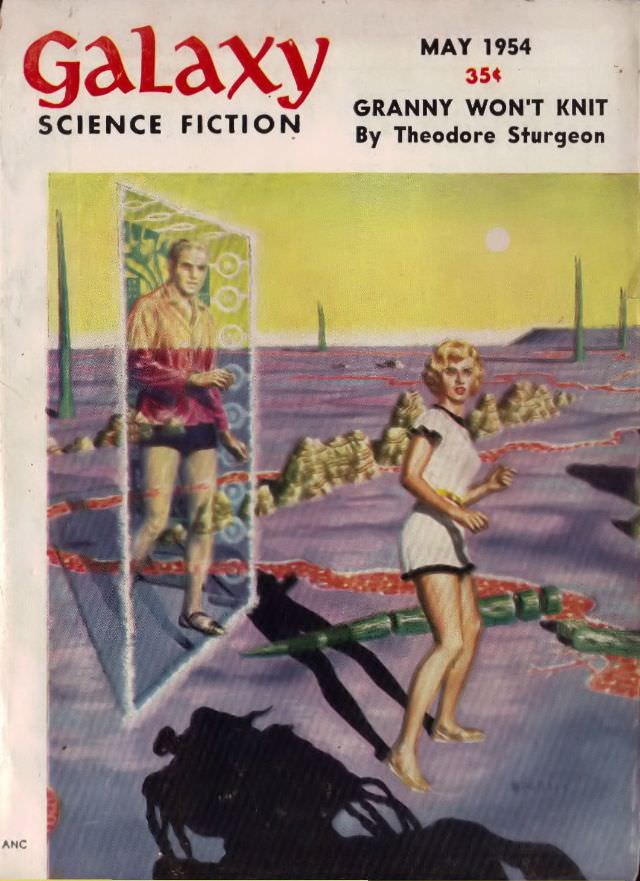
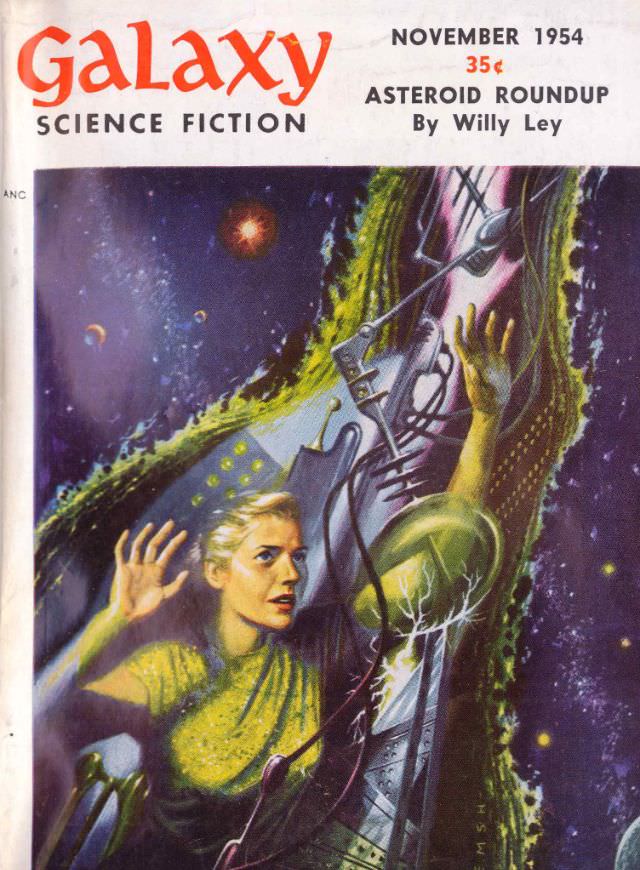
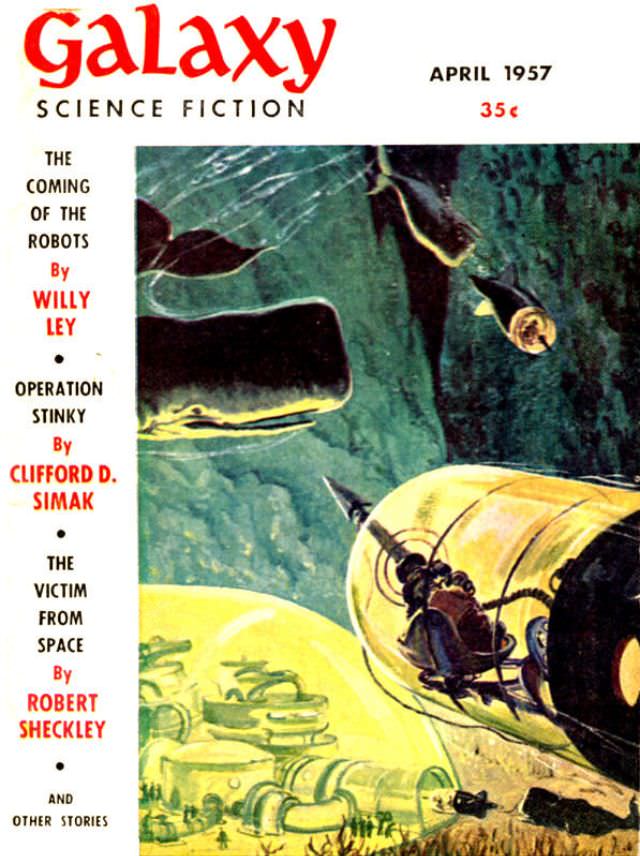
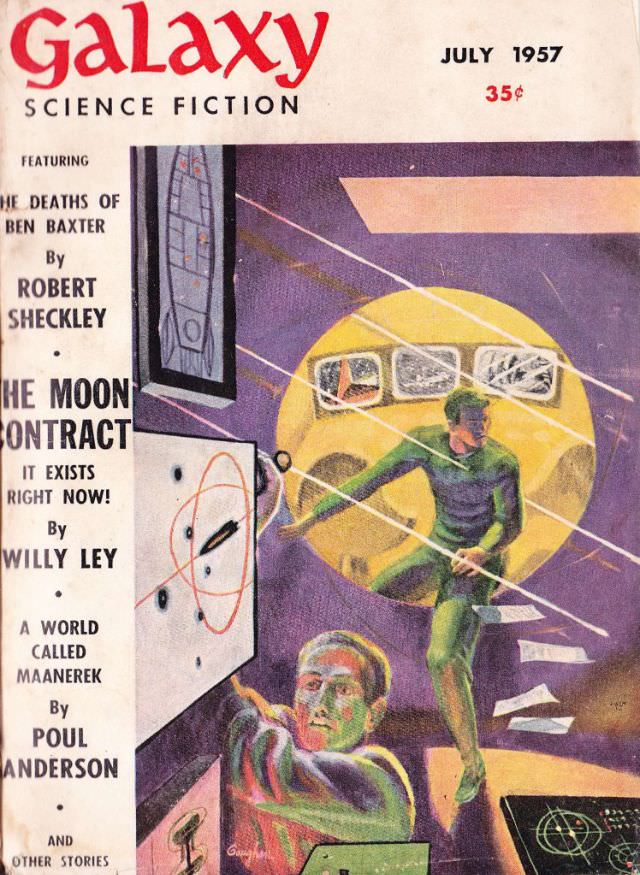
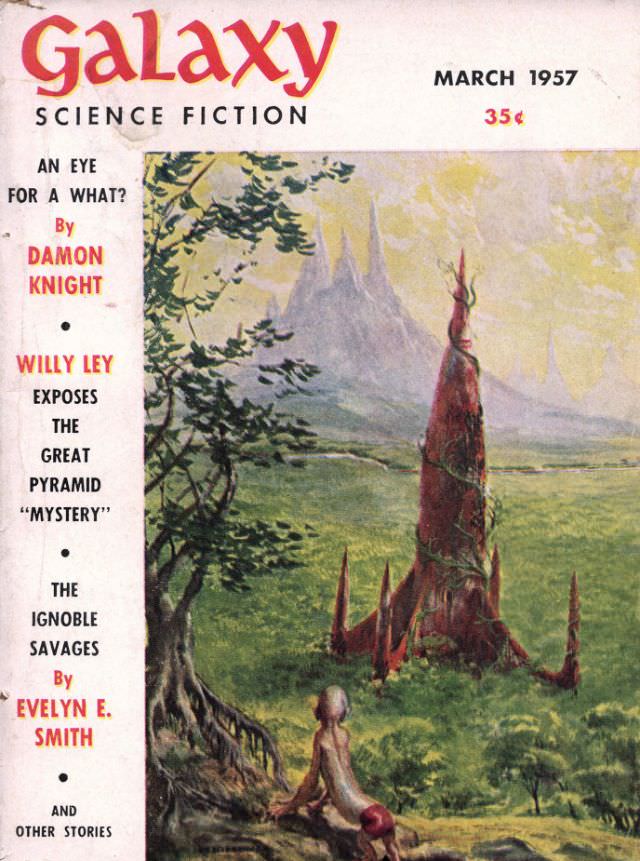
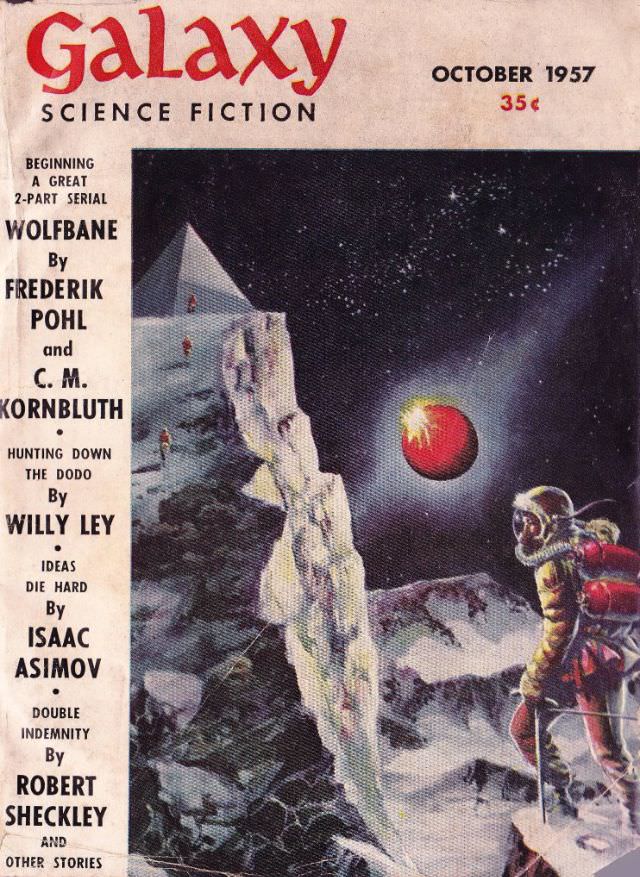
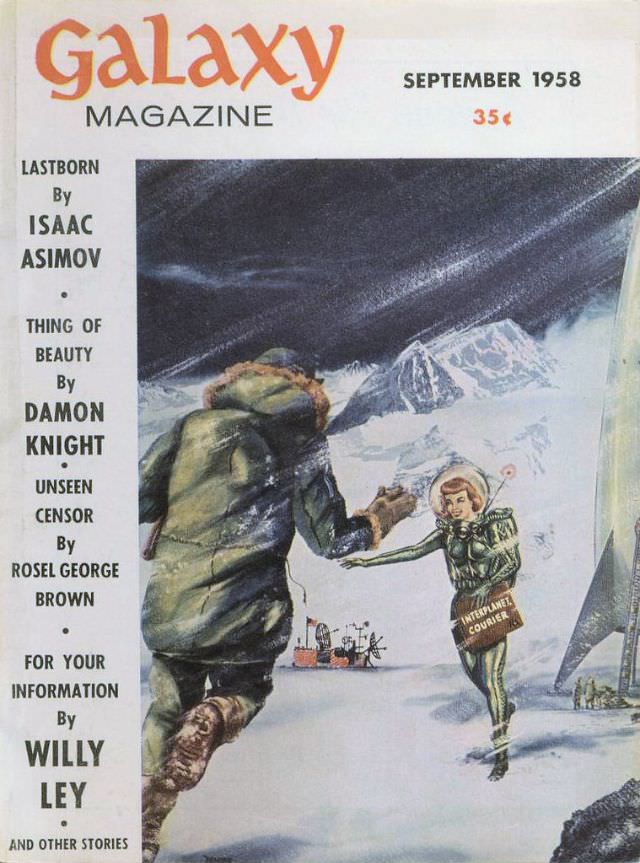
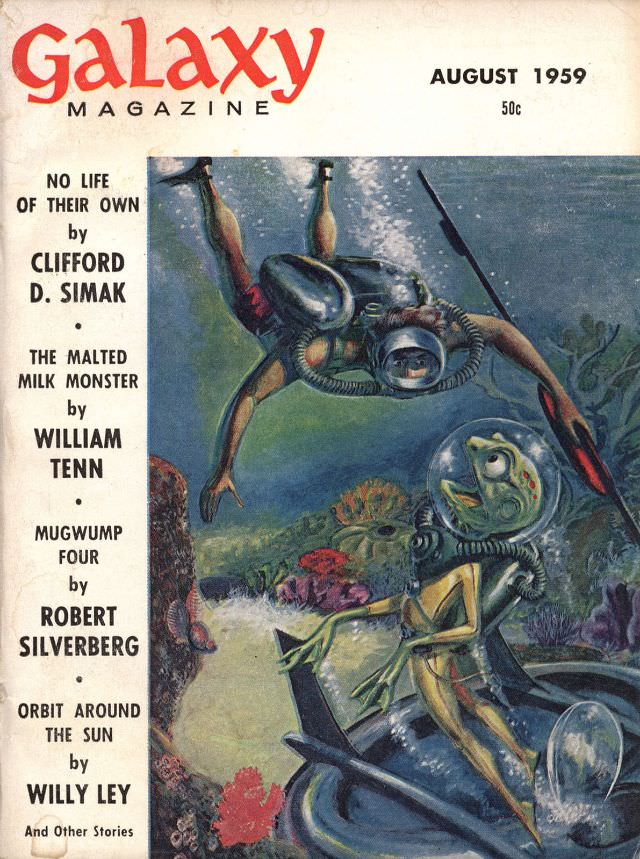
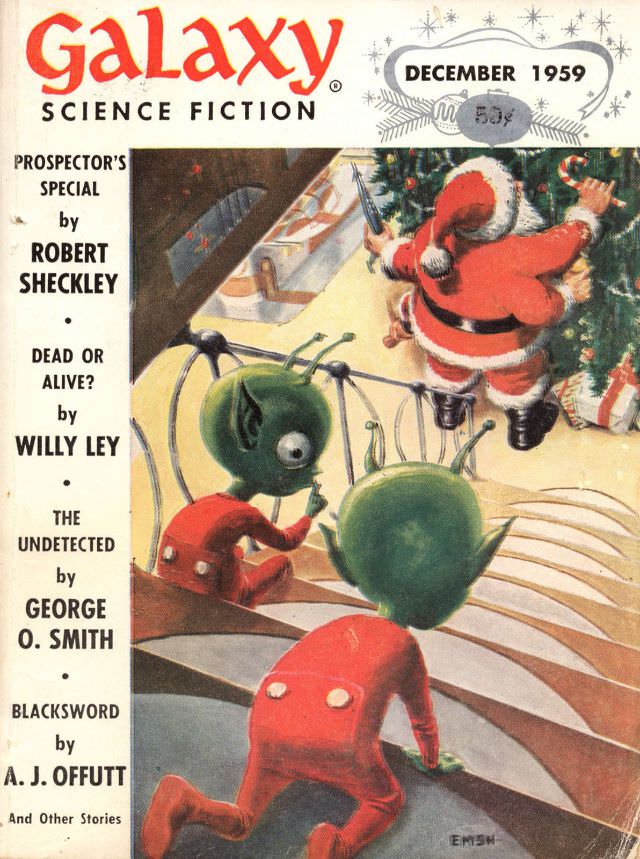
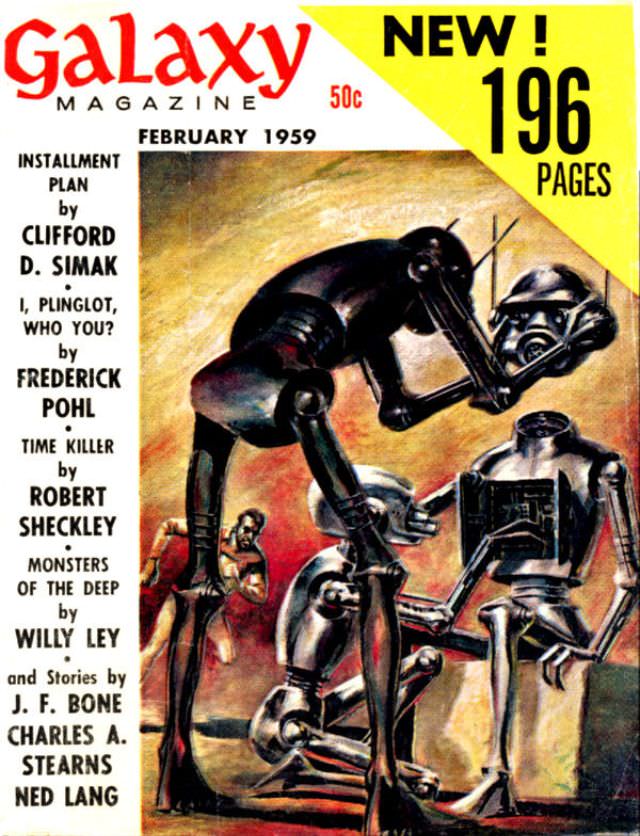
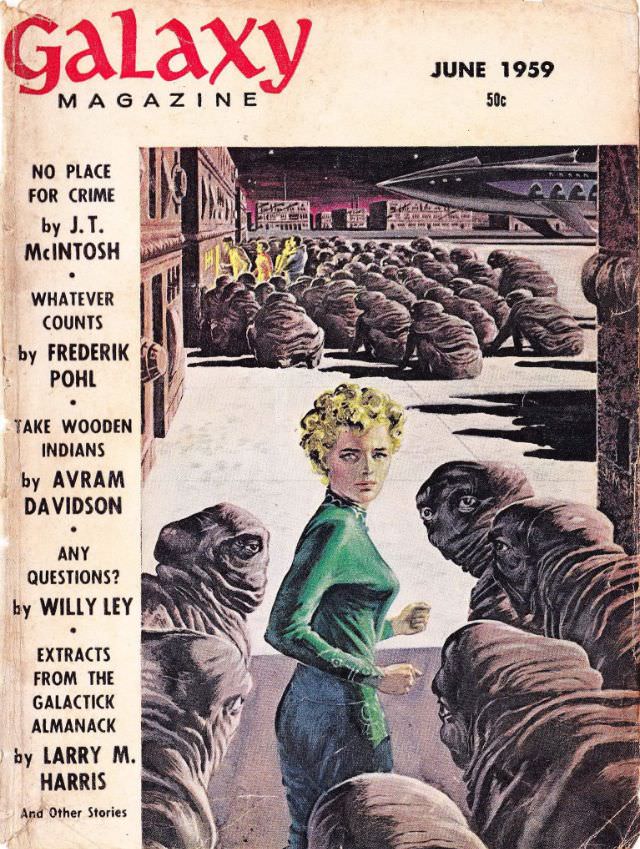
Galaxy Science Fiction was a digest-size magazine that was published in Boston. This little gem of a publication had a significant impact on the science fiction genre during its run from 1950 to 1980. It was founded by World Editions, a French-Italian company looking to break into the American market. And boy, did they ever make an impact! They hired H. L. Gold as the editor, and he quickly made Galaxy the leading science fiction magazine of its time.
It focused on stories about social issues rather than technology. In a time when stories about rockets and robots dominated science fiction, Galaxy was groundbreaking in its approach. Gold believed that science fiction should be about more than just gadgets and gizmos; it should be a platform for exploring the human condition.
The magazine published stories that were thought-provoking, insightful, and often controversial. One of Galaxy’s most famous stories was “The Cold Equations” by Tom Godwin. This story, about a young girl who stows away on a spaceship and puts the crew in danger, sparked a massive debate about the morality of space travel and the sacrifice of the individual for the greater good.
But it wasn’t just the stories that made Galaxy so special. It was the writers themselves. Some of the most talented science fiction writers of the time started in Galaxy, including Isaac Asimov, Arthur C. Clarke, and Ray Bradbury. These writers became legends in the genre, but they all got their start in the pages of Galaxy.
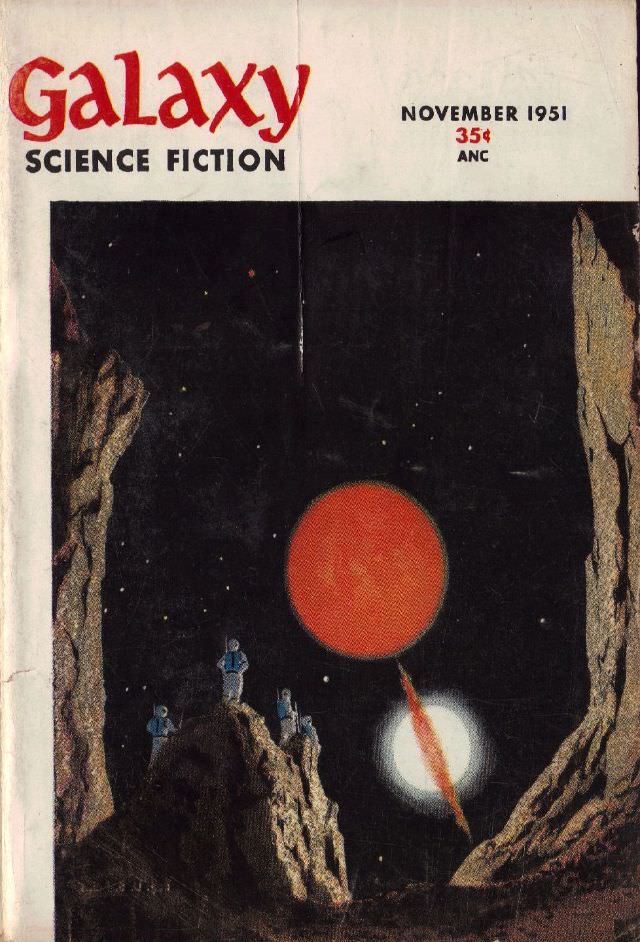
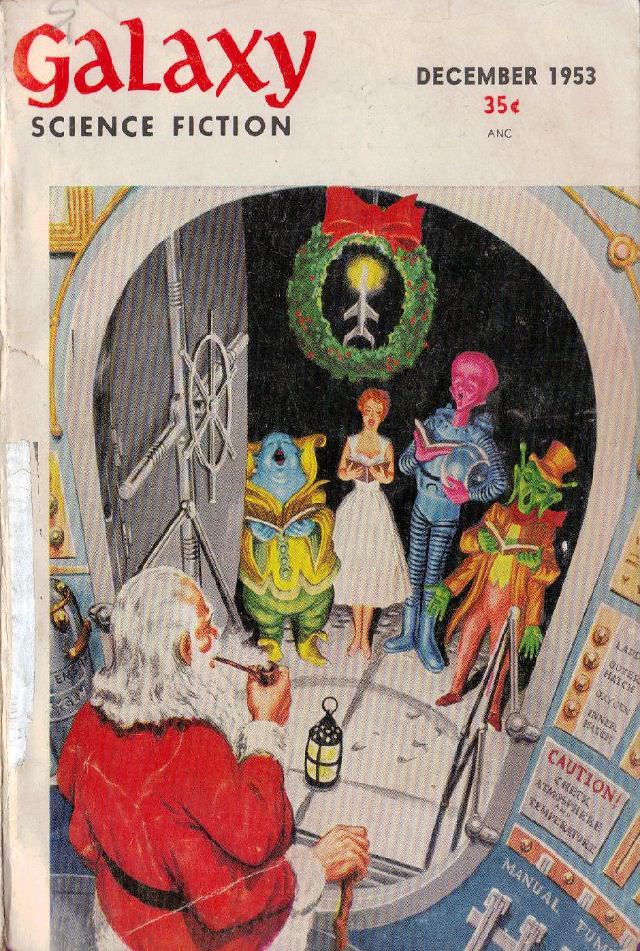
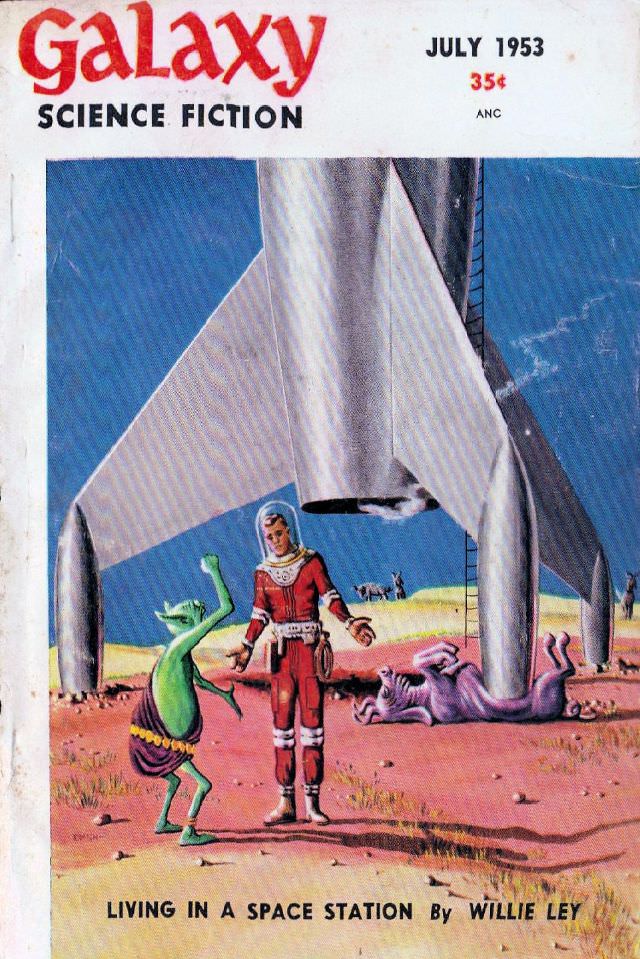
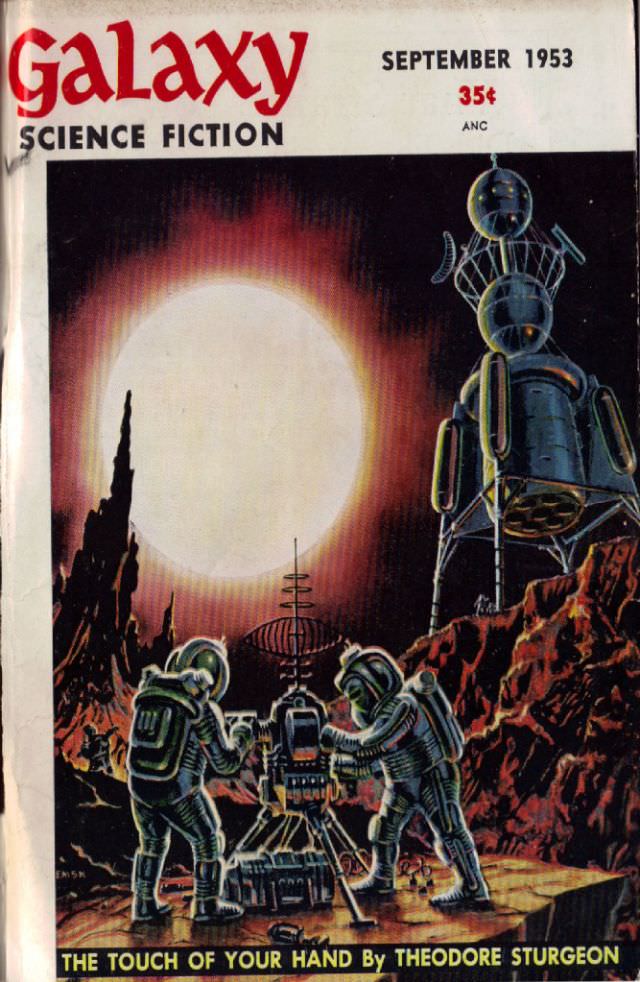
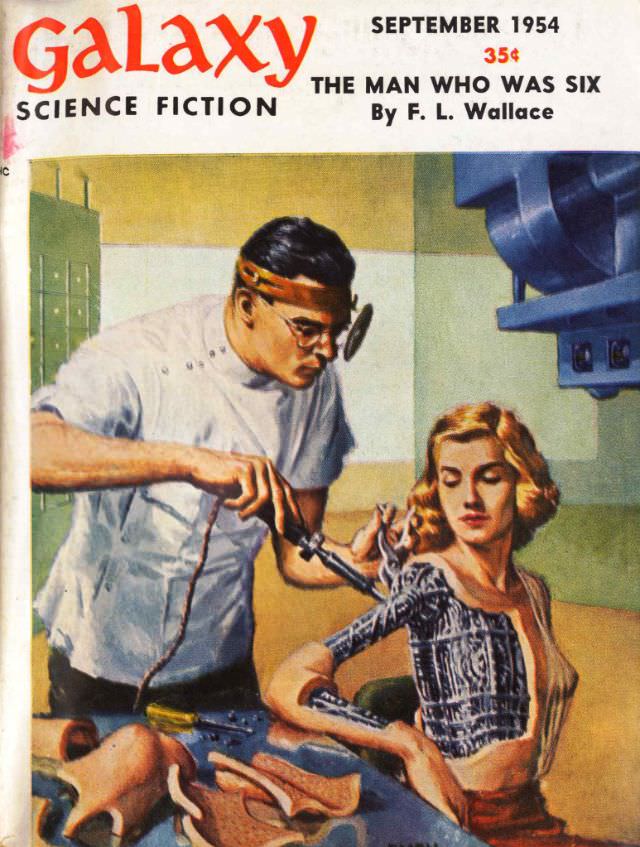
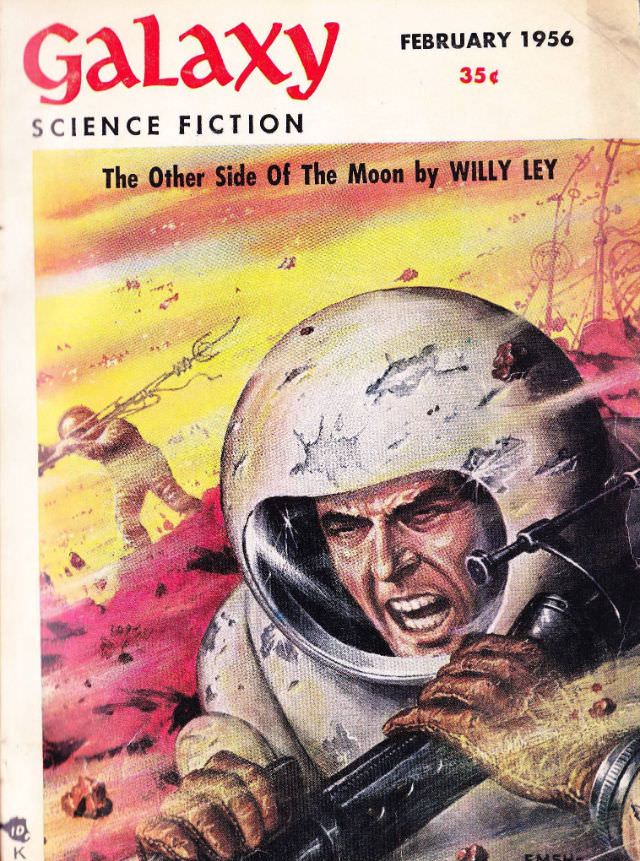
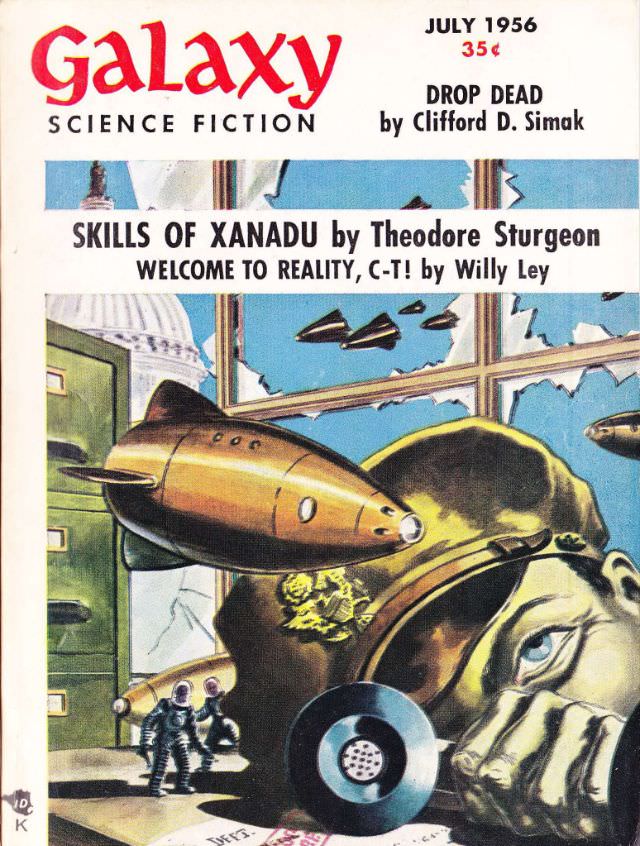
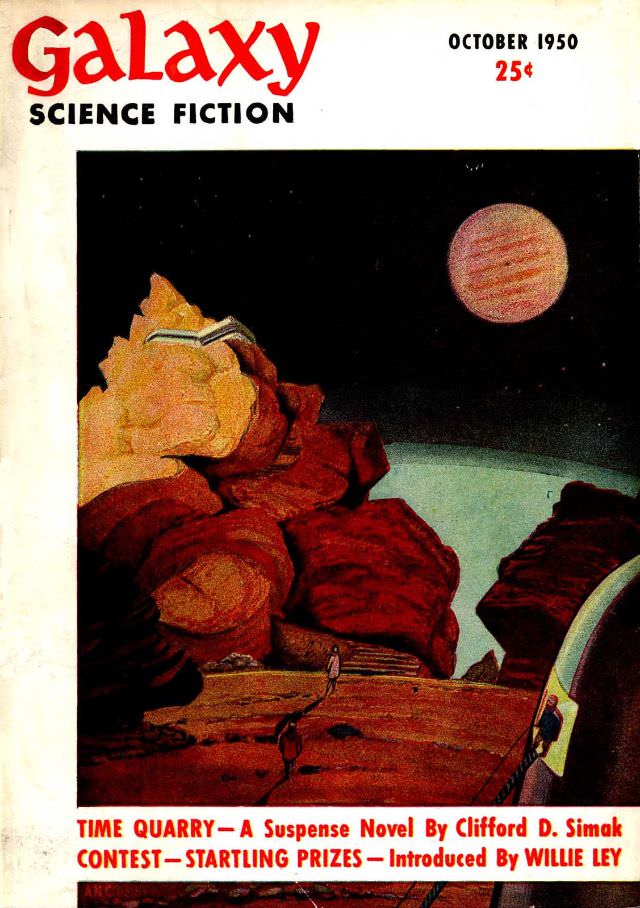
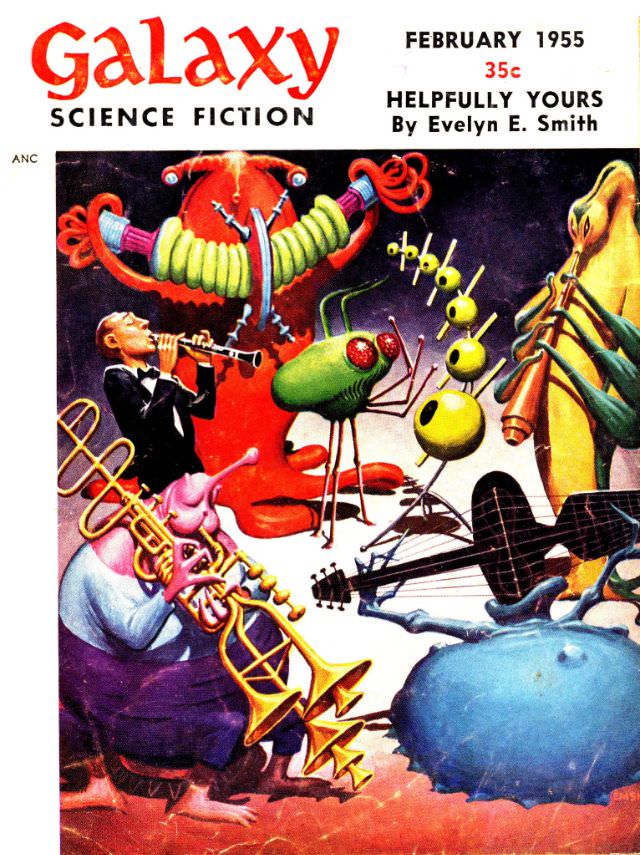
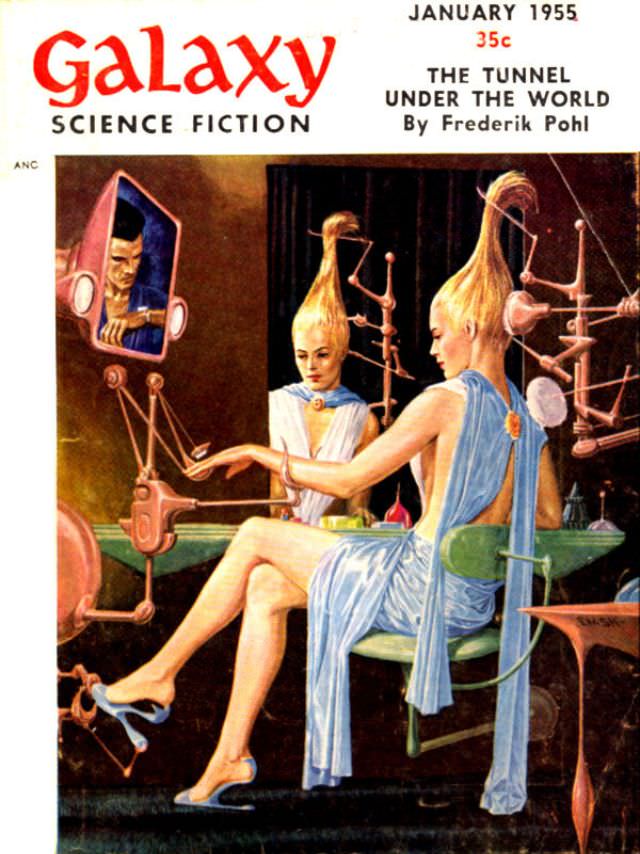
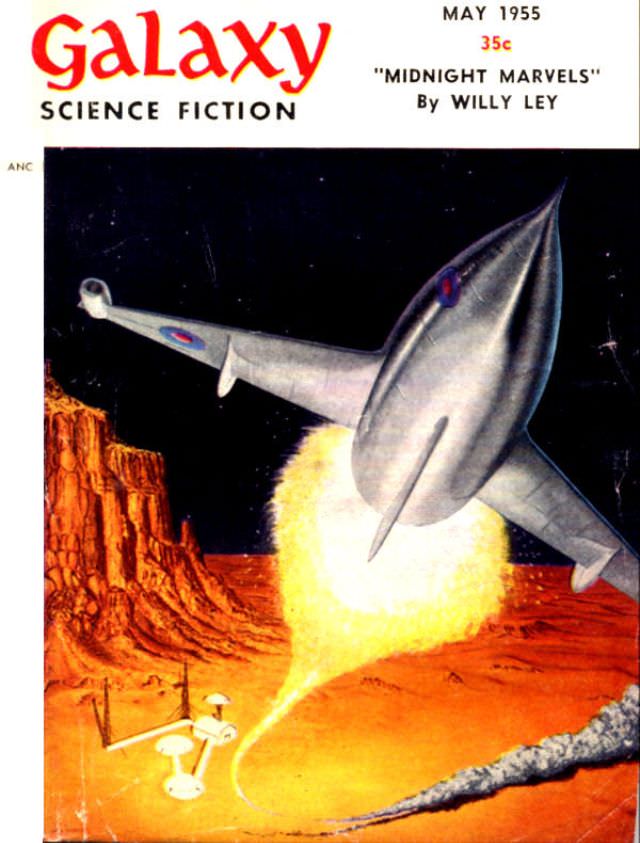
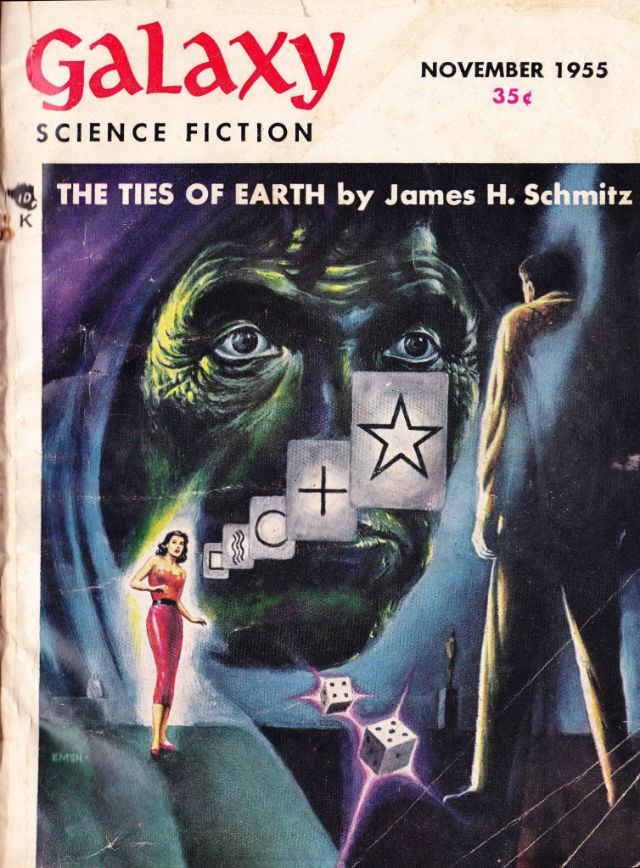
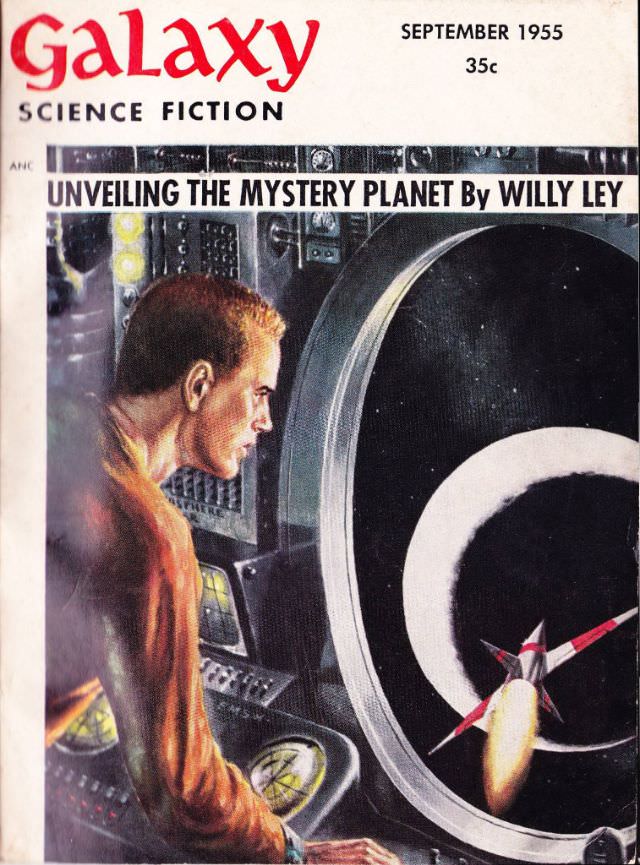
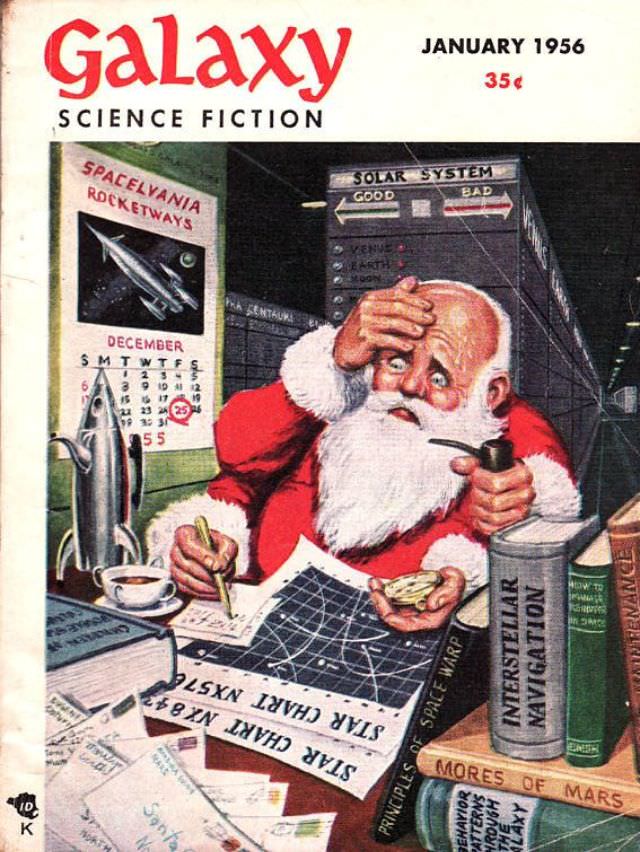
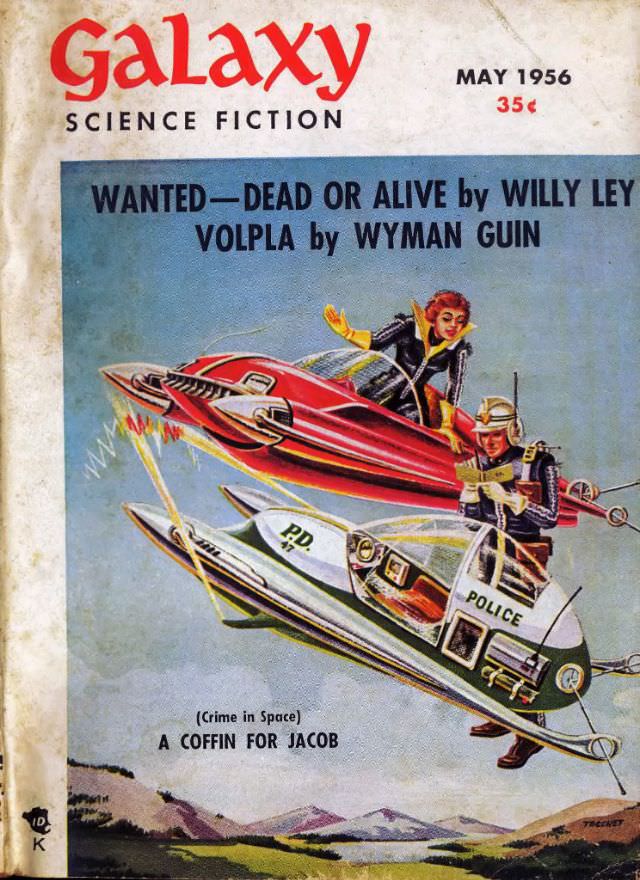
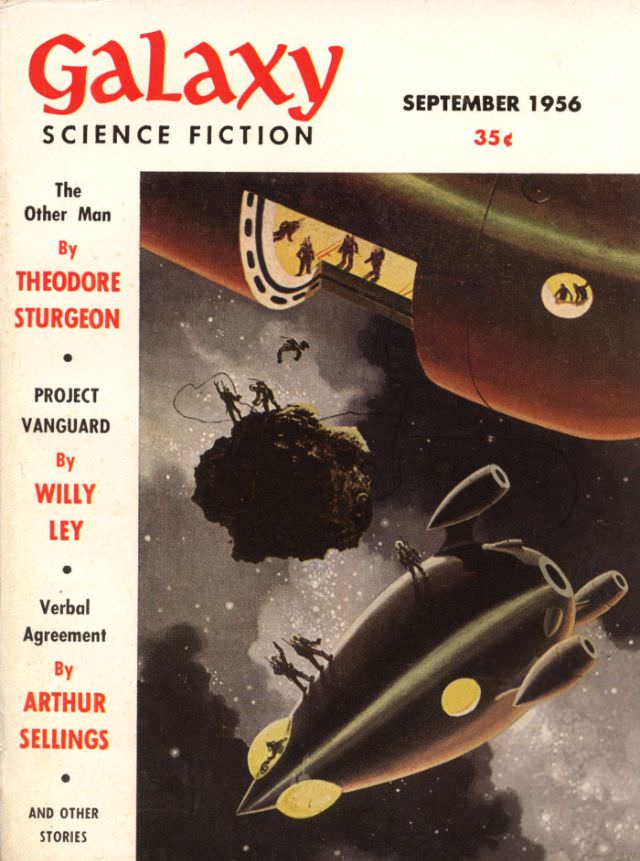
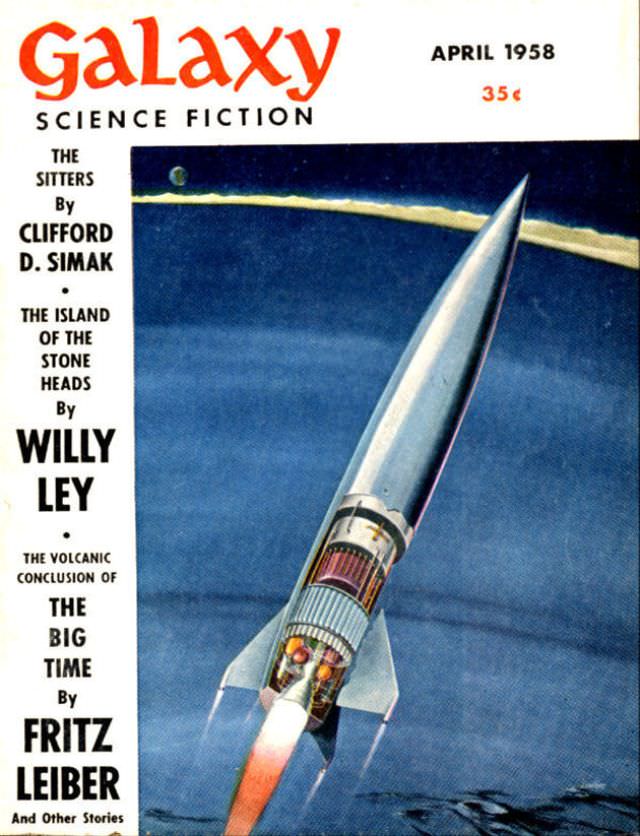
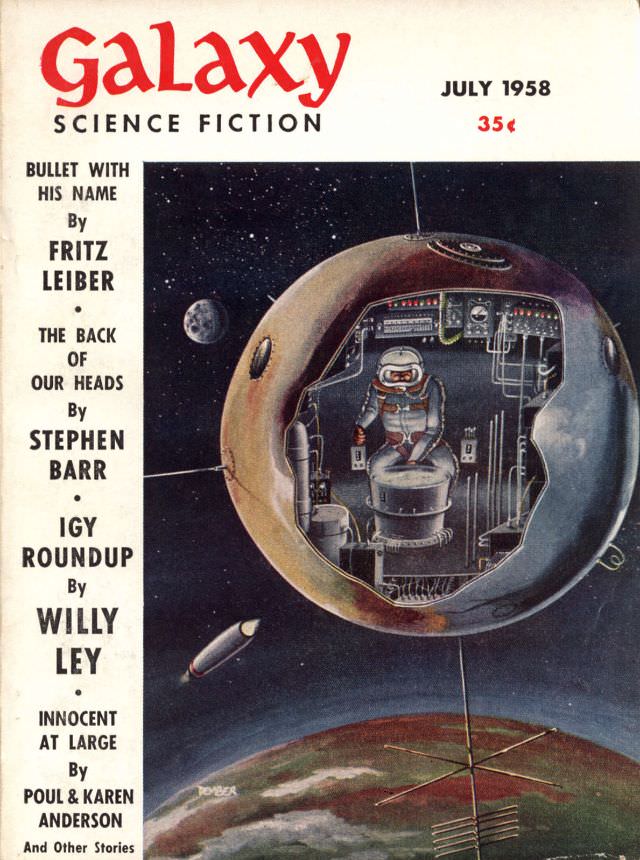
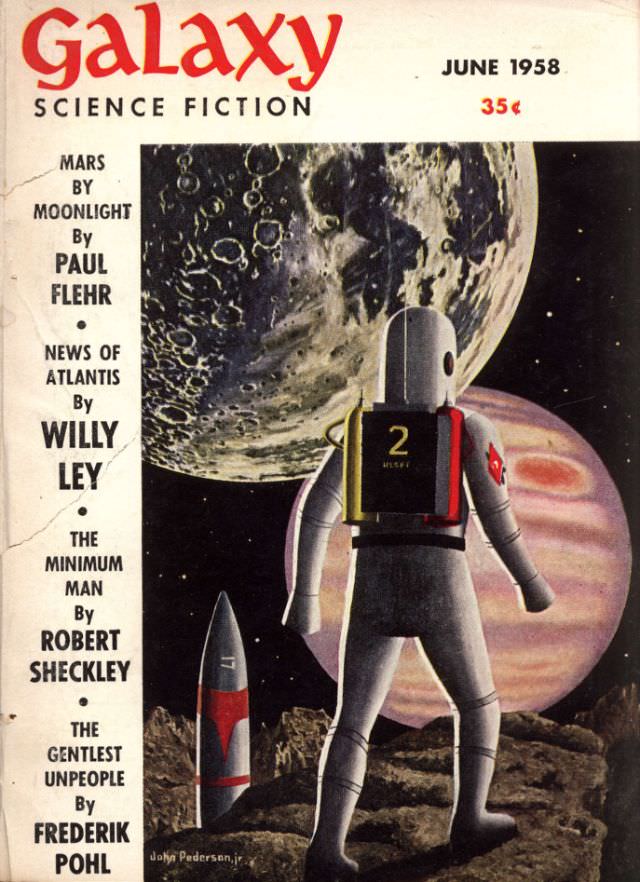
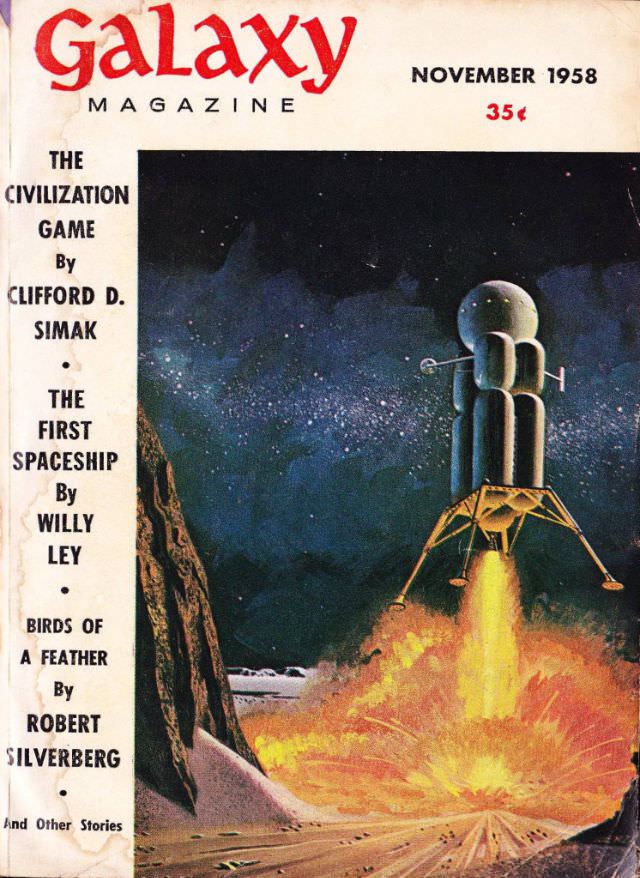
Sadly, Galaxy Science Fiction magazine ceased publication in 1980, but its impact on the science fiction genre can still be felt today. Here are some covers of Galaxy Science Fiction in the 1950s.