In 1910, Germany was one of the most powerful nations on earth. Kaiser Wilhelm II ruled over a fast-growing empire proud of its science, its military, and its booming industrial cities. Berlin and Hamburg hummed with electric trams, early automobiles, and the constant noise of construction. The country was changing fast — and not everyone experienced that change the same way.
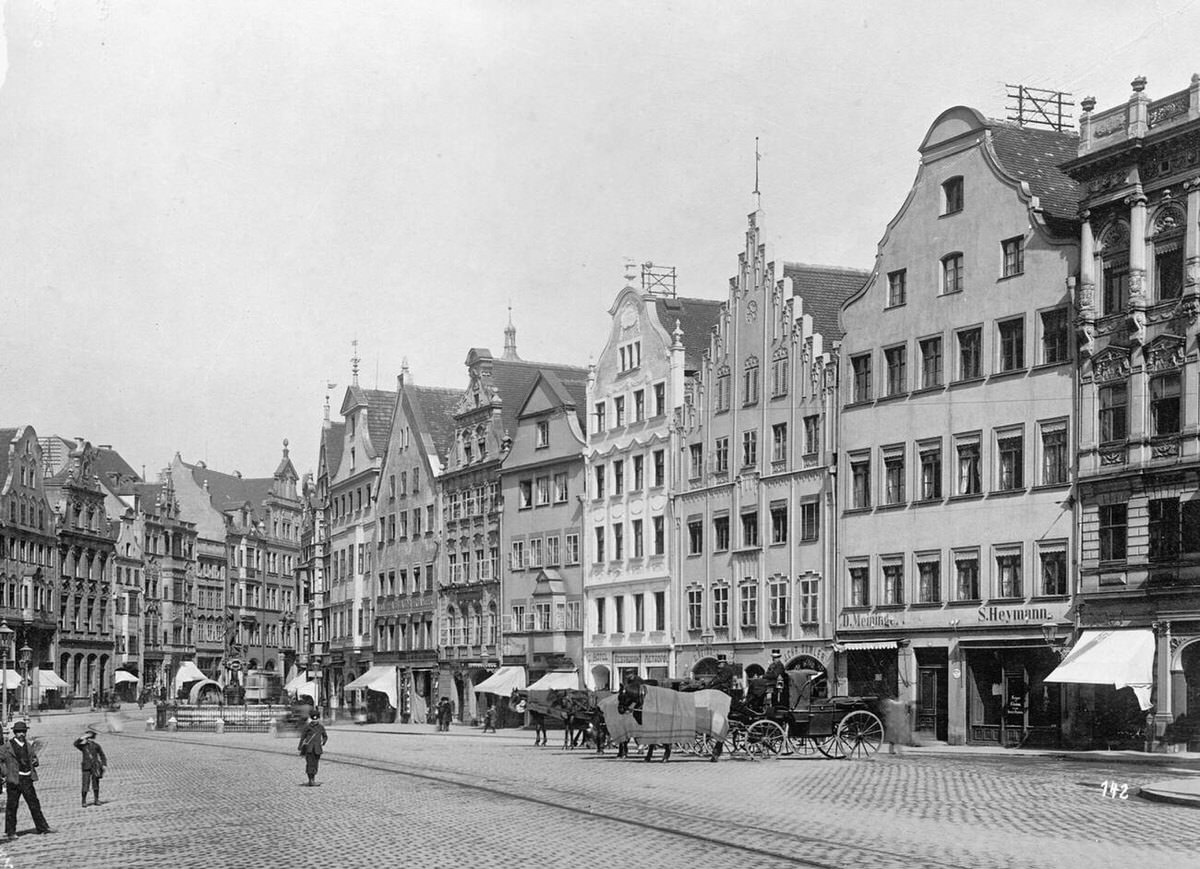
Maximilian Street with the Mercury fountain in Augsburg, Germany, 1910
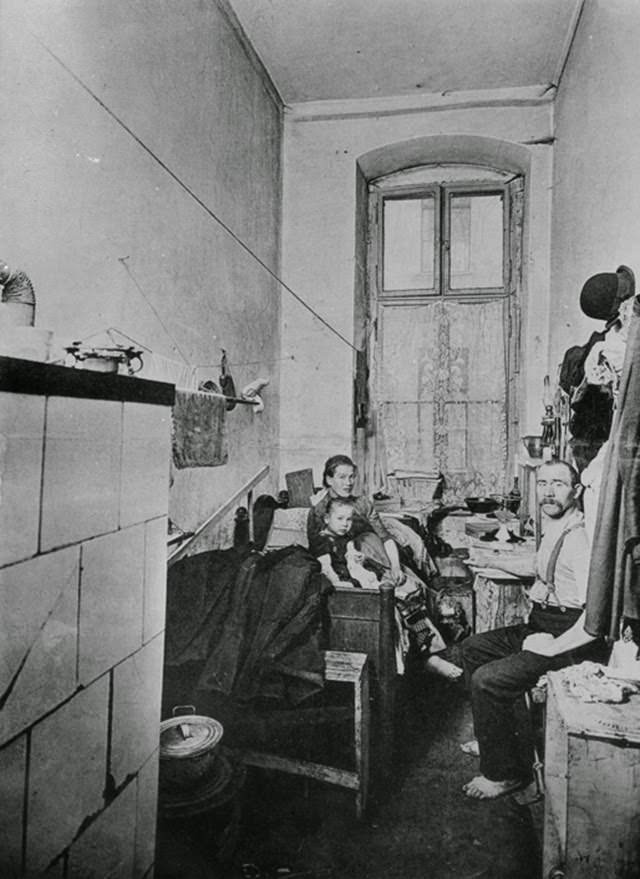
Urban life was defined by density. Working-class families packed into large apartment blocks that critics called “rental barracks” — cramped, dark, and short on fresh air. Entire families shared narrow rooms with no indoor plumbing. A single unit’s rent could swallow most of a worker’s monthly wages.
Working class quarters, c. 1910. In Germany, industrialization and urbanization went hand in hand, as individuals and entire families left the countryside and moved to cities in search of work. Living conditions were often miserable: working-class housing was dank, cramped, and overcrowded, with little fresh air or natural light. Entire families lived in narrow rooms without indoor plumbing. One such quarter on Berlin’s Liegnitzer Straße is depicted here. The rent for this type of space would have consumed a large portion of a family’s income.
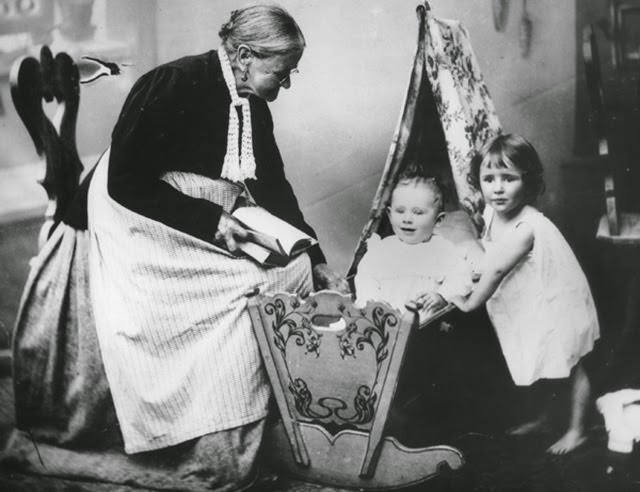
Factory work drew former agricultural workers off the land and into the cities. Because both parents often had to work to keep the household afloat, grandparents stepped in to care for young children. This three-generation arrangement was a cornerstone of working-class family life.
In the care of grandmother, c. 1910. Industrialization caused a demographic shift in Imperial Germany. Seeking industrial employment, former agricultural workers moved to cities, where they lived in cramped, overcrowded apartments. Often, both parents needed to work to pay for rent and daily necessities. In the photo below, an elderly working-class woman looks after her grandchildren. When both parents had to work, grandparents made essential contributions to the household, especially with respect to child care.
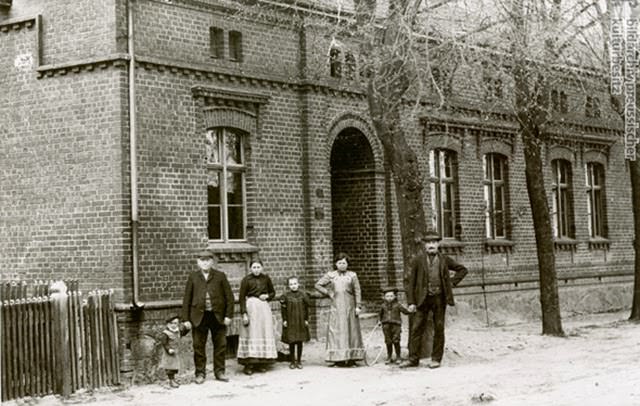
Class distinctions shaped nearly every part of daily life. Wealthier bourgeois households hired domestic staff — mostly women — to cook, clean, and manage the kitchen. Workers, meanwhile, dressed as formally as they could manage, though details like flat caps still set them apart from more affluent Germans.
This photograph from 1910 shows three generations of a working-class, urban family. Workers often dressed like members of the bourgeoisie, albeit with markers, such as caps, that distinguished them from more affluent Germans.
Large factories required large workforces — and large-scale infrastructure to support them. At the AEG plant in Berlin, a dedicated coffee canteen served the entire factory floor each morning, a sign of how industrial employers were beginning to manage the daily needs of their workers.
Coffee canteen at AEG, 1909. This canteen in the large-machine factory [Großmaschinenfabrik] of the AEG [Allgemeine Elektizitäts-Gesellschaft or General Electric Company] provided coffee for the entire workforce. The woman on the left measures out beans from a sack; the woman on the right checks one of many large vats of coffee.
Social life outside the factory was rich. In Bavaria especially, breweries like the Augustiner in Munich served as gathering places that cut across class lines. Waitresses routinely carried eight full one-liter mugs at once — each mug weighing over a kilogram — a feat that was simply part of the job.
Augustiner brewery, Munich, c. 1910. Breweries were common locales for socializing, especially in Bavaria. Accommodating hundreds of guests, they were prototypical experiments in mass gastronomy, and their appeal transcended class barriers. Here we see customers lining up to order beer by the Maß – i.e., in large 1-liter mugs. Note that the Kellnerin [waitress] to the far left is carrying eight of these mugs to a table; each mug weighed over a kilogram (2.2 pounds), but this was a common feat in these locales. The Augustiner brewery’s summer beer is advertised on the sign above the filling window. Another sign to the right of it reminds customers to make sure their mugs are completely full when picked up: “Mugs not completely full should be topped off immediately.”
Women were increasingly visible in public and professional life. Some worked as journalists and photographers, scaling construction cranes to document the changing city skyline. Others ran trades alongside their families or organized through the growing women’s rights movement, which held its International Congress in Berlin in 1914.
Women in journalistic professions were a rarity in Wilhelmine Germany. Nonetheless, some women did succeed in establishing themselves as journalists – initially, they did so by working for the women’s newspapers and magazines that had been around since the middle of the nineteenth century; later on, they also worked for large newspapers. In this photograph (c. 1910), a female photographer surveys metropolitan Berlin from a crane being used in the construction of the Stadthaus [City Hall] on Molkenmarkt. The City Hall was built as an extension of the Rotes Rathaus [Red City Hall], whose large tower can be seen at the right. The Berliner Dom [Berlin Cathedral] can be seen in the background off to the left.
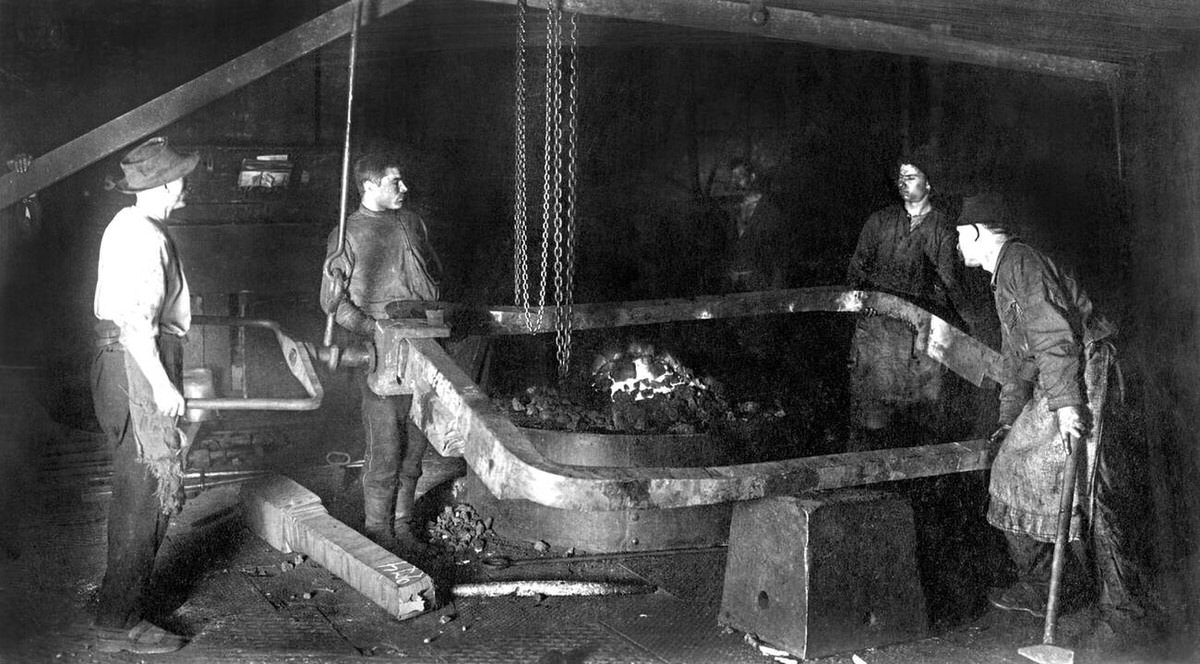
Then came the war. When Germany mobilized in August 1914, millions of men were drafted almost overnight, leaving a gaping hole in the labor force. Women moved into factories, drove buses, and delivered mail. By 1915, the government began rationing milk, coal, and other essentials. The British naval blockade steadily choked the food supply.
Borsigwerke factory building for the steel and mechanical engineering industry in Berlin-Tegel, Germany, 1915
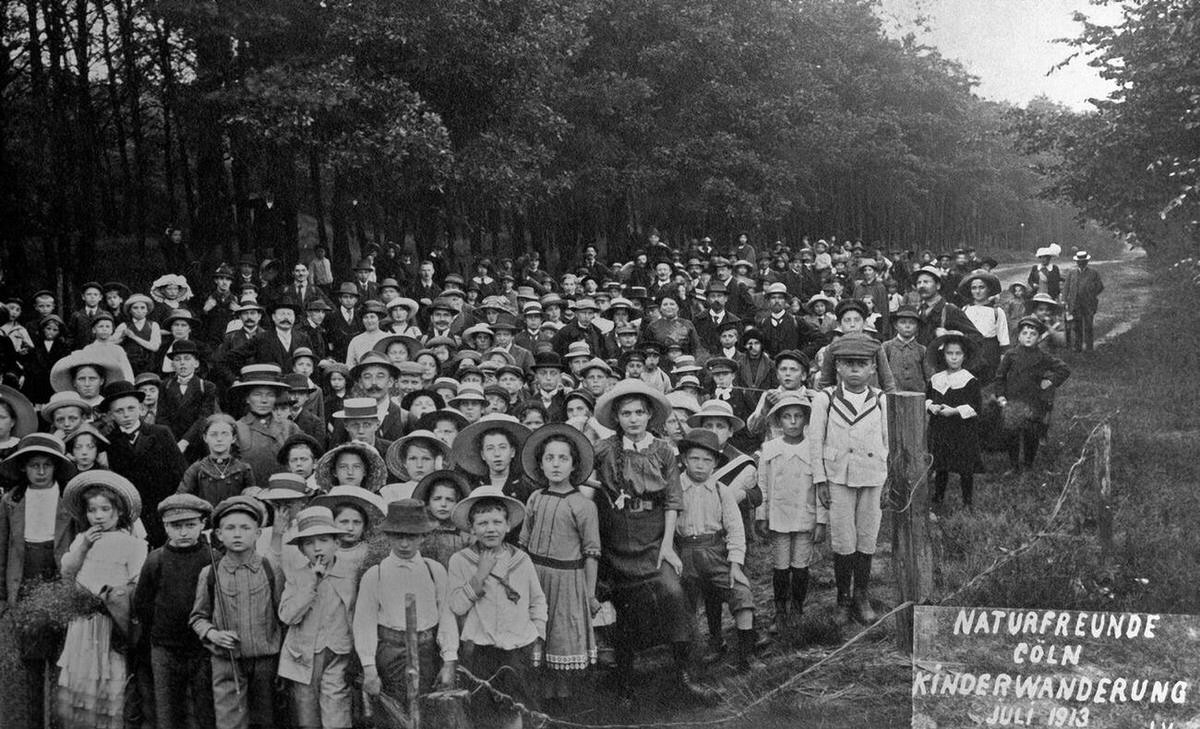
Children were pulled into the war effort too. Afternoons that once meant school trips and hiking clubs were now spent combing neighborhoods for scrap metal and rubber to donate to the military. The contrast with prewar childhood was stark.
Children’s group of the Naturfreunde Coeln hiking club on a walking day, Germany, 1913
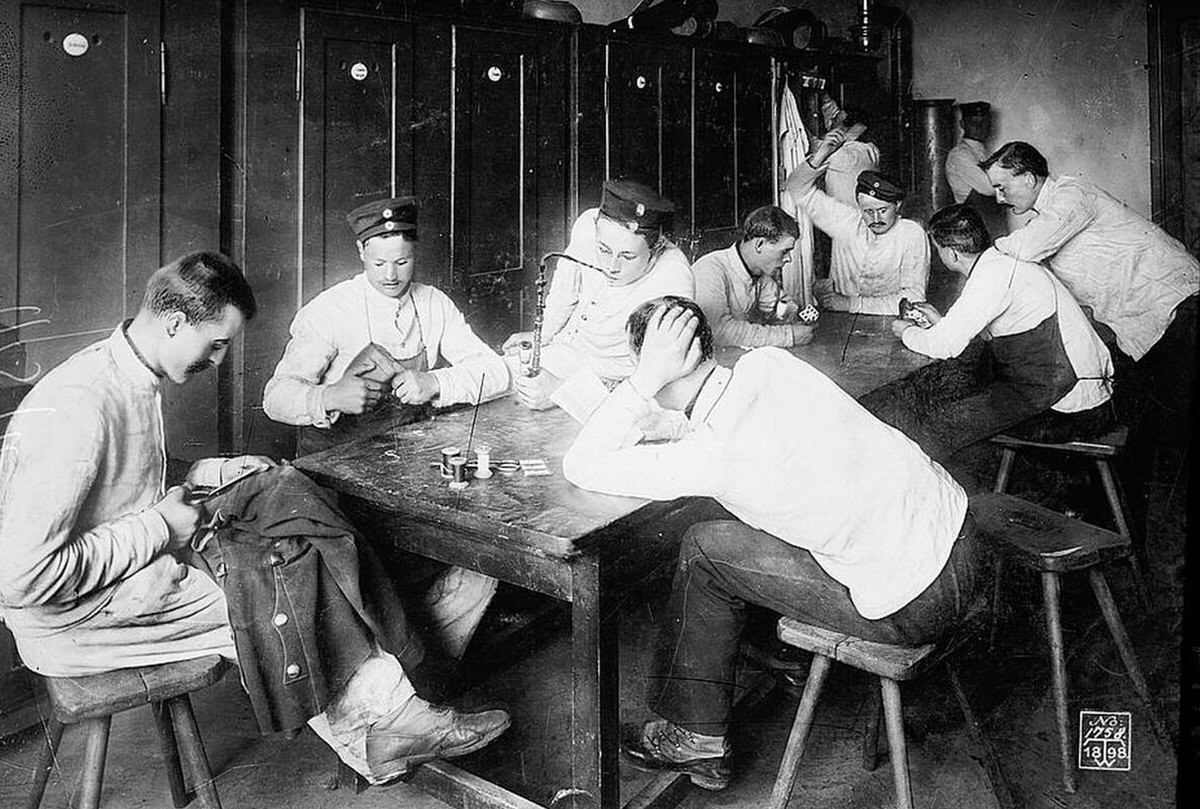
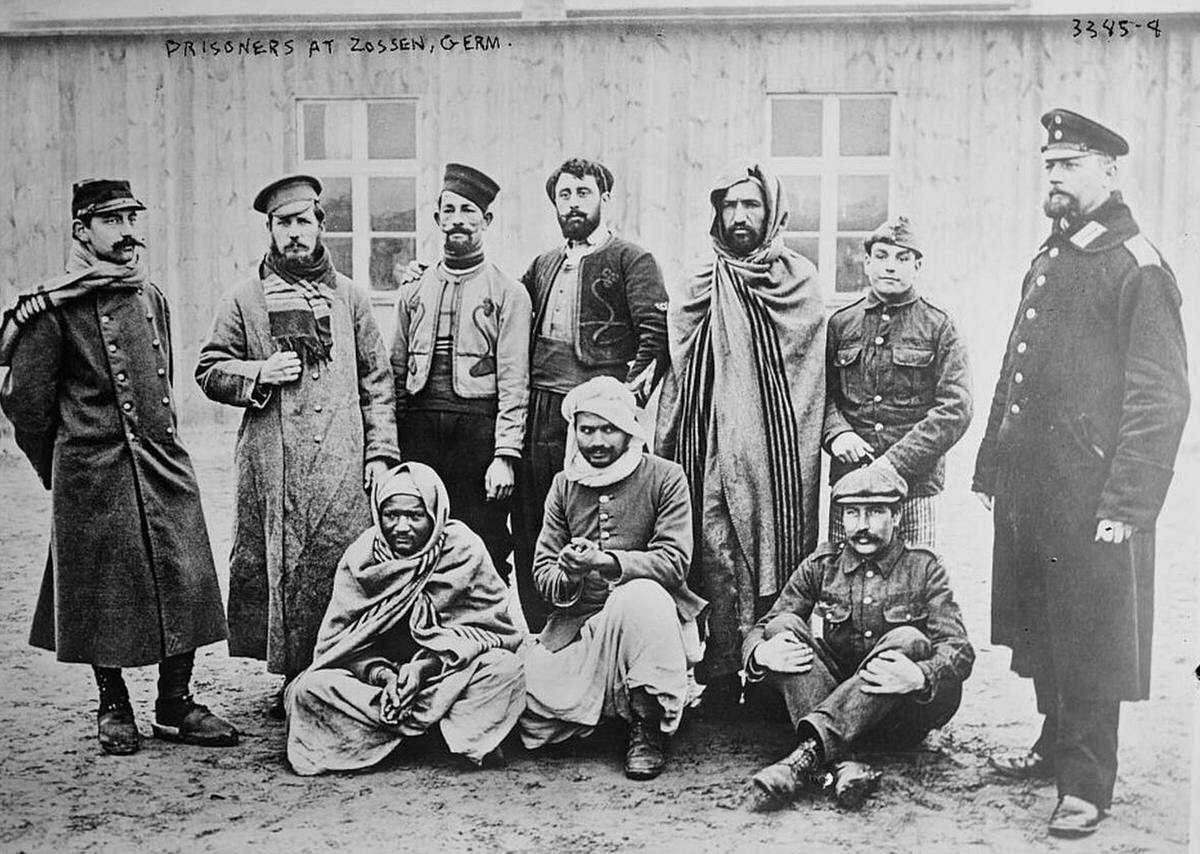
The winter of 1917 became known as the “Turnip Winter.” The potato crop failed, and families across Germany survived on cattle turnips — food normally reserved for livestock. Hunger was no longer a fear; it was a daily fact. Soldiers in their barracks mended worn uniforms and waited, while prisoners of war filled camps across the country.
German Army soldiers in their barracks mending uniforms and playing cards, 1910sPrisoners of war at a camp in Zossen, Germany, 1910s
By late 1918, the country was breaking apart from within. The Spanish flu tore through a population already weakened by years of malnutrition. In November, sailors in Kiel mutinied rather than carry out a final offensive at sea. Revolution spread quickly. Kaiser Wilhelm II abdicated, and the German monarchy ended in a matter of days. Returning soldiers walked through Berlin in tattered uniforms. The armistice stopped the fighting, but the economic crisis that followed pushed the new republic to its limits — paper money lost value so fast that people needed bags full of it just to buy bread.
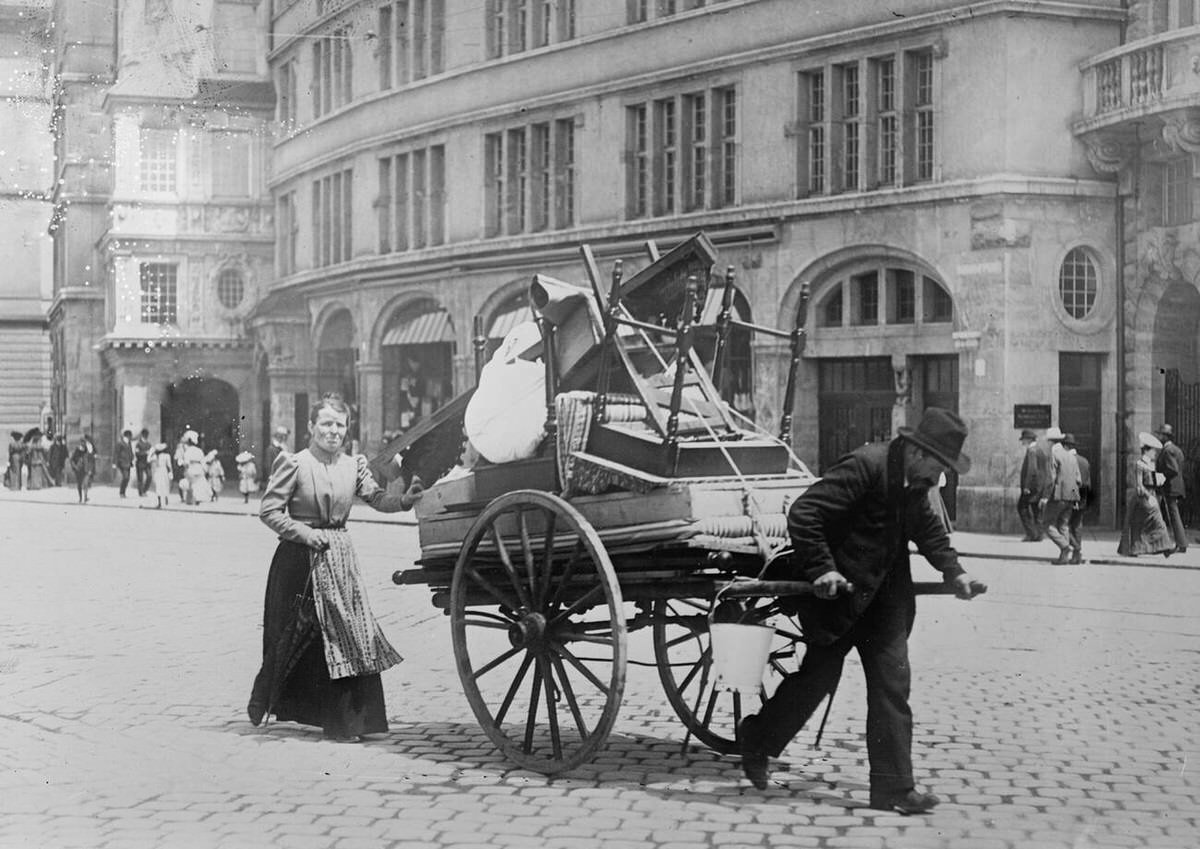
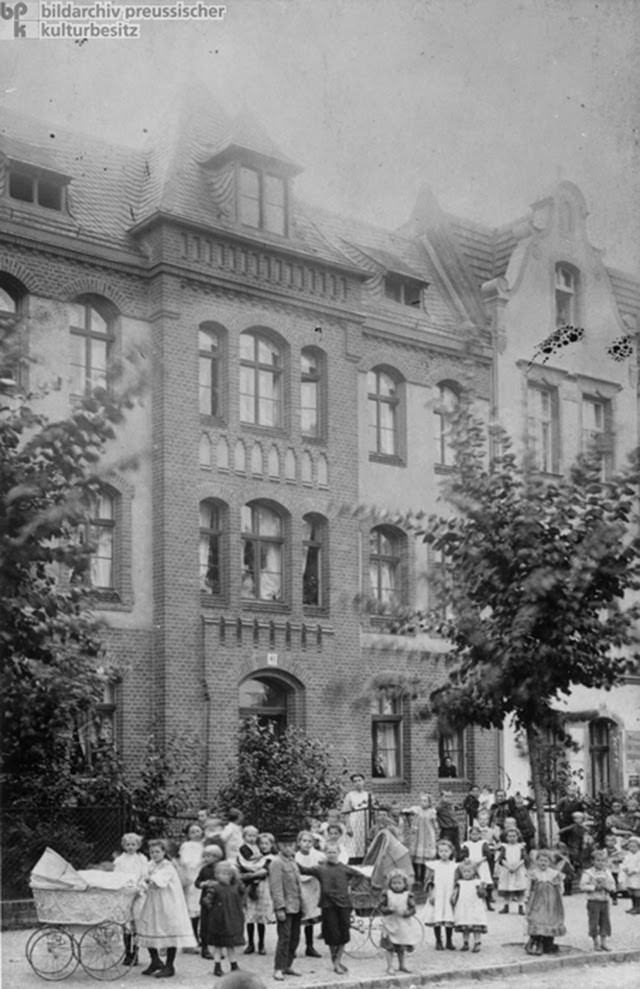
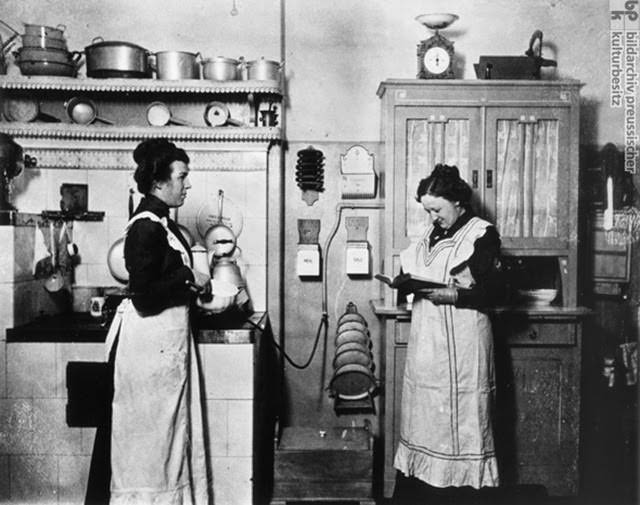
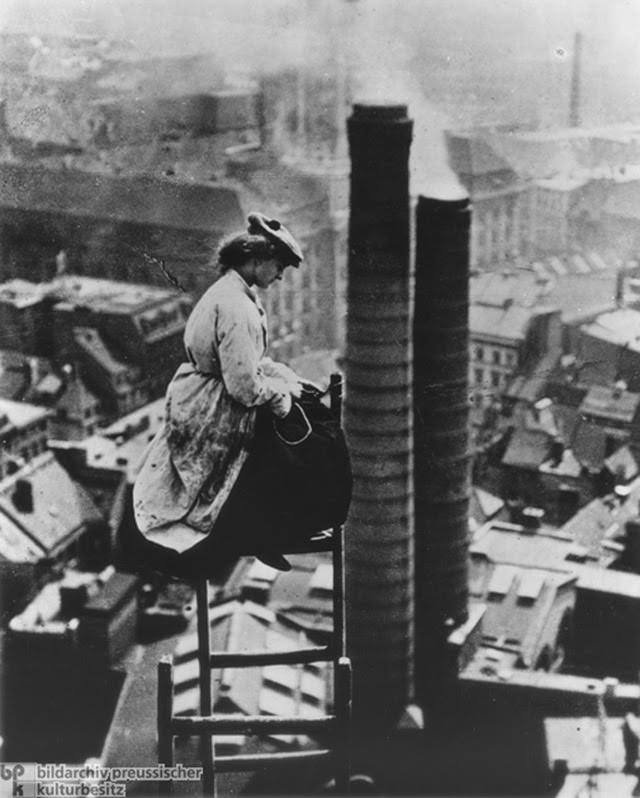
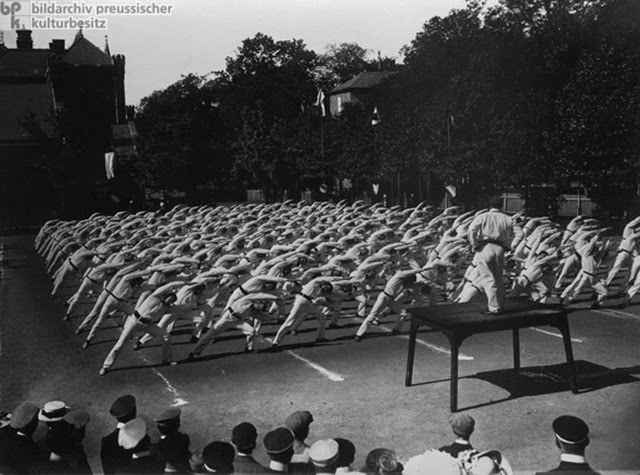
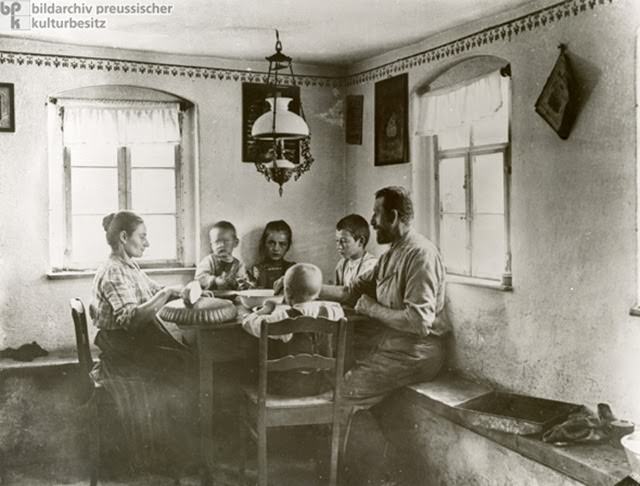
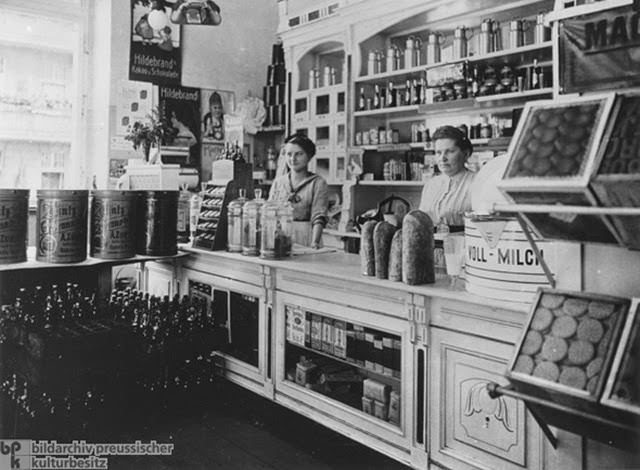
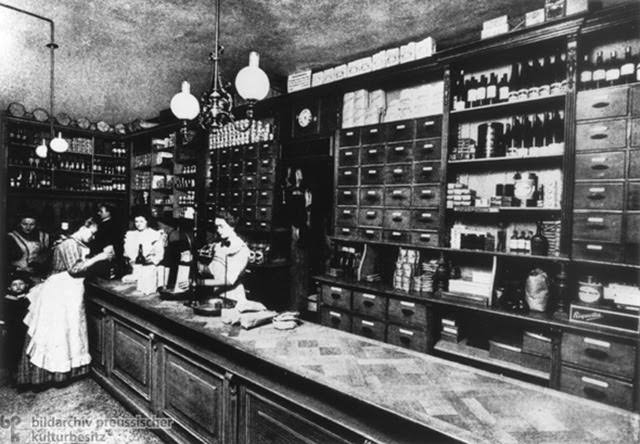
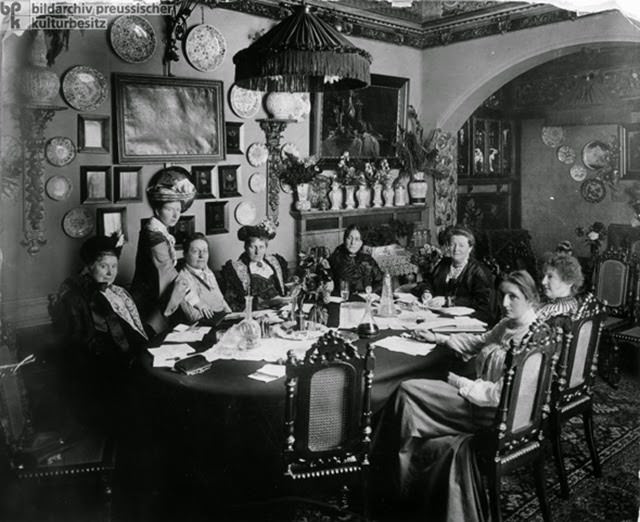
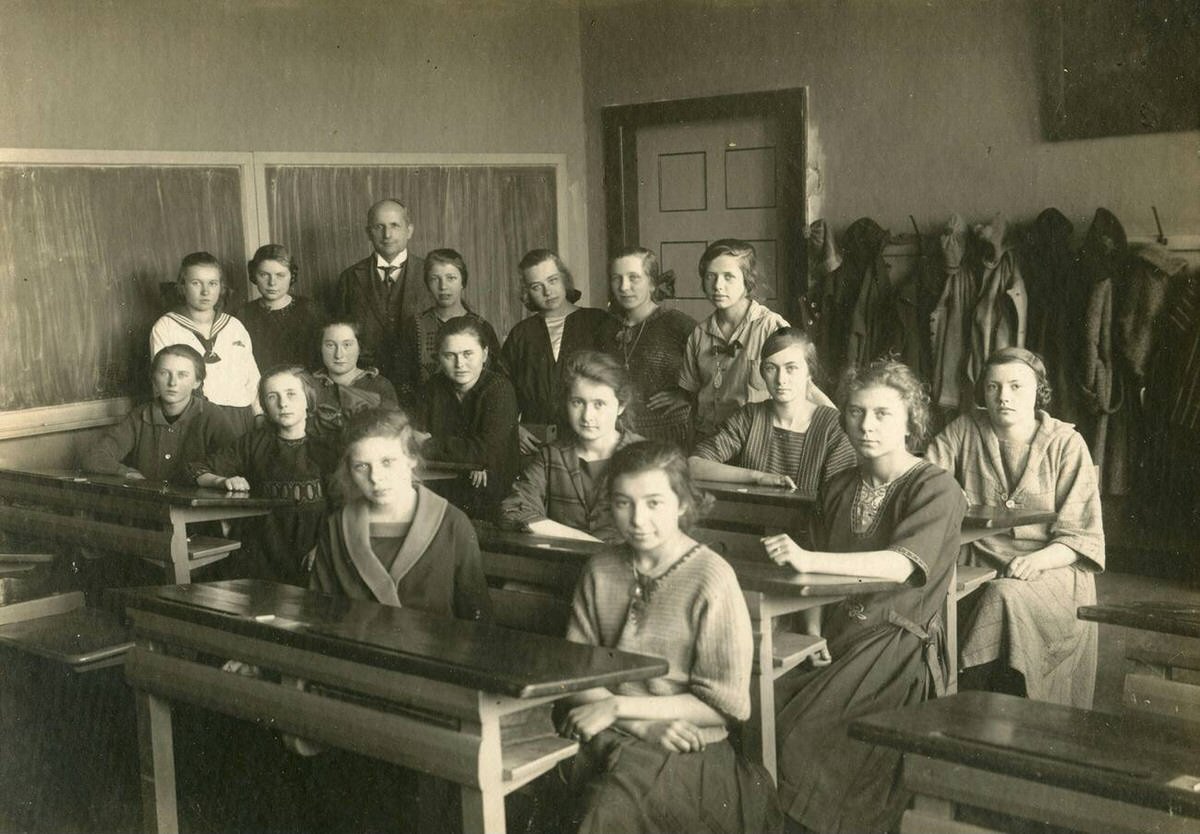
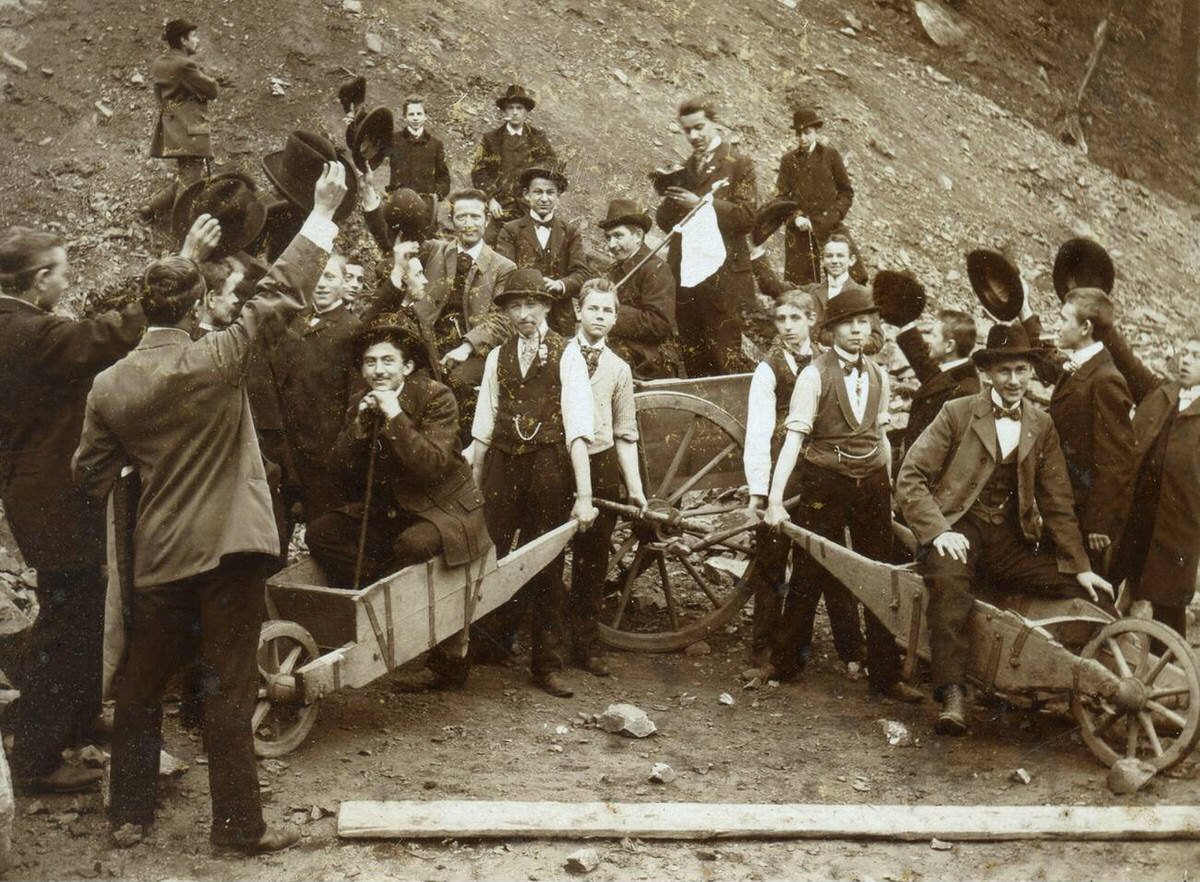
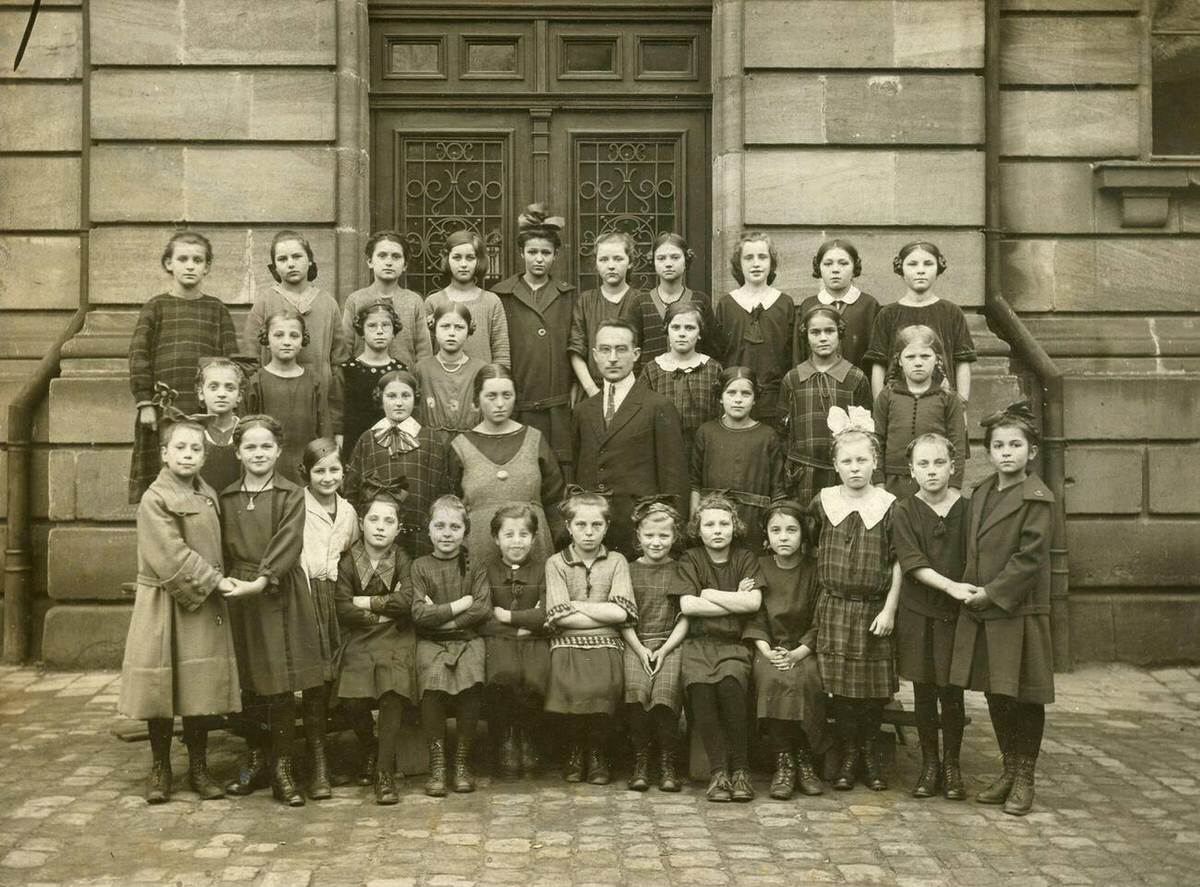
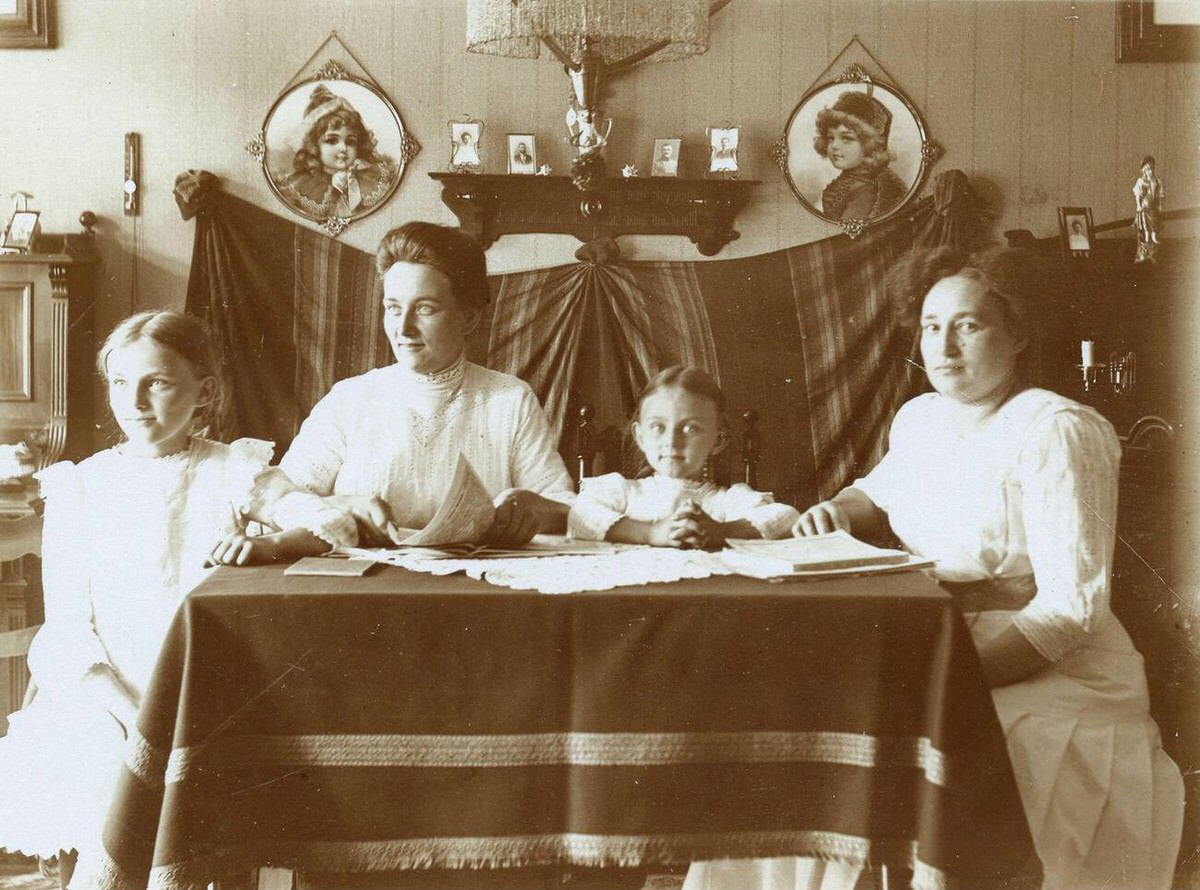
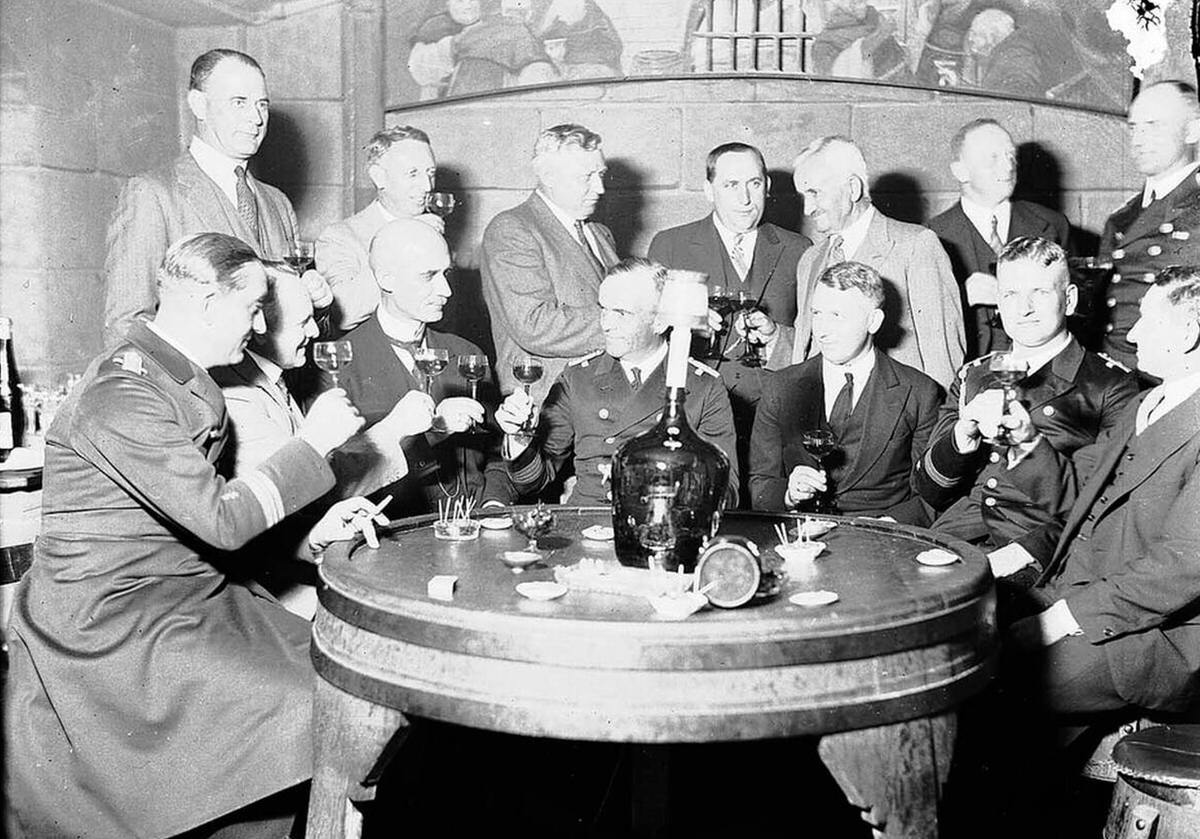
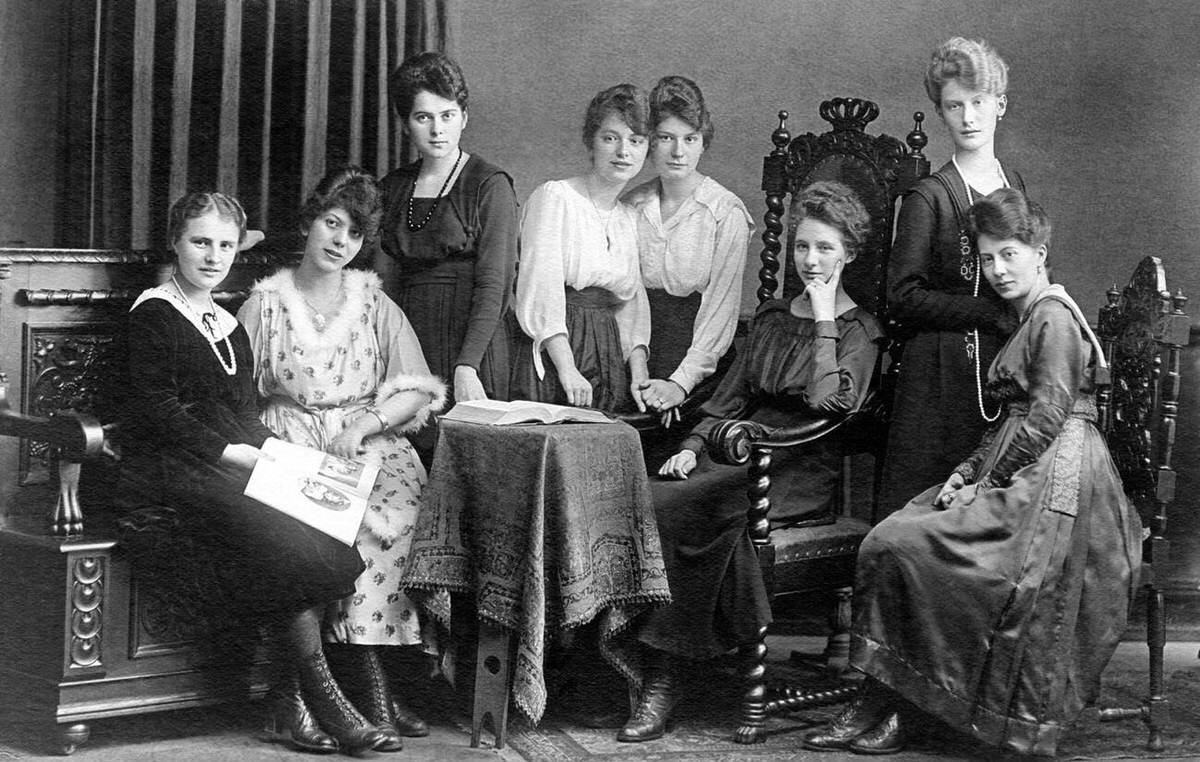
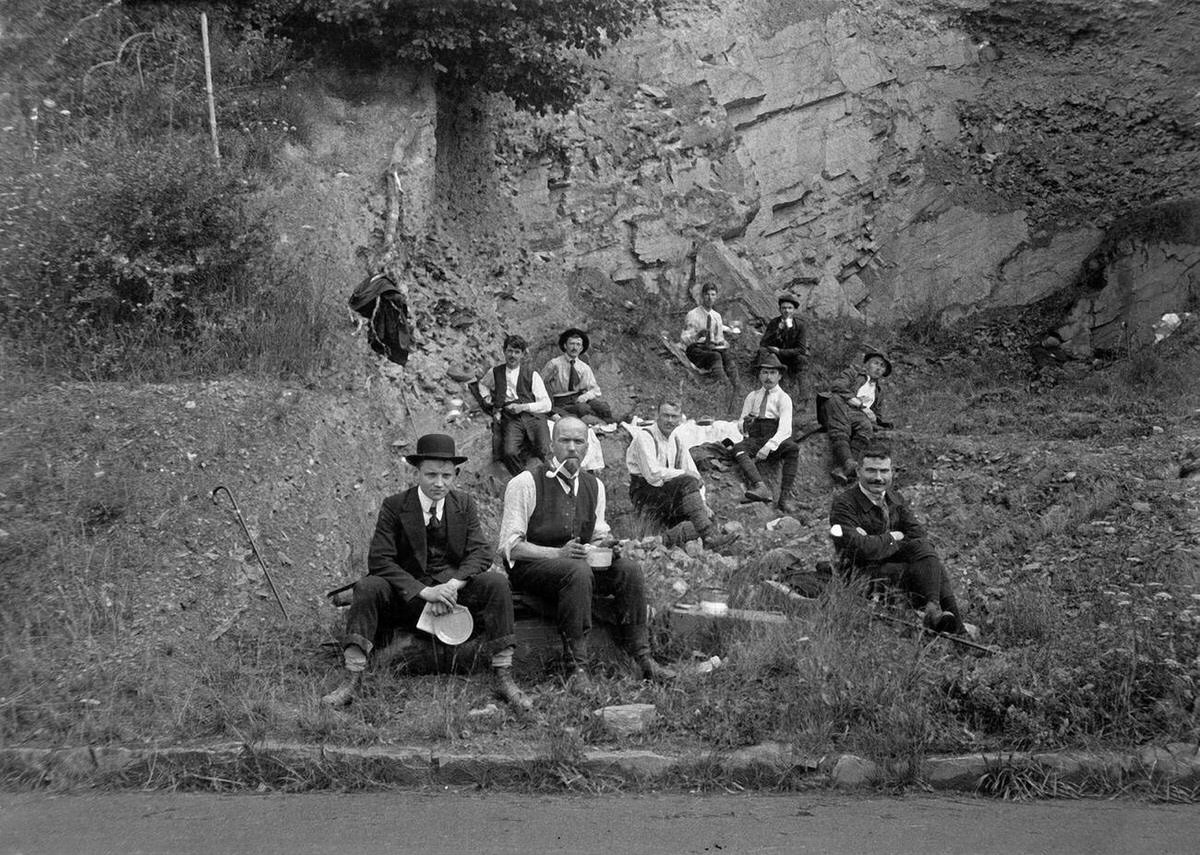
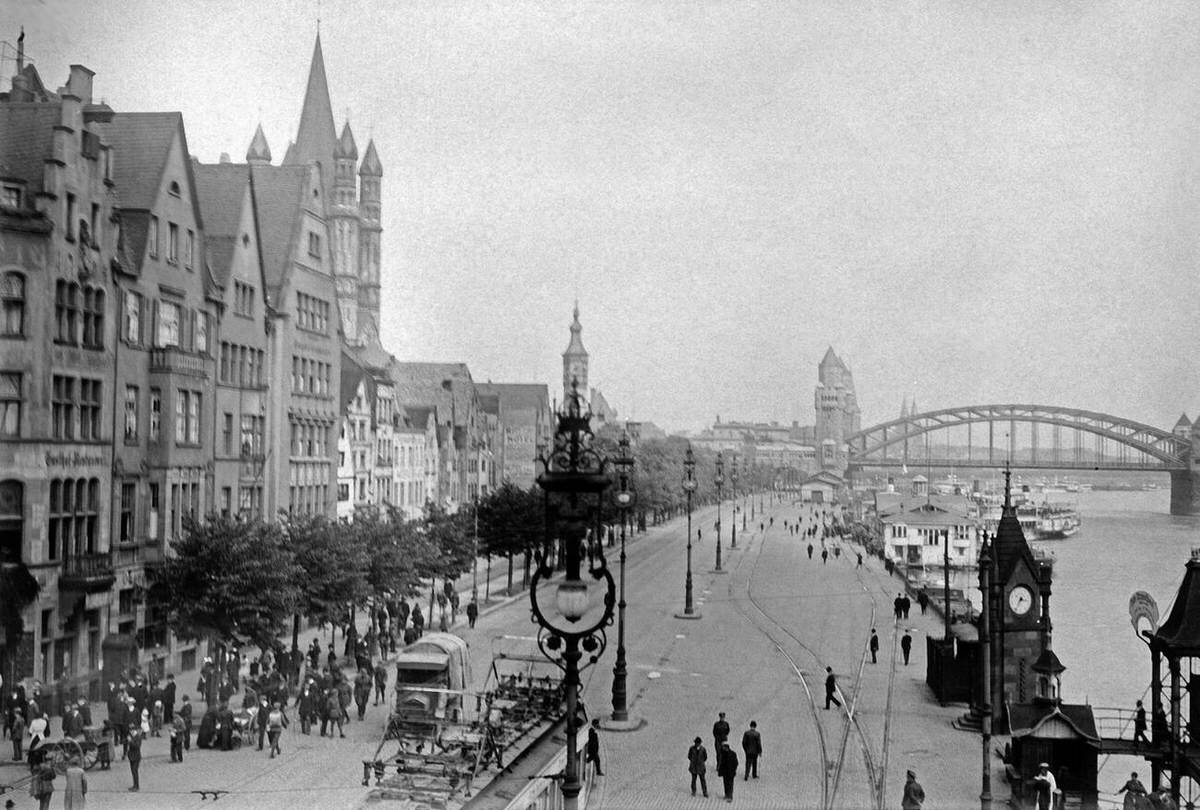
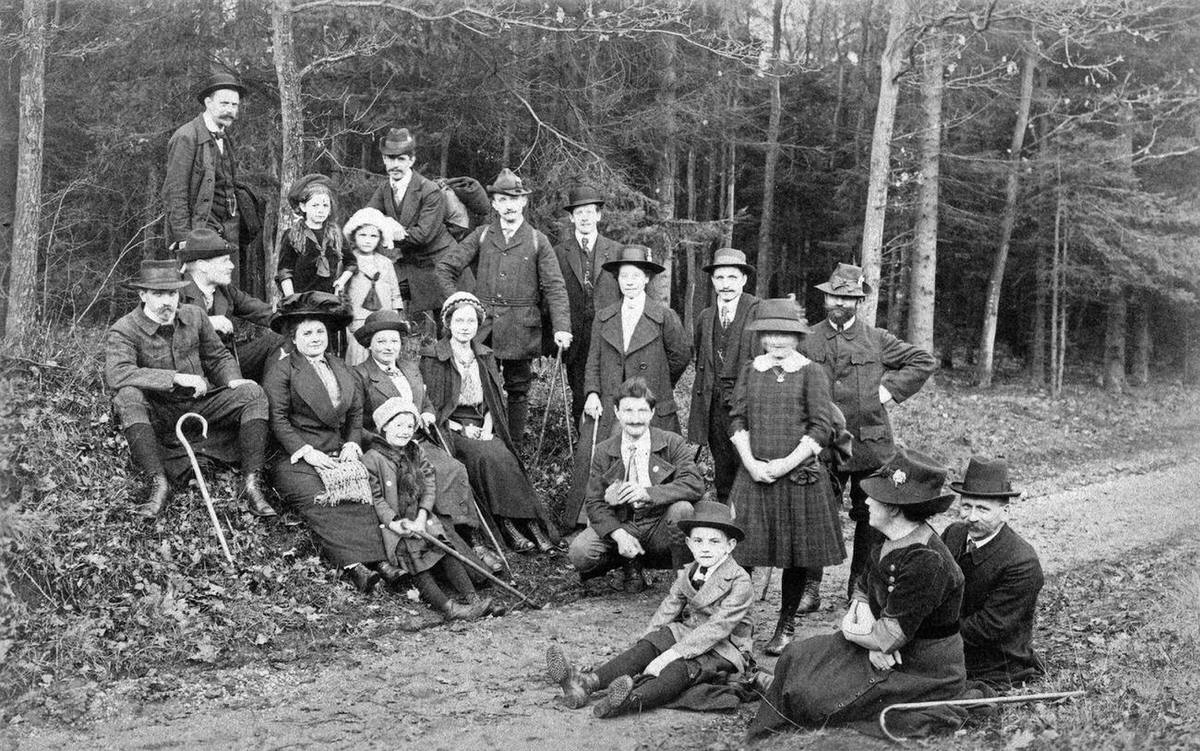
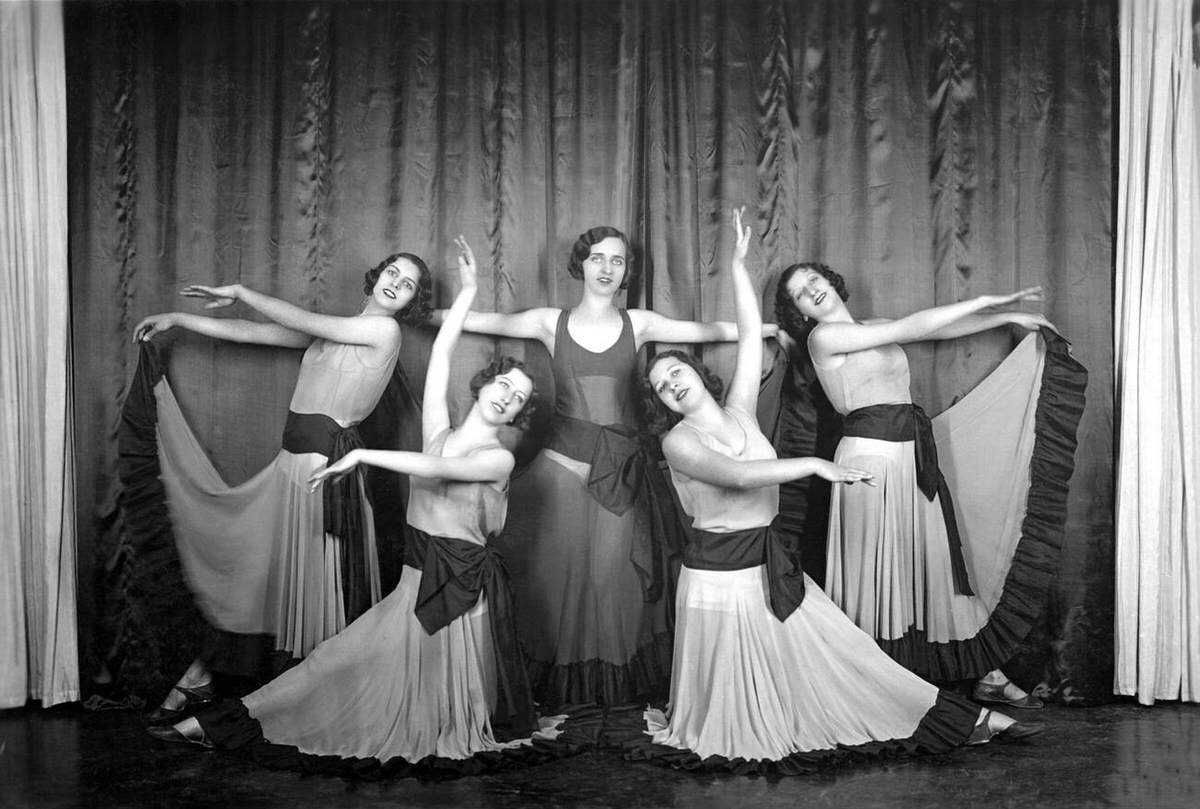
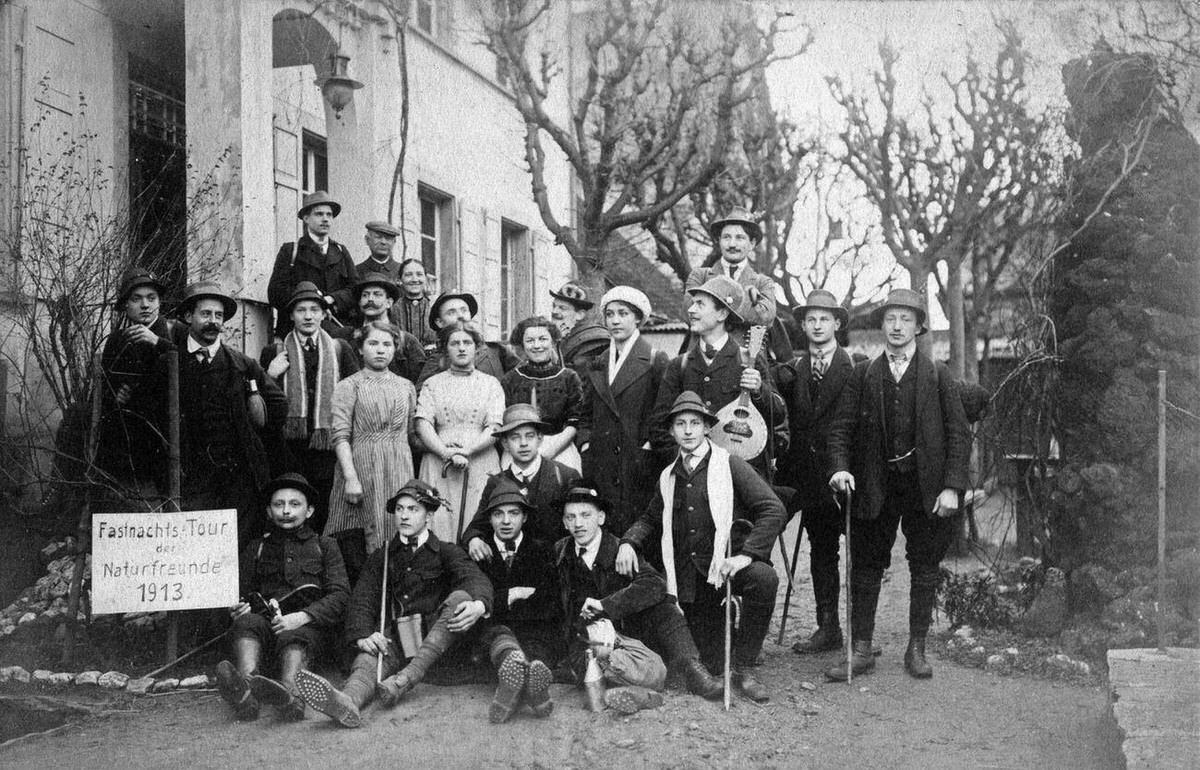
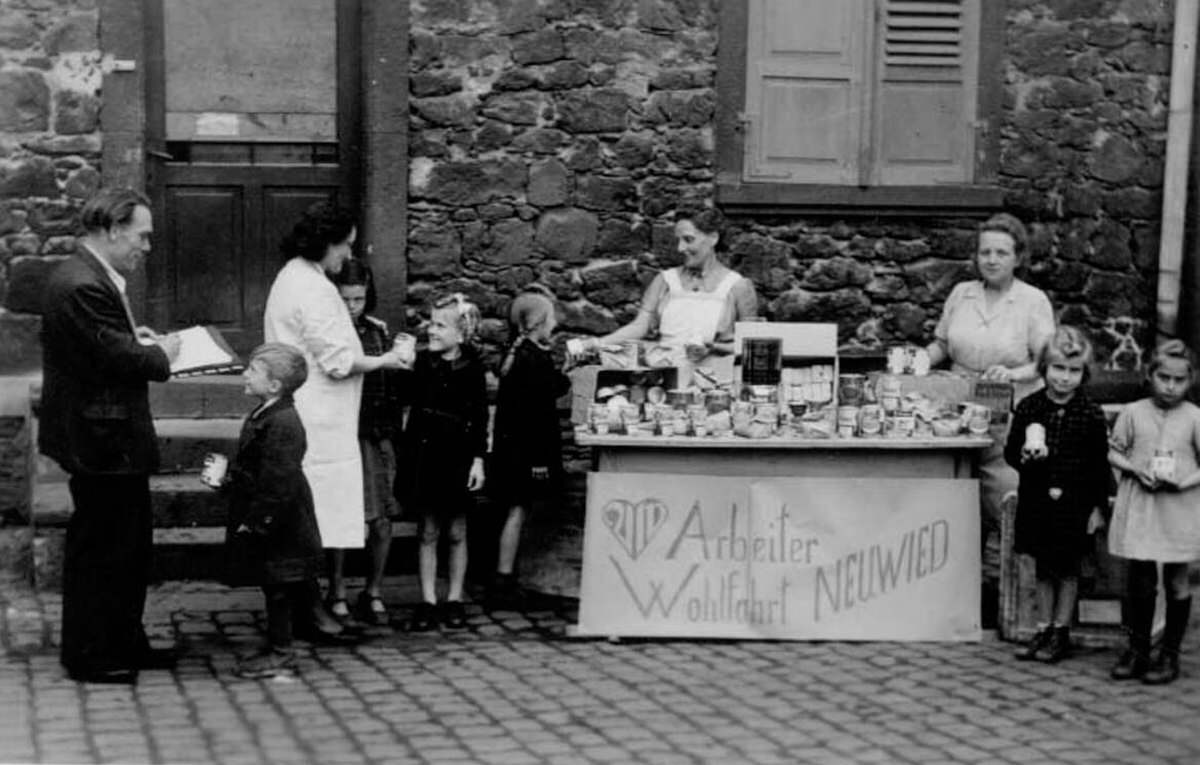
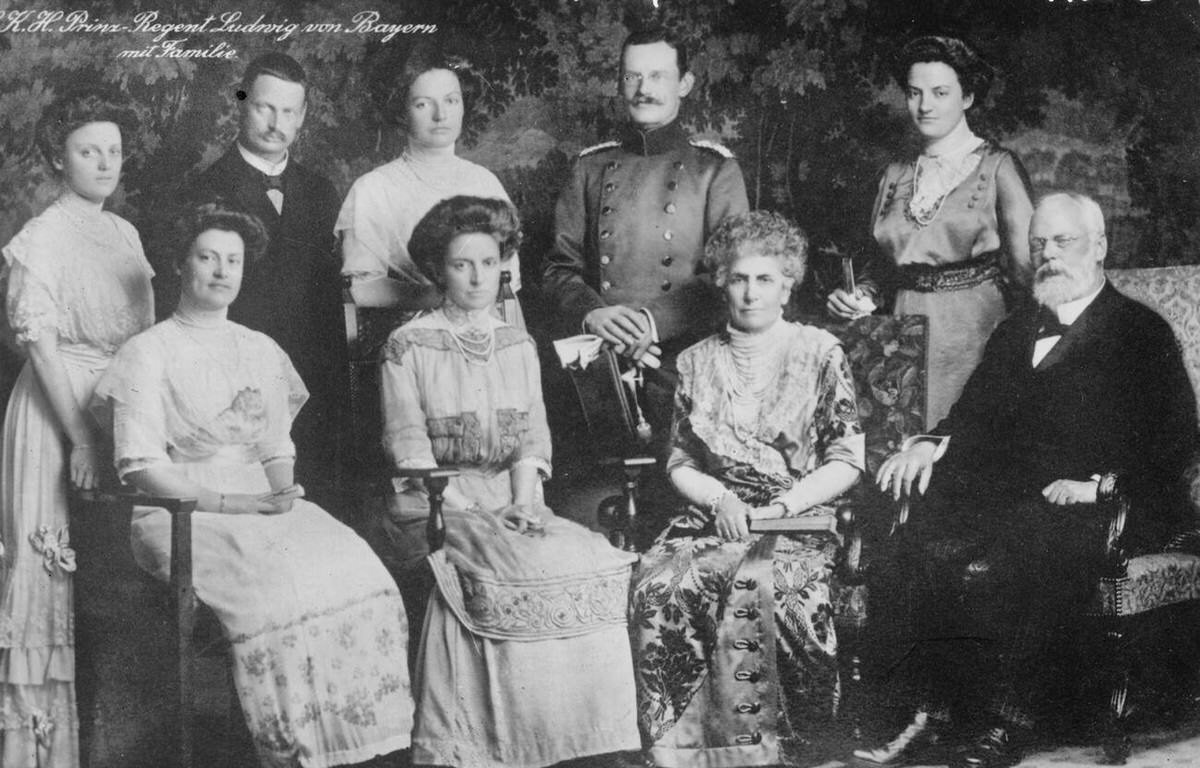
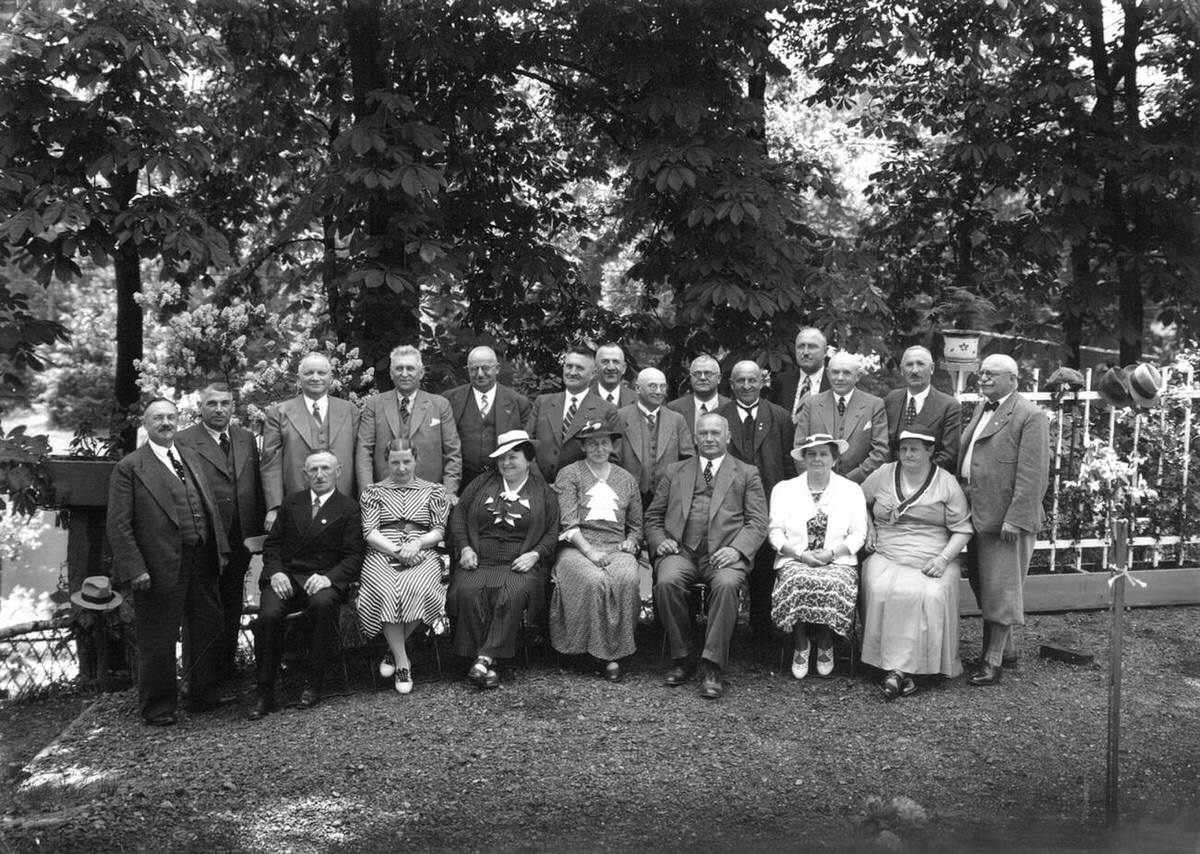
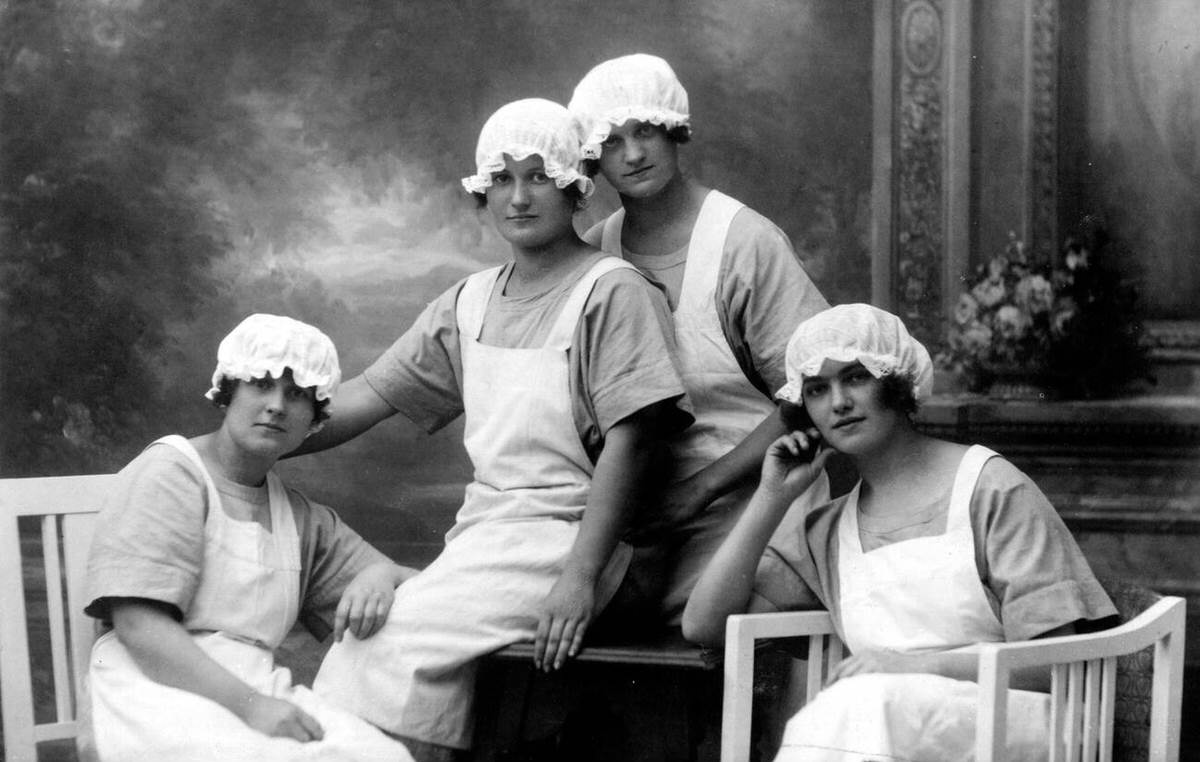
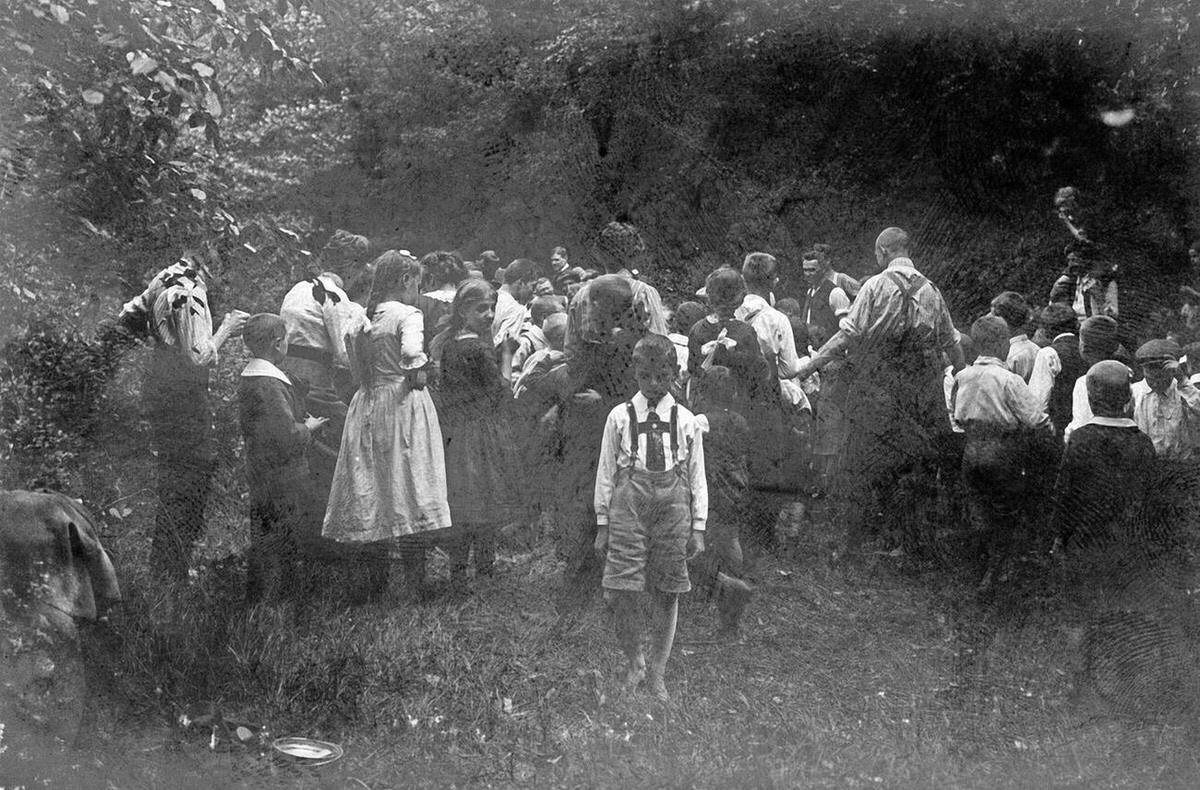
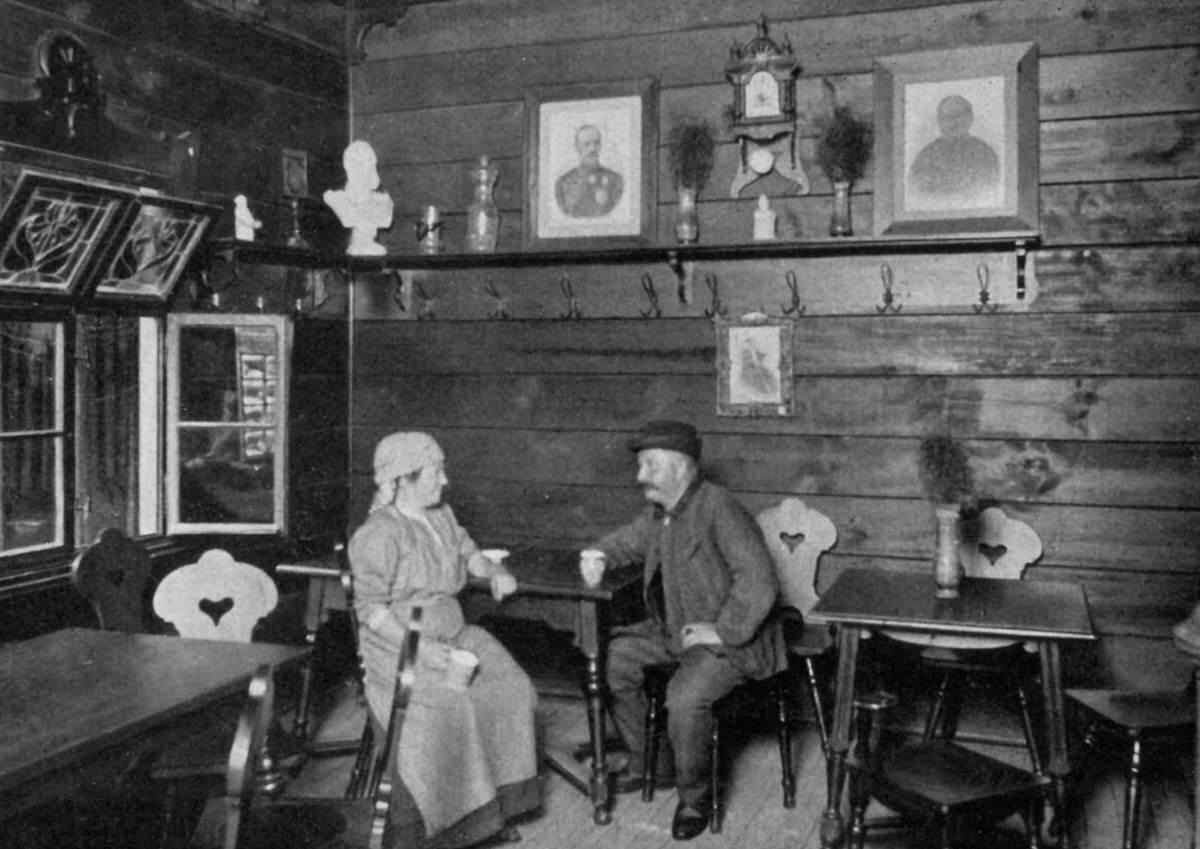
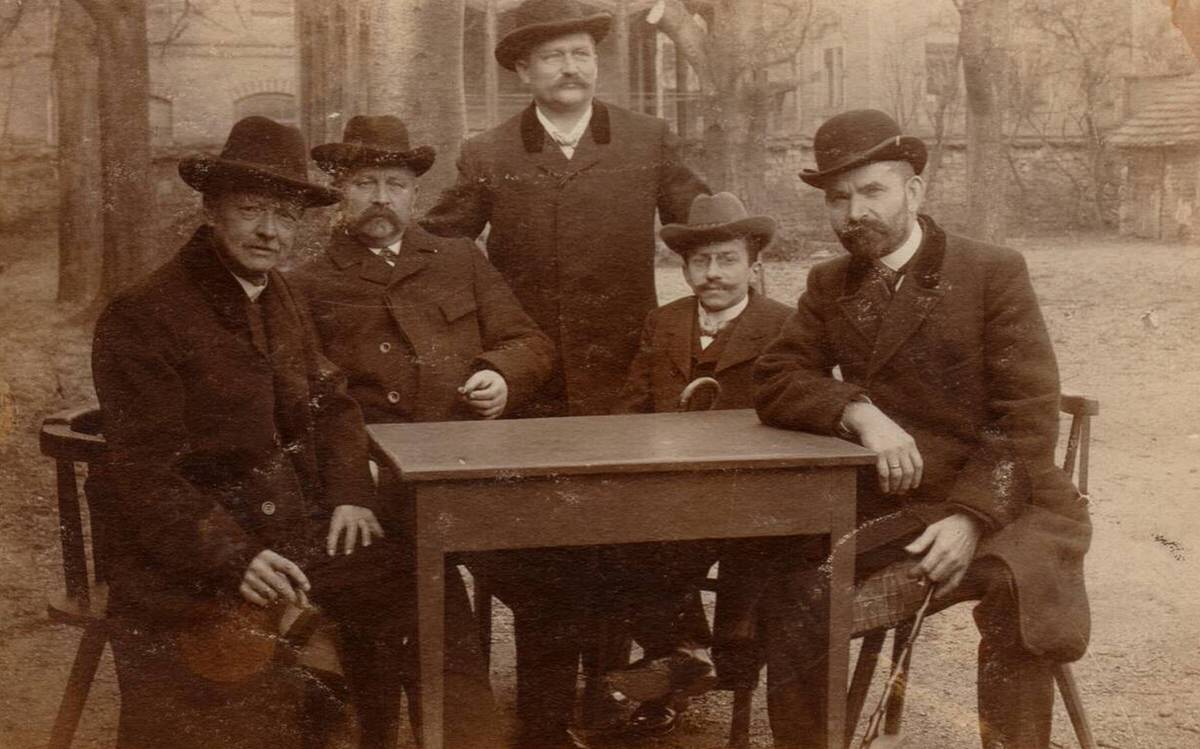
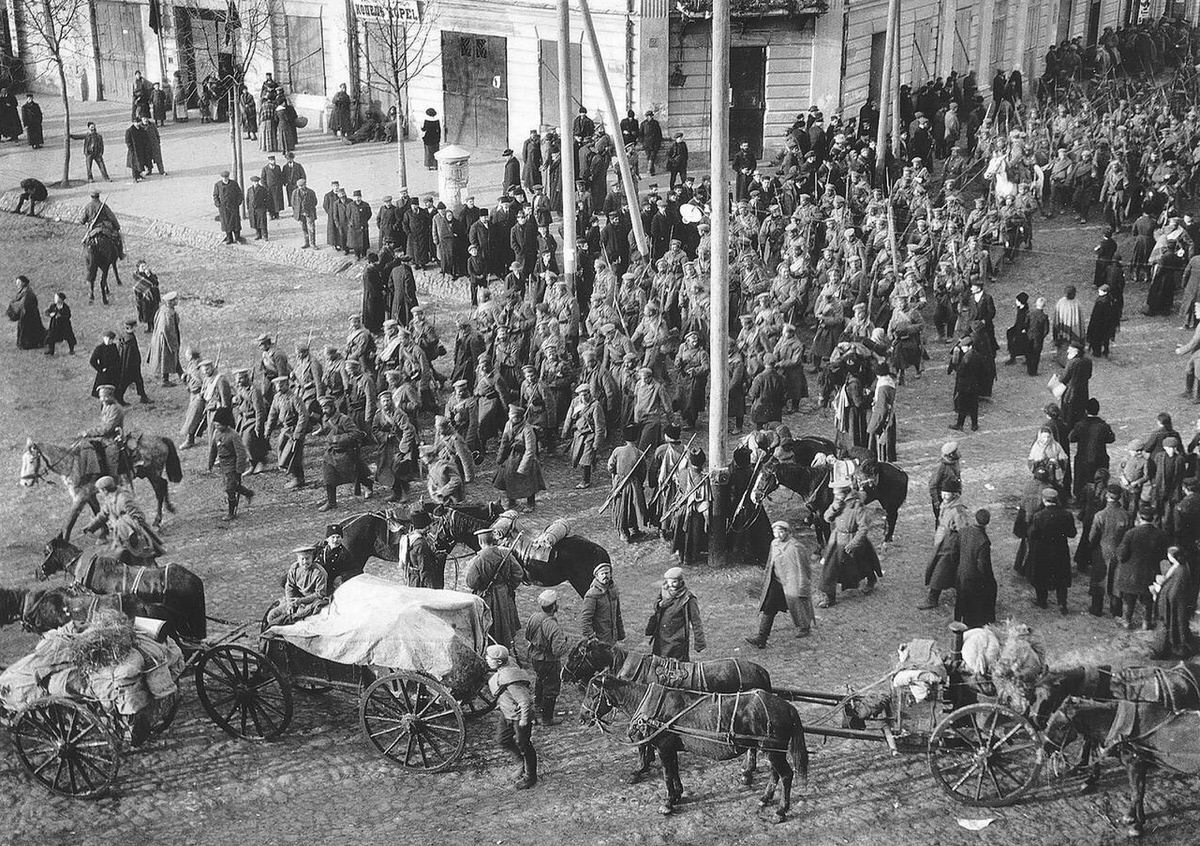
Family moving household belongings through the streets of Berlin, Germany, 1910Here, a group of lower-middle-class children, who were probably part of an organized day-care group, can be seen in front of a row of houses in the Borsigwalde district of Berlin, c. 1910. Borsigwalde was a new community. It was developed in the late 1890s on the fallow Dalldorf Heaths for employees of the Borsig machine and locomotive factory.The kitchen staff, c. 1910. Wealthy bourgeois families hired outside help both as a practical matter and as a mark of status. The vast majority of domestic servants were women. While the family matriarch oversaw the household, the kitchen staff took care of the cooking and other laborious chores. Here we see two domestic servants in a bourgeois kitchen. Cooks were not only responsible for the preparation of food, they also bought the ingredients, washed the dishes, and cleaned the dining room after meals. The woman on the right is probably consulting a cookbook in preparation for the family’s next meal.A female mason perched high above Berlin, c. 1910. With the rise of industrialization, the number of German women who worked outside the home also increased. This usually meant factory work. But in some families with their own businesses, daughters also learned a trade so that they could help out: here, we see a master-mason’s daughter during the renovation work on the old city hall tower in Berlin.This photograph by the Haeckel brothers shows athletes performing calisthenics at a gymnastics festival (June 6-9, 1911) in Gotha (Thuringia) in which teams from various universities took part. In Germany, clubs and societies came together around various interests, including gymnastics. Public sports and gymnastics festivals, such as the one shown here, created a sense of community and solidarity among participants. They brought Germans from various regions together, strengthening the country’s vibrant associational culture. Photo: Gebrüder Haeckel.Wilhelmine-era German households were largely patriarchal. Women played multiple roles, often contributing to the family income through work in the fields, even as they cared for the children. They were also responsible for meals, which consisted primarily of bread and potatoes, supplemented by fats, oils, and an occasional cut of meat. Here, we see a rural family enjoying a modest midday meal together, as was customary, ca. 1912.A well-ordered grocery store, 1913. By the early twentieth century, Germany was a highly industrialized country. A consumer society also developed. The shop in this photograph catered to the needs of German consumers. It offered whole milk, cocoa and chocolate, baked goods such as bread, packaged egg noodles, and bottled beverages.Consumer cooperatives bought goods in bulk and sold them to participating members. This approach allowed them to offer food and other everyday items at reduced prices. This photograph shows the counter in a consumer cooperative in Hanover, ca. 1913. In such cooperatives, employees filled orders for customers.The first International Women’s Congress, held in Paris in 1878, was a step towards creating a transnational women’s movement. Although activists sought to improve the condition of women internationally, they remained committed to pragmatic reform within their own respective political systems. This photograph was taken at a meeting of German activists during the International Women’s Congress in Berlin in 1914. It shows (clockwise, from left): Hedwig Heyl, Alice Salomon, Anna Pappritz, Dona Martin, ? Hanning, Annette Hamminck-Schepel, Helene Lange, and Gertrud Bäumer.Girls in a classroom, Germany, 1910sMen and boys with wooden wheelbarrows, Germany, 1910sElementary school class photo of young girls, Germany, 1910sTwo women and two girls at home dressed in white, Germany, 1910sGerman Navy visiting Sydney, 1910sEight sisters in a family group picture, Germany, 1910Group of Naturfreunde Coeln on a hike, Germany, 1913Passersby at the old city shore of the River Rhine in Cologne, Germany, 1913Group of Naturfreunde Coeln on a hike, Germany, 1913Five female dancers, Germany, 1910Group of Naturfreunde Coeln on a carnival hike, Germany, 1913Members of the Industrial Workers of the World conducting a food drive in Neuwied, Germany, 1910sKing Ludwig of Bavaria and family, 1910Meeting at a buffet in Roßwein, Germany.Four housemaids engaged in housekeeping, Germany, 1915Children’s party of the Naturfreunde Coeln hiking club, Germany, 1913Log cabin of the Erzgebirgsverein on the summit of Kuhberg, Stützengrün, 1910Men wearing bowlers sitting at a table in Germany, 1907Russian column arriving in Kielce, Poland, 1914
Kevin Clark is a historian and writer who is passionate about sharing the stories and significance behind historical photos. He loves to explore hidden histories and cultural contexts behind the images, providing a unique insight into the past.

![Coffee canteen at AEG, 1909. This canteen in the large-machine factory [Großmaschinenfabrik] of the AEG [Allgemeine Elektizitäts-Gesellschaft or General Electric Company] provided coffee for the entire workforce. The woman on the left measures out beans from a sack; the woman on the right checks one of many large vats of coffee.](https://www.bygonely.com/wp-content/uploads/2026/05/Germany_1910s_life_1.jpg)
![Augustiner brewery, Munich, c. 1910. Breweries were common locales for socializing, especially in Bavaria. Accommodating hundreds of guests, they were prototypical experiments in mass gastronomy, and their appeal transcended class barriers. Here we see customers lining up to order beer by the Maß – i.e., in large 1-liter mugs. Note that the Kellnerin [waitress] to the far left is carrying eight of these mugs to a table; each mug weighed over a kilogram (2.2 pounds), but this was a common feat in these locales. The Augustiner brewery's summer beer is advertised on the sign above the filling window. Another sign to the right of it reminds customers to make sure their mugs are completely full when picked up: "Mugs not completely full should be topped off immediately."](https://www.bygonely.com/wp-content/uploads/2026/05/Germany_1910s_life_2.jpg)
![Women in journalistic professions were a rarity in Wilhelmine Germany. Nonetheless, some women did succeed in establishing themselves as journalists – initially, they did so by working for the women's newspapers and magazines that had been around since the middle of the nineteenth century; later on, they also worked for large newspapers. In this photograph (c. 1910), a female photographer surveys metropolitan Berlin from a crane being used in the construction of the Stadthaus [City Hall] on Molkenmarkt. The City Hall was built as an extension of the Rotes Rathaus [Red City Hall], whose large tower can be seen at the right. The Berliner Dom [Berlin Cathedral] can be seen in the background off to the left.](https://www.bygonely.com/wp-content/uploads/2026/05/Germany_1910s_life_9.jpg)