
When war broke out in August 1914, Germany entered the conflict as the leading power of the Central Powers, alongside Austria-Hungary and the Ottoman Empire. The German military was one of the best-equipped and best-organized forces in the world. Its officer corps had spent decades planning for exactly this kind of large-scale European war. The strategy they put into motion was called the Schlieffen Plan — a bold two-front war approach that called for a rapid defeat of France in the west before shifting the full weight of the army east against Russia.
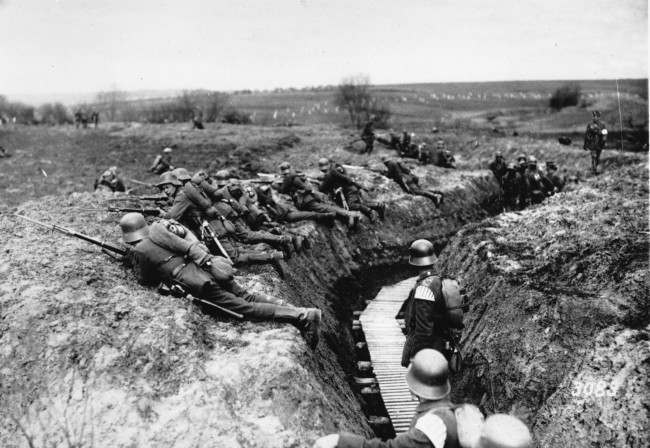
The plan required marching through neutral Belgium to flank French defenses. That decision brought Britain into the war and stiffened resistance far beyond what German planners expected. Within weeks, the quick victory they had counted on was gone. Both sides dug into the ground, and the Western Front became a near-stationary line of trenches stretching from the North Sea to Switzerland.
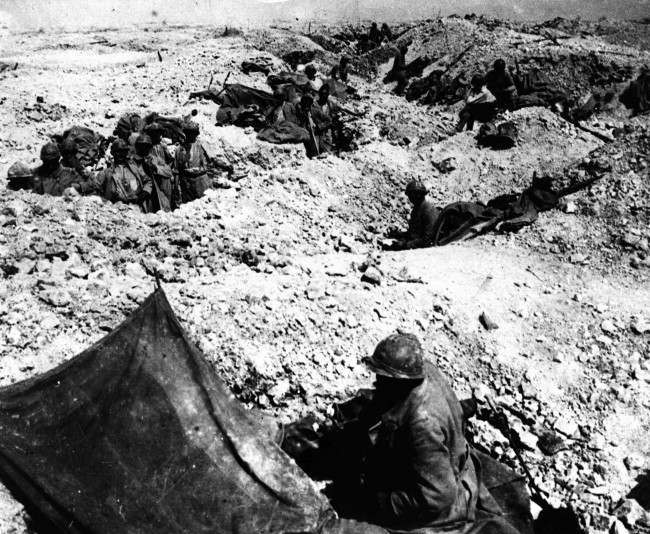
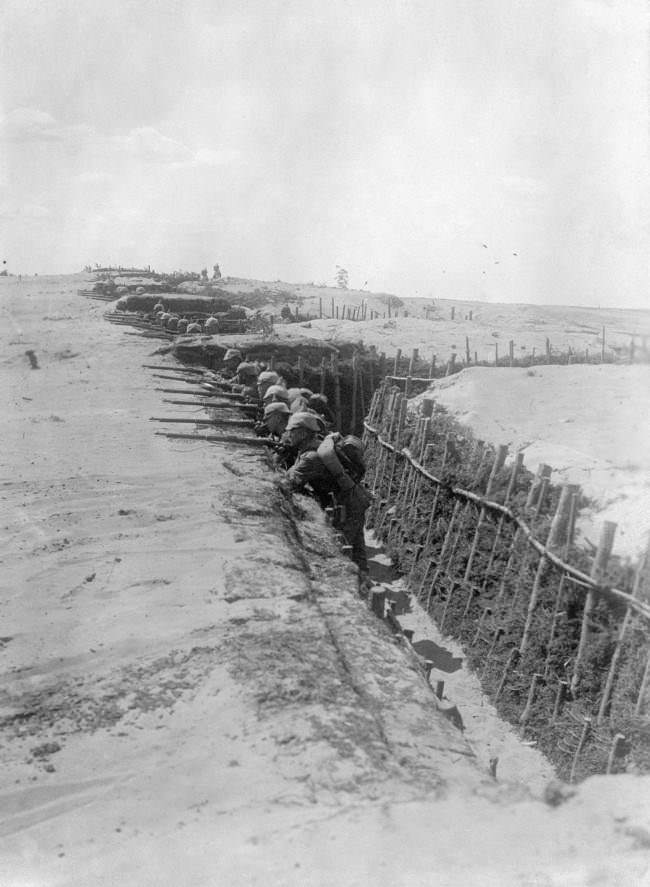
Life inside those trenches was brutal. Soldiers endured waterlogged mud, rats, rotting food, and the constant threat of enemy artillery. Disease spread quickly in the cramped, unsanitary conditions. Many men developed what was then called shell shock — a psychological condition caused by prolonged exposure to the noise, violence, and stress of industrial warfare. Soldiers rotated between front-line duty, reserve positions, and brief periods of rest, but there was no true escape from the war’s relentless pressure.
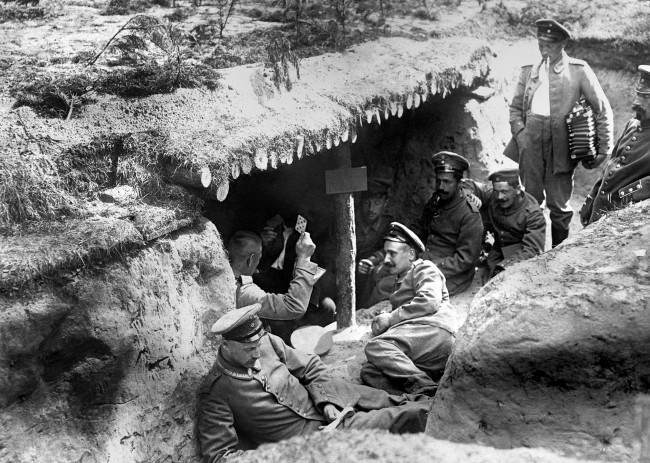
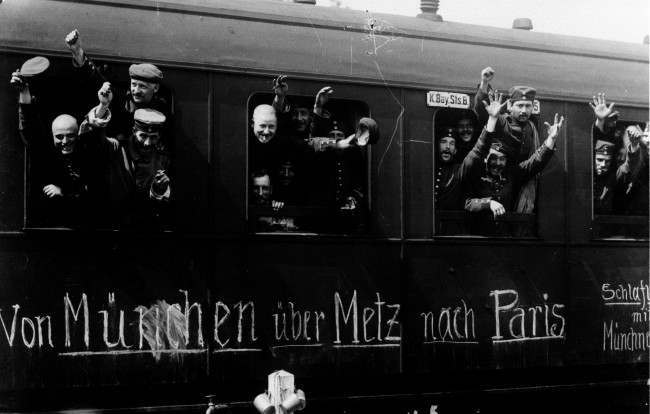
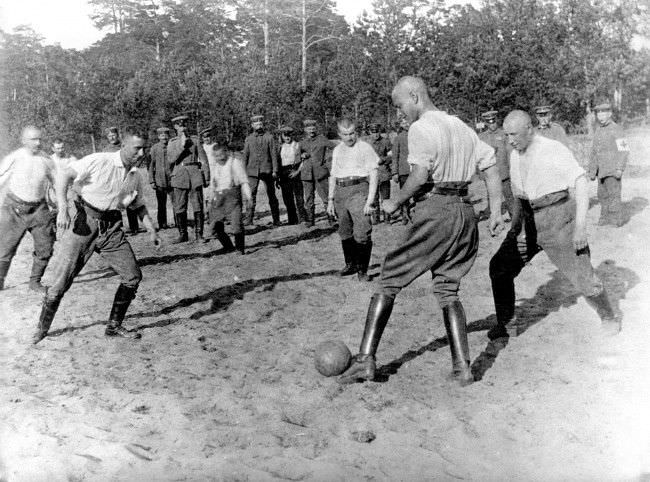
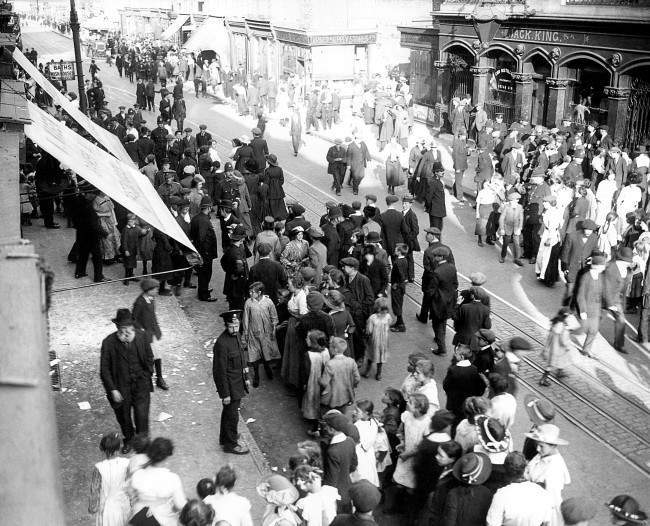
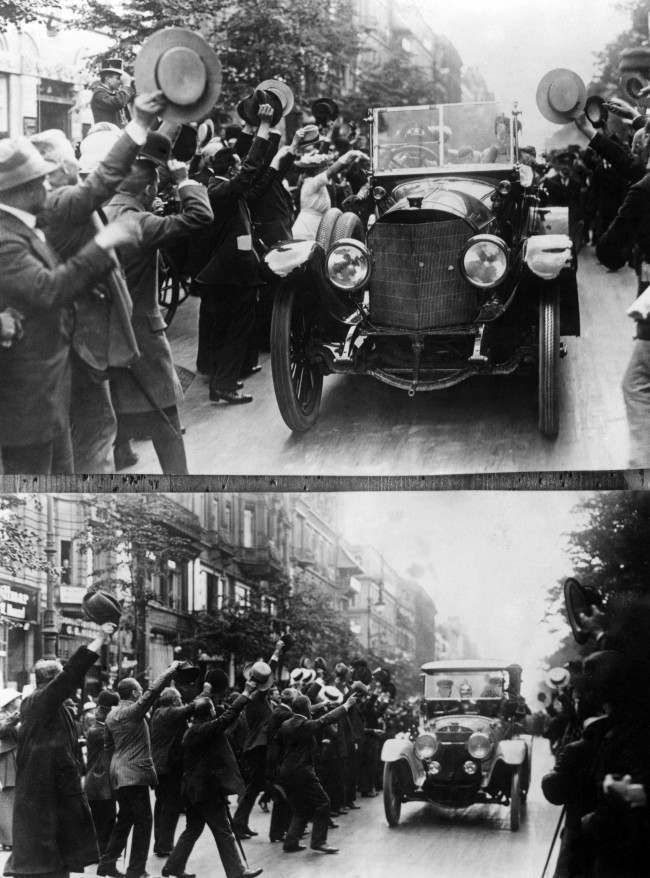
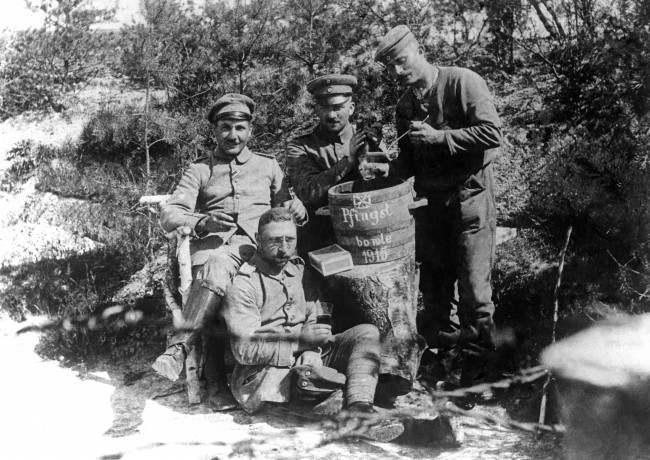
Behind the front lines, soldiers found moments of normalcy where they could. Card games, music, letter-writing, and football matches filled the hours between combat. These small routines helped men cope with the psychological weight of war. Bavarian regiments departing Munich for the Western Front in 1915 still drew crowds of well-wishers, though the mood had sobered considerably from the cheering throngs of 1914.
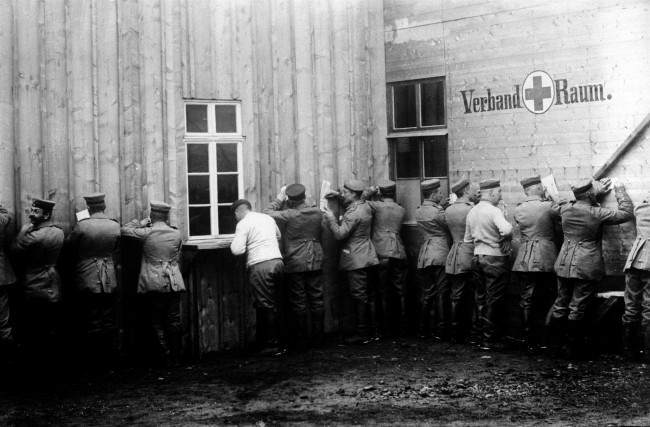
Soldiers wrote home as often as they could. Letters were a lifeline between the front and their families, carrying news, reassurances, and sometimes unspoken fear between the lines. The German military understood the importance of keeping men connected to home, and postal services to and from the front were taken seriously.
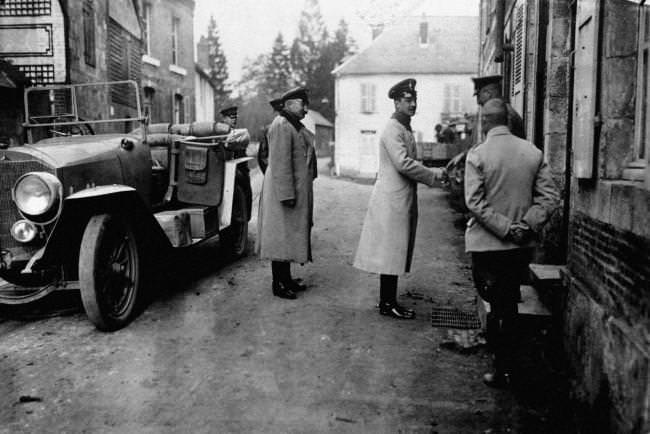
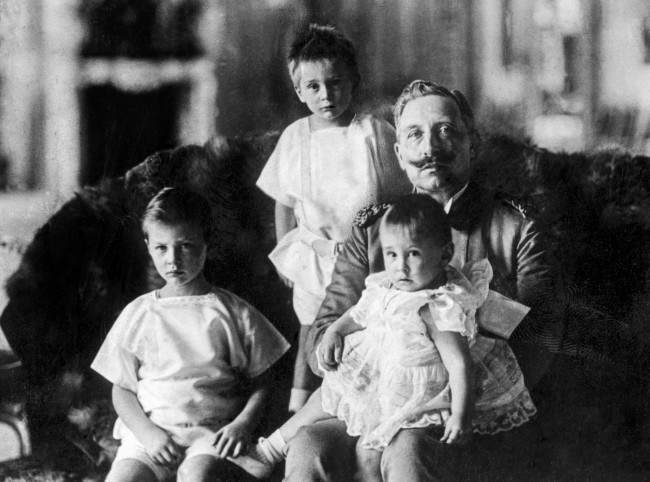
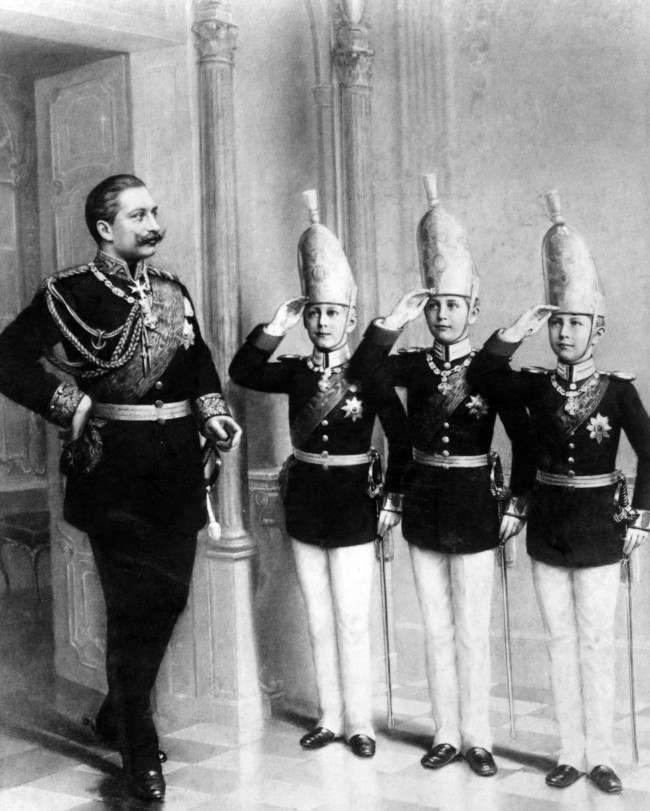
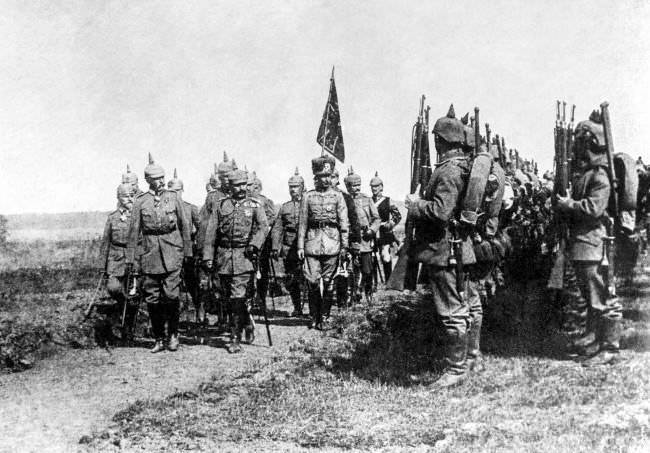
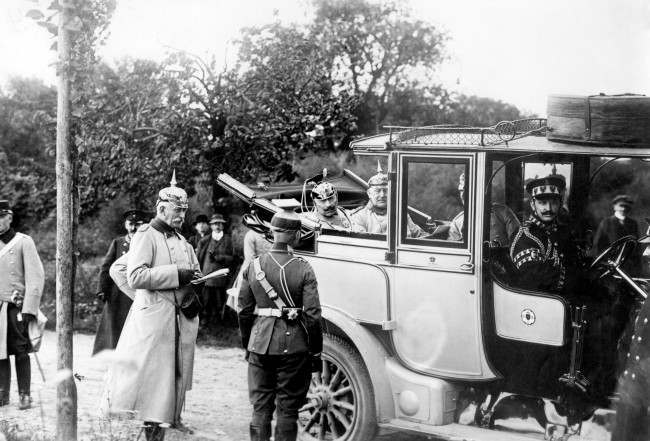
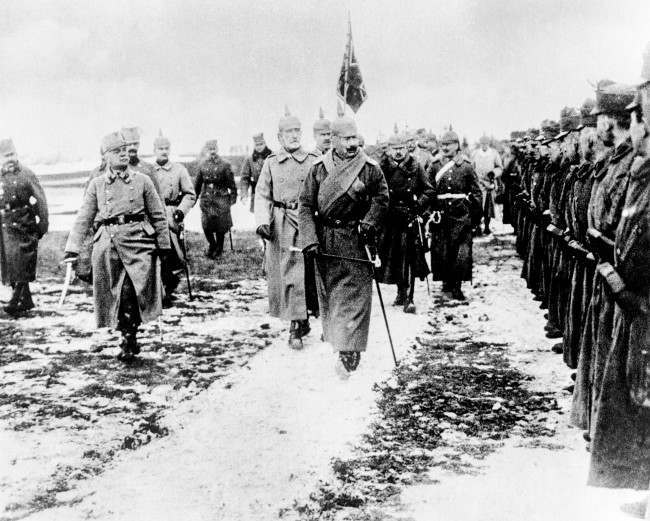
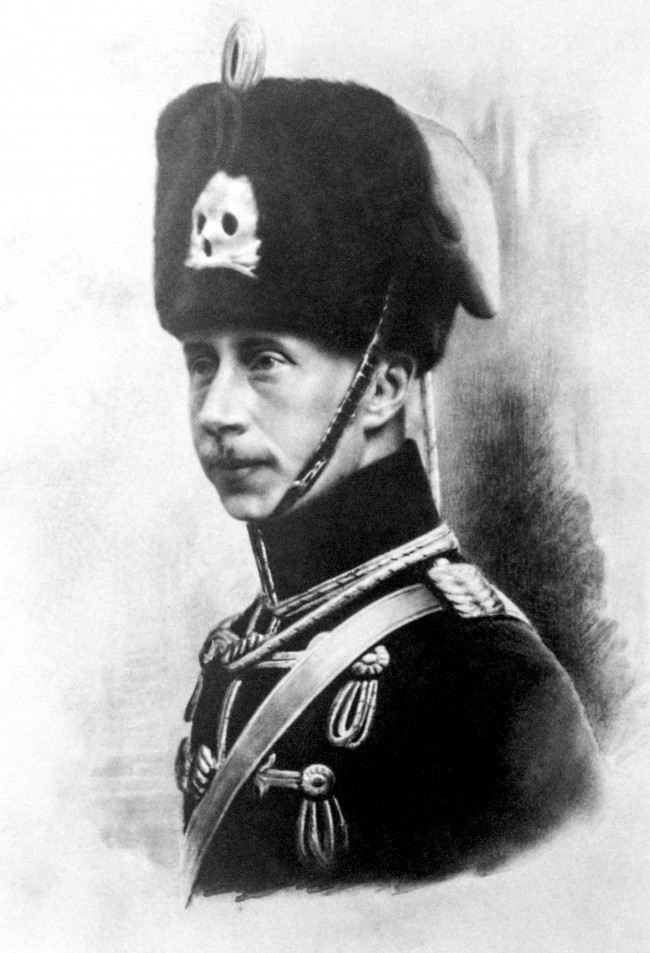
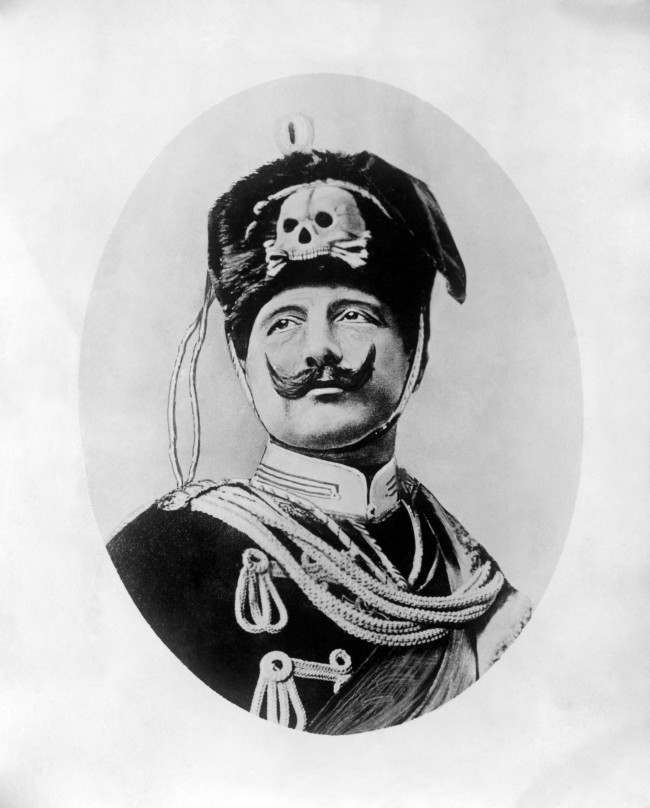
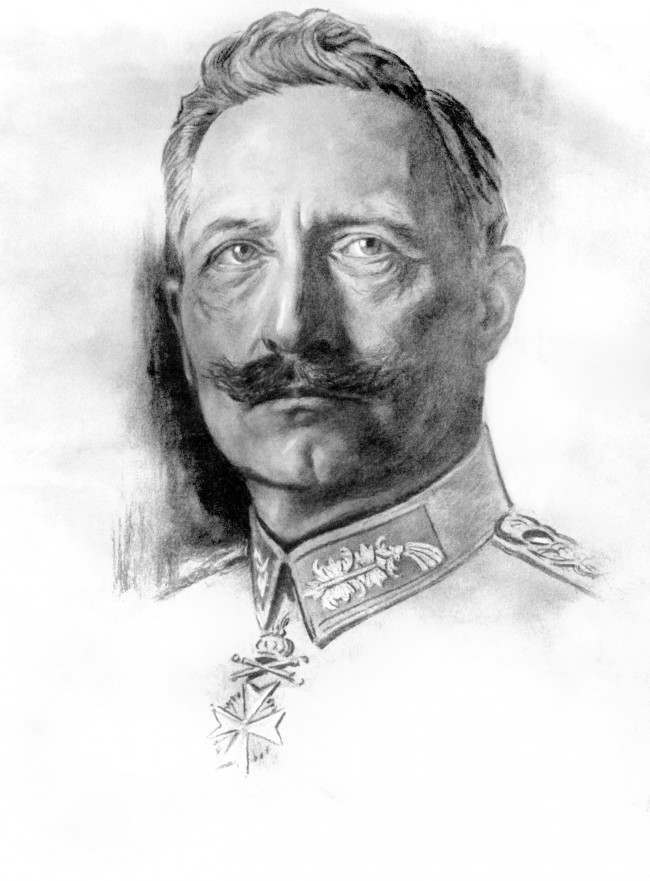
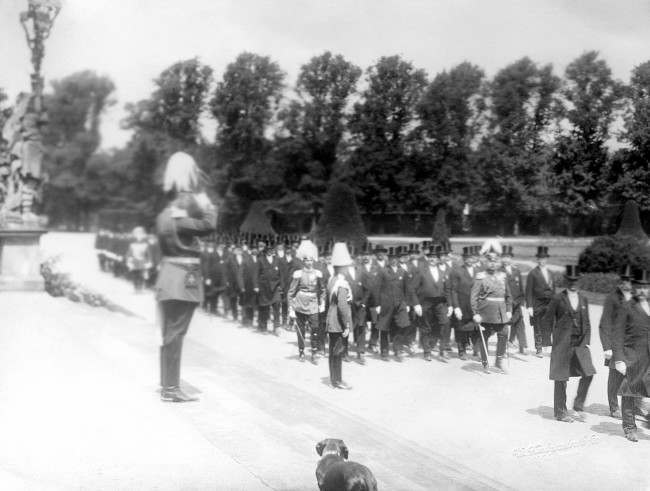
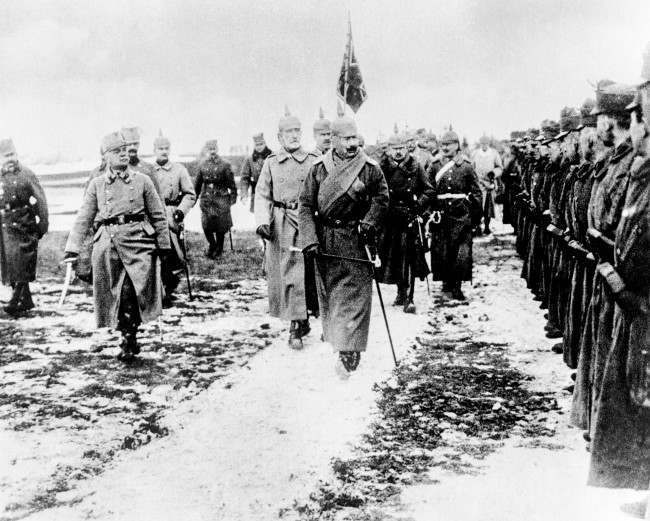
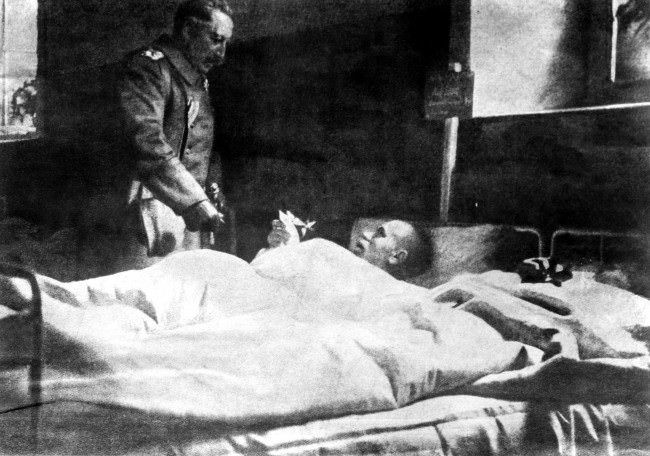
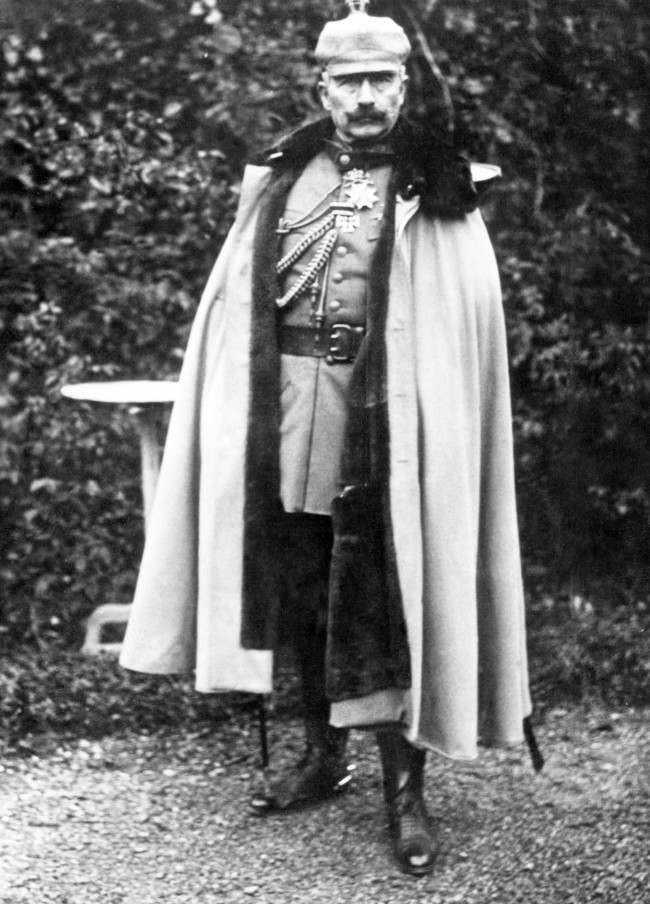
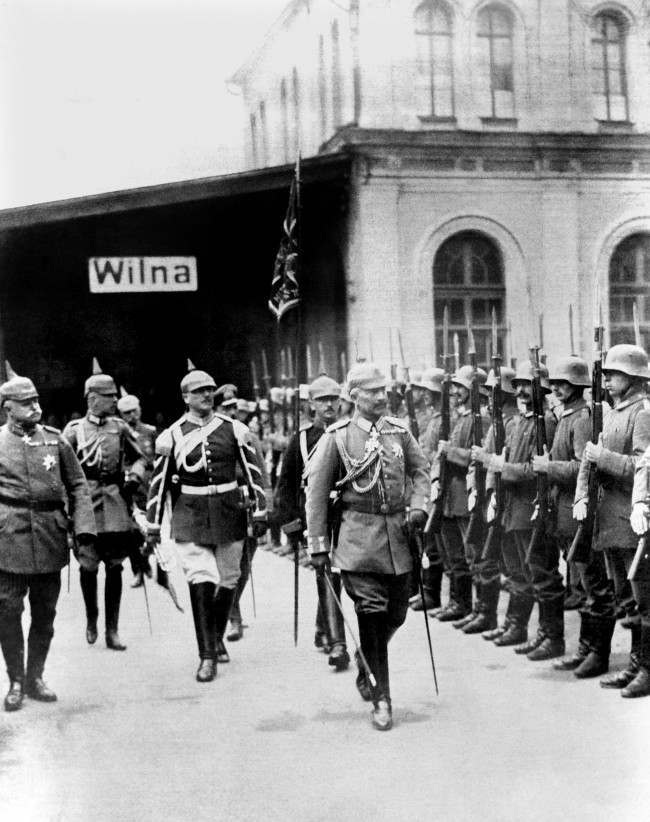
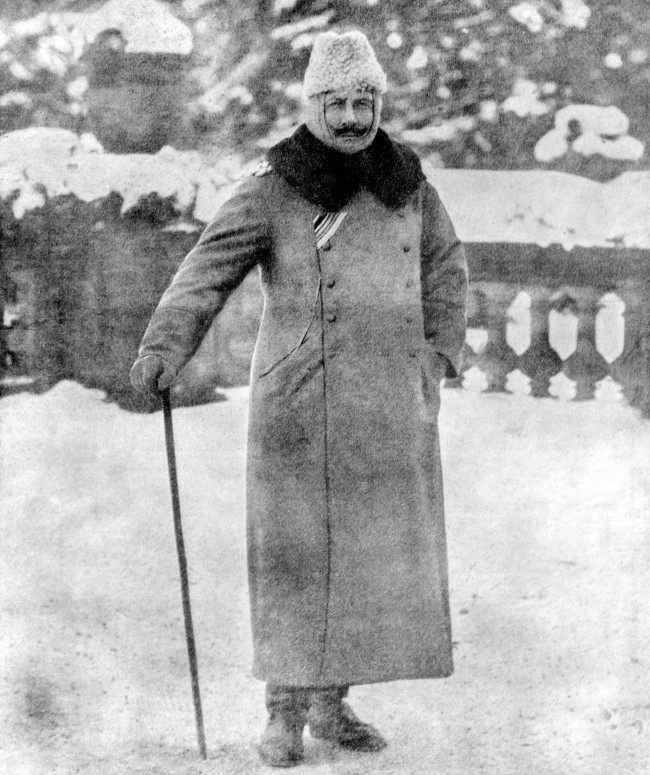
Kaiser Wilhelm II was the supreme commander of Germany’s armed forces and a constant presence in the war’s imagery. He reviewed troops, awarded medals, and visited frontline commanders throughout the conflict. His six sons all served in various military capacities, and the Kaiser made frequent appearances alongside allied monarchs and his own general staff to project confidence and authority.
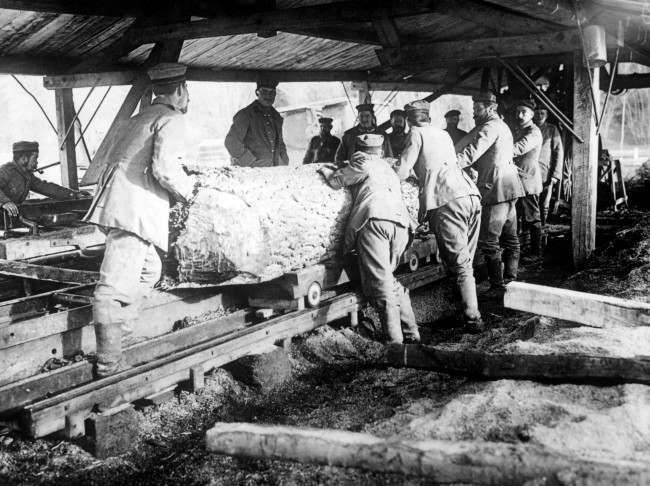
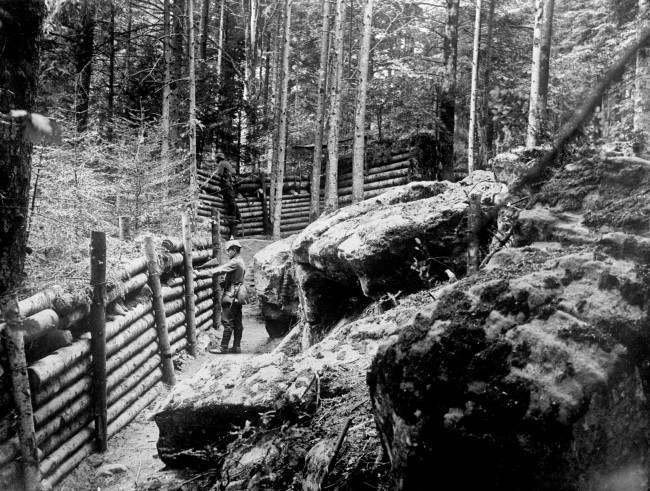
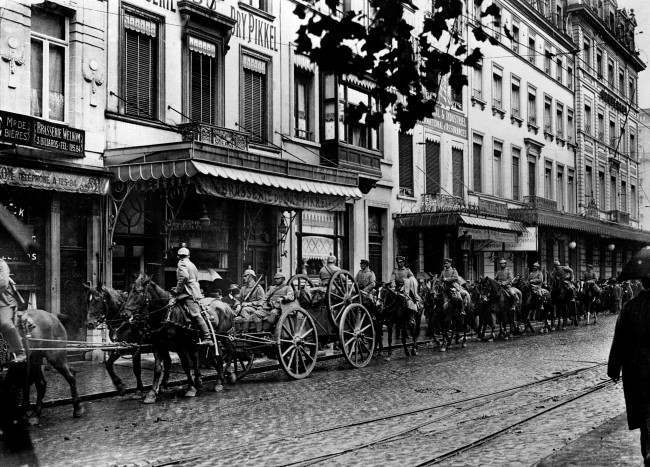
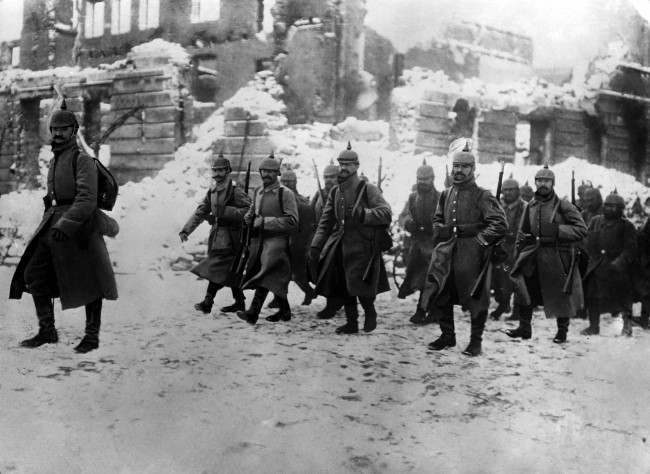
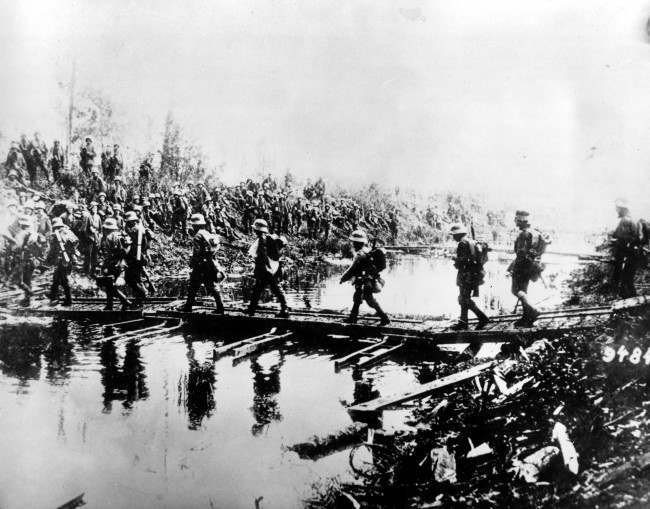
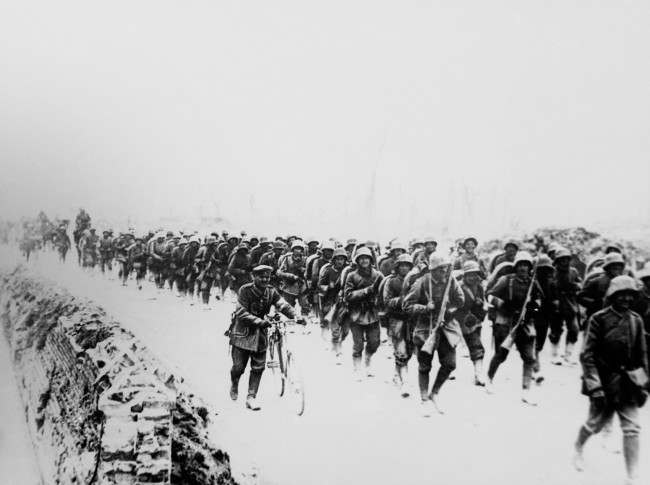
On the ground, German troops advanced through France and Belgium in the opening months of the war, occupying towns and cities including Brussels and Ham. Soldiers were expected to maintain order in occupied territories while also sustaining their own supply lines. Troops sawed timber in the Argonne forest for use in constructing dugouts and trenches, turning the landscape into a managed military resource.
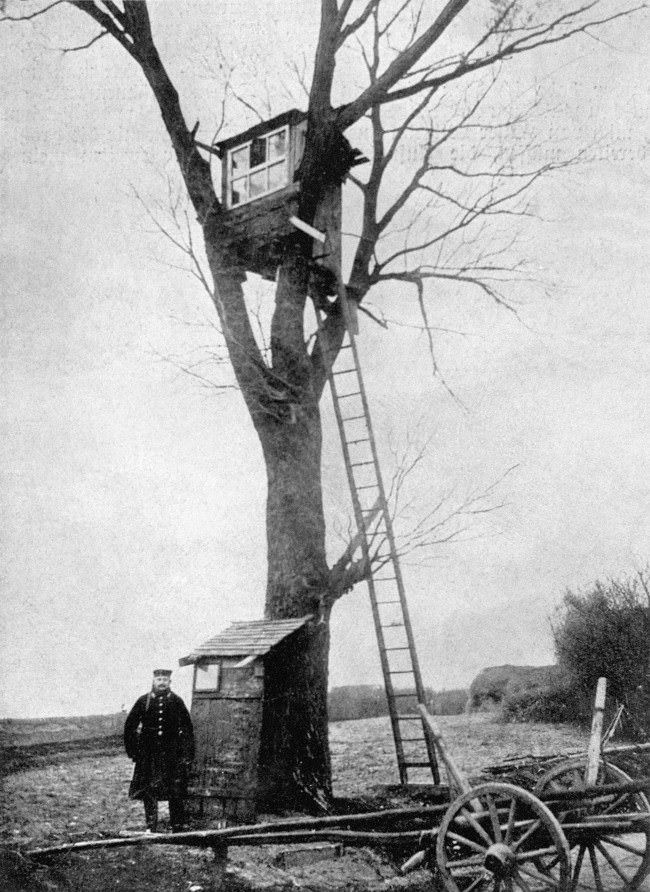
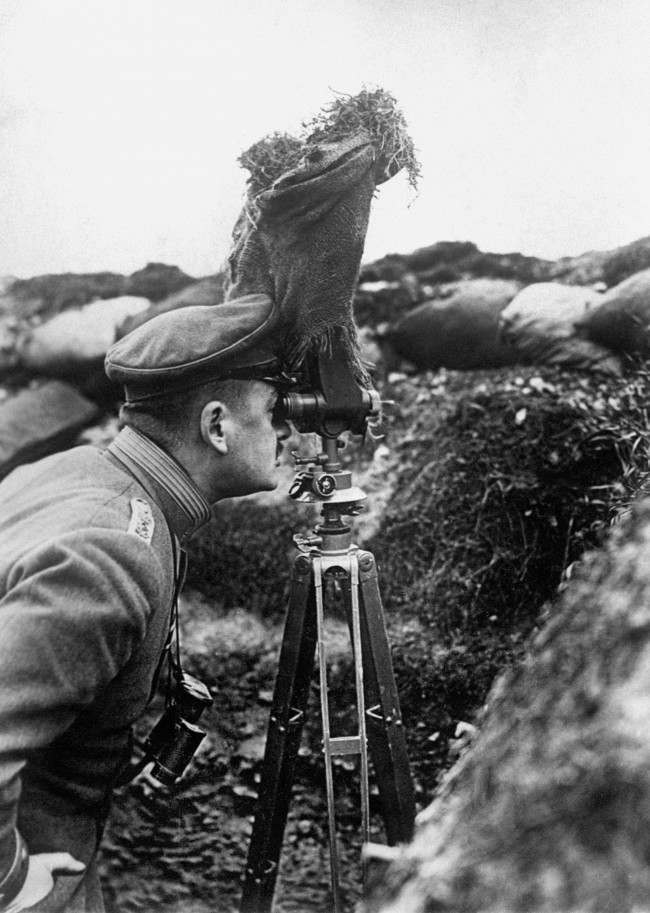
Surveillance and intelligence-gathering were constant tasks. German soldiers built observation posts high in trees to watch enemy movements across open ground. Officers used periscope binoculars from inside trenches to observe the battlefield without exposing themselves to sniper fire. These tools helped commanders plan attacks and monitor Allied positions along the front.
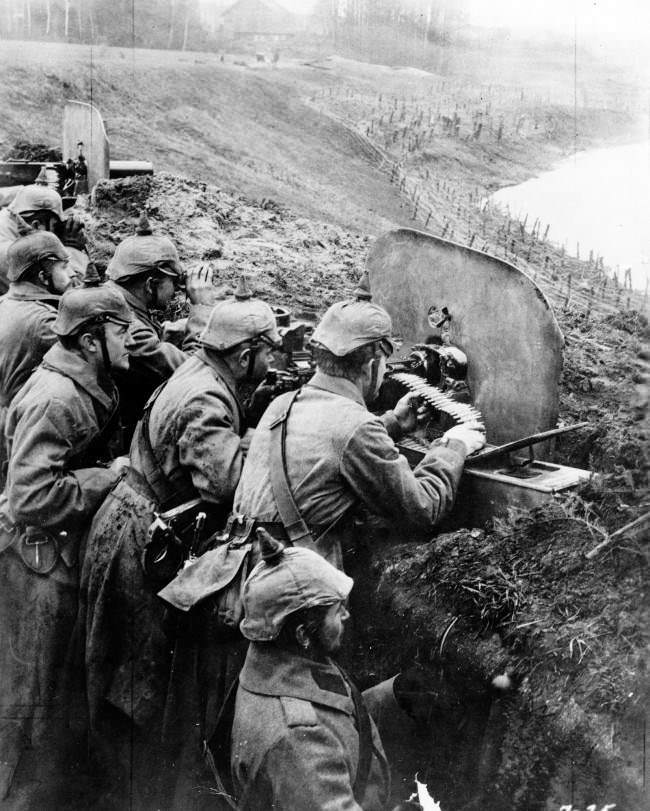
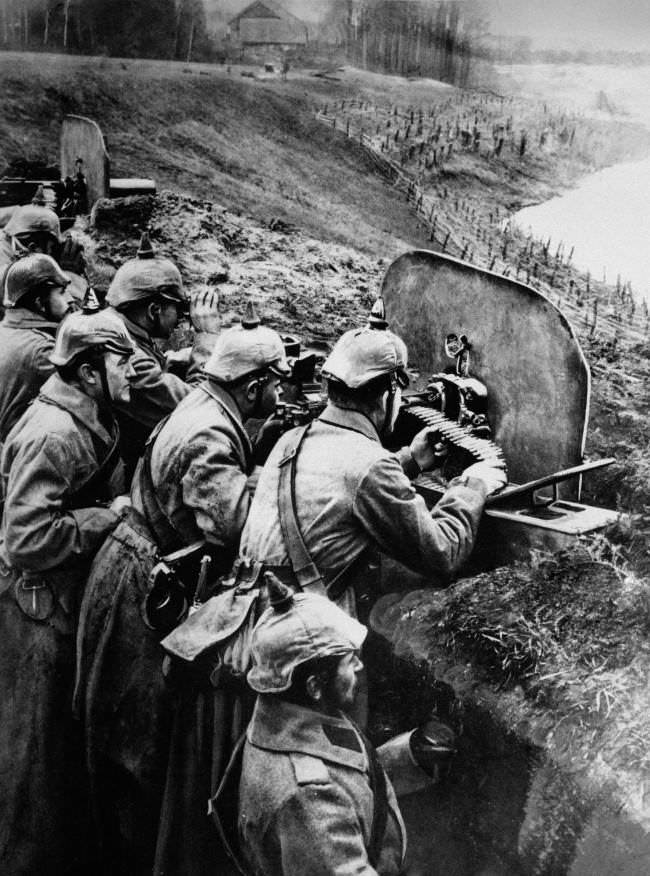
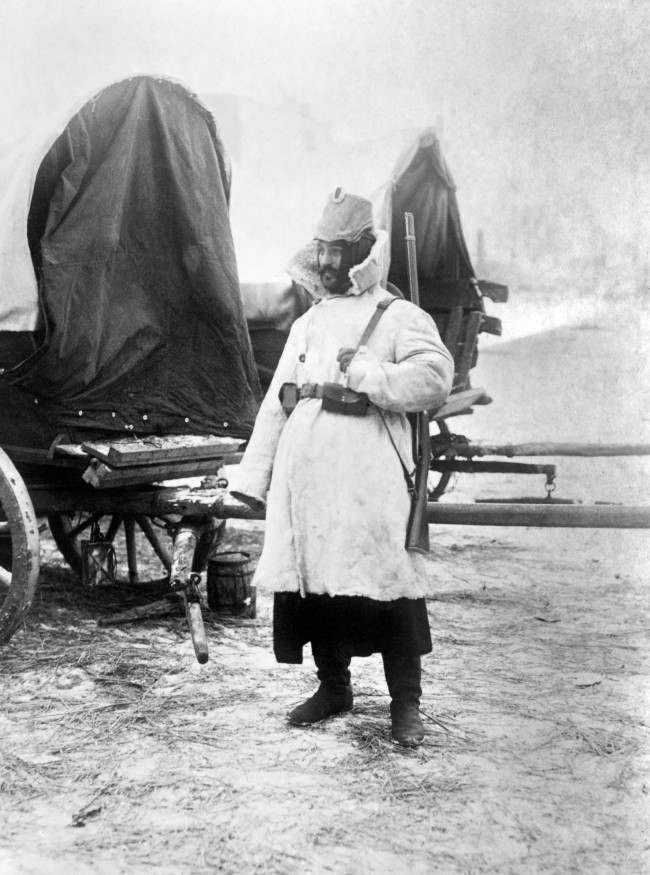
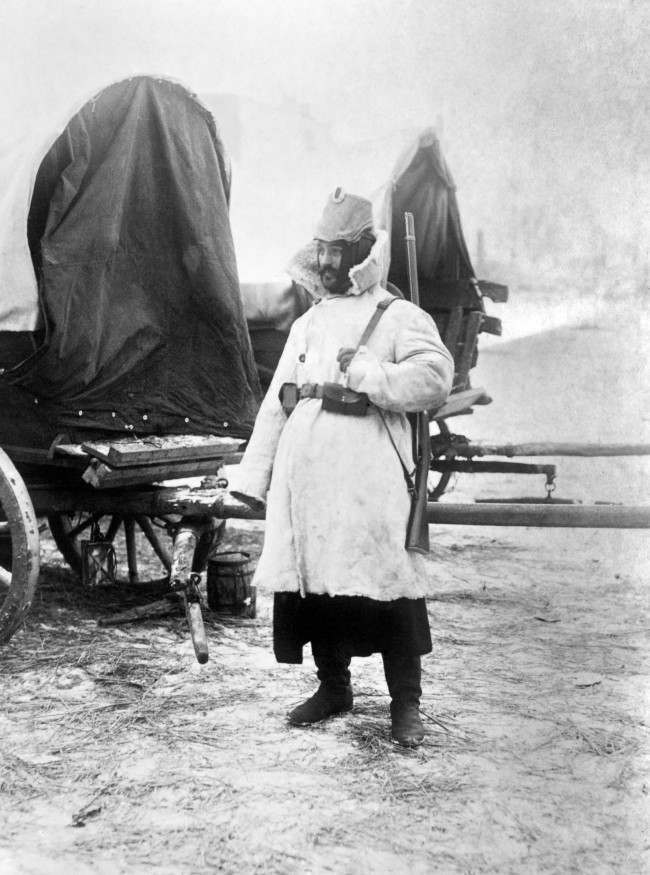
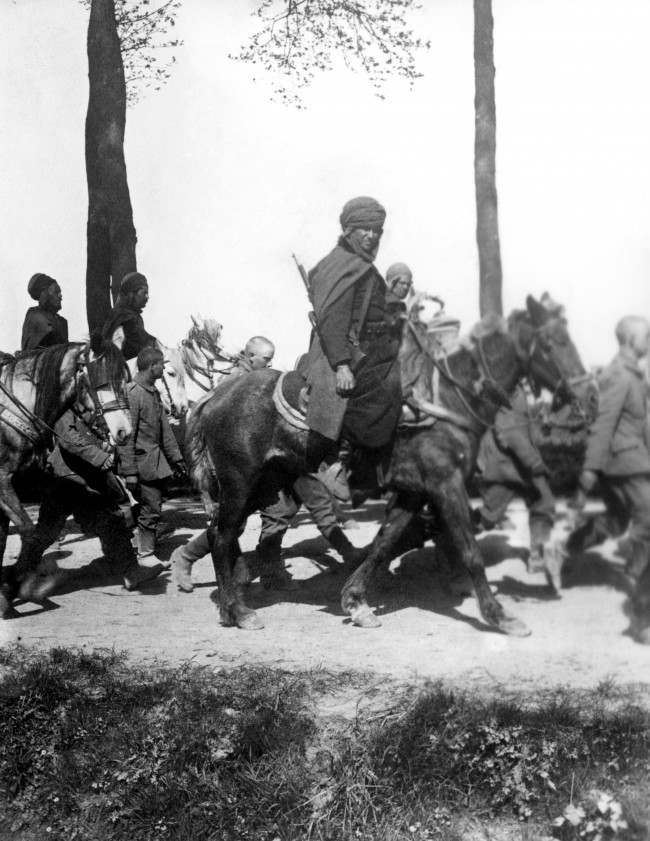
The Eastern Front presented an entirely different kind of war. Against Russia, German forces had more room to maneuver across vast stretches of open terrain. Early in the war, Germany achieved significant victories, pushing deep into Russian Poland and inflicting massive casualties. By 1916, German machine gunners at the Vistula River were devastating Russian infantry charges — charges made worse by the fact that by the end of the first winter, roughly one in four Russian soldiers went into the field without a rifle.
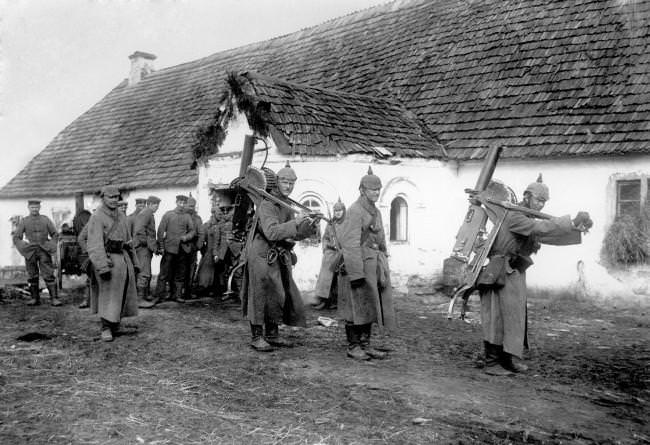
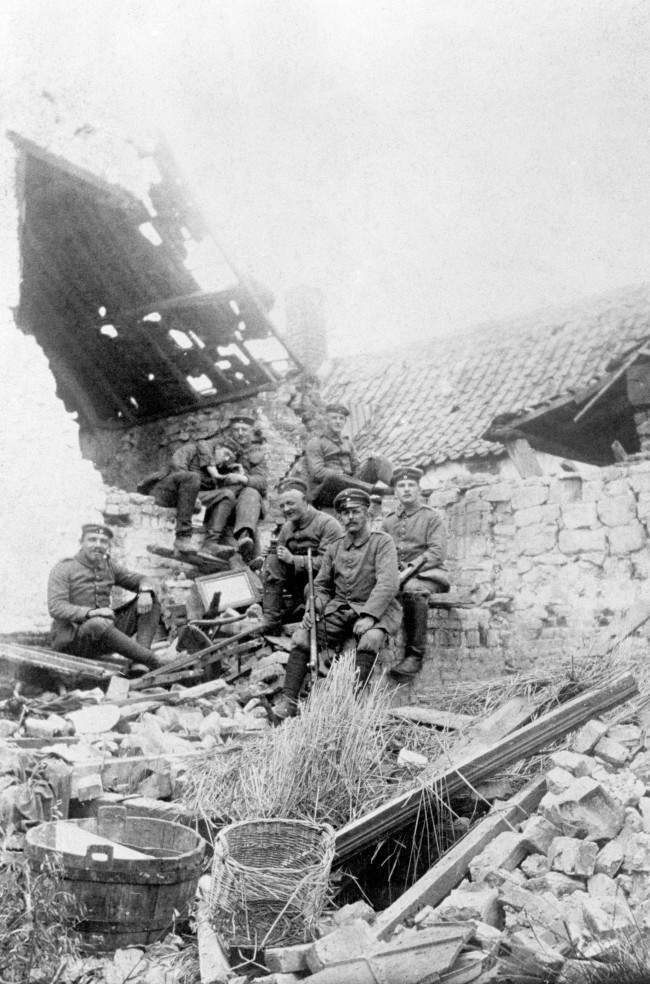
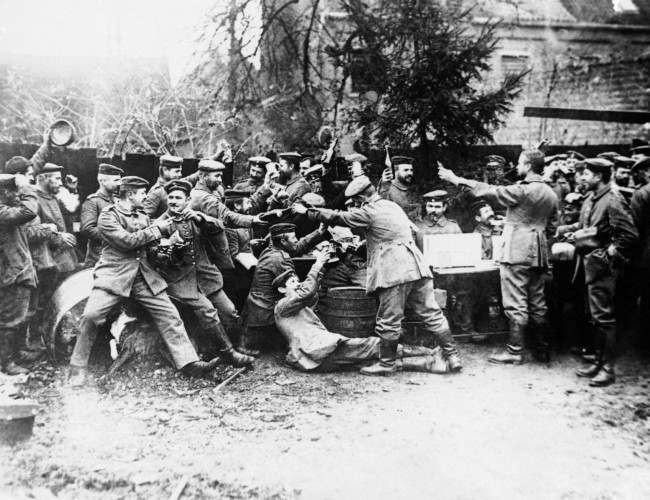
Even during wartime, soldiers found ways to maintain a sense of ordinary life. Some units relaxed in ruined farmhouses, played football behind the lines, and celebrated Christmas in 1914 with makeshift decorations. The famous Christmas Truce of 1914, during which German and Allied soldiers briefly laid down their arms, took place against a backdrop of devastating early-war losses on both sides.
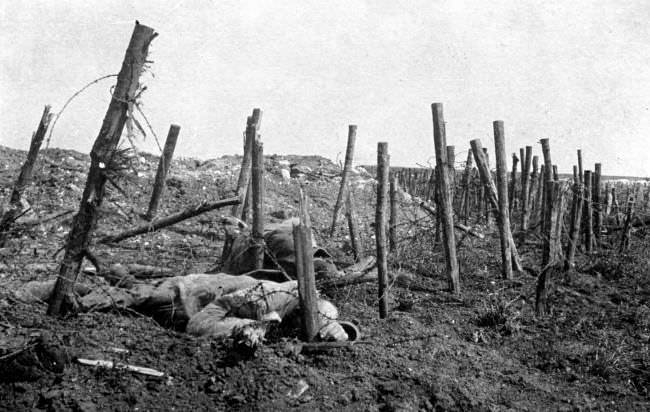
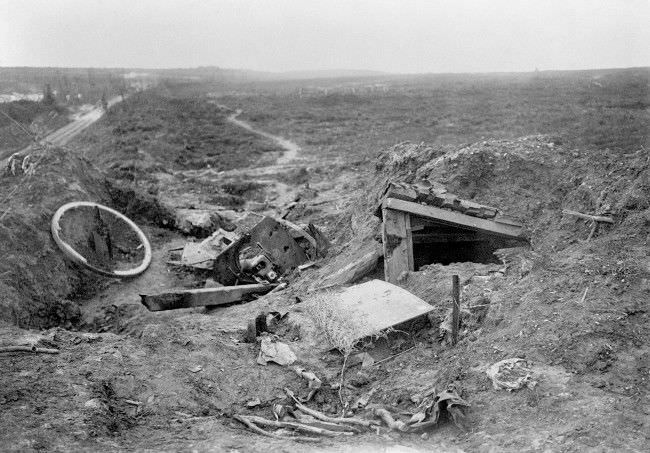
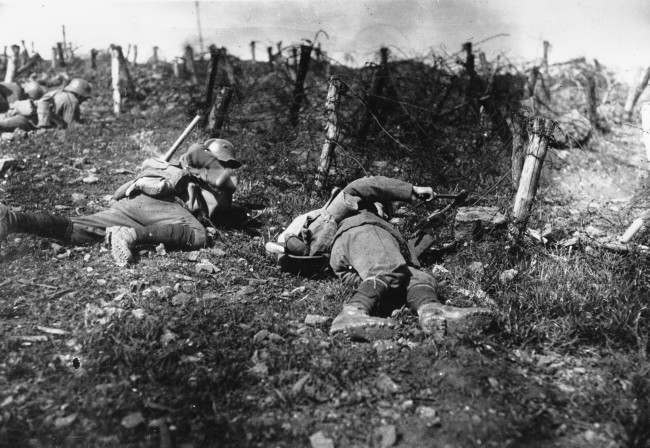
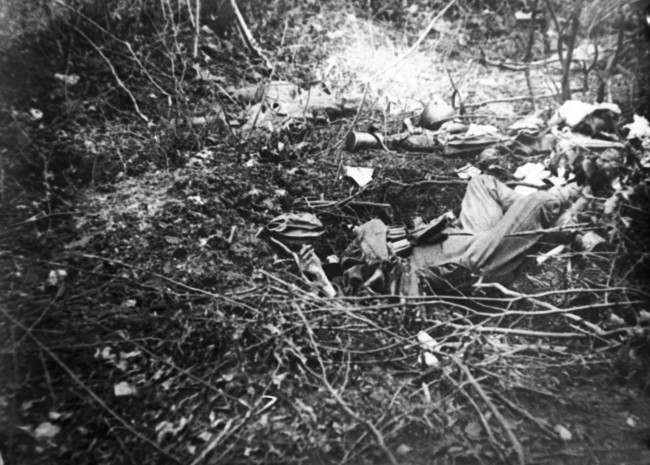
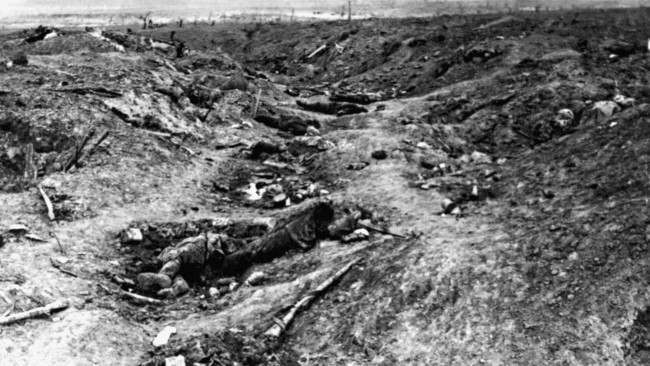
The Battle of the Somme, which began in July 1916, became one of the bloodiest engagements in human history. German soldiers holding defensive positions faced relentless British assaults. The first day of the battle alone produced nearly 60,000 British casualties, but German losses were also severe. The battle lasted until November 1916. Photographs from Guillemont near Albert show the full horror of the British bombardment, with German dead visible in the shattered trenches.
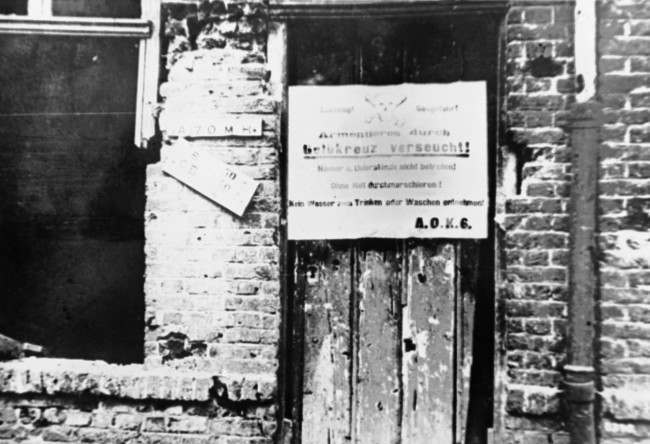
Germany was also the first military force to deploy poison gas on a large scale. At Ypres in April 1915, chlorine gas was released against Allied positions, introducing a new and horrifying dimension to the war. Soldiers on both sides scrambled to develop gas masks. Warning notices posted by German troops at Armentières in France instructed their own men not to enter houses, dugouts, or drink local water — the threat of gas contamination was constant and indiscriminate.
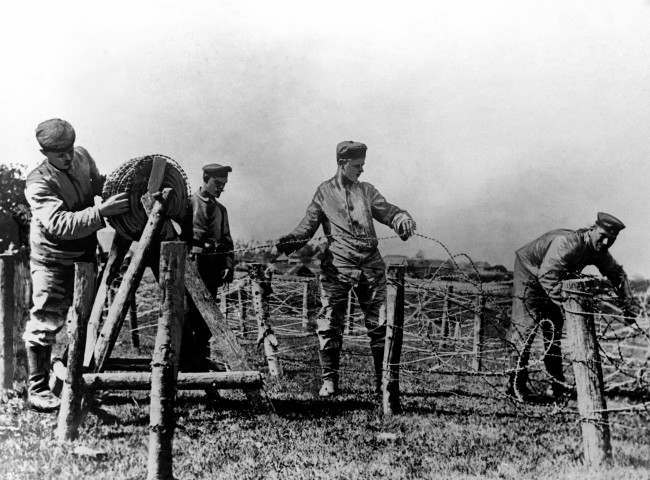
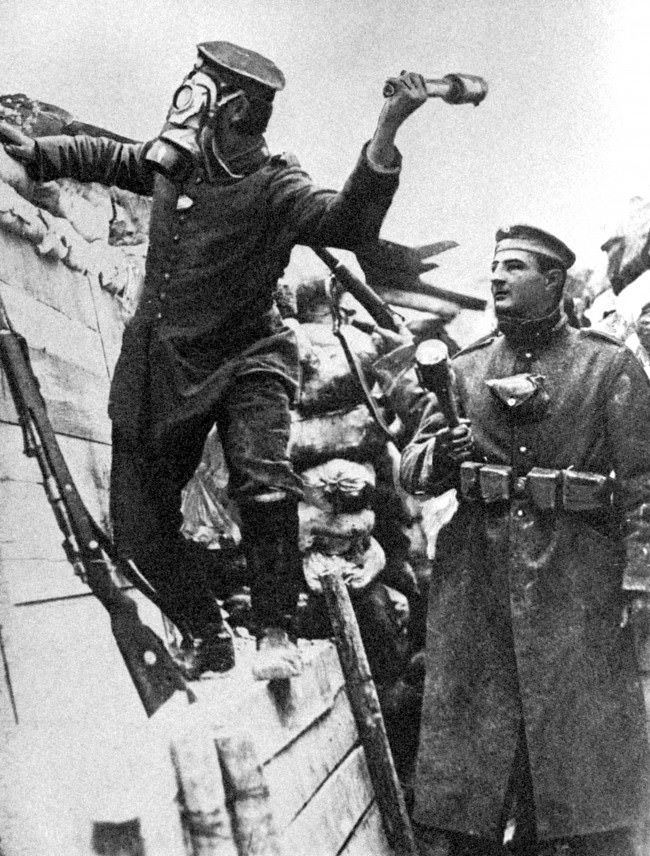
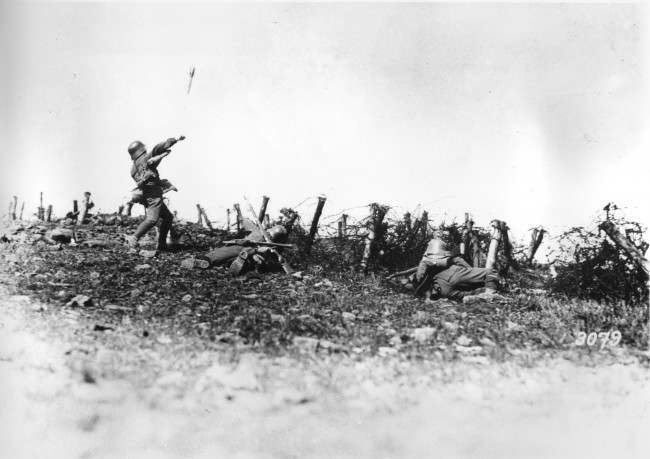
German soldiers wore gas masks while throwing hand grenades during combined-arms assaults. Cutting through barbed wire under fire was one of the most dangerous tasks infantry soldiers faced. Wire-cutting parties would crawl forward at night or under covering fire, using pliers to clear paths through entanglements so that following waves could advance without being stopped in the open and cut down by machine guns.
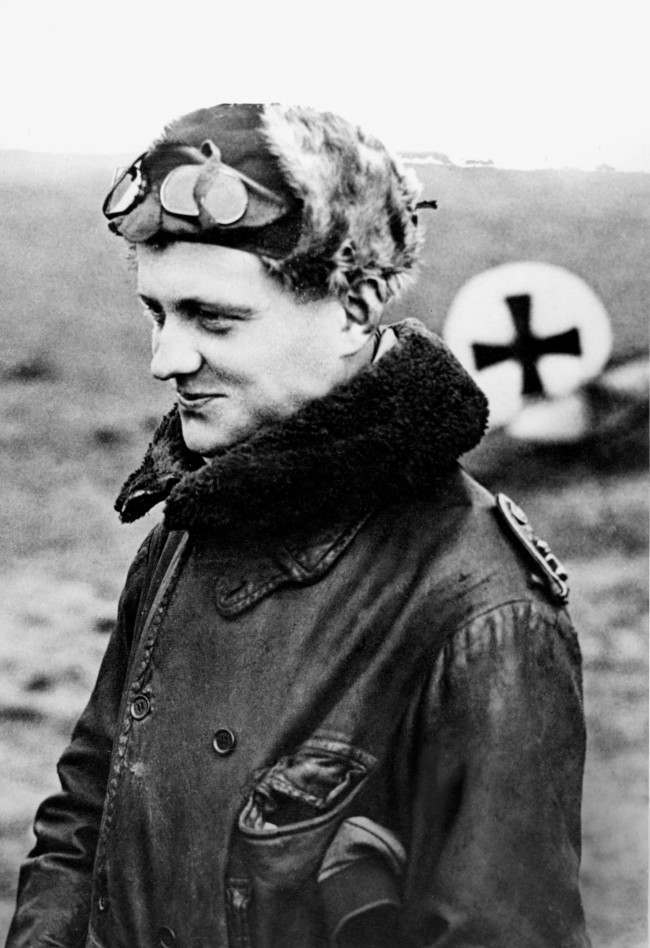
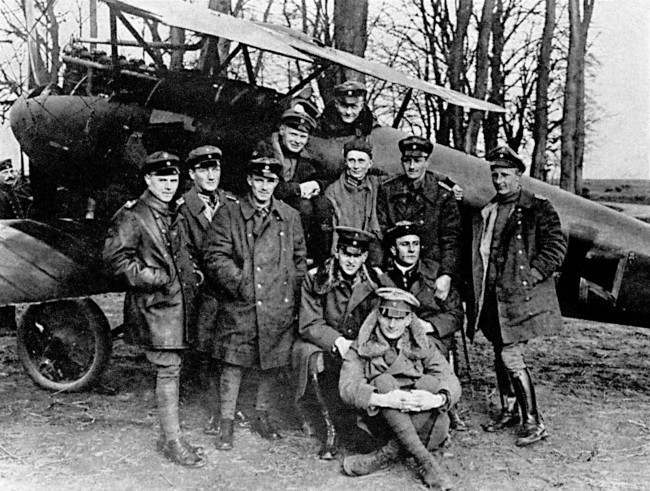
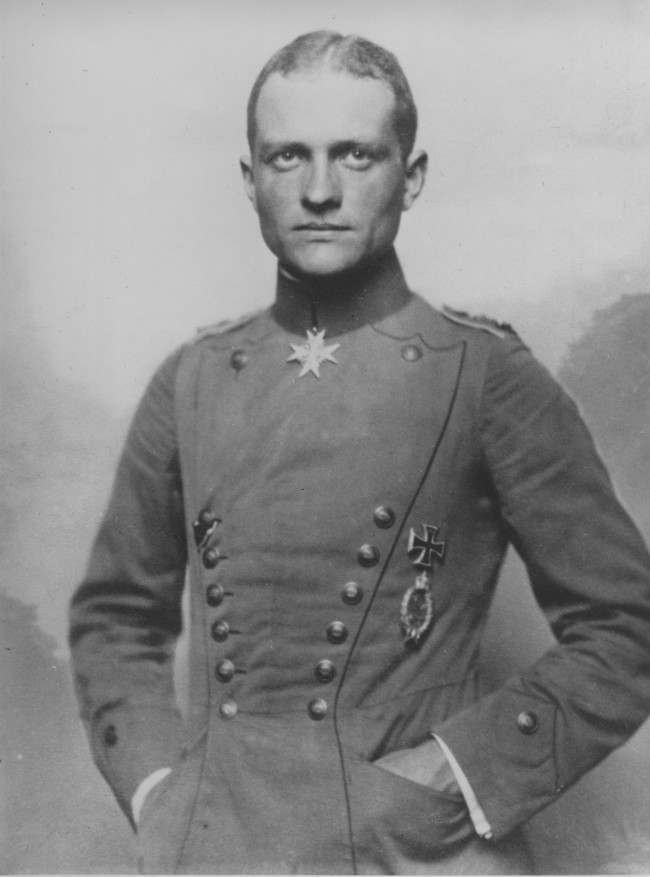
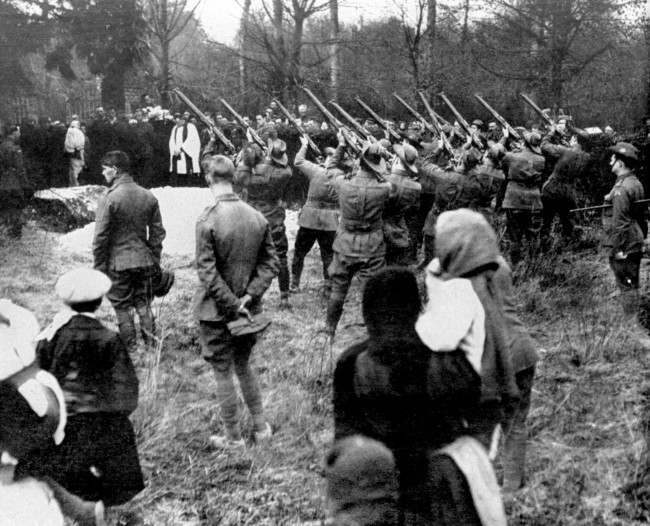
Germany’s most celebrated air ace was Manfred von Richthofen, known as the Red Baron. He was credited with shooting down 80 Allied aircraft, making him the top-scoring pilot of the entire war. He led his famous squadron, nicknamed the Flying Circus, and sat for photographs with his men at airfields near the front. His brother Lothar also flew with the squadron and was a formidable ace in his own right. Richthofen was shot down over the Somme on April 21, 1918, during the period pilots on both sides called Bloody April. Australian riflemen from No. 3 Squadron fired three volleys over his grave at Bertangles as a mark of respect.
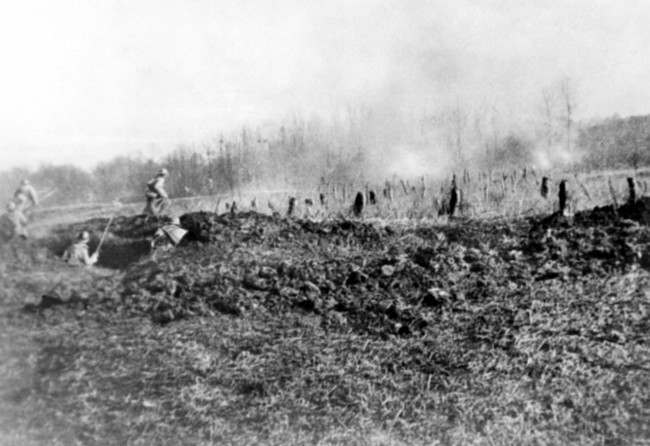
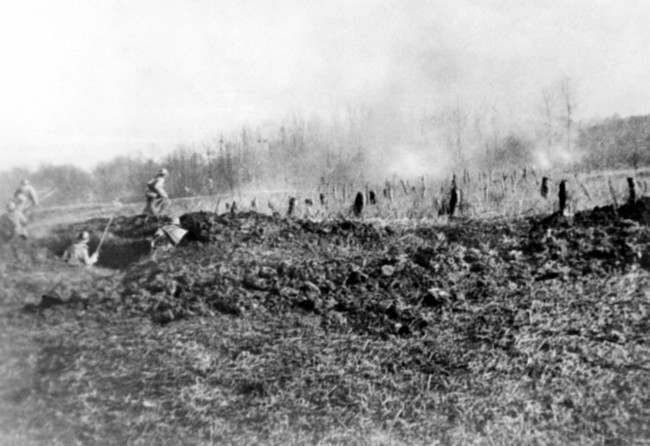
Combat at close range was a defining feature of trench warfare. Soldiers threw hand grenades across no man’s land and stormed enemy positions in raids that were often fought in darkness. German shock troops, trained specifically for rapid assault tactics, used speed and surprise rather than the slow wave attacks that characterized earlier battles. These elite units hit weak points in enemy lines, bypassed strongpoints, and created chaos behind Allied positions.
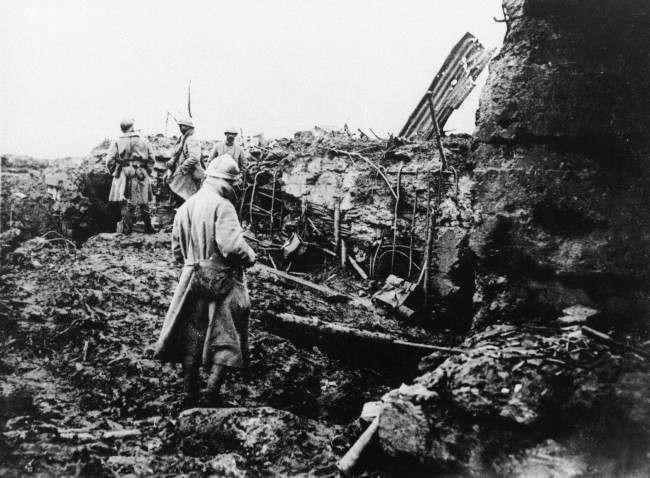
The fortifications German engineers built across Belgium and France were formidable. Reinforced concrete shelters in Belgium were strong enough that French officers inspecting captured positions after the October 1917 Franco-British offensive found them largely intact despite heavy bombardment. These structures protected machine gun crews and communication posts from all but the most direct artillery hits.
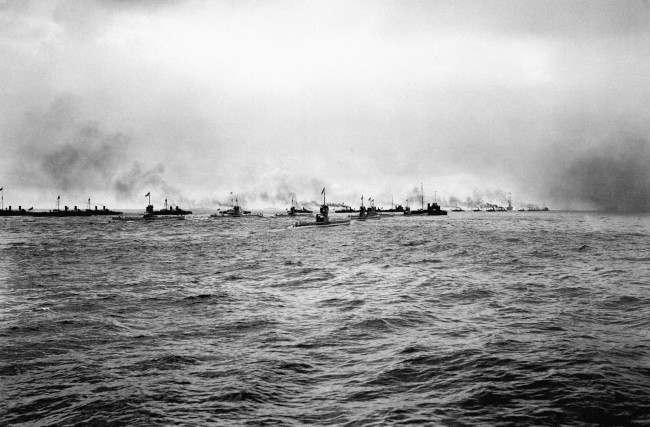
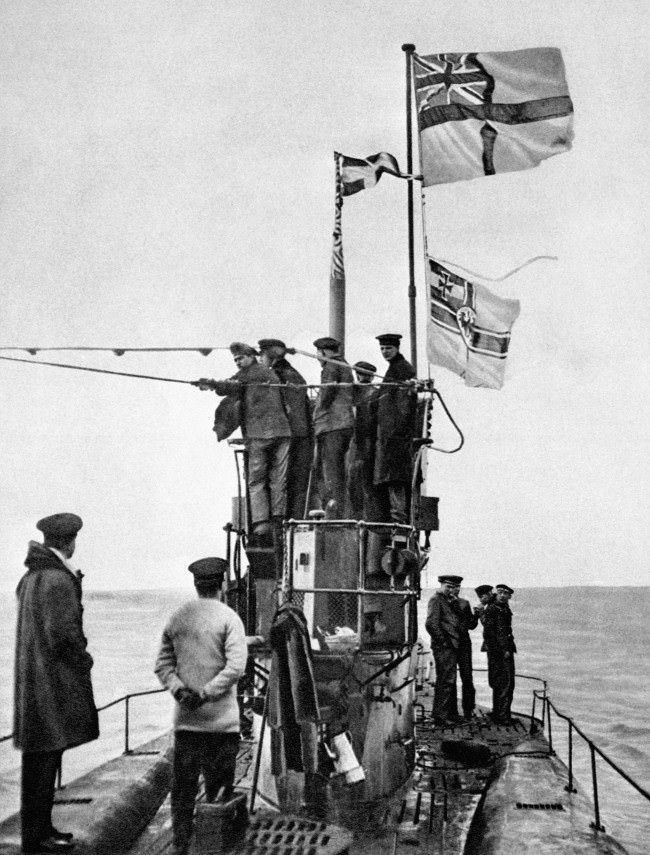
Germany’s naval strategy relied heavily on its U-boat fleet. Submarines targeted Allied merchant and military ships in the Atlantic, aiming to cut off Britain’s food and war supply chains. At its peak, the U-boat campaign threatened to starve Britain into submission. A flotilla of submarines and torpedo boats heading out to sea represented one of Germany’s most powerful strategic weapons. The eventual surrender of U-boats like U-48 at the port of Harwich — one of 39 submarines handed over in near-perfect condition — marked the end of that naval campaign.
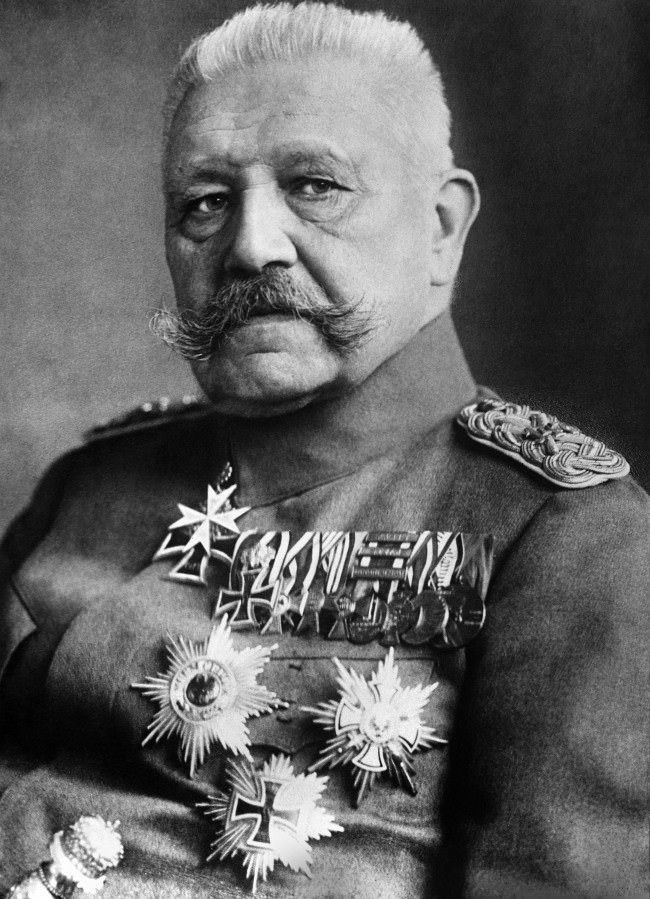
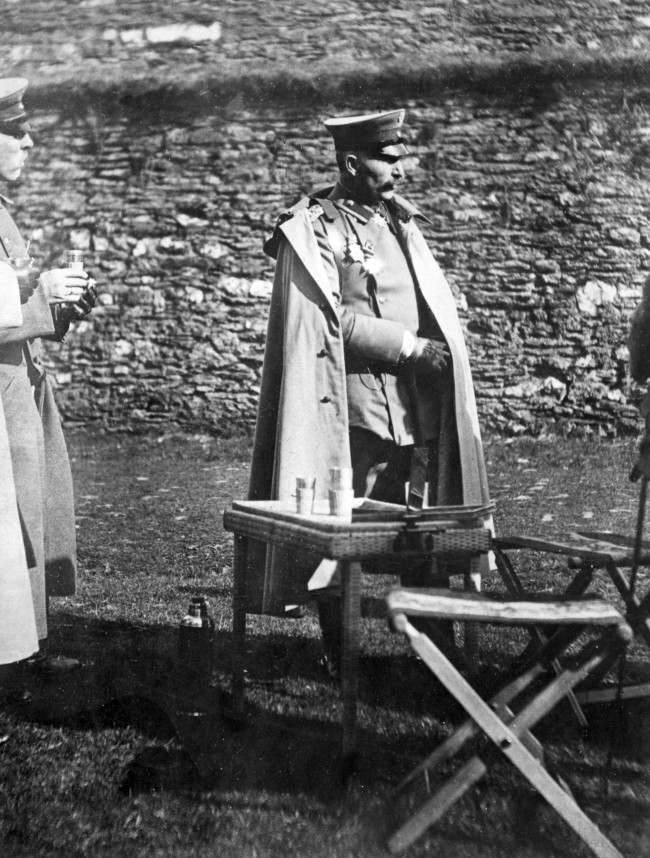
Field Marshal Paul von Hindenburg was Germany’s most prominent military commander of the war’s latter half. Together with General Erich Ludendorff, he directed German military strategy from 1916 to 1918. Hindenburg had first risen to national fame after the German victory at the Battle of Tannenberg in 1914, where his forces encircled and destroyed an entire Russian army. His command partnership with Ludendorff effectively turned them into the real decision-makers of the German war effort.
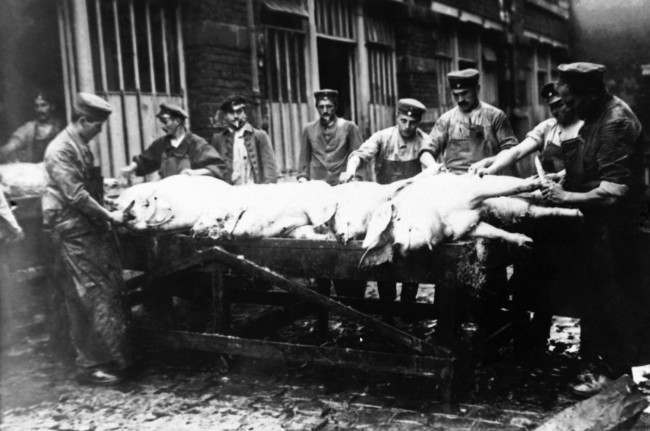
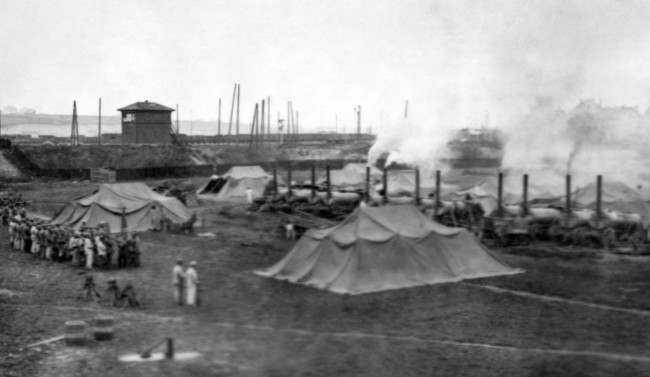
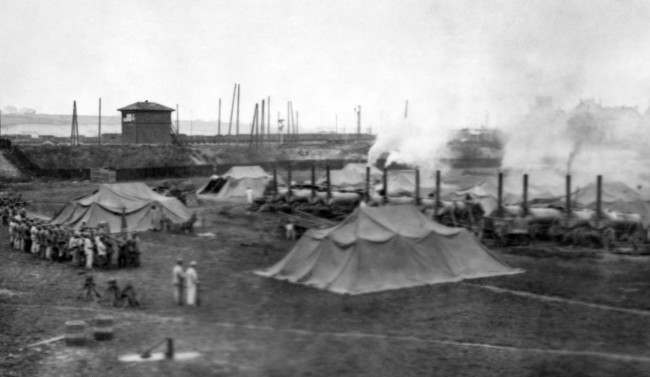
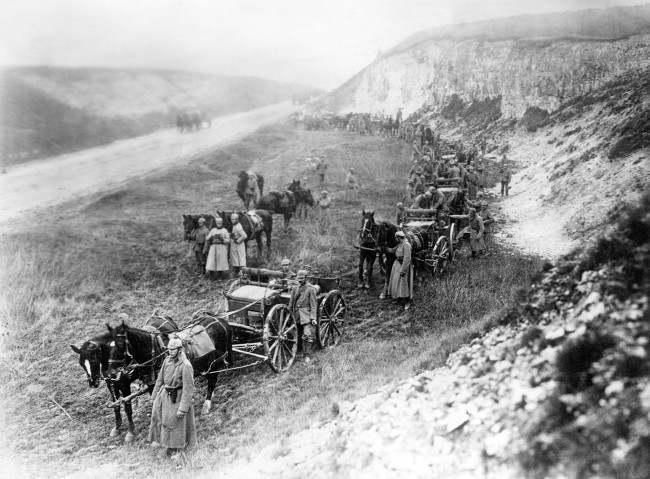
Supplying an army of millions placed enormous demands on Germany’s logistics system. Ammunition columns moved continuously to the firing line. Field bakeries like the one near Conflans in France produced bread close to the front to reduce transport time. As the war went on and the Allied naval blockade tightened, food supplies inside Germany itself deteriorated sharply. Soldiers at the front experienced shortages that got worse with each passing year, and morale suffered as a result.
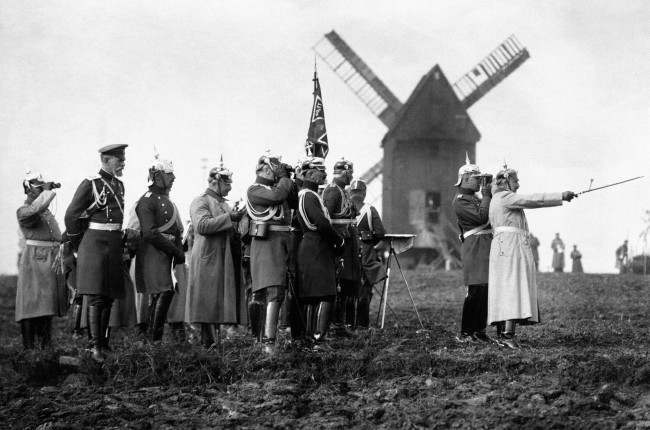
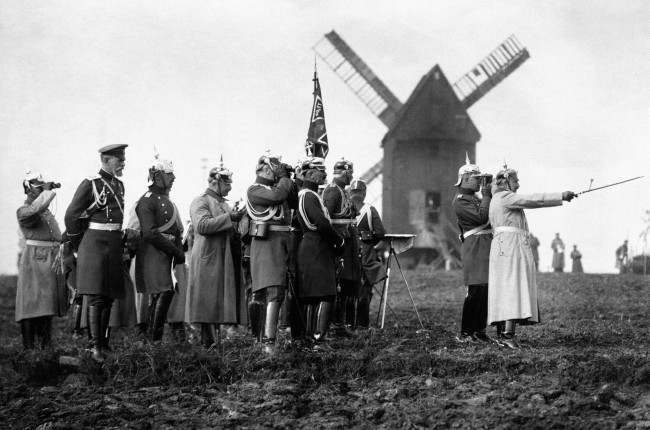
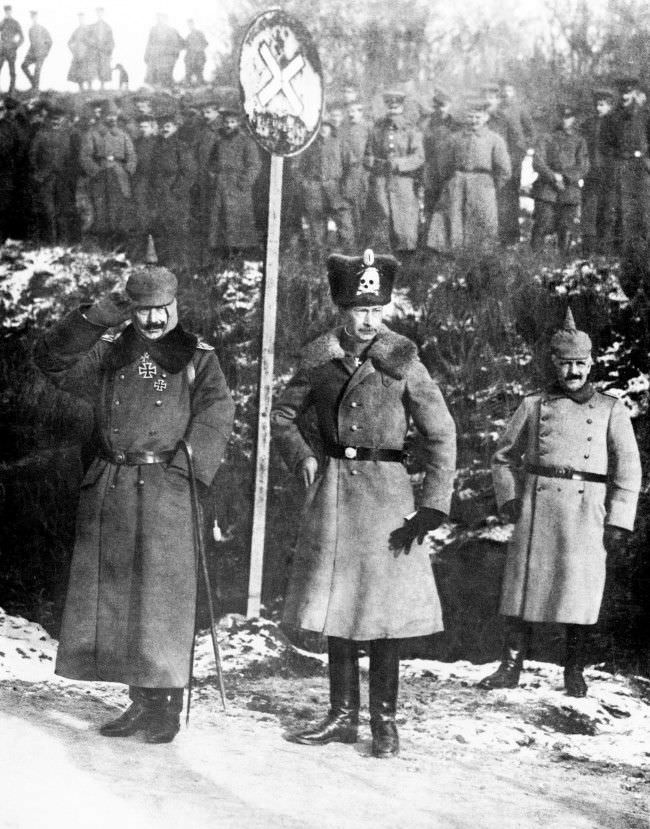
Kaiser Wilhelm II was deeply involved in the command and ceremonial life of his army. Before the war, he watched military maneuvers from beside a windmill with senior officers. During the war, he moved constantly between headquarters, visiting the Italian Front with the Emperor of Austria, reviewing Austro-Hungarian troops, and conferring with commanders about front-line conditions. He awarded Iron Crosses to soldiers who had distinguished themselves in battle — a direct, personal gesture that was photographed and distributed widely for propaganda purposes.
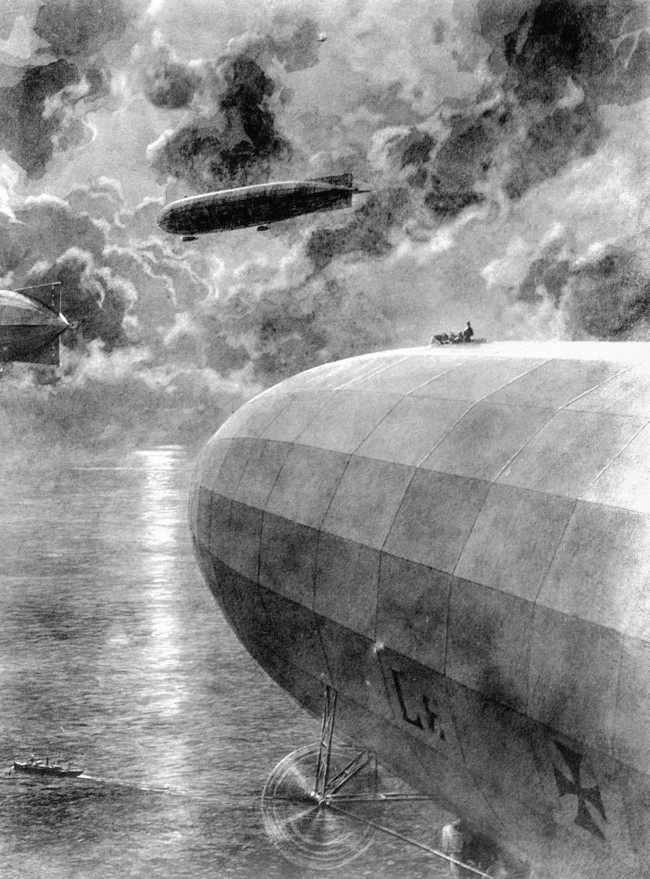
Germany’s Zeppelin airships brought the war directly to Britain. On January 19, 1915, the first German airship raid on the British mainland killed four people. Further raids followed, targeting London and other cities. The psychological impact on the British civilian population was significant — for the first time, civilians far from any battlefield found themselves under direct attack from the air.
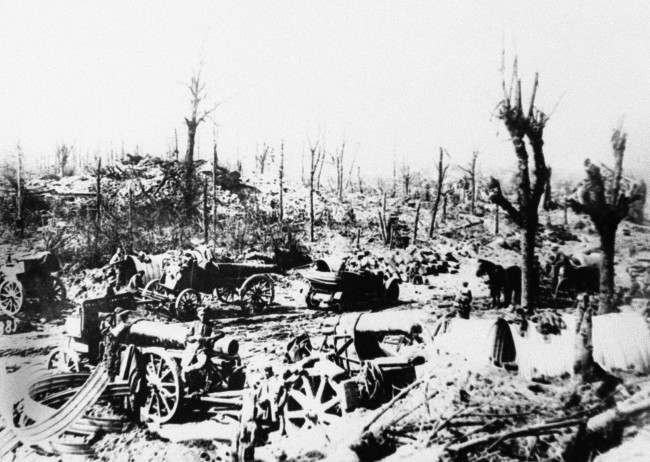
The Battle of Verdun, fought from February to December 1916, stands as one of the longest and most destructive battles in history. Germany’s stated goal was to bleed France white — to inflict casualties so massive that France’s ability to continue fighting would collapse. The plan failed. Both sides suffered staggering losses, with over half a million dead combined. The terrain around Verdun was turned into a cratered wasteland by months of continuous shelling, a landscape still visibly scarred today.
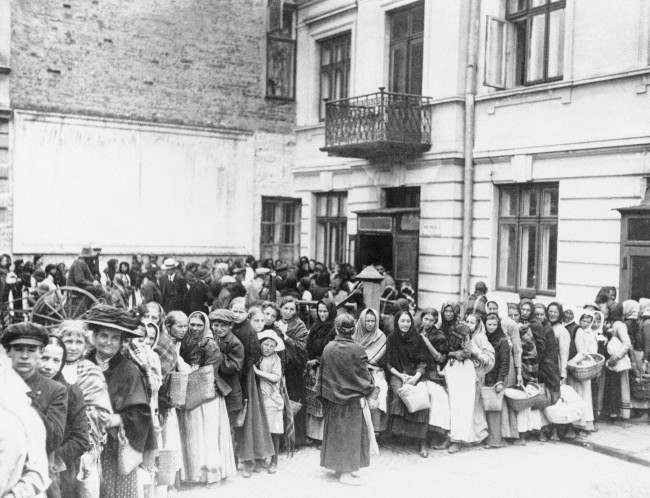
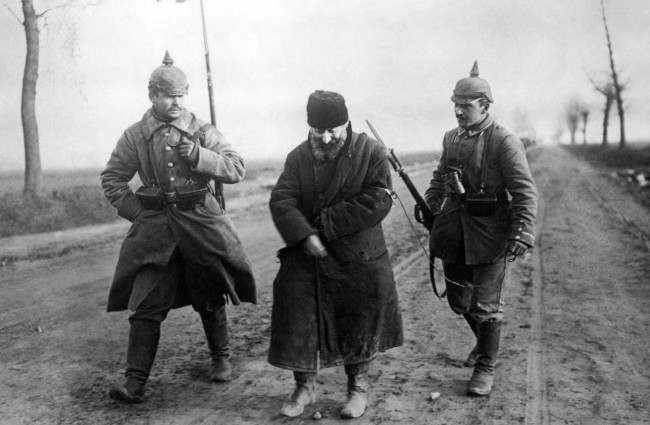
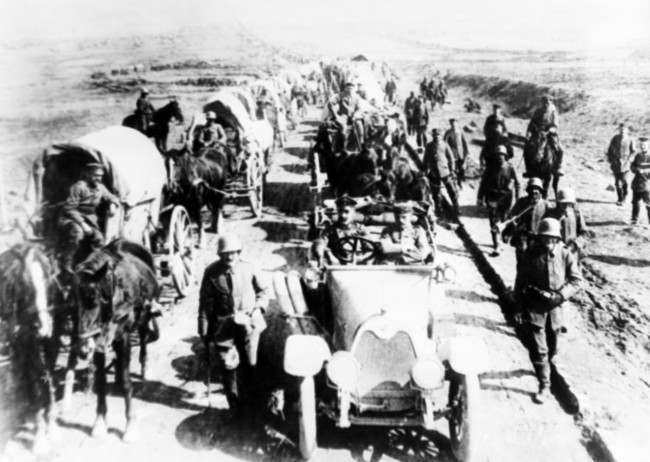
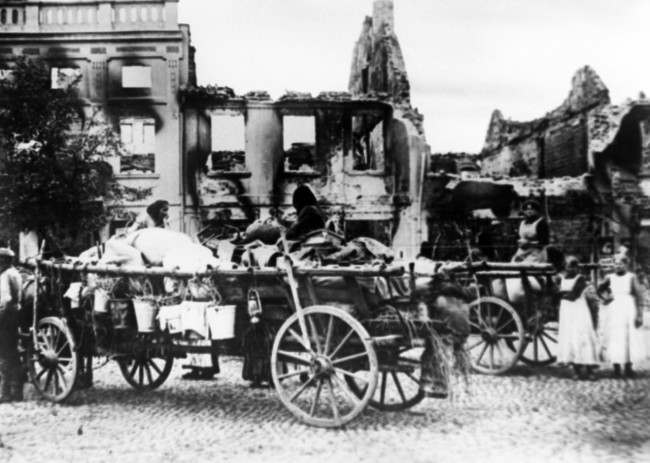
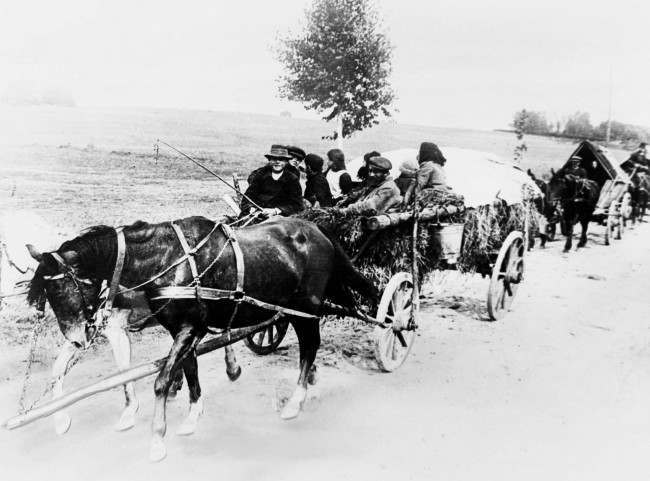
The Eastern Front brought a different kind of suffering to civilians as well as soldiers. When Russian armies swept into German territory in the war’s opening phase, civilians fled with whatever belongings they could load onto wagons, leaving behind towns and villages that were subsequently destroyed. The scale of displacement on the Eastern Front was immense, affecting populations across present-day Poland, Lithuania, and western Russia.
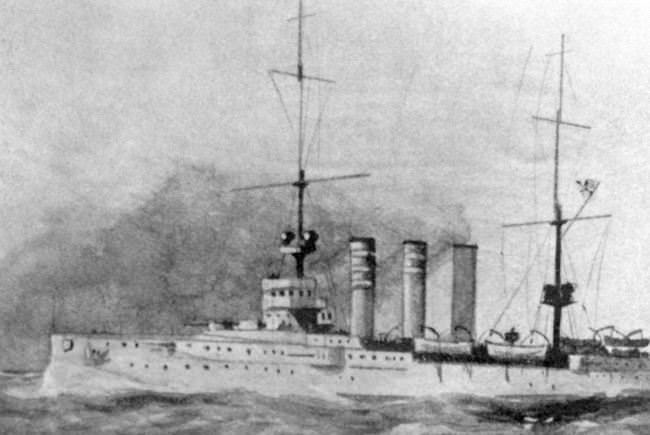
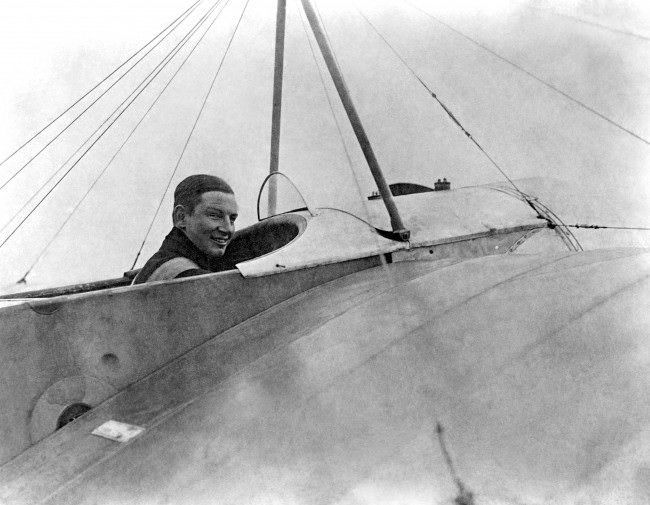
Germany’s navy extended its reach far beyond the North Sea. The SMS Dresden was a light cruiser that operated in distant waters before being cornered and scuttled at Más a Tierra off the coast of Chile in March 1915. Dutch aviation pioneer Anthony Fokker, working from his aerodrome near Berlin, designed fighter aircraft for the German military that gave its air force a significant technological edge during parts of the war, most notably through the introduction of the synchronized machine gun.
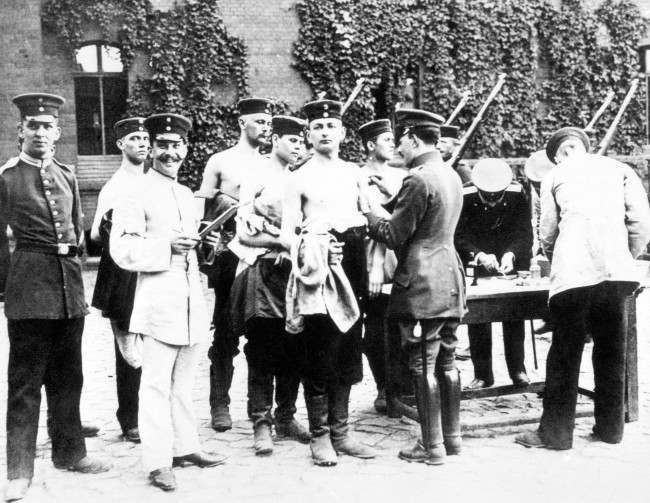
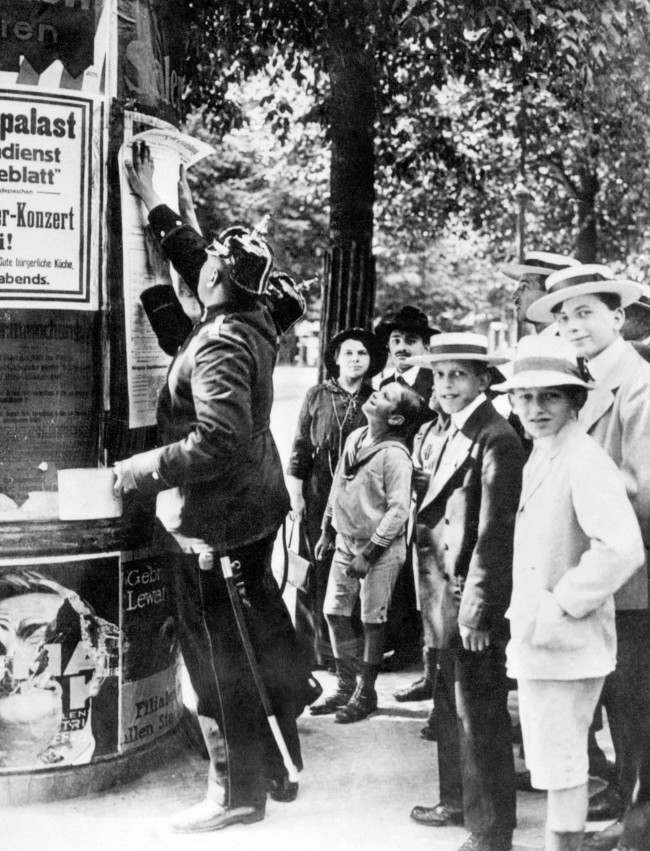
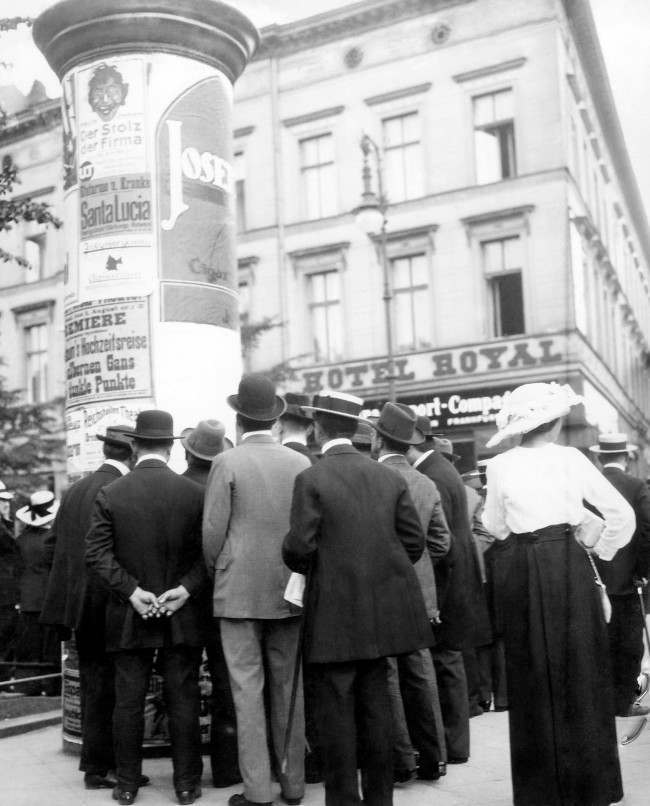
Mobilization in Berlin in 1914 was swift and visible to the city’s residents. A German policeman posting mobilization orders on a Berlin street set the machinery of total war in motion. Soldiers were vaccinated before deployment. Crowds gathered on the Unter den Linden to read the latest war dispatches posted in public. These scenes captured the moment Germany committed its full population to the conflict — a commitment that would not be undone for four years.
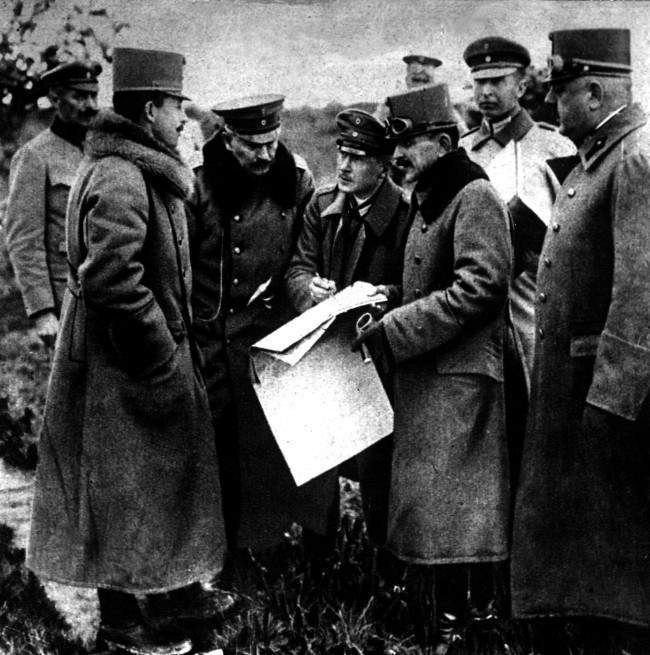
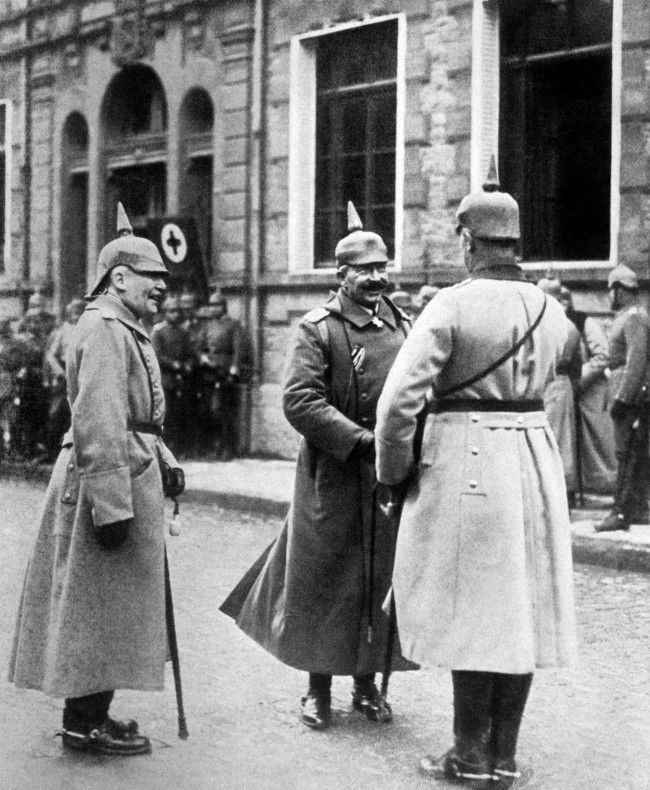
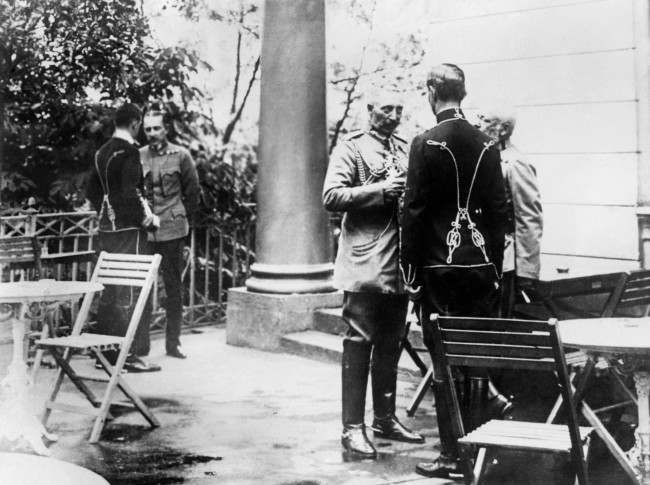
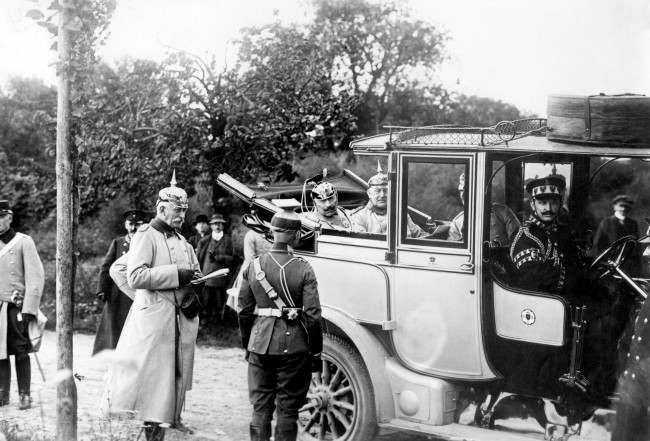
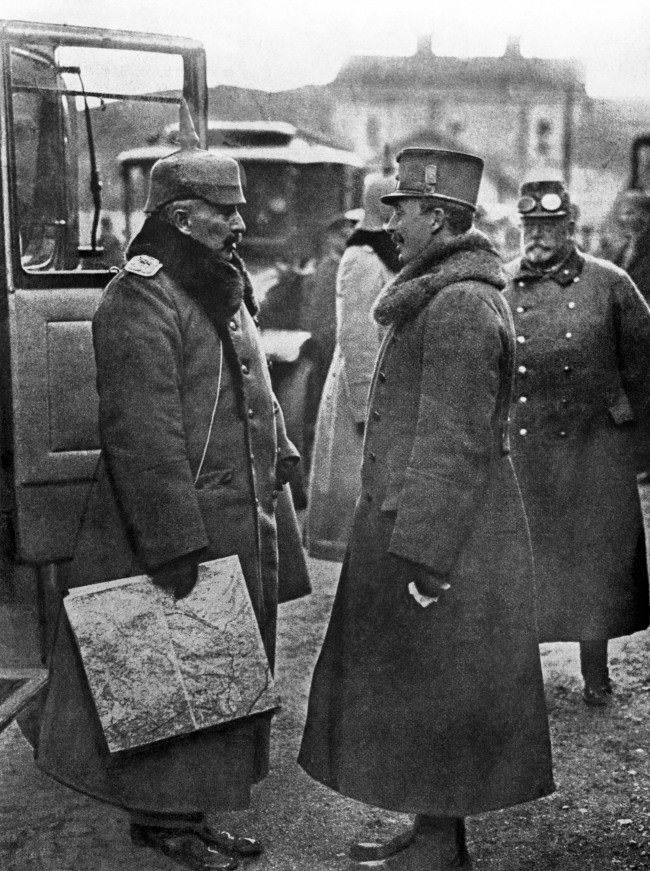
At Allied headquarters and frontline command posts, the Kaiser met regularly with allied monarchs. One such meeting took place at Austrian headquarters, where Wilhelm II spoke with Archduke Frederick of Austria on the occasion of the Archduke’s 59th birthday. These meetings reinforced the political alliances that held the Central Powers together, even as military pressure from the Allies increased through 1917 and into 1918.
Germany’s last major offensive on the Western Front came in the spring and summer of 1918 — Operation Michael and the subsequent Hundred Days Offensive. German shock troops advanced rapidly, breaking through Allied lines in several places. But the gains could not be held. Supply lines were stretched too thin, reinforcements ran short, and the arrival of fresh American troops shifted the balance of manpower decisively against Germany. By August 1918, General Ludendorff declared the 8th of that month the Black Day of the German Army, as Allied forces near Amiens broke through and took thousands of prisoners in a single day.
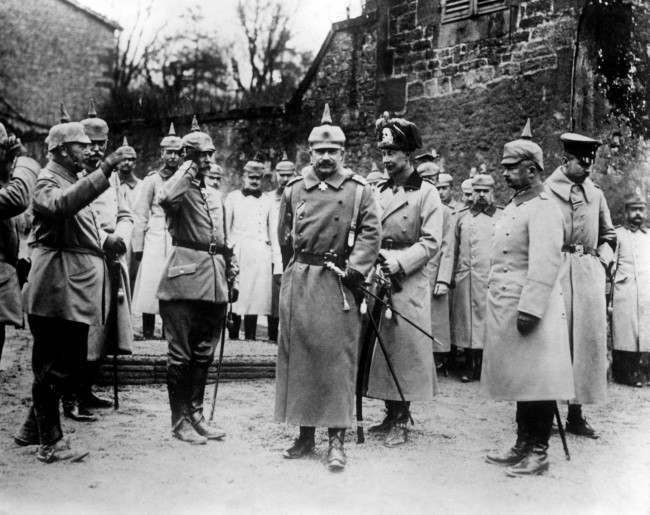
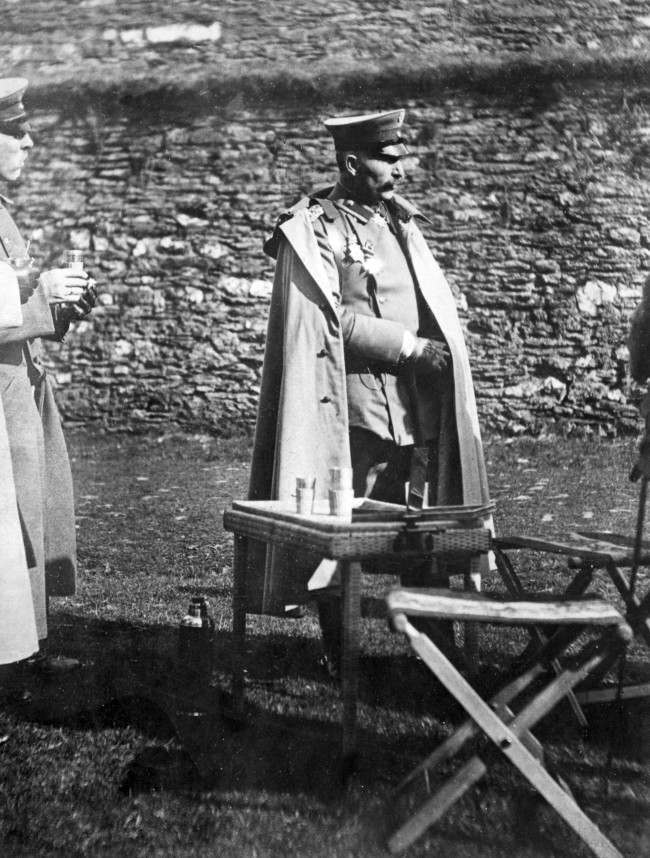
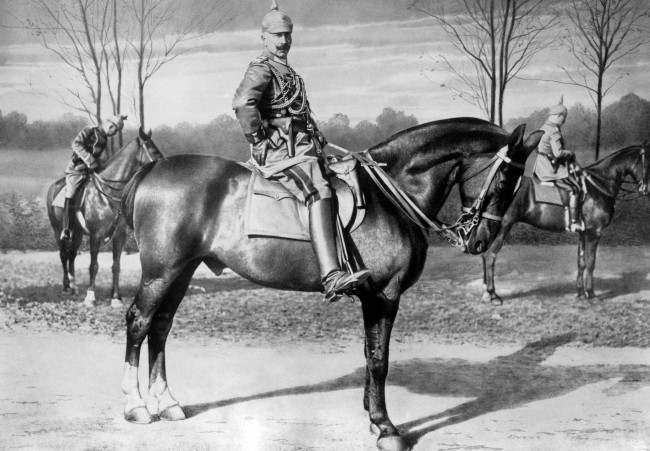
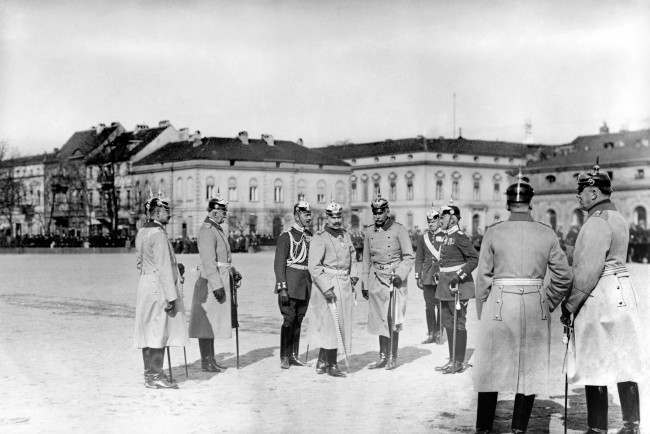
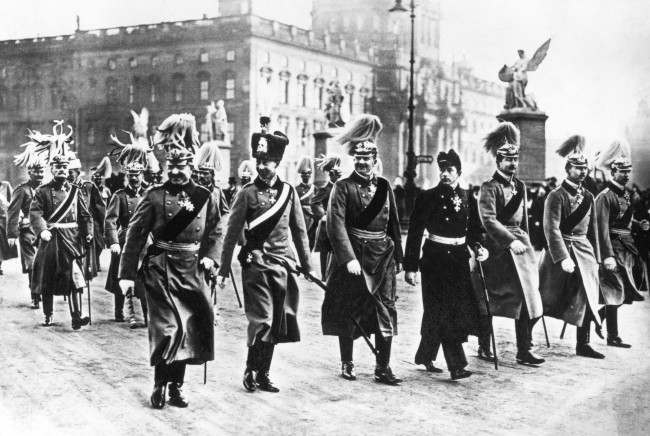
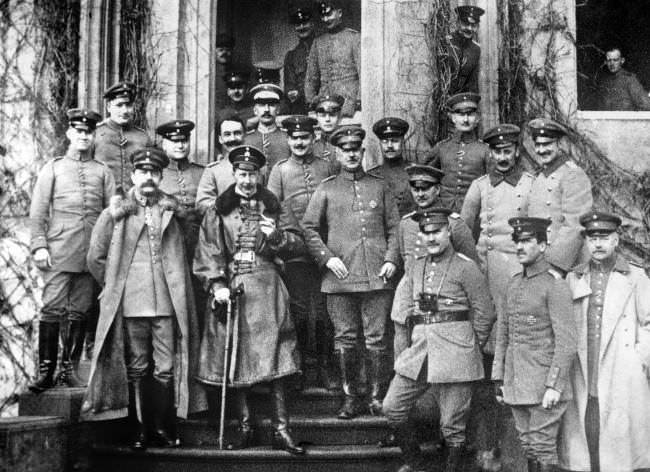
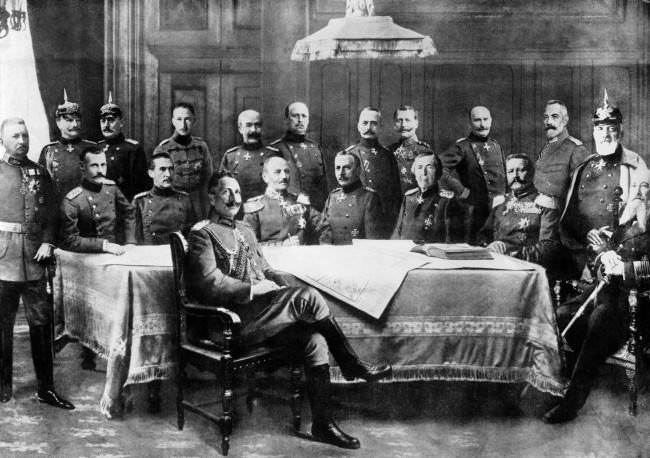
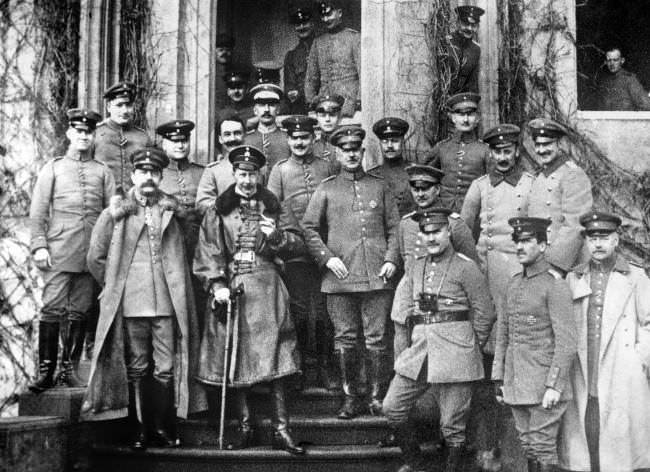
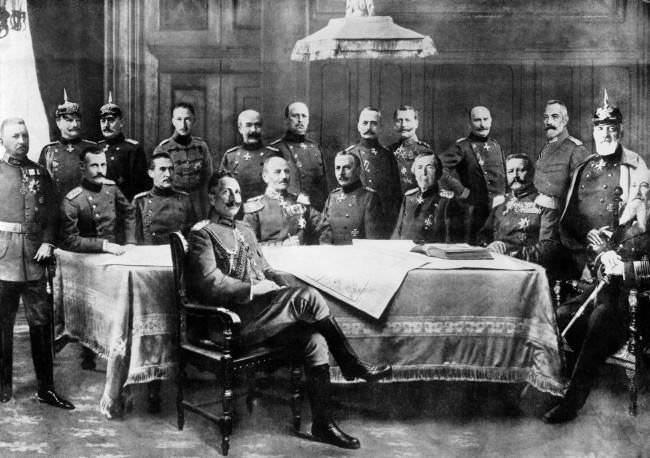
The German general staff gathered around Kaiser Wilhelm II included some of the most prominent commanders of the era. Field Marshal von Hindenburg, Admiral Tirpitz, General von Kluck, and Chancellor Bethmann Hollweg were among those photographed with the Kaiser, collectively representing the military and political leadership that directed Germany’s war effort. The decisions this group made — from the Schlieffen Plan to unrestricted submarine warfare — shaped the course of the entire conflict.
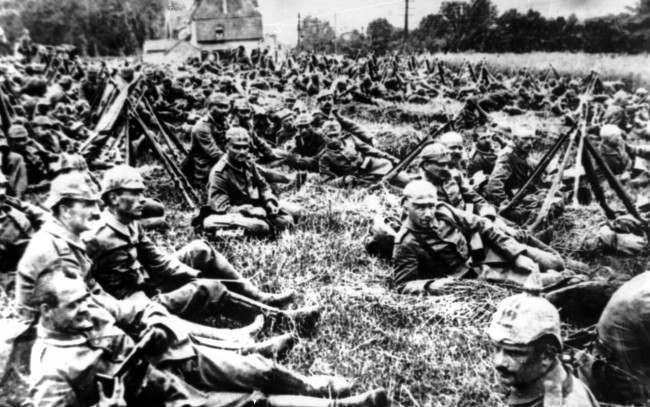
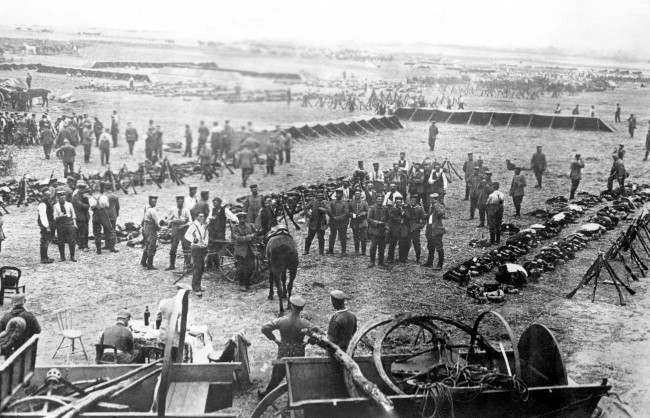
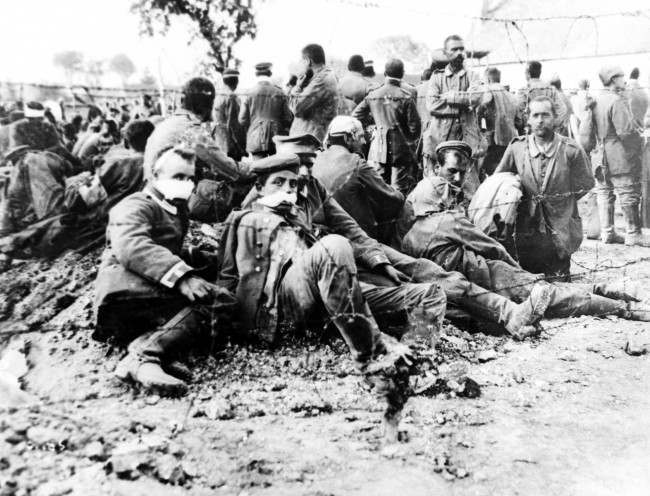
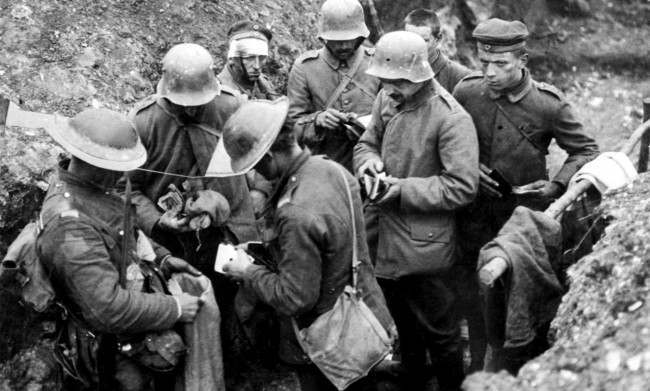
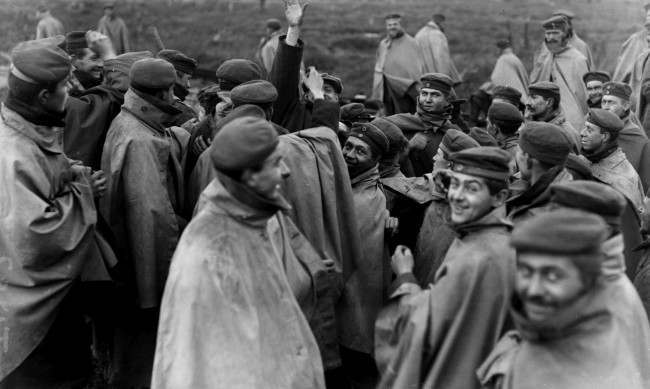
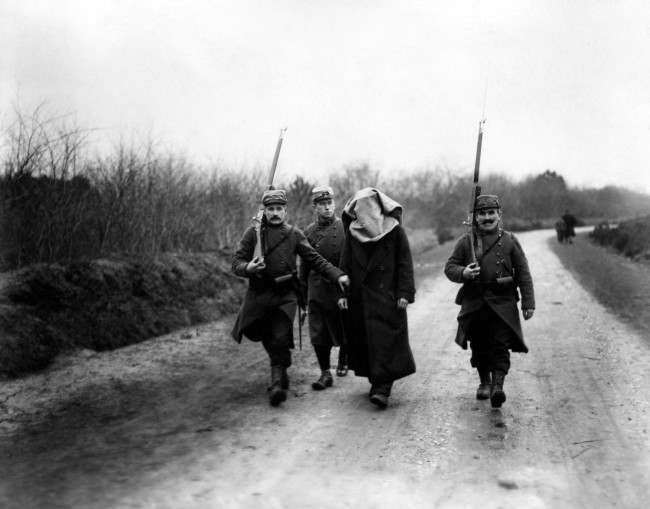
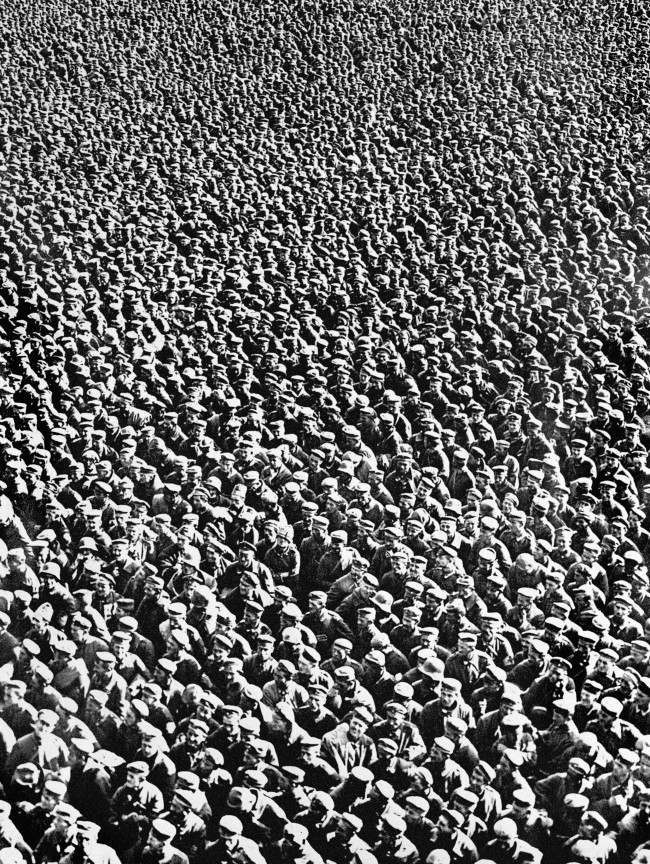
Prisoners taken on the Western Front faced a range of experiences. A blindfolded German prisoner led through French lines was a common sight by the war’s middle years. By 1918, mass surrenders were taking place — thousands of German soldiers were processed through Allied clearing stations after the Amiens offensive, their numbers reflecting the collapse of German defensive capacity. On the other side, German prisoners photographed by news agencies on the Western Front appeared in relatively good spirits, trading cigarettes and conversation.
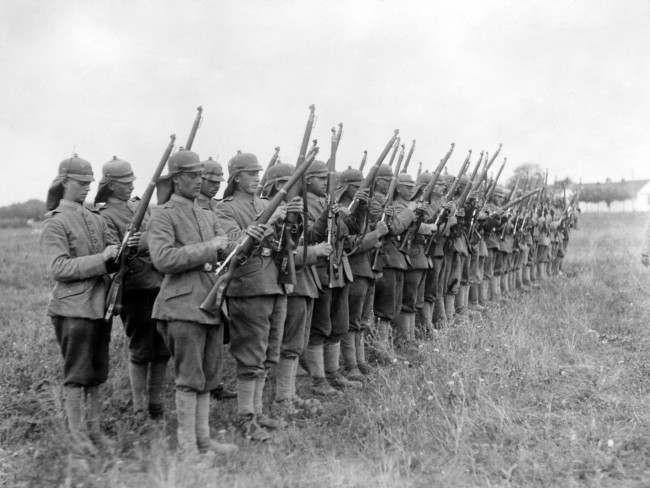
Germany’s reserve forces — the Landstrum — represented the final layer of manpower available to the German military. These older reservists were reviewed and sent to fill gaps left by the war’s enormous casualties. Field bakeries, ammunition columns, and supply trains kept the fighting formations in the field, but as the war dragged into 1918, every system supporting the German army was under strain. Even the civilian home front contributed directly — Princess Marie von Lobkowitz donated her hair to the German Admiralty to help manufacture driving straps for submarines.
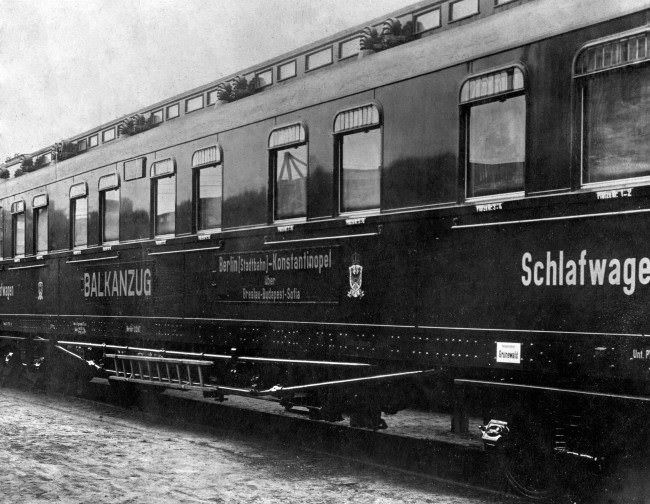
The Balkanzug train connecting Germany to Sofia and Constantinople was a vital link in the Central Powers’ alliance network, carrying troops and supplies across southeastern Europe until Allied forces seized control of the Bulgarian railways in 1918. With that route cut, Germany’s allies in the Balkans became effectively isolated. Bulgaria signed an armistice on September 29, 1918, becoming the first of the Central Powers to leave the war.
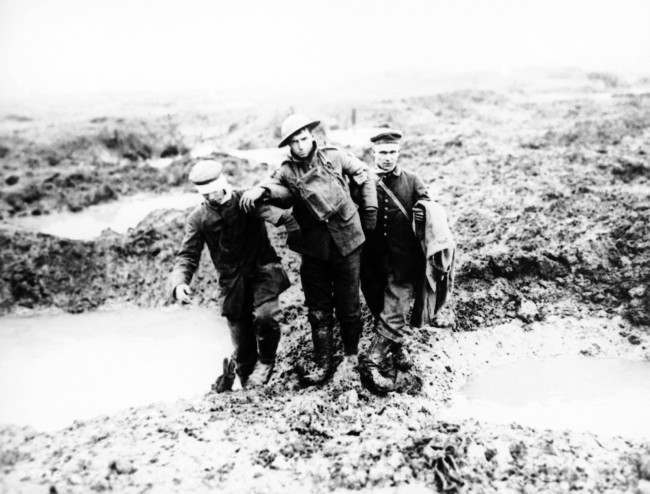
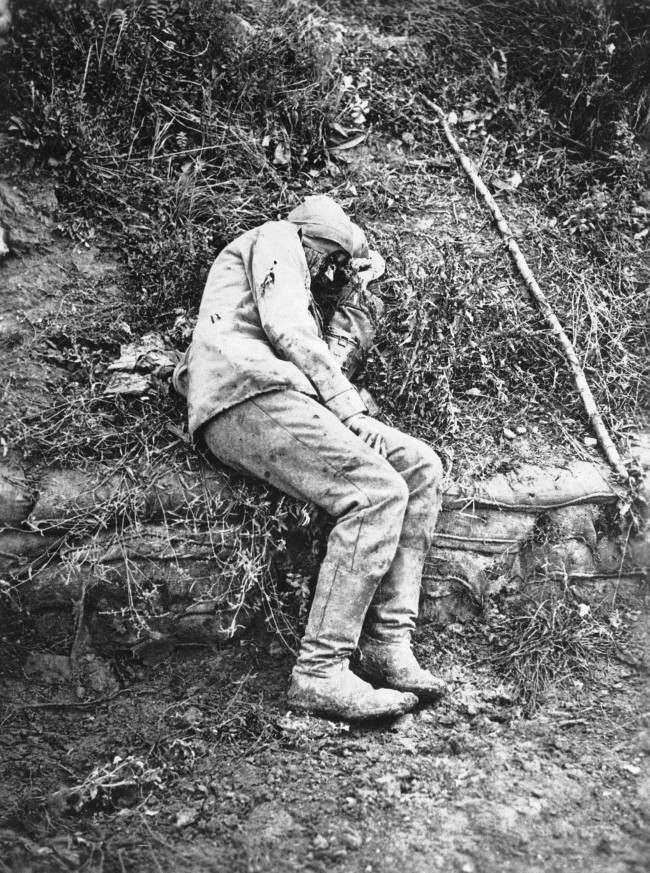
At Guillemont near Albert during the Battle of the Somme, the British bombardment reduced German trench lines to rubble. Photographs taken after Guillemont’s capture by British forces in late September 1916 showed German dead still in the shattered positions, alongside the wreckage of fortifications that had taken weeks to construct. These images documented, without ceremony, the human cost of the artillery-dominated warfare that defined the Western Front.
By November 1918, Germany’s position was no longer defensible. Food shortages had spread throughout the country. Mutinies broke out in the German Navy. Revolution spread across German cities. Kaiser Wilhelm II abdicated on November 9, 1918, and Germany signed an armistice on November 11, ending over four years of fighting. The German military had mobilized millions of men, fought on multiple continents and on both land and sea, and suffered losses — military and civilian — in the millions. The photographs collected here show those soldiers in every aspect of that war: advancing, defending, resting, dying, and surrendering.
#56
There was no “Red Army” in 1915.
It would have been “Imperial Russian Army” until early 1917.