In 1941, Barbara Wright traveled through Finland with a camera, documenting rural life during the Continuation War. Working for the Farm Security Administration, she moved beyond the major cities to record how ordinary families lived through one of the country’s most difficult years.
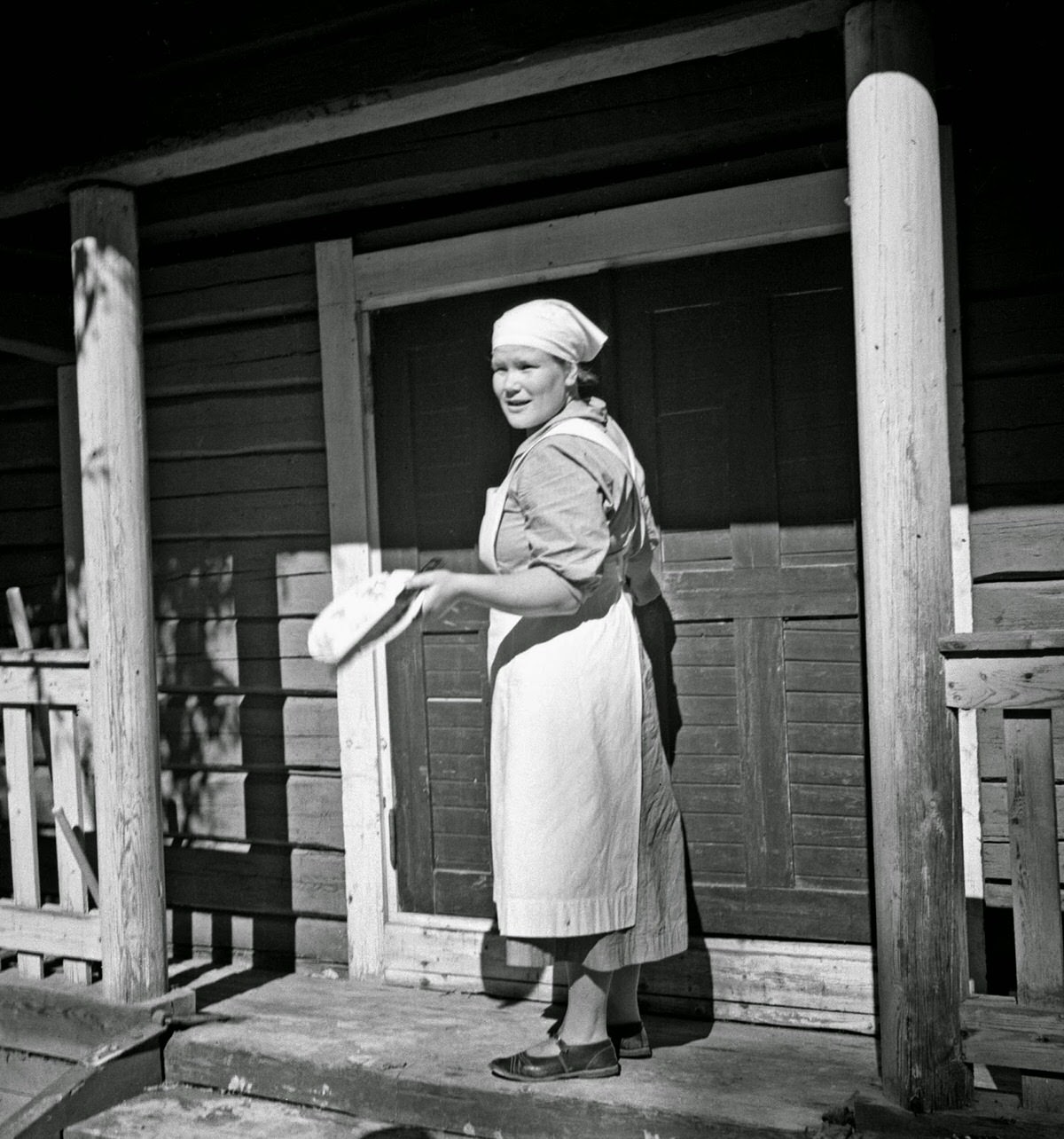
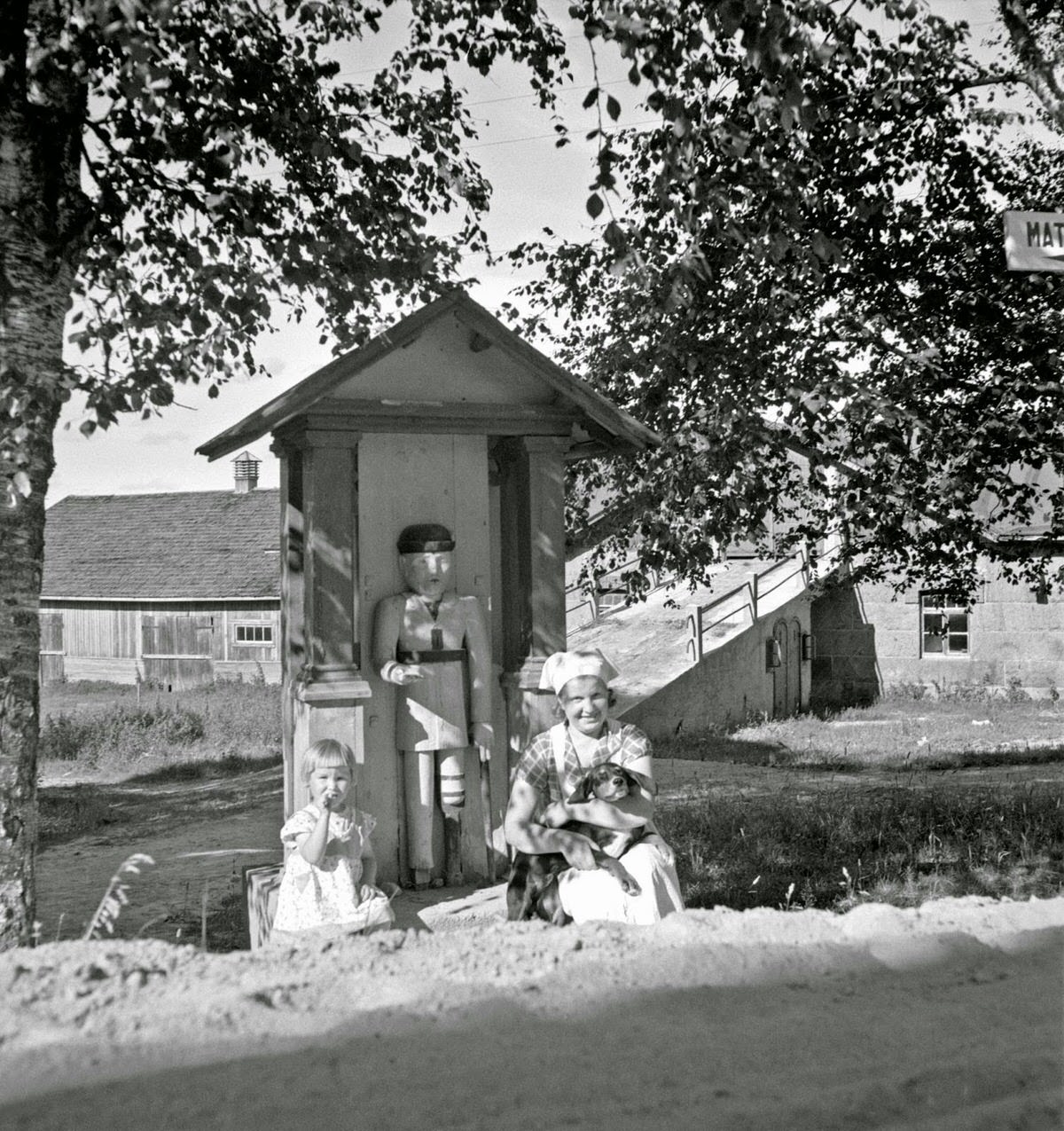
Most people lived in sturdy wooden homes painted red or white. These houses were centers of daily survival. Families stacked firewood in large, circular piles outside their doors — a precise and necessary task before the first frost arrived.
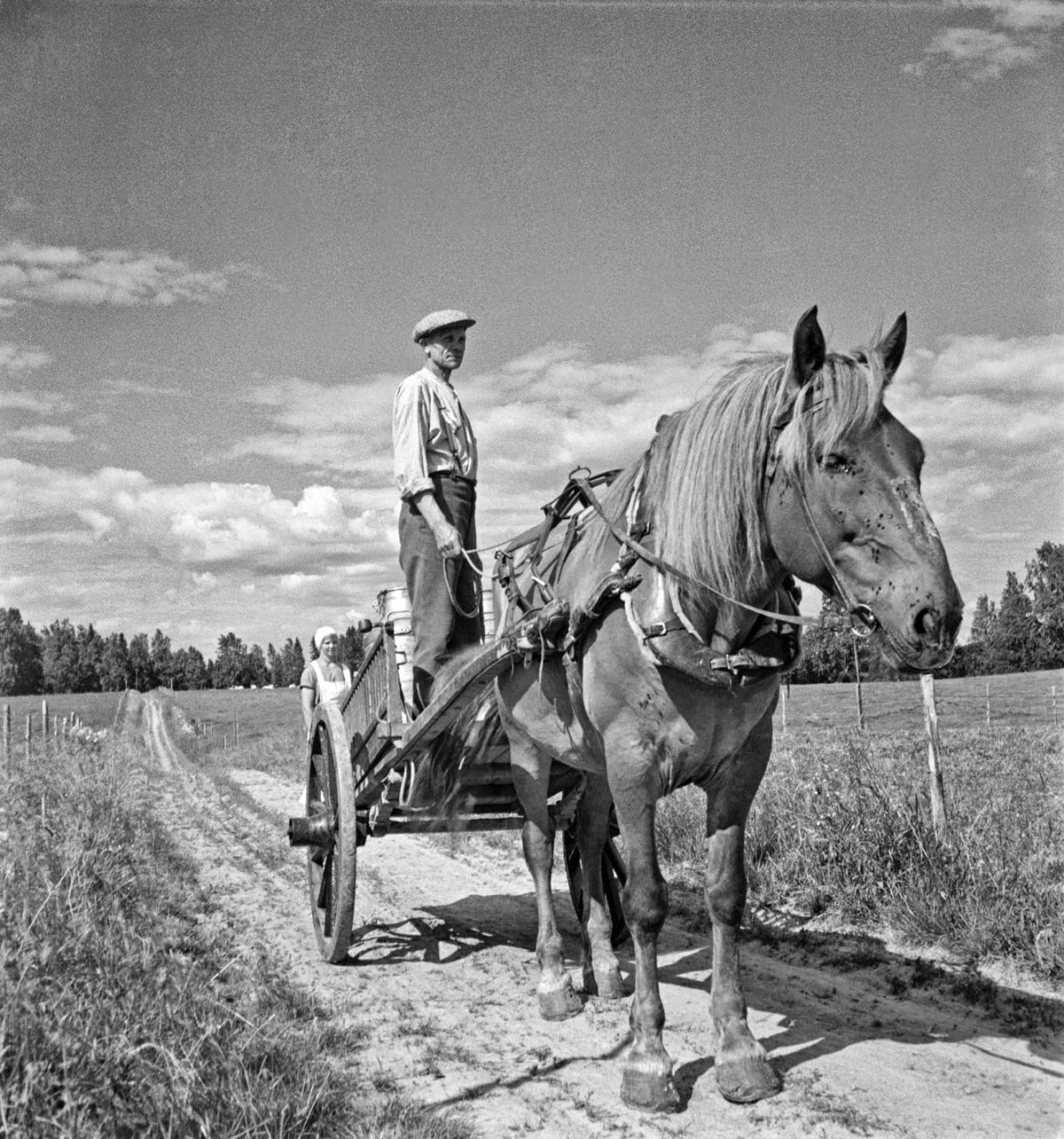
With many men stationed at the front, women stepped into leading roles on dairy farms and in the timber industry. They wore thick linen headscarves and heavy wool aprons through long workdays, harvesting hay and grains before winter set in.
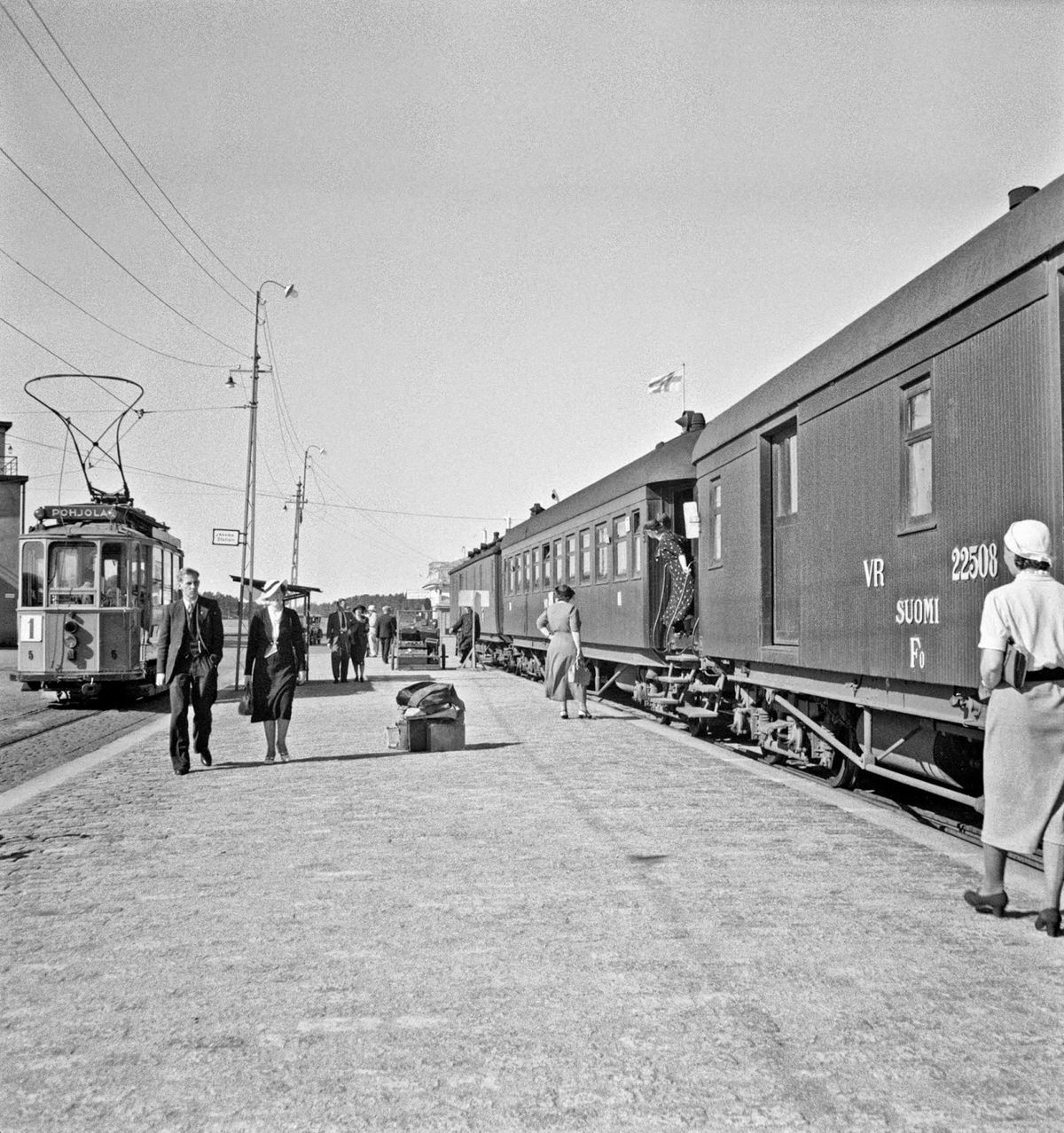
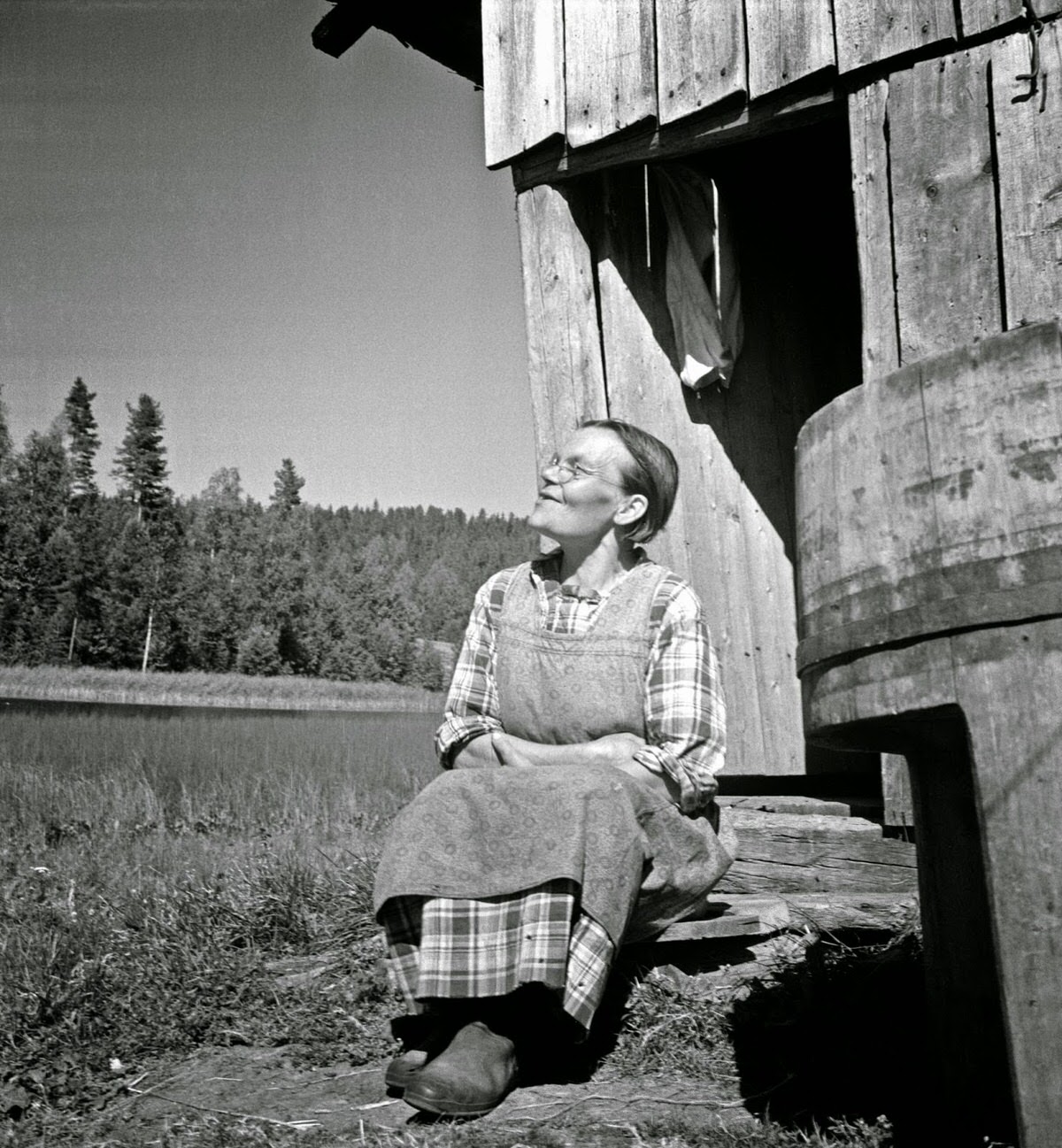
Food was strictly rationed to support the military. Bread was baked with bark mixed into the flour to stretch limited supplies. Families depended on small gardens and their own livestock for protein.
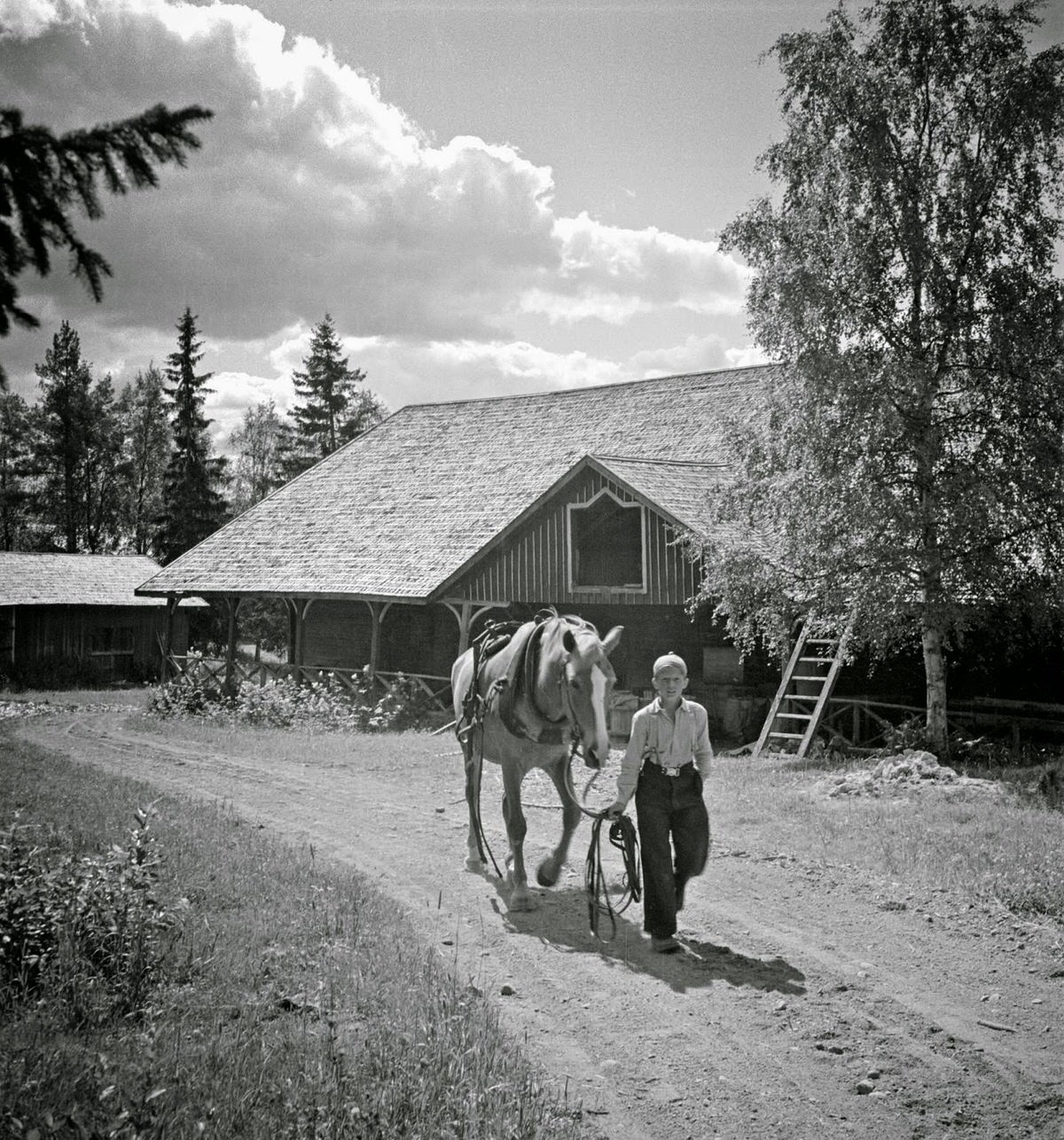
In village marketplaces, vendors sold hand-knitted mittens and carved wooden clogs. These practical goods reflected a community focused on function over anything else.
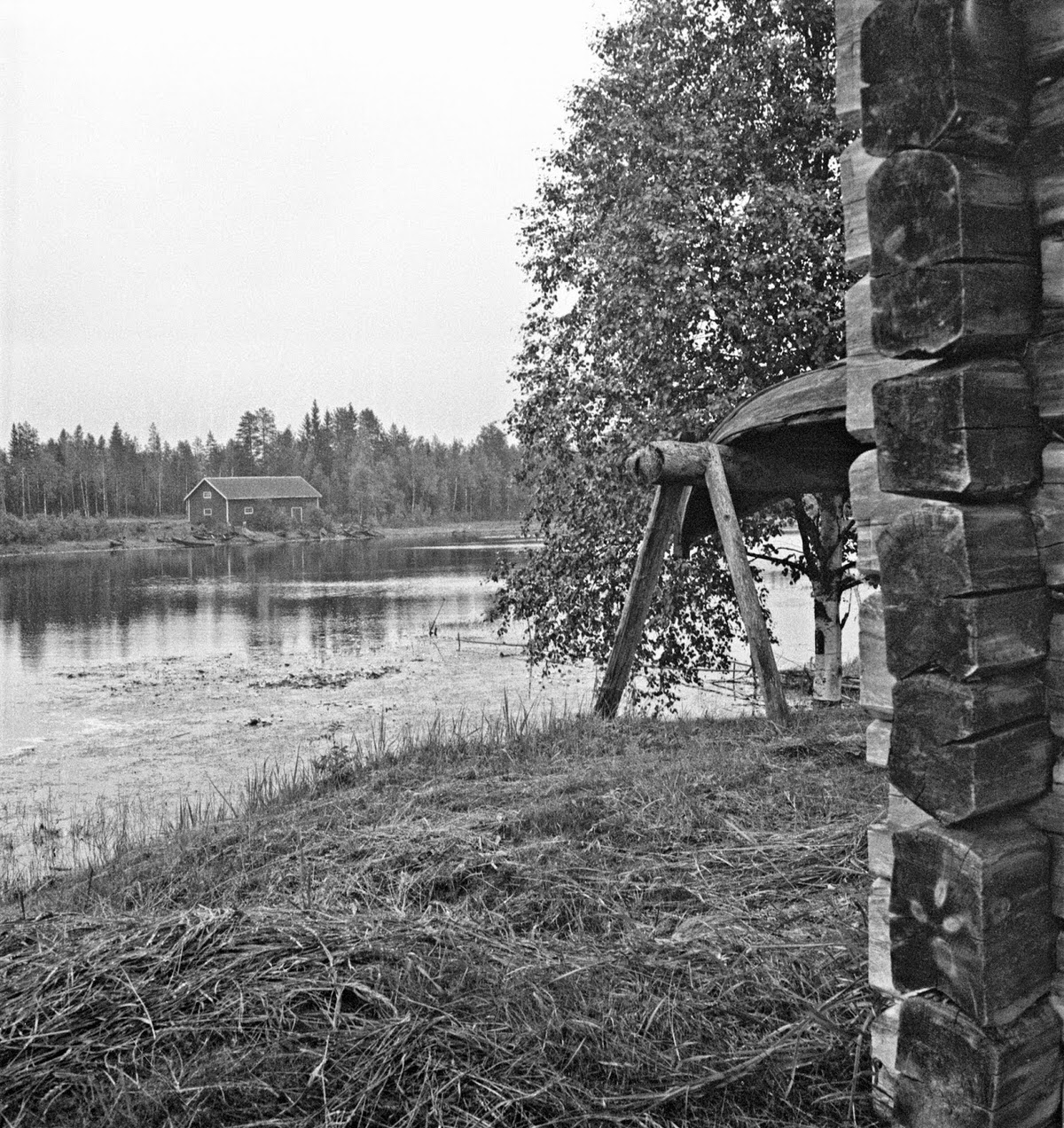
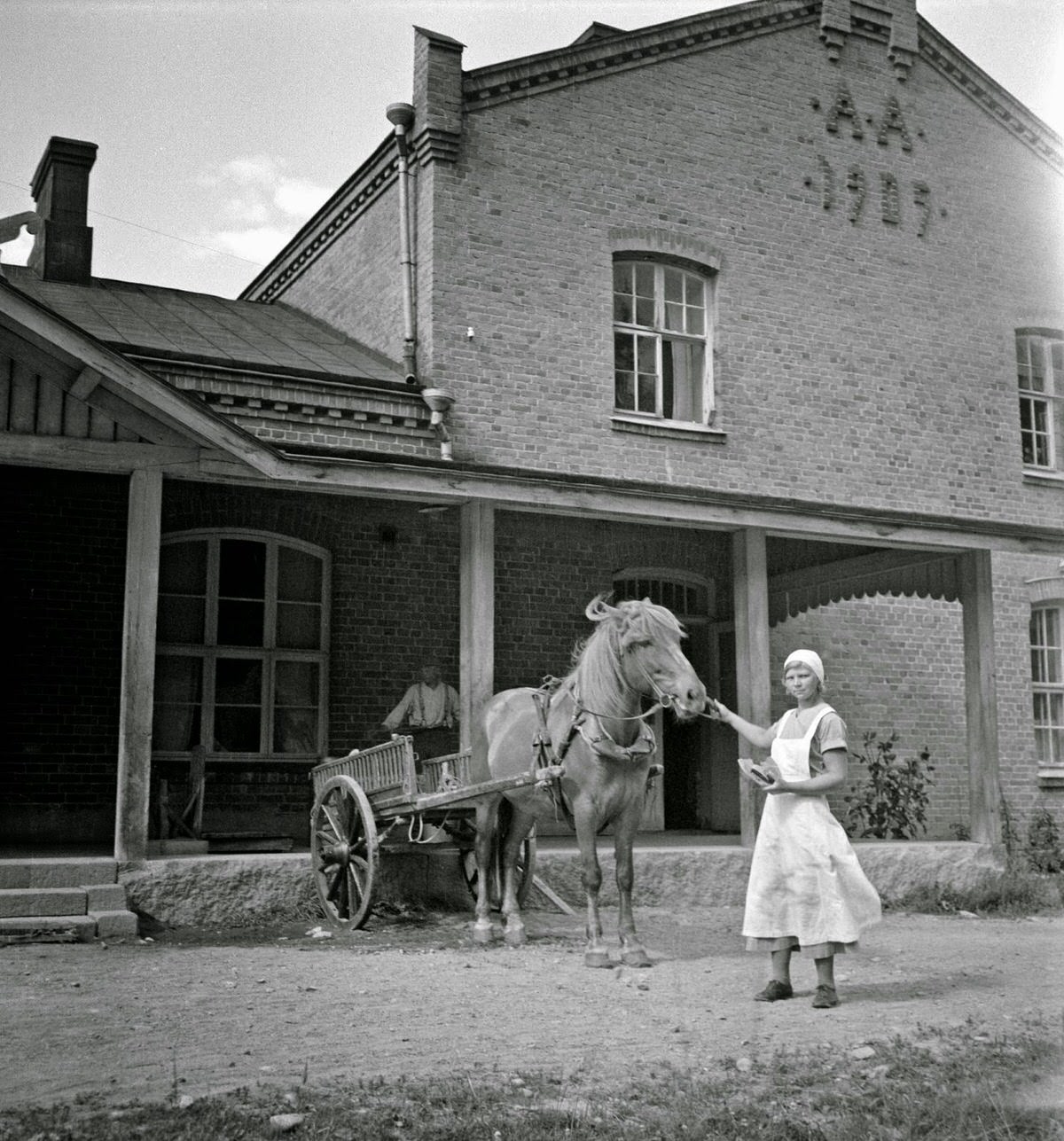
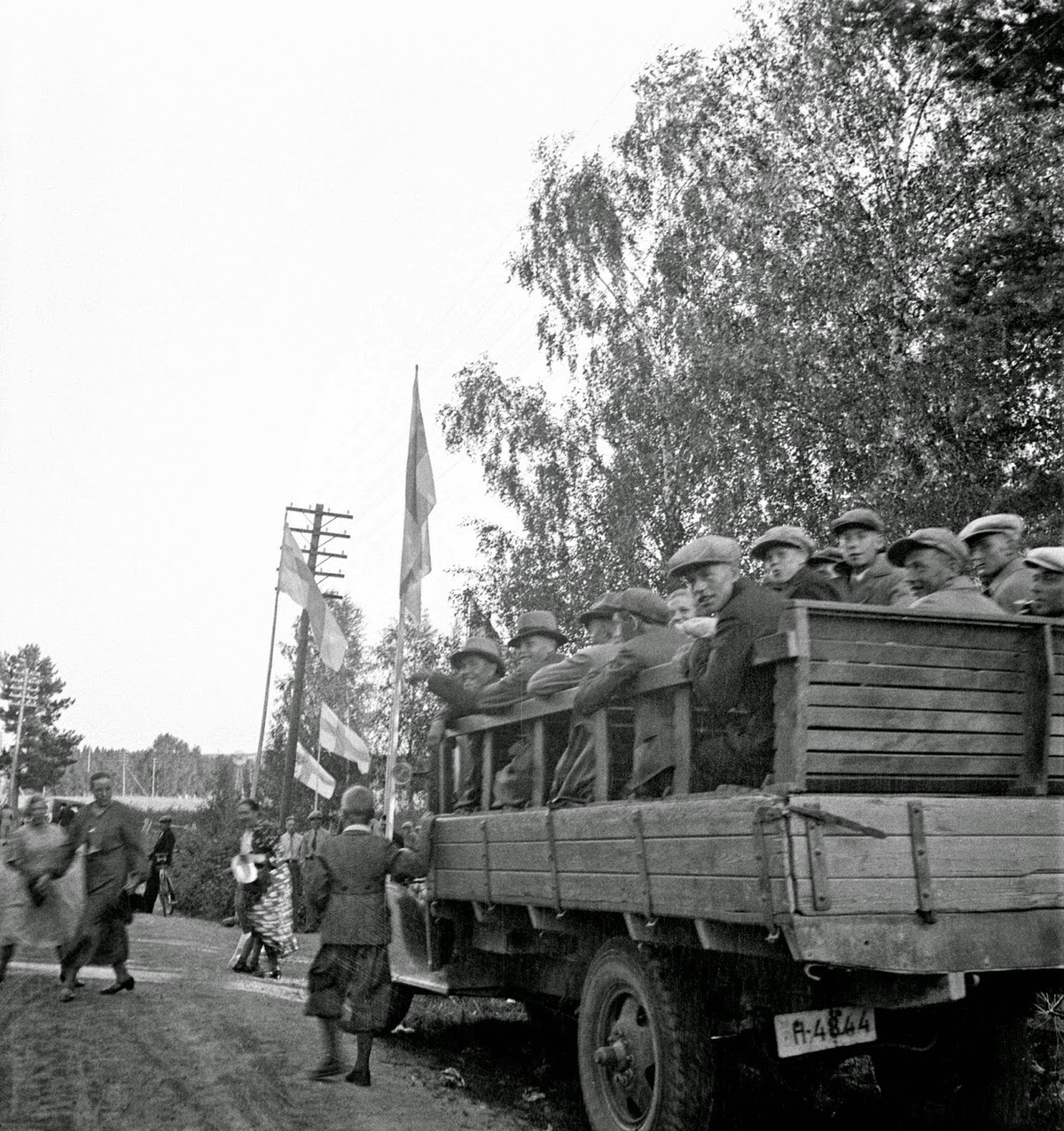
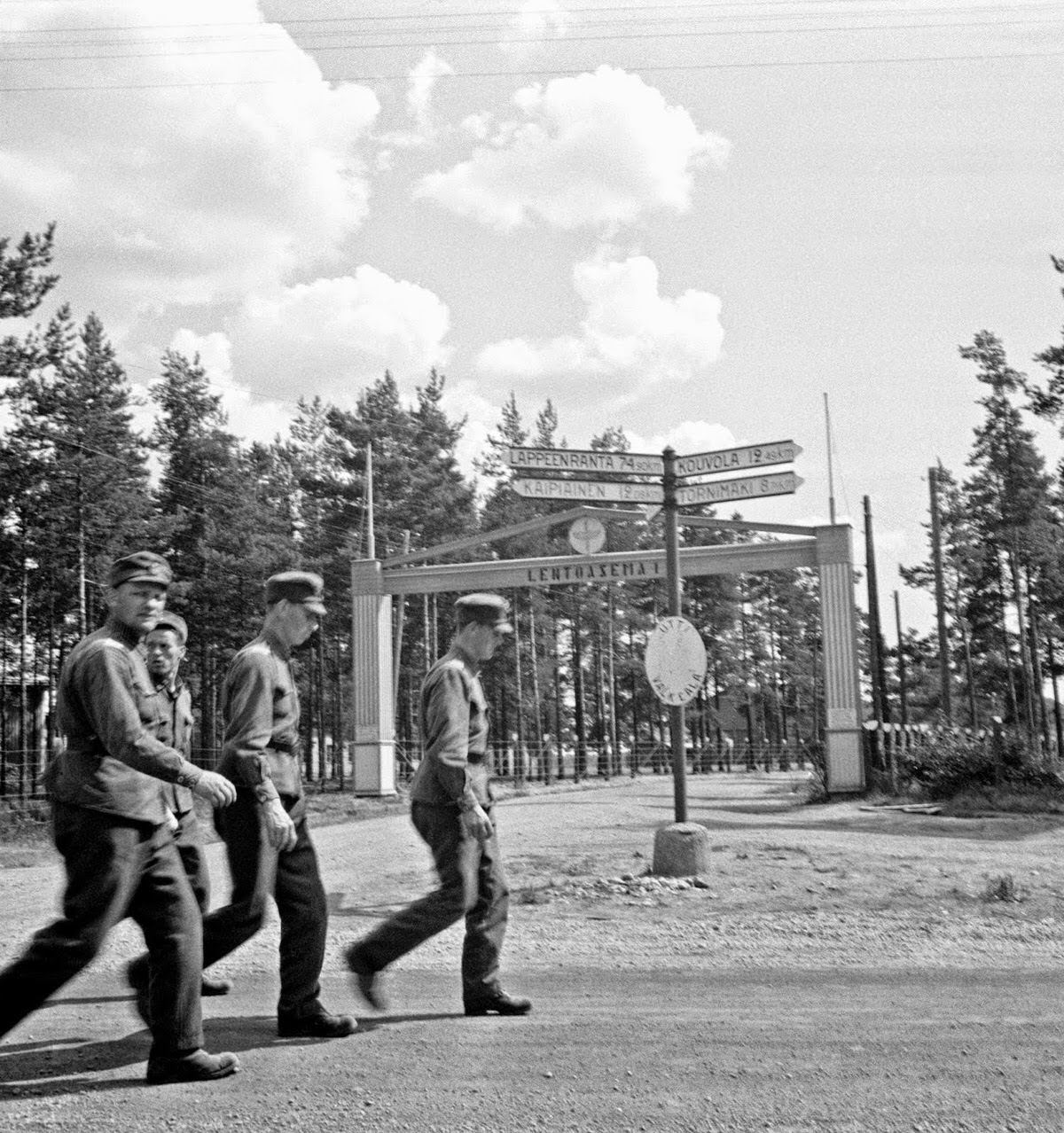
The military presence was visible everywhere. Soldiers moved through the countryside on bicycles, and government notices were pinned to church doors. Children hauled water from deep wells and tended to birch-wood saunas as part of their daily duties.
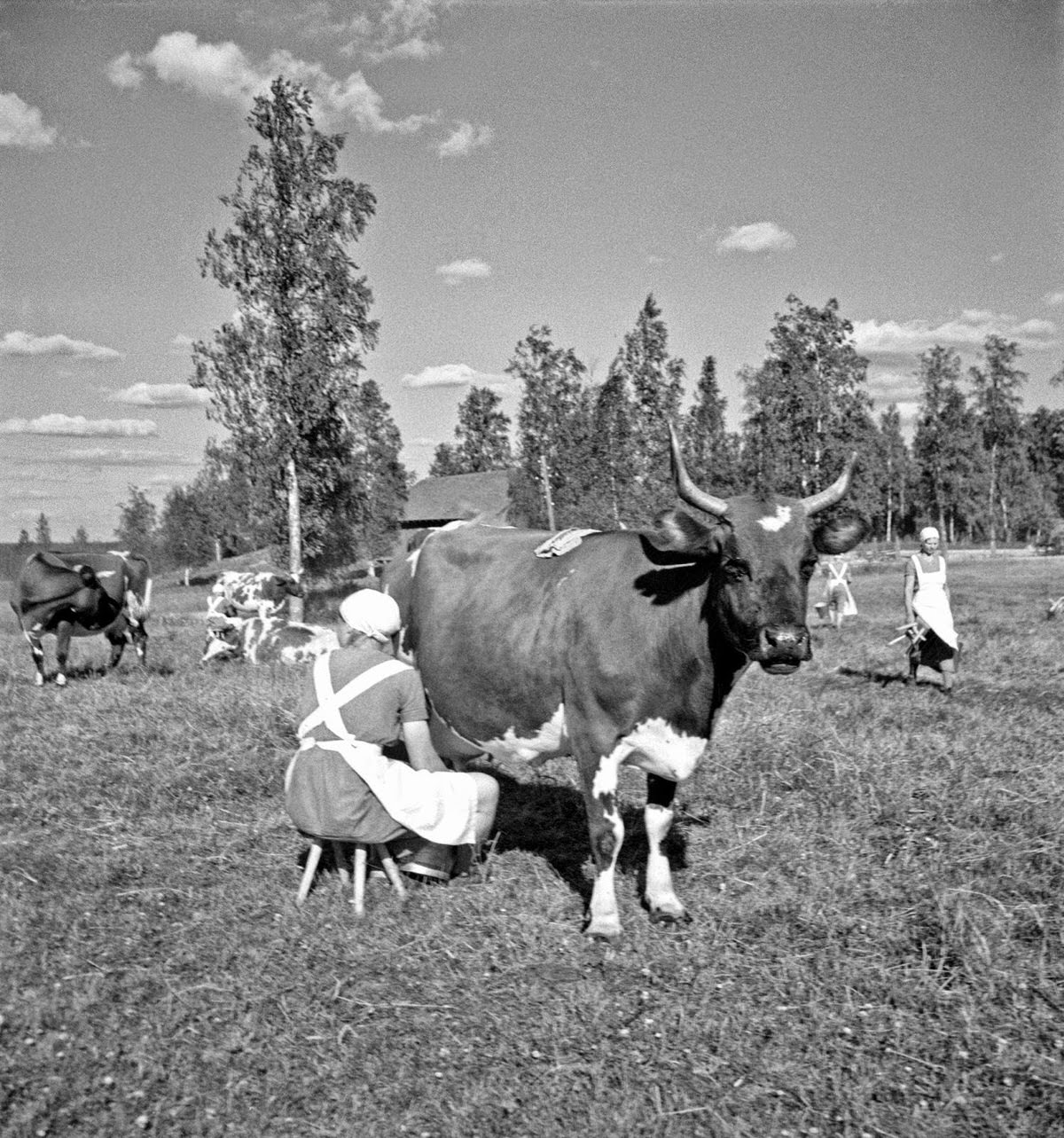
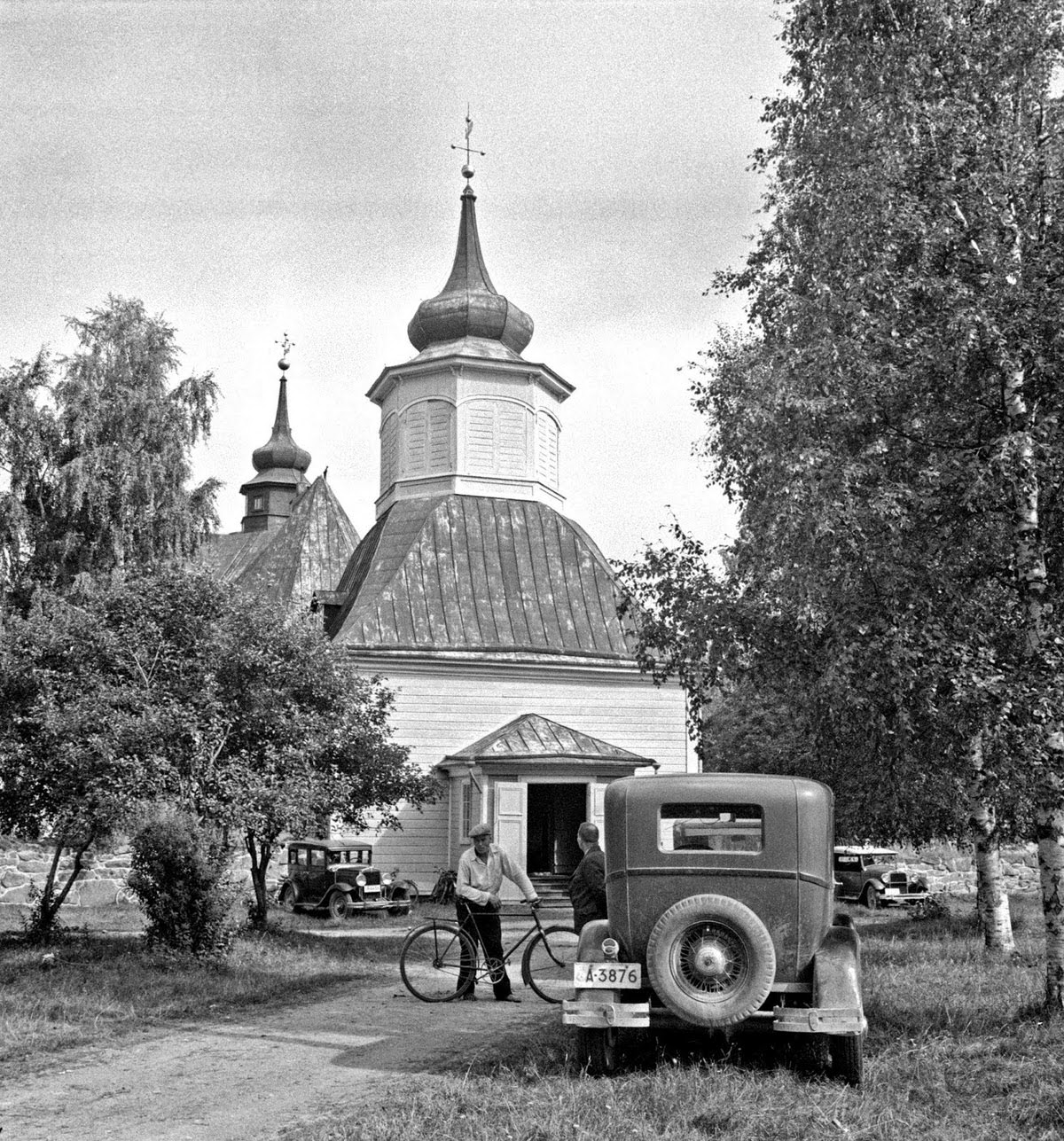
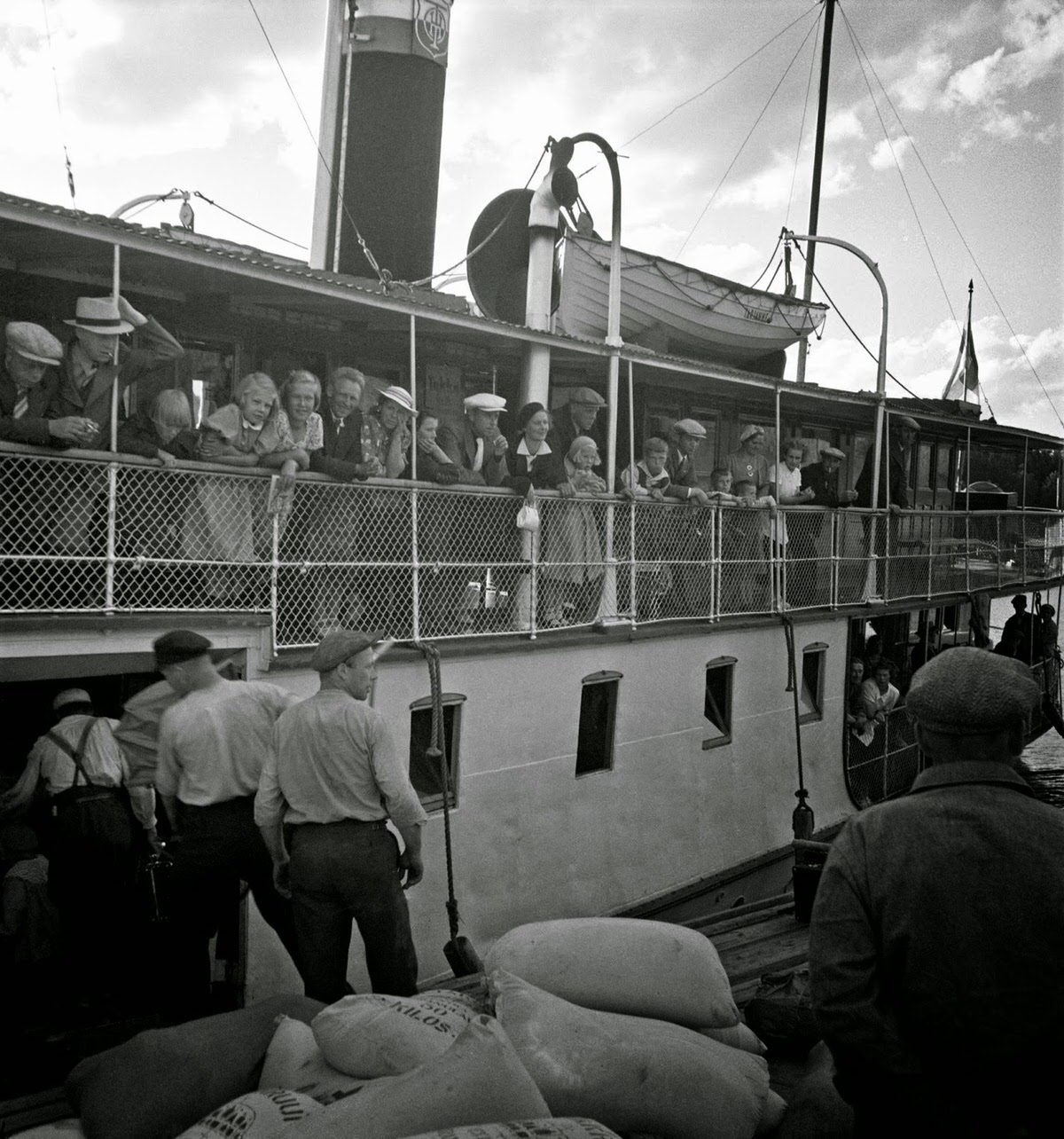
Wright’s photographs show a population that kept its routines intact despite the war. Agricultural work, community trade, and home upkeep continued even as distant military activity echoed across the landscape.