

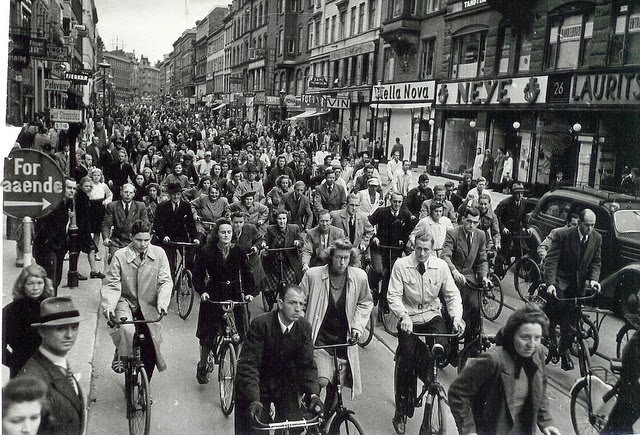
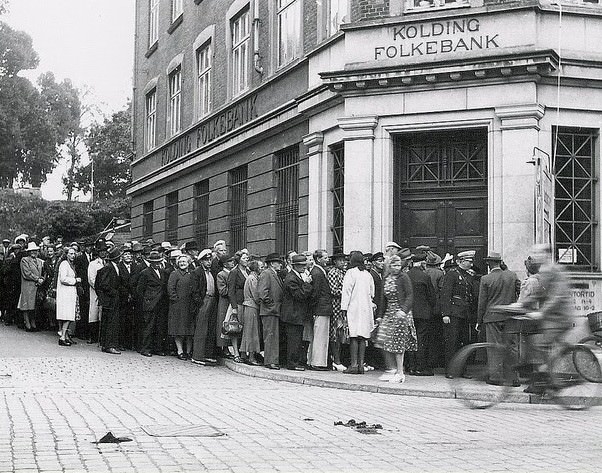
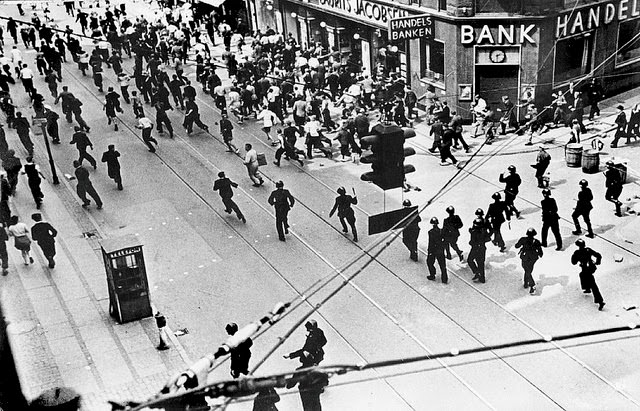
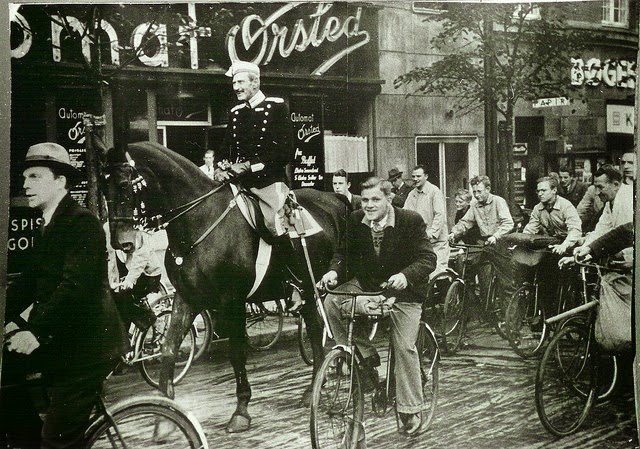
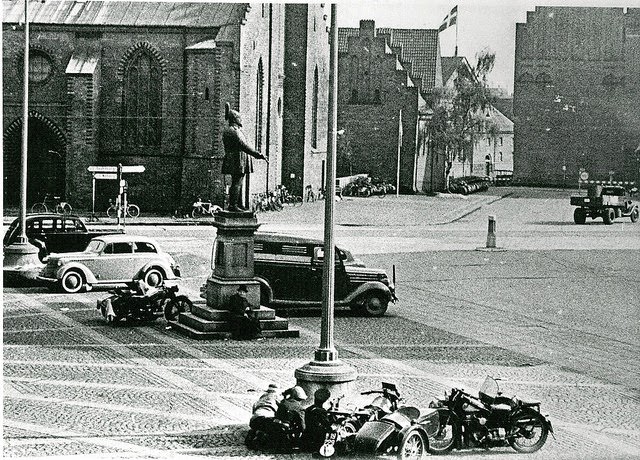
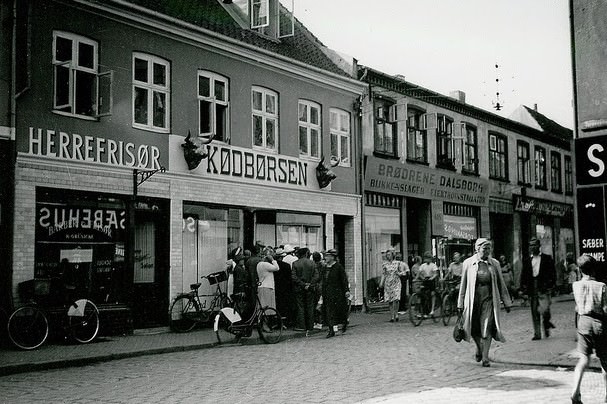
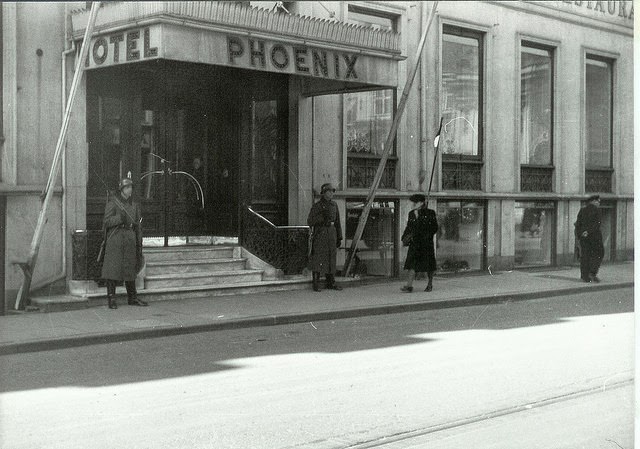
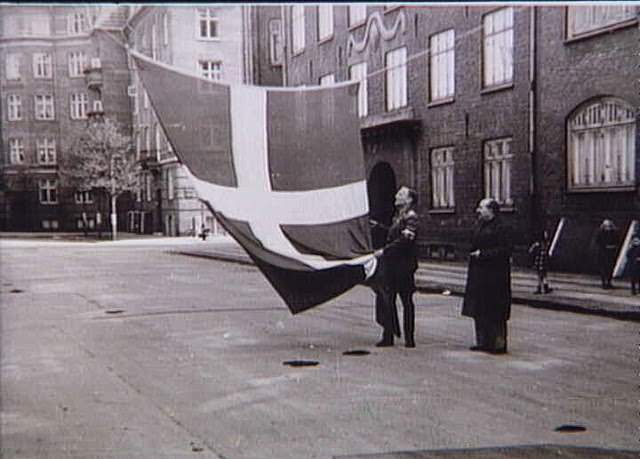
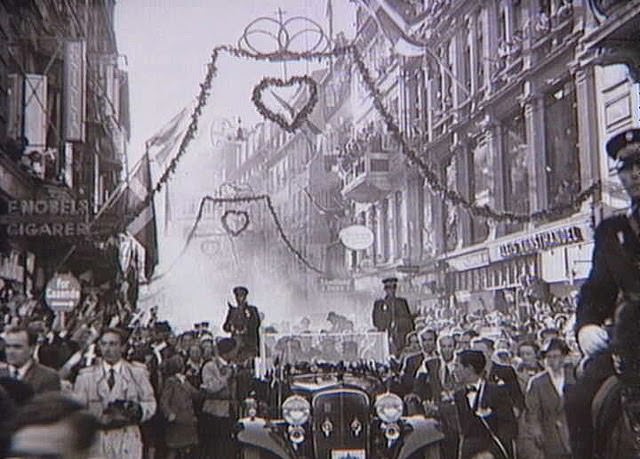
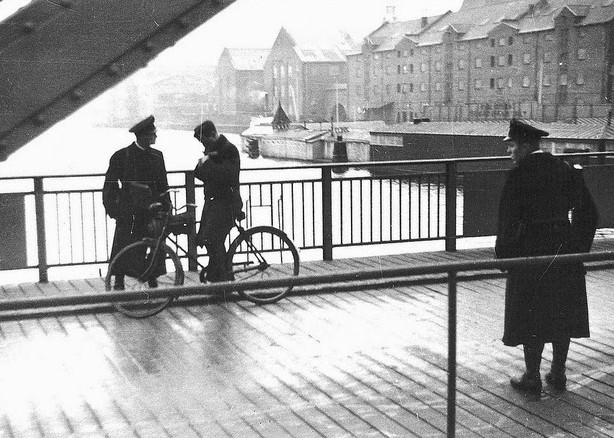
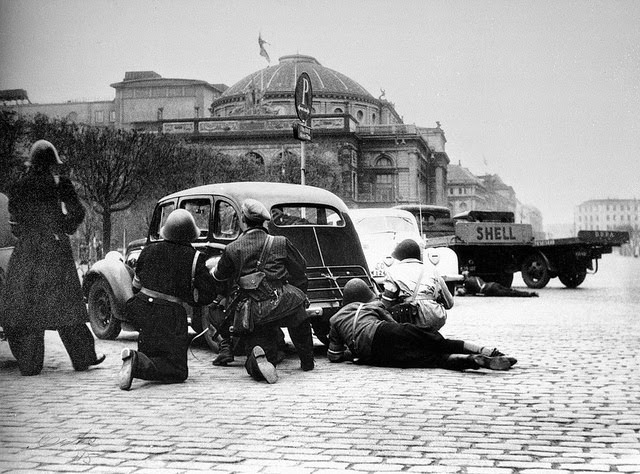
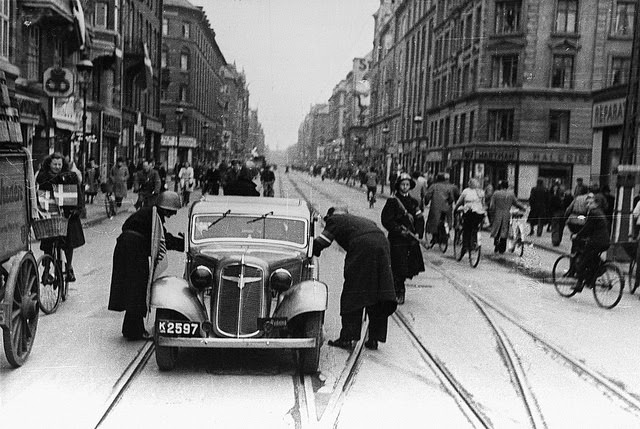
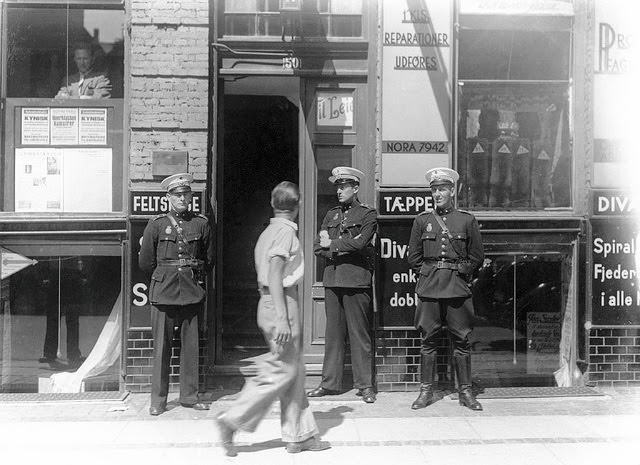
German soldiers walked the streets of Copenhagen alongside Danish police officers, creating a strange and tense atmosphere. Unlike other occupied nations, Denmark kept its own government and king for the first three years of the war. King Christian X became the most visible symbol of national unity. He rode his horse, Jubilee, through the capital every morning without any bodyguards. Citizens gathered on the sidewalks to tip their hats to him. This daily ritual served as a silent reminder that the country still belonged to the Danes, despite the foreign flags flying over government buildings.
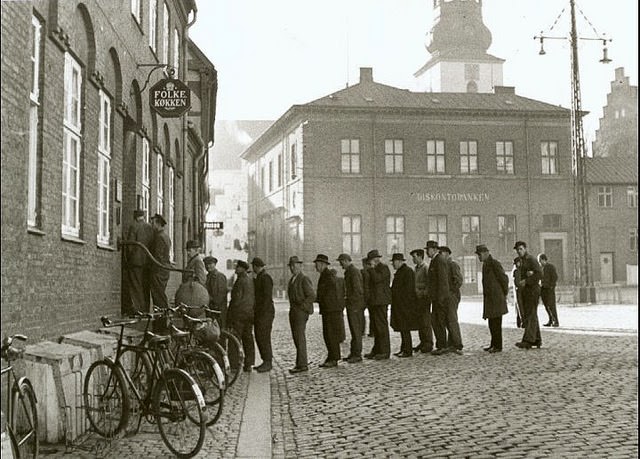
Shortages hit the household kitchens hard. Real coffee disappeared from shelves almost immediately. People drank a substitute made from roasted grain and chicory root, often sold under the brand name “Rich’s.” Rationing cards limited the amount of butter, sugar, and bread a family could buy each week. Heating became the biggest daily struggle. With coal imports cut off, Danes had to burn peat dug from local bogs. This fuel burned poorly and filled apartments with a foul, earthy smell, leaving rooms damp and cold during the freezing winters.
Read more
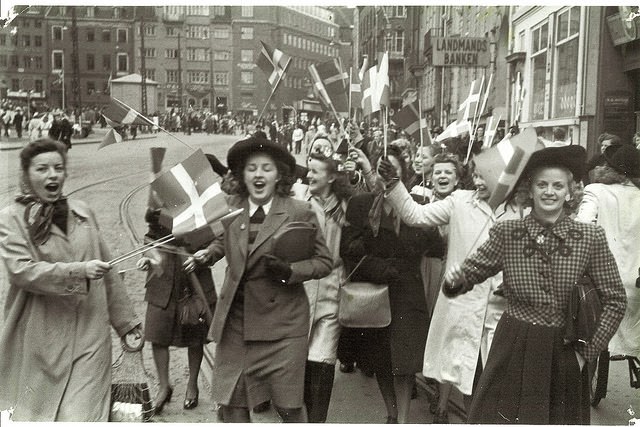
At night, the “blackout” enforced total darkness. Residents covered every window with heavy black paper or thick curtains to hide lights from Allied bombers. Streetlights were painted blue or turned off entirely, making travel after sunset dangerous. To combat the gloom, a tradition called Alsang, or community singing, spread across the country. Thousands of people gathered in parks and squares to sing traditional Danish songs. Since singing was not illegal, it allowed the population to protest the occupation without risking arrest.
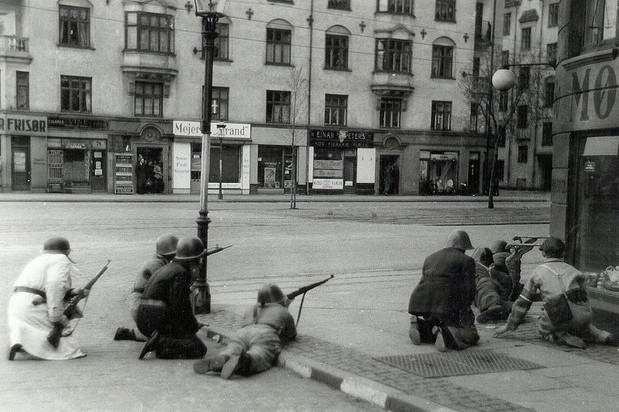
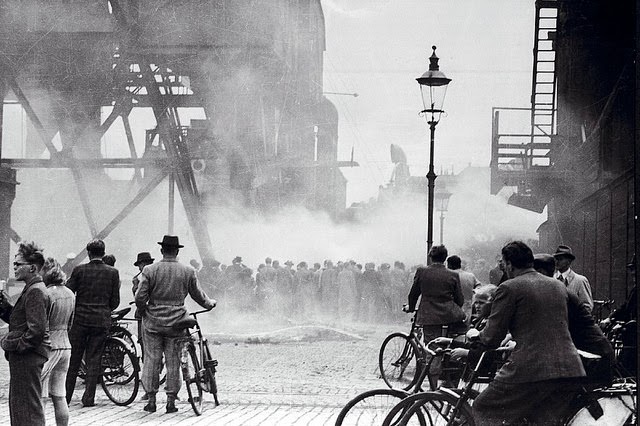
The resistance movement grew bolder as the war dragged on. Saboteurs targeted the railway lines that the German army used to transport troops and supplies to Norway. Young men planted explosives on the tracks, causing trains to derail and delaying military shipments. In the autumn of 1943, ordinary citizens performed a massive rescue operation. When news leaked that the German police planned to arrest Danish Jews, neighbors hid families in attics, hospitals, and churches. Fishermen used small fishing boats to ferry over 7,000 people across the dark waters to neutral Sweden, hiding them under canvas tarps that smelled of fish to fool patrol dogs.
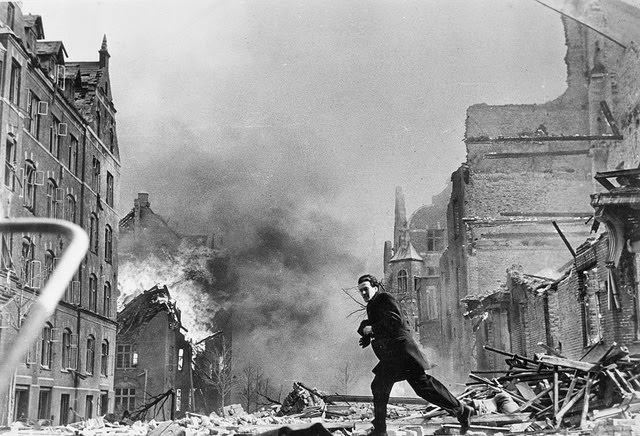
On the west coast of Jutland, the landscape changed physically. The German military poured thousands of tons of concrete to build the Atlantic Wall. Massive gray bunkers rose up from the sand dunes, designed to repel an Allied invasion. Farmers in these areas had to navigate around minefields and barbed wire to tend to their crops. While the cities dealt with spies and shortages, the countryside became a heavily fortified military zone.
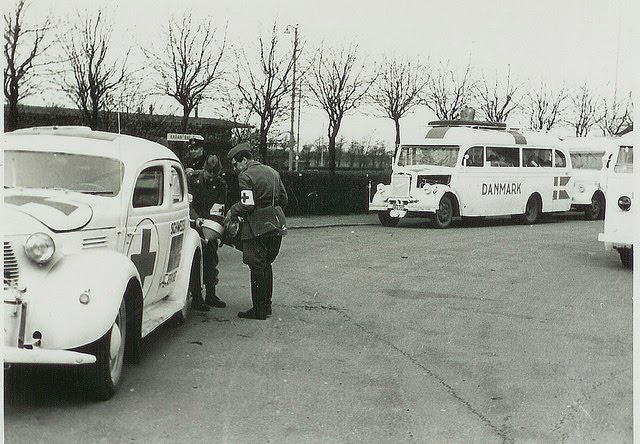
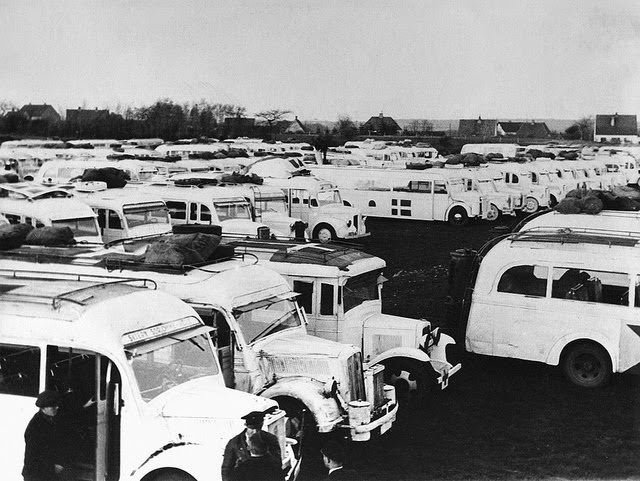
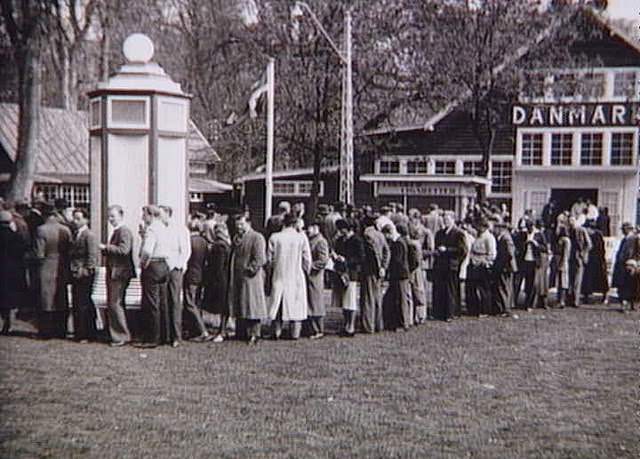
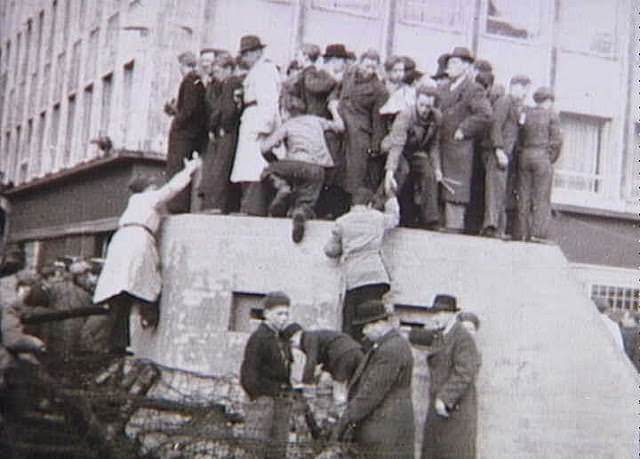
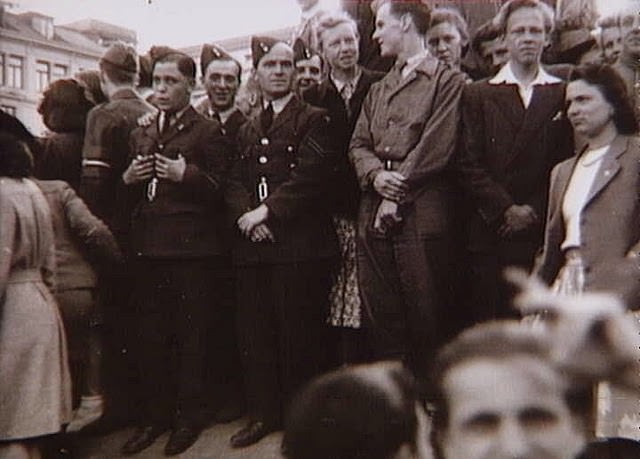
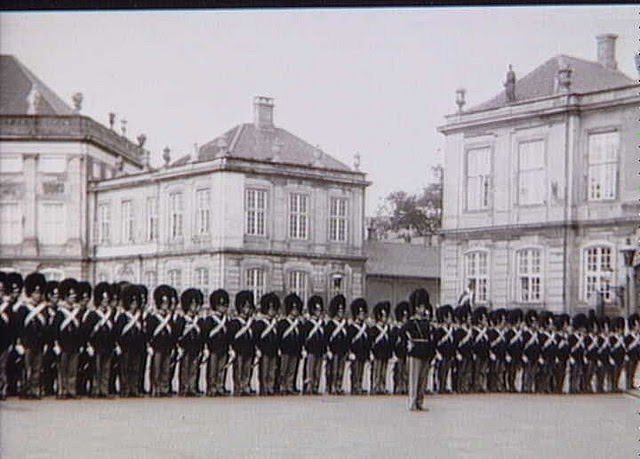
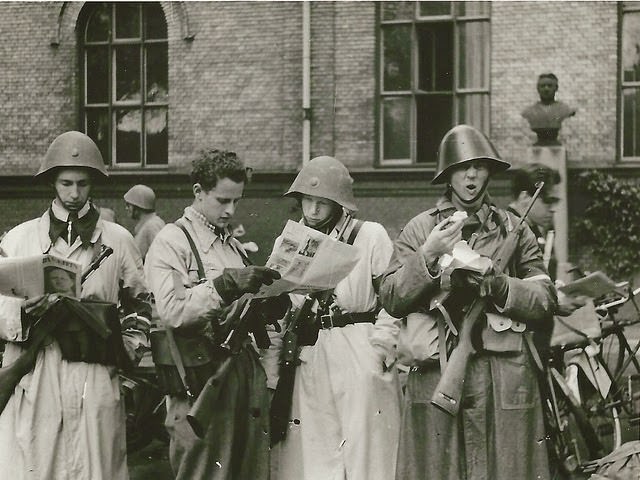
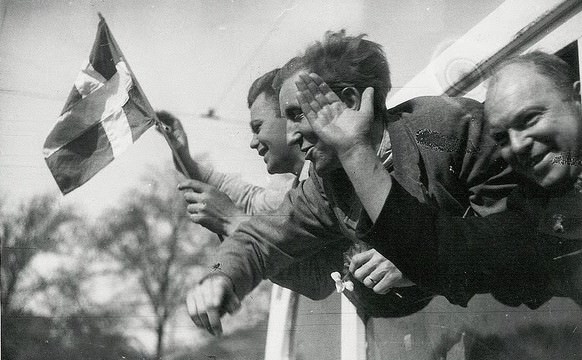
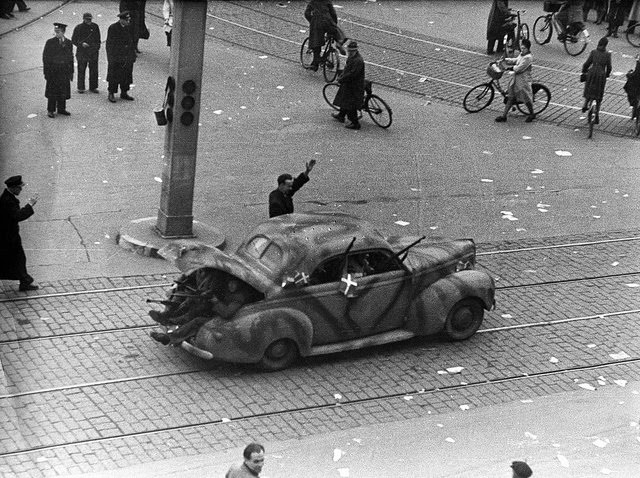
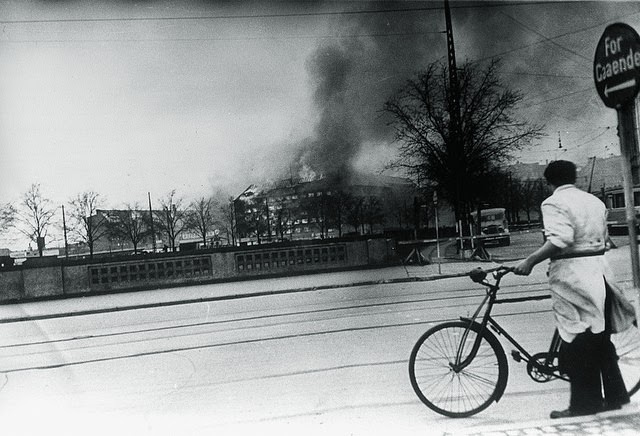
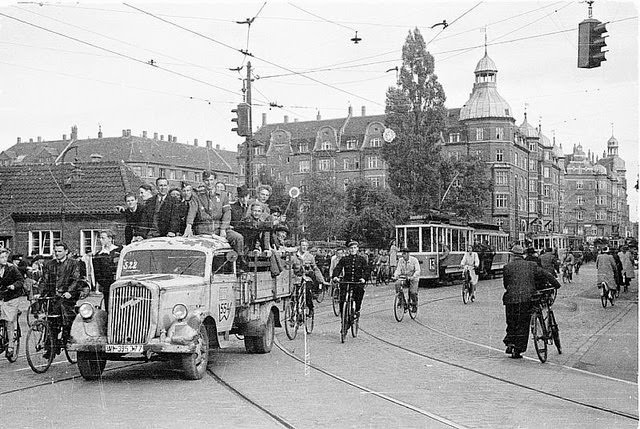
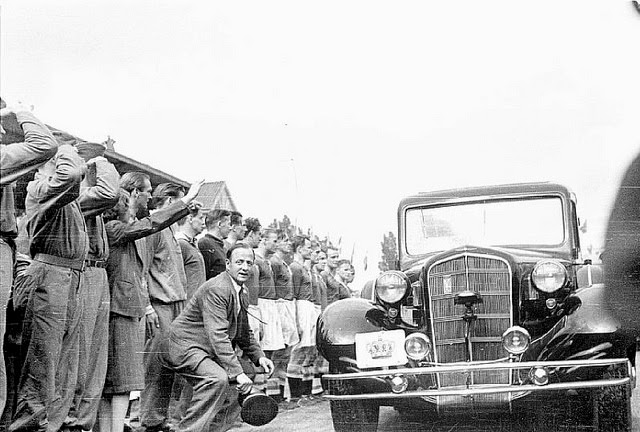

I believe the White buses were Red Cross buses used to move DP or Displaced Persons. One famous episode involving Red Cross buses was – at the end of the war Himmler was trying to curry favor with the Allies. His contact with the Allies was Swedish diplomat Count Bernadotte. Himmler promised to release thousands of Jews in return for a role in the post war period ( as if – what a joke ).
A quote from Berndottes Wiki:
“The mission became known for its buses, painted entirely white except for the Red Cross emblem on the side, so that they would not be mistaken for military targets. In total it included 308 personnel (about 20 medics and the rest volunteer soldiers), 36 hospital buses, 19 trucks, seven passenger cars, seven motorcycles, a tow truck, a field kitchen, and full supplies for the entire trip, including food and gasoline, none of which was permitted to be obtained in Germany. A count of 21,000 people rescued included 8,000 Danes and Norwegians, 5,911 Poles, 2,629 French, 1,615 Jews, and 1,124 Germans.
After Germany’s surrender, the White Buses mission continued in May and June and about 10,000 additional liberated prisoners were thus evacuated.
Bernadotte recounted the White Buses mission in his book The End. My Humanitarian Negotiations in Germany in 1945 and Their Political Consequences, published on June 15, 1945 in Swedish.”
Really interesting stuff.