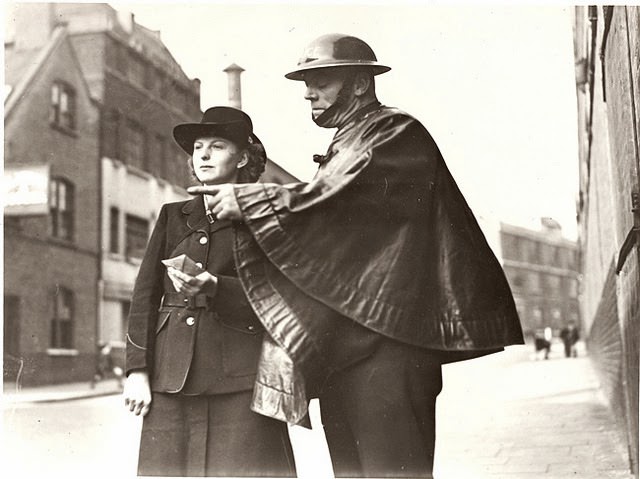
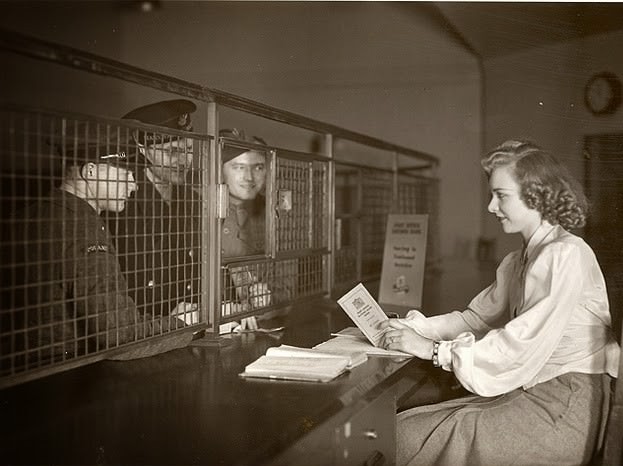
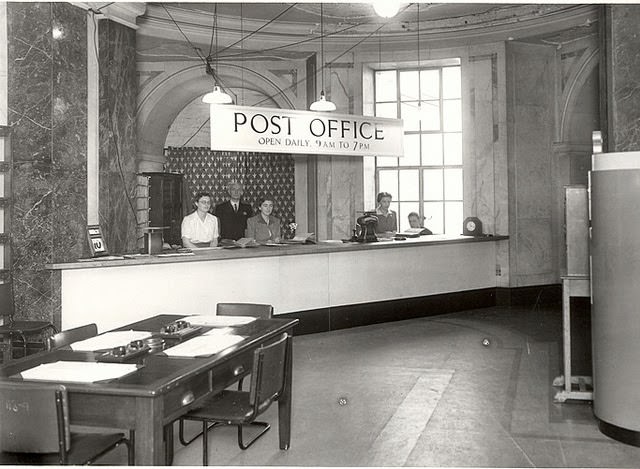
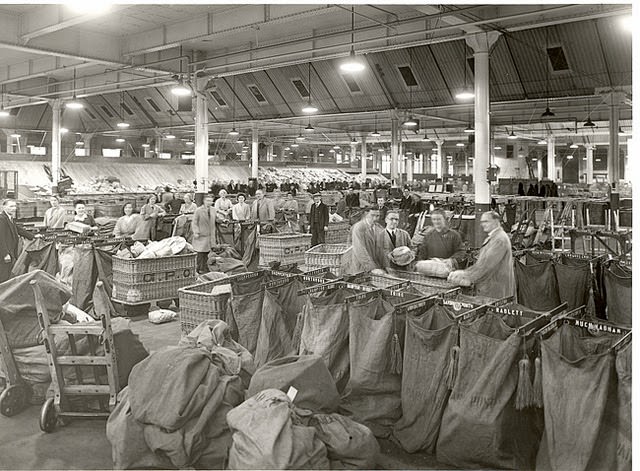
When war broke out in 1939, thousands of experienced male postal workers left the General Post Office (GPO) to join the armed forces. To fill the gap, the GPO recruited women and teenagers on a massive scale. Women drove delivery vans, sorted heavy mailbags, and staffed telephone switchboards during active air raids. Young boys, often under 16, worked as telegram messengers — riding bicycles through blacked-out streets and bombing zones to deliver urgent news to families and government officials.
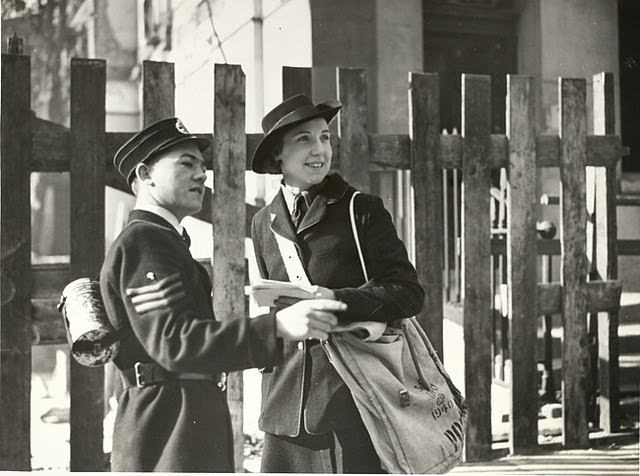
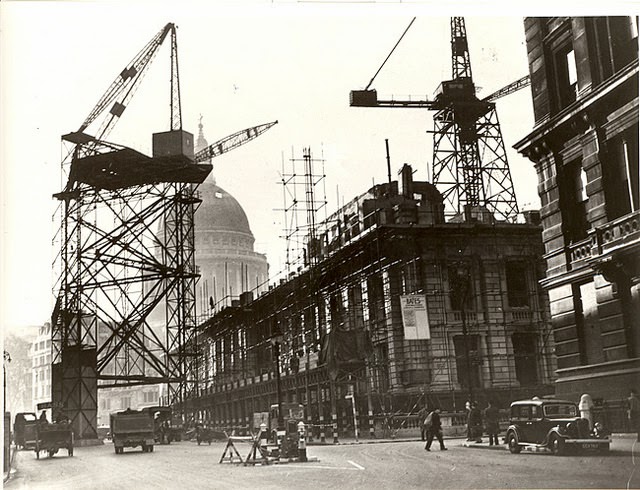
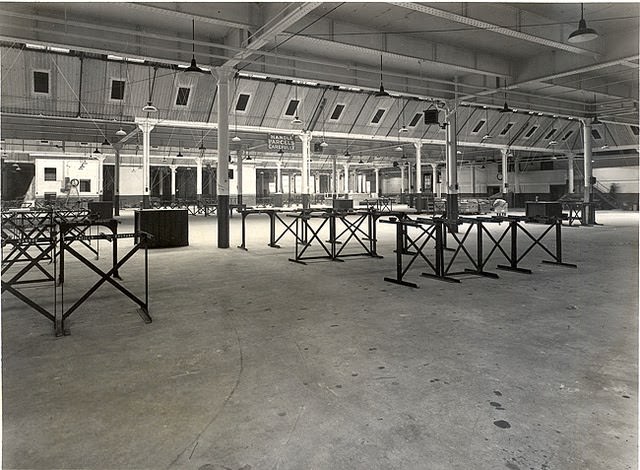
German bombers frequently targeted GPO buildings to cut off British communications. The Mount Pleasant sorting office in London — the largest of its kind in the world — took direct hits during the Blitz.
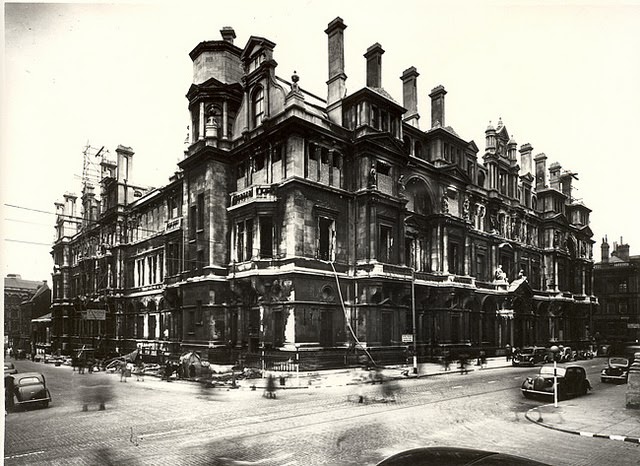
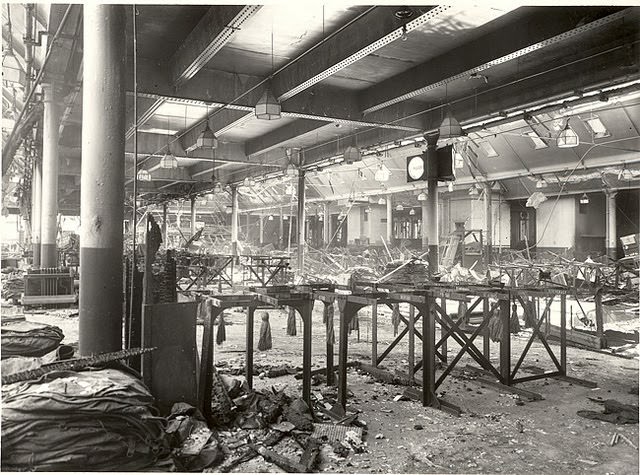
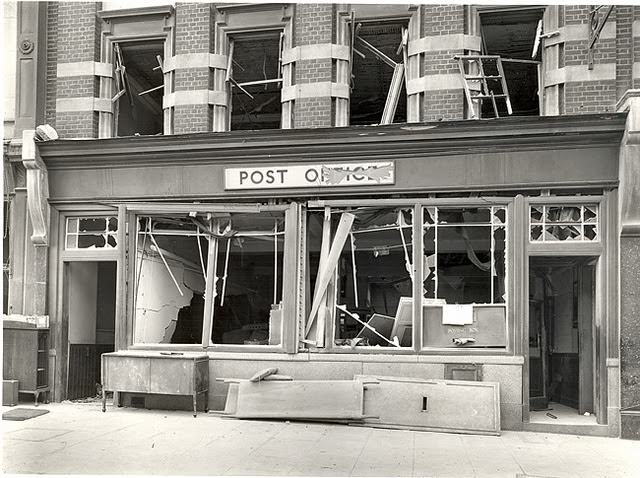
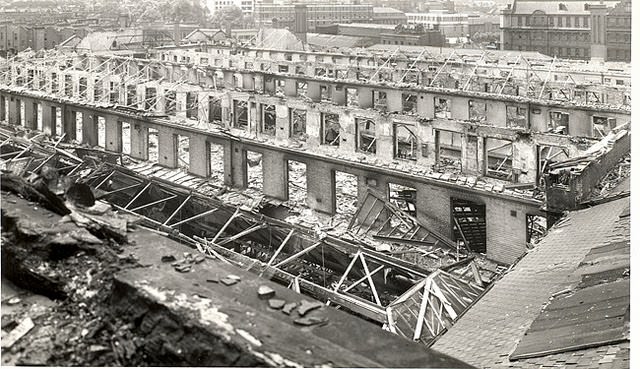
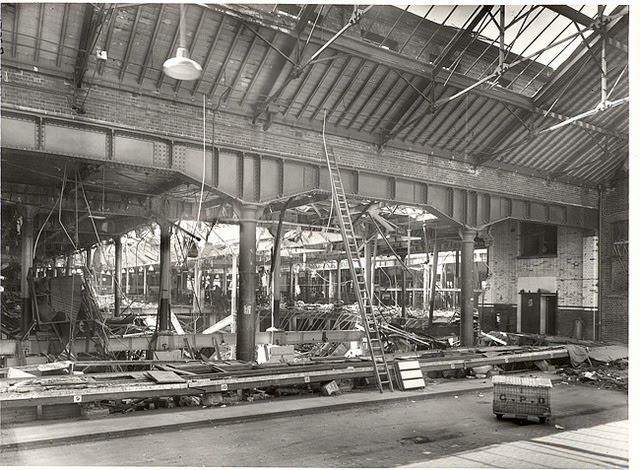
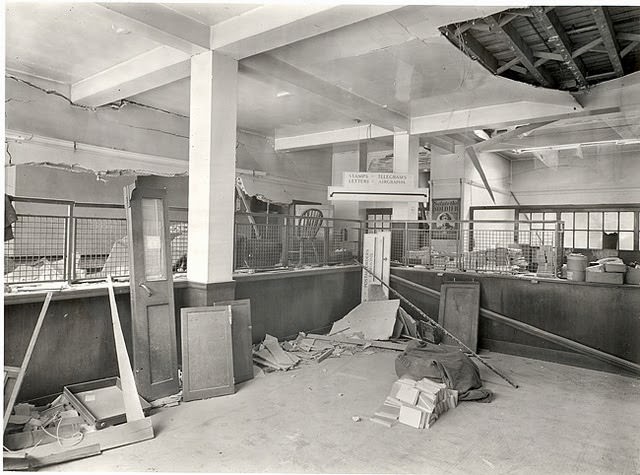
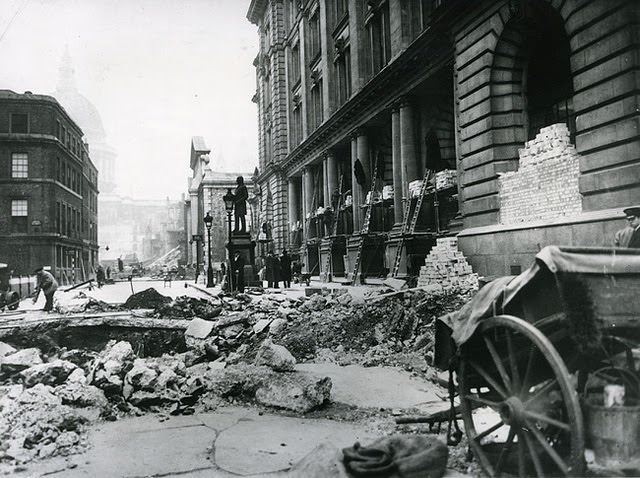
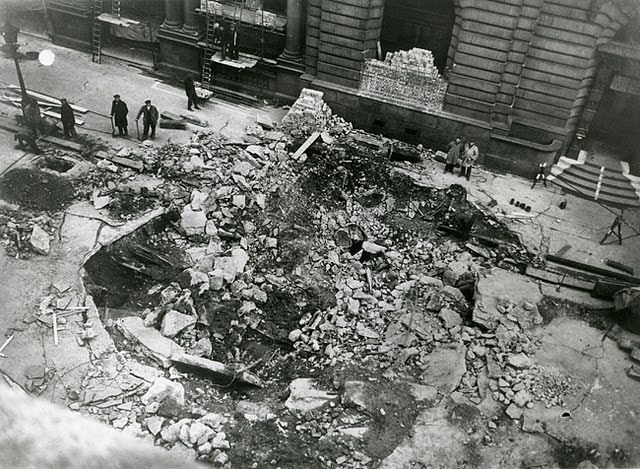
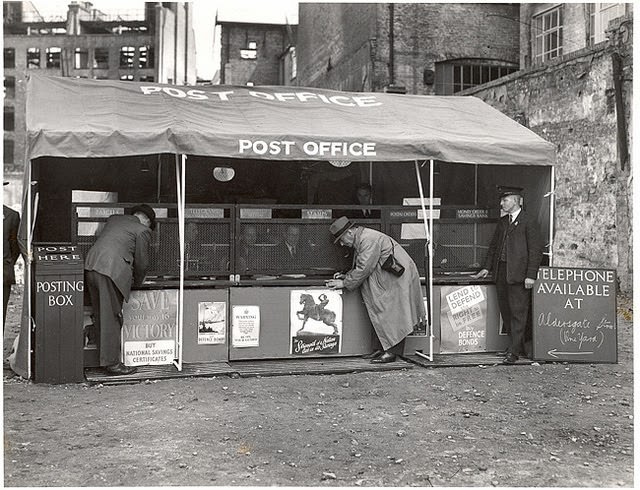
When a local post office branch was destroyed, the GPO deployed mobile post offices — converted buses or large vans parked on rubble-strewn street corners. Residents queued outside to buy stamps, send parcels, and collect pensions. The service never stopped. Damaged facilities were repaired and rebuilt as quickly as possible, with staff trained to keep operations running under fire.
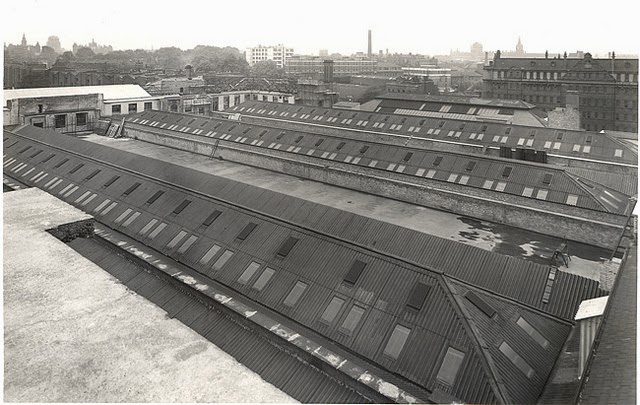
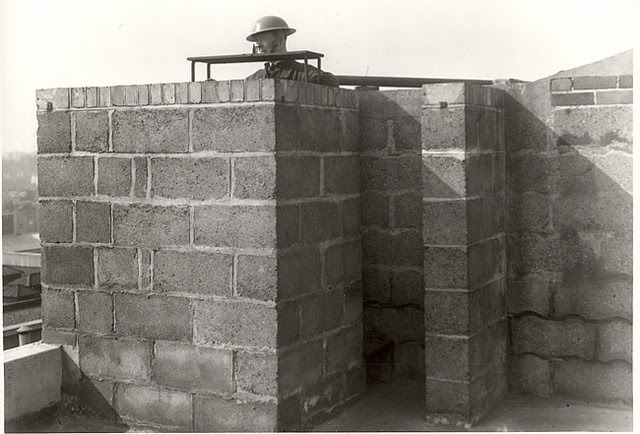
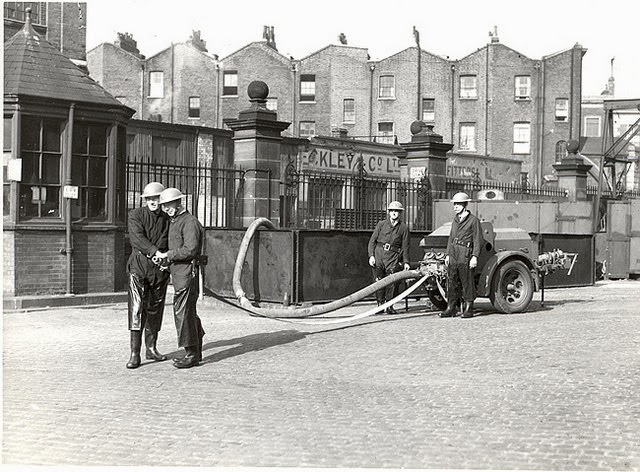
Spotters and fire crews were stationed on the rooftops of major GPO buildings to watch for incendiary bombs and respond immediately.
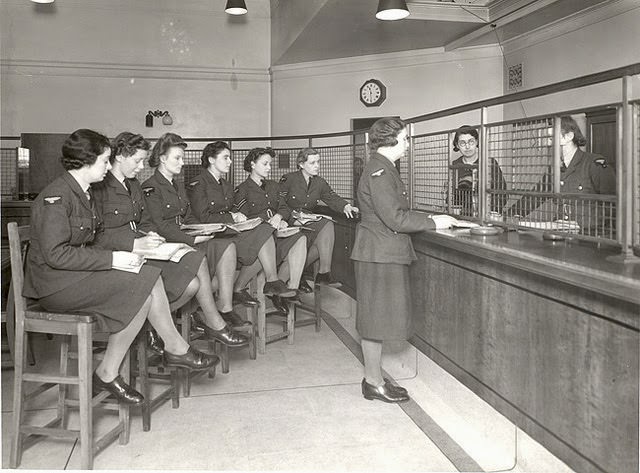
RAF personnel and members of the Women’s Royal Naval Service (WRNS) received postal training so military units could manage their own mail operations in the field.
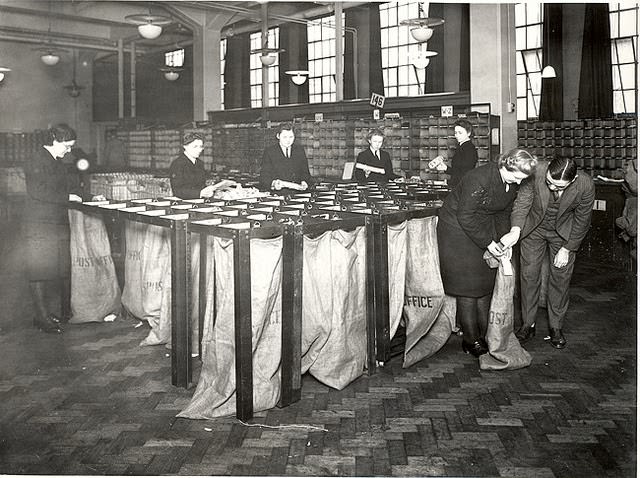
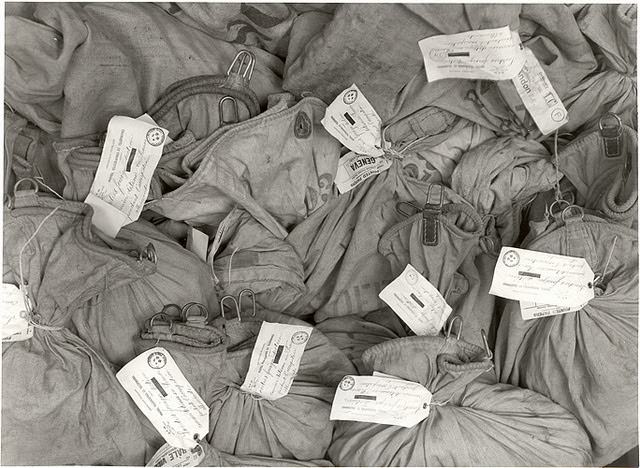
At the peak of the conflict, the GPO handled over 12 million letters and packets every week for the armed forces alone. Special trains moved military mail secretly across the country to port cities, where bags were loaded onto convoy ships.
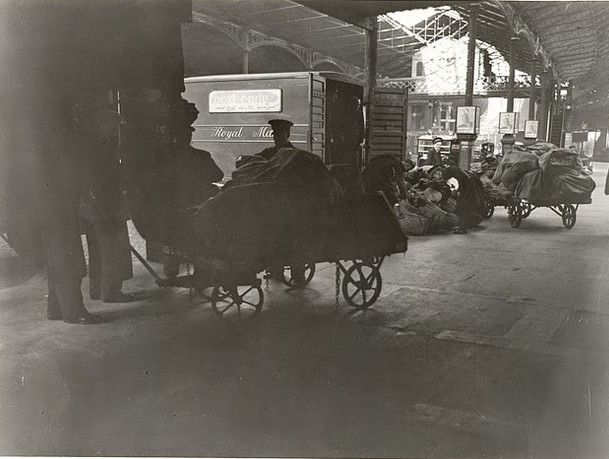
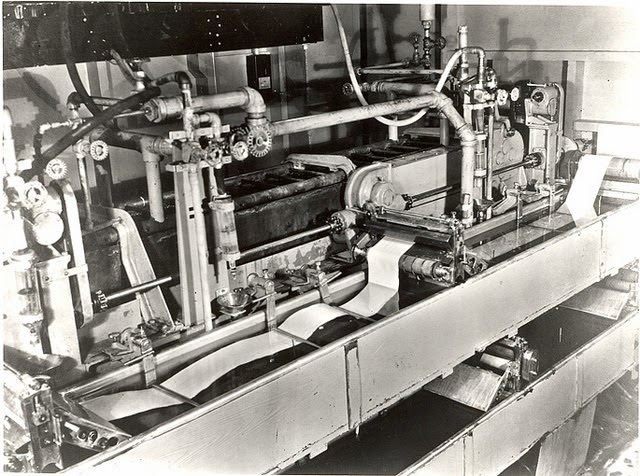
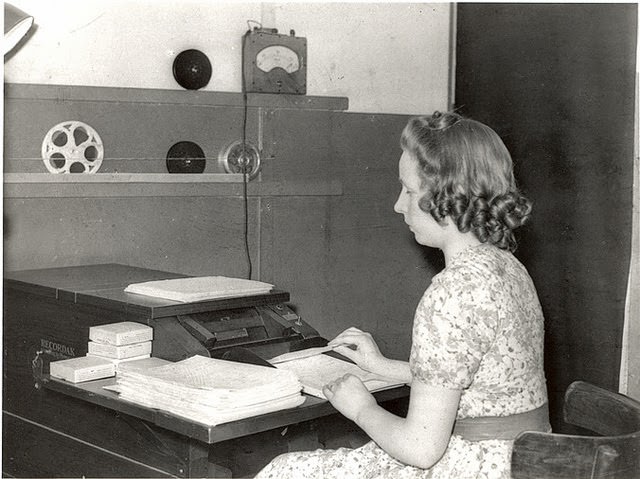
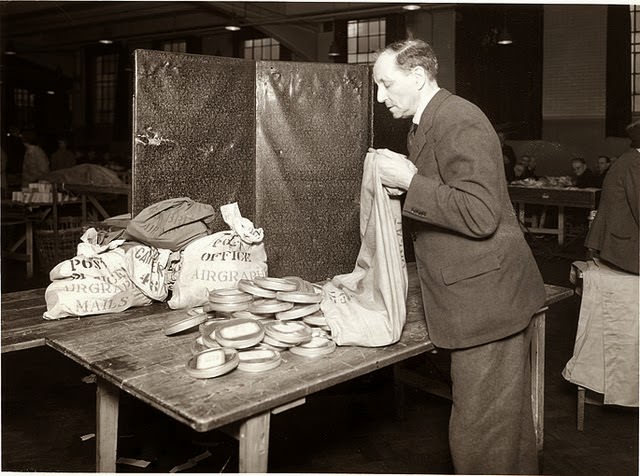
Sending physical letters to troops in North Africa and Asia consumed vital cargo space. The GPO introduced the Airgraph service in 1941 to solve this. Senders wrote on a special form, which was then photographed onto microfilm. One sack of microfilm reels held the equivalent of 4,500 pounds of standard mail. The reels were flown to the destination, developed, and printed onto small photographic sheets.
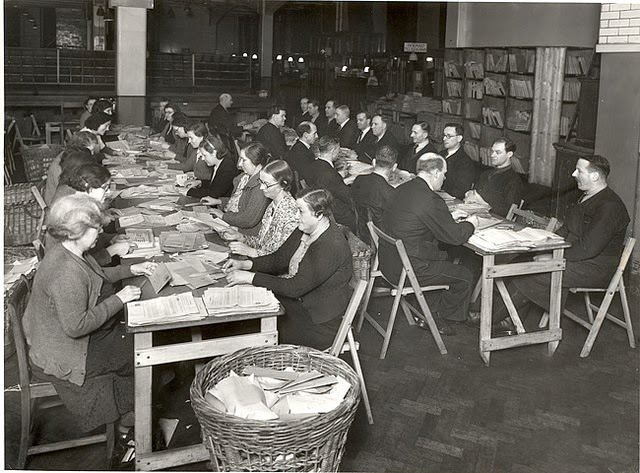
Every piece of outgoing mail passed through government censorship stations. Examiners opened letters and blacked out or physically cut out any details about troop movements, ship locations, or weather. The Post Office also ran public campaigns warning citizens that “Careless Talk Costs Lives.”