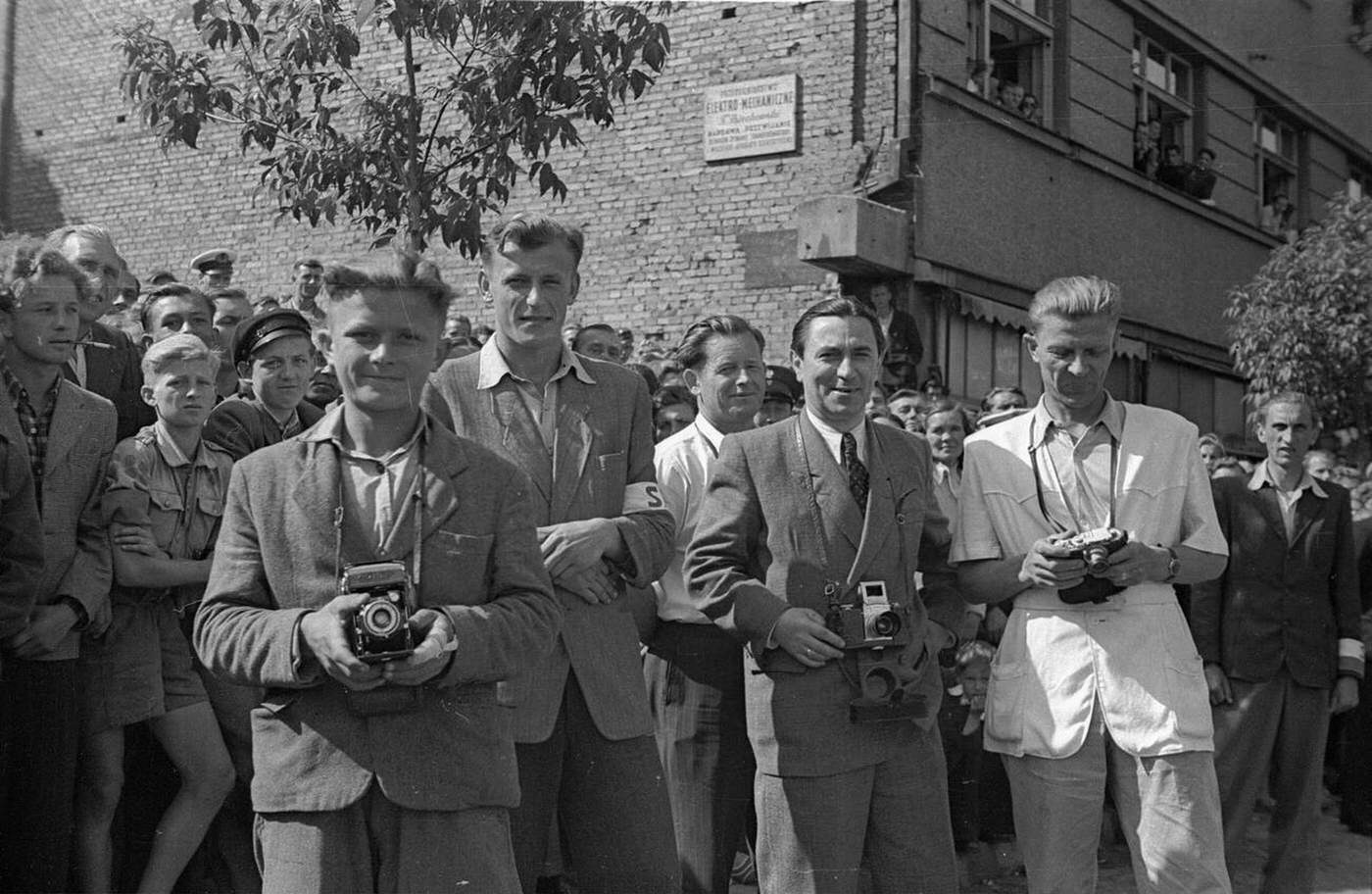
World War II was a war of images as much as it was a war of weapons. For the first time in history, a global conflict was documented on a massive scale—not by painters or sketch artists, but by men and women armed with cameras. These photographers waded onto blood-soaked beaches, flew through skies thick with anti-aircraft fire, and walked into the ruins of liberated concentration camps. They were not safe observers working from a distance. They were in the middle of the action, often unarmed, and they paid for those images with their lives.
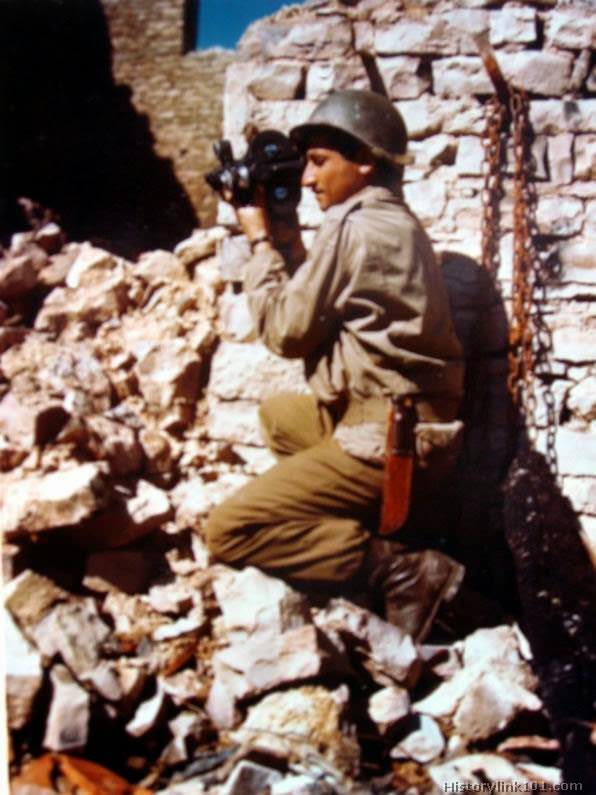
The photographers of WWII were not one unified group. They came from different backgrounds and served different purposes across every theater of the war. The most numerous were the official military combat photographers—enlisted men belonging to units like the U.S. Army Signal Corps or the U.S. Navy’s photographic units. These were trained soldiers who also knew how to handle a camera. Their primary job was to document military operations for official records, training manuals, and intelligence analysis.
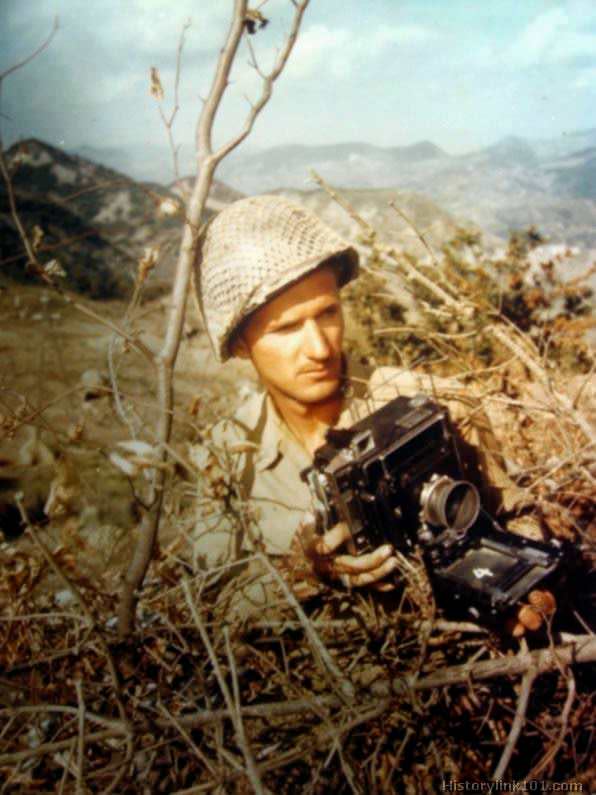
Their photographs were practical and direct, built to inform military commanders rather than stir emotions in the public. Every major invasion, ground offensive, and new piece of equipment was captured by these servicemen. The images they produced formed a massive official archive of the war’s mechanics and scale.
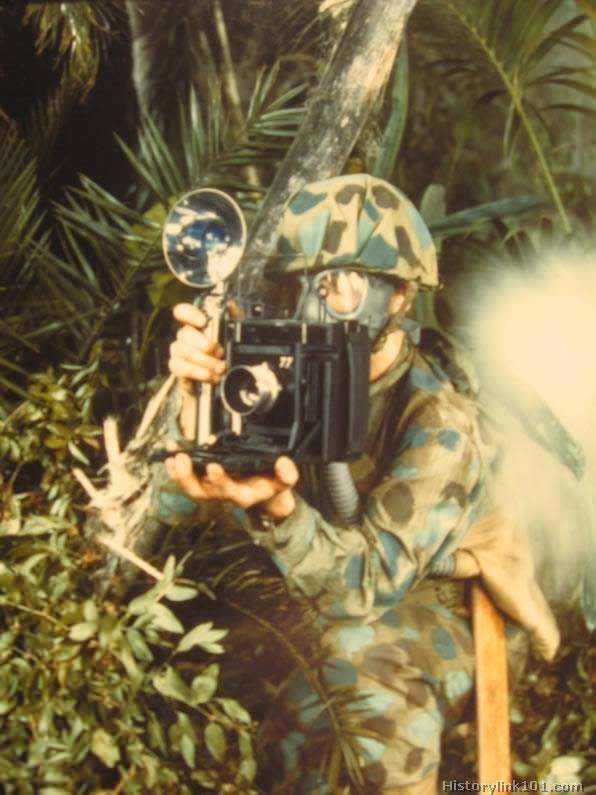
Then there were the civilian photojournalists working for major publications like LIFE magazine, Time, and the Associated Press. Accredited by the military, they had access to the front lines but also had more freedom to tell the human story of the war. They focused on the faces of exhausted soldiers, the destruction of entire cities, and the raw emotional toll of combat. This group produced many of the war’s most iconic photographs.
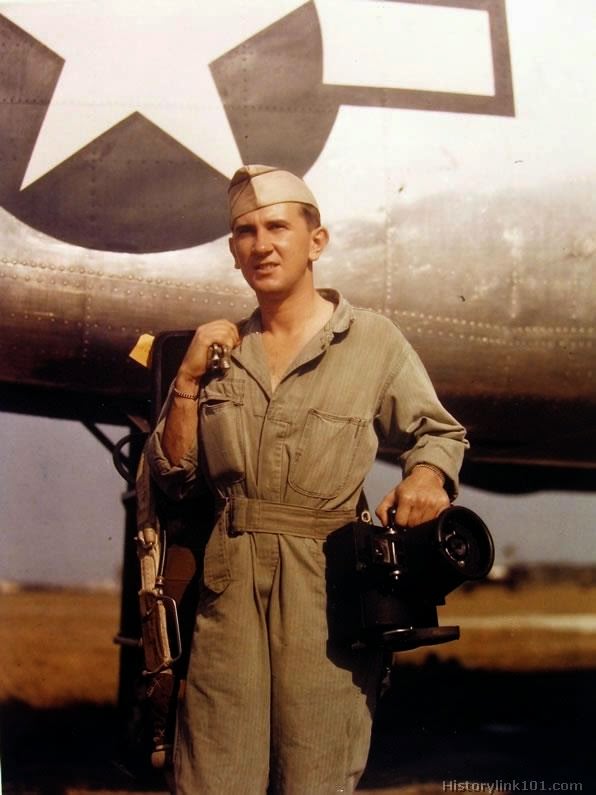
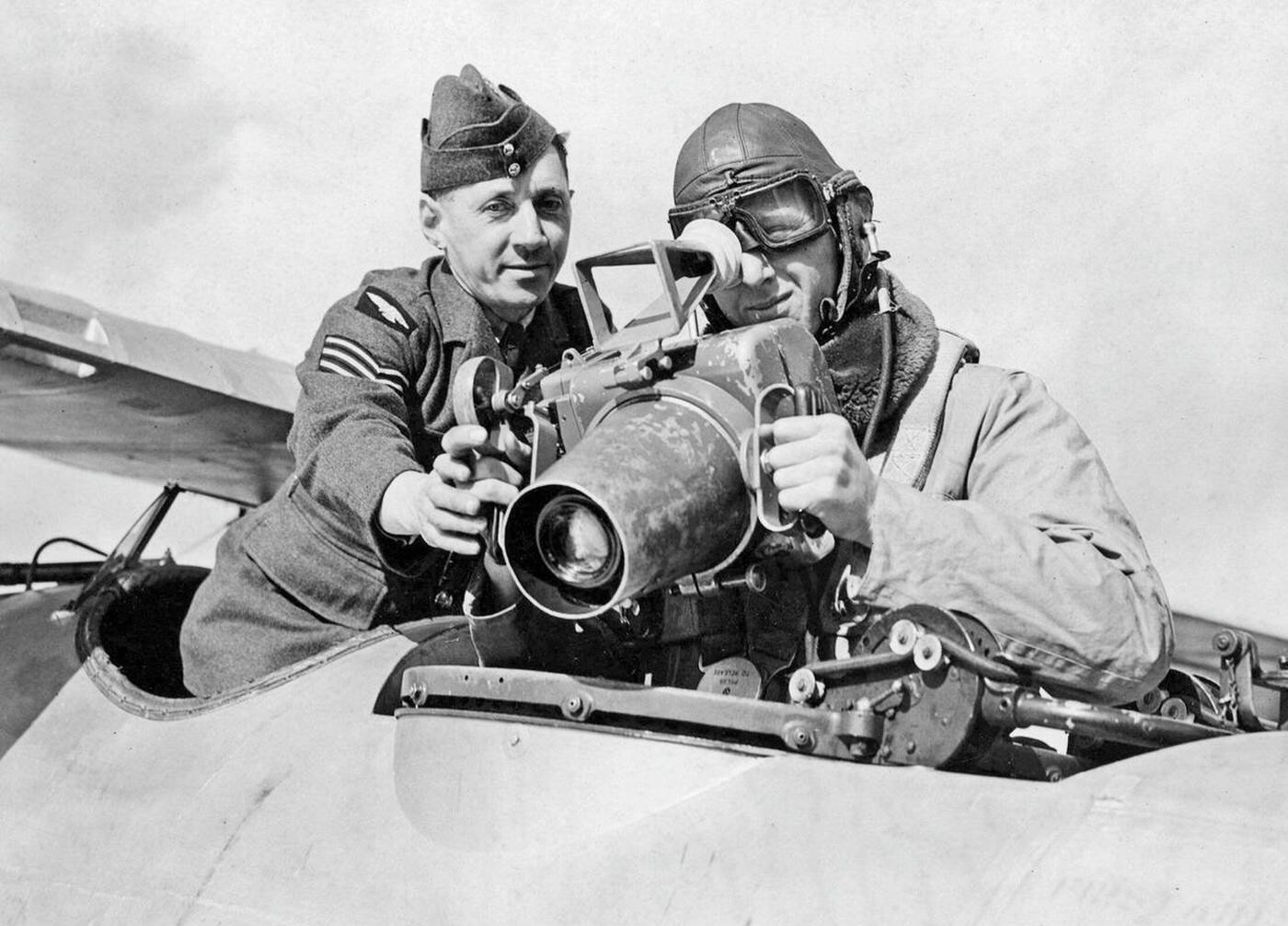
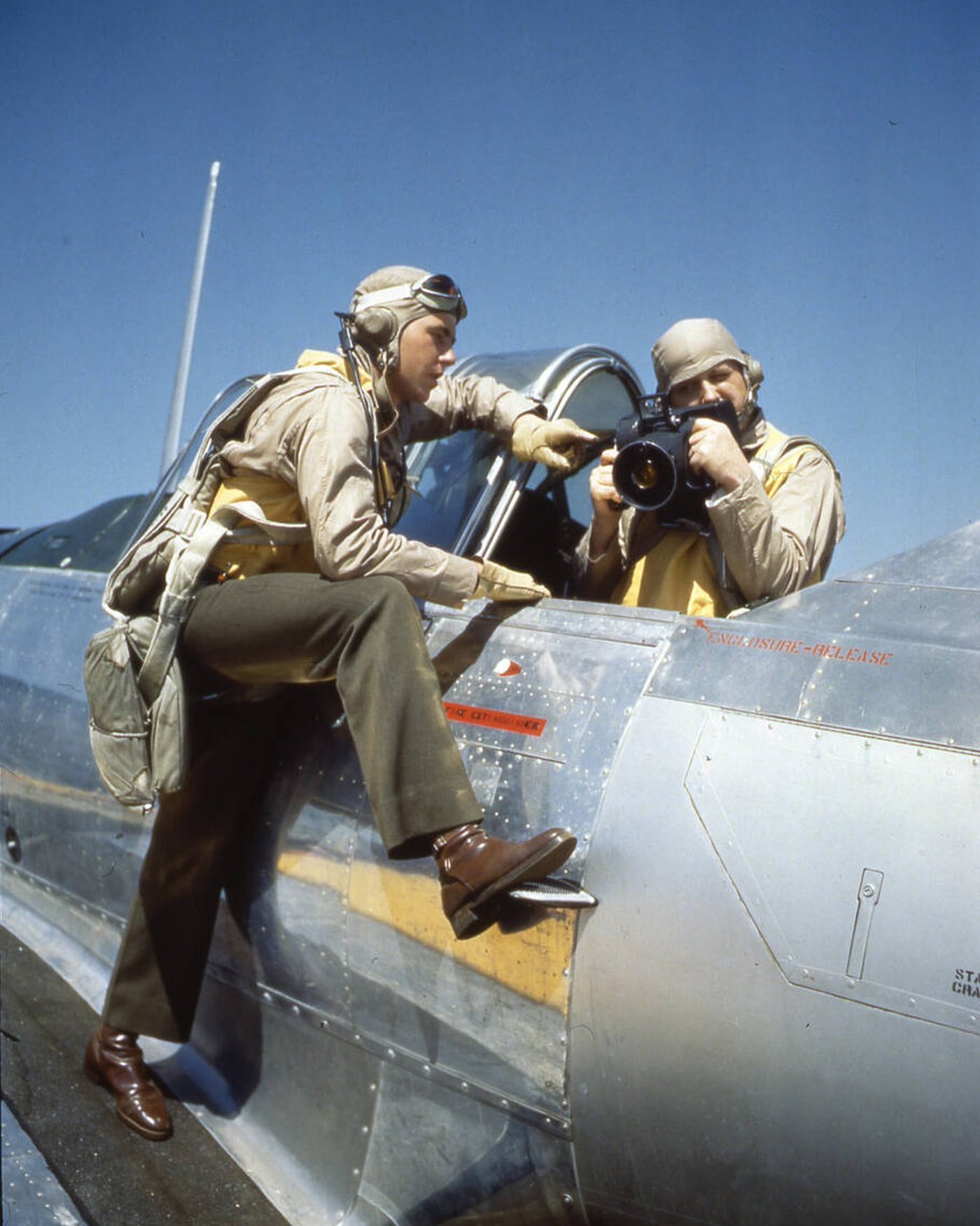
Aerial photography was its own demanding specialty. Photographers flying on missions operated cameras mounted inside aircraft or carried handheld equipment while navigating the same dangers as the crew around them—flak, enemy fighters, and freezing high-altitude conditions.
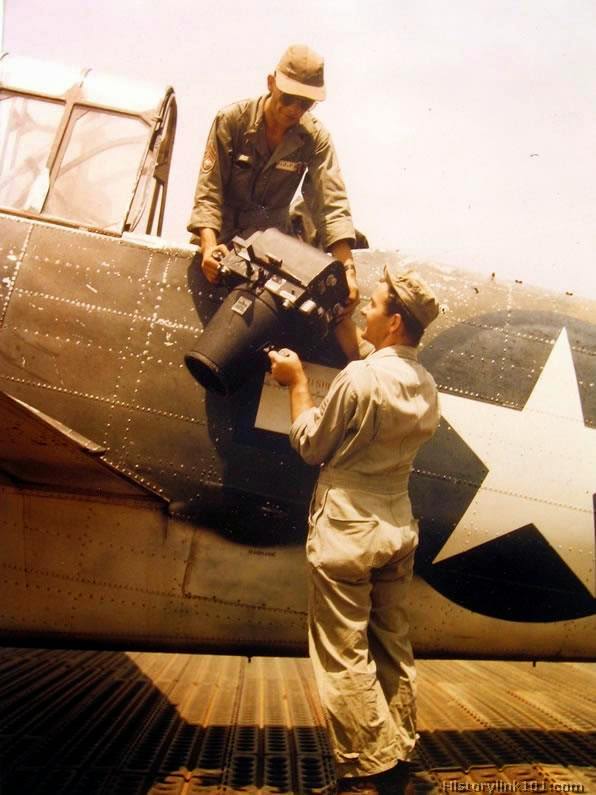
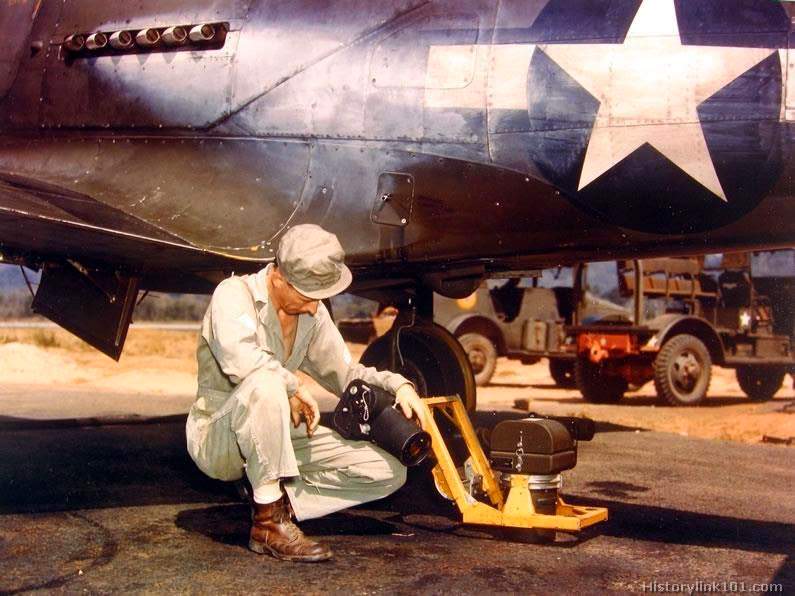
Processing and transporting film required its own infrastructure. Once shots were taken, rolls and film sheets had to be carefully protected from heat and moisture, then transported—sometimes thousands of miles by jeep or plane—back to a darkroom for developing and printing. Mobile photo trailers brought that darkroom capability closer to the front.
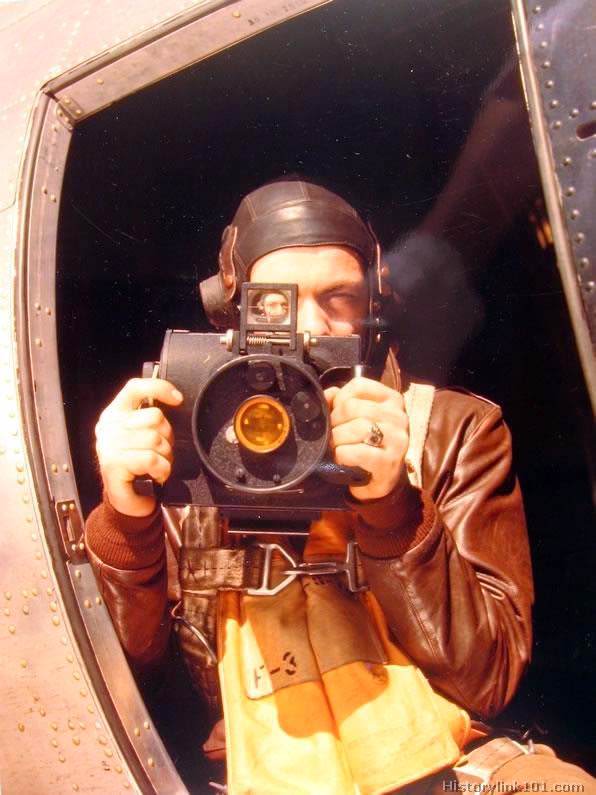
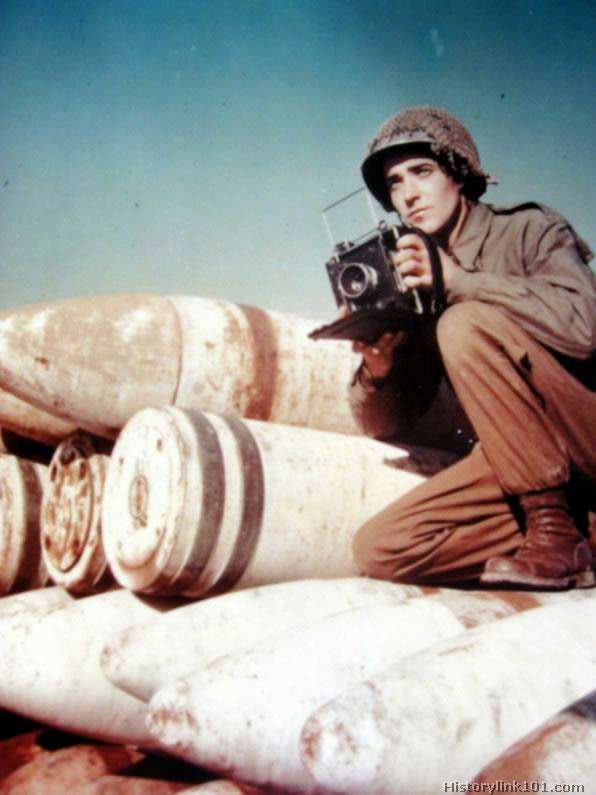
The gear itself shaped what was possible. The Graflex Speed Graphic was the workhorse for many press photographers. It was large and heavy, using 4×5 inch sheet film that required loading a new sheet after every single shot—slow and cumbersome under fire. But it produced enormous, razor-sharp negatives ideal for newspaper printing. Some photographers built custom equipment to meet the unique demands of specific missions.
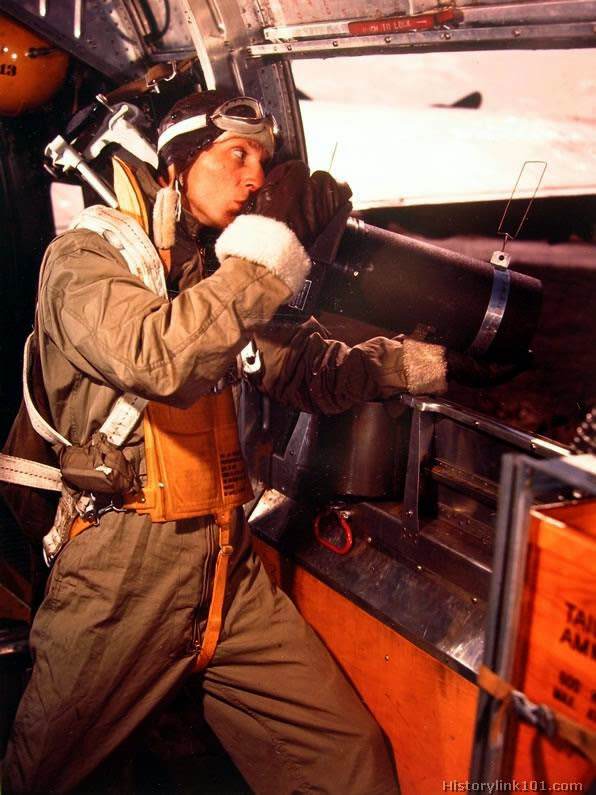
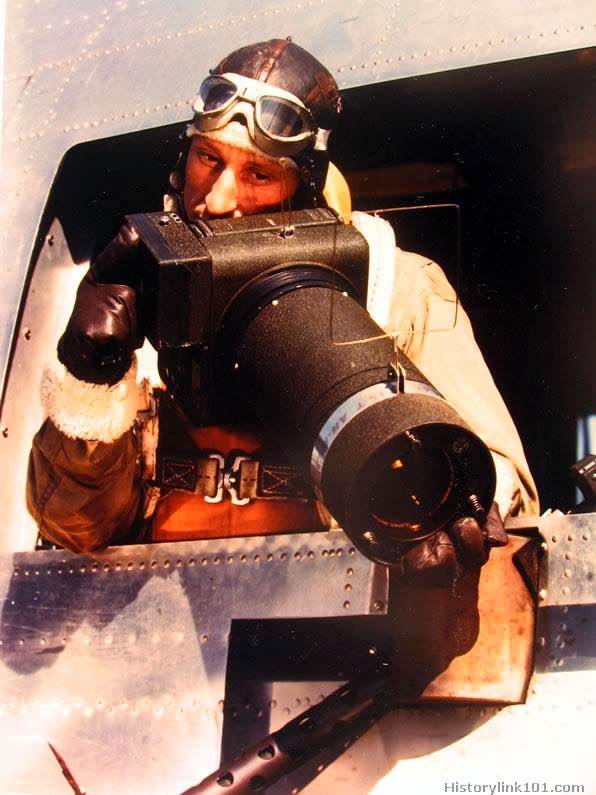
For photographers who needed speed and mobility, the 35mm camera was a revelation. German-made Leica and Contax cameras were small, fast, and could shoot a full roll of 36 exposures in rapid succession—capturing sequences of action that were impossible with a bulkier camera. These were the tools that let a photographer disappear into a scene and keep shooting. Even a destroyed enemy fortification could serve as cover when the shooting started.
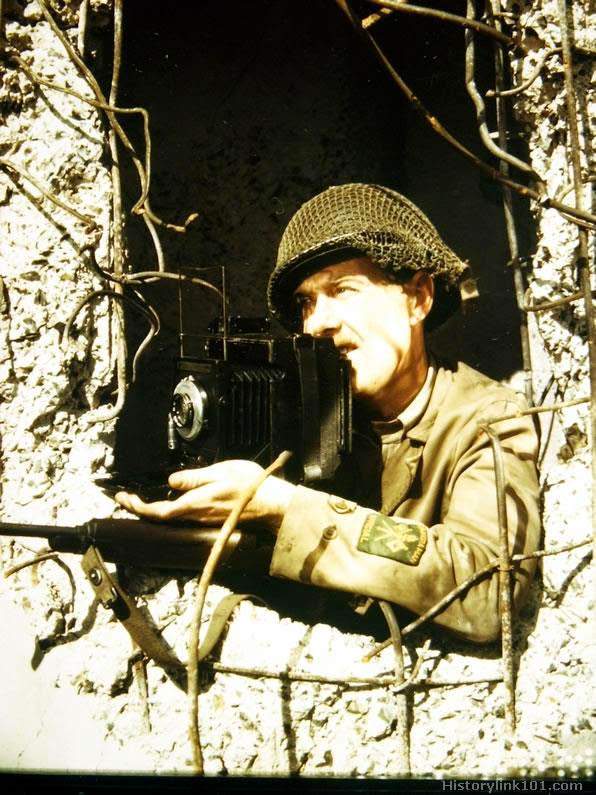
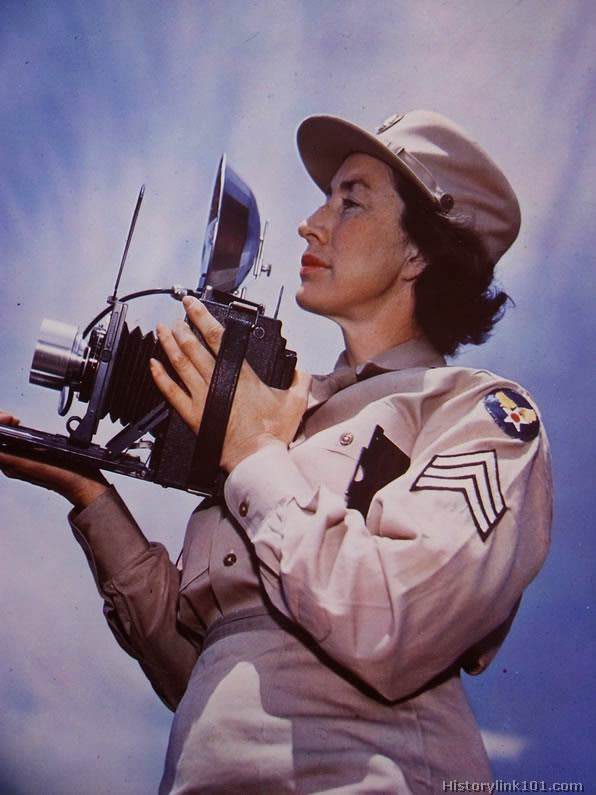
Photography training during the war extended to women as well. Members of the Women’s Army Corps were trained in photographic techniques and put to work in official capacities, contributing to the war’s enormous visual documentation effort.
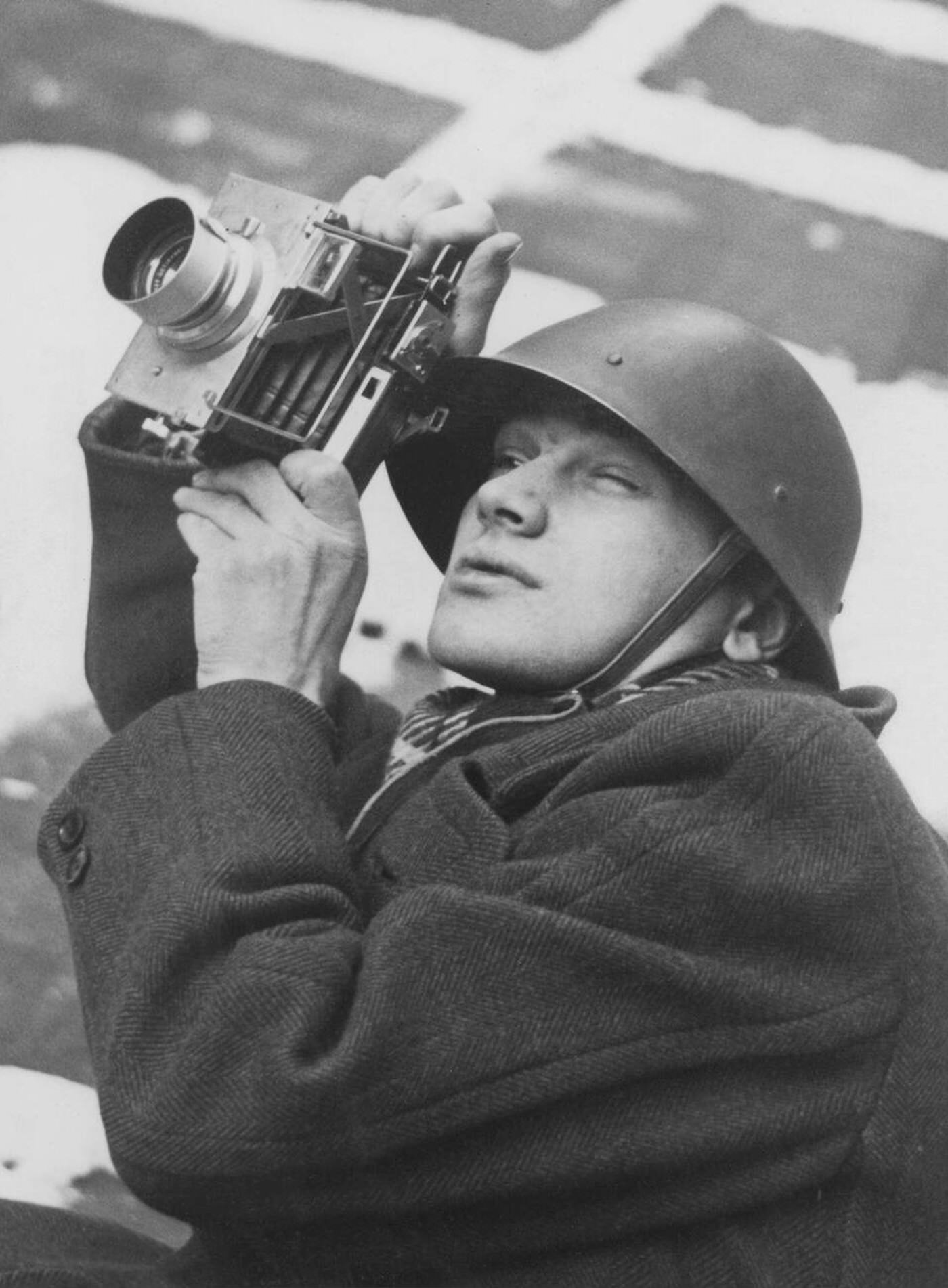
Photographers from neutral and allied nations also played a role. Press photographers from countries like Sweden documented the war’s early stages—including the Winter War in Finland—filling in visual records from conflicts where American and British cameras had not yet arrived.
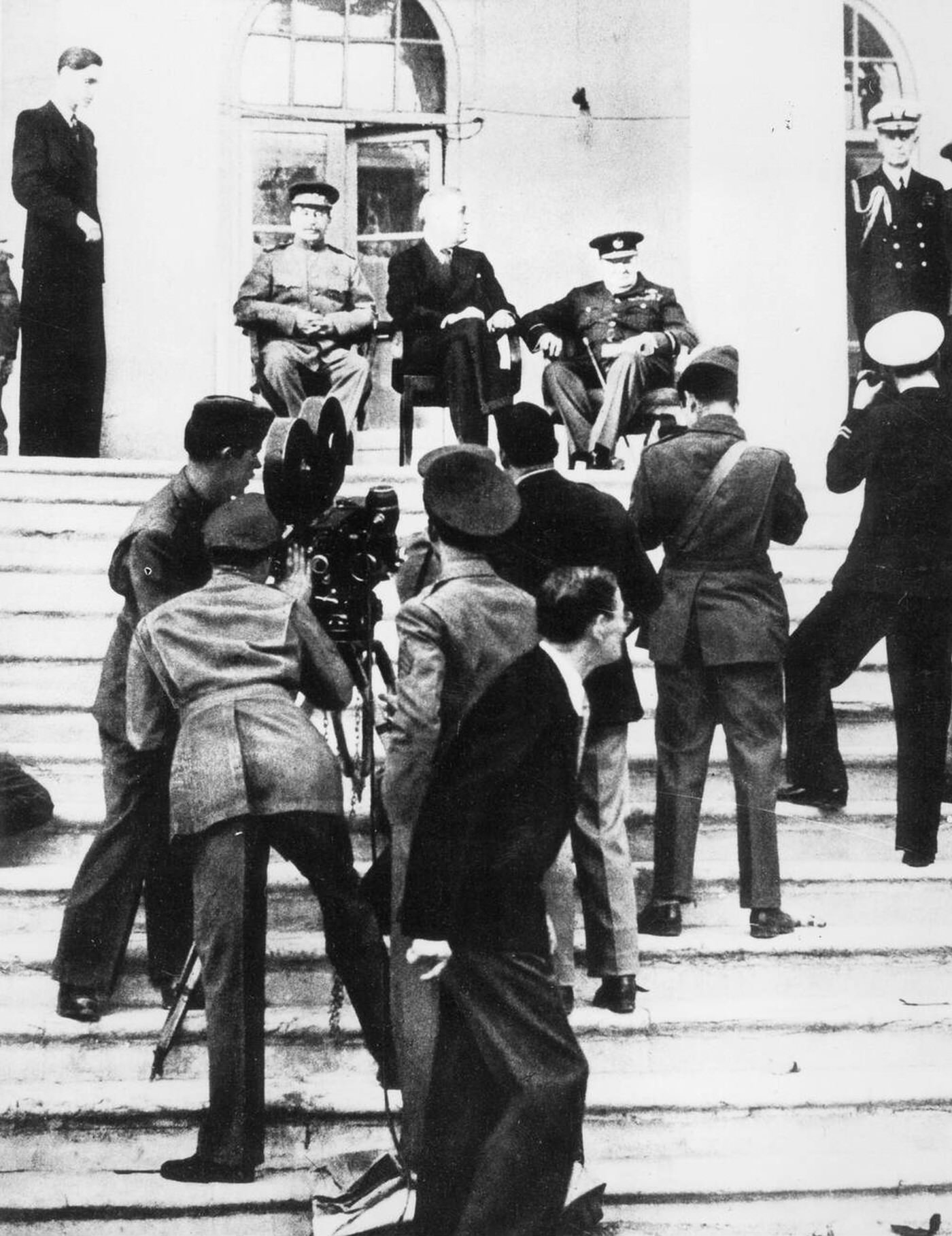
The photographers’ work extended far beyond the battlefield. They were present at the war’s defining political moments—summits between world leaders that shaped the course of the conflict and the postwar order.
Aerial photography training was a serious military discipline. Understanding how to read terrain, plan a photographic mission, and operate cameras from a moving aircraft required specialized instruction. Pilots and photographers worked together to map enemy positions and track troop movements from the air.
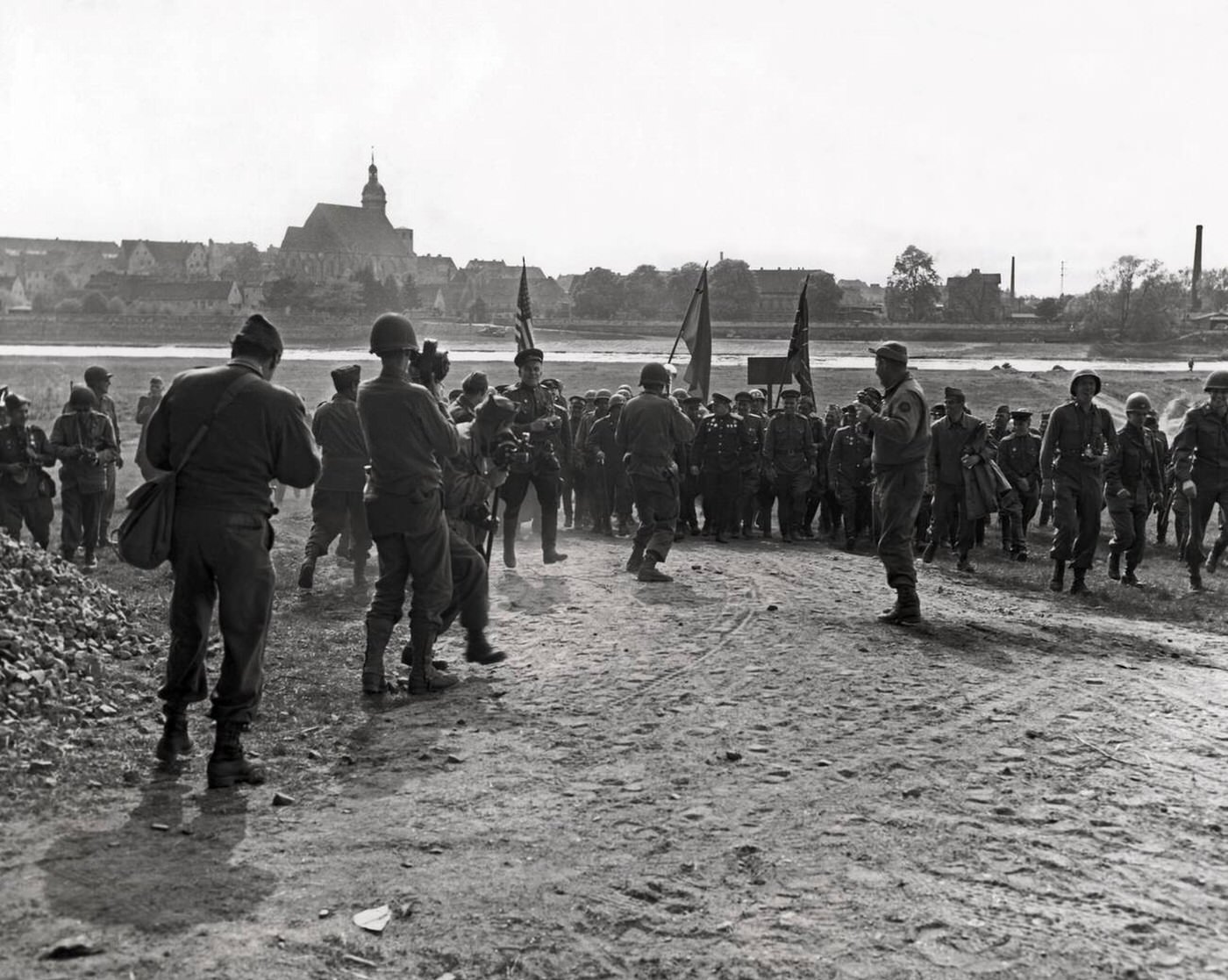
These photographers were not invincible. An enemy sniper saw a man with a camera as a valuable target—someone gathering intelligence, documenting positions, recording the enemy’s losses. Dozens of combat photographers were killed in action. Robert Capa survived the entire war, only to die in 1954 stepping on a landmine while covering the First Indochina War. He died doing exactly what he had always done: getting as close as possible. At some of the war’s most historic moments—like the meeting of American and Russian forces at the Elbe River in 1945—photographers from both sides were present, recording the end of a war they had risked everything to document.
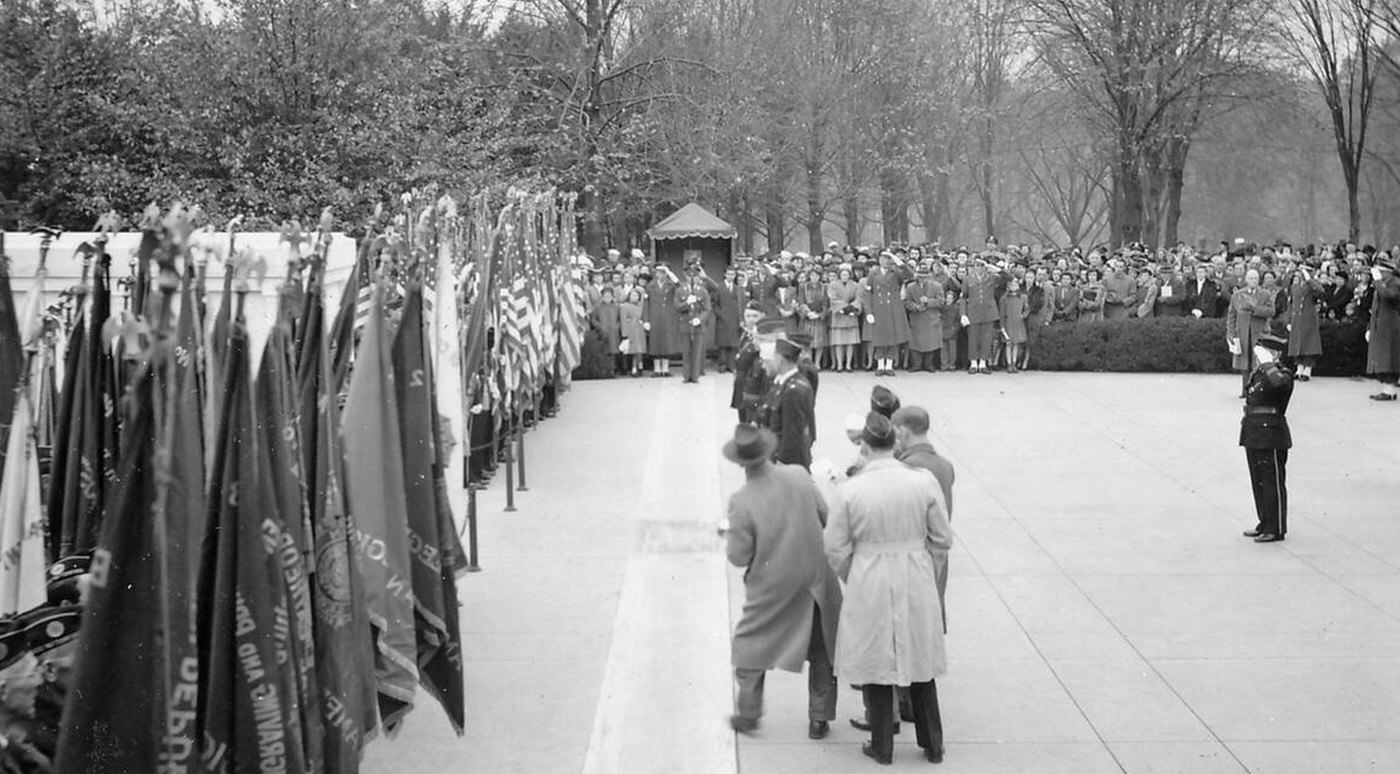
Even after the war ended, the photographers kept working. The conflicts, ceremonies, and social upheavals that followed the armistice were all recorded by the same generation of press photographers who had trained their lenses on some of the most violent events in human history.