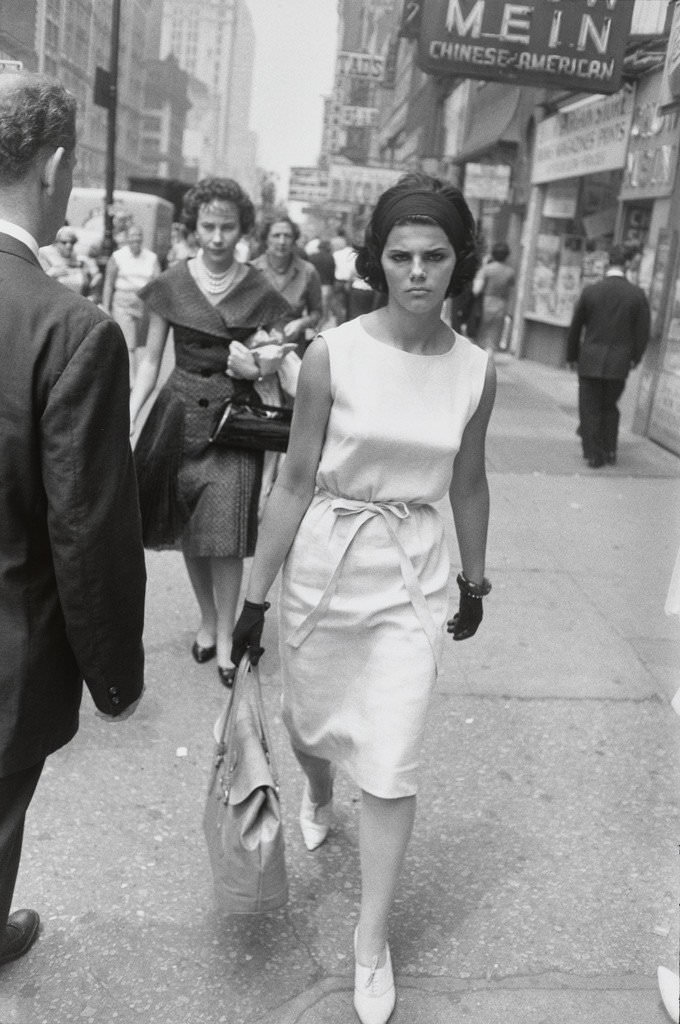
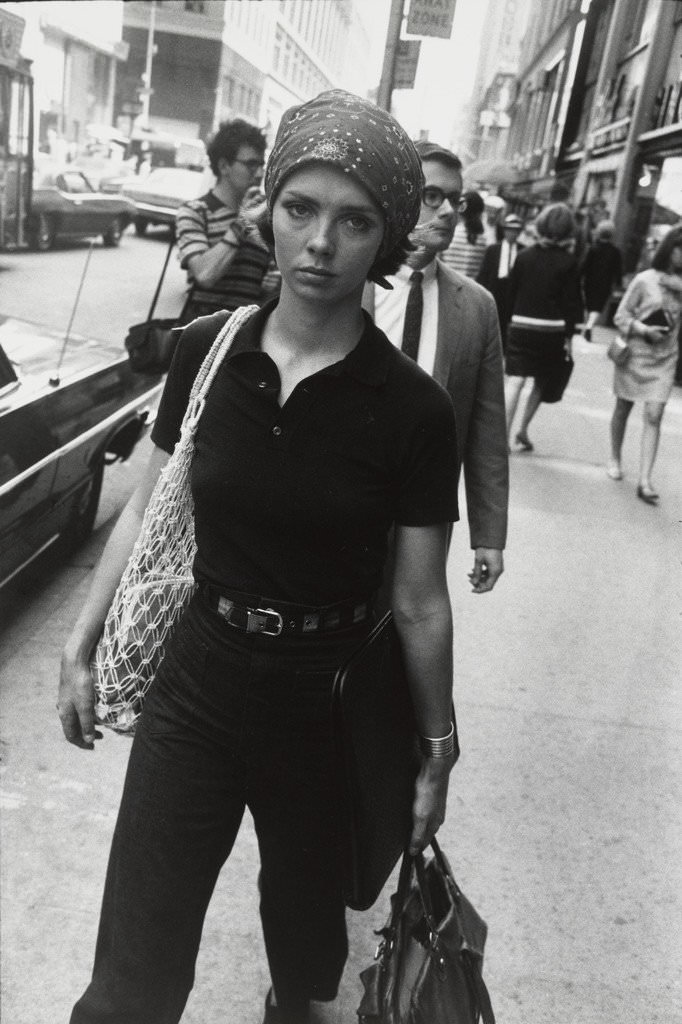
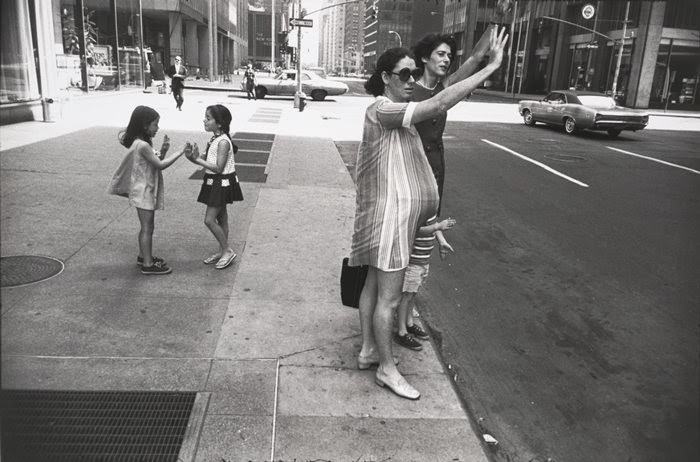
New York City in the 1960s was a place in constant motion. Every street corner reflected a decade pulled between optimism and unrest. The city didn’t slow down for anyone.
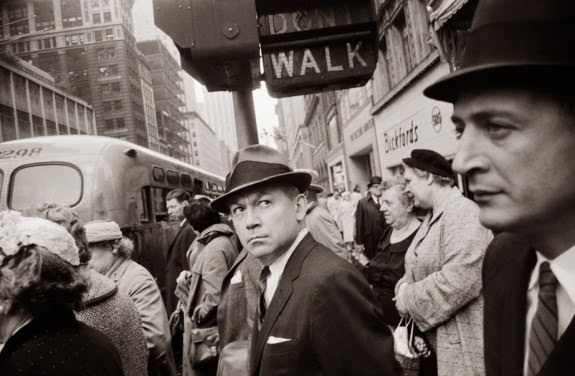
Times Square sat at the center of it all. Neon signs blazed above Broadway marquees, and yellow cabs pushed through gridlocked traffic at all hours. Newsstands stacked high with papers carried headlines about the space race, civil rights, and Vietnam. Street vendors worked the corners, selling pretzels and hot dogs to crowds that never really thinned.
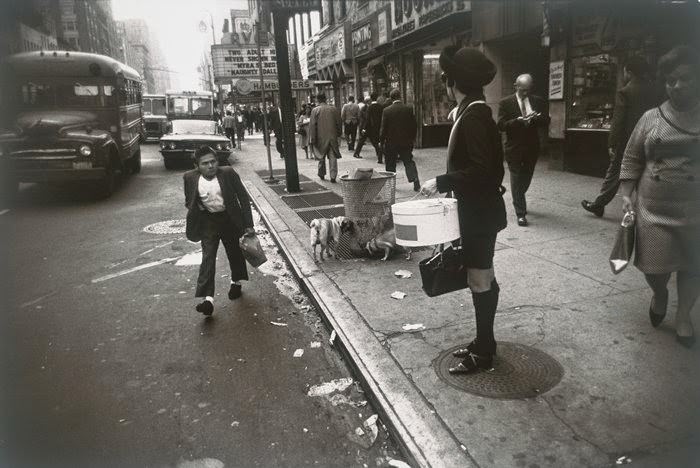
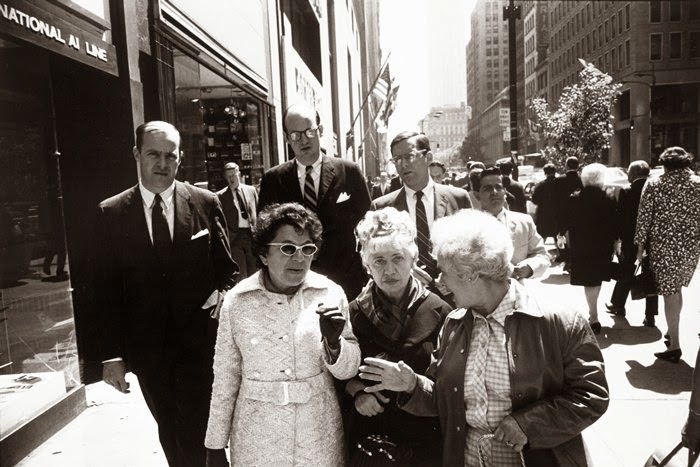
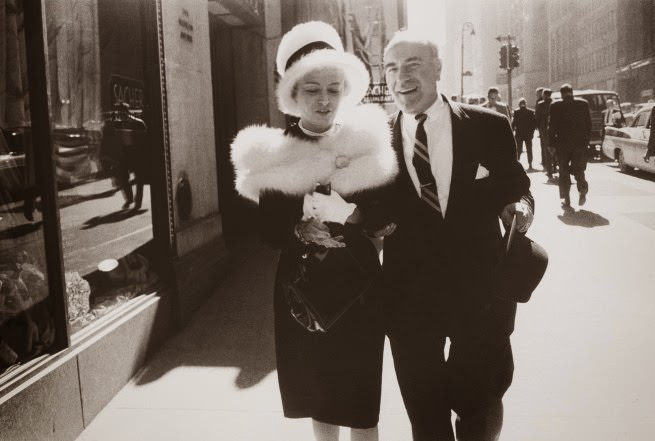
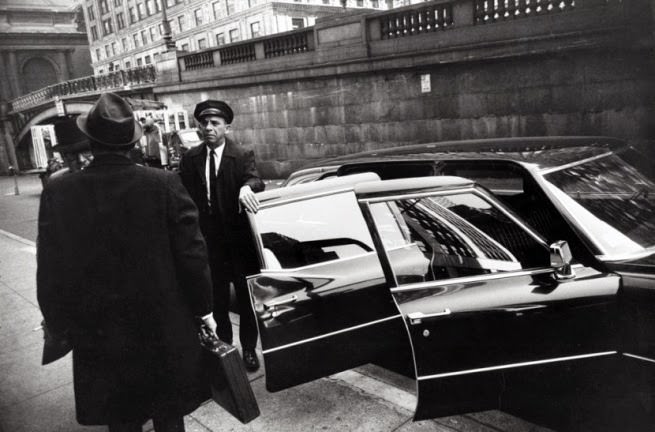
Fifth Avenue moved at a different pace. Women in tailored suits and pillbox hats strolled past luxury shop windows. Department stores like Saks Fifth Avenue drew shoppers from across the country. Uniformed doormen greeted guests at the city’s grand hotels with practiced precision.
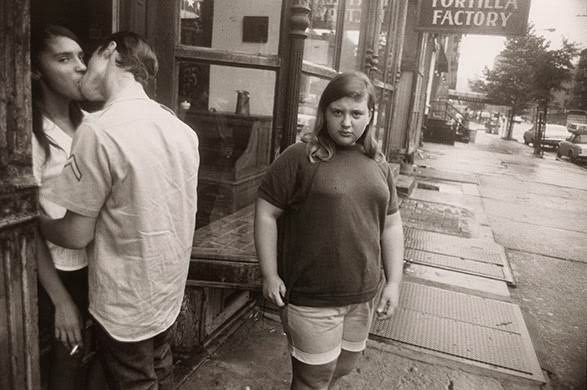
Downtown, Greenwich Village ran on creative energy. Guitarists played in Washington Square Park, poets read at cafes, and painters filled small studio spaces. The neighborhood drew folk singers, free thinkers, and anyone pulled toward the counterculture movement taking hold across the country.
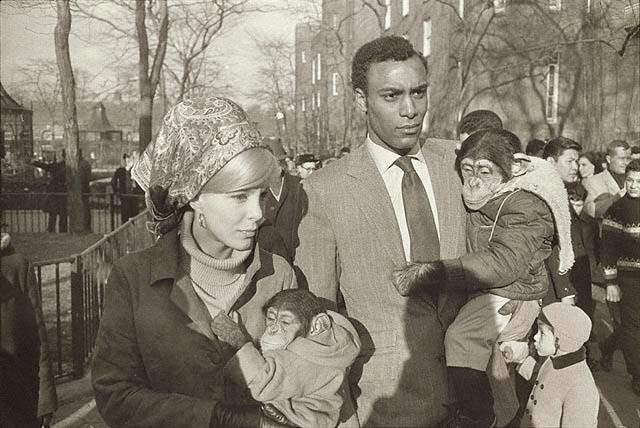
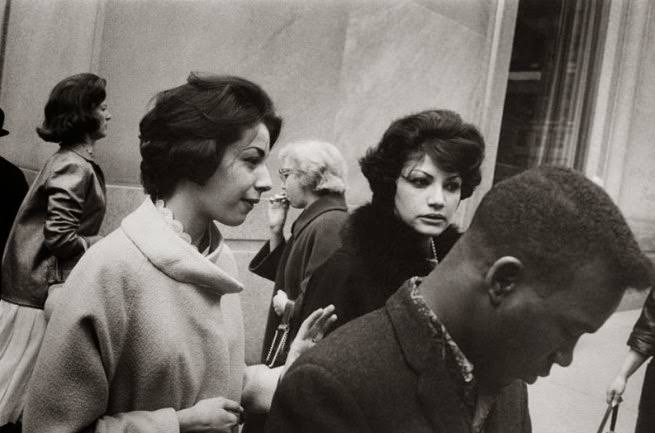
Harlem remained a cultural force. Jazz clubs hosted legendary performers night after night, and soul music spilled out of record stores onto the sidewalks. Local churches organized community events, and neighborhood businesses held their ground despite the decade’s economic pressures.
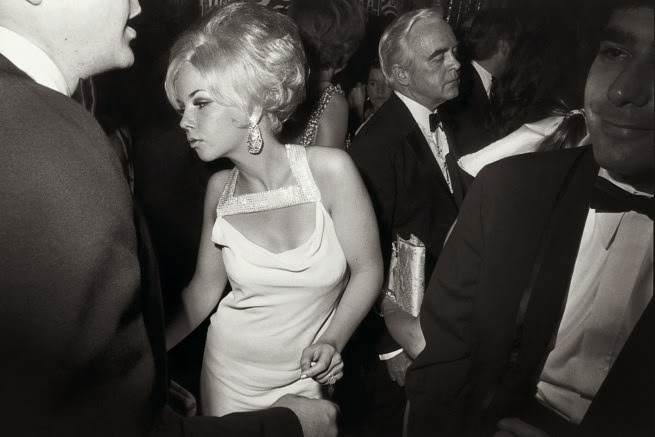
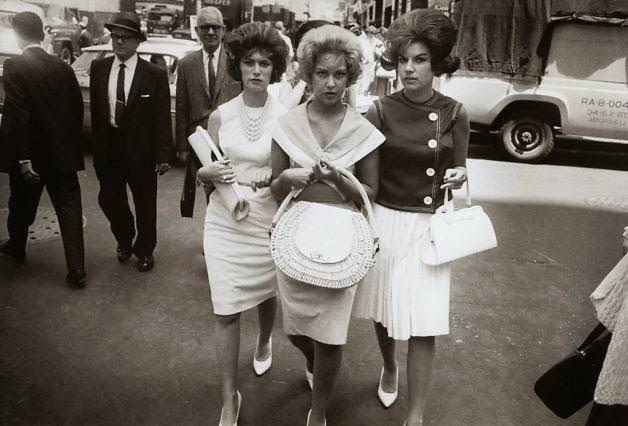
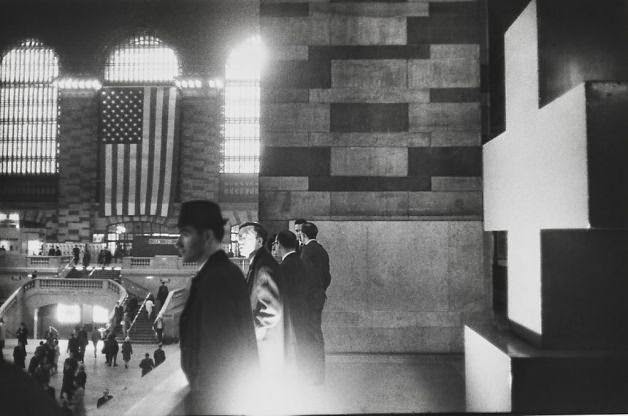
The subway told its own story. Commuters rushed through tiled underground corridors while advertisements covered the walls — cigarettes, soft drinks, and the newest televisions. Above ground, elevated trains rattled through Queens and the Bronx, linking neighborhoods as diverse as the people inside them.
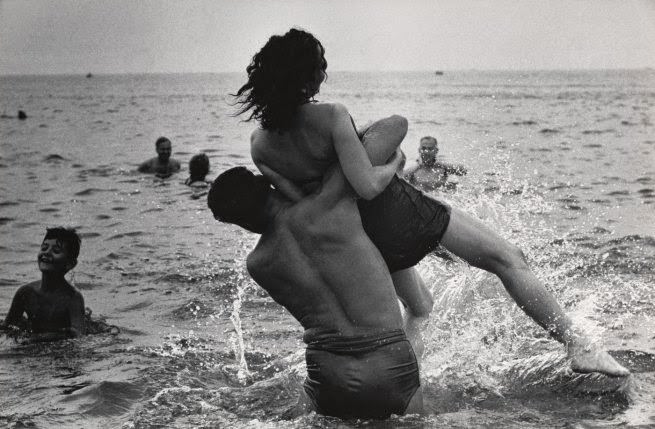
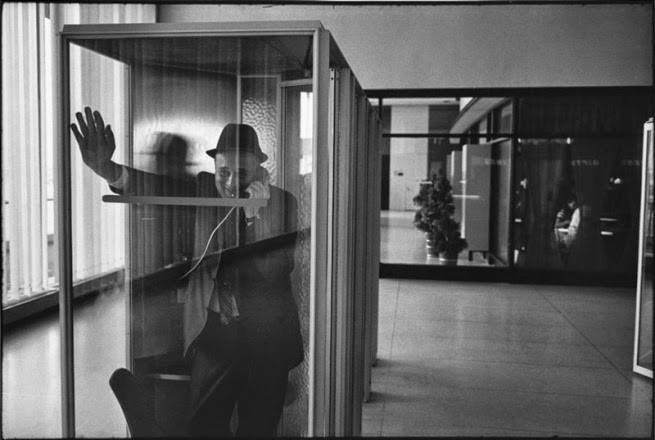
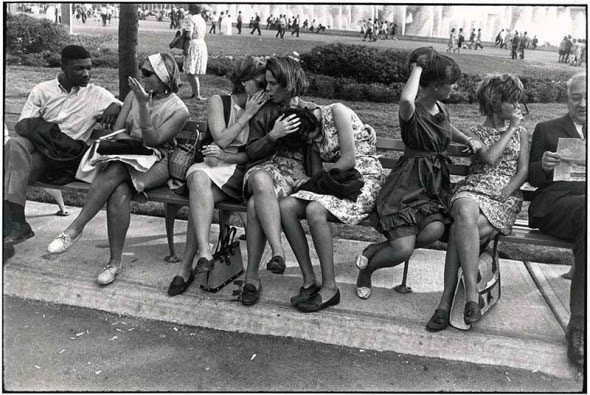
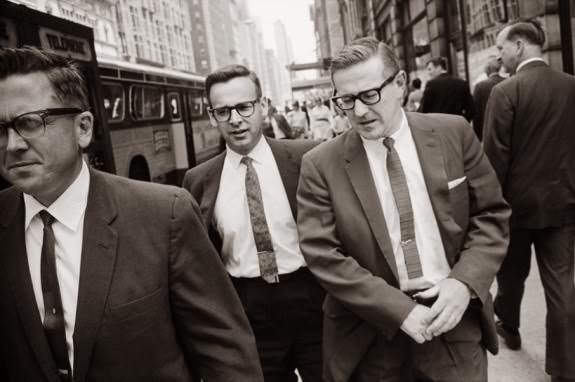
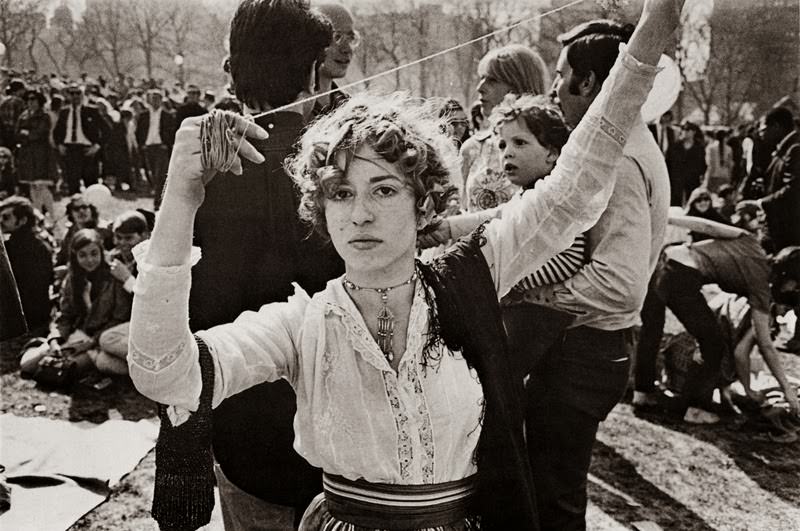
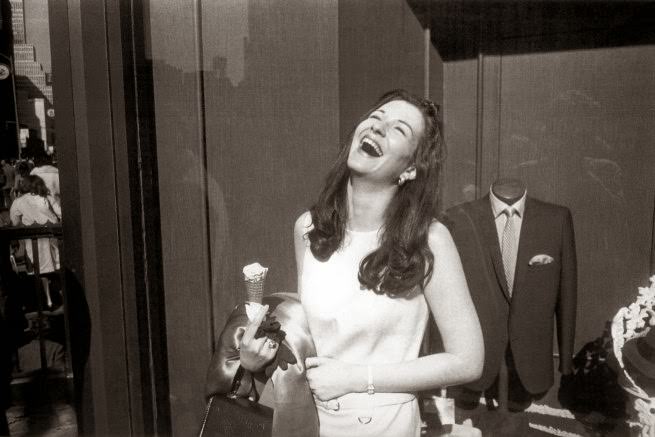
Street fashion tracked the decade’s shifts in real time. Early in the sixties, men wore slim suits and narrow ties. Women favored bold prints, mini skirts, and go-go boots by mid-decade. By the late sixties, hippie culture brought flowing clothes and peace symbols even into the heart of Manhattan.
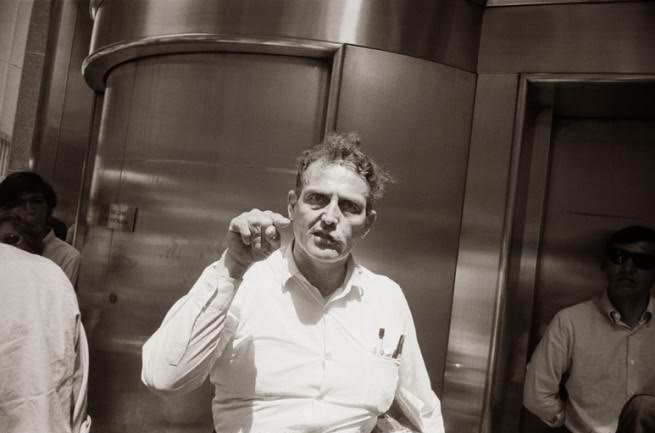
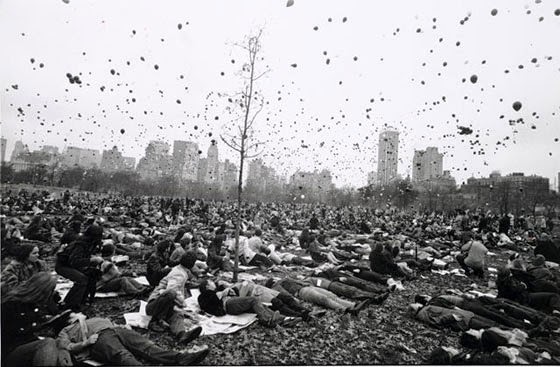
Protests for civil rights and against the Vietnam War spilled into public plazas and parks. Street performers, demonstrators, and everyday workers shared the same sidewalks. Some marched. Others carried on with their routines, stepping around the crowds without breaking stride.