
The 1870s were one of the most difficult decades in Chinese history. The Qing Dynasty, which had ruled since 1644, was visibly weakening. Years of rebellion, foreign pressure, and natural disaster had worn down the central government’s ability to govern. Yet daily life went on — in the fields, on the rivers, in the cities and back alleys. Photographers, some Chinese and some foreign, were there to capture it all. The images they left behind offer a rare, unfiltered look at a civilization under enormous strain.
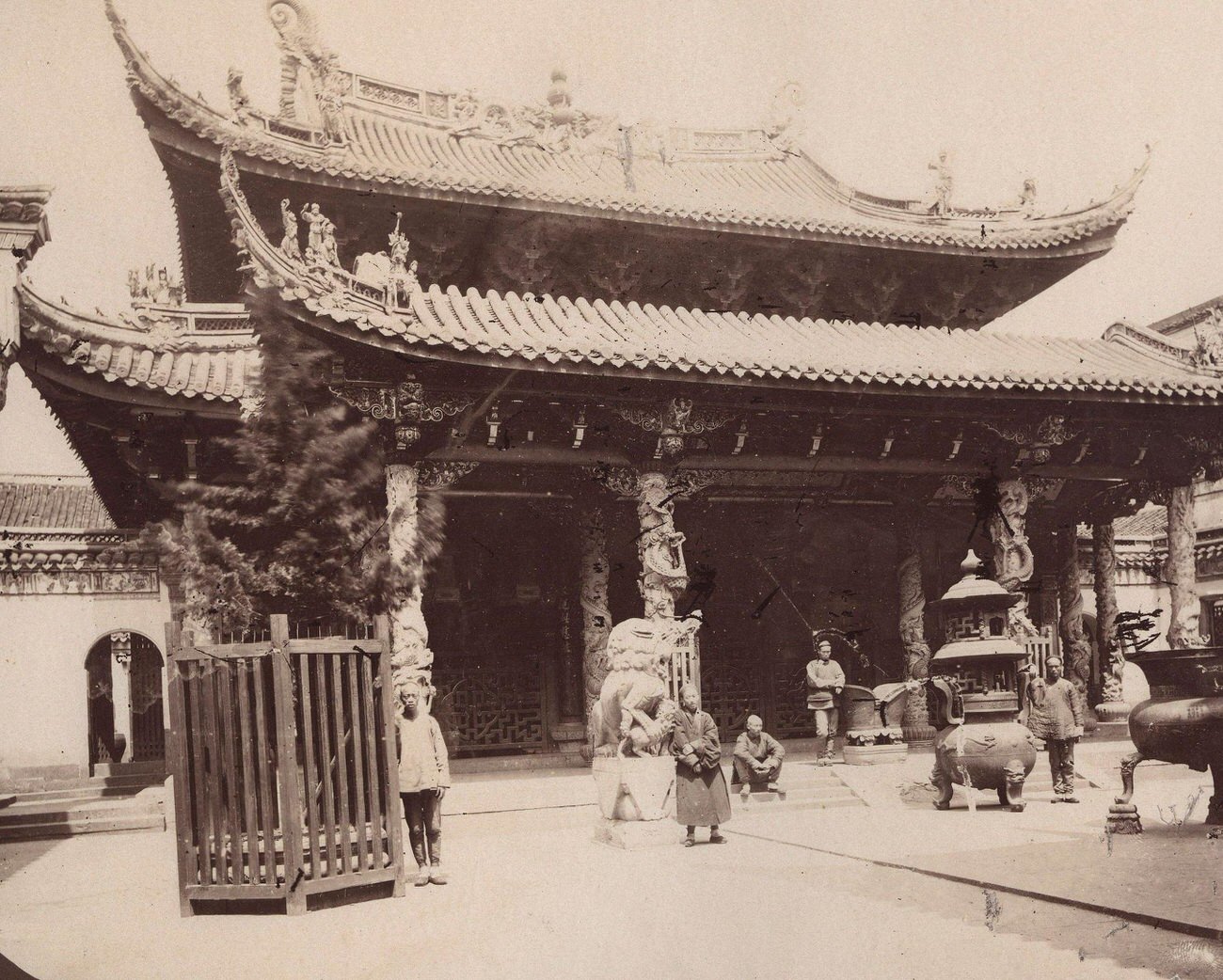
The Qing Dynasty entered the 1870s still reeling from the Taiping Rebellion, which had lasted from 1850 to 1864. That conflict — one of the deadliest civil wars in human history — killed an estimated 20 to 30 million people and gutted the dynasty’s military and financial resources. Regional commanders who had helped suppress the rebellion emerged with their own power bases, and the central government could no longer claim full authority over its vast territory.
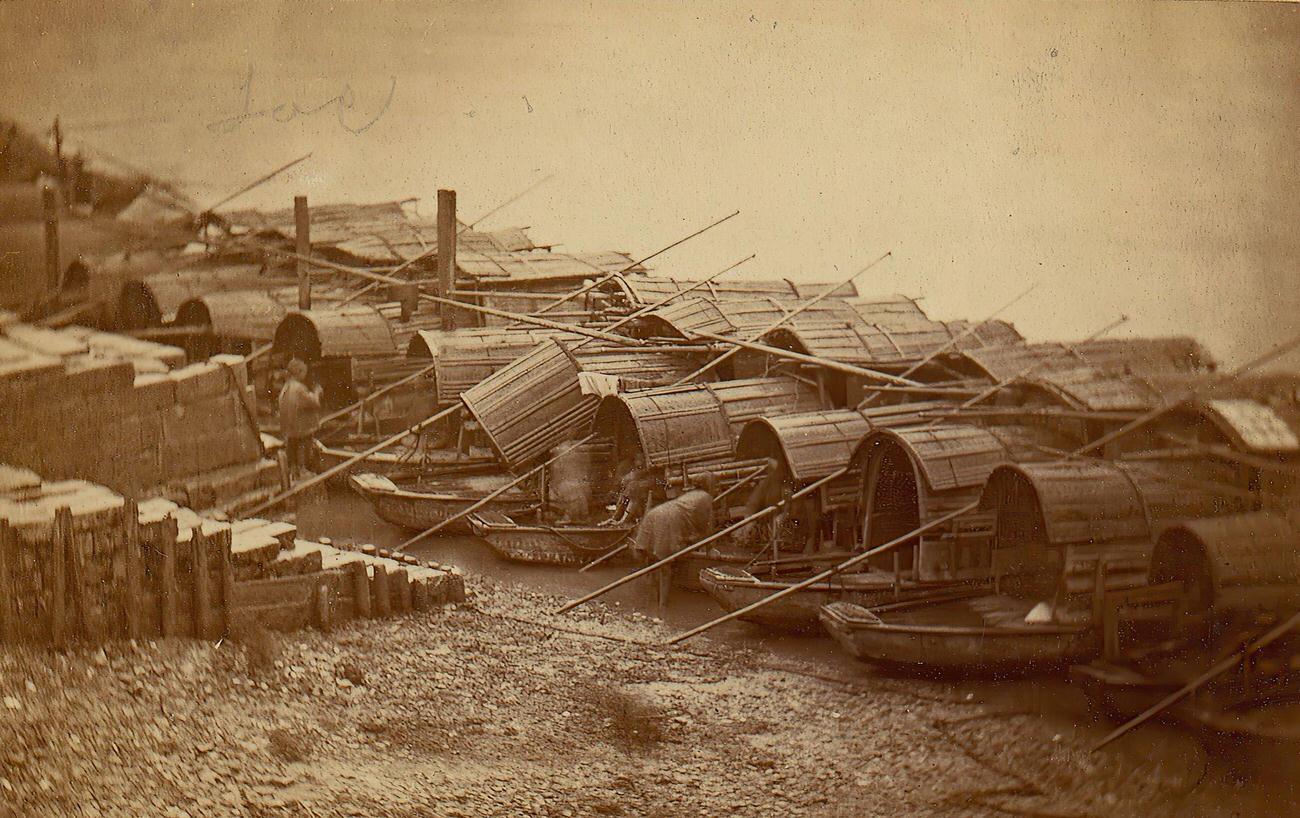
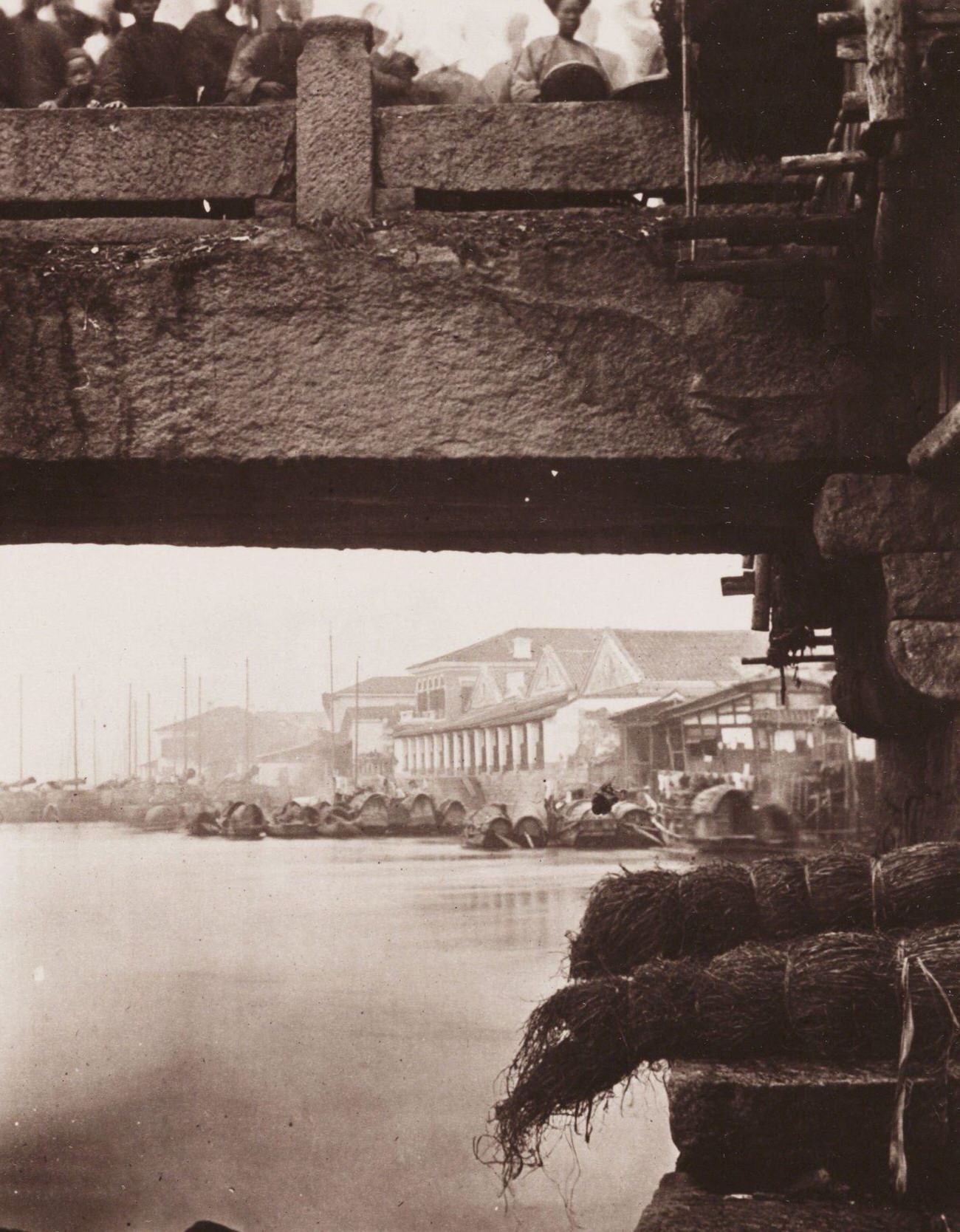
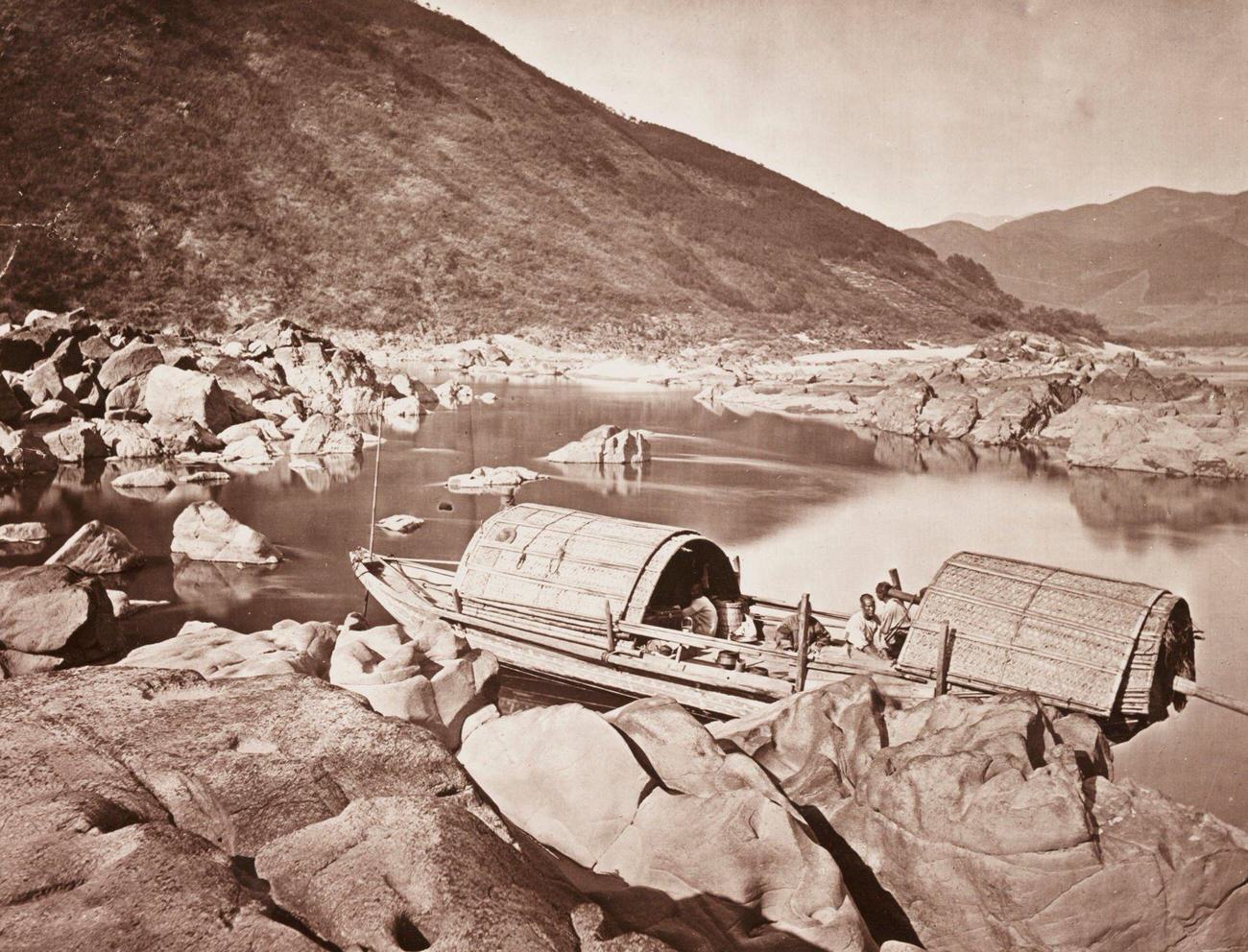
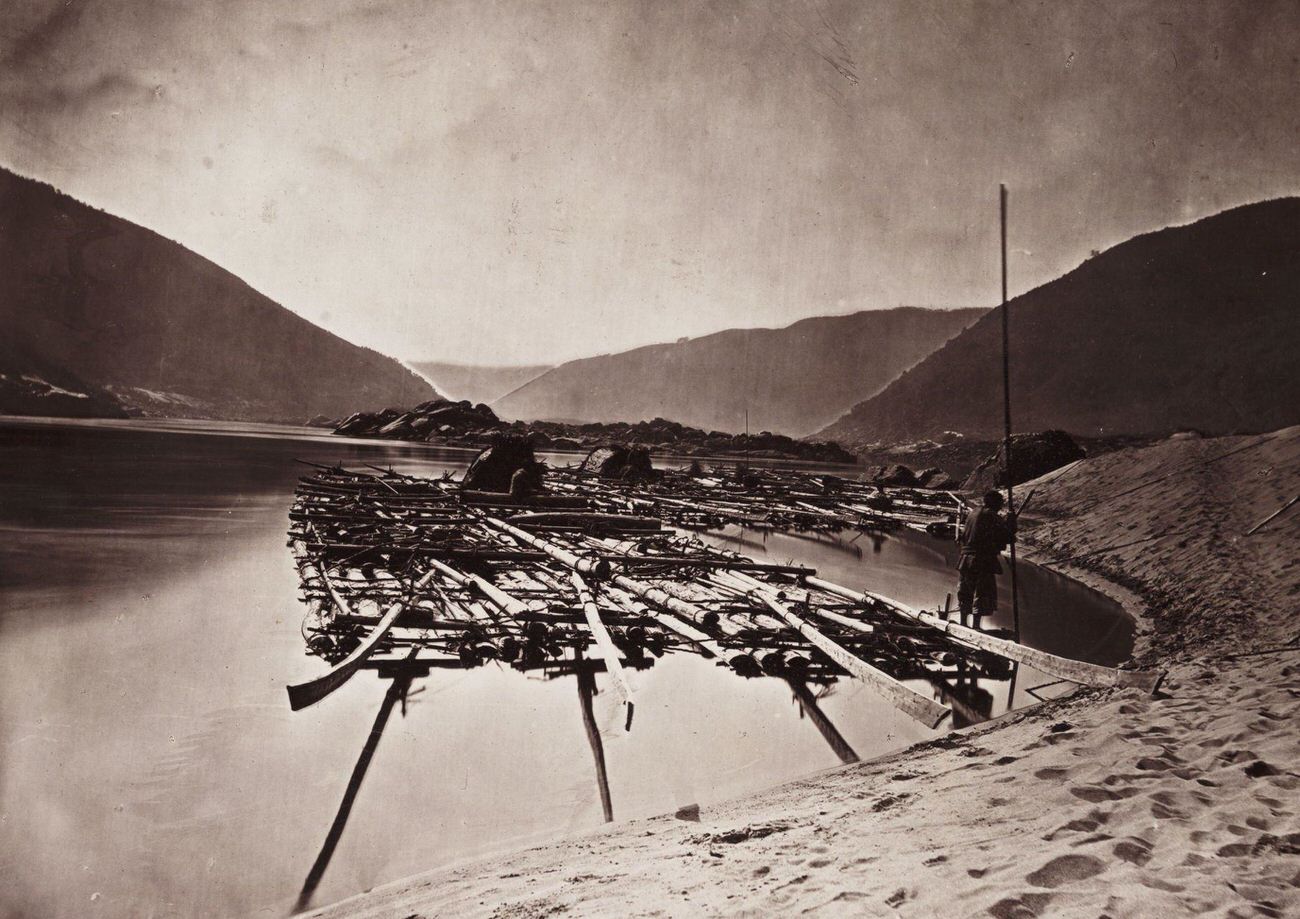
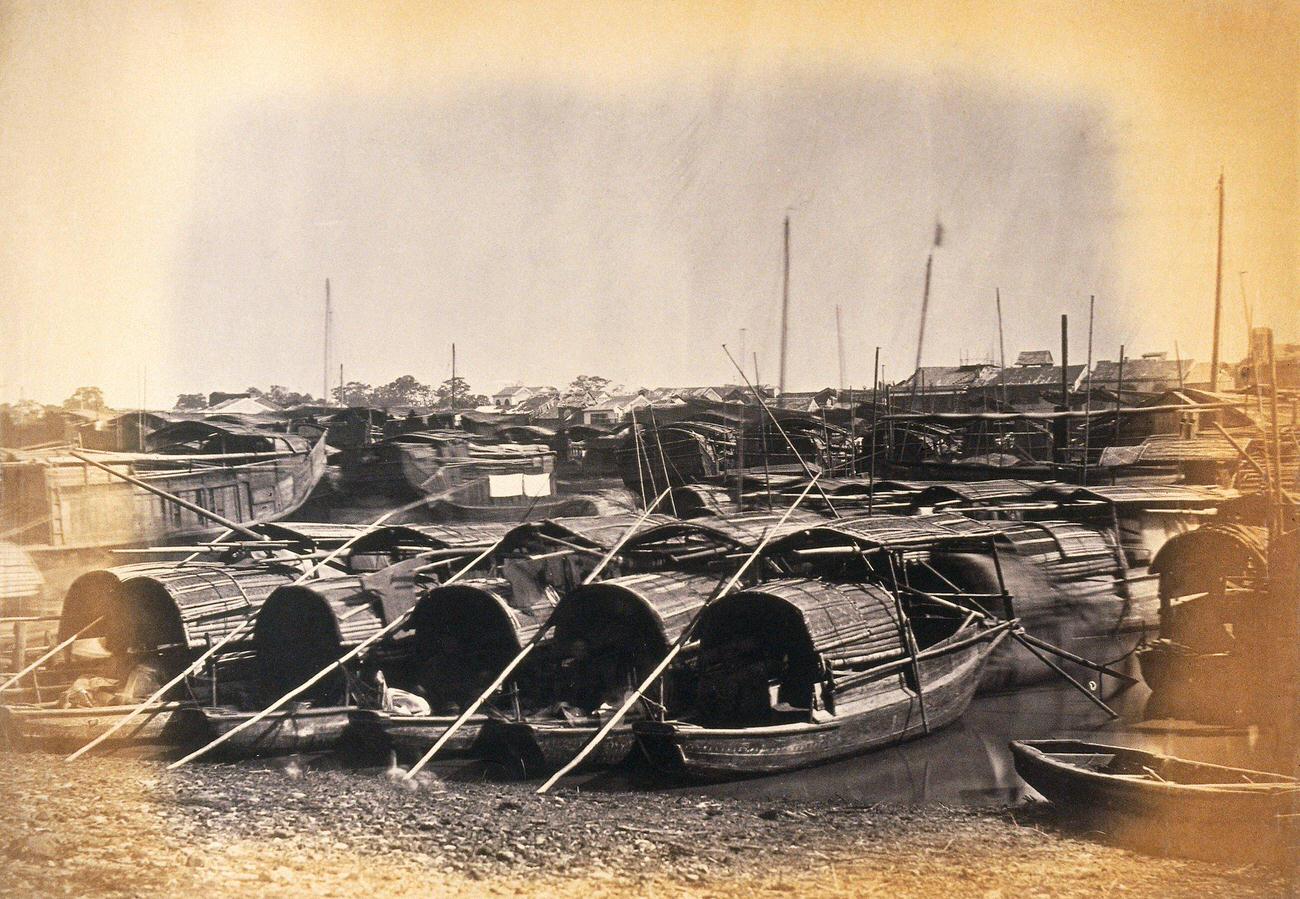
China’s rivers were essential arteries of commerce and daily life. Goods, people, and food moved along waterways that connected interior regions to coastal trading ports. The Yangtze River alone sustained entire communities, from pine raft workers floating timber downstream to rapid boat operators navigating fierce currents.
The unequal treaties forced on China after the Opium Wars — fought in 1839–1842 and again in 1856–1860 — continued to shape the country throughout this decade. Western powers held trading privileges and legal protections that Chinese citizens did not. Foreigners operated under their own laws on Chinese soil, a system known as extraterritoriality. This bred deep resentment across all levels of Chinese society.
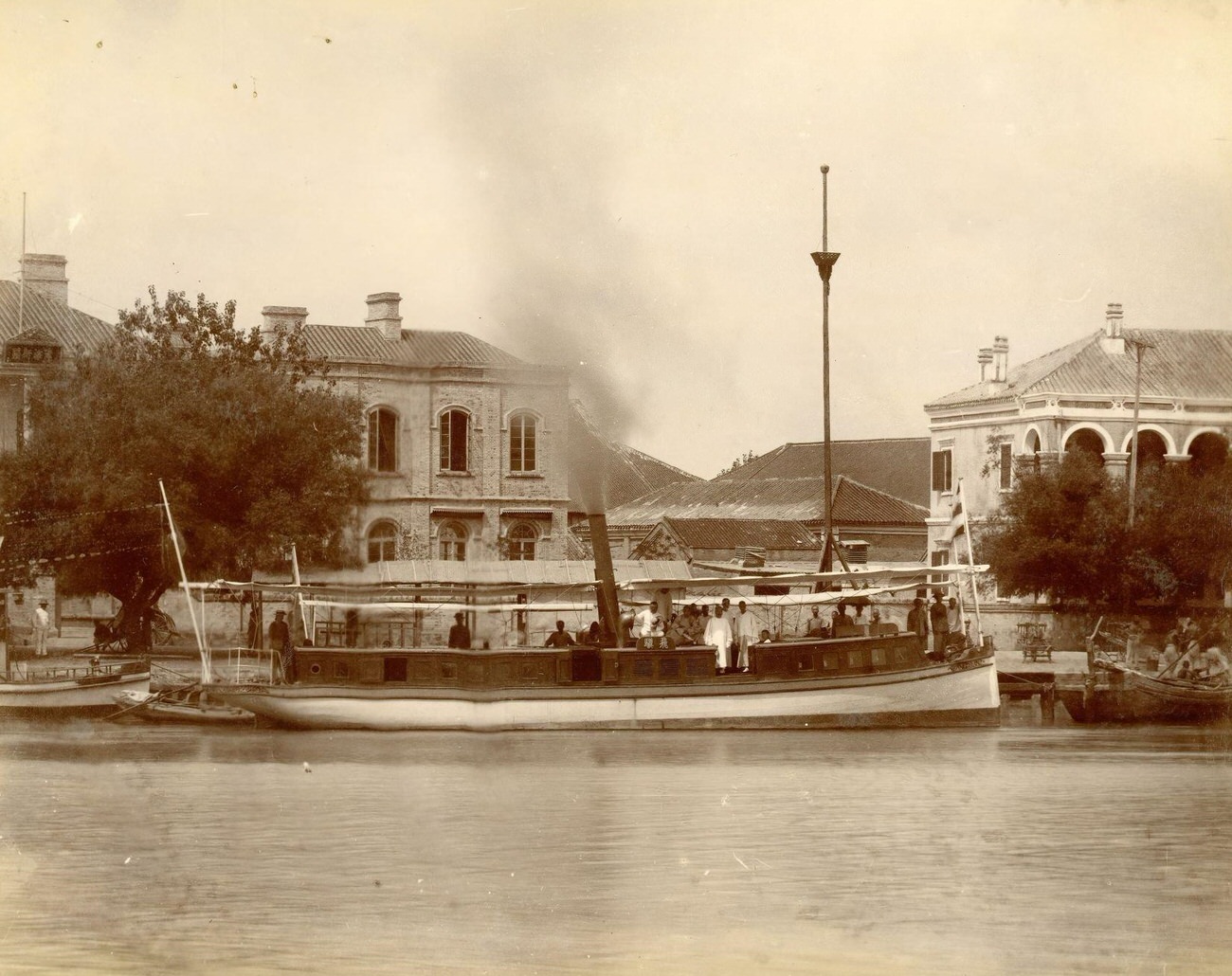
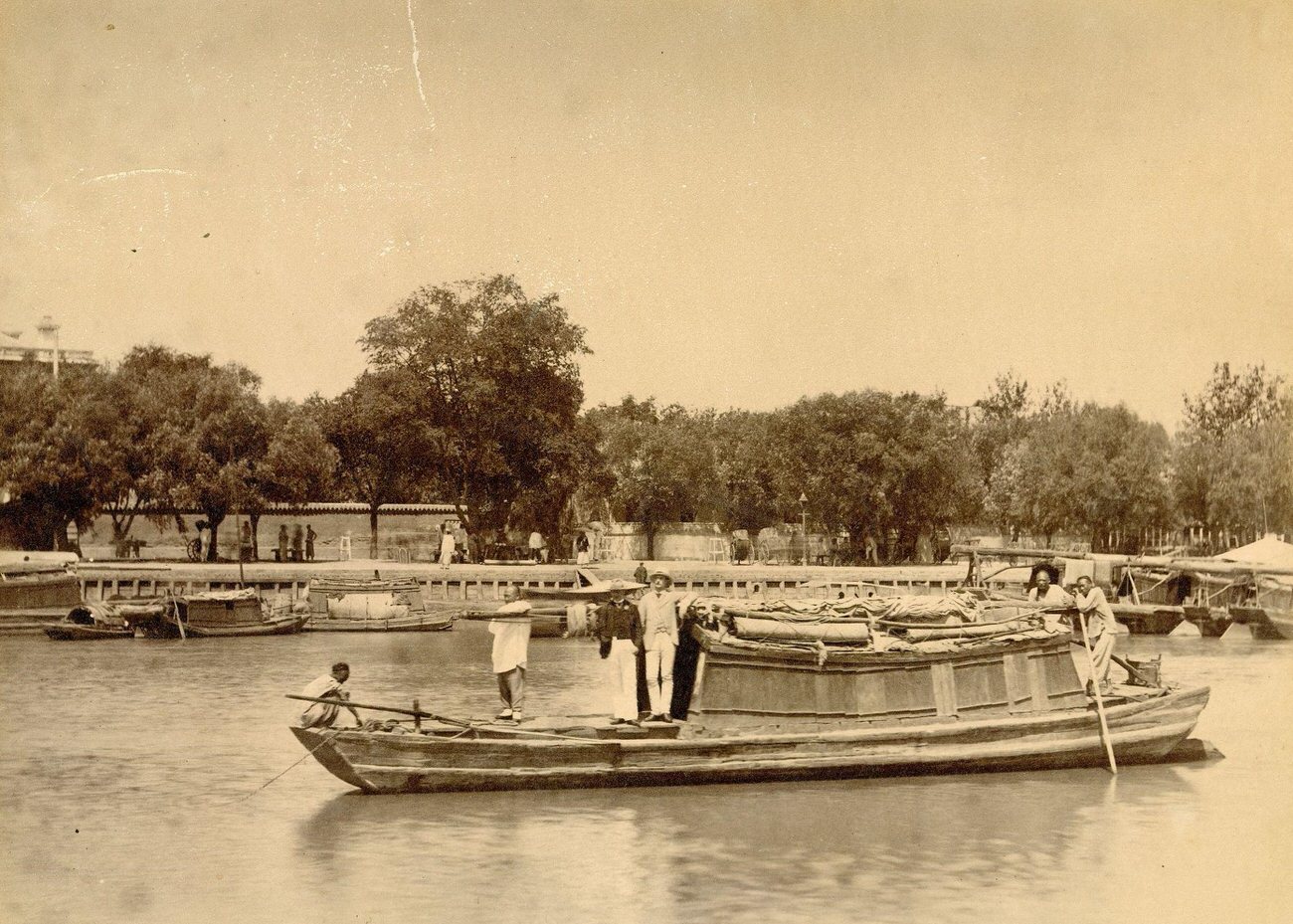
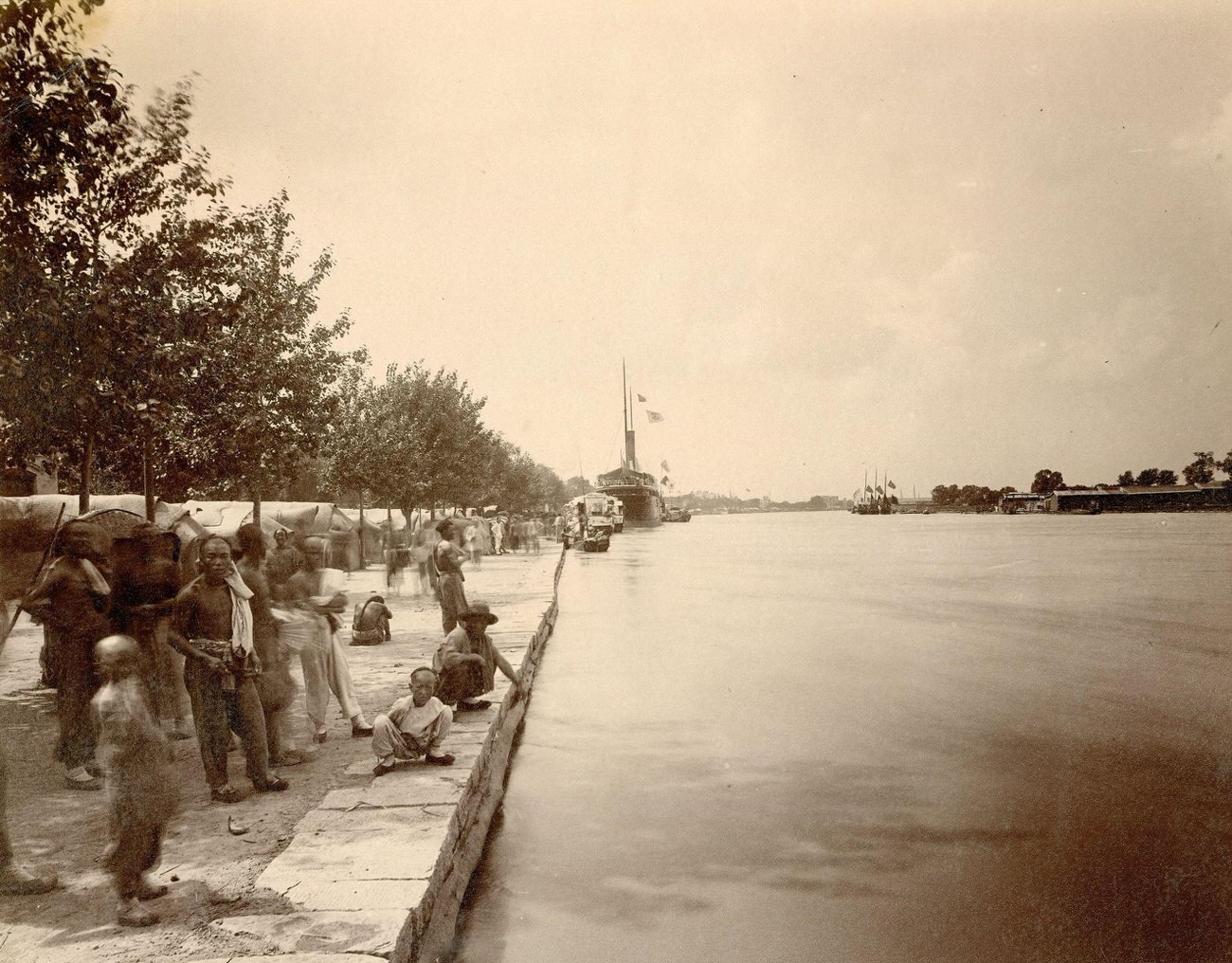
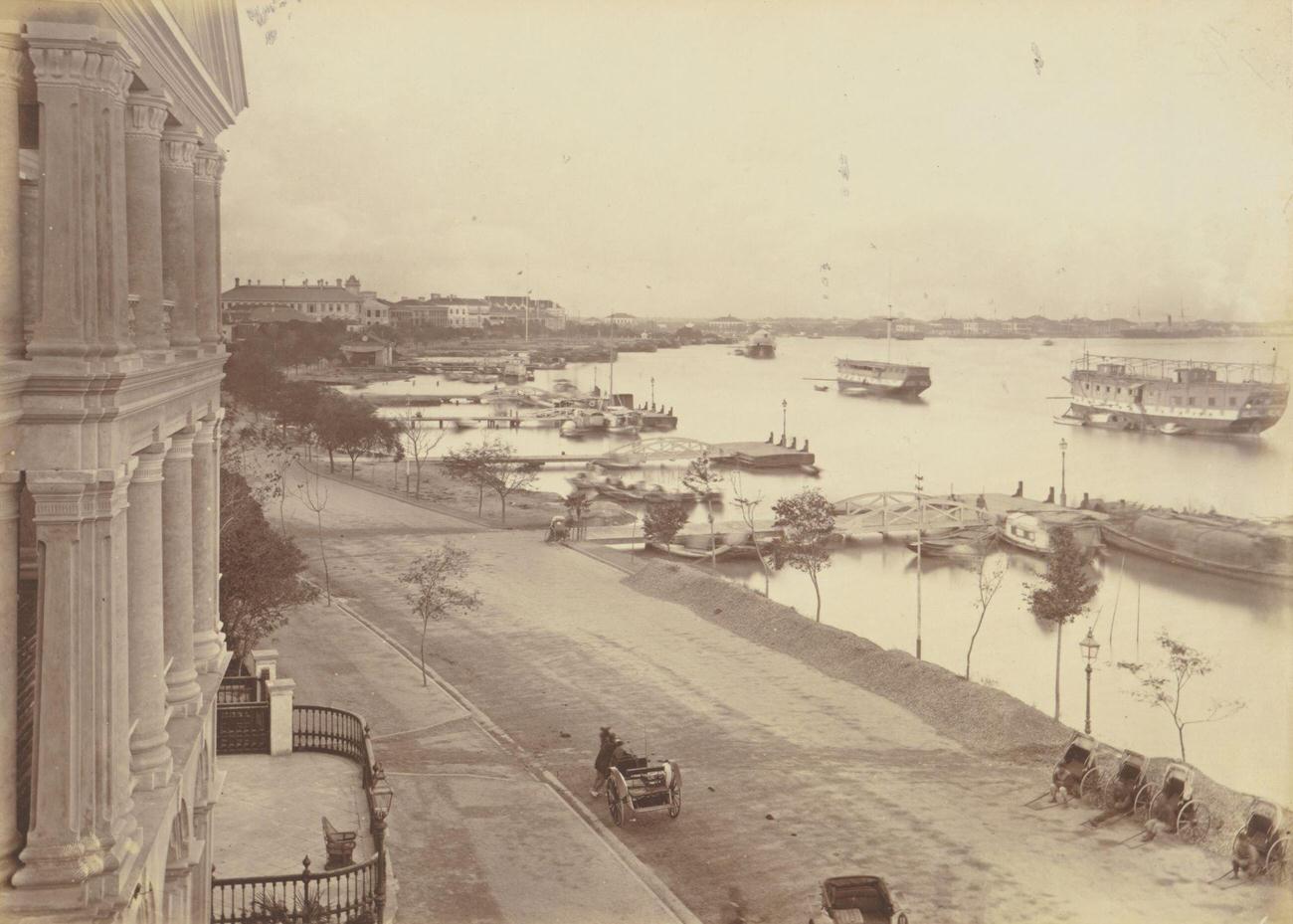
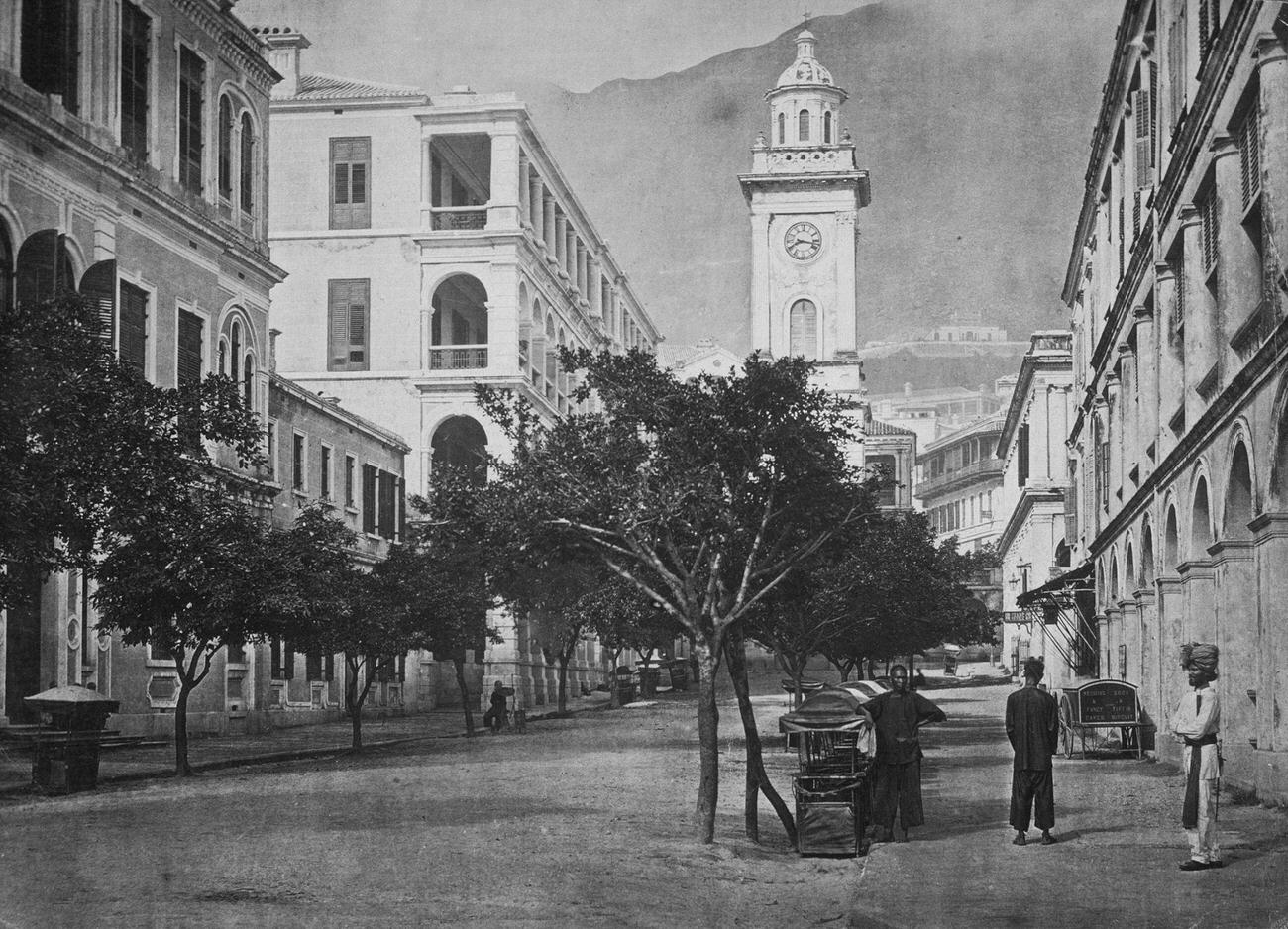
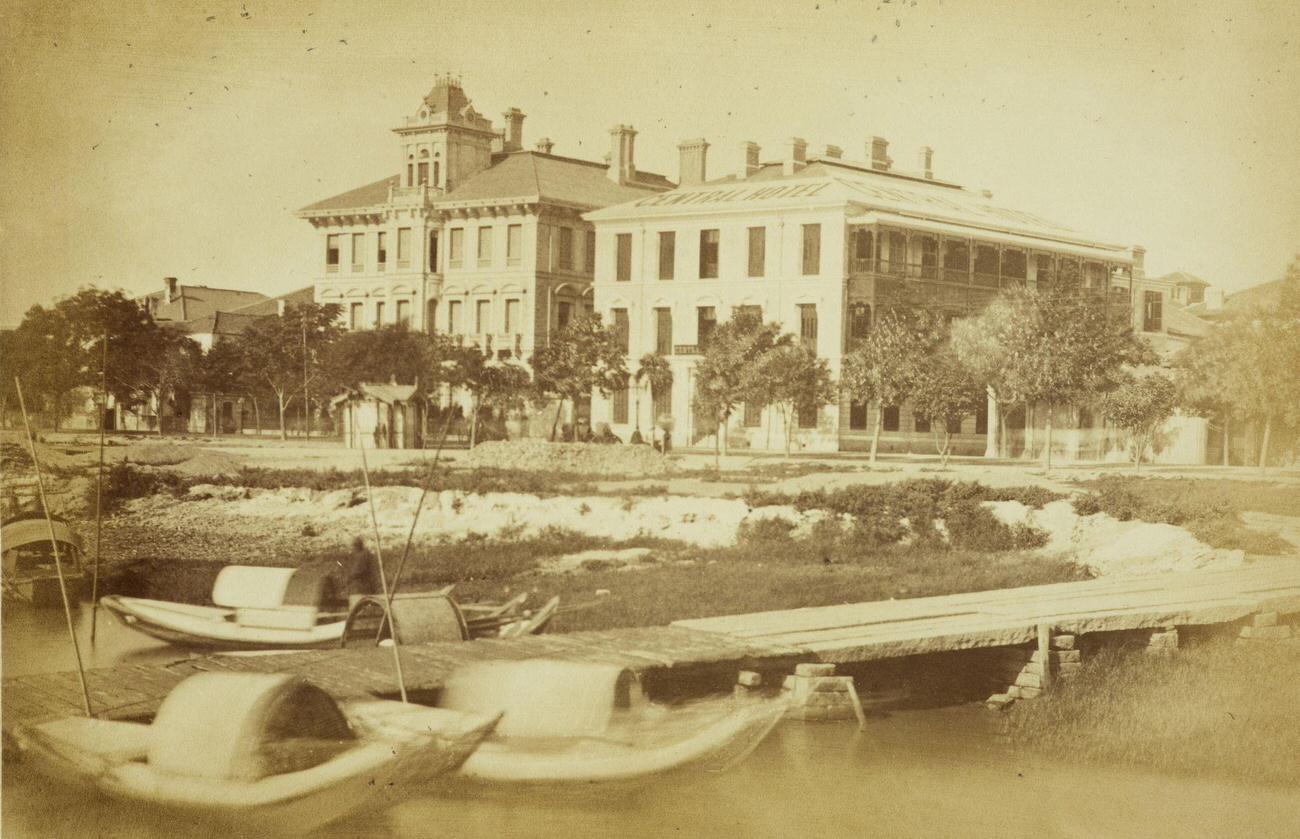
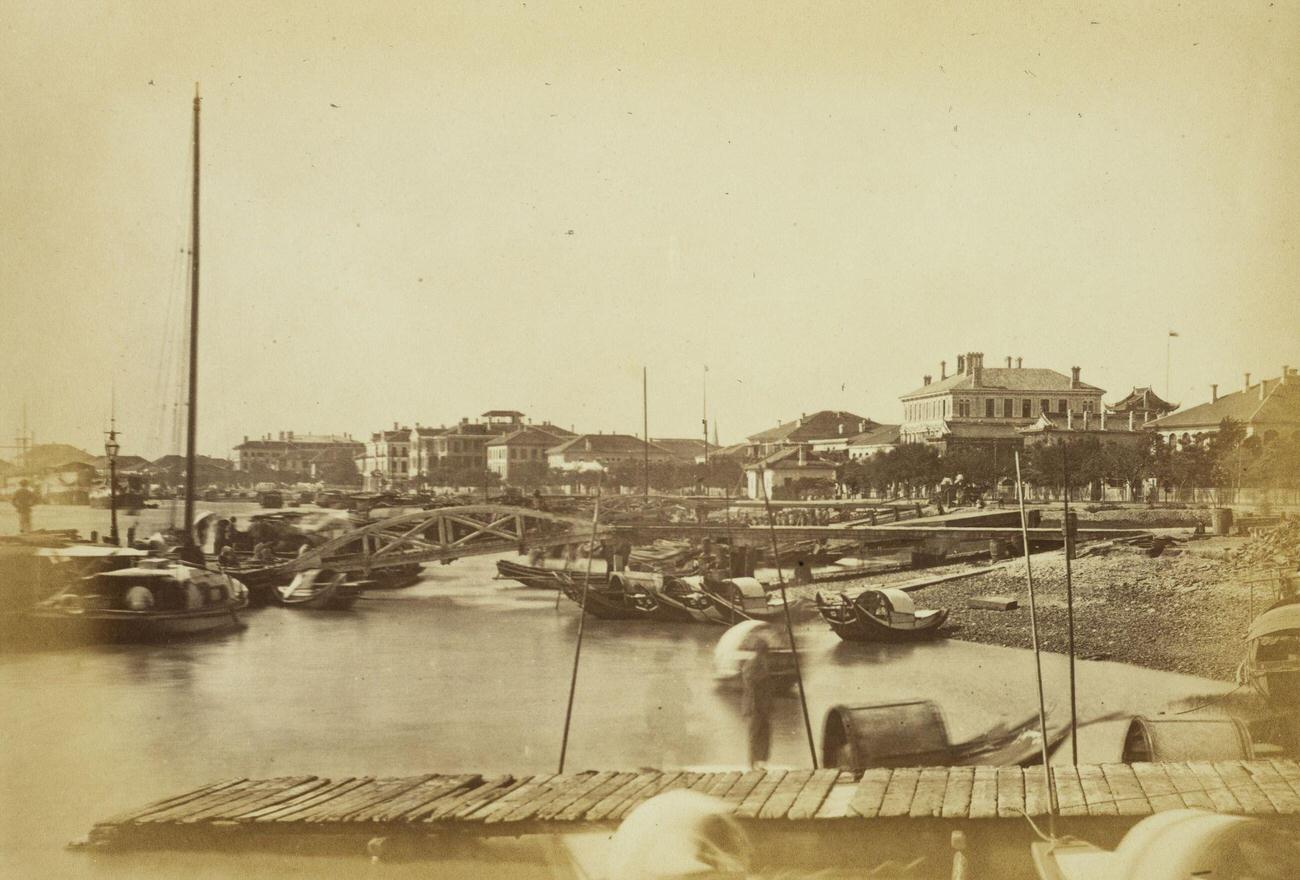
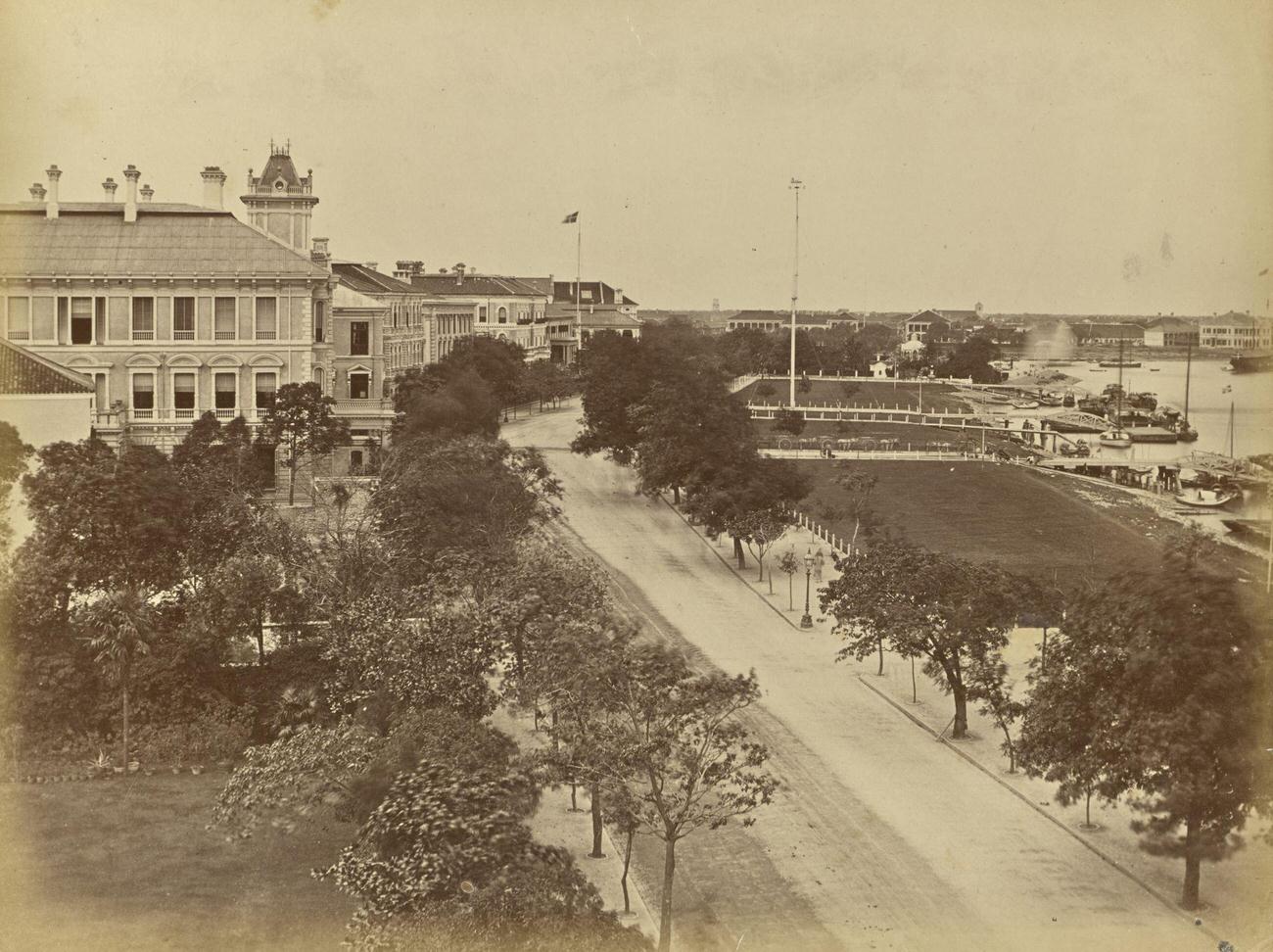
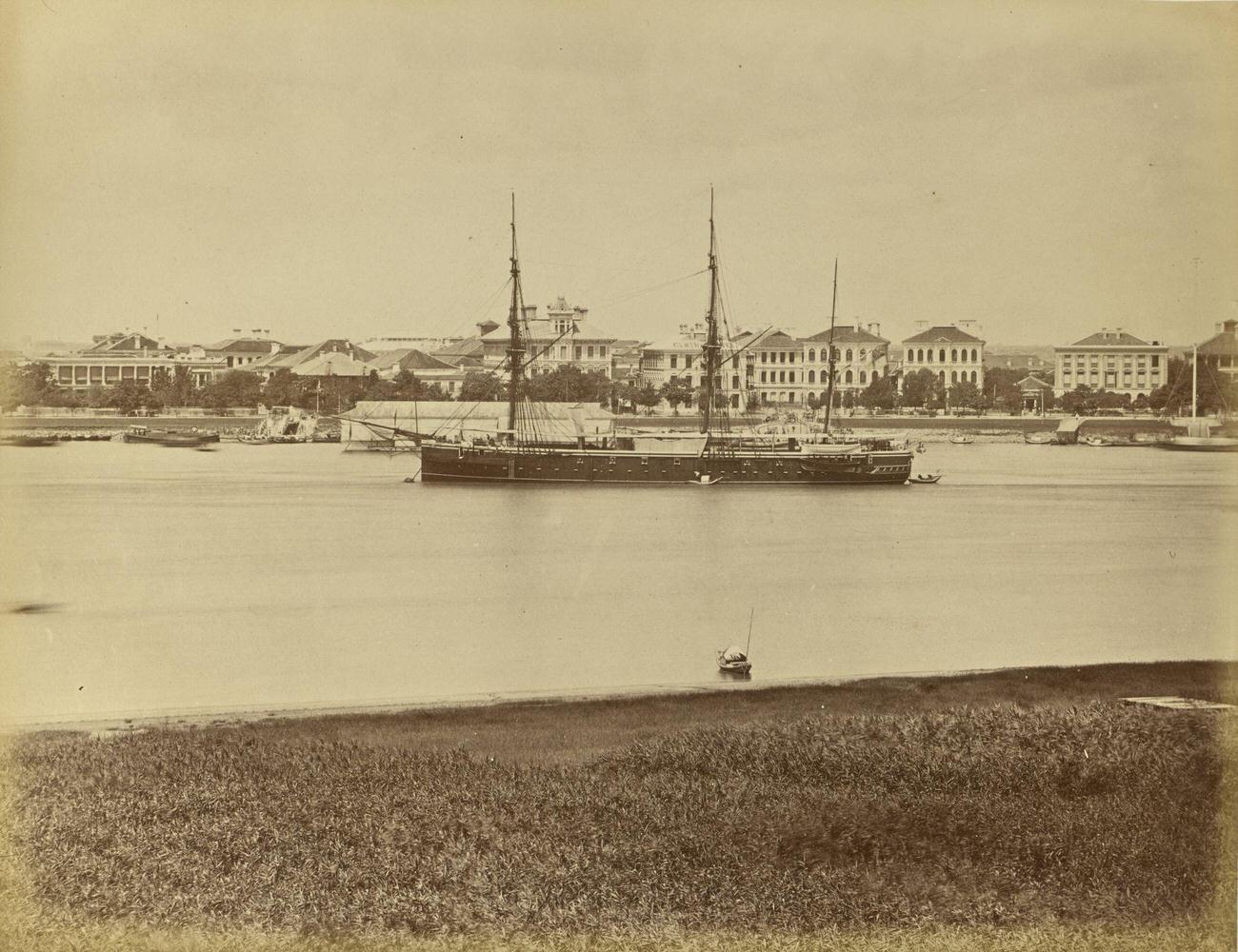
Shanghai had grown into one of the most internationally connected cities in Asia. Its Bund — the waterfront strip lined with banks, hotels, and trading houses — looked more like a European city than a Chinese one. The Oriental Bank, the Astor House, and a cathedral all stood as physical reminders of the foreign footprint in China’s most prosperous port.
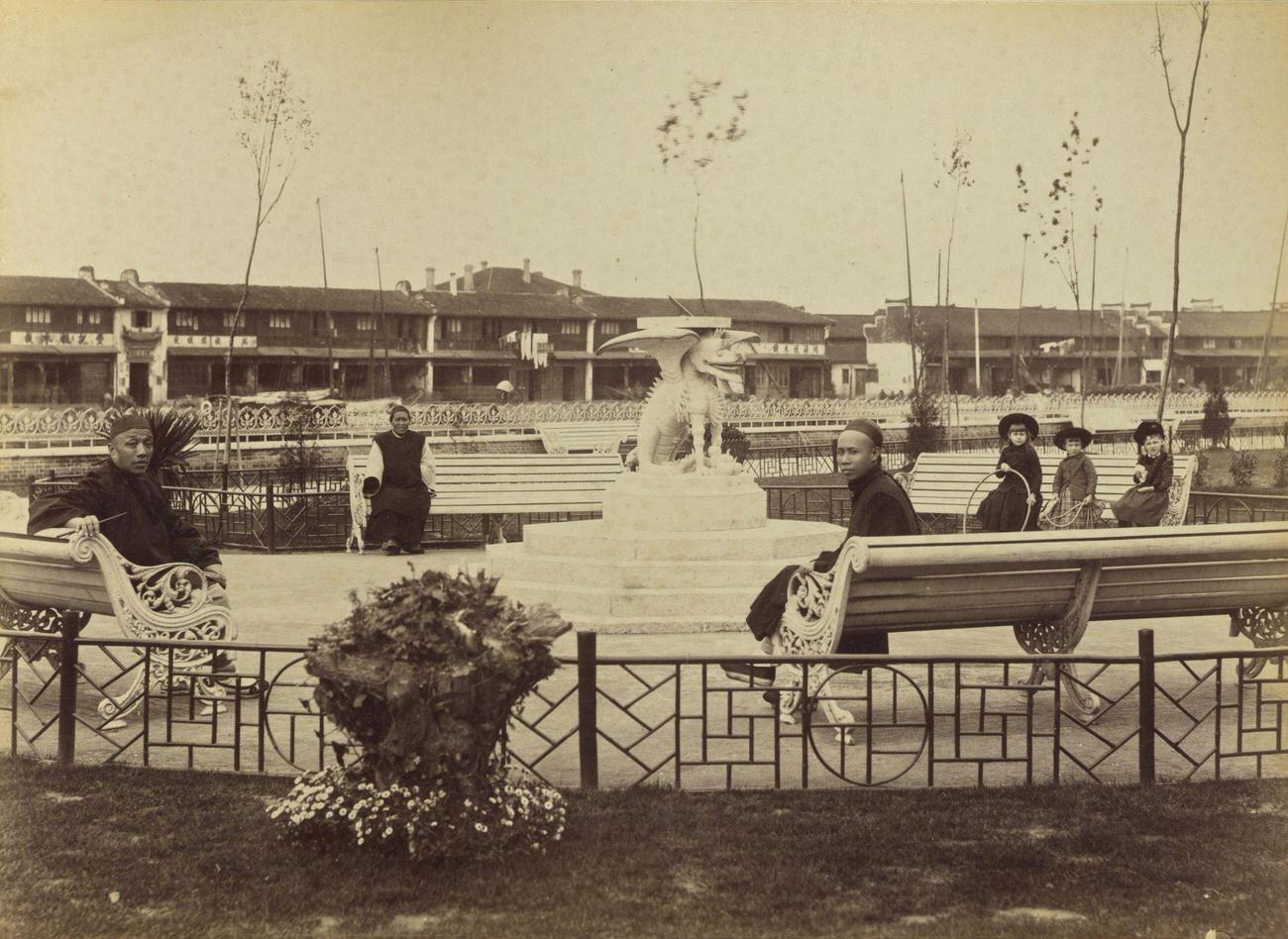
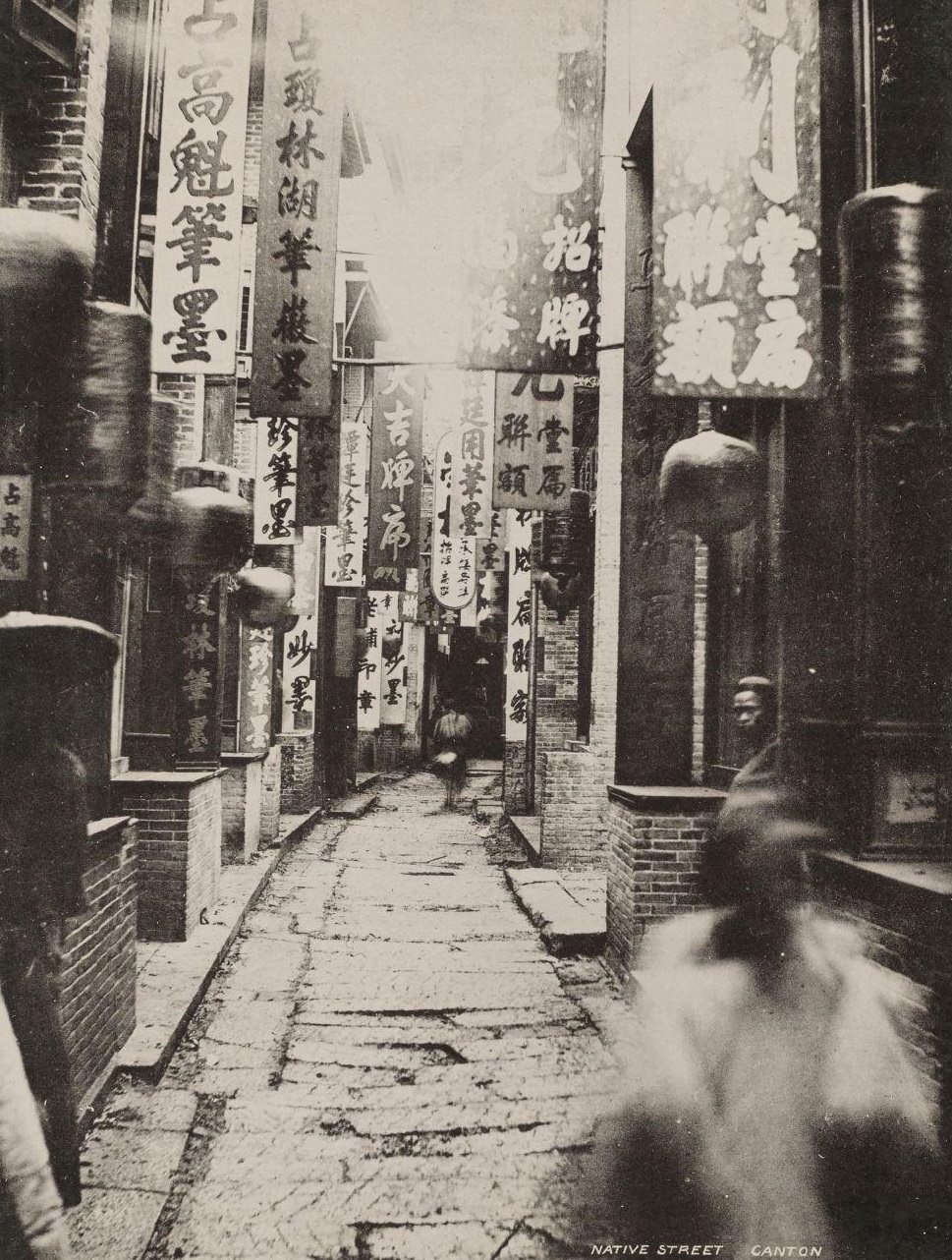
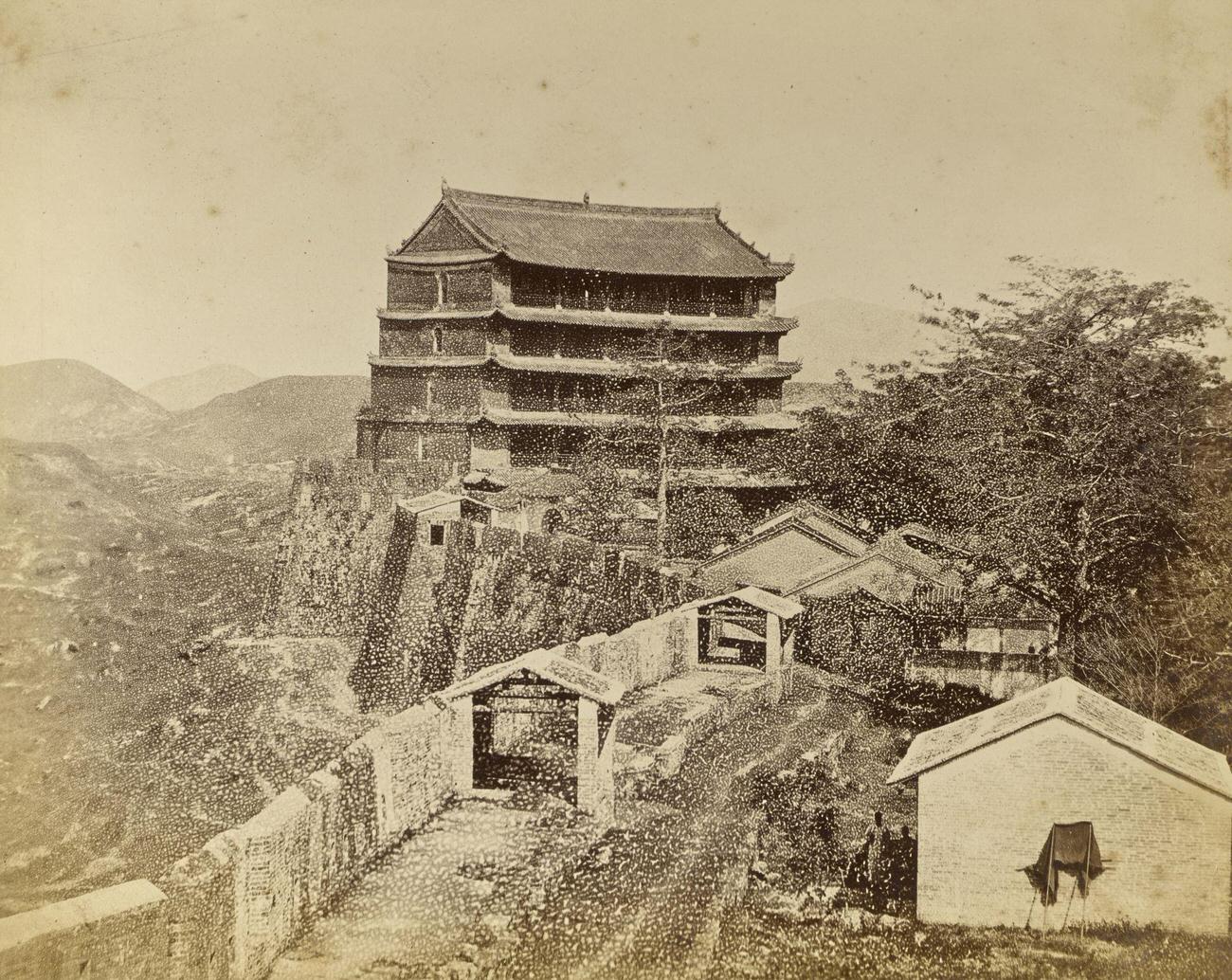
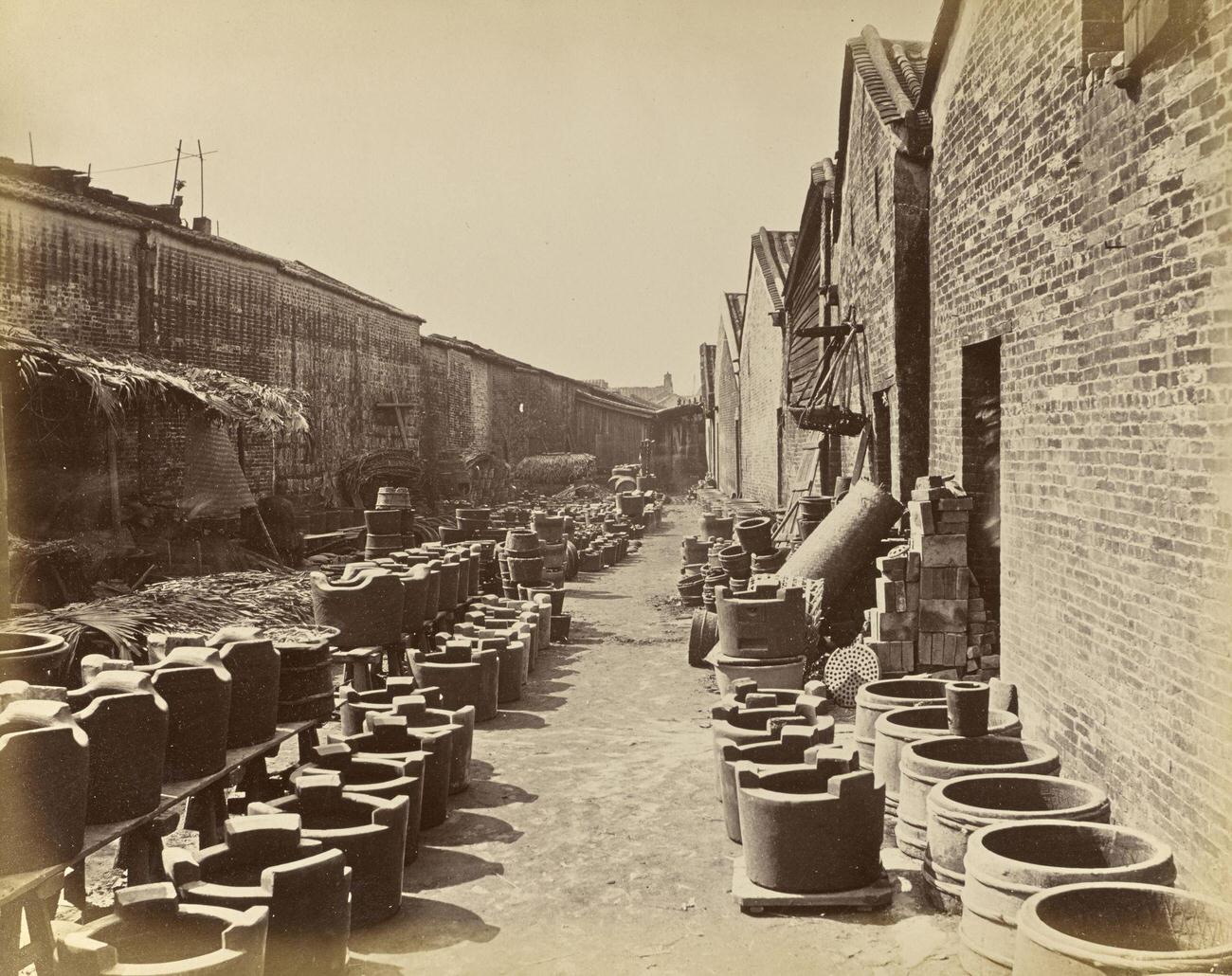
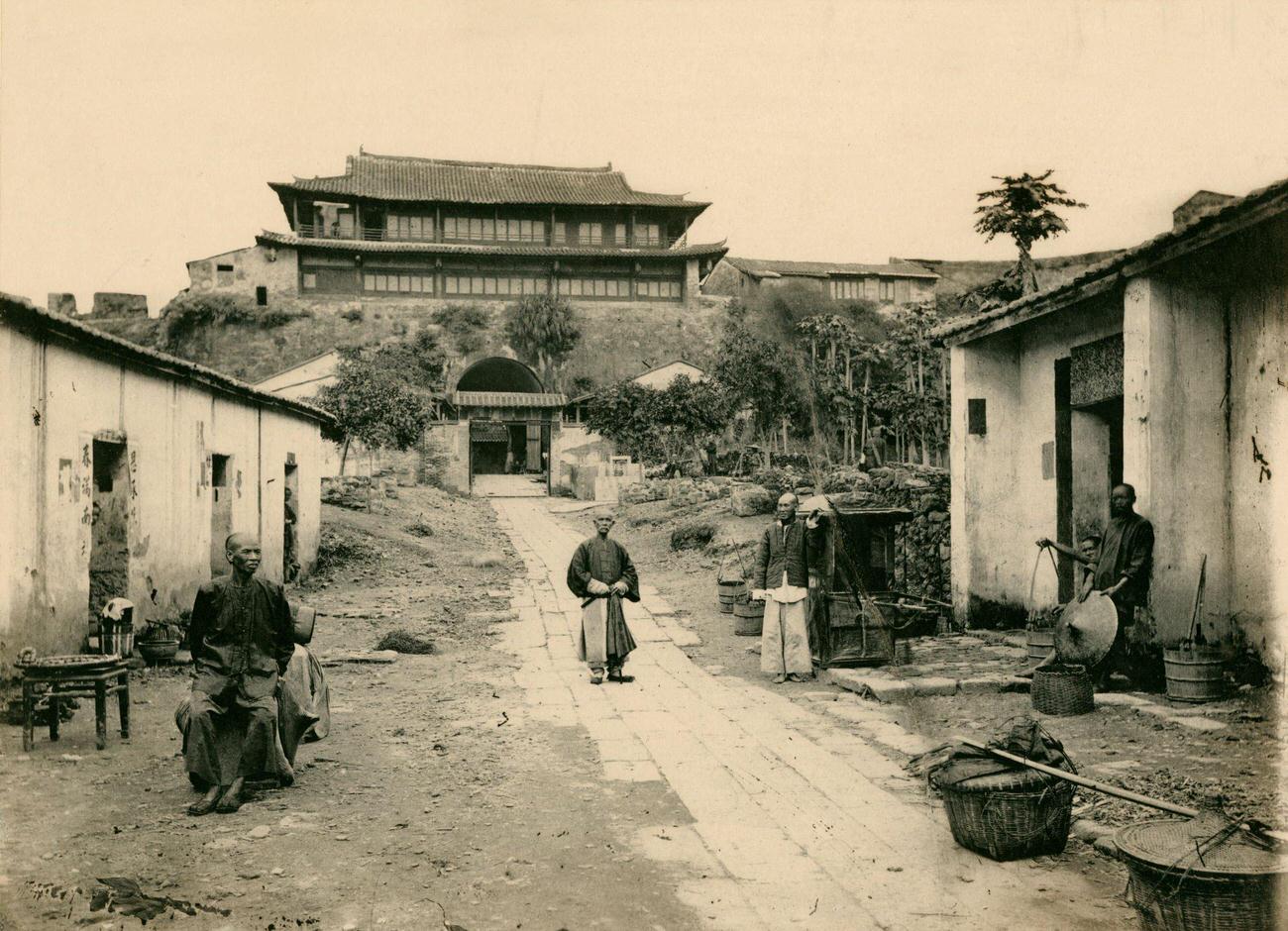
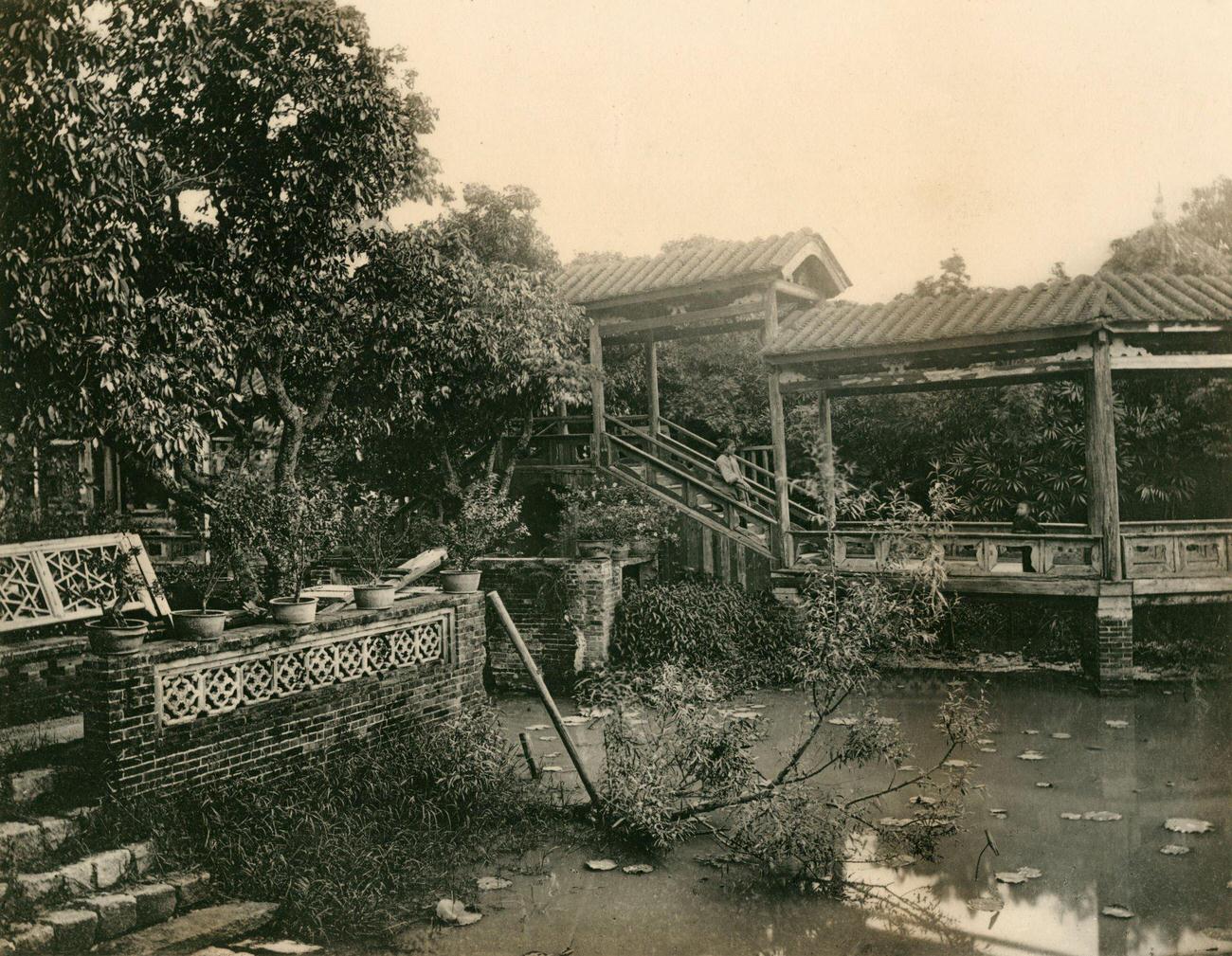
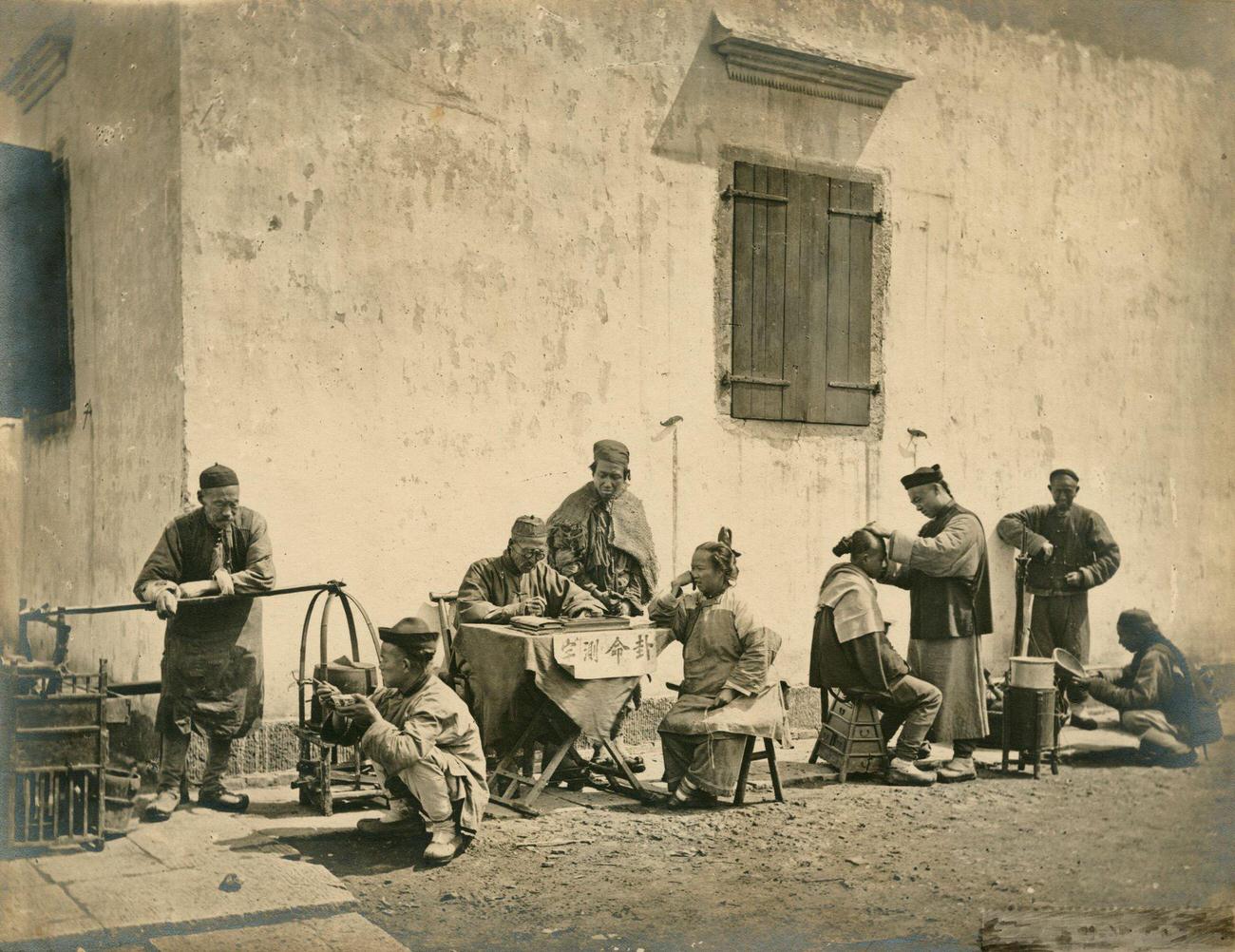
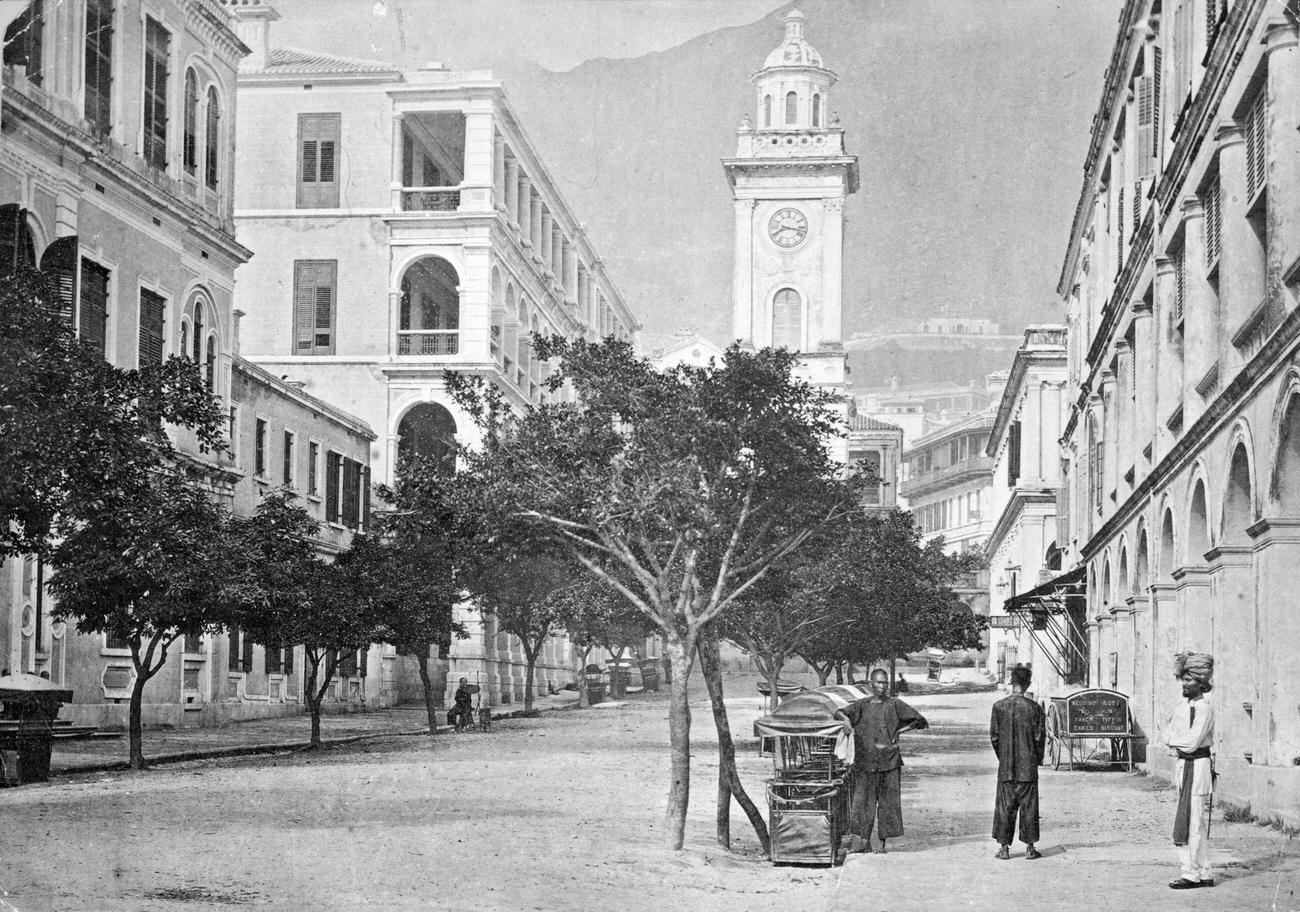
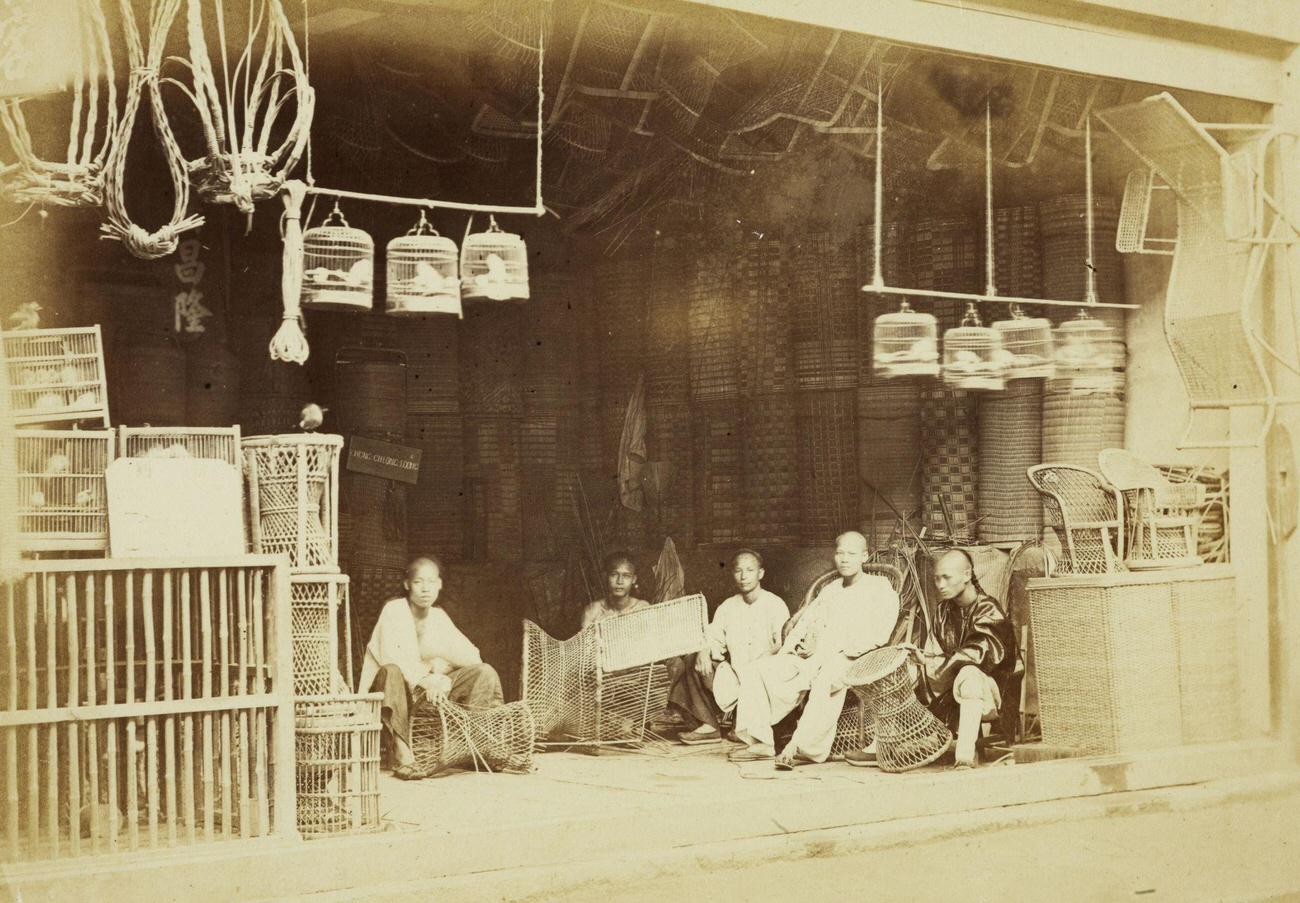
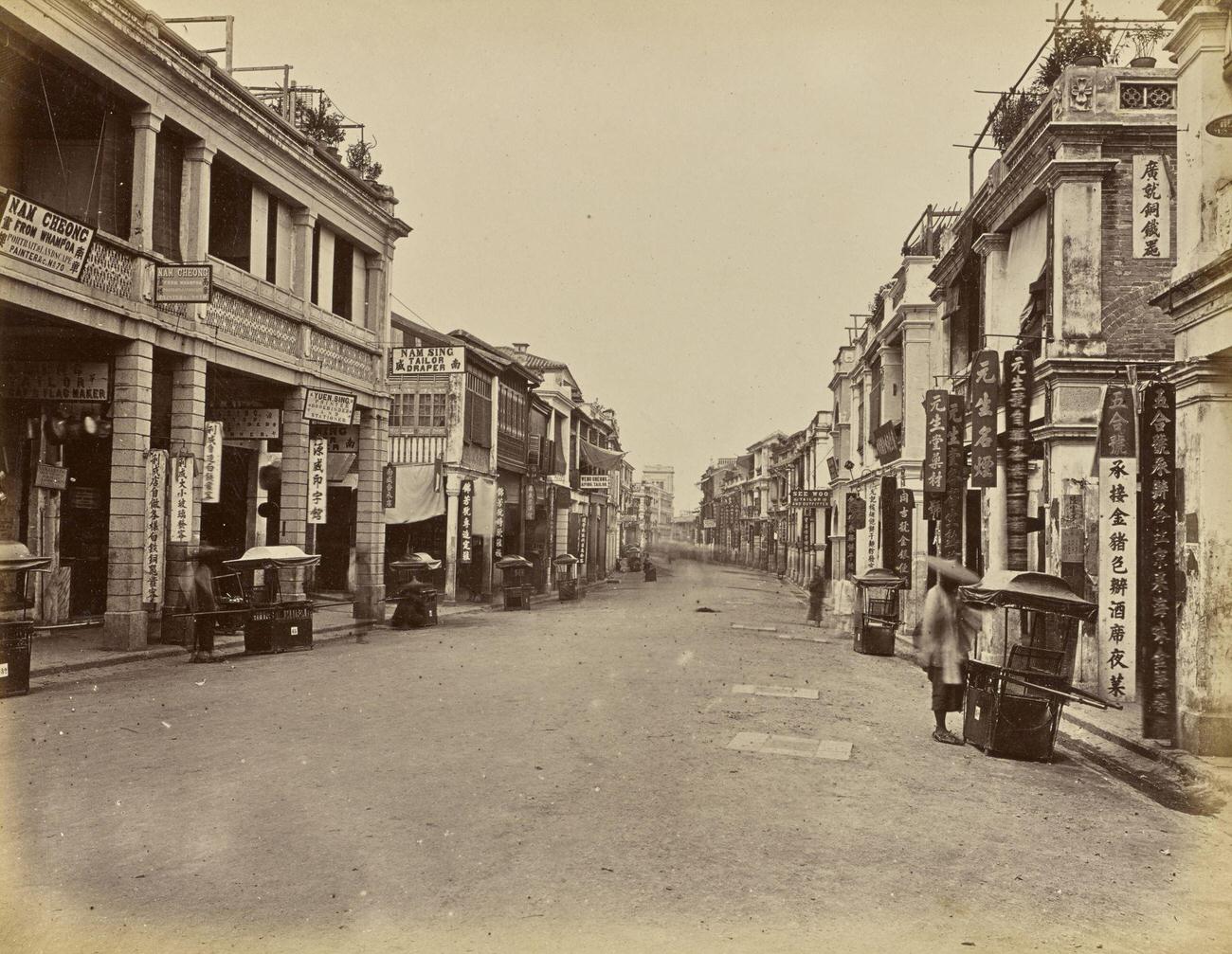
Canton — today known as Guangzhou — was one of China’s oldest trading cities and remained a center of commerce and population. Its streets were densely packed, its markets loud and constant. Narrow alleys ran between brick buildings, and vendors, scribes, and barbers set up their trades in the open air. The city’s ancient infrastructure, including its Ming-era walls and watchtowers, still stood as testaments to an earlier era of Chinese strength.
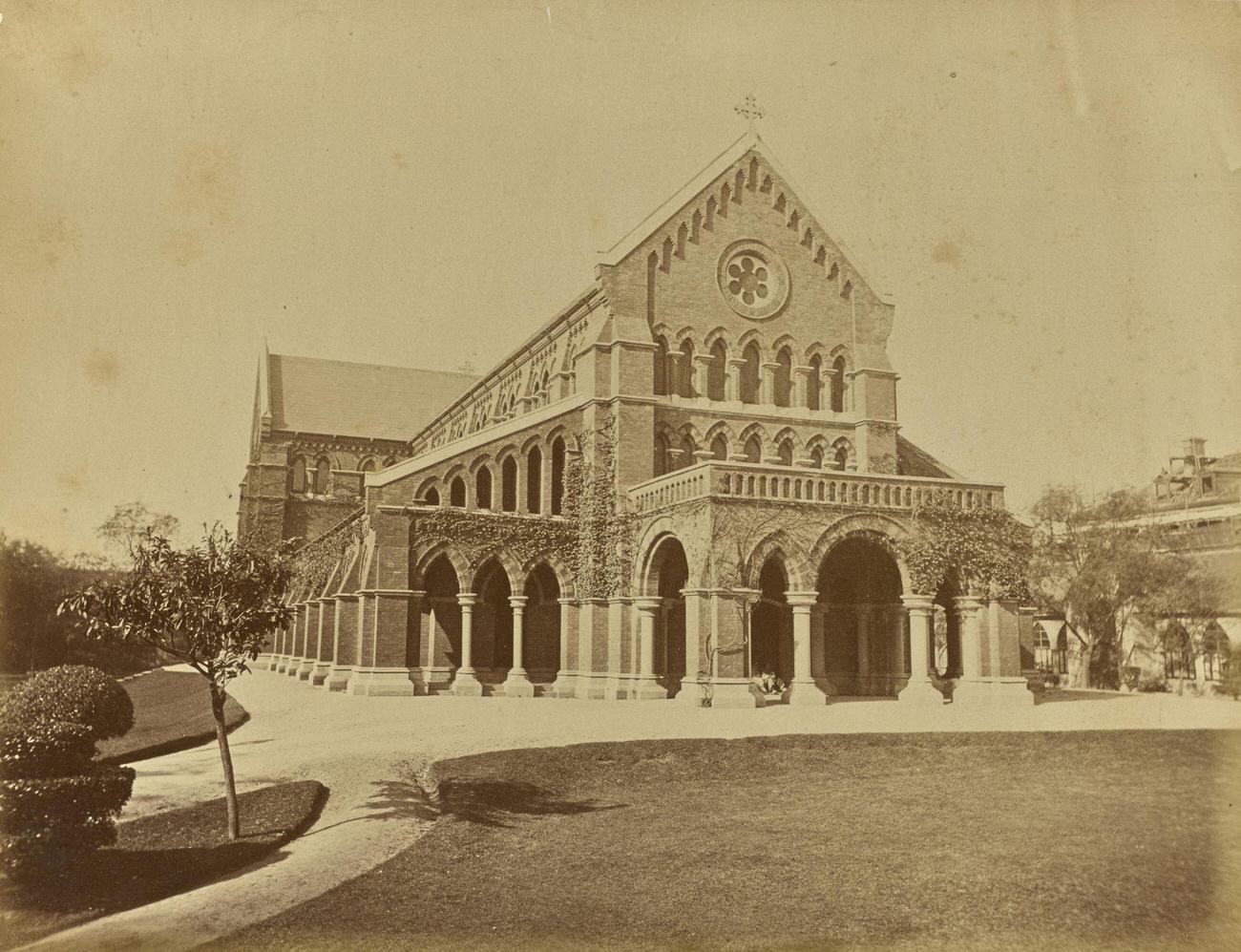
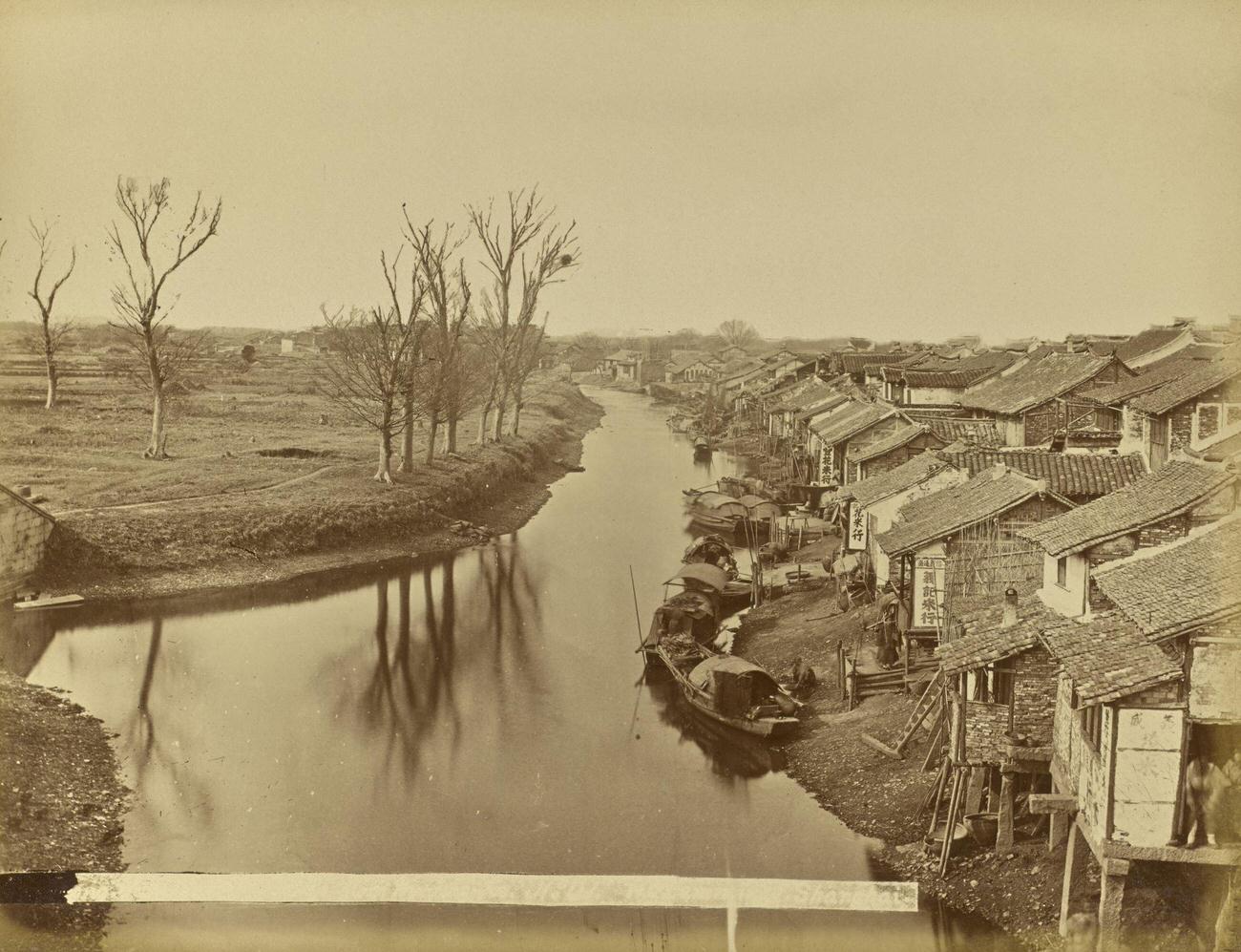
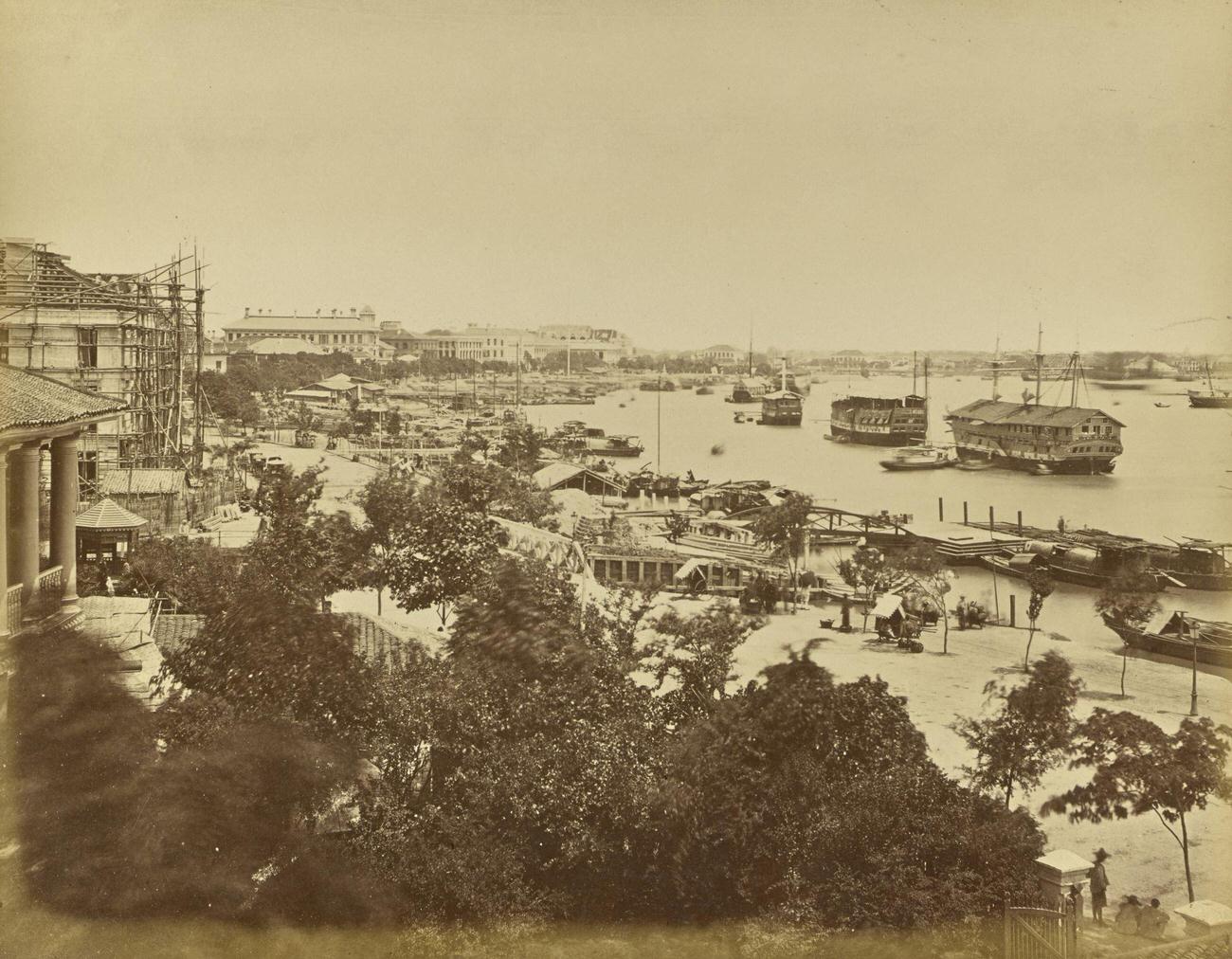
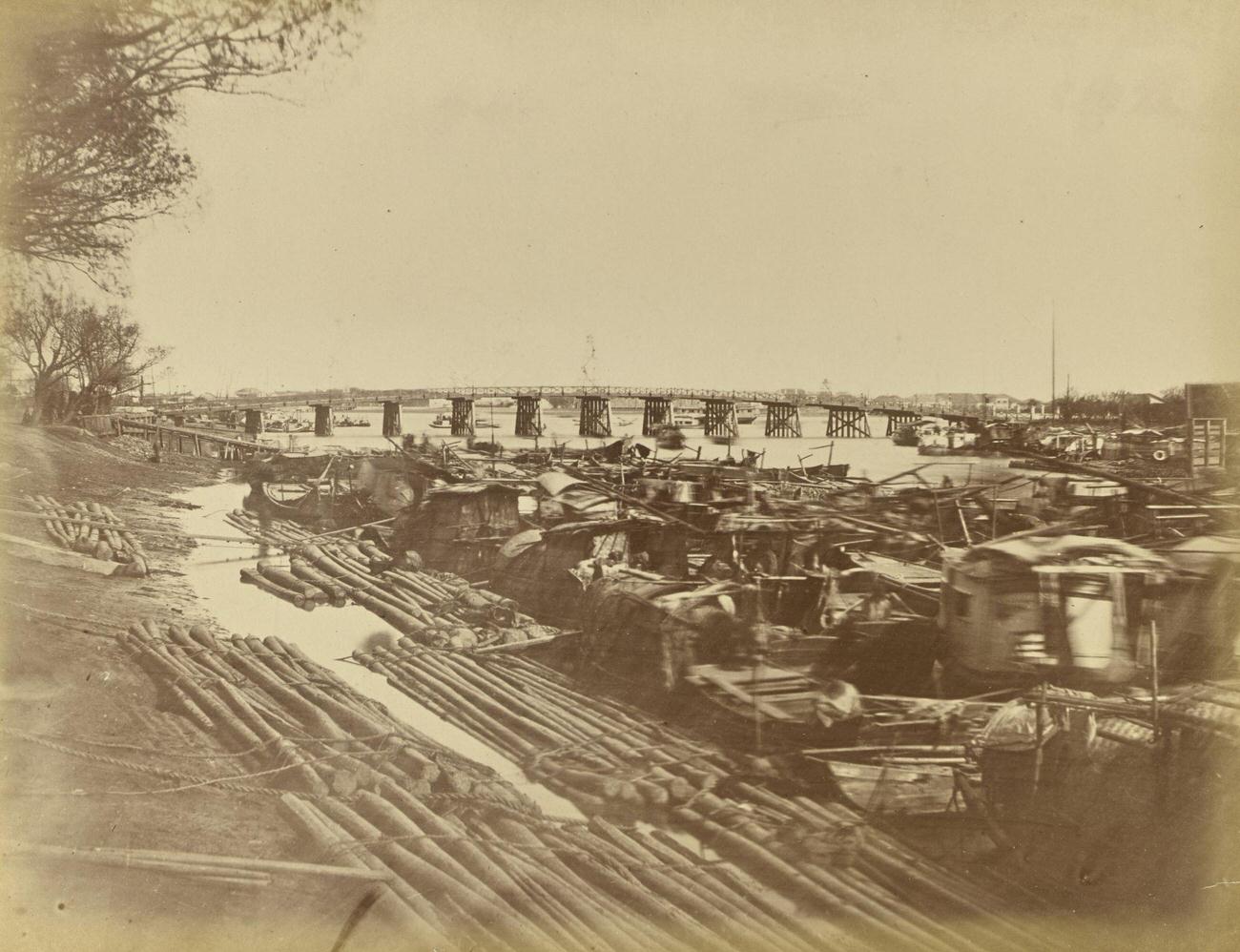
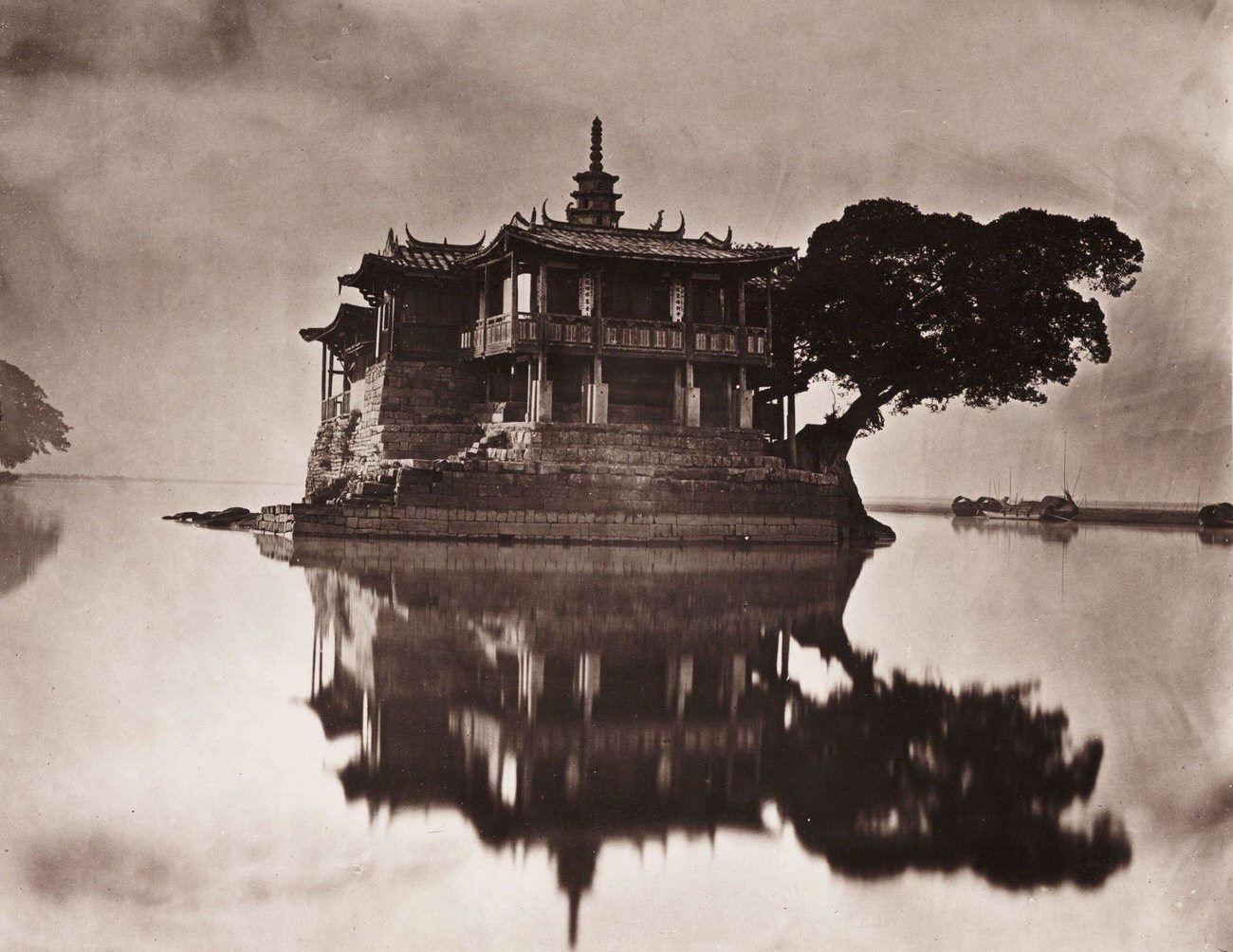
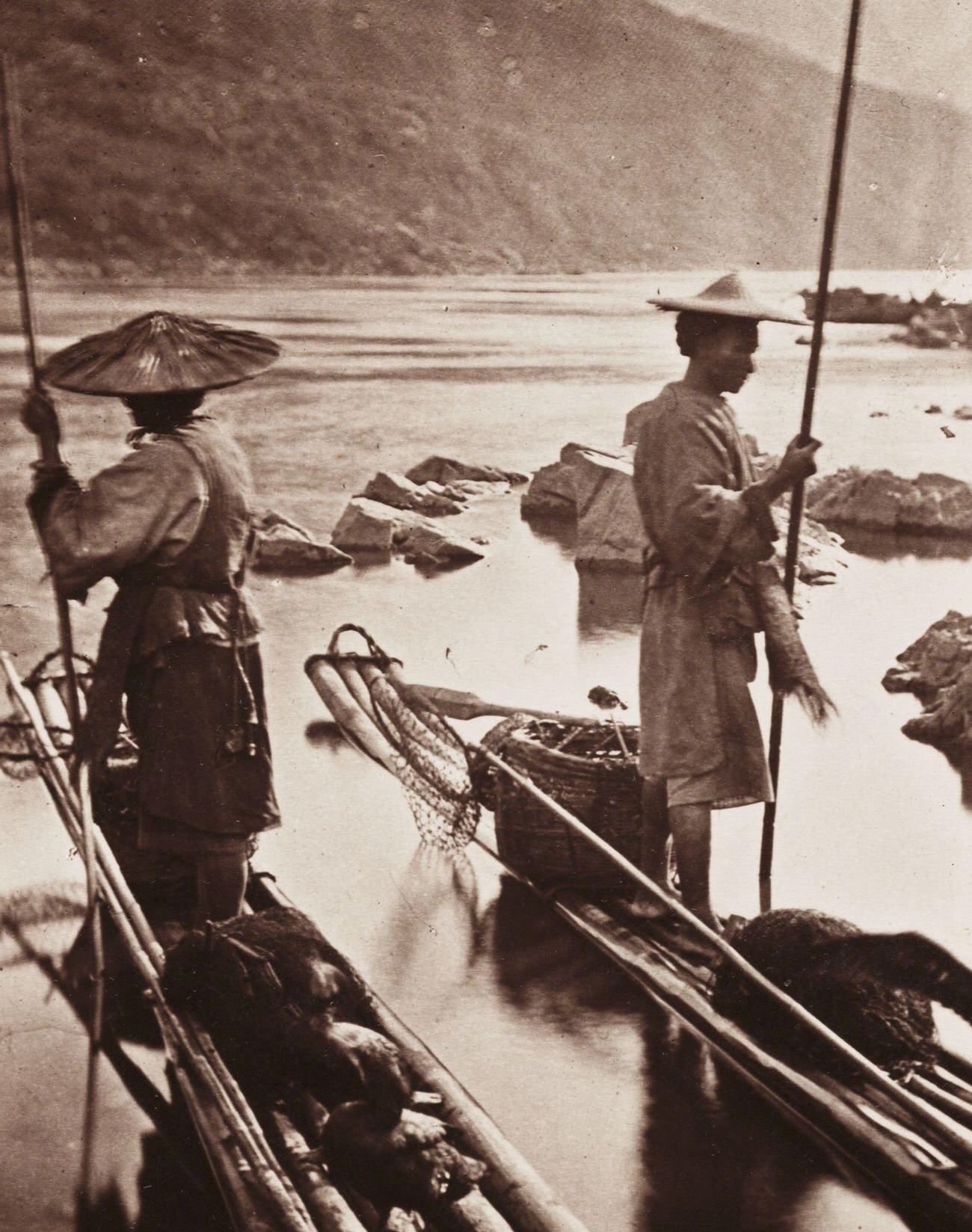
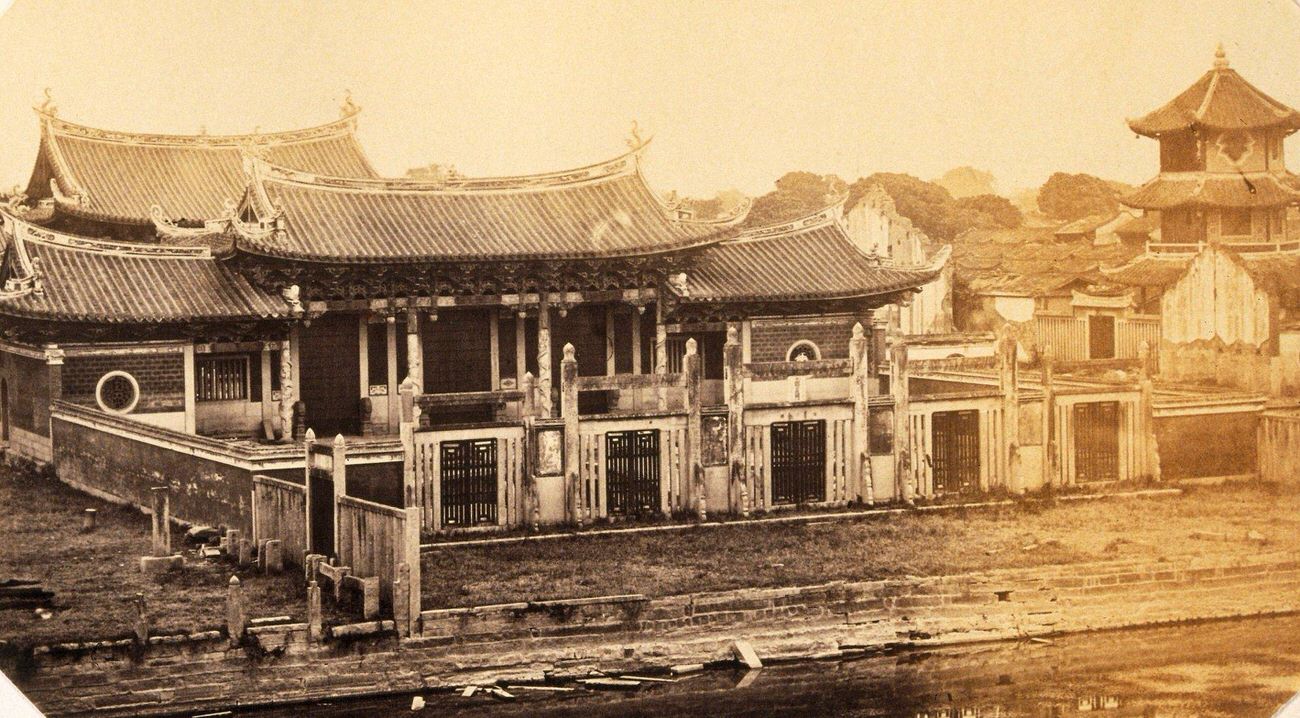
Scottish photographer John Thomson traveled extensively through China in the early 1870s, documenting the country with a level of detail rarely seen at the time. His photographs of river life, island pagodas, and fishing practices using trained cormorants gave Western audiences their first real visual window into rural and waterway China. Thomson’s work was systematic and deliberate — he moved through the country region by region, photographing architecture, people, and landscapes with equal care.
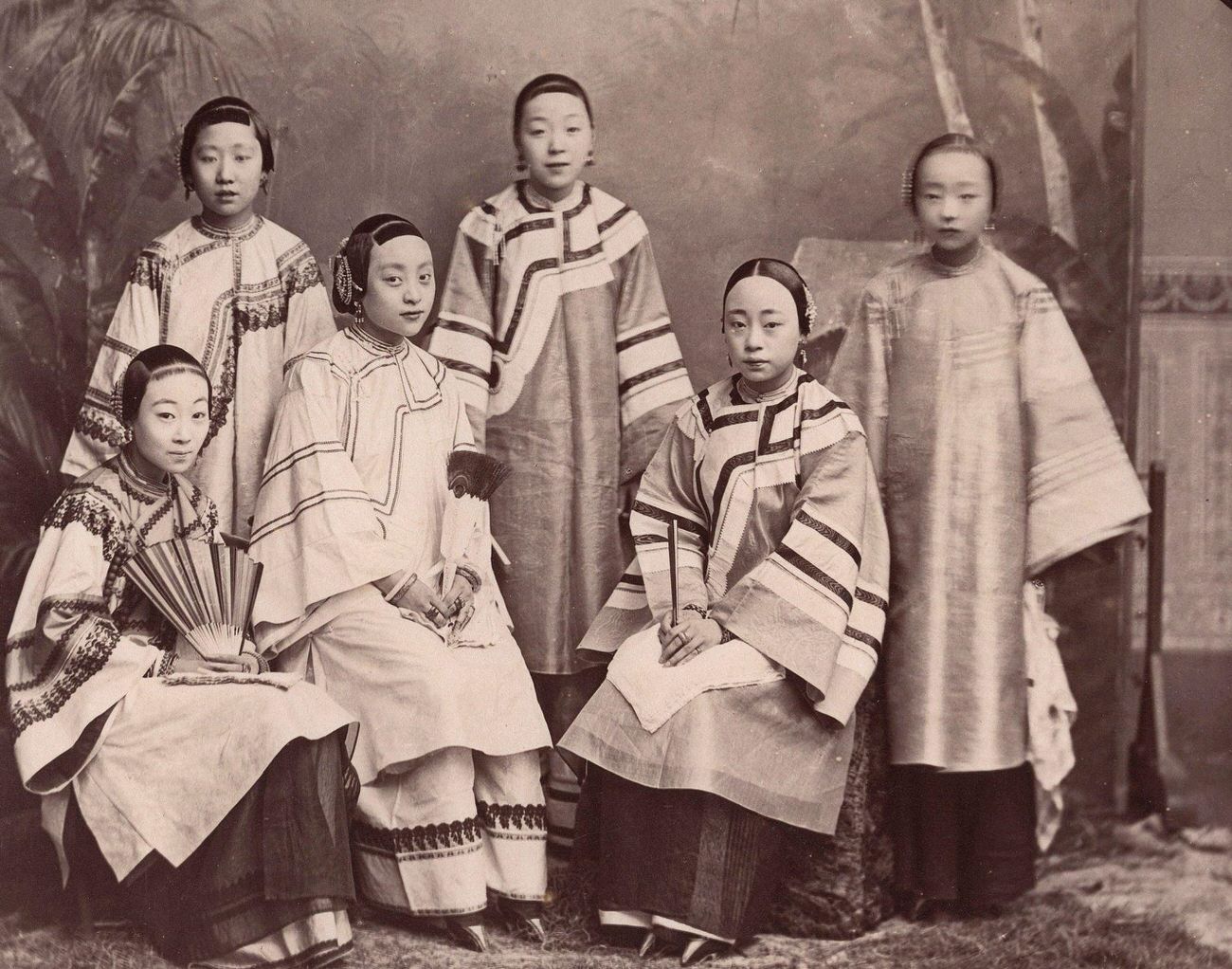
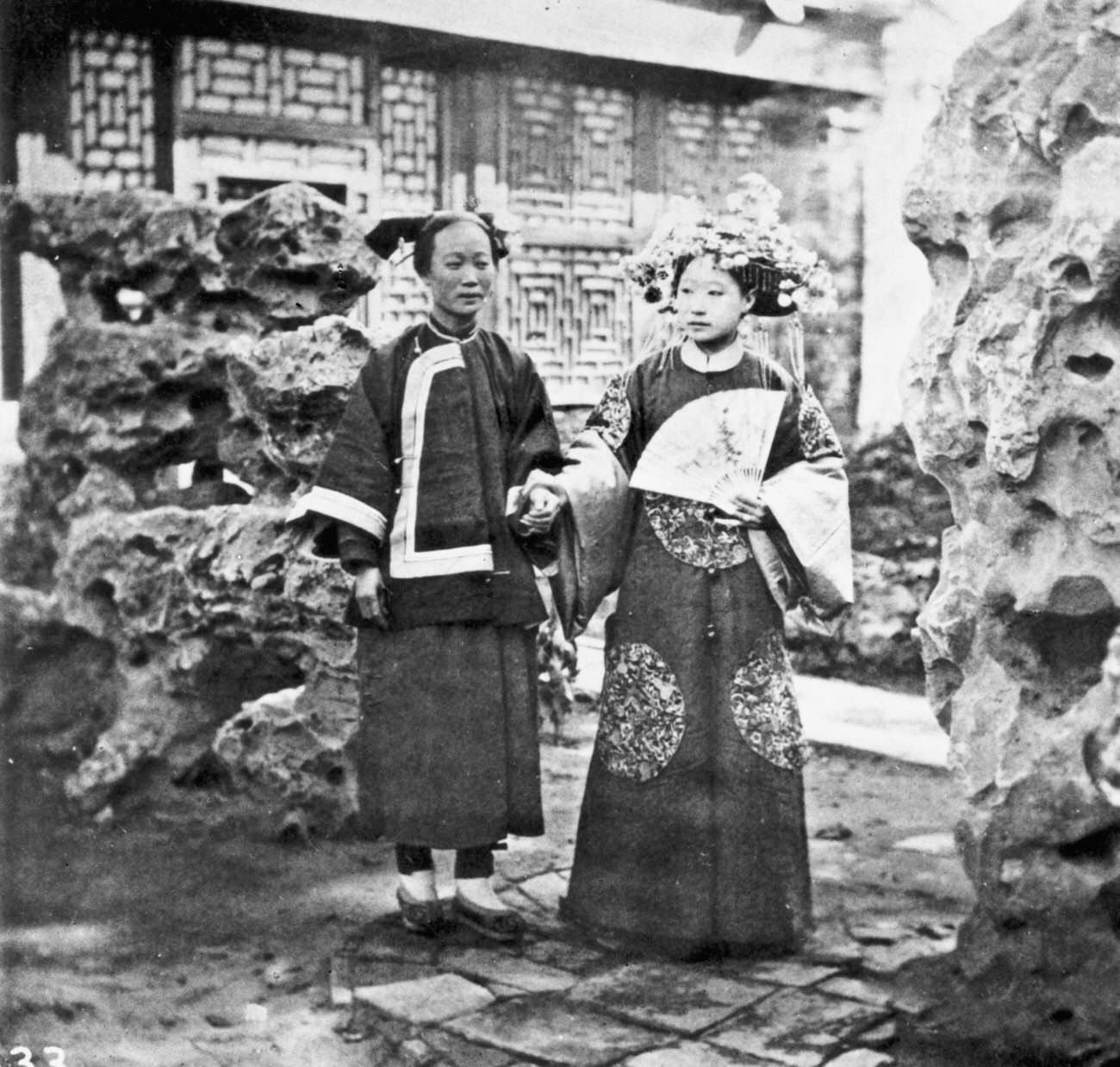
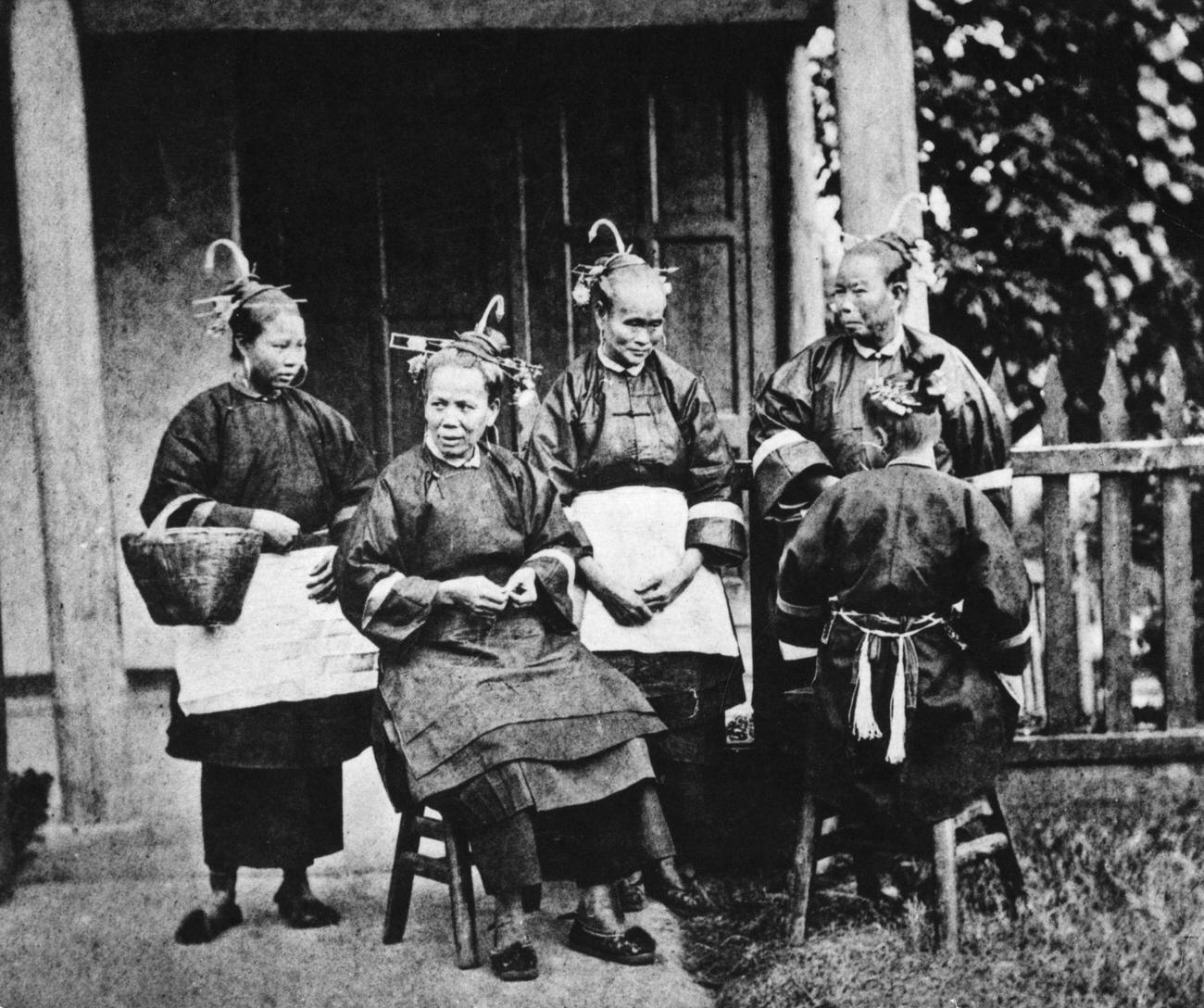
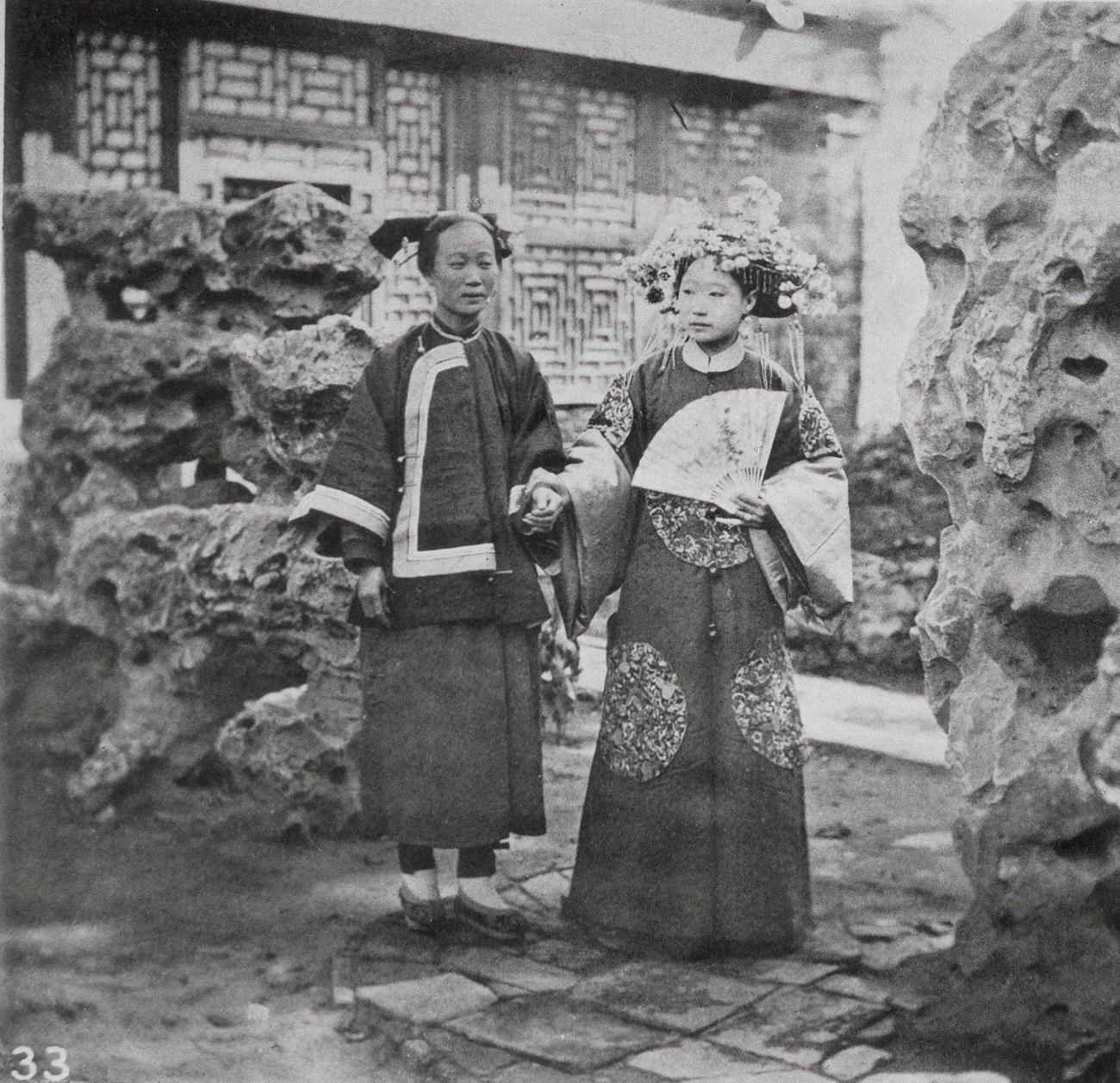
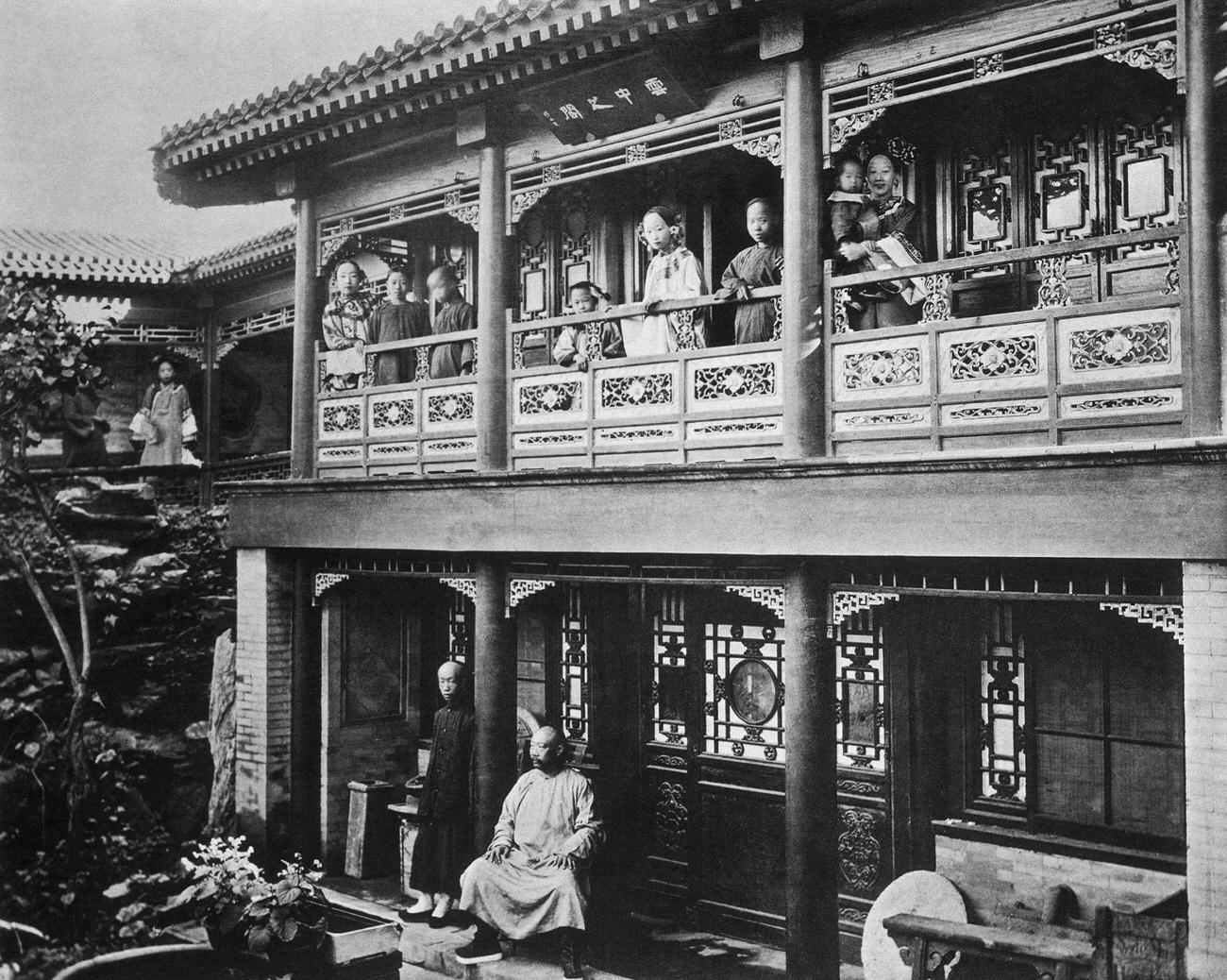
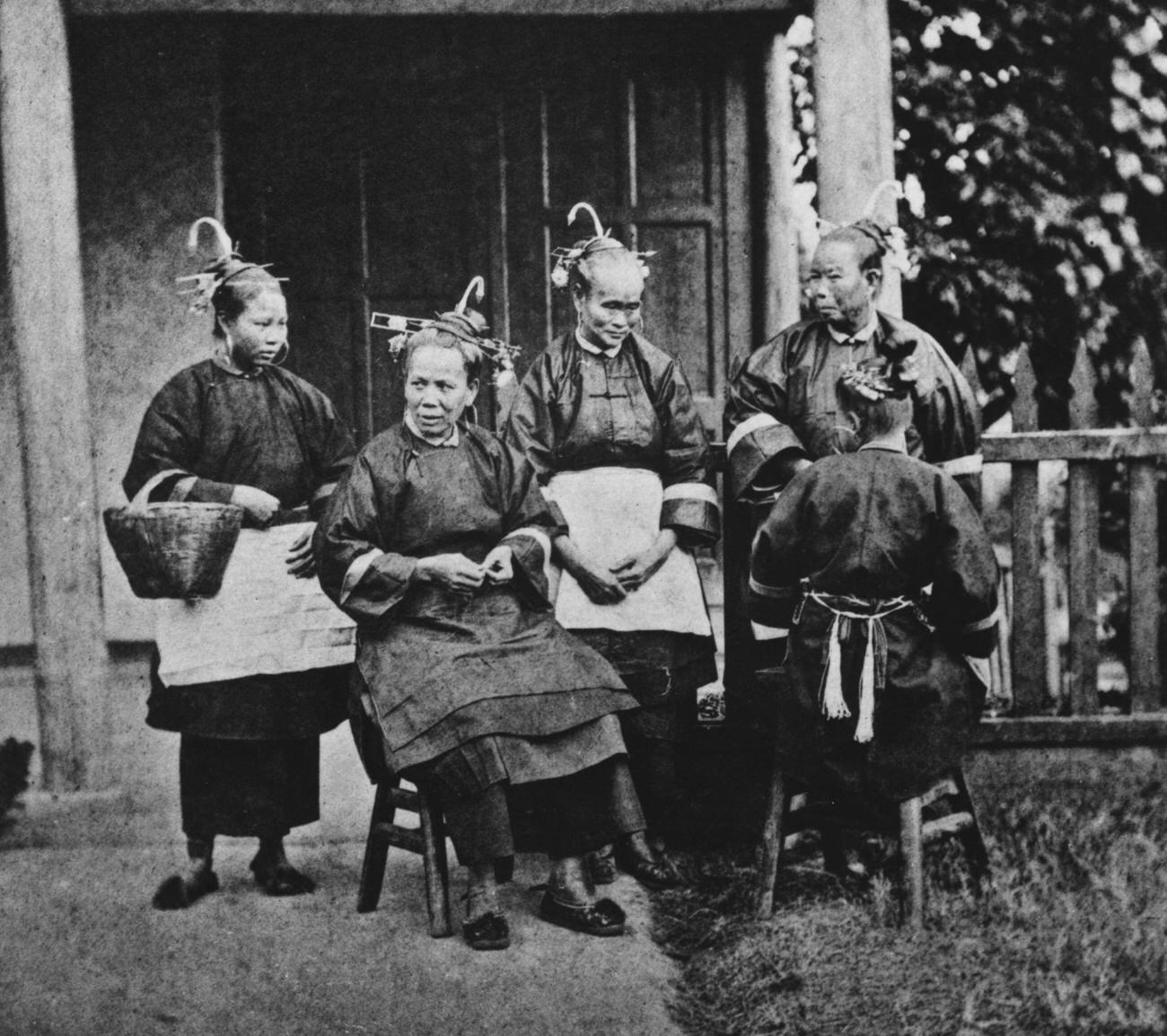
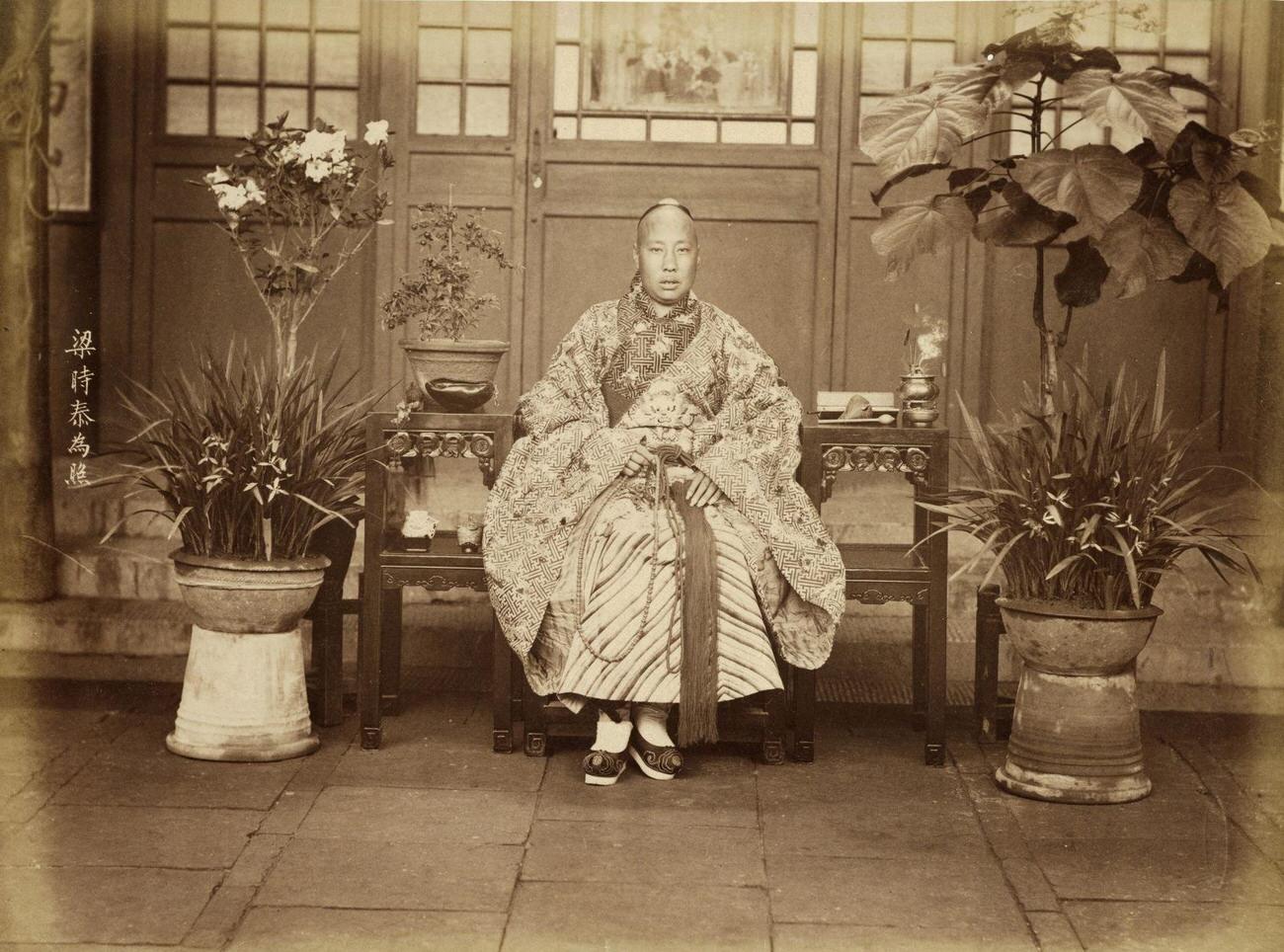
Manchu women occupied a distinct social position within the Qing system. The Qing Dynasty was founded by the Manchu people, and their culture and dress codes were formally separate from those of the Han Chinese majority. Manchu women were not subjected to foot binding, a practice common among Han Chinese women of that era. Their traditional dress, captured in photographs from 1871, reflected both their ethnic identity and their status within the imperial social order.
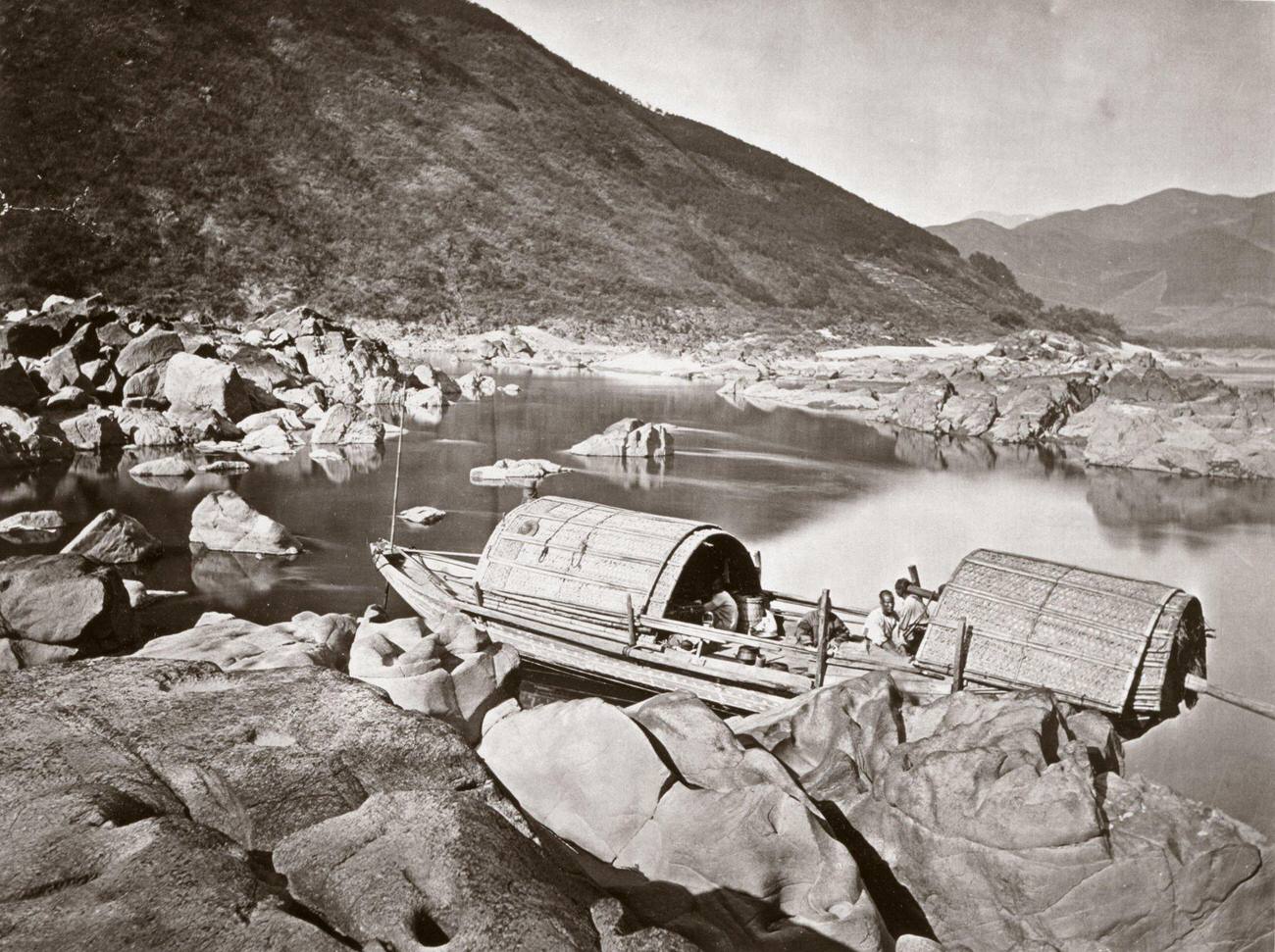
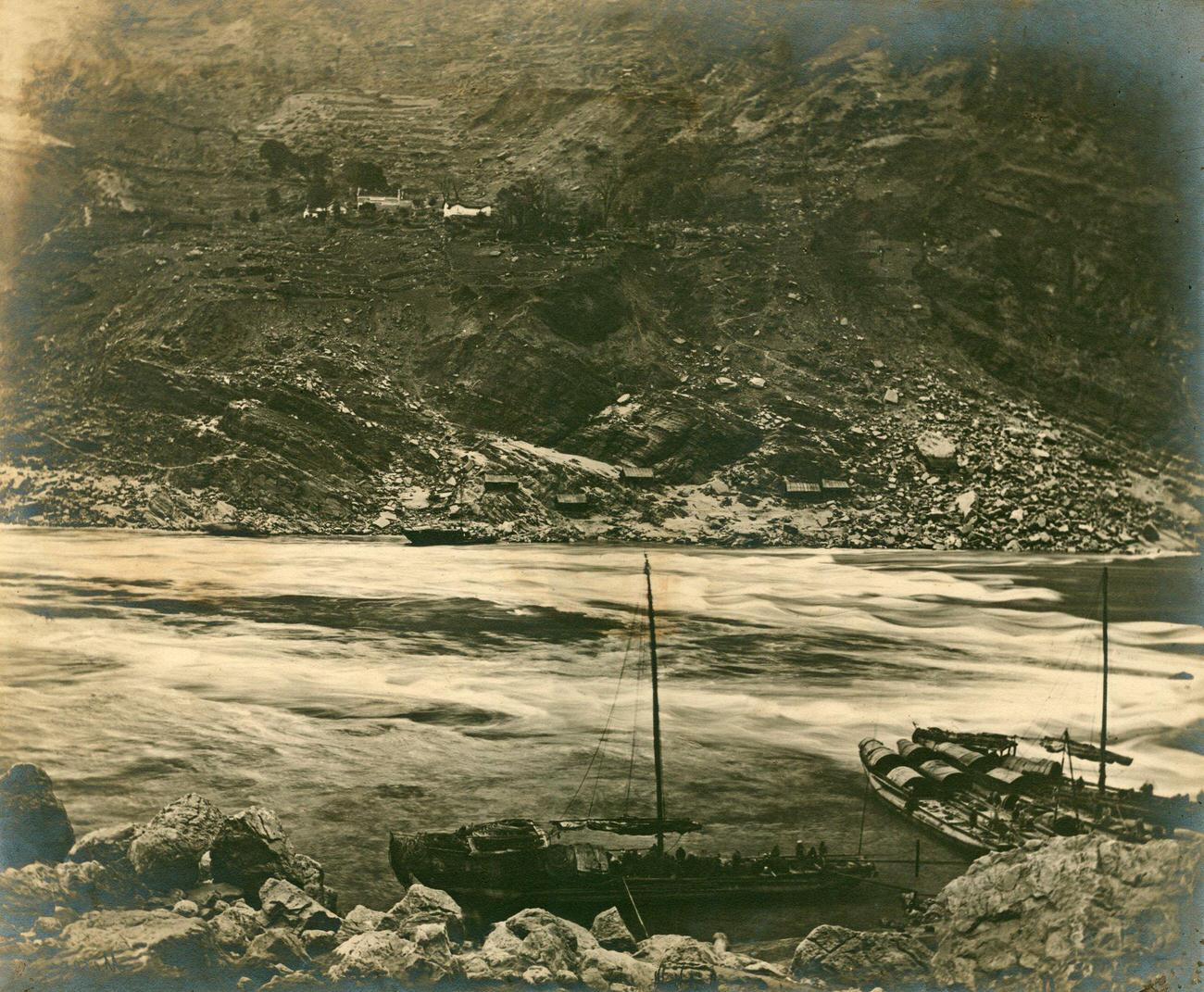
The Yangtze River’s upper reaches were treacherous and fast-moving. The Tsing Tiu Rapid, photographed in 1872, was one of many dangerous stretches that boat crews navigated by skill and experience. These men worked the river year-round, hauling goods and passengers through gorges and rapids in conditions that claimed lives regularly.
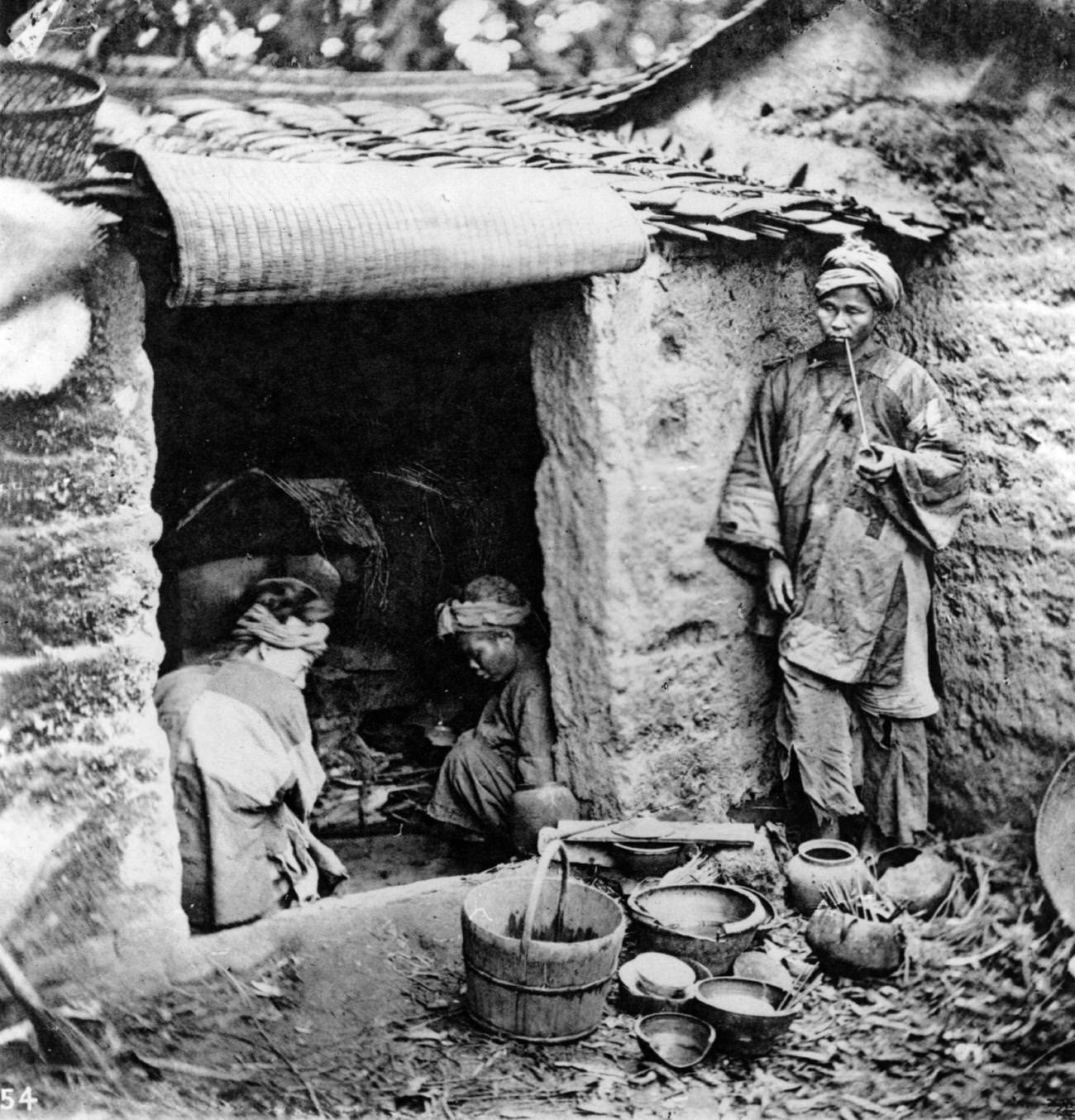
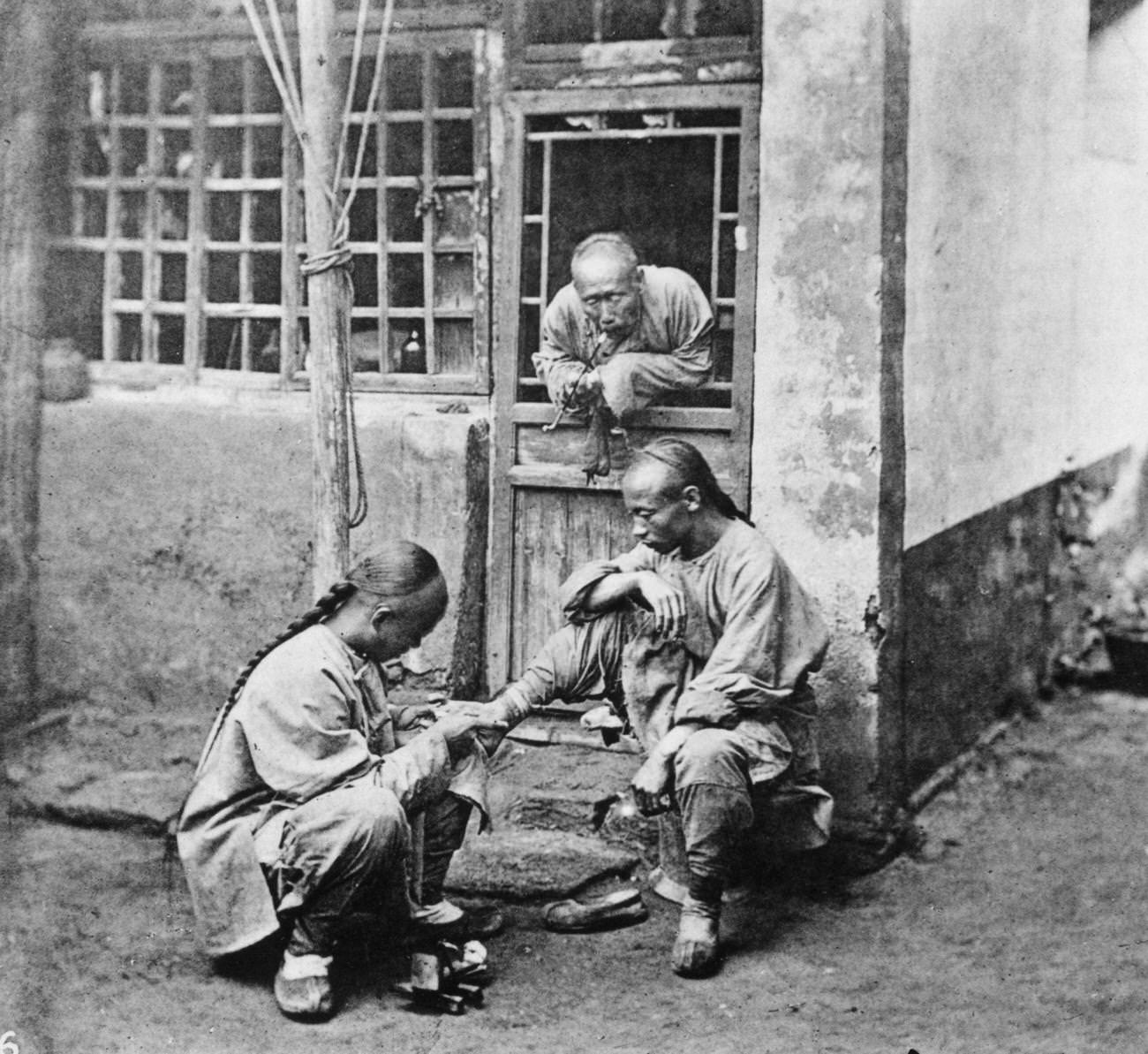
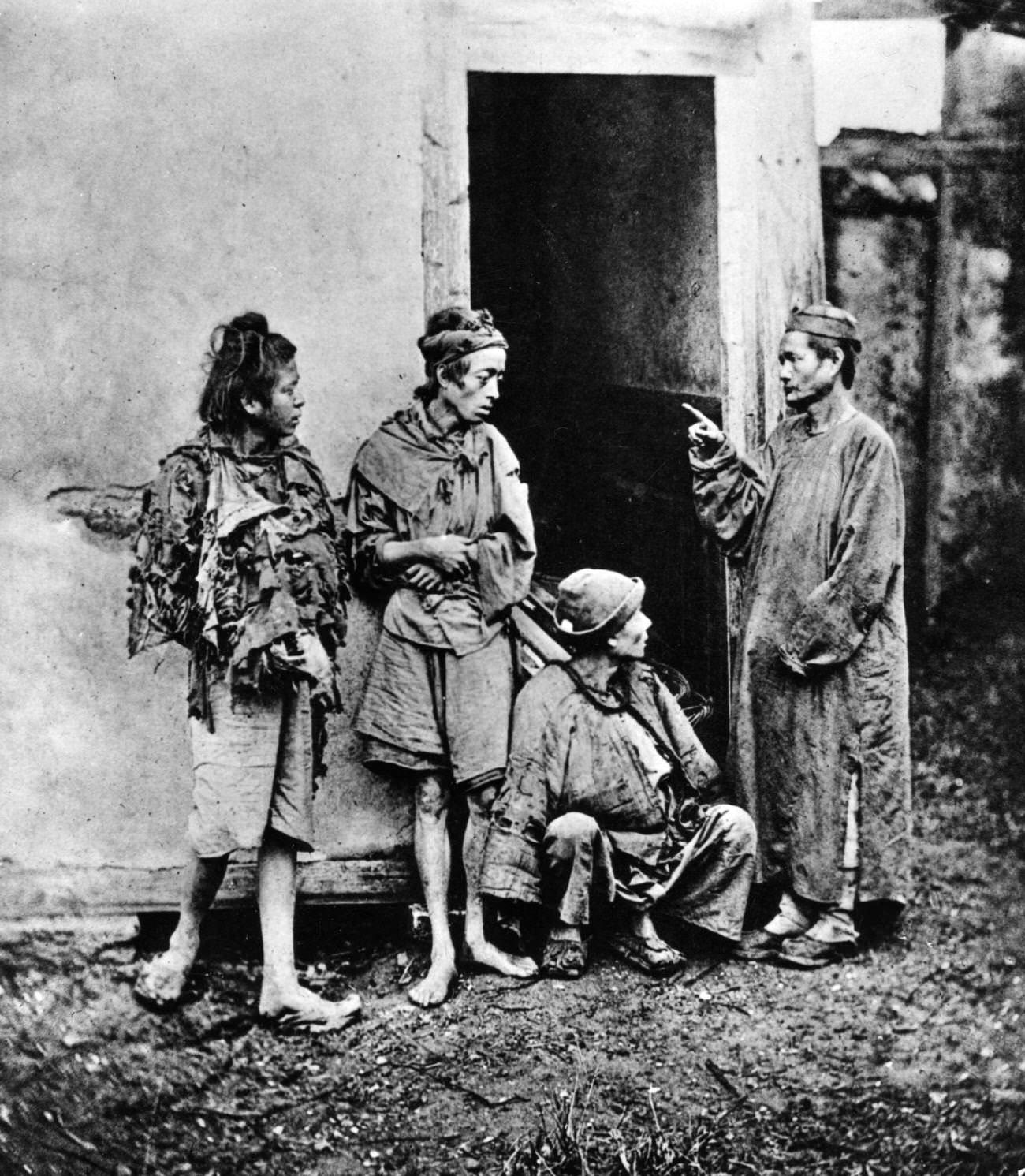
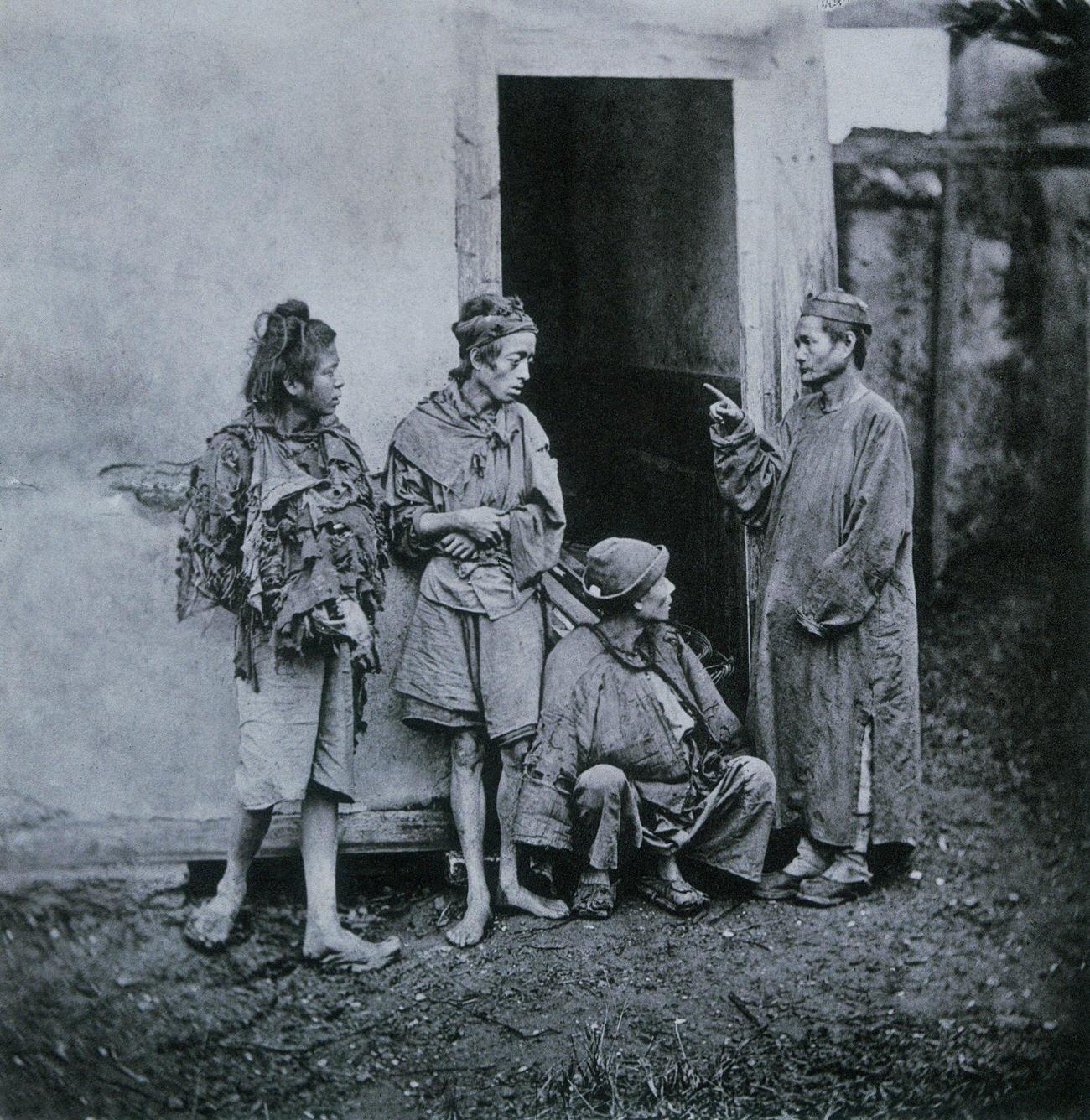
The poverty visible in cities like Peking and Canton was stark. Slum housing, street beggars, and outdoor surgery were documented realities of urban life in this period. The Nian Rebellion, which had only been fully suppressed by 1868, left significant displacement and economic hardship in northern China. Beggars gathered in groups in city streets, and the gap between China’s wealthy class and its destitute poor was extreme and visible in every public space.
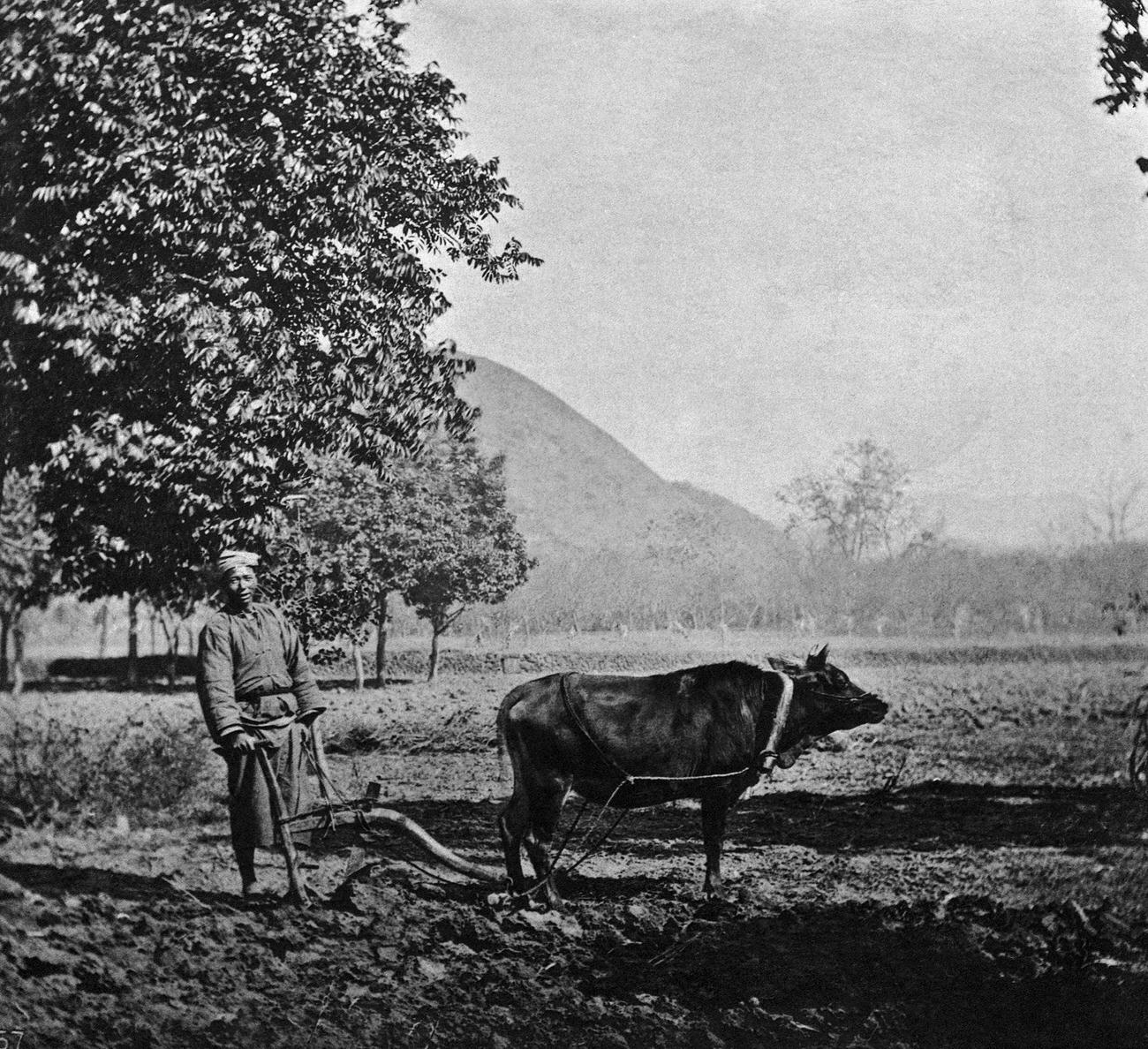
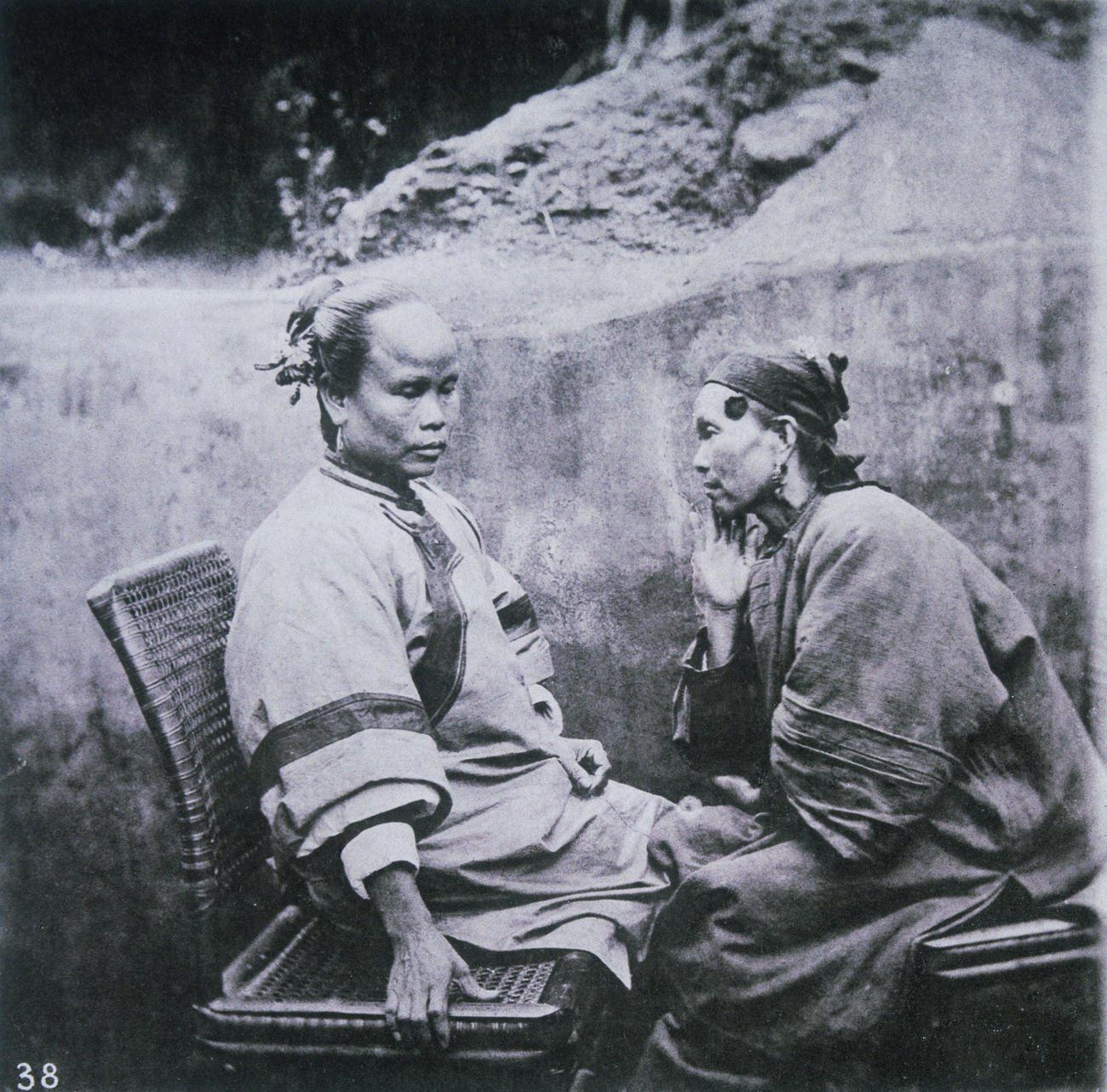
Agricultural labor formed the backbone of Chinese society. Women worked alongside men in the fields around cities like Foochow, plowing and planting in the same ways their ancestors had for generations. These photographs show the physical reality of that labor — no abstraction, just people and land. The Northern Chinese Famine, which began in 1876 and lasted until 1879, would soon bring this agricultural world to a breaking point, killing millions as crops failed and government relief collapsed.
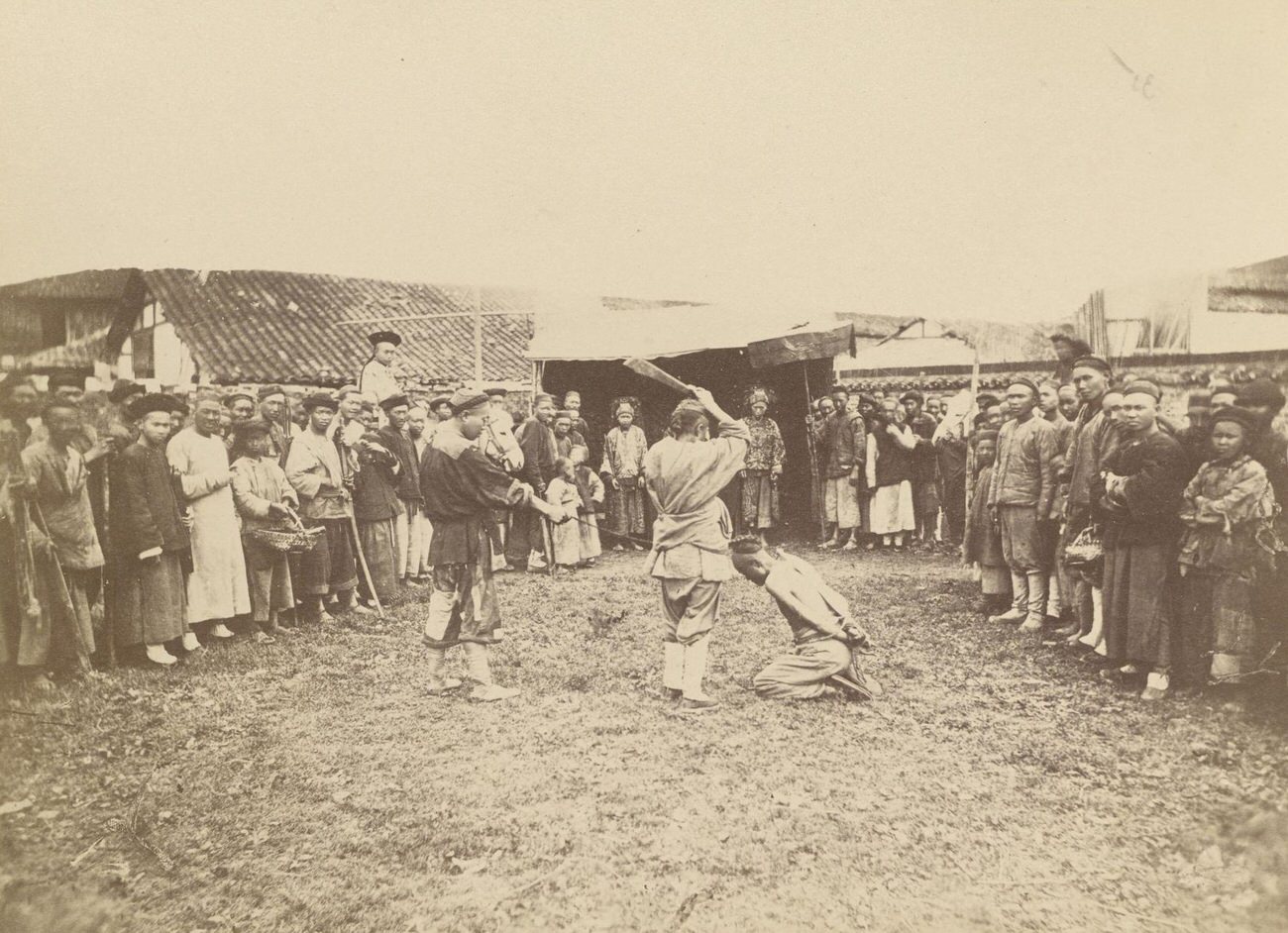
Executions in Canton were carried out in public. The photograph labeled “An Execution, Canton, 1870s” documents this directly. Capital punishment in Qing China was a public act, used both as a legal sentence and as a warning. It was carried out in open spaces where crowds could watch, and photographs of executions circulated among foreign visitors and journalists of the period.
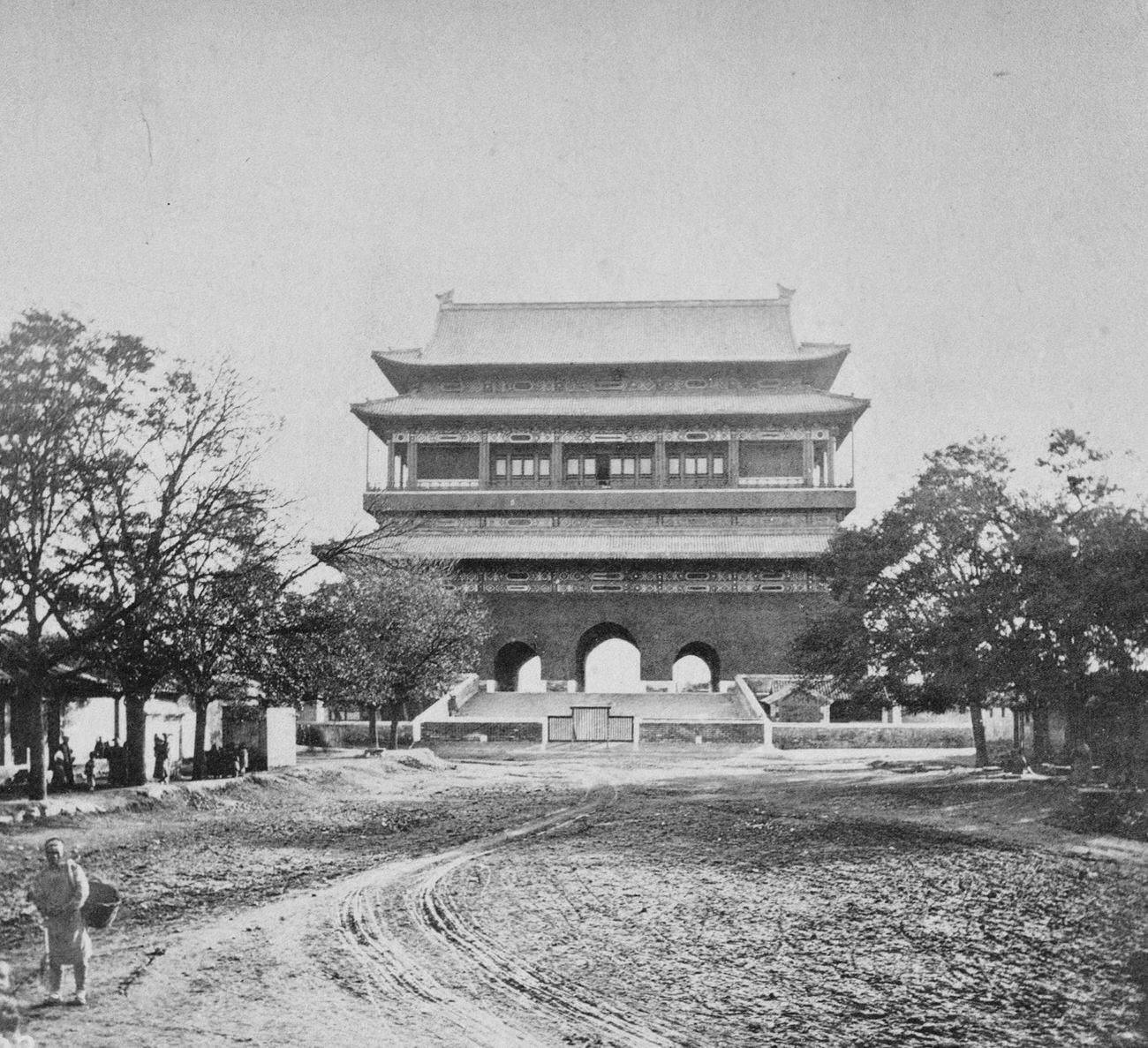
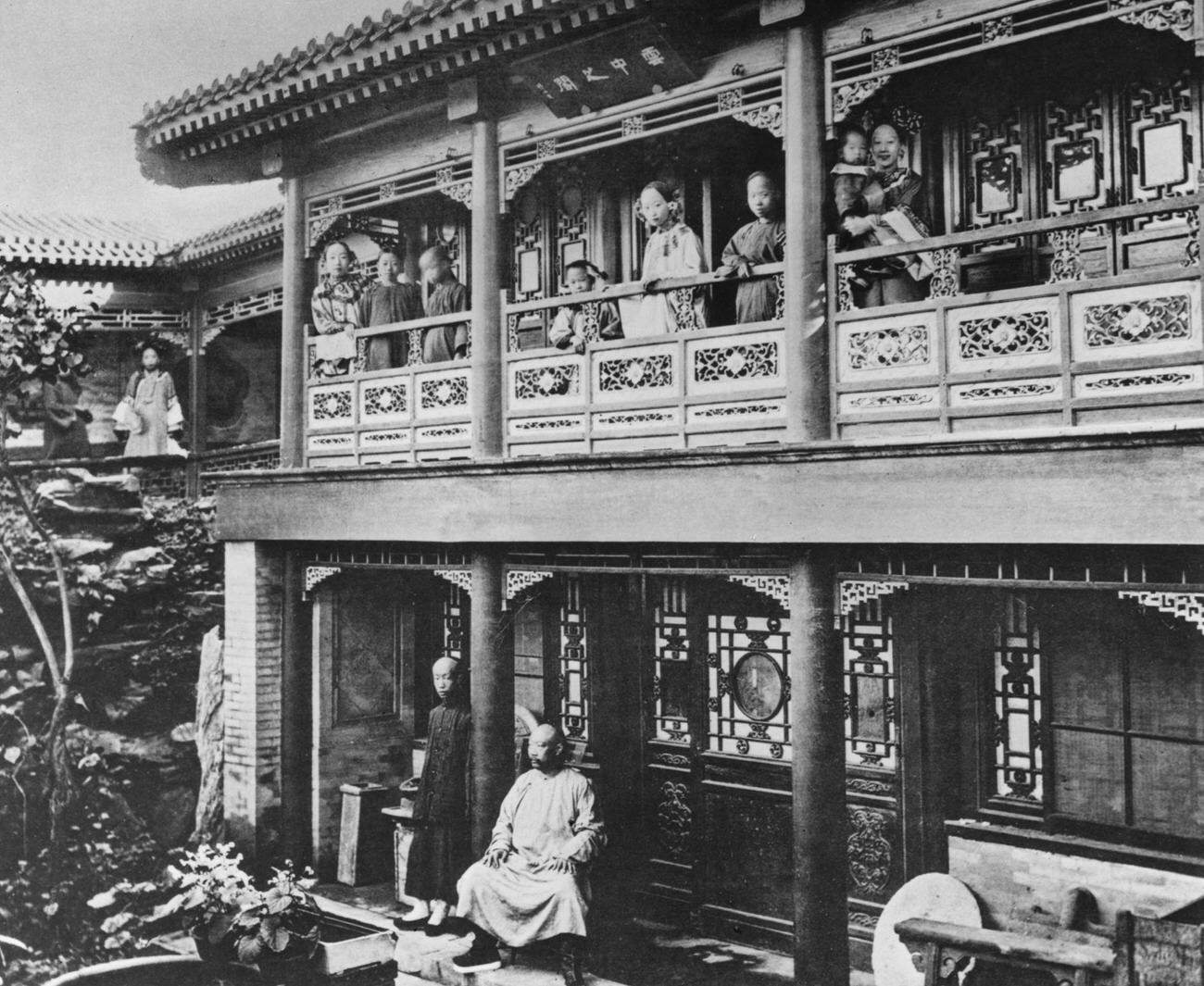
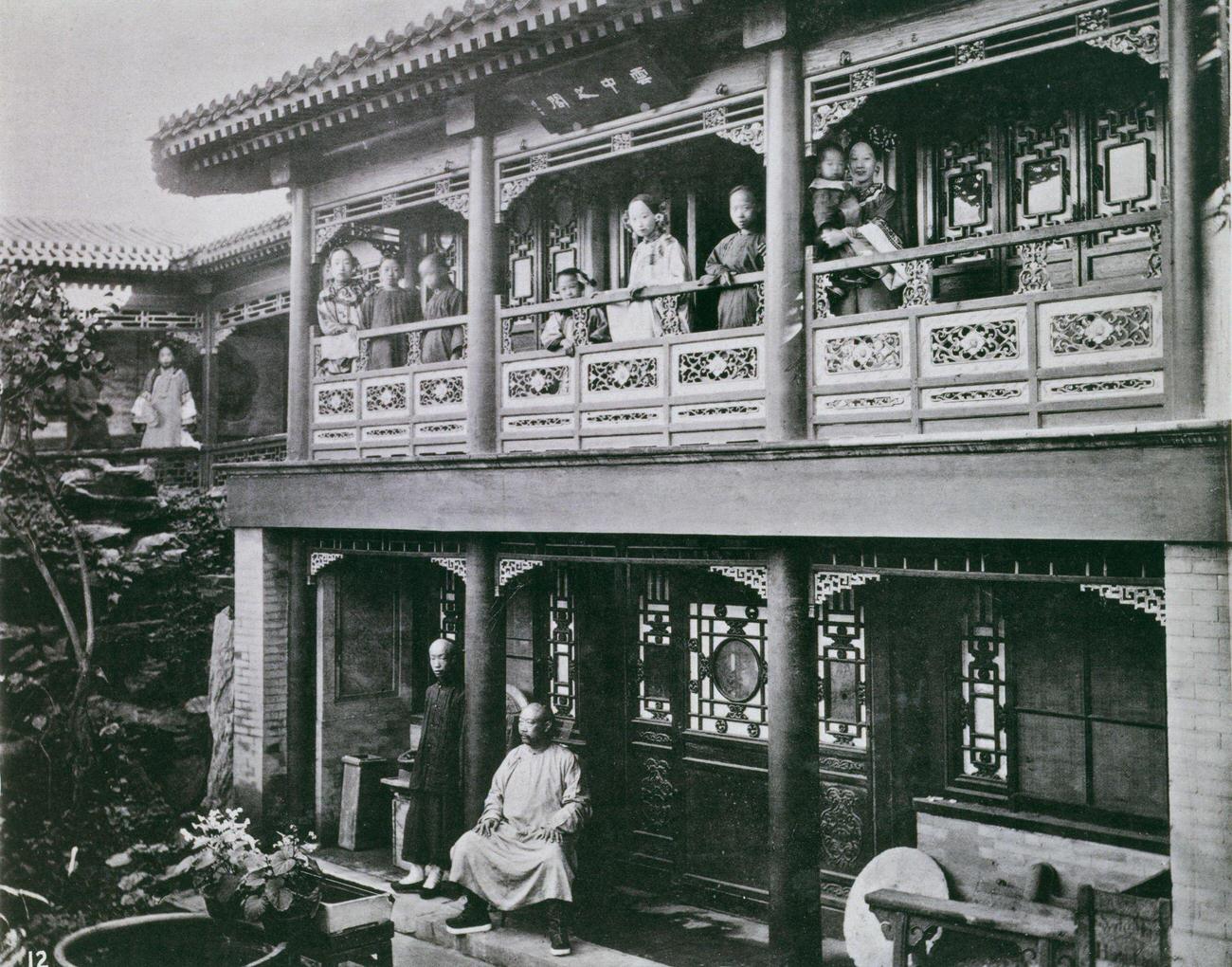
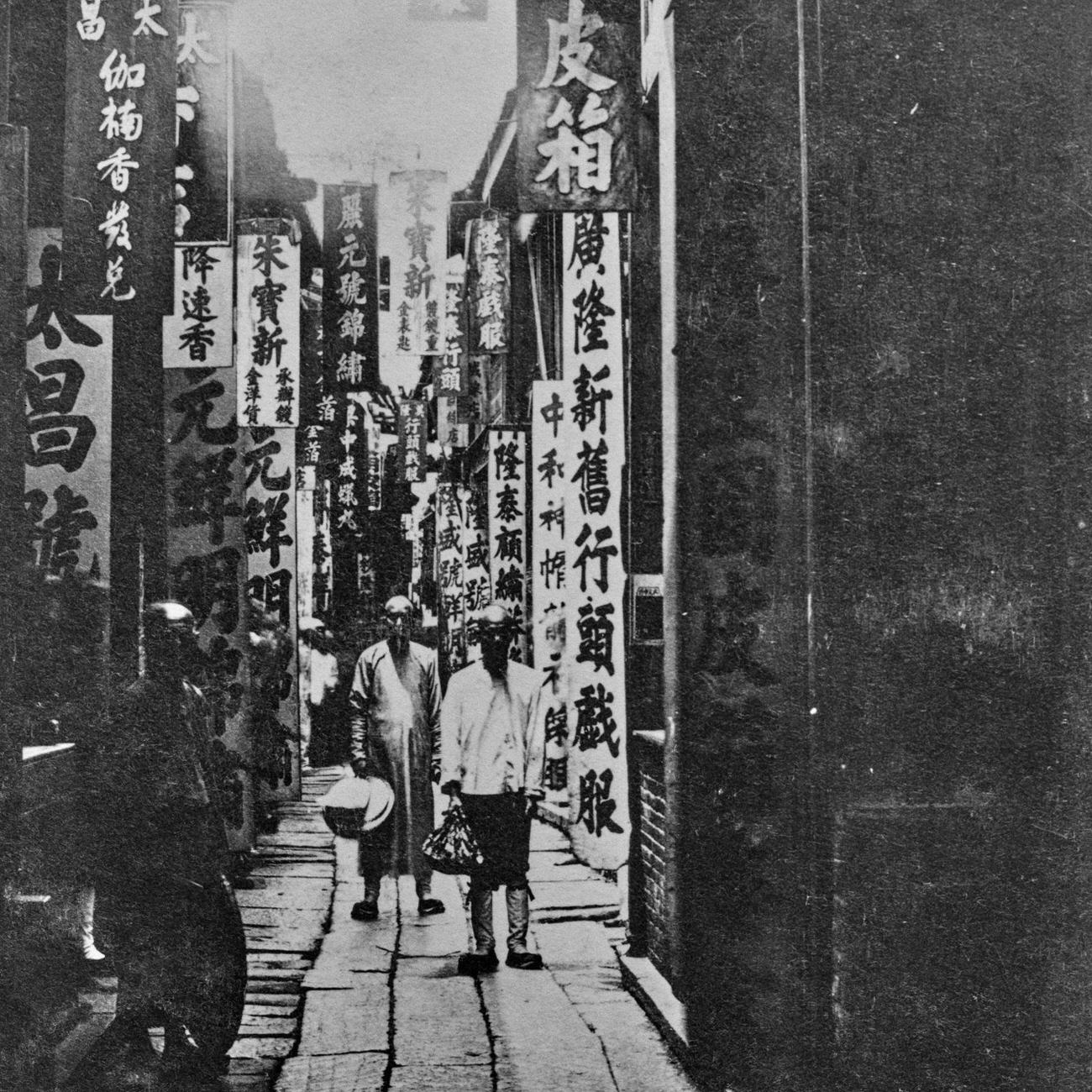
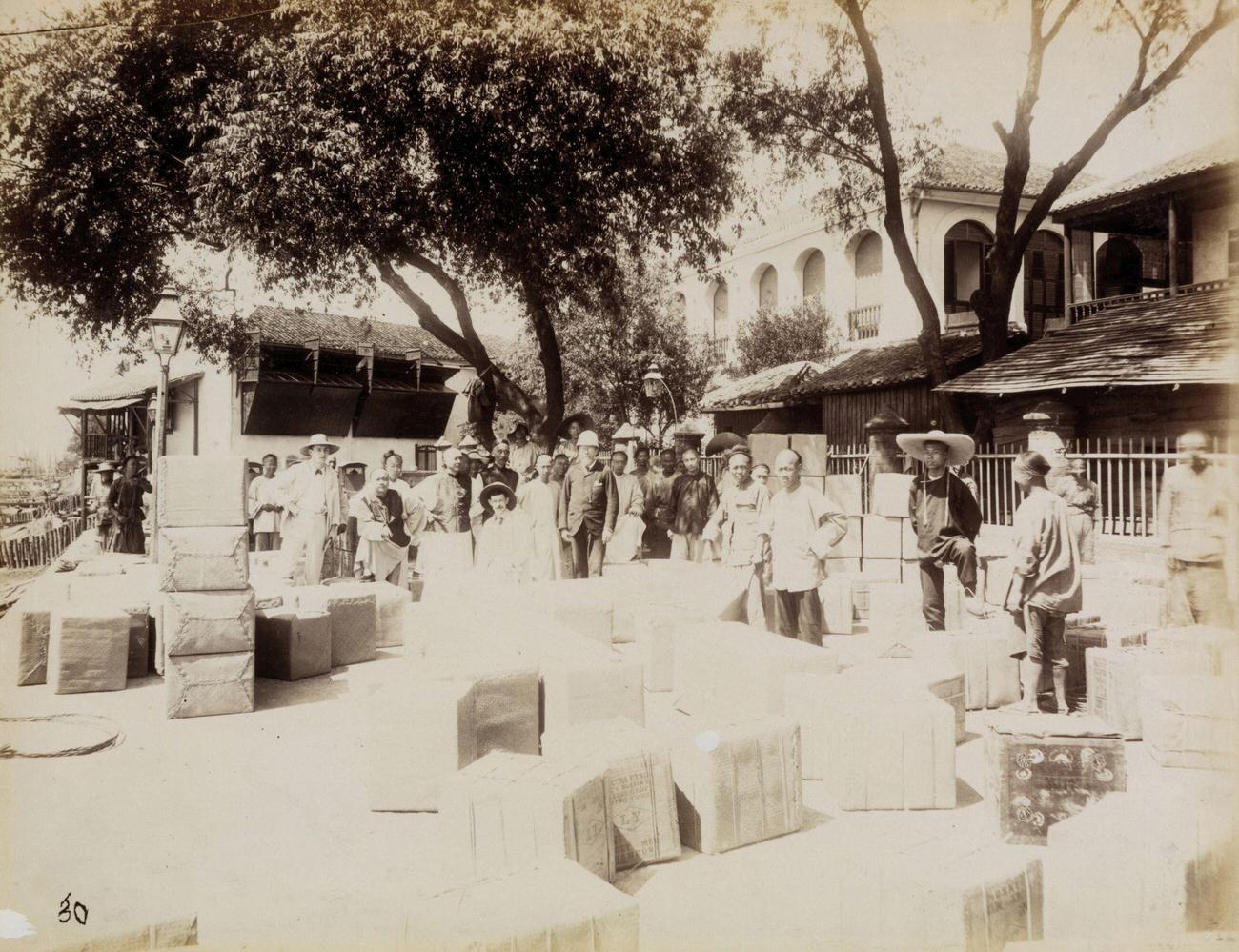
Tea was China’s most important export commodity. In Hankou, a major inland port on the Yangtze River, tea was packed into chests, carried to the riverbank by laborers, and loaded onto ships for transport to global markets. The 1875 photographs of this process show the full chain of labor involved — from the packing houses to the dockside loading. Britain alone was importing enormous quantities of Chinese tea, though competition from Indian and Ceylon tea was beginning to grow.
The Self-Strengthening Movement, active from 1861 to 1895, represented the Qing government’s attempt to modernize without abandoning traditional Chinese values. Officials like Li Hongzhang pushed for the adoption of Western weapons, shipbuilding, and industrial techniques. New arsenals, shipyards, and schools were established. But the movement was uneven, underfunded, and resisted by conservative factions at court. It modernized parts of the military while leaving much of the country’s administration and economy unchanged.
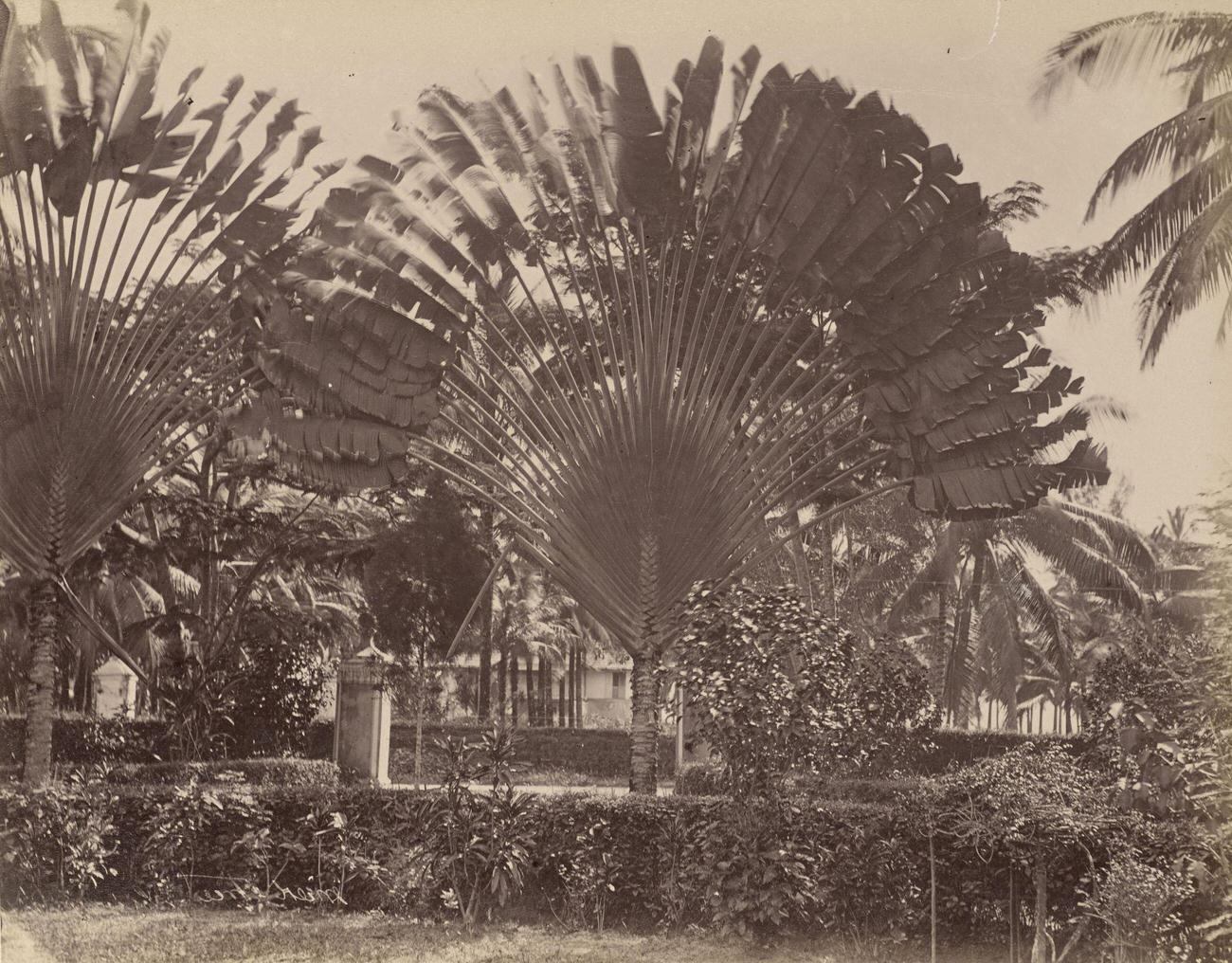
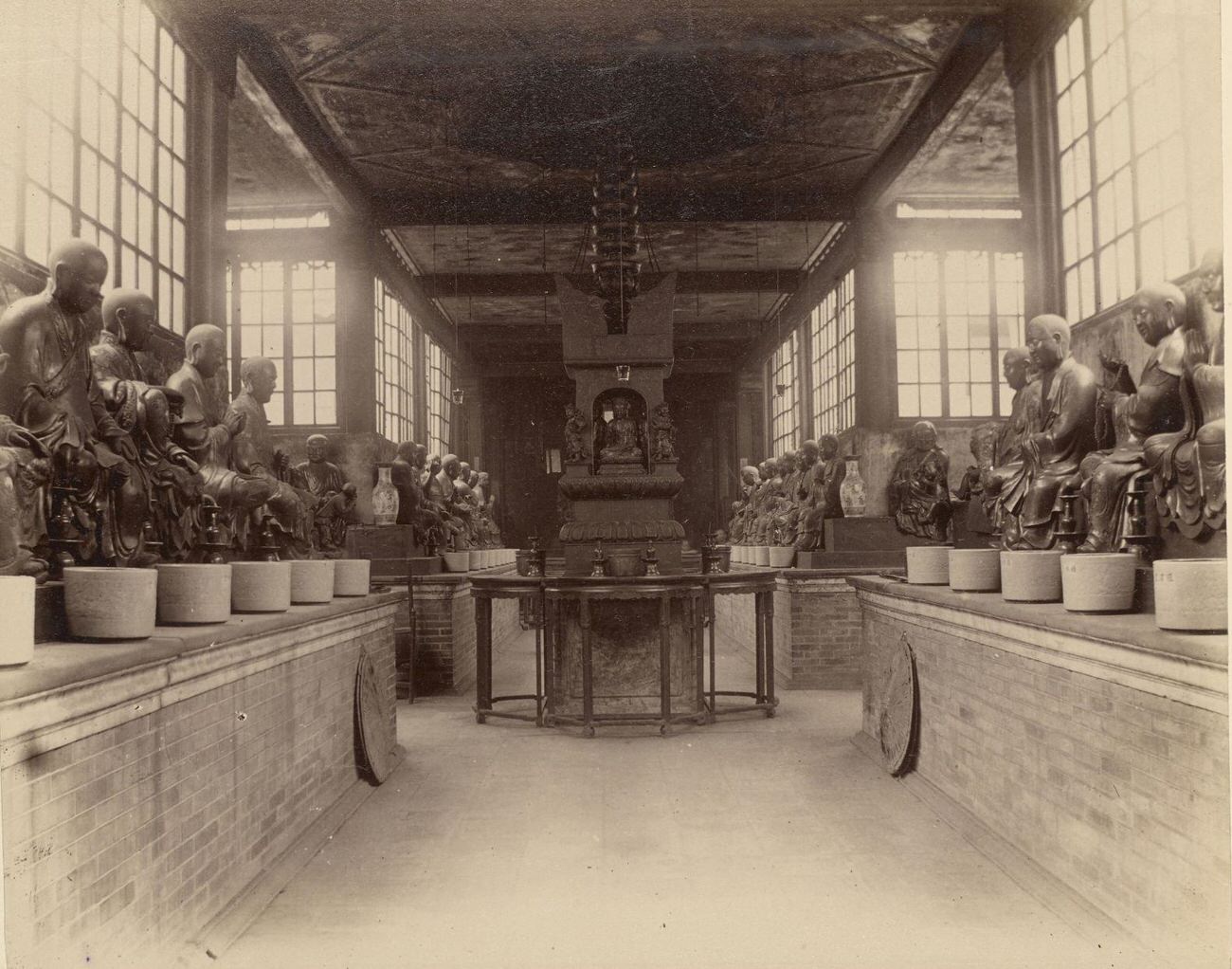
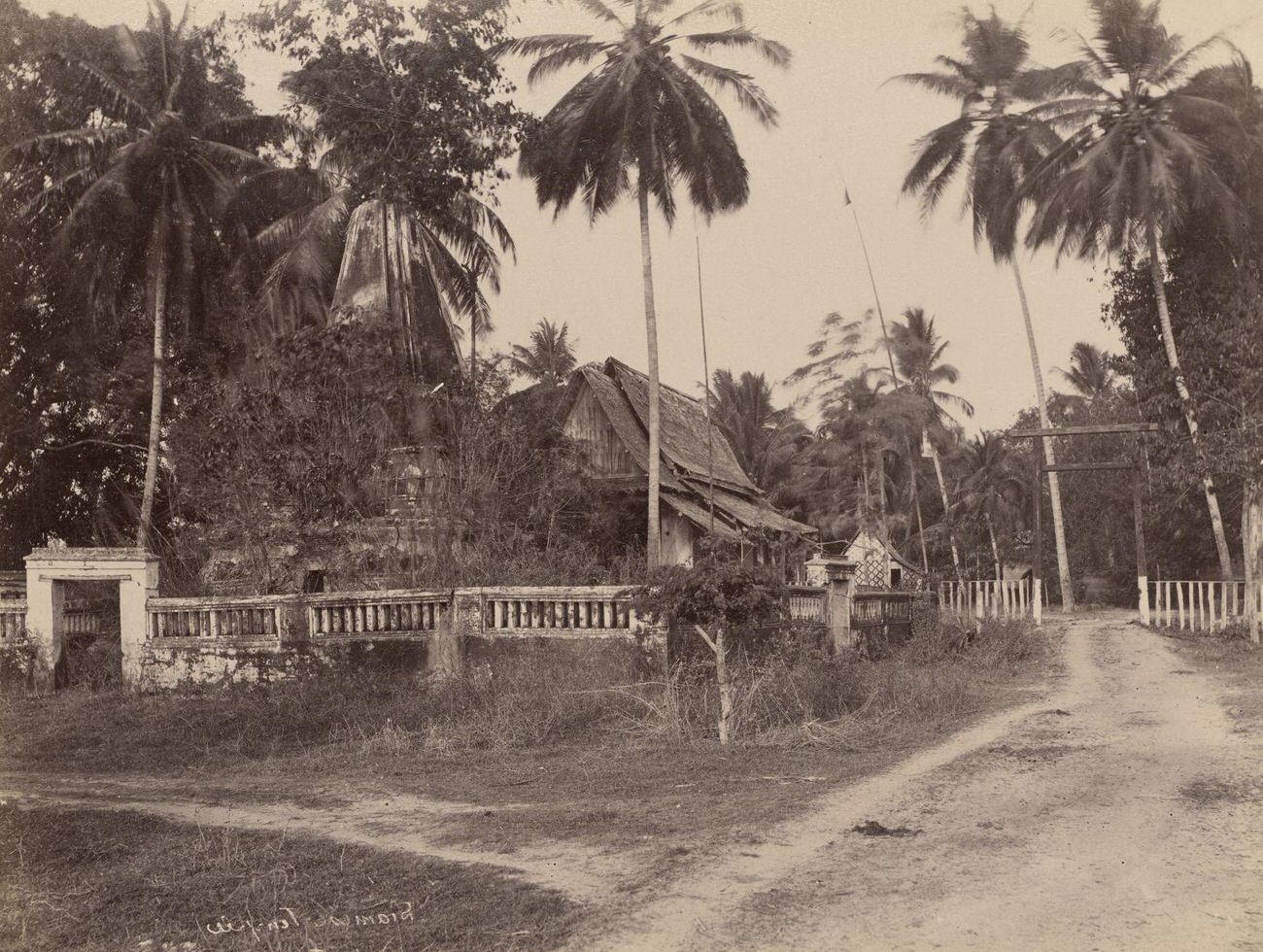
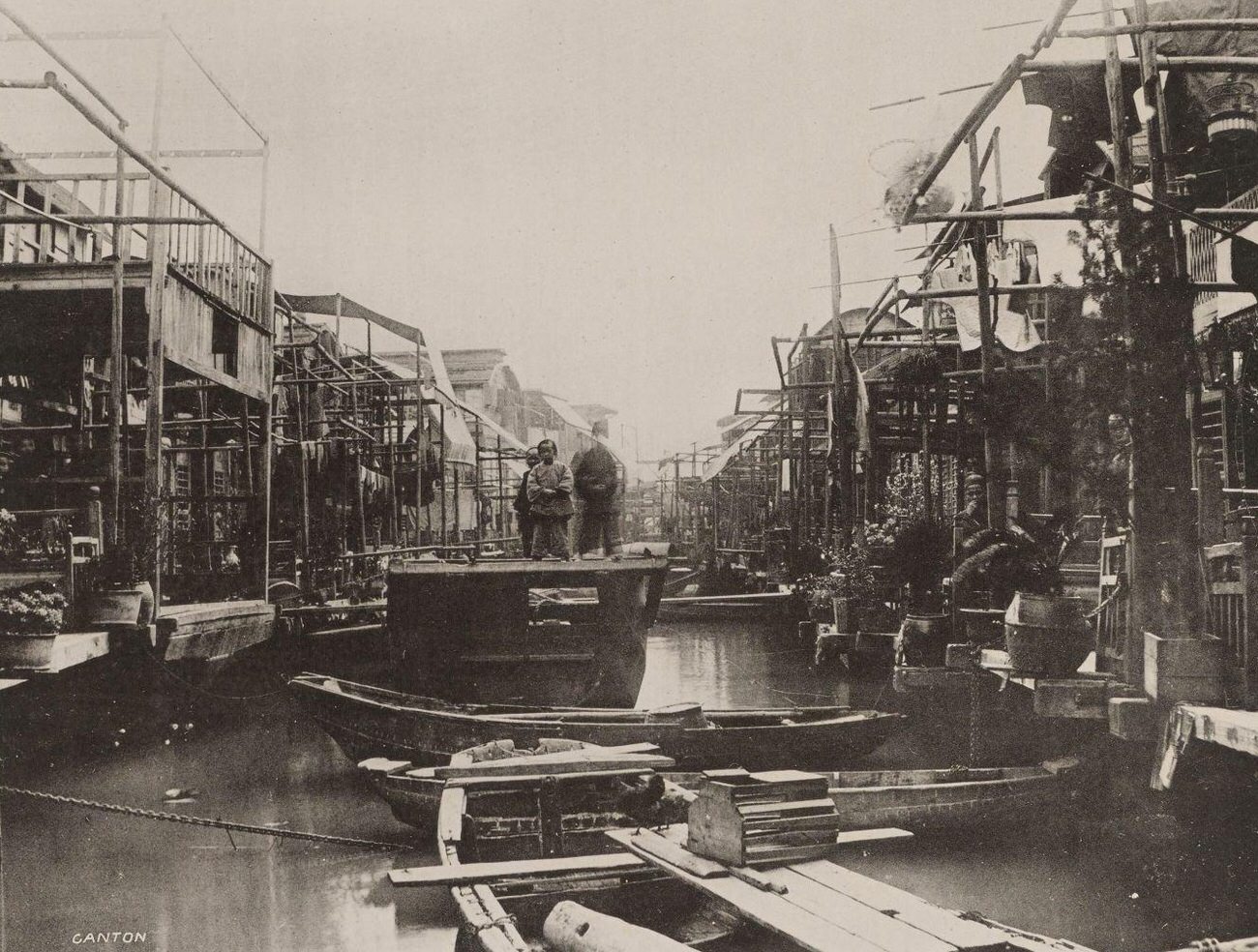
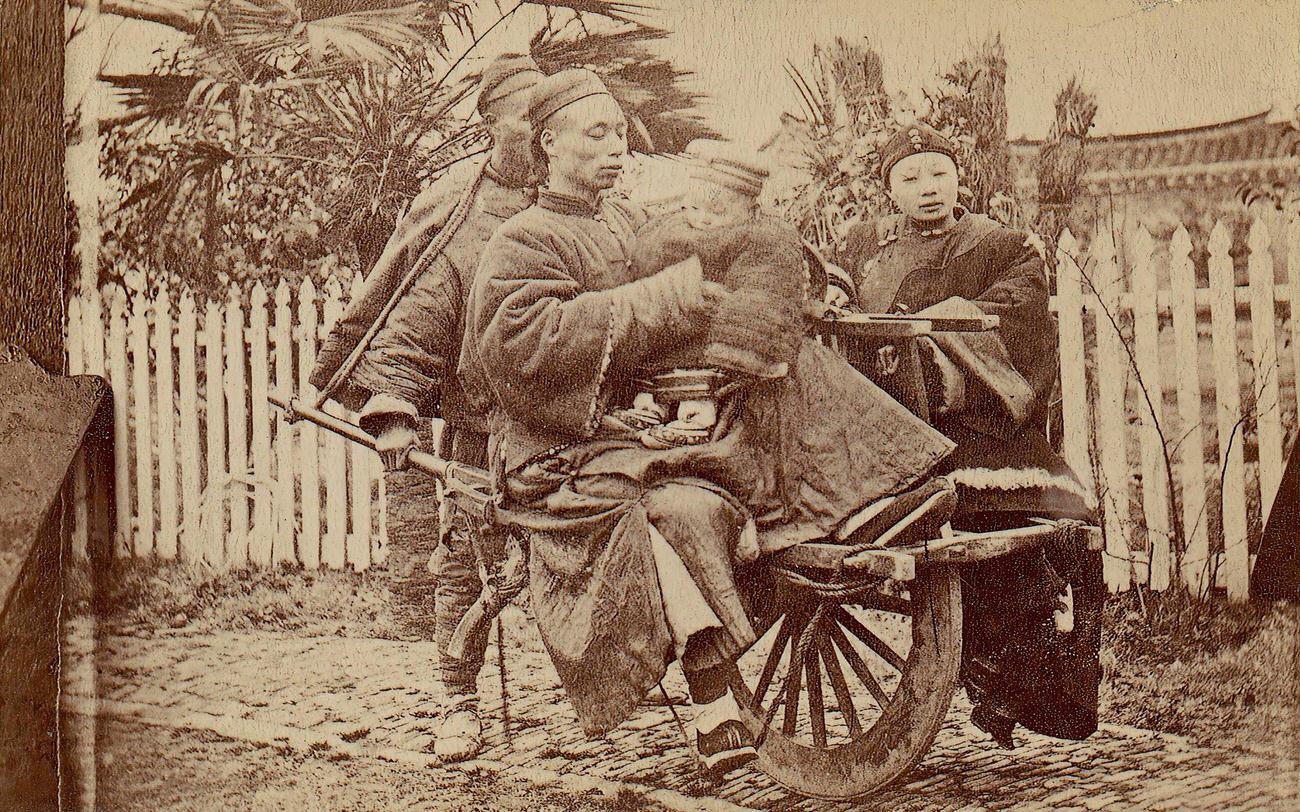
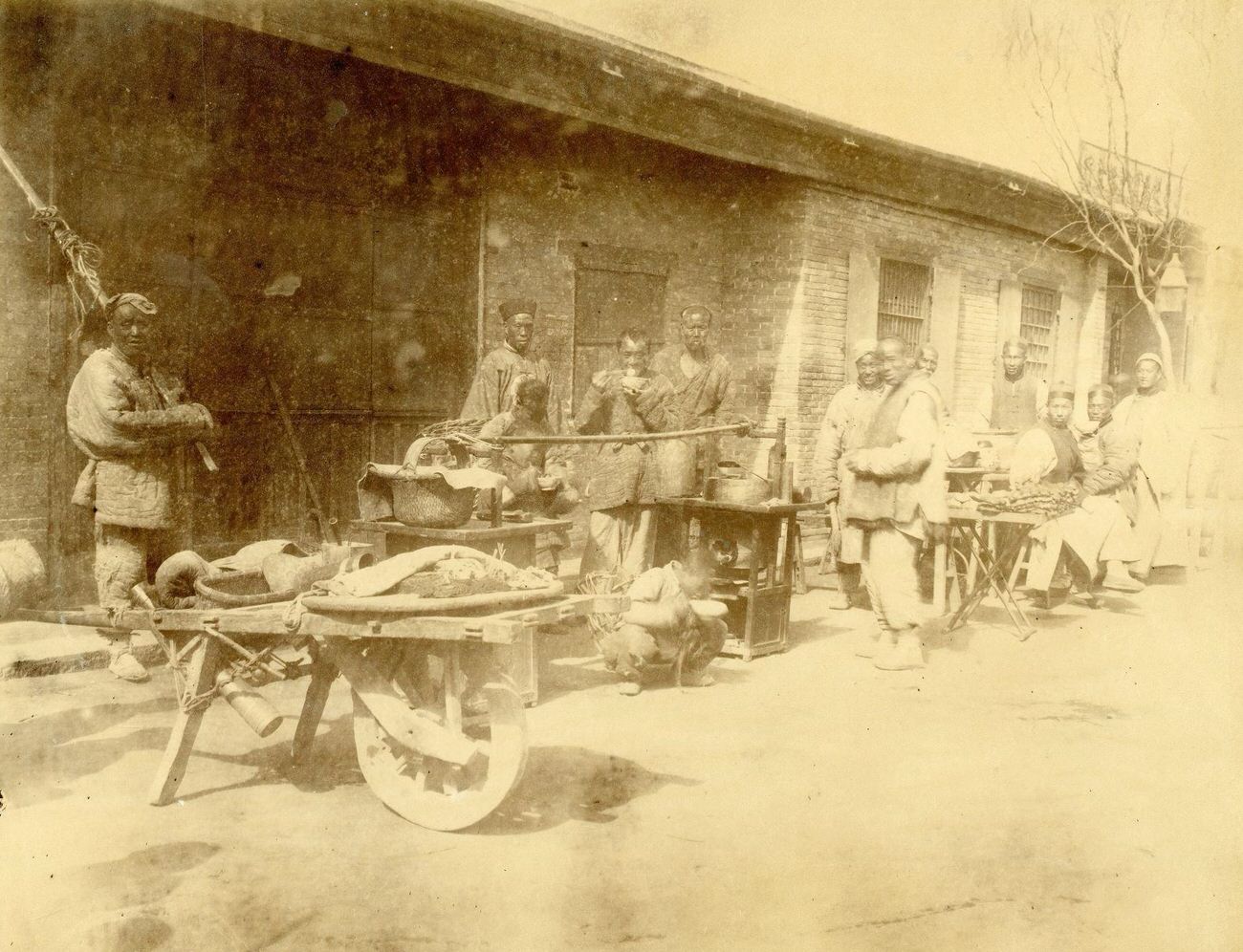
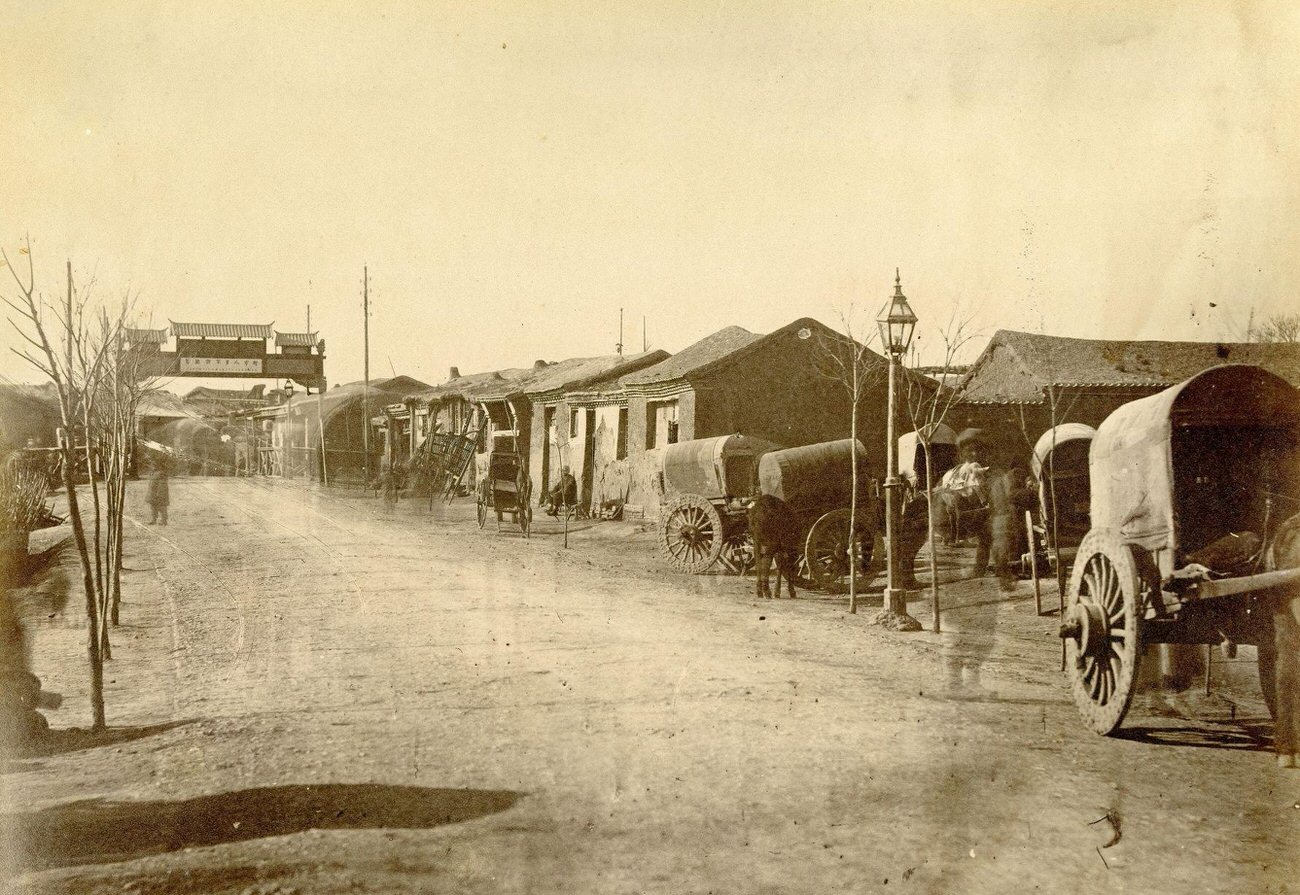
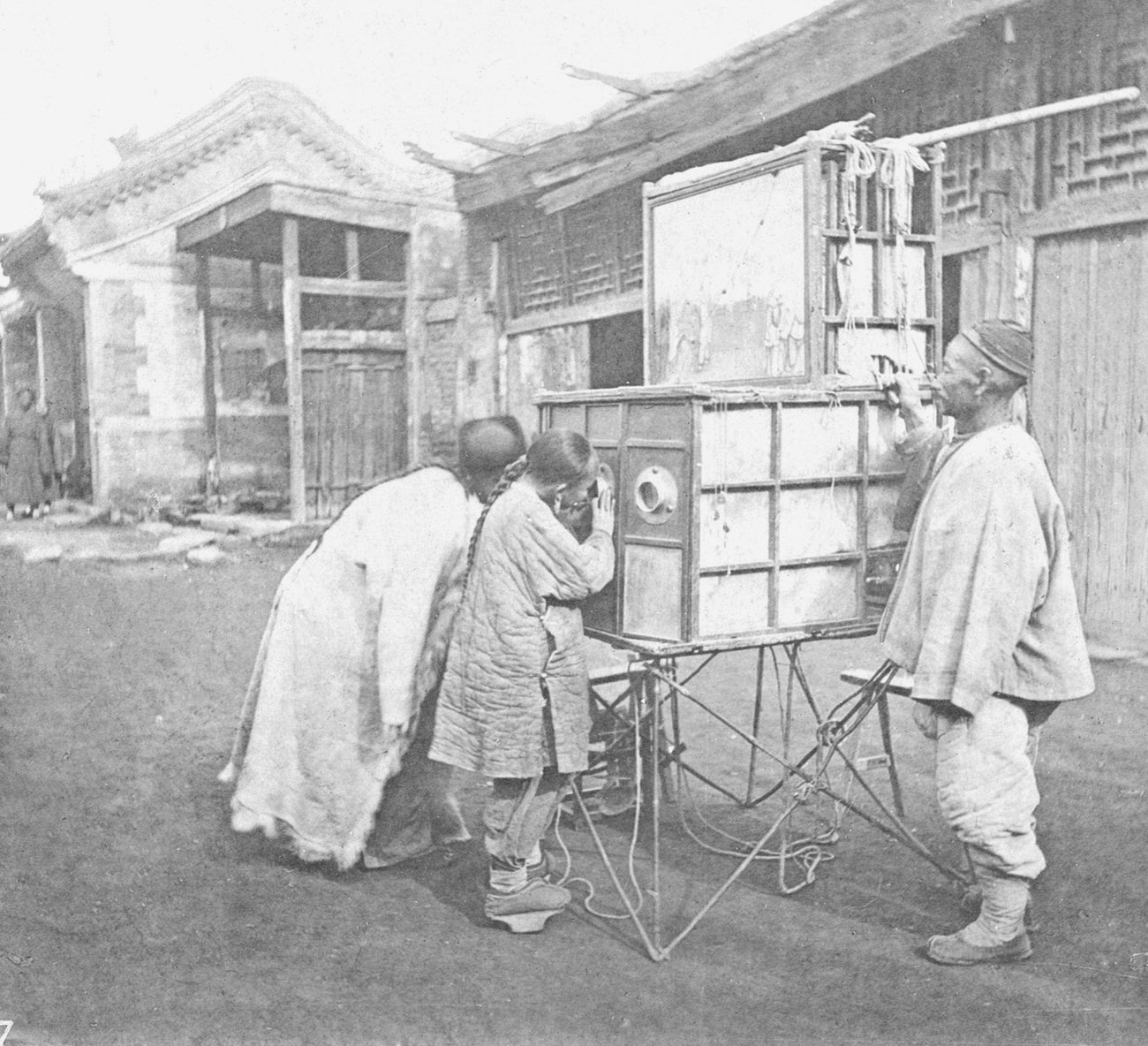
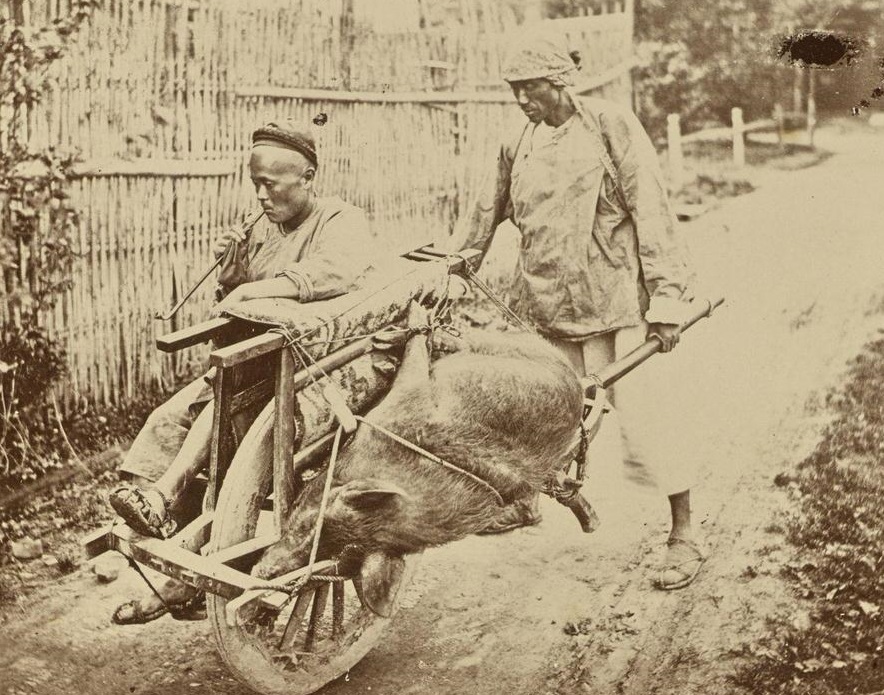
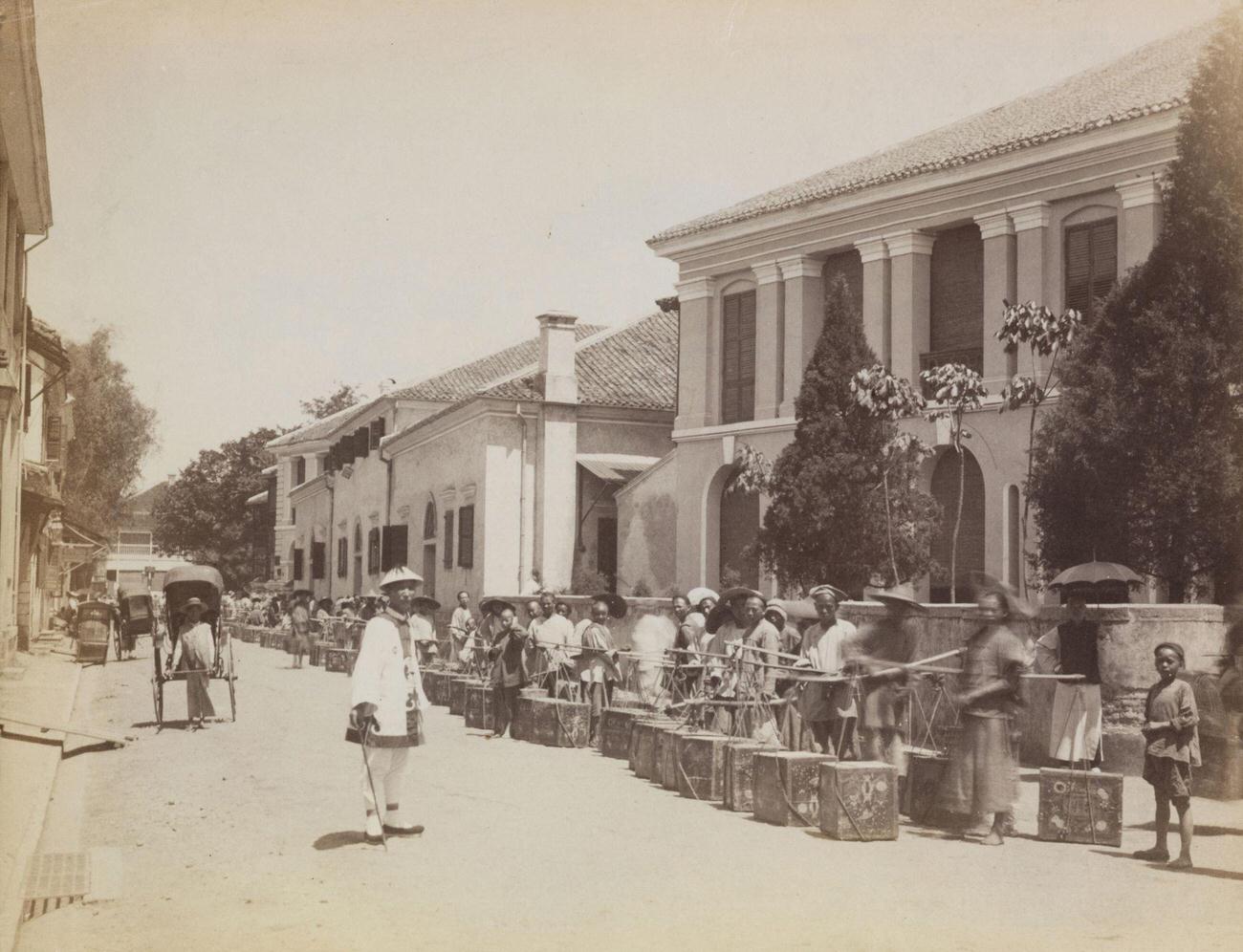
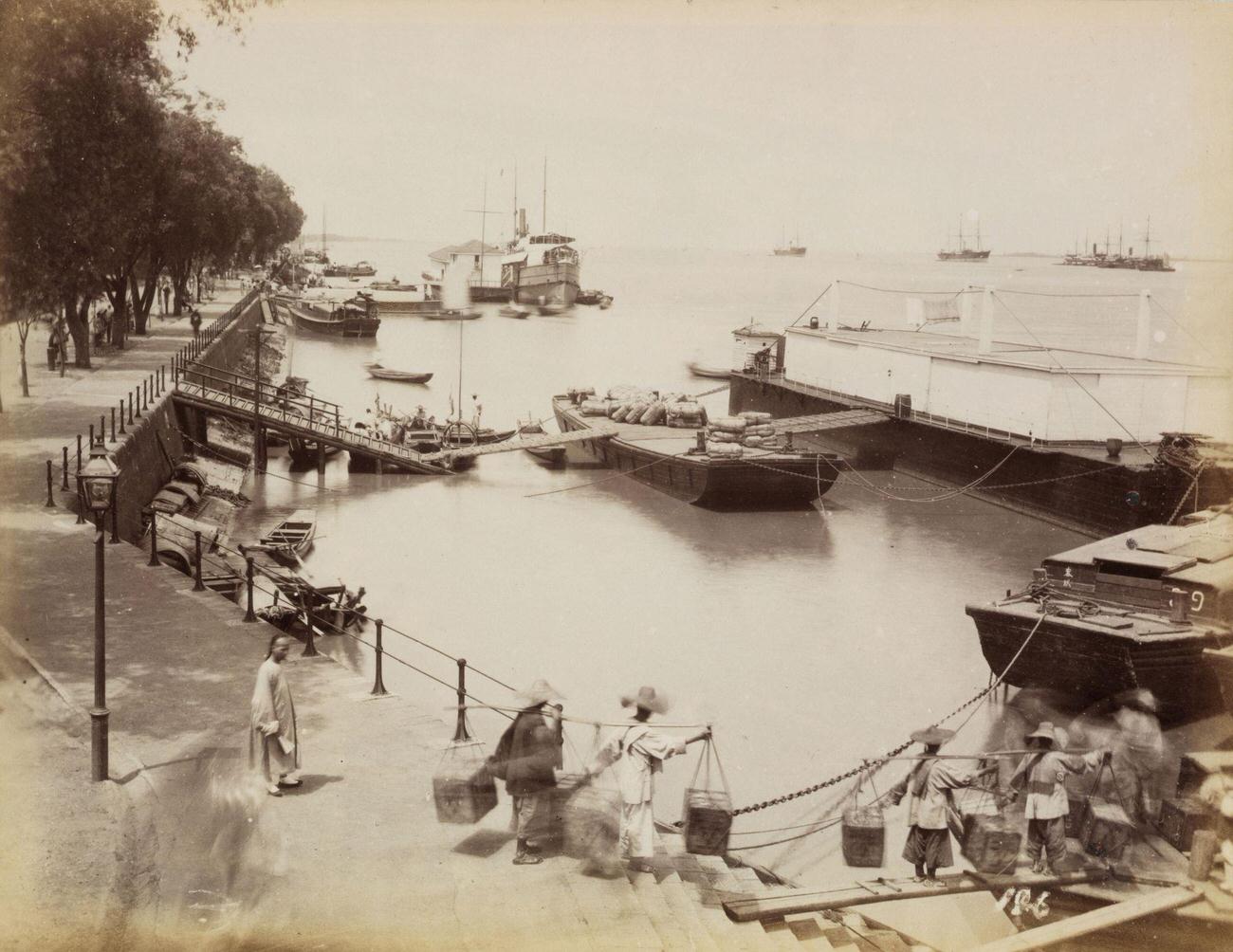
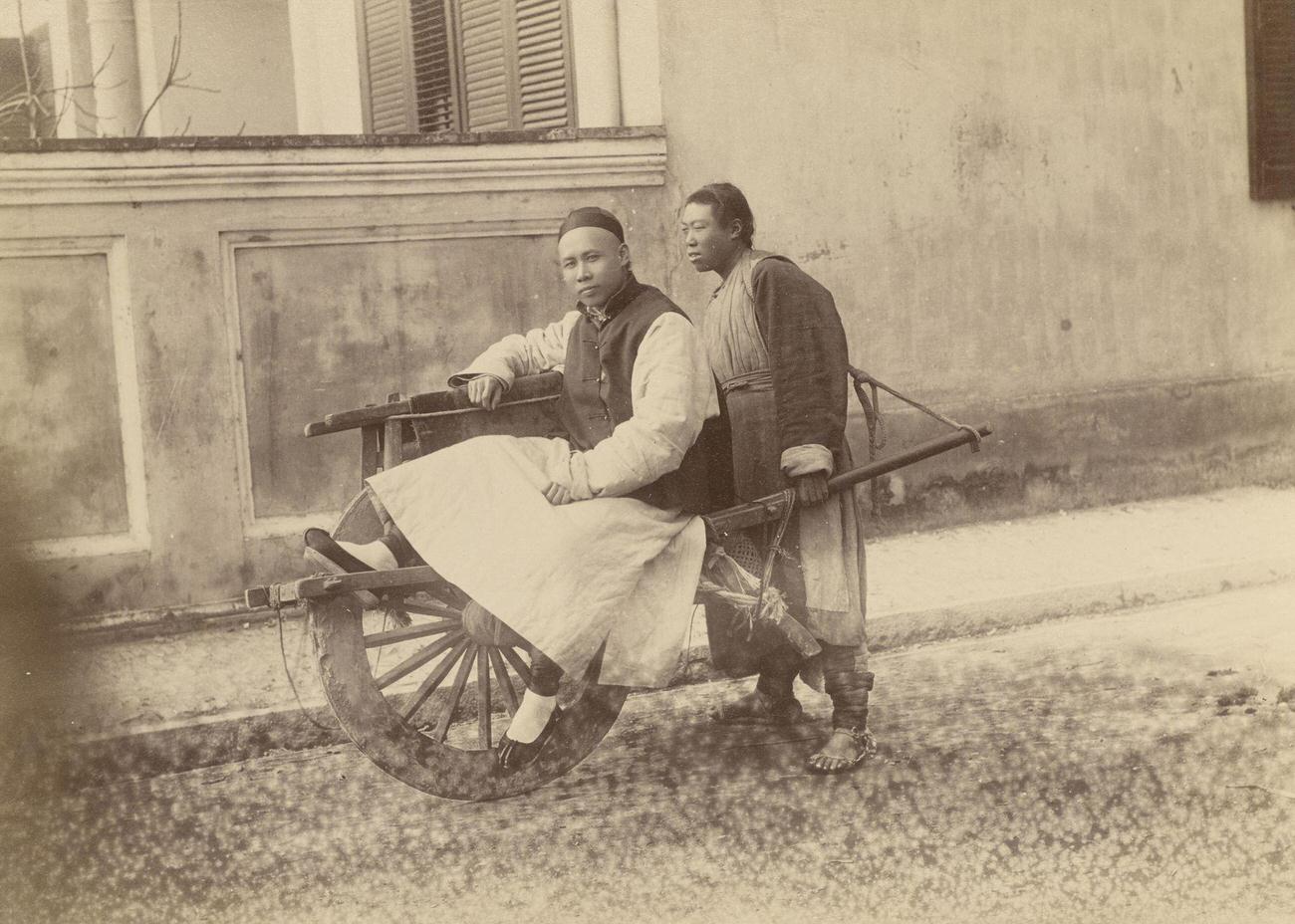
Transportation in Chinese cities took many forms. The wheelbarrow was a common and practical vehicle in Beijing — both for moving goods and carrying passengers. Horse-drawn omnibuses operated in Shanghai. Coolies in Canton carried heavy loads on their backs and shoulders for wages. These photographs show a transportation system built almost entirely on human labor, with little of the mechanized infrastructure that was already changing cities in Europe and America.
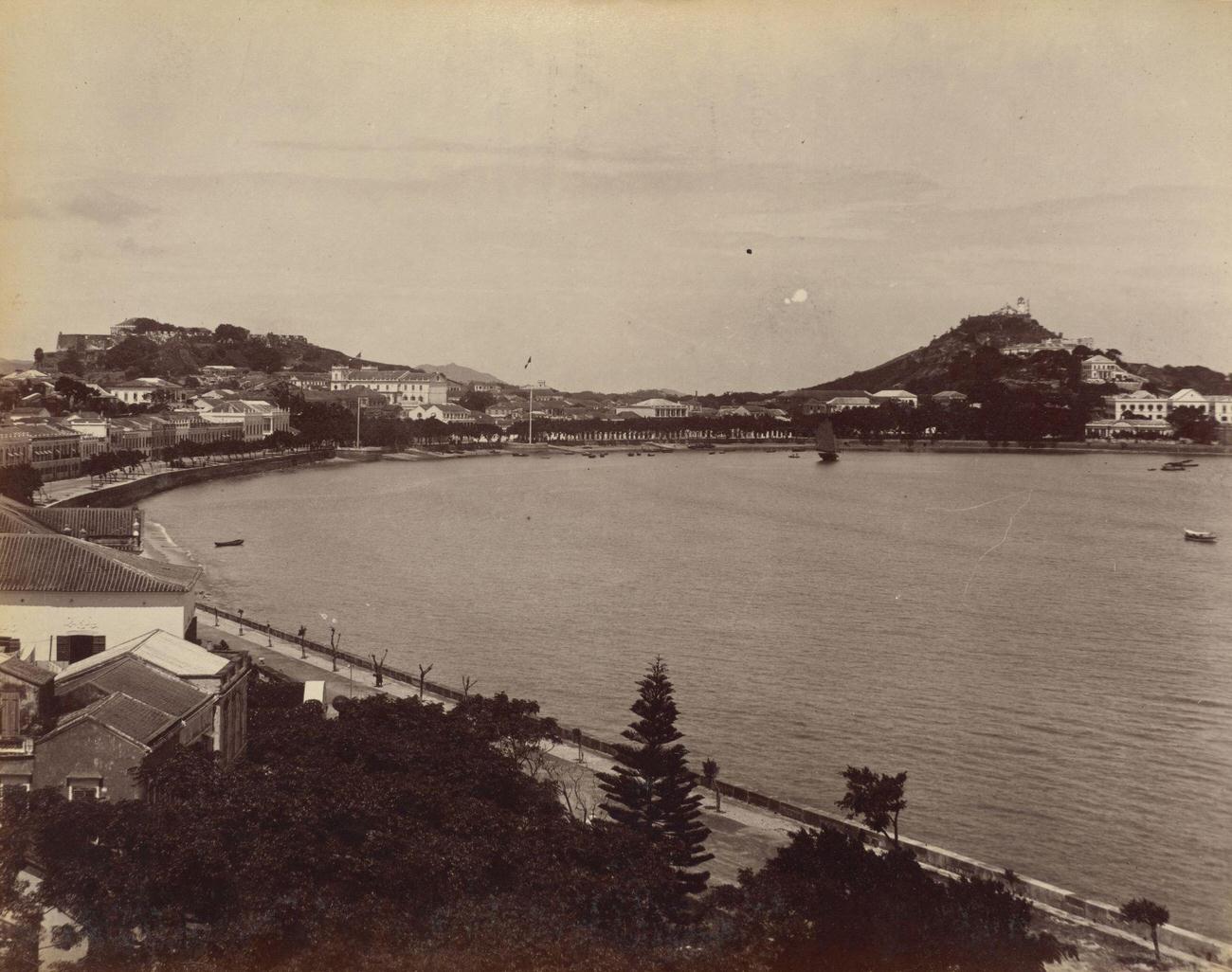
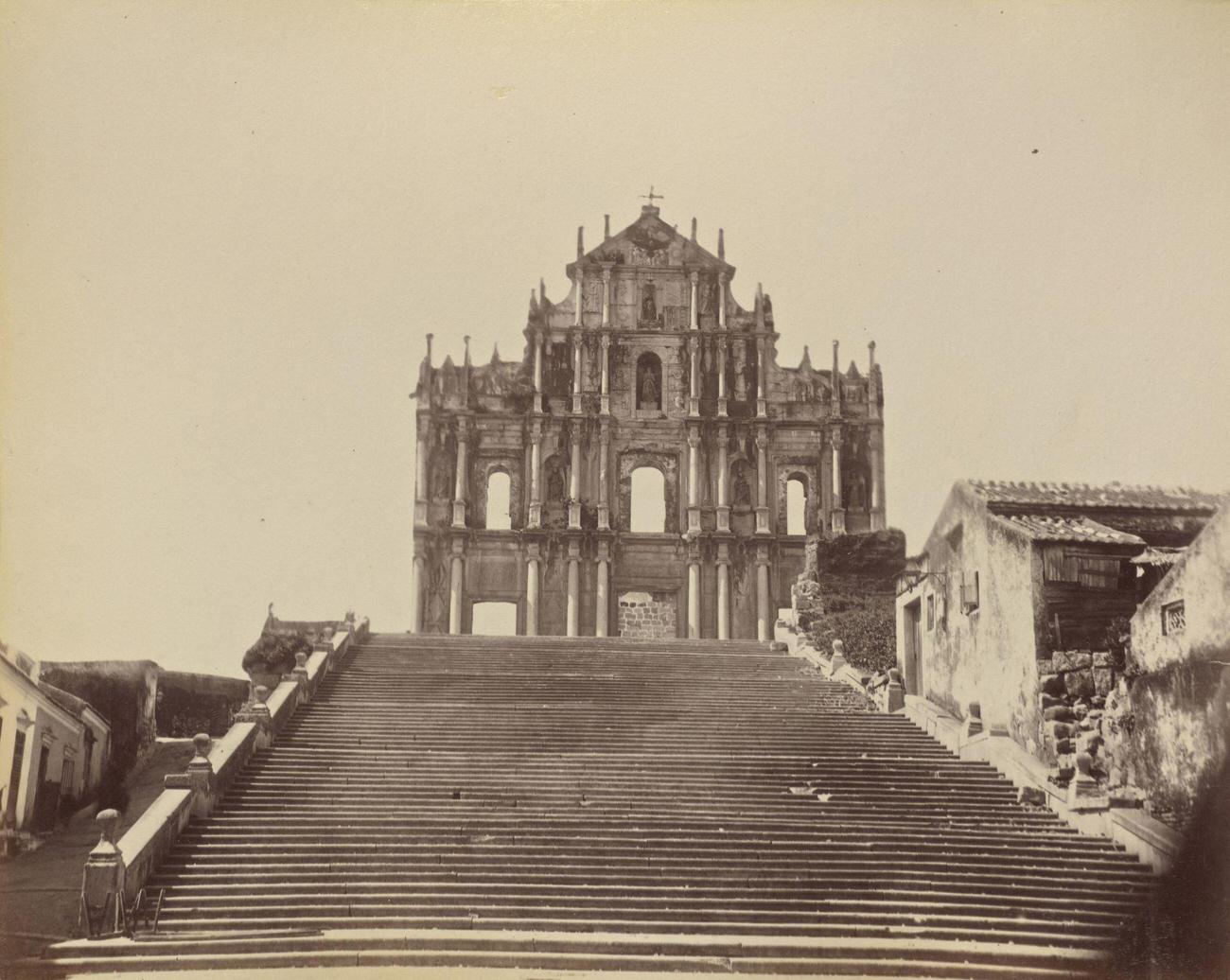
Macao, the Portuguese-administered territory on China’s southern coast, had been a European trading post since the 16th century. By the 1870s, the ruins of its old cathedral still stood as a landmark — a reminder of Macao’s early colonial history and its long exposure to outside influence. Photographer John Thomson documented the territory and its architecture, adding it to his broader visual record of the region.





Some interesting photos, thanks for posting
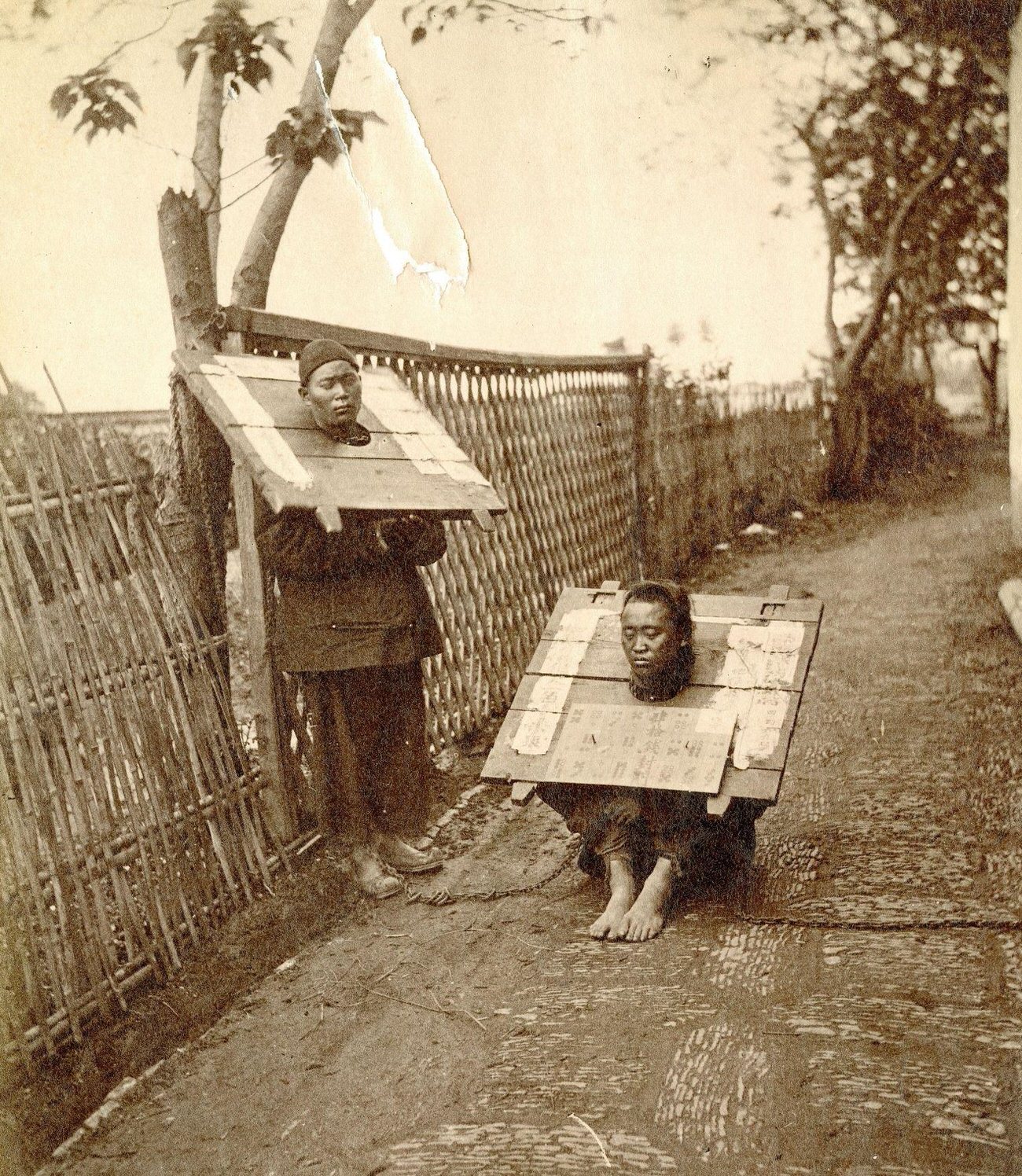
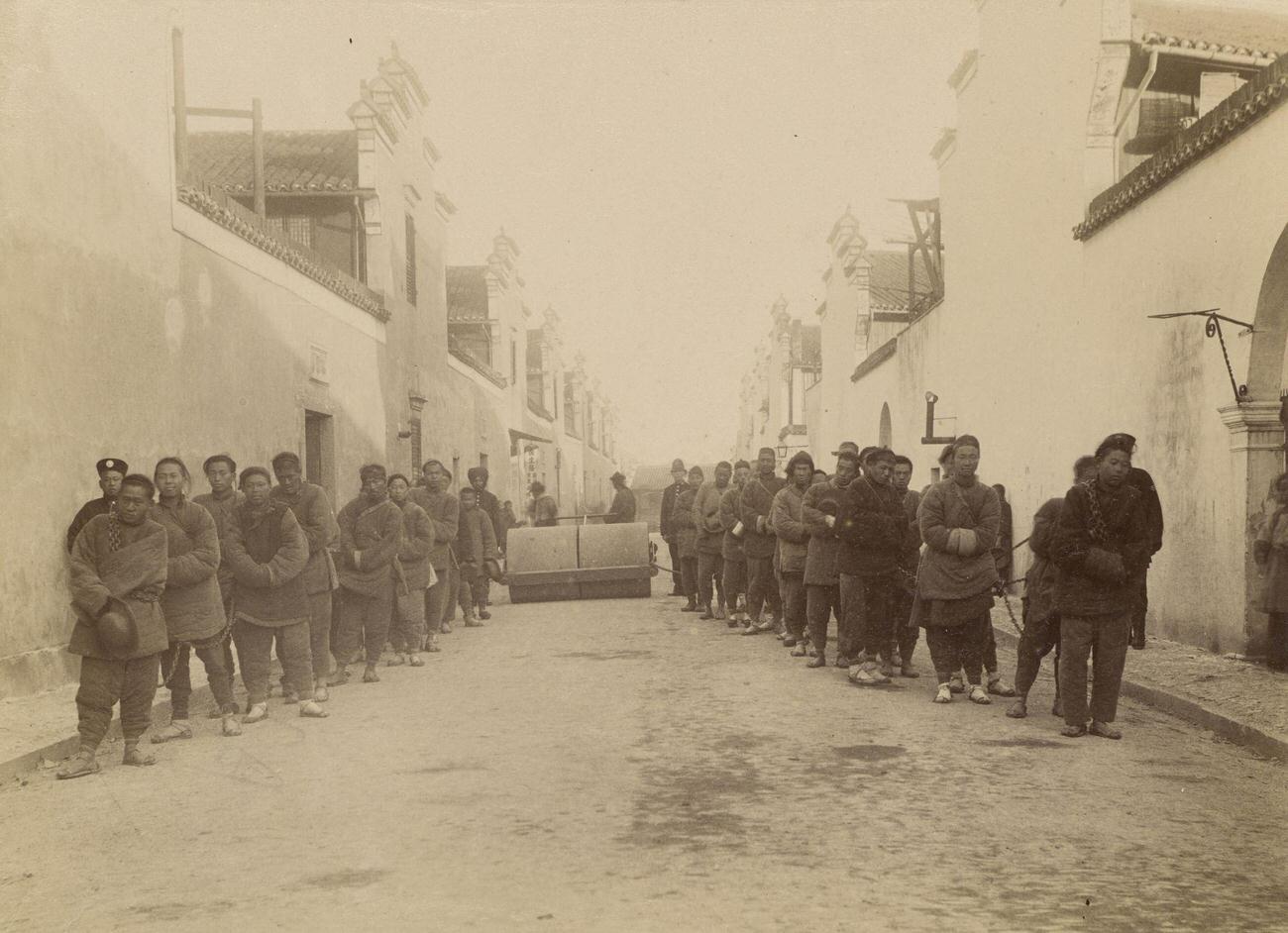
Really intreresting. Thanks. What’s happening in #7 with those guys wearing stocks / dog cones ??
Incredible snapshot of the past. All of those places must look so different now.
The Qing dynasty was ruled by the Manchus, not the Chinese. The Manchus were unable to master Chinese culture.
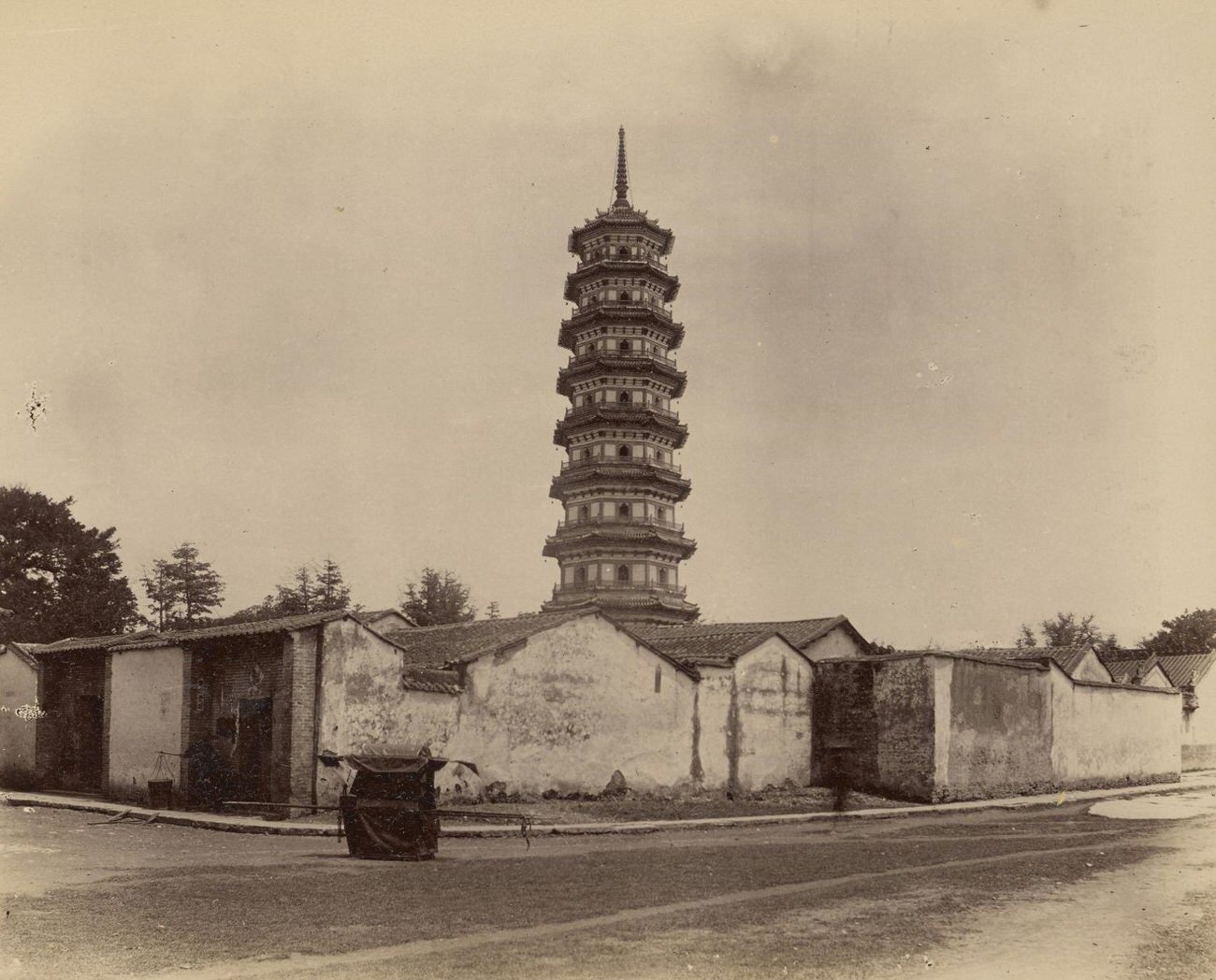
Cool to see Siamese temple in China. I’ve always thought there’s little to no Thai/Siamese in China. Never knew we had a diaspora community there.