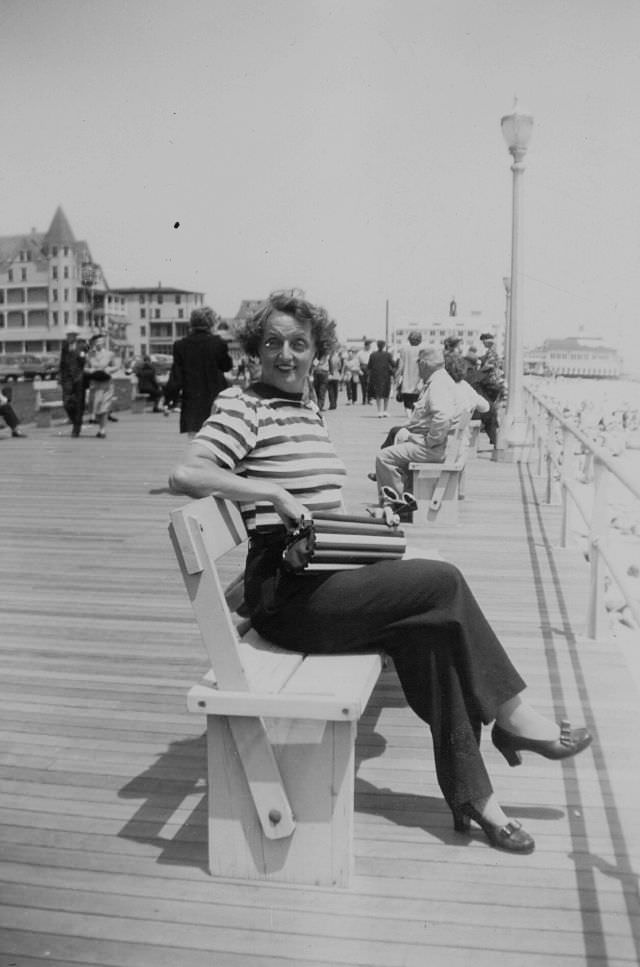
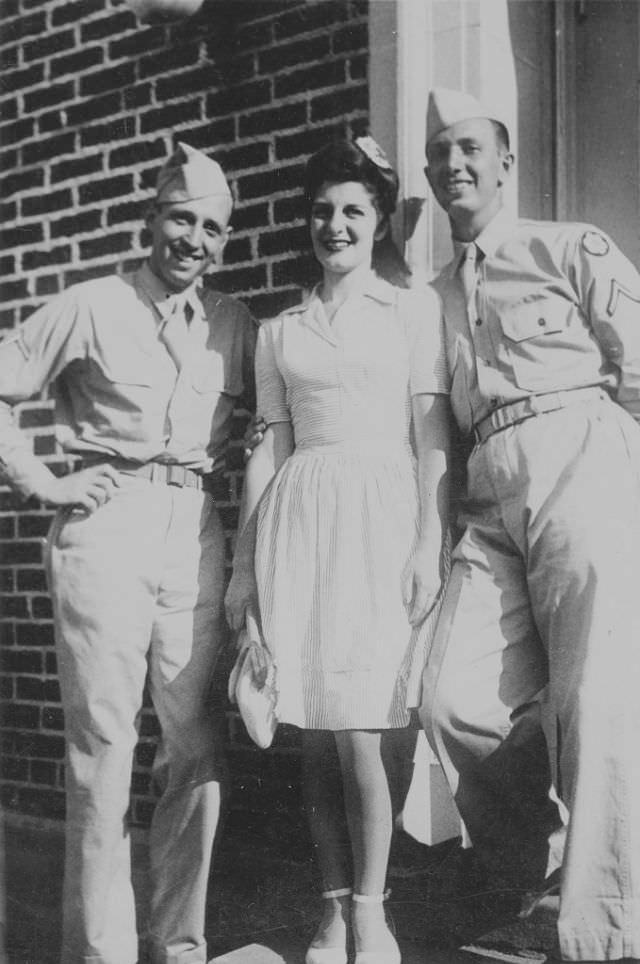
The 1940s were one of the most defining decades in modern history. World War II shaped nearly every corner of daily life from the very start. Governments rationed food, fuel, and clothing. Millions of men were drafted into military service, leaving entire communities to reorganize around their absence.
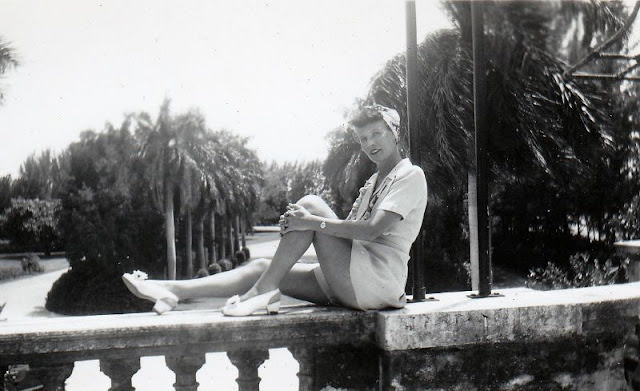
With men overseas, women filled factory jobs, office roles, and trades that had long been closed to them. They built aircraft, welded ship hulls, and managed households alone. This wasn’t a temporary fix — it permanently changed how society viewed women’s work and independence.
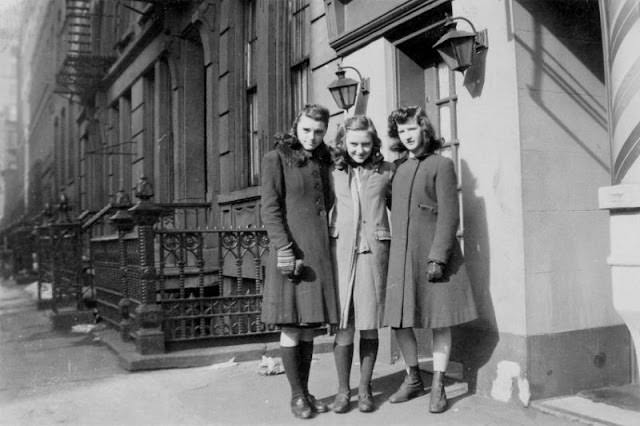
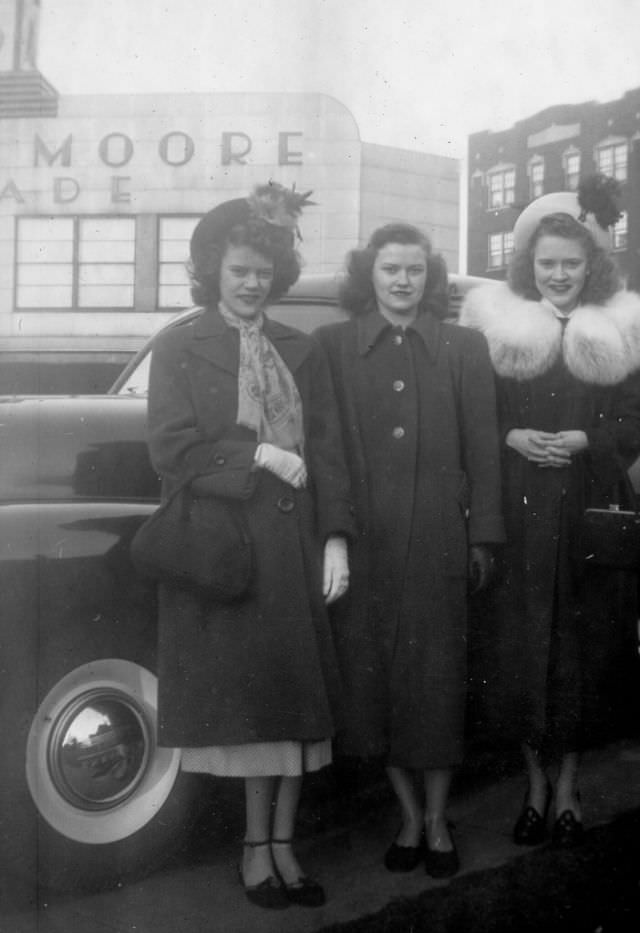
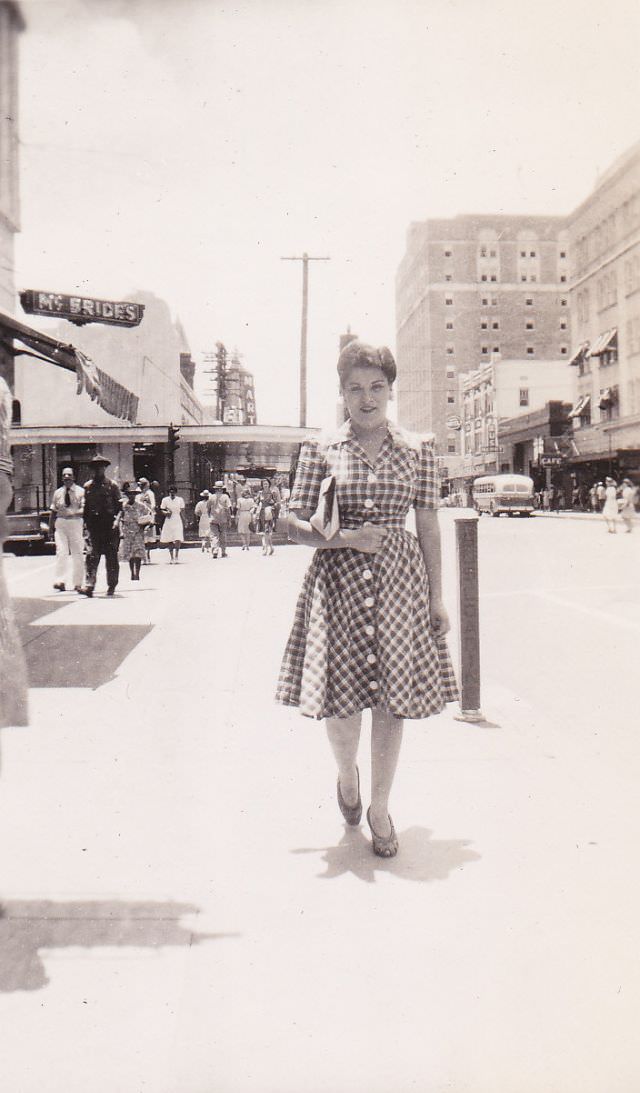
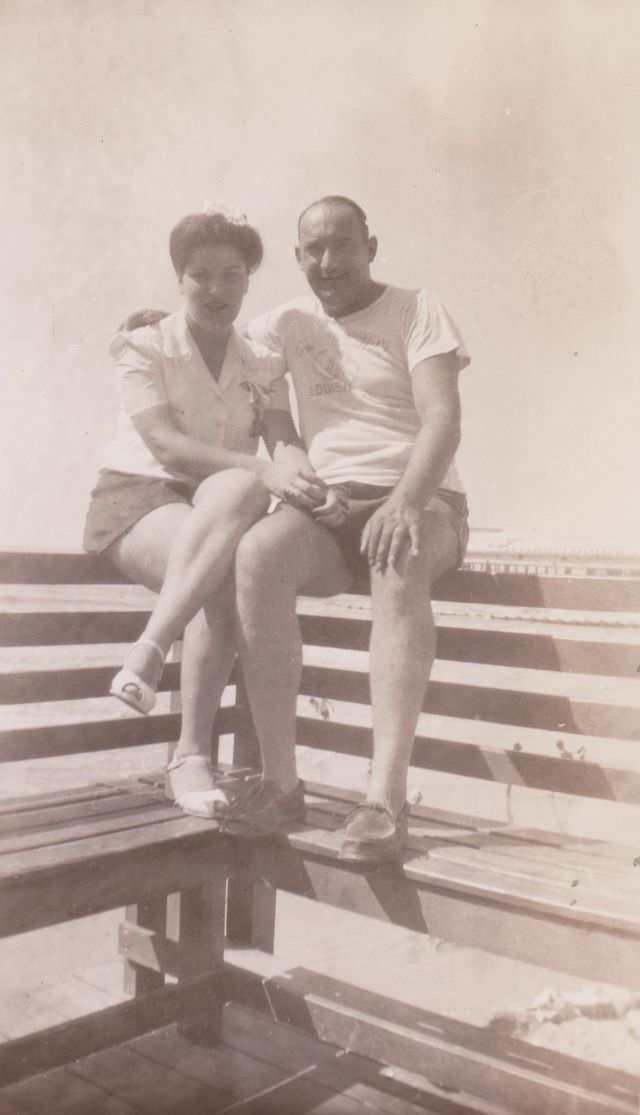
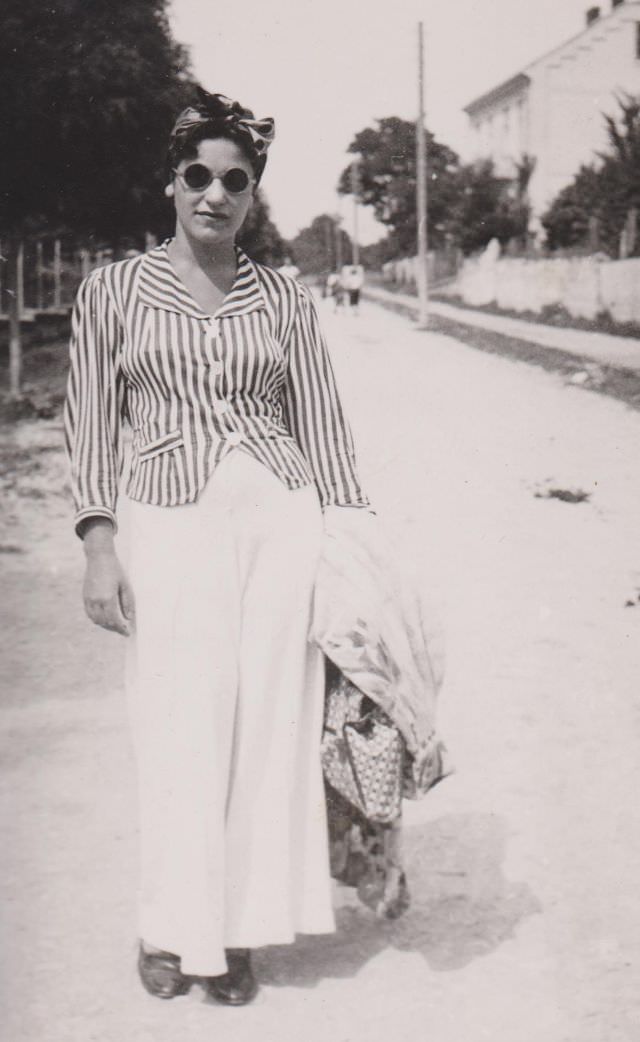
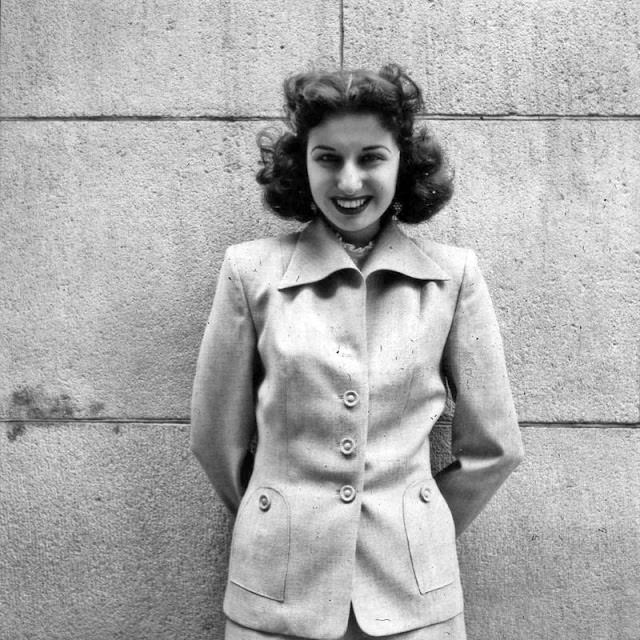
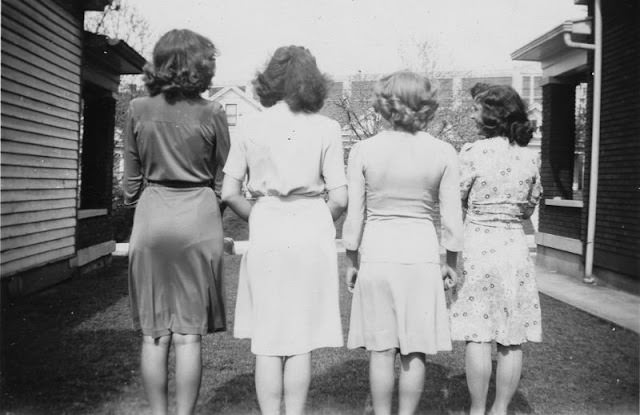
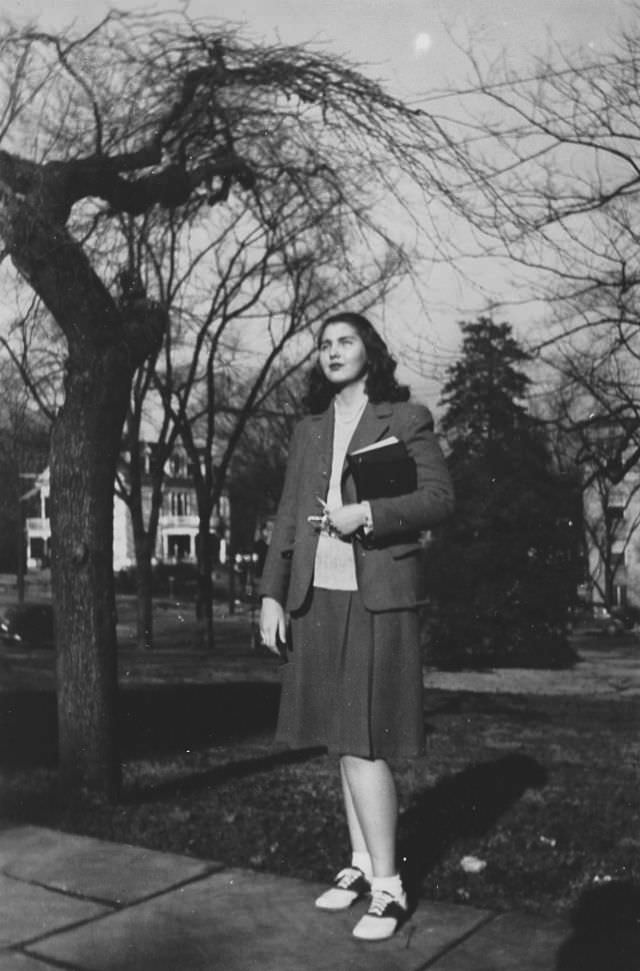
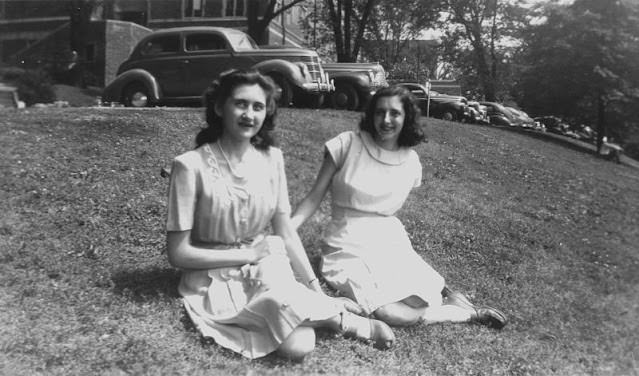
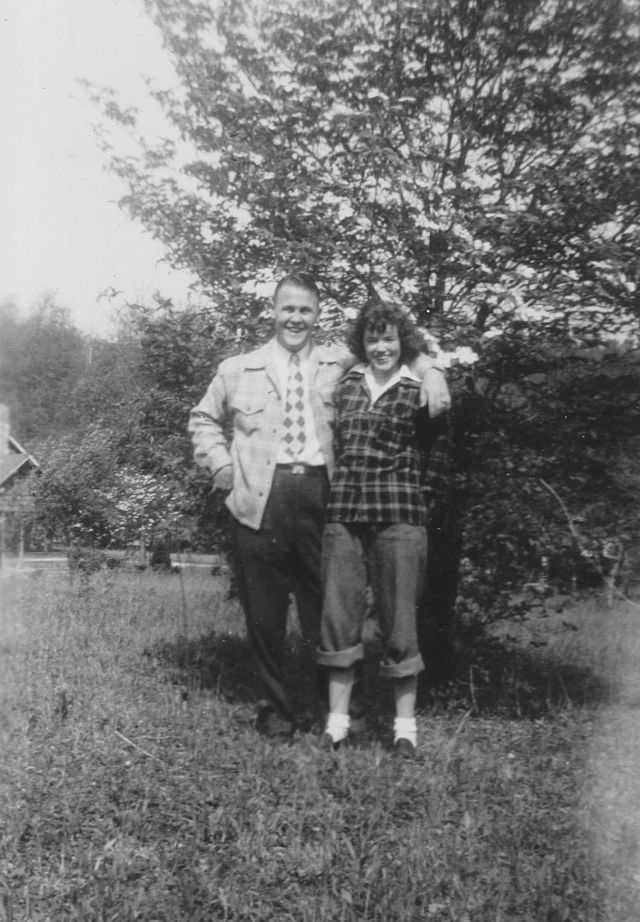
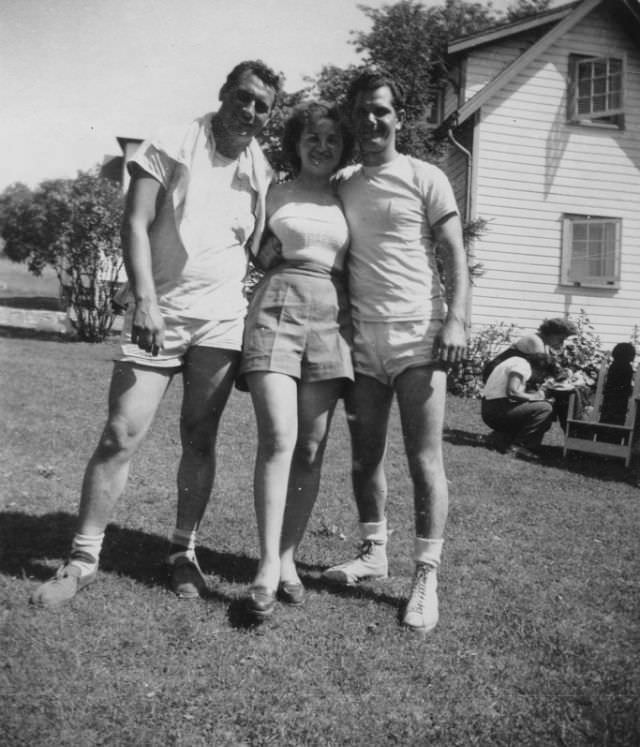
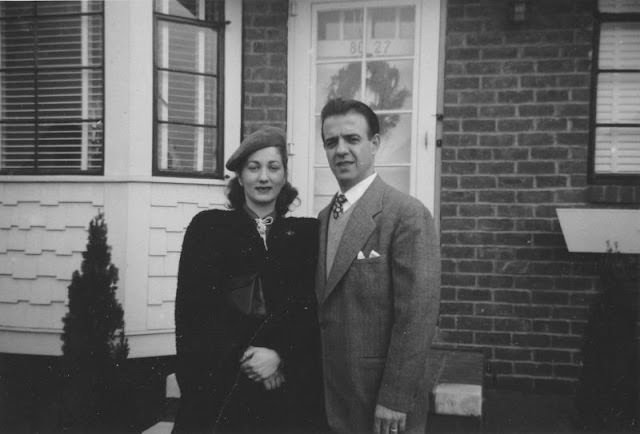
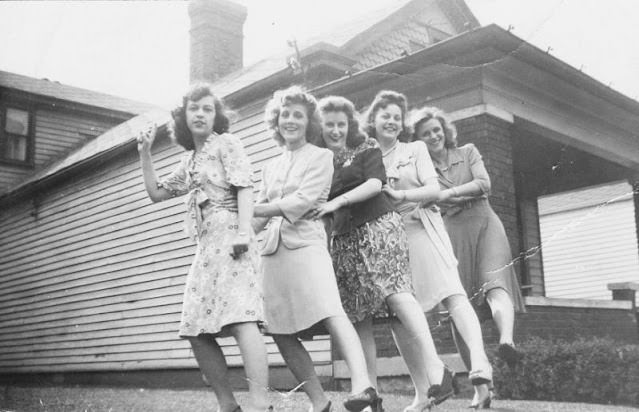
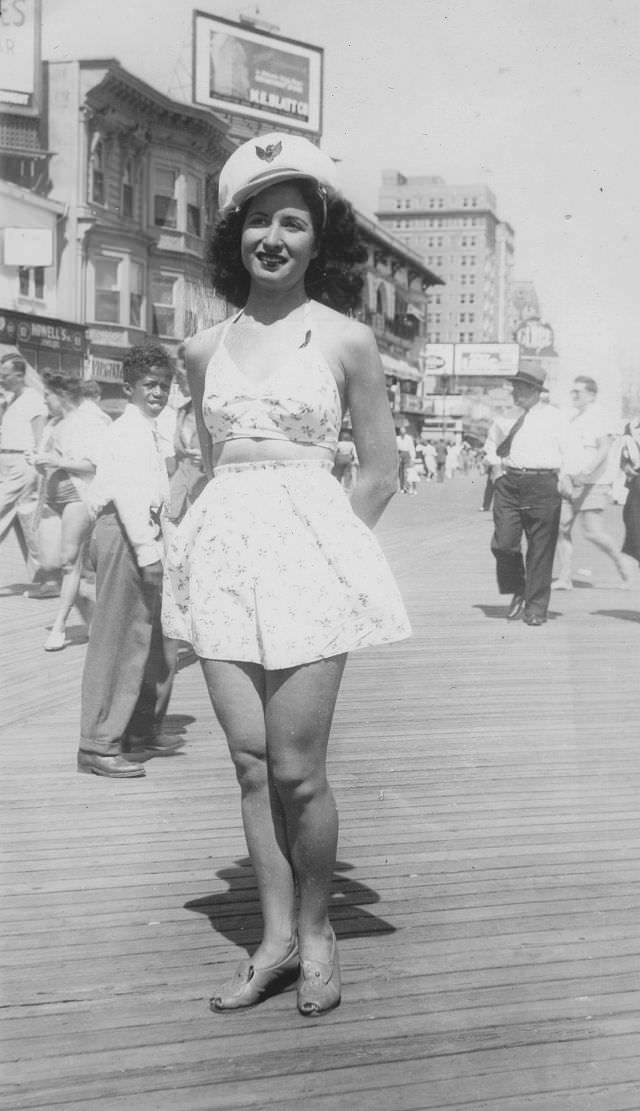
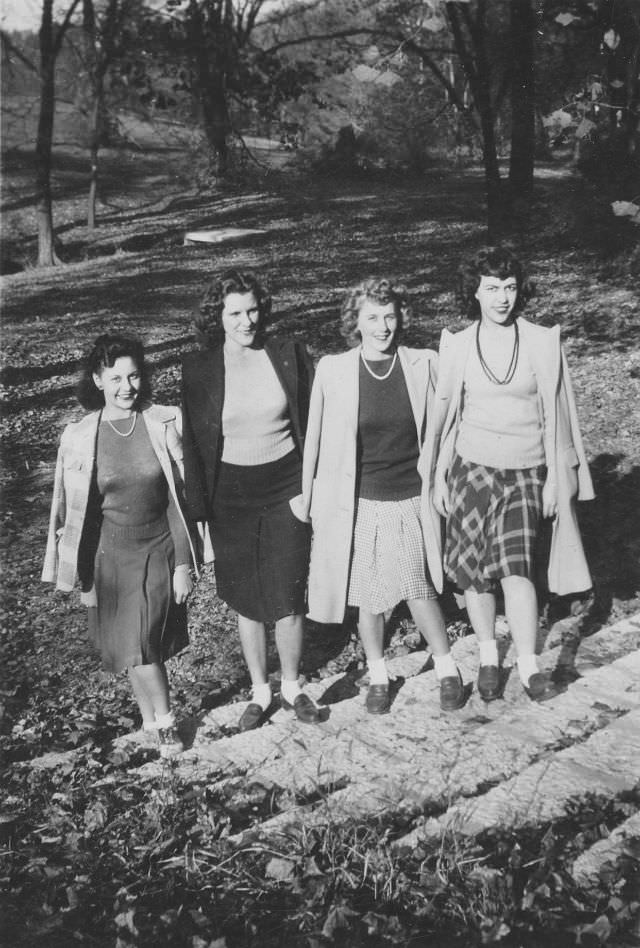
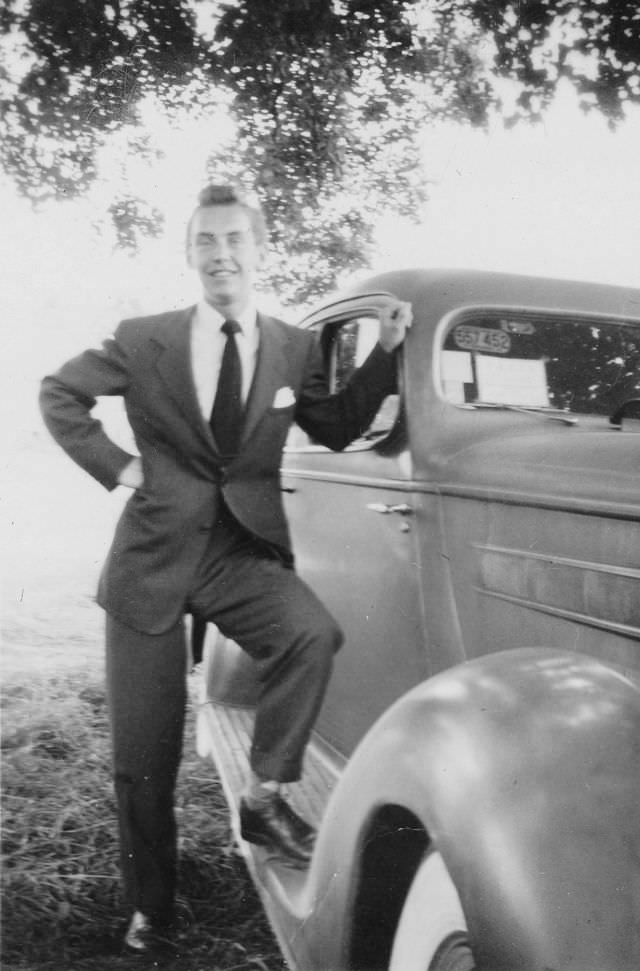
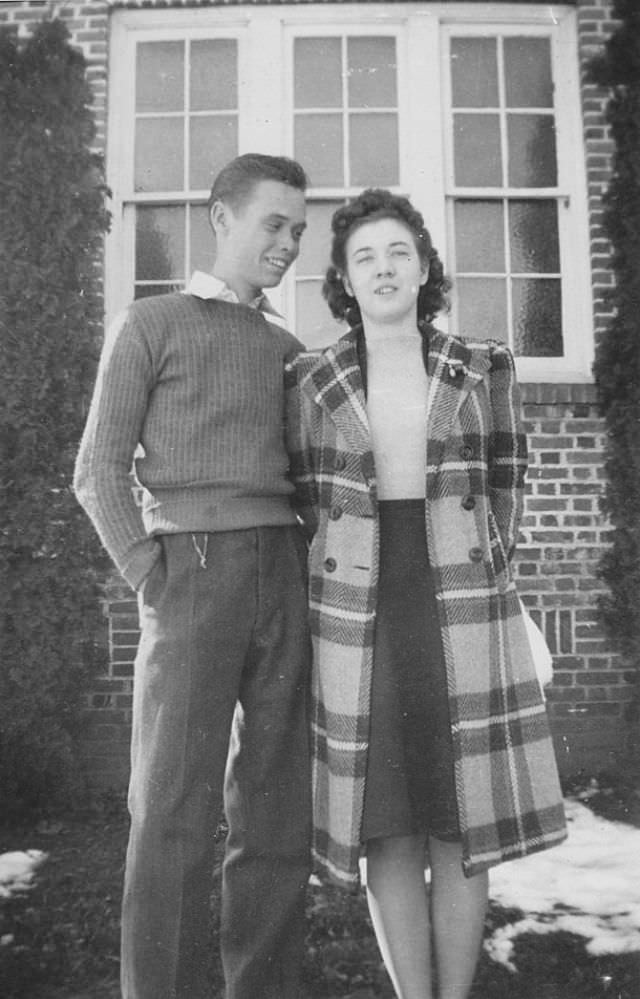
Fashion in the 1940s was directly shaped by wartime restrictions. Fabric was rationed, so clothing became simpler and more practical. Women’s skirts were cut shorter to save material. Padded shoulders, slim silhouettes, and utility suits defined the era’s look. Men in civilian life wore single-breasted suits with narrower cuts to conserve wool.
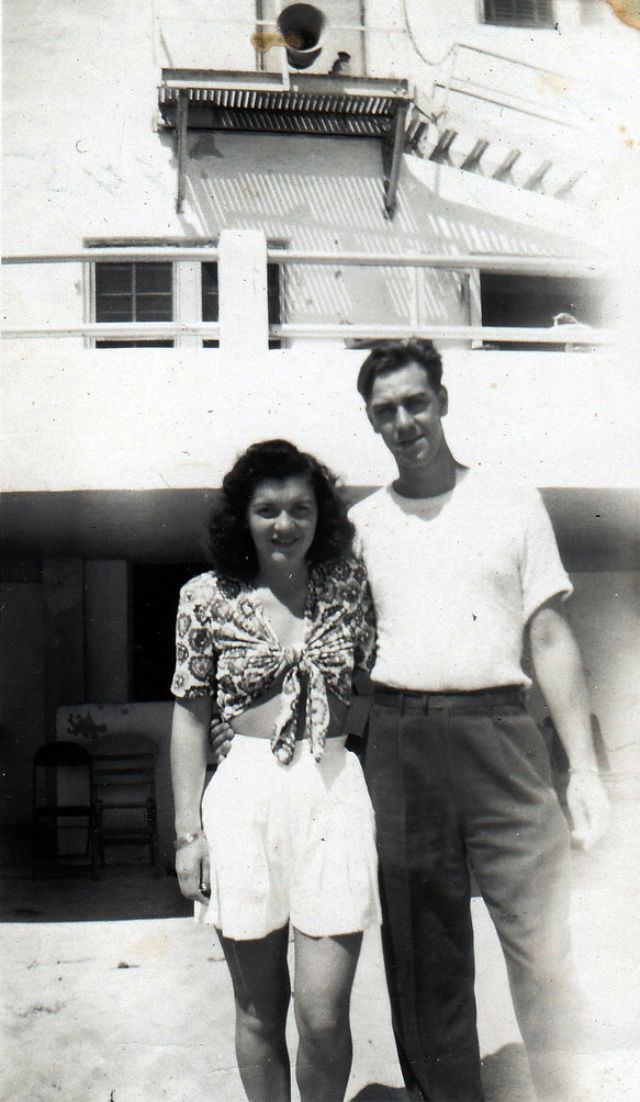
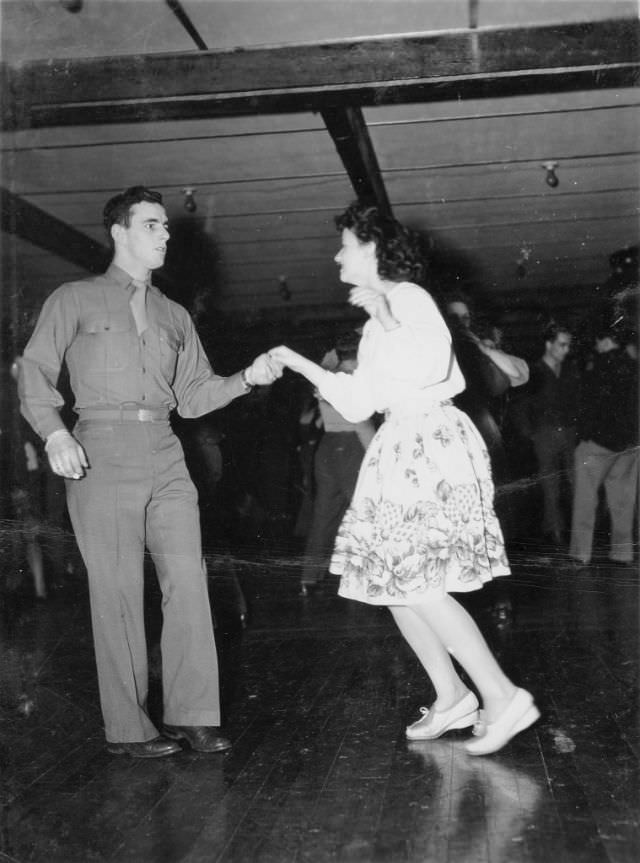
Despite hardship, people found ways to enjoy life. Dance halls packed in crowds on weekends. Swing and jazz bands played to full houses, giving people a release from the stress of the war years. Hollywood kept theaters busy, releasing films that are now considered American classics.
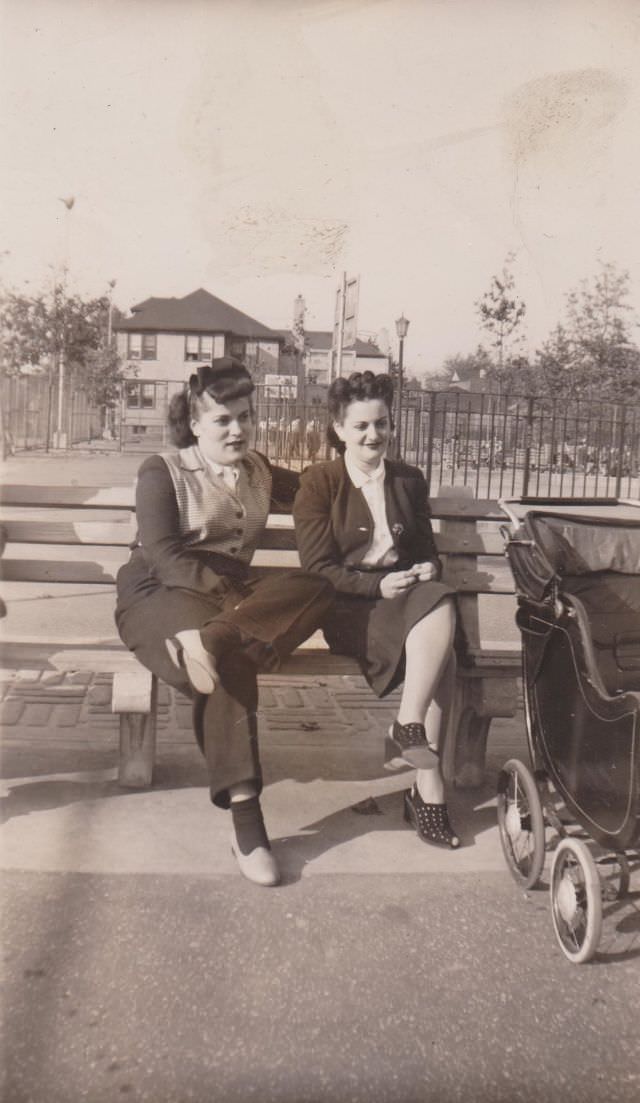
Children grew up in a world where war was a constant presence. School programs included civil defense drills. Kids collected scrap metal and rubber for the war effort. Even their toys and games reflected the military themes of the time.
When the war ended in 1945, the mood shifted fast. Soldiers came home, families reunited, and the economy pivoted from weapons to consumer goods. Factories that had built tanks began making refrigerators and cars. Spending rose sharply as people bought things they had gone without for years.
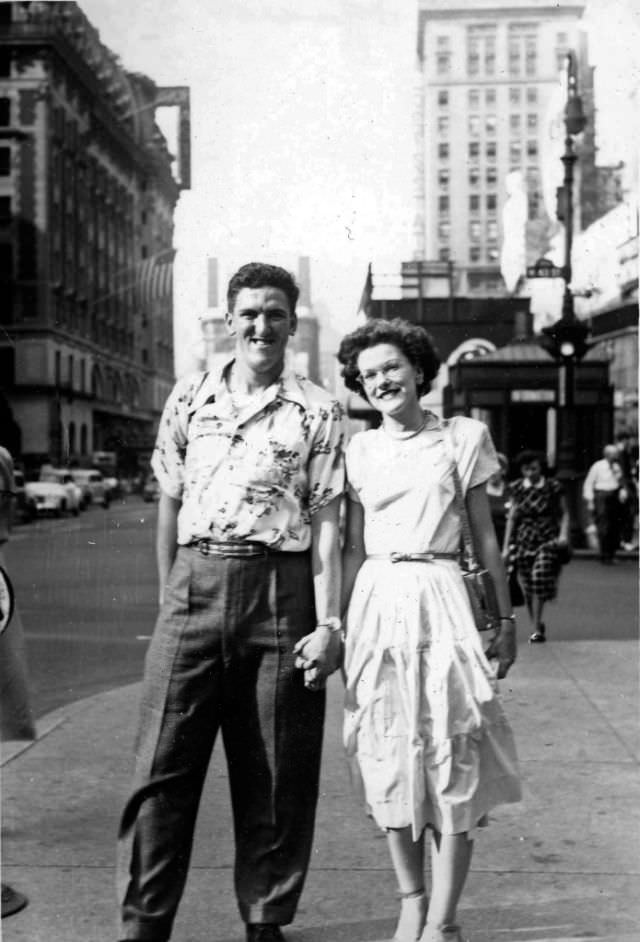
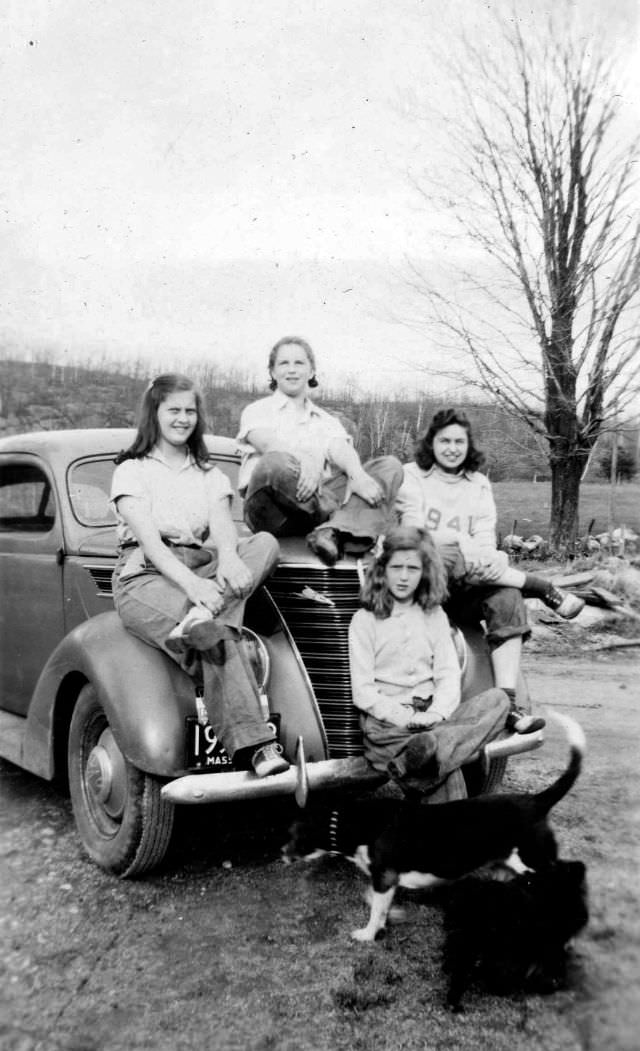
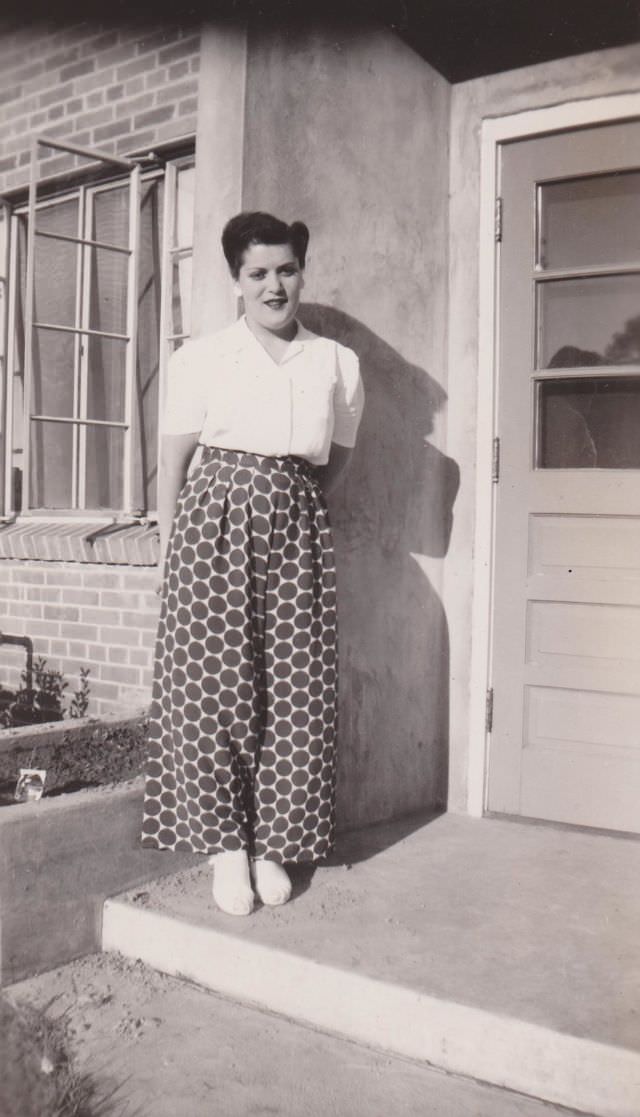
Suburban neighborhoods expanded rapidly in the late 1940s. New housing developments sprang up outside major cities. Young families moved in, starter homes were built by the thousands, and the American middle class grew larger than it had ever been.
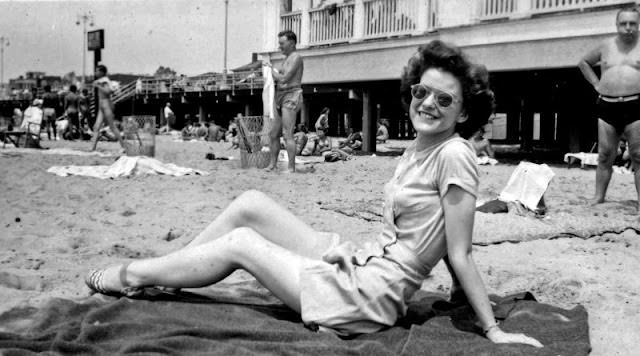
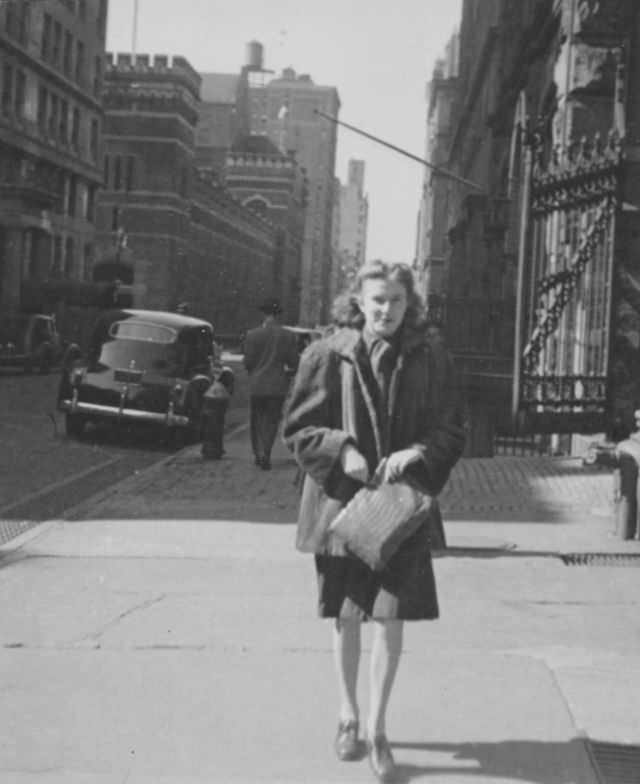
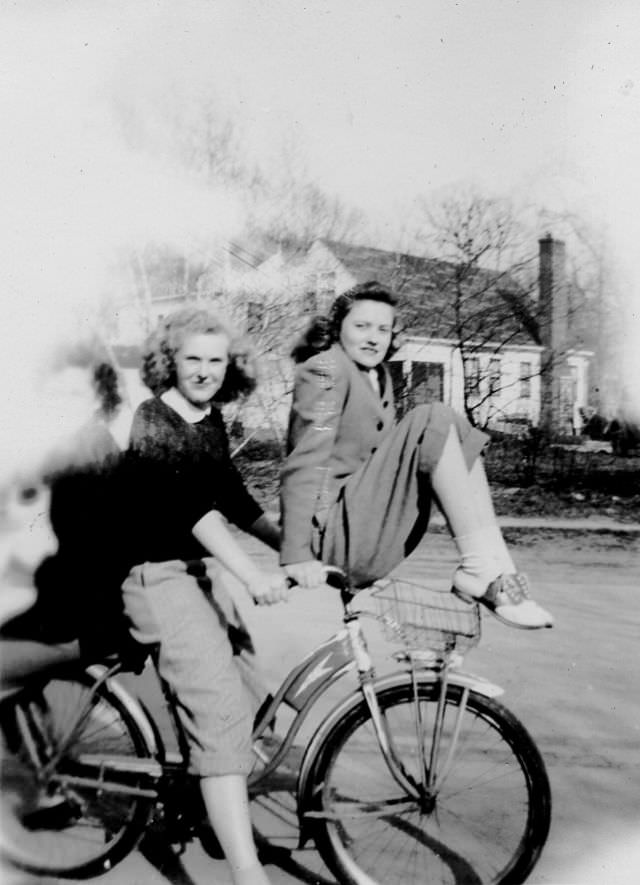
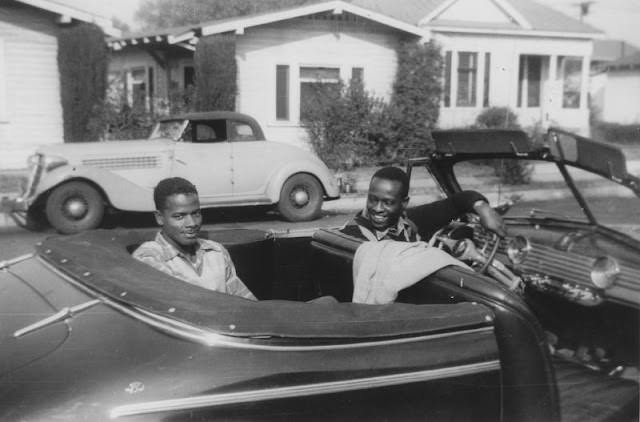
Street scenes from the decade show a world that moved at a slower pace. People dressed up to go downtown. Diners, soda fountains, and corner stores were social centers. Neighbors talked on front porches. There were no televisions in most homes until the very end of the decade.
Radio was the dominant medium. Families gathered around the radio each evening for news, drama serials, and music. War updates were broadcast live, and millions sat together listening to reports from the front.
Sports remained popular throughout the decade. Baseball stadiums drew large crowds even during the war years. Many professional players were drafted, but the leagues continued with replacement rosters. Fans saw it as a sign that normal life wasn’t completely gone.
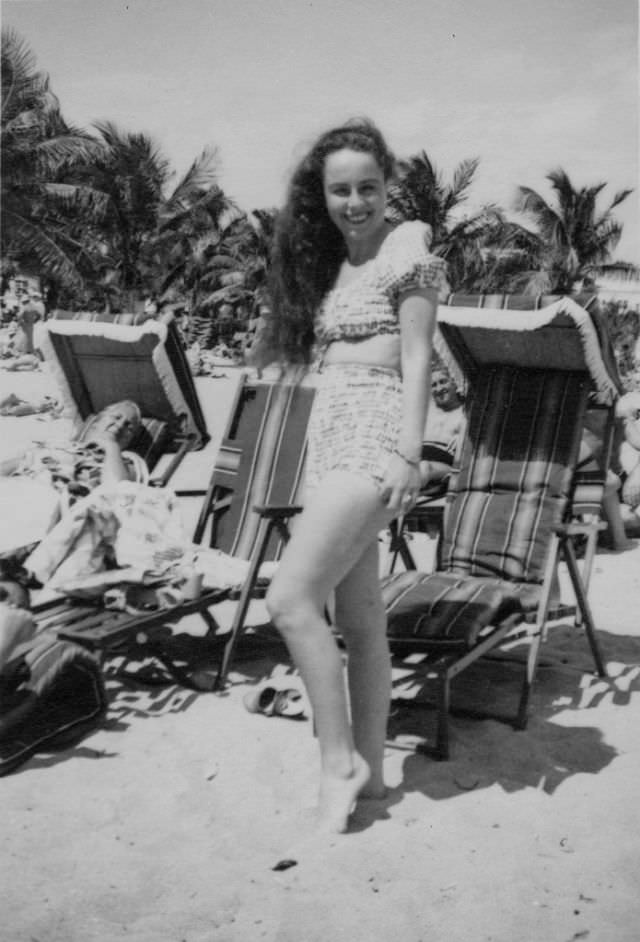
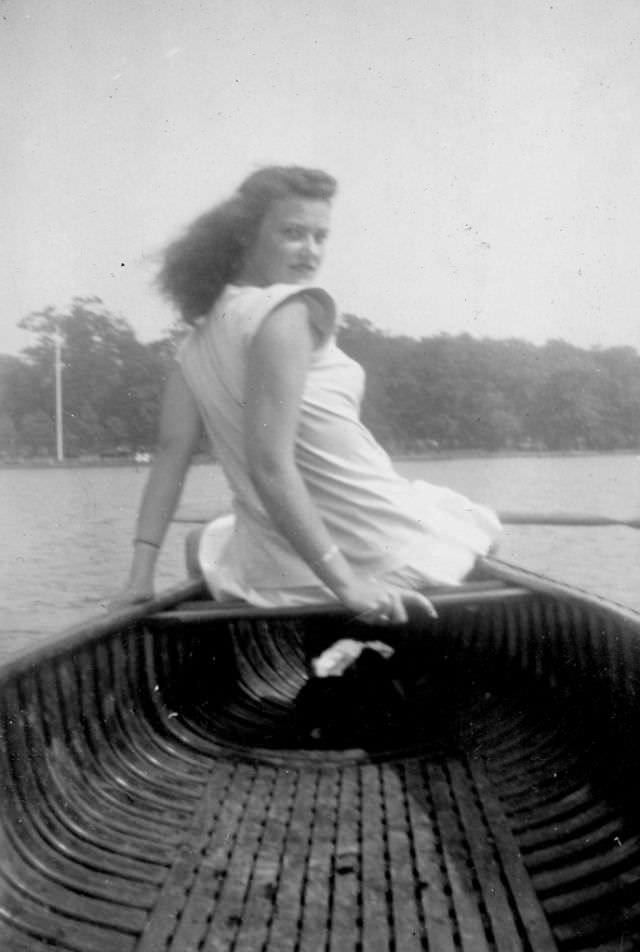
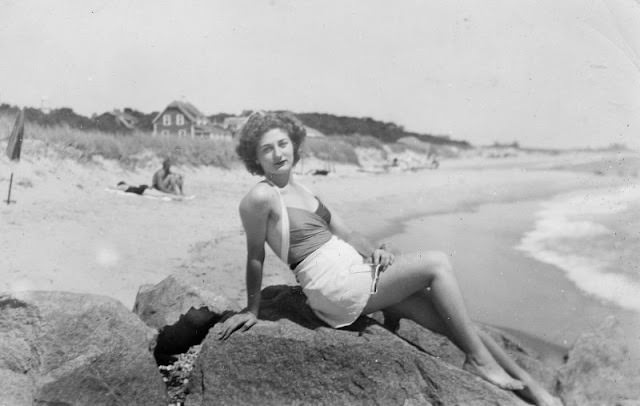
Hair and beauty standards were distinct in the 1940s. Women styled their hair in victory rolls, pin curls, and waves. Bright red lipstick became a patriotic statement. Cosmetics companies marketed makeup as a morale booster, and the government agreed — lipstick was never rationed.
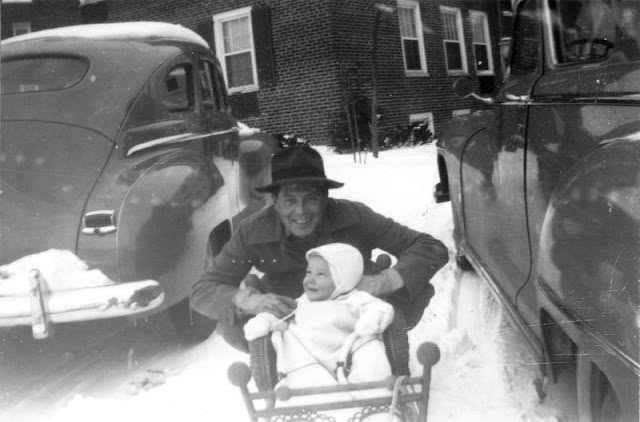
Men’s grooming was clean and precise. Short, well-combed hair was the standard. Hats — fedoras, trilbies, and military caps — were worn by nearly everyone outdoors. A man without a hat was the exception, not the rule.
The decade’s literature tackled the raw realities of war, loss, and survival. Writers who lived through the conflict produced some of the most direct and honest fiction of the 20th century. Their work didn’t flinch from what the war had cost ordinary people.
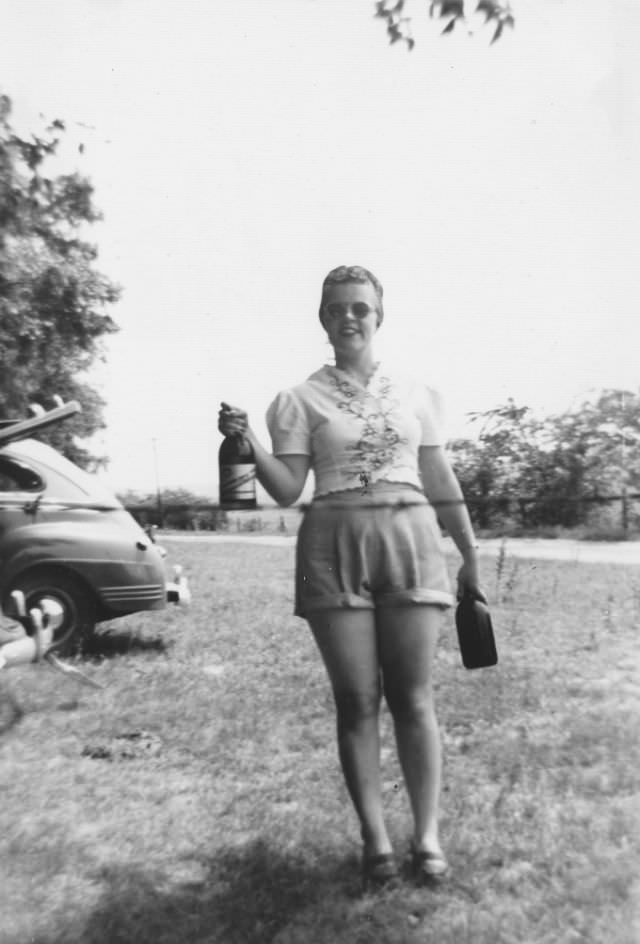
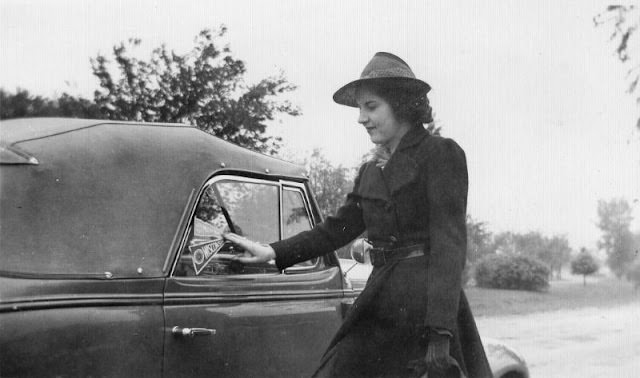
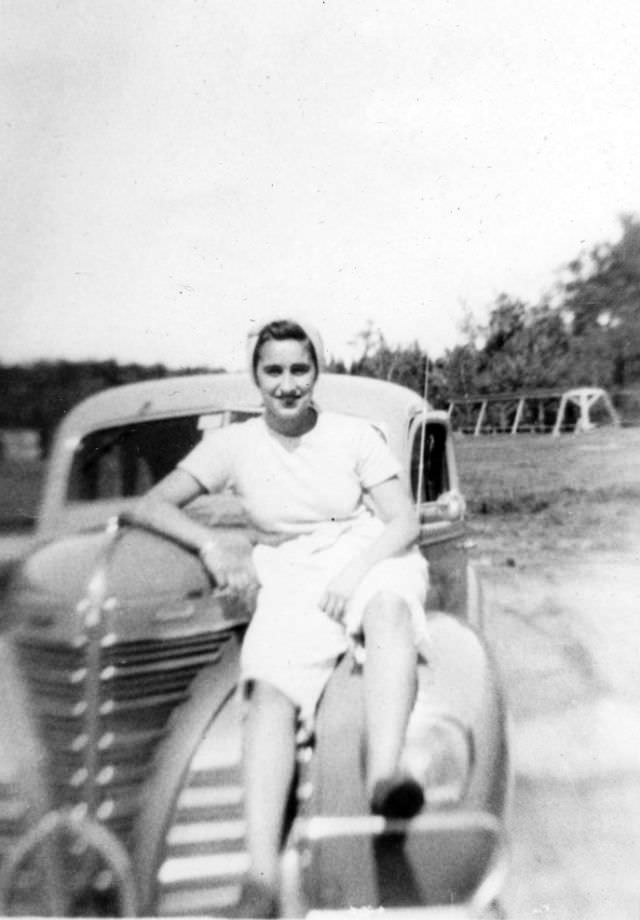
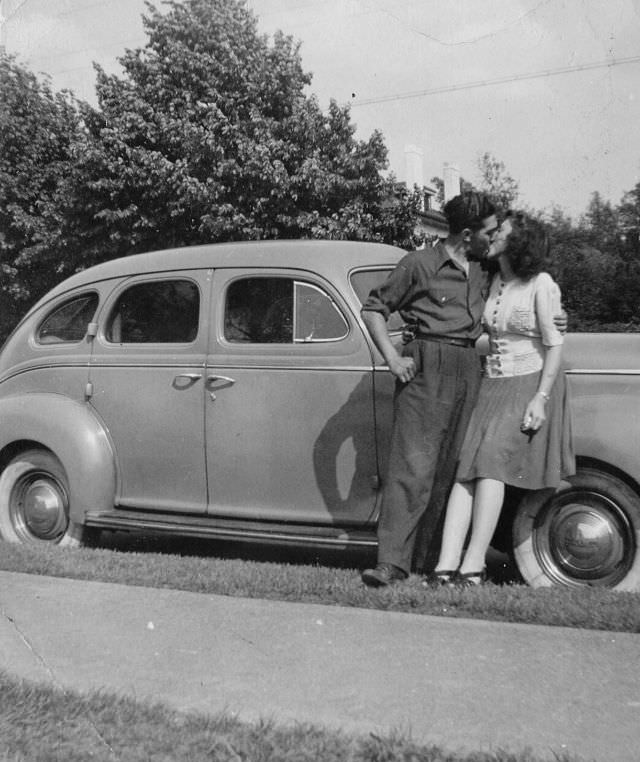
Transportation looked different too. Cars were less common than they would become in the 1950s. Buses, streetcars, and trains carried most city workers. Wartime fuel rationing kept private driving to a minimum, and many families simply didn’t own a car at all.
Grocery shopping meant working within ration book limits. Meat, butter, sugar, and canned goods were all controlled. Families learned to cook with less and make substitutions. Victory gardens in backyards supplemented what stores couldn’t always provide.
Workplaces in the post-war years were energetic and expanding. Returning veterans took advantage of education benefits and bought homes under new federal programs. Office jobs multiplied. The service sector grew alongside manufacturing, and unemployment dropped to historic lows.
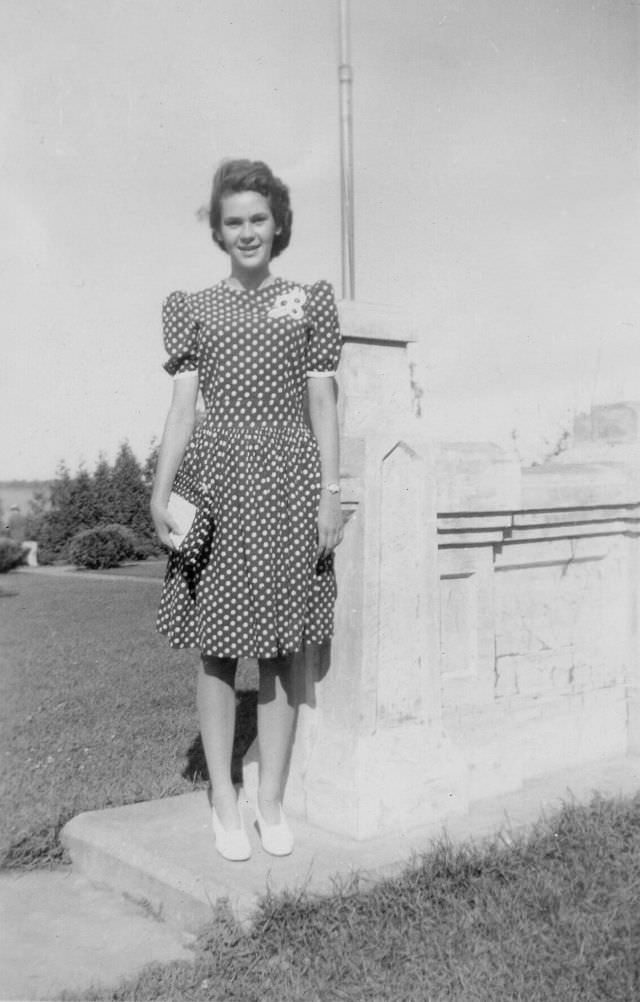
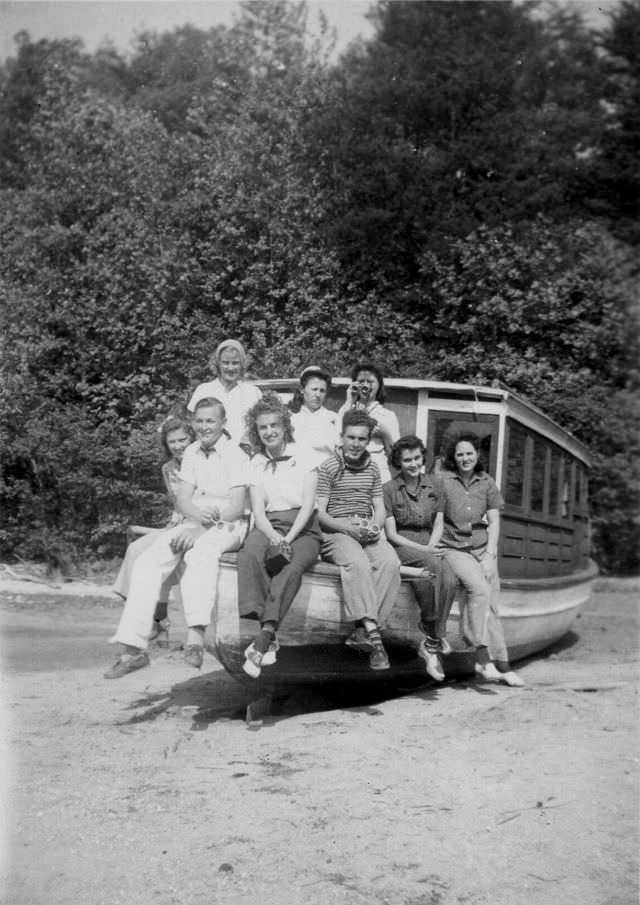
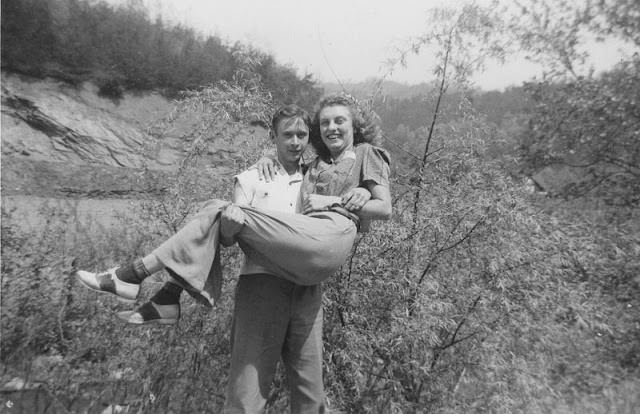
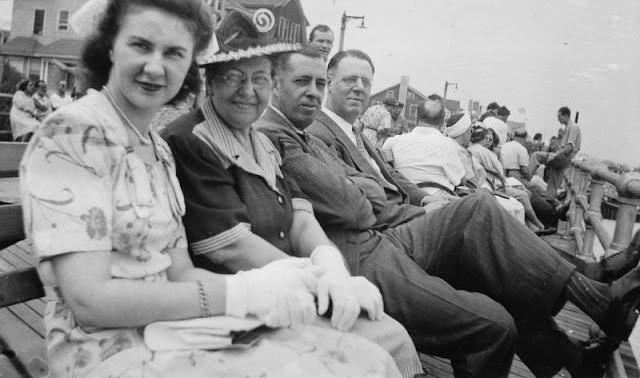
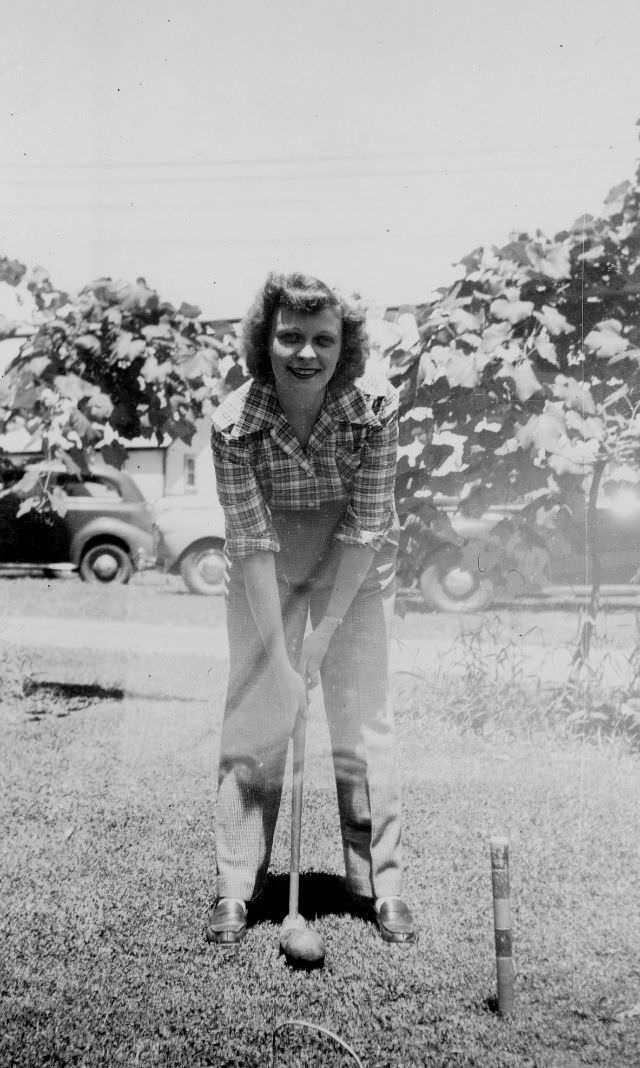
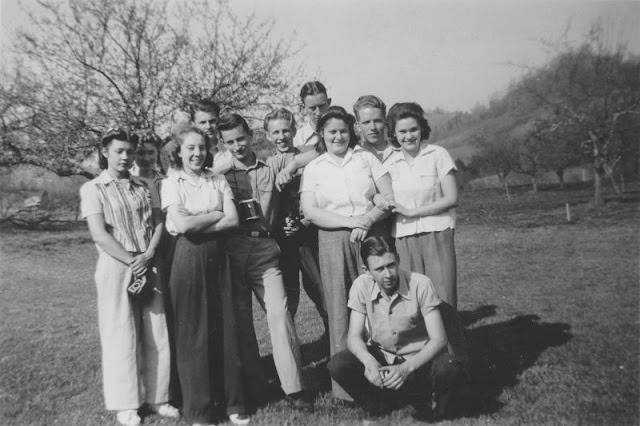
Photography itself was part of life in the 1940s. Snapshot cameras were common enough that ordinary families documented their days — birthdays, street scenes, group outings, and quiet afternoons at home. Those photos are now a direct window into how people actually lived.
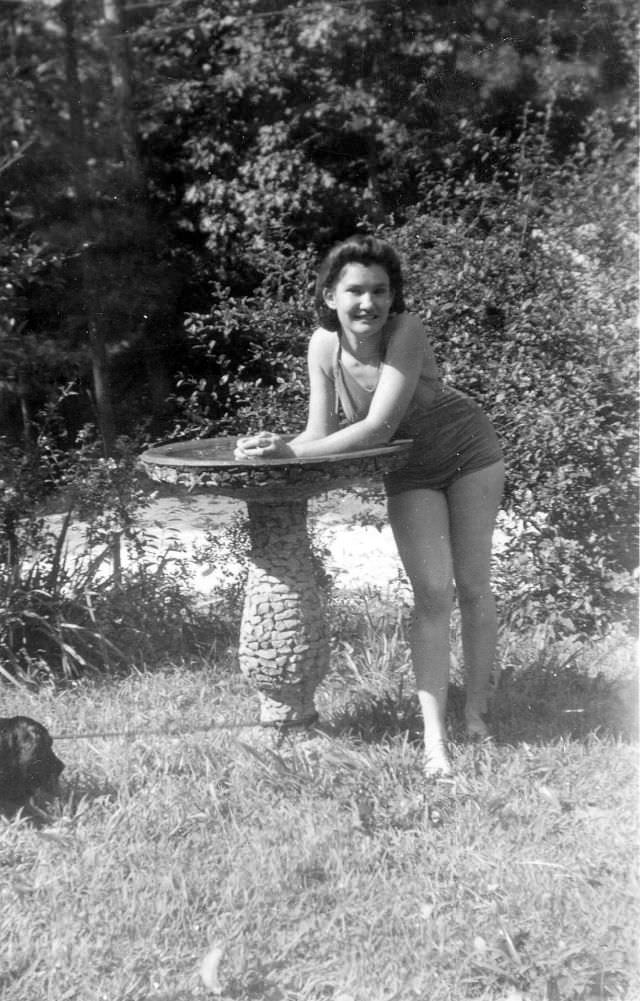
The decade closed with the world looking very different from how it had started. Cities rebuilt, economies grew, and a generation that had known only sacrifice began building something new. The photographs from those years capture faces that had seen a great deal — and kept going anyway.