

After World War II, the textile and several other industries of Zürich were declined. At that time the services sector, insurance companies, and notably banks gained importance and they contributed a lot to the economy. During World War II, Zürich banks took advantage of banking secrecy laws to help the Nazi Party launder gold and stolen valuables. A large number of immigrants from rural Switzerland and abroad moved to Zürich and the population of the city surpassed one million at the end of the 1950s.
Here below are some stunning vintage photos that show what Zurich looked like in the 1950s.
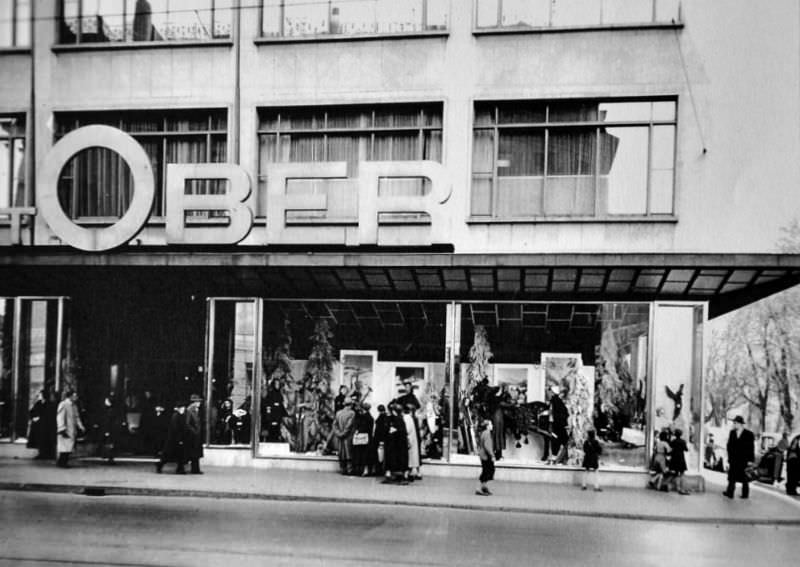
#1 The fashion house Robert Ober in Zürich at the Gessnerallee and Sihlbrücke, 1953
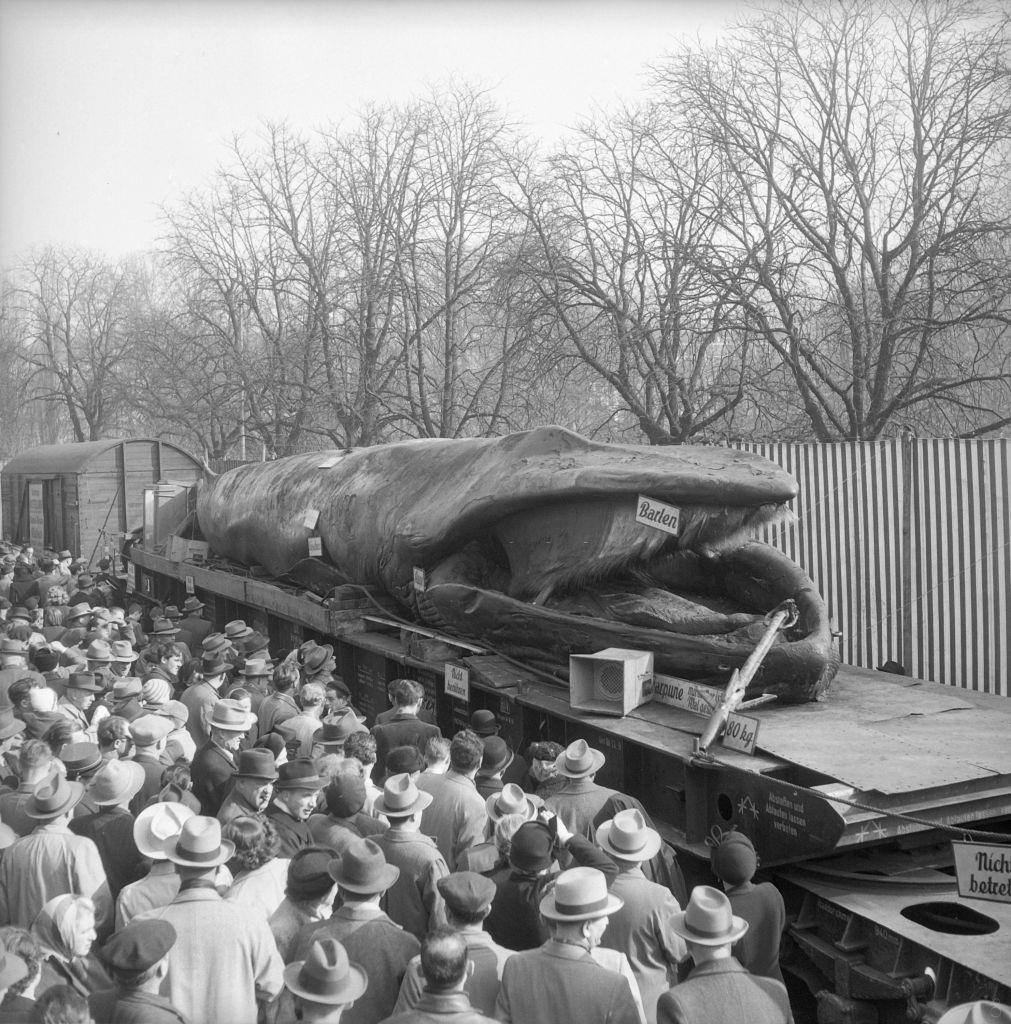
#2 Onlookers watching dead whale, Zurich 1952.
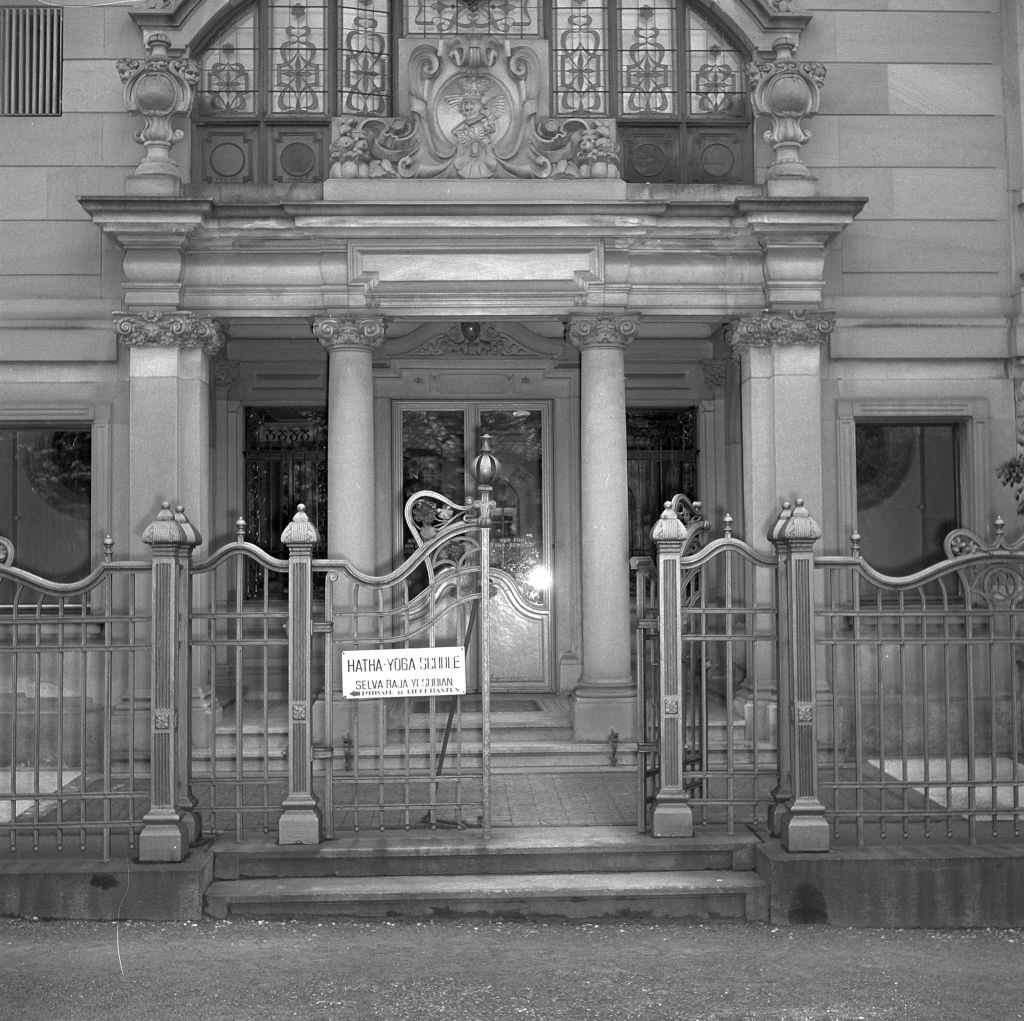
#3 Yoga school in Zurich, 1953.
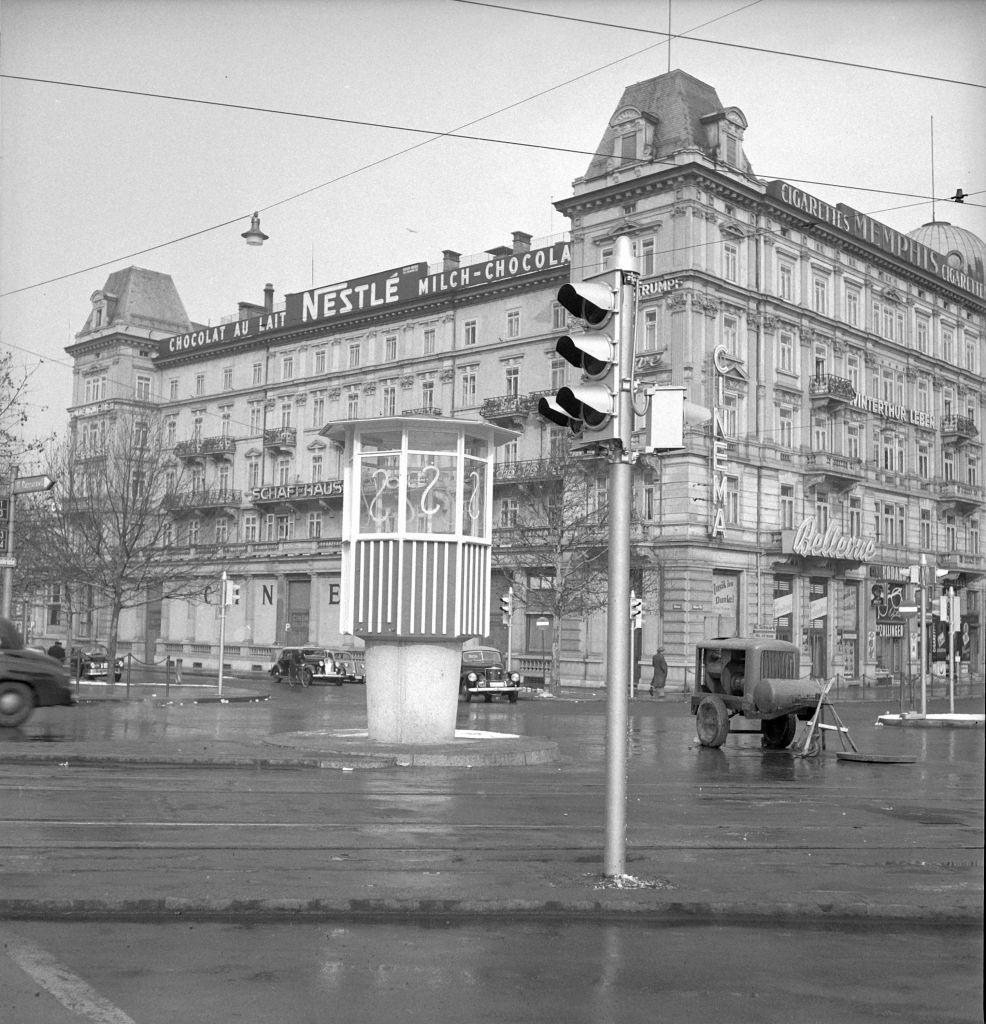
#4 Bellevue, Zurich 1950
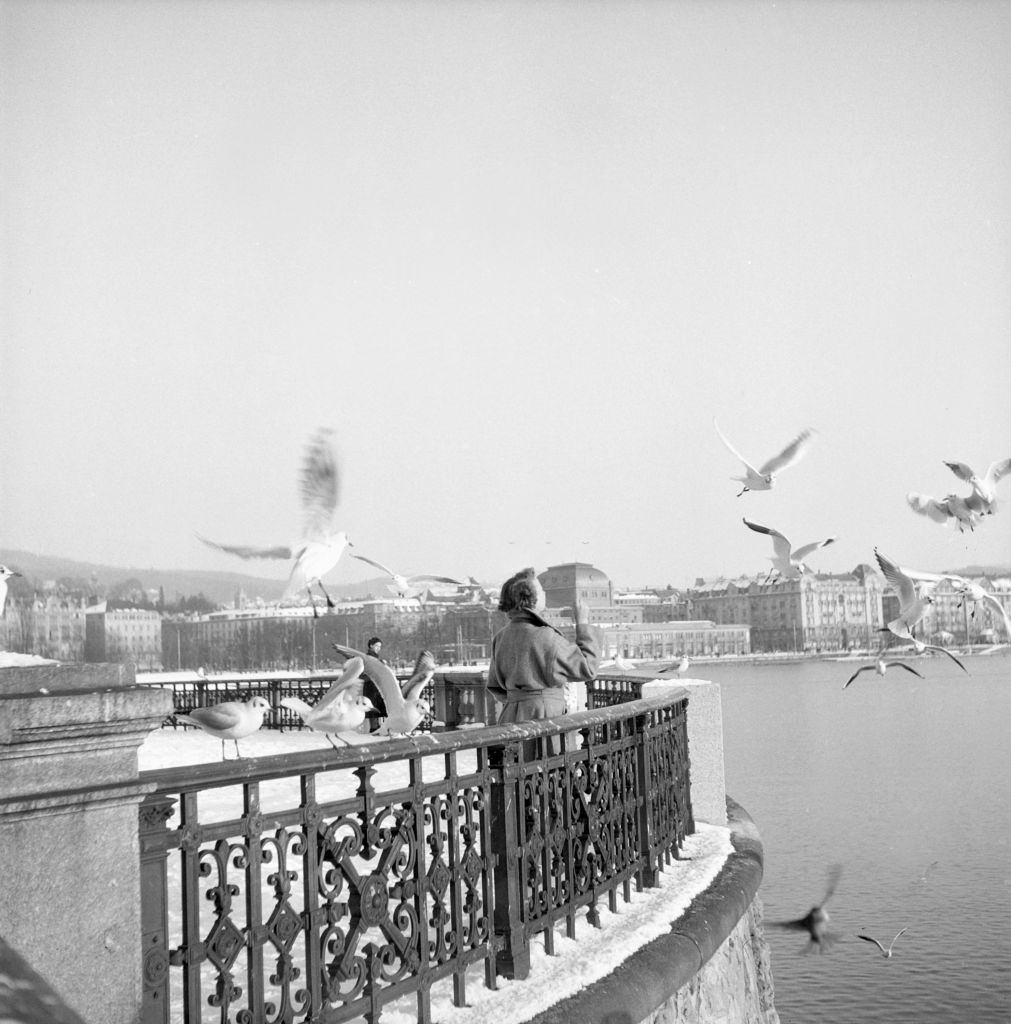
#5 Women feeding gulls at the Zurichsee, Zürich, 1952.
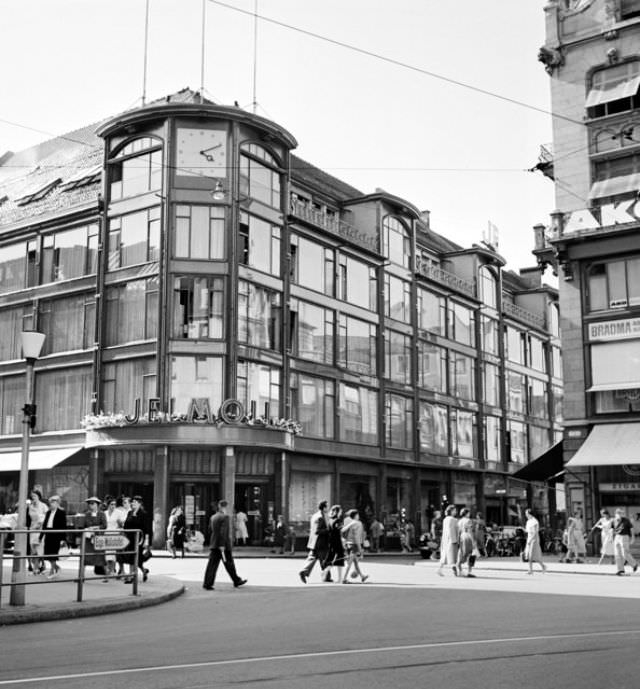
#6 Jelmoli department store, Zürich, 1952
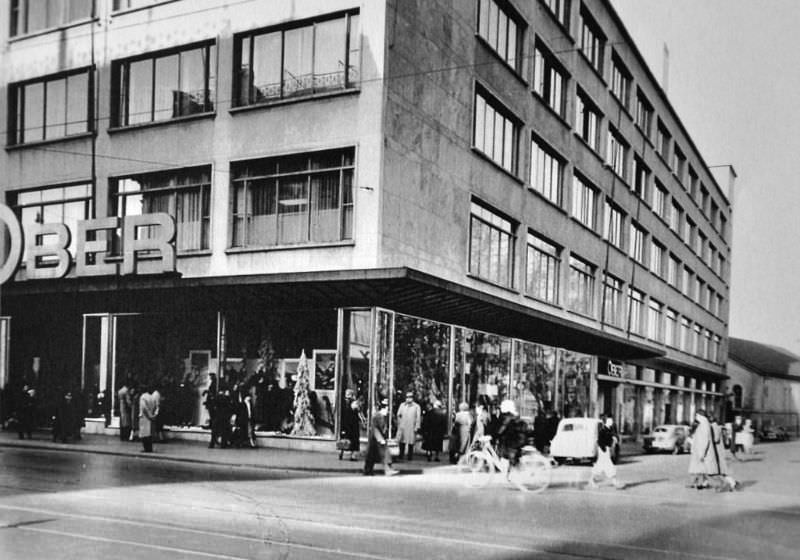
#7 The fashion house Robert Ober in Zürich at the Gessnerallee and Sihlbrücke, 1953
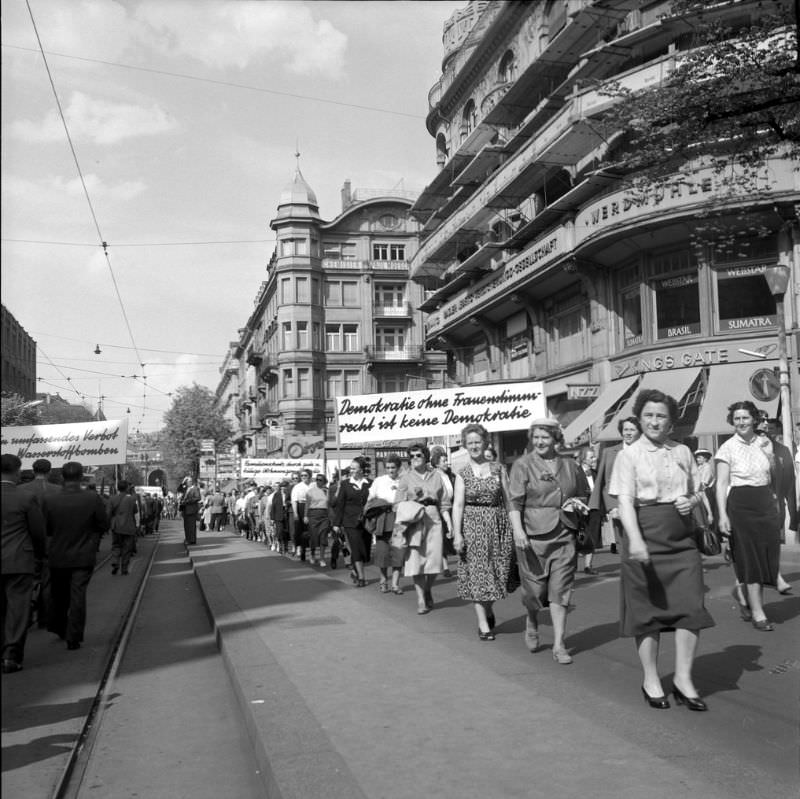
#8 Bahnhofstrasse corner Uraniastrasse, today Modissa House, Zürich, 1956
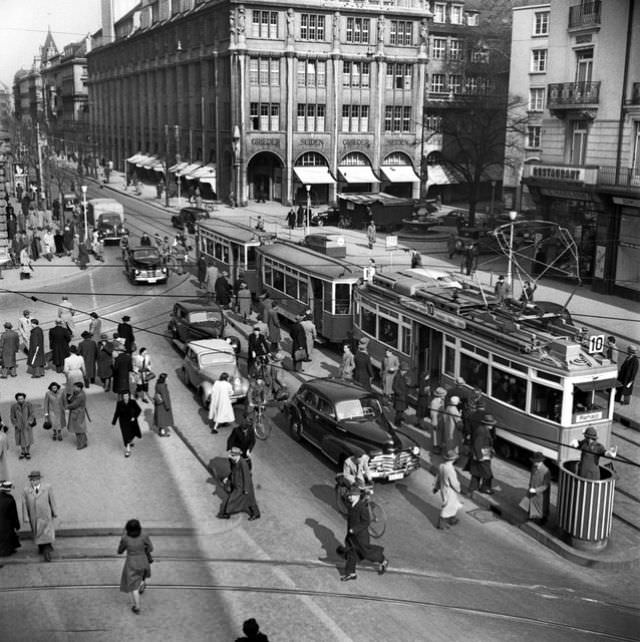
#9 The Paradeplatz, Zürich, circa 1950
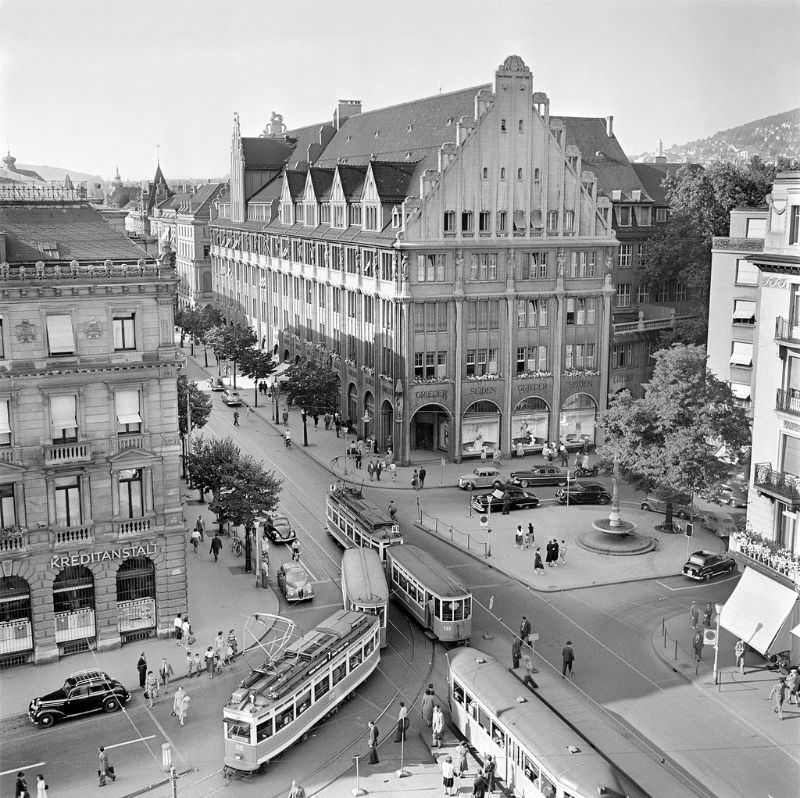
#10 The Paradeplatz, Zürich, circa 1950
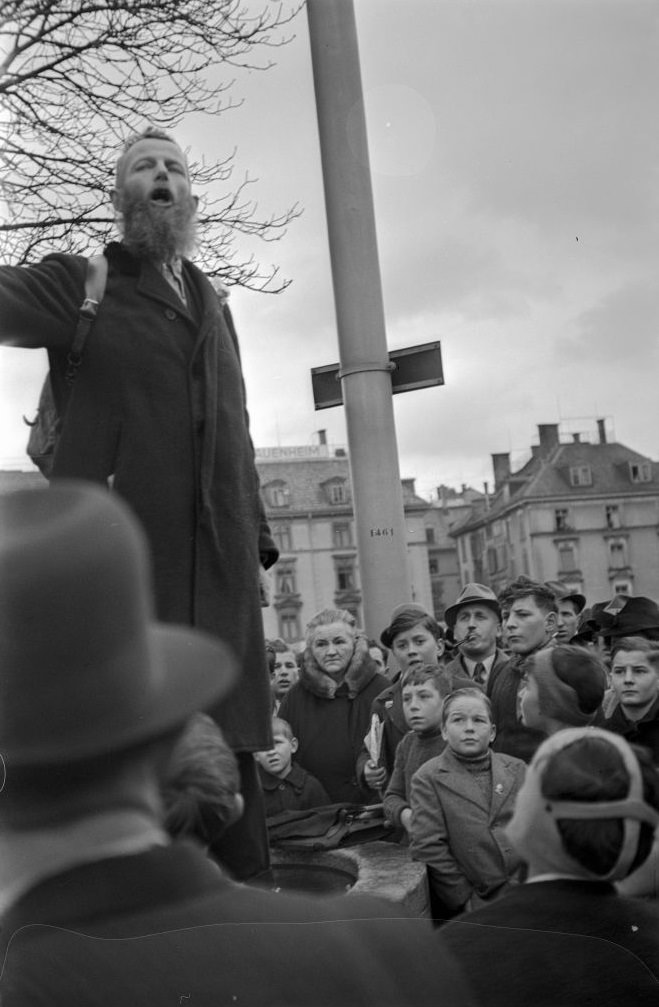
#11 Pacifist Max Daetwyler near the Zurich ‘Volkshaus’, 1950.
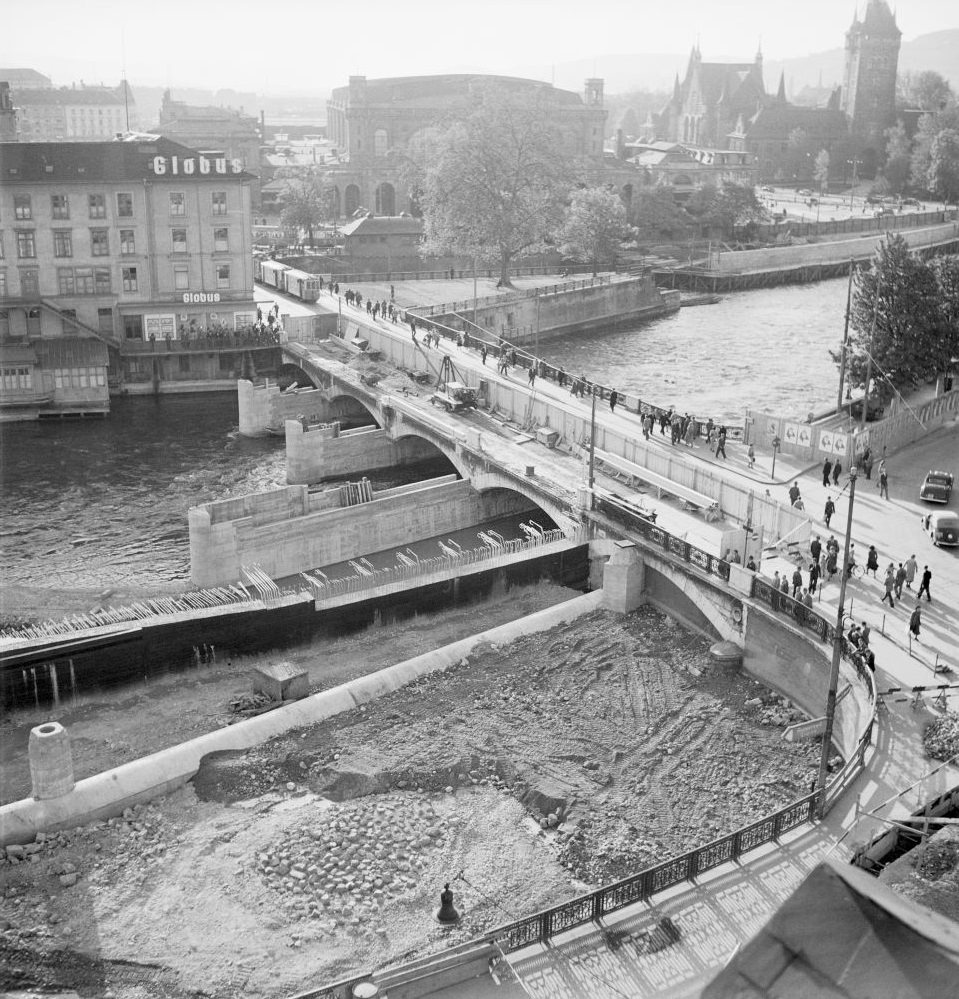
#12 Renovation at Central, Zurich, 1951.
#13 Zurich Bahnhofplatz, 1950.
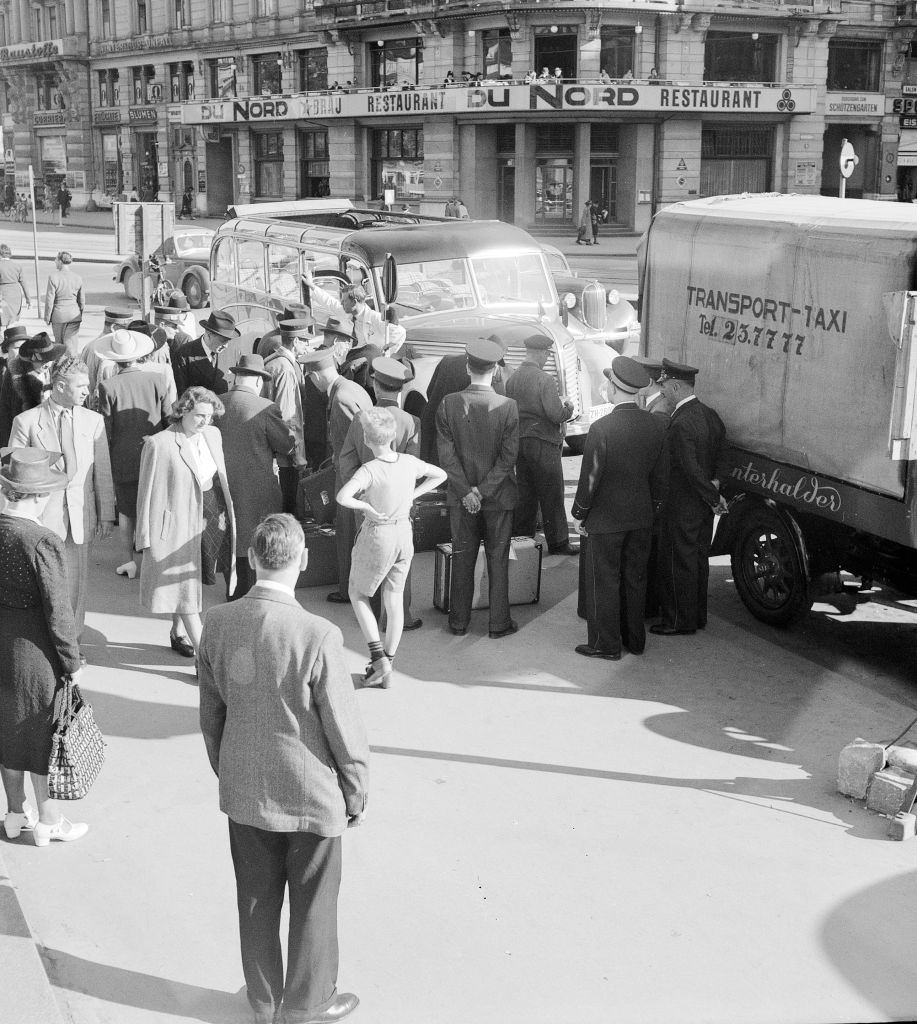
#14 Bellevue Zurich 1950
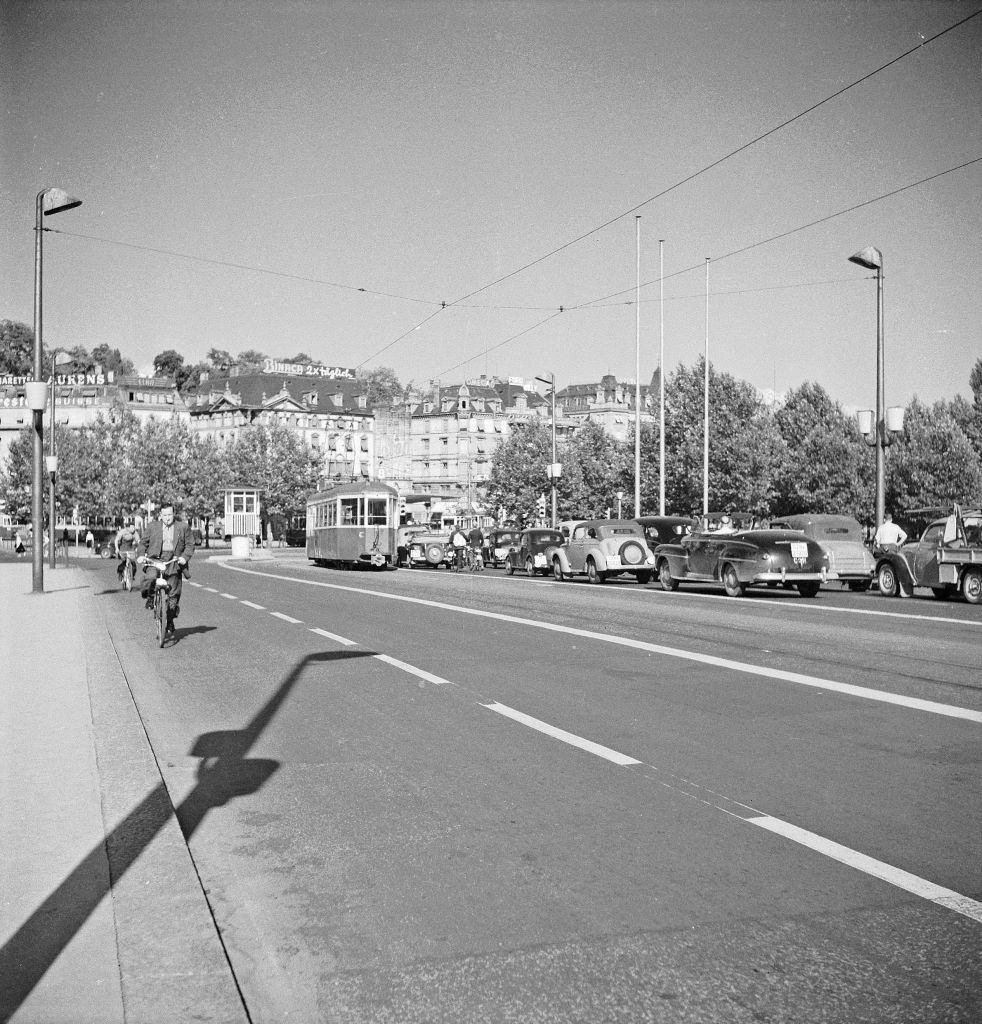
#15 Central, Zürich, 1950.
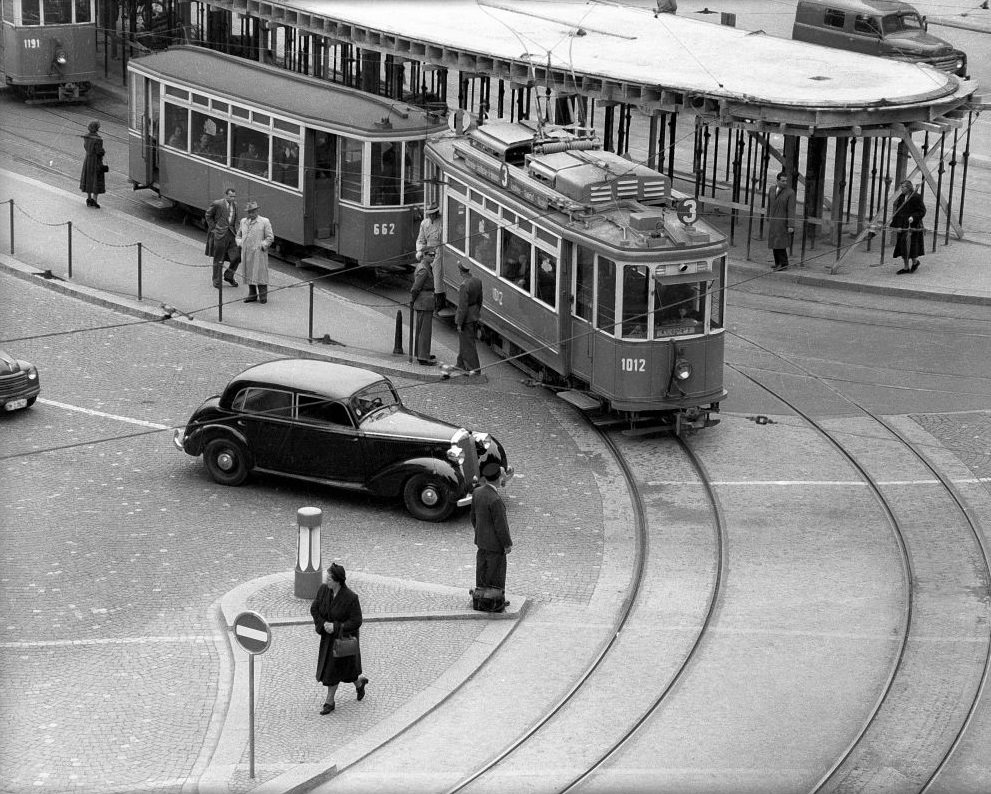
#16 Zürich Main Station, 1952.
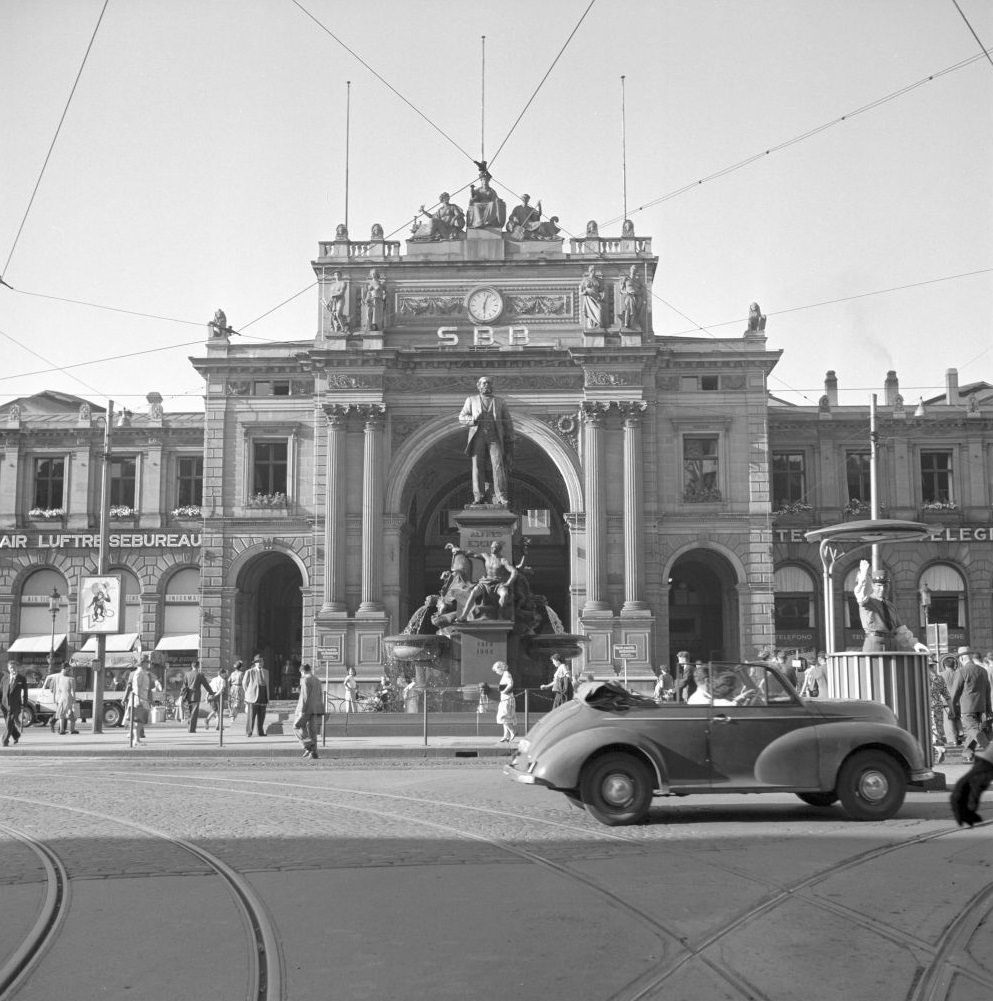
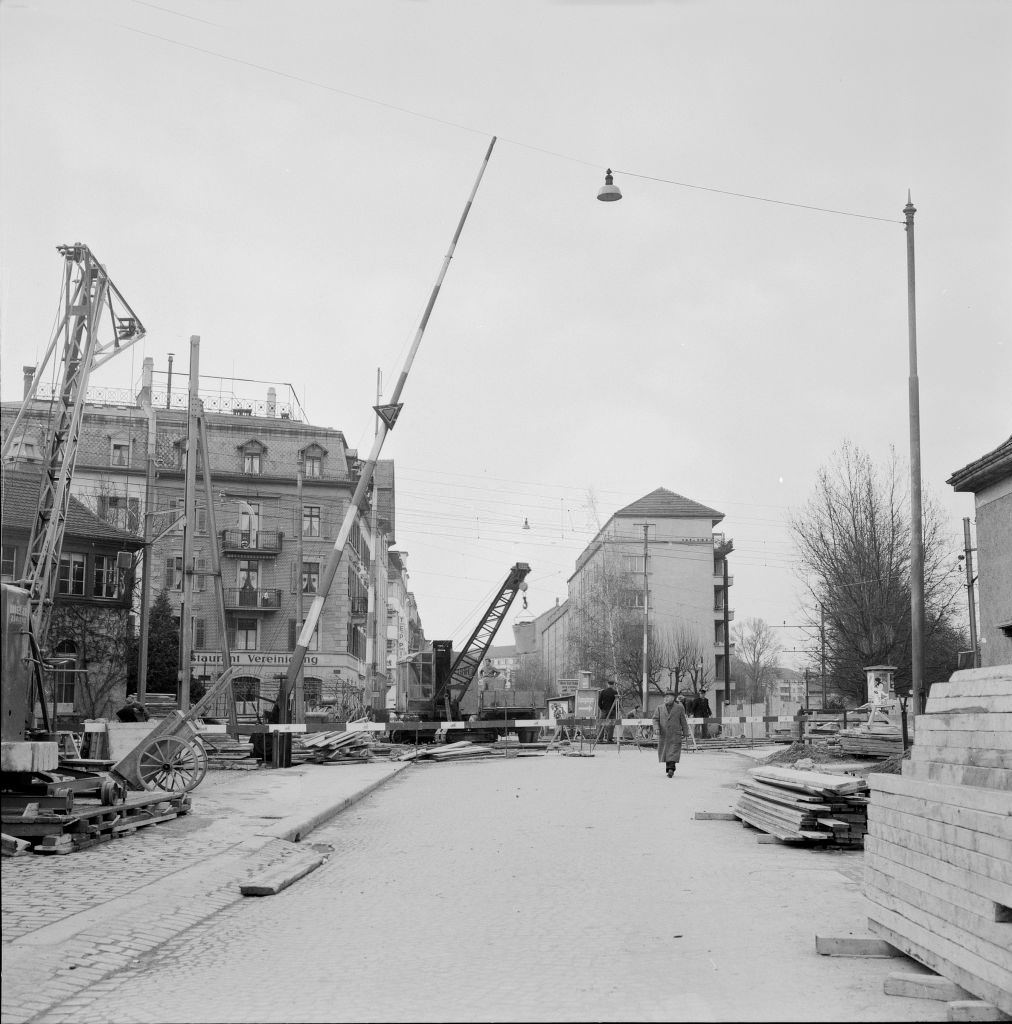
#17 Underpass Giesshübel Zurich under construction 1954.
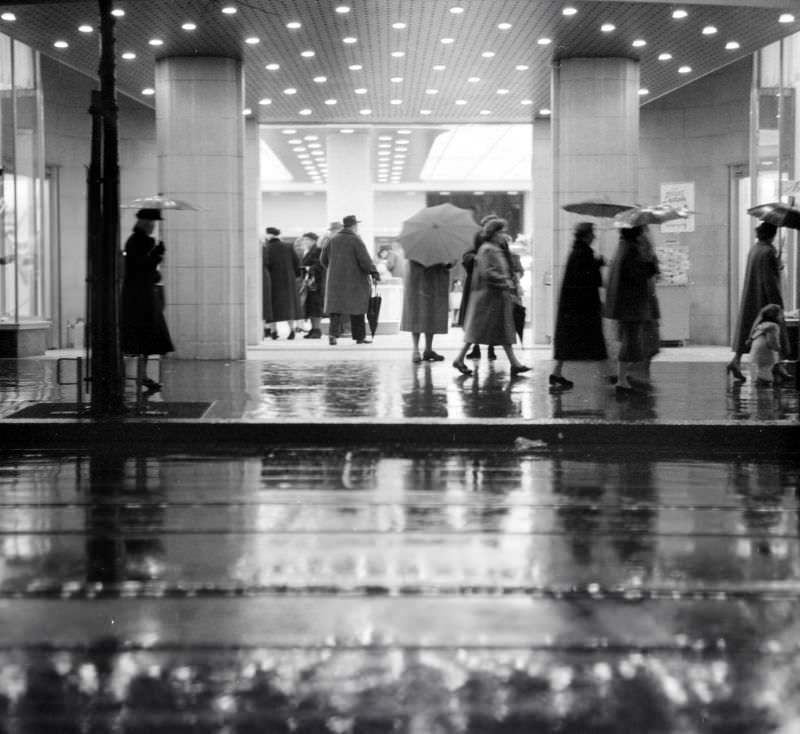
#18 The new main entrance (without doors, with ‘air curtain’) from the department store Oscar Weber in Zürich on the Bahnhofstrasse, 1952
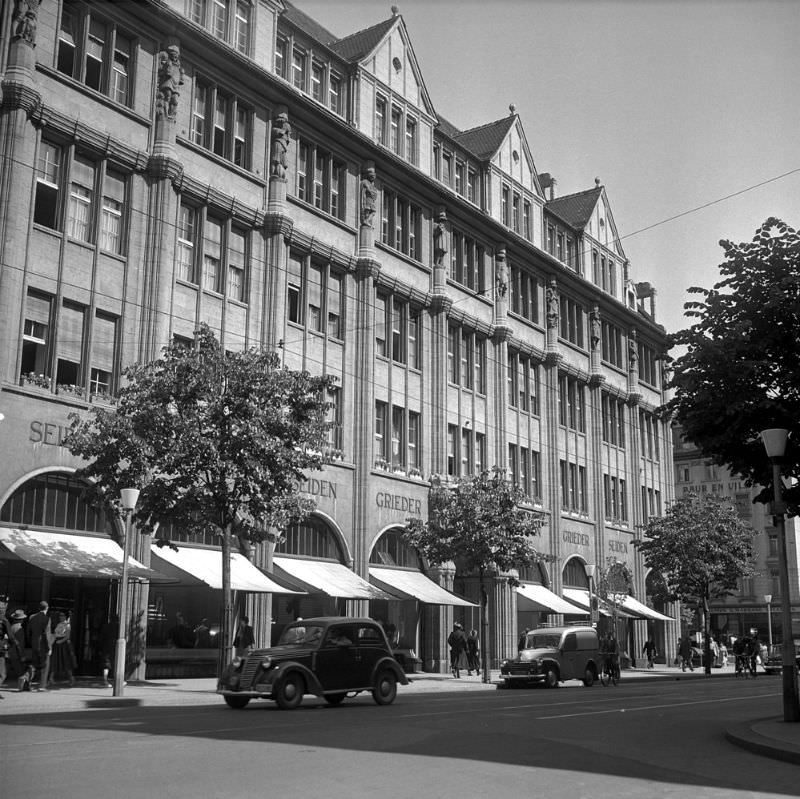
#19 Grieder on the Bahnhofstrasse, Zürich, 1952
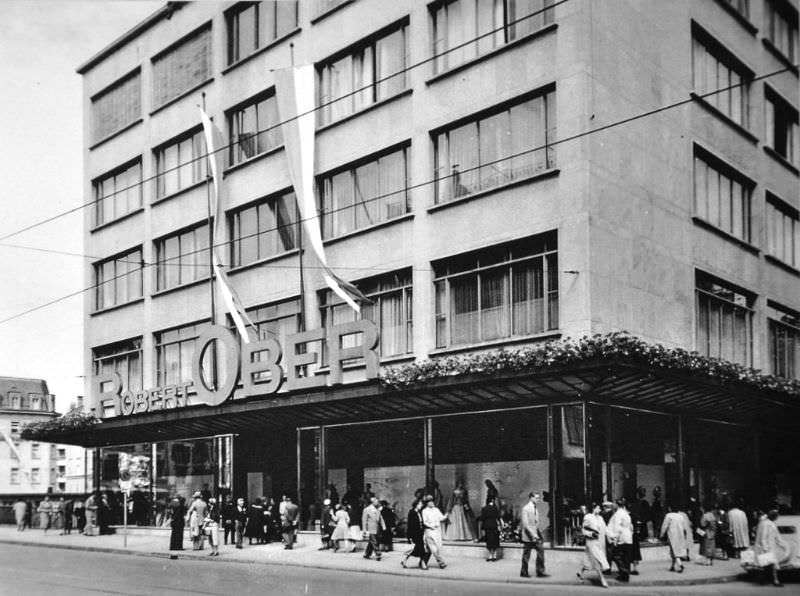
#20 The fashion house Robert Ober in Zürich at the Gessnerallee and Sihlbrücke, 1953
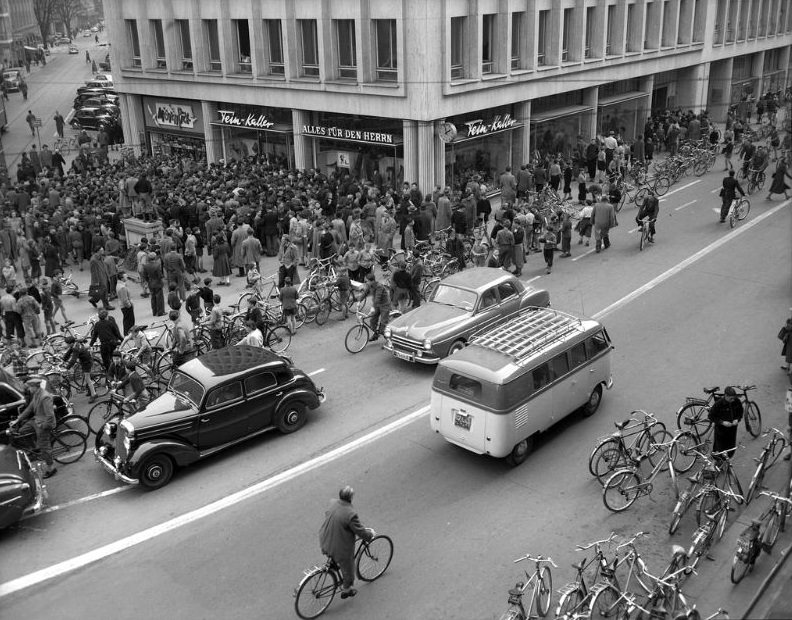
#21 Fein Kaller store in Zürich, 1954
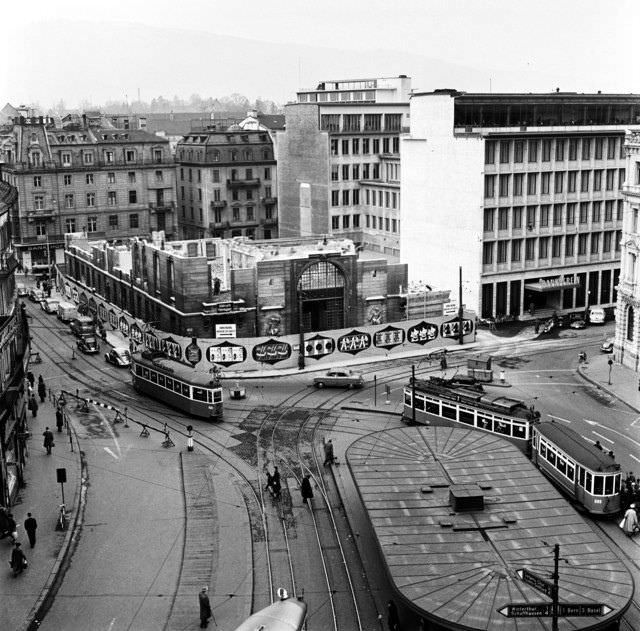
#22 Demolition of the bank association at the Paradeplatz, Zürich, 1956
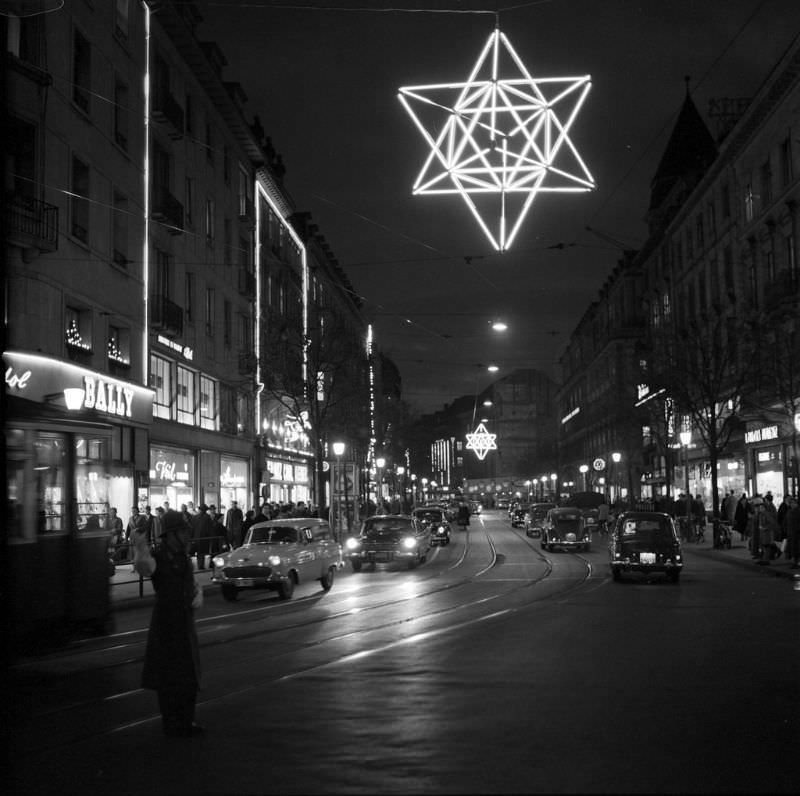
#23 Bahnhofstrasse Christmas lighting in Zürich, 1957
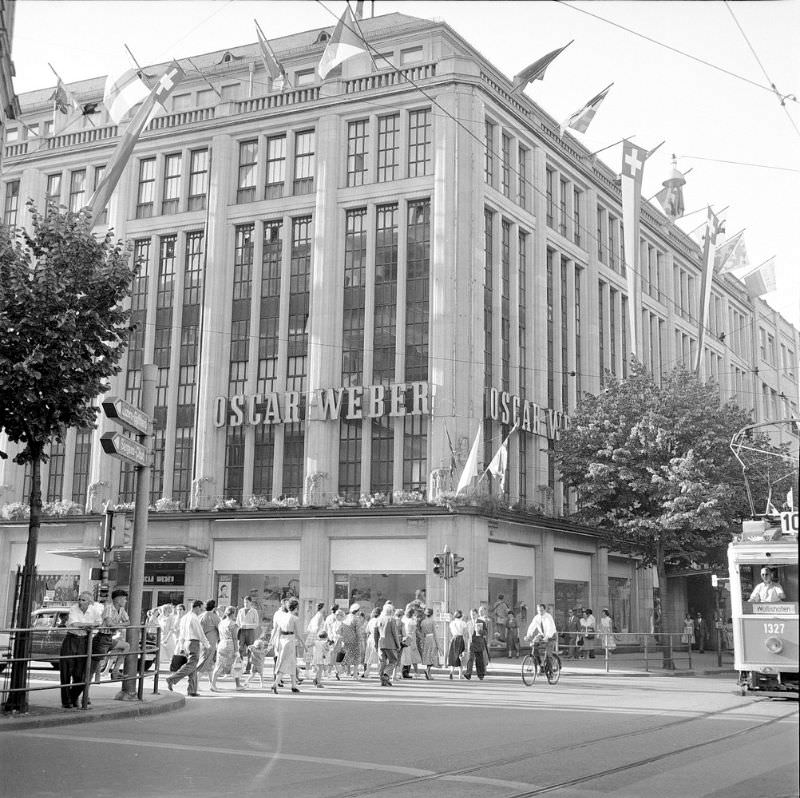
#24 Oscar Weber department store at the Bahnhofstrasse 75, Zürich, 1958, formerly Julius Brann, today Manor
#25 Oscar Weber department store showcase in Zürich, 1958
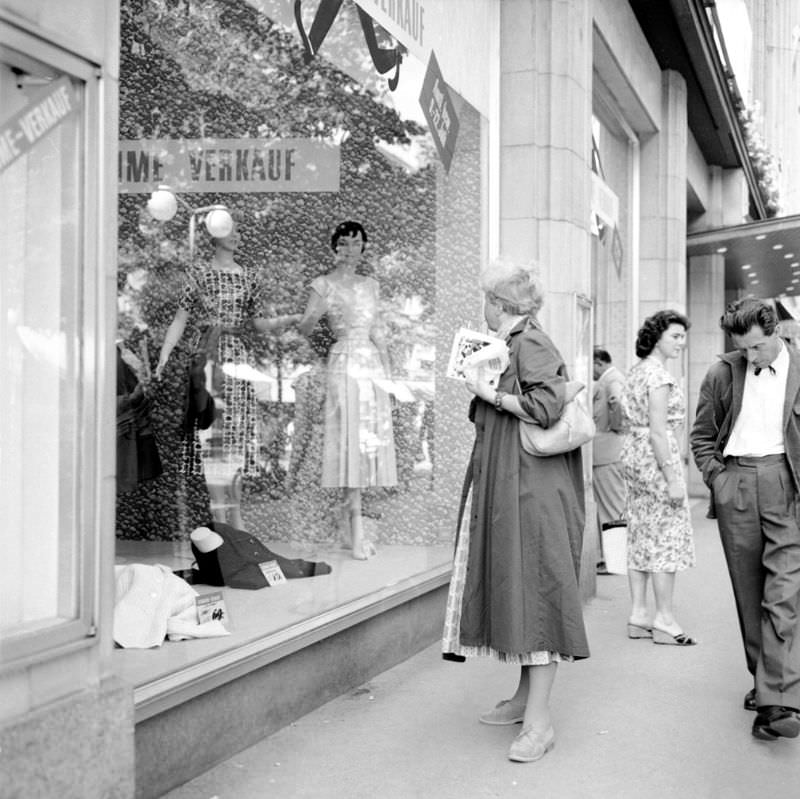
#26 Sihlporte, Zürich, 1959
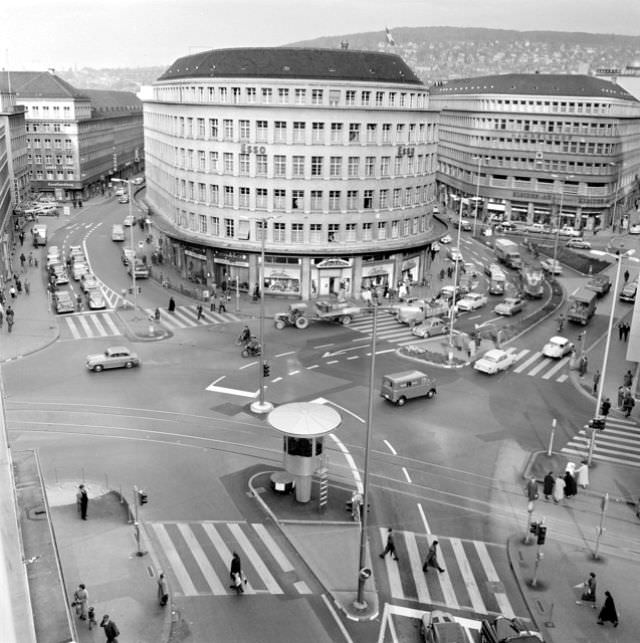
#27 The modern Jelmoli department store in Zürich, 1959
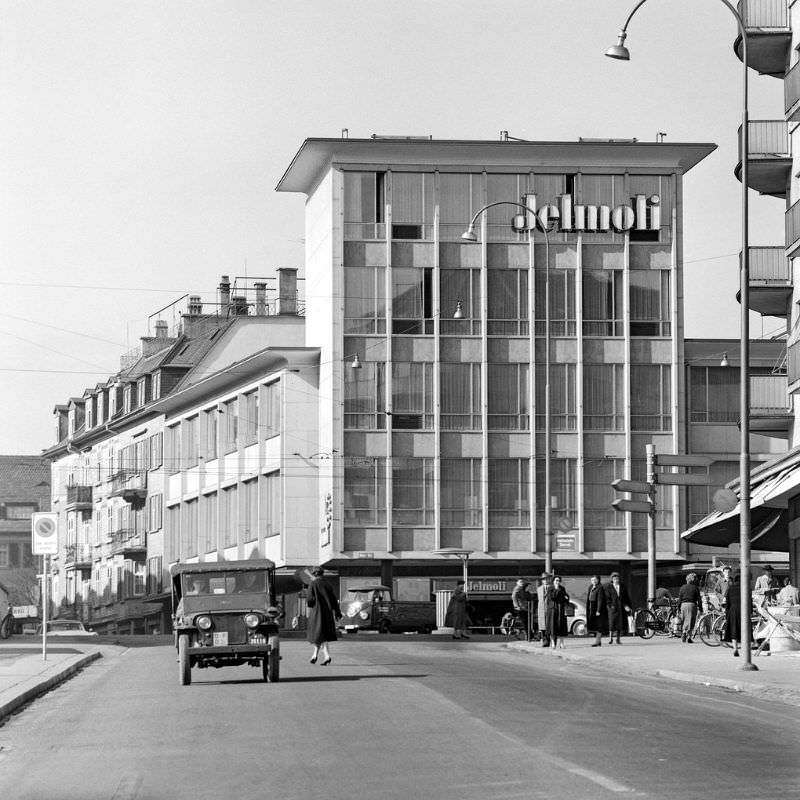
#28 Zürich station square, Bahnhofstrasse, circa 1950
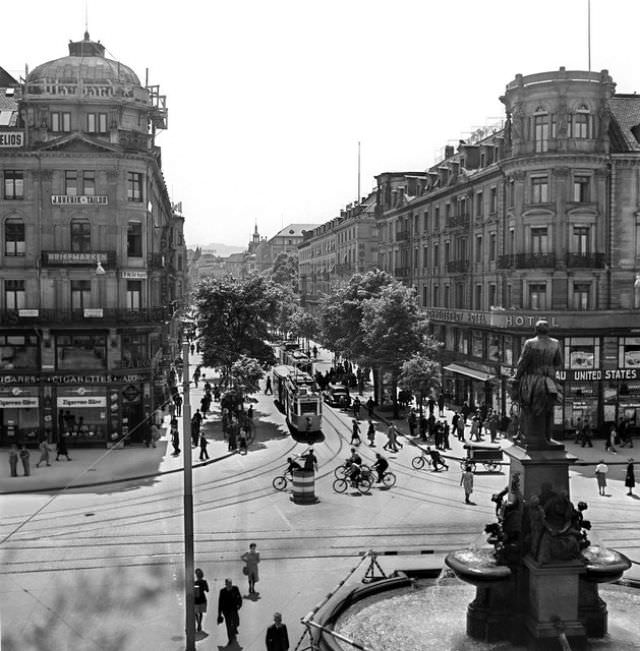
#29 Zurich station square, circa 1950
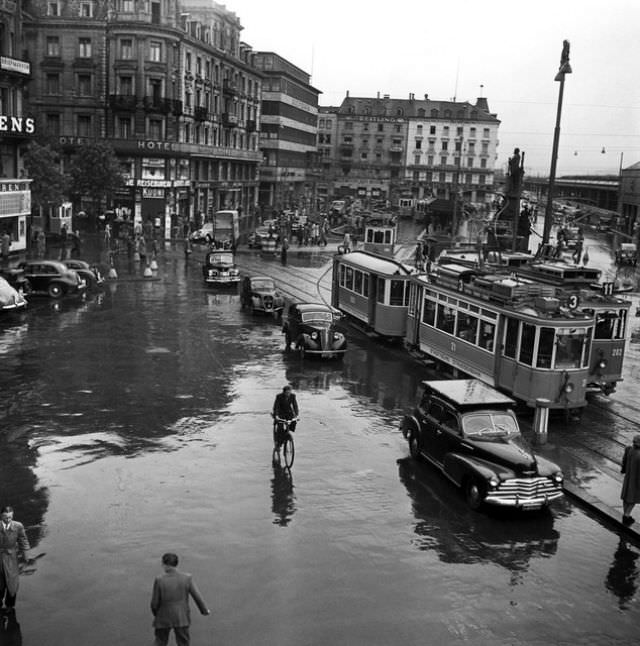
#30 Bahnhofstrasse corner Uraniastrasse, today Modissa House, Zürich, 1956
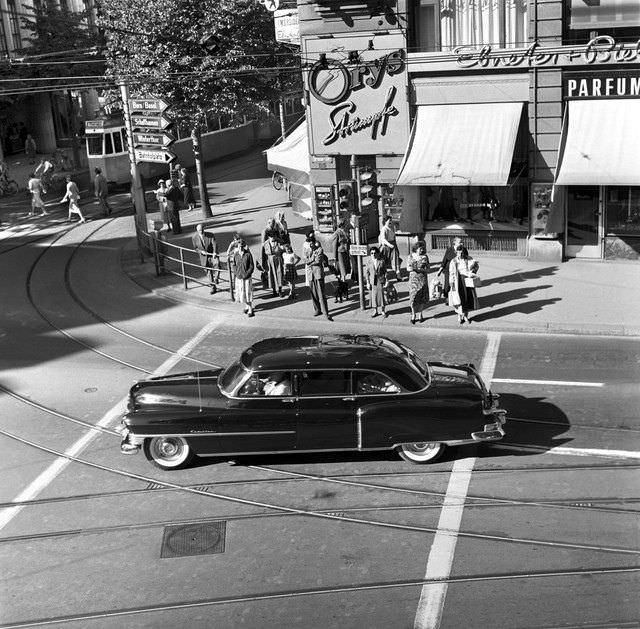
#31 Bahnhofstrasse, Zürich, circa 1950
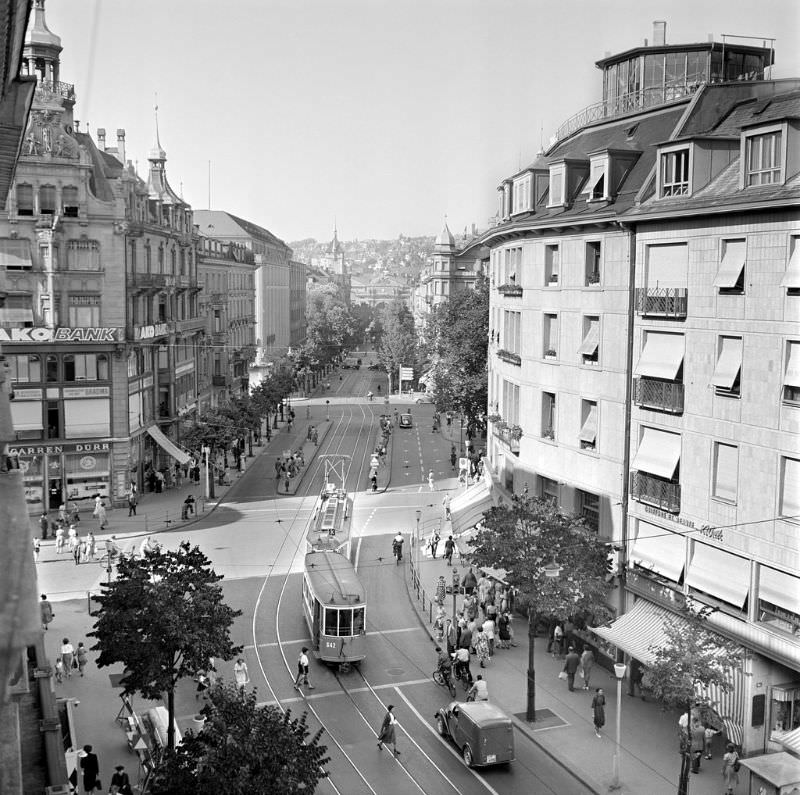
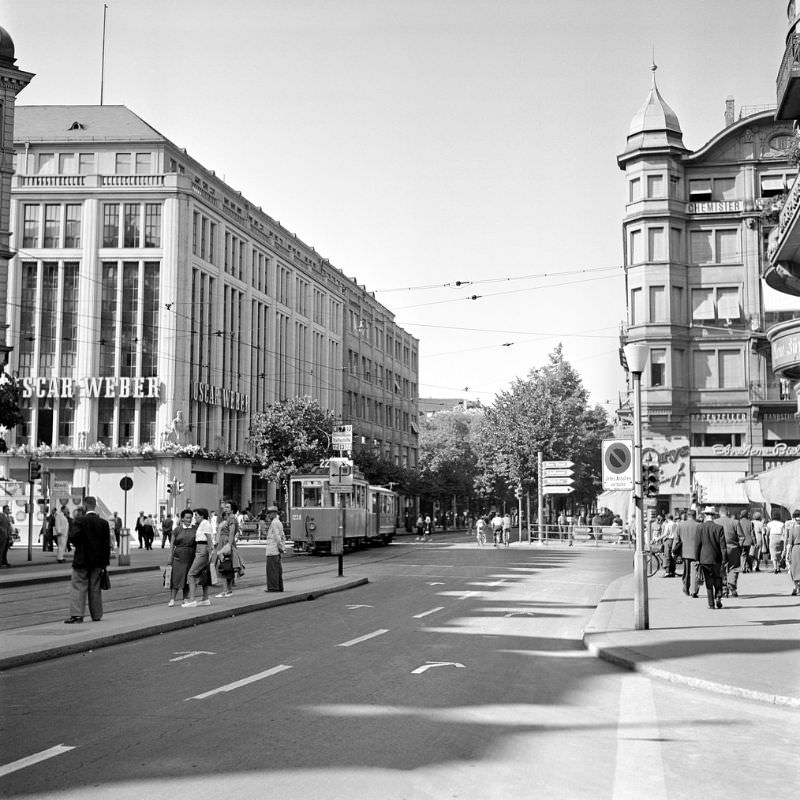
#32 Oscar Weber department store, Bahnhofstrasse, Zürich, circa 1950
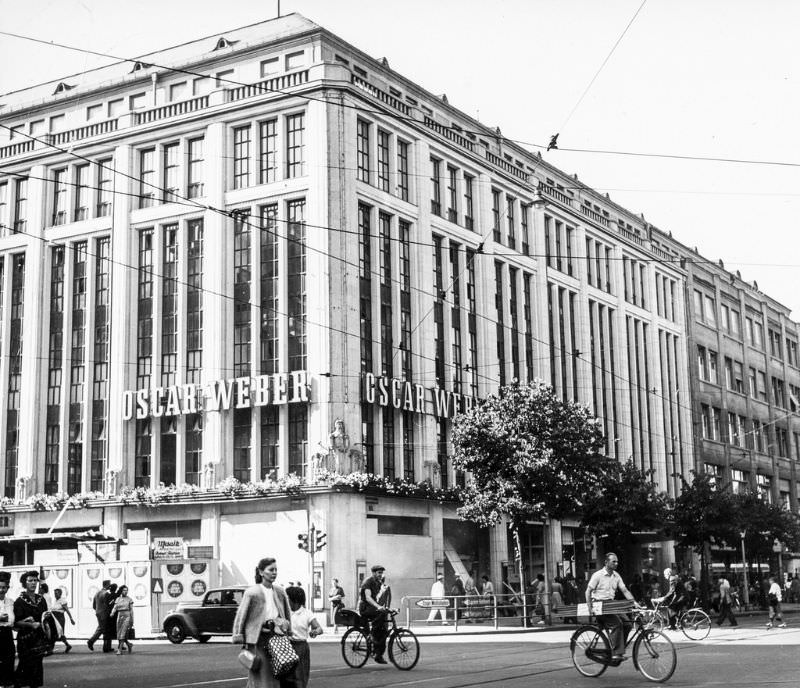
#33 Oscar Weber department store, Bahnhofstrasse, Zürich, circa 1950
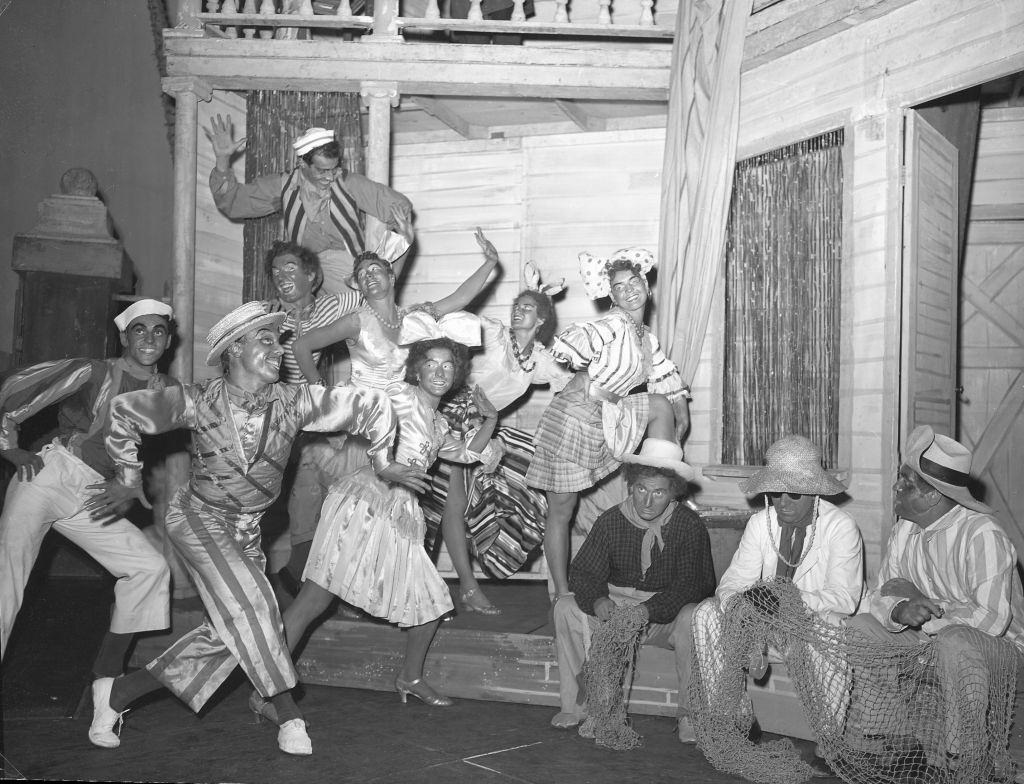
#34 Ballet “Porgy and Bess” at Opernhaus Zurich, 1950.
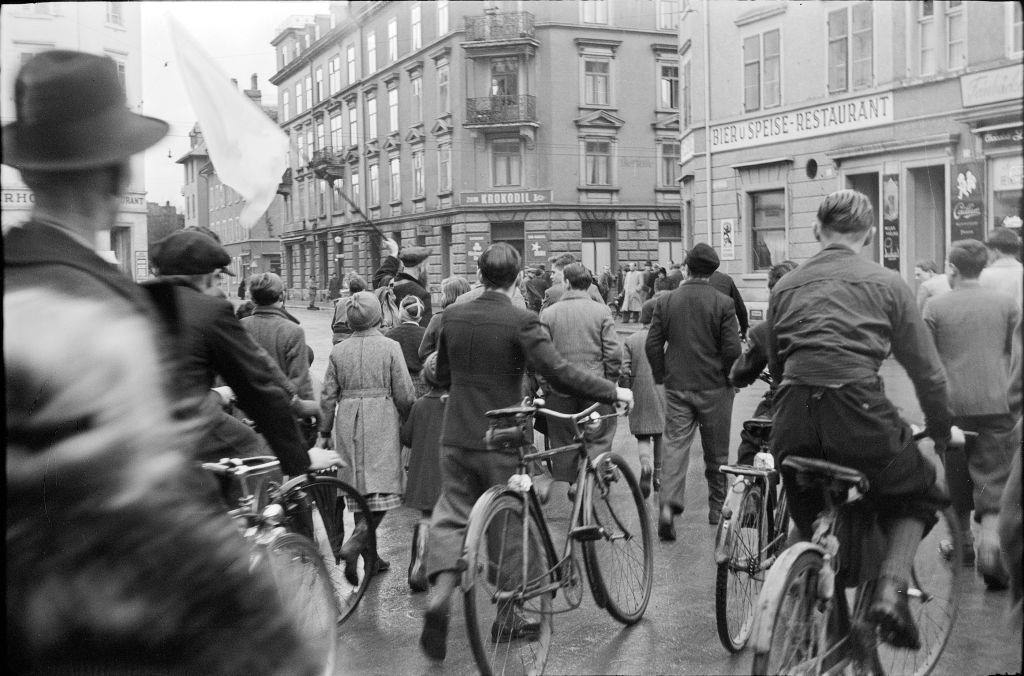
#35 Pacifist Max Daetwyler near the Zurich ‘Volkshaus”, 1950.
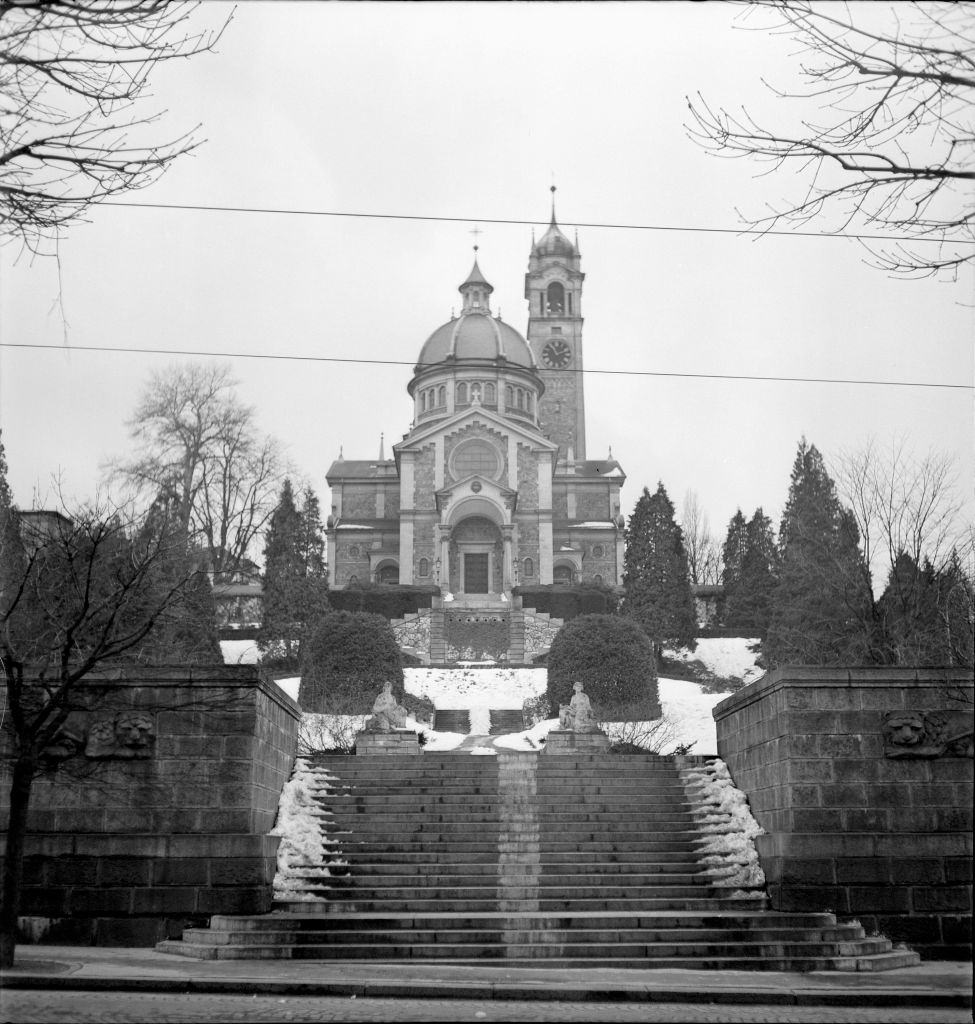
#36 Zurich Enge Church, 1950.
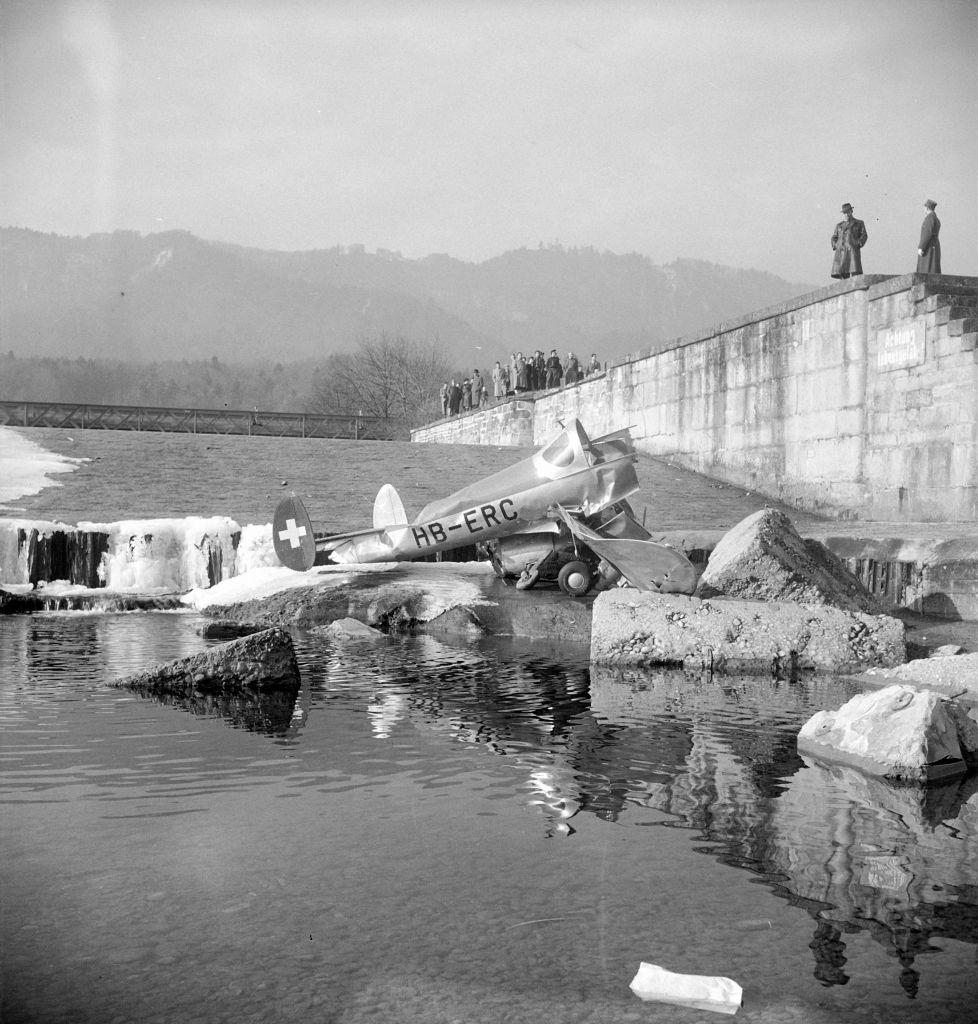
#37 Sports airplane crash into the river Sihl, Allmend Zurich 1950.
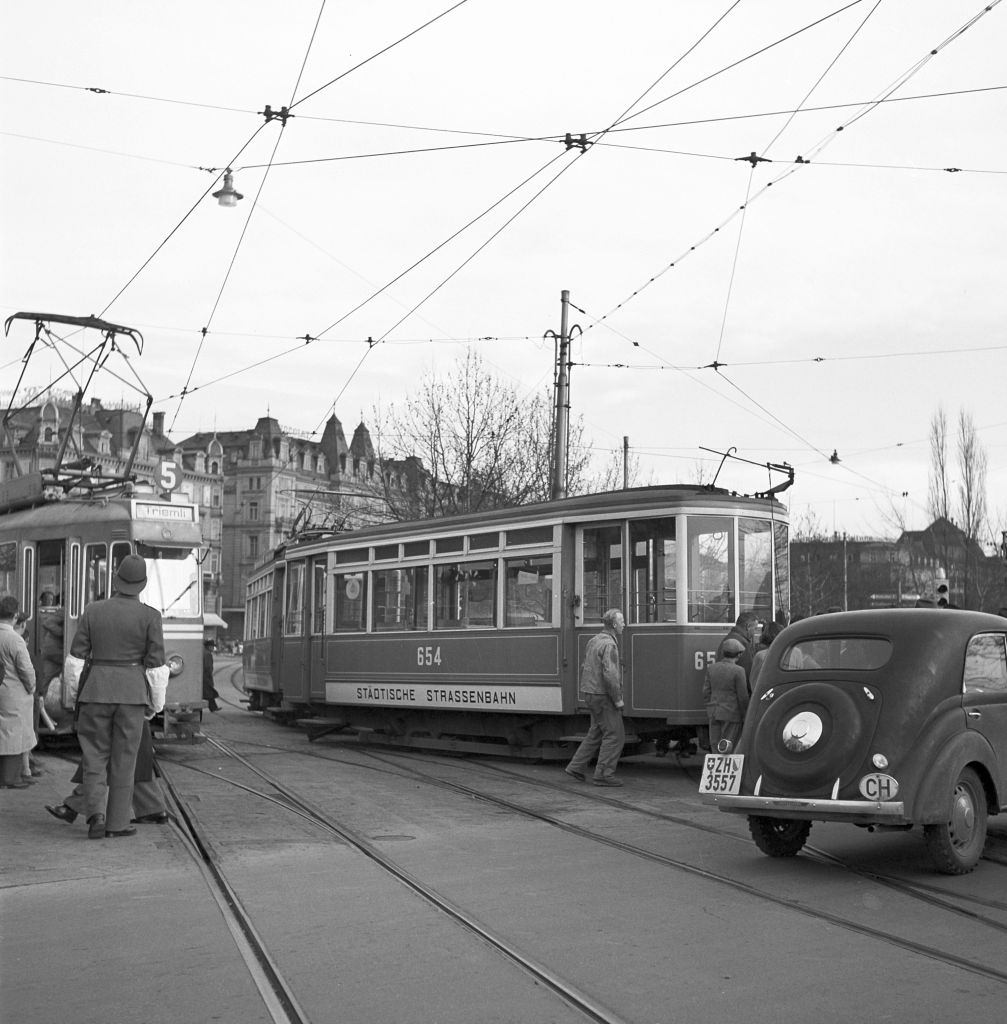
#38 Tramway Accident in Zurich 1950
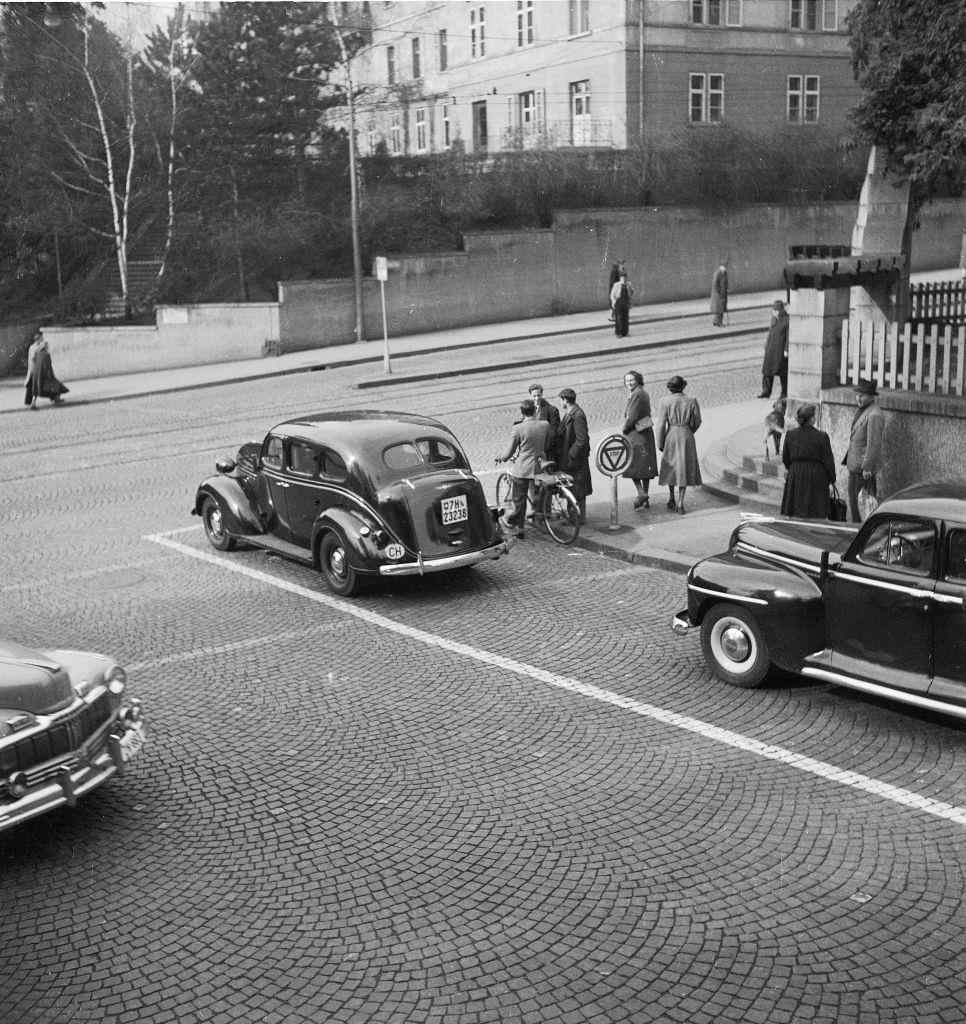
#39 Cars waiting, halt sign, Zurich 1950
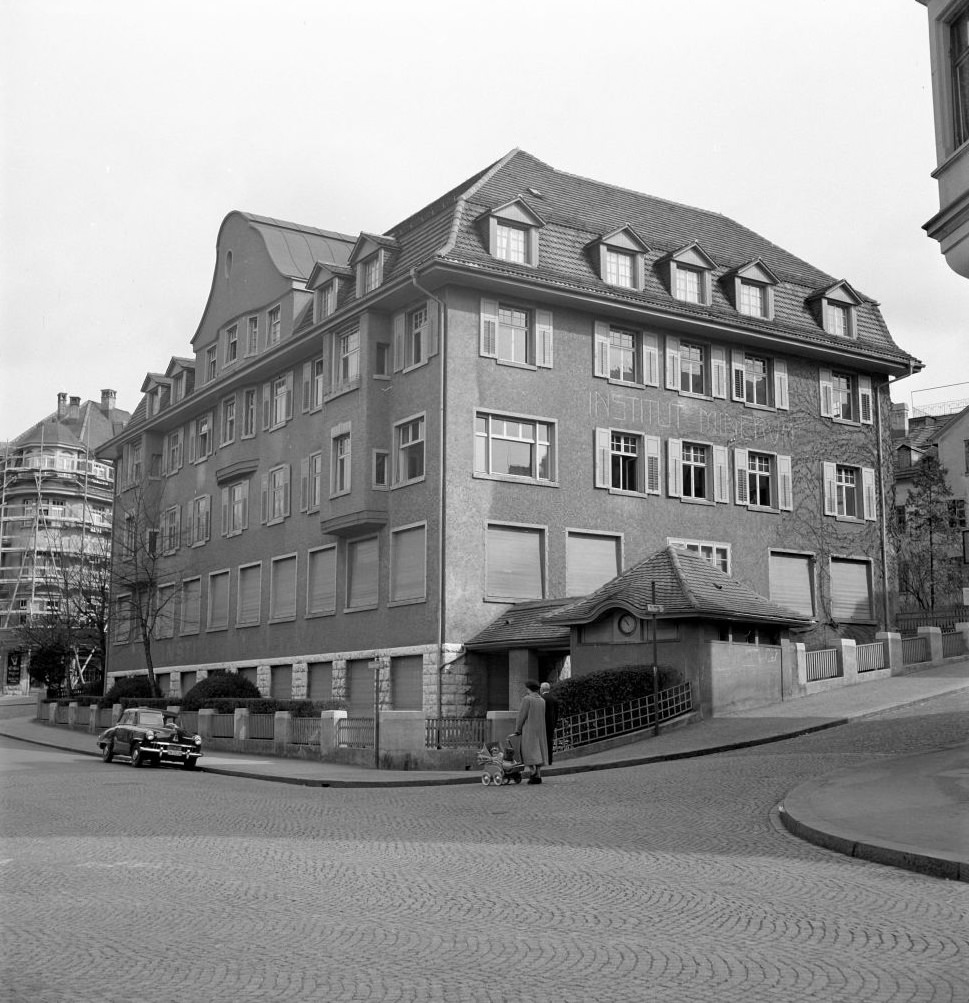
#40 Private school Minerva, Zürich 1950.
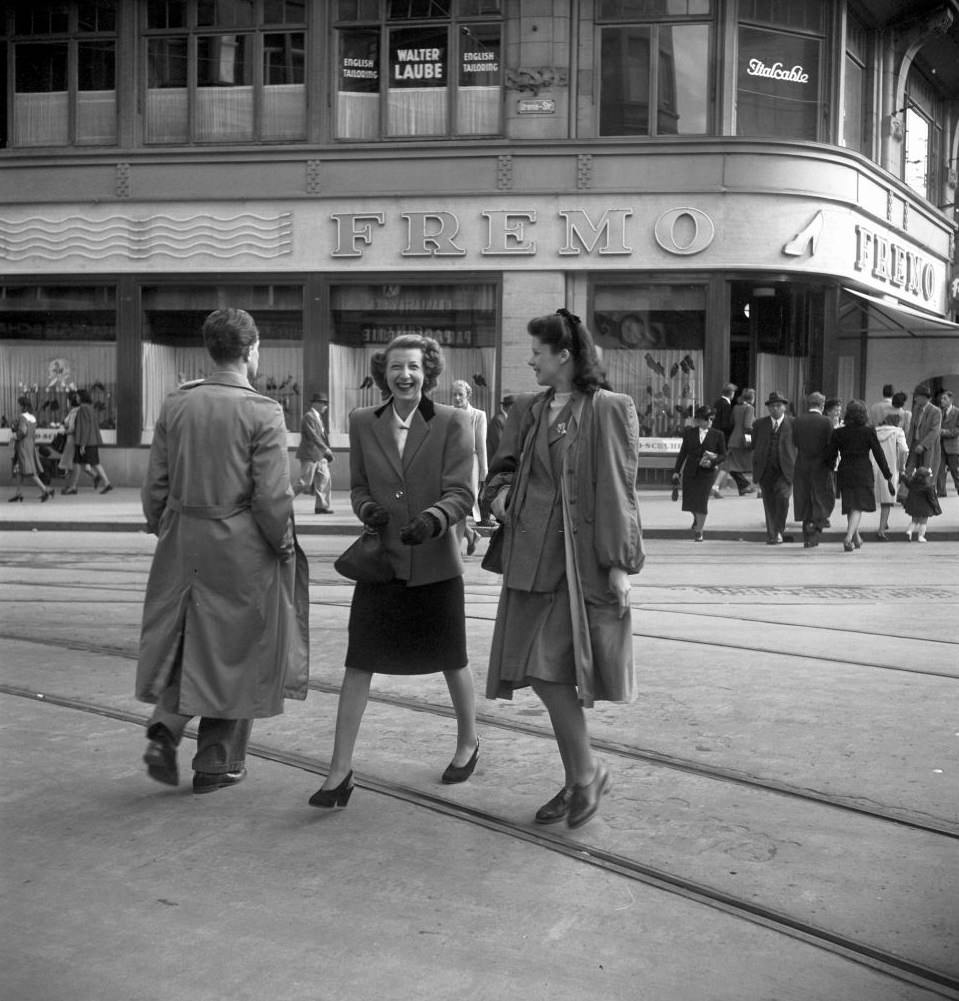
#41 Women walking on a street in Zurich, 1950.
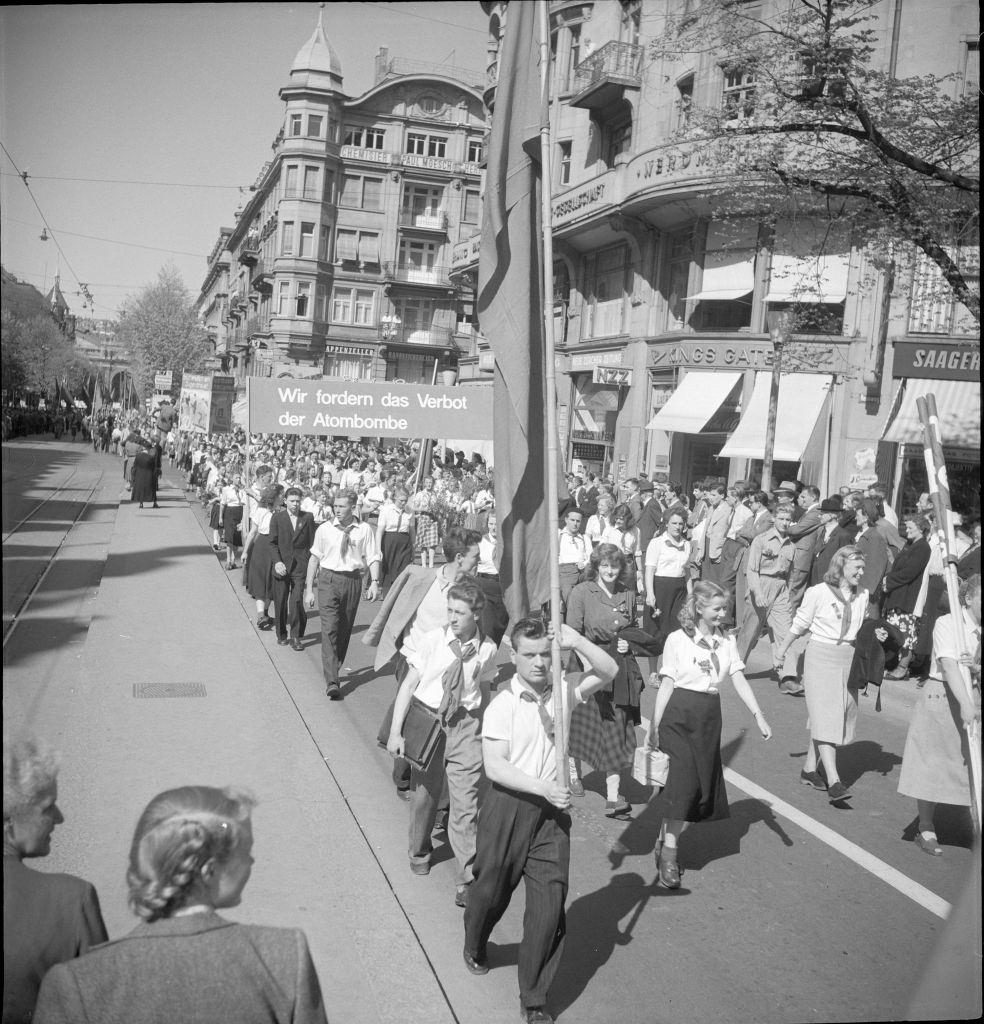
#42 Youth at May Day rallies in Zurich 1950.
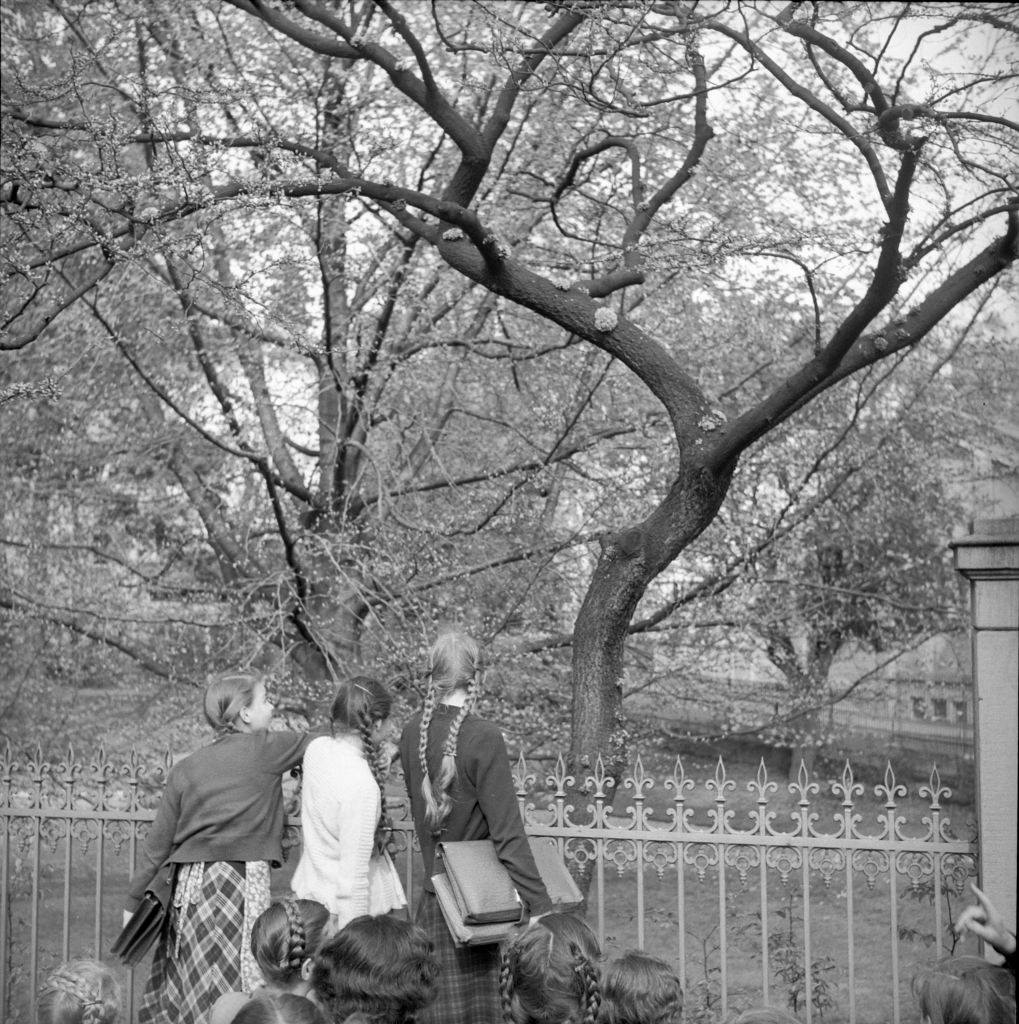
#43 Judas tree at Hirschengraben, Zurich. 1950
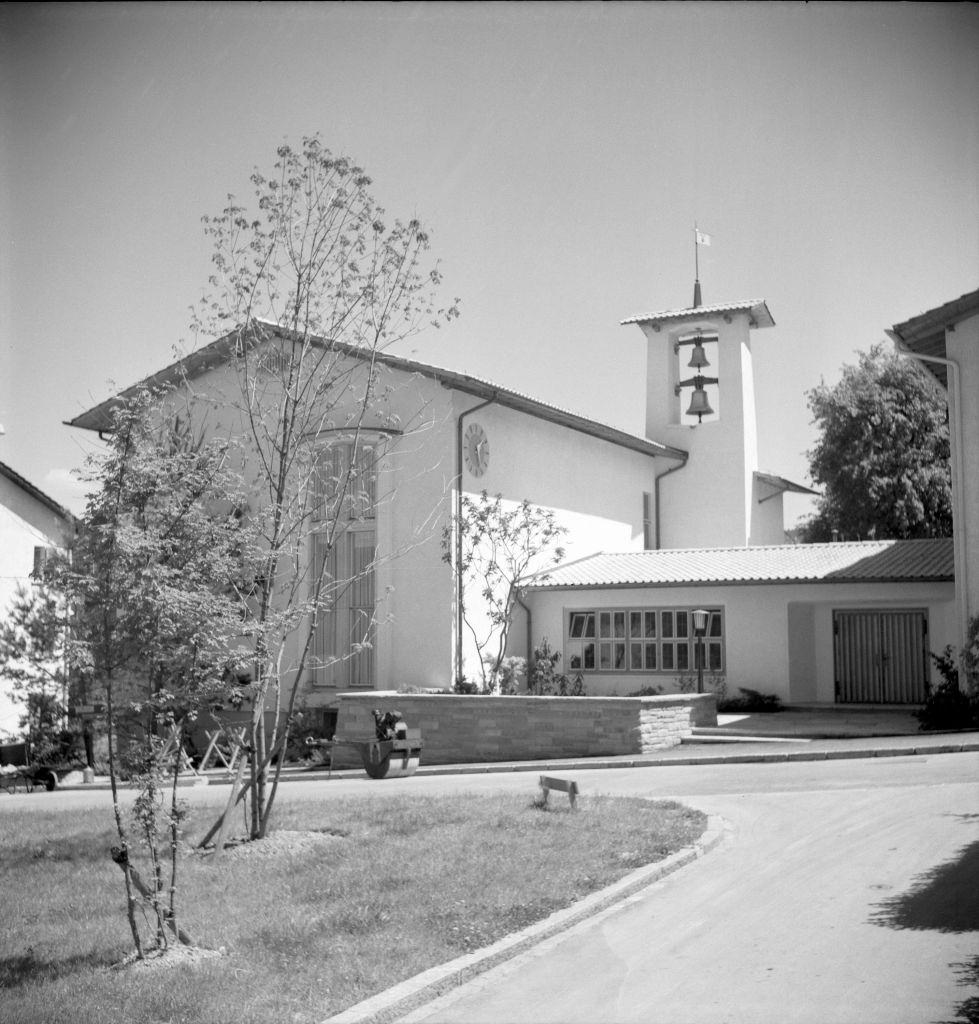
#44 Matthew Church on Wehntalerstrasse Zurich, 1951.
#45 Reception of the swiss cyclists from the Giro d’Italia, Zurich 1950
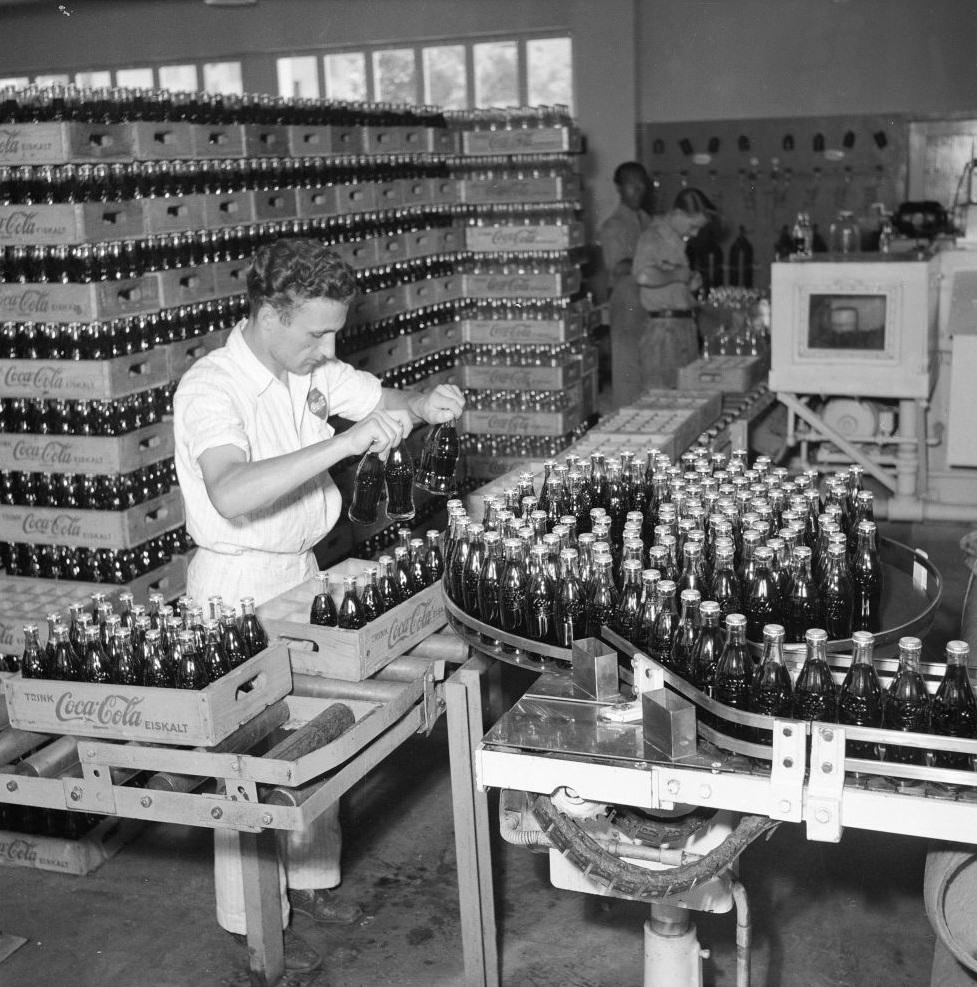
#46 Coca-Cola filling plant in Zurich, 1951.
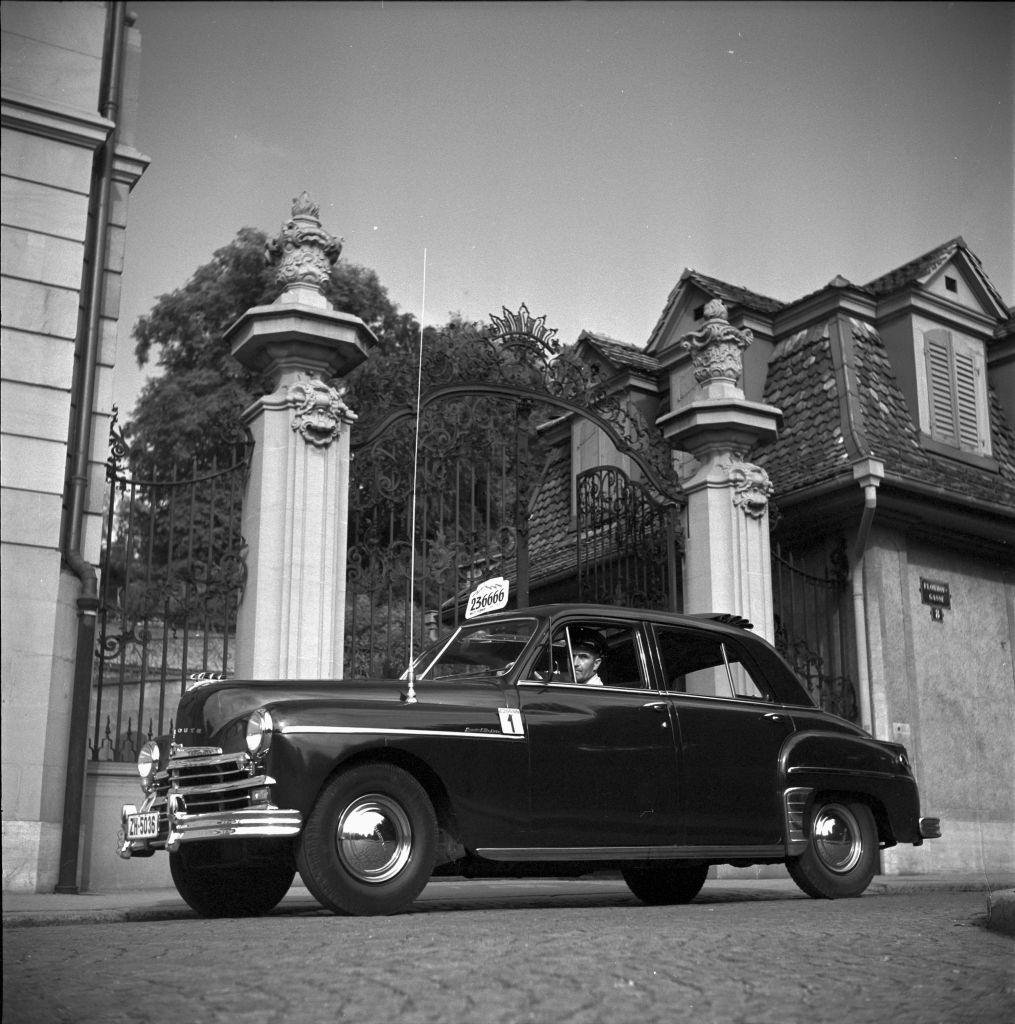
#47 Welti-Furrer Taxi Zurich, 1950.
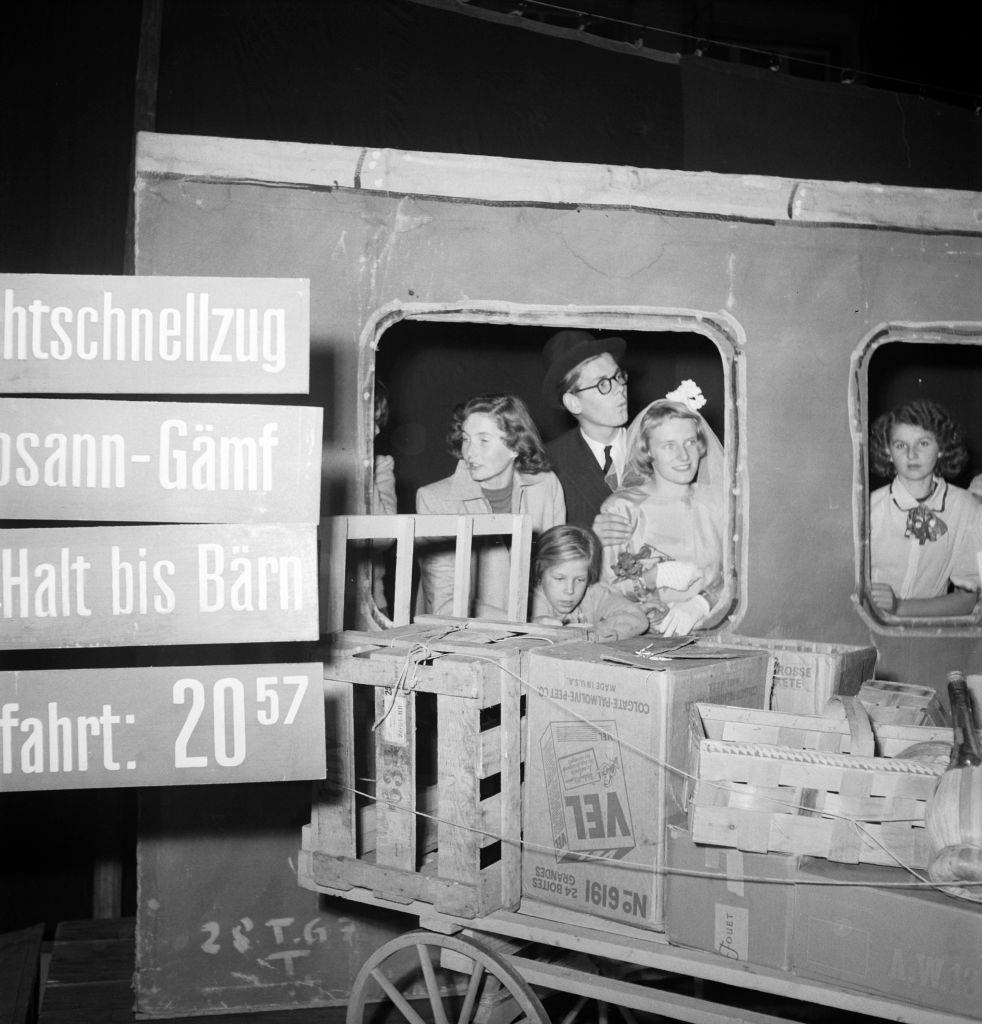
#48 Railway theatre in Zurich, 1950.
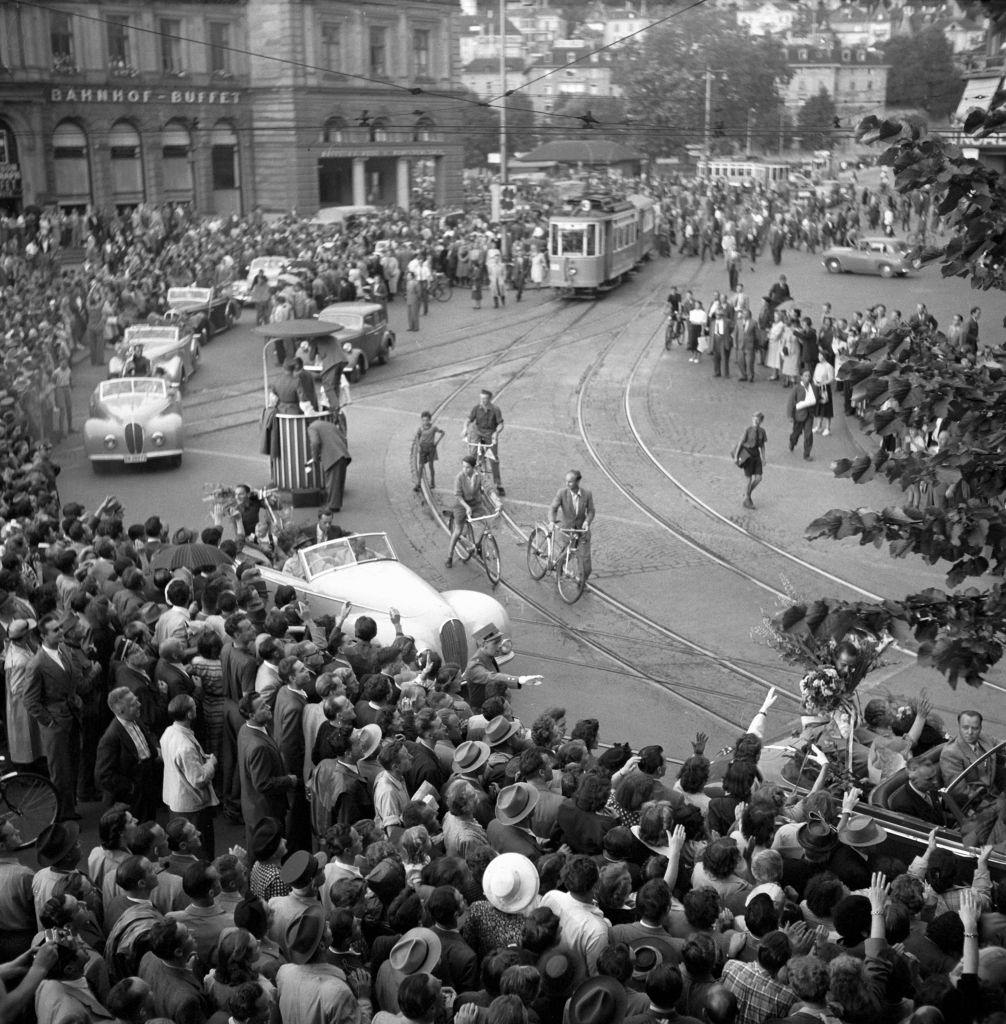
#49 Bellevue Zurich, 1950
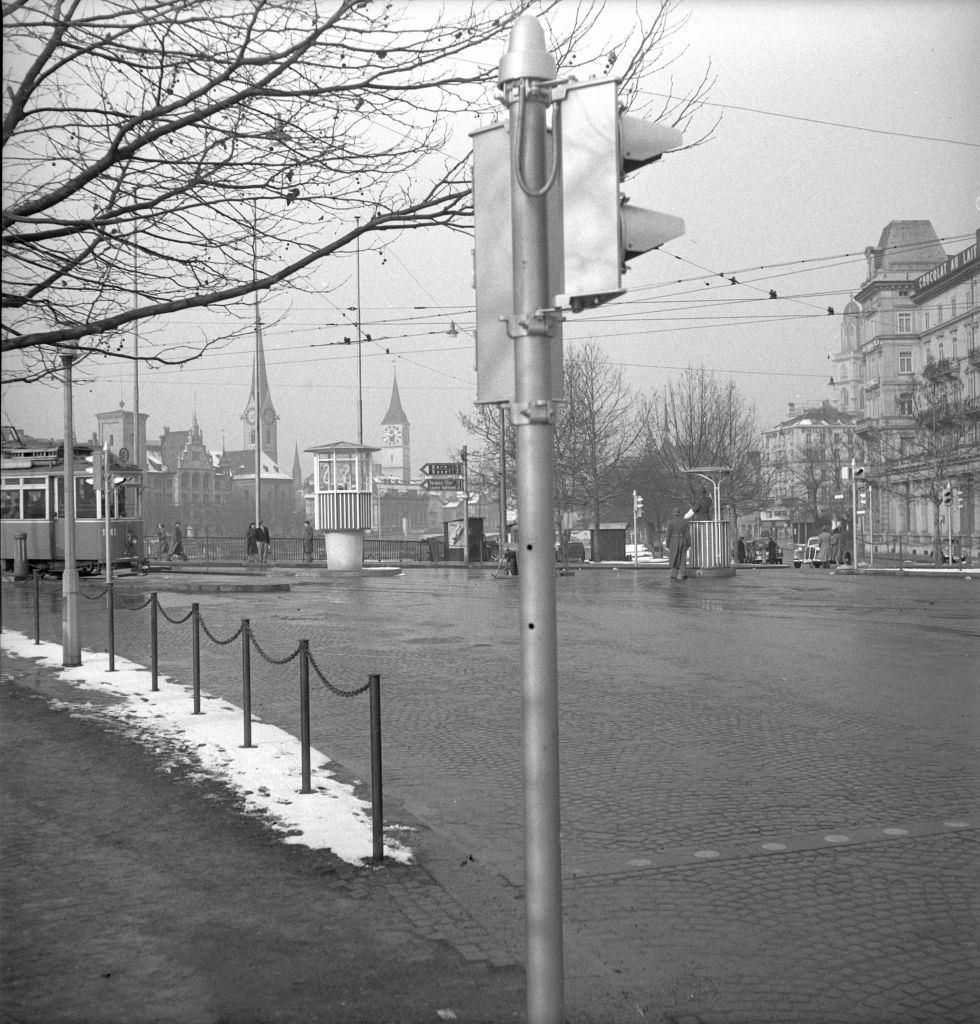
#50 Kongresshaus Zürich, 1950.
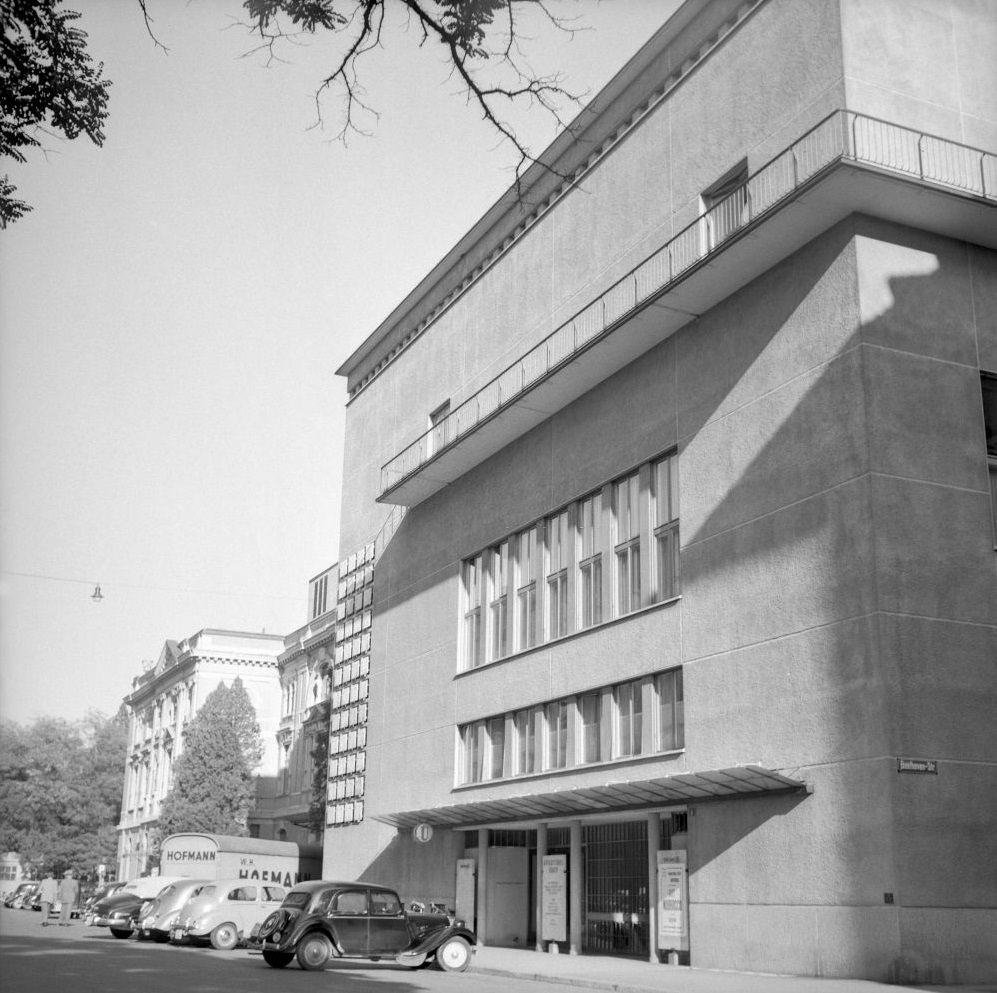
#51 Hirschengraben, Zurich, 1950
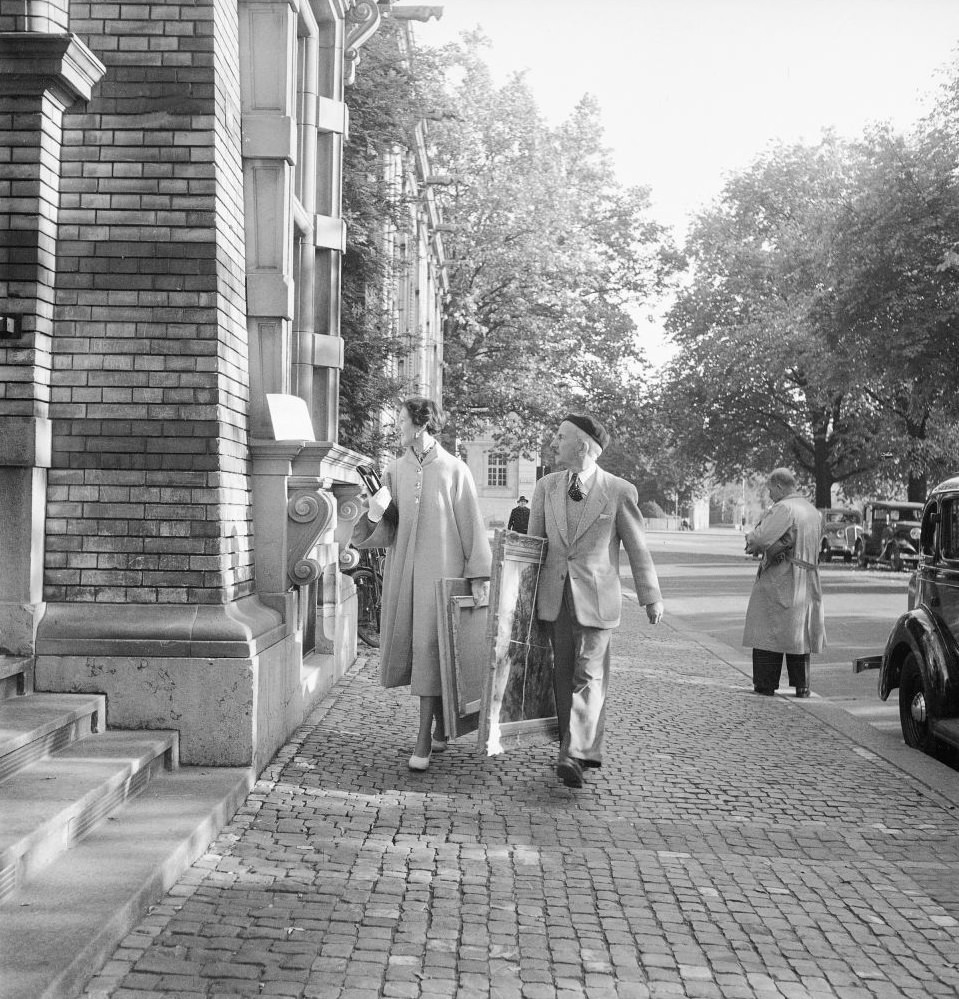
#52 Salvation army singing in christmas time Zurich, 1950.
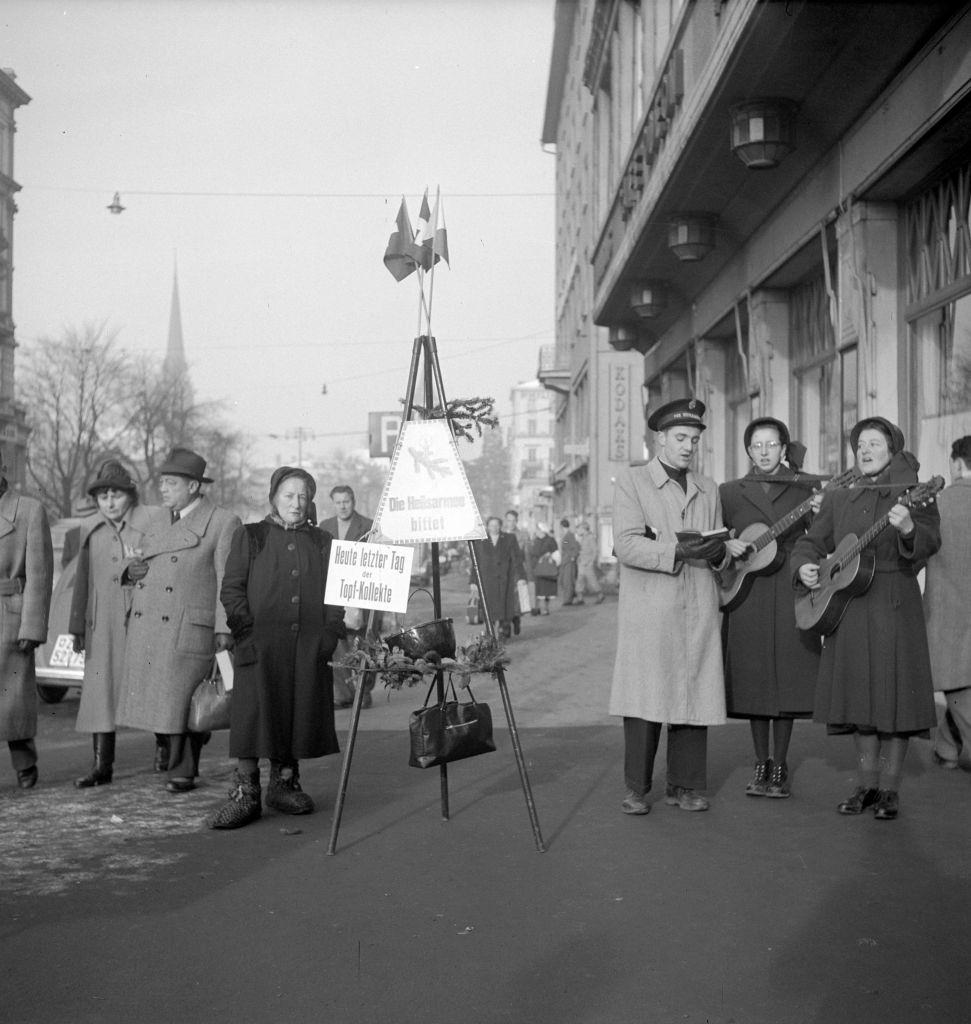
#53 Bahnhofquai, Zürich 1951
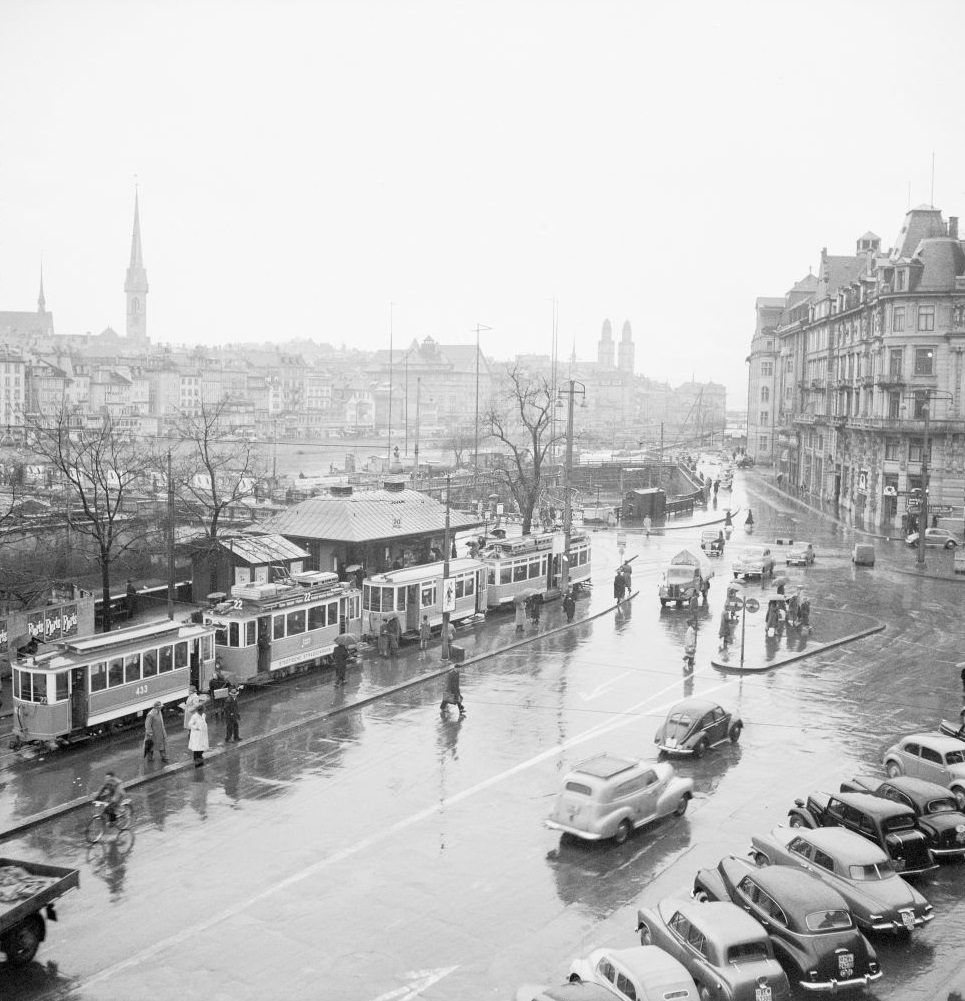
#54 Parking place at the Walche, Waisenhausplatz, Bahnhofquai, Zürich 1952
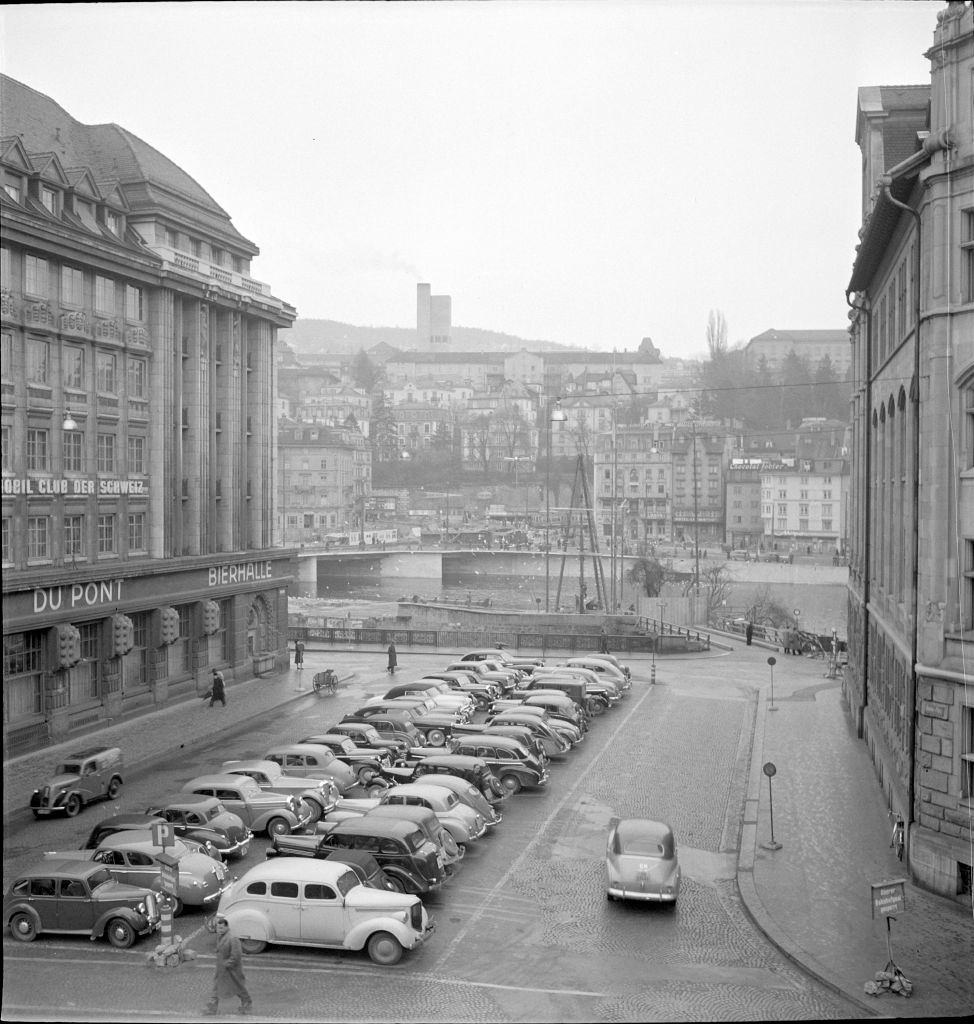
#55 Funicular Rigiviertel, Zurich, 1951.
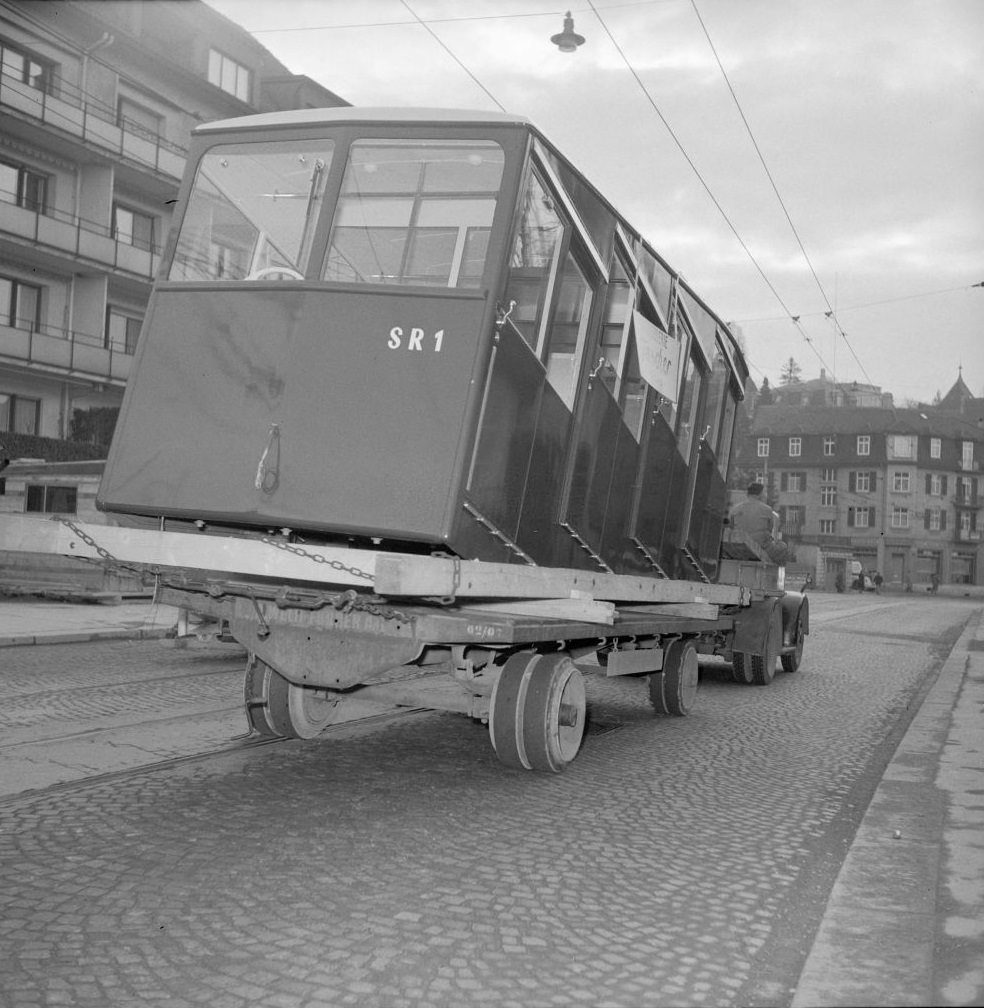
#56 Culmannstrasse, Zurich, 1951.
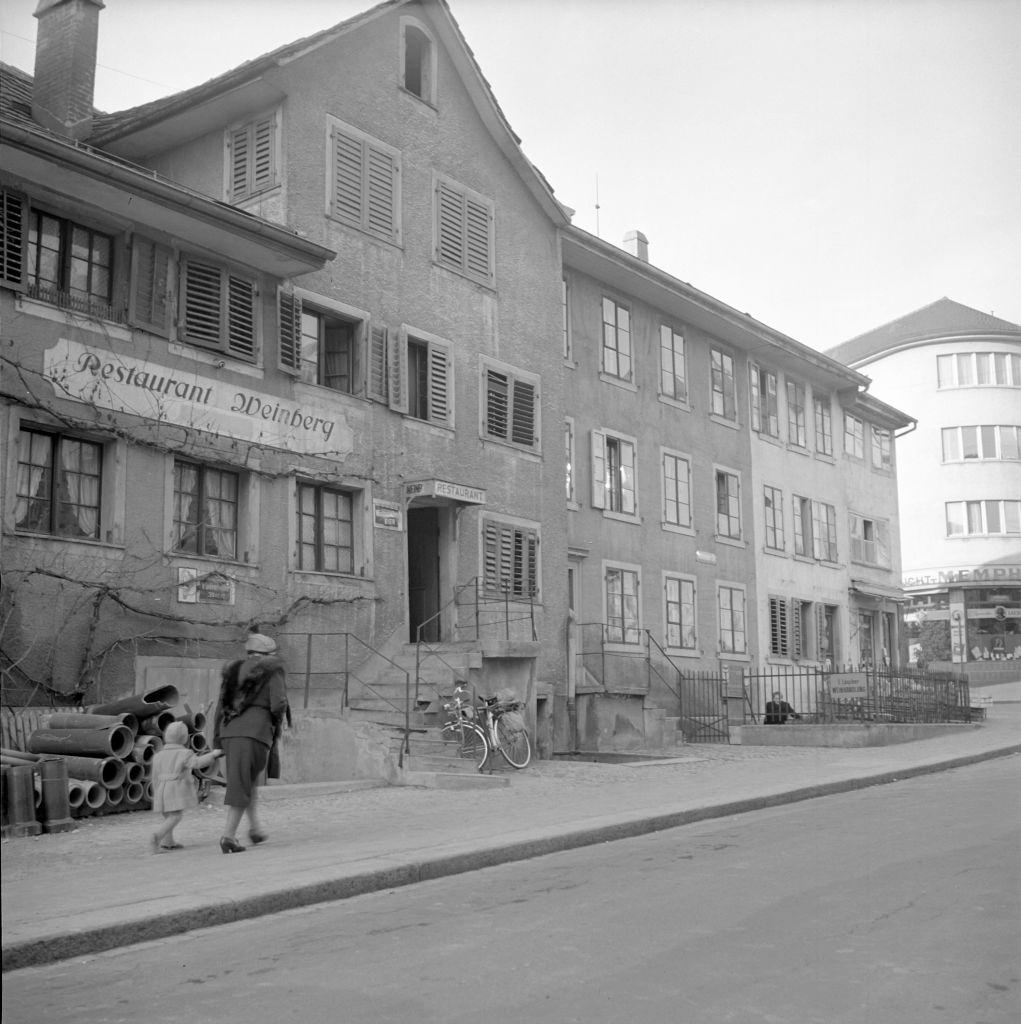
#57 Schipfe in Zürich, 1951
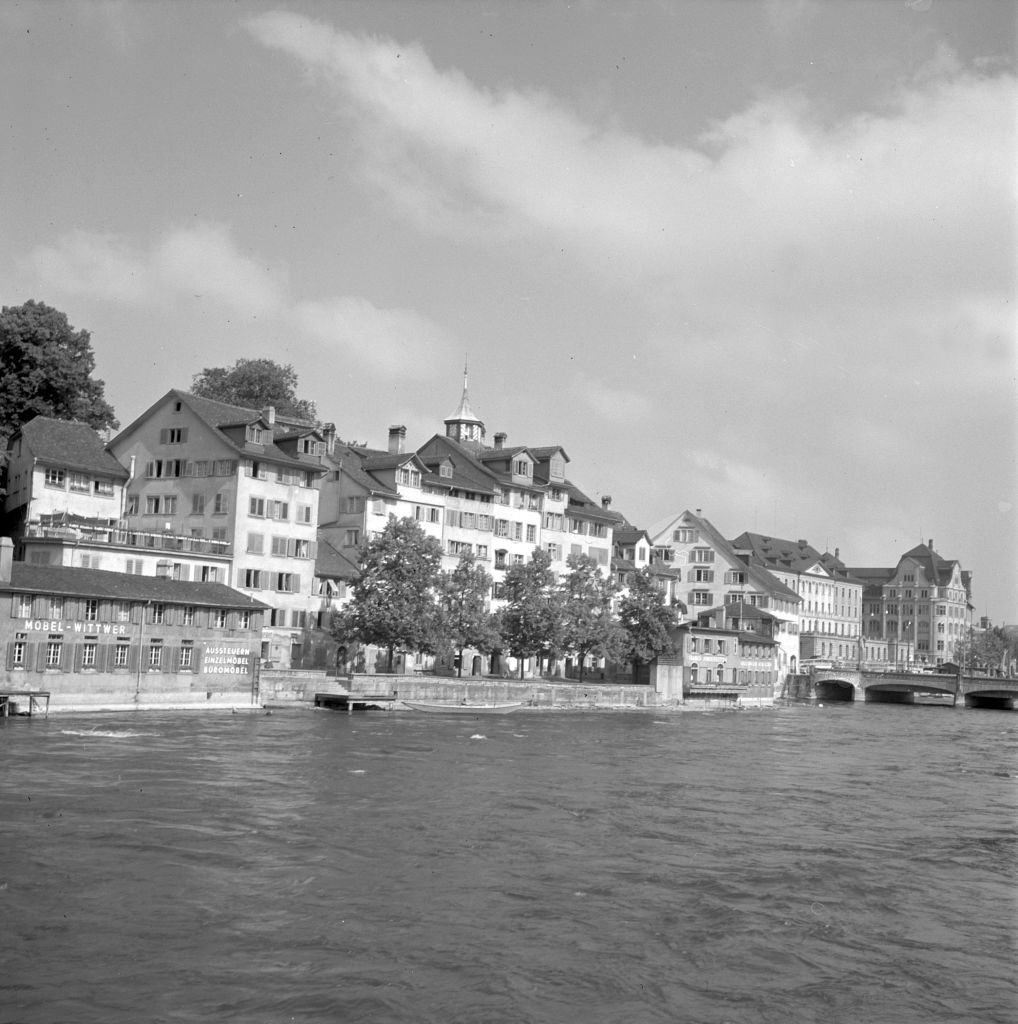
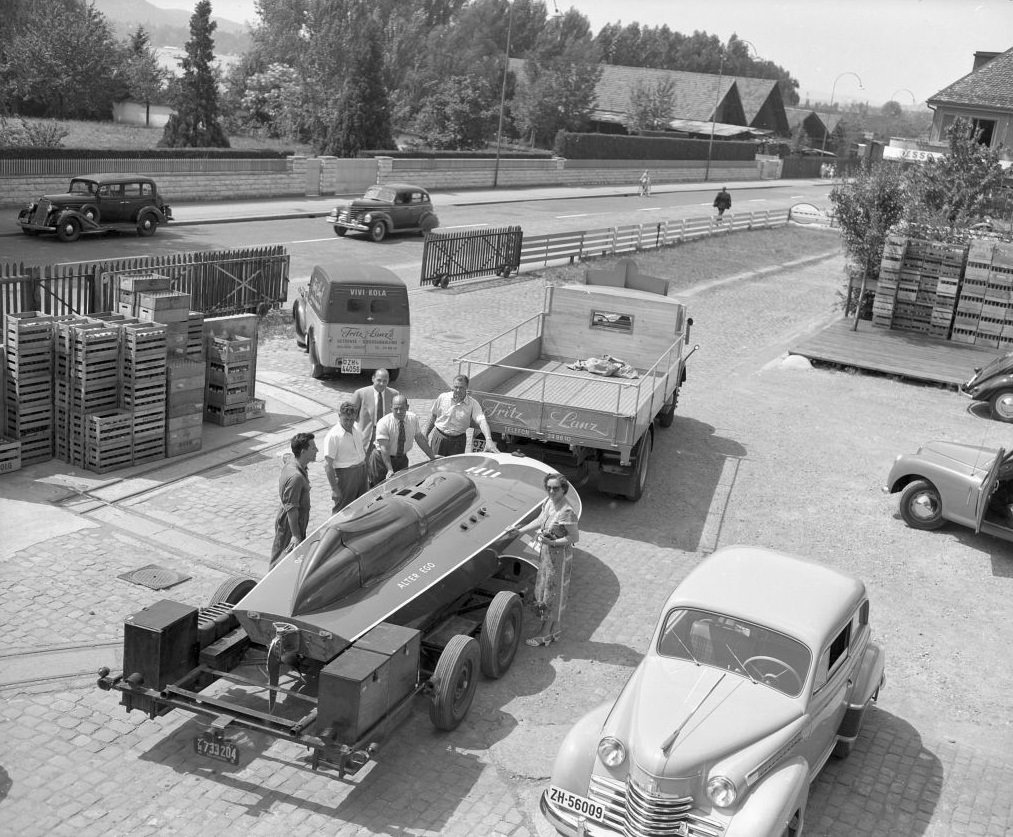
#58 Grand Prix Switzerland, Zurich 1951.
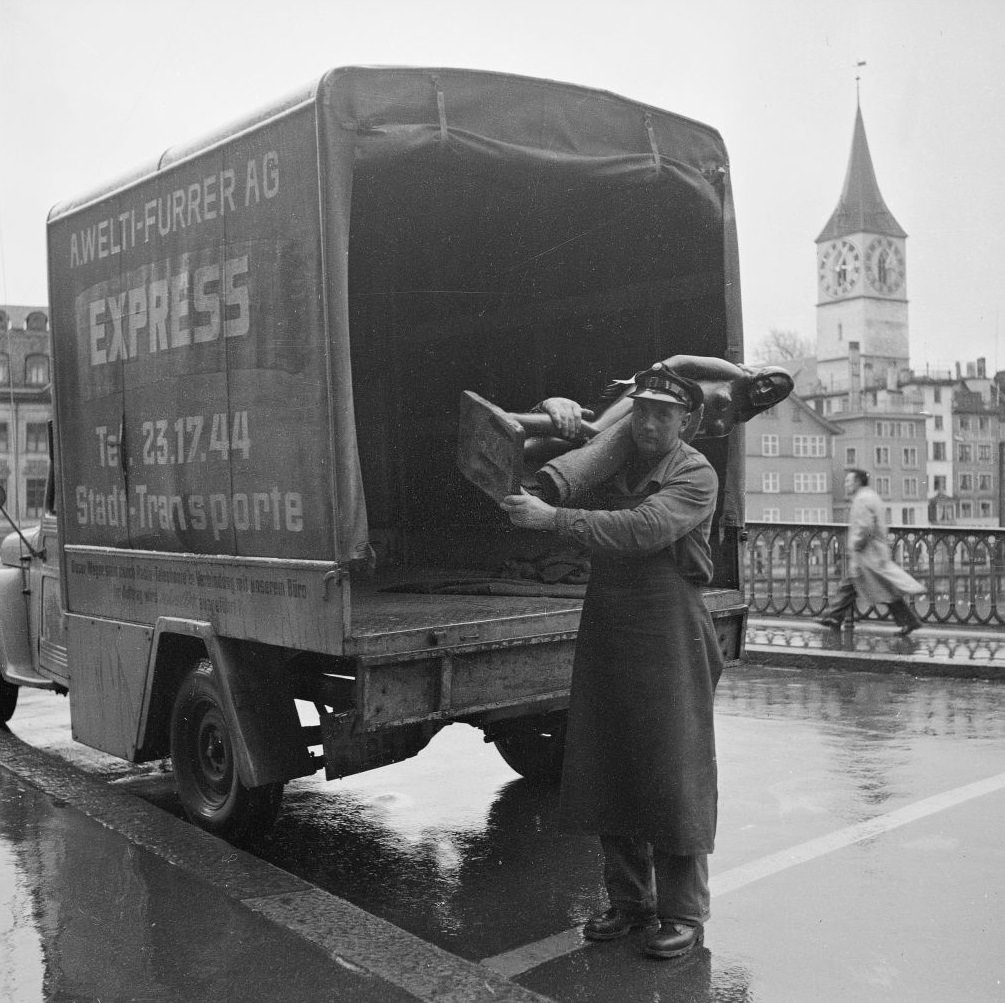
#59 Installing an exhibition in Helmhaus, Zurich, 1951.
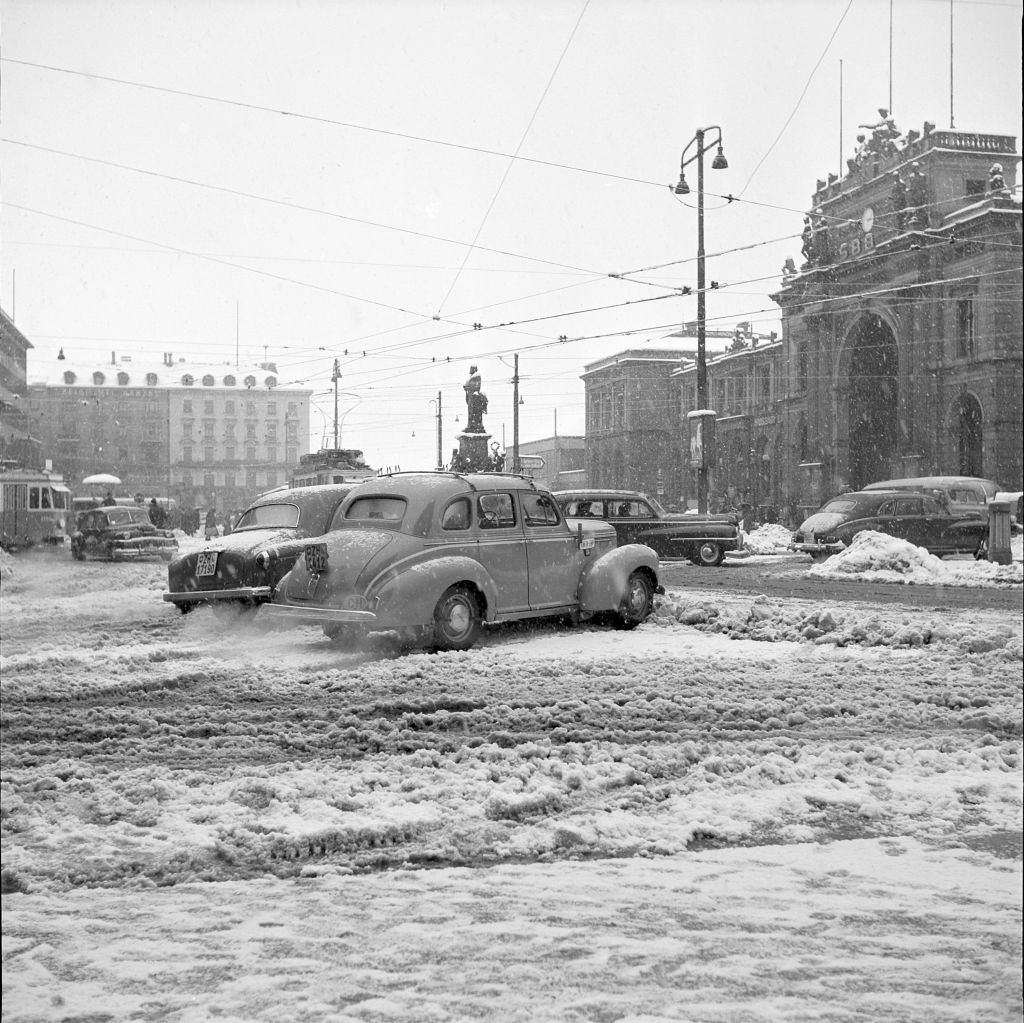
#60 Hauptbahnhof covered in snow, 1952.
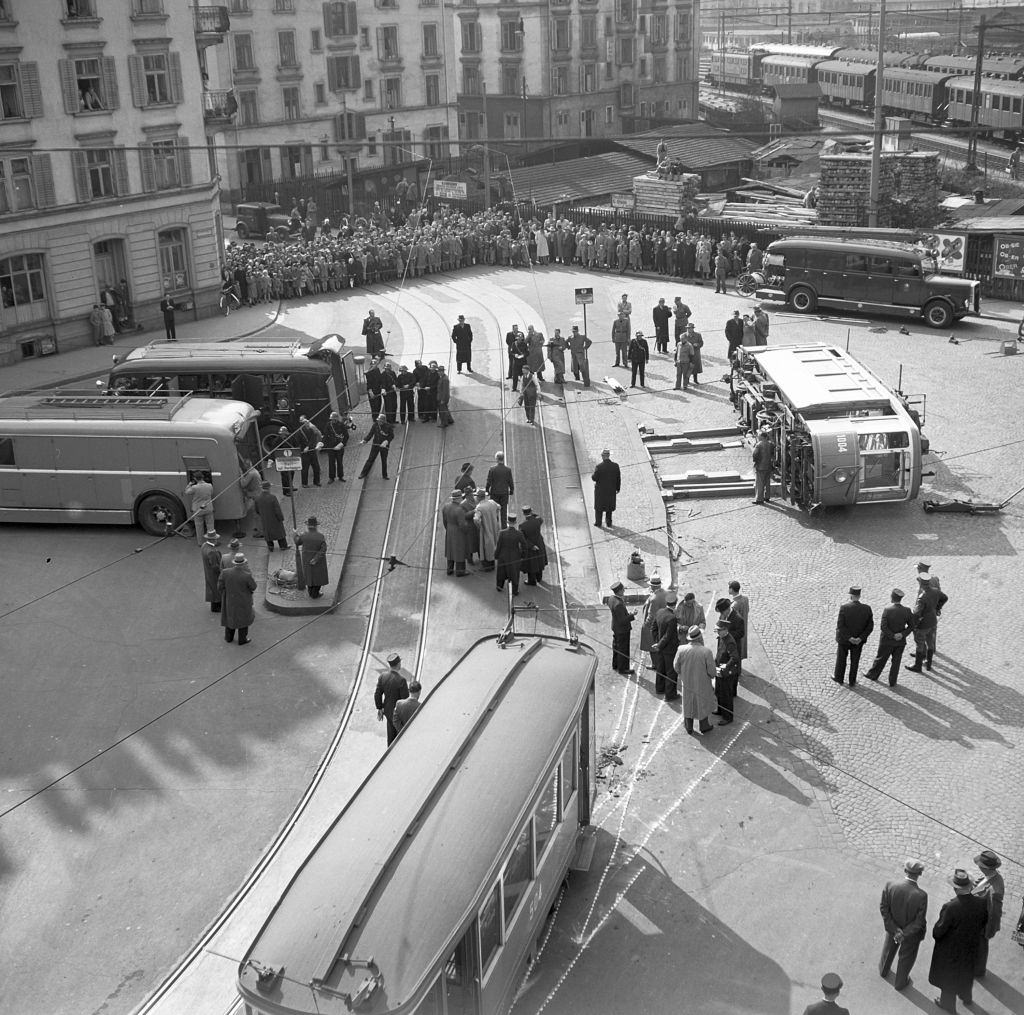
#61 Tramway Accident in Zurich, 1952.
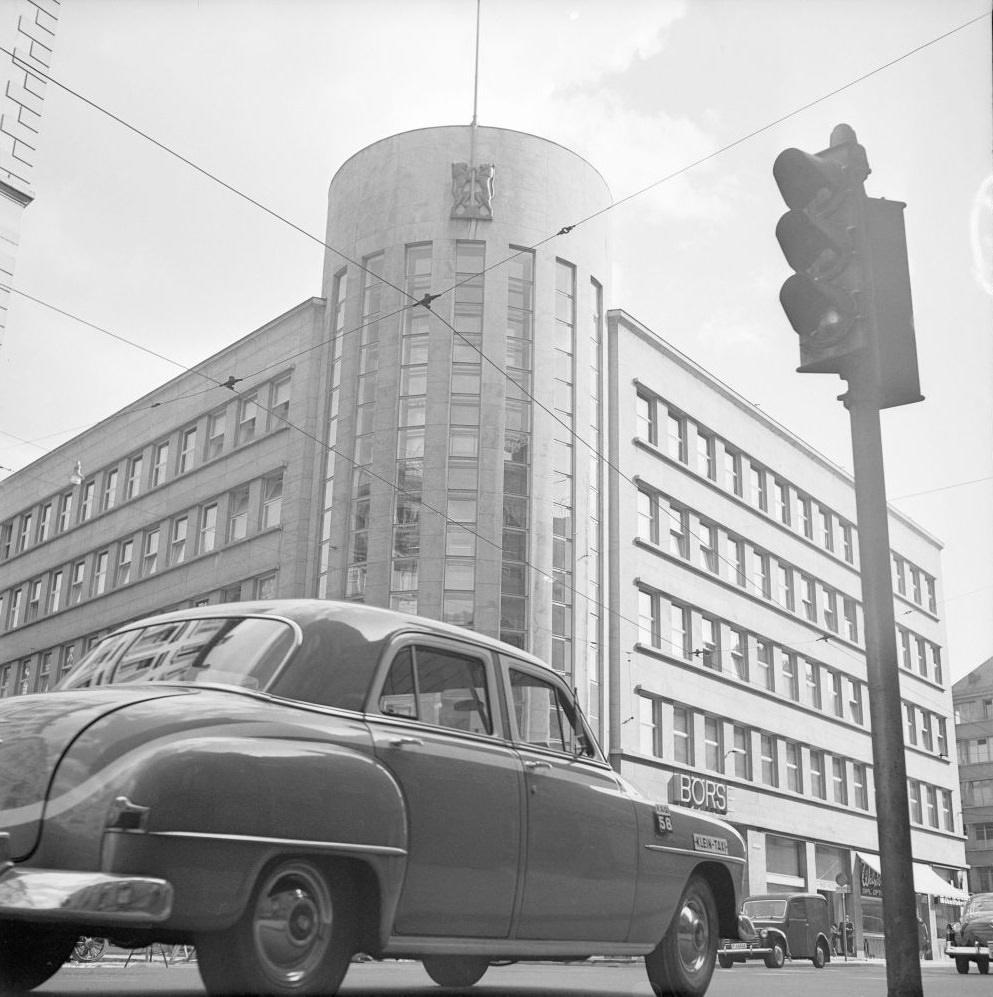
#62 Zurich Stock Exchange, 1952.
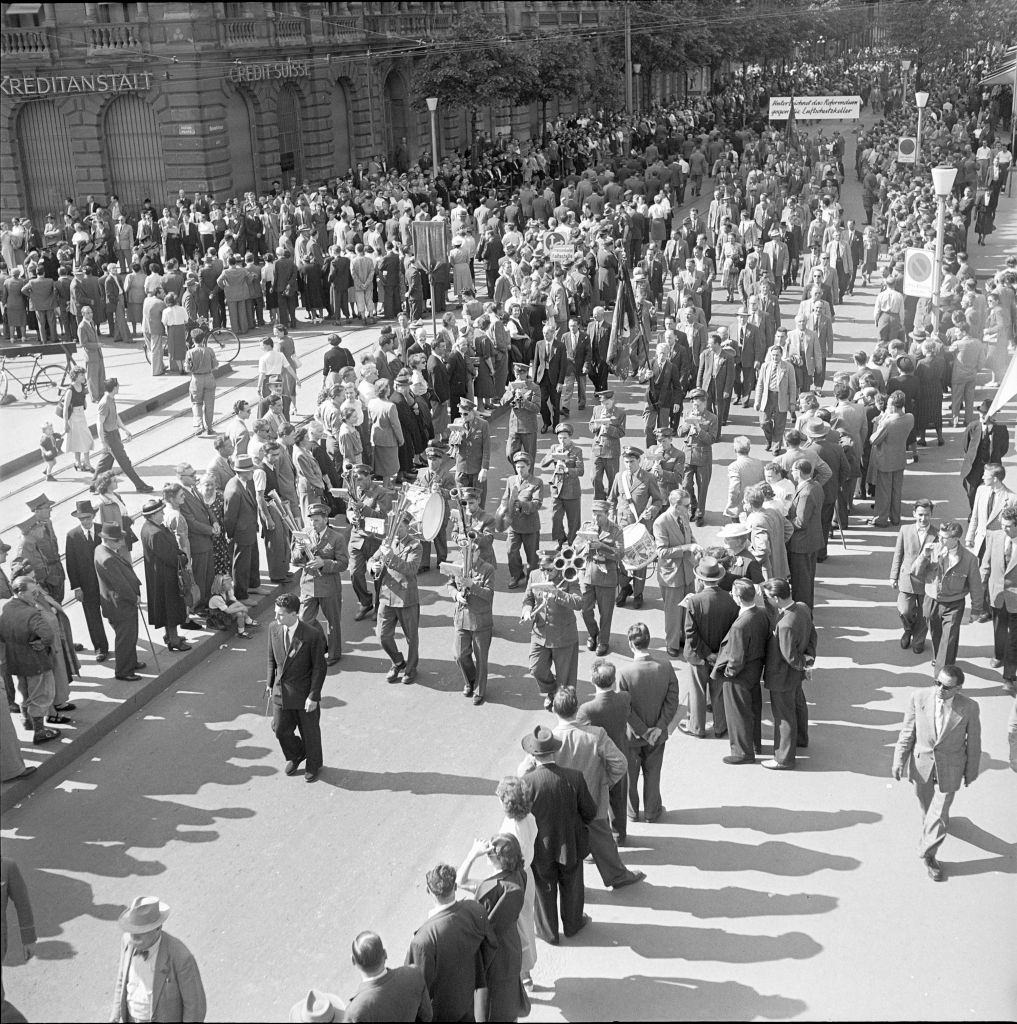
#63 Shawm orchestra at May Day demonstration in Zurich, 1952.
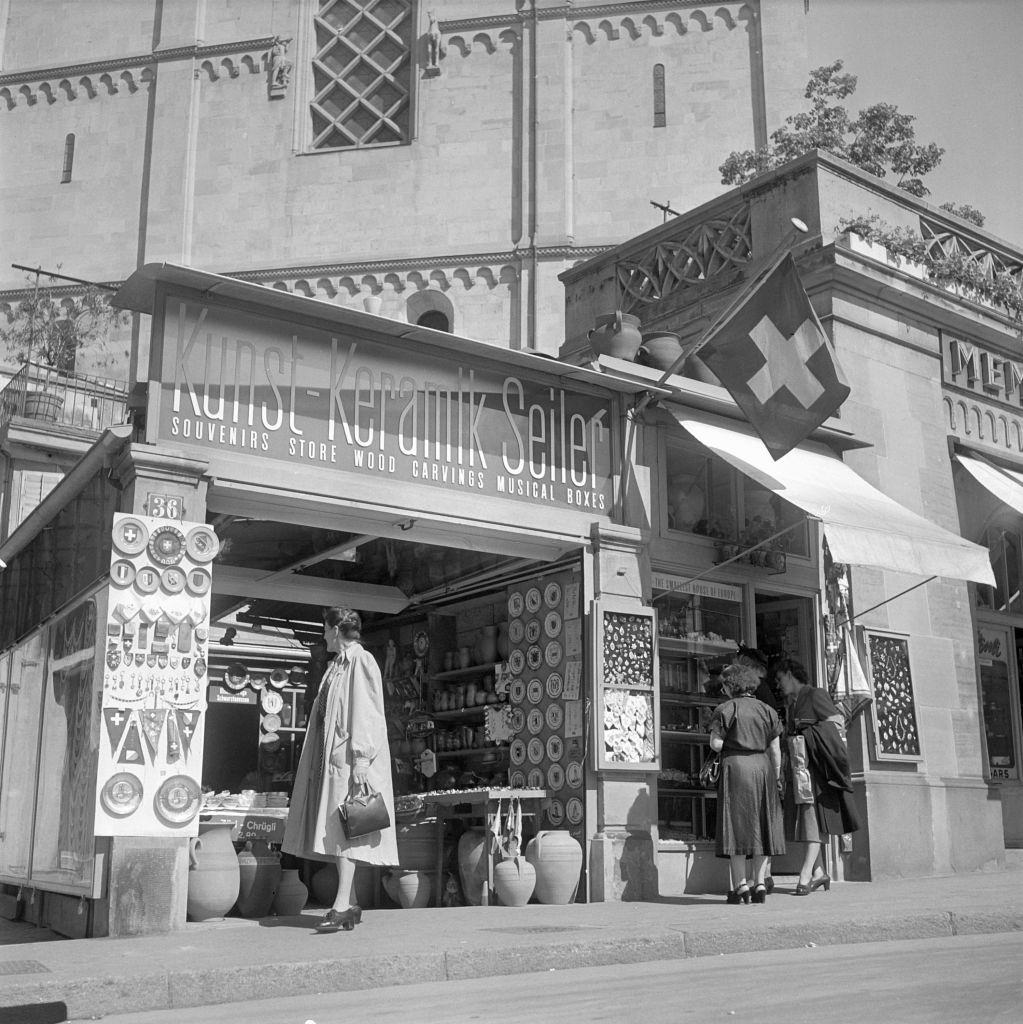
#64 Souvenir shop at the Limmatquai in Zürich, 1952.
#65 At the Bahnhofstrasse in Zürich, 1952.
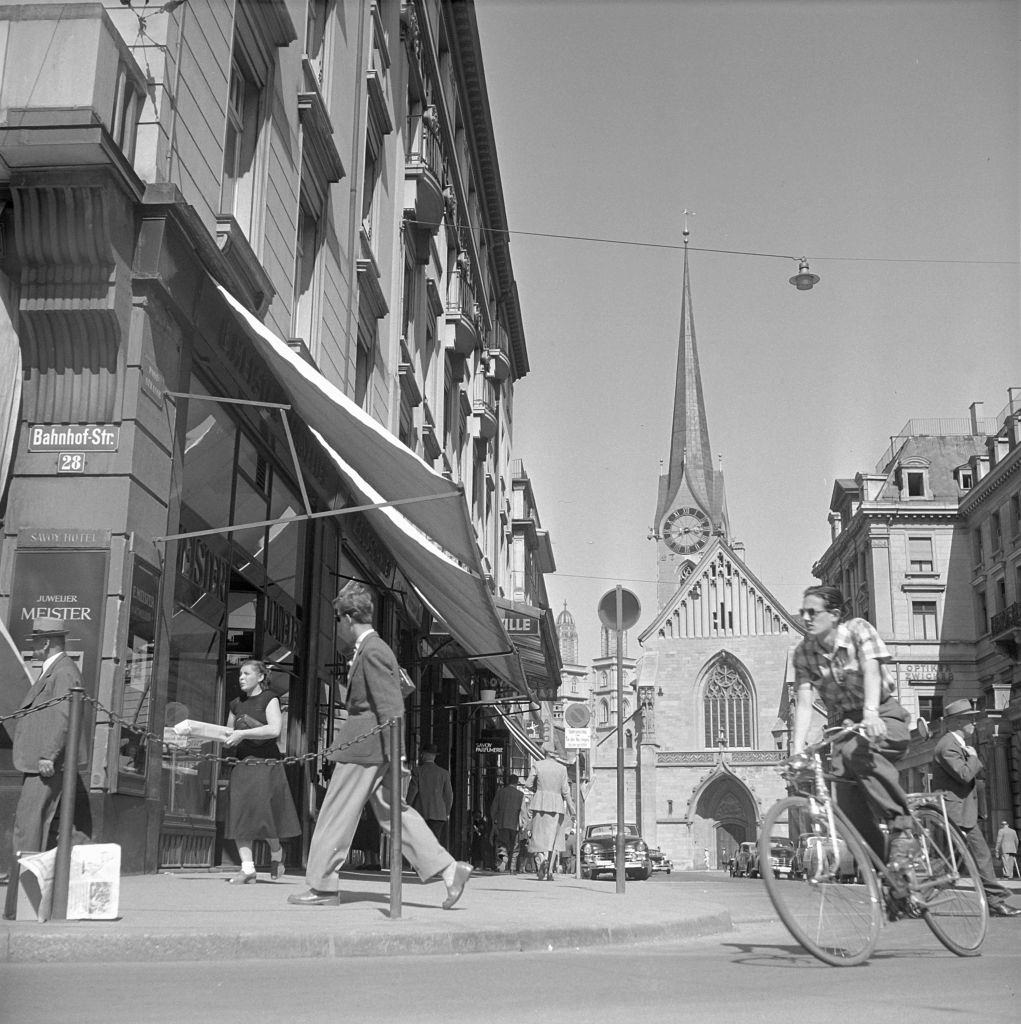
#66 Cantonal Eye Clinic, Zurich, 1952.
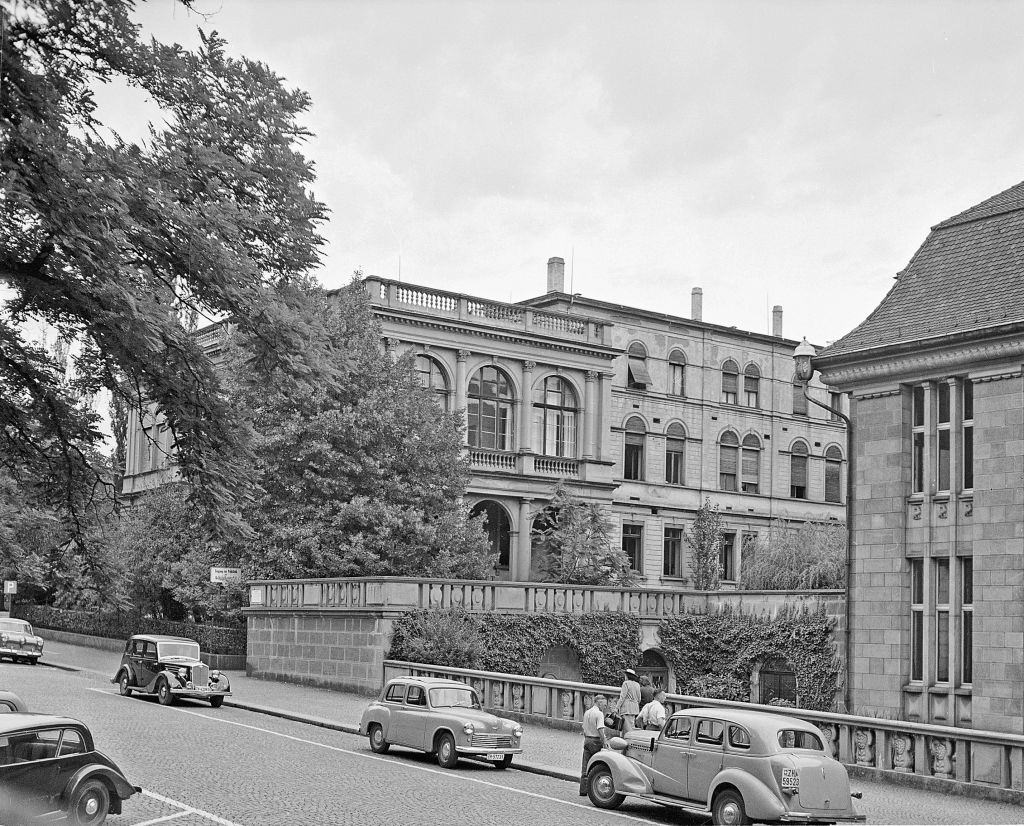
#67 Road Safety Education in Zurich, 1953.
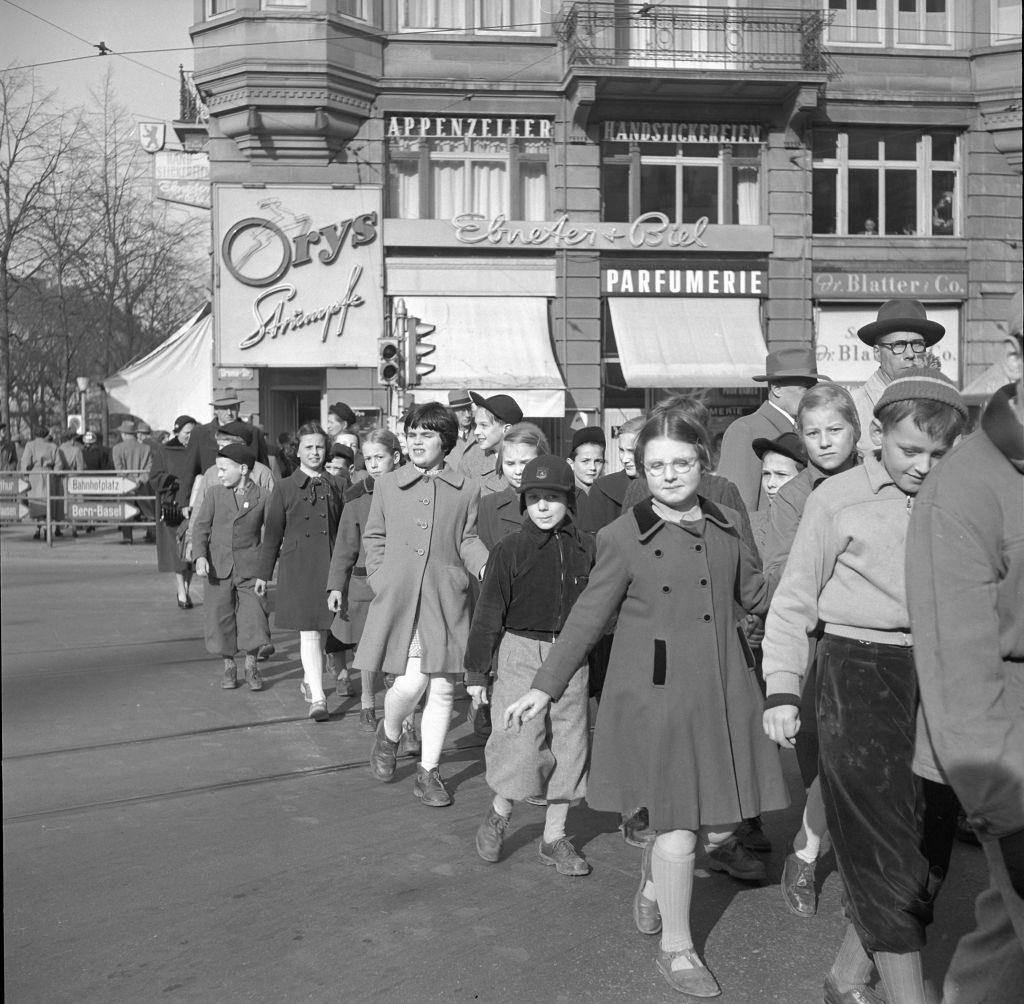
#68 New Swiss technical college for women, Zurich 1953
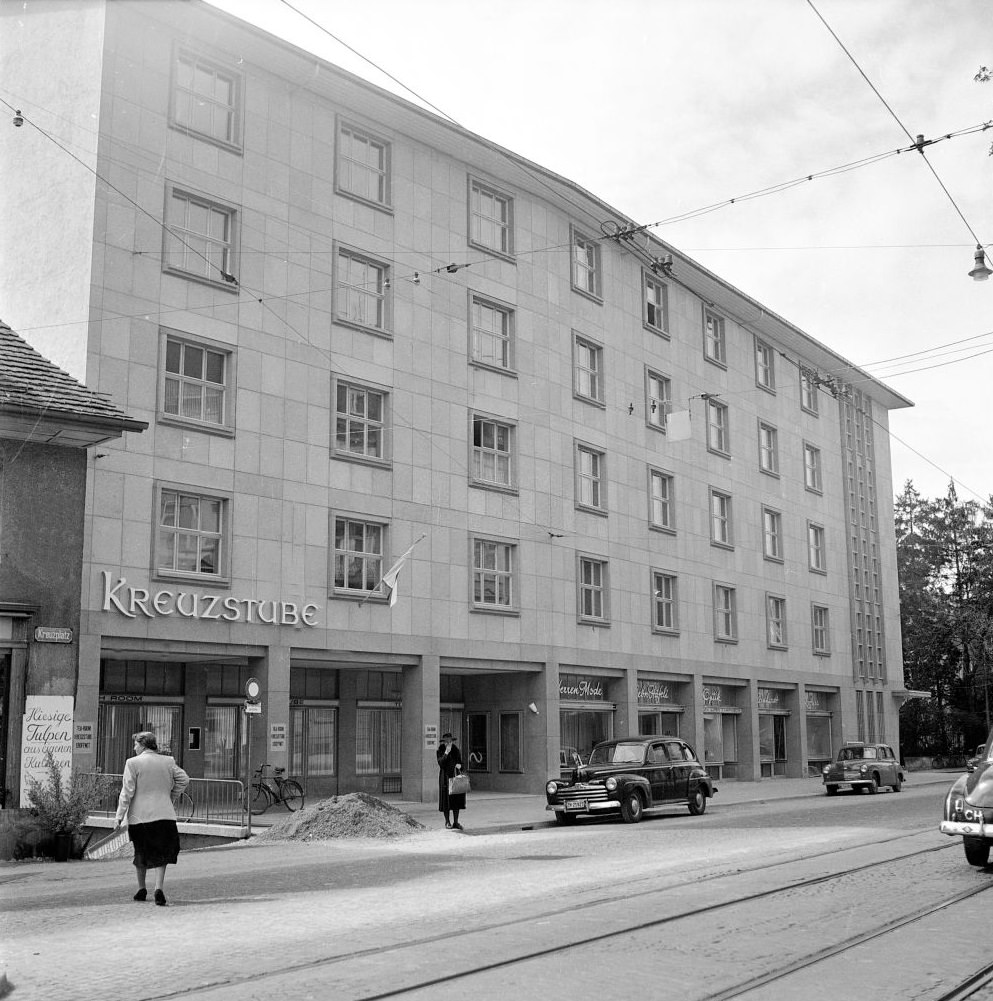
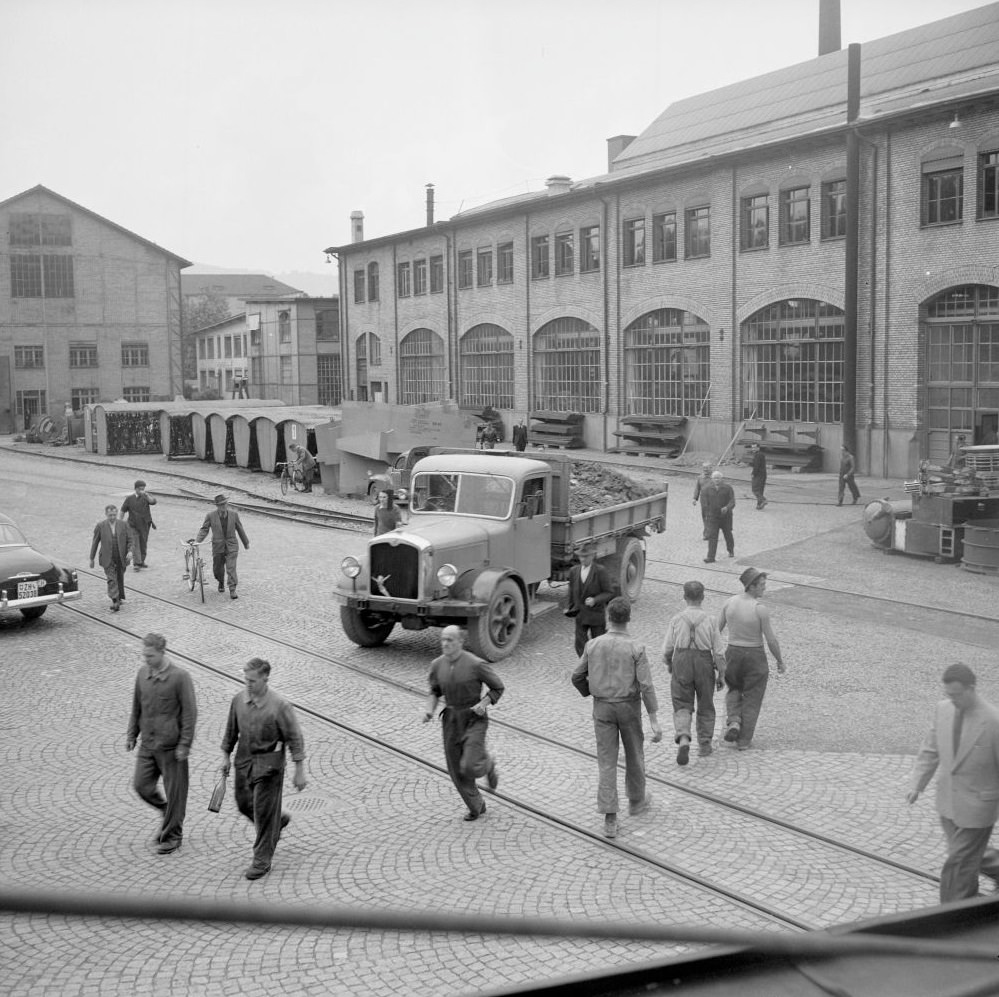
#69 Escher Wyss factory, Zurich 1953.
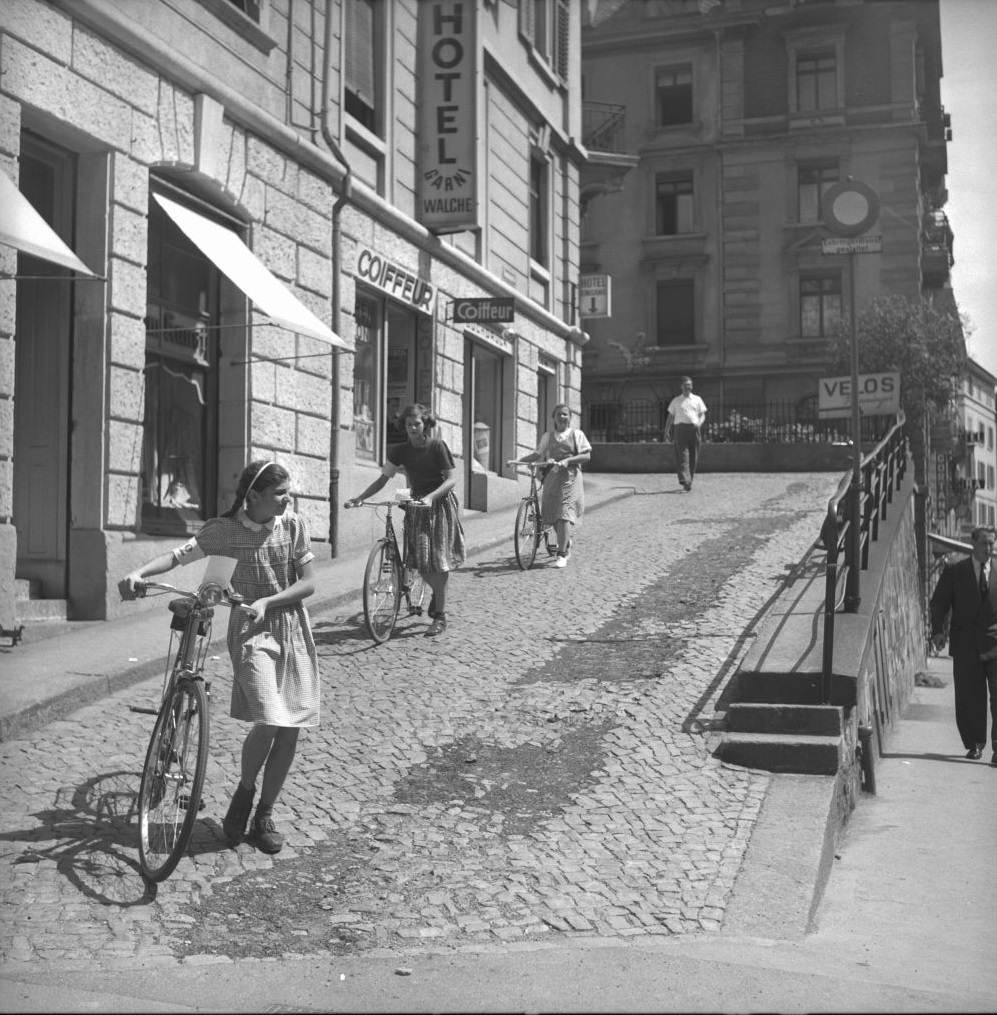
#70 Wine Fair in Zurich, 1953
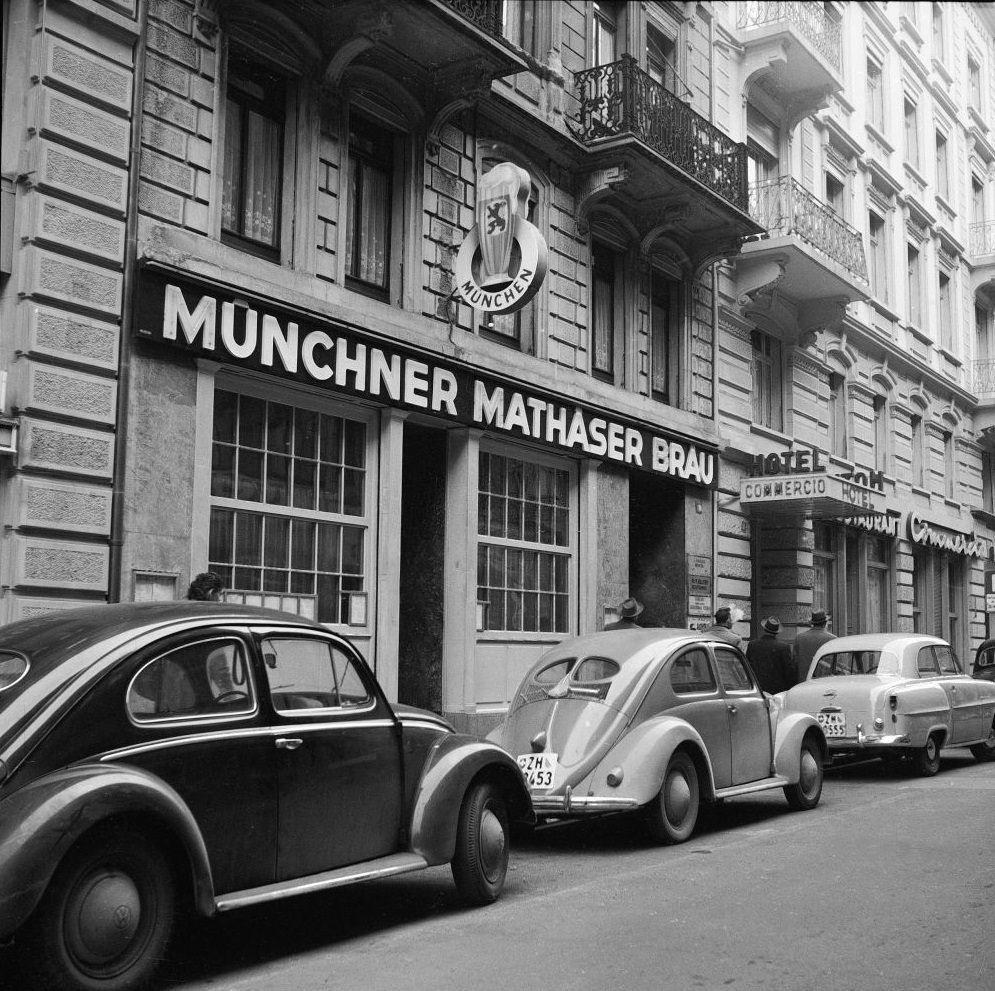
#71 Restaurant on Schützengasse in Zurich, 1955.
#72 Merry-go-round at jubilee of nurse school, Zurich 1951.

Enjoyed this post? Get new ones in your inbox.

What’s the story behind the wale?
The more things change, the more they stay the same (traffic jams at Bellevue).
The women in photo #8 are suffragettes. Switzerland was probably the last country in Europe to give voting rights to women: 1971 at national level, with Appenzell withholding local voting rights till 1990 (!).
Anyone still call Genf Gämf?
Is the writing for the banners in the women’s voting protest called Sütterlin?
Normal cursive writing. Sütterlin was developed in Prussia in 1911 and was a German school script that was widely used in Germany until the 1940s (Wikipedia). Switzerland had its own writing traditions and was more strongly oriented towards Latin scripts than German Kurrent or Sütterlin. Although Kurrentschrift was also used to some extent in German-speaking Switzerland, Sütterlin was not adopted as a simplified school script.
Thanks. I just noticed the angularity of the script and wondered if it was related.
If it had been Sütterlin, you would have had massive difficulties reading it: https://i.pinimg.com/736x/18/2c/8a/182c8ad1205762a2d094b0f2620ff8bc–script-lettering.jpg
Wow. You are right. Very hard to read. Thanks.