

After World War II, the textile and several other industries of Zürich were declined. At that time the services sector, insurance companies, and notably banks gained importance and they contributed a lot to the economy. During World War II, Zürich banks took advantage of banking secrecy laws to help the Nazi Party launder gold and stolen valuables. A large number of immigrants from rural Switzerland and abroad moved to Zürich and the population of the city surpassed one million at the end of the 1950s.
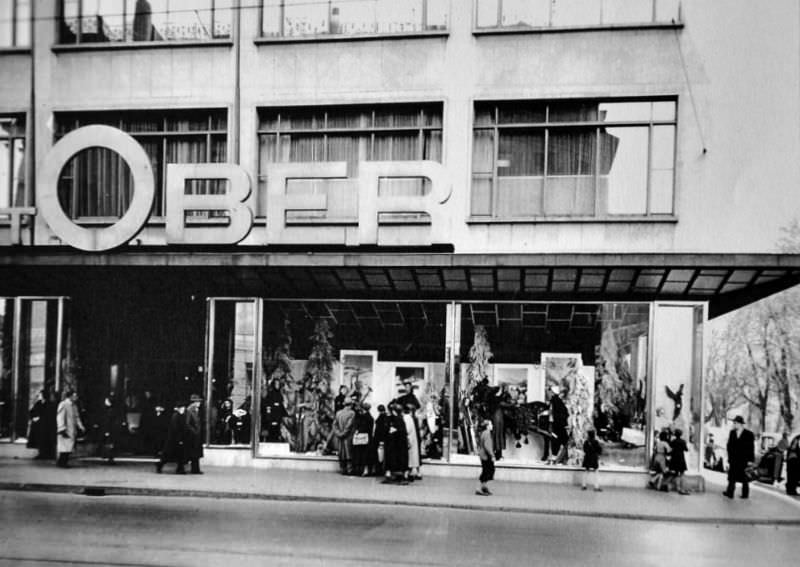
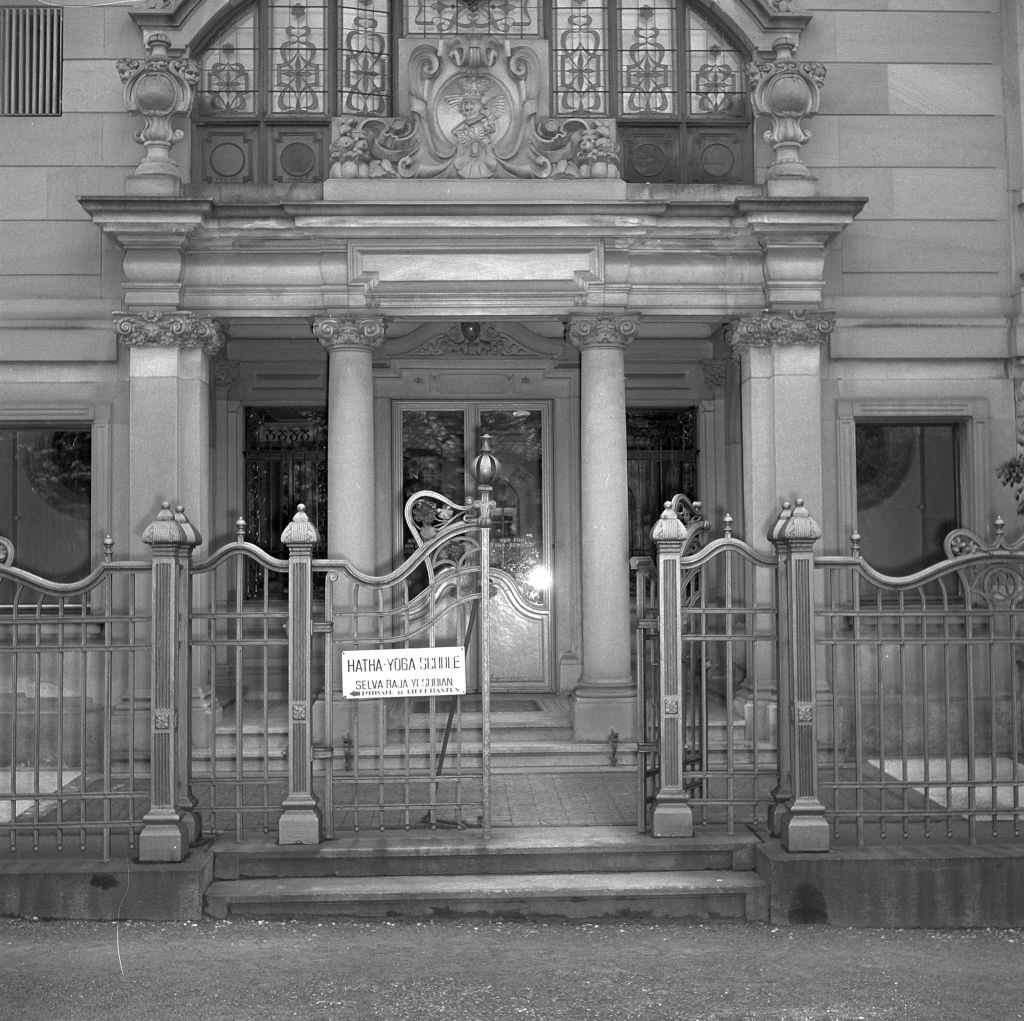
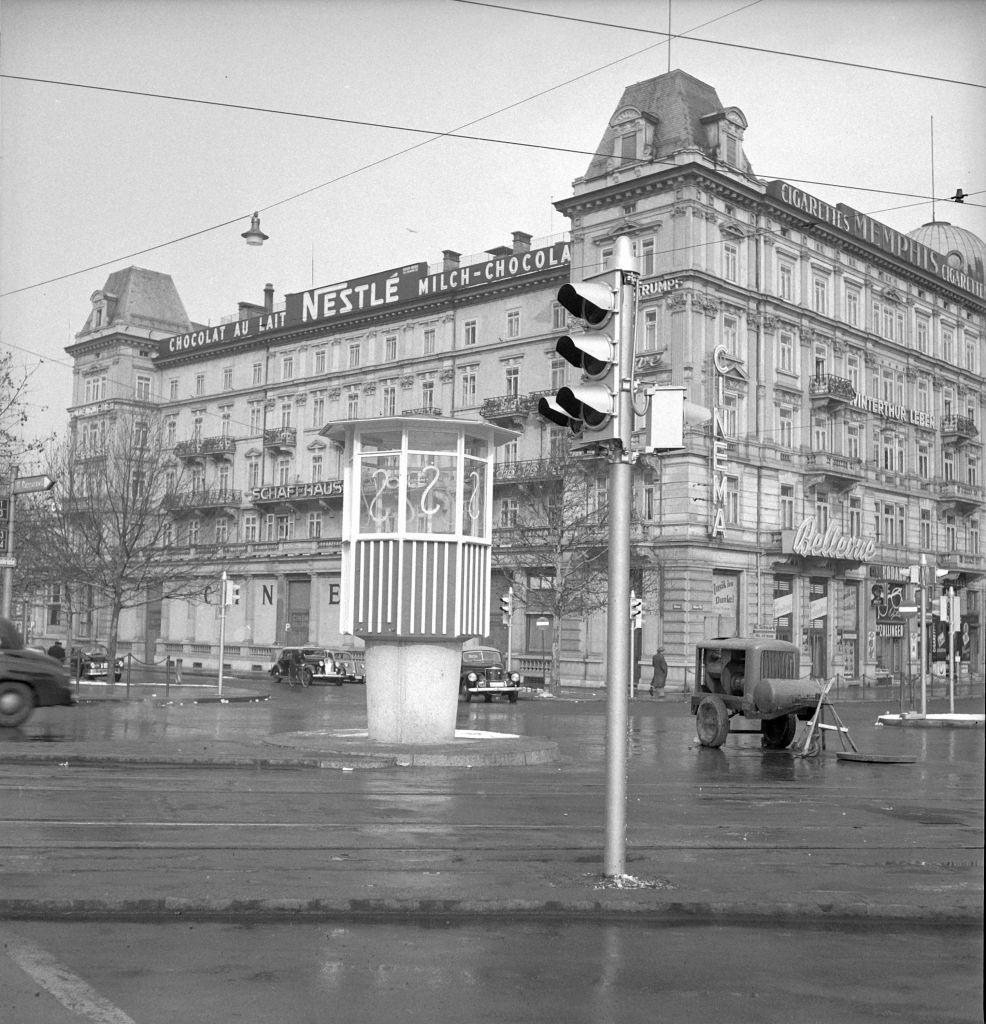
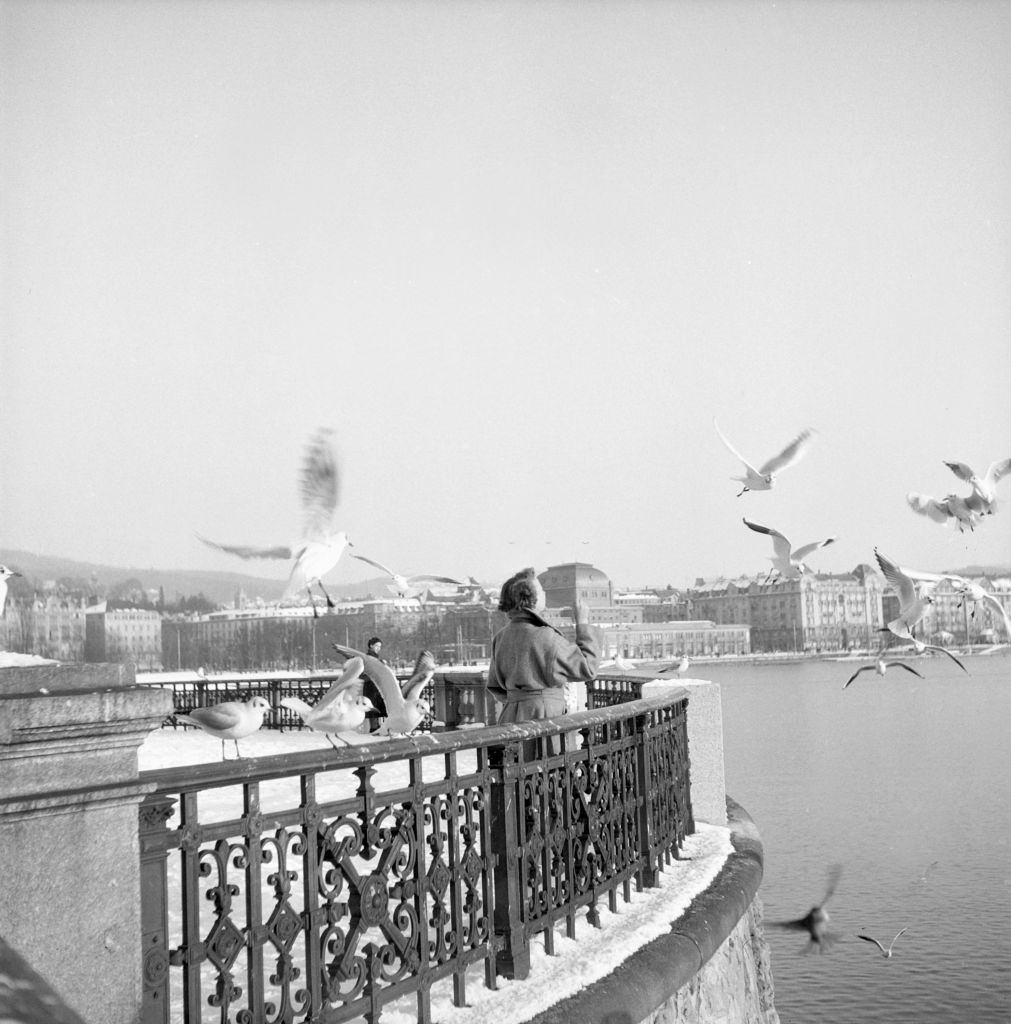
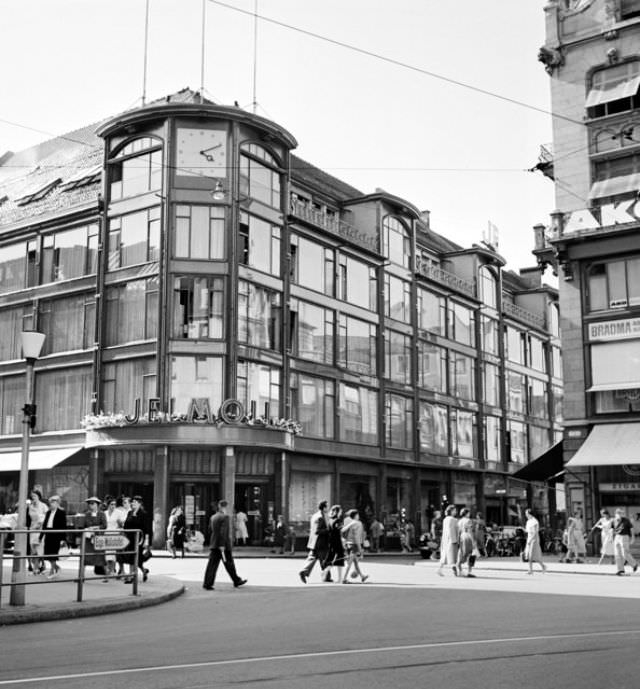
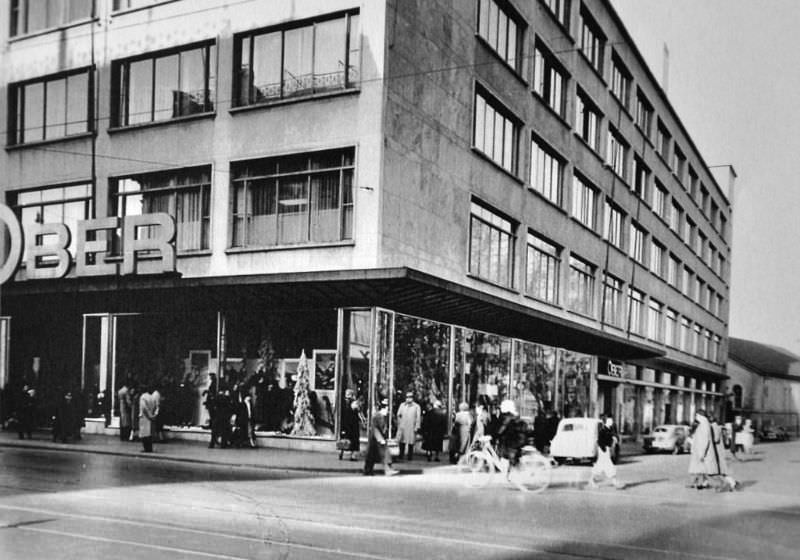
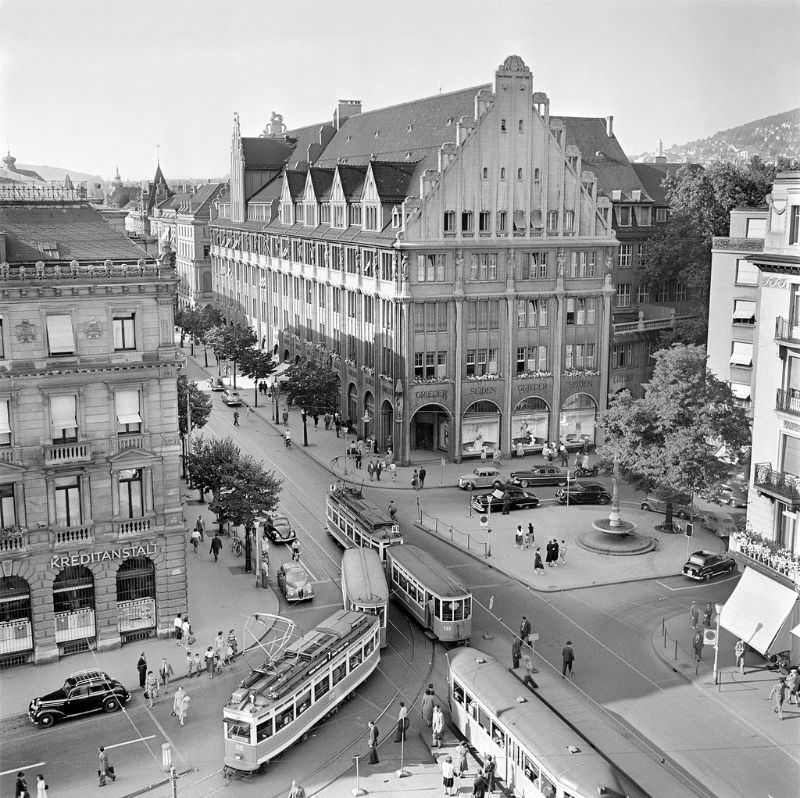
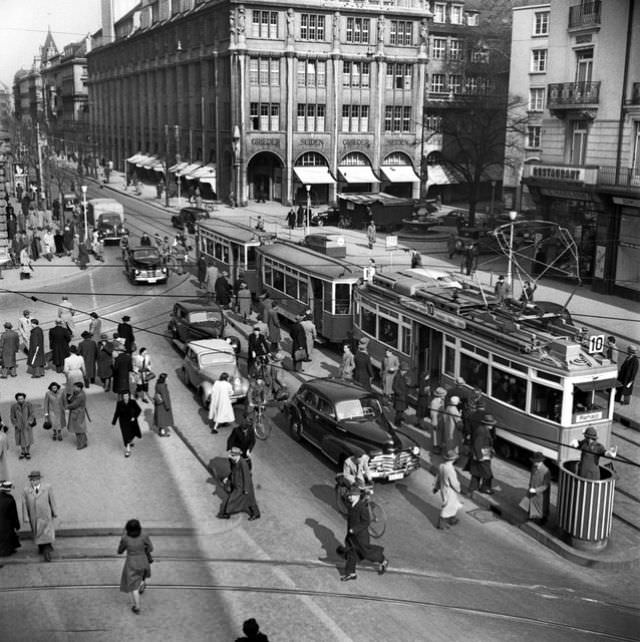
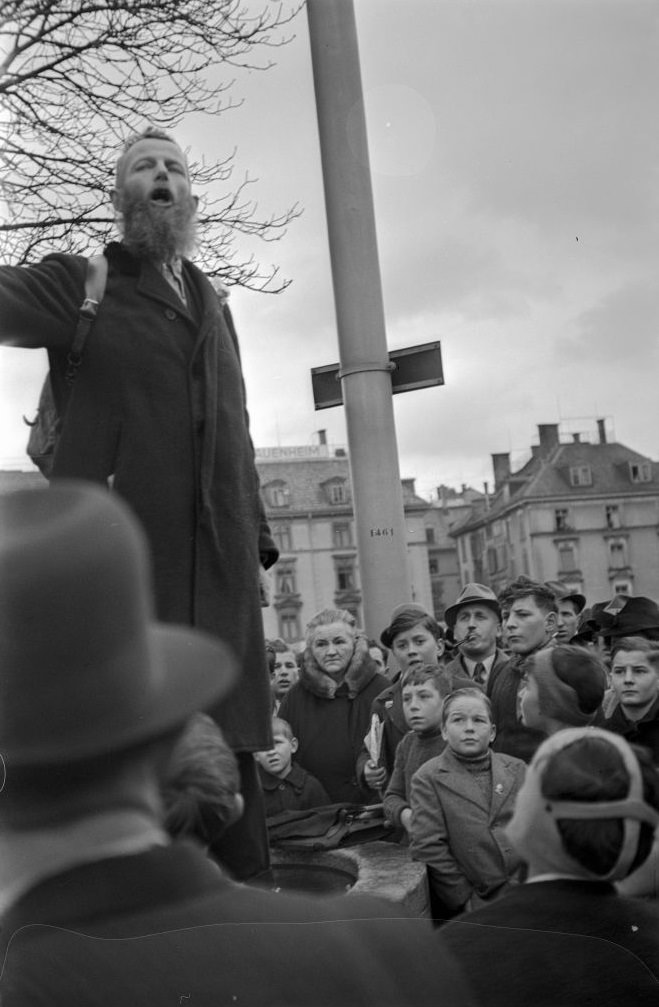
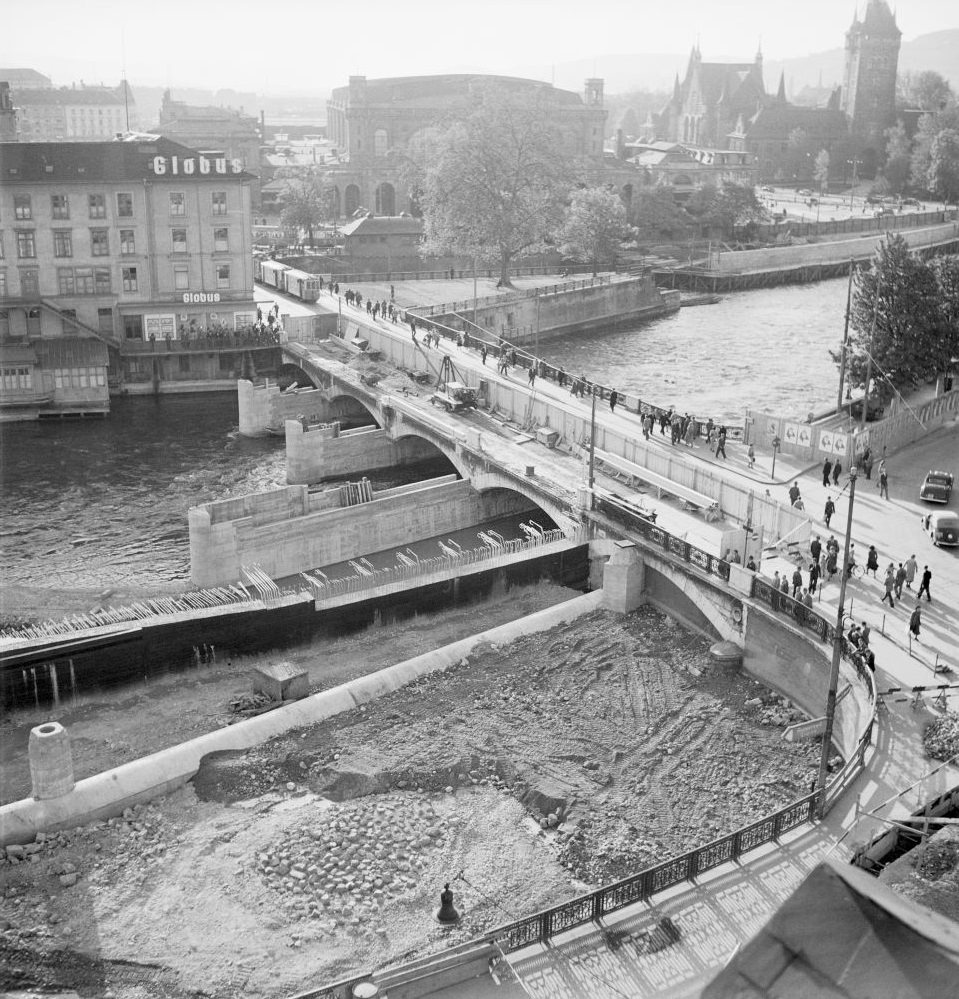
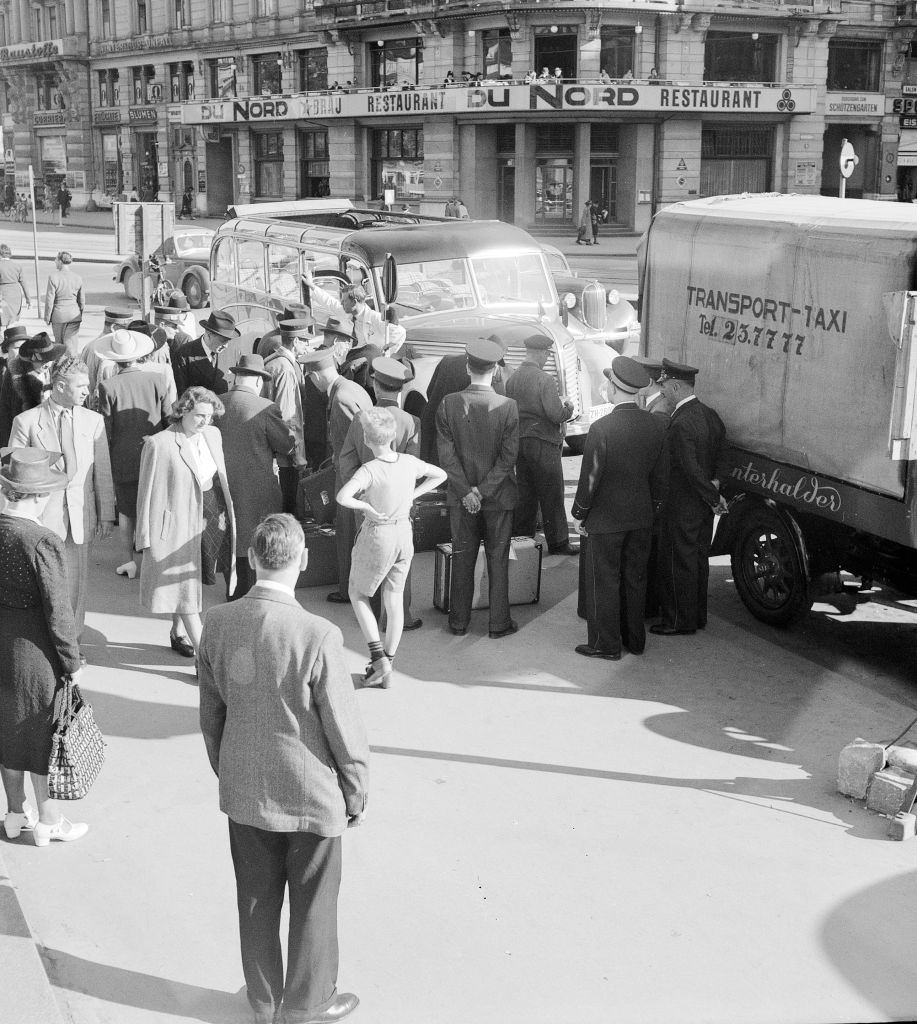
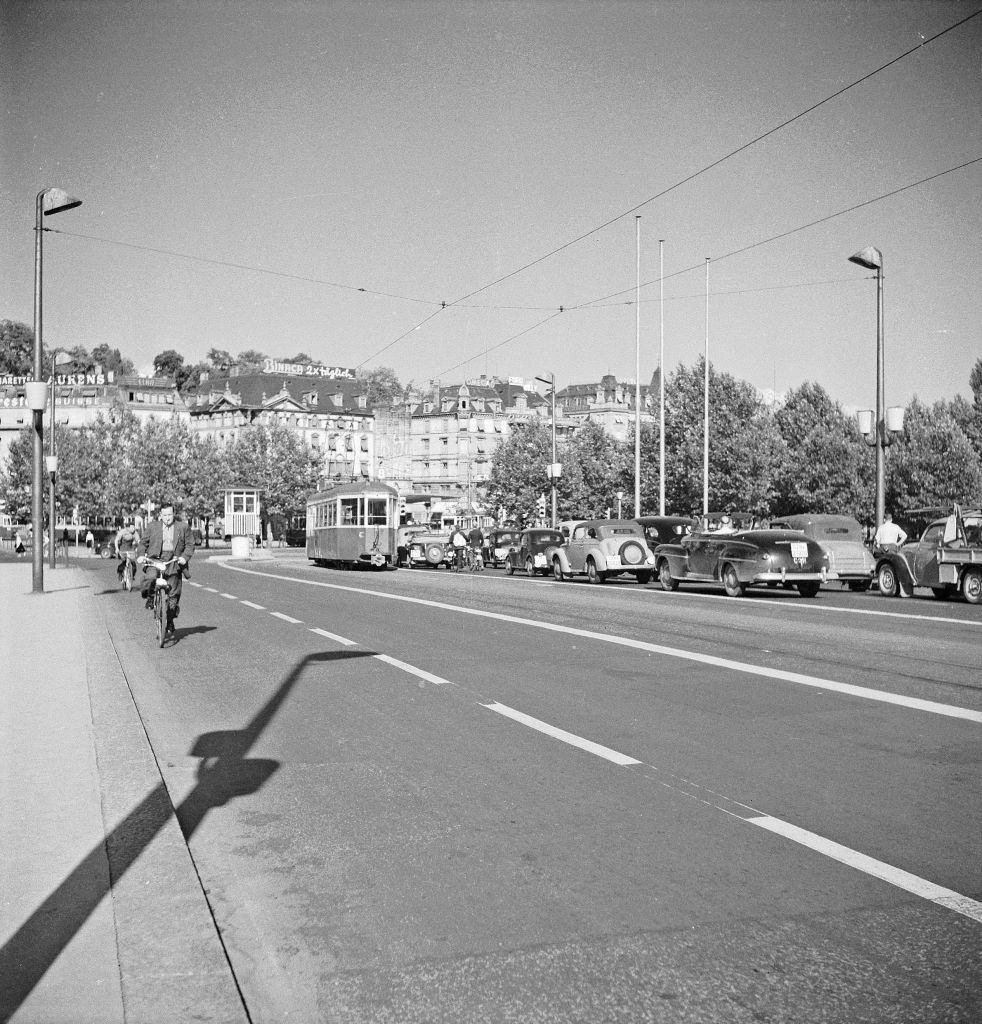
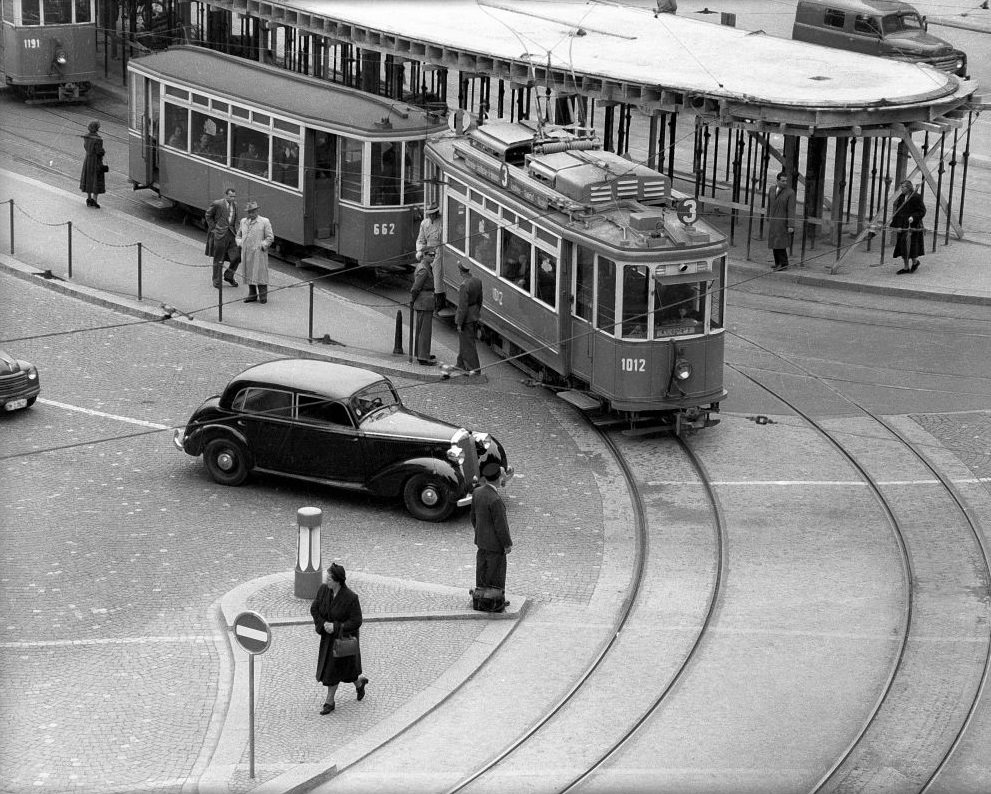
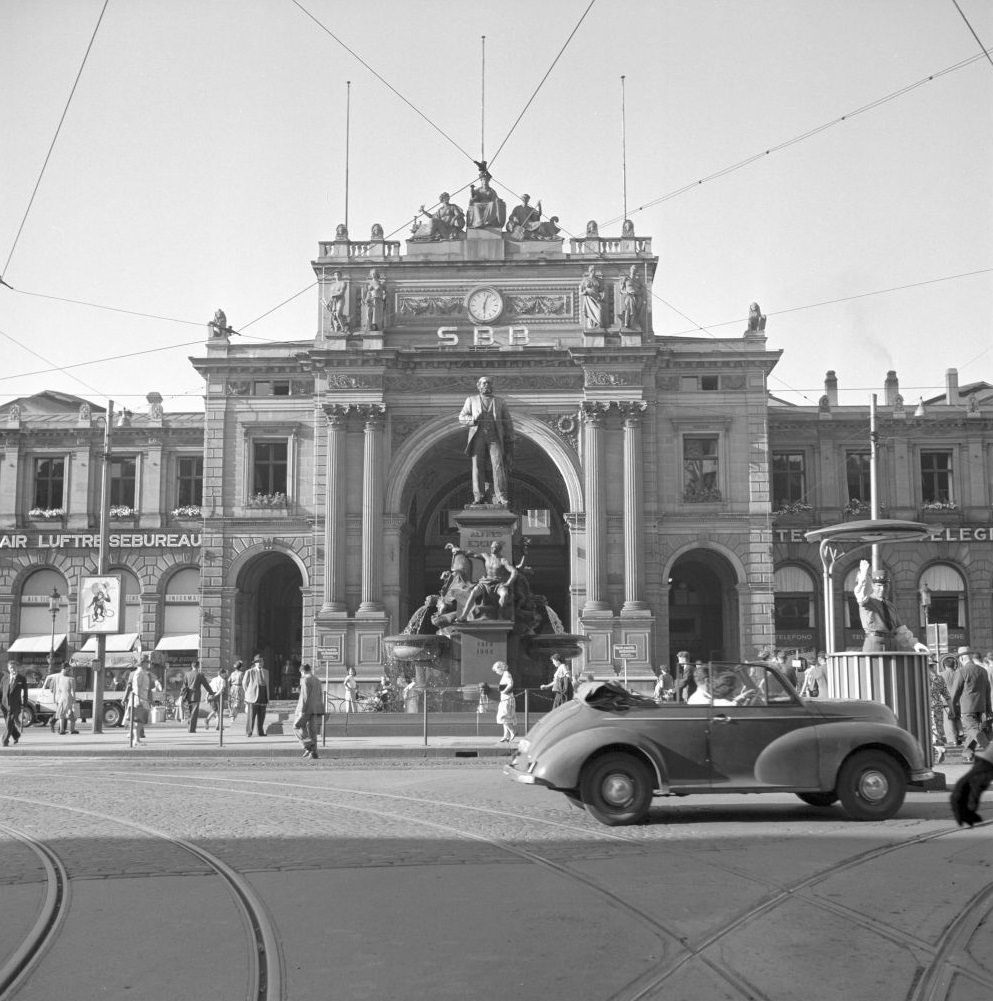
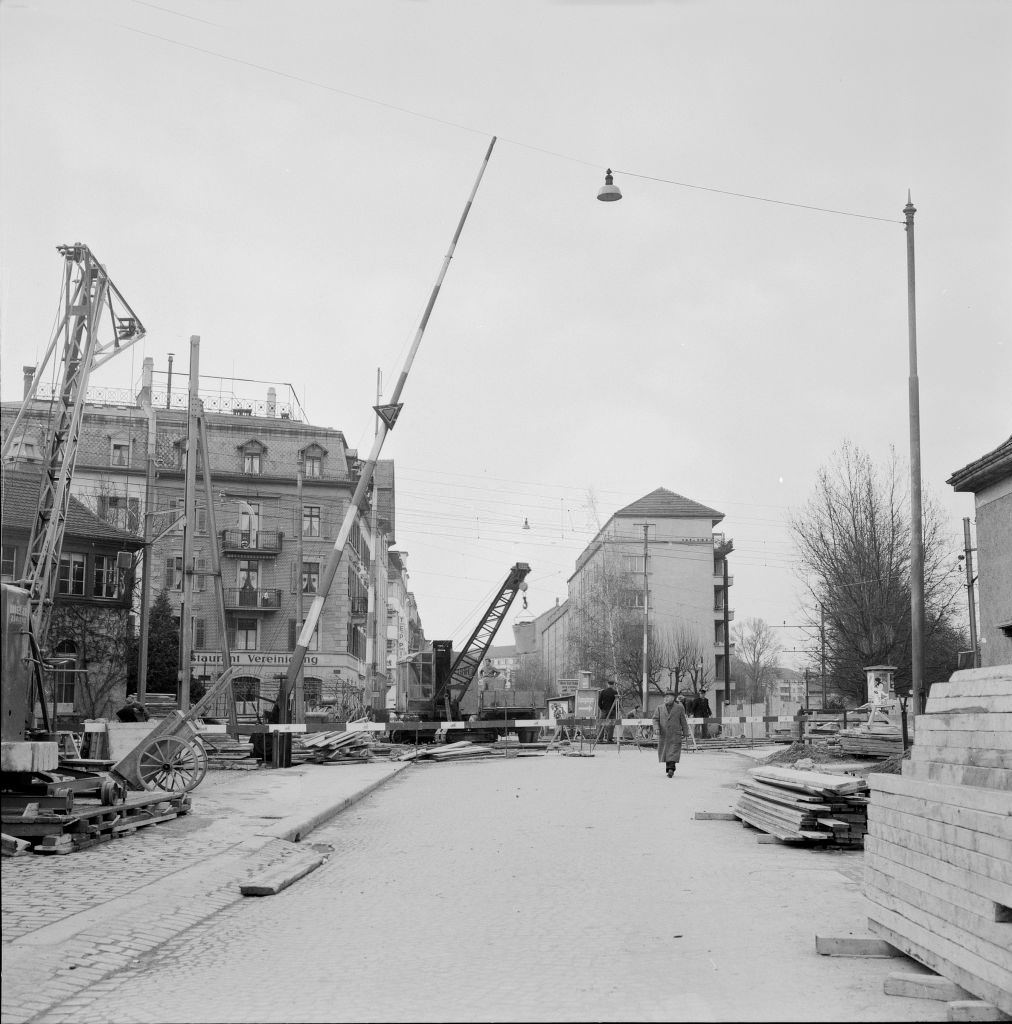
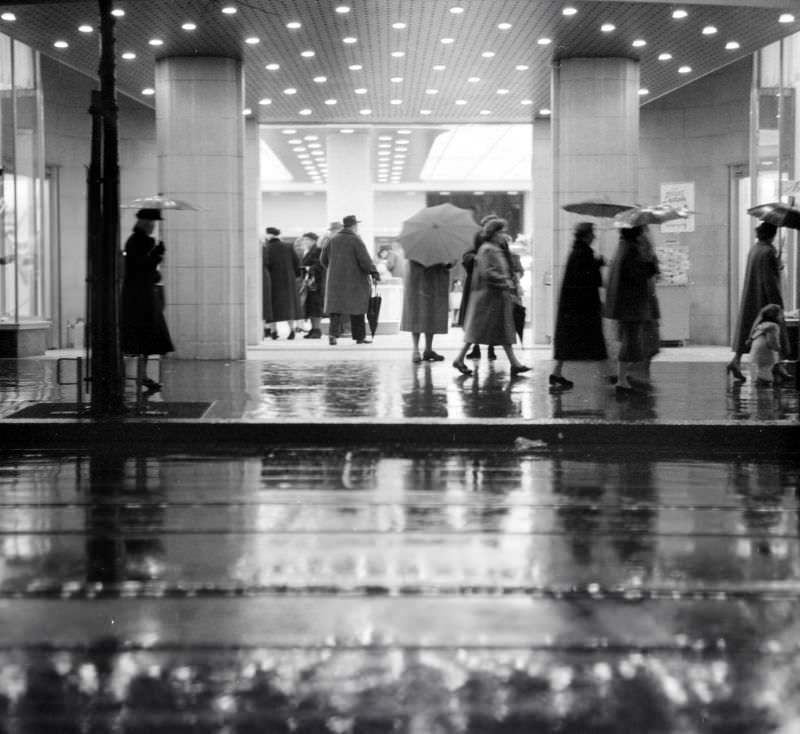
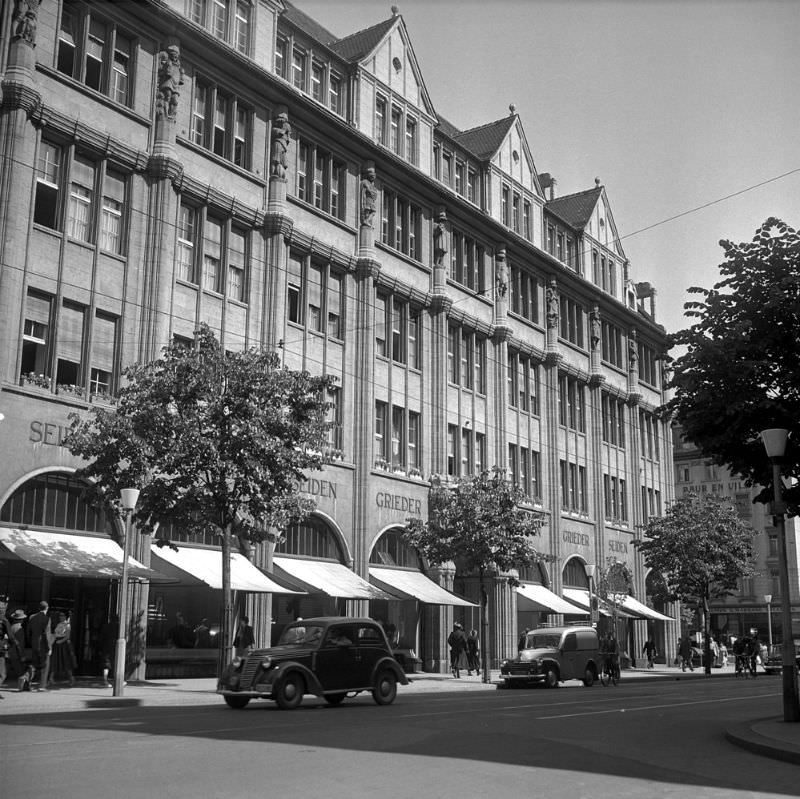
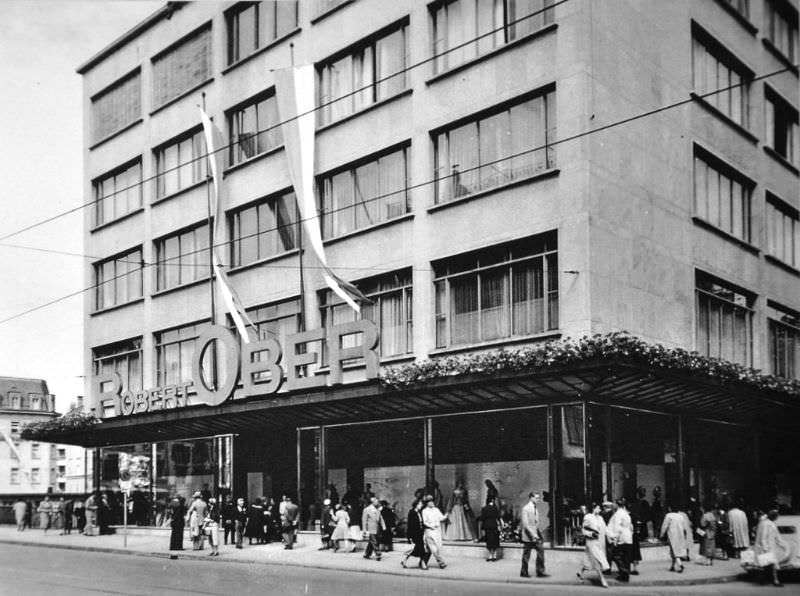
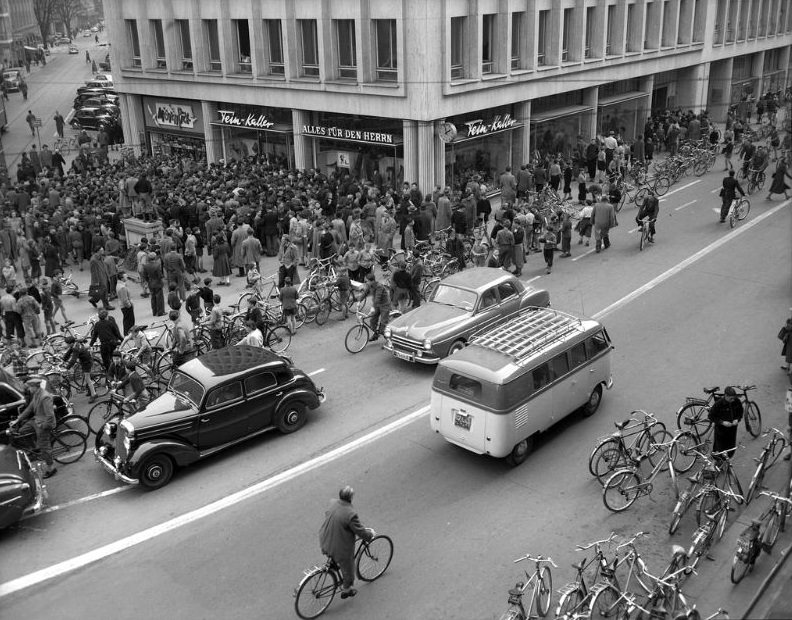
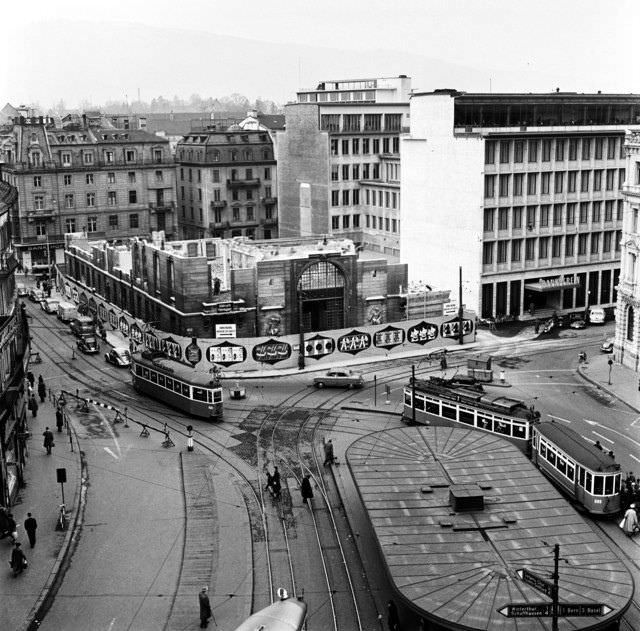
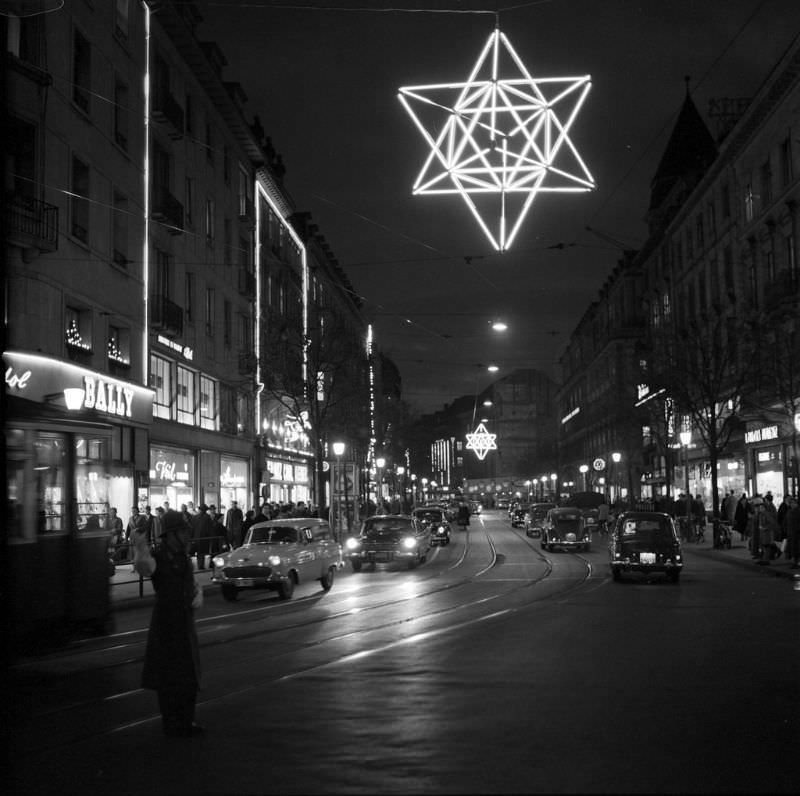
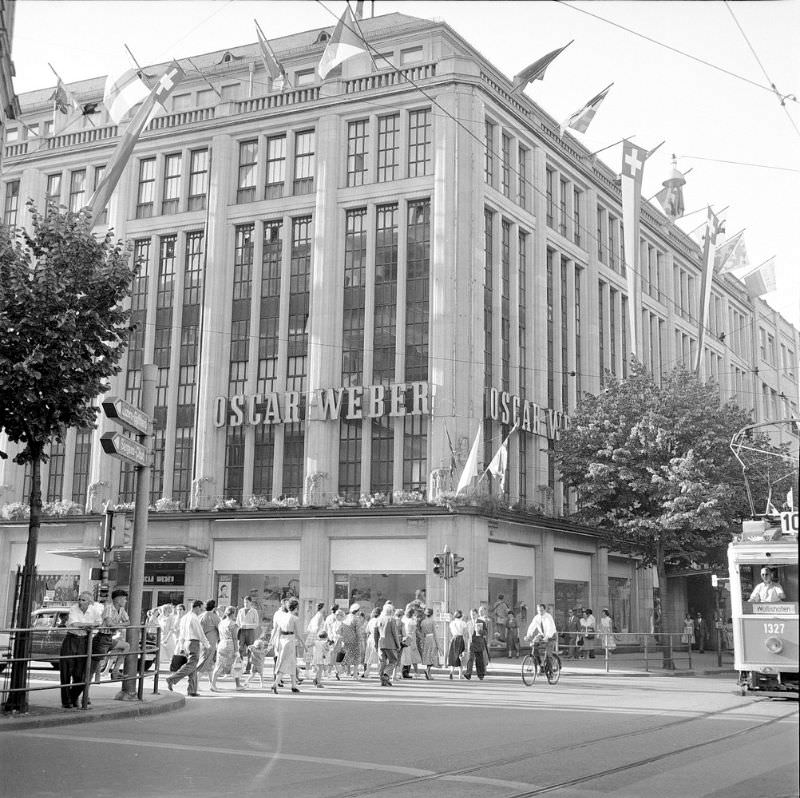
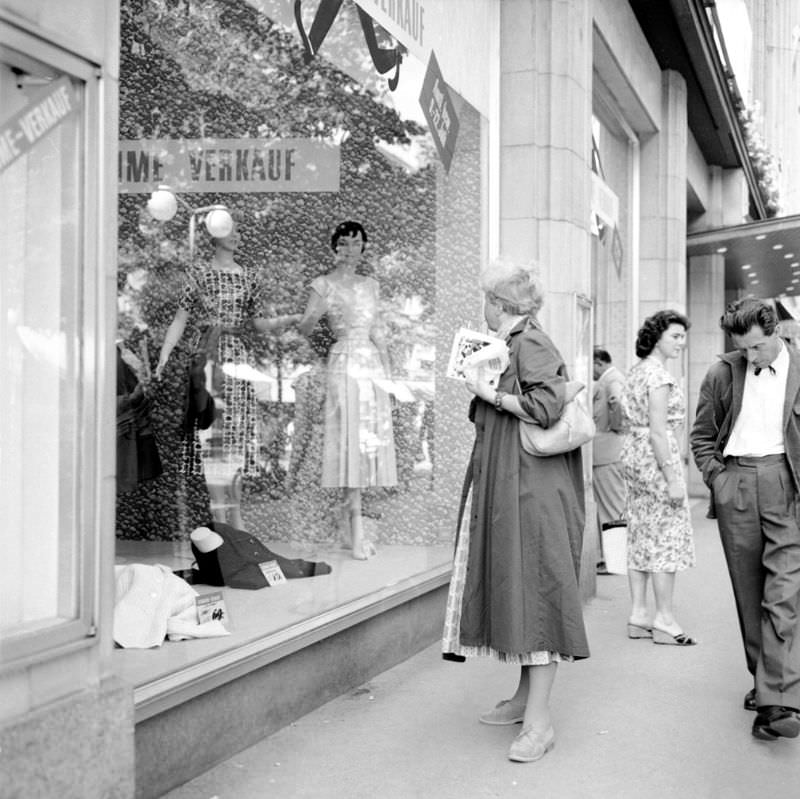
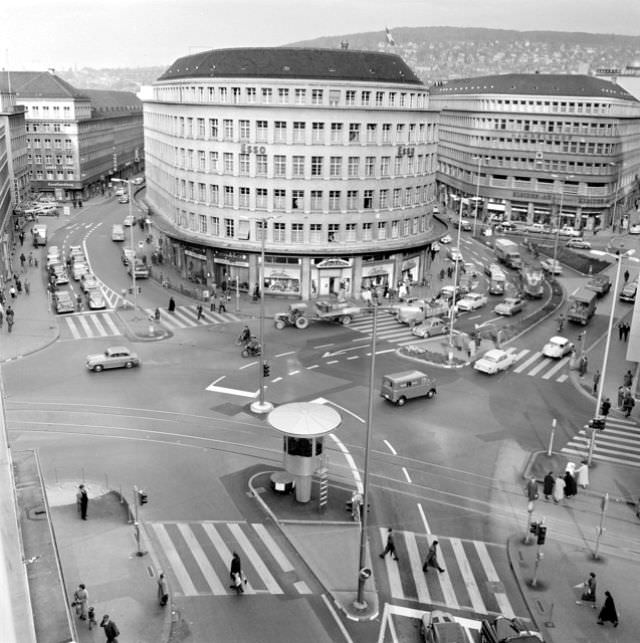
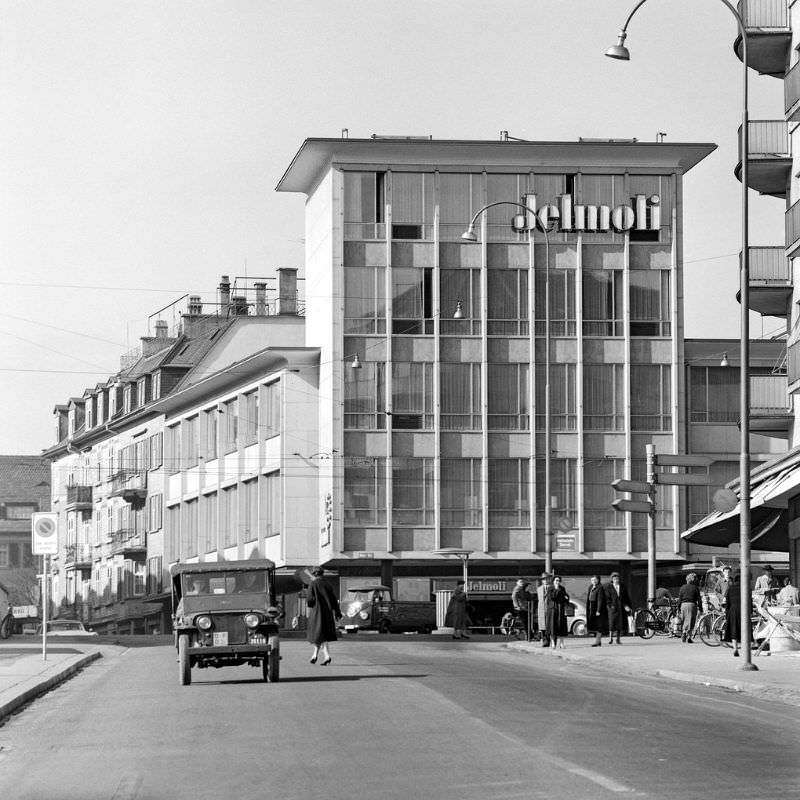
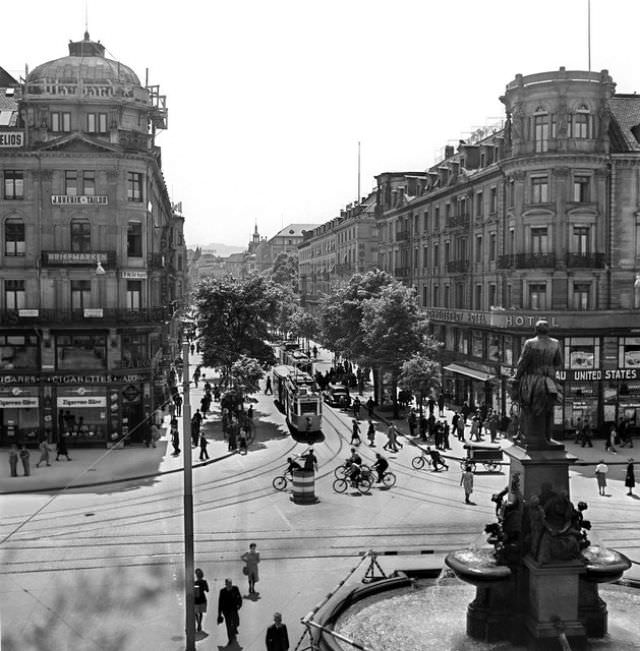
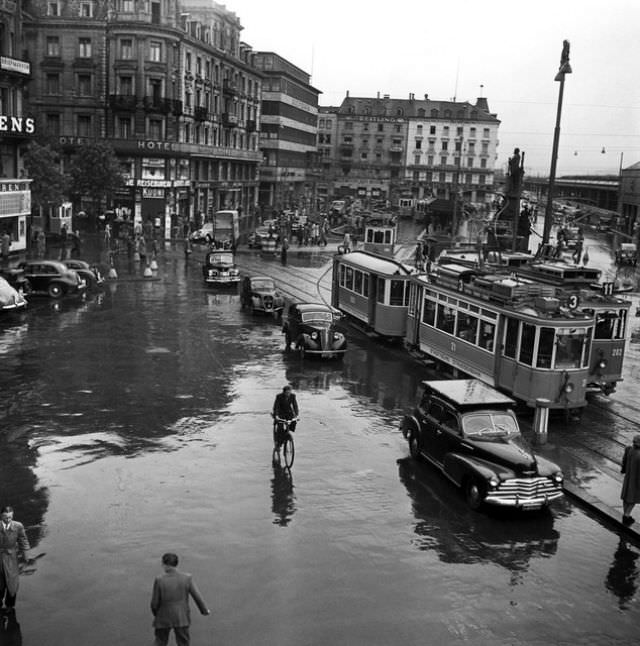
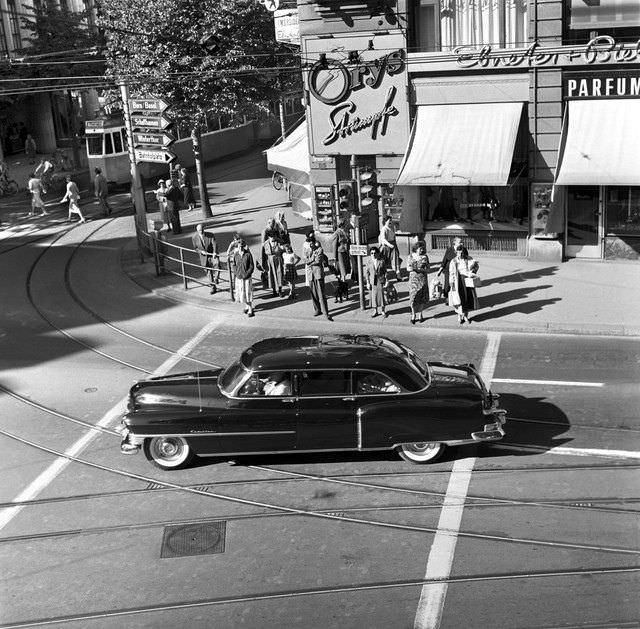
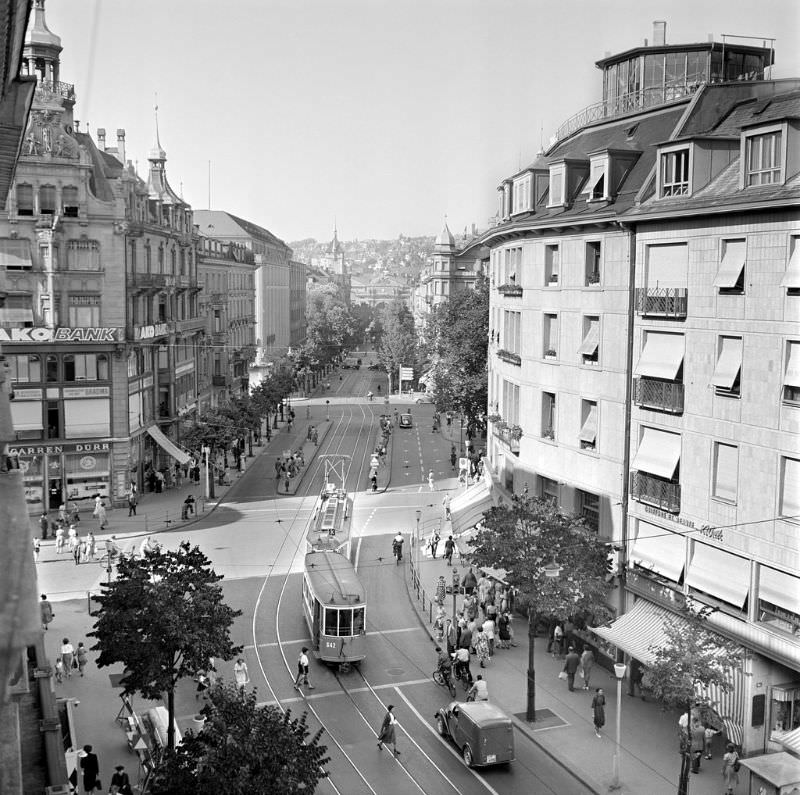
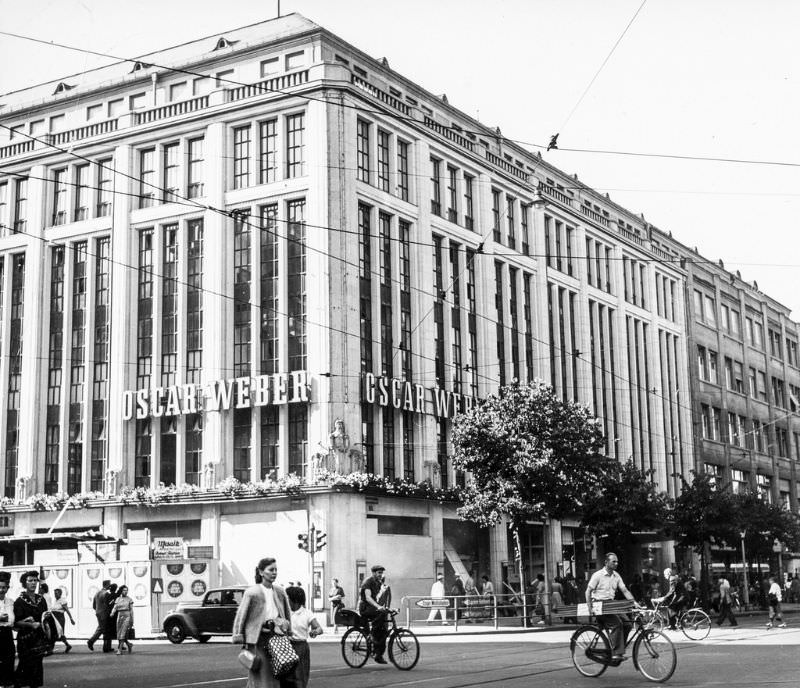
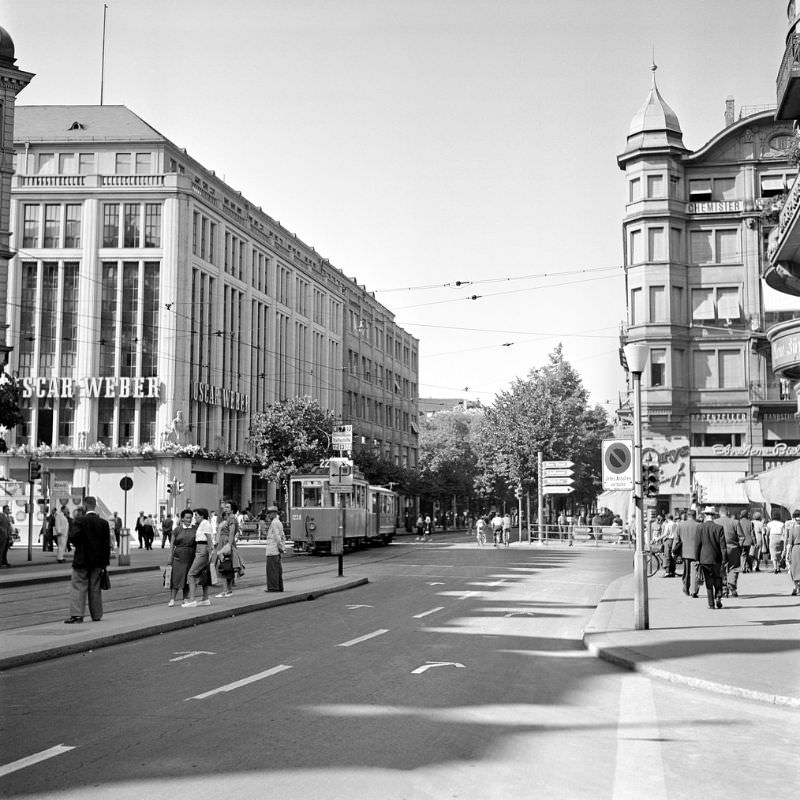
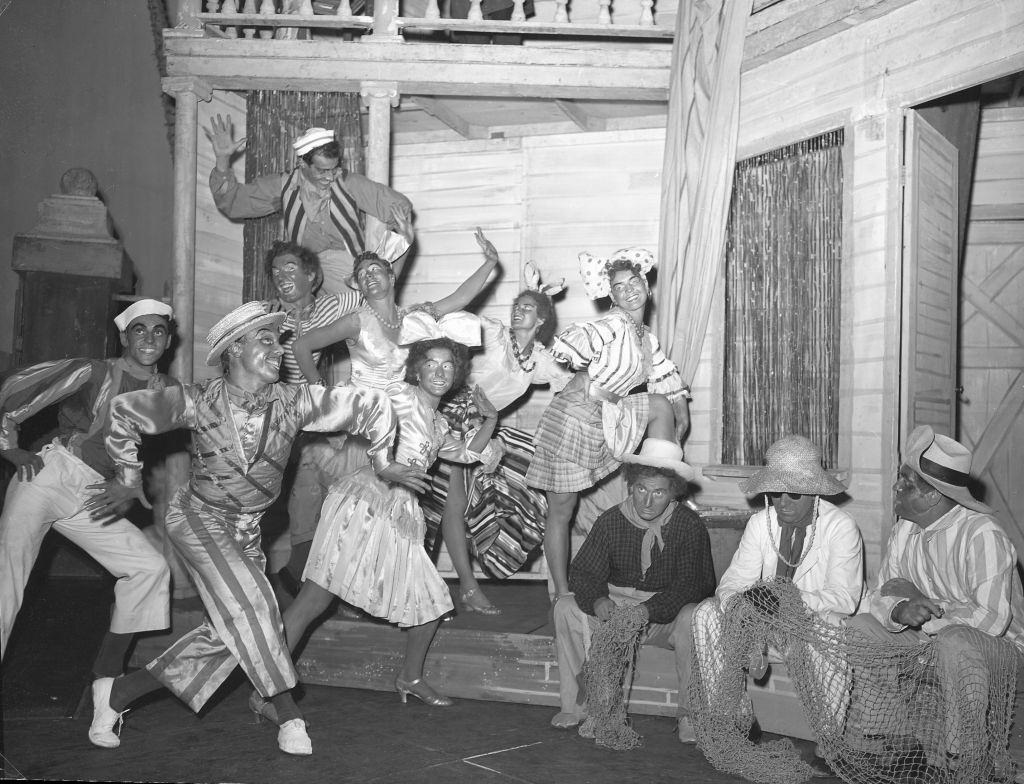
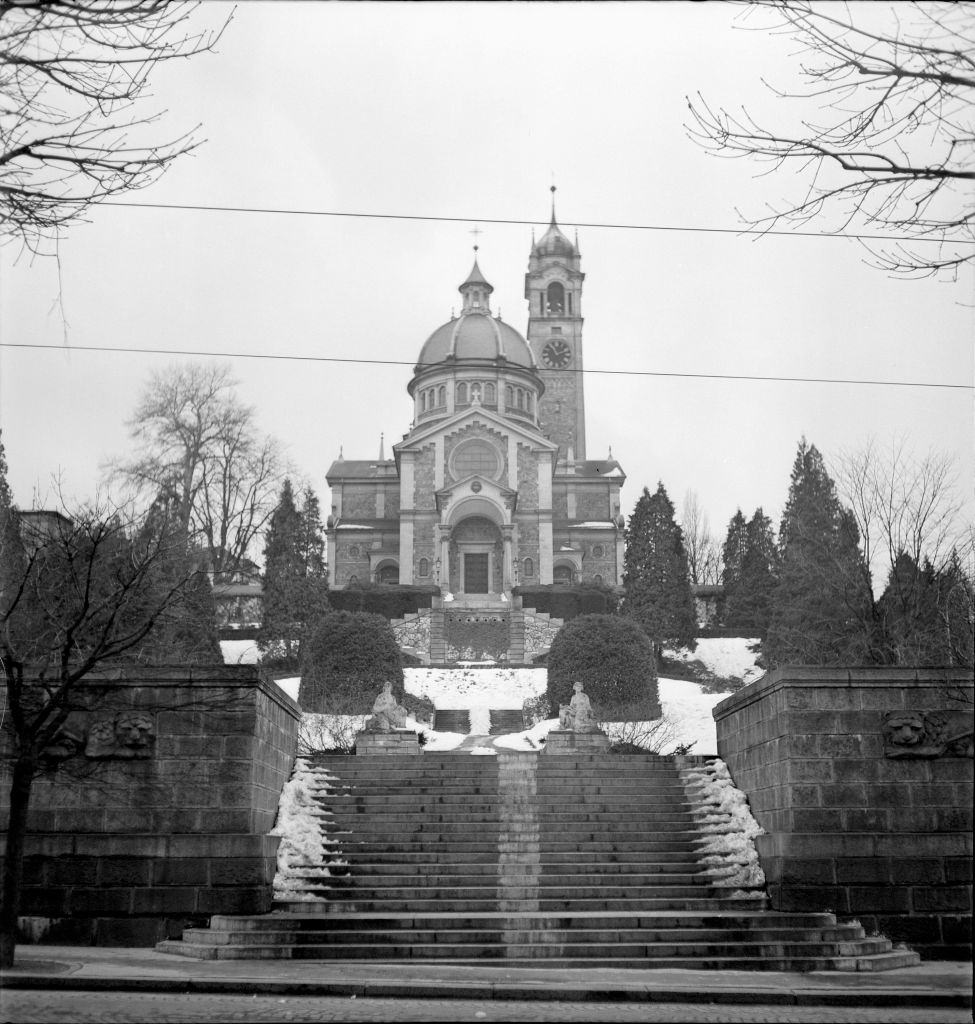
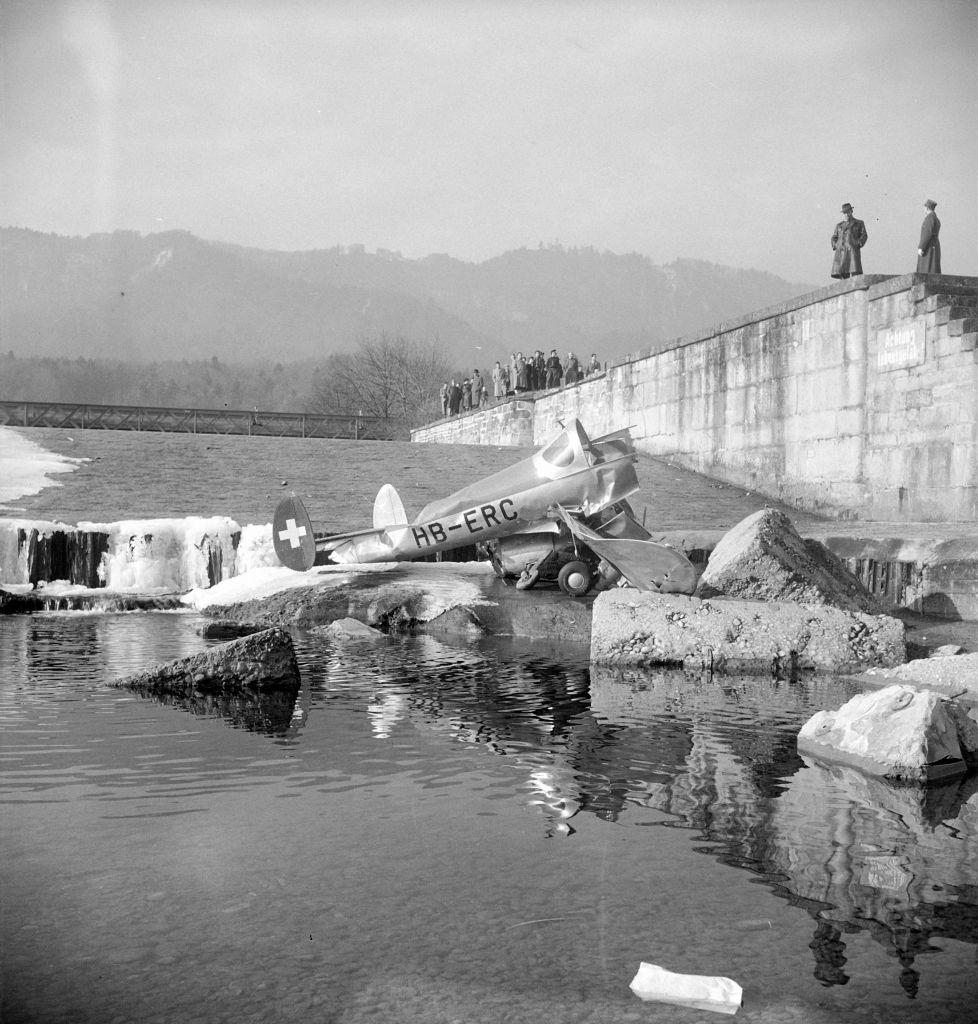
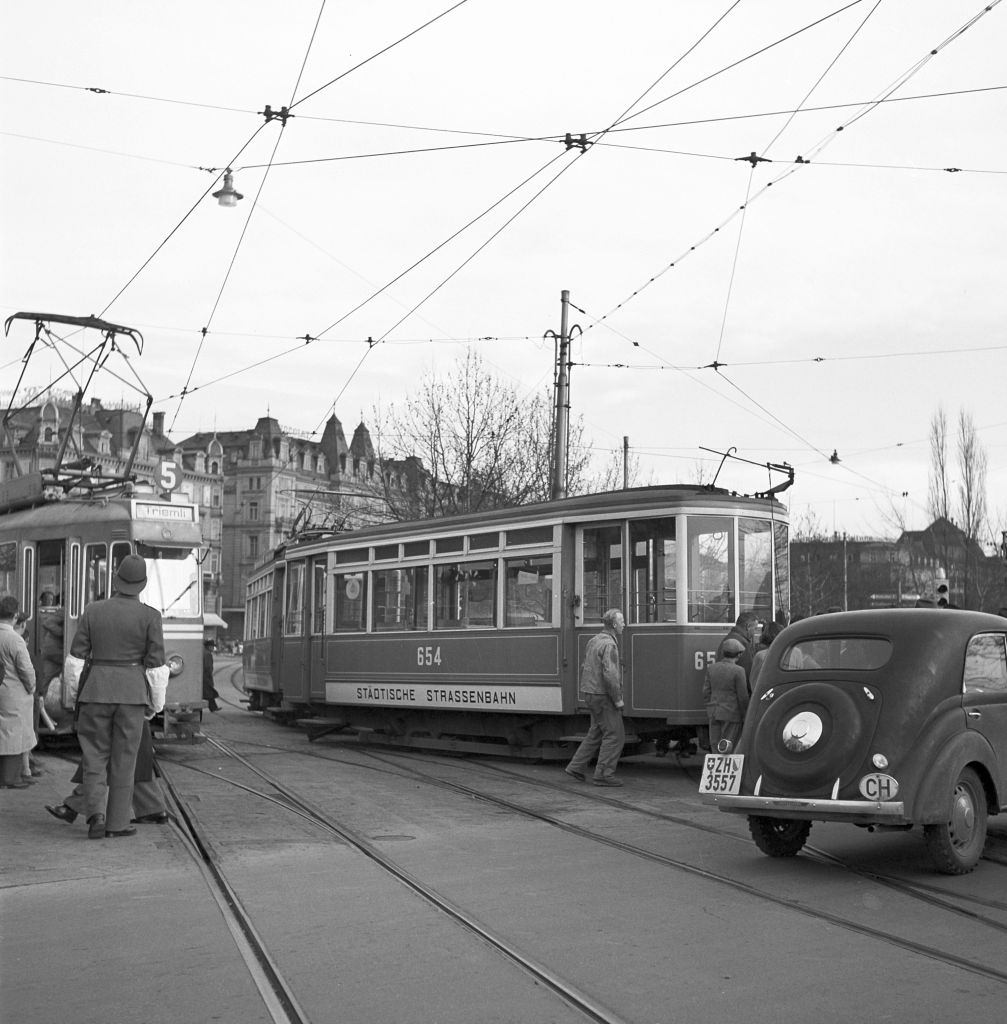
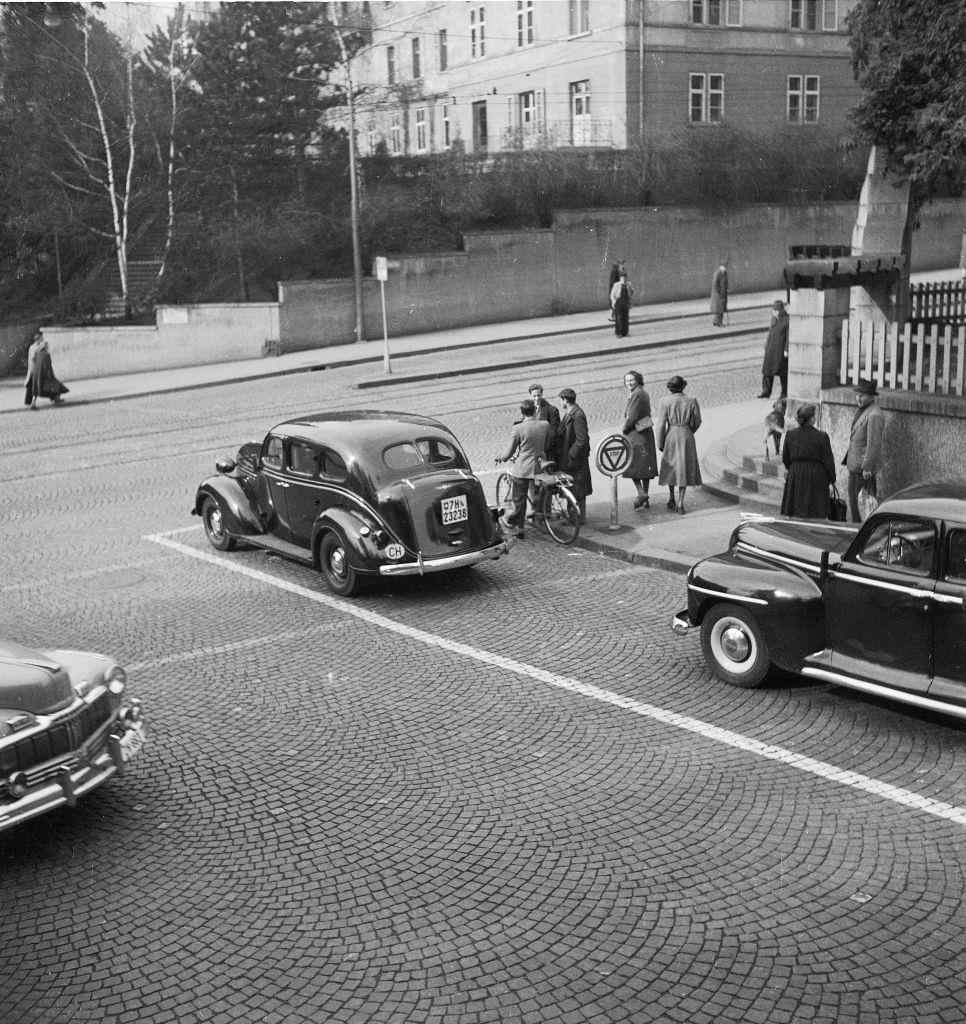
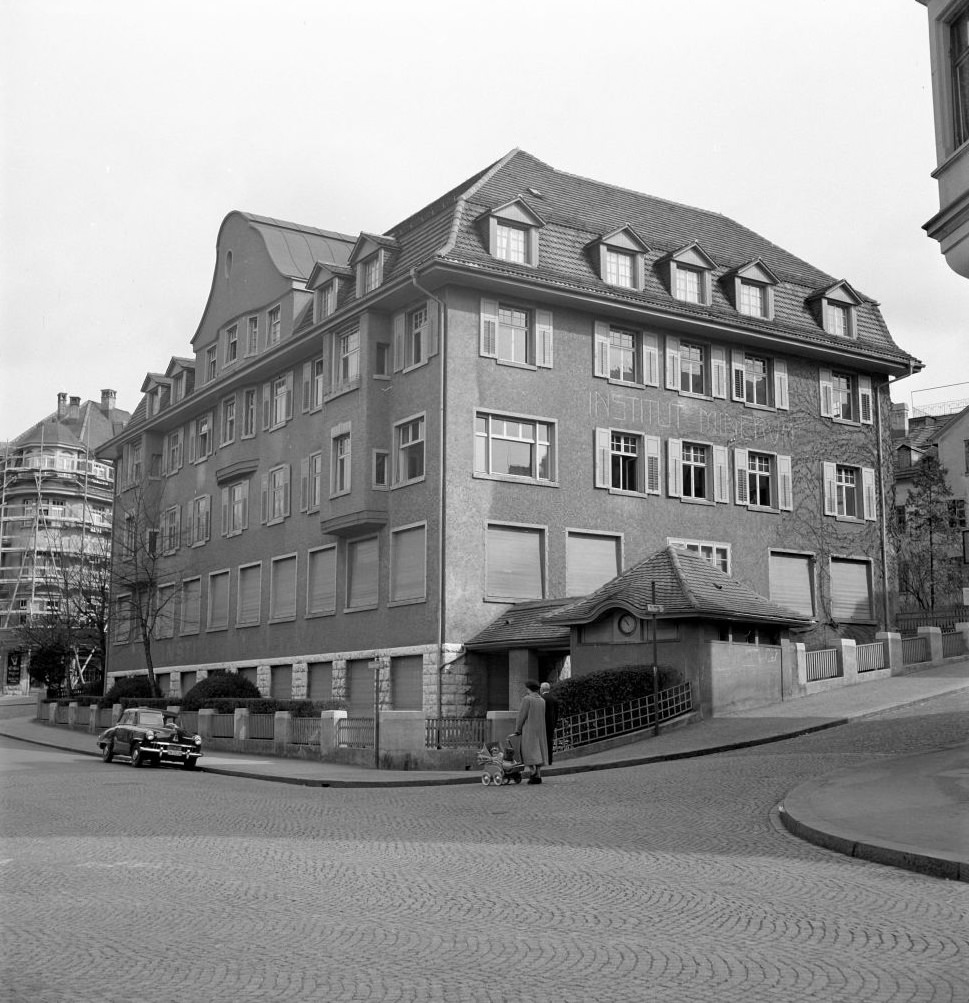
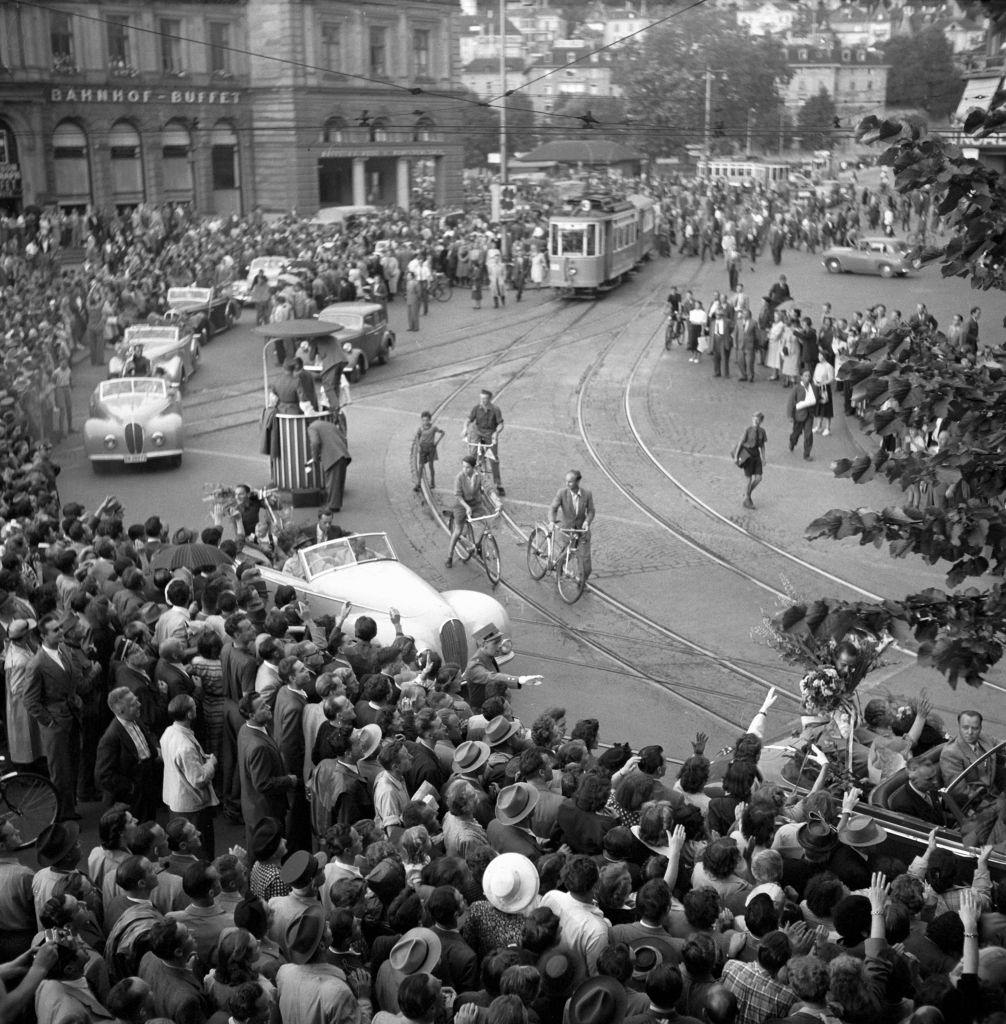
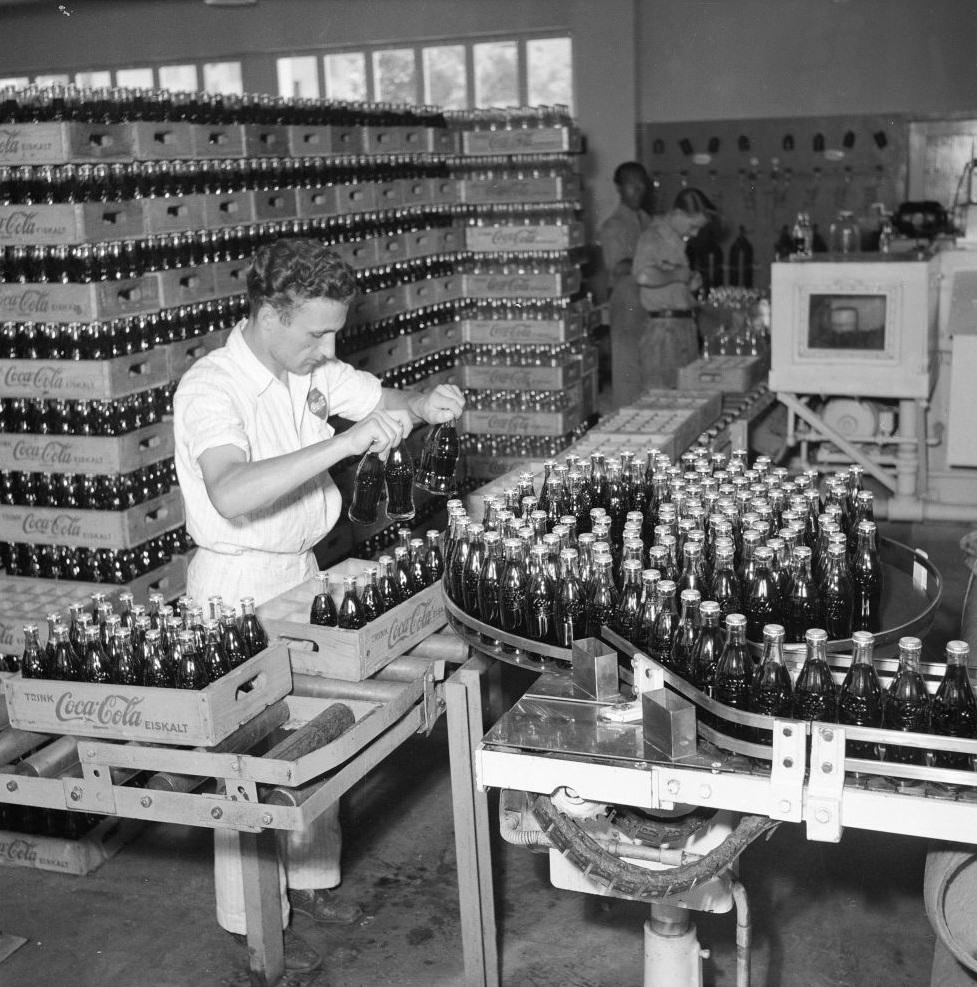
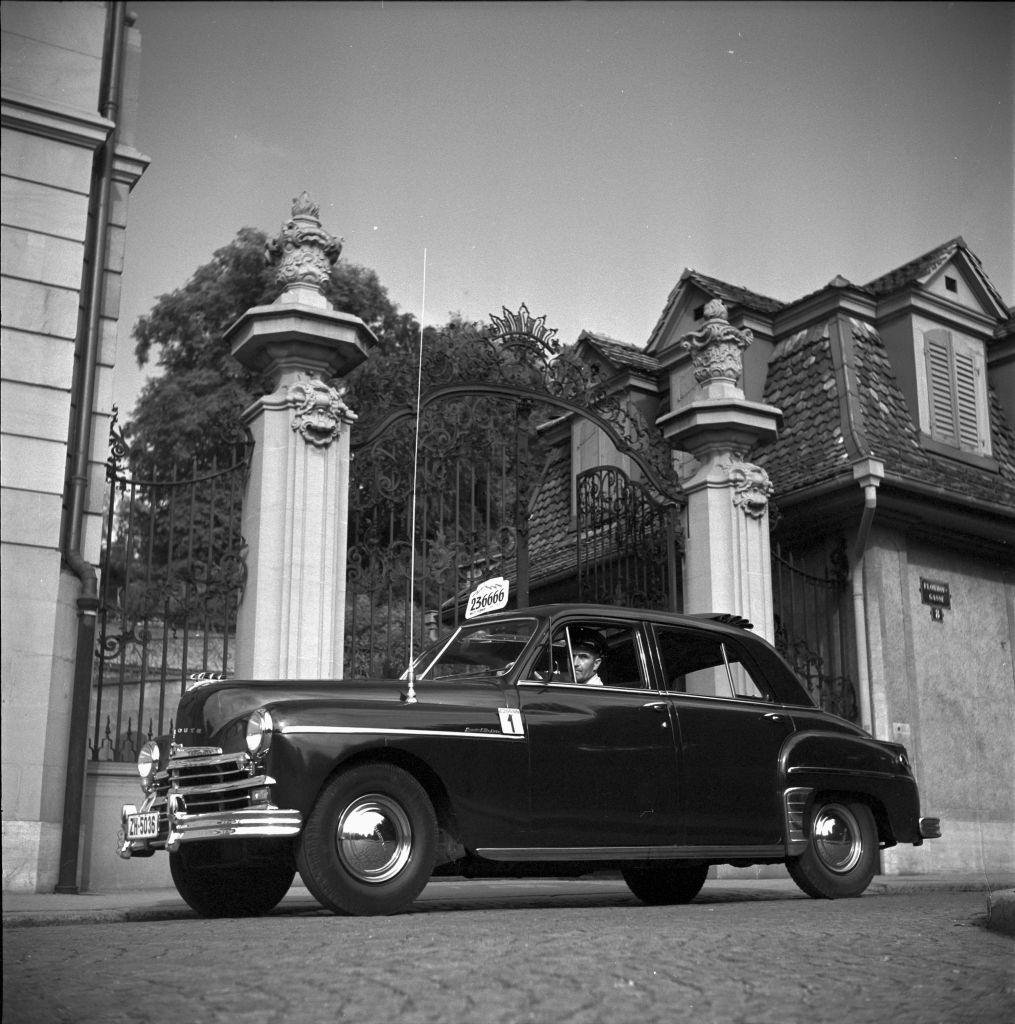
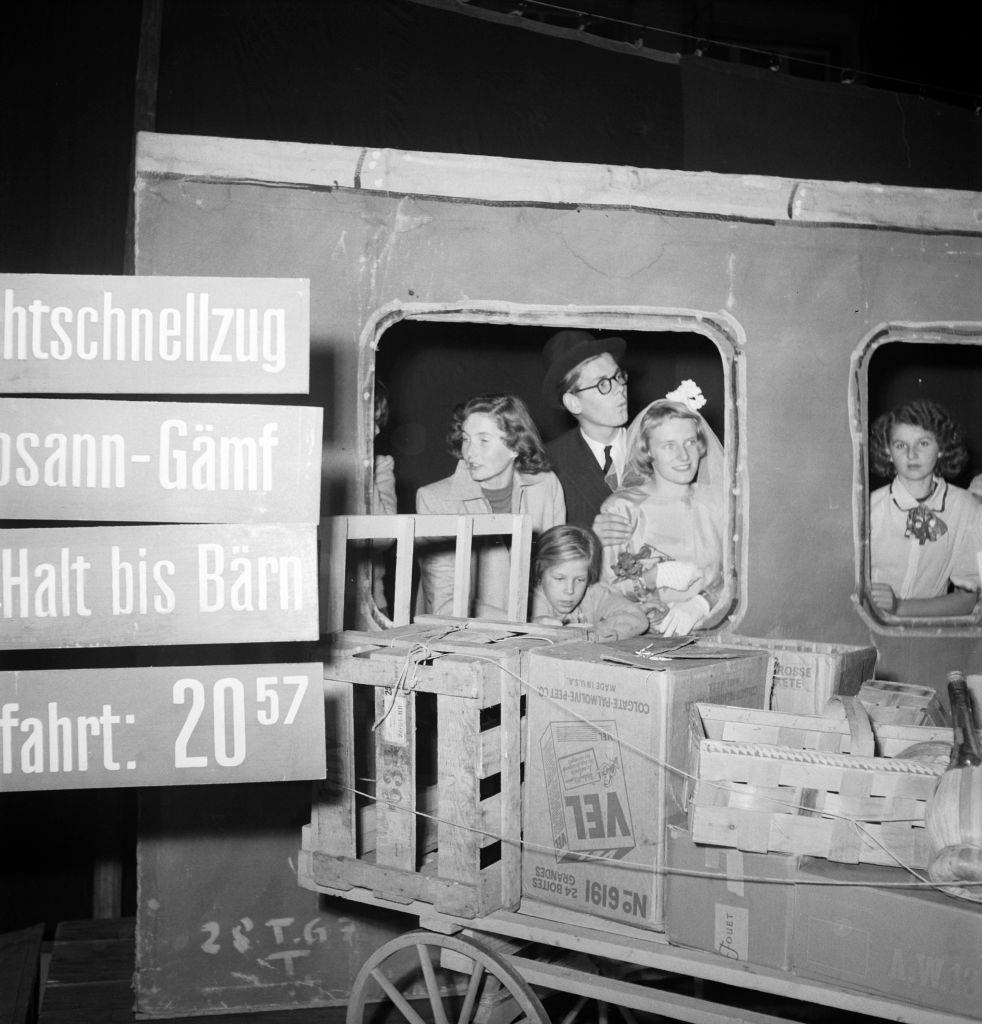
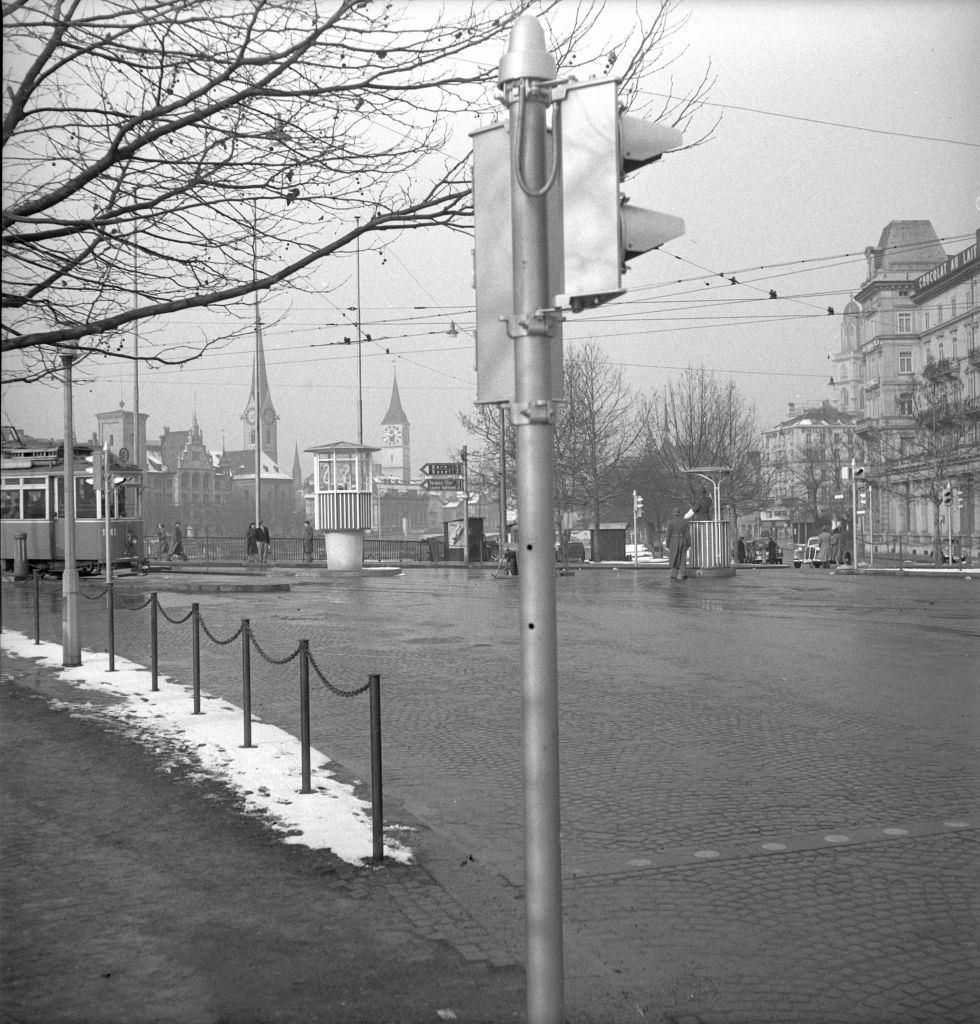
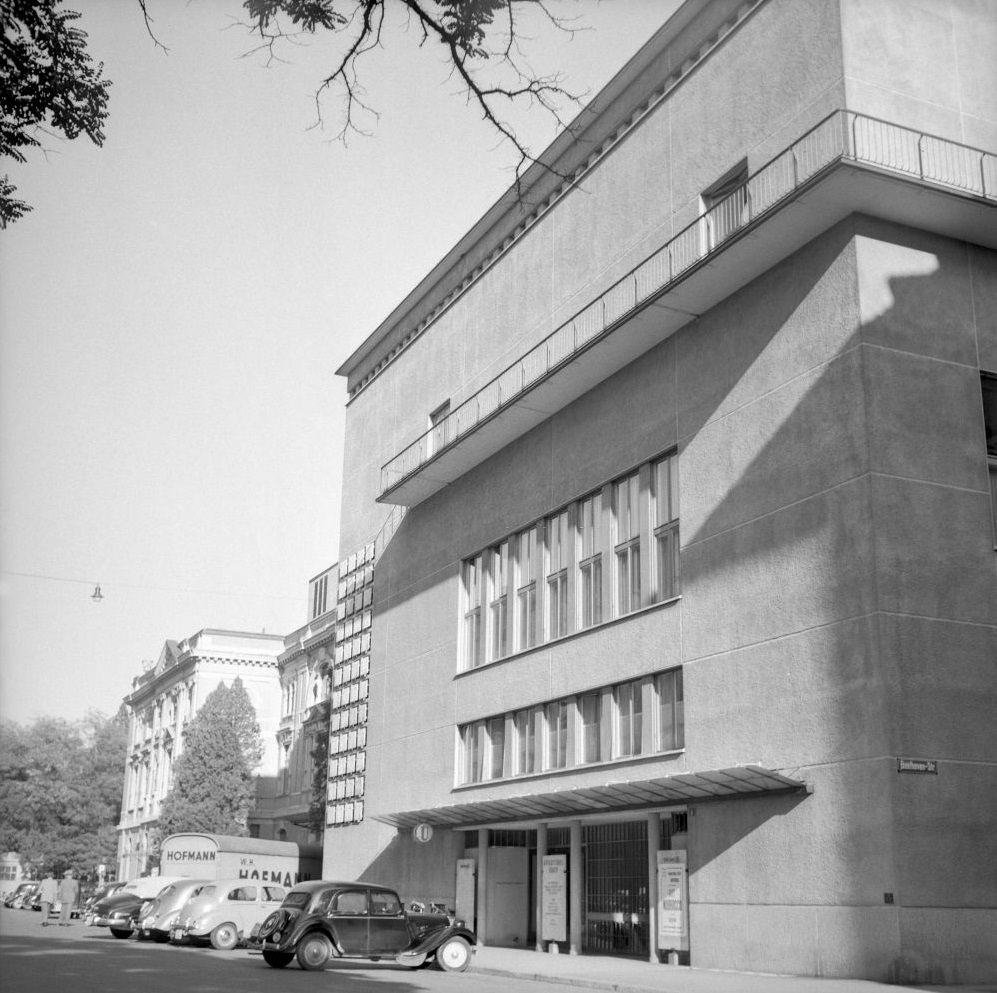
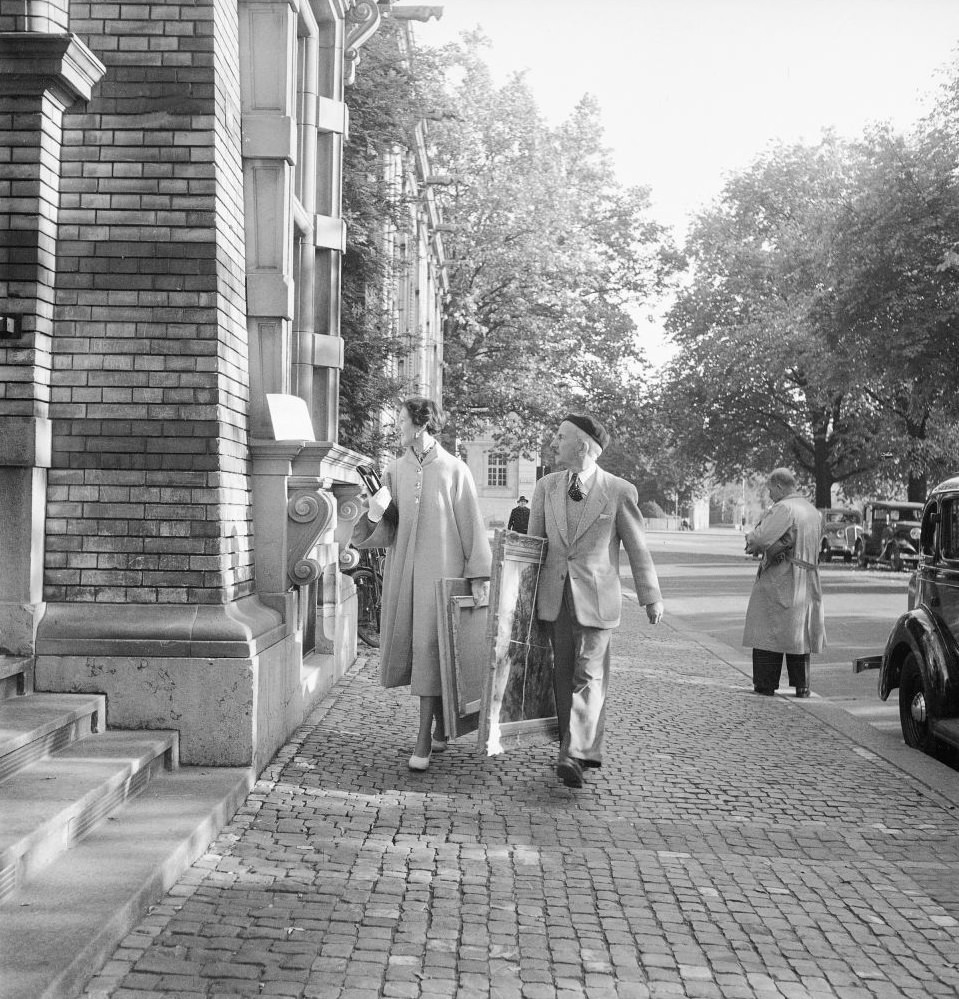
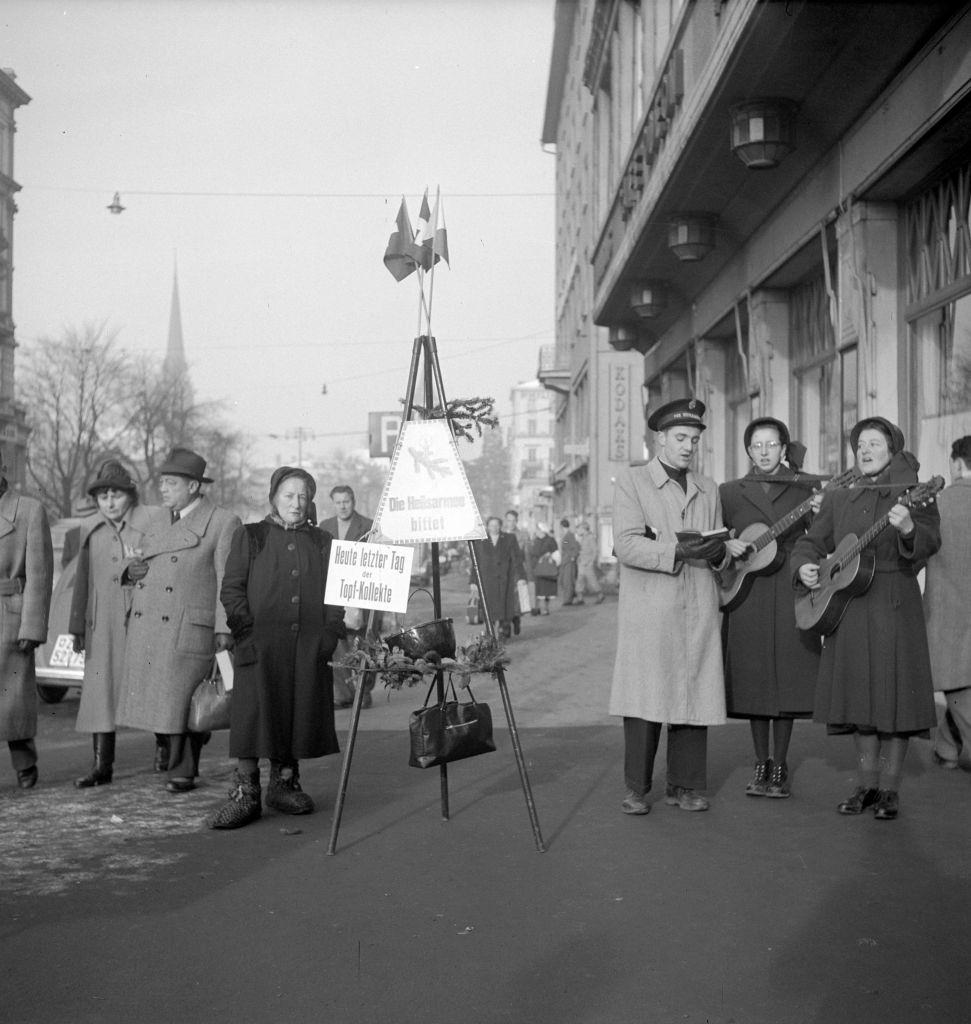
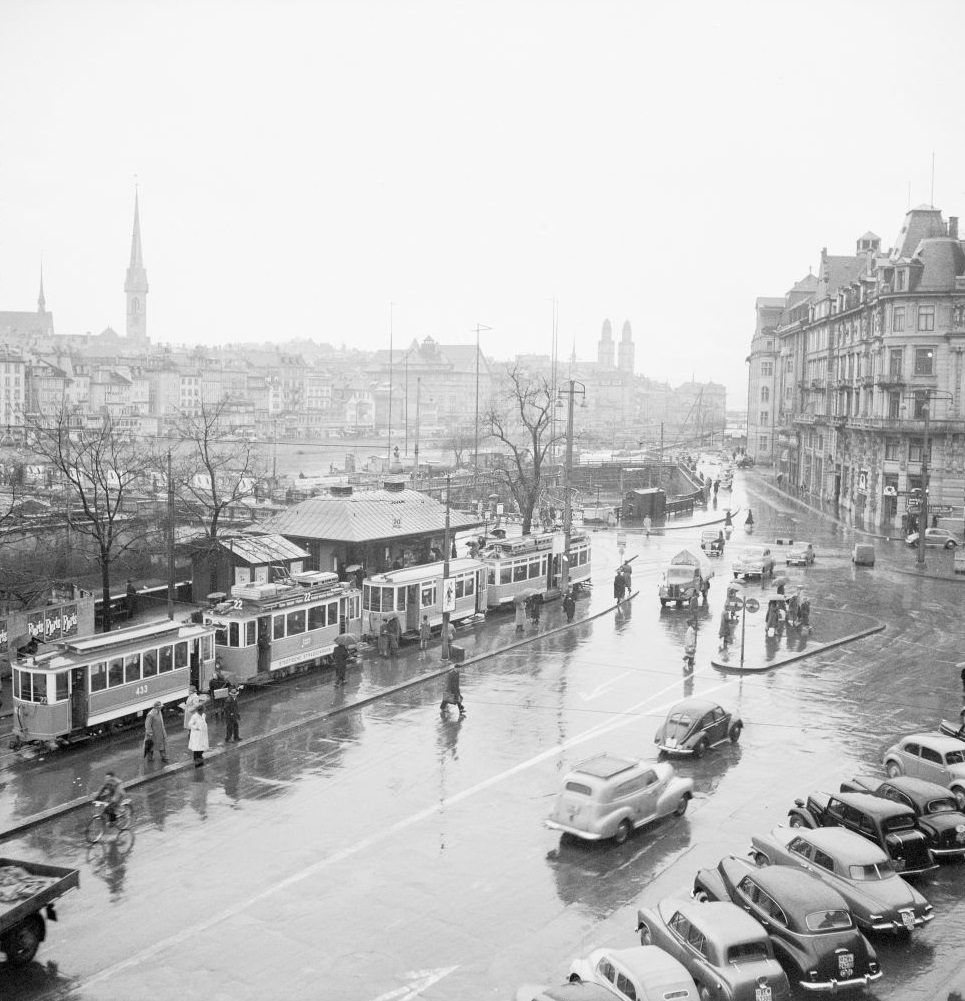
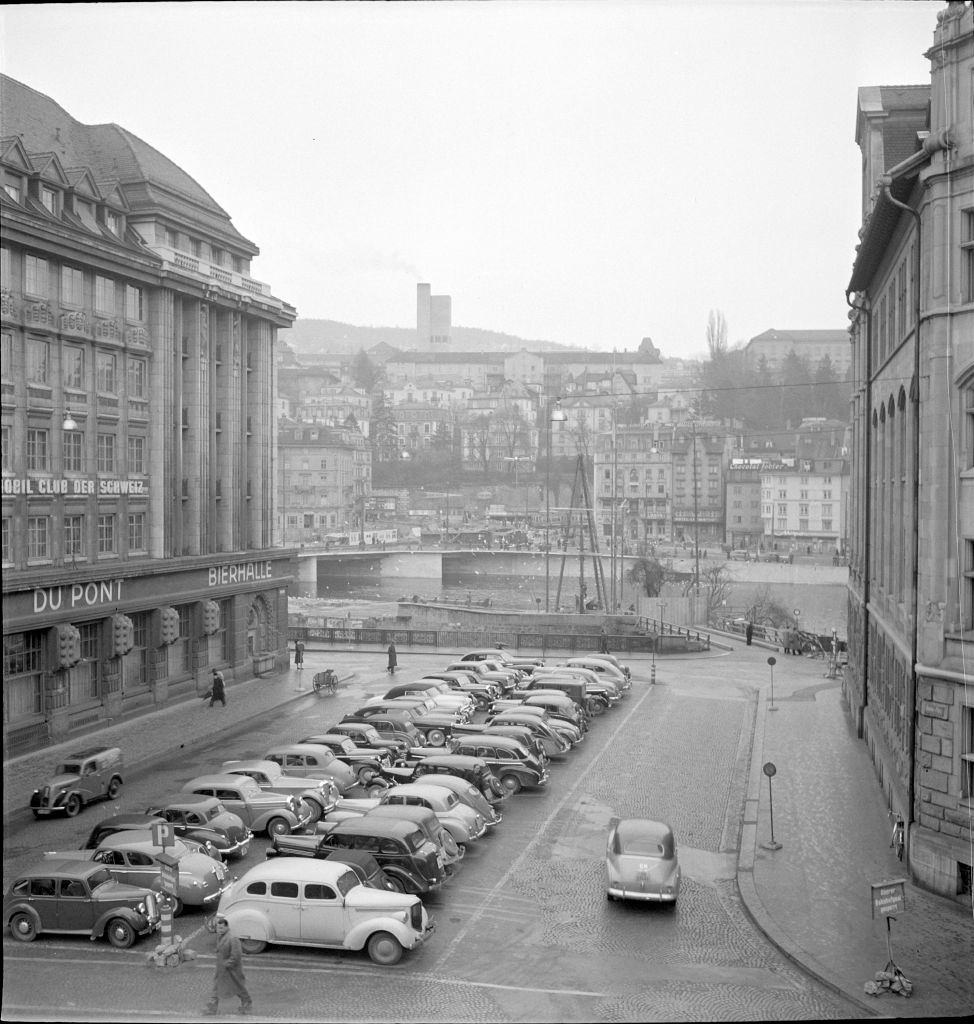
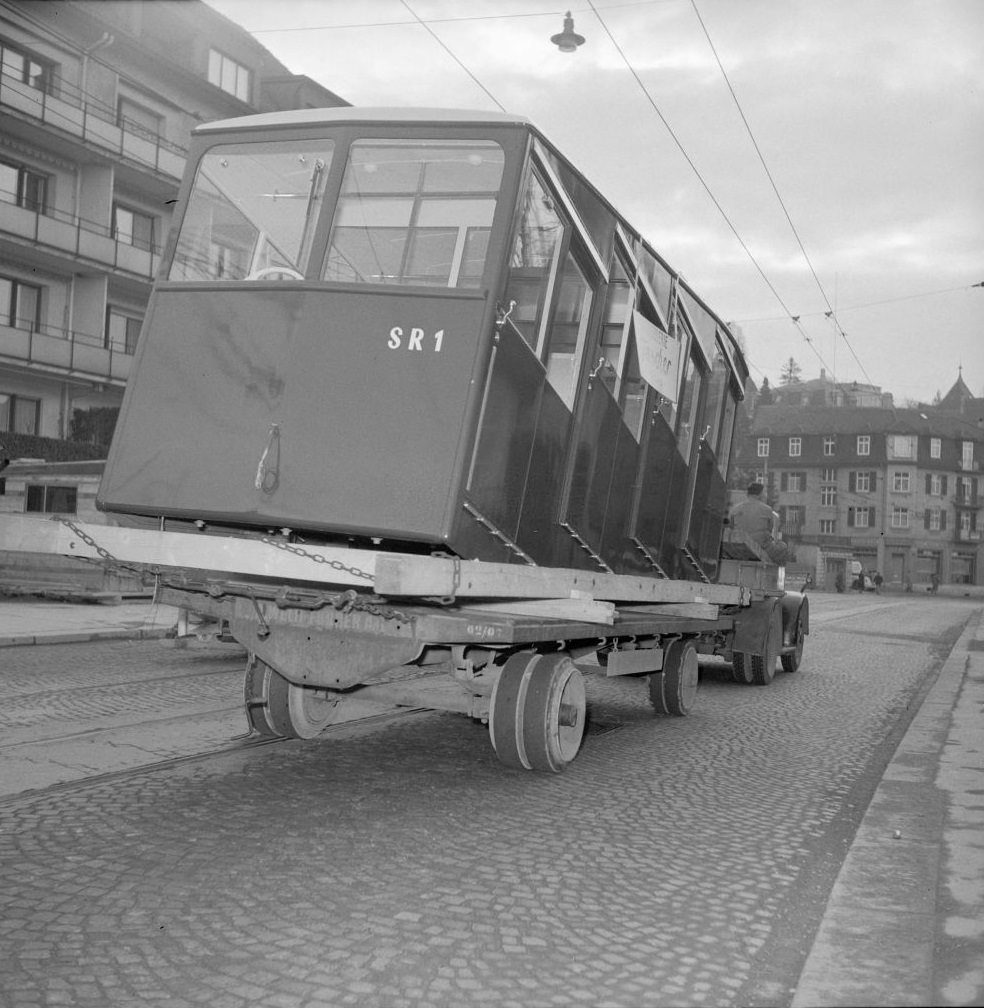
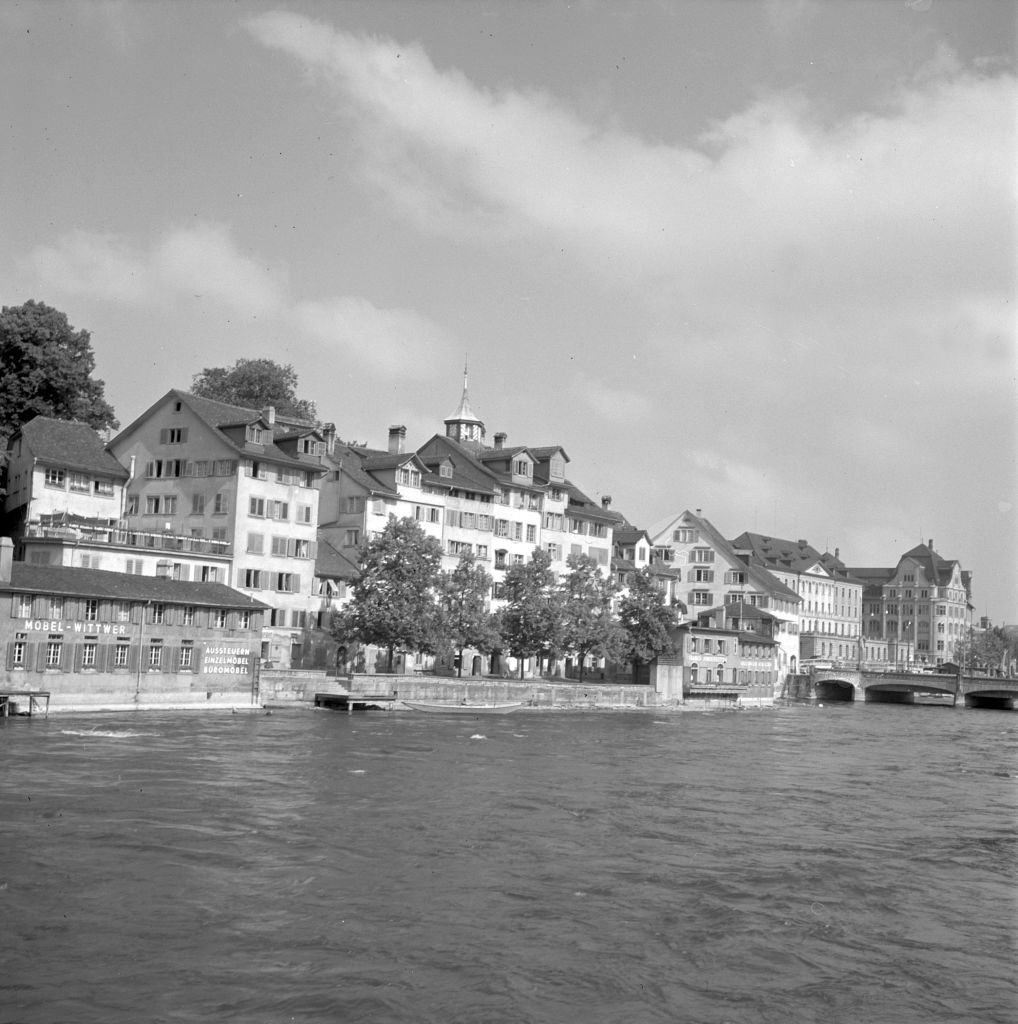
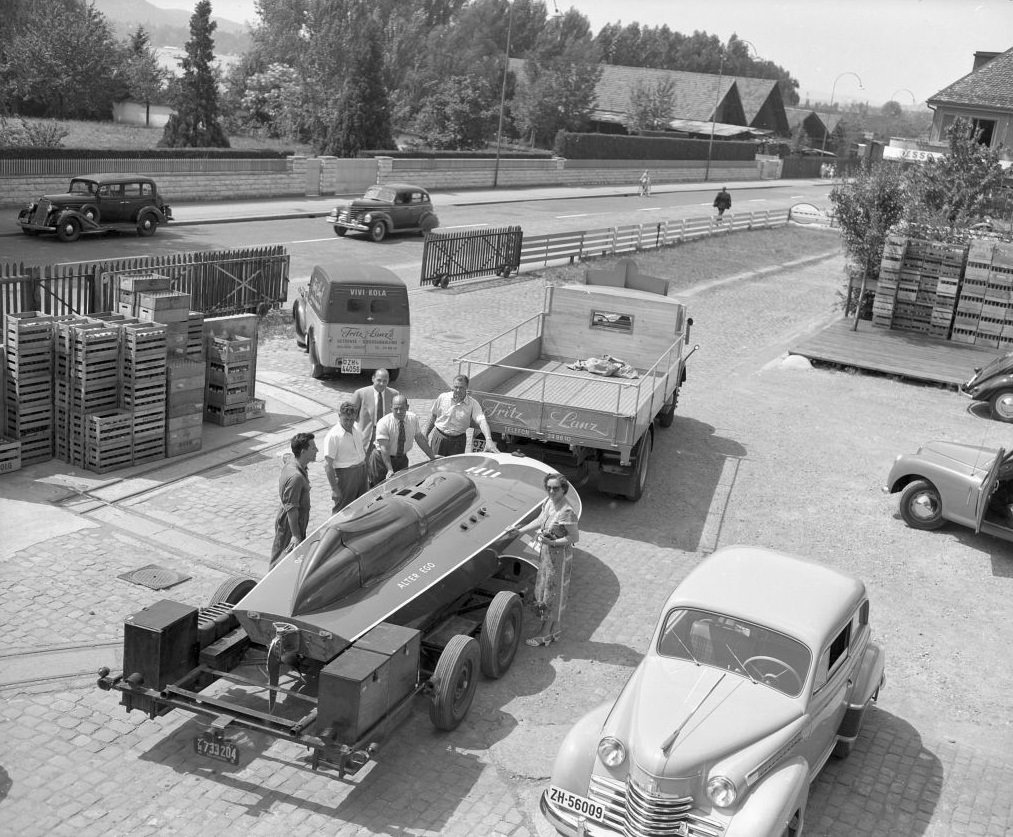
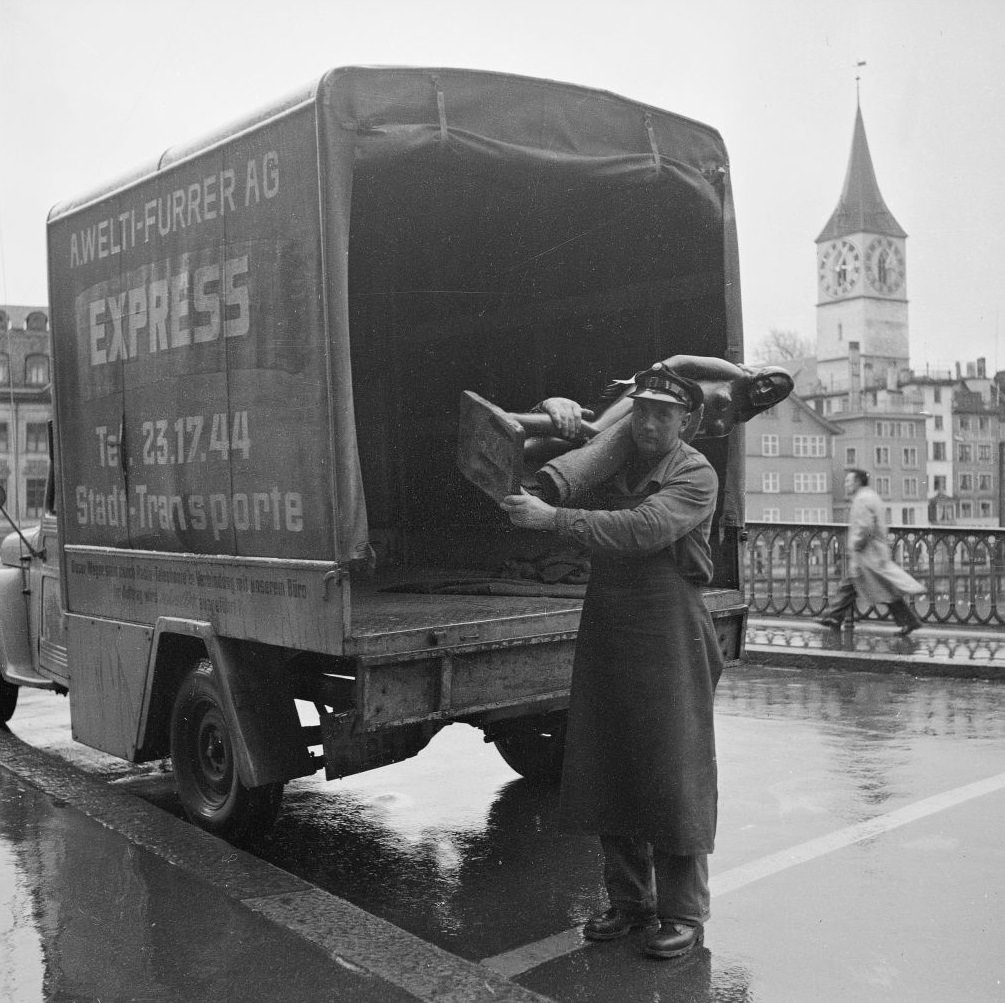
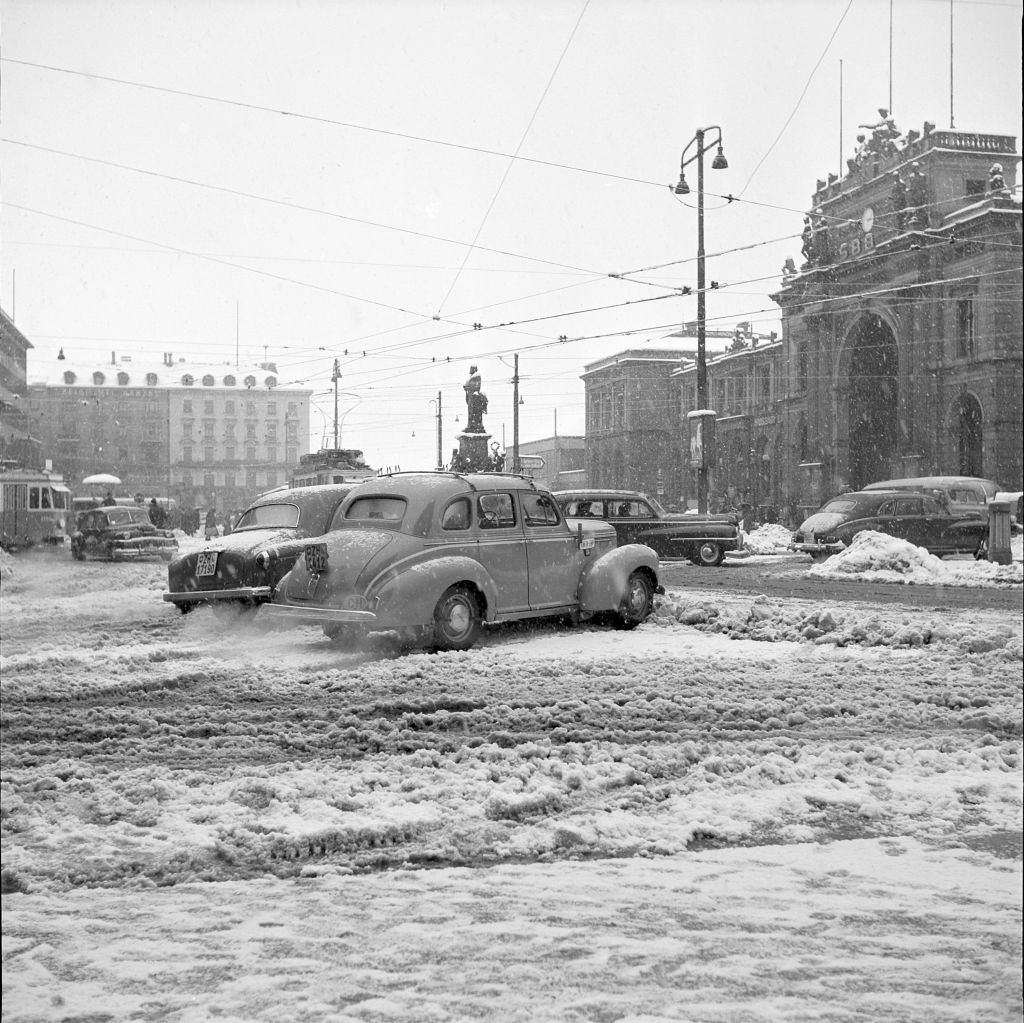
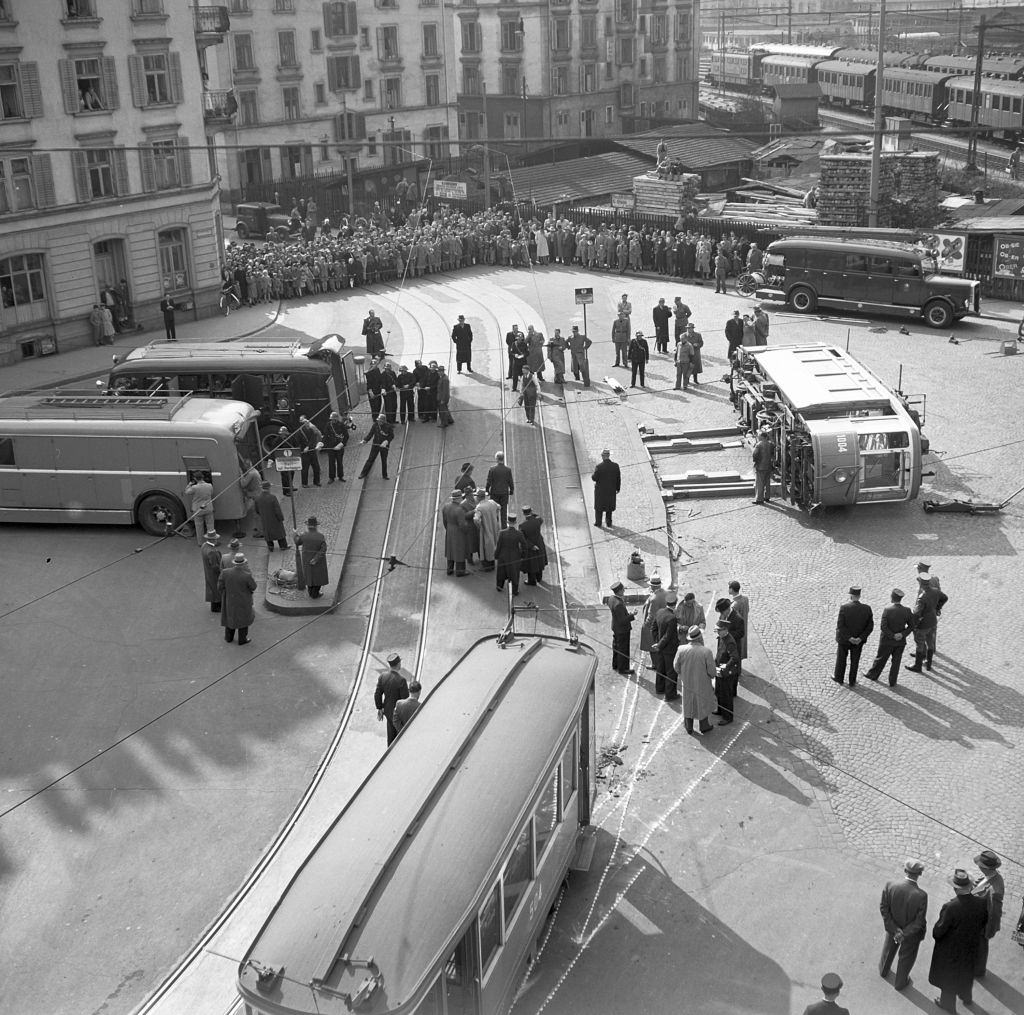
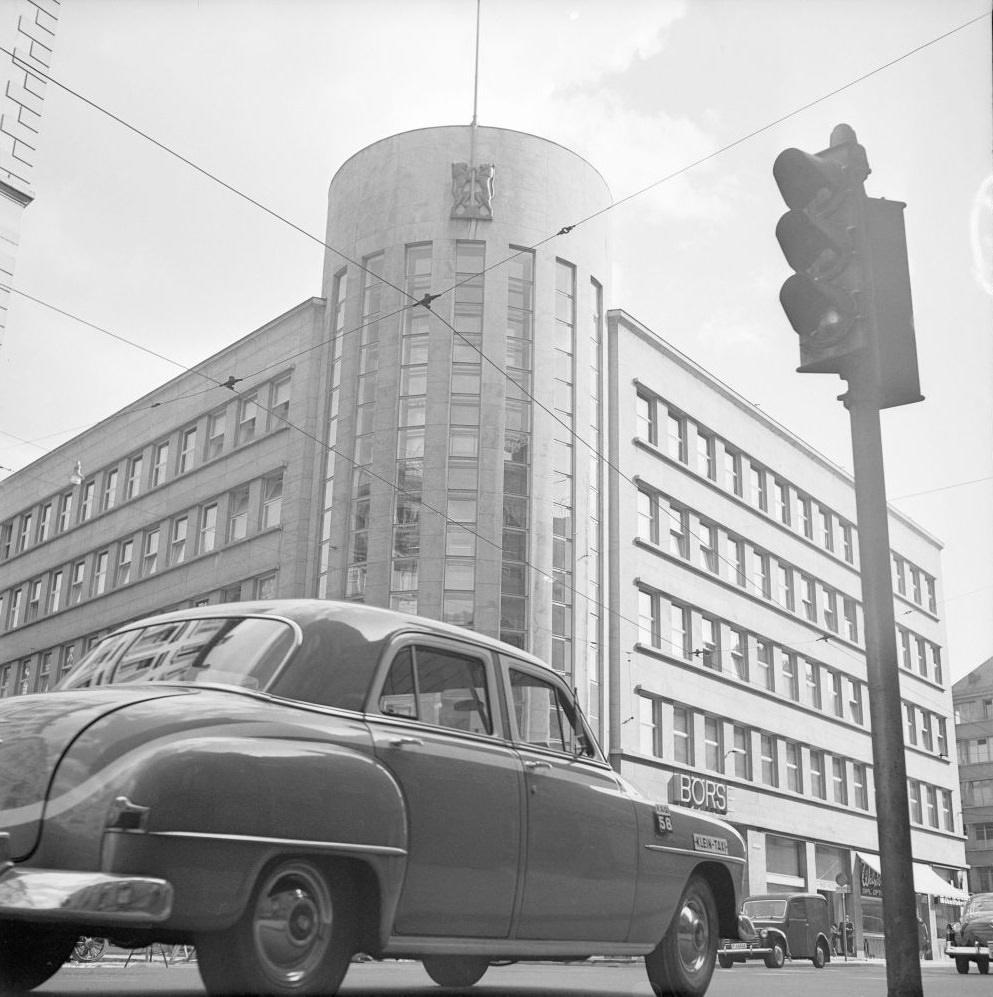
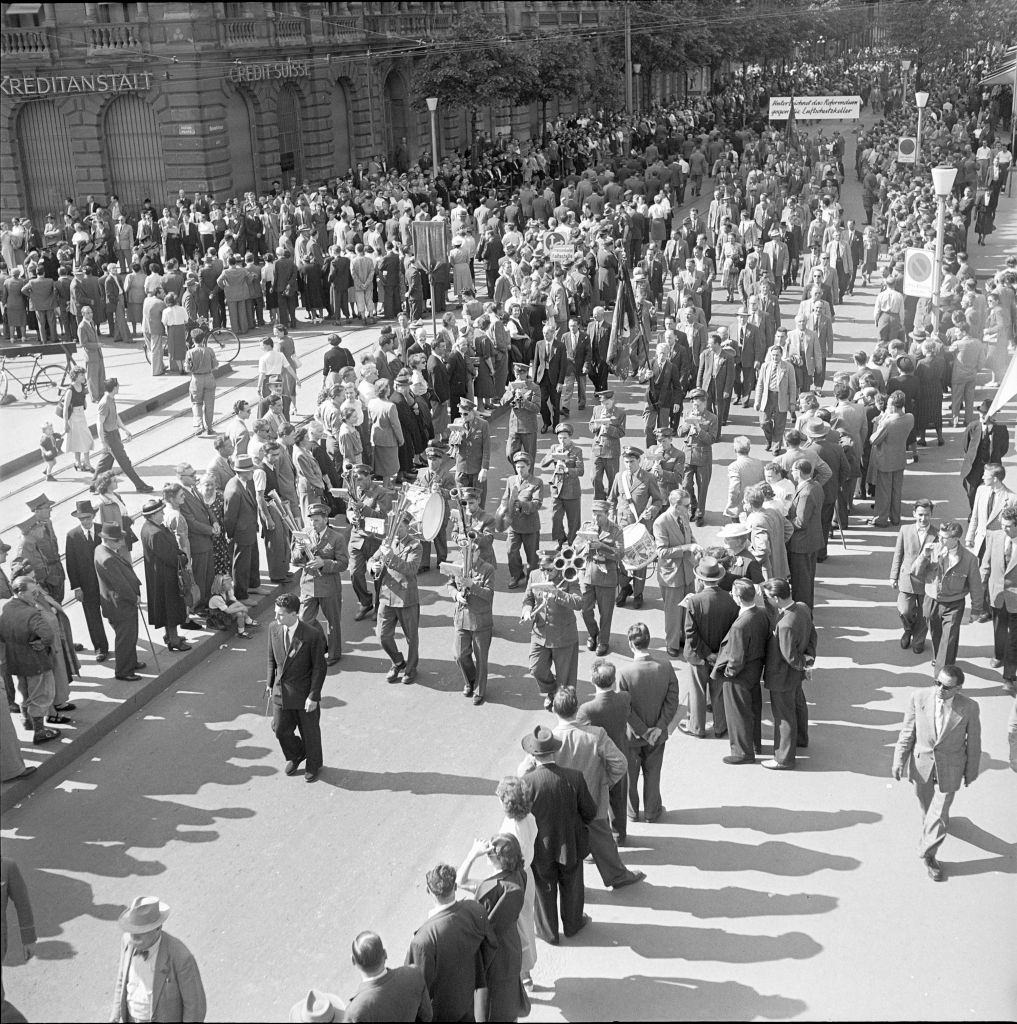
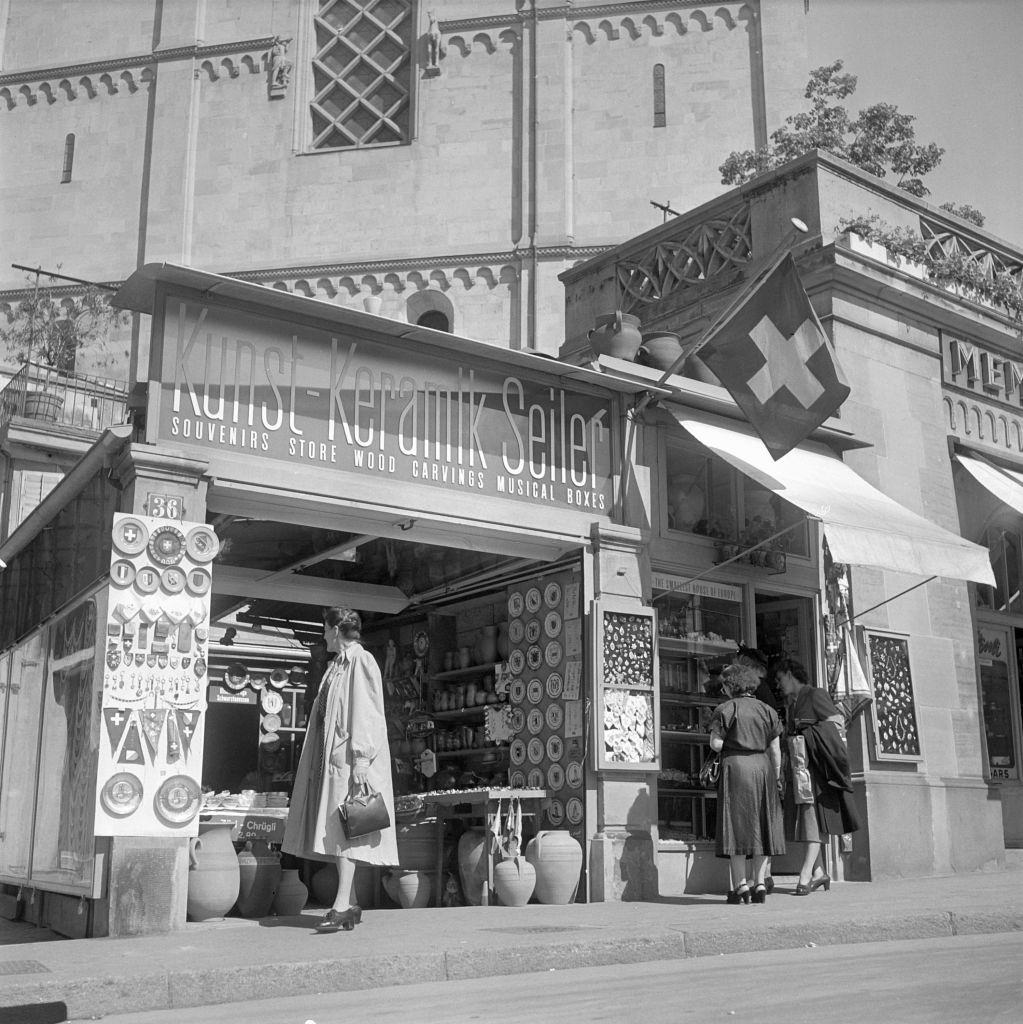
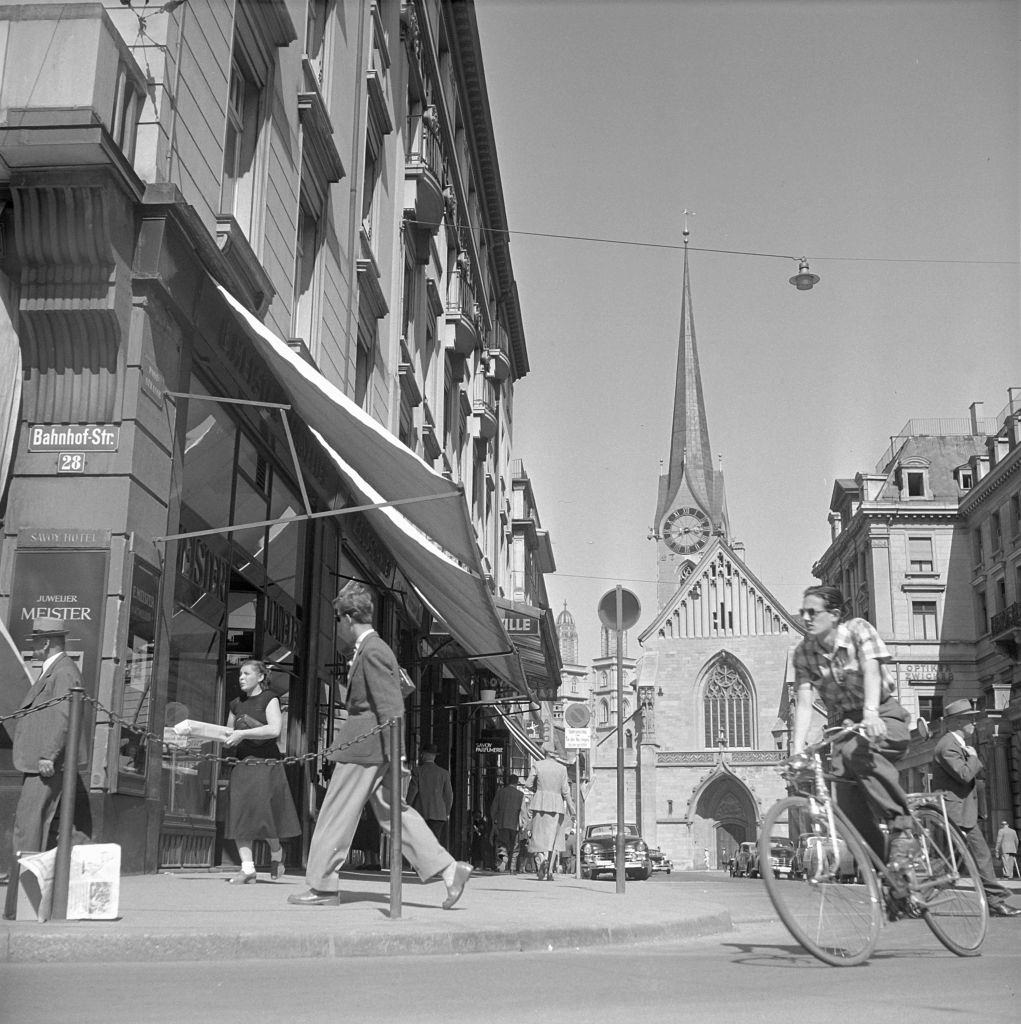
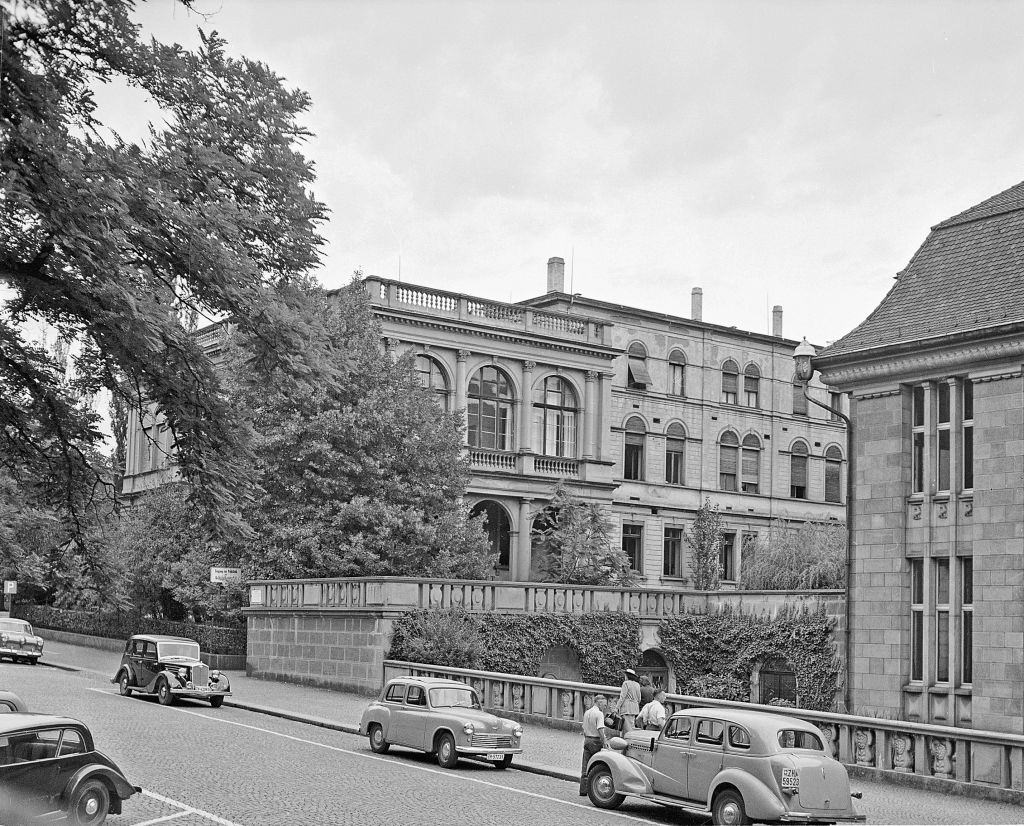
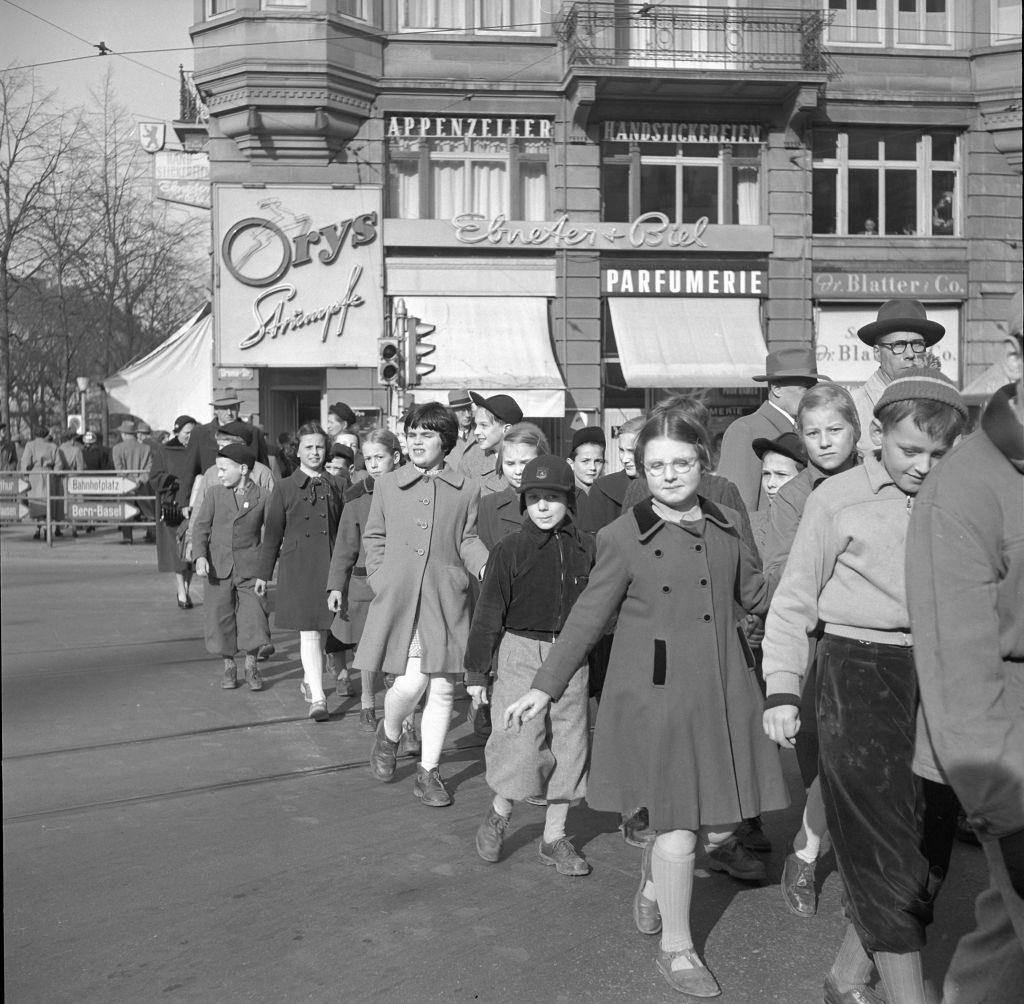
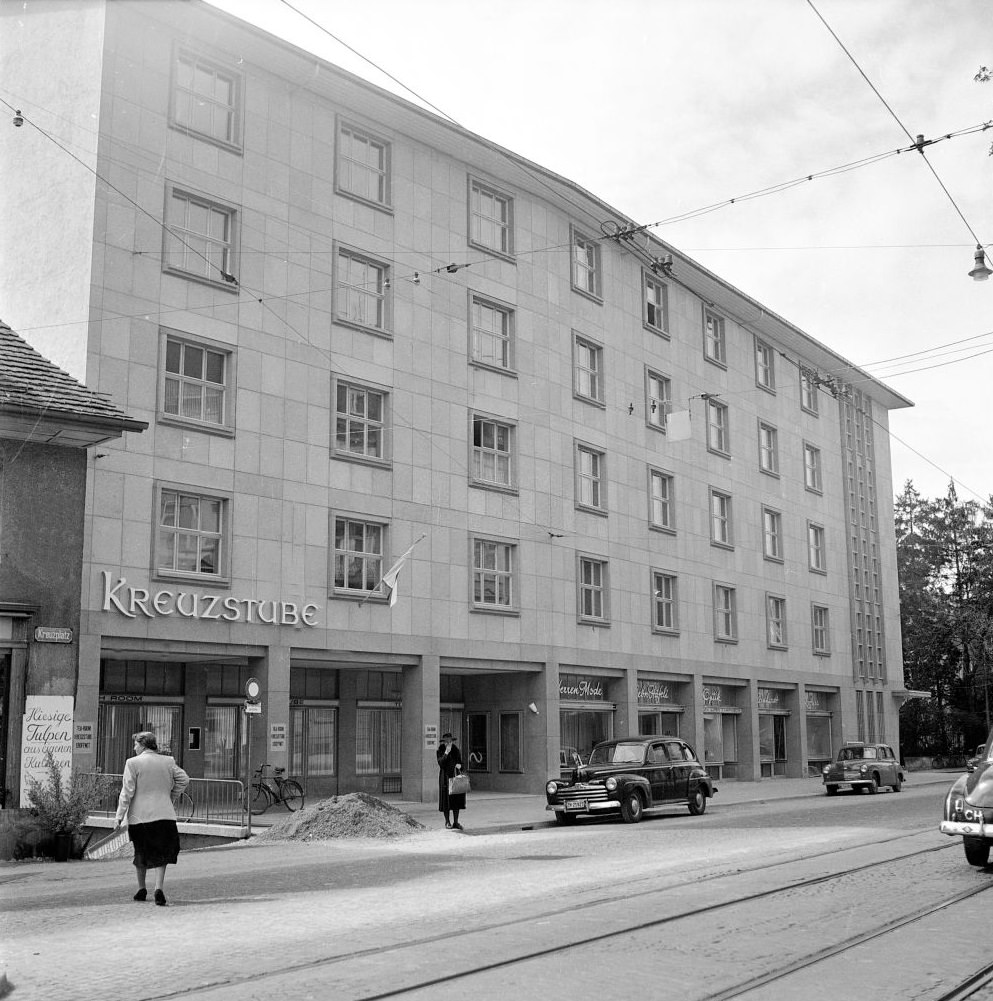
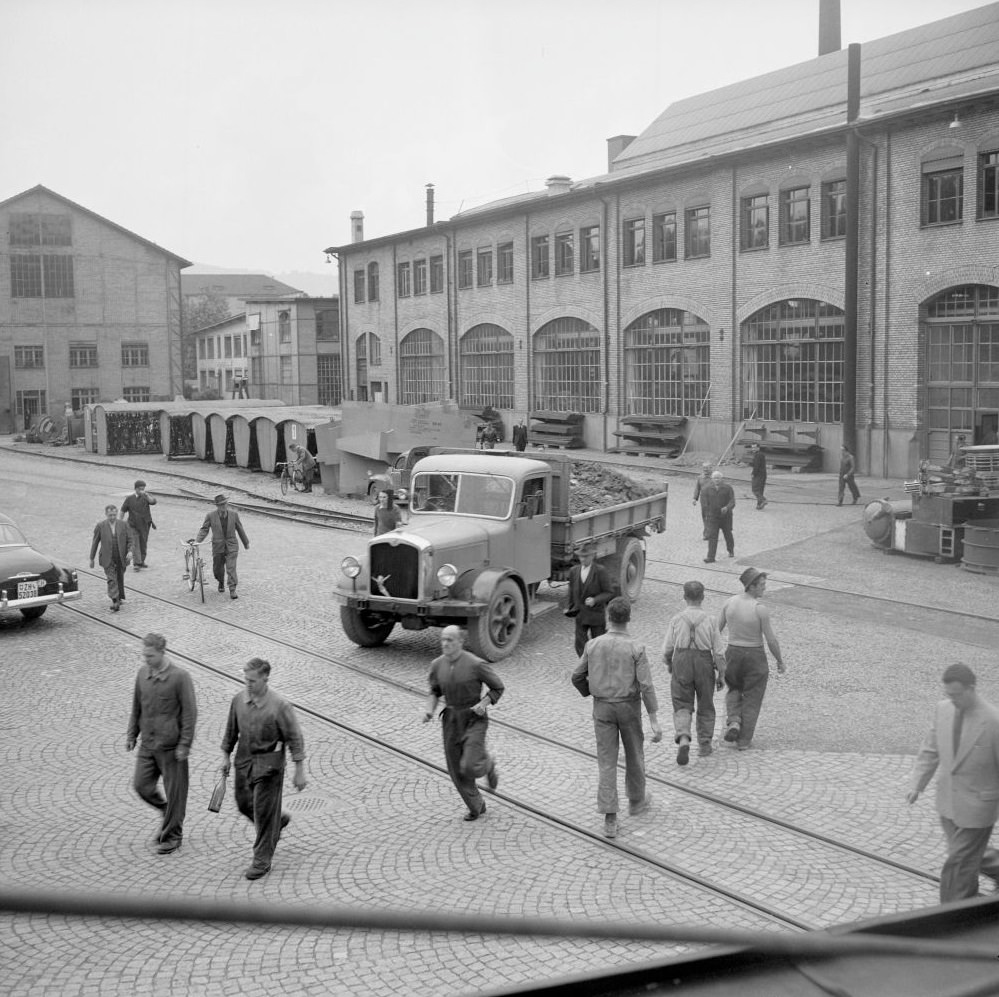
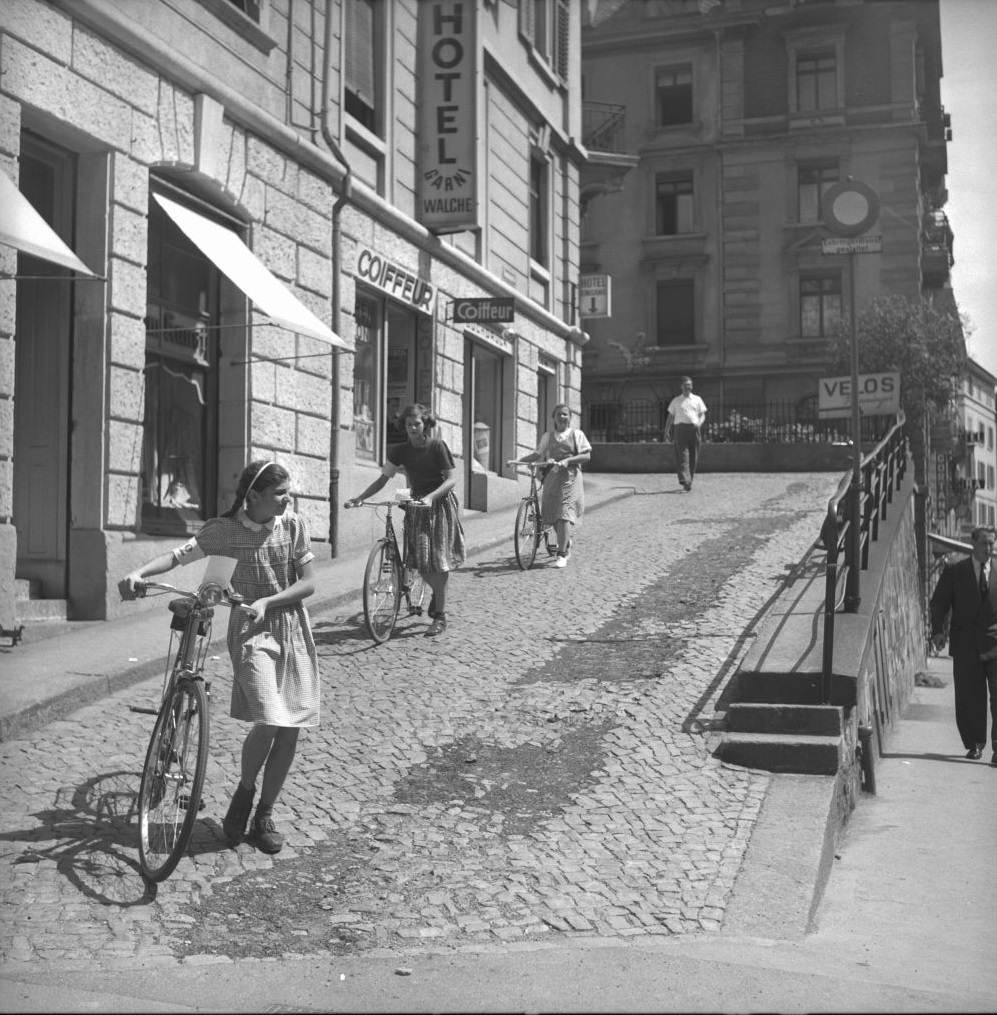
Here below are some stunning vintage photos that show what Zurich looked like in the 1950s.
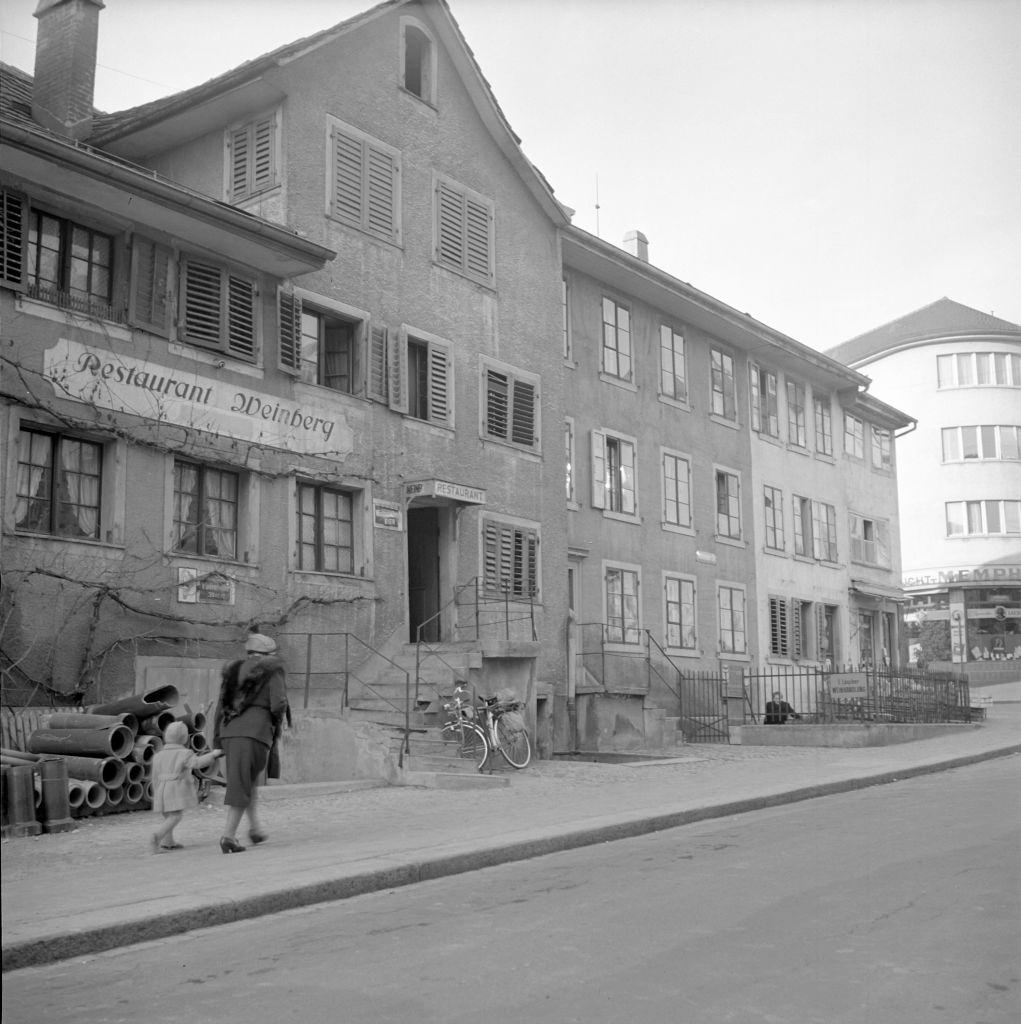
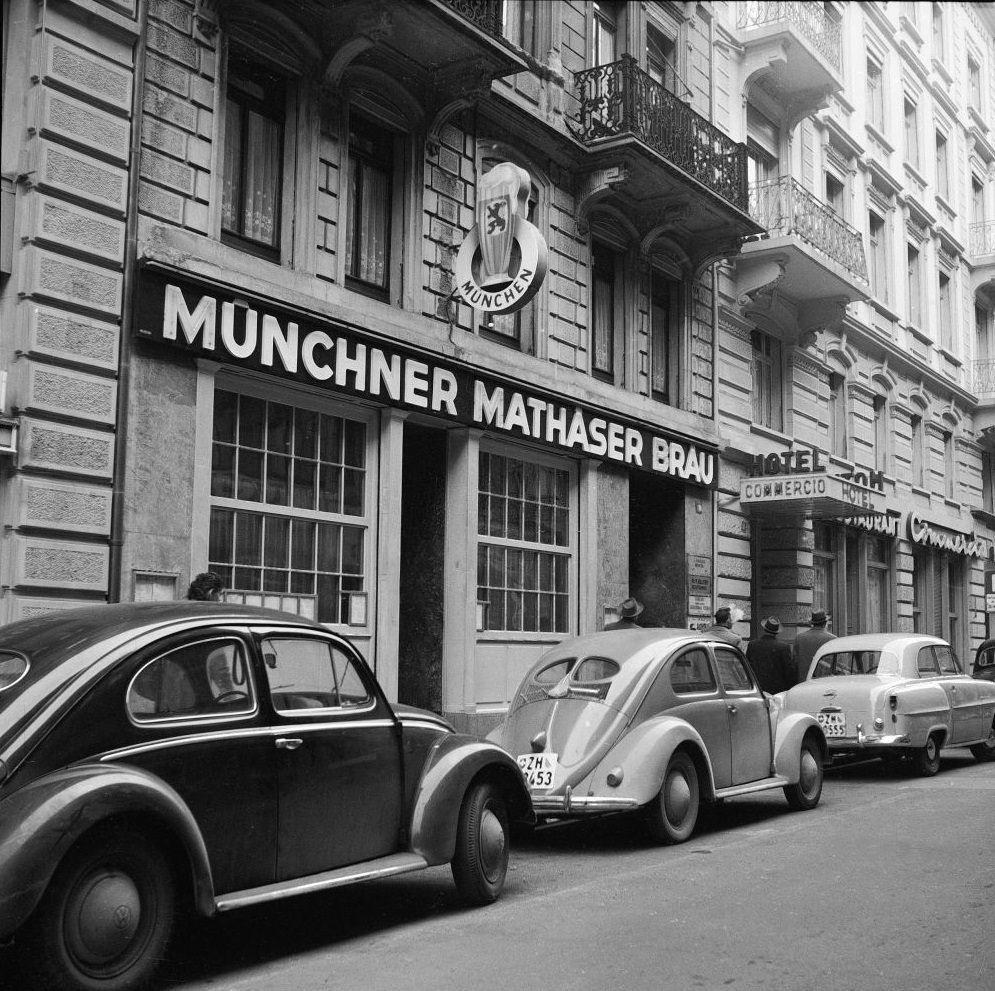


#57 Das Restaurant Weinberg dürfte eher an der Weinbergstrasse gelegen haben, nicht an der Culmannstrasse. Die Nr. 26 beherbergt heute eine Pizzeria.
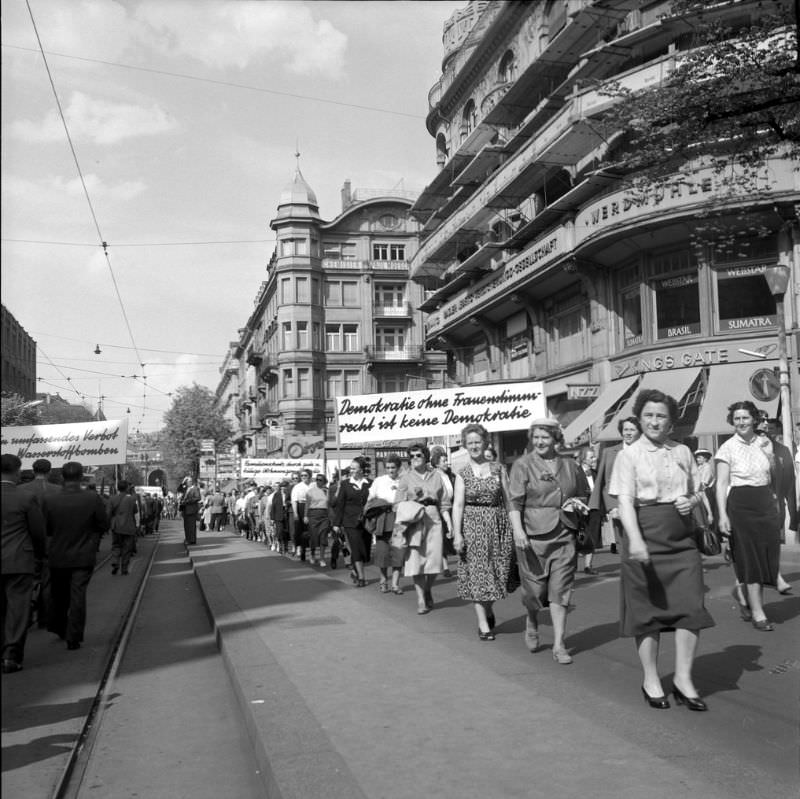
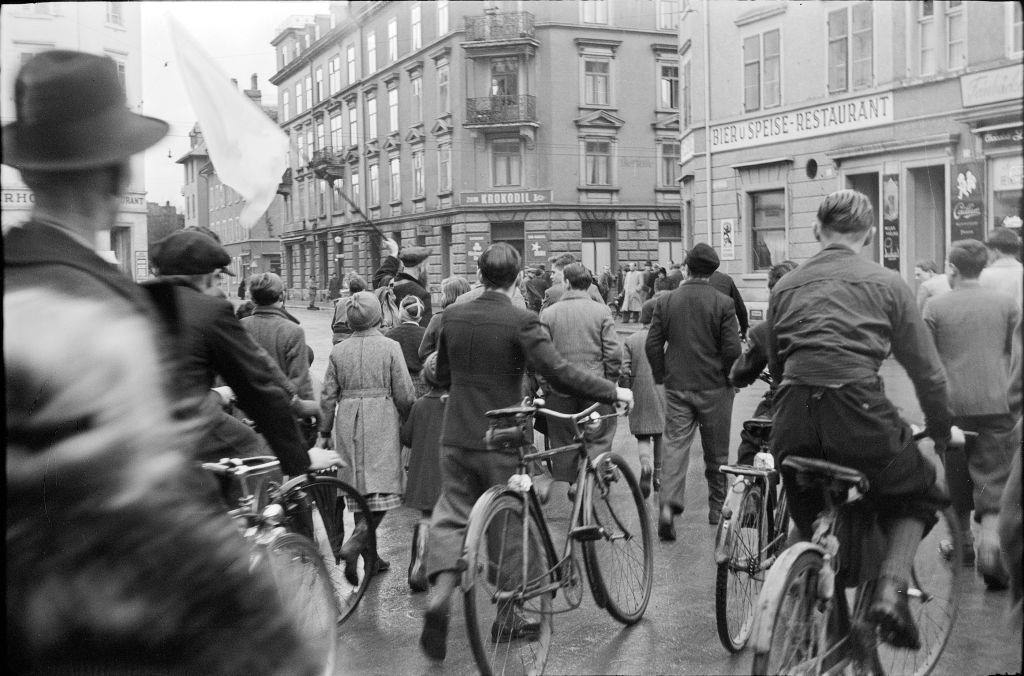
Picture #7 illustrates a demonstration advocating for women’s voting rights. Three years later, a referendum was held on this issue. While the majority in Geneva, Neuchâtel, and Vaud voted in favor (and Jura had always supported it), the proposal was rejected at the federal level. Women in Switzerland ultimately gained the right to vote in 1971. Interestingly, Appenzell Innerrhoden resisted until 1990, when the Federal Supreme Court mandated that women be allowed to vote.
Those are very interesting photographs, some places still look almost the same.
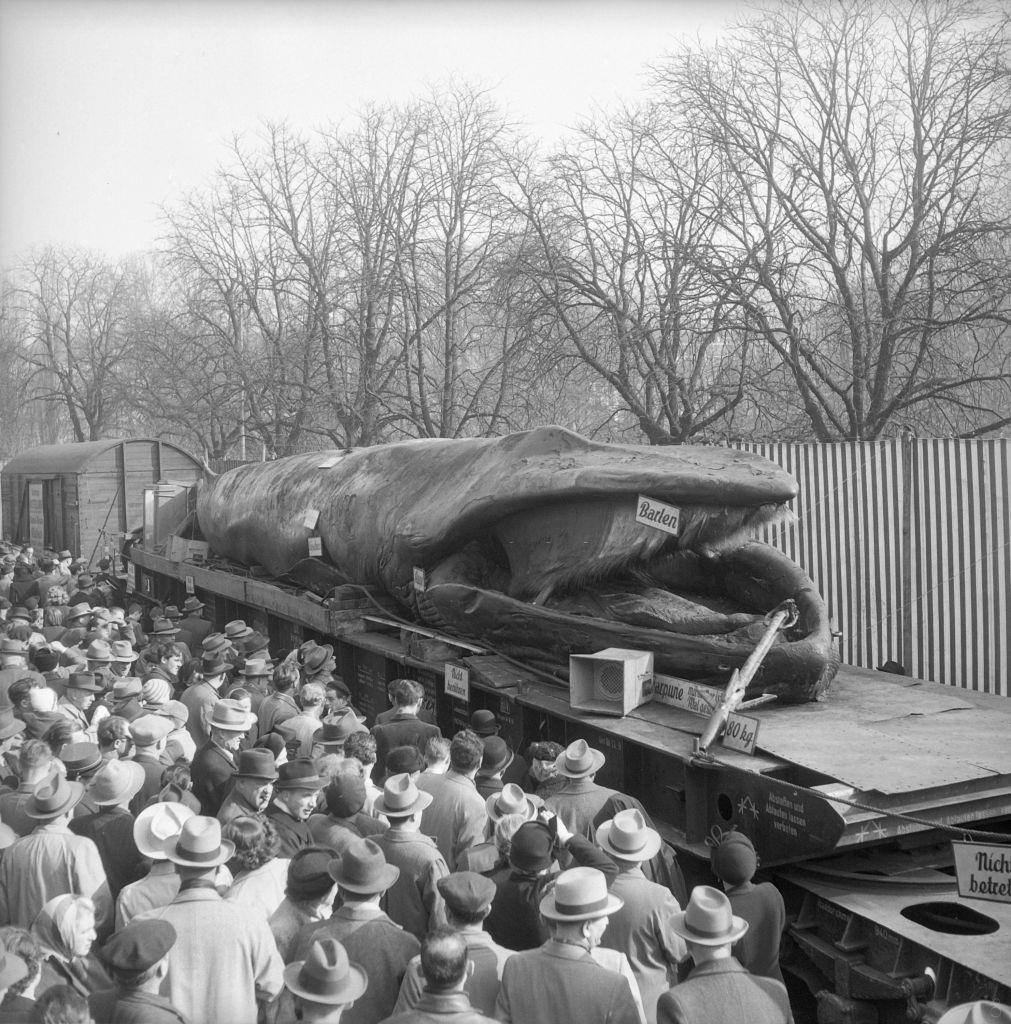
What was the story with the dead whale, I wonder?
It drowned.
The last one caught in lake of Zurich. The whaling industry got into a steep decline after that too.
Looks a lot like it does today tbh!