
Few families in circus history matched the staying power of the Kremos. This Swiss acrobatic dynasty stretched across two generations, producing world-class performers who filled the top venues in Europe and beyond. From the late 19th century onward, the Kremo name was synonymous with precision, athleticism, and showmanship. The family’s story begins with one man who had the vision to turn a personal skill into a lasting legacy.
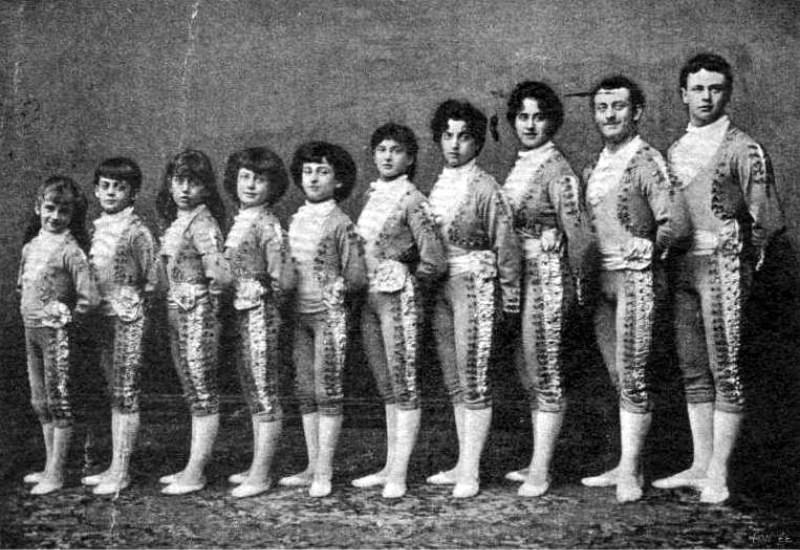
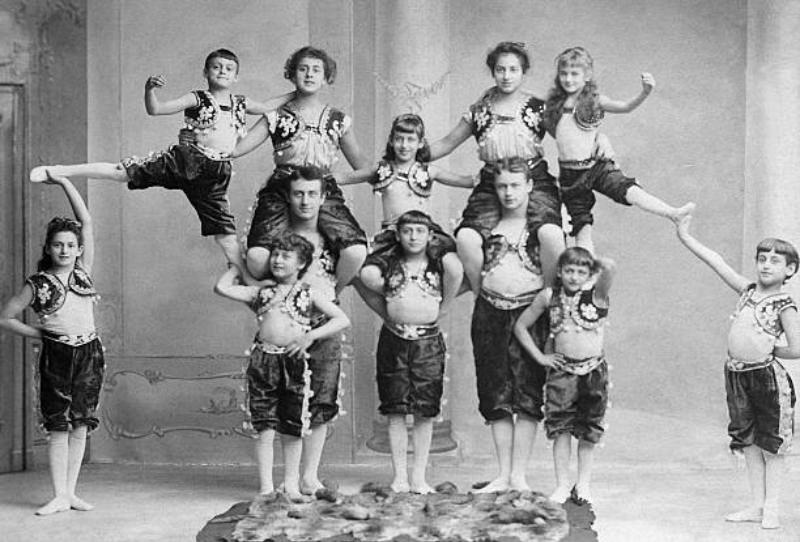
Josef Kremo was born in 1854, and his real surname was Kremka. He was originally from the region that was then part of the Austro-Hungarian Empire — what would later become Czechoslovakia. Around 1880, Josef established the first Kremo troupe, which included himself and his two eldest sons, Sylvester and Karl. Before forming his own act, Josef had trained under the Scheffers, an Austrian acrobatic family widely regarded as the finest practitioners of the Risley act in all of late 19th-century Europe. The Risley act, also known as icarian gymnastics, involves one performer — the “understander” — lying on their back and using their feet to toss, balance, and catch other performers in the air. It demands extraordinary timing and physical strength from everyone involved.
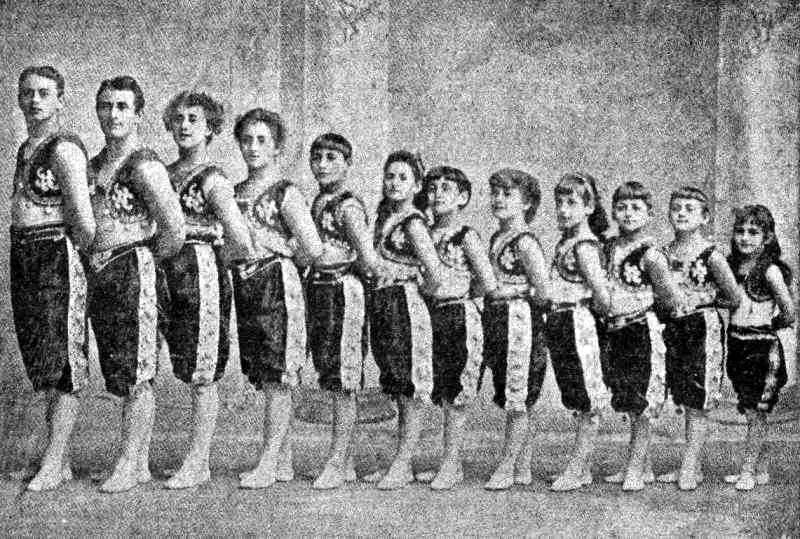
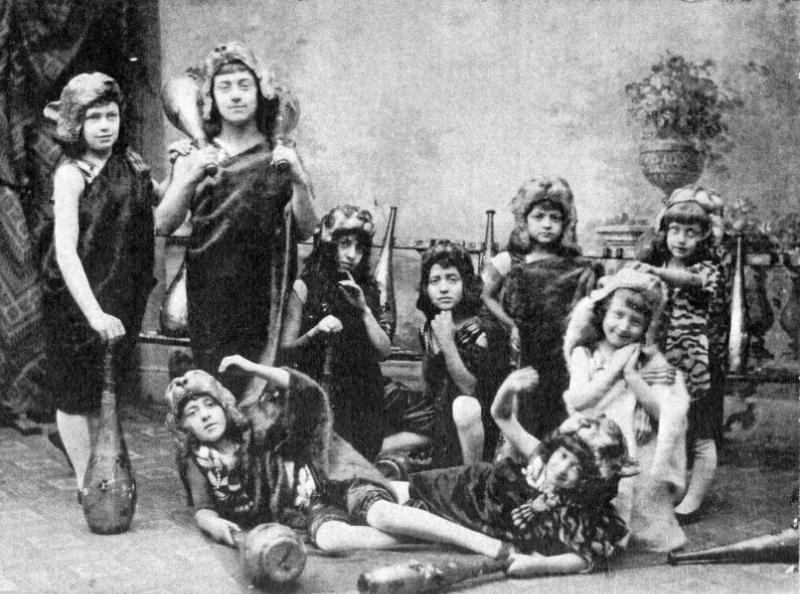
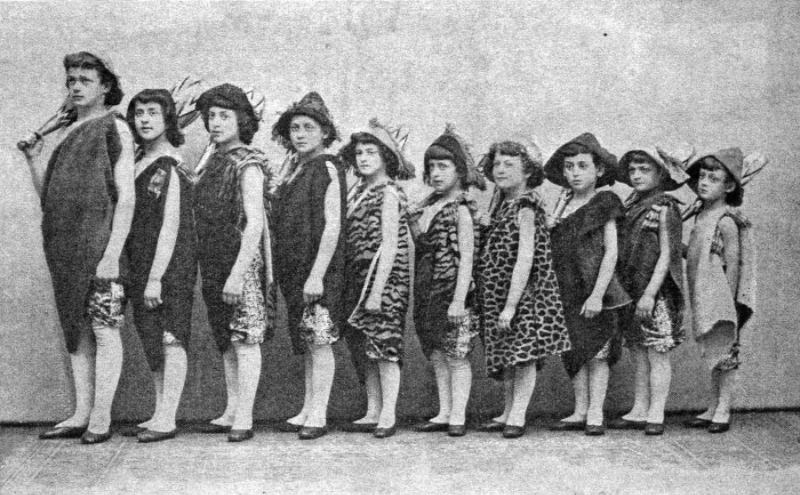
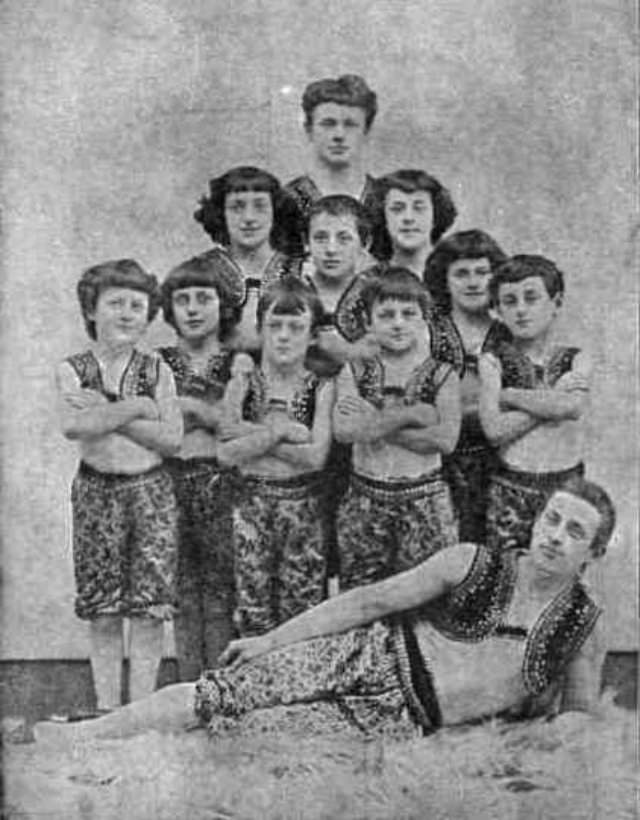
Josef married Franzisca Allinger, an equestrienne from Austria-Hungary. Together they had thirteen children, and twelve of them eventually performed in the Risley act. That number alone speaks to how deeply the craft was woven into daily family life. Among those children, three — Anton, Franziska, and Viktor — mastered the triple somersault on their father’s feet. This move stands as the most difficult trick in icarian gymnastics, both then and now. Landing it requires the base performer to launch their partner with exact force and angle while the flyer completes three full rotations before being caught.
As the children grew up, the family act naturally expanded. Josef’s eldest son, Sylvester, born in 1881, and his younger brother Karl, born in 1882, both went on to form their own troupes while carrying the Kremo name forward. Sylvester’s troupe featured two of his daughters, Sylvia and Selna, and the act was named after them. It was a tight family unit built around the same Risley traditions their grandfather had mastered.
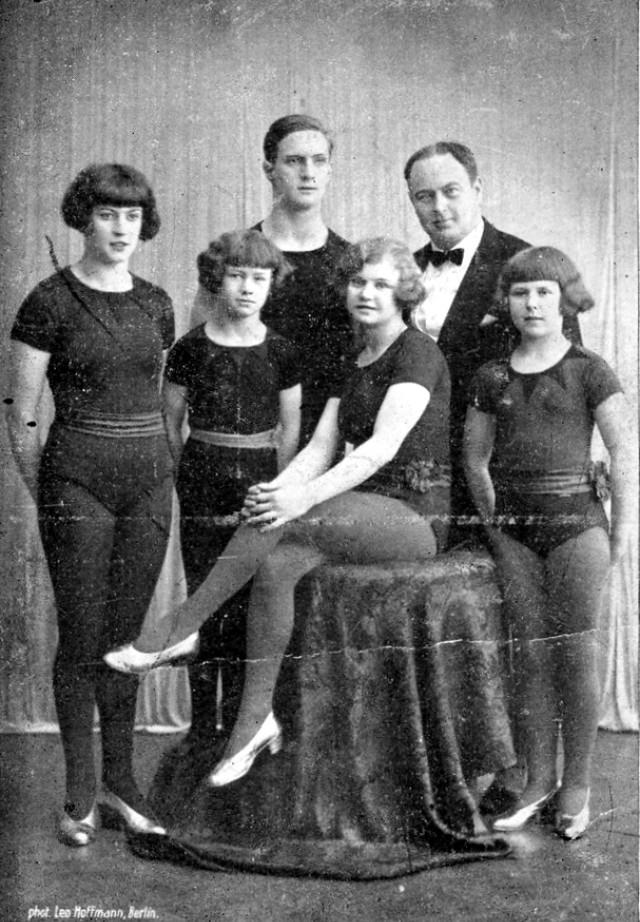
Karl’s troupe had a broader lineup. It included his brother Mark, born in 1888, and Karl’s wife Margrit — née Hanus, originally from Hungary — who was born in 1891 and died in 1923. The act also featured their children: Bellona, Béla, Bianca, and Bert, along with occasional outside partners. Together, this group performed at Europe’s leading circuses and variety theaters well into the 1930s. Karl’s troupe was particularly active across the continent’s most prestigious stages, where icarian acts were still considered the pinnacle of circus skill.
Josef himself died in 1917, but the machine he had set in motion decades earlier kept running. Sylvester lived until 1962, and Karl until 1958. Both men spent the majority of their lives performing and passing the craft to the next generation. Mark Kremo, Karl’s brother, died in 1945. Their lifespans trace the full arc of the classic European circus era — from the gaslit stages of the 1880s through the upheaval of two world wars.
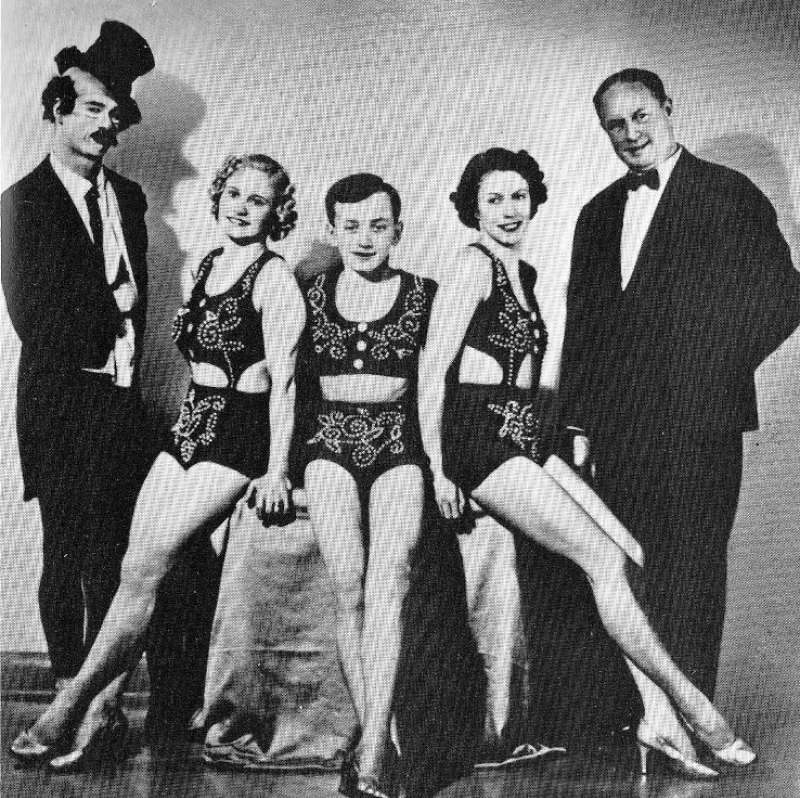
While icarian gymnastics defined the first generation of Kremos, the family’s second generation pivoted to a different discipline. Karl’s son Béla Kremo became a world-famous juggler, stepping away from the Risley tradition while keeping the Kremo name at the top of the entertainment world. The transition from icarian acrobatics to juggling was not a break from the family’s identity — it was an extension of its commitment to physical artistry at the highest level.
Béla preserved the character and showmanship that the Karl Kremo Family had built over decades. His performances carried the same sense of precision and stagecraft that audiences had come to expect from anyone bearing the Kremo name. The shift in specialty actually helped the family reach new audiences who might not have been drawn to the traditional circus ring.
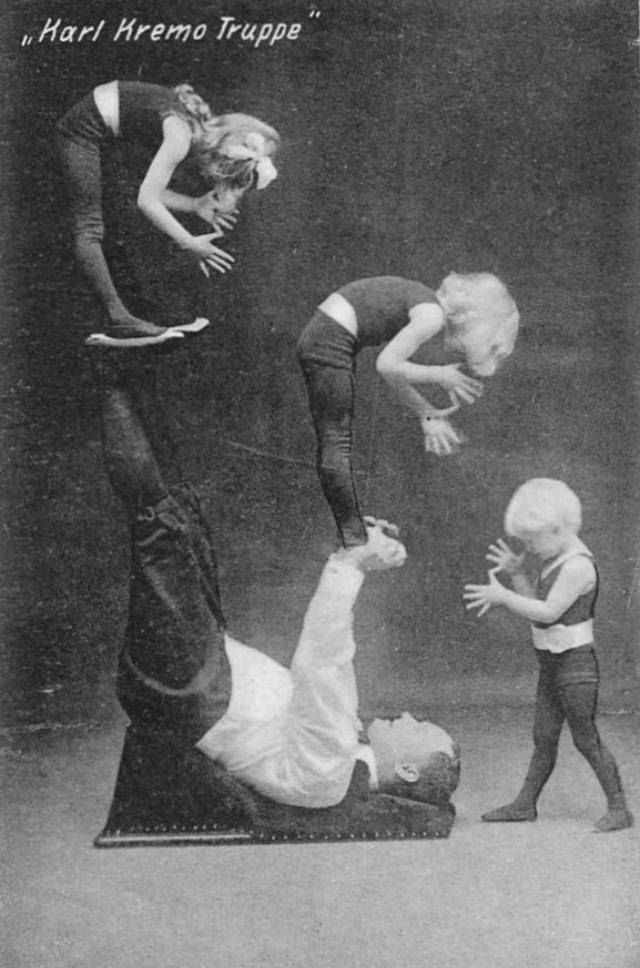
The Kremo story is also a record of geography in motion. Josef started in Central Europe during the twilight of the Austro-Hungarian Empire, and successive generations fanned out across the continent. The family performed in variety theaters, which were the dominant entertainment format for urban audiences in the early 20th century, as well as in traditional circus settings. Their ability to adapt to both environments was key to their long run on European stages.
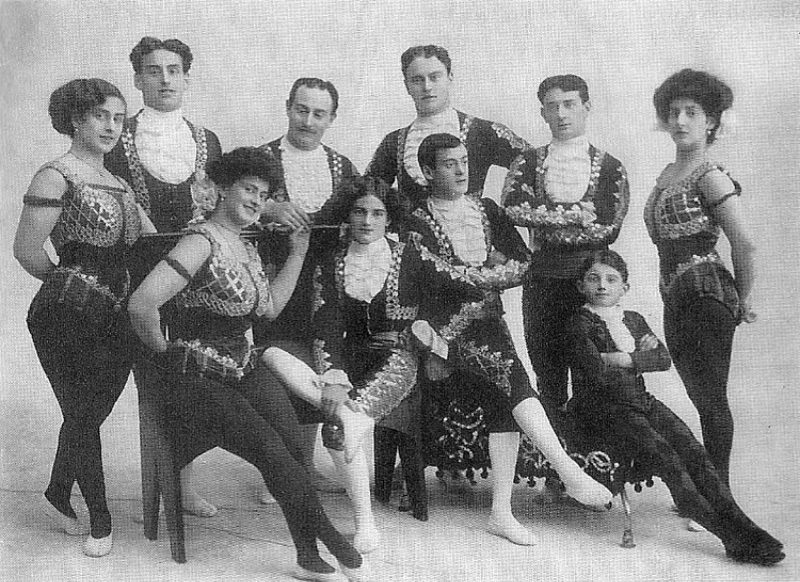
What made the original Kremo icarian act so formidable was the sheer number of trained performers within one family. Having twelve children participate in the Risley act meant that Josef always had a well-rehearsed pool of talent to draw from. Unlike troupes assembled from unrelated performers, the Kremos trained together from childhood. The physical communication required for a successful Risley act — the trust between understander and flyer — developed naturally between siblings who had grown up rehearsing the same moves.
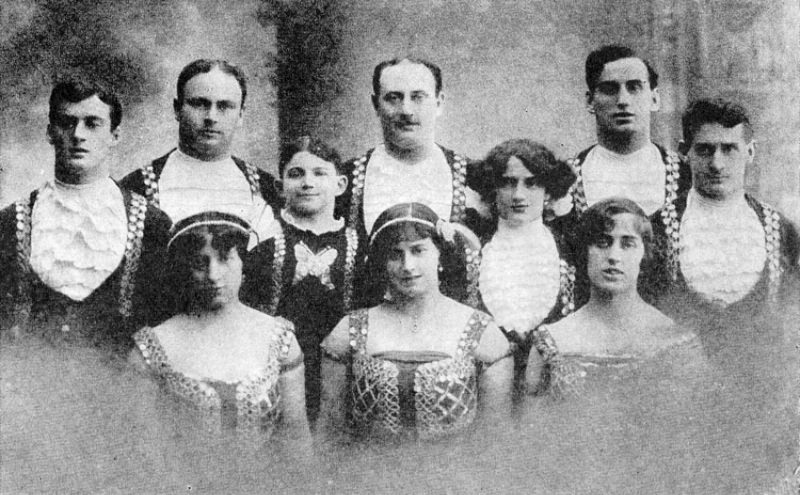
The family’s roots in the Scheffer school of icarian gymnastics gave the Kremos a technical foundation that set them apart from competitors. The Scheffers were widely acknowledged as the best Risley act of their era, and Josef absorbed that standard firsthand as an apprentice. He then transferred those techniques to his own children, creating a second generation of performers who had access to the finest methods in the discipline.
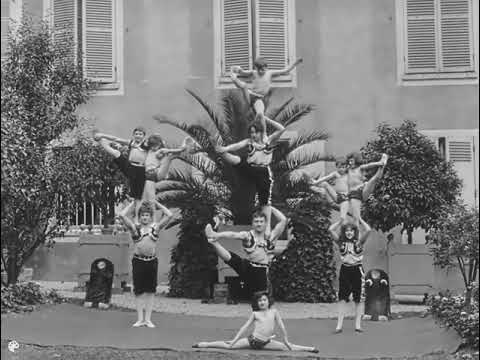
A rare piece of footage from 1899 captures the Kremos in action during this peak period of their icarian work. The film documents their daring aerial somersaults, offering a direct window into the style and scale of their act at the turn of the century — years before cinema became a common form of entertainment and long before circus acts were regularly documented on film.