
Women’s basketball in America didn’t begin on a professional court — it started in a college gymnasium in the winter of 1892. Smith College in Massachusetts was the birthplace of the sport for women, thanks largely to Senda Berenson, a physical education instructor there. She took the men’s game, invented just one year earlier, and brought it to her female students with a clear goal: to improve their physical health.
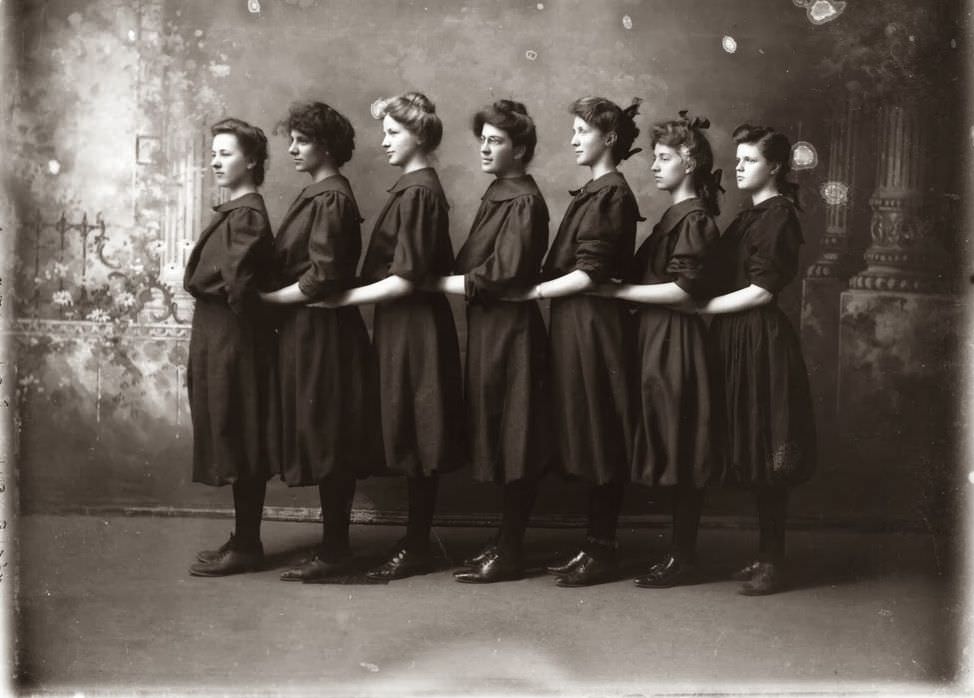
Berenson didn’t simply copy the men’s rules. She had real concerns that intense physical play could cause “nervous fatigue” in women — a worry widely shared in that era. To address this, she created a modified set of rules designed to reduce strenuous effort. Courts were divided into sections, and players were confined to specific zones. This meant less running and fewer individual drives, with the game built around passing and shooting instead.
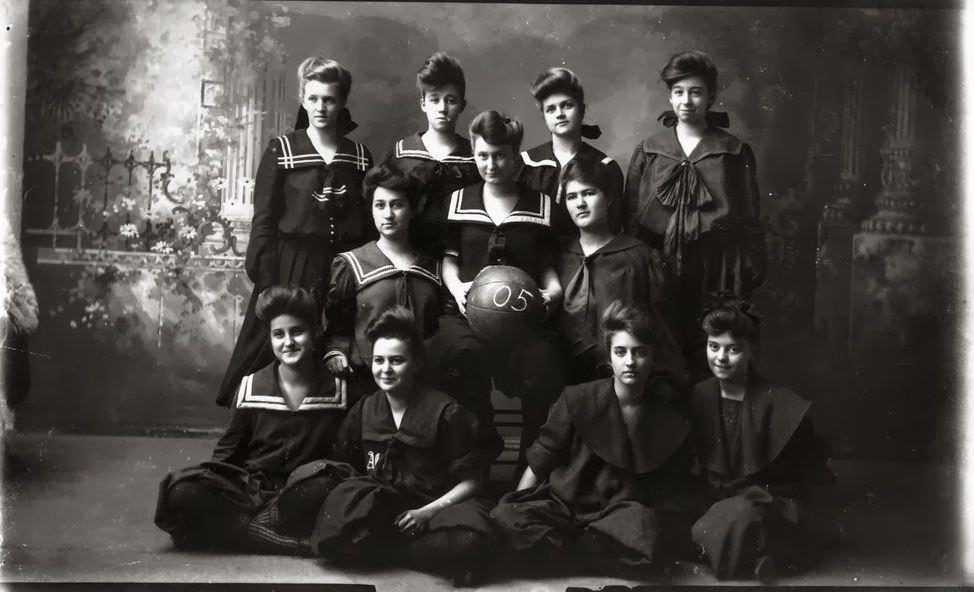
The equipment used in these early years was remarkably simple. Peach baskets nailed to walls served as hoops, and a soccer ball was used in place of a specialized basketball. There were no backboards. Uniforms reflected the social standards of the time — long, baggy shorts paired with school-style tops that prioritized modesty over mobility.
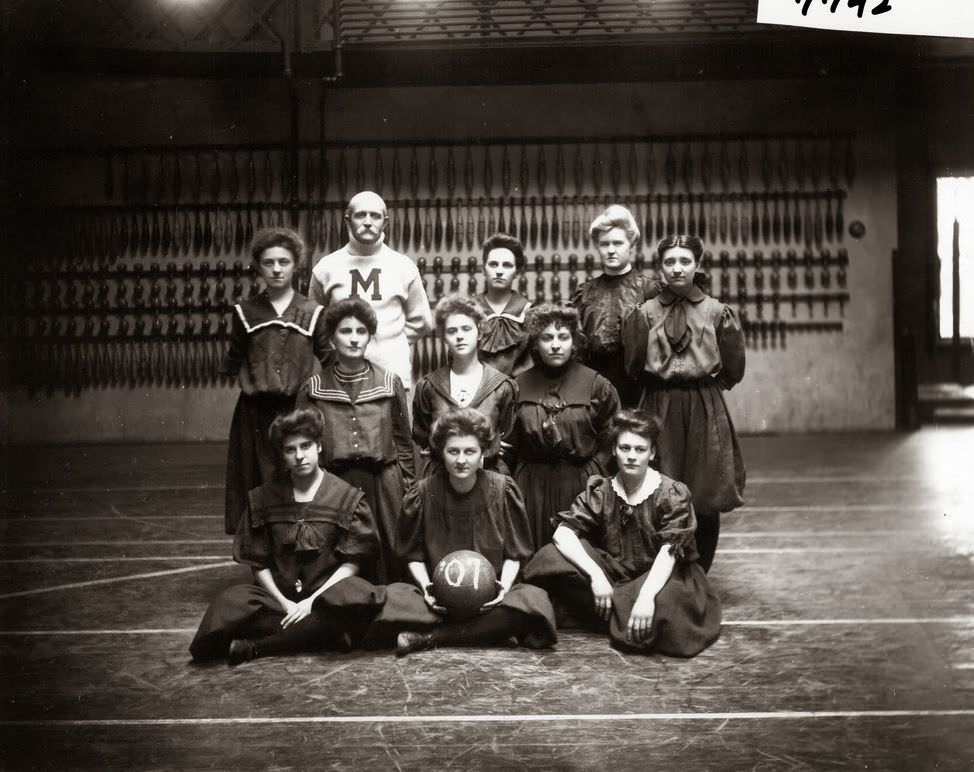
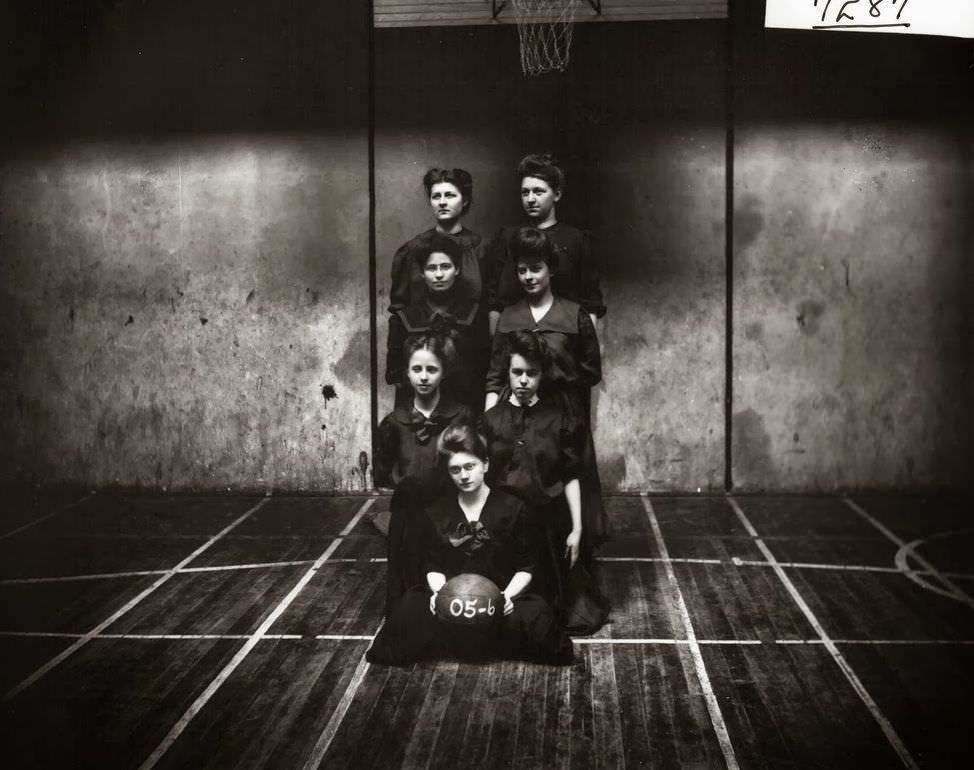
From Smith College, the game spread quickly to YMCAs and colleges across the country. These institutions formed the first organized women’s teams and gave the sport a regular competitive structure. Each program often adapted Berenson’s rules slightly, so women’s basketball in the early 1900s was played under a range of rule sets — all rooted in the same idea of modifying the game for what society deemed appropriate for women.
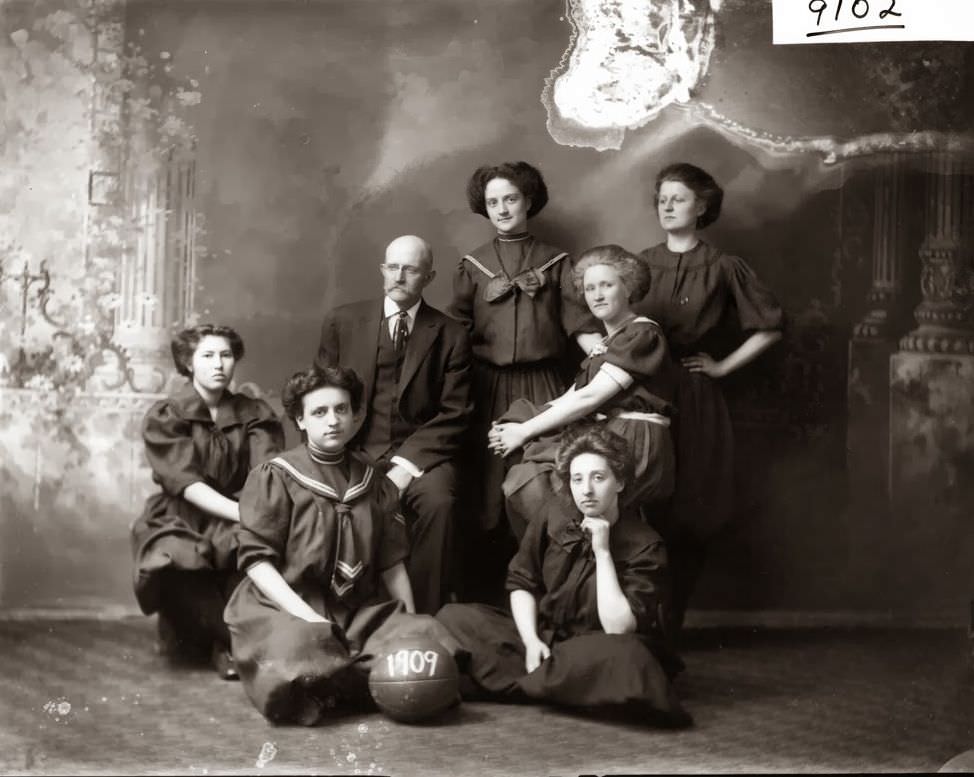
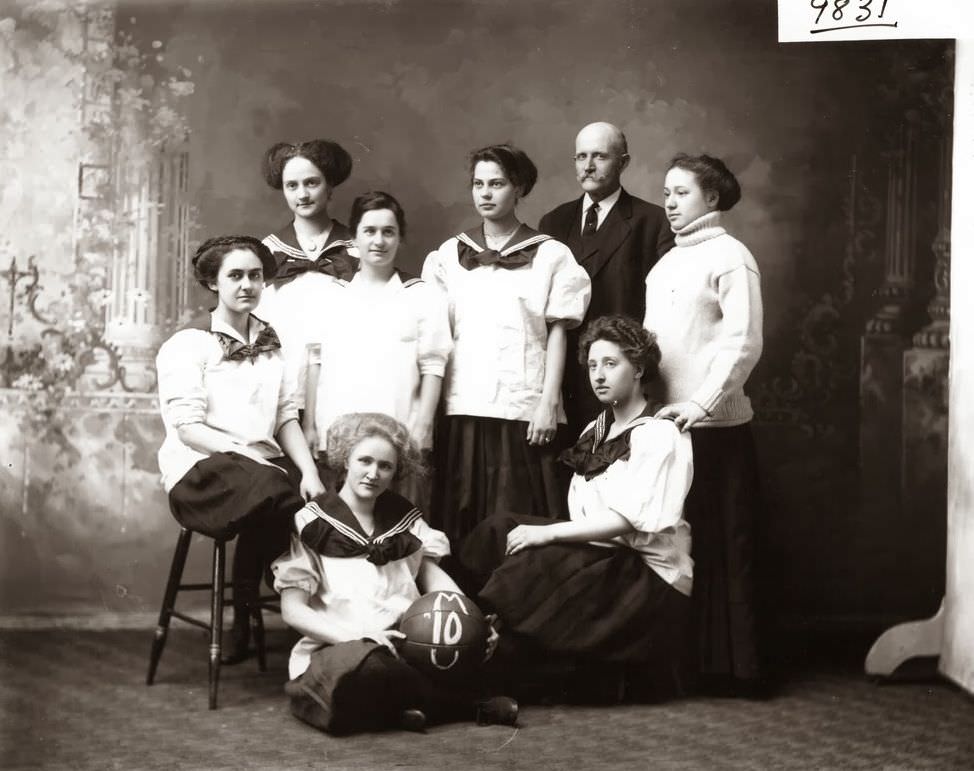
The photographs below capture these early teams as they actually appeared — assembled on gymnasium floors, dressed in their era’s uniforms, and representing colleges from Ohio to the broader Midwest. Teams from Miami University and Western College appear frequently, reflecting how deeply the sport had taken root in American collegiate life by the first two decades of the 1900s.
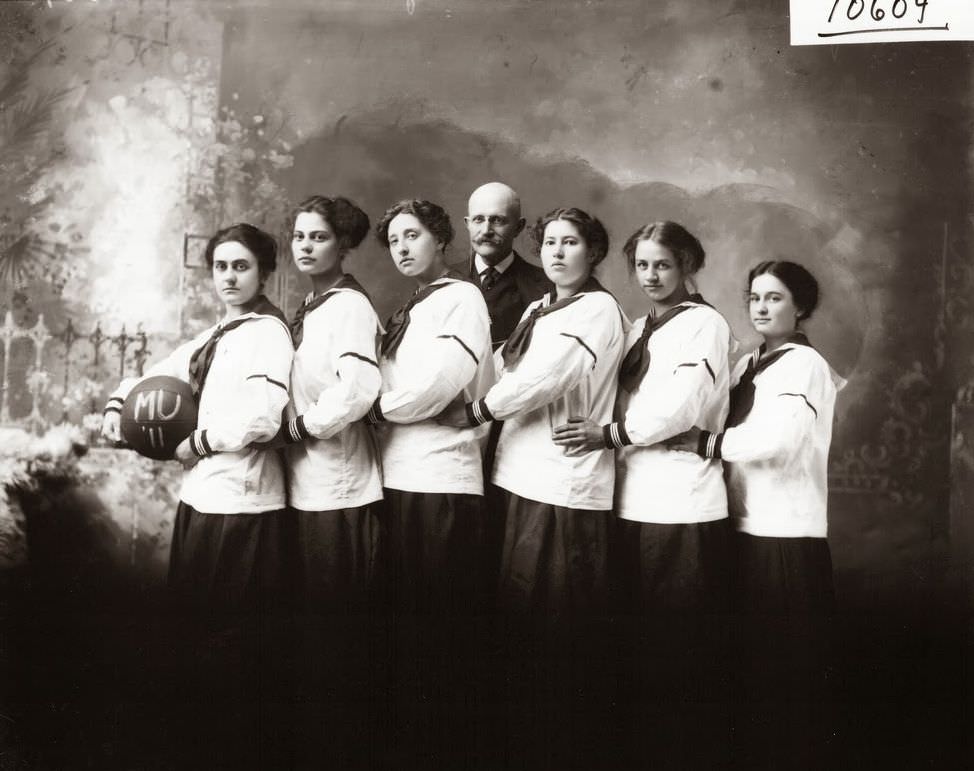
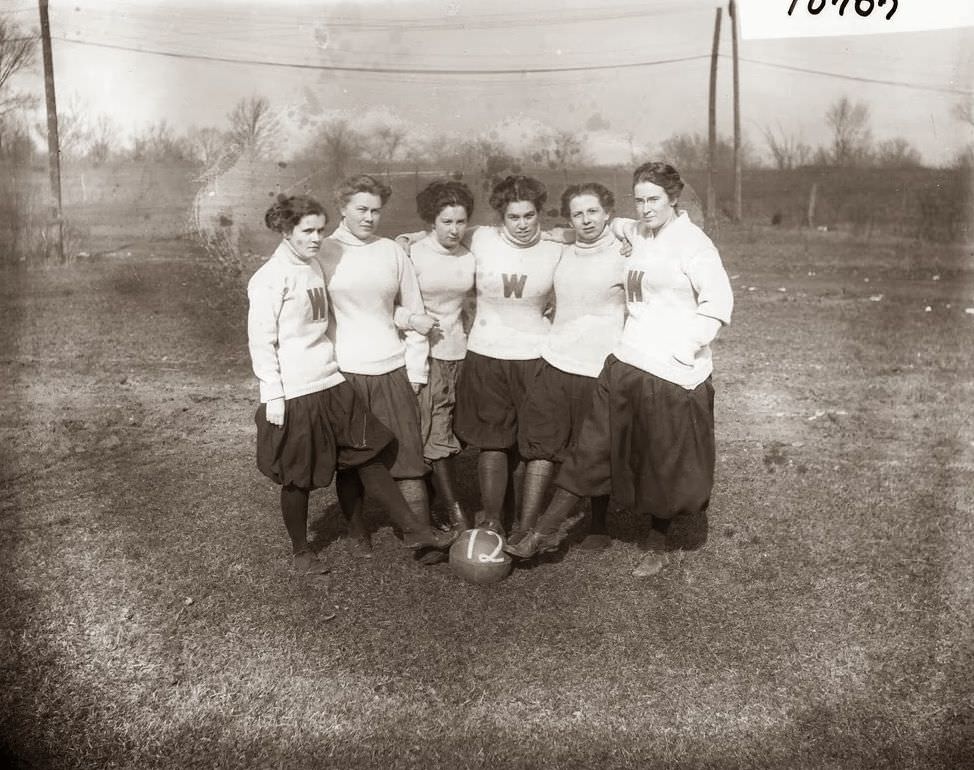
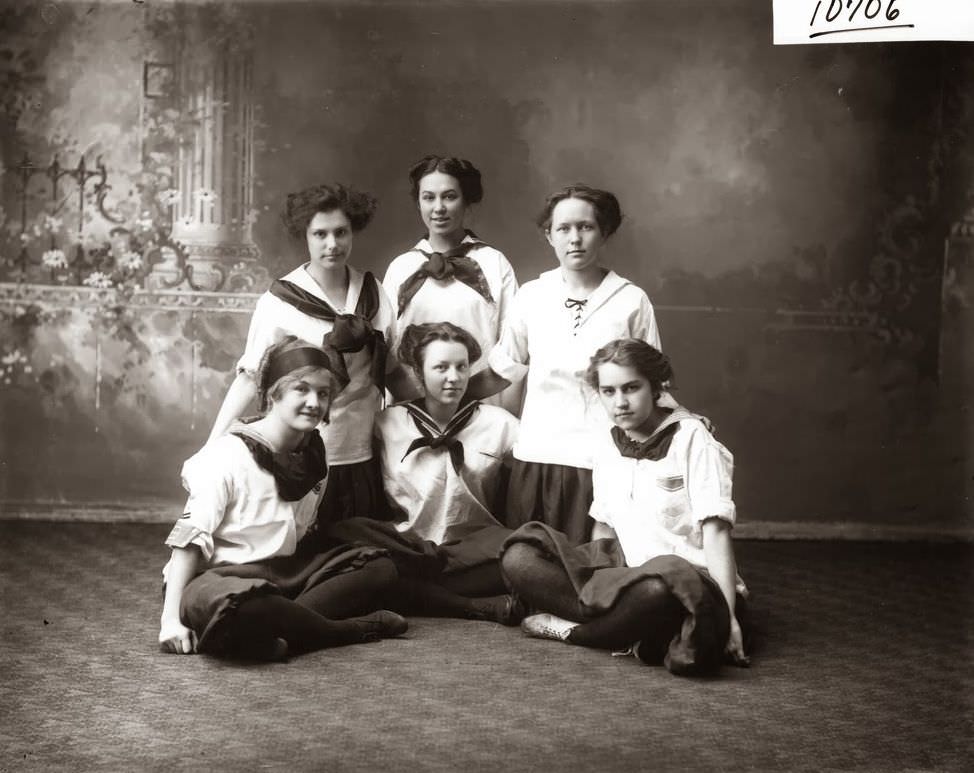
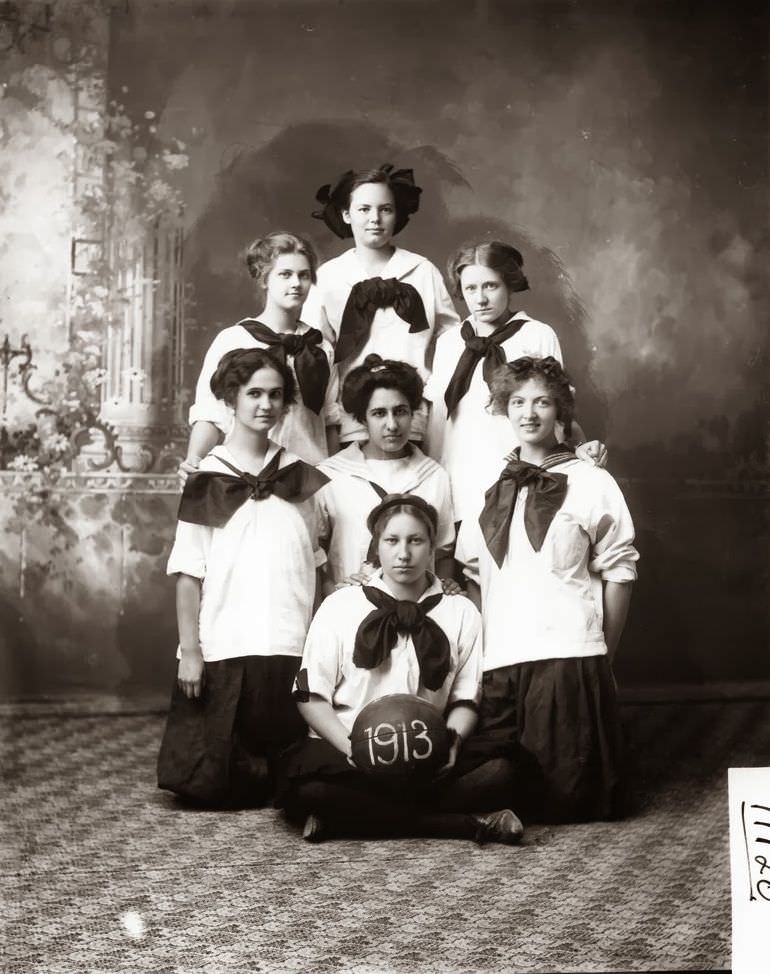
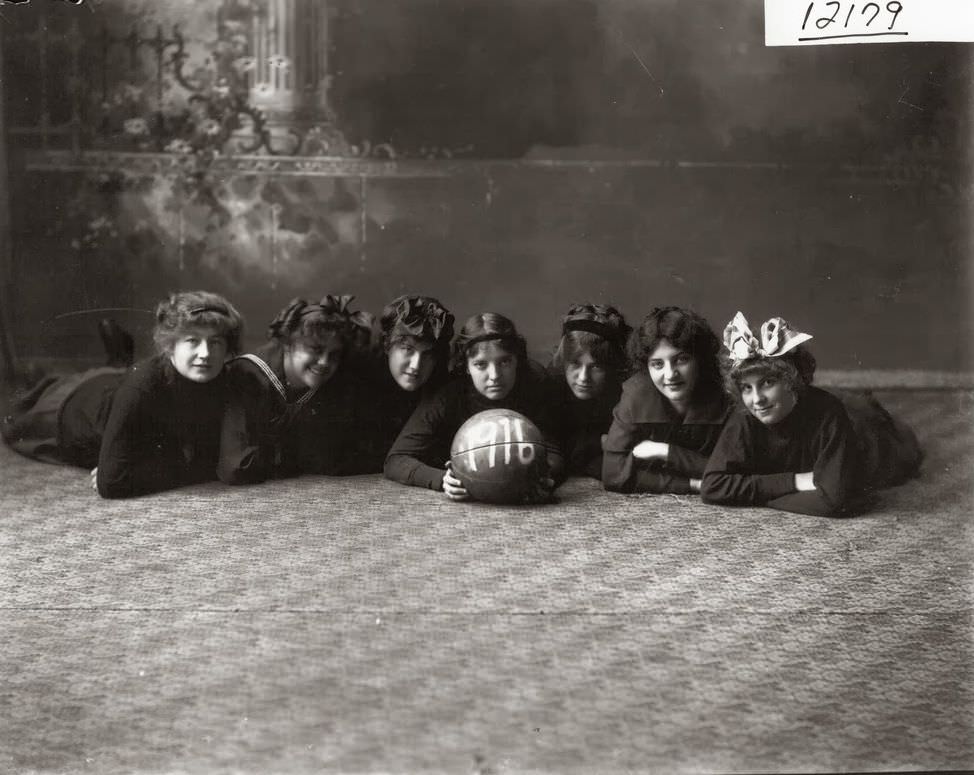
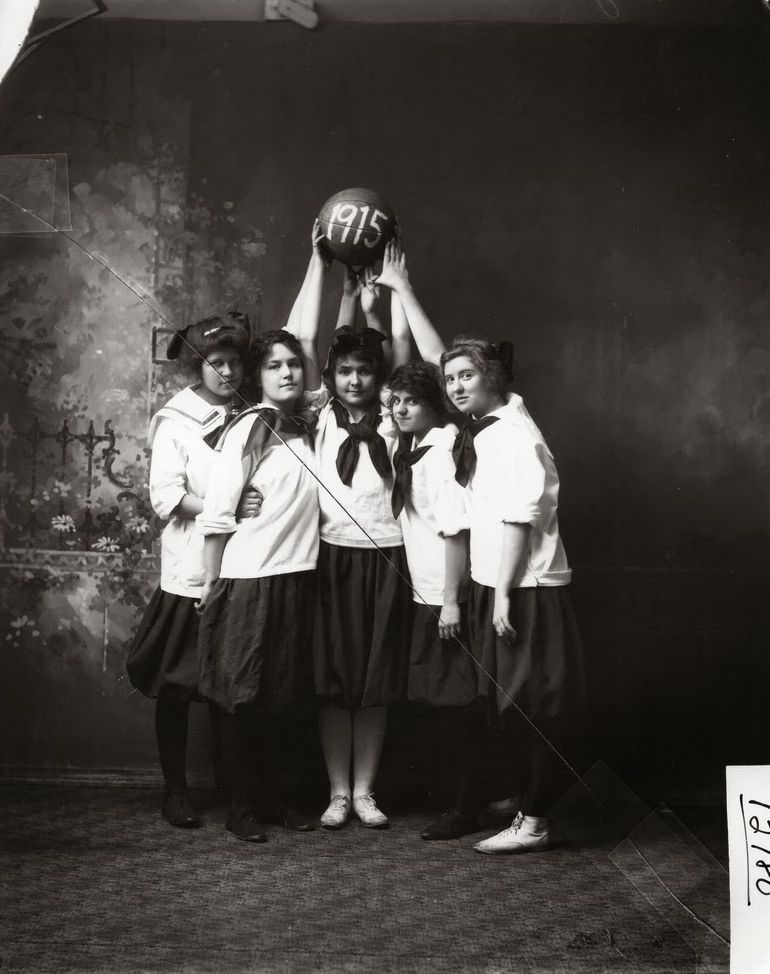
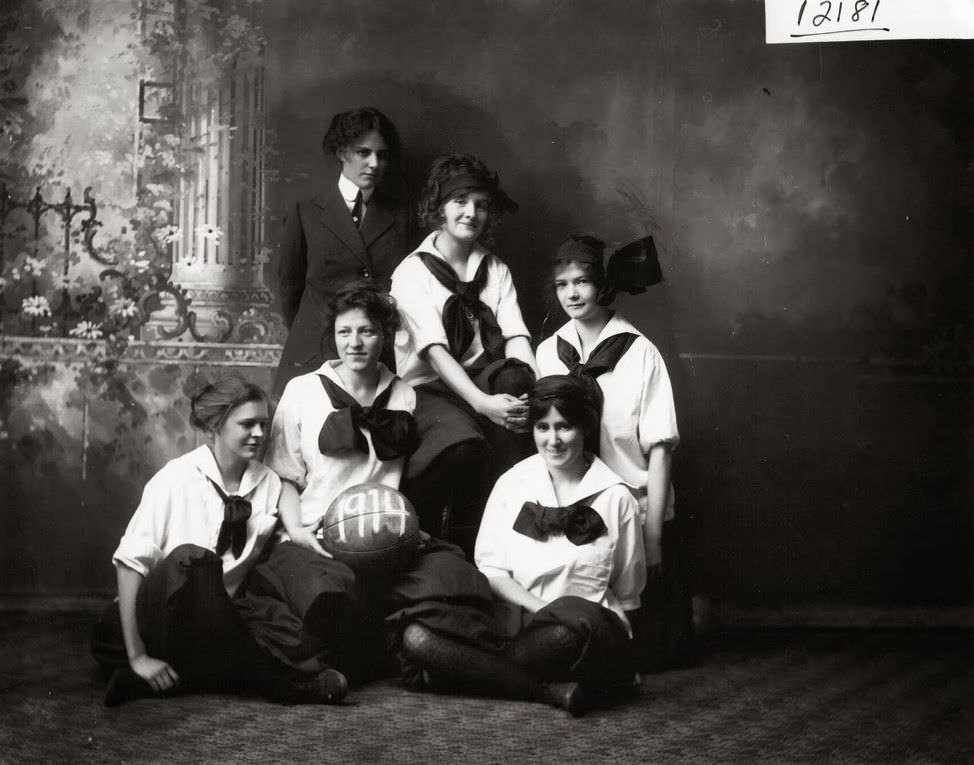
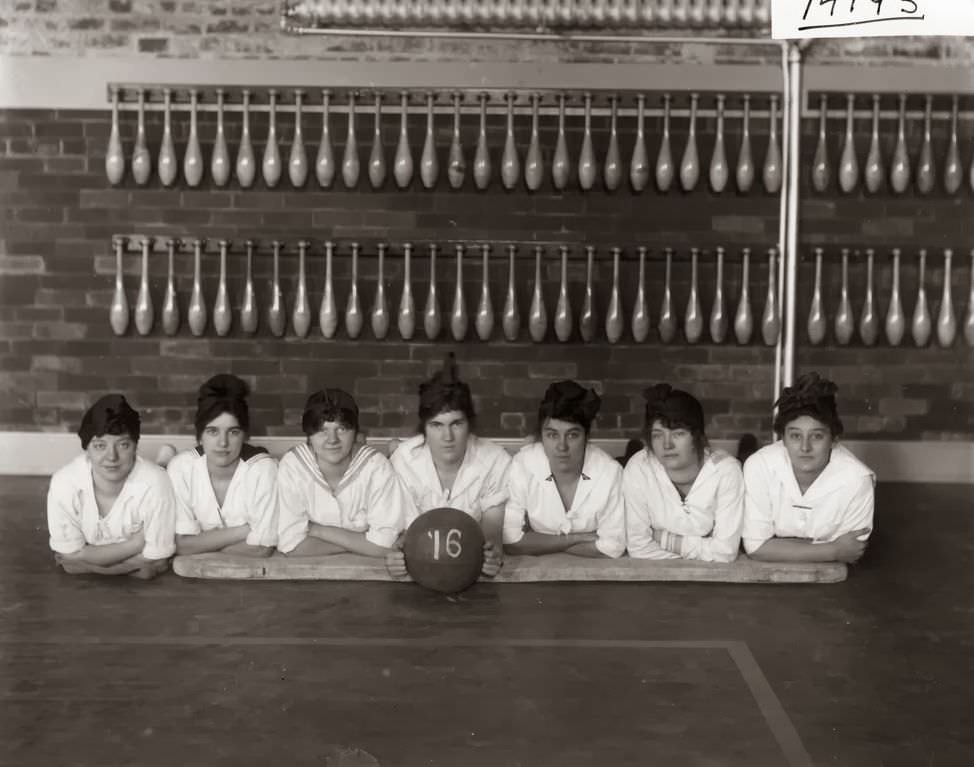
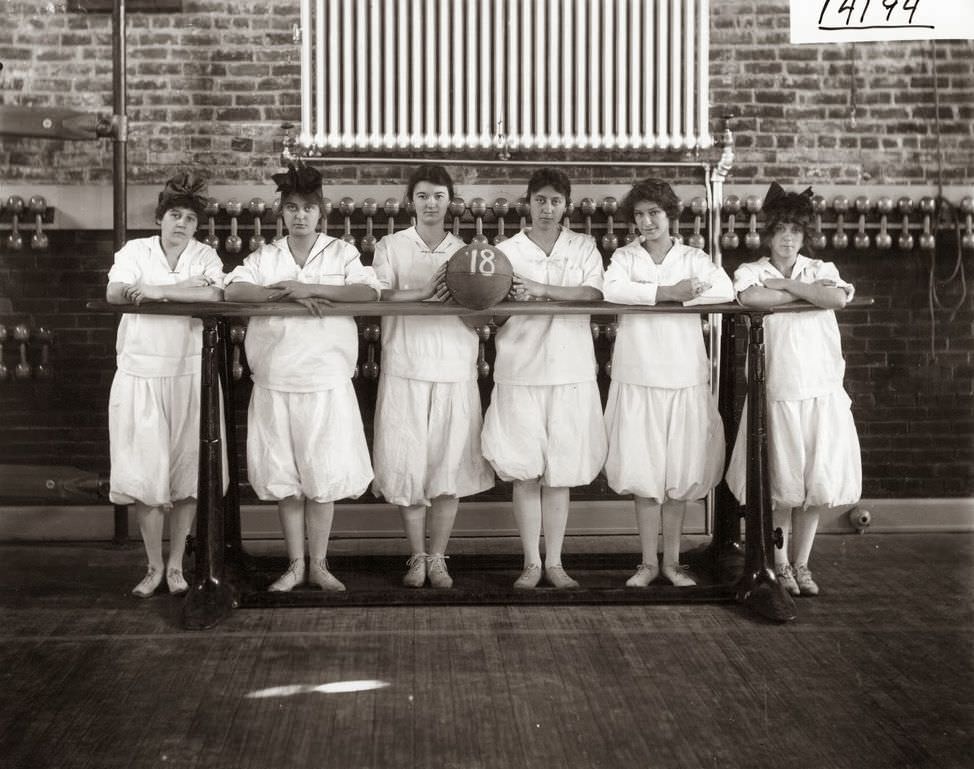
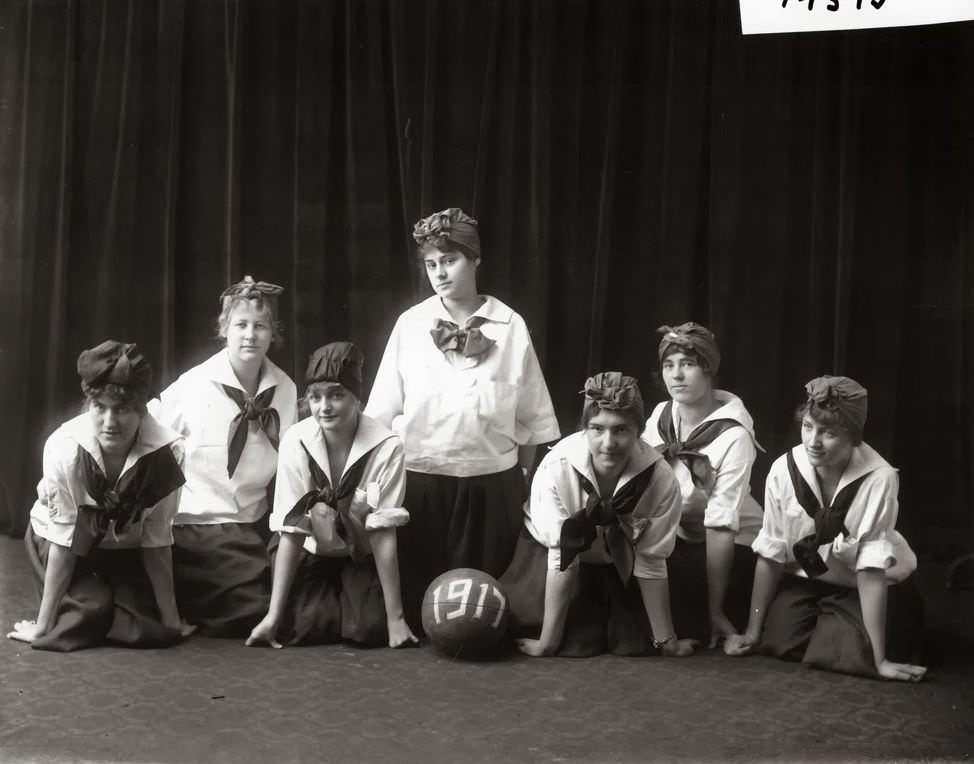
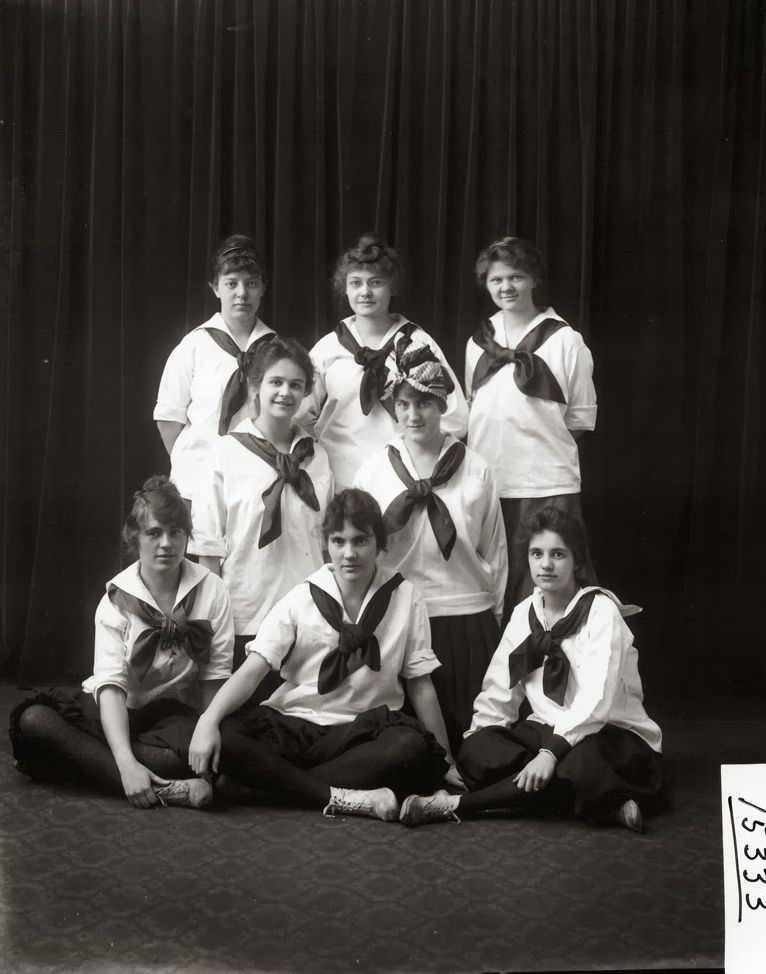
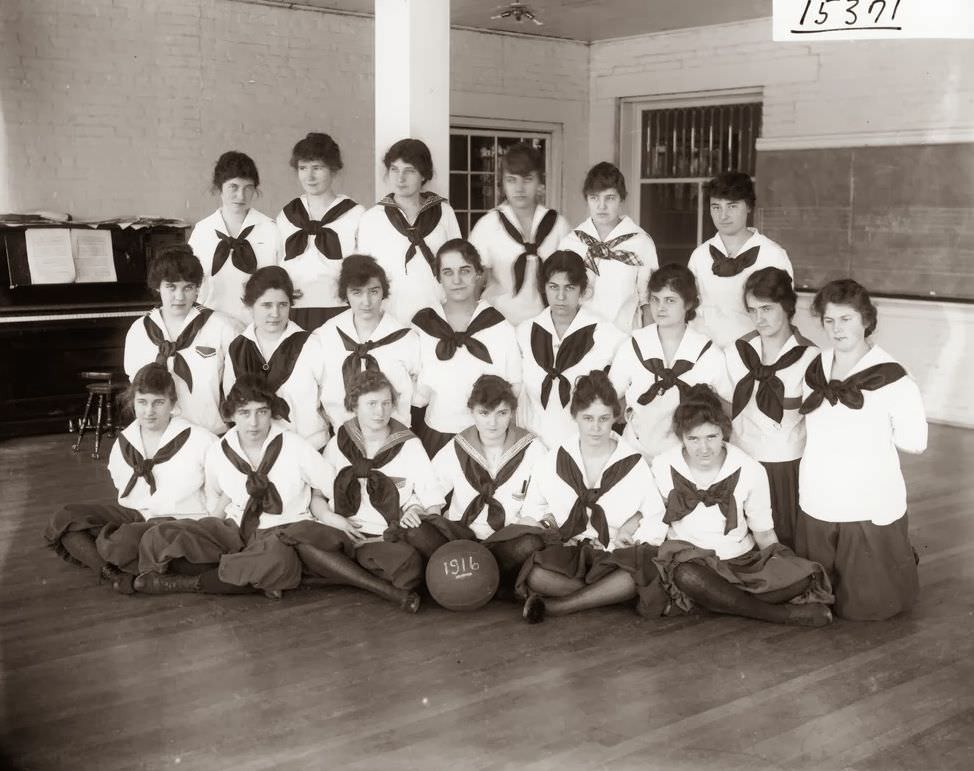
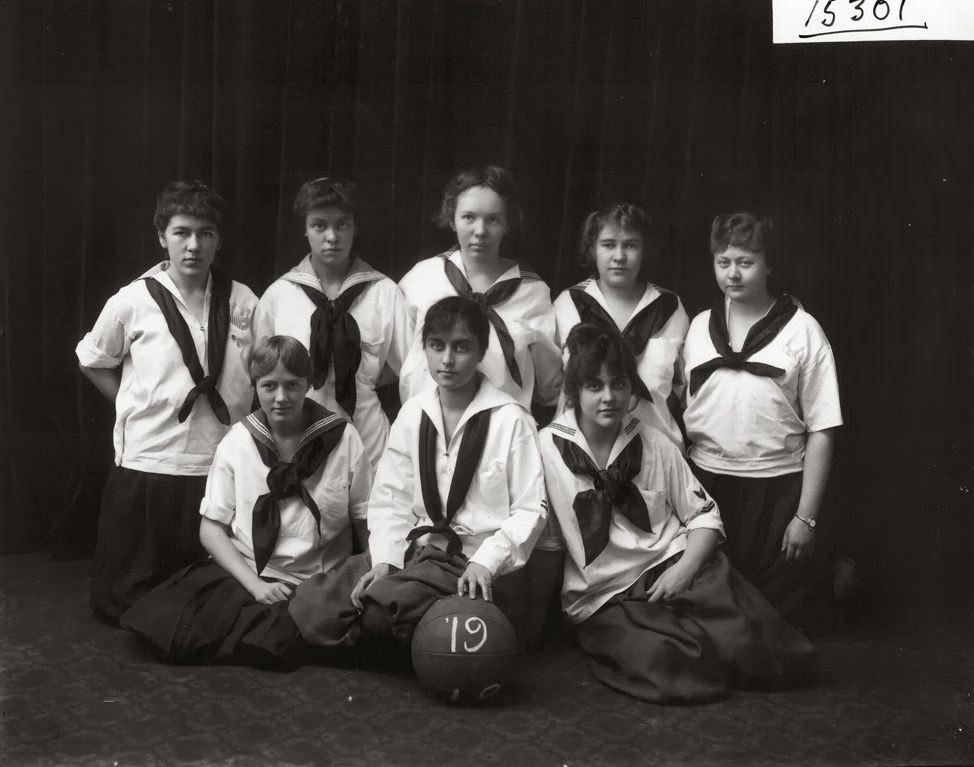
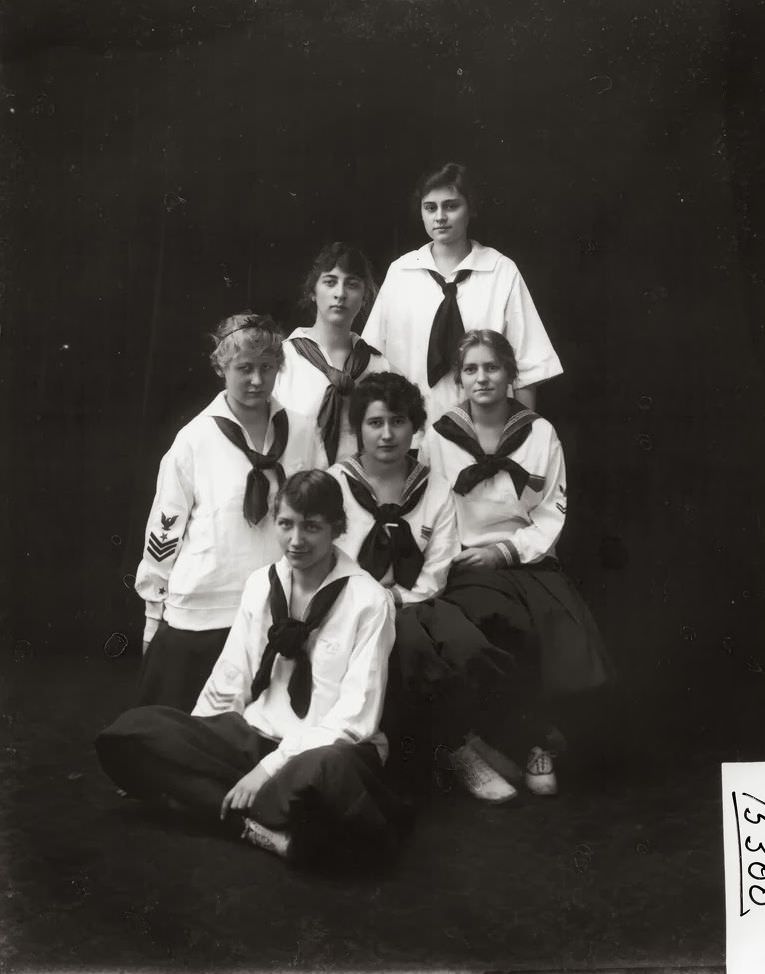
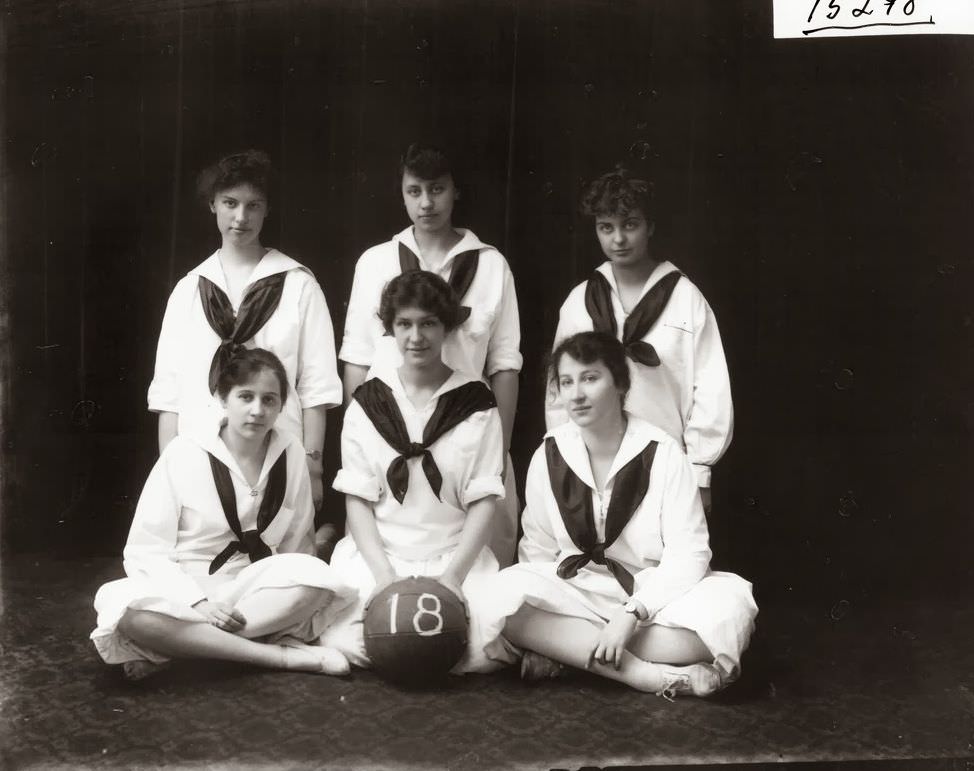
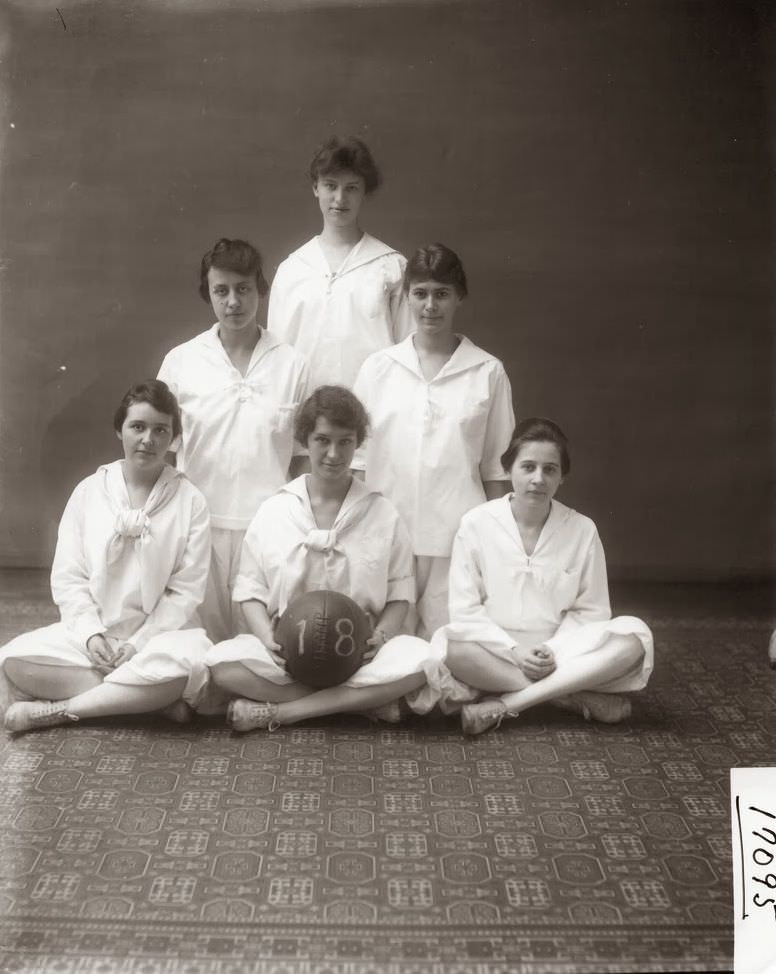
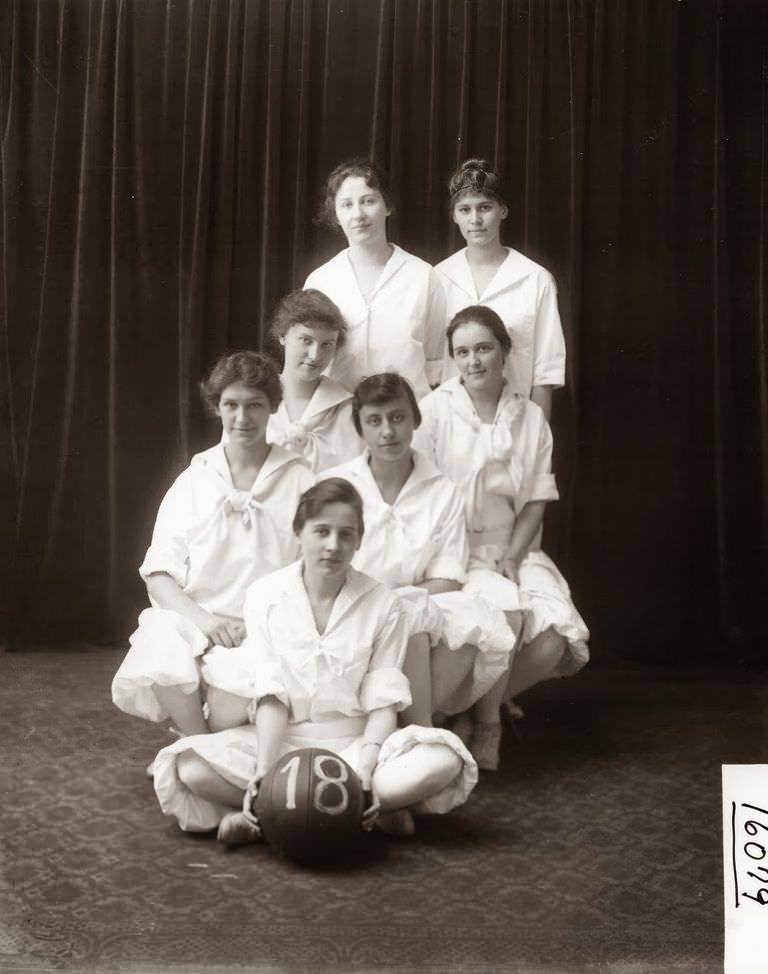
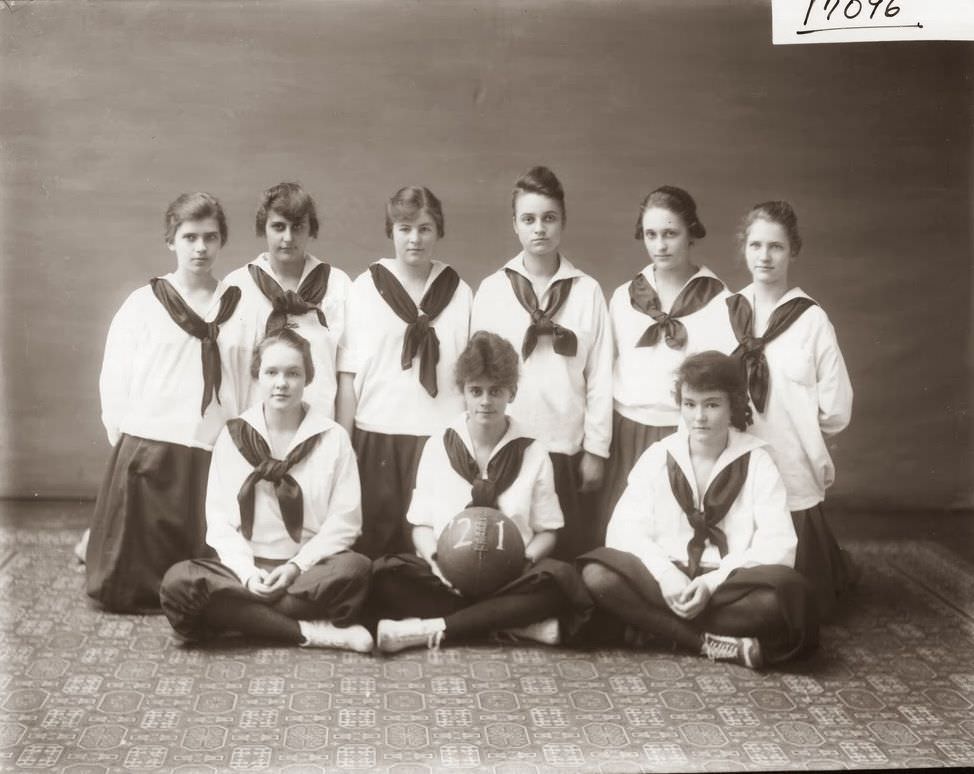
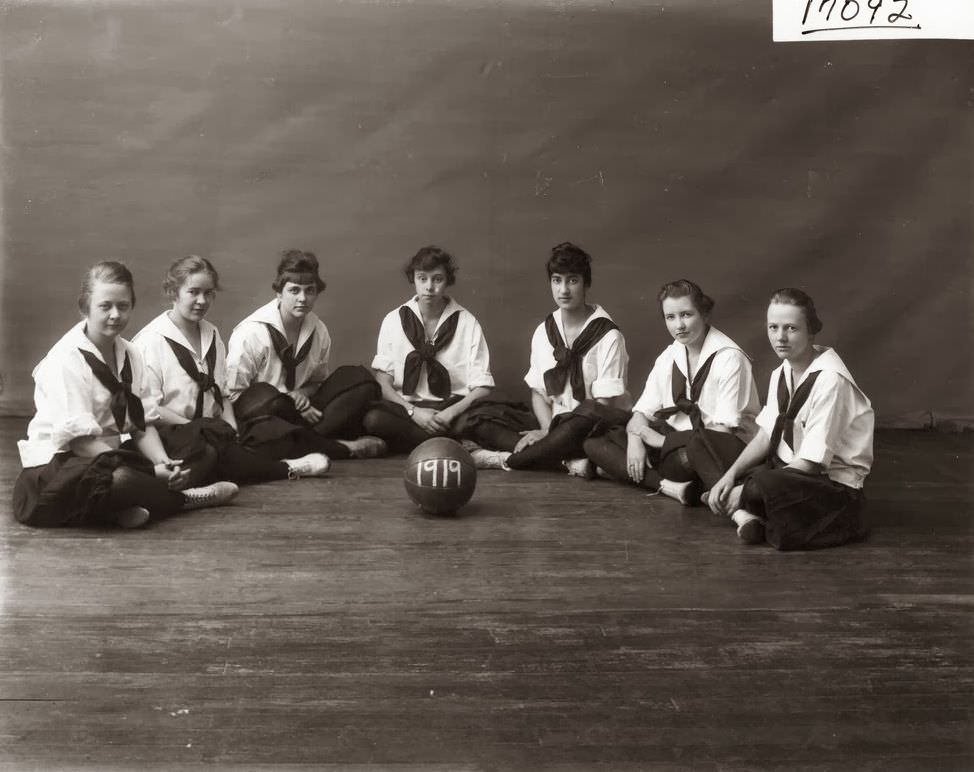
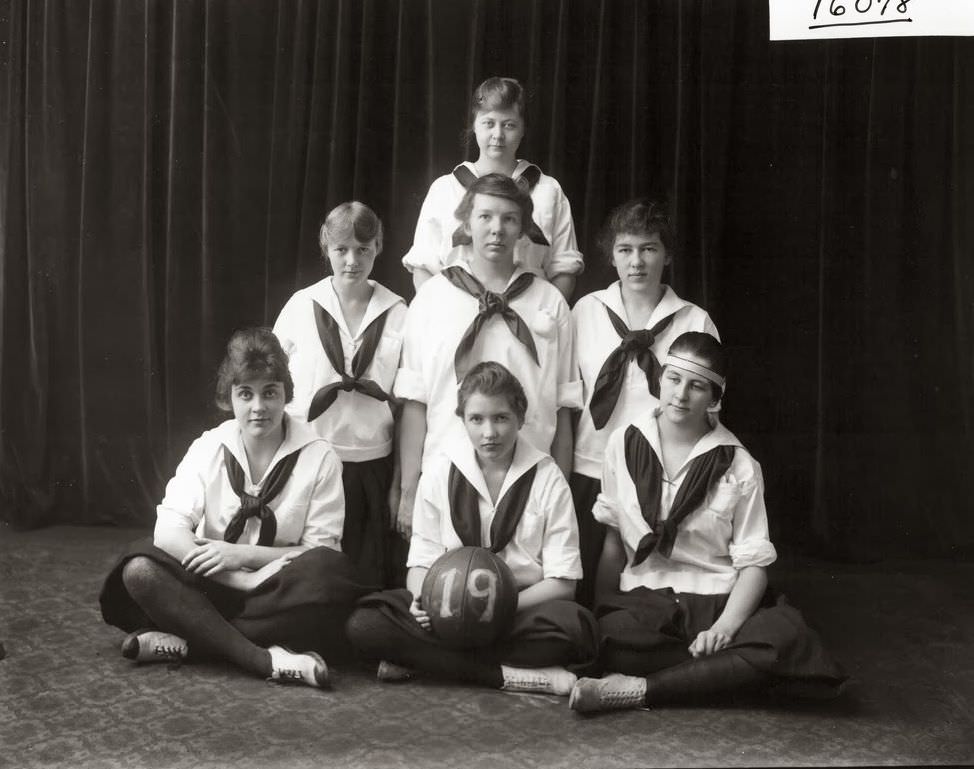
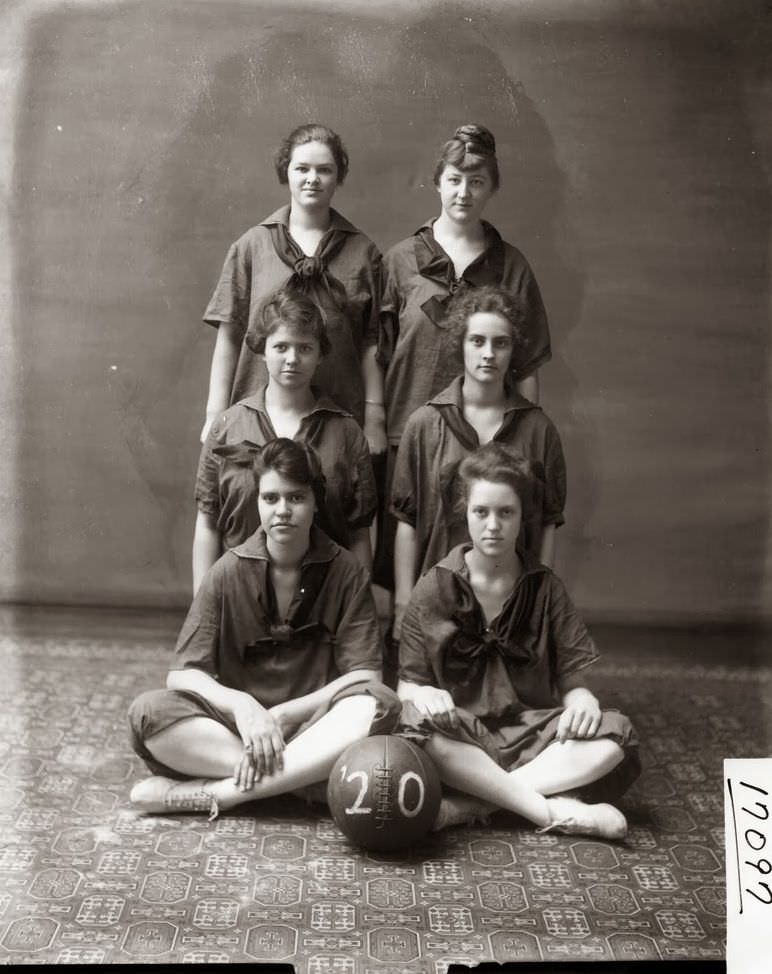
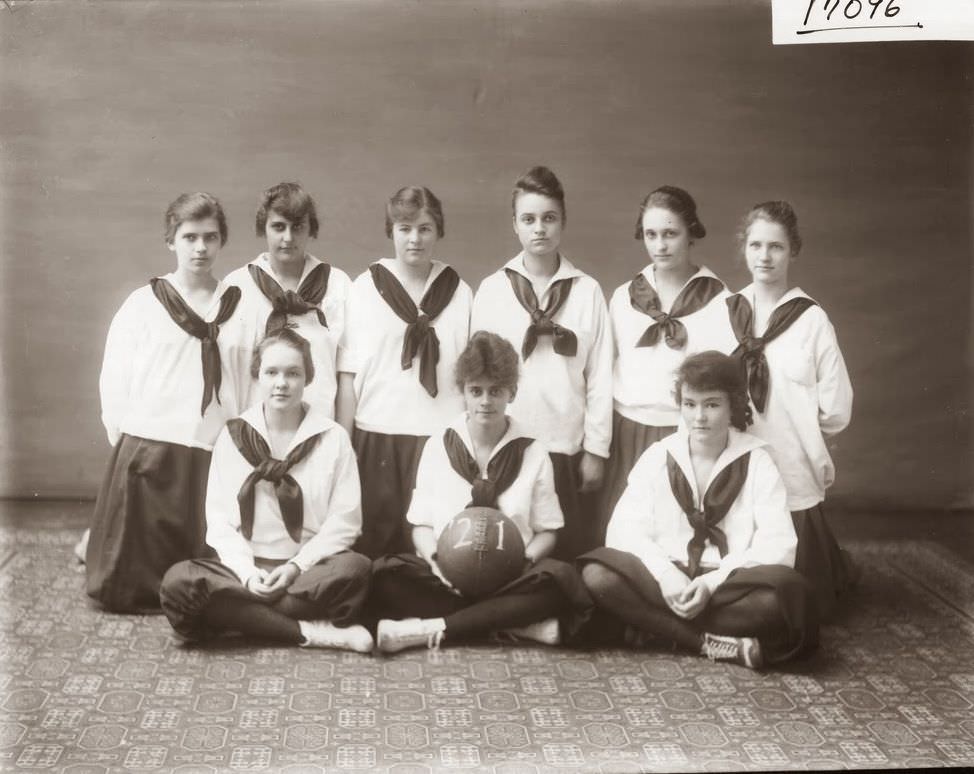
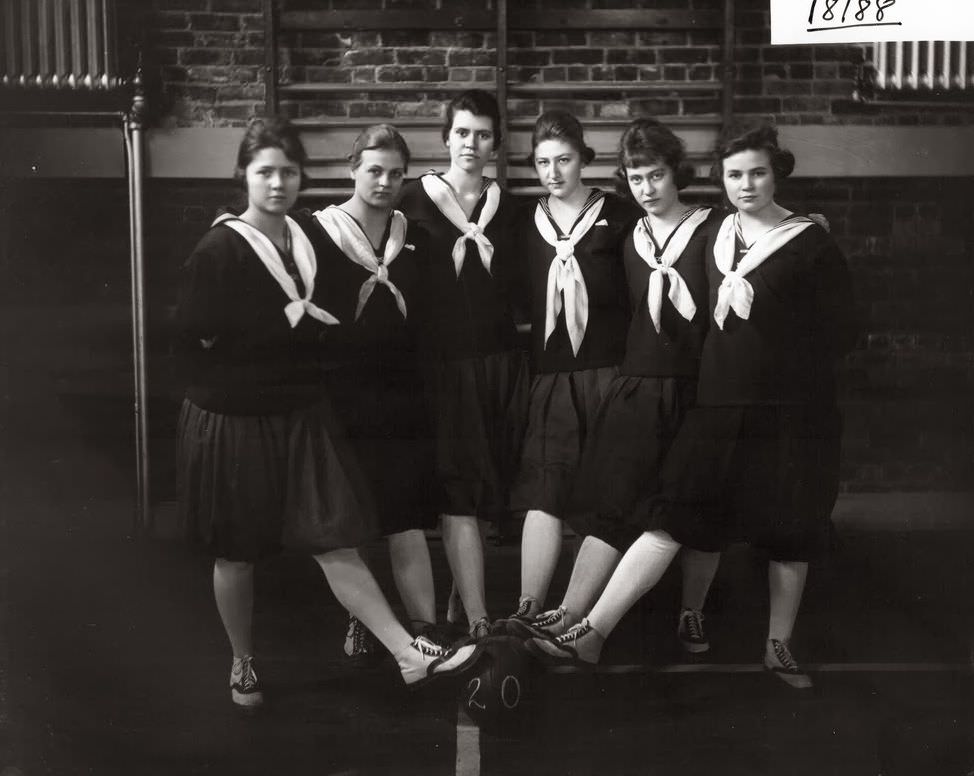
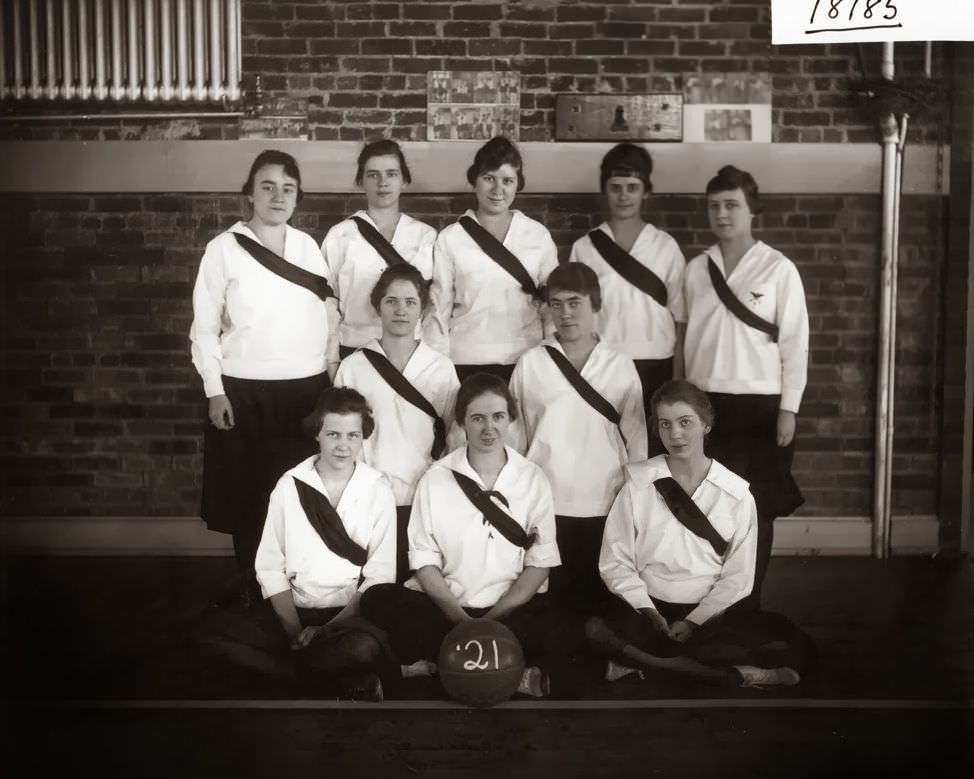
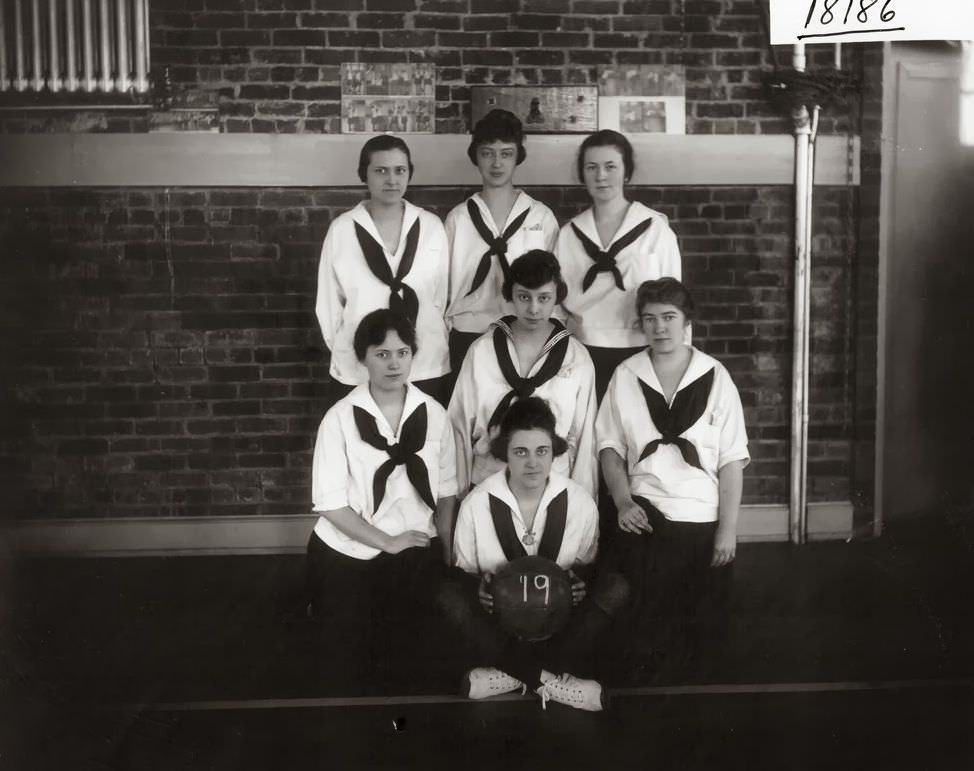
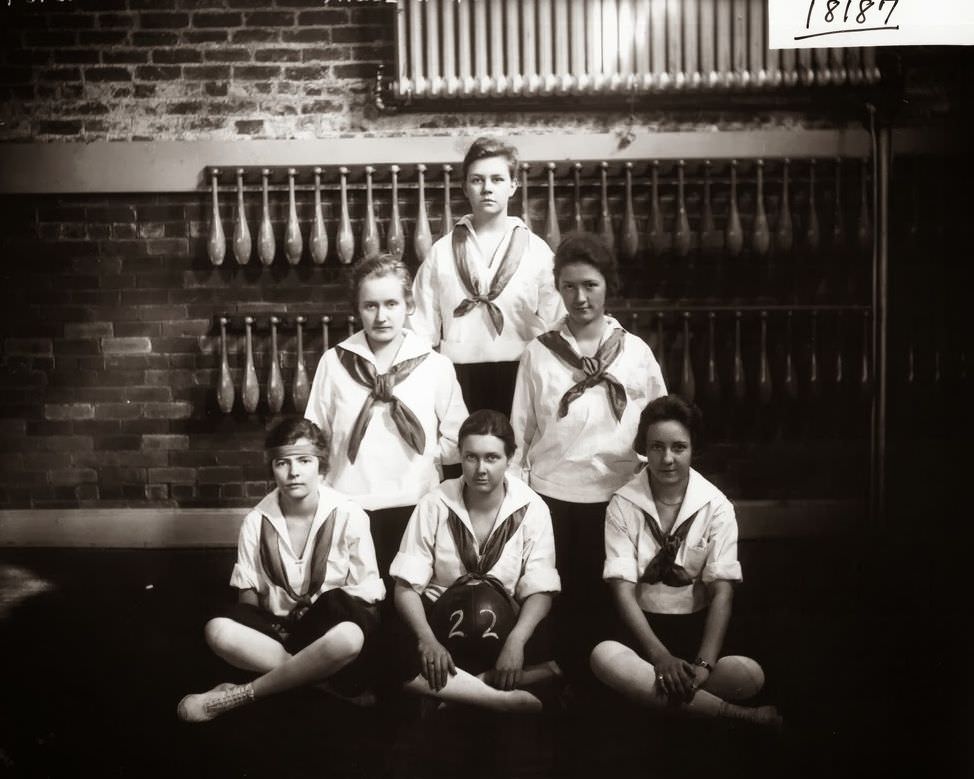

A lot of these pictures are labelled with the incorrect dates, based on the dates on the basketballs . . .