Hey There! Before You Go. 😧
Get the best vintage content straight into your inbox!

Don't worry, we don't spam

Explaining Computers in the Seventies: Inside a 1975 Book on How a Computer System Functions and Its Components

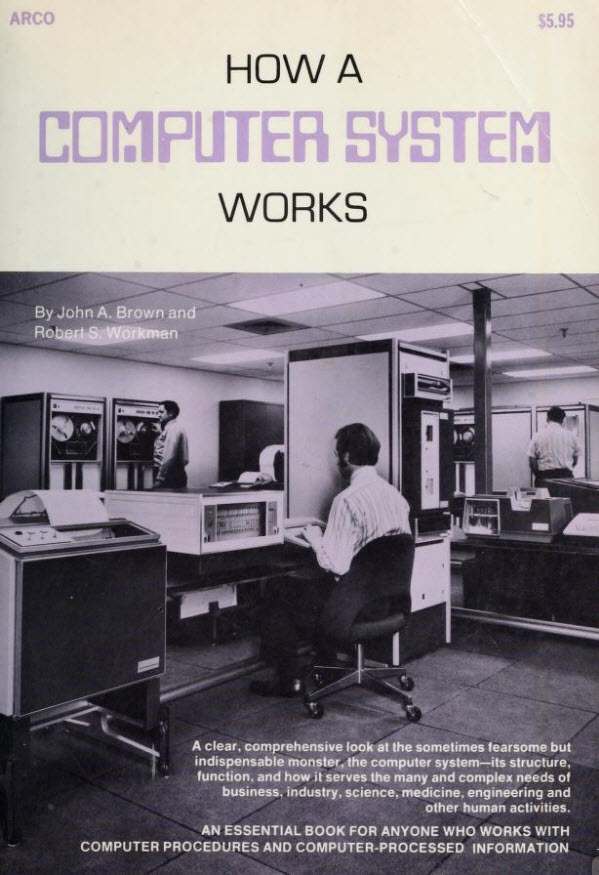
In 1975, computers were not something most people had ever touched. They were massive machines housed in large rooms, operated by trained staff at universities, corporations, and government agencies. A book published that year titled “How a Computer System Works” set out to explain these machines to a general audience — at a time when doing so was no small task.
Explaining Computers in the Seventies: Inside a 1975 Book on How a Computer System Functions and Its Components

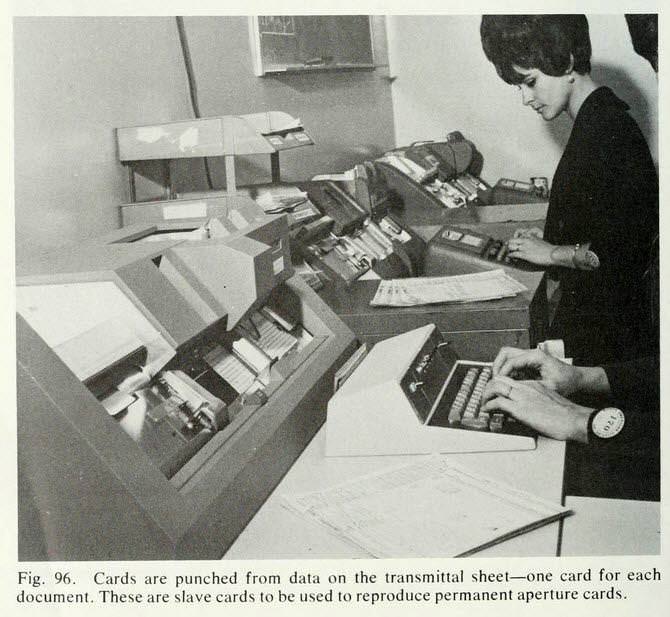
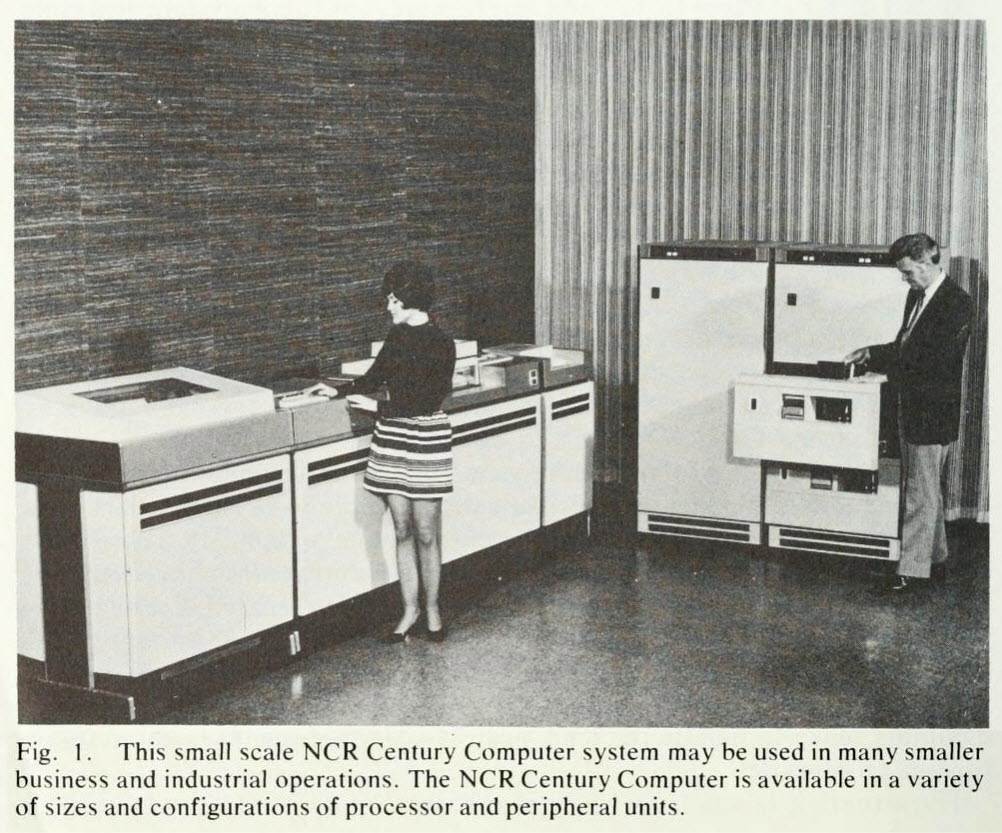
These were not quiet, compact devices. A 1970s computer system had visible, physical parts that hummed, whirred, and clicked during operation. Understanding one meant understanding its components — each with a specific job.
Explaining Computers in the Seventies: Inside a 1975 Book on How a Computer System Functions and Its Components

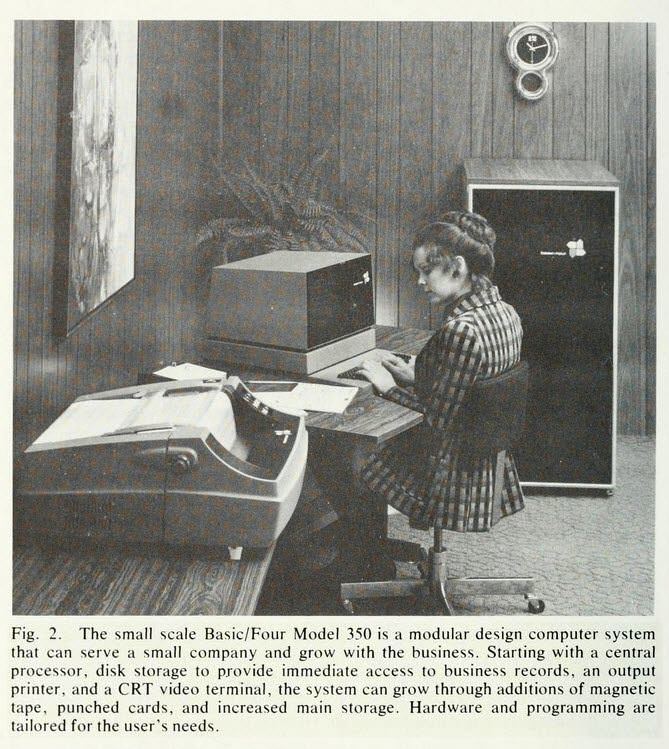
The book walked readers through how data entered the system, how the machine processed it, and where results were stored or printed. Every step was tied to a physical piece of hardware you could point to and name.
Explaining Computers in the Seventies: Inside a 1975 Book on How a Computer System Functions and Its Components

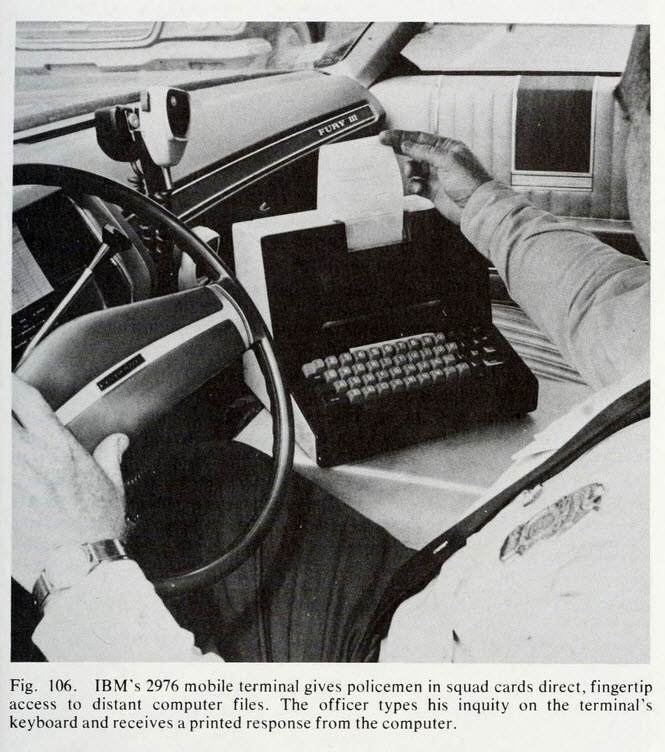
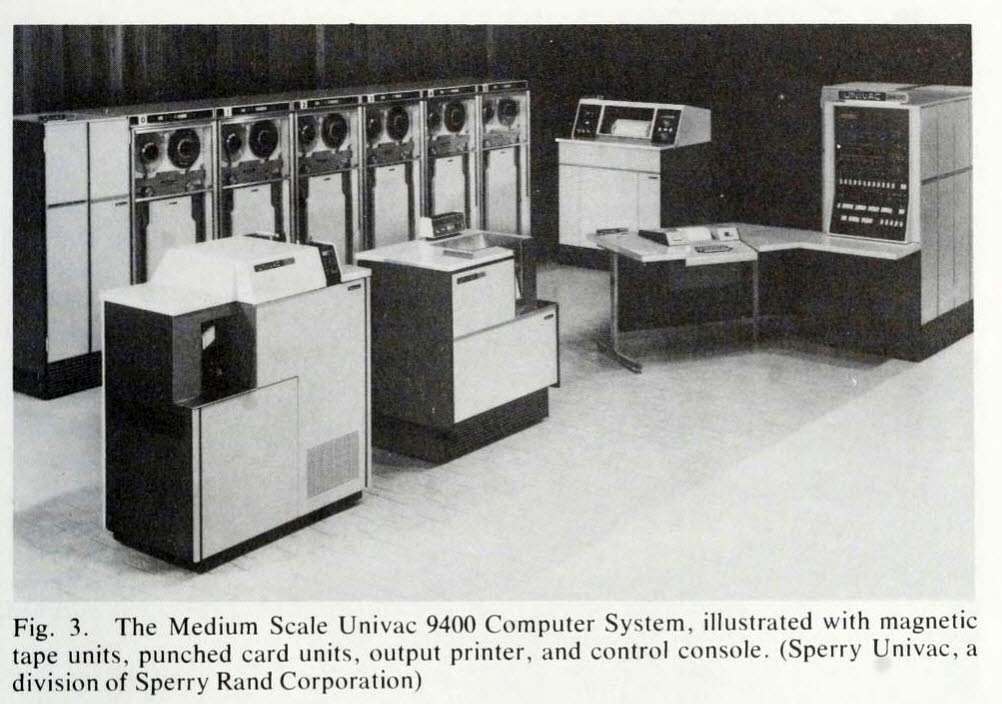
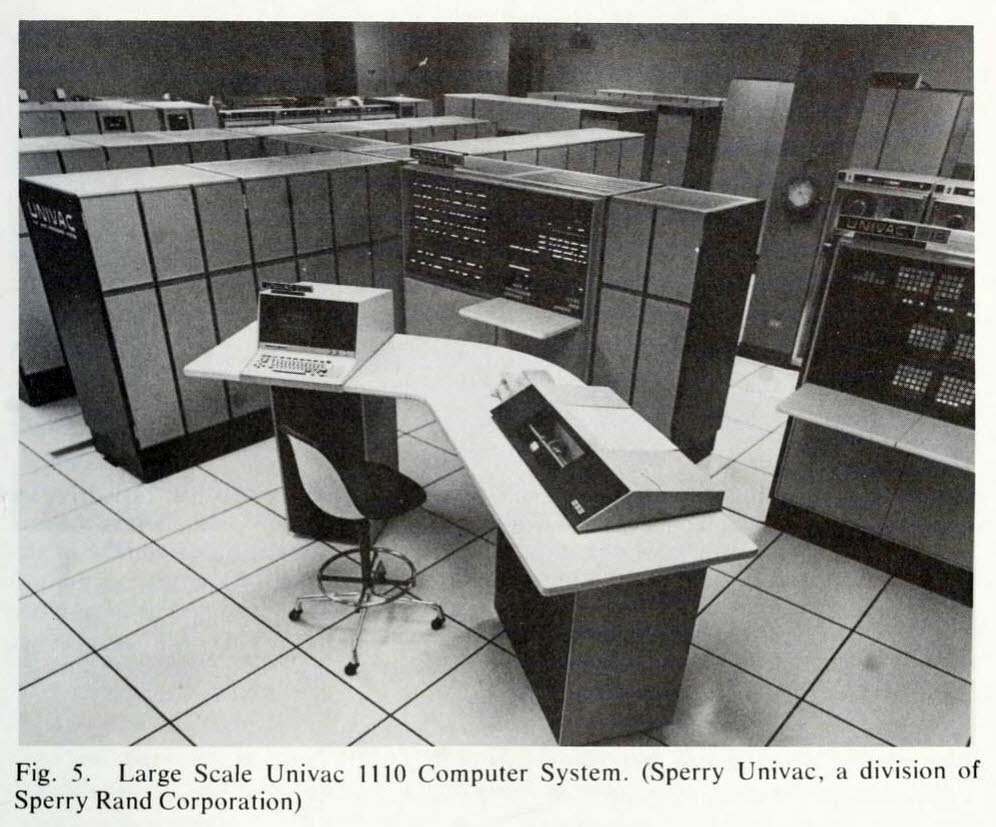
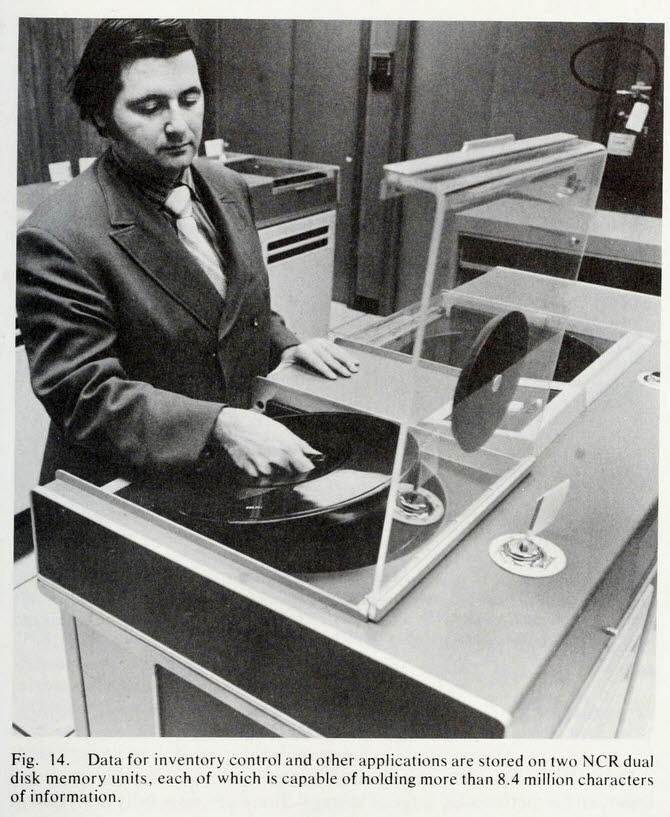
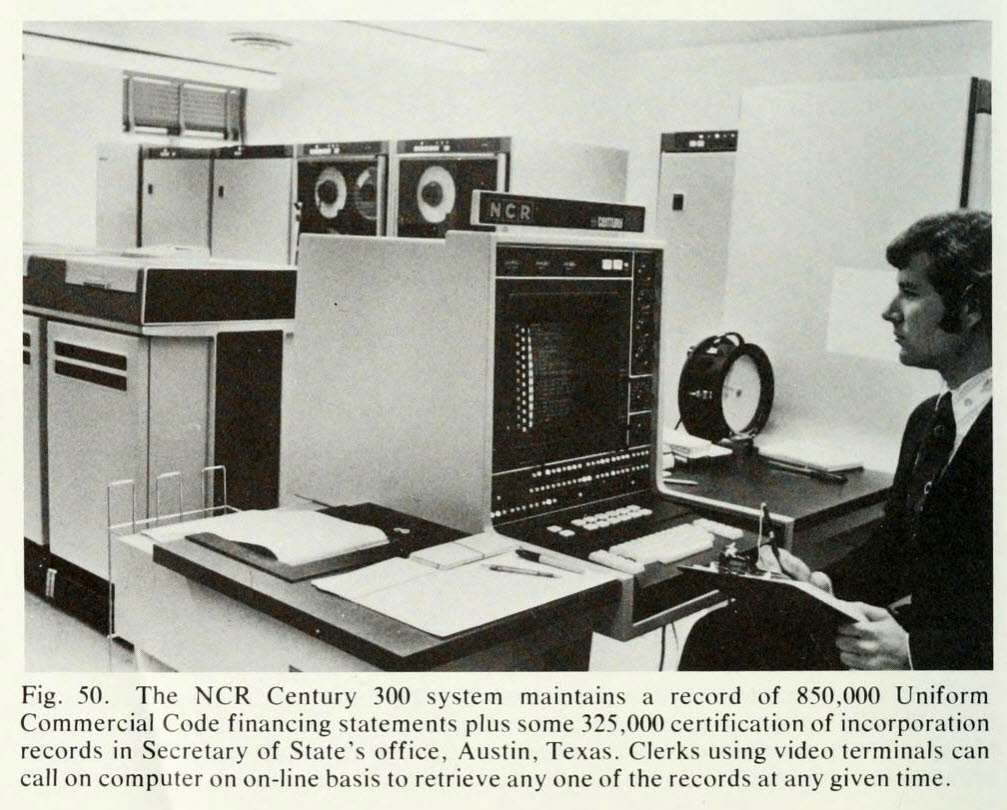
Input devices like punch card readers fed raw data into the system. The central processing unit — the brain of the machine — handled calculations. Memory at the time was limited and expensive, often stored on magnetic tape or large disk drives.
Explaining Computers in the Seventies: Inside a 1975 Book on How a Computer System Functions and Its Components

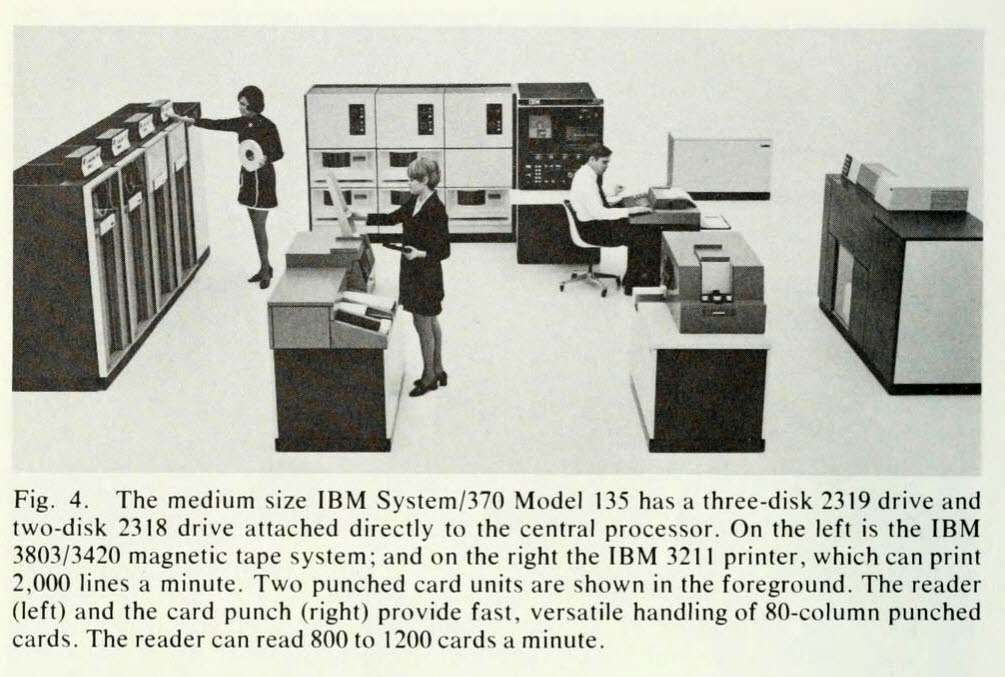
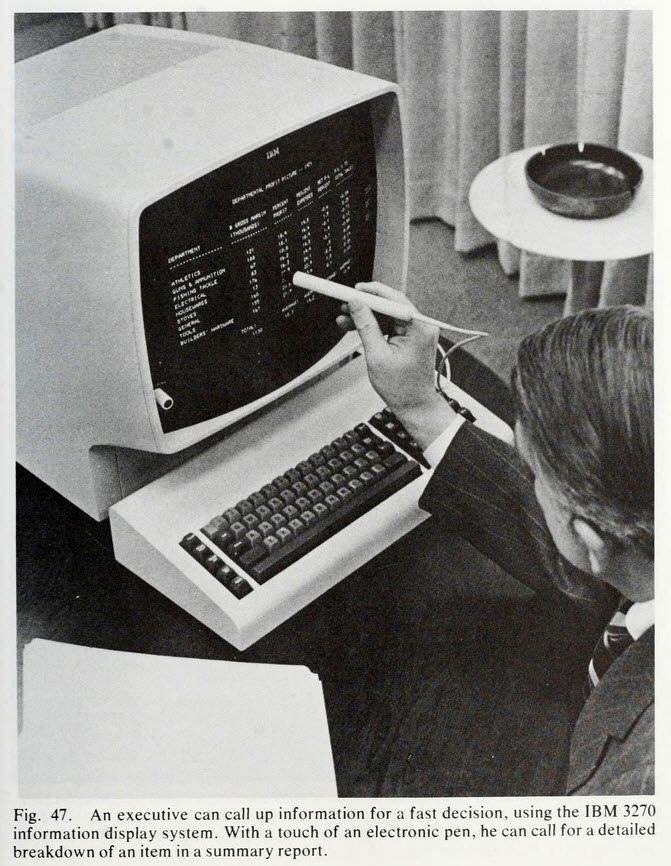
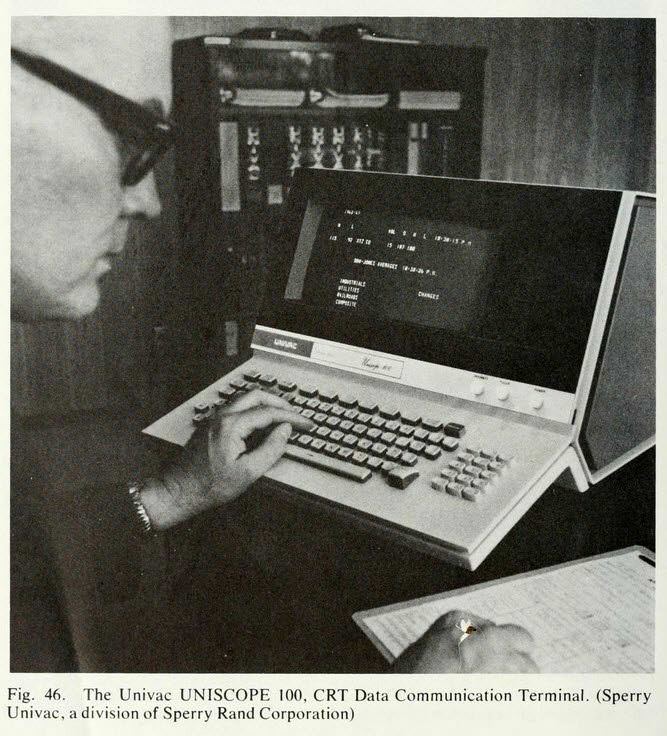
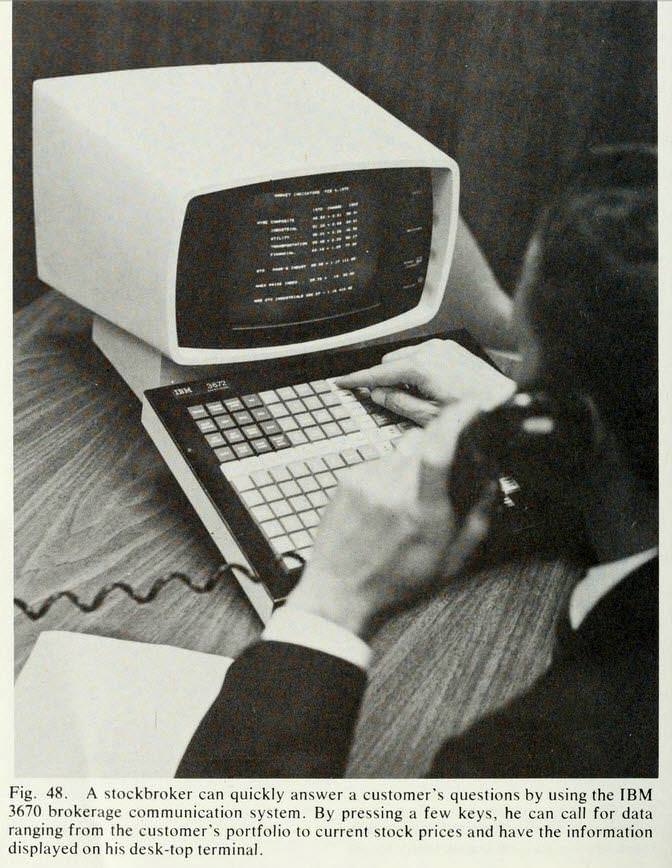
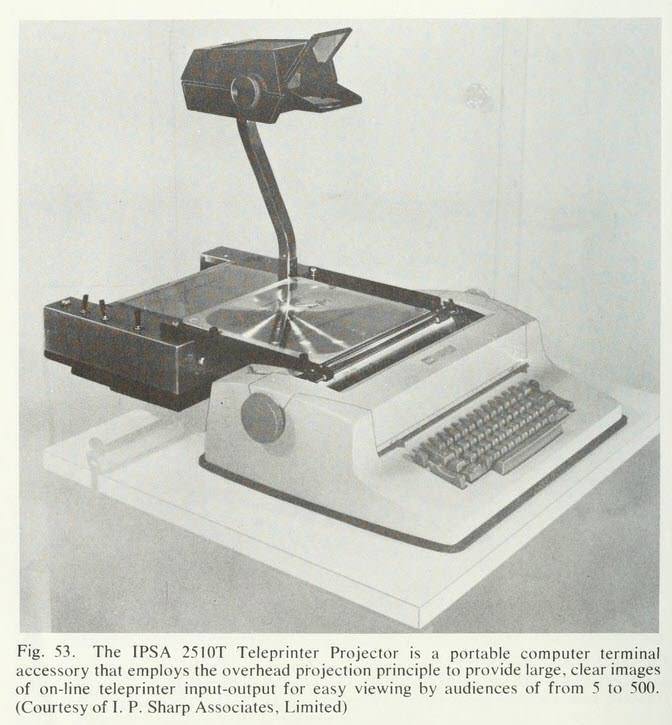
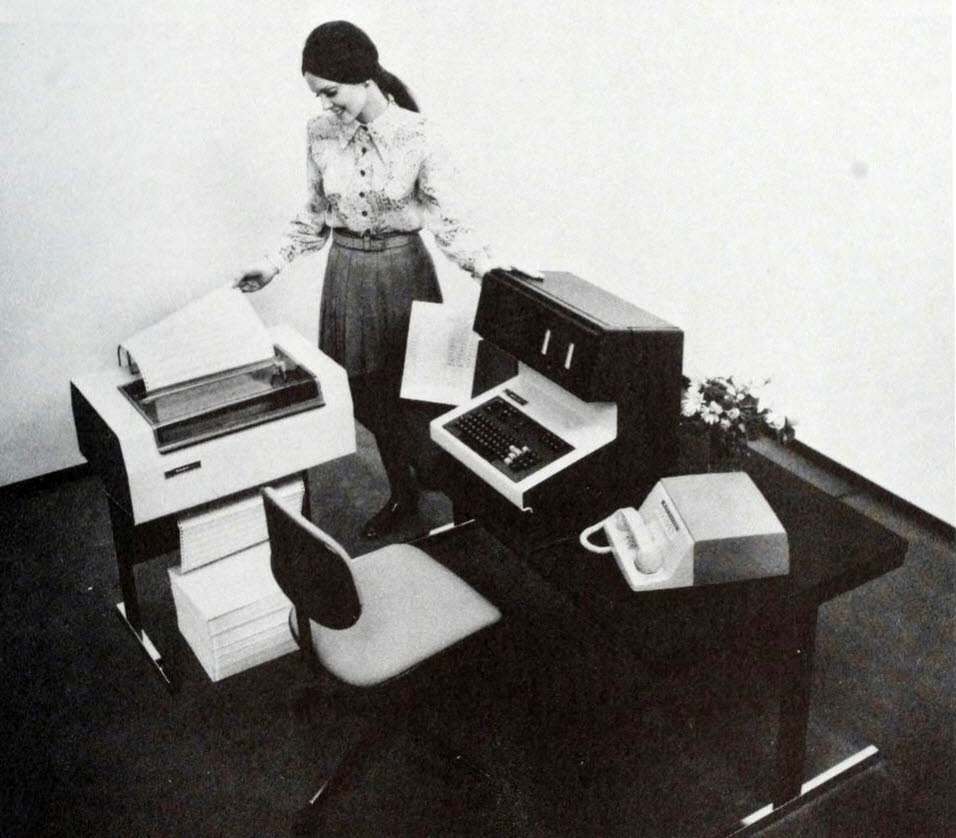
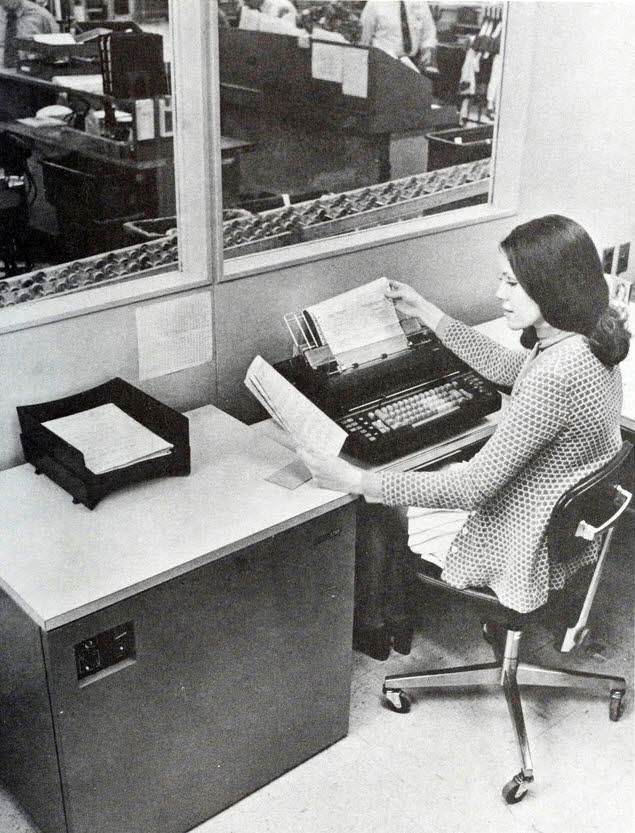
Output came through line printers that produced pages of text at high speed, or through terminals where operators could read results directly on a screen. Each component was a separate unit, often the size of a large appliance.
Explaining Computers in the Seventies: Inside a 1975 Book on How a Computer System Functions and Its Components

Books like this one served a real need. As computers moved into more industries during the early 1970s, managers, office workers, and students needed a basic grasp of what these systems actually did. The writing was clear and direct, aimed at readers with no technical background.
Explaining Computers in the Seventies: Inside a 1975 Book on How a Computer System Functions and Its Components

Diagrams played a big role. Rather than relying on dense text, the book used illustrations to show how data flowed from one component to the next. Arrows traced the path from input to processing to output in a way any reader could follow.
Explaining Computers in the Seventies: Inside a 1975 Book on How a Computer System Functions and Its Components

Storage was a concept that required special attention. Magnetic tape reels held large amounts of data but required sequential access — meaning to find one record, the system read through everything before it. Disk storage was faster but far more costly.
Explaining Computers in the Seventies: Inside a 1975 Book on How a Computer System Functions and Its Components

Operators ran these systems from control consoles covered in switches, dials, and indicator lights. A single job — like processing payroll for a large company — could take hours and required careful scheduling of machine time.
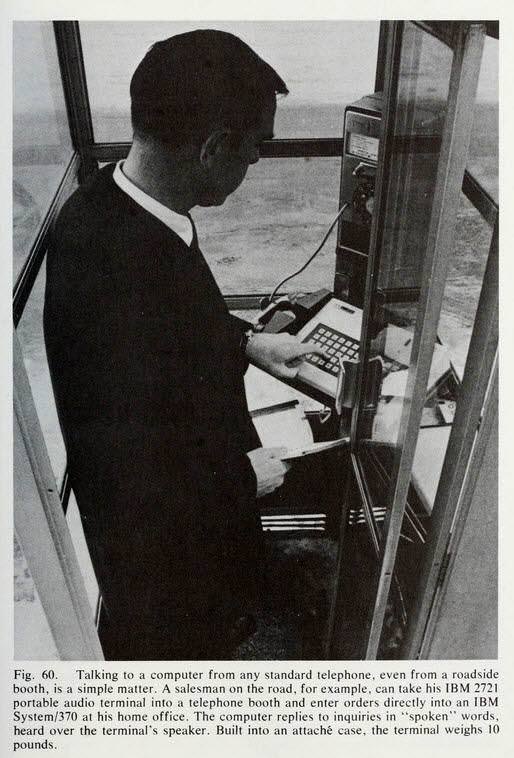
Explaining Computers in the Seventies: Inside a 1975 Book on How a Computer System Functions and Its Components

Software in 1975 was written by specialists and loaded through punch cards or tape. There were no icons, no mouse, and no menus. Every instruction was typed in precise code, and errors meant starting over.
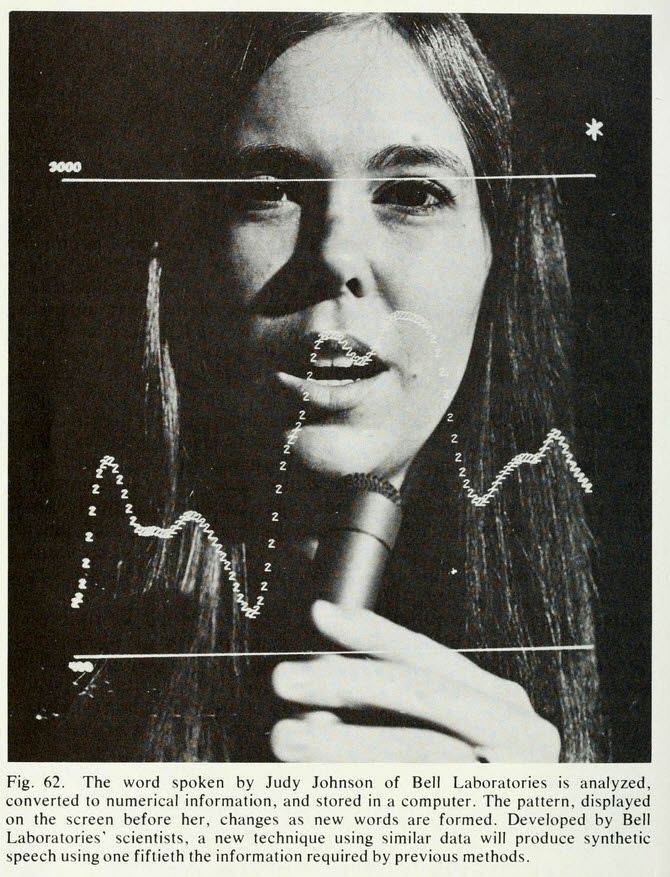
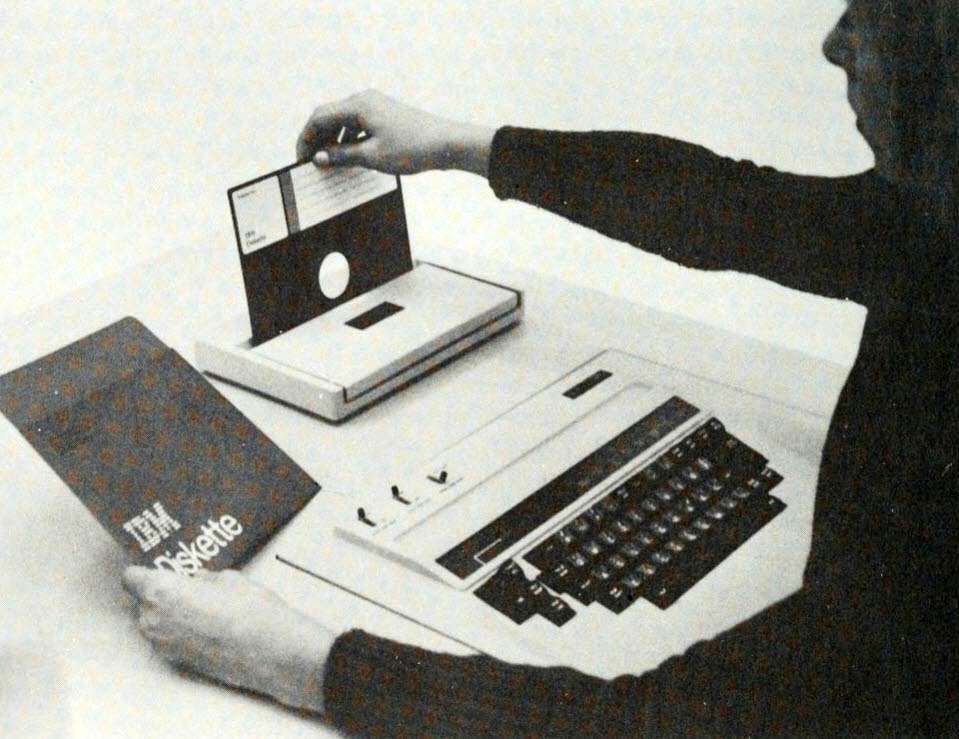
Explaining Computers in the Seventies: Inside a 1975 Book on How a Computer System Functions and Its Components

Looking at a book like this today is a direct window into what computing looked like before personal computers existed. The technology described was cutting-edge for its time — powerful, expensive, and understood by very few.
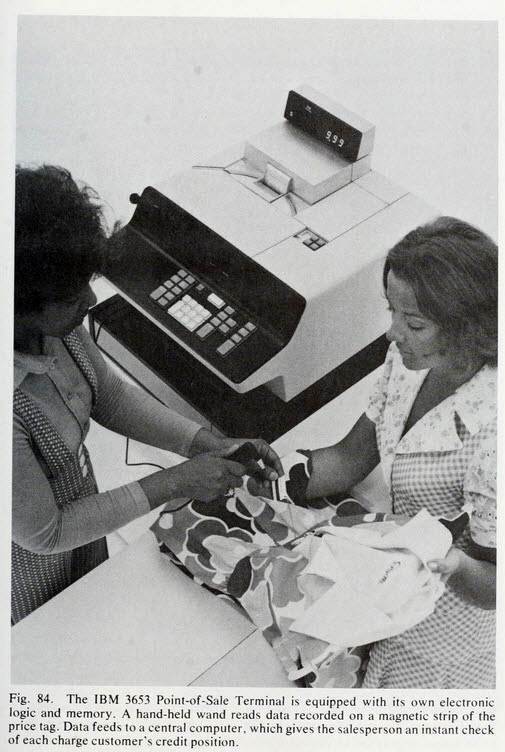
Explaining Computers in the Seventies: Inside a 1975 Book on How a Computer System Functions and Its Components
Enjoyed this post? Get new ones in your inbox.

Leave a Comment

Your email address will not be published. Required fields are marked *

Share this Post 🥺

Please take a moment to share this content. Your support is greatly appreciated! 🙌🙏

Share this Post 🥺

Please take a moment to share this content. Your support is greatly appreciated! 🙌🙏
Scroll to Top
 
Hey Friend, Before You Go.. Please like & follow for more interesting content