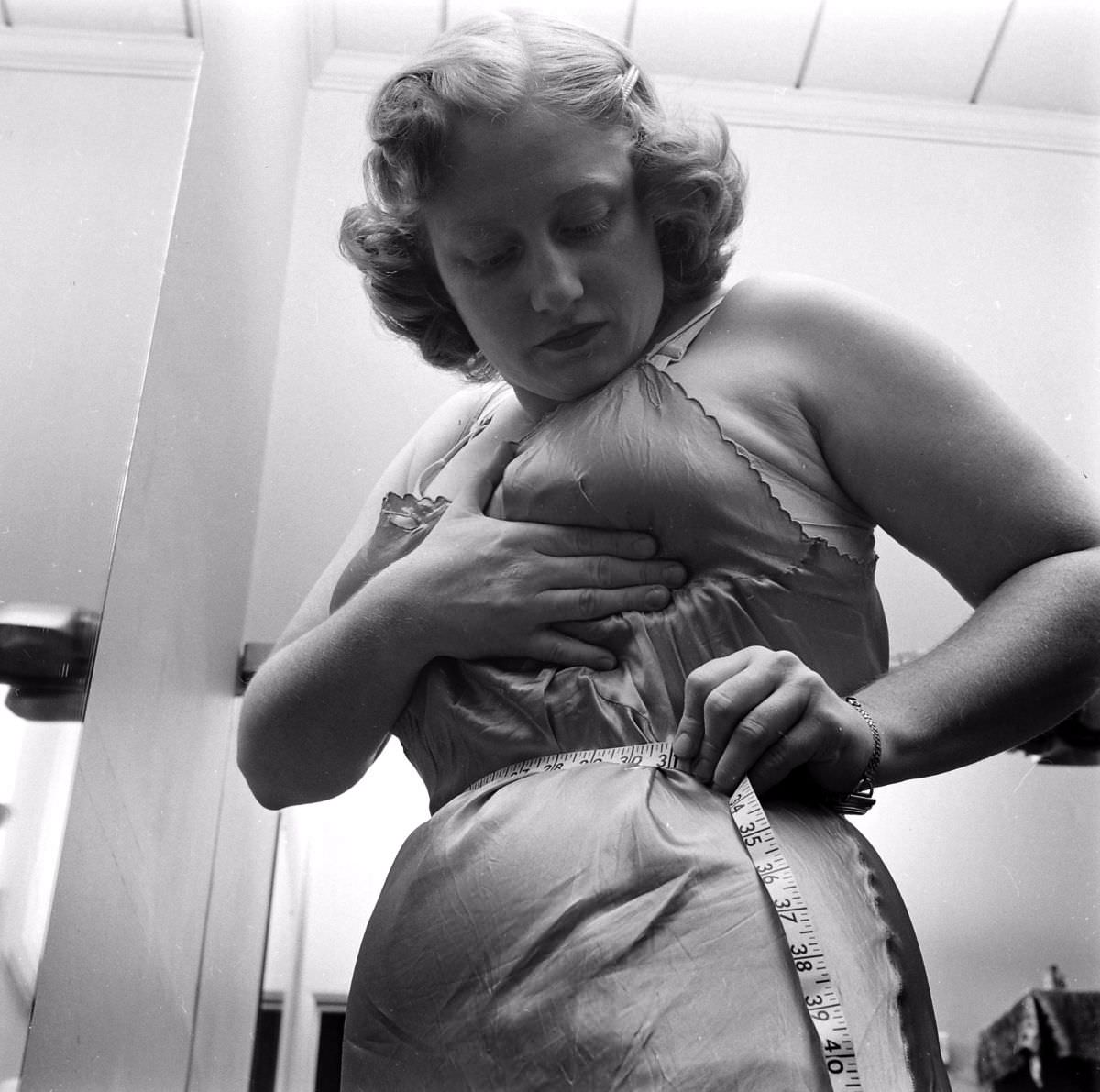
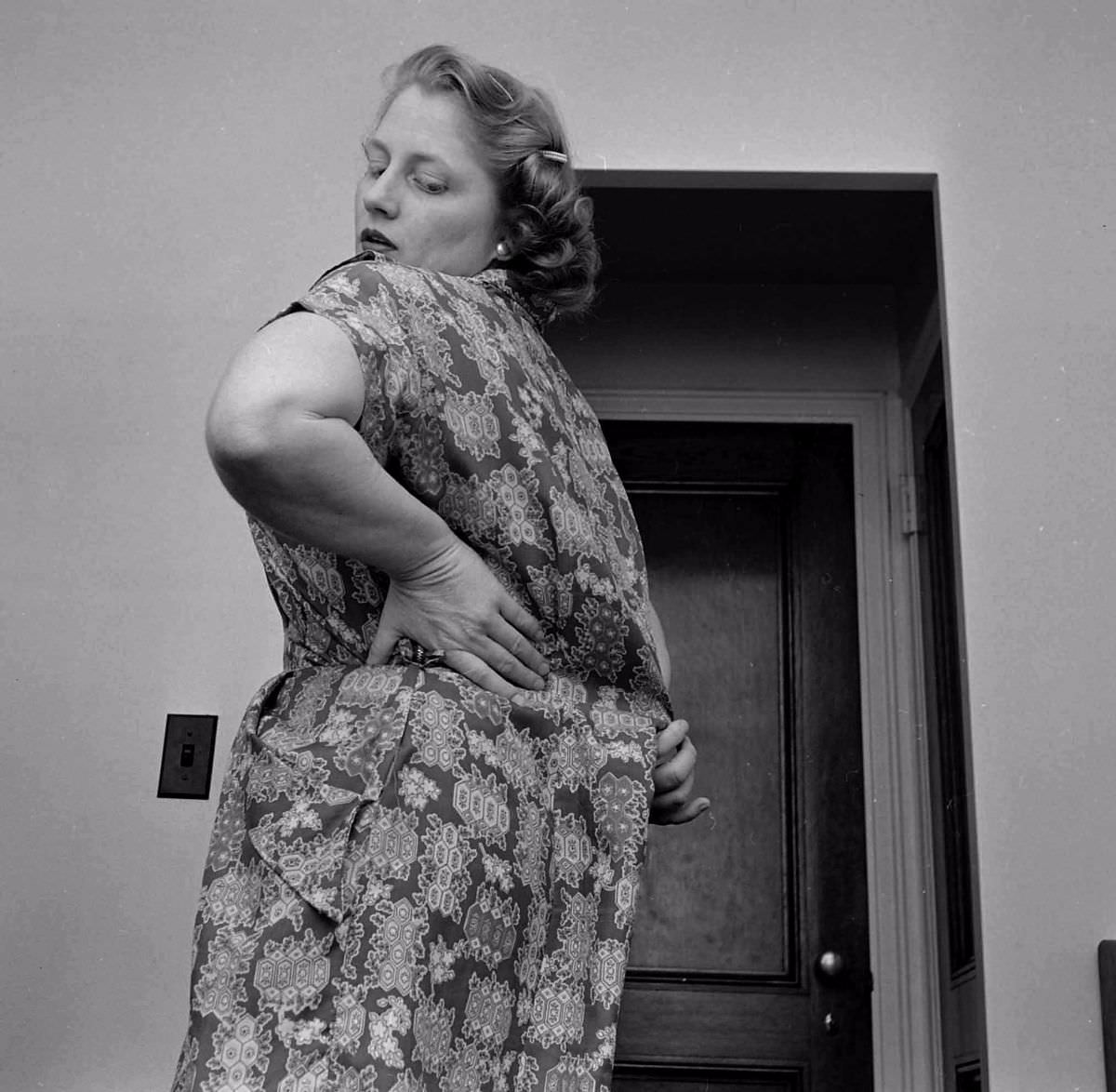
In March 1954, LIFE magazine ran an article titled “The Plague of Overweight.” Its opening line was blunt: “the most serious health problem in the U.S. today is obesity.” That sentence reads as if it were written yesterday, yet it appeared seven decades ago in one of the country’s most widely read publications. The word “plague” was a deliberate choice — the magazine was signaling a crisis, not a trend.

To put a human face on the issue, LIFE followed Dorothy Bradley, a 31-year-old woman from Tennessee who weighed 205 pounds at the start of her story. Rather than filling the article with statistics alone, the editors centered the piece on her personal experience. Dorothy also had a goal beyond weight loss — she wanted to work in the medical field and was actively saving money to attend nursing school.
![Bulging at beach in 1949, 197-pound Dorothy [Bradley] self-consciously leaves locker room for swim. She covered up embarrassment by being jolly and gregarious.](https://www.bygonely.com/wp-content/uploads/2025/05/Plague_of_Overweight_1954_1.jpg)
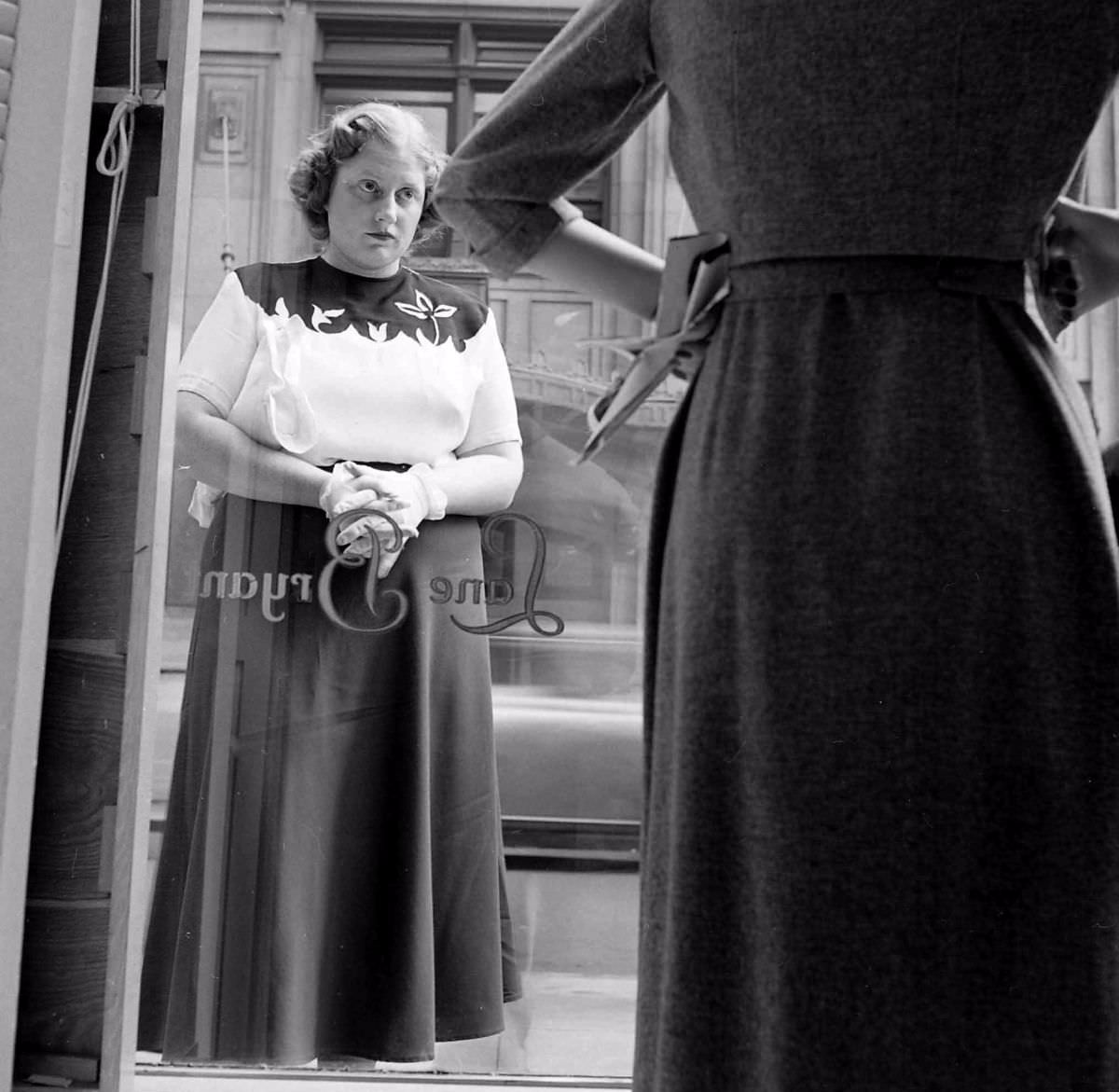
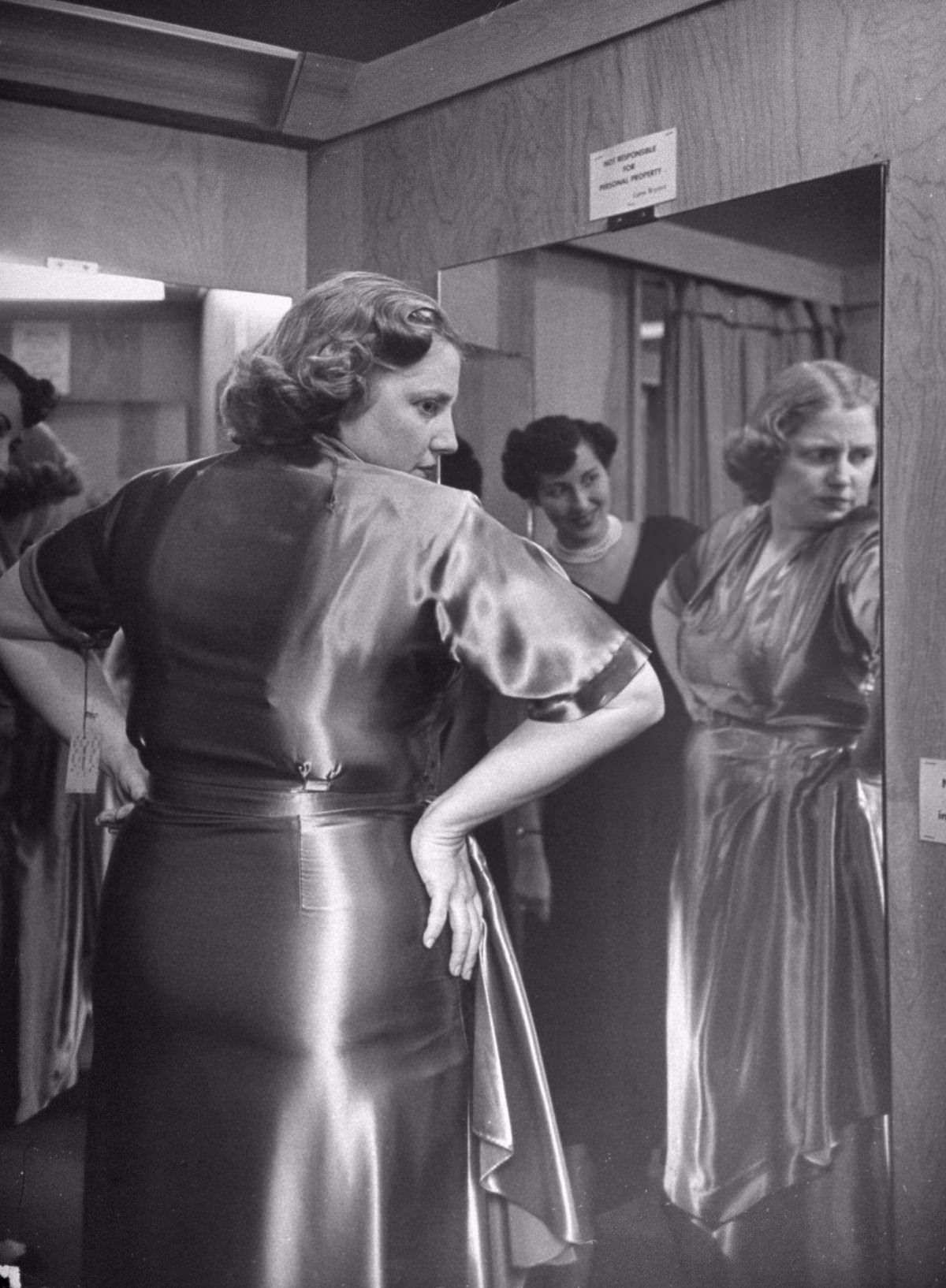
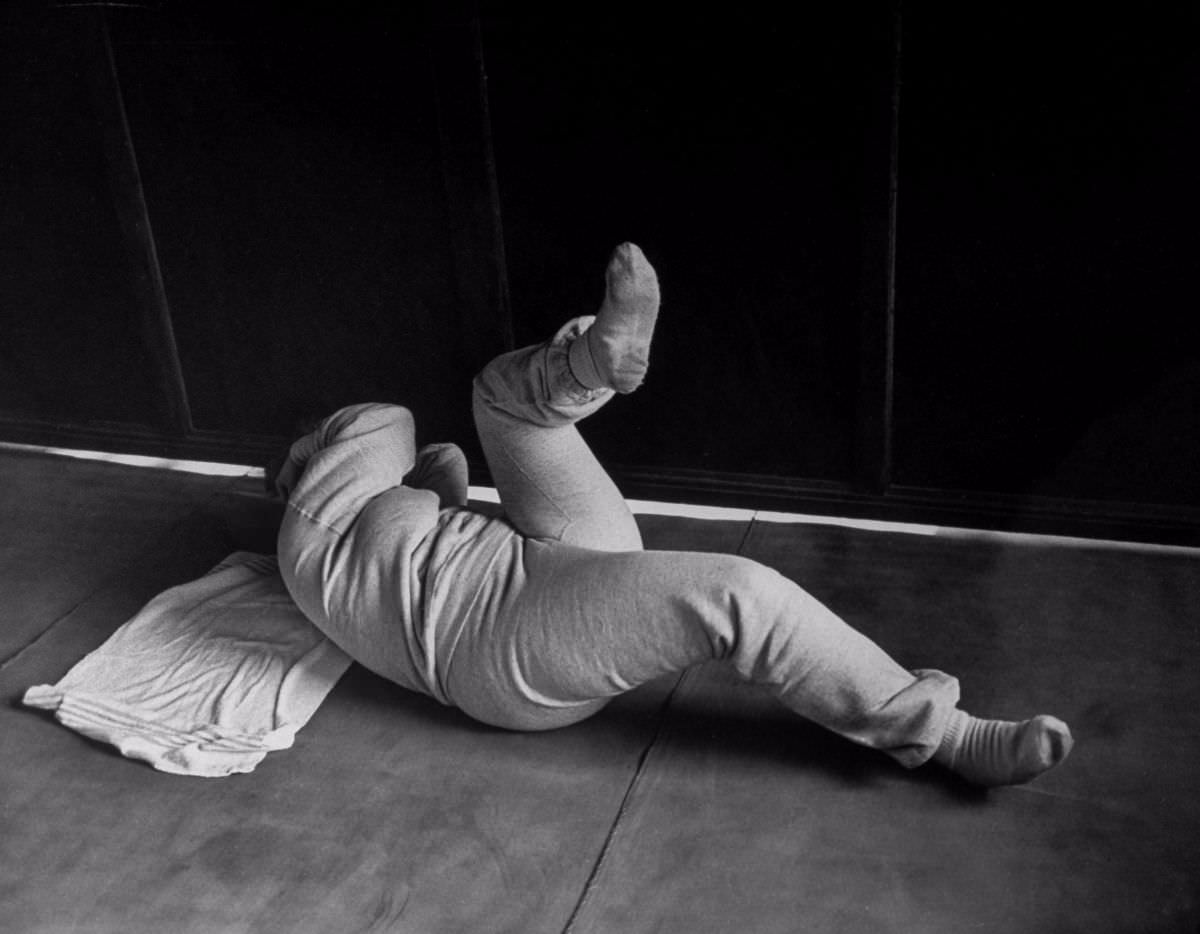
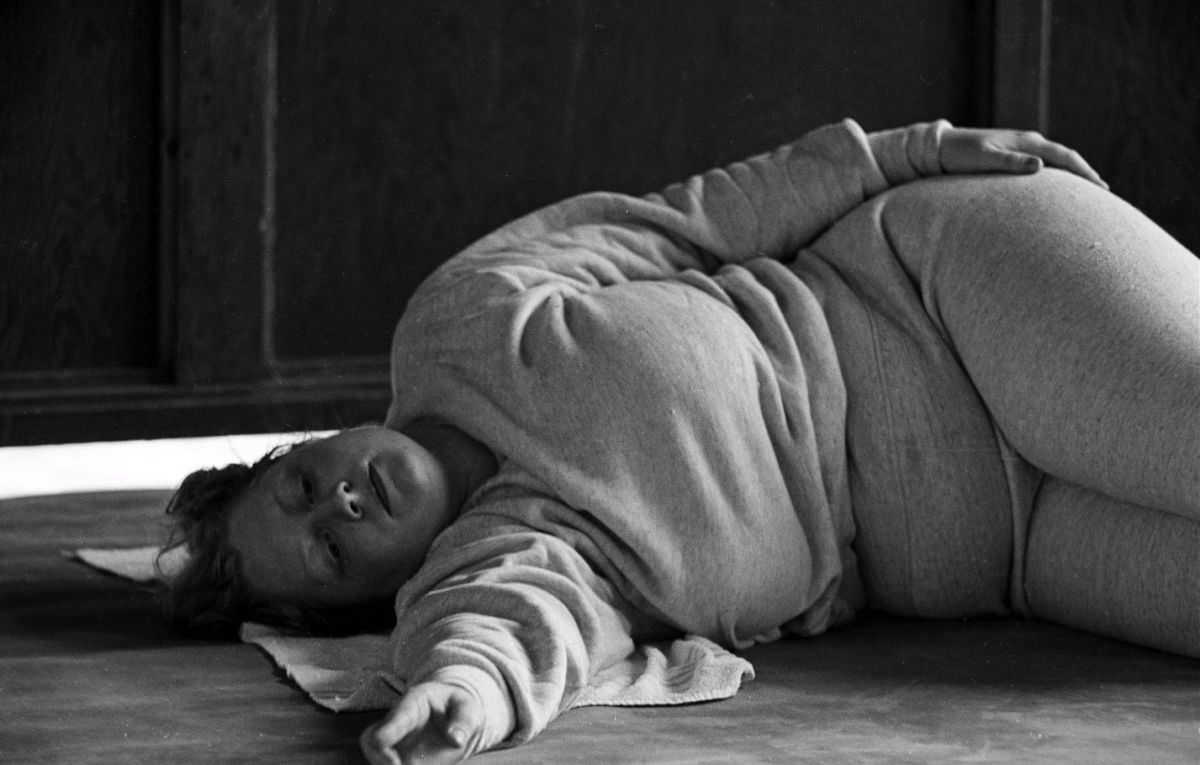
Photographer Martha Holmes documented Dorothy’s journey for the magazine. The photographs were meant to show readers the real, day-to-day reality of living with excess weight and working to shed it. Holmes captured candid, unguarded moments that gave the story its emotional weight.
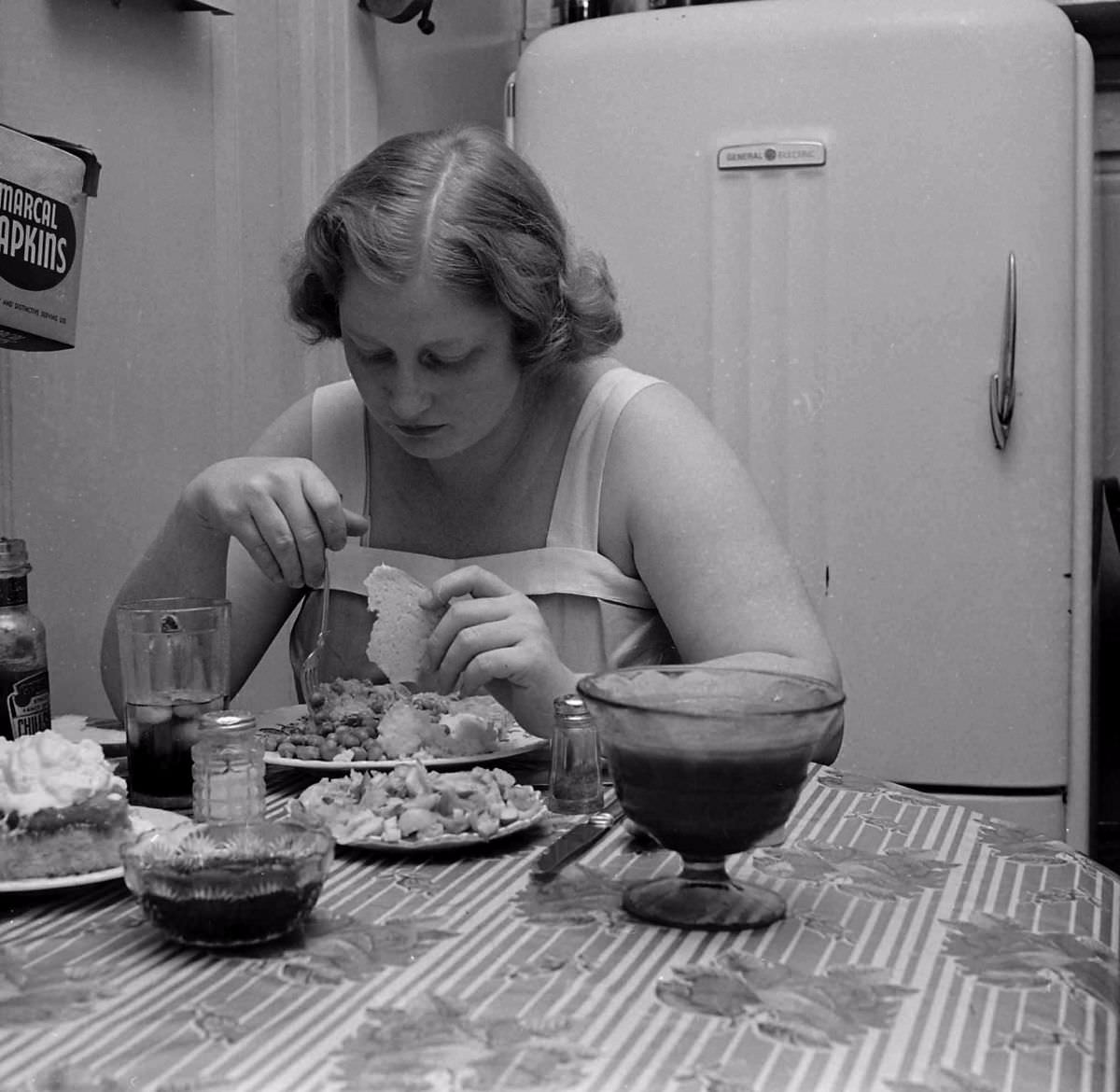
The article was honest about how hard the process was. Dorothy lost 60 pounds at one point, then gained it all back — and then some. This cycle of progress and setback was presented plainly, without judgment. LIFE showed its readers that weight loss was not a simple matter of willpower.

By the time the March 1954 issue went to print, Dorothy had lost close to 70 pounds and had kept the weight off. The article framed this as a genuine achievement, given how many times the goal had slipped out of reach.