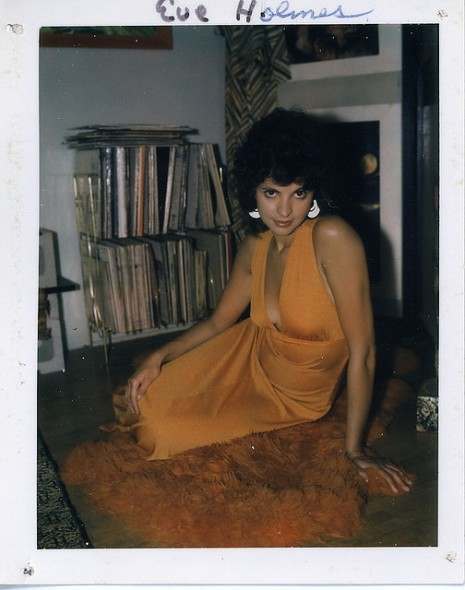
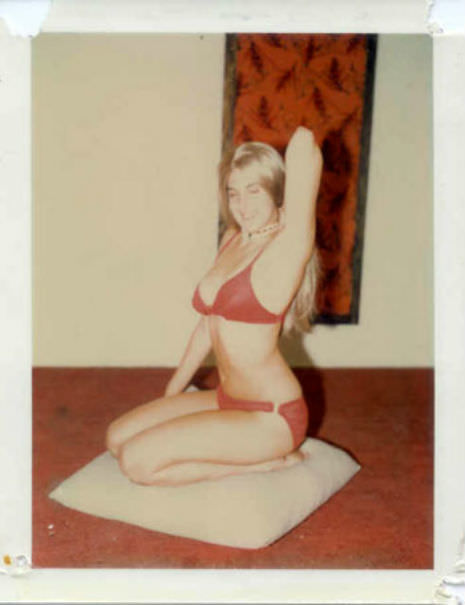
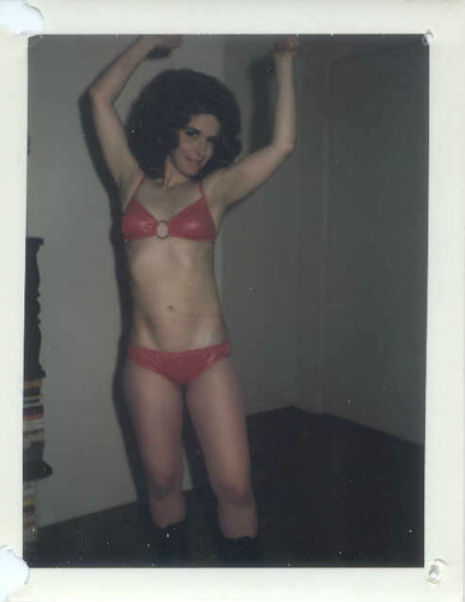
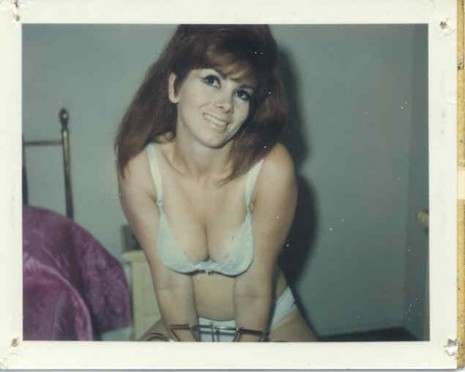
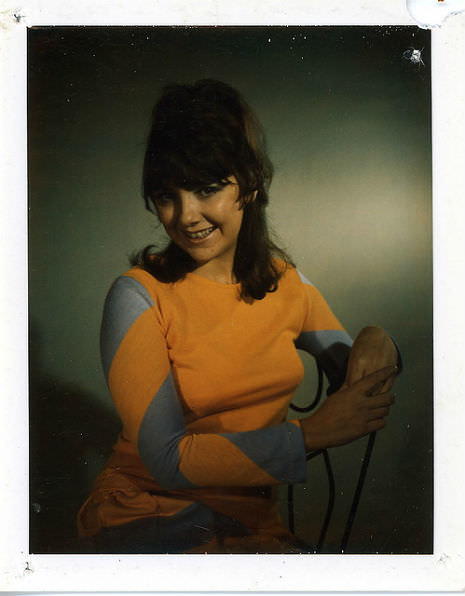
In Southern California clubs during the late 1960s and early 1970s, strippers used a clever and very personal marketing tool: the Polaroid calling card. Before digital photos or easy home printing existed, handing someone an instant photograph was a fast and memorable way to leave an impression.
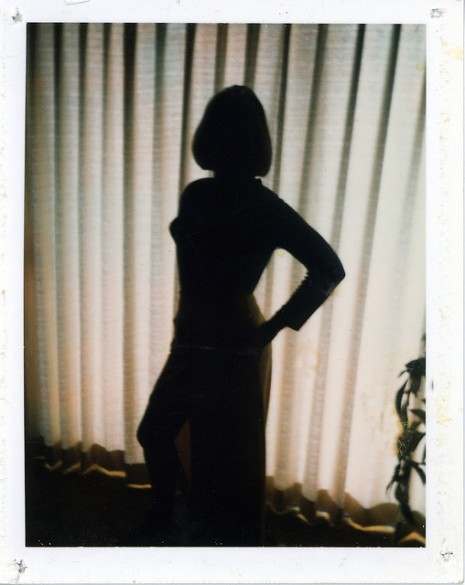
Polaroid cameras were a genuine novelty at the time. They developed a photograph on the spot, within minutes, with no darkroom or photo lab required. A performer could shoot a photo right at the club and hand it to someone the same night.
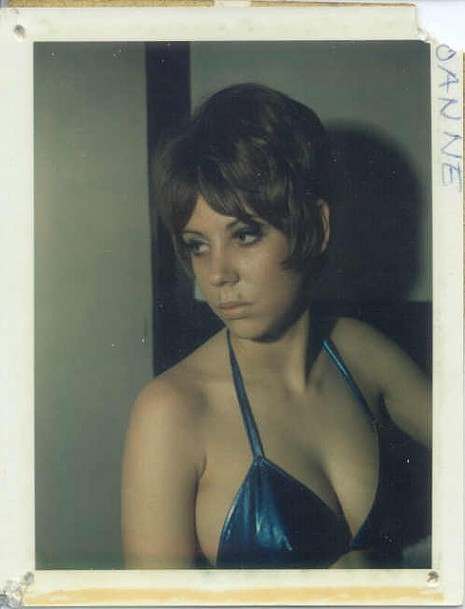
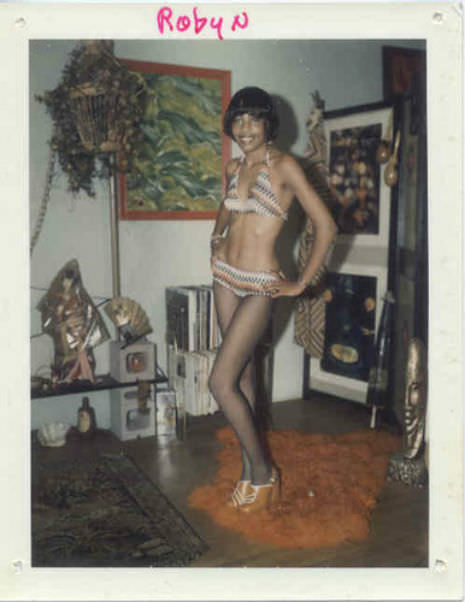
Each card featured the performer’s Polaroid photo, complete with the format’s signature wide white border. To add contact information, performers used a handheld Astro Label Maker — a small device that pressed letters into adhesive tape, producing raised white text on a colored strip, typically black or red.
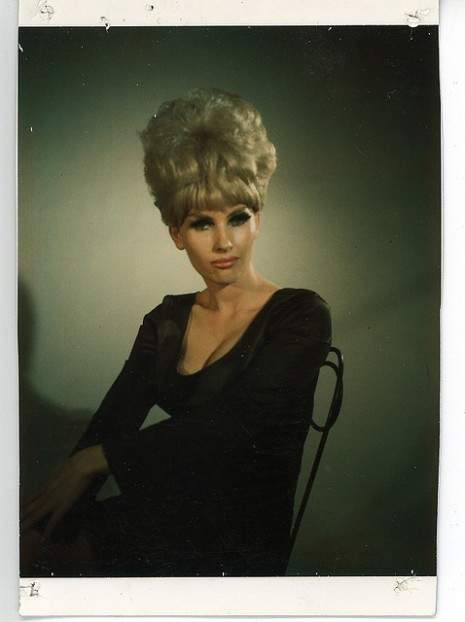
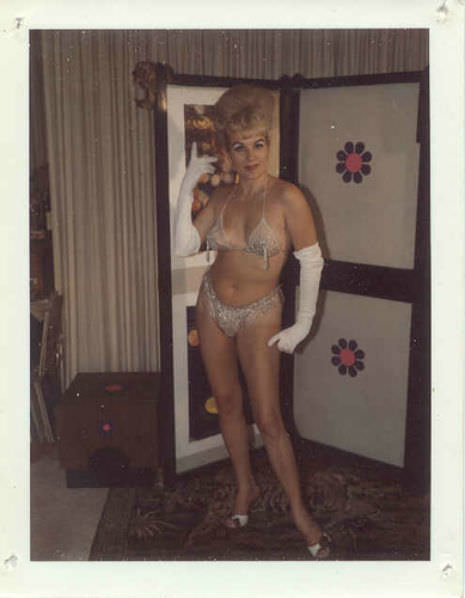
The tape was peeled and stuck directly onto the Polaroid’s white border. The result was a compact, self-made business card that combined a personal photo with a name and phone number in one neat package.
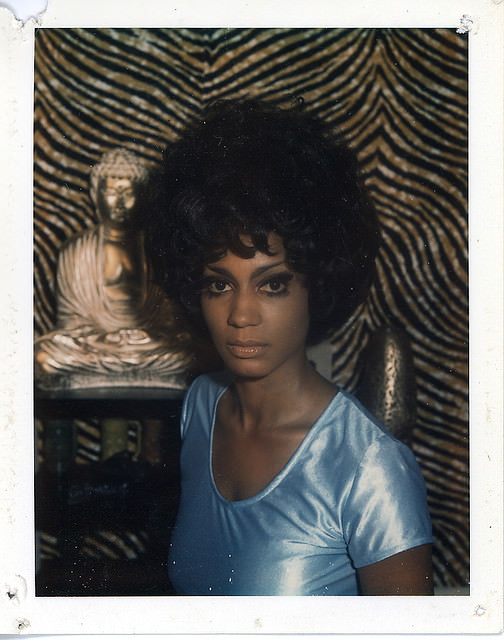
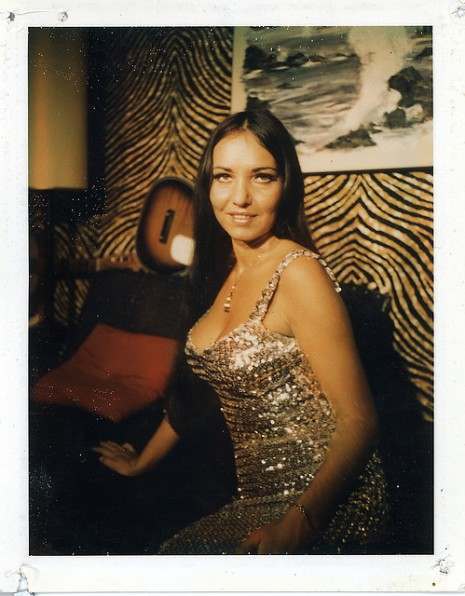
These cards were practical above all else. No photo studio visit, no waiting days for prints. A performer could produce a batch of cards quickly and distribute them directly during or after a show.
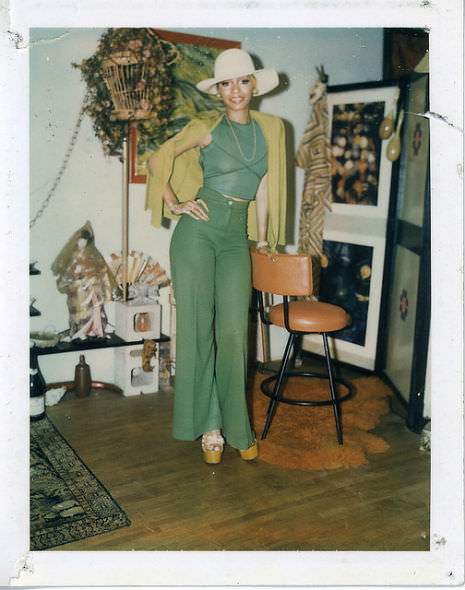
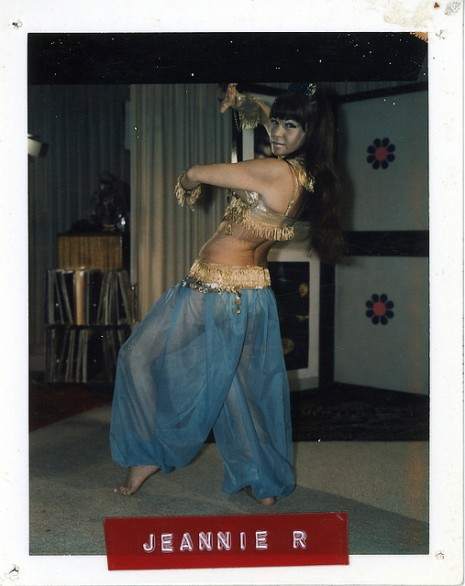
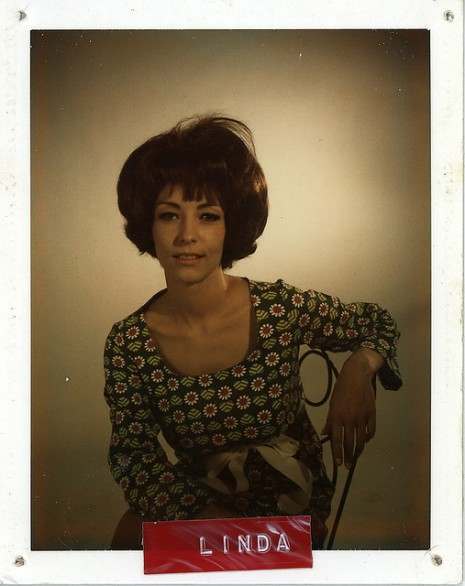
The cards gave potential clients a visual reminder of the performer — something tangible to take home. In an era when a personal photograph was still a relatively rare thing to give a stranger, the gesture carried real weight.