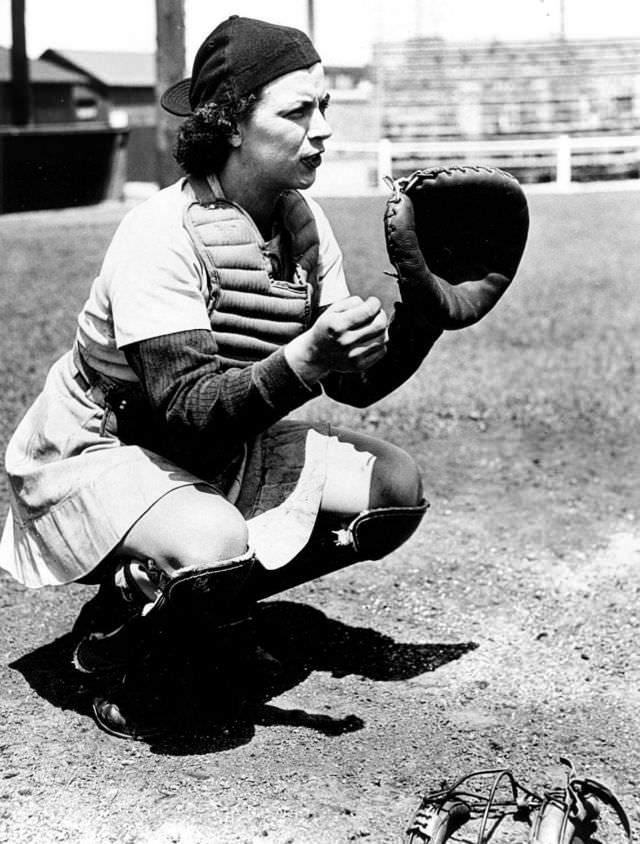
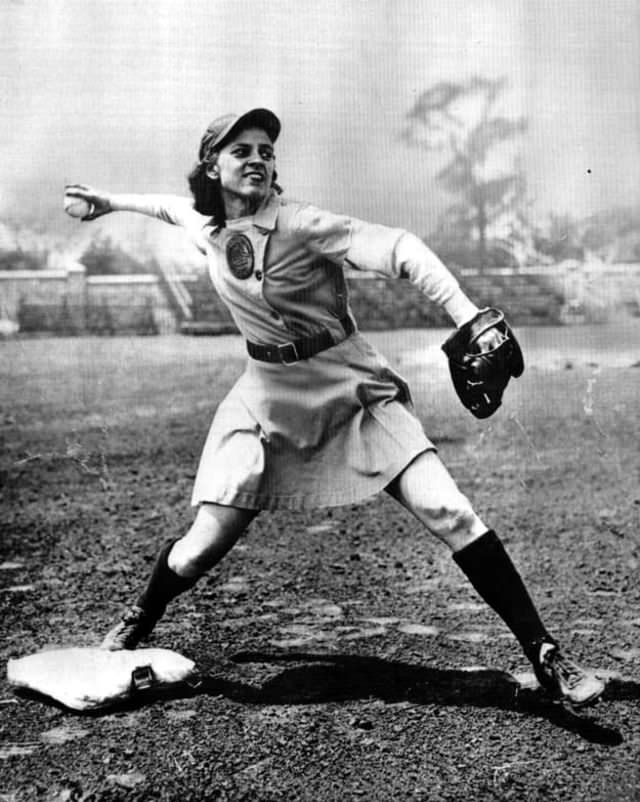
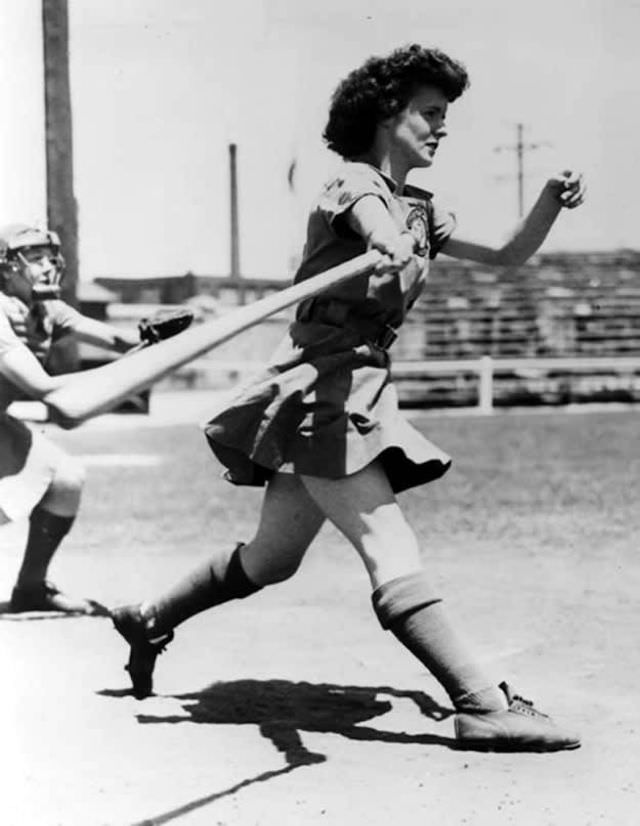
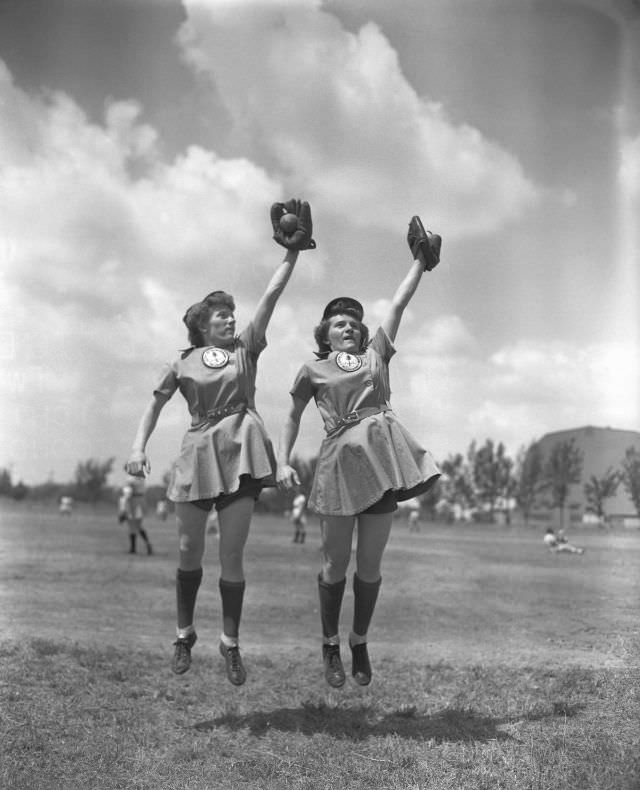
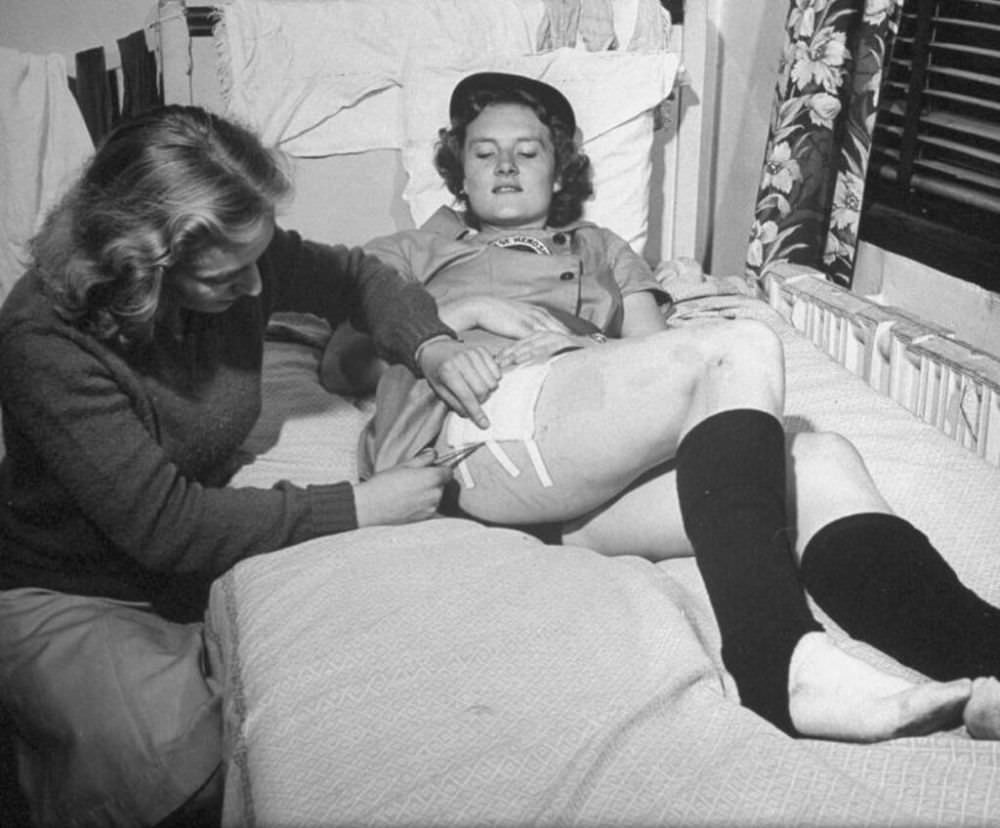
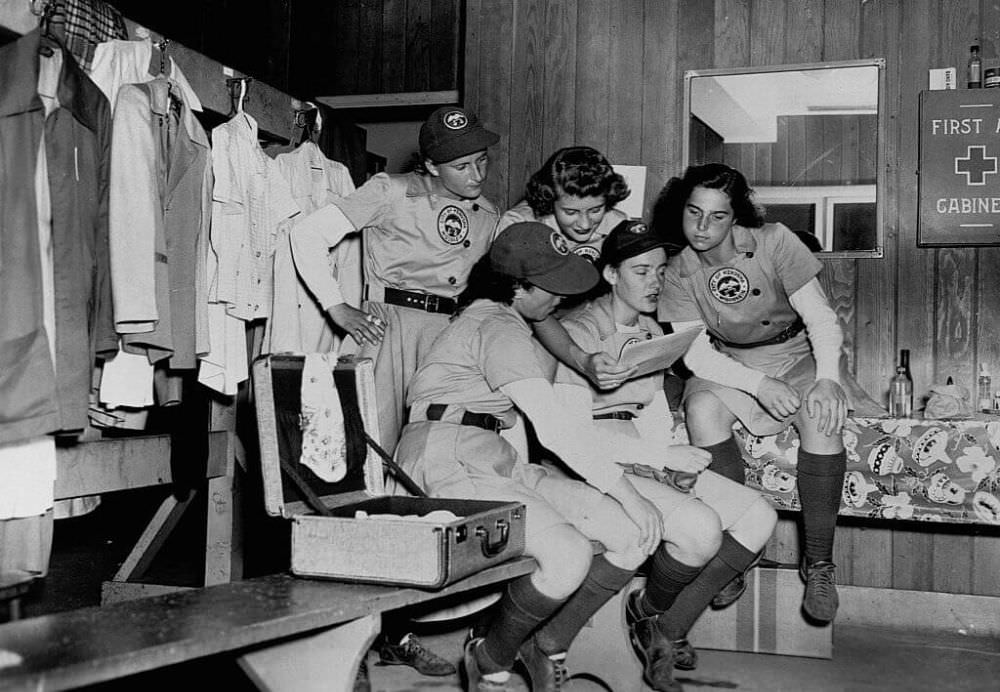
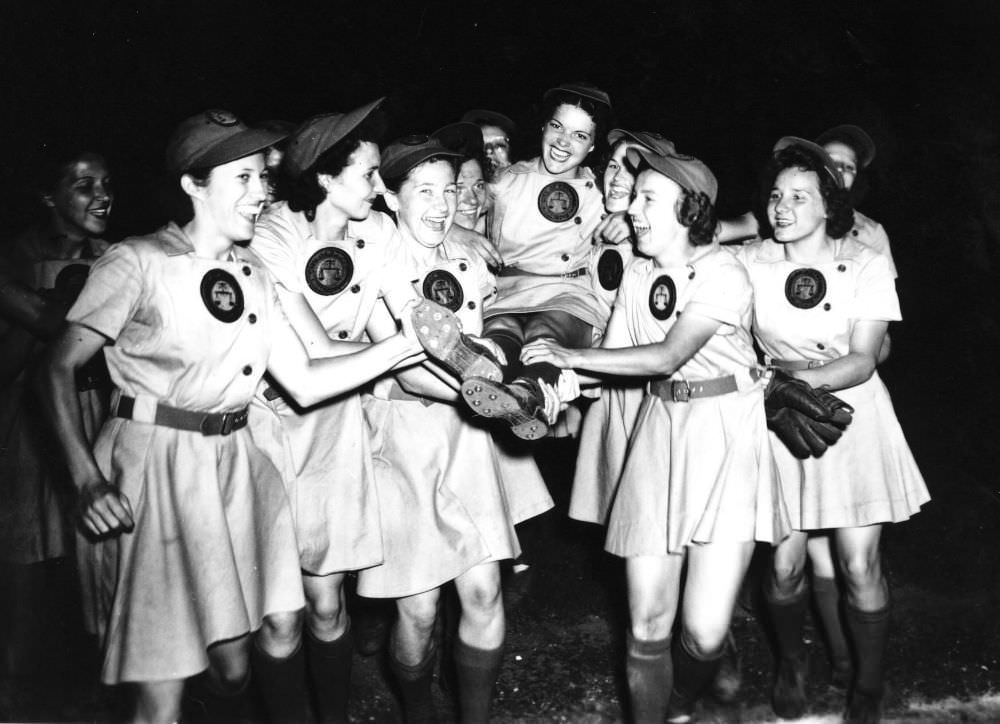
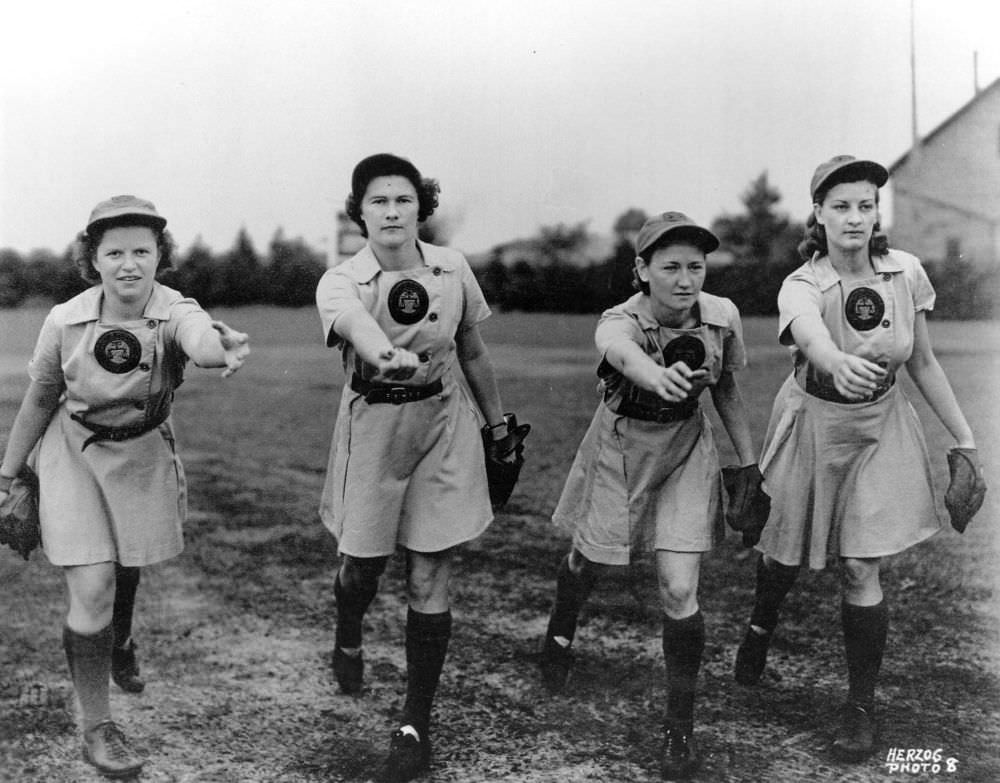
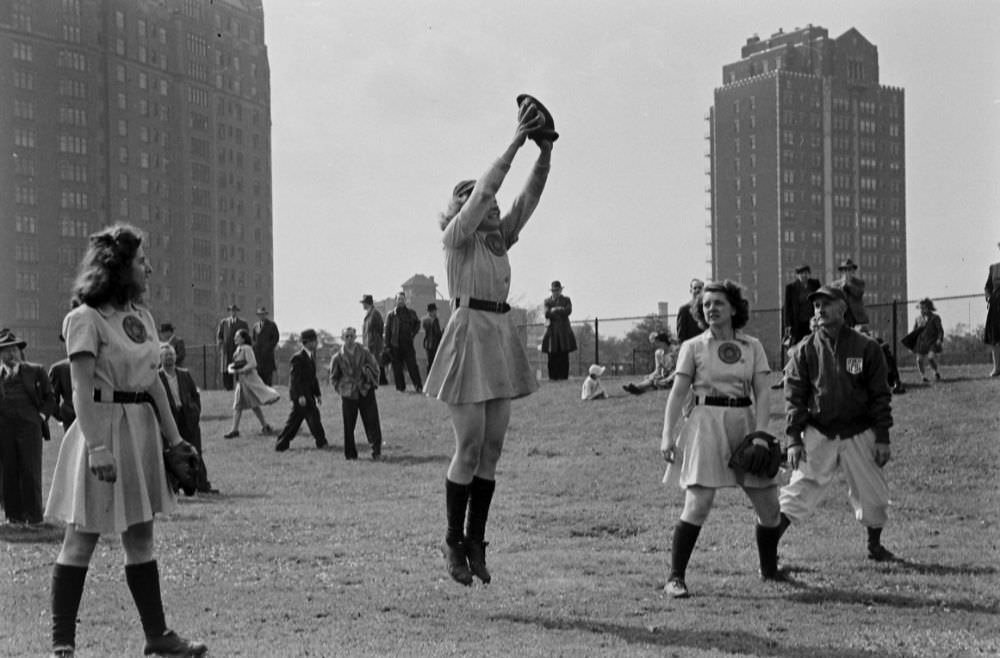
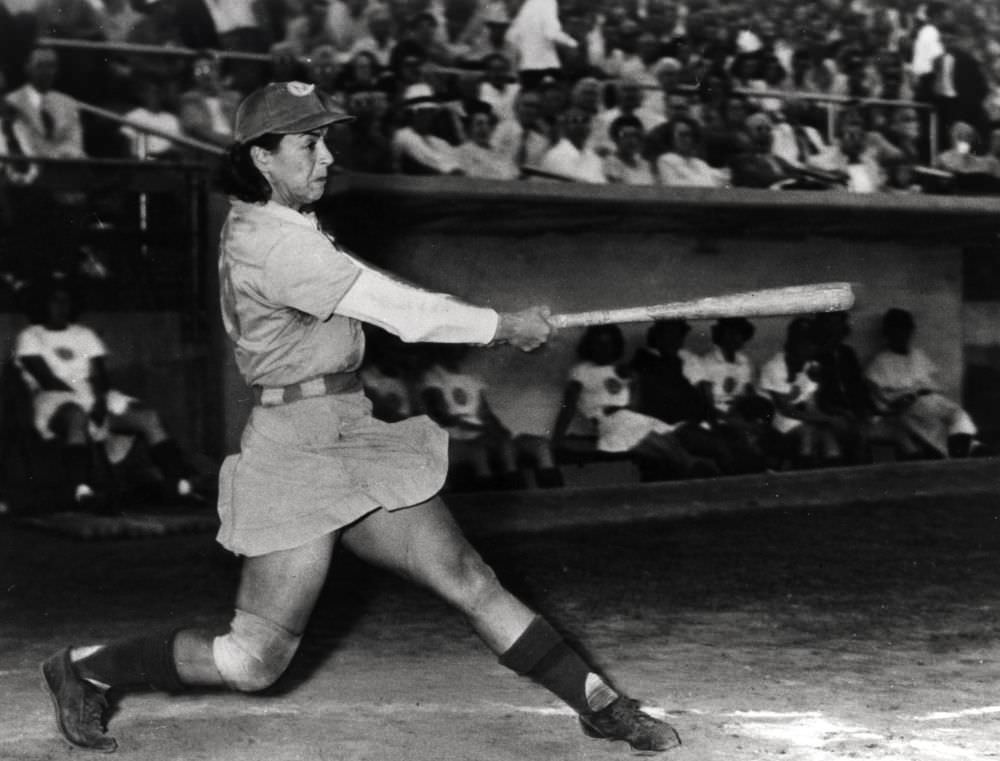
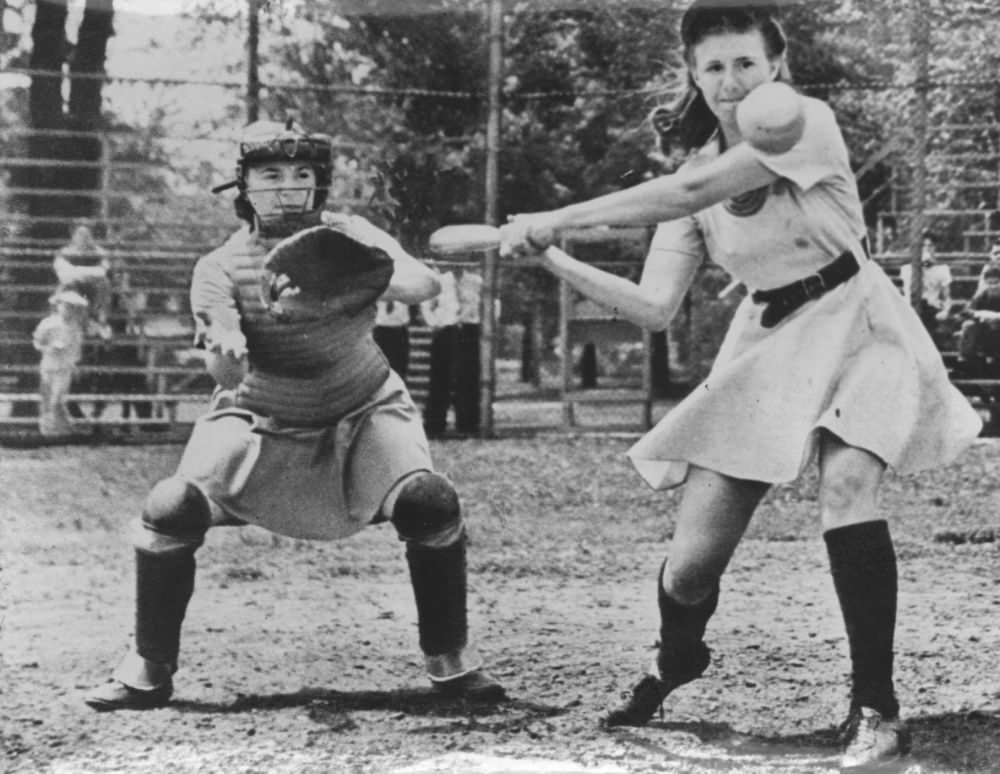
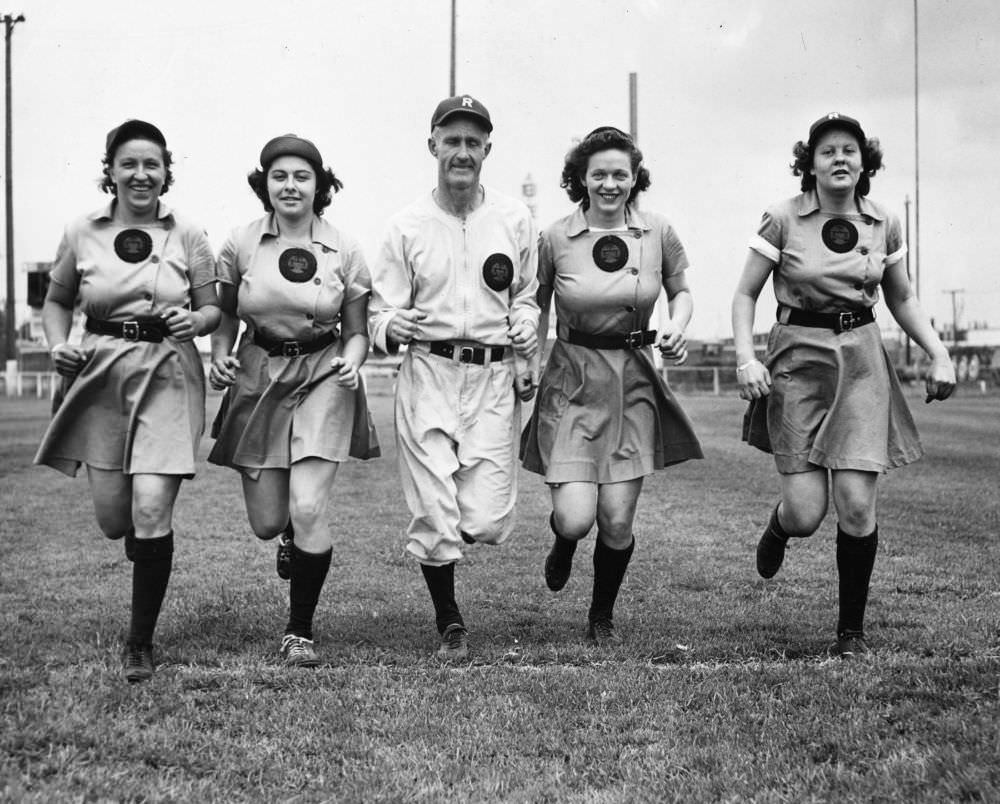
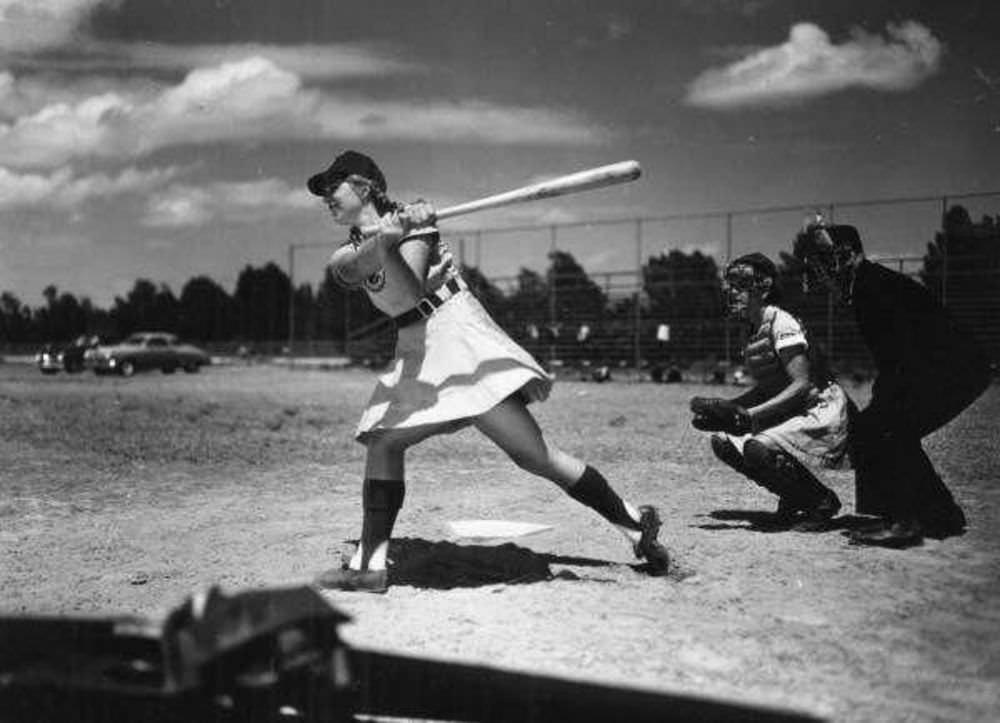
Most people first heard of the All-American Girls Professional Baseball League through the 1992 movie ‘A League of Their Own.’ But the real story is richer — and stranger — than Hollywood showed. From 1943 to 1954, more than 600 women played professional baseball across the American Midwest, drawing massive crowds and competing at a genuinely high level.
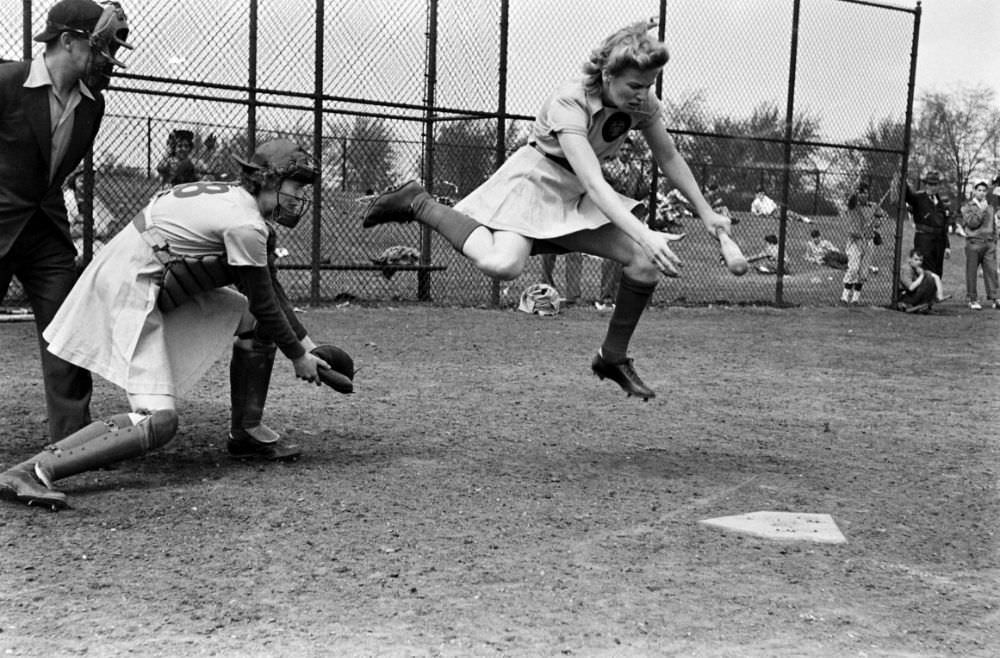
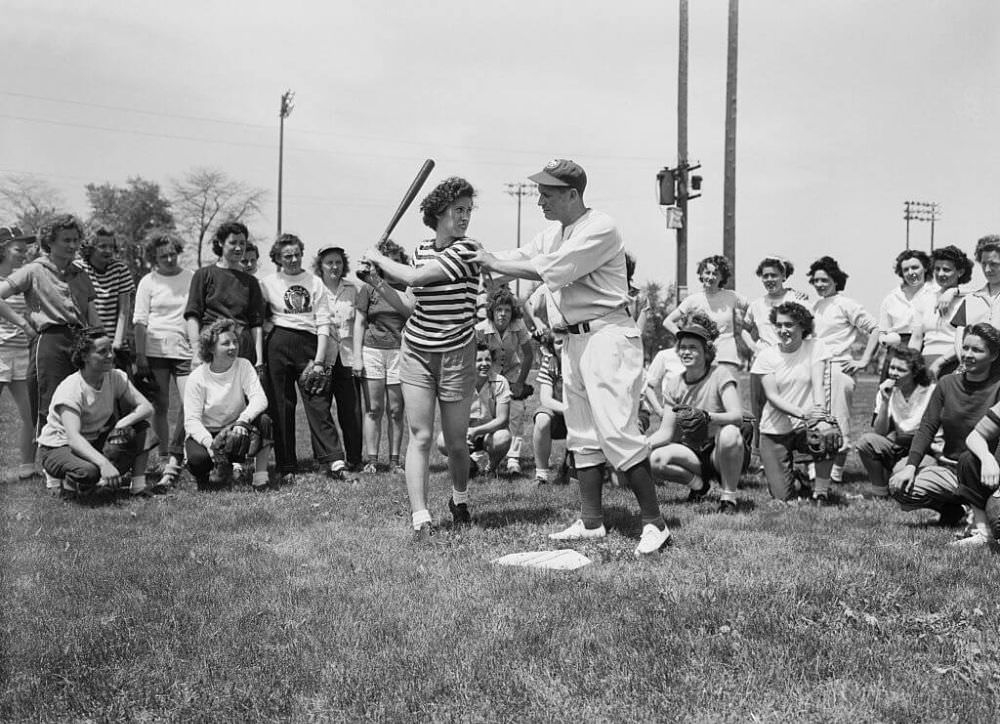
The league was born directly out of World War II. With millions of American men serving overseas — including many Major League Baseball players — Philip K. Wrigley, owner of the Chicago Cubs and the Wrigley chewing gum company, feared that baseball would disappear from the public eye. His solution was a professional women’s league to fill the gap and keep fans entertained on the home front. The first tryouts were held at Wrigley Field in Chicago.
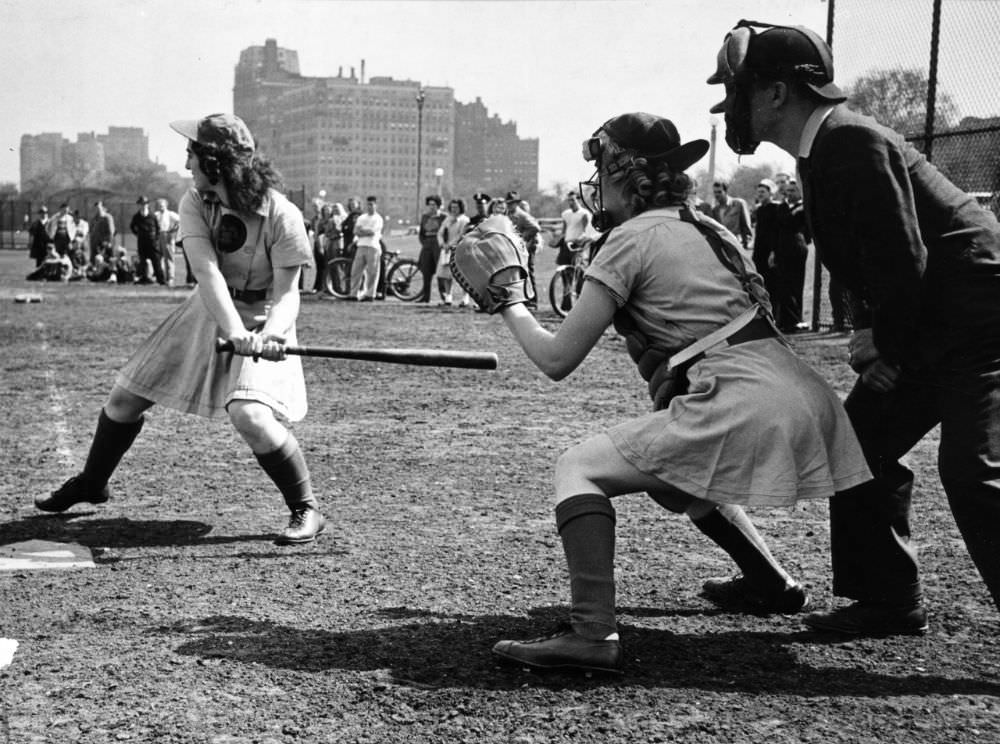
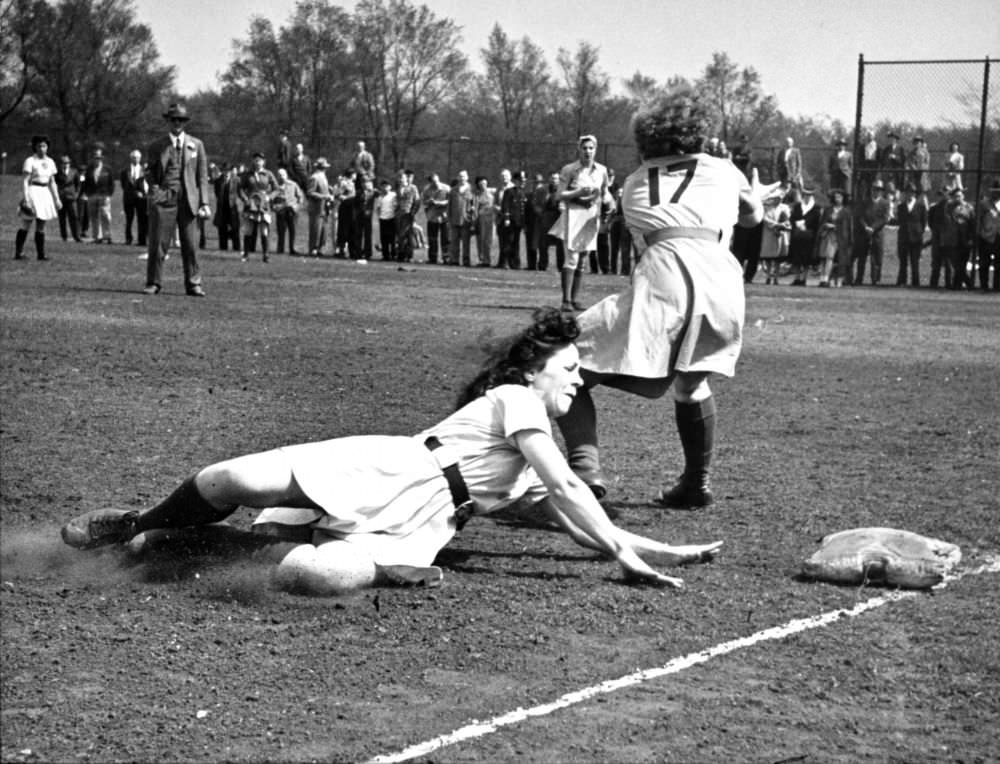
The league’s official name actually changed several times. It launched in 1943 as the All-American Girls Softball League, quickly became the All-American Girls Baseball League, and cycled through variations including ‘Professional’ and ‘American Girls” in later years. Ownership shifted too — from Wrigley to advertising executive Arthur Meyerhoff, and eventually to individual team owners.
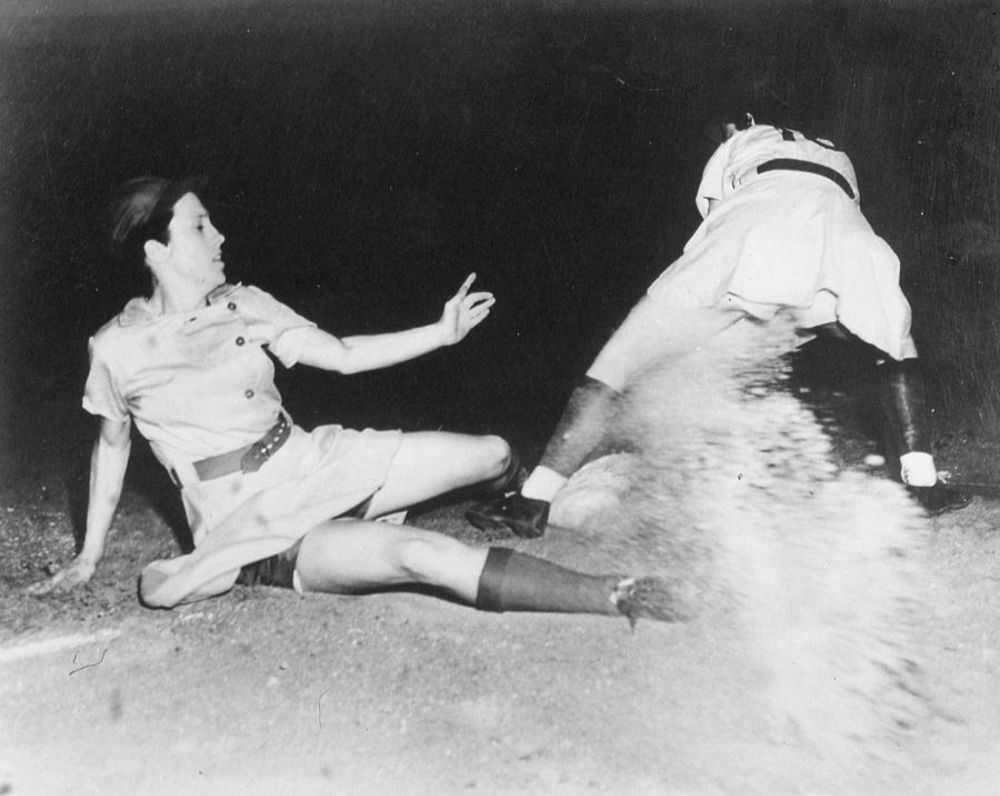
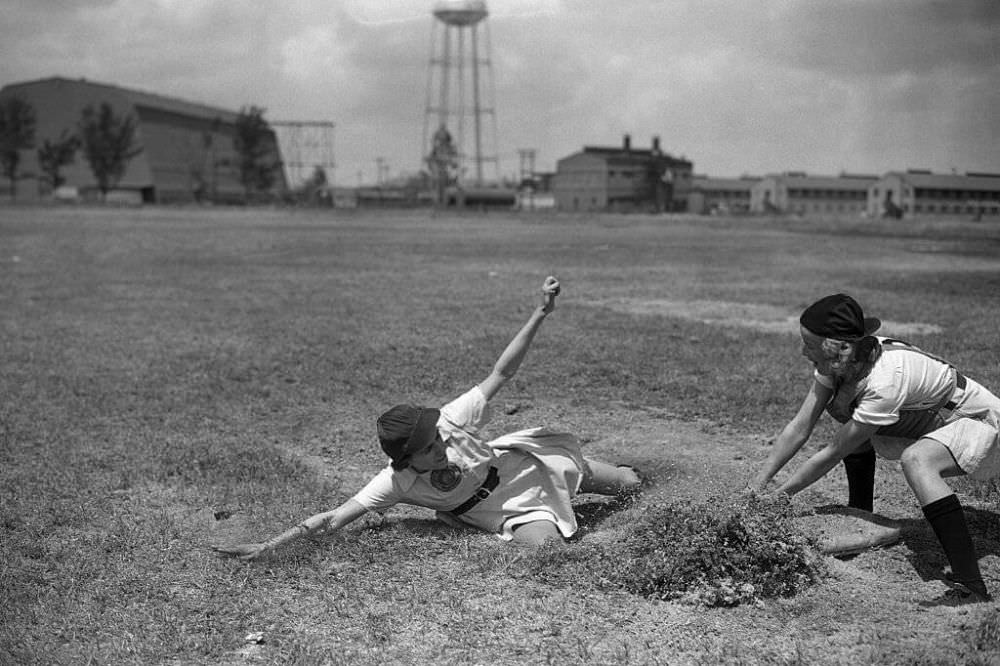
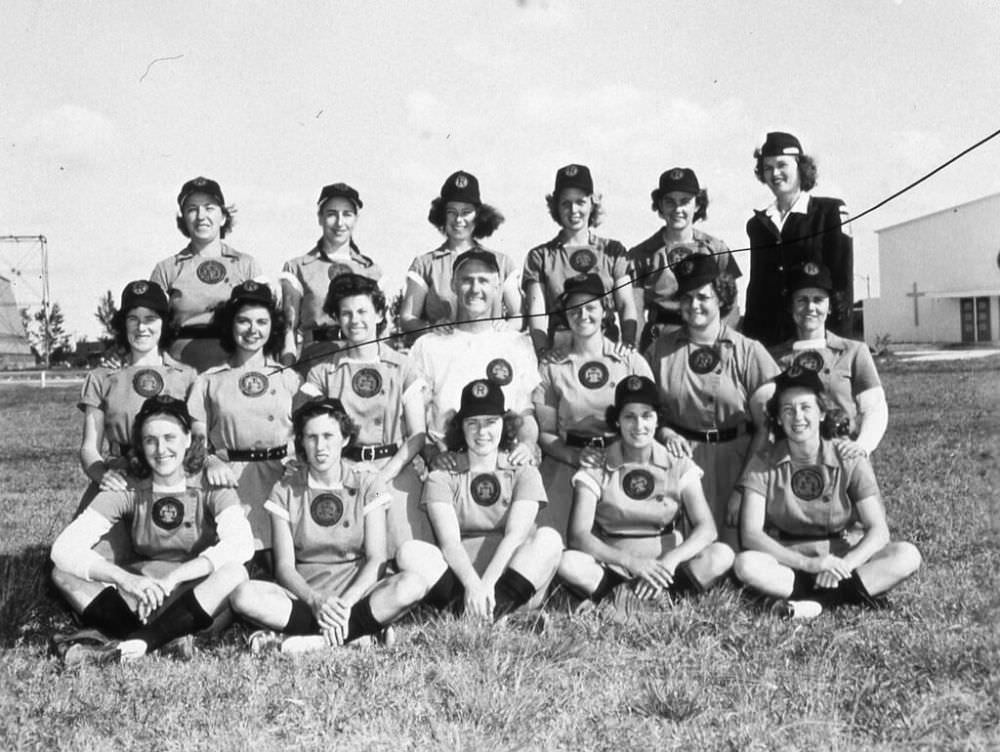
Over its twelve-year run, the league grew to ten teams based in mid-sized Midwestern cities. The Rockford Peaches won four league championships and remain the most recognized franchise. The South Bend Blue Sox were the other club that stayed in its original city for the league’s entire run.
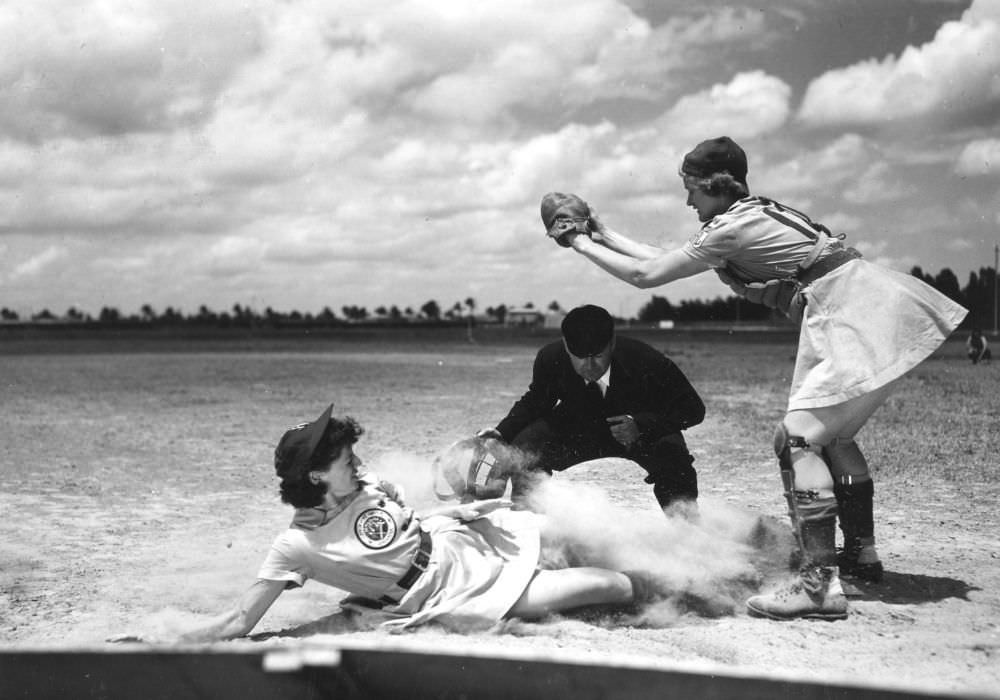
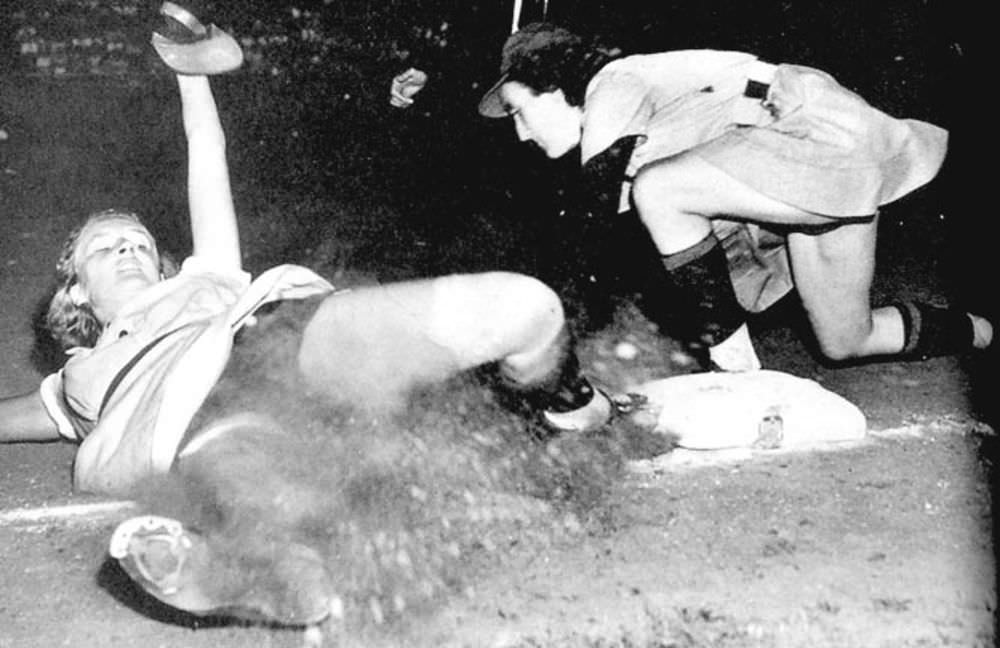
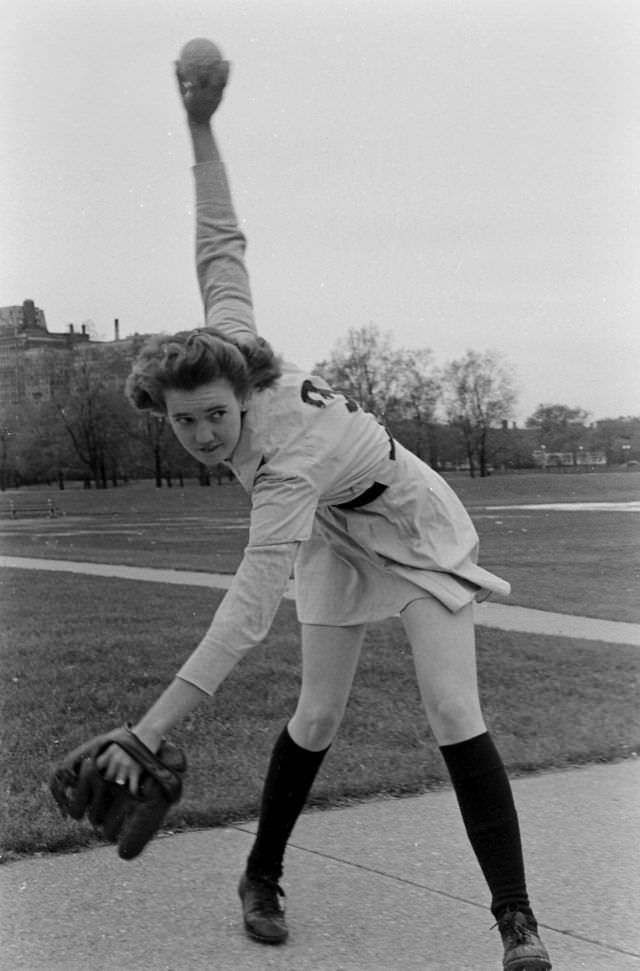
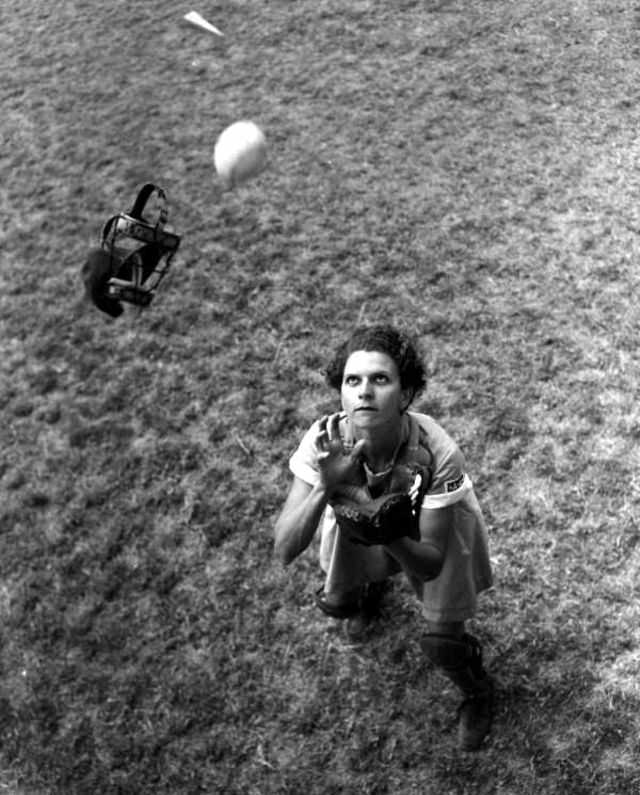
The rules of play changed significantly over time. Early on, the game looked closer to softball — underhand pitching, shorter base paths. As seasons passed, the league moved toward standard baseball rules, adopting overhand pitching and extending both the base distances and the pitching mound distance. In 1947 and 1948, spring training exhibition games were even held in Havana, Cuba.
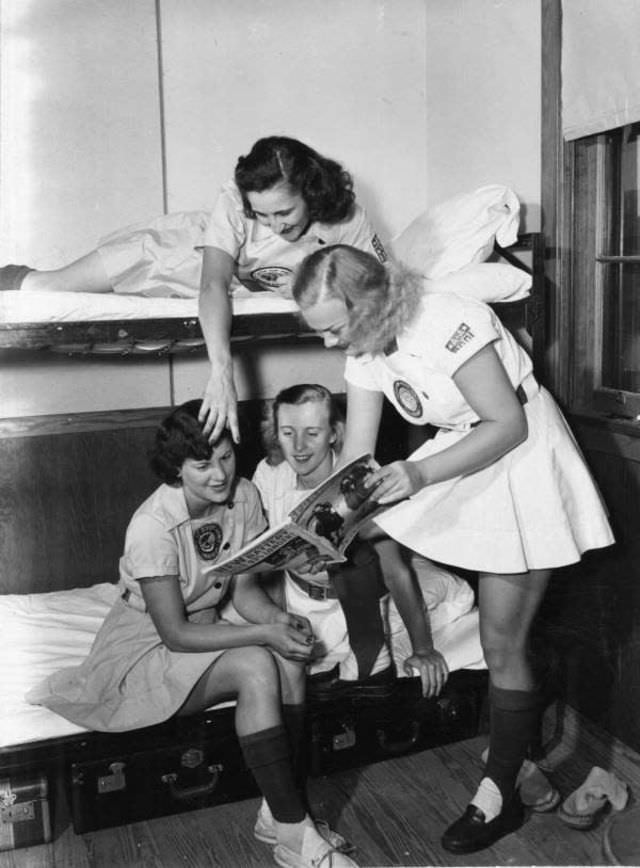
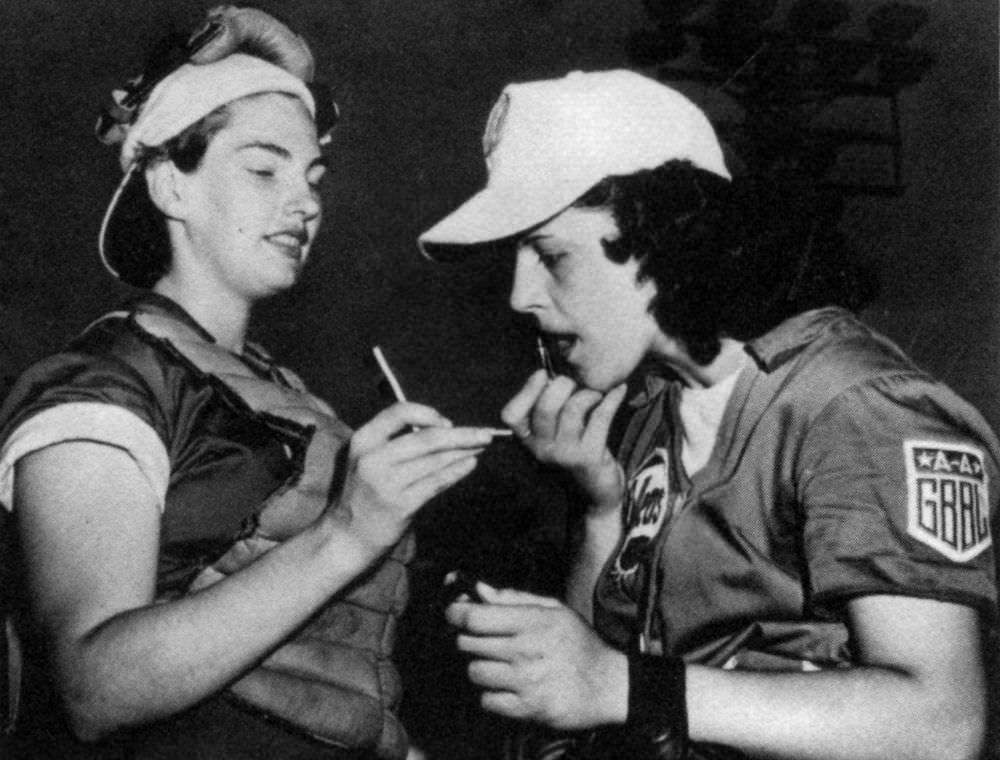
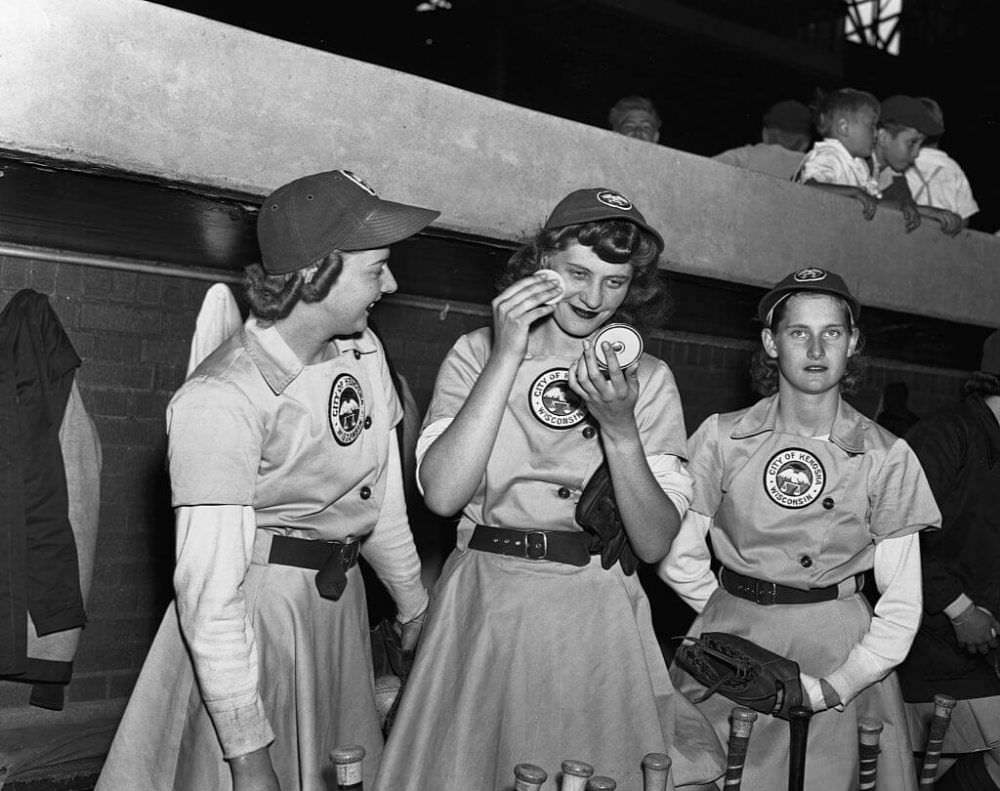
Off the field, players lived under a strict set of rules designed to emphasize femininity. League management required all players to attend charm school classes, often run by representatives from Helena Rubinstein’s beauty company. The curriculum covered etiquette, hygiene, posture, and manners. Every player received a beauty kit complete with makeup and instructions.
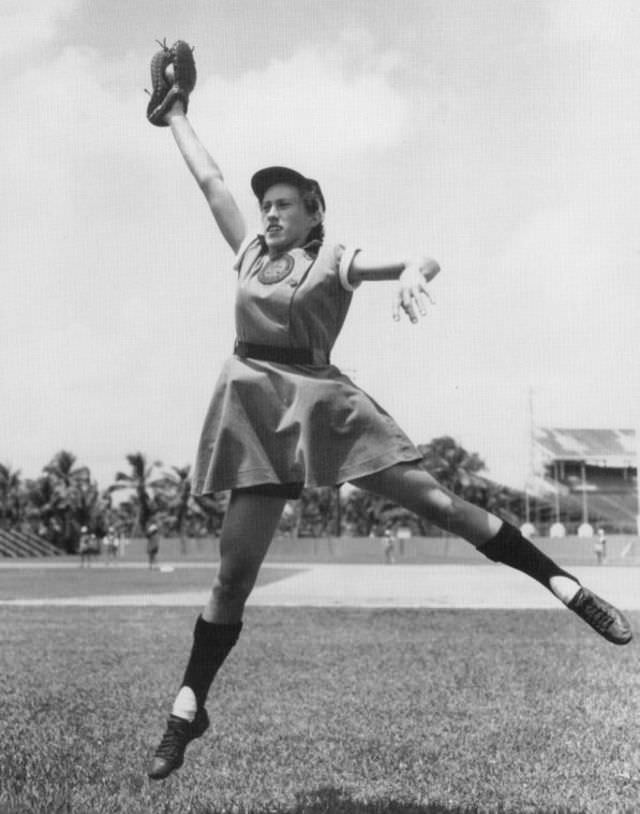
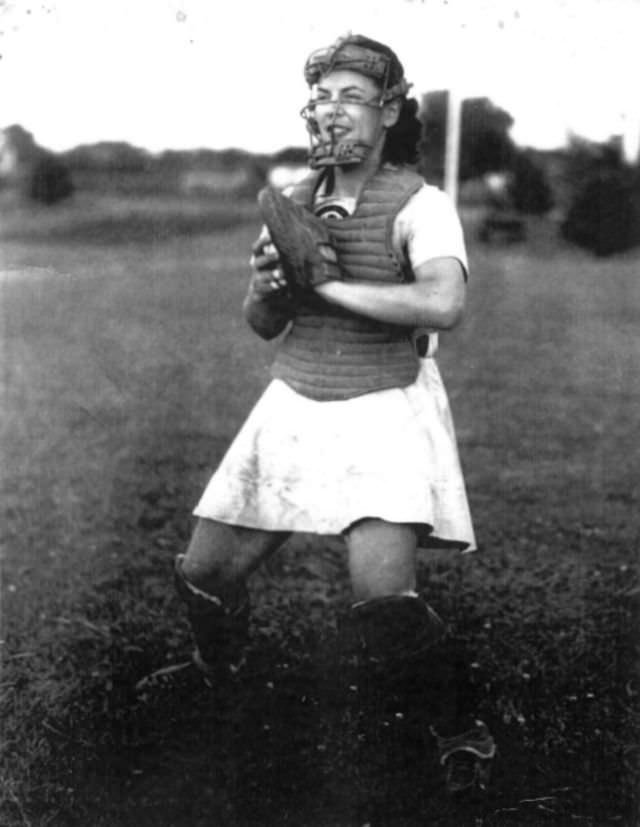
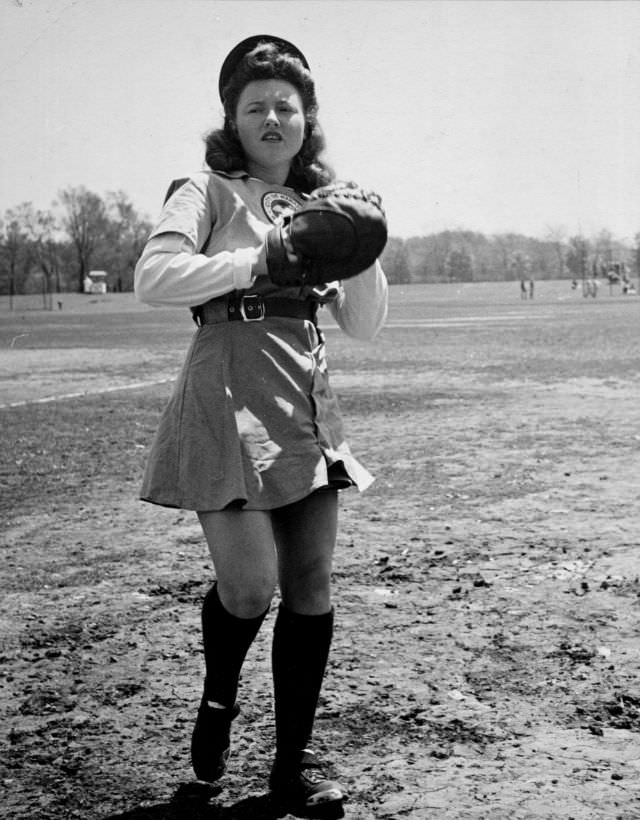
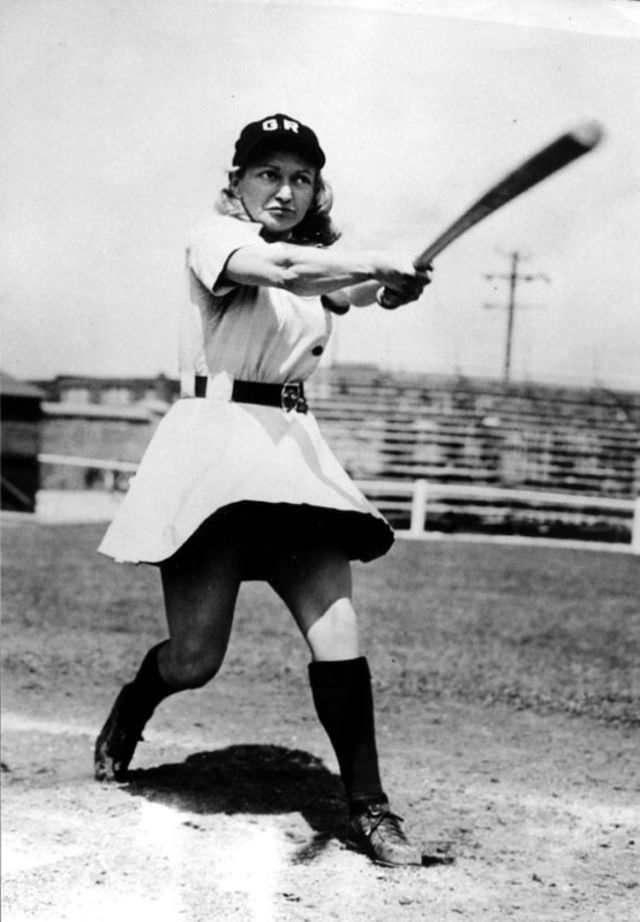
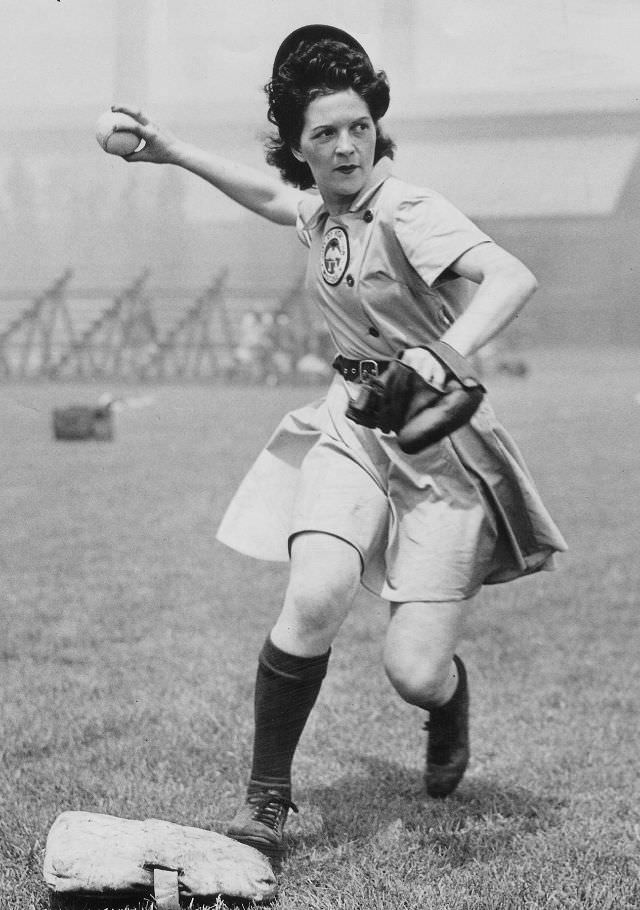
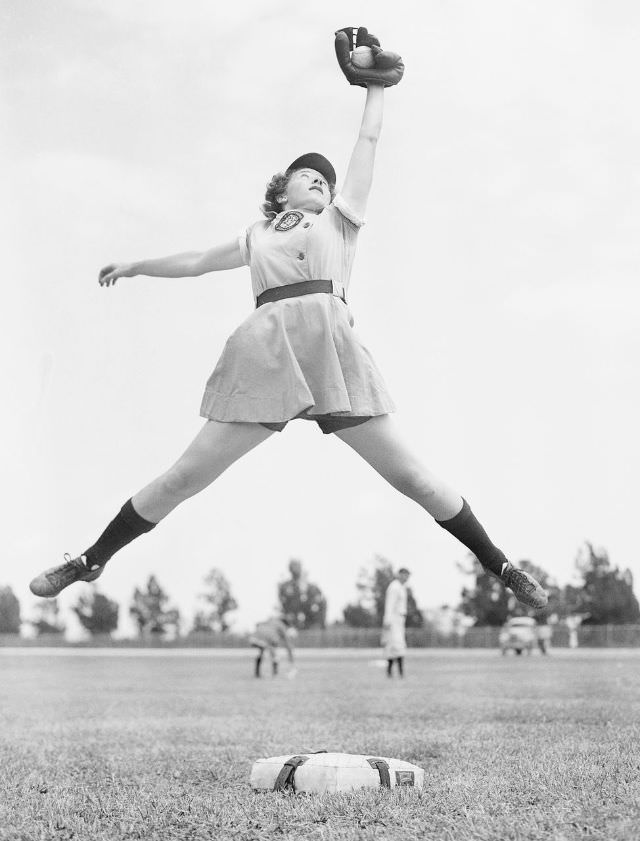
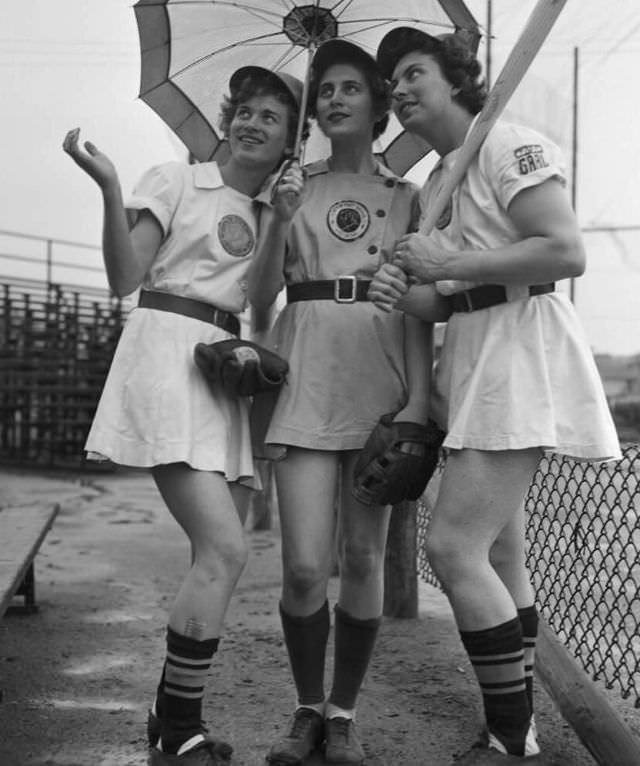
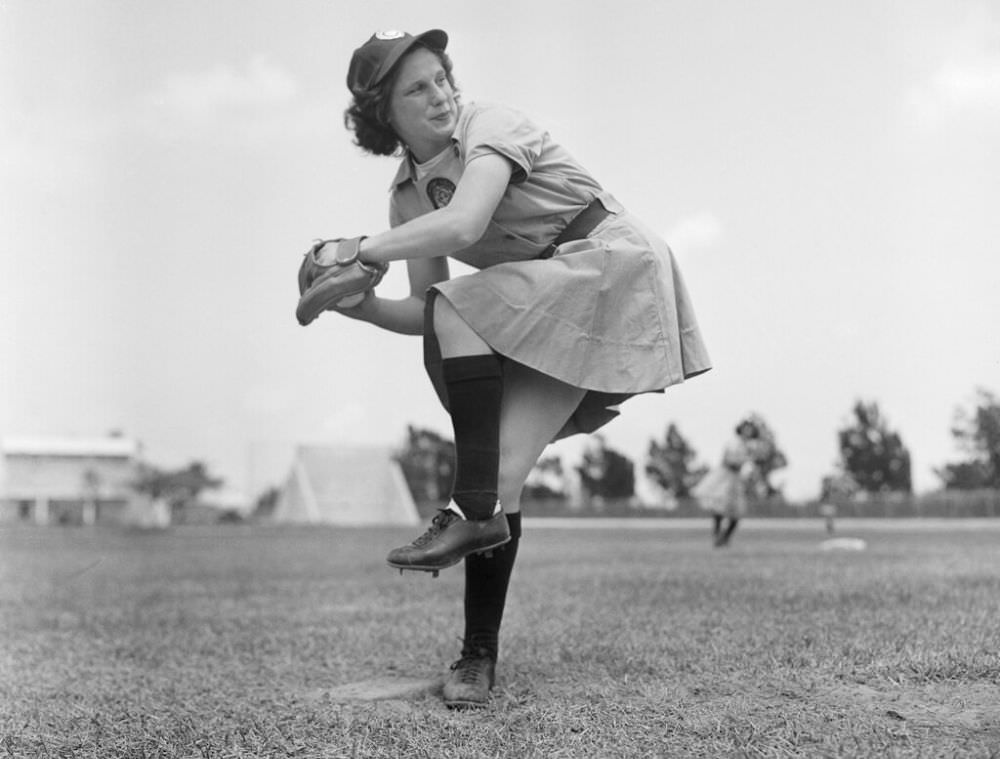
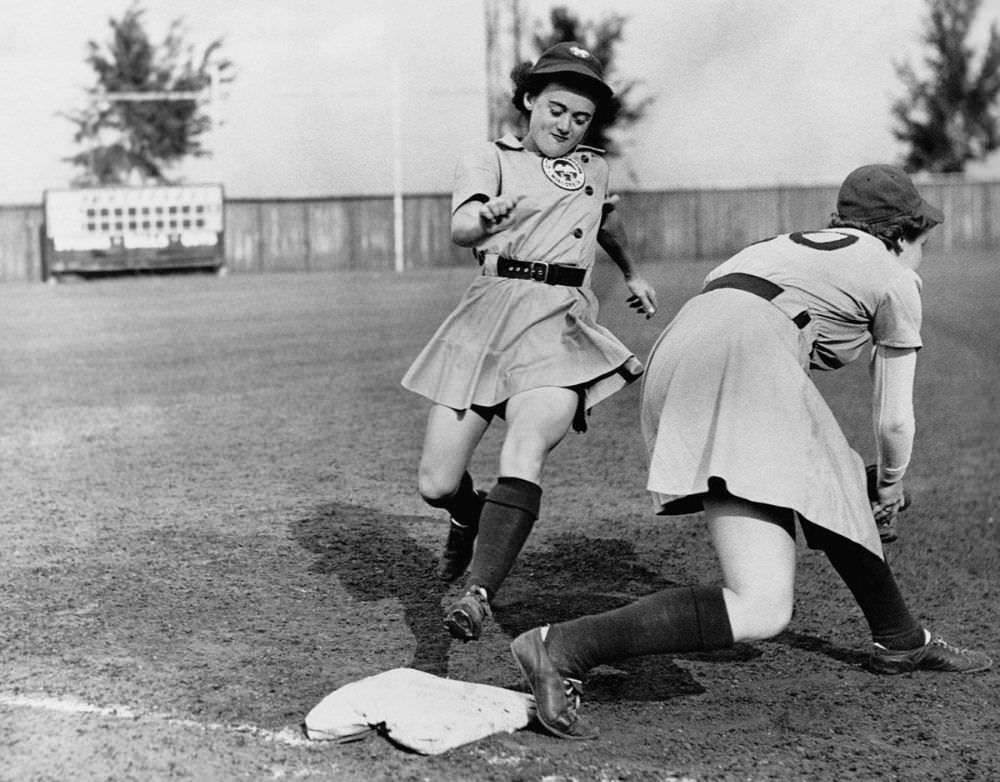
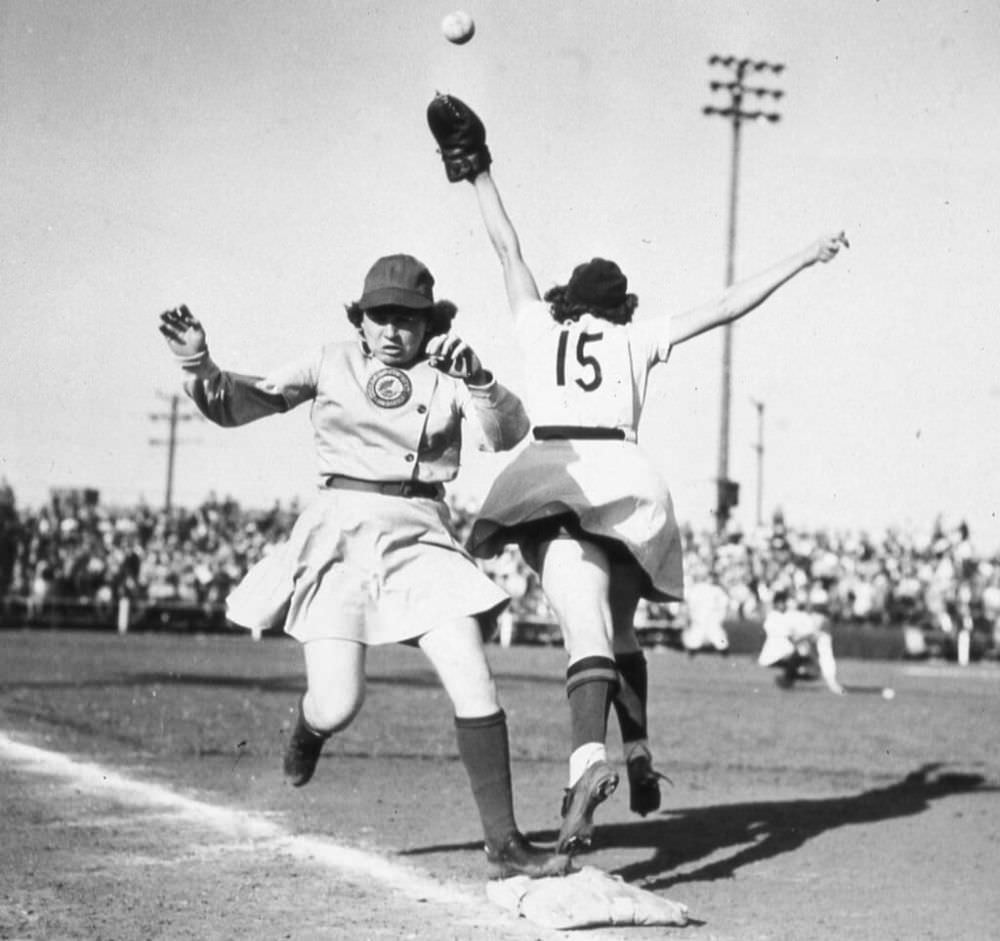
The conduct rules were specific and enforced with fines. Players were forbidden from cutting their hair short, required to wear lipstick at all times in public, and barred from smoking or drinking in public. A first offense cost five dollars, a second cost ten, and a third could mean suspension. On the field, players wore short skirts or tunic-style uniforms — practical for neither sliding nor sprinting, but central to the league’s image.
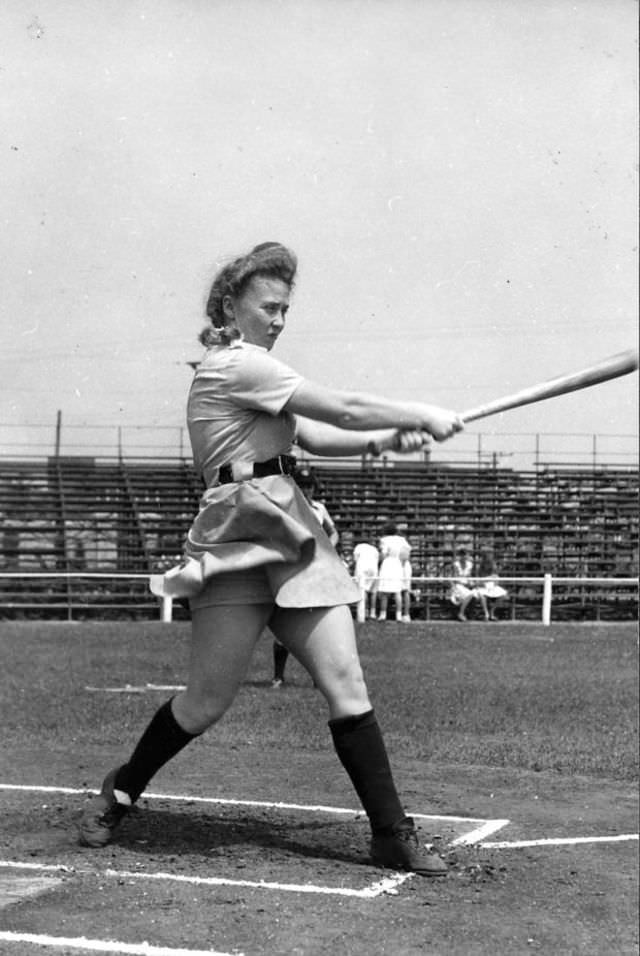
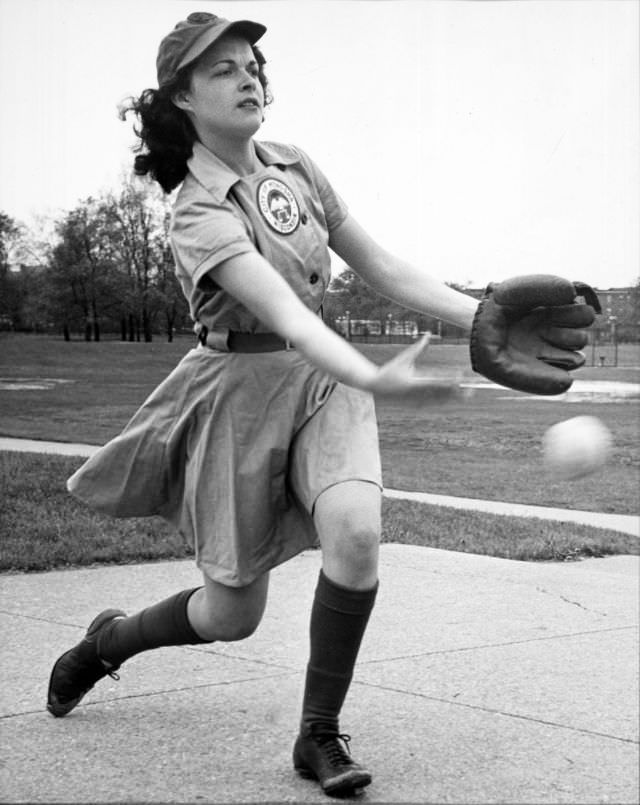
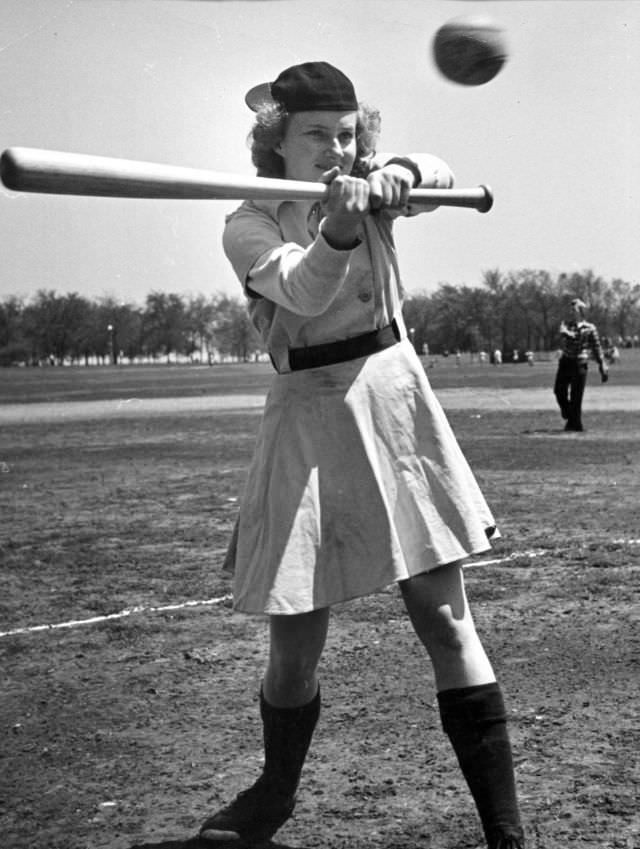
Despite those restrictions, the AAGPBL drew huge audiences. Attendance climbed steadily through the mid-1940s, reaching its all-time peak in 1948 when the ten teams combined to attract 910,000 paid spectators in a single season.