Long before American-style spectacle took over the ring, British professional wrestling was a working-class institution. It filled civic halls, baths buildings, and seaside venues across the north of England every weekend. The crowds were loyal, the wrestlers were tough, and the whole operation ran on grit rather than glamour. Photographer Peter Byrne documented this world during his final year as a photography student at Harrogate College of Higher Education in the late 1980s — right before it disappeared.
Byrne was based in Glasgow and had grown up watching professional wrestling on ITV. In 1977, ITV launched a Saturday afternoon wrestling slot at 4 pm, with commentary from Kent Walton — a former disc jockey on Radio Luxembourg who had also produced British sex comedies. Walton’s voice became synonymous with the sport for British viewers. The show ran every week until December 17th, 1988, when it was cancelled for good.
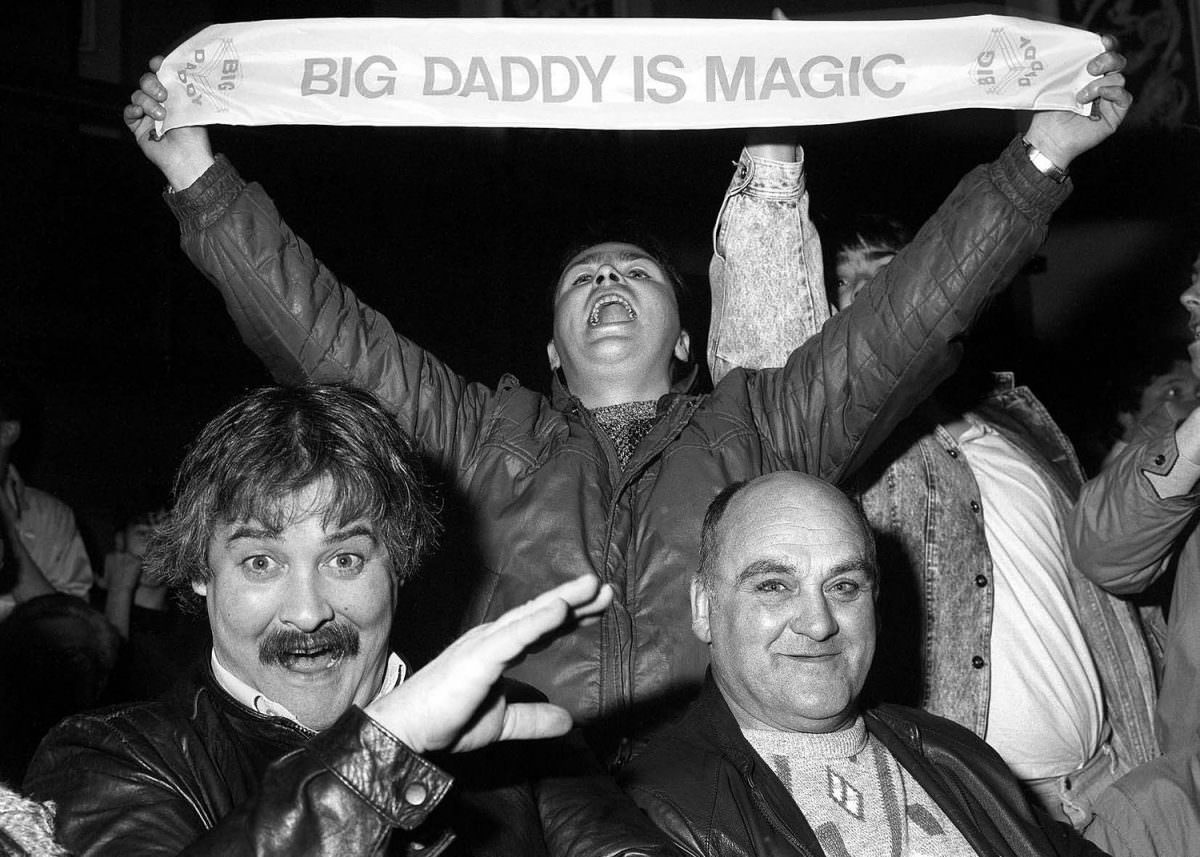
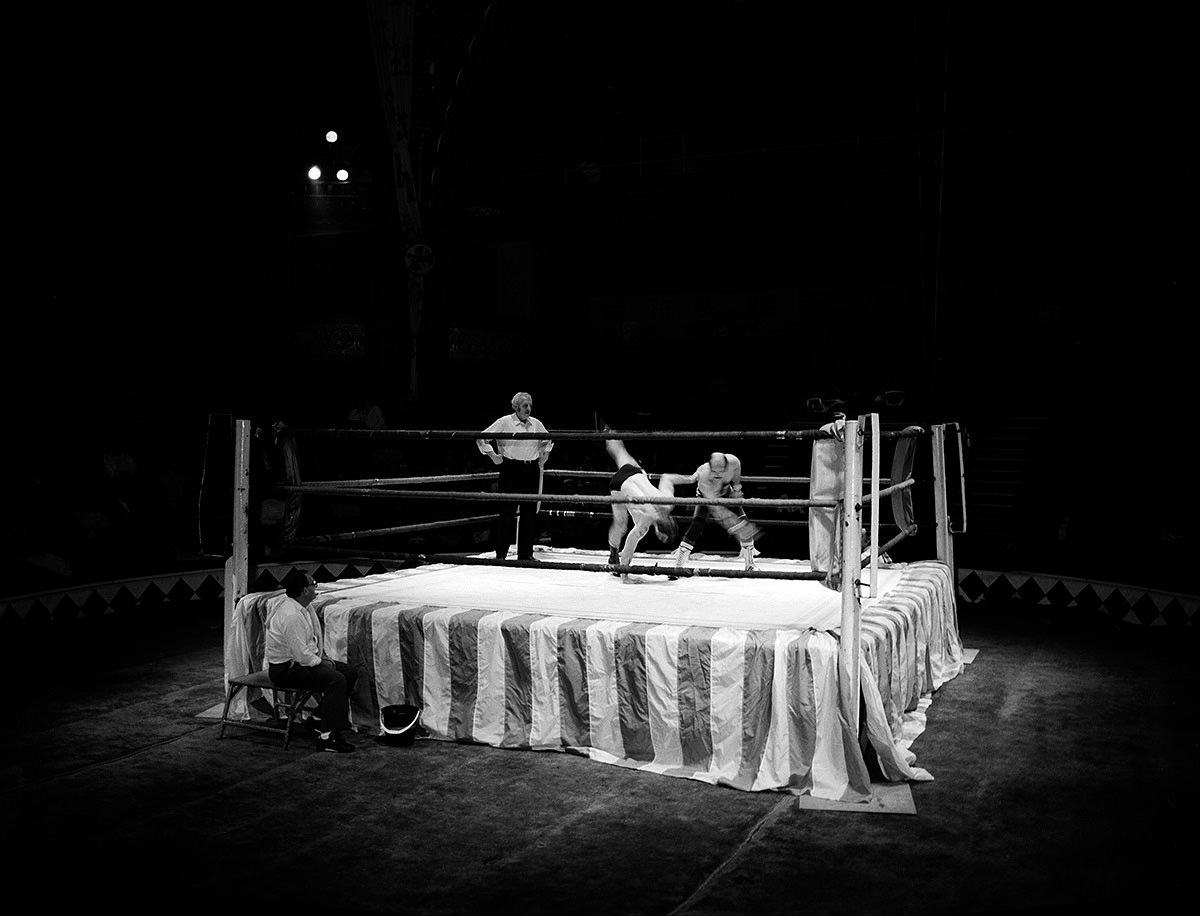
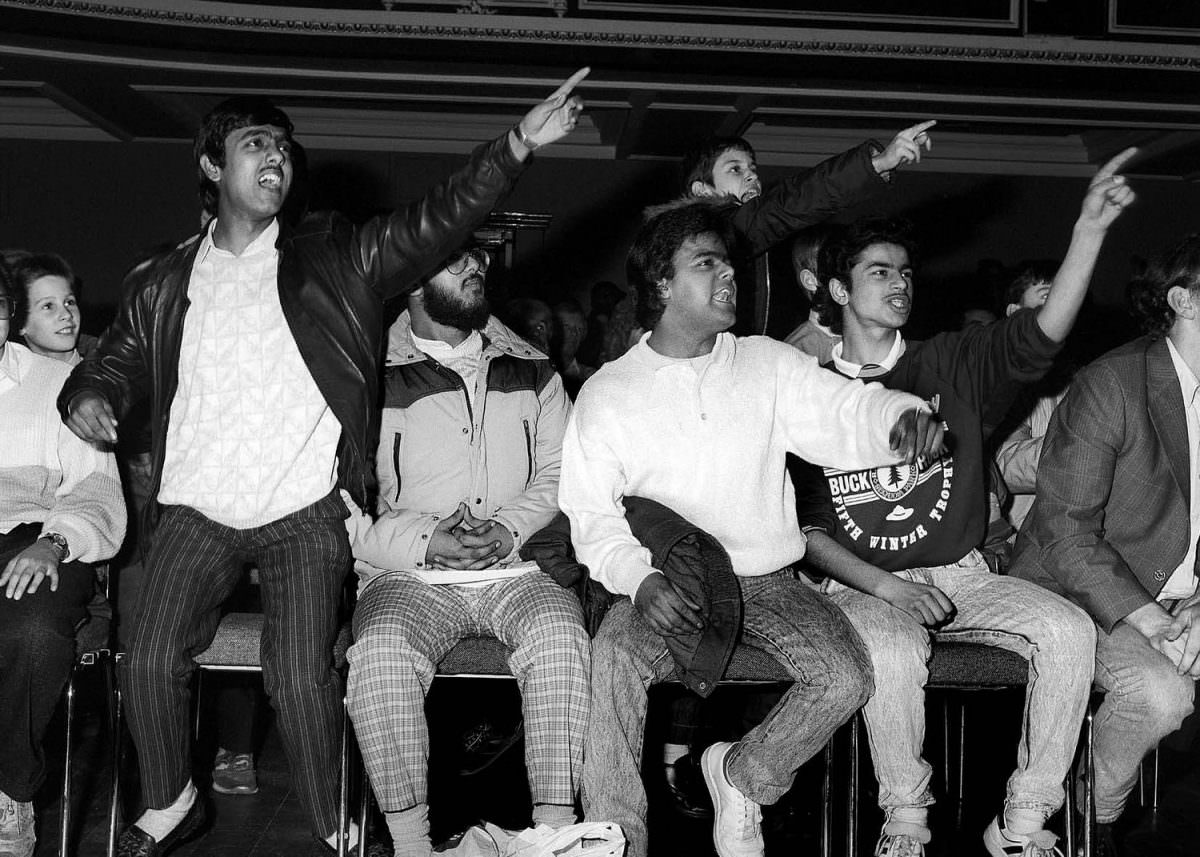
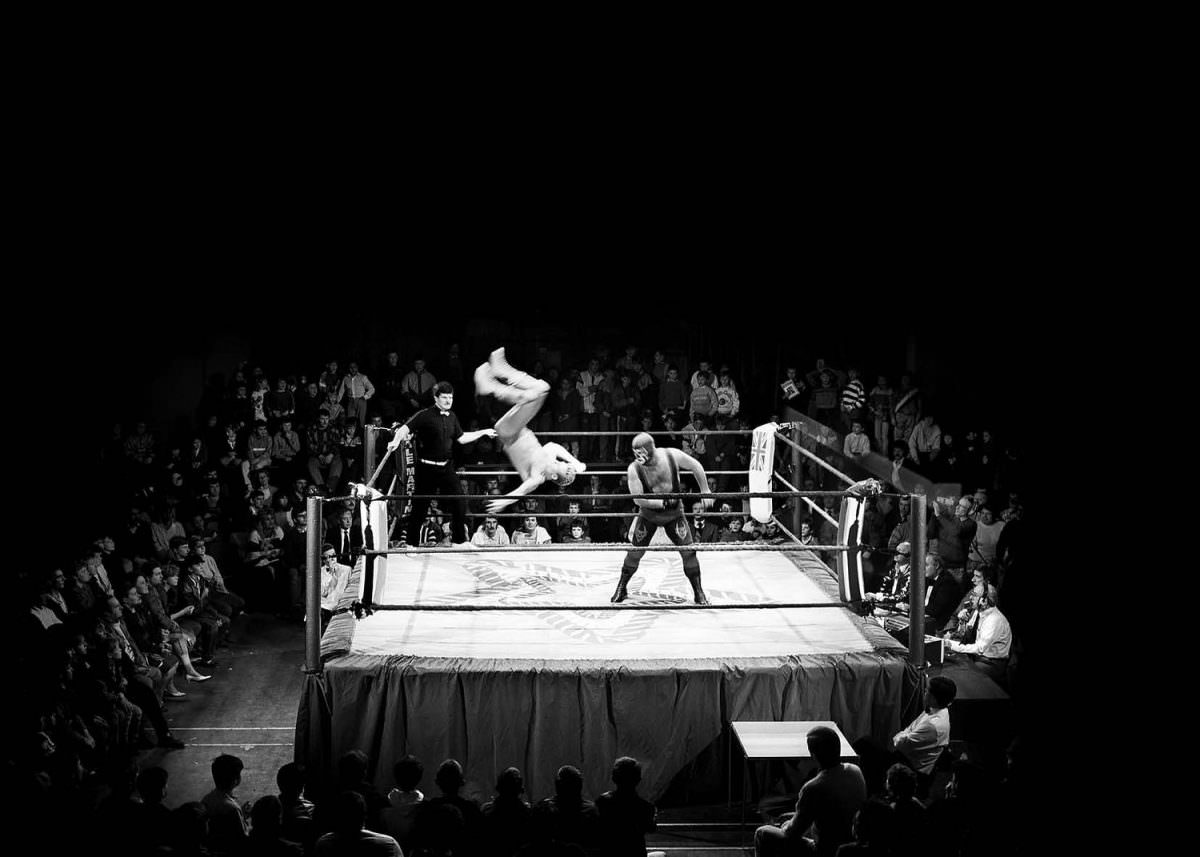
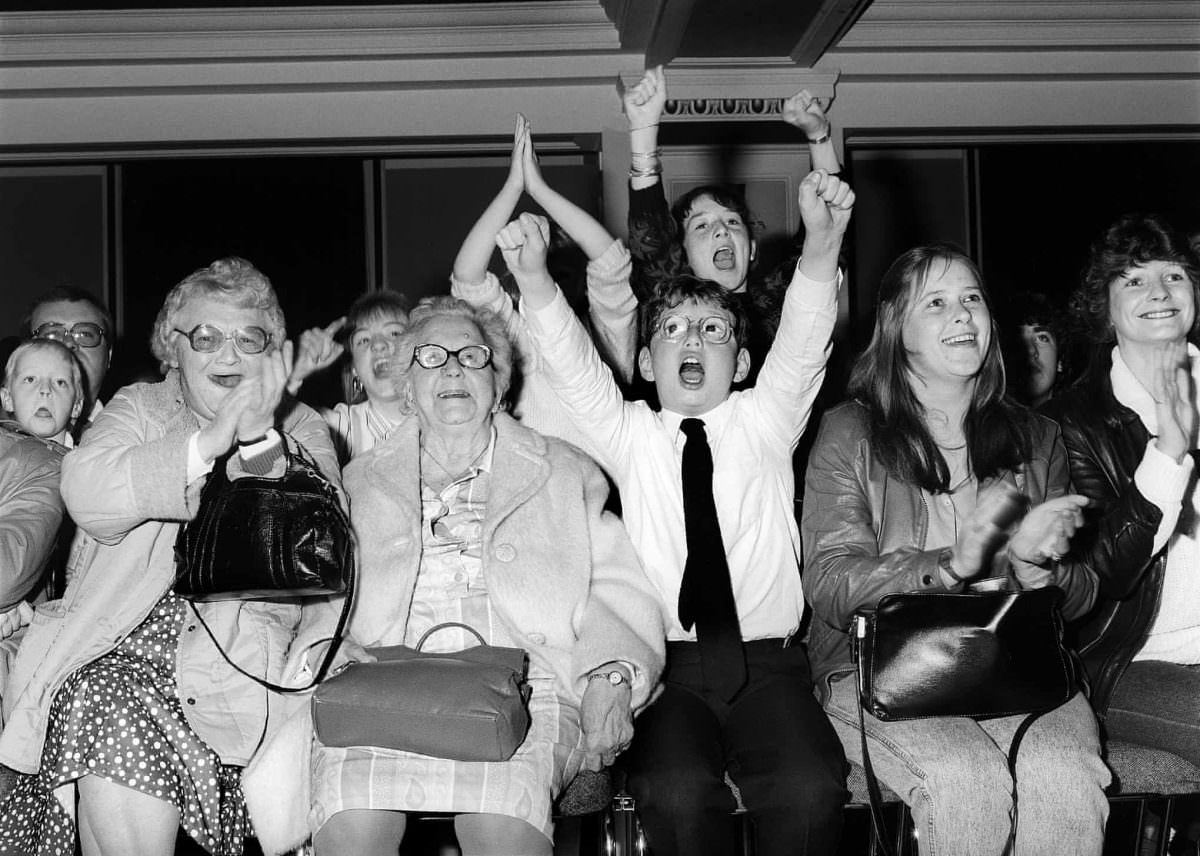
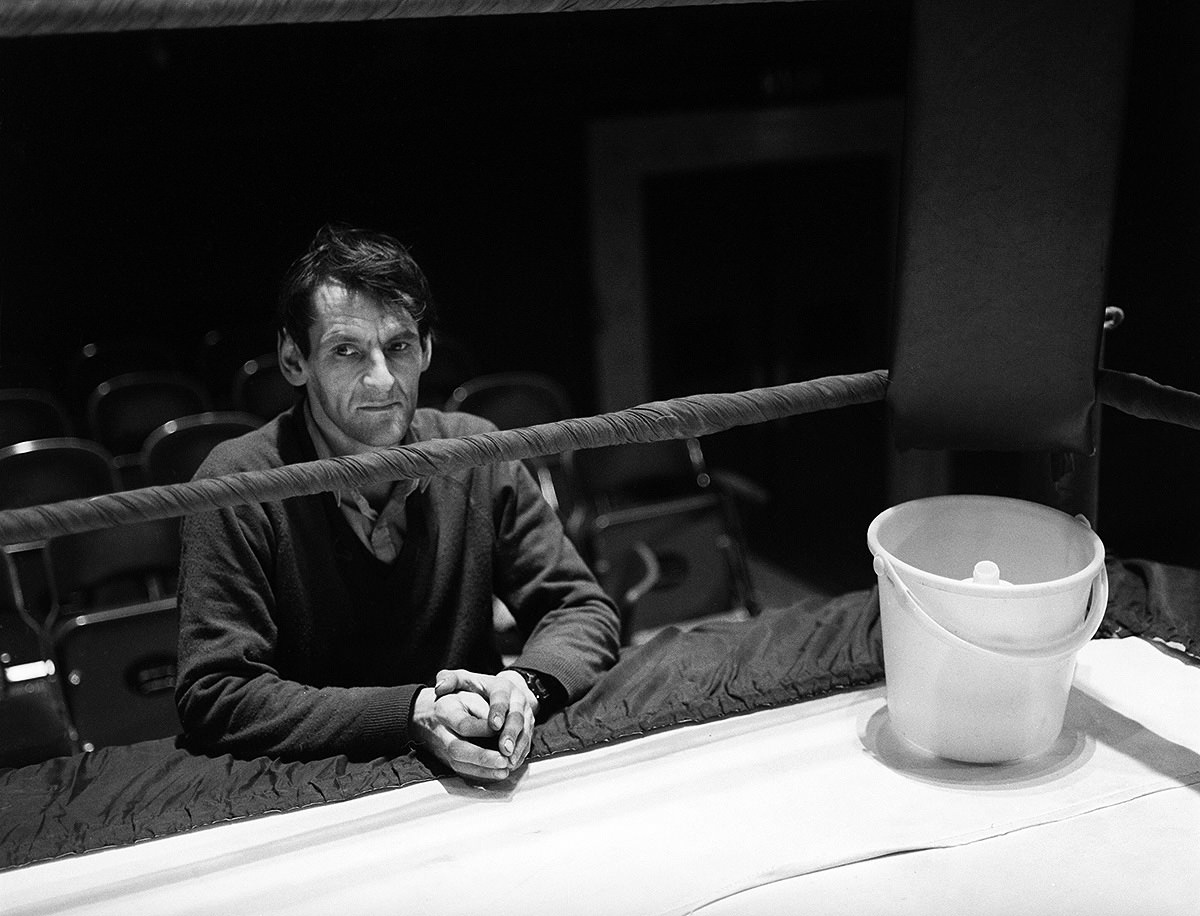
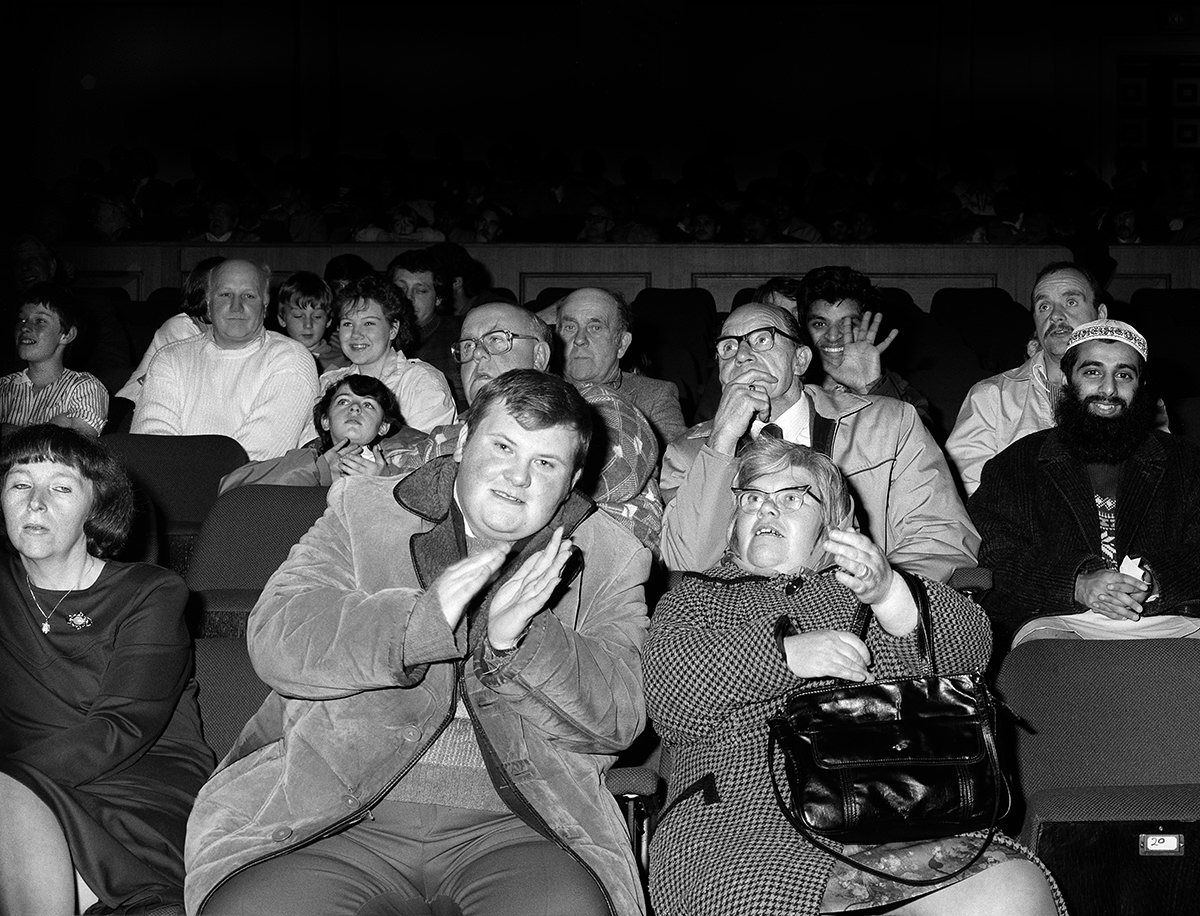
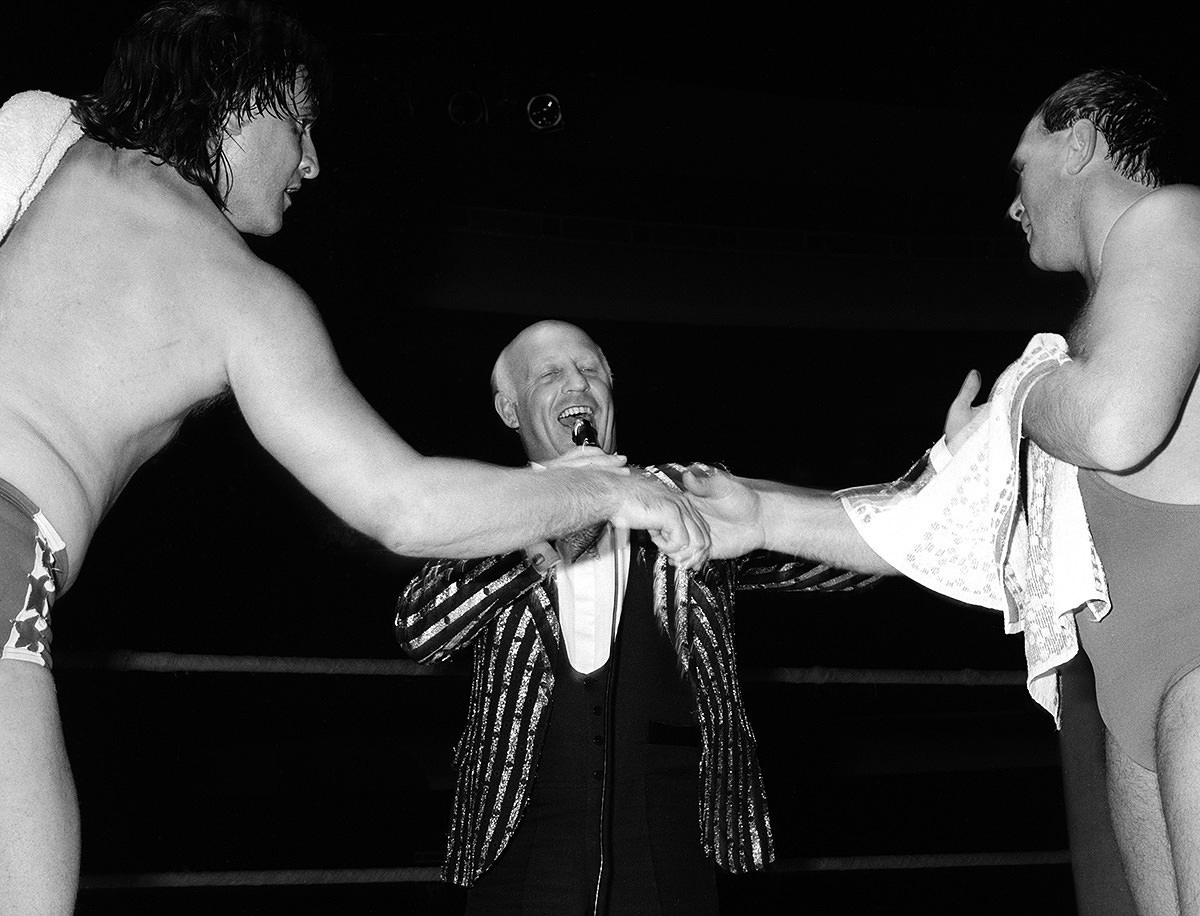
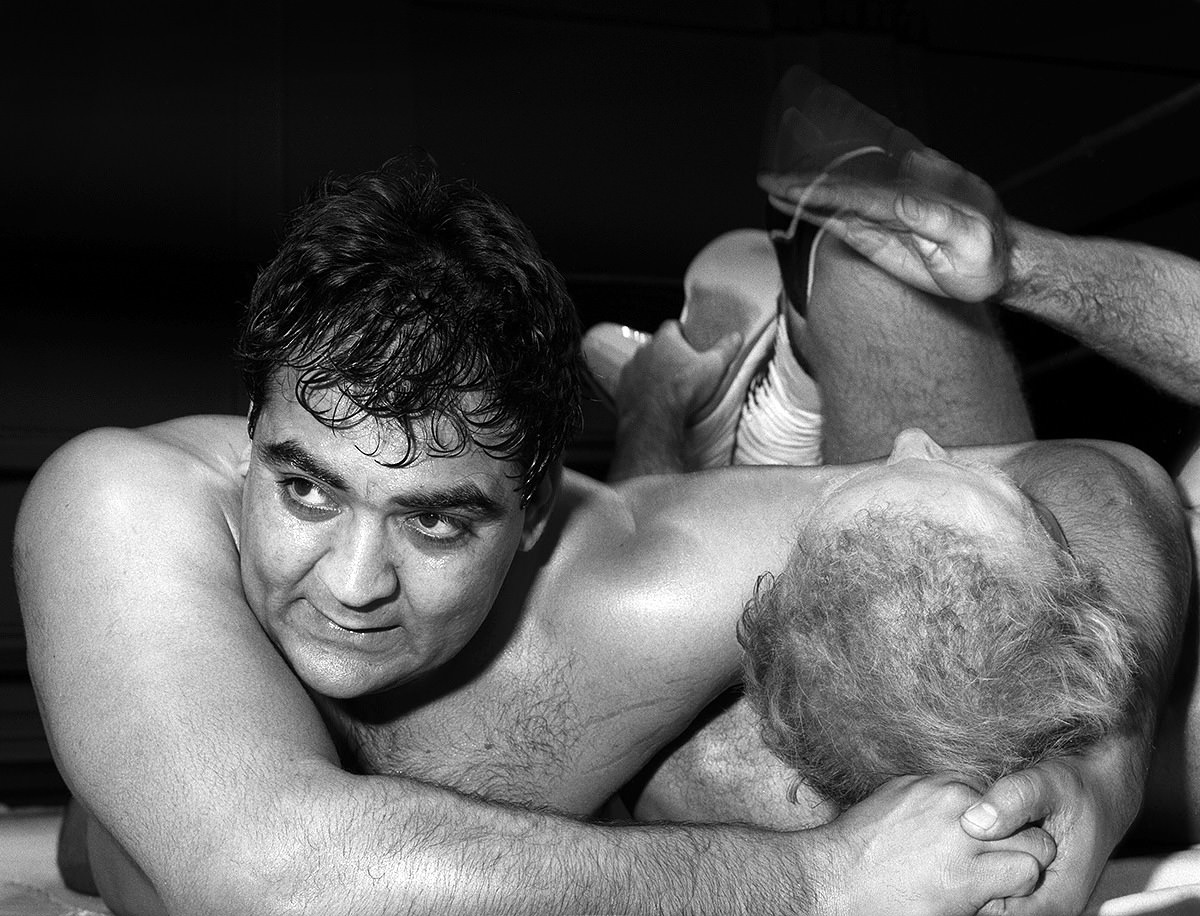
For his final project, Byrne spent Friday and Saturday nights at venues like the Barnsley Civic, Scunthorpe’s Baths Hall, King George’s Hall in Blackburn, Wakefield’s Unity Hall, and Blackpool’s Tower Circus. He photographed wrestlers backstage and in the ring, and turned his camera on the crowds just as often. The faces in those audiences — men, women, and children packed into local halls — tell as much of the story as the wrestlers themselves.
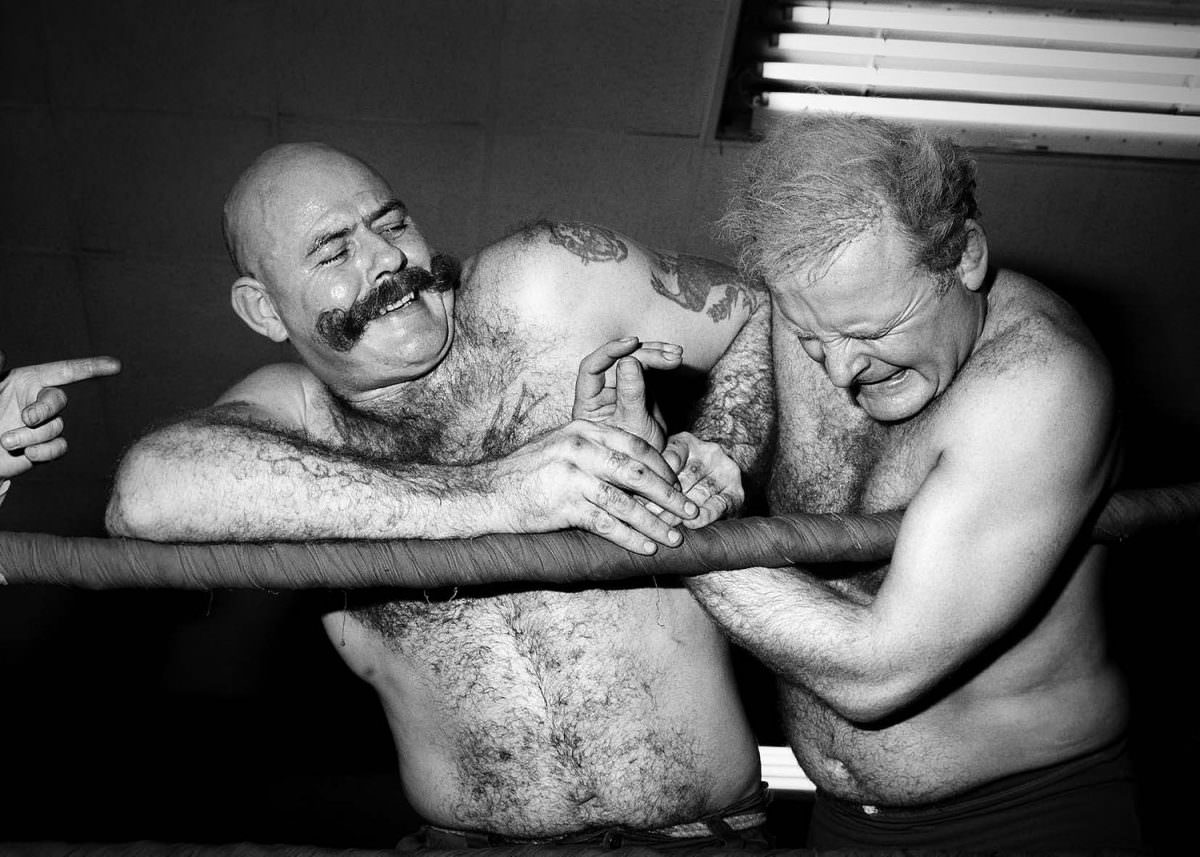
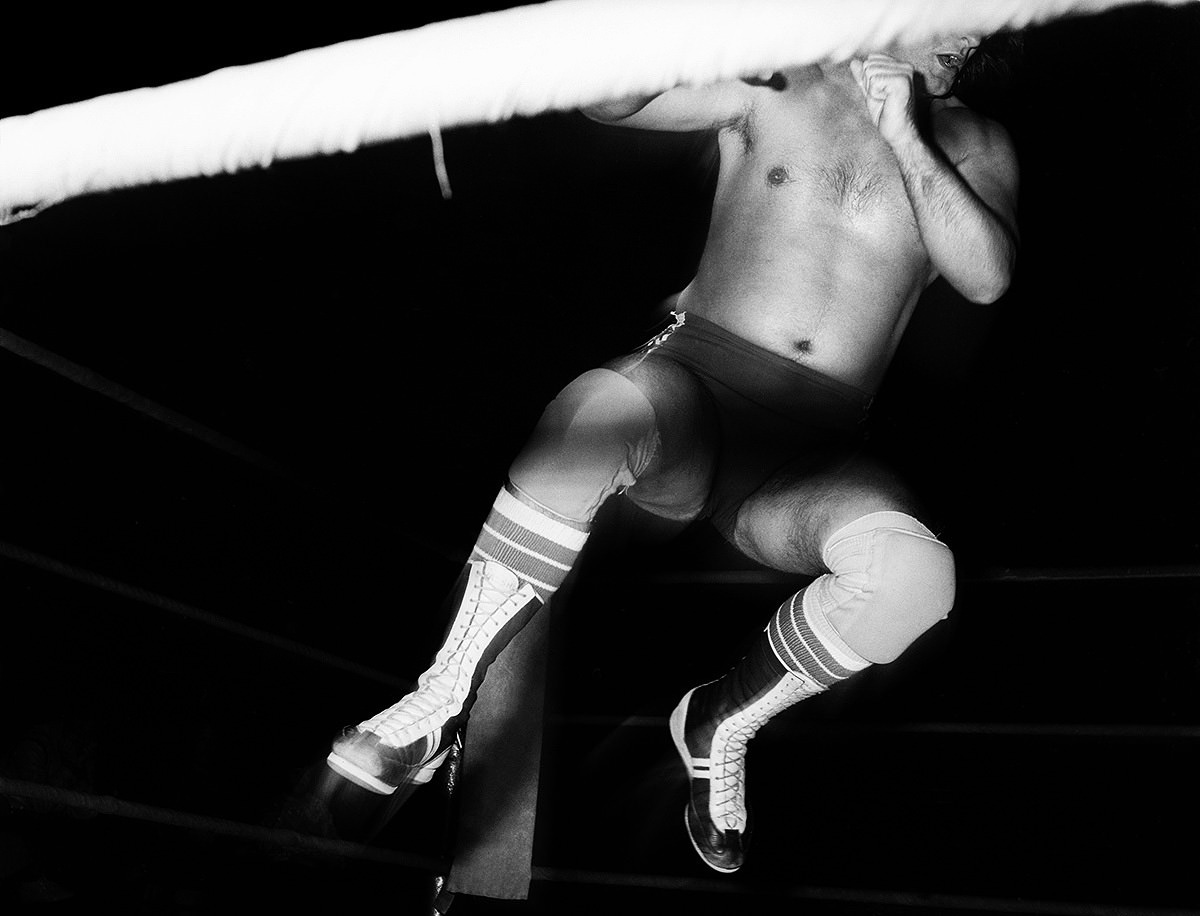
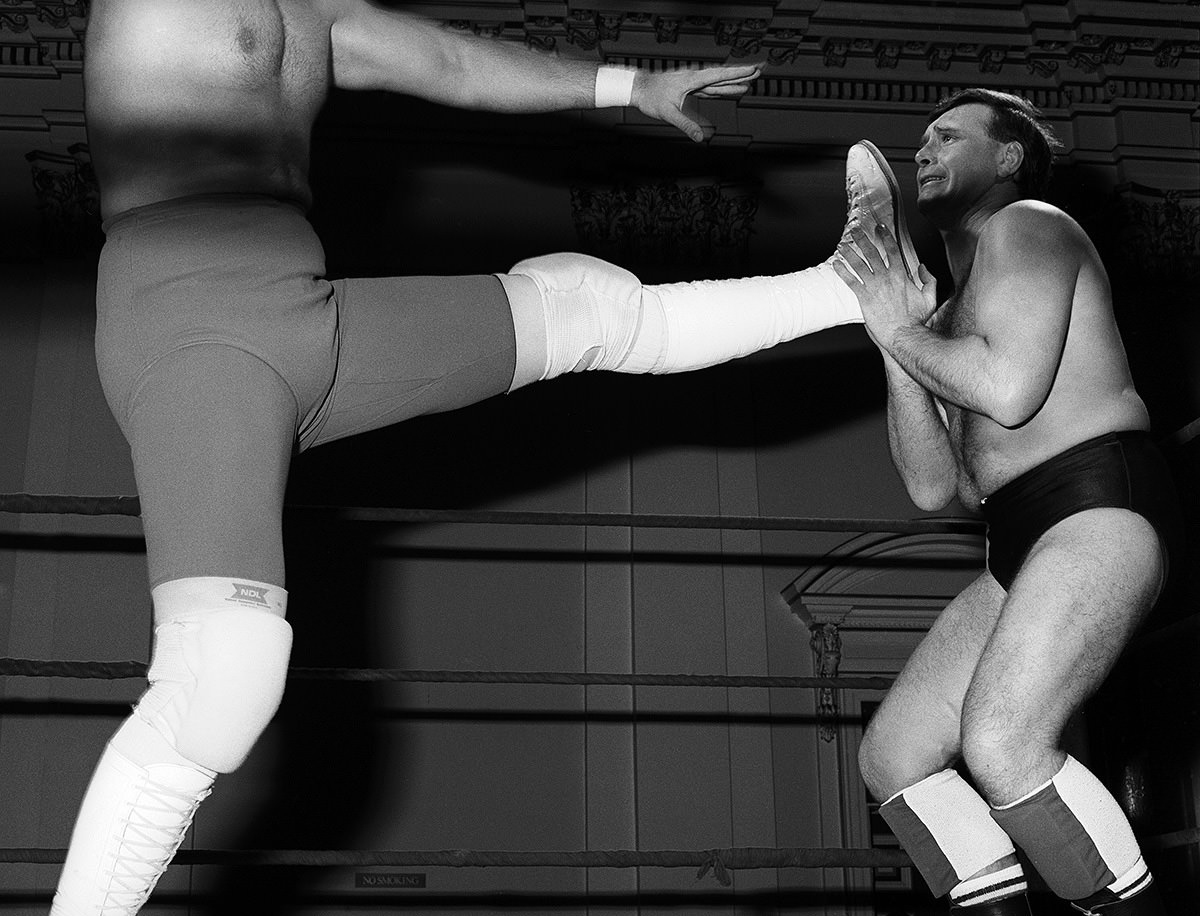
The wrestlers Byrne encountered were, in his own words, decent working-class people trying to earn a living in a hard game. They performed several times a week, travelling across the country to different venues. The physical toll was constant. Injuries accumulated. The pay was modest. These were not men living glamorous lives — they were professionals grinding through a demanding schedule week after week.
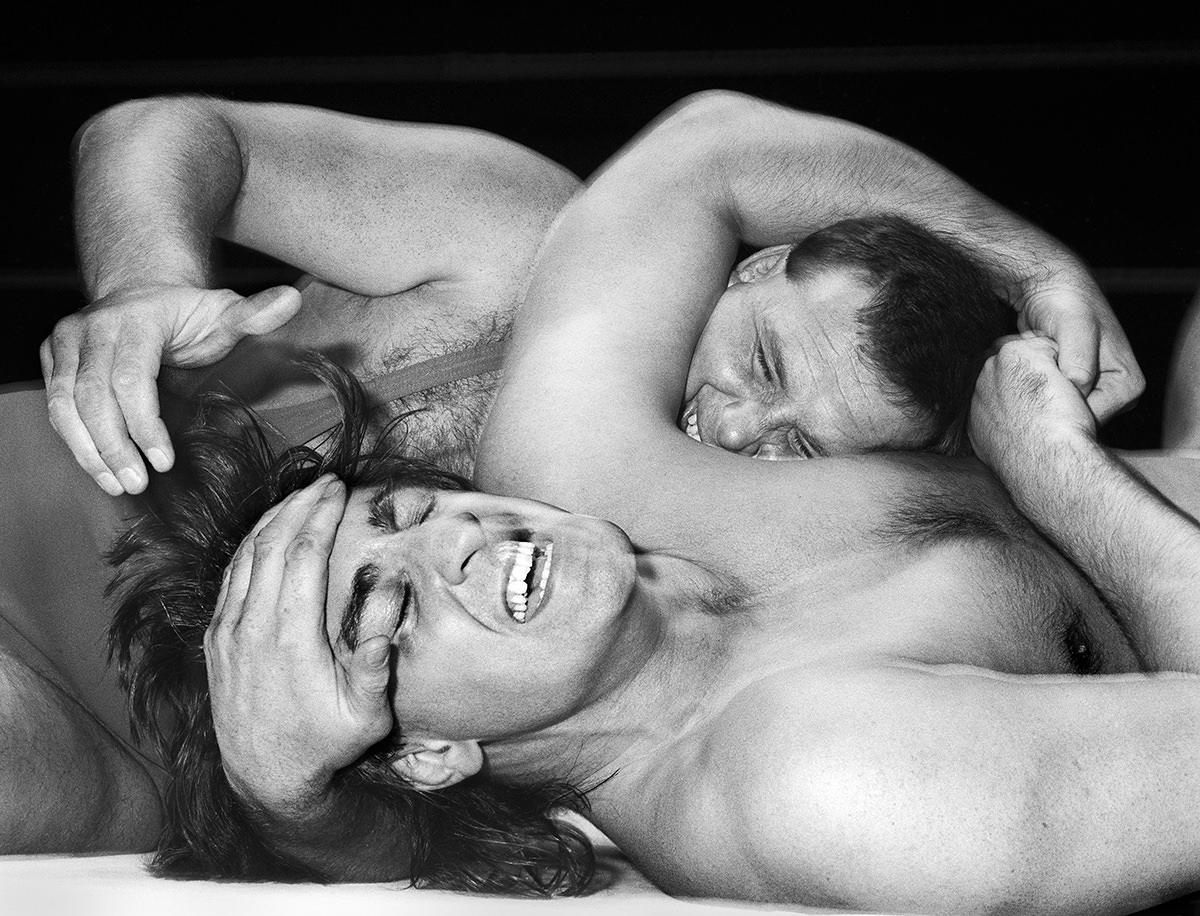
The emotional strain matched the physical one. Wrestling careers were short by necessity. The body simply could not sustain the schedule for long. Byrne’s photographs capture wrestlers between moments — resting, focused, mid-match — with an honesty that staged publicity shots never could.
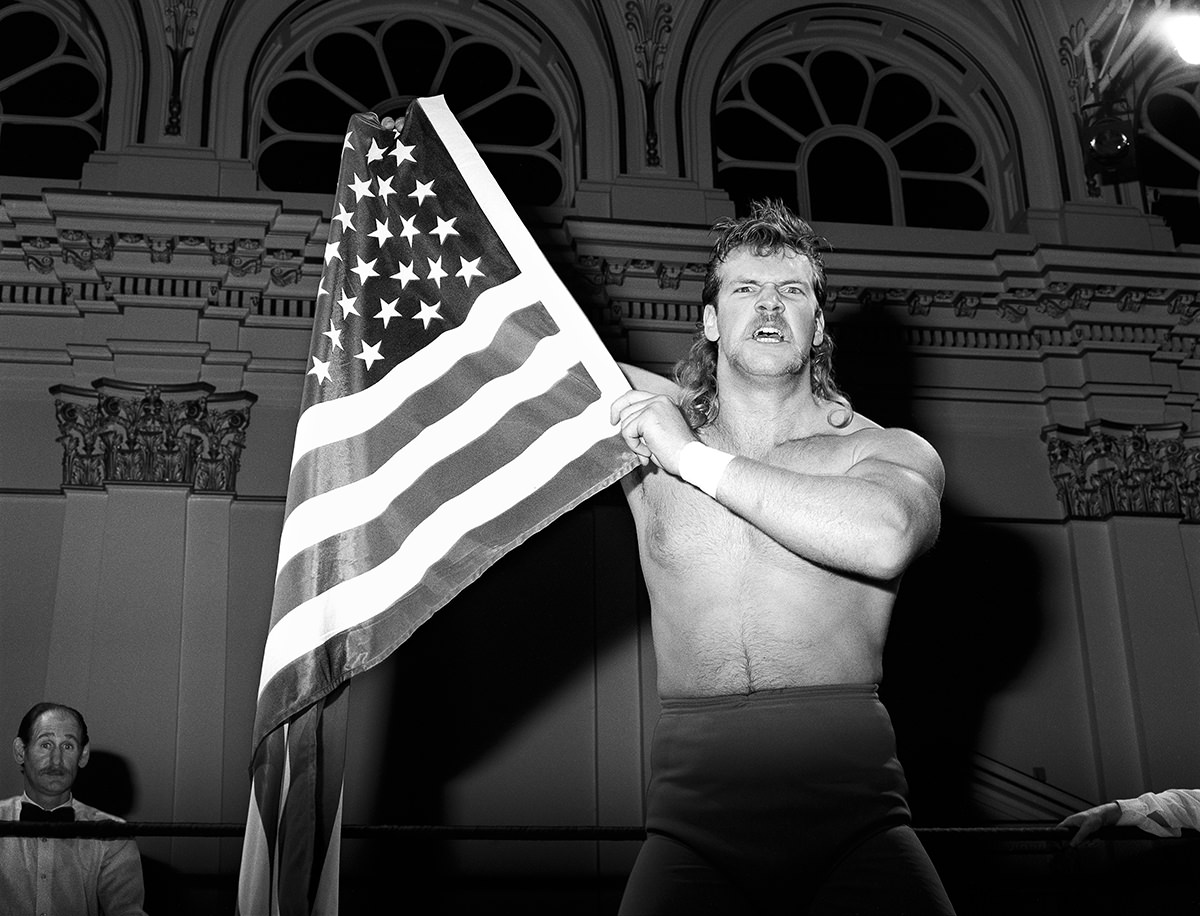
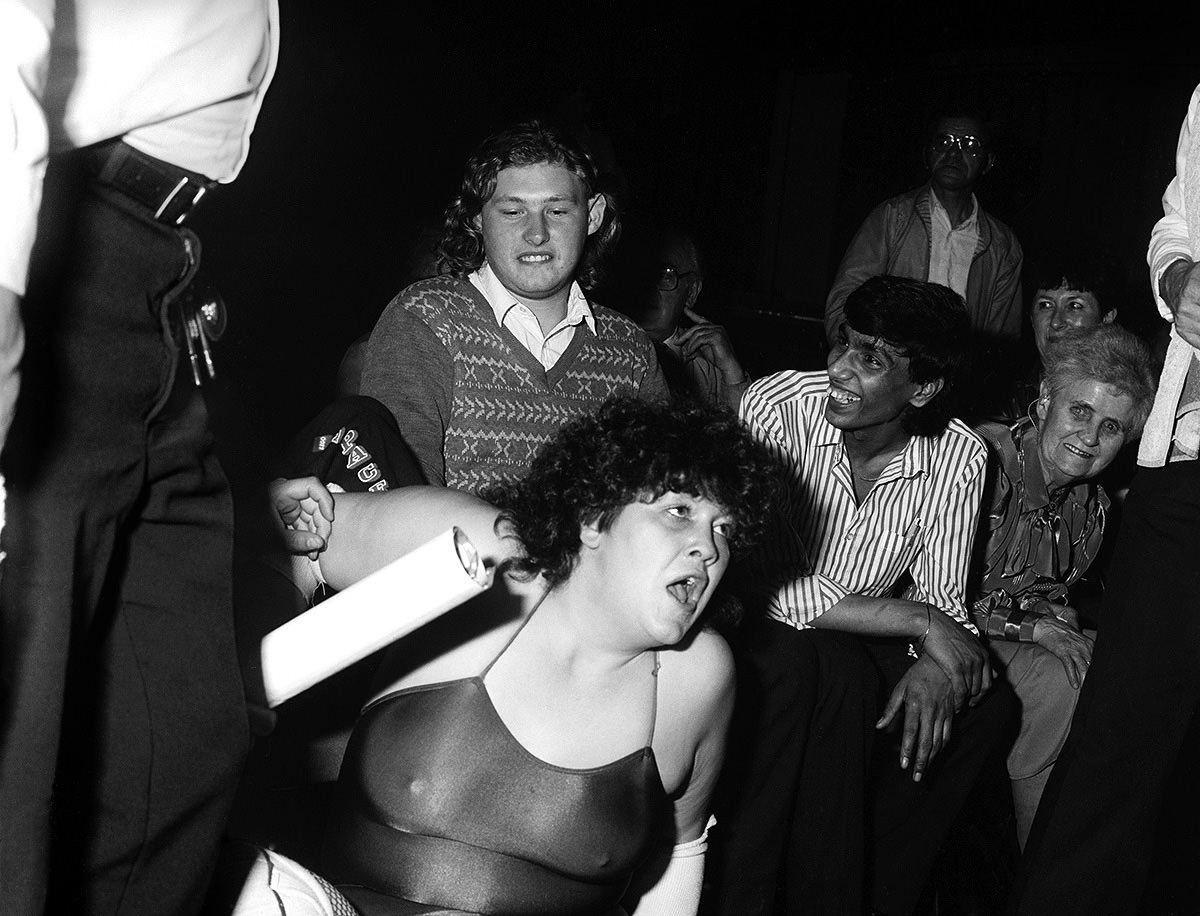
British wrestling at this time had its own distinct characters and personas. Wrestlers like Hollywood, Klondyke Kate, Raslin Rasputin, and The Mighty Yankee drew on theatrical archetypes — the villain, the showman, the powerhouse — but played them out in front of local audiences who knew the language of the sport. There was no need for giant production budgets. The drama in the ring was enough.
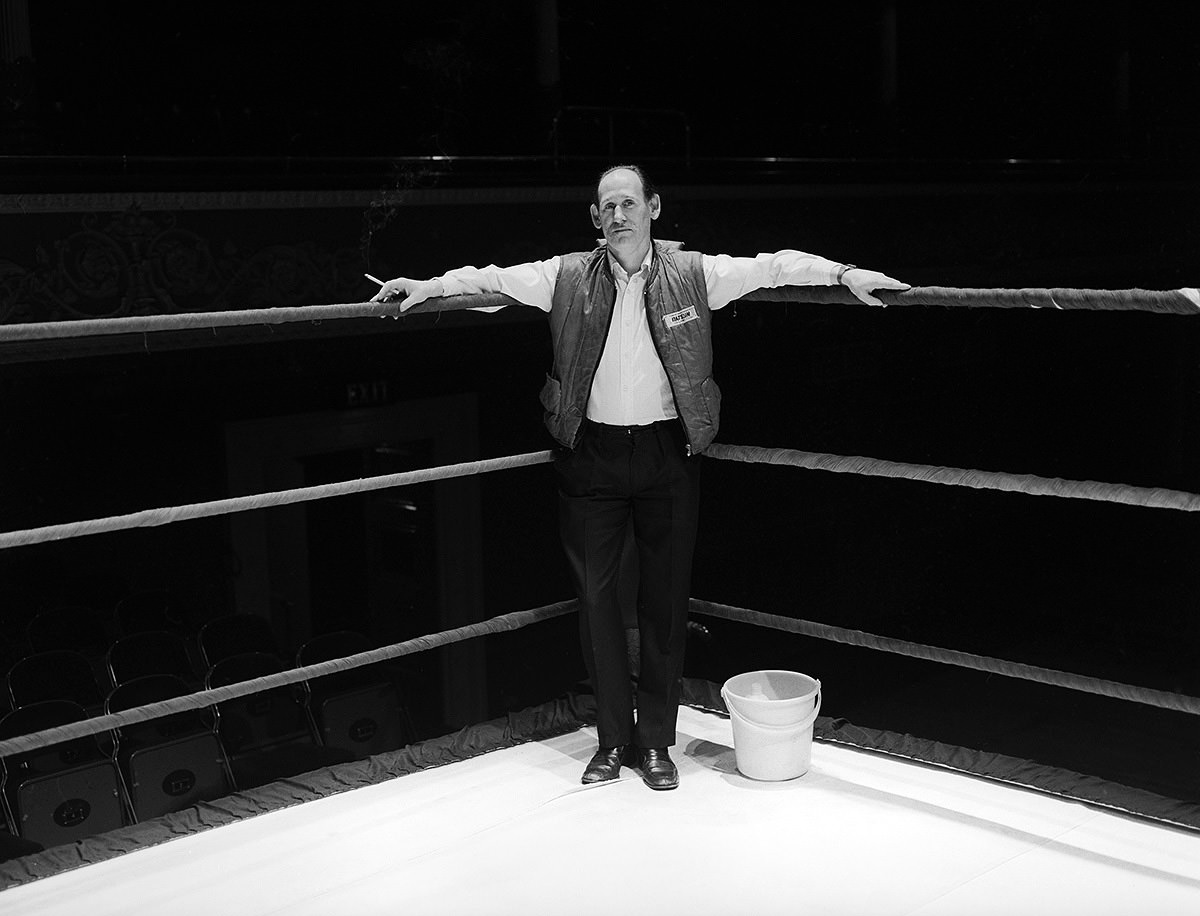
MC Brian Crabtree was a regular fixture at these events, working the microphone to introduce fighters and keep the crowd engaged. His presence at venues like the Spa Royal Hall in Bridlington was part of the familiar rhythm that fans expected. These were community events as much as sporting contests — recurring gatherings that anchored local social life.
By the late 1980s, American wrestling — led by the WWE and its larger-than-life production style — was gaining a foothold in Britain. The British television industry decided it wanted something bigger, louder, and more heavily produced. The Saturday afternoon slot on ITV was cut. What had sustained itself for over a decade on modest venues and working wrestlers was suddenly out of fashion.
The American model that replaced it was built around merchandise, advertisers, and brand deals. Wrestlers became corporate products as much as athletes. The shift was total — and deliberate. British wrestling, with its roots in working-class communities and local halls, had no place in that framework.
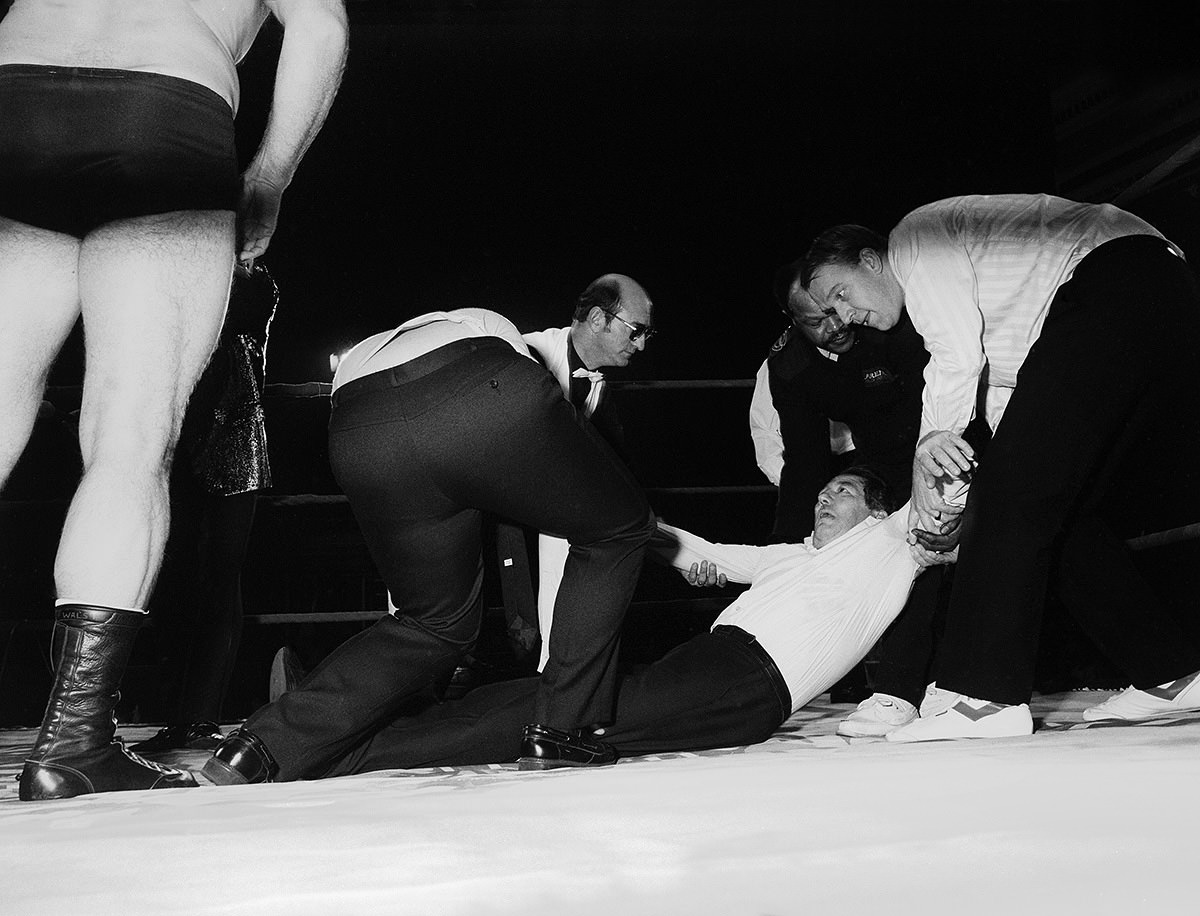
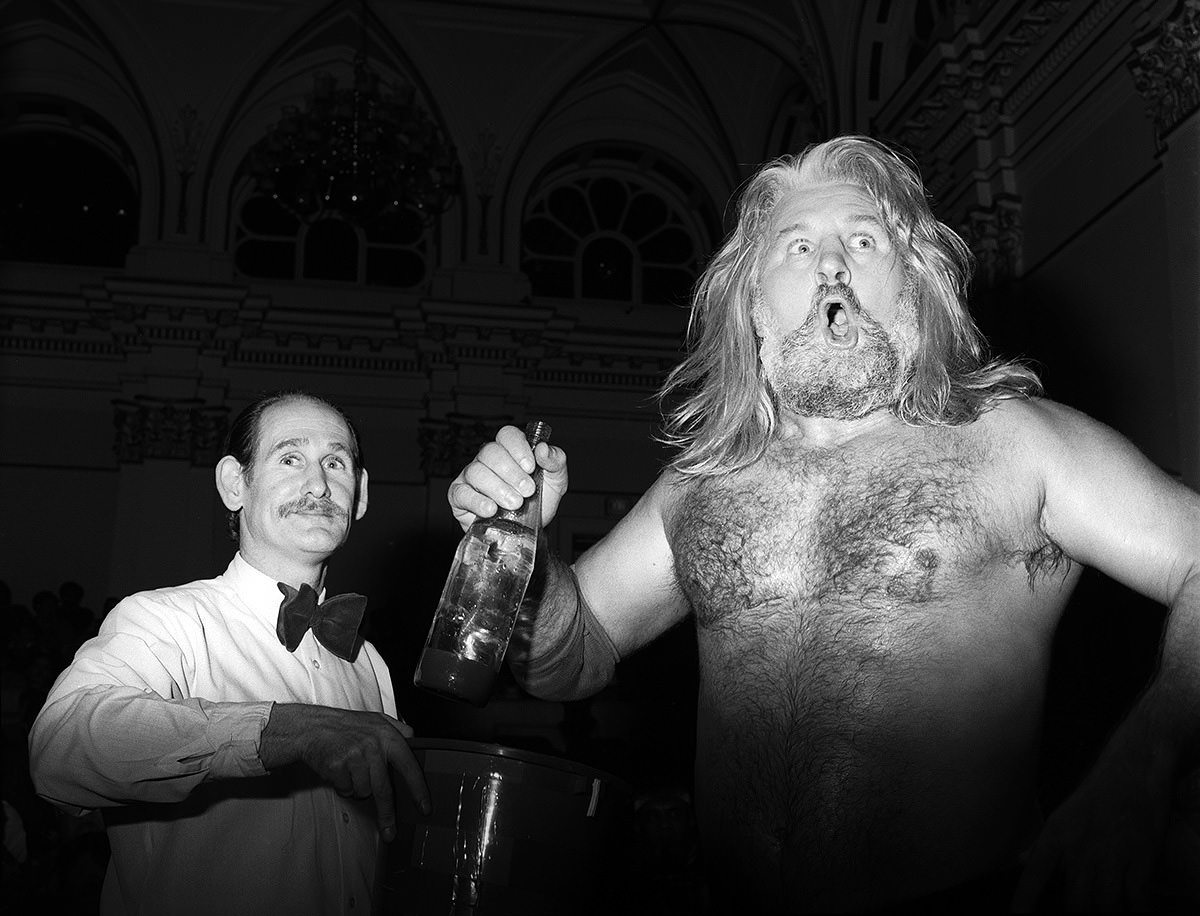
Byrne’s photographs span venues from Bradford and Leeds to York, Manchester, Bridlington, and Blackpool. Each location had its own atmosphere, but the sport connected them. Kent Walton, born August 22nd, 1917 and died August 24th, 2003, had given the sport a consistent national voice through ITV. When the show ended, that shared experience ended with it.
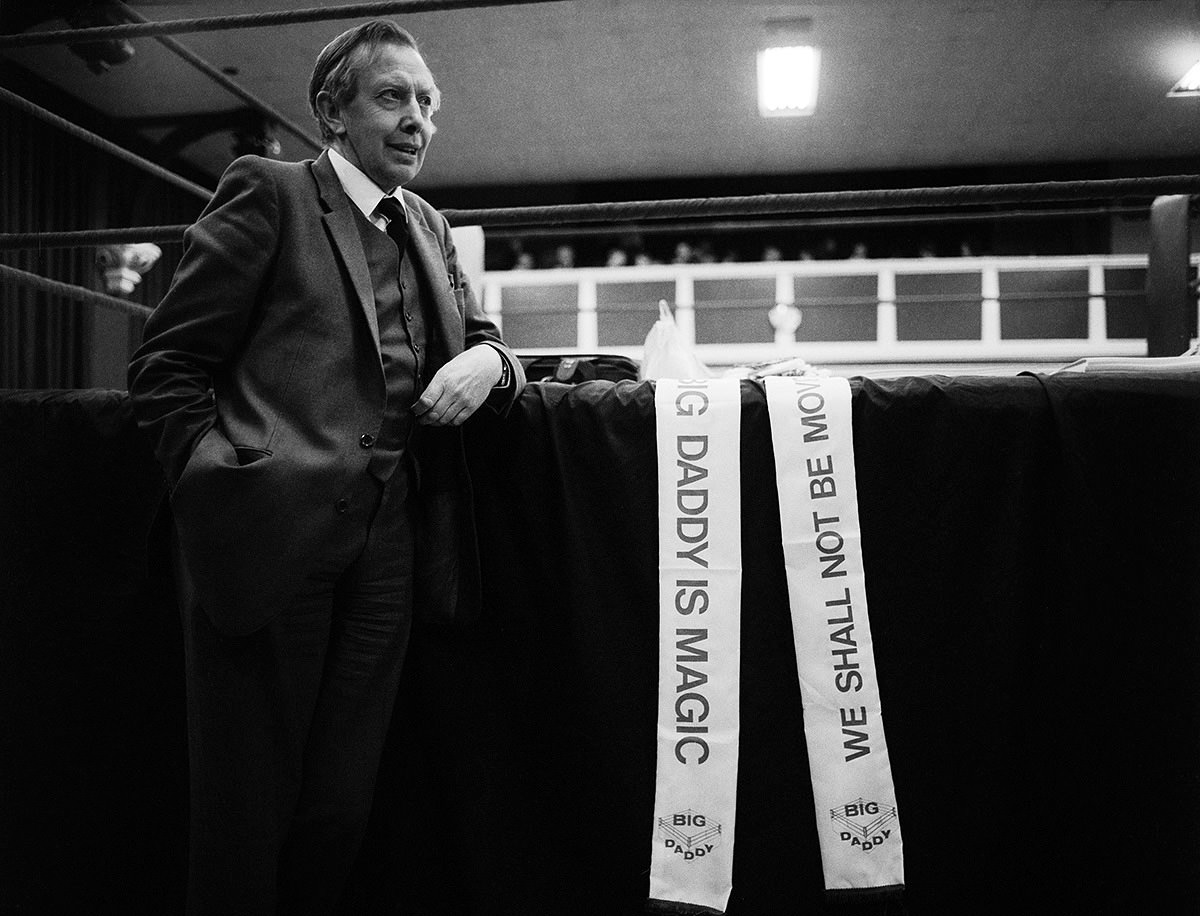
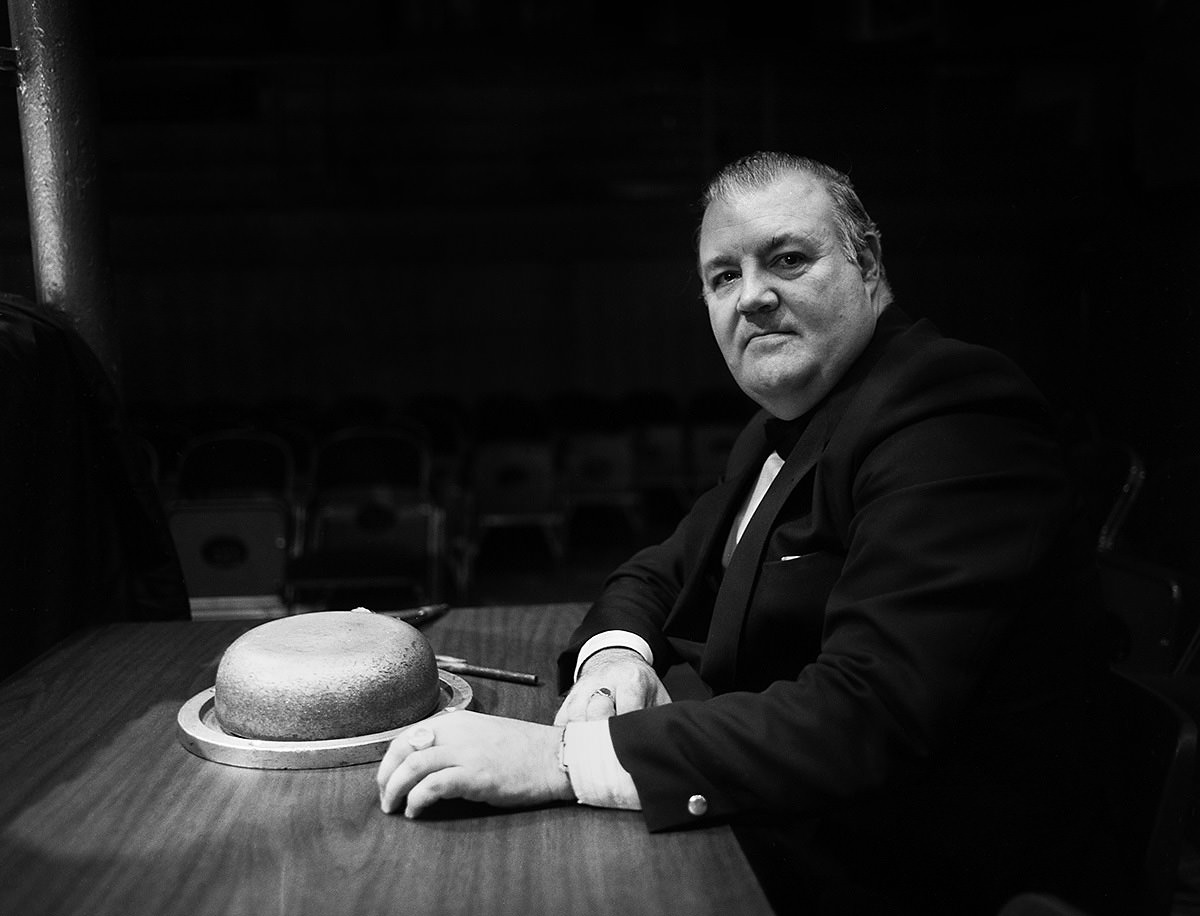
The timekeepers, MCs, and ring-side officials in Byrne’s images are just as telling as the wrestlers. These were the unnoticed people who kept every event running — local workers doing their jobs in the same halls where bingo nights and community dances were held any other weekend.
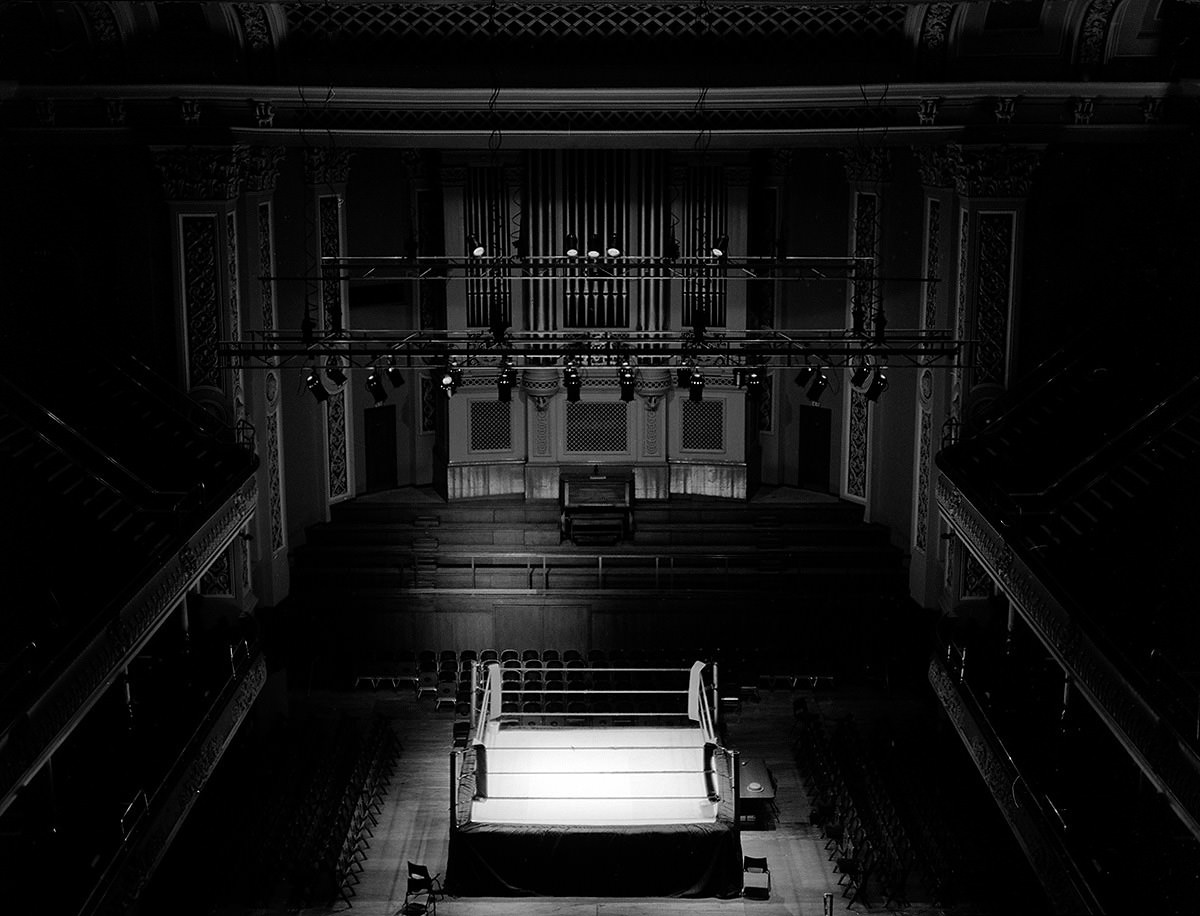
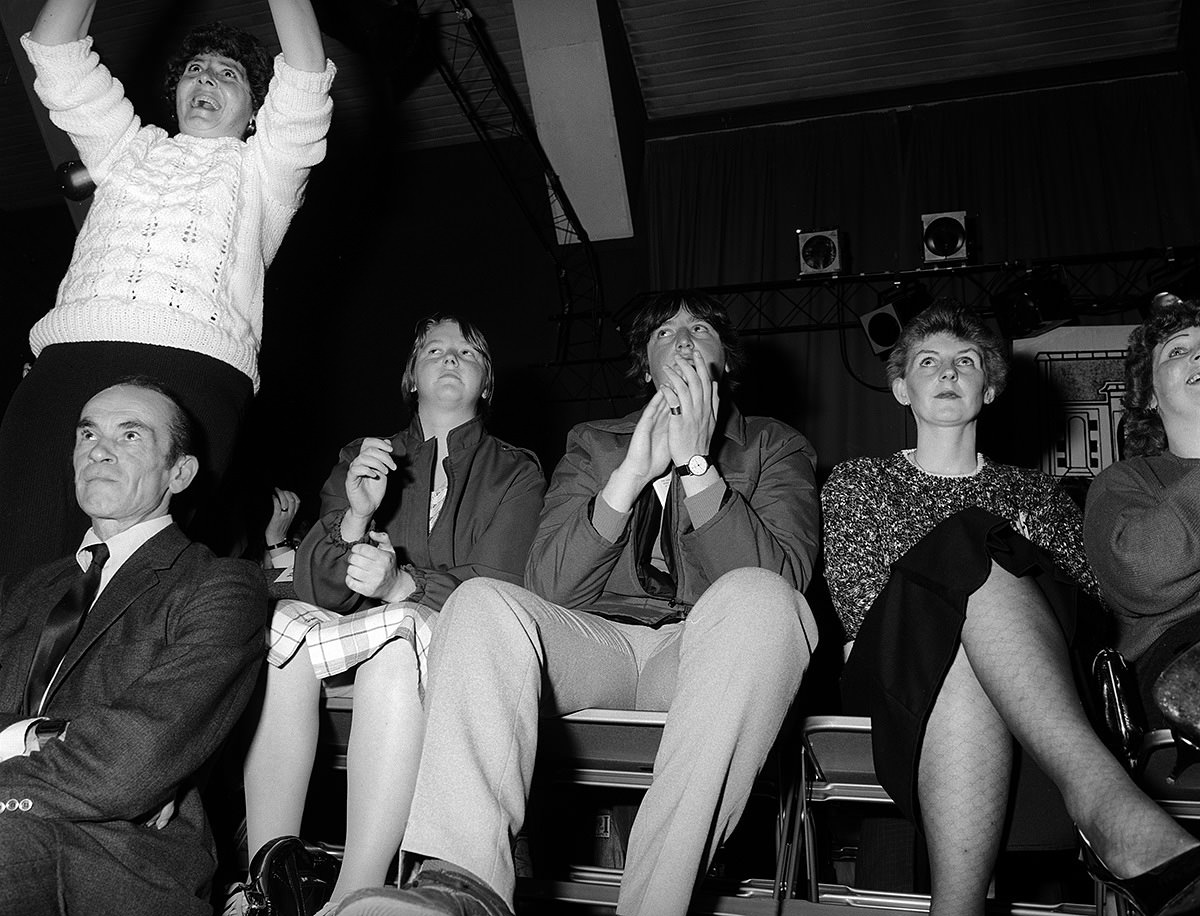
What Byrne recorded was a sport in its final chapter — not in decline from any failure of its own, but squeezed out by changing tastes and commercial pressure from across the Atlantic. The halls were still full. The crowds were still loud. The wrestlers were still showing up, night after night, to do the work.