Fitness is not a modern invention. People have been chasing stronger, slimmer bodies for well over a century. The world’s first gym opened in 1892 in Stockholm, designed for patients and fitted with purpose-built exercise machines. But the road from those early beginnings to the sleek gyms of today was anything but straightforward. Along the way, inventors, entrepreneurs, and fitness enthusiasts produced some of the most bizarre contraptions ever put to use on the human body.
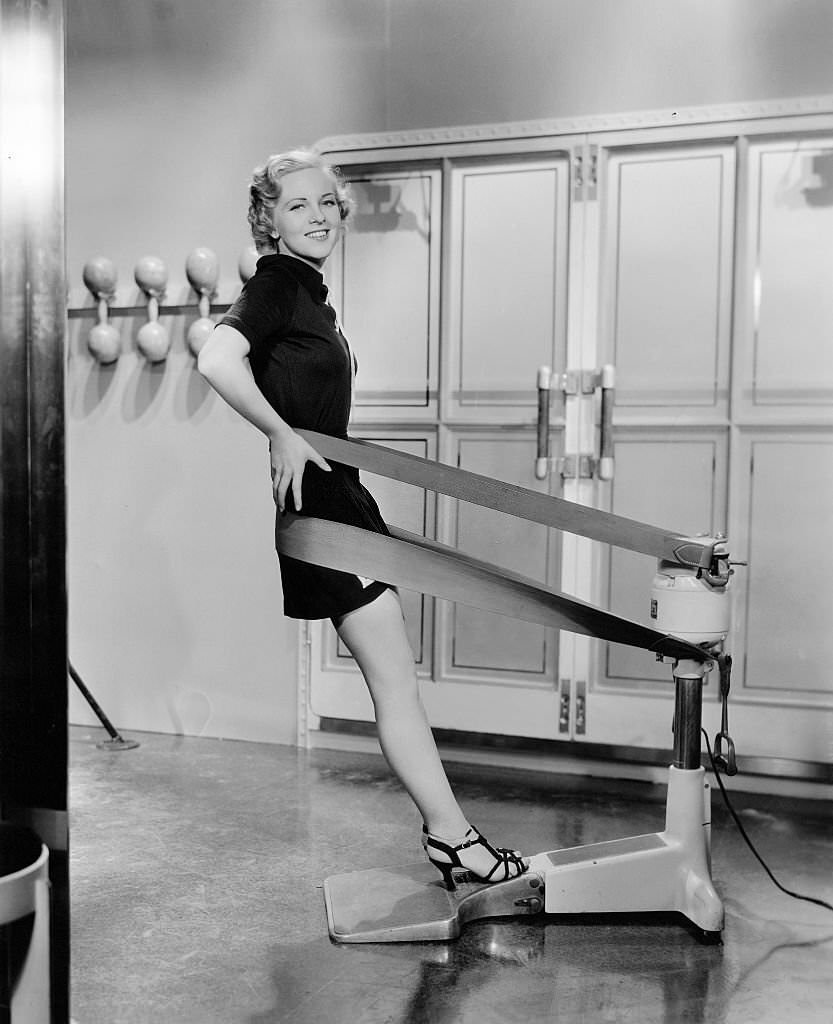
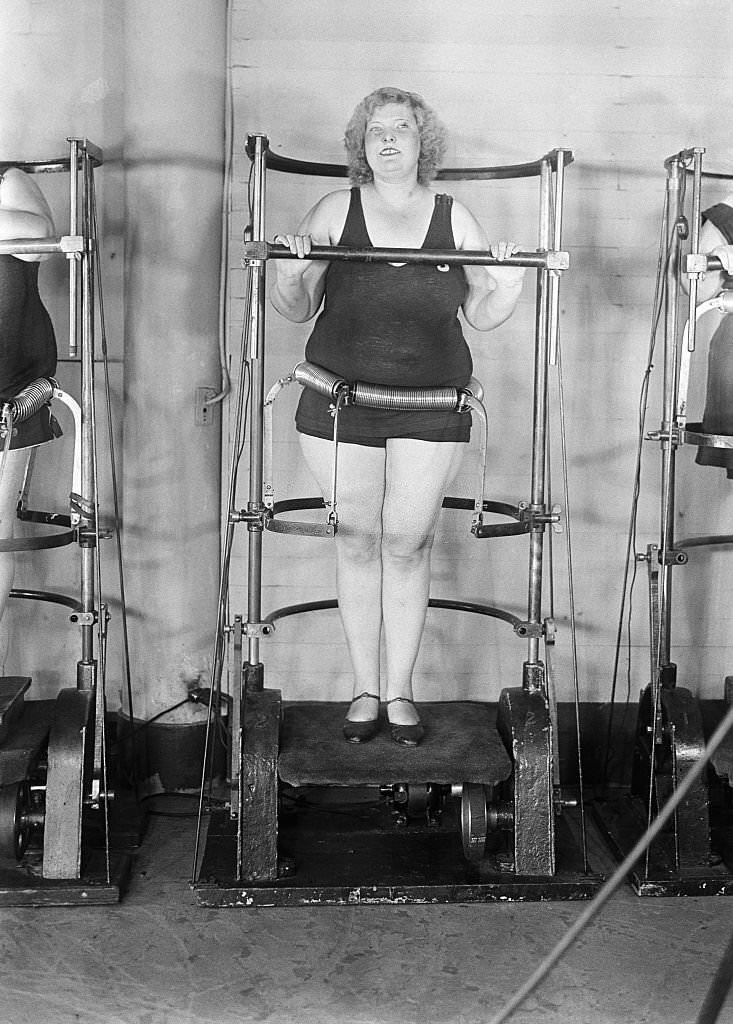
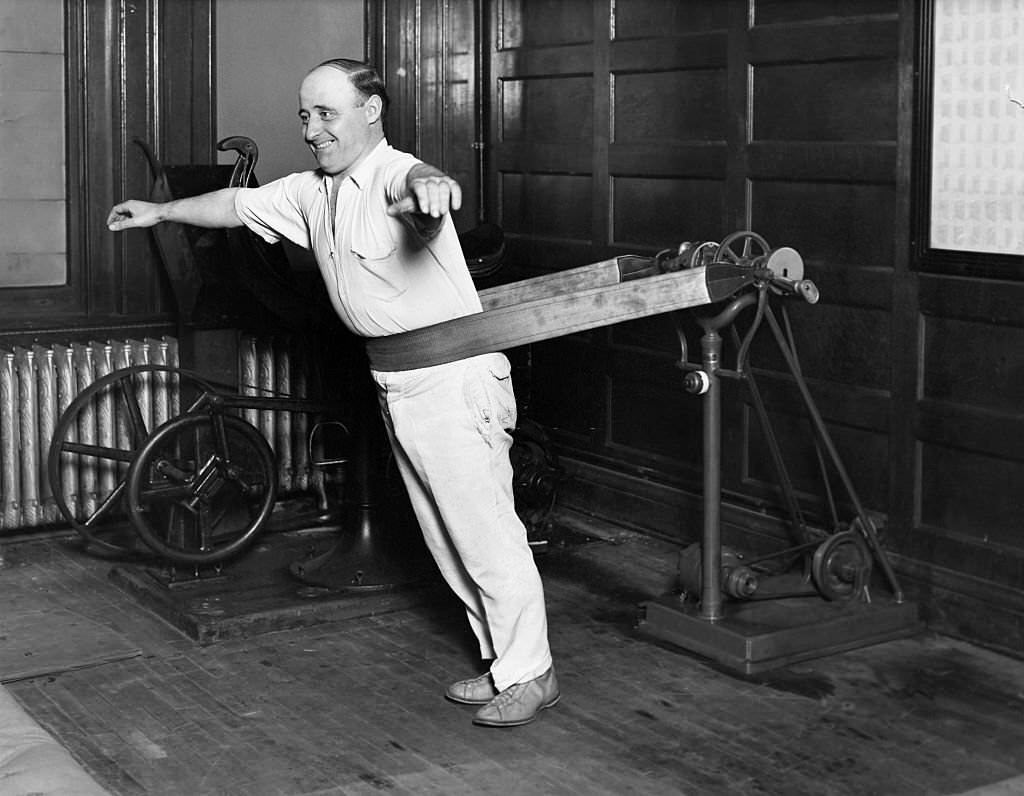
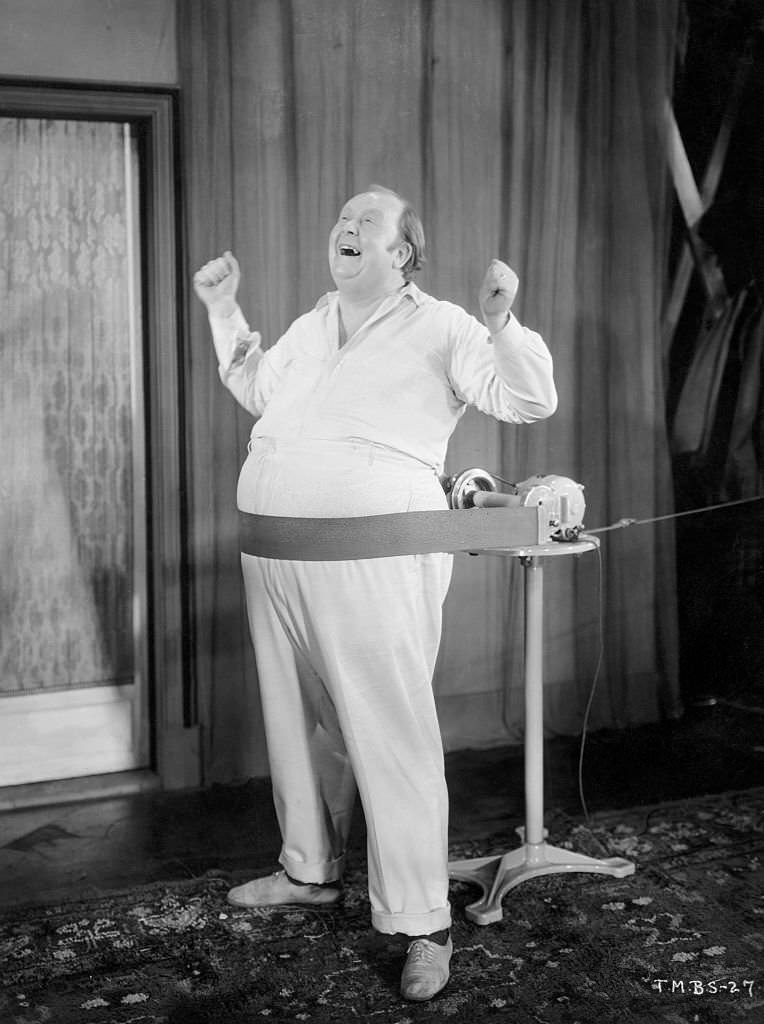
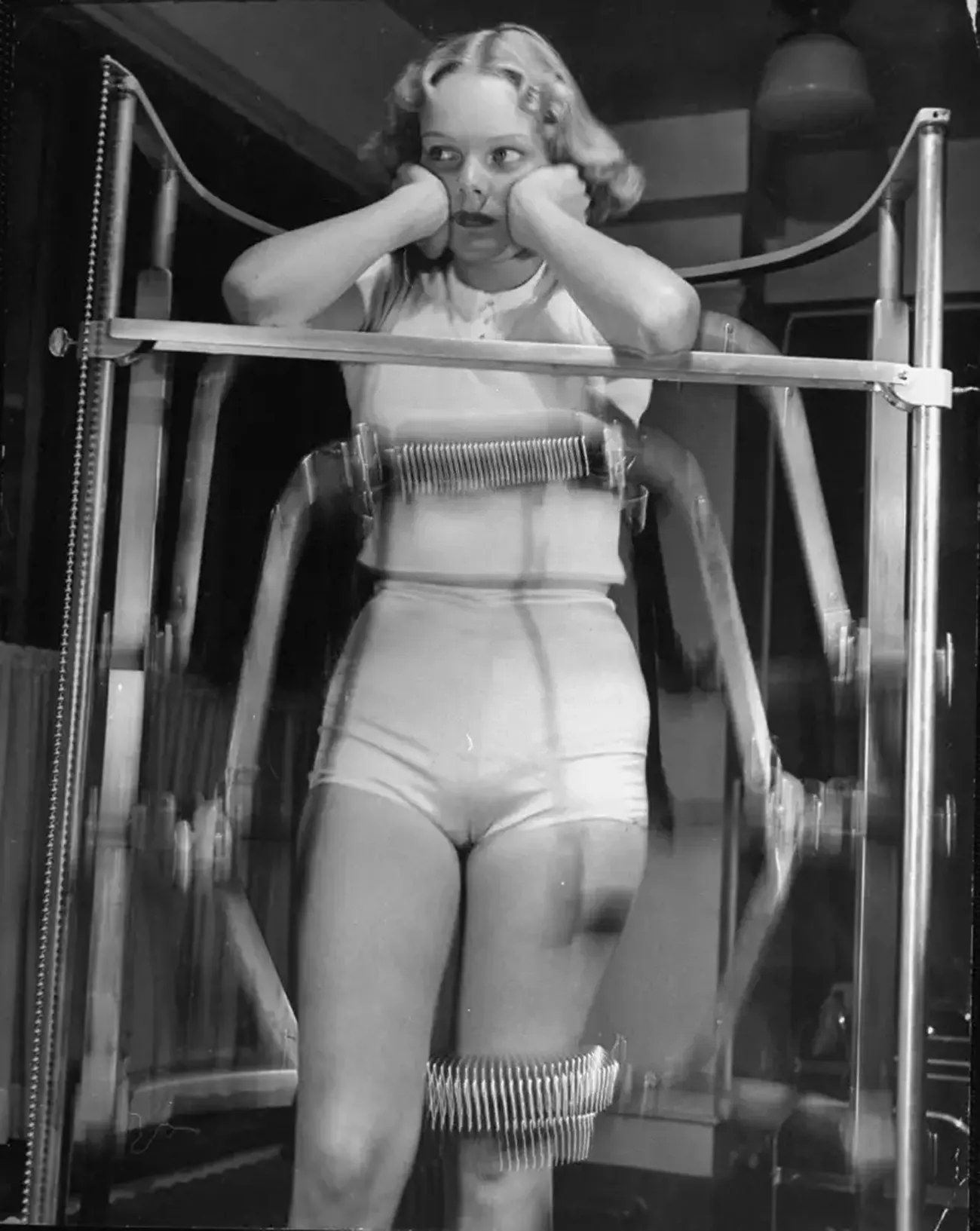
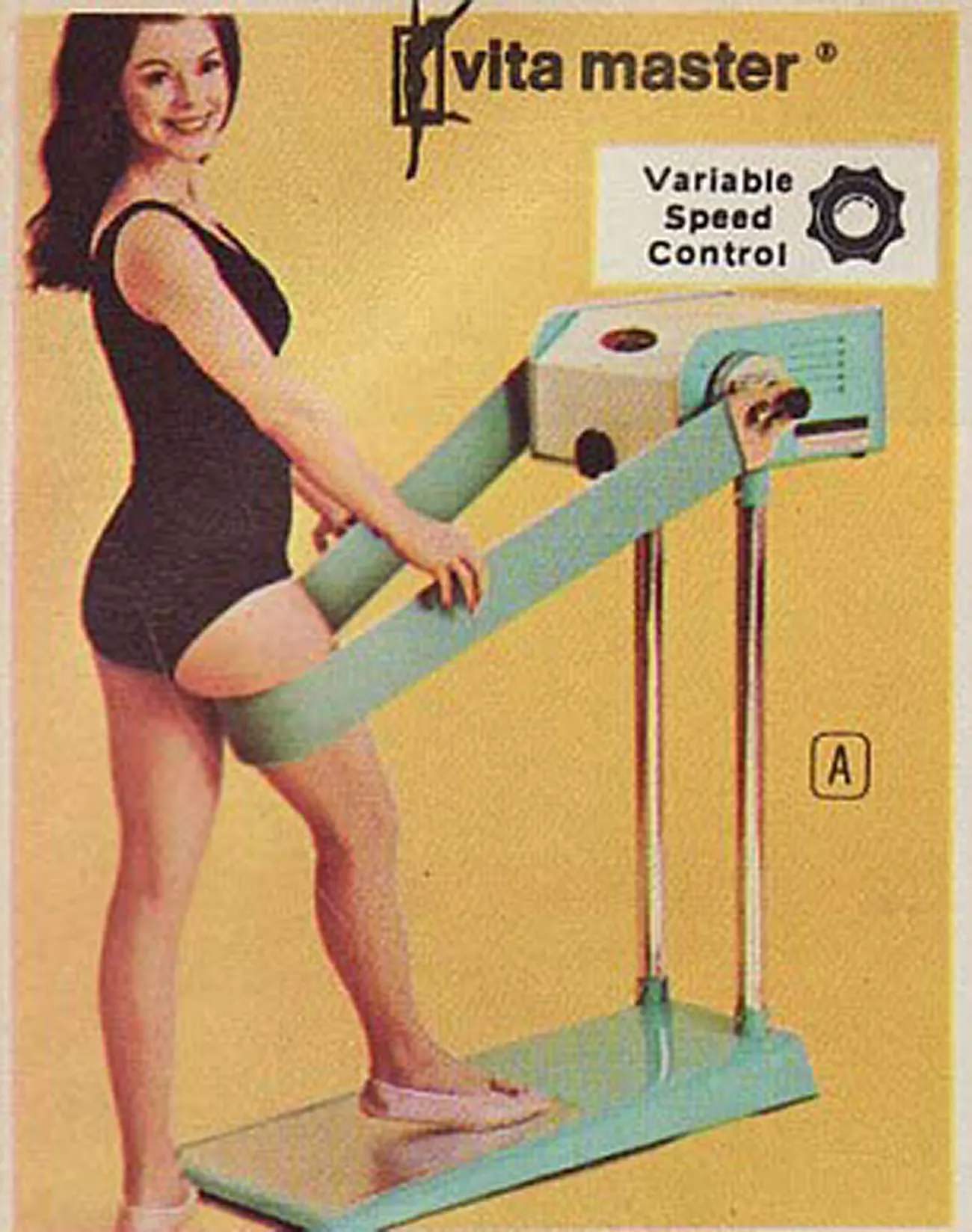
One of the most widespread gadgets of the early 20th century was the vibrating belt machine. Invented in the 1800s, these belts didn’t catch on with the general public until the 1930s and 1950s. The theory behind them was straightforward, if scientifically wrong: vibrate the fat fast enough to loosen it, then burn it off. Millions of people stood in these machines, belts wrapped around their waists, hips, or thighs, waiting for the shaking to do the work for them.
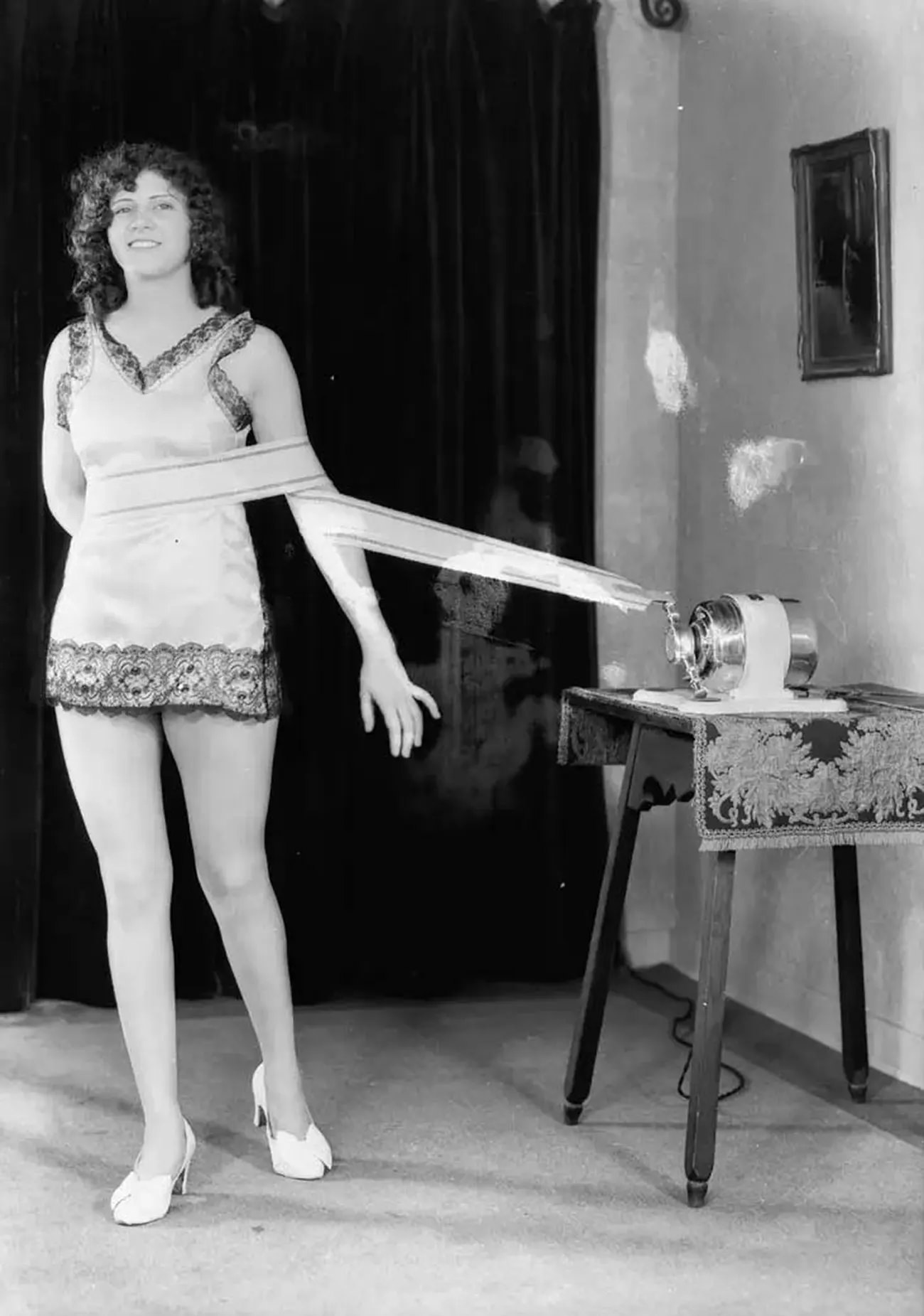
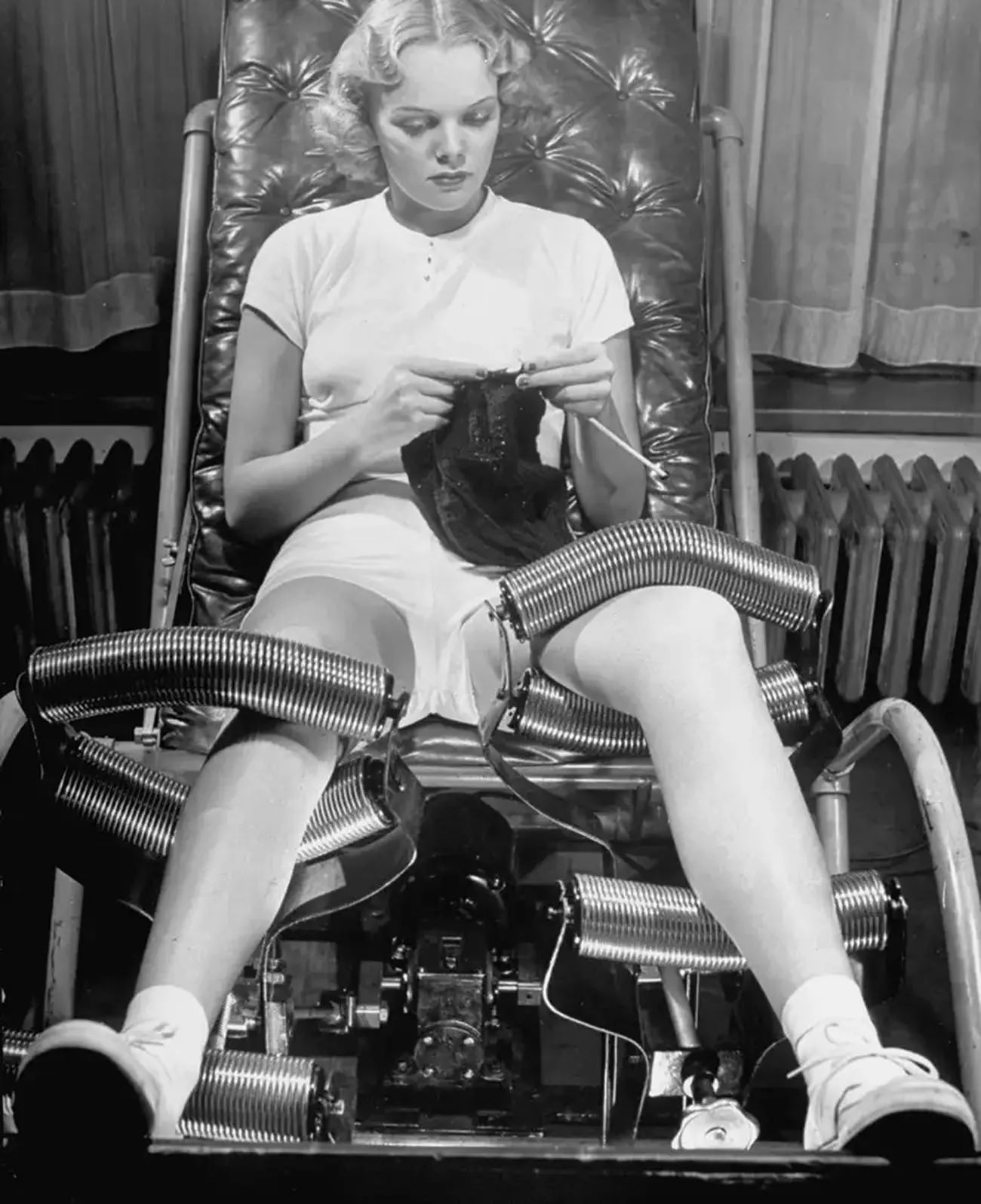
The Slendo Massager took a slightly different approach. Rather than shaking the body, it used coiled springs that rolled directly over the stomach, hips, and thighs. The idea was that the rolling pressure would physically dislodge fat from the body. It didn’t work, but that didn’t stop it from being marketed and sold widely.
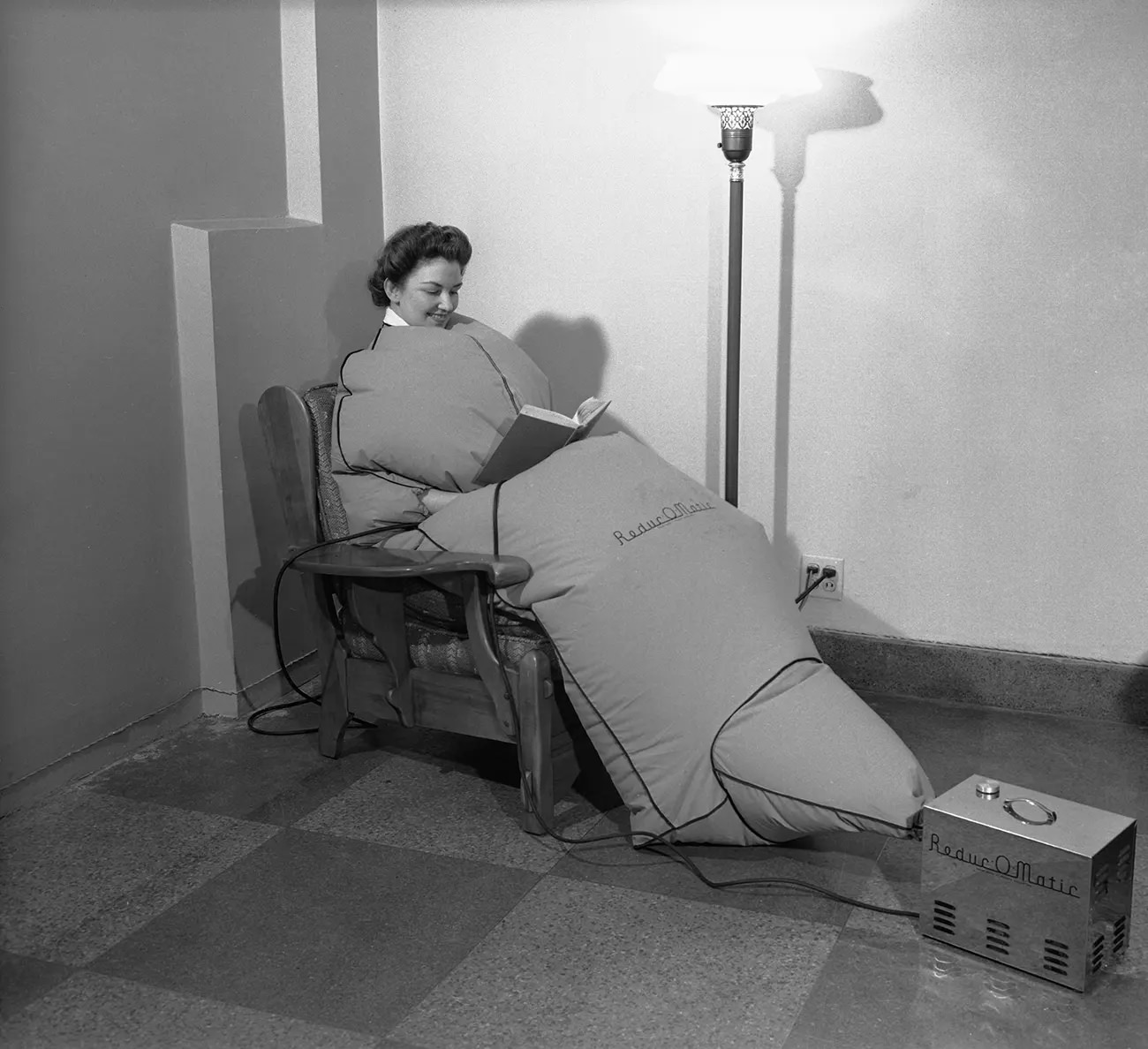
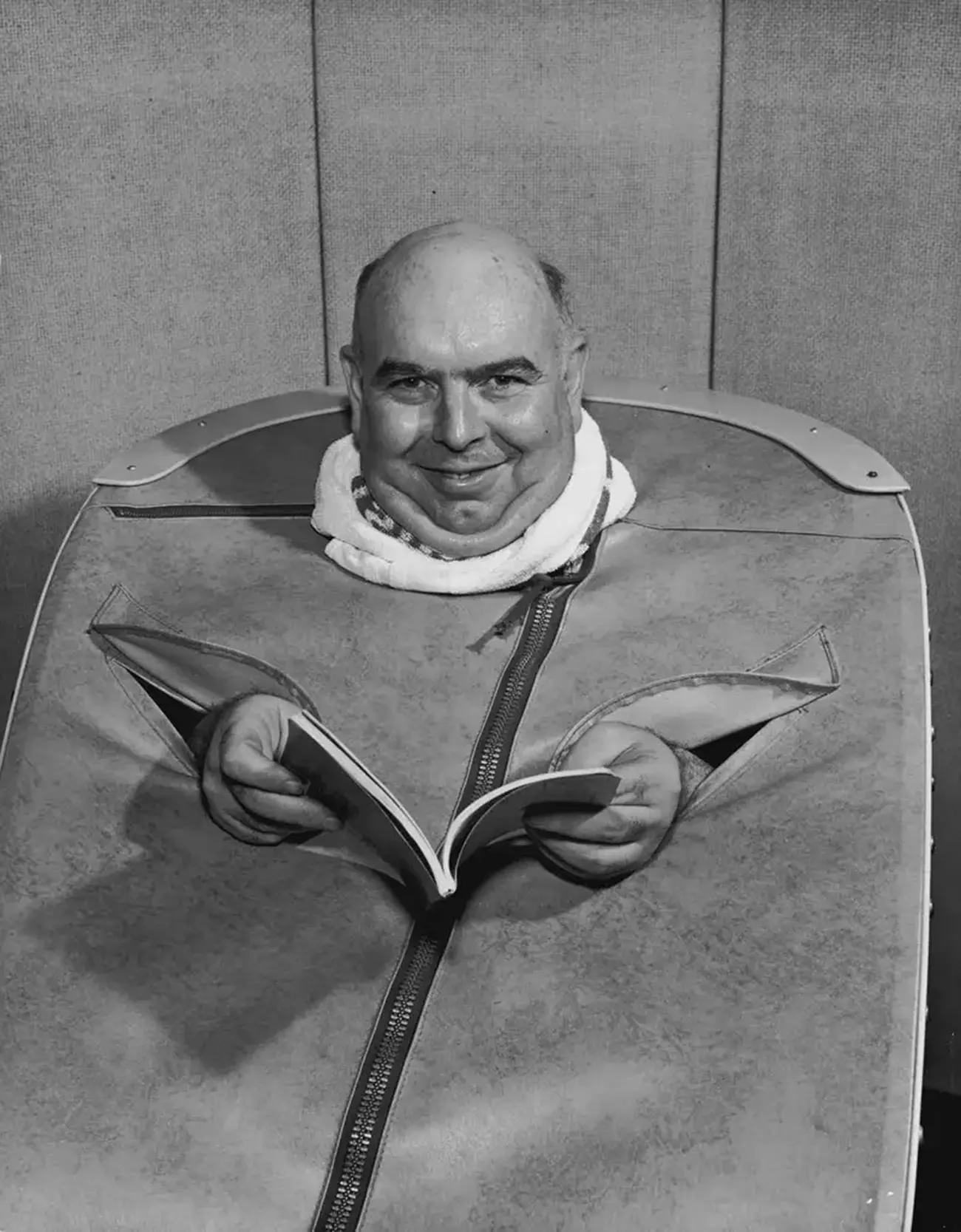
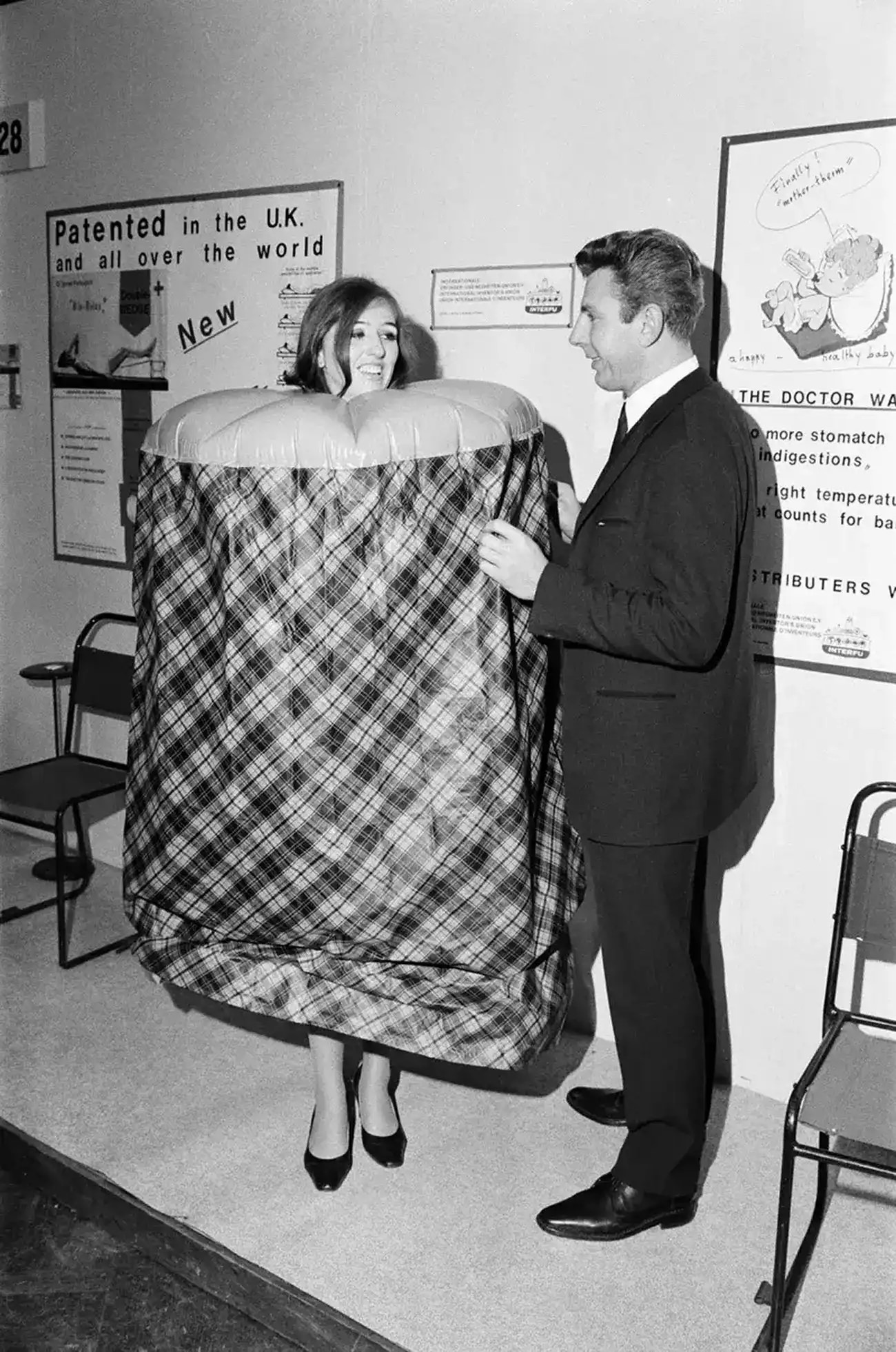
Heat was another popular weapon in the war against fat. The portable sauna, marketed under names like the Reduc-o-matic, became a household item in the 1940s. Manufacturers promised that the heat would melt fat directly off the body. People sat inside sealed, tent-like contraptions with only their heads sticking out, sweating in the belief that weight loss was just a good sweat away.
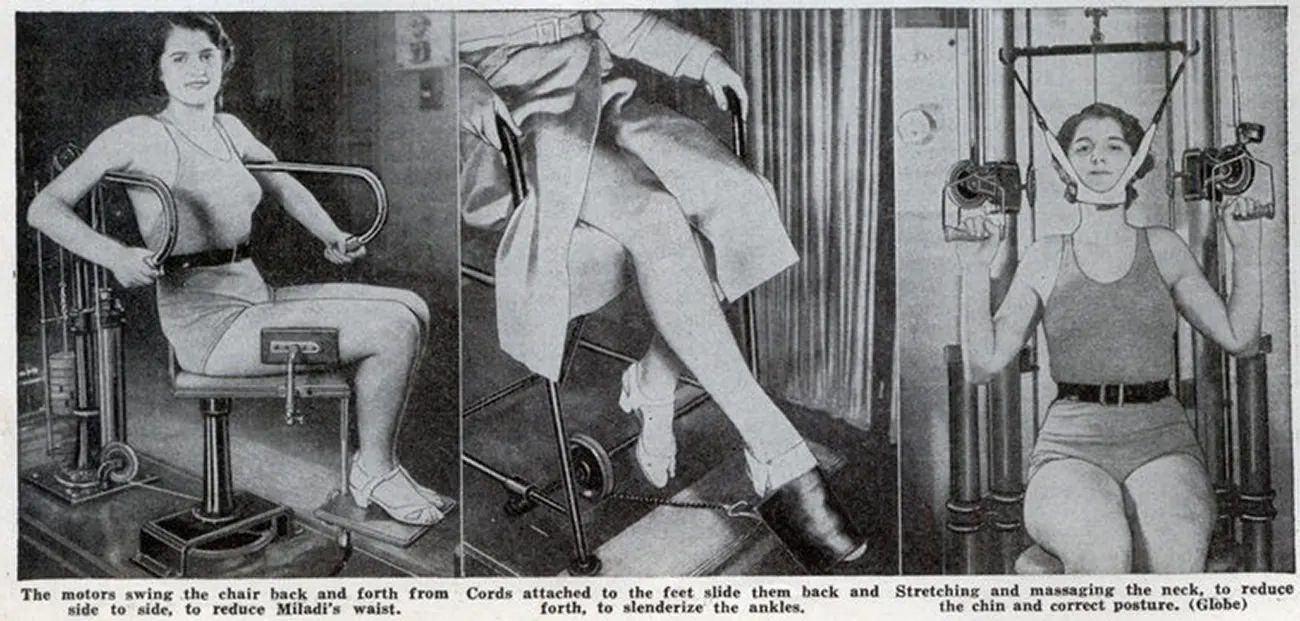
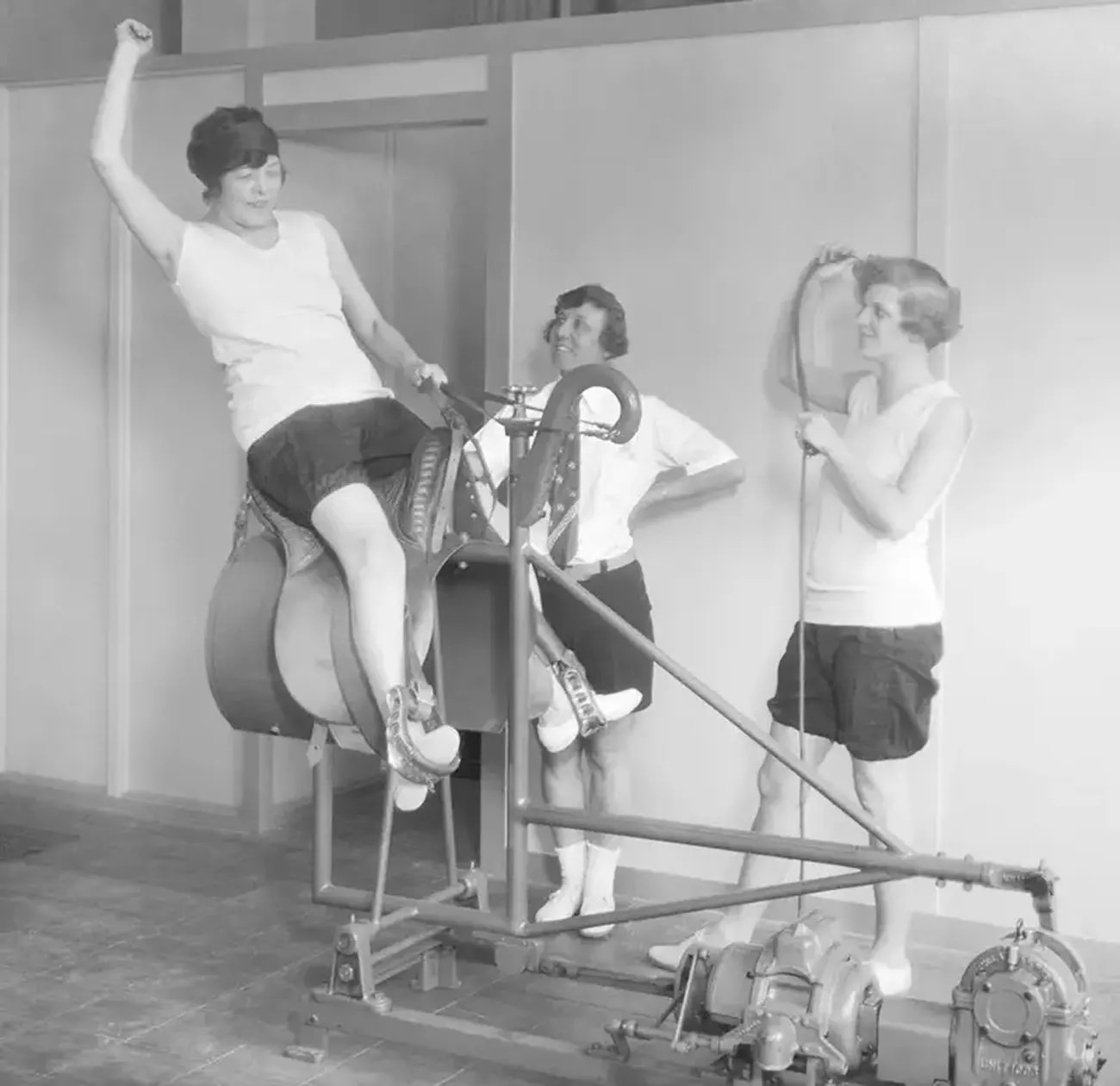
One of the most popular passive fitness devices of the era was Zander’s Horse-Simulation Machine. Designed to mimic the motion of horseback riding, the machine required almost no effort from the user. You simply sat in a saddle-shaped seat and let the machine rock and jostle beneath you, supposedly burning fat without breaking a sweat. Its appeal was obvious — results without effort. It was a massive commercial hit.
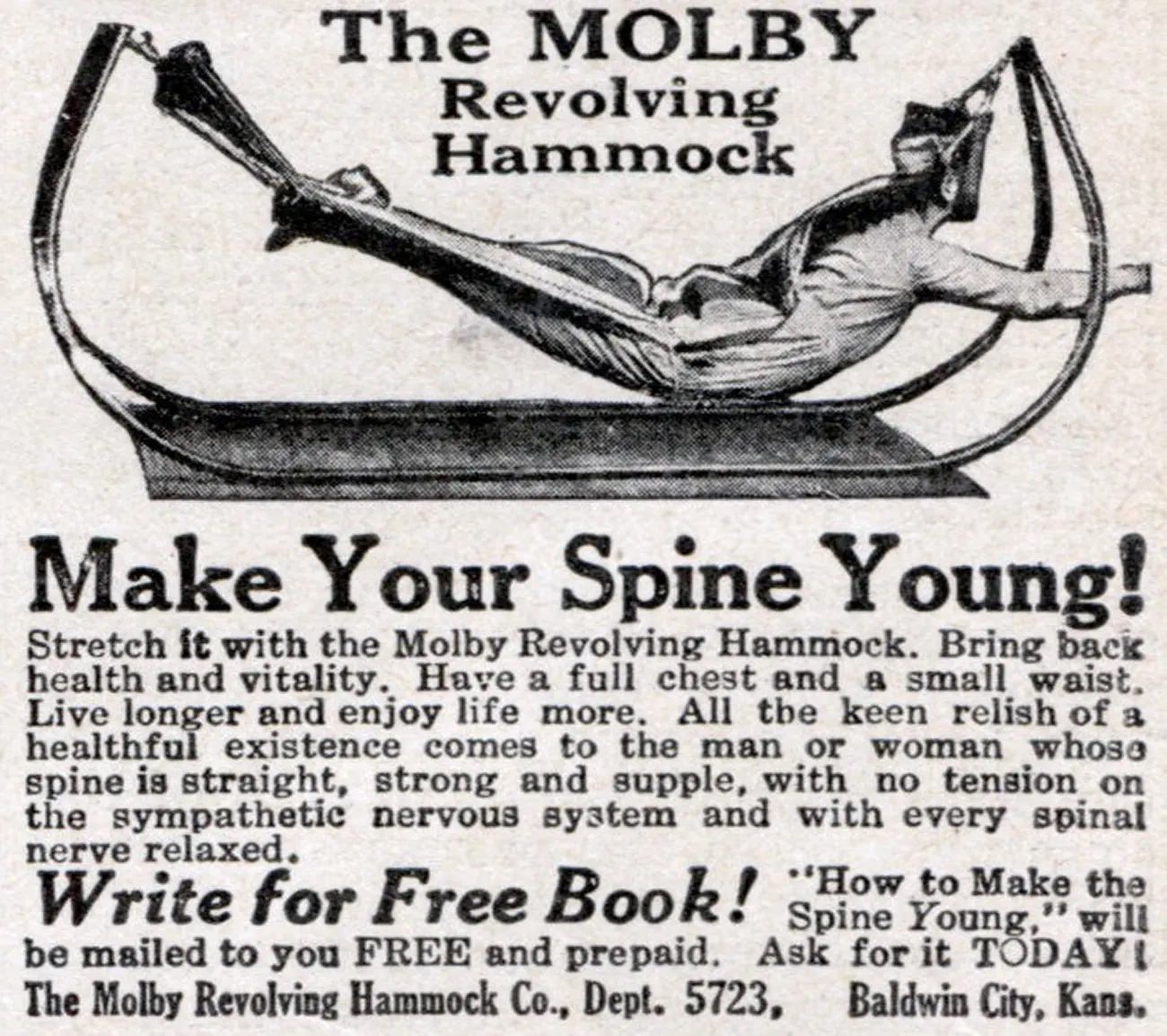
The Molby Revolving Hammock was another passive device that gained a following. Users lay inside a rotating hammock frame, which spun and tilted them through various positions. The motion was marketed as a form of exercise, though the body did very little actual work. Mechanical bulls from the same era operated on a similar principle, rocking and bucking riders as a supposed fitness method.
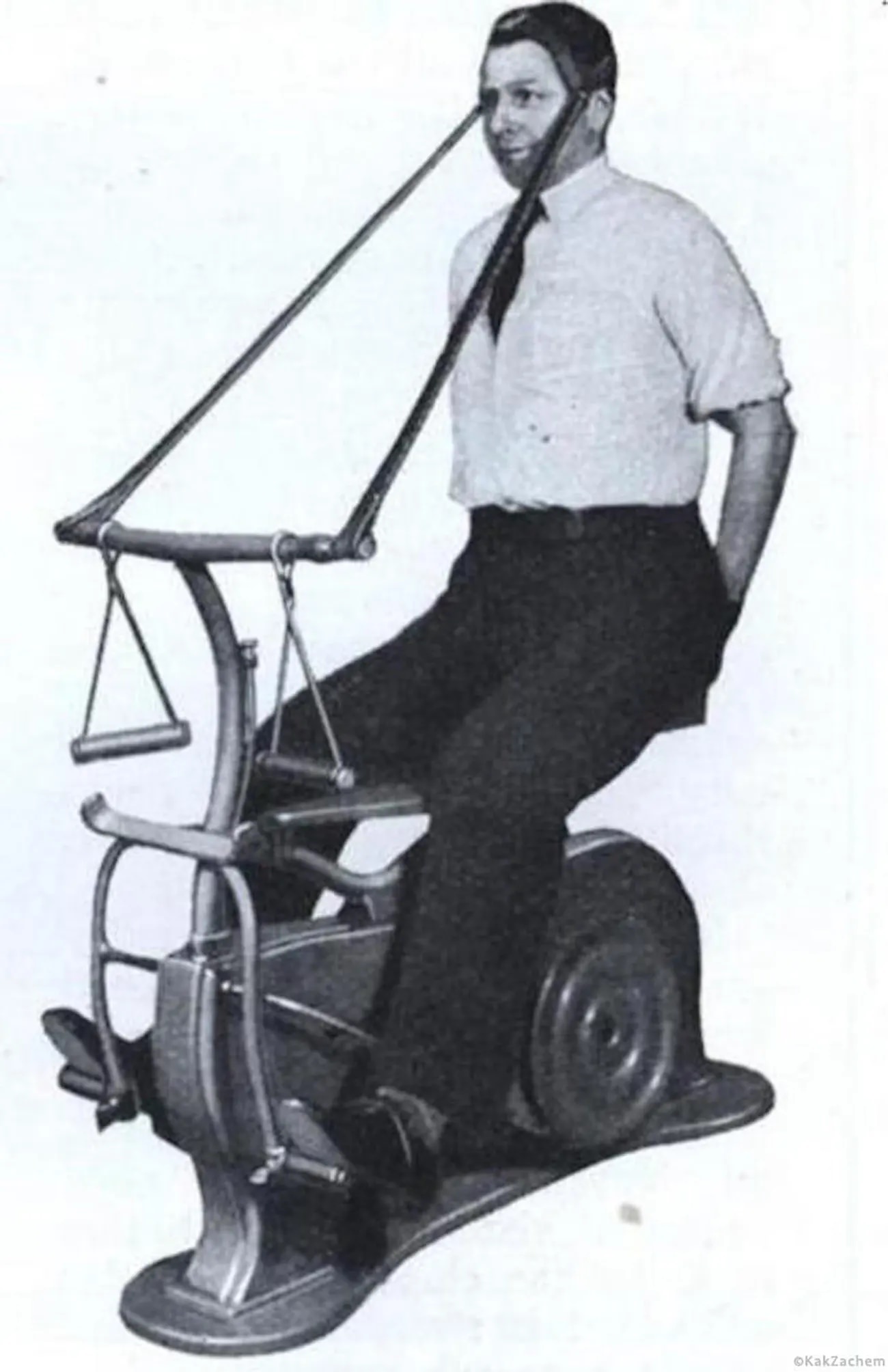
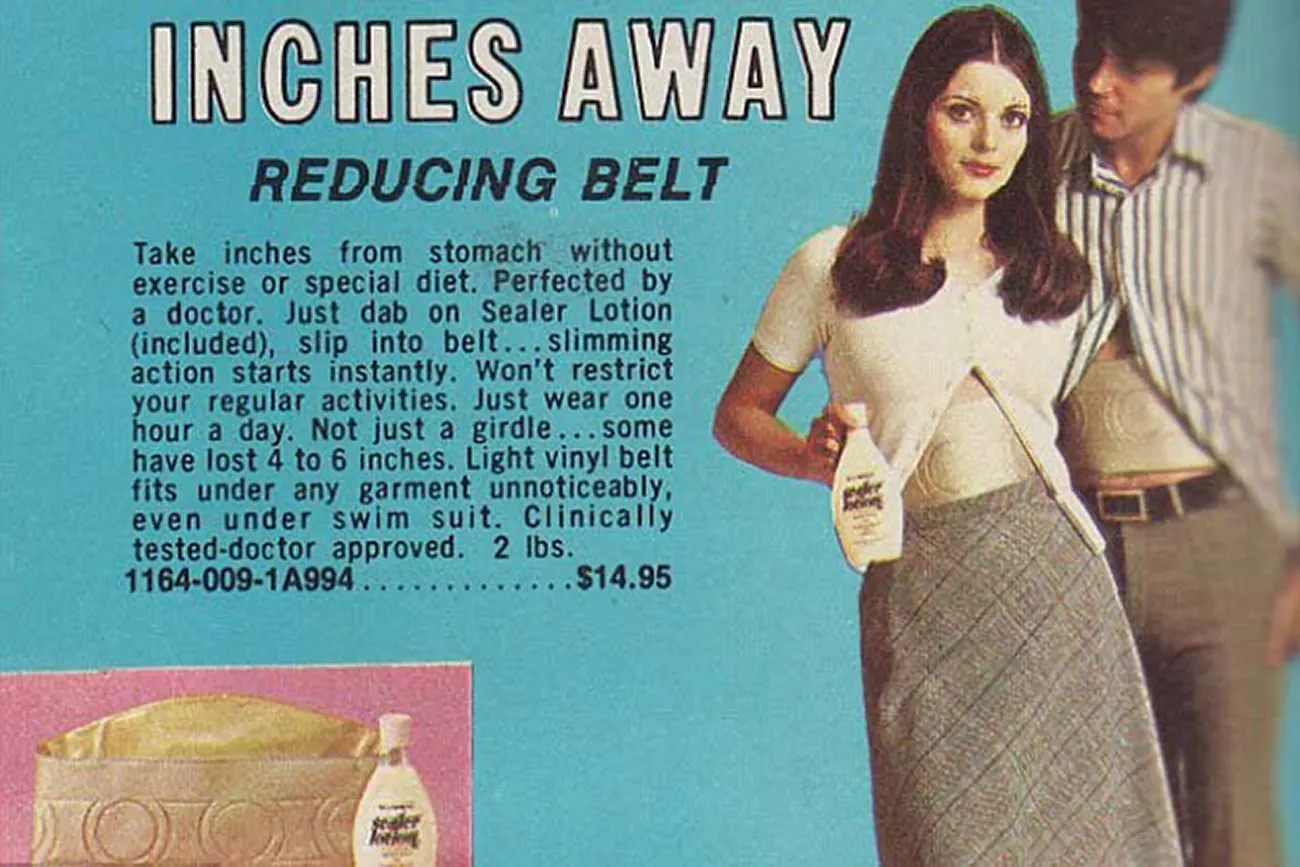
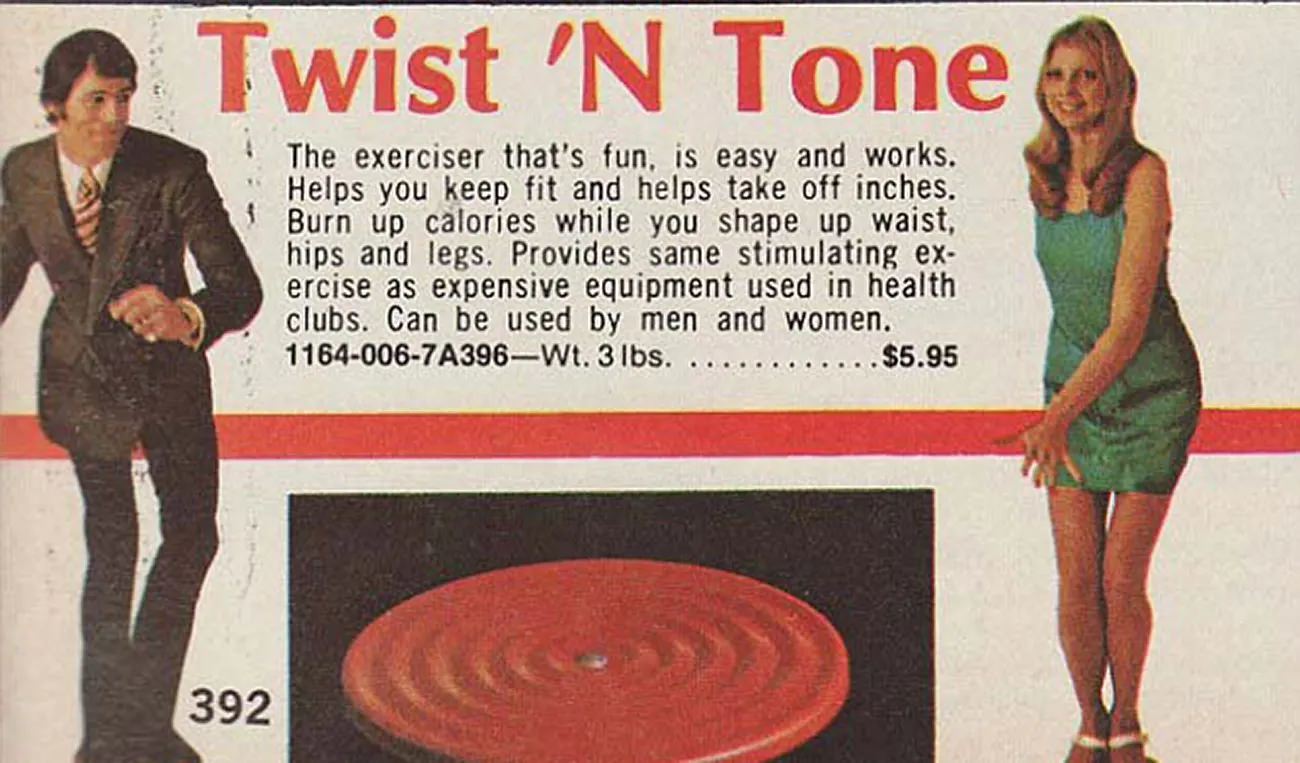
Not everything from this era was passive. The Reducing Belt was sold with bold promises — wear it for just one hour a day and lose four to six inches. The Twist ‘N Tone claimed to deliver the same results as expensive health club equipment. Whether through springs, rollers, belts, or twisting platforms, manufacturers competed to sell the easiest path to a trimmer body.
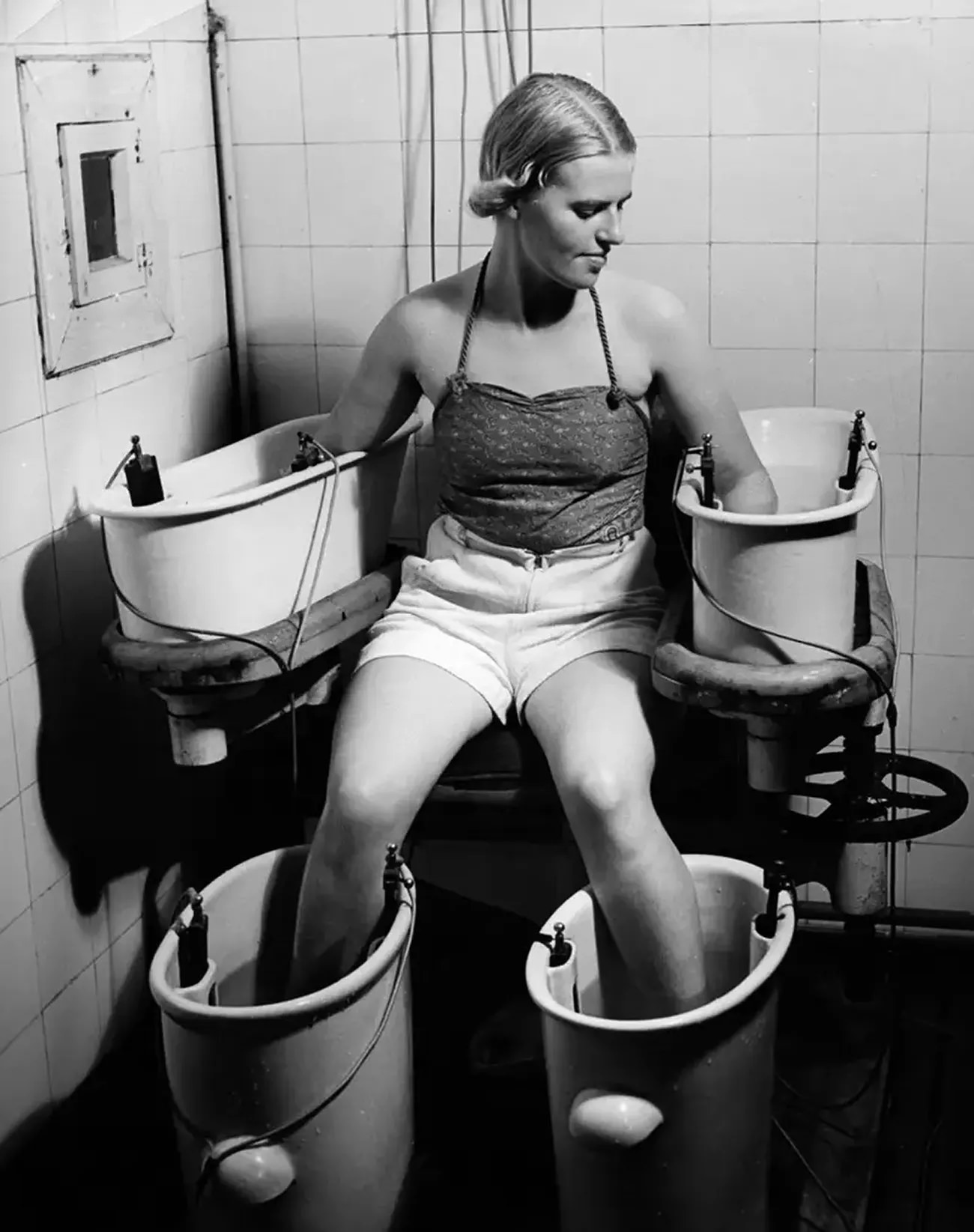
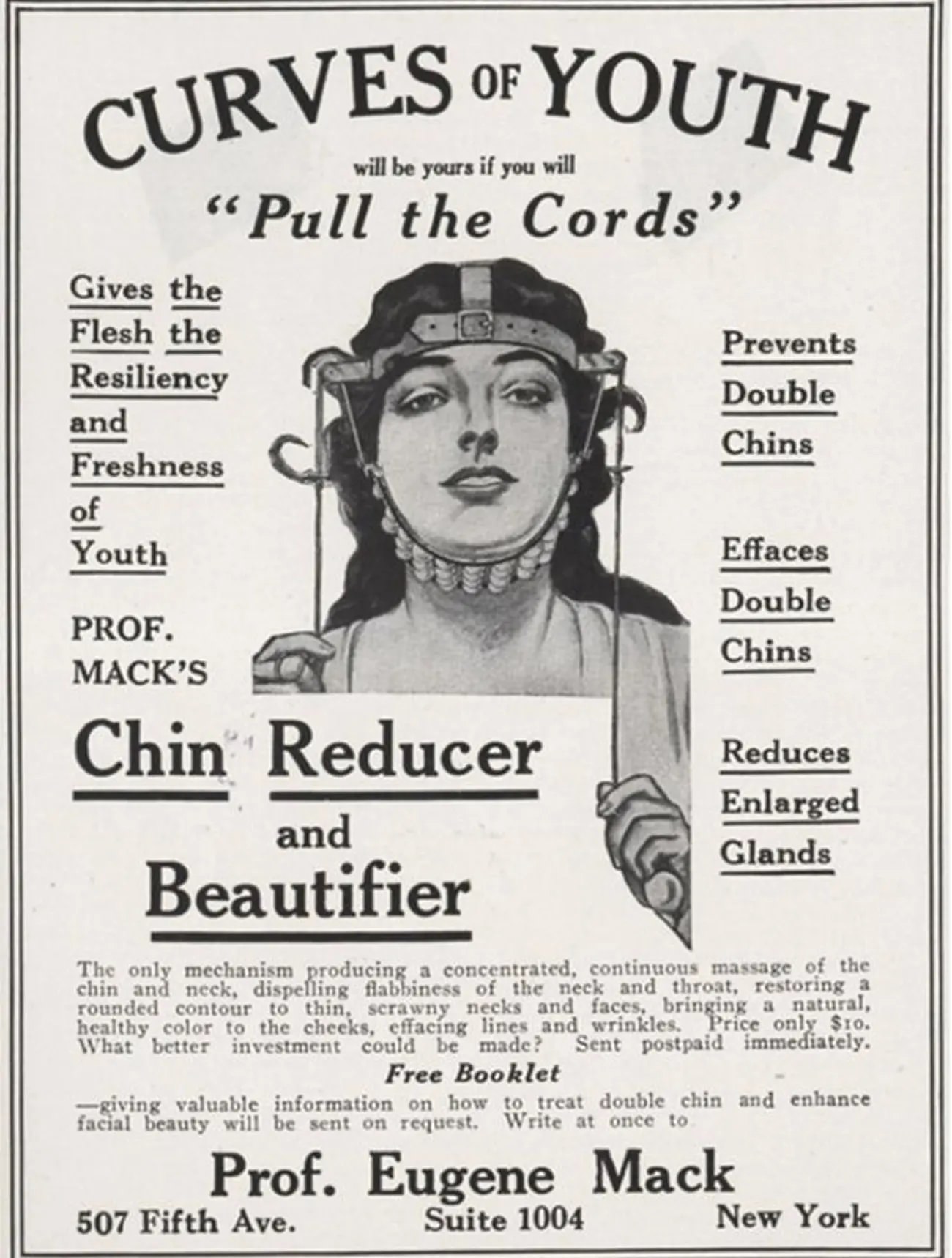
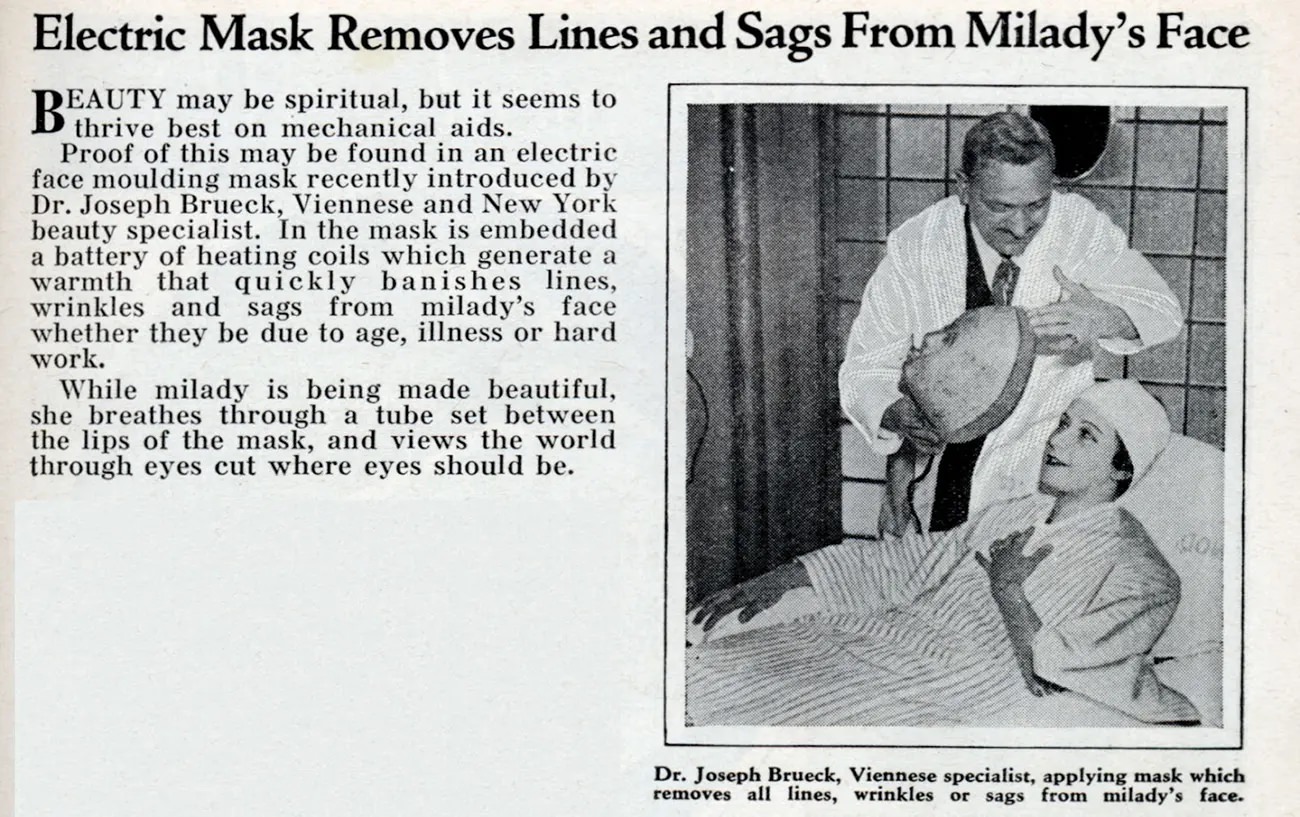
Electrical current also found its way into fitness culture. Small baths fitted with electrodes delivered mild electrical stimulation to the body, marketed as a way to boost blood circulation and tone muscles. Facial fitness had its own strange corner of the market too, with devices like the Electric Mask, which was strapped to the face to supposedly rejuvenate the skin, and the Chin Reducer and Beautifier, designed to firm up a double chin through mechanical pressure.
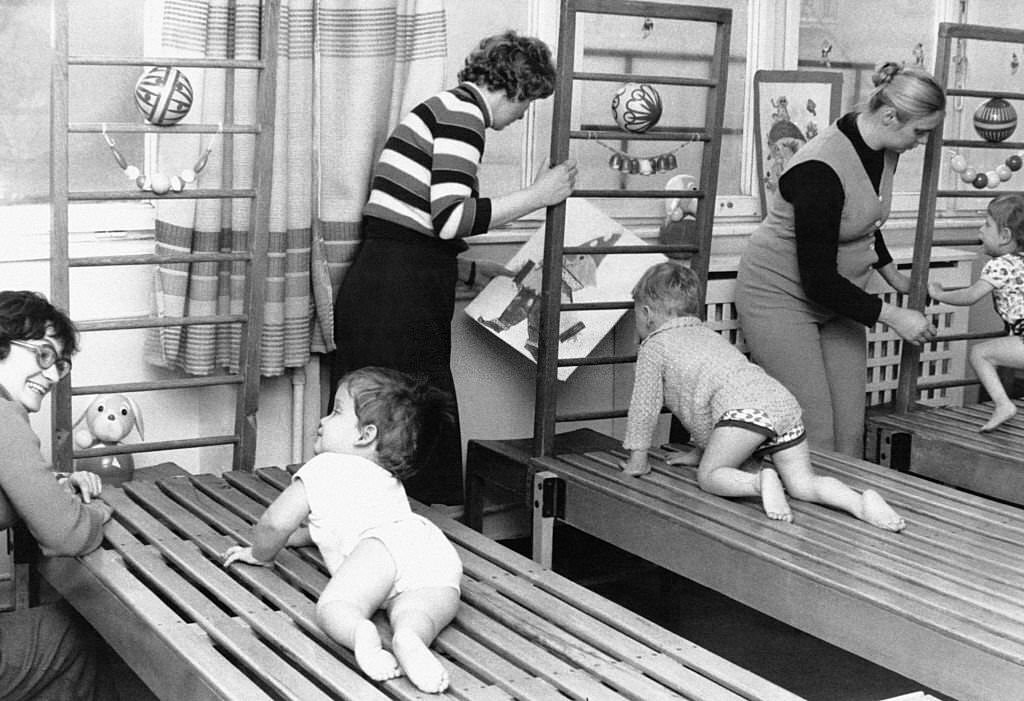
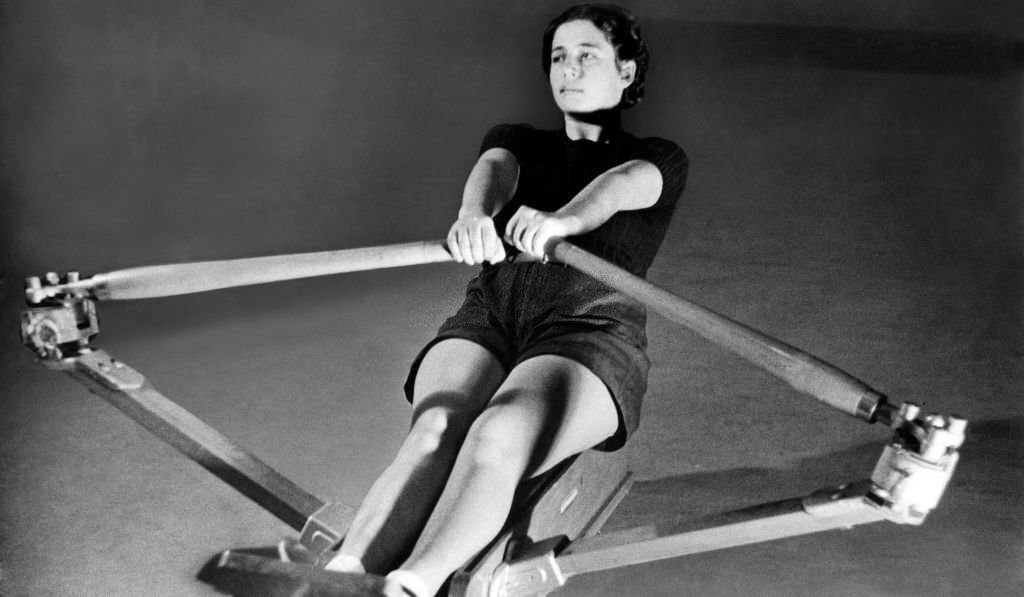
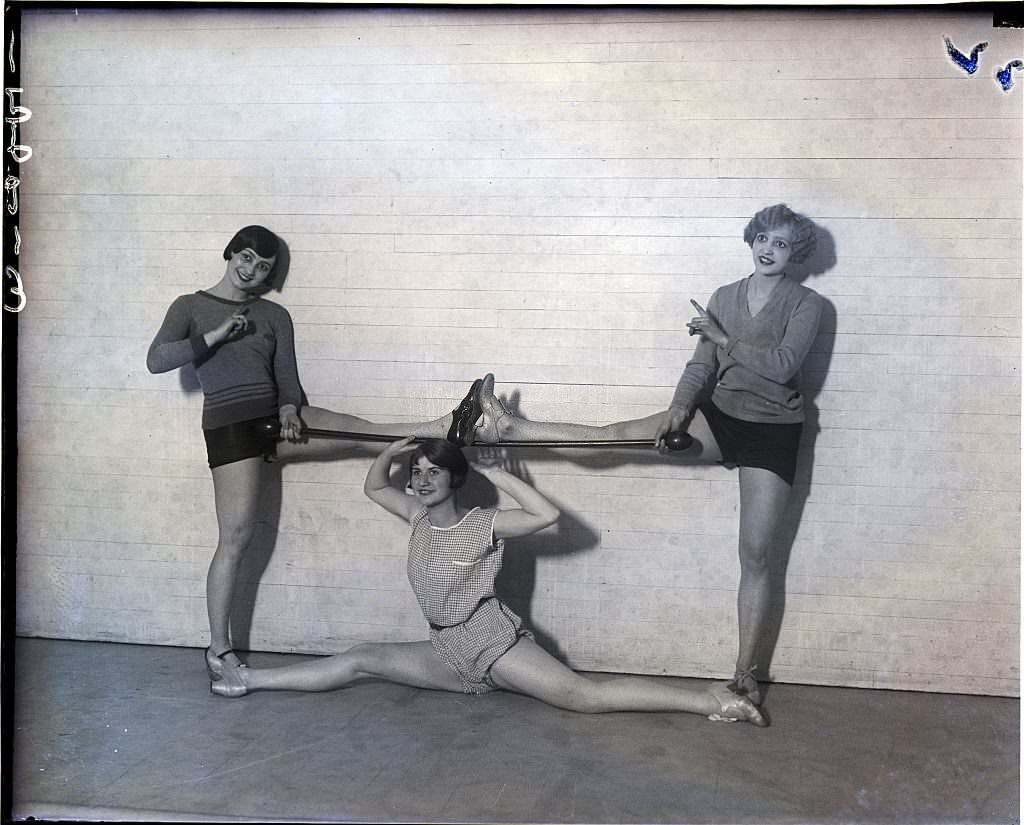
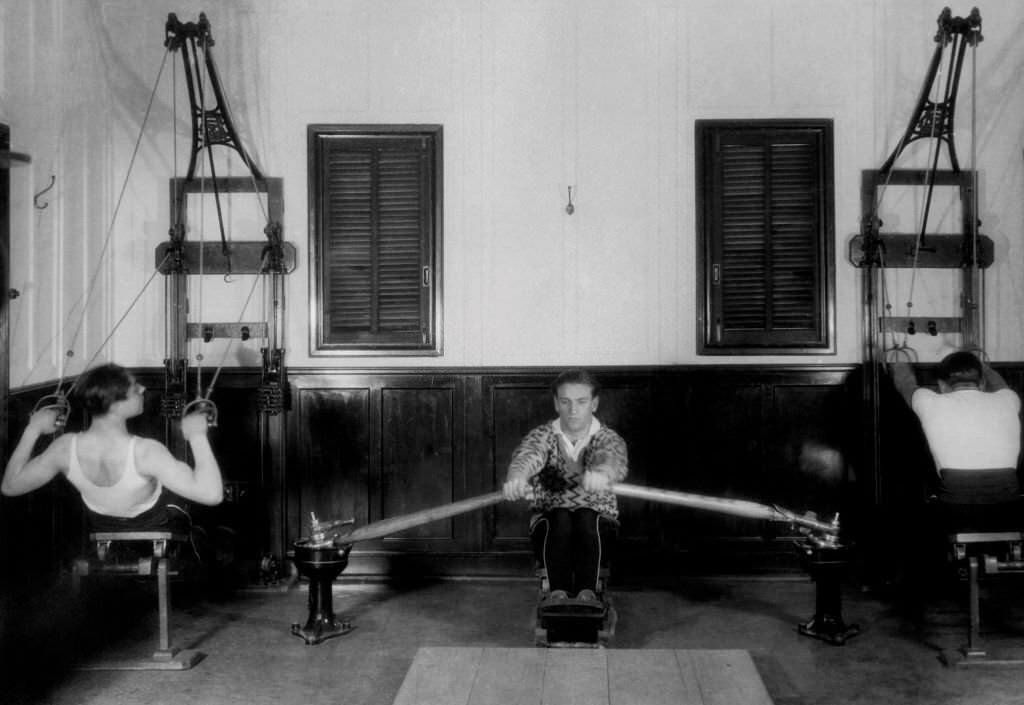
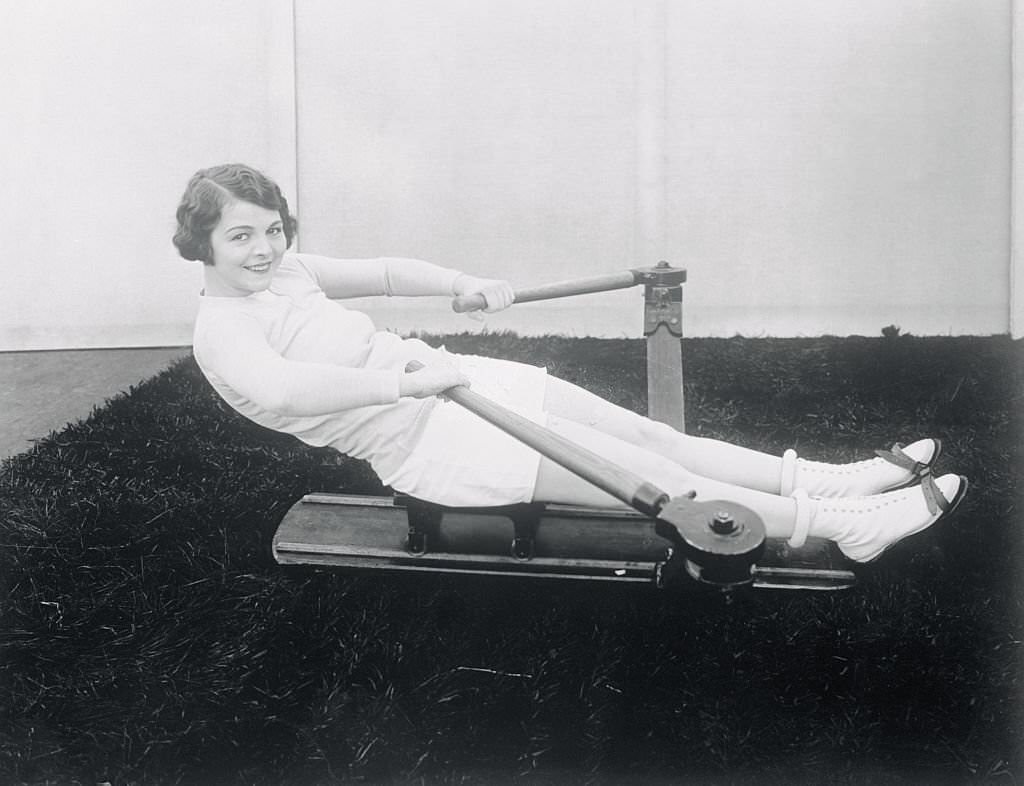
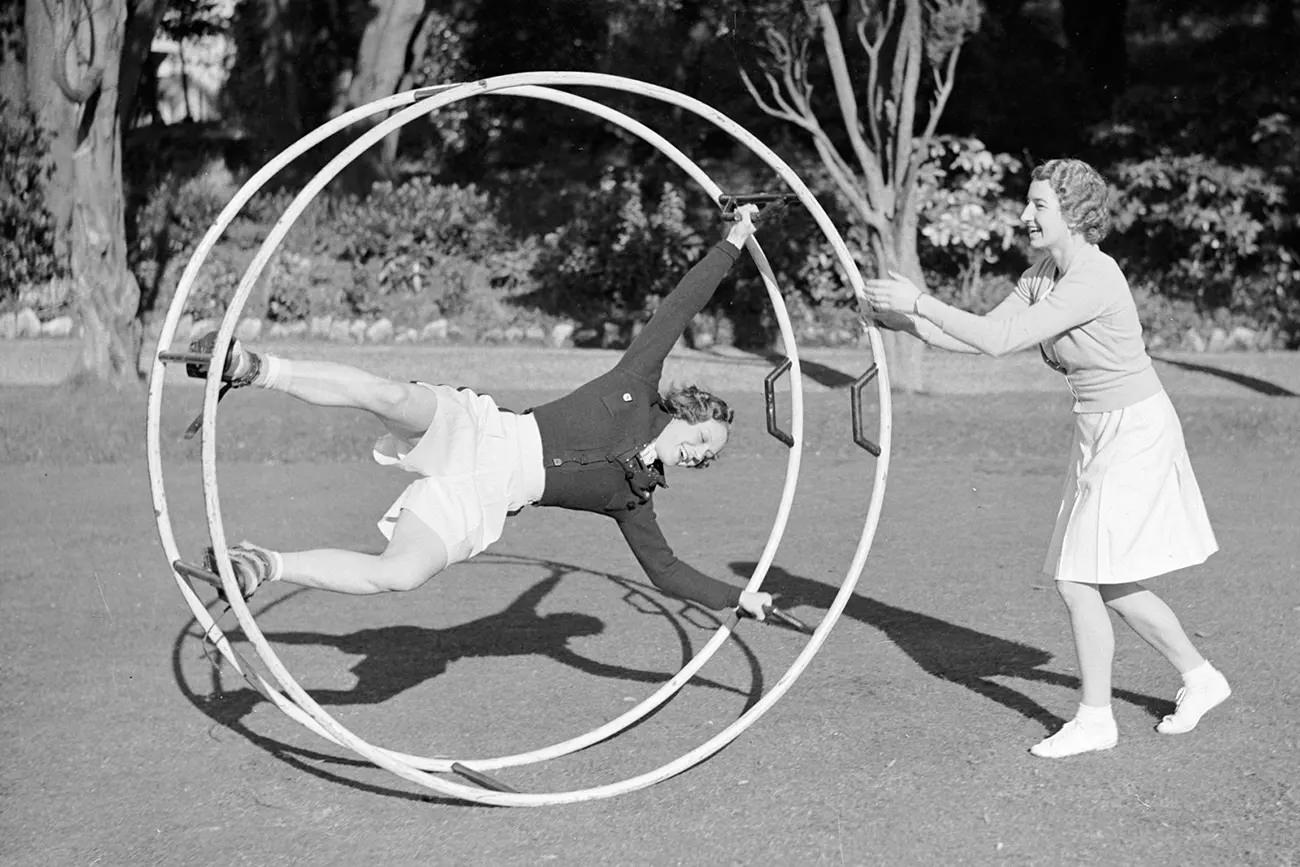
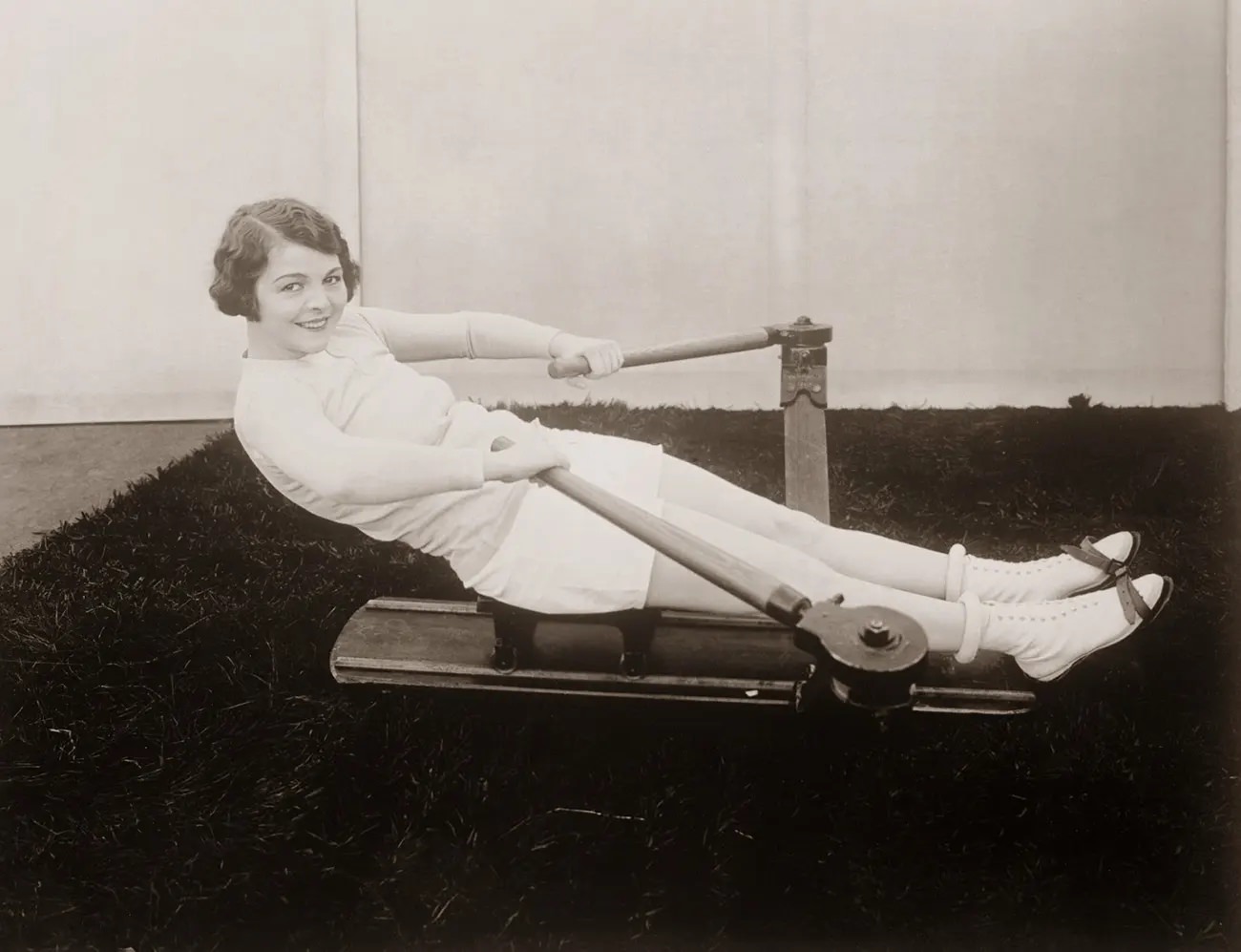
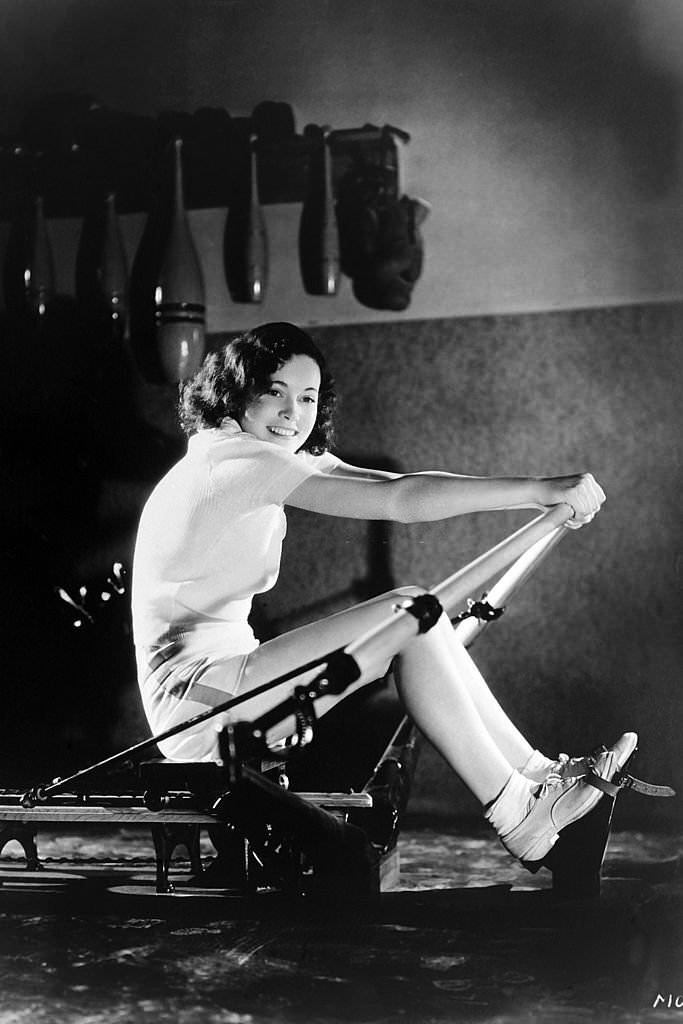
While passive machines dominated much of the consumer market, actual physical exertion was alive and well in gyms, schools, and military training programs. A human-sized hamster wheel photographed in 1936 shows just how creative physical trainers became. Rowing machines appeared in home settings as early as the 1920s, with actress Maureen O’Sullivan photographed using one in her home in 1932. Gym classes at universities in the late 1930s featured group exercises, wall bars, and calisthenics routines that wouldn’t look out of place in a modern fitness class.
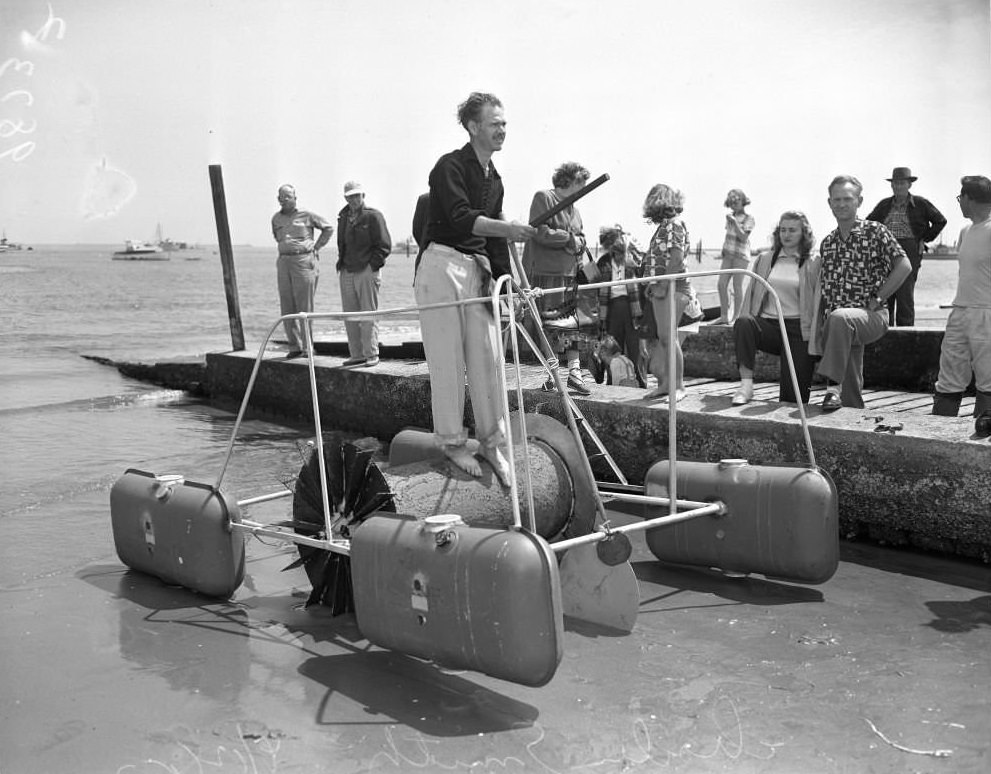
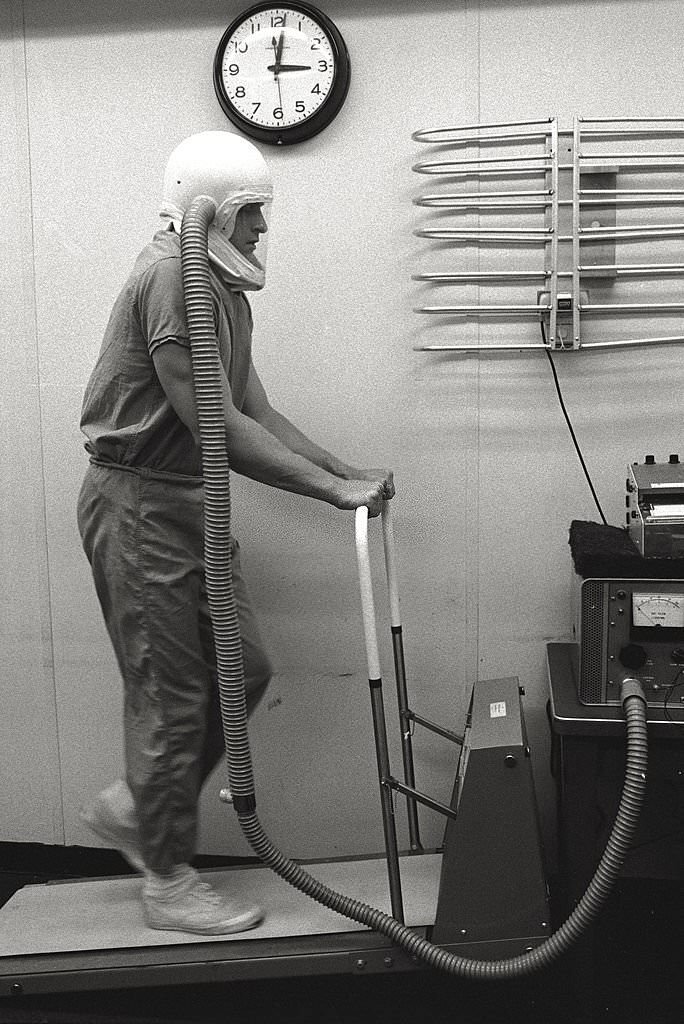
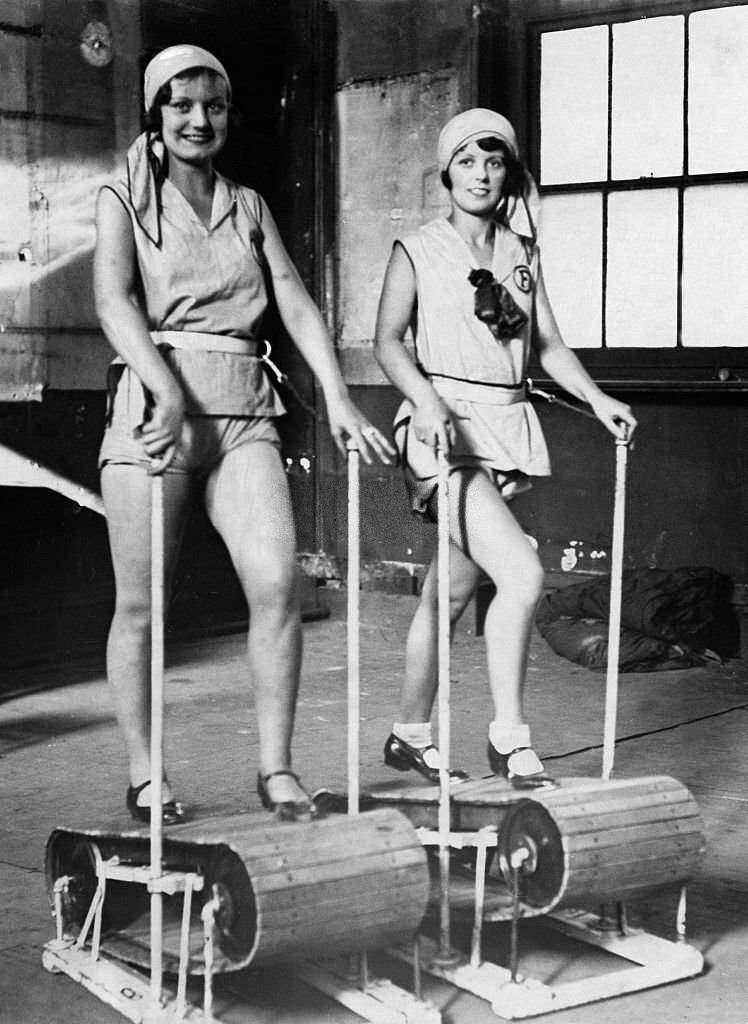
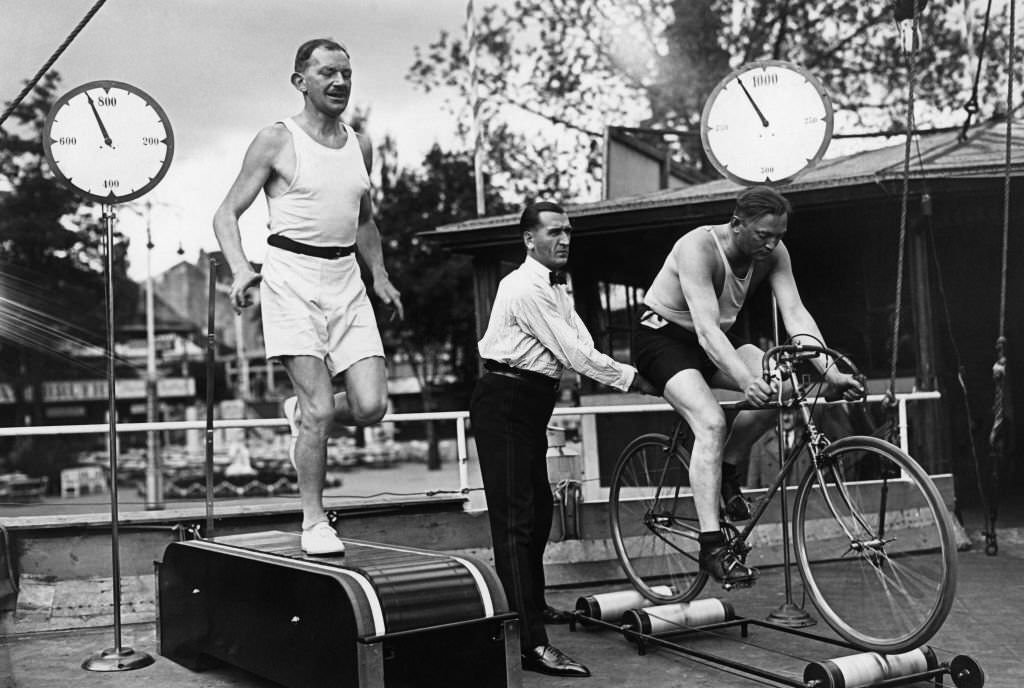
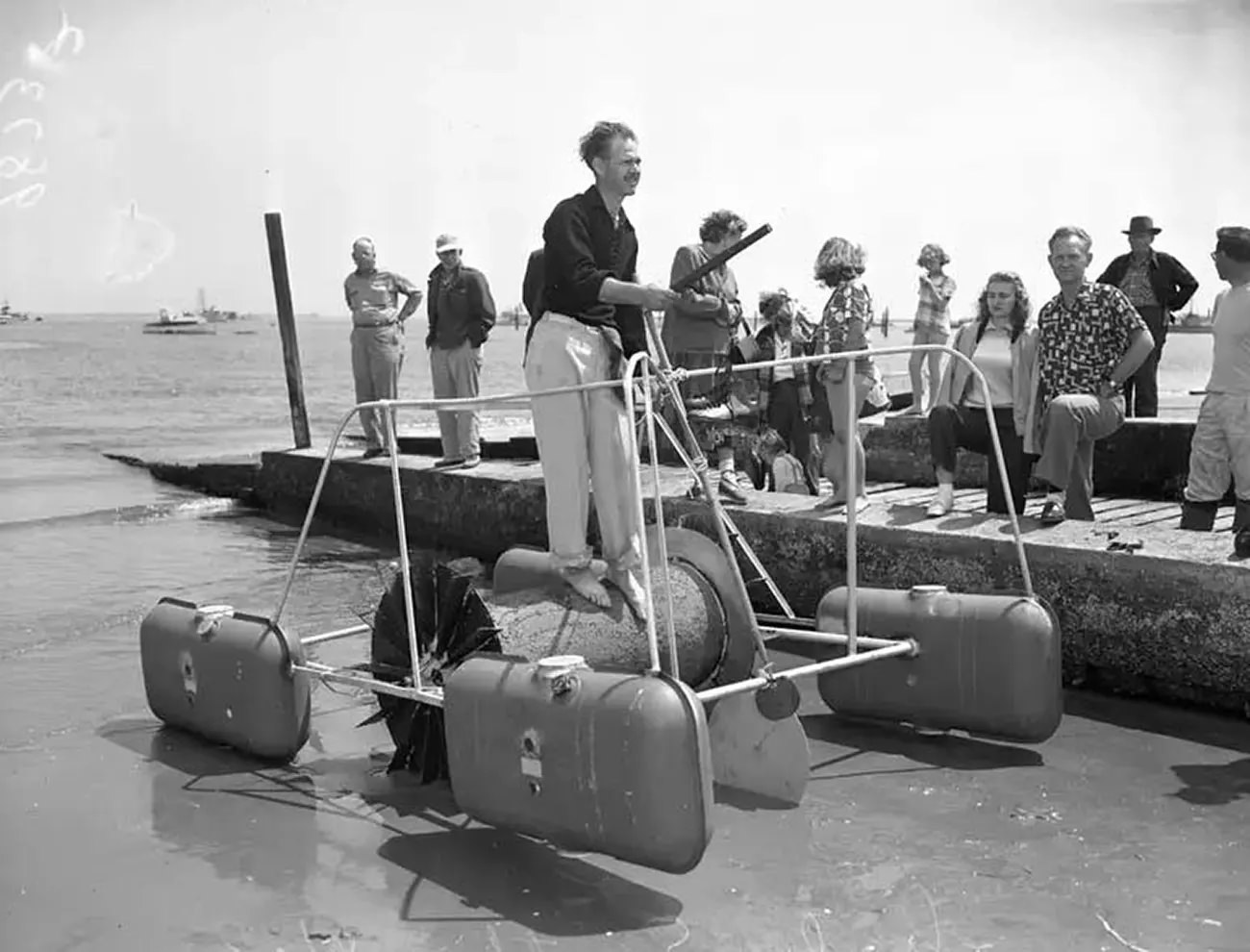
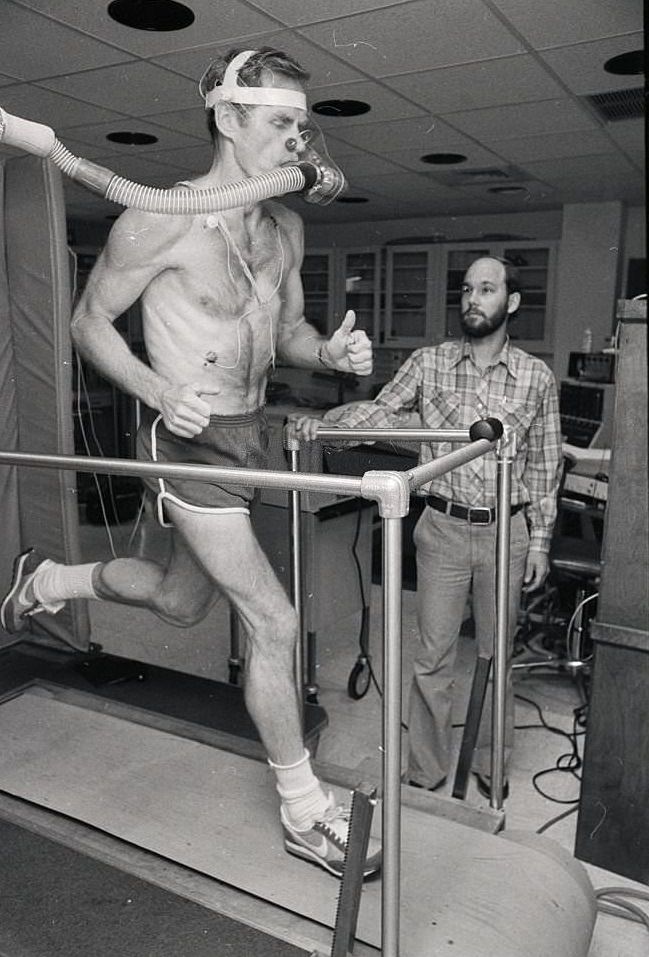
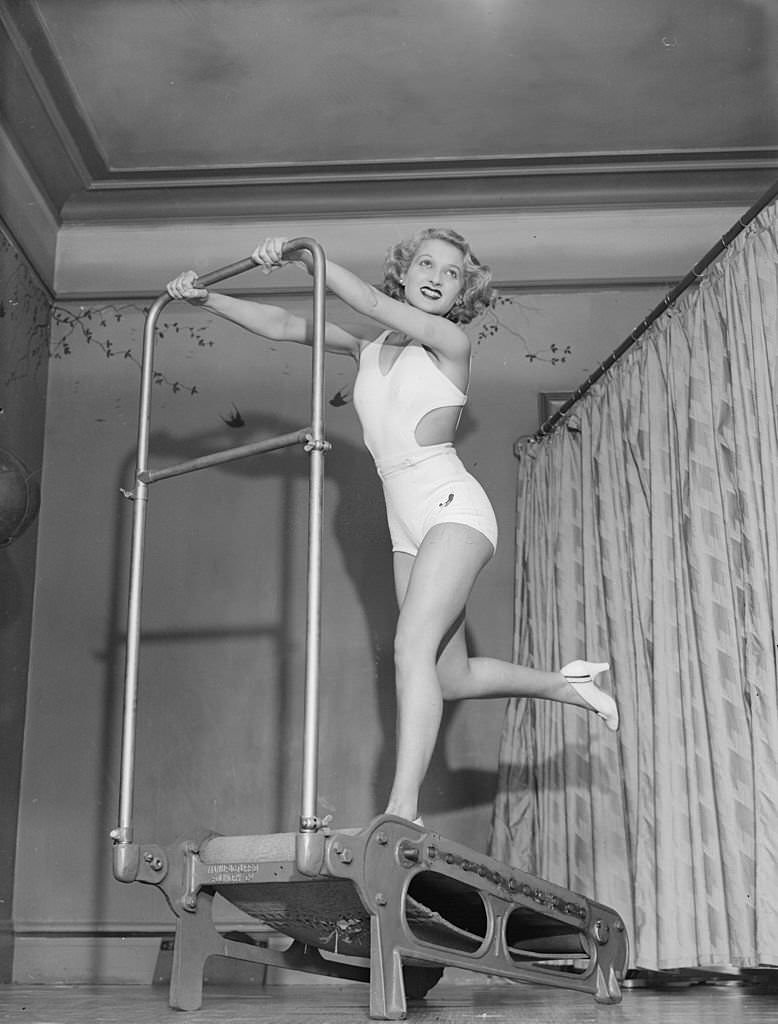
The treadmill as we know it has roots that go back further than most people realize. Introduced in 1875, the earliest treadmills were manufacturing tools, not fitness equipment. Dr. Robert A. Bruce began using treadmills for cardiac stress tests in 1952 at the University of Washington in Seattle. From there, the commercial fitness industry adapted the machine, and treadmills became common in homes and gyms throughout the 1960s. Early nautical treadmills from the 1950s show how the technology was being adapted for different settings long before it became standard gym equipment.
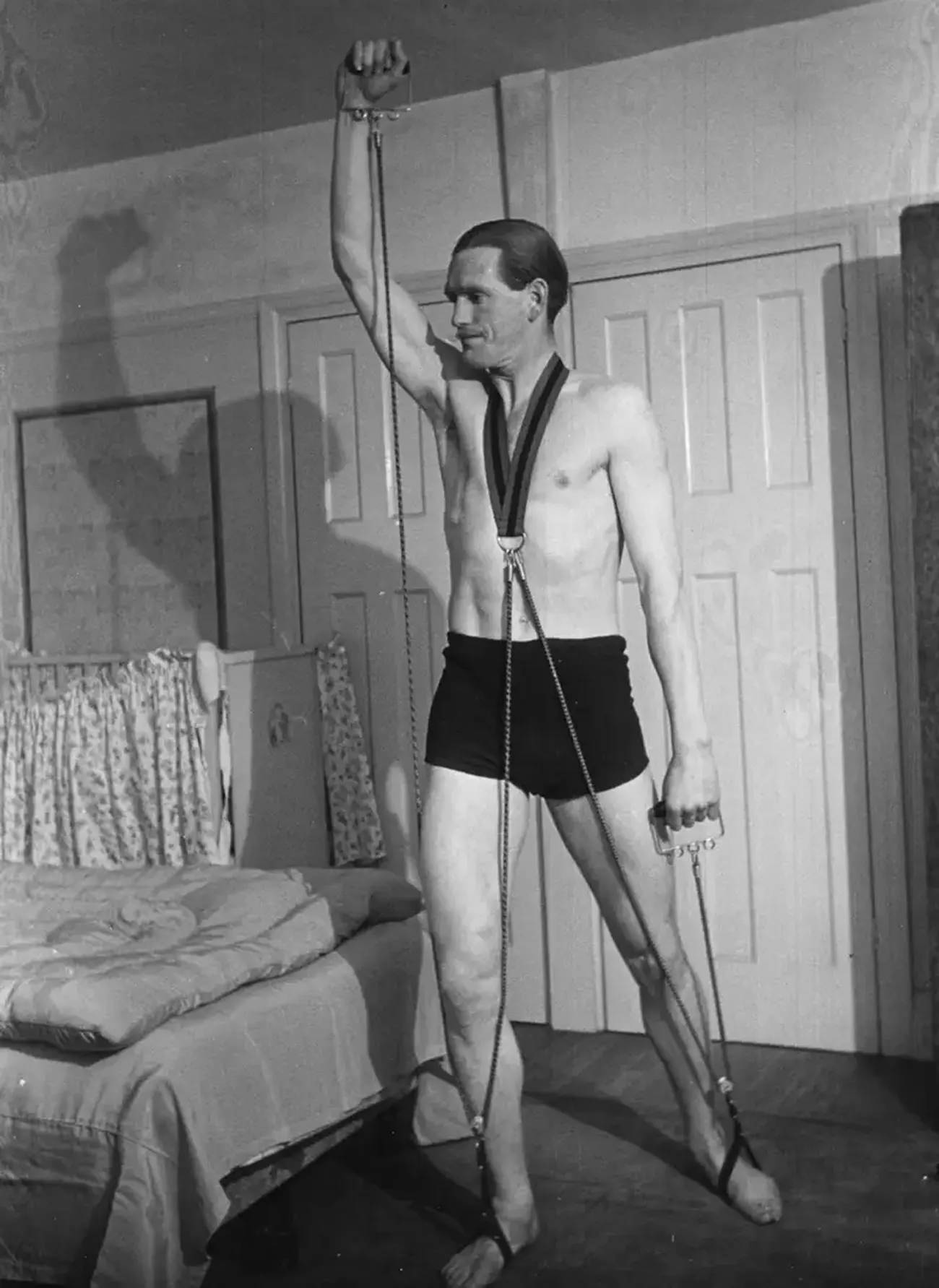
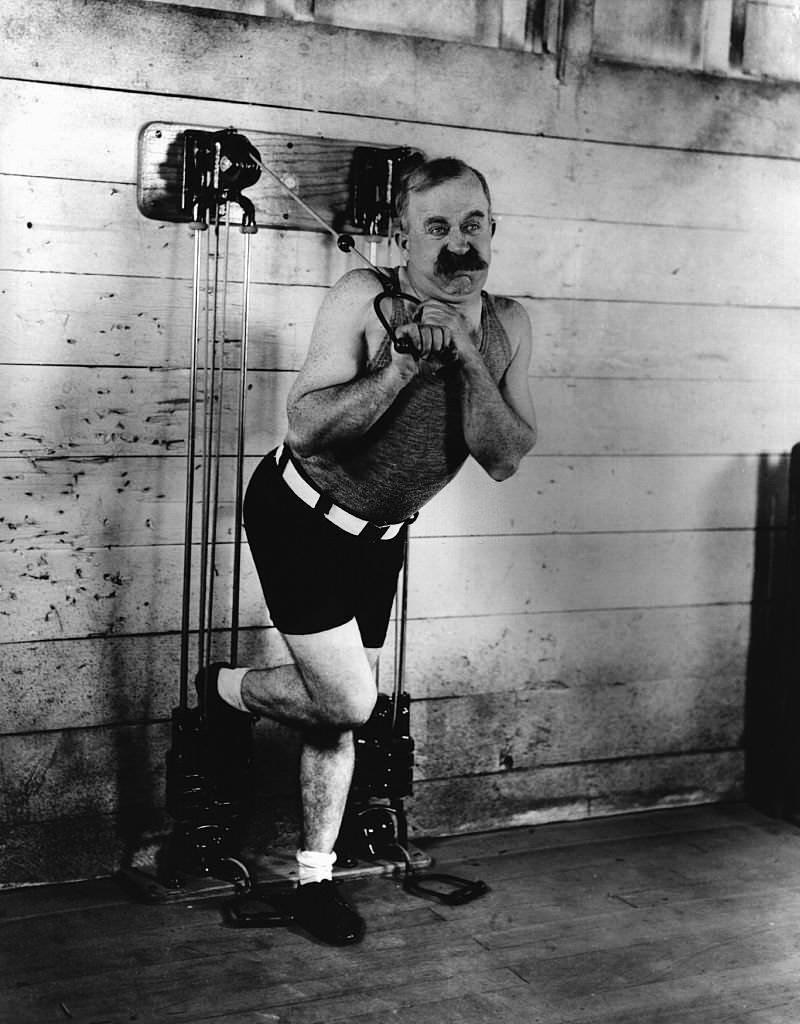
Fitness guru Jack LaLanne was a transformative figure during the 1950s. He developed the first cable-pulley machine, the Smith machine, and the first leg extension machine. Equipment based on these same mechanical principles is still used in gyms worldwide. In 1980, Dick Hartzell introduced resistance bands for functional training — elastic strips that create resistance when stretched. Manufacturers later added handles and anchors, turning them into portable alternatives to free weights.
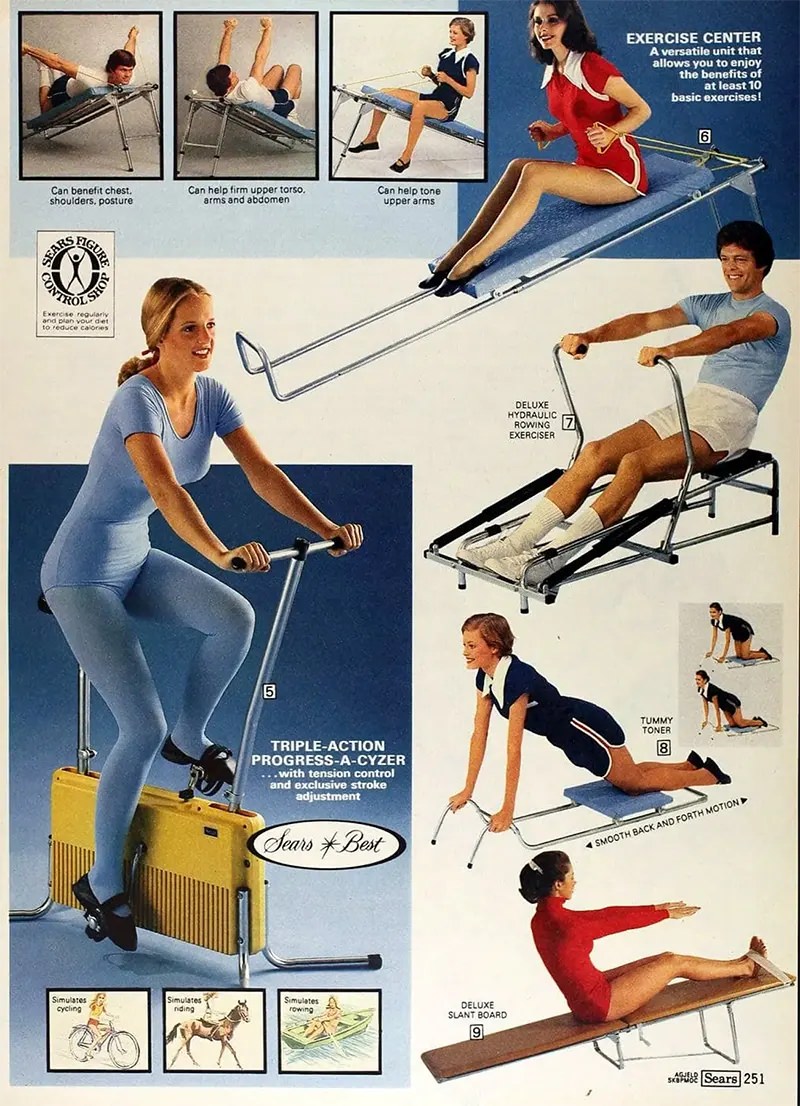
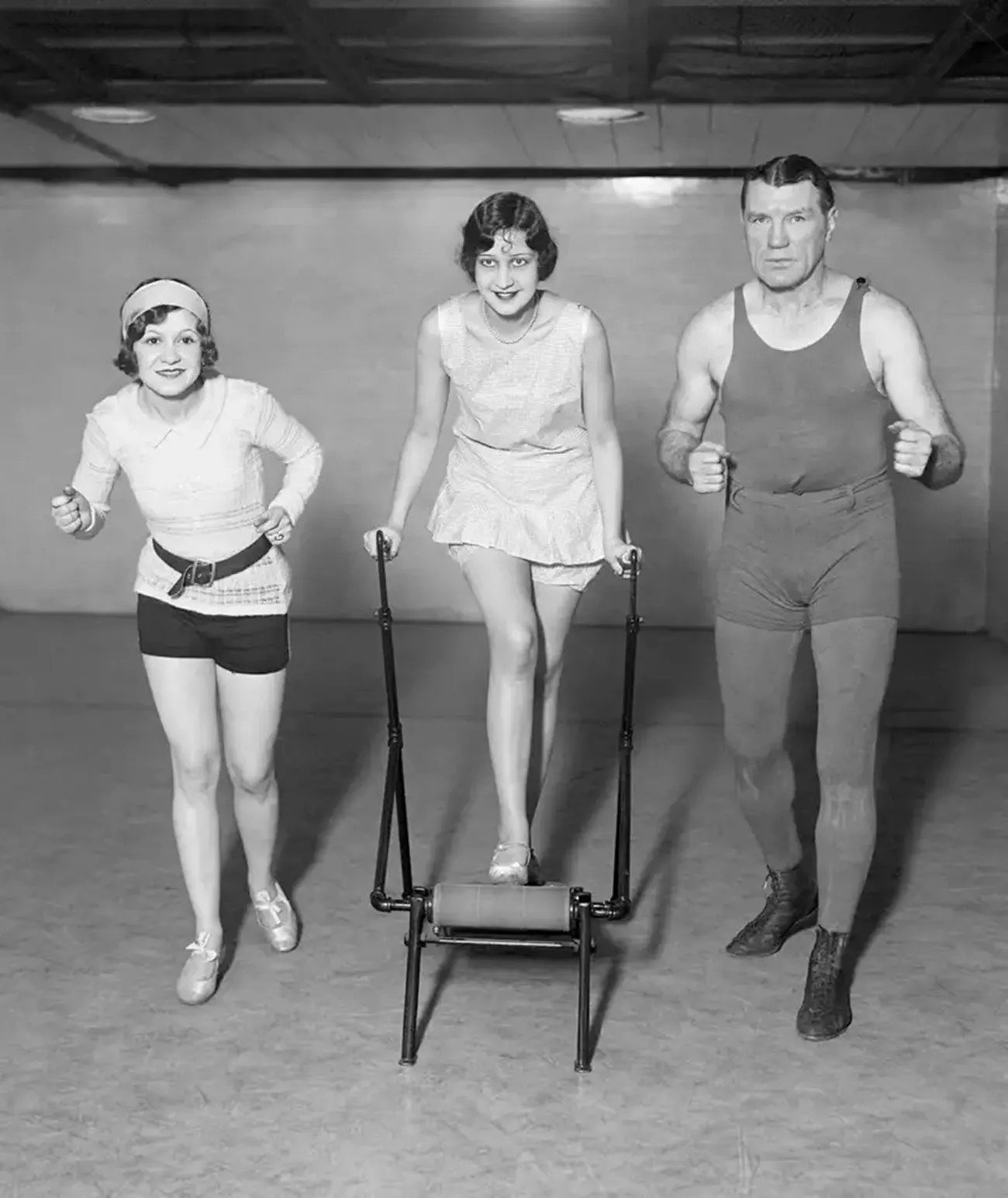
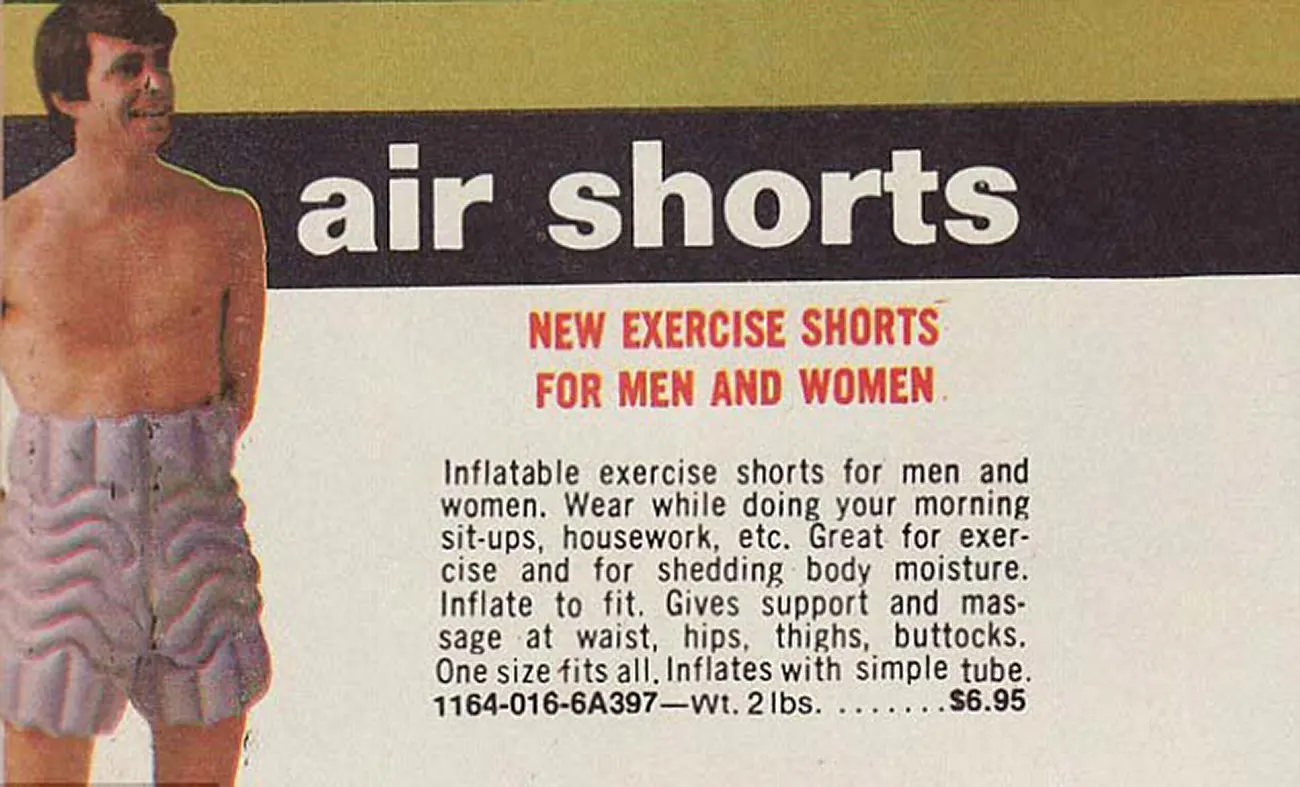
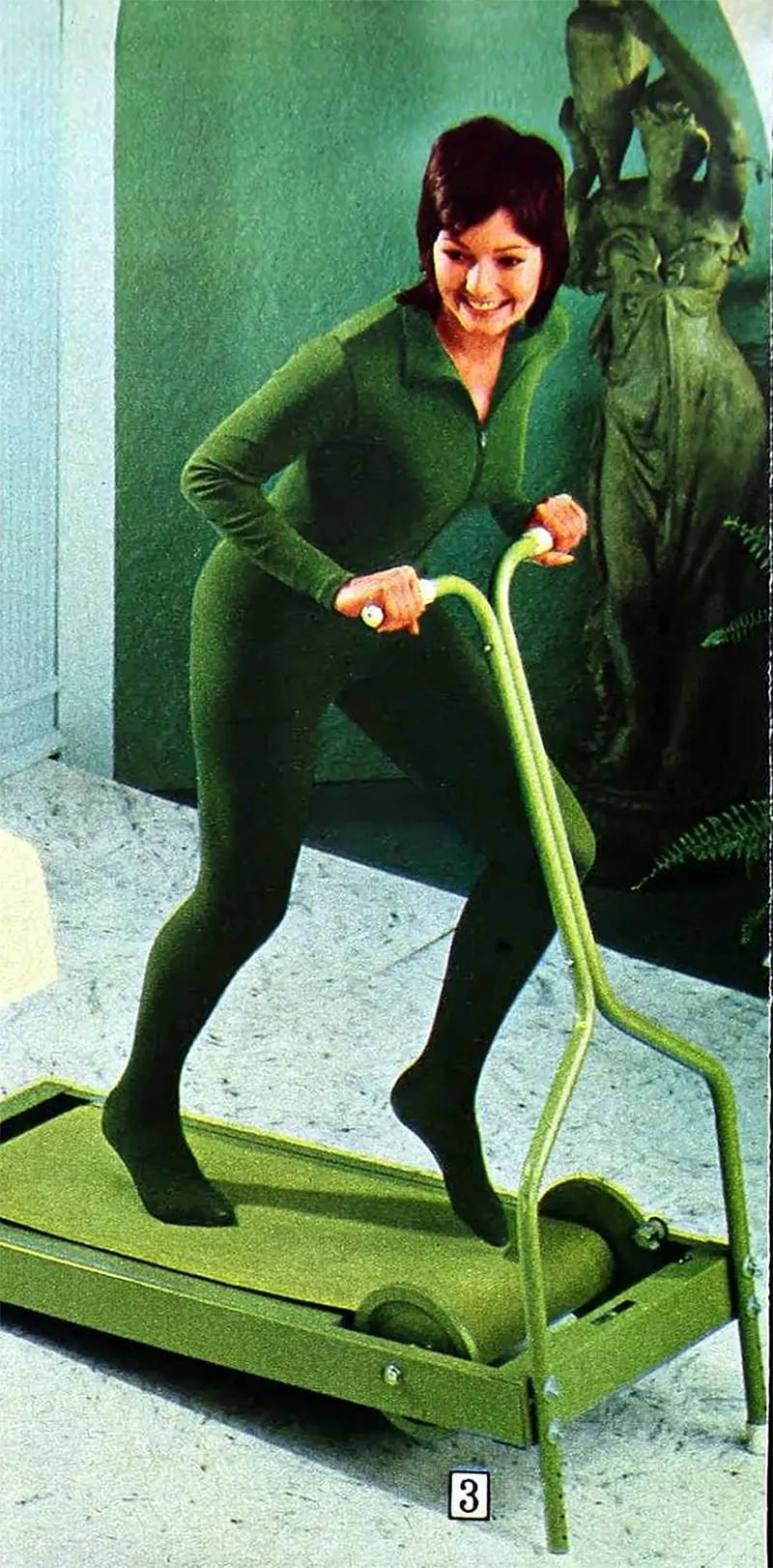
Portable saunas continued to evolve and sell well into the late 1960s, appearing in updated designs that were marketed to a new generation of consumers. Inflatable fitness products also appeared on the market, including Air Shorts — inflatable pants that claimed to support the back and shed weight at the same time. The Glide-A-Matic exerciser, a lawnmower-style treadmill operated by foot power, brought a DIY quality to home fitness that captured the era’s spirit of mechanical invention.
The Las Picas apparatus gained popularity in the late 1960s as a flexibility device. Users contorted themselves into extreme positions using the machine’s framework — a far cry from the passive belt-shaking gadgets of the previous generation. Meanwhile, retro roller massagers similar in concept to the old Slendo machine continued to appear, showing how persistent these ideas were across decades.
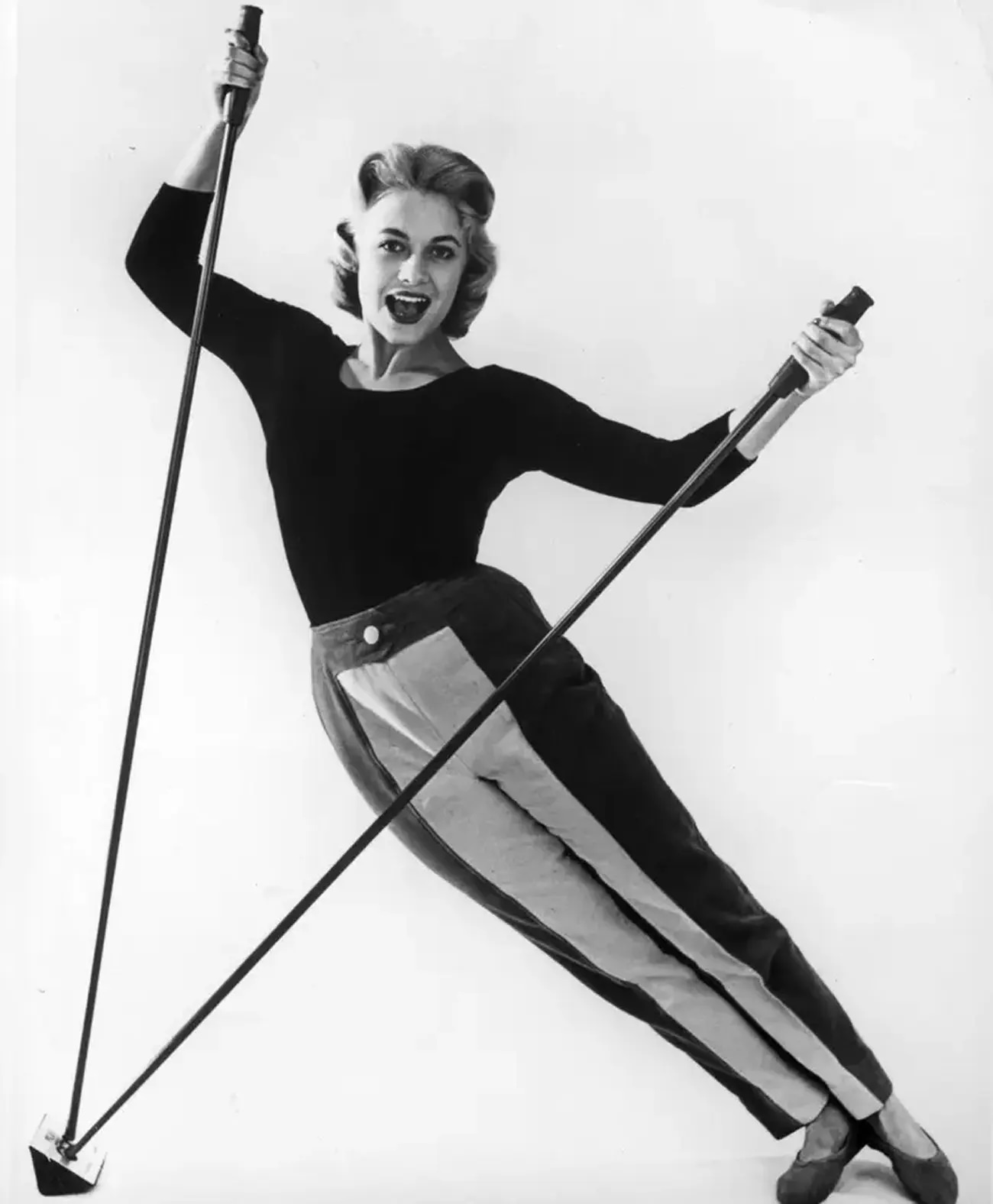
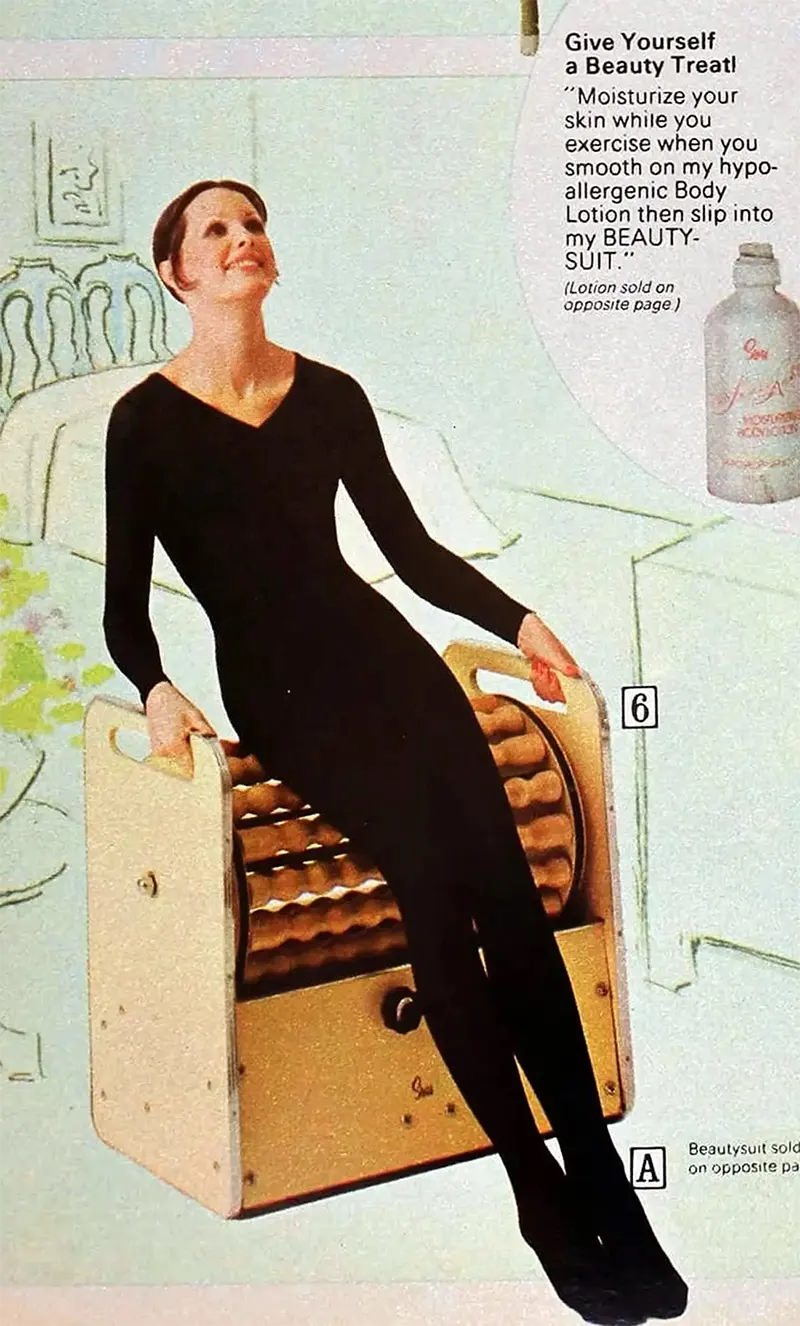
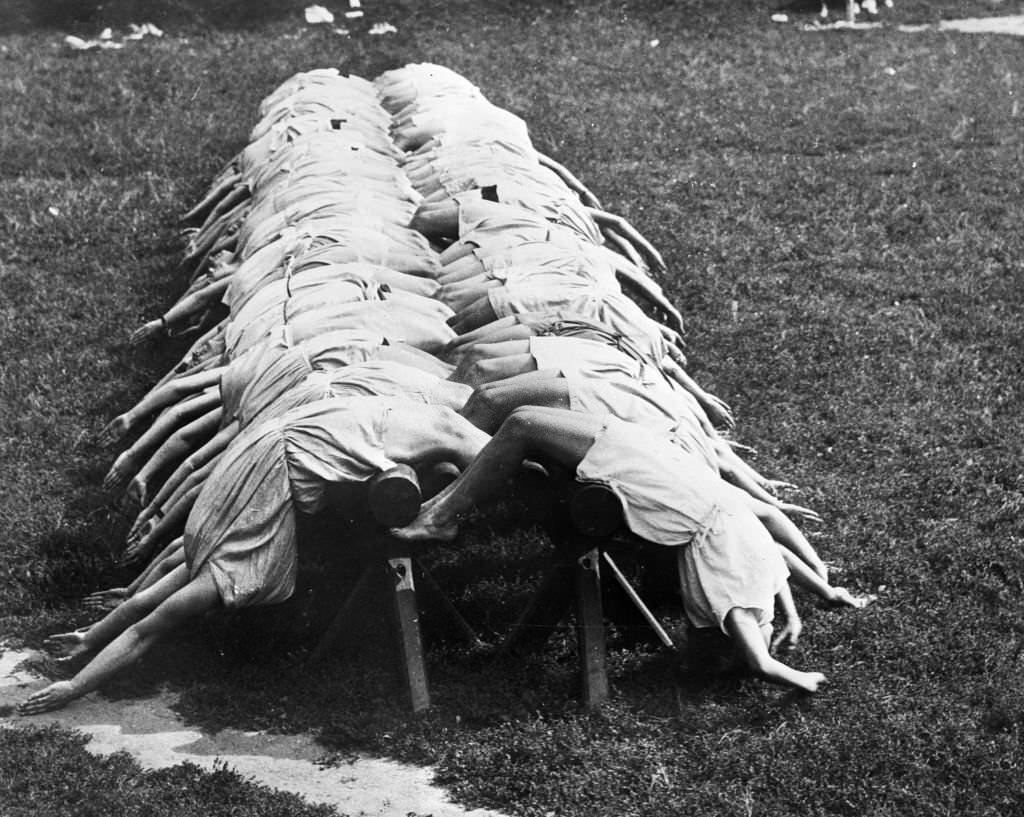
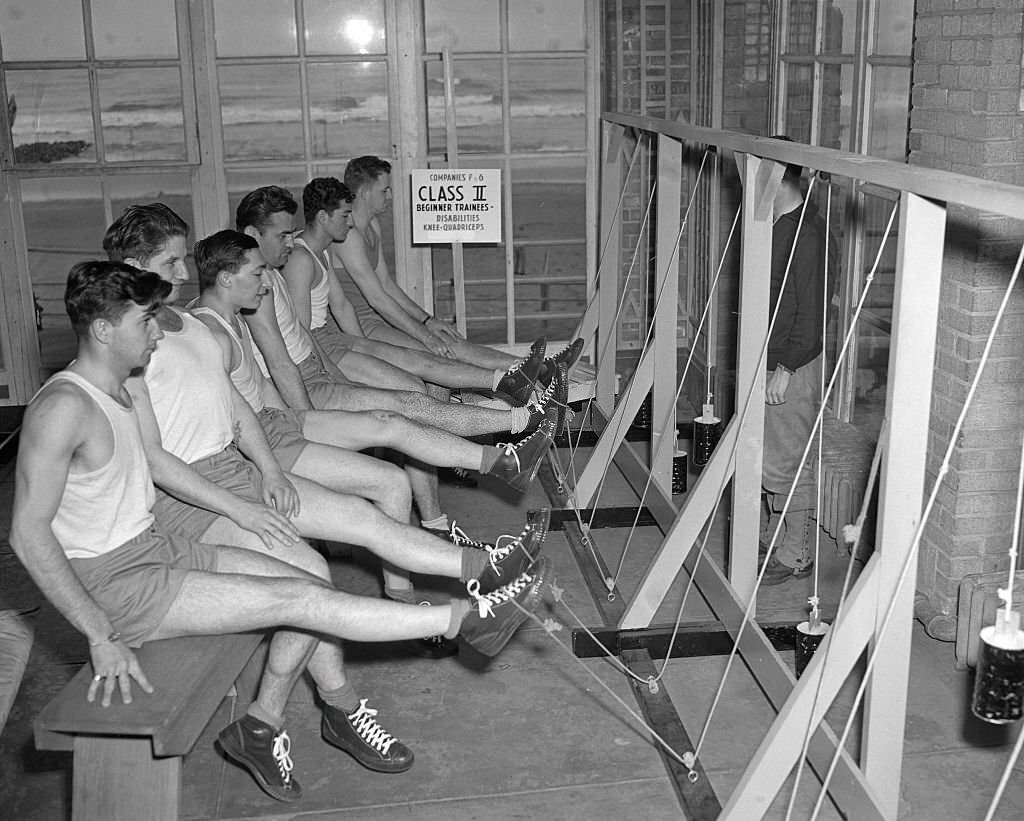
Across all these decades, one thread runs consistently through fitness culture: the desire for results with as little effort as possible. Alongside every legitimate advancement in exercise science, there was always a machine ready to promise the same results without the sweat. Mothers learned structured exercise routines in 1918 to pass motor skills on to their children. French schoolteachers trained in difficult gymnastics techniques at government institutes in the 1930s. American soldiers rehabilitated injured legs at military hospitals. Real, hard physical training existed in parallel with every passive gadget ever sold — the two worlds simply served different audiences.