Long before treadmills, cable machines, and weight stations filled commercial gyms, a Swedish doctor named Gustav Zander was already building mechanical devices to exercise and heal the human body. Working in Stockholm in the mid-1800s, Zander designed nearly one hundred machines that used weights and levers to target specific muscle groups. His work was not a novelty act — it was a direct response to a society that was rapidly changing.
As industrialization spread across Europe and North America in the mid-19th century, more people shifted away from physical labor. Factory work, office jobs, and city life made sedentary routines the norm. People began suffering from the consequences: poor posture, weakened muscles, joint problems, and general physical decline. Zander saw this and acted. In 1857, he began developing his system of mechanical exercise, and by 1865 he had opened his first formal institute in Stockholm.
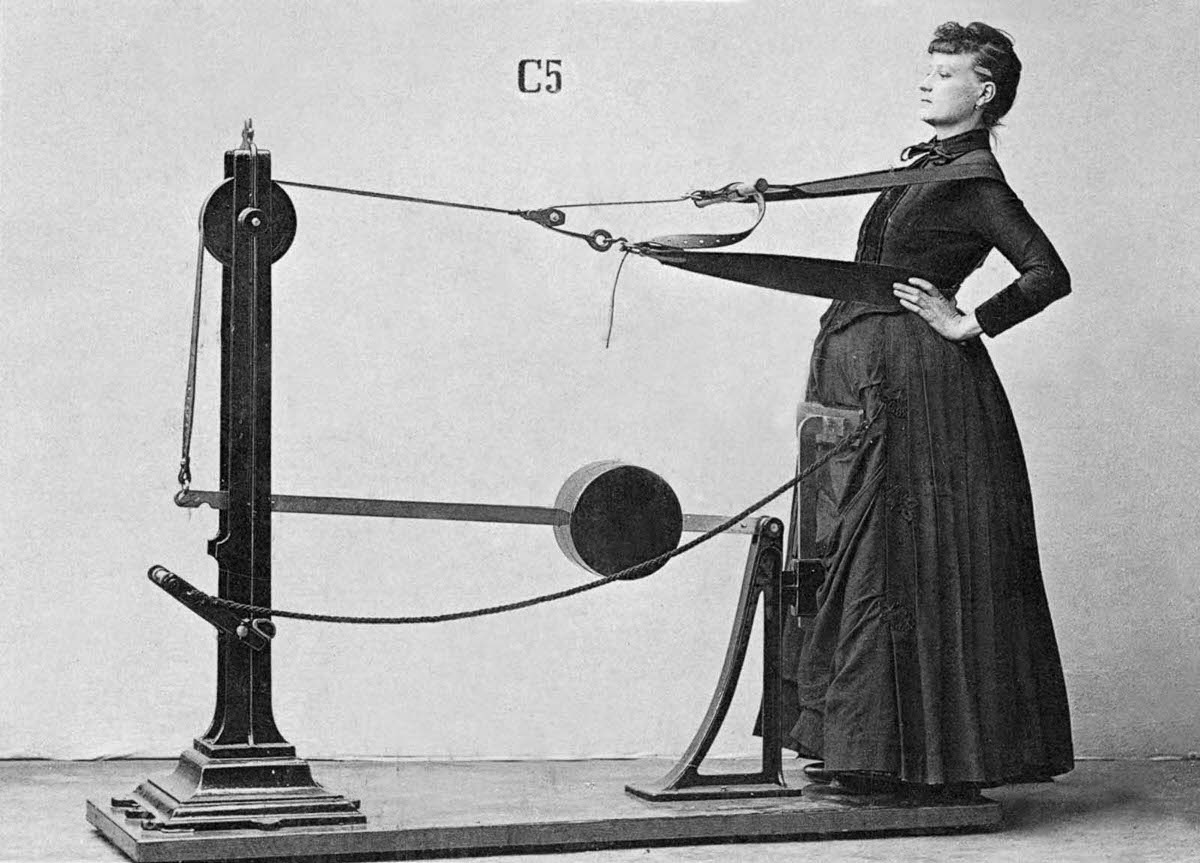
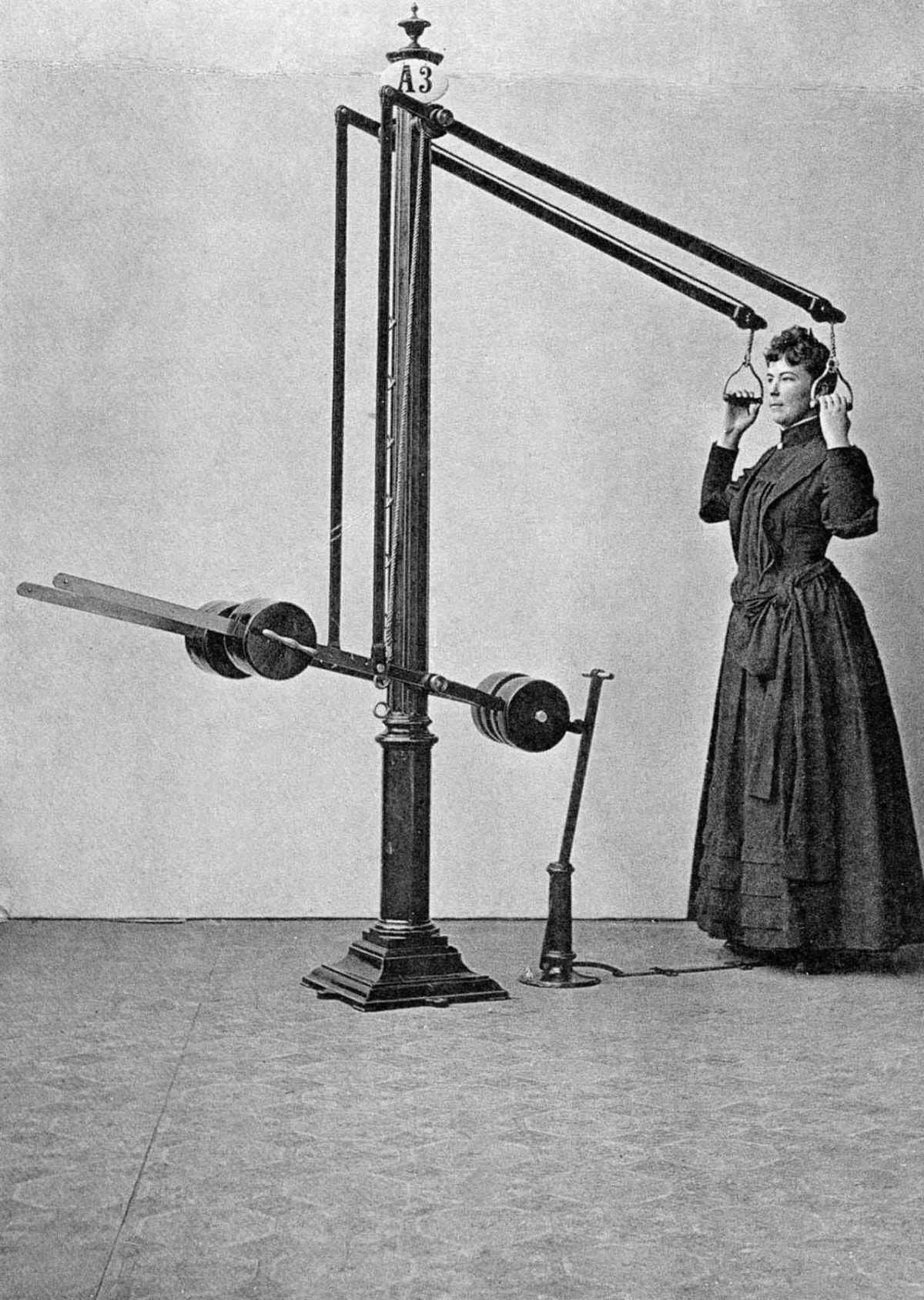
Zander’s machines were built on a straightforward mechanical principle. Each one used a lever arm with a sliding weight. Moving the weight toward the far end of the lever increased resistance, forcing the muscle to work harder. Sliding it closer reduced the load. This made it possible to adjust the difficulty for each individual patient — a child recovering from an injury, an adult with a spinal deformity, or someone simply trying to build strength. The logic behind it is nearly identical to what modern gym machines use today.
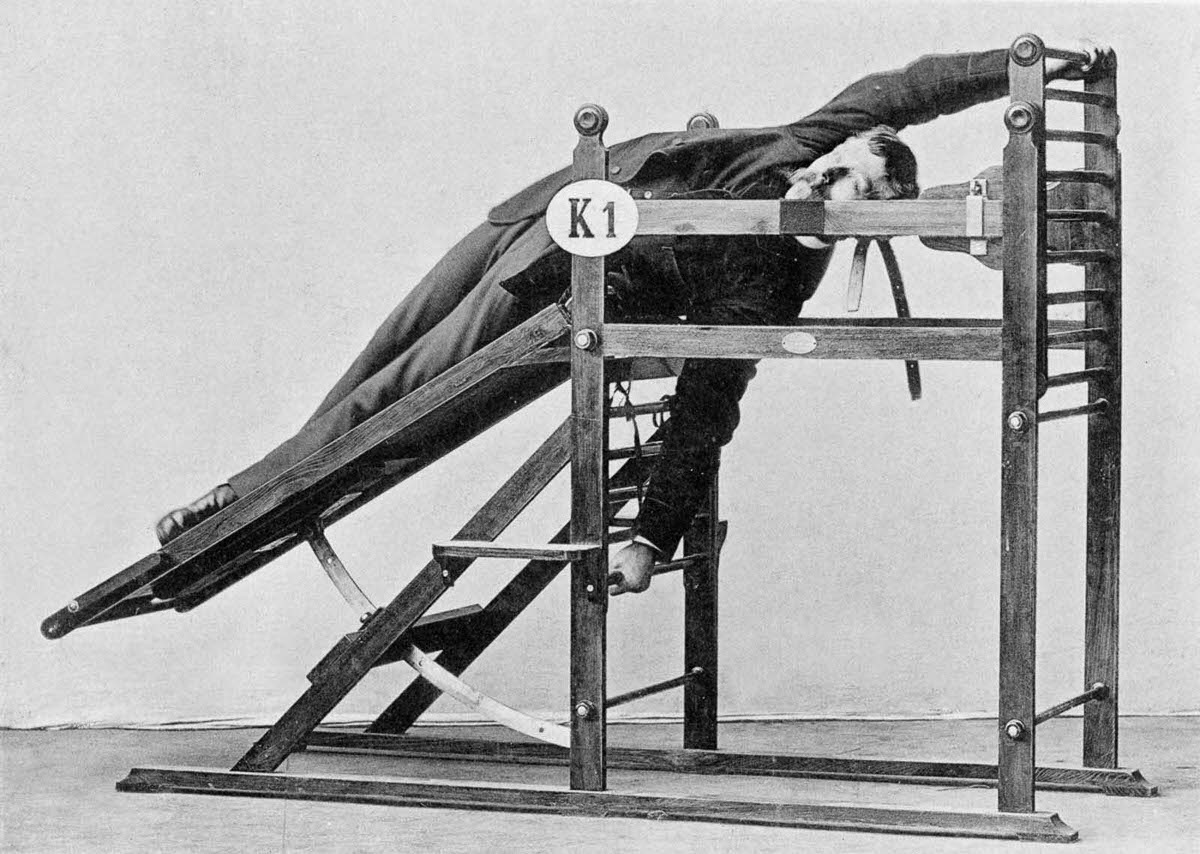
Zander’s institute in Stockholm was not a gym in the casual sense. It functioned more like a medical facility. Patients came in for prescribed courses of mechanical exercise aimed at correcting specific physical problems. His machines addressed everything from weak arms and tight shoulders to spinal misalignment and poor circulation. Each device was purpose-built for a particular part of the body or a particular therapeutic goal.
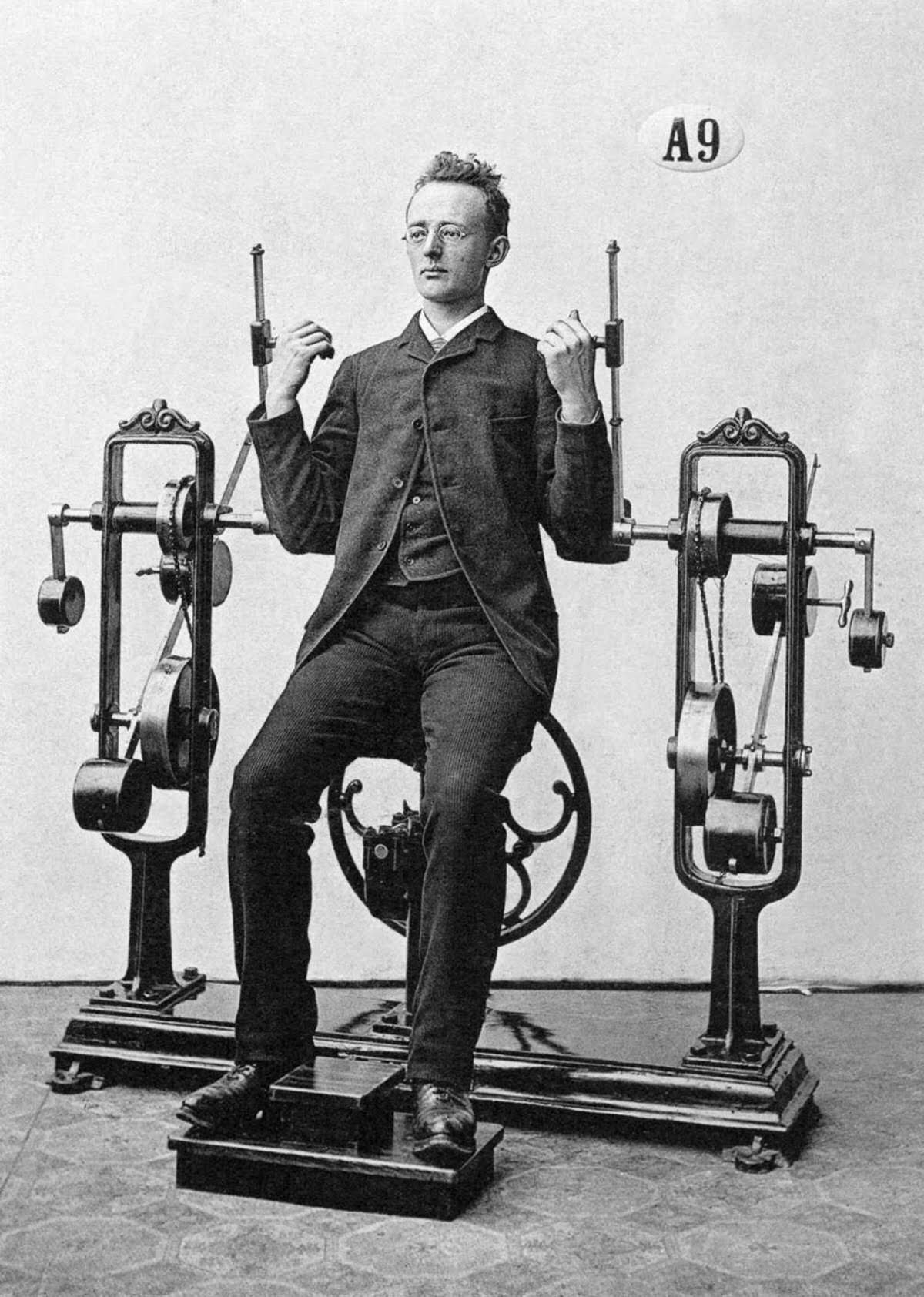
Some of his machines went beyond simple strength training. Zander built vibrating devices and mechanical massage apparatuses to treat conditions that today would be handled very differently. Physicians of the era believed that mechanical stimulation could regulate internal organ function, improve digestion, and calm the nervous system.
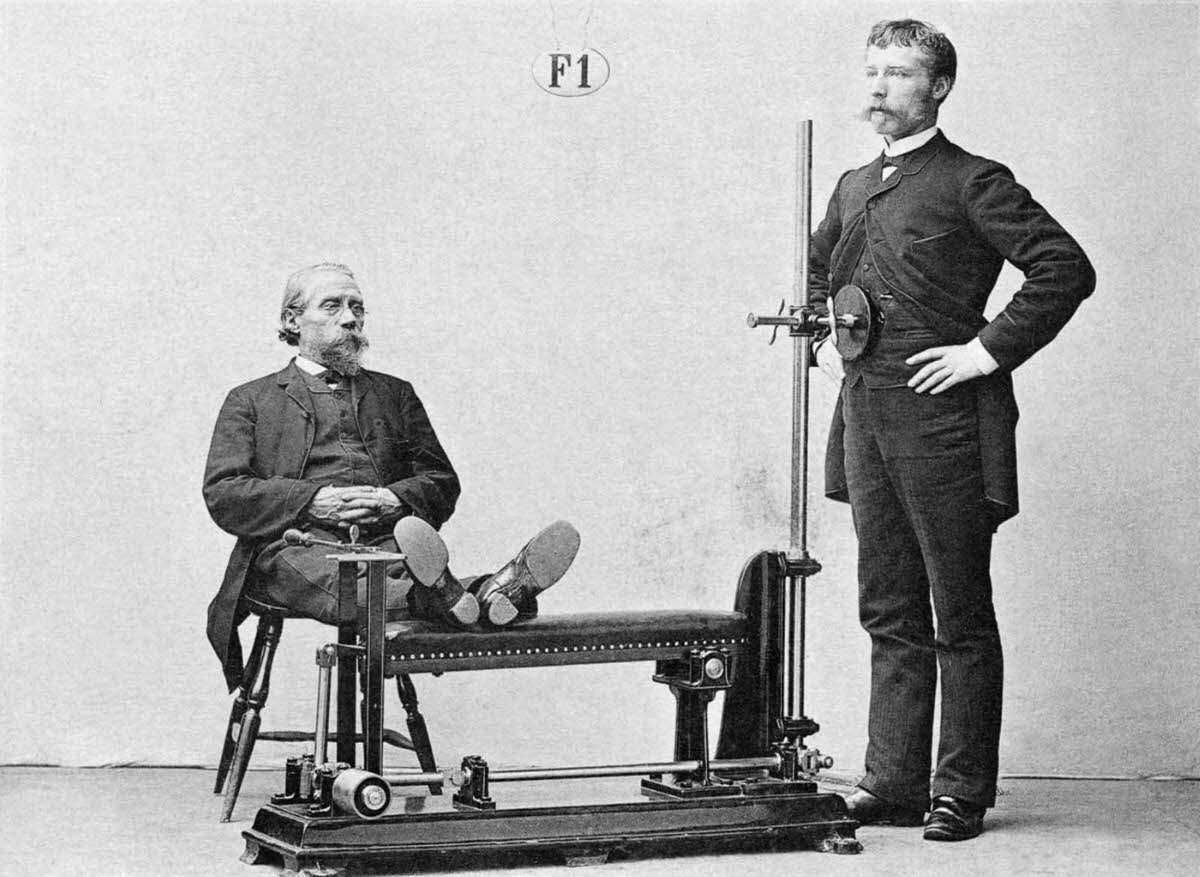
Measurement was also central to Zander’s approach. He understood that tracking physical changes was essential to proving that his methods worked. His institute included specialized measuring devices that recorded the exact dimensions and shape of a patient’s torso, spine, and limbs. These readings were taken before, during, and after treatment to document progress.
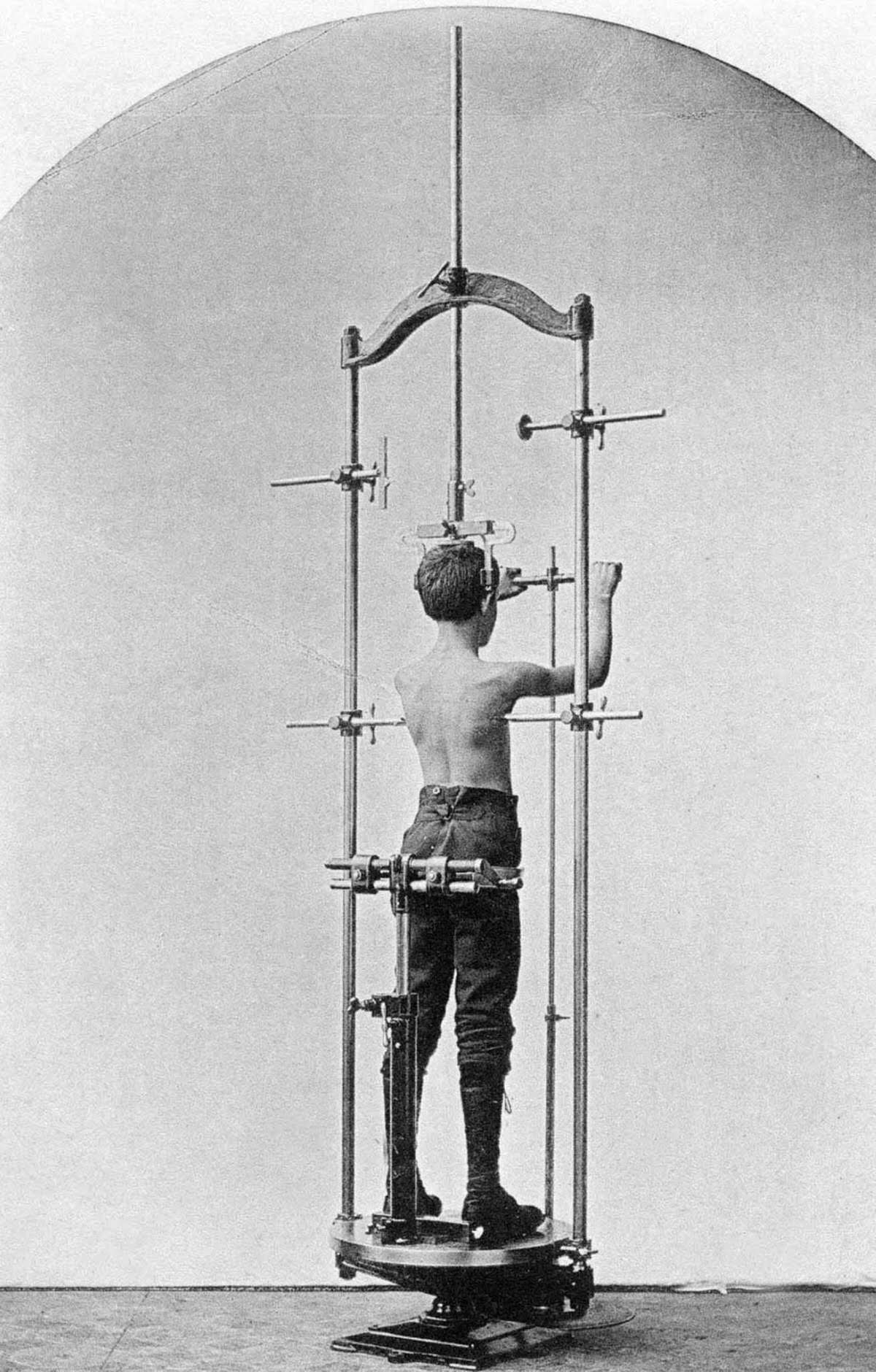
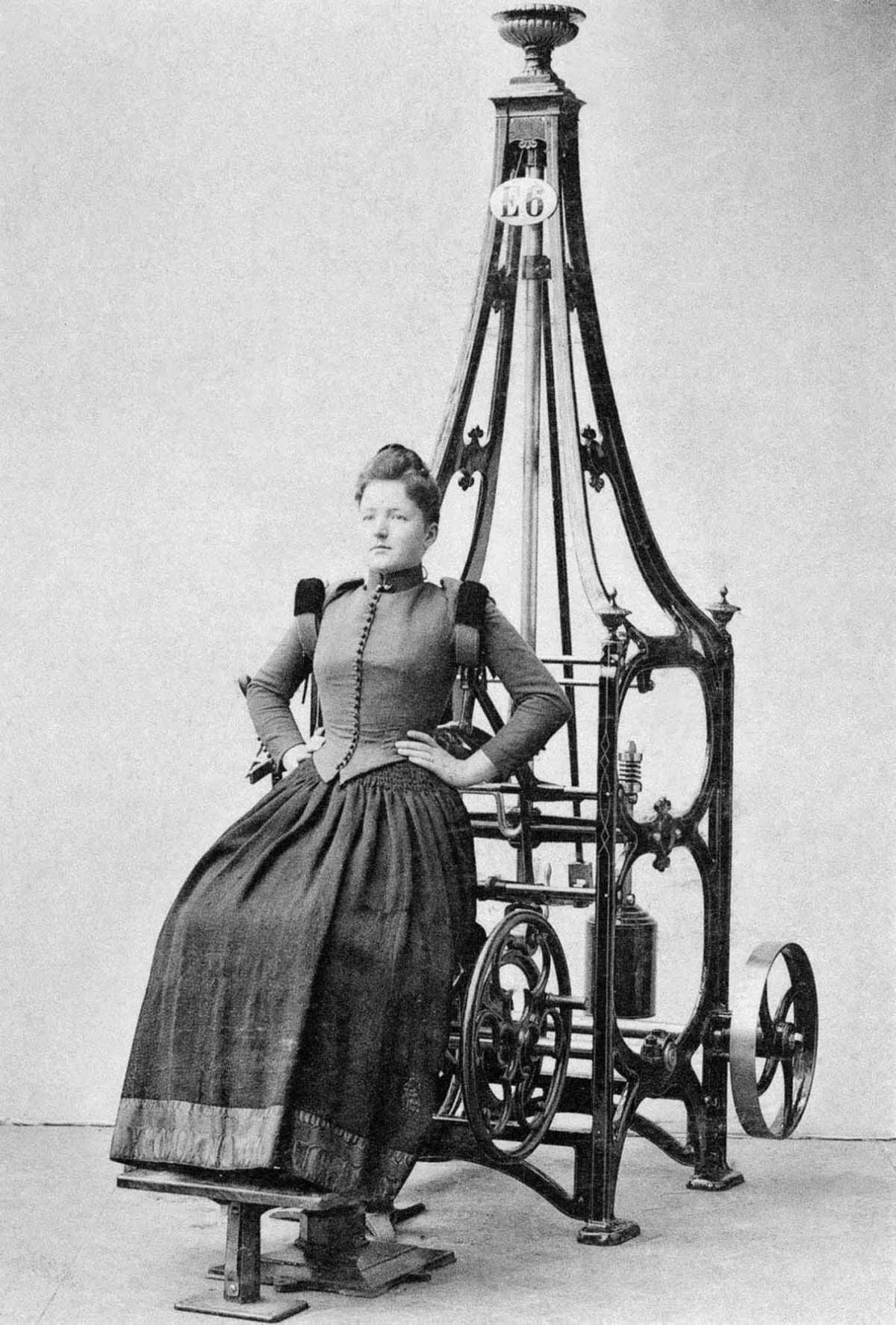
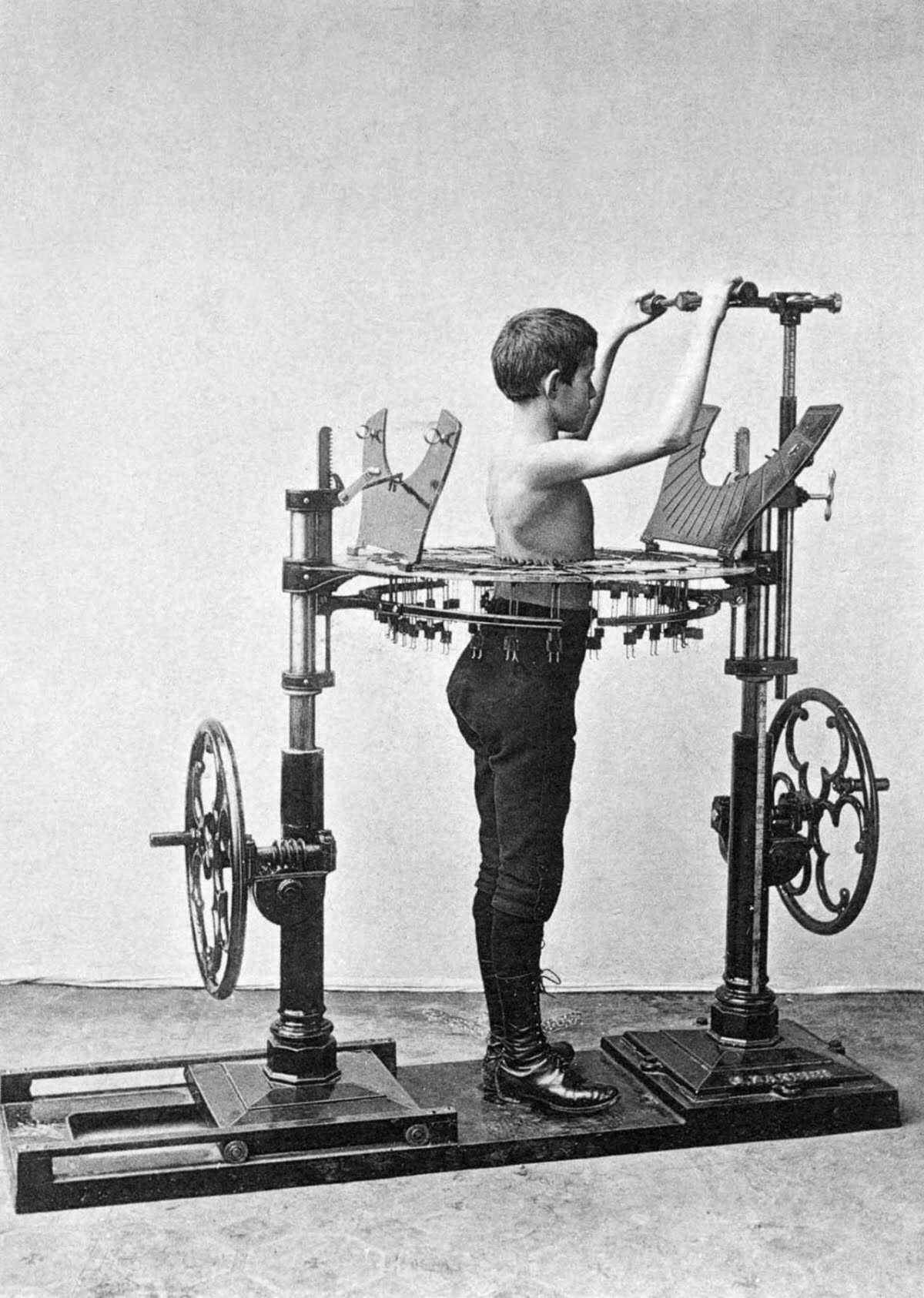
The variety of machines Zander produced was remarkable. Some were designed to correct imbalances in the skeleton and soft tissue. Others were built to treat the spine, realign the ribcage, or improve the mobility of the shoulder joint. Many of the photographs of his machines show both adults and children using them, which speaks to how broadly he intended his system to apply.
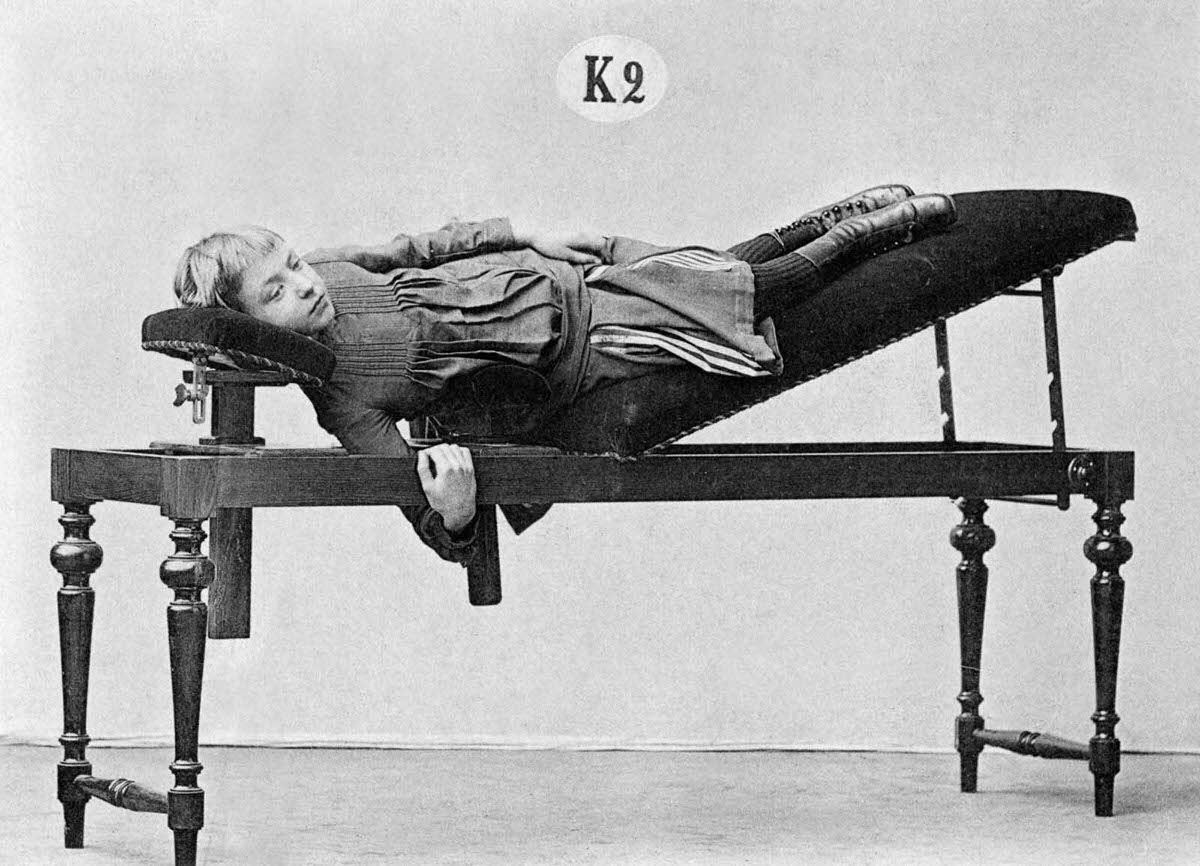
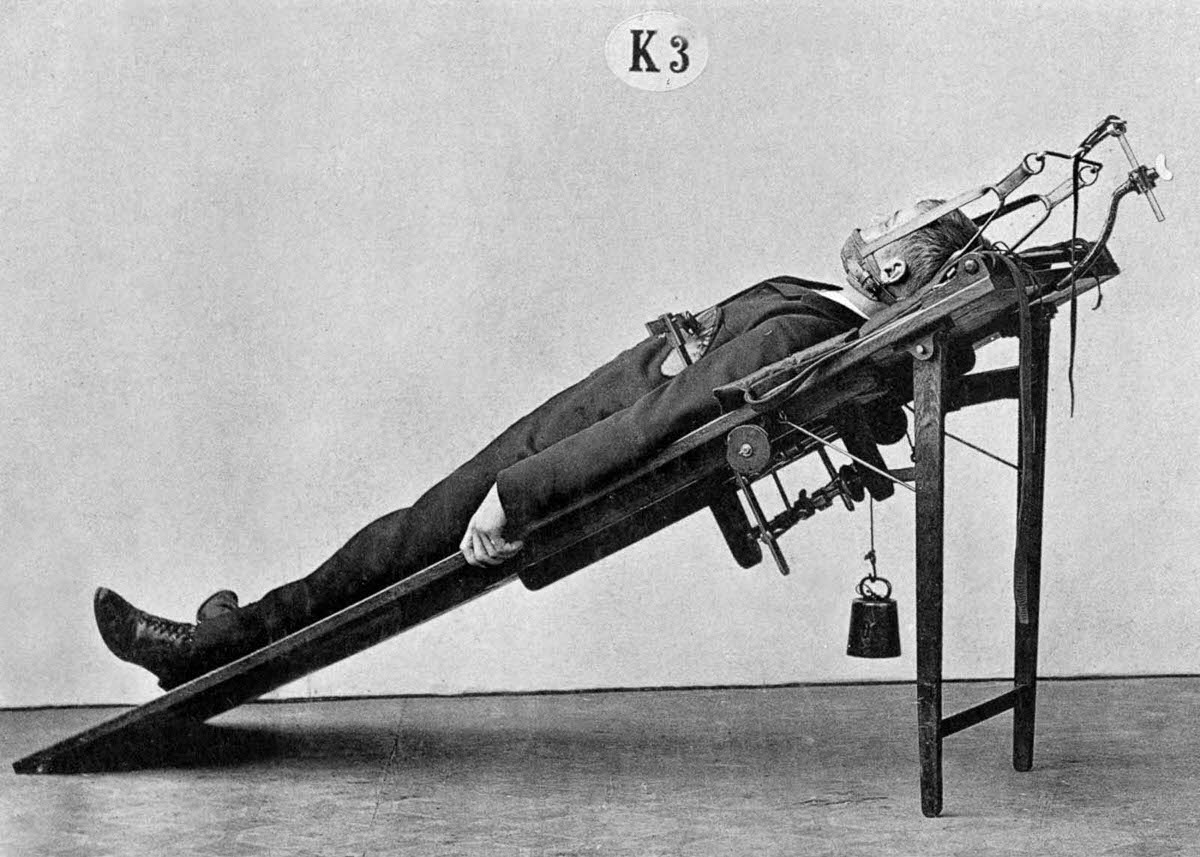
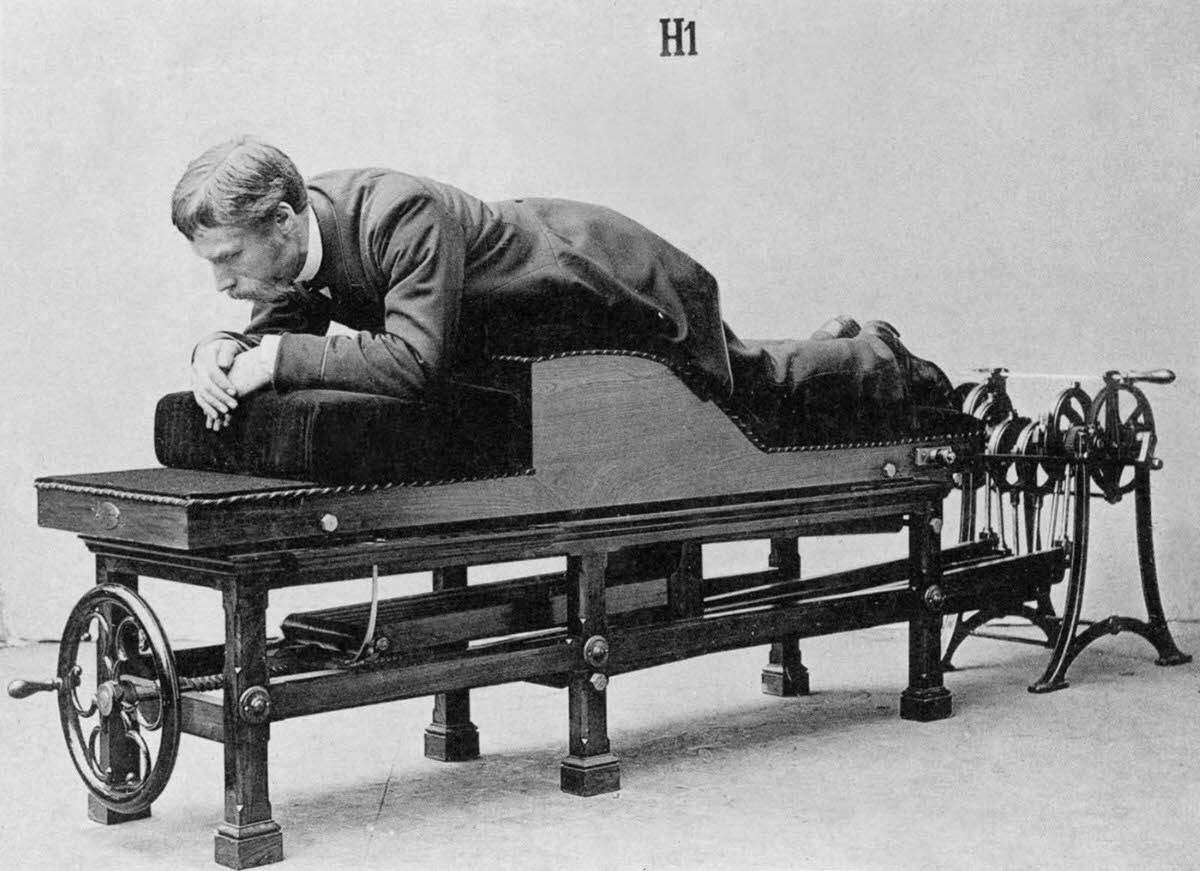
Mechanical massage was a major part of the Zander system. Several machines were built specifically to knead, press, or vibrate different areas of the body. The abdomen, the lower back, and the stomach each had dedicated devices. These were not luxury treatments — they were prescribed interventions meant to address documented medical complaints.
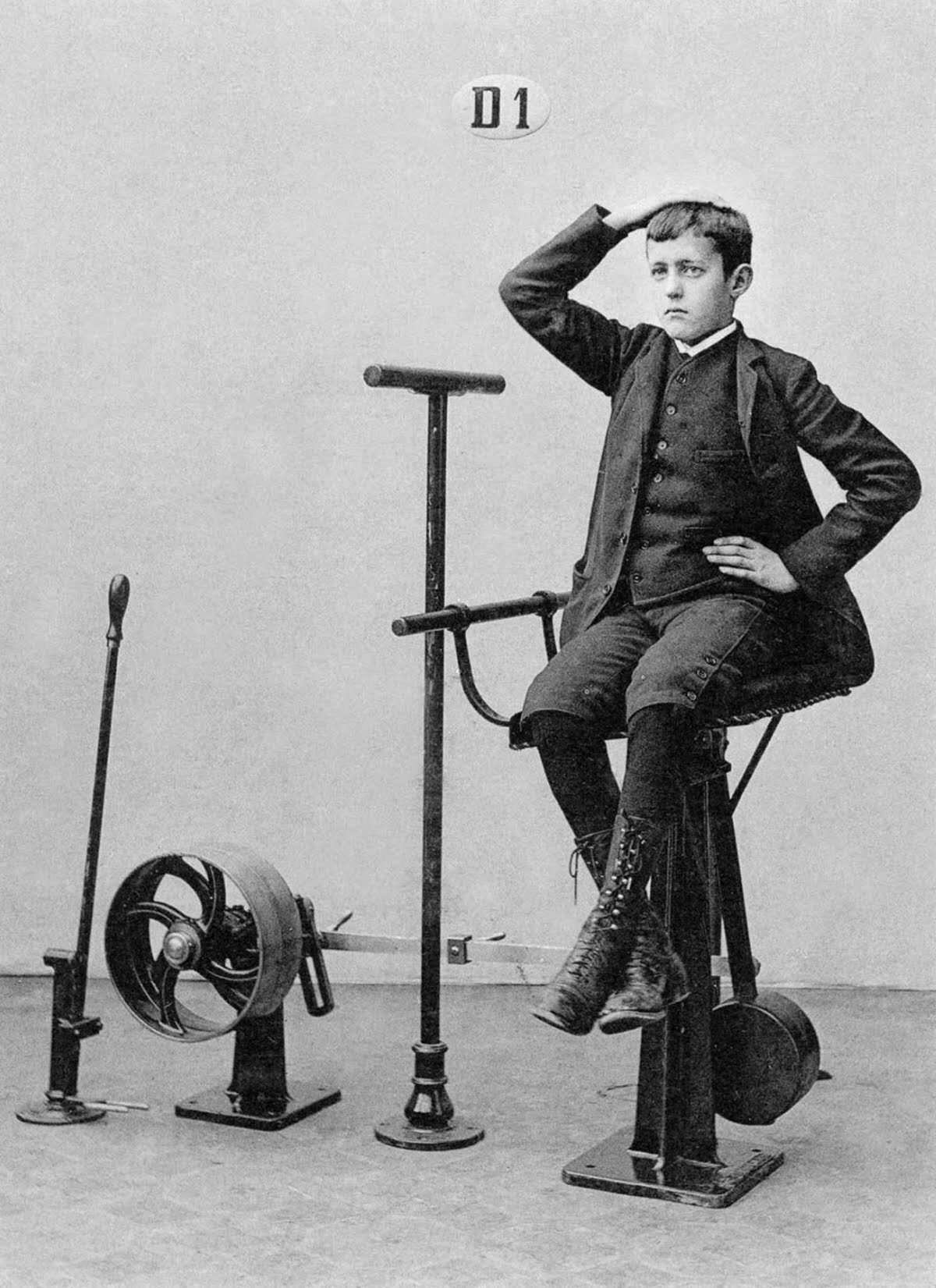
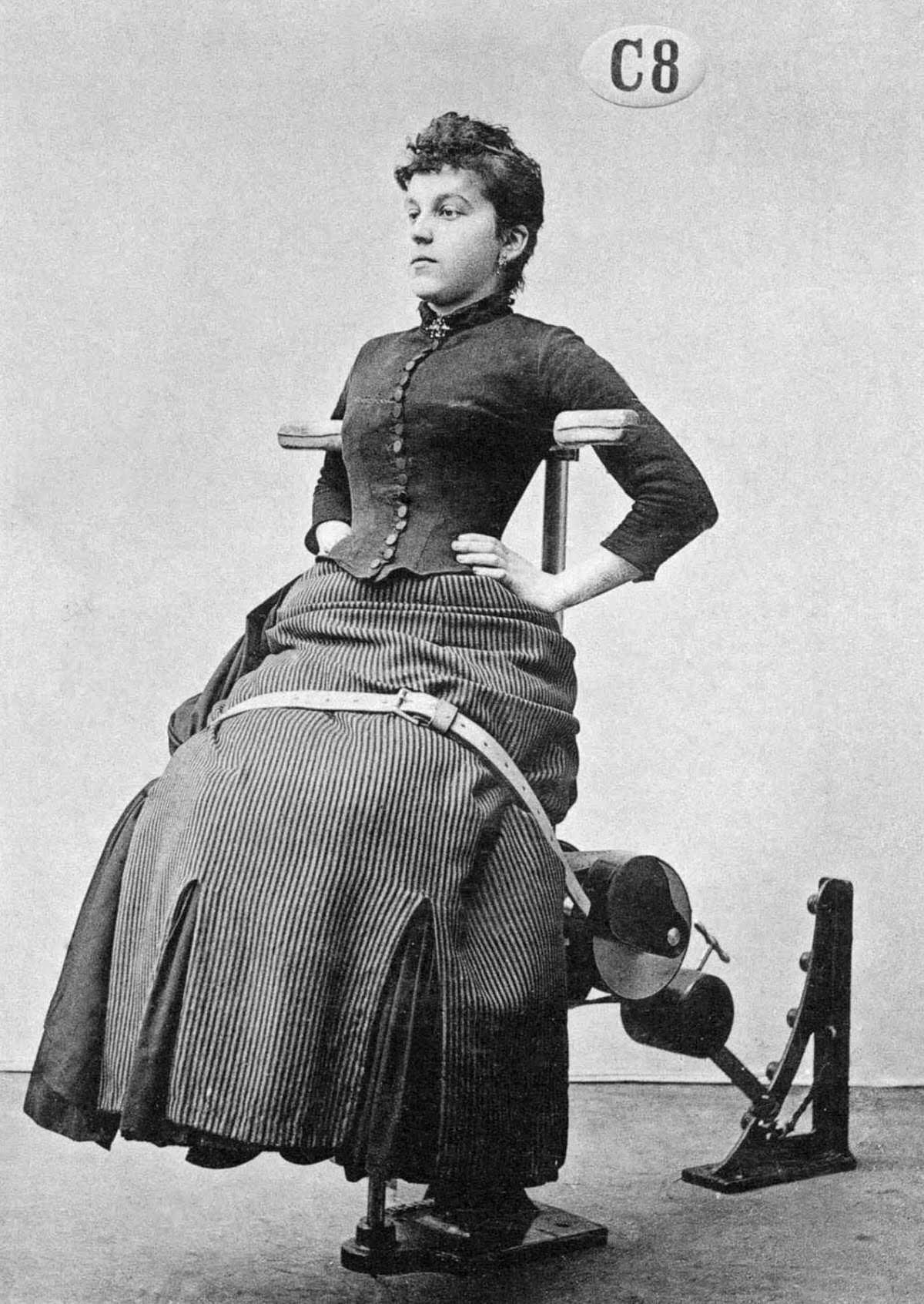
Children featured prominently in Zander’s work. His institute treated young patients with postural problems, muscular underdevelopment, and skeletal irregularities. The machines were adjustable enough to accommodate smaller bodies, and photographs from the period show boys and girls using the equipment as part of structured therapy sessions.
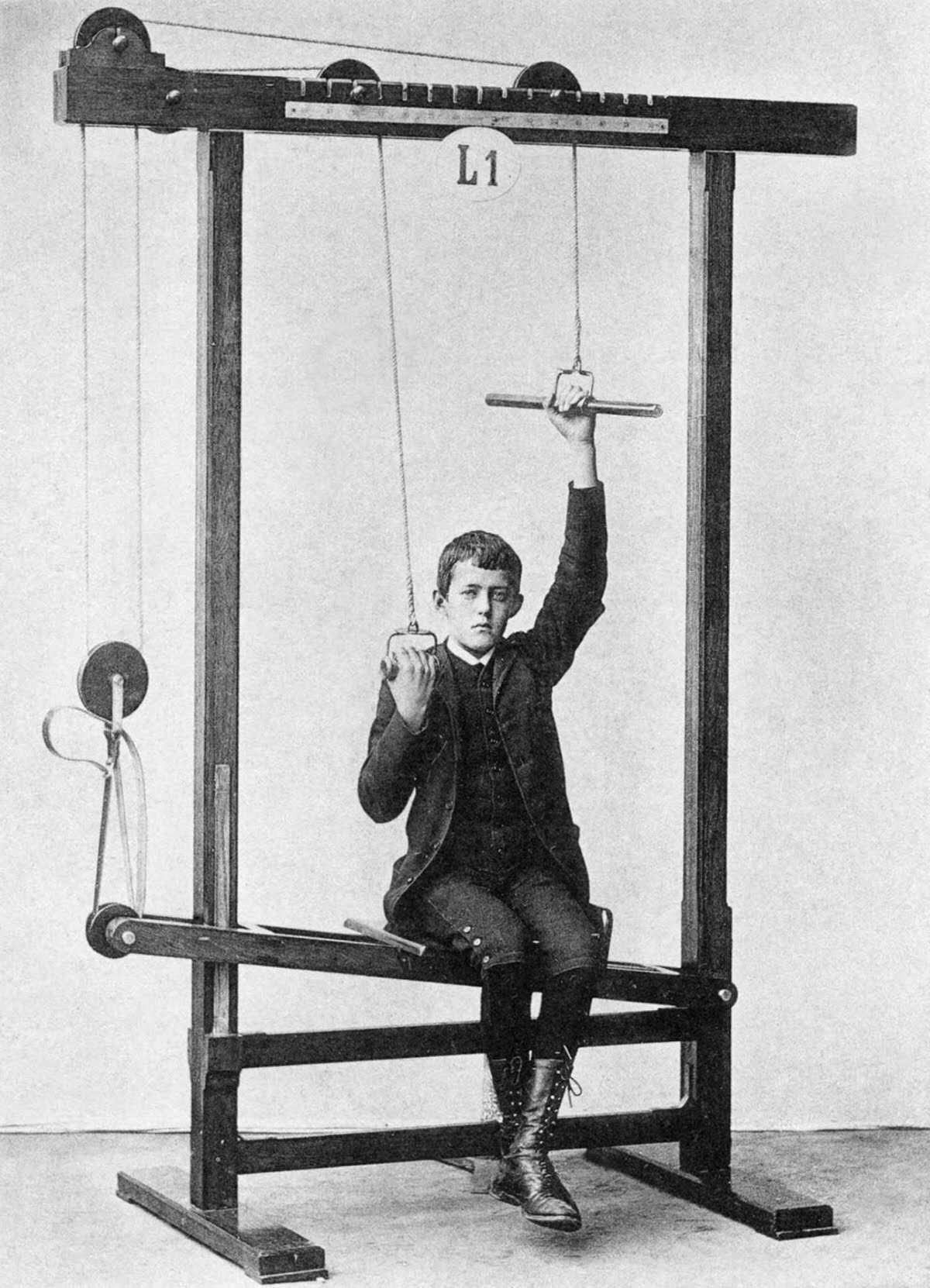
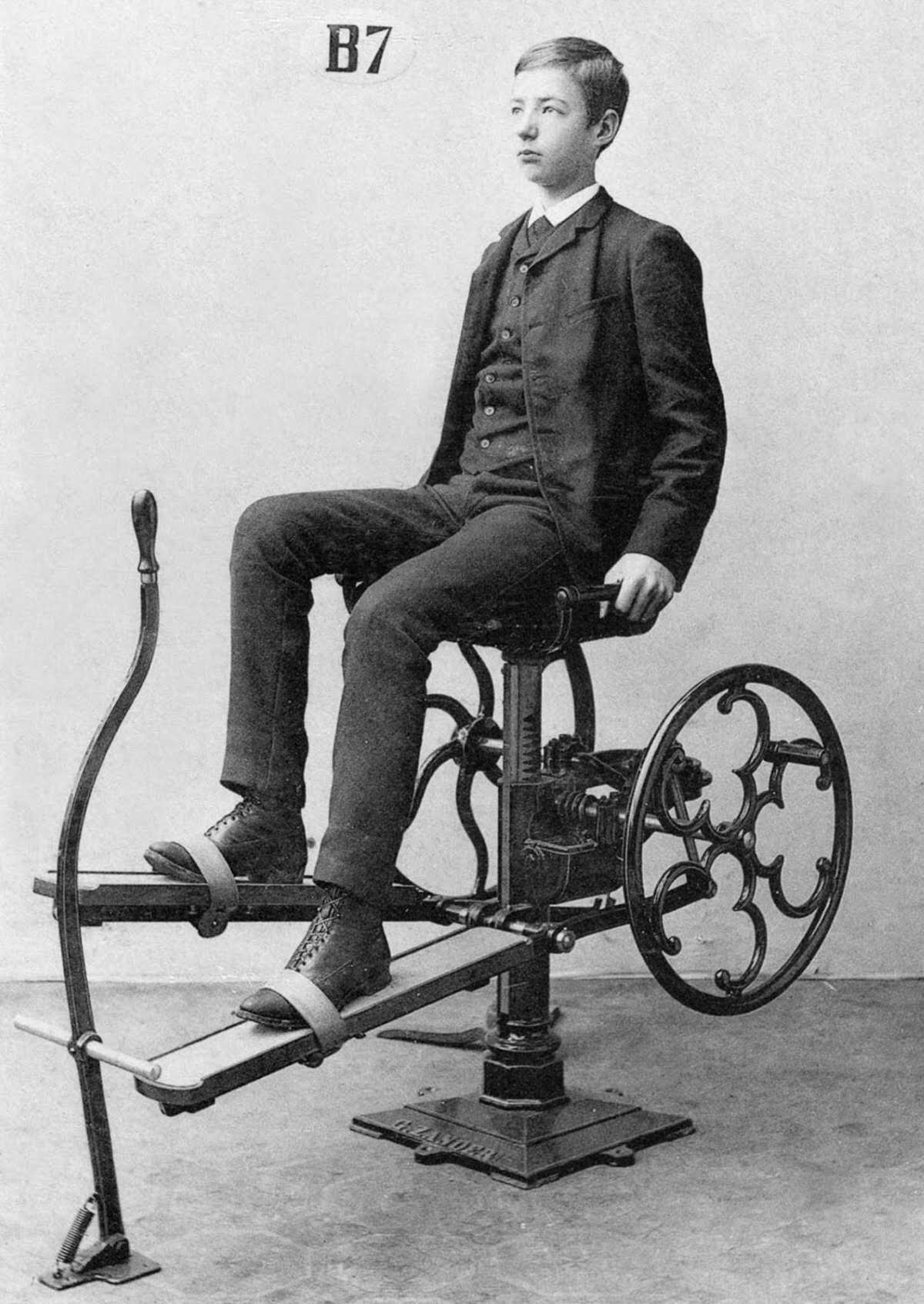
Zander’s reach extended well beyond Stockholm. He exhibited his machines at major international expositions, including events in Brussels and Philadelphia, where they attracted significant attention from medical professionals and the general public alike. His book, ‘Zander’s medico-mechanische Gymnastik,’ published in 1892, laid out the full system in detail, giving physicians and therapists across Europe a reference guide for implementing his methods.
He also traveled to the United States and established an institute near Central Park in New York City, bringing his mechanical gymnasium concept to an American audience. The appeal was clear: a systematic, repeatable, machine-driven approach to physical improvement that did not depend on a skilled therapist performing manual work on each patient.
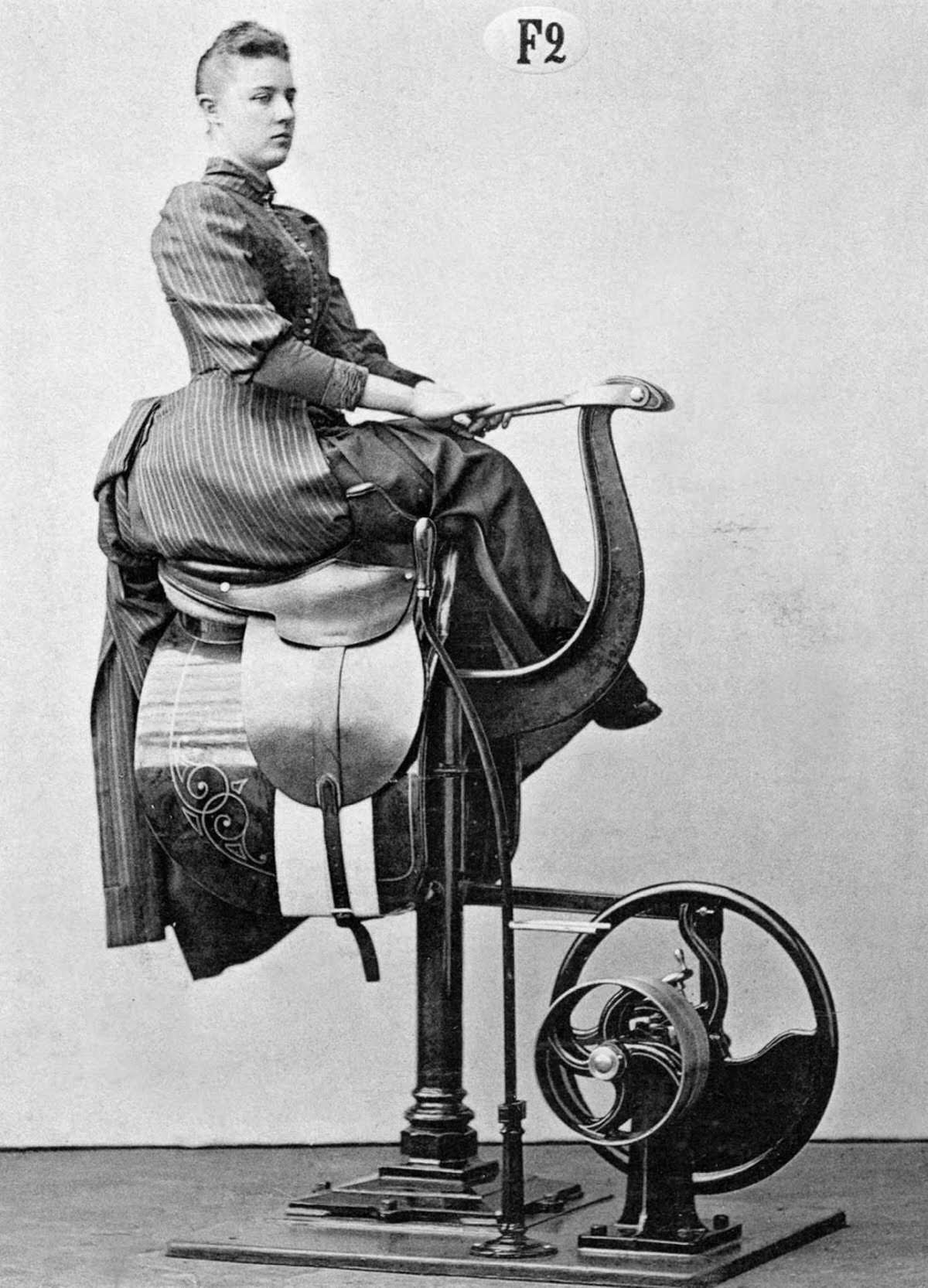
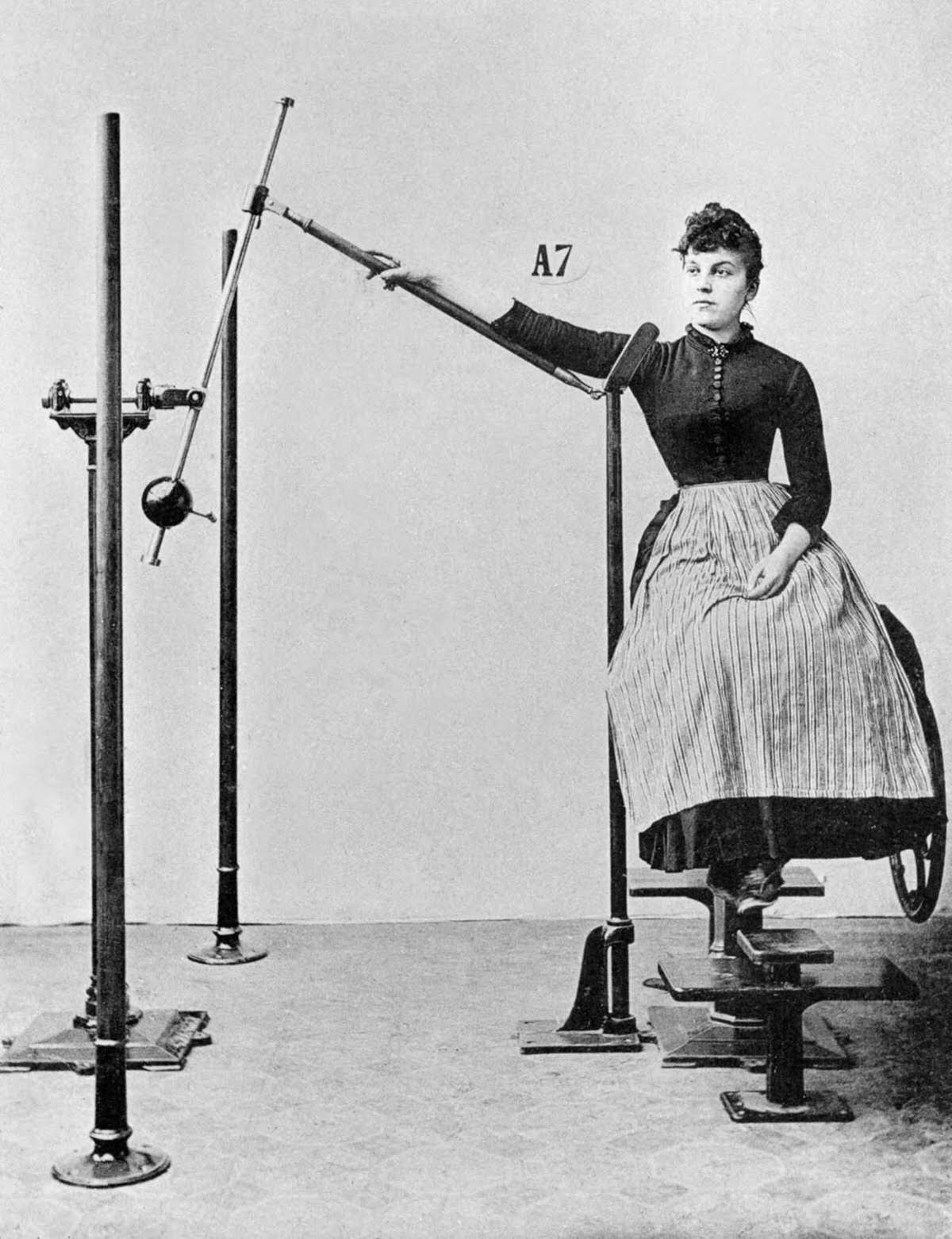
The machines themselves covered an extraordinary range of functions. Arm and shoulder machines worked on strength and mobility. Stepping and cycling apparatuses trained the legs and cardiovascular system. Saddle-shaped devices with mechanical movement engaged the core muscles. Each machine isolated a specific physical outcome and delivered it consistently.
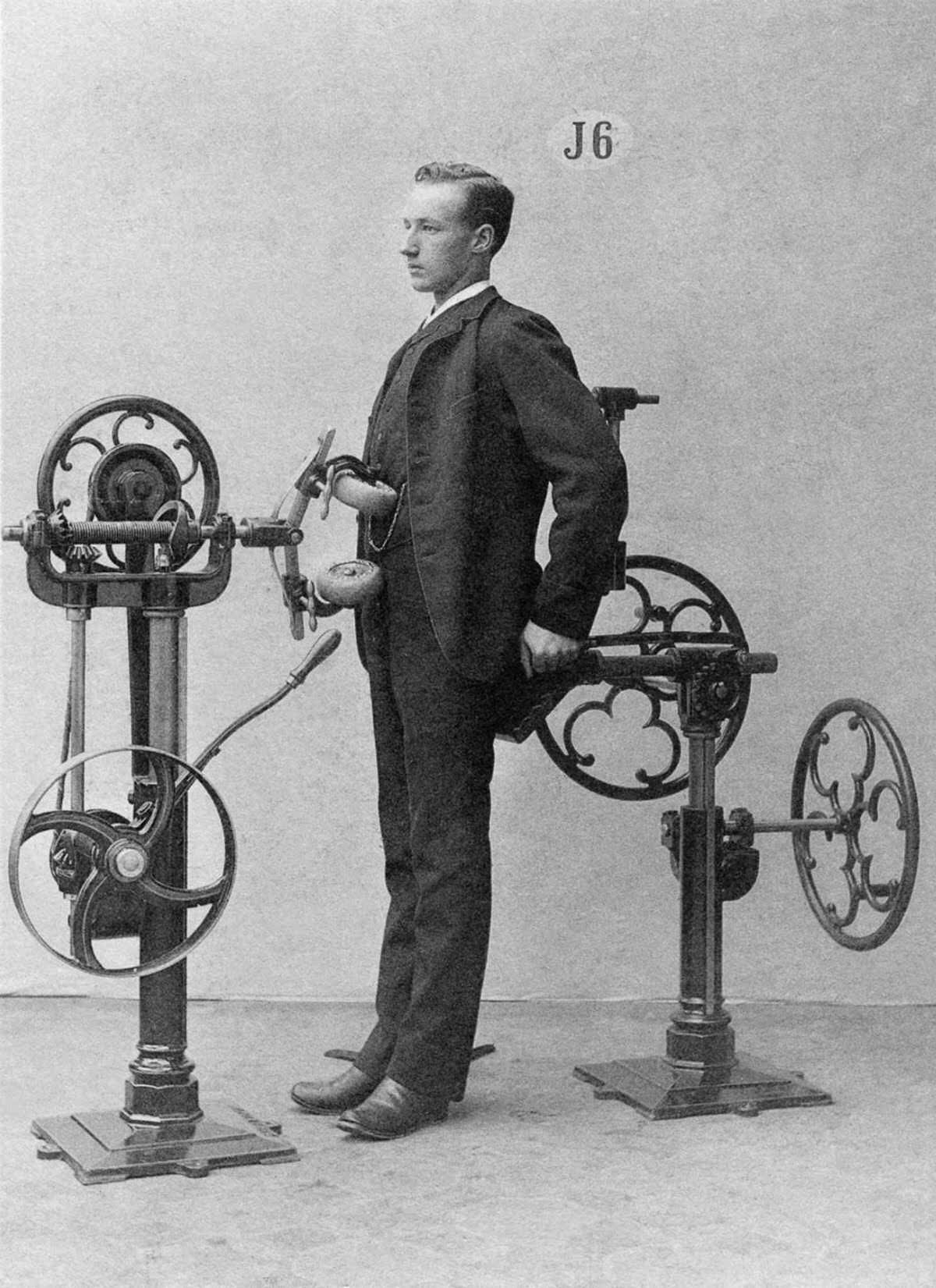
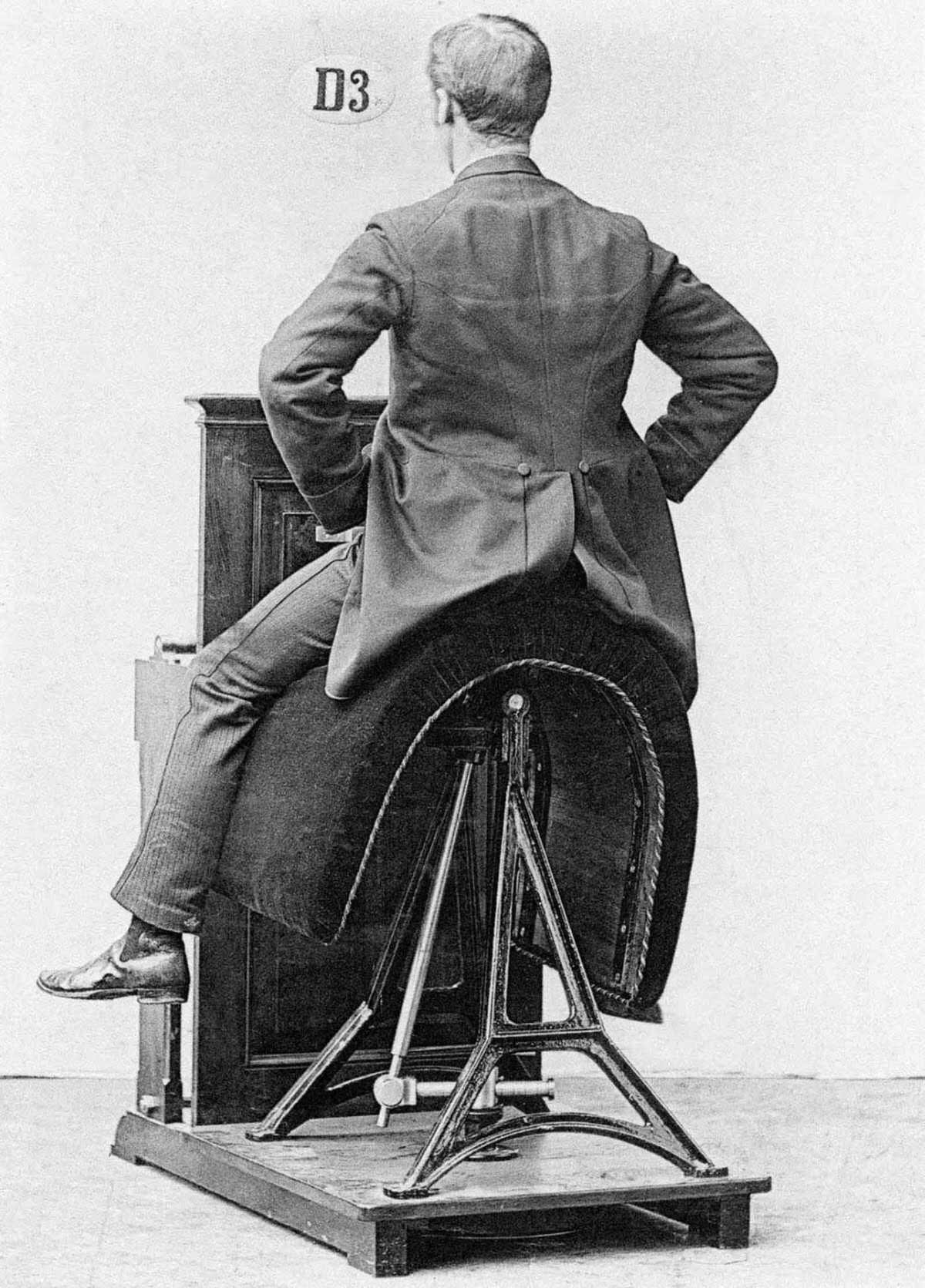
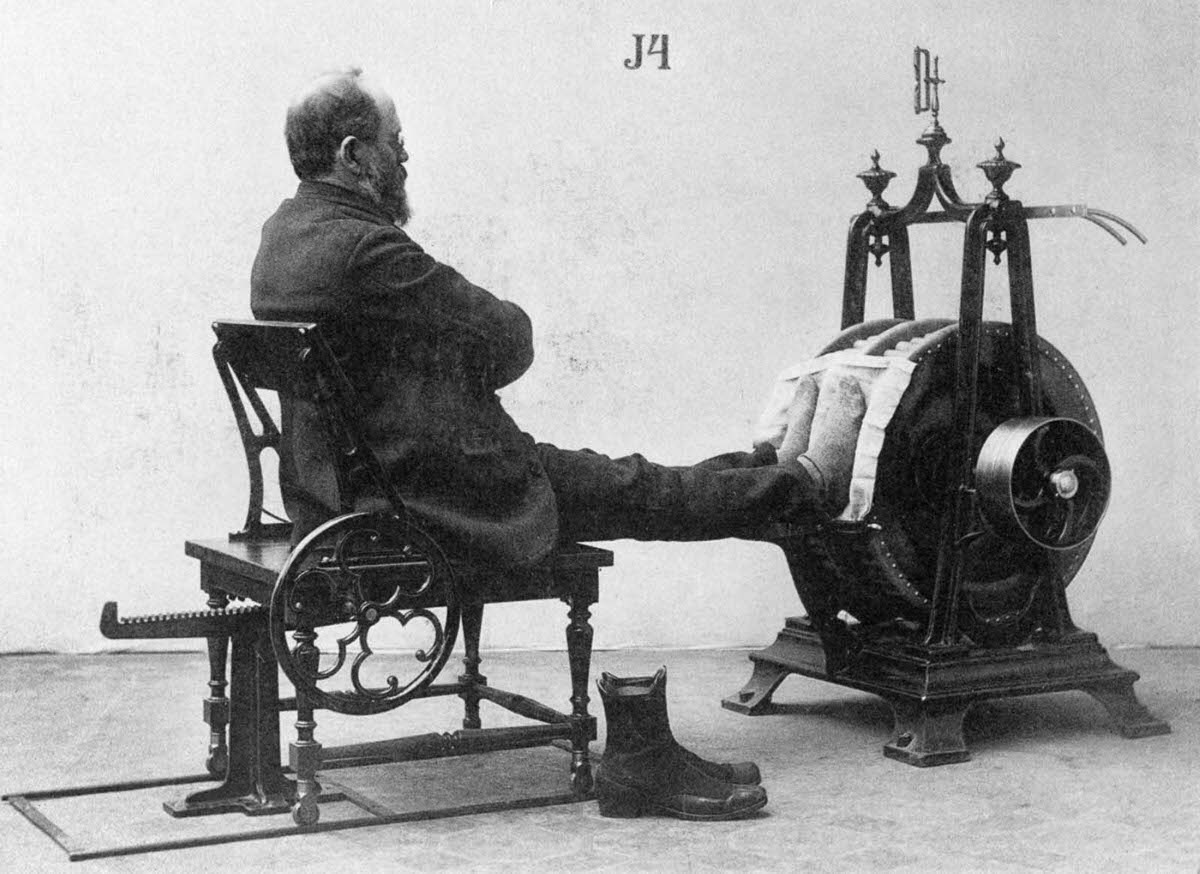
Circulation was another major focus. Several devices were built to drive blood flow to specific areas of the body — cold feet, tired legs, congested lungs. The foot massage machine, for instance, was prescribed to patients with poor circulation in the lower extremities, a common complaint among people who spent long hours standing or sitting in the same position.
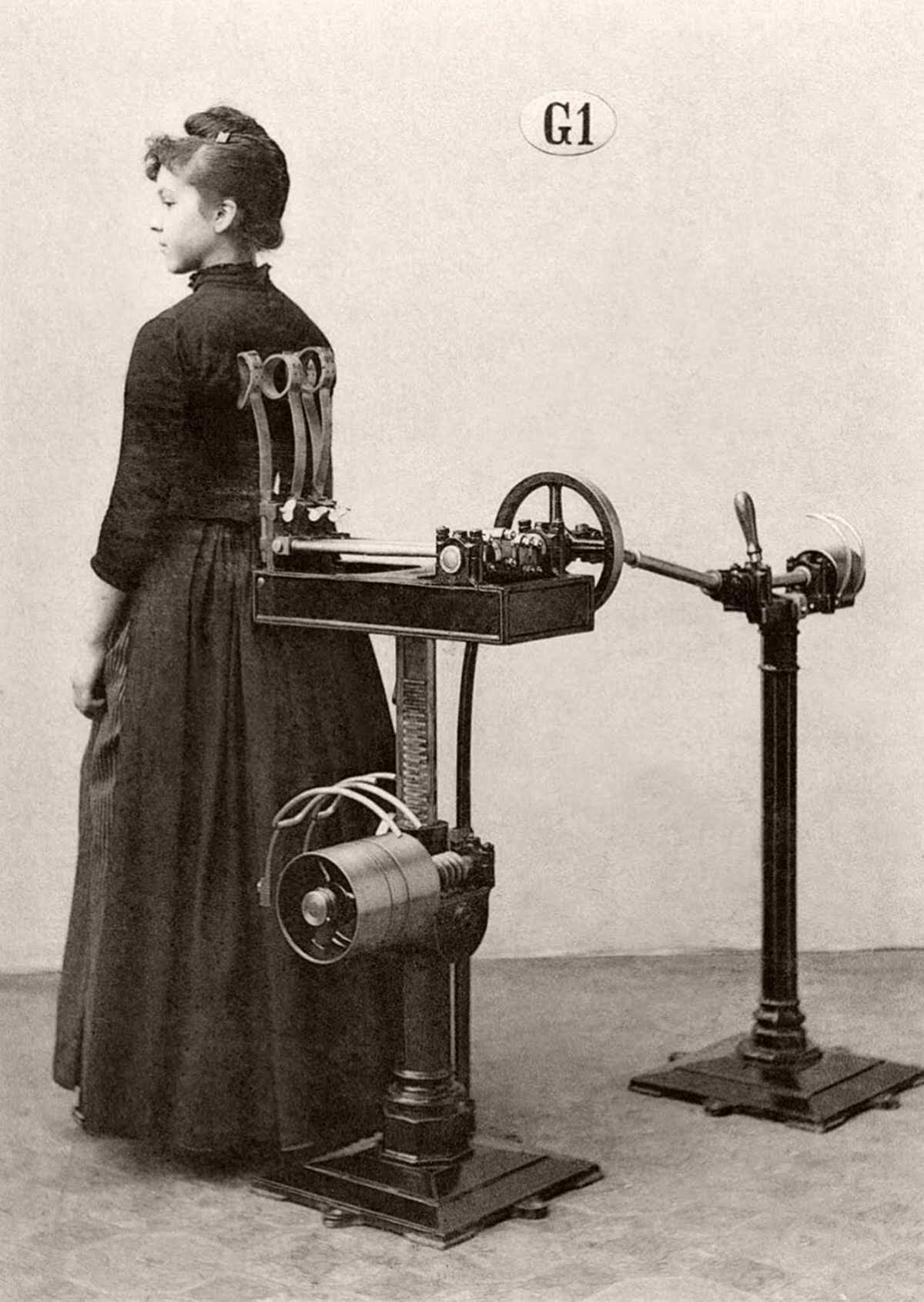
Dr. Gustav Zander died in Stockholm in 1920. His institute had been operating for over half a century by that point, and versions of his medico-mechanical system had spread to clinics and health institutes across Europe and North America. The lever-and-weight resistance principle he formalized in the 1850s remains the foundation of resistance training equipment used in gyms, hospitals, and rehabilitation centers around the world today.