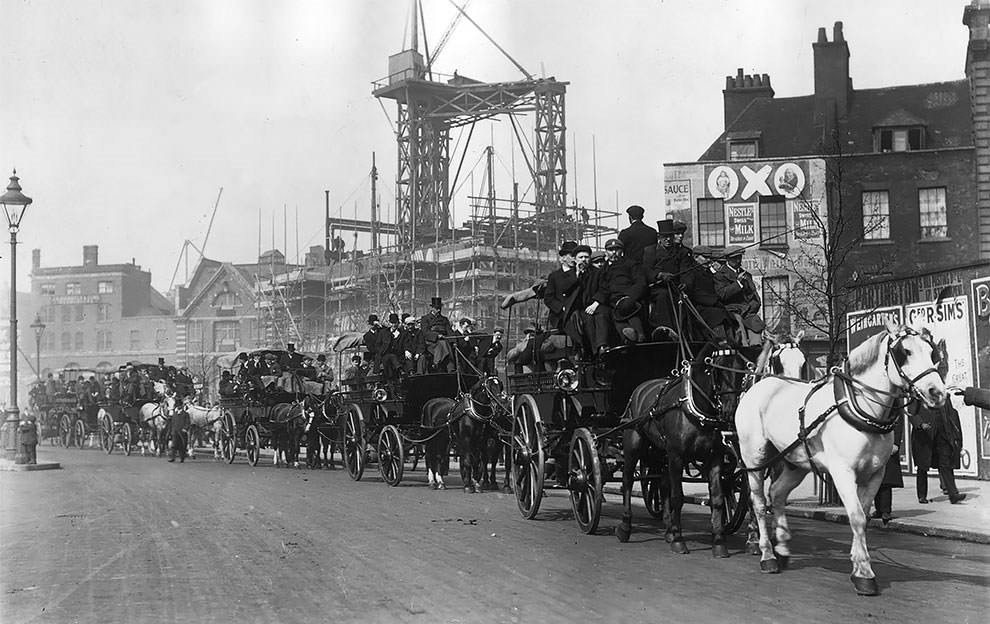
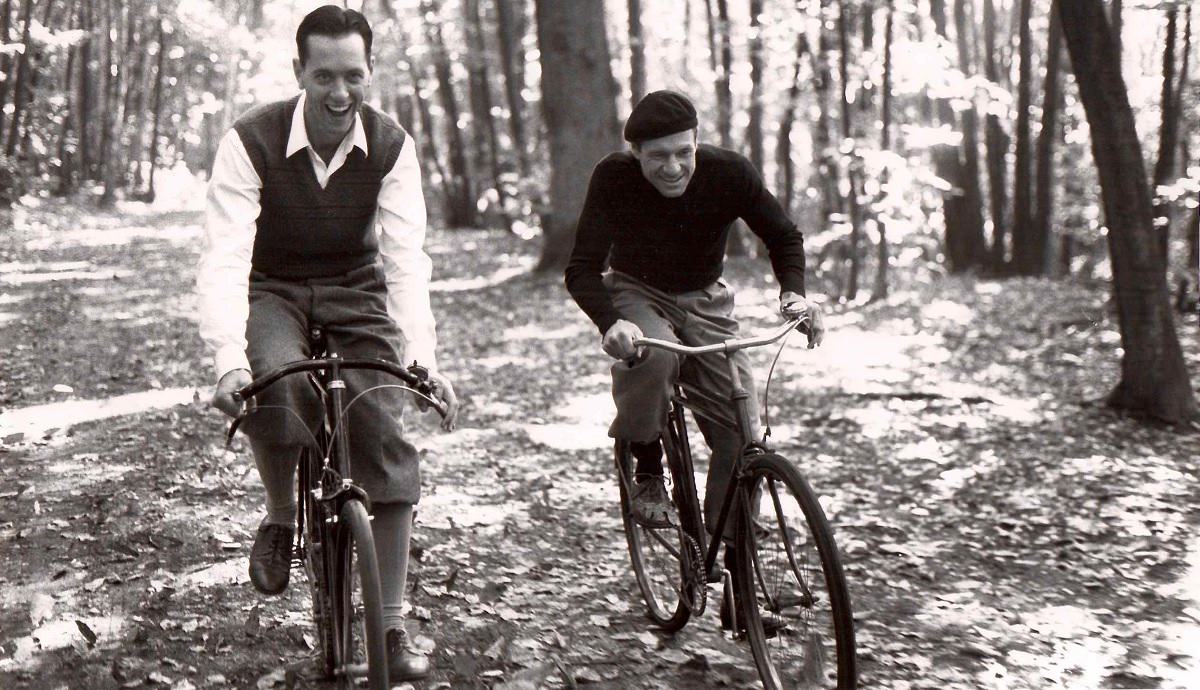
Professional soccer in the 1970s operated in a world far removed from the tightly controlled media environment of today. Clubs were more open, and that openness extended all the way into the changing room. Journalists and photographers — working for national news organizations and local papers alike — were sometimes waved through the door after the final whistle, cameras in hand, to document whatever unfolded inside.
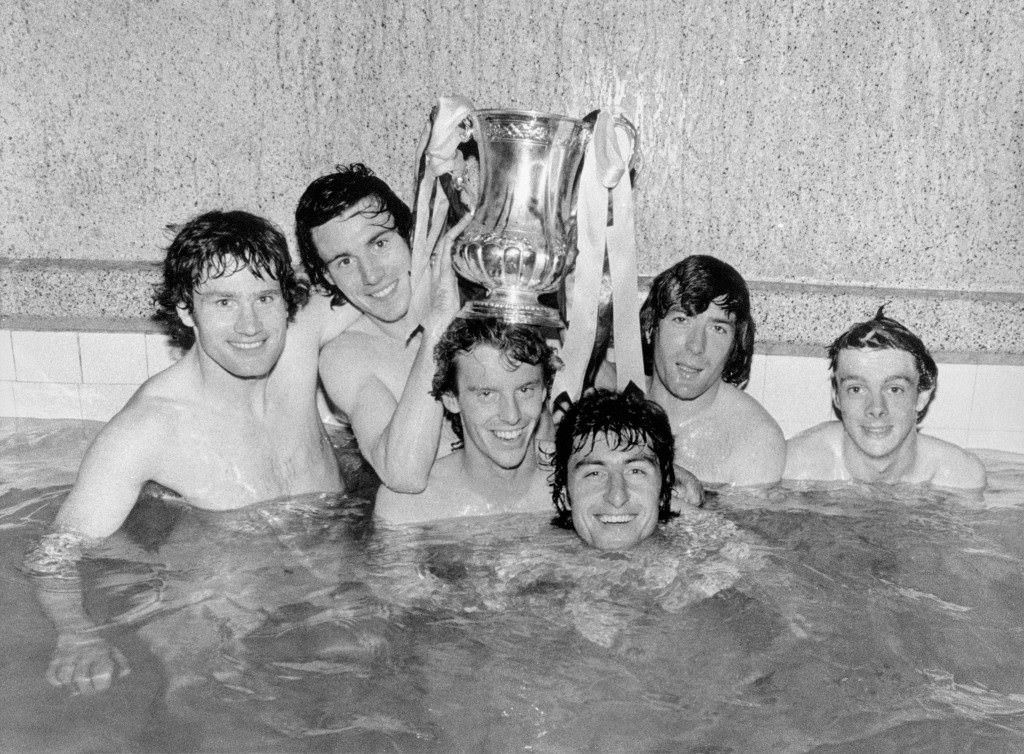
The changing rooms themselves were straightforward, functional spaces. Wooden benches ran along the walls, coat hooks held players’ gear, and at the center of the post-match routine sat the communal bath — a large, shared tub that entire squads used together to wash off mud, sweat, and ninety minutes of effort. Showers were present too, but the team bath was the defining feature of the era.
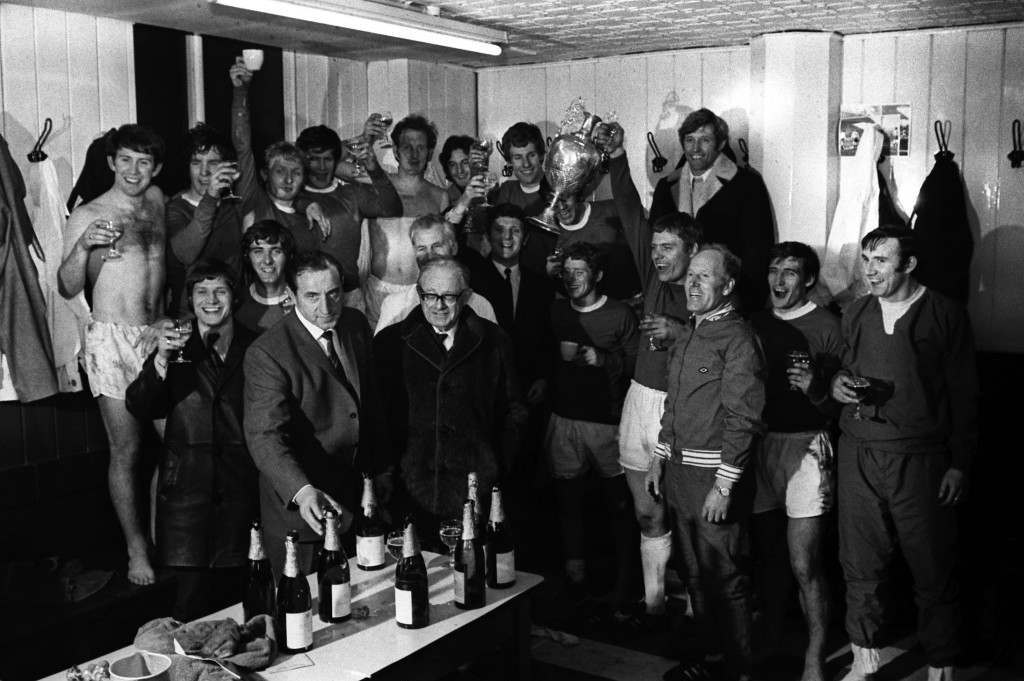
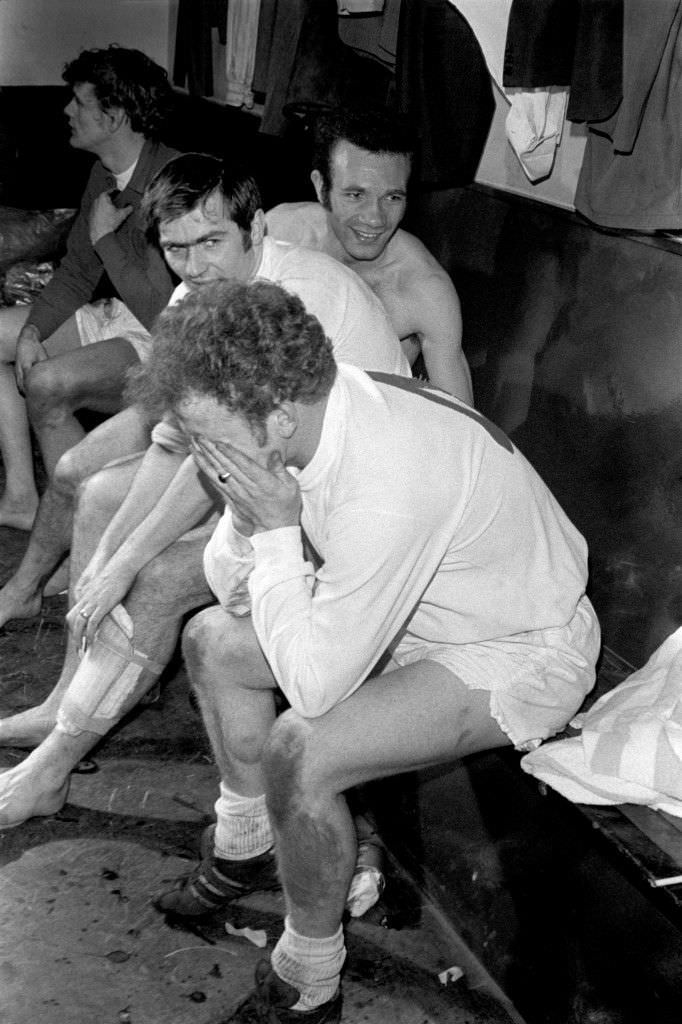
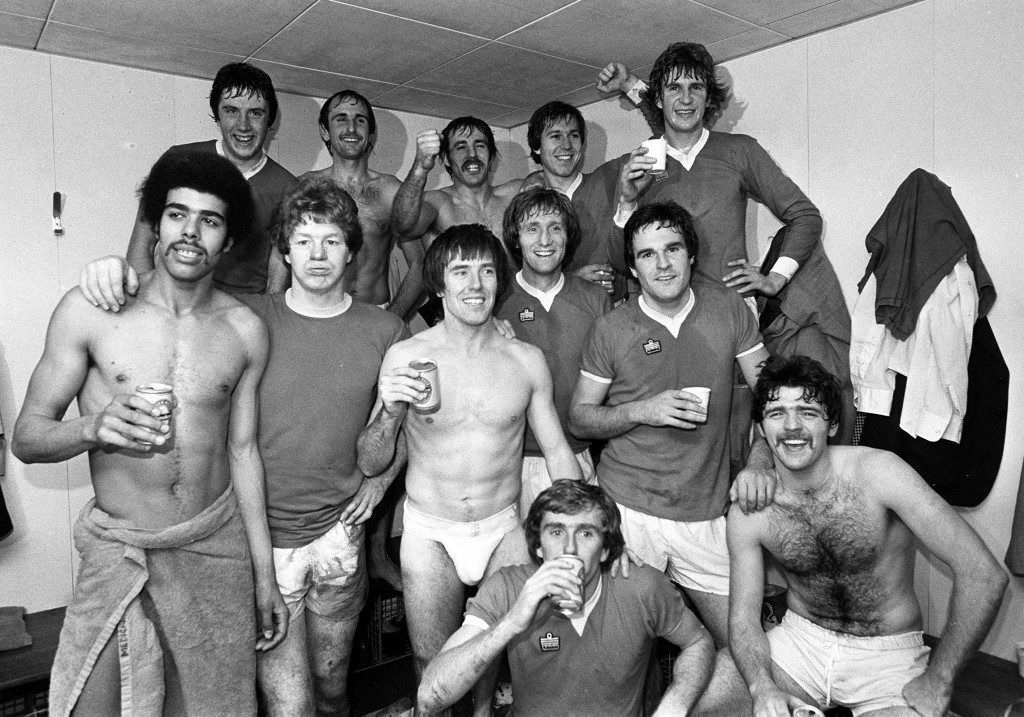
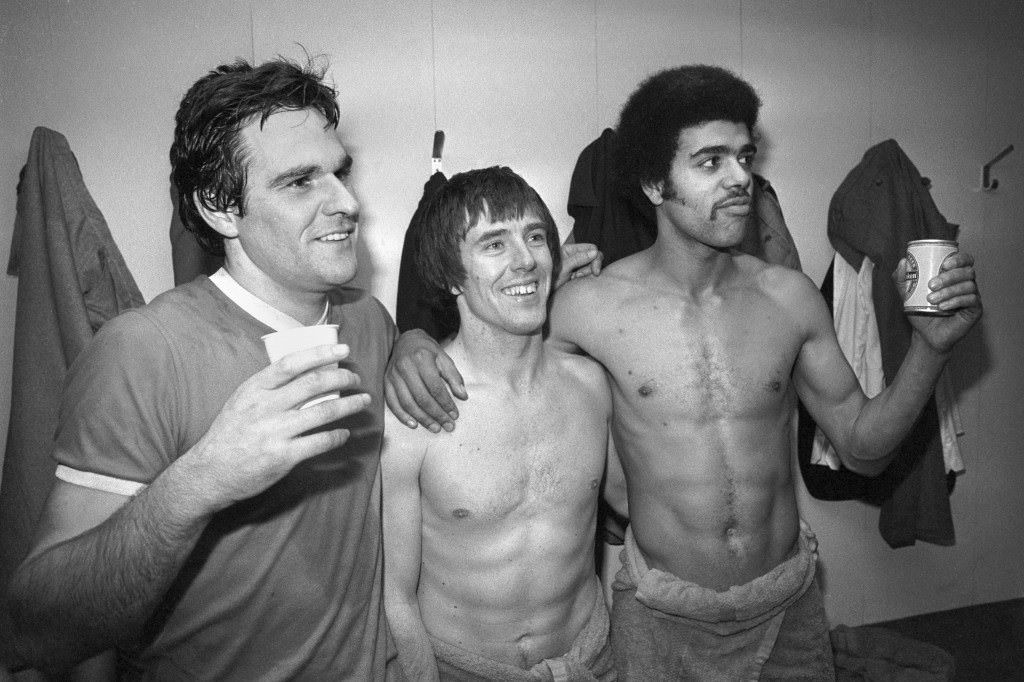
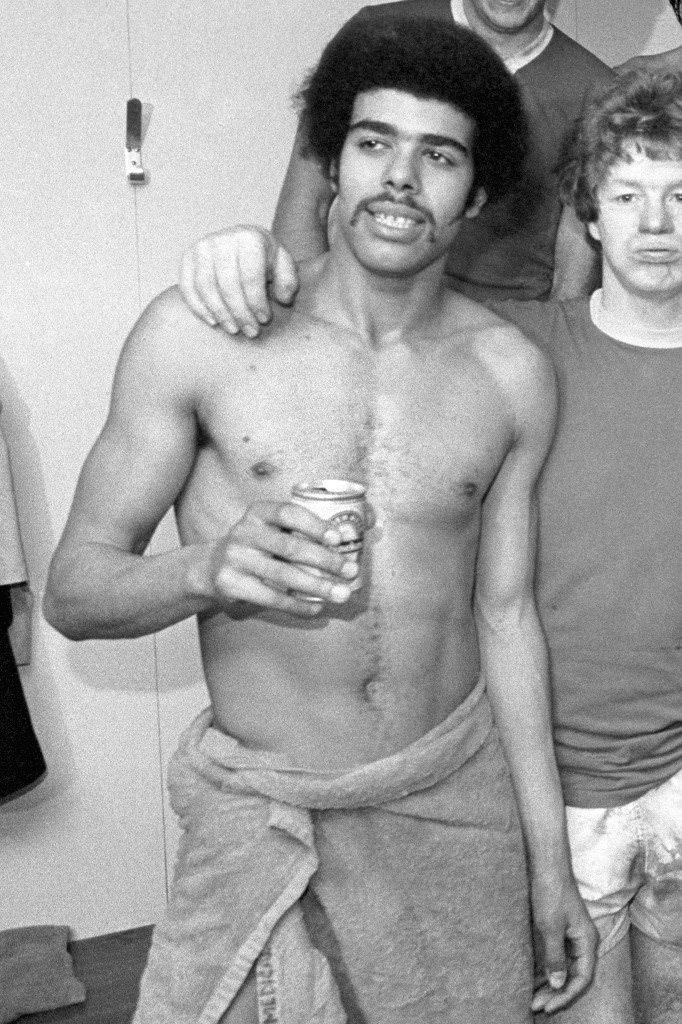
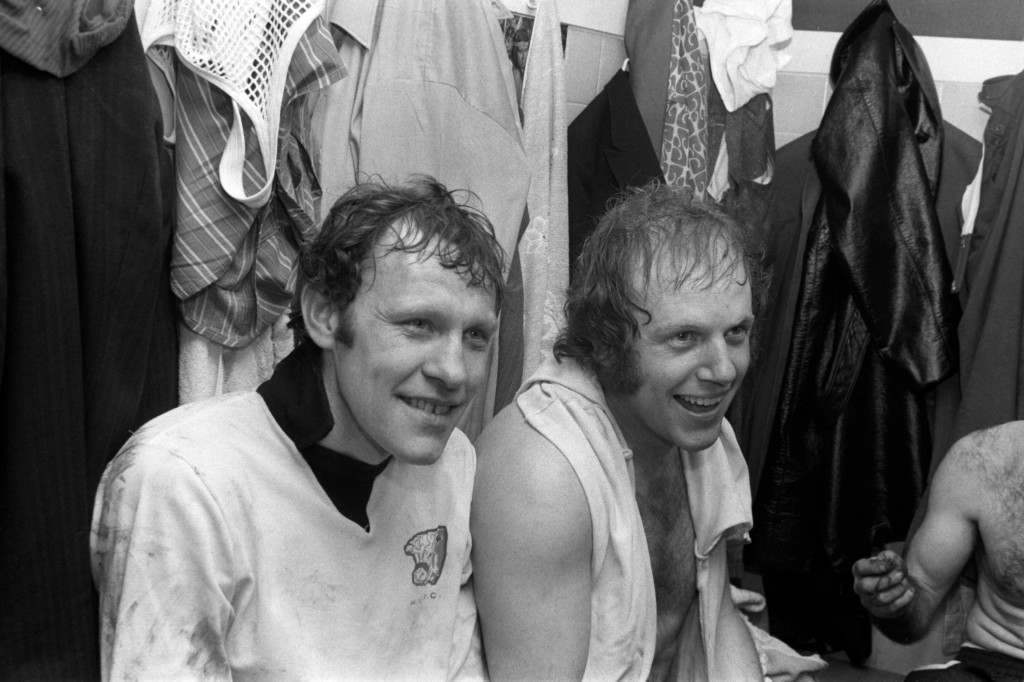
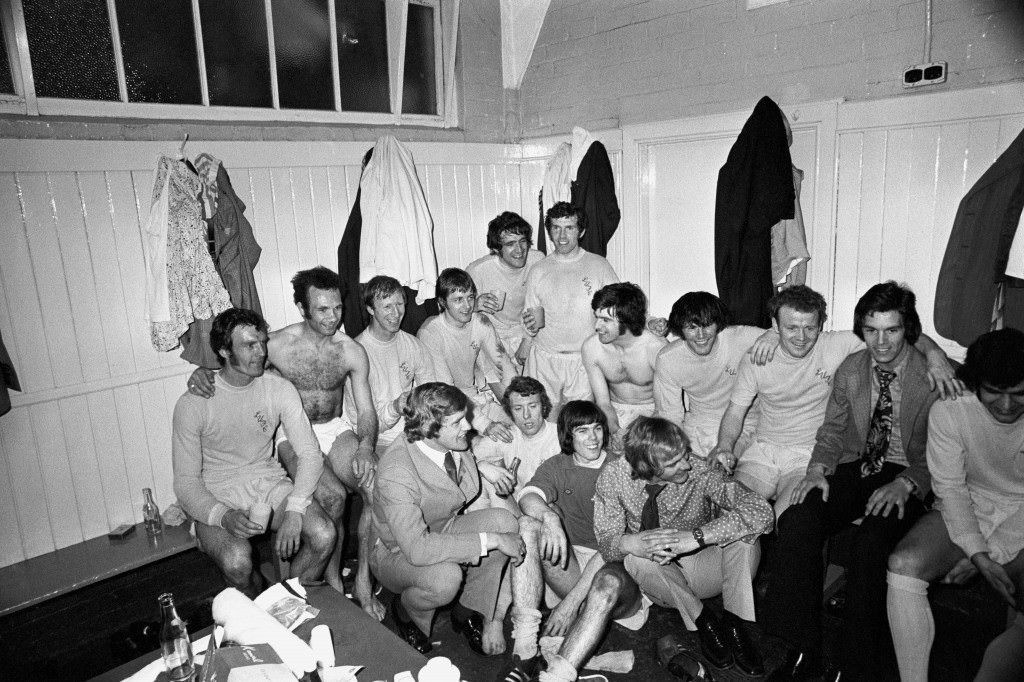
After a victory, the mood photographers walked into was a mix of exhaustion and pure joy. Players stripped off muddy kits, steam rose from the bath, and men who had just fought for a result sat shoulder to shoulder talking through the game. These were unguarded moments. No PR teams, no media handlers — just players and the press sharing the same cramped, humid room.
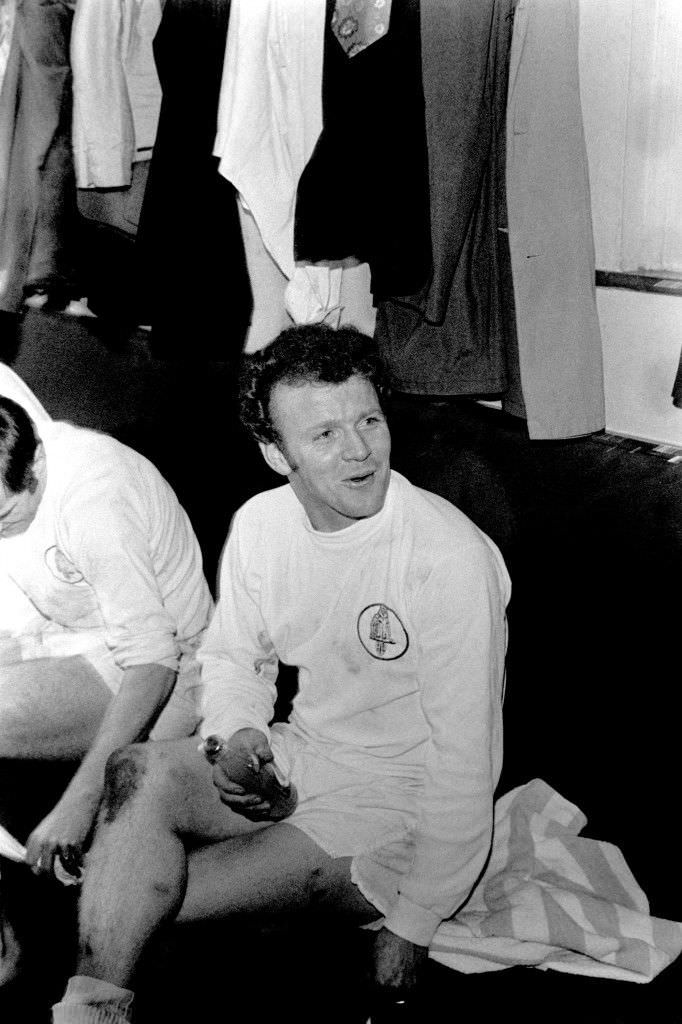
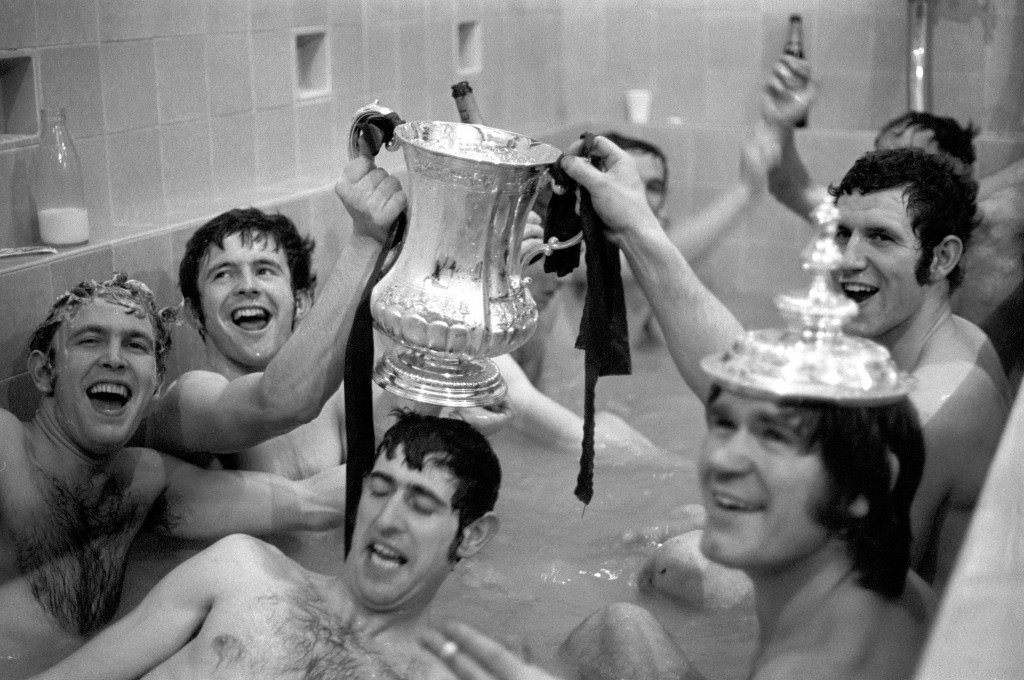
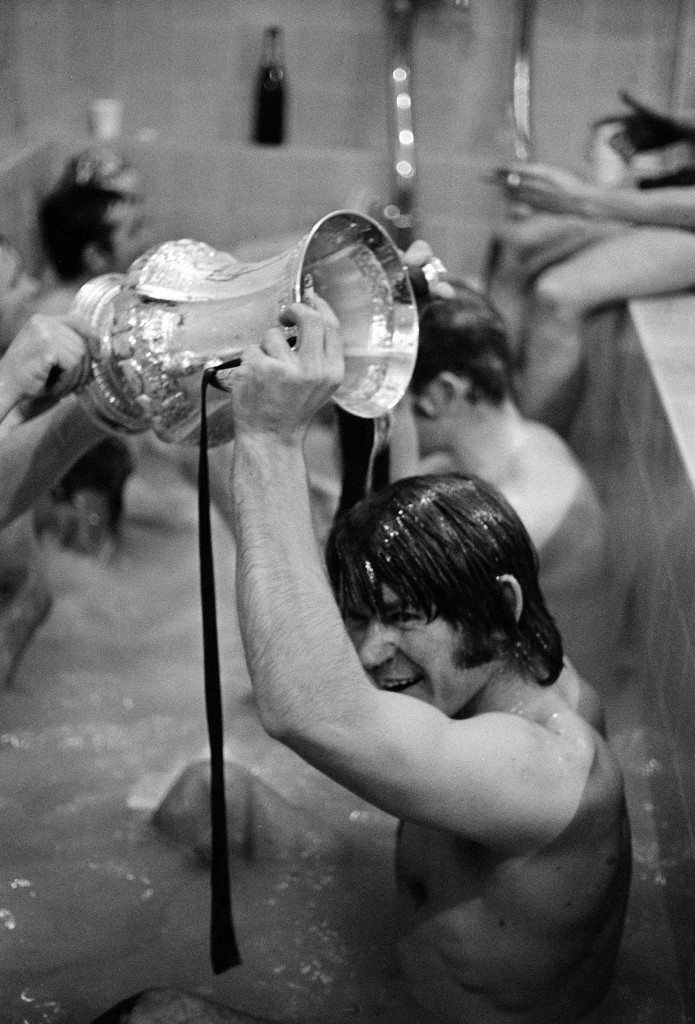
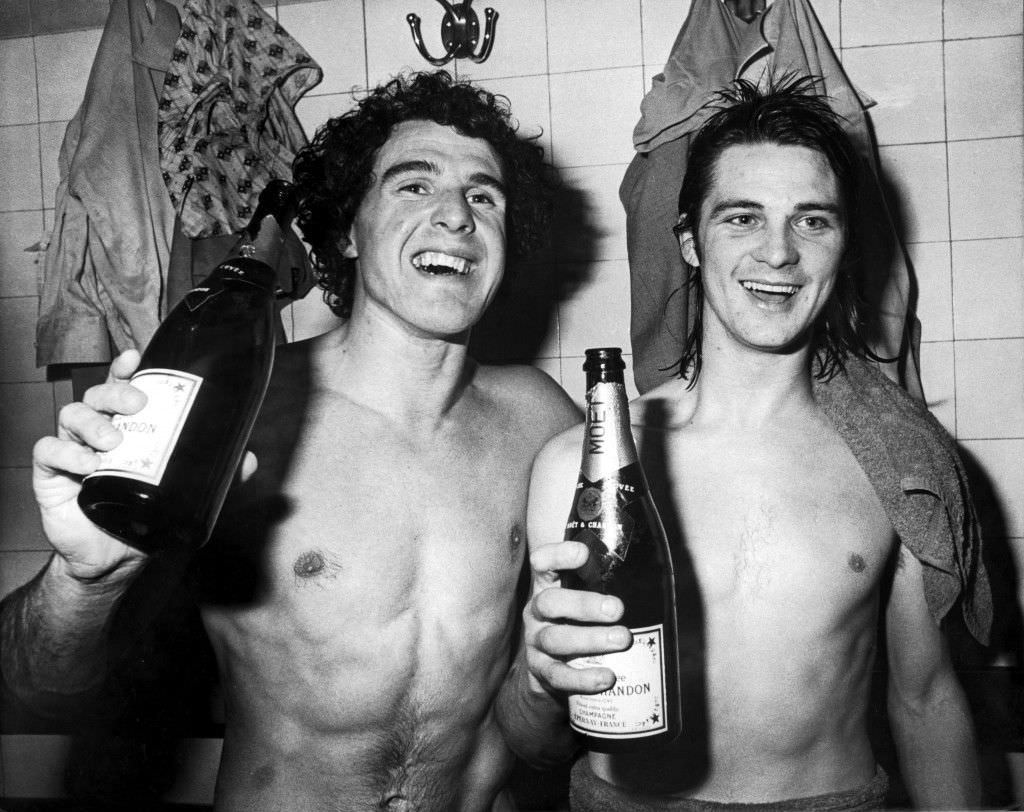
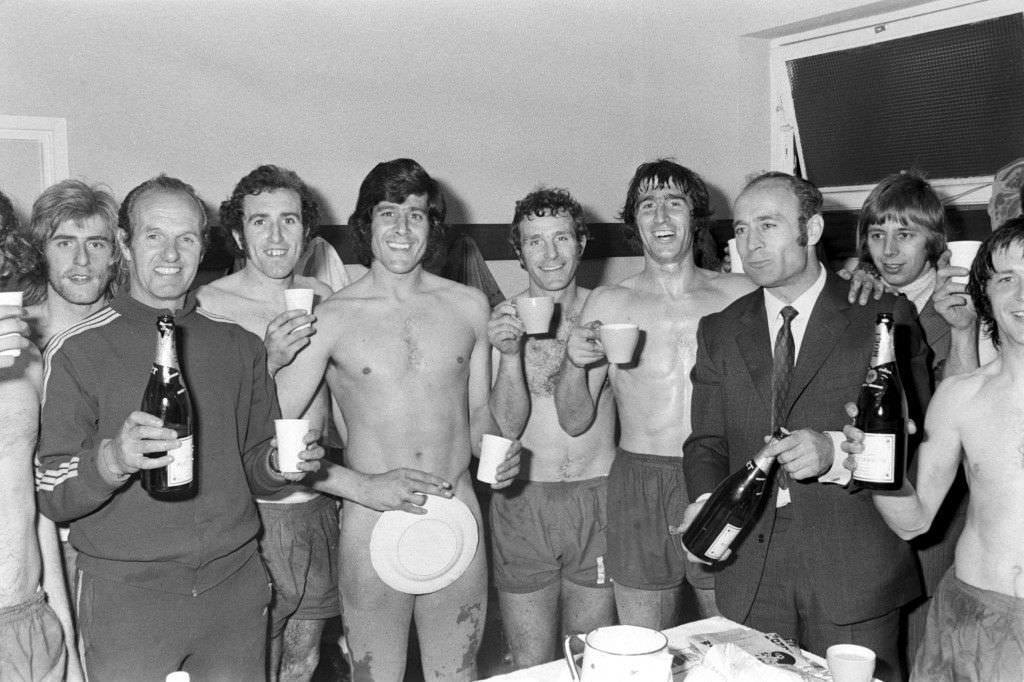
The photographs that came out of these sessions gave fans something they had never had before — a genuine behind-the-scenes view of their favorite clubs. Celebrations with trophies, players soaking in the communal bath, managers embracing their squad. None of it was staged for a broadcast. It was simply what happened after the match.
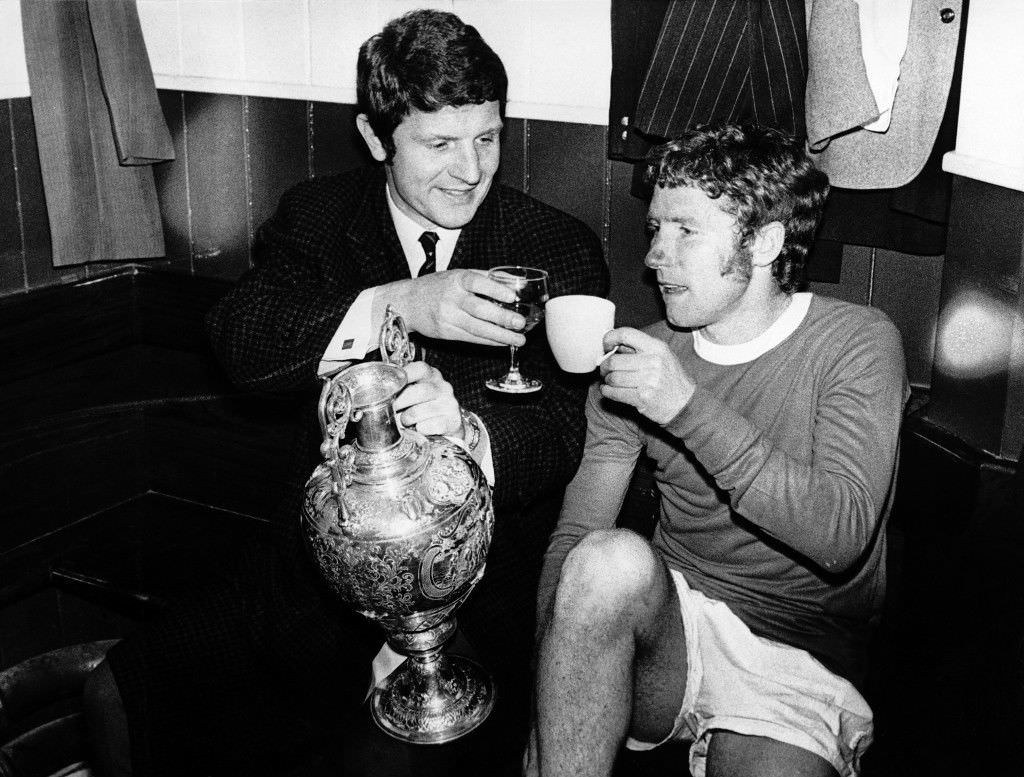
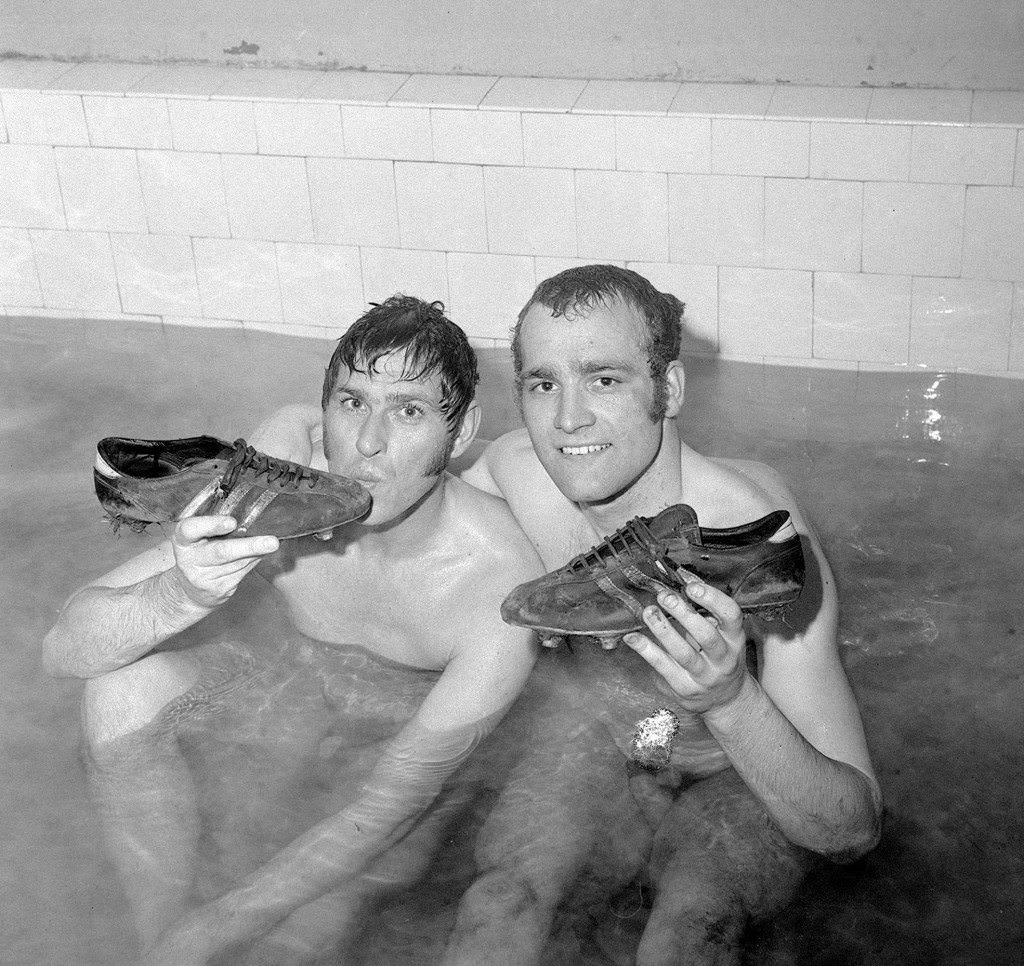
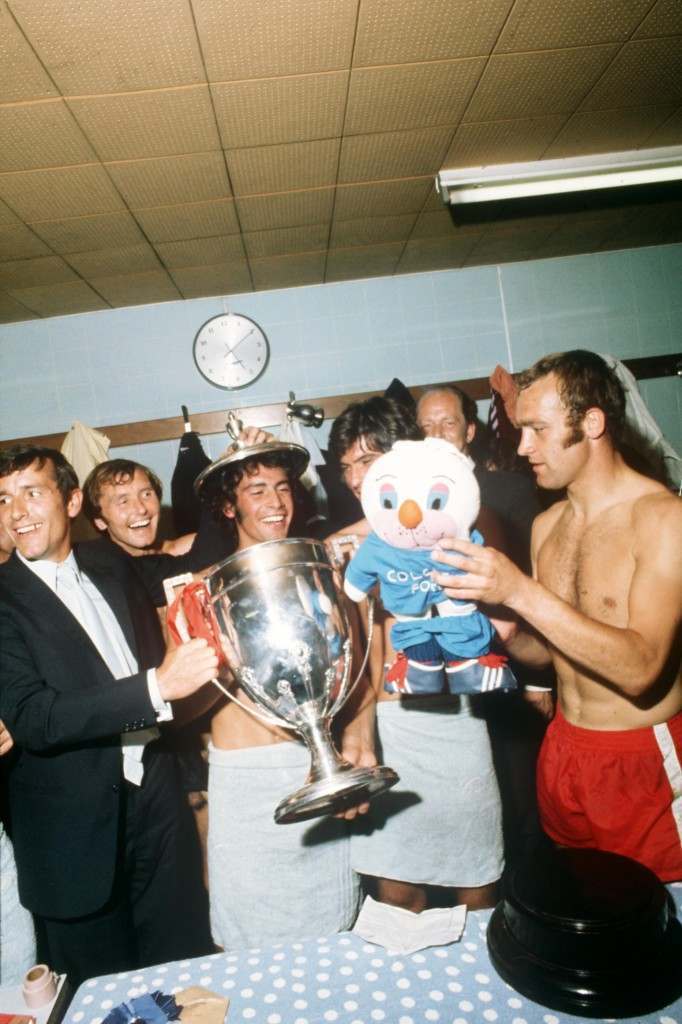
This access was not universal or guaranteed. It was informal, granted at the discretion of club staff, and varied from ground to ground. Some clubs were more welcoming than others. But across the decade, enough photographers made it inside enough dressing rooms to build a remarkable visual record of English football’s most private space.
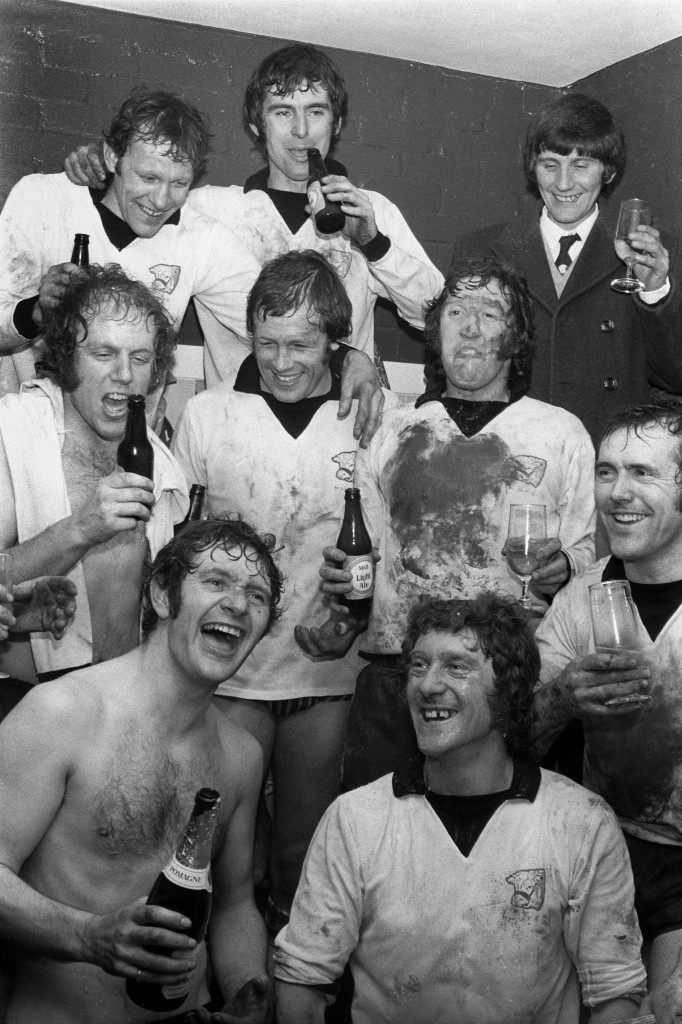
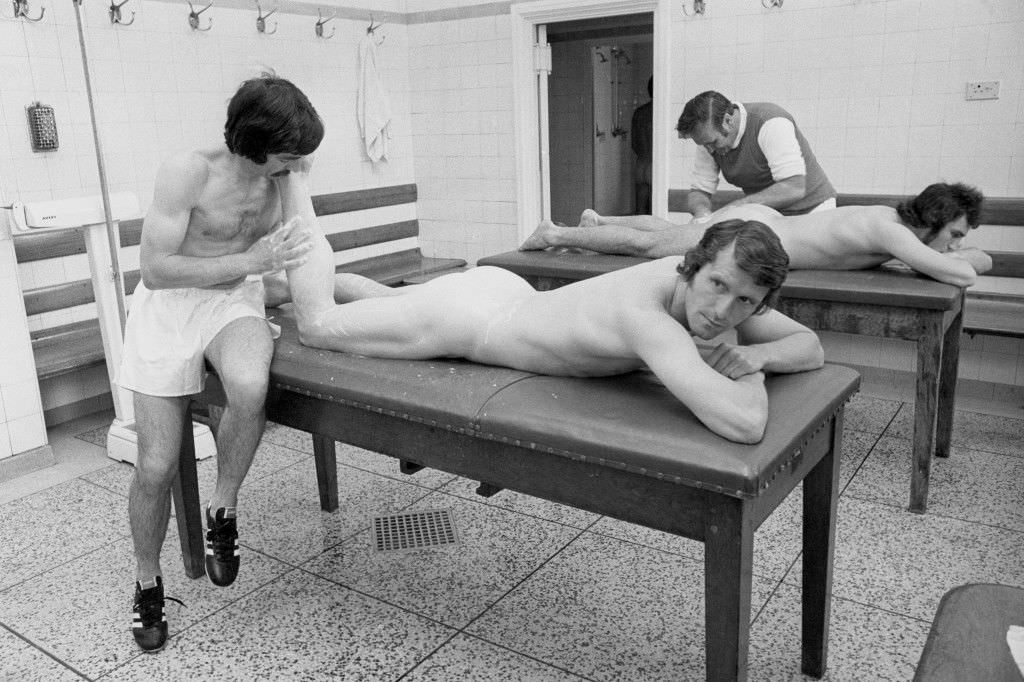
Minor injuries were tended to in full view of the camera. A physio wrapping a player’s ankle, a manager walking among his squad — all of it was fair game. The communal bath was often the focal point, with multiple players in the water at once, something that today would be entirely off-limits to any outside photographer.
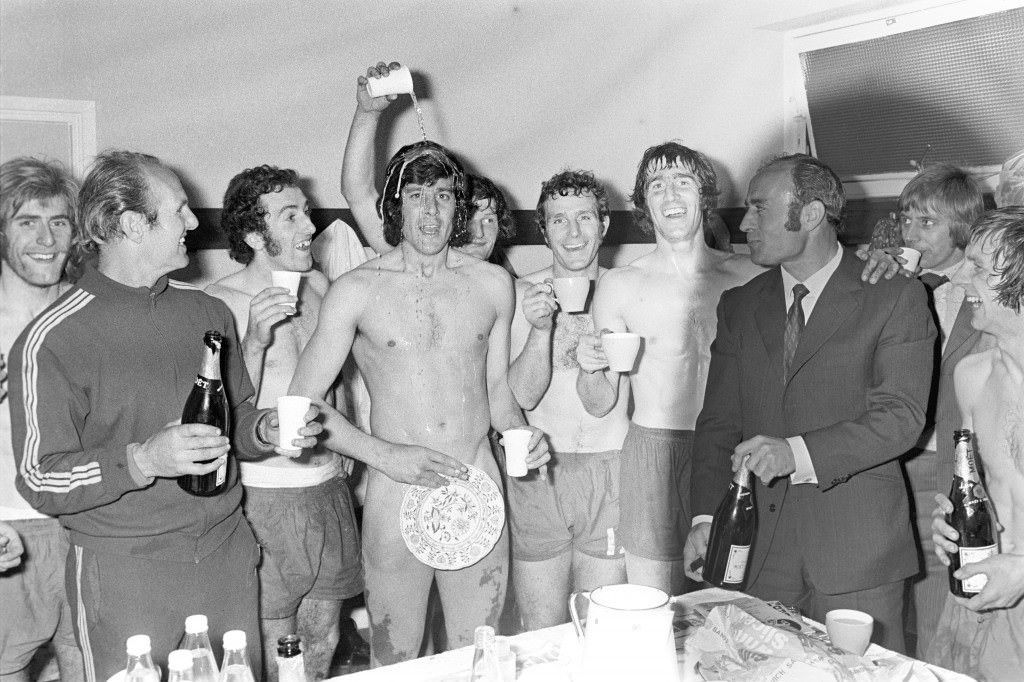
The relaxed atmosphere did come with consequences. There were documented instances where individuals with no legitimate reason to be in the changing or bathing areas were photographed alongside players. These situations triggered official investigations and, in some cases, charges against club staff or managers. Even in the relatively open culture of 1970s football, there were lines — and crossing them had real consequences.
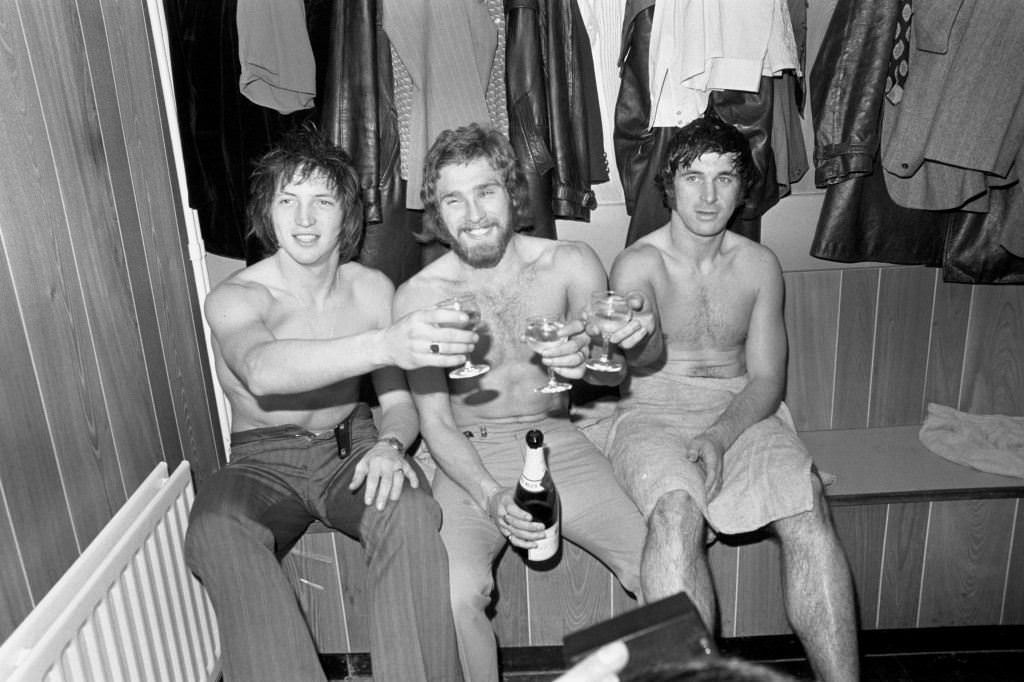
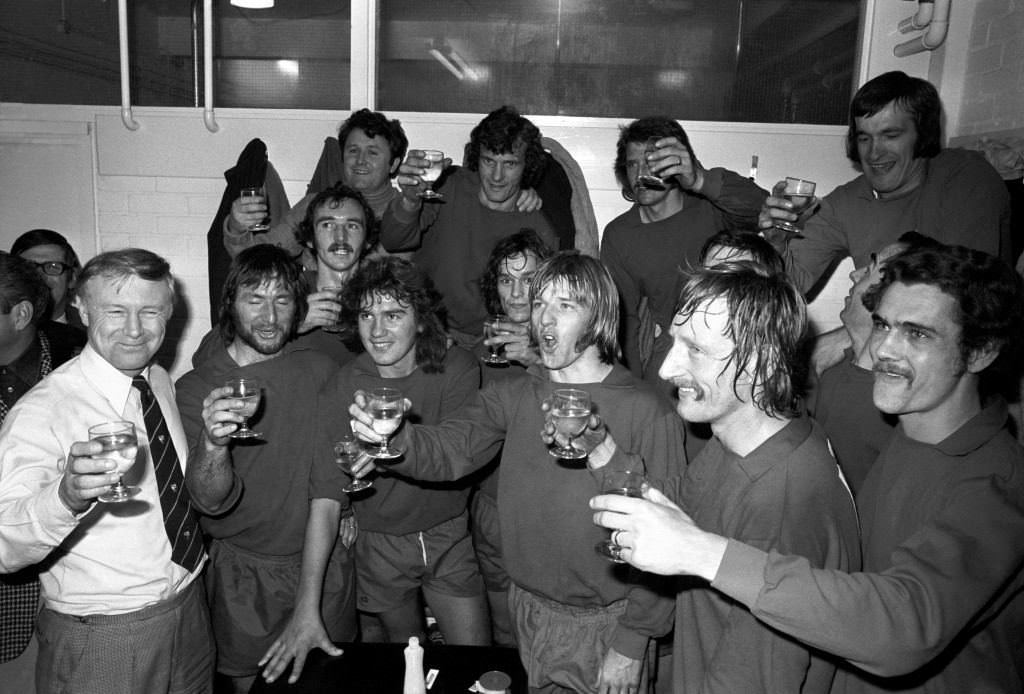
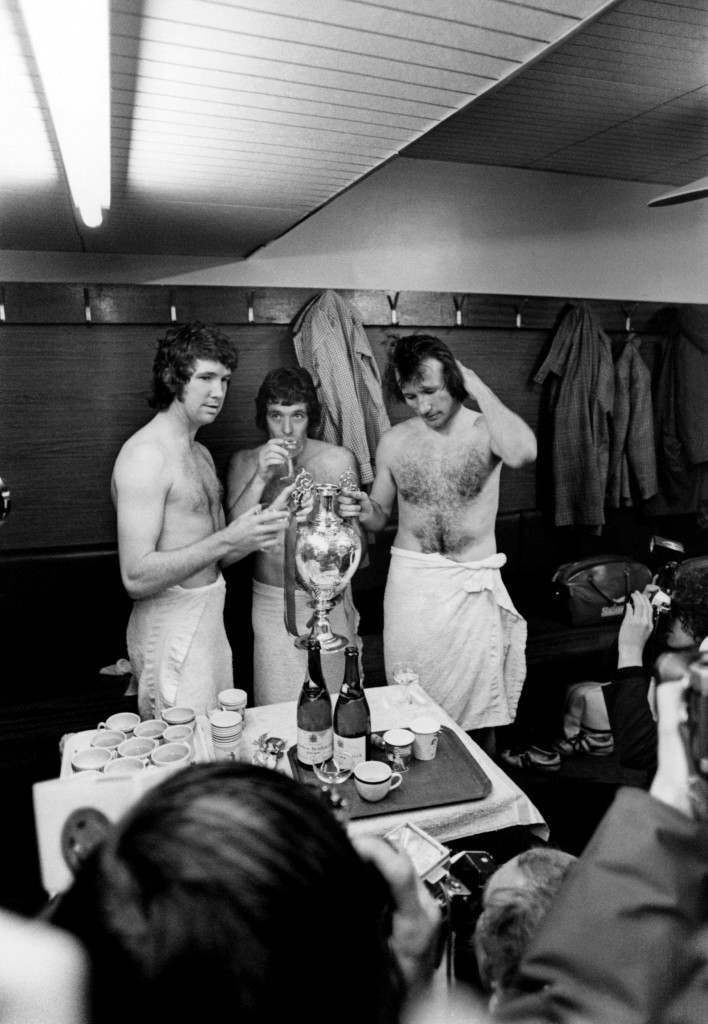
From top-flight title winners to non-league cup upsets, the changing room photographs of this era span the full breadth of English football. Clubs large and small appear in the archive — Liverpool and Leeds alongside Colchester, Hereford, and Walton and Hersham. The camera treated them all the same once the door was opened.
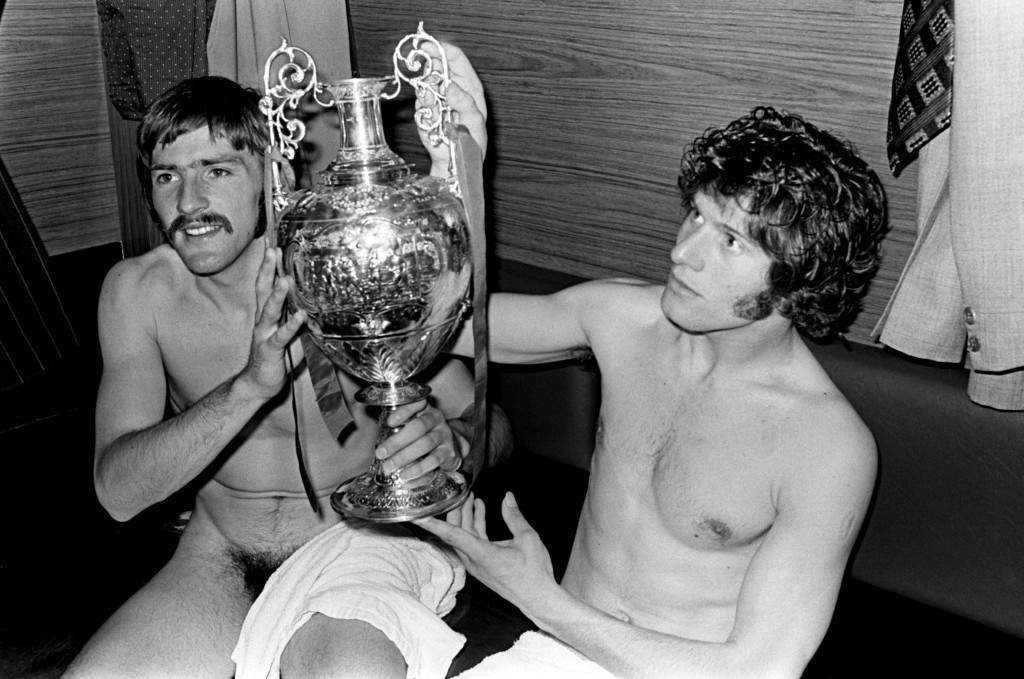
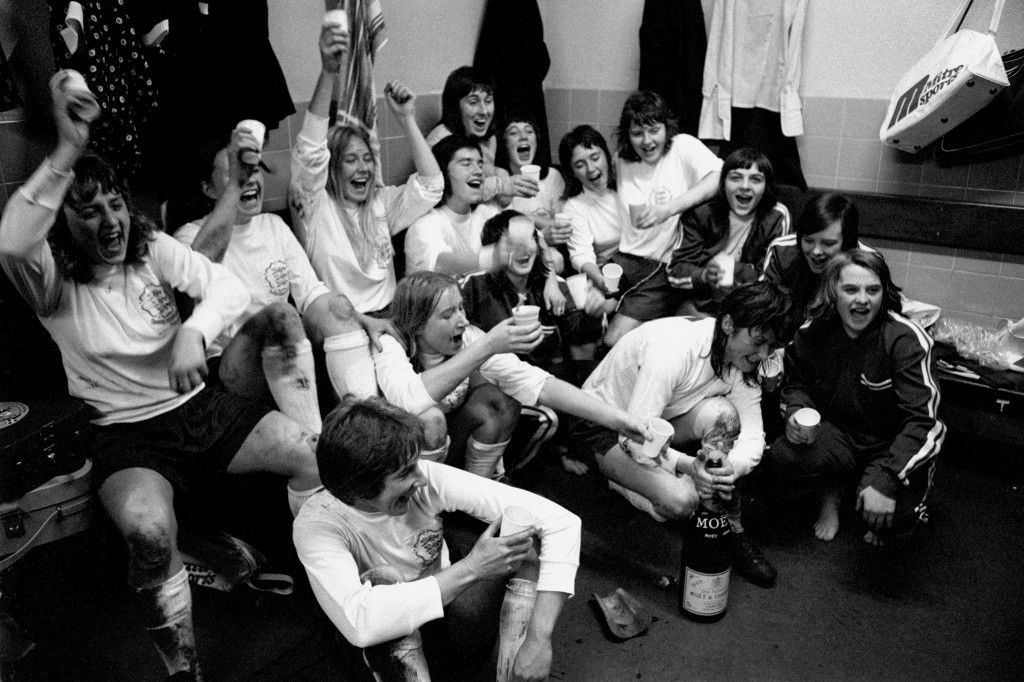
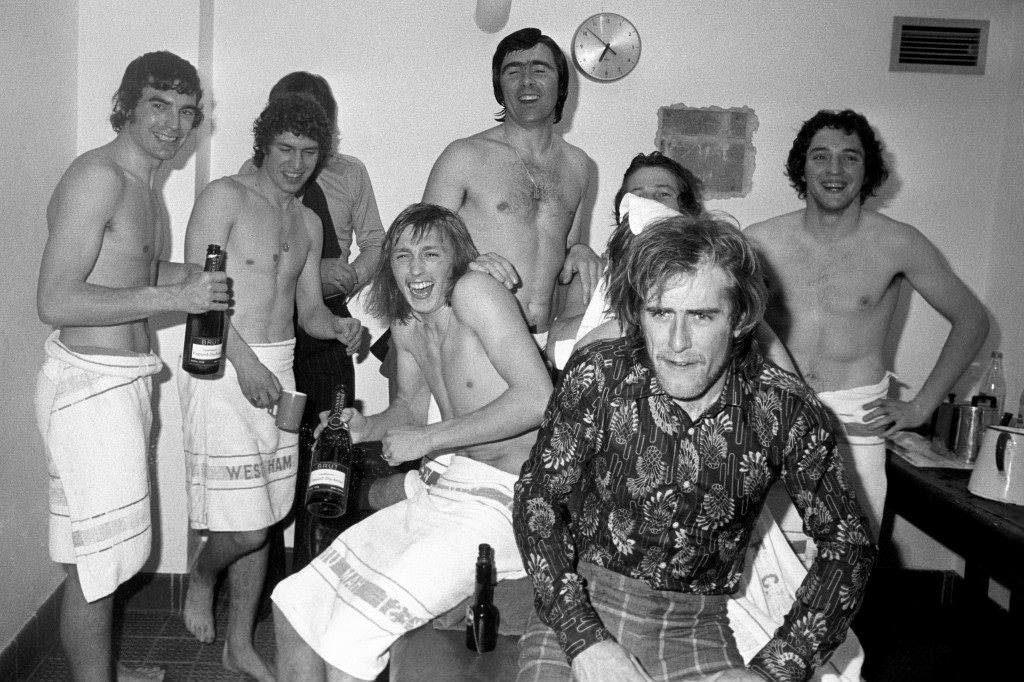
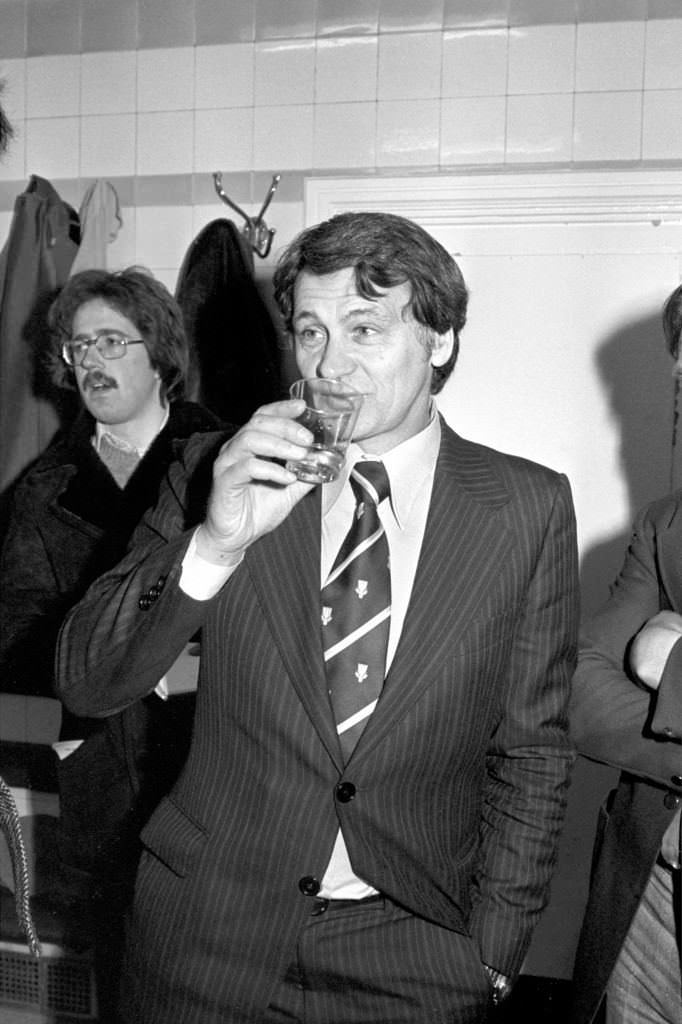
Managers appear throughout this body of work just as prominently as players. Men like Ron Saunders at Norwich and Jimmy Sirrel at Notts County were captured in the thick of the post-match scene, not separated from it. Their presence in these photographs reflects how closely bound together every part of a club was during this period.
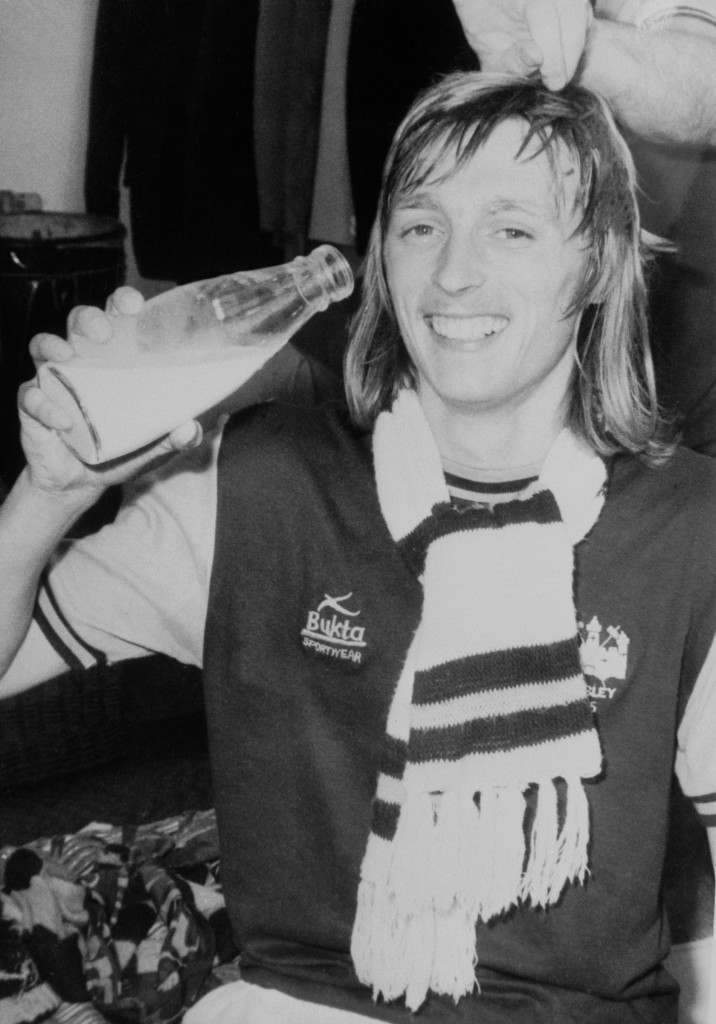
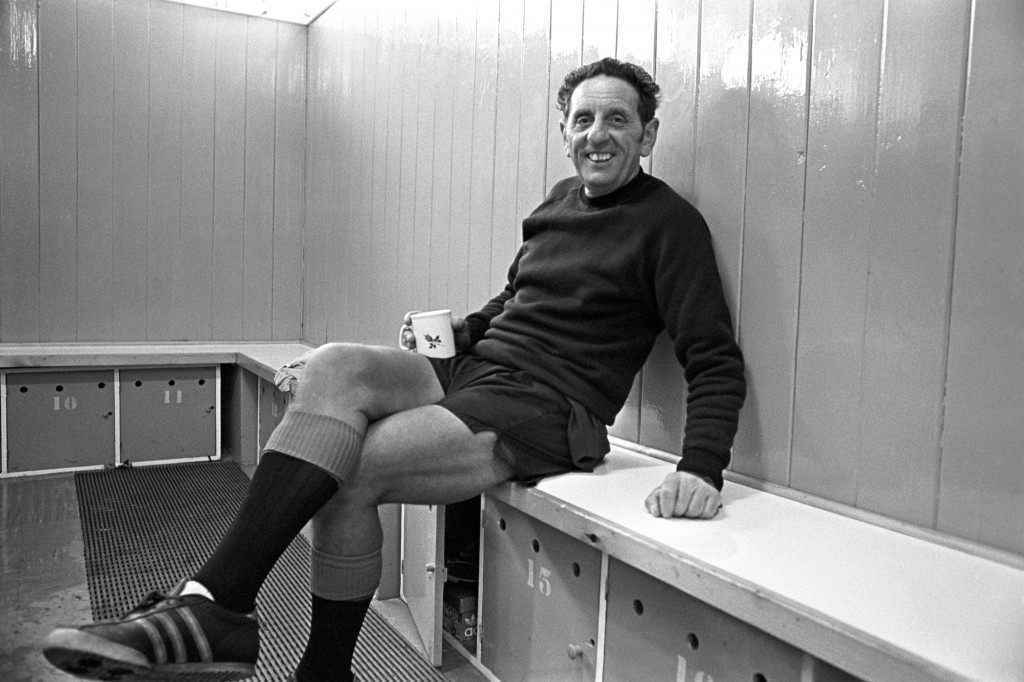
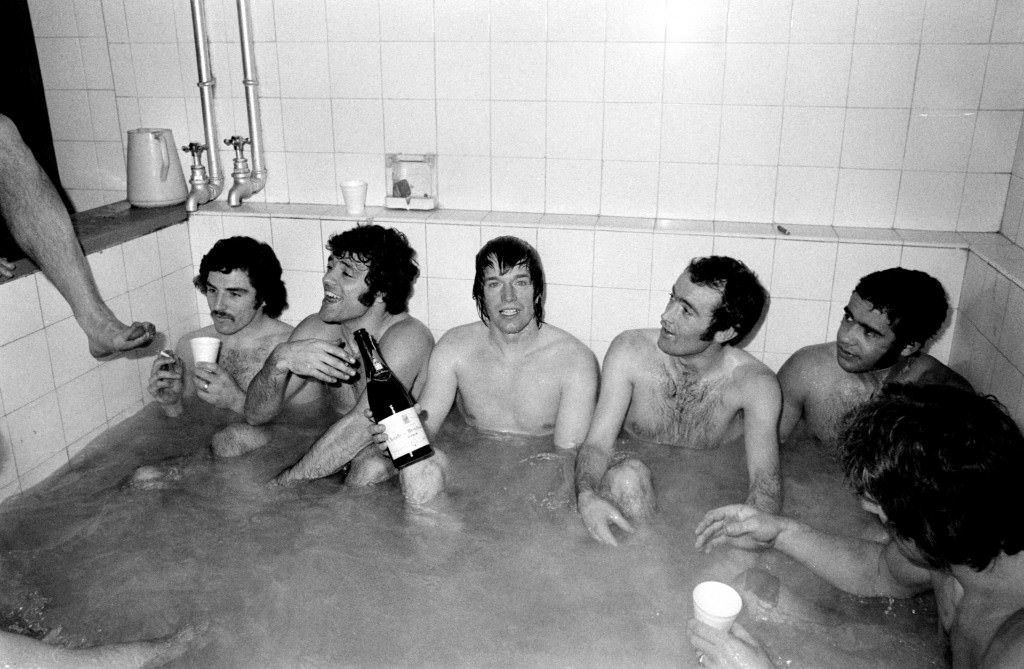
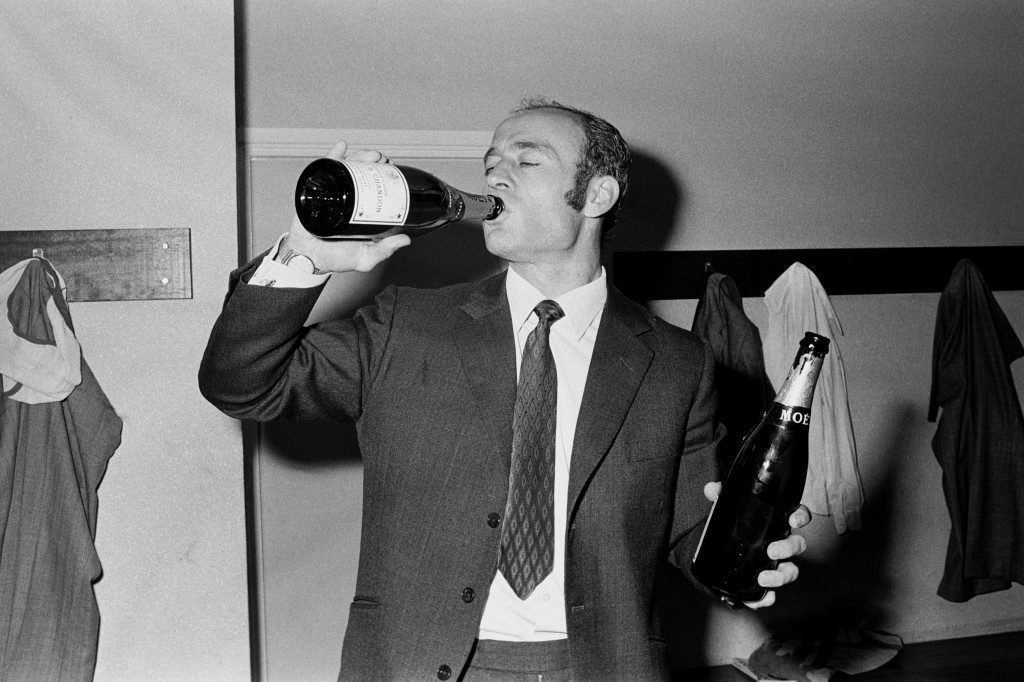
Treatment tables, trophy presentations, drinks shared straight from the bottle — the photographs document all of it without filter. England internationals sat next to club physios getting strapping removed from their ankles. Southampton’s FA Cup heroes held their medals in the same cramped room where they had pulled on their boots hours earlier.

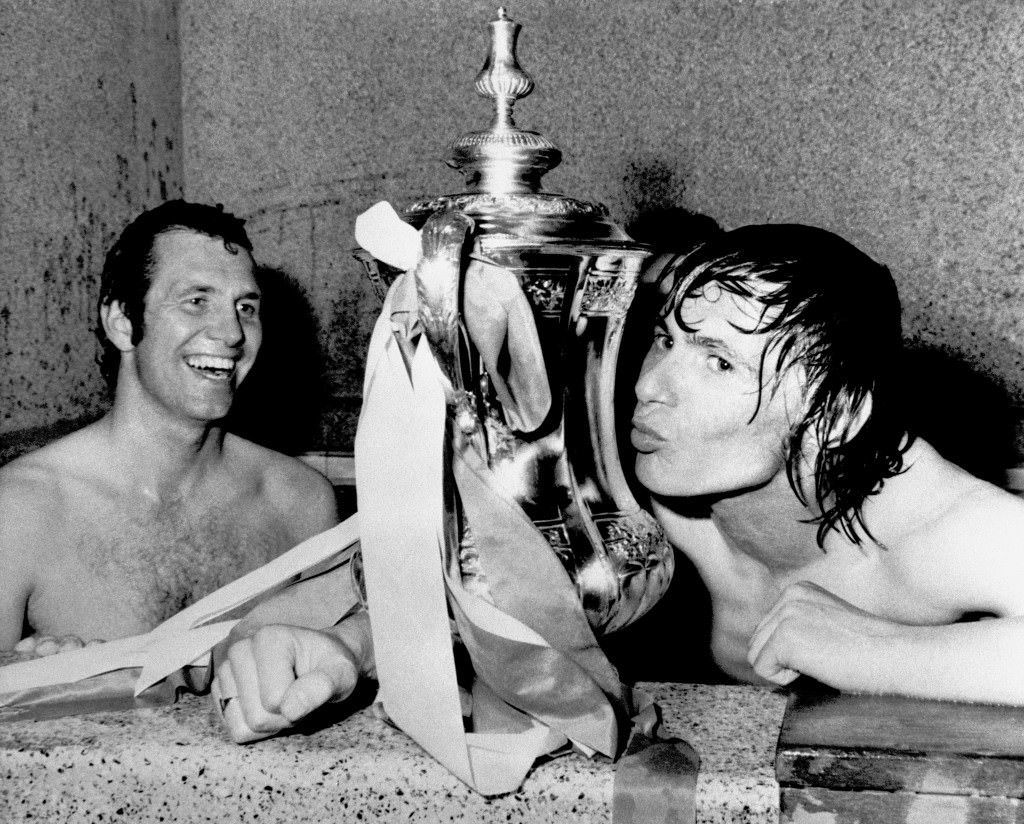
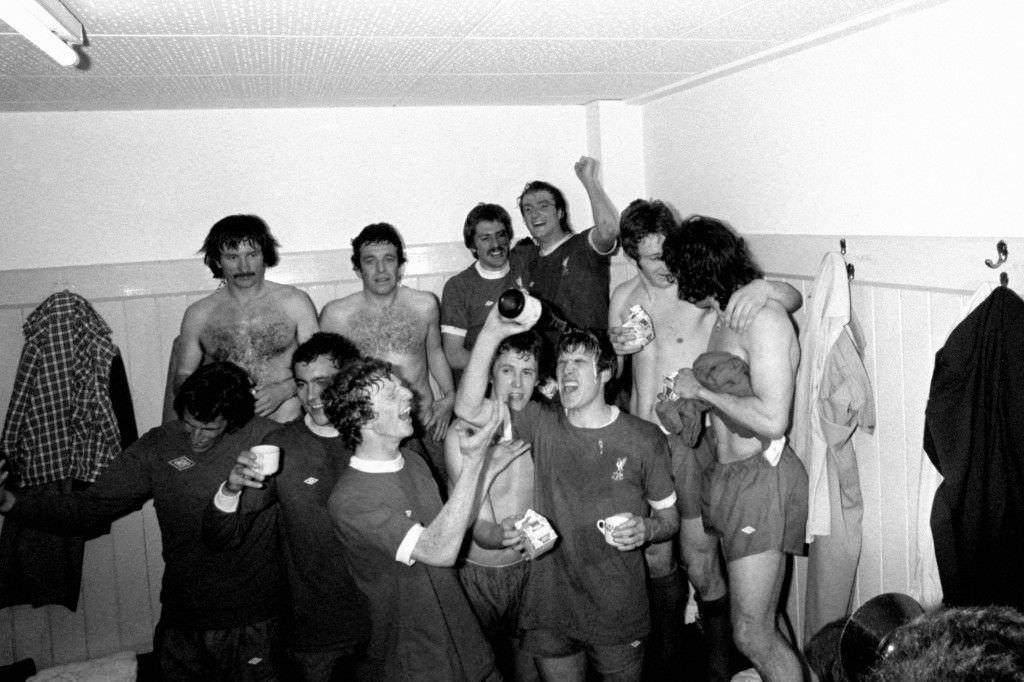
By the late 1970s, access was beginning to tighten at some of the bigger clubs, but photographs were still being taken. Aston Villa, Ipswich Town, and Arsenal all appear in the archive from 1977 onwards, their players photographed mid-celebration in the same unguarded style that defined the decade’s changing room photography.