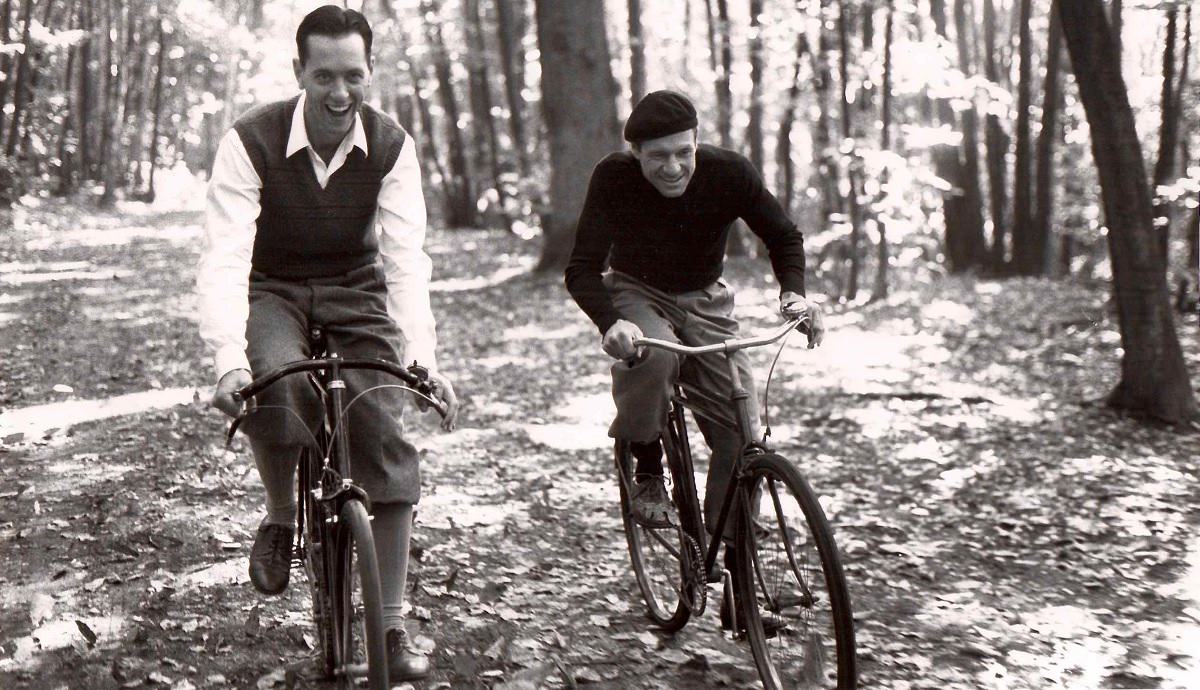
Before the gyms, the competitions, and the magazine covers, there was a different kind of physical culture taking shape. In the years around the turn of the 20th century, a generation of men with extraordinary bodies began stepping into the spotlight — not just to lift heavy things, but to be seen doing it. These were the world’s first modern bodybuilders, and the story of how they emerged is rooted in a changing world.
The Industrial Revolution reshuffled daily life for millions of men. Factory work and office jobs replaced physical labor, and a growing number of people worried about what that sedentary shift was doing to men’s bodies and health. Into that gap stepped a new kind of performer: the strongman. These men made careers out of their strength, drawing crowds at theaters and exhibitions with feats that seemed nearly impossible.
The early strongmen were impressive, but their bodies didn’t always match the modern ideal. Most had thick limbs, heavy frames, and prominent stomachs alongside their raw muscle. The goal was power, not symmetry. That began to change with one man who approached the whole concept differently — Eugen Sandow.
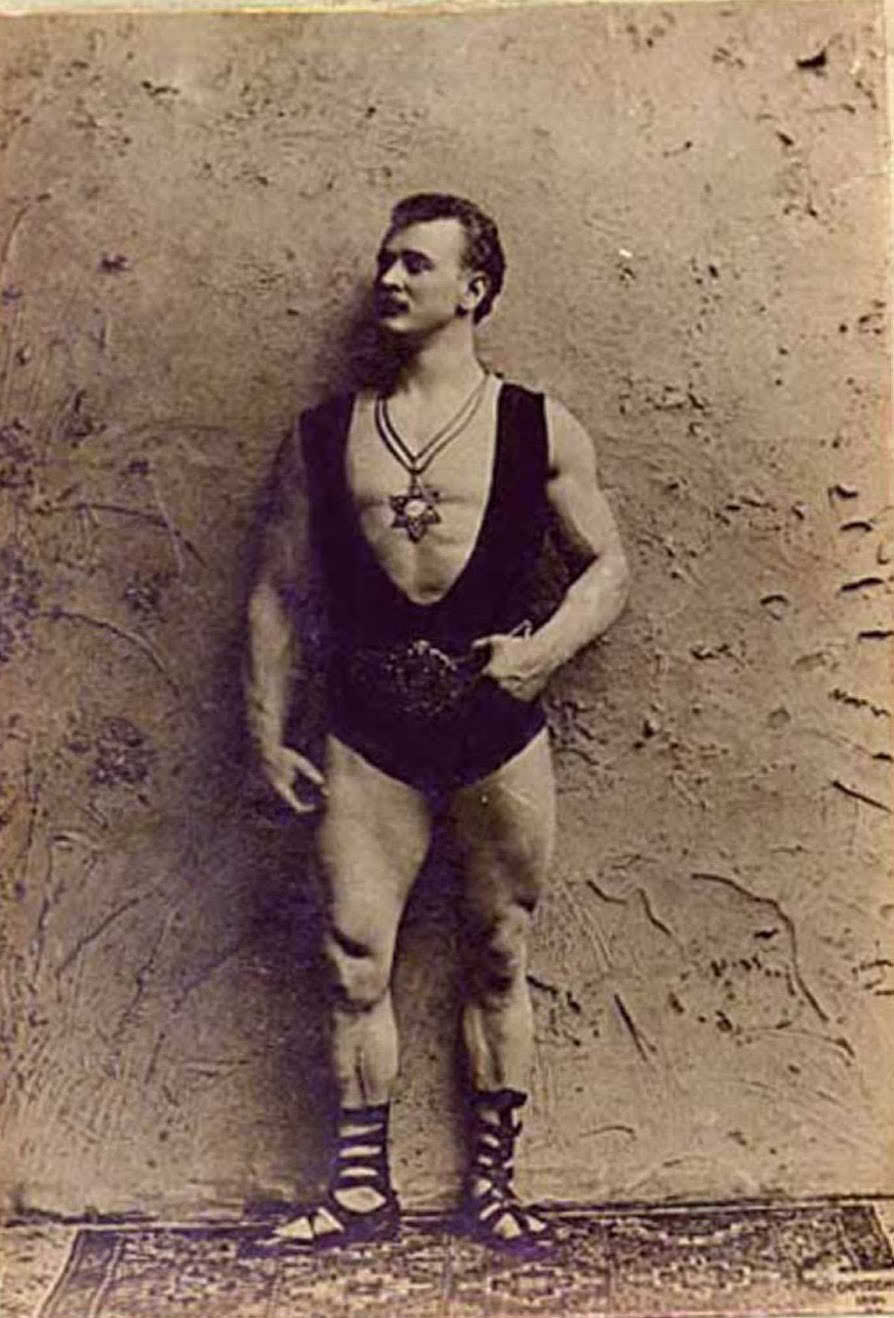
Sandow is widely called the father of modern bodybuilding, and the title is well earned. Born in Prussia in 1867, he didn’t just want to be strong — he wanted every muscle in his body to be developed and visible. He trained with deliberate precision, sculpting a physique that was balanced and defined rather than simply massive. Audiences came not only to watch him lift but to admire his musculature as he flexed and posed between lifts, in what were billed as ‘muscle display performances.’
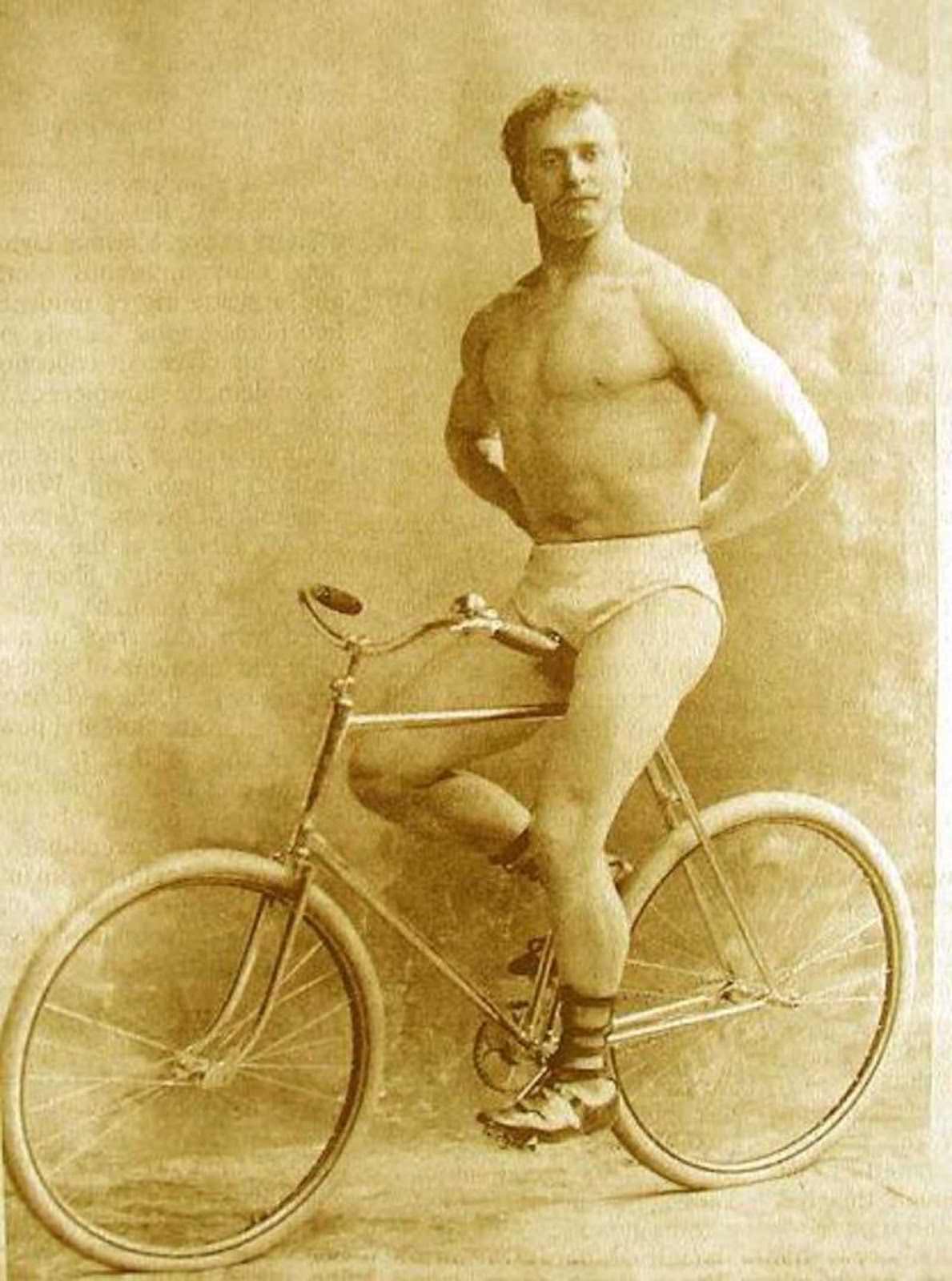
His manager, Florenz Ziegfeld — later famous for Broadway’s Ziegfeld Follies — built elaborate stage productions around Sandow’s performances. The bill often read ‘The Strongest Man in the World,’ and Sandow delivered on that promise while also giving the crowd something visual to take home with them. His approach introduced the idea that a man’s body could be a work of art shaped through discipline and training.
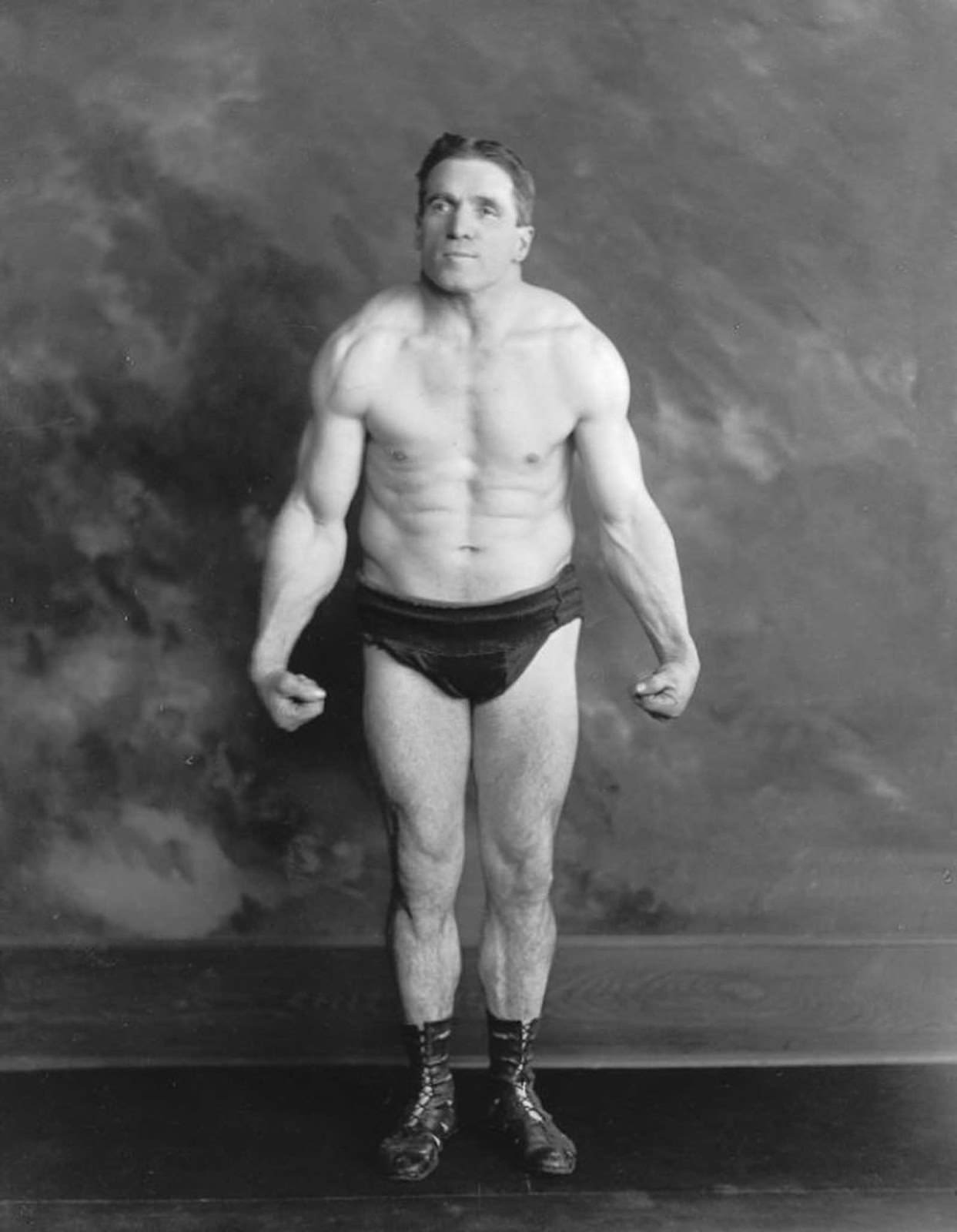
Sandow wasn’t alone in capturing public attention. Across Europe and North America, other remarkable men were building their own reputations in strength and physique. Russian-born Estonian athlete George Hackenschmidt was one of the era’s most recognized figures, both in bodybuilding and professional wrestling.
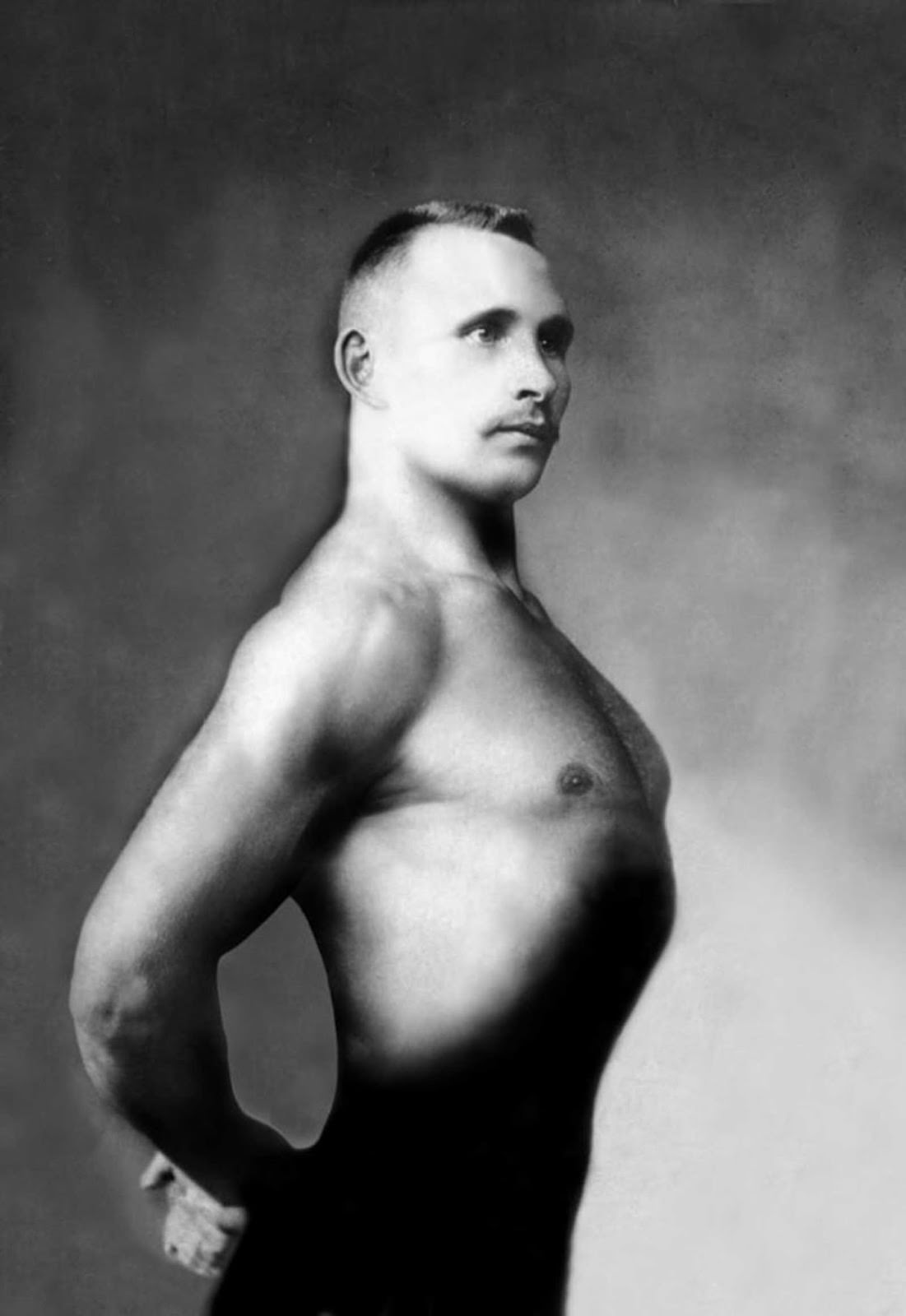
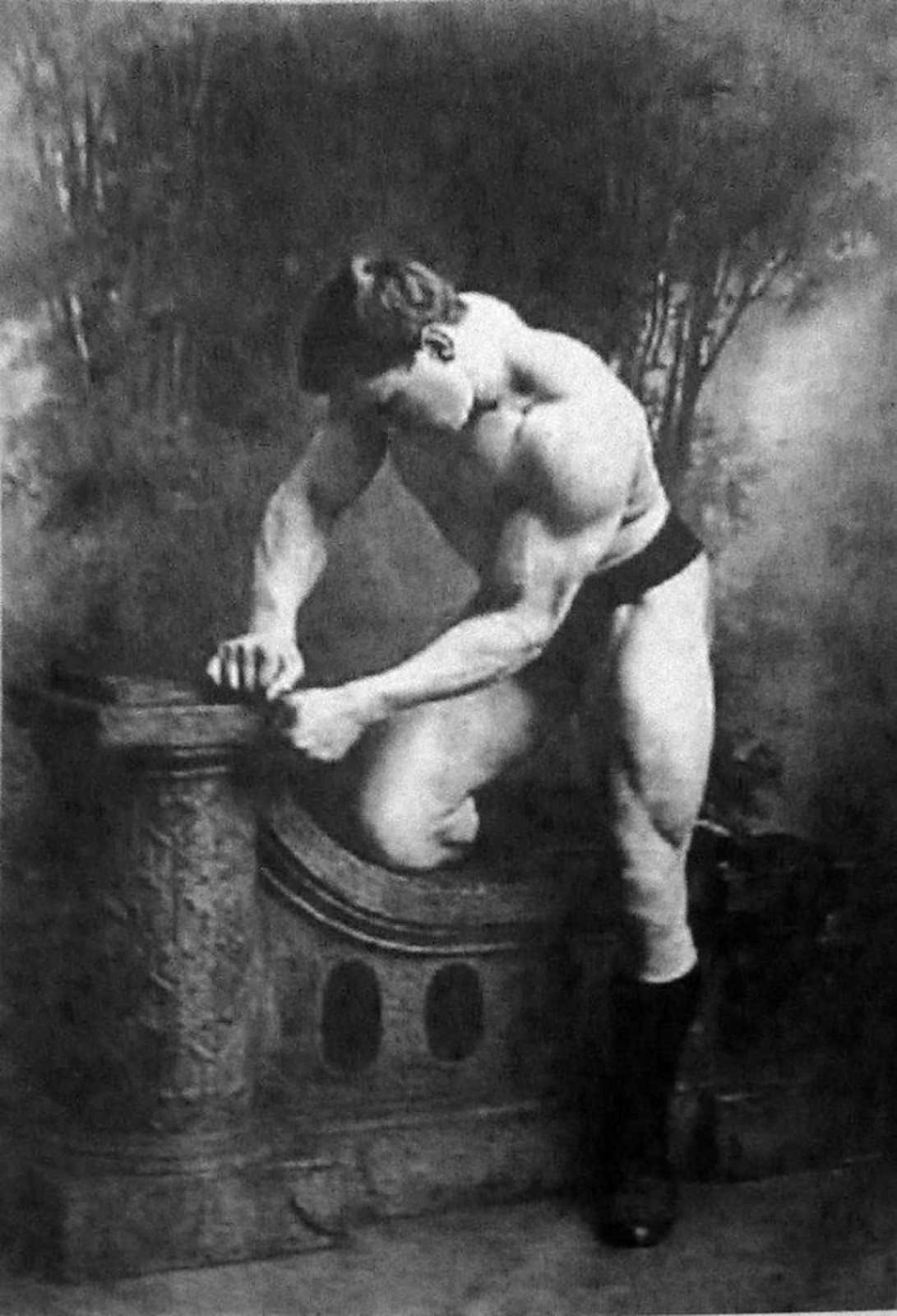
Hackenschmidt is credited with creating the professional wrestling version of the bear hug and with popularizing the hack squat — a deadlift variation performed with the arms positioned behind the body. His combination of raw strength and a well-developed physique made him a natural fit for the emerging world of competitive bodybuilding.
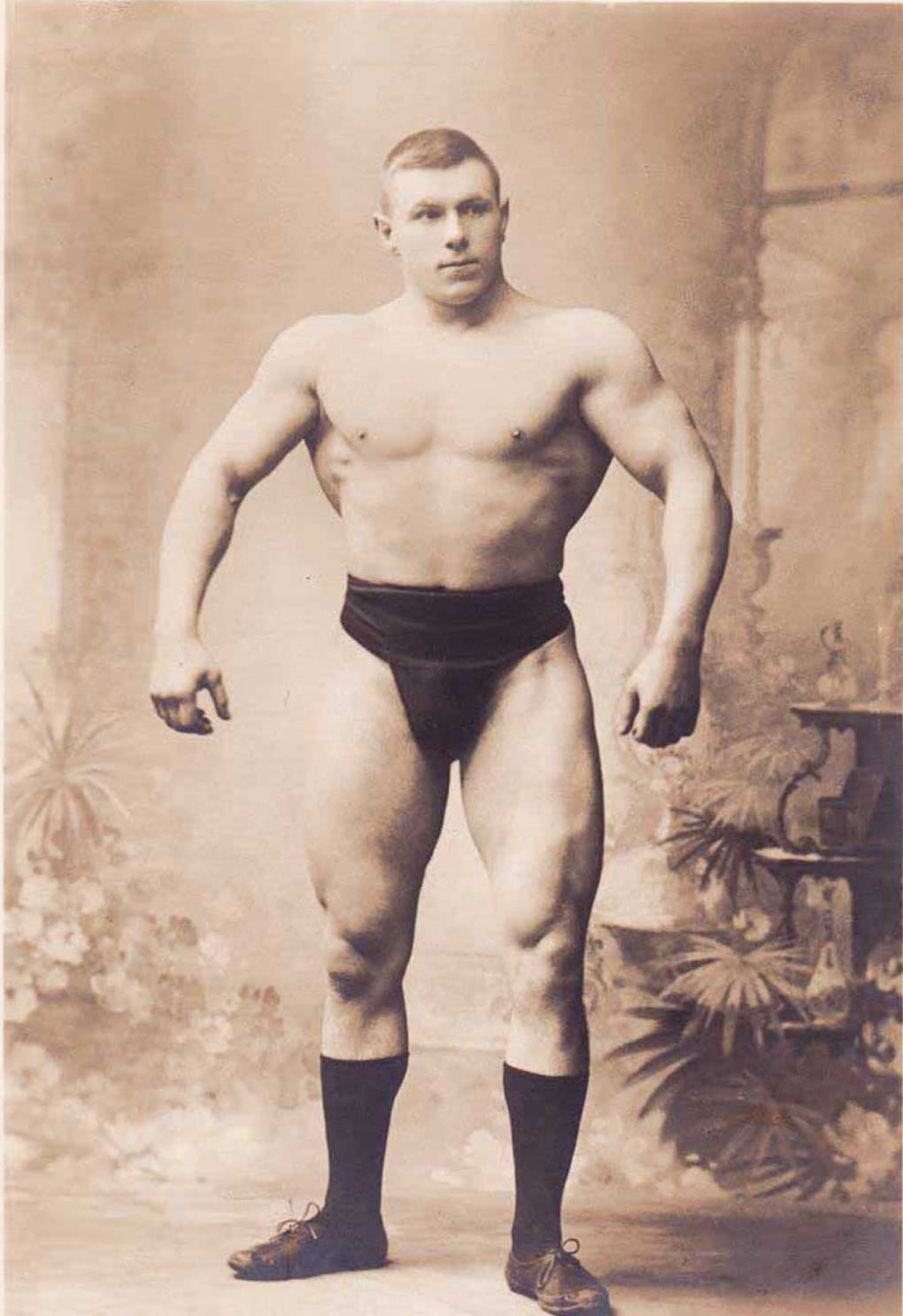
Then there was Louis Cyr, the French Canadian strongman whose recorded feats still stand among the most astonishing in history. Cyr lifted 500 pounds with a single finger and performed a backlift of 4,337 pounds — hoisting that weight on his back from a platform. He was a giant of a man in every sense, built more in the old strongman tradition than the sculpted Sandow style, but his strength was undeniable.
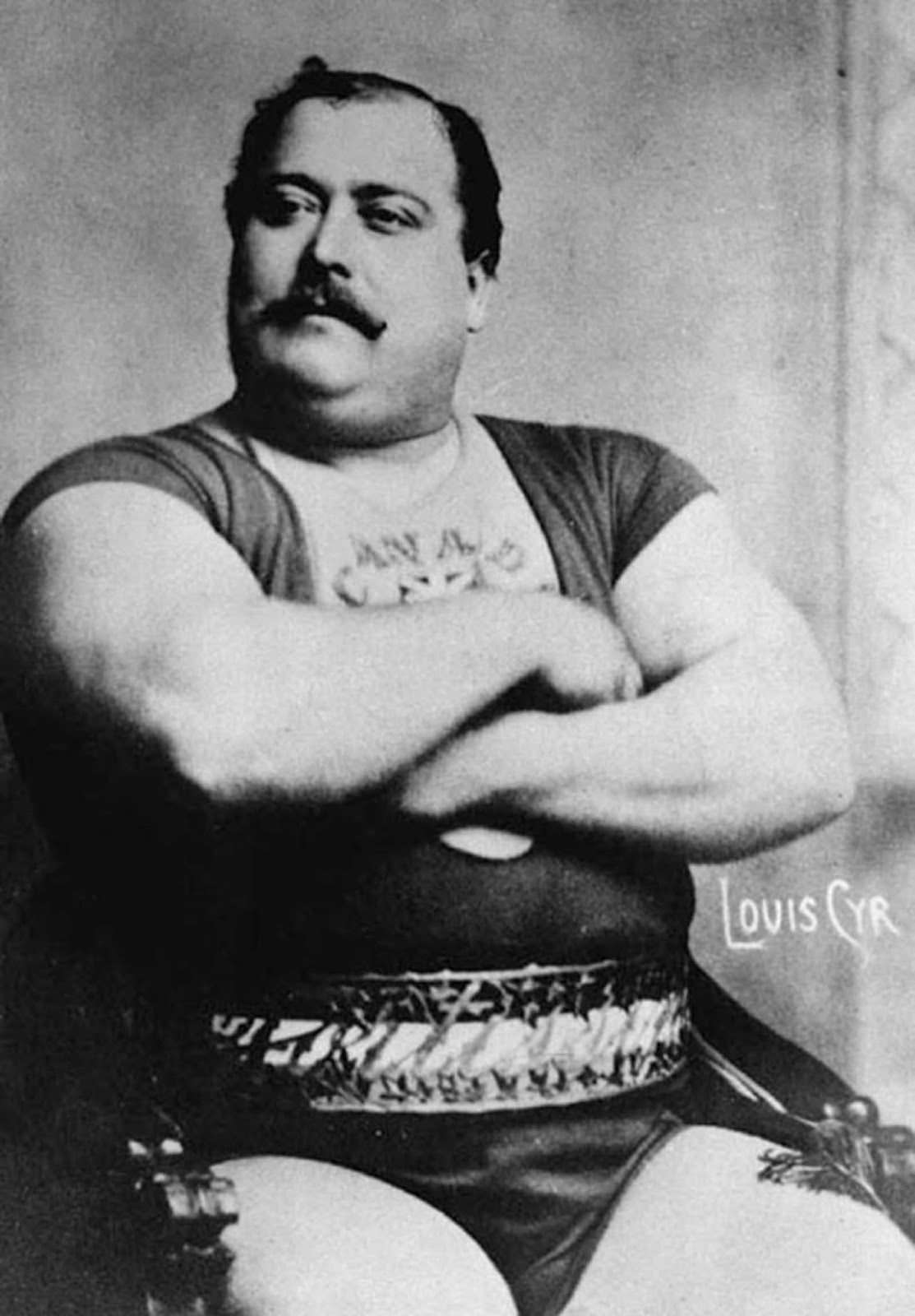
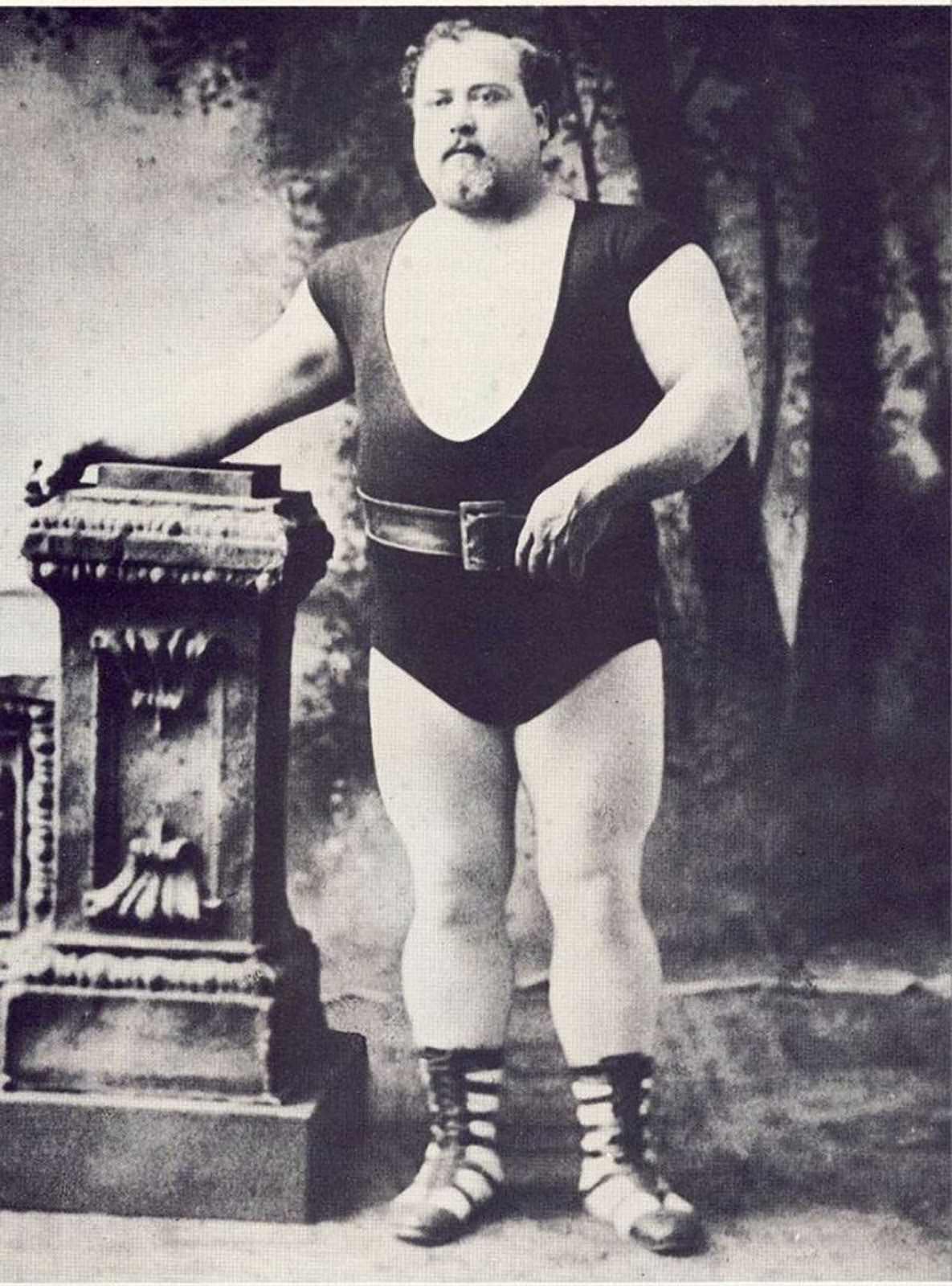
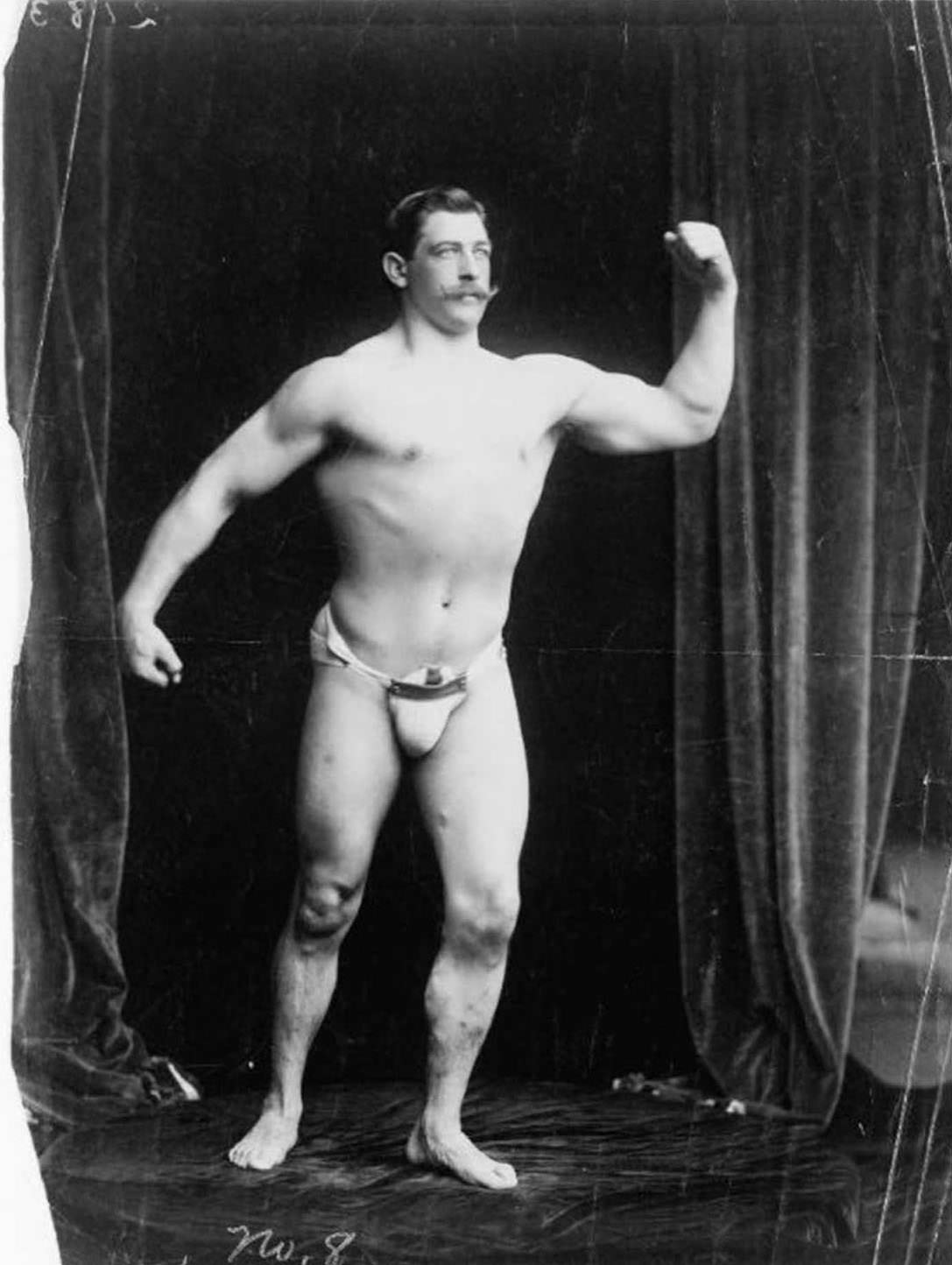
Studio photography played a significant role in spreading the culture of bodybuilding during this period. Photographers captured strongmen in posed positions, dressed in minimal clothing to show off their development. These images circulated widely, feeding public fascination and helping to establish physical culture as a respectable pursuit.
Sandow himself was among the most photographed men of his era. His images were sold commercially, and people — including women, which was considered quite daring at the time — would line up just to feel his muscles. He understood publicity and used it masterfully to build his brand and expand his reach.
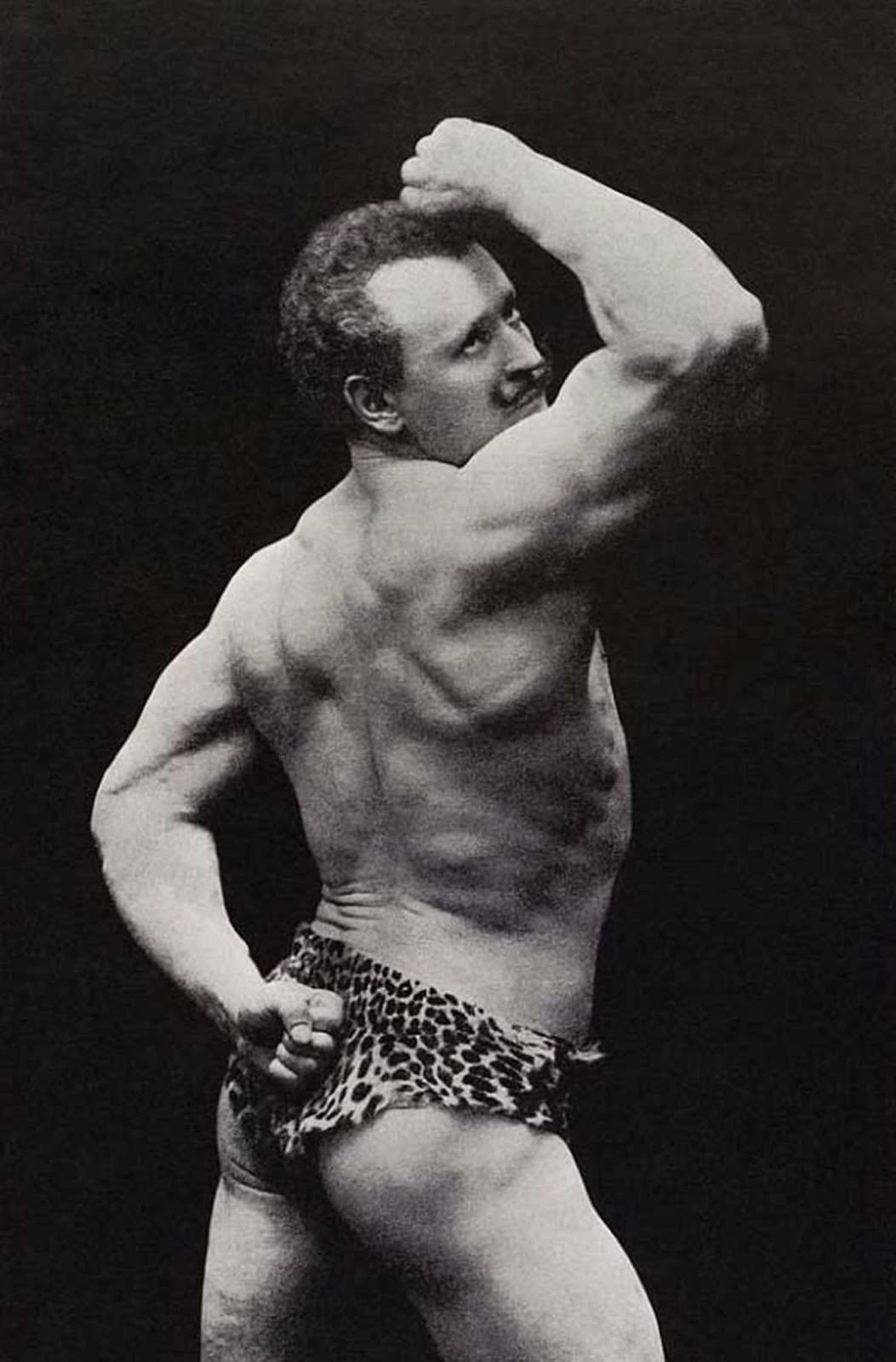
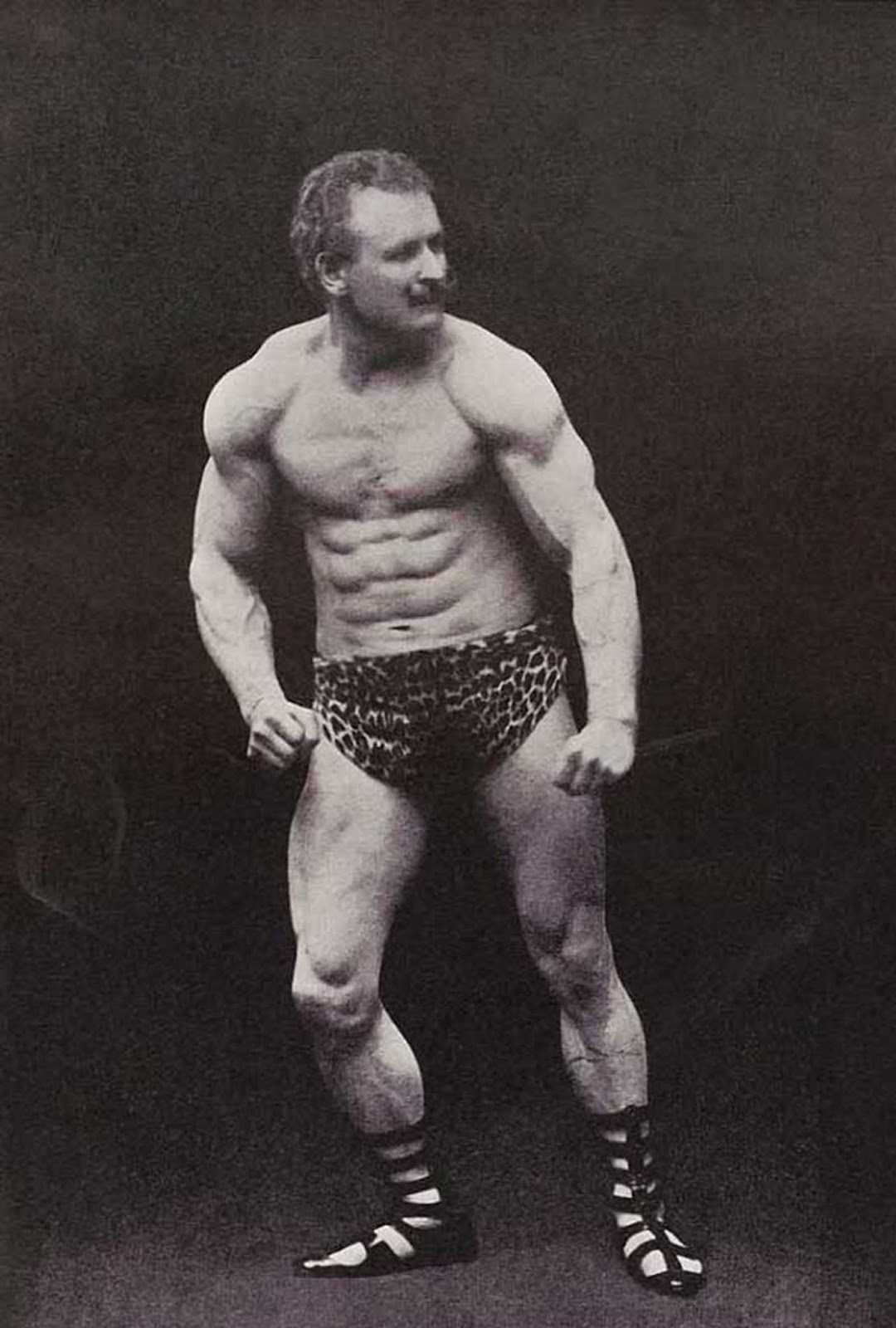
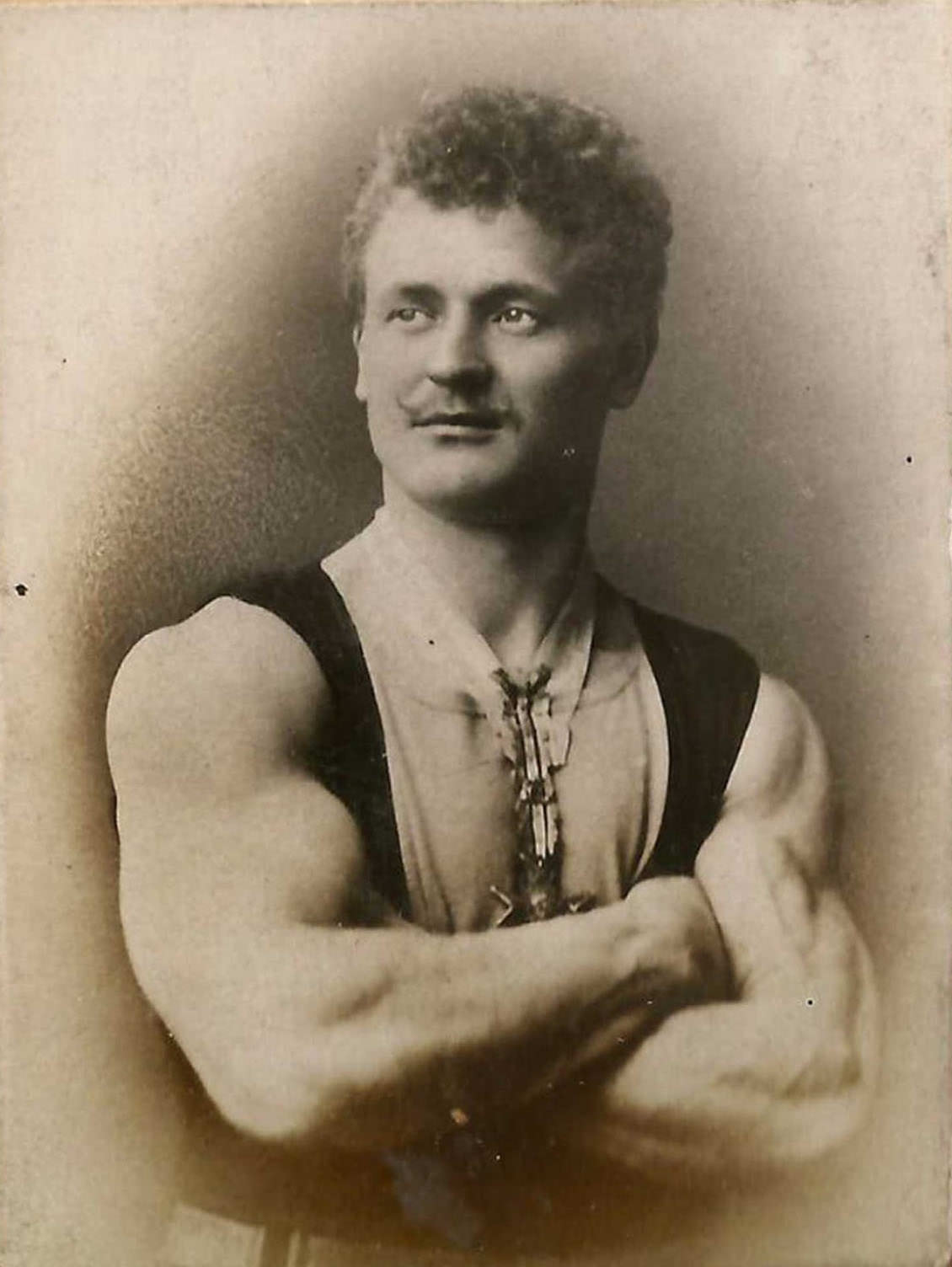
Another notable figure of the era was Lionel Strongfort, who launched his stage career around 1897. He became world-famous for what he called his ‘Human Bridge Act,’ holding the position known as the Tomb of Hercules — supporting enormous weight across his body while suspended between two platforms. His performances packed theaters across Europe and the United States.
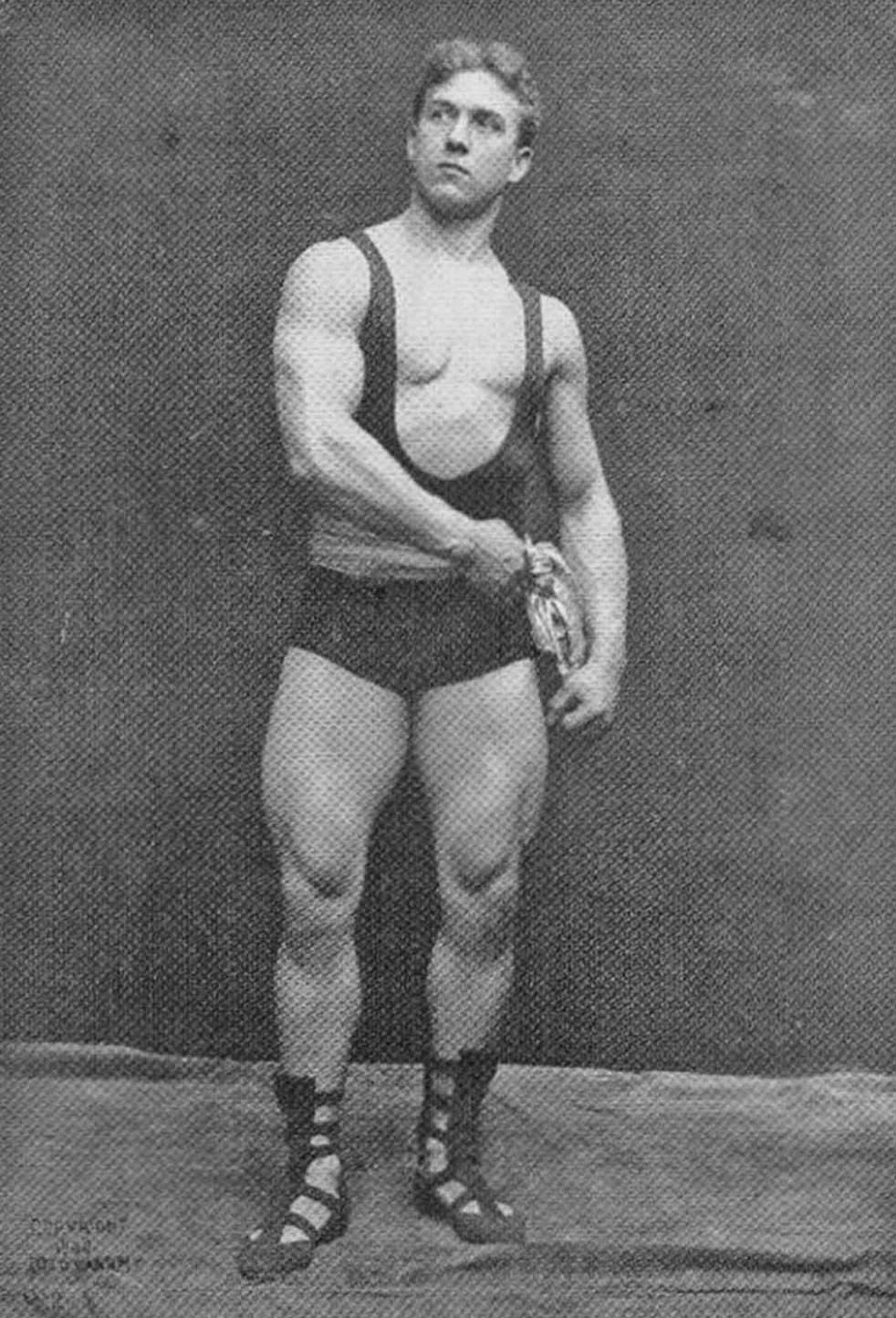
The first large-scale bodybuilding competition took place on January 16, 1904, at Madison Square Garden in New York City. Bernarr Macfadden, publisher of physical culture magazines including Health & Strength, organized the event. The winner was Al Treloar, who was declared the most perfectly developed man in the world. The competition marked a turning point — bodybuilding was no longer just a performance art. It had become a sport with judges, standards, and a champion.
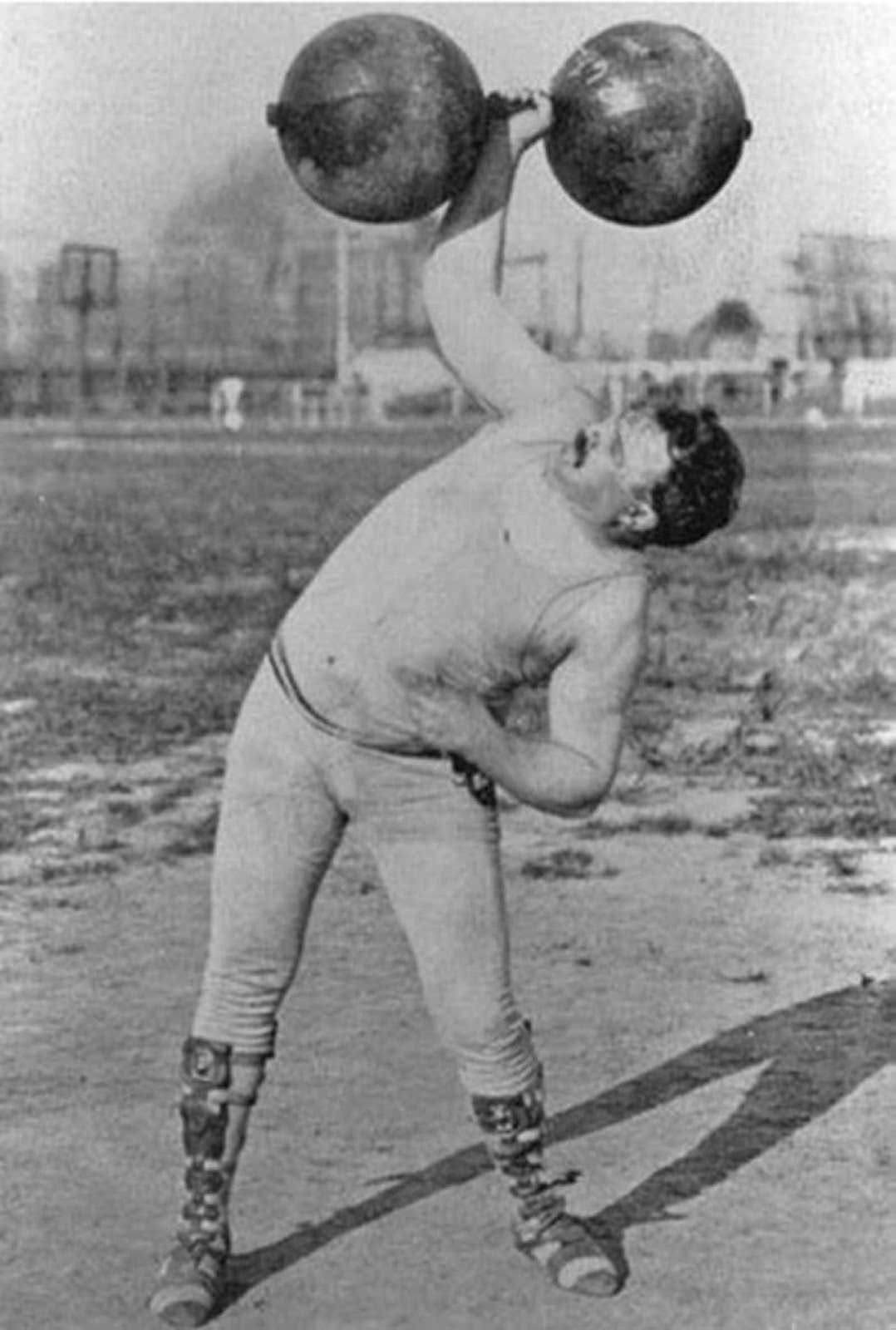
Sandow’s influence extended beyond the stage. He opened physical culture schools where men could train under structured programs, and he appointed managers to run them. The men who worked and trained in those schools were themselves models of the physique Sandow promoted.
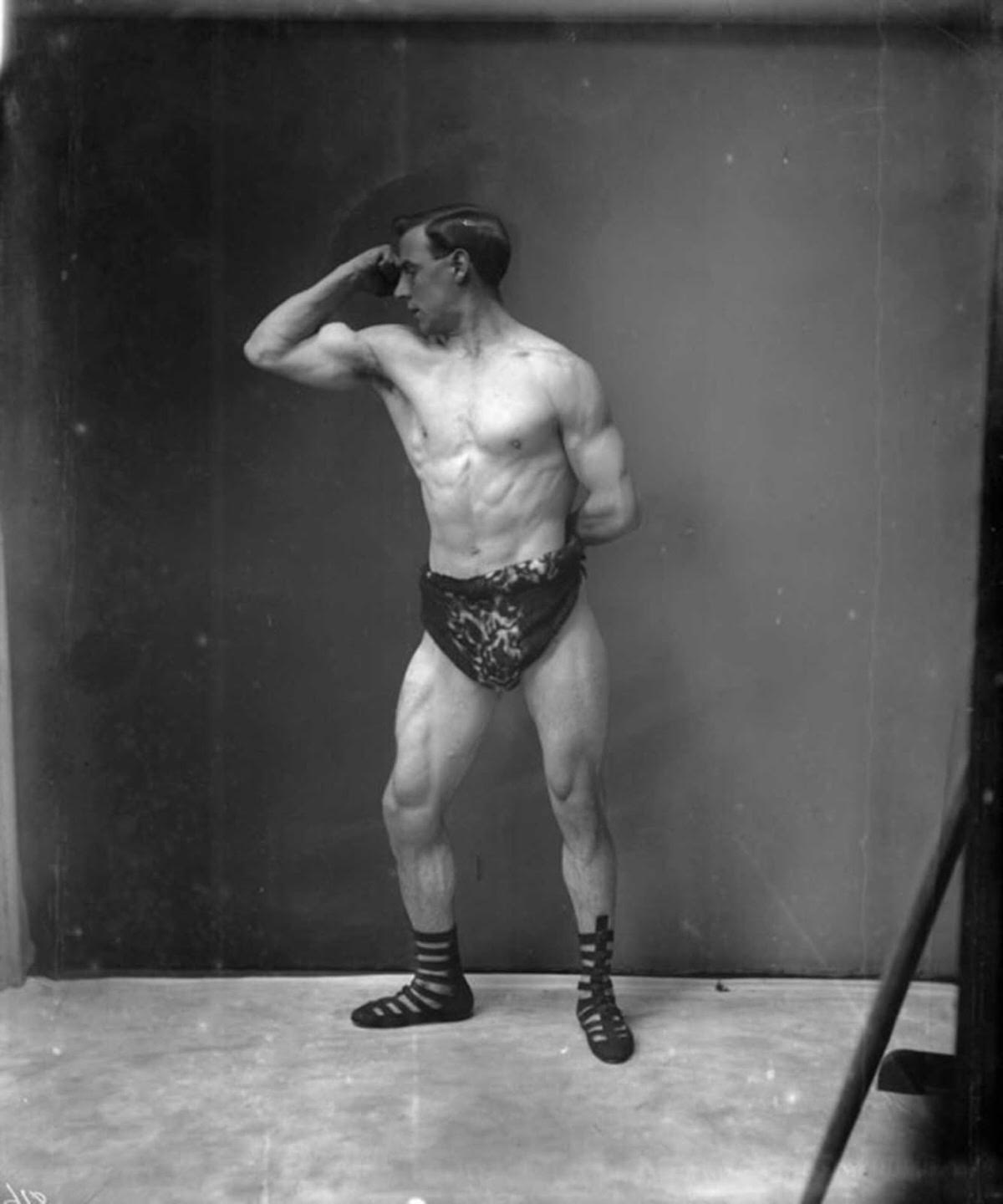
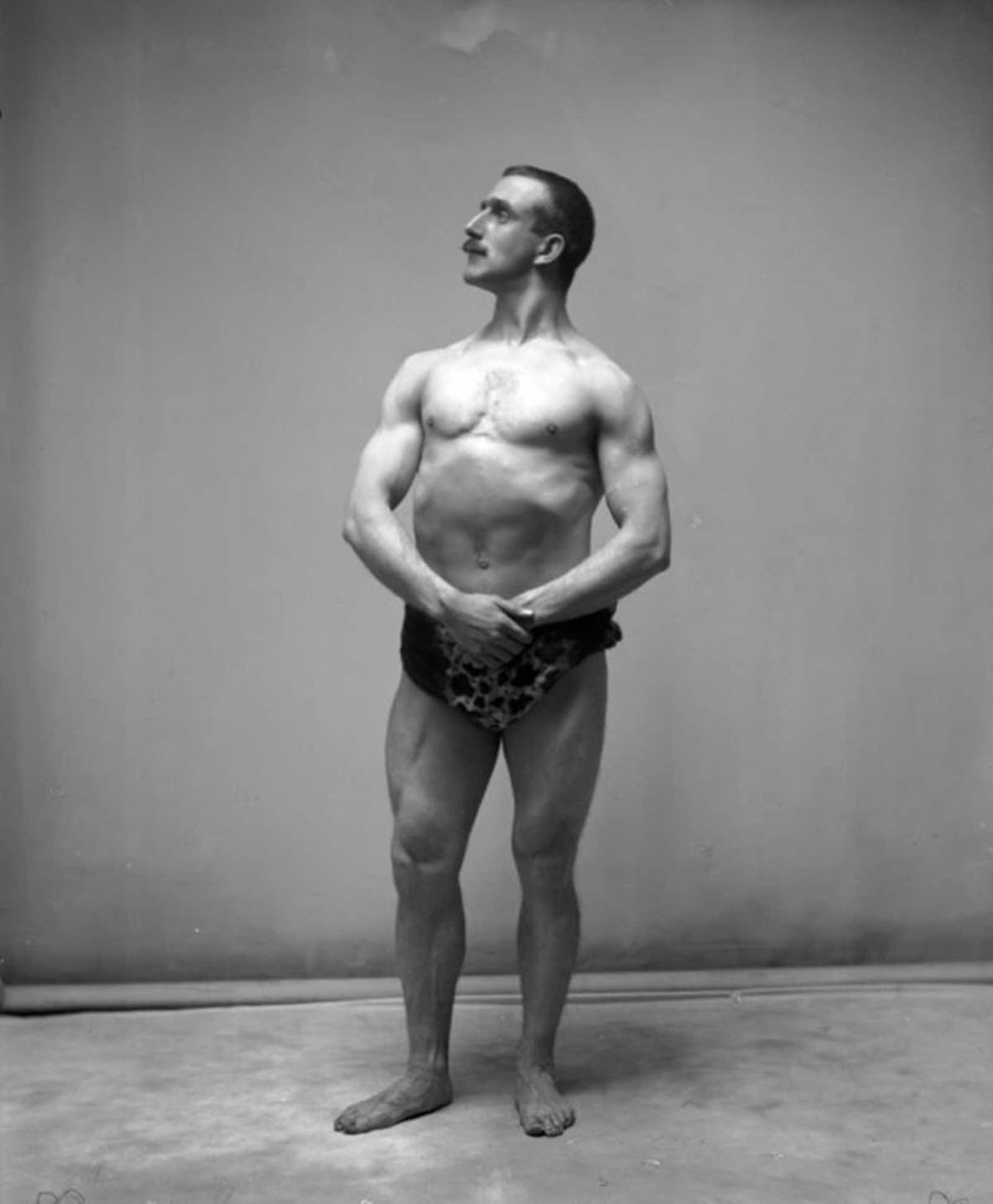
Physical culture reached into unexpected corners of society. Police departments, military academies, and other institutions adopted strength training as part of their formal programs. The idea that a strong body produced a capable, disciplined person had taken firm hold across Western culture.
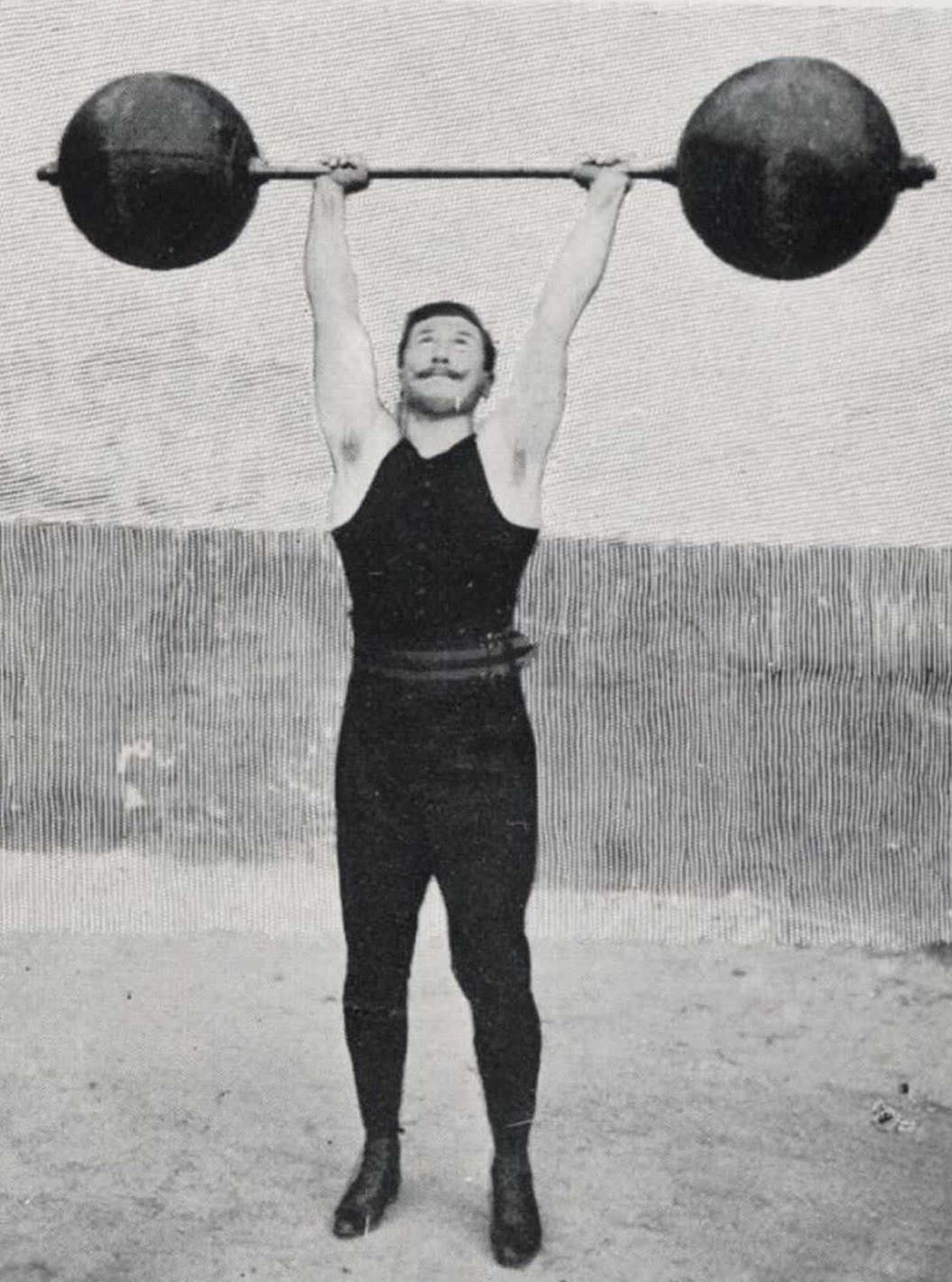
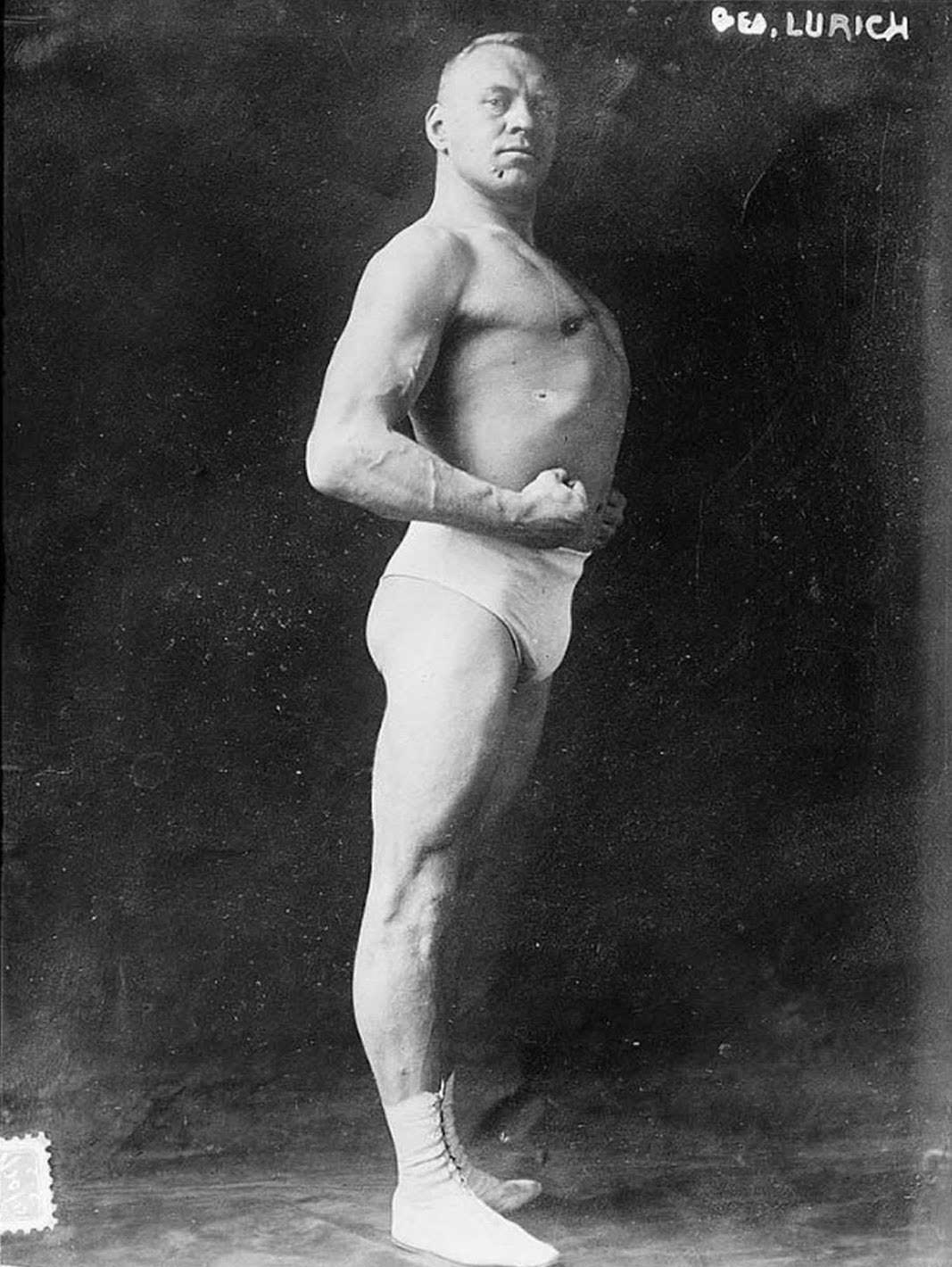
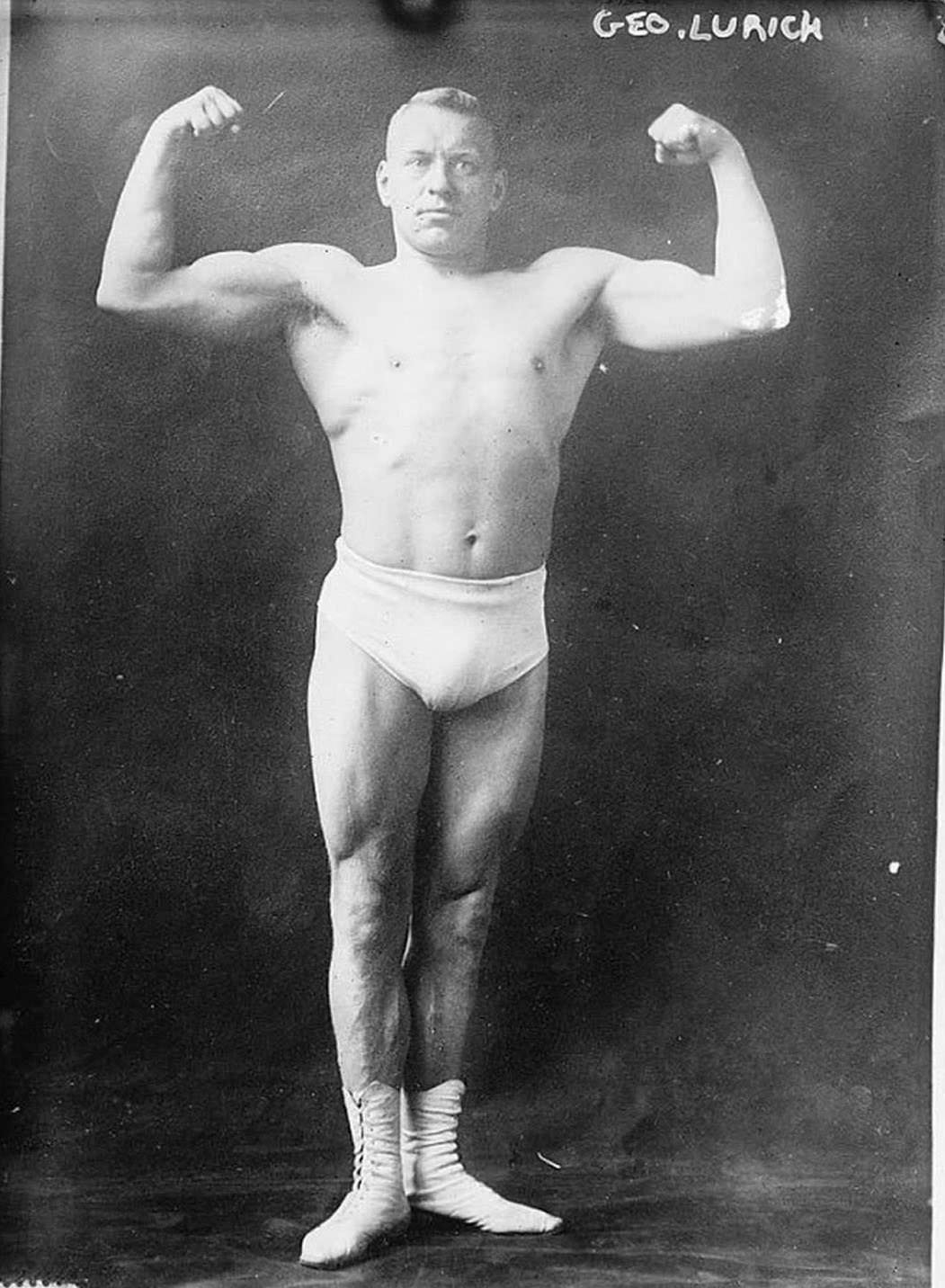
Estonian wrestler and strongman Georg Lurich was another figure who gained wide recognition in the early 1900s. Like Hackenschmidt, Lurich excelled in both wrestling and physical culture, representing a generation of athletes who straddled multiple disciplines before those worlds fully separated.
Bernarr Macfadden, the man behind the 1904 Madison Square Garden competition, was more than a promoter. He built a publishing empire around physical culture, producing magazines and books that brought training advice and inspiration to a mass audience. His 1918 photograph shows a man who practiced what he preached — lean, muscular, and physically imposing well into his later years.
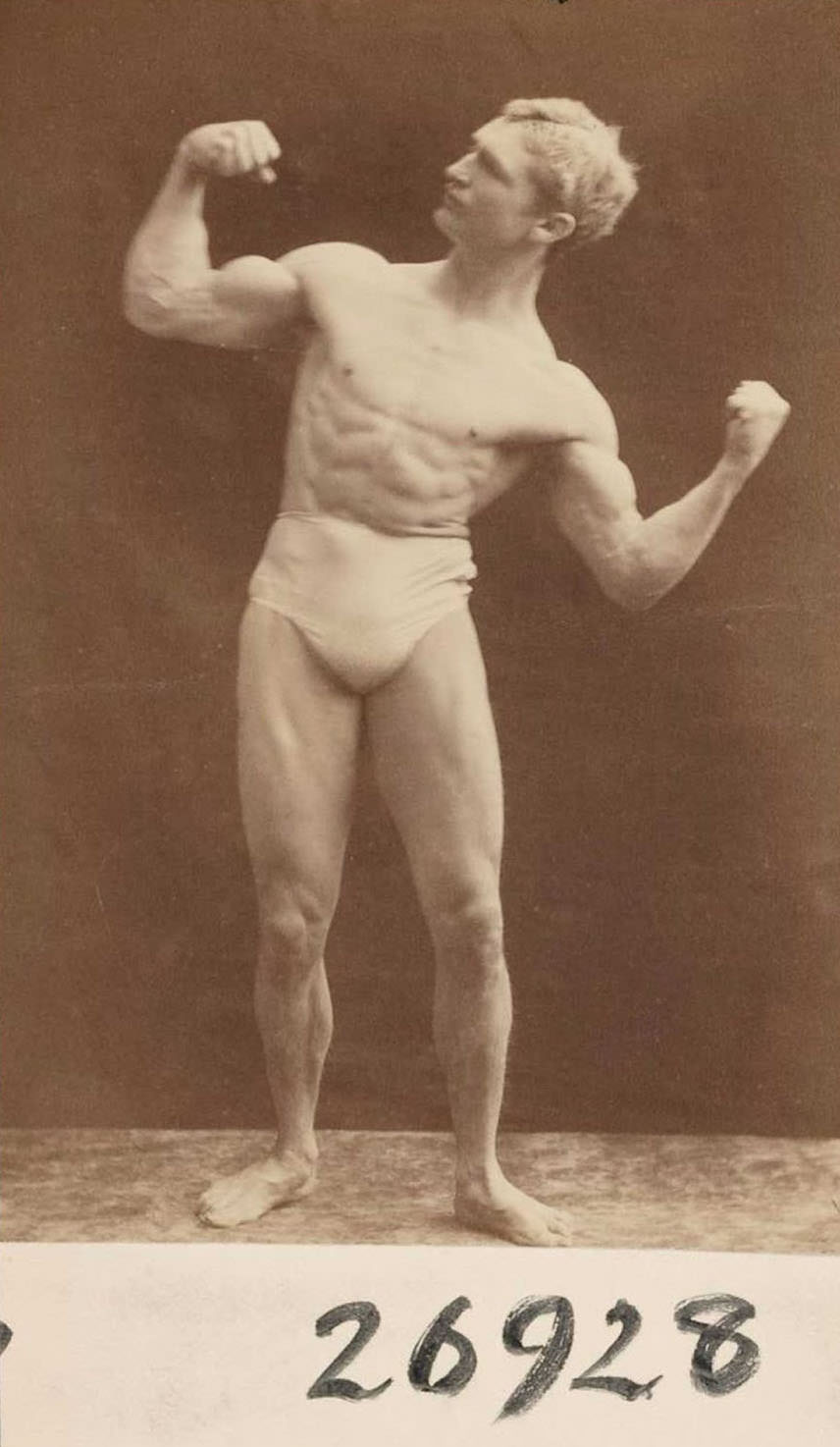
By the 1920s, physical culture had evolved into a genuine movement. The strongman of the circus midway had given way to the trained athlete posing under studio lights. The bodies on display were more deliberate, the training more systematic, and the audience broader than ever before.
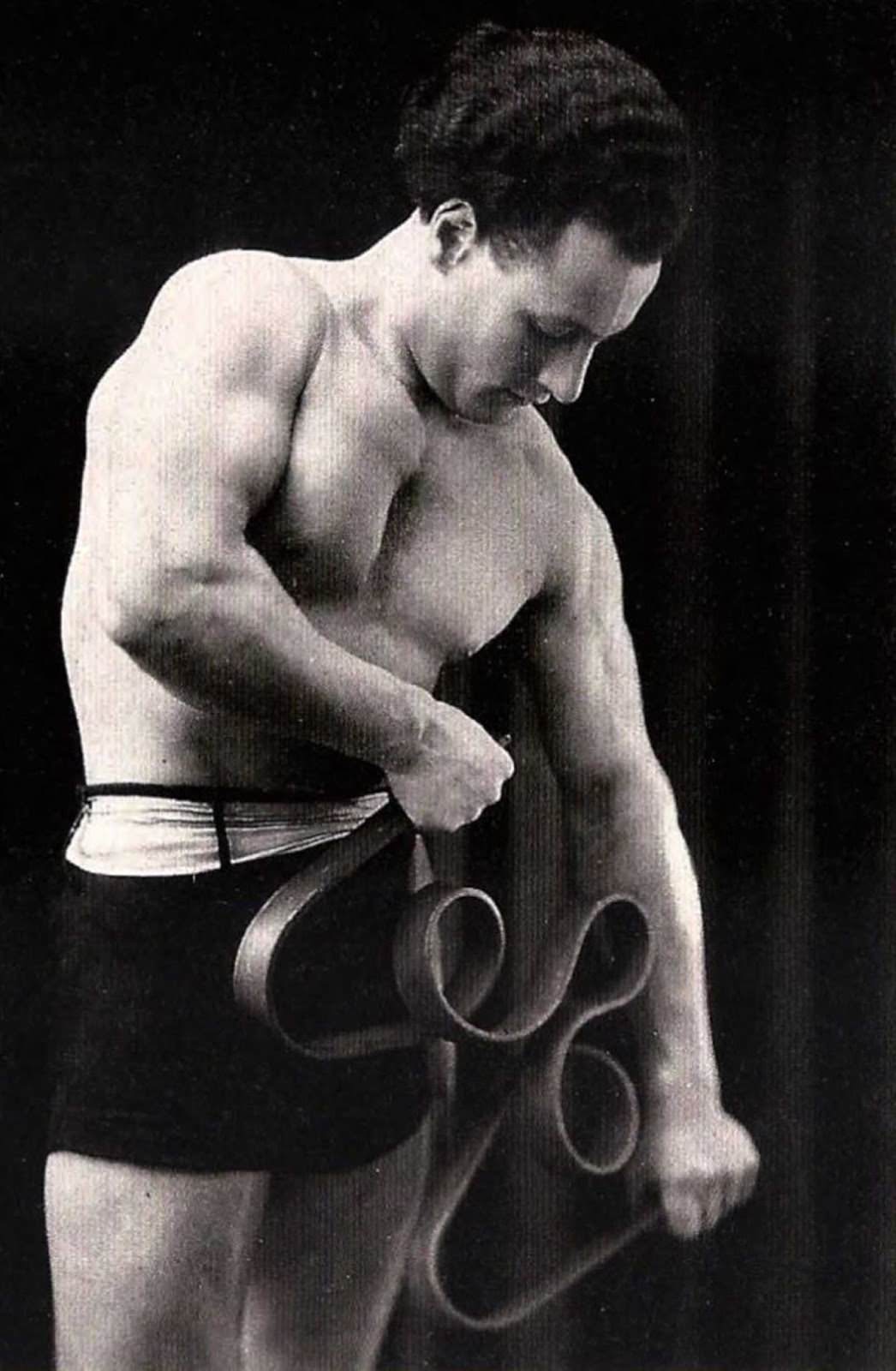
The photographs from this period offer a direct window into a world that was redefining what the human body could look like and what it meant to build it on purpose. Dr. Gustav Zander of Stockholm had laid some of the groundwork as early as 1892, developing machines and equipment for systematic muscle training. But it was the men who stepped in front of cameras and crowds who turned those ideas into a culture.