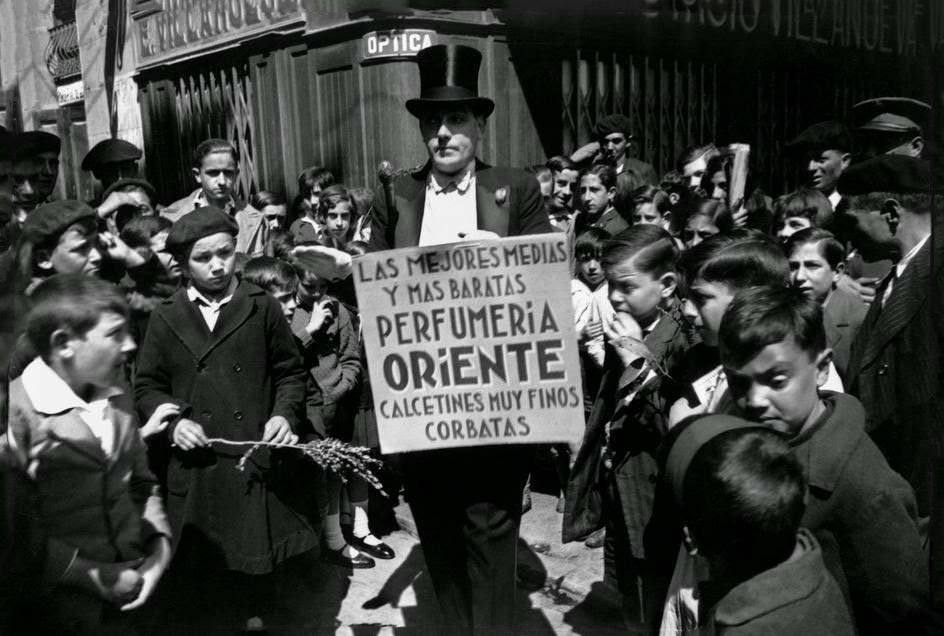
Henri Cartier-Bresson was not yet thirty years old when he arrived in Spain in 1933, but he had already lived more lives than most. Born in France to a wealthy textile merchant, he rejected the comfortable, conventional path laid out for him. He threw himself into the bohemian art world of Paris, studying Cubist painting at André Lhote’s Montparnasse academy starting in 1927. The bold planes, collage-like compositions, and spatial ambiguity of Cubism — along with the strange, dreamlike logic of Surrealism — would later show up directly in the way he framed a photograph.
His road to photography was not straightforward. In 1930, he spent a year traveling alone in Africa, deliberately cutting himself off from Western culture. He contracted blackwater fever there — a severe and often fatal complication of malaria — and barely survived. After recovering, he picked up a camera. It was a small 35mm Leica, a tool light enough to carry anywhere and discreet enough to go unnoticed. He had used an unwieldy box camera on earlier trips through Italy, Spain, Morocco, and Mexico, but the Leica changed everything. With it, he could react in an instant.
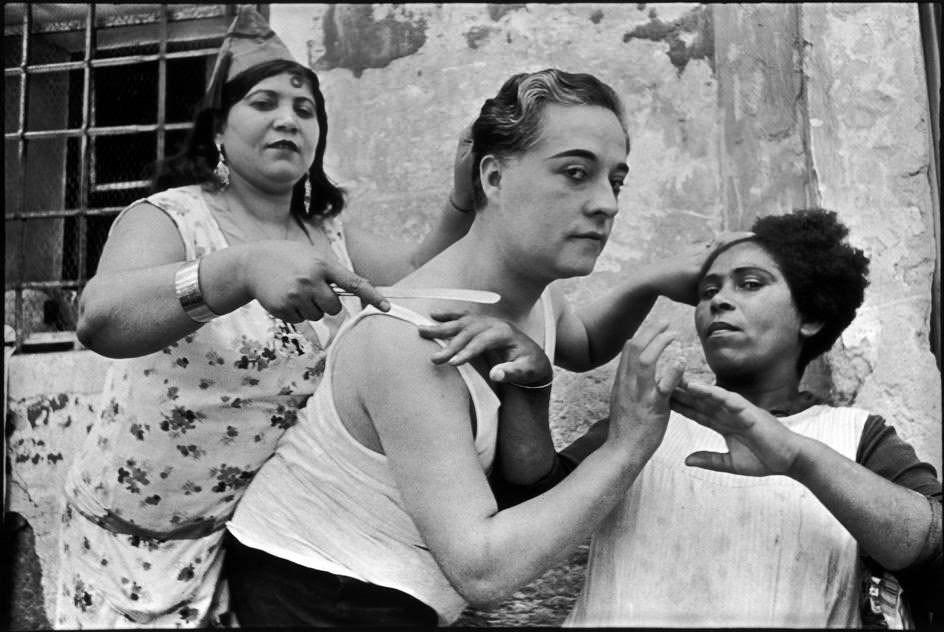
That instinct for the instant became the core of his philosophy. He described photography as “the simultaneous recognition, in a fraction of a second, of the significance of an event as well as of a precise organization of forms which gave that event its proper expression.” In Spain in 1933, he put that idea to work across cities, back streets, bullfight arenas, and open countryside.
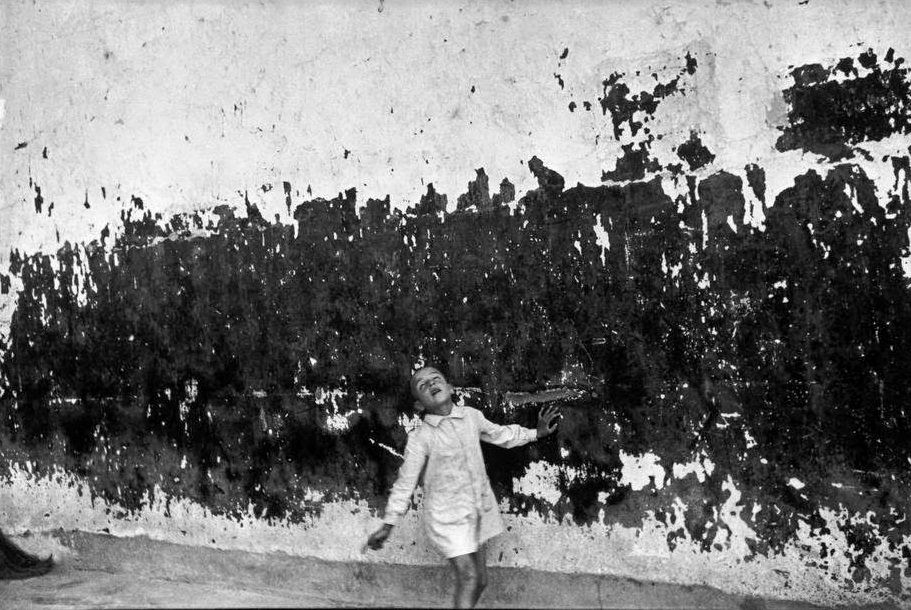
Spain in 1933 was a country in tension. The Second Spanish Republic had only been declared two years earlier, in 1931, and political and social instability ran through everyday life. Unemployment was high, poverty was visible, and the gap between Spain’s regions — the industrial north, the agricultural south, the Mediterranean coast — was sharply felt. Cartier-Bresson moved through all of it, drawn not to the powerful but to the people on the margins.
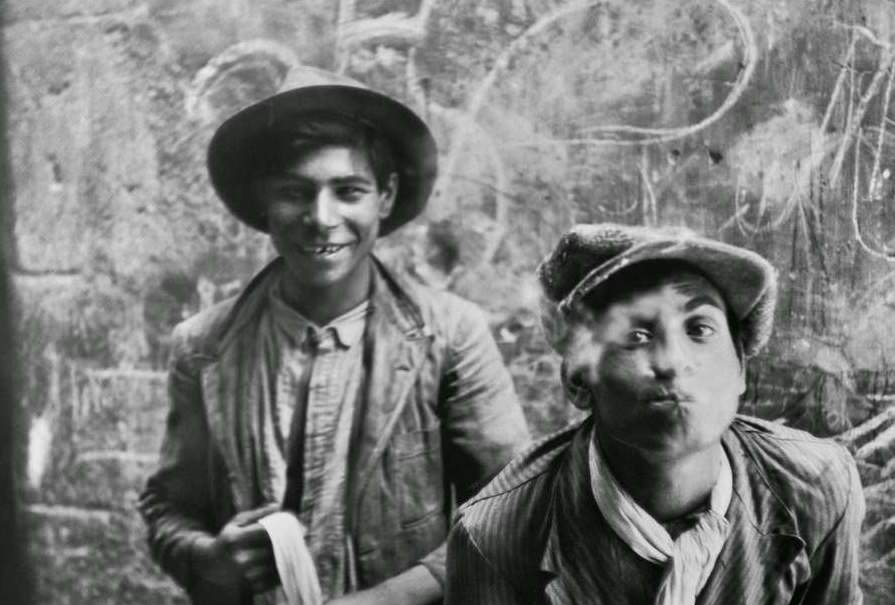
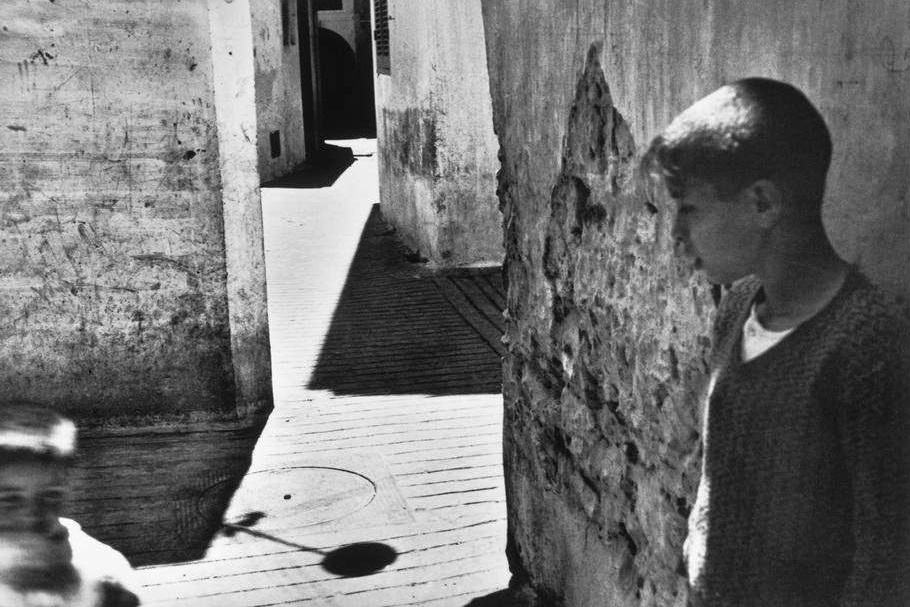
In Andalucia, he photographed Gypsies in Granada — a community long pushed to the edges of Spanish society. In Seville, he found scenes in the streets that carried the same quality he had chased in the dark alleys of Paris and Eastern Europe: real people going about hard lives, caught in a moment that felt both ordinary and entirely precise. His earlier work had been shaped by a deep interest in society’s outcasts, and in southern Spain, that instinct found fertile ground.
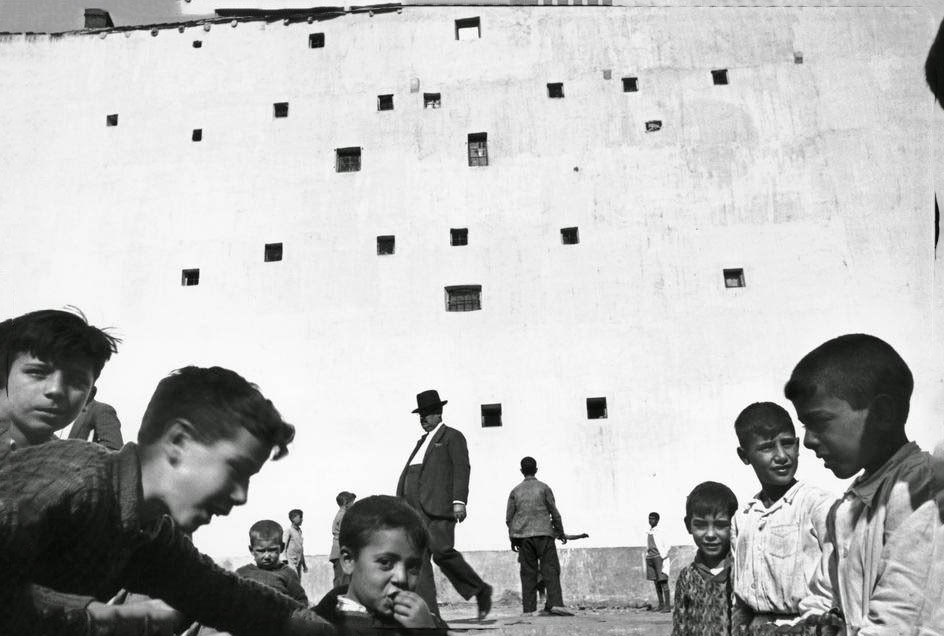
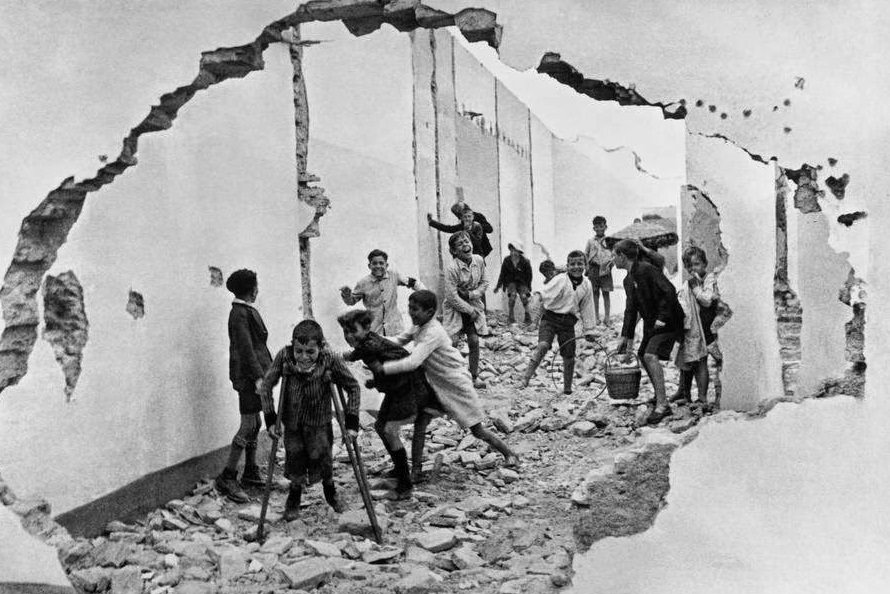
Madrid gave him a different kind of subject. The capital was the center of Spain’s political life, and its streets reflected that — more formal, more crowded, more charged. He photographed the city’s residents with the same directness he brought everywhere: no staging, no instruction, just the camera raised and the shutter pressed at the right moment.
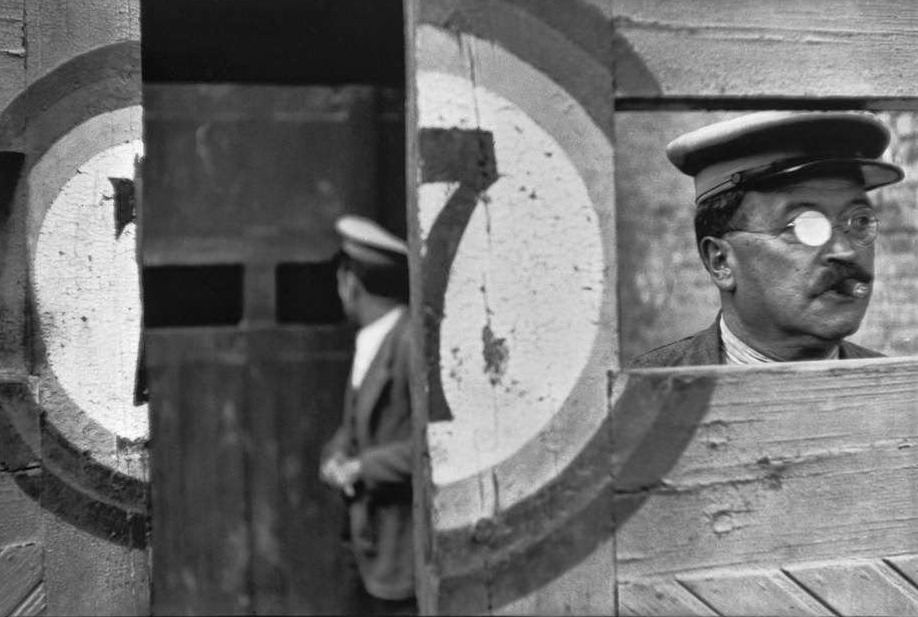
Back in Valencia, he turned his lens toward one of Spain’s oldest cultural rituals. Behind the sliding doors of the bullfight arena, he captured the world that exists just before the spectacle begins — the shadows, the waiting, the geometry of the space itself. It is exactly the kind of image that shows how his painter’s eye never left him.
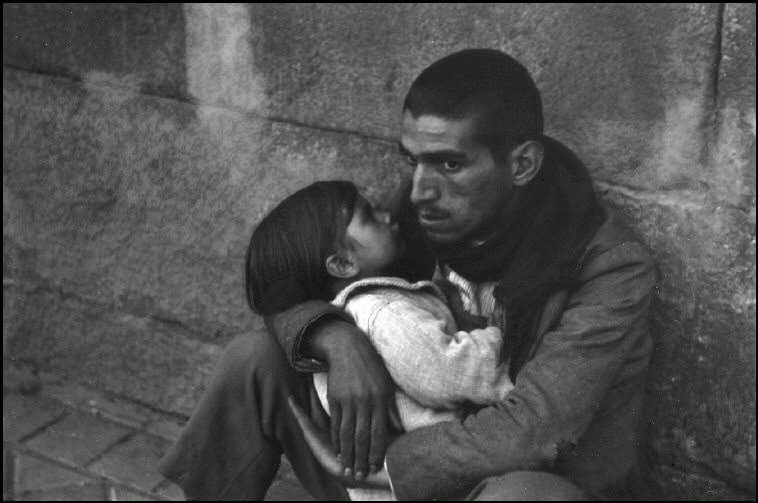
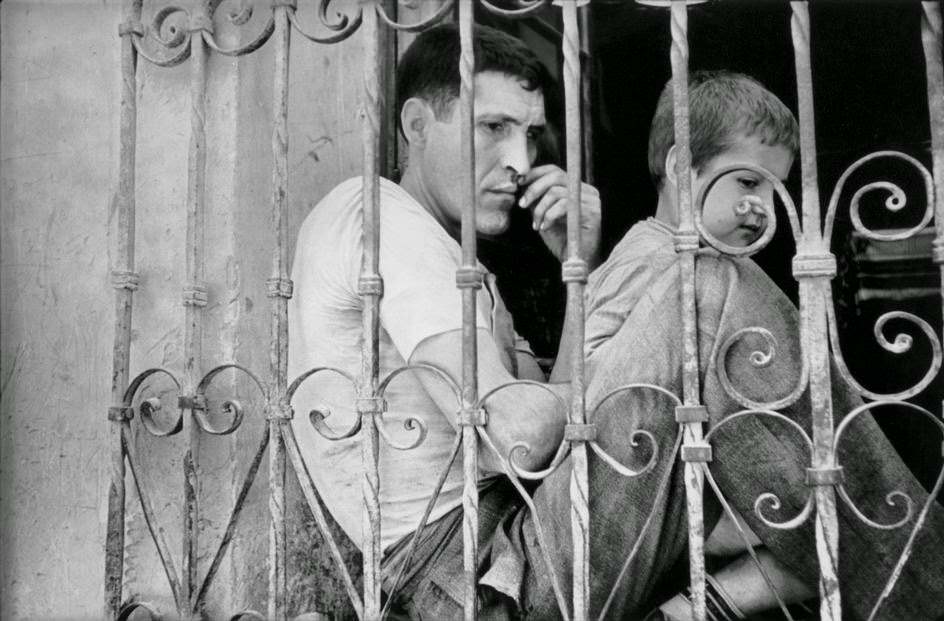
One of the most direct images from his time in Madrid shows an unemployed man with his child. Unemployment across Spain was a defining reality of the early 1930s, and Cartier-Bresson did not look away from it. The photograph carries no sentimentality — just the plain fact of two people, their circumstances evident, their dignity intact.
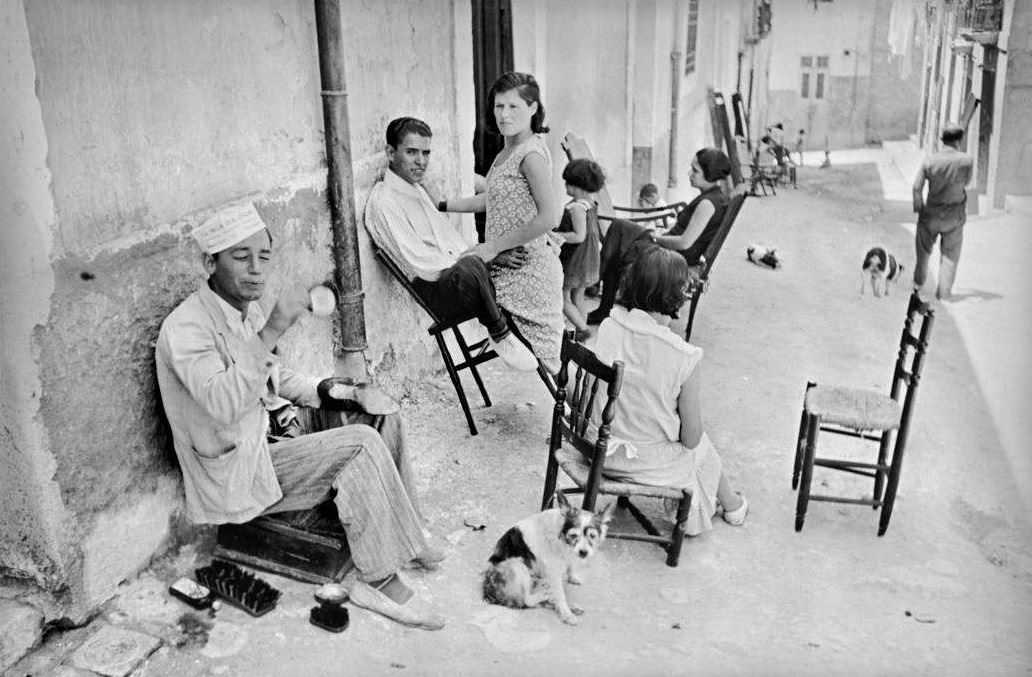
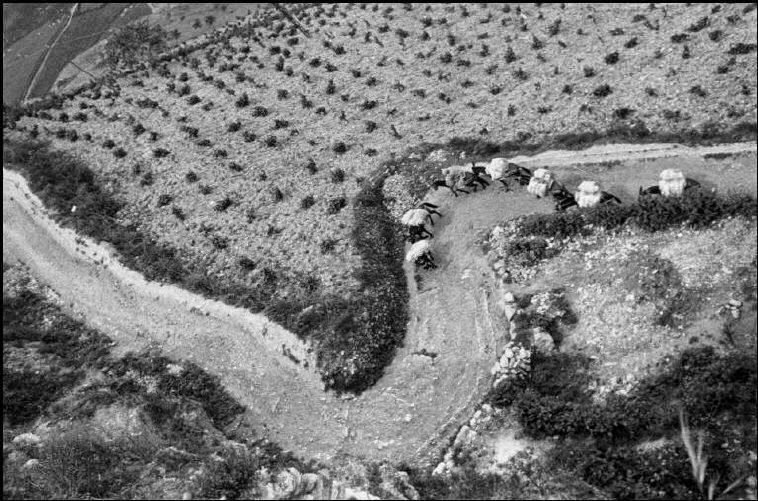
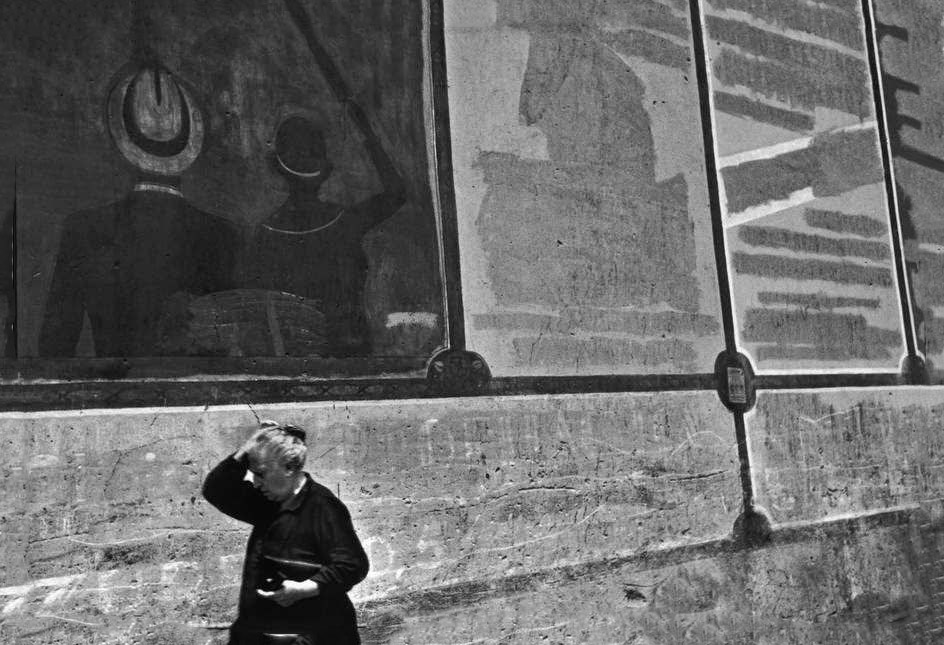
Barcelona was Spain’s largest industrial city and a stronghold of anarchist and labor movements by 1933. Cartier-Bresson photographed it with the same attention he gave to everywhere else — the streets, the people, the light as it fell across walls and faces. Barcelona’s Barrio Chino district, known as a rough and densely populated neighborhood, drew his particular attention.
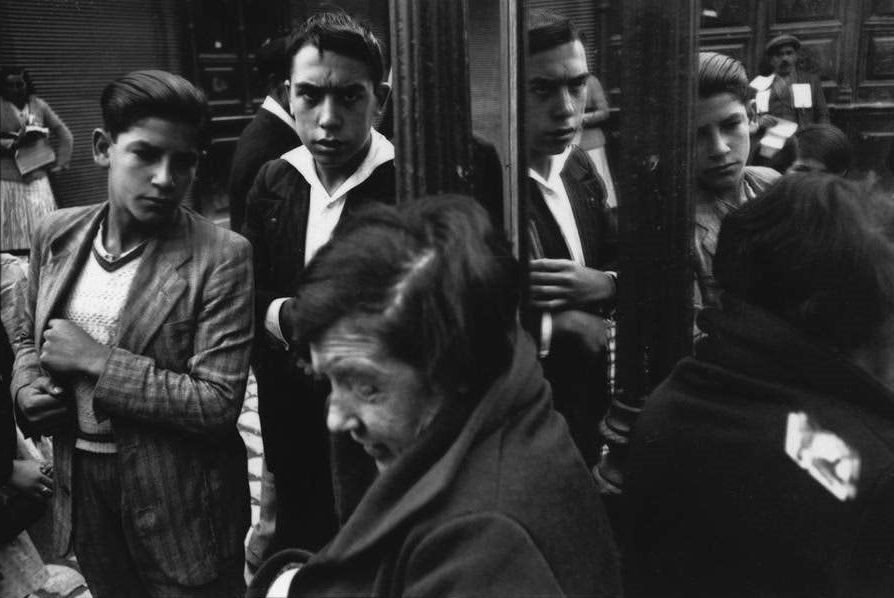
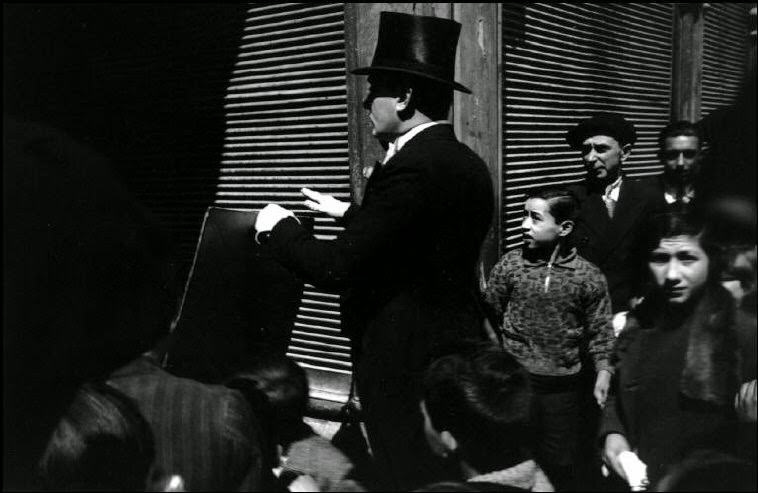
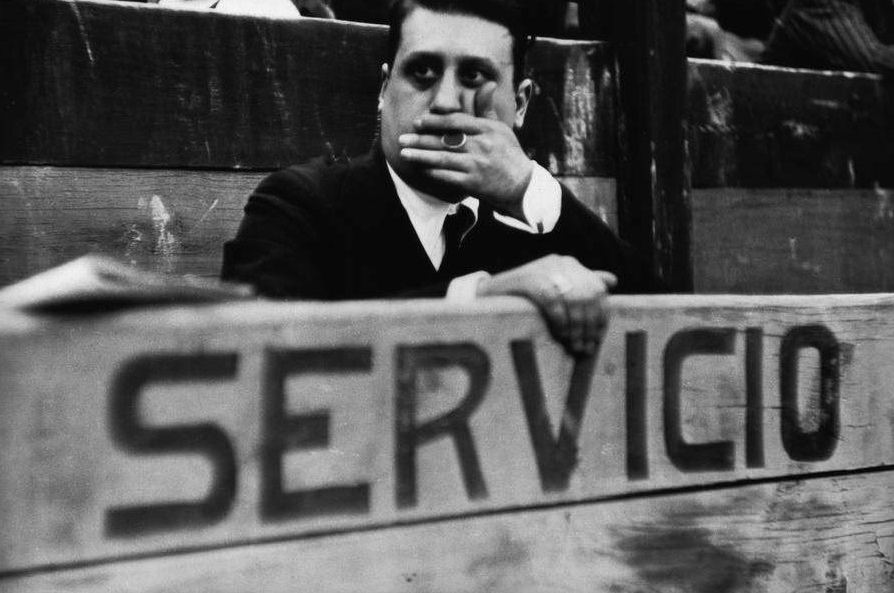
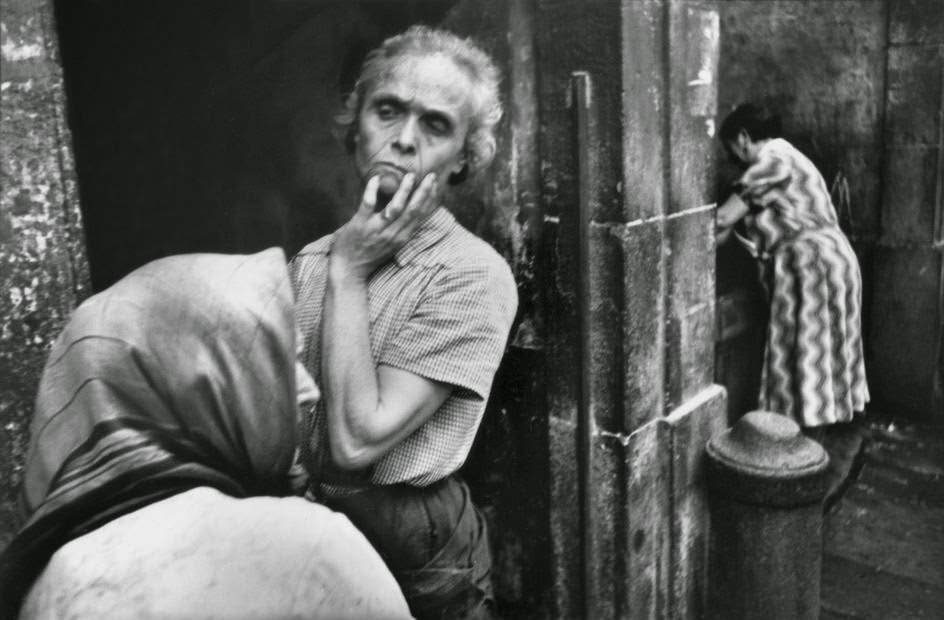
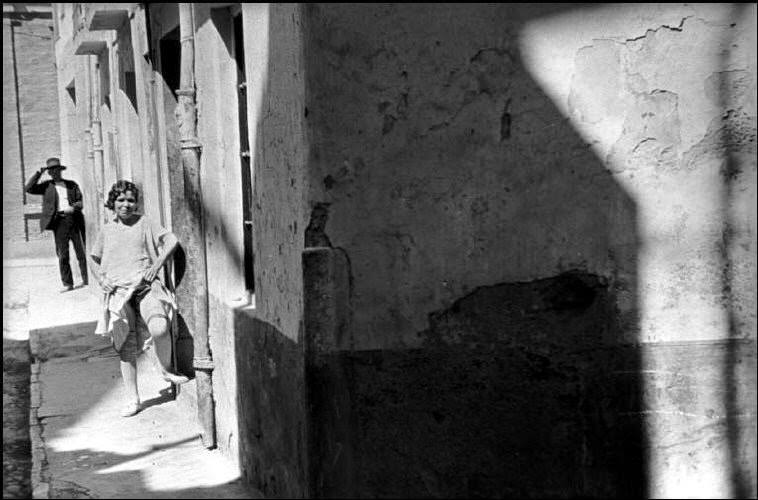
The Barrio Chino was home to workers, immigrants, and people living well outside Spain’s mainstream. It was exactly the kind of place Cartier-Bresson had been photographing since his earliest work — the dark alleys and cramped spaces where people lived lives the wider world preferred not to see. His Leica let him move through those spaces without disrupting them.
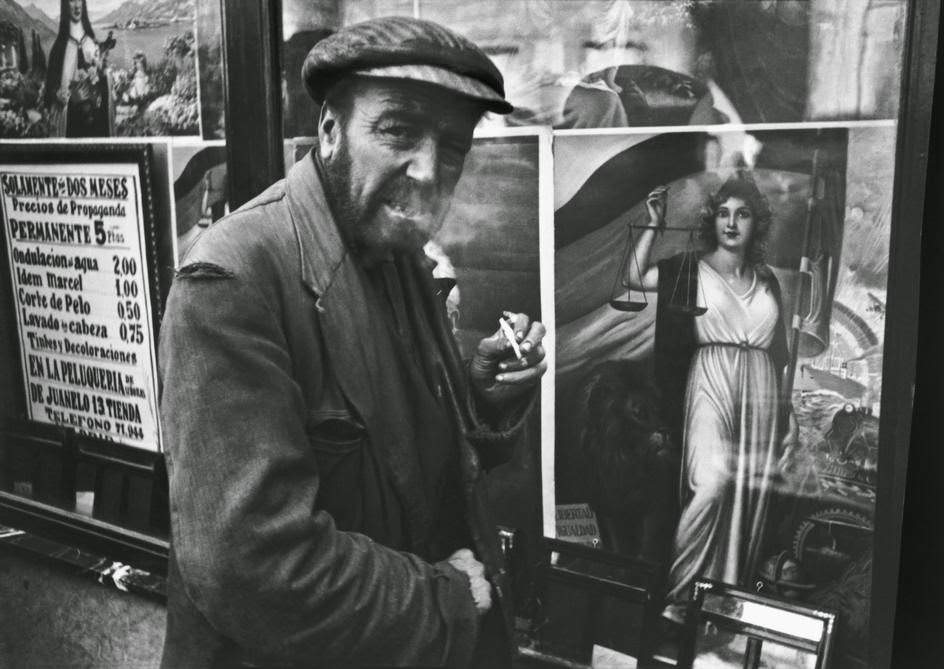
Across all of his Spanish photographs from 1933, a consistent quality runs through: nothing is posed, nothing is arranged. Children play in rubble. Men stand in doorways. Women move through market crowds. Each frame holds together the way a well-composed painting does, because Cartier-Bresson was always thinking like the Cubist student he once was — aware of planes, edges, and the relationship between figures and the space around them.
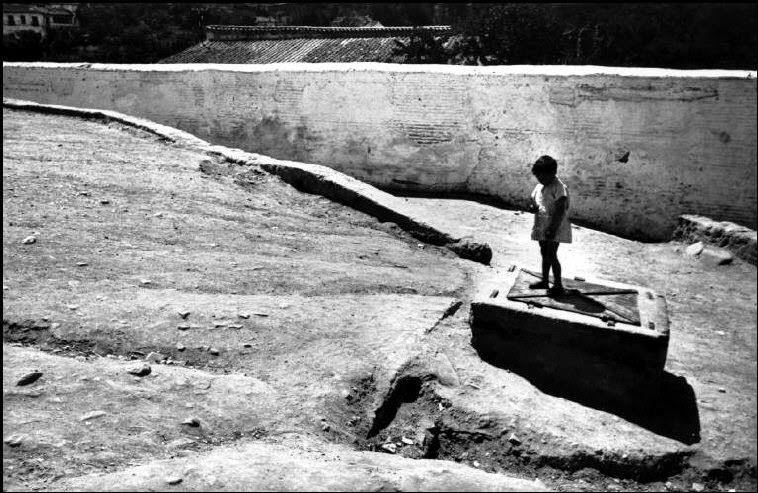
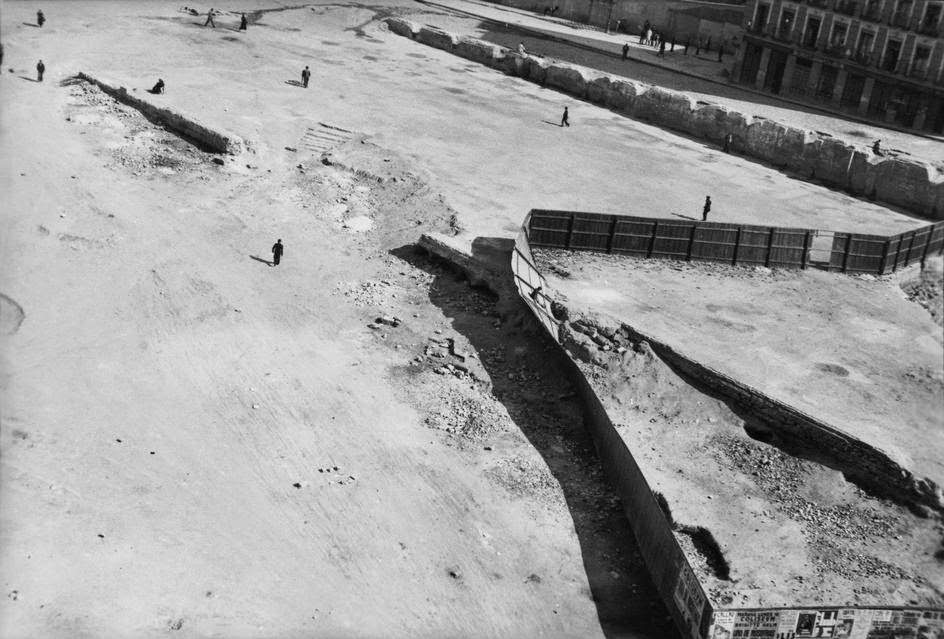
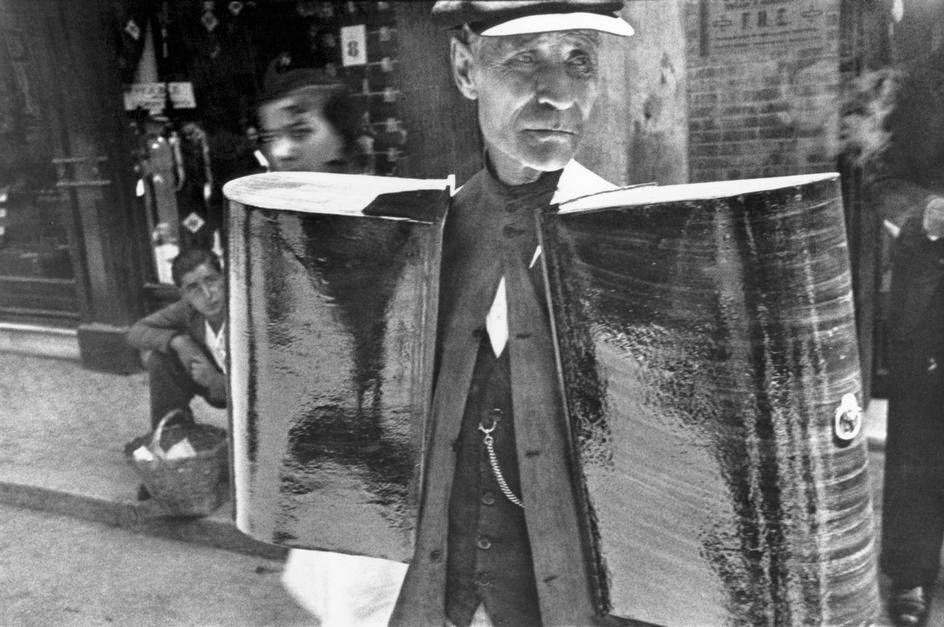
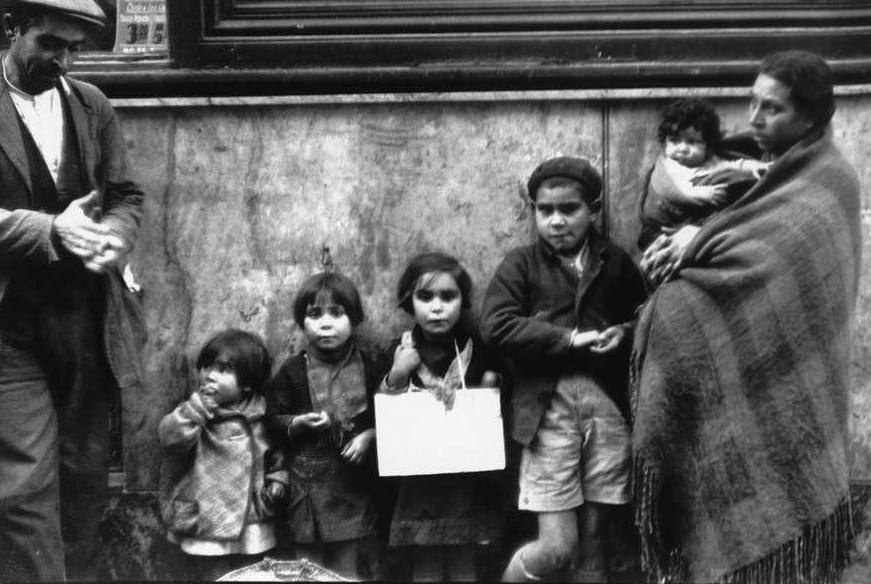
By the time he left Spain, Cartier-Bresson had built a body of work that documented a country at a fragile, complicated moment — not through headlines or politics, but through the faces and gestures of ordinary people living through it.