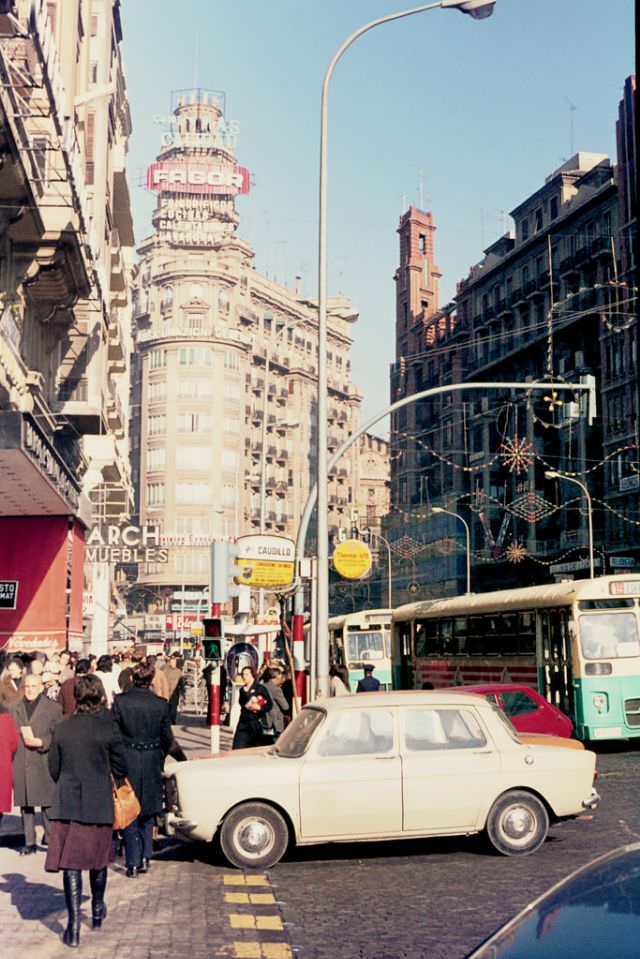
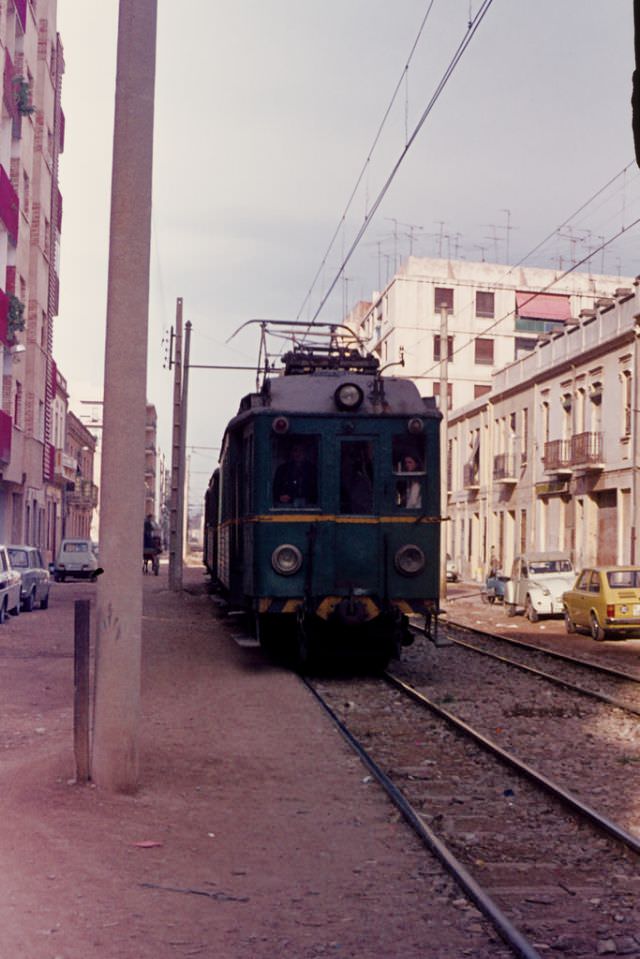
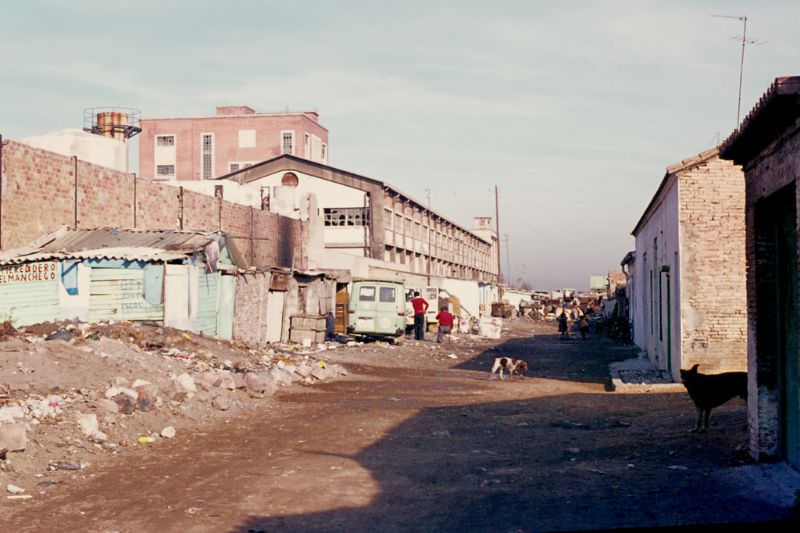
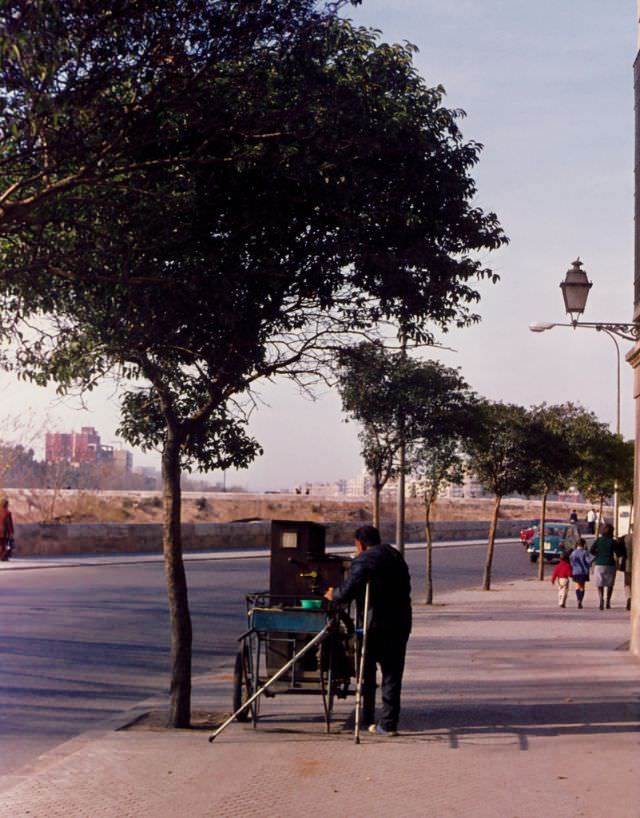
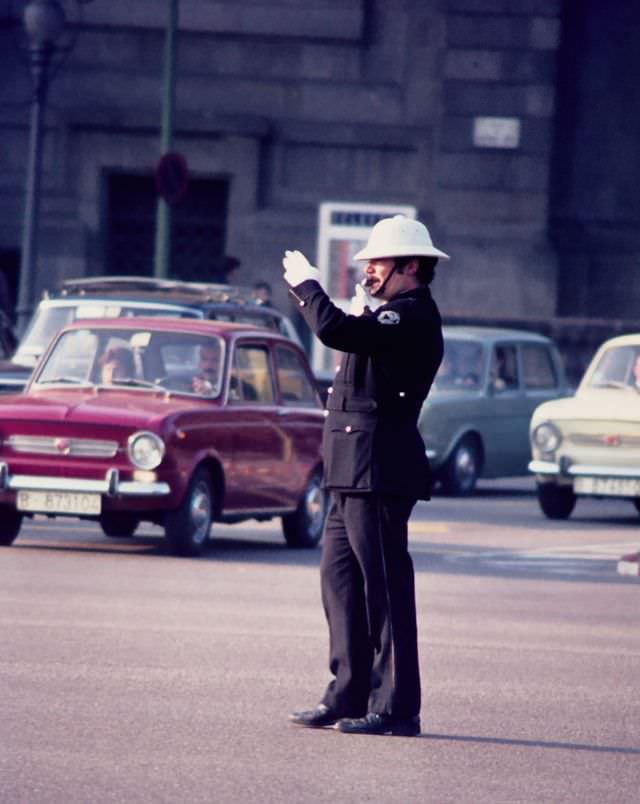
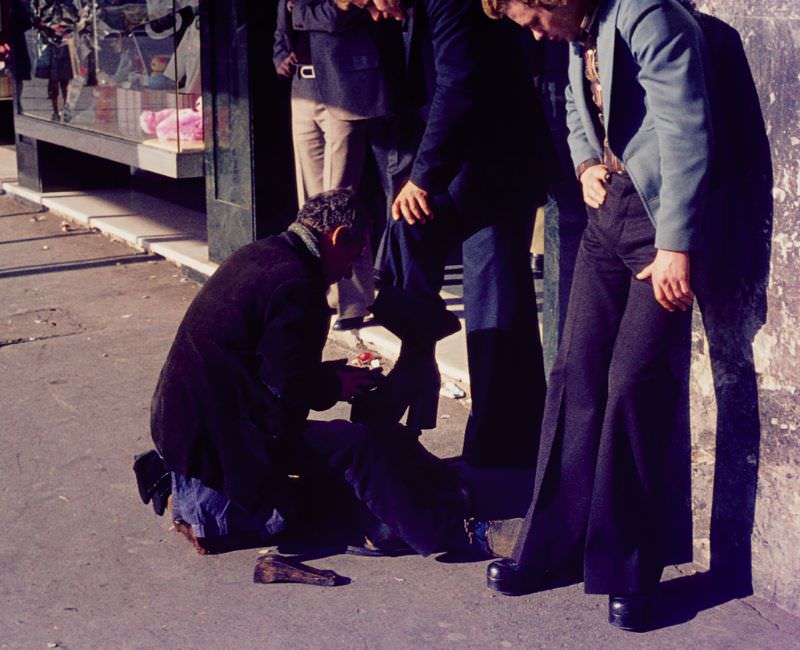
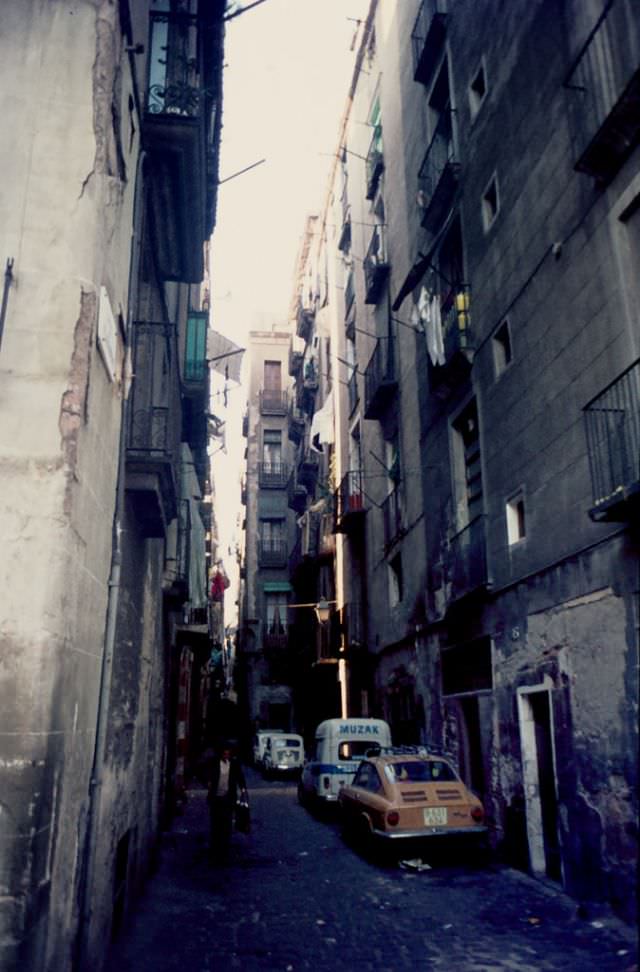
Valencia sits on Spain’s southeast coast, where the Turia River flows into the Mediterranean Sea. It is Spain’s third most populous city, after Madrid and Barcelona, and one of the country’s most important urban centers. In 1973, the city was a bustling place shaped by its deep history, its coastal geography, and the rhythms of daily Spanish life.
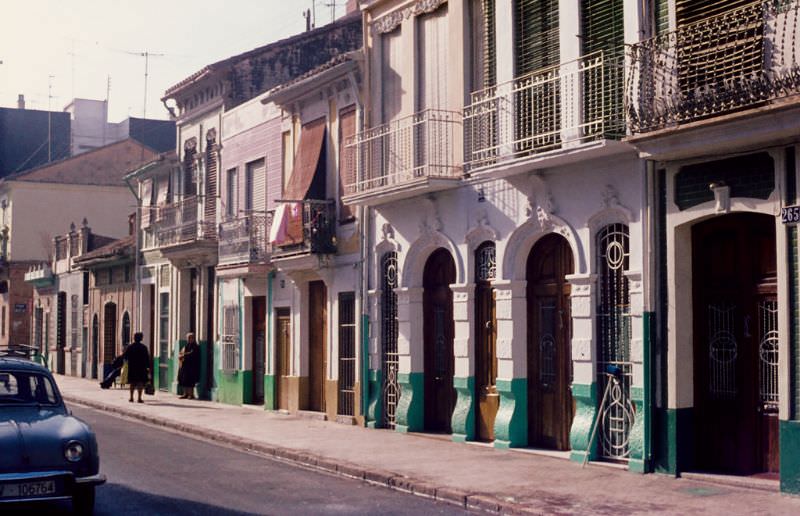
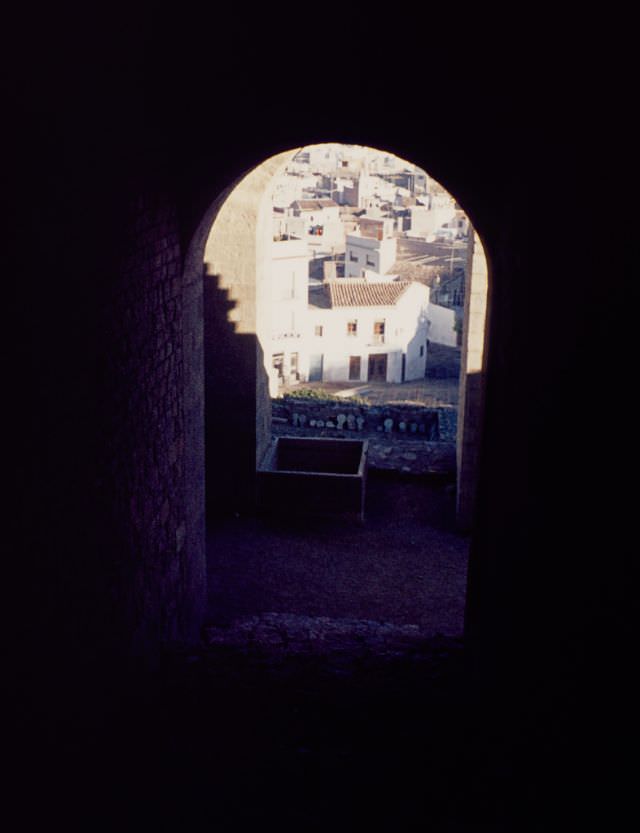
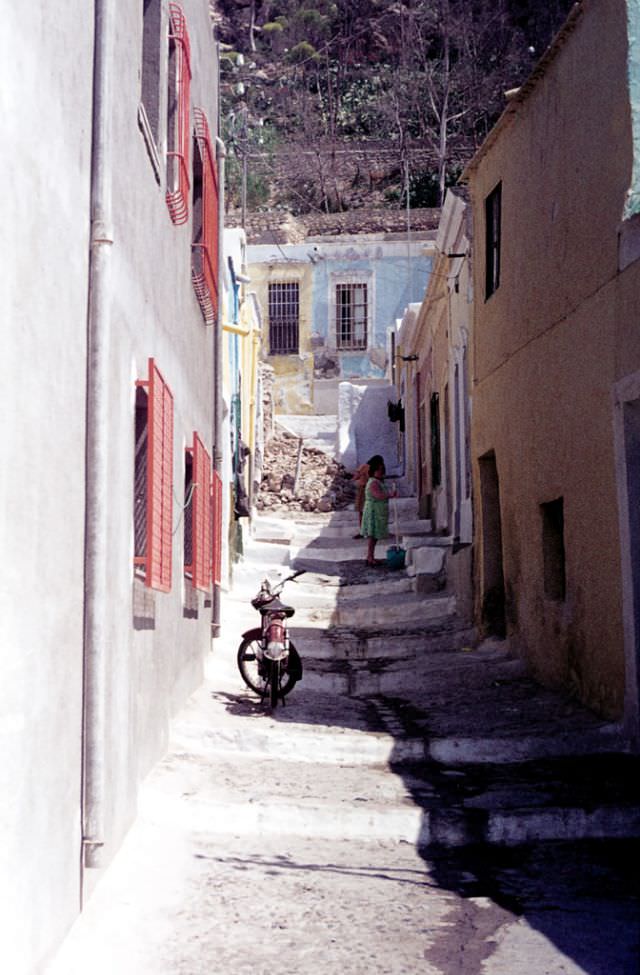
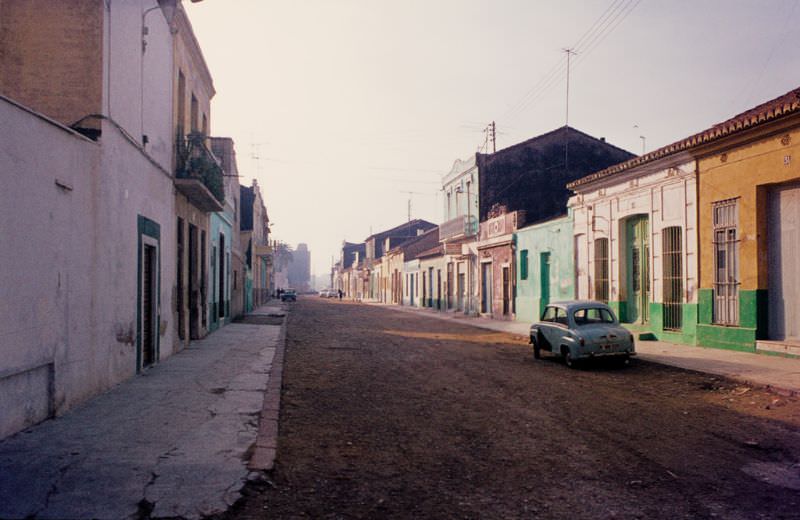
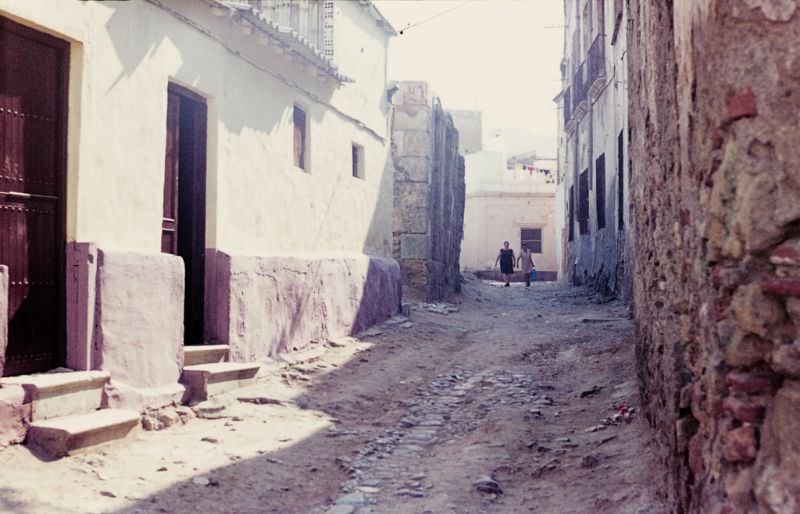
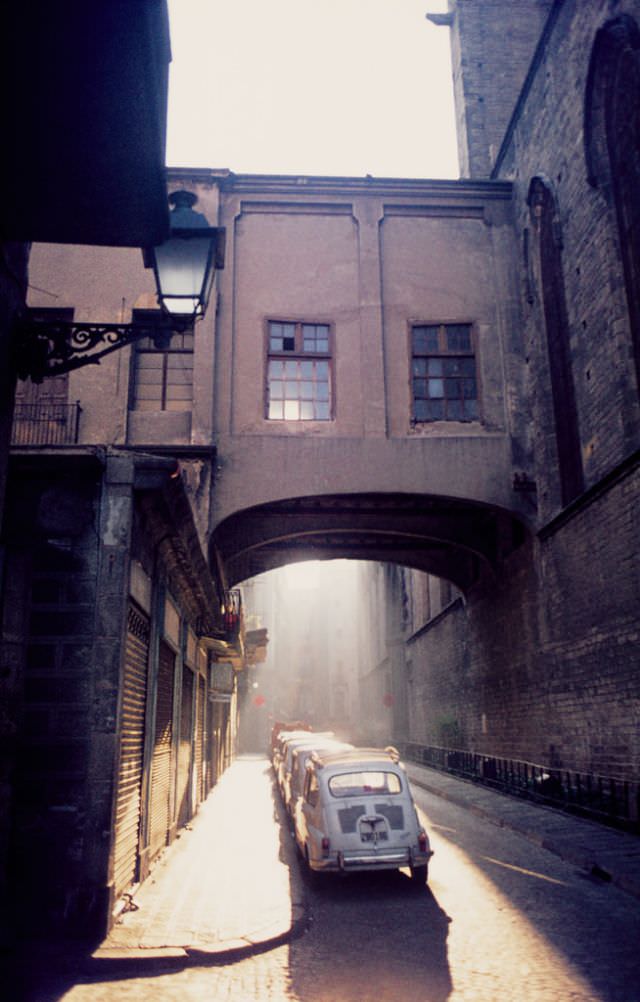
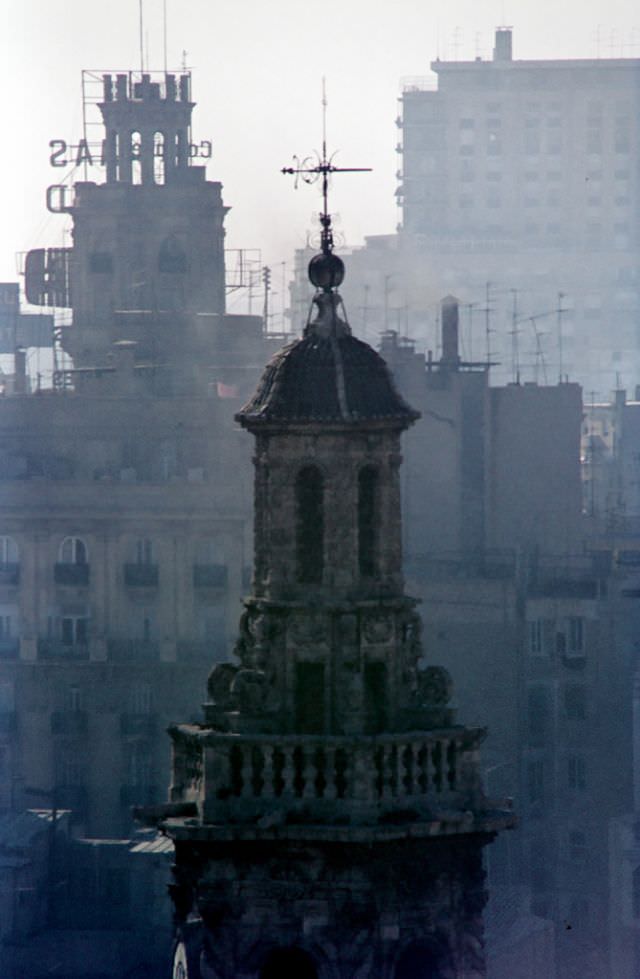
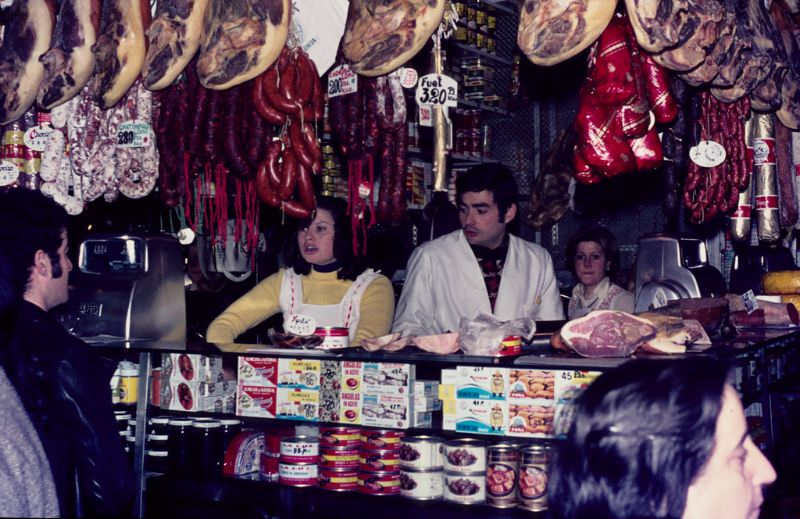
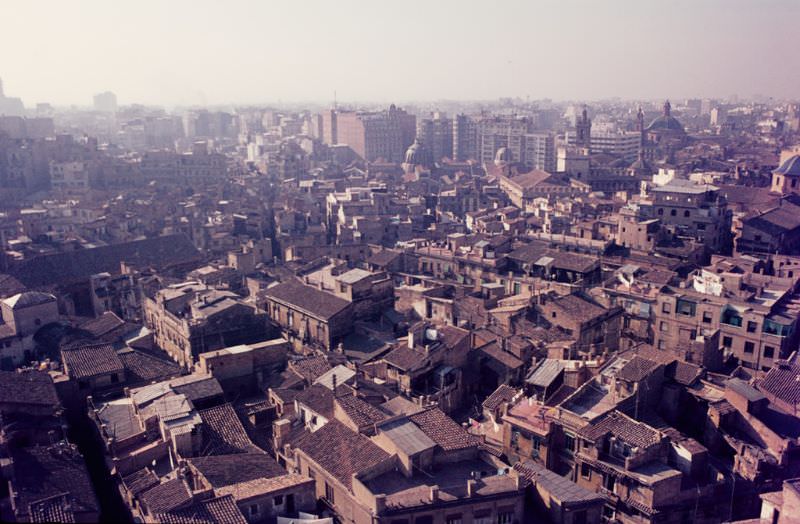
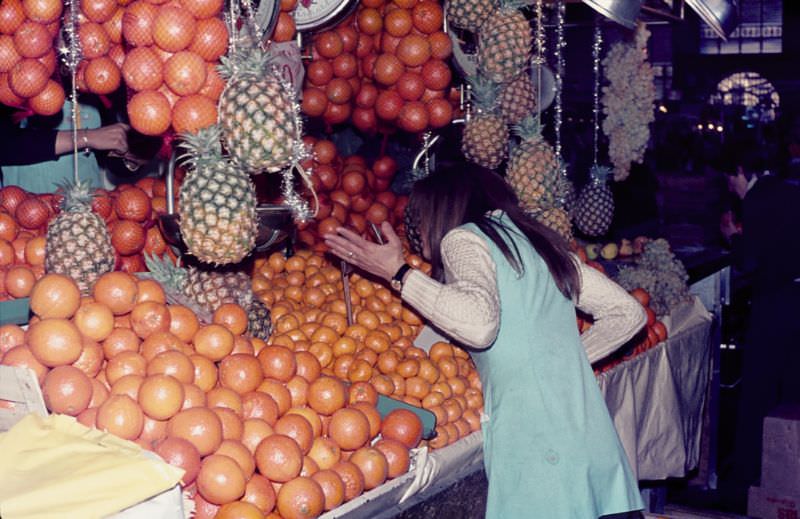
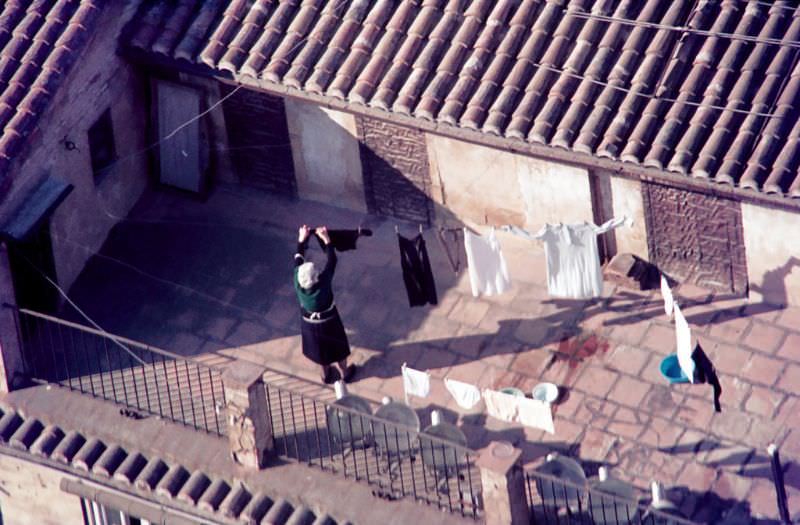
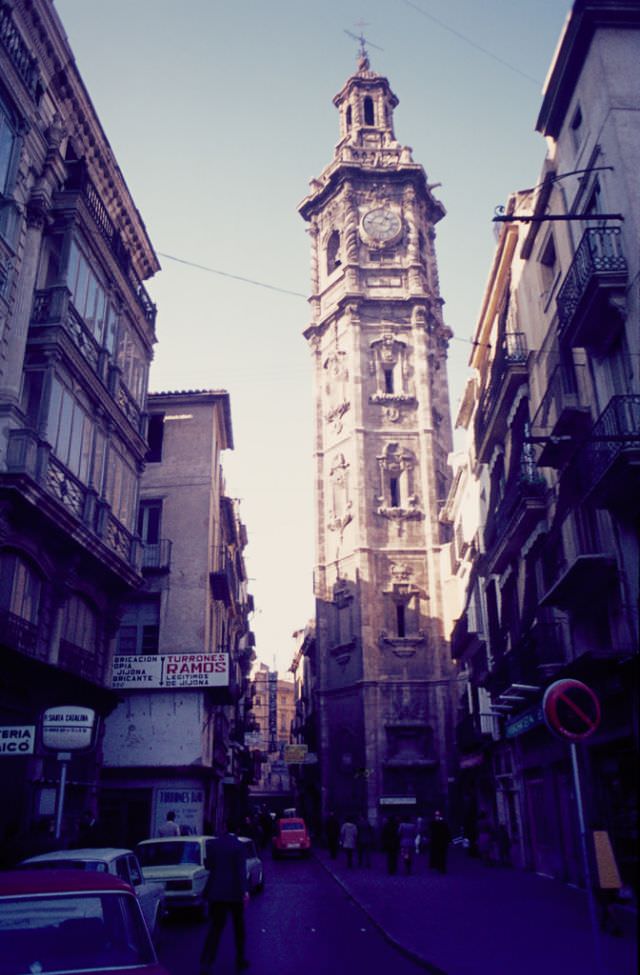
Valencia’s historic center is one of the largest in Spain, covering around 169 hectares. In 1973, its narrow streets, old market squares, and centuries-old buildings formed the backdrop for everyday routines. Residents shopped at local markets, gathered in plazas, and moved through neighborhoods that had changed little in character over generations.
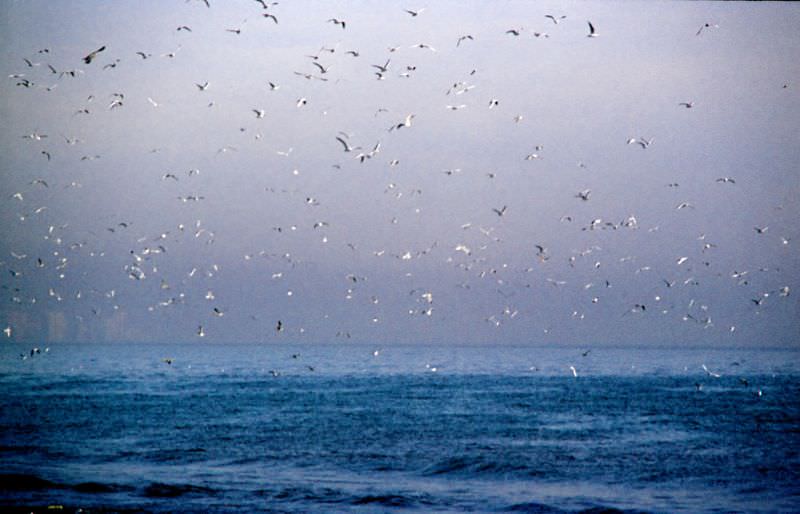
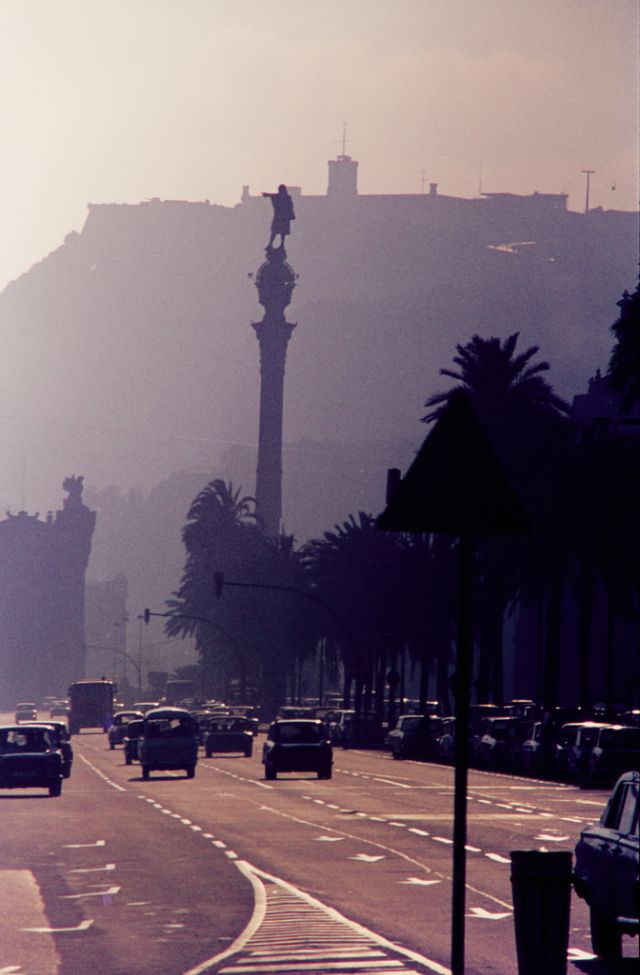
The city’s port was already a major force in Mediterranean trade. Valencia holds the distinction of operating the busiest port on the Mediterranean Sea and ranks as the fifth busiest container port in all of Europe. In 1973, the waterfront was a working hub of commerce, connecting the city to markets across the sea.
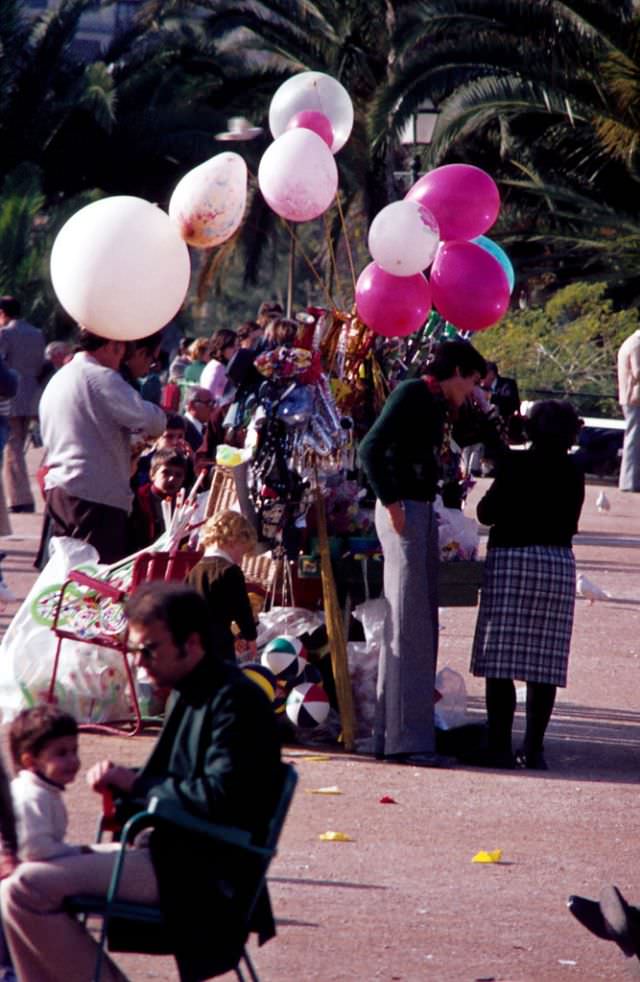
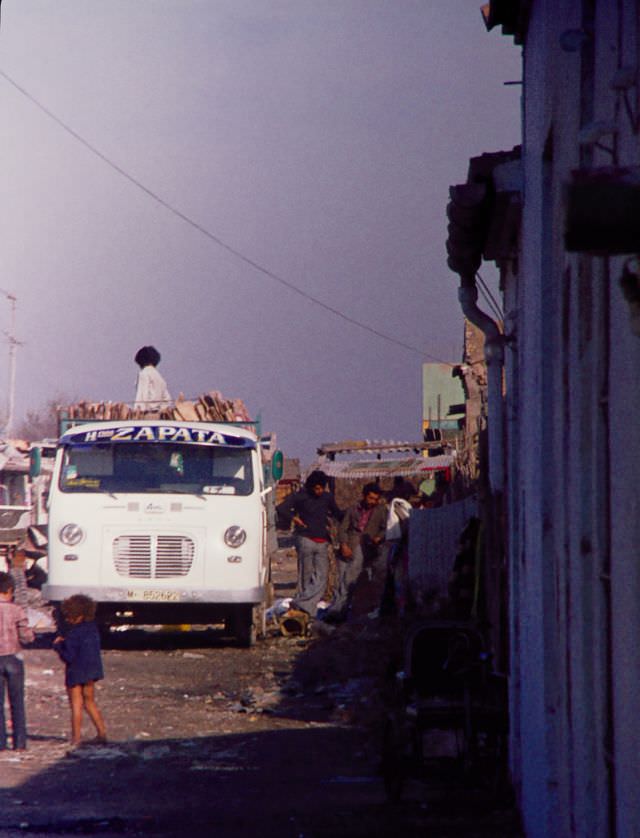
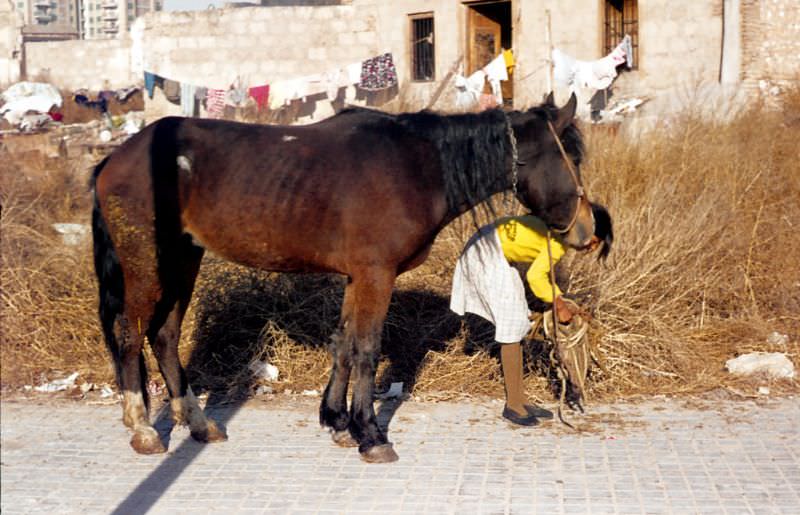
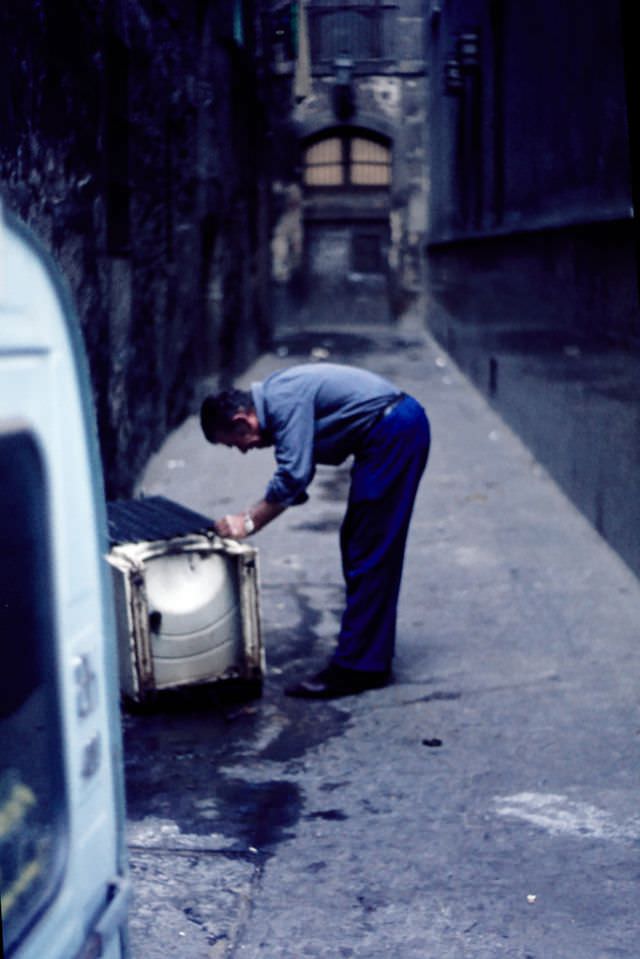
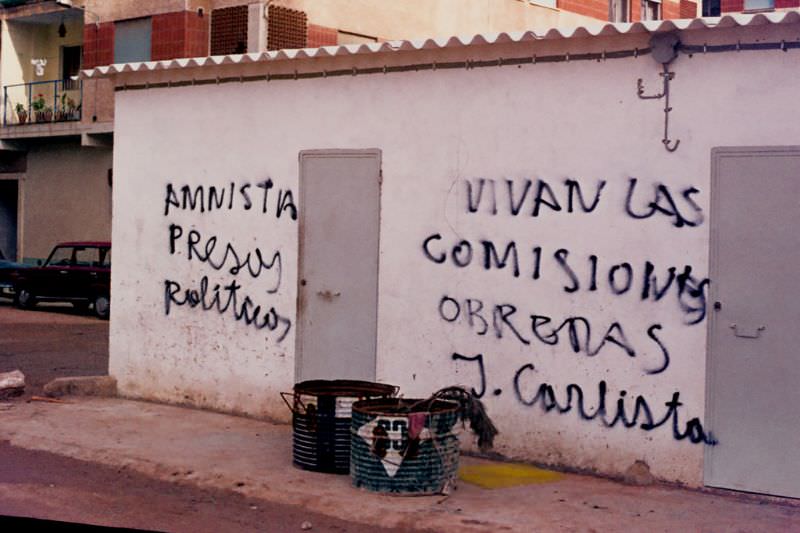
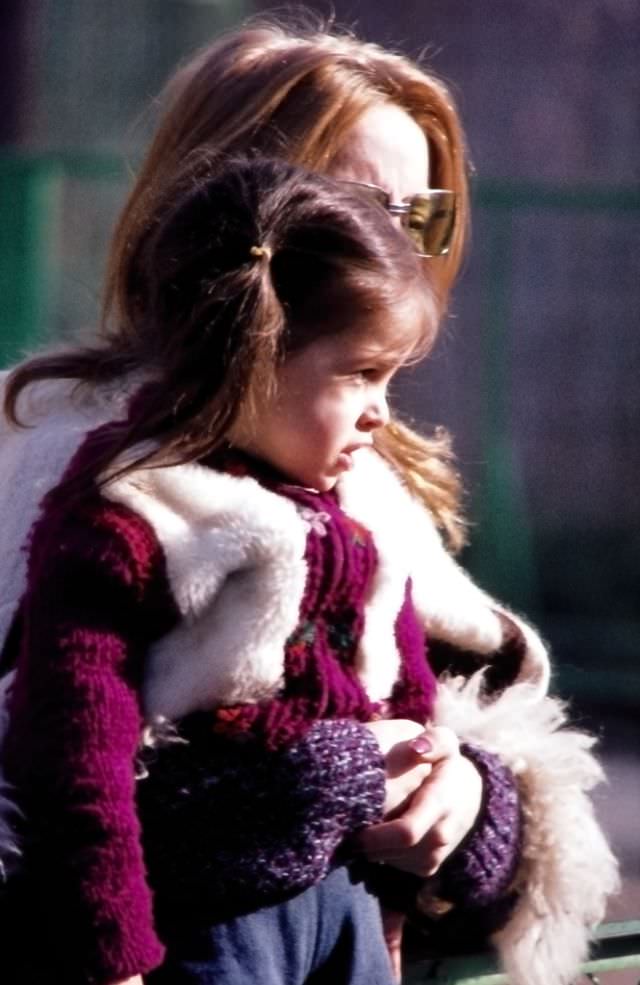
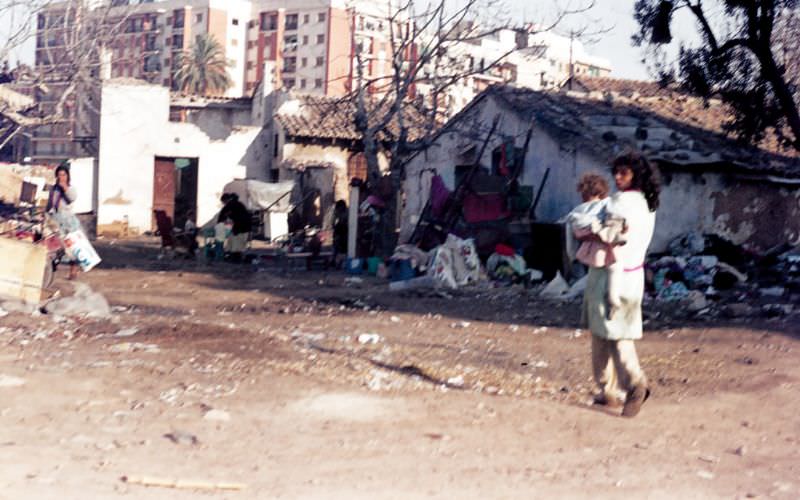
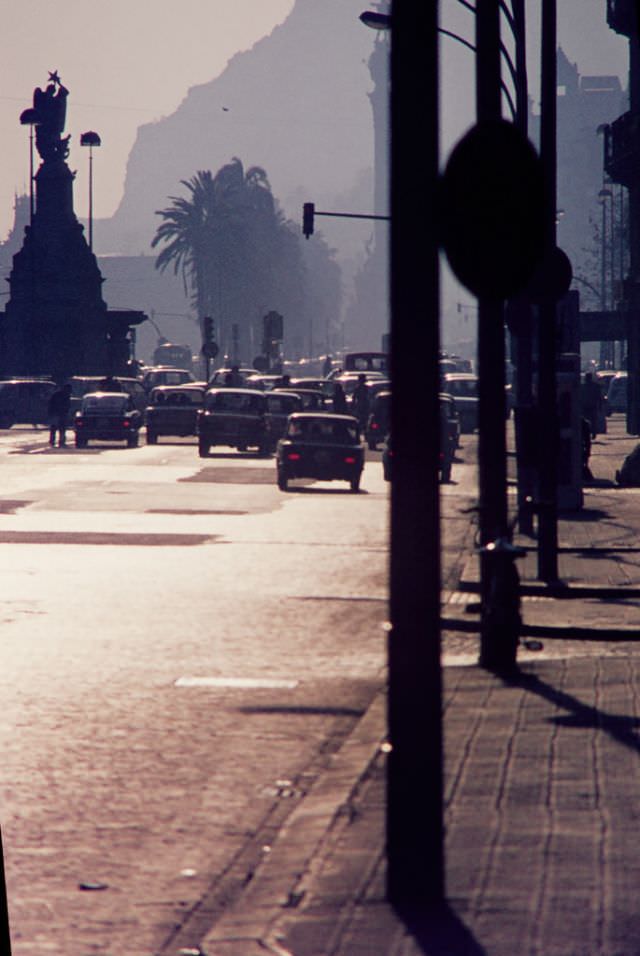
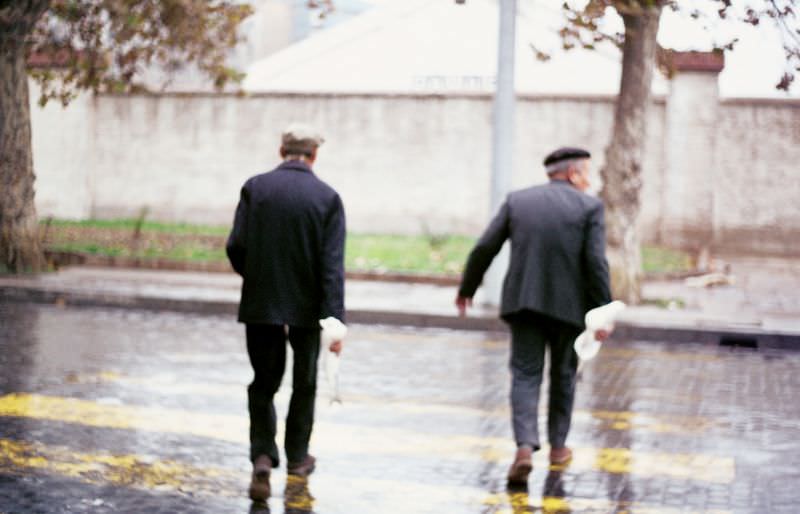
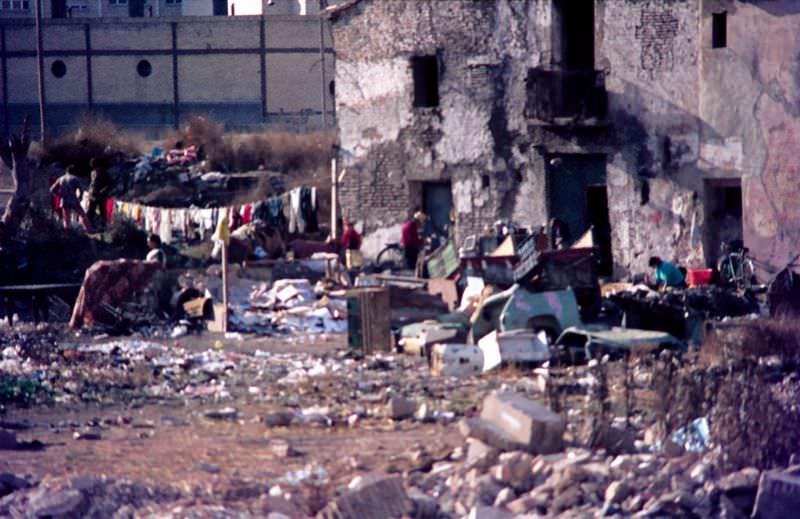
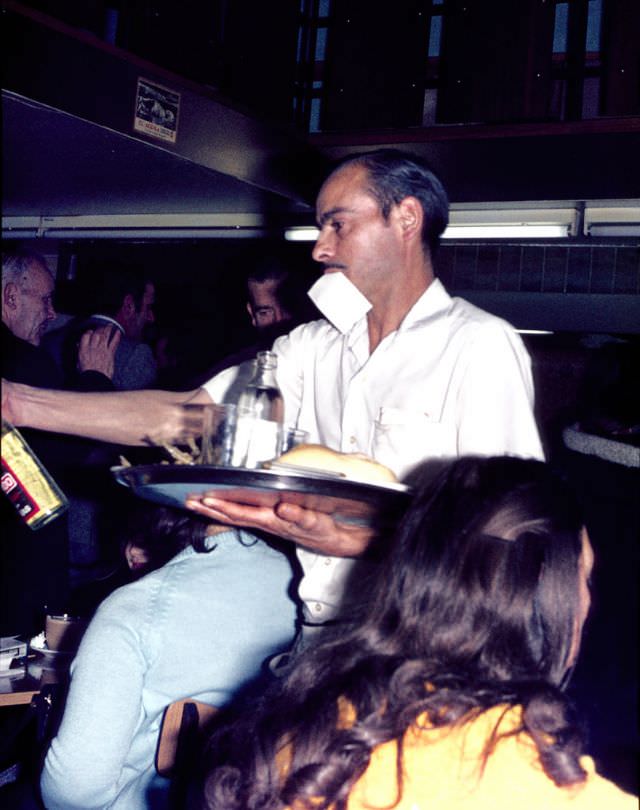
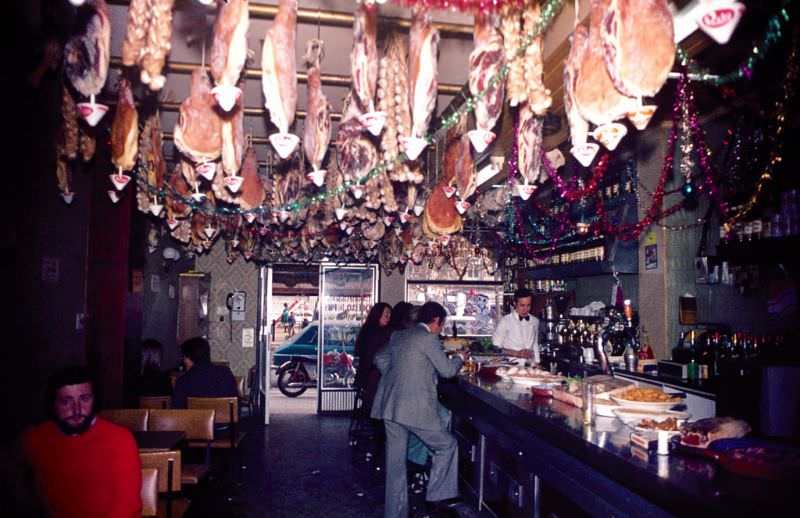
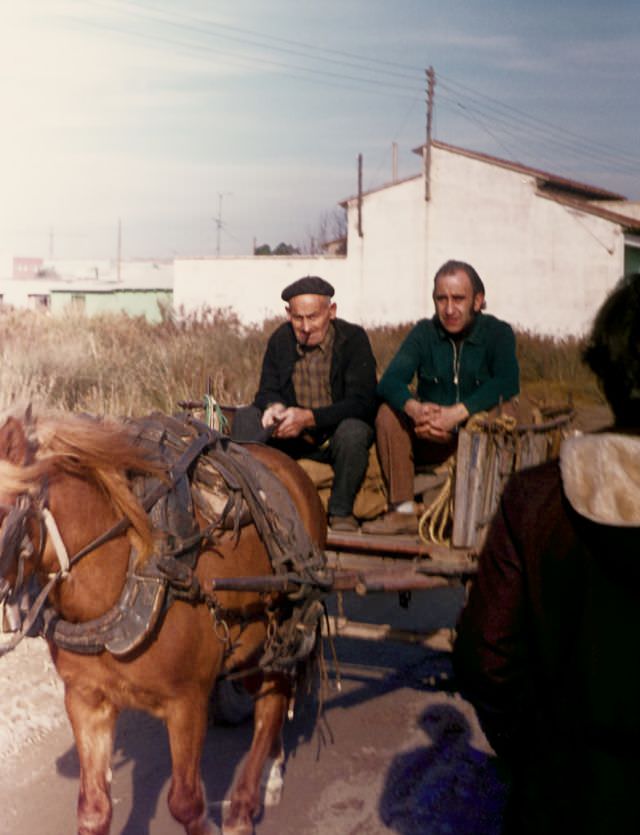
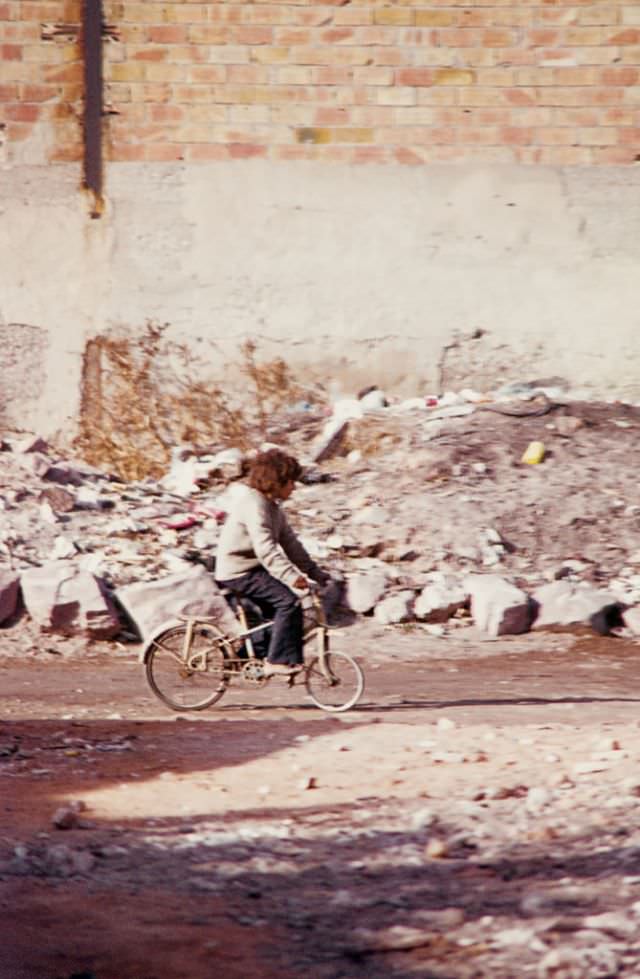
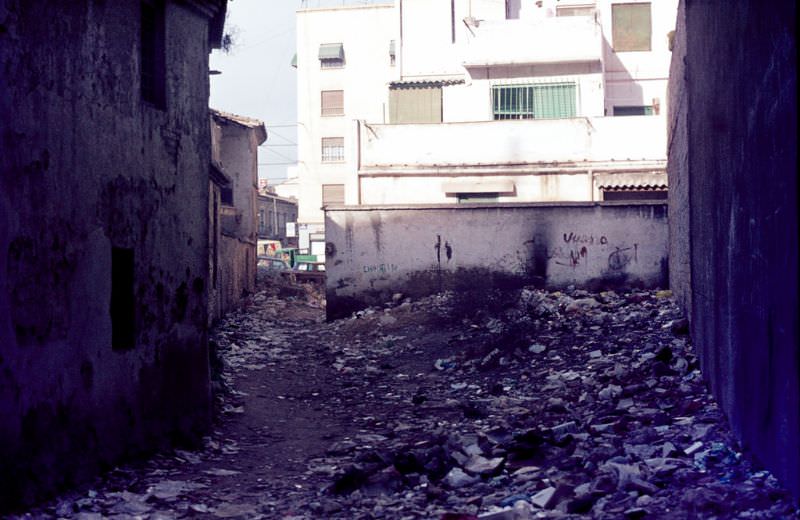
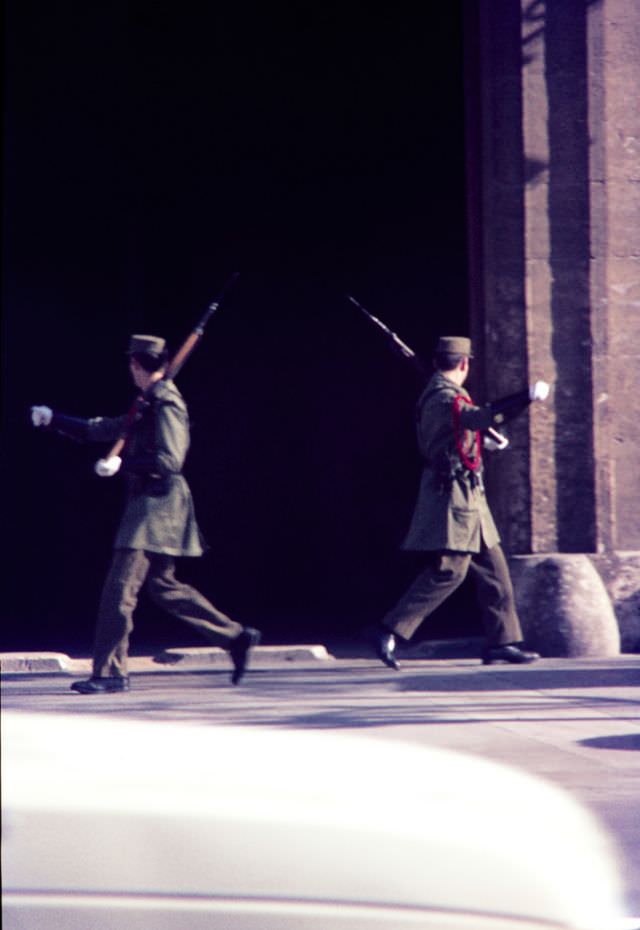
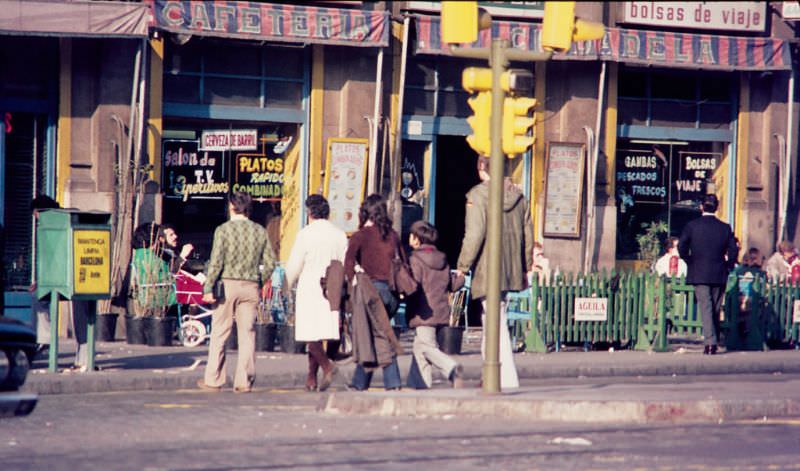
Beyond the port and the old center, Valencia’s streets in 1973 reflected a Spain still under Francisco Franco’s rule. Life carried on with a particular texture — local cafés, open-air vendors, children playing near fountains, and workers heading to and from the docks and factories that kept the city moving.
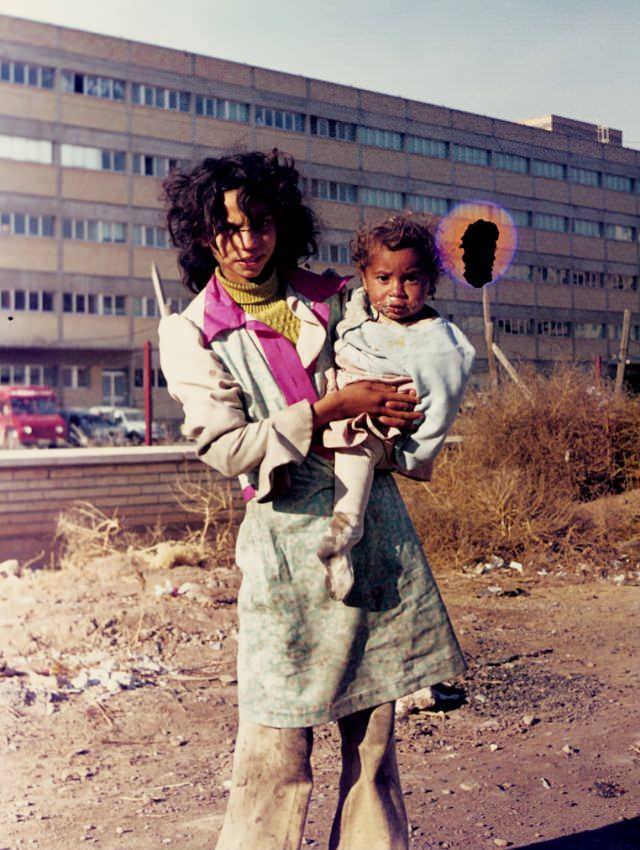
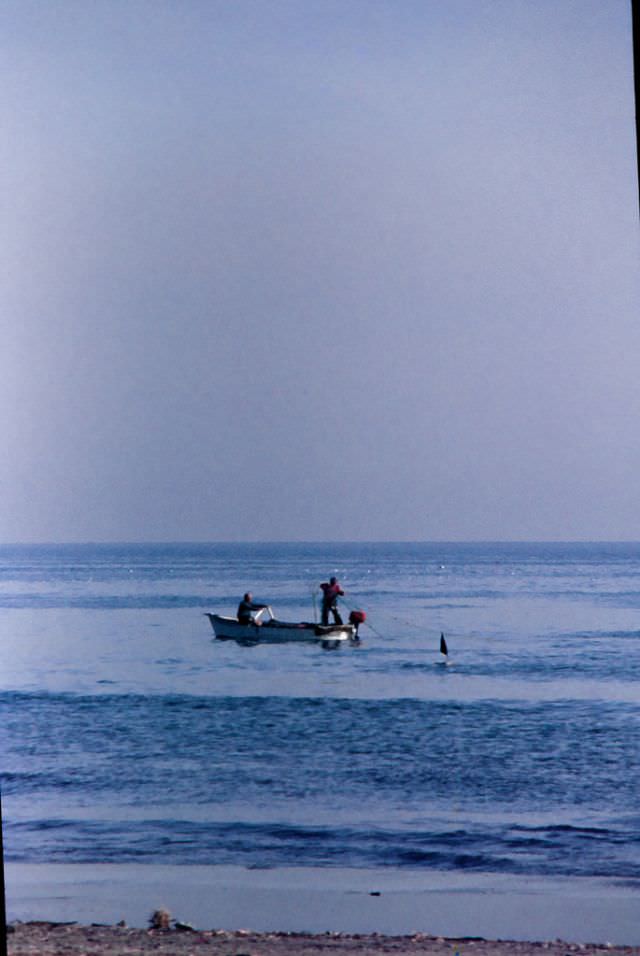
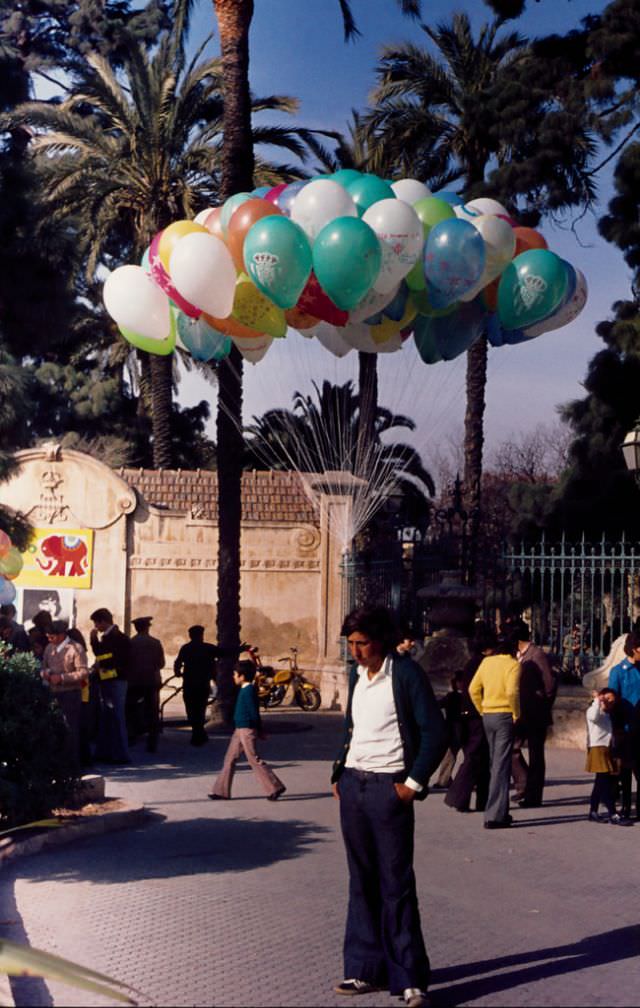
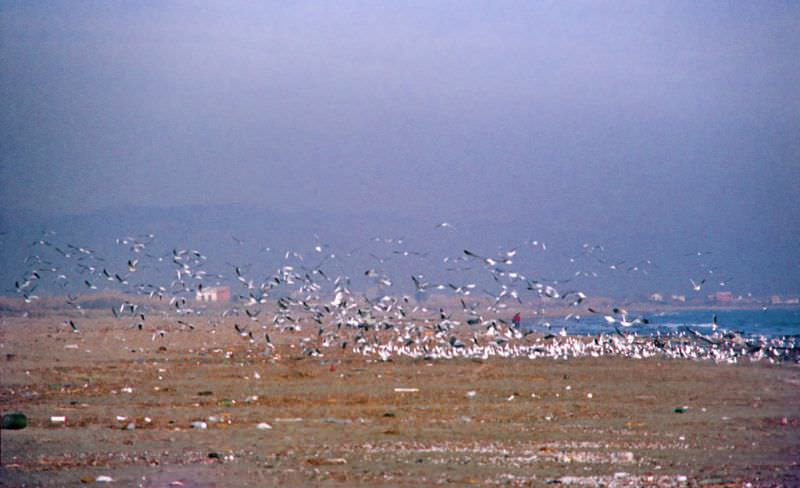
The natural landscape around Valencia added another dimension to life in the city. Nearby Albufera Park, a wetlands reserve, offered a lake and walking trails just a short distance from the urban center. Local fishermen worked the lake, continuing a tradition that stretched back centuries along this stretch of the Spanish coast.
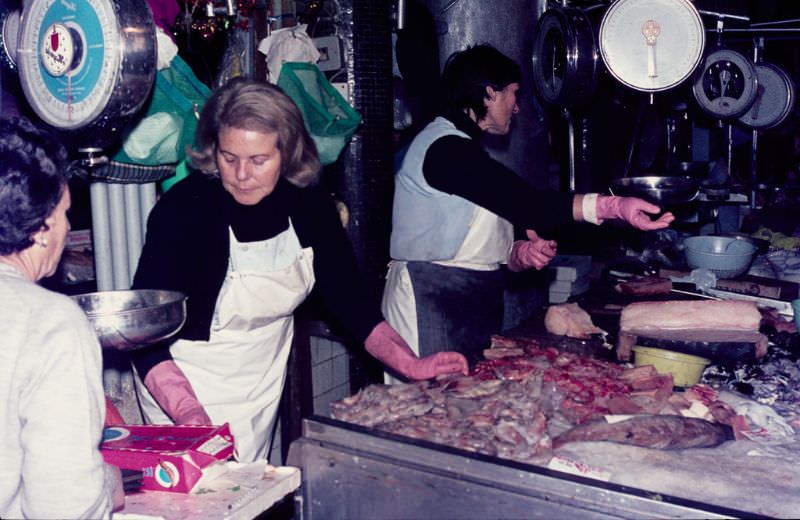
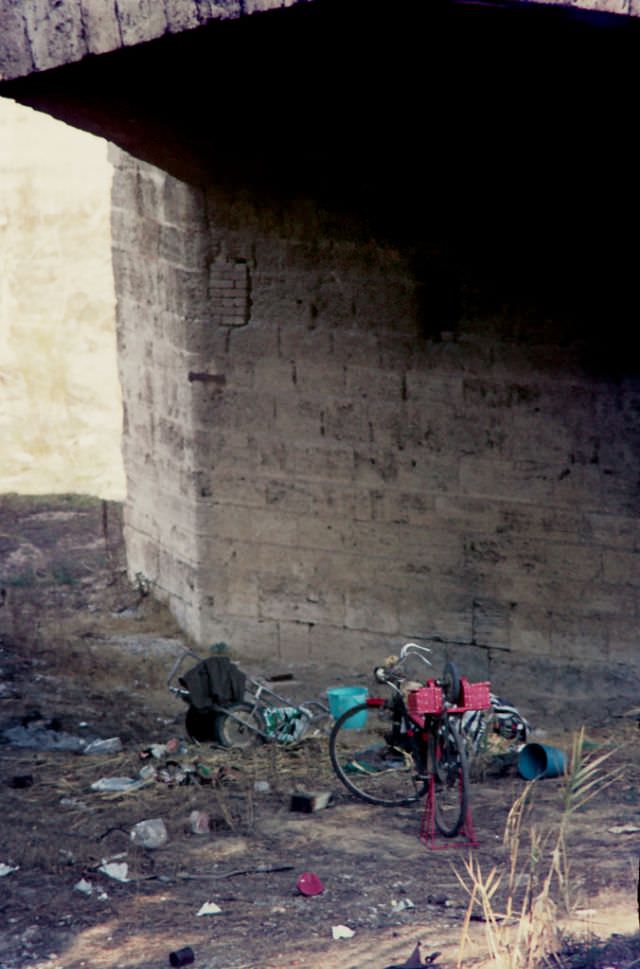
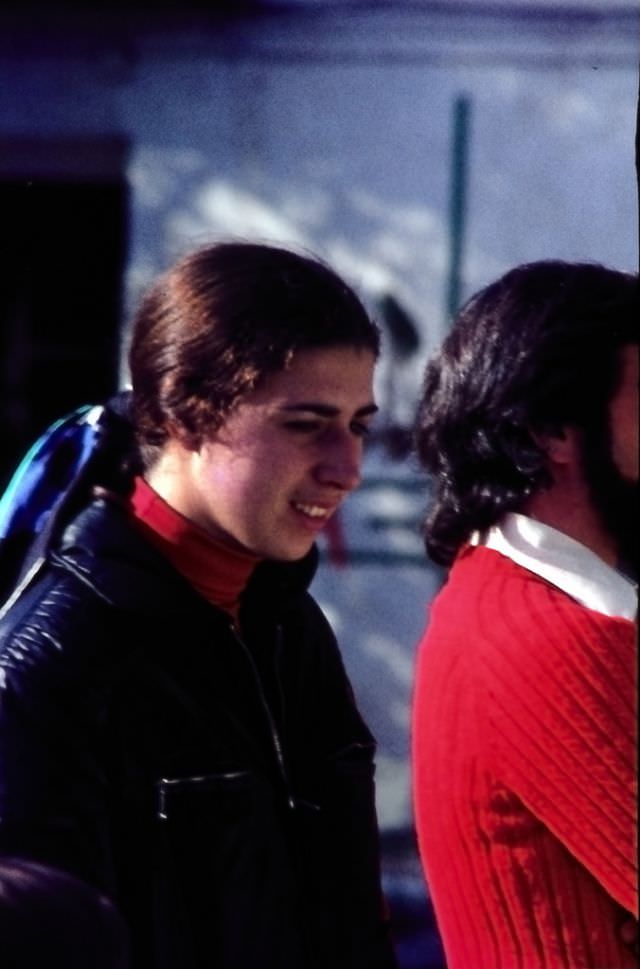
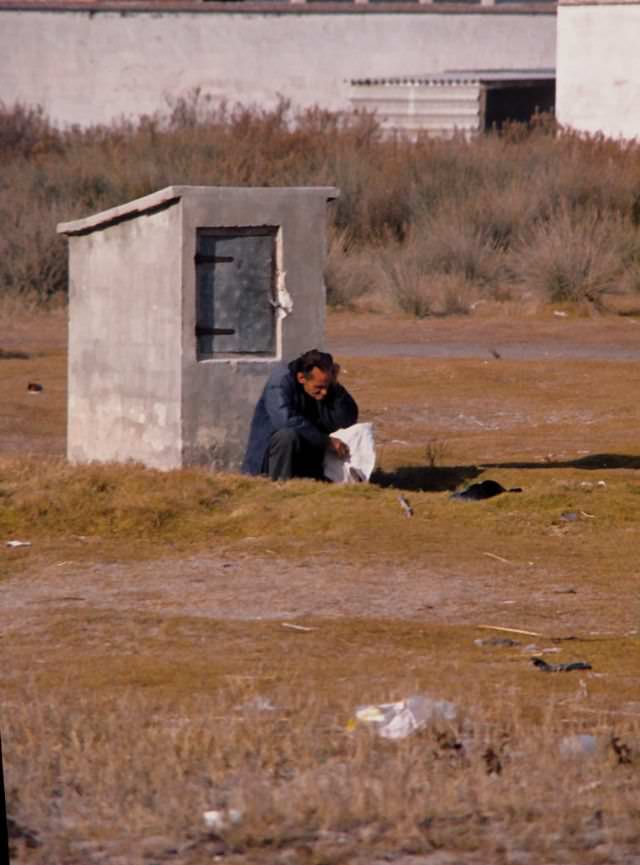
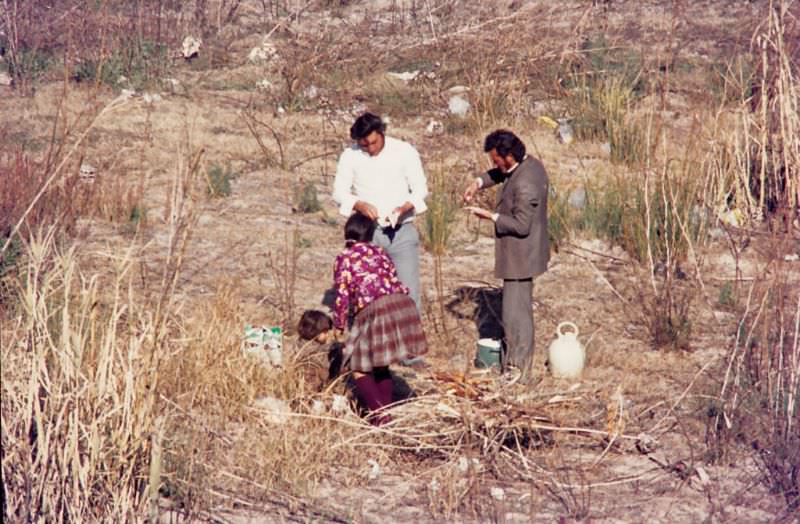
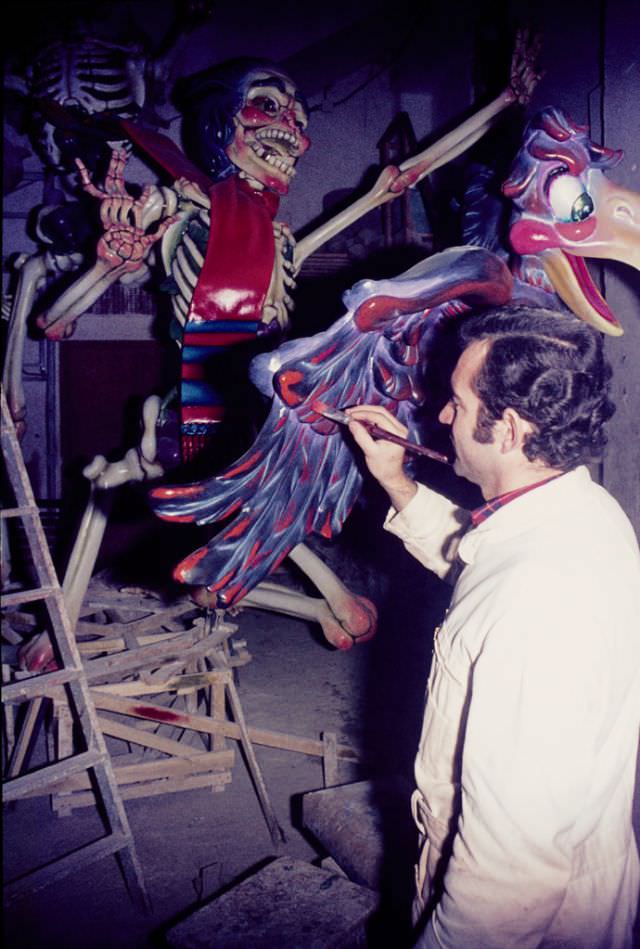
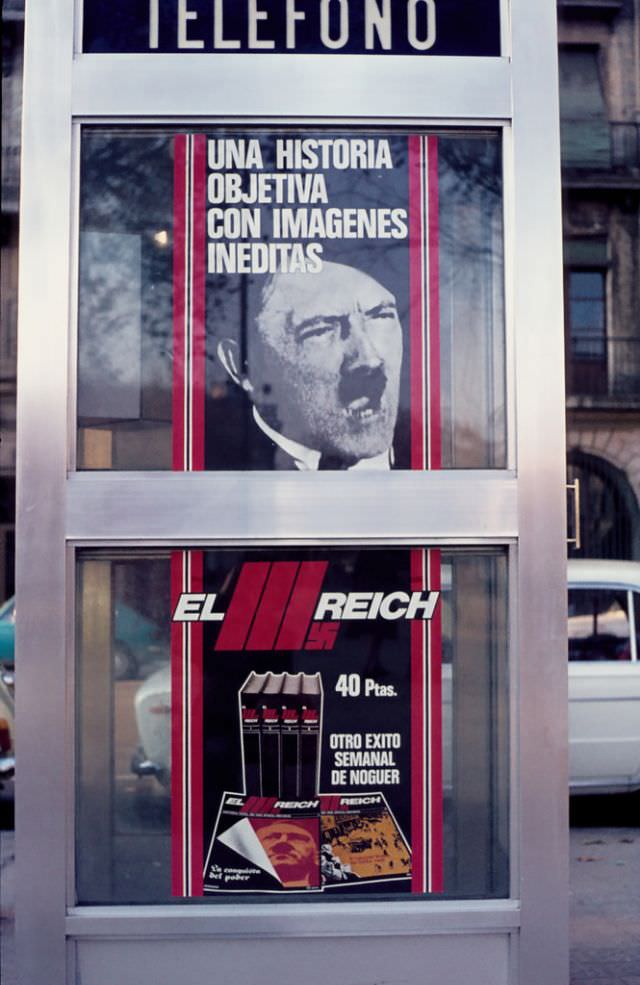
These vintage photographs from 1973 freeze a specific moment in Valencia’s long story. The clothes, the vehicles, the storefronts, and the faces all belong to a city in the early 1970s — a place with deep roots but also one on the edge of significant change as Spain moved toward the end of the Franco era.