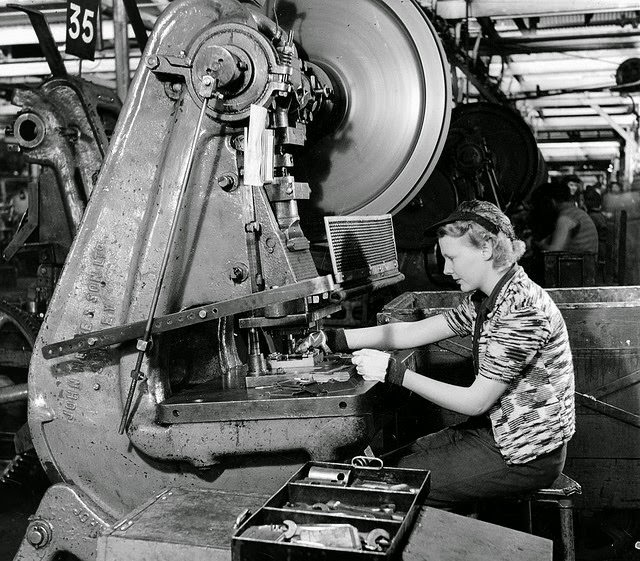
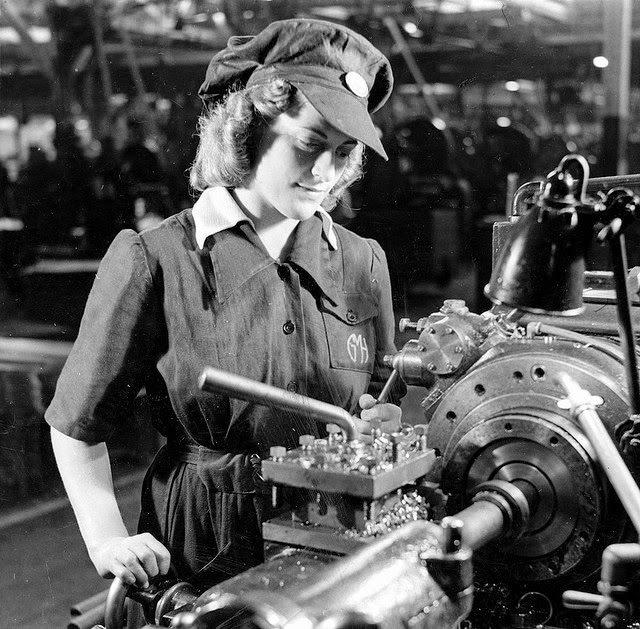
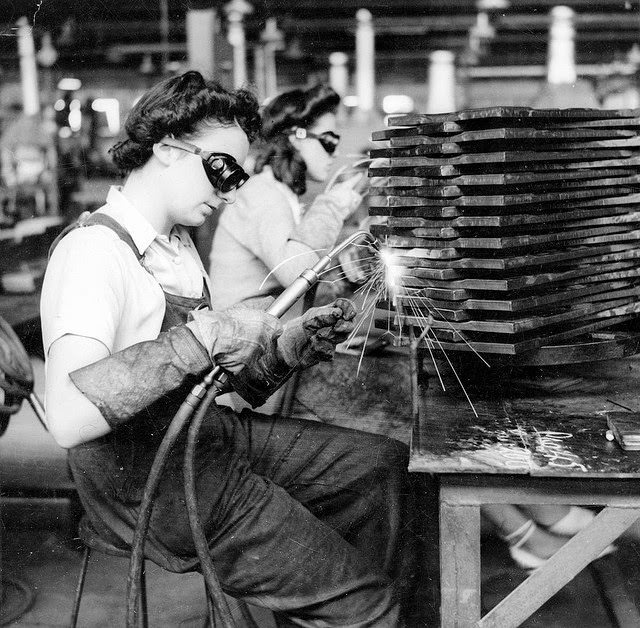
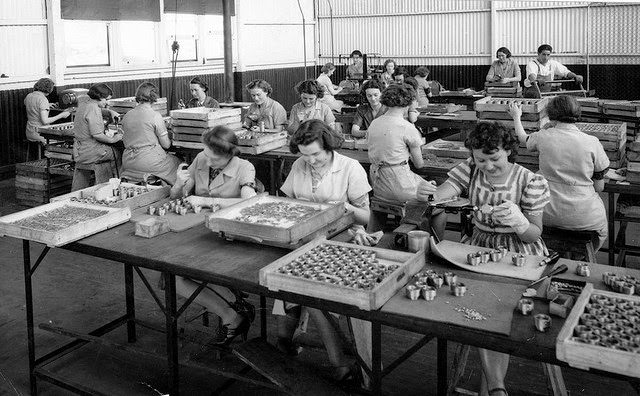
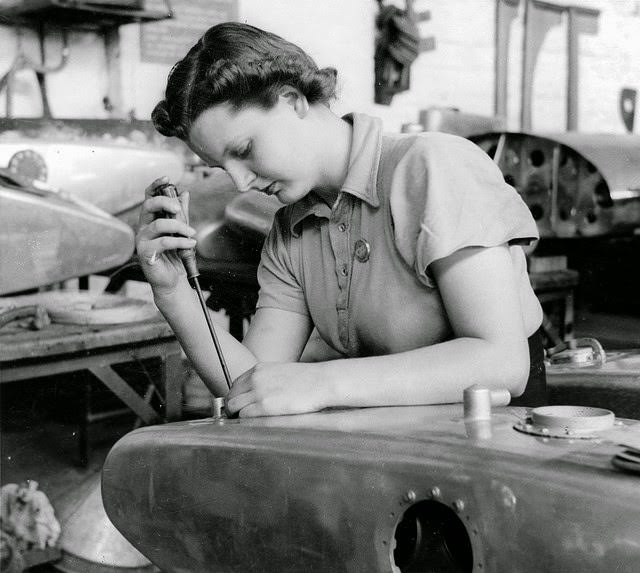
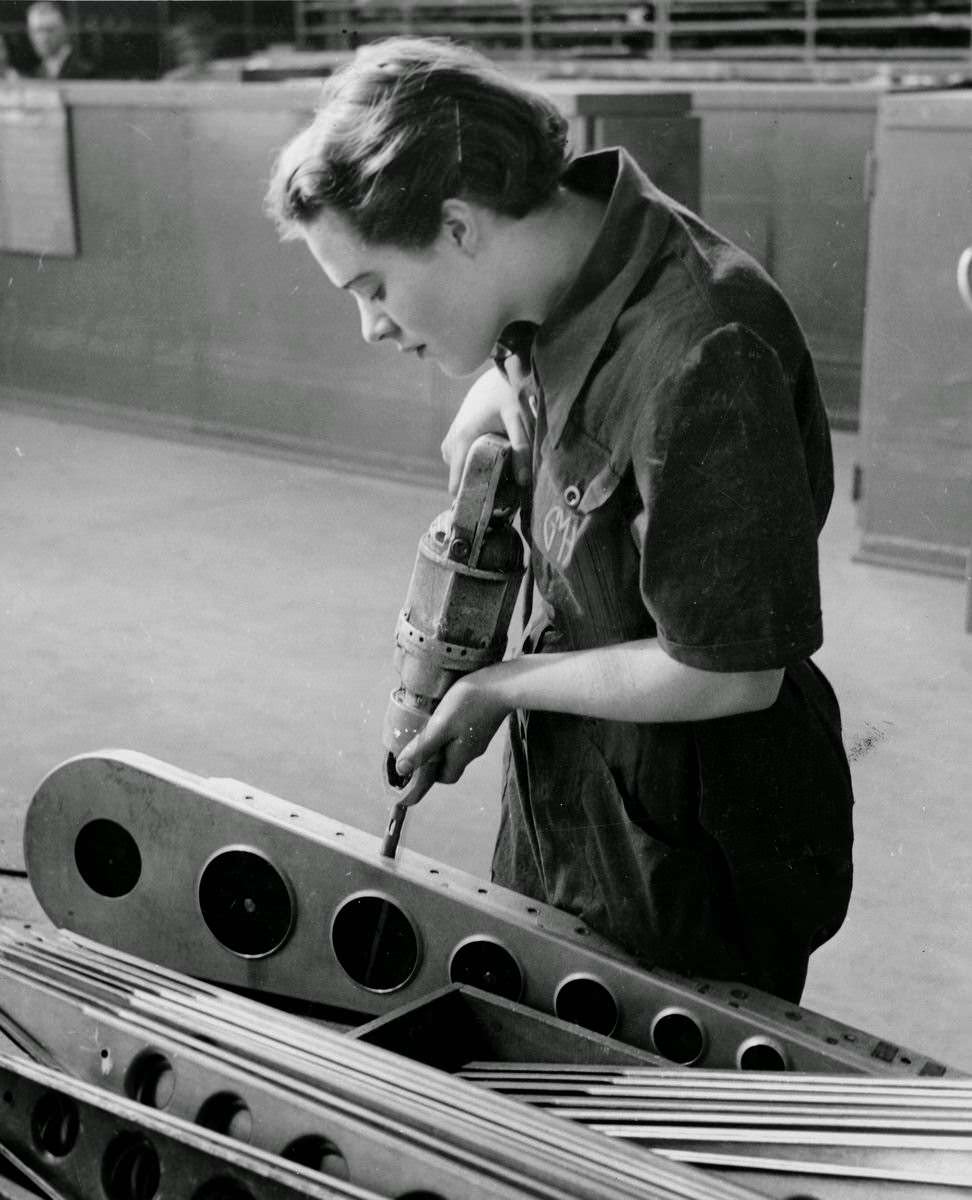
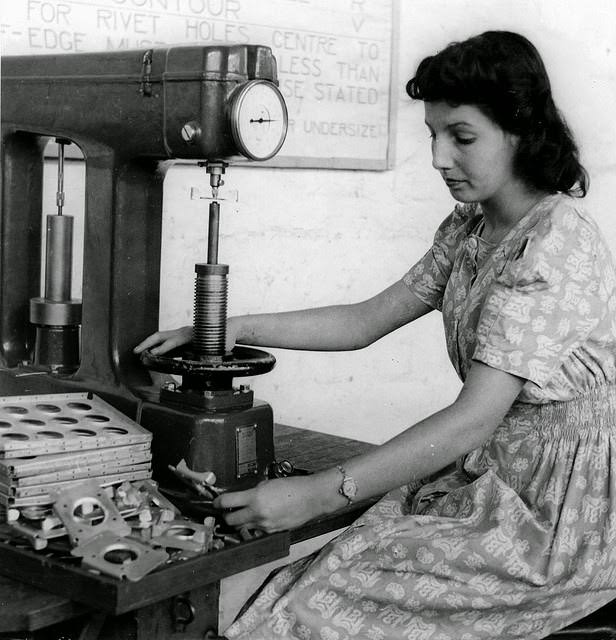
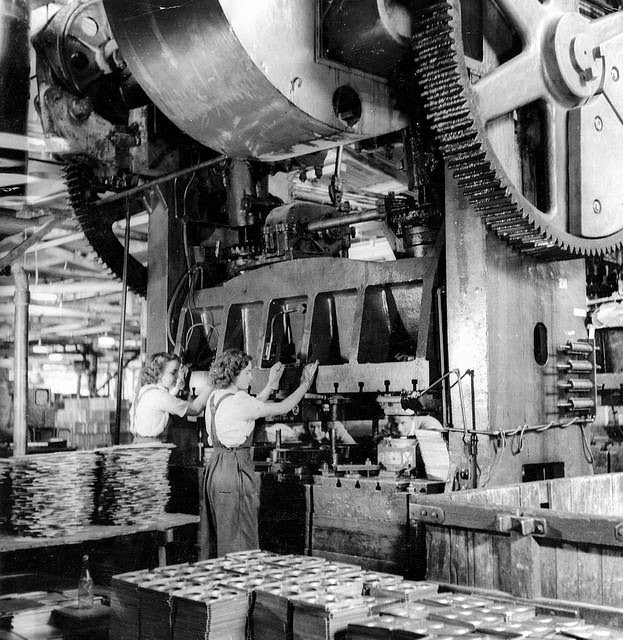
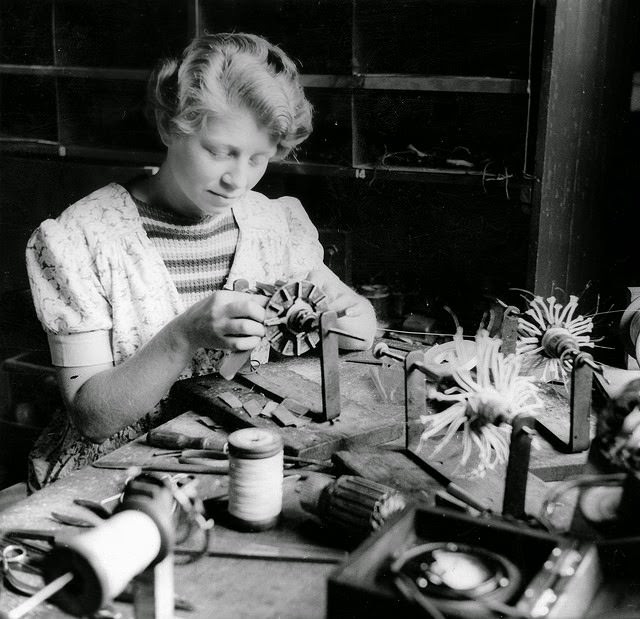
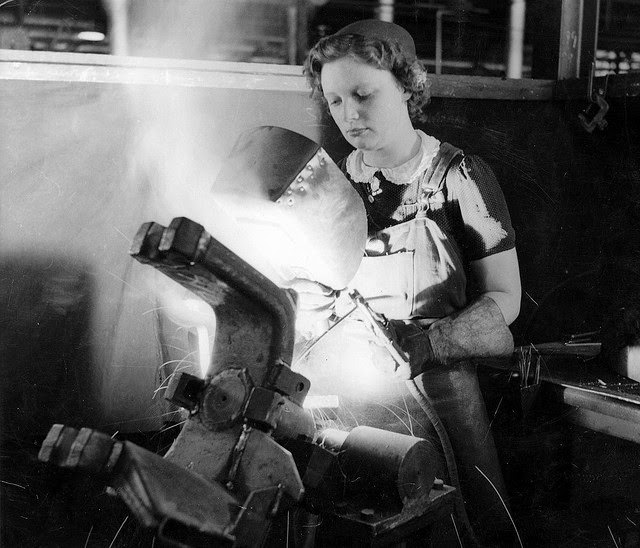
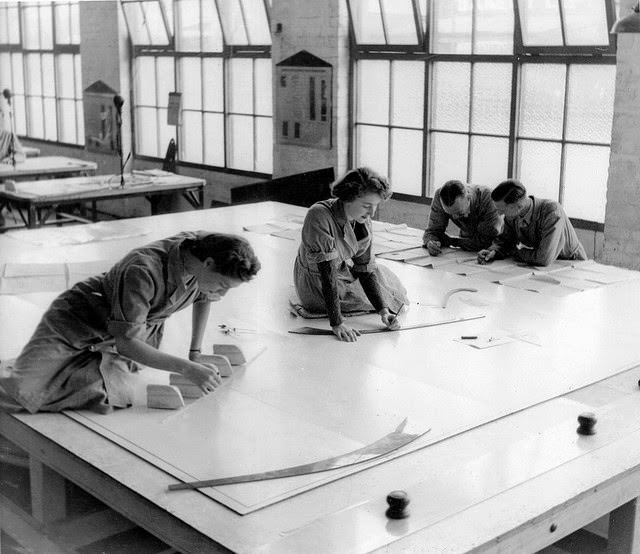
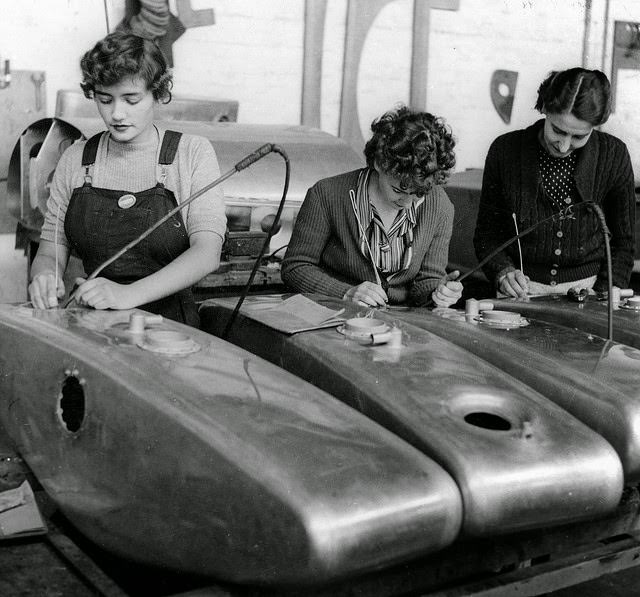
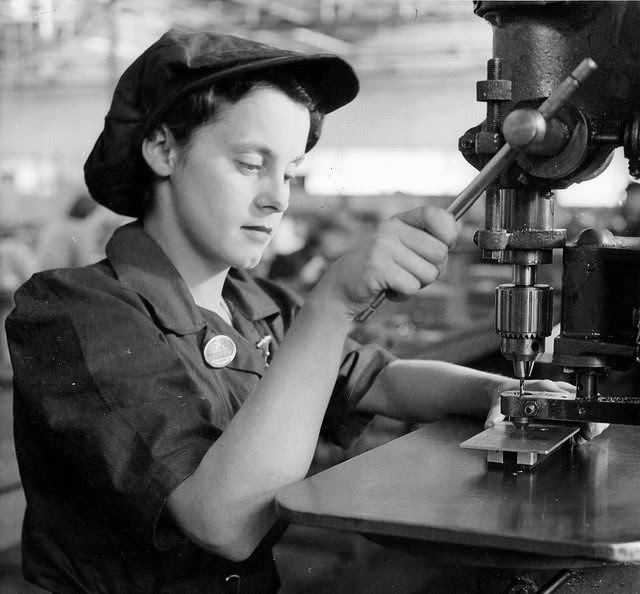
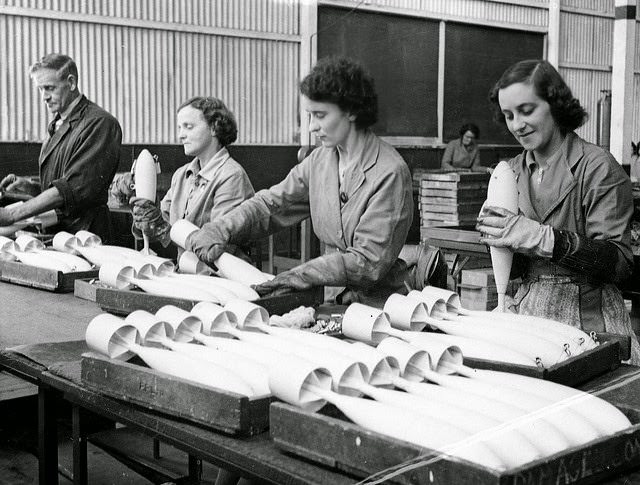
By April 1941, the war effort in Australia faced a critical shortage of workers. Thousands of men left their jobs to enlist in the military, leaving industrial roles vacant. The Australian government, through the Directorate of Manpower, responded by redirecting laborers from non-essential sectors to military production. Authorities cut back on the manufacturing of luxury items and everyday goods to focus entirely on the war. This shift forced the introduction of rationing for food and clothing, but it also opened the factory doors to a new workforce. Women, previously excluded from these heavy industries, stepped in to fill the void.
Inside the South Australian Factories
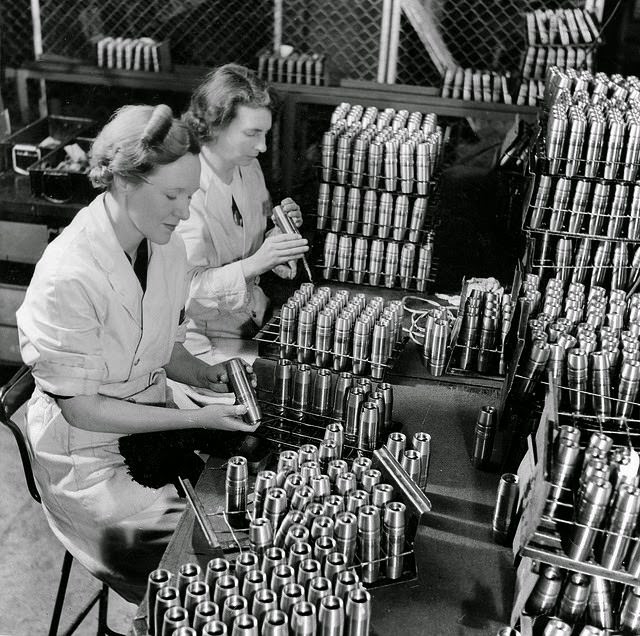
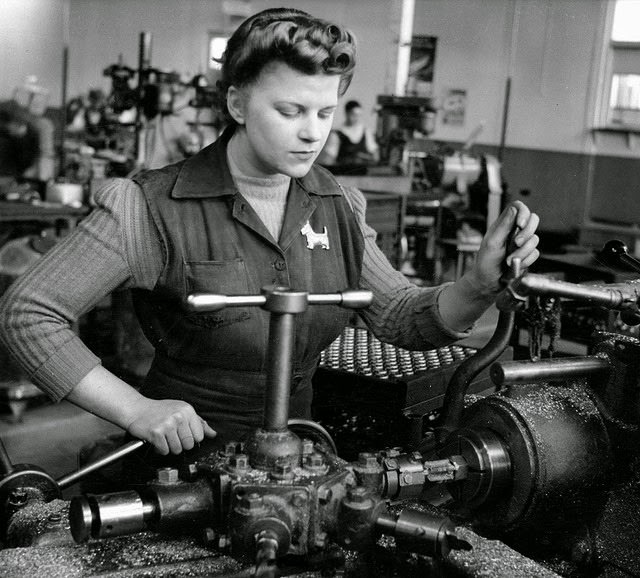
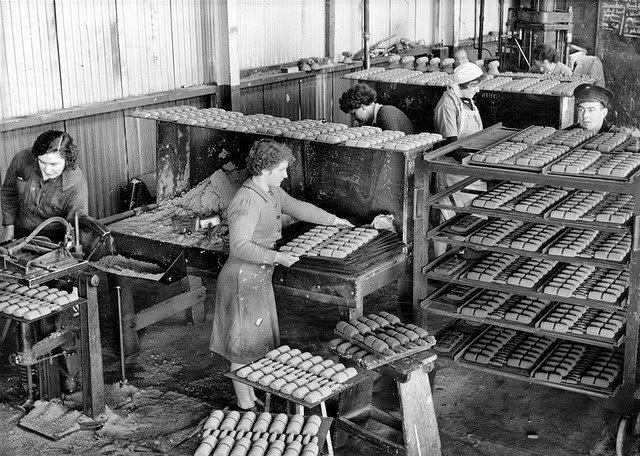
South Australia became a major hub for munitions production during the conflict. The government constructed massive facilities at Hendon, Finsbury, and Salisbury to meet the demand for weapons. The Hendon Small Arms Ammunition Factory specifically focused on producing .303 rifle bullets and 9mm ammunition. Inside the plant, machines churned out millions of rounds, cooled by lubricating suds that looked like masses of white fairy floss. At its peak, this single site employed thousands of staff, with women eventually making up a significant portion of the production line.
Dangerous Duties at Salisbury
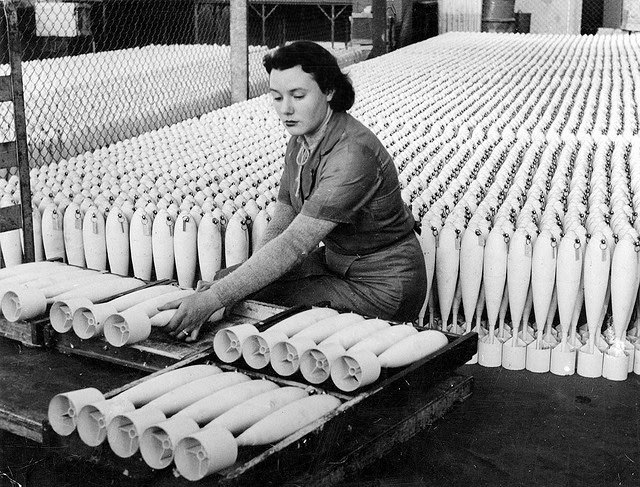
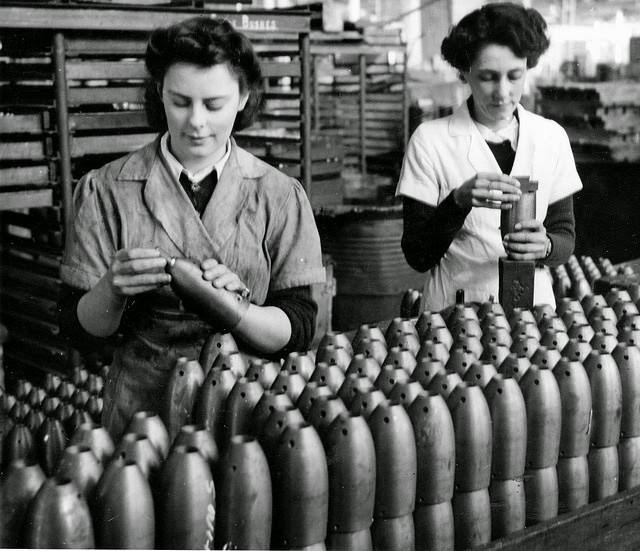
Work at the Salisbury Explosives Factory, also known as Penfield, involved far higher risks than standard assembly. Women at this sprawling complex filled 25-pound artillery shells and anti-tank mines with high explosives like TNT and cordite. The site covered such a large area that it required its own internal tramway system to move materials safely between buildings. Workers handled volatile chemicals daily, often resulting in skin rashes and discoloration from the toxic dust. Strict safety protocols prohibited matches or metal objects that could cause a spark, as a single mistake could lead to a catastrophic explosion.
Read more
The Grueling Commute and Shifts
The demands of war required factories to operate 24 hours a day, six days a week. Women worked rotating shifts, including overnight schedules that disrupted their sleep and social lives. Transporting this massive workforce required a complex logistical network. Special passenger trains ran from Adelaide to the Salisbury site, with some services arriving as late as 12:43 AM to drop off the night shift. For those who lived too far to commute, the government built accommodation near the work sites. At Finsbury, hundreds of women lived in simple fibro huts, creating a temporary community born out of necessity.
The Fight for Wages
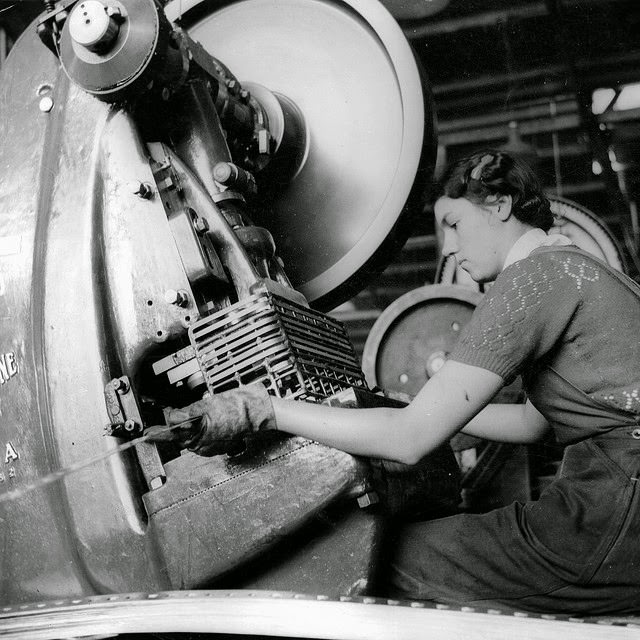
Despite performing the same dangerous and physically demanding tasks as men, female munitions workers received significantly lower pay. At the start of the war, women earned a fraction of the male wage for identical work. The Directorate of Manpower and industrial unions resisted calls for equal pay, fearing it would disrupt the labor market once the war ended. While some wages eventually increased to about 75 percent of the male rate after intense lobbying, the gap remained a constant source of frustration. The government made it clear that these industrial roles were temporary and that women would return to domestic duties after the victory.
Rationing and Daily Struggles
Life outside the factory gates presented its own set of challenges. The rationing system limited the availability of meat, sugar, butter, and tea. Women used ration coupons to purchase these staples, often standing in long queues after finishing a 12-hour shift. Clothing was also strictly regulated, forcing workers to mend old garments rather than buy new ones. Safety uniforms, such as overalls and caps, became the standard daily attire, replacing the fashion of the pre-war era. This austerity touched every aspect of life, reinforcing the total commitment required from the civilian population.