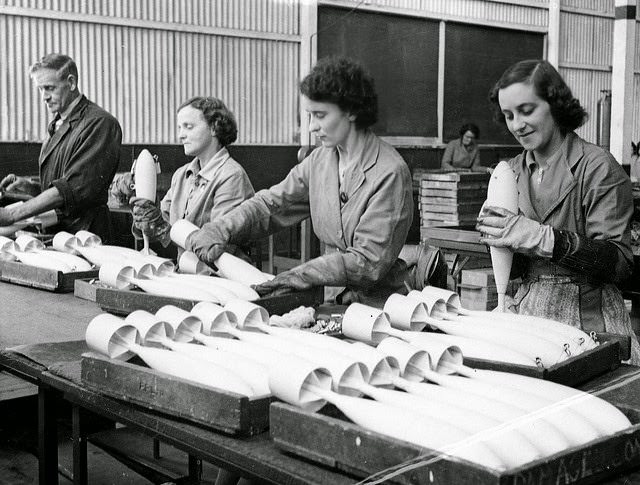
When Australia entered World War II, the demand for weapons, ammunition, and aircraft parts surged almost overnight. Men were shipped overseas in large numbers, leaving a widening gap on the home front. The government turned to women to fill it. Across the country — particularly in South Australia — munitions factories became the new frontline for thousands of Australian women who had never set foot on a factory floor before.
The work was physically hard and genuinely dangerous. Women handled explosive materials, operated heavy industrial machinery, and worked with chemicals that posed serious health risks. There were no glamorous conditions to speak of. Shifts were long, the air in the factories was thick with metal dust and fumes, and the tasks required precision even when the body was exhausted. Yet recruitment was not a struggle — many women actively sought out these roles, determined to contribute directly to the war.
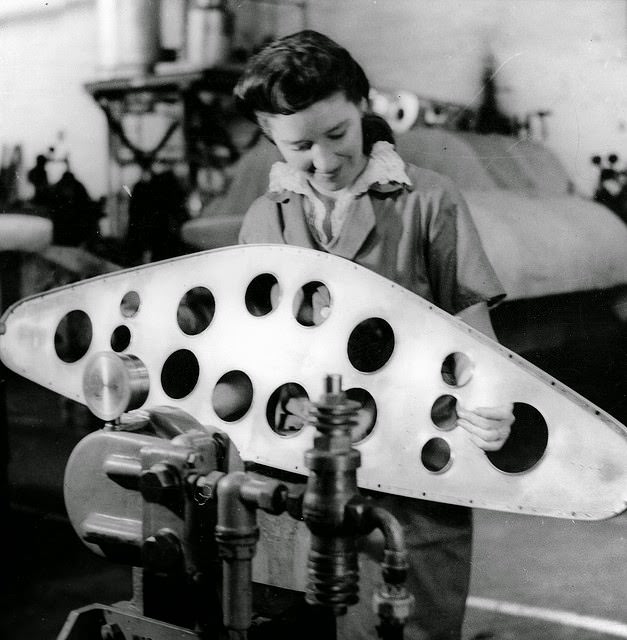
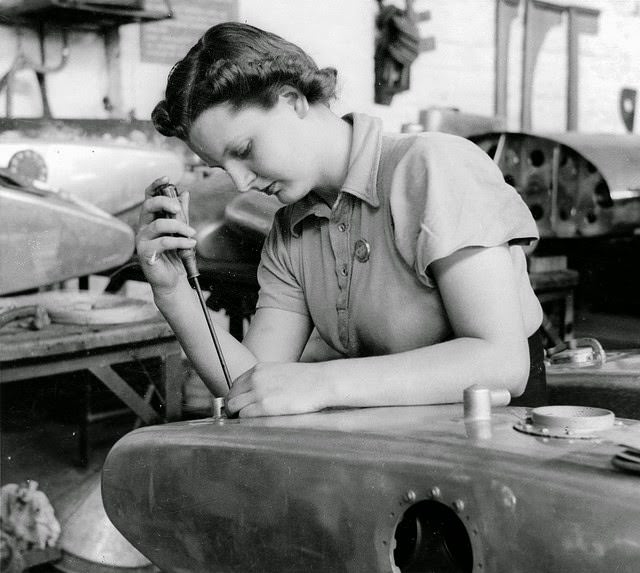
The Bristol Beaufort bomber was a twin-engine torpedo bomber used extensively by the Royal Australian Air Force. Building one required hundreds of individual components, and Australian women produced many of them. They machined the structural ribs that formed the bomber’s frame, assembled oil tanks, drilled airframe parts with portable tools, and riveted sections together using automatic machines. This was not light assembly work — it was skilled industrial manufacturing.
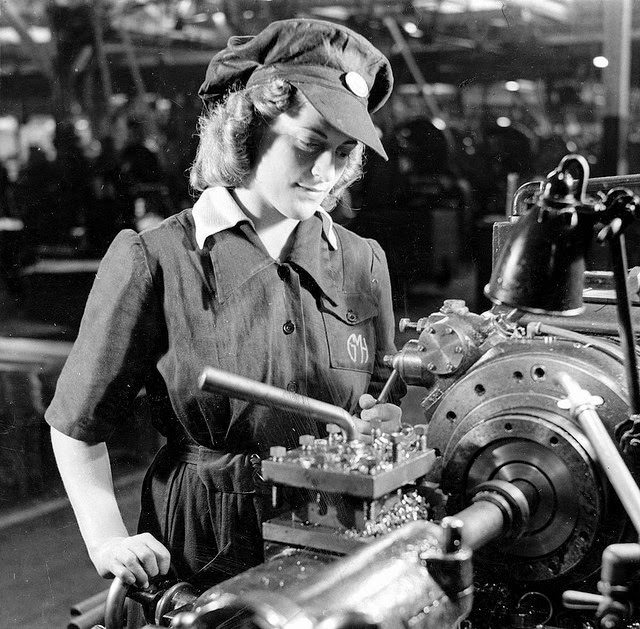
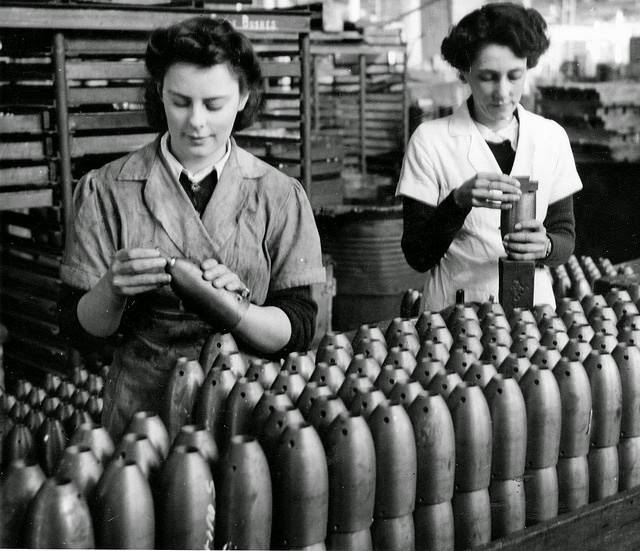
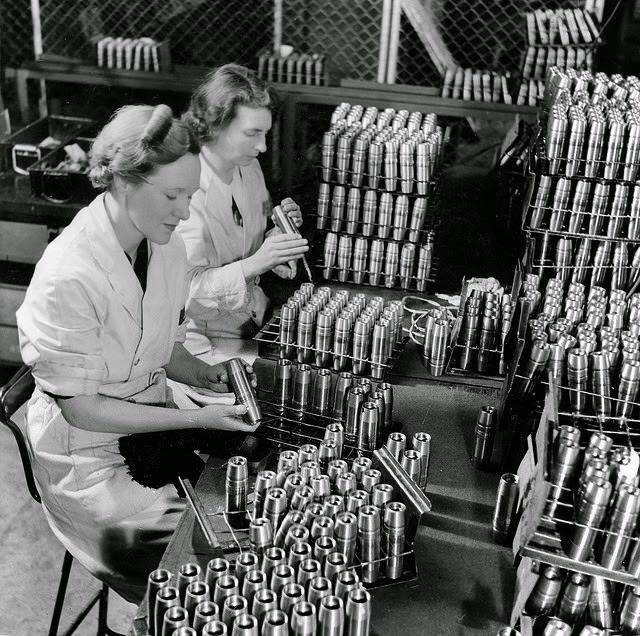
Anti-aircraft production was another major area of women’s work. Driving bands — the copper rings that grip a shell’s rifling as it travels down a gun barrel — had to be cut to precise tolerances. Shell casings were inspected by hand for defects before being passed on for filling. Fuse components for Gaine anti-aircraft shells were assembled in detailed, repetitive work that demanded steady hands and close attention.
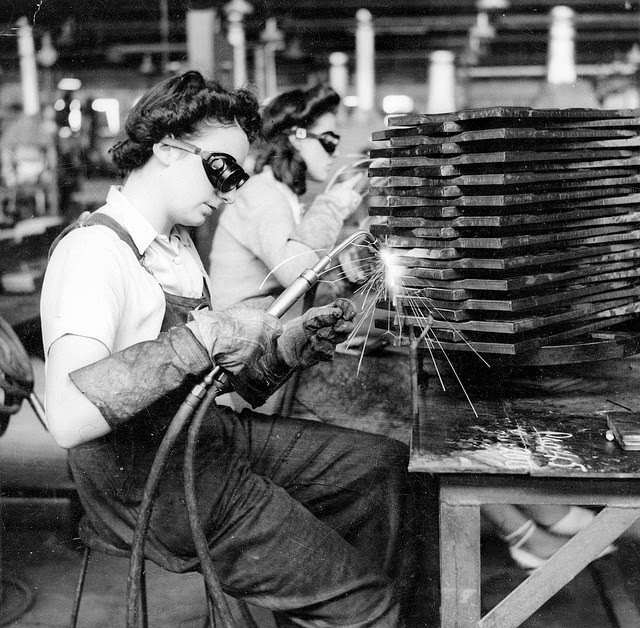
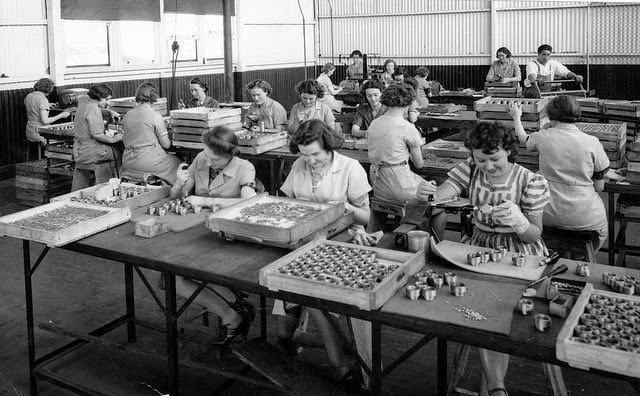
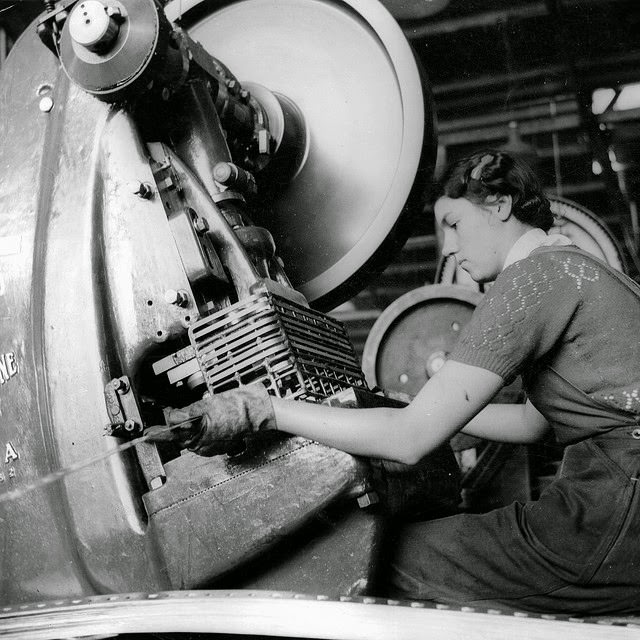
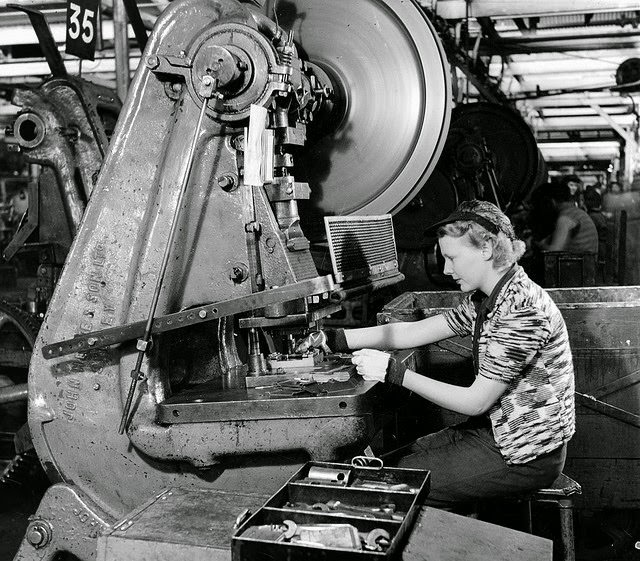
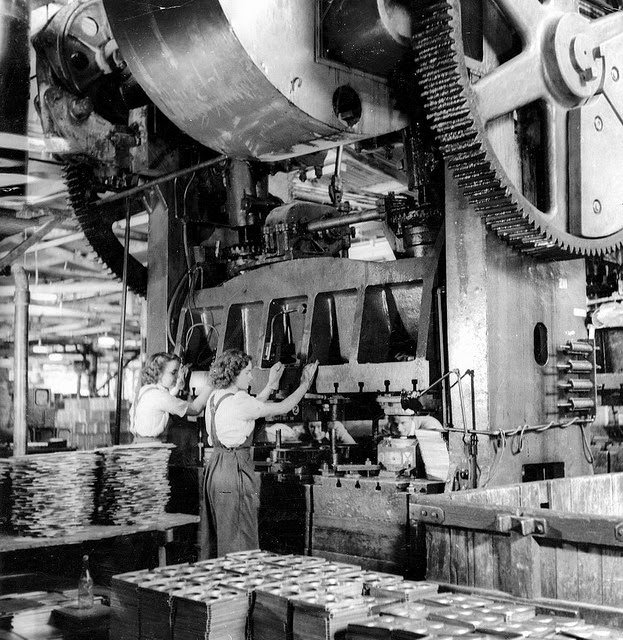
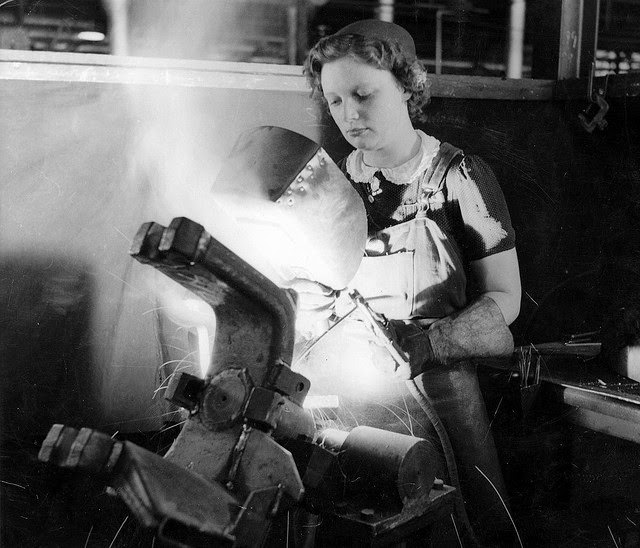
Ammunition storage was just as critical as ammunition production. Boxes had to be built to withstand transport and field conditions, and women operated large industrial presses to stamp out the metal parts. Others used oxy welding torches to join components — work that required training, protective equipment, and a steady nerve. Arc welding was also part of the job, with some women welding components for anti-tank guns.
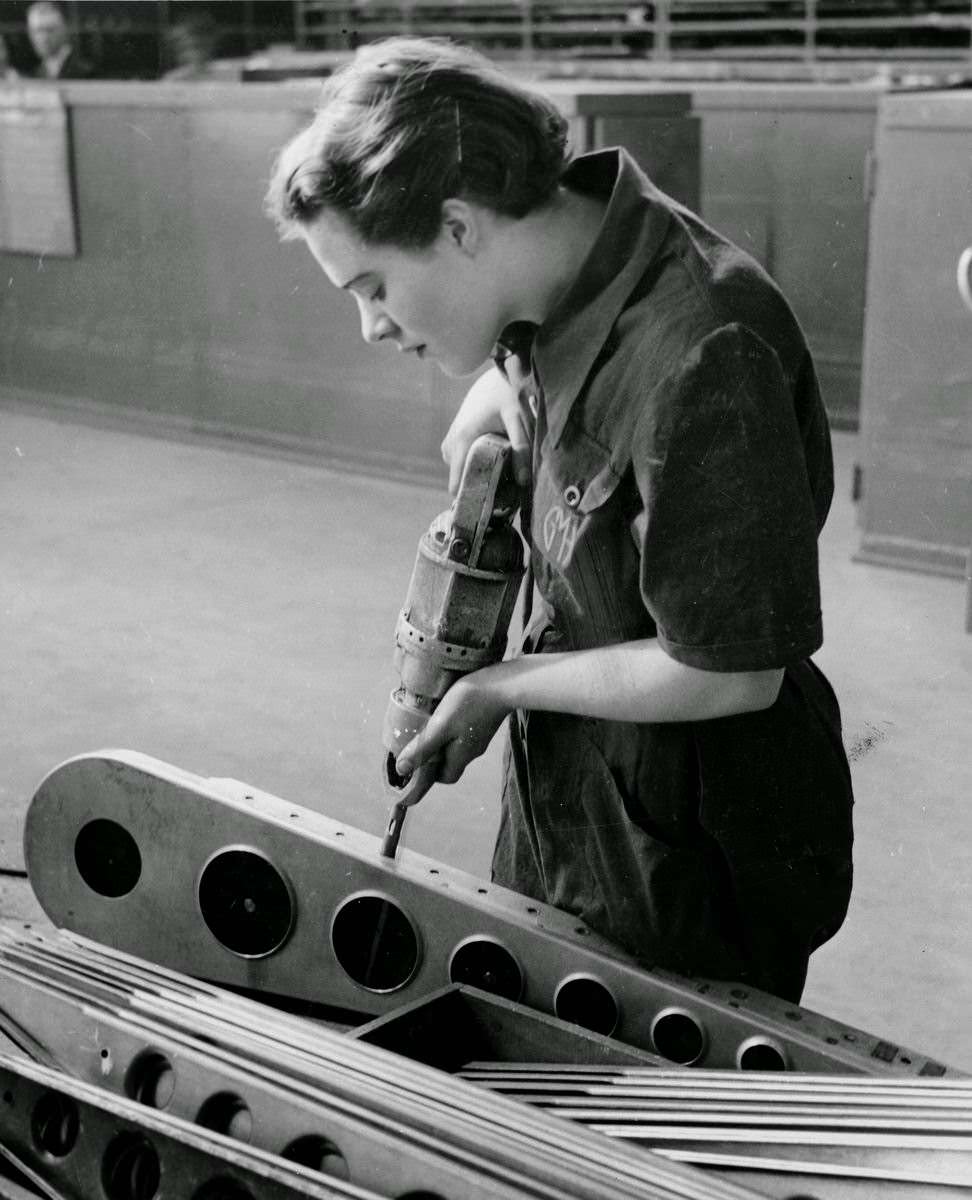
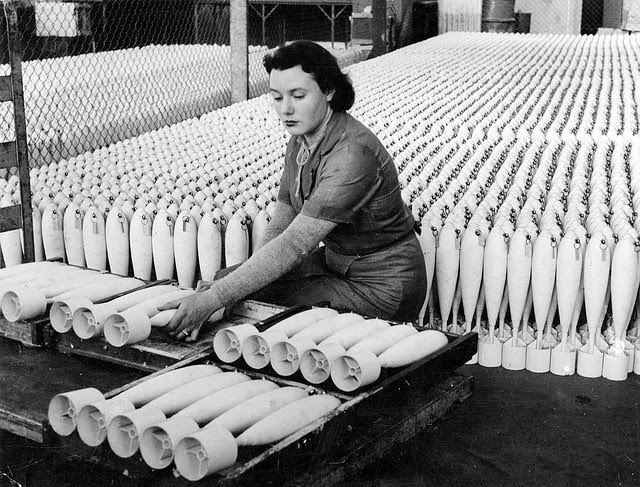
Quality control ran through every stage of production. Women tested metal parts for hardness to ensure they met engineering specifications. They inspected empty anti-aircraft shell cases before the explosive-filling stage — a step that had to be flawless, since a defective casing could fail catastrophically in the field. Practice bomb bodies for the RAAF were also inspected in dedicated checking stations before being cleared for transport to explosives filling facilities.
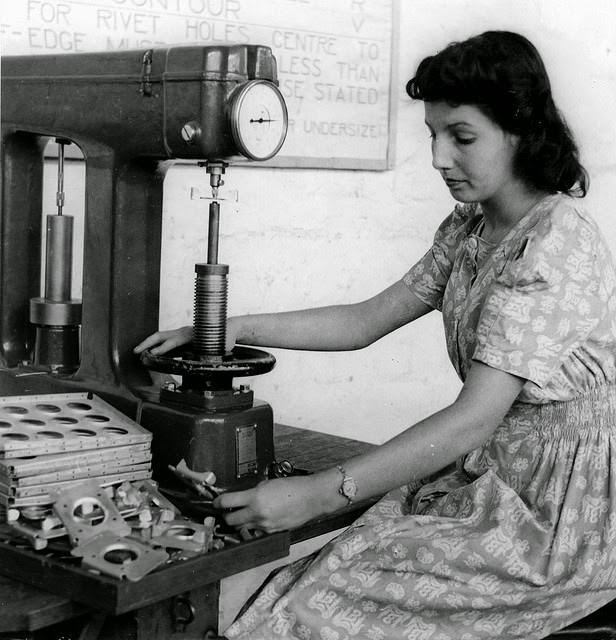
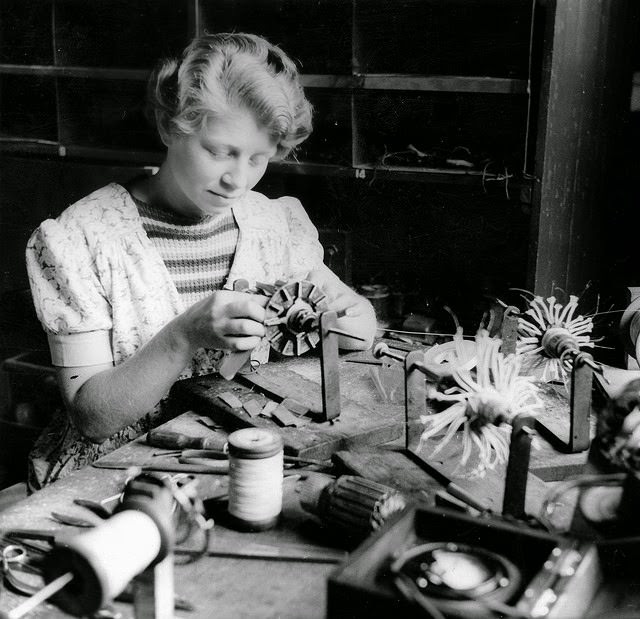
Electrical manufacturing also fell within the scope of women’s work in these factories. Armature winding — the process of coiling wire around the rotating core of an electric motor — was performed by women trained specifically for the task. Electric motors powered countless pieces of military equipment, making this work a quiet but essential part of the supply chain.
Some roles brought women directly into technical and design work. In one South Australian factory, two women drafted engineering plans for the Beaufort bomber alongside military men who reviewed the drawings. Women also produced brass fittings for military tanks, adding yet another branch of hardware to their growing list of contributions.
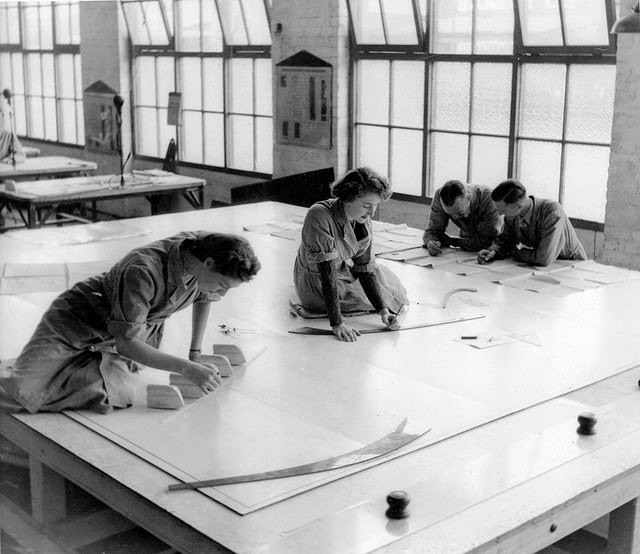
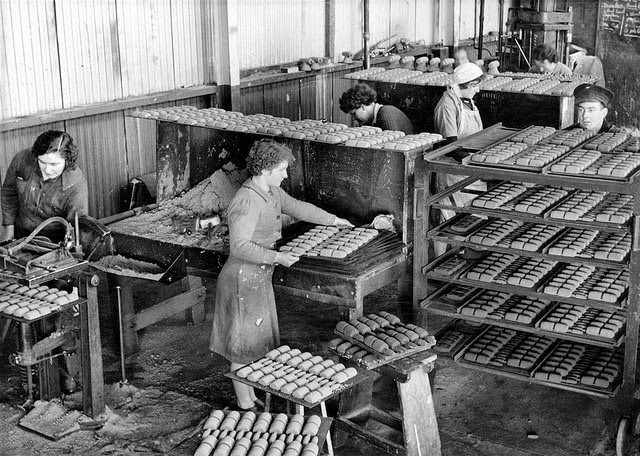
Practice bombs — used by RAAF crews for training runs — were produced and prepared in South Australian facilities. Women stacked them for transit to explosives filling factories and inspected completed bomb bodies before they were cleared for removal. The process was methodical and carried real responsibility, since training failures in the air could cost lives just as surely as combat failures.
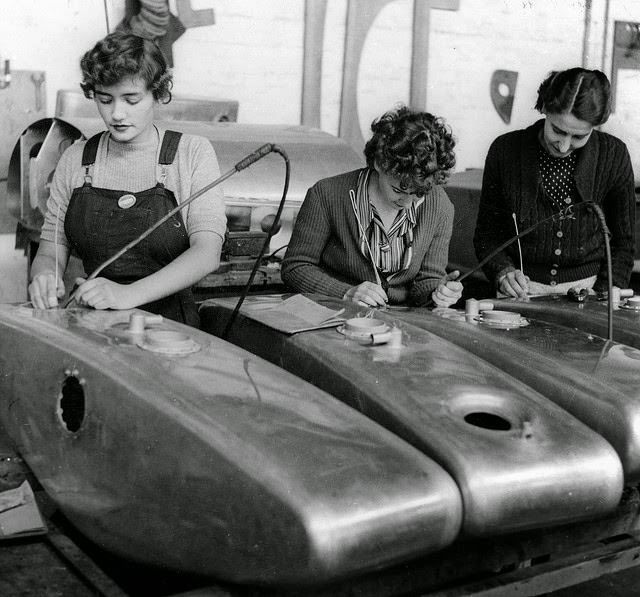
Maintenance tasks like cleaning the interiors of Beaufort bomber oil tanks — removing metal dust and debris before the tanks were installed — were handled with the same seriousness as the machining work itself. A contaminated oil tank could cause an engine failure mid-flight. These women understood that their thoroughness directly affected the survival of the crews who would fly those aircraft.
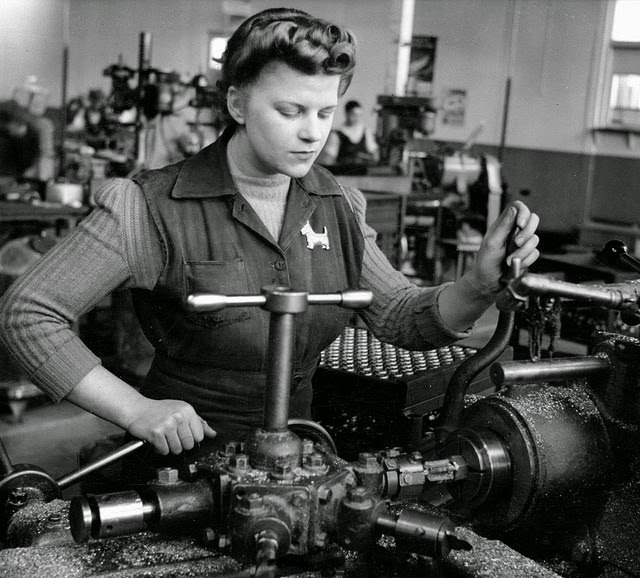
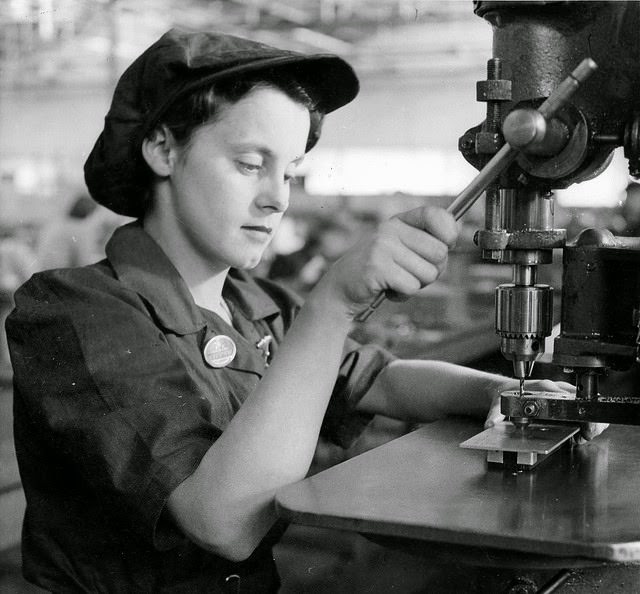
By the end of the war, Australia’s munitions factories had turned out an enormous volume of weapons, aircraft components, and ammunition — much of it built by women who had entered industrial work for the first time. They operated drills, presses, welding torches, and inspection gauges. They drafted plans, wound armatures, and stacked bombs. The breadth of what they did in those factories went far beyond what most people at the time thought women capable of.