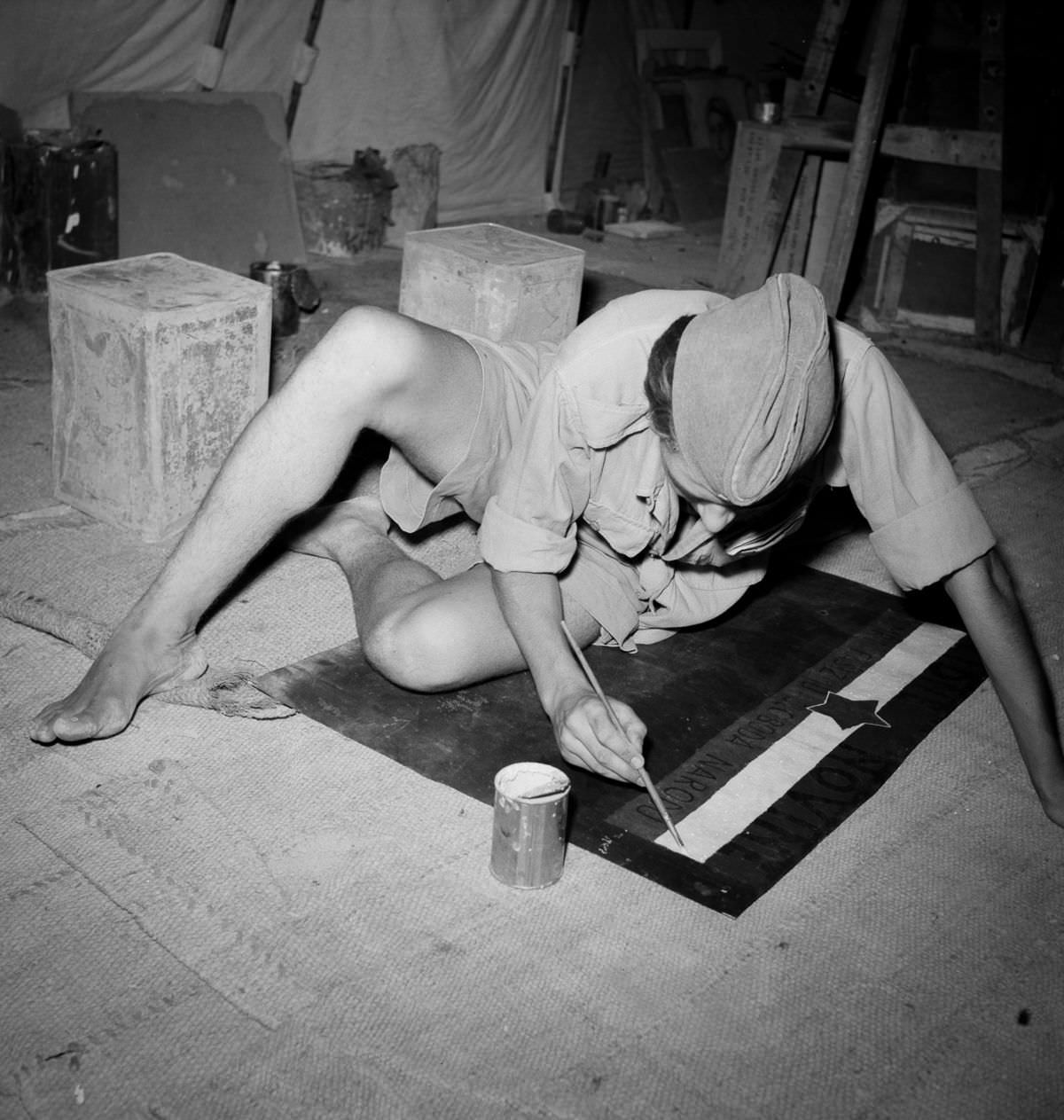
During World War II, thousands of European refugees fled their home countries to escape the fighting and ended up in one of the most unlikely places — the Egyptian desert. The El Shatt camps, set up along the Sinai Peninsula near the Suez Canal, became a temporary home for a large number of displaced people, most of them Yugoslav civilians evacuated by the Allies between 1944 and 1945.
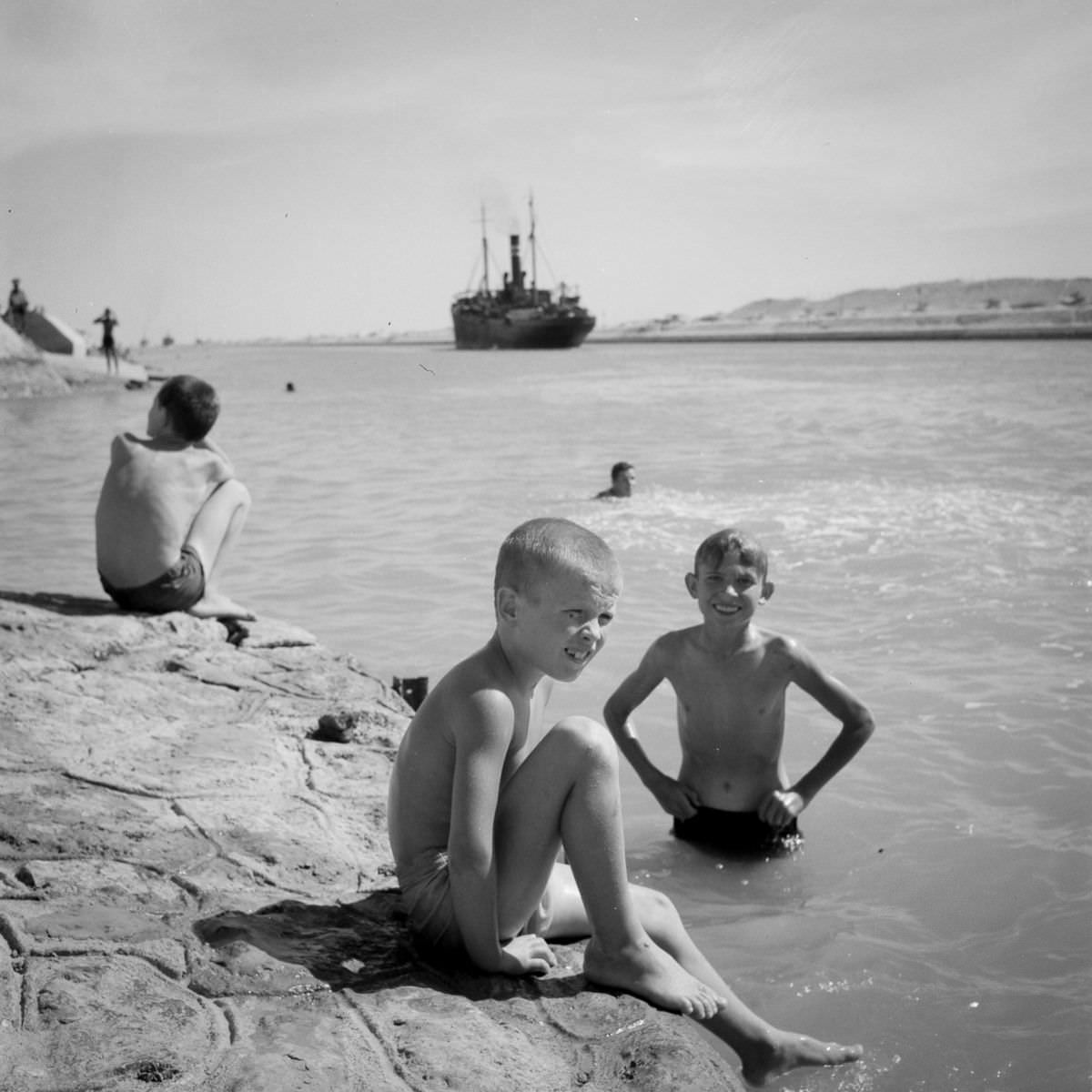
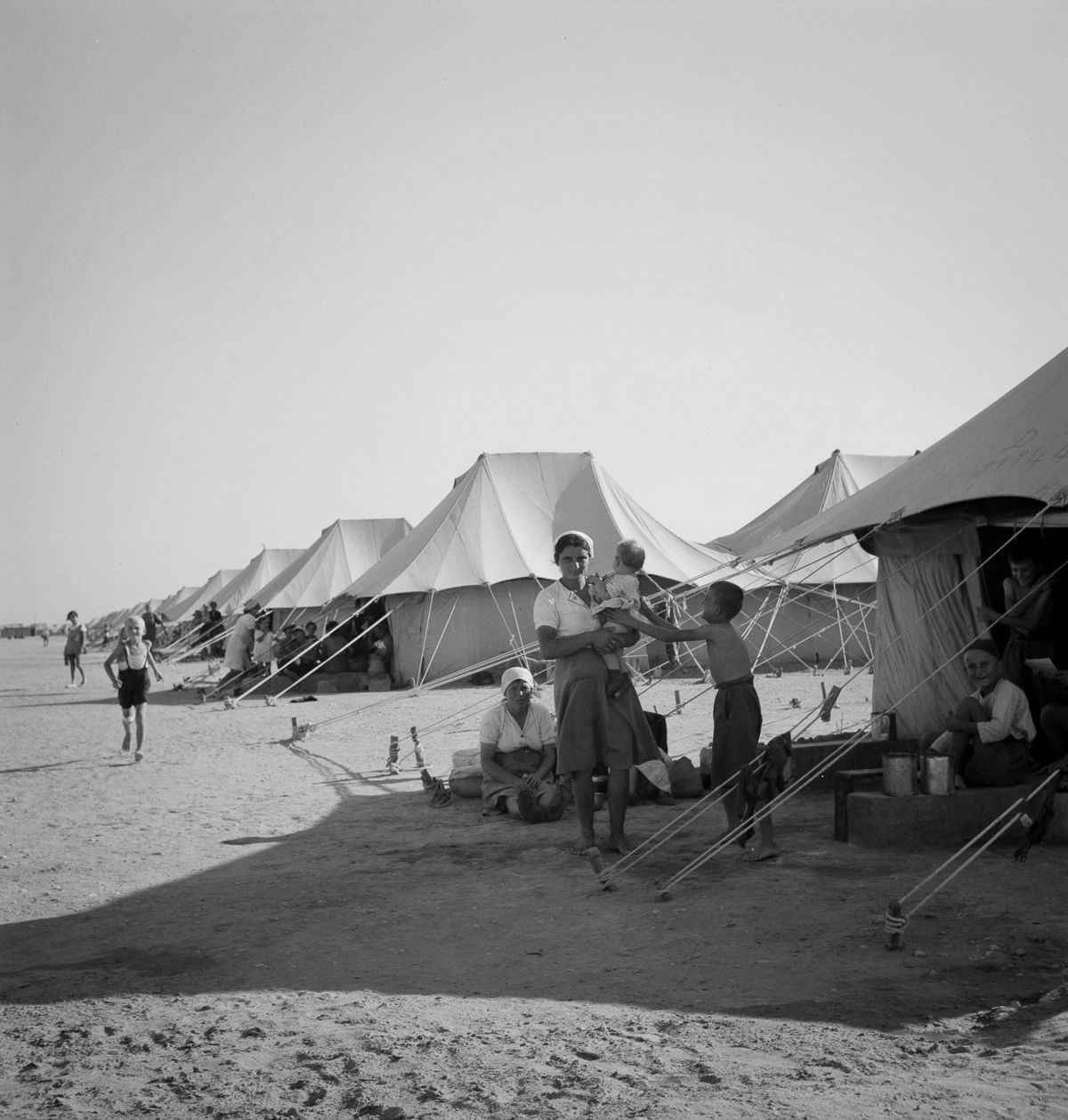
The camps were built and run with Allied support, primarily under the supervision of the United Nations Relief and Rehabilitation Administration (UNRRA). Tents stretched across the desert sand in long, organized rows. At the peak of operation, El Shatt housed over 30,000 refugees. The conditions were harsh — extreme heat, sandstorms, and limited water made daily life difficult.
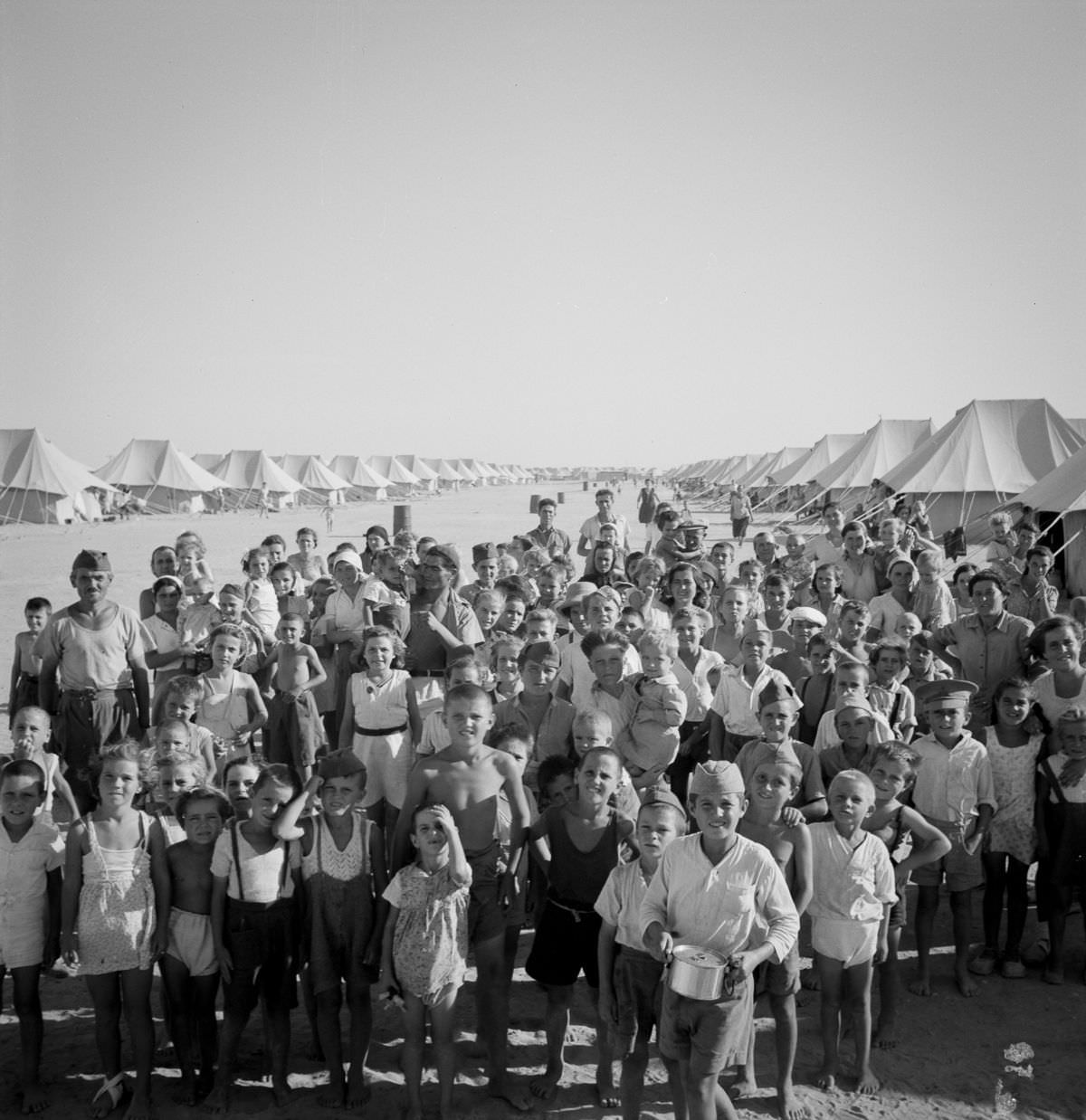
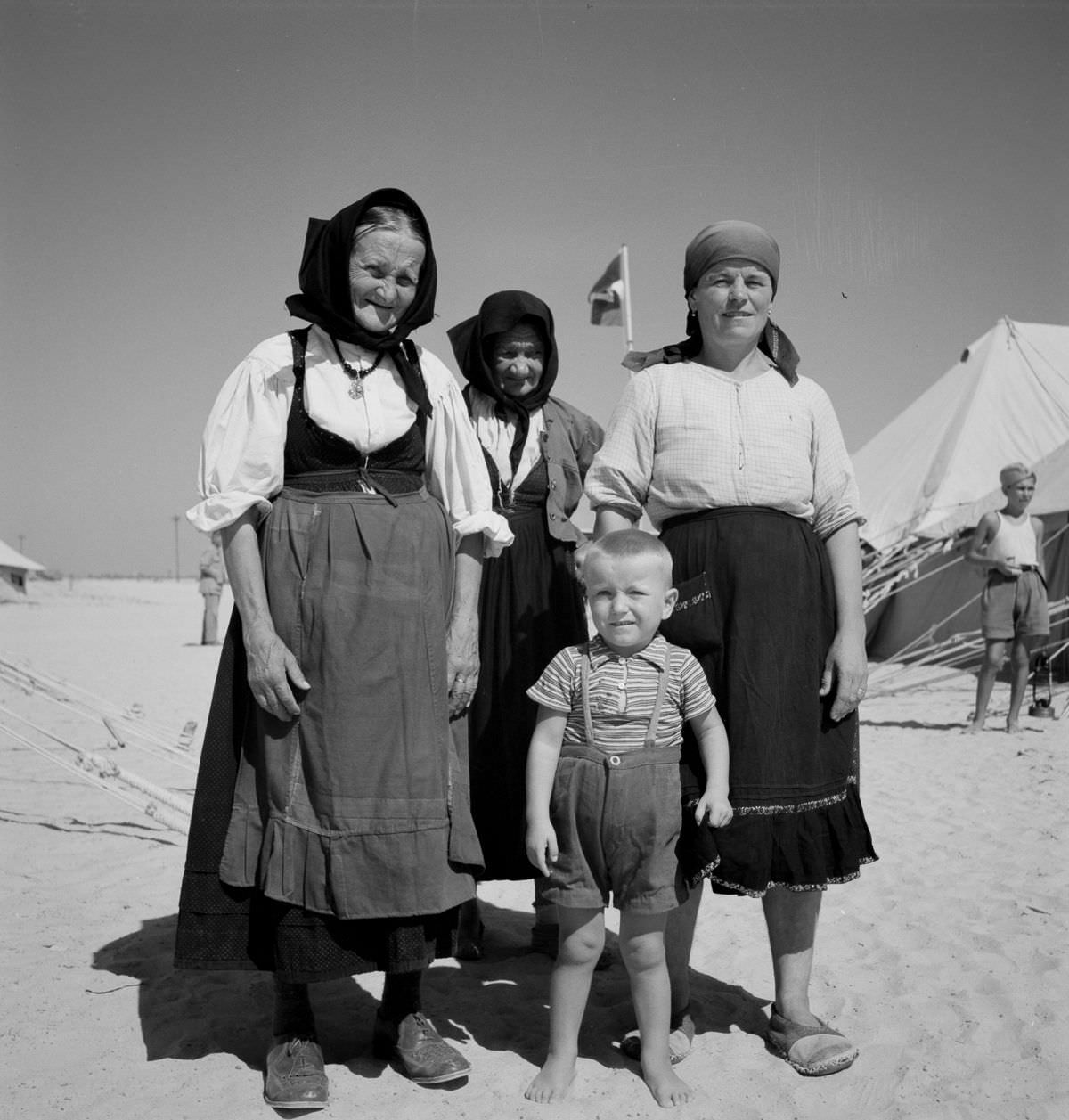
Despite these hardships, the refugees organized themselves with remarkable structure. They set up schools so children could continue their education. Medical clinics were established to deal with illness, and disease outbreaks — particularly typhoid and dysentery — were a constant challenge for camp health workers.
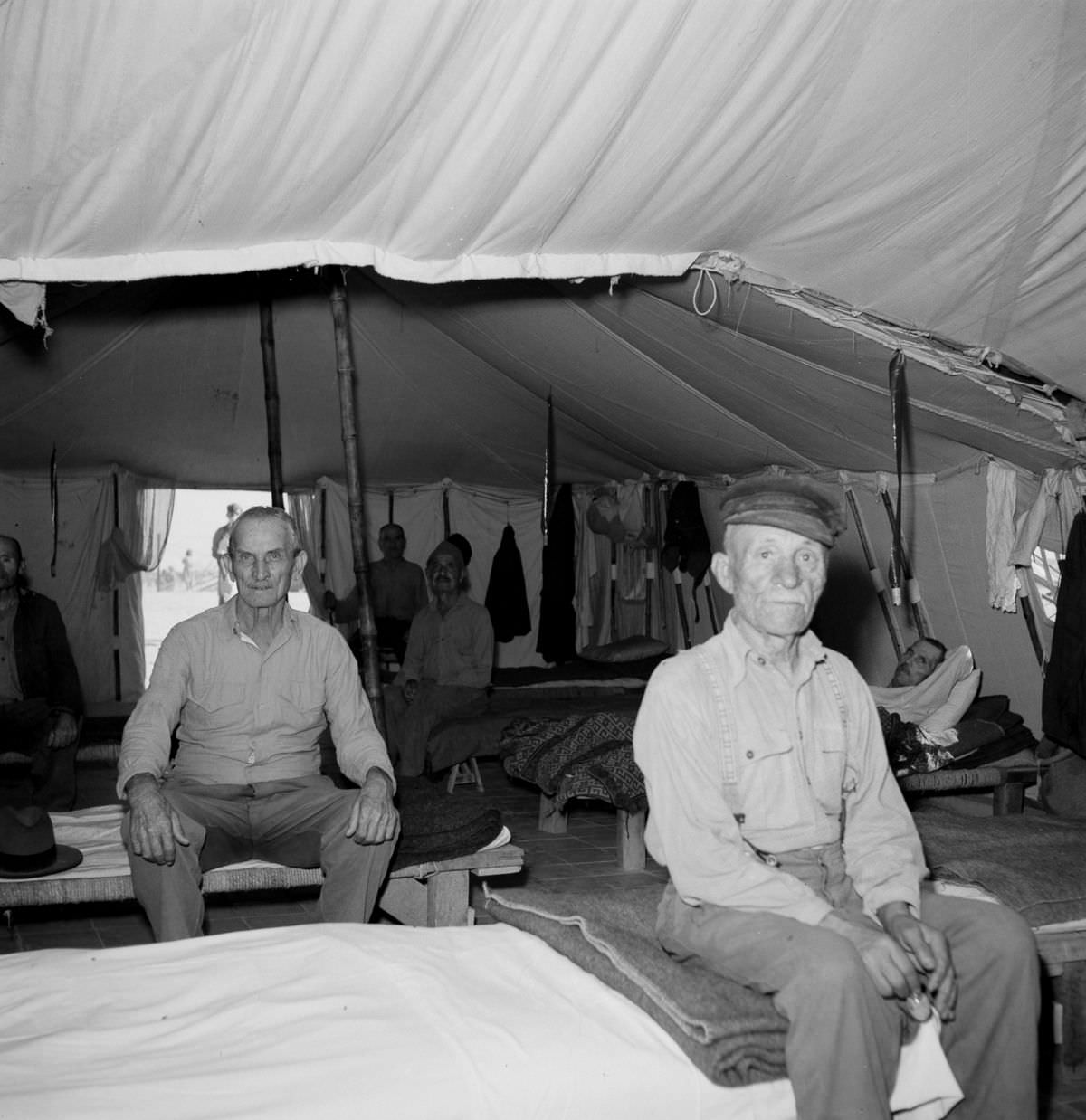
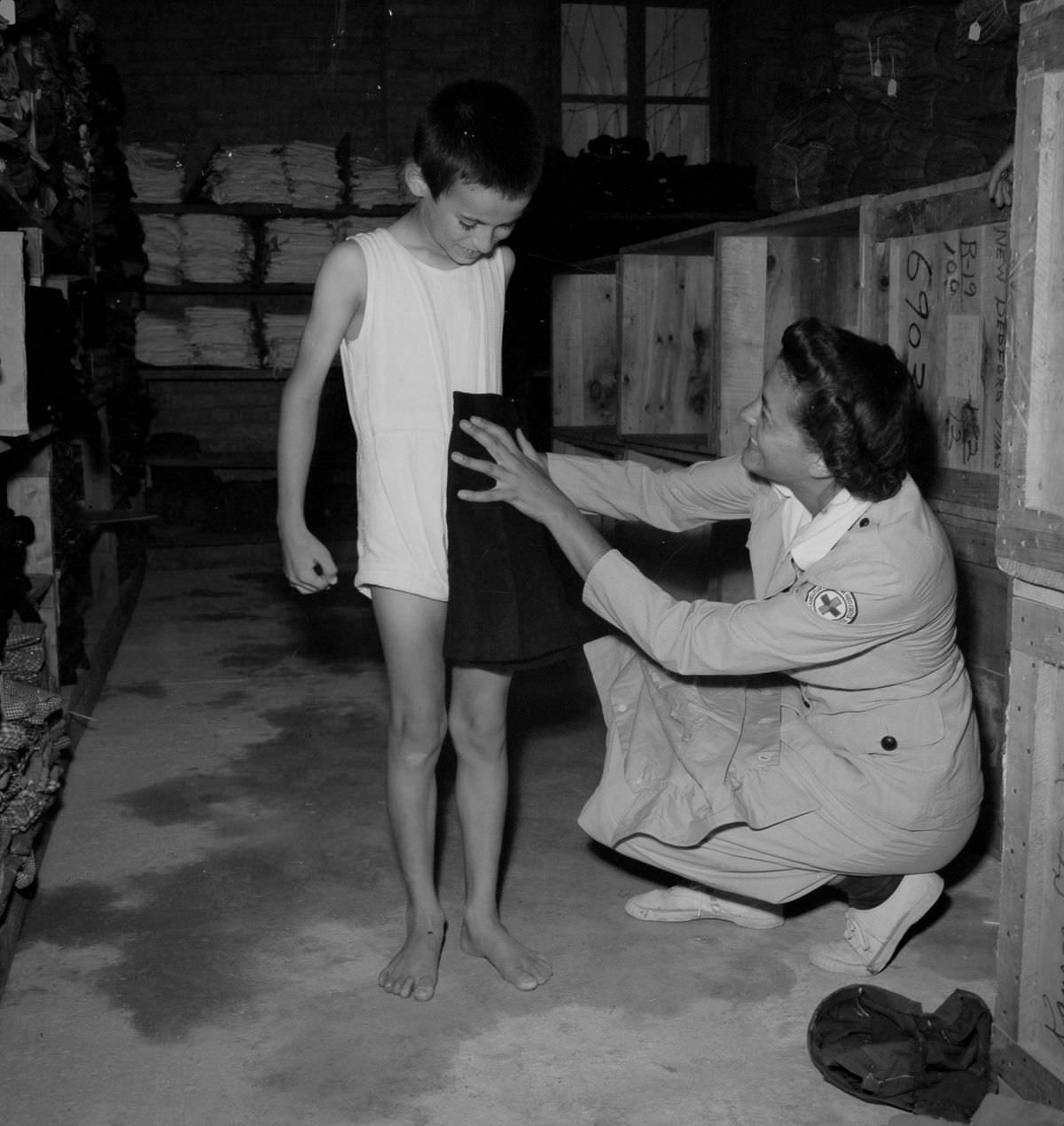
Families did what they could to make their tent spaces feel more personal. Curtains were hung for privacy. Small gardens appeared around tent edges. Women cooked communal meals, and men took on camp maintenance roles. The camps had their own internal administration, with refugees themselves filling many organizational posts.
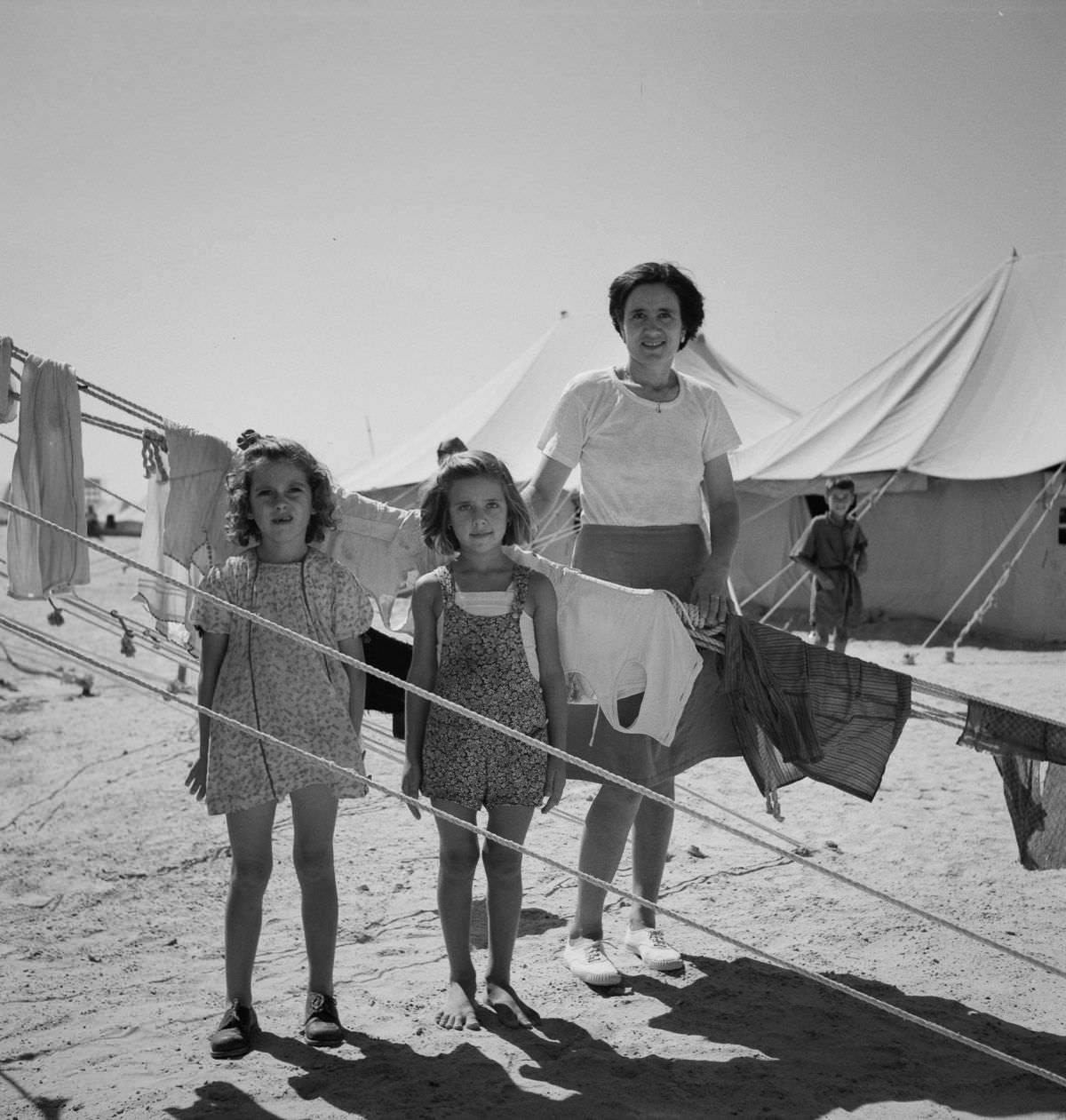
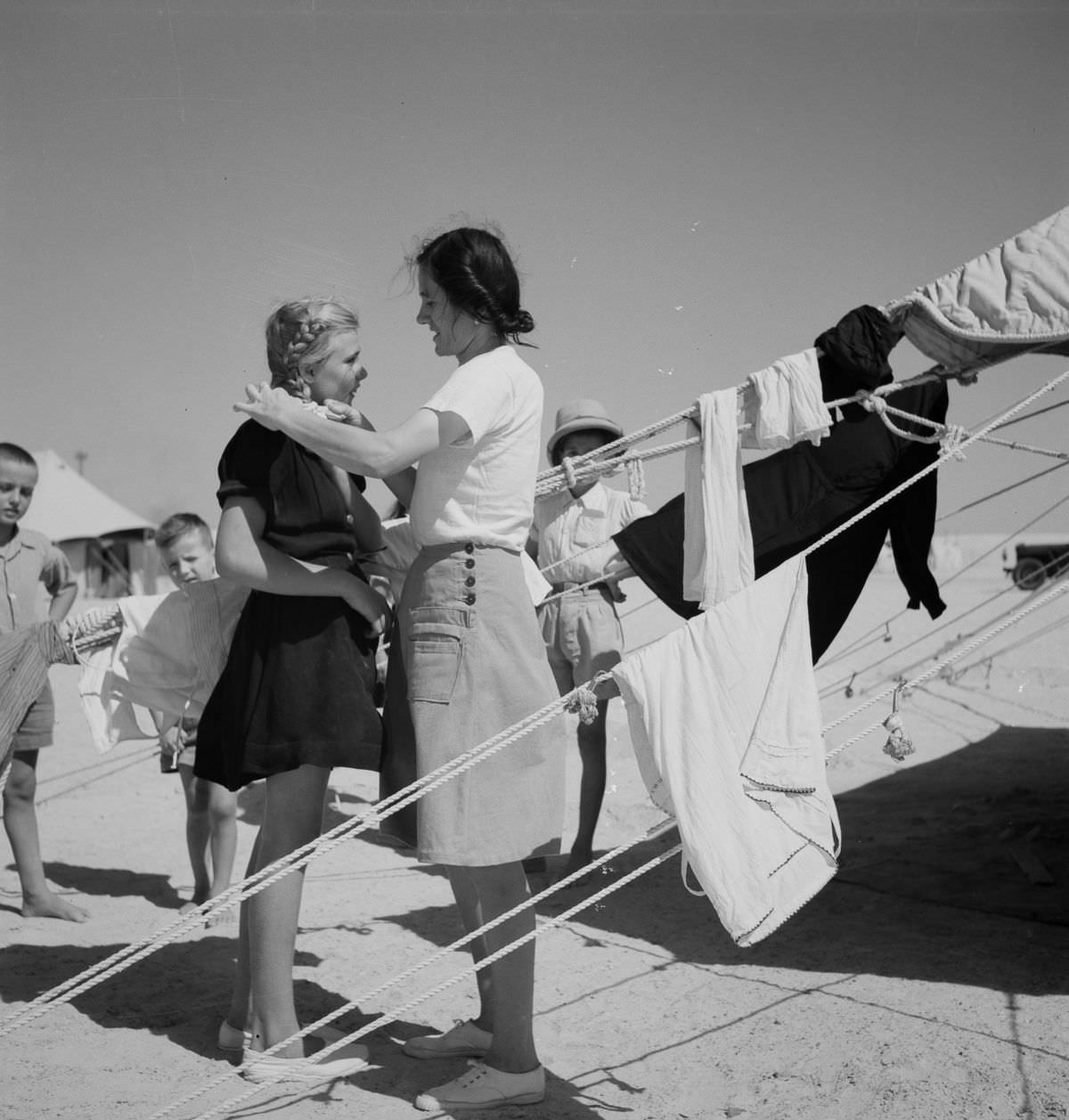
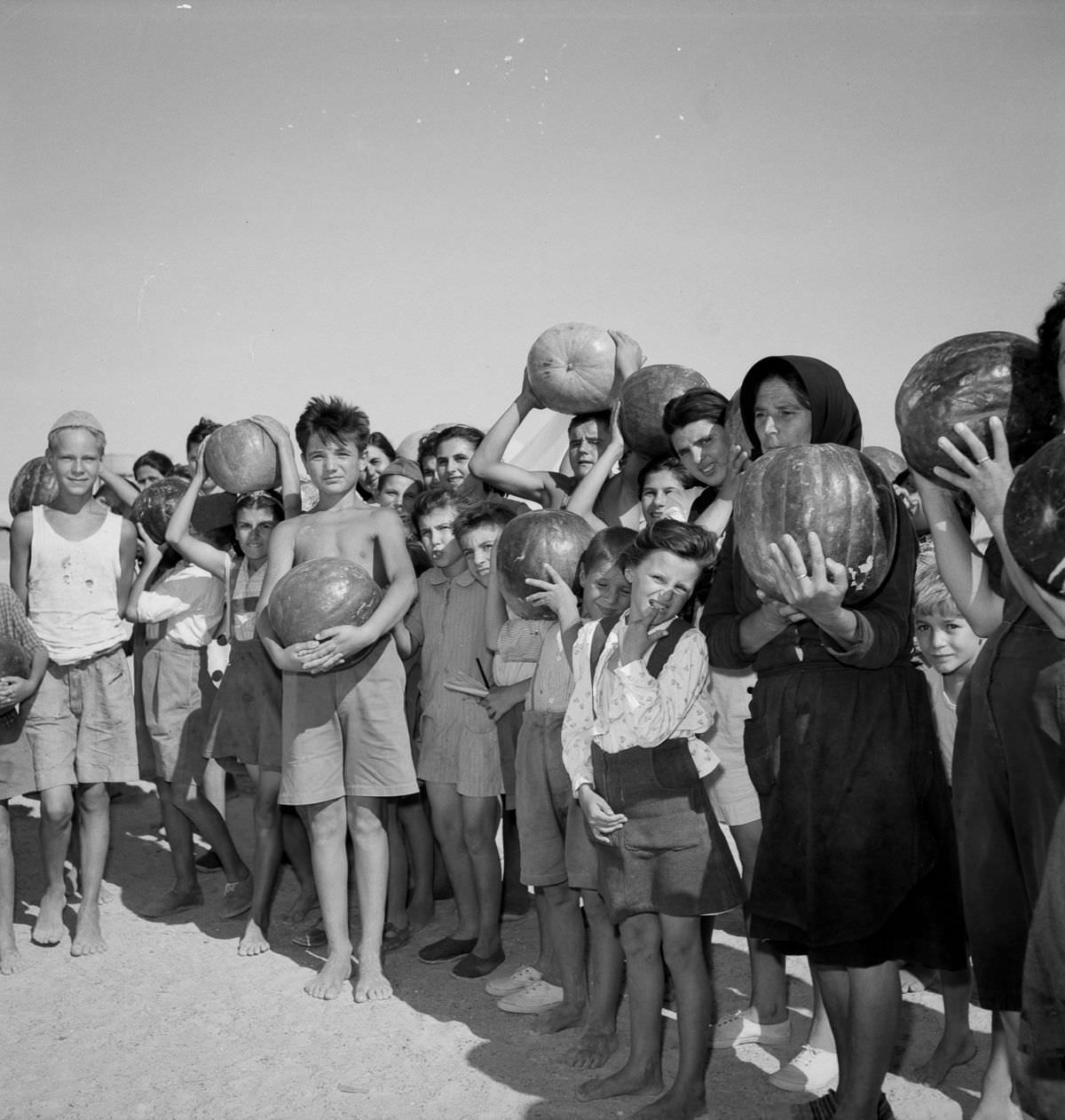
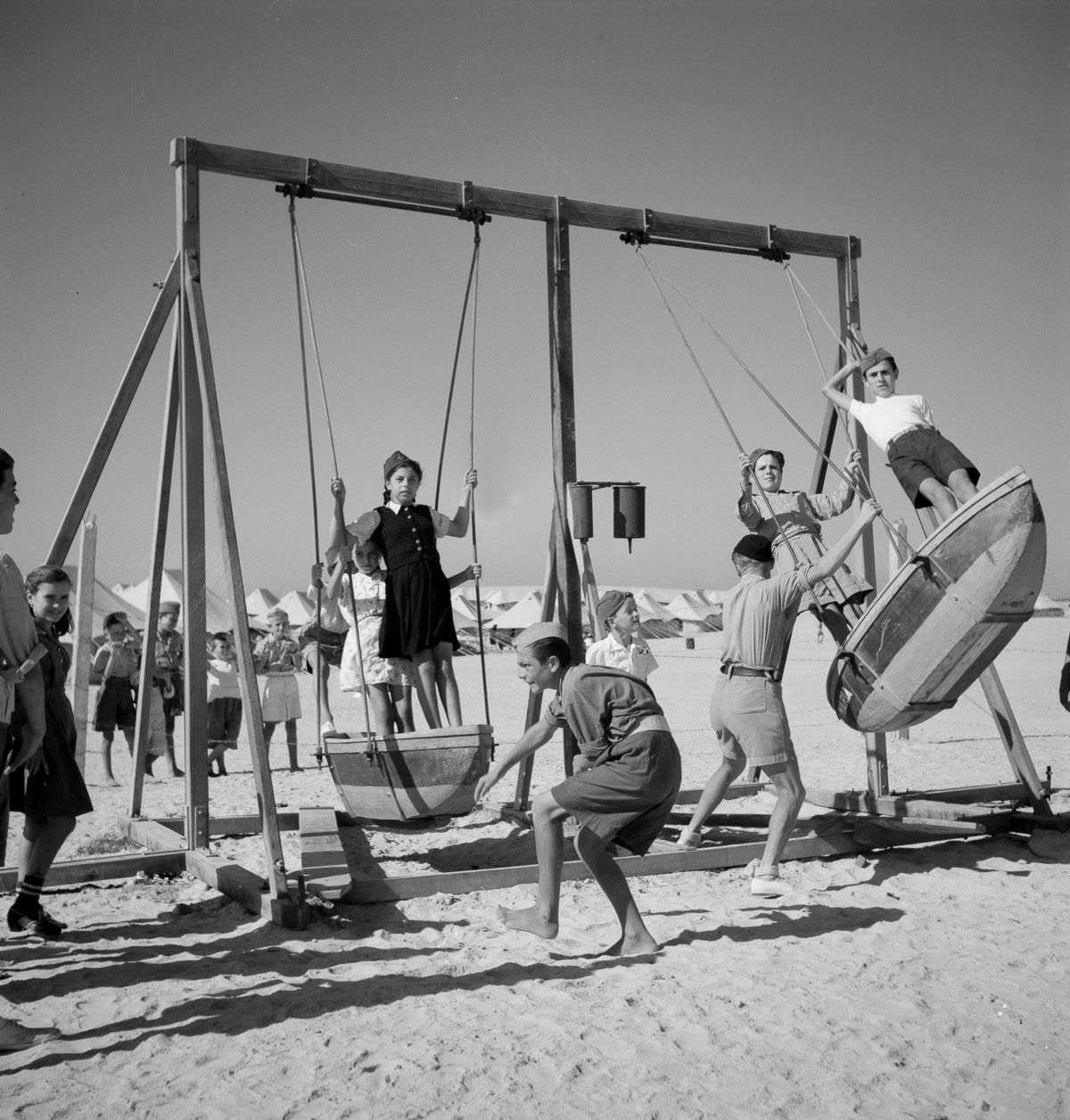
Children made up a significant portion of the camp population. They attended classes, played in open areas between the tent rows, and took part in cultural activities organized by the community. Theatrical performances, choir concerts, and sporting events were all documented taking place within the camps.
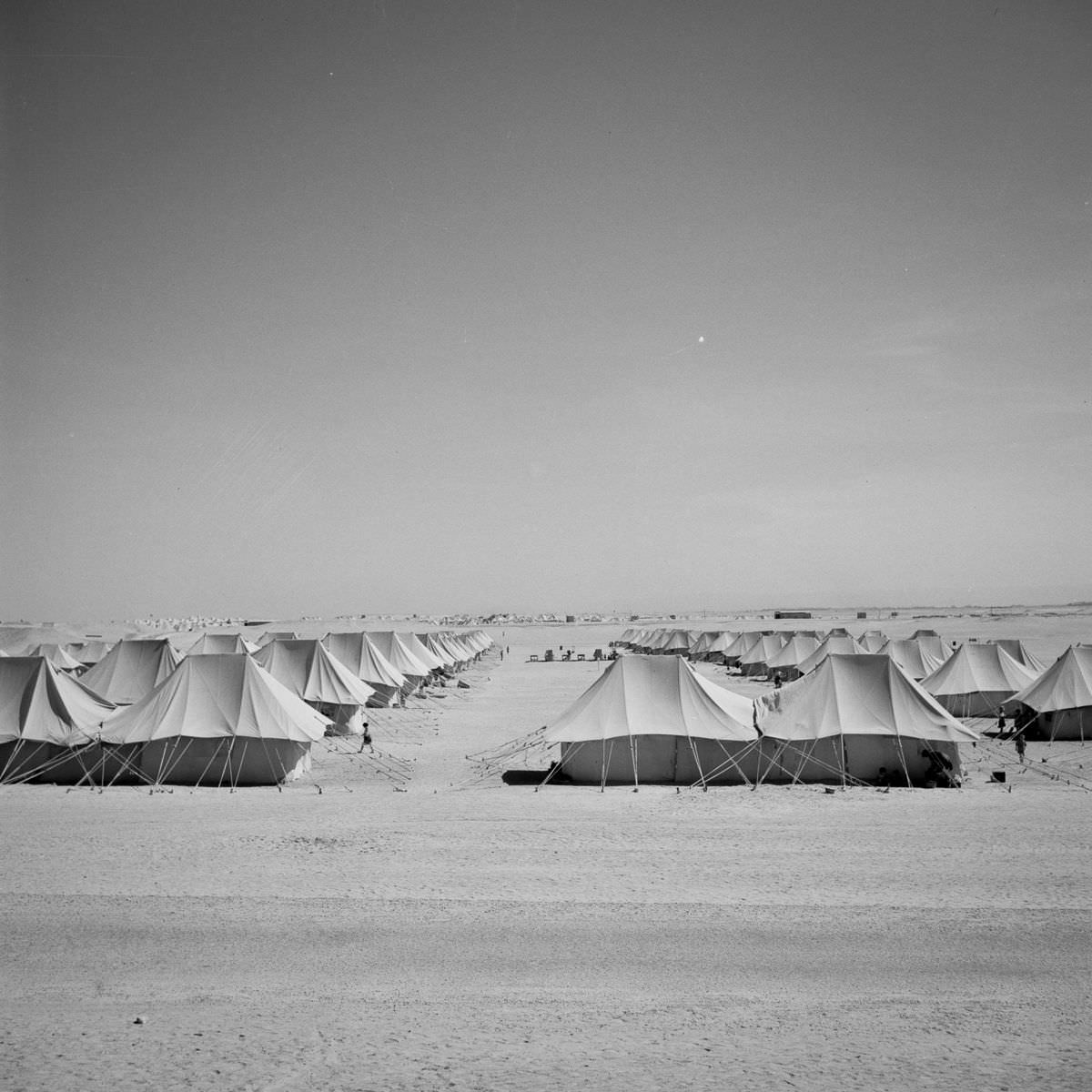
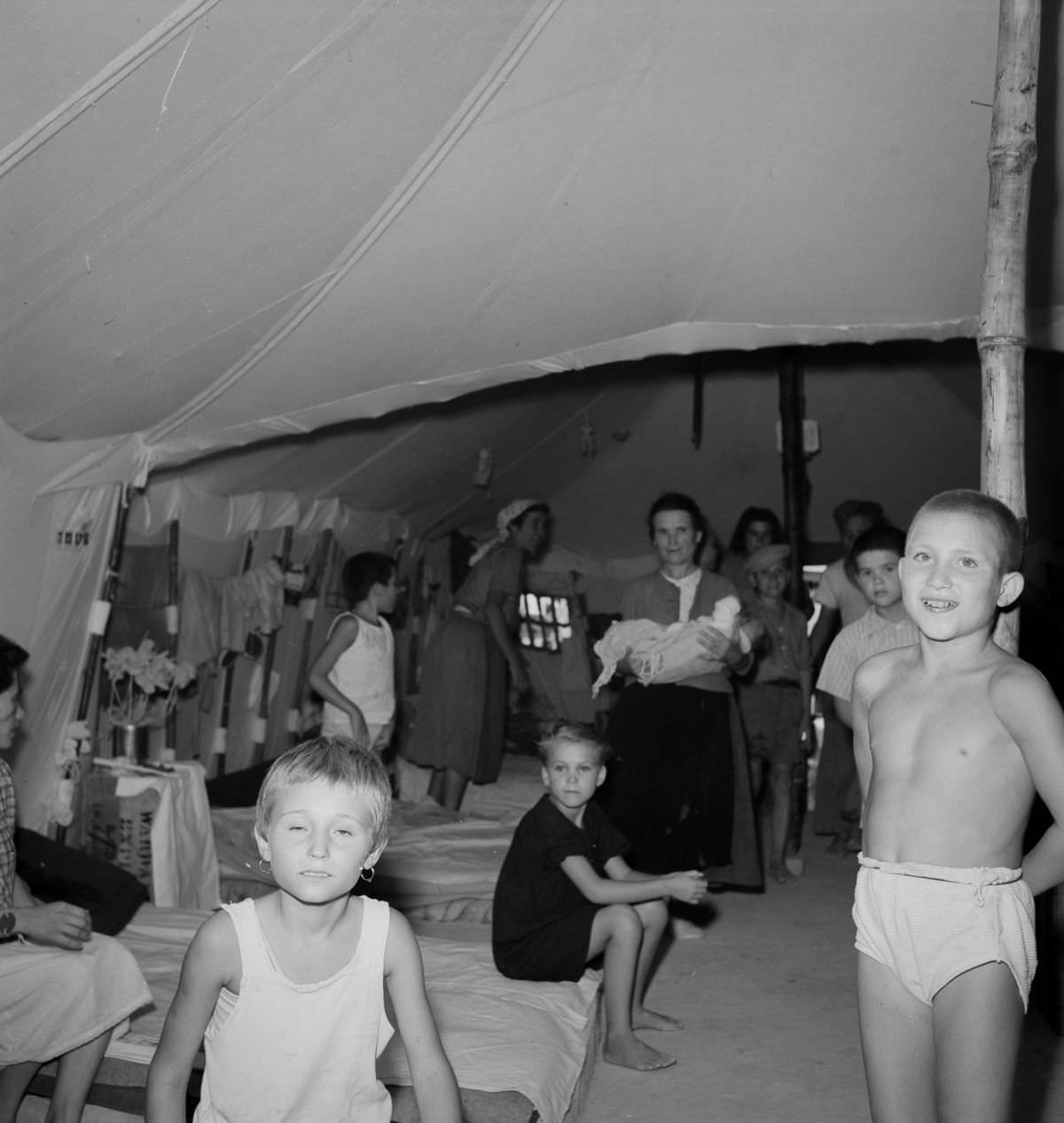
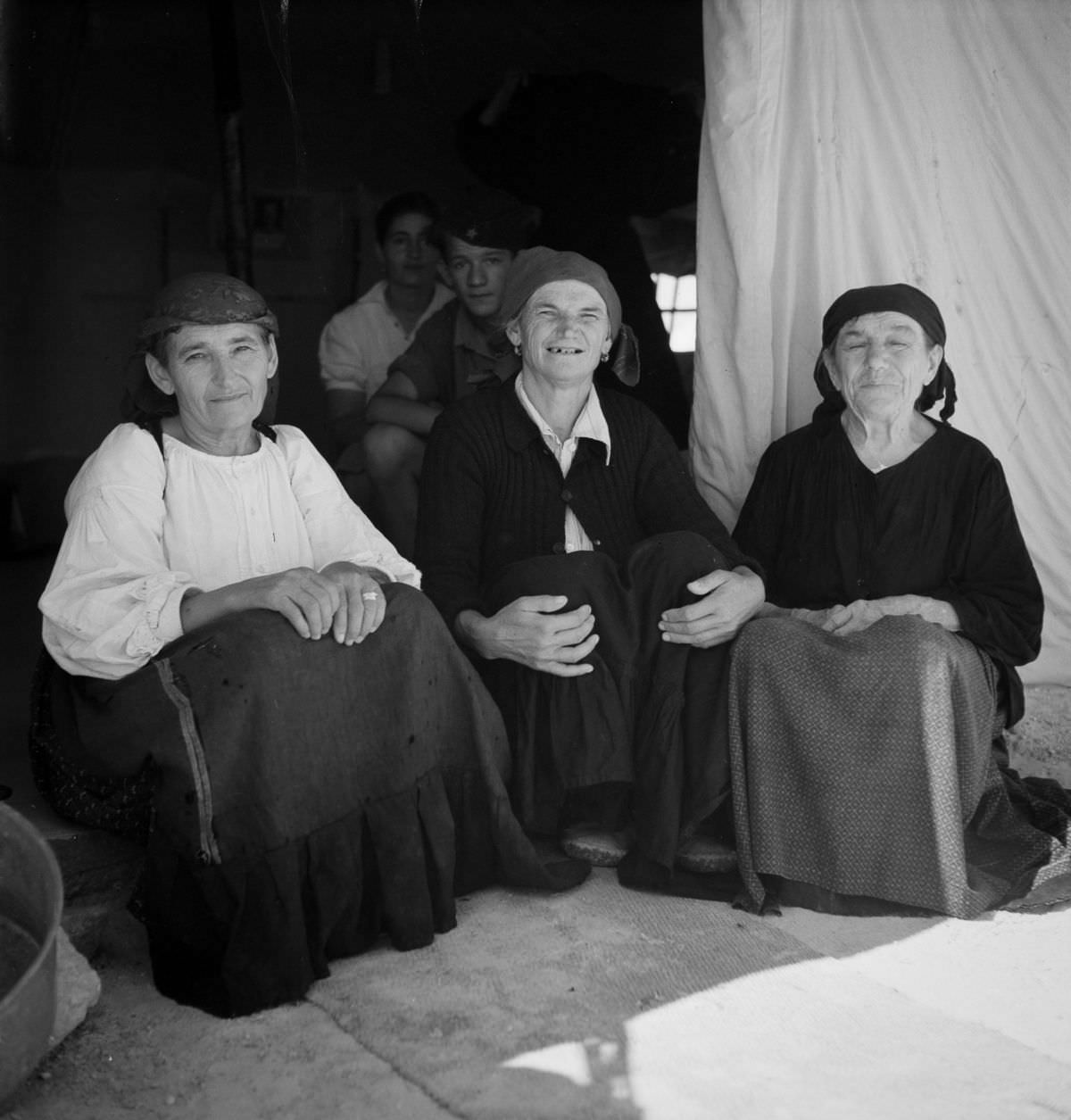
Food and water were supplied by Allied relief organizations, though rations were basic. Camp residents received bread, canned goods, and dried staples. Water was trucked in and strictly rationed, given the remote desert location far from any natural freshwater source.
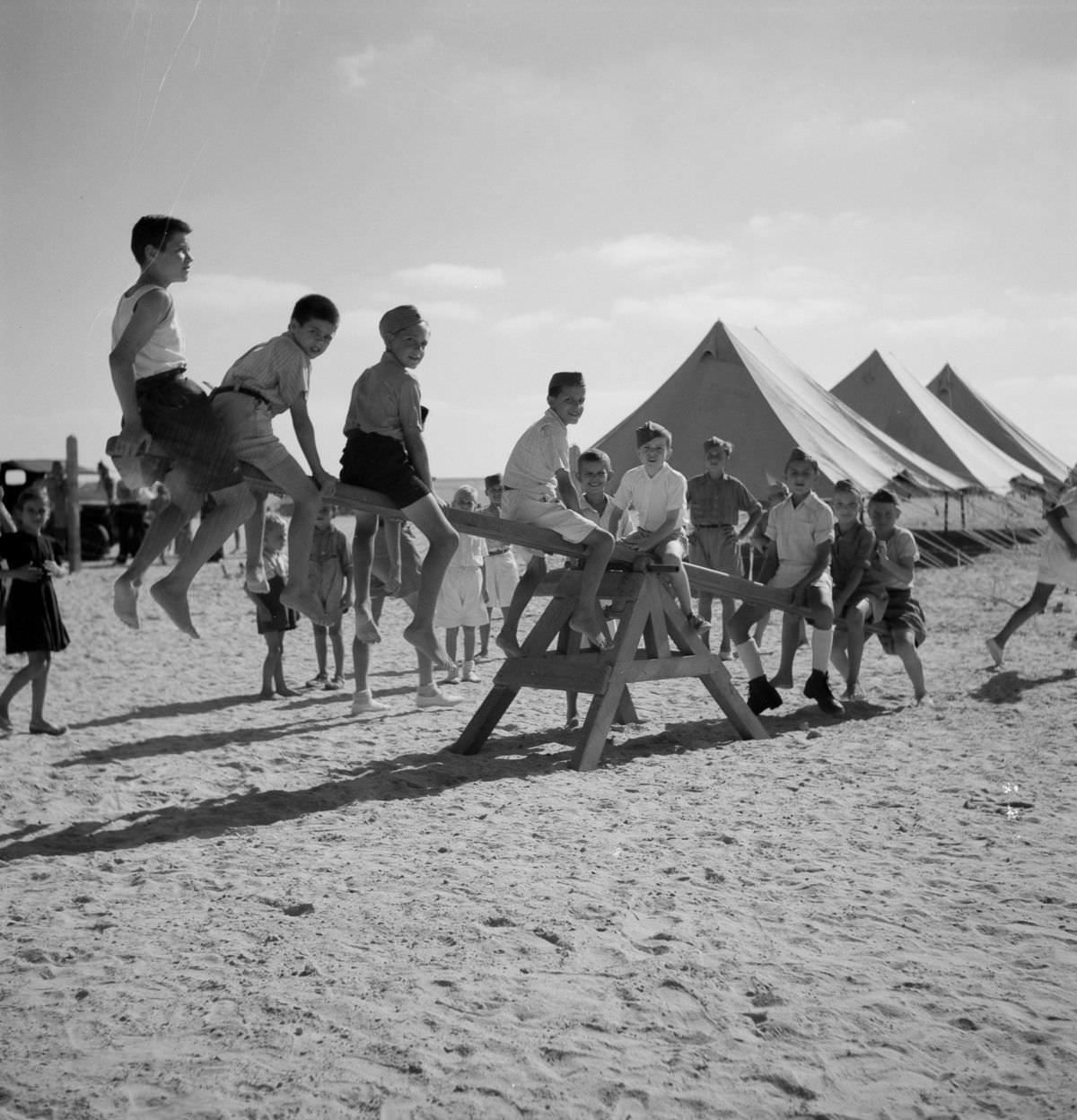
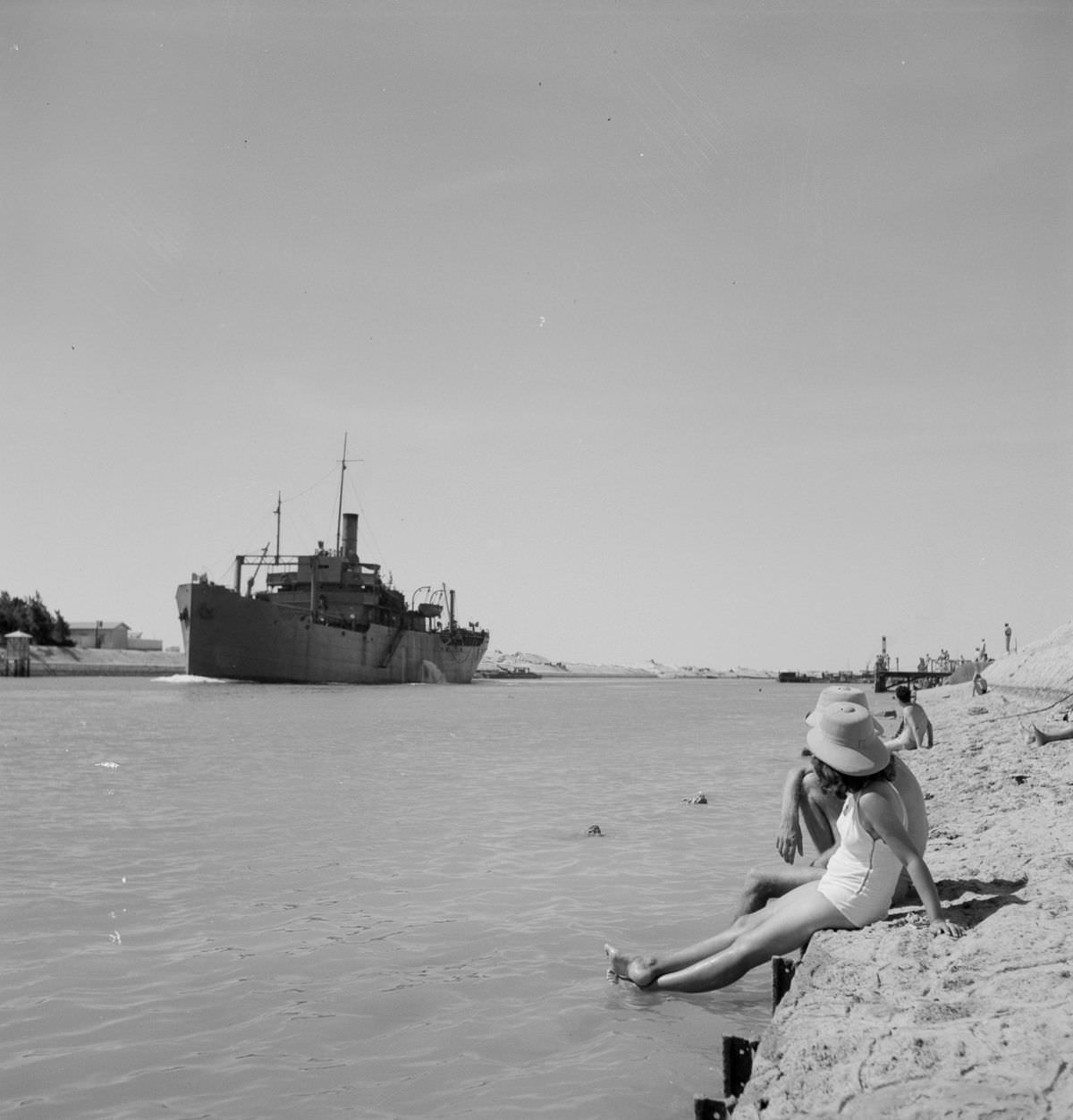
Photographs taken at El Shatt give a detailed look at this largely forgotten chapter of the war. They show men gathering in open-air meetings, women carrying water containers, and children seated in outdoor classrooms. These images are among the most direct records of what the camp experience actually looked like day to day.
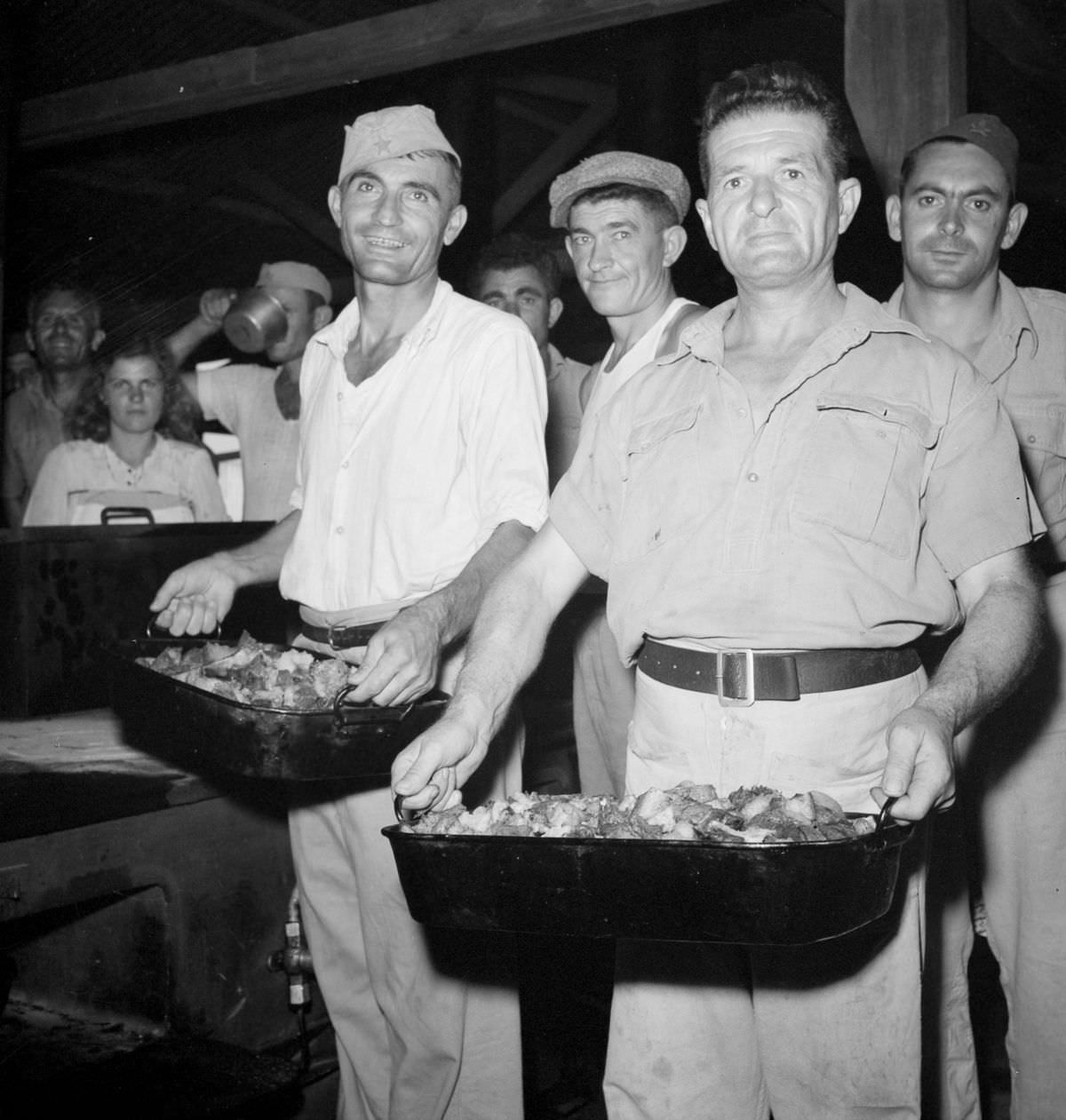
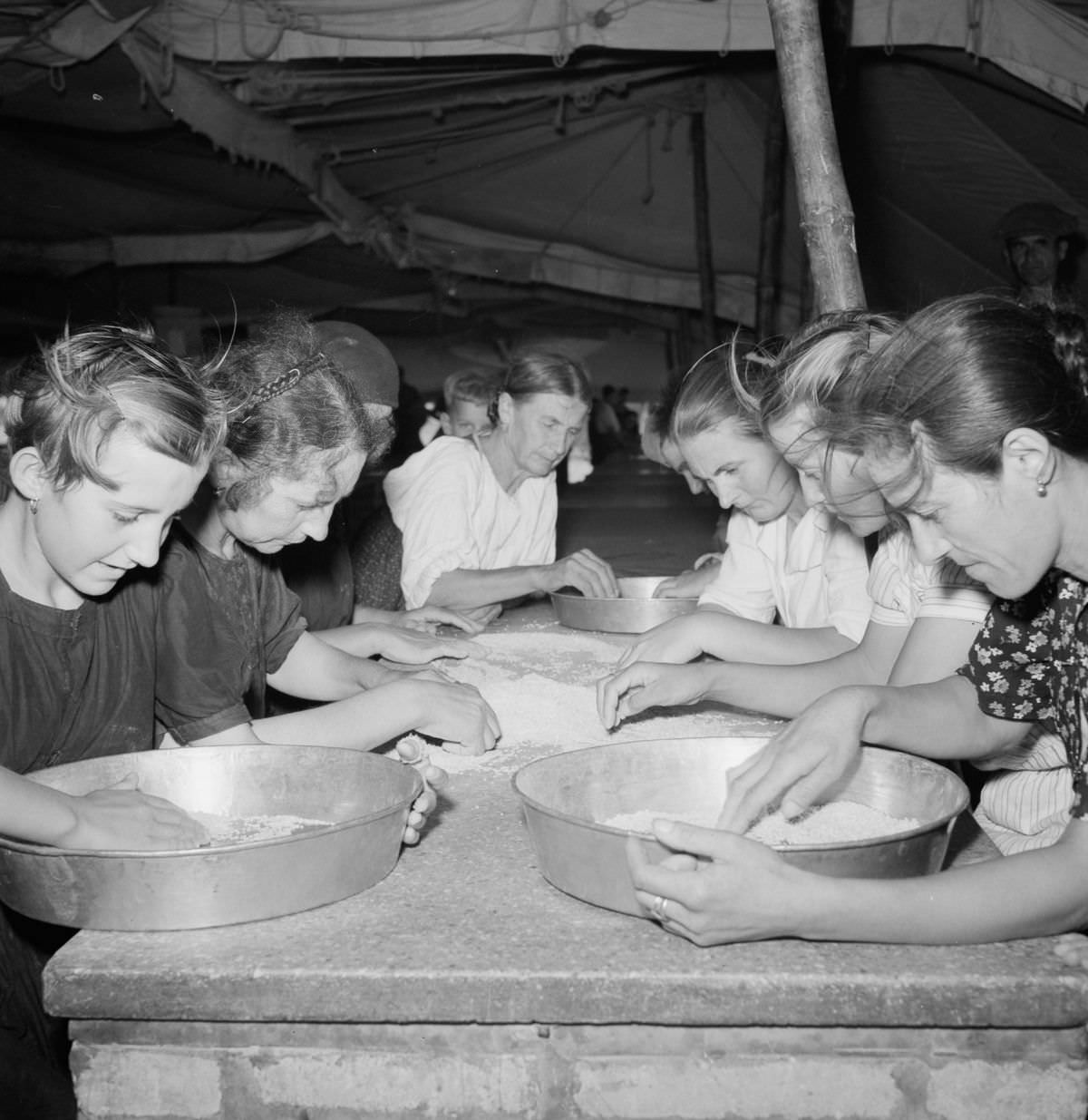
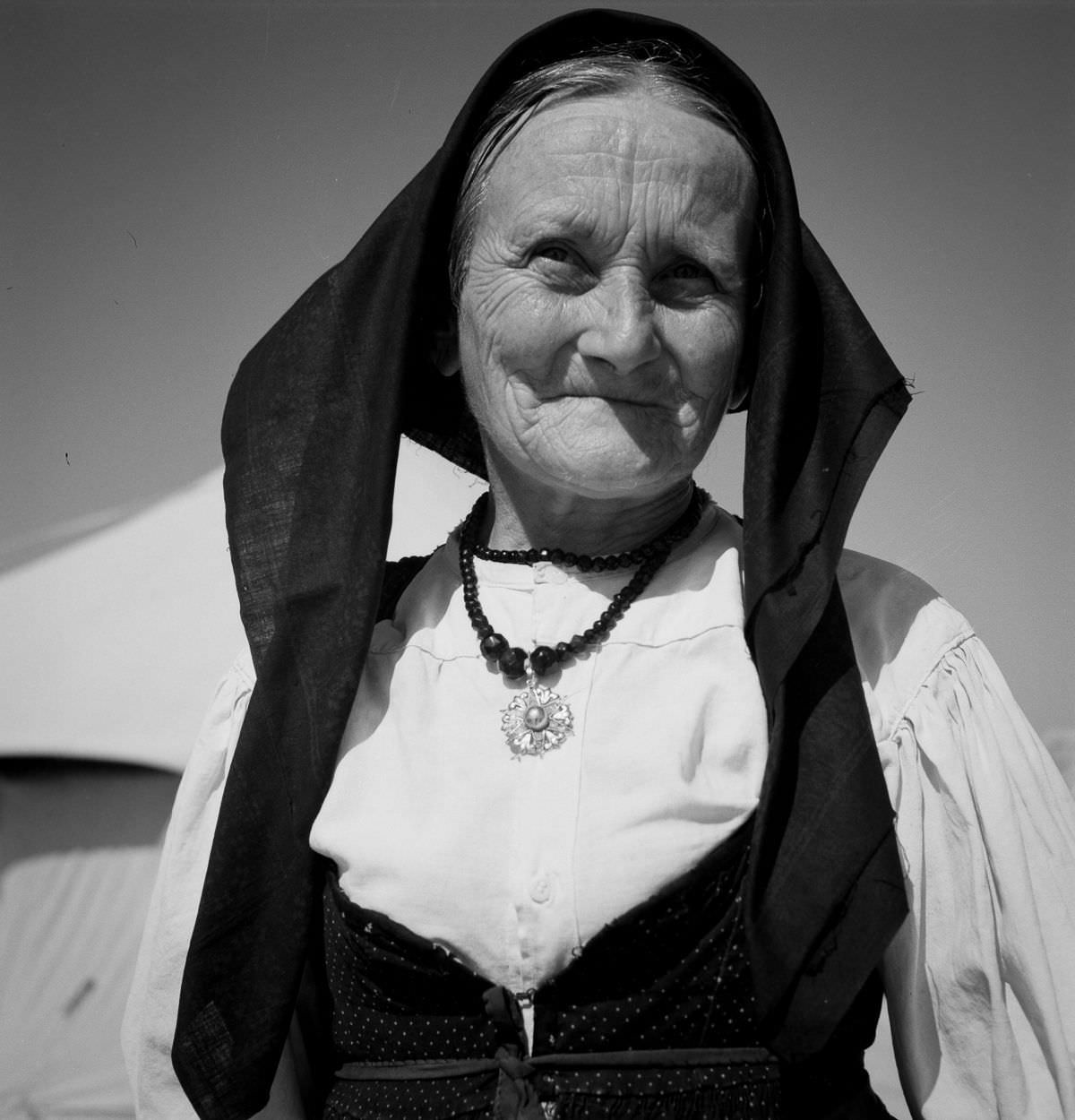
Religious and cultural identity stayed strong among the camp population. Church services were held regularly, and national holidays were marked with organized gatherings. Keeping cultural traditions alive was a deliberate effort by the refugees, not simply a byproduct of having free time.
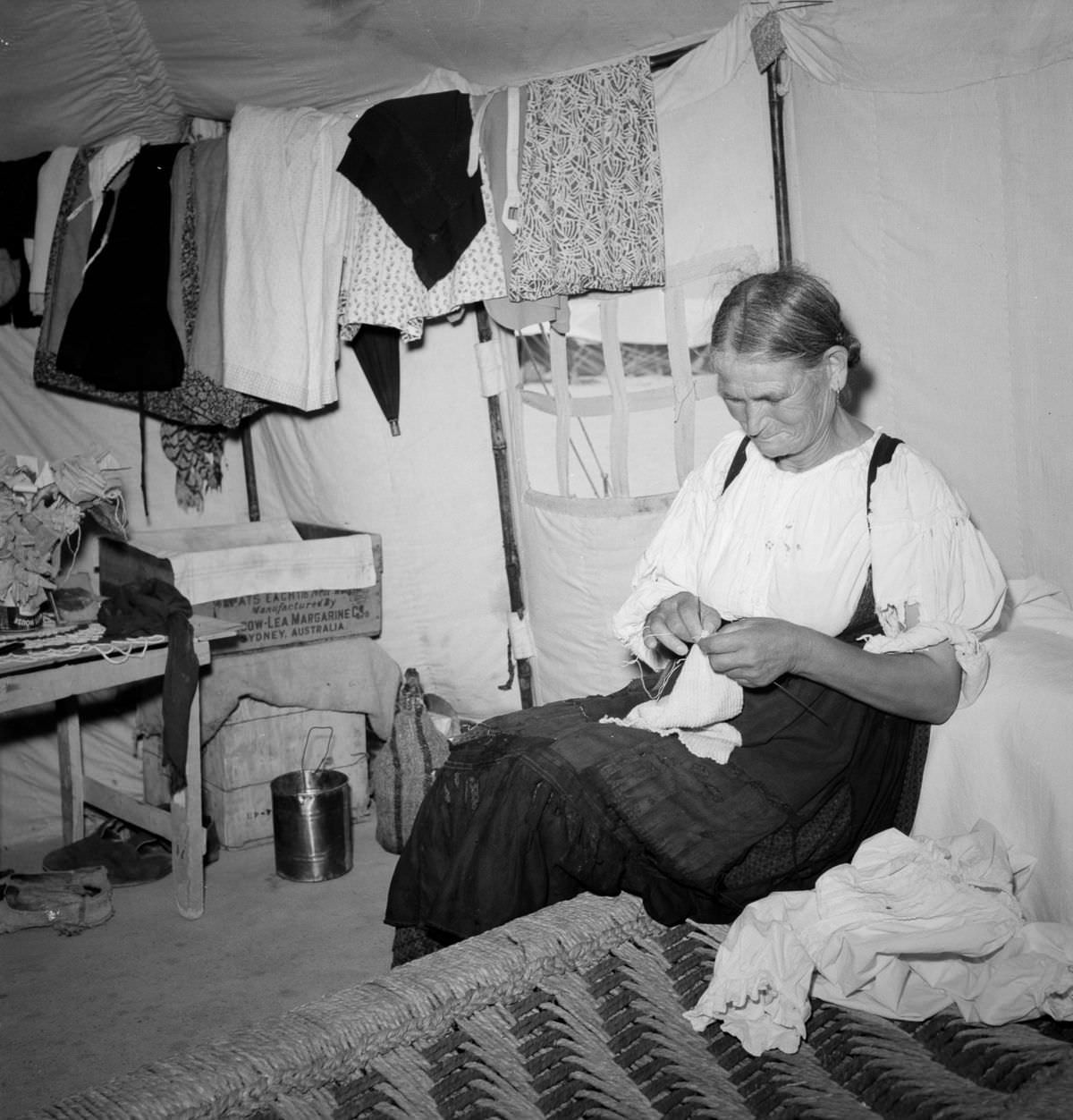
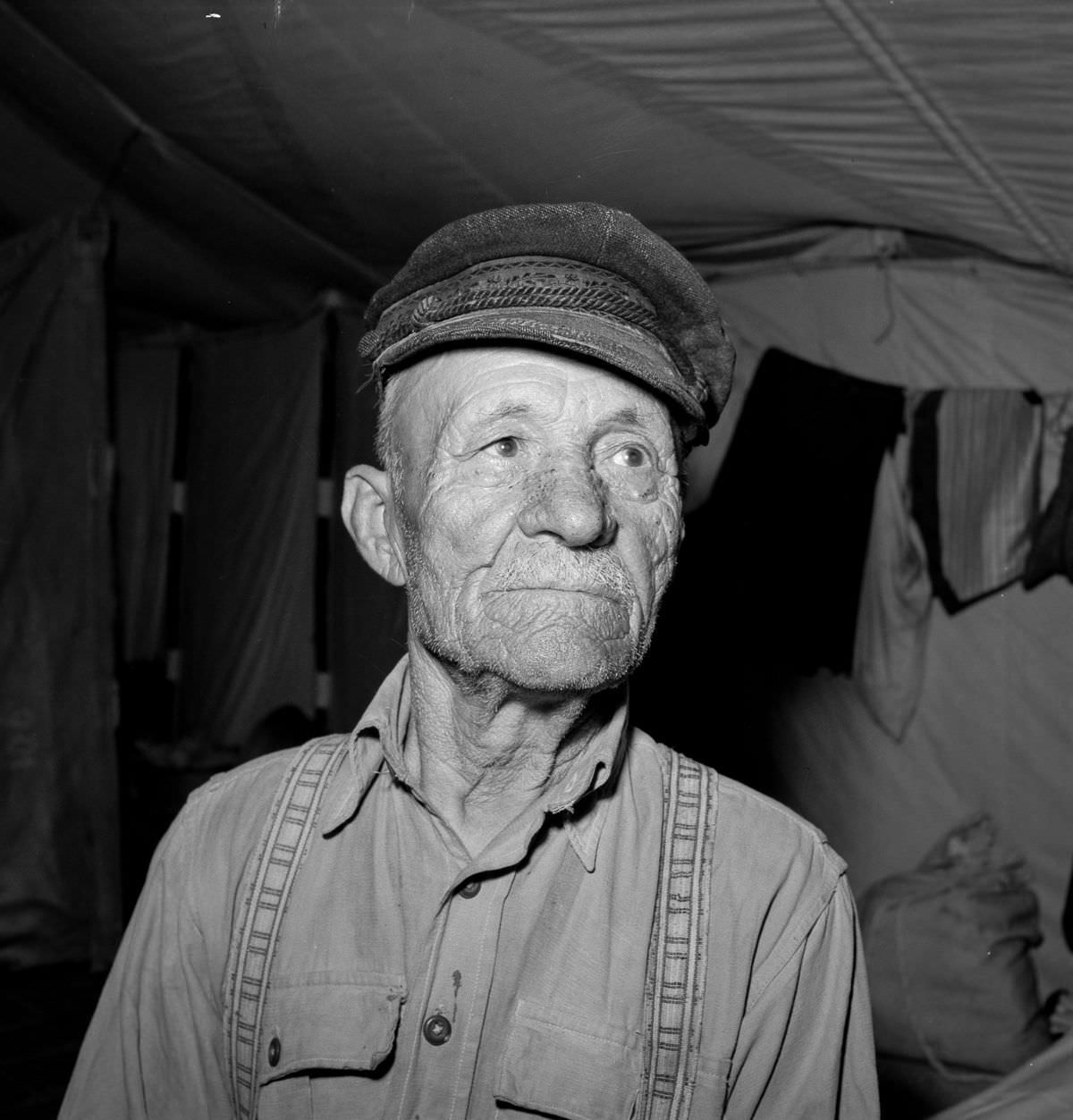
Births, deaths, and marriages all took place within the camps. A cemetery was established at El Shatt for those who did not survive — many of them elderly refugees and young children who succumbed to illness. Over 700 people died at the camp and were buried there in the Egyptian desert, far from their homeland.
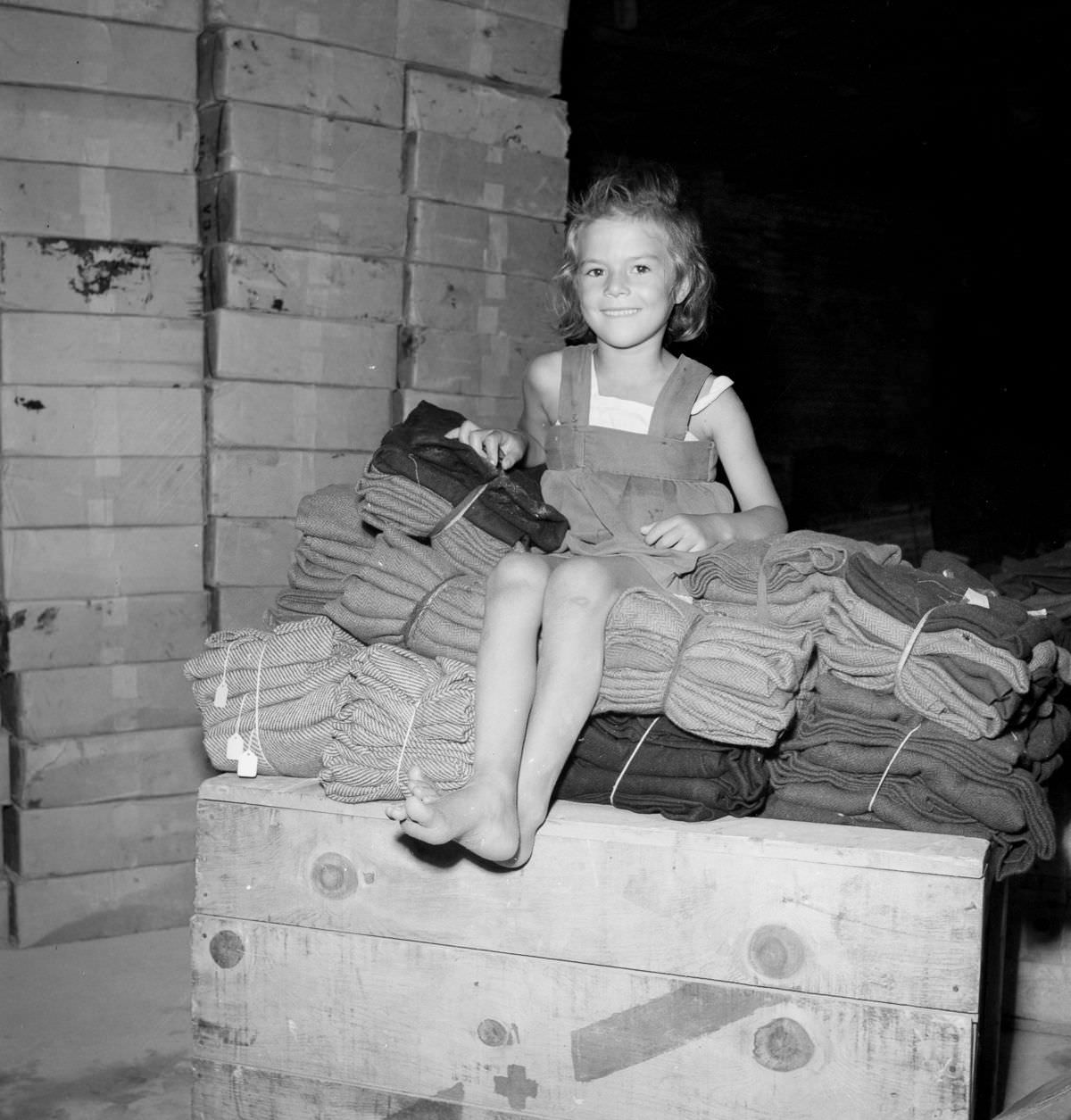
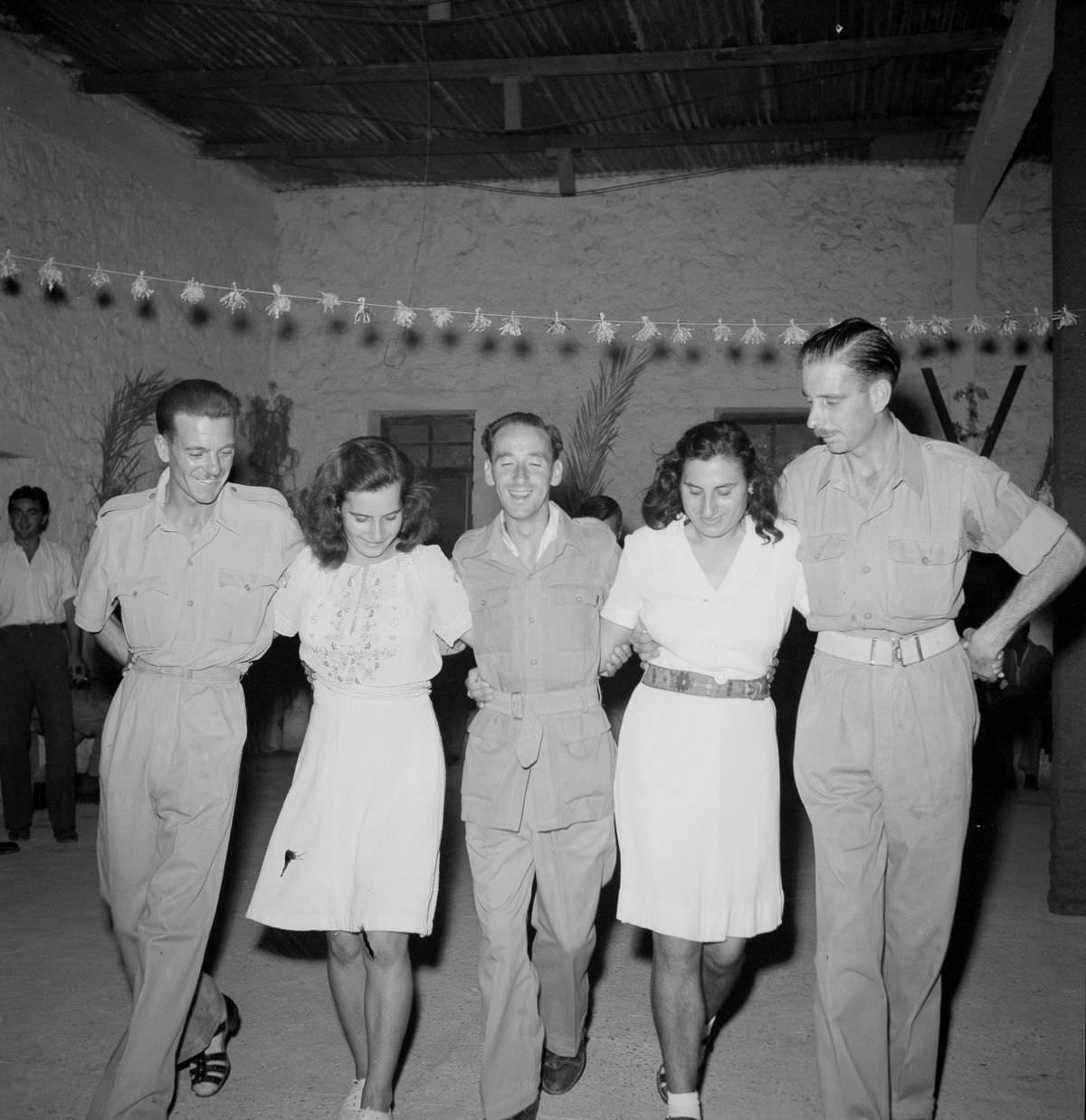
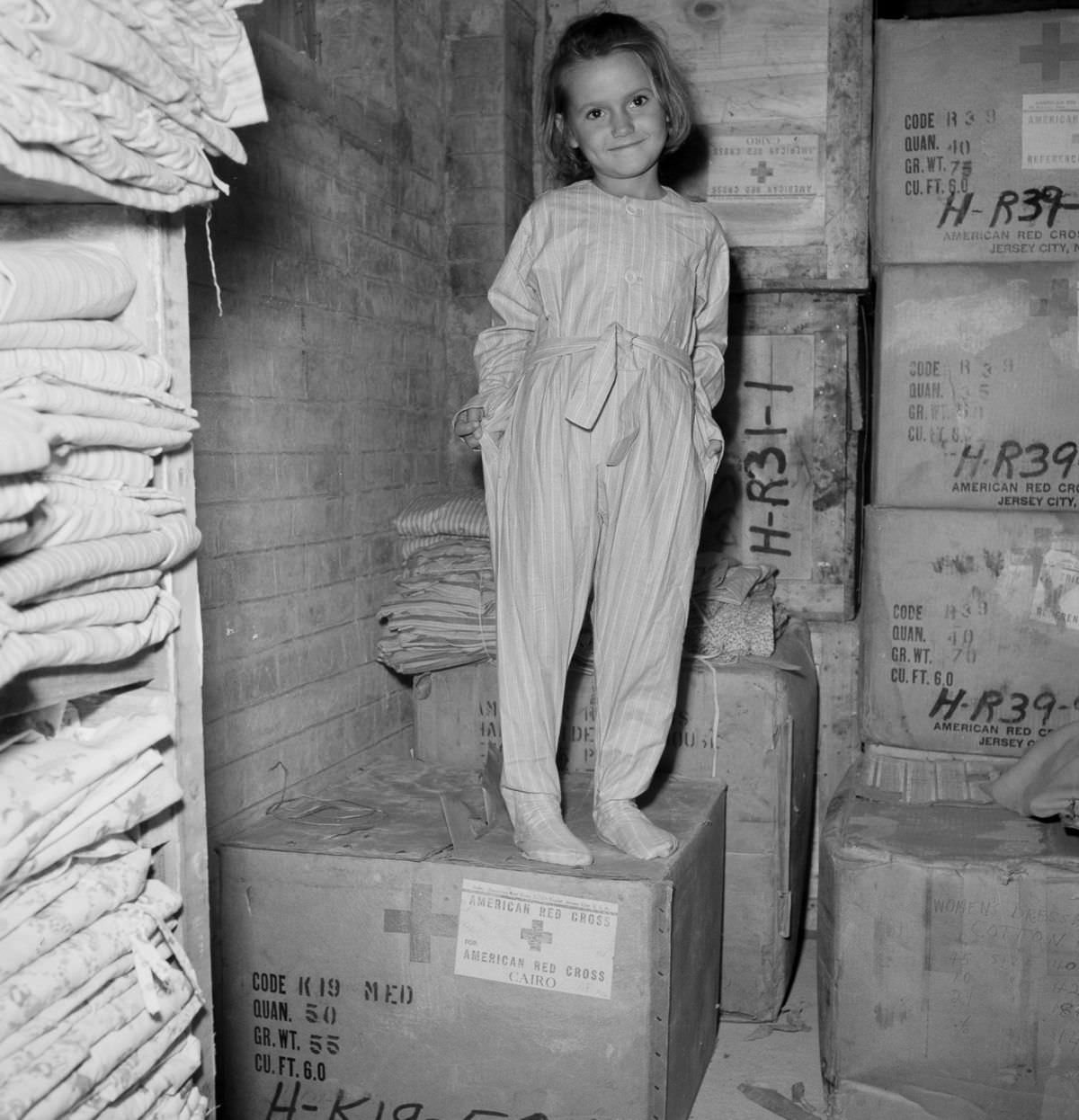
Allied military personnel and UNRRA workers interacted regularly with the camp population. Some formed lasting connections with the refugees. Aid workers documented their experiences through written reports and photographs, many of which have since been preserved in national and international archives.
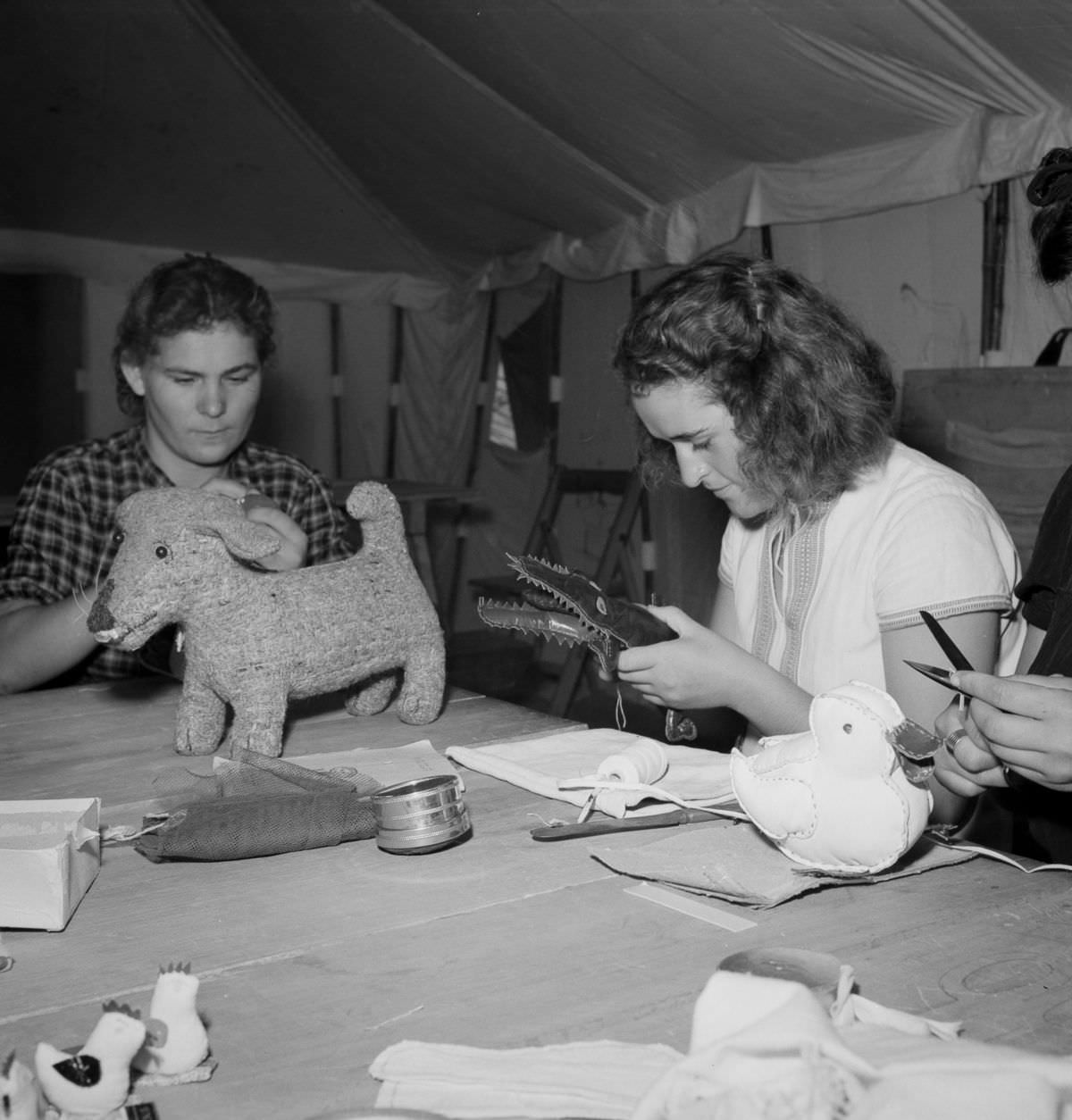
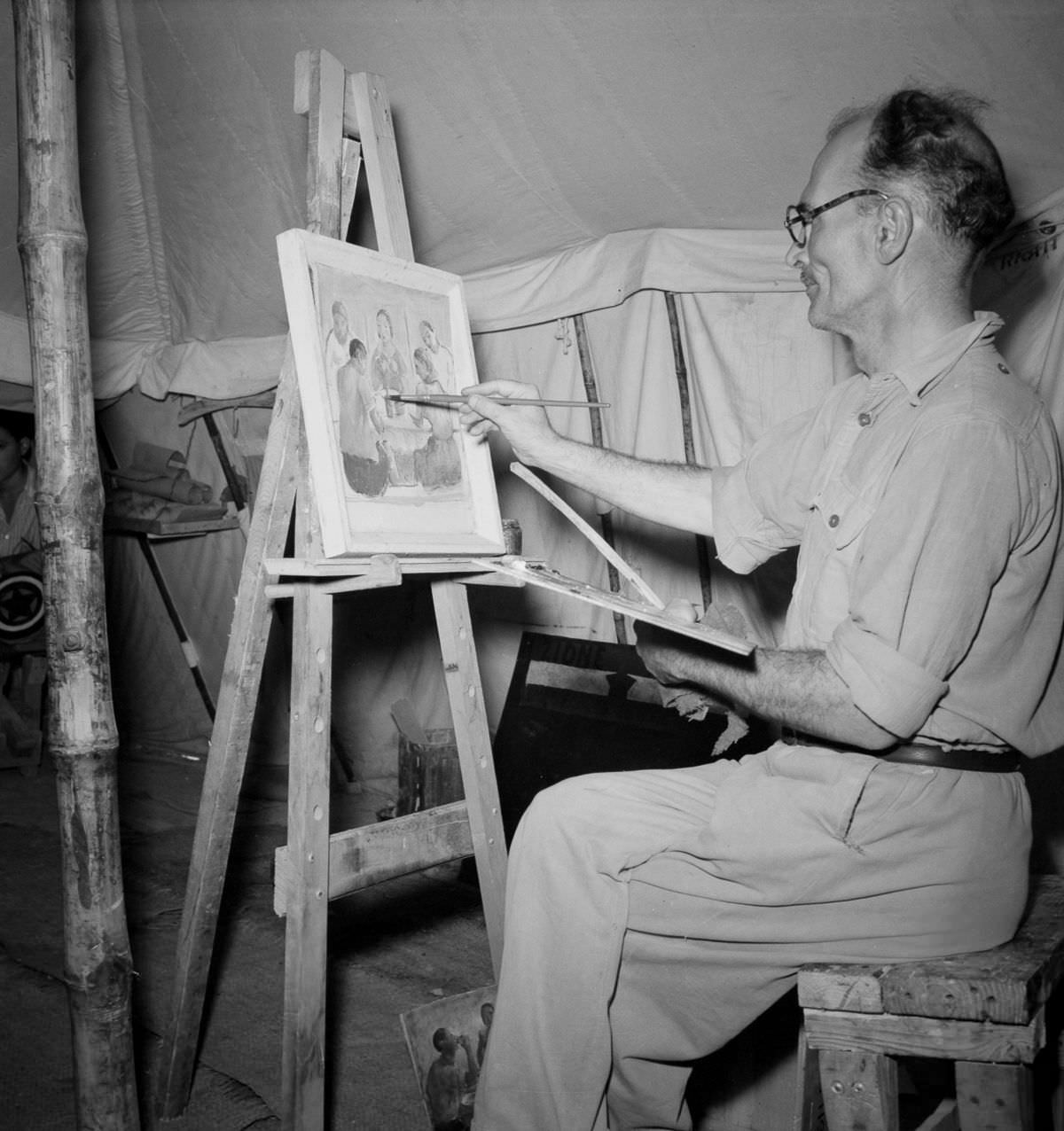
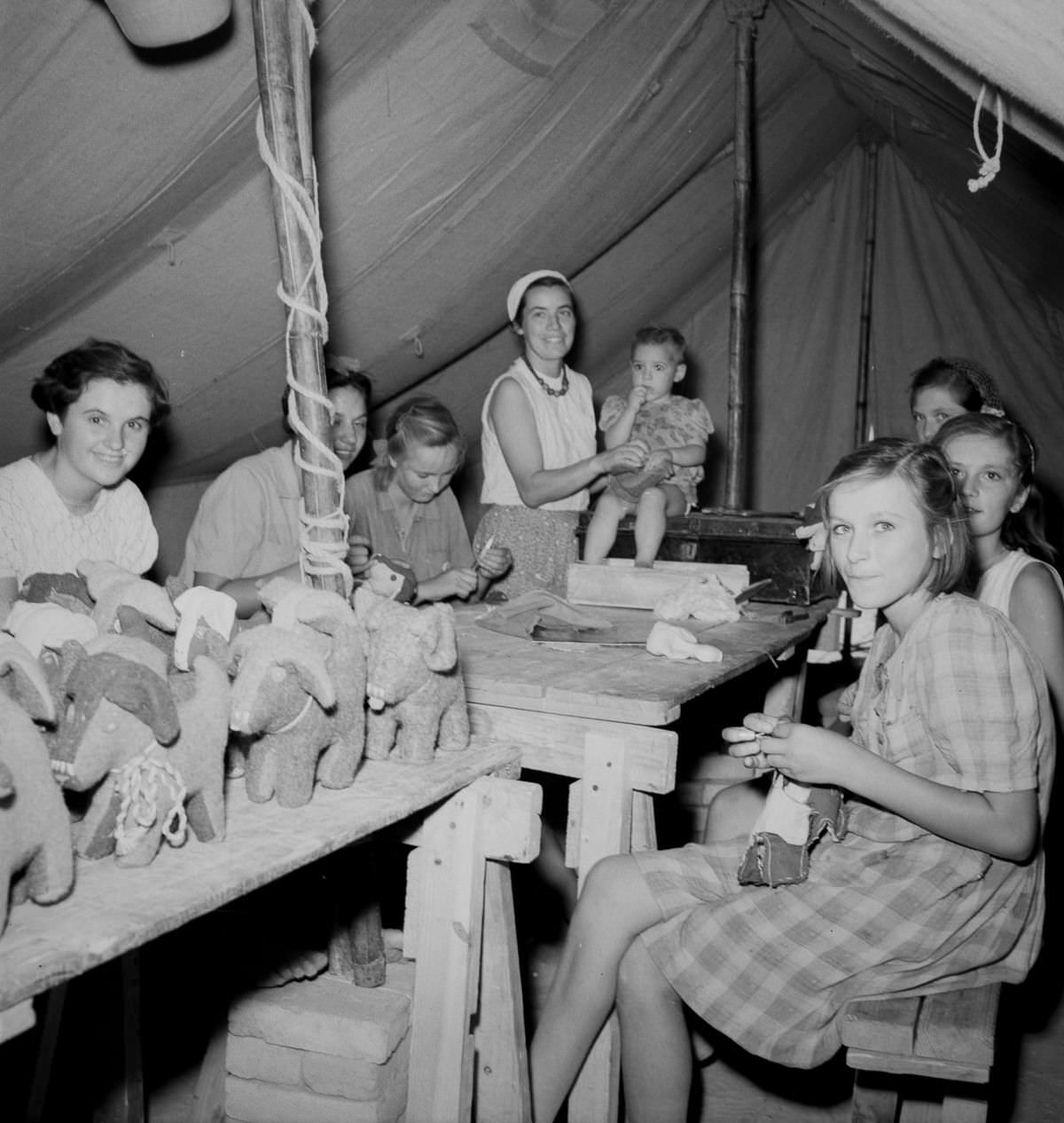
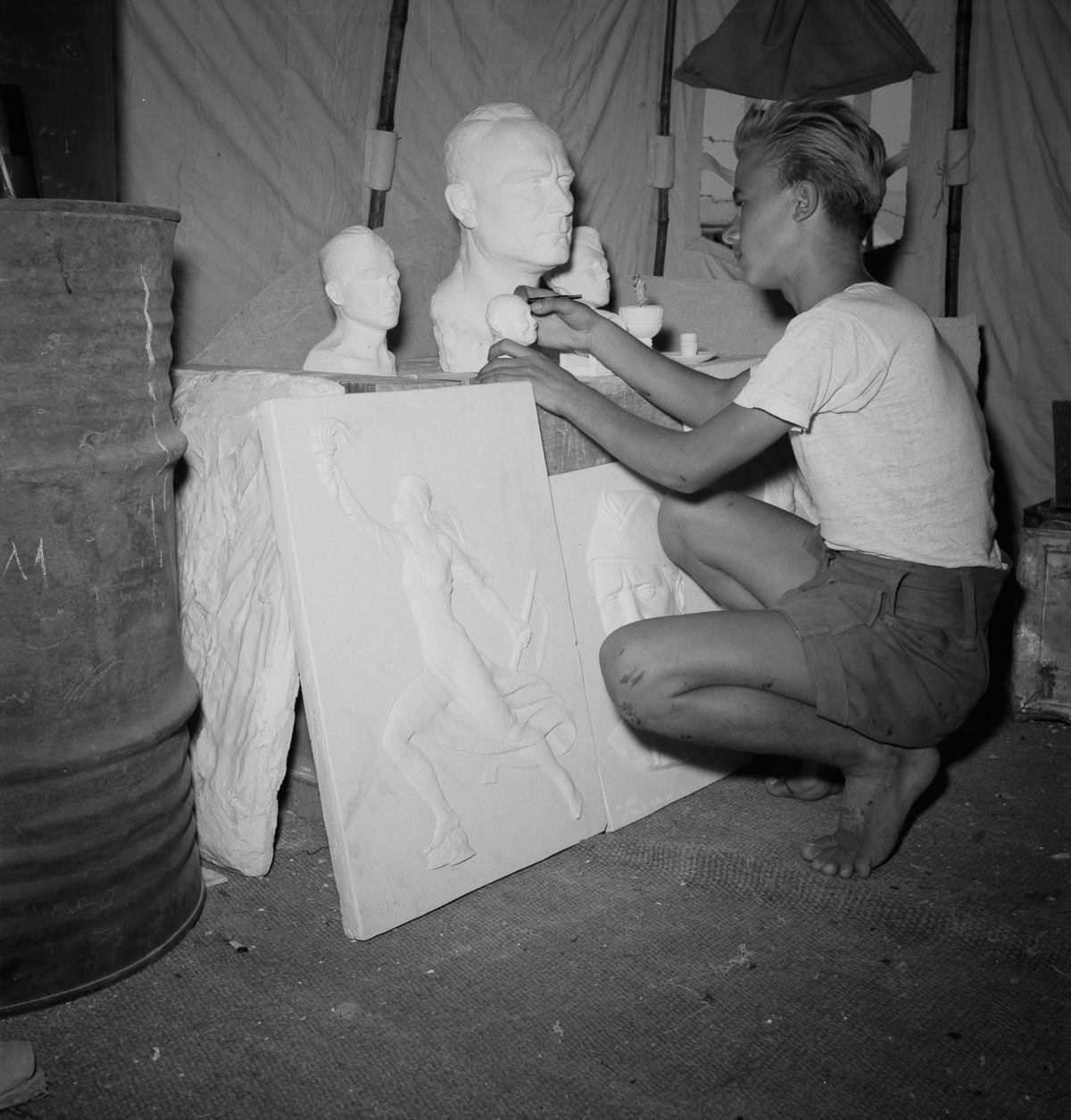
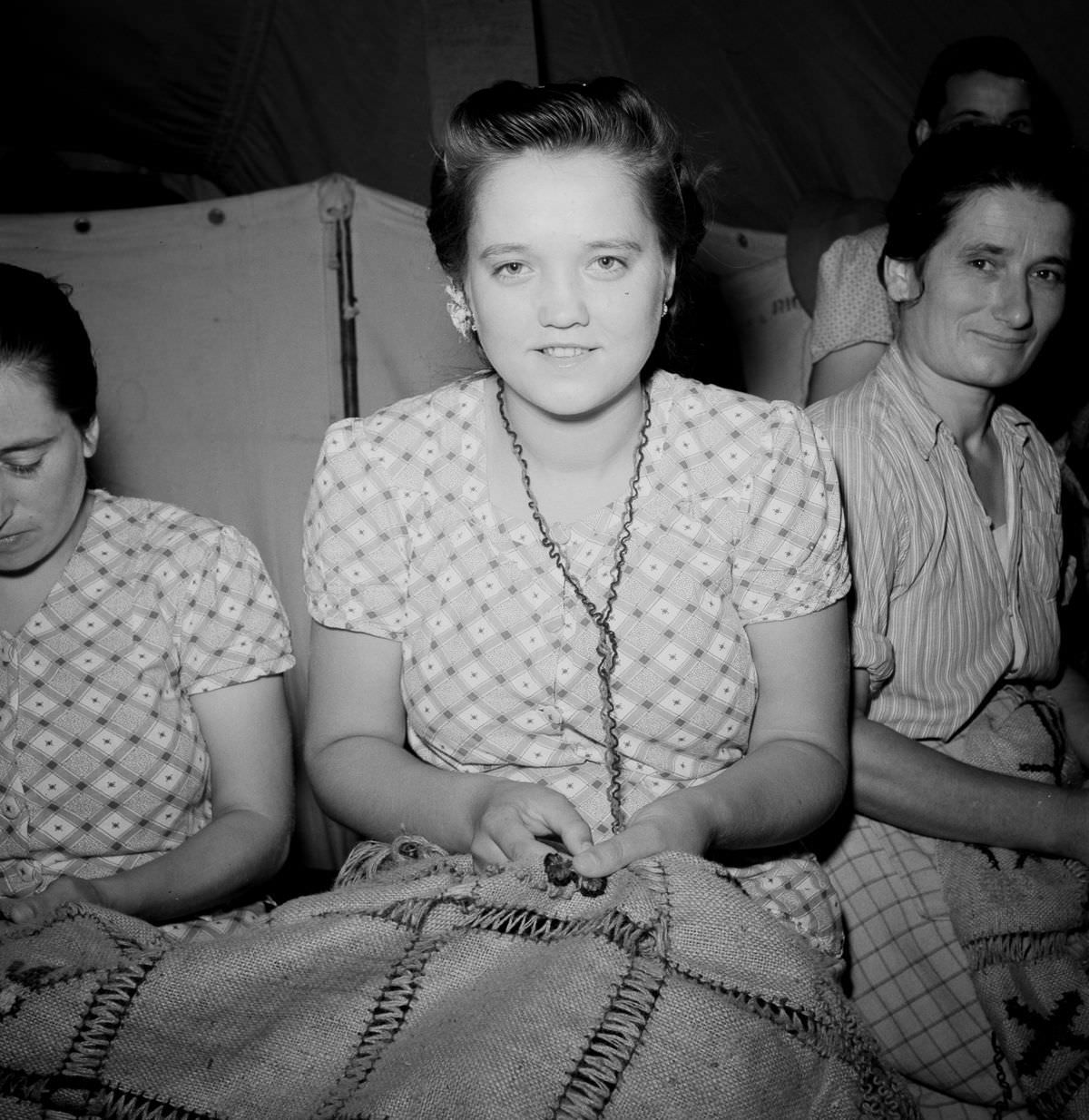
Work programs were set up inside the camps to keep residents active and productive. Refugees with specific skills — carpenters, tailors, teachers, nurses — put those skills to use within the camp system. This helped maintain order and gave people a sense of purpose during a long, uncertain wait.
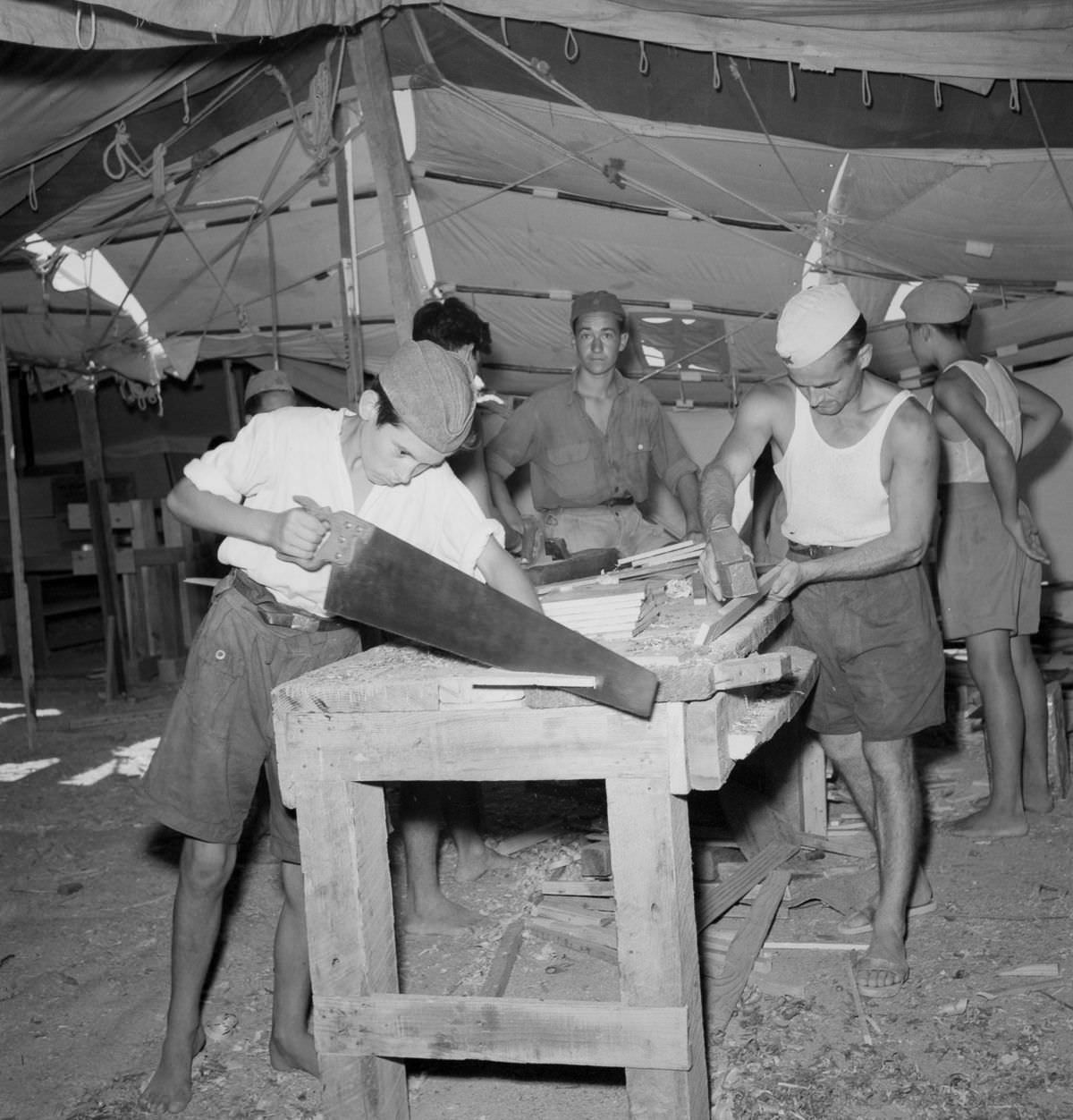
When the war in Europe ended in 1945, the repatriation process began. Refugees were transported back to Yugoslavia in organized convoys. The El Shatt camps were gradually emptied and eventually shut down, leaving behind only the desert cemetery and the photographs that documented two years of displaced life on Egyptian soil.