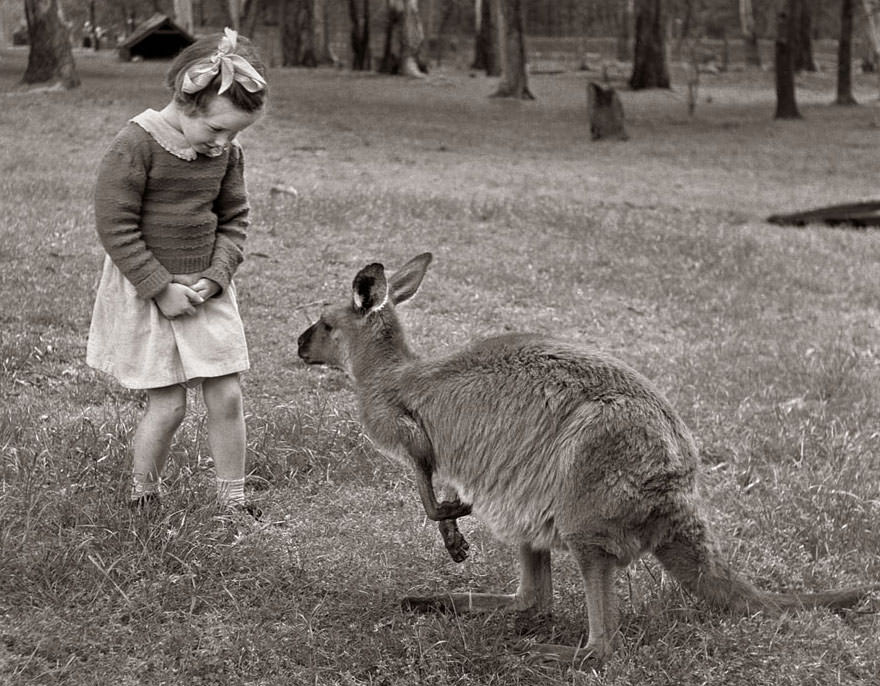
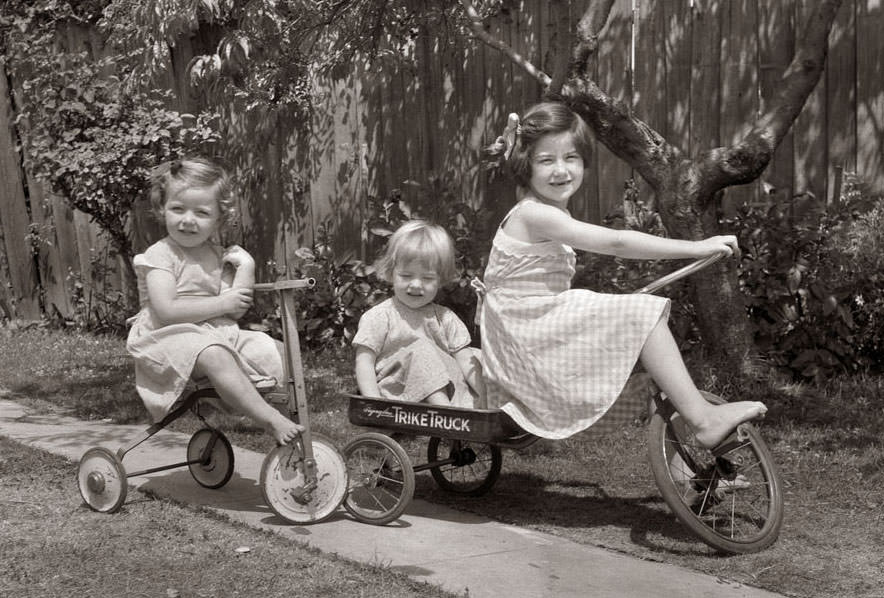
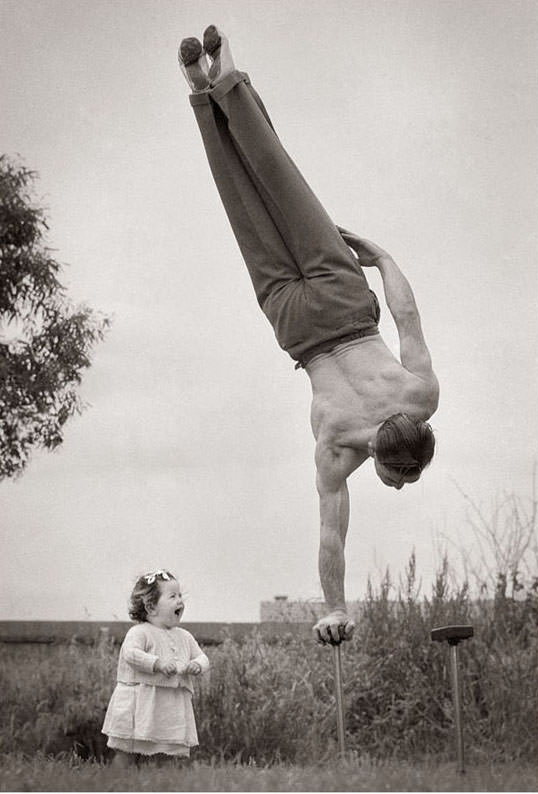
By the 1940s, Melbourne was a busy, growing city. Its suburbs were expanding, families were larger, and children were a constant presence on its streets, parks, and beaches. This was also the era when cameras began moving out of professional studios and into family hands. Parents snapped portraits in backyards, at the beach, and on special occasions — building personal records of childhood that might otherwise have been lost entirely.
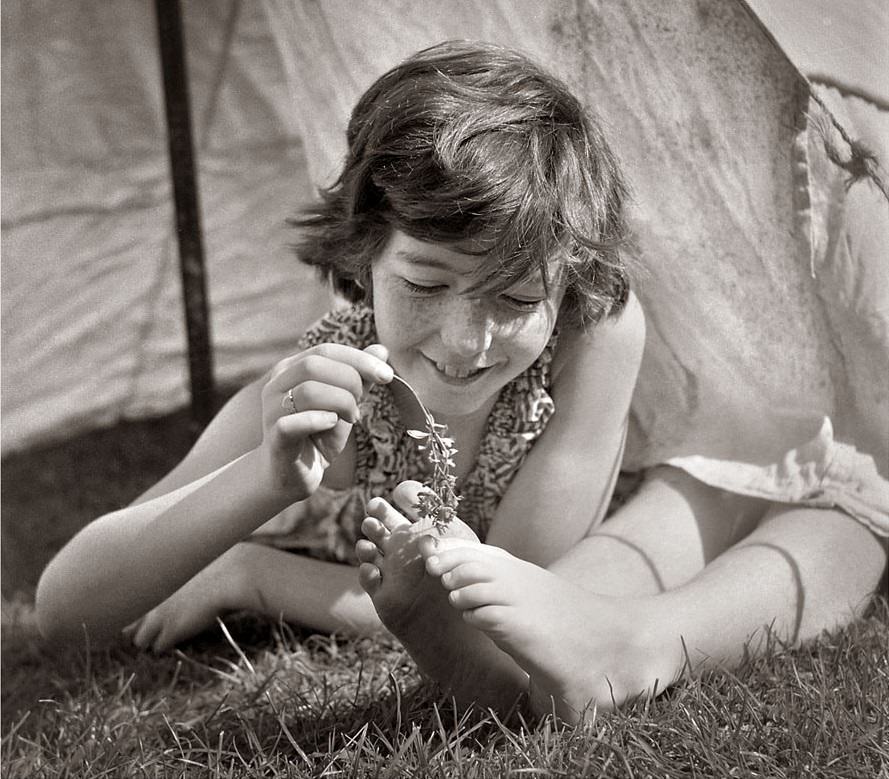
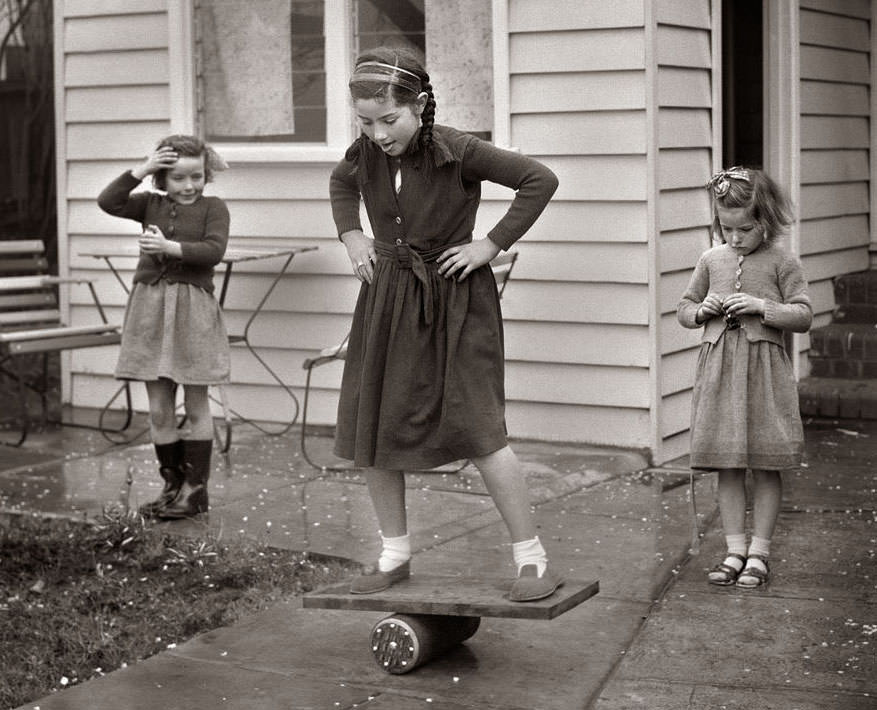
The photographs from this period show children dressed in a distinct mix of styles. Some wore store-bought clothes, while others were dressed in handmade or hand-me-down items. Girls appeared in frilly frocks with ribbons, their hair set in pigtails or braids. Boys wore short trousers with collared shirts, their hair cropped close. Clothing reflected both family means and the social expectations of the time.
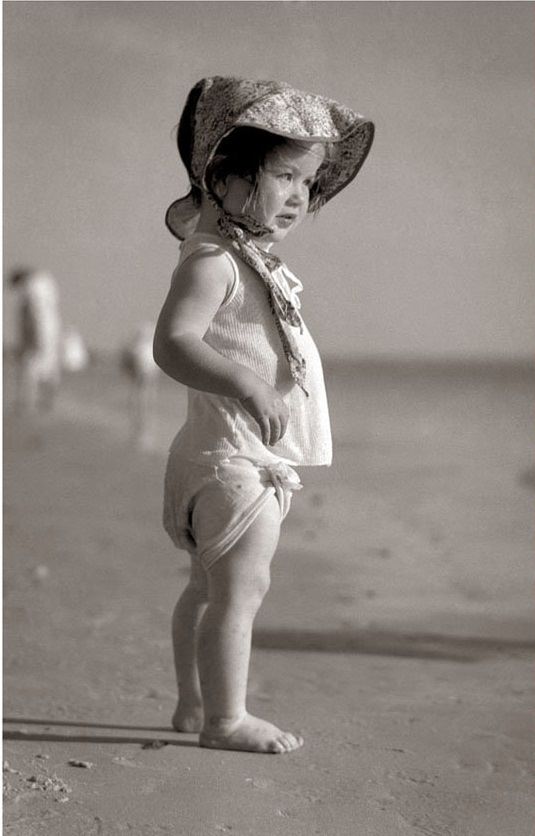
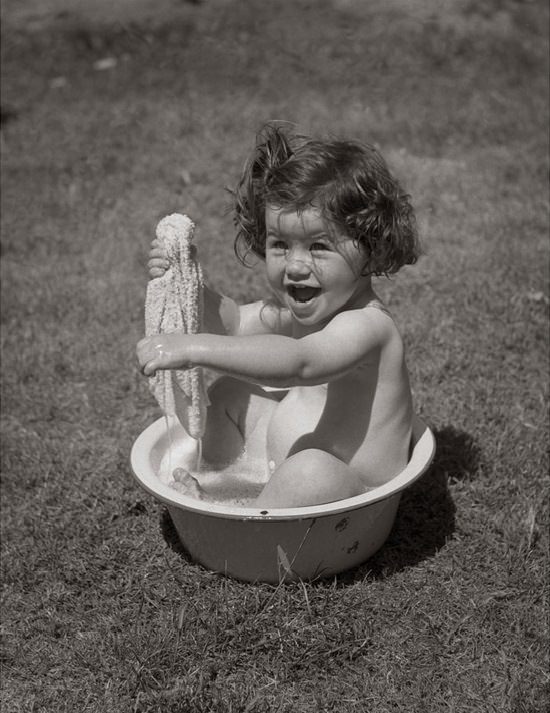
Gender roles shaped how children were photographed. Girls were frequently posed — seated, still, looking directly at the camera in neat dresses. Boys were more often caught mid-action: kicking footballs, climbing, or roughhousing with friends. These weren’t just stylistic choices by photographers. They reflected what Australian society at the time considered normal behaviour for each gender.
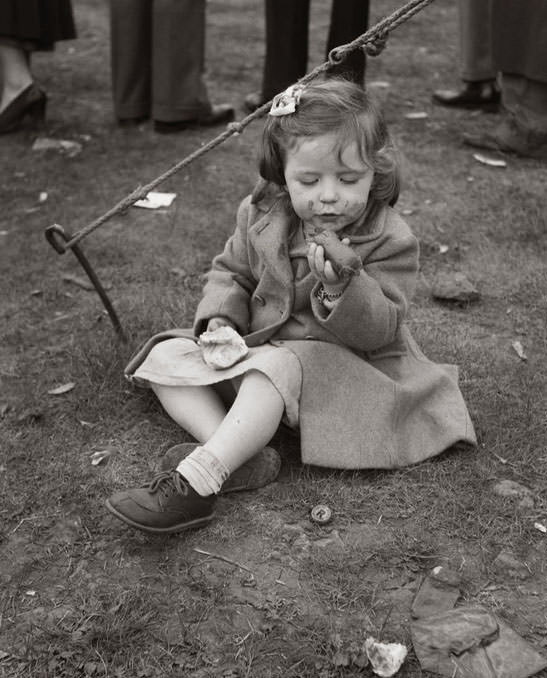
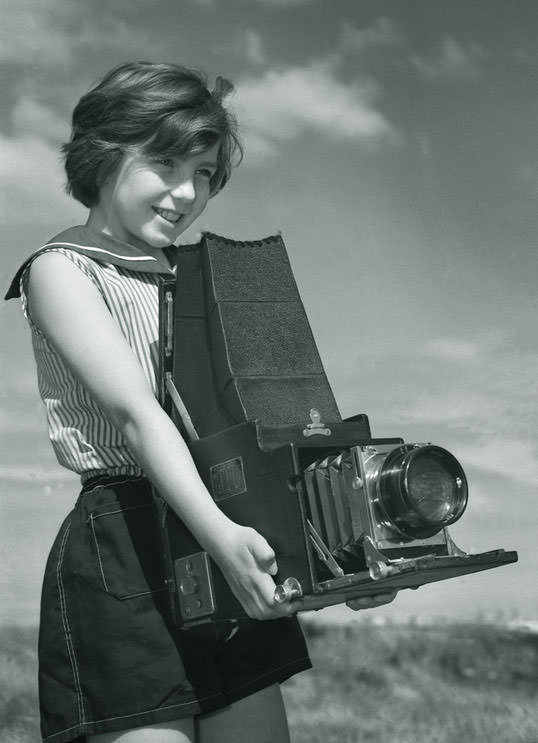
Melbourne in the postwar years offered children a range of things to do. The city’s parks drew kids for afternoon play. Movie theatres were popular weekend destinations. The beaches along Port Phillip Bay — Sandringham, St Kilda, Brighton — were regular family outing spots during summer. Life for many children revolved around the local neighbourhood, where friends, school, and open space were all within walking distance.
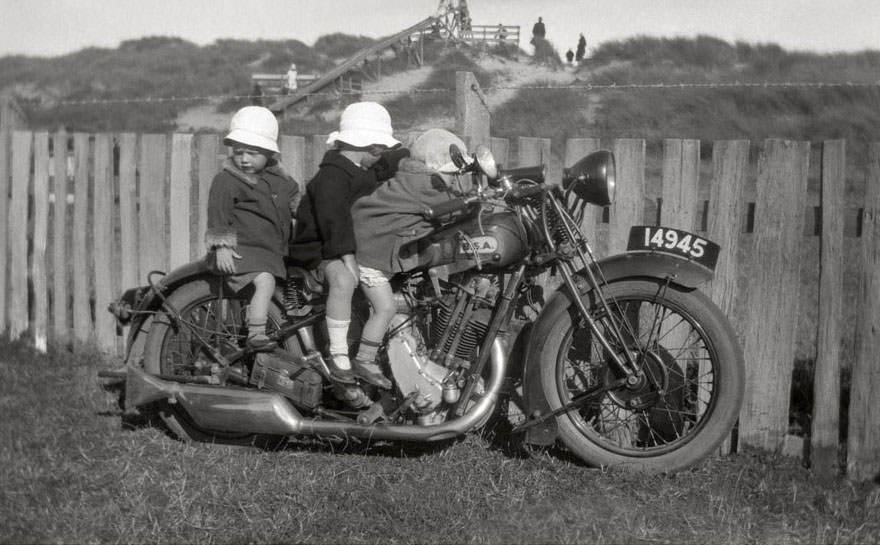
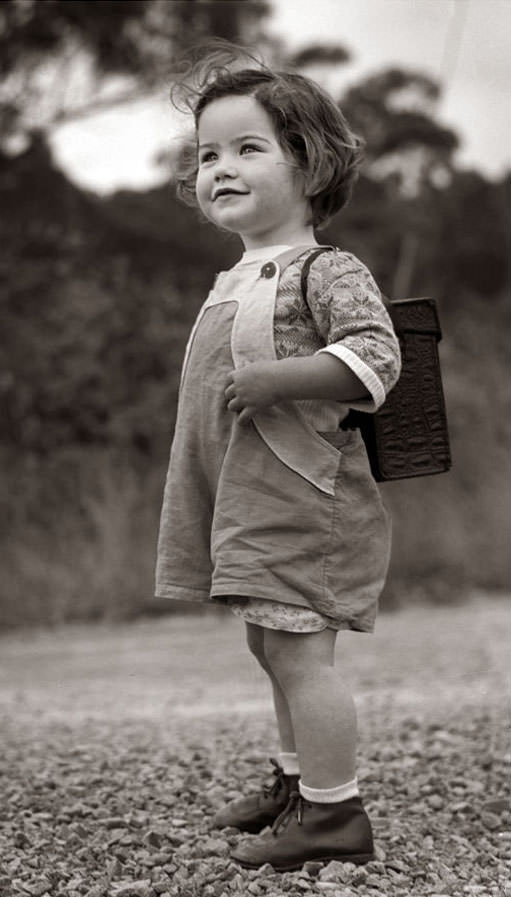
School was central to daily life. Children attended in uniforms, followed strict routines, and were expected to show clear respect for teachers and adults. Outside of school hours, play was largely unsupervised. Children roamed in groups, made their own entertainment, and spent long stretches of time outdoors without adult oversight — a sharp contrast to later generations.
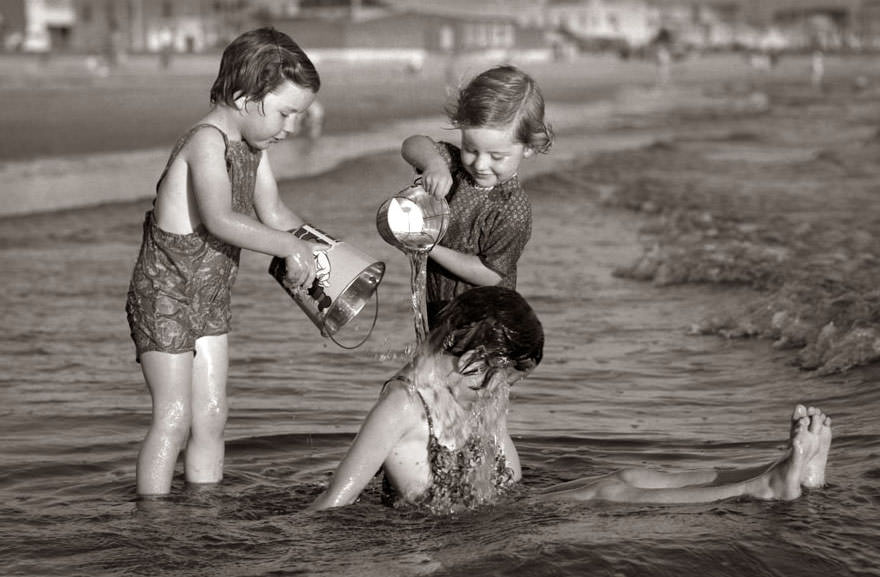
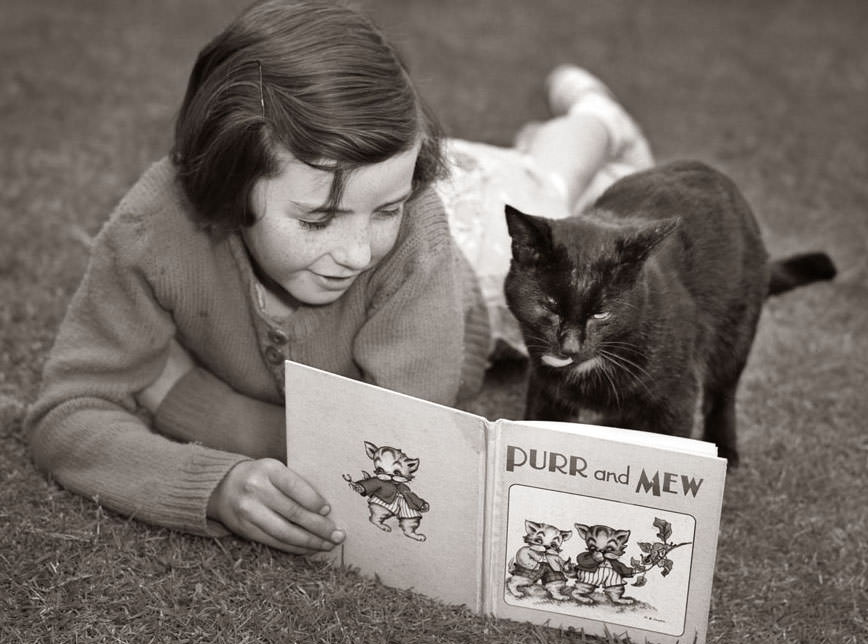
The photographs themselves vary in setting and mood. Some are clearly formal — children seated stiffly, dressed in their best. Others are candid, catching a genuine laugh or a moment of distraction. Together, they form a layered record of what childhood looked like in mid-century Melbourne, across different families and different moments in time.
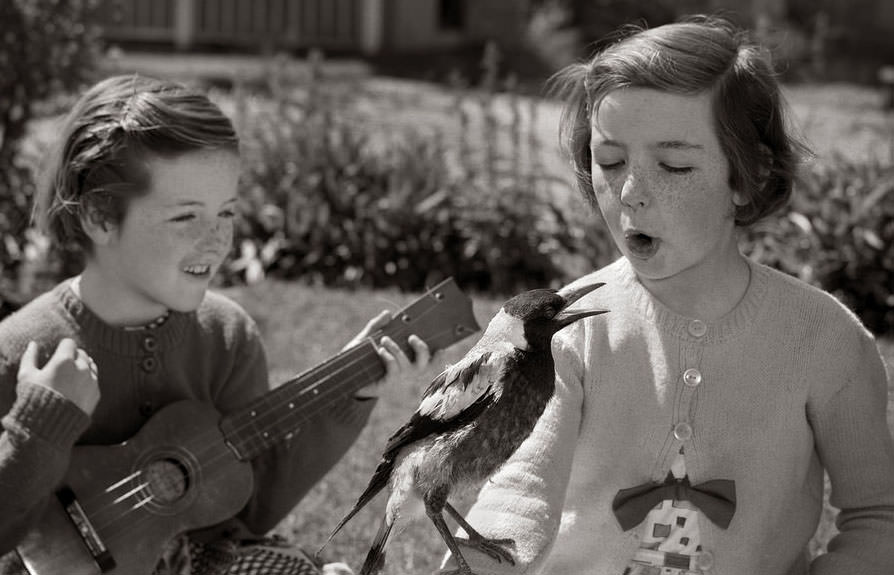
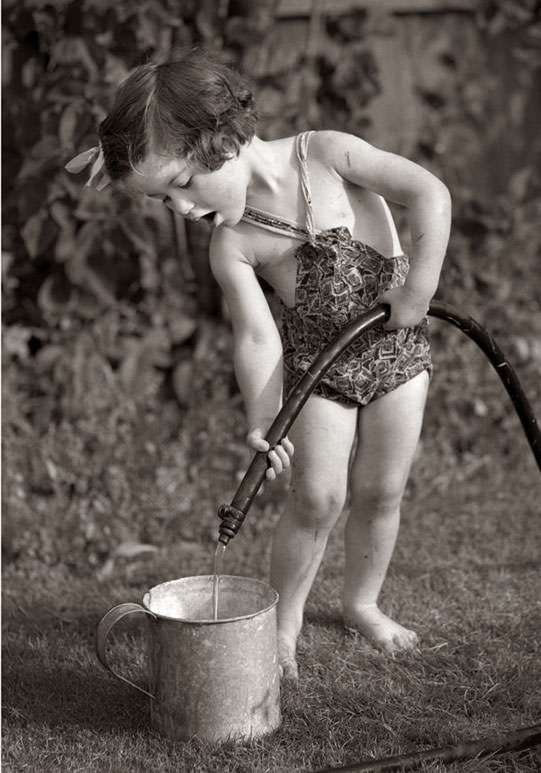
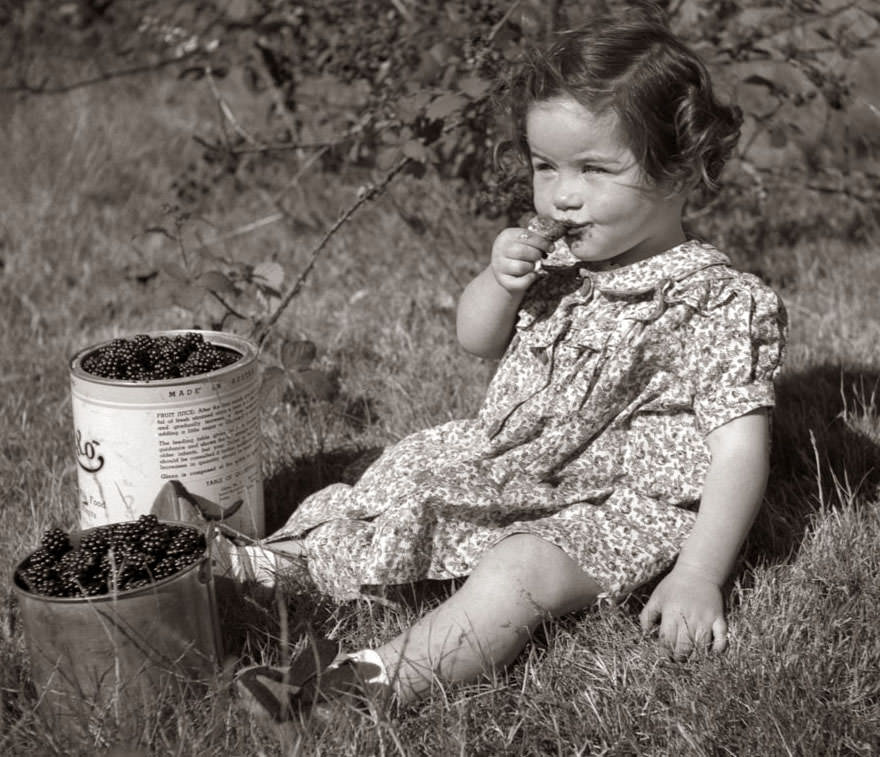
As photography became more affordable, more families began building their own visual histories. Box cameras and simple film rolls meant that a birthday, a first day of school, or a trip to the beach could be preserved. For many working-class families, these photos were among the few material records they left behind.
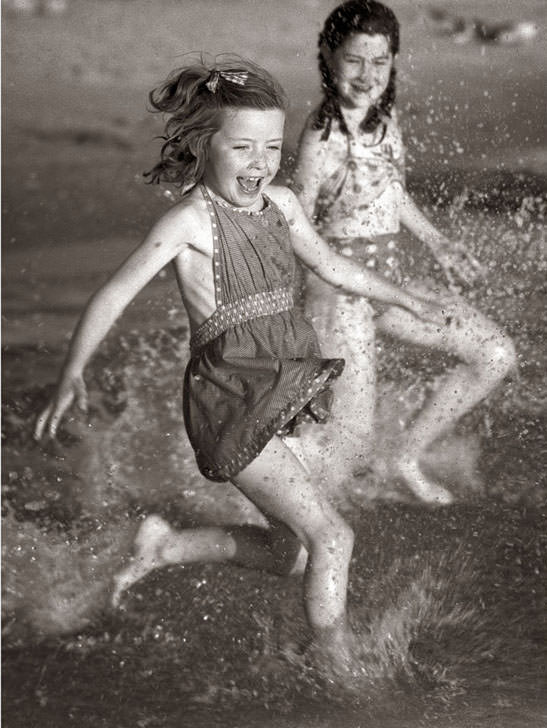
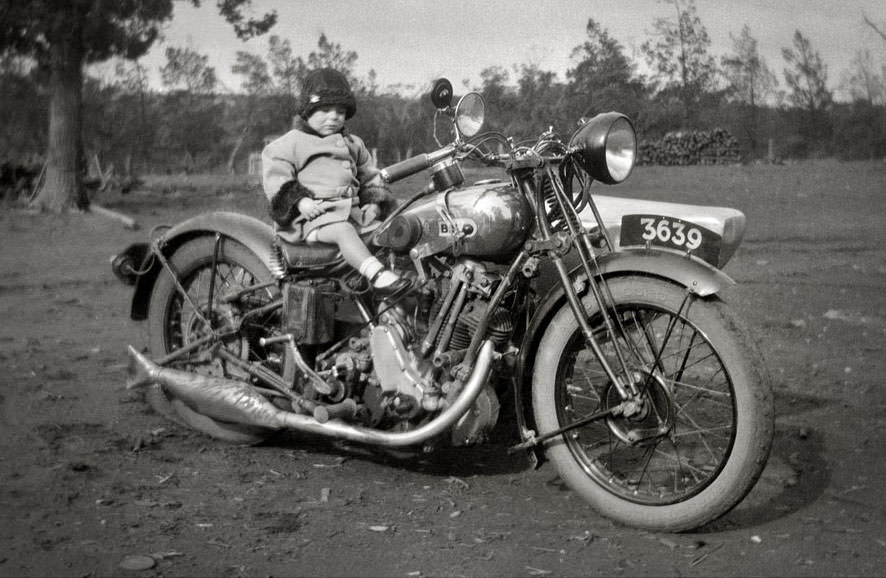
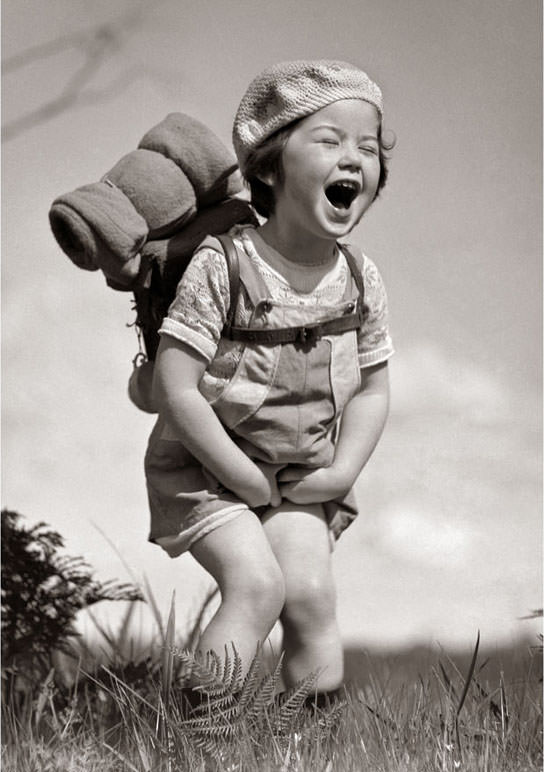
What stands out across these images is the specificity of the era. The cut of a collar, the style of a shoe, the way a child holds their hands — all of it places these photos firmly in postwar Australia. These details are not accidental. They are the fingerprints of a particular time and place, preserved in black and white.
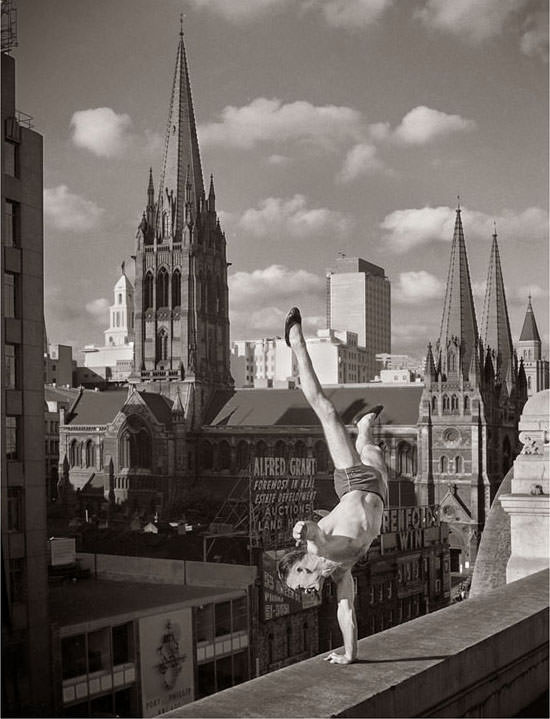
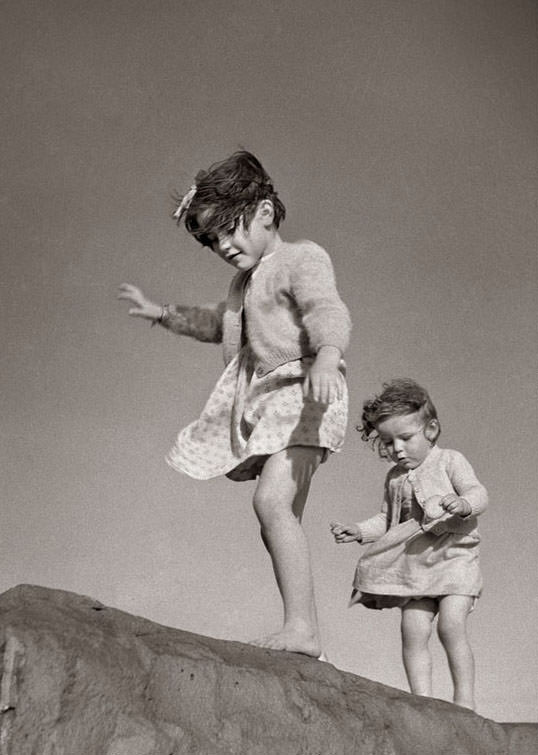
Melbourne’s postwar population was also becoming more diverse. Immigration from Europe brought new families into the city’s suburbs, and children from different backgrounds attended the same schools and shared the same streets. The photographs of this era, taken together, hint at a city in the middle of changing — even if that change was still slow and uneven.