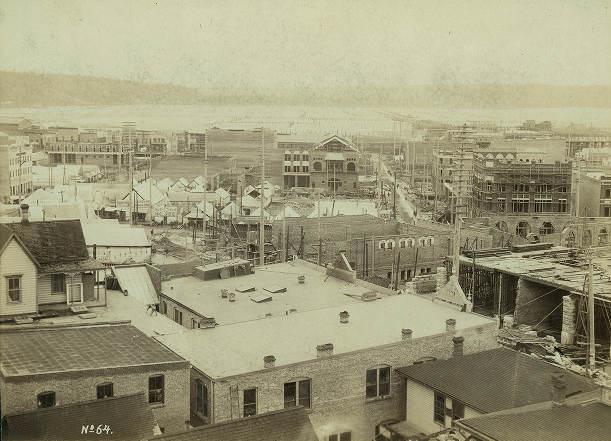
Seattle in the 1890s was a city in the middle of a full-speed transformation. Its population had jumped from just 3,533 in 1880 to over 80,000 by the end of the century — one of the fastest growth rates of any American city at the time. During the first half of 1889 alone, the city was gaining roughly 1,000 new residents every single month. In March of that year, 500 buildings were under construction simultaneously, most of them wood-frame structures rising quickly on the city’s steep hills and waterfront flats.
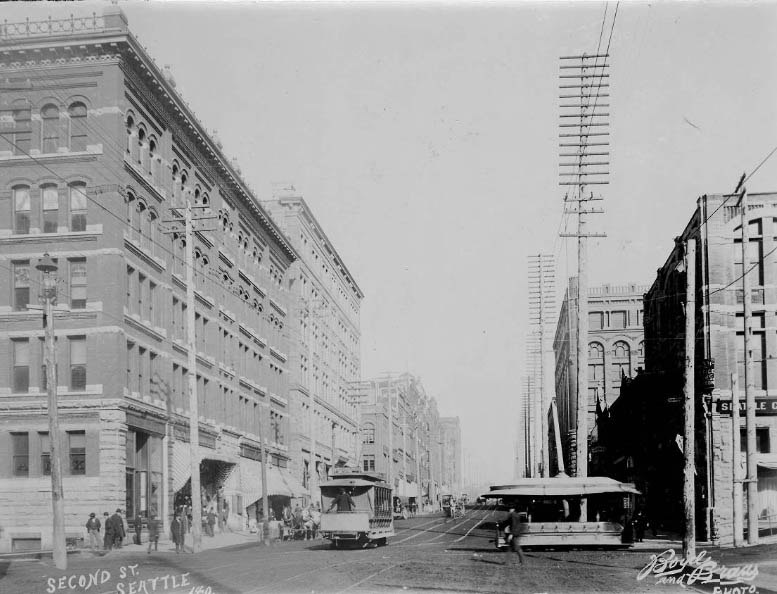
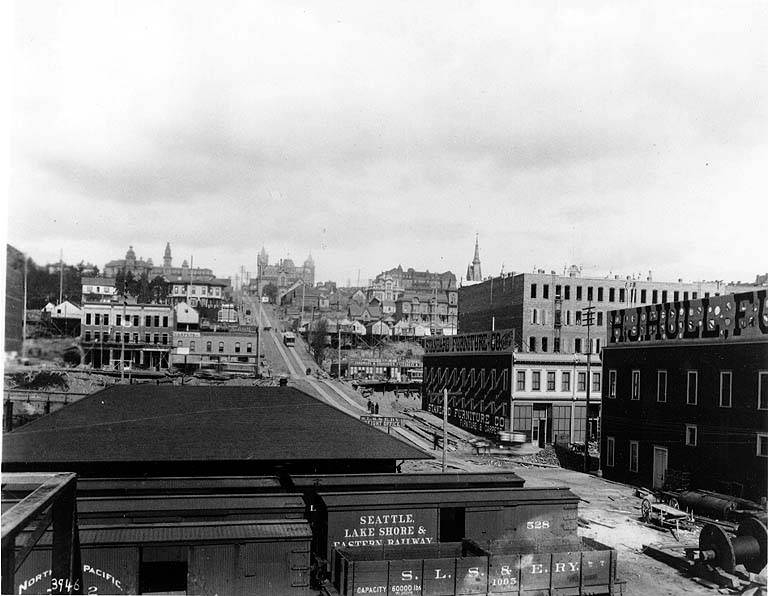
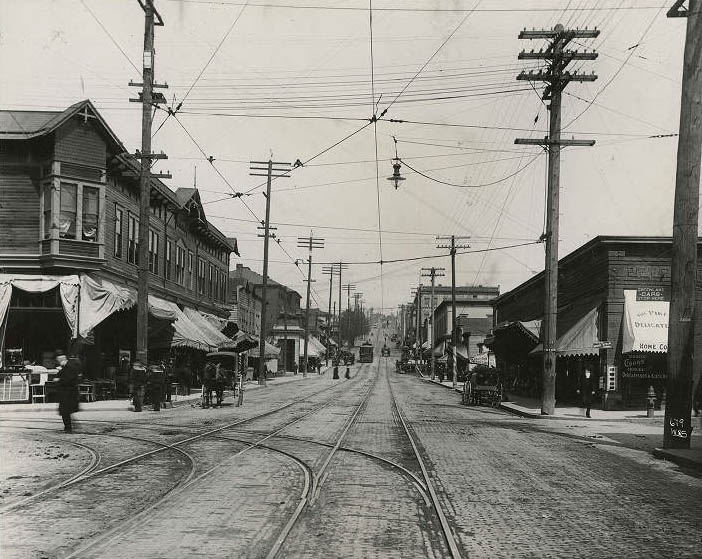
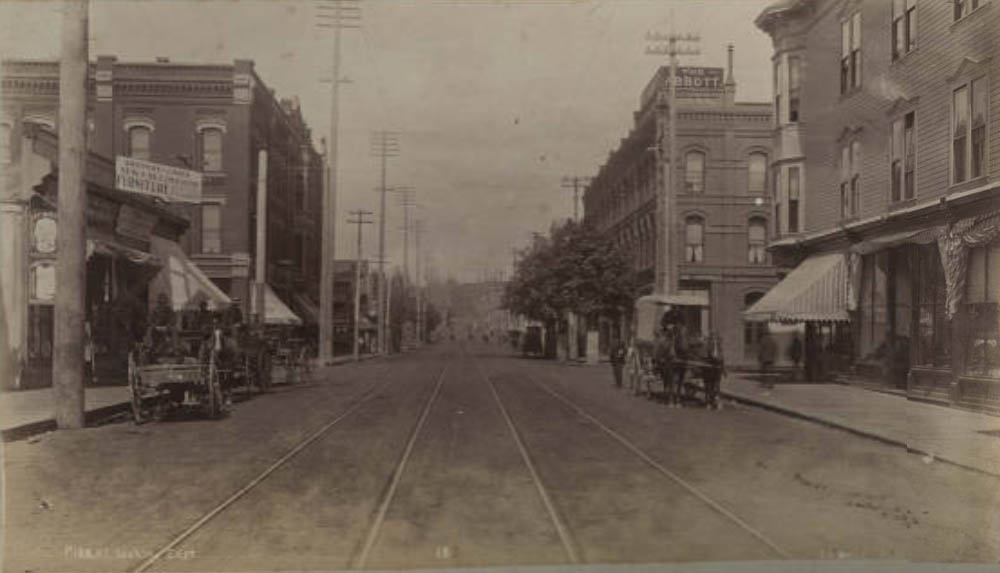
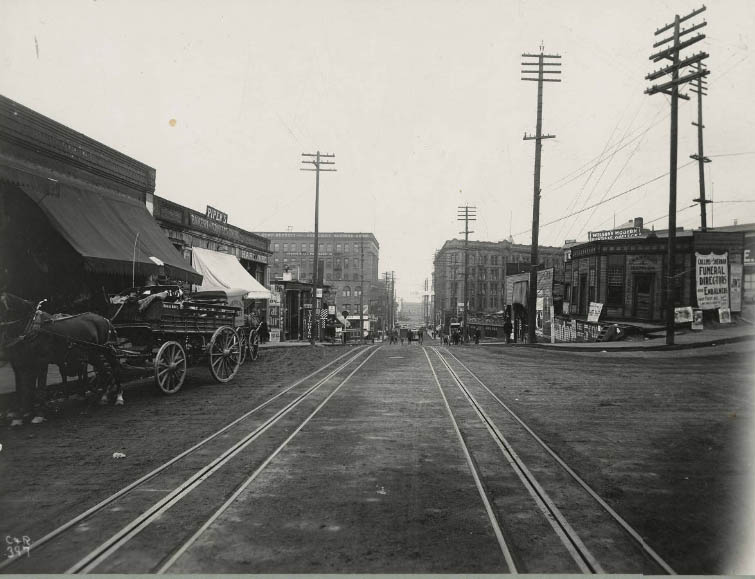
2nd Ave. looking north from Yesler Way, Seattle, 1899
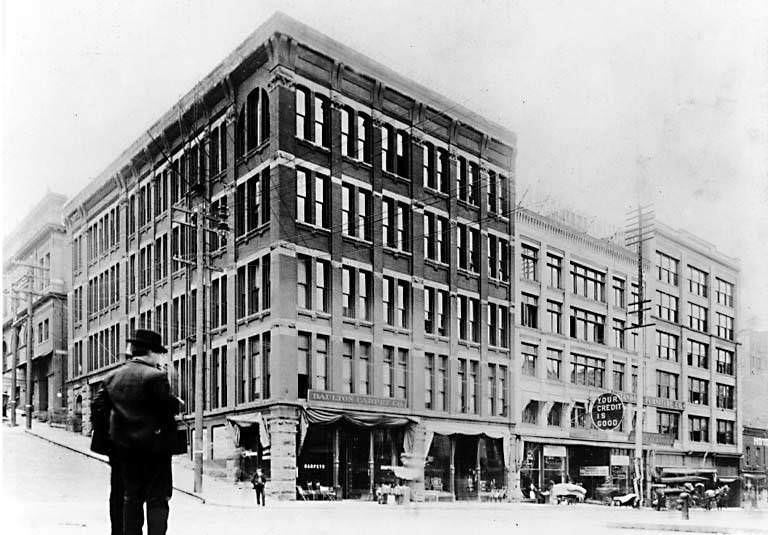
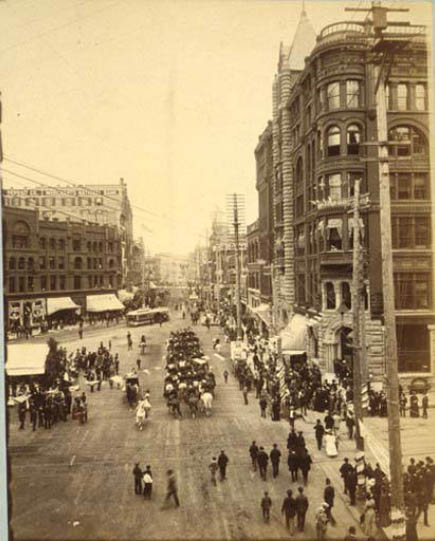
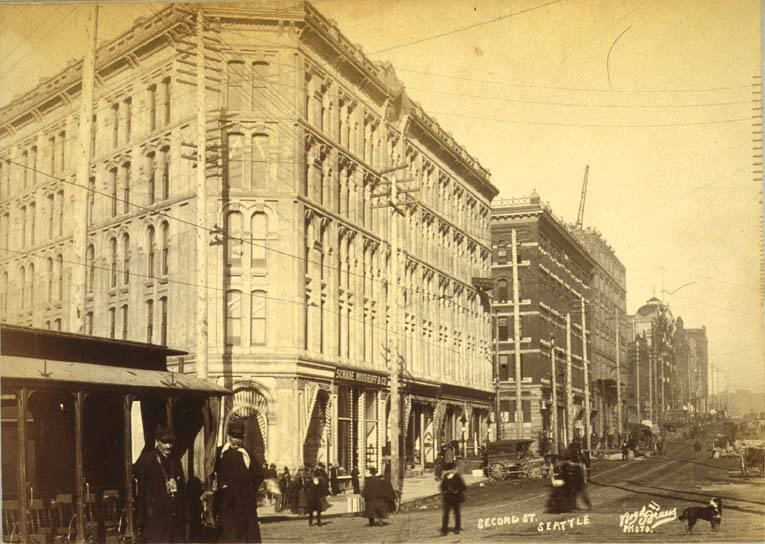
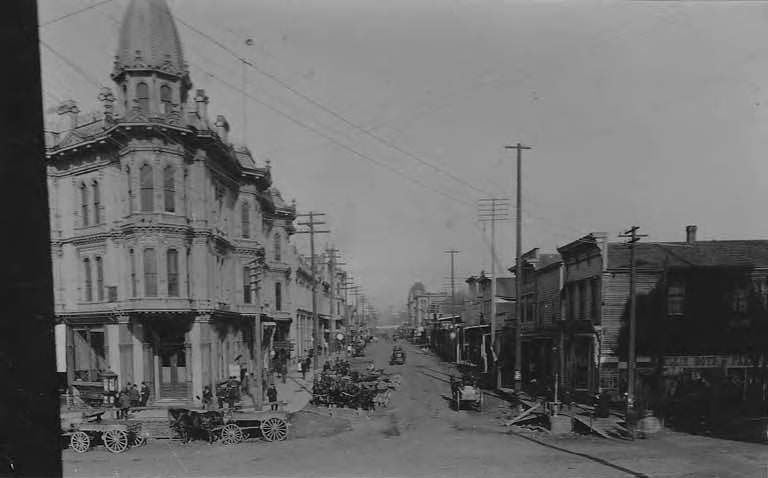
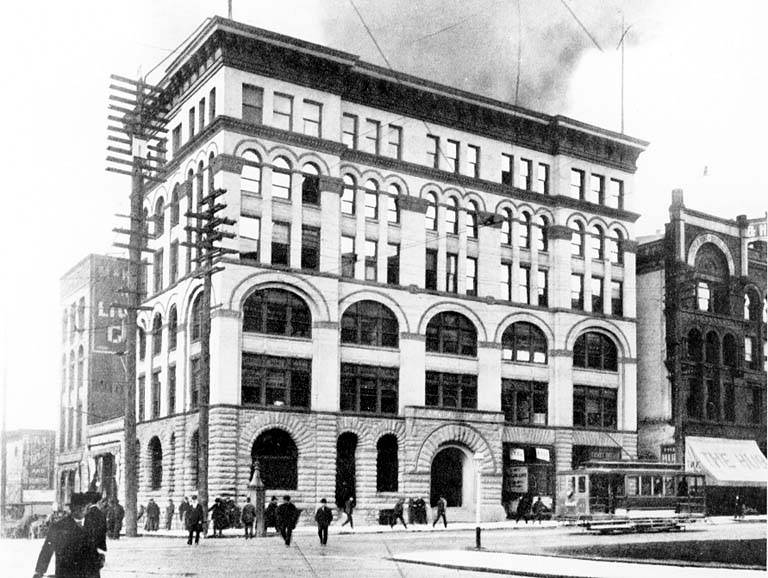
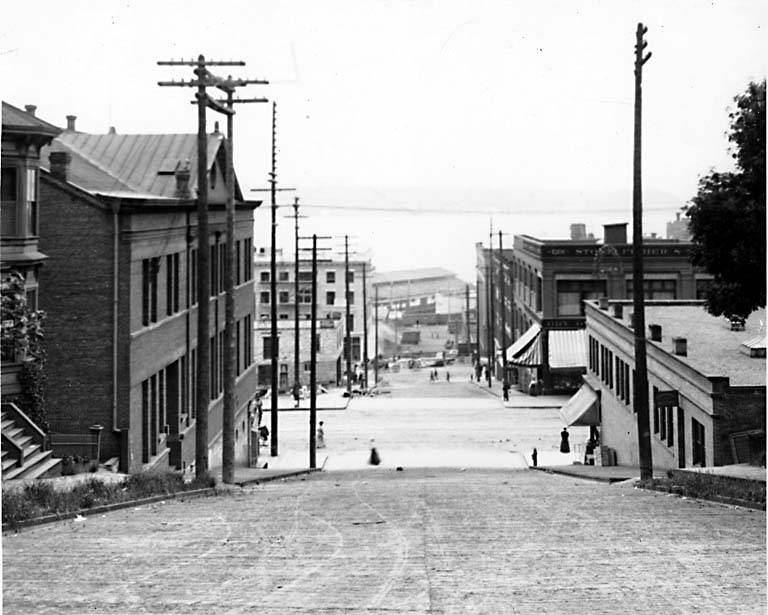
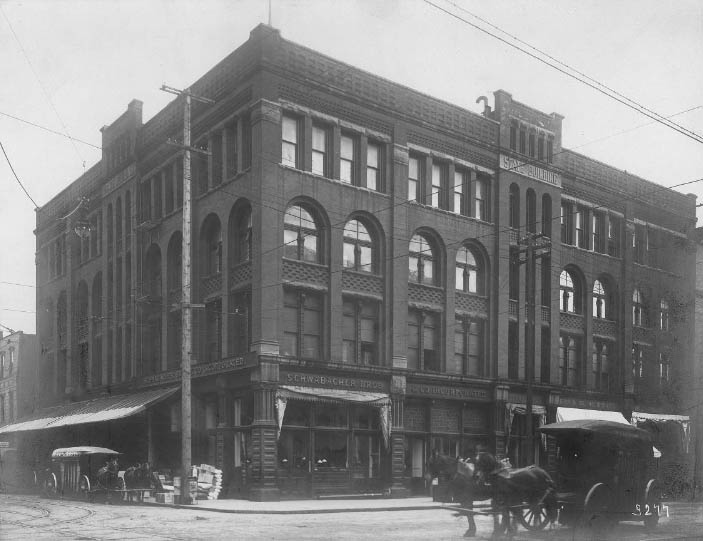
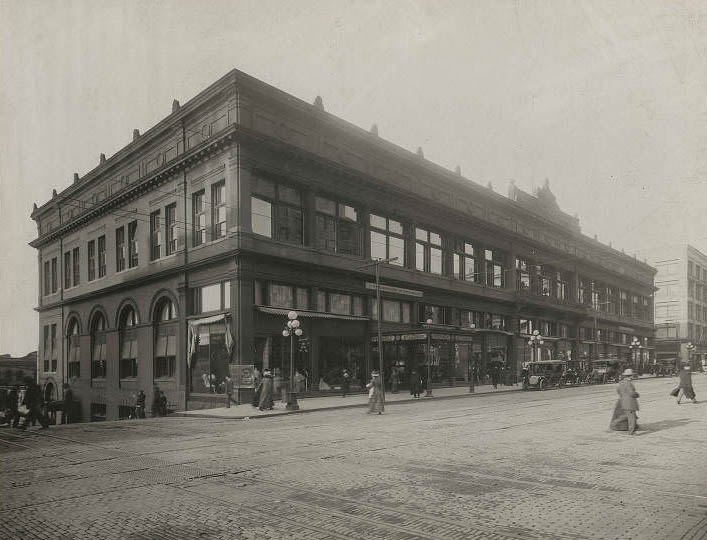
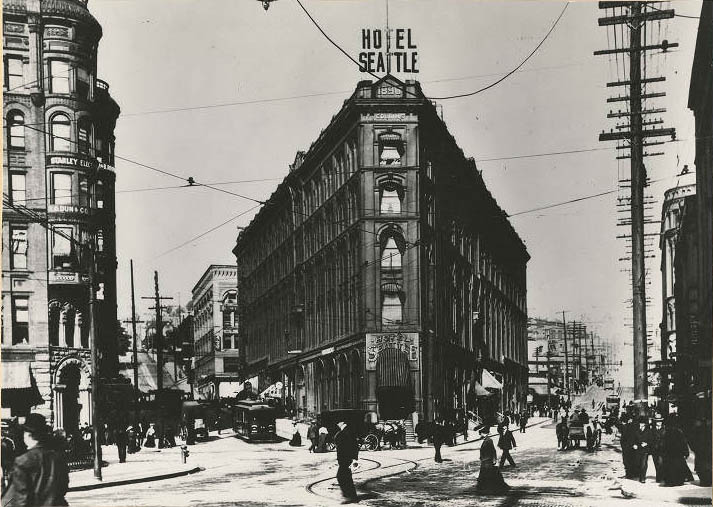
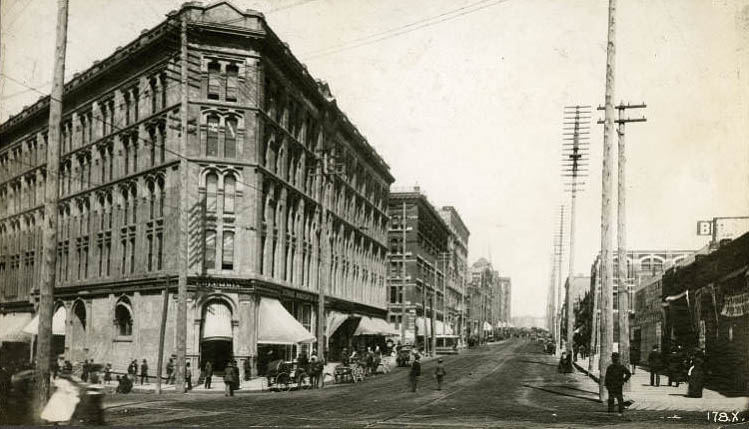
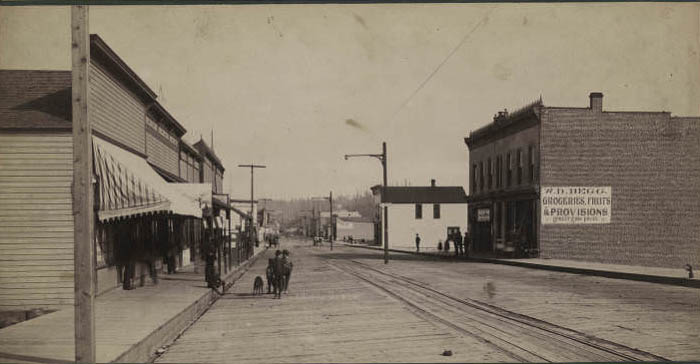
By 1899, Seattle’s downtown streets had taken on a permanent, urban character. Multi-story brick and stone buildings lined the main avenues, electric streetcars ran regular routes, and commercial activity filled nearly every block. The transformation from frontier outpost to functioning city had taken less than two decades.
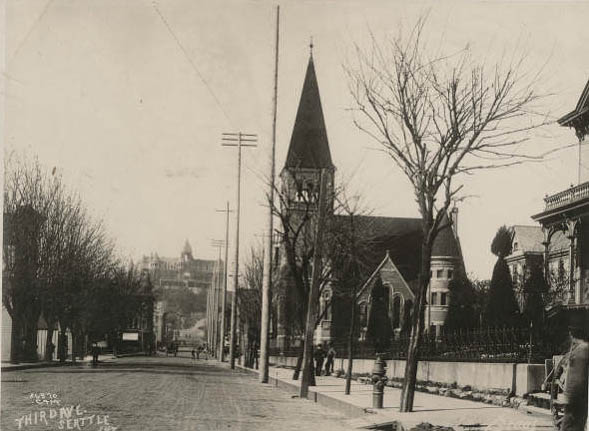
3rd Ave. and Pine St., looking southeast, 18913rd Ave. from University Street, looking north, Seattle, Washington, 1890
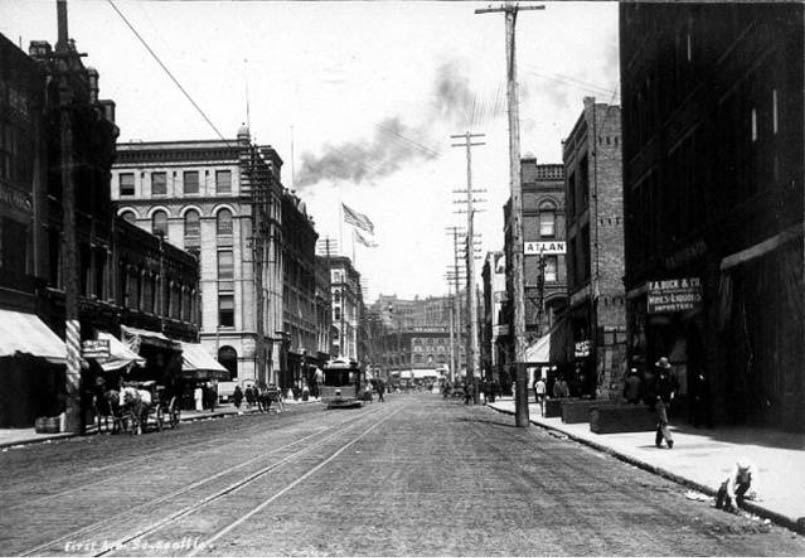
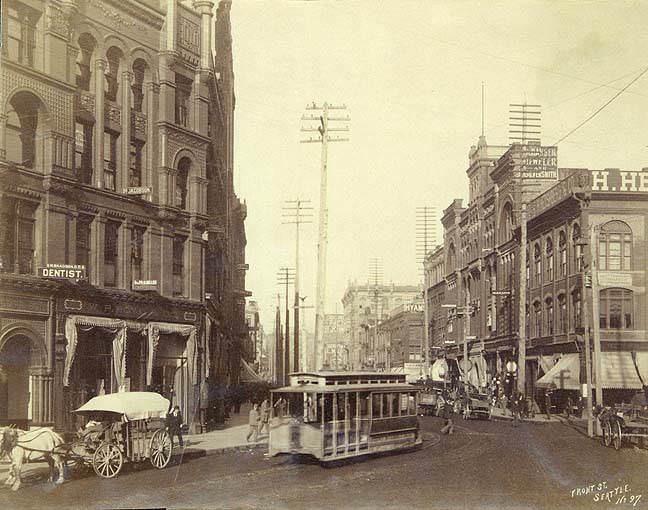
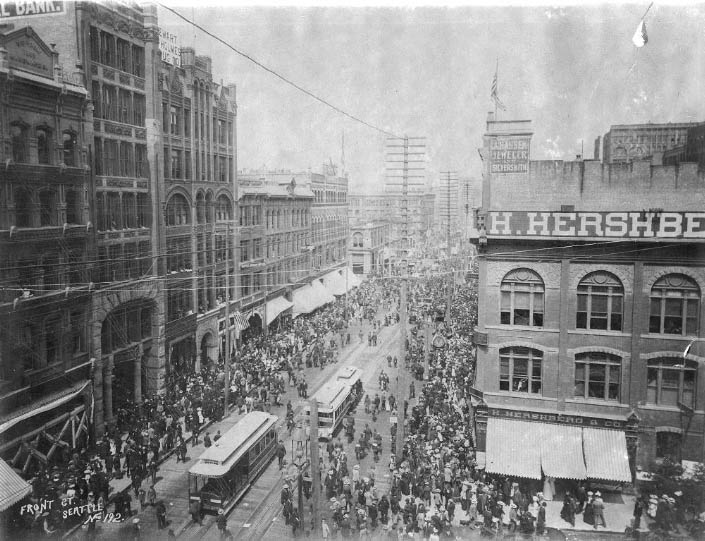
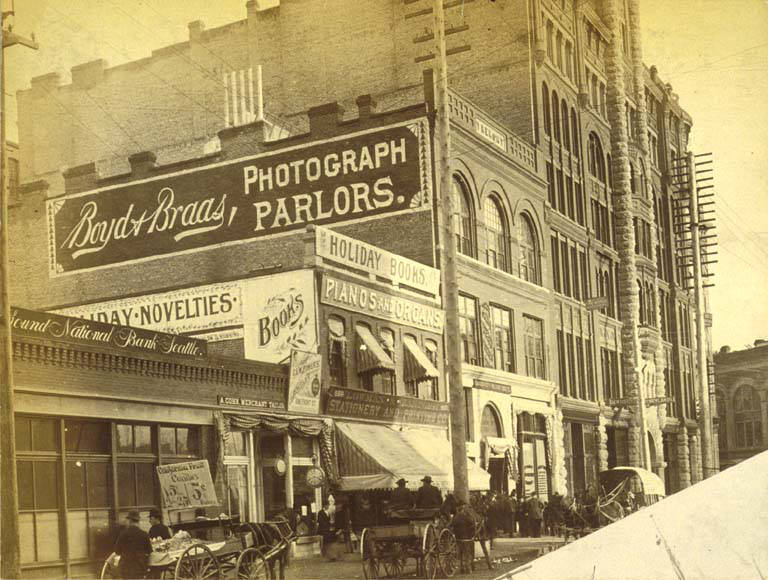
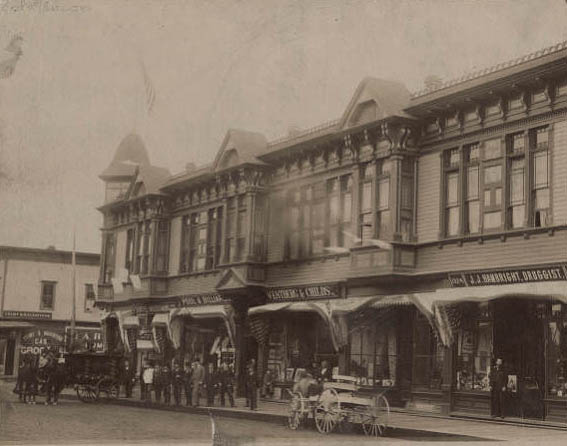
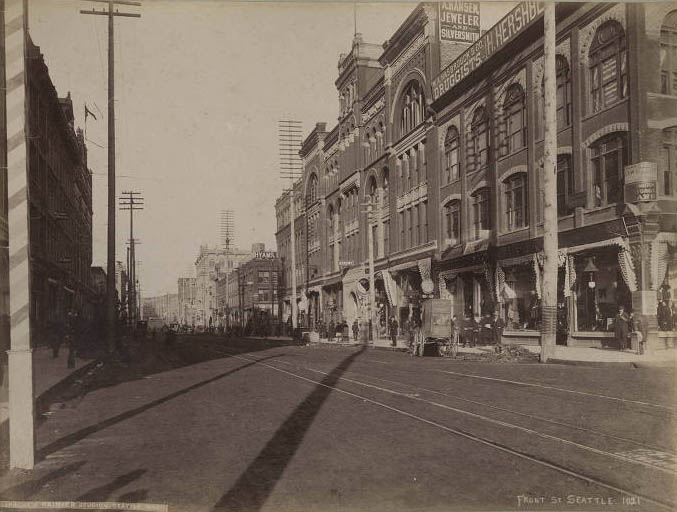
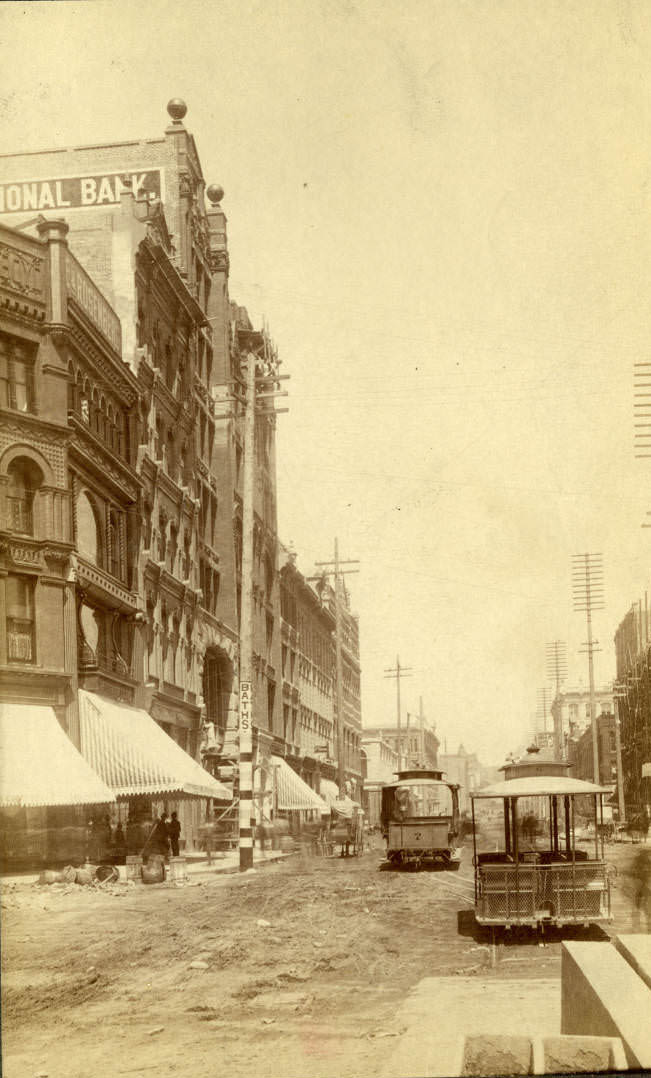
The city’s main avenues — 1st, 2nd, and 3rd — served as the commercial spine of Seattle throughout the decade. Merchants, hotels, banks, and civic buildings competed for space along these corridors, and the streets were busy with cable cars, horse-drawn wagons, and pedestrians at nearly all hours.
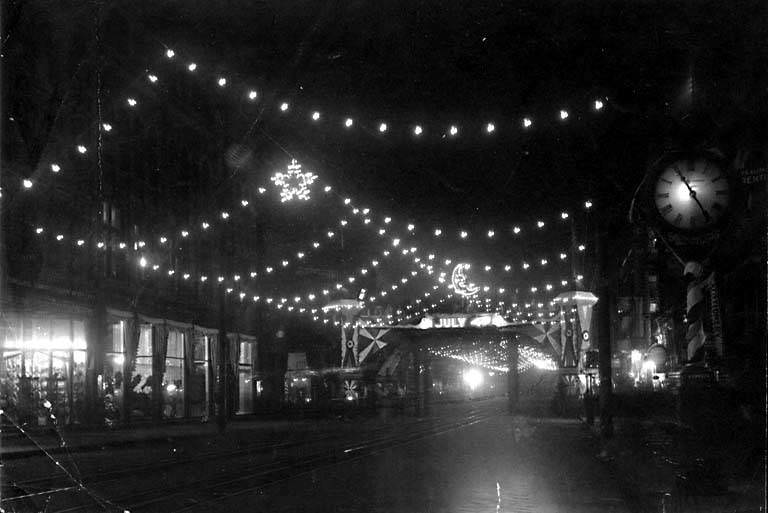
1st Ave. decorated at night, 18991st Ave. from about Pike St., 1895.1st Ave. S. looking north from Main St., Seattle, 1899
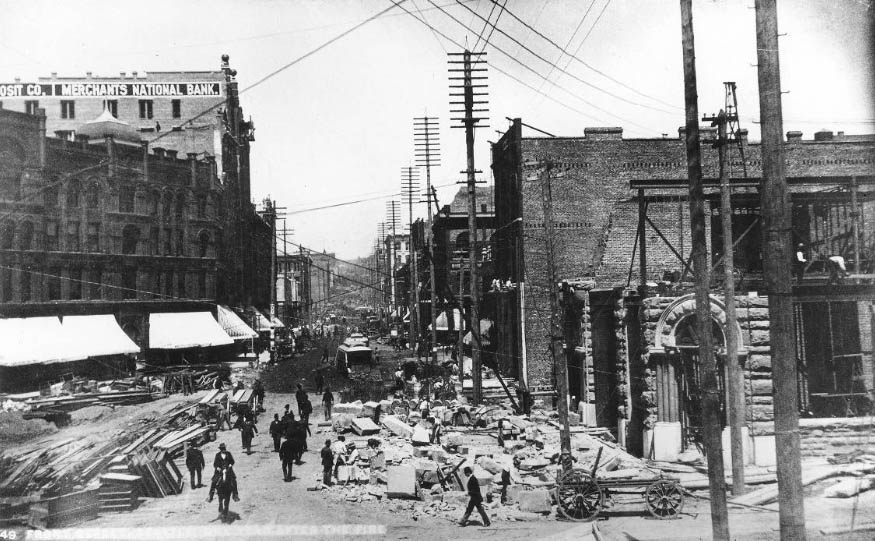
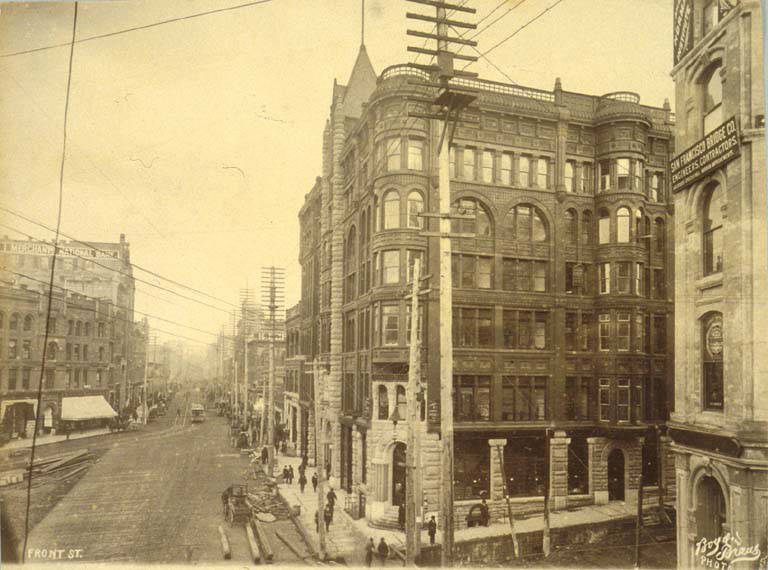
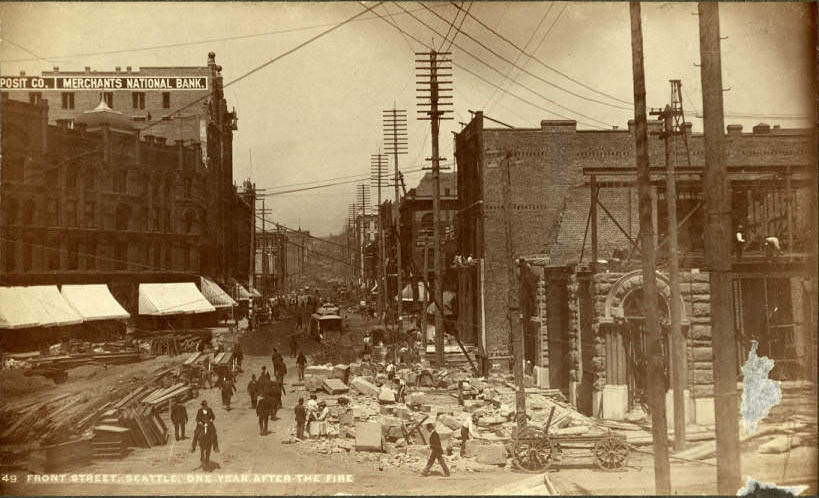
On June 6, 1889, a fire broke out and leveled buildings across 116 acres of the city’s business district. The fire caused millions of dollars in property damage and wiped out a significant portion of the city’s downtown core. Remarkably, no lives were lost. Within weeks, reconstruction had begun, and the disaster ultimately pushed the city to rebuild in brick and stone rather than the wood that had made the fire so destructive in the first place.
1st Ave., looking north from Pioneer Square, 18901st Avenue from Cherry St., looking north, Seattle, 1890.1st Avenue from Cherry St., looking north, Seattle, 1890
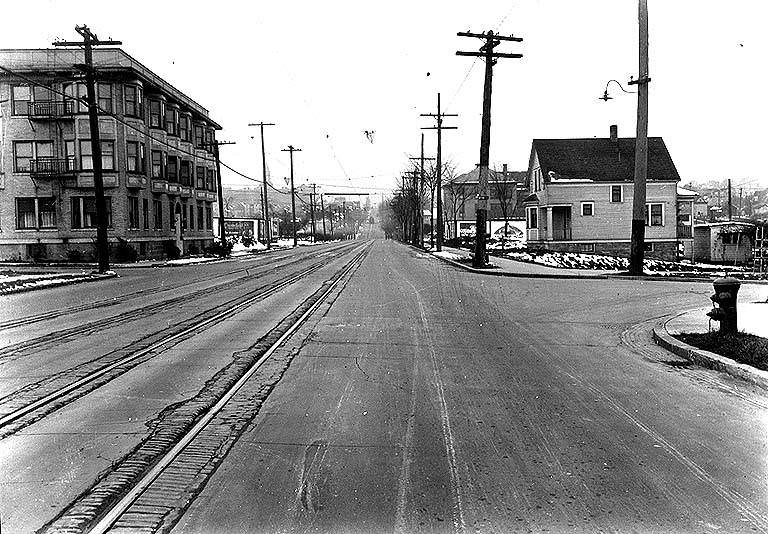
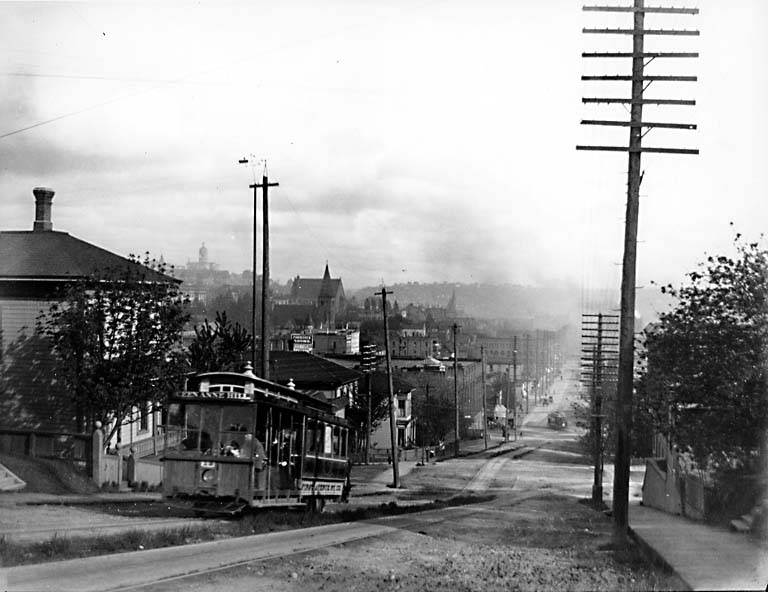
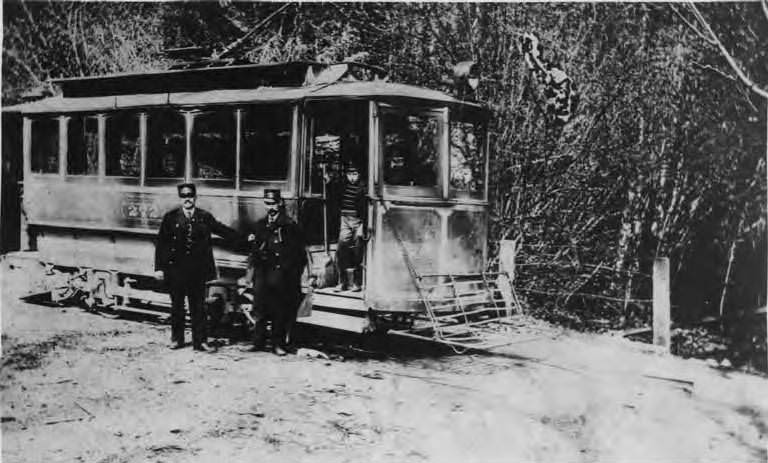
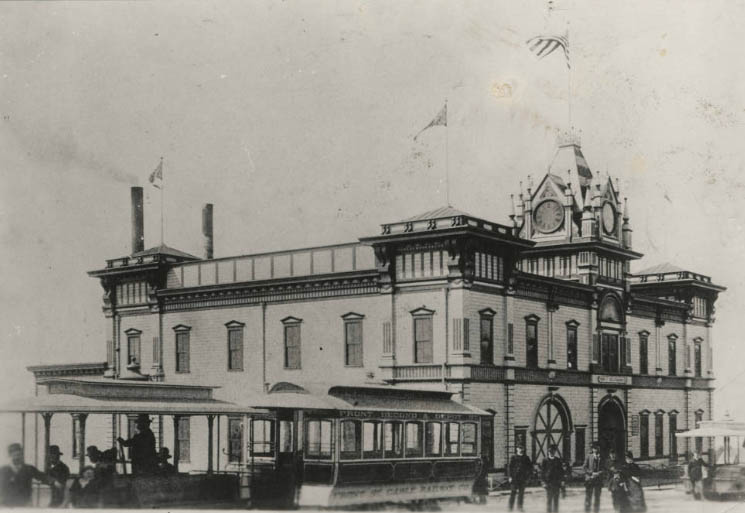
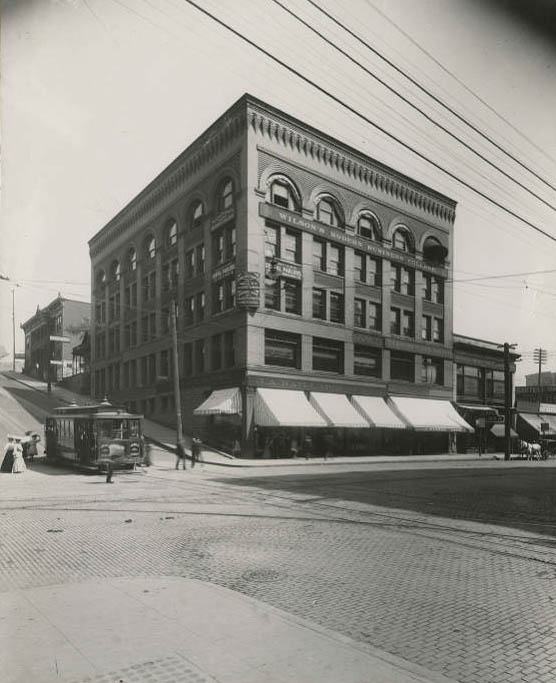
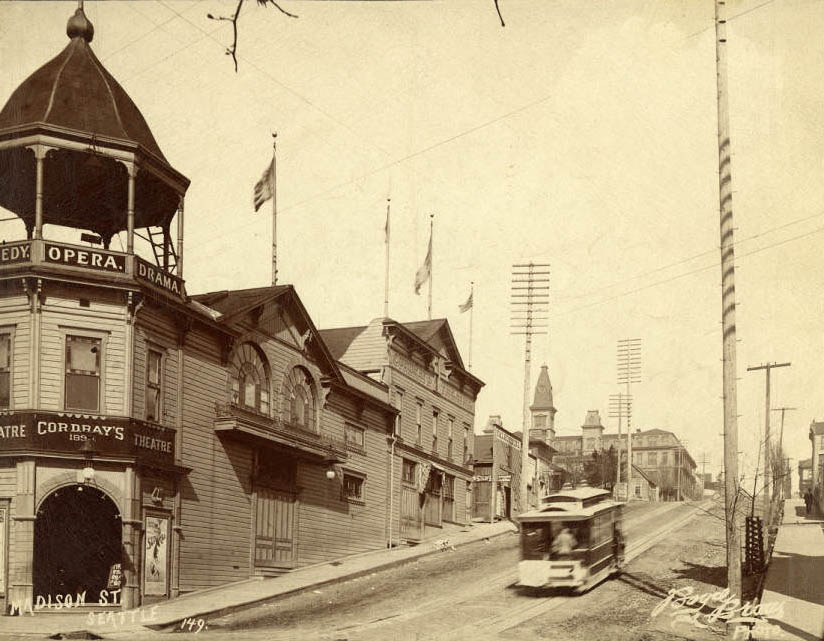
Seattle’s street railway network expanded rapidly through the 1890s. Cable cars and electric streetcars operated on multiple lines, connecting neighborhoods from Pioneer Square to Queen Anne Hill and beyond. These transit lines were essential to the city’s growth — they opened up residential development on the hills surrounding downtown and allowed workers to live at a distance from their jobs.
2nd Ave. and Bell Street, 18902nd Avenue from James Street, looking north, Seattle, 1890
The post-fire reconstruction photos from 1890 show the city in two states at once — ruins on one side of a block, fresh construction on the other. Recovery moved fast. By the time reconstruction photos were taken in July 1890, new brick structures were already several stories tall in areas that had been ash just months before.
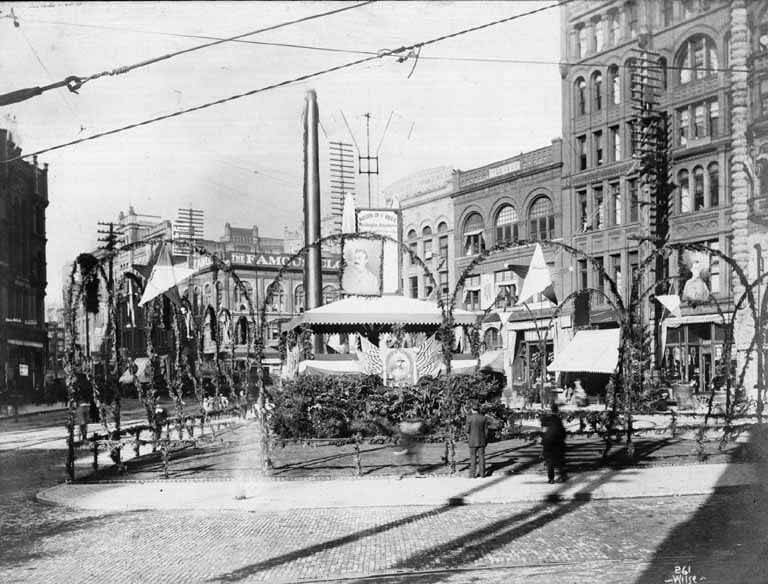
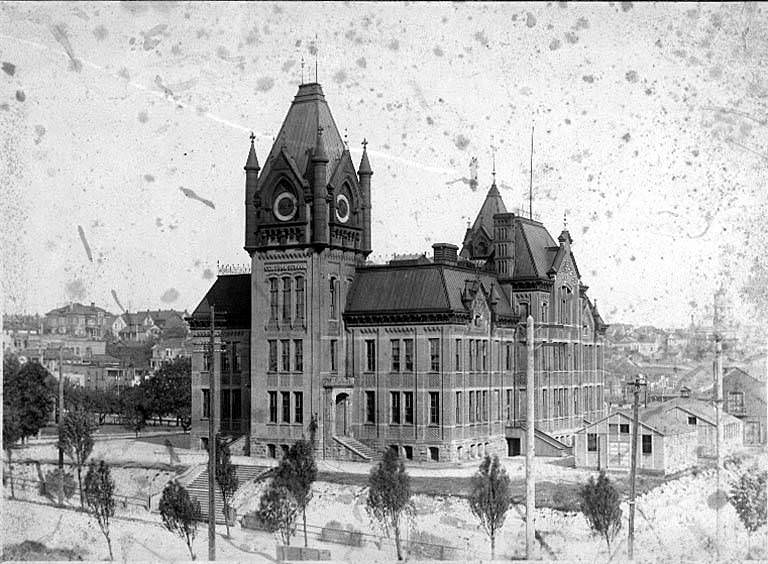
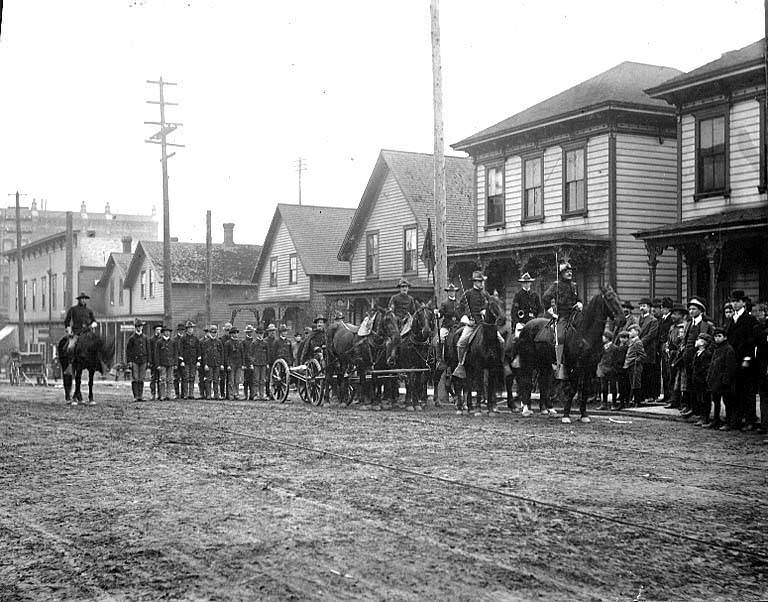
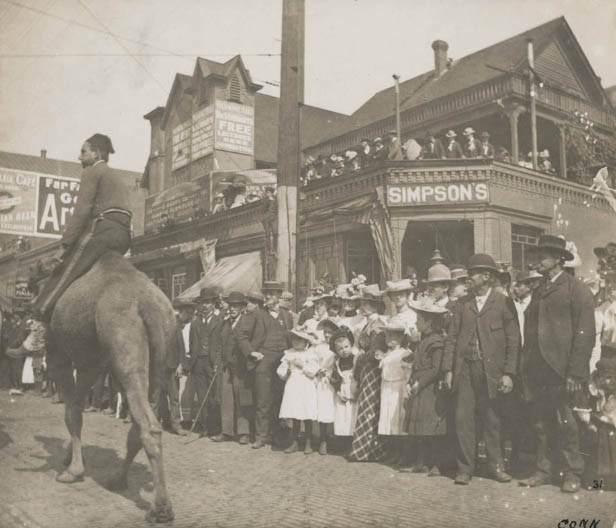
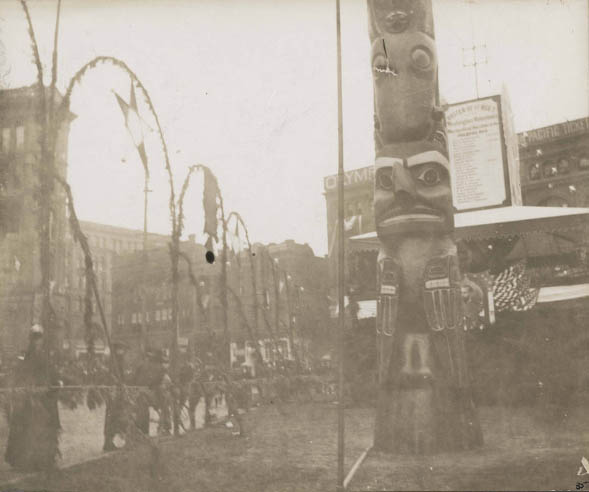
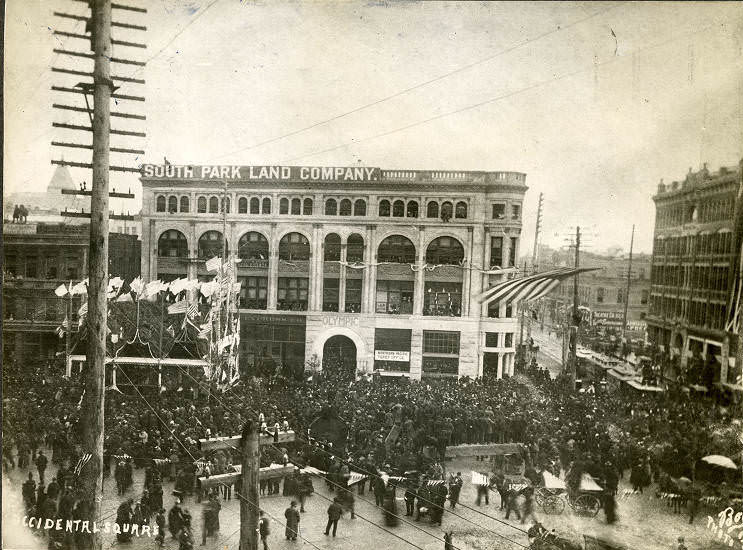
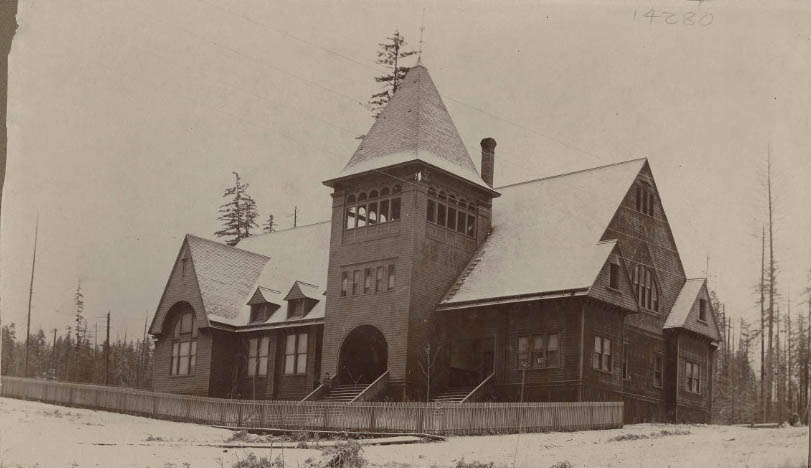
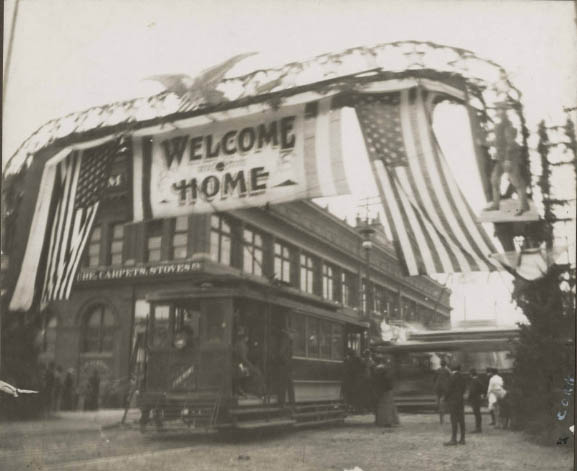
Celebration honoring volunteers of the First Washington Volunteer Infantry Regiment, Pioneer Square, 1899Central School, Madison Street between 6th Ave. and 7th Ave., 1899Cherry Street, February 18, 1921
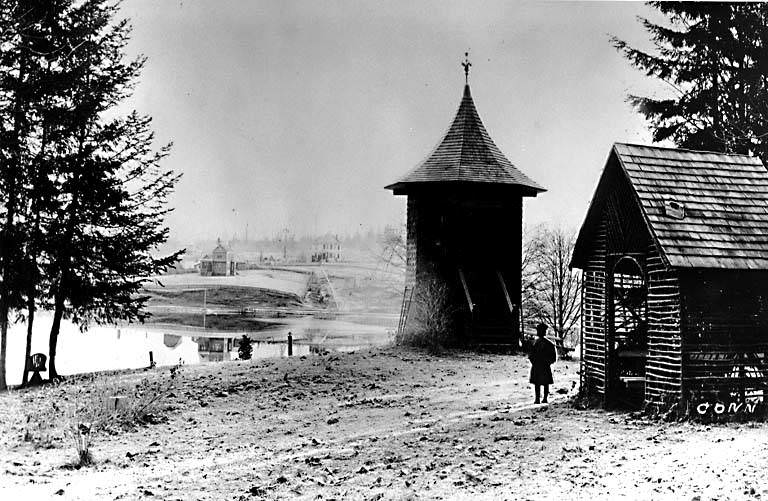
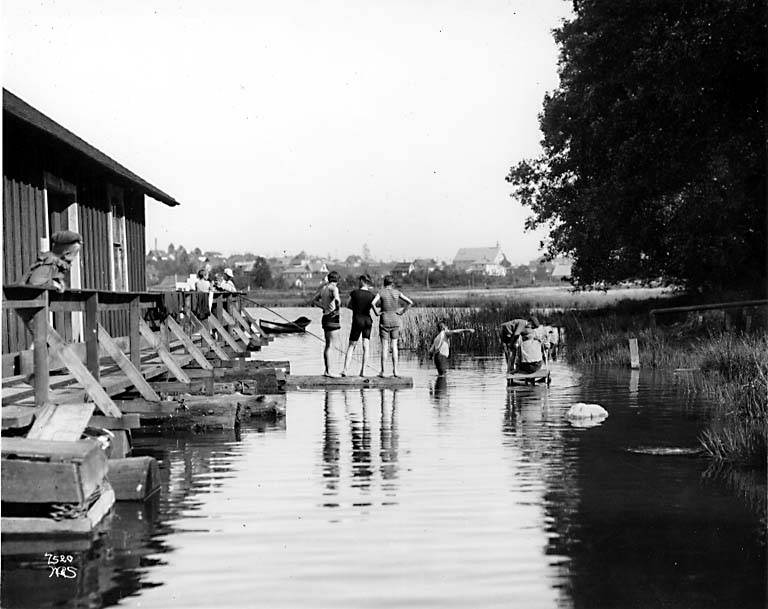
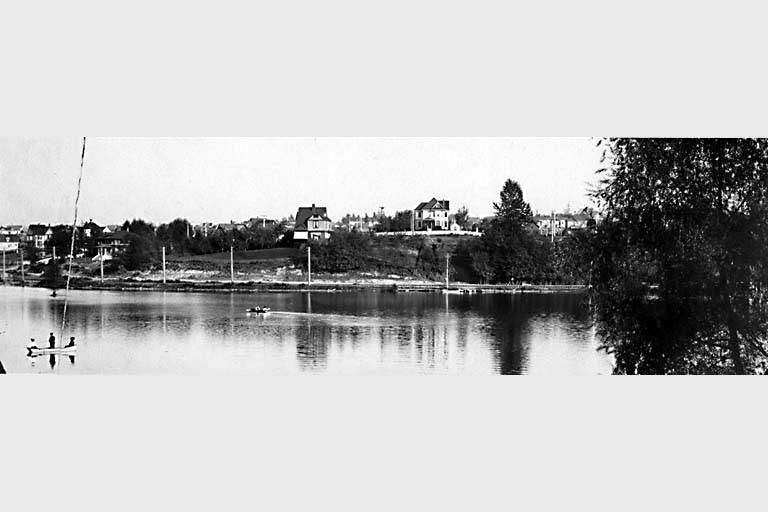
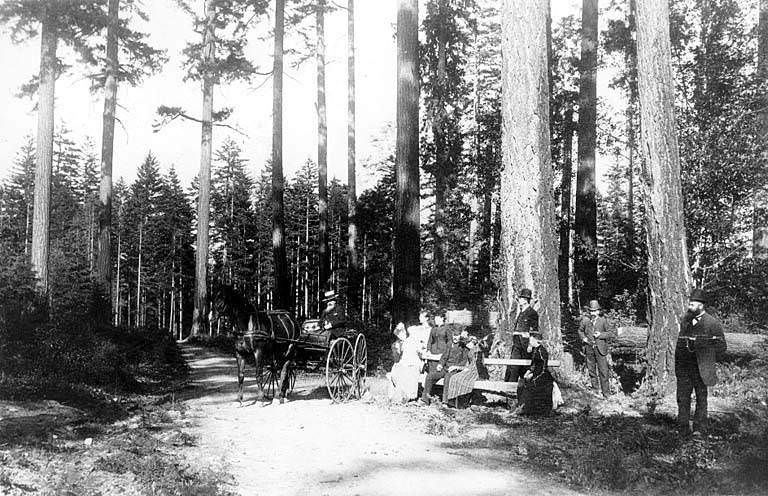
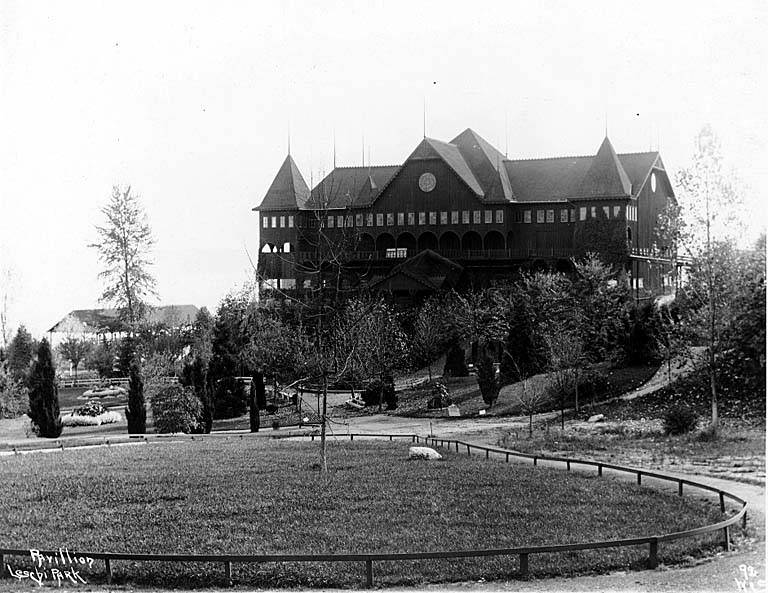
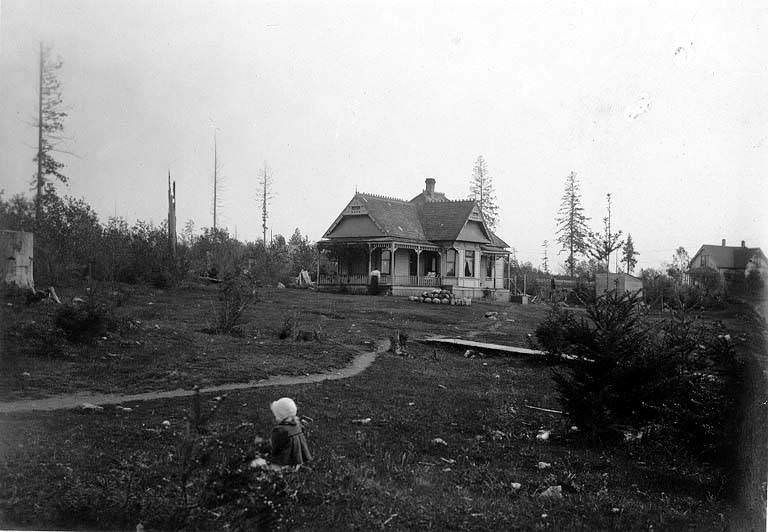
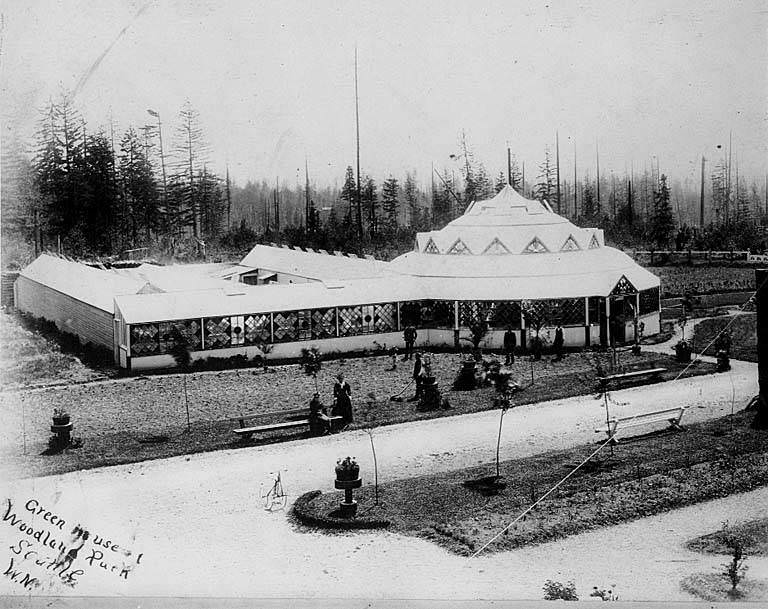
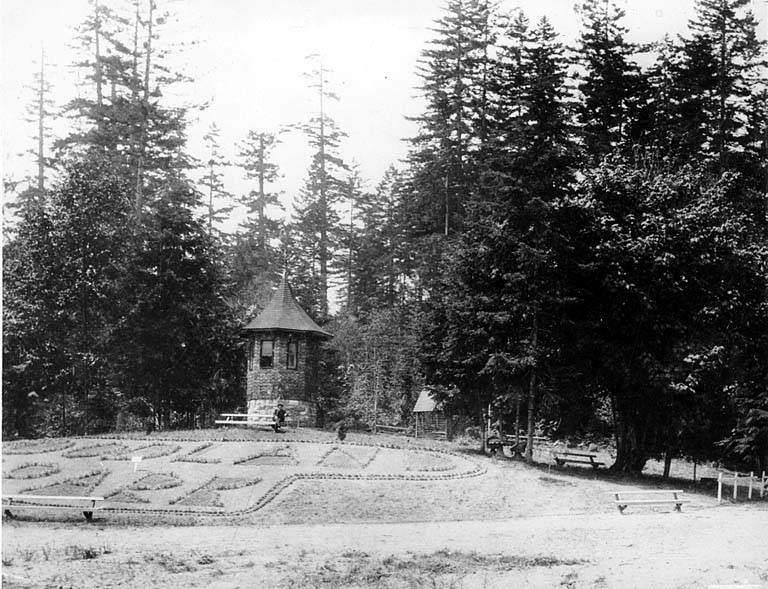
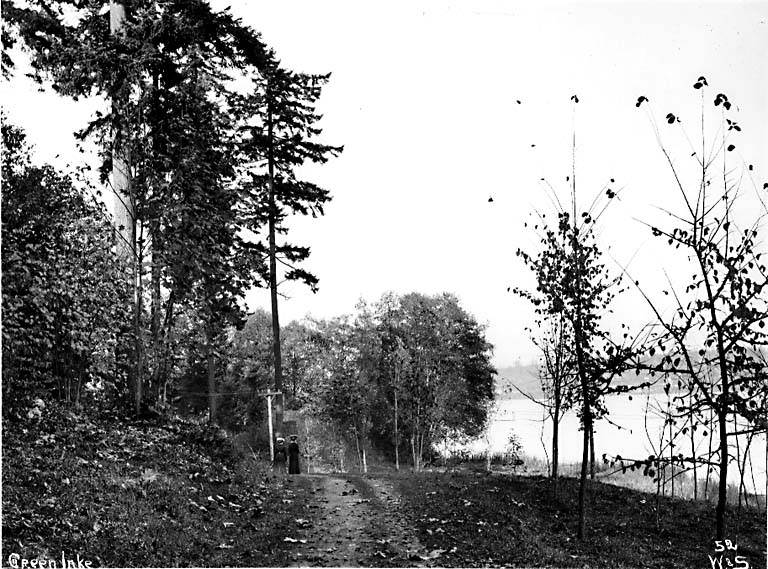
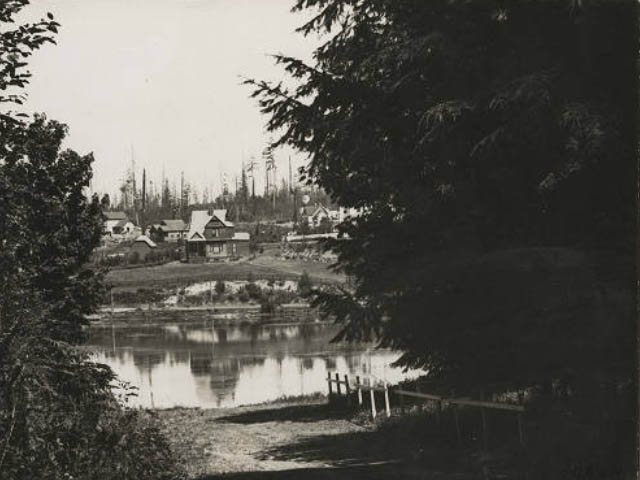
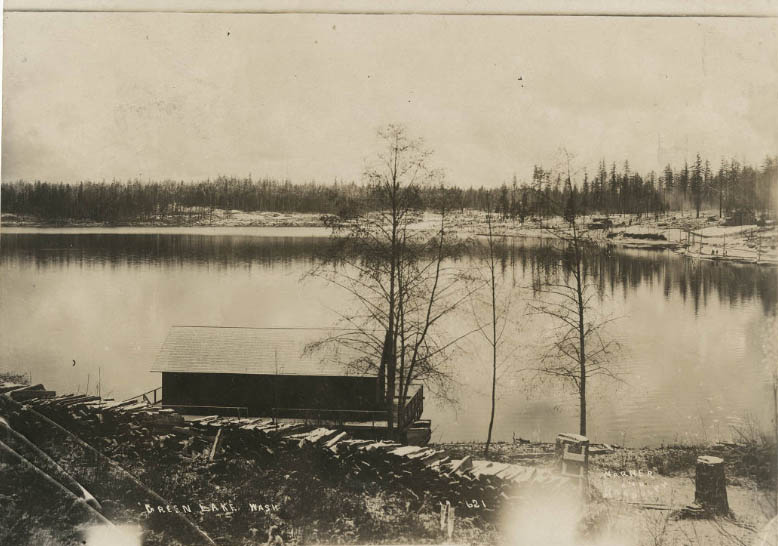
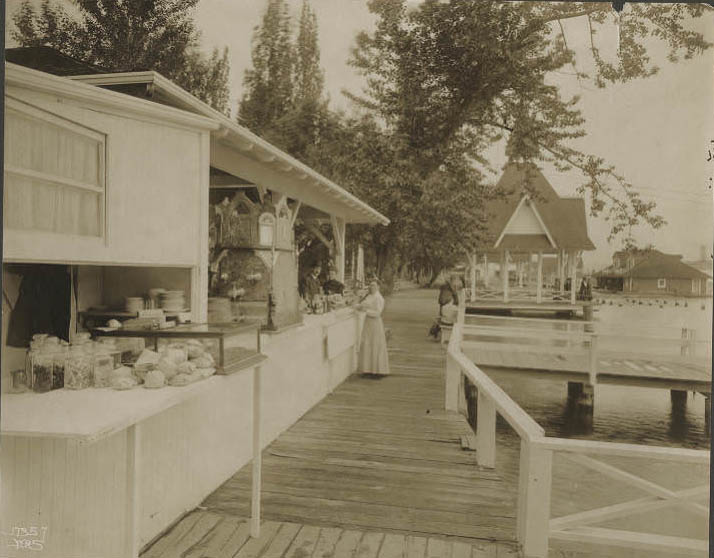
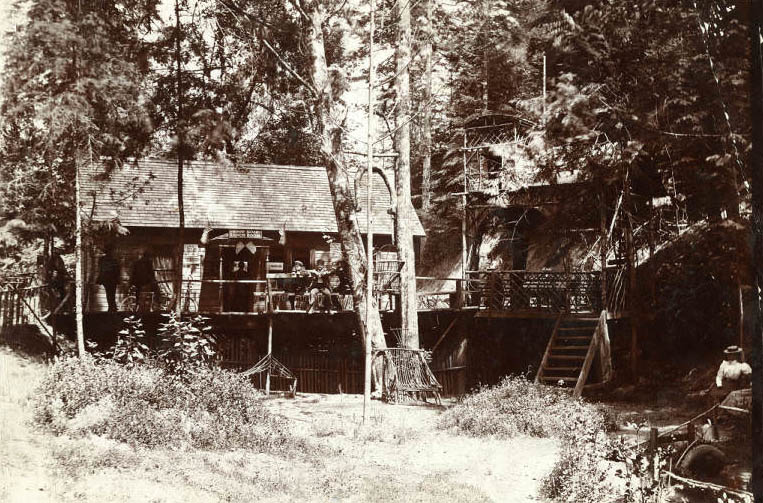
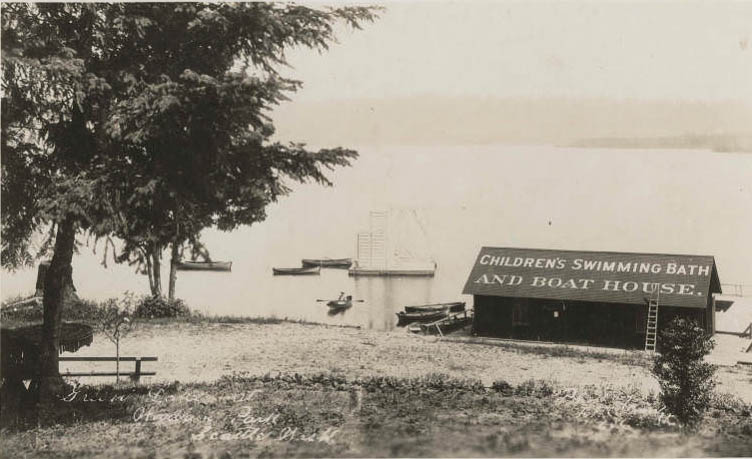
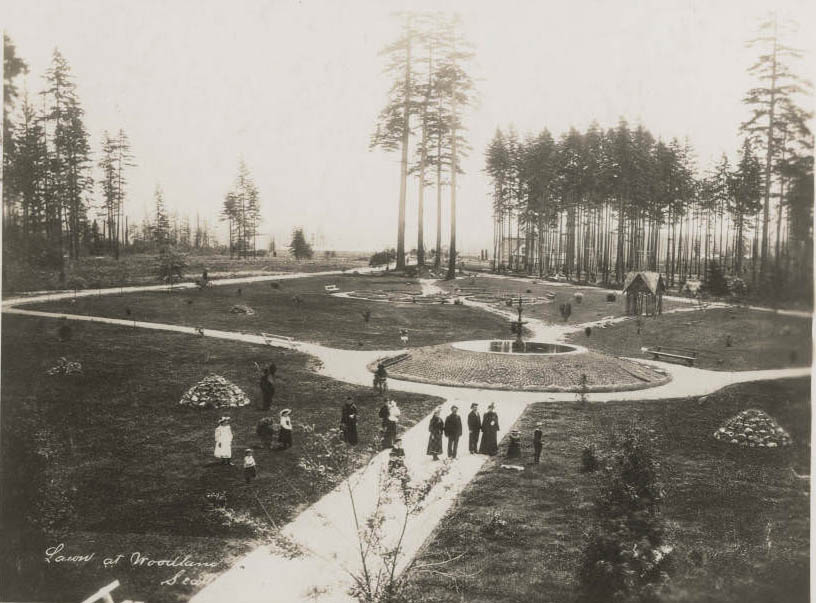
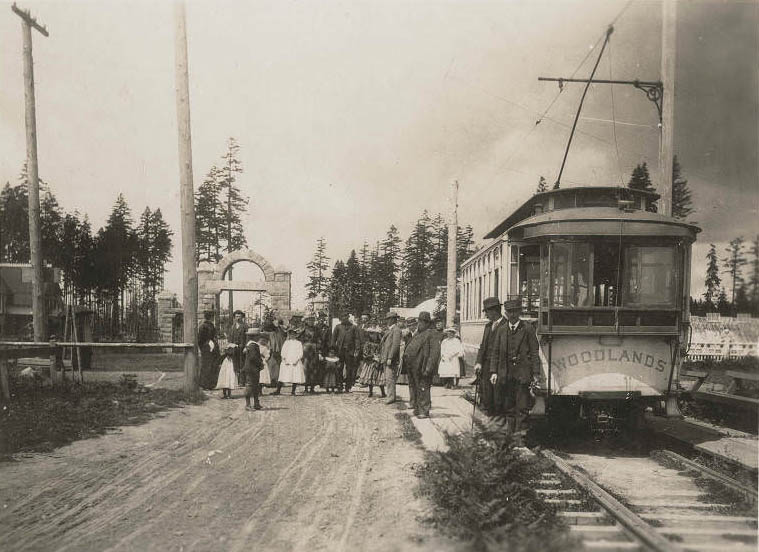
Seattle’s parks and natural areas were a major part of daily life during the 1890s. Green Lake, Lake Washington, Lake Union, and Leschi Park drew residents for boating, swimming, and leisure. Woodland Park, still a private estate owned by Guy C. Phinney at the time, was accessible via a streetcar line Phinney operated from North 50th Street down to Fremont. The park featured a conservatory, a hunting lodge, a boathouse on Green Lake, and manicured lawns with fountains.
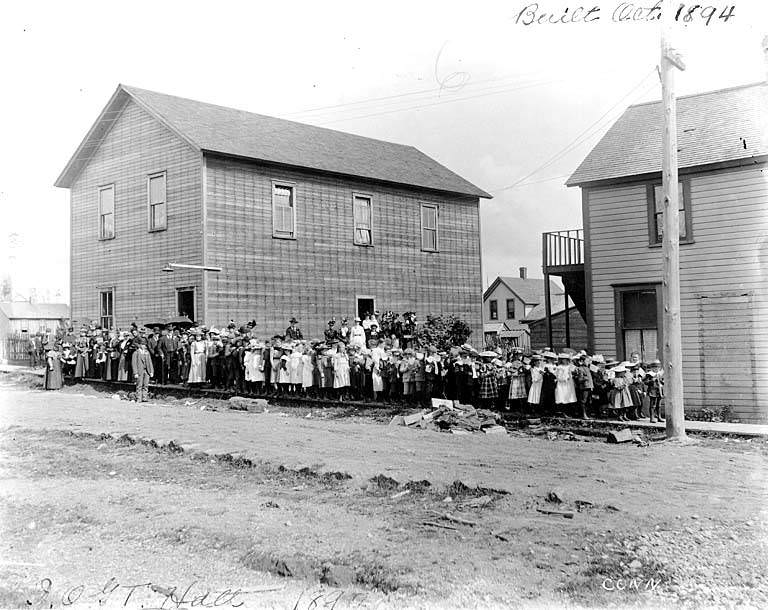
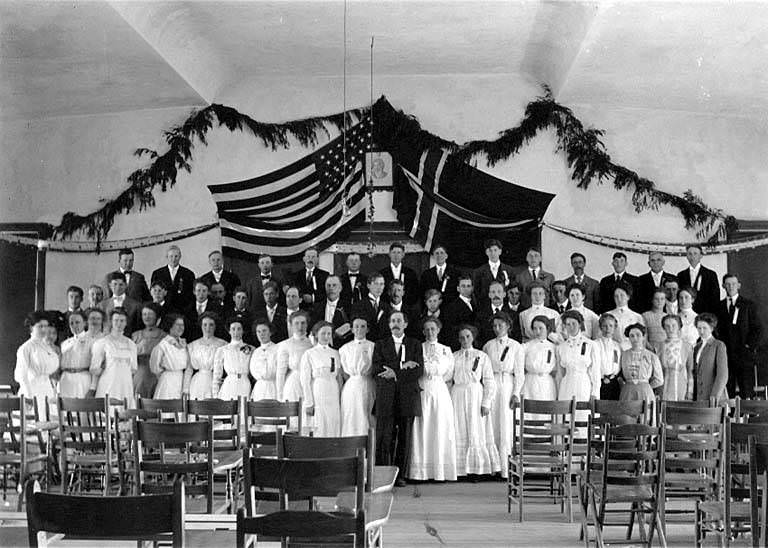
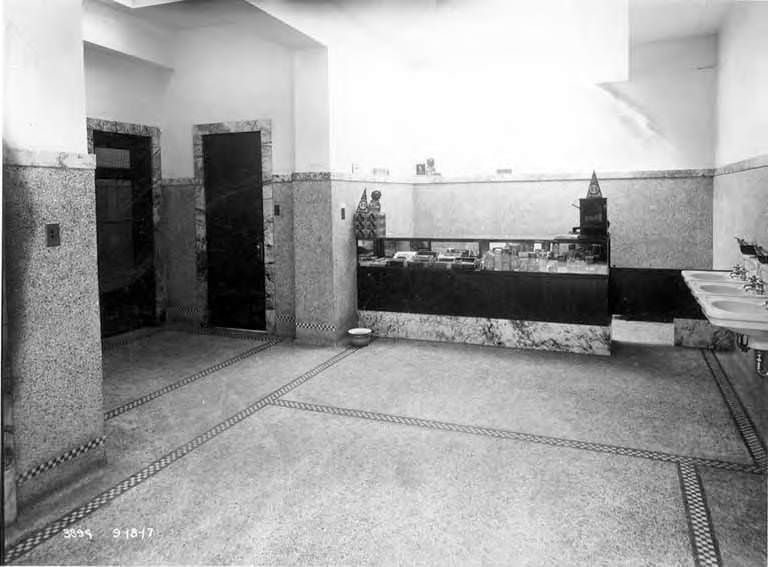
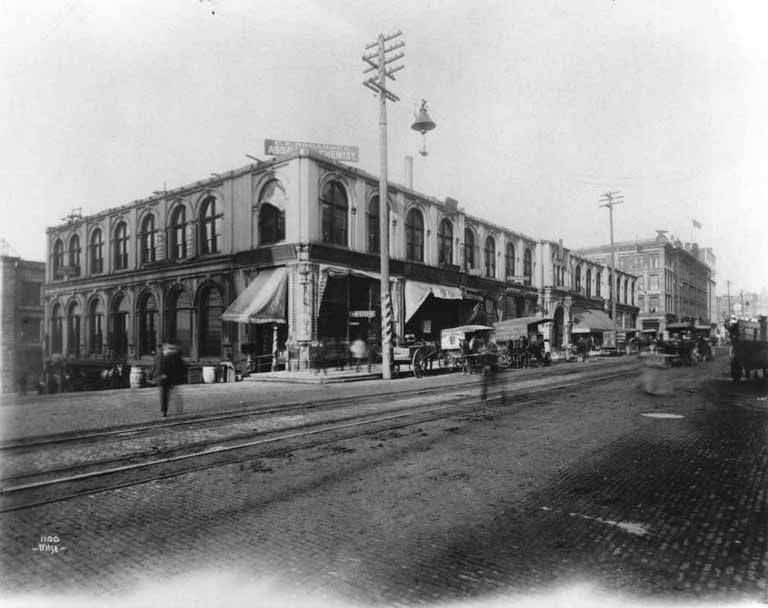
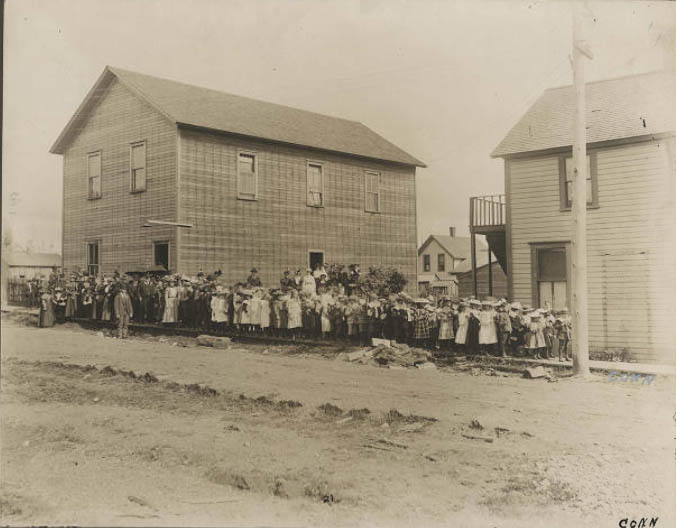
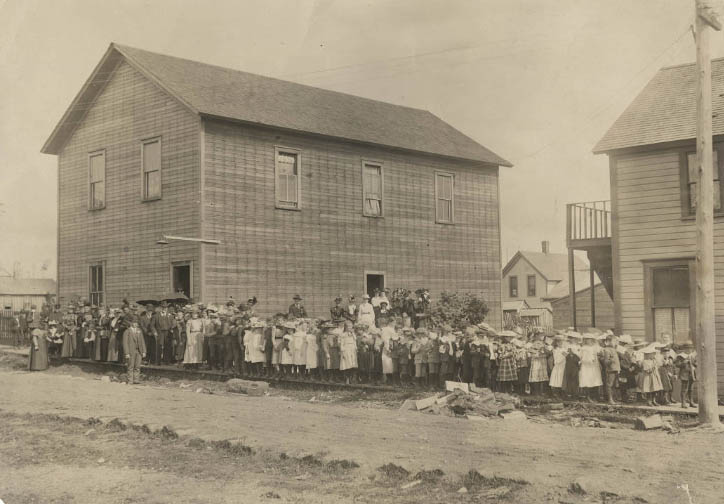
Child standing near Hunters Pride shelter looking across Green Lake from the southeast end, 1896Children bathing in Green Lake, 1895Children standing outside I.O.G.T. Hall (International Organization of Good Templars), 1897Church choir, 1890Cigar concession stand in men’s restroom, Westlake Square Comfort Station, September 18, 1917Colman Block, 811 1st Avenue, 1898
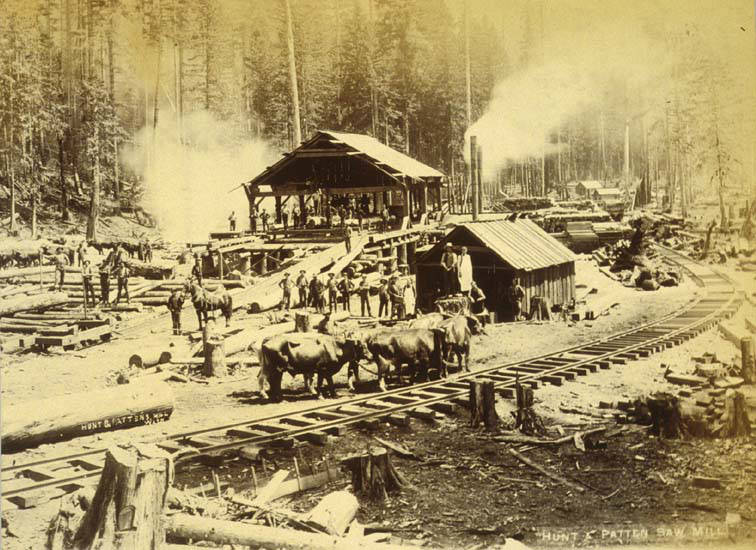
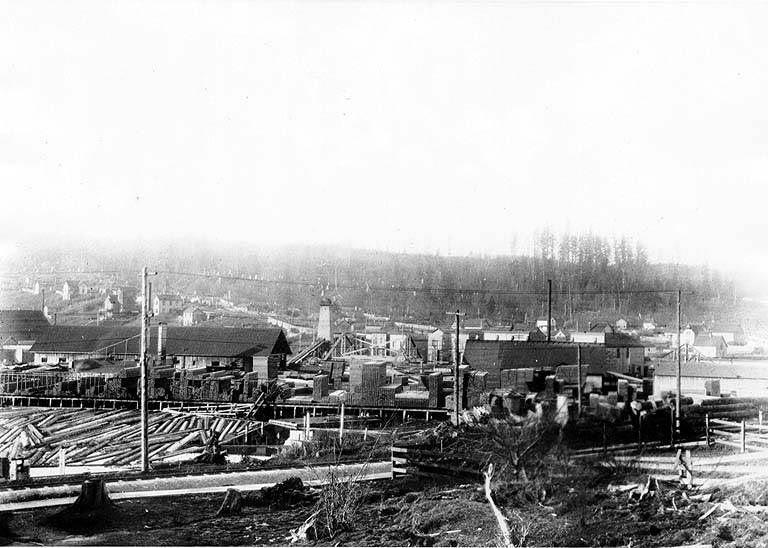
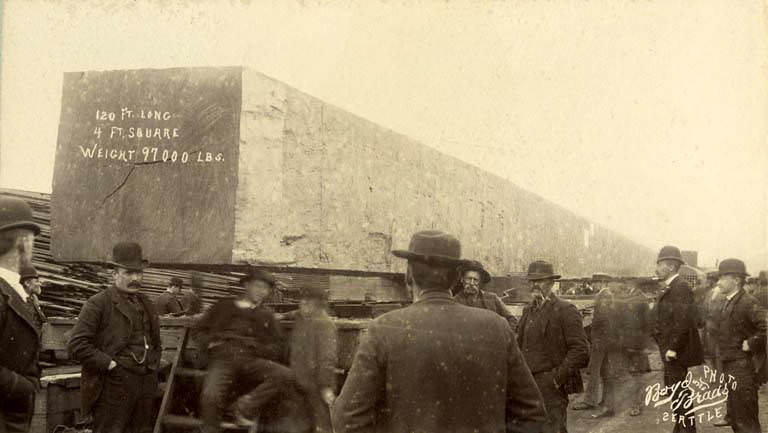
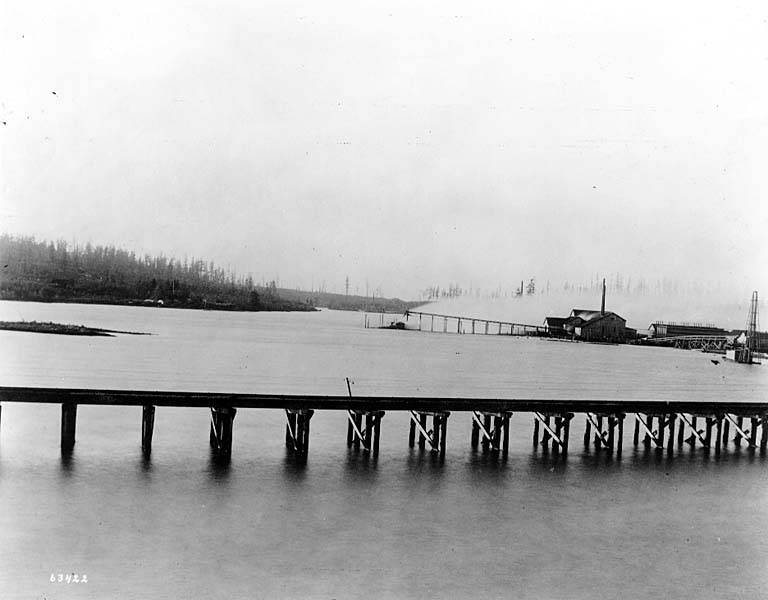
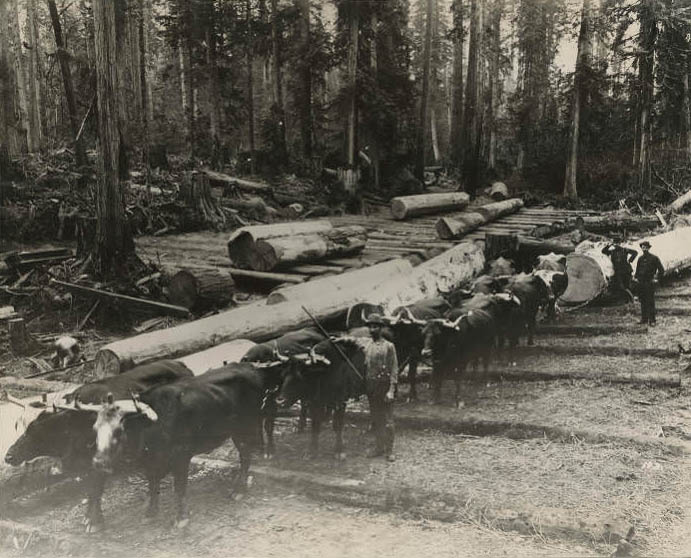
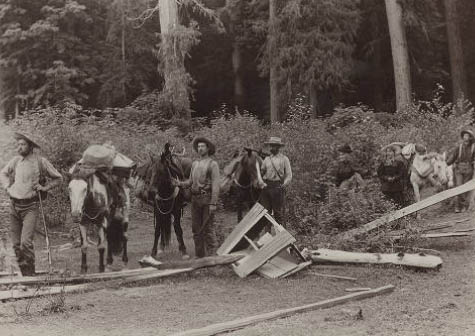
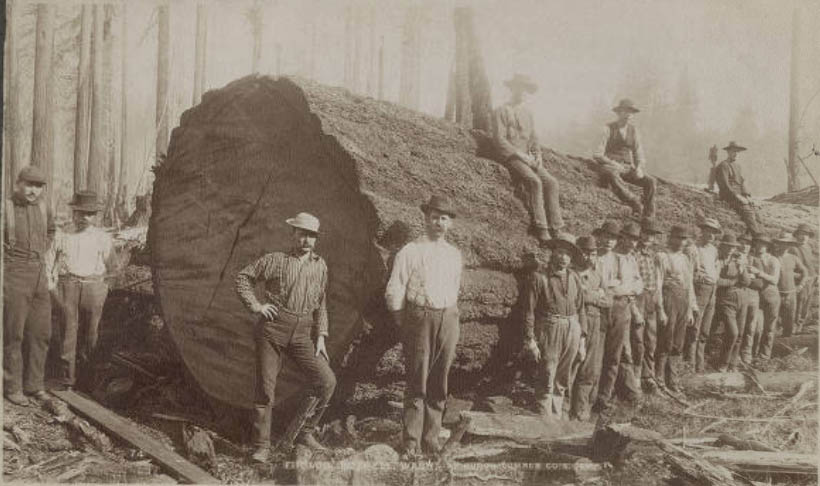
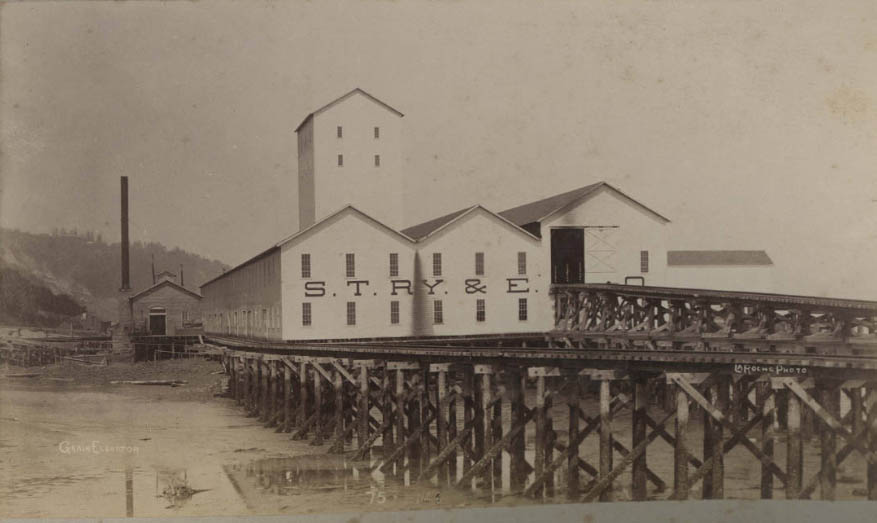
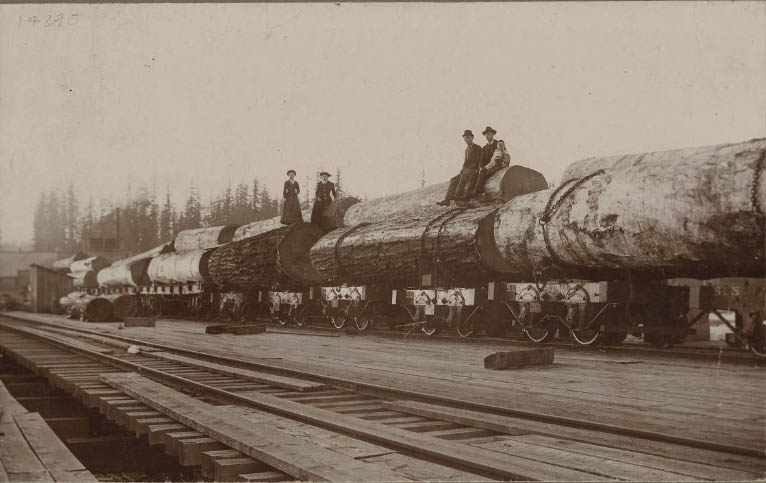
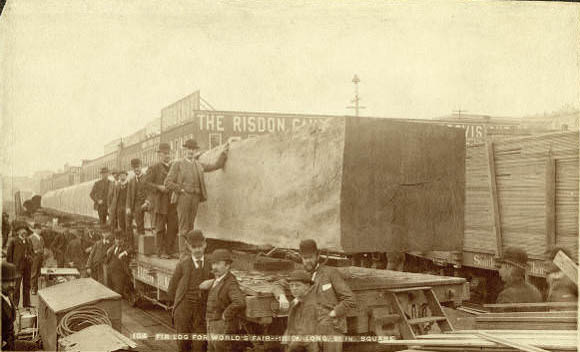
Timber was the backbone of Seattle’s early economy, and logging operations surrounded the city on all sides throughout the decade. Mills at Salmon Bay, Fremont, and Yesler processed enormous quantities of lumber. In 1893, Seattle sent a timber specimen so large it required its own railroad car to the World’s Columbian Exposition in Chicago — a statement of the region’s natural abundance. The arrival of the Great Northern Railway at Everett in 1893 expanded the region’s access to national markets and added new momentum to the city’s industrial growth.
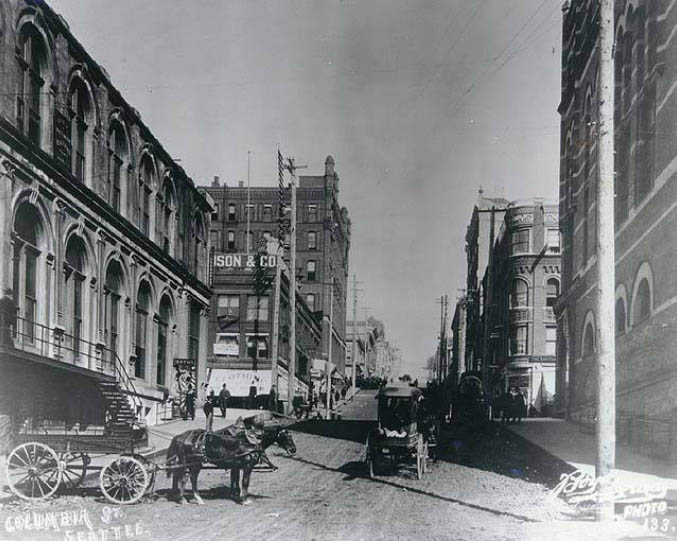
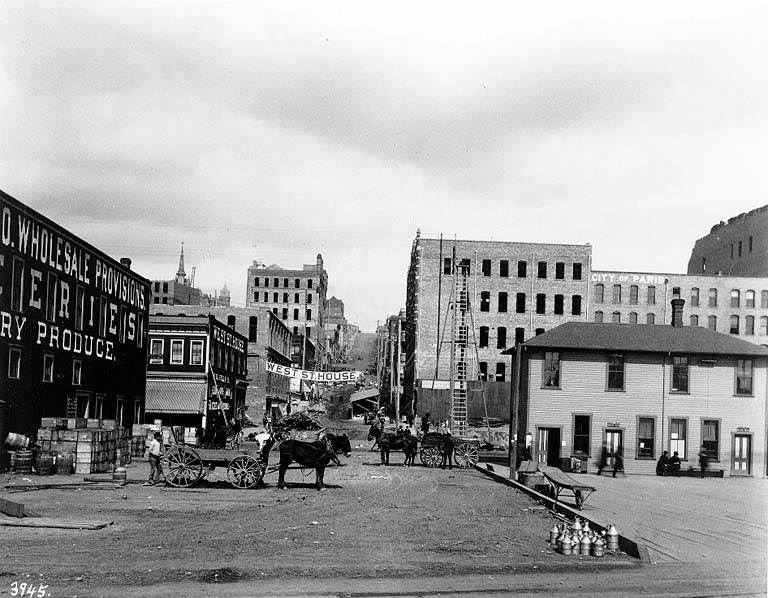
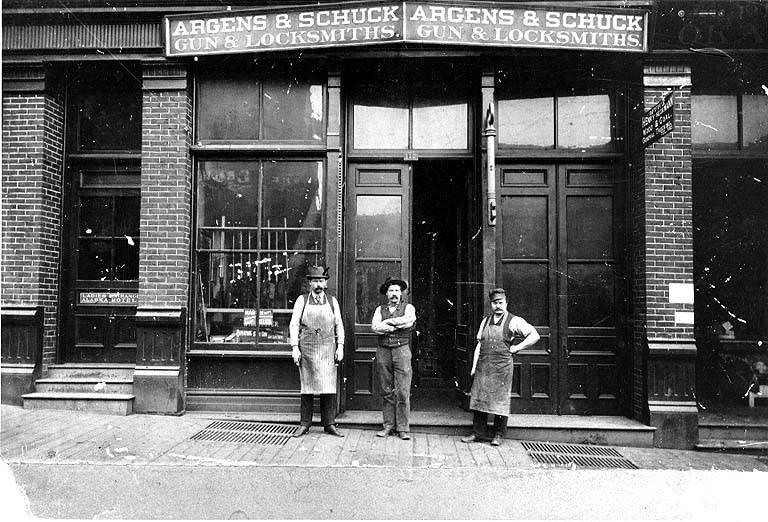
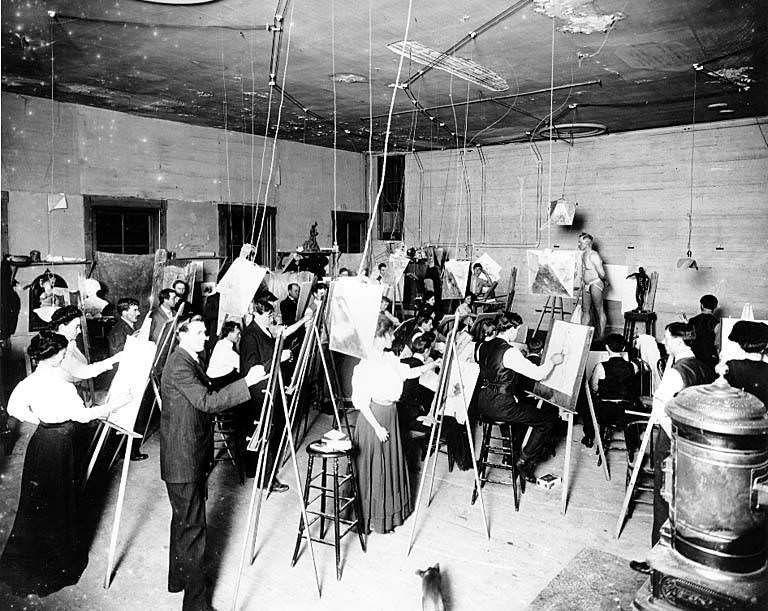
Columbia Street from 1st Ave., looking east, Seattle, 1891Columbia Street, 1890Argens and Schuck Gun and Locksmith store, 1896Art studio interior showing men and women painting, 1890s
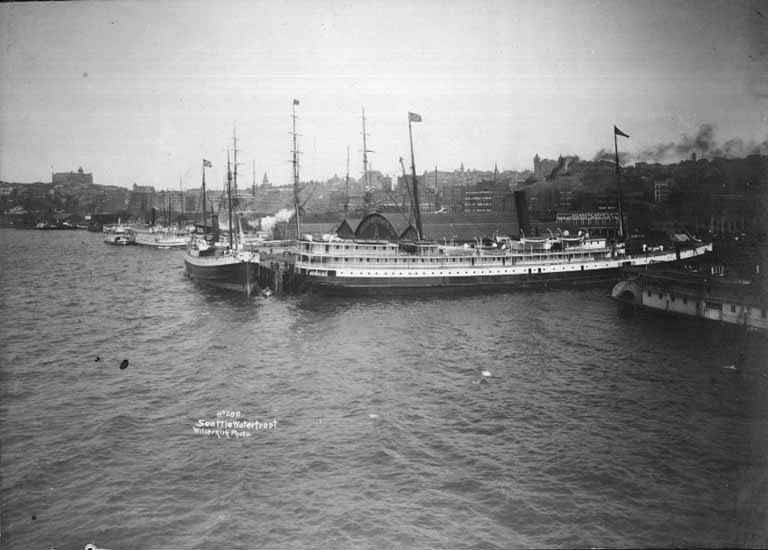
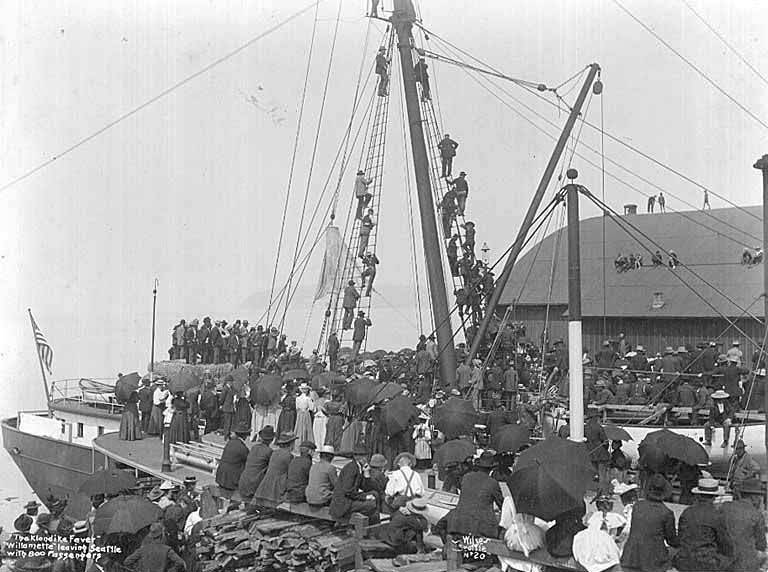
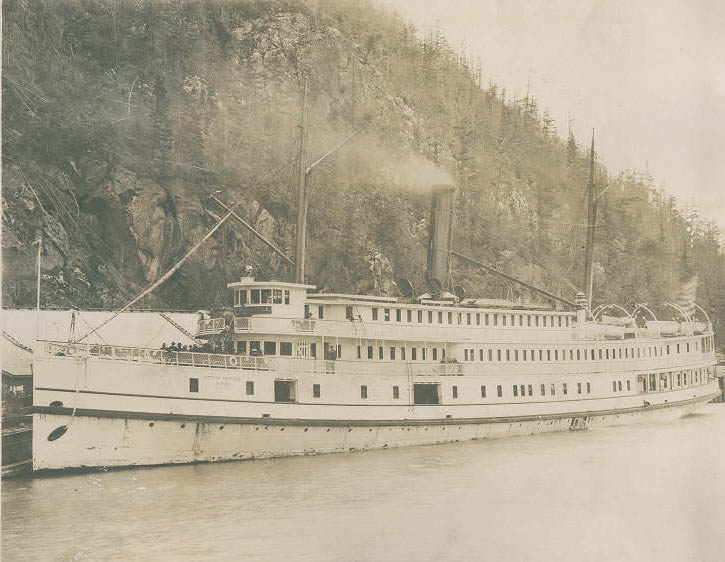
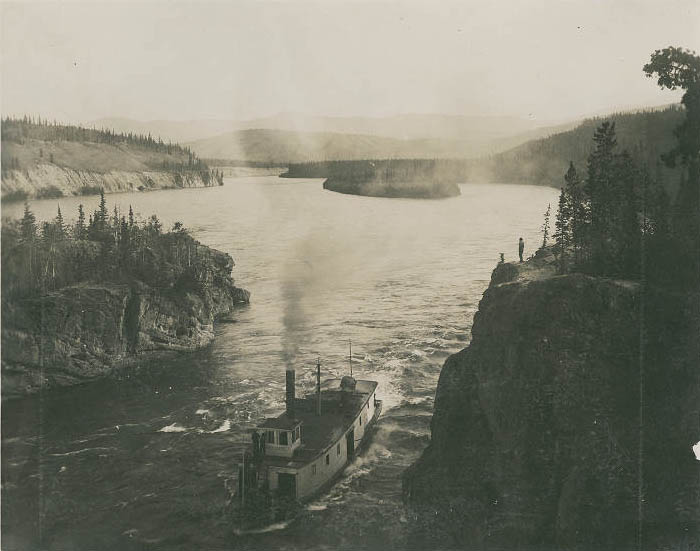
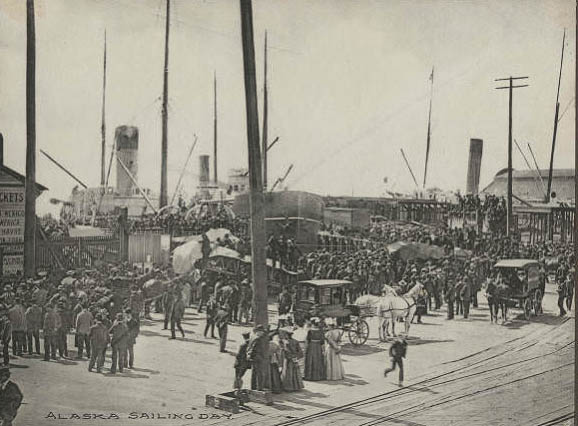
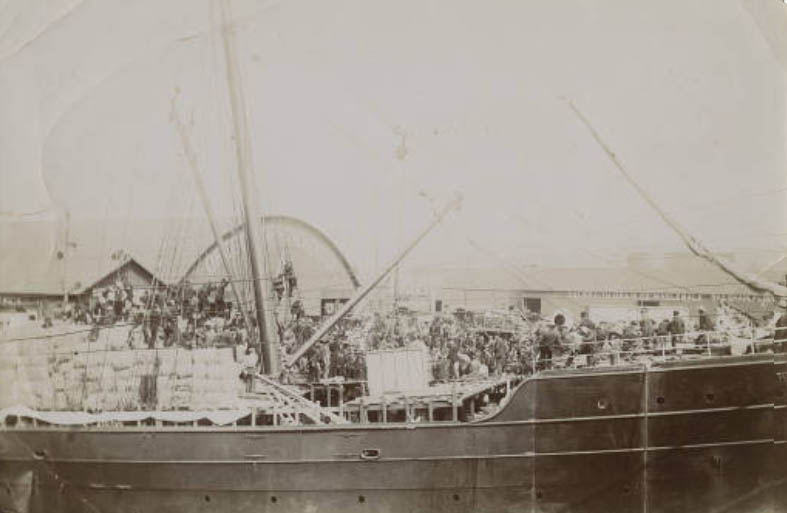
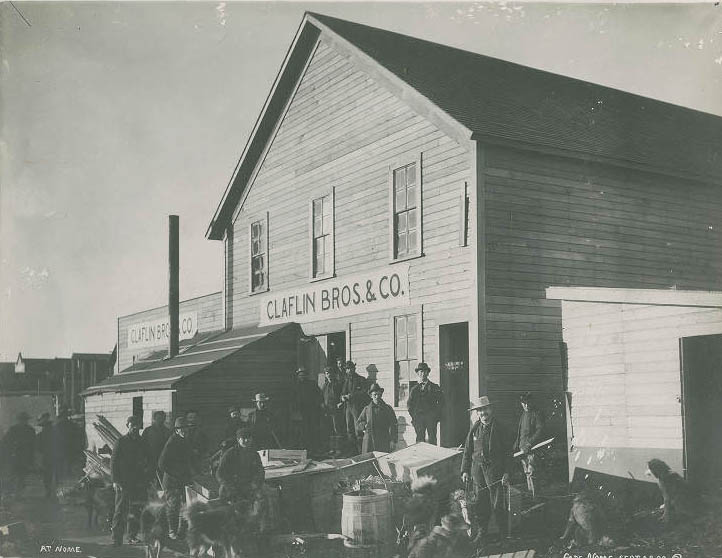
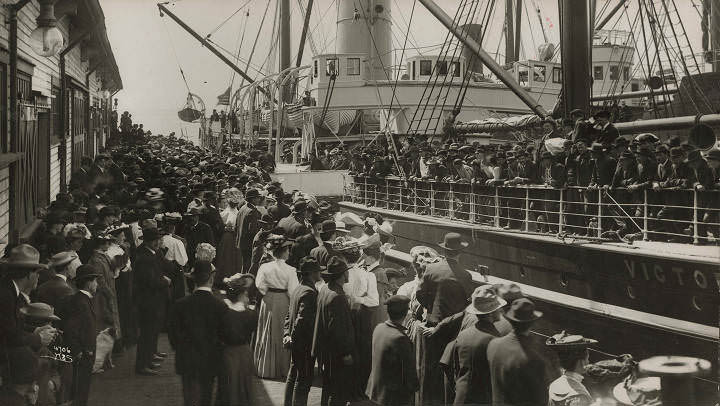
The Klondike Gold Rush of 1897 reshaped Seattle more dramatically than almost any other single event. When gold was discovered along the Klondike River in Canada’s Yukon Territory and in Alaska, tens of thousands of prospectors needed a staging point — and Seattle positioned itself as the answer. Its established shipping lines and geographic proximity to Alaska made it the natural outfitting hub. Merchants, shipyards, hotels, and outfitters all surged with business. The city’s docks became one of the busiest scenes in North America.
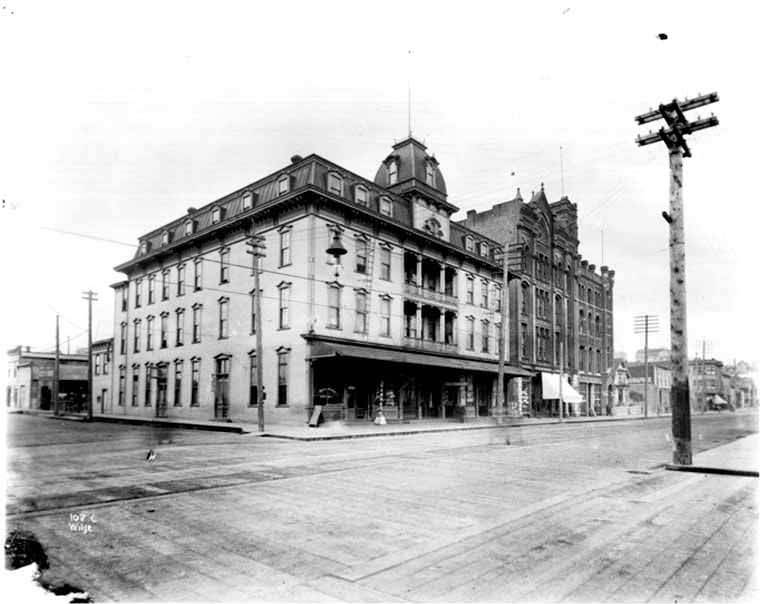
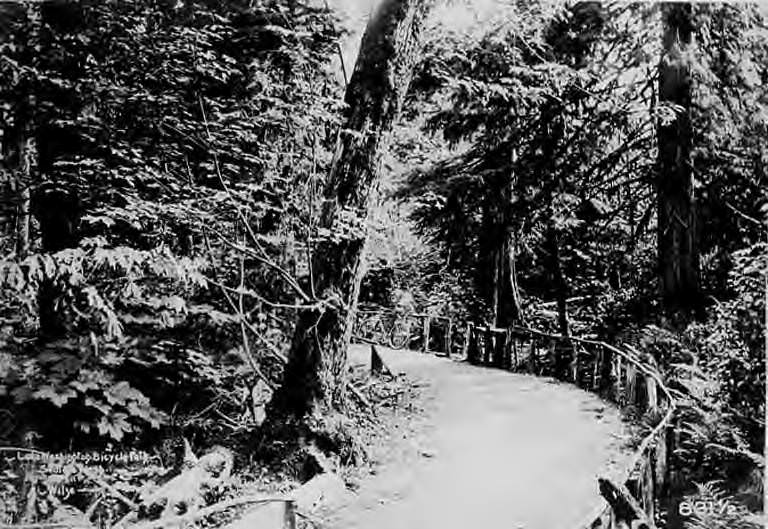
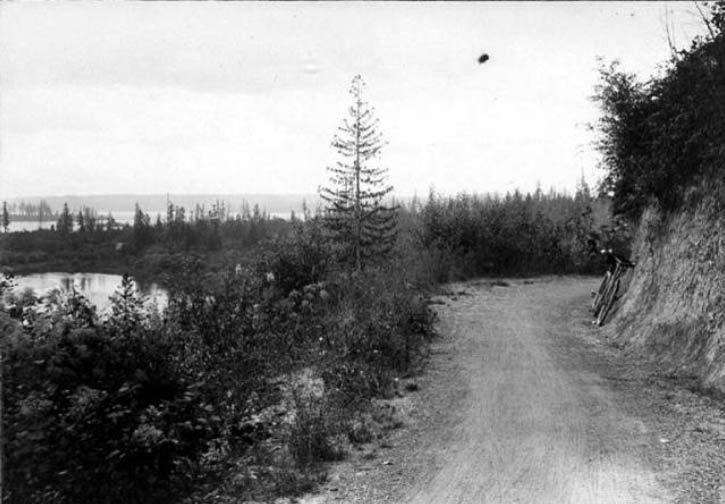
Bell’s Hotel, 1898Bend in the path with bicycle in distance, Seattle, 1897Bicycle along the Lake Washington bicycle path, 1899
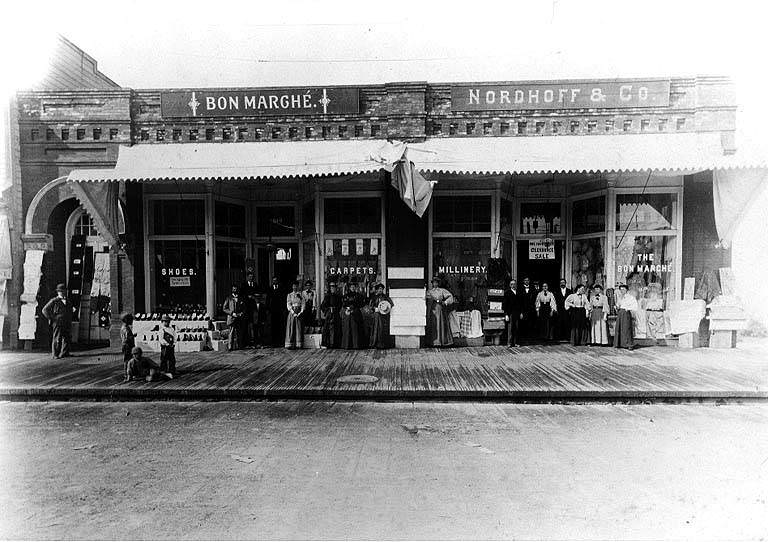
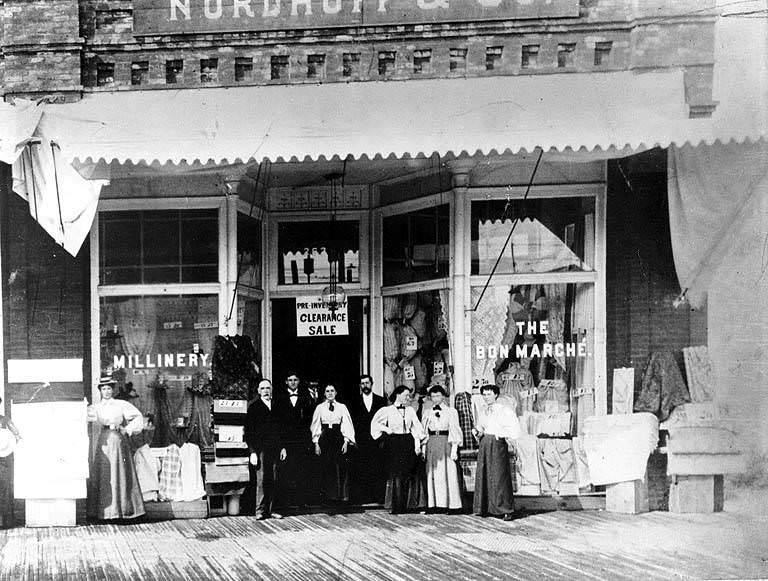
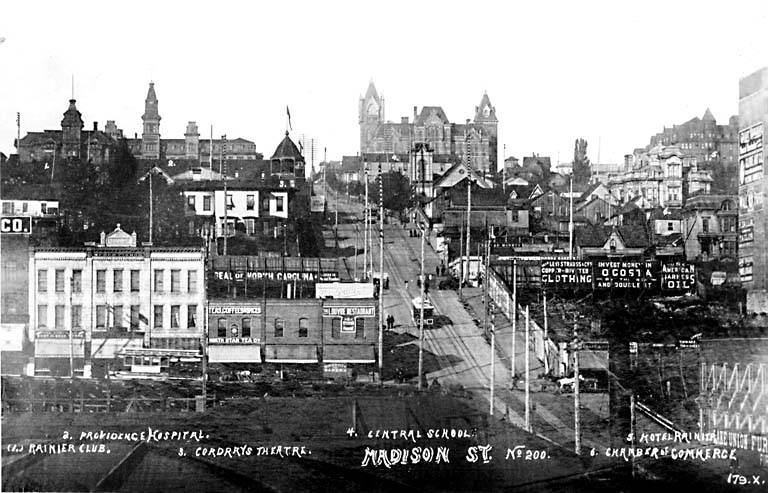
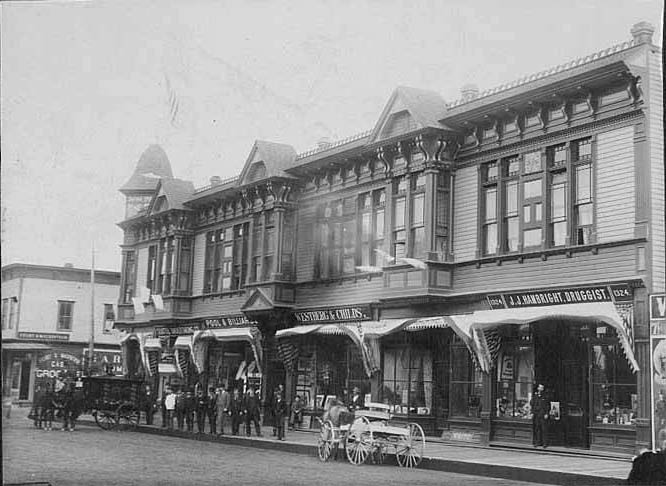
Retail in Seattle grew just as quickly as its population. The Bon Marché, founded in 1890, moved downtown in 1896 to a location in Belltown at the corner of 1st Avenue and Cedar Street. Department stores, gun shops, grocery stores, and specialty retailers filled in the commercial landscape. Pike Street, Broadway, and Madison Street all had active commercial corridors by mid-decade.
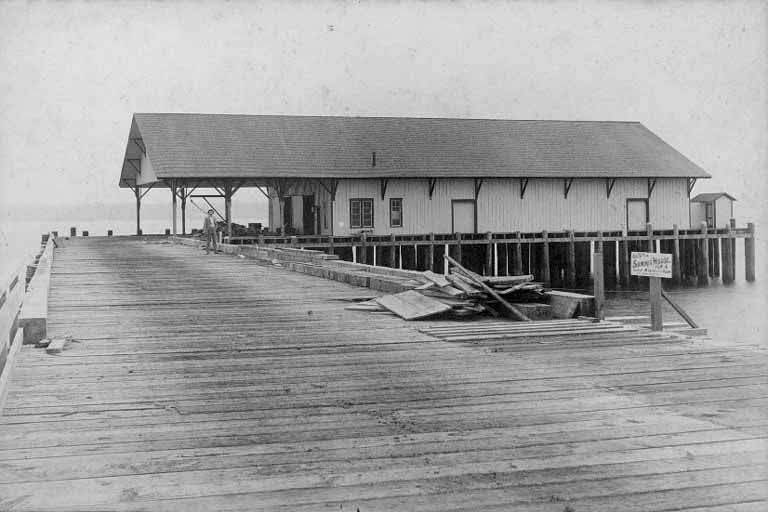
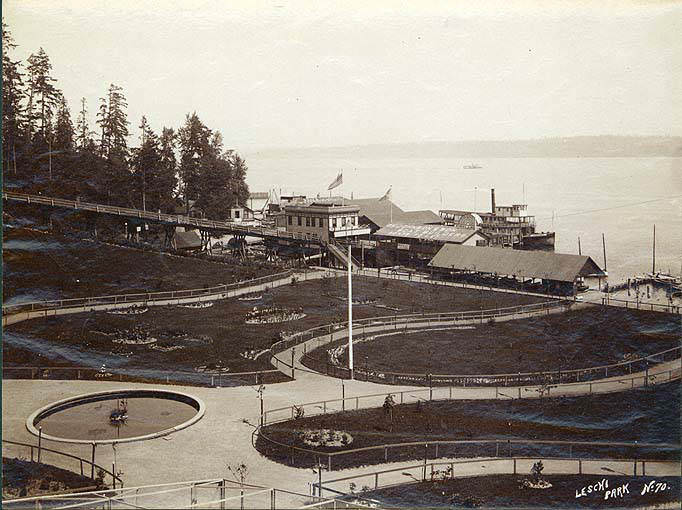
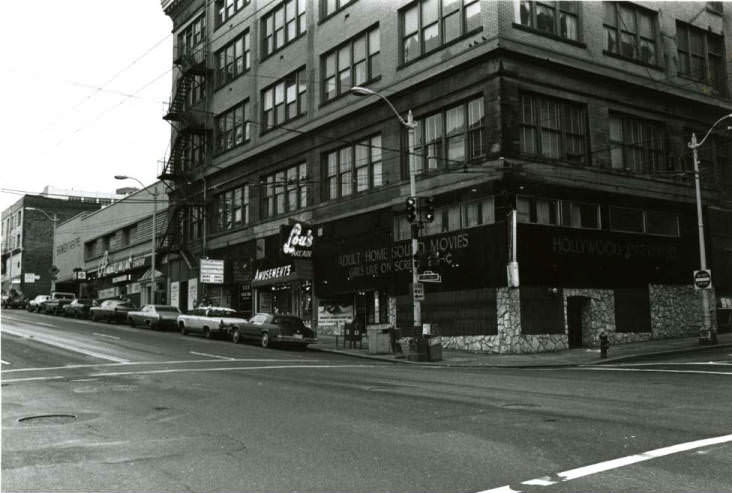
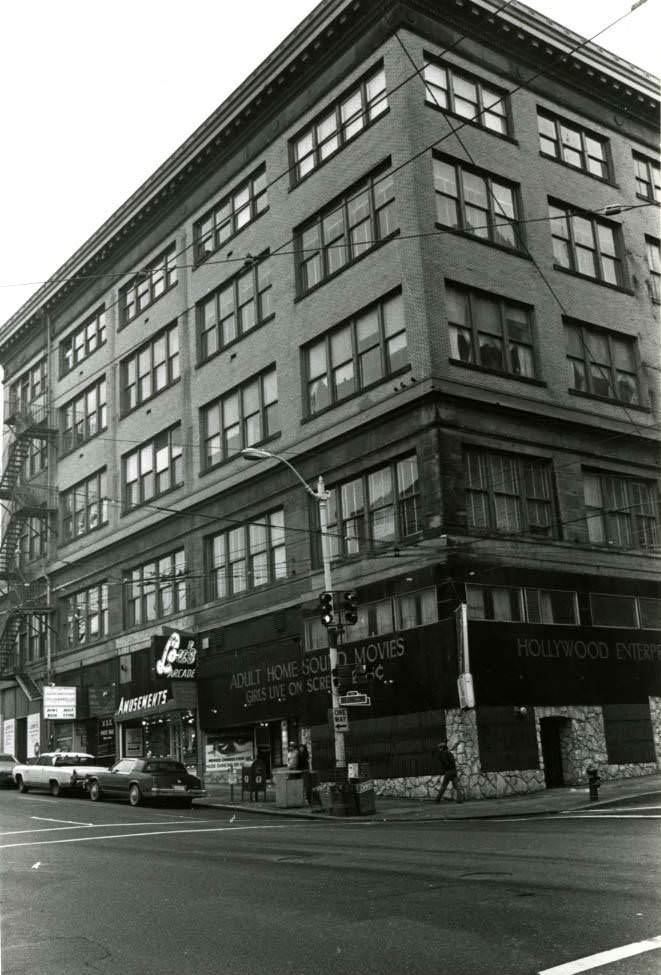
Bon Marche, Nordhoff and Co. department store, probably 1896Bon Marche, Nordhoff and Co. department store, 1896Building at the end of a pier, possibly Ballard neighborhood, Seattle, October 1890Buildings and grounds at Leschi Park on Lake Washington, Seattle, 1890Businesses at the northeast corner of 1st Ave. and Union St., Seattle, December 13, 1981Businesses at the northeast corner of 1st Ave. and Union St., Seattle, December 13, 1981
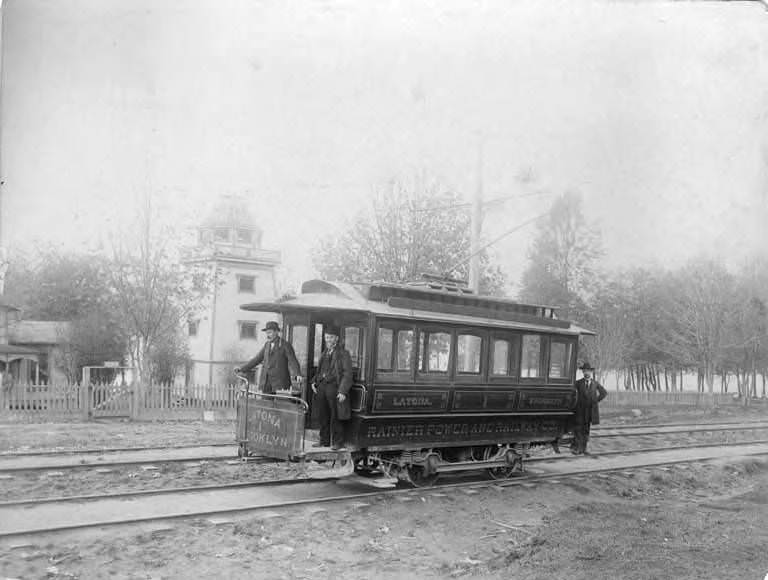
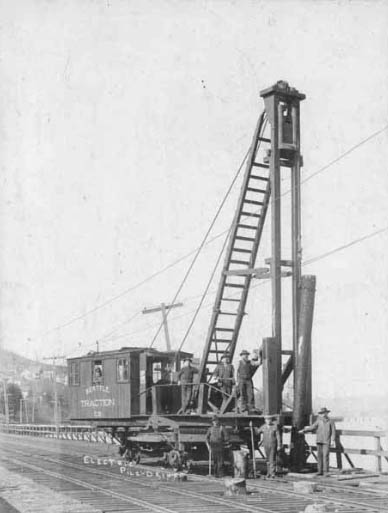
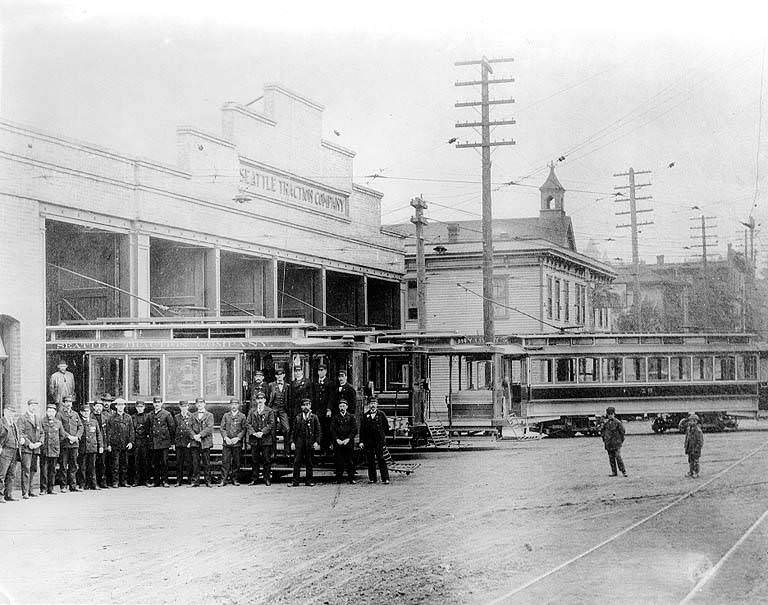
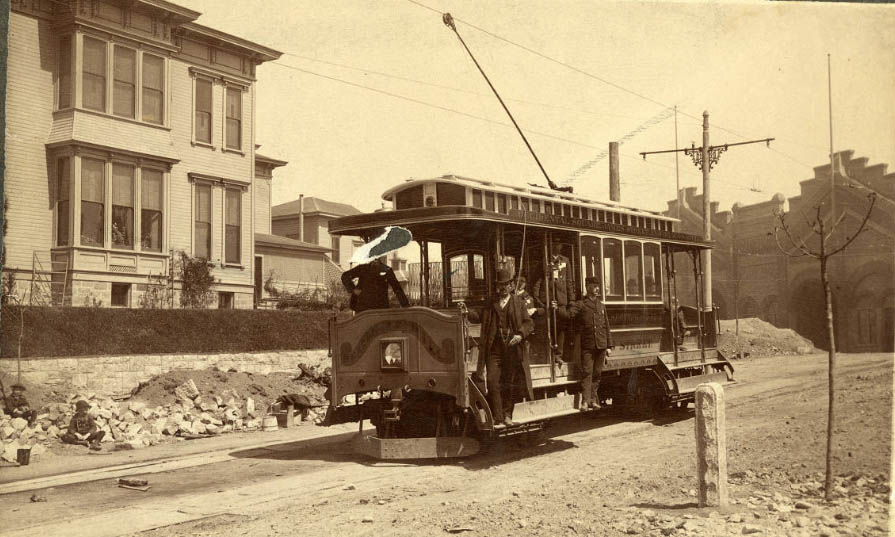
Seattle’s transit infrastructure was central to daily life. The Seattle Traction Company operated a car barn at 5th Avenue and Olive Street, housing a fleet of electric streetcars that served the growing city. The Rainier Power and Railway Company served neighborhoods near Lake Union. The First Avenue Railway ran cable cars through the downtown core. By the late 1890s, Seattle had one of the most developed urban transit systems on the West Coast.
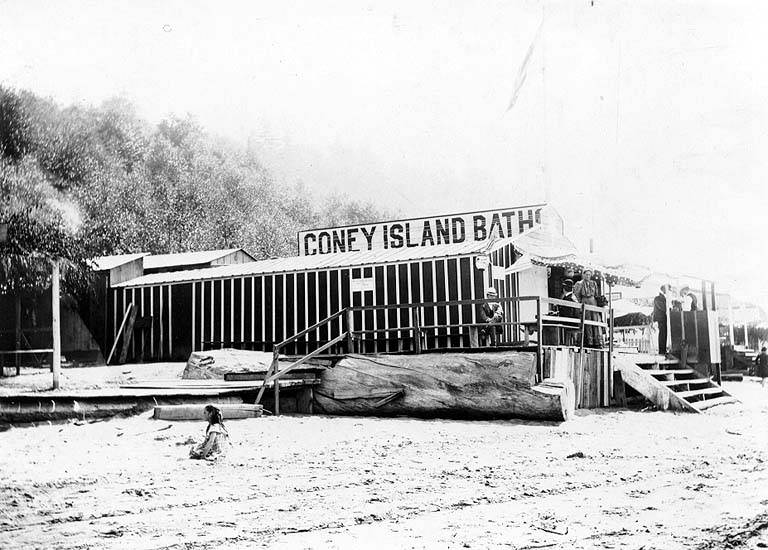
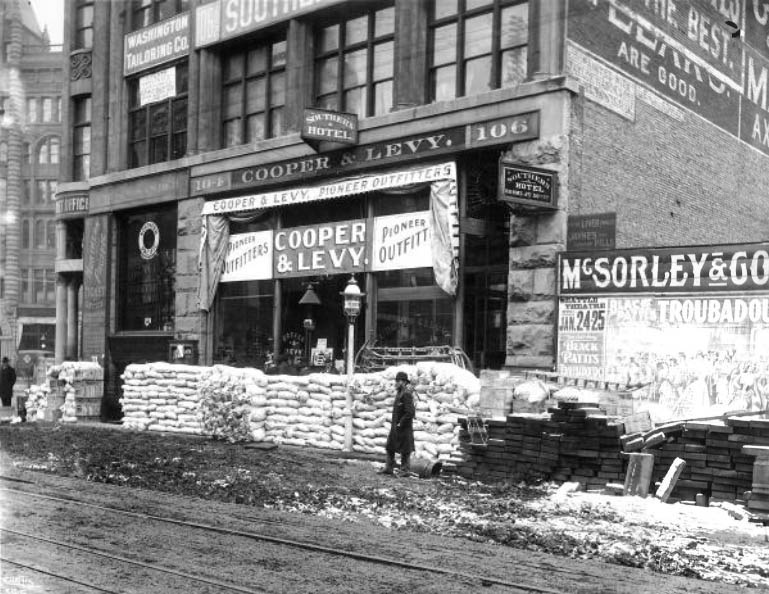
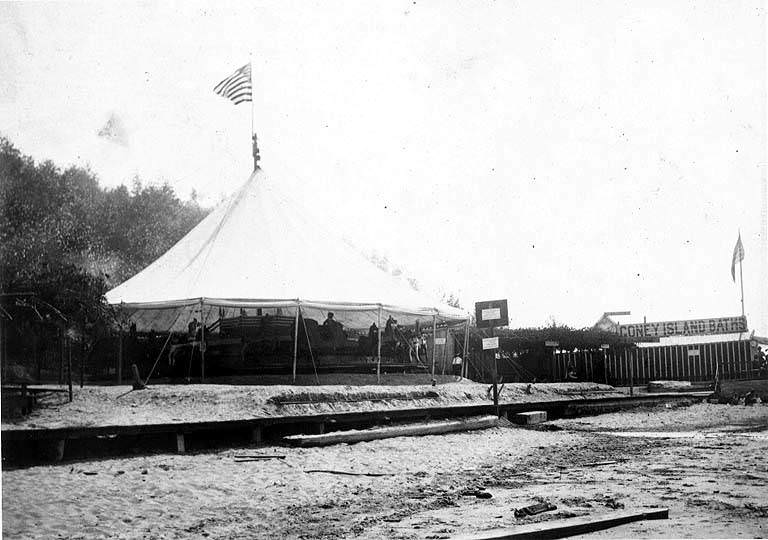
Cable car of the First Avenue Railway Co. on 2nd Ave., 1898Car 1 of the Rainier Power and Railway Co. with investor David T. Denny, near Lake Union, Seattle, 1891Coney Island Bathhouse on the beach at Duwamish Head, Summer 1899Cooper & Levy store, 104-106 1st Ave. S. near Yesler Way Seattle, 1897Coppin waterworks, 1895Corliss P. Stone residence at 1120 N. 35th Street, 1891
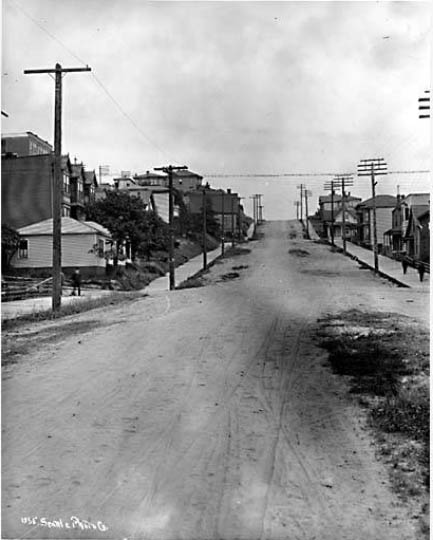
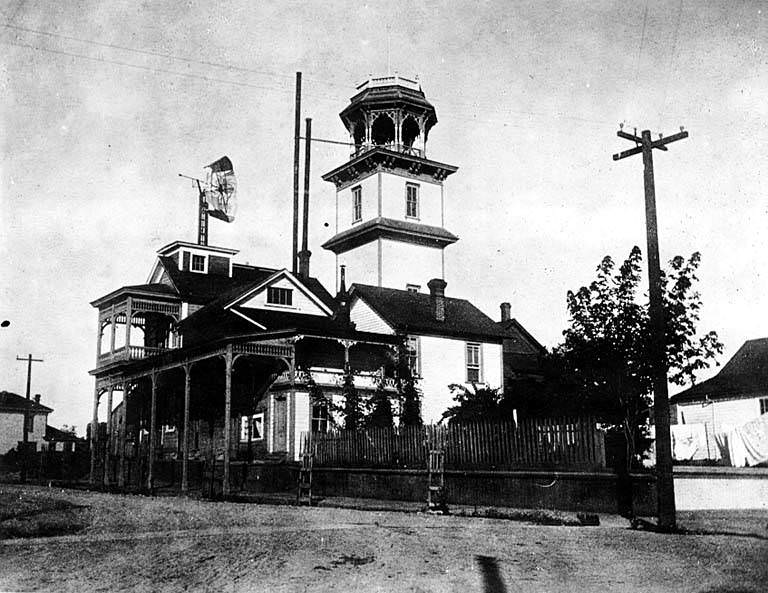
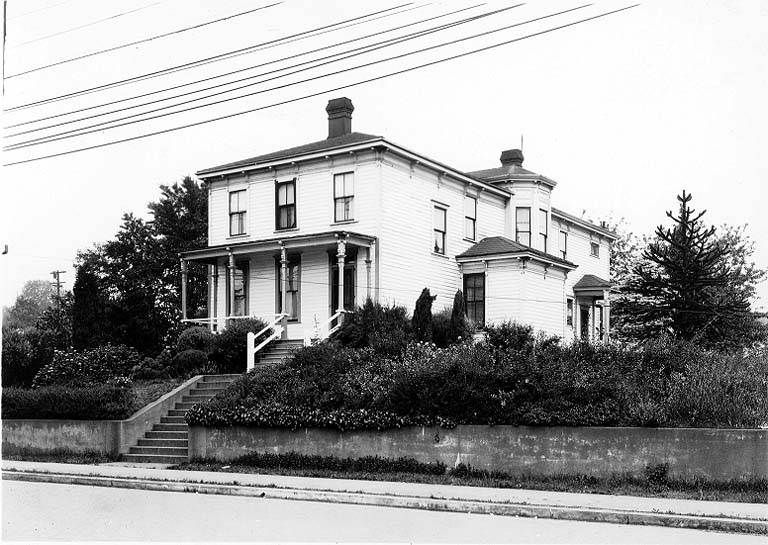
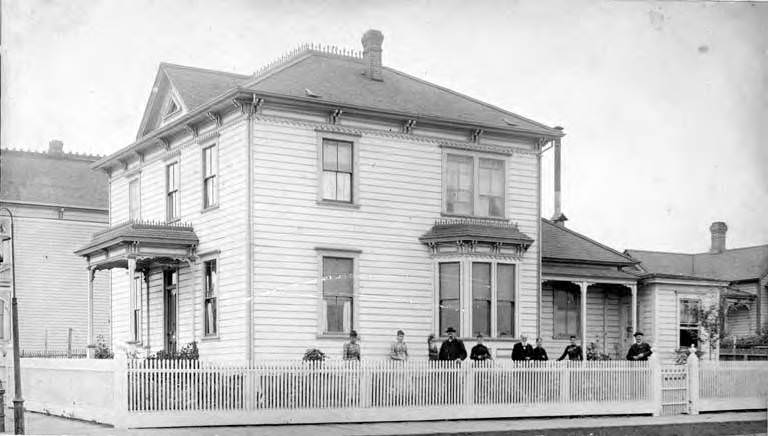
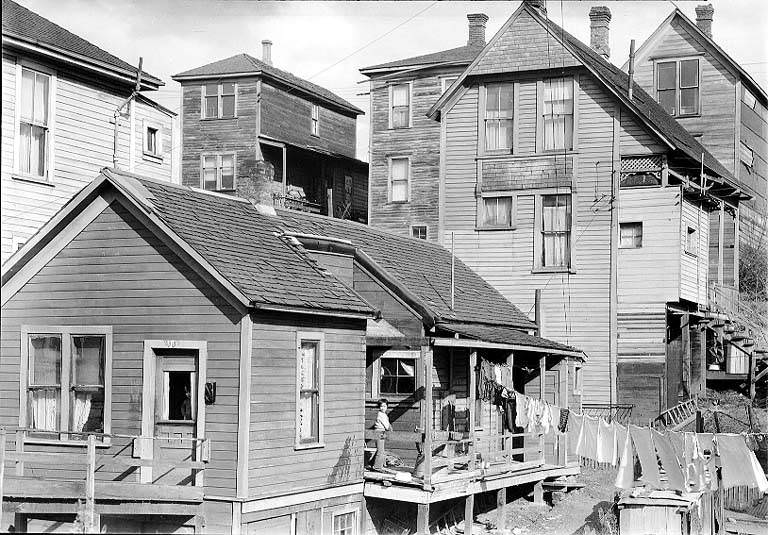
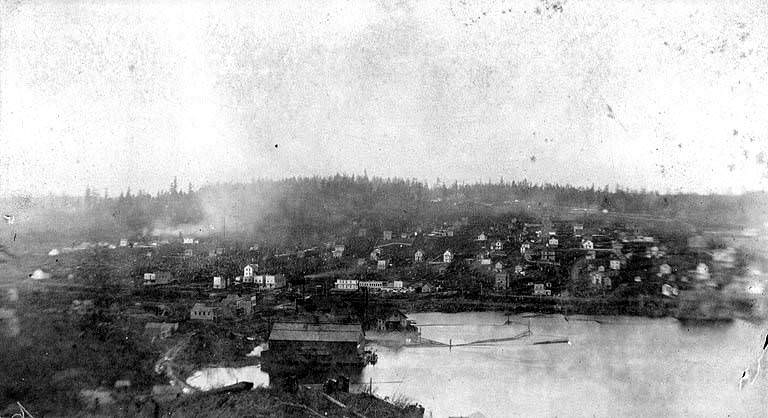
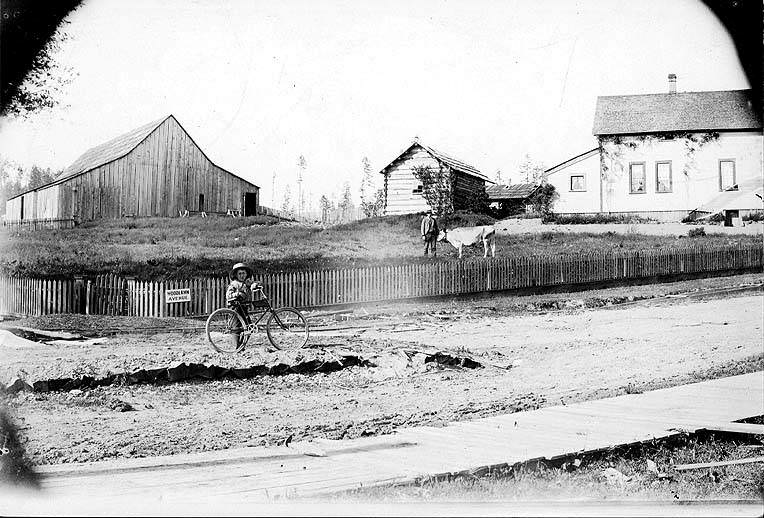
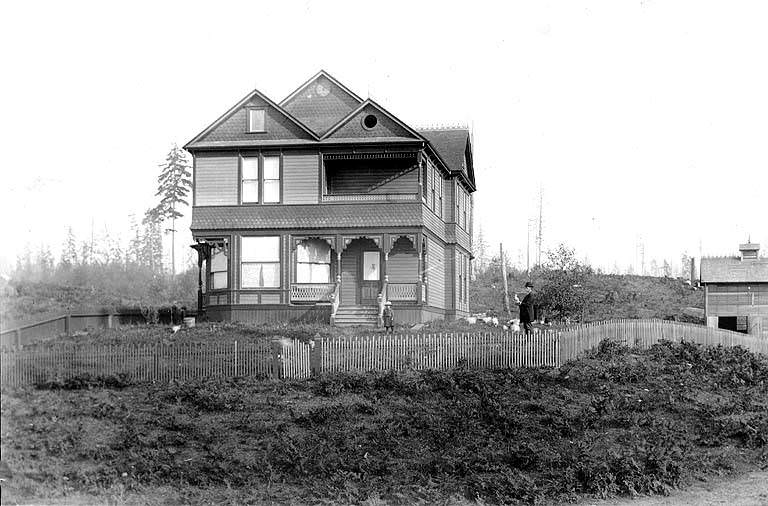
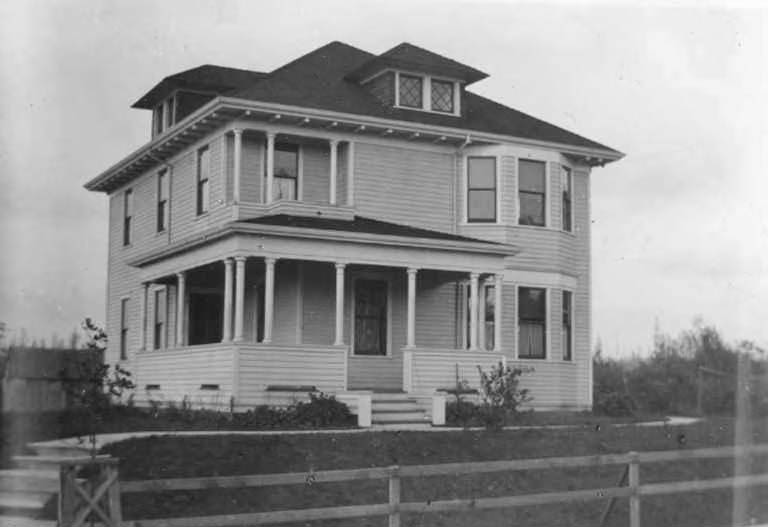
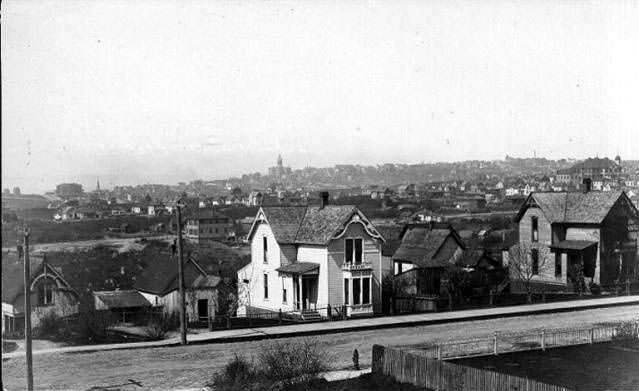
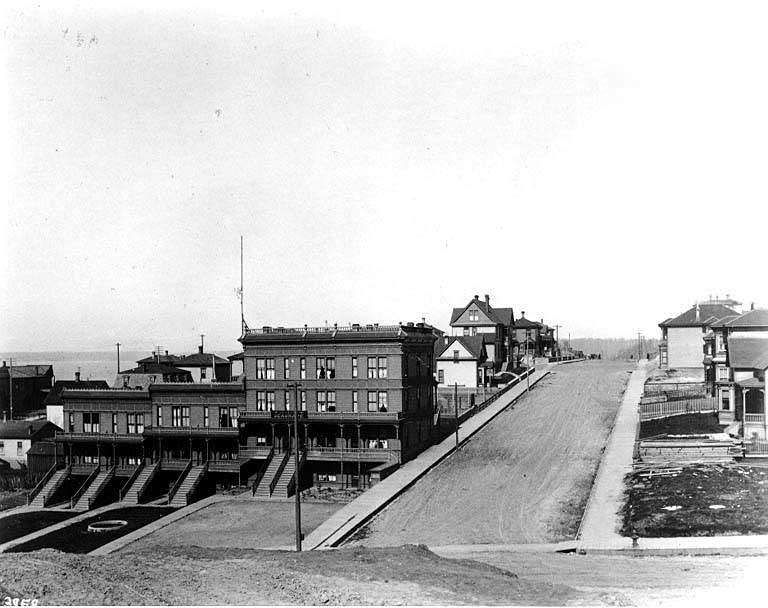
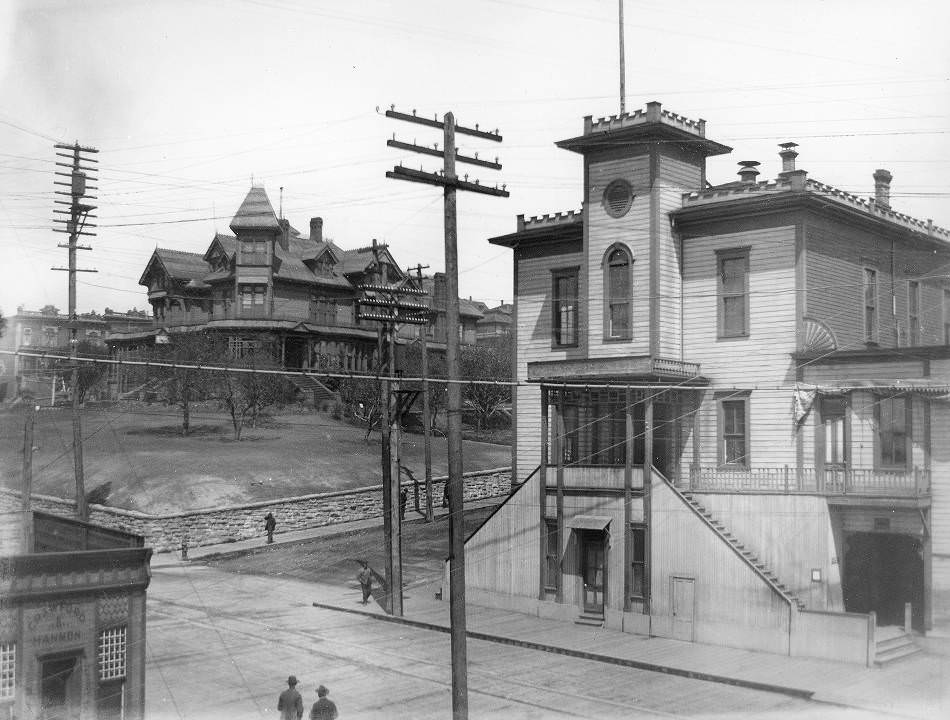
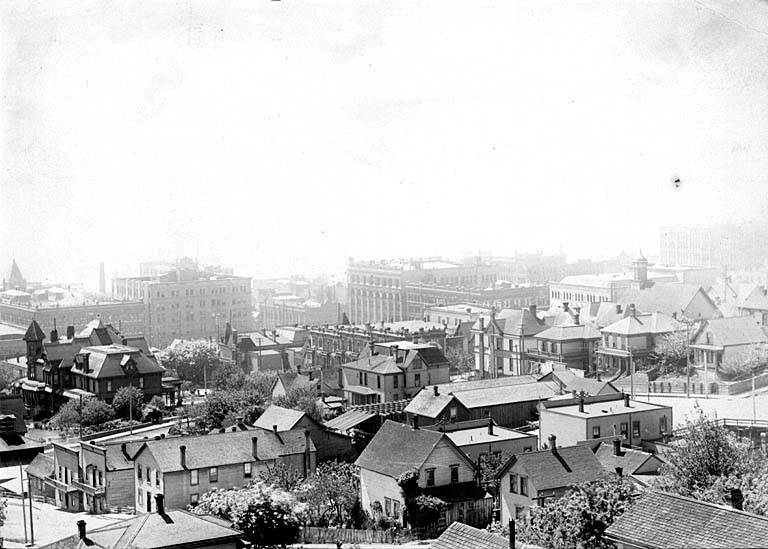
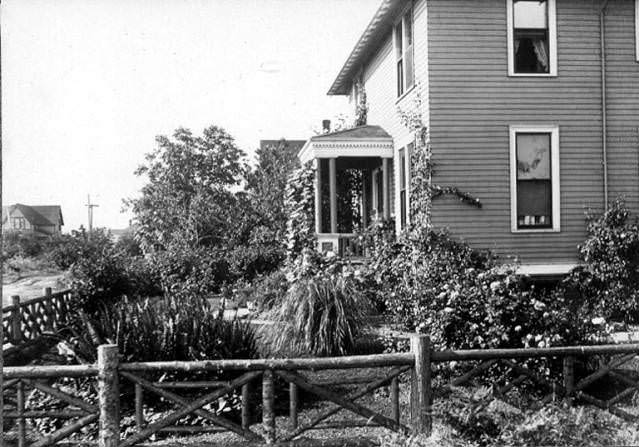
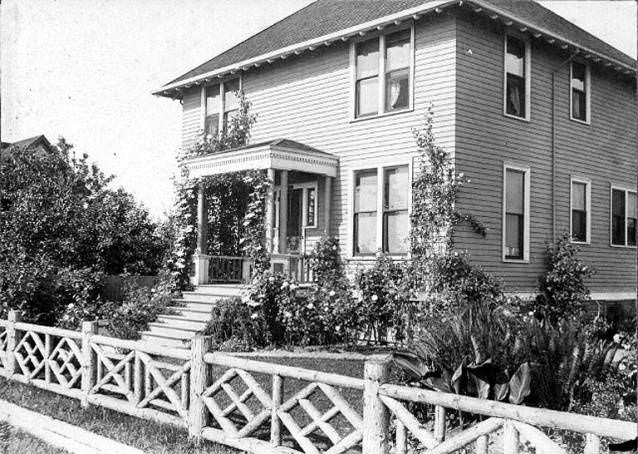
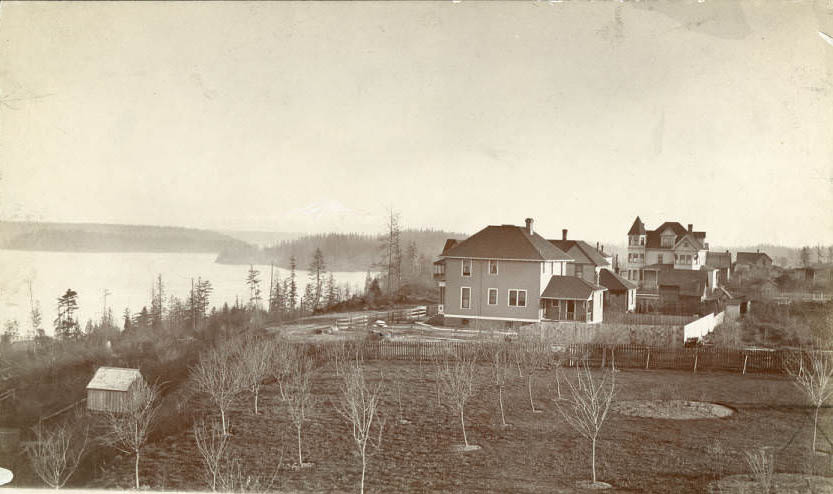
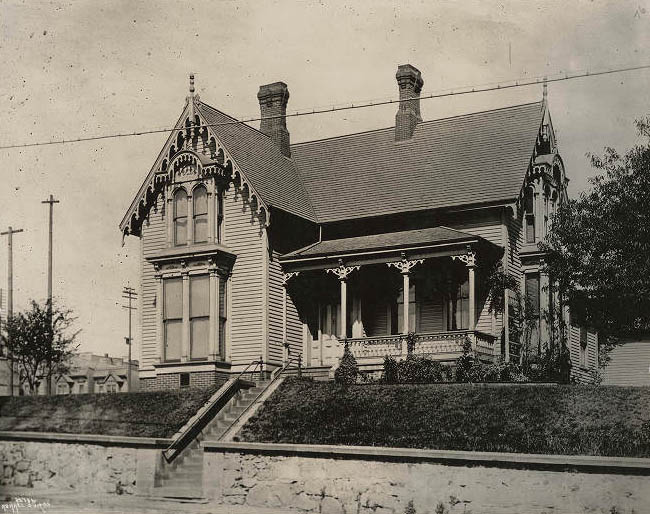
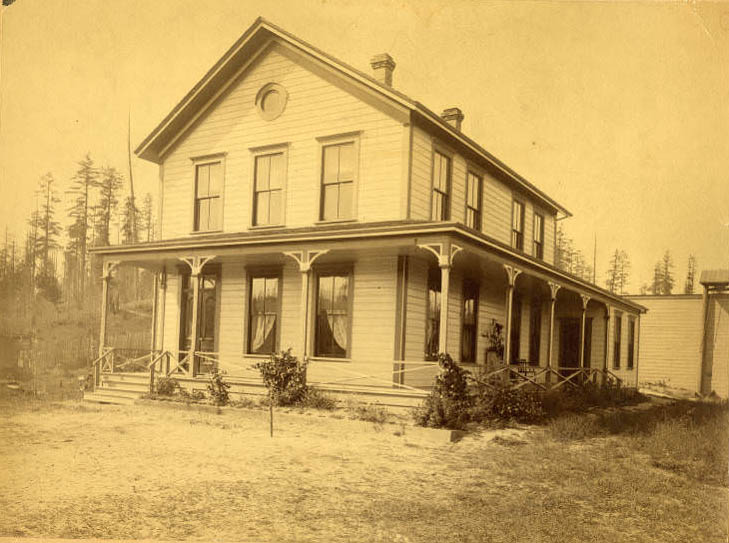
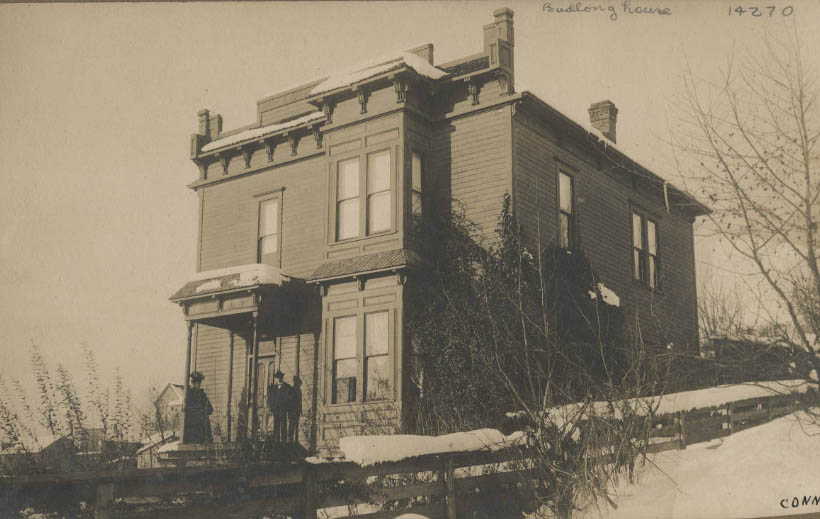
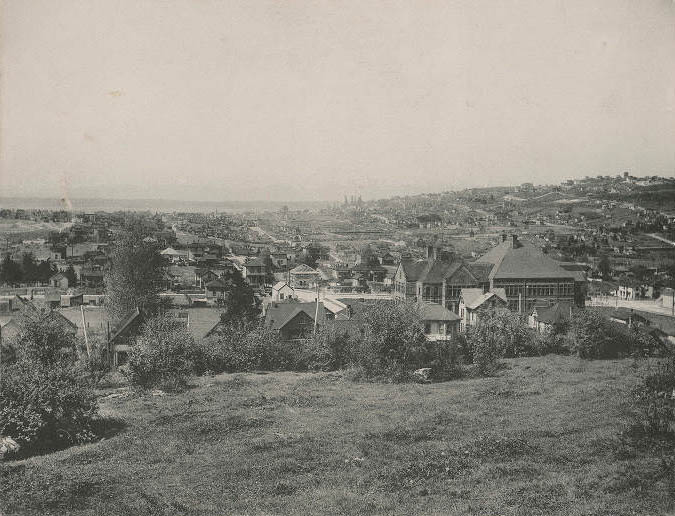
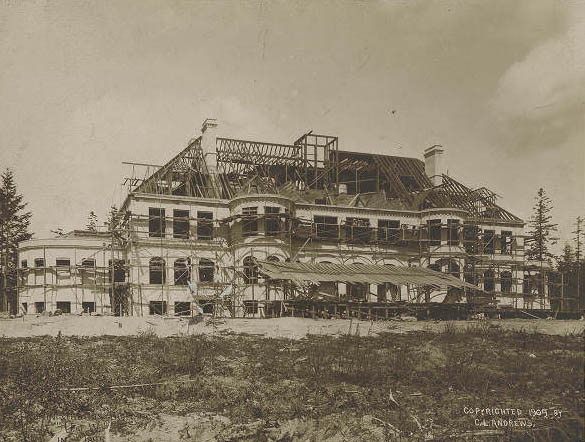
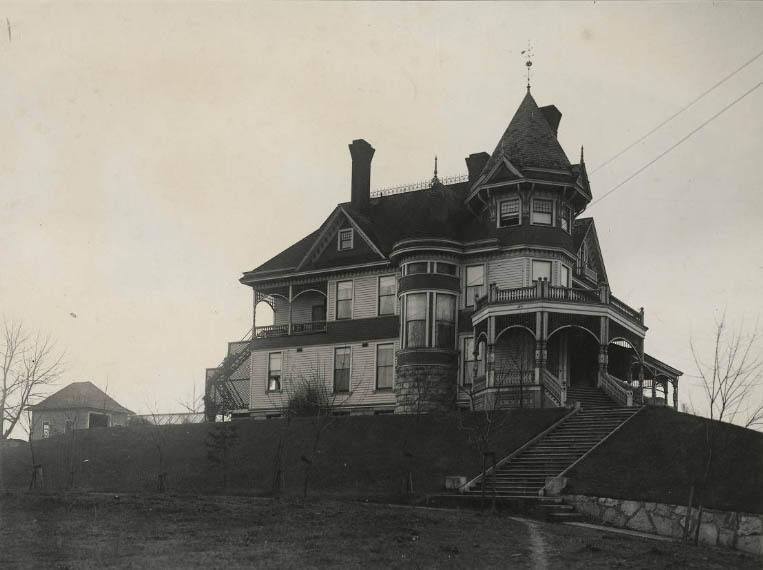
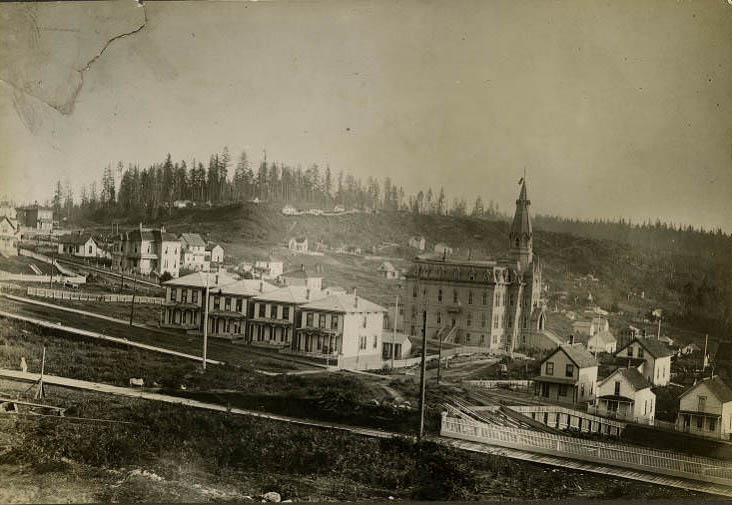
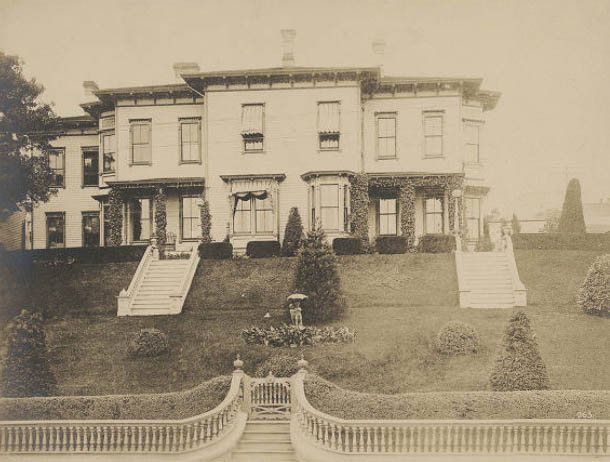
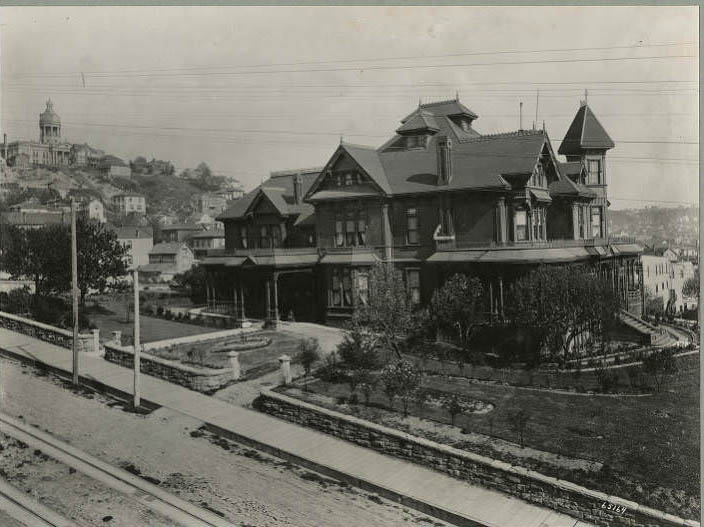
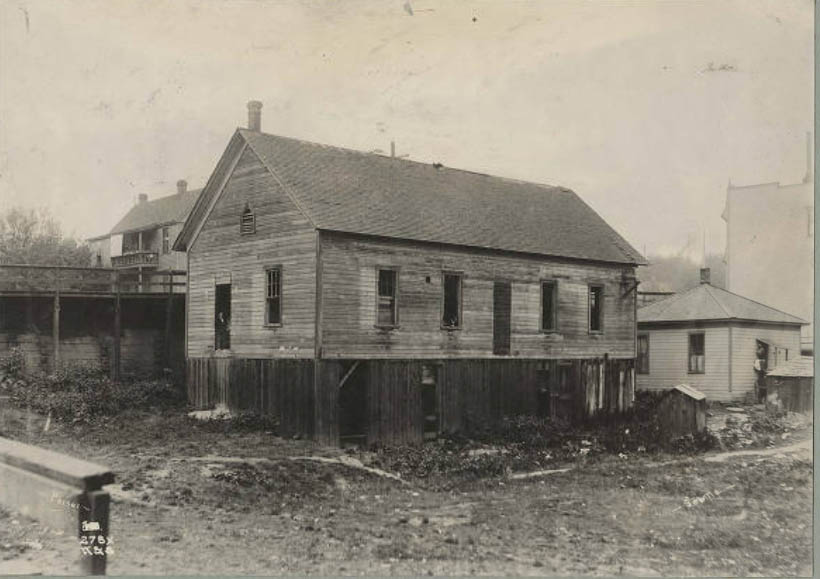
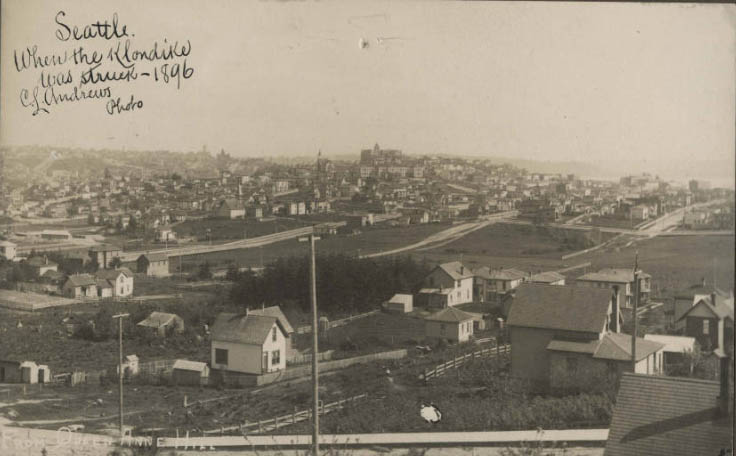
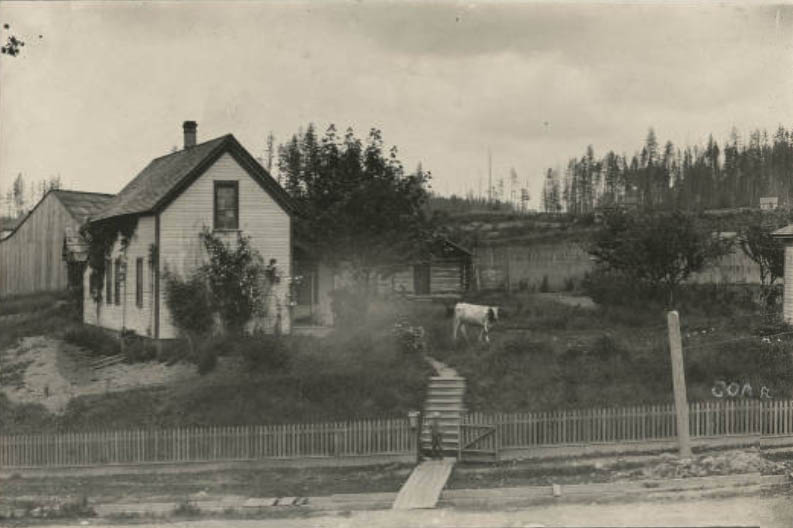
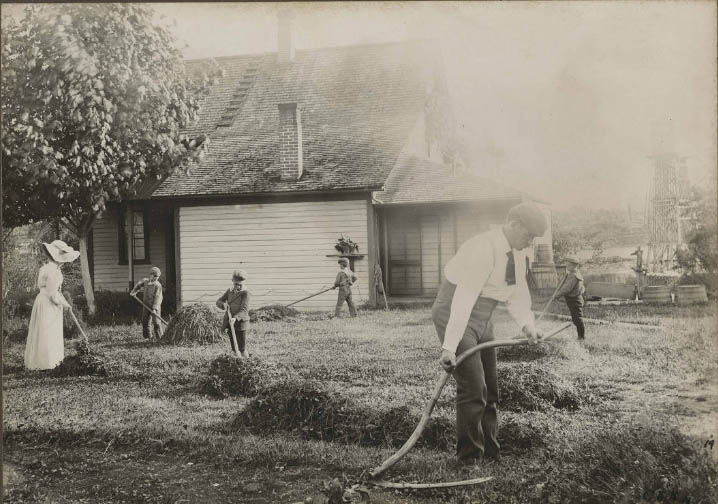
Residential Seattle in the 1890s spread outward from the downtown core in every direction. Neighborhoods like First Hill, Queen Anne, Ballard, Eastlake, and the Green Lake district all developed during this period. Homes ranged from modest wood-frame cottages to large Victorian residences owned by businessmen, judges, and civic leaders. The Arthur Denny house at the southeast corner of 1st Avenue and Union Street, built in 1886, was one of the prominent private residences of the era — it was demolished around 1900 as commercial development pressed into the area.
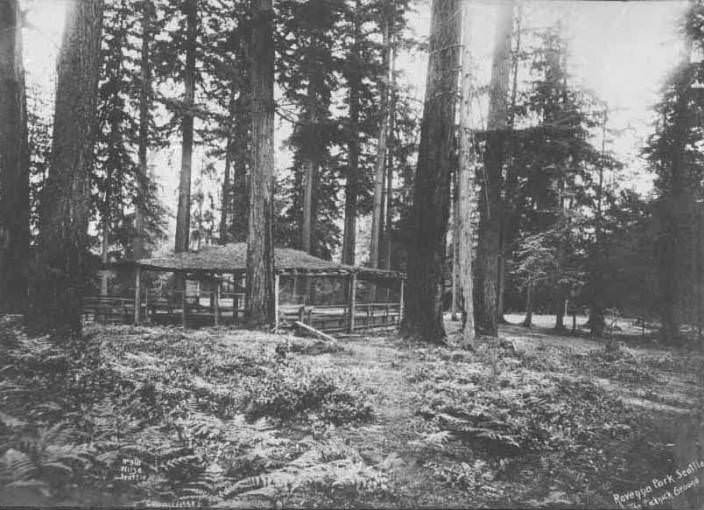
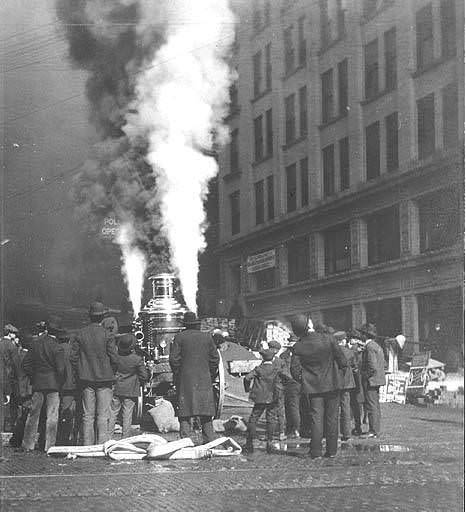
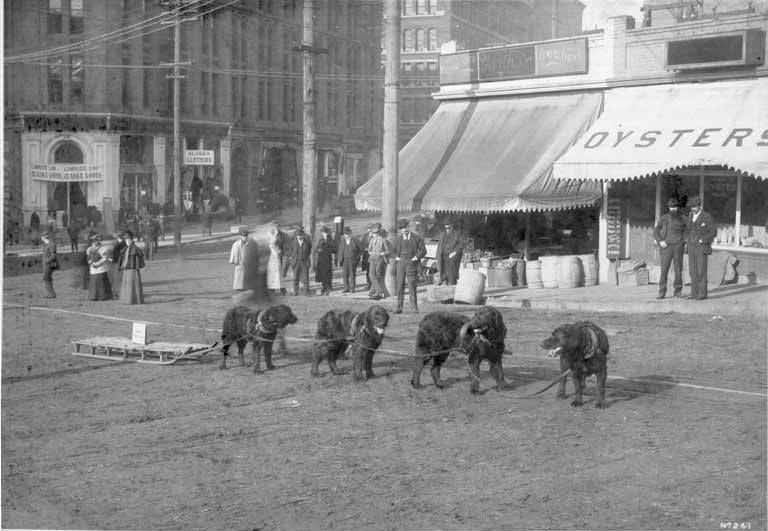
Covered facility for picnics at Ravenna Park, 1898Crowd gathered around dog team near waterfront, Seattle, 1898Crowd with hose cart at scene of fire, 1895
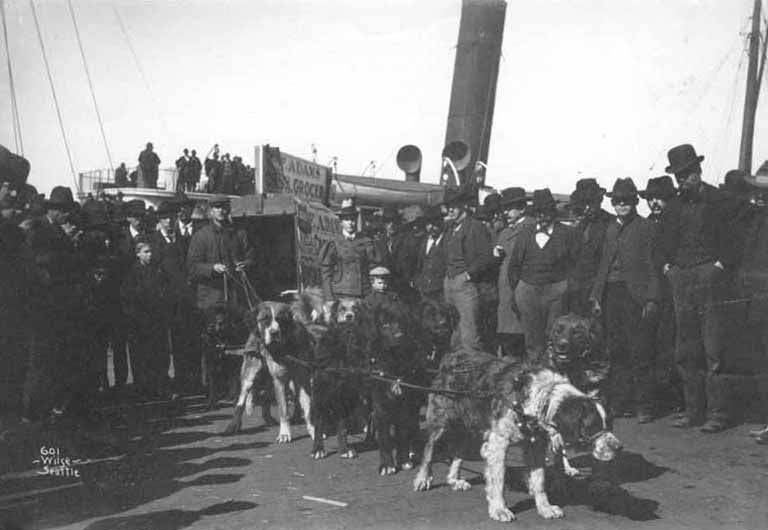
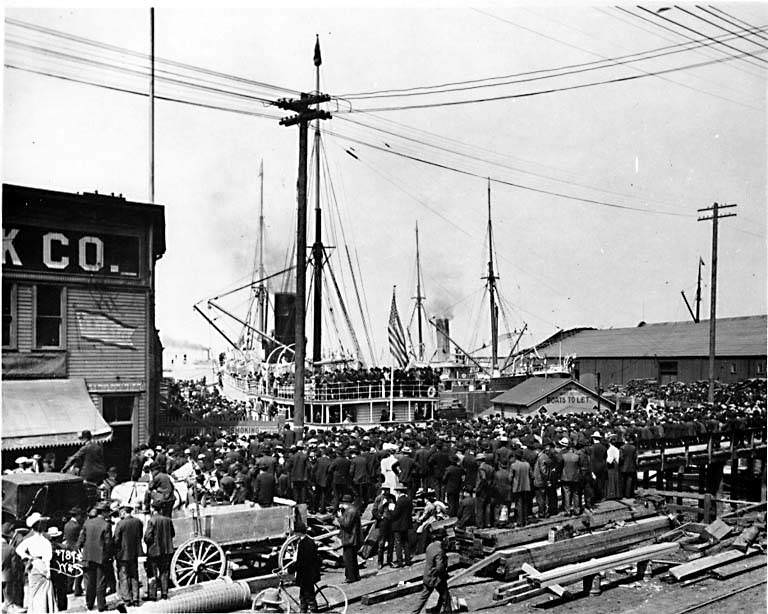
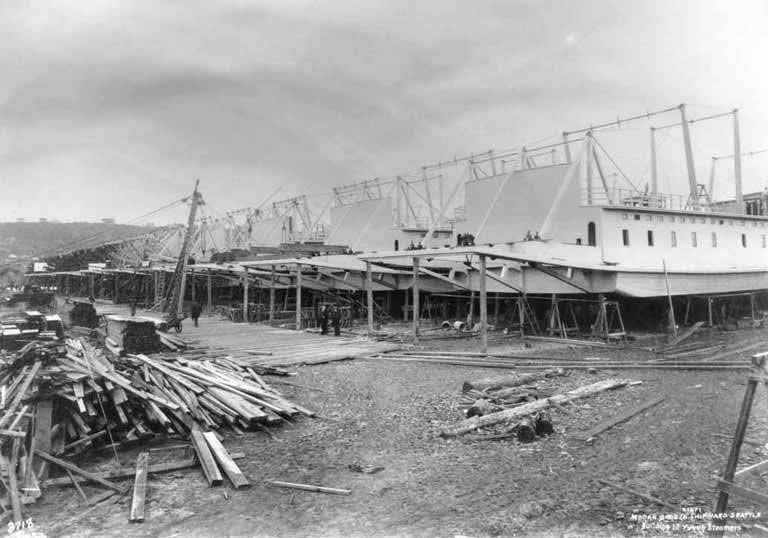
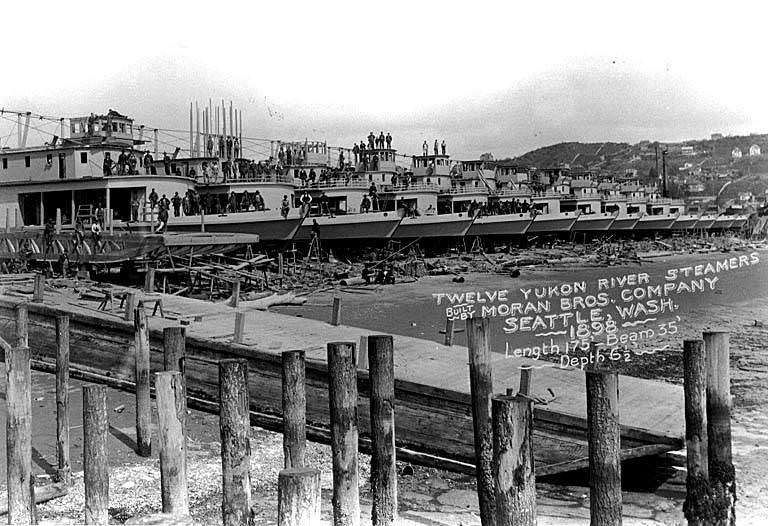
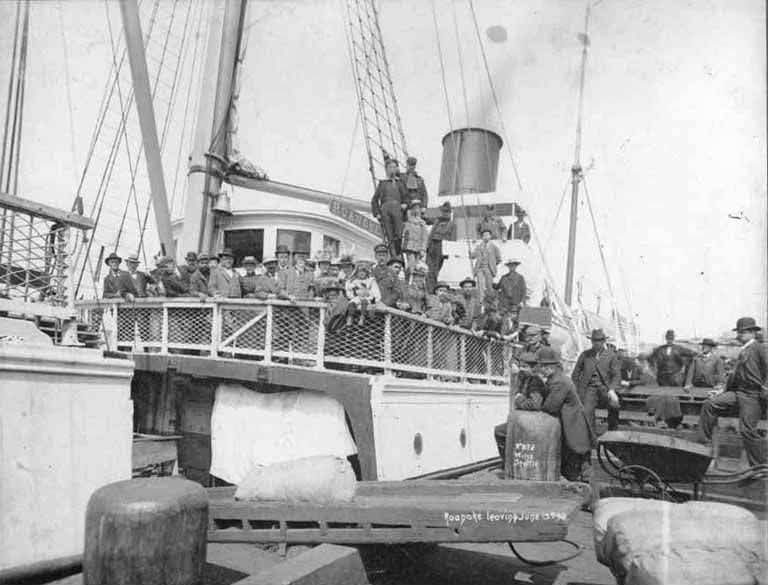
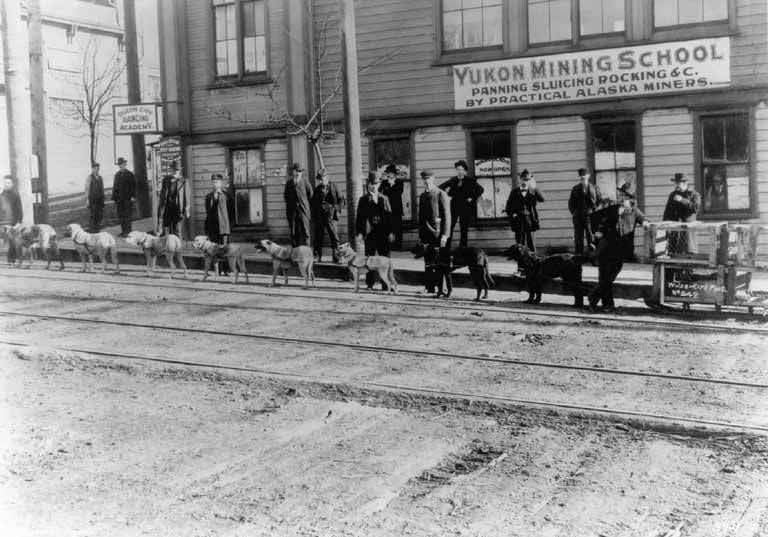
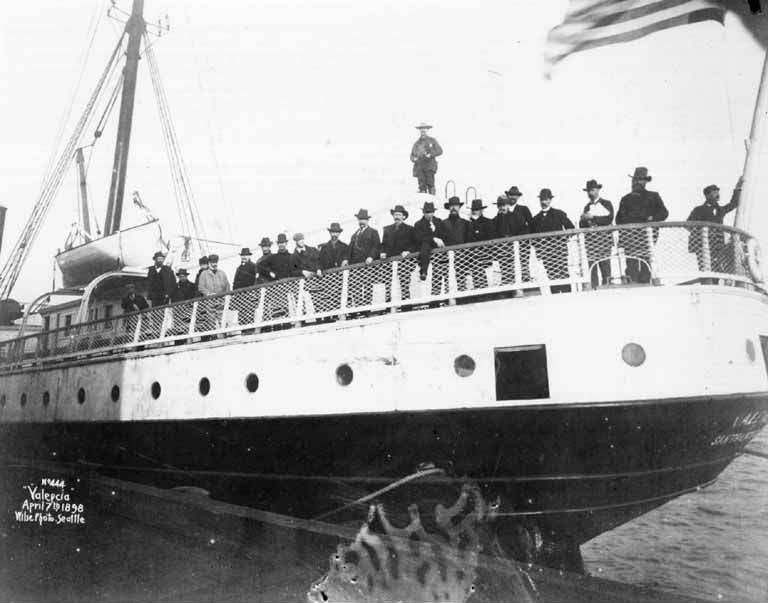
The Klondike rush produced unforgettable street scenes along Seattle’s waterfront. Sled dog teams were a common sight near Yesler Way and 2nd Avenue. Signs for the Yukon Mining School and the Queen City Dancing Academy appeared on the same block. The steamer Roanoke and steamship Valencia both departed from Seattle’s docks loaded with prospectors heading north in 1898. Moran Brothers Shipyard on the waterfront built twelve Yukon River steamers simultaneously to meet the demand.
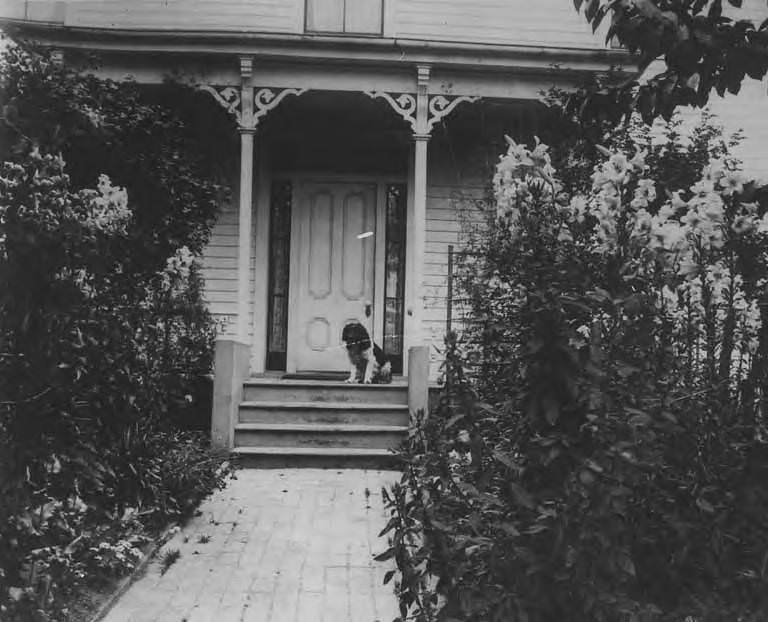
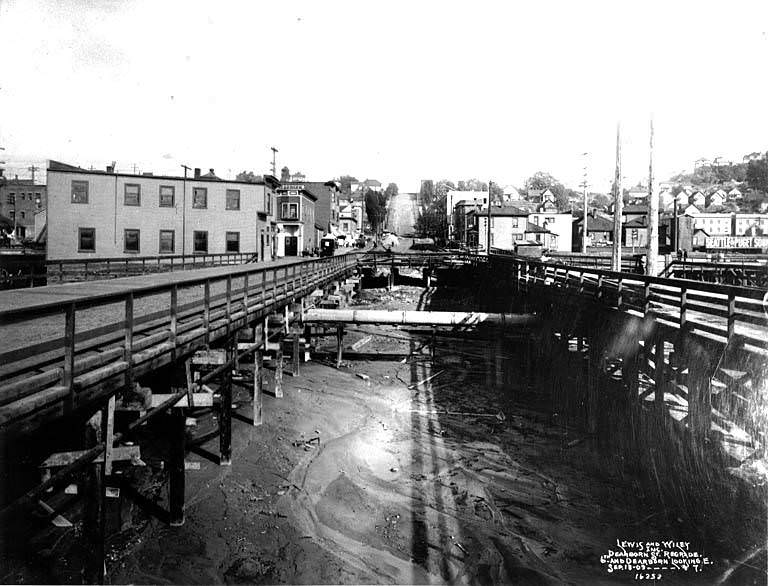
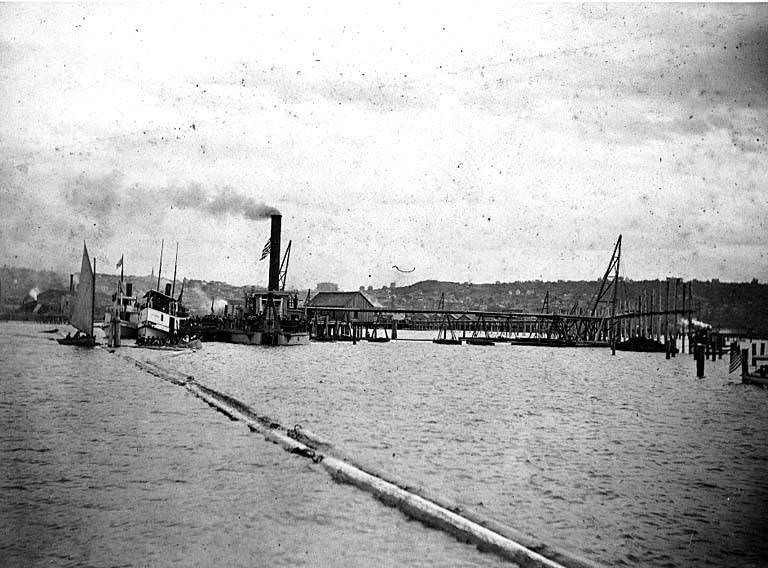
Crowds at the waterfront near the foot of University Street, Seattle, 1898David Judkins’ house, 522 Depot St. (later Denny Way), Seattle, 1890sDavid T. Denny Residence at Republican St. with dog, possibly “Curly,” on the front porch, 1890Dearborn Street regrade, September 18, 1909Dredging operation for the Seattle and Lake Washington waterway, July 29, 1895
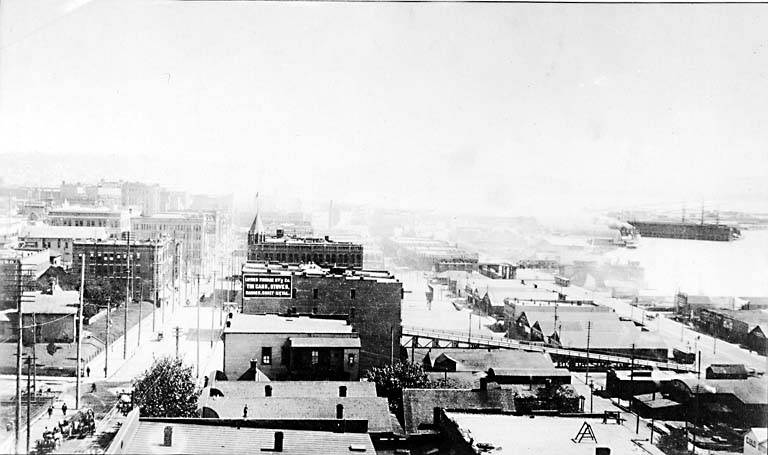
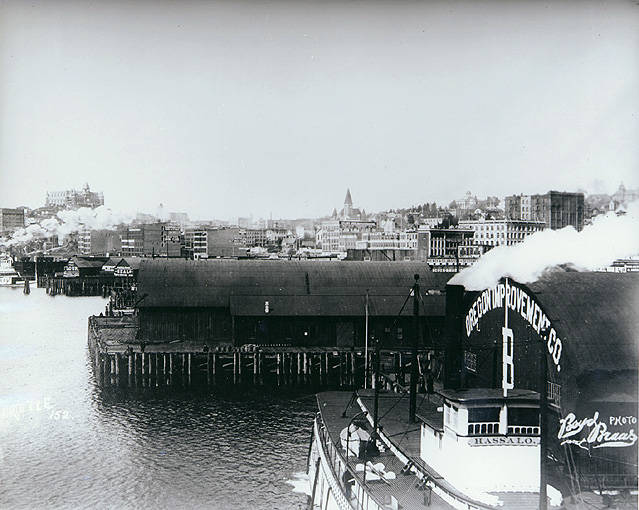
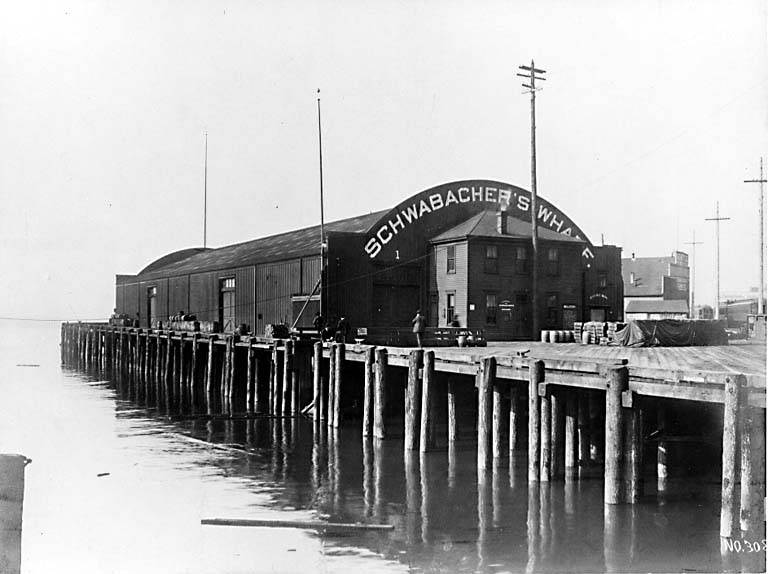
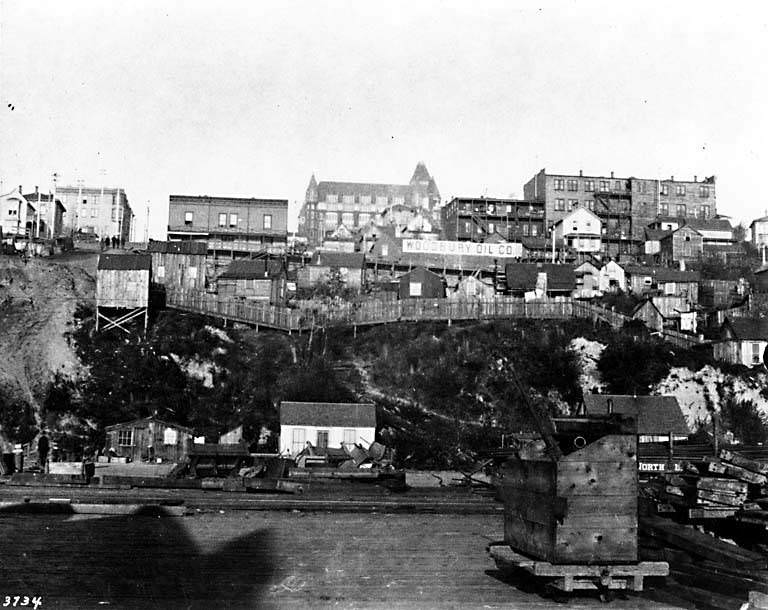
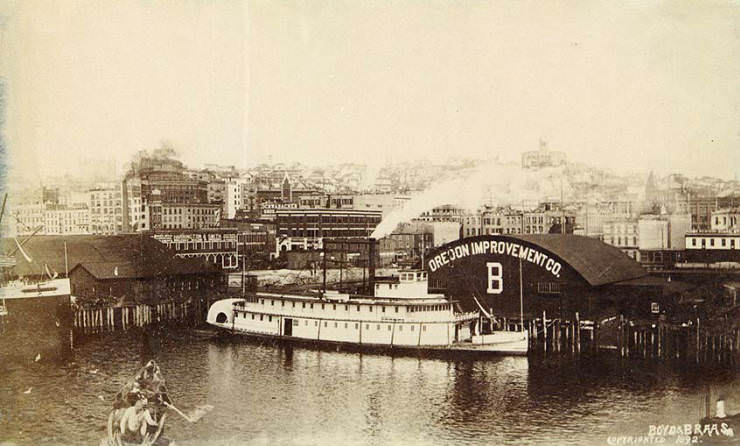
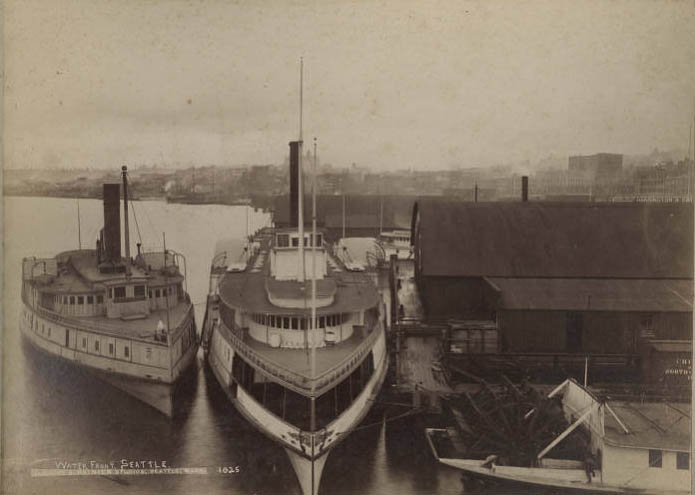
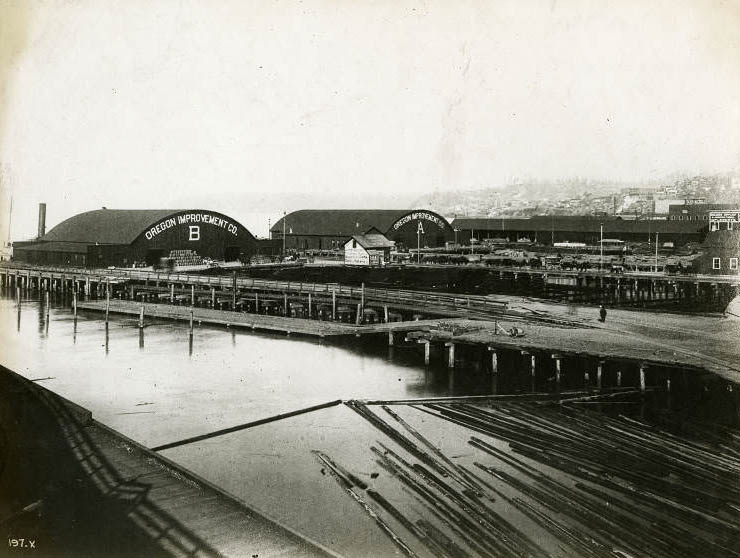
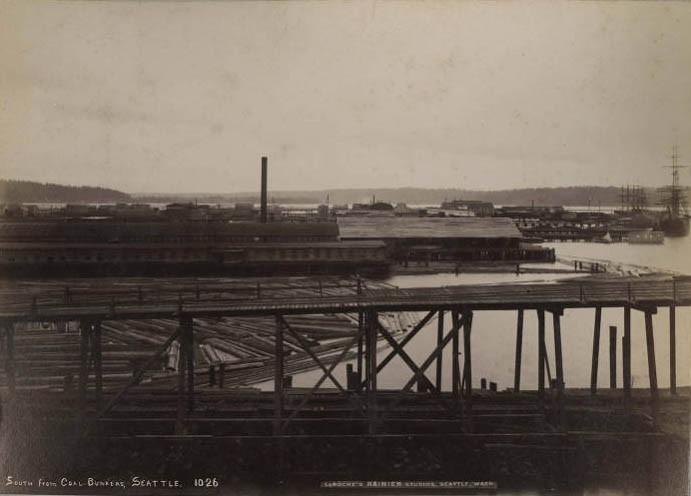
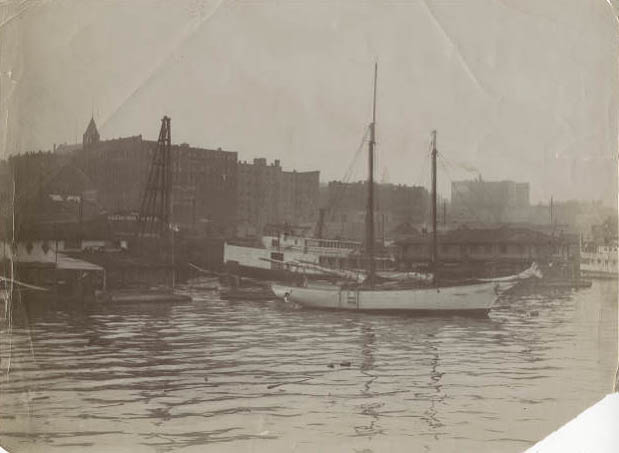
Seattle’s waterfront was the engine of the city’s economy. Schwabacher’s Wharf at the foot of Union Street, the Oregon Improvement Company docks, and the Union Pacific City Dock at Main Street all handled massive volumes of cargo throughout the decade. Coal, lumber, fish, and grain moved through these facilities daily. Shipping connections to San Francisco, Alaska, and Asia made Seattle a critical Pacific Coast port years before the Gold Rush brought it national attention.
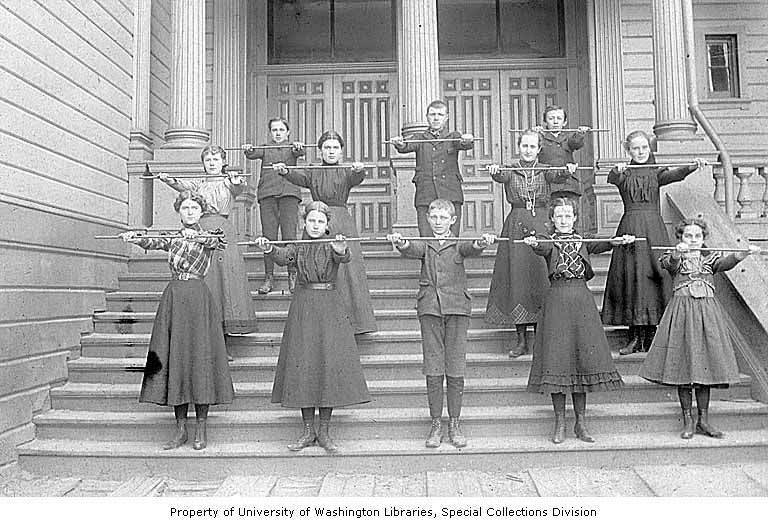
East side of 1st Ave. between James St. and Cherry Street, Seattle, 1890.Eastlake from south Lake Union, 1895Eighth grade class standing on steps of the Denny School, Seattle, 1899
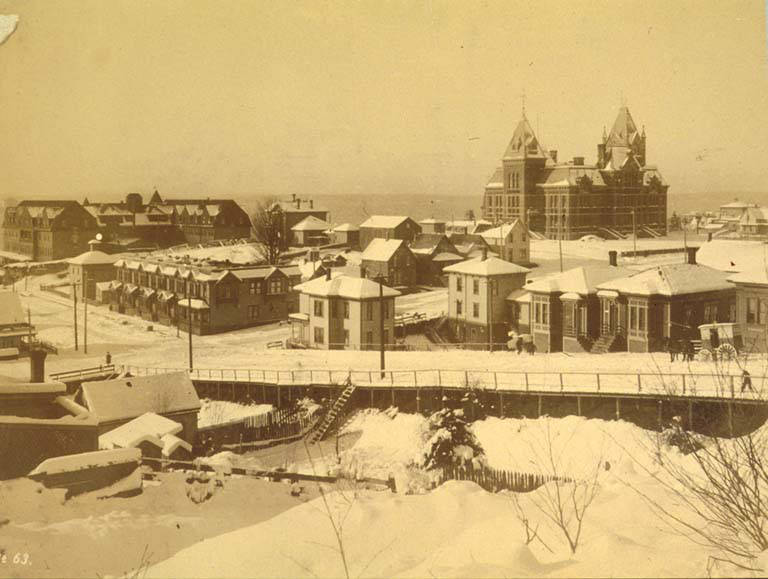
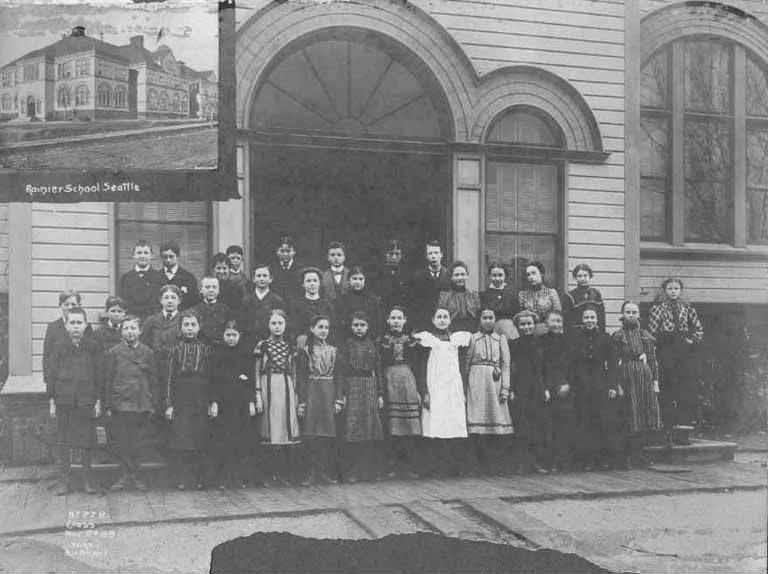
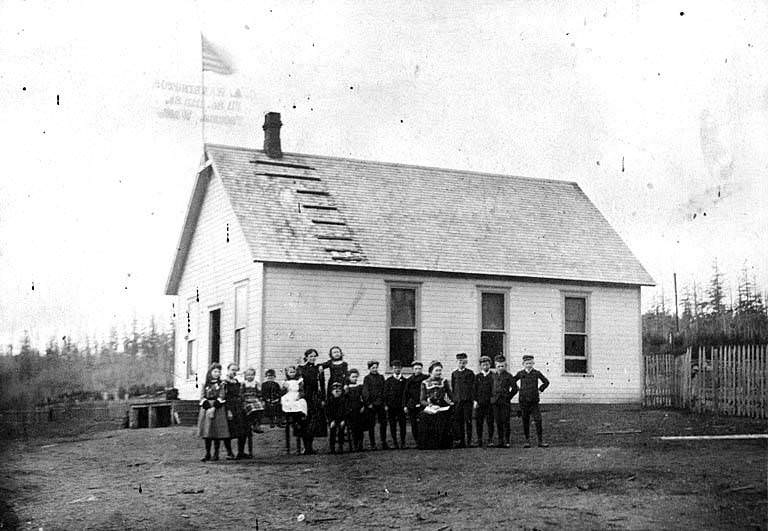
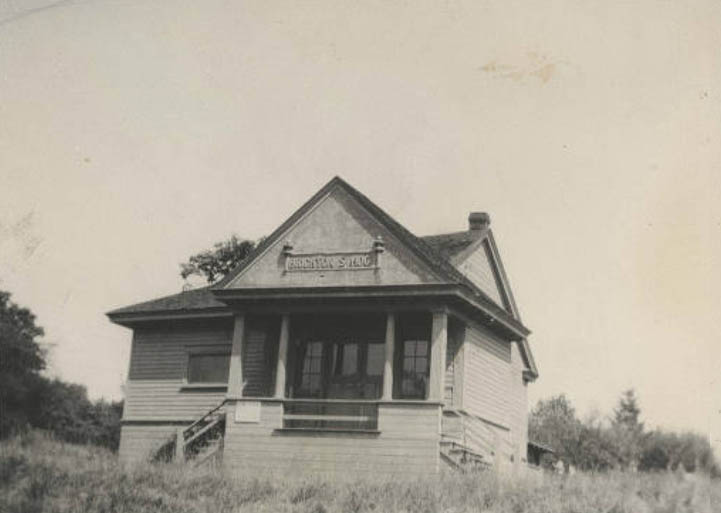
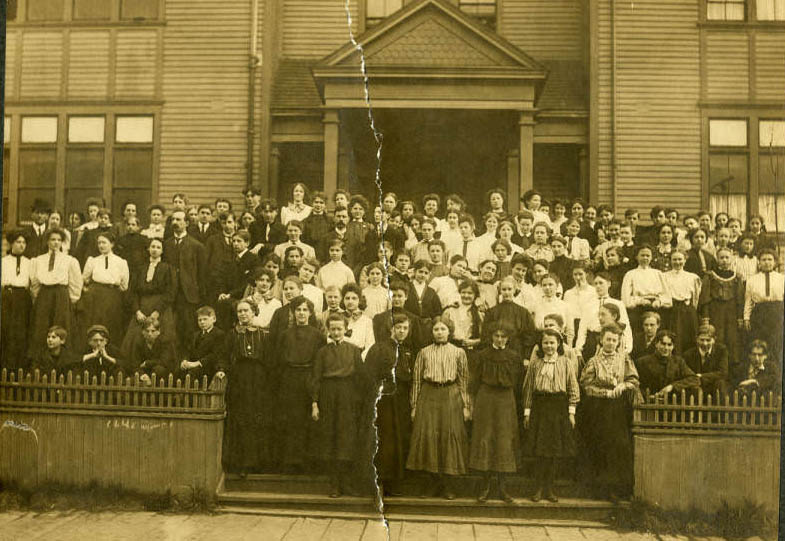
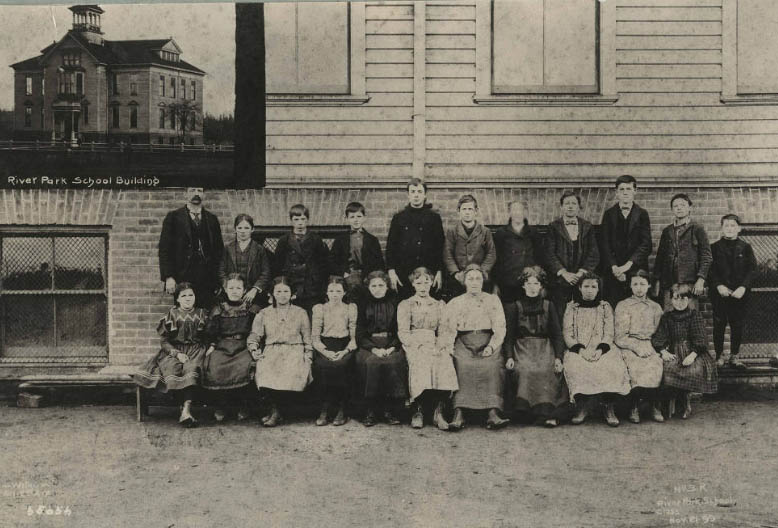
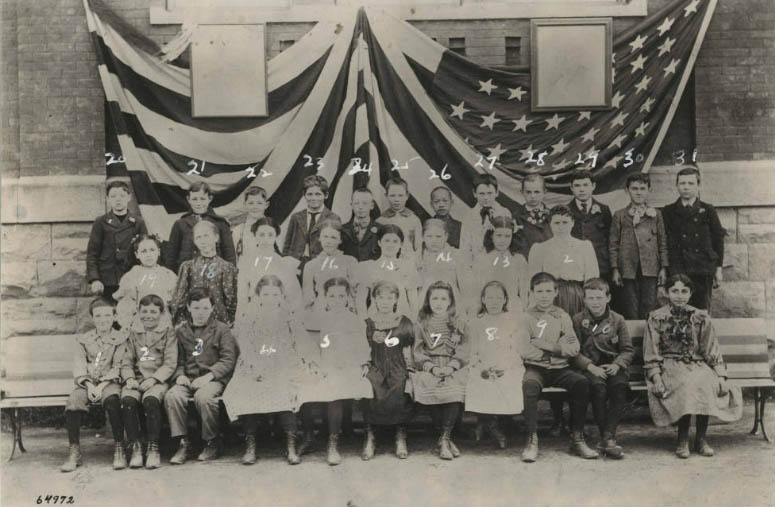
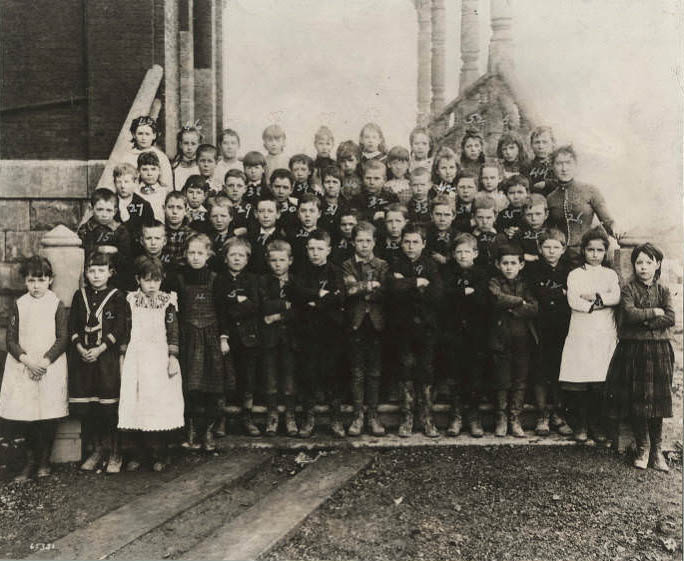
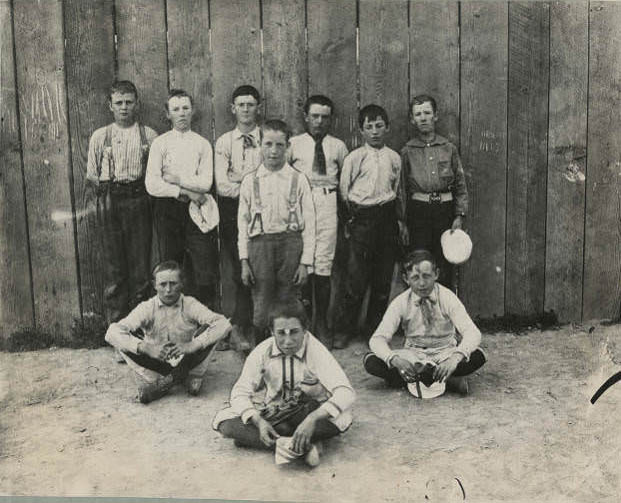
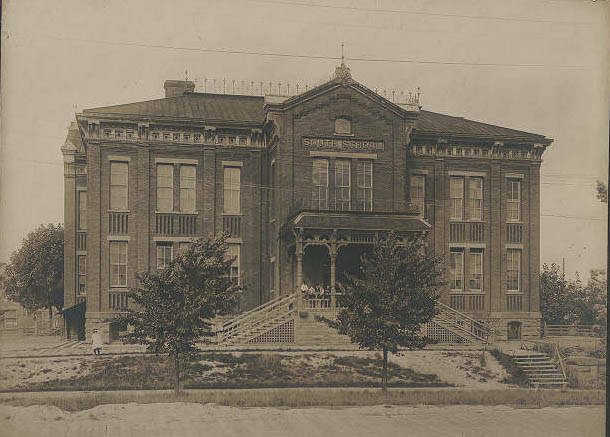
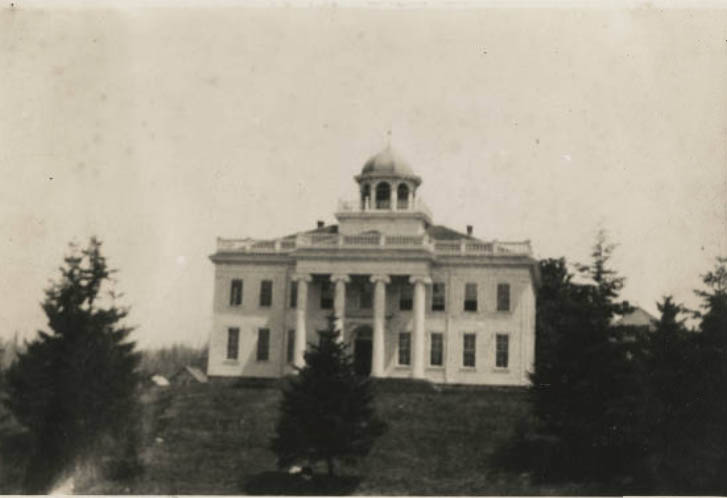
Public education in Seattle expanded rapidly alongside the population. Schools like the Central School on Madison Street, the Rainier School, the South School, and the Brighton School were all built or expanded during the 1890s. The Territorial University, operating near 4th Avenue and University Street since 1861, relocated in 1895 to the site of today’s University of Washington campus. Denny Hall, the first building at the new campus, was under construction in 1895.
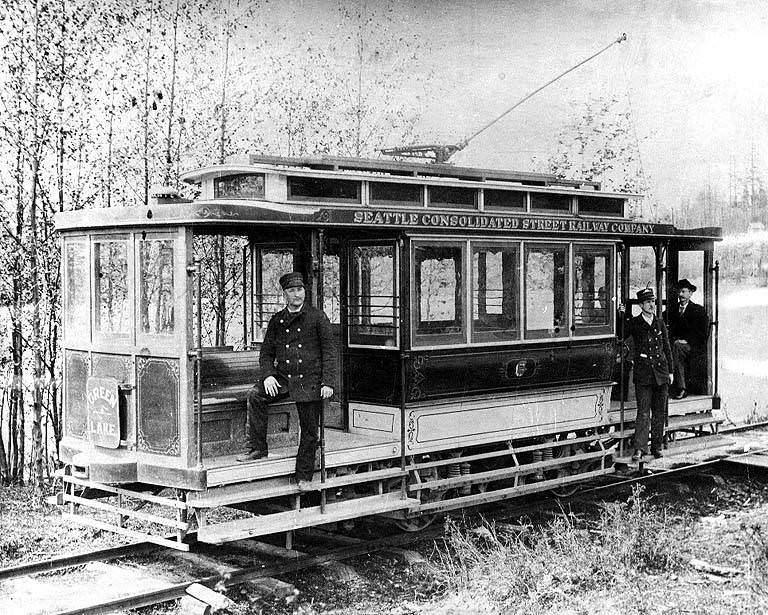
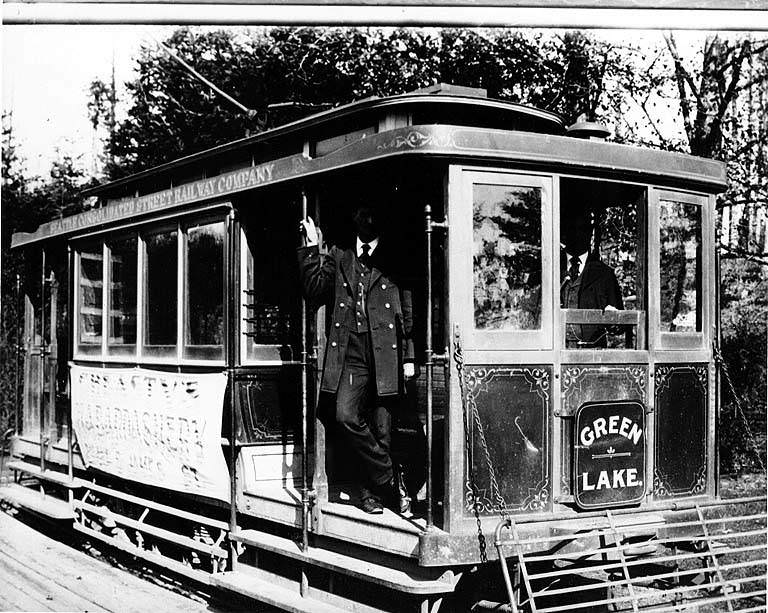
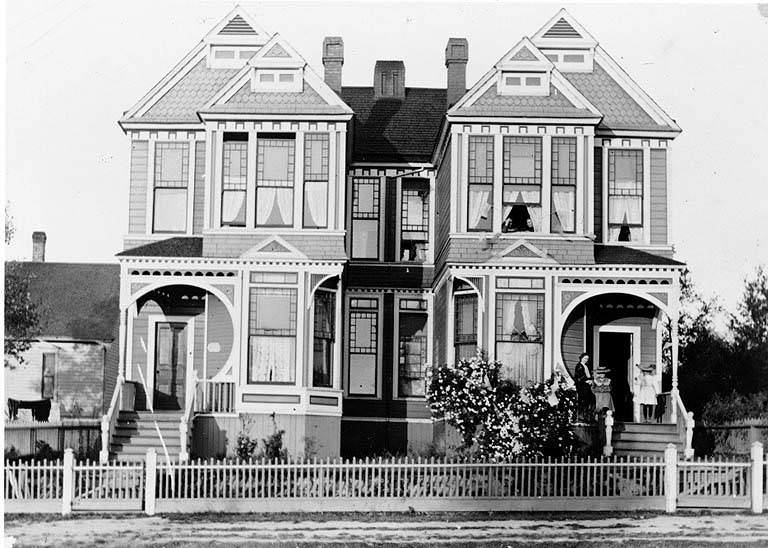
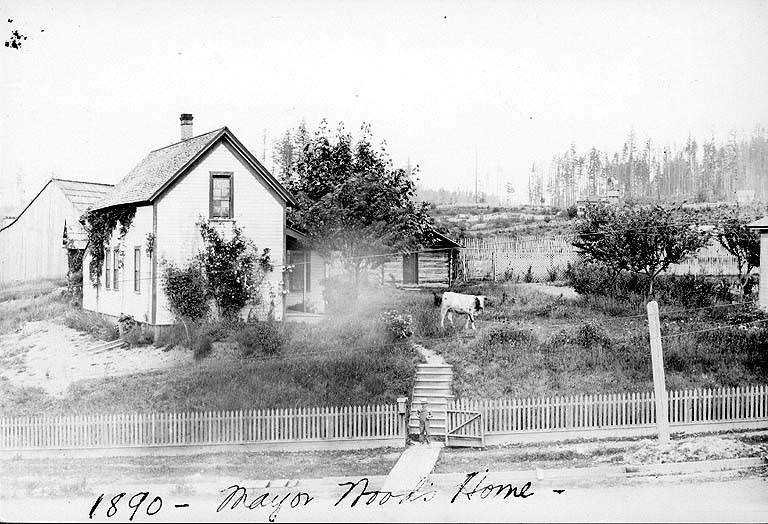
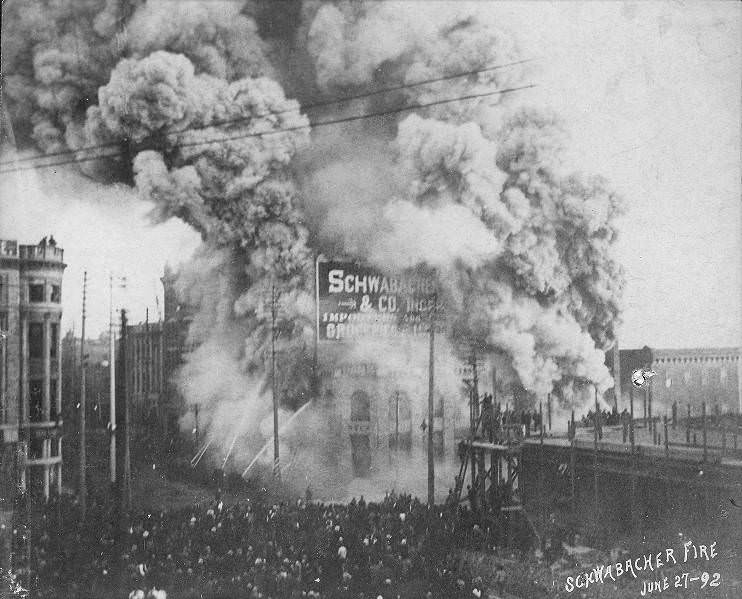
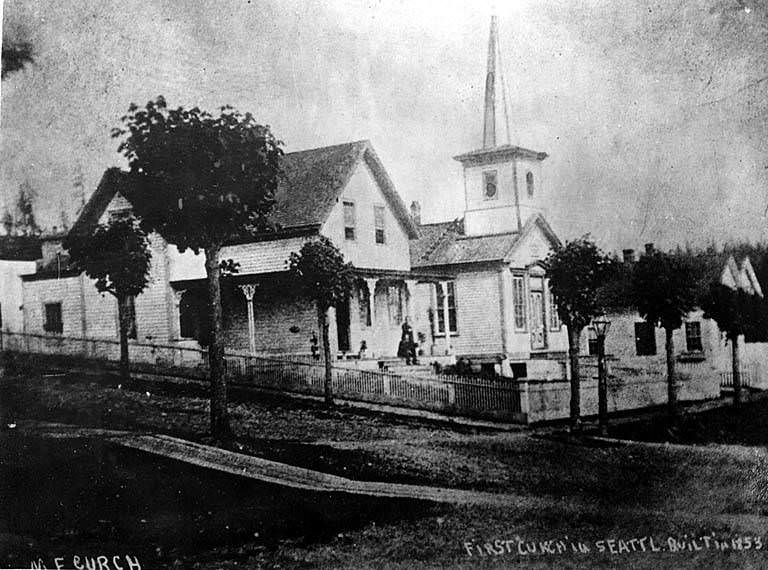
Electric streetcar of the Seattle Consolidated Street Railway, 1894Electric streetcar of the Seattle Consolidated Street Railway, 1894Eshelman duplex, 1899Exterior of Mayor William D. Wood house, 1890Fire fighters battling the fire at the Schwabacher Brothers’ building, Seattle, June 27, 1892.Firloch Club house, 1890First Baptist Church, 4th Ave. and Cherry Street, 1890sFirst house built between Park Junction and Woodland Park, 1899First Methodist Episcopal Church, Columbia St. and 2nd Ave., 1890
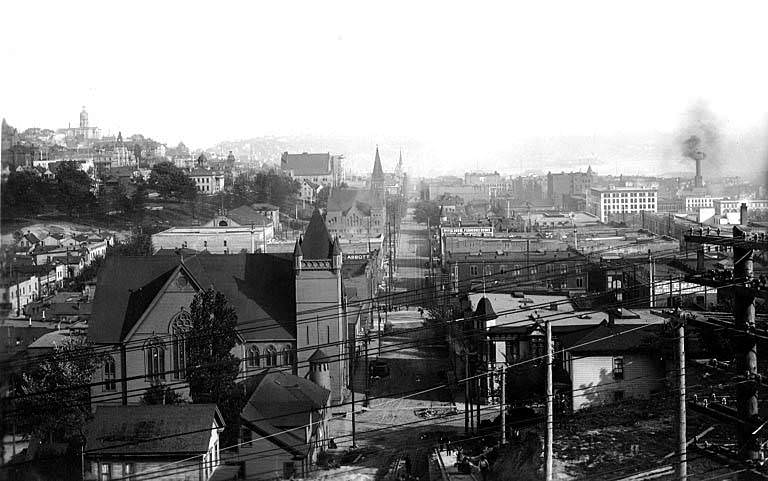
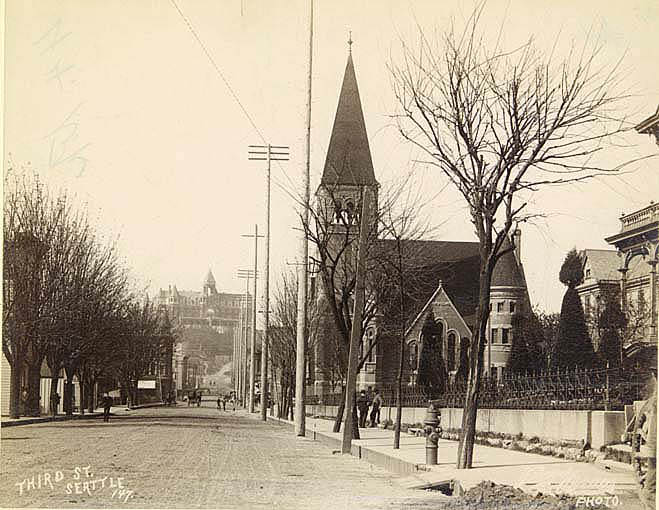
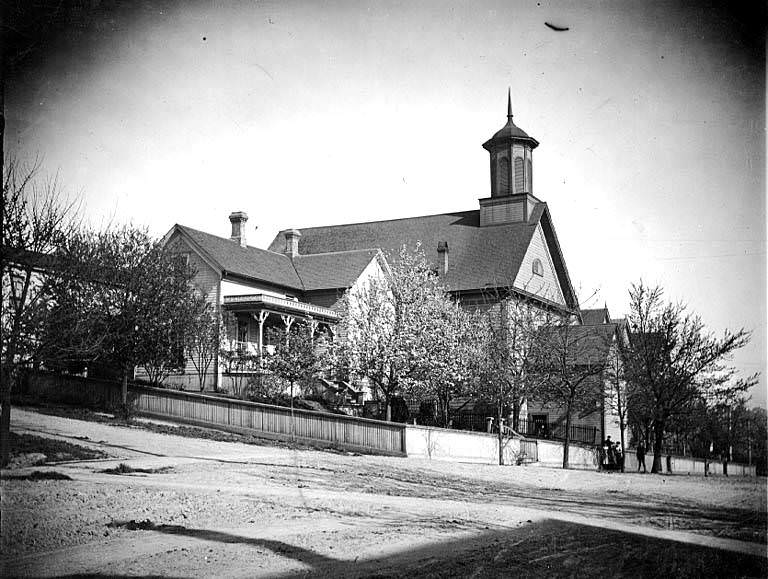
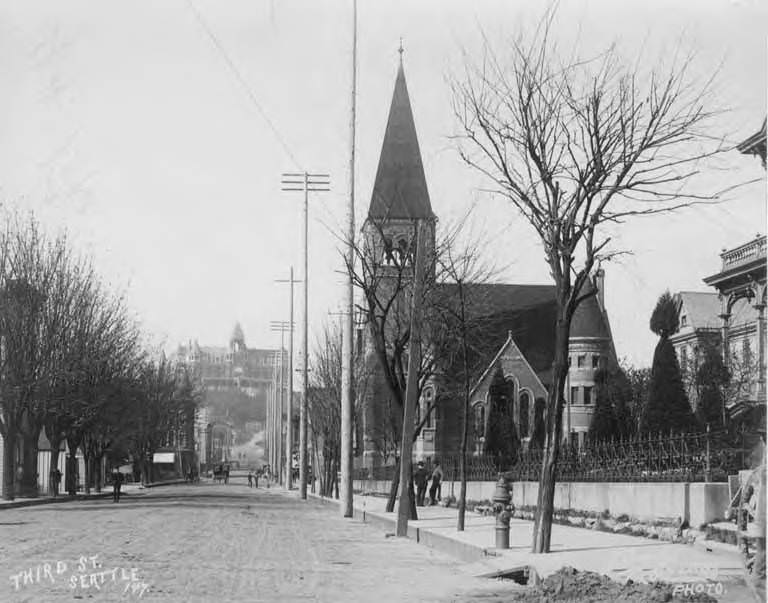
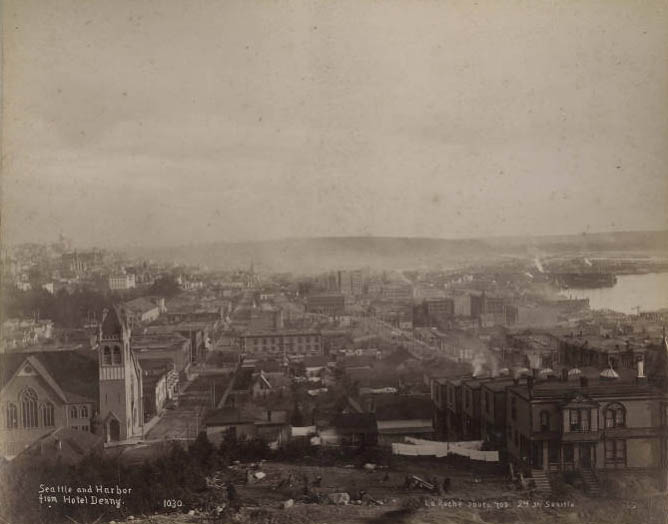
Churches were prominent landmarks in early Seattle. The First Methodist Episcopal Church at Columbia Street and 2nd Avenue, the First Methodist Protestant Church at 3rd and Pine, the First Baptist Church at 4th and Cherry, and Plymouth Congregational Church on 3rd Street all served growing congregations during the 1890s. Their towers and spires were visible from across the city in the panoramic photographs taken from Denny Hill and Queen Anne.
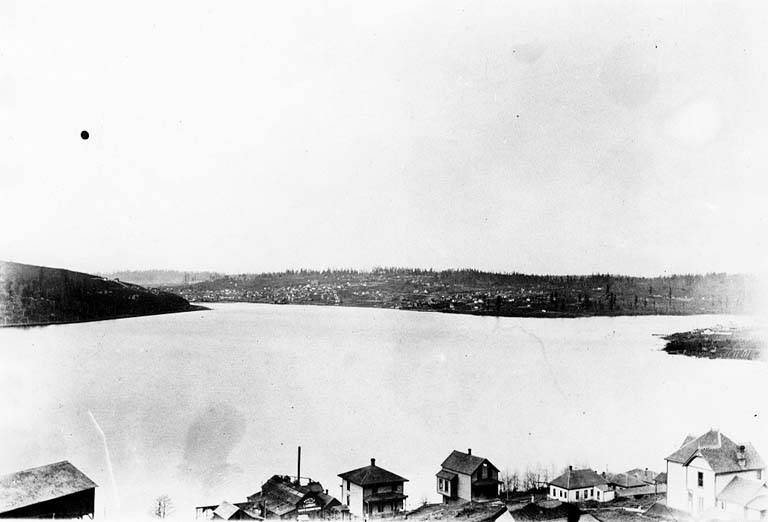
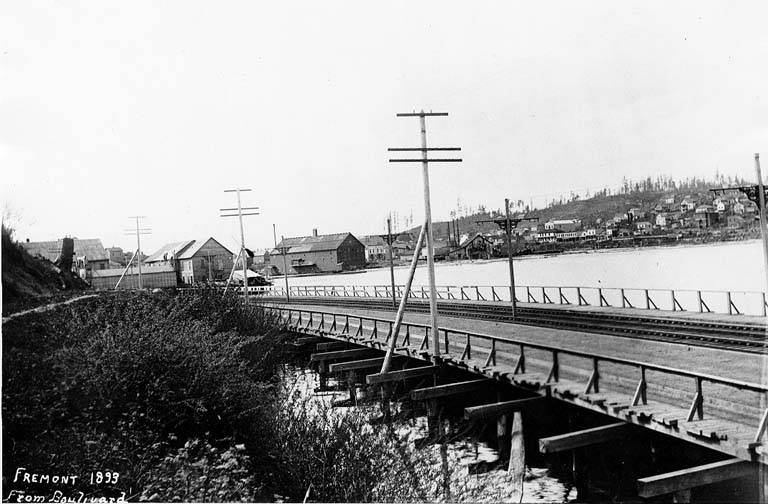
Fremont and Lake Union looking west from Capitol Hill, 1893Fremont and Lake Union seen from Queen Anne, 1893Green Lake, 1890sGuy C. Phinney with group in Woodland Park on road to Green lake, Seattle, 1893Holyoke Building, Spring St. southeast corner of 1st Ave., 1890Housing on First Hill, 1890
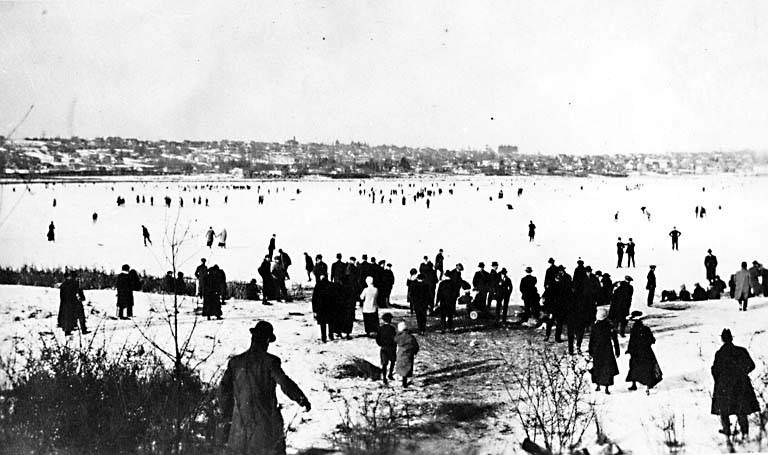
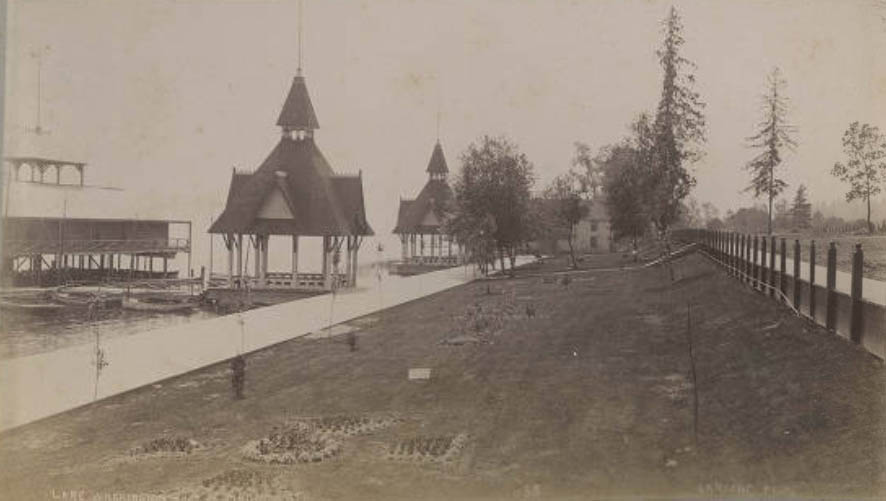
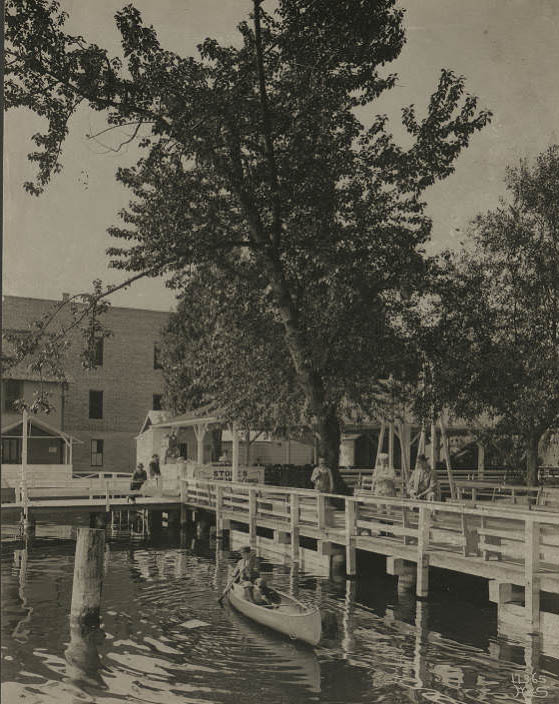
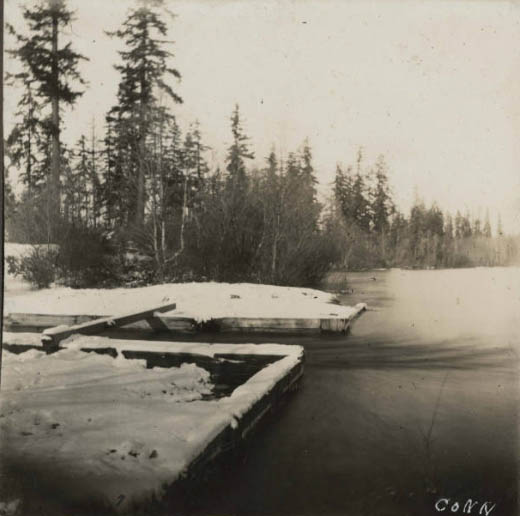
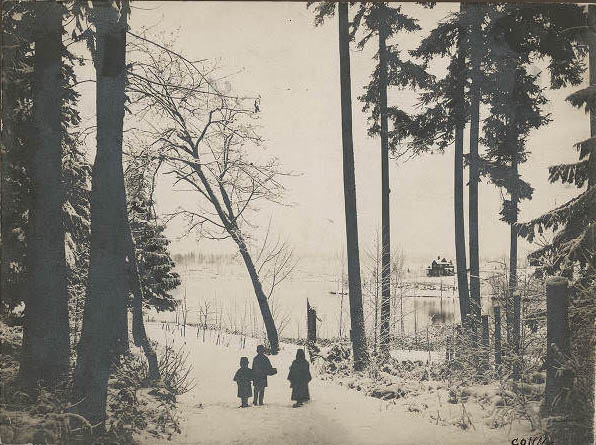
Lake Union froze over in the winter of 1890, and photographs taken from Fremont show residents ice skating across its surface. Leschi Park on Lake Washington drew summer visitors with its pavilions, boathouse, ferry dock, and Lake Washington Cable Railway terminal at the foot of Yesler Way. A sidewheel steamboat was docked at the Leschi boathouse, and the park’s grounds were developed well enough to serve as a genuine recreational destination by the early part of the decade.
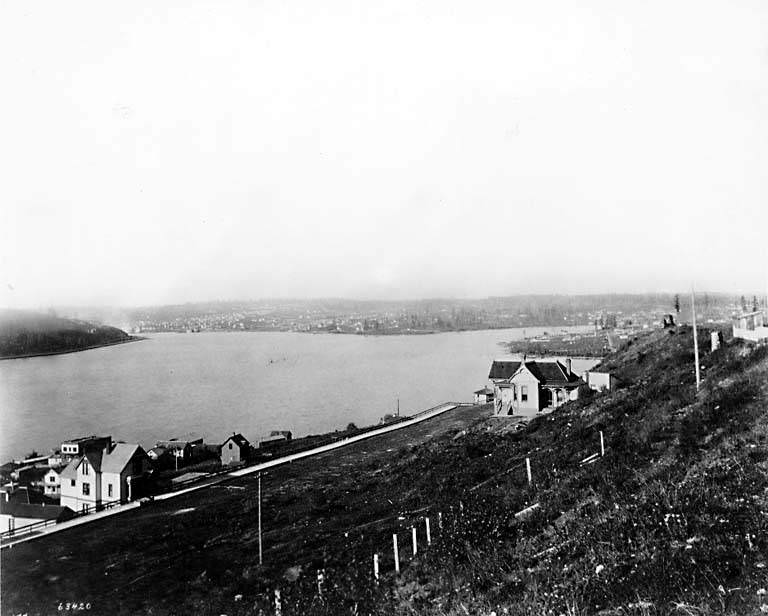
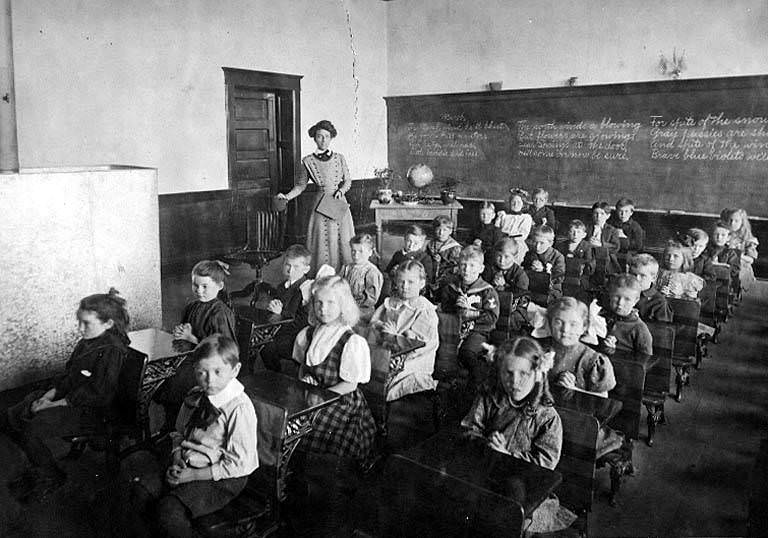
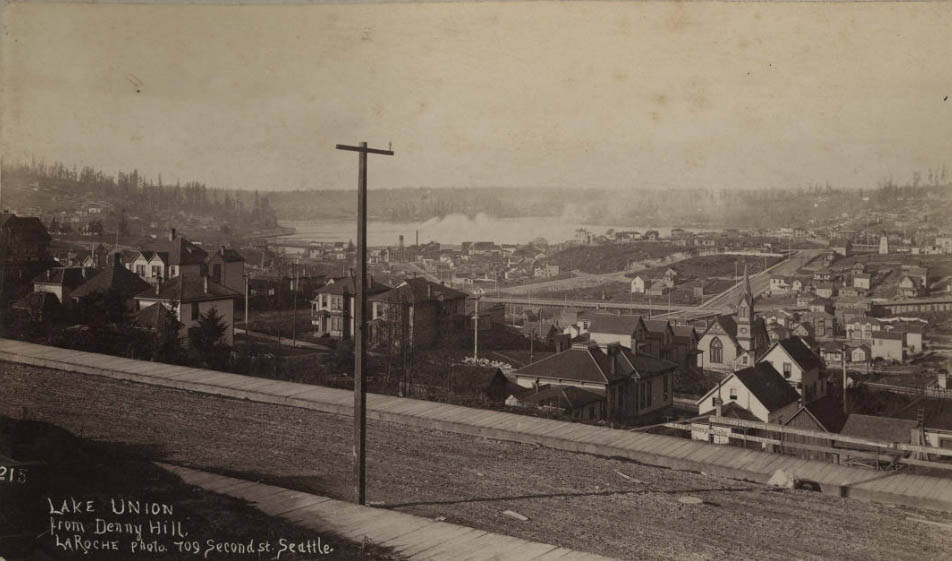
Ice skaters on Lake Union, 1890Interior of classroom showing school children seated at desks, 1890James Street and Yesler Way from Pioneer Square, 1894Lake Union and Seattle from the south, 1890Lake Union from Denny Regrade neighborhood, 1895Lake Union from Eastlake, 1890sLeschi Park looking toward Lake Washington, 1890Leschi Park on Lake Washington, Seattle, 1890Leschi Park Pavilion, 1890.
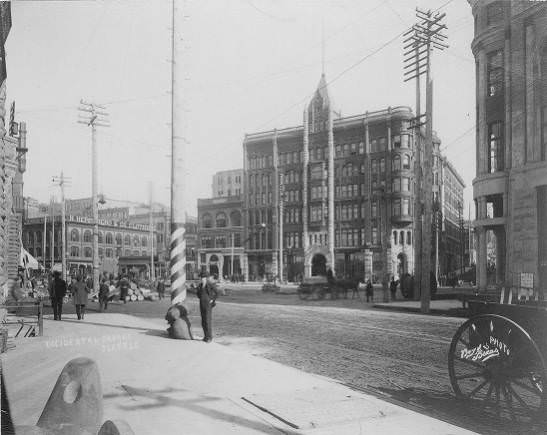
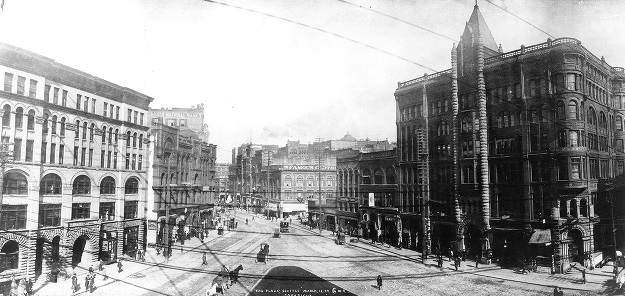
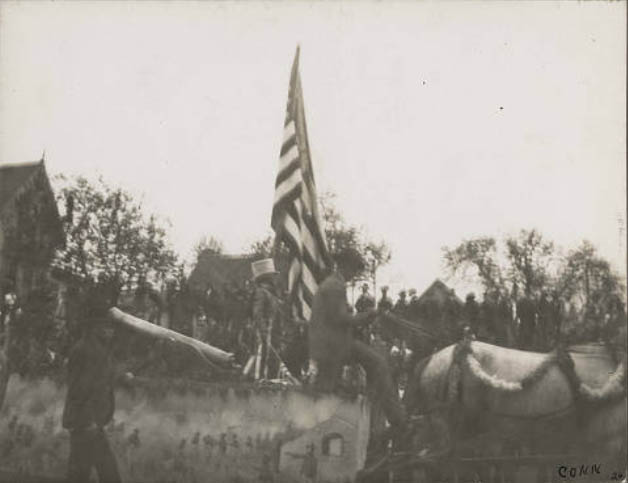
Pioneer Square served as the civic heart of Seattle throughout the 1890s. The Pioneer Building, completed in 1891, anchored the square and became one of the most recognized structures in the city. The square also hosted major public events — including a large celebration in November 1899 honoring the First Washington Volunteer Infantry Regiment on its return from fighting in the Philippines during the Spanish-American War. The regiment had been mustered for that war but was sent instead to fight in the Philippine-American conflict.
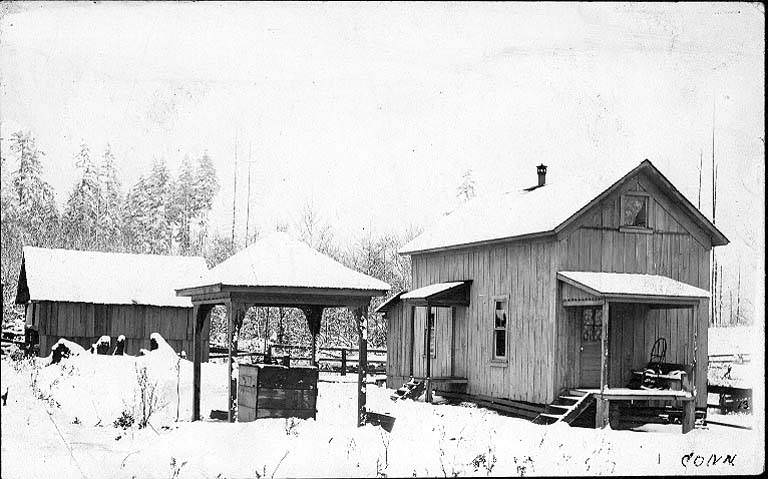
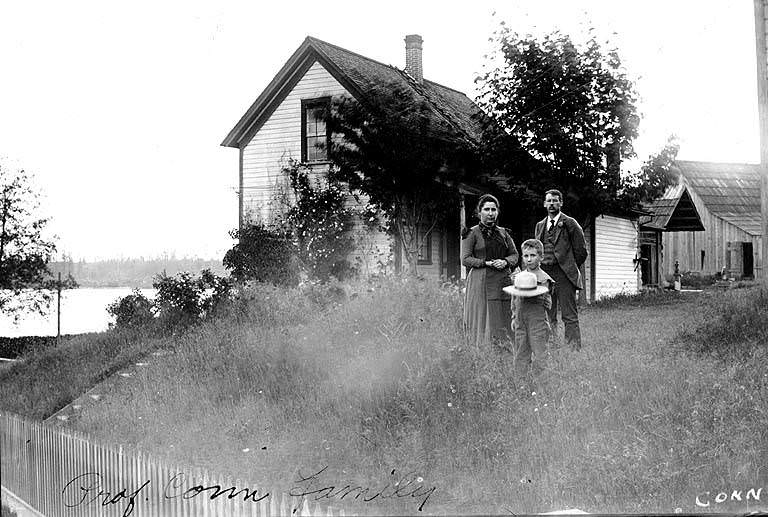
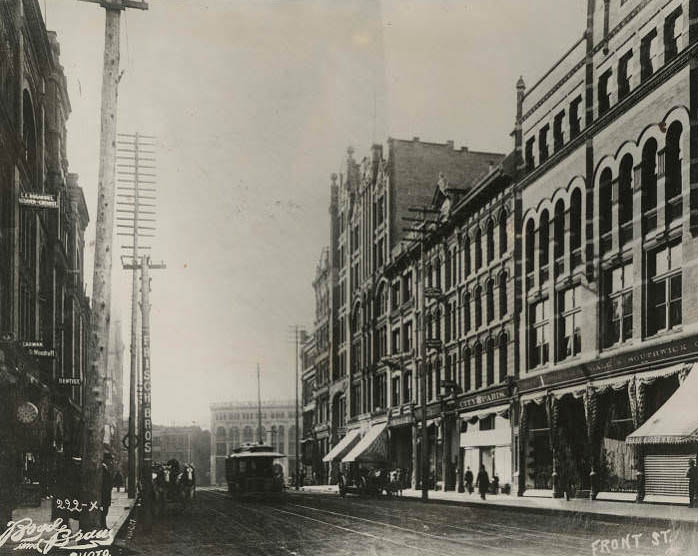
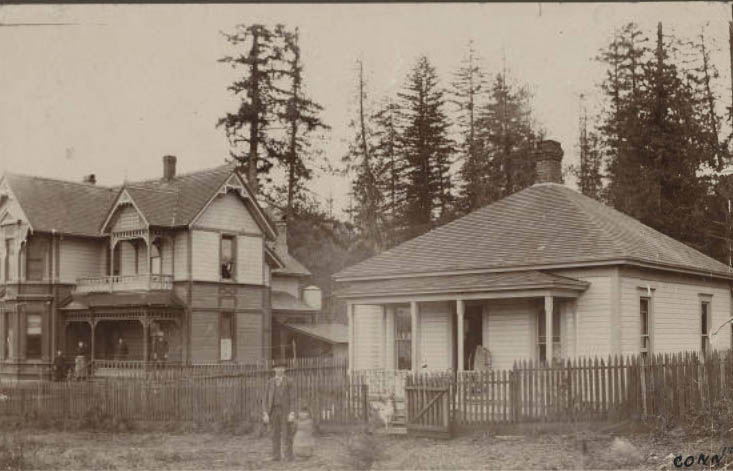
Looking north on 1st Ave. from James St. showing July 4th parade, Seattle, 1890Looking north on 1st Ave. from James Street, 1890.Looking north on 2nd Avenue from Yesler Way, Seattle, Washington, 1890Looking south from 2nd Ave. and Cherry Street, Seattle, 1890s.Logging operation showing a sawmill, 1899Fremont looking north from Queen Anne, 1890sFremont lumber mill operation, possibly the Bryant Lumber Mill, 1895Front Street (now 1st Ave. S.) looking north from James Street, 1897George Conn, wife, and son Neil standing outside Judge William D. Wood house, 1897Looking west from 7th Ave. and Columbia St. after a snowfall, Seattle, 1890
Seattle’s waterfront and shipbuilding operations were directly linked to the Klondike boom. The Moran Brothers Shipyard constructed twelve Yukon River steamers simultaneously in 1898, one of the largest concentrated shipbuilding efforts in the Pacific Northwest up to that point. Alaska was treated almost as a commercial territory belonging to Seattle — a sentiment widely shared among the city’s business community, who organized shipping companies, outfitting stores, and mining schools specifically for the Klondike trade.
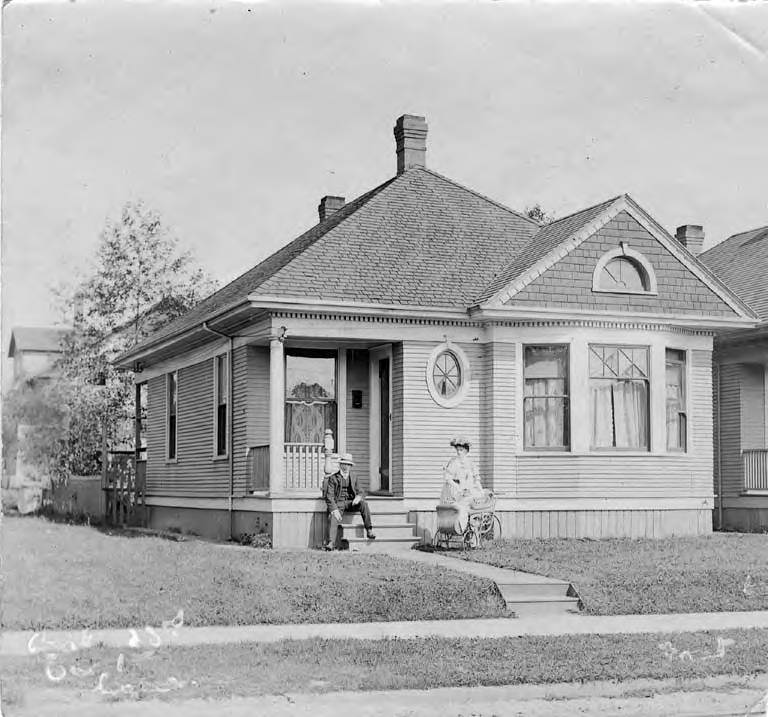
Madison St. from vicinity of 1st Ave., 1893Madison Street, 1893Man and woman with baby carriage near front porch of residence at 1428 23rd Ave Seattle, 1890
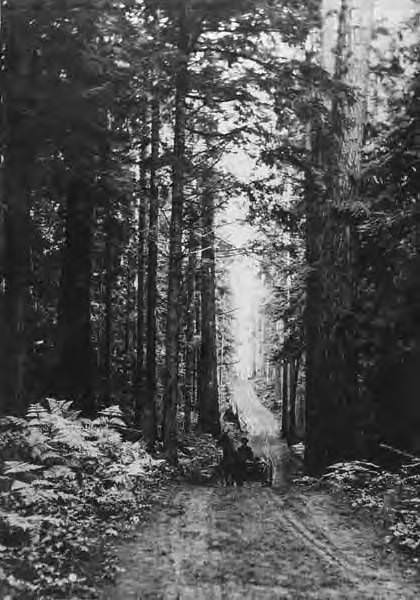
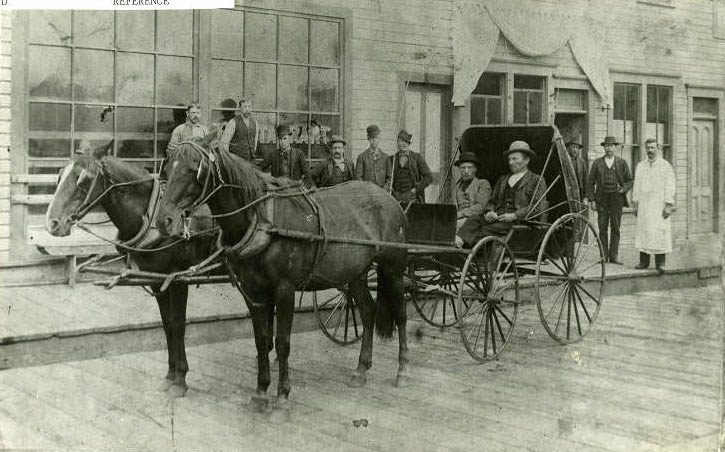
Man in horse-drawn carriage at Woodland Park, 1899
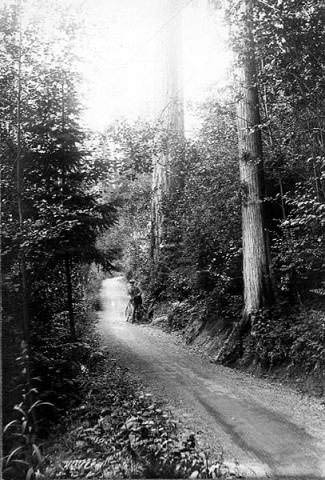
Man with bicycle on the Lake Washington bicycle path, 1899
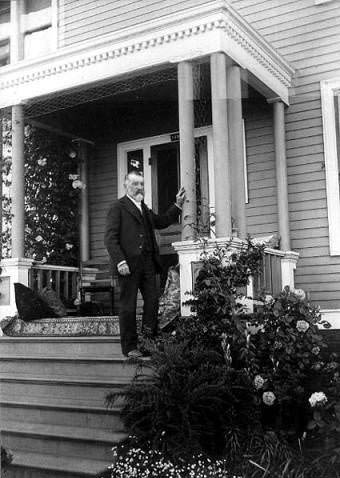
Man, probably John Soule, on steps of Soule home, 1353 32nd Avenue, 1890s
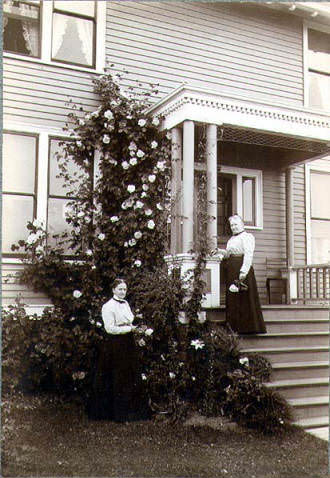
Mary Soule and her sister Mrs. McAlpin in front of Soule residence, 1353 32nd Ave. S., Seattle, 1899
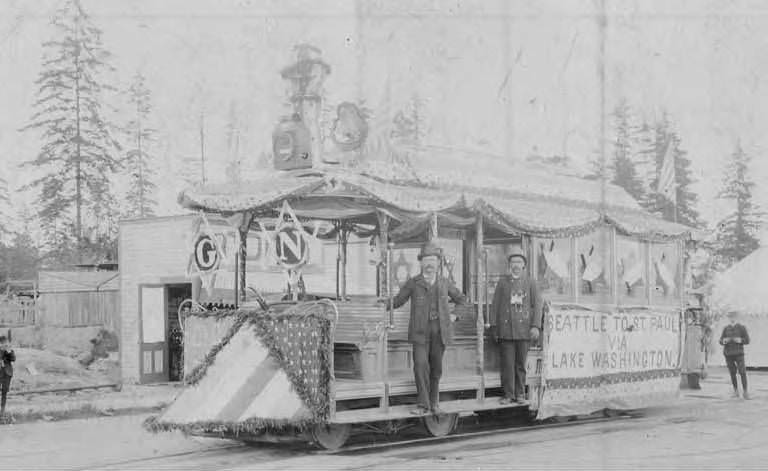
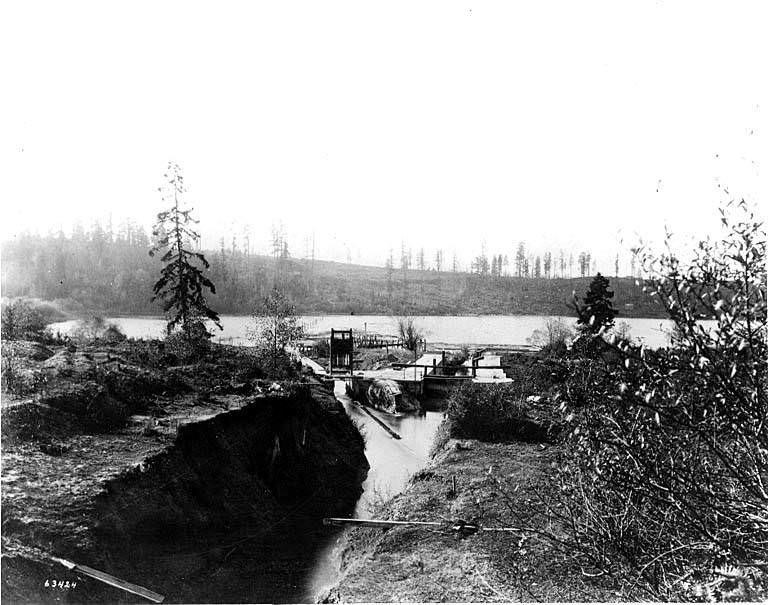
Men standing near railroad car loaded with large piece of timber for the Chicago World’s Fair, 1893Menstanding on the first through streetcar on Madison Street, Seattle, 1890Merry-go-round, West Seattle beach, 1899Military unit on parade, 1890Mill at Salmon Bay, 1890sMontlake Ditch, 1890Moran Brother’s Shipyard showing steamboats for the Klondike under construction, 1898Moran Brothers Co. shipyards building steamboats for service in the Klondike gold rush, 1898Mutual Life Building, 1893
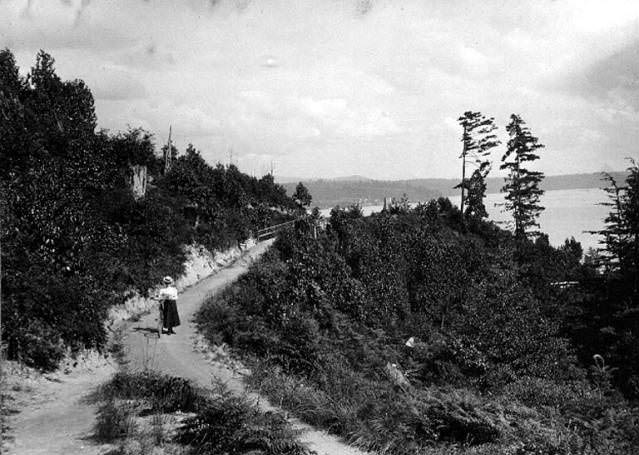
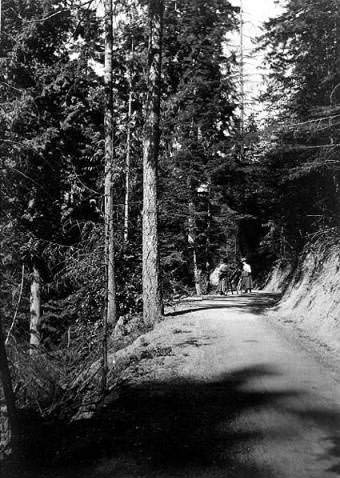
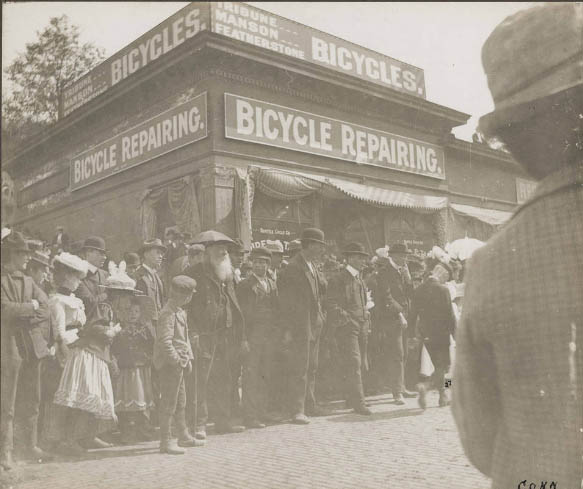
The bicycle was a defining symbol of 1890s urban life across America, and Seattle was no exception. The Lake Washington bicycle path was a popular route, well-documented in photographs showing both men and women cycling along its length. The old bicycle path followed what is now Lakeview Boulevard and Interlaken Boulevard, then ran south along Lake Washington before crossing the tideflats on a trestle into South Seattle. Cycling clubs were active, and the sport attracted residents from across the social spectrum.
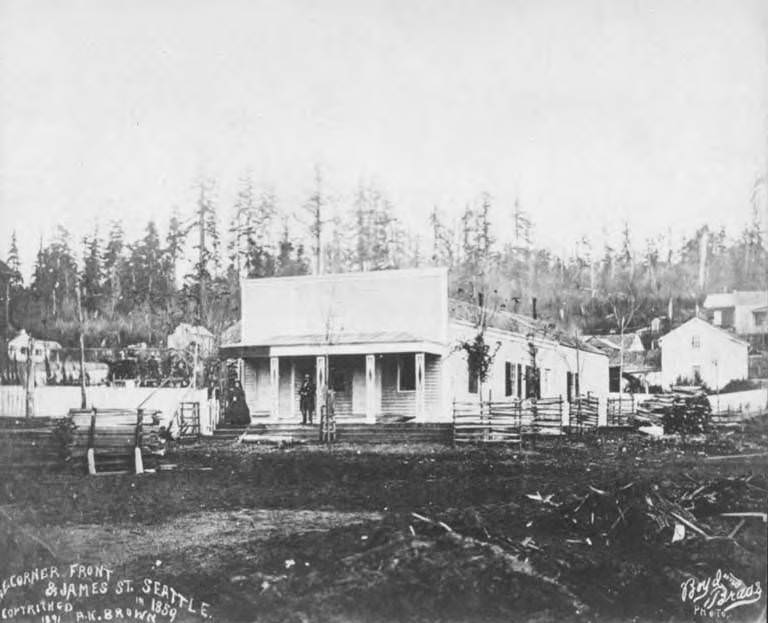
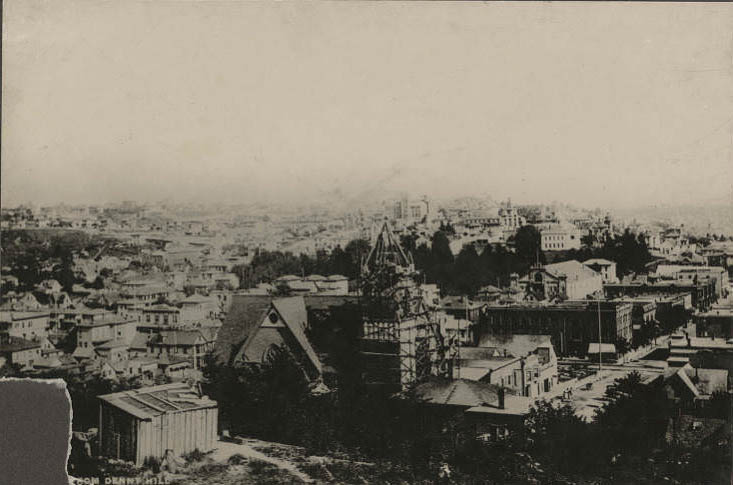
Neil Conn with bicycle and George Conn with cow standing in front of William D. Wood house, Woodlawn Avenue, 1897Northeast corner of Front and James St., Seattle, showing Henry L. and Sara Yesler on porch of their house, Seattle, 1859Panorama from Denny Hill, 1890Panorama looking northwest, 1890Panorama looking northwest, 1890Panorama of the waterfront north from Main St., Seattle, 1892.
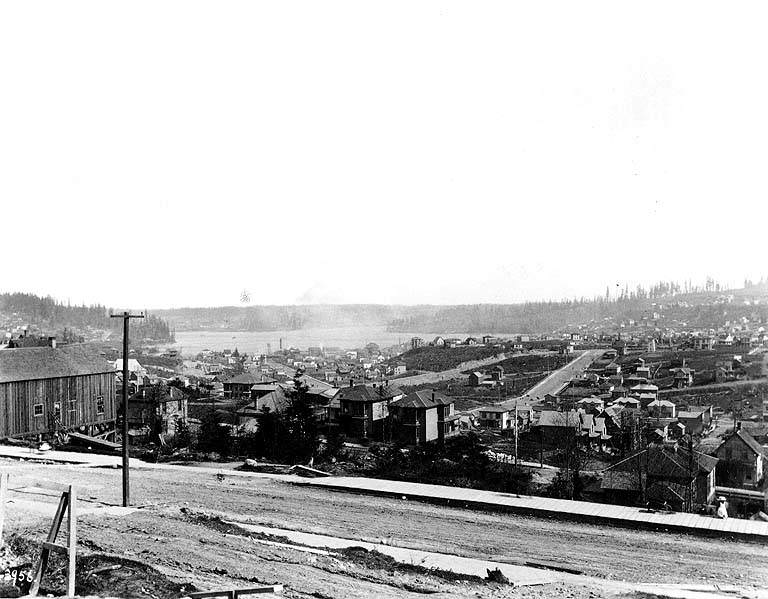
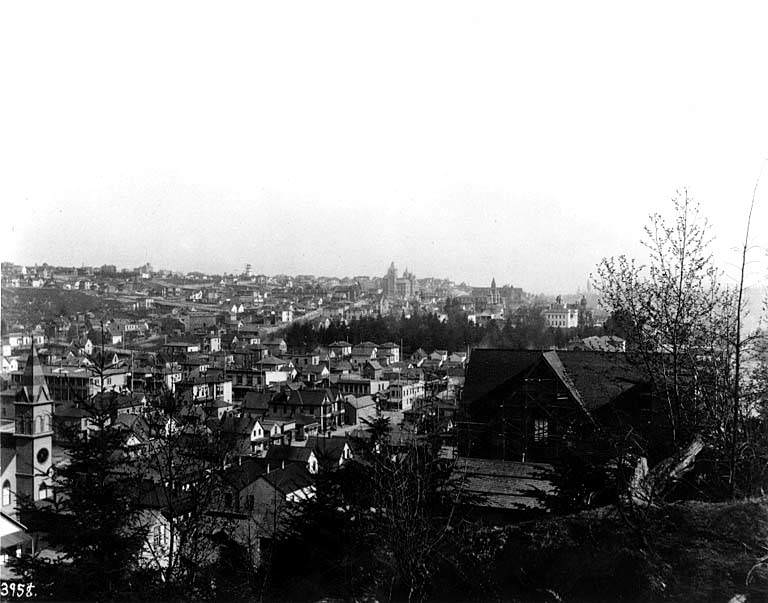
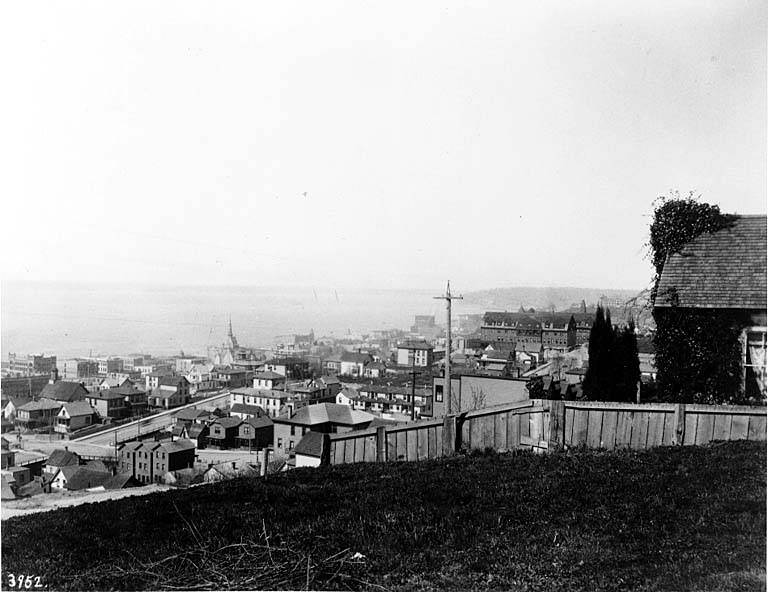
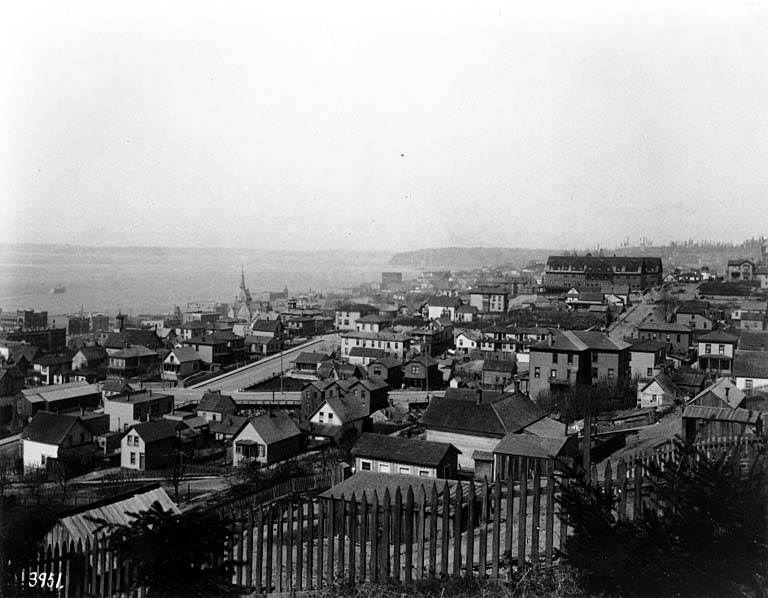
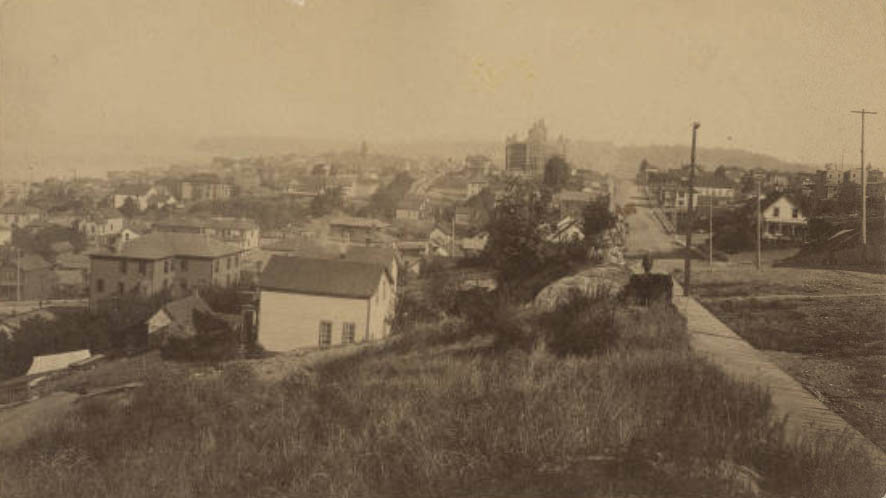
The panoramic views taken from Denny Hill in 1890 capture Seattle at a pivotal moment — the city still scarred from the Great Fire, but rebuilding with unmistakable energy. The Washington Hotel (also called the Denny Hotel) anchored the north end of town and was visible from across the city. The Rainier Hotel sat between 5th and 6th Avenues on Marion Street. These large hotels reflected the confidence of Seattle’s investors in the city’s future.
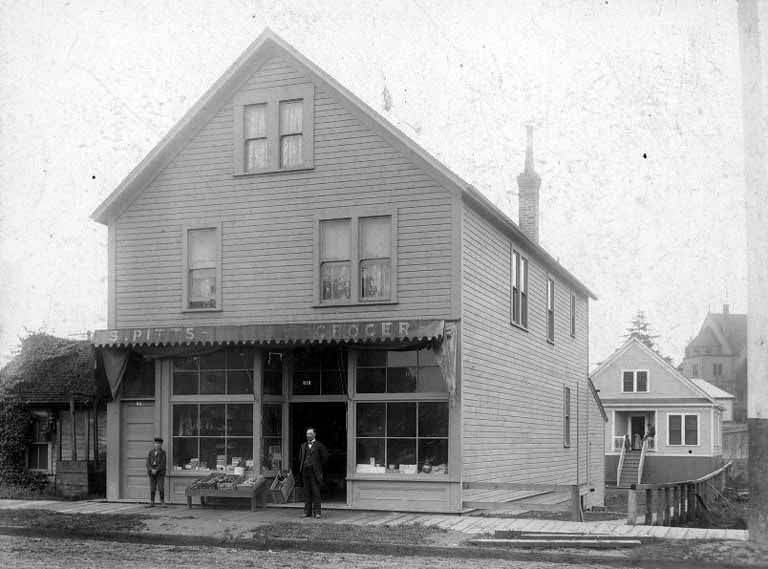
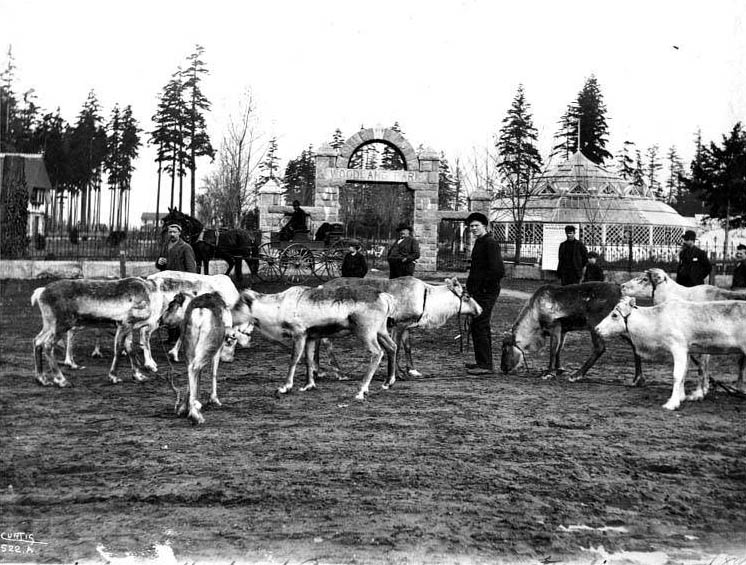
Passengers aboard the steamer Roanoke leaving for the Klondike from a Seattle dock, June, 1898Pioneer Square showing the Pioneer Building, Seattle, 1891Pioneer Square, March 14, 1899Pitts Grocery Store, Broadway & E. Pike St., Seattle, 1890Plummer Block at 3rd Ave. and Union Street, 1891Plymouth Congregational Church and 3rd Street, Seattle, 1890Post Building, northeast corner of Yesler Way and Post St, 1891Rainier School and school children posed in front of entrance, November 27, 1899Reindeer with entrance to Woodland Park in background, Seattle, 1898Residence at 5707 Kenwood Place N., 1895Residence at the northwest corner of NE 45th St. and Brooklyn Avenue, 1898Residence, Green Lake district, 1890Residential area of Seattle looking west, 1899
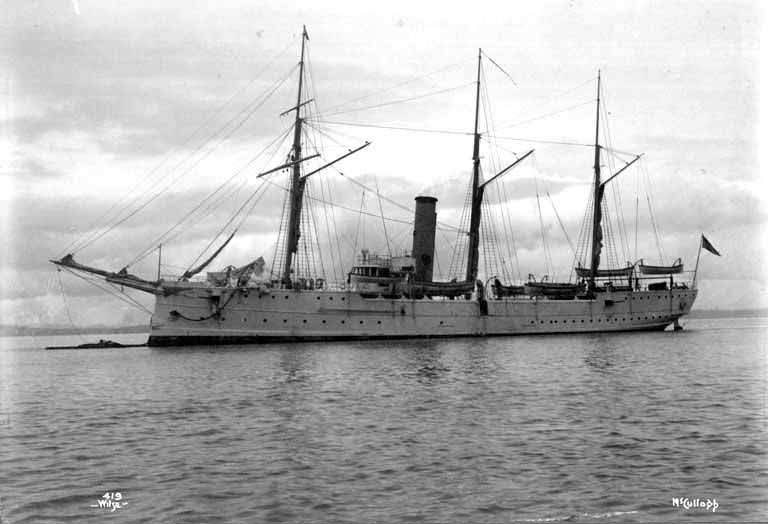
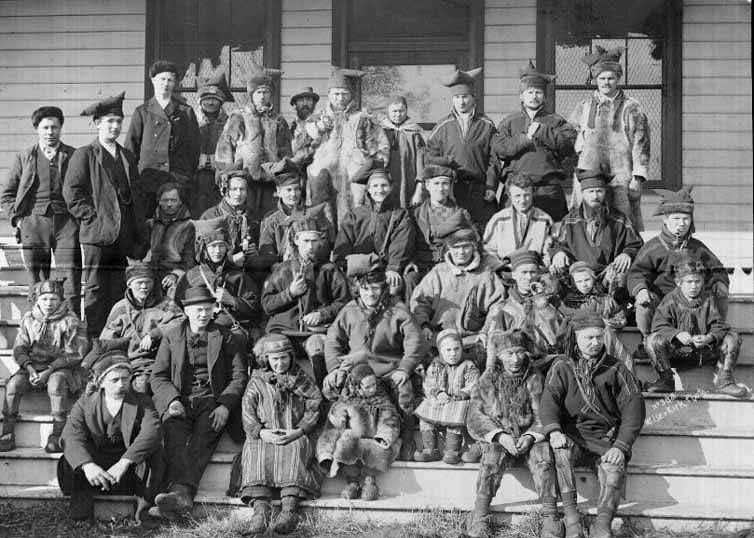
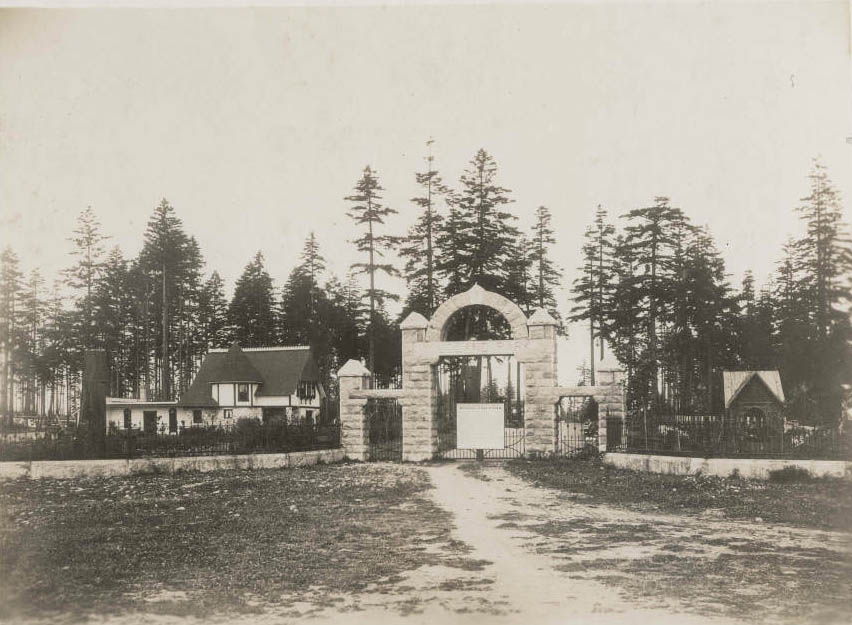
Seattle’s connection to the Gold Rush went well beyond ships and supplies. The U.S. Revenue Cutter McCulloch, which participated in the Battle of Manila Bay during the Spanish-American War, passed through Seattle’s orbit during this period. Sami reindeer herders from Lapland arrived in Seattle in 1898 as part of the Lapland-Yukon Relief Expedition — a government attempt to bring reindeer to Alaska as a food source for prospectors cut off from supplies. The scene of reindeer in front of Woodland Park’s entrance gate is one of the stranger photographs the decade produced.
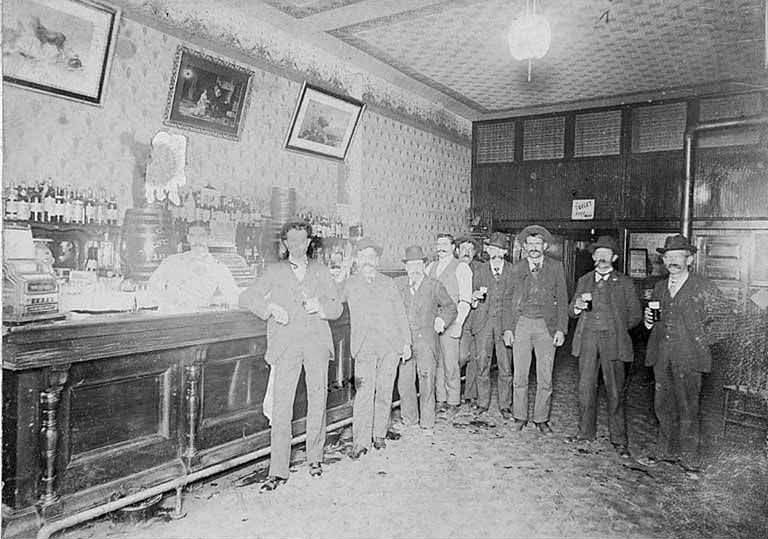
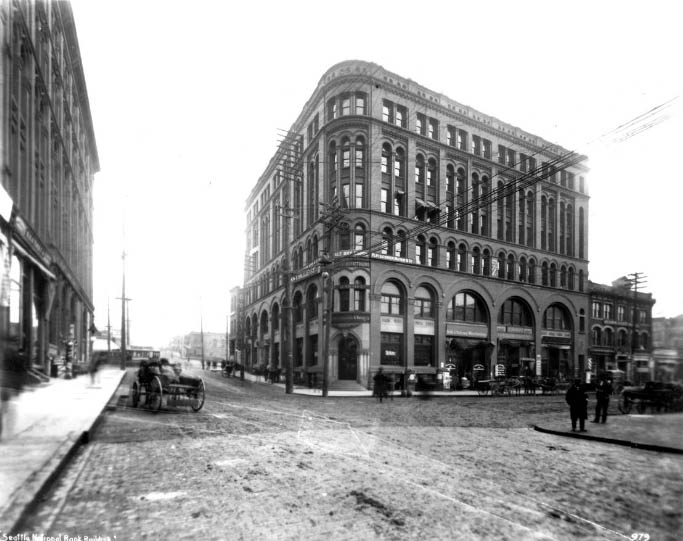
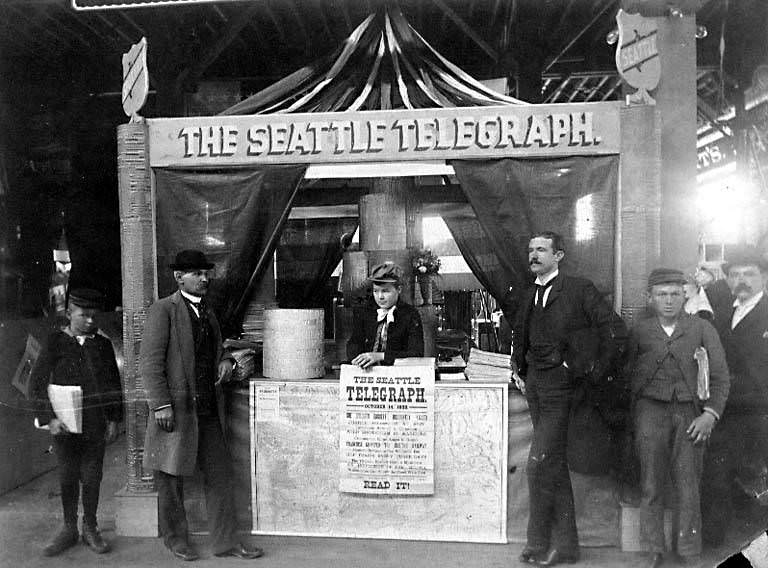
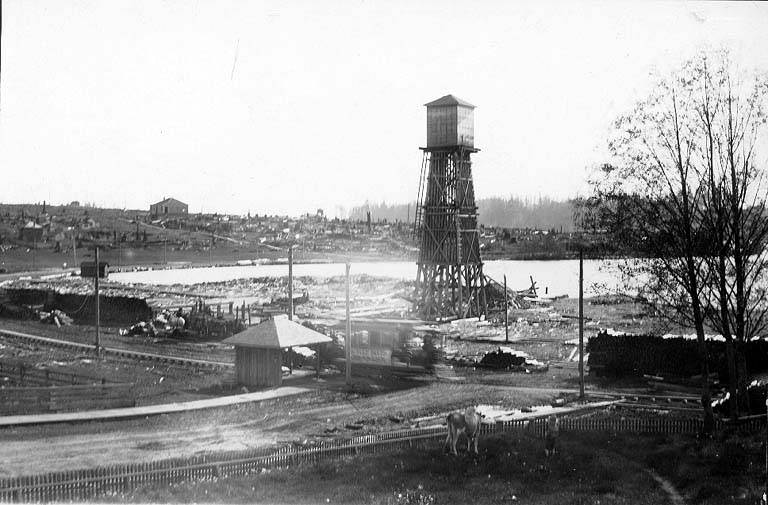
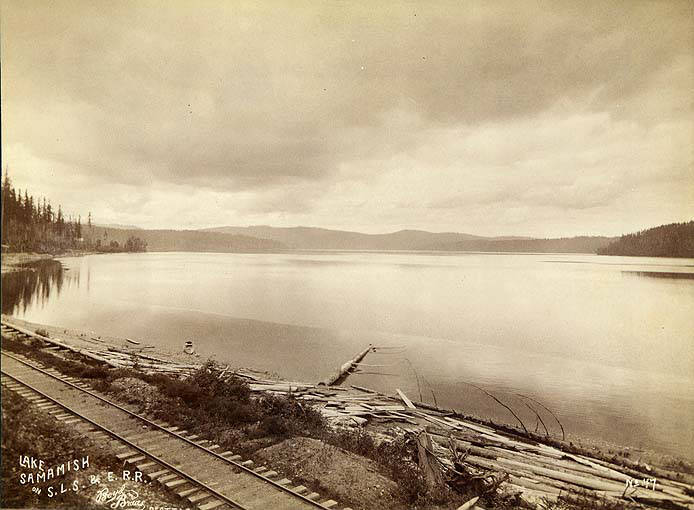
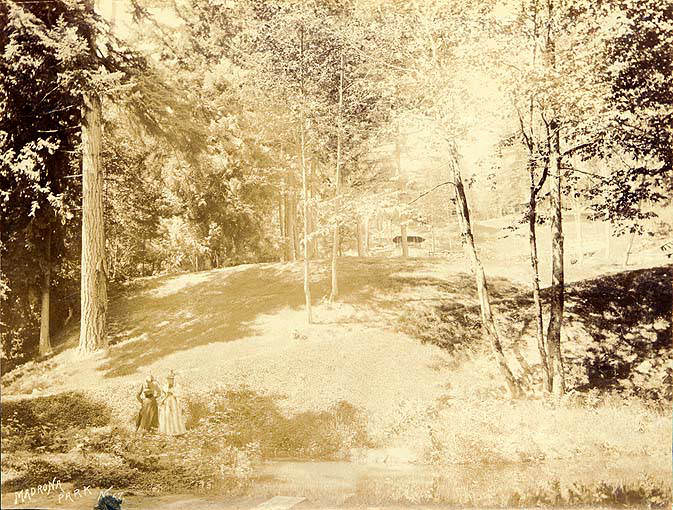
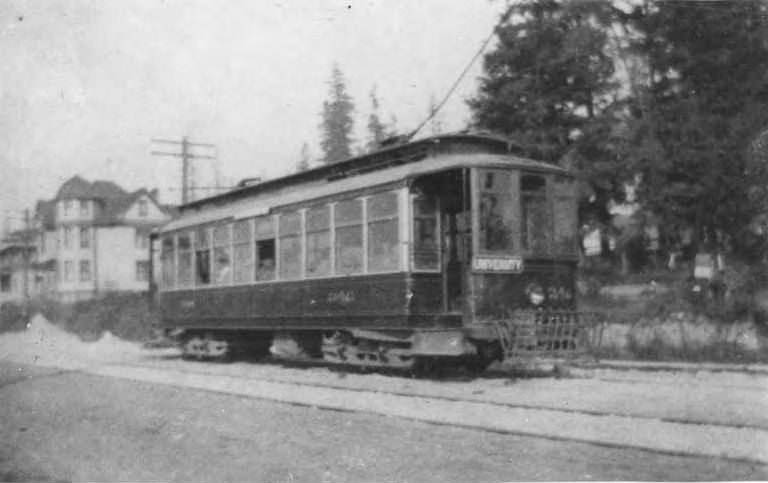
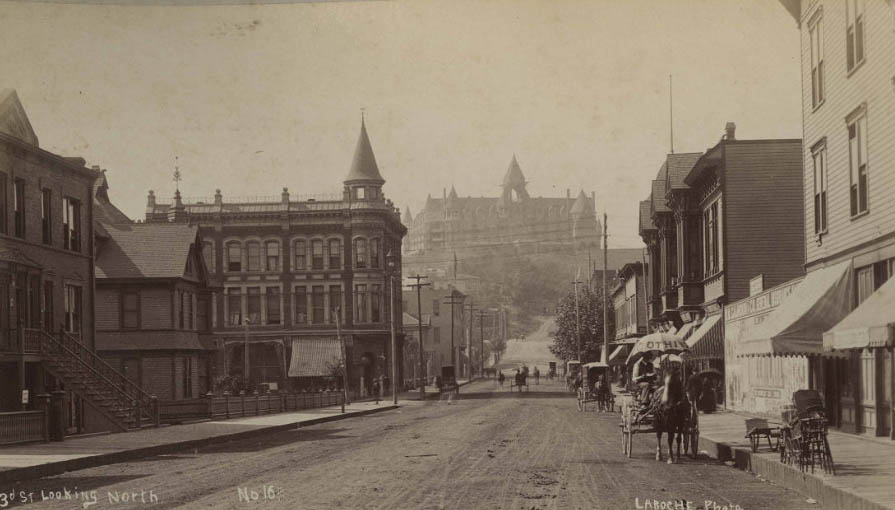
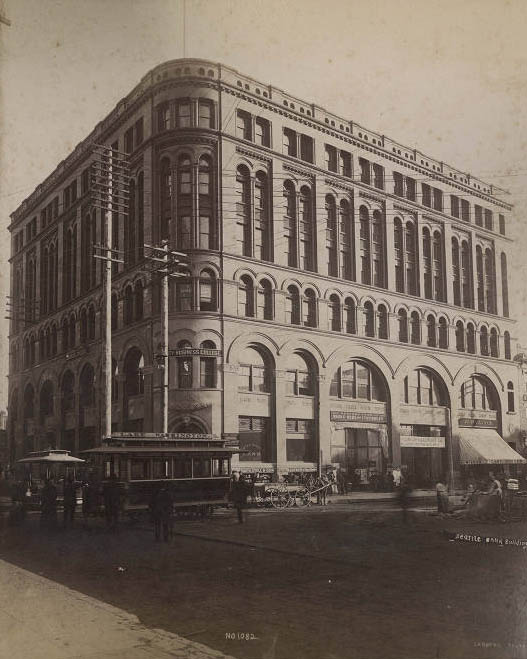
Revenue cutter McCulloch, 1898Saloon interior showing men standing at the bar, Occidental Ave. and Washington St., 1895Sami reindeer herders of the Lapland-Yukon Relief Expedition, 1898Schoolchildren in front of temporary building for Queen Anne School, top of Queen Anne Hill, Seattle, 1890Schwabacher’s Wharf, foot of Union Street, 1890Seagrave House, 224 Virginia Street, Seattle, 1890Seattle city hall and police headquarters, 3rd Ave. south of Jefferson Street, 1896Seattle National Bank Building, southeast corner of Occidental Ave. and Yesler Way, 1898Seattle Telegraph newspaper booth, 1890Seattle Traction Co. electric pile driver, 1899Seattle Traction Company car barn at 5th Ave. and Olive St. showing staff and streetcars, 1898Seattle, looking east from the waterfront in the vicinity of Pike Street, 1898Seattle, looking west from the King County Court House, 1894Ships at dock on the waterfront near Pier A at the foot of Washington Street, Seattle, 1897.Seneca Street, looking toward the waterfront, 1894Sled dogs at corner of Yesler Way and 2nd Ave., 1898Sled dogs in front of Yukon Mining School, 1898Soule residence garden, 1353 32nd Ave. Sreet, Seattle, 1899Soule residence porch and garden, 1353 32nd Ave. Street, Seattle, 1899Water tower of Green Lake Station and other buildings on northeast shore of Green Lake, 1896Waterfront in the vicinity of Main St., Seattle, 1892.Woman with bicycle on the Lake Washington bicycle path, 1899Women with bicycles on the Lake Washington bicycle path, 1899Woodland Park conservatory, 1896Woodland Park hunting lodge, 1895State Building, corner of S. Main St. and Occidental Ave. S., 1891Steamer Willamette departing from the crowded Seattle waterfront for the Klondike, 1899Steamship Valencia leaving Seattle, April 7, 1898Streetcar at University Way NE and NE 52nd Street, University District, 1897Tracks of the Seattle Lake Shore and Eastern Railroad, Lake Samamish, Washington, approximately 1891.Two women promenading in Madrona Park, Seattle, 1890Two women walking in Woodland Park near Green Lake, 1897University streetcar north of the bank building, University District, 1891Independent Order of Good Templars Hall, 1897View SW from 32nd Avenue, 18981st Ave. south from Columbia Street, 18942nd Ave. looking south from Pike Street, 18903rd Ave. north from University St. towards Washington Hotel,. 18903rd home of Seattle Public Library in the Rialto Building, 1896
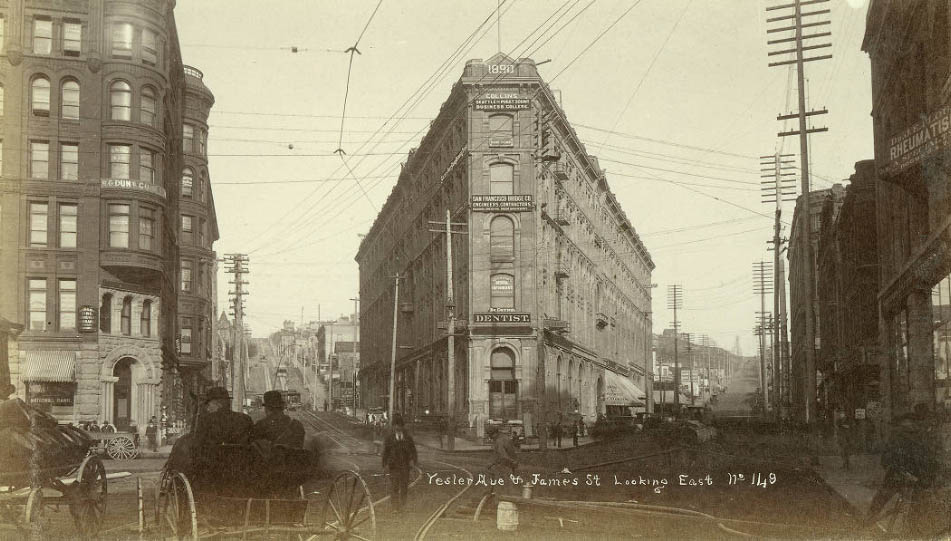
Seattle’s public library moved locations multiple times during the 1890s as the city grew faster than its institutions could keep up. The first home of the Seattle Public Library was in the Occidental Block at Front, James, and Yesler Streets, built in 1890. The second home was the Collins Building at 2nd Avenue and James Street. By 1896, the library had moved again to the Rialto Building. The Yesler Mansion eventually served as its fourth location in 1899, as the library’s collection and readership continued to grow.
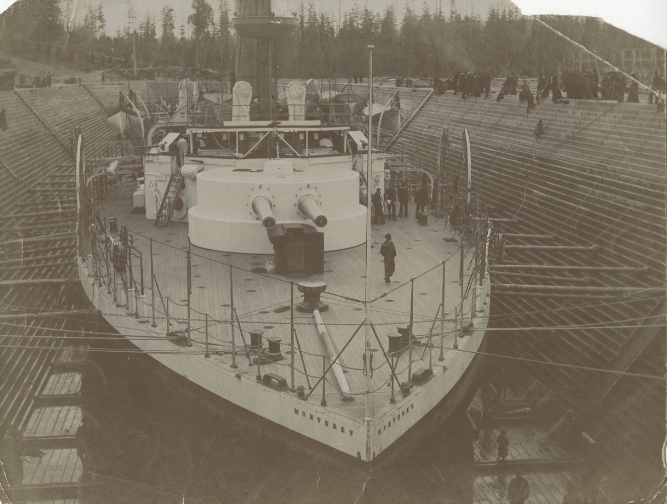
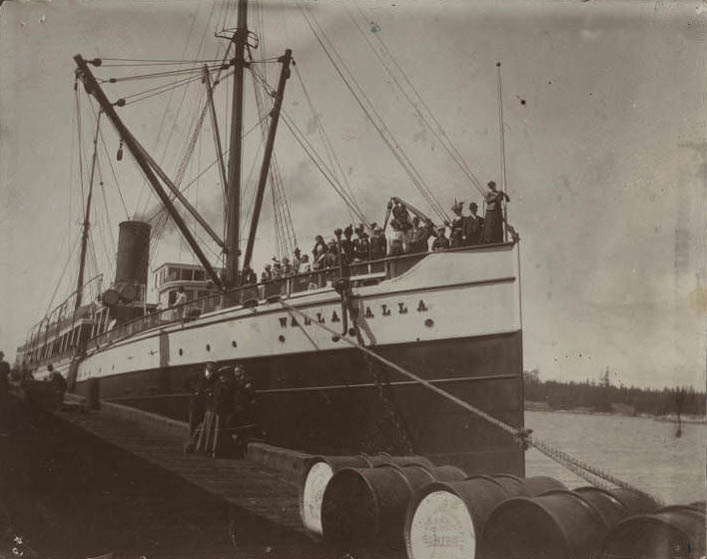
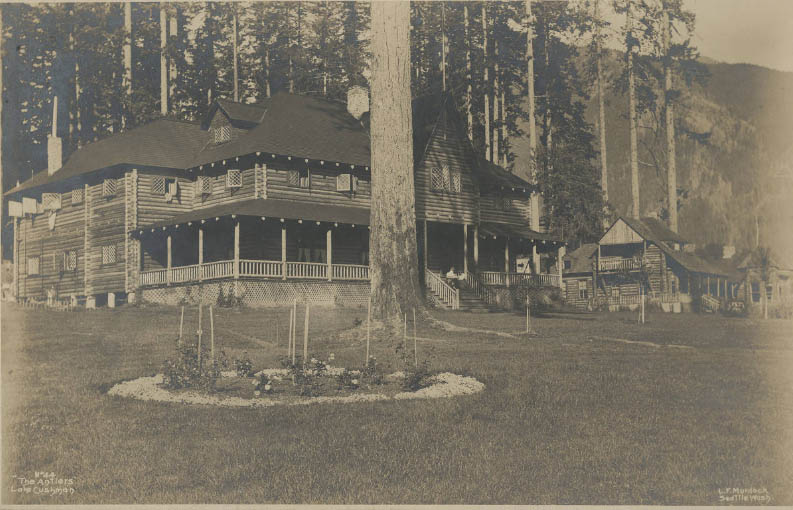
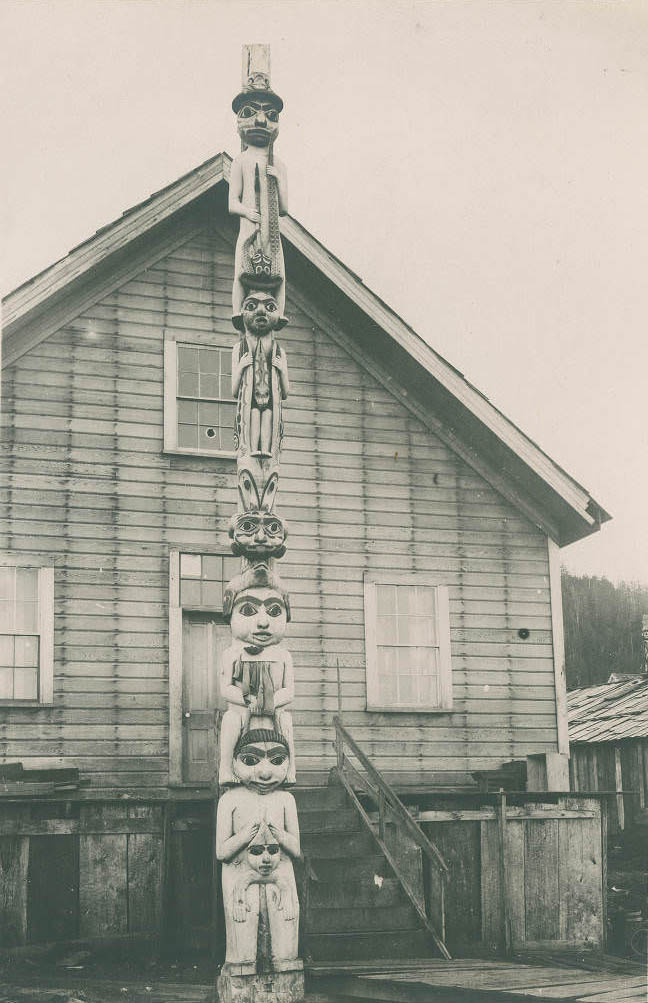
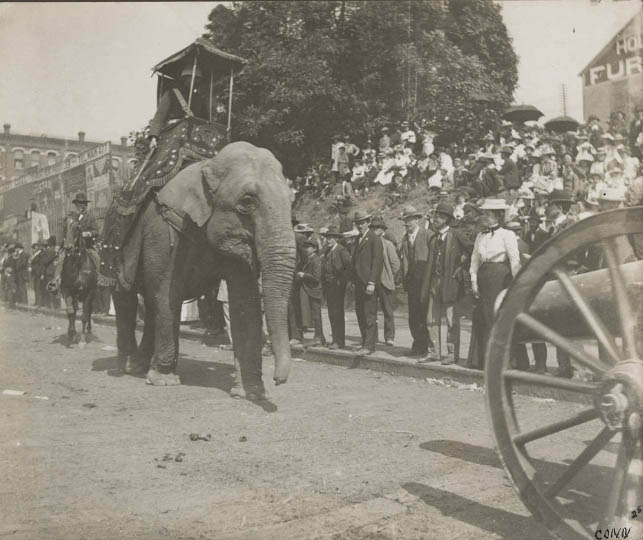
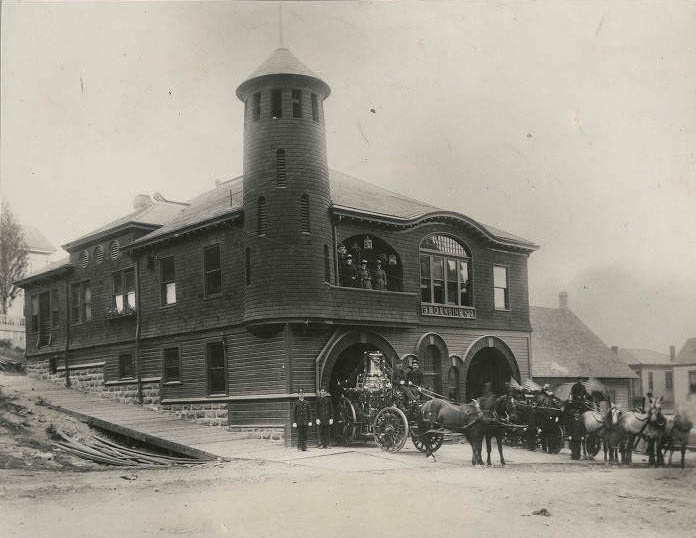
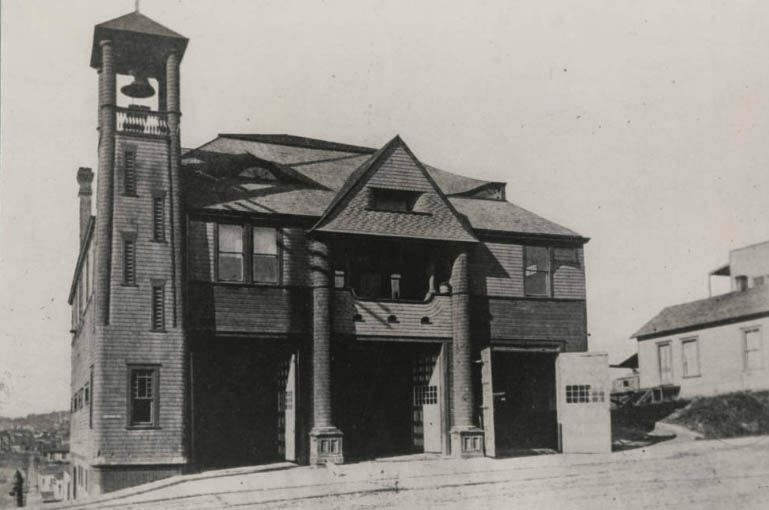
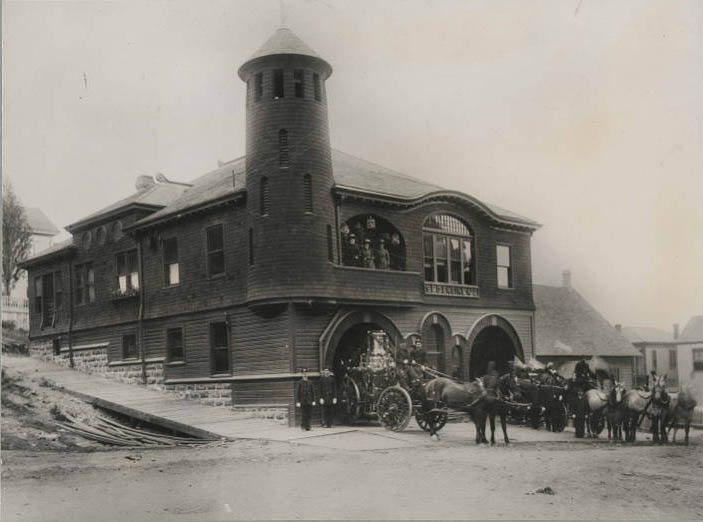
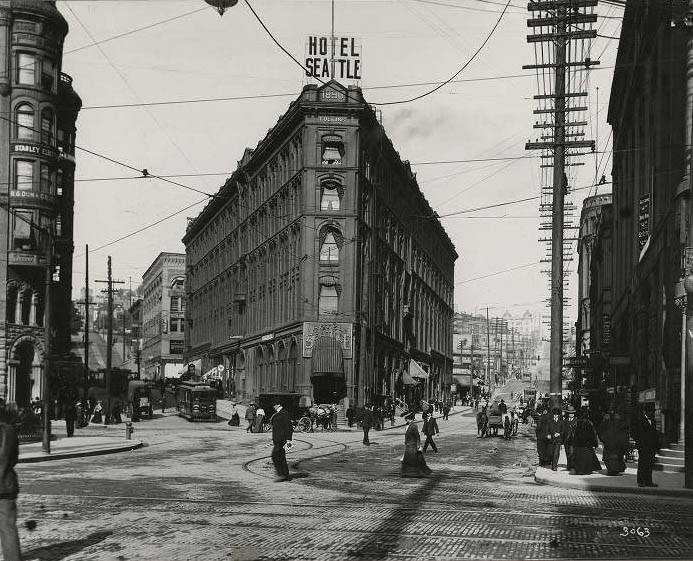
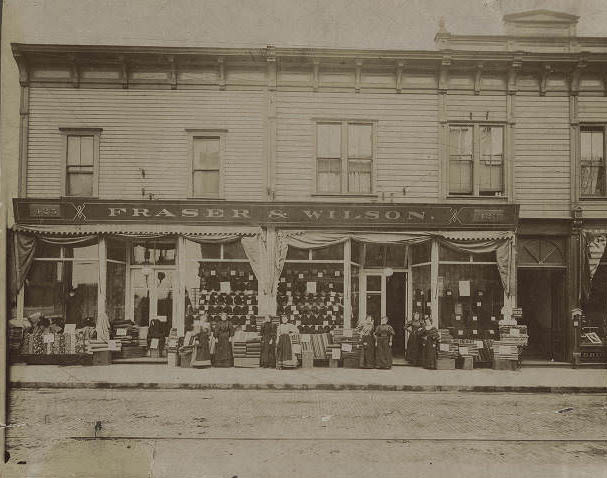
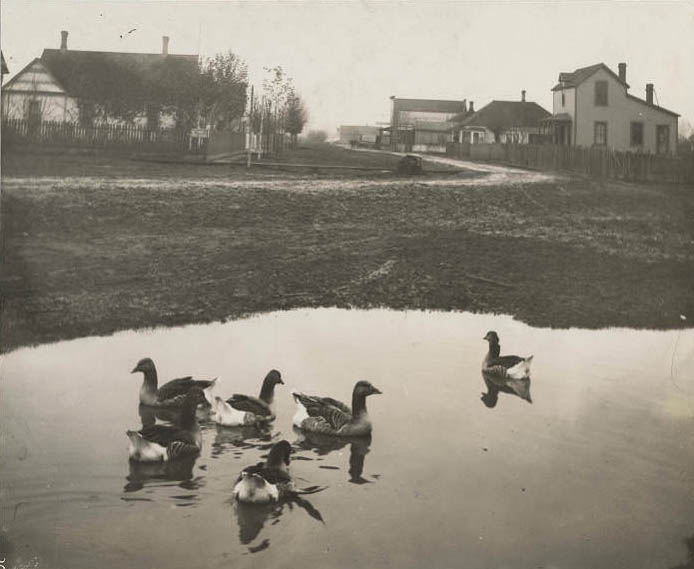
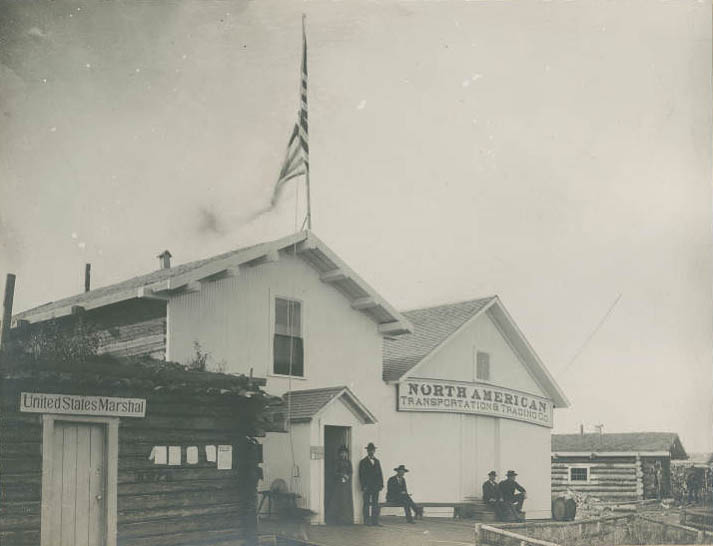
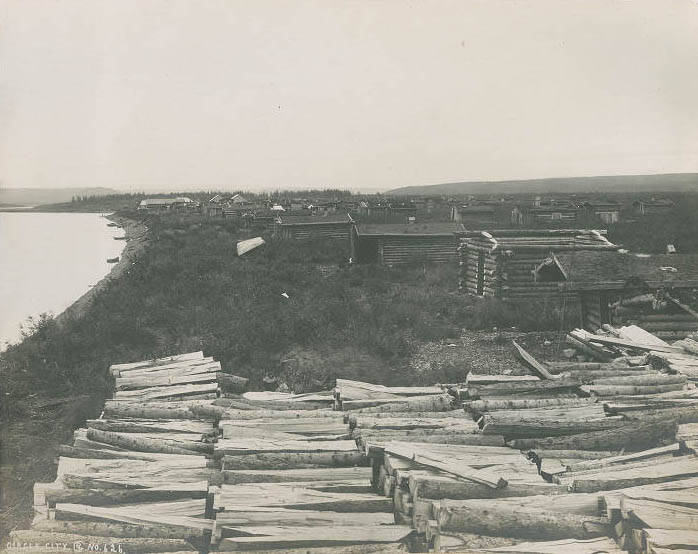
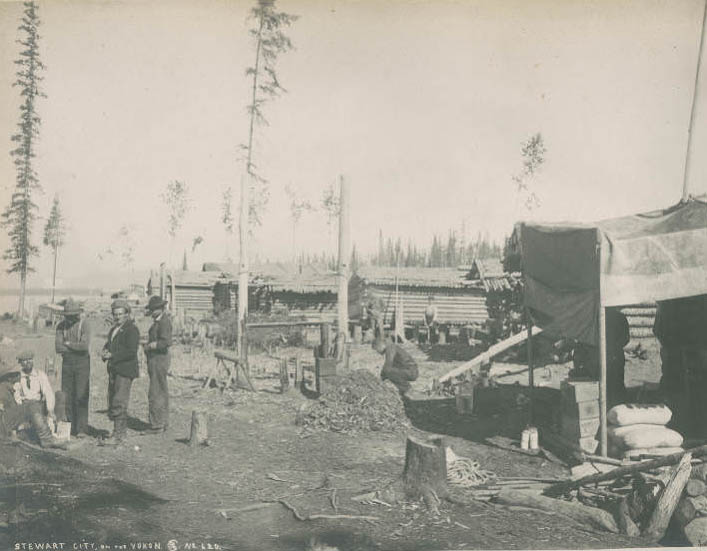
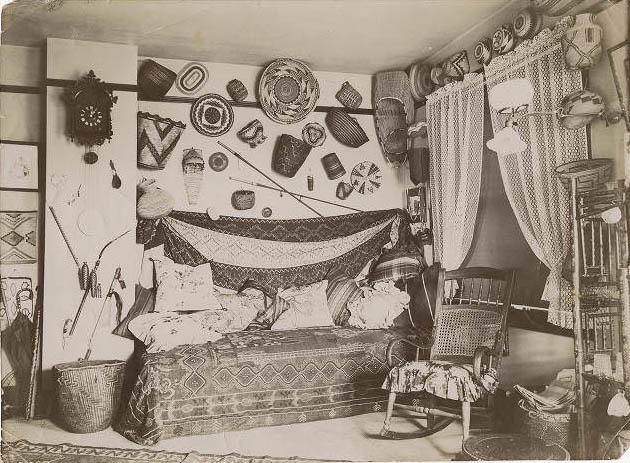
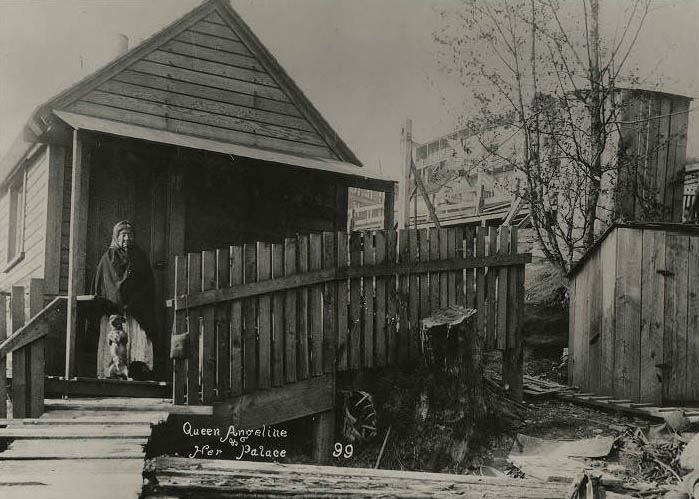
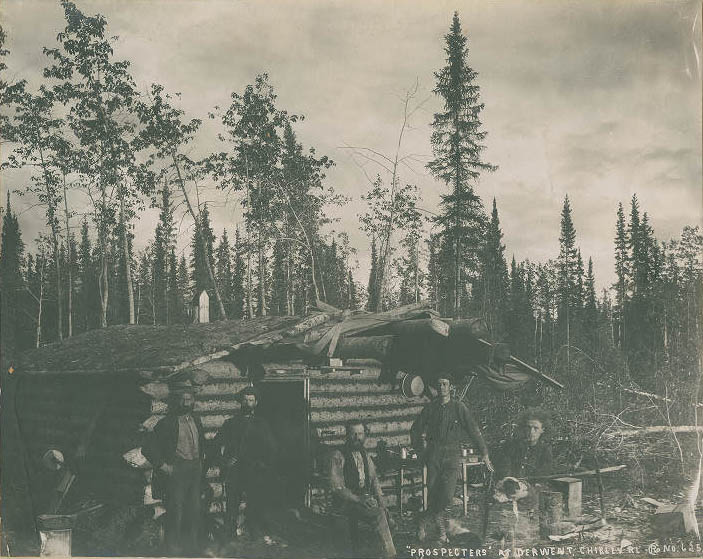
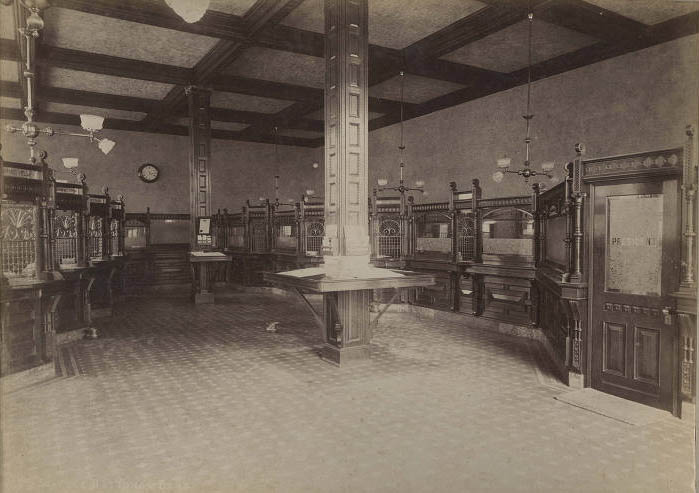
7th Ave. north from near Jefferson Street, 1890City of Seattle” steamboat, 1899Joseph Closset” stern wheeler on Yukon River, 1899Monterey” gunboat in Port Orchard dry dock, 1896Walla Walla” steamer, 1898Alaska Sailing Day at Pier 4, 1898Antlers Hotel on Lake Cushman, 1899Arthur Denny house, 1890Beaver totem pole in front of home in Wrangell, Alaska, 1899Boat loading for Alaska, 1897Boats docked at Oregon Improvement Company docks, 1890Brighton School, 1895Broadway School in Ballard, 1891Brygger Home in Ballard, 1890Budlong House, 1898Cable powerhouse at 2nd Ave. and Denny Way, 1892Cascade School, 1893Cattle team and workers on skid road, 1890Claflin Brothers & Co. in Nome, Alaska, Sept. 28, 1899Class of South Park School, November 21, 1899Class of South School, 1890Class of South School, 1890Collins Building, 1894Construction of Denny Hall, 1895Cordray Theater, 1892David T. Denny home, 1891Elephant on parade at Pine St. and 3rd Ave., 1899Engine House No. 2, 1890Engine House No. 4, 1899Expedition returning to Antlers Hotel after trip to Olympic Mountains, 1898Fir log at Huron Lumber Company’s Bothell camp, 1895Fire station Engine House No. 2, 1890First car on James St. Line at 12th Ave., 1890First Home of Seattle Public Library, 1891Fraser and Wilson Store on Pike Street, 1895Frederick A. MacDonald house, 1895Greater White Fronted Geese in South Park Pond, 1890Green Lake and Phinney’s Boathouse from Woodland Park, 1891Group outside North American Transportation & Trading Company in Circle City, Alaska, 1899Hans and Nels Nelson at corner of Dock Pl. and Ballard Avenue, 1892Holy Names Academy at 7th Ave. S. and S. Jackson St., 1898Hotel Seattle, 1894Interior of Antlers Hotel on Lake Cushman, 1898.John Leary house at 208 Madison Street, 1890John S. Reasoner House, 1893ake Washington, foot of Madison Street, 1890Logs at Circle City waterfront, Alaska, 1899Looking south from near 3rd Ave. and Pine Street, 1890Madison Park, 1897Madison Park, 1897Men and log cabins at Stewart City, Yukon, 1899Native American baskets in home of Mabel Thompson, 1900Old bicycle path, 1895Oregon Improvement Company wharf, 1890Outlet of Union Bay, 1893Parade at 2nd Ave. and Marion Street, 1899Parade on 3rd Ave, 1899Pike St. looking east from 5th Avenue, 1890Pike St. looking east, 1890Pioneer Place decorations, November 1899Plummer Building, 1891Plymouth Congregational Church, 1892Princess Angeline’s House, 1890Prospectors and log cabin at Derwent, Alaska, 1899Reconstruction following fire from 1st Ave and Yesler Way, June 1890Reviewing stand decorated for visit of President Benjamin Harrison at 1st Ave. and Yesler Way, May 6, 1891Scene at the dock during Alaska gold rush, 1898Seattle Female College, 1893Seattle National Bank Building, 1890Seattle National Bank interior, 1890Seattle Public Library in Yesler Mansion, 1899Seattle Terminal and Railway Elevator Company grain elevator, 1890.Sixth St. School, 1890South School, 1897Spanish American War homecoming, November 4, 1899Temperance Hall on E. 72nd St., 1891Territorial University near 4th Ave. and University Street, 1890rain of Logs at Yesler (Town), 1893Train with lumber for Columbian Exposition at Columbia St. and Alaskan Way, 1893Umbrella Man, 1899View north from 1st Ave. and Cherry St., Seattle, 1890View north from James Street and Yesler Way, 1891View of reconstruction following fire from 1st Ave. and James Street, July 1890View south from Seattle coal bunkers, 1890View south from Queen Anne Hill, 1896View south from Washington Hotel, 1890View south on Ballard Avenue, 1891Waterfront at foot of Union Street, 1896William Wood House at 308 E. 72nd Stre, 1896Wood House on East 72nd St. and East Green Lake Way, 1898Woodland Park boathouse, 1891Woodland Park entrance, 1891Woodland Park Lawn and Fountain, 1891Woodland Park Street Car, 1891Woodland Park, 1899Yesler Way west from 3rd Avenue, 1892
Why does the article emphasize the arrival of the Great Northern in Everett? It arrived in Seattle the same year.
Seattle was in a depression/recession for most of the 1890s, but sure… gloss over that. Why not.
Also kinda obnoxious that these pieces lift all the photos without credits or attribution. I expect that from AI Facebook groups for boomers, not any site that’s legitimately interested in history.


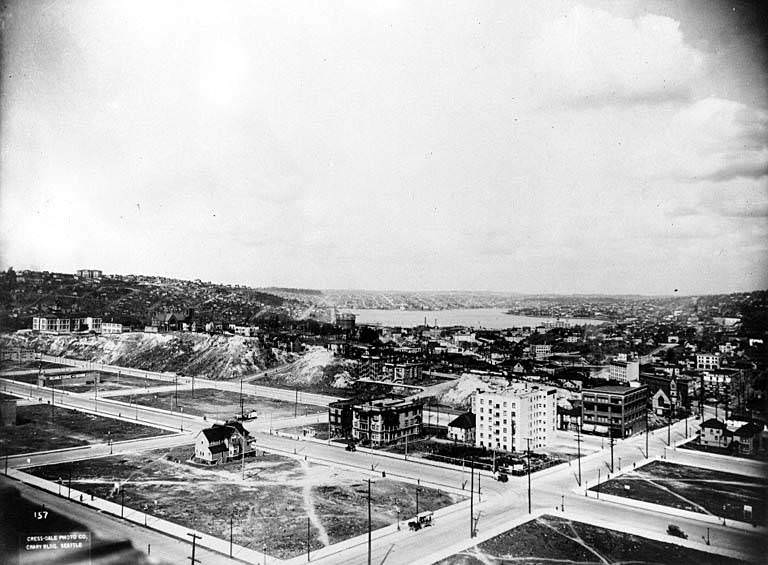
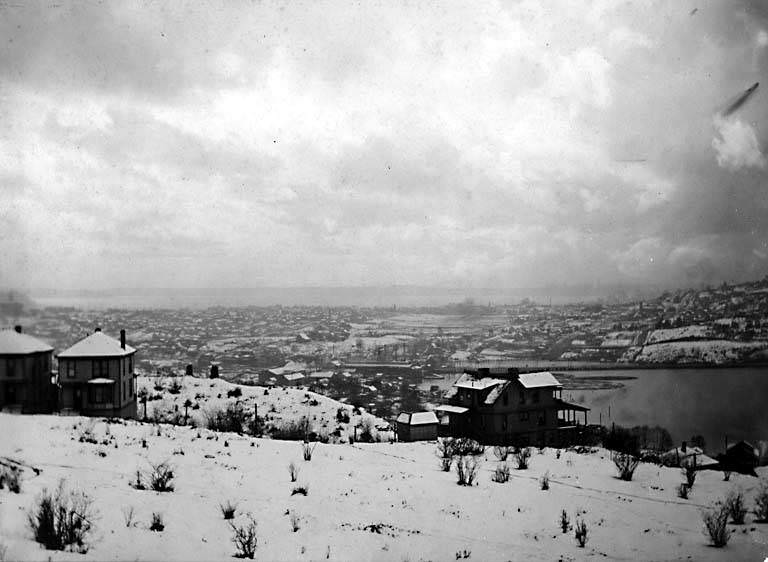
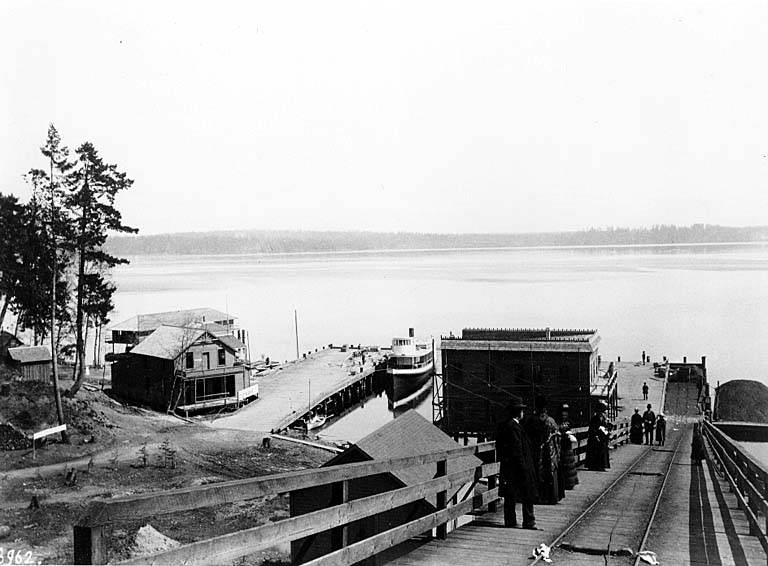
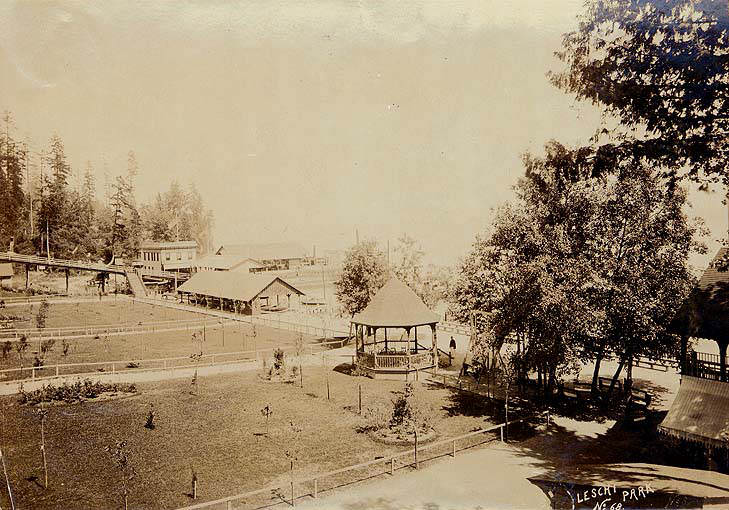





Really incredible! Much larger and more cosmopolitan than I had imagined!
Looks like Spokane now.
When was the last time Lake Union froze over enough for people to ice skate on it?
Pretty cool but what a shite homepage!
Why does the article emphasize the arrival of the Great Northern in Everett? It arrived in Seattle the same year.
Seattle was in a depression/recession for most of the 1890s, but sure… gloss over that. Why not.
Also kinda obnoxious that these pieces lift all the photos without credits or attribution. I expect that from AI Facebook groups for boomers, not any site that’s legitimately interested in history.
It’s a shame that the lake doesn’t freeze over anymore