
When World War II ended, San Jose was still a small agricultural city. In 1950, its population sat at under 100,000 people. The Santa Clara Valley surrounding it was the last large stretch of undeveloped land near San Francisco Bay, filled with orchards and farmland rather than freeways and office parks. That would not last long. Over the course of the 1950s, San Jose transformed at a pace few American cities could match — growing outward through aggressive annexation, filling in open land with housing tracts, and shifting its identity from a farming town to a modern city. These vintage photos capture that transformation in real time.
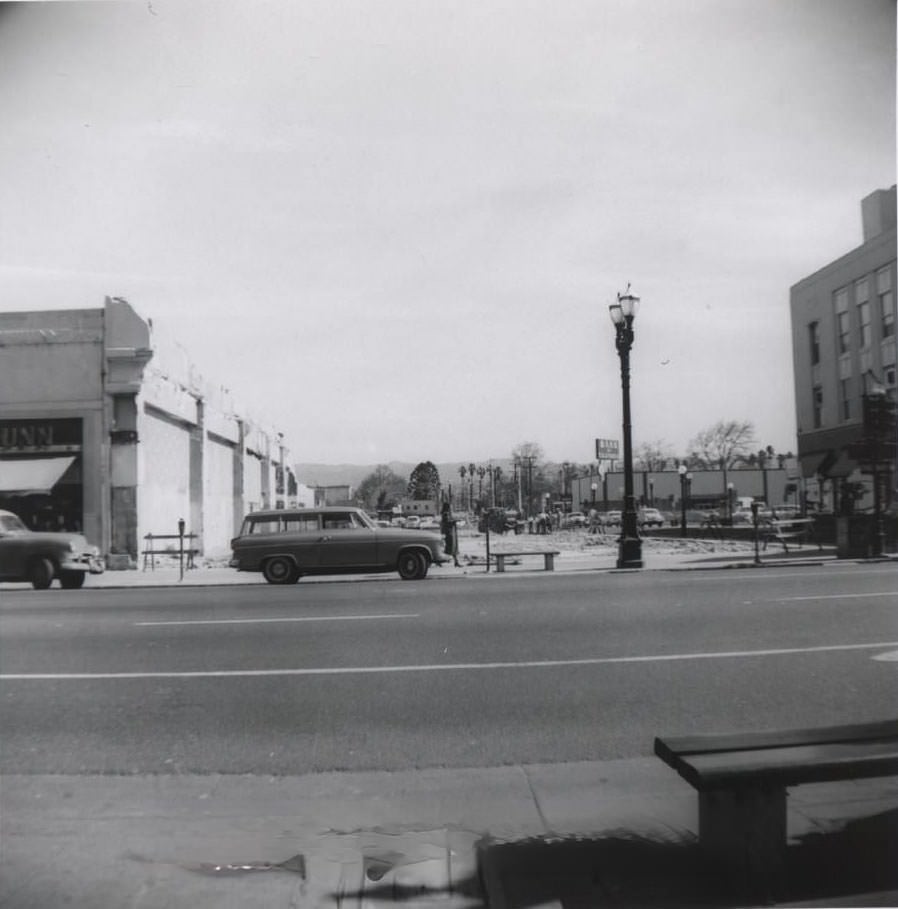
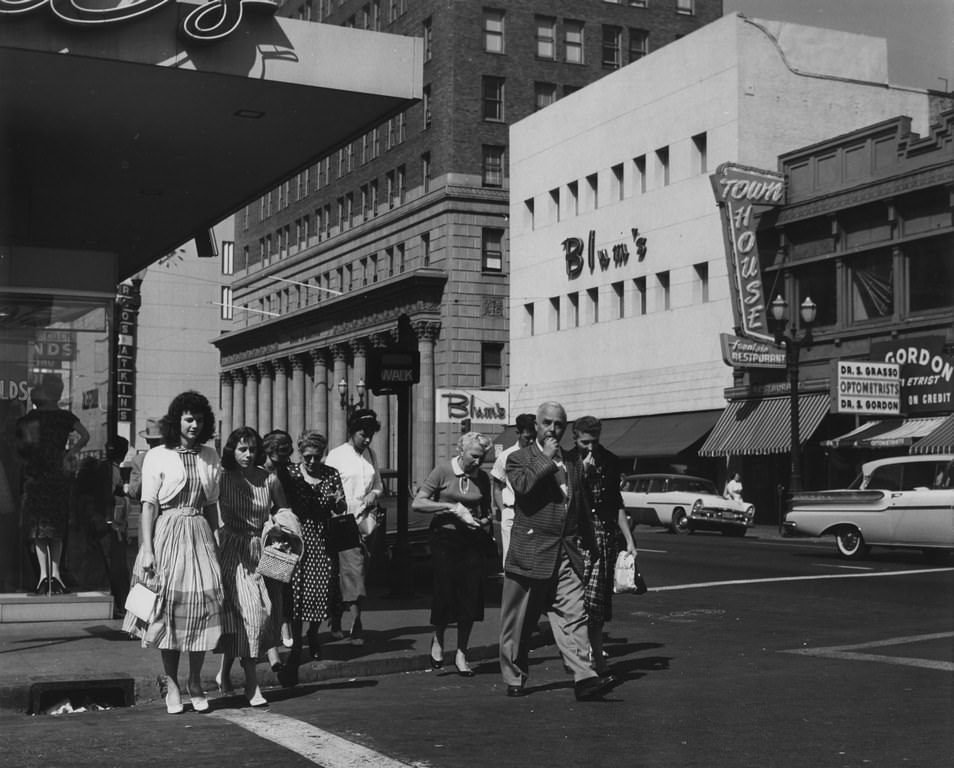
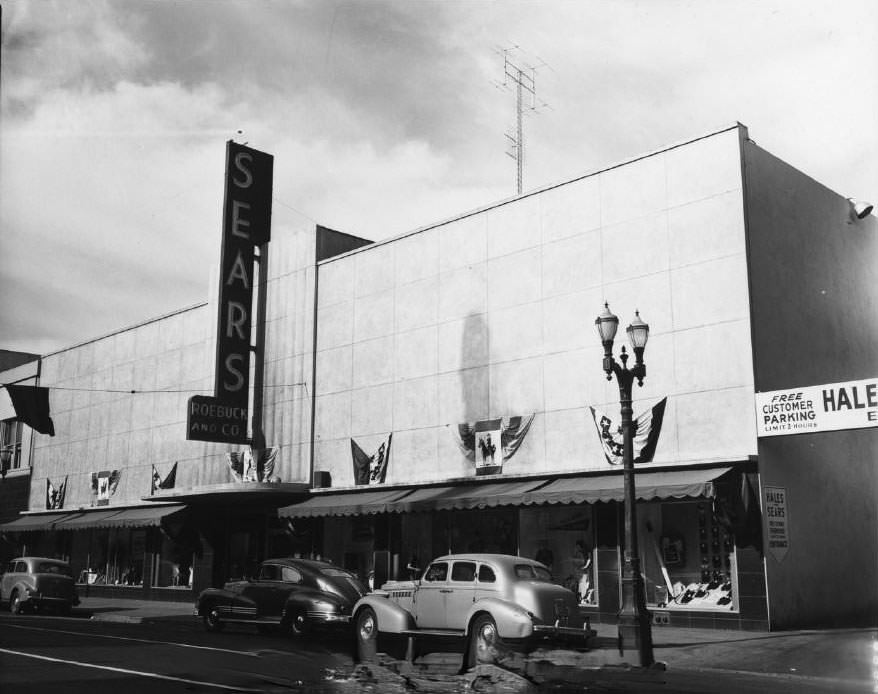
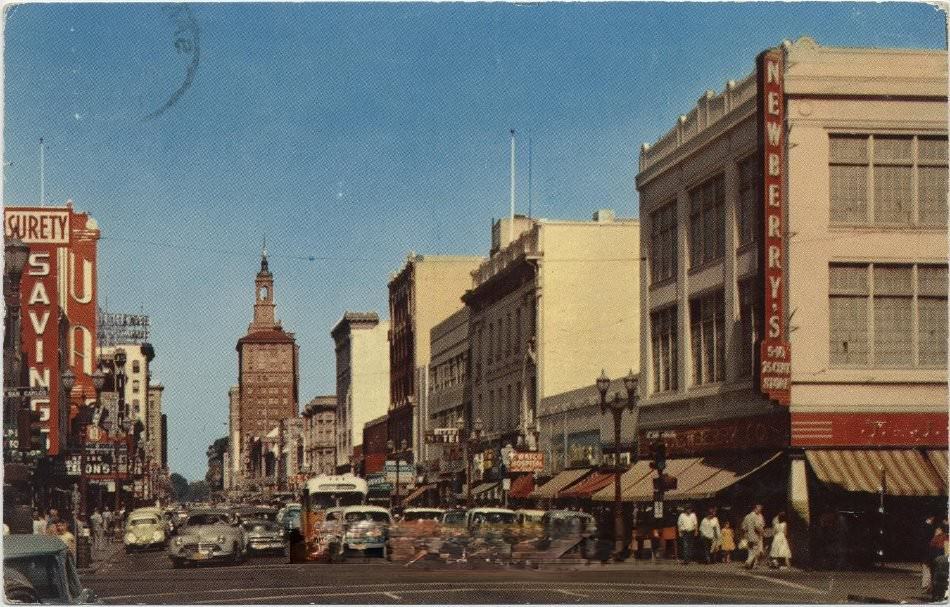
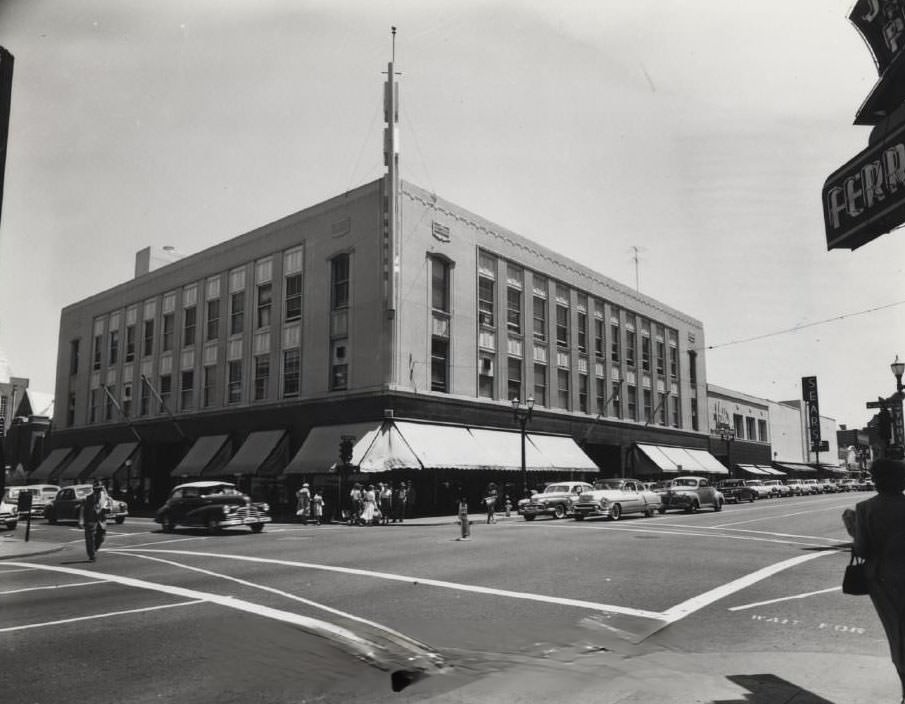
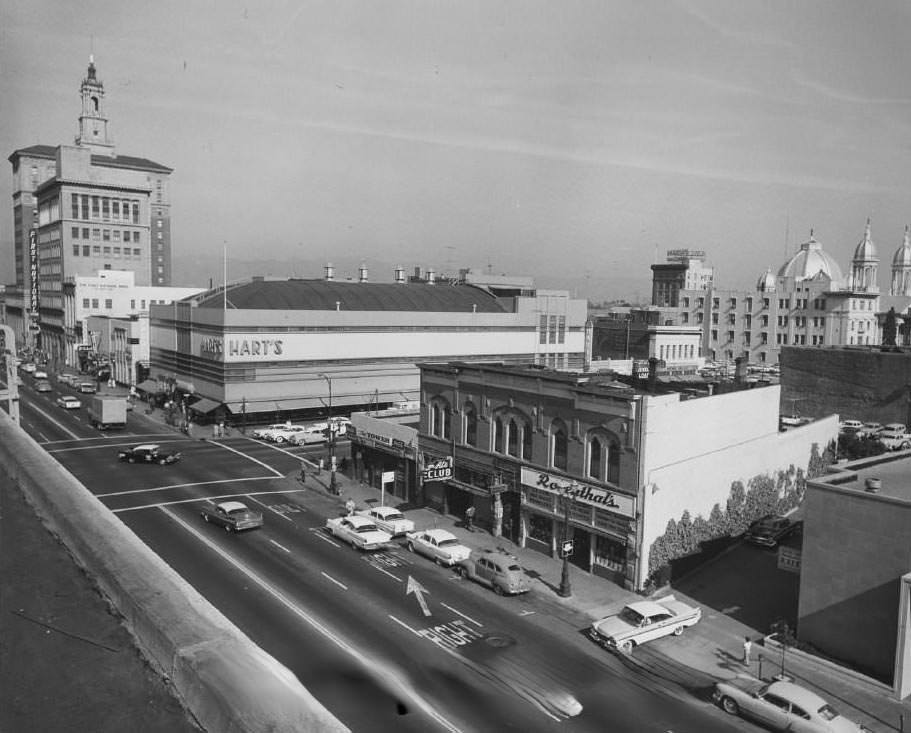
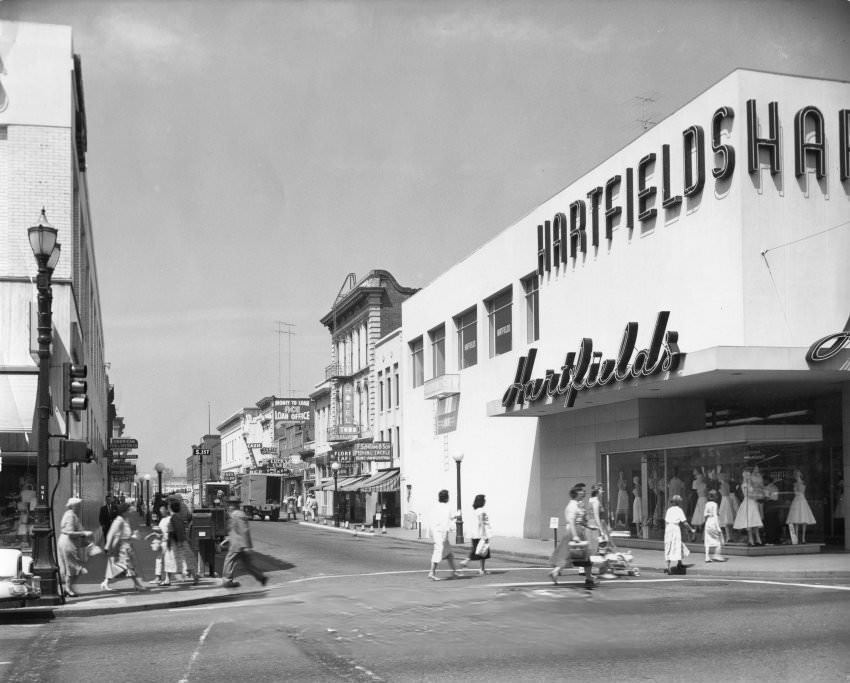
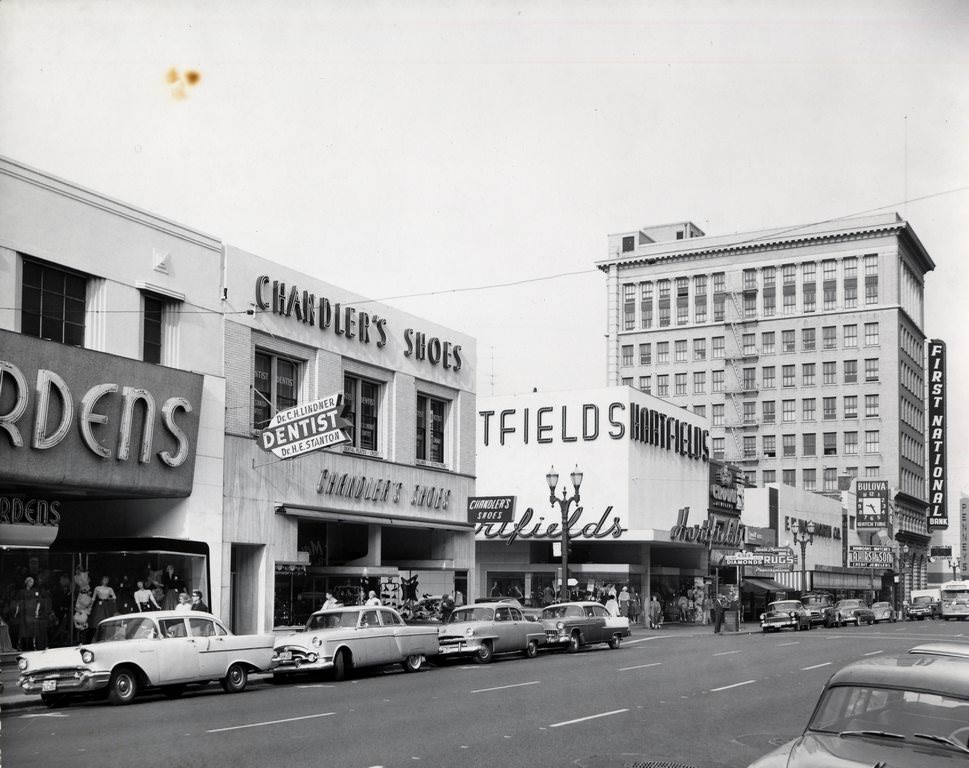
At the start of the decade, downtown San Jose was the center of commercial and civic life. South First Street was lined with department stores, restaurants, and theaters that drew shoppers from across the valley. Blum’s was well known for its specialty ice creams, and stores like Sears Roebuck anchored busy blocks. The Sears location at 350 South First Street sat almost directly across from the Fox Theatre, one of the most striking buildings in the city.
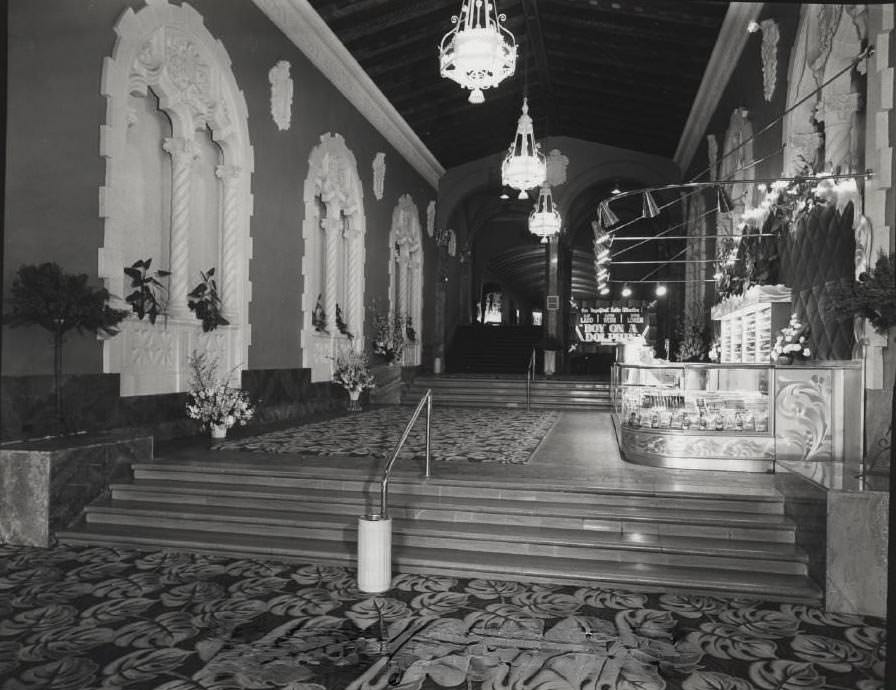
The Fox California Theatre was a landmark unto itself. Its interior was ornate and grand, the kind of movie palace that made an evening out feel like a real occasion. By the late 1950s, theaters like this one were facing pressure from television and changing habits, but in the early part of the decade they still packed in crowds.
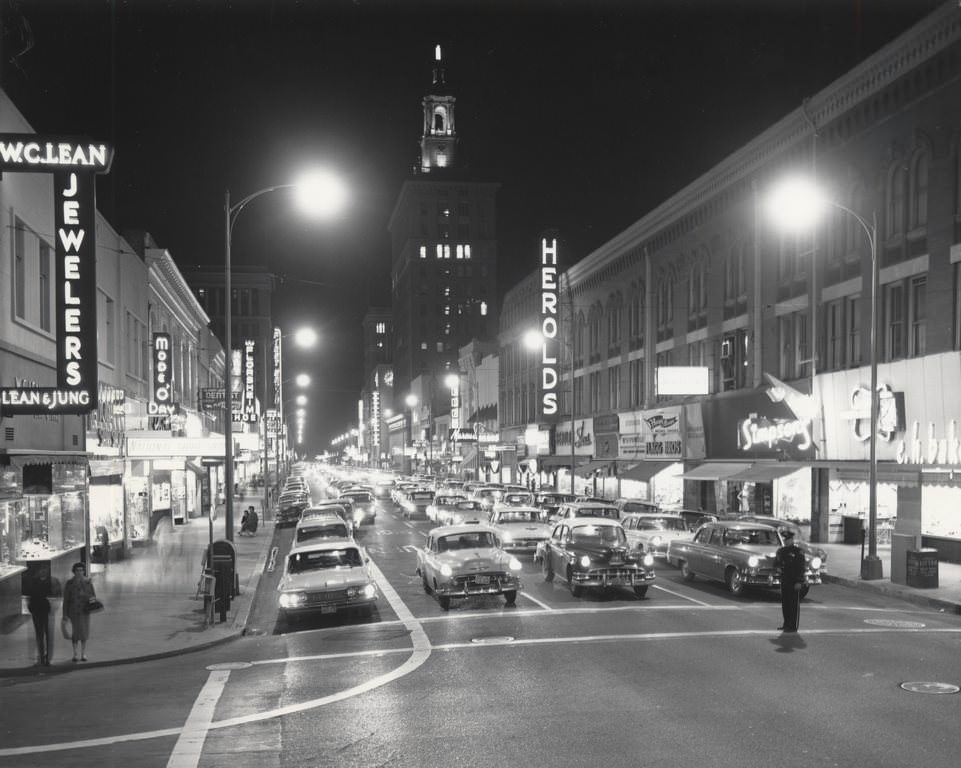
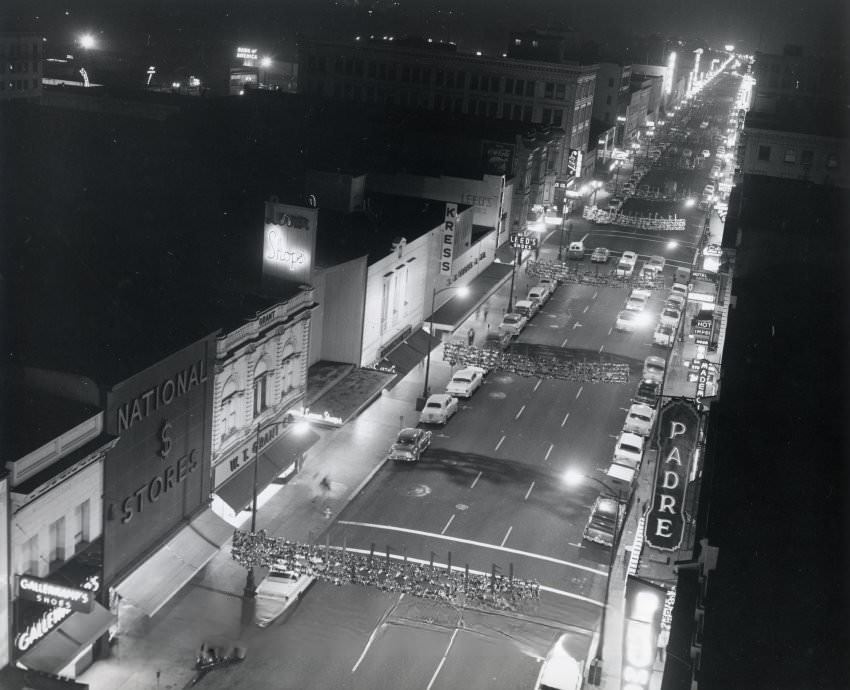
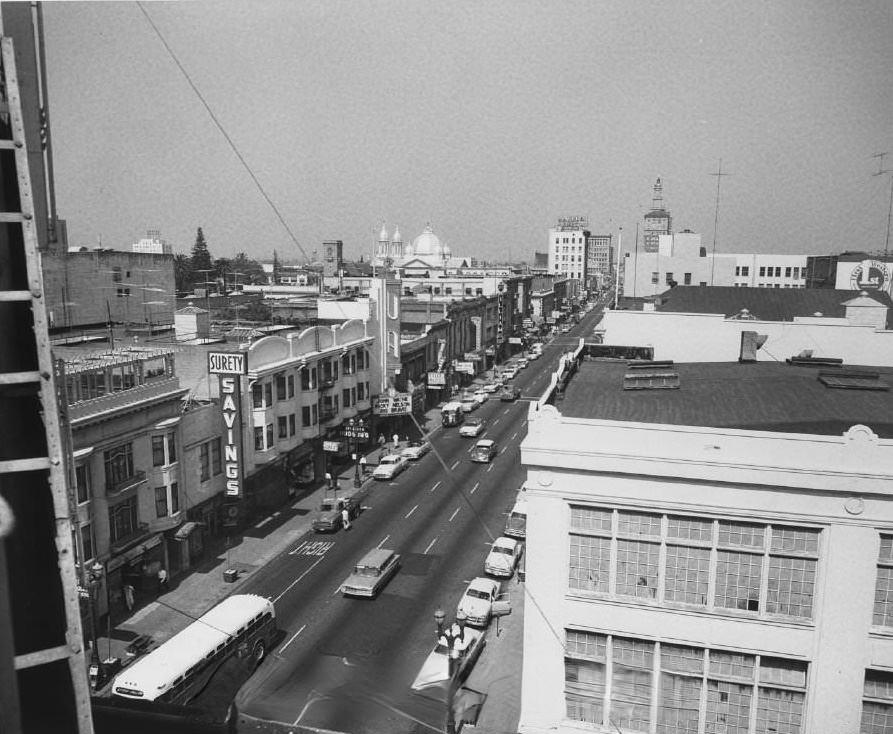
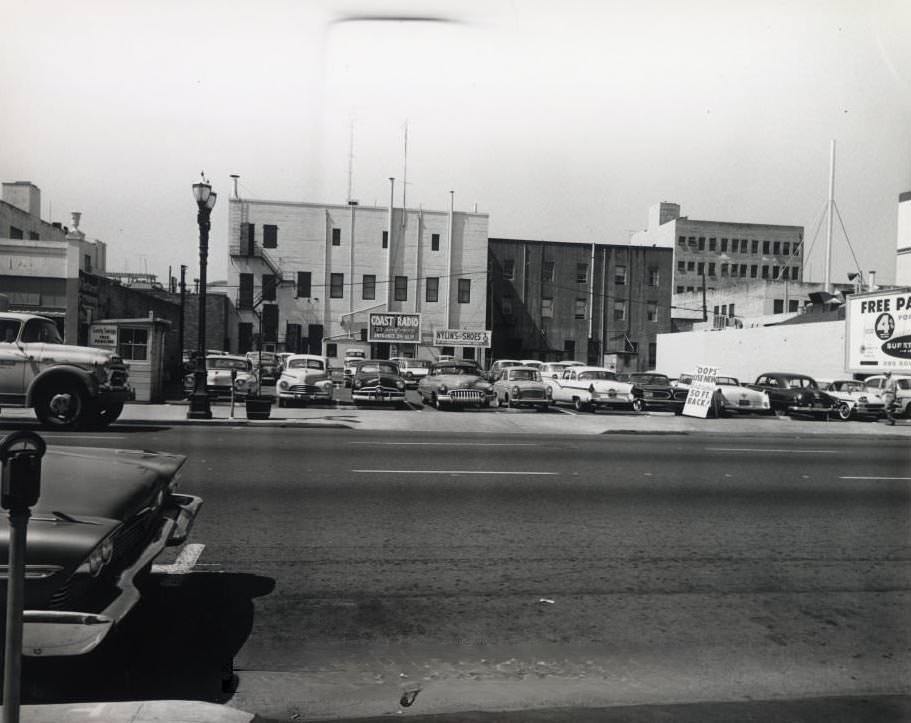
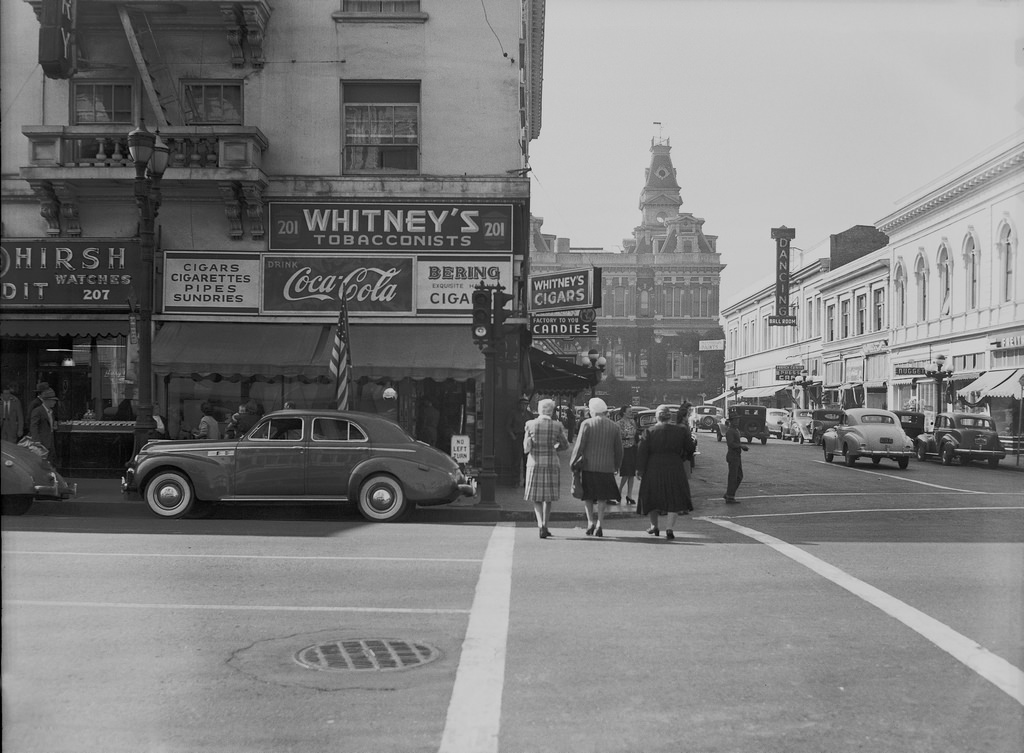
Downtown streets were busy with both cars and foot traffic. Most downtown stores kept late hours on Thursday evenings to accommodate shoppers. Looking north from San Fernando along South First Street in 1955, the sidewalks were lined with storefronts and the road filled with parked cars. At Christmas, the street was decorated with lights strung above the road, lit up at night with the glow of National Dollar Stores, Padre, and Kress below.
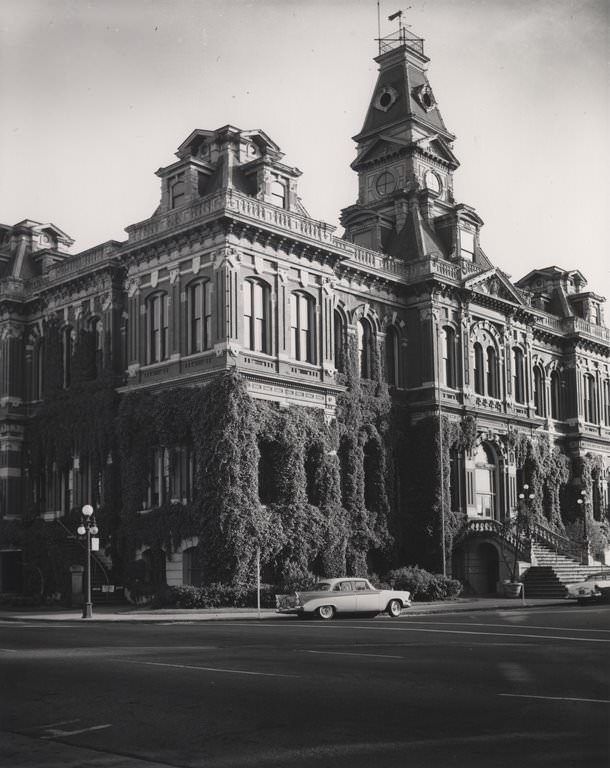
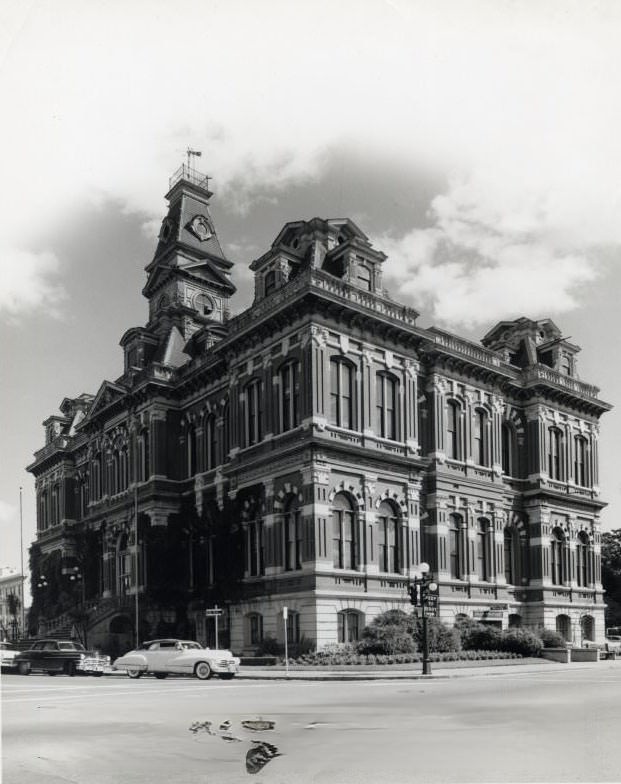
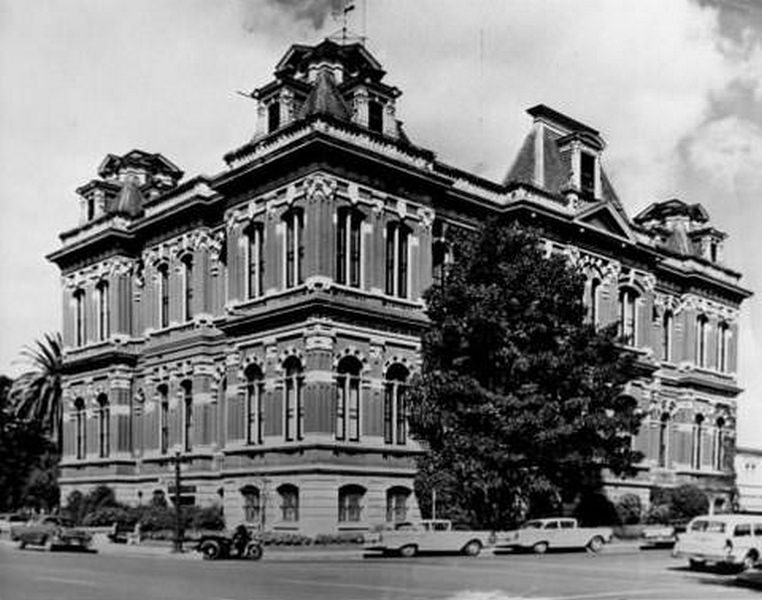
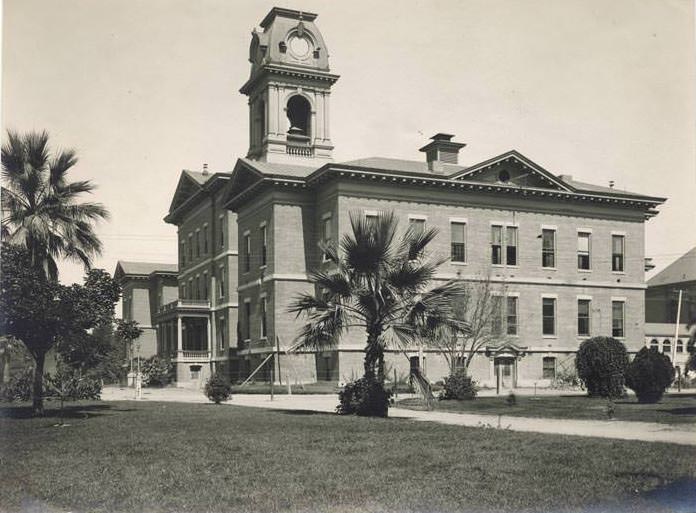
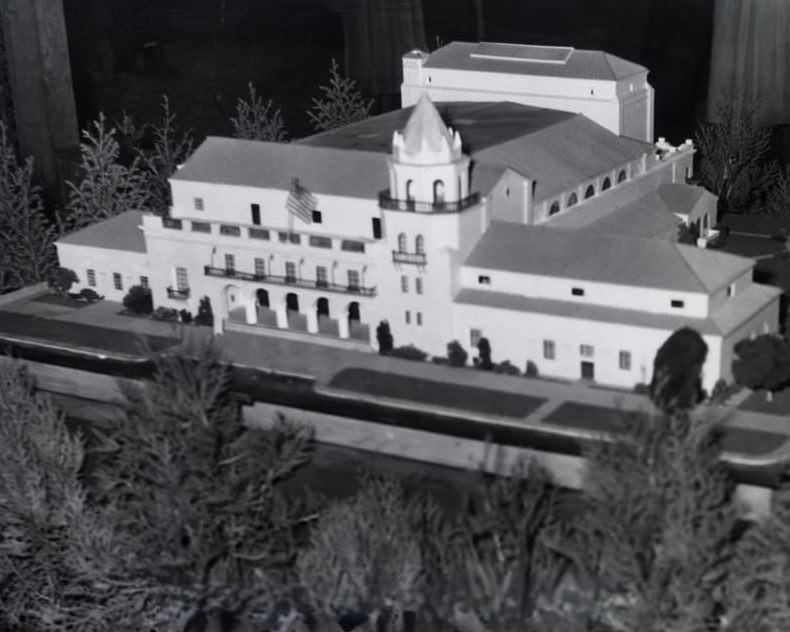
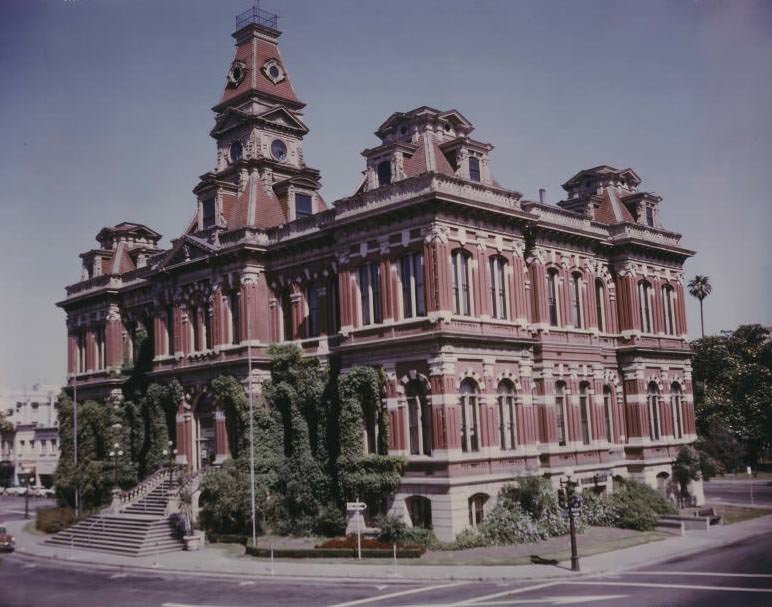
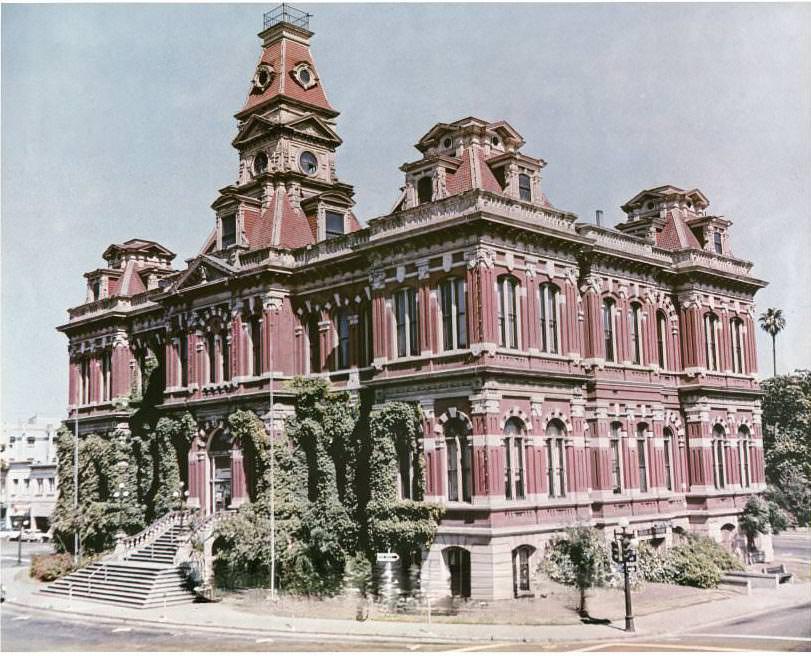
San Jose City Hall during much of the decade was a 19th-century building designed by architect Theodore Lenzen and built in 1887. It housed the jail on the ground floor, the council chambers on the main floor, and the public library on the third floor. The building served the city for more than seven decades before it was demolished in 1958, when city operations moved to a new location to keep up with the rapidly growing population.
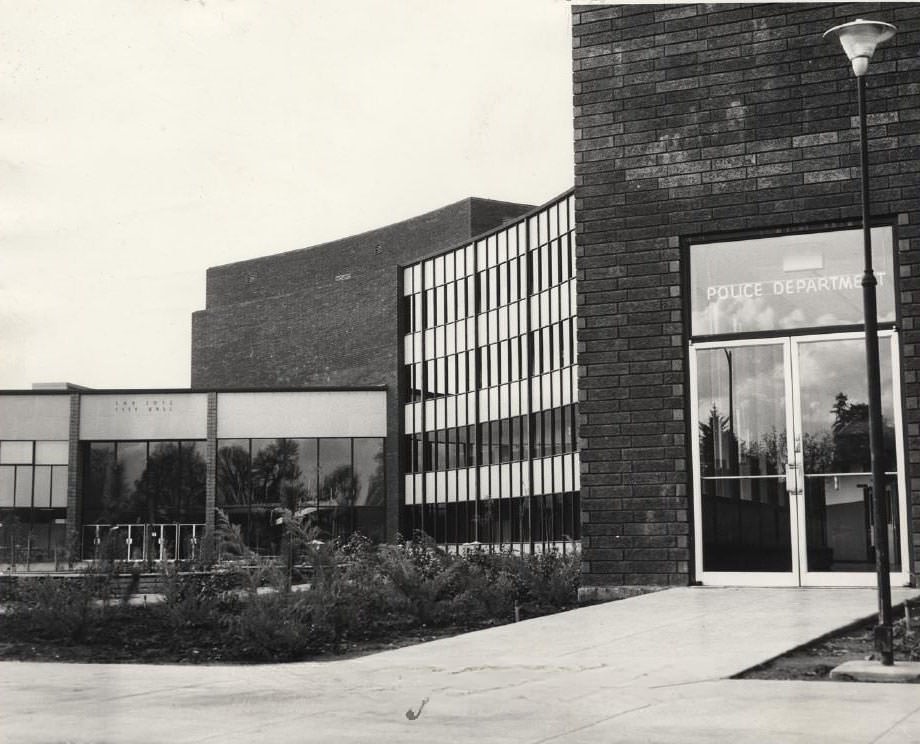
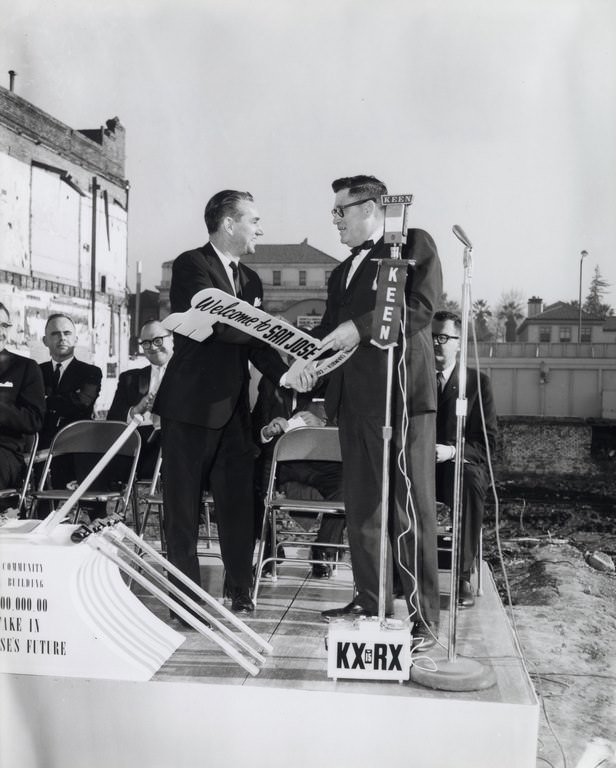
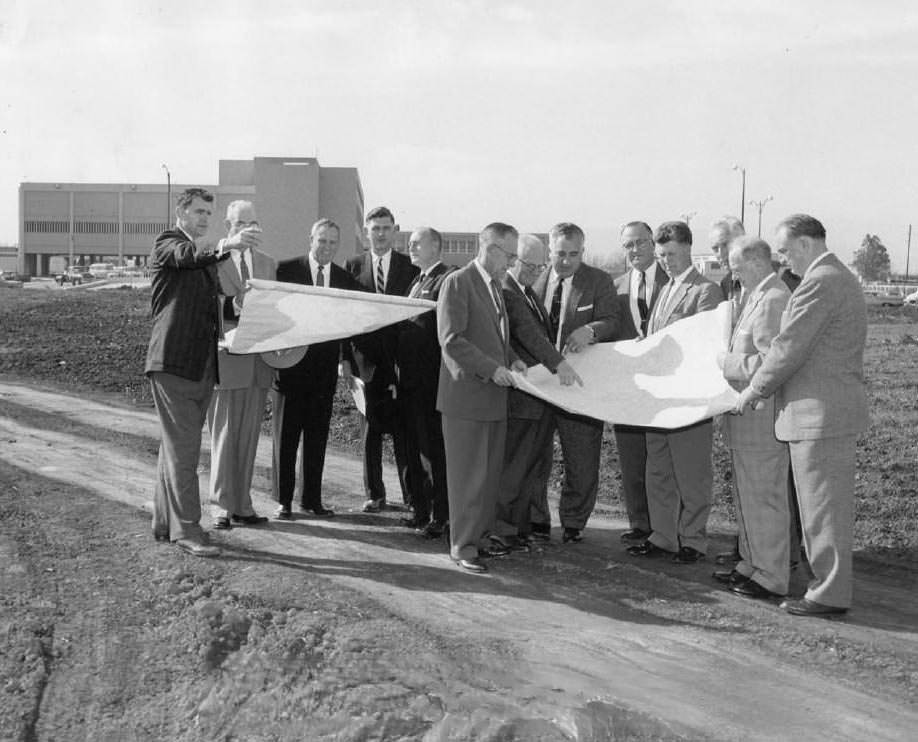
The new Civic Center on San Carlos Street opened in 1958, representing a modern break from the old downtown core. The move was both symbolic and practical — the city needed more space and more modern facilities to manage a population that was growing fast. Ground-breaking ceremonies for new buildings were a regular occurrence throughout the decade, as civic leaders worked to keep infrastructure in step with development.
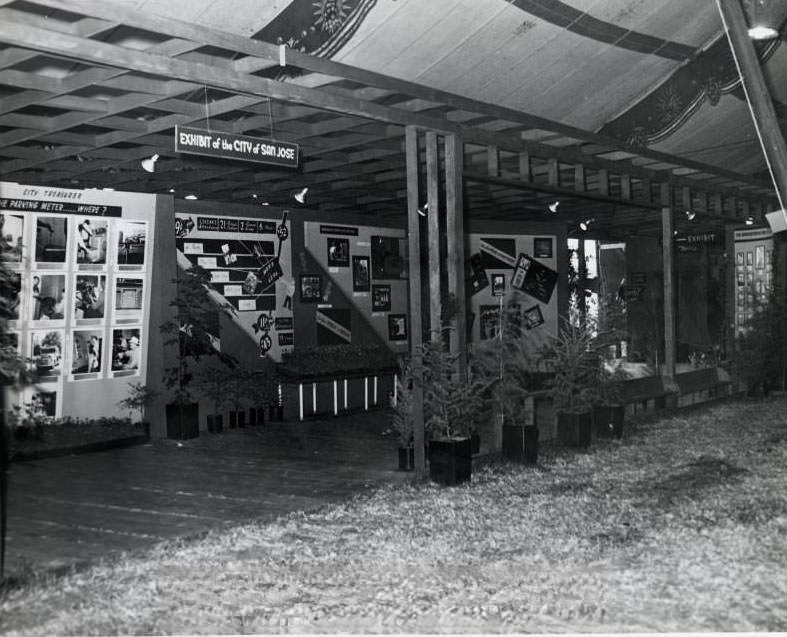
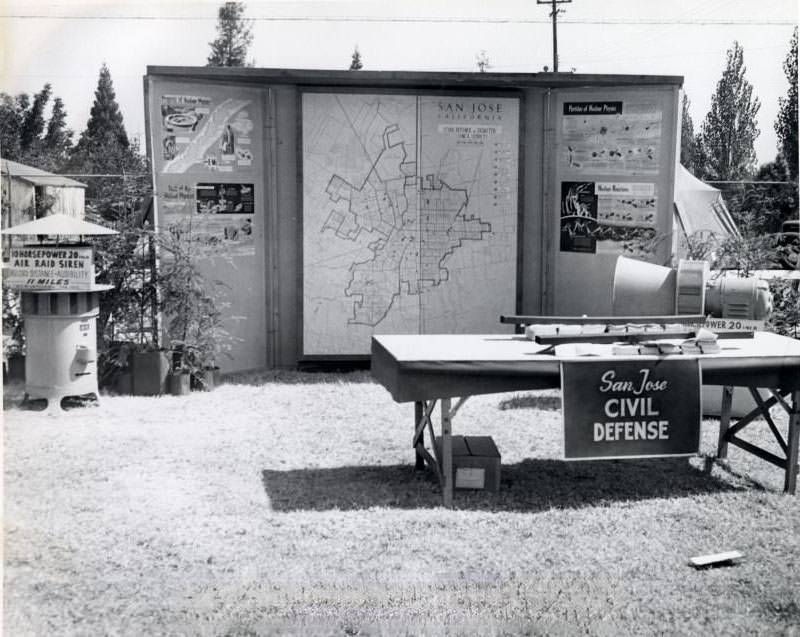
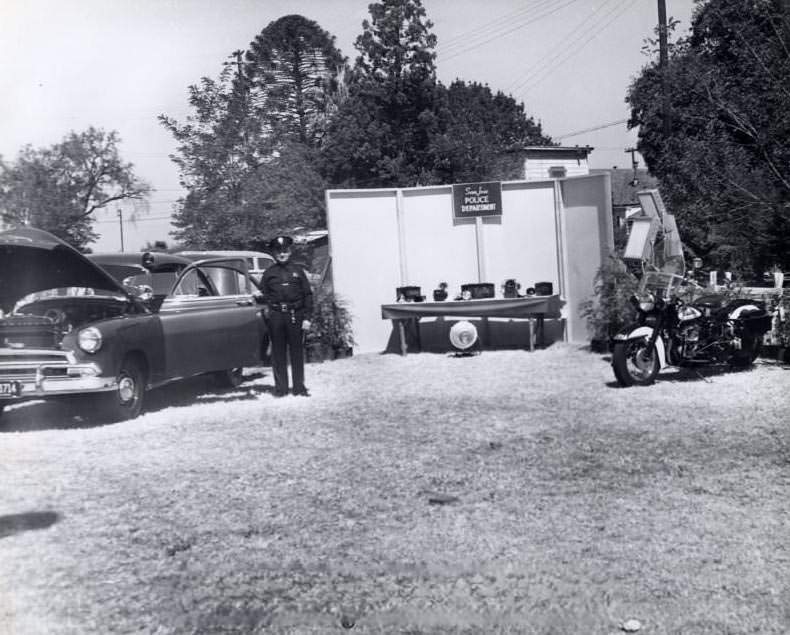
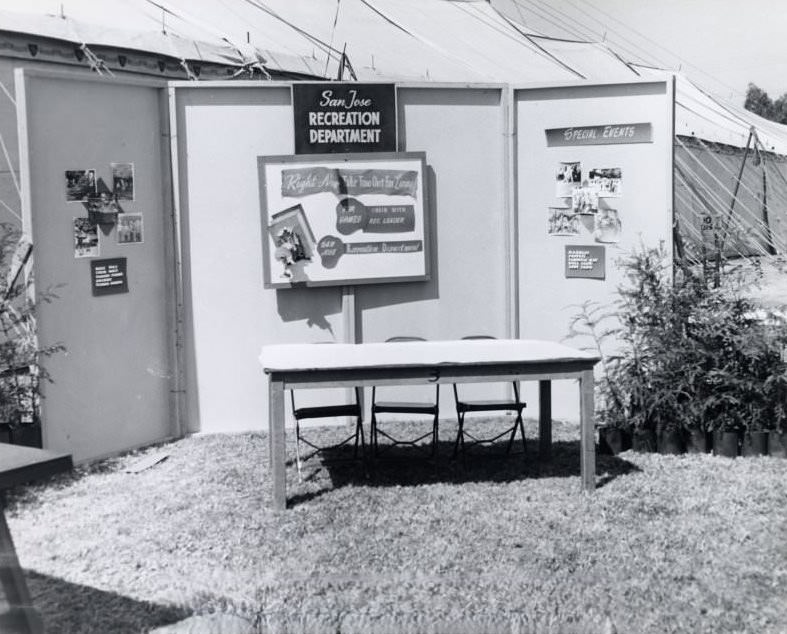
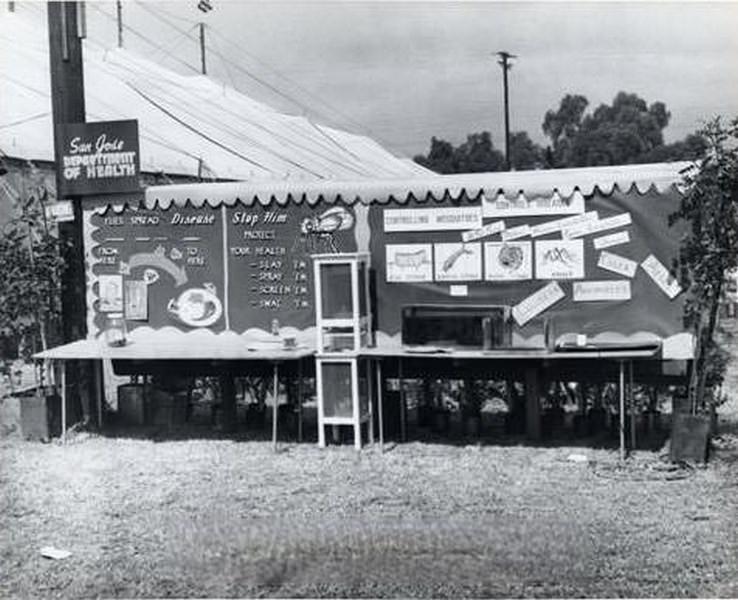
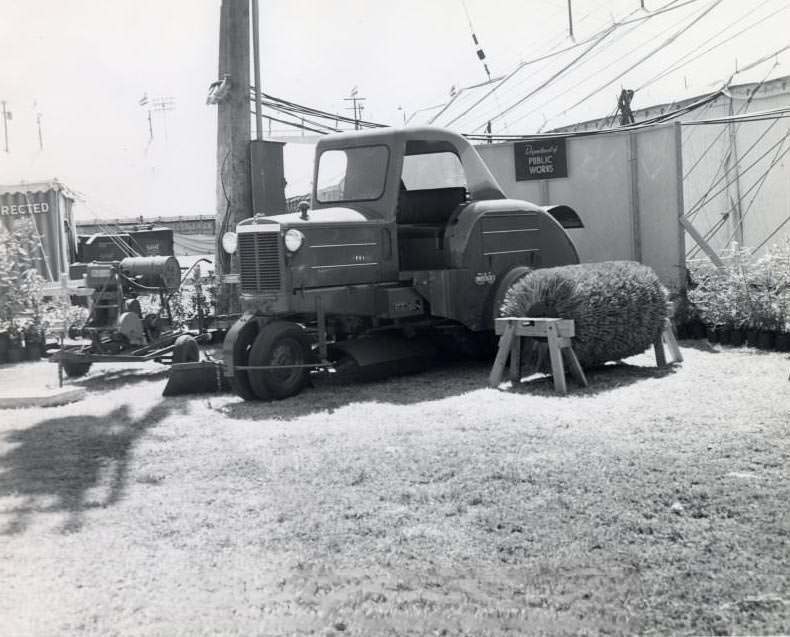
The city made a strong showing at the annual Santa Clara County Fair, where it mounted exhibits to promote civic pride and highlight municipal services. The San Jose City Exhibit was a recurring feature at the fair throughout the early 1950s, and the police department used the venue to display its equipment — including patrol cars, motorcycles, and various instruments used in the line of duty.
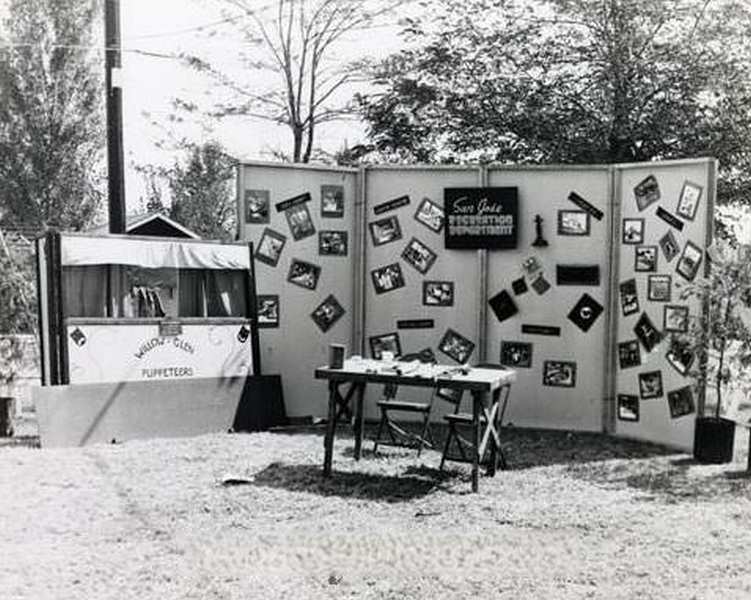
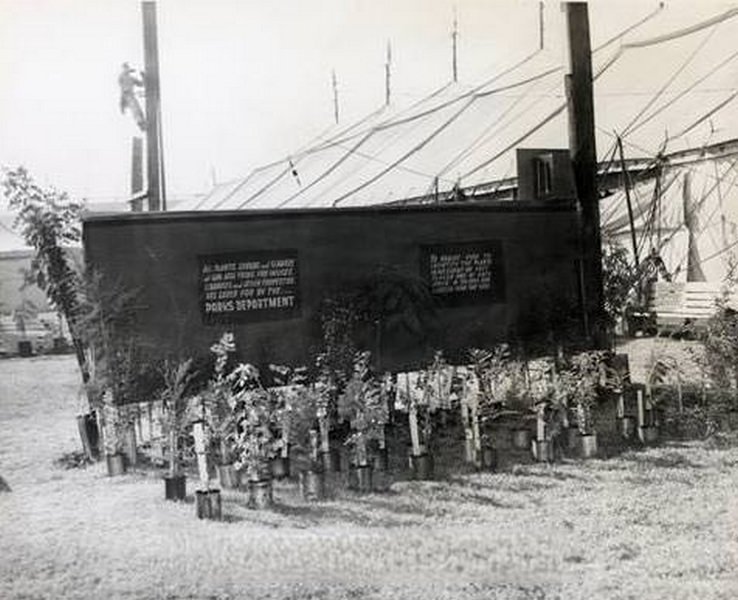
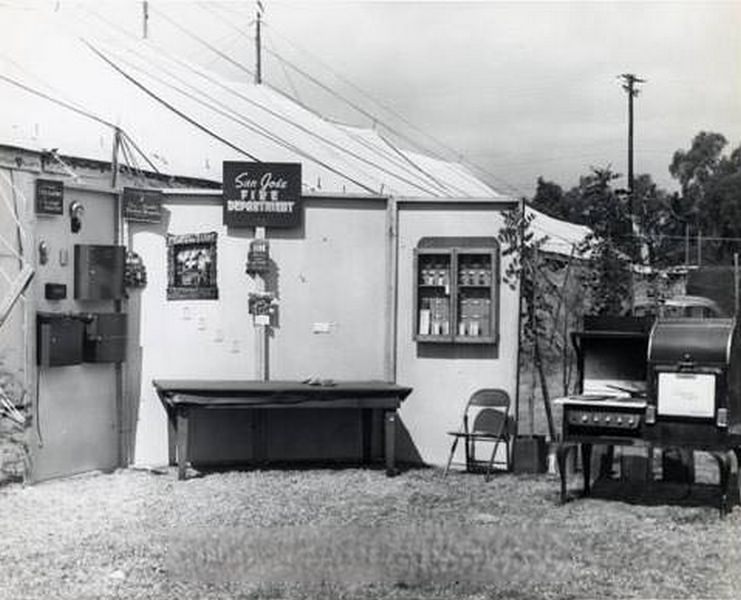
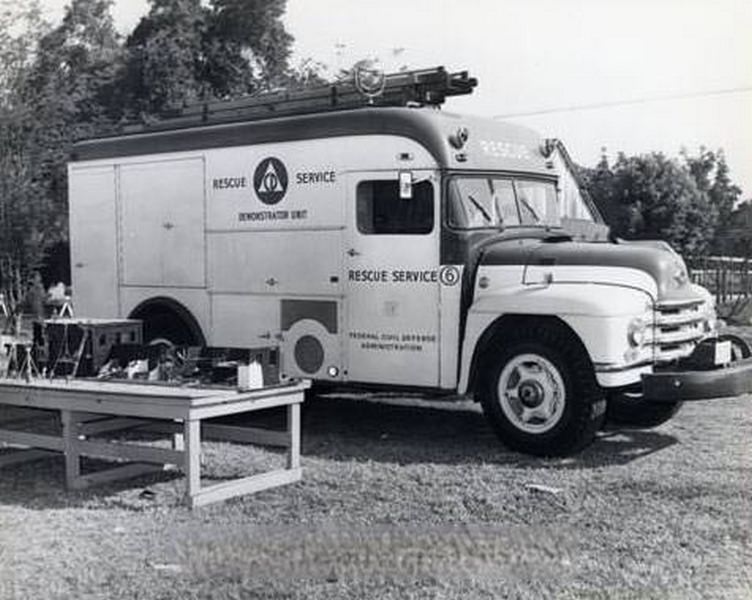
Agriculture was still central to life in the Santa Clara Valley in the early 1950s. Prune orchards stretched across the valley floor, and operations like U.S. Products Corp were processing and sorting harvests at scale. The Dole Pineapple Company also had a presence in the area. But the land that once grew fruit was already beginning to give way to housing tracts, parking lots, and commercial strips. Construction crews were a constant presence across the city.
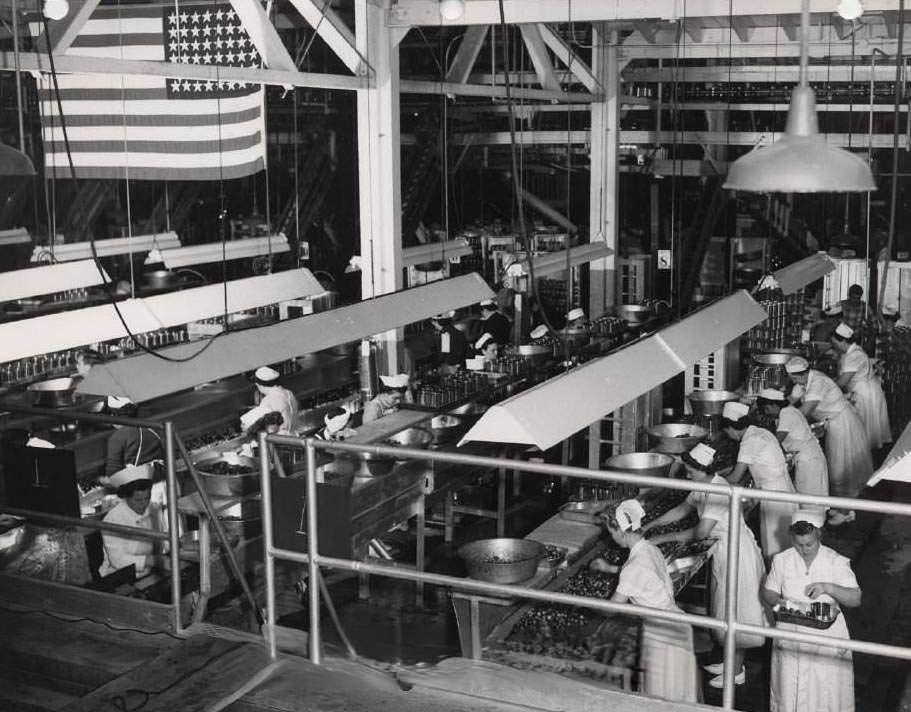
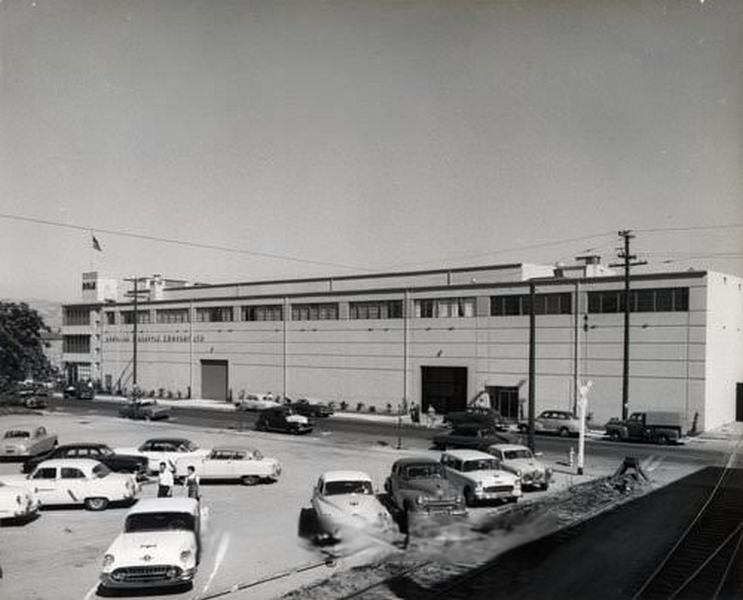
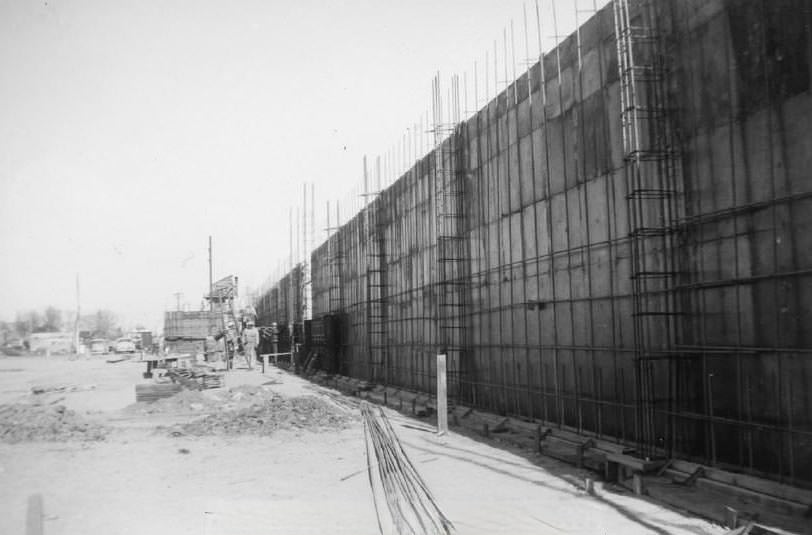
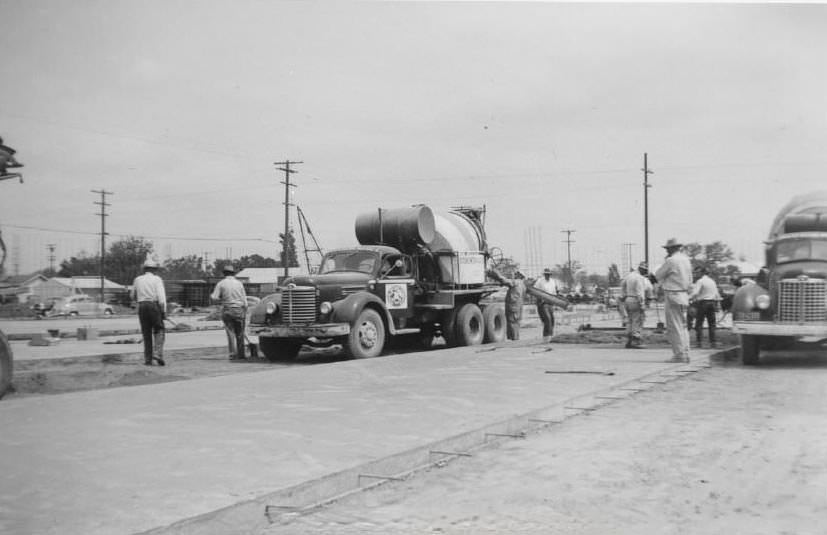
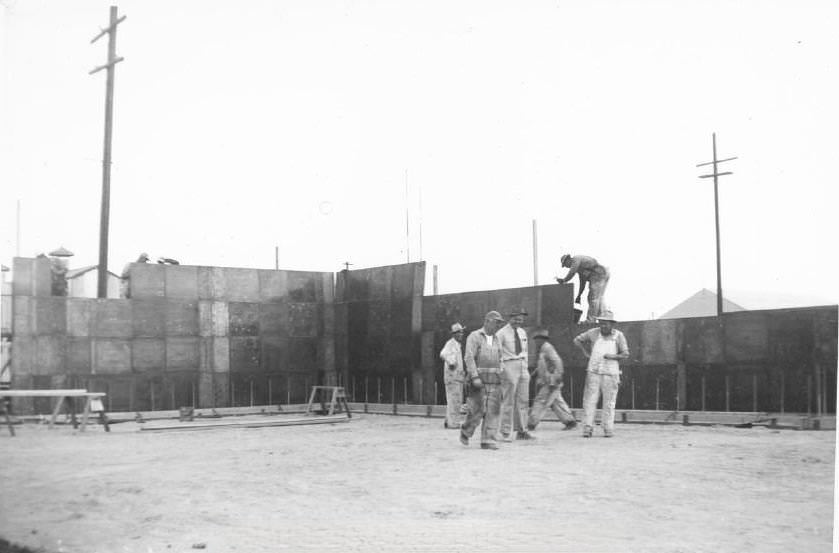
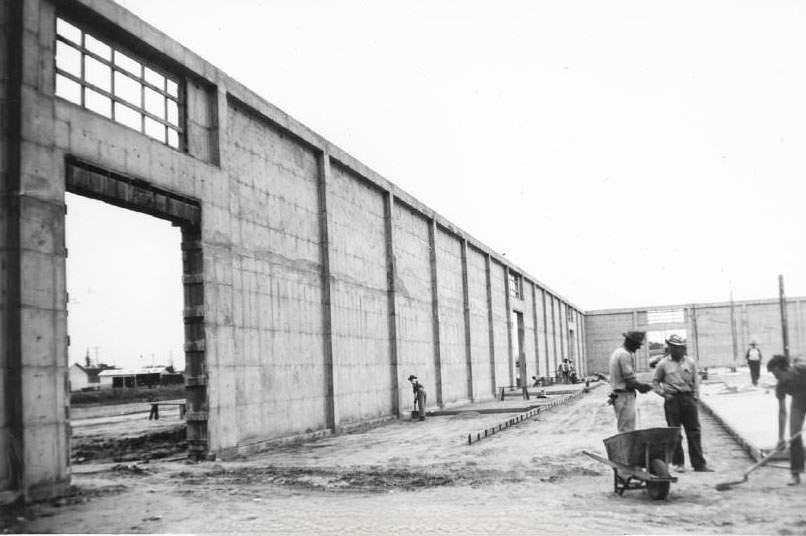
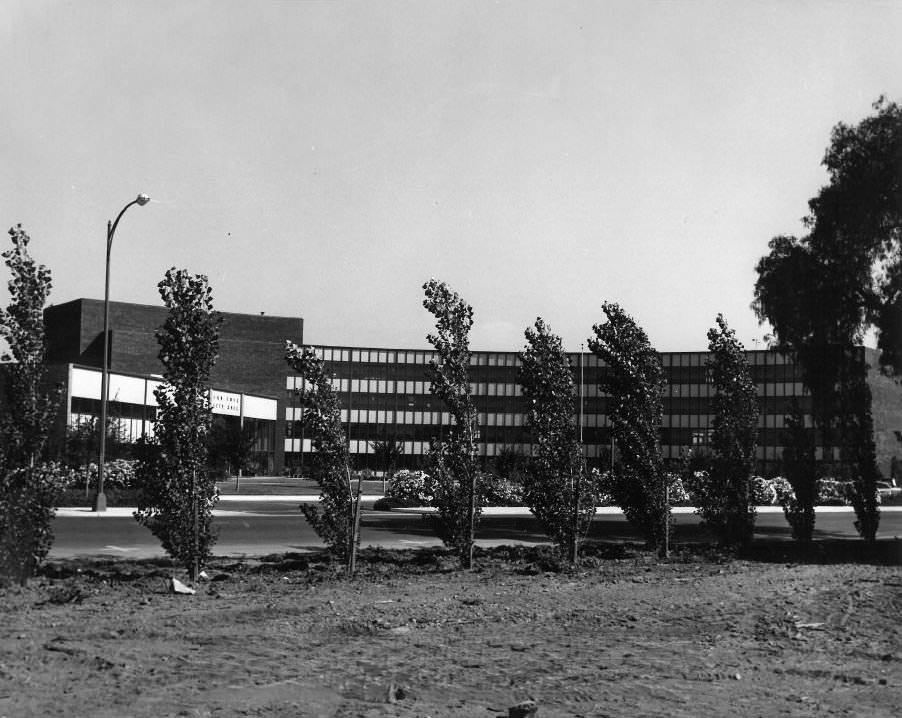
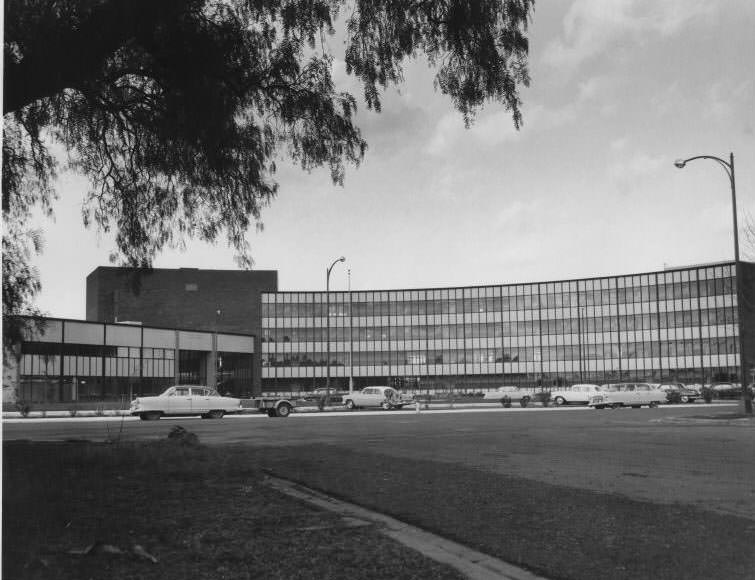
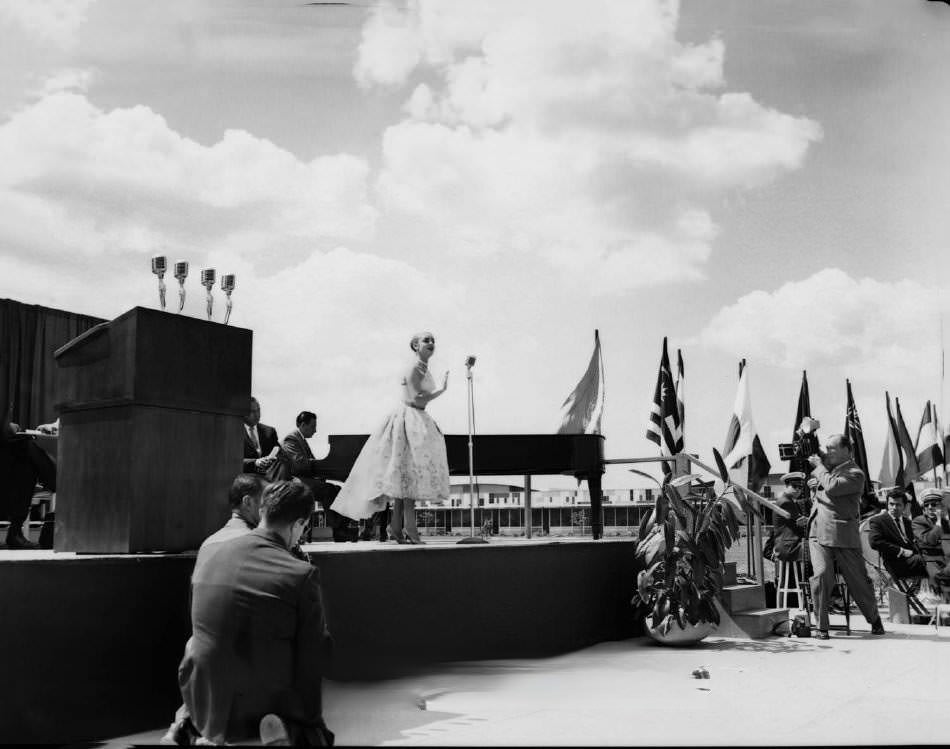
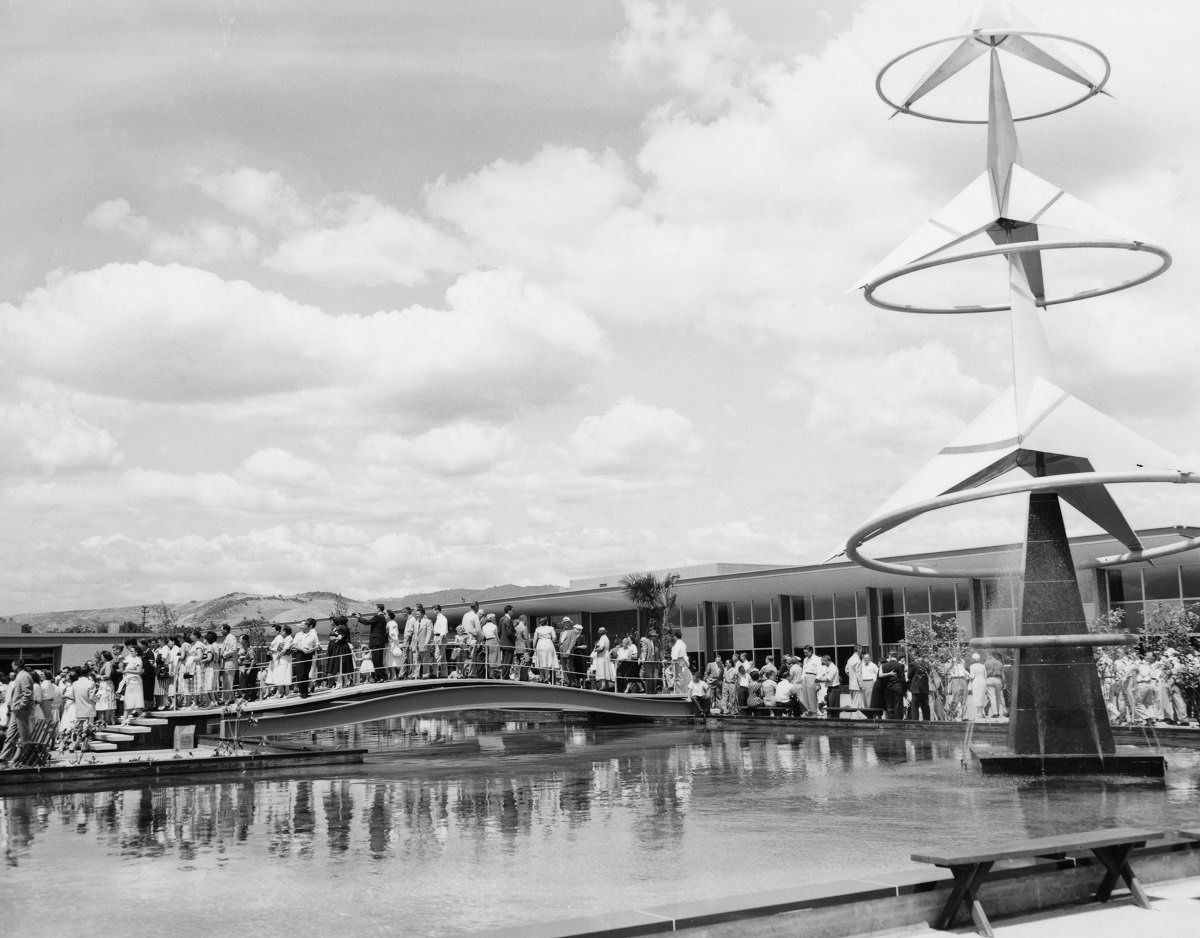
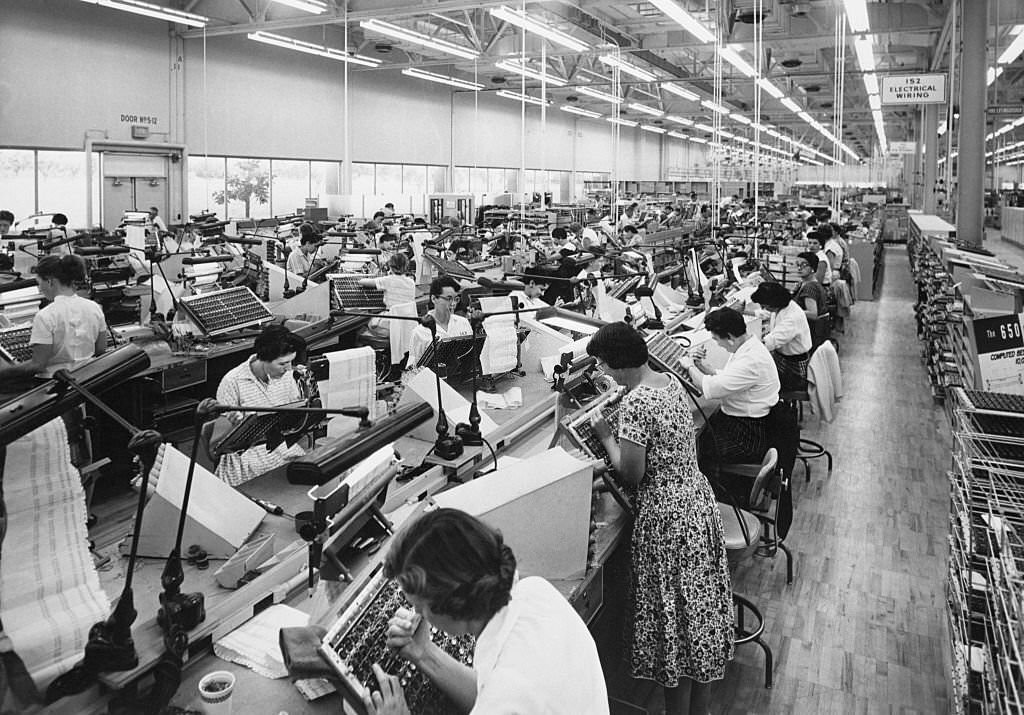
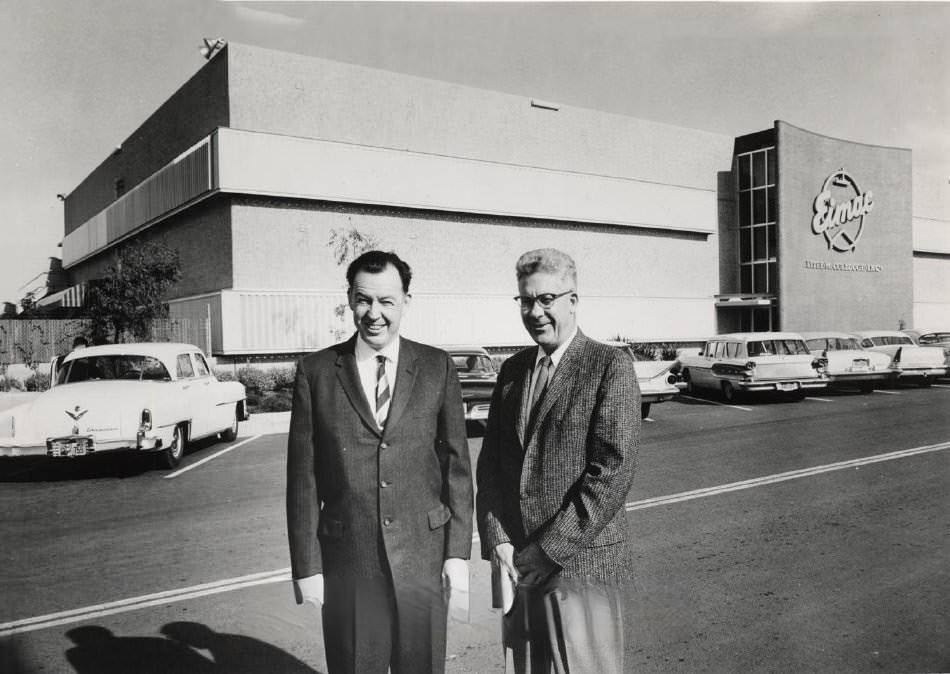
One of the biggest economic developments of the decade was IBM’s decision to build a major plant at the corner of Cottle Road and Monterey Highway. The facility was dedicated in 1958 and consolidated four IBM sites that had previously been scattered across downtown San Jose. The dedication drew large crowds and featured speakers at a formal podium, with visitors transported around the facility on movable carriers. Inside, assembly lines were already running. IBM’s arrival signaled that the Santa Clara Valley was becoming something more than a farming region.
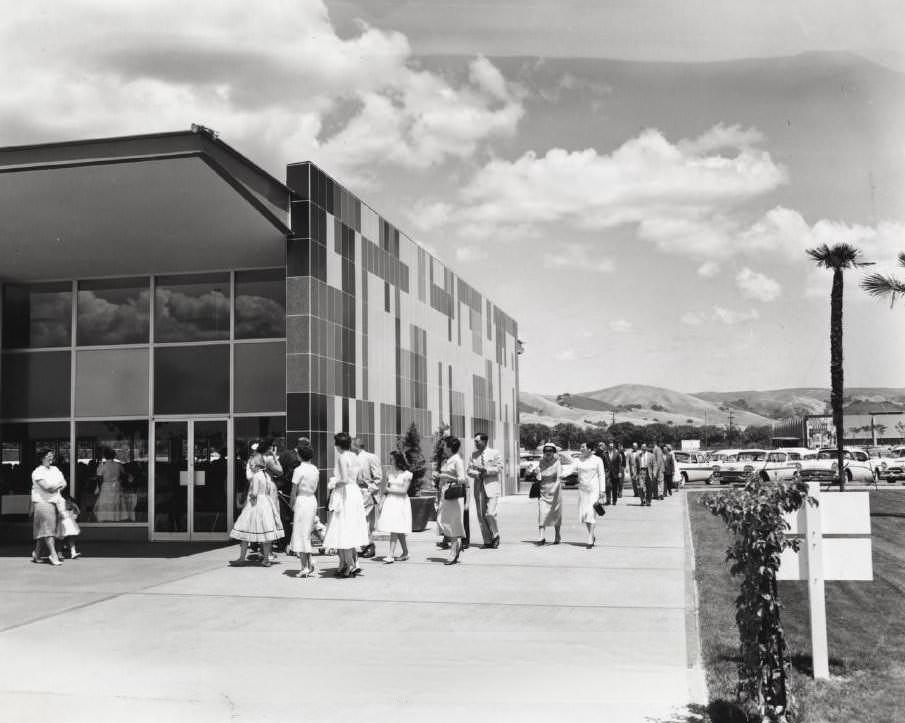
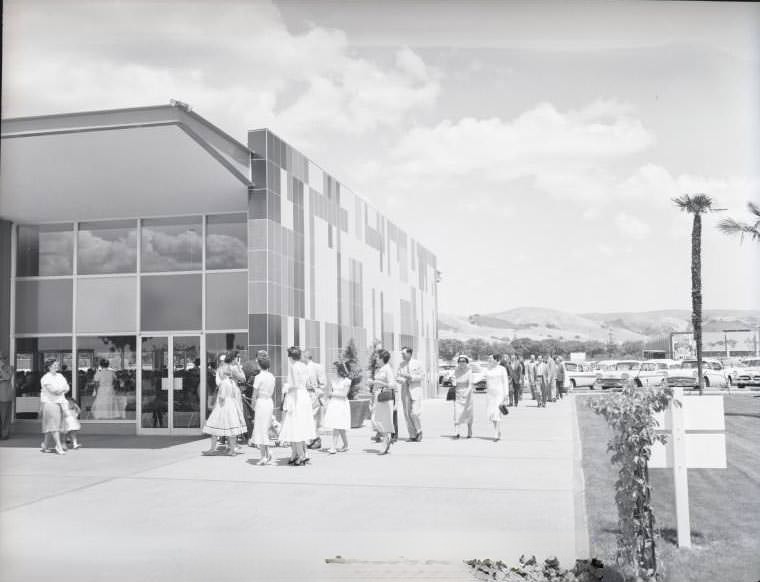
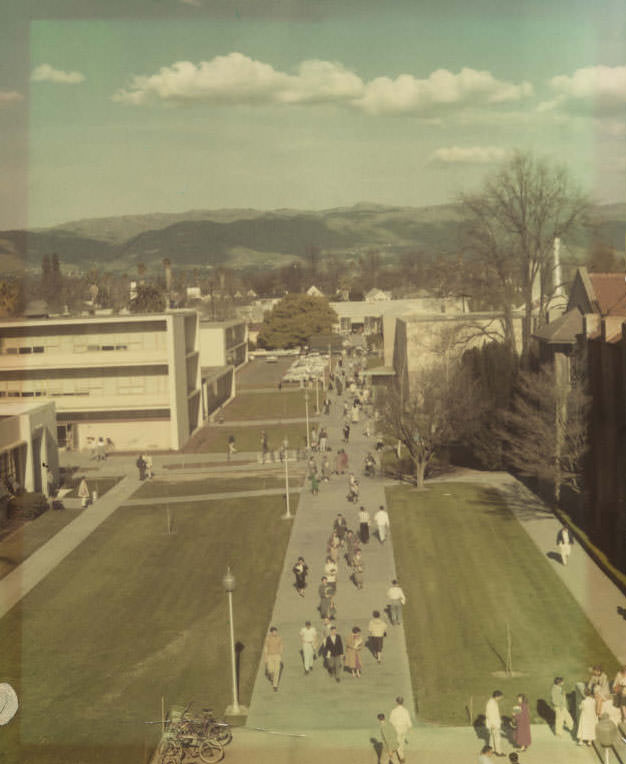
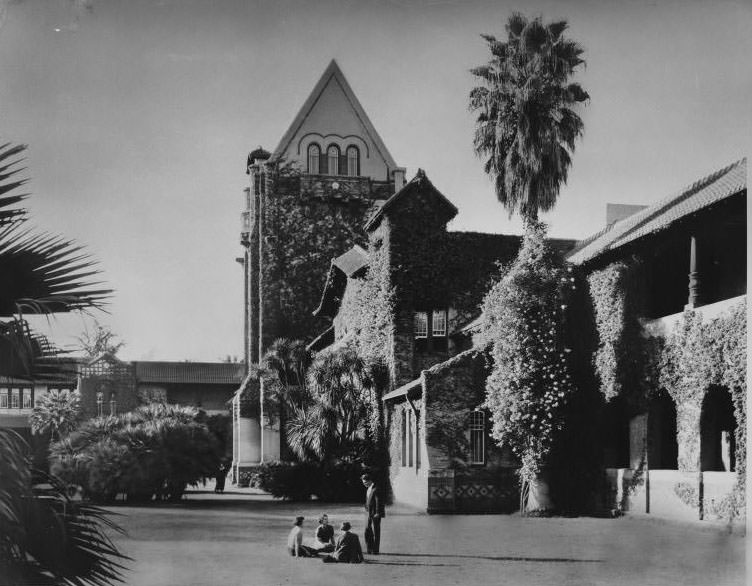
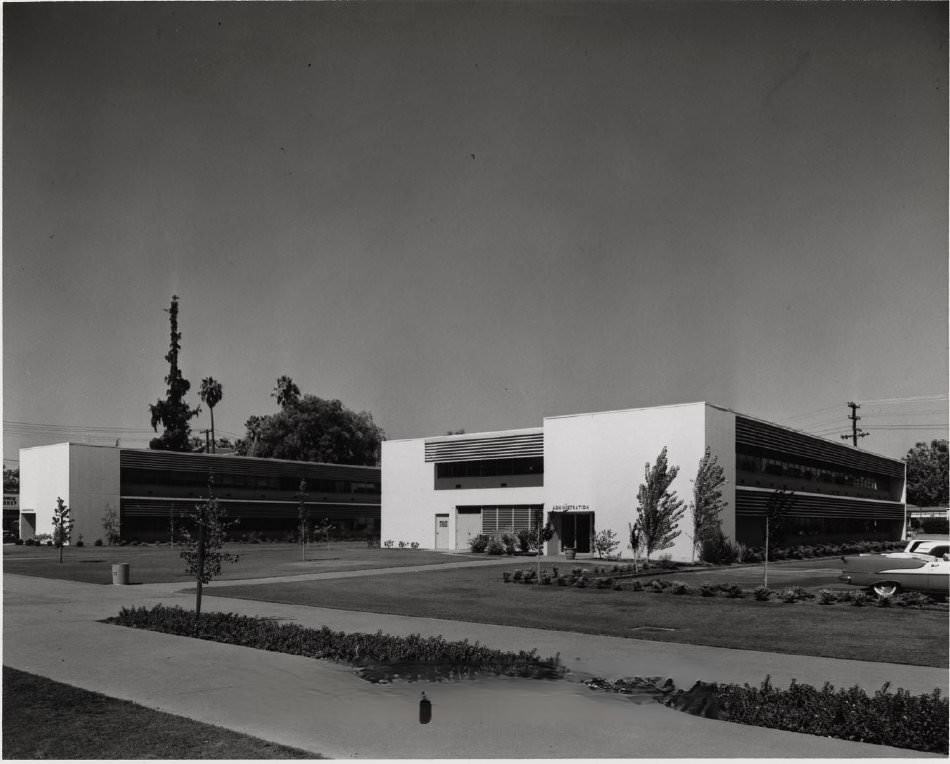
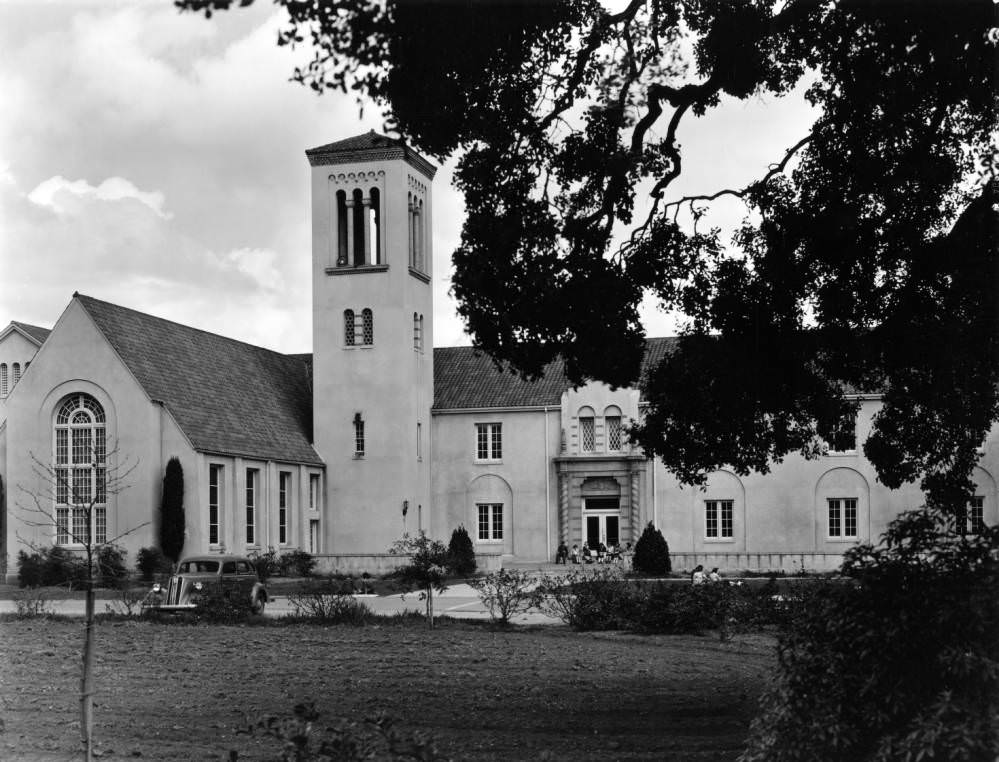
San Jose State College was a fixture of the city’s intellectual and cultural life. The campus in 1955 showed a mix of older academic buildings and open grounds where students gathered between classes. The Administration Building stood as one of the campus’s most recognizable structures, photographed again in 1959 as the college continued to grow alongside the city around it.
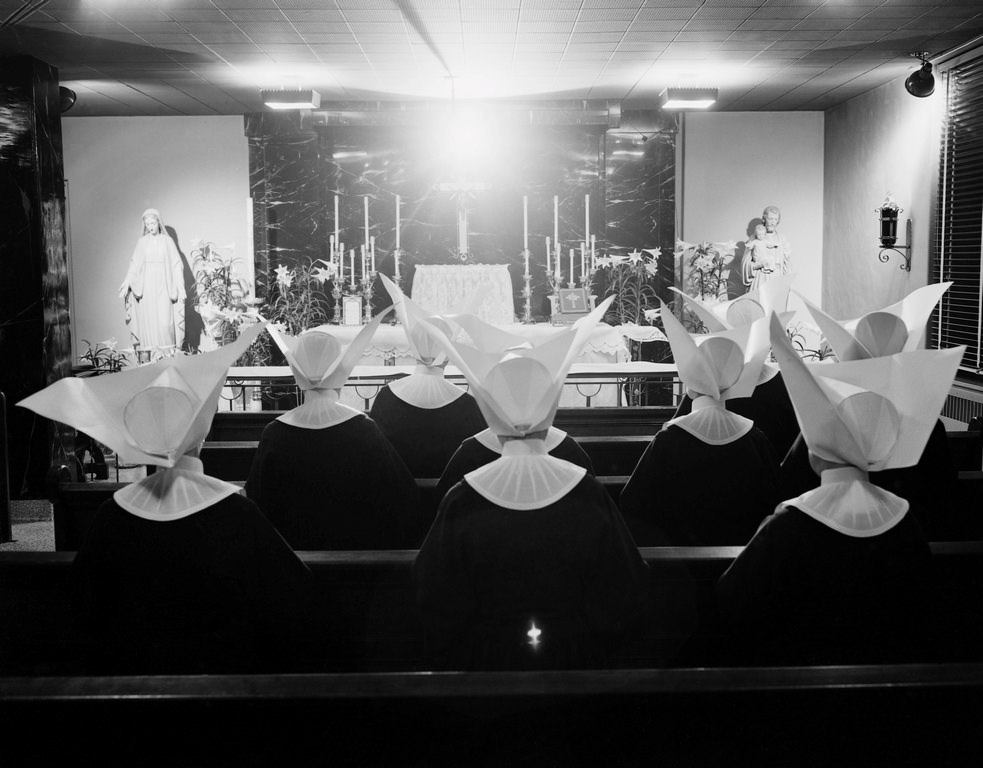
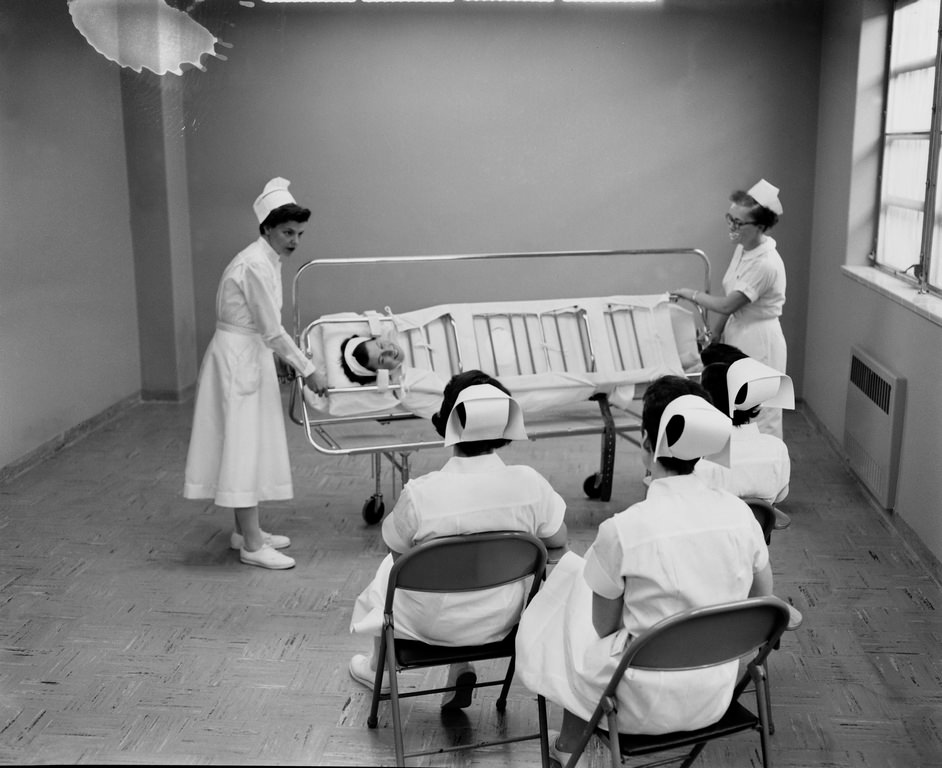
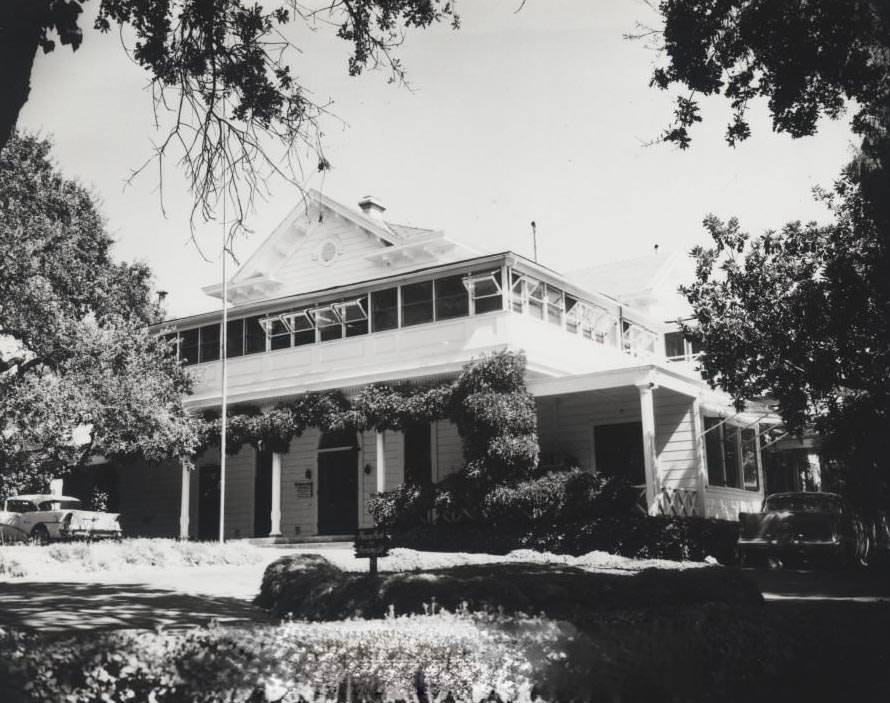
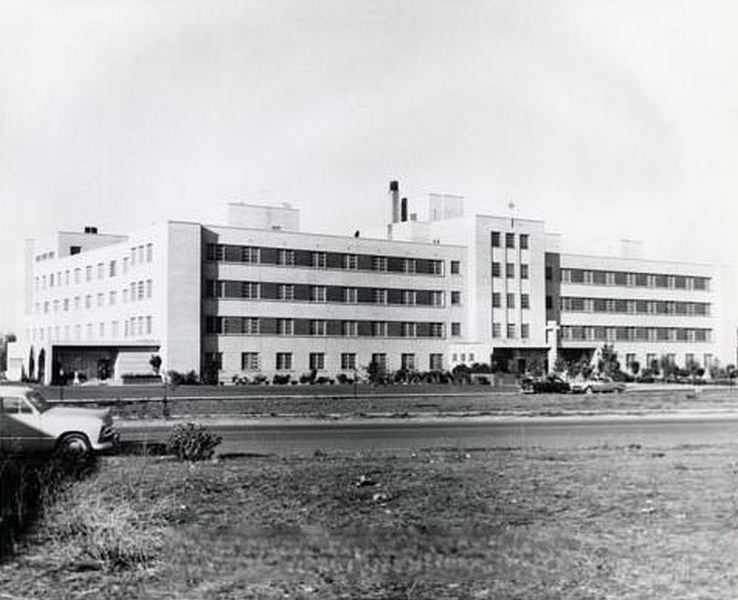
Medical facilities were also expanding. O’Connor Hospital at 2105 Forest Avenue trained nurses under the supervision of the Sisters of Notre Dame of Namur, and the Daughters of Charity attended Mass at the hospital’s chapel. The Alum Rock Sanitarium in the east hills of San Jose operated as a treatment facility for tuberculosis patients as late as 1958. Agnews State Hospital was another major institution serving the region’s mental health needs.
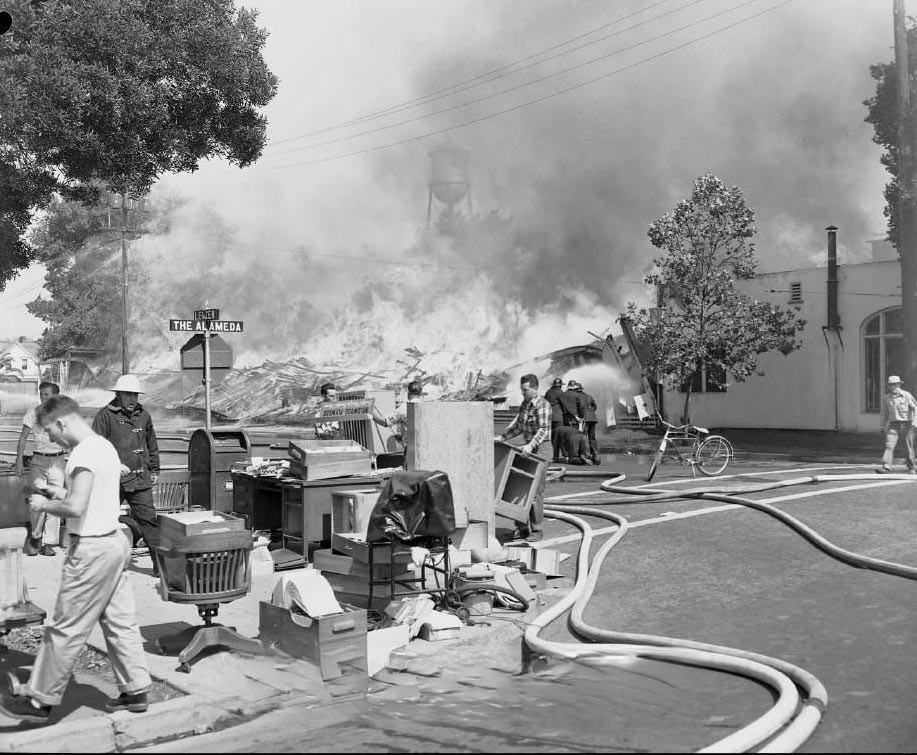
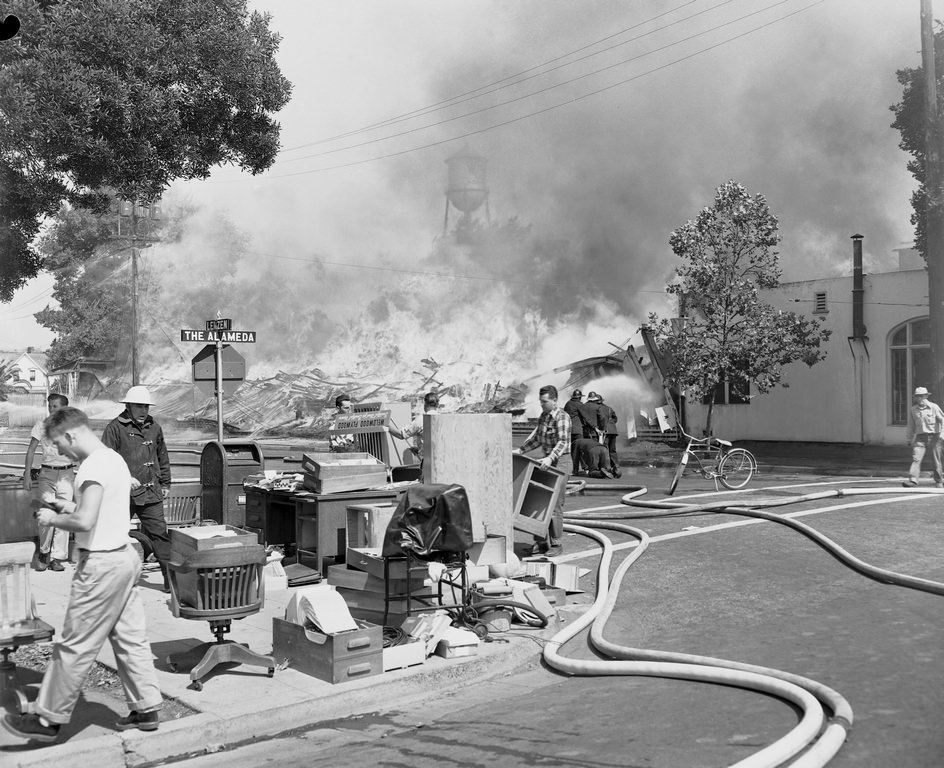
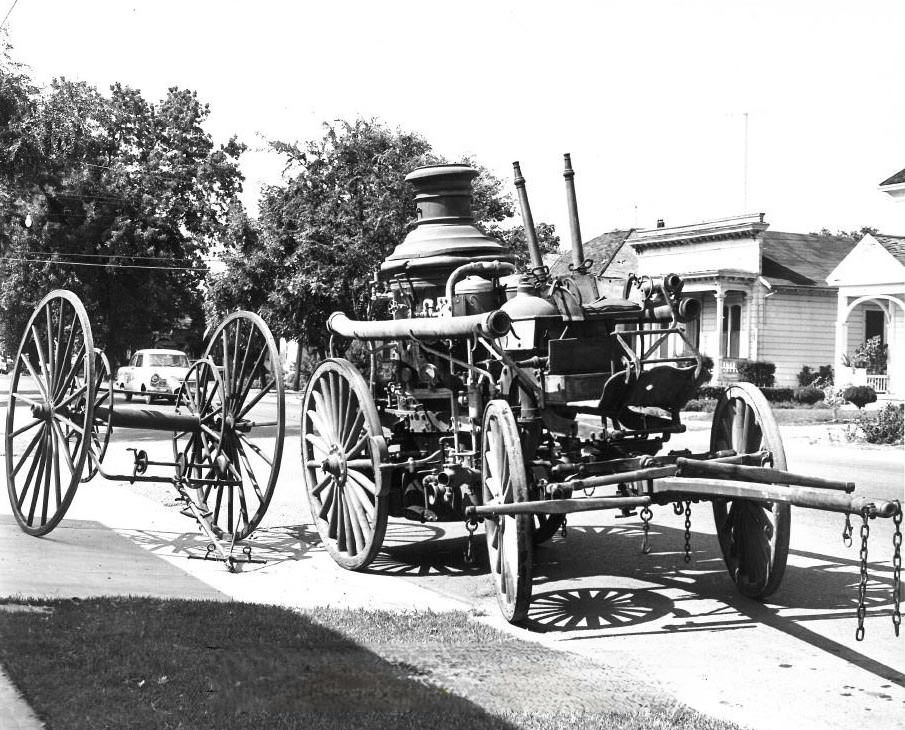
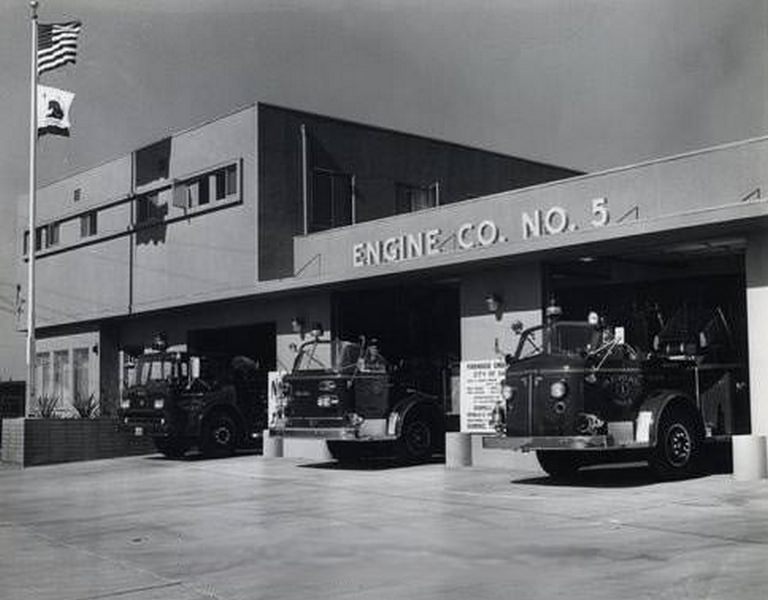
Fire was a constant danger in a city growing so fast. In April 1955, three children playing with matches started a fire at Cheim Lumber Company on Lenzen Avenue and The Alameda. The blaze spread quickly to the Pacific Hardware & Steel Company and the Prime Rib Dining Room at the back of the property. The heat was so intense it damaged several fire hoses and knocked one engine out of service. Seventy-seven firefighters worked to bring it under control.
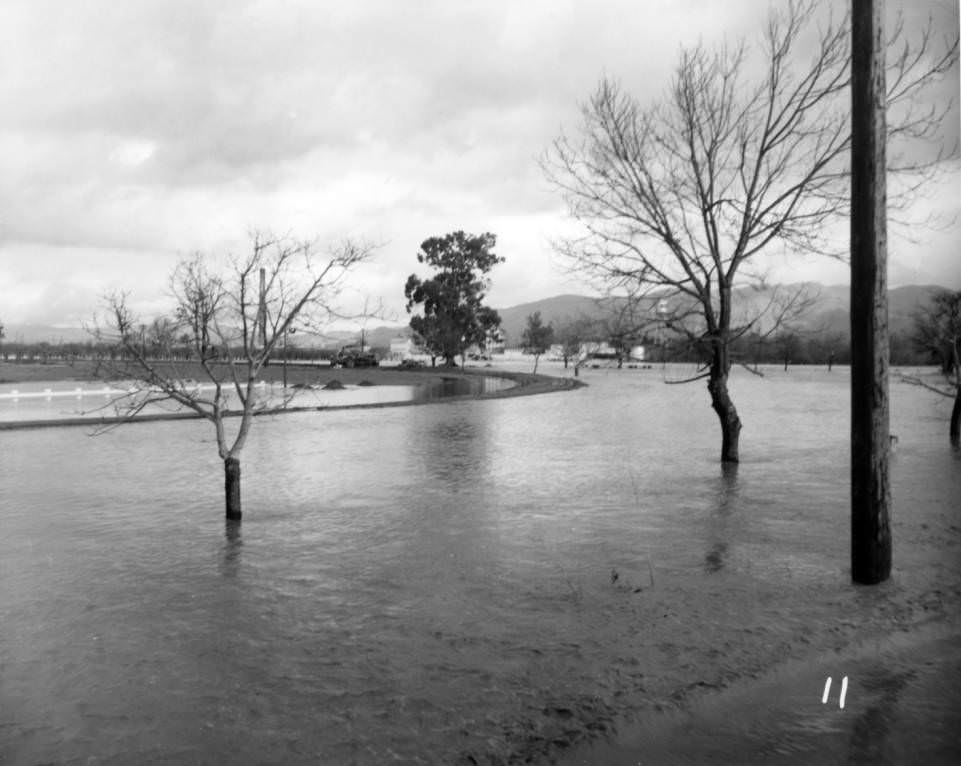
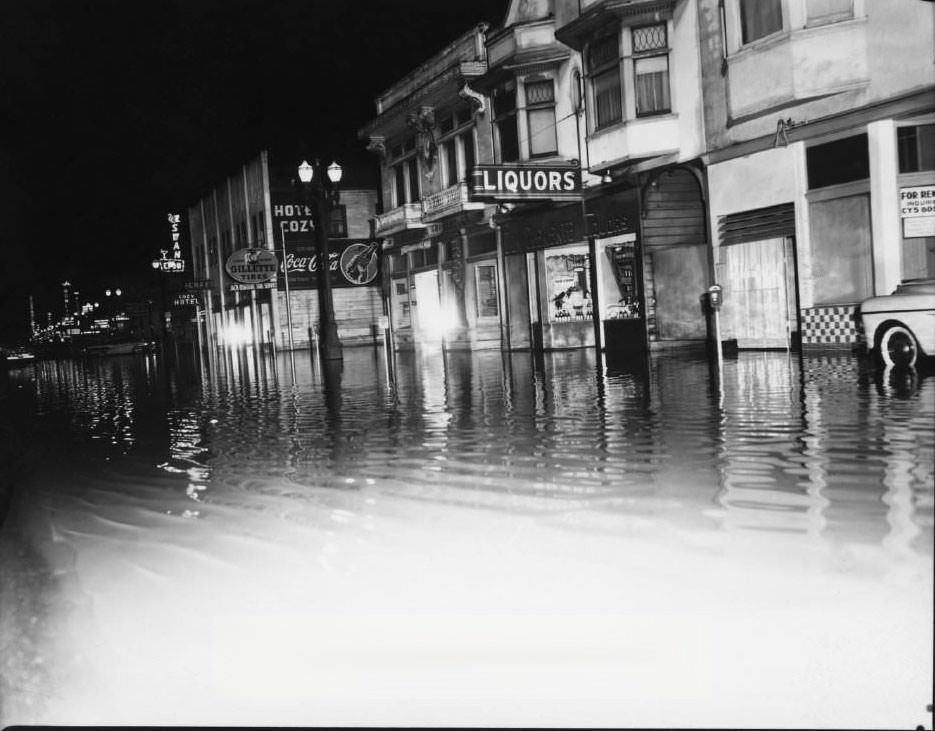
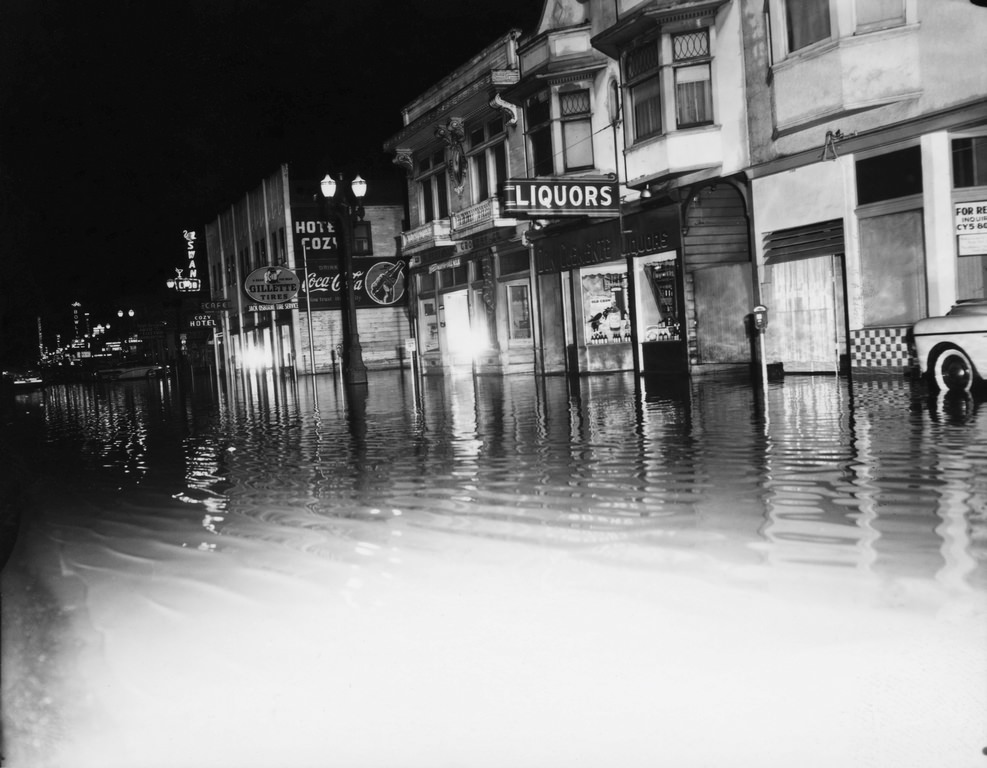
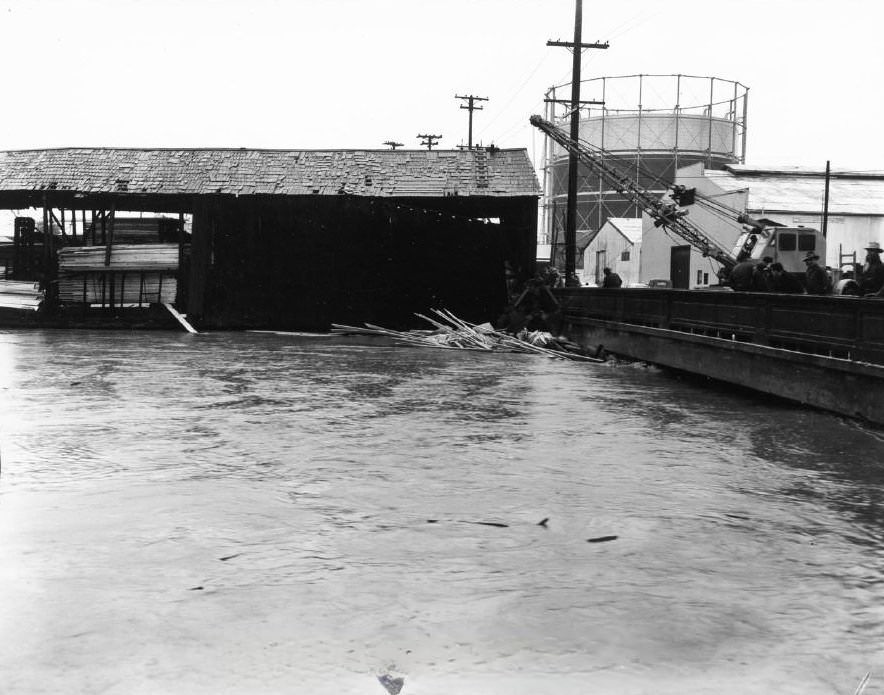
The Guadalupe River flooded in 1958, sending water into the streets near the intersection of Santa Clara and River Streets. The flooding disrupted neighborhoods and served as a reminder of how quickly the natural landscape could still assert itself over a city in the midst of rapid growth.
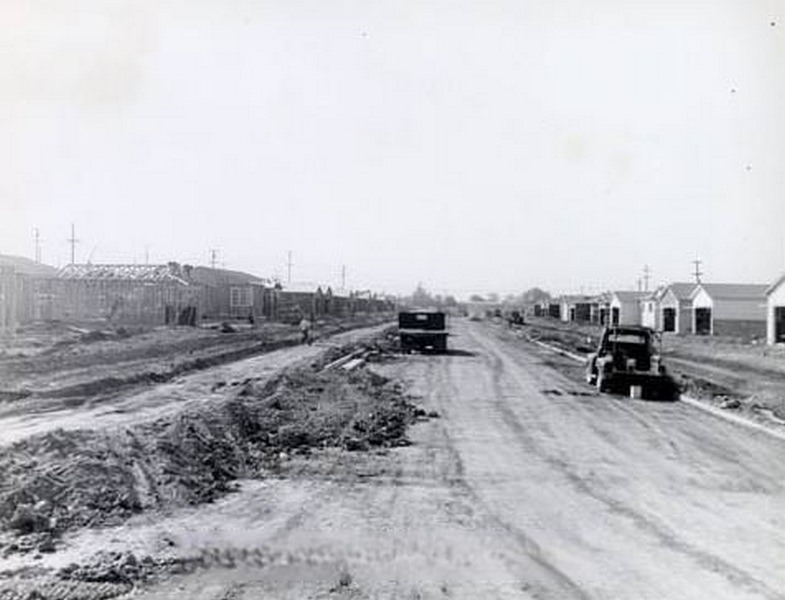
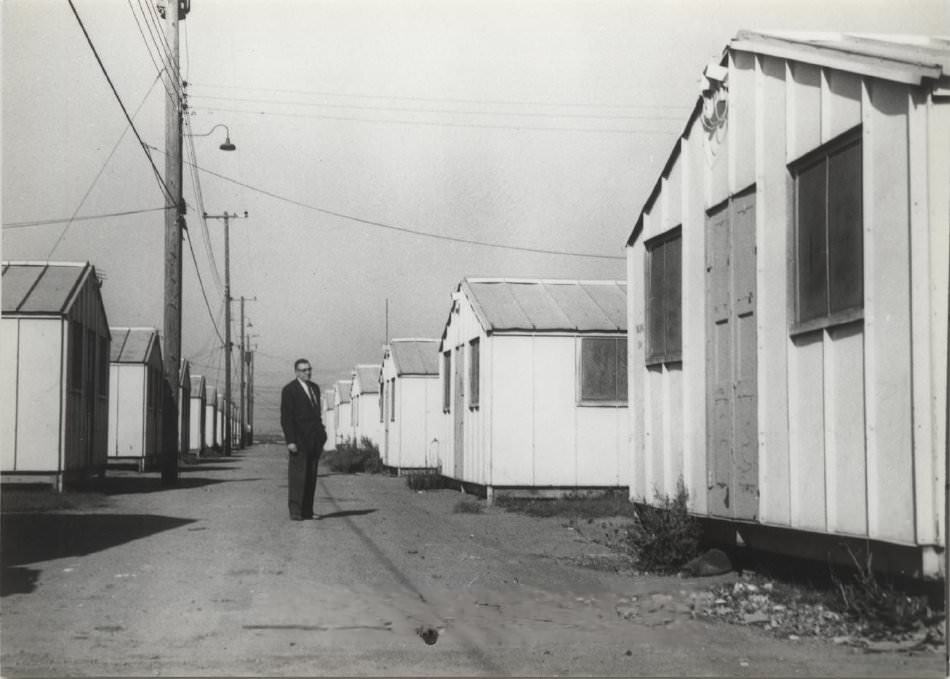
Airport Village was a wartime housing development that had once been home to 360 families. By 1959, it stood largely deserted. Stanley Smock, the city’s emergency housing director, was photographed standing in the empty street where children once played and cars once crowded the curb. The development was a relic of a different era, quietly waiting to be cleared away as the city moved on.
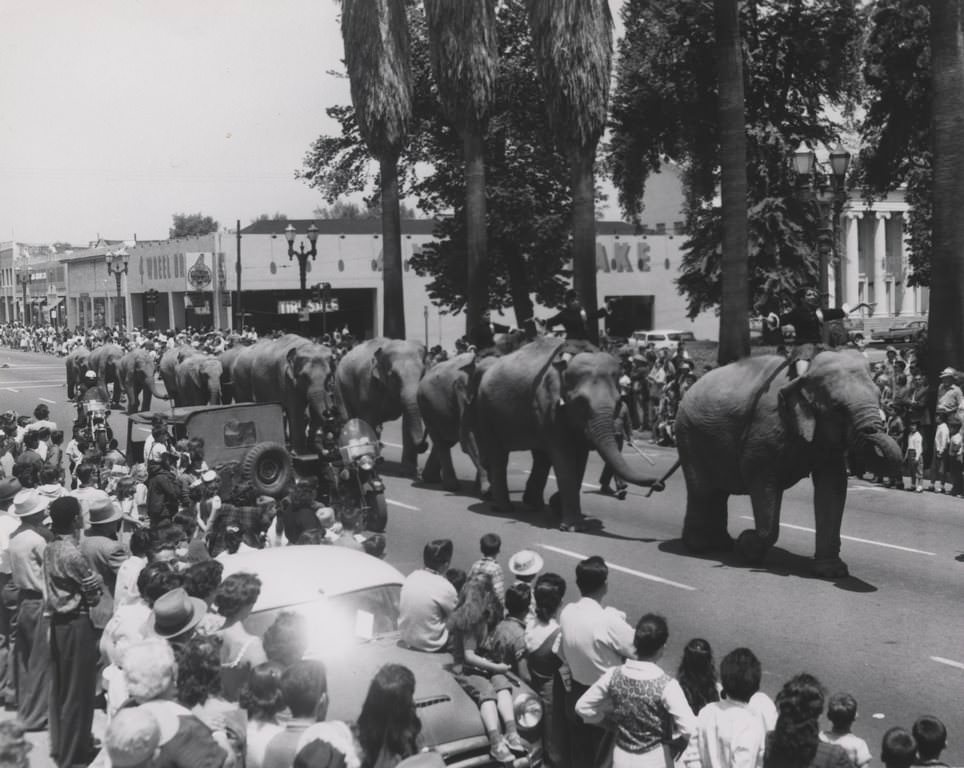
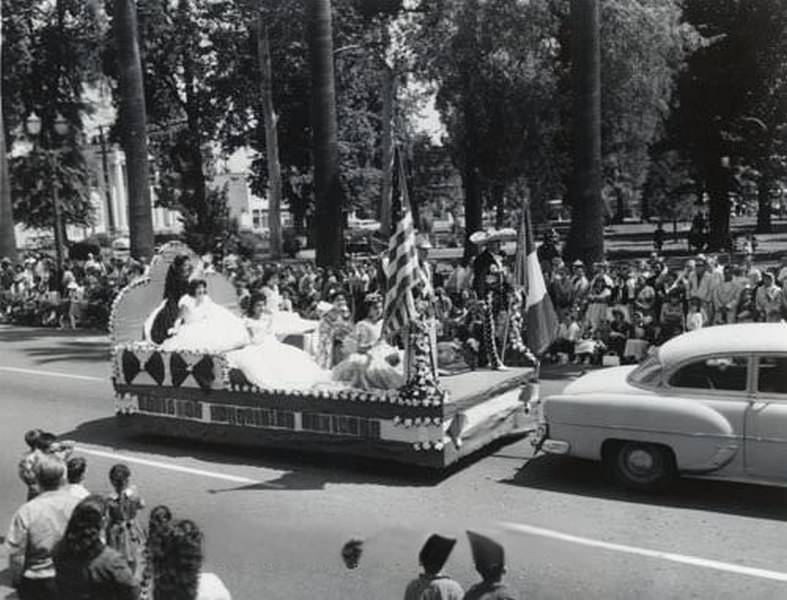
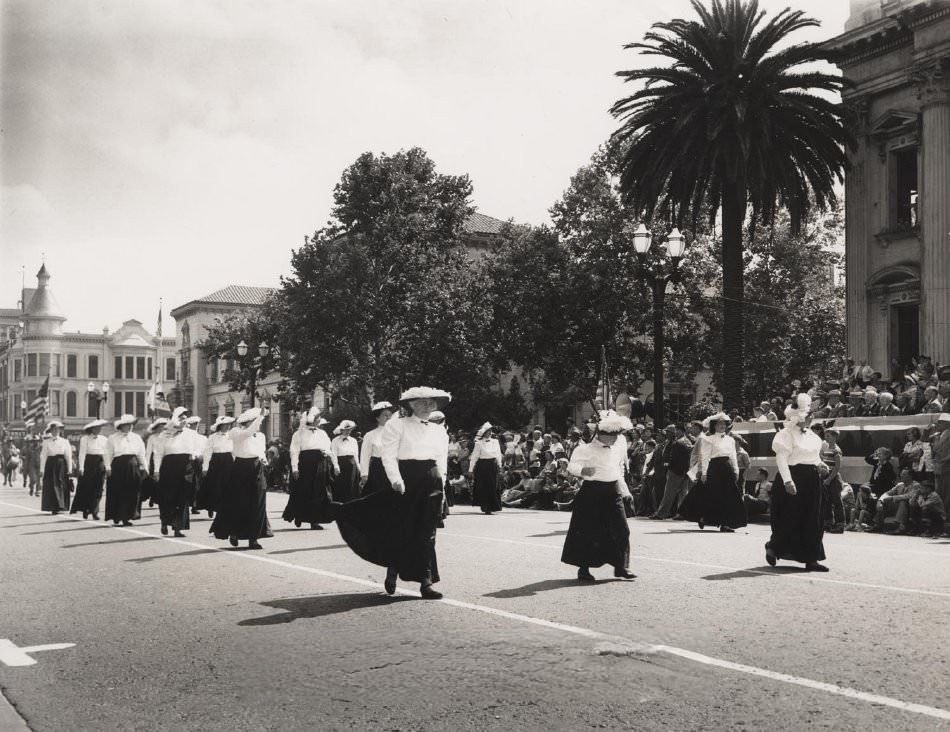
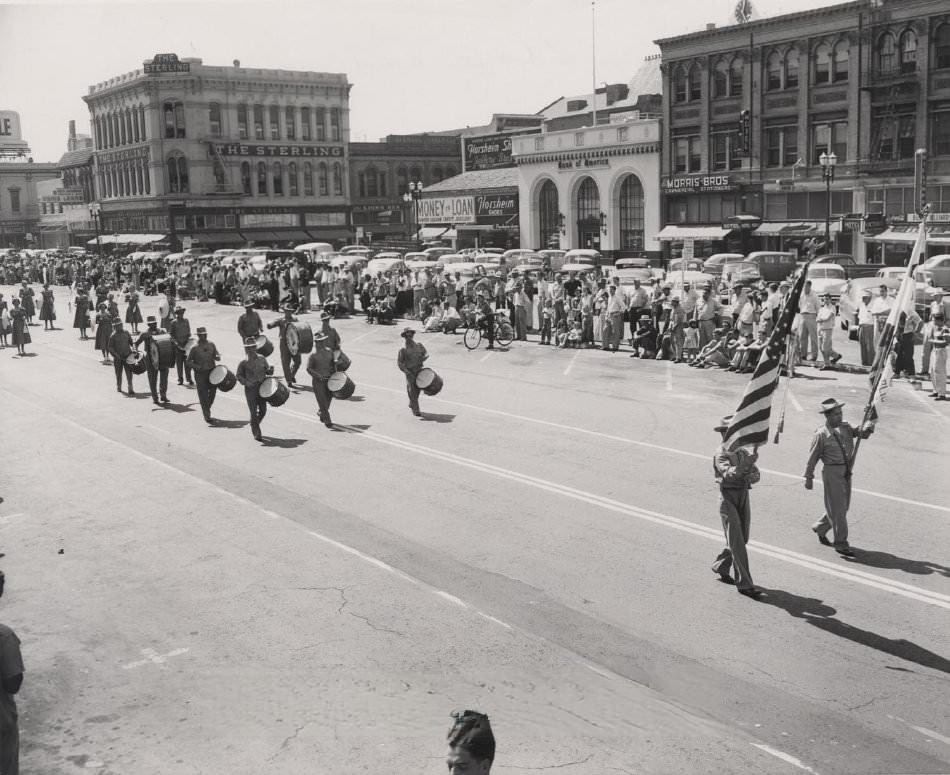
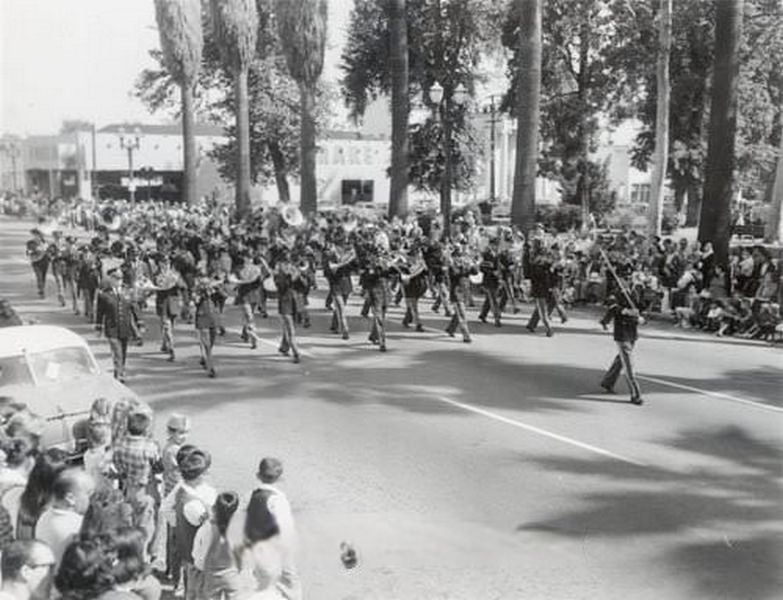
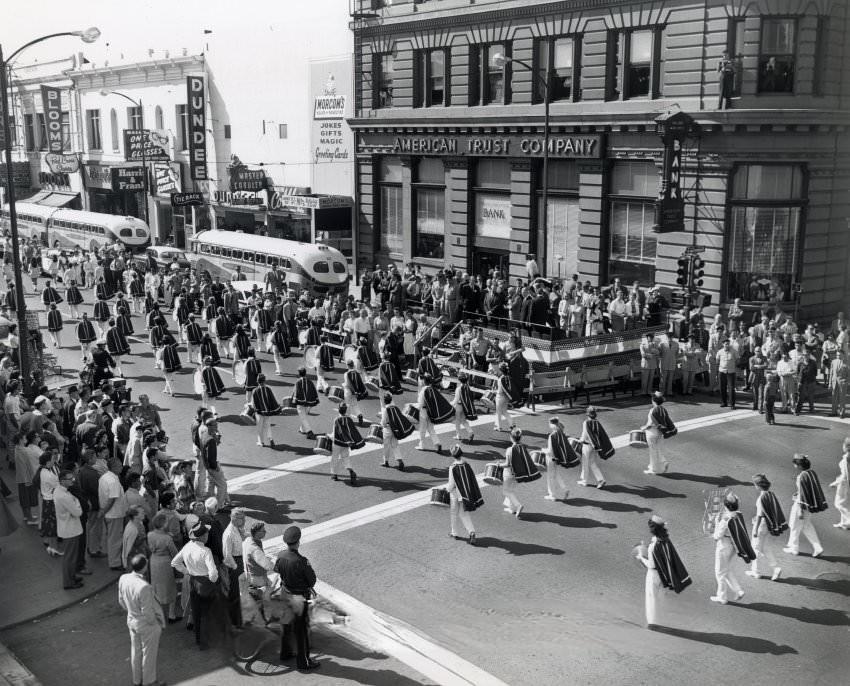
Street life in 1950s San Jose had a rhythm of its own. Parades were common events. Elephants once made their way south down First Street at the corner of St. John. Marching bands stepped past Saint James Park on decorated floats. The Native Daughters of the Golden West marched down North First Street in dark long skirts, white blouses, and wide-brimmed hats. The Native Sons of the Golden West fielded their own drum corps. These events were not minor — they drew real crowds and were part of how the community marked itself.
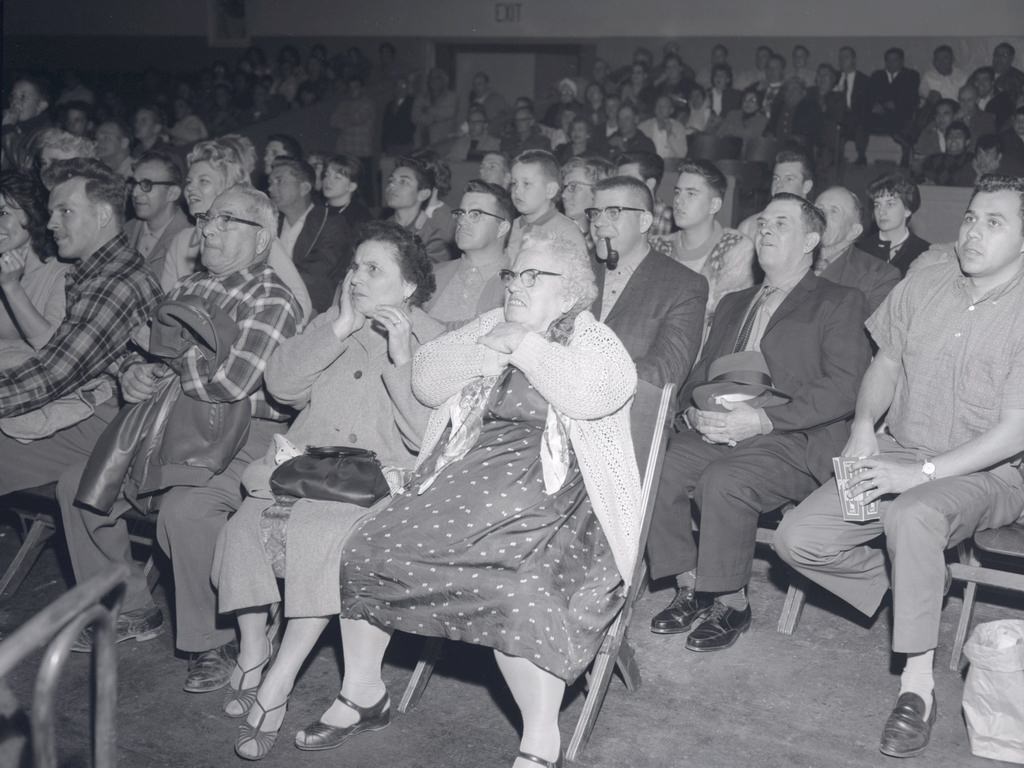
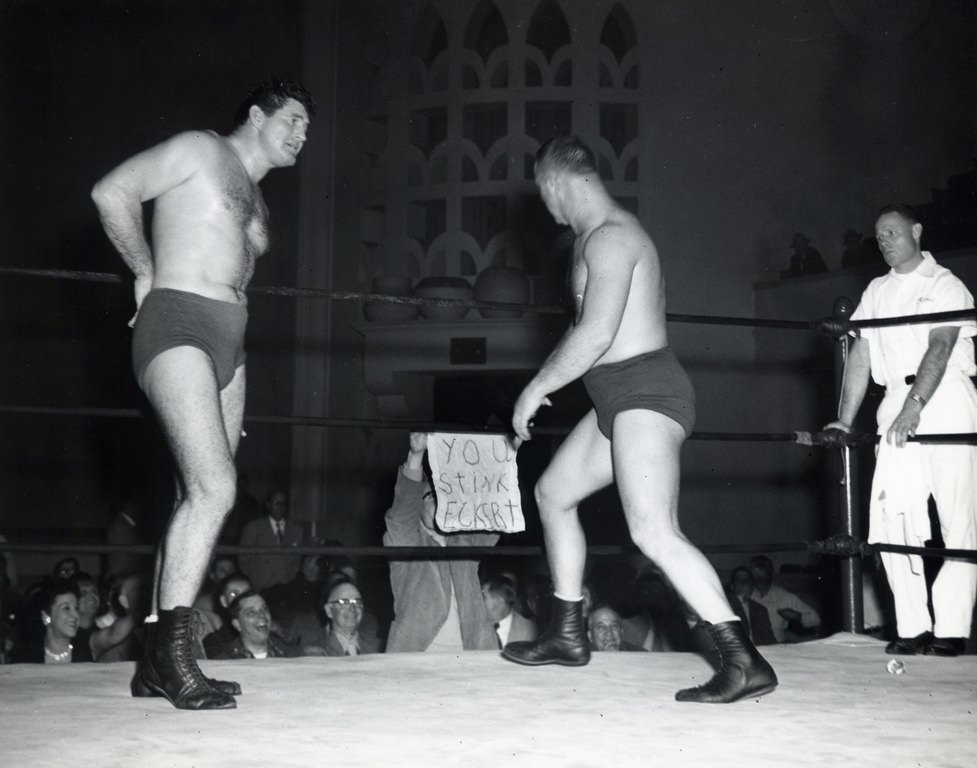
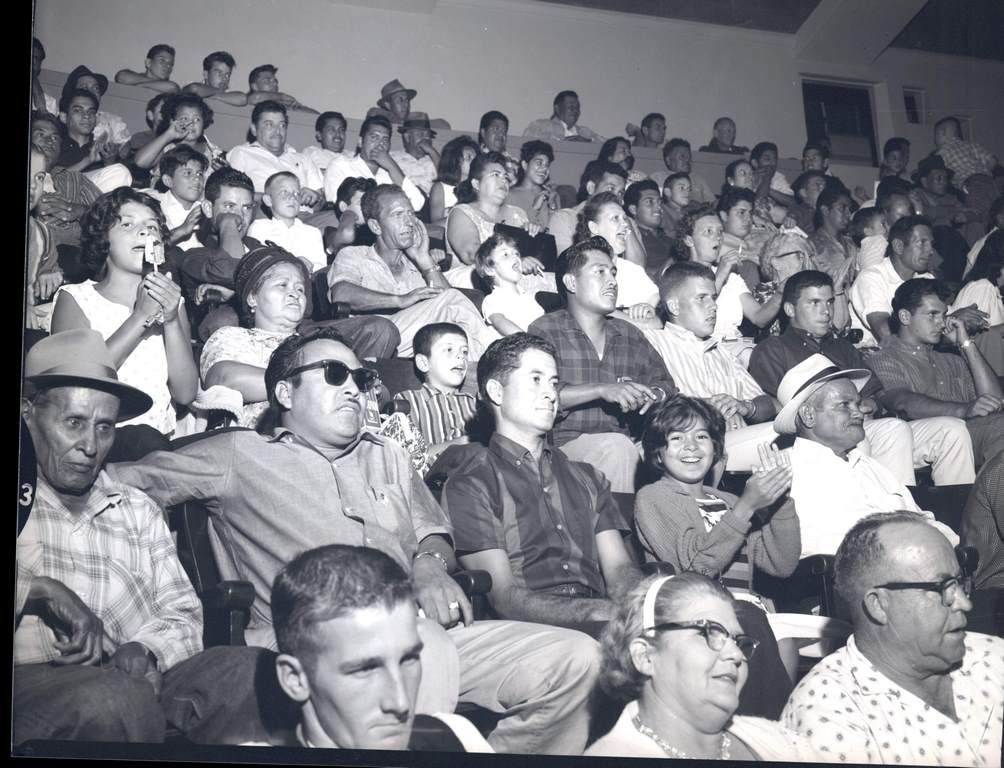
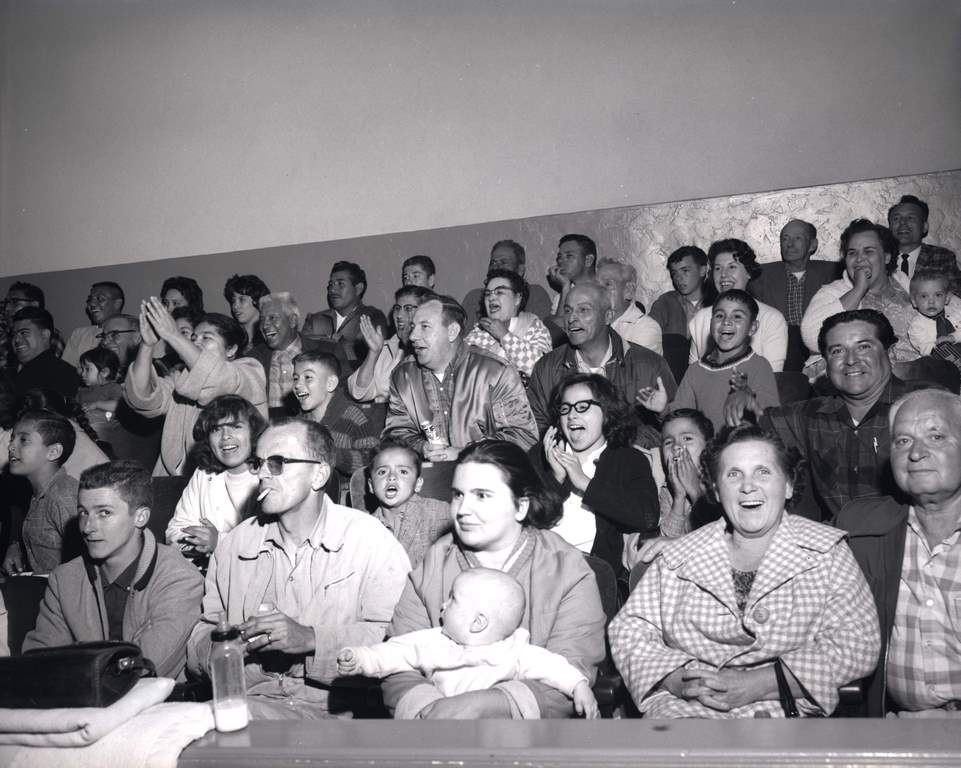
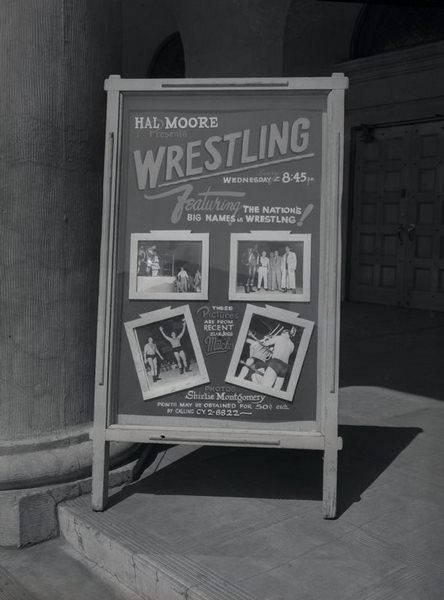
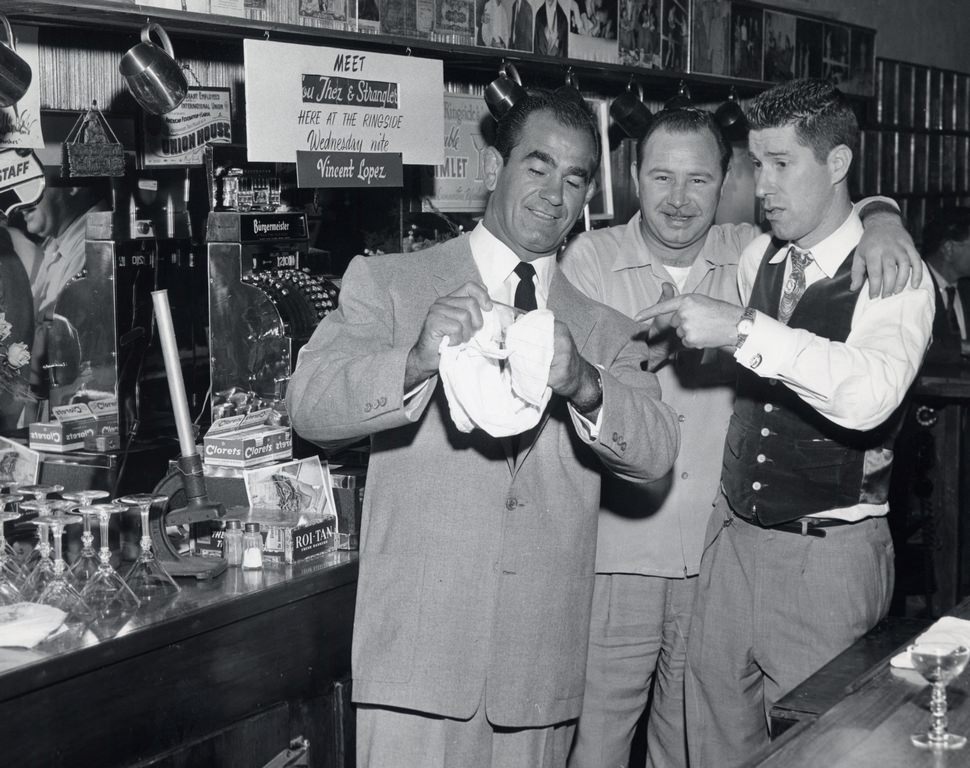
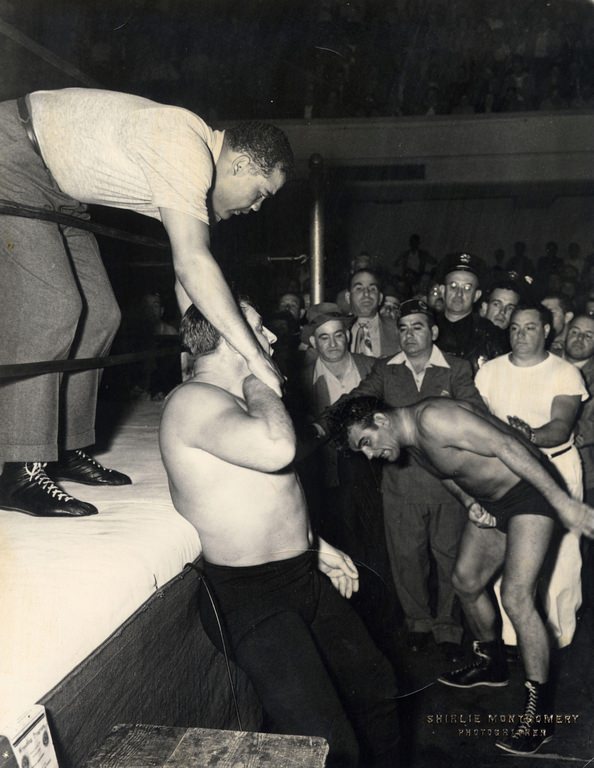
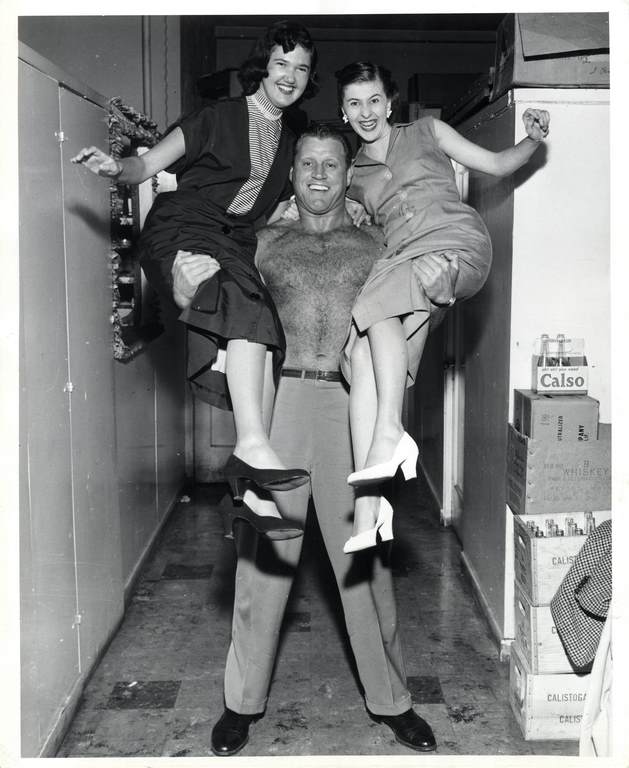
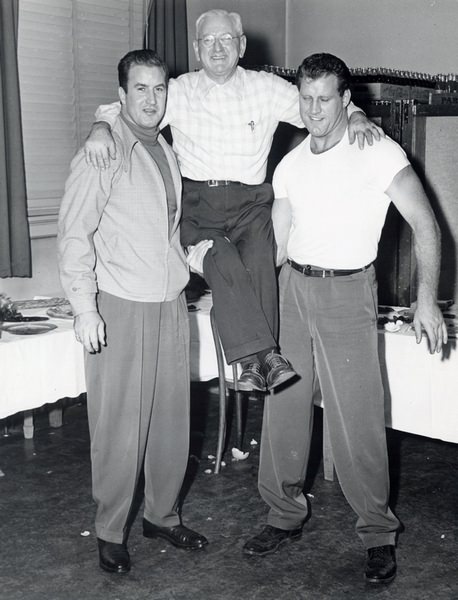
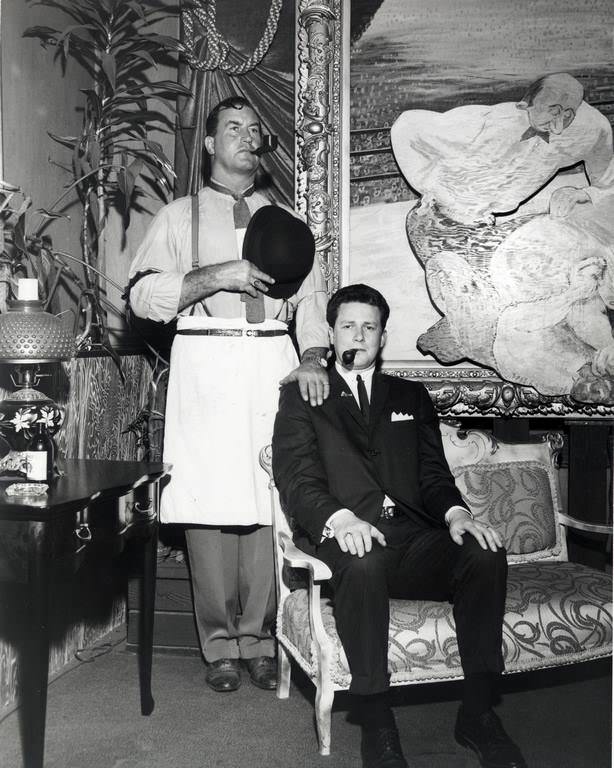
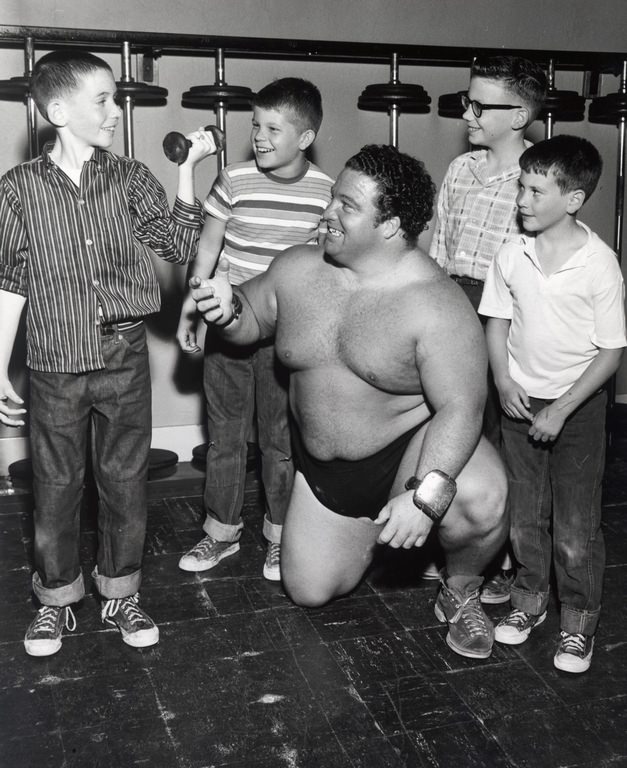
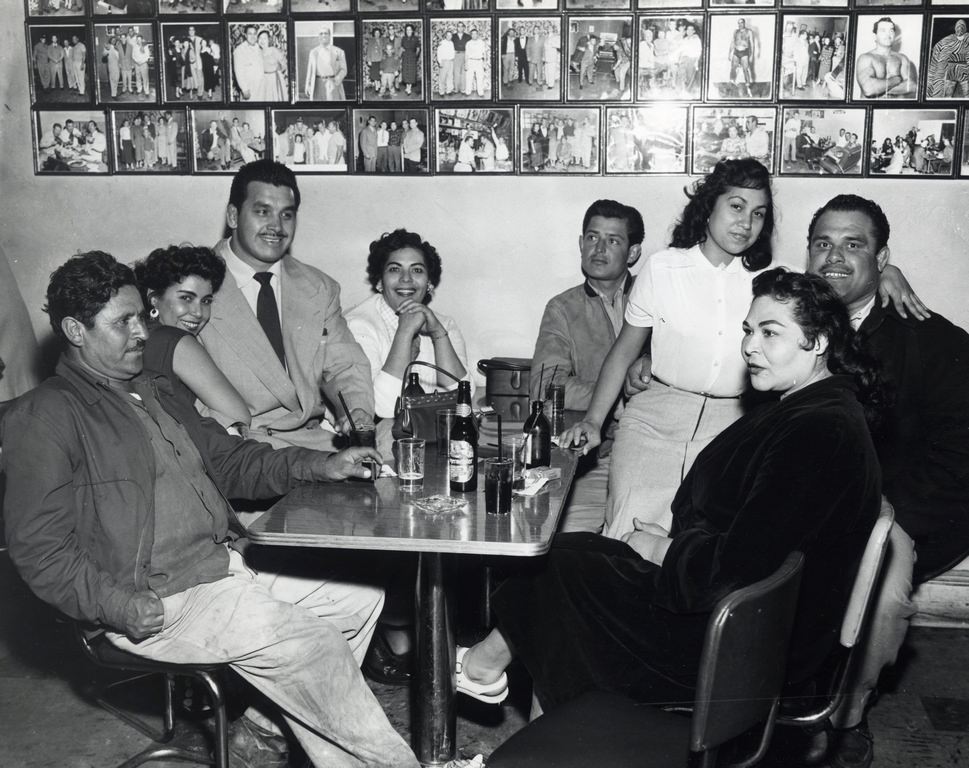
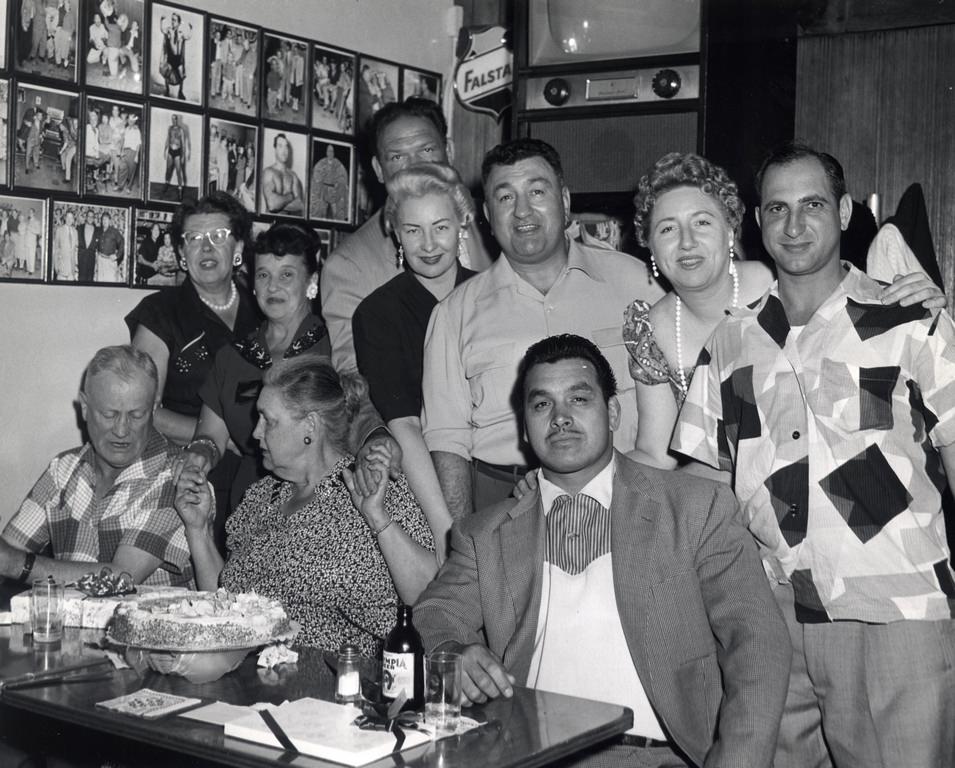
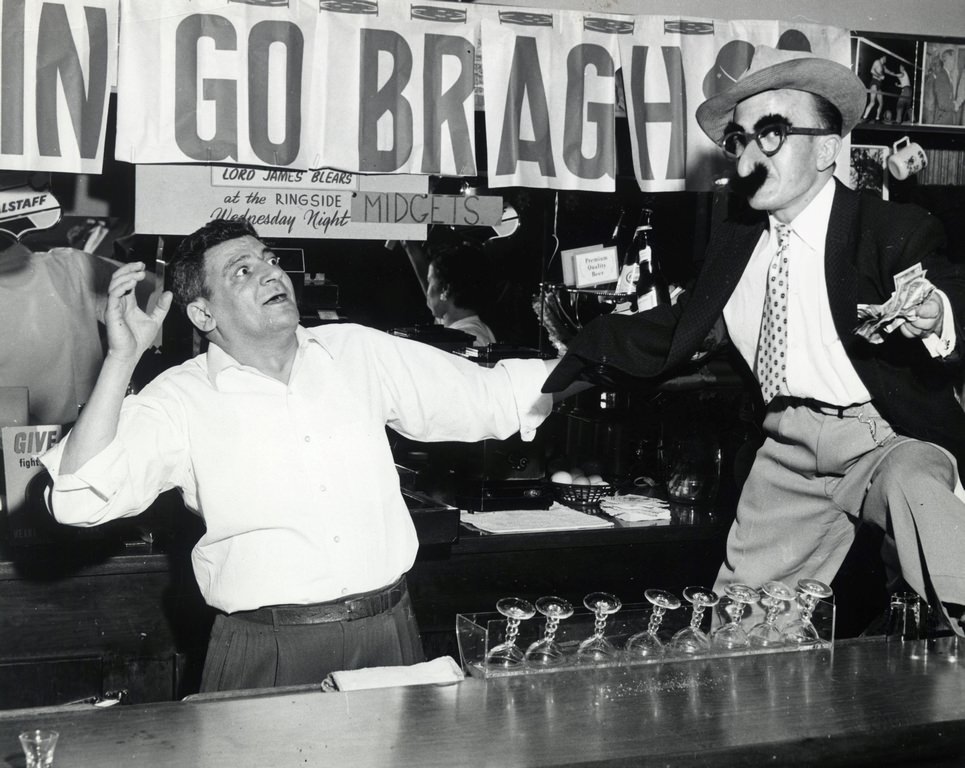
Wrestling was serious entertainment in San Jose during the 1950s. The San Jose Civic Auditorium hosted regular matches that drew packed houses. Photographer Shirlie Montgomery documented the scene extensively, and her photos appeared on sandwich boards advertising upcoming bouts outside the auditorium. Wrestlers like Lou Thesz, Tiny Mills, and Ray Eckert were fixtures of the local circuit. World Heavyweight Champion boxer Joe Louis also made an appearance in 1953. The Ringside Bar was the social hub for wrestlers, fans, and local characters alike — the Torres brothers, the Sharpe brothers, and other regulars made it a lively place throughout the decade.
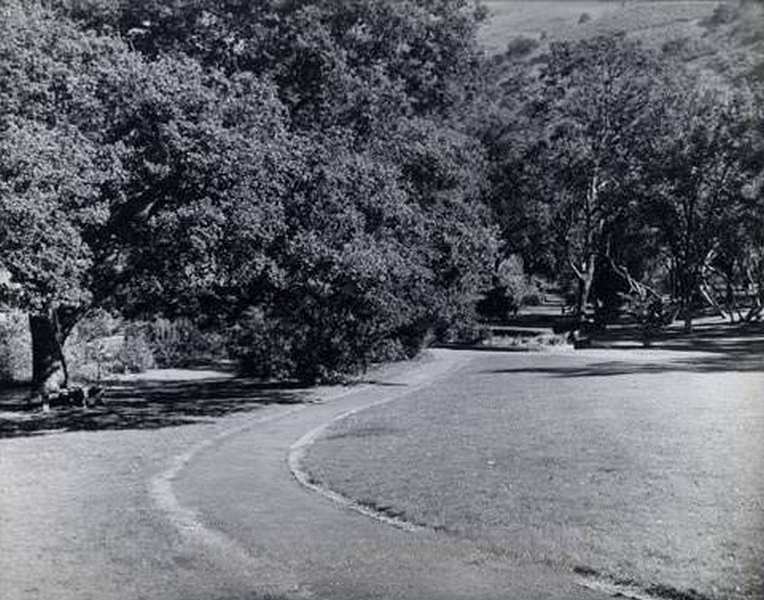
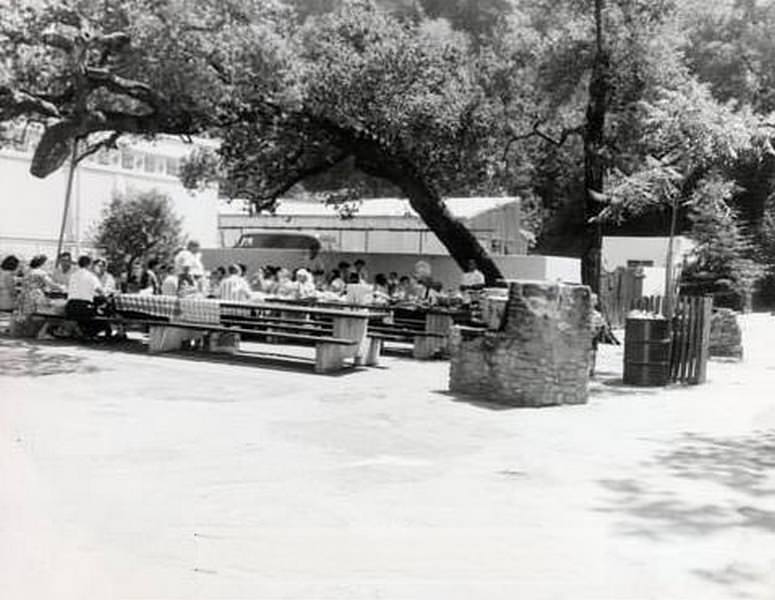
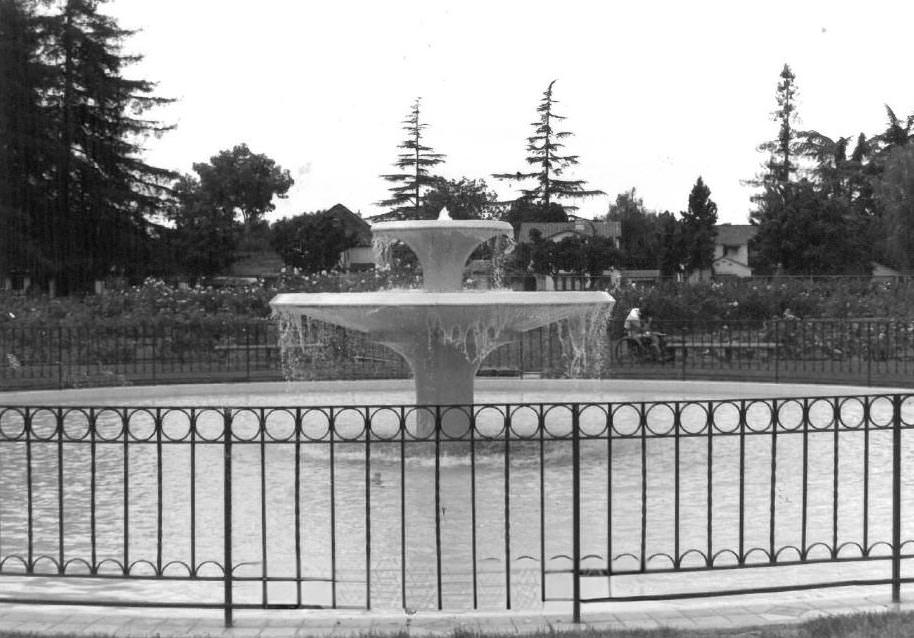
Alum Rock Park on the eastern edge of the city offered residents a natural escape. The park had picnic tables, trails, and open space that contrasted sharply with the construction and congestion spreading across the valley floor. The Municipal Rose Garden, closer to the city center, was another public green space — its fountain built and paid for by the Rotary Club of San Jose in the 1930s.
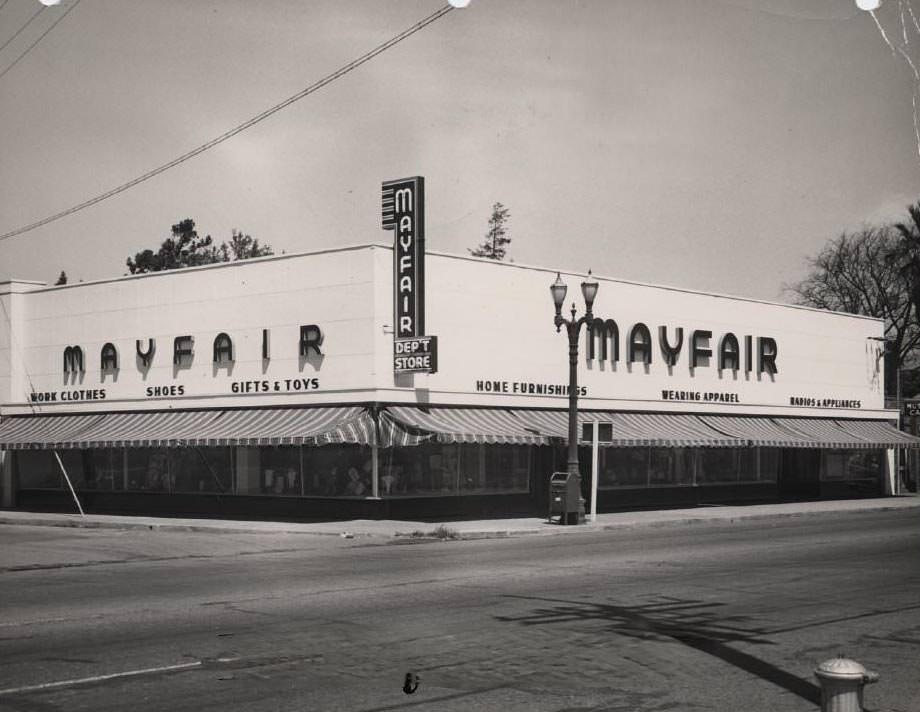
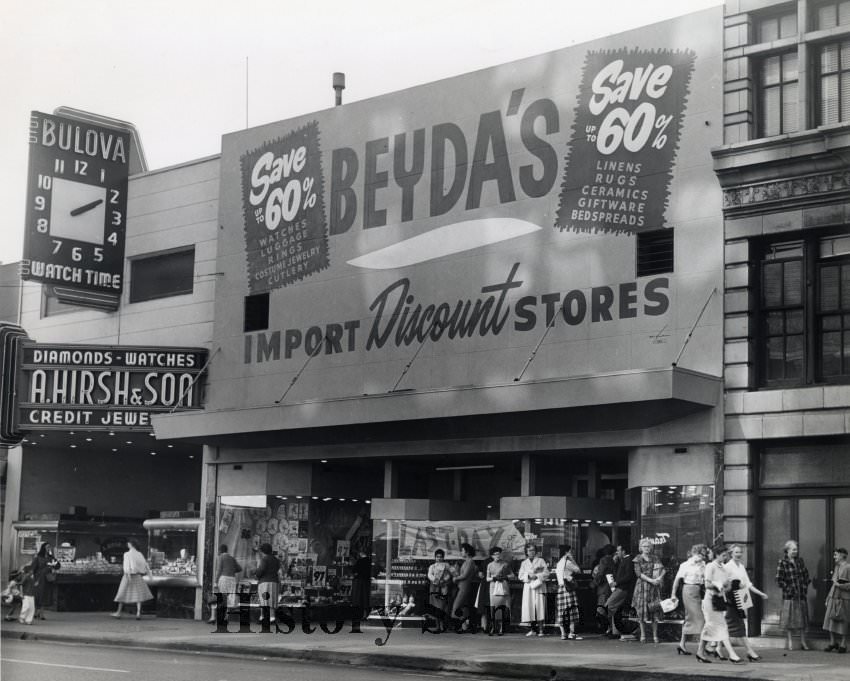
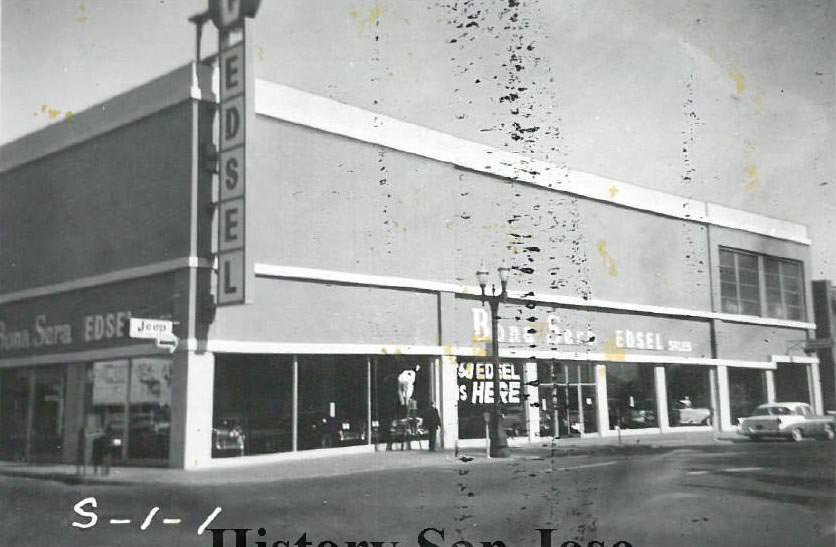
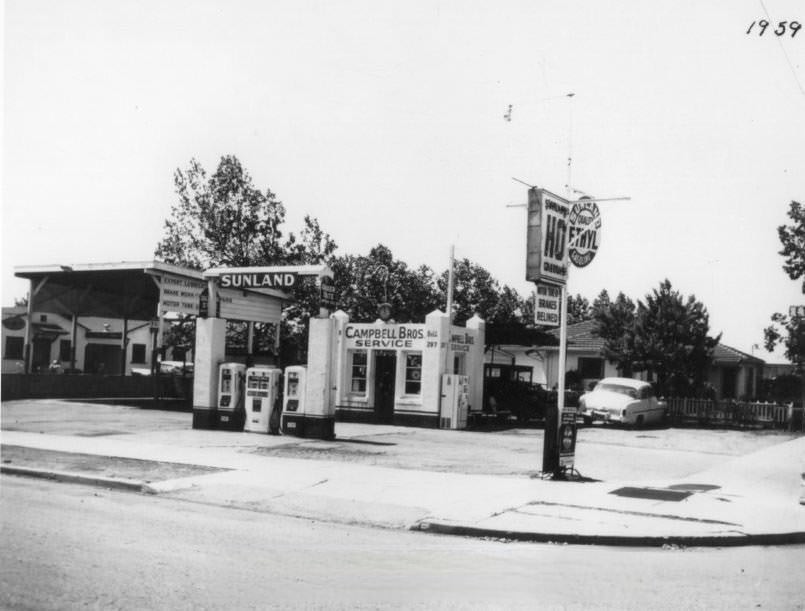
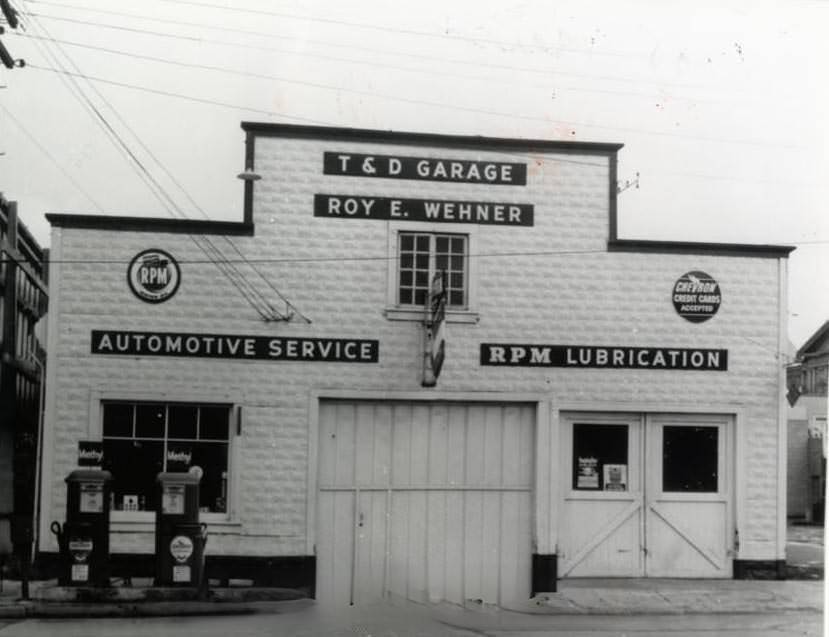
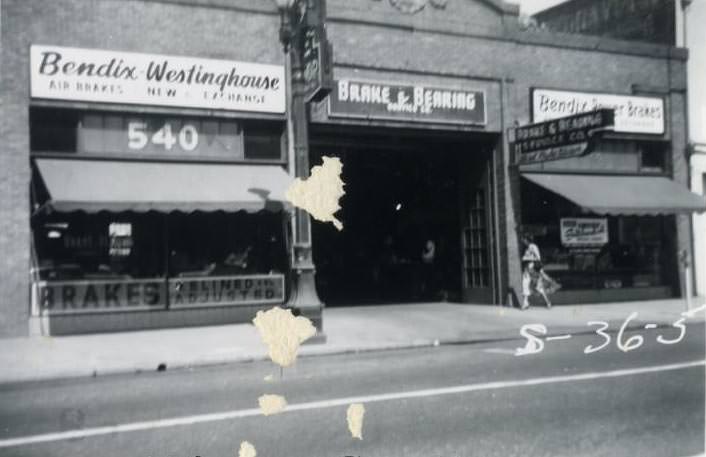
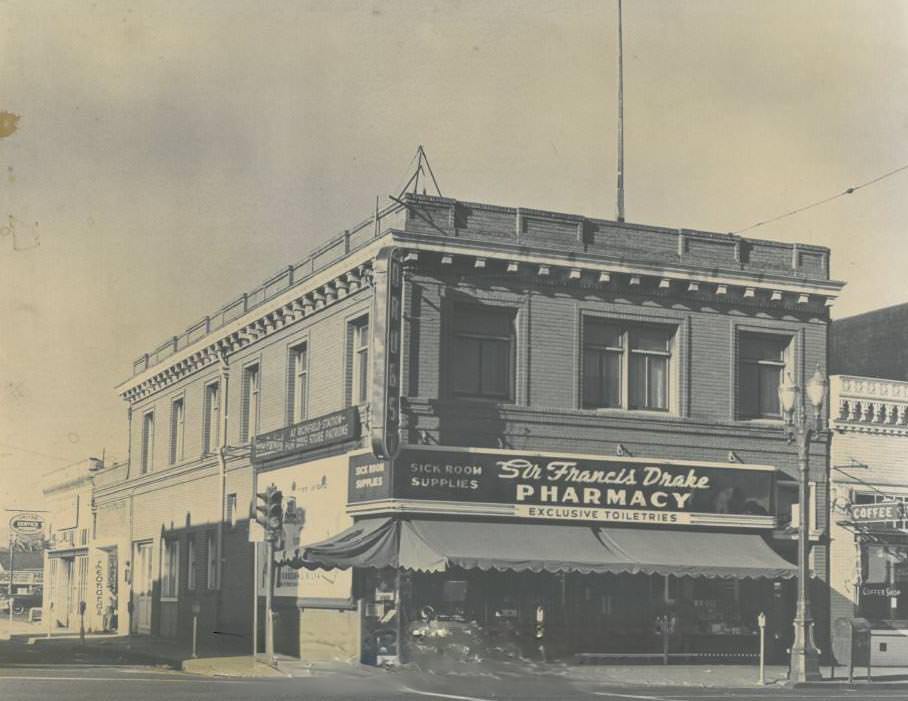
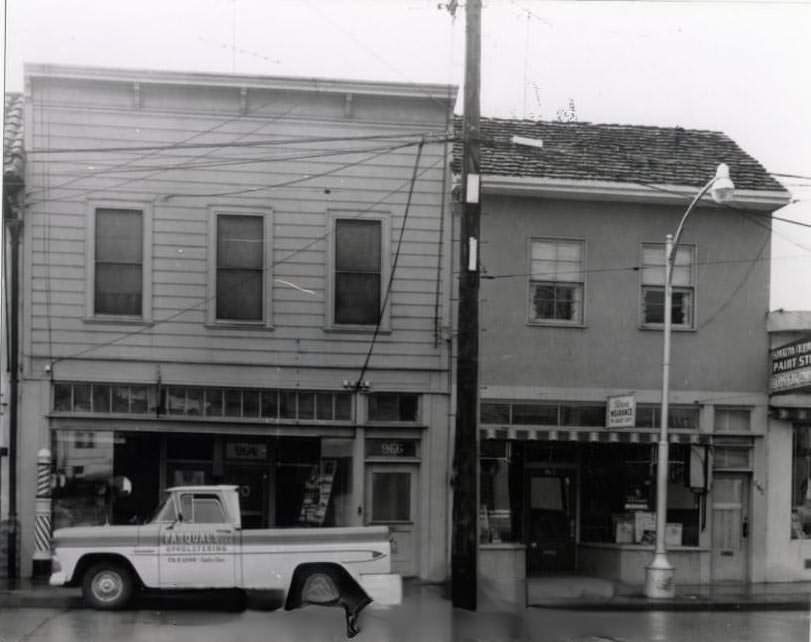
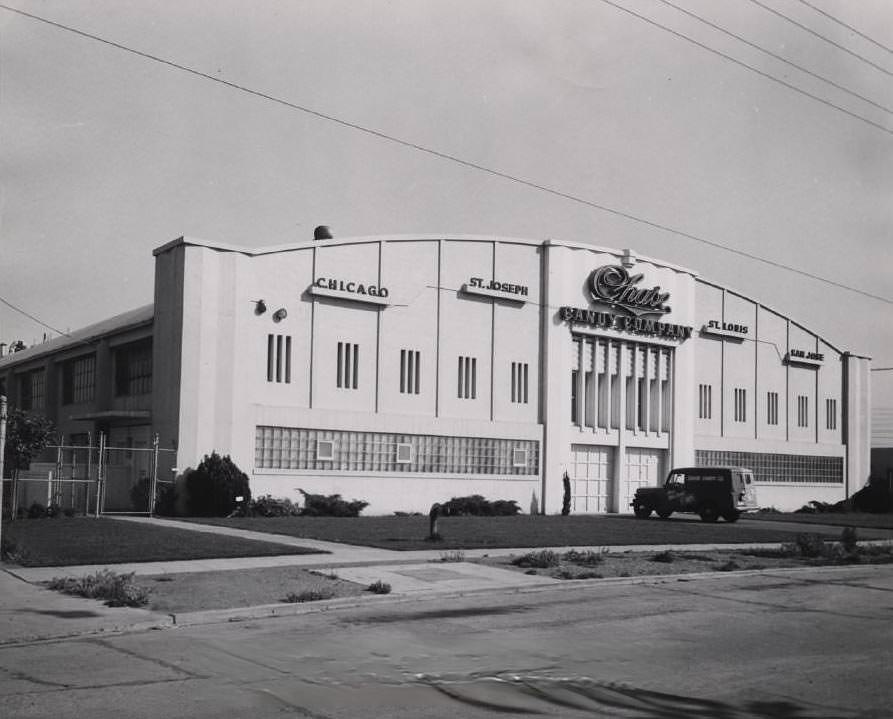
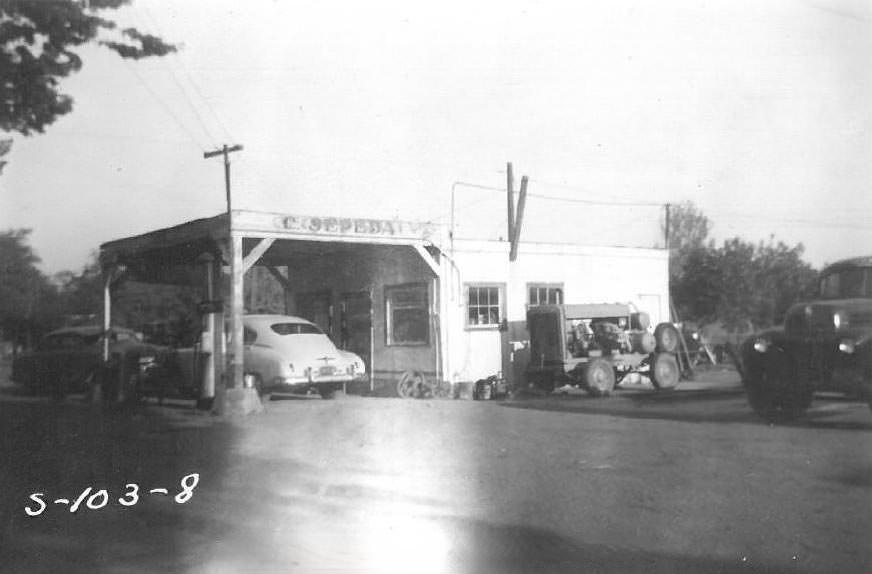
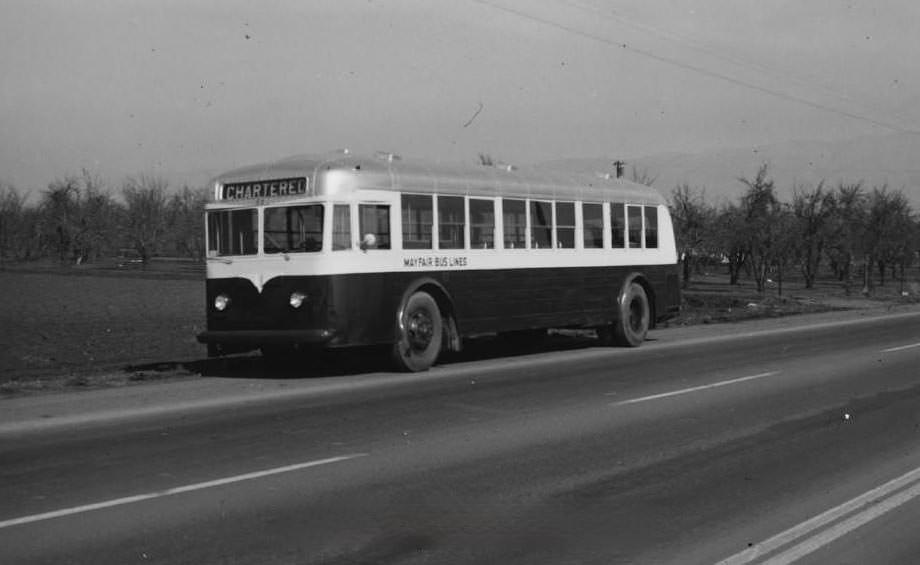
The city’s commercial landscape included a wide variety of businesses. Hale’s Department Store served shoppers in 1955. The Mayfair Department Store and the Mayfair Bus Line were both operating through the decade. Beyda’s Import Discount Store drew bargain hunters in 1957. Auto-related businesses — garages, service stations, dealerships — were everywhere, reflecting the car culture that defined postwar American life. The Bona Sera Ford Edsel Dealership opened in 1957, the same year Ford launched the ill-fated Edsel model nationally. Campbell Bros. Sunland service station at East Taylor and North Seventh advertised Sunland Quality Ethyl Gasoline and HO Gasoline on its signs.
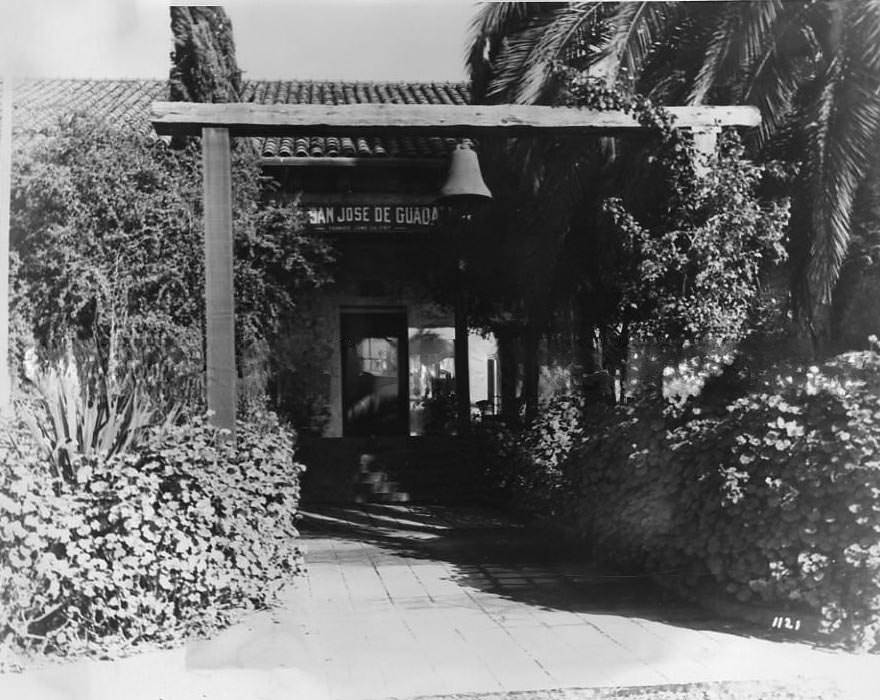
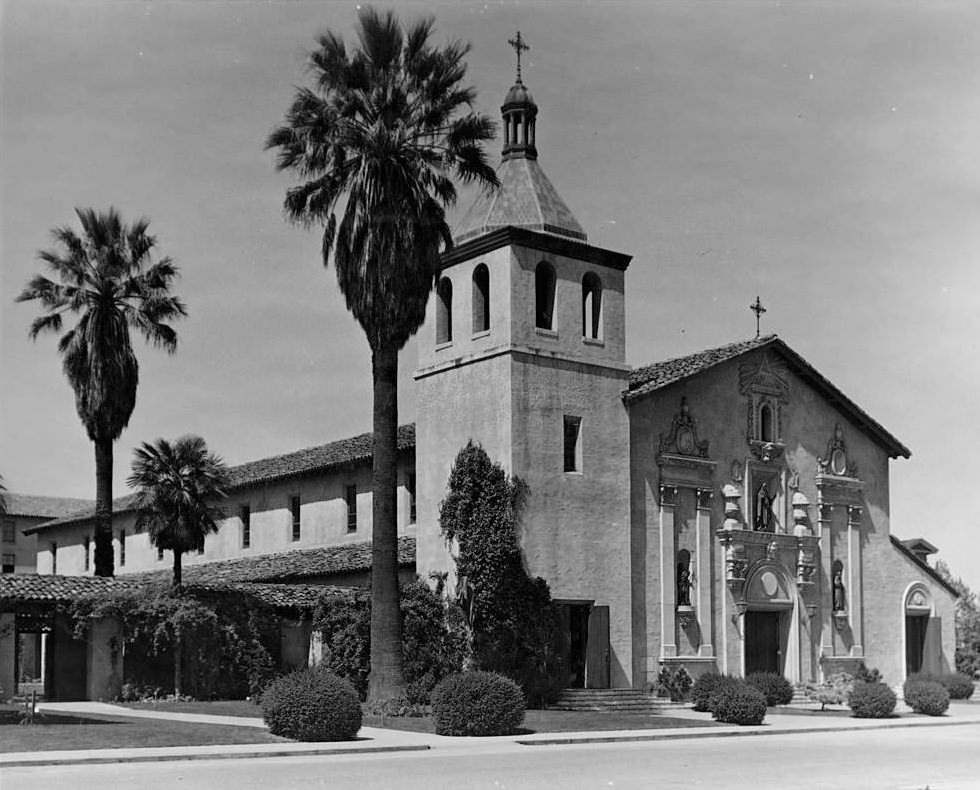
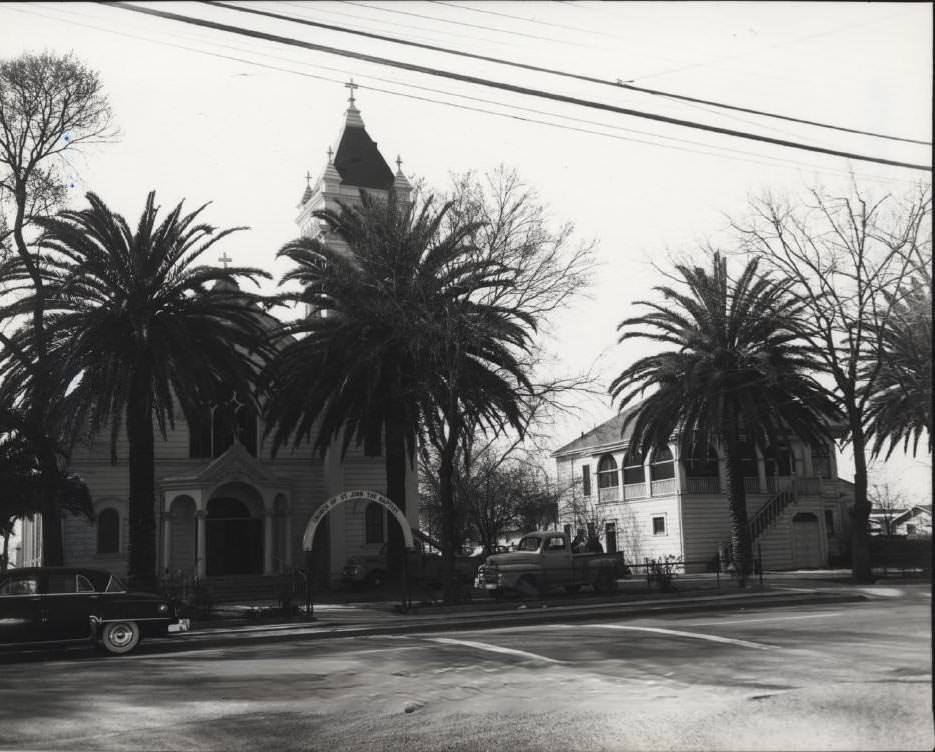
The city’s churches and missions were also part of the visual fabric of the decade. Mission San Jose de Guadalupe stood as a historic landmark on the eastern edge of the valley. Mission Santa Clara, just three miles from San Jose in the city of Santa Clara, was another enduring presence. The Church of St. John the Baptist photographed in 1953 represented the active parish life of the city’s Catholic community.
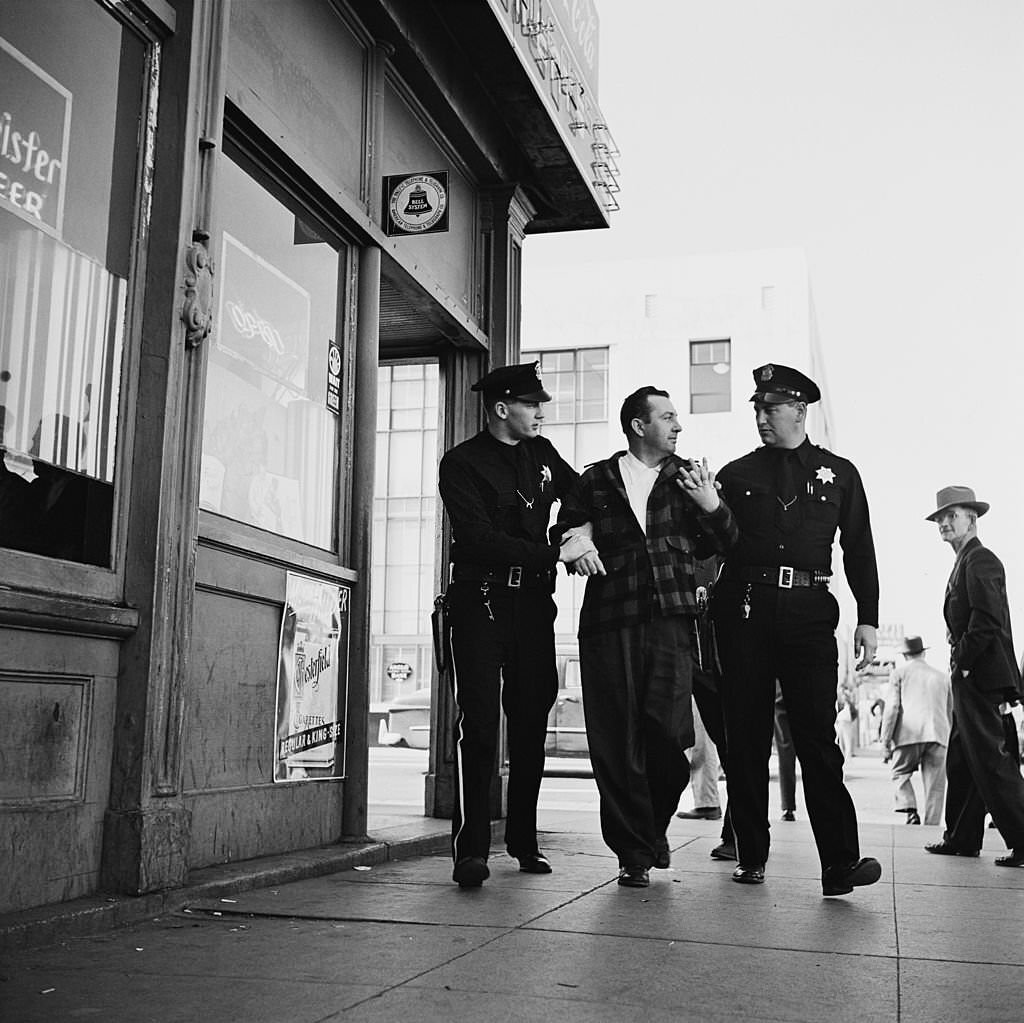
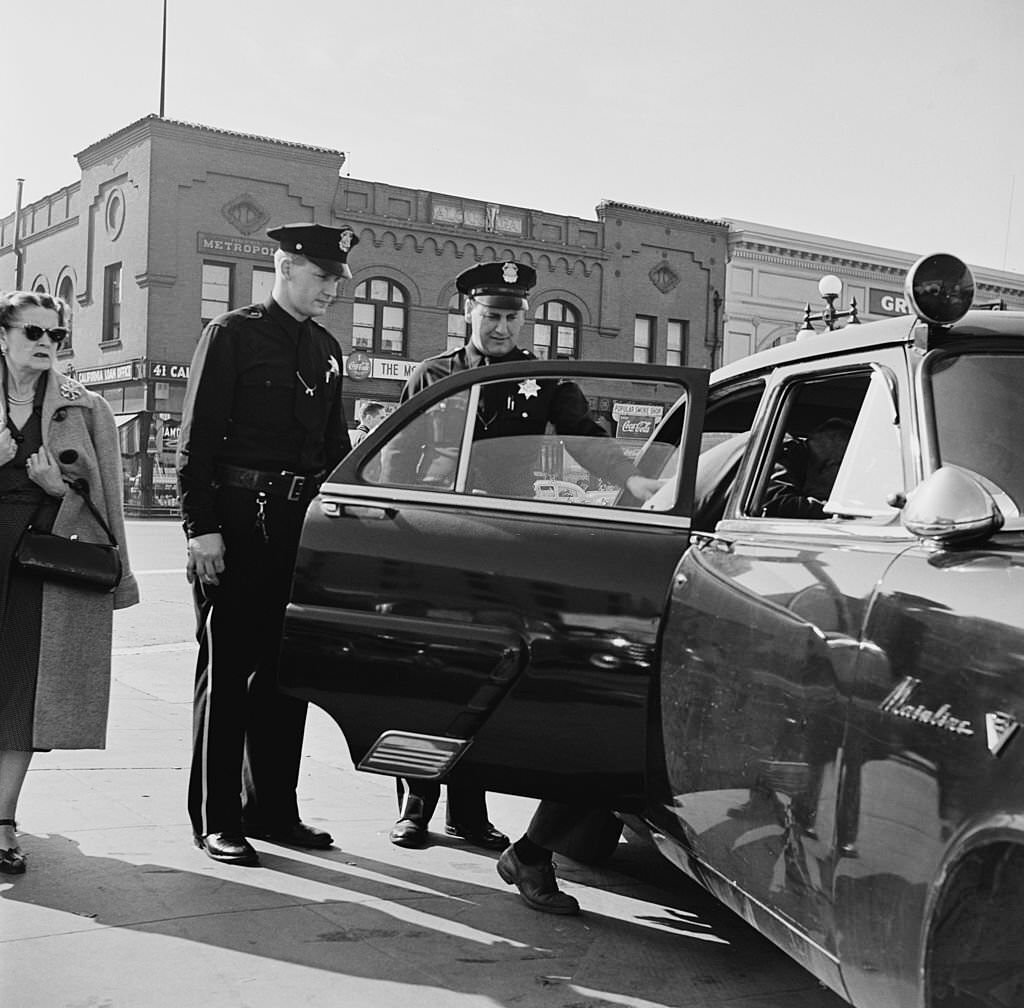
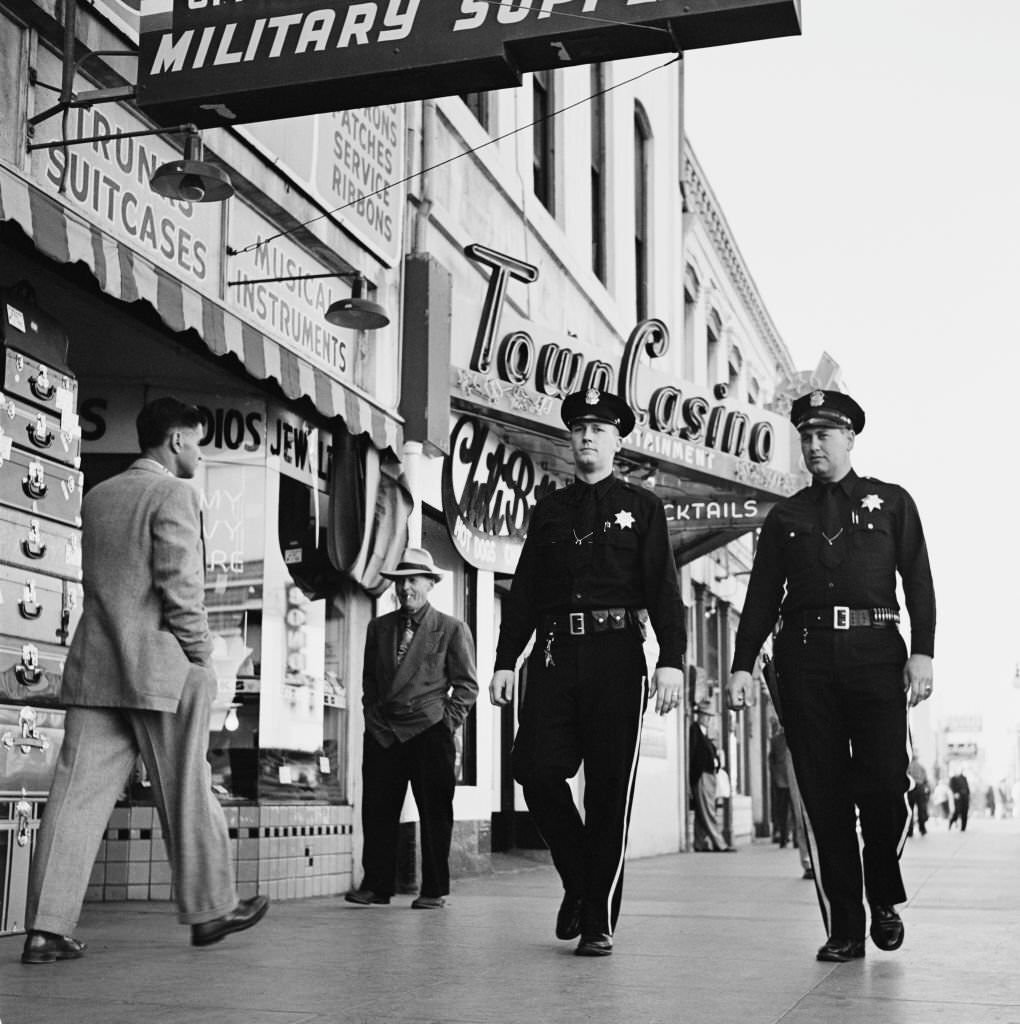
Law enforcement left its own visual record. Officer Lyle Hunt was photographed making arrests and restraining members of the public in 1954. Police motorcycles and patrol cars were regular fixtures on city streets and at public events. The San Jose Police Department’s presence at county fairs showed how the department worked to build a public face alongside its enforcement duties.
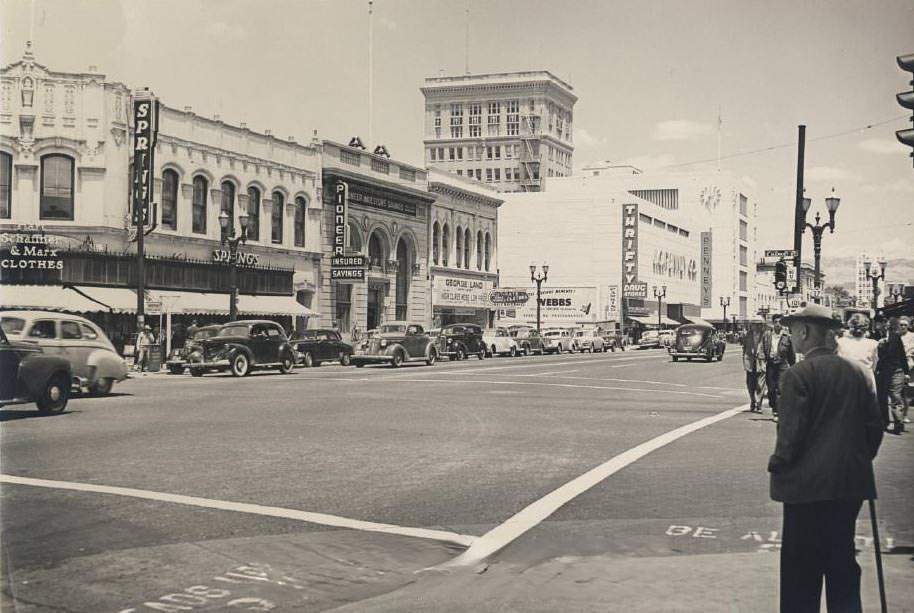
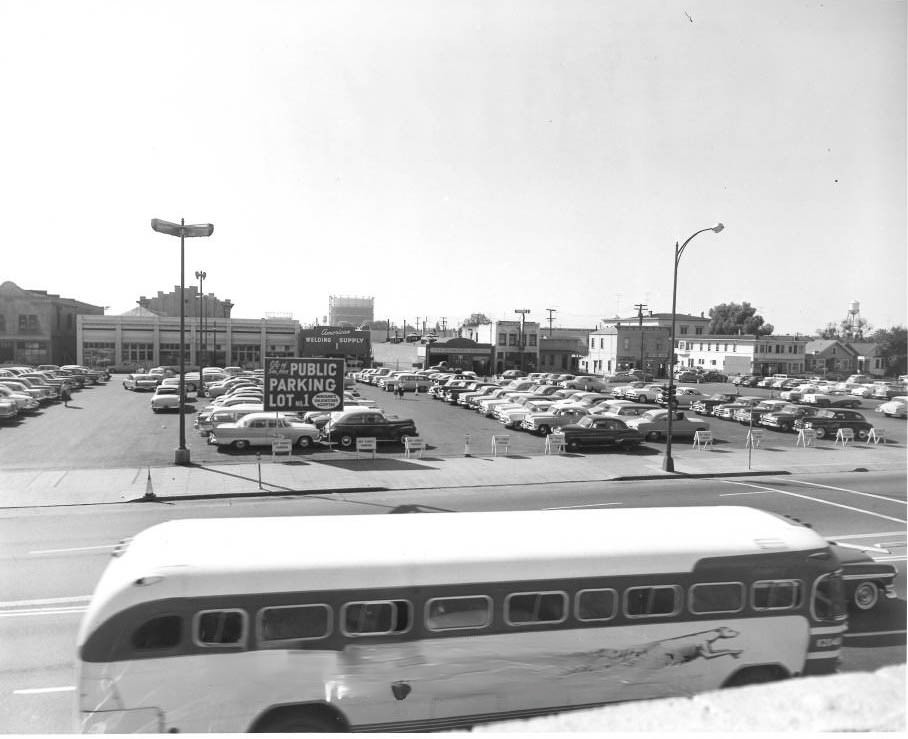
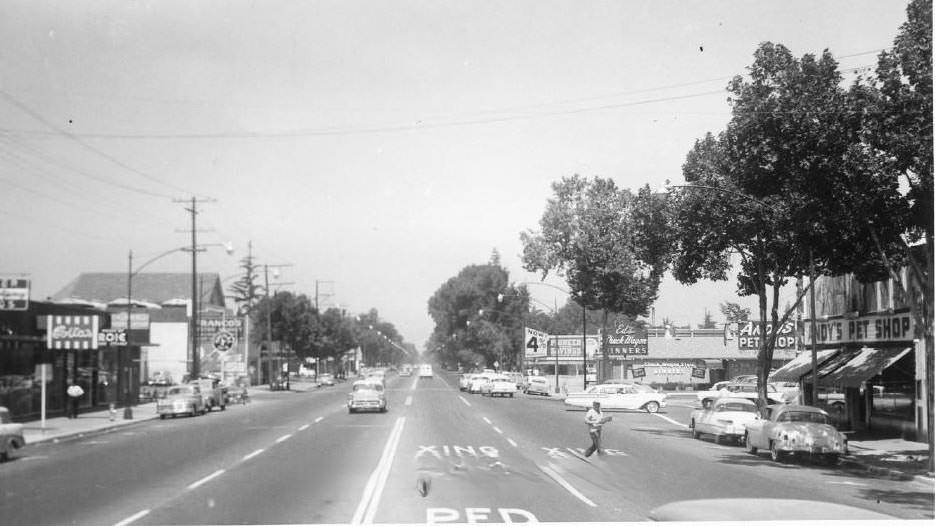
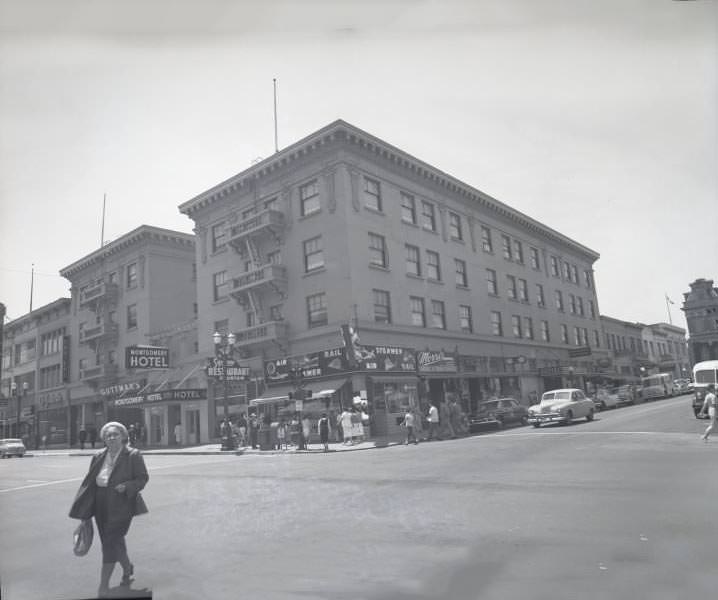
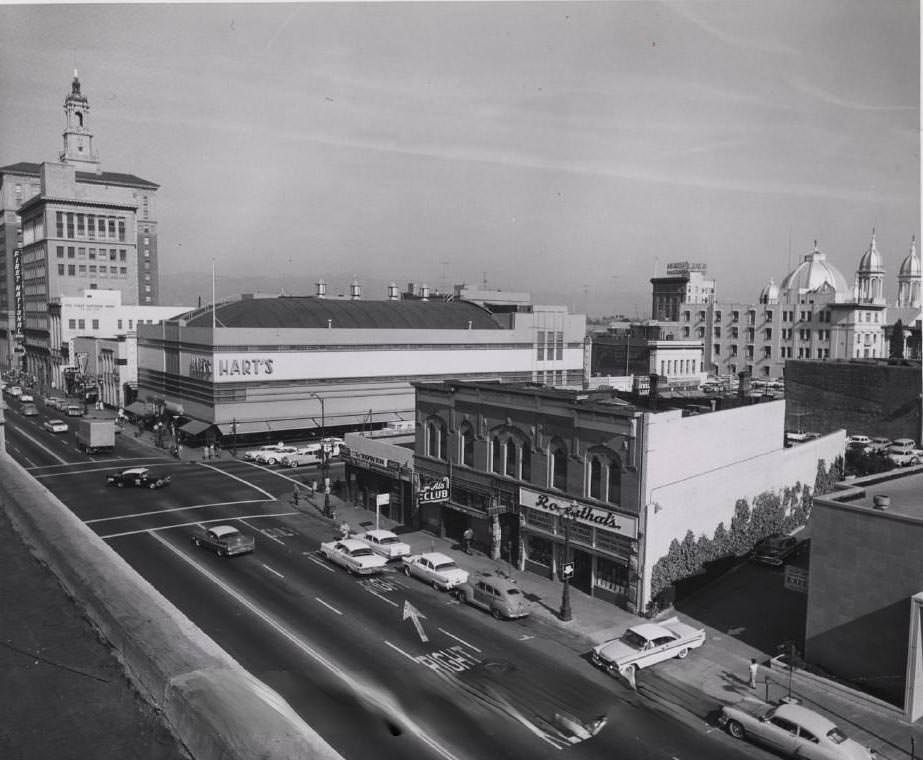
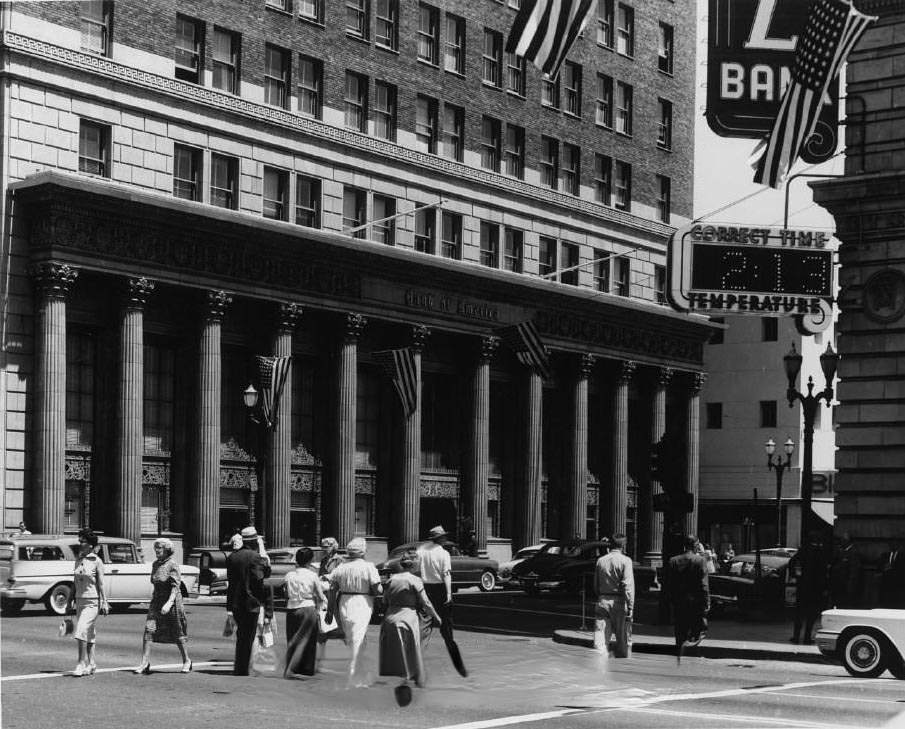
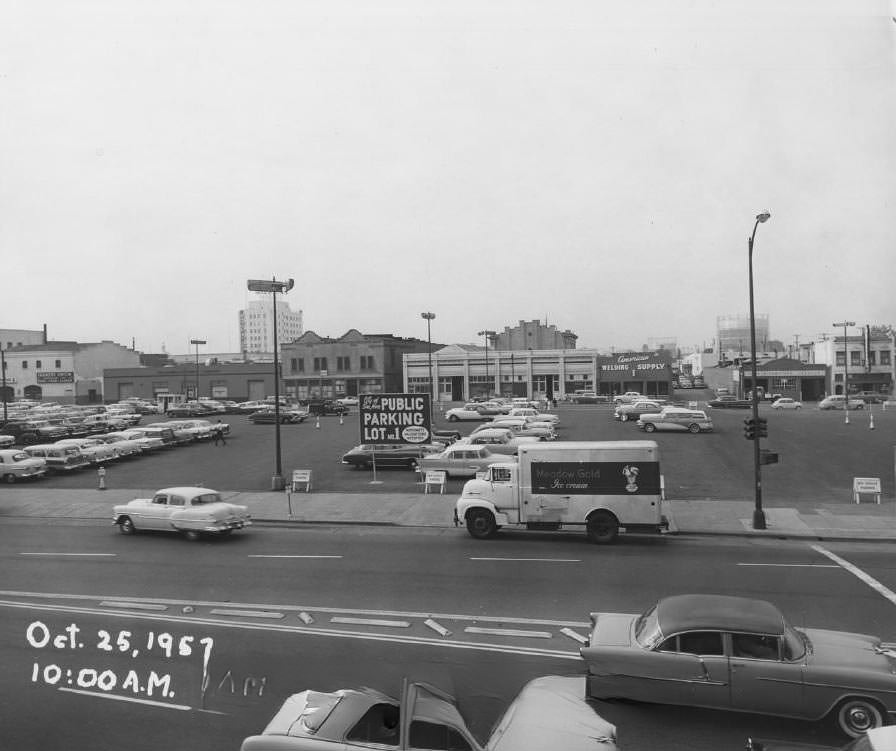
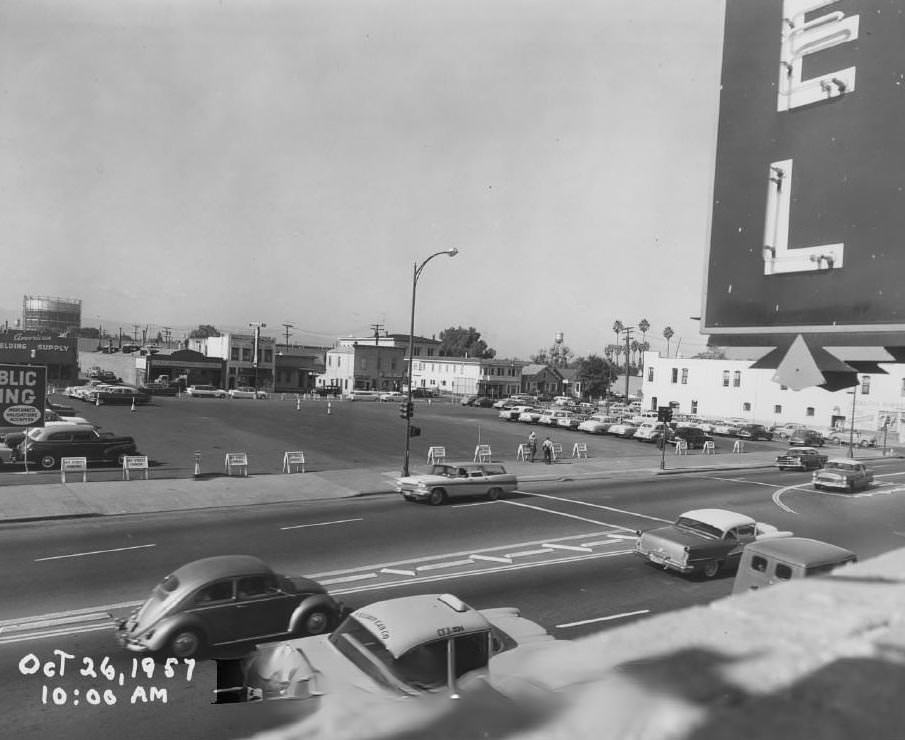
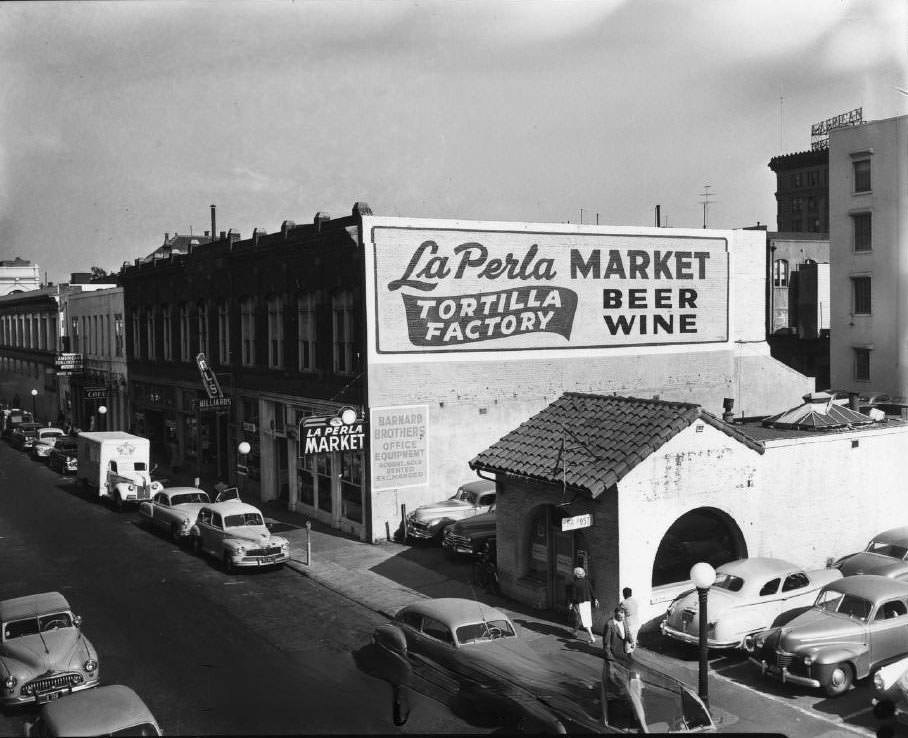
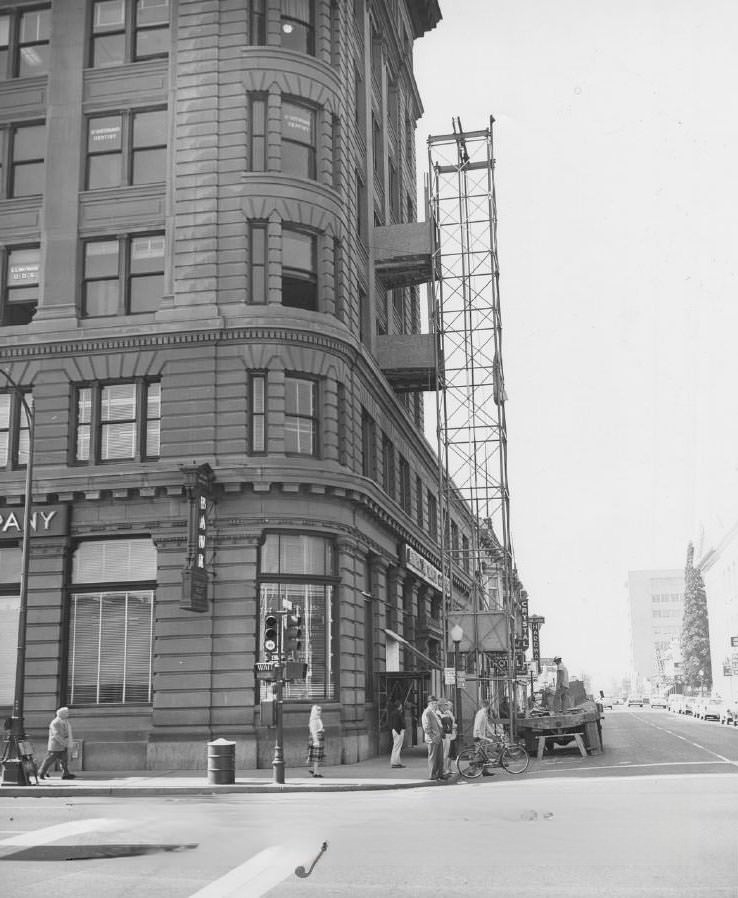
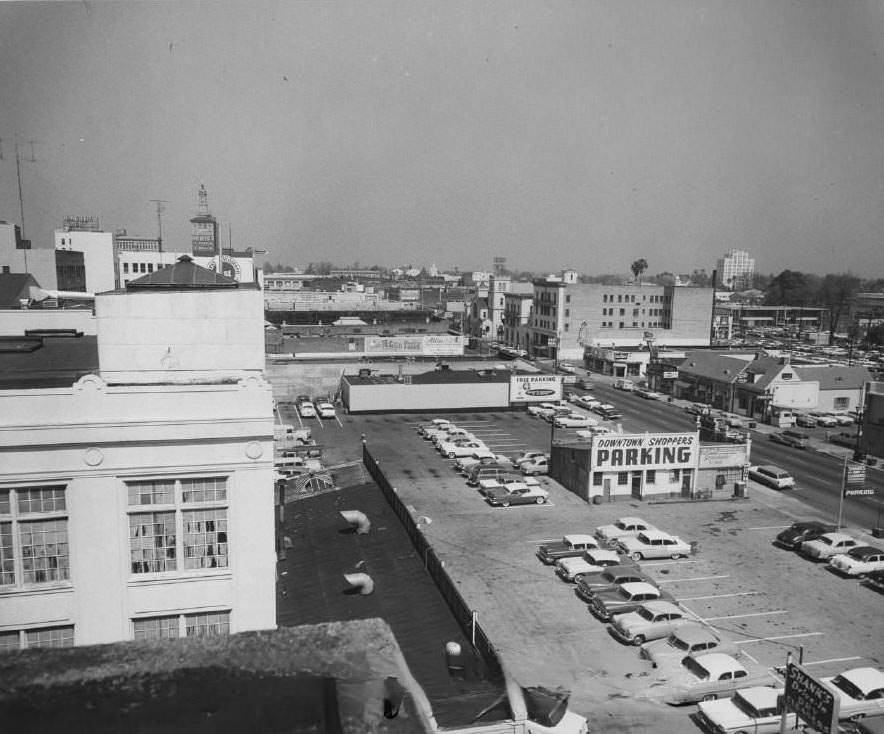
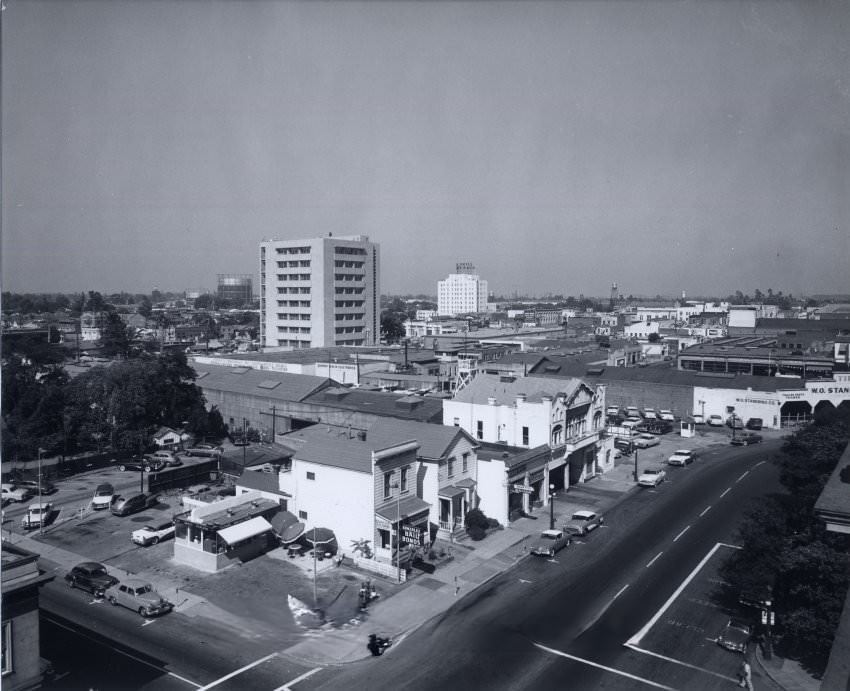
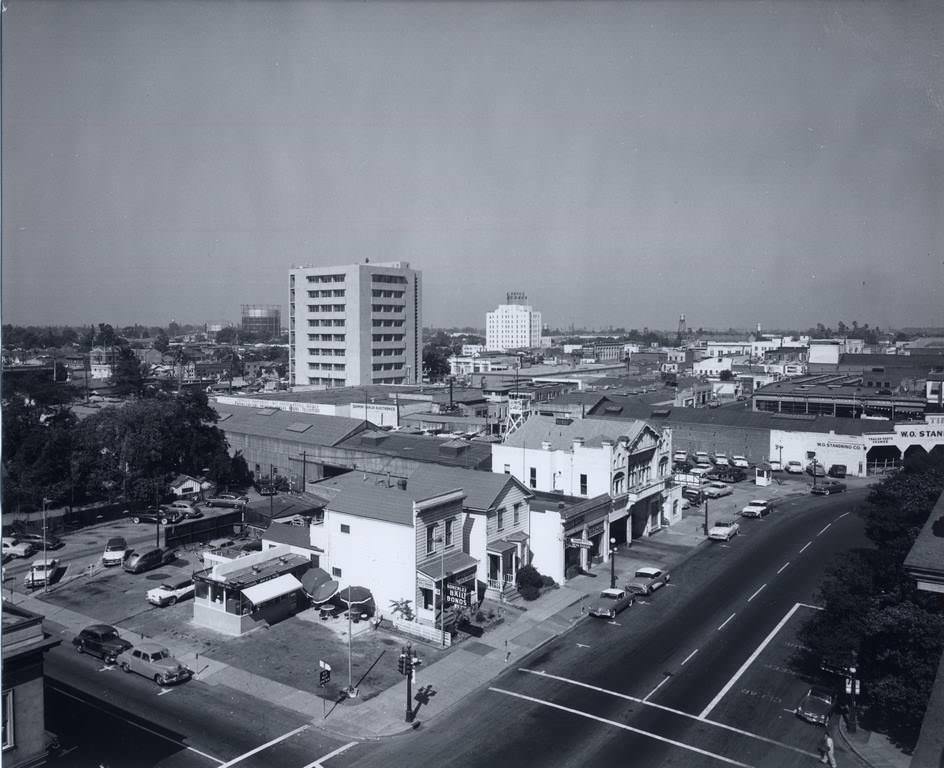
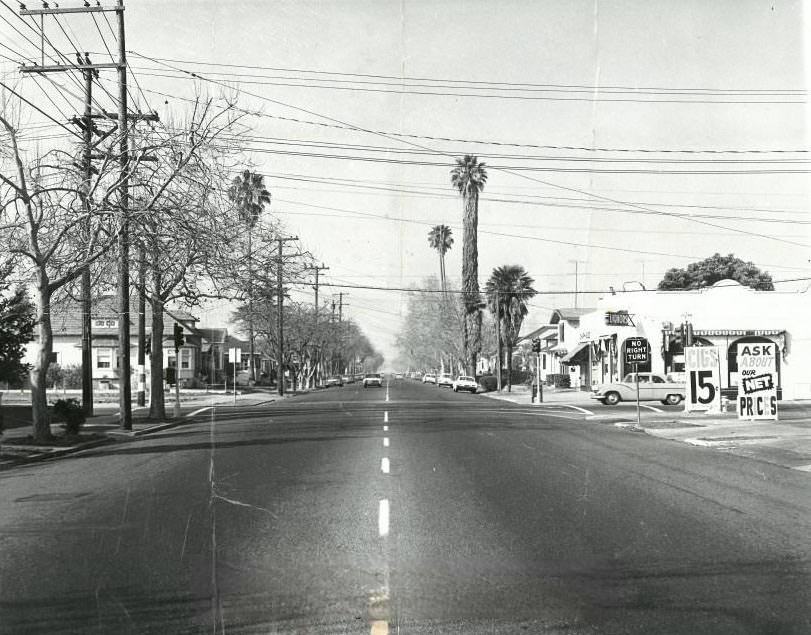
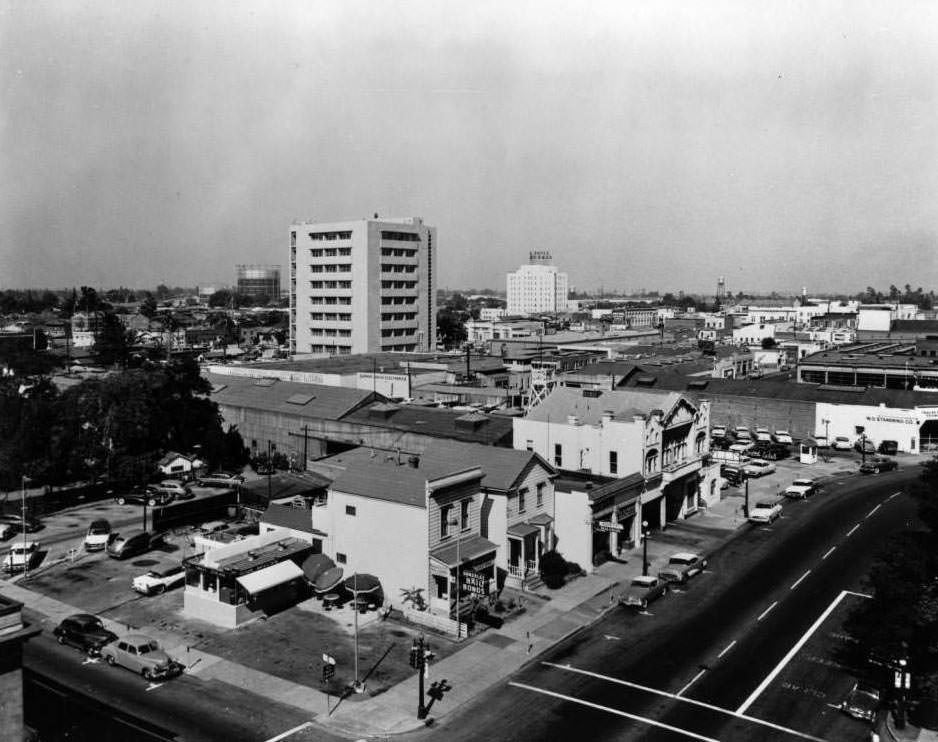
The decade’s street scenes told the story of a city in motion. Looking northeast from the intersection of Santa Clara and Market Streets, you could see the density of downtown activity. North Market Street near St. John Street showed the city’s public parking lots filling up, with Greyhound buses sharing the road with private cars. The Alameda, photographed looking north from Race Street in 1957, showed the wide commercial boulevard that connected San Jose to Santa Clara. The Montgomery Hotel on its corner presented a wide-angle facade that spoke to the ambitions of midcentury San Jose.
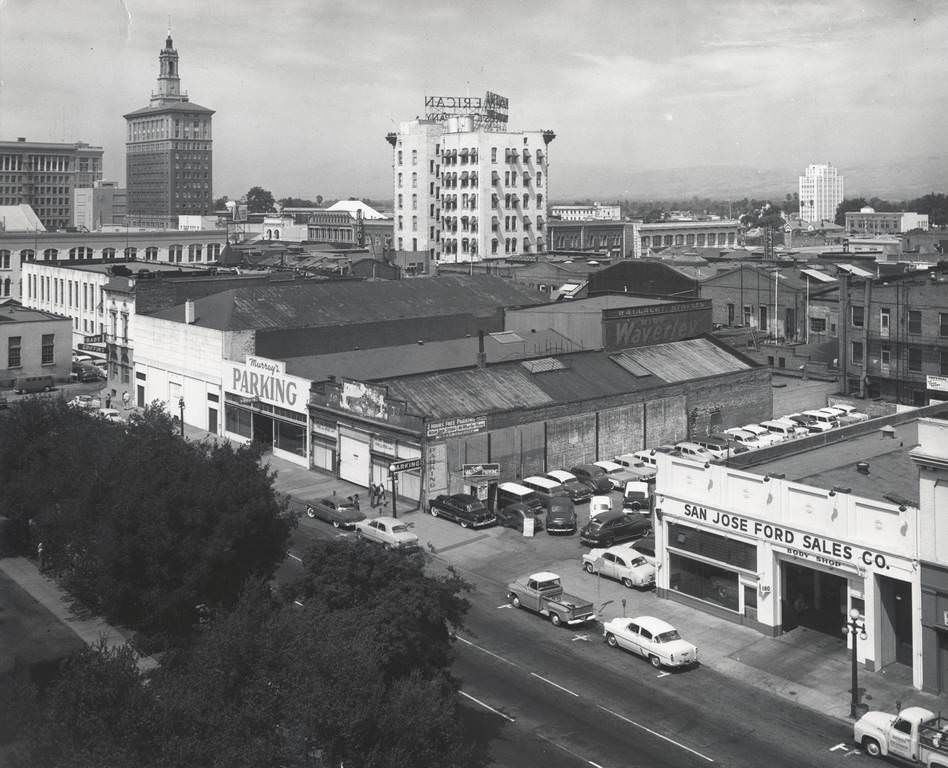
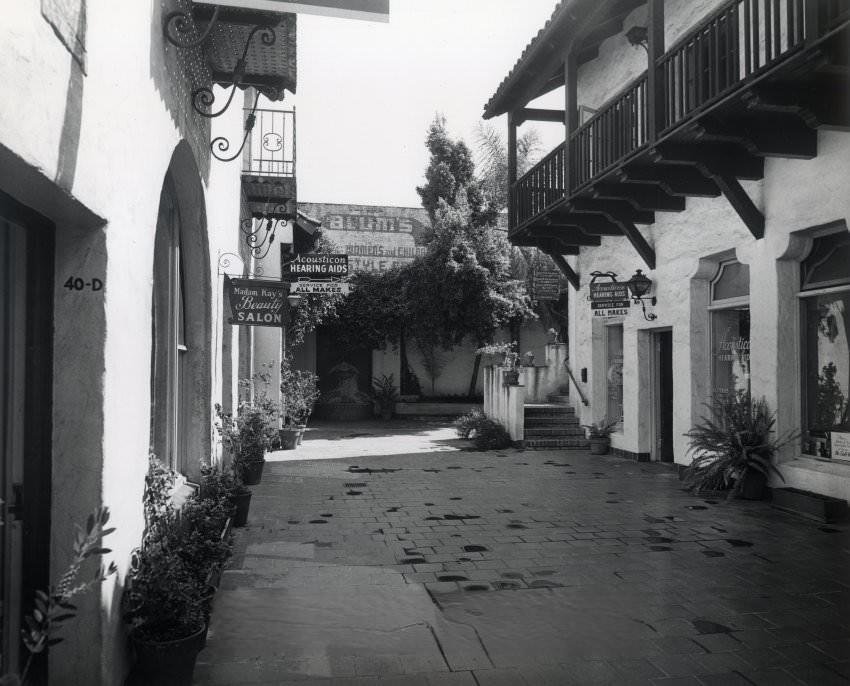
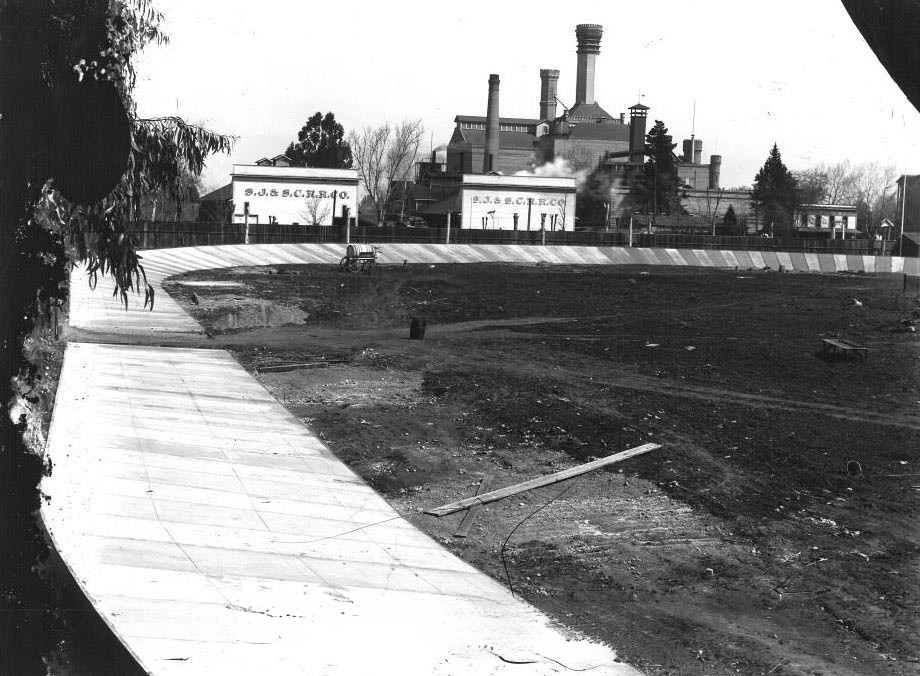
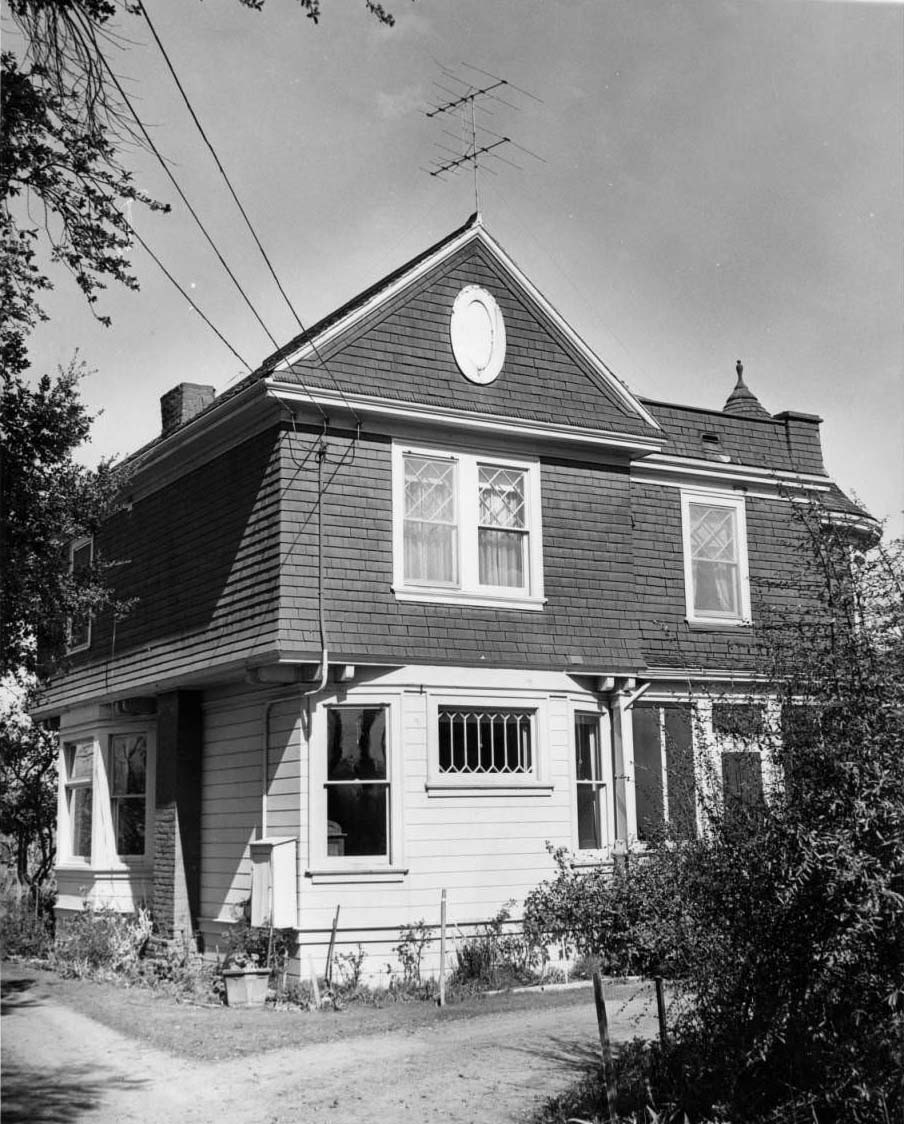
The Agricultural Park bicycle track, photographed in 1951, was already falling into disrepair. Visible in the background were the buildings of the San Jose and Santa Clara Railroad Company and the Fredericksburg Brewery — remnants of an older San Jose that was slowly disappearing. The Henry Dyer Residence on Hostetter Road in the Berryessa area was another piece of that older world. Dyer’s father, Ephraim, had come west from Maine in 1850, and the property still had an active orchard in 1950.
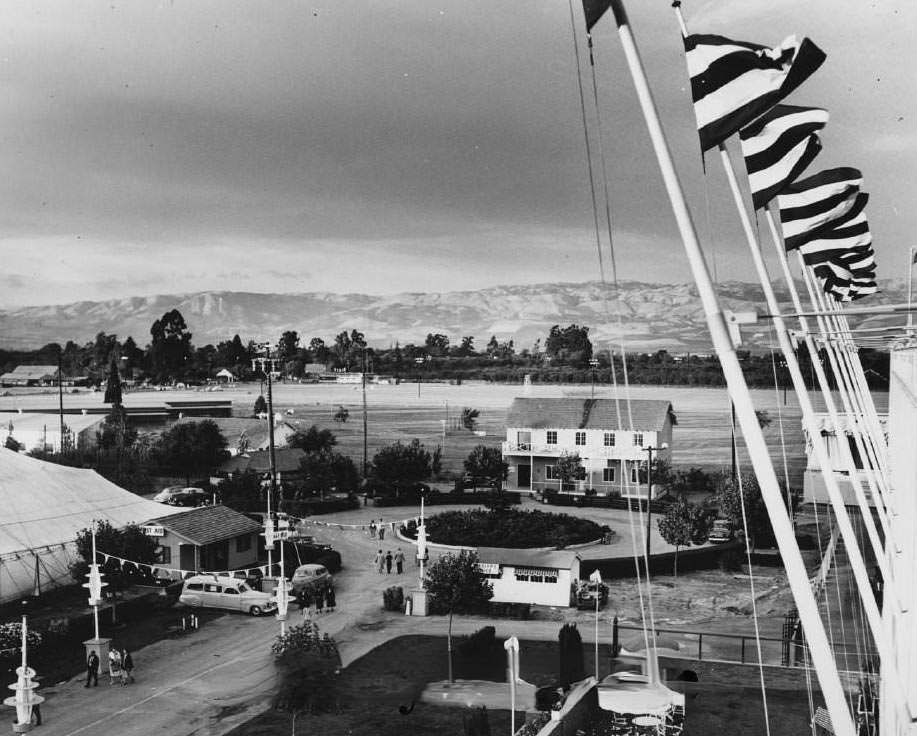
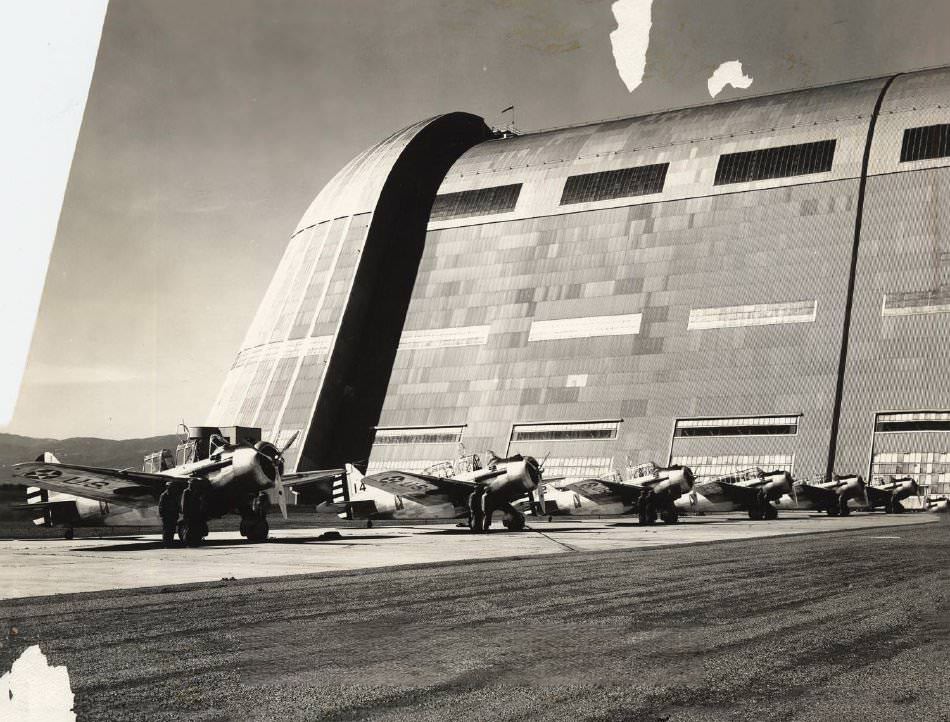
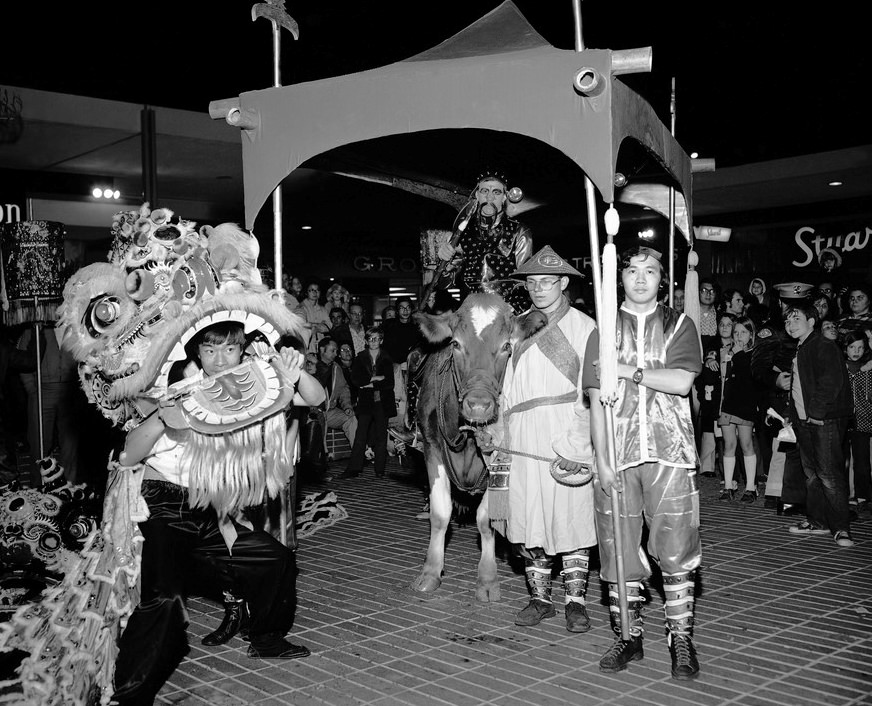
At Moffett Field, just north of San Jose, military aircraft were a regular sight overhead. The field had been a major naval air station since the 1930s and remained active throughout the decade. Valley Fair Shopping Center, which opened in the late 1950s in nearby Santa Clara, drew shoppers away from the downtown core and marked the beginning of a shift toward suburban retail. A Chinese New Year parade at Valley Fair in the late 1950s showed how quickly the new mall had embedded itself into community life.





Man that city hall was absolutely peak.
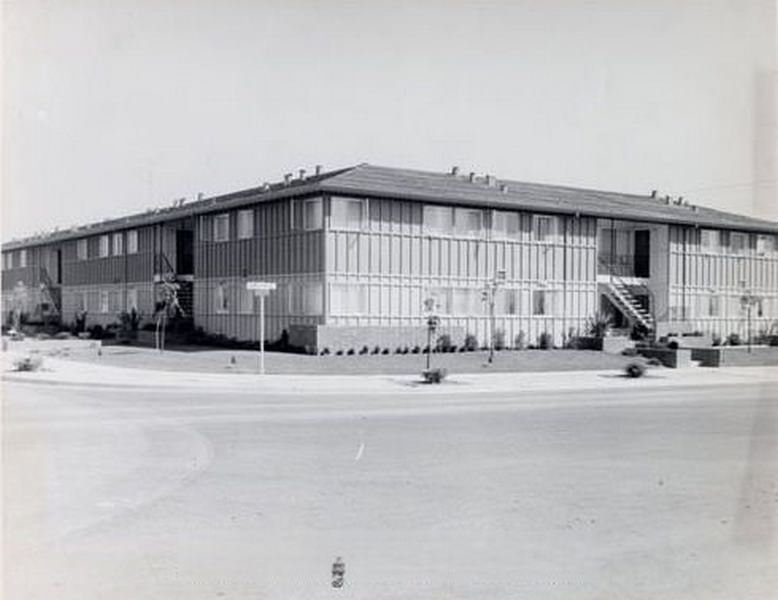
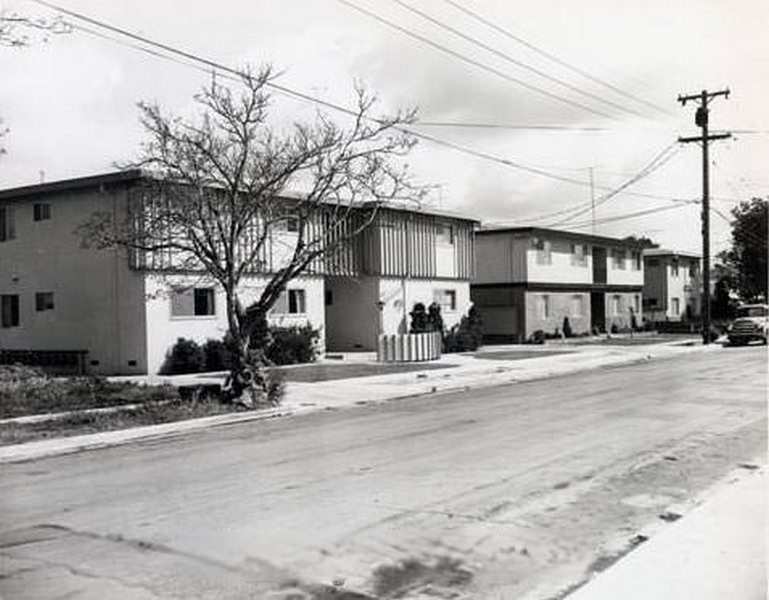
All those apartments…talk about bleak. I love San Jose r. it looked like the designers were saying, ‘F it. The Commies are going to drop the A-bomb any day, anyway.’
Talk about time travel. I am 83 and lived in Airport Village with my now 79 year old brother until around 1956 or so. My parents moved there after my fathers 5 years in ww2, in the pacific. Millions of soldiers came home and needed somewhere to live. Airport Village actually was low income housing, $45.00/ month/ utilities paid. Some of this is my memory, as not very much is in the internet. However, our memories of that time are all very good. I loved sports and there was no shortage of guys for baseball, football, etc. Lots of kids always around. I learned chess, ping pong, etc in the “reck room”. Absolutely no regrets concerning my youthful activities, despite being in low income class. (as I type this, some words are underlined, I dont know why.) Anyway any one have any stories or thoughts. I realize not many of us “older ones” are left, but any other stories are welcome. Mel (if anyone wants explanation of wierd e-mail just ask)