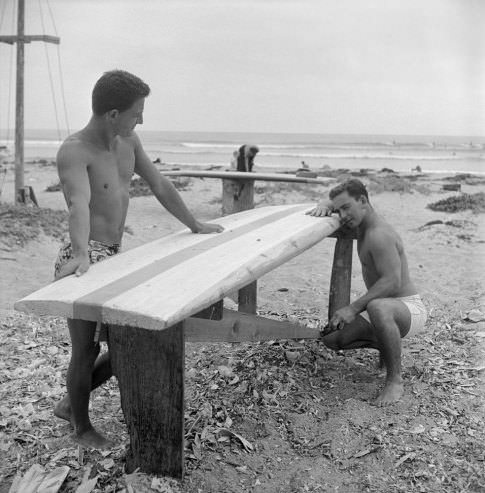
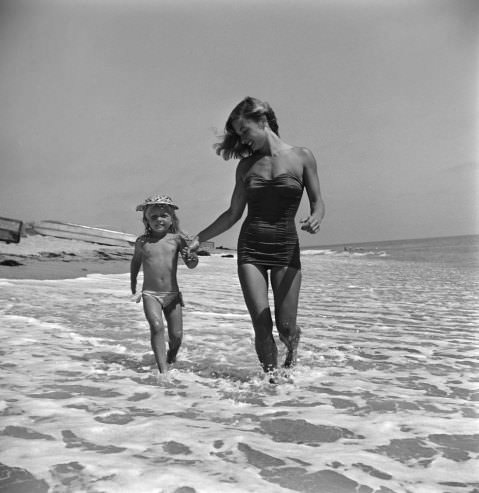
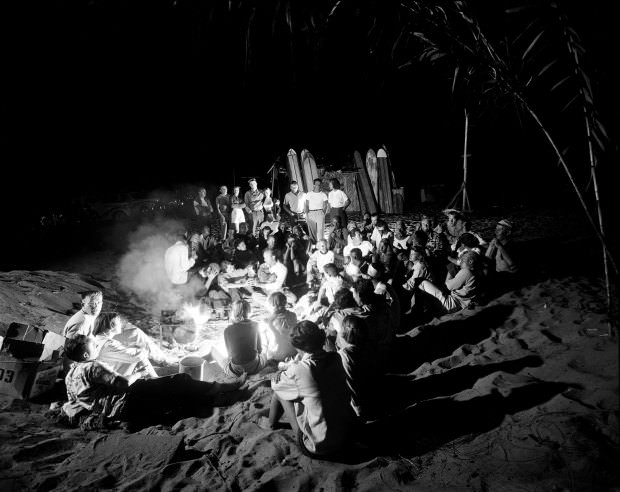
San Onofre Beach in the 1950s was one of Southern California’s most beloved stretches of coastline. Before the nuclear power plant changed the skyline, the area was open and natural — bluffs, wide sand, and rolling waves with nothing to interrupt the view.
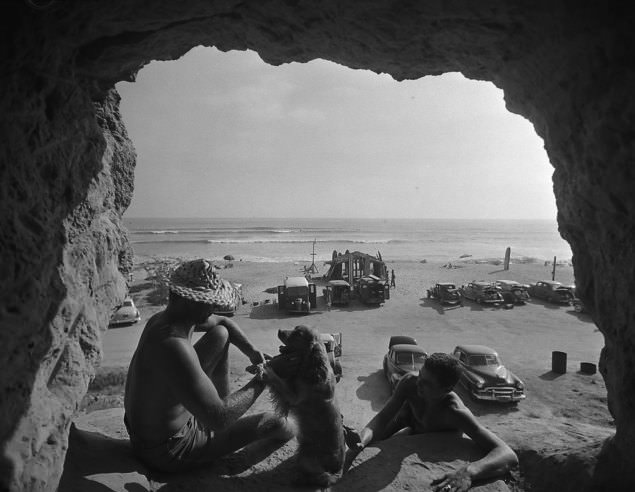
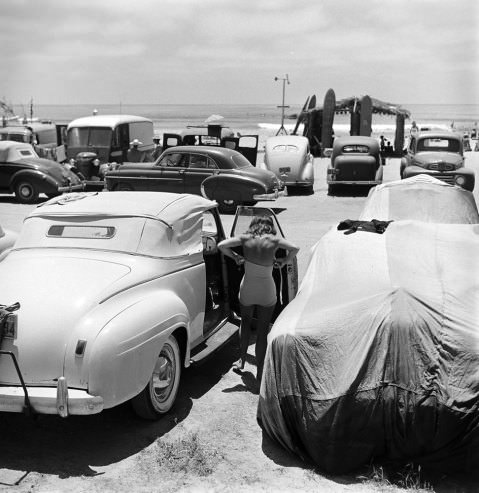
Surfing was the heart of San Onofre. The waves here were gentle and long-rolling, making them ideal for the heavy longboards common at the time. Beginners and experienced riders alike paddled out, and the lineup had a welcoming feel that set San Onofre apart from more competitive spots up the coast.
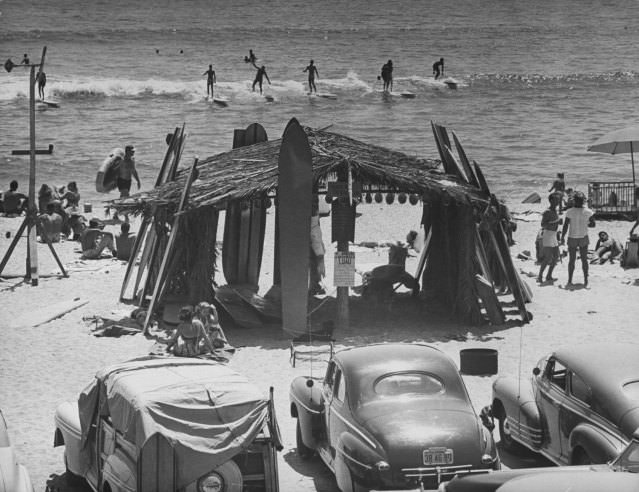
The aloha spirit borrowed from Hawaiian surf culture was very real here. Surfers respected the waves and each other. Many people learned to surf at San Onofre and returned season after season, building friendships that lasted decades.
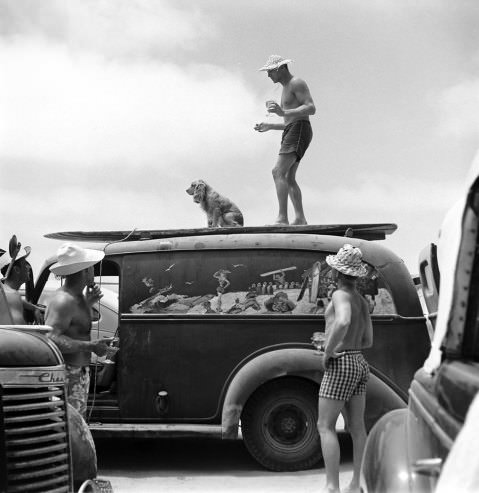
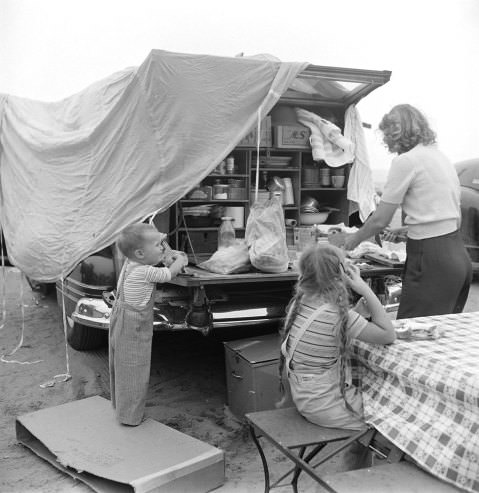
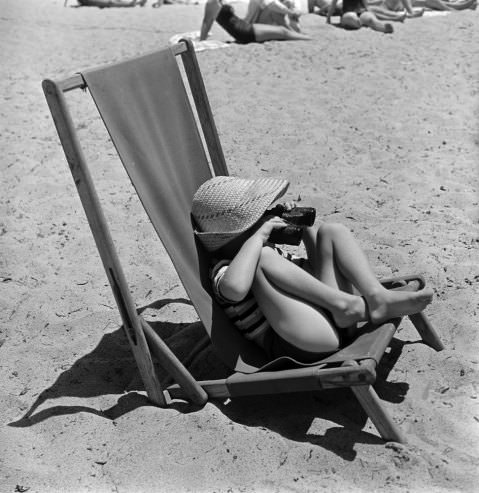
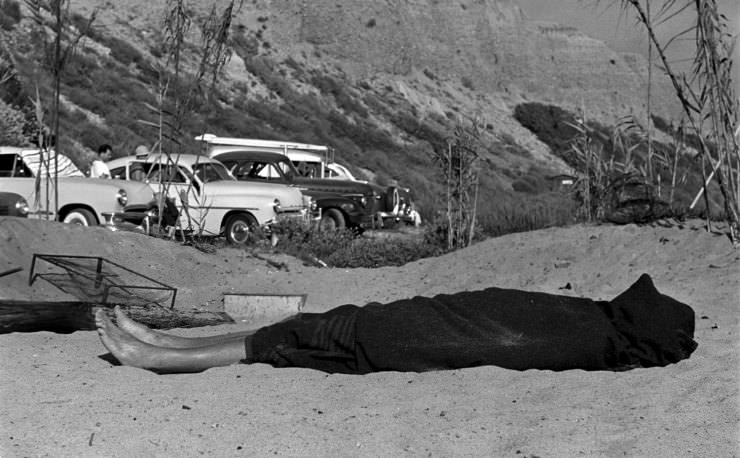
Families drove classic woodie station wagons straight onto the sand. They pitched simple tents, spread out blankets, and set up chairs for long days in the sun. There were no boardwalks, no souvenir shops — just the beach in its most unfiltered form.
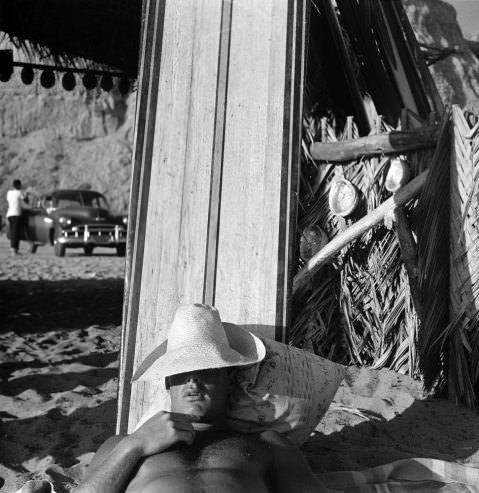
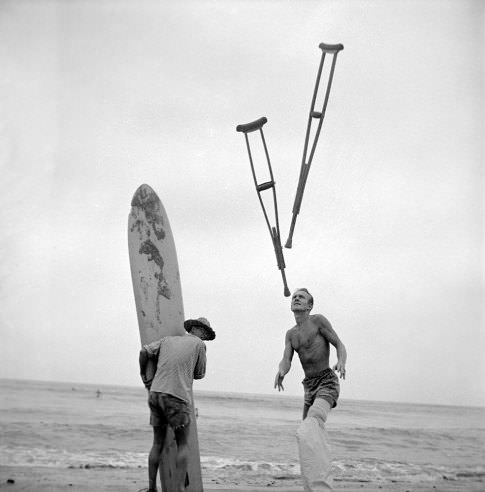
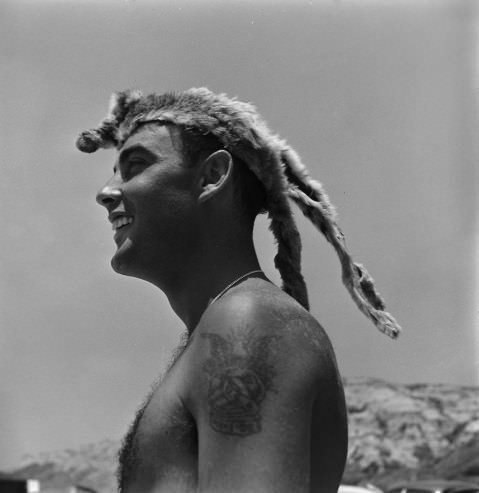
Men wore board shorts and women wore one-piece or modest two-piece swimsuits typical of the era. The dress code, like everything else at San Onofre, was relaxed and unpretentious.
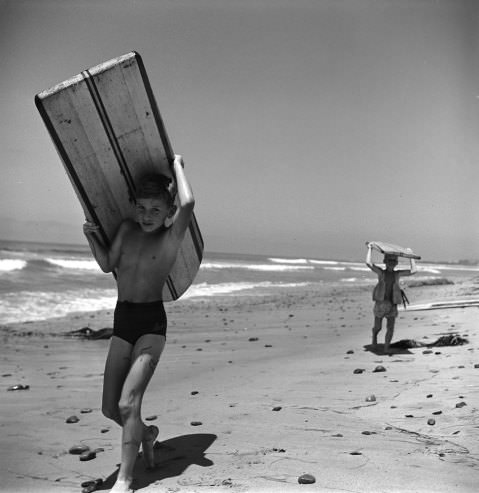
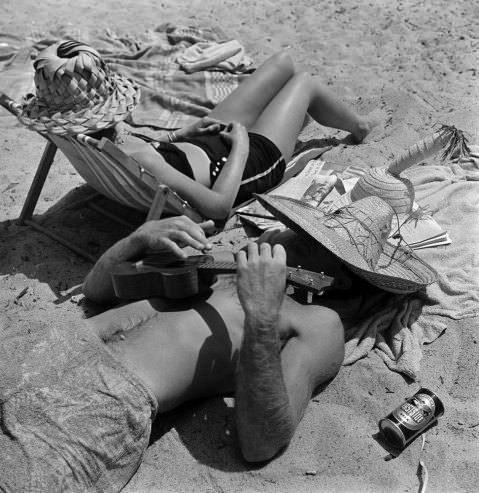
Beyond surfing, people swam, played in the sand, and simply sat watching the riders carve through the waves. Even non-surfers were drawn into the easy rhythm of the beach scene.
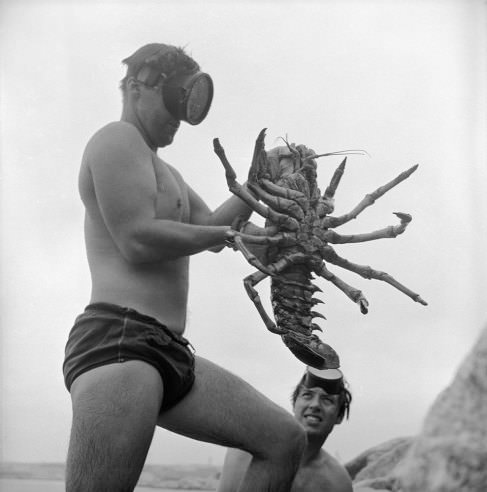
The wide, sandy flats gave beachgoers plenty of room to spread out under the California sun. Waves rolled in with a steady, predictable pattern that rewarded patience and offered long, smooth rides.
Groups gathered in the mornings to check the surf, and afternoons stretched into evenings with little reason to leave. San Onofre ran on its own schedule, and nobody seemed to mind.
The community that formed around San Onofre was multigenerational. Parents brought their children, and those children grew up to bring their own. The beach became a place where surfing knowledge and beach traditions passed naturally from one generation to the next.
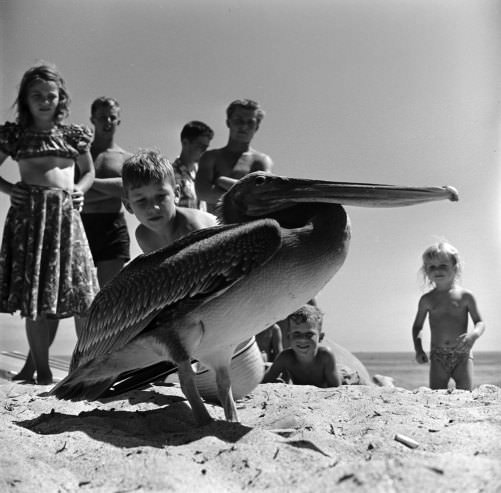
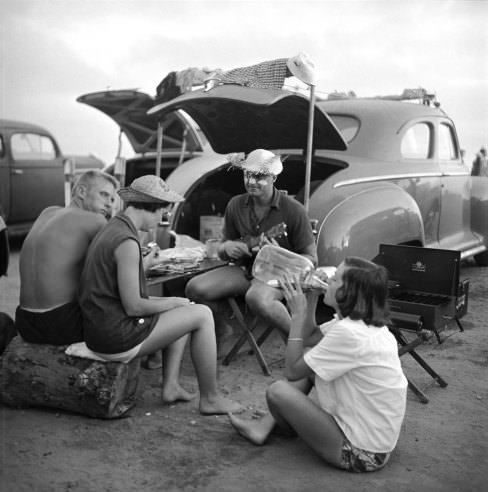
The natural bluffs above the beach gave the area a distinct character. They provided shade, a place to look out over the water, and a backdrop that made San Onofre feel like its own world, separate from the growing suburbs spreading across postwar Southern California.
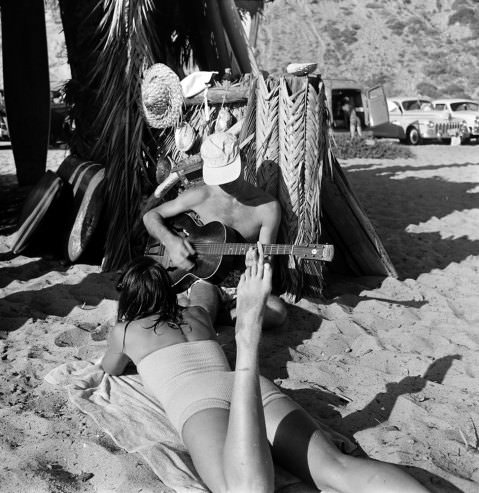
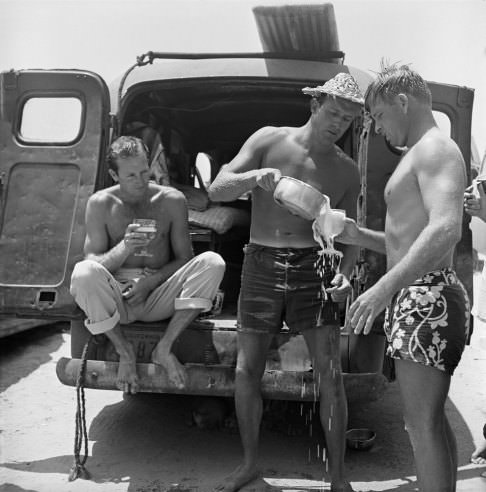
Surf culture in the 1950s was still far from mainstream. San Onofre was one of the places where it took root and grew quietly, fueled by a tight-knit group of dedicated wave riders who showed up regardless of season.
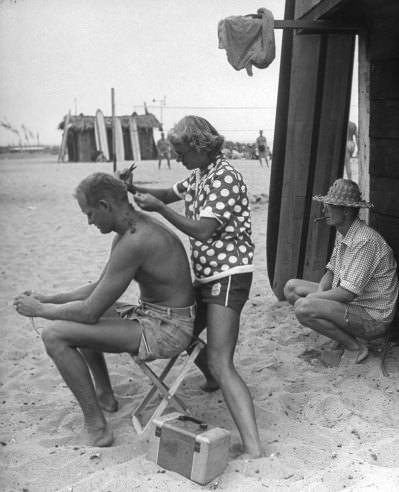
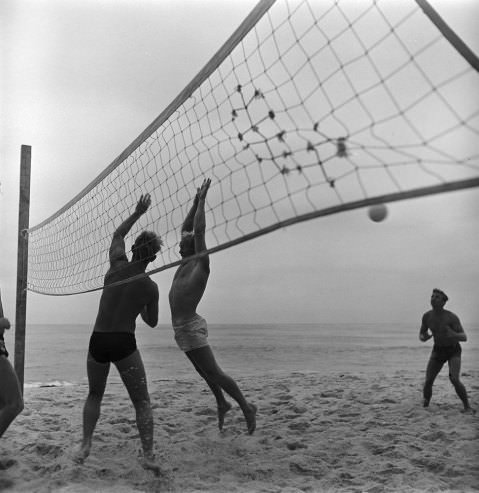
These vintage photographs capture a version of San Onofre that no longer exists in the same form. The power plant arrived, roads expanded, and access changed — but the images preserve the raw simplicity of what the beach once was.