
At the turn of the 20th century, Salt Lake City was a city in motion. Streets that had once been unpaved frontier paths were being graded and paved. Sewer systems went in. Electric streetlights replaced oil lamps. The population climbed steadily, and the skyline changed with it. New commercial buildings, government structures, and residential neighborhoods pushed the city outward in every direction. What had started as a desert settlement founded by Mormon pioneers was becoming a fully modern American city — and the photographs from this era prove it.
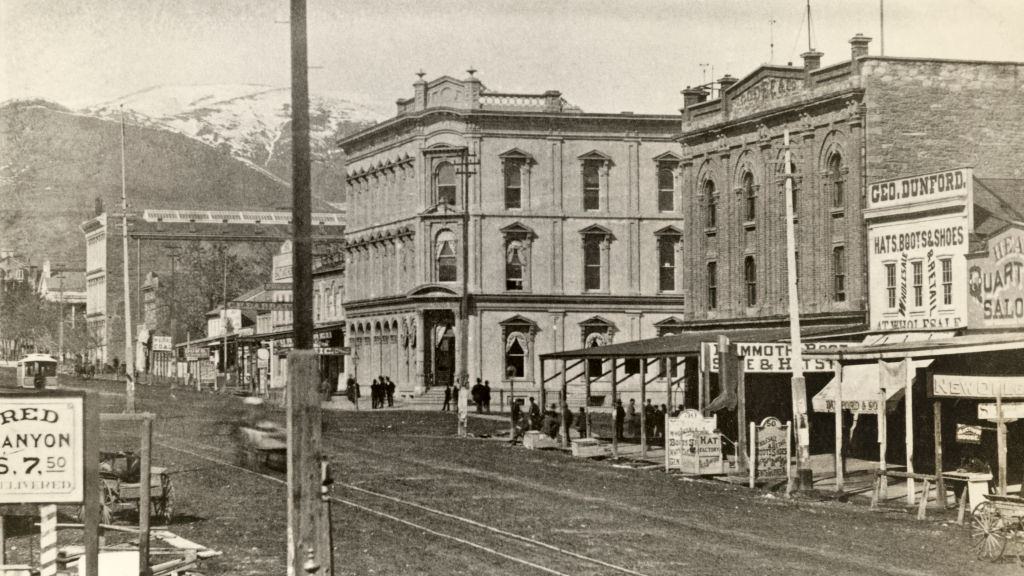
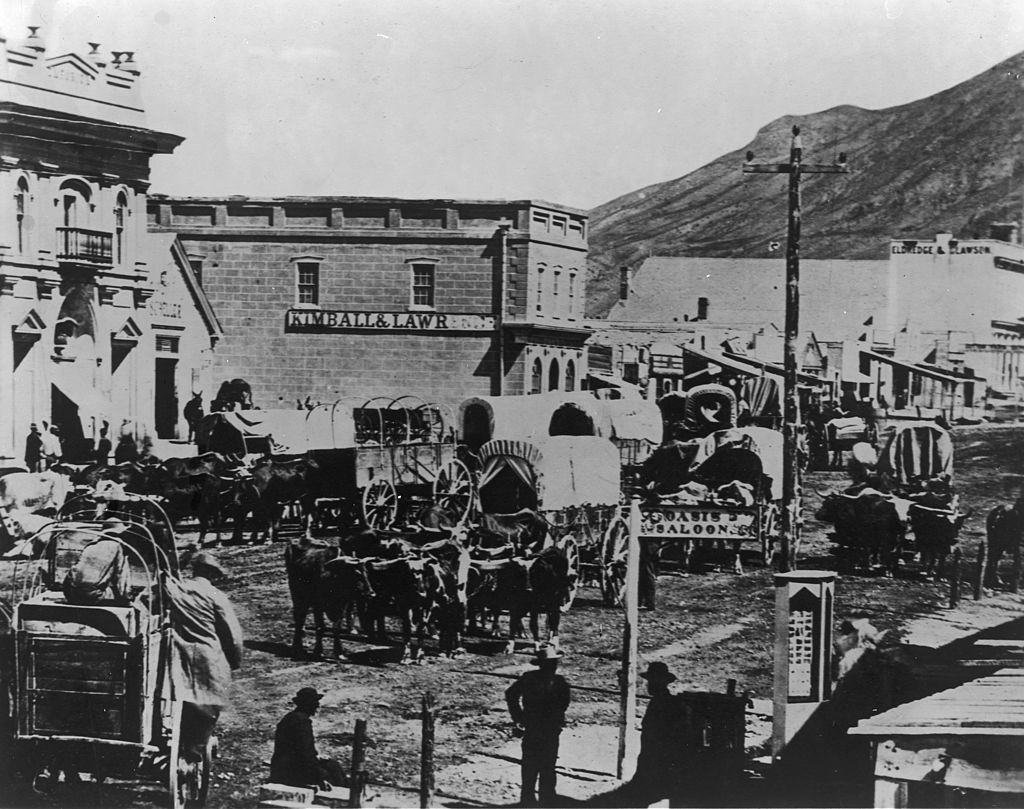
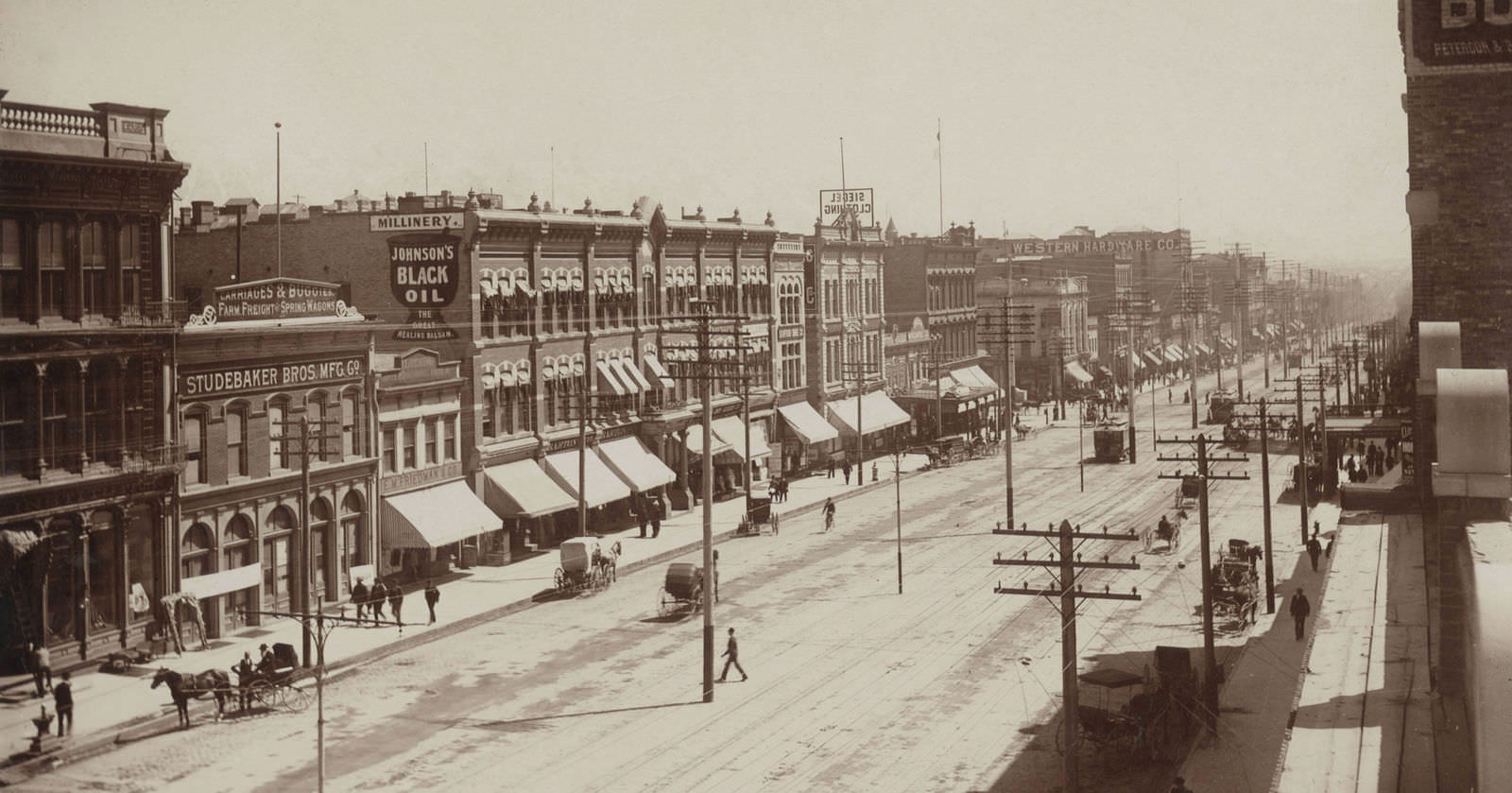
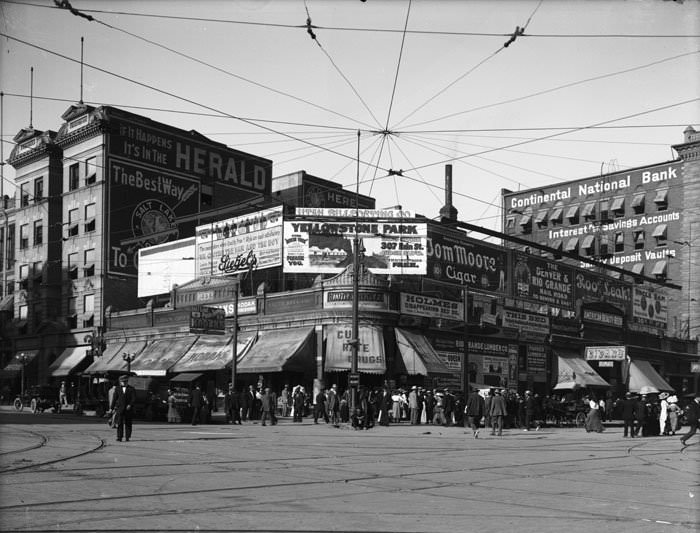
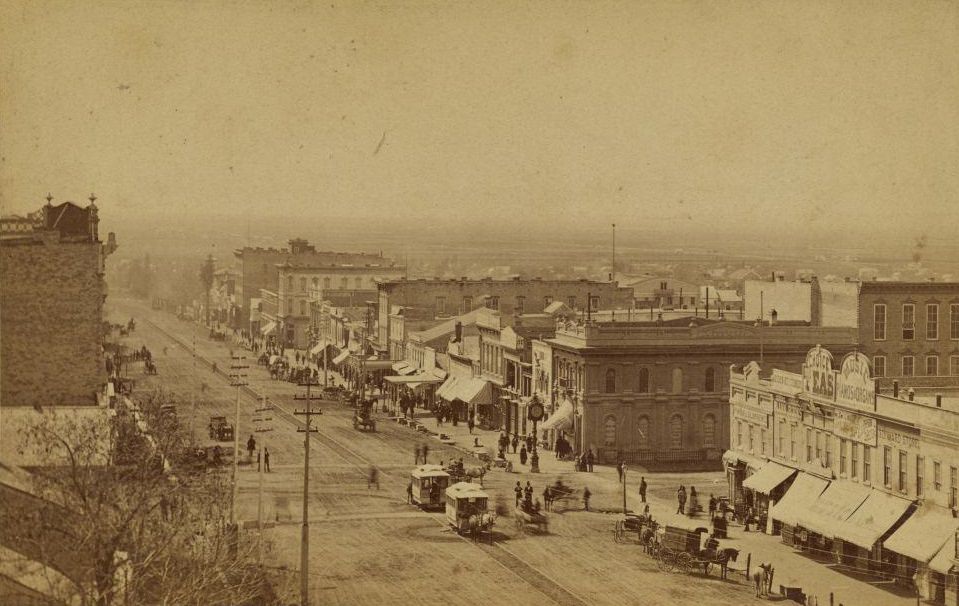
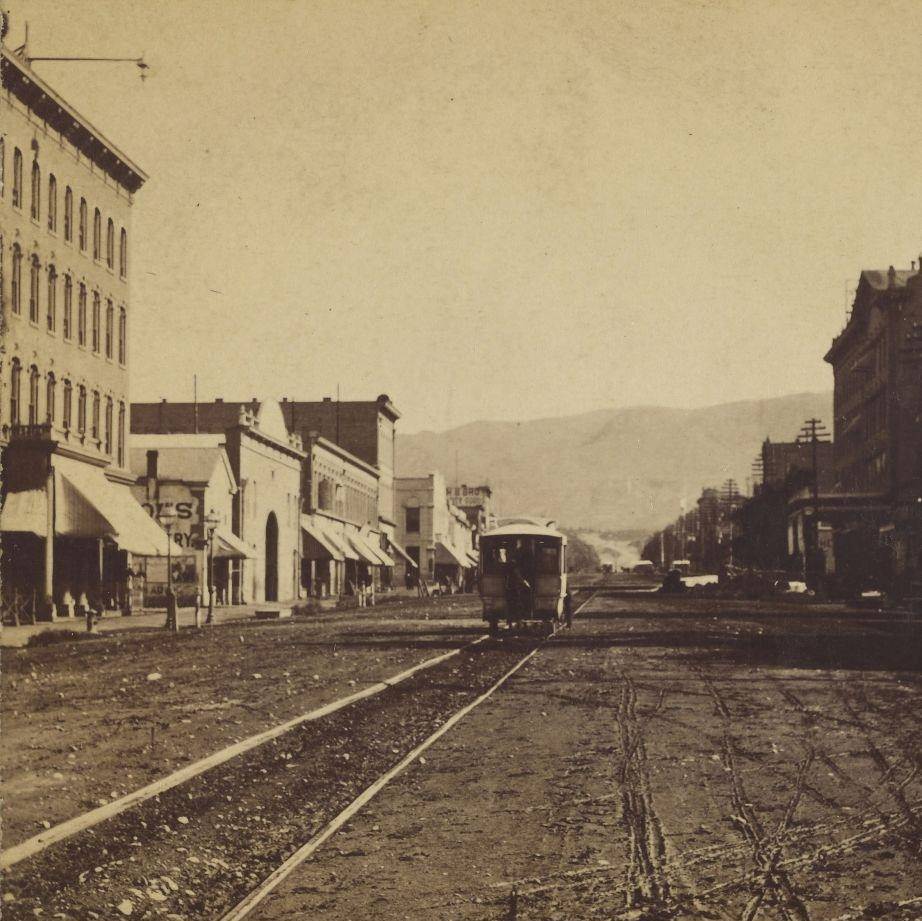
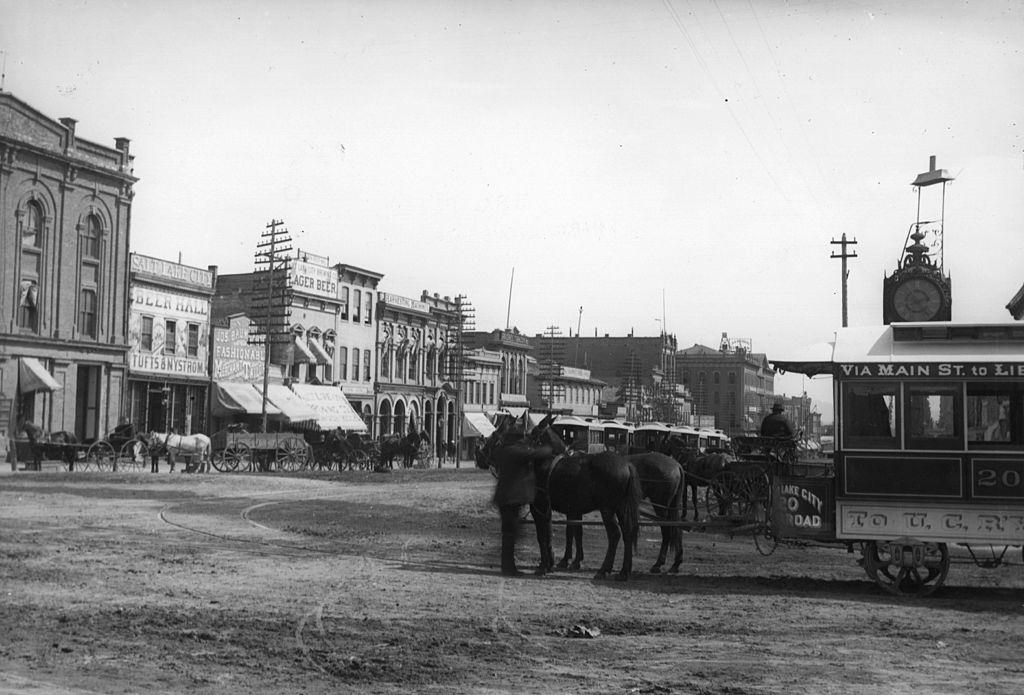
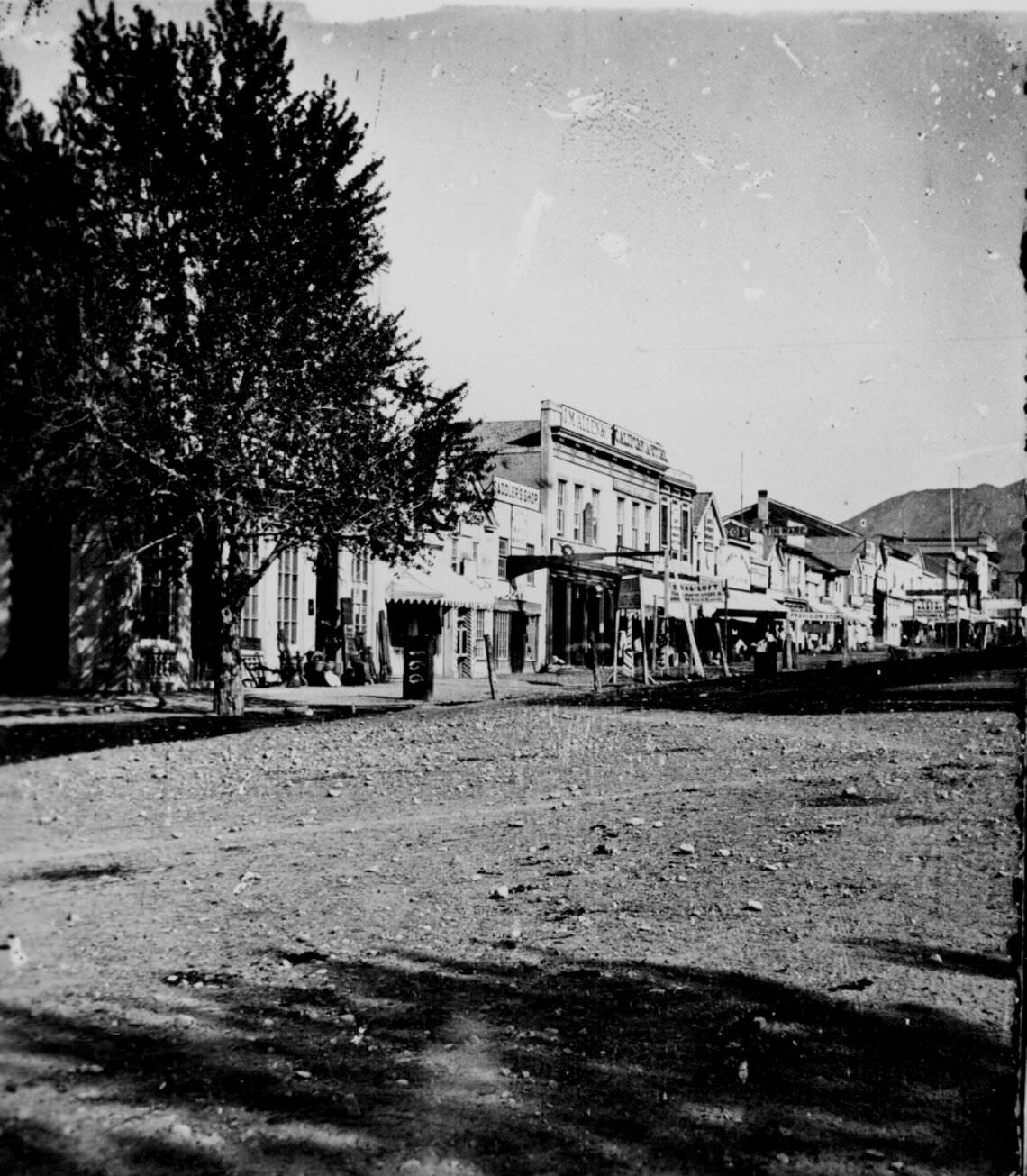
The street that would become Main Street started as East Temple Street — a wide, dusty corridor lined with simple storefronts and wooden sidewalks. By 1900, the city was already beginning to transform that rough-edged frontier avenue into something more permanent. New buildings went up, businesses multiplied, and the street took on the character of a proper commercial district.
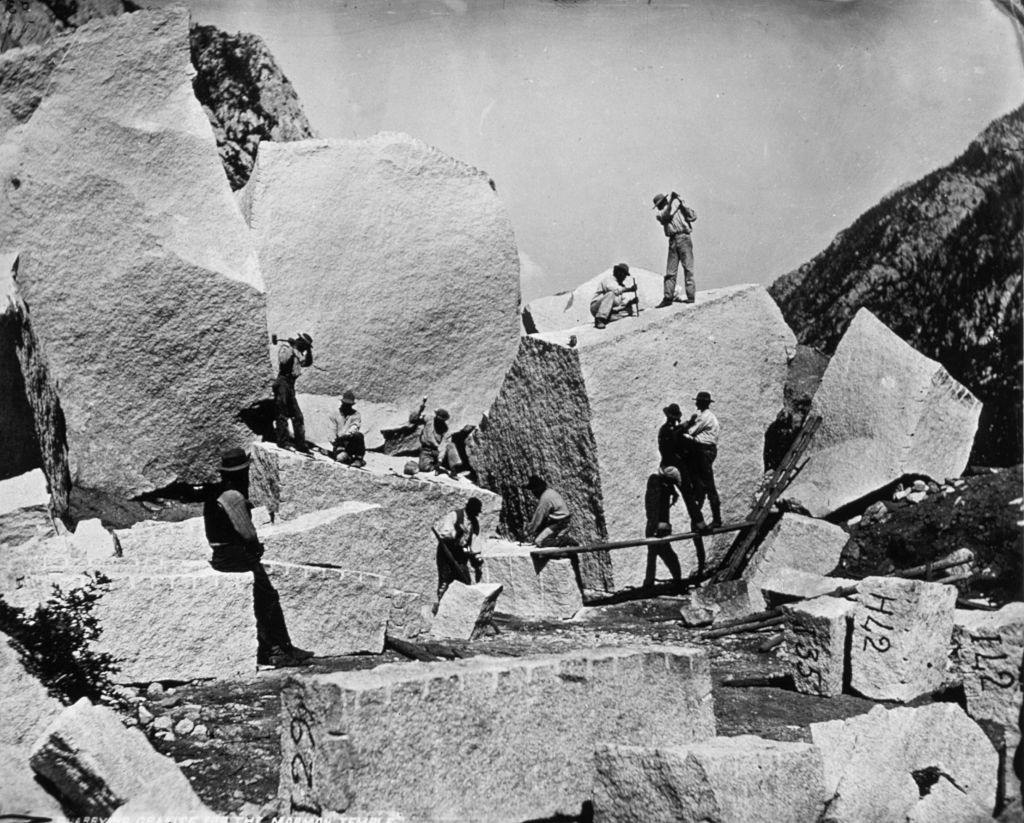
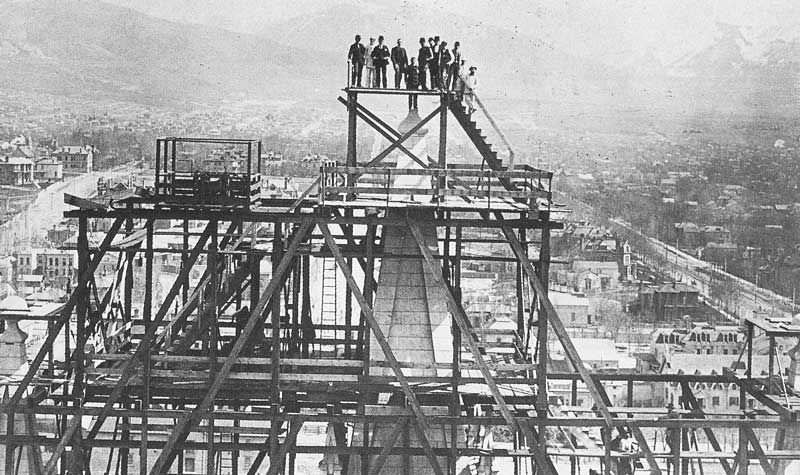
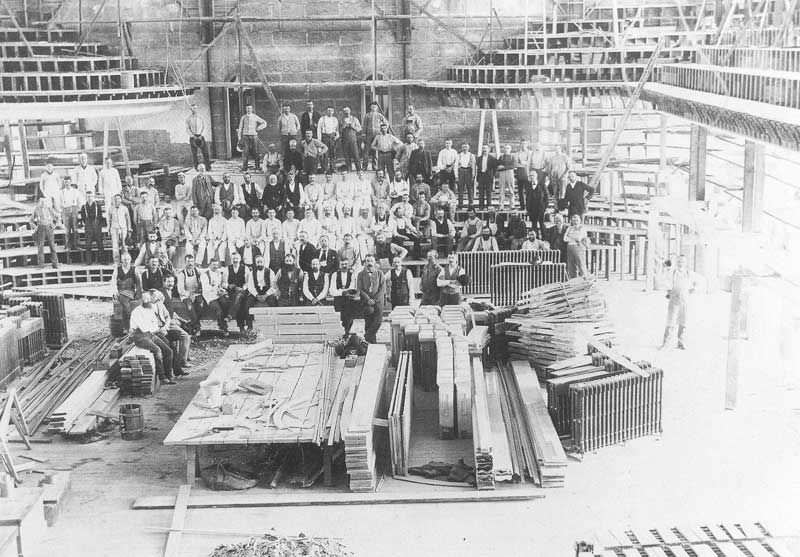
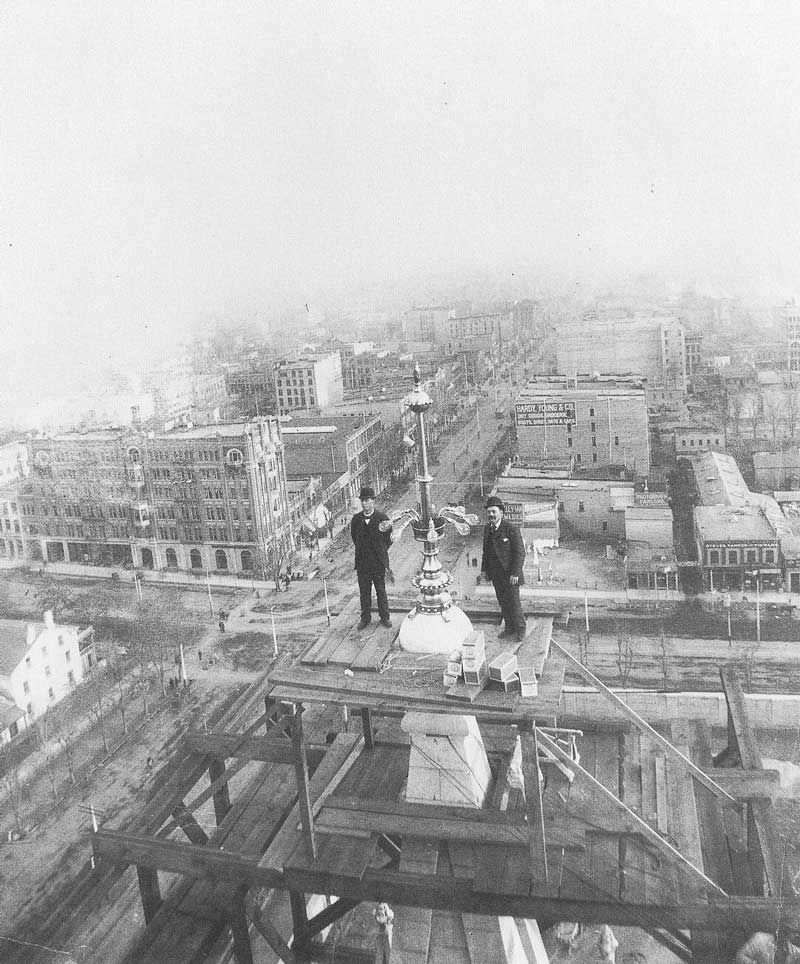
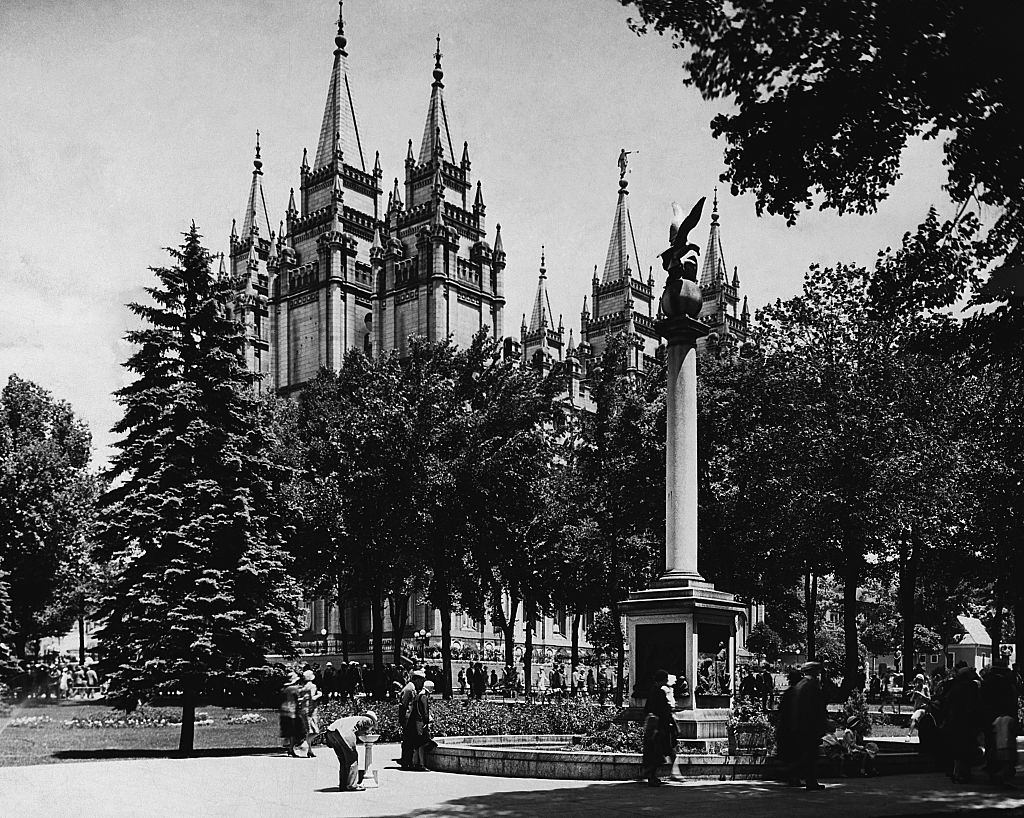
The Mormon Temple had been under construction for four decades before its completion in 1893, and by 1900 it had already become the defining landmark of the city. Built from granite quarried in the nearby Wasatch Mountains, the Temple took 40 years to complete. Stonecutters worked in Cottonwood Canyon to split and shape the massive granite boulders before hauling them down to the city. The finished structure stood at the heart of Temple Square, drawing visitors and worshippers alike.
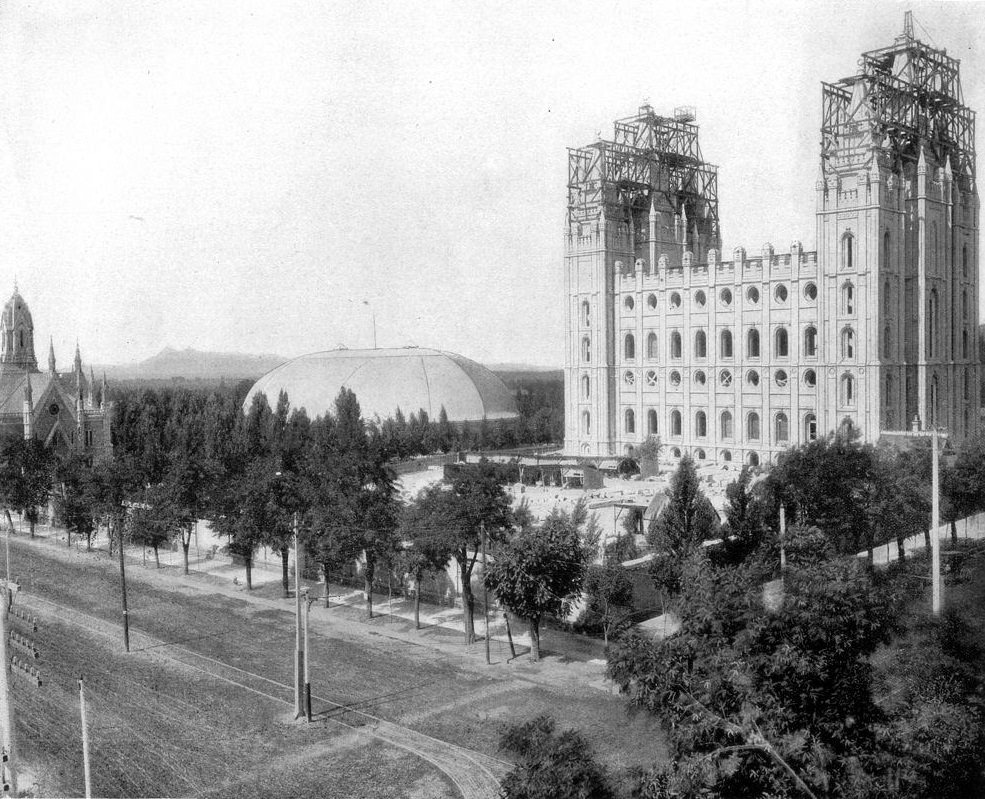
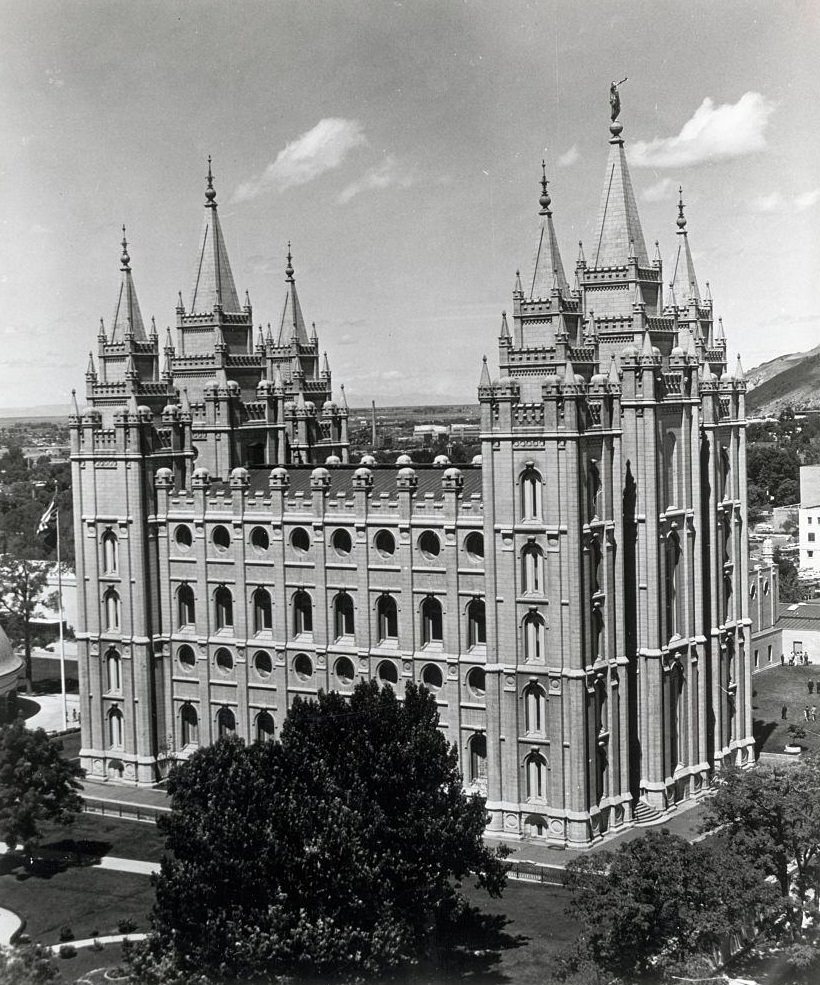
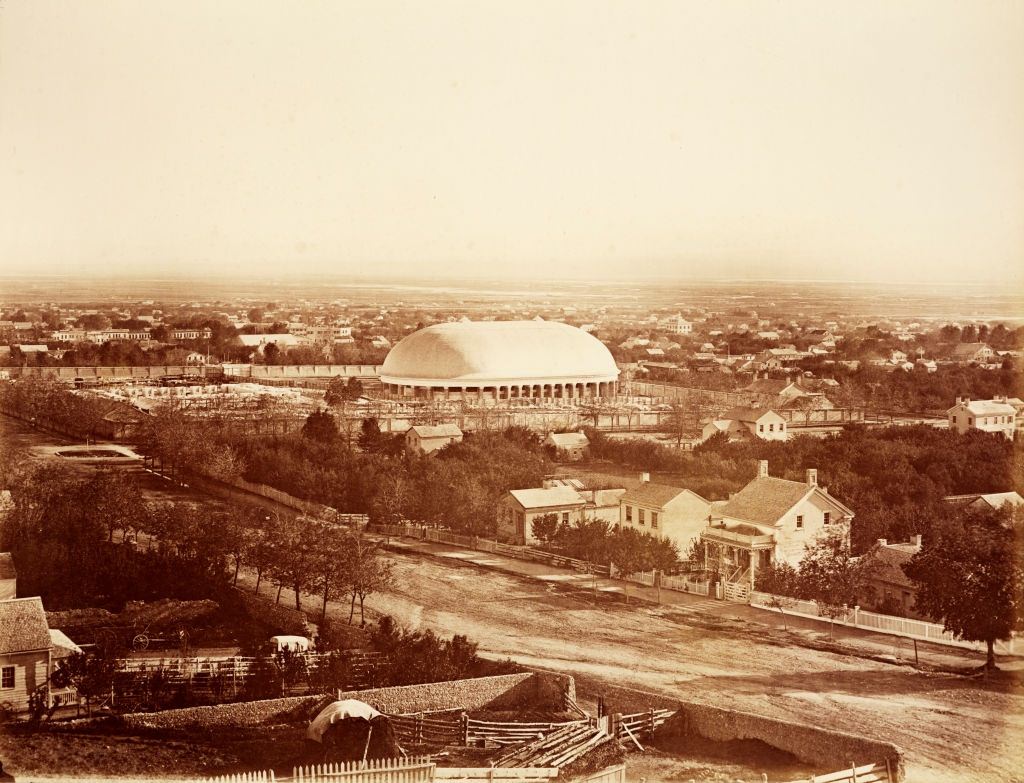
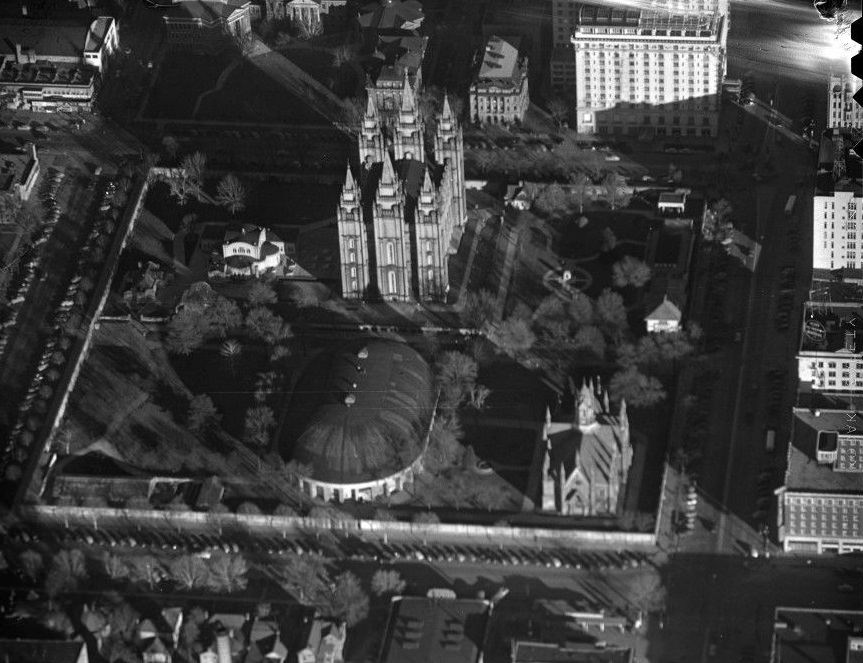
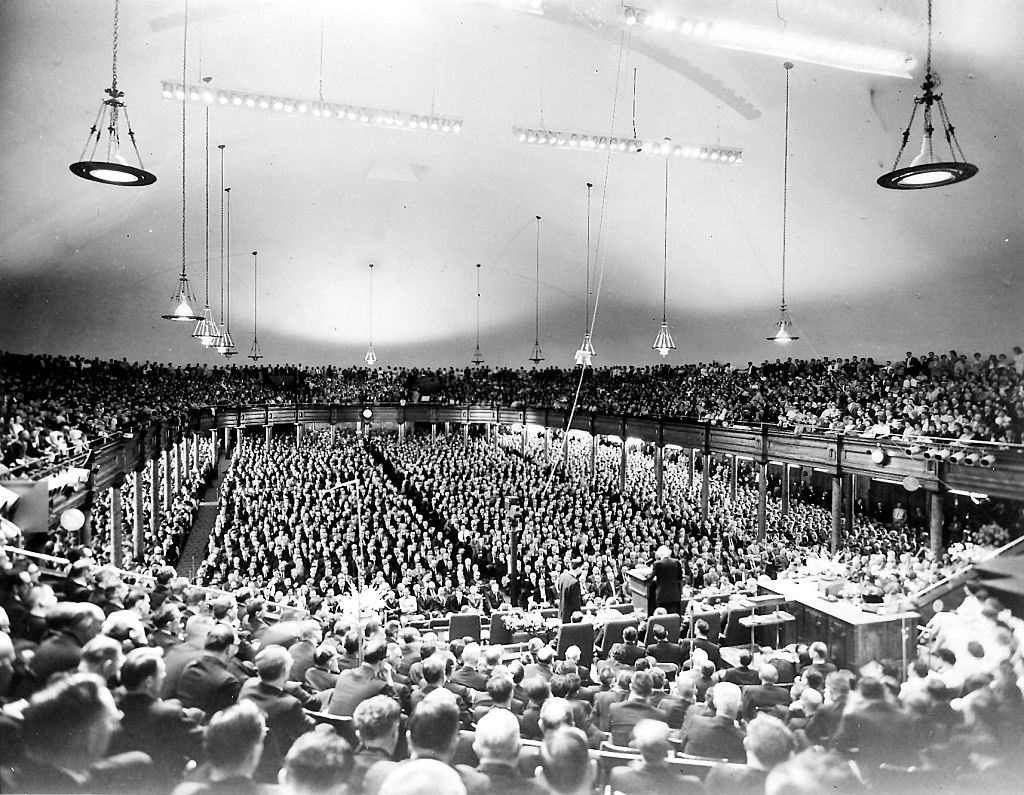
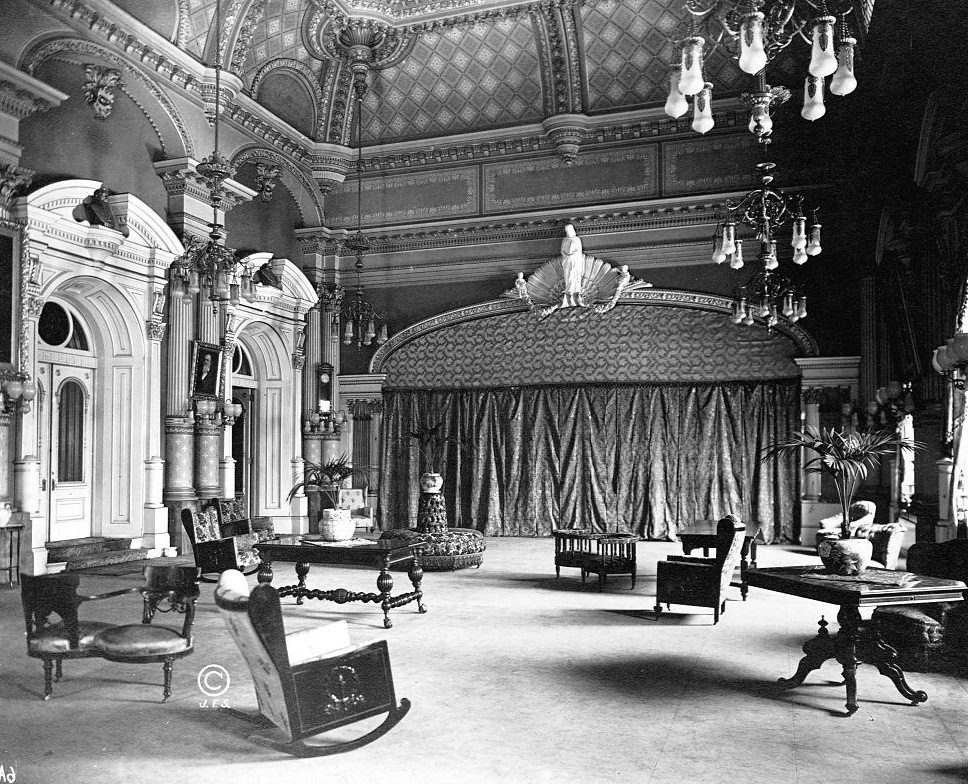
Temple Square itself served as the spiritual and civic center of the city. The grounds attracted large gatherings, including major church conferences that drew thousands of attendees. Inside the Temple, spaces like the Celestial Room were finished with elaborate detail — an interior world that stood in striking contrast to the rugged, practical city developing just outside its walls.
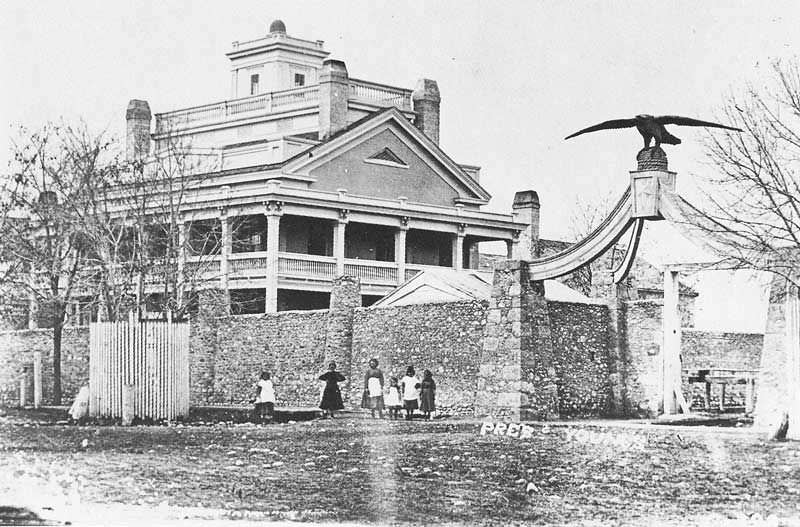
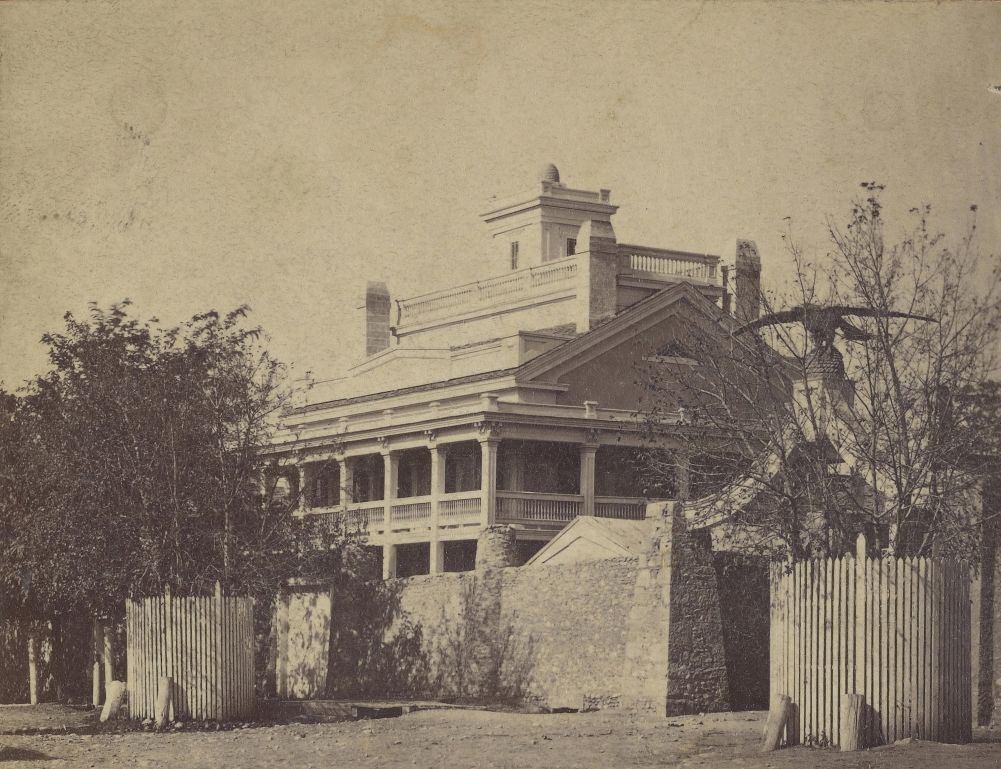
Brigham Young, who had led the Mormon pioneers to the Salt Lake Valley in 1847, left behind a physical legacy that was still very much present in the early 1900s. His former estate included the Beehive House — a gabled residence that remained one of the most recognizable buildings in the city. Eagle Gate, which had originally served as the entrance to Young’s property, was rebuilt during this period to allow traffic to pass through properly as the surrounding streets grew busier.
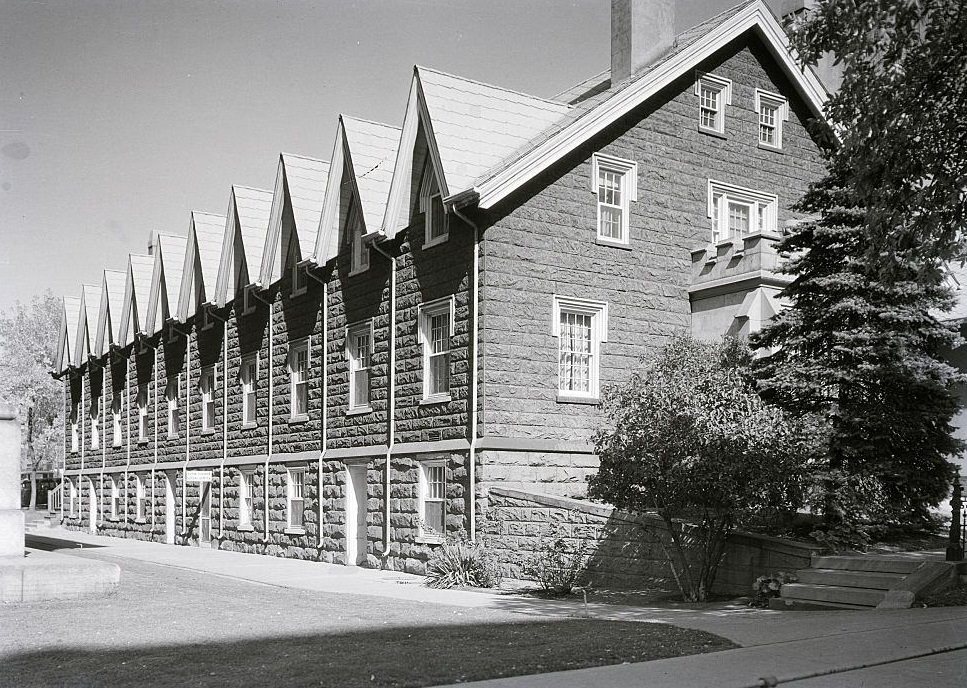
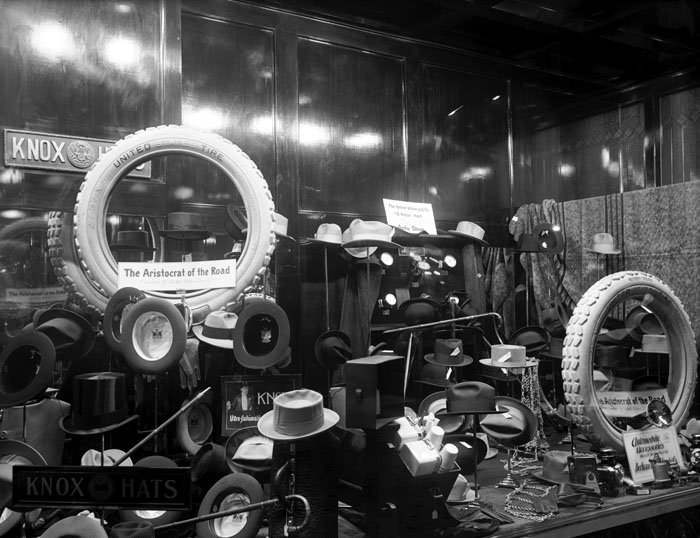
Downtown commerce was flourishing by the early 1900s. Department stores, drug stores, music shops, and specialty retailers lined the main streets. The Keith O’Brien Company was one of the larger retail operations, with departments dedicated to millinery and dry goods. Window displays were carefully arranged to draw in shoppers — a practice that photographers documented in detail, giving us a clear picture of what retail life looked like at the time.
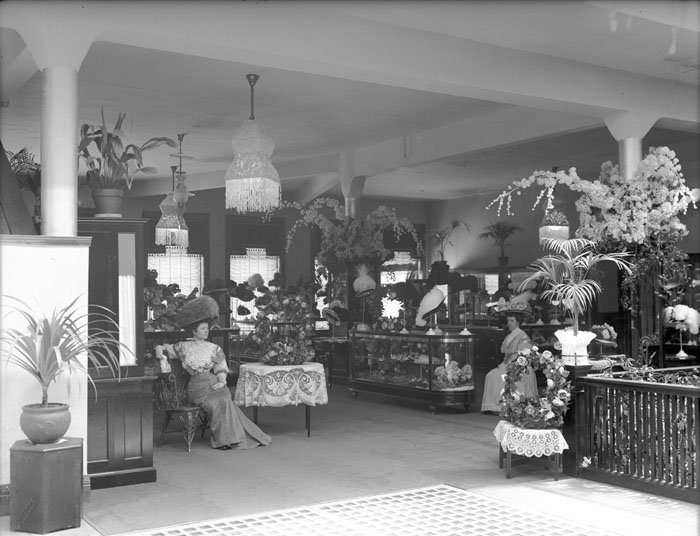
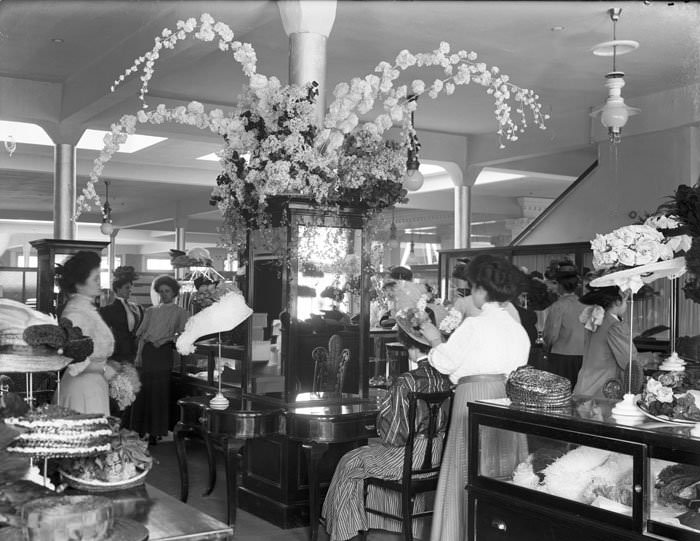
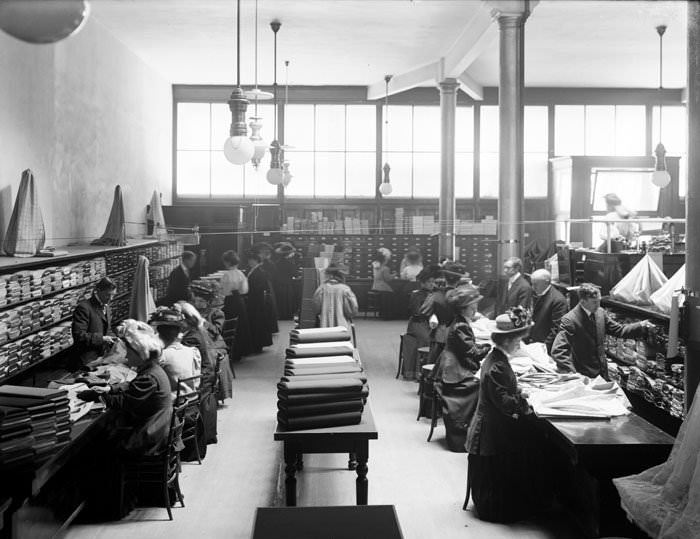
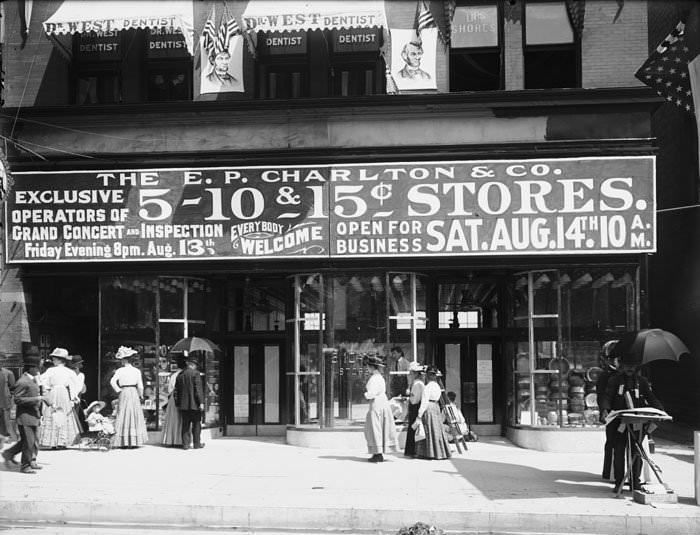
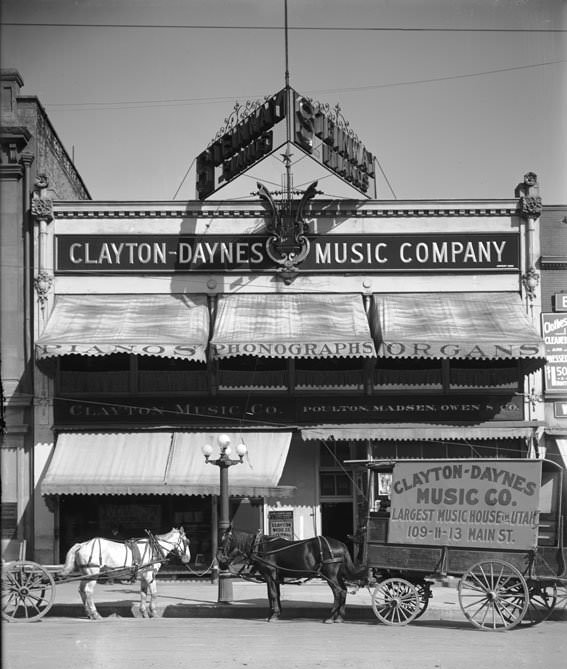
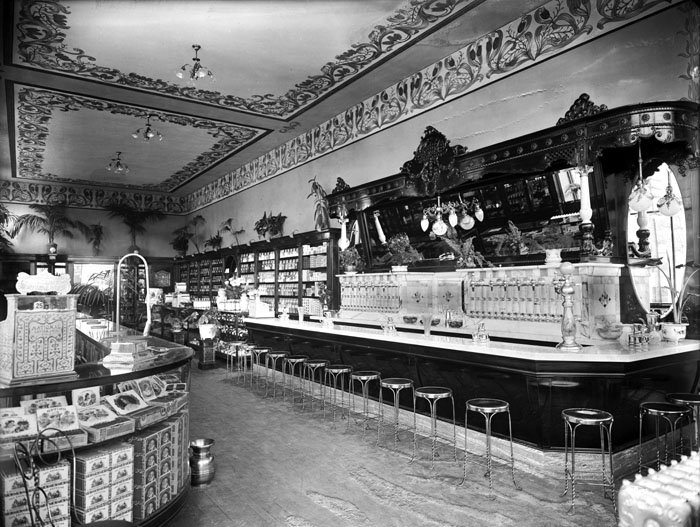
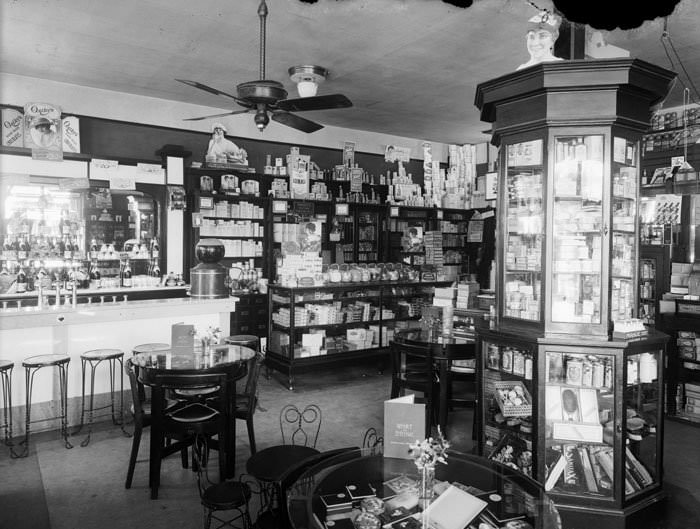
Smaller specialty shops also carved out their place in the city’s commercial life. Five-and-dime stores, music companies, and drug stores were scattered across downtown. The Daynes Music Company was well established by 1909, and drug store interiors from the same era show well-stocked shelves and long service counters — a sign of a consumer economy that was growing fast.
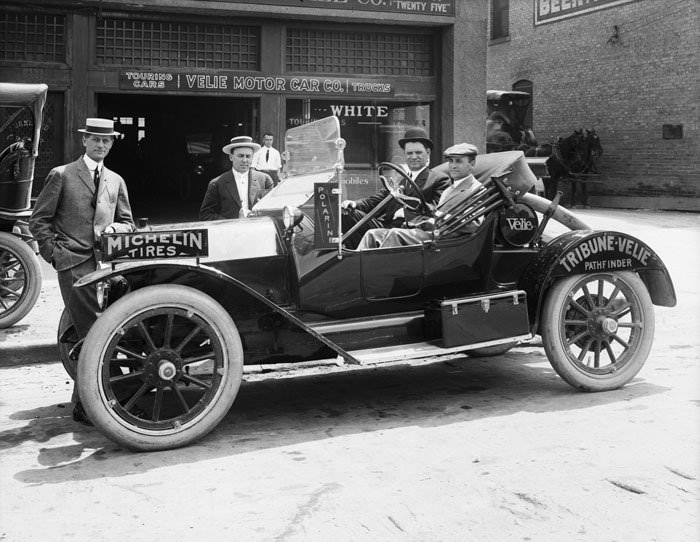
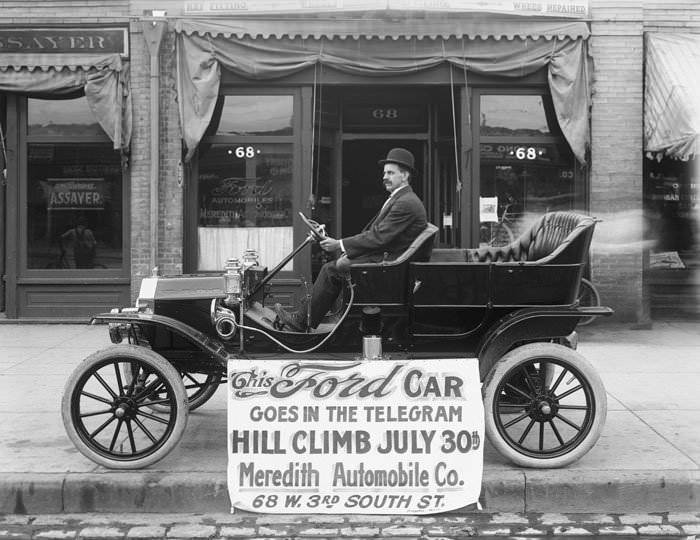
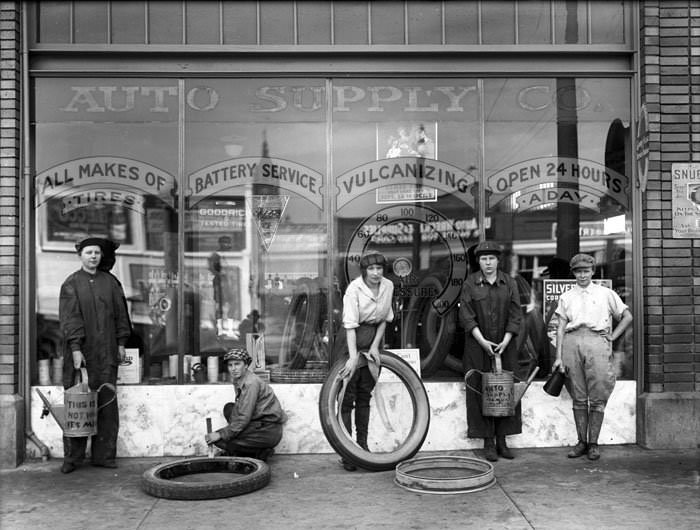
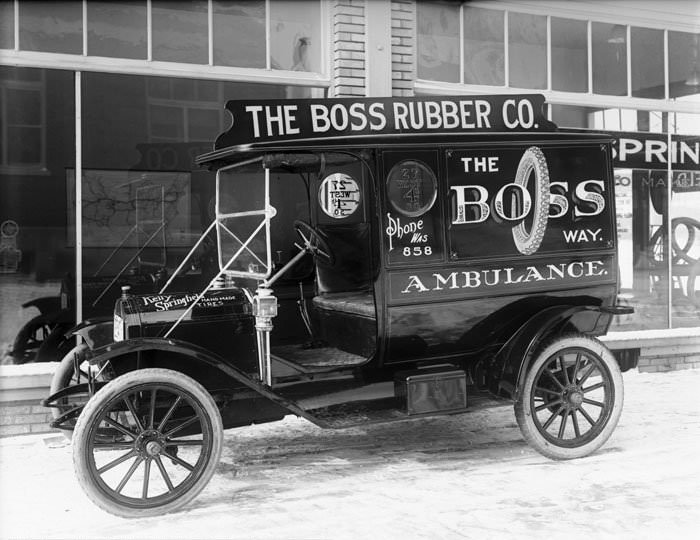
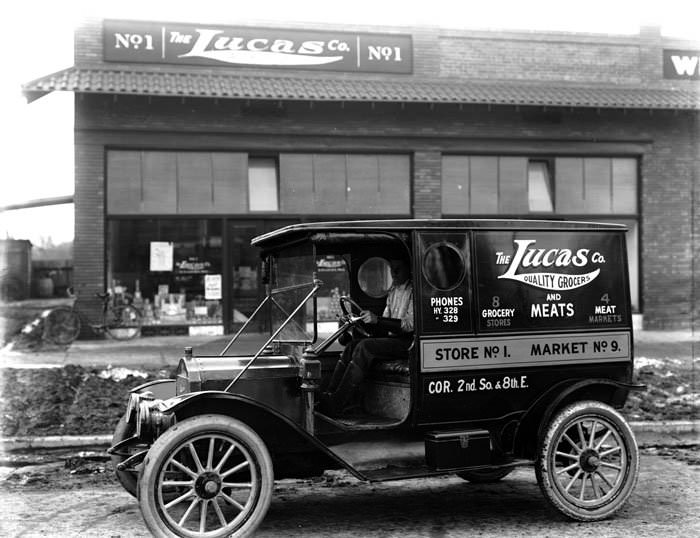
The automobile arrived in Salt Lake City during the first decade of the century and quickly became a major presence. Auto dealerships, tire suppliers, and repair shops opened up to meet growing demand. By 1913, drivers like Bill Rishel were already taking vehicles like the Velie Pathfinder out on the road. The B.F. Goodrich tire dealership on one of the main streets was an early sign that the automobile economy had fully taken hold. Even the city’s emergency services were motorizing — by December 1915, the Boss Rubber Company had an ambulance in operation.
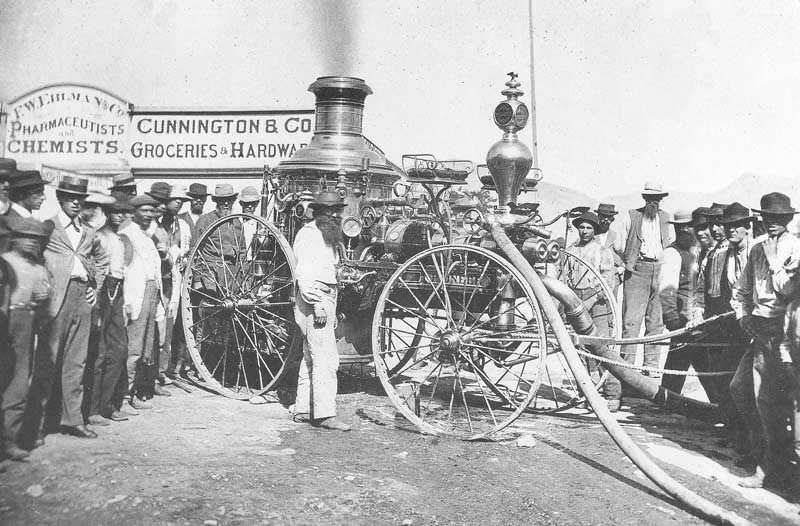
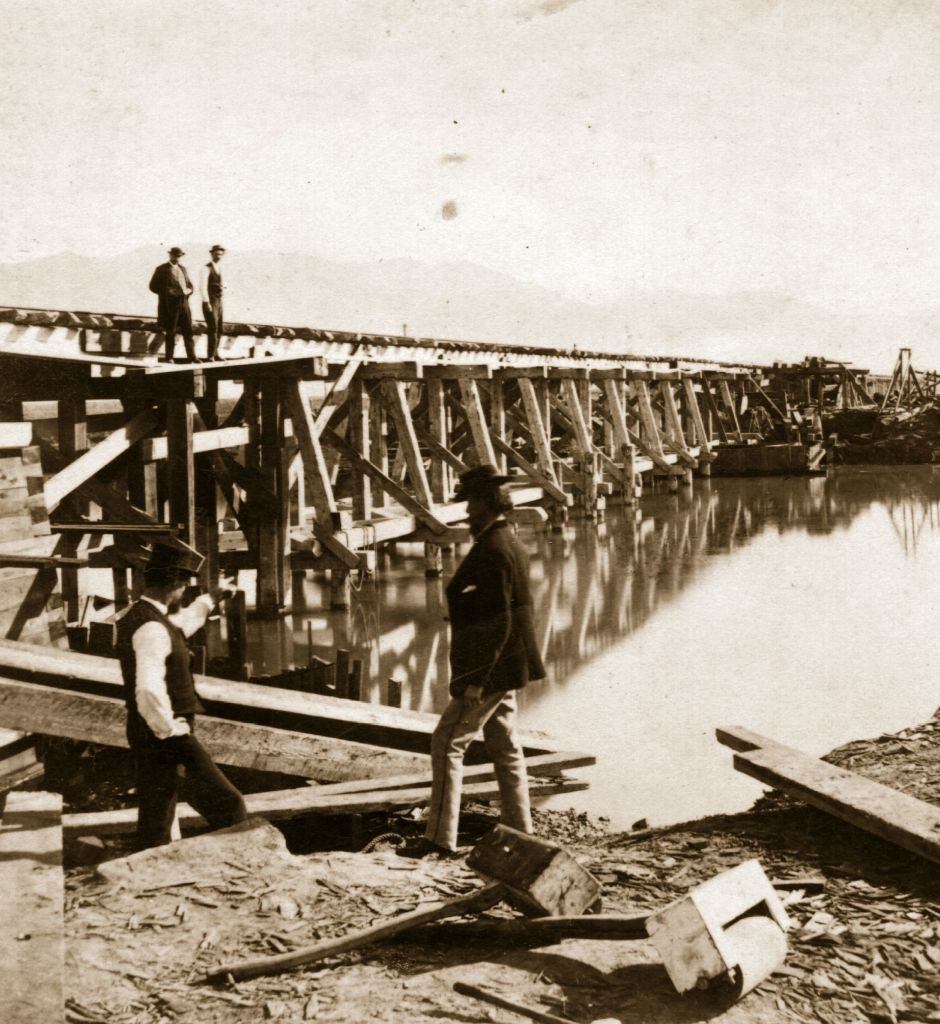
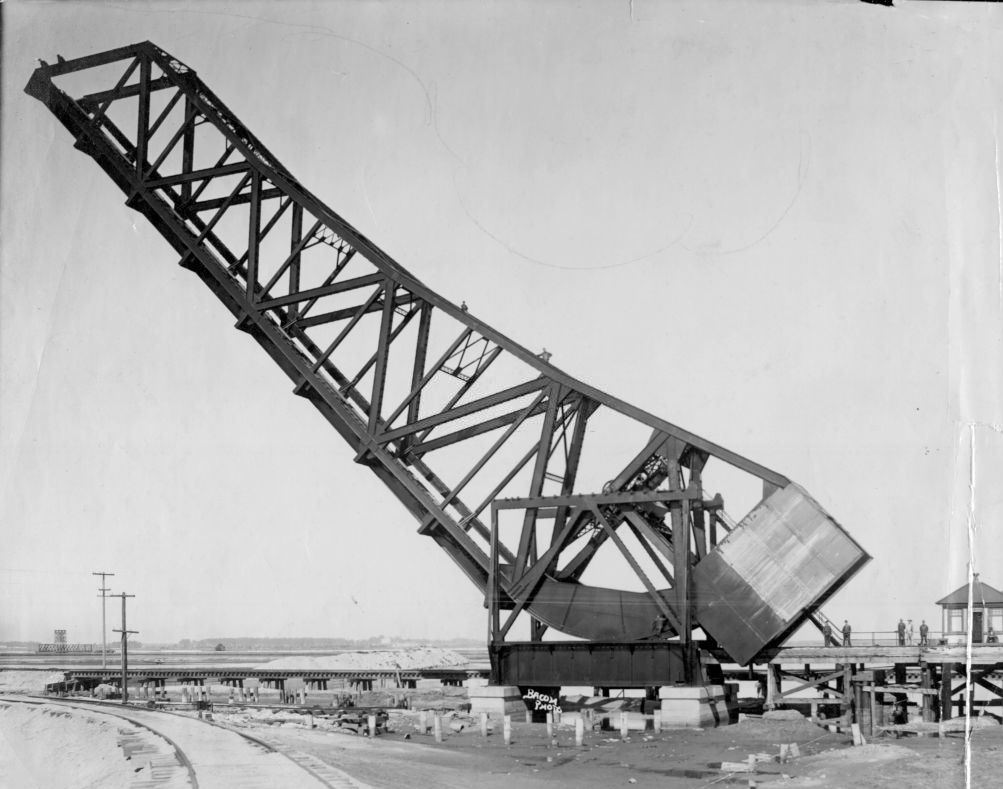
While automobiles were taking over the roads, the city’s earlier infrastructure was still in full view. Salt Lake City had one of the earliest fire departments in the region, and its steam-powered fire engines represented the cutting edge of municipal safety technology. The railway bridge over the river stood as a reminder of how the city’s growth had been tied to rail from the very beginning. The railroad brought settlers, goods, and commerce — and its bridges and depots remained central to city life well into the new century.
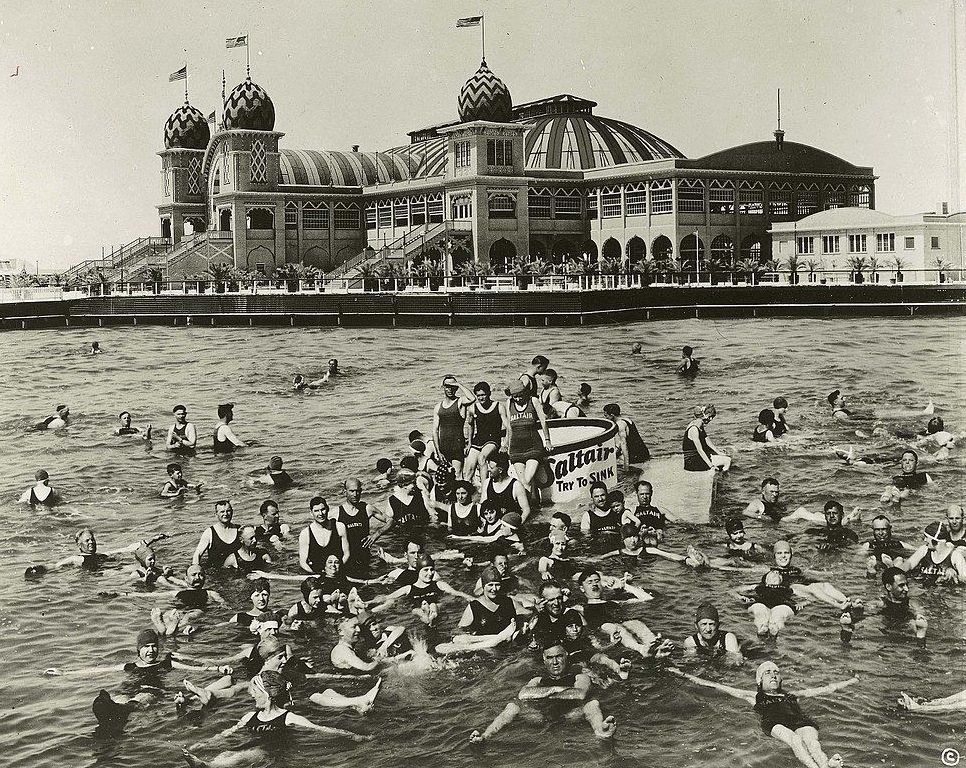
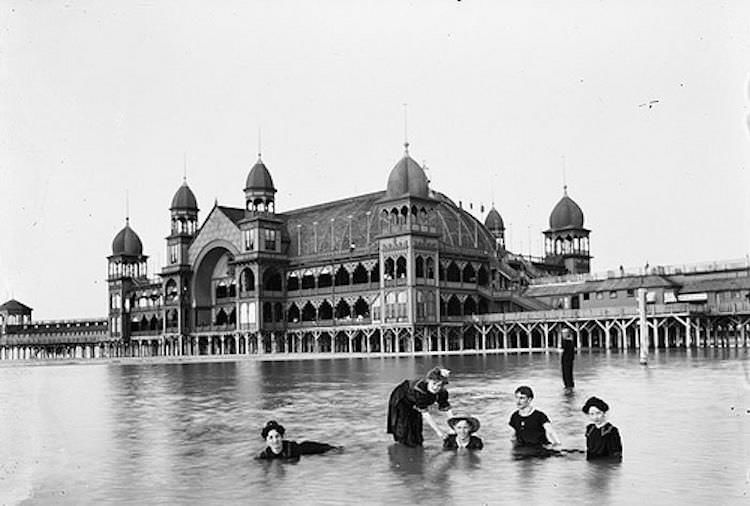
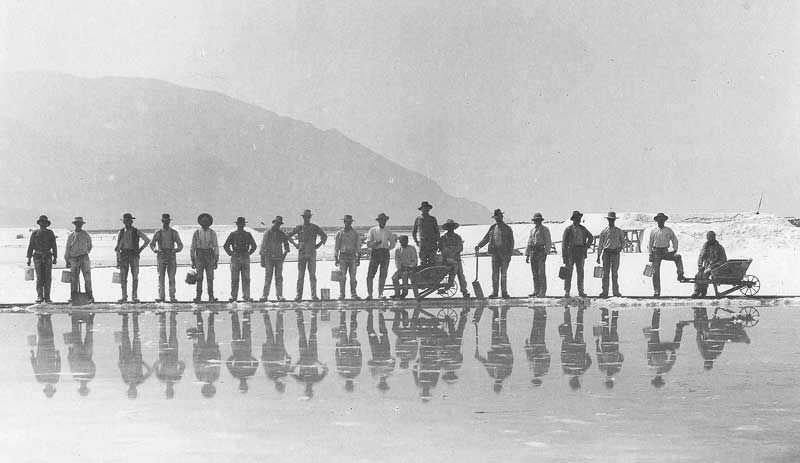
The Great Salt Lake was a major draw for recreation and industry alike. At the Saltair resort on the lake’s southern shore, swimmers floated easily in the dense, salty water. The original Saltair was a popular destination, and a second facility — Saltair II — was operating by 1933. On the lake itself, salt harvesting was a significant industry. Workers lined up along the shallow flats, collecting salt that was processed and shipped across the country.
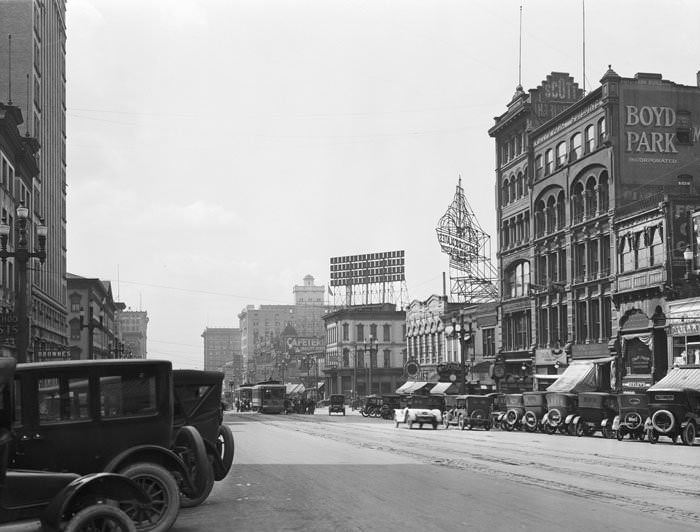
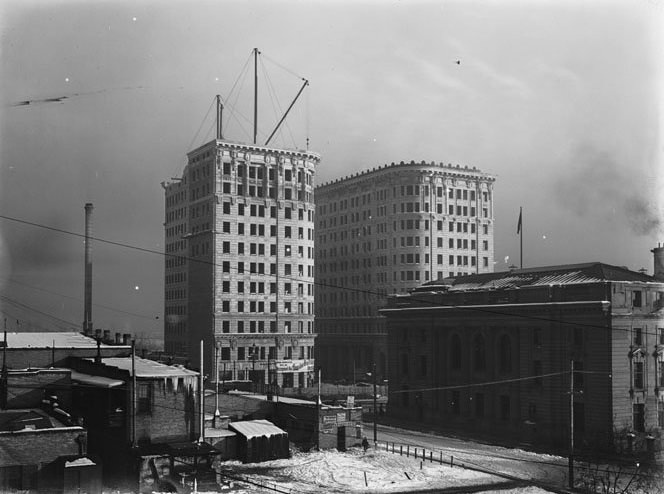
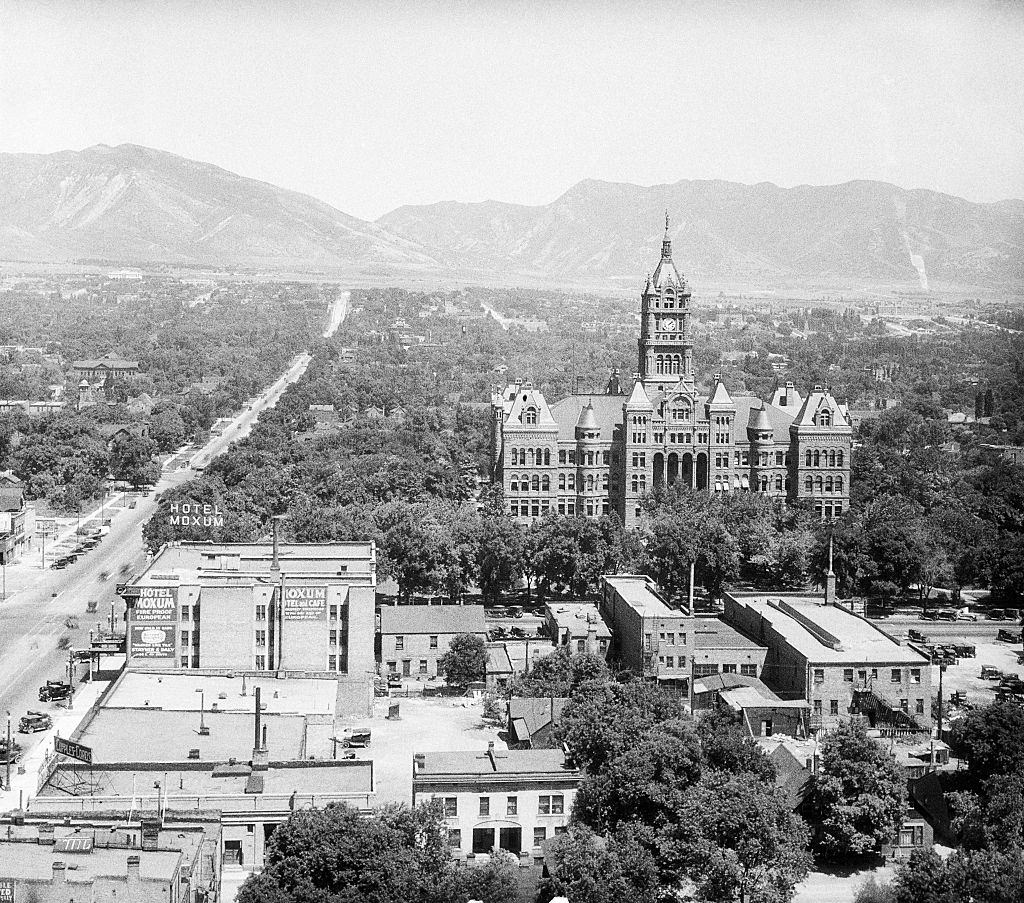
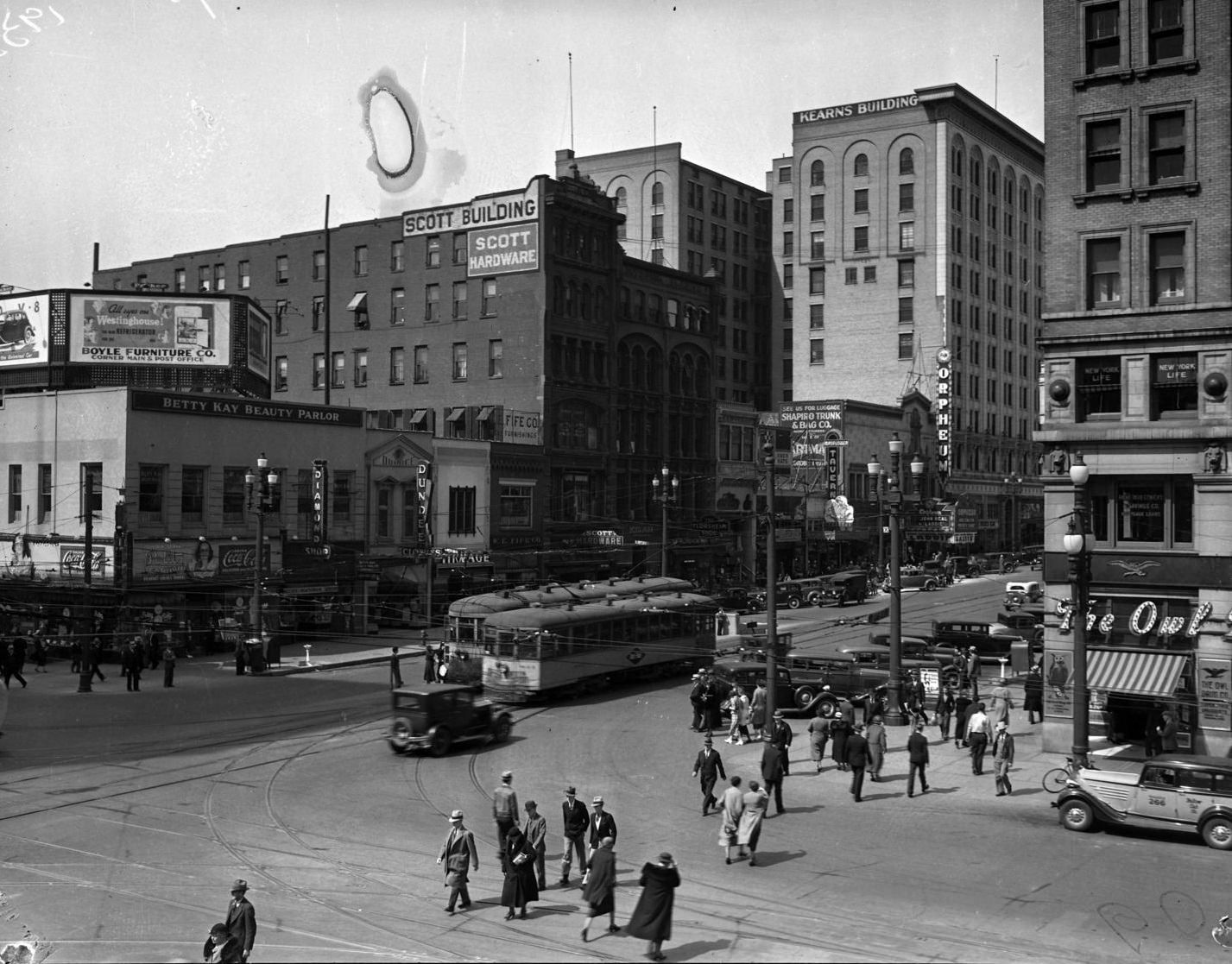
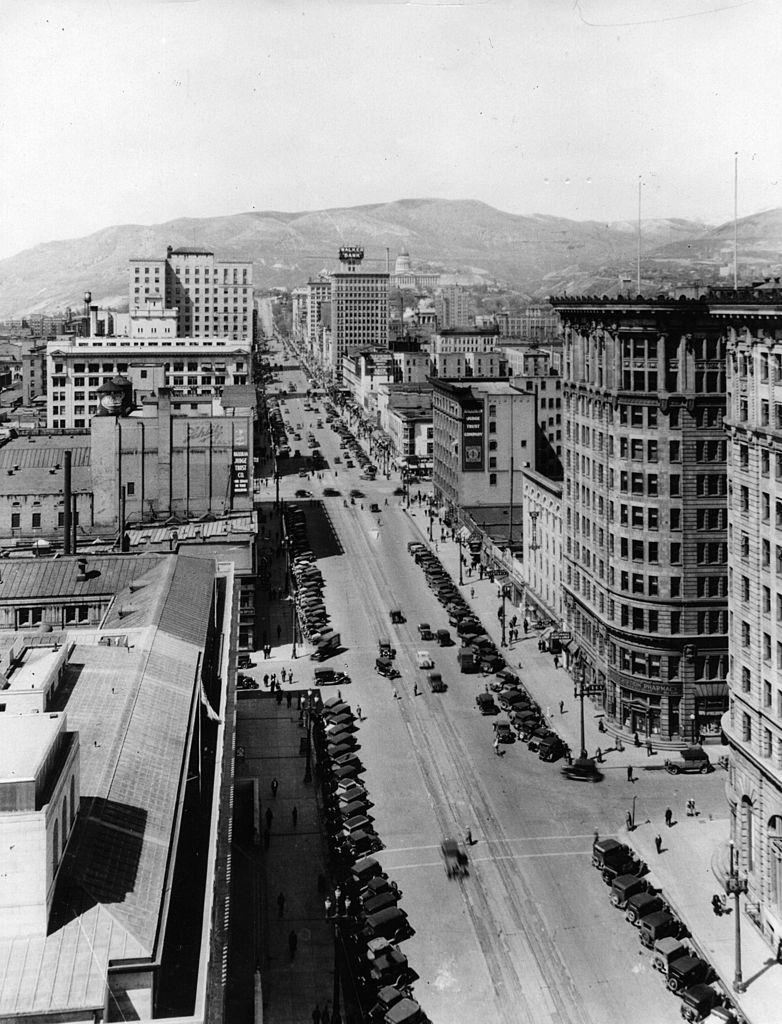
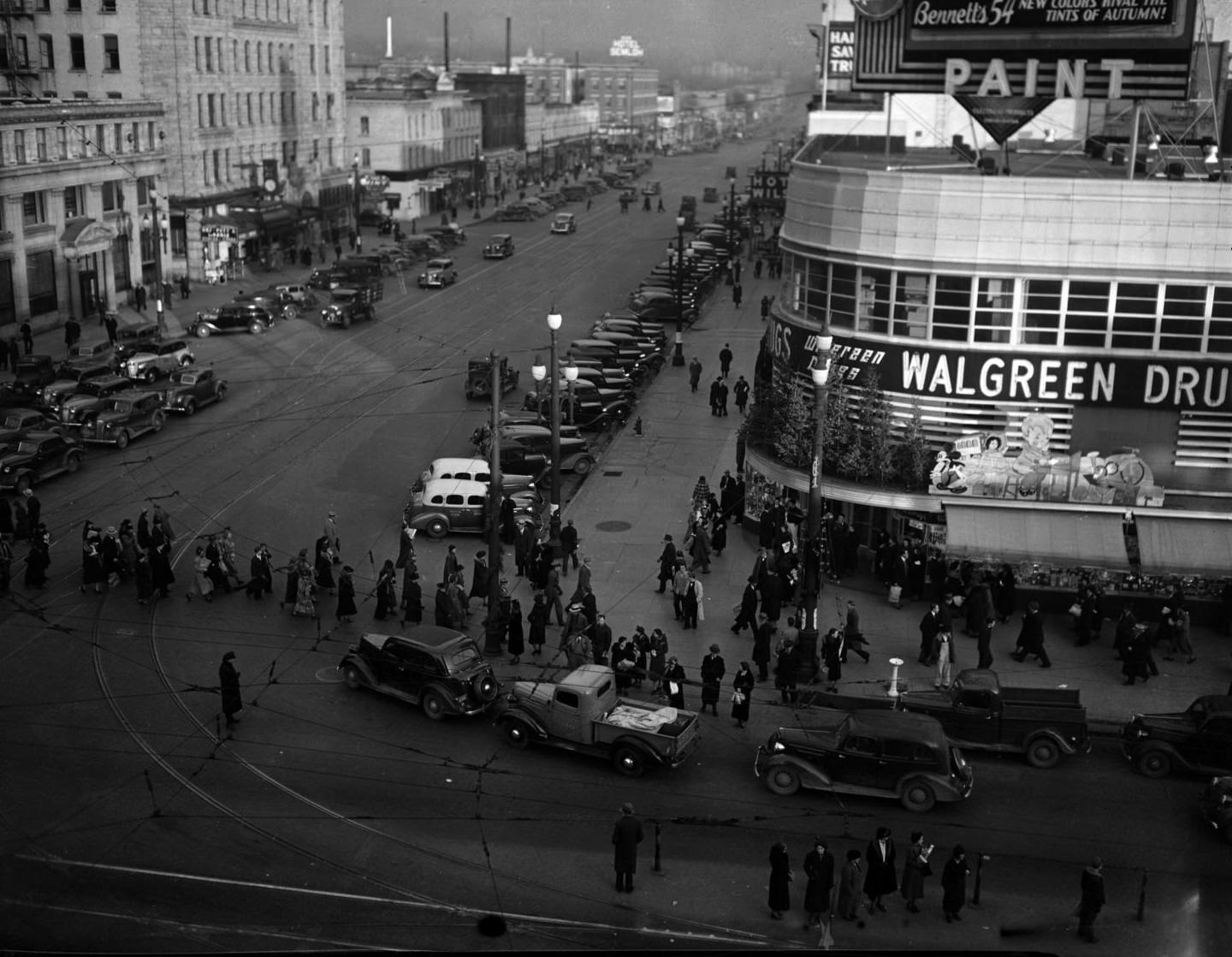
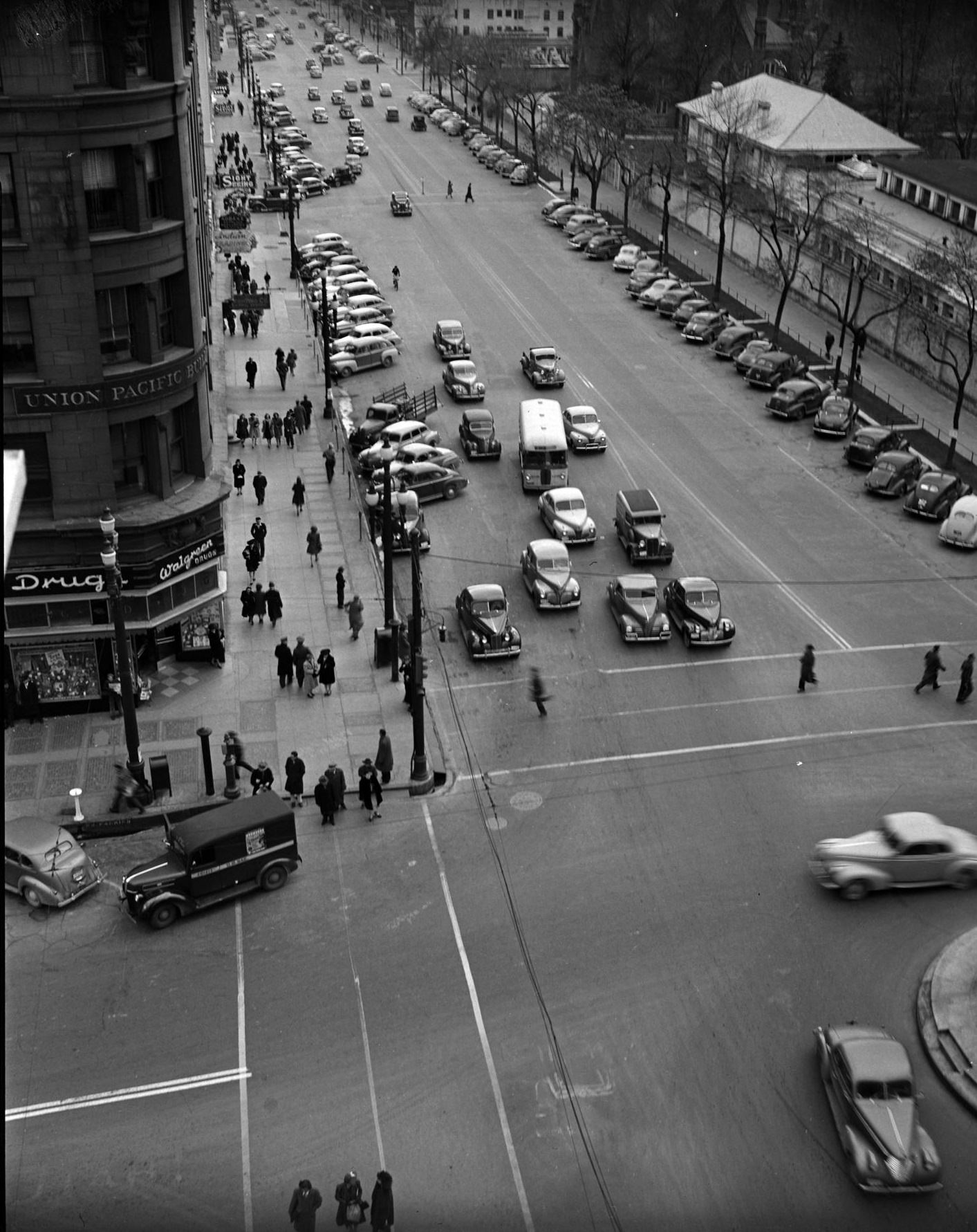
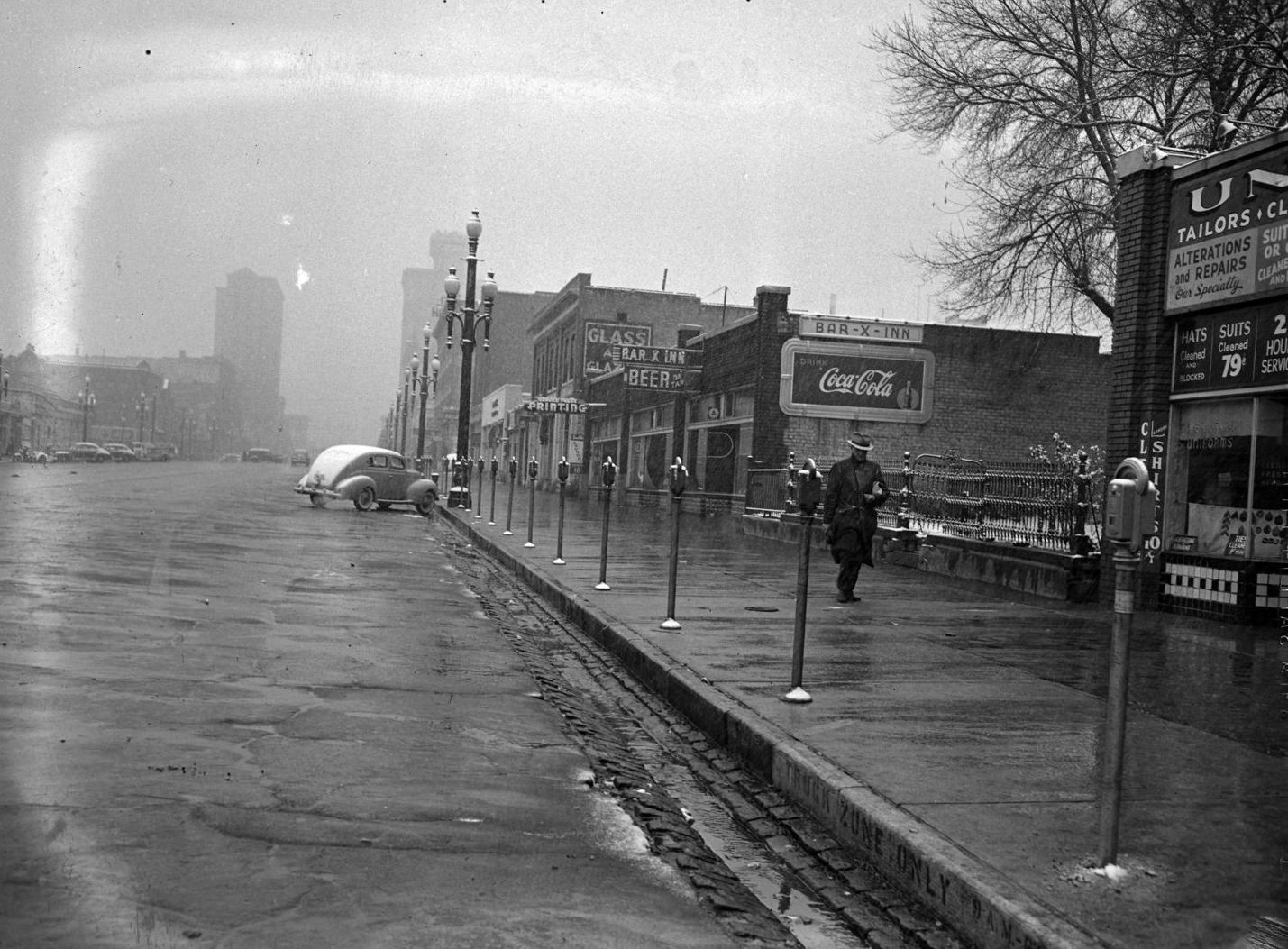
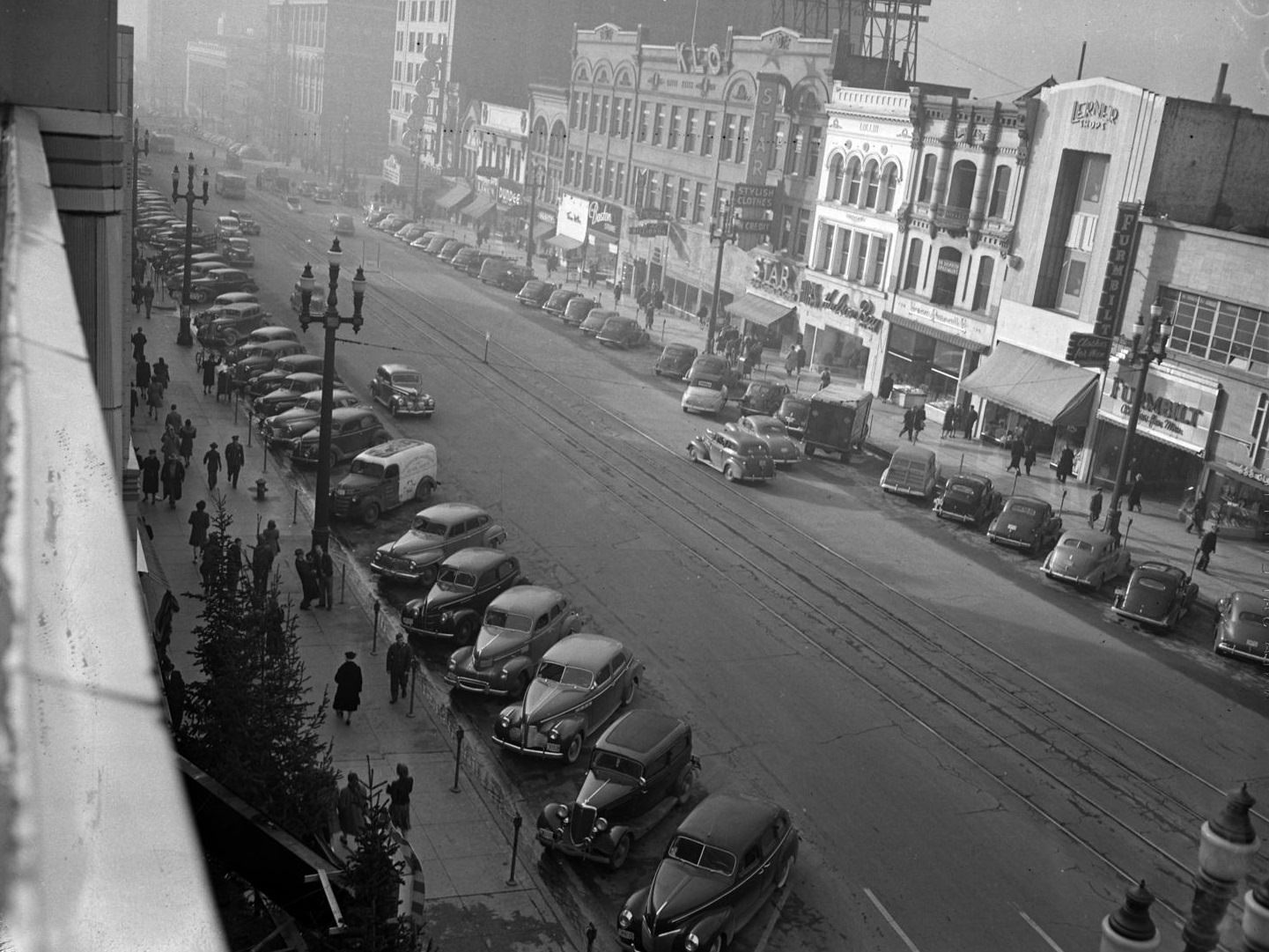
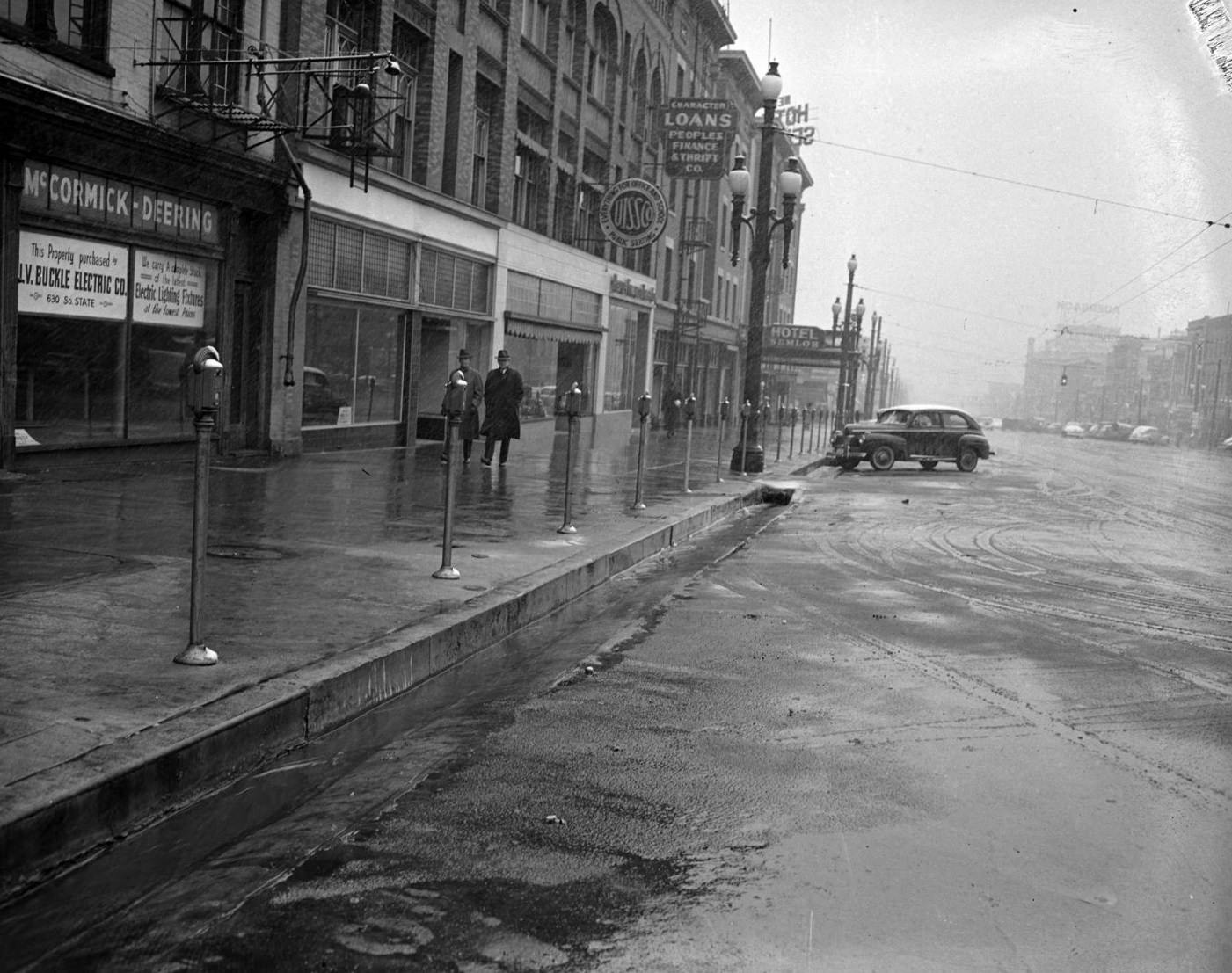
The city’s main streets in 1920 looked dramatically different from the dusty corridors of 1900. By then, Main Street running south was lined with multi-story buildings, electric signs, and steady automobile traffic. The Newhouse Building and the Federal Building had reshaped the downtown skyline. Mansions appeared along several of the main roads, showing the growing wealth of Salt Lake City’s merchant and business class.
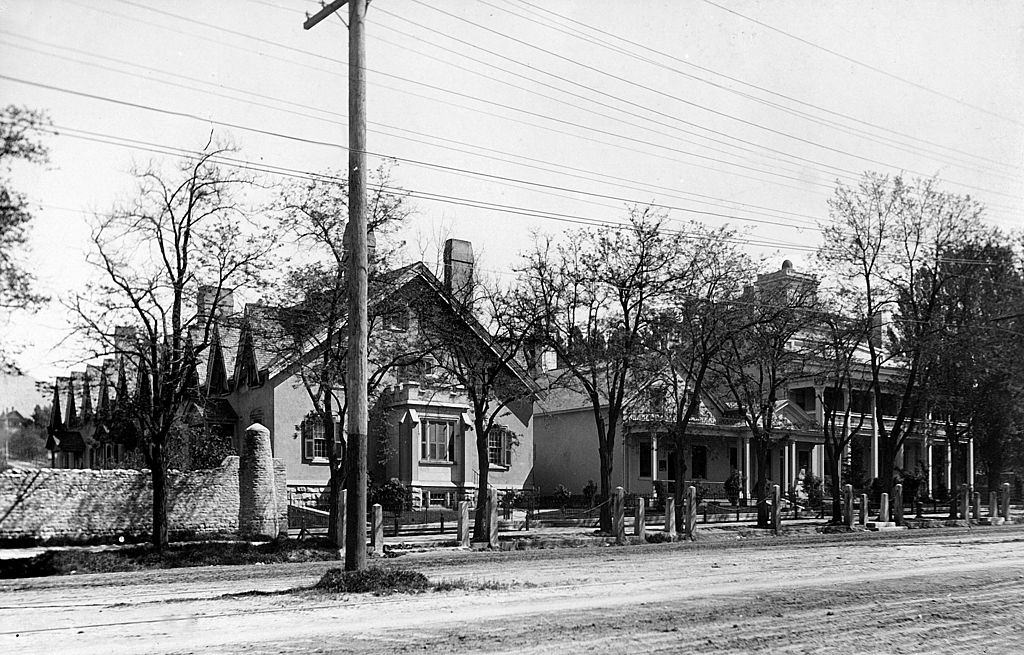
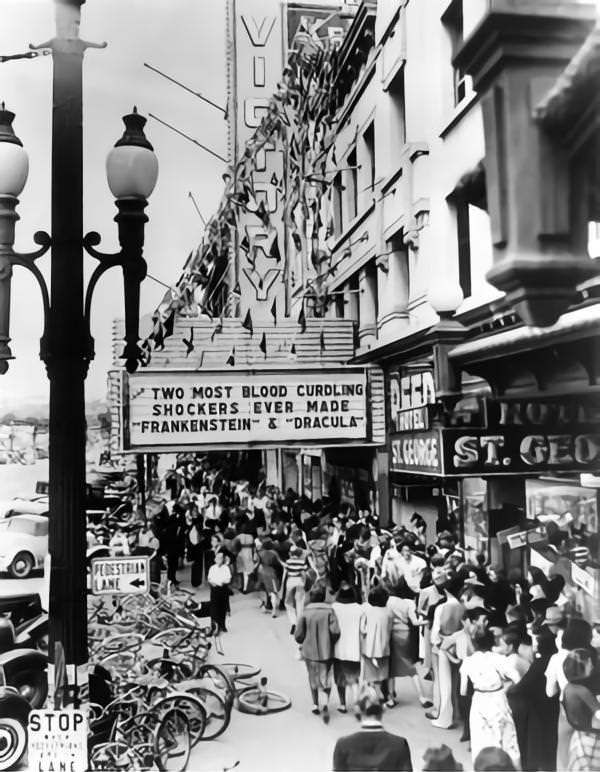
By the 1930s, the economic effects of the Great Depression were severe. At its worst, about 36 percent of the city’s workforce was unemployed. Businesses that had thrived for decades struggled to keep their doors open. Despite the hardship, the streets of Salt Lake City remained active. Theaters like the Victory Theatre on State Street offered an affordable escape — the 1938 double bill of Frankenstein and Dracula drew crowds looking for a few hours away from economic reality.
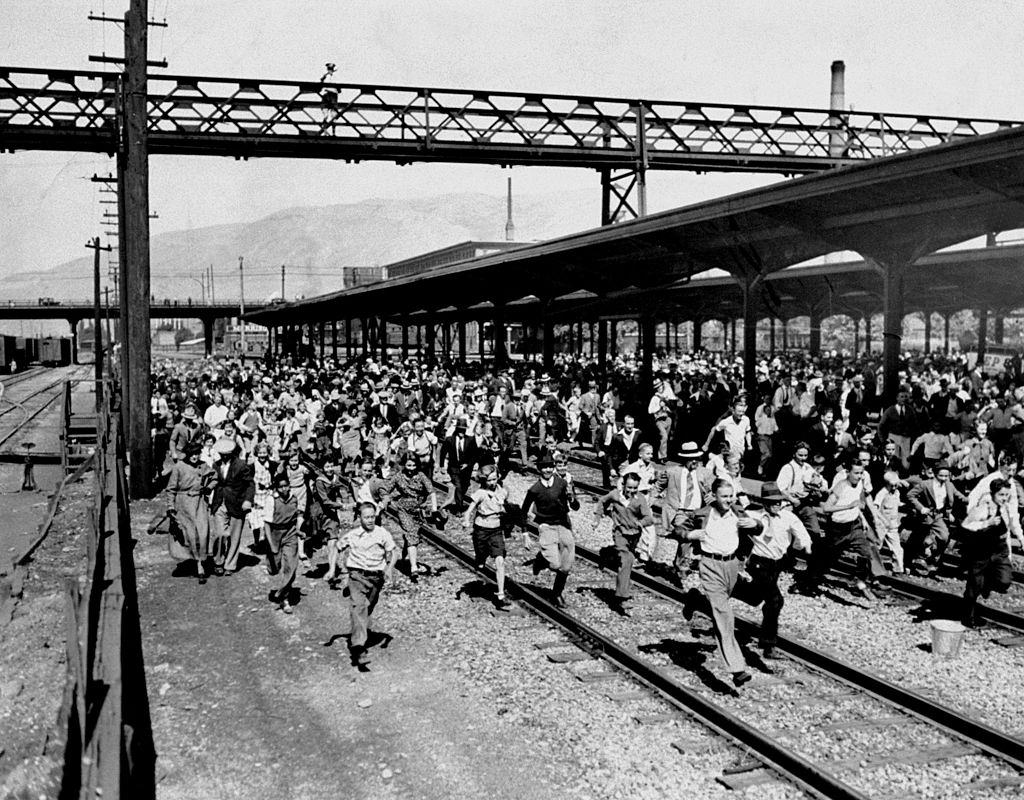
In 1935, President Franklin D. Roosevelt stopped in Salt Lake City, and crowds rushed into the streets to see him. The visit came at a moment when the country was still deep in the Depression, and Roosevelt’s public appearances carried real weight for communities that were struggling. The image of that crowd pressing forward captures something important about what the 1930s felt like in cities like Salt Lake.
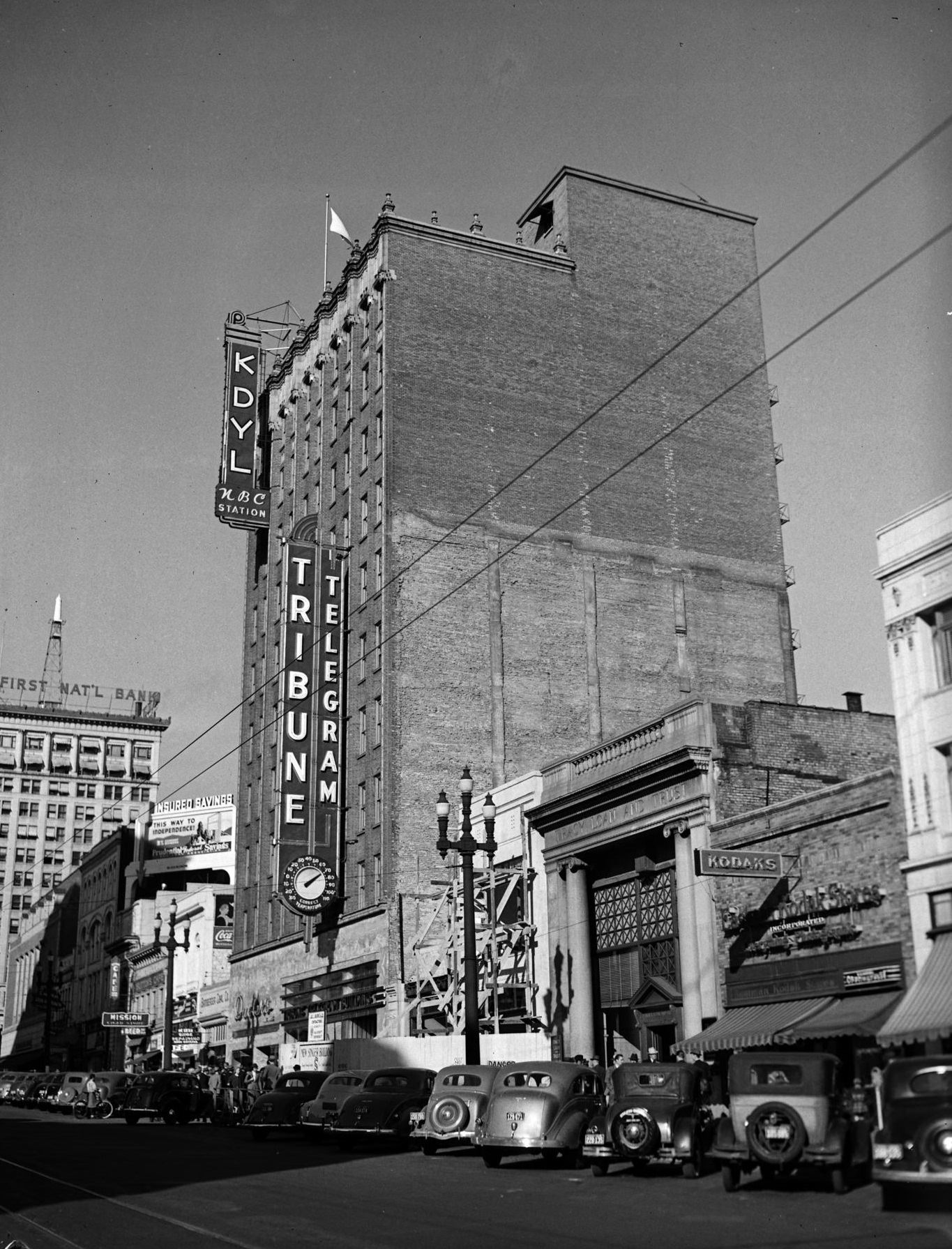
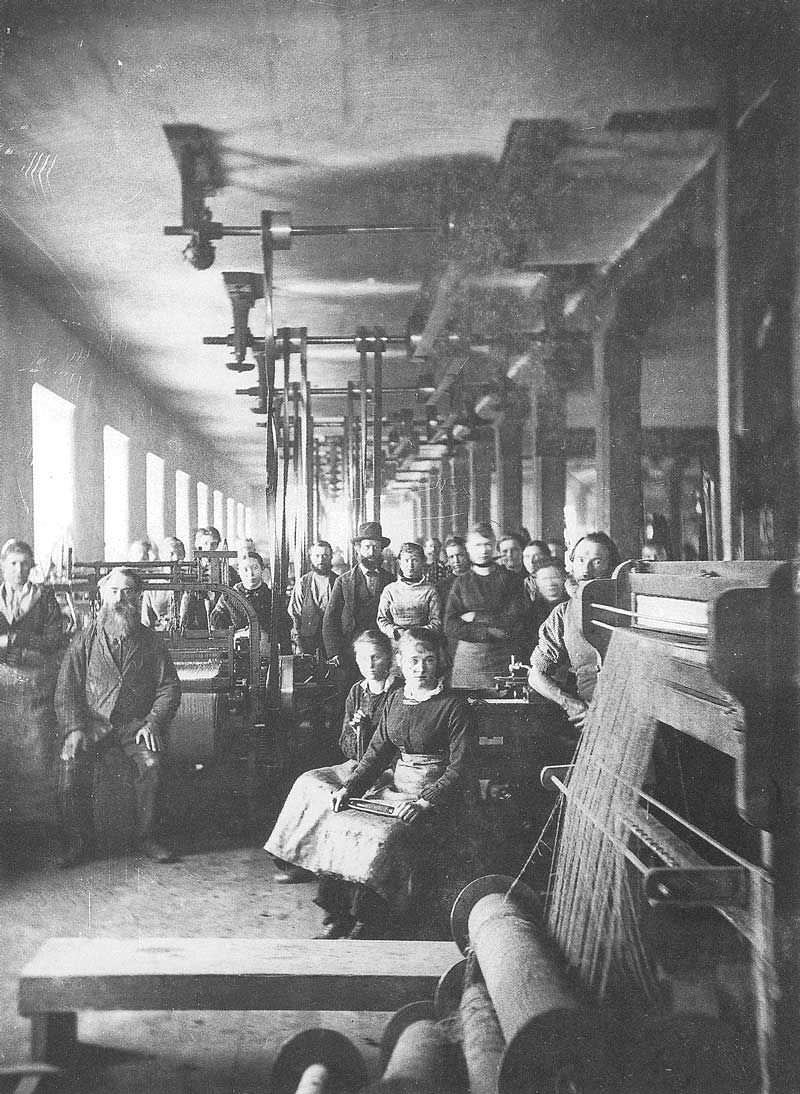
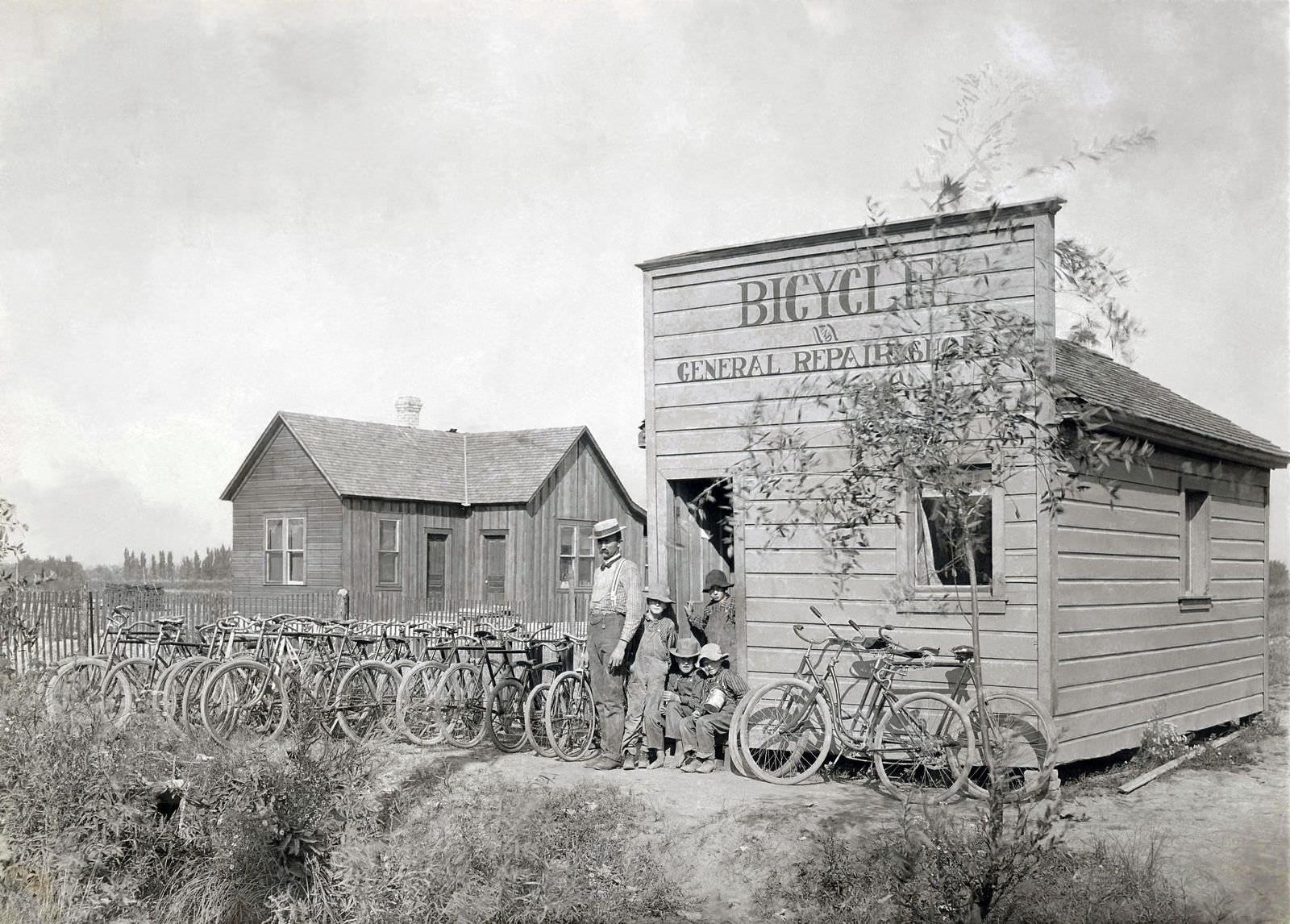
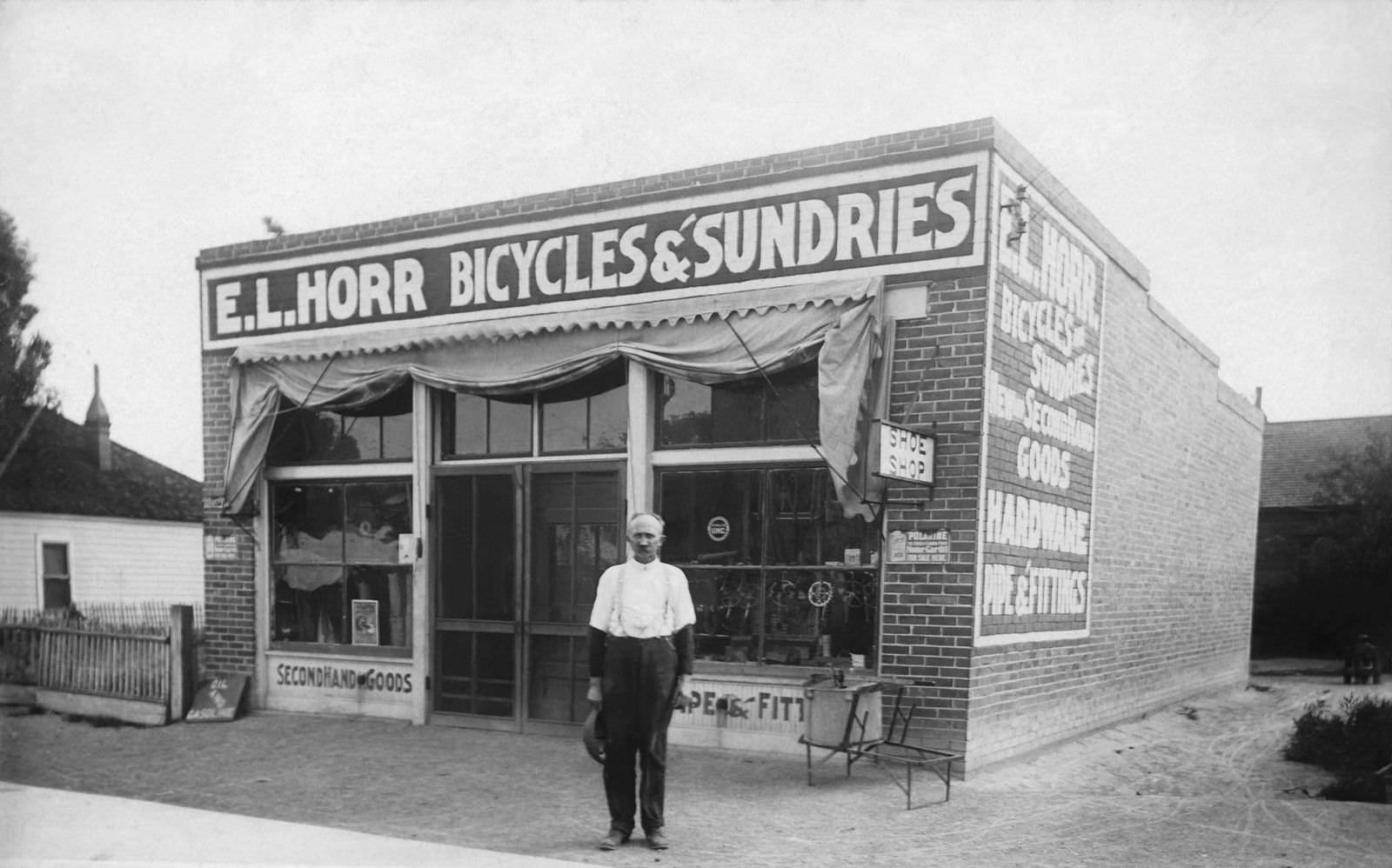
Industry was part of the city’s fabric throughout this entire period. The Utah Woolen Mills employed workers in textile production, and manufacturing operations of various kinds operated alongside the retail economy. Nearby in Murray, entrepreneur E. L. Horr opened a bicycle repair and rental shop at 4473 South State Street in 1902, reflecting the small-business culture that was growing just outside the city’s core. These workers and shop owners were the backbone of the regional economy long before World War II defense contracts arrived.
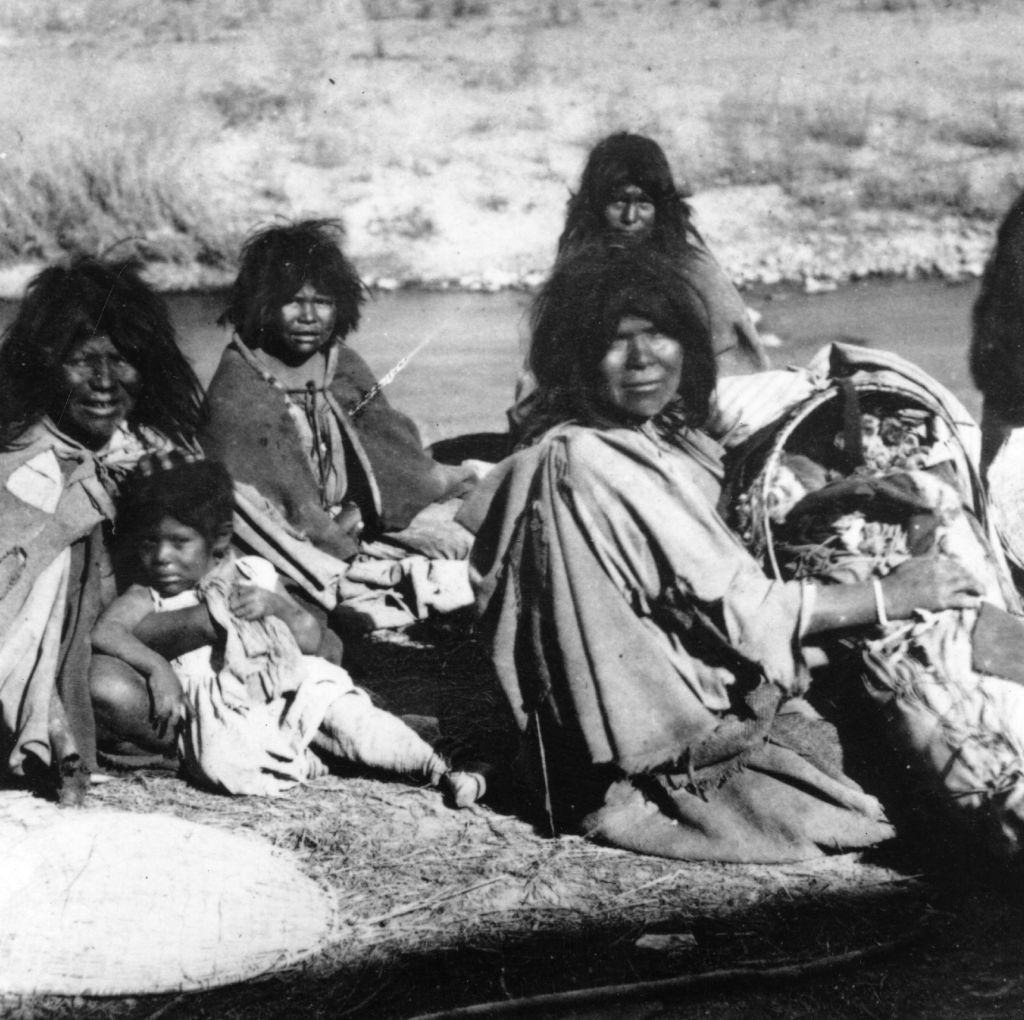
Native Americans of the Shoshone tribe were also present in Salt Lake City at the start of the century. Photographs from 1900 document their presence in the city — a reminder that the region’s Indigenous history did not end with the arrival of Mormon settlers or the establishment of the city. The Shoshone had lived across the Great Basin for centuries, and their continued presence in and around Salt Lake City in 1900 is part of the city’s full history.
Photographers like C. W. Carter documented Salt Lake City’s growth across multiple decades. Carter’s gallery, which moved to 207–209 West First South, produced images of the Temple’s construction workers, street scenes, storefronts, and community life. His work — and the work of other commercial photographers of the era — created a visual record of a city that changed faster in 40 years than it had in its entire previous history.
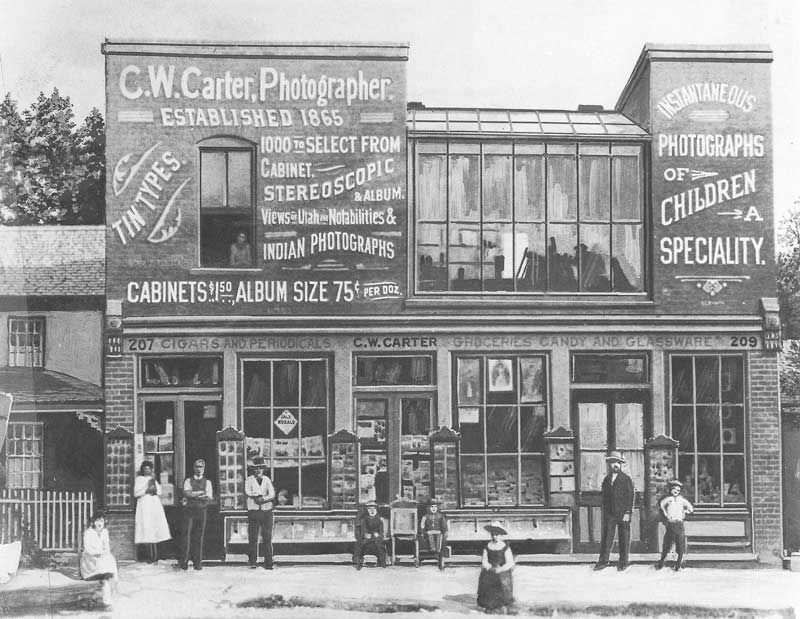
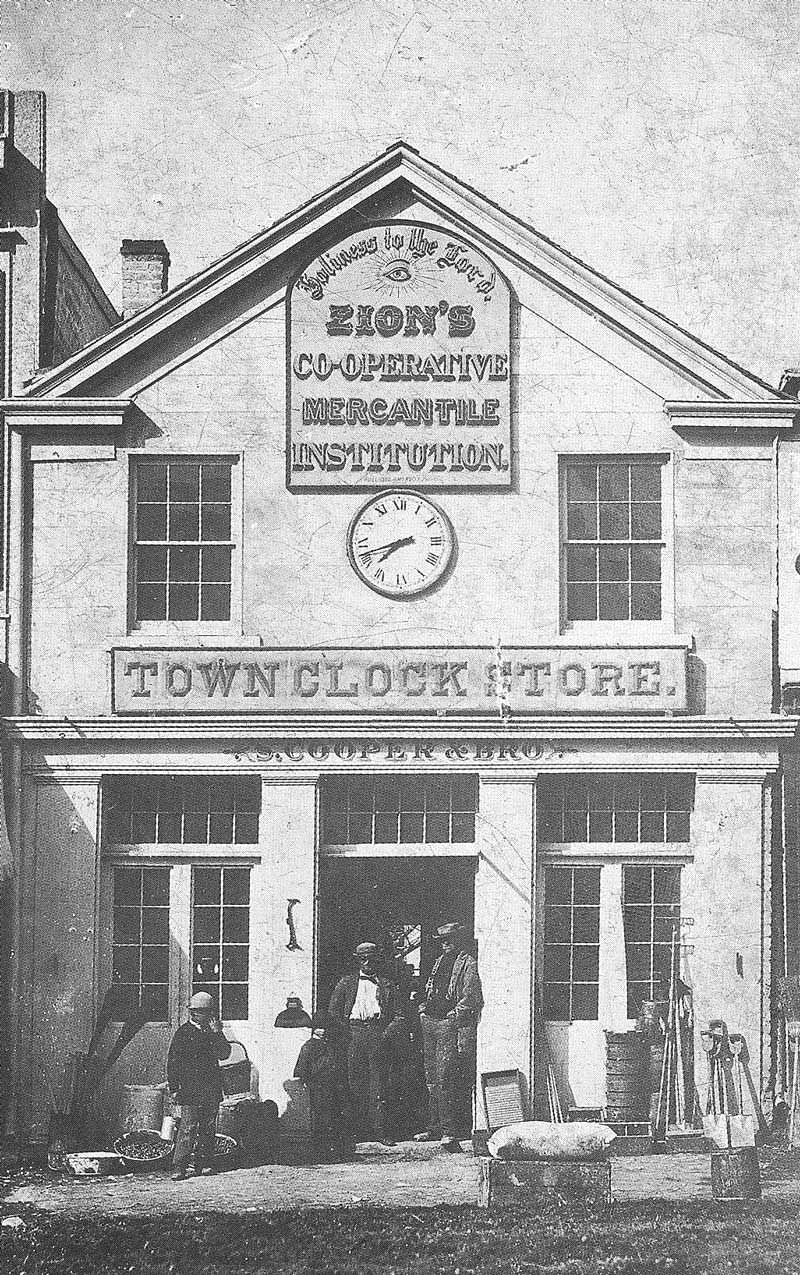
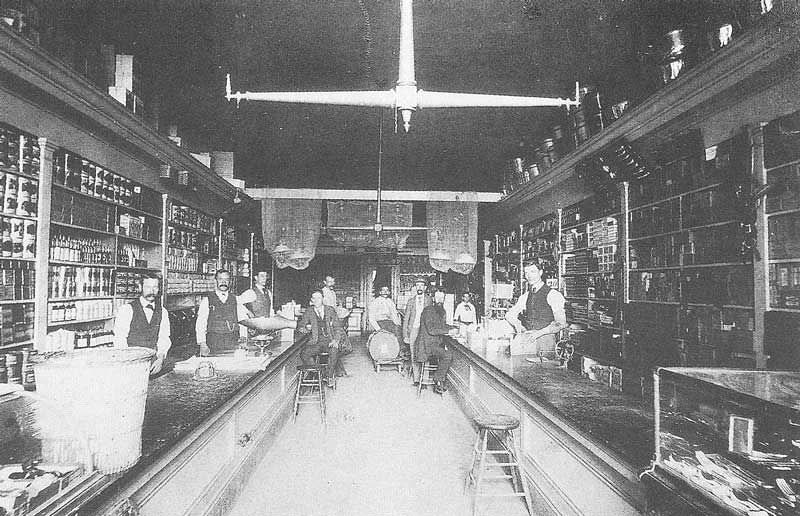
Older commercial strips like East Temple Street gave way to fully developed retail corridors. Establishments like the Town Clock Store and Samuel Teasdel’s general merchandise store were among the early businesses that helped establish the street’s identity before Main Street took its modern form. Photographs of their interiors and storefronts show clerks at work, shelves neatly organized, and the careful presentation that merchants used to attract customers in that era.
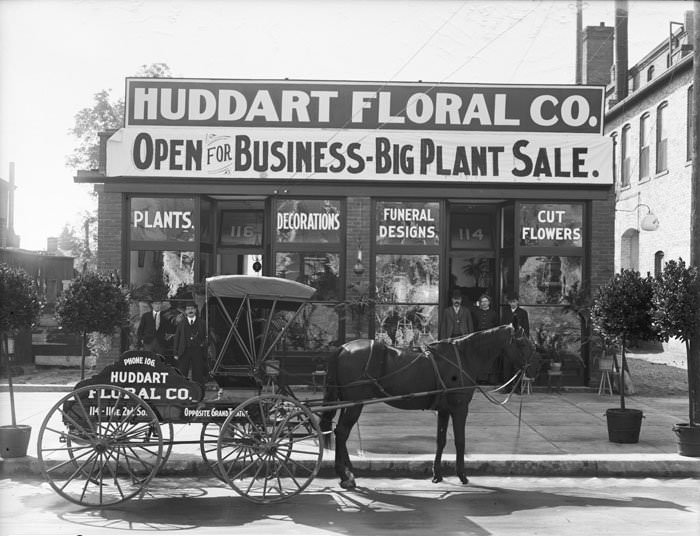
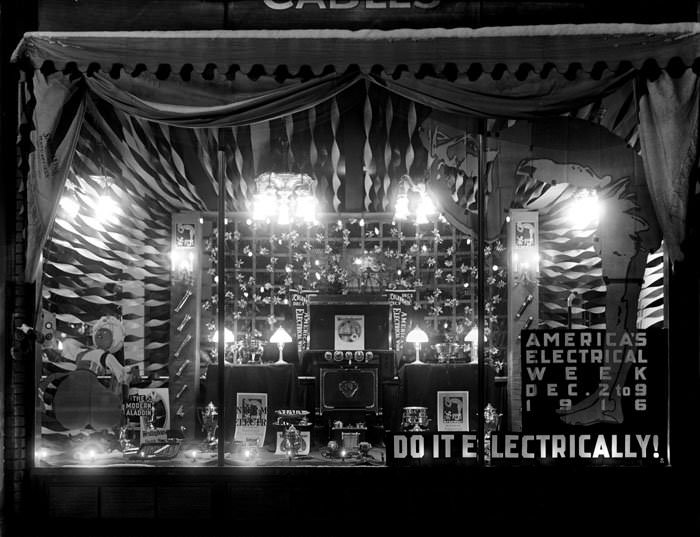
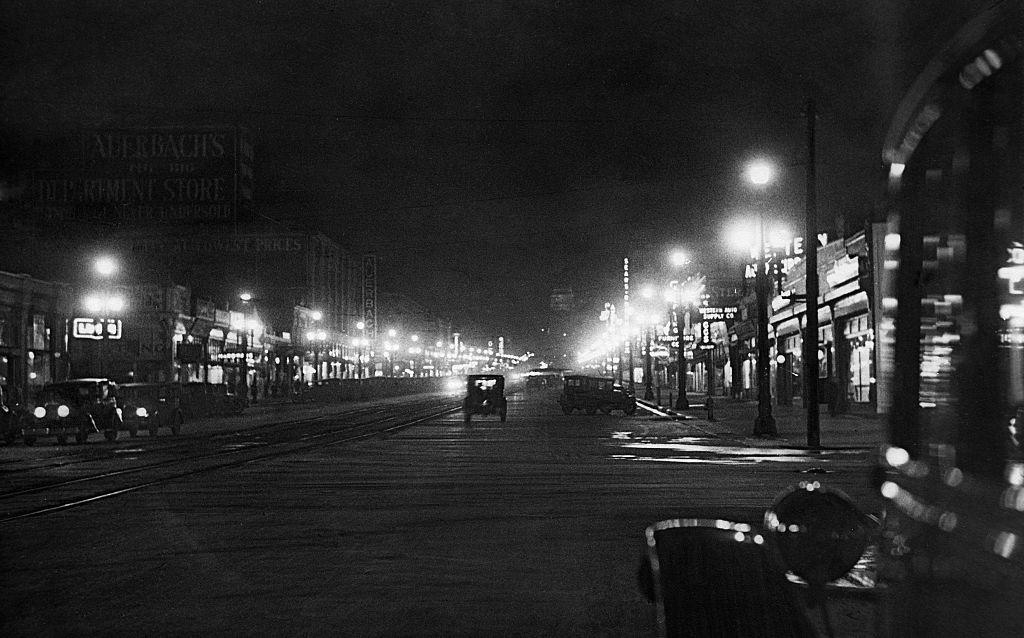
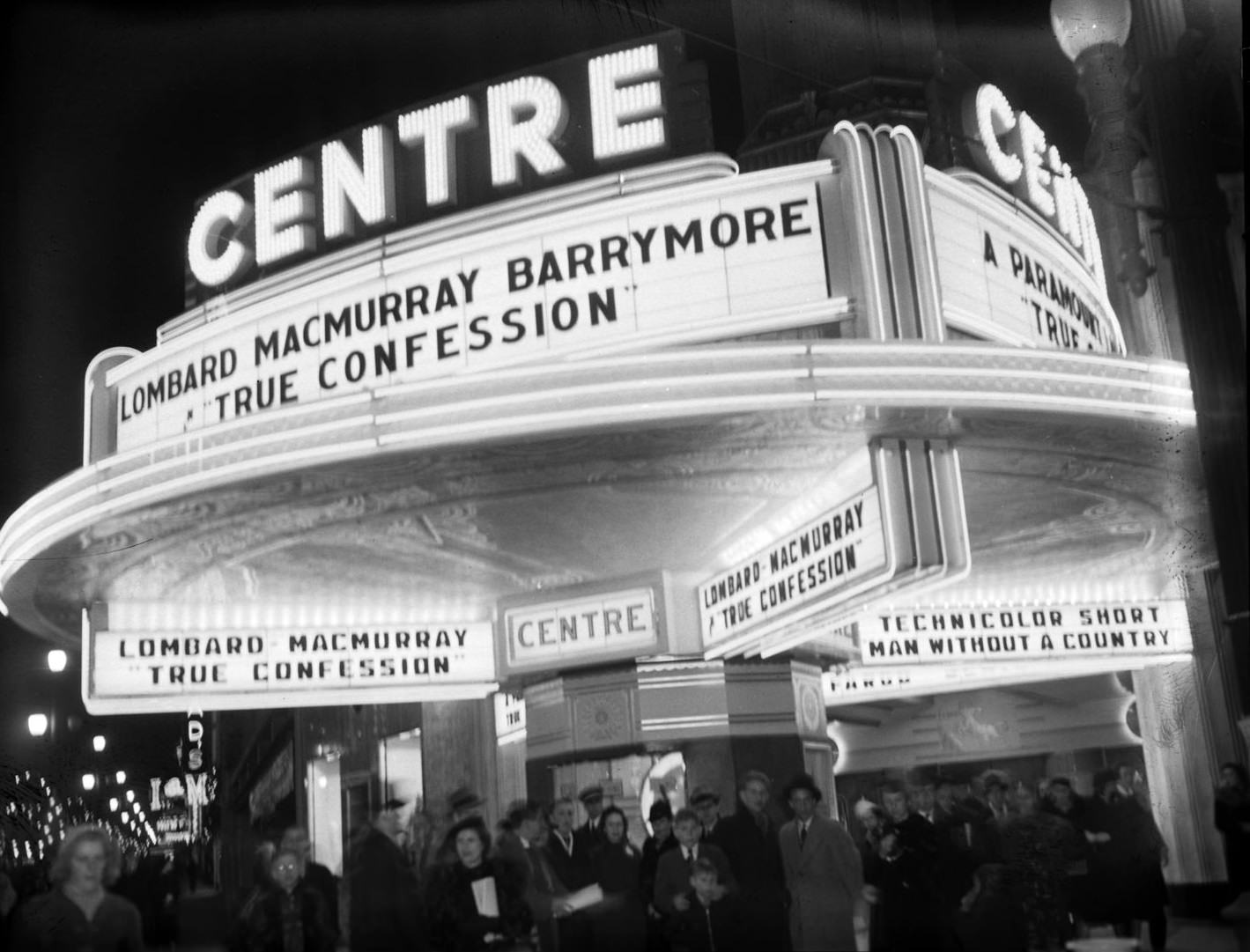
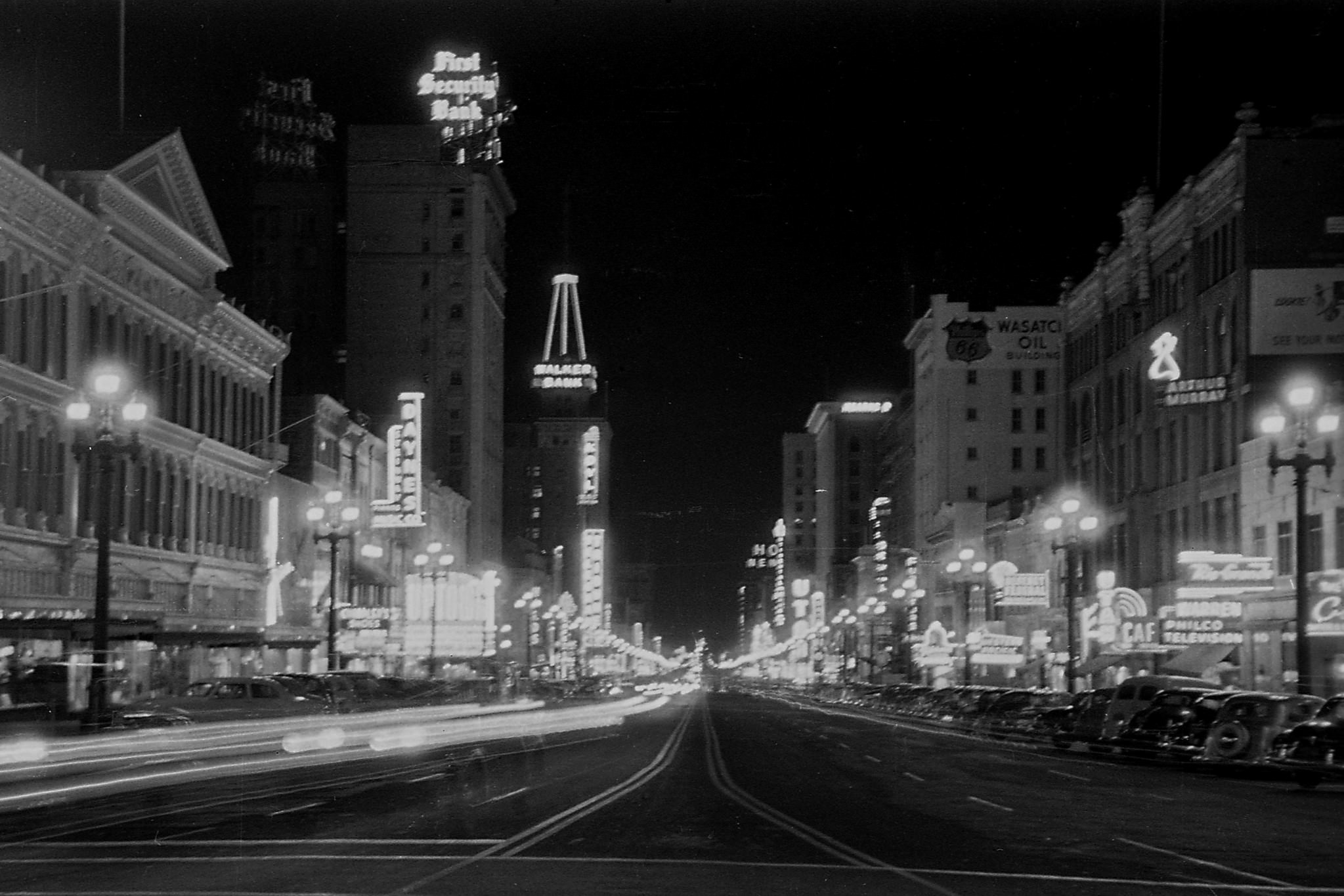
The city’s broader streetscape in the 1930s retained much of the structure it had developed in the previous two decades, even as economic pressures mounted. Nighttime street photographs from 1930 show illuminated storefronts and light traffic — a city that had been wired for electricity and was making use of it. The Centre Theater at 300 South and State Street, photographed in 1937, was one of the entertainment anchors of the era, part of a commercial strip that served both local residents and visitors passing through.





I really like this
The geography has never changed. Wood and coal were the primary methods of heating back then, and emission standards did not exist. Per capita, we’re so much better now, but our air is still polluted.