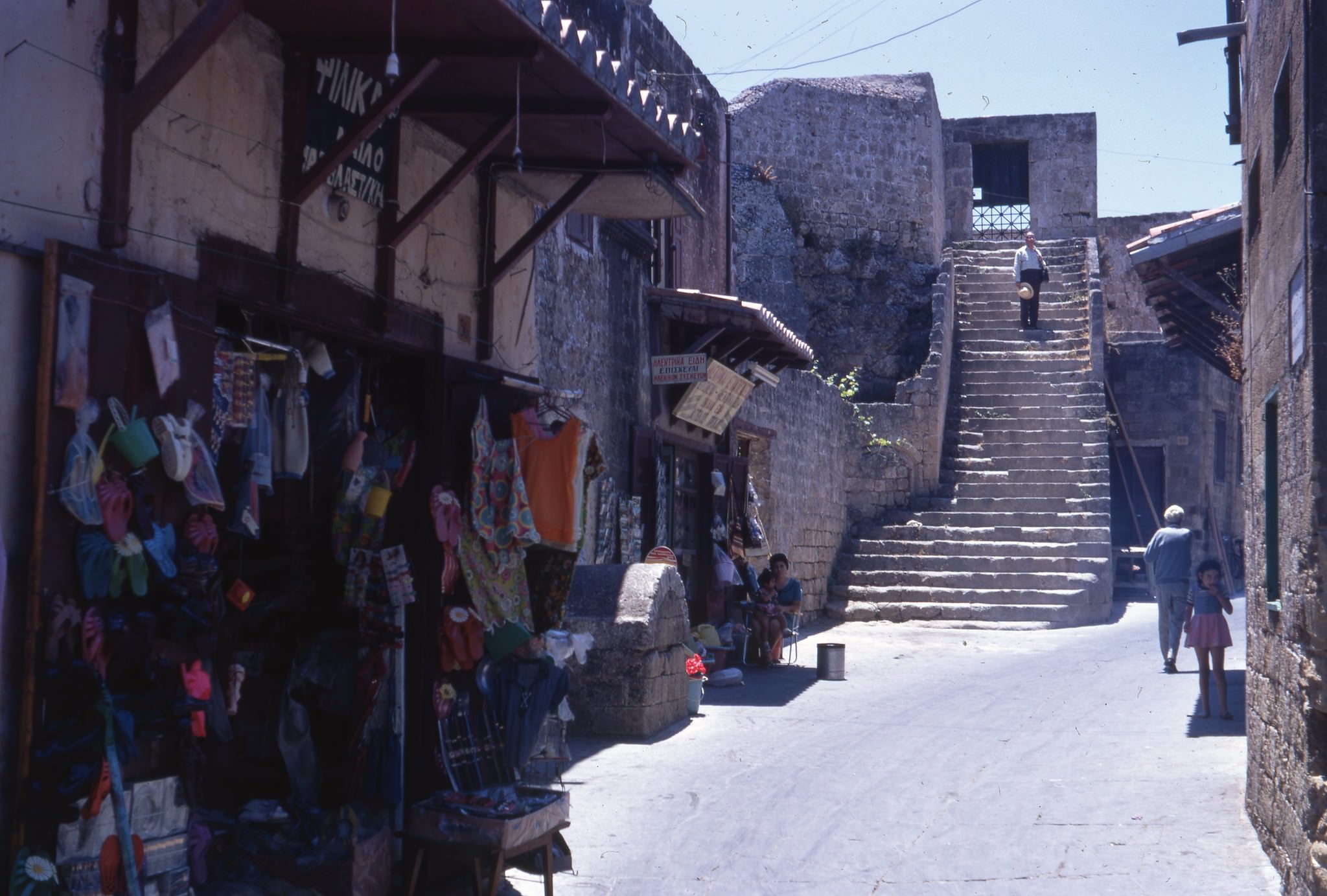
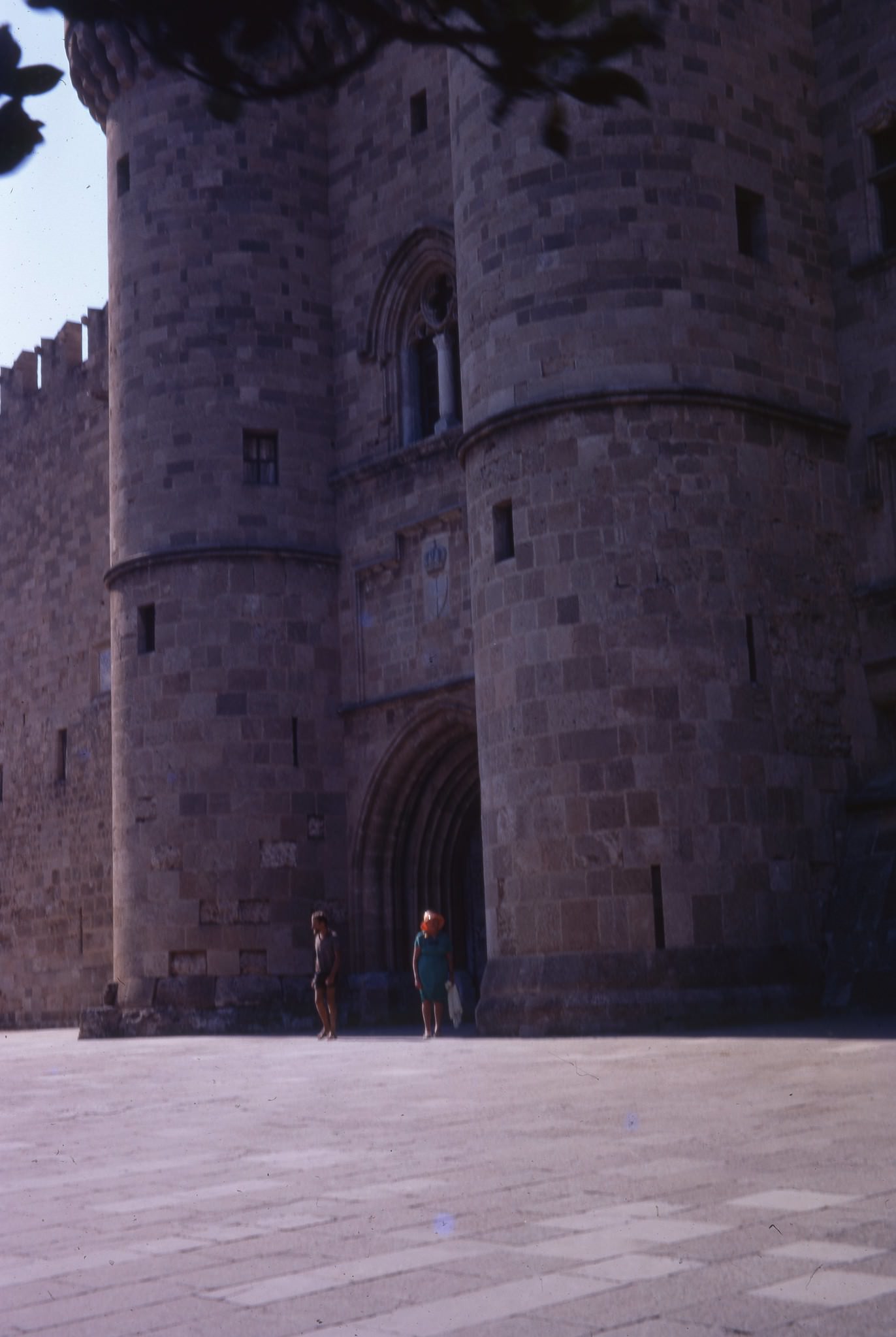
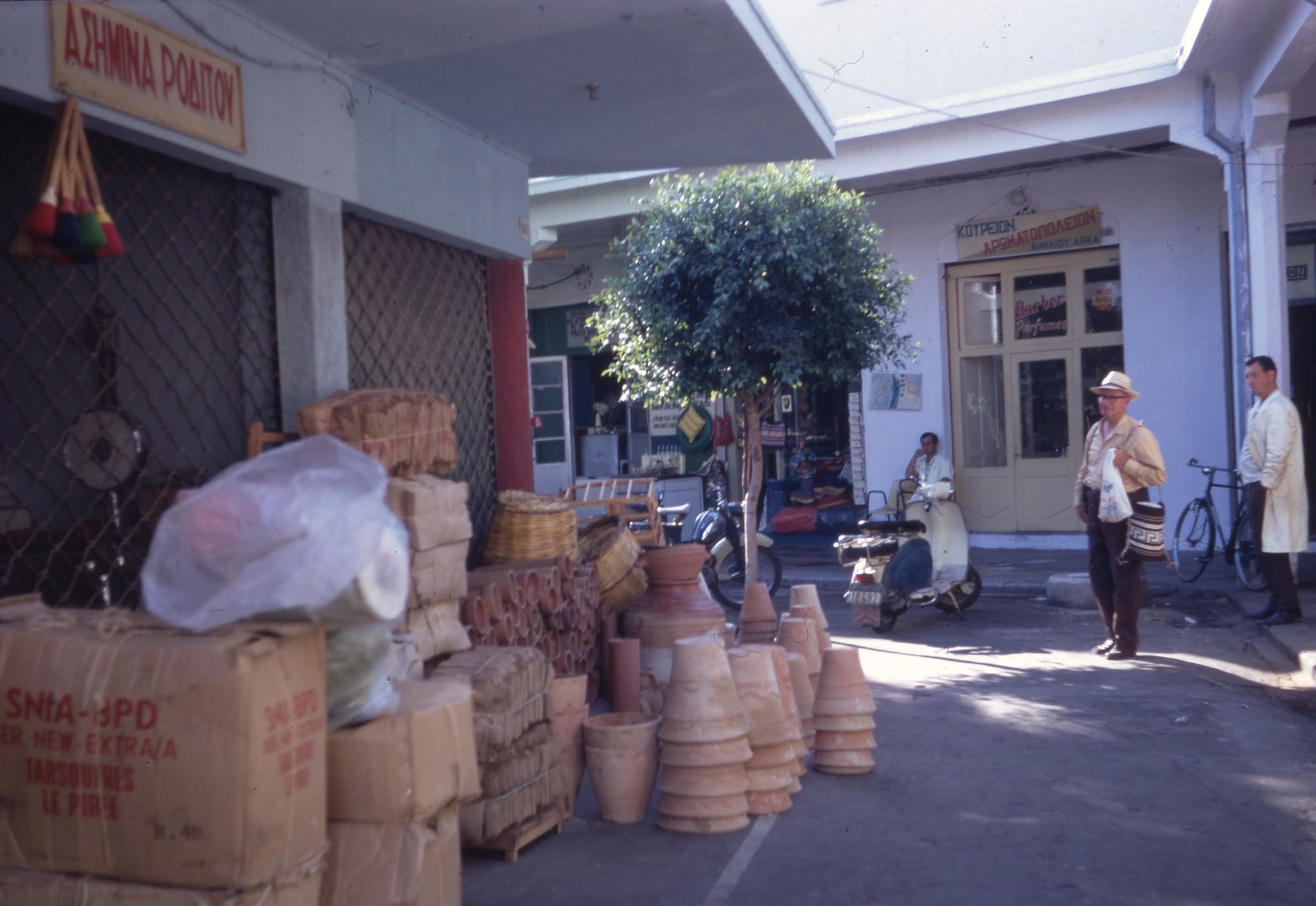
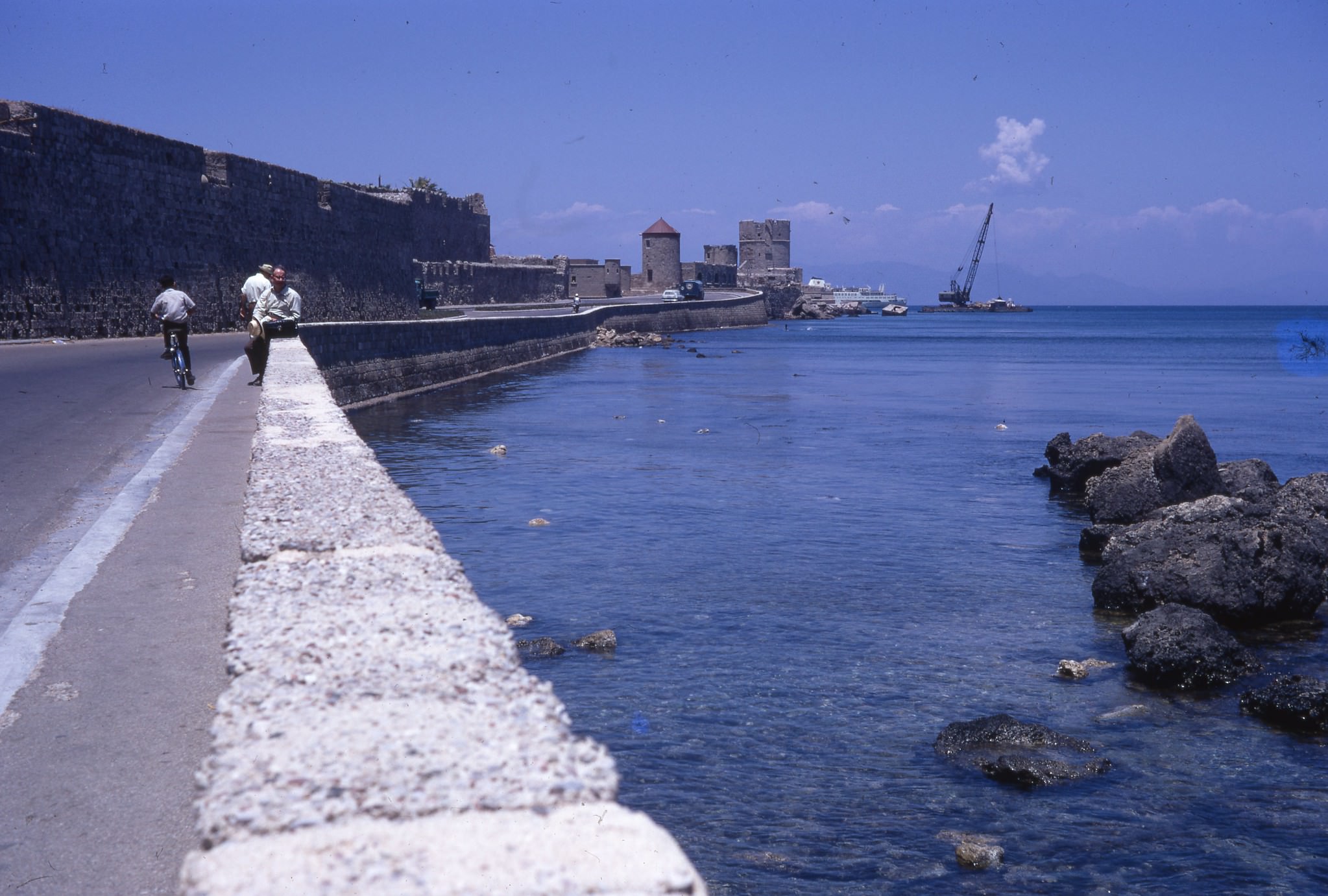
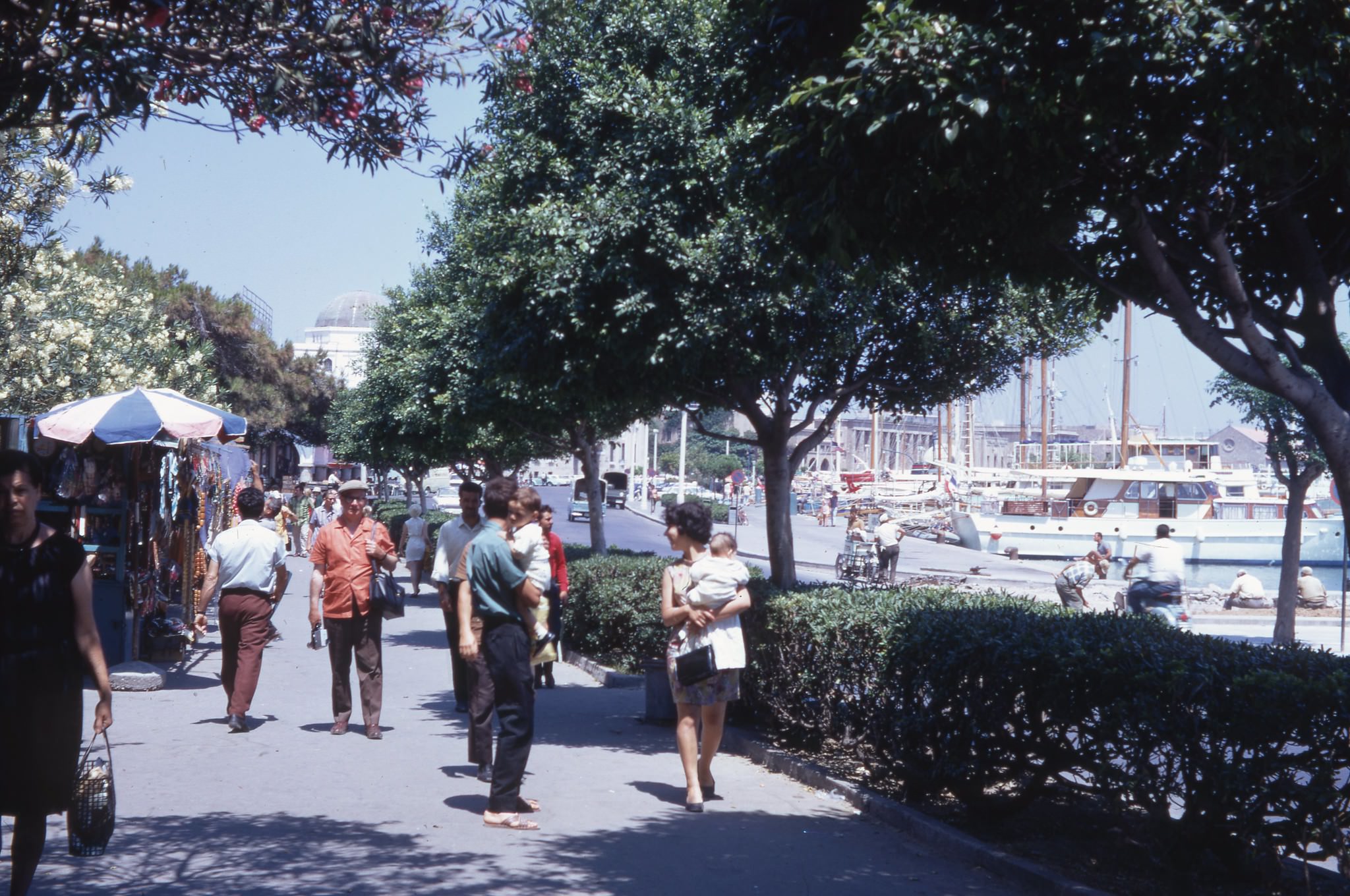
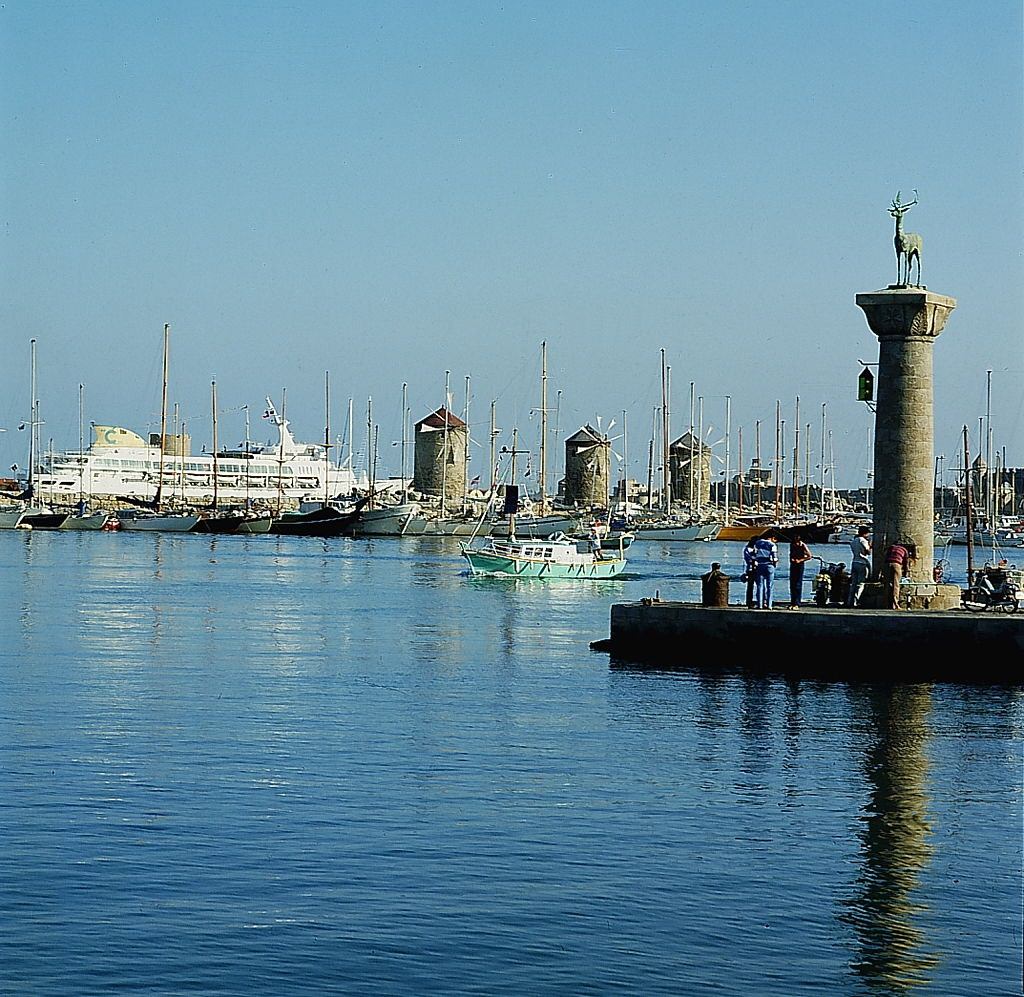
Rhodes sits at the crossroads of Europe, the Middle East, and Africa. That position shaped everything about the island — its architecture, its people, its dialects, and its layered identity. Long before tourists filled its streets, Rhodes was a working port city where crops from the island’s interior and surrounding small islands moved through its markets daily. The city’s medieval old town still stands as one of the best-preserved in the world, and the photos below take you through the decades when that world was still very much alive.
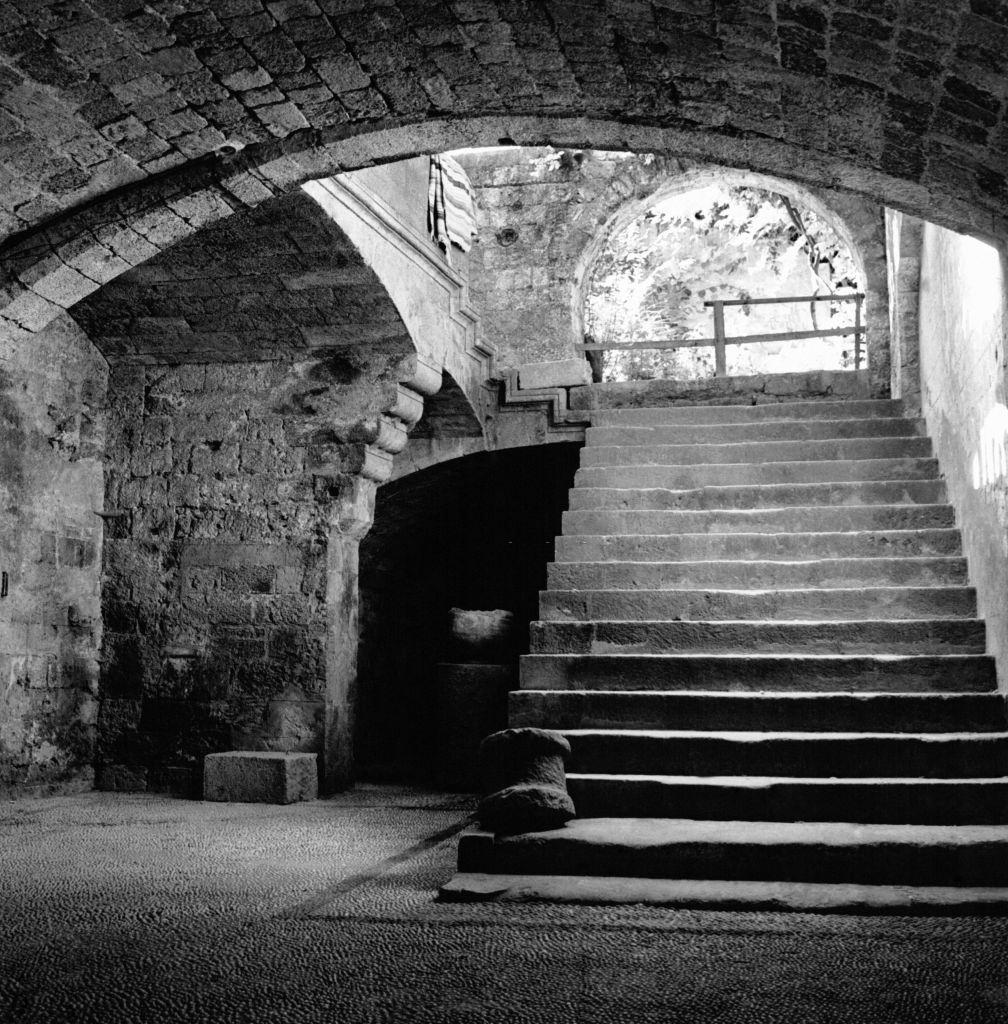
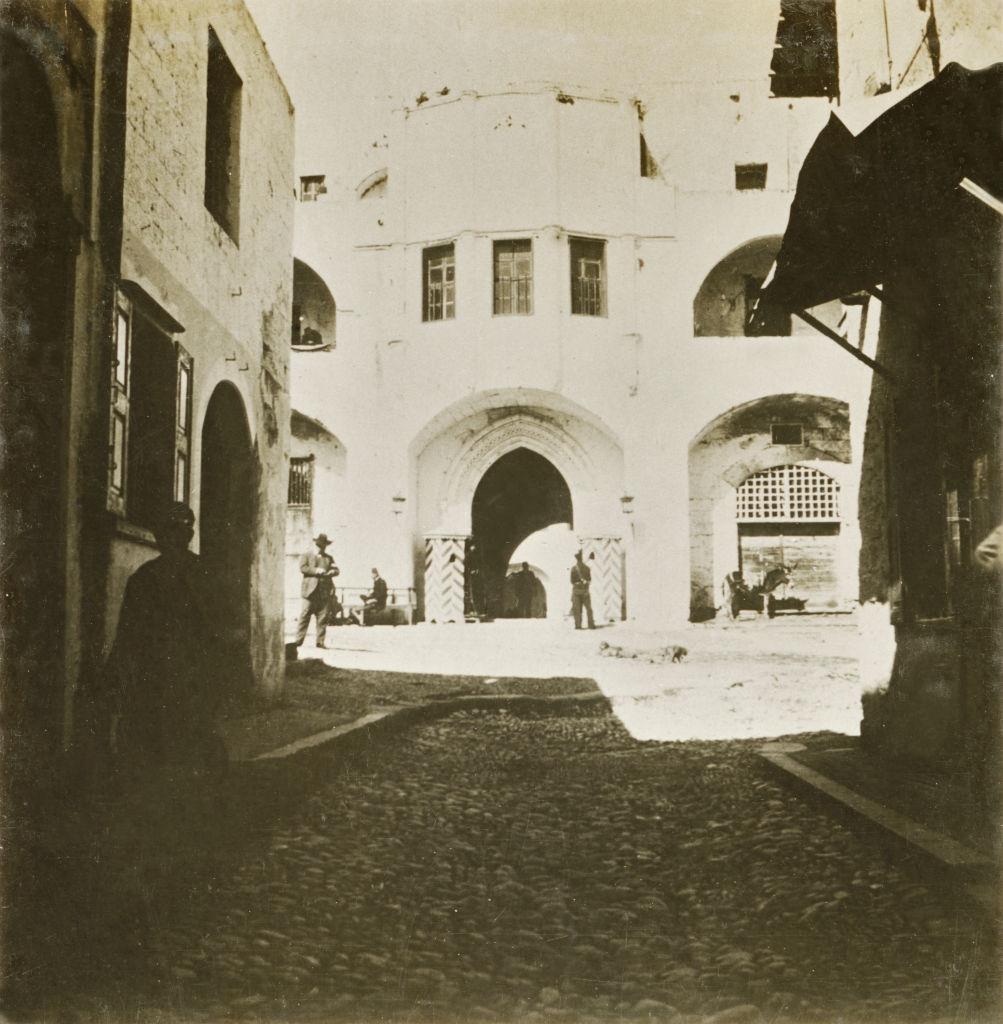
The early 1900s in Rhodes were a time of remarkable architectural variety. Buildings from the medieval Hospitaller period stood alongside Ottoman-era mosques, public baths, and grand mansions built for wealthy patrons. The old city’s character came from centuries of different rulers each leaving their mark on the stone. The Hostel of the Spaniards, photographed in the early 1900s, was one such remnant of the Hospitaller presence — a sturdy structure that had quietly outlasted the empire that built it.
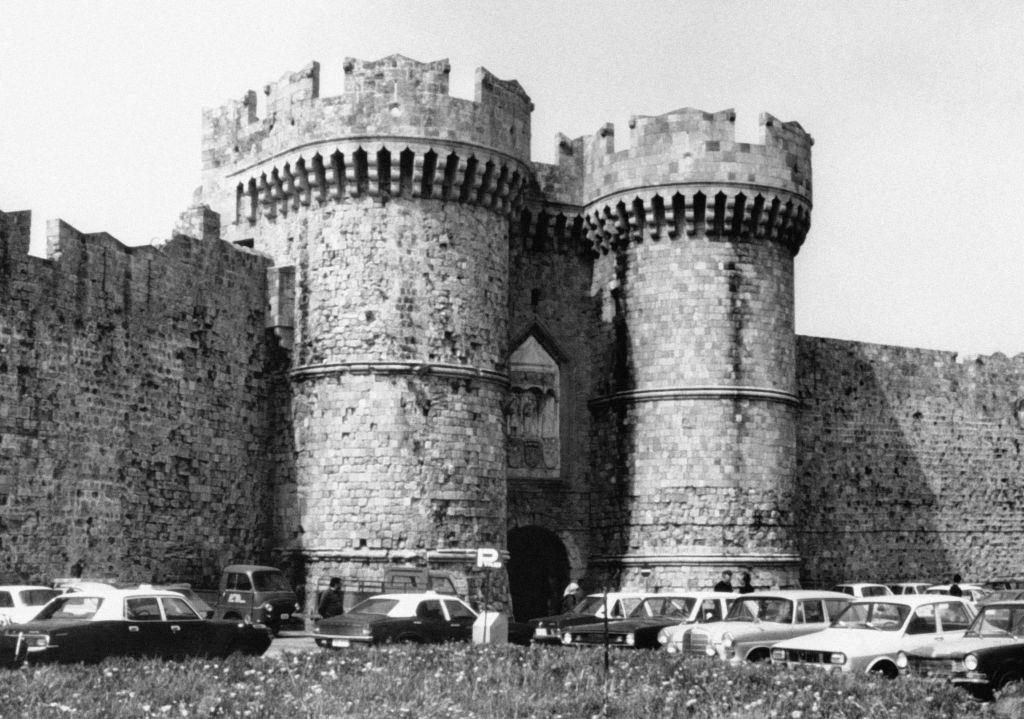
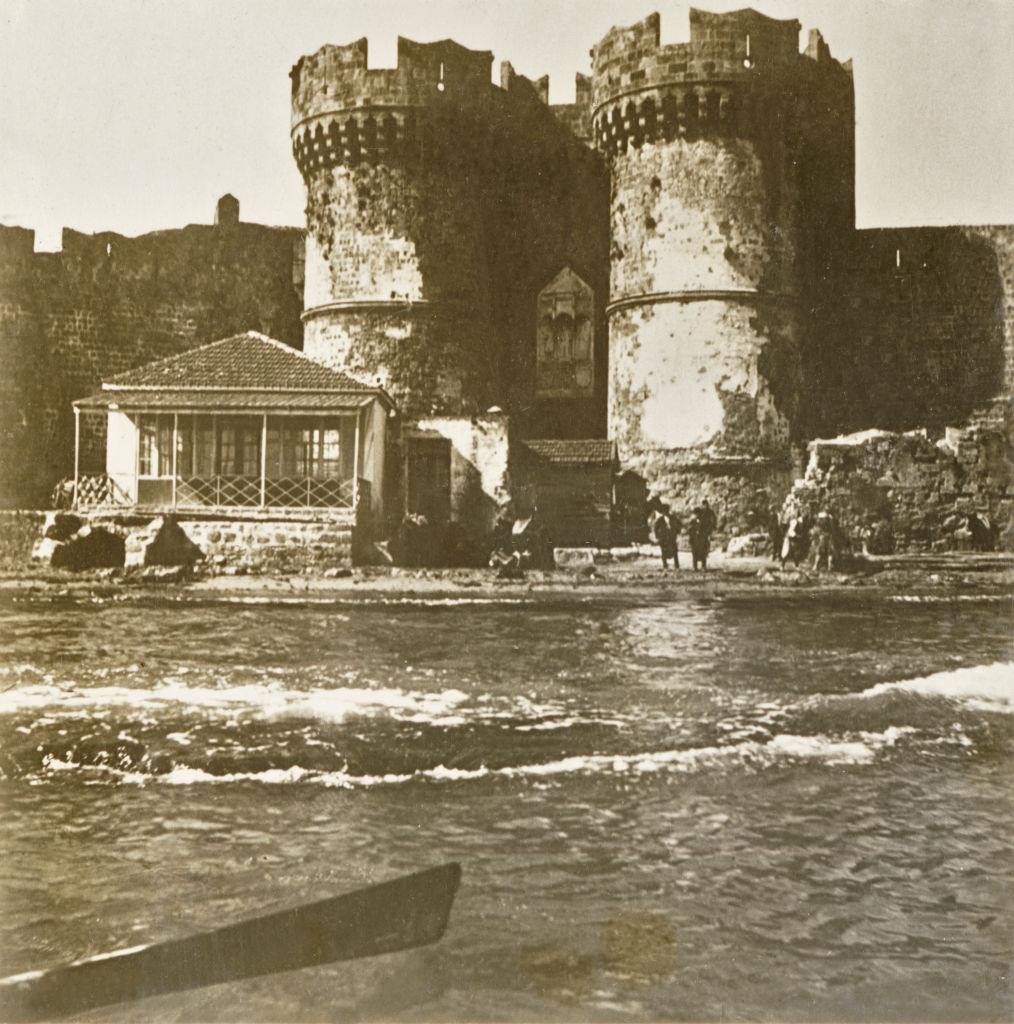
The Marine Gate was one of the main entry points into the old city. Arriving by sea, traders and travelers would pass through it directly from the harbor into the heart of Rhodes. It was not just a gate — it was the threshold between the open water and the dense, walled city behind it.
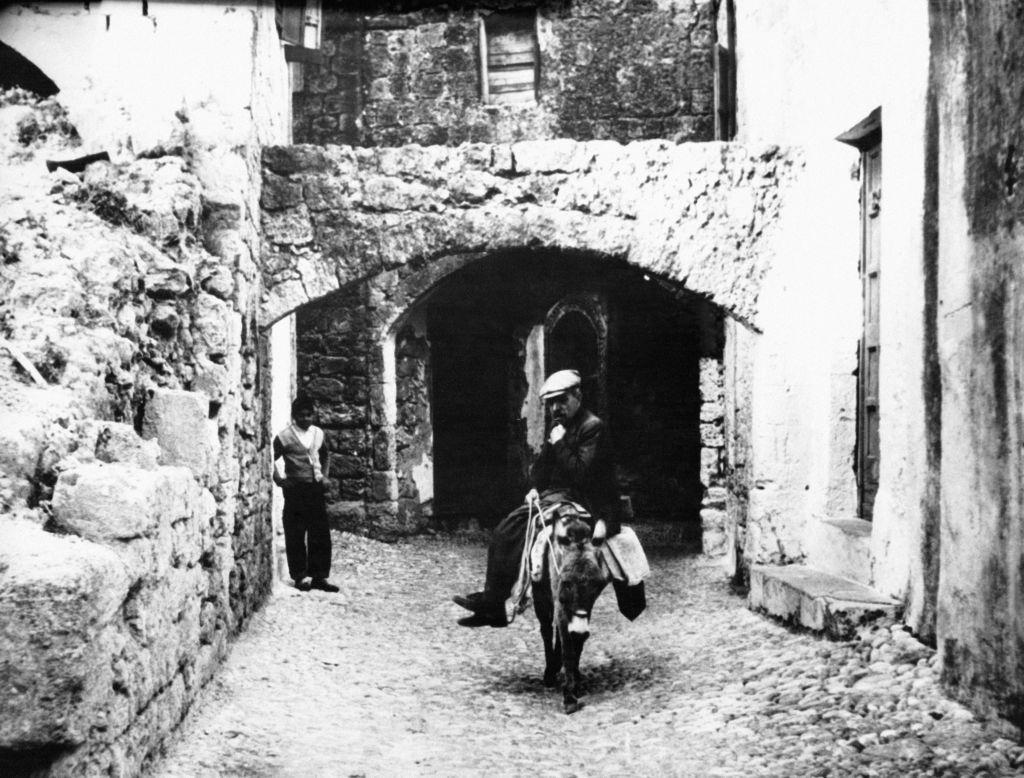
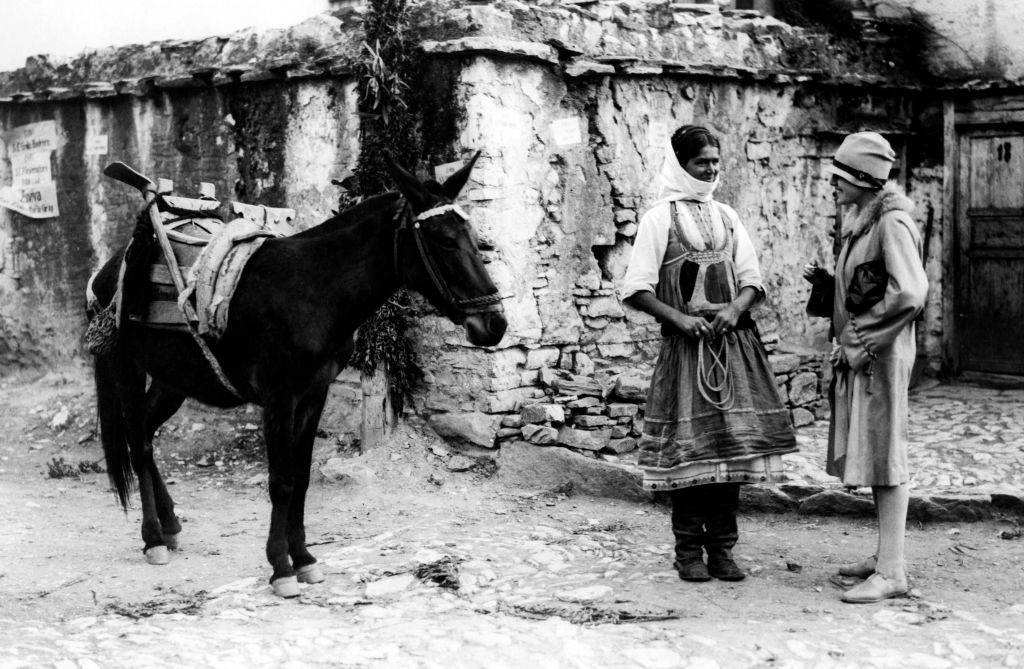
Life on the streets of early 20th-century Rhodes moved at a slower pace. Donkeys were the most practical form of transport through the city’s narrow lanes. For most residents, they were not a curiosity but an everyday necessity.
The fortifications of Rhodes were built by the Knights of St. John, also called the Hospitallers, who held the island from 1309 to 1522. They constructed an elaborate system of walls, towers, and interior fortresses designed to withstand heavy siege. By 1906, those structures were centuries old but still largely intact.
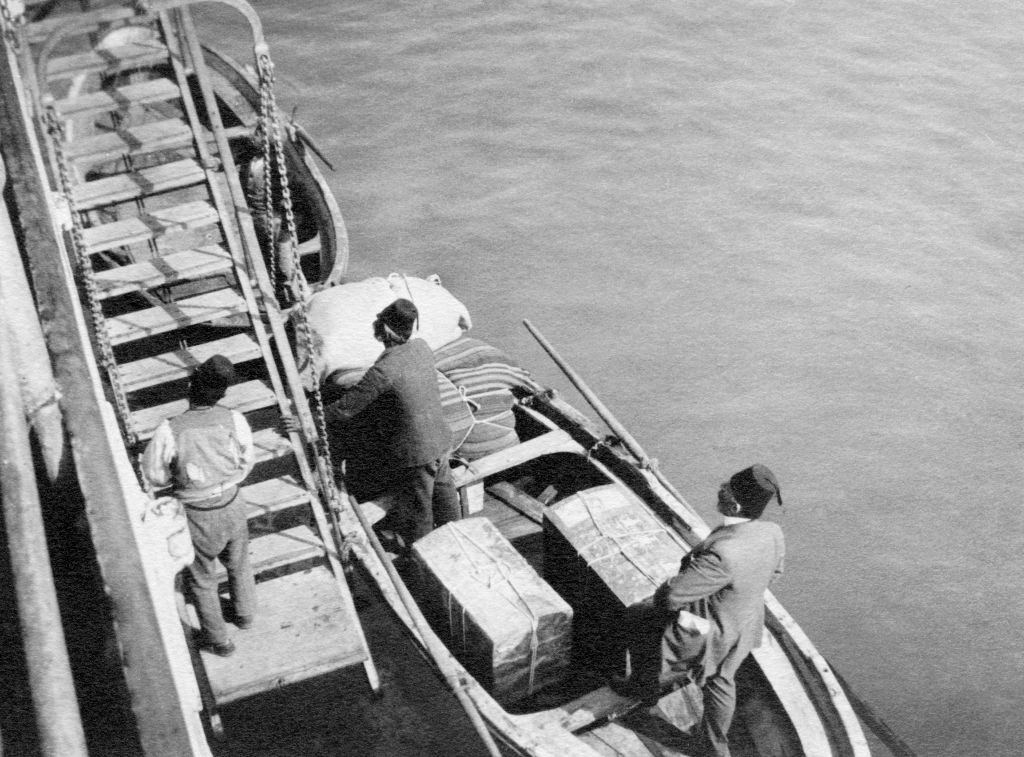
In 1912, Italy seized Rhodes along with the rest of the Dodecanese Islands from the Ottoman Empire during the Italo-Turkish War. The transition of power was visible even at the docks, where the movement of goods and people carried a different urgency. A photograph from that same year captures the labor of loading a palaky — a traditional flat-bottomed boat — in the harbor.
By 1920, Rhodes had hotels catering to visitors with a growing interest in the island. These were not large resort complexes but modest establishments with shaded porches and open balconies designed to catch the Aegean breeze. The following three photographs were all taken in 1920 and give a clear picture of what hospitality looked like in Rhodes at the time.
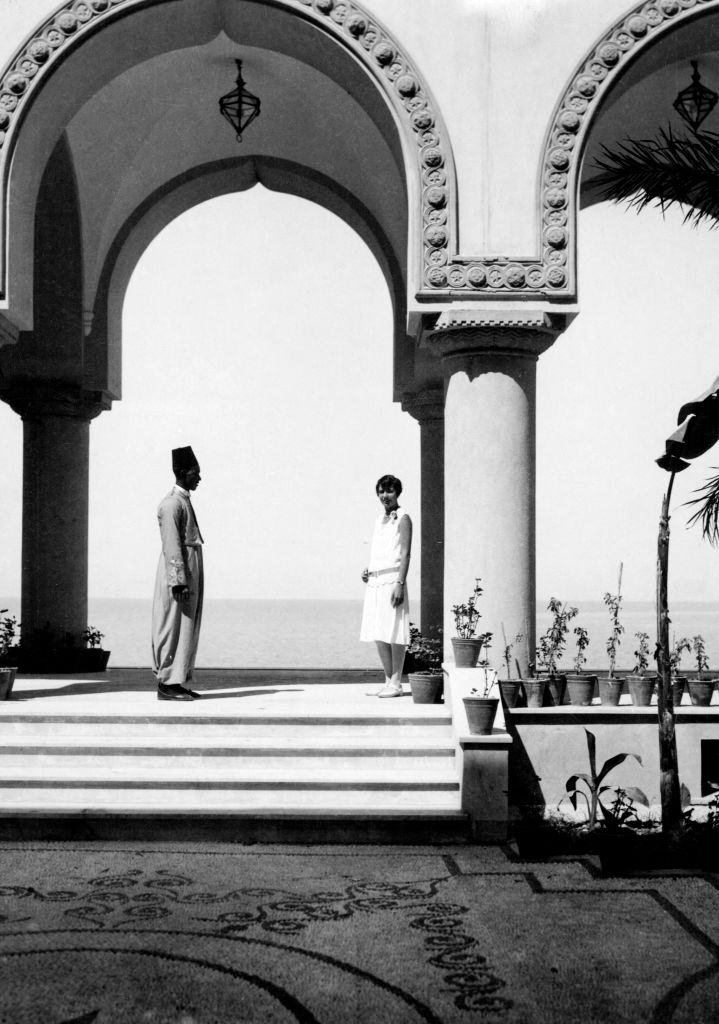
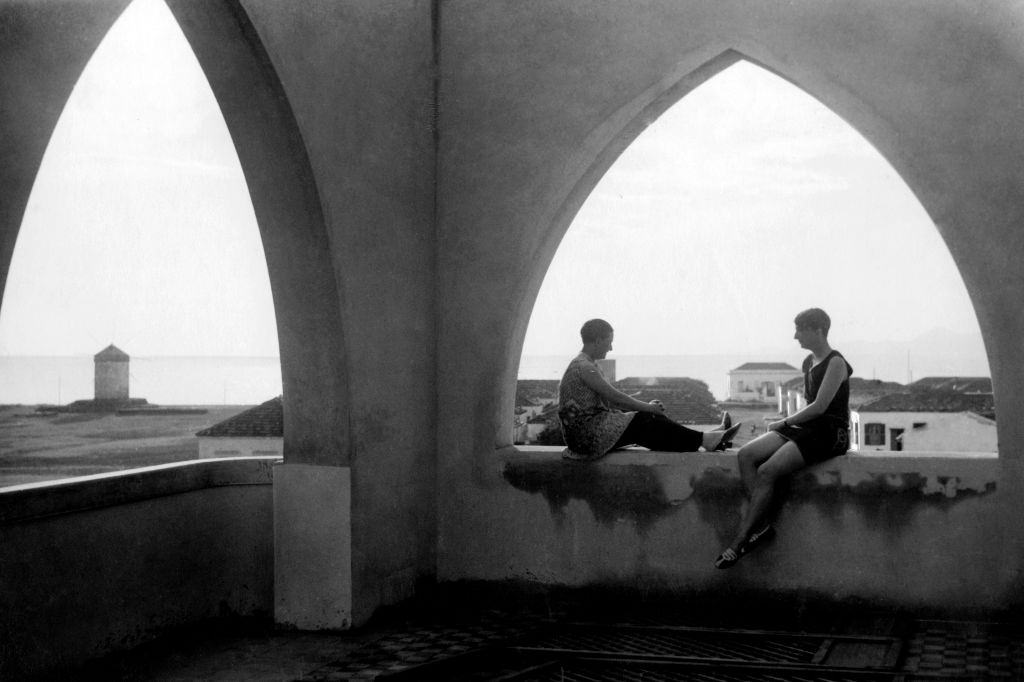
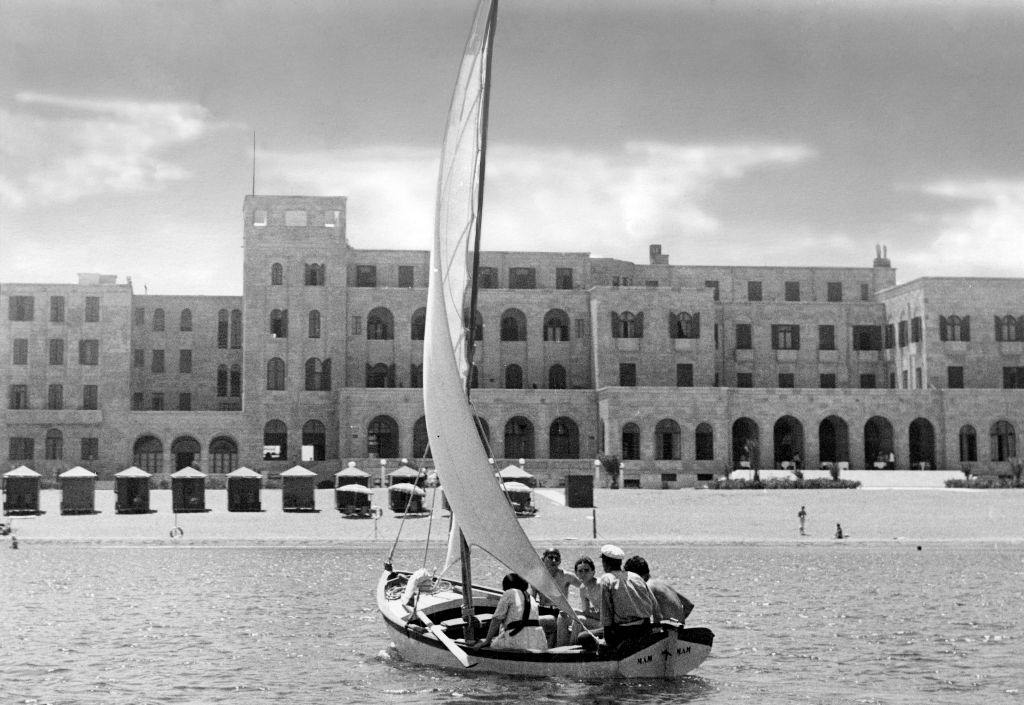
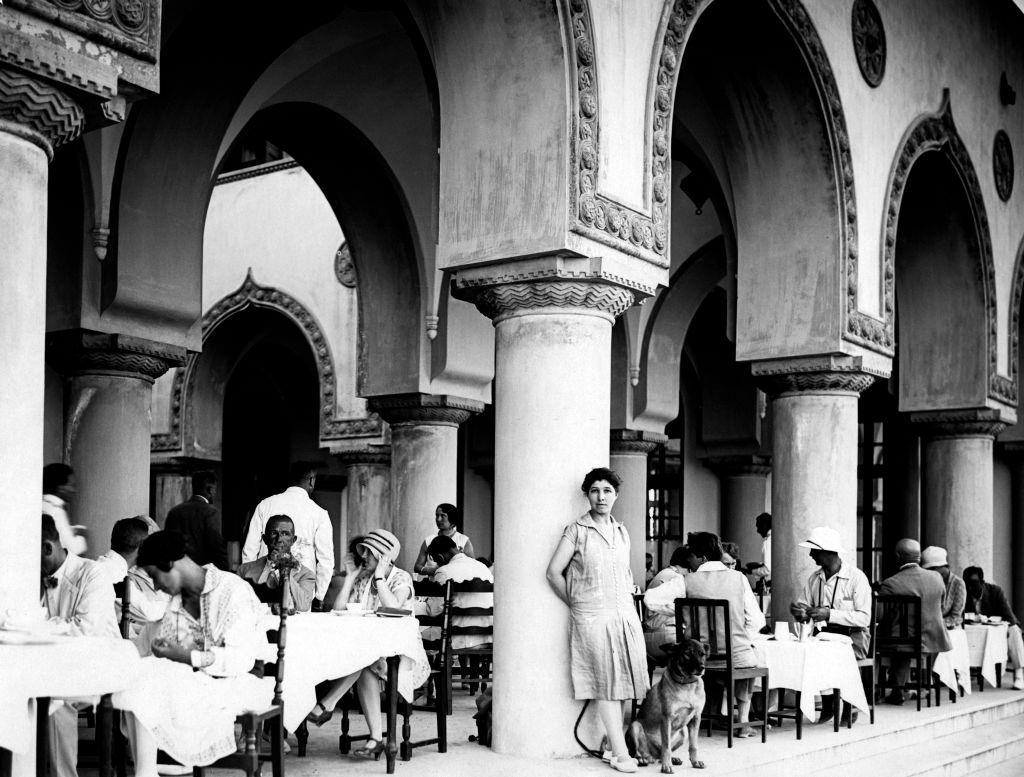
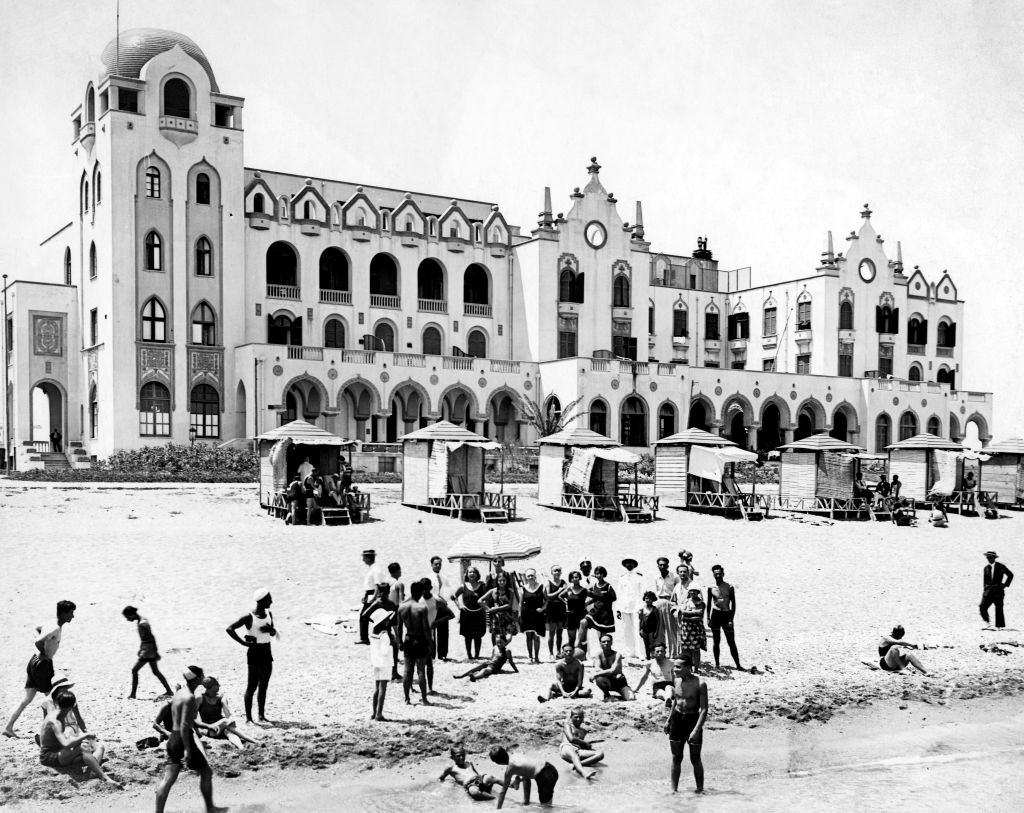
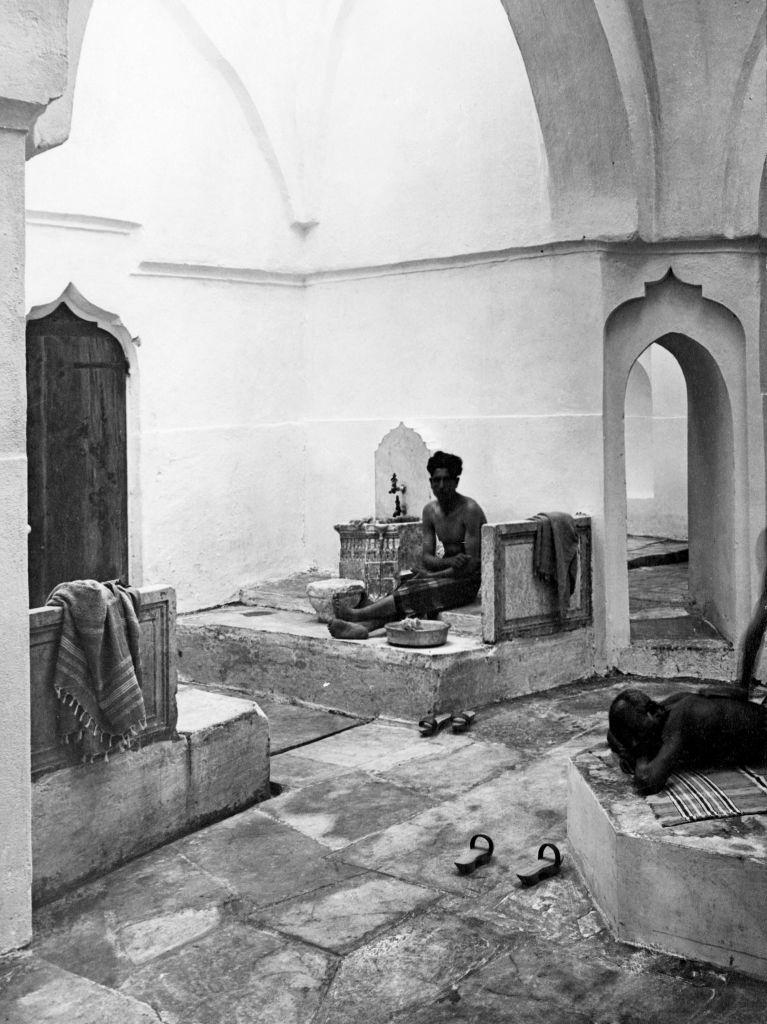
Throughout the 1920s, hotel life in Rhodes had a particular social quality. Tea time in a Rhodes hotel was a structured affair, drawing guests together in a shared space. The Turkish baths, a legacy of the Ottoman period, were also still in use — their interiors featuring arched ceilings, stone basins, and filtered light through small domed openings overhead.
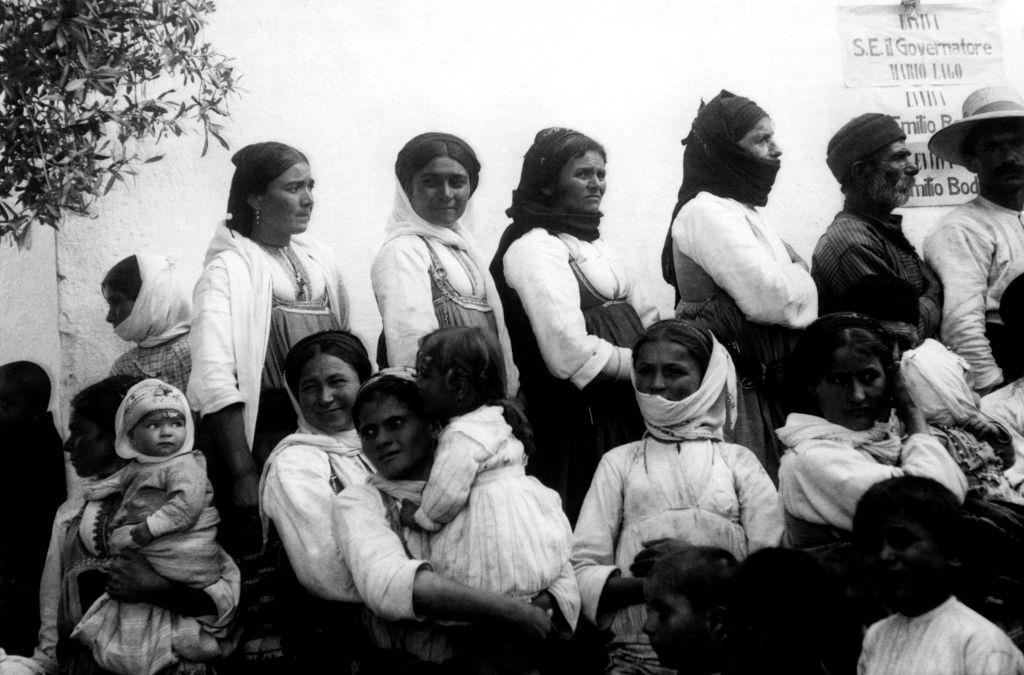
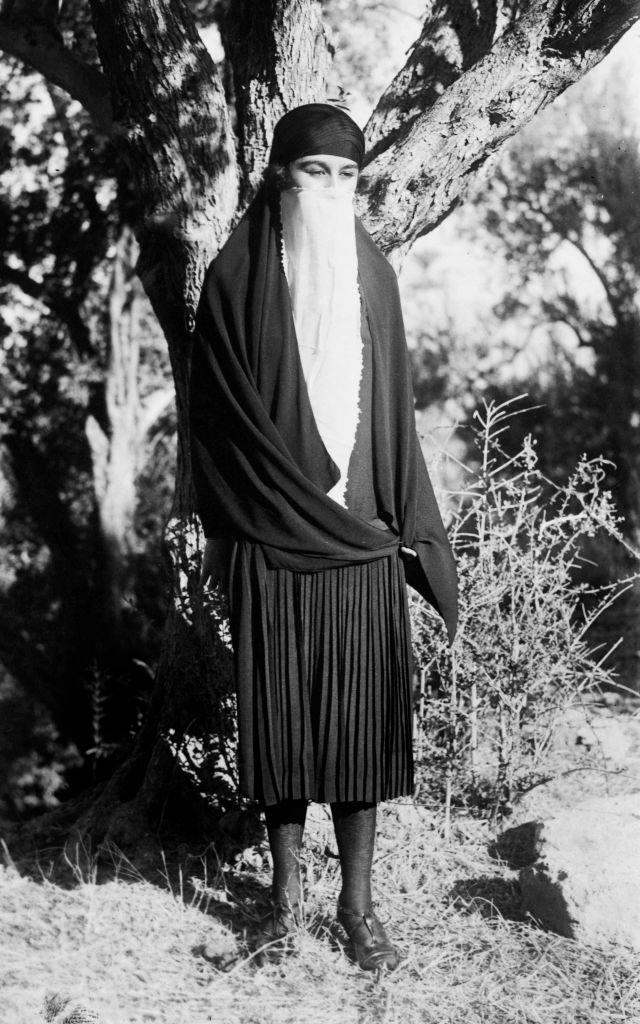
Away from the hotels and the harbor, rural life in Rhodes in the 1920s was rooted in agriculture. The island’s interior produced crops that fed local markets and supplied trade routes. Female farmers worked the land dressed in layered traditional clothing, their attire both practical and deeply regional. These photographs document clothing styles and daily routines that were already beginning to change under Italian administration.
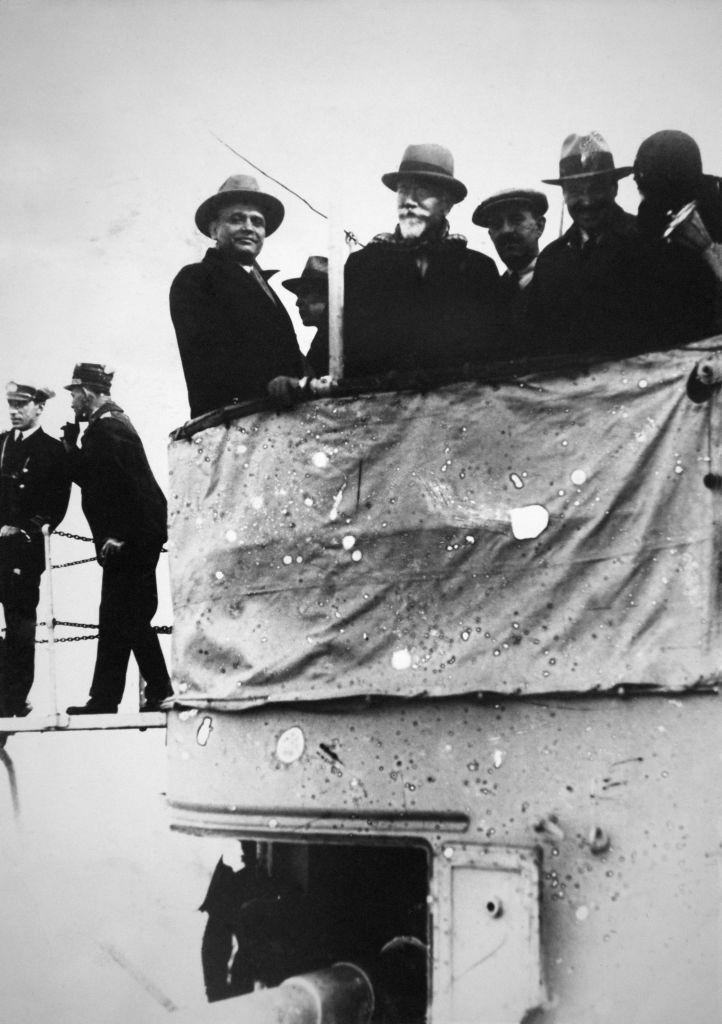
In 1930, Eleftherios Venizelos — one of Greece’s most prominent statesmen — visited Rhodes aboard the cruiser Averoff. The visit carried symbolic weight. Rhodes was under Italian control, and the Greek community on the island maintained a strong national identity despite foreign administration. Venizelos’s presence on the ship’s deck in the harbor of Rhodes was a statement as much as a visit.
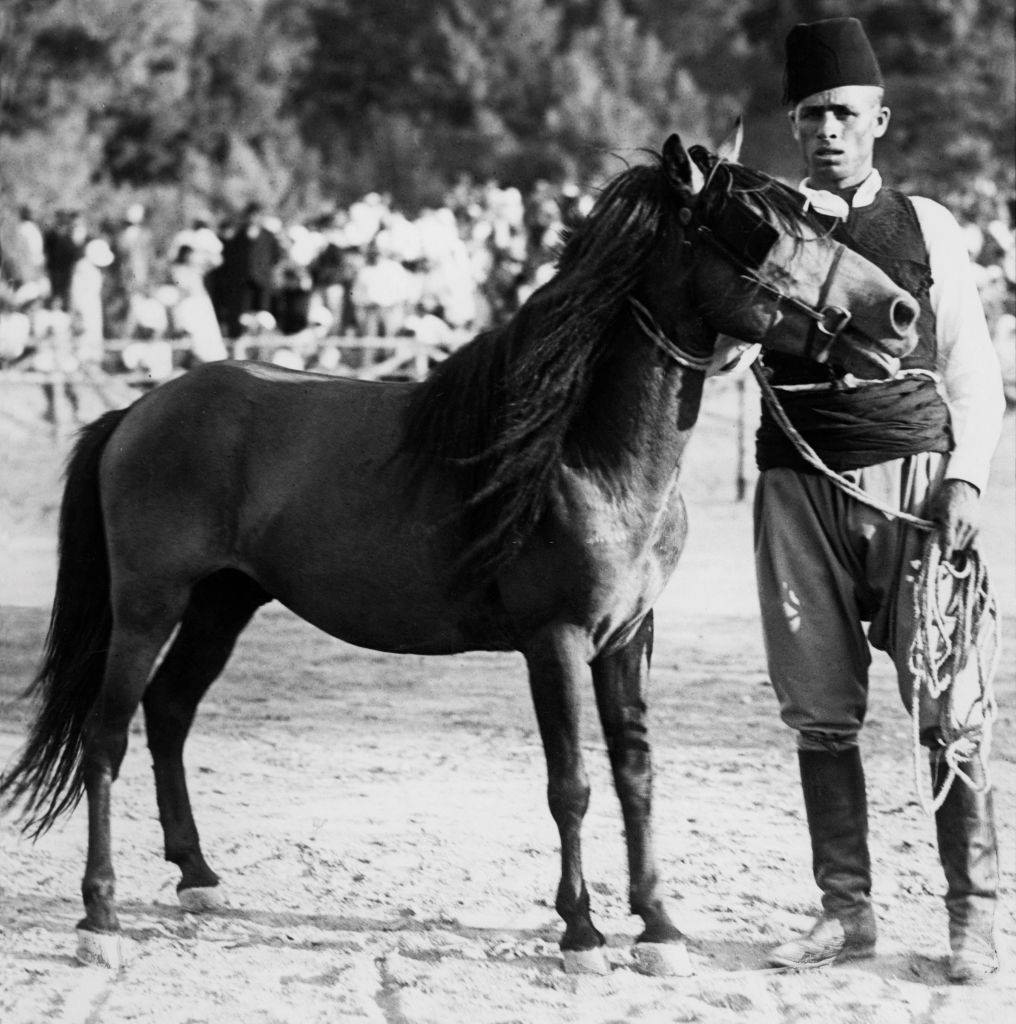
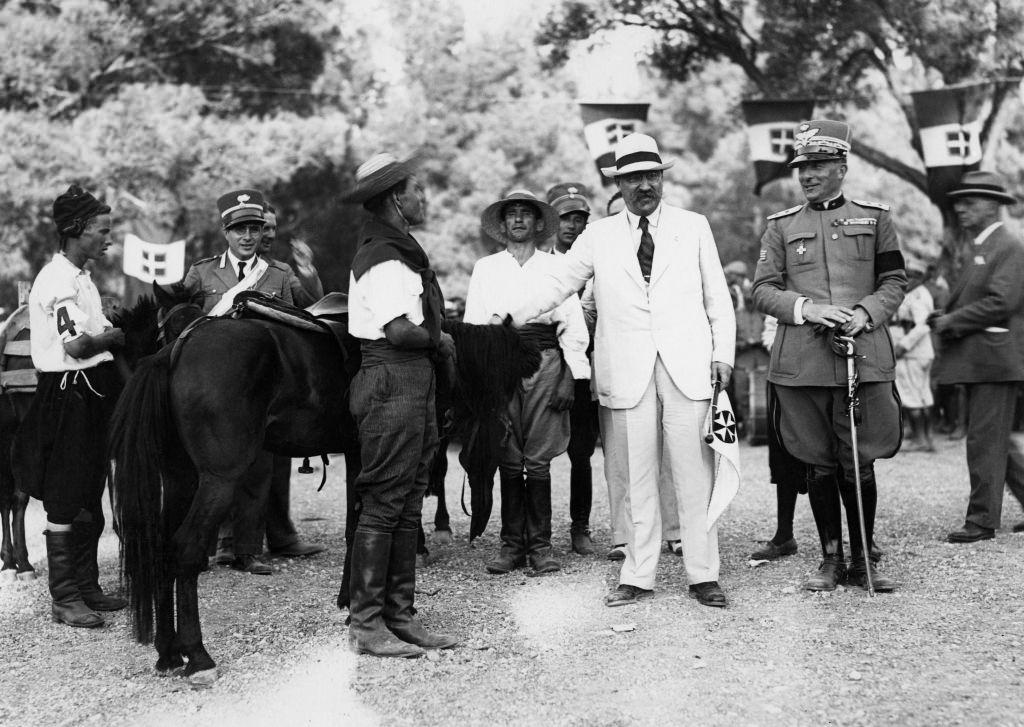
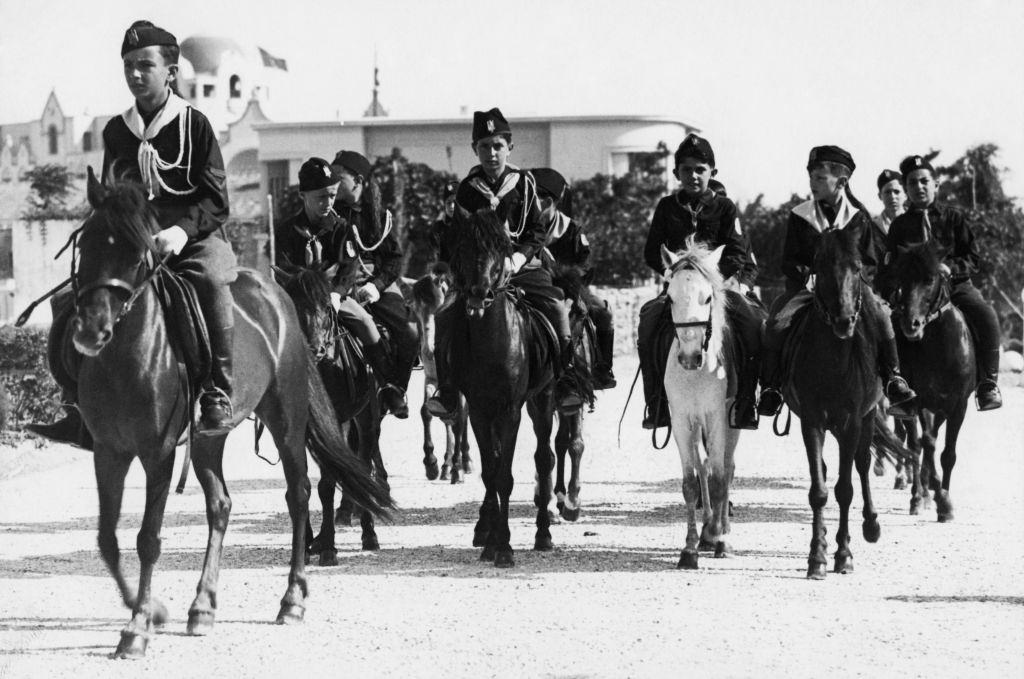
The mid-1930s saw a mix of Italian colonial influence and local tradition playing out in public life. Equestrian competitions were held on the island, with Italian officials presiding over award ceremonies. The Balilla — the Italian Fascist youth organization — had a visible presence in Rhodes by this period, including mounted members participating in public events.
By the late 1930s, Rhodes had a settled urban rhythm. Cafés operated along the streets, and the harbor saw steady traffic. The Street of Knights — the famous cobblestoned avenue built by the Hospitallers — ran through the old city largely unchanged from centuries past. The mosque photographed in 1937 was one of several built during the Ottoman period that remained standing and in use.
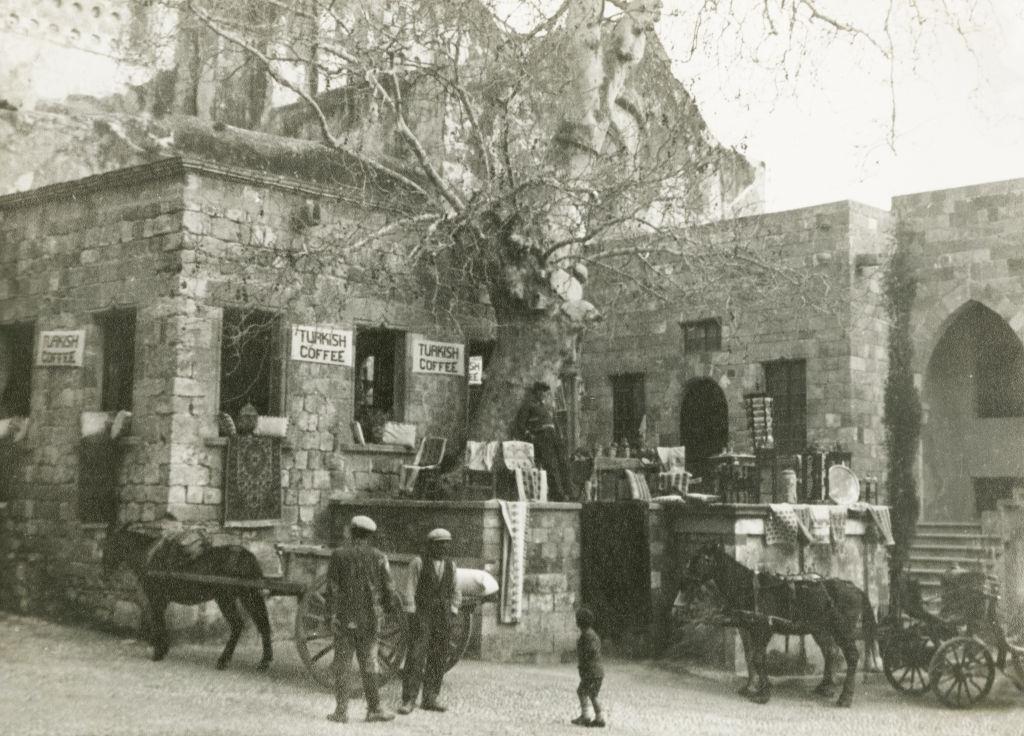
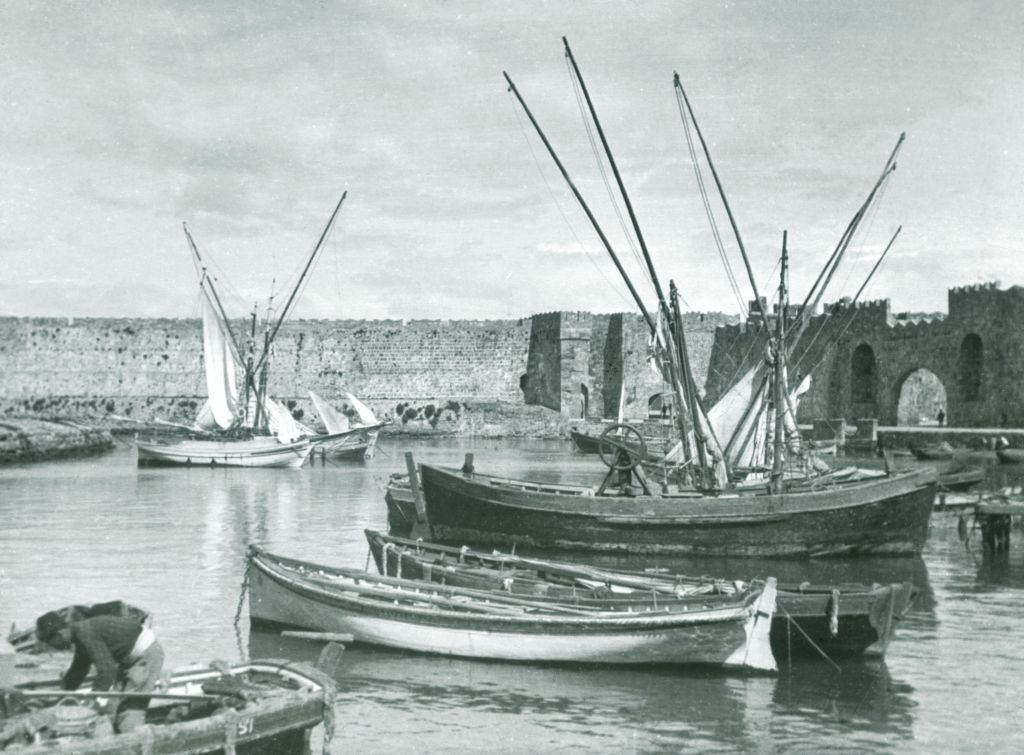
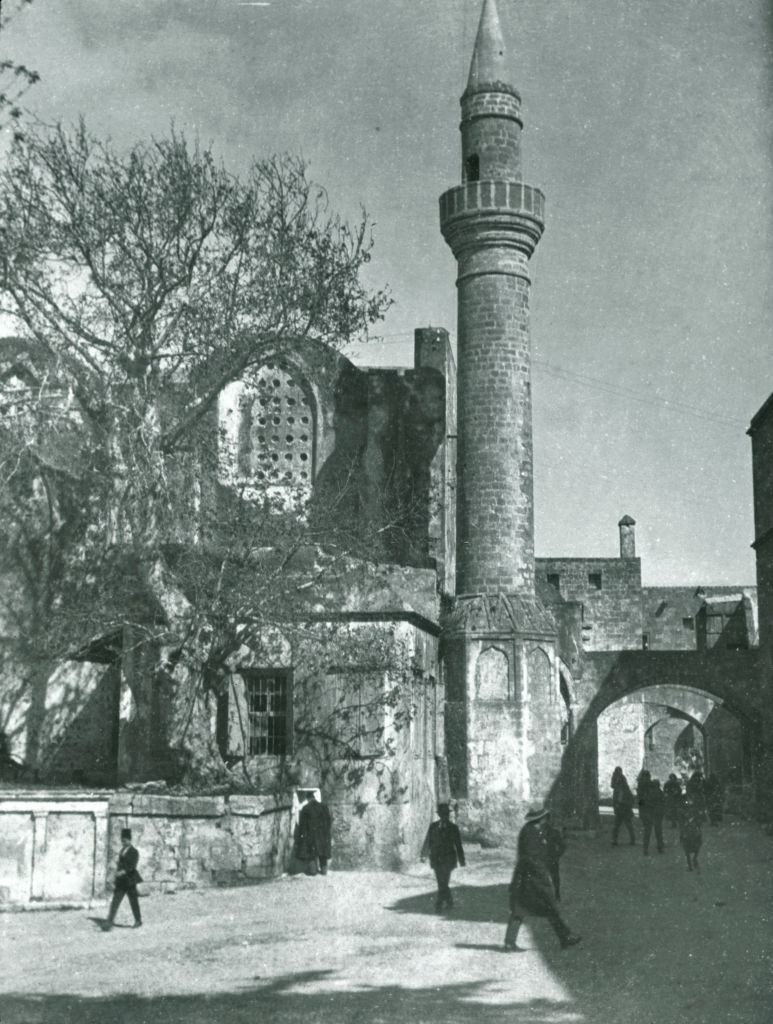
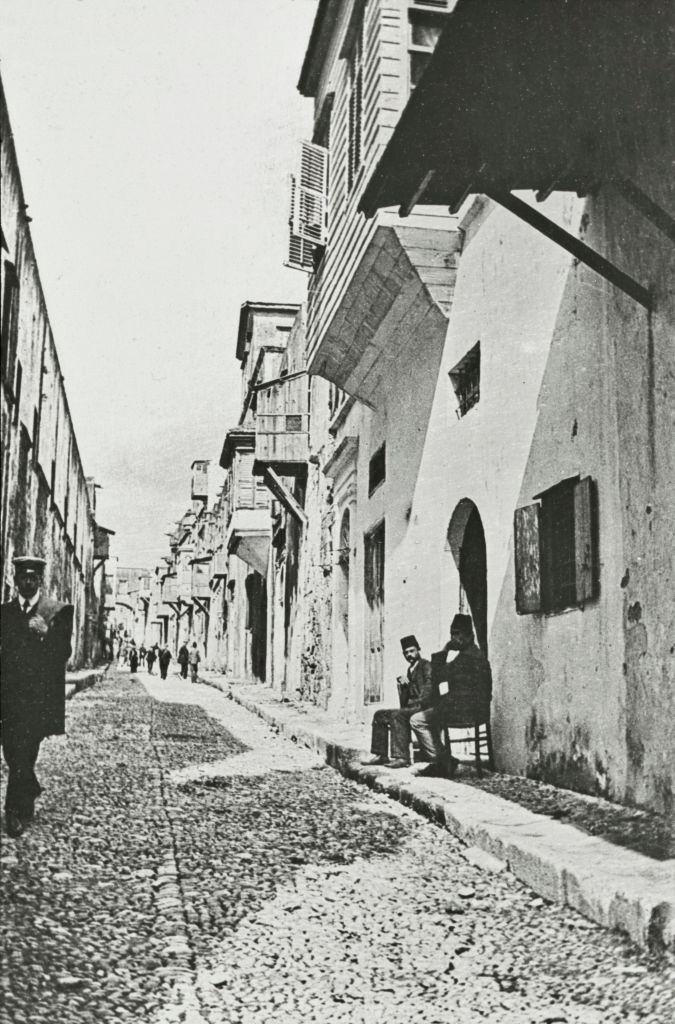
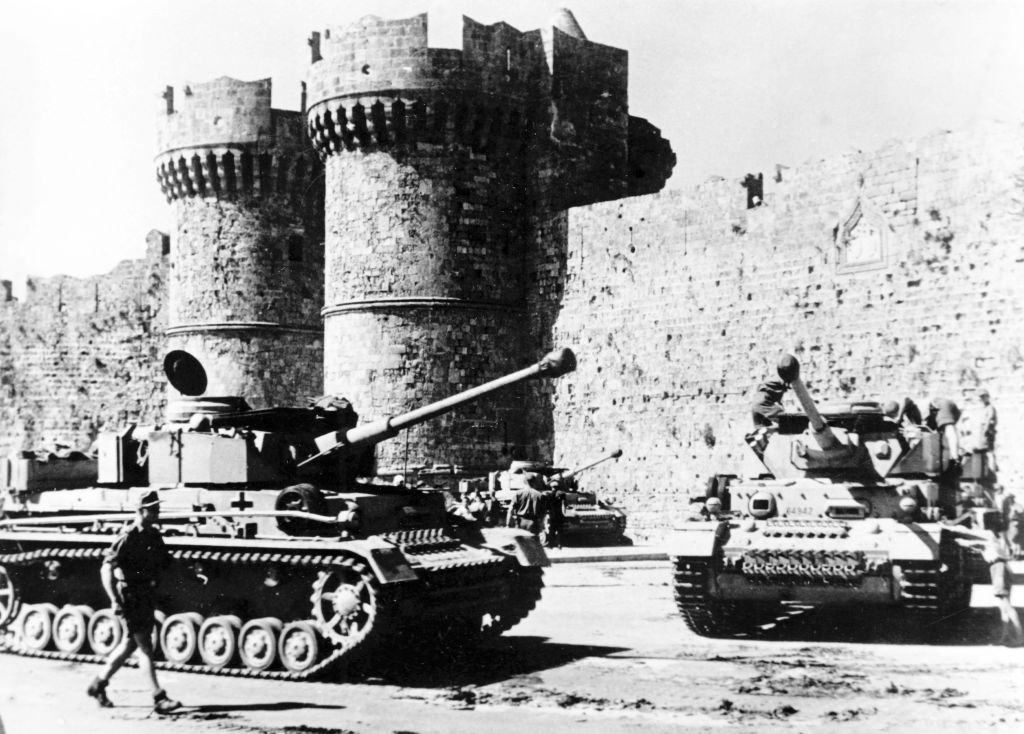
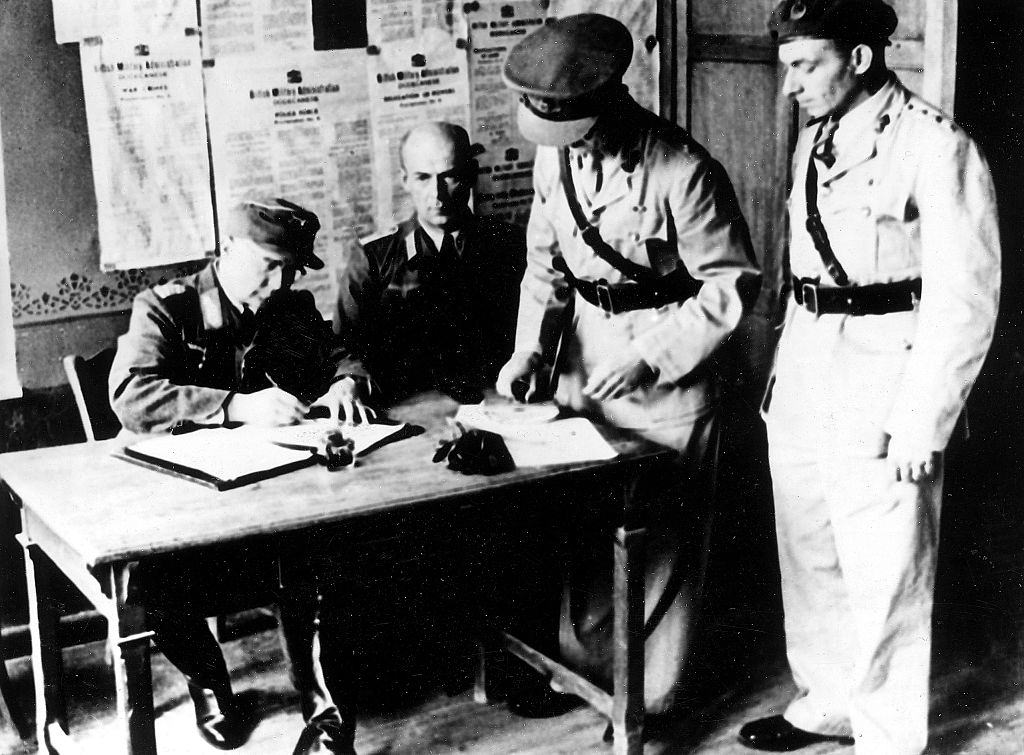
World War II reached Rhodes in 1943. Germany occupied the island following Italy’s armistice with the Allies, and German troops moved through the city’s streets and fortifications. The occupation ended in May 1945 when Major General Wagner surrendered the German forces on Rhodes to the Allies — one of the final German surrenders in the European theater.
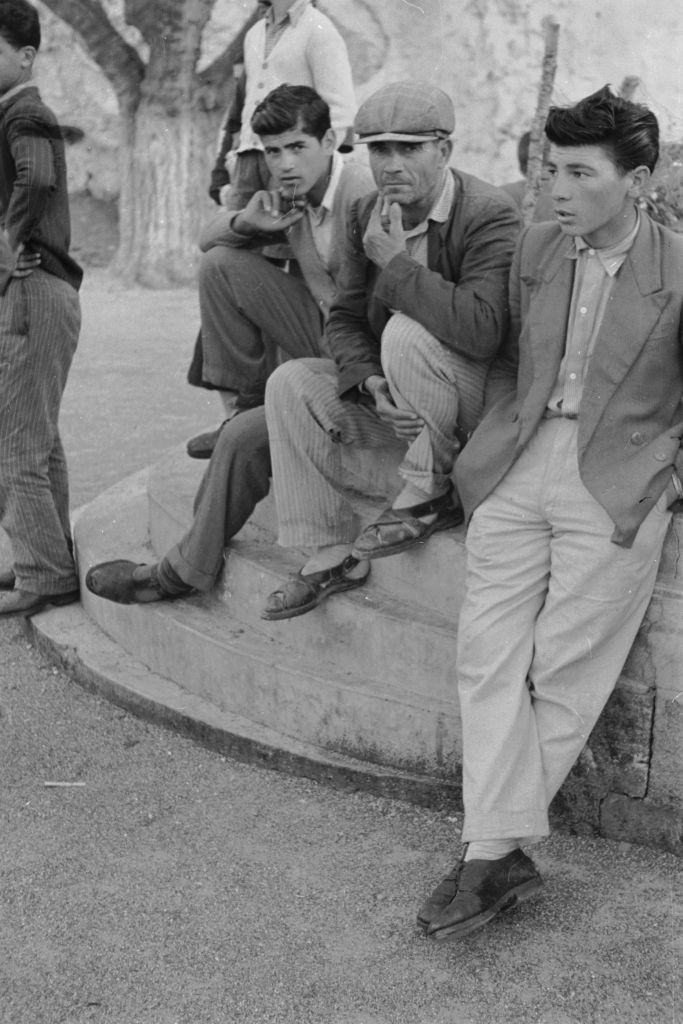
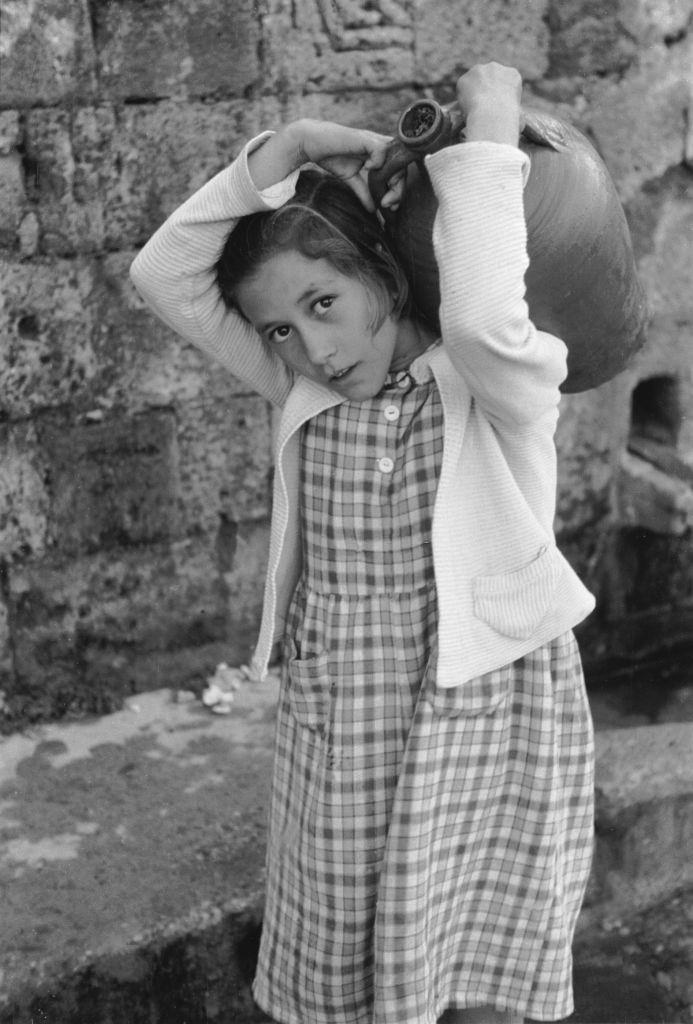
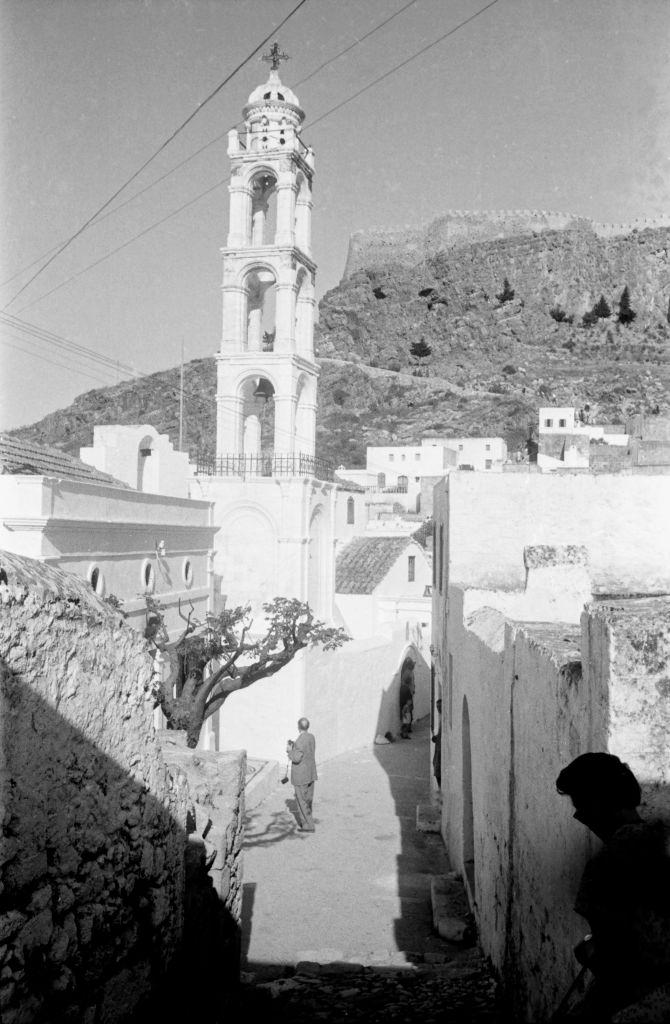
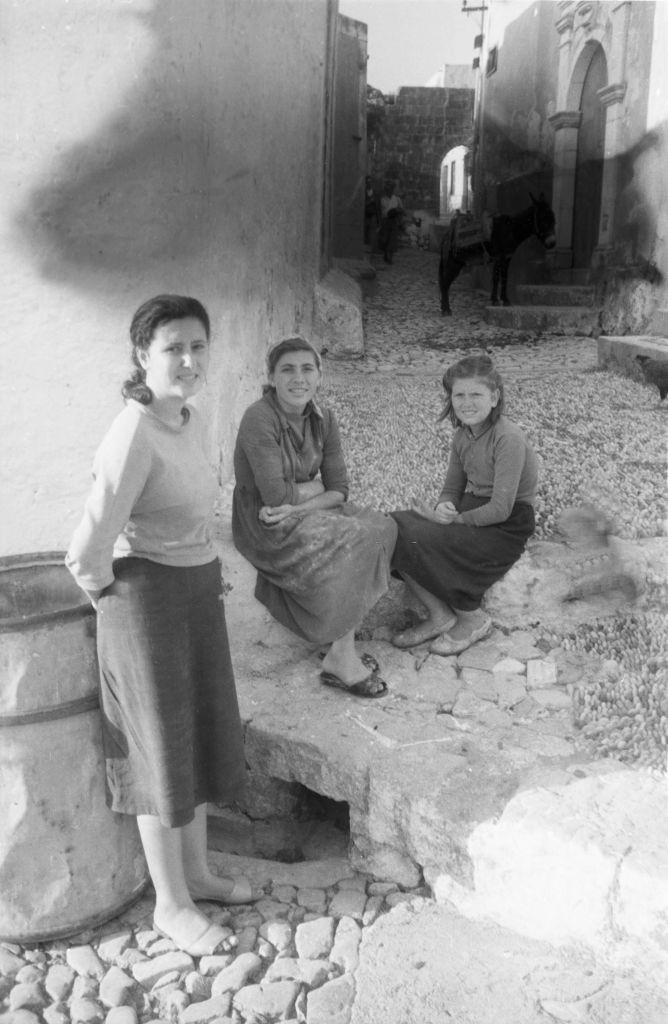
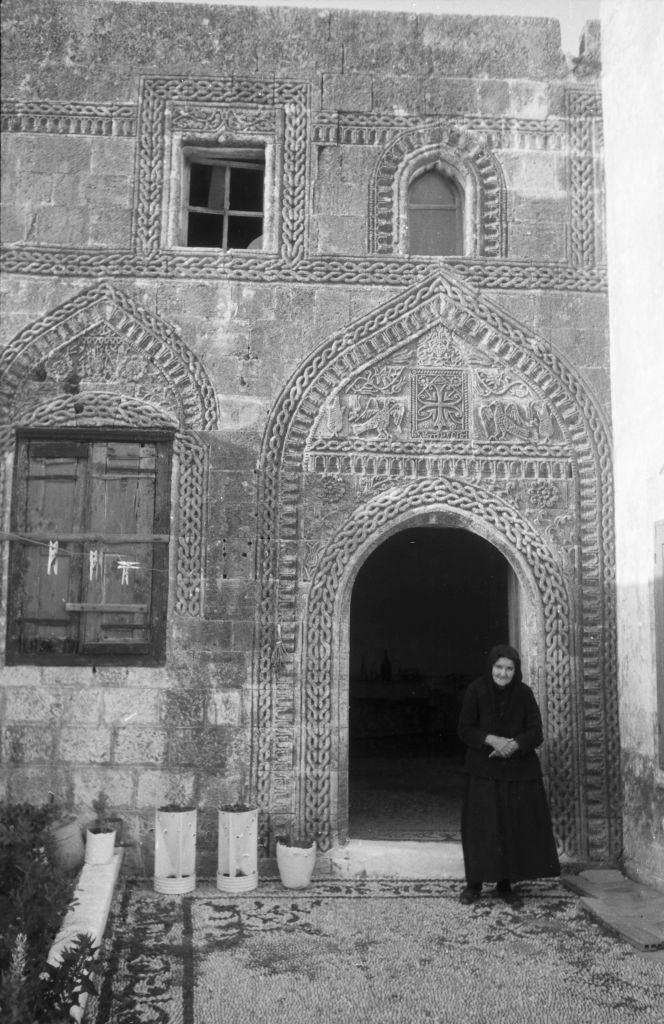
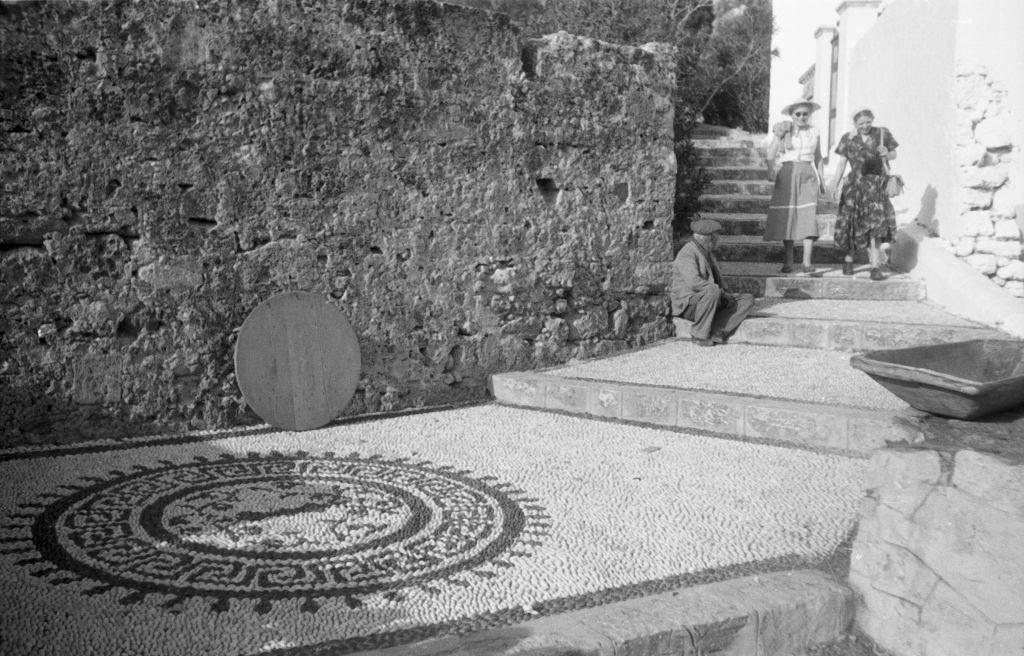
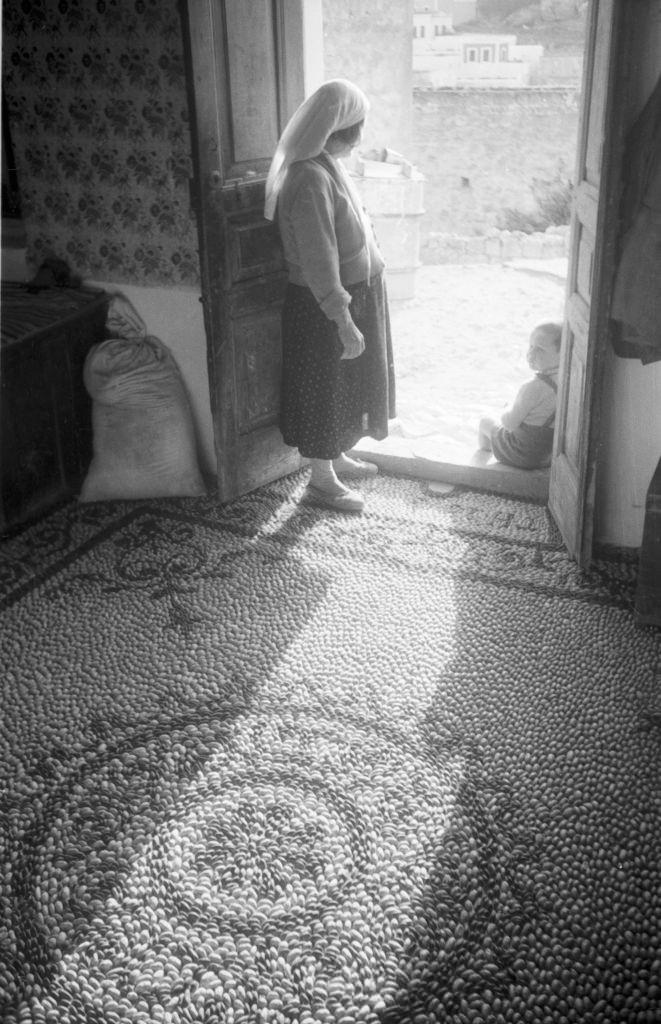
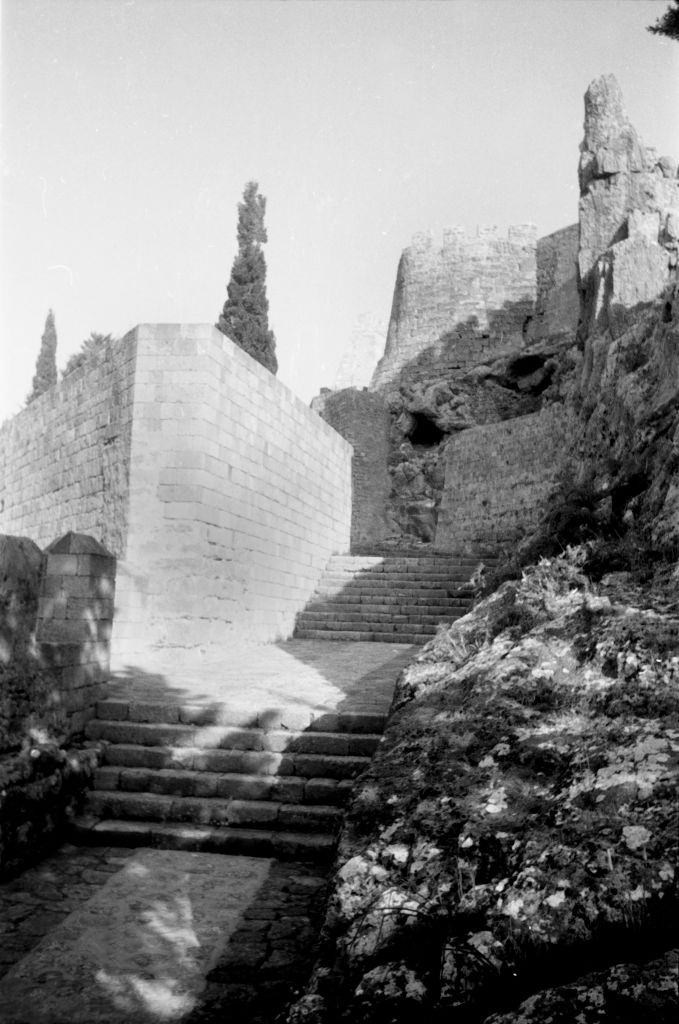
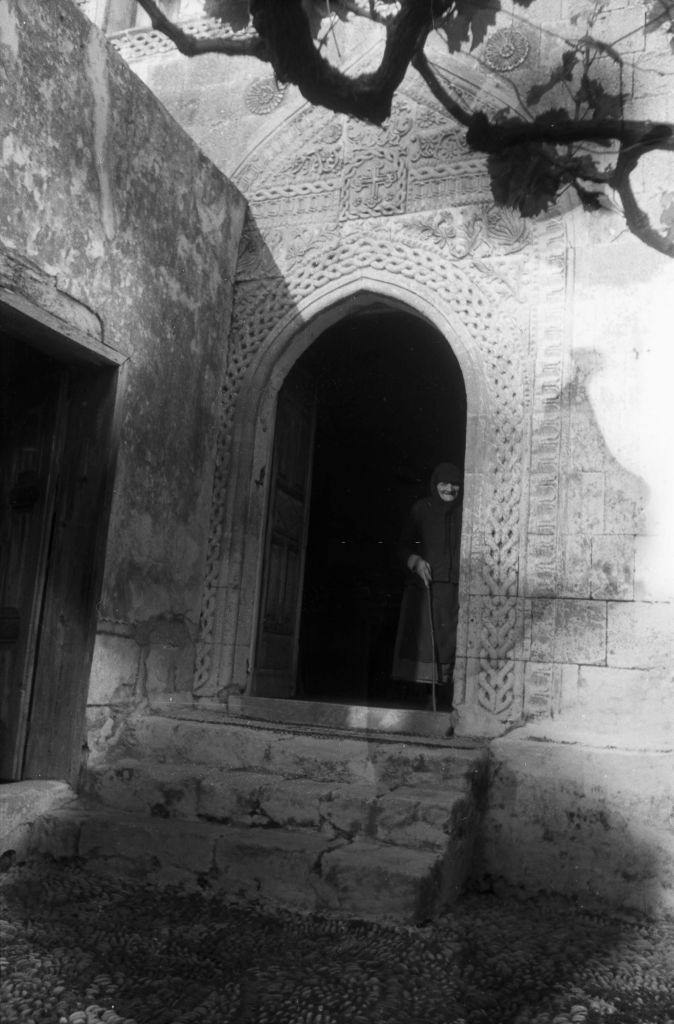
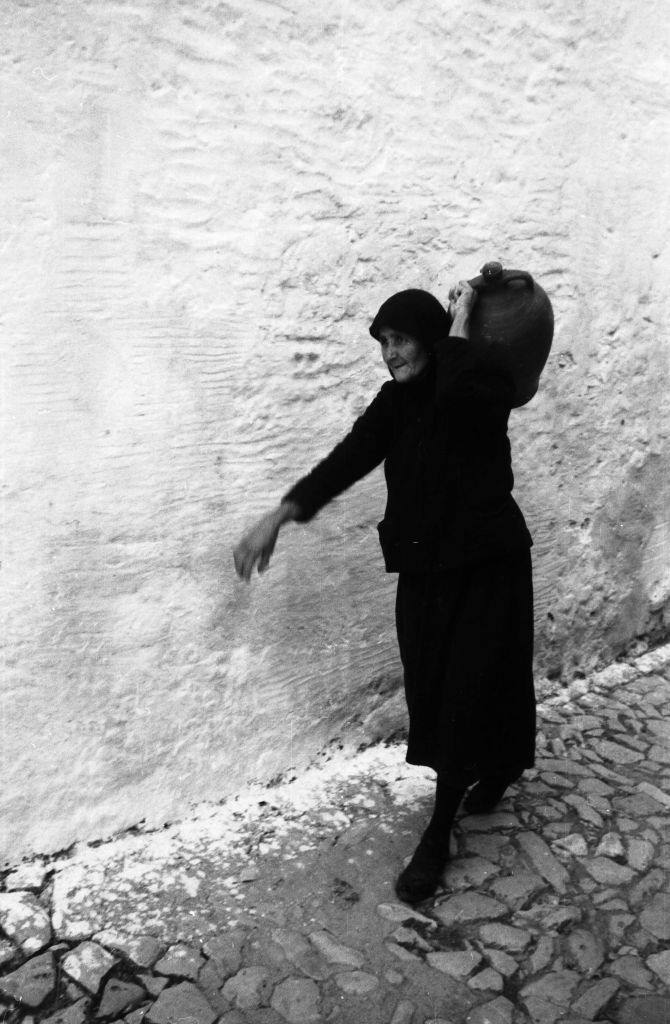
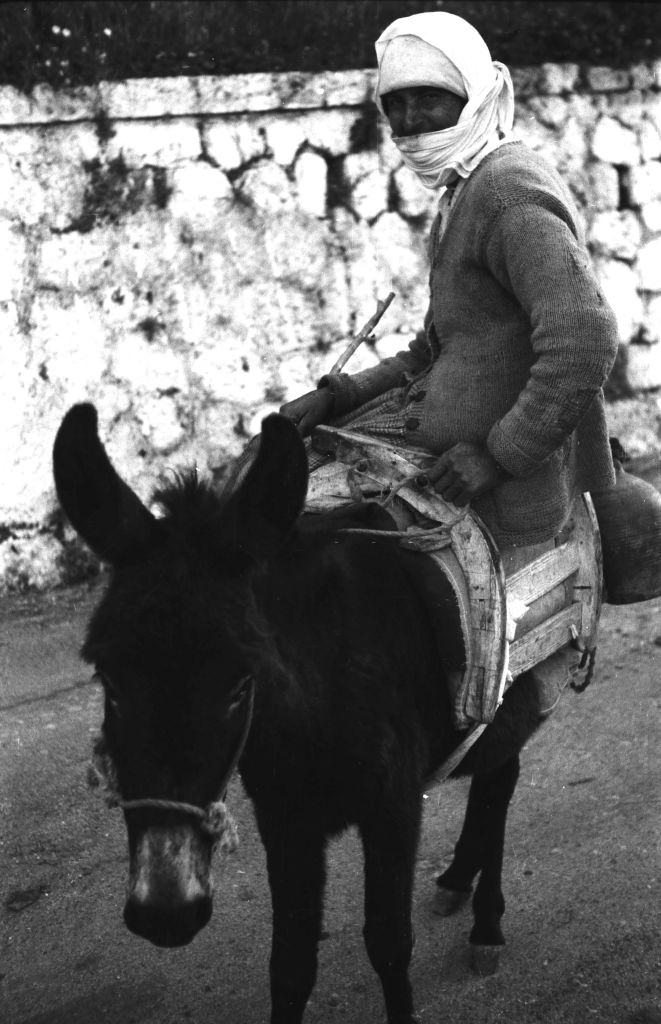
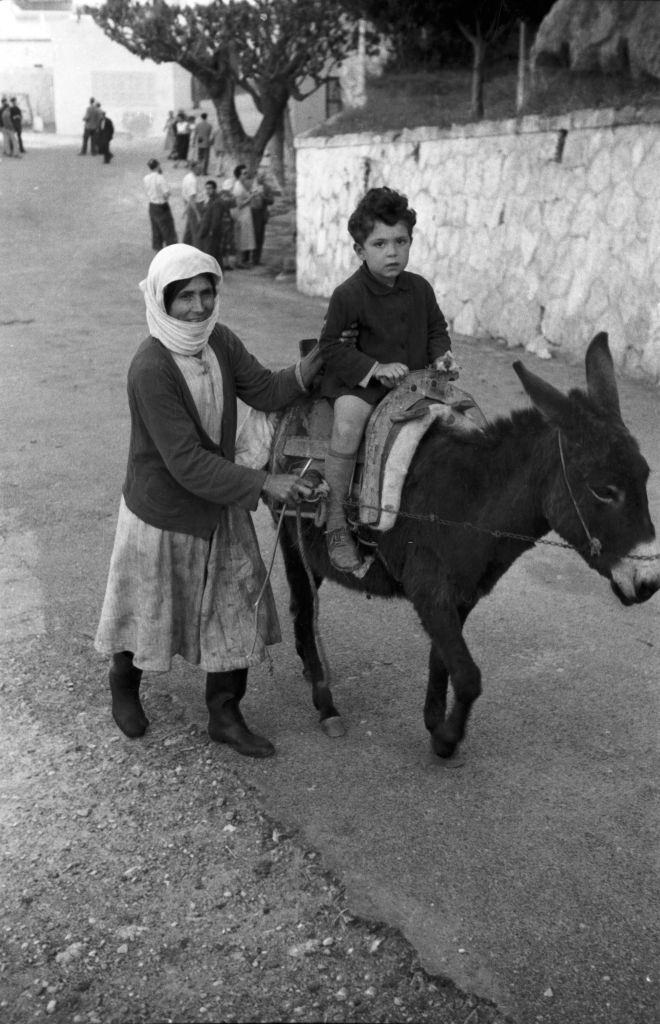
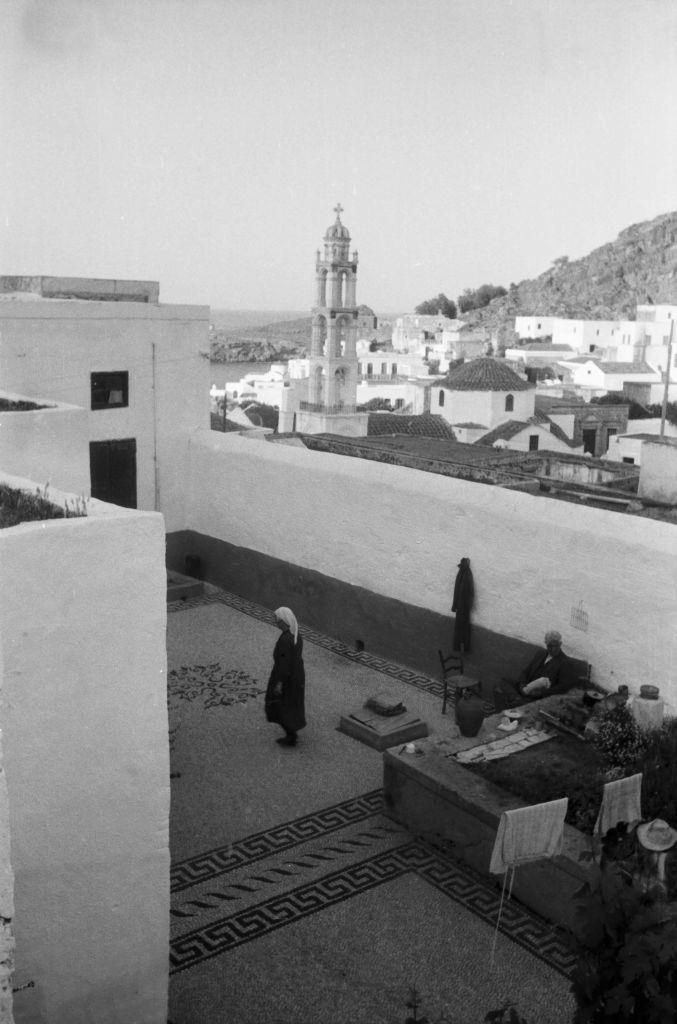
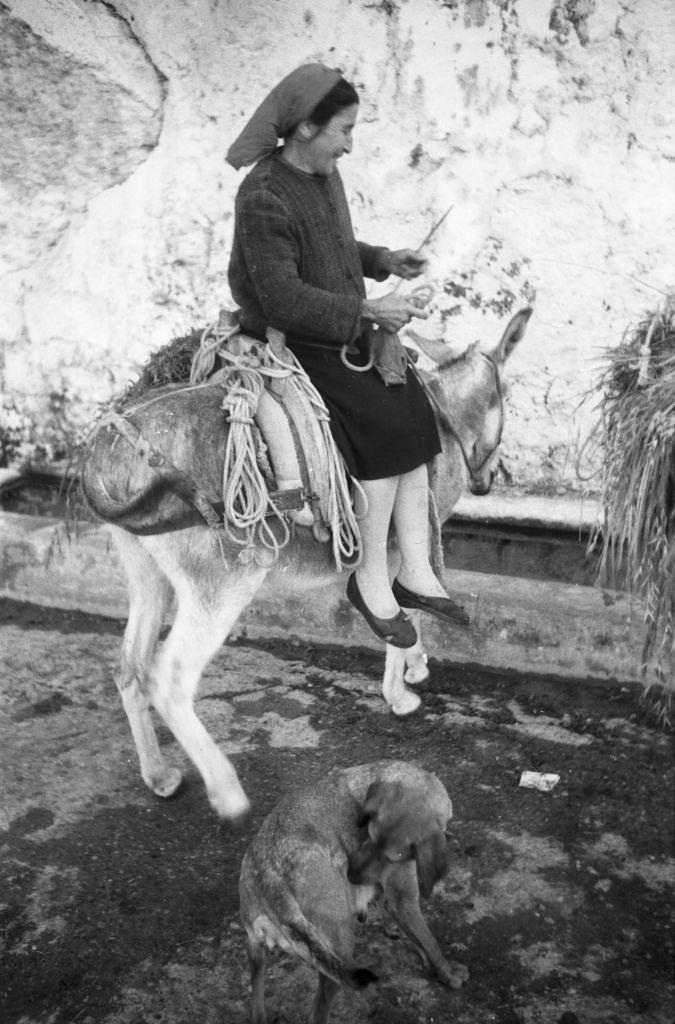
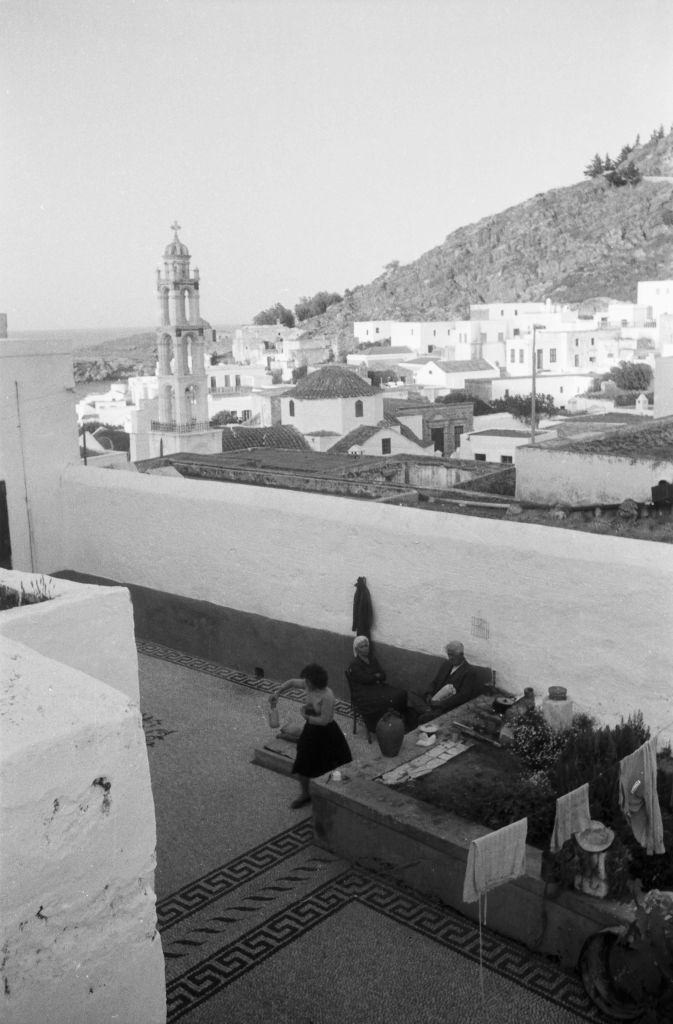
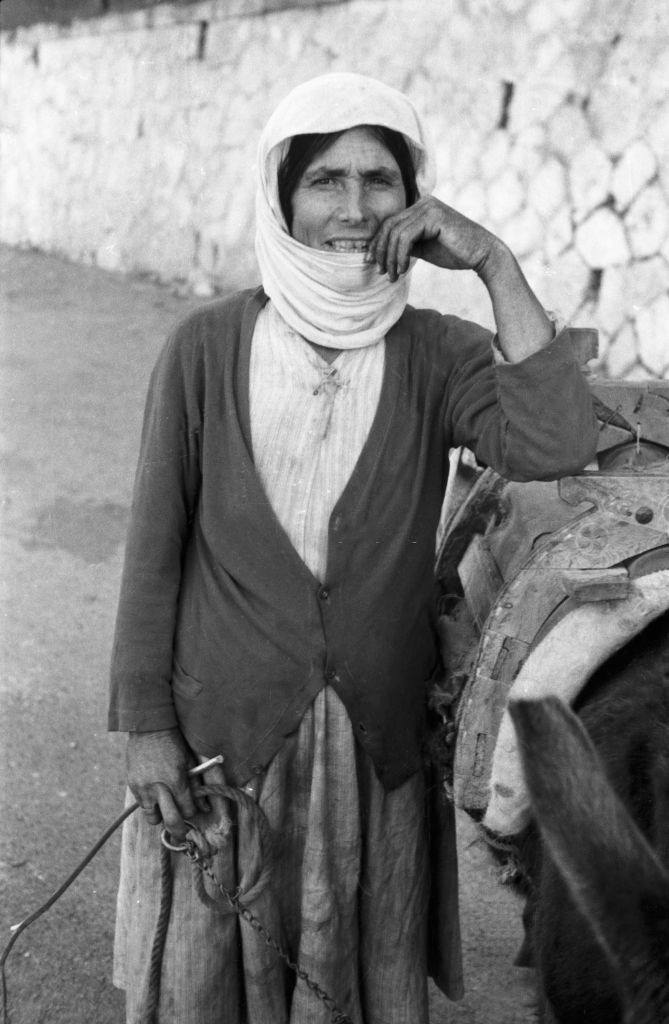
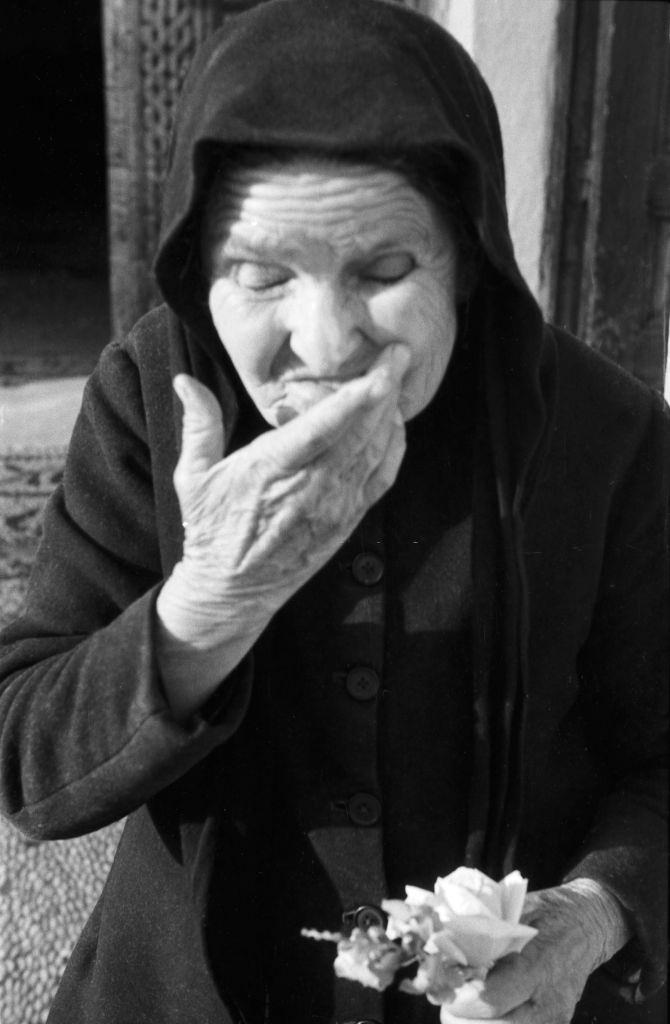
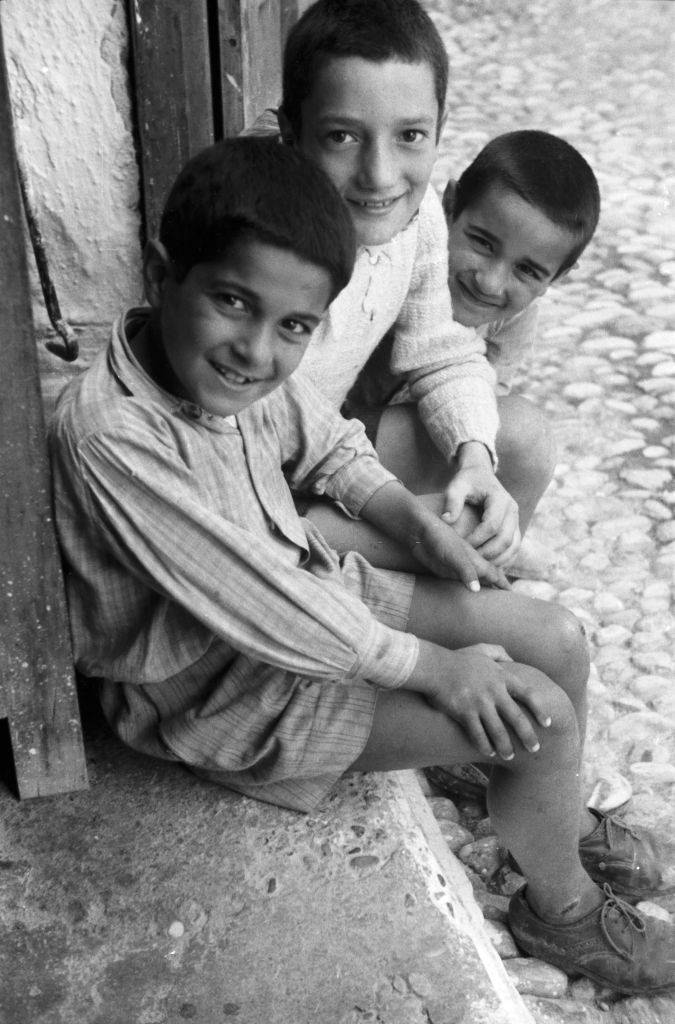
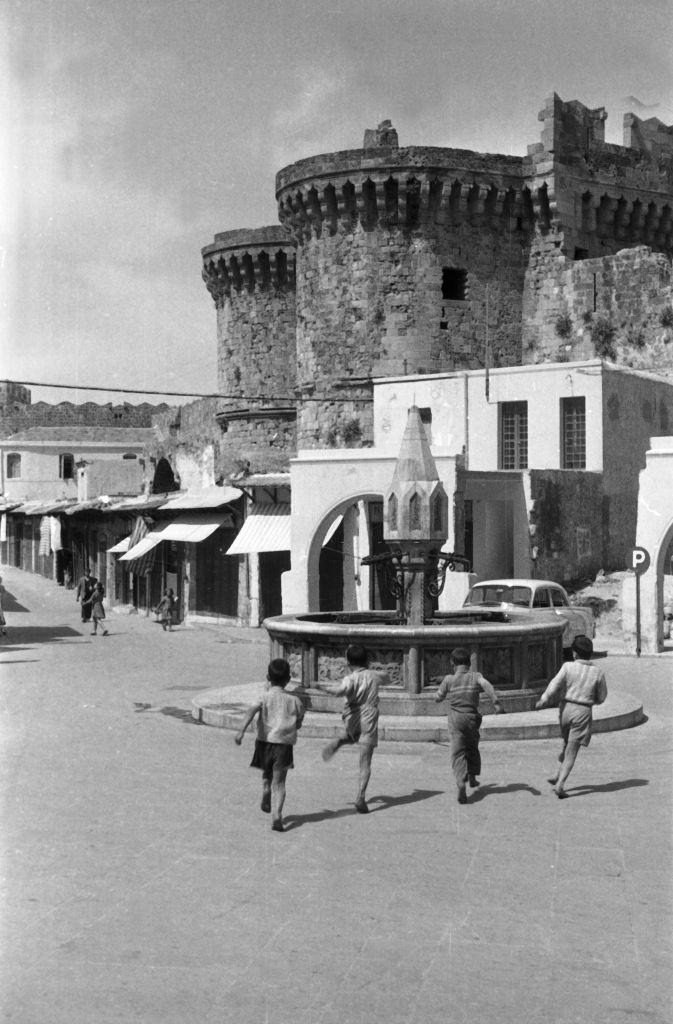
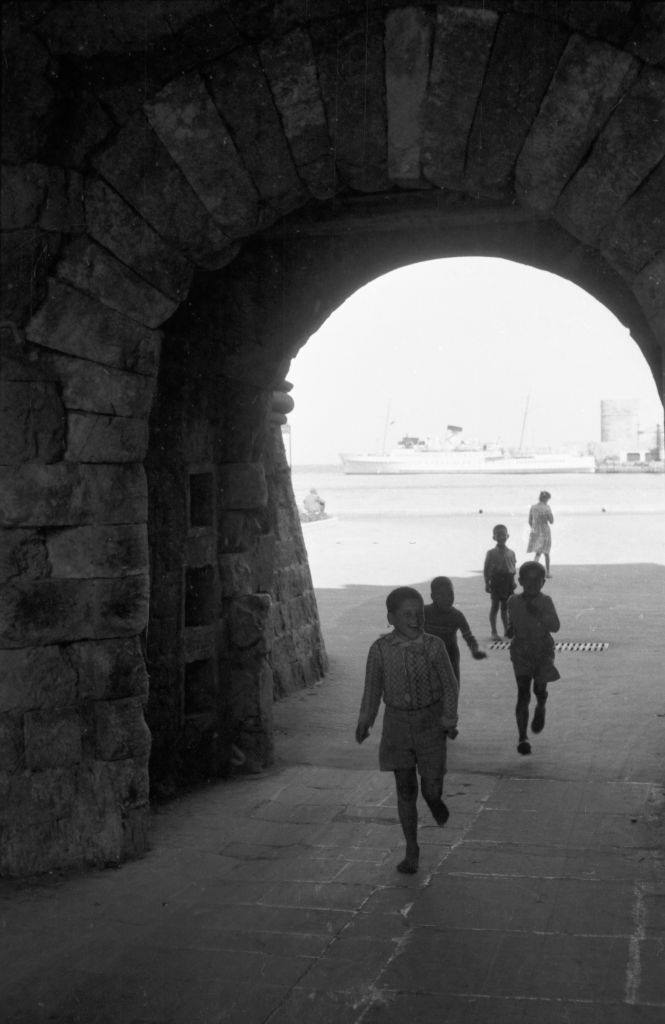
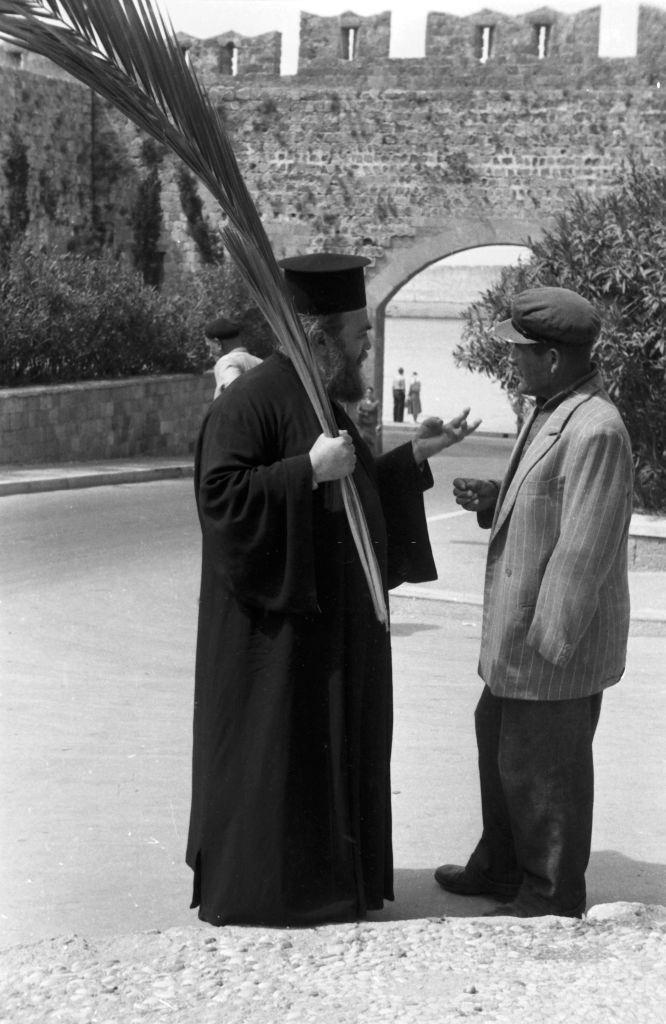
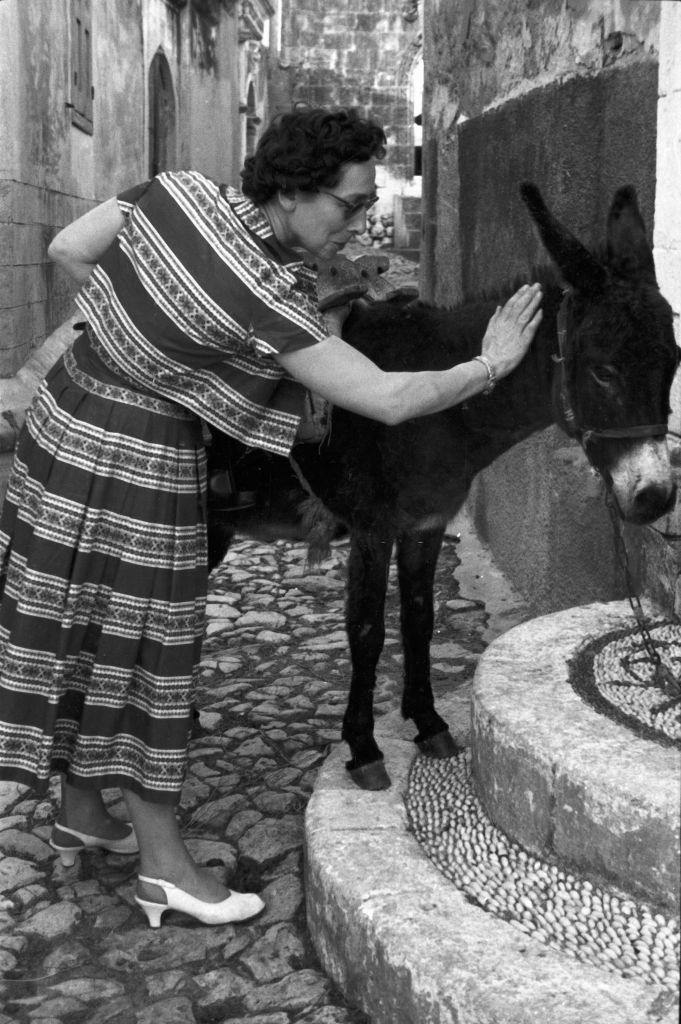
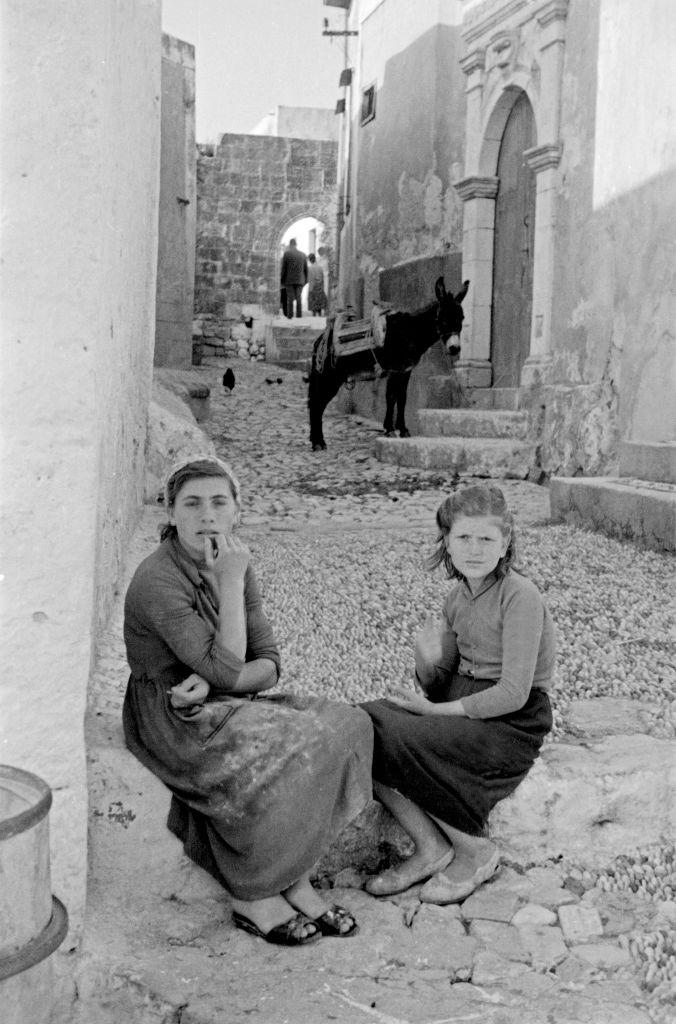
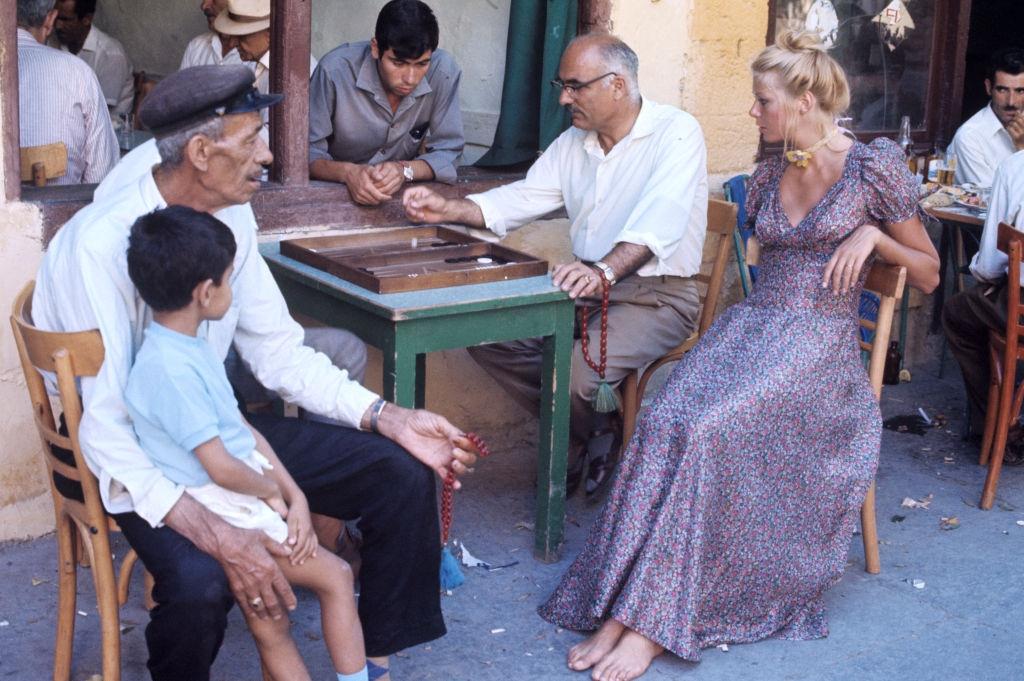
After the war, Rhodes was unified with Greece in 1947. The 1950s brought a quieter chapter — one captured extensively by photographers drawn to the island’s textures and its people. Men gathered in shaded spots to talk. Children chased each other through city gates and toward fountains. Women carried jugs through the narrow alleys of Lindos. Donkeys remained a fixture of daily movement.
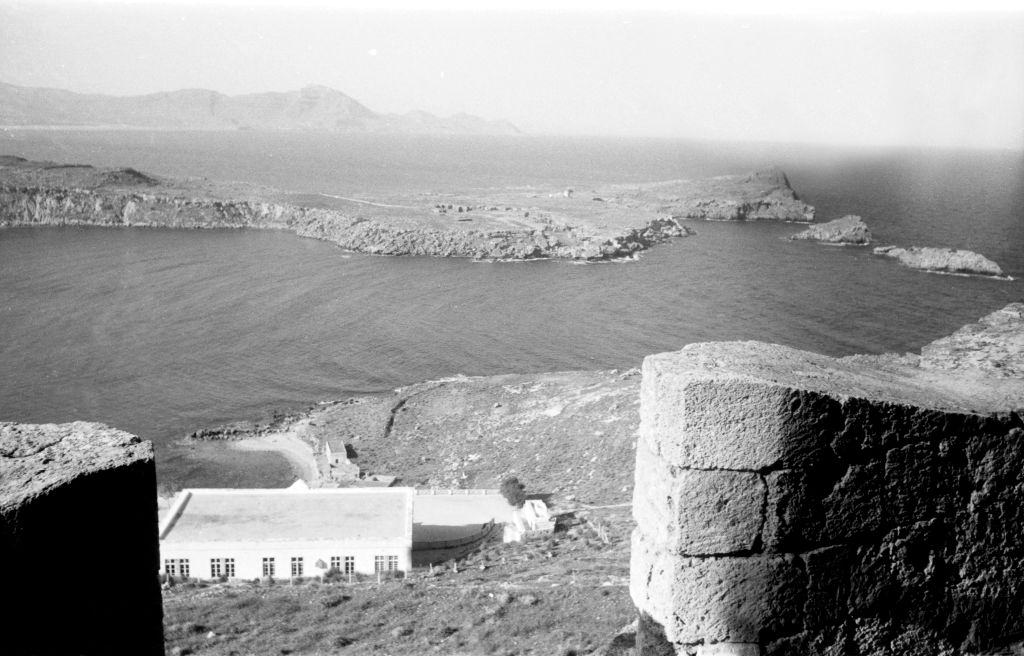
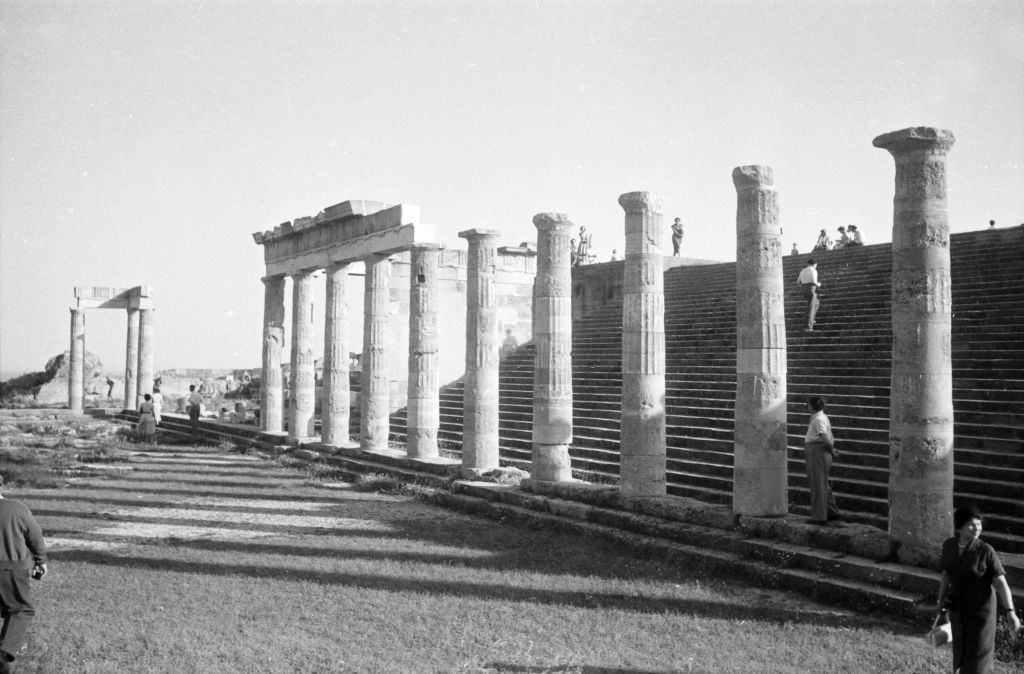
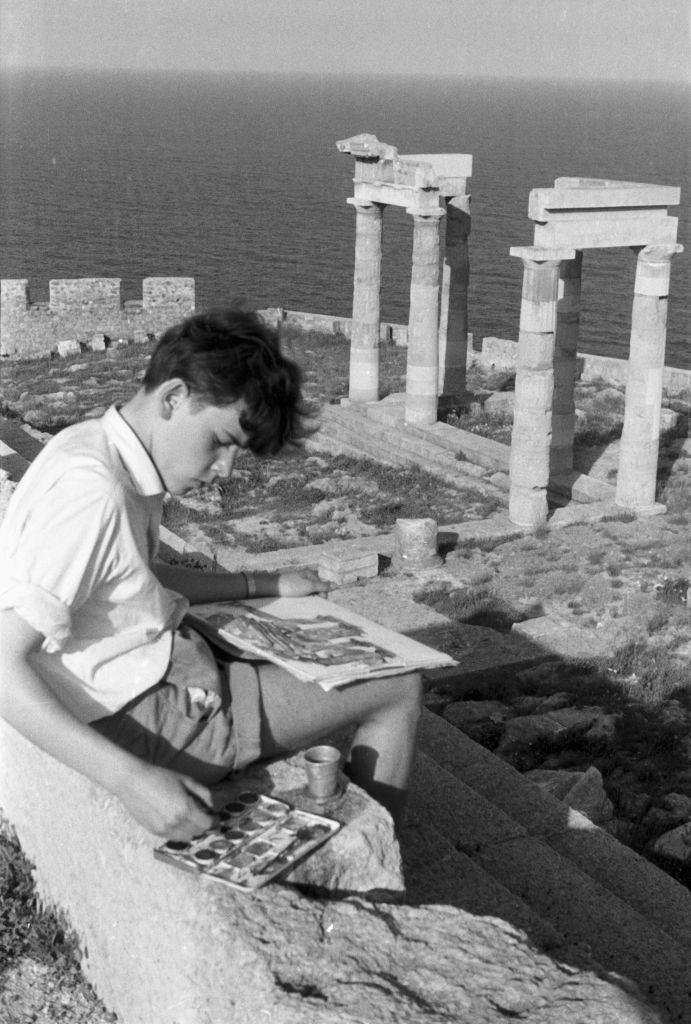
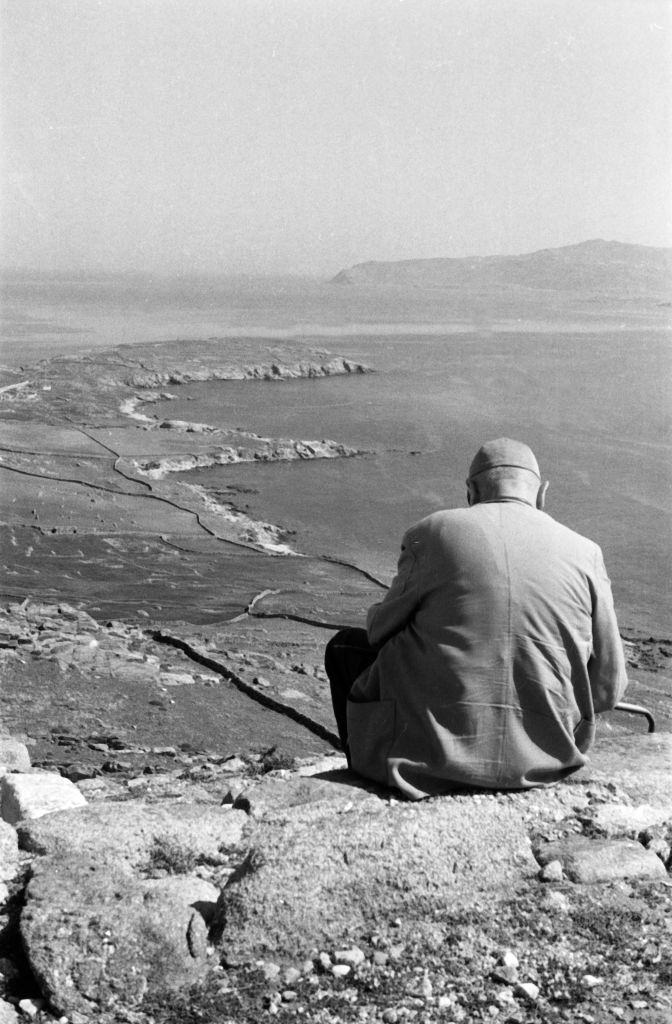
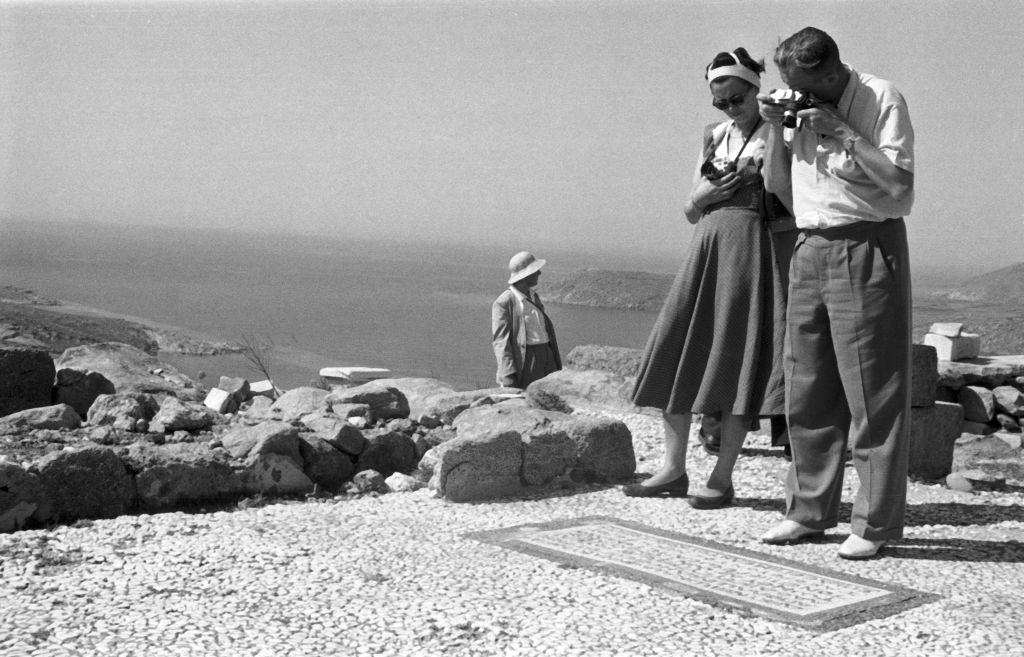
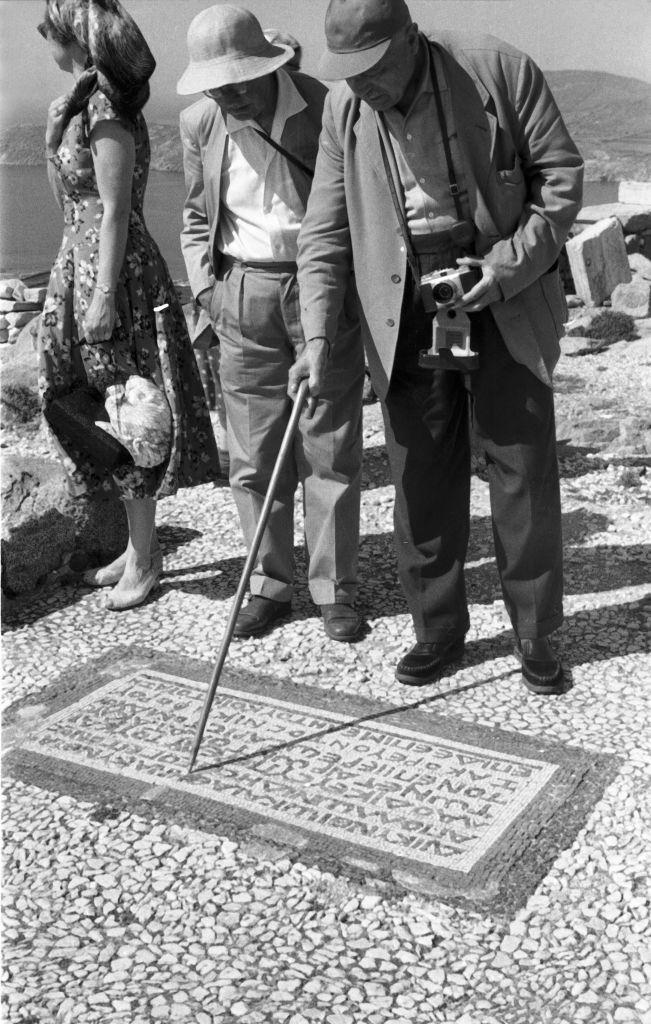
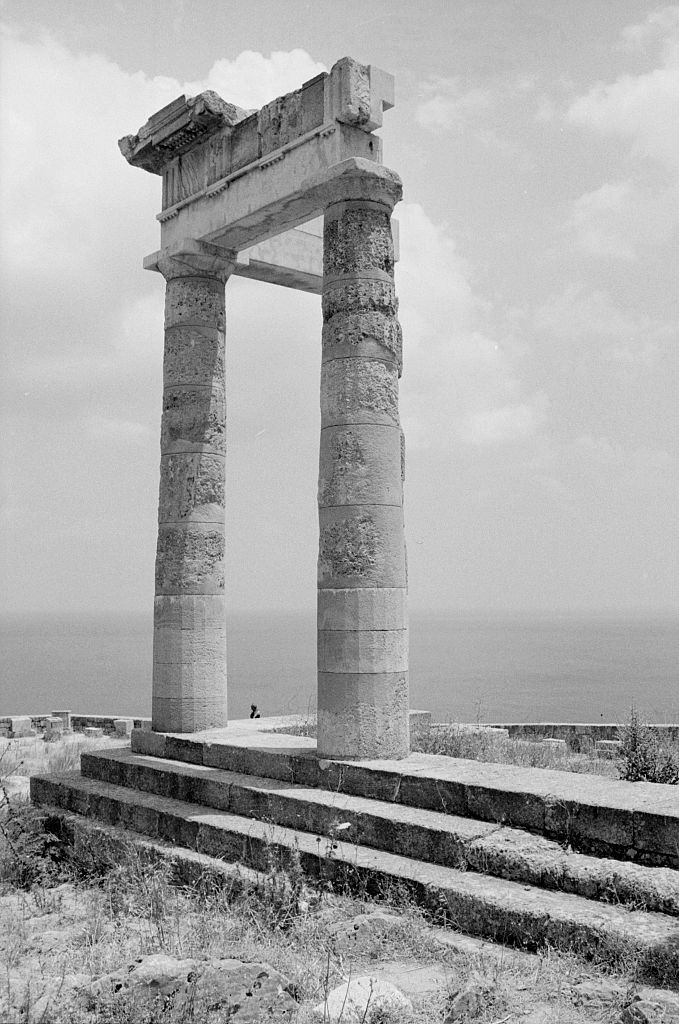
The ancient ruins at Ialyssos, one of the three original city-states of Rhodes, drew both tourists and artists in the 1950s. The temple complex sat above the sea, and visitors photographed mosaic inscriptions on its floors while others simply sat at the edge and looked out toward the neighboring islands. A young artist set up to paint the ruins — a scene that captured the growing awareness that Rhodes was becoming a cultural destination.
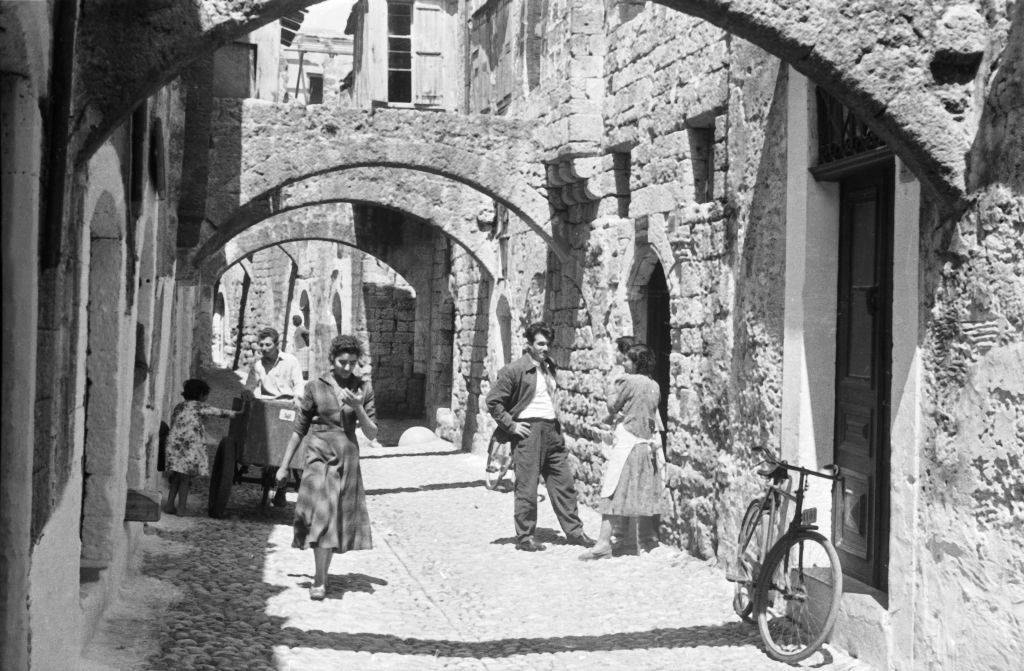
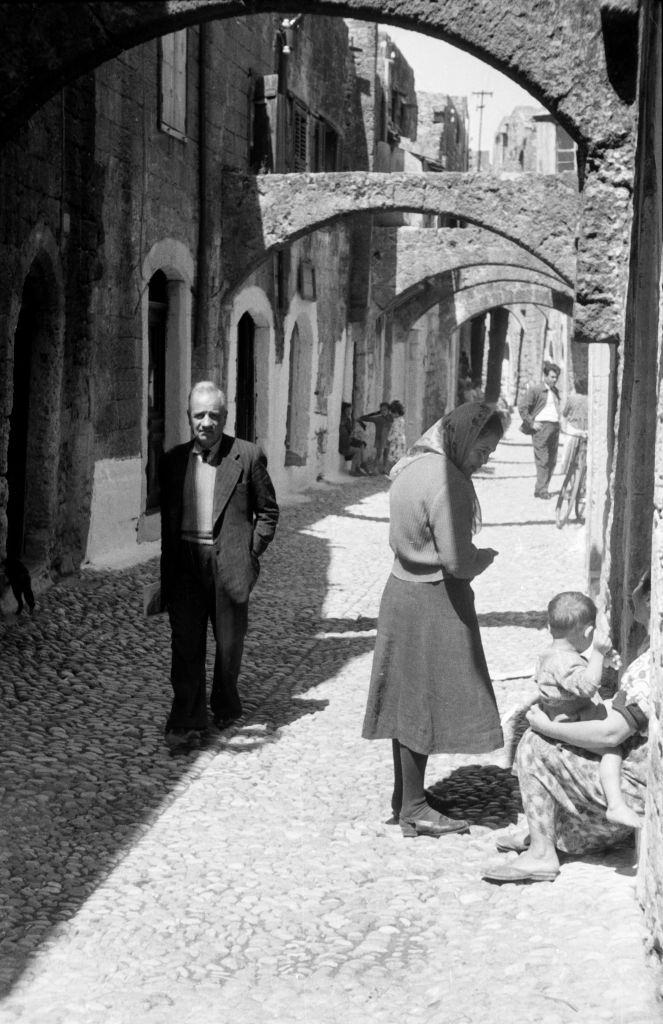
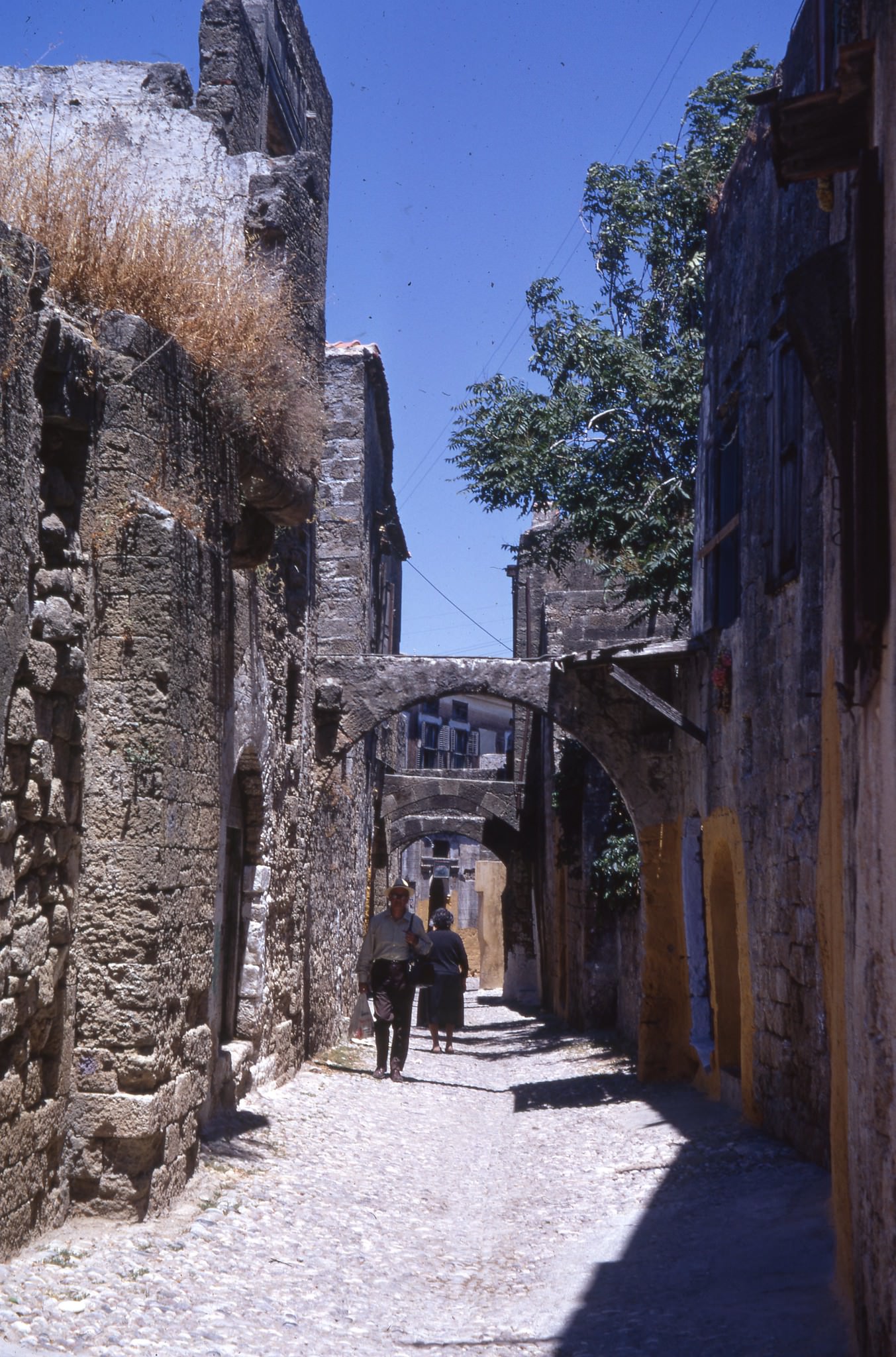
In 1957, a new city plan for Rhodes was approved. Decrees followed in 1961 and 1963, calling for new streets and the widening of existing ones. The Archaeological Service successfully blocked those changes from being applied to the old city, preserving its medieval street layout. In 1960, the entire medieval town had already been designated a protected monument by the Greek Ministry of Culture. These decisions kept the historic core of Rhodes intact as the island began drawing more international visitors.
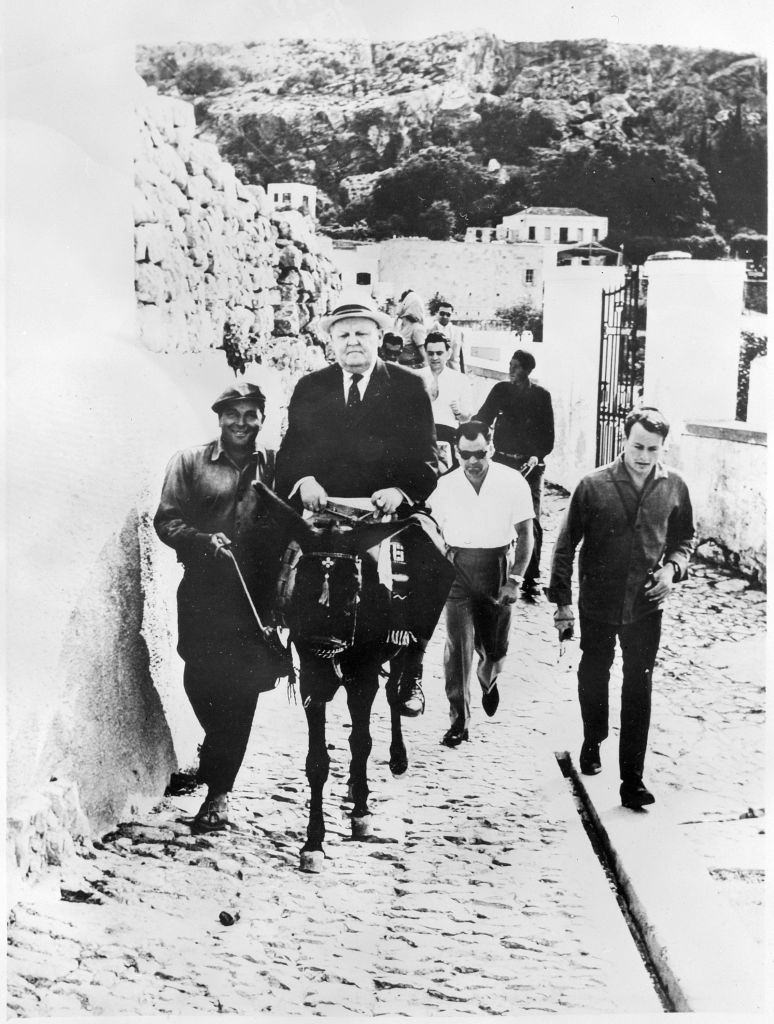
In 1962, West German Chancellor Ludwig Erhard visited Rhodes. A photograph from the trip shows him riding a donkey — a common mode of transport on the island that clearly made an impression even on foreign dignitaries. The image became one of the more recognizable pictures of a political figure on the island.
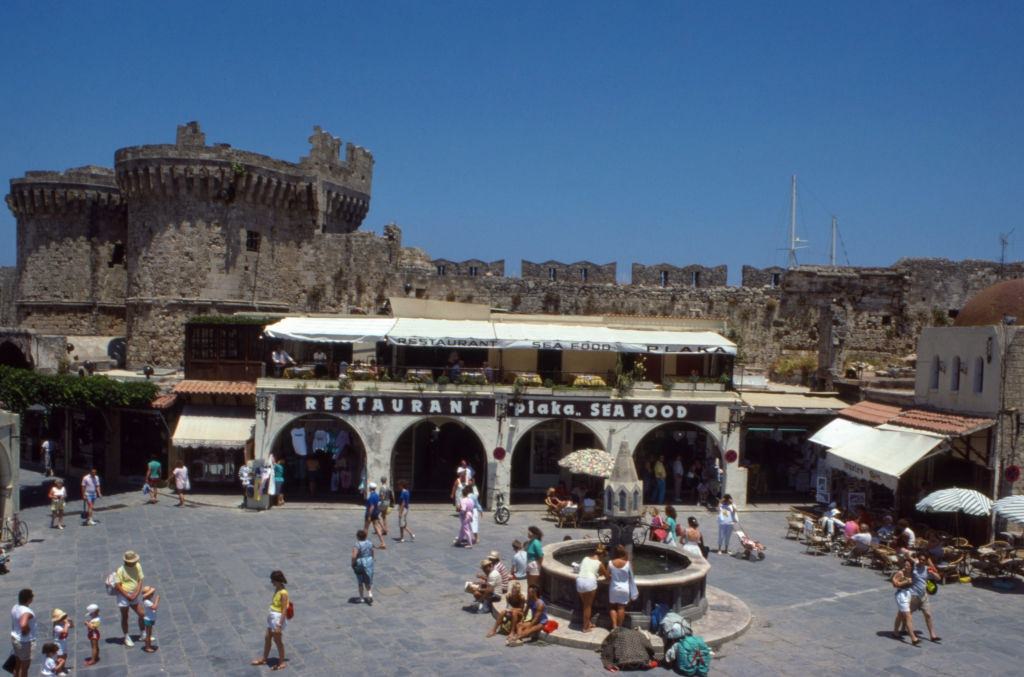
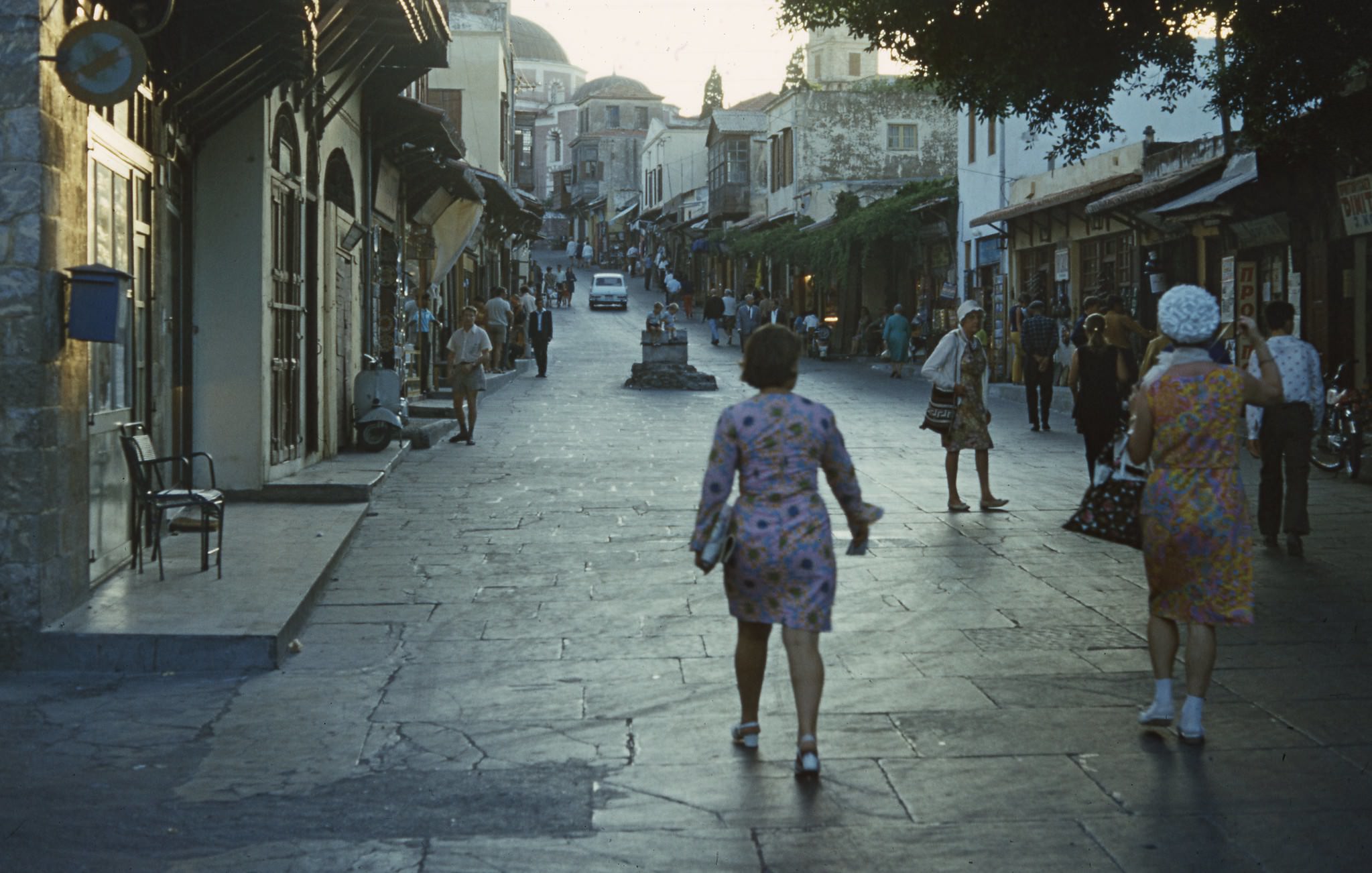
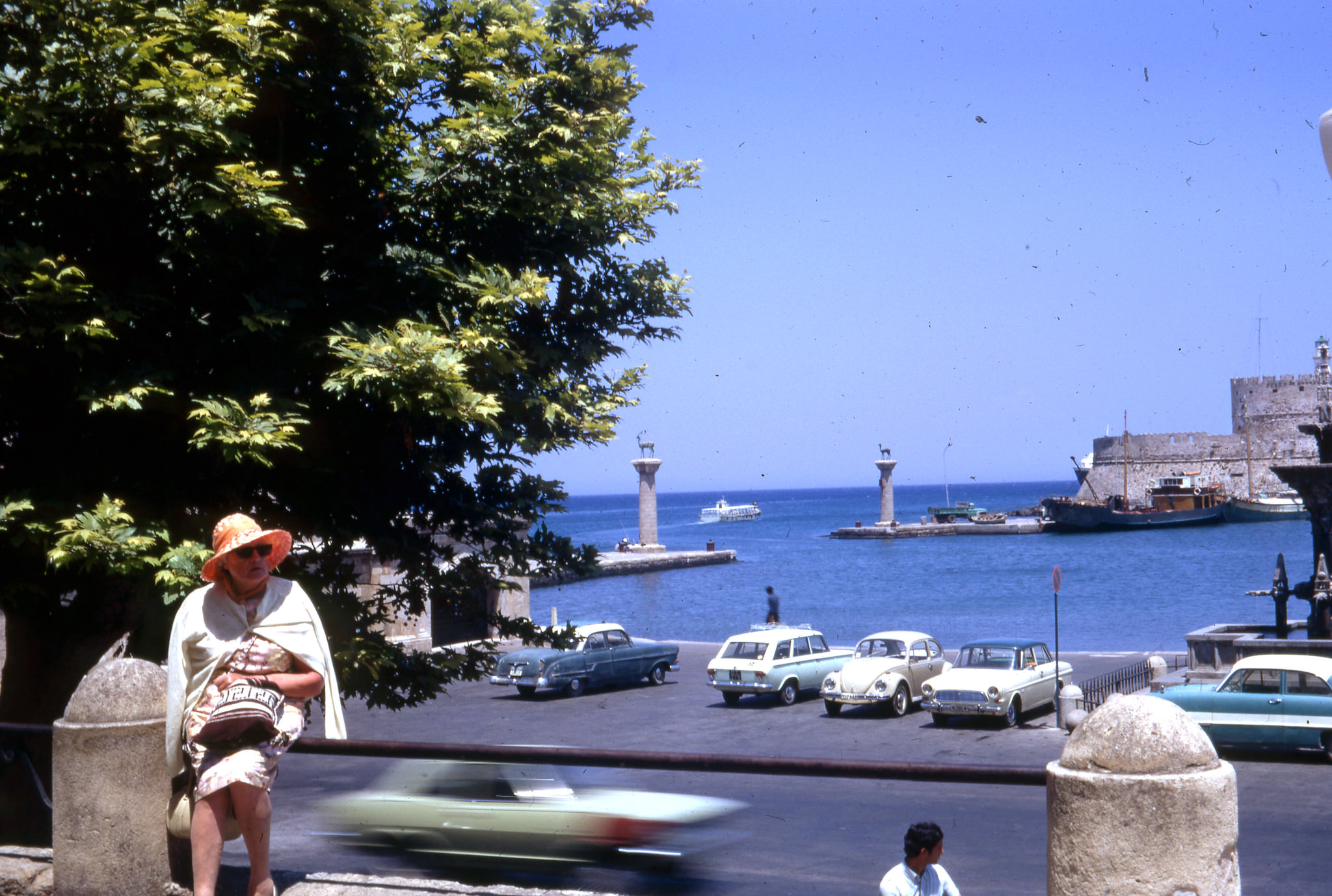
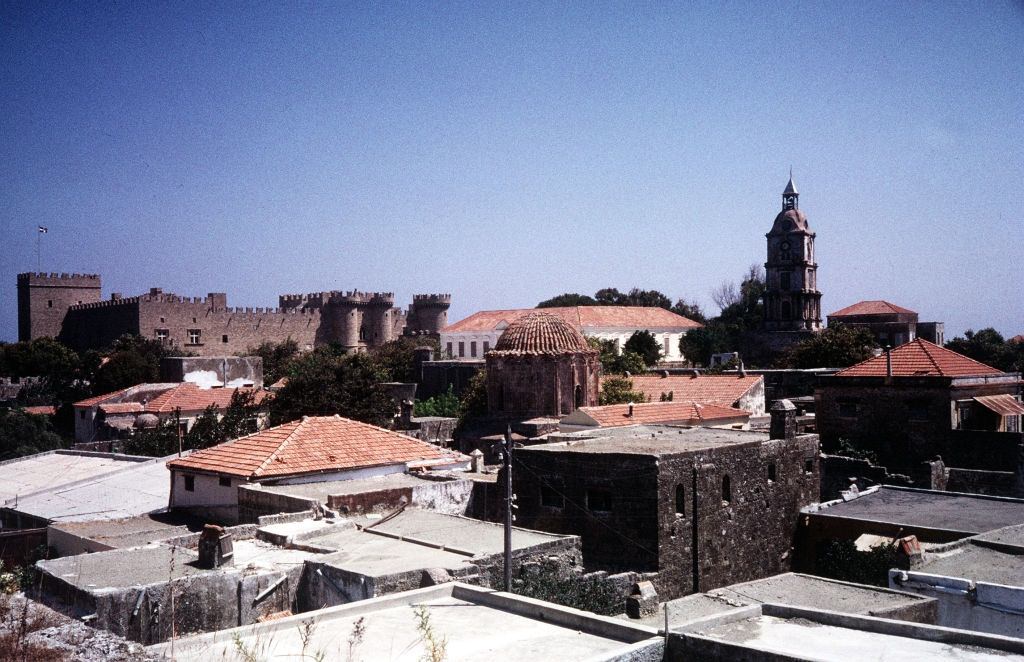
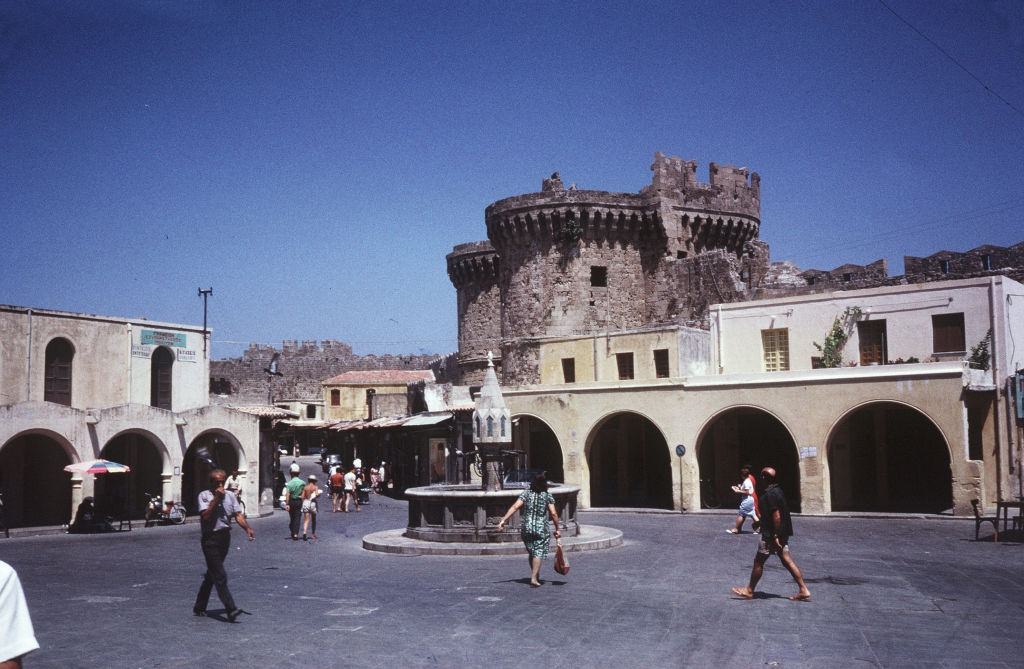
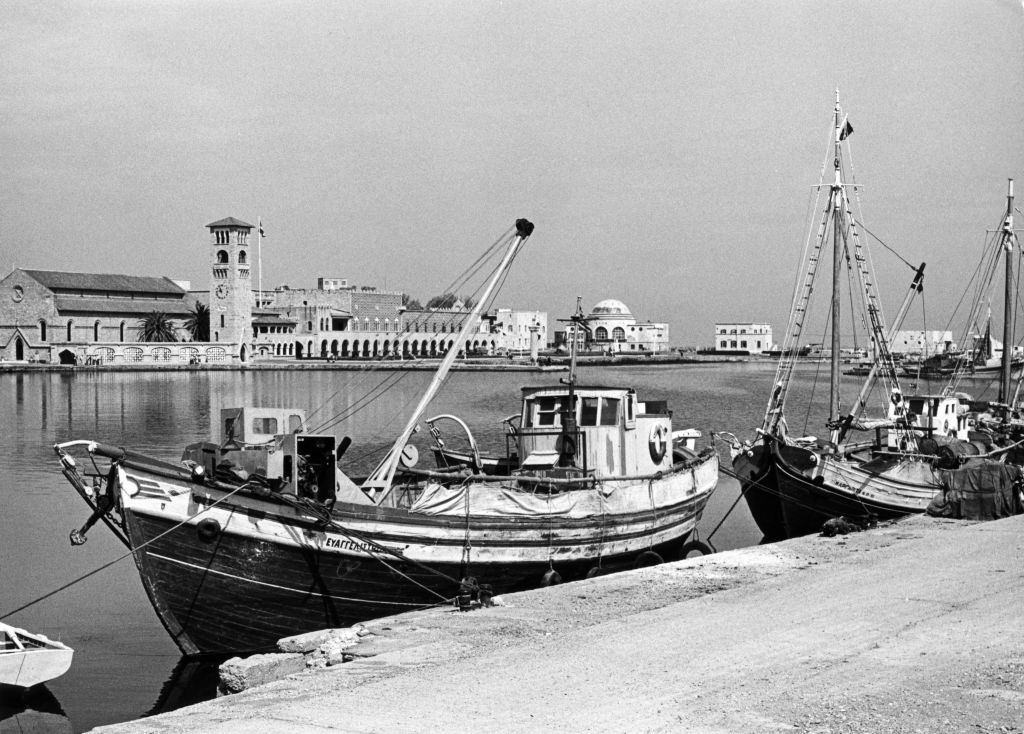
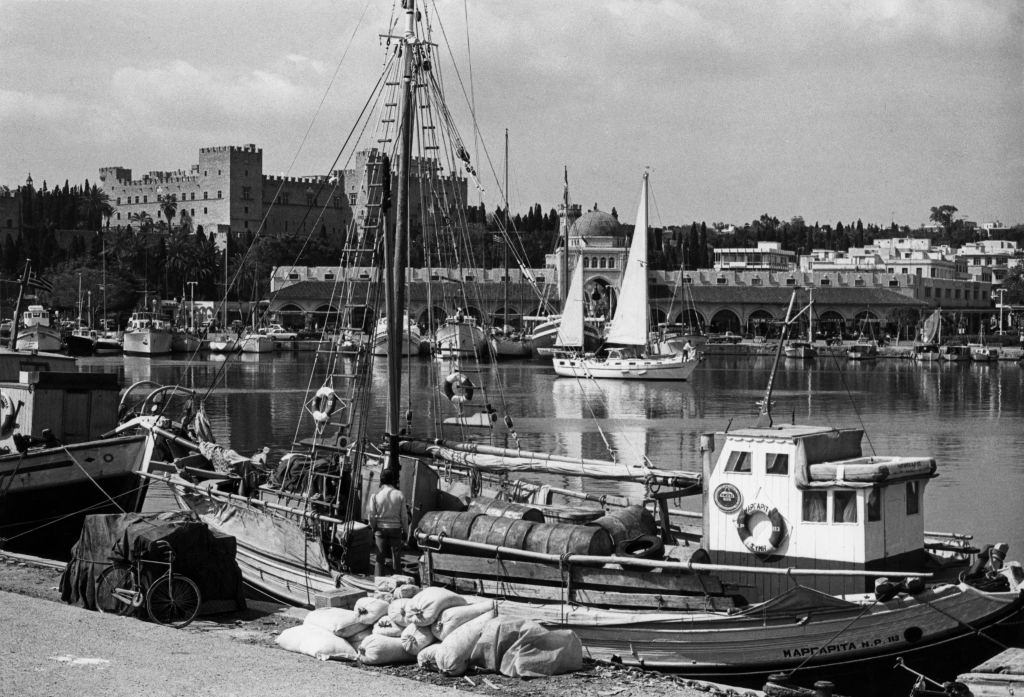
By the late 1960s and into the 1970s, Rhodes was a well-established destination. The old city’s rooftops and squares were photographed regularly, and the harbor saw both fishing trawlers and increasing visitor traffic. Hippokrateous Square in the old city — known locally as Platia Ippokratous — was a central gathering point.
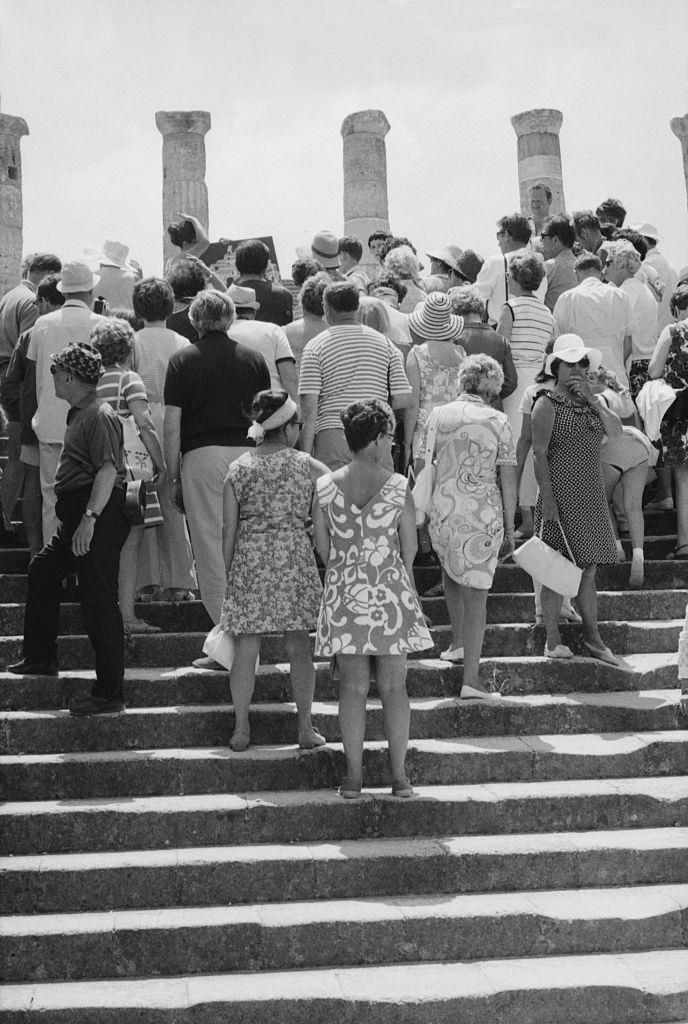
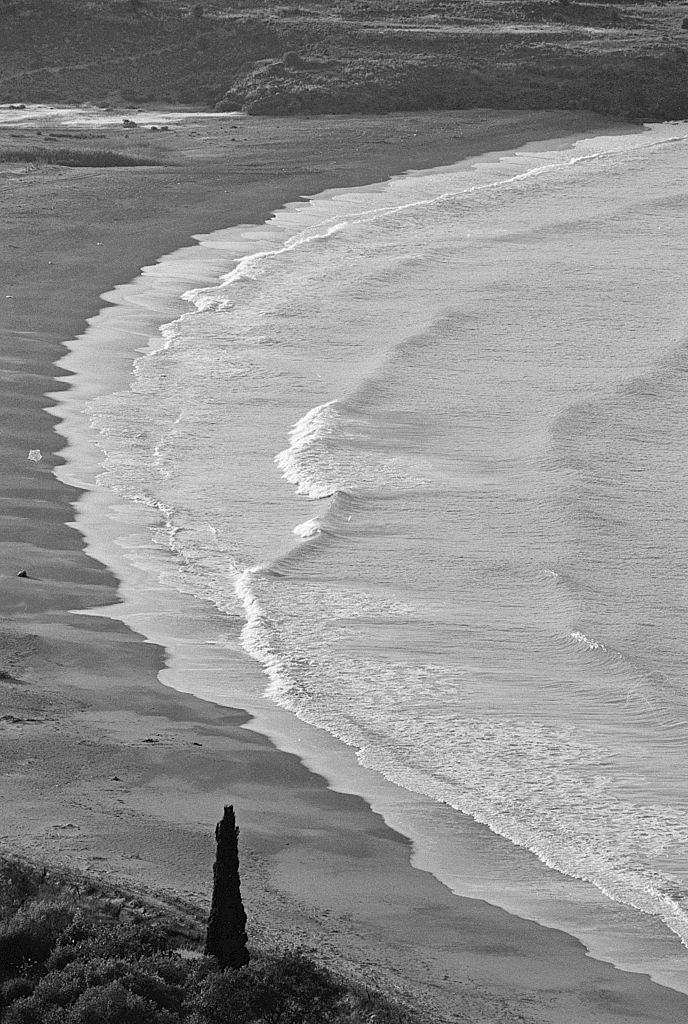
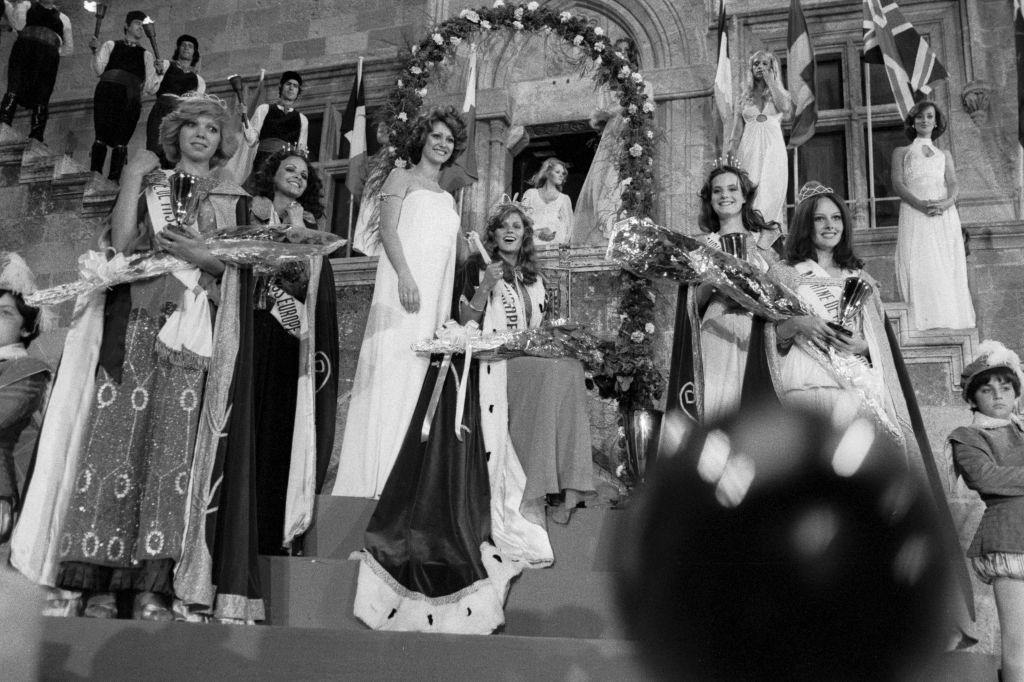
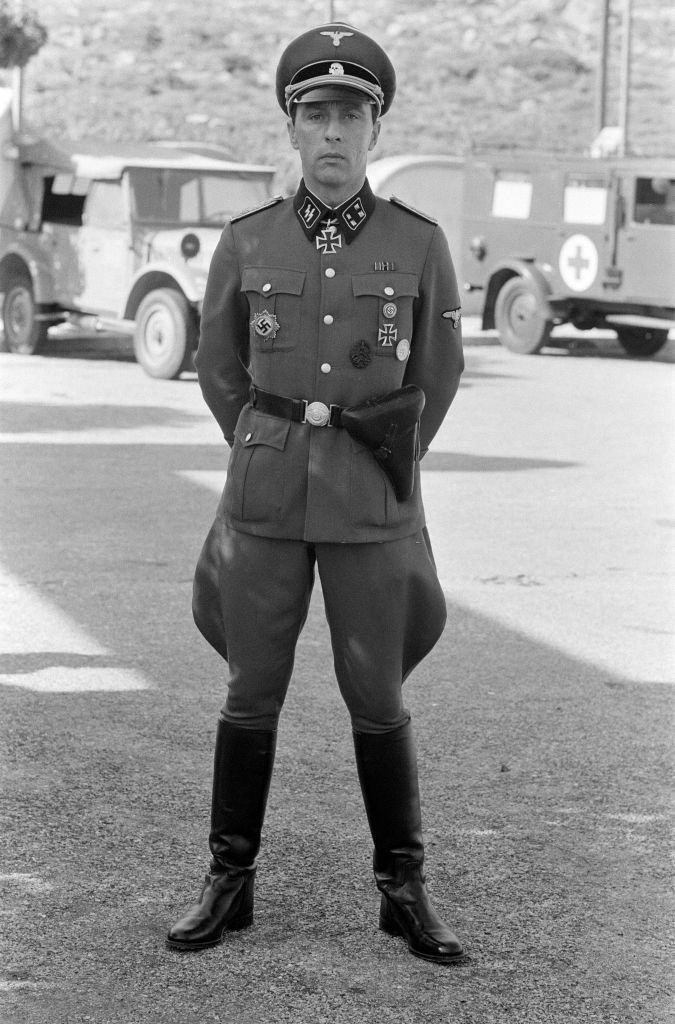
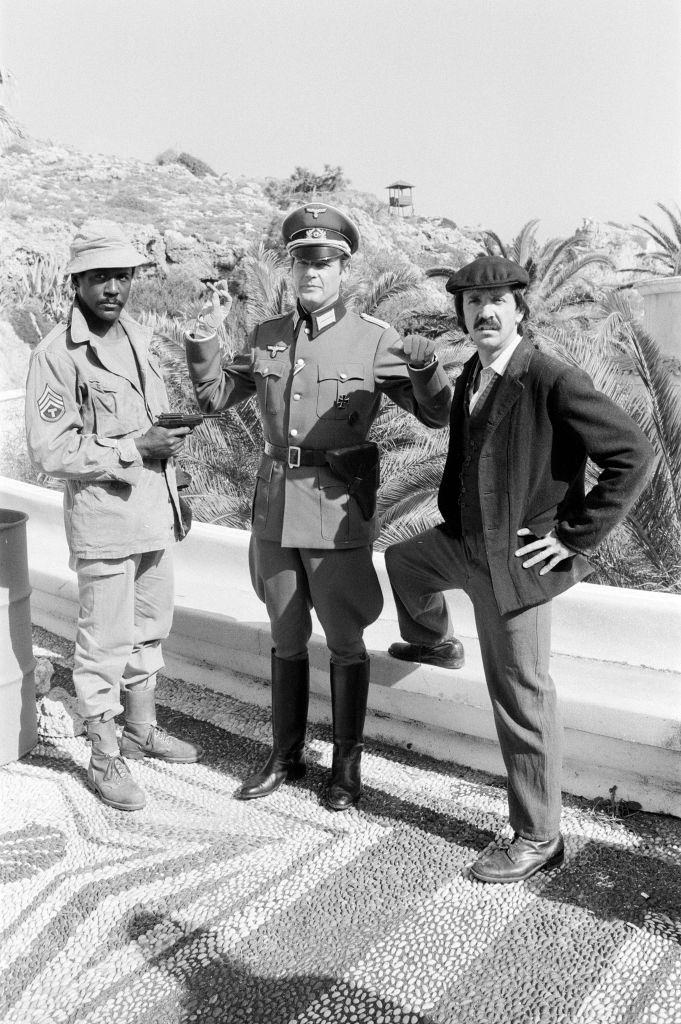
Rhodes hosted the Miss Europe pageant in 1976. Finnish actress Riitta Inkeri Väisänen was elected Miss Europe on June 5th of that year, adding a moment of international glamour to the island’s growing profile. Two years later, the island served as a filming location for the 1978 war film Escape to Athena, starring Roger Moore, Richard Roundtree, and Sonny Bono, among others. Actor Anthony Valentine was also photographed on set. The production drew international attention to Rhodes as a cinematic backdrop.
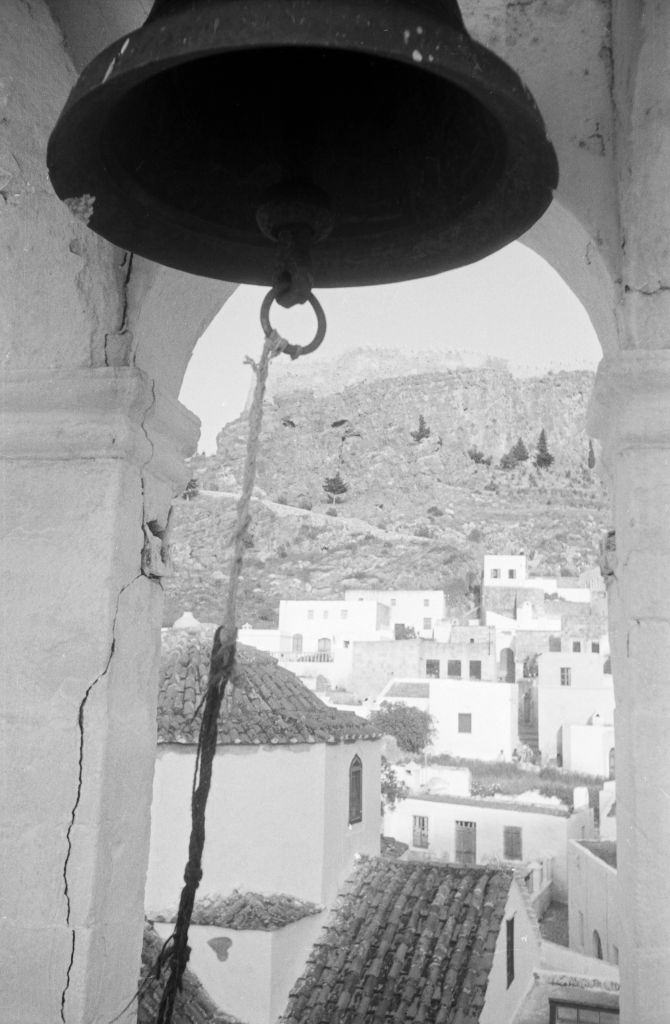
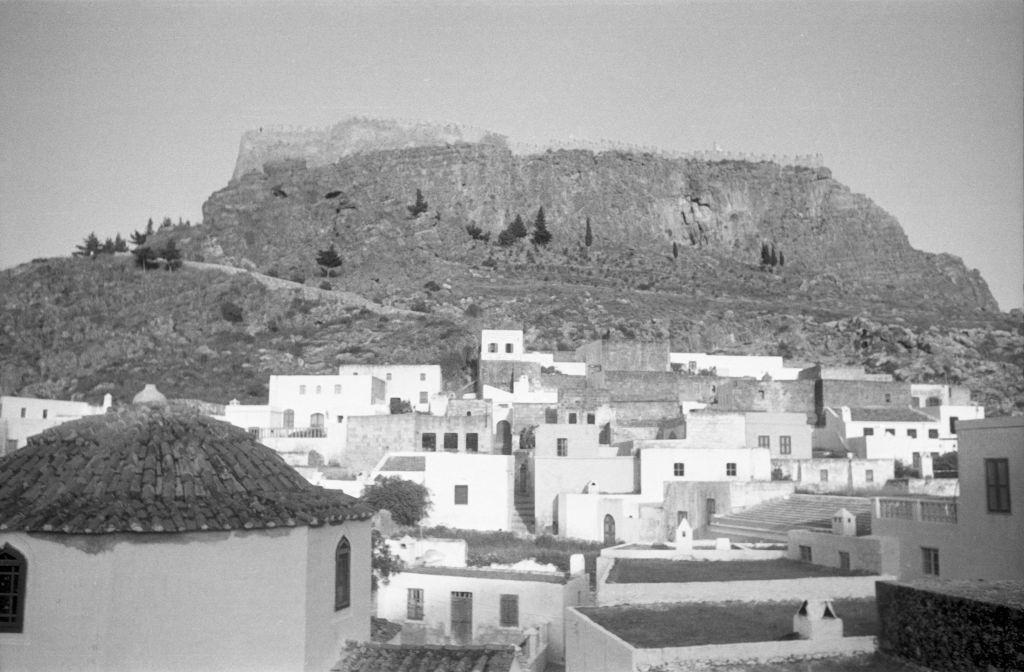
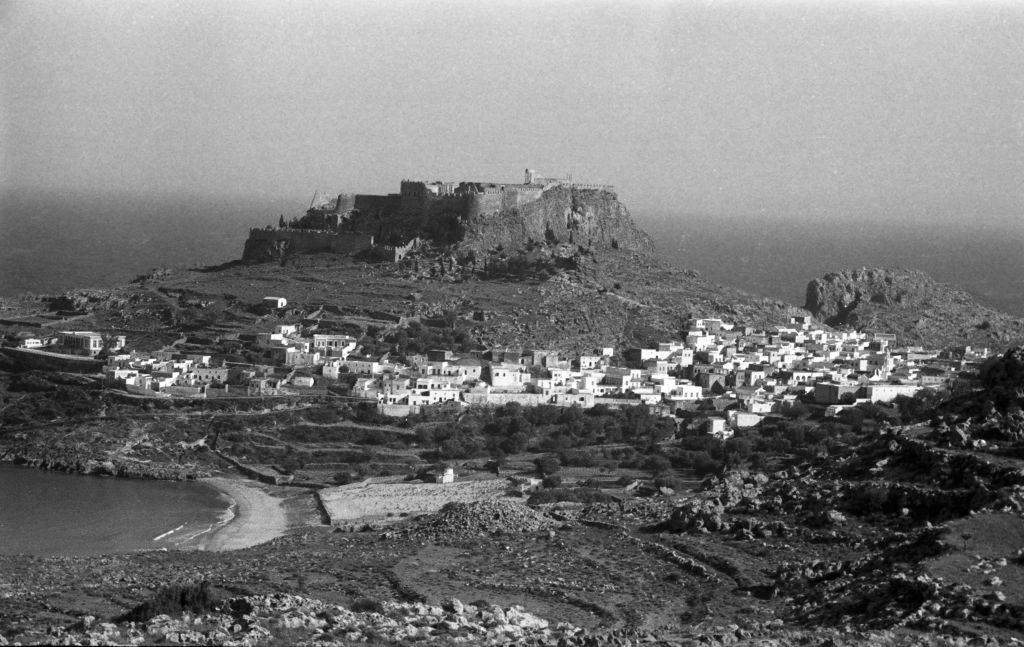
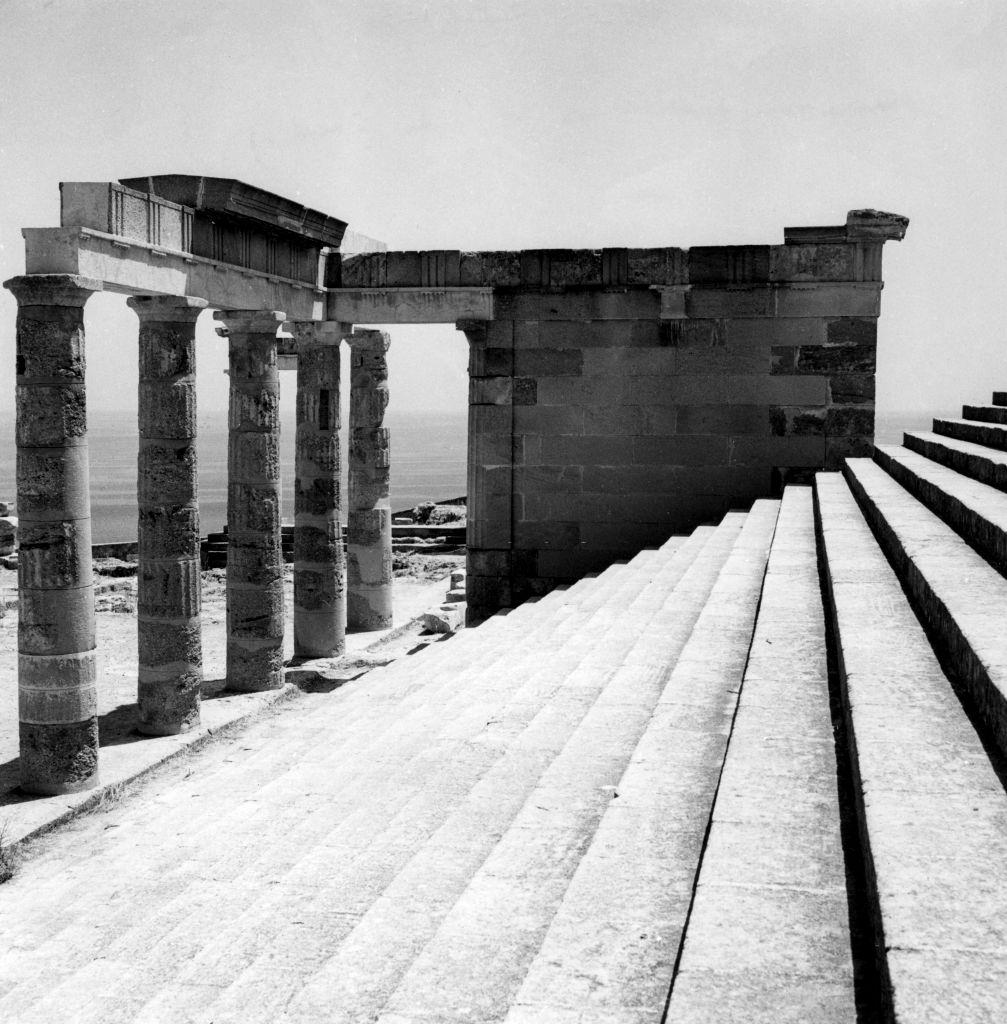
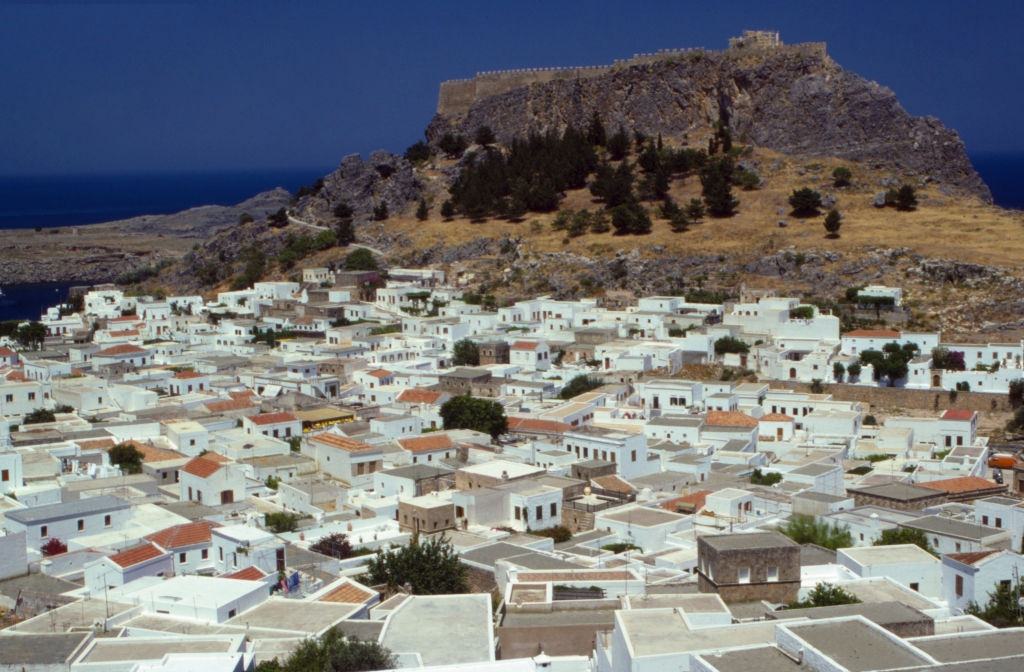
The Acropolis of Lindos — perched on a steep cliff above the small whitewashed town of Lindos — was one of the most visited sites on the island by 1980. The town below it, with its narrow lanes and cubic architecture, had changed little in outward appearance over the preceding decades. A 1988 photograph of Lindos shows that same character intact, just as UNESCO was formalizing the protection of Rhodes’ old town that same year.
In 1988, UNESCO designated Rhodes’ old town a World Heritage Site. Platia Ippokratous, photographed that same year, showed a city square still active with local life — a sign that the old city had not simply become a museum but remained a functioning part of the city. The photographs from the 1970s capture the old city and harbor during a decade of transition, as tourism grew and the harbor adapted to accommodate it.