Hey There! Before You Go. 😧
Get the best vintage content straight into your inbox!

Don't worry, we don't spam

Italy in the 1960s: Fascinating Vintage Photos of Street Scenes and Everyday Life

Italy in the 1960s was a country caught between two worlds. The old rhythms of agrarian life still played out in small southern villages, while the industrial north hummed with factories, strikes, and rapid modernization. Cities like Milan, Turin, and Rome were transforming fast. The population was shifting, the economy was swinging between growth and crisis, and the streets told a story that no official record could fully capture. These photographs do exactly that — they freeze a decade of contradictions, beauty, and upheaval in a single frame.
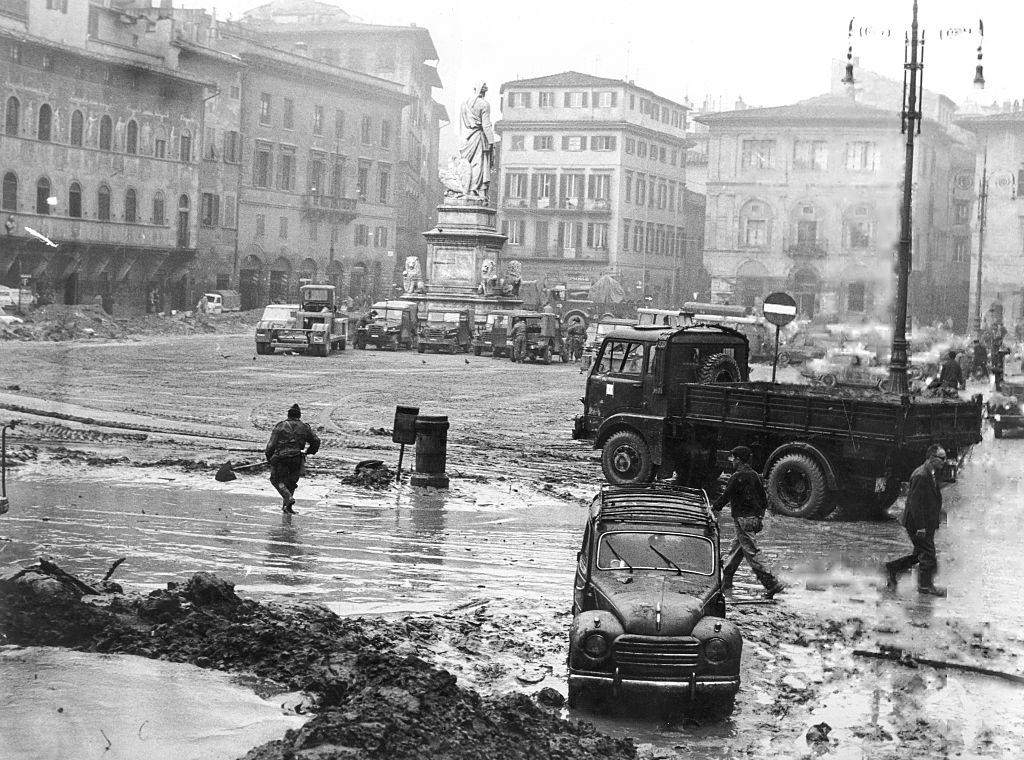
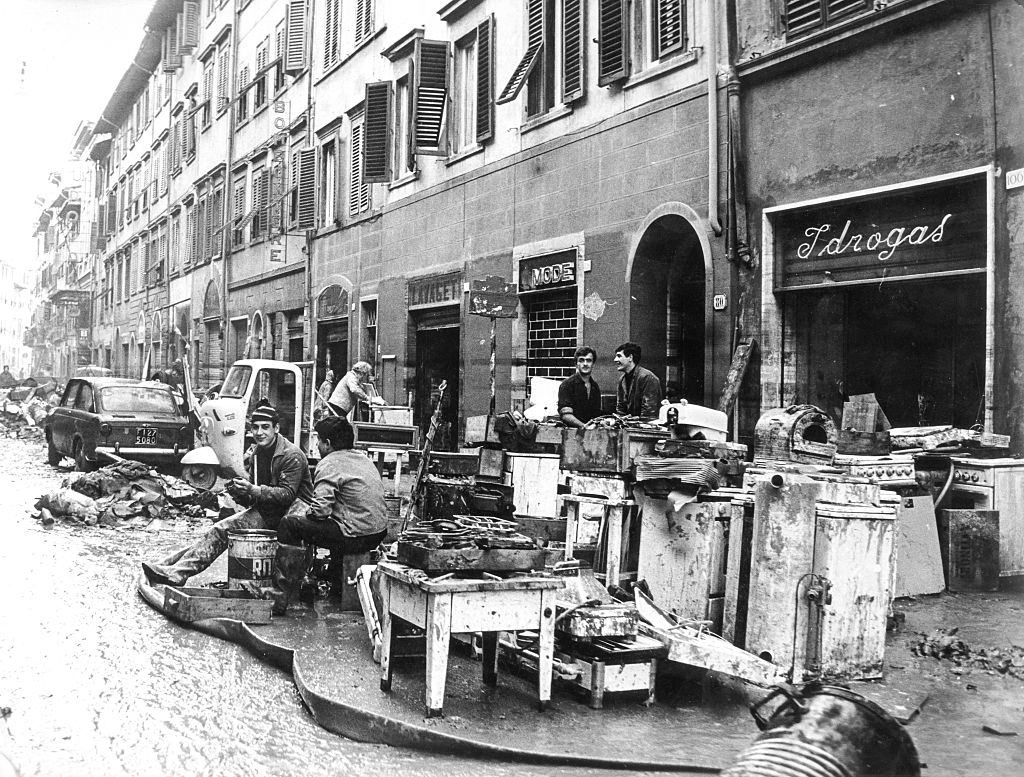
Flood In Florence, 1966.

Rome in 1960 was not just a living city — it was a layered one. Beneath its streets and squares lay centuries of history still being uncovered. Archaeologists actively worked sites that sat alongside functioning neighborhoods, a reminder that modern Italy was always building on top of something ancient.
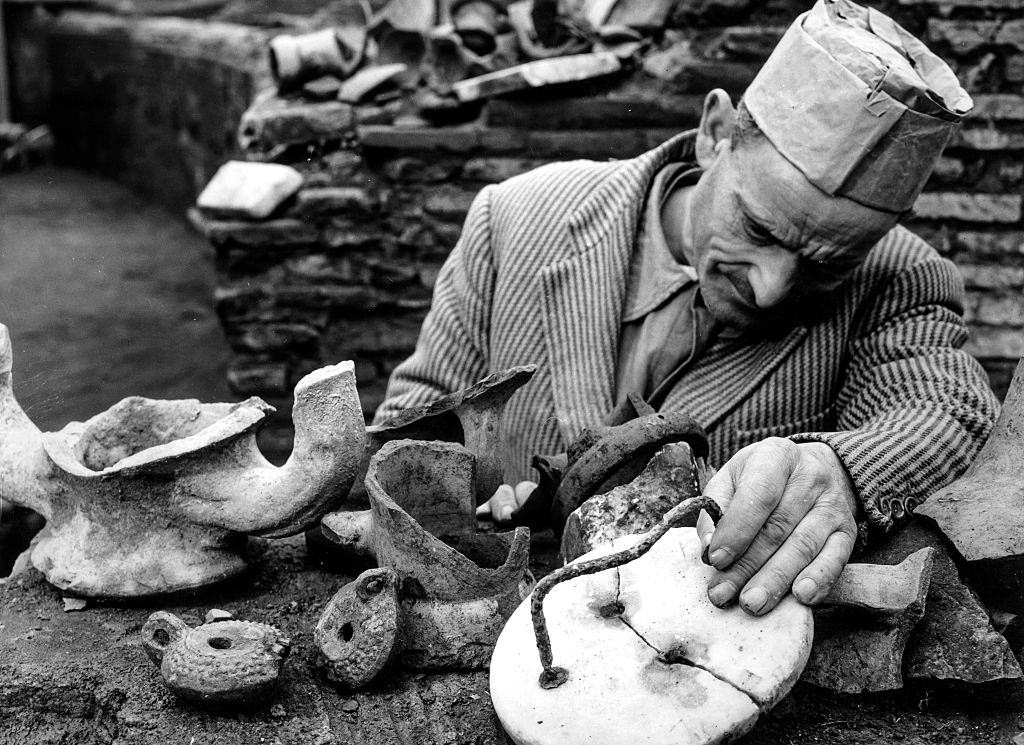
Archaeological Excavations in the Ludus Magnus The Colosseum, Rome, 1960.
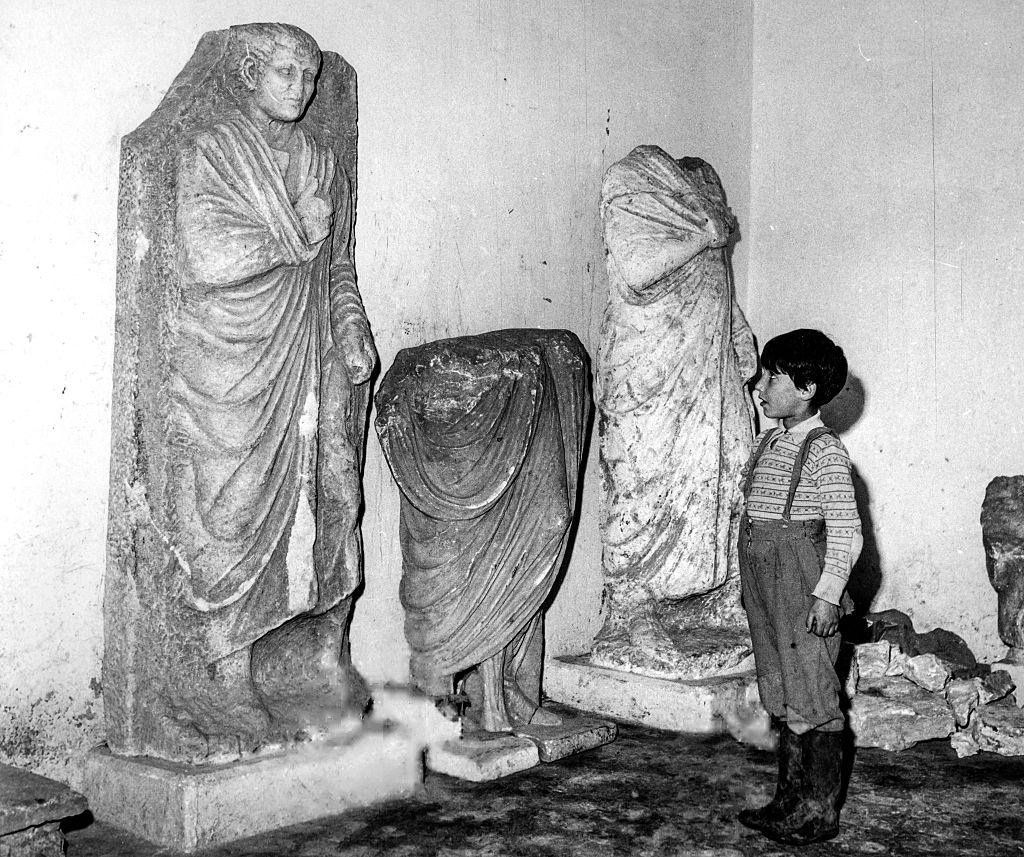
Child in Front of The Roman Statues, Fiano Romano, 1960

The political climate of the decade was shifting as well. In 1963, the Socialist Party gained power, and public sector appointments expanded sharply. Trade unions grew stronger. But the government also began printing money to fund rising wages and welfare benefits, which pushed inflation upward. The economy shrank in places, and the state-owned industrial holding company IRI was forced to bail out struggling private firms at public cost. Yet even as the official economy wobbled, a black-market economy of textile workers and independent artisans quietly flourished.
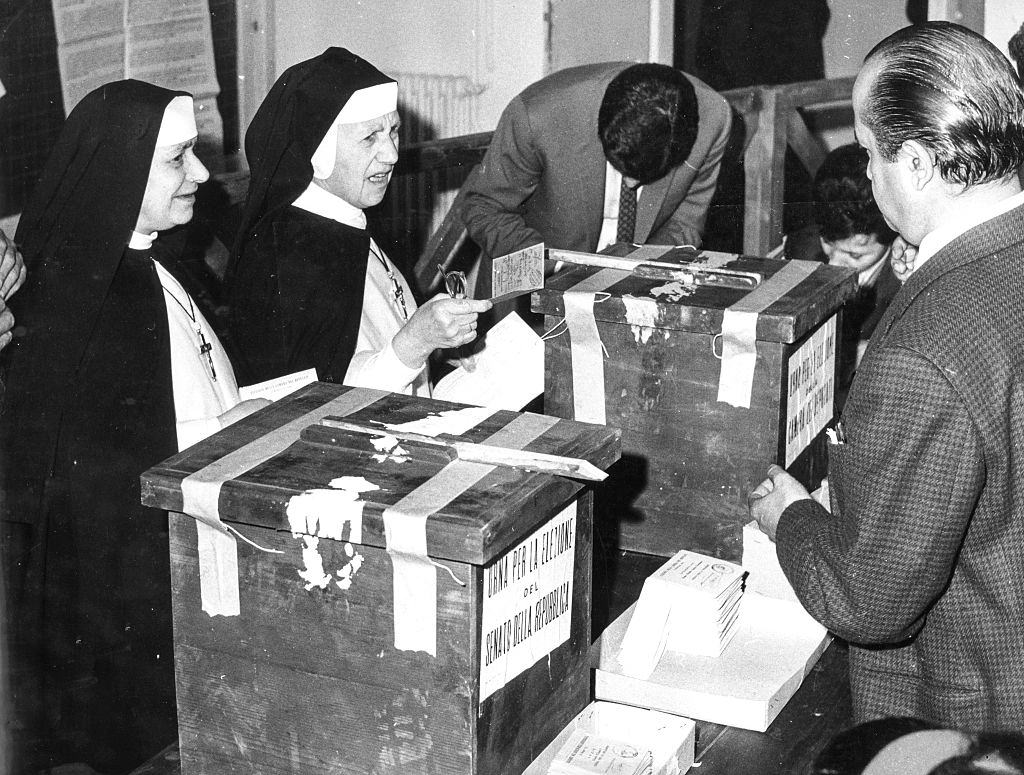
Nuns at the Polling Station, 1968
Flood In Florence, 1966.

The Catholic Church remained a central presence in Italian public life throughout the decade. Pope Paul VI was a visible figure in Rome, and religious observance shaped the daily rhythms of communities across the country — from major cities to remote mountain villages.
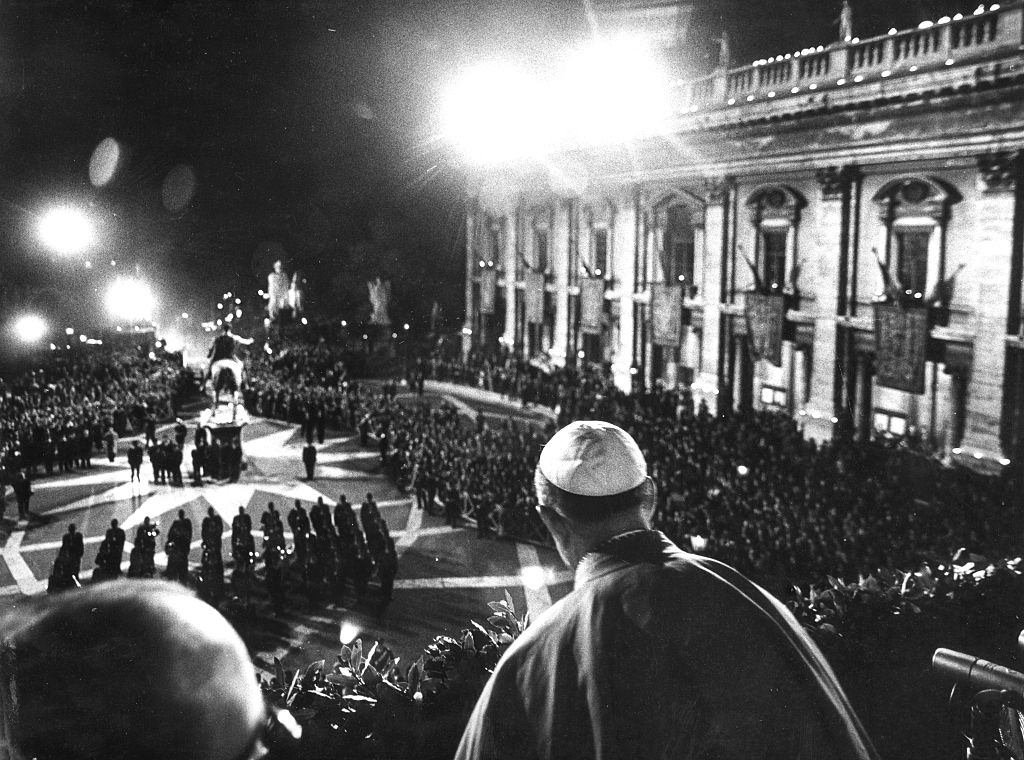
Pope Paul VI in Rome, 1968.

Italy in the 1960s also attracted international visitors, artists, and celebrities. The country’s coastlines, historic cities, and vibrant café culture made it a destination for the global cultural elite. Venice in particular drew writers, filmmakers, and public figures from across Europe and beyond.
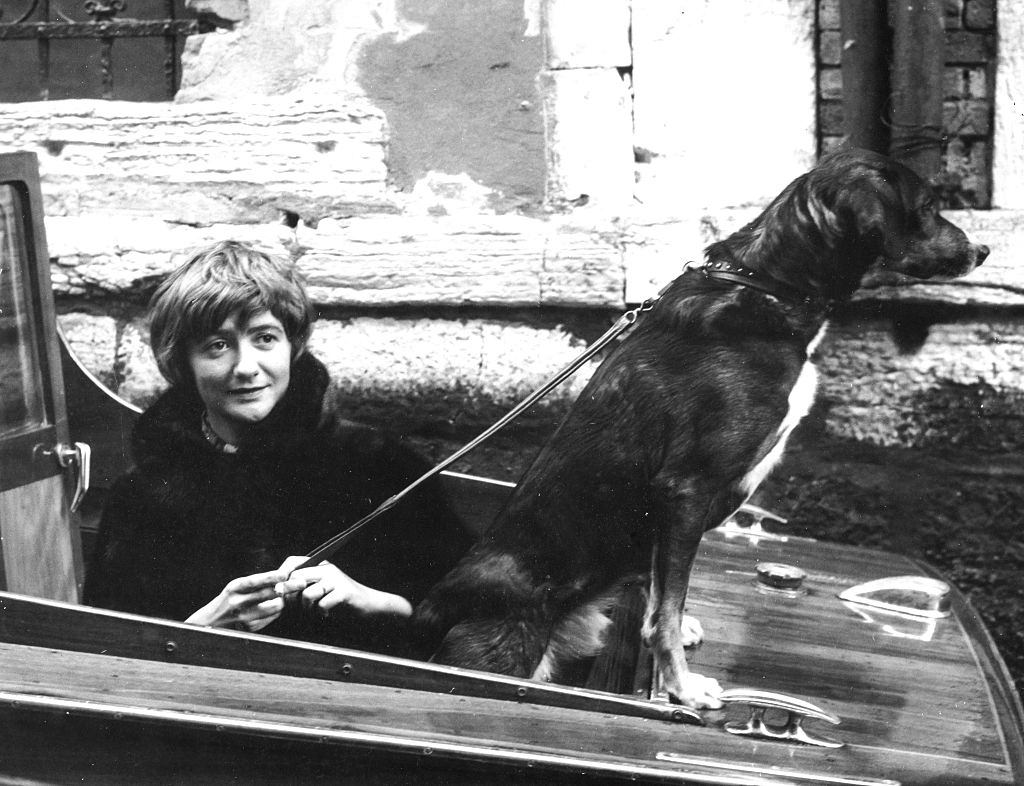
Francoise Sagan in Venice, 1962.

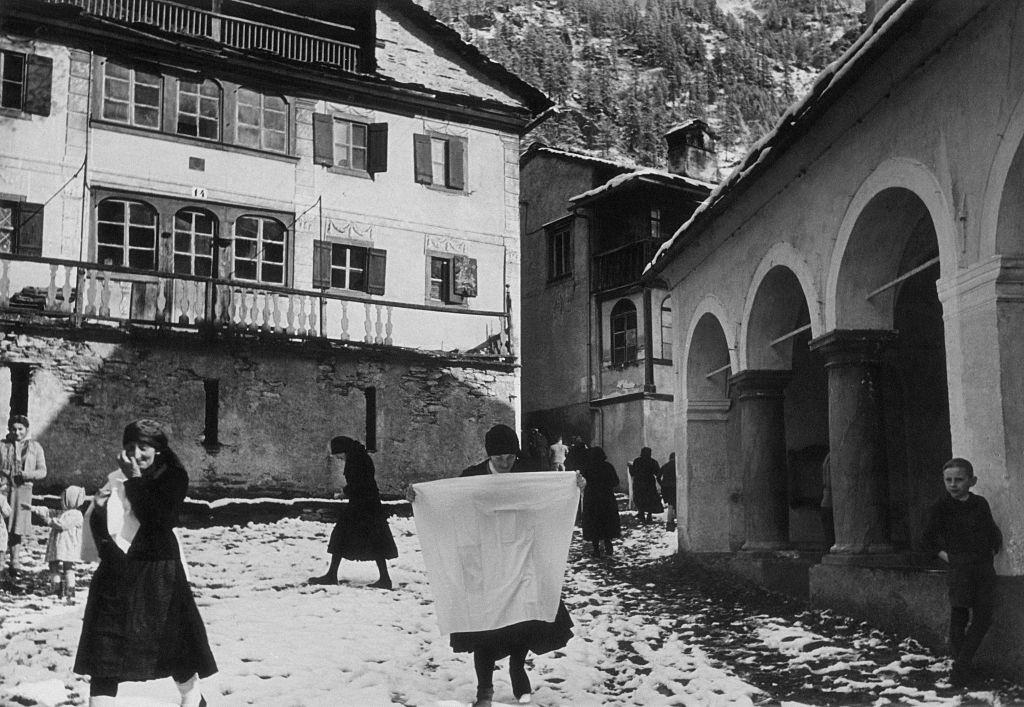
Away from the tourist hotspots, life in smaller Italian communities moved at a very different pace. Villages like Carcoforo in Piedmont were tucked into mountain landscapes, where daily routines changed little from one generation to the next. Residents walked cobblestone streets and gathered in open squares just as they always had.
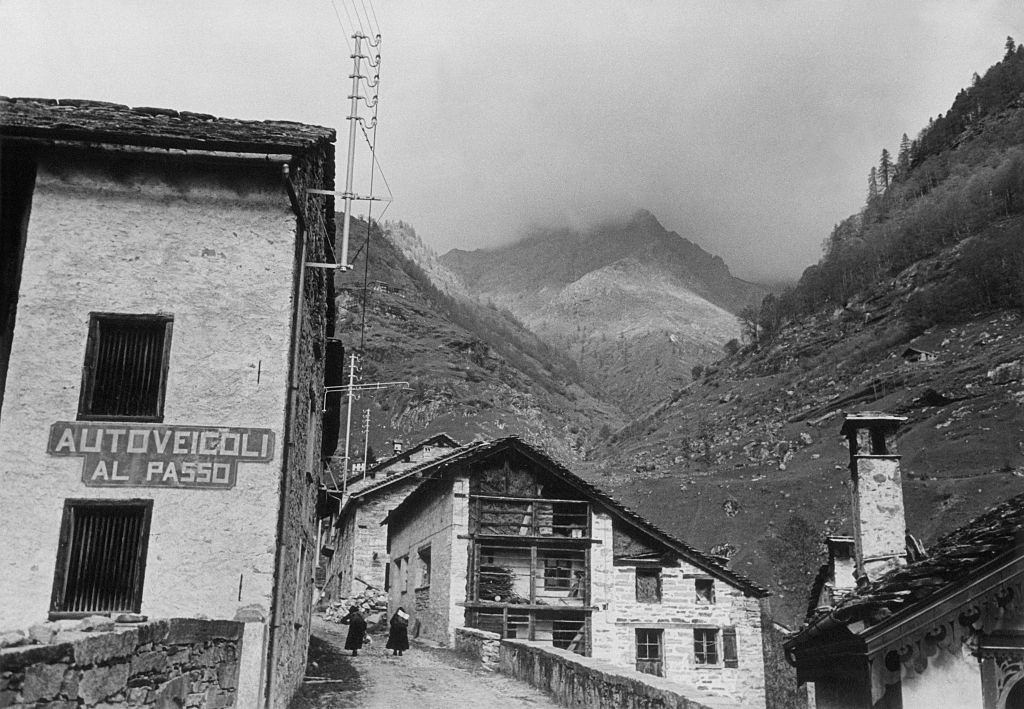
Two women walking in a street of the ancient village of Carcoforo, 1960s.
The inhabitants of Carcoforo walking in a square of the village, Carcoforo, 1960s.

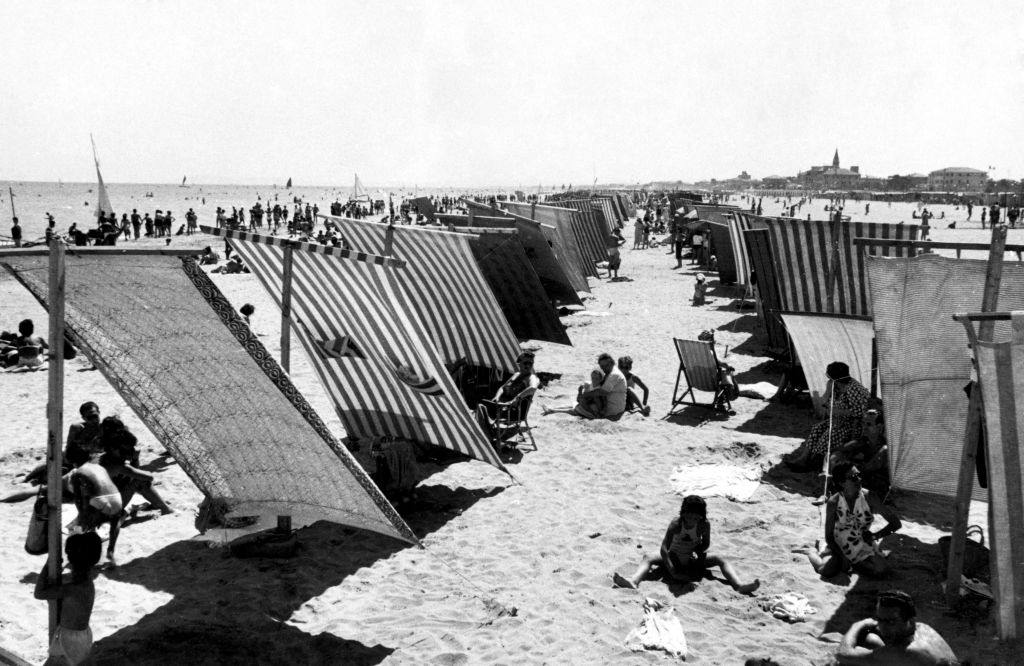
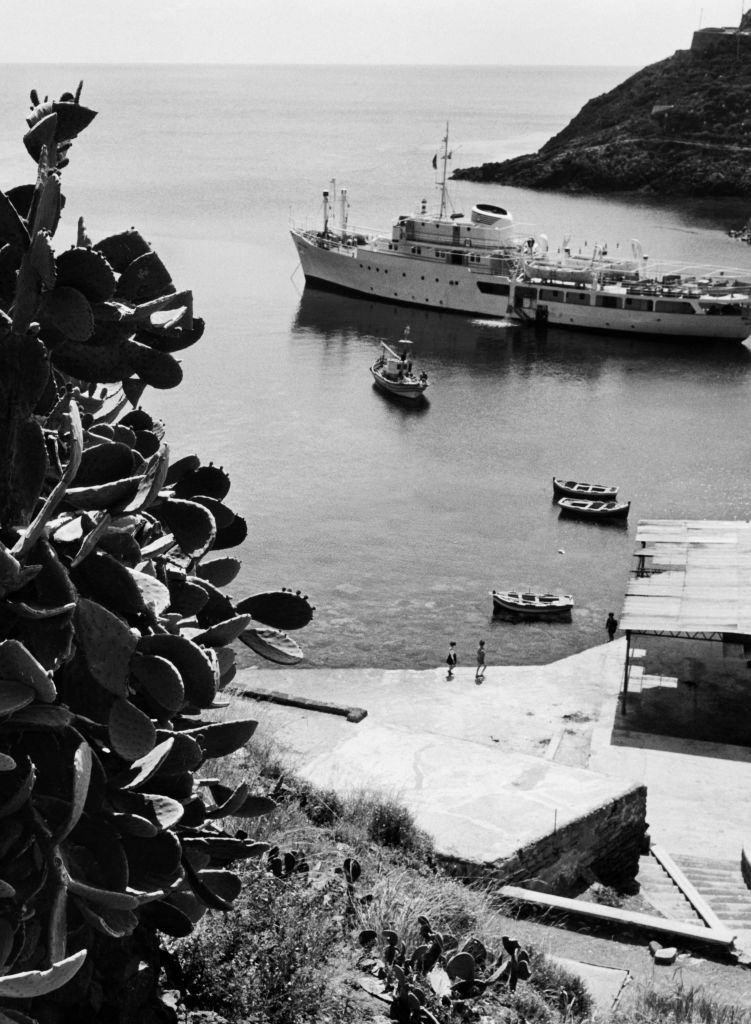
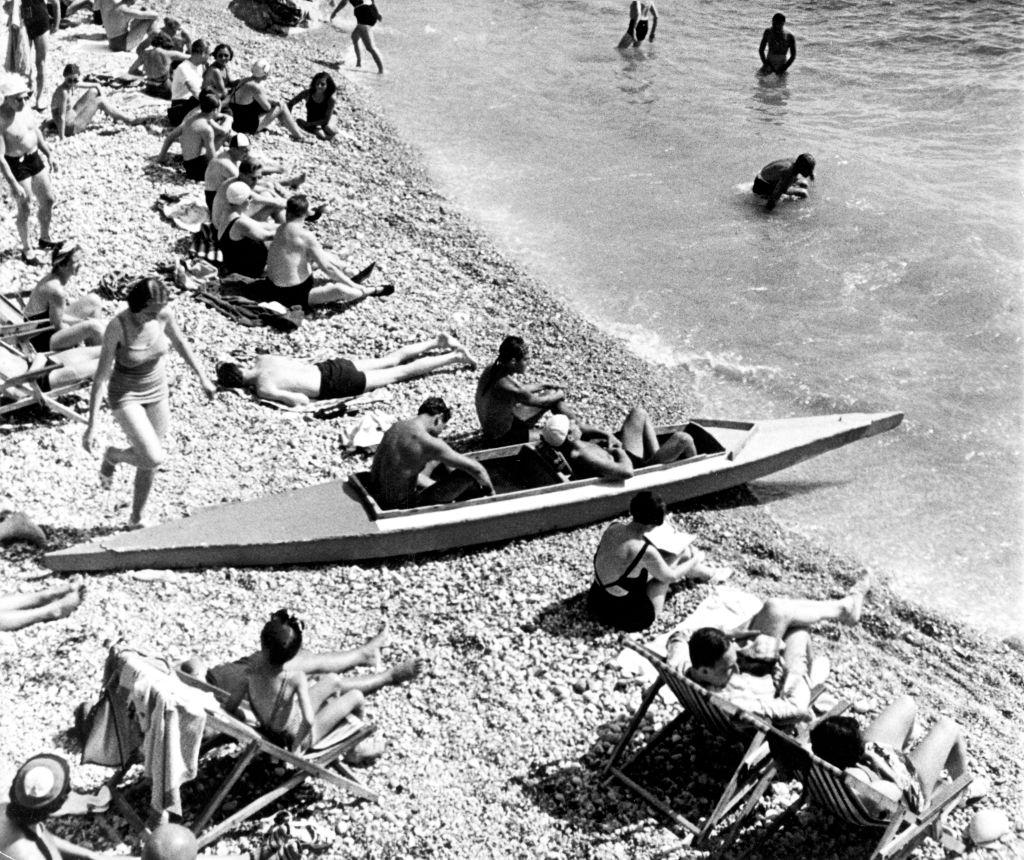
Along Italy’s coasts and islands, tourism was growing fast. Elba, Capri, Vulcano, and Ustica drew both Italian vacationers and foreign visitors. The beach scene of the 1960s was relaxed, sociable, and distinctly Italian — striped tents, crowded shores, and long afternoons in the sun.
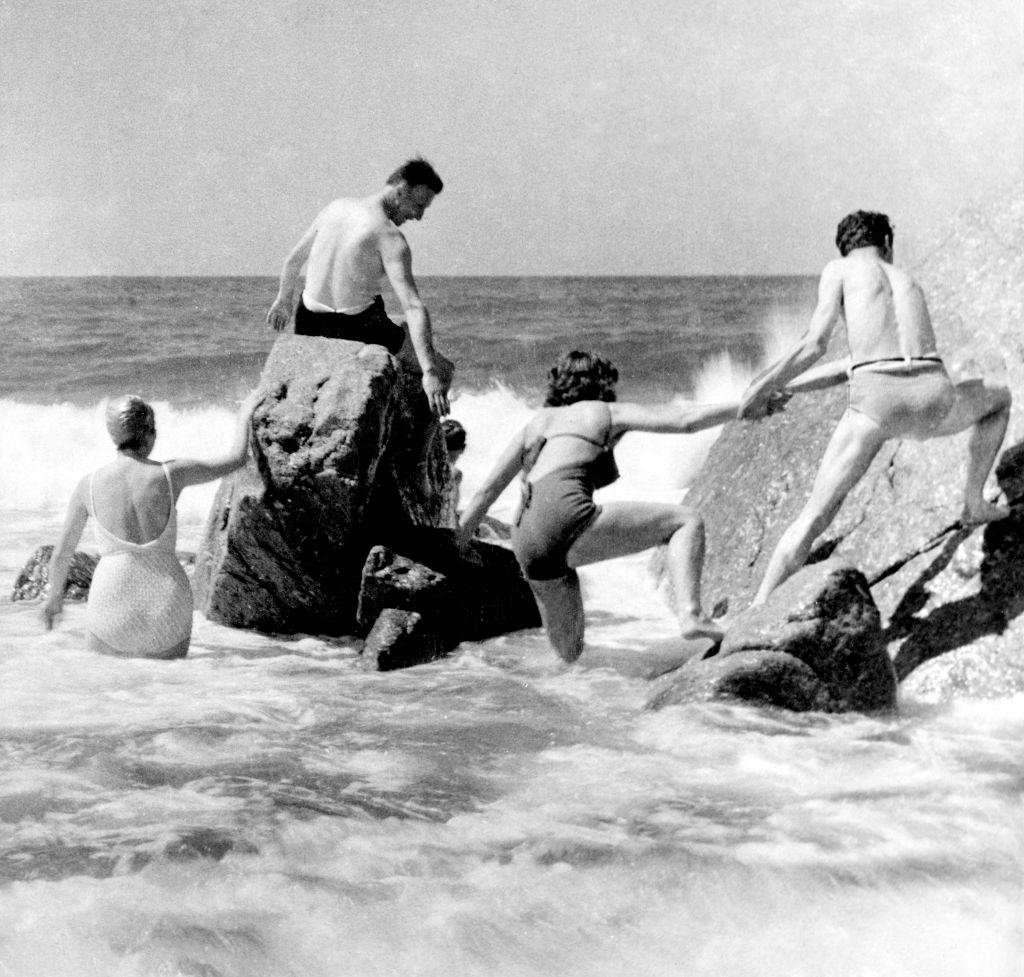
Tourists in Elba Island, 1960s.
People on the beach, Capri, 1960.
Tent on the beach in Italy, 1960.

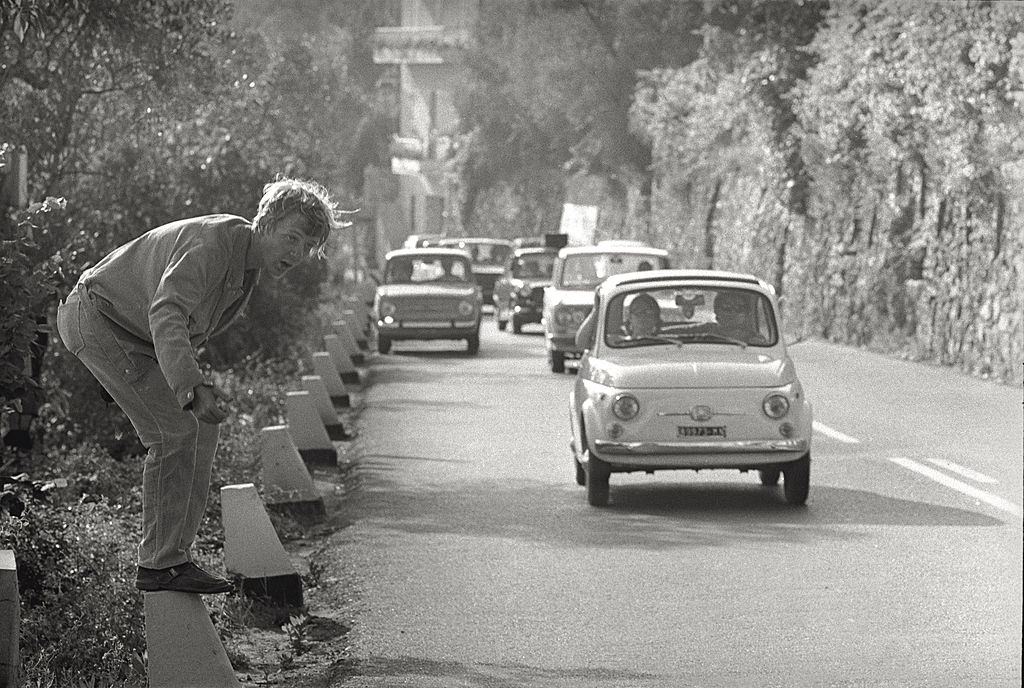
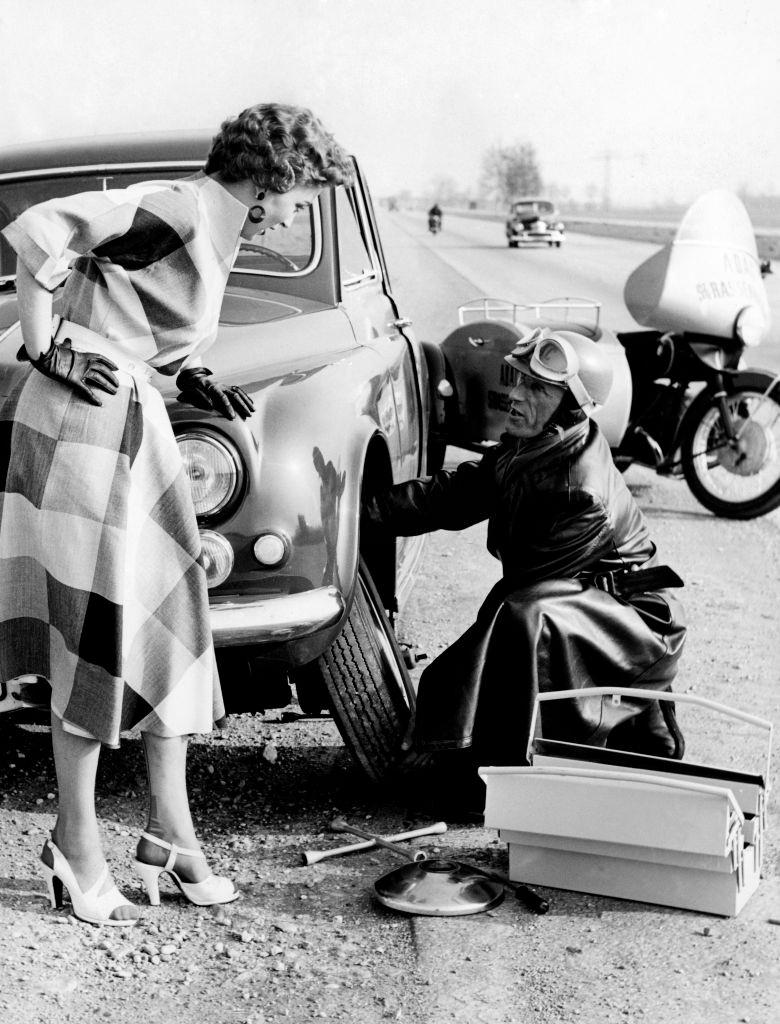
Transportation in 1960s Italy ranged from the iconic to the improvised. In Naples, rows of Vespas lined the streets — the scooter had become a symbol of postwar Italian mobility. On the roads, breakdowns were a common inconvenience, and hitchhiking was a standard way to get from town to town.
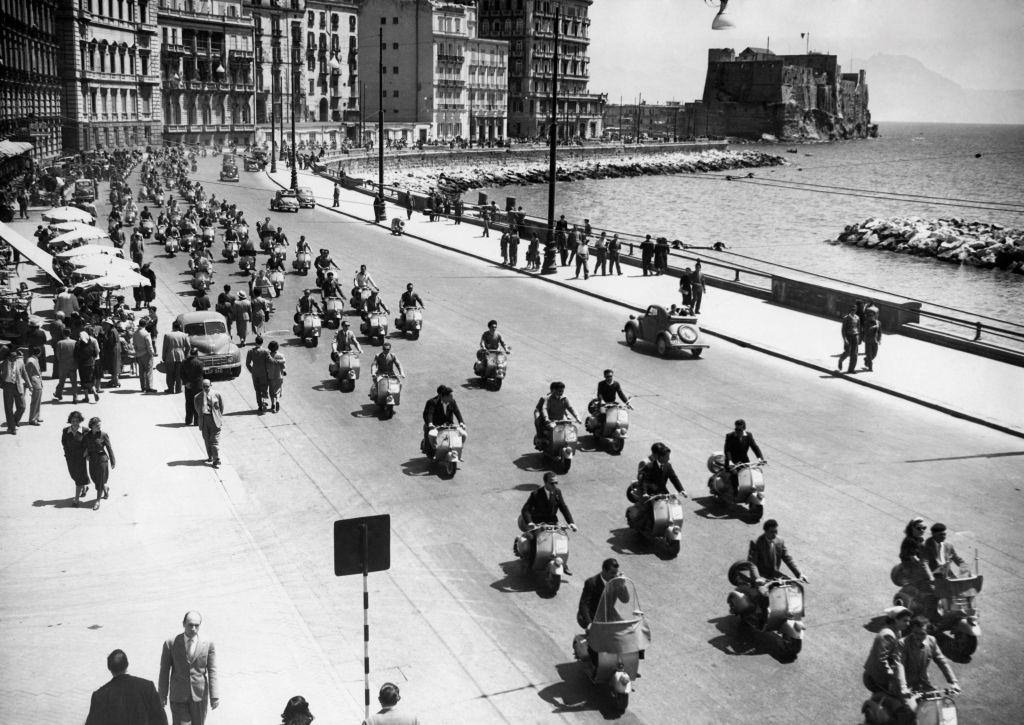
Line of vespa in Naples, 1960.
Woman with car trouble, 1960.
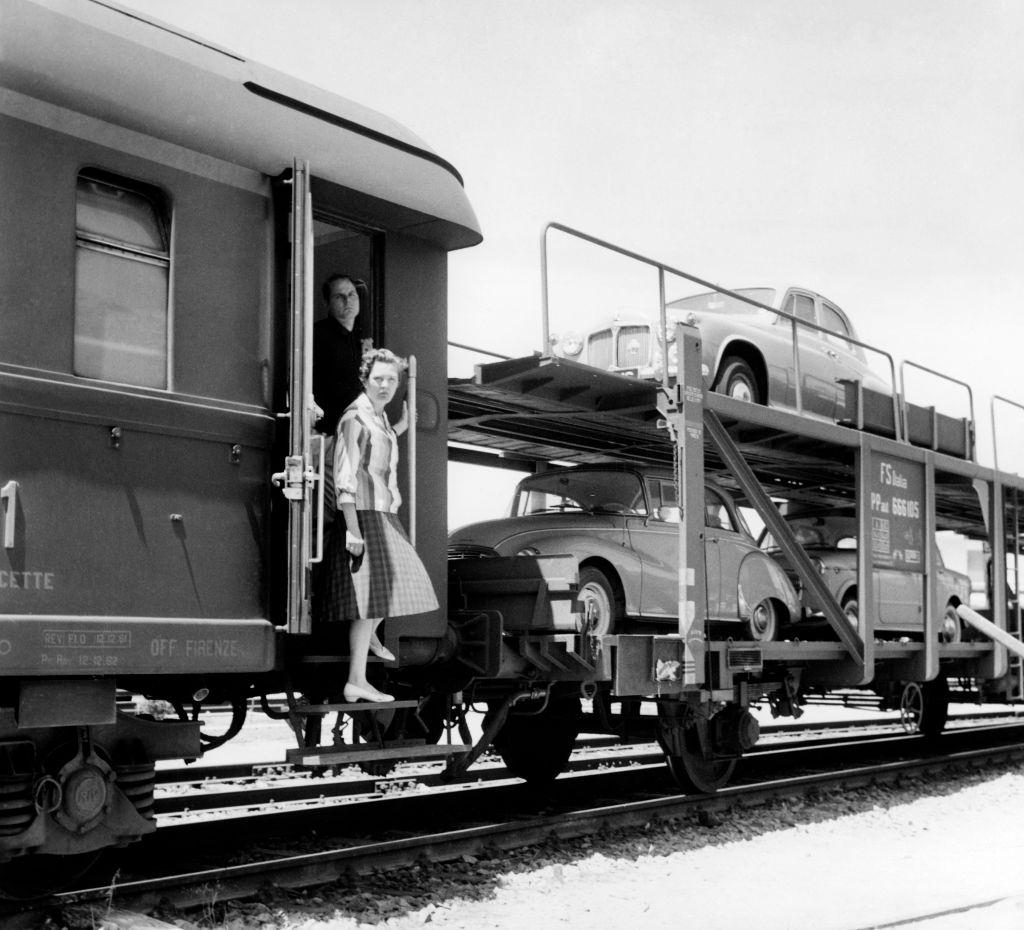
Two women on the train in Italy, 1960.
A young man hitchhiking in Chiavari, 1960.

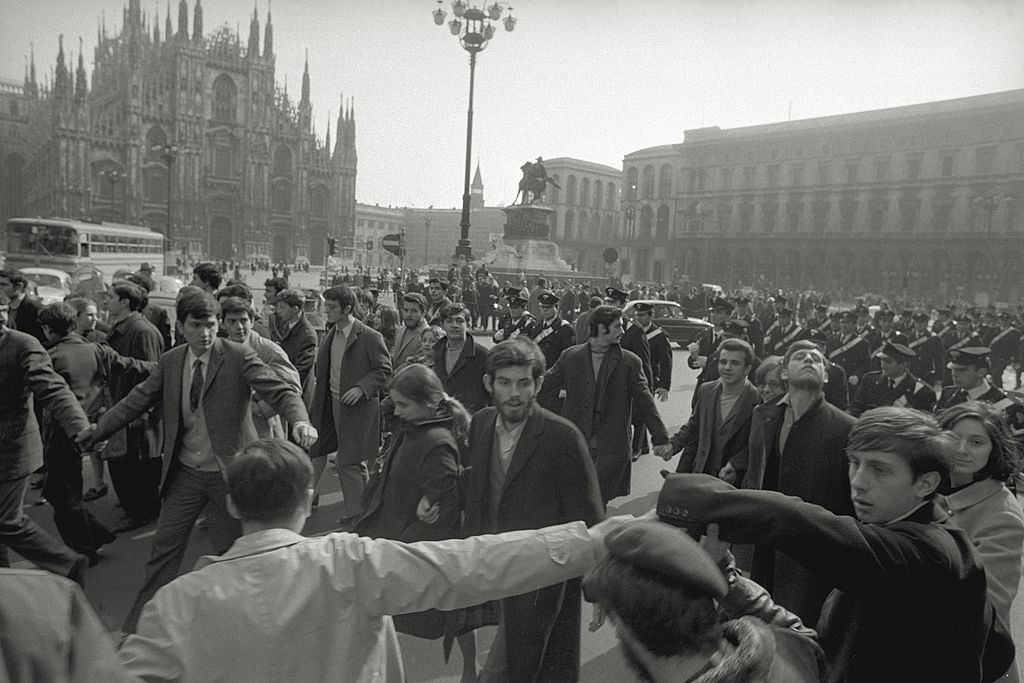
By the late 1960s, student protest had become a defining feature of Italian public life. Schools like the Parini high school in Milan saw students take their demands into the streets. The protests were not only about education — they were tied to a broader political and social movement that included opposition to the Vietnam War, anger over housing, and frustration with Italy’s rigid class structures.
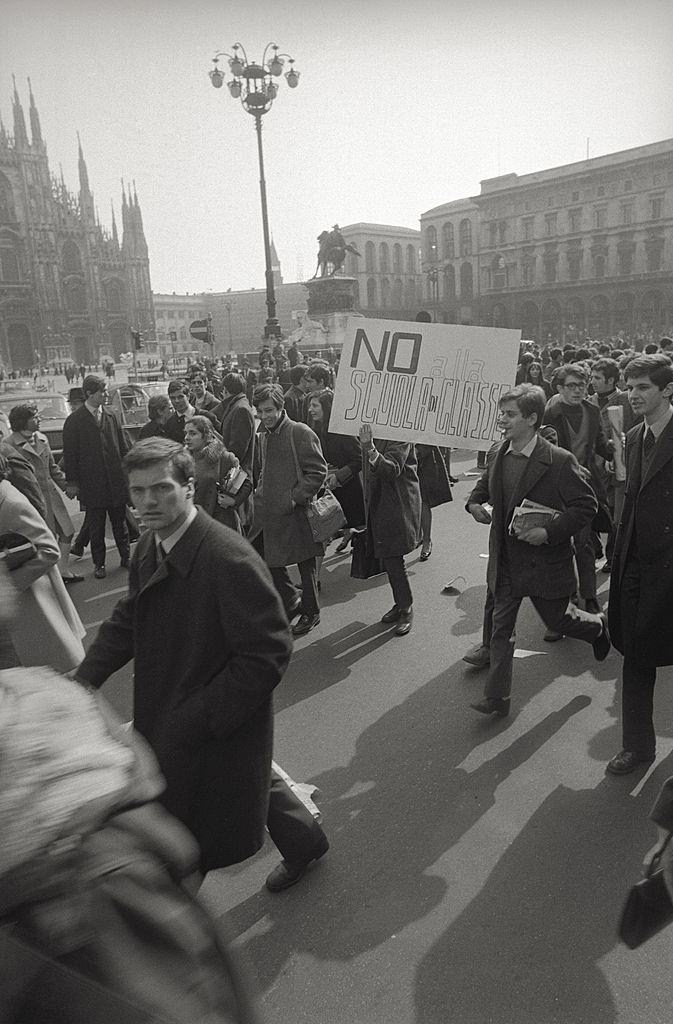
Students of the Parini high school demonstrating, 1960s.
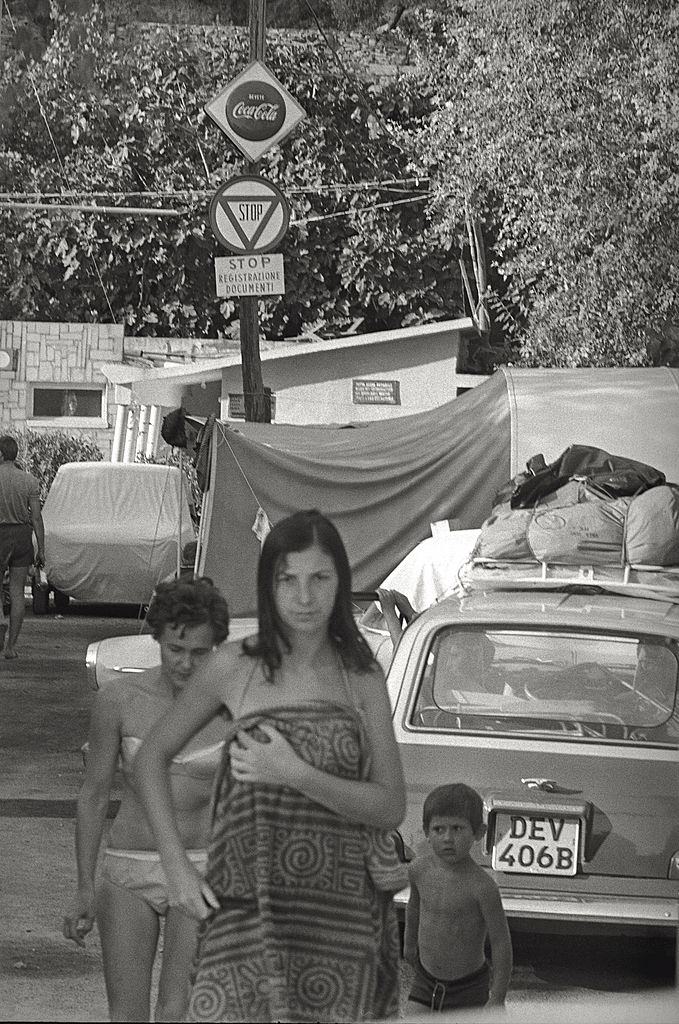
Some campers wearing swimsuit and pareo leaving the camping behind them, Italy, 1960s.
Ustica island, Italy, 1960.

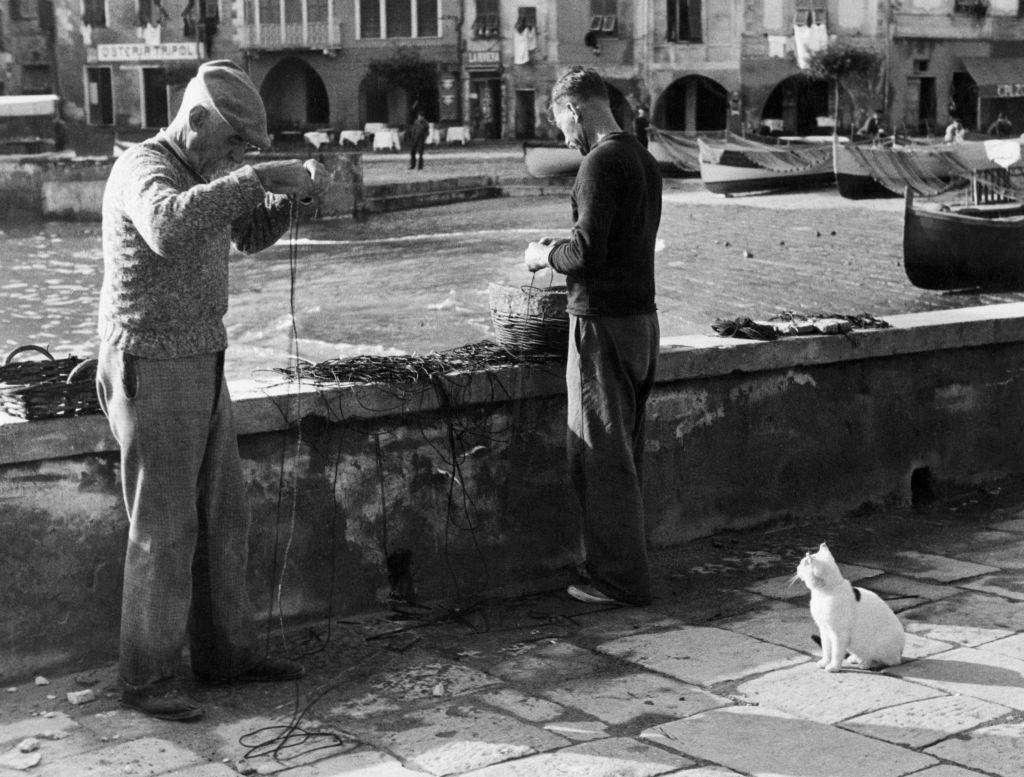
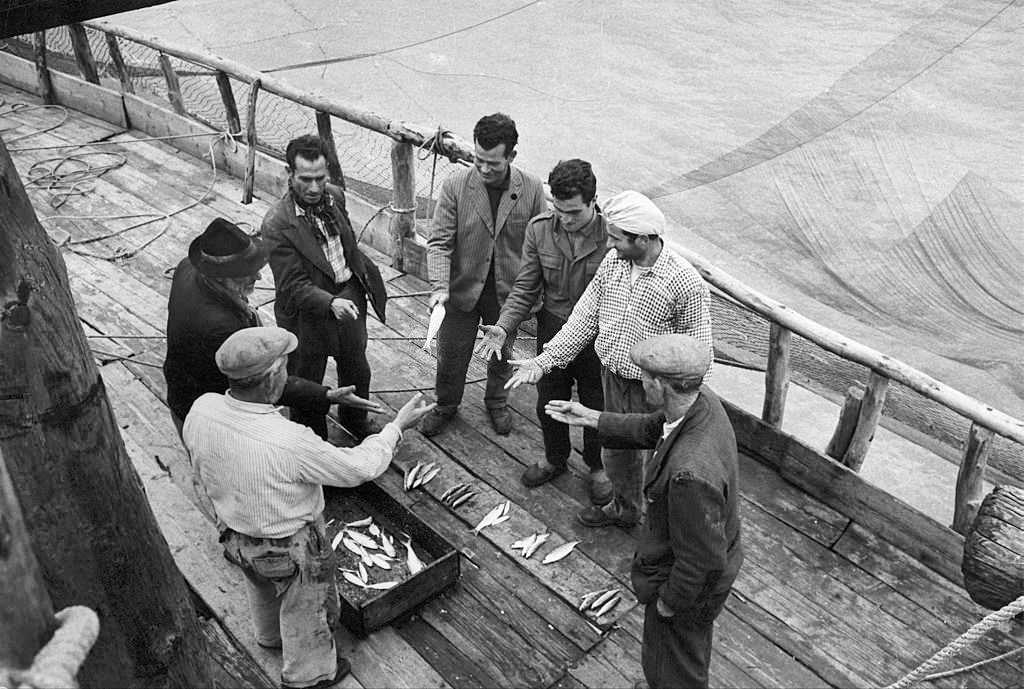
The Ligurian coast offered some of Italy’s most picturesque scenery. Towns like Sanremo and Portofino became symbols of the Italian Riviera lifestyle — elegant, sun-drenched, and intensely photogenic. Fishermen worked the same harbors that tourists came to admire, and café tables spilled out onto cobblestone waterfront squares.
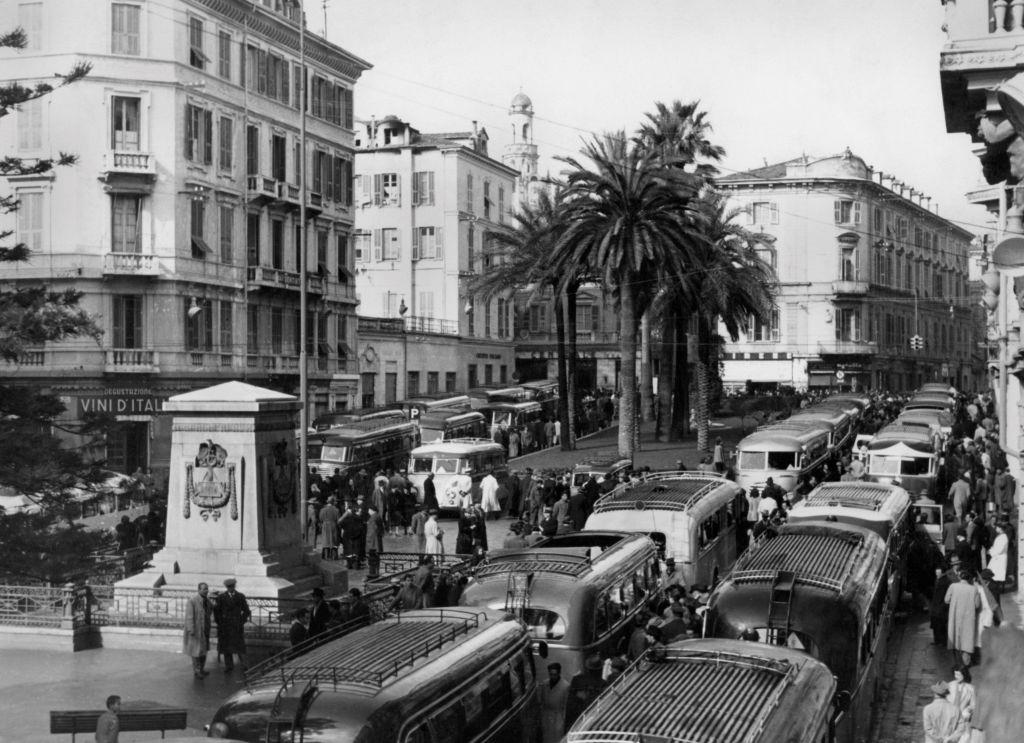
Liguria, Sanremo, 1960.
Fishermen at portofino, 1960s.
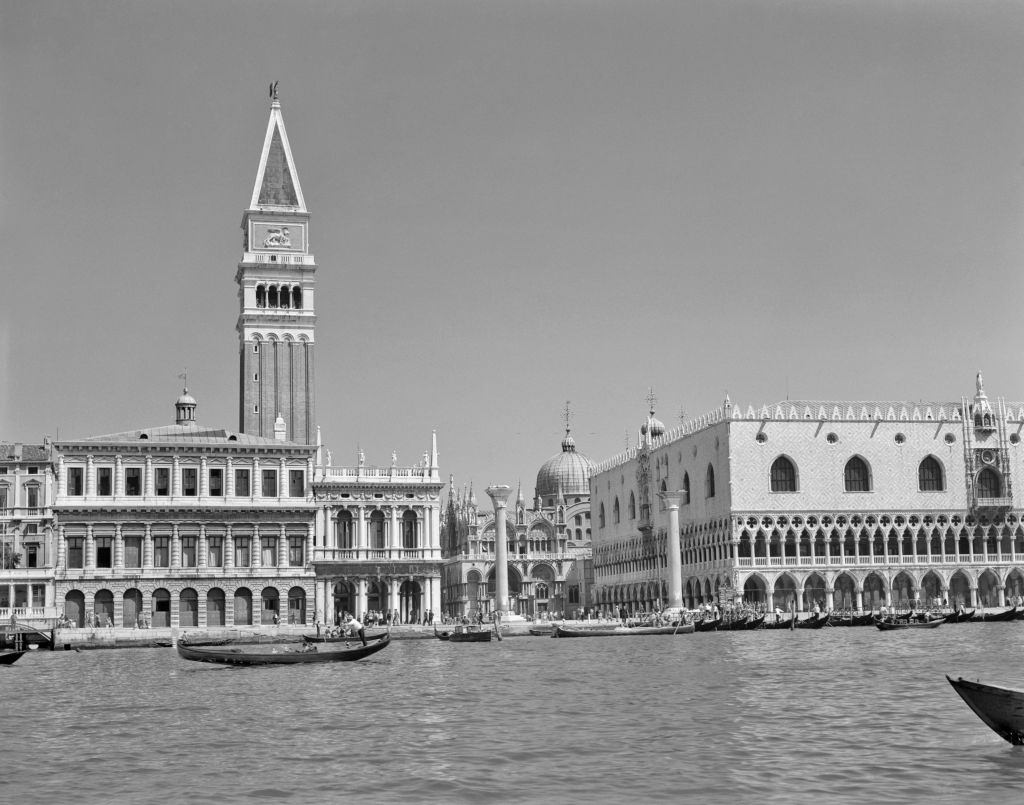
Doges Palace in Venice, 1960.
Touring club Italyno, Milan, 1960.

In the rural south, daily life looked markedly different from the industrializing north. In Basilicata, one of Italy’s poorest regions, children took part in household tasks as a matter of routine. The gap between the developed north and the underdeveloped south — known as the Mezzogiorno — was a central tension in Italian society throughout the decade.
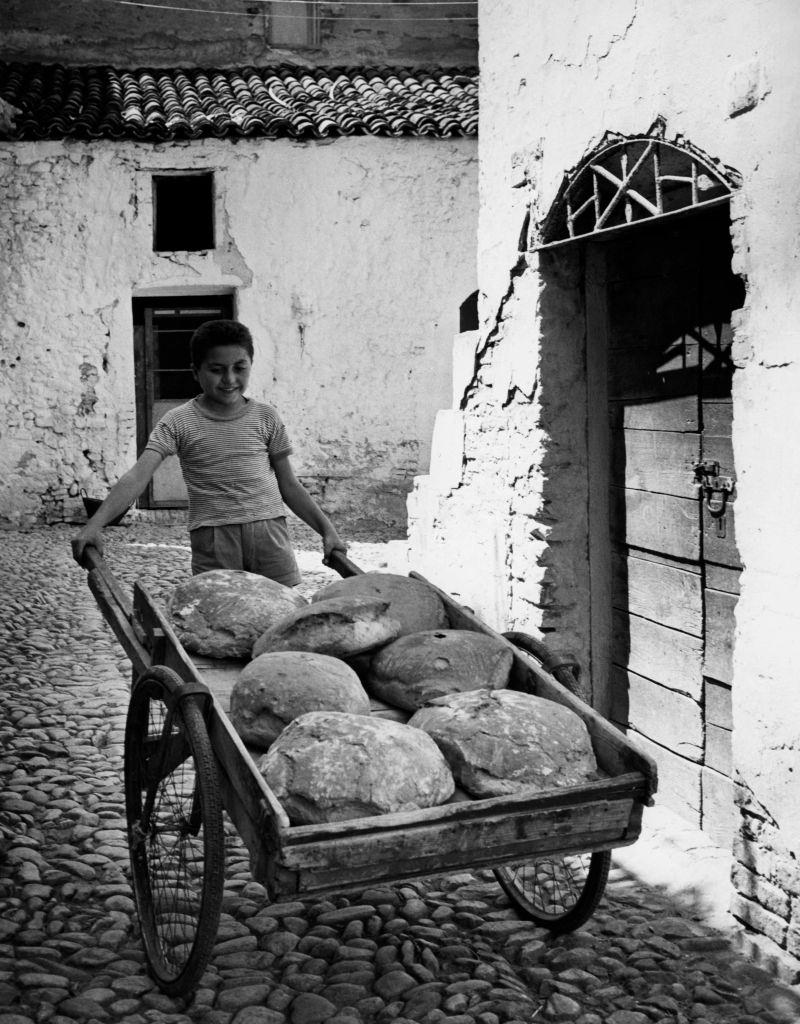
A child carrying the bread in Basilicata, Italy, 1960.
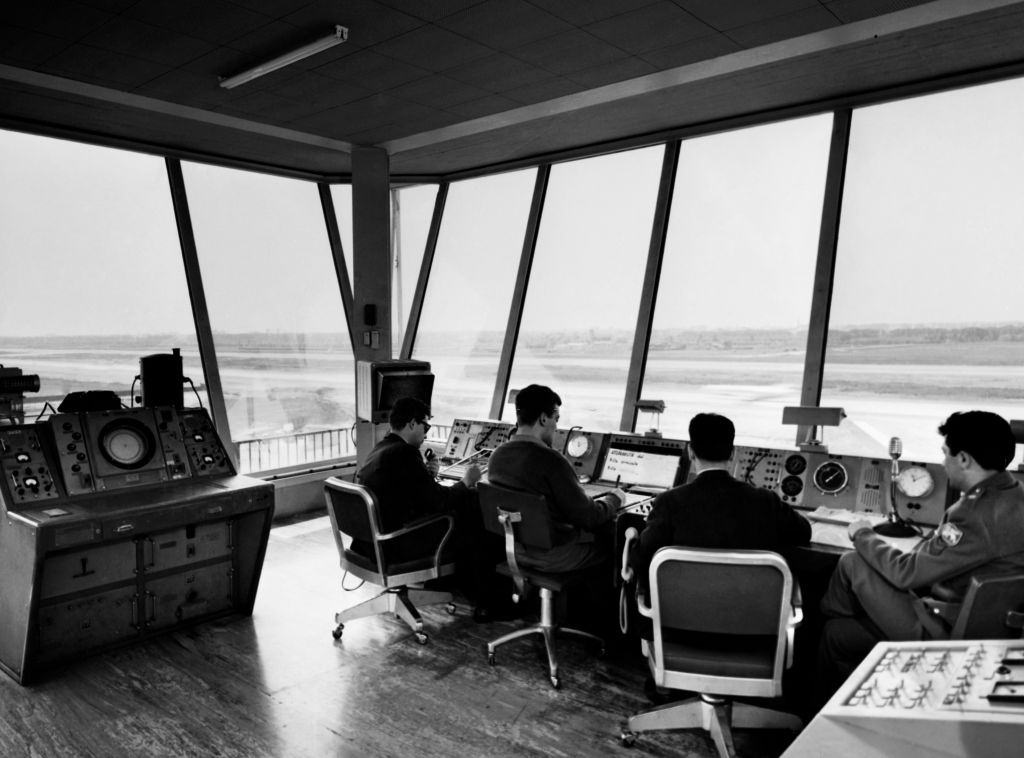
Internal of control tower in Milan linate, 1960.
Italian students of the Parini high school demonstrating in piazza Duomo, Milan, 1960s.

Italian cinema flourished in the 1960s, with directors pushing creative boundaries and actors becoming international stars. On film sets across the country, a new generation of filmmakers was redefining what Italian storytelling looked like. Director Salvatore Samperi was among those emerging voices.
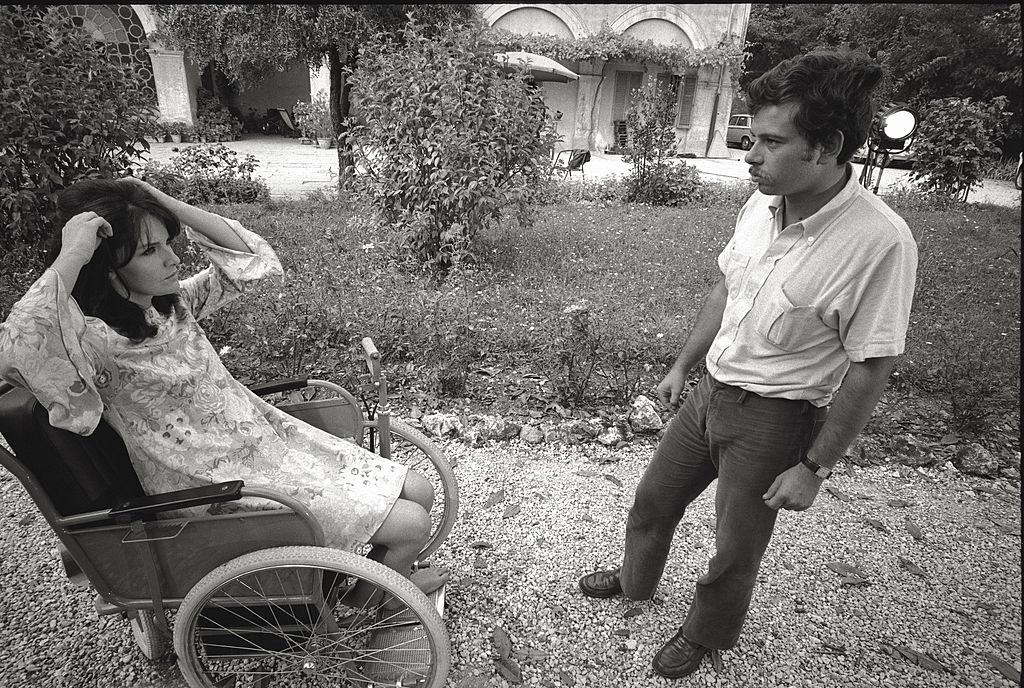
The Italian actress Lisa Gastoni (Elisabetta Gastone) talking to the Italian director Salvatore Samperi on the set of the film Grazie zia, Italy, 1960.
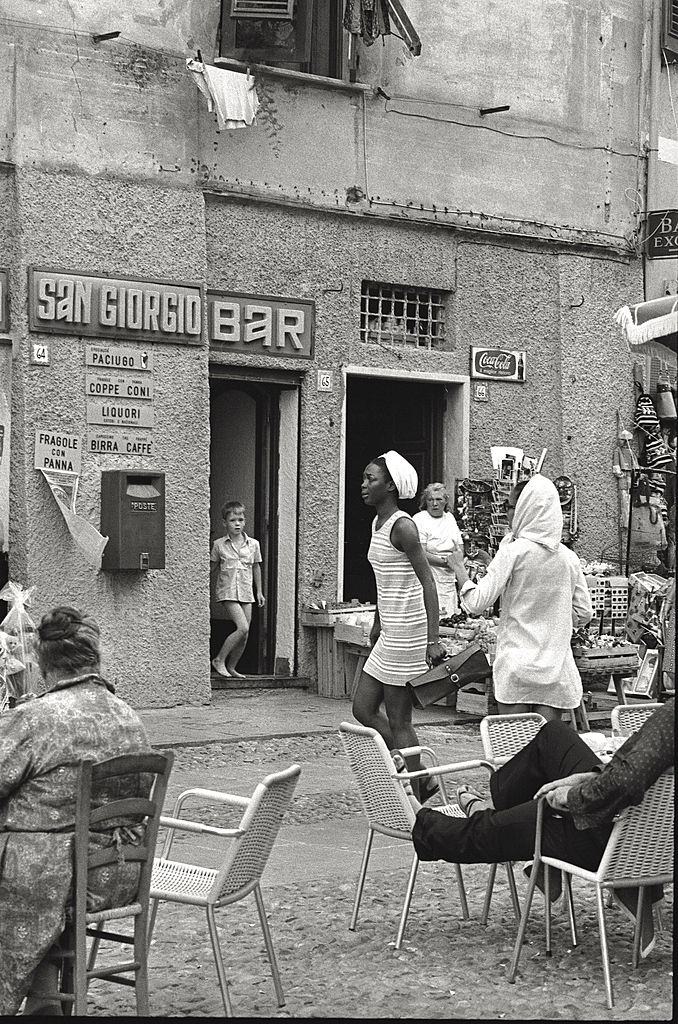
An African girl walking in Portofino, 1960s.

Medieval traditions also survived well into the modern era. In Arezzo, the Saracen Joust — a historical jousting tournament dating back to the Middle Ages — continued to be celebrated with full ceremony. Trumpeters in period costume ran through city streets, connecting the 1960s to a much older Italy.
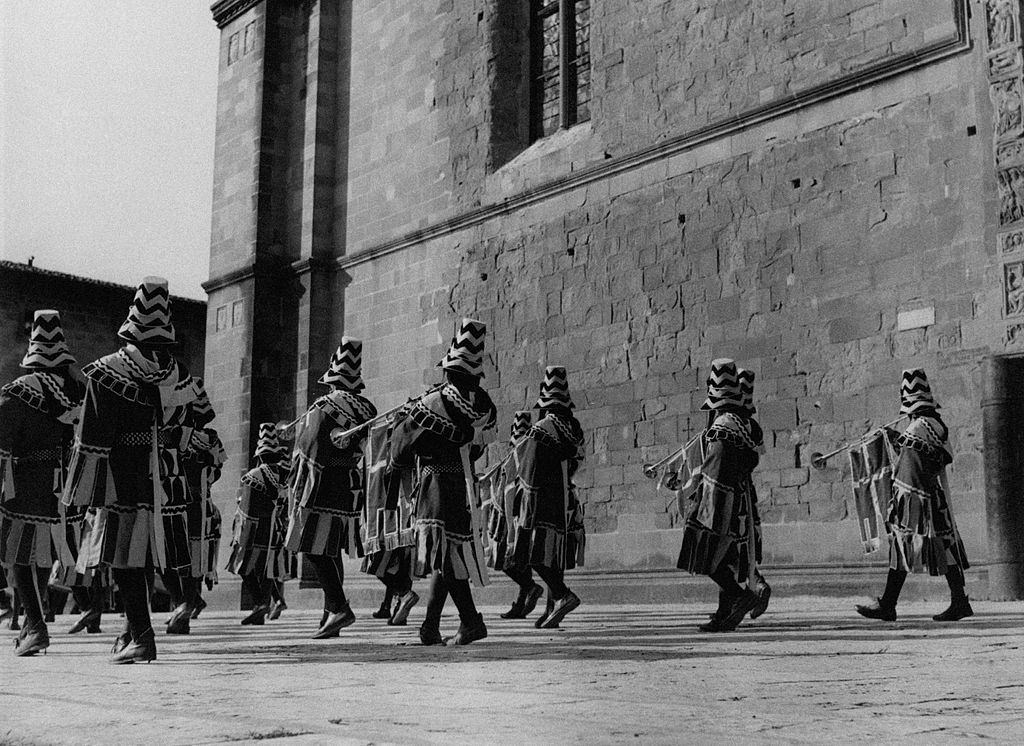
Trumpeters running through the streets of the city during the Saracen Joust, Arezzo, 1960s.

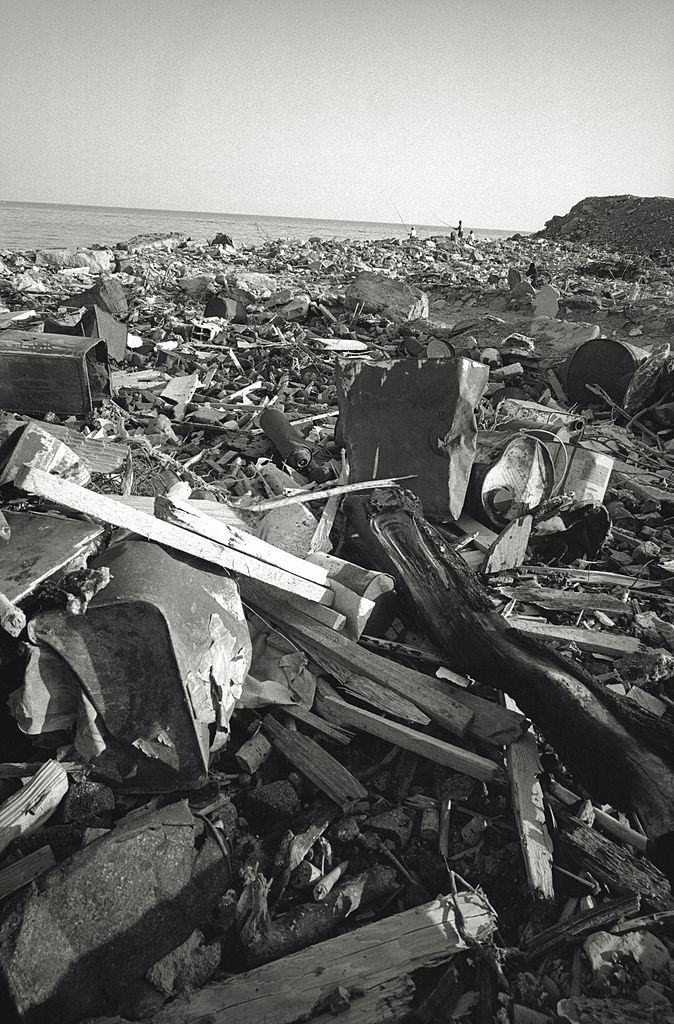
Not all images from this era were cheerful. Rapid industrialization and population growth came with environmental costs. Coastal areas near Quinto al Mare were buried in trash, and harbors like Viareggio showed visible signs of pollution. Industrial growth had not come with much environmental responsibility.
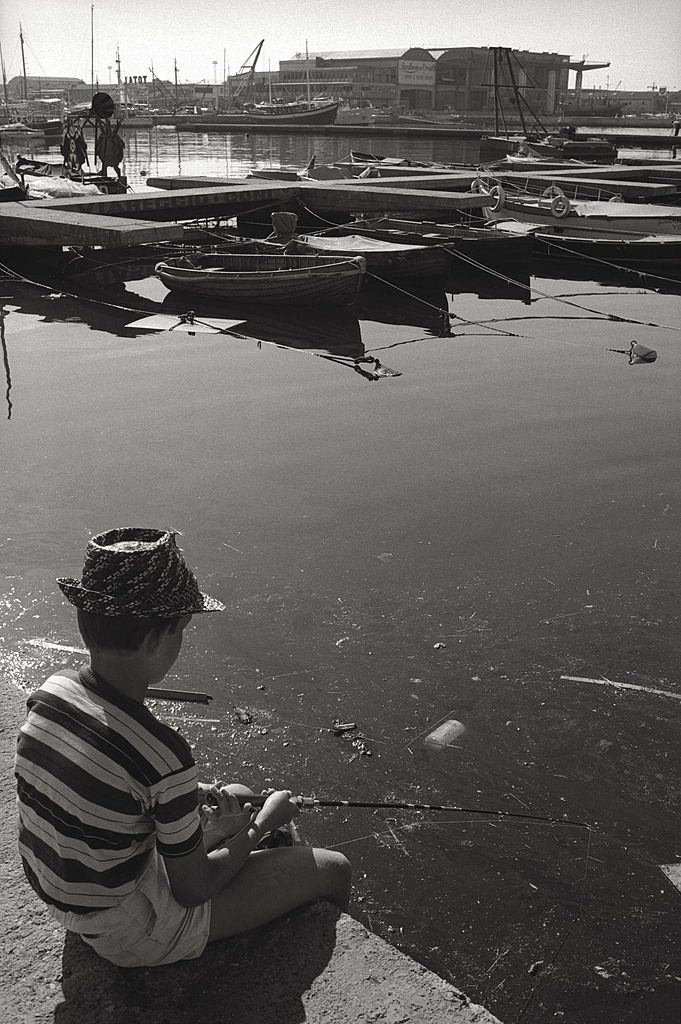
A child fishing in the polluted water of the Viareggio harbour, 1960.
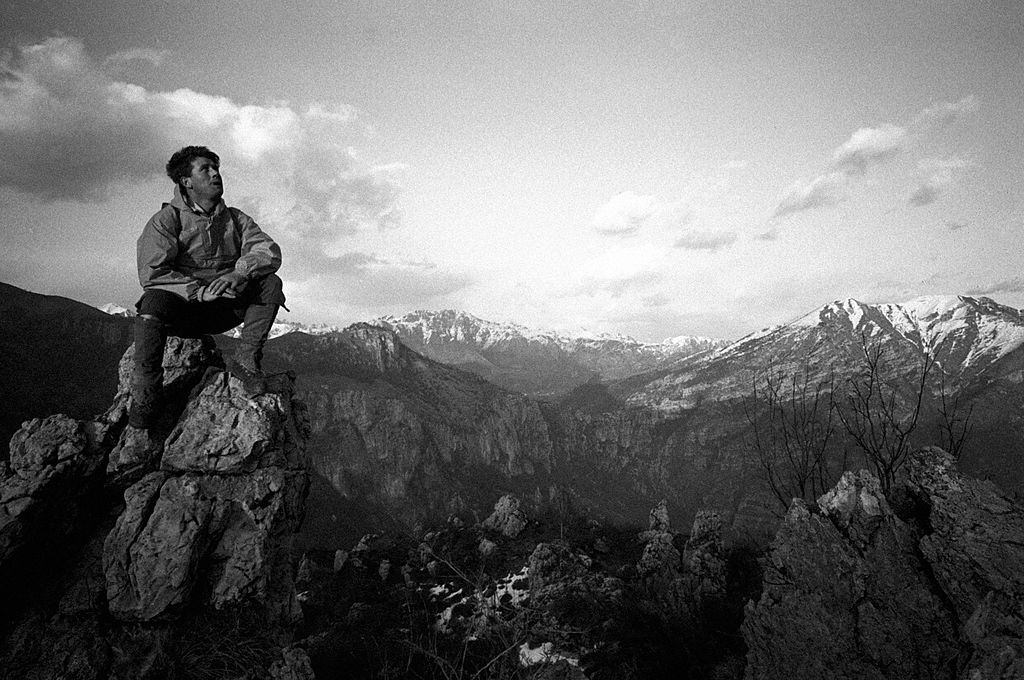
Italian climber and explorer Carlo Mauri sitting on top of a mountain, 1960s.
The cliffs of Quinto al Mare covered with trash, 1960s.
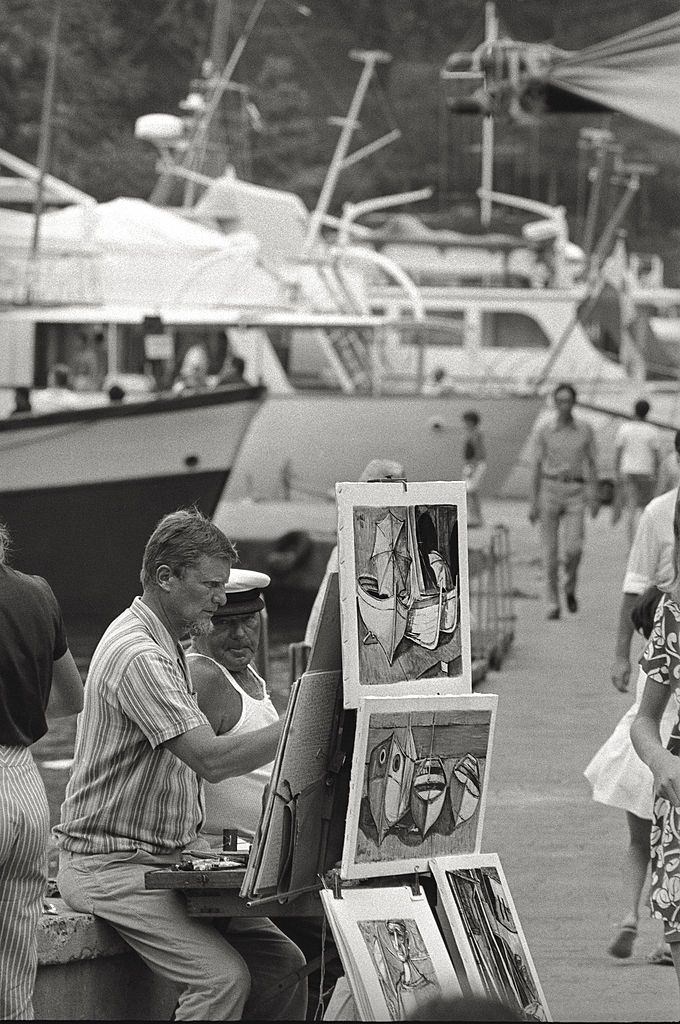
A man painting on the dock of a harbor, Italy, 1960s.

Italian fashion was gaining global recognition during the 1960s. The country’s designers were becoming known for elegance and craftsmanship, and shopping streets like Via Condotti in Rome attracted well-dressed crowds. Style was visible everywhere — in the clothes worn on beaches, in the streets, and on stage.
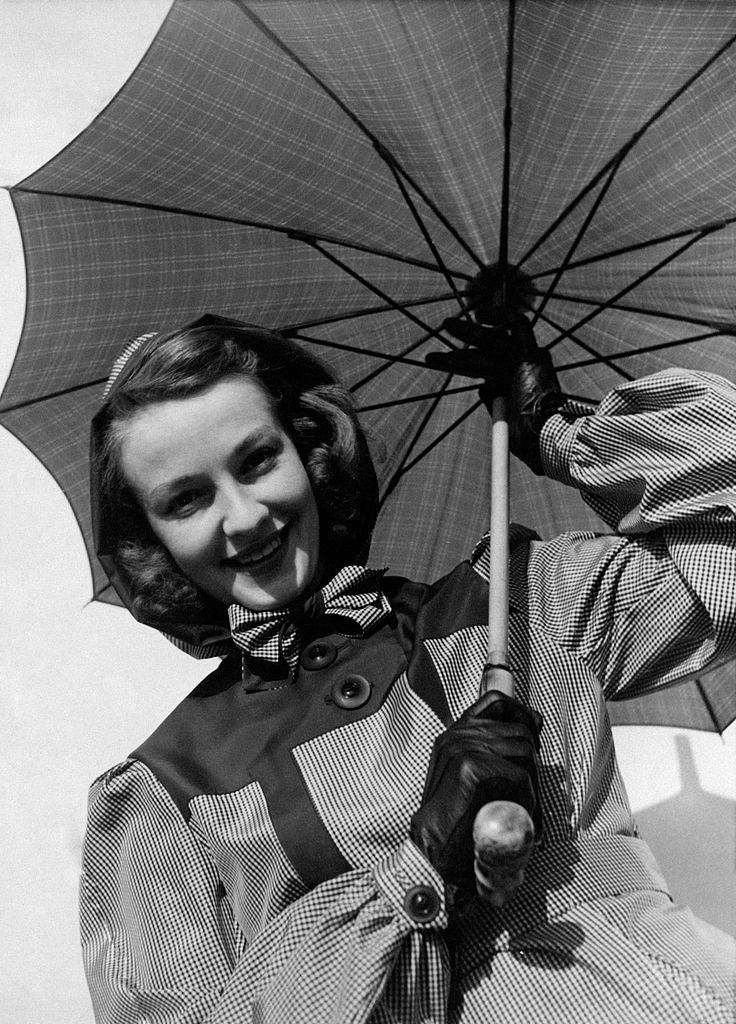
A model showing an umbrella, 1960s.
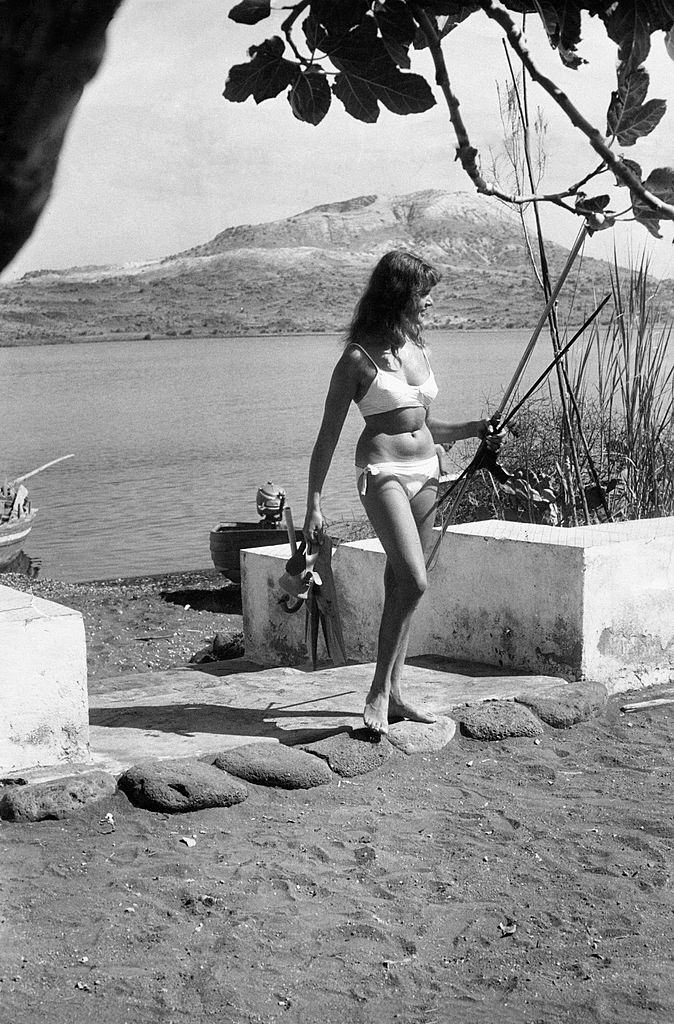
German tourist wearing a bikini in Vulcano Island, 1960.
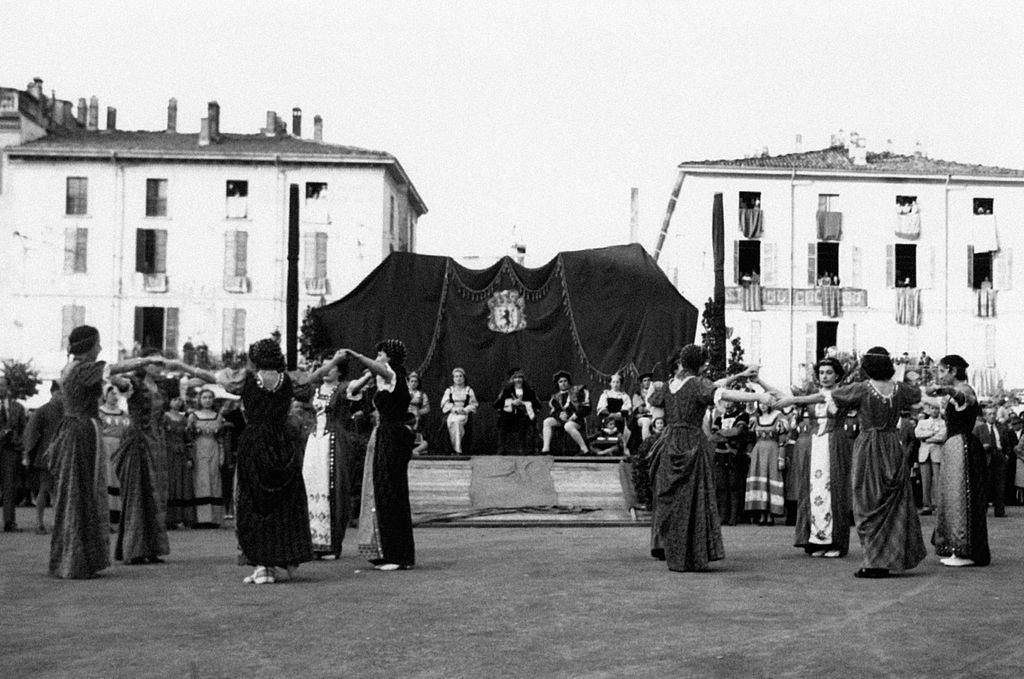
Inhabitants wearing costumes and dancing a portuguese dance during a pageant, Bettola, 1960s

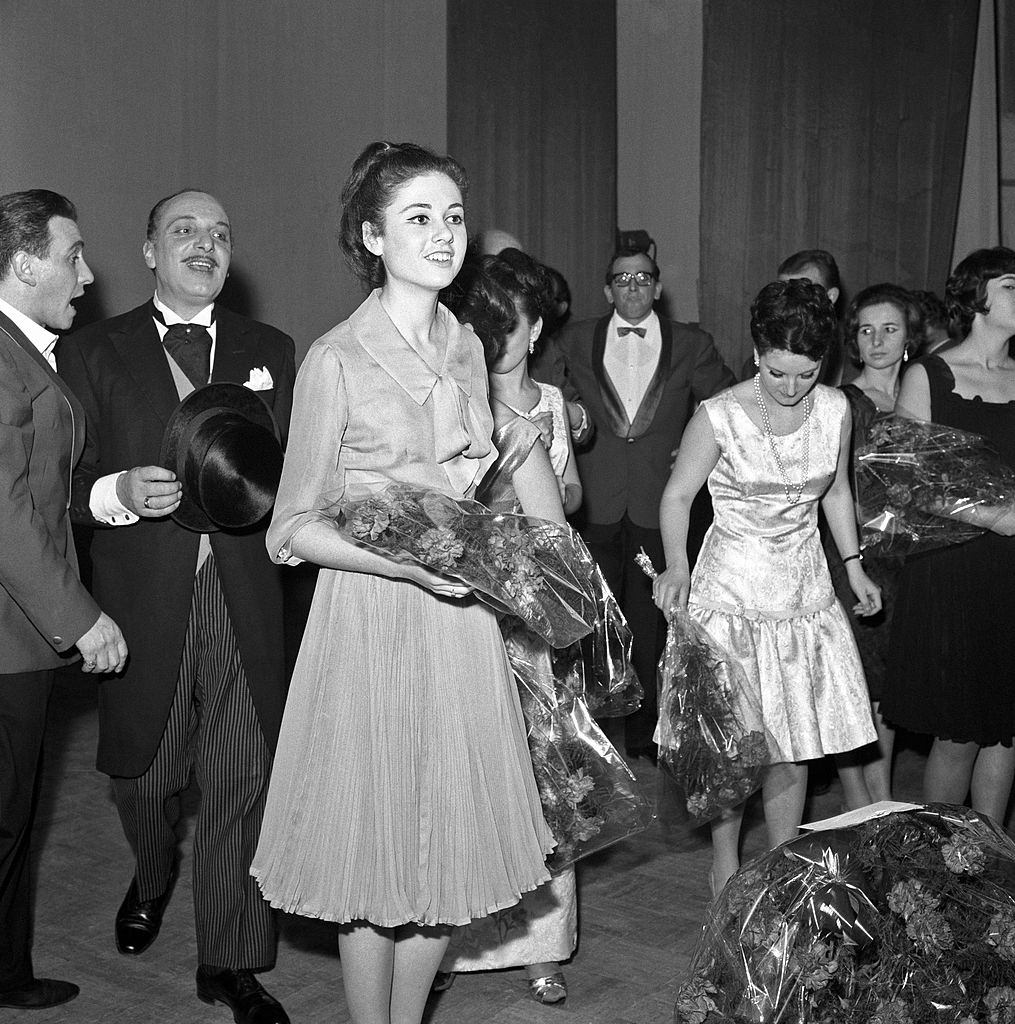
Italian pop culture was also in full bloom. Singer-songwriter Giorgio Gaber was a rising figure in Milan’s music scene, blending folk, cabaret, and political commentary. Gigliola Cinquetti had won the Eurovision Song Contest in 1964 and become one of Italy’s most recognizable faces. These were not just entertainers — they were part of how Italians understood themselves.
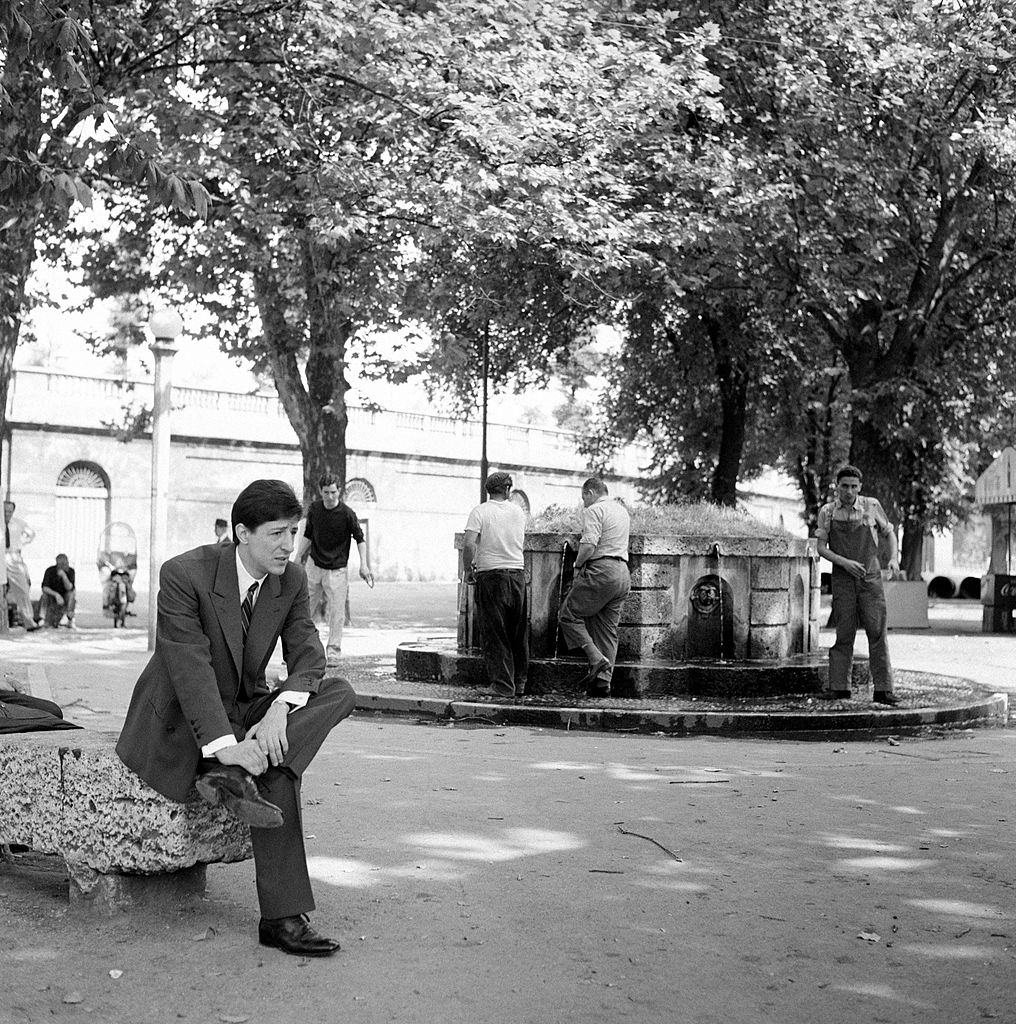
Italian singer-songwriter and actor Giorgio Gaber (Giorgio Gaberscik) sitting in a square. Milan, 1960s.
Italian singer, actress and TV presenter Gigliola Cinquetti holding a bunch of flowers in her hands, 1960s.
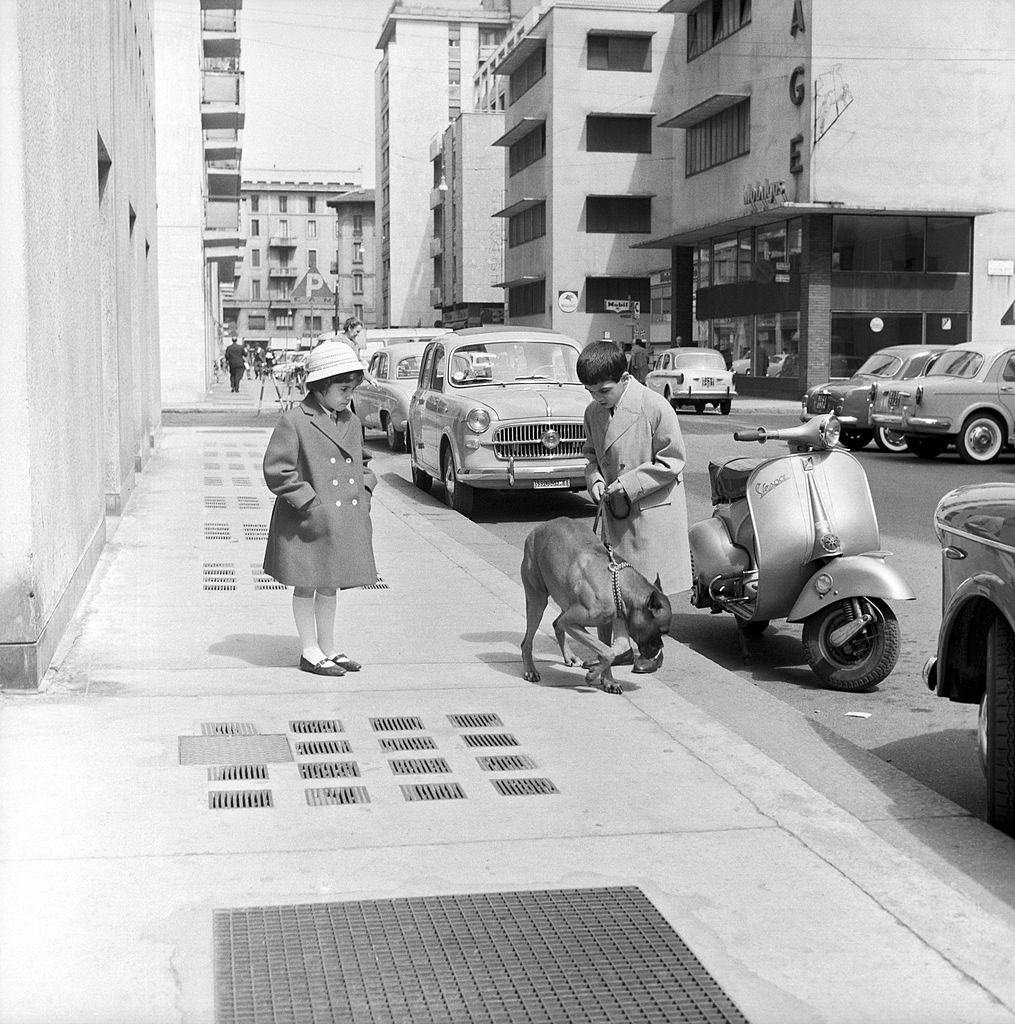
The children of Italian boxer Duilio Loi walking on the pavement keeping a dog on a leash, 1960s.

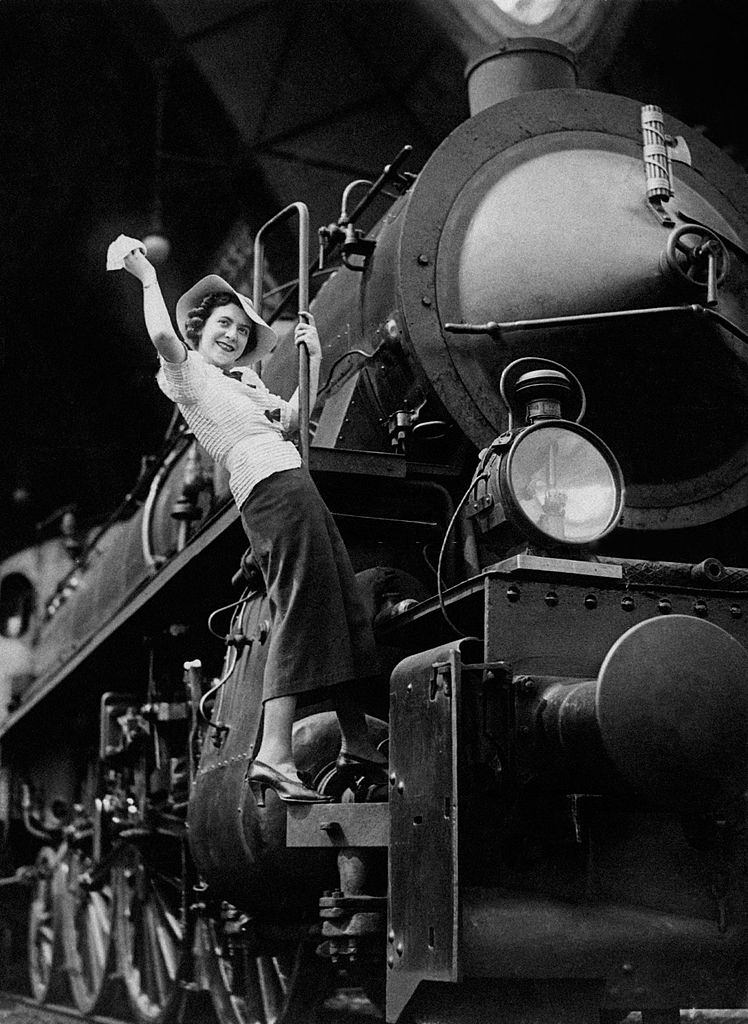
Rail travel remained one of the main ways Italians moved across the country. The Tyrrhenian coast railway carried passengers along the western shore, while Roma Termini served as the nation’s central transit hub. The trains connected the rural south to the industrial north and brought workers, students, and families across the peninsula.
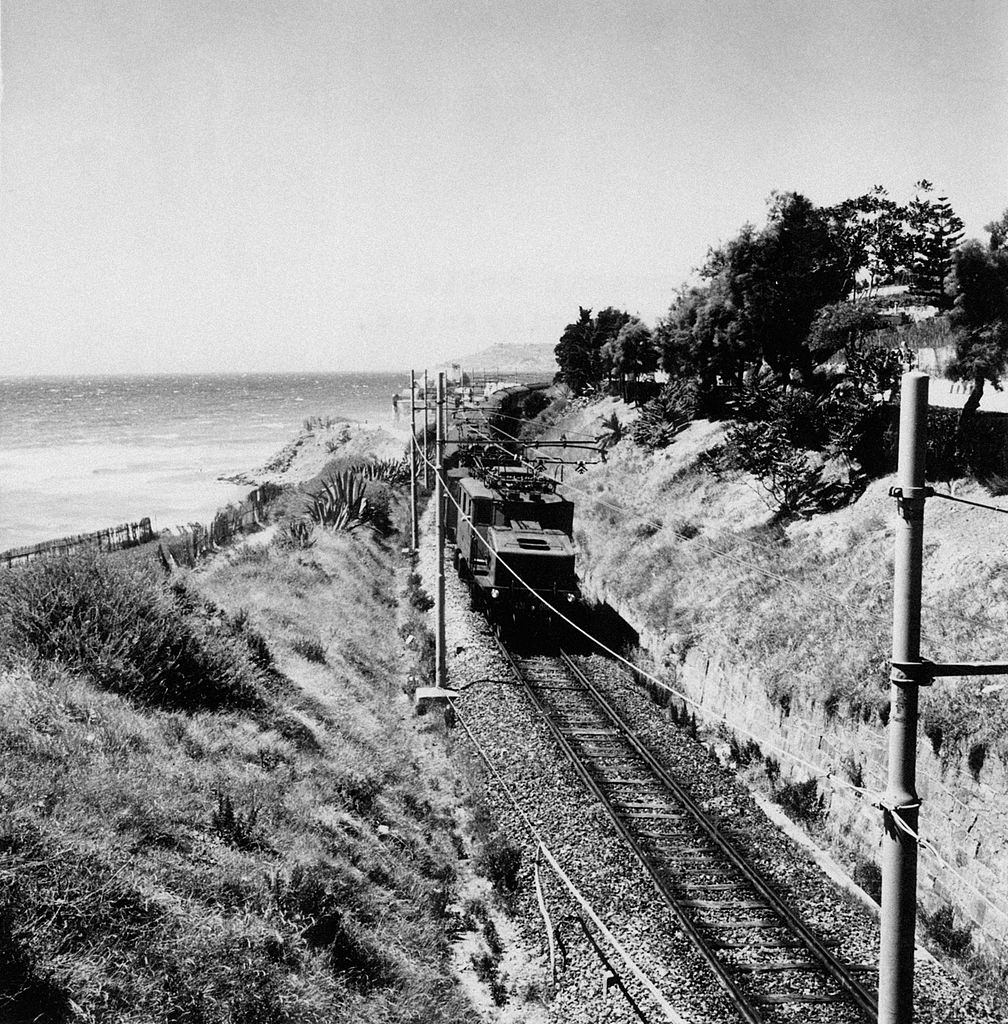
Train running on the Tyrrhenian coast railway, 1960s.
Young woman greeting from a locomotive waving her handkerchief, 1960s.

At the Falk steel plant in Sesto San Giovanni, workers operated heavy machinery in conditions that would later become the flashpoint for labor unrest. The “hot autumn” of 1969 grew directly out of factories like this one, where workers — many of them recent migrants from the south — organized unofficial strikes outside of party-linked union structures. The strikes that followed forced employers to grant pay raises of at least 15 percent, and factory councils formed in nearly every major plant.
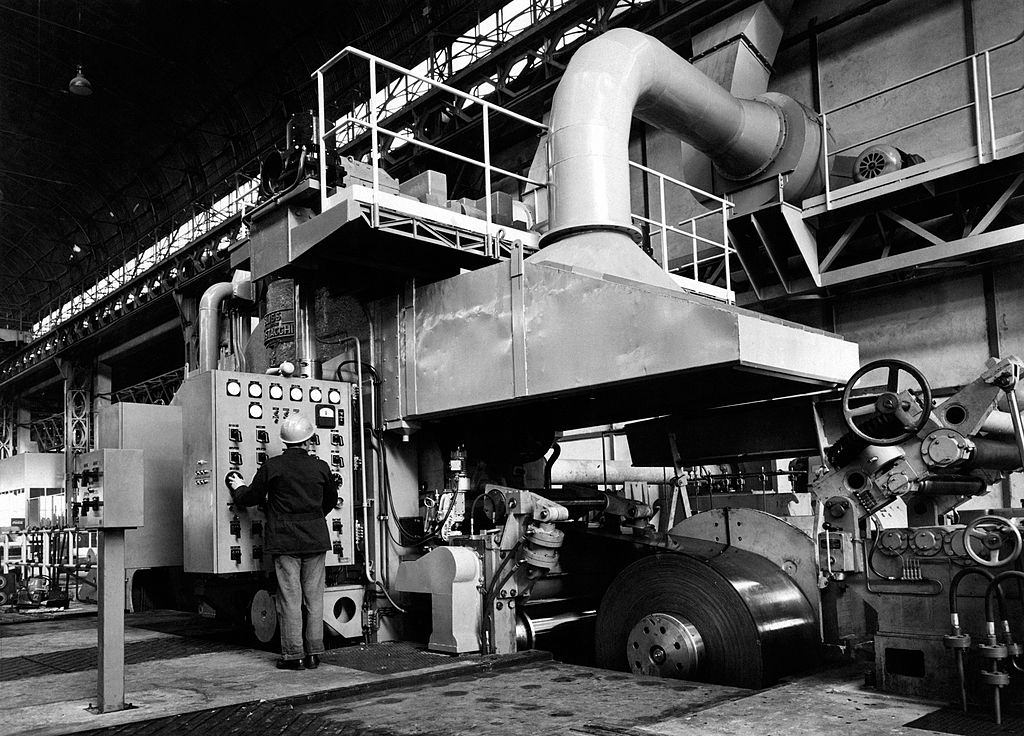
A worker working on the department of production of cold rolled section at Falk steel plant. Sesto San Giovanni, 1960s.
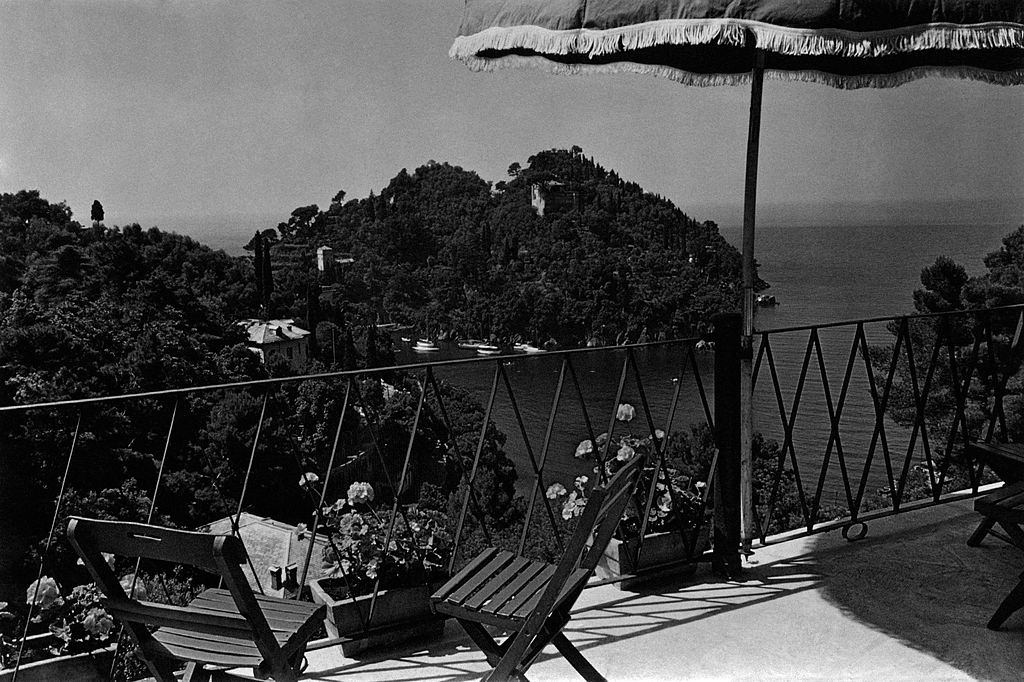
View of a terrace overlooking the sea in Portofino, 1960s.
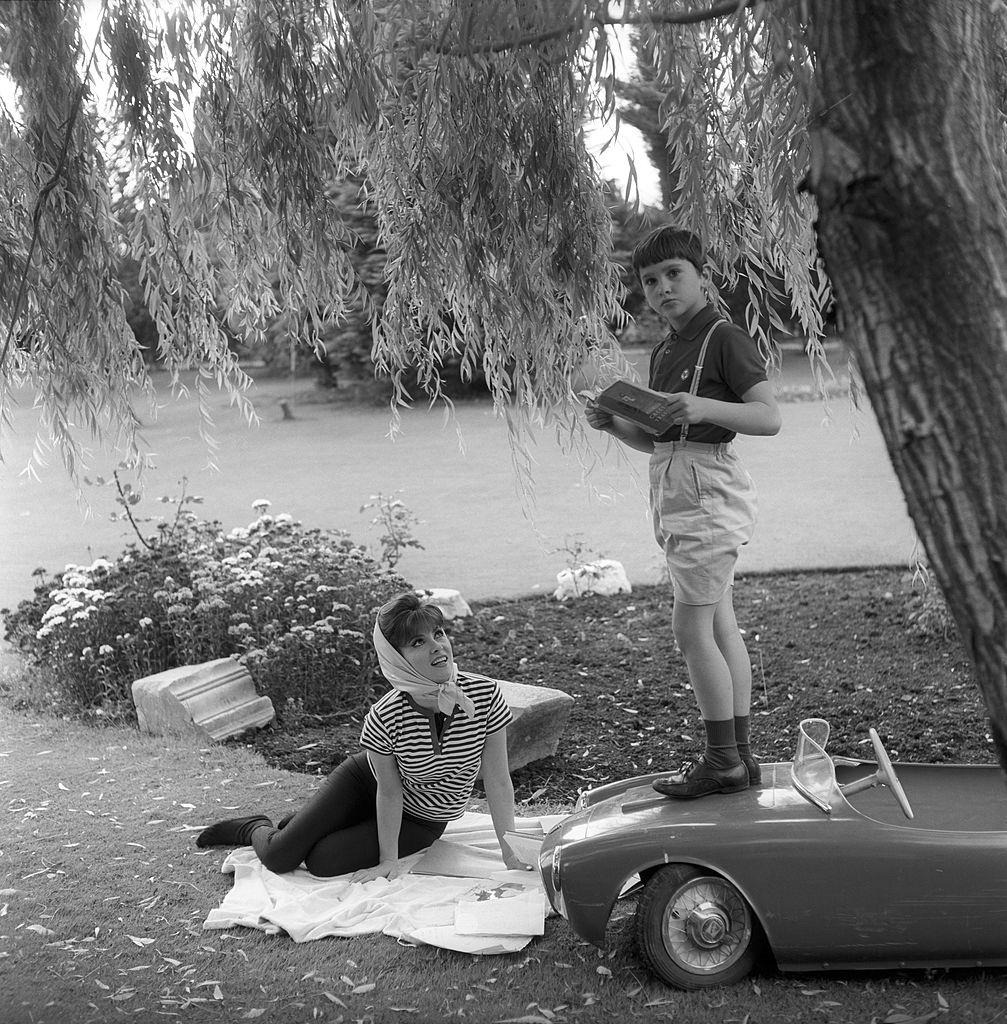
Gina Lollobrigida looking at her son Andrea Milko Skofic, 1960s.
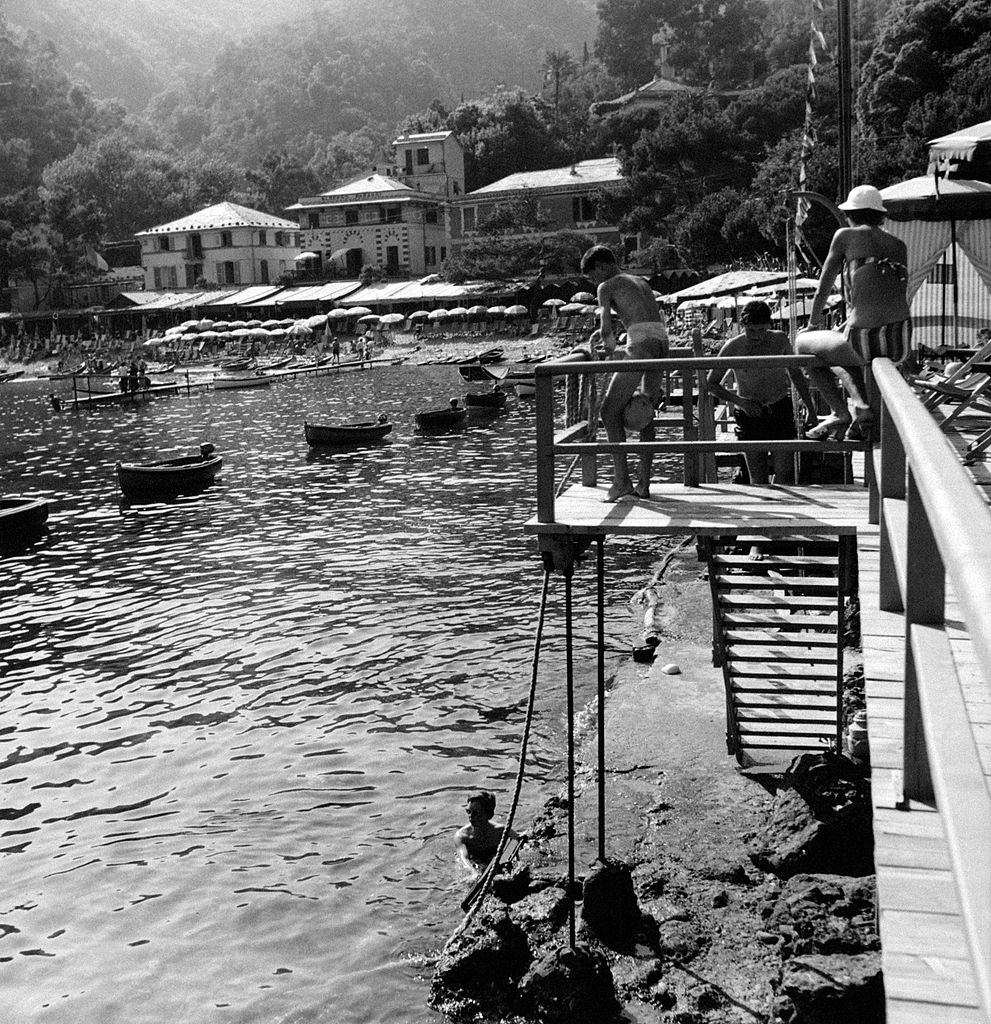
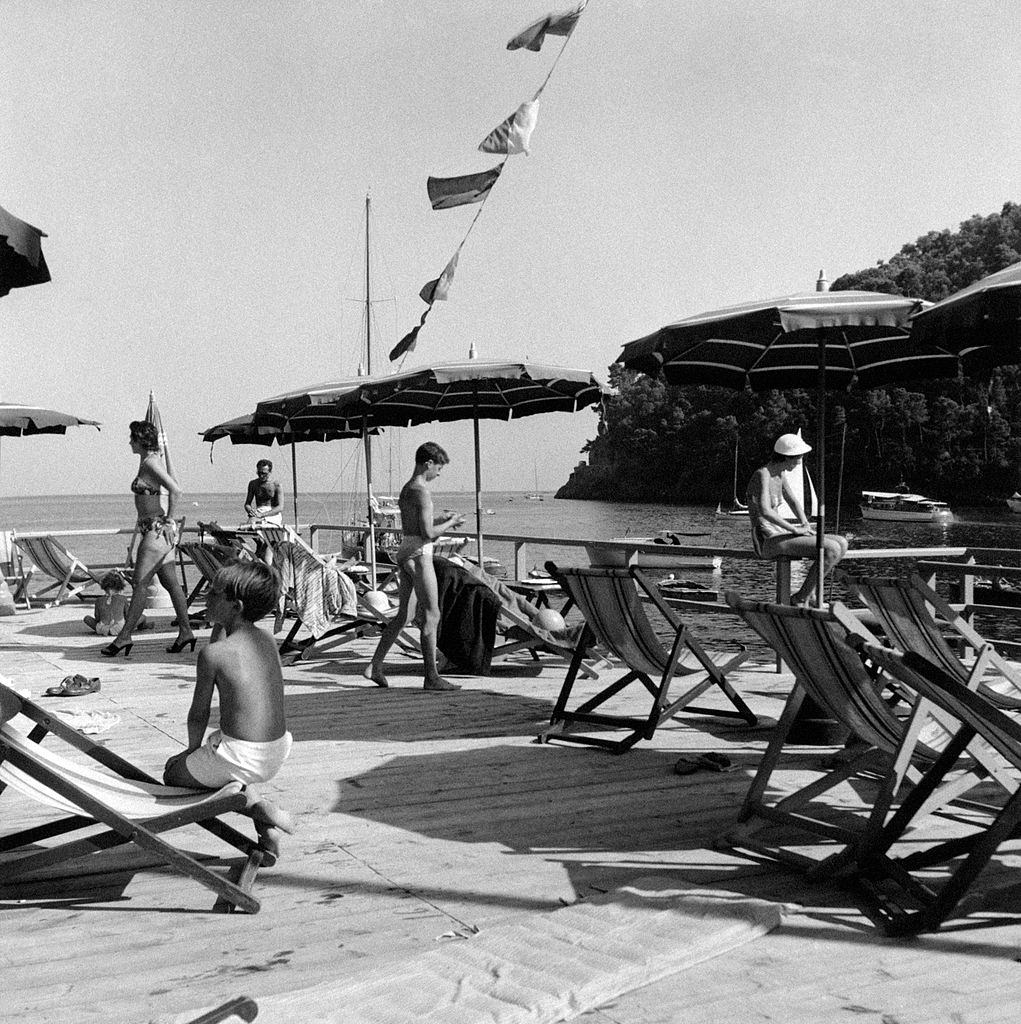
Bathers relaxing at the exclusive lido Paraggi on the riviera of Liguria, Paraggi, 1960s.
Bathers relaxing at the exclusive lido Paraggi on the riviera of Liguria, 1960s.

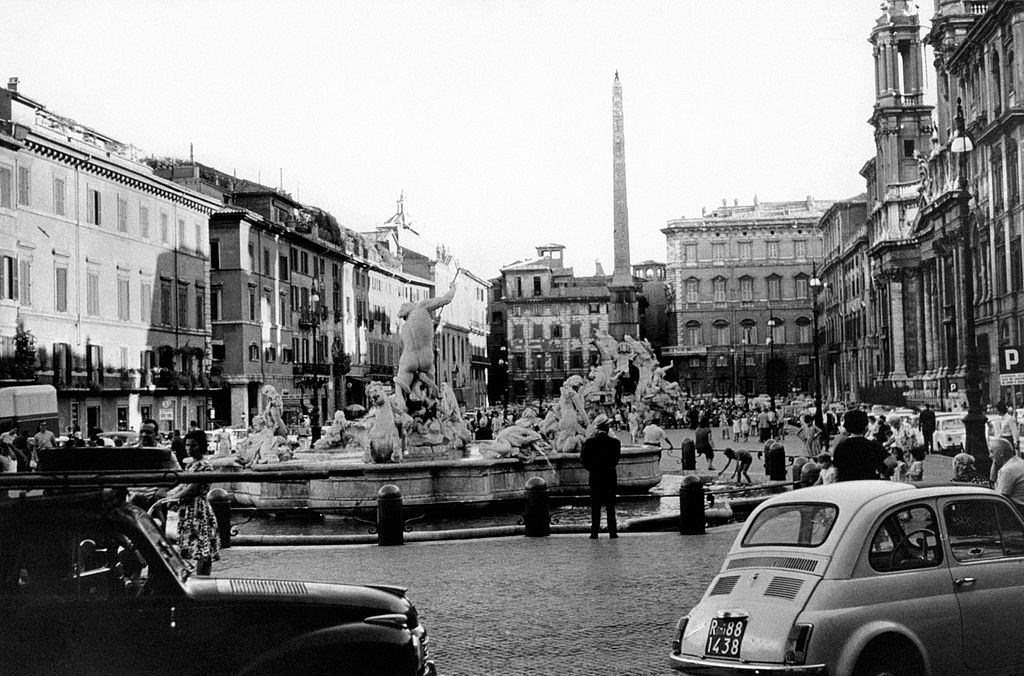
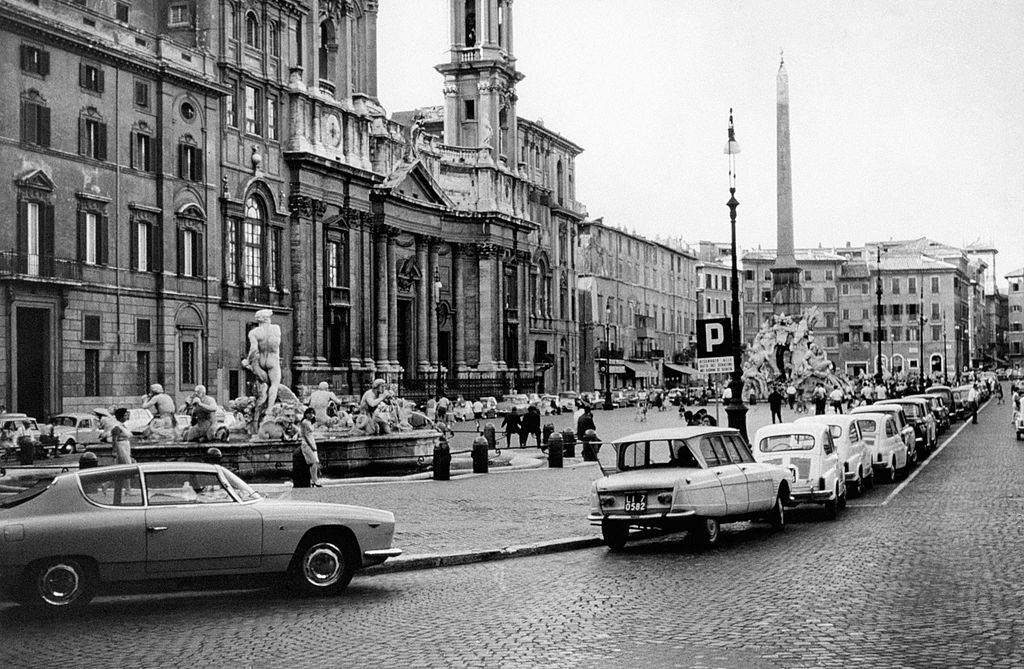
Rome’s streets offered a constant mix of the ancient and the contemporary. Via Condotti was lined with upscale shops and fashionable pedestrians, while Piazza Navona remained one of the city’s great open-air gathering places. Cars crowded the squares in front of historic palaces, and cafés buzzed from morning to late at night.
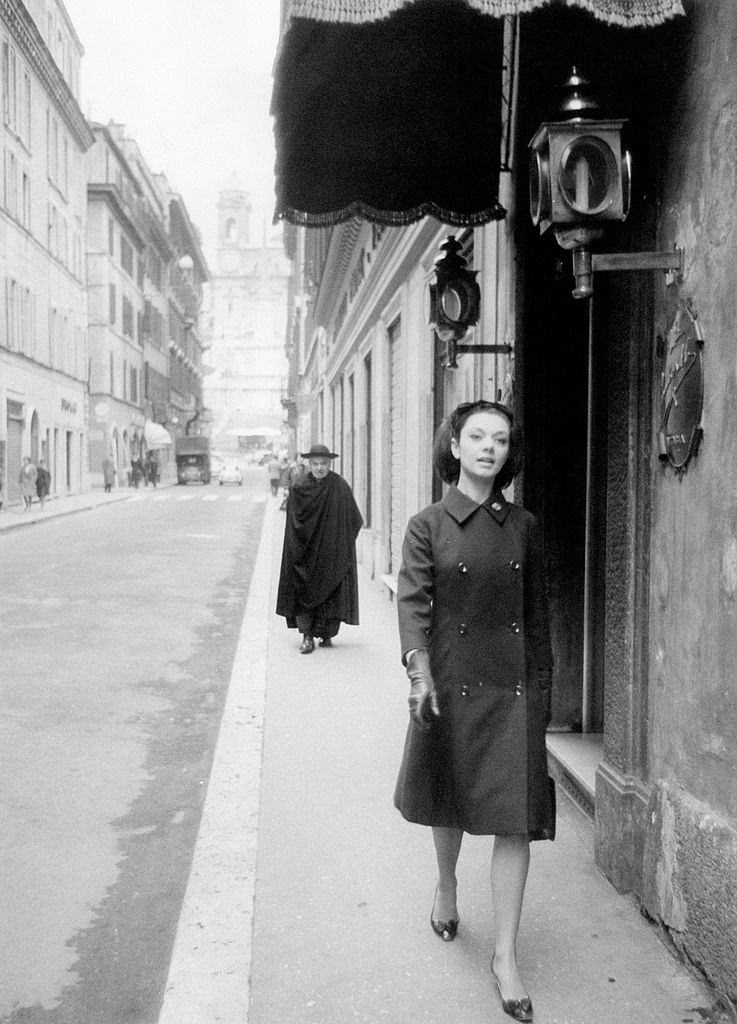
A young woman walking in via Condotti, 1960s.
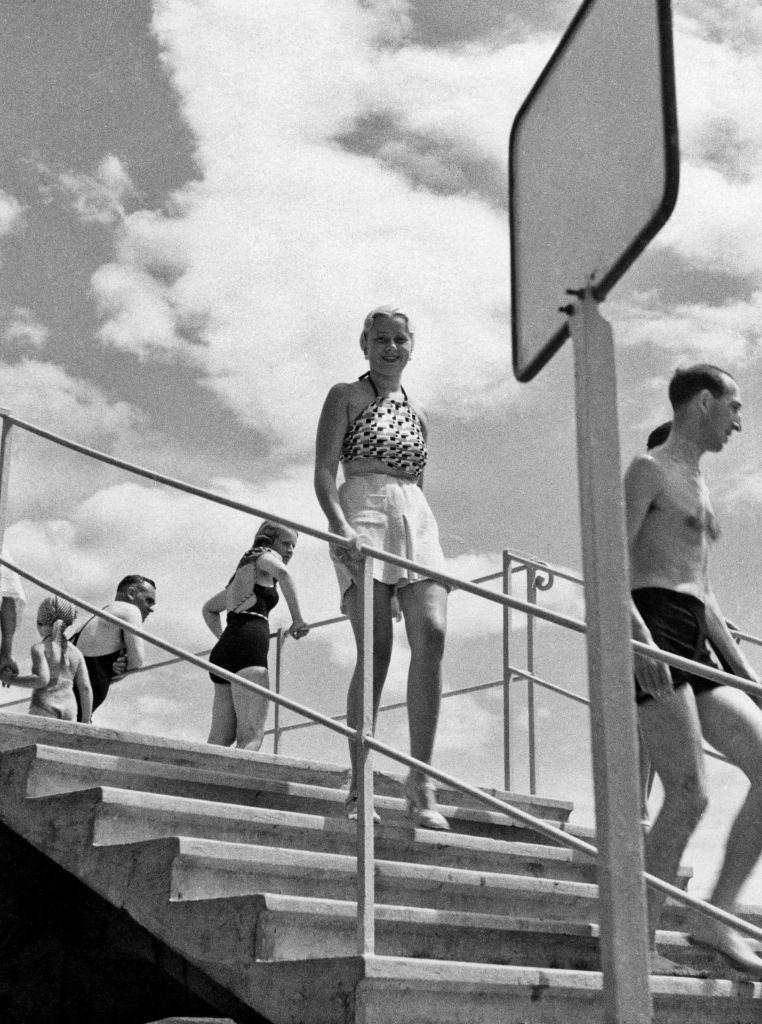
Some people going down the stairs of the lido Savoia in Opatija, Opatija, 1960s.
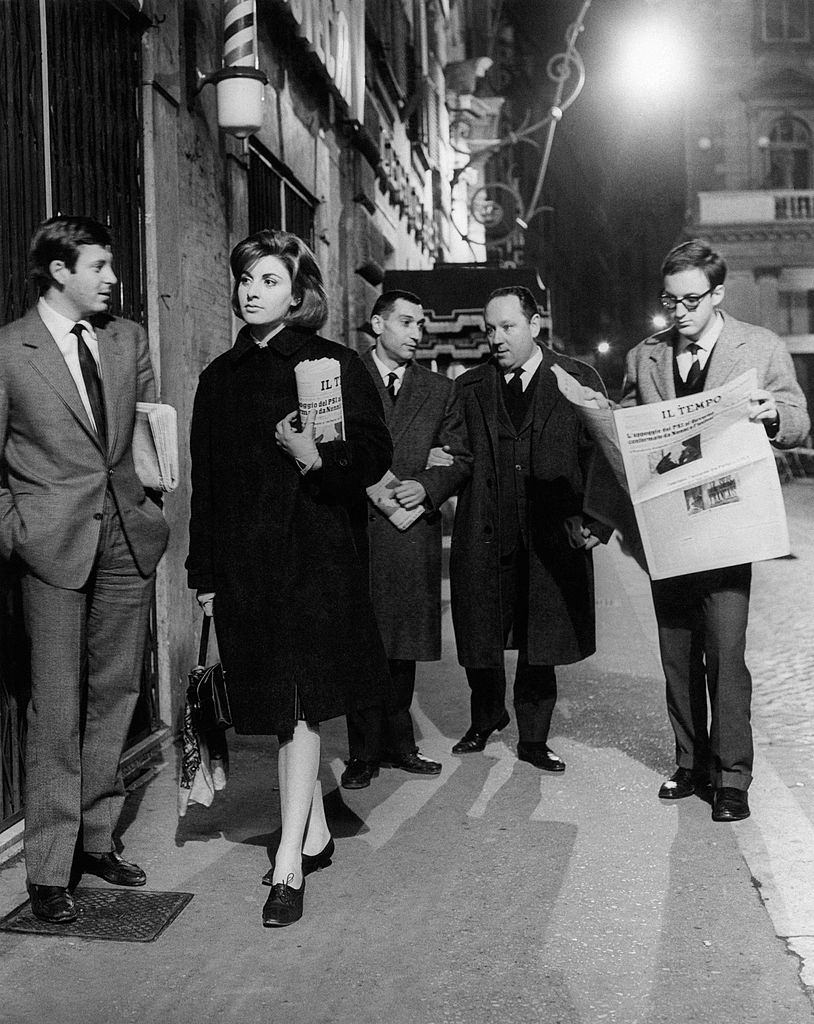
Some young journalist coming back home holding the fresh copies of the newspaper Il Tempo. Rome, 1960s.
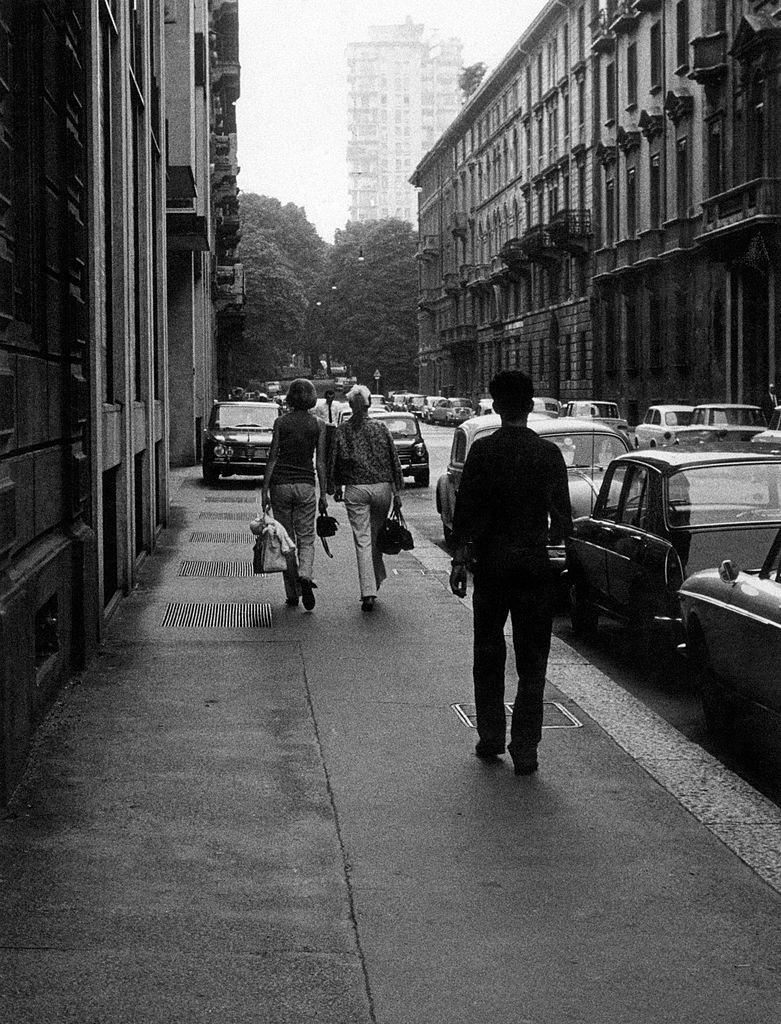
People walking in via Leopardi. Milan, 1960s.

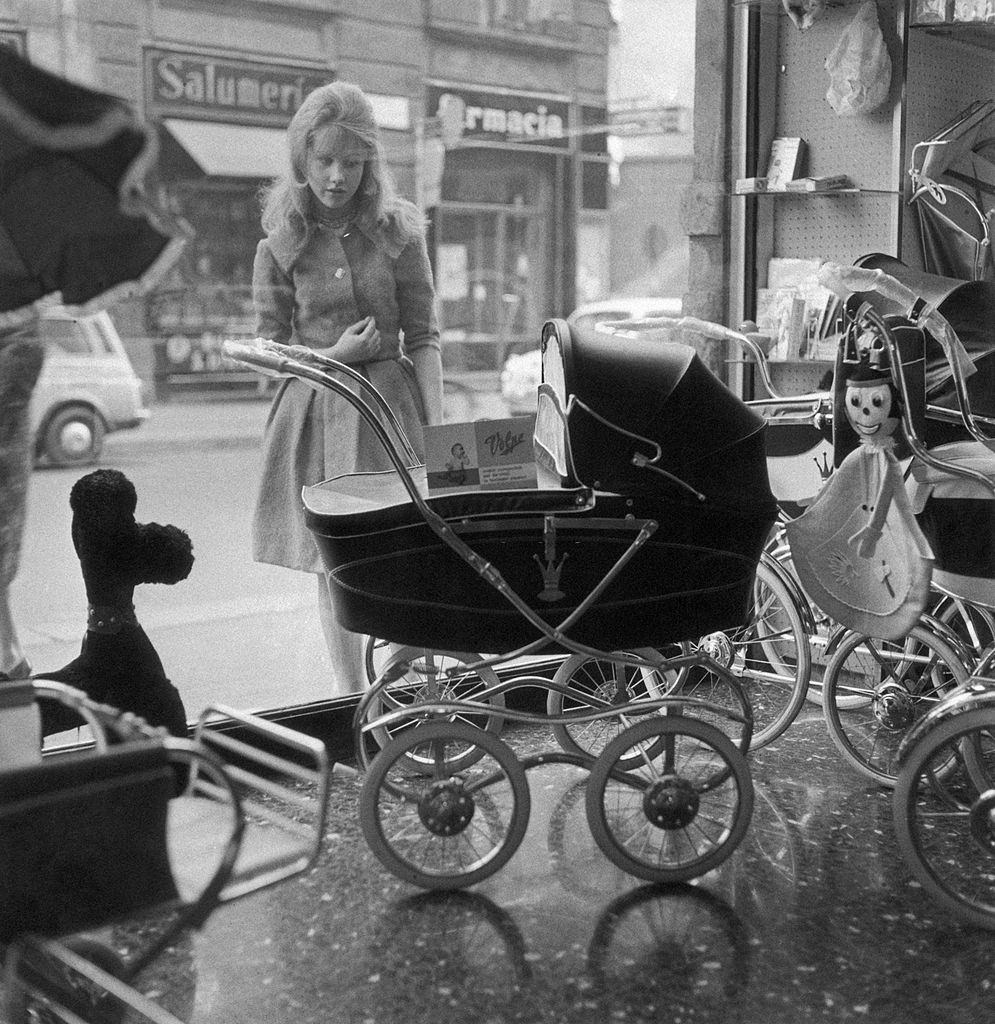
Markets, street vendors, and small shops were central to daily commerce across Italy. A pedlar at a street market, a girl peering into a shop window at a pram, a man cycling through Bologna — these were the ordinary textures of Italian life that existed far outside the reach of political turmoil or economic statistics.
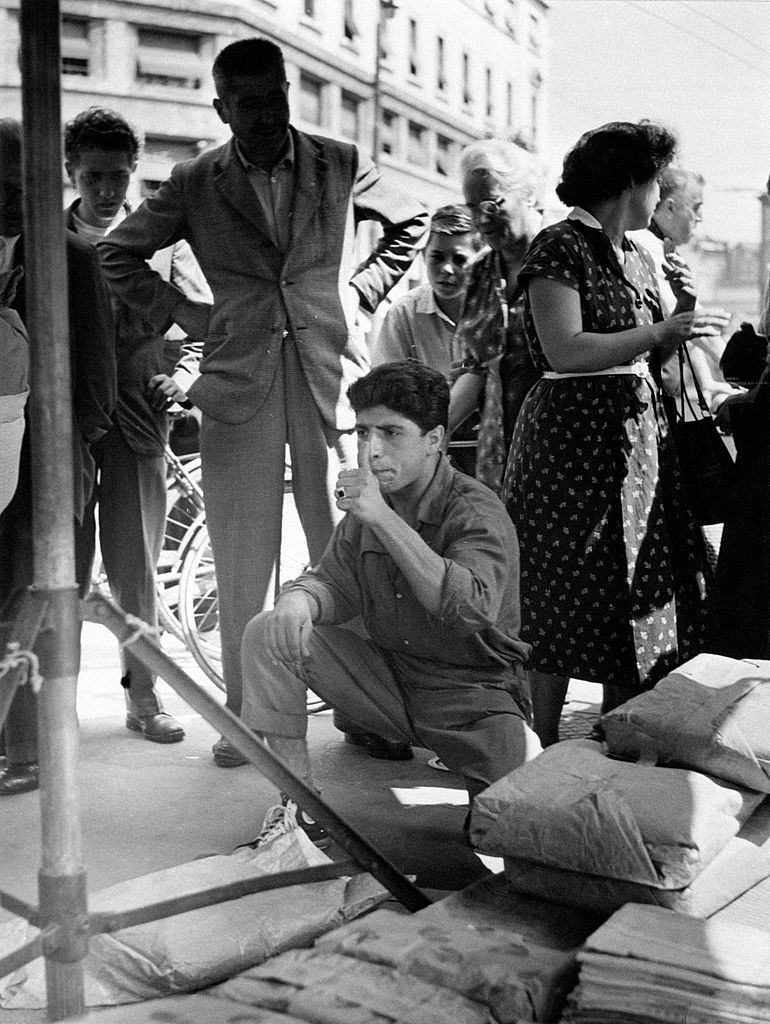
A pedlar selling items at a market, Italy, 1960s
A girl looking at a pram displayed in a shop window, Italy, 1960s.
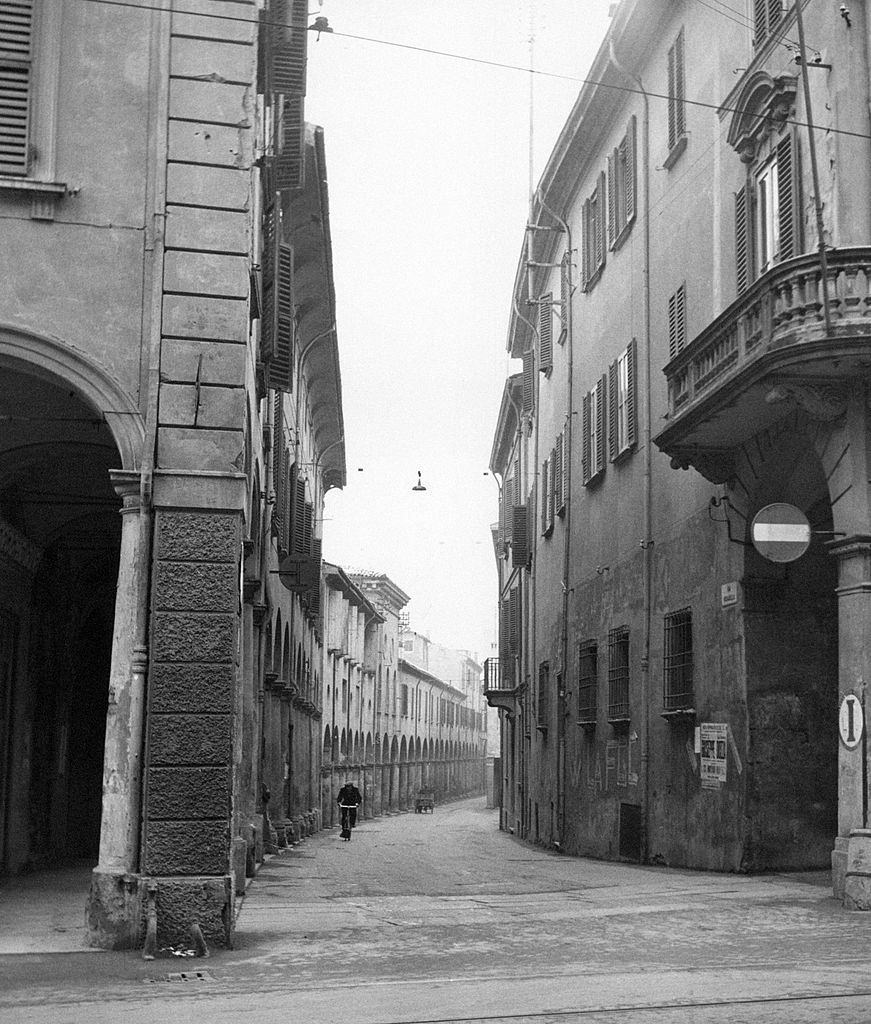
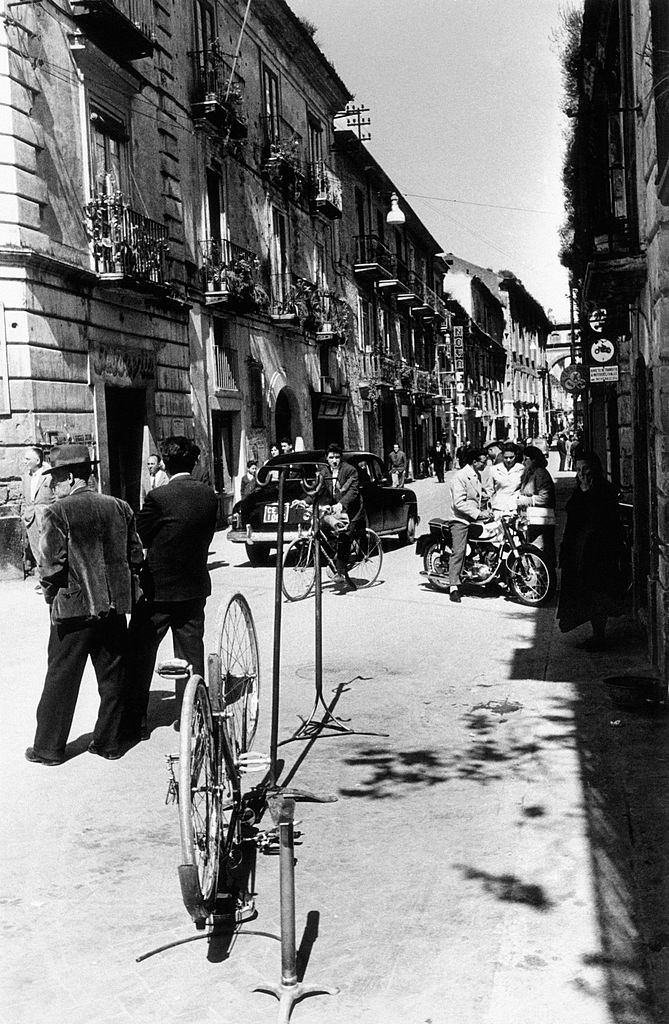
A man riding a bicycle along a street of Bologna., 1960s.
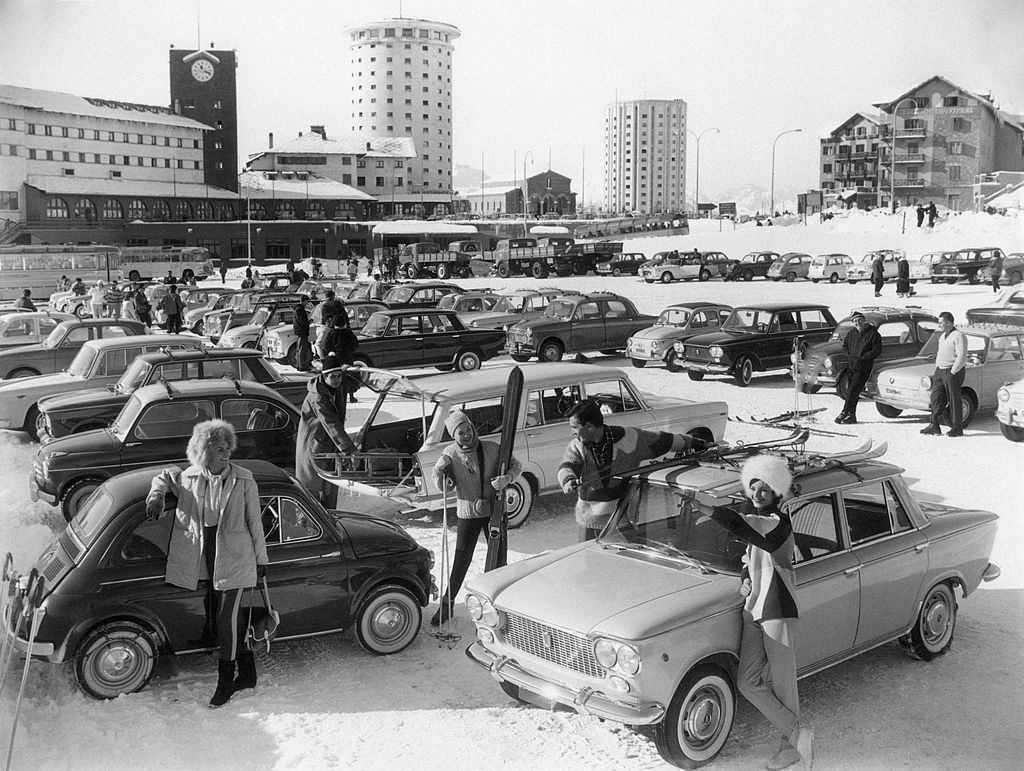
People at the car park in Sestriere, 1960s.
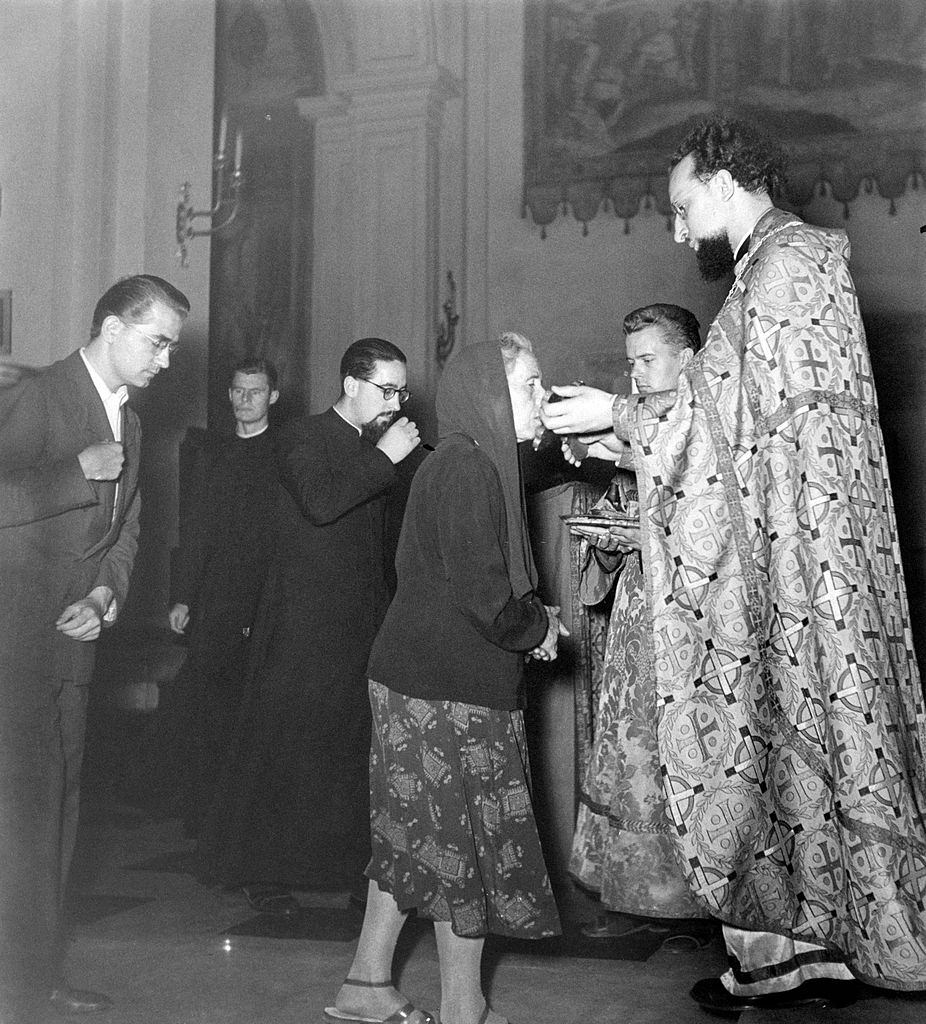
People attending a mass at the Russian Orthodox Church of Saint Nicholas Thaumaturgus. Rome, 1960s

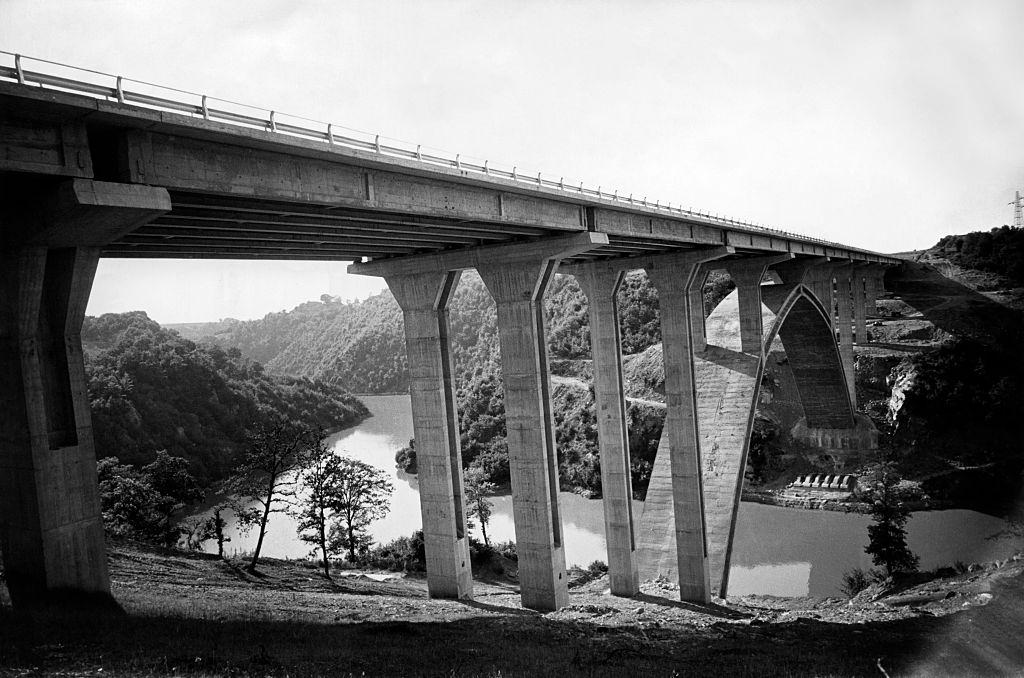
Infrastructure was expanding rapidly across the country. The Autostrada del Sole — the highway linking Milan to Naples — opened in 1964 and became a symbol of modern Italy’s ambitions. The motorway cut through the landscape with massive viaducts and made it far easier to move goods and people between the industrial north and the agricultural south.
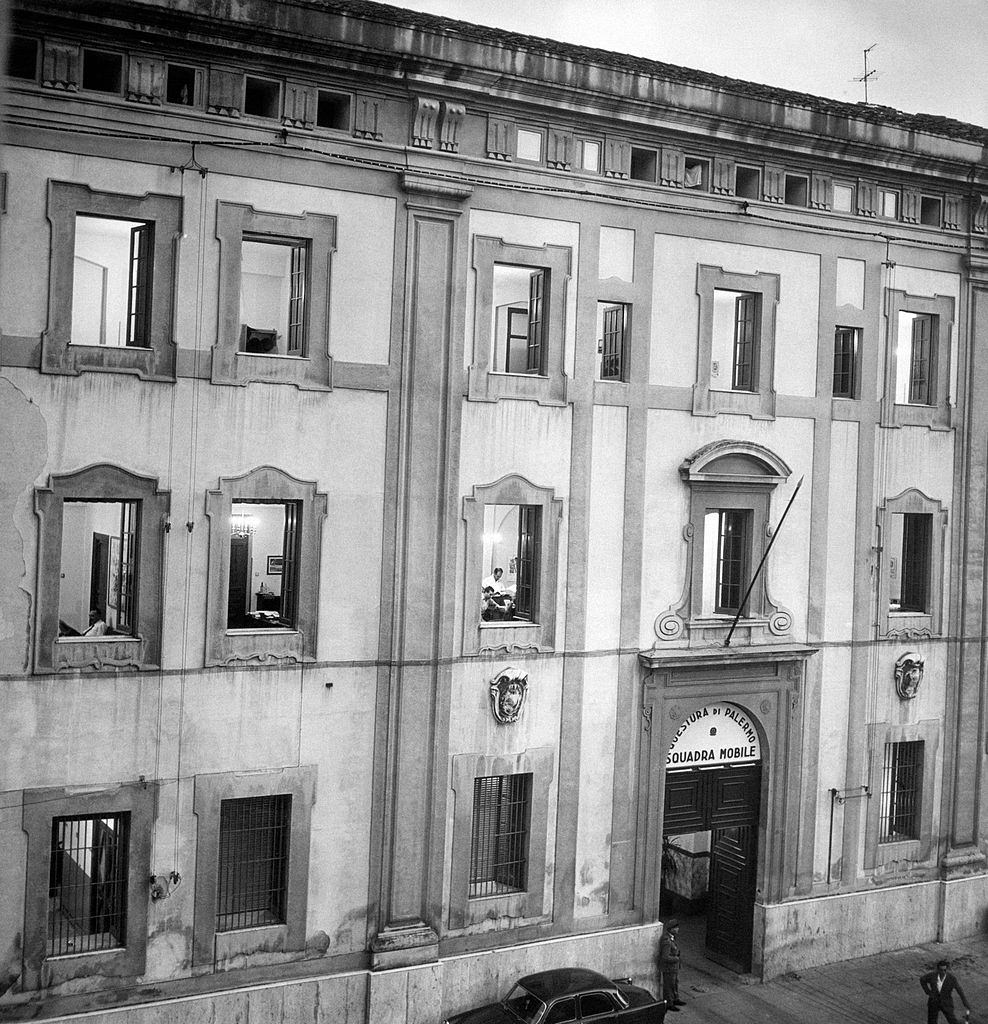
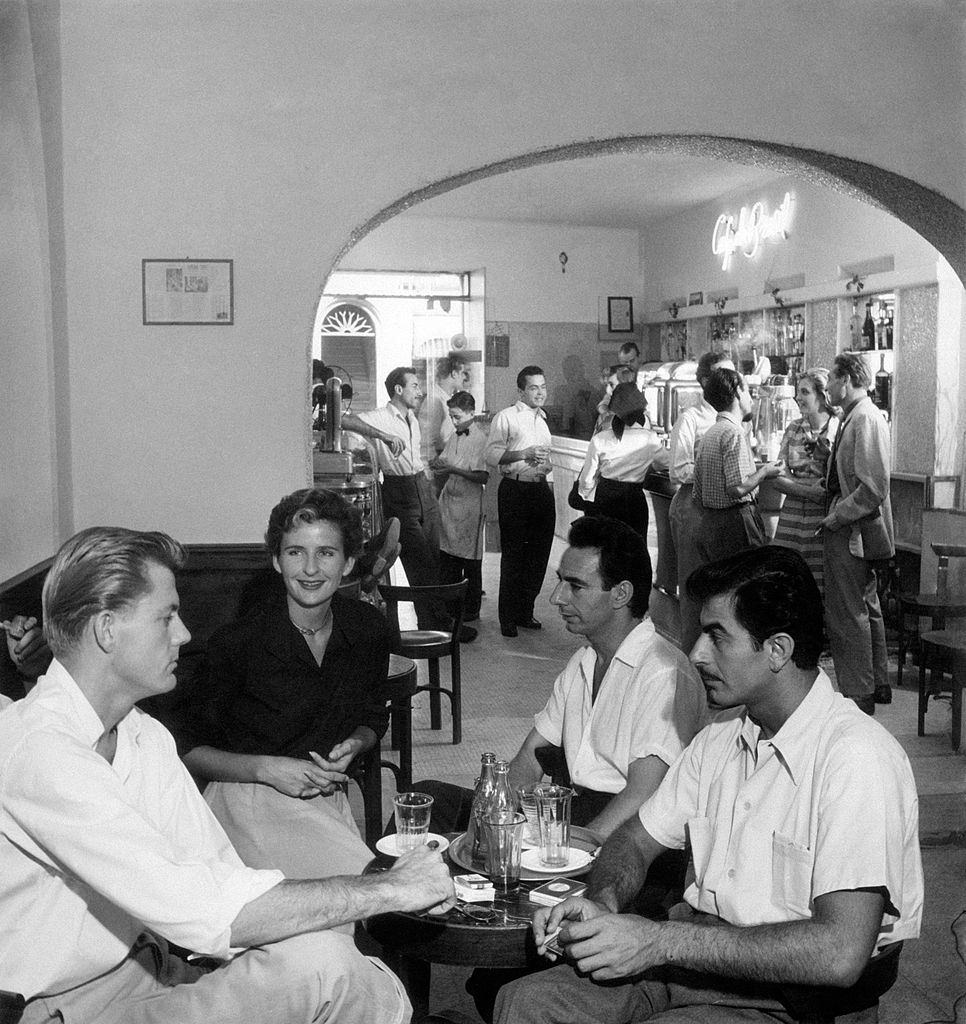
Palermo police headquarters, 1960s.
People relaxing at the Baretto on via del Babuino, Rome, 1960s.
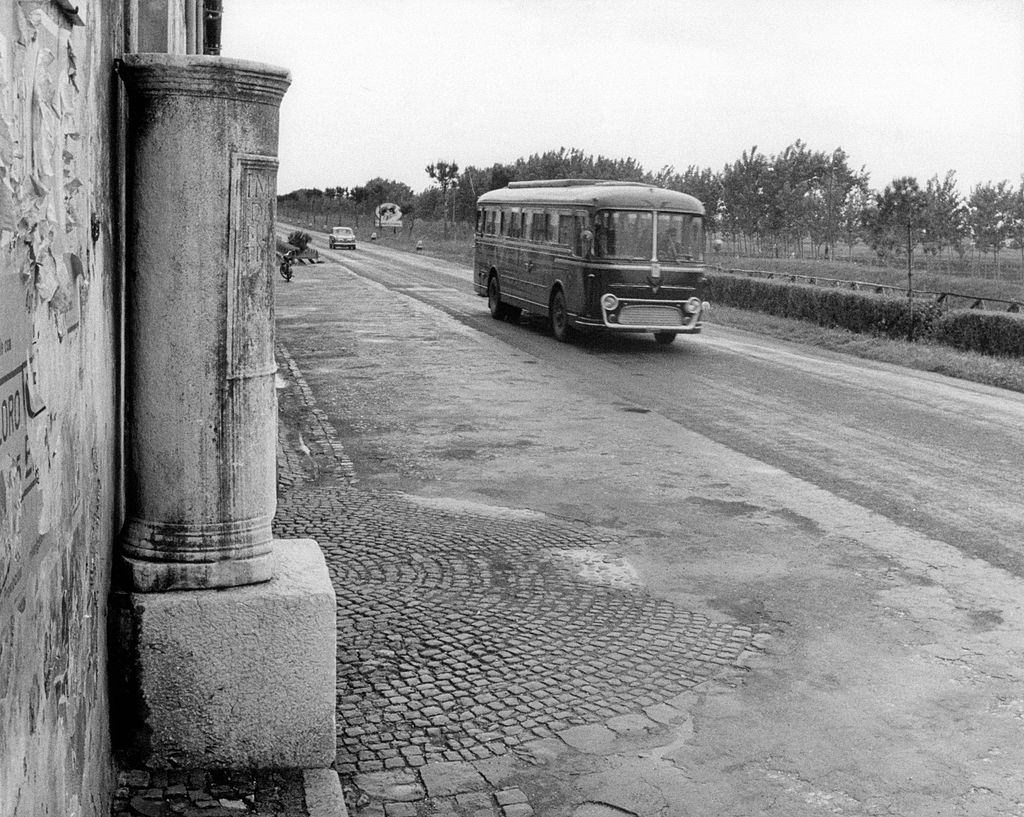
A roman mile column in the area called posta di Mesa, 1960s.
People standing and walking on via Appia. Capua, 1960s.
Piazza Navona with the Fountain of Neptune in the foreground and the Fountain of the Four Rivers in the background, Rome, 1960s.
View of piazza Navona with the church of Sant'Agnese in Agone. Rome, 1960s
View of piazza Navona with the church of Sant’Agnese in Agone. Rome, 1960s
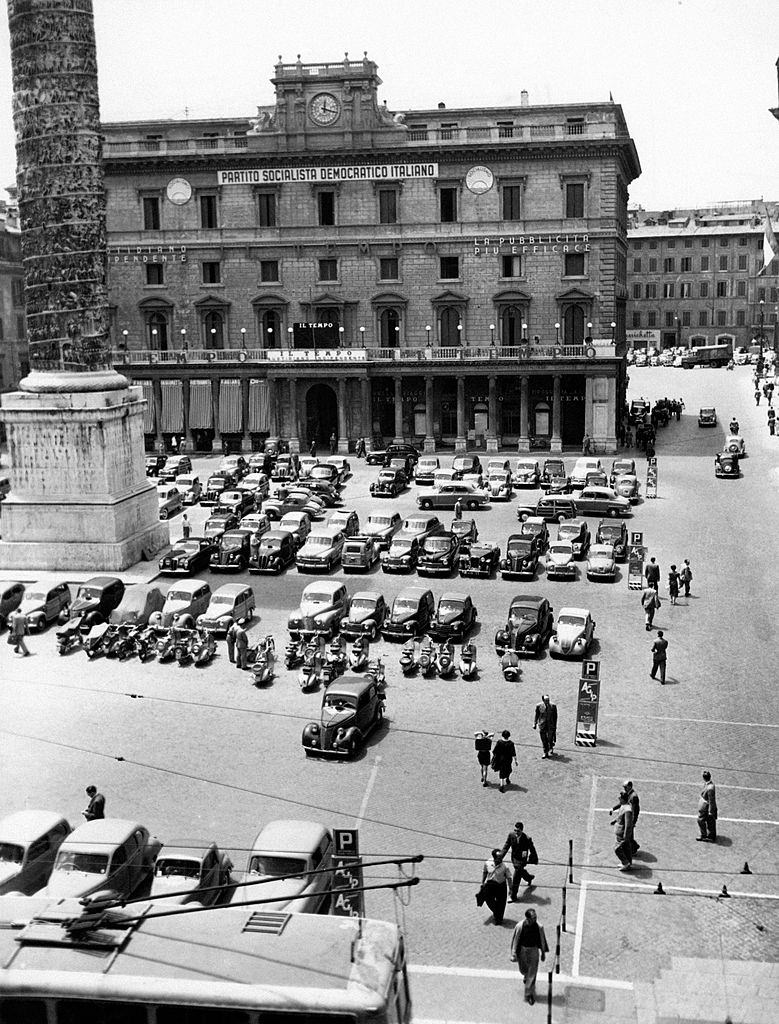
Many cars are parked in front of Palazzo Wedekind in piazza Colonna in Rome, 1960s.
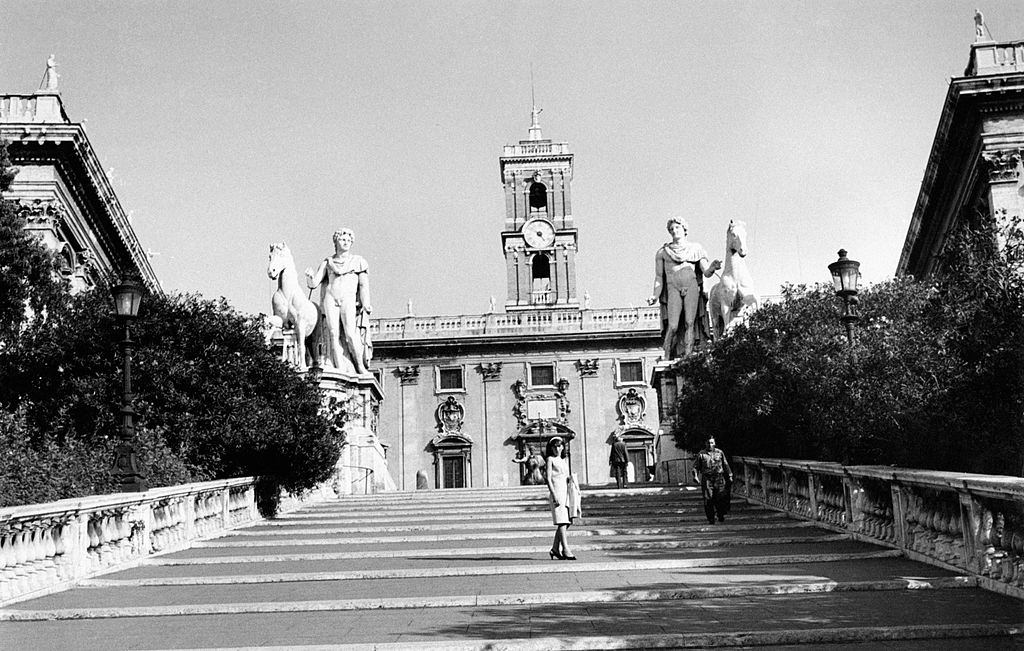
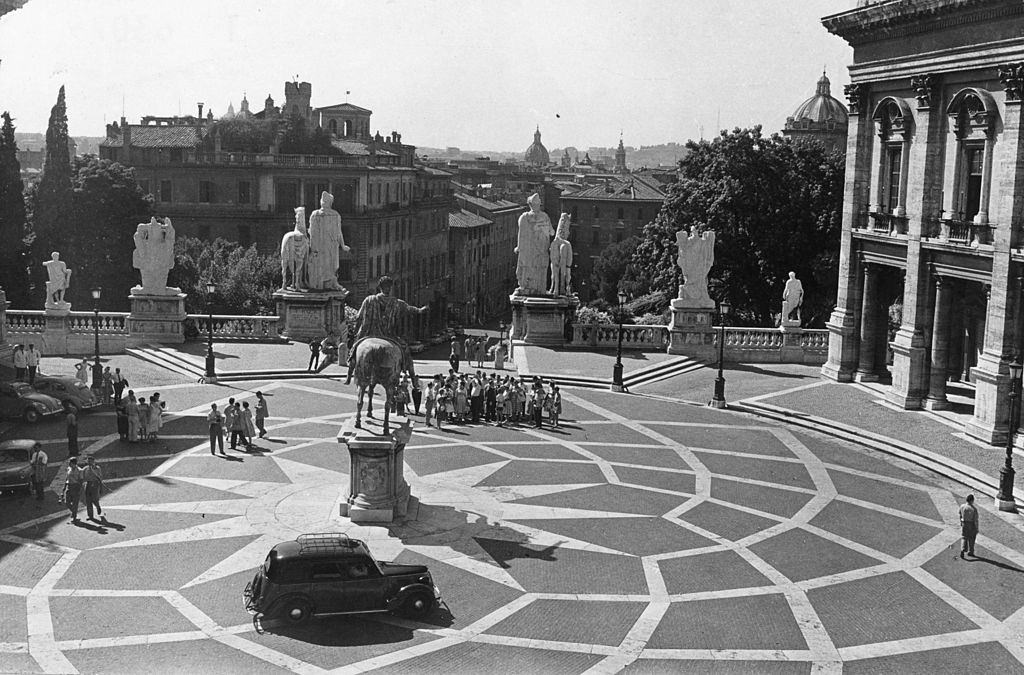
The Capitoline Hill, Rome, 1960s.
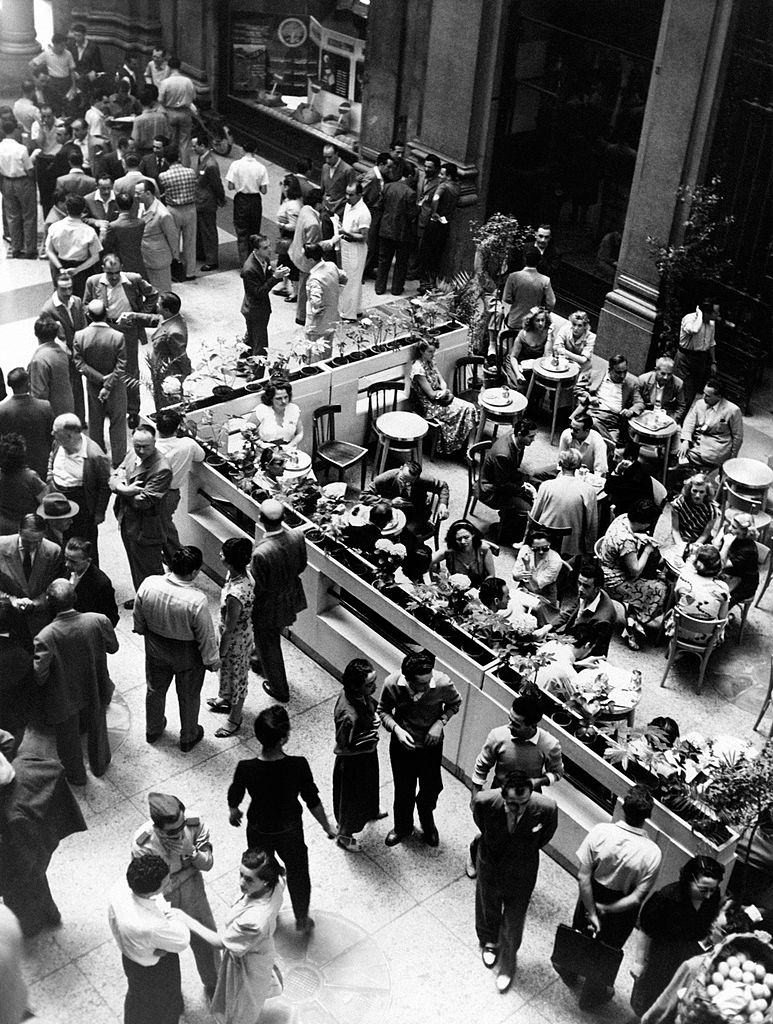
People meeting at Galleria Colonna in Rome, 1960.

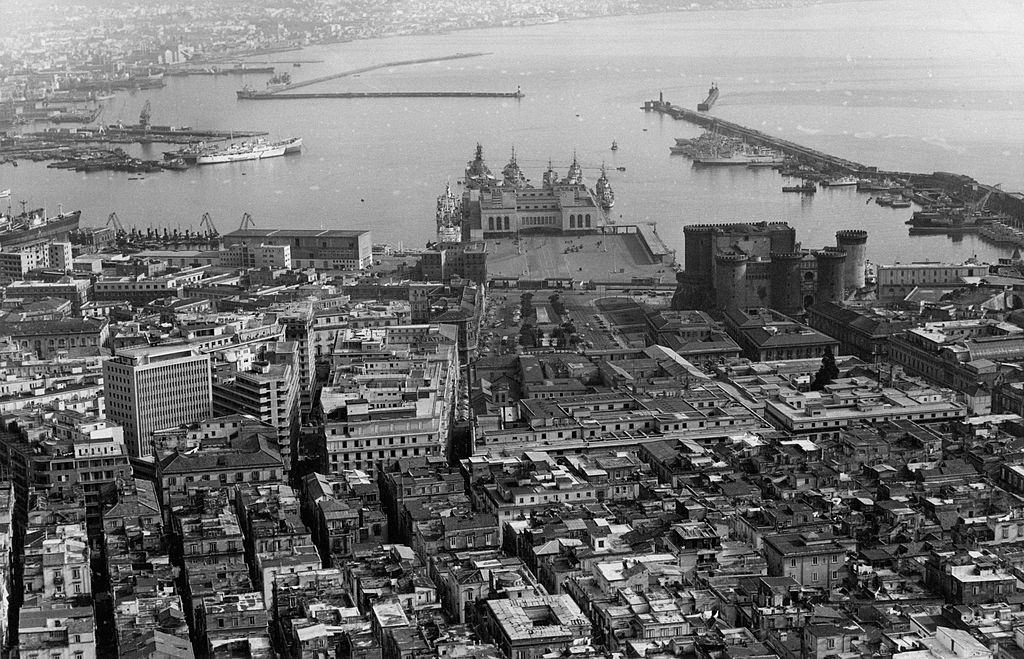
Naples retained a character all its own. The city was dense, chaotic, and deeply historic. Its national archaeological museum held some of the finest collections of ancient Roman artifacts in the world, and its gulf — viewed from above — was one of the most dramatic urban landscapes in Europe.
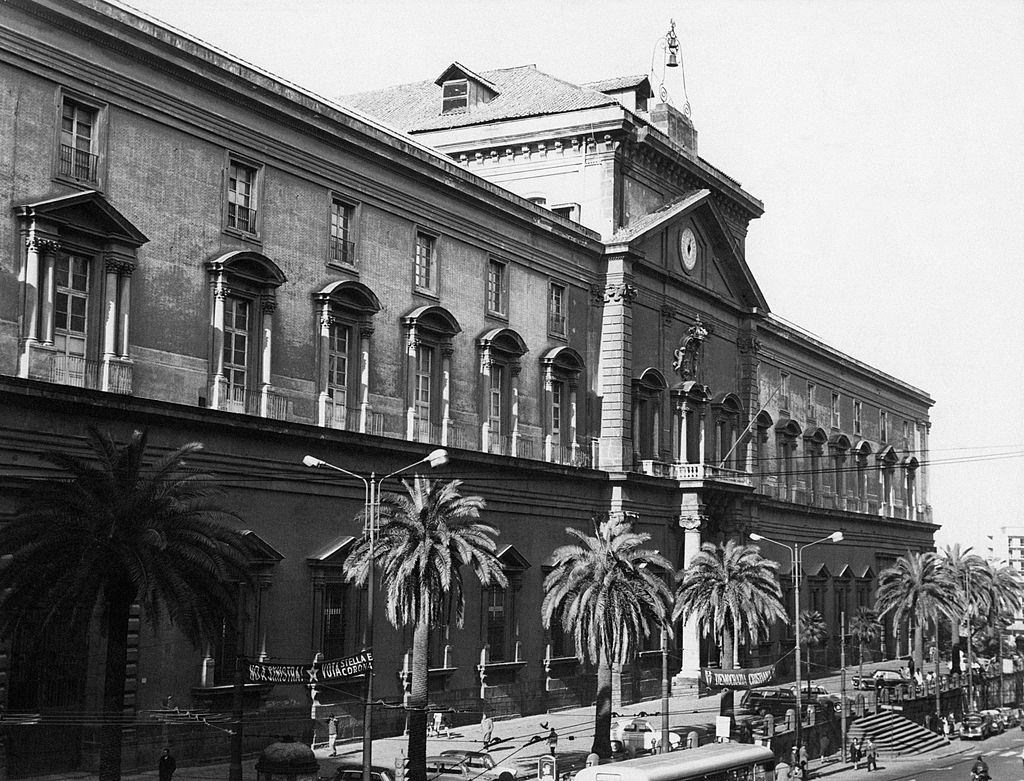
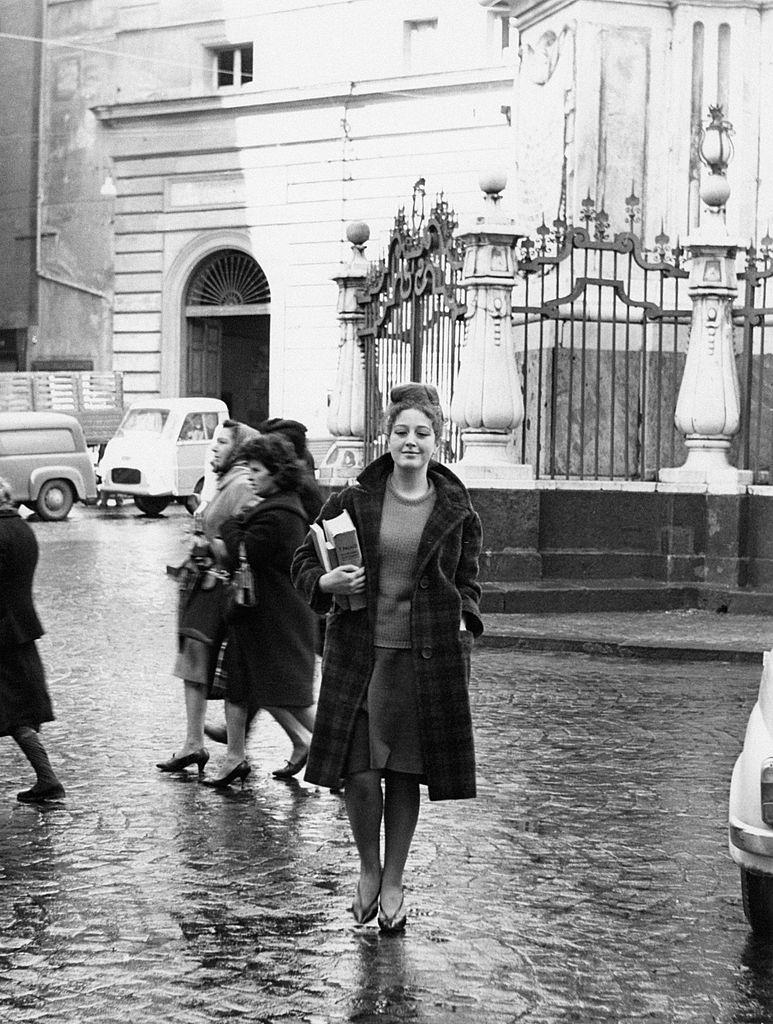
The facade of the Naples National Archaeological Museum, 1960s.
A young student walking toward the entrance of the Liceo classico Antonio Genovesi. Naples, 1960s
Aerial view of the gulf of Naples, 1960s.
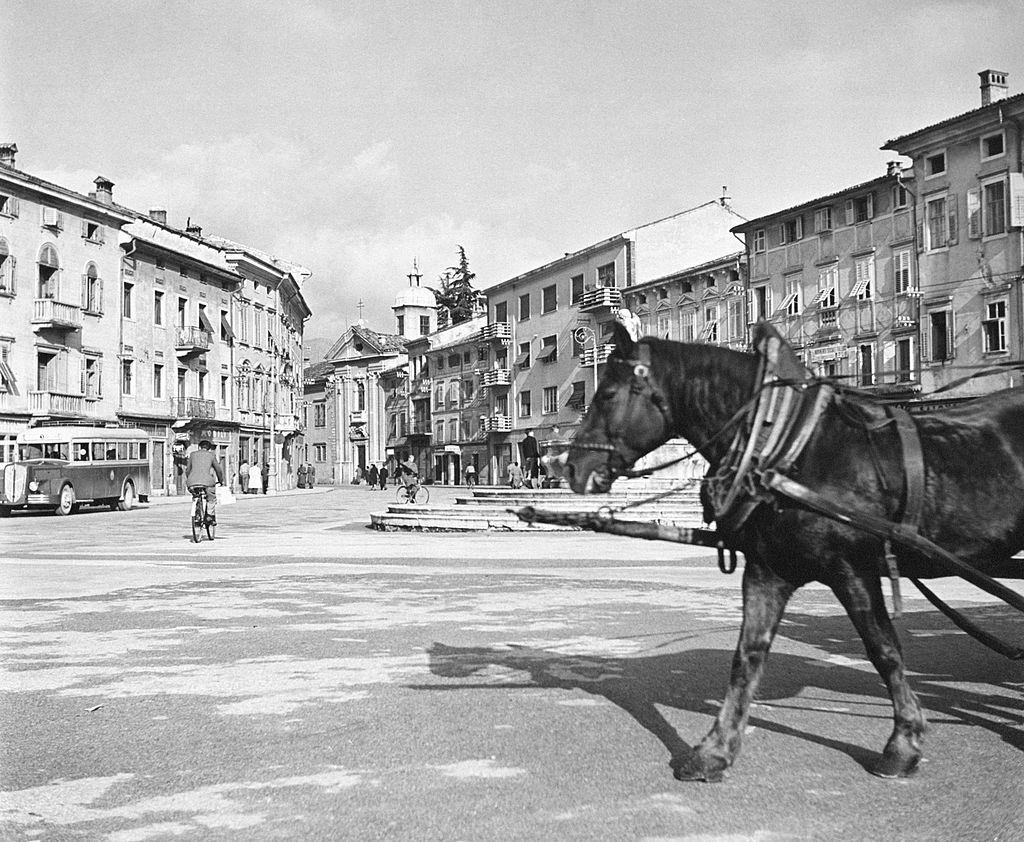
A horse drawing a carriage in a square of Trieste, 1960s.

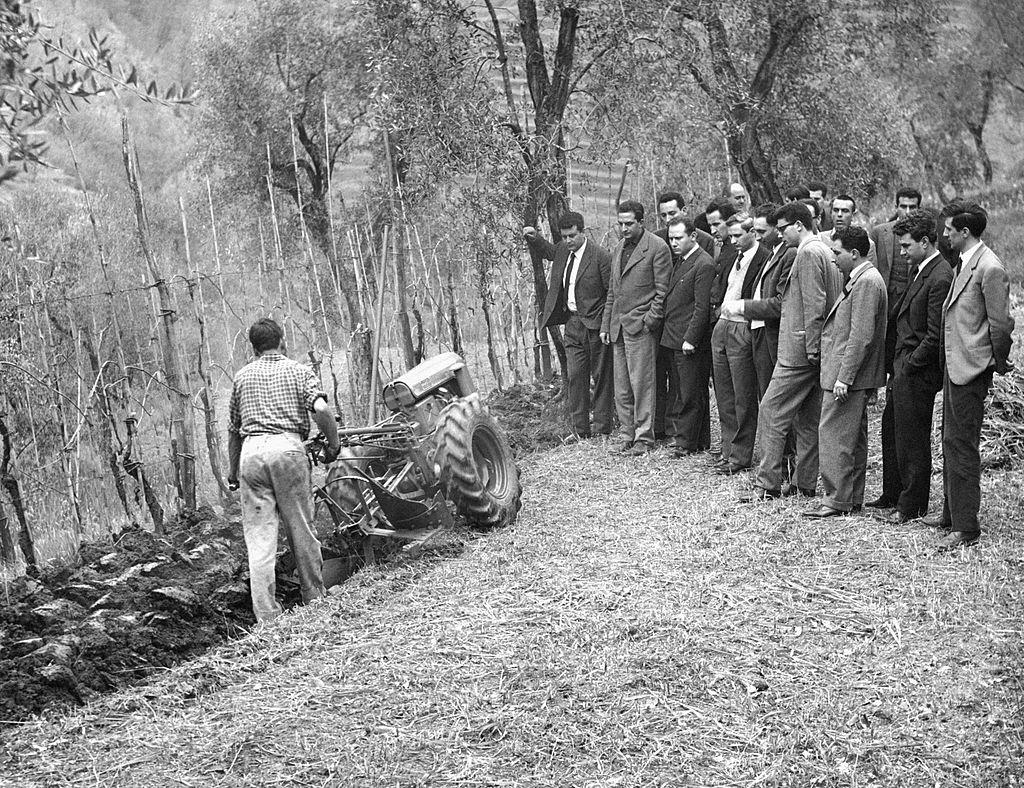
Industry in the 1960s was not limited to heavy manufacturing. Olivetti, based in Ivrea, was producing typewriters and early computing machines that put Italy at the forefront of technological design. Meanwhile, agricultural modernization programs — like the one run by Shell’s research center in Borgo a Mozzano — were introducing mechanized farming techniques to rural communities.
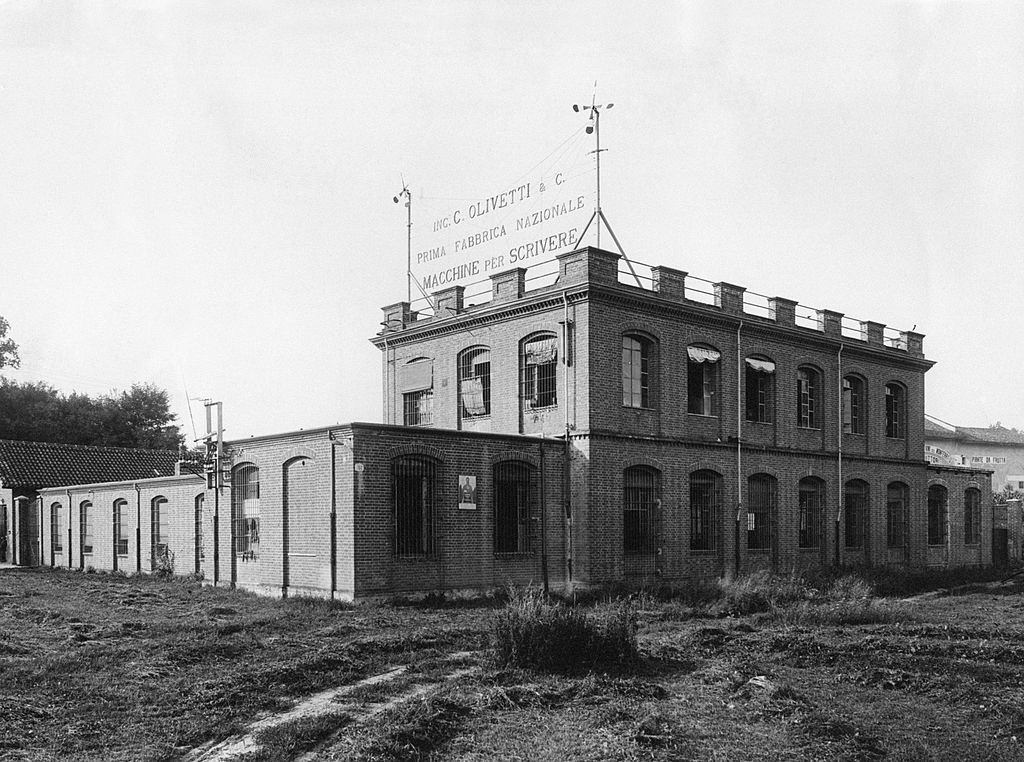
Plant of Olivetti, Ivera, 1960s.
Students of Shell Agricultural Research Centre attending practice exercises of mechanization. Borgo a Mozzano, 1960s
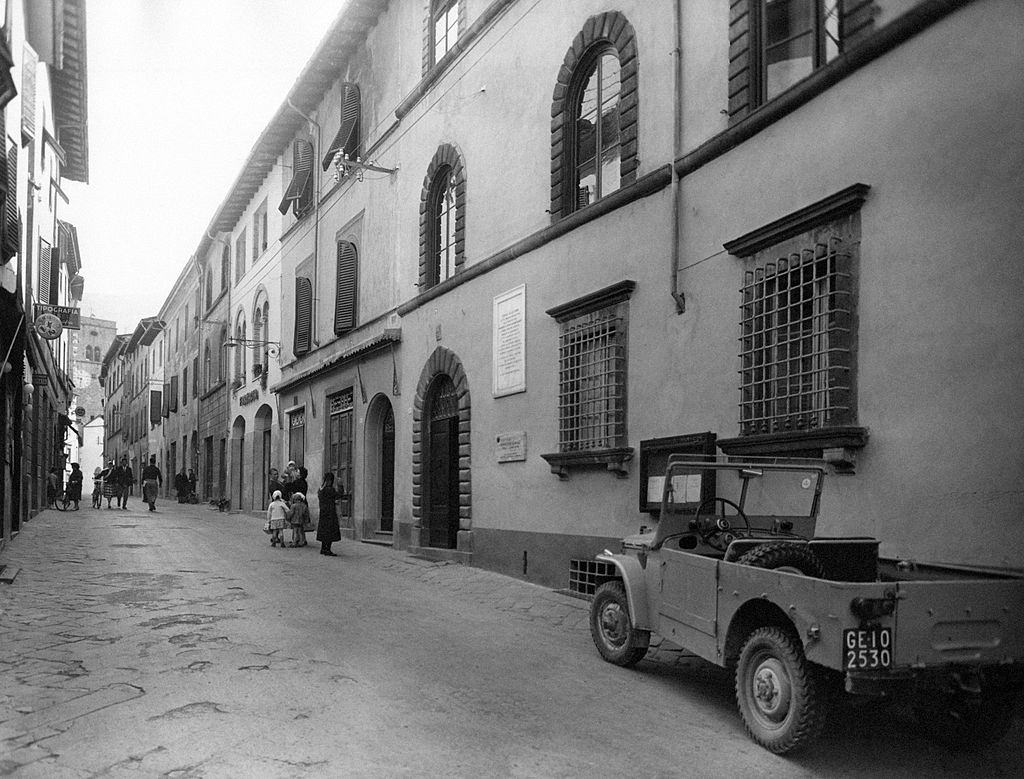
An off-road vehicle is parked in front of Shell Agricultural Research Centre. Borgo a Mozzano, 1960s

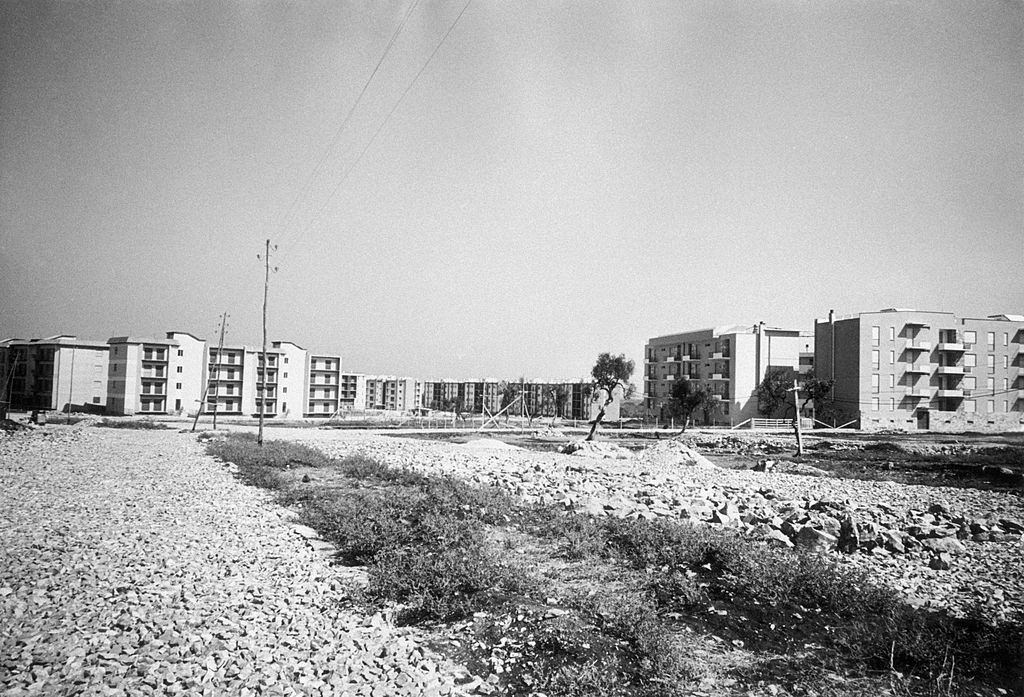
Sardinia and the southern mainland cities were also changing. Cagliari’s Via Dante Alighieri saw new construction alongside older buildings, and the arcaded streets of Cagliari’s Via Roma filled with crowds each afternoon. The suburbs of Bari expanded outward as people moved from rural areas into urban centers looking for work.
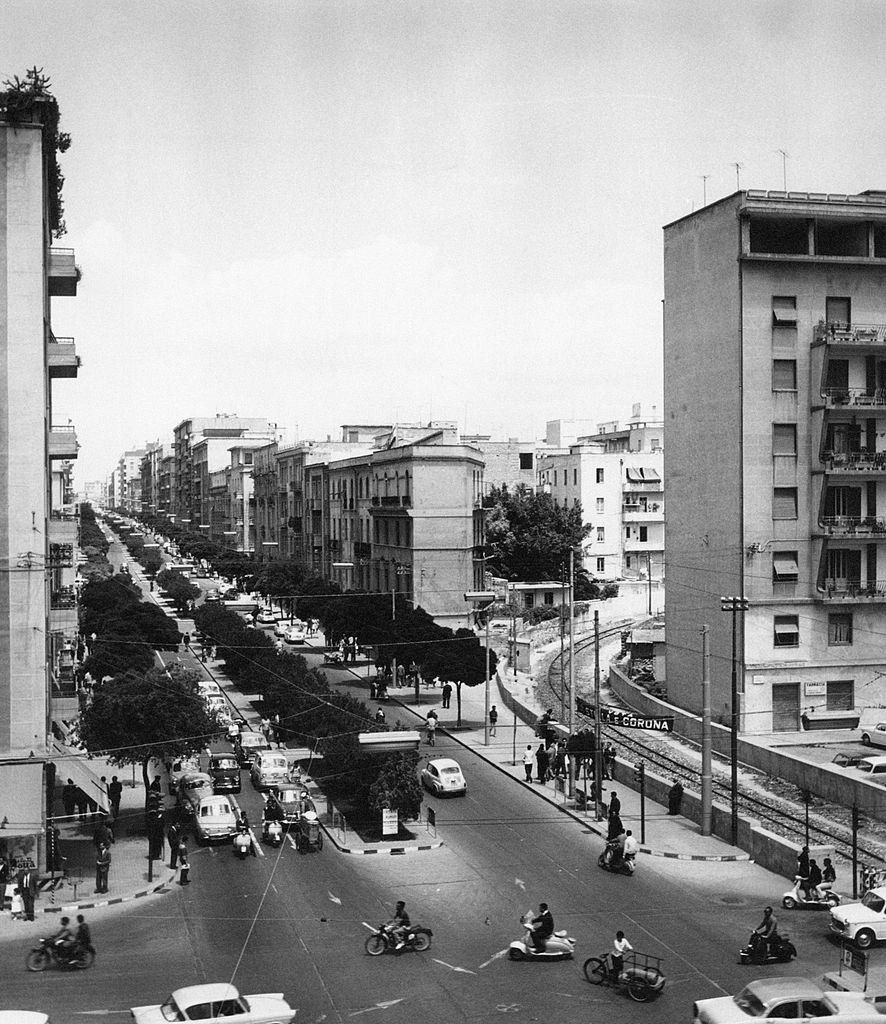
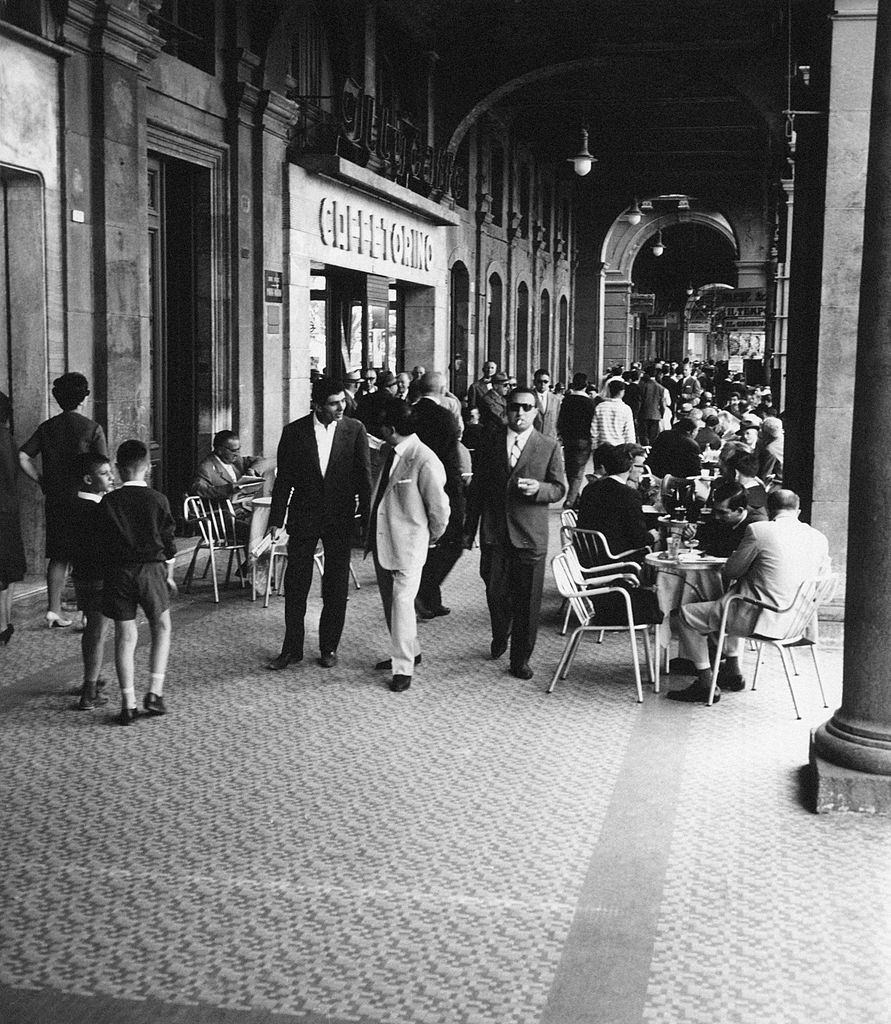
View of via Dante Alighieri in Cagliari, 1960s.
Many people crowding the arcades of via Roma, 1960s.
The suburbs of Bari, 1960s.
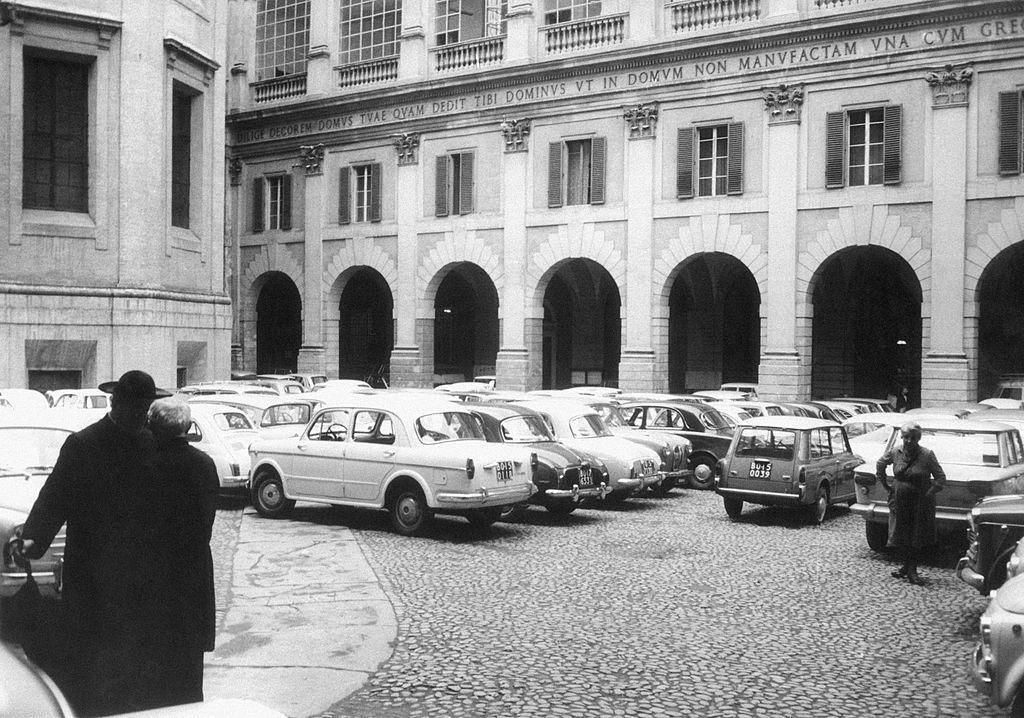
Cars parked in the courtyard of Archbishop's palace in Bologna, 1960s.
Cars parked in the courtyard of Archbishop’s palace in Bologna, 1960s.
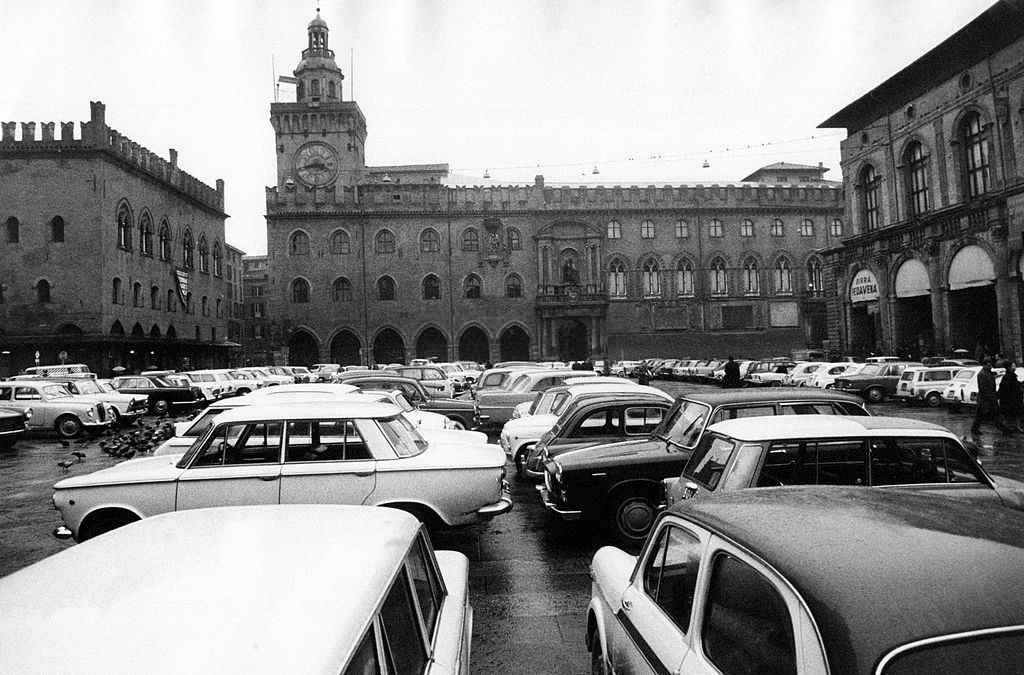
Cars parked on piazza Maggiore facing palazzo d'Accursio. Bologna, 1960s
Cars parked on piazza Maggiore facing palazzo d’Accursio. Bologna, 1960s

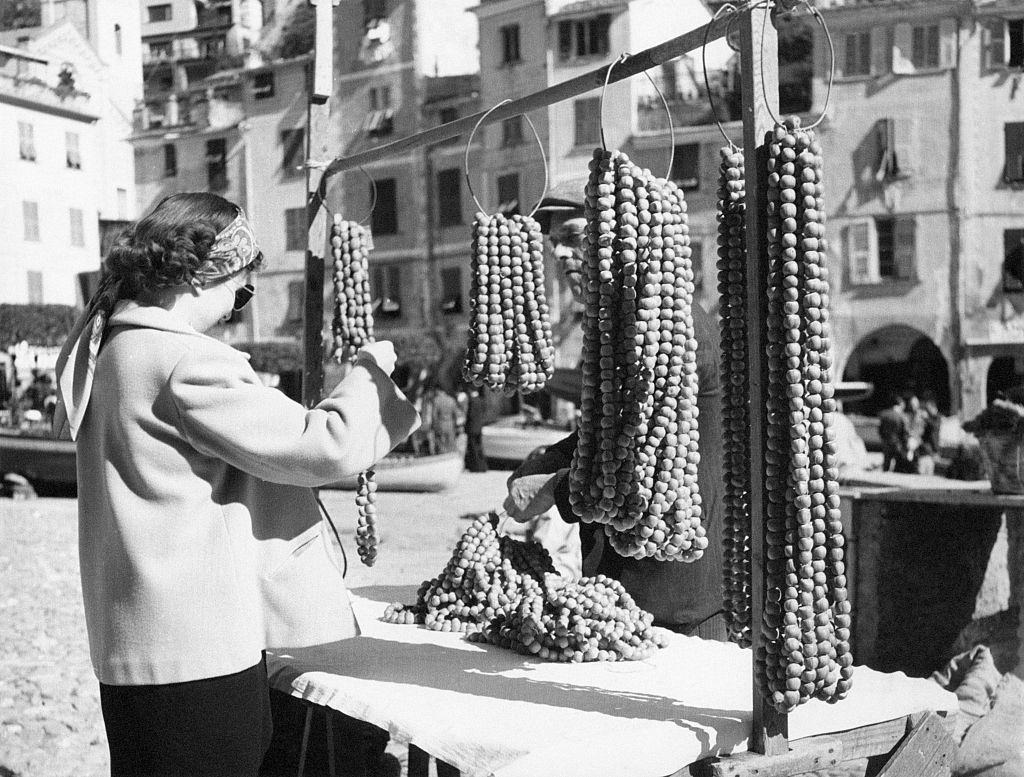
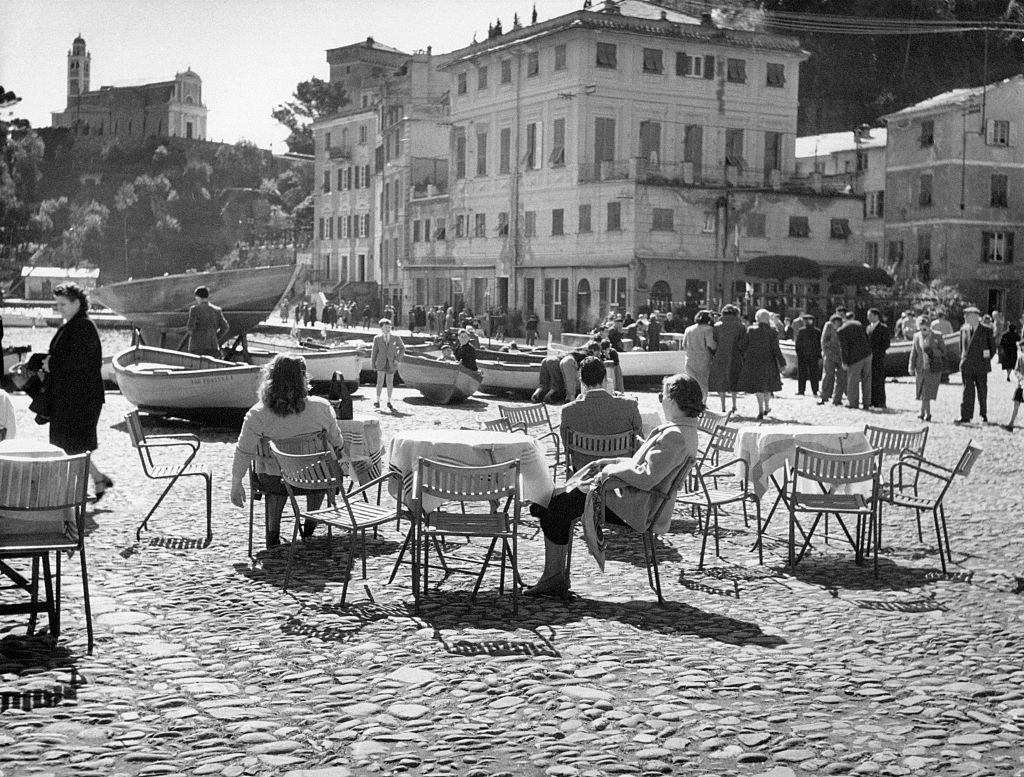
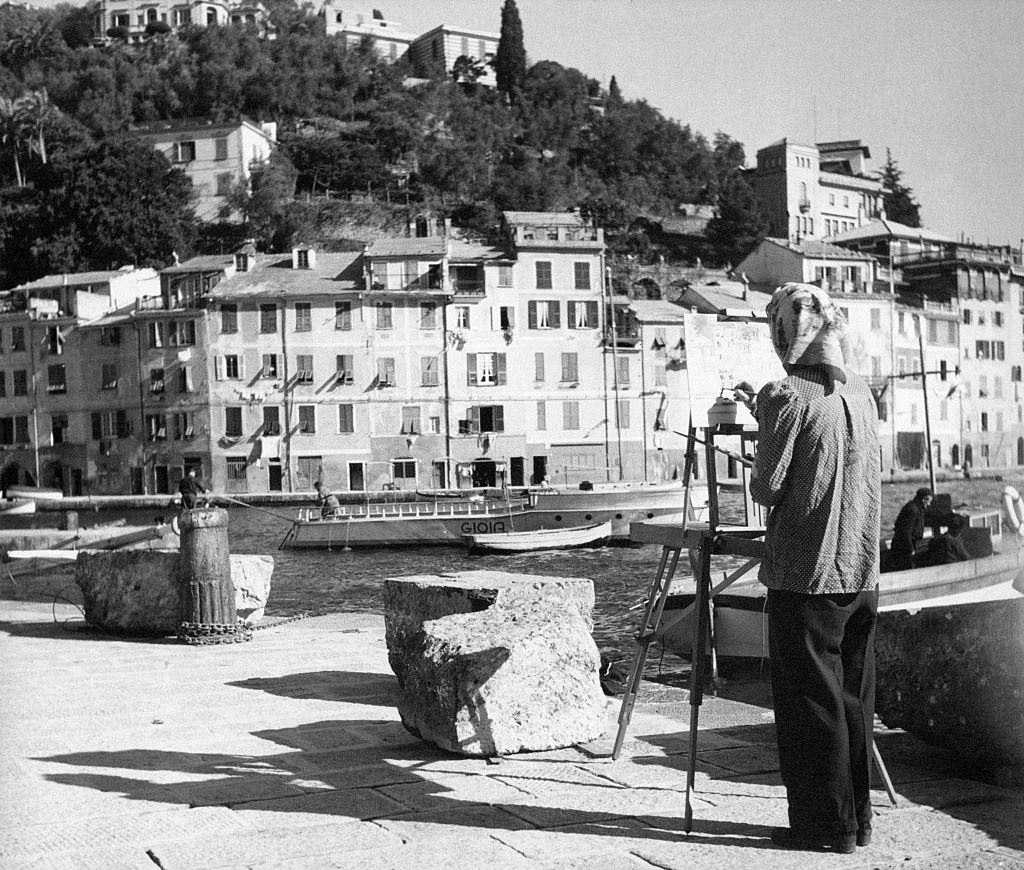
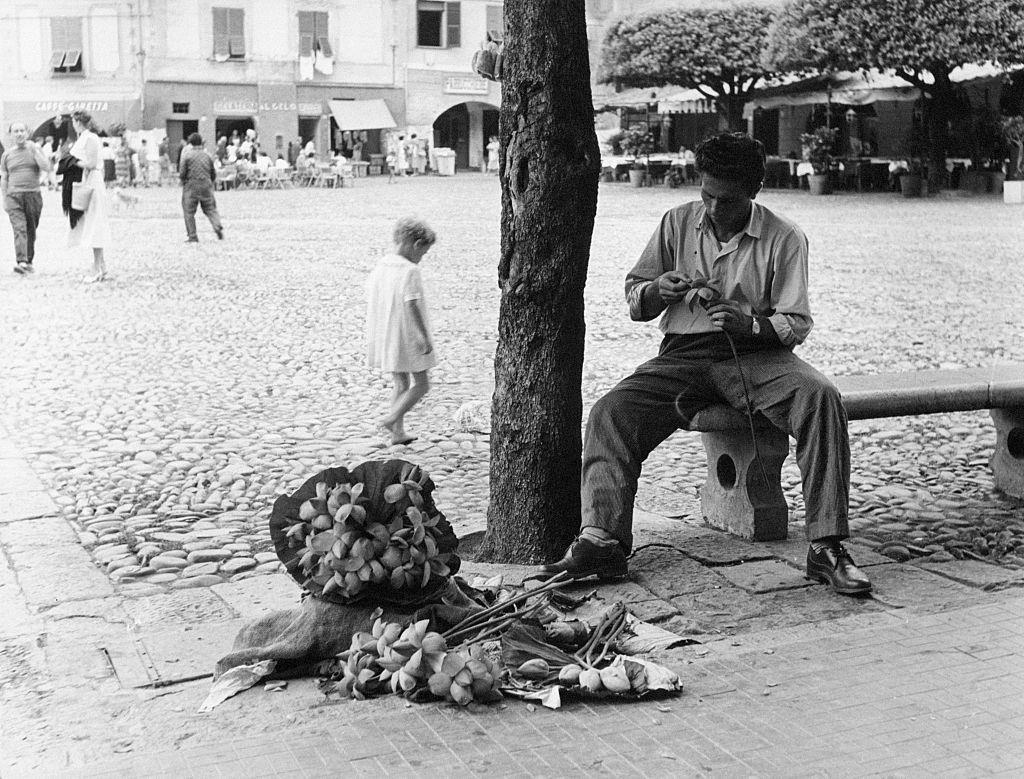
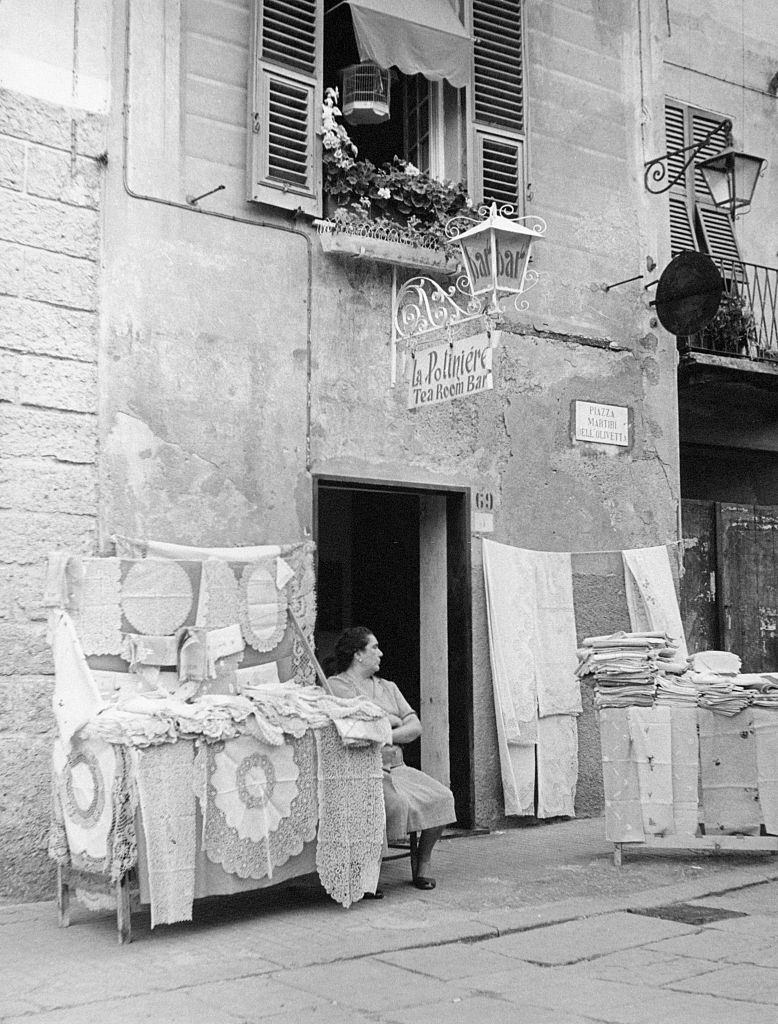
Portofino, a fishing village turned upscale retreat on the Ligurian coast, captured the easy charm of 1960s Italian leisure. Tourists browsed stalls selling hazelnuts and handmade crafts, painters set up their easels facing the harbor, and young artisans sat on benches weaving papier-mâché flowers to sell. The outdoor café tables were rarely empty.
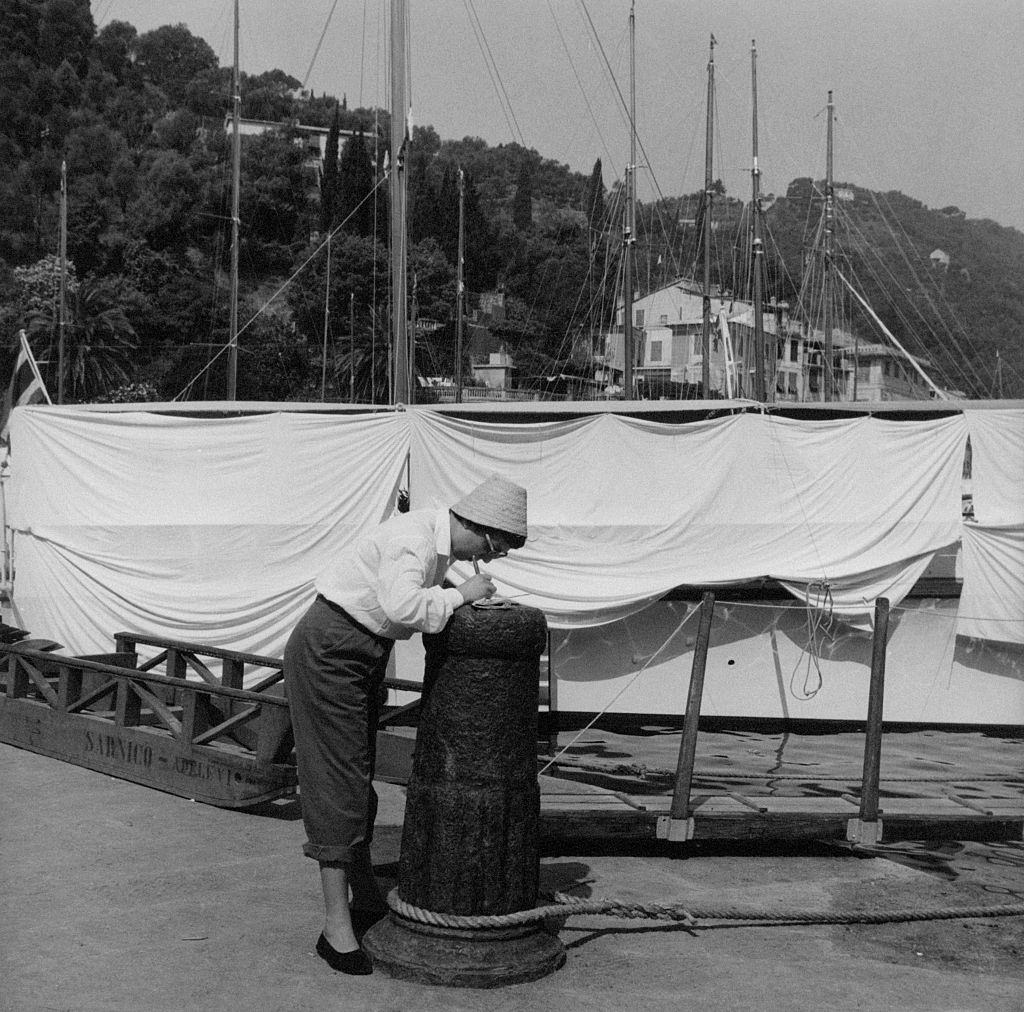
A tourist signs a postcard on a stone bollard at the dock, 1960s.
A woman sits at the entrance of the bar La Polinière, next to a stand of laces, 1960s.
A tourist takes a look on hazelnuts necklaces exposed in a stand, Portofino, 1960s.
People sitting at the small outdoor tables of a bar in Portofino, 1960s.
A painter faced backwards paints Portofino's landscape, 1960s.
A painter faced backwards paints Portofino’s landscape, 1960s.
A young man sitting on a bench creates bunches of papier-maché flowers, Portofino, 1960s.
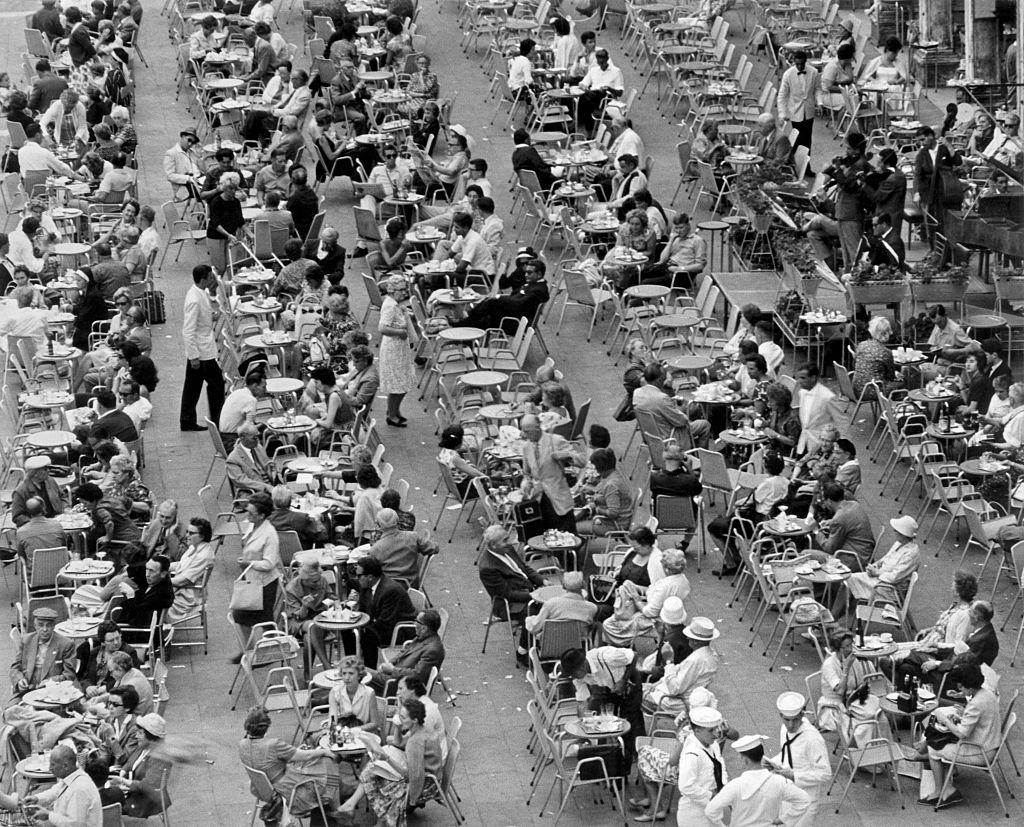
A crowd of people sitting outdoor at the tables of a café. Italy, 1960s
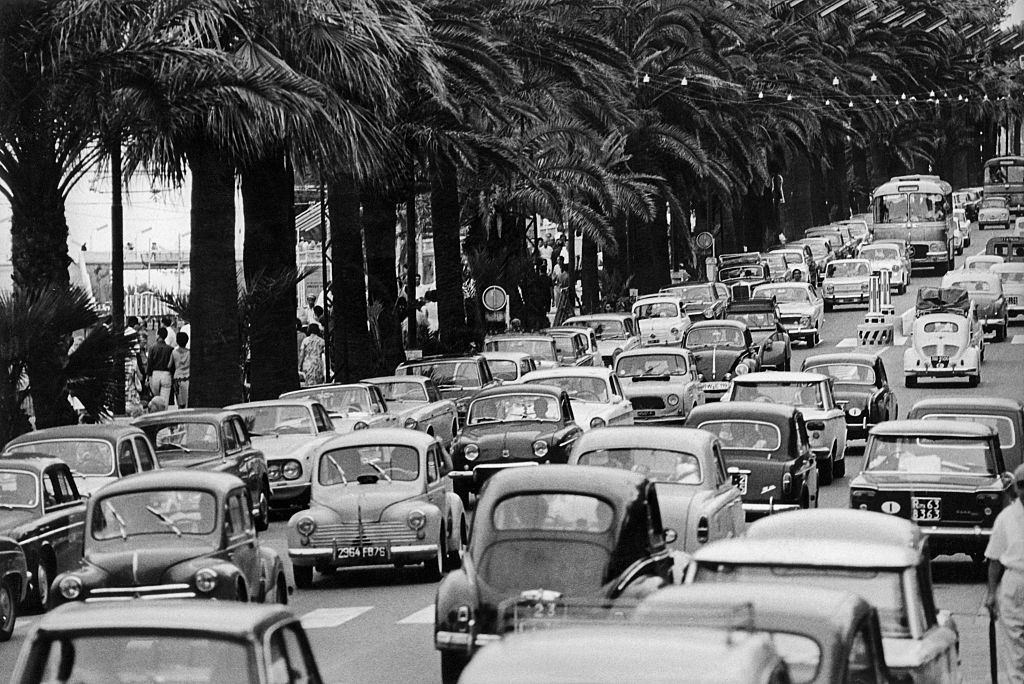
A busy boulevard in Italy, 1960s.

The road network was one of the clearest signs of Italy’s economic ambitions. The Autostrada del Sole connected the industrial north to the south along a route that passed through some of the most striking landscapes in Europe. Lorries and private cars shared these new highways, and roadside stops — like the post house at Mesa di Pontinia — became familiar fixtures of Italian road life.
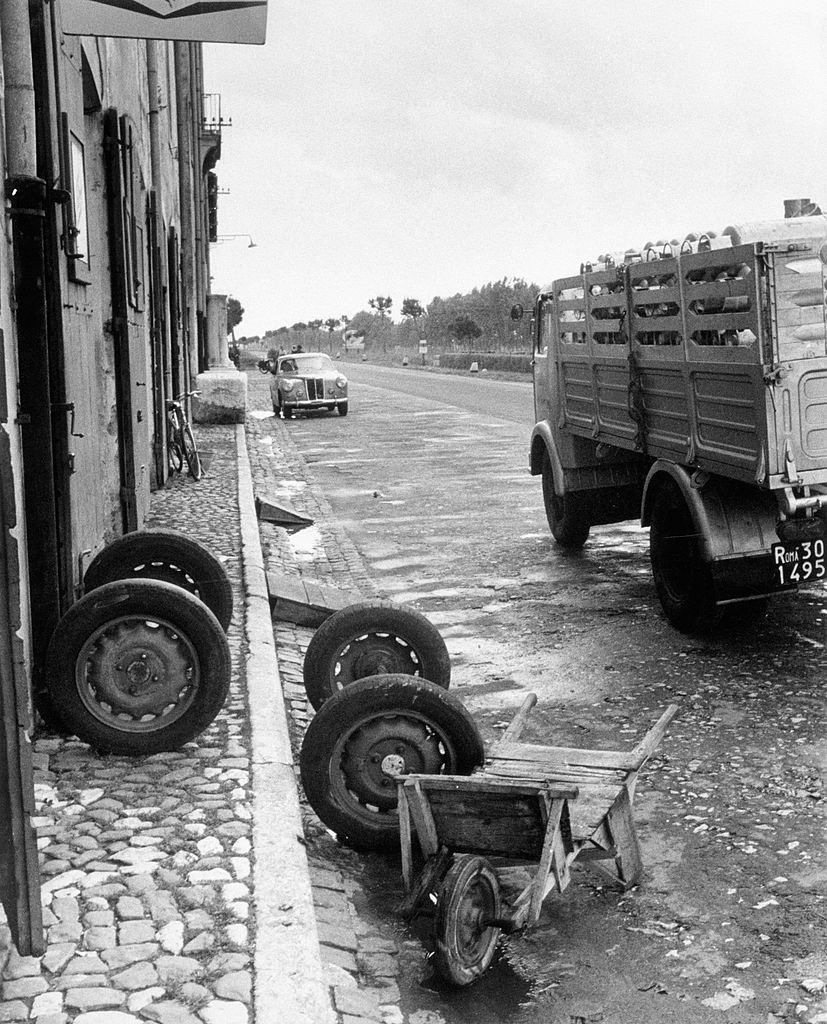
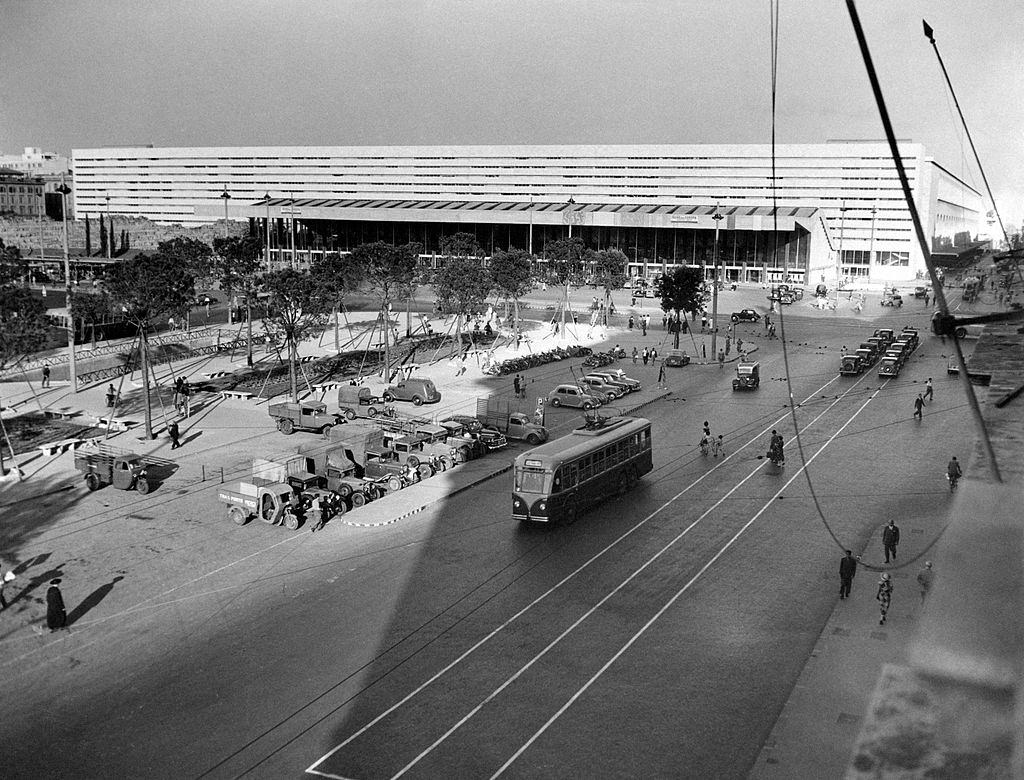
Lorry parked at the Mesa di Pontinia post house, Mesa, 1960s.
Roma Termini railway station, 1960s.
A viaduct of the motorway Autostrada del Sole along the segment Milan-Rome, 1960s.

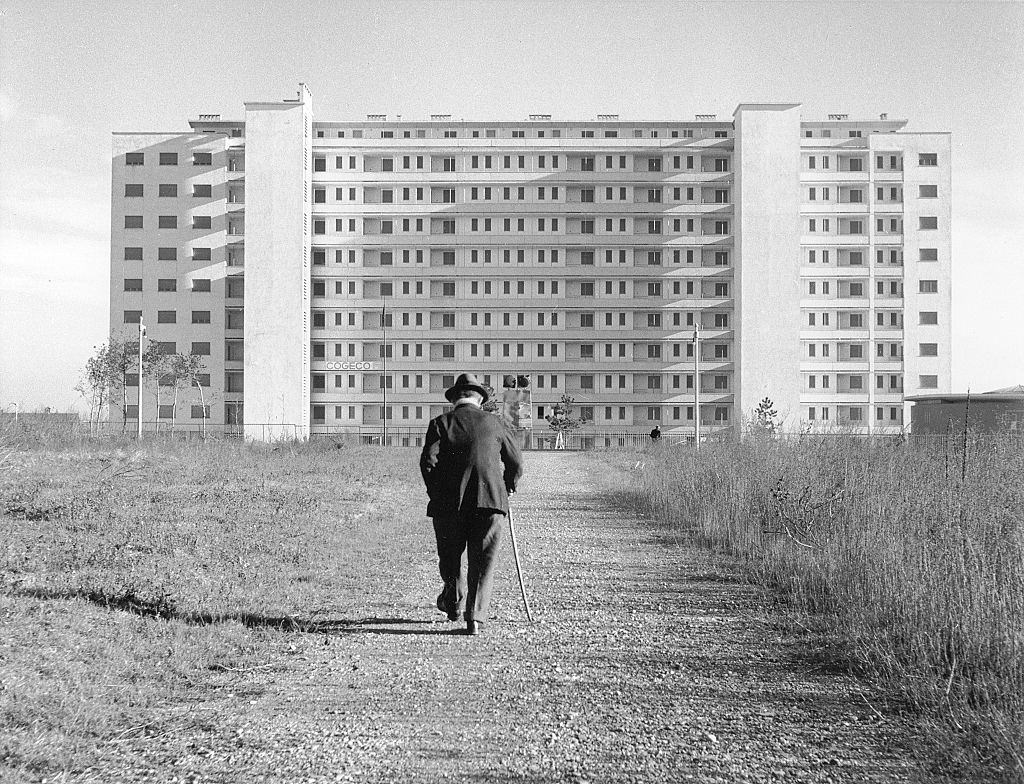
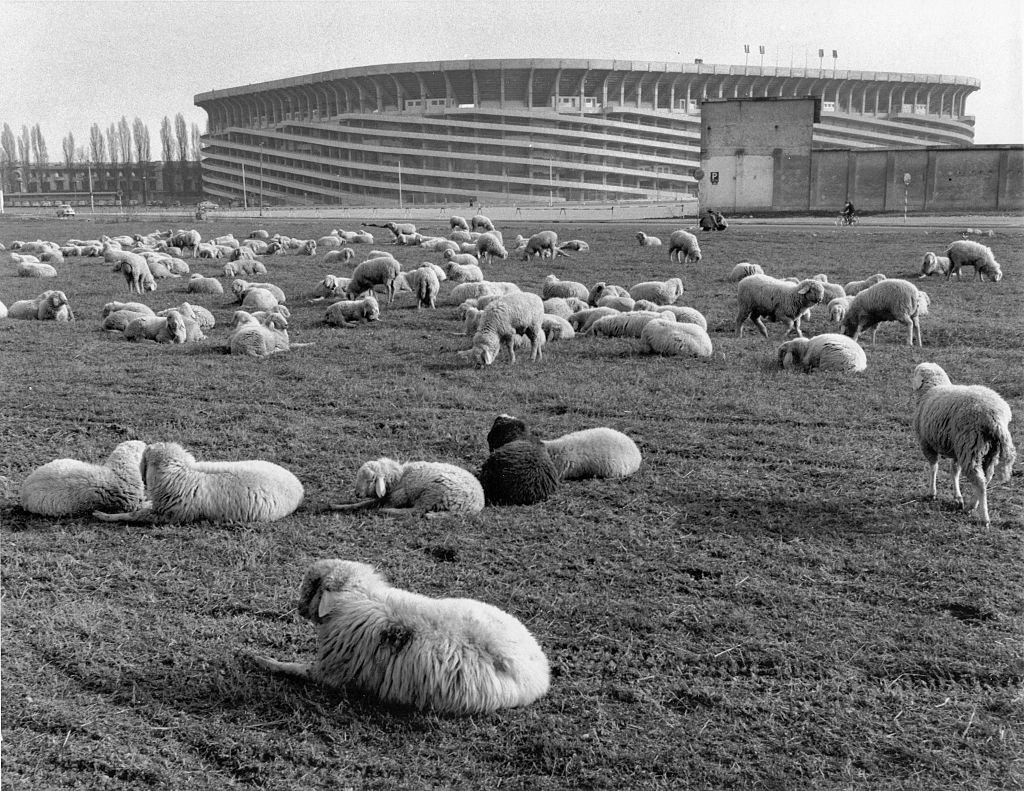
Milan was Italy’s economic engine in the 1960s. Its Piazza del Duomo was a constant crossroads of commerce, protest, and daily life. The QT8 quarter represented a postwar experiment in modernist urban housing, and even near the San Siro stadium, the city’s edge still showed patches of open land where sheep grazed. The contrast said everything about how quickly Milan was changing.
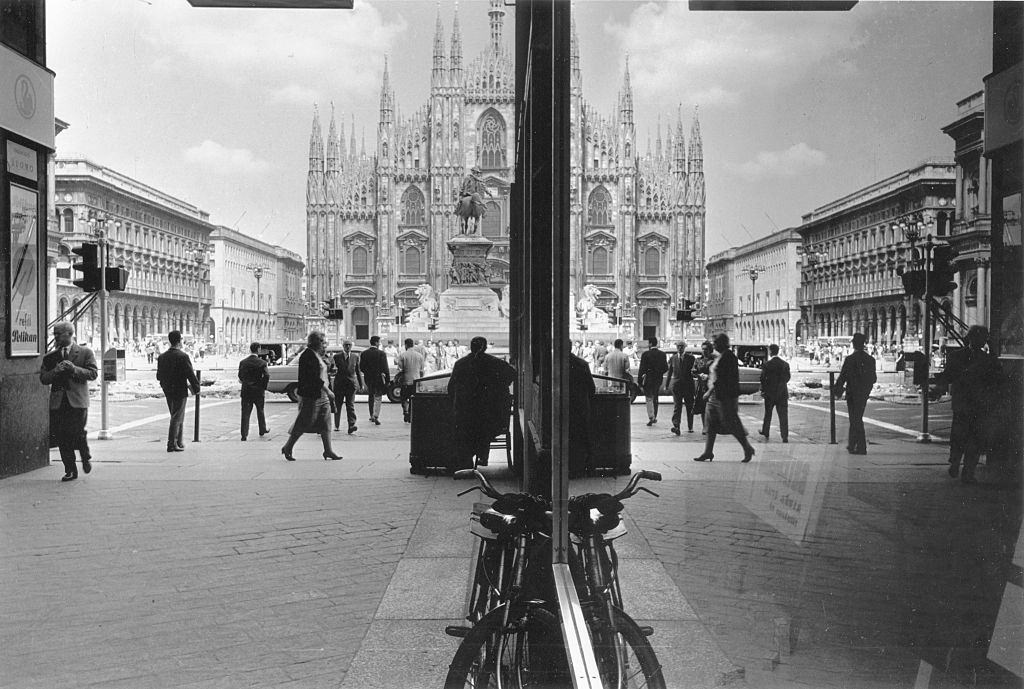
Piazza del Duomo in Milan, 1960s.
Seep grazing in the grass near San Siro stadium, Milan, 1960s.
A man walking towards a building in QT8 quarter in Milan, 1960s.
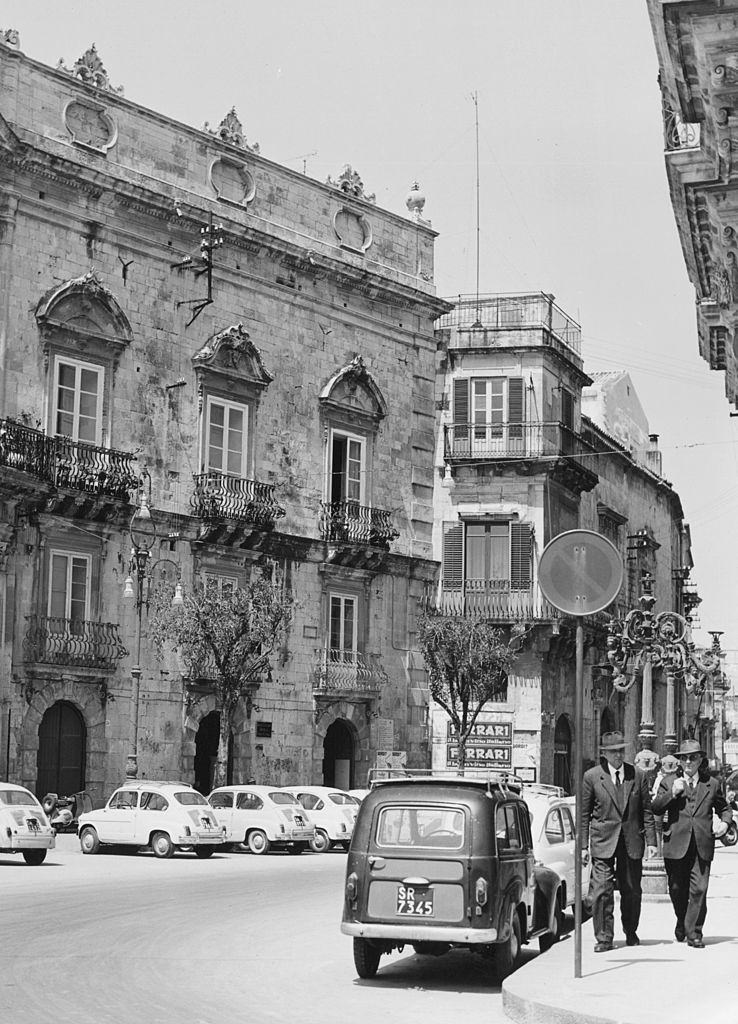
Grand old buildings in a street in Sicily, 1960s.
The civic administration centre of modern Rome with the surrounding buildings, 1960s.

The human cost of rapid urbanization was visible in Italy’s poorer neighborhoods. Slum courtyards in Italian cities still had children fetching water from shared fountains, and everyday life in these spaces had changed little despite the economic growth happening elsewhere. Women knitted in covered courtyards while the country modernized around them.
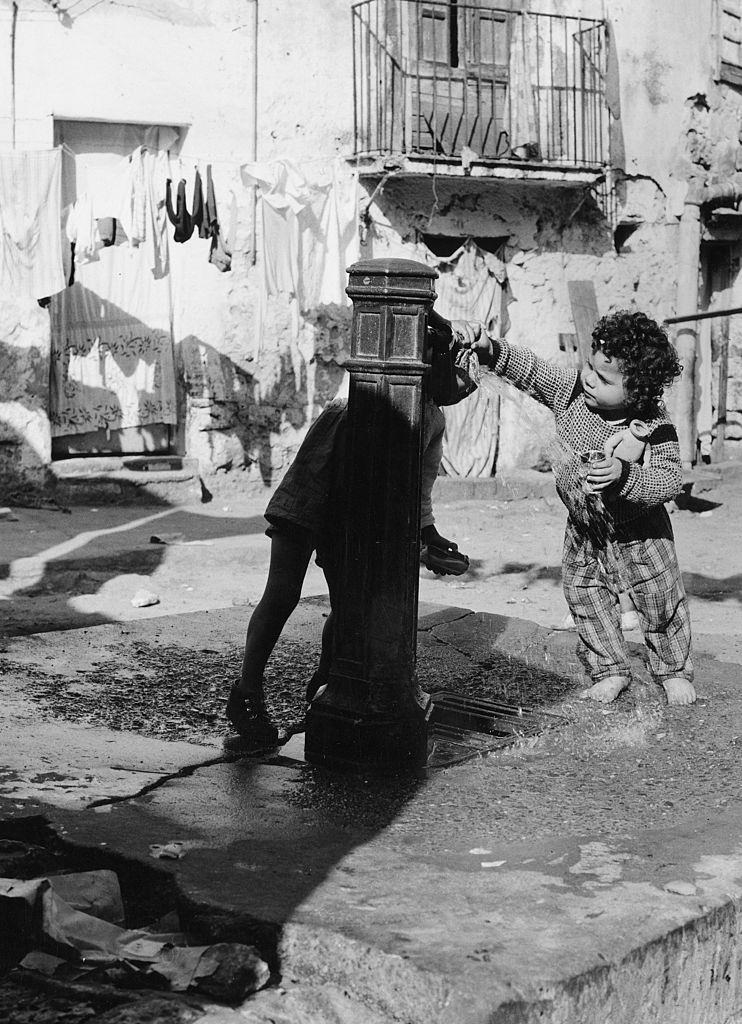
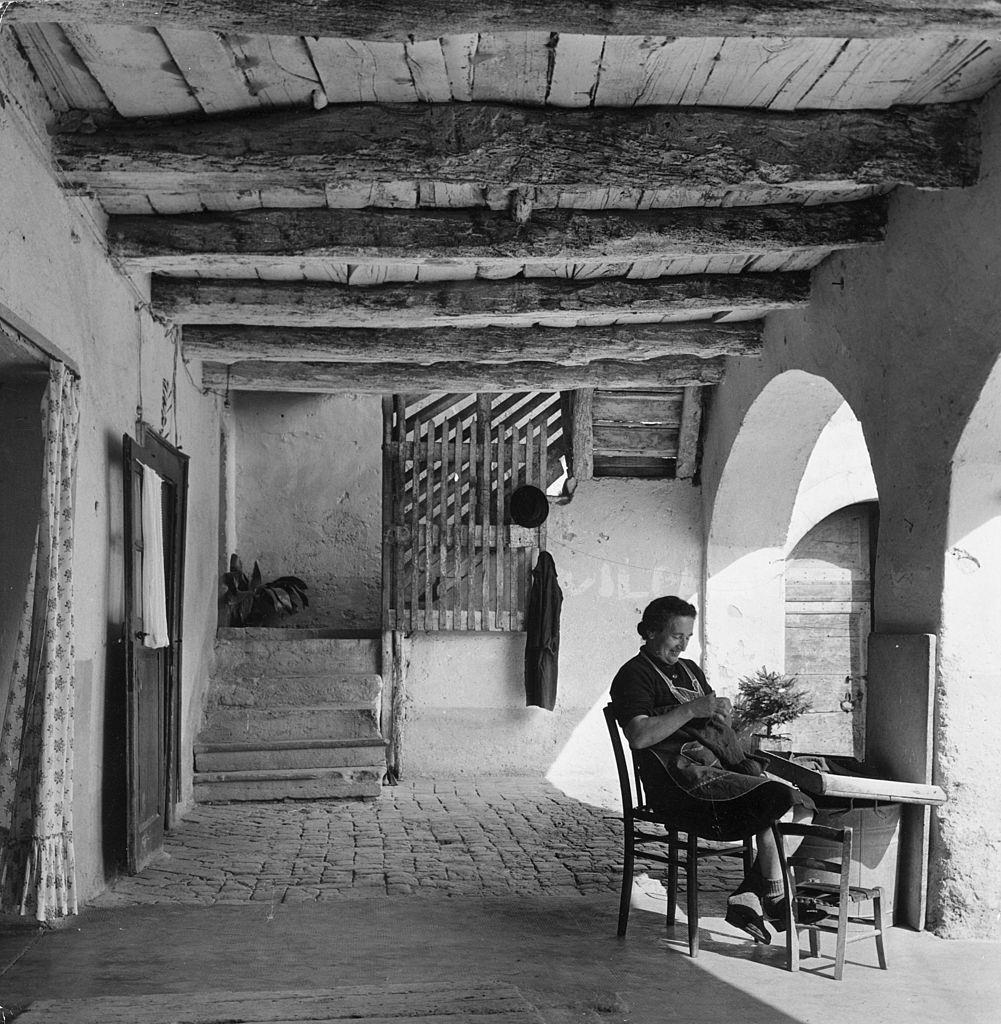
A young child at a water fountain in a slum courtyard in Italy, 1960s.
Signora Allessandra Roncalli sits knitting in a covered courtyard, 1960s.
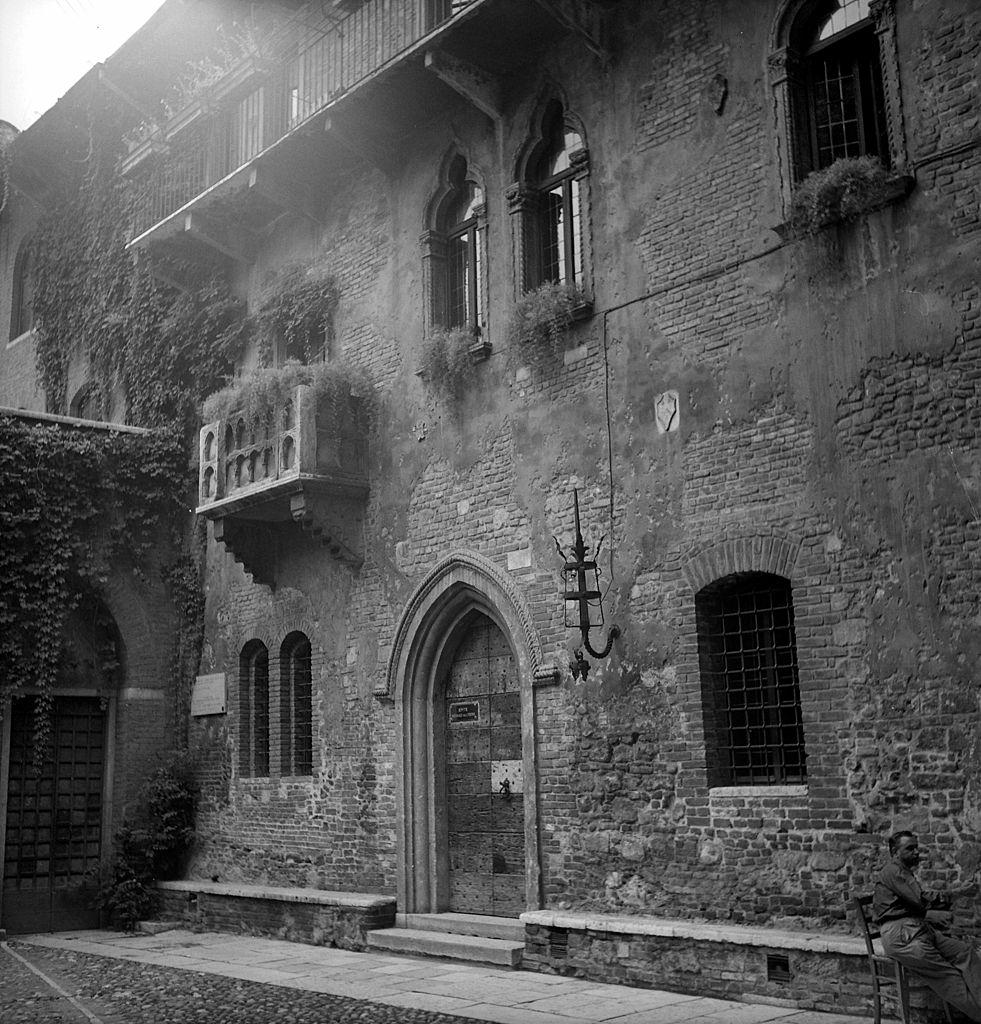
Palace of the Capuletti, Juliet's house, in Verona, 1960s
Palace of the Capuletti, Juliet’s house, in Verona, 1960s

Foreign visitors wove themselves into the Italian landscape as naturally as the locals. American actress Carroll Baker was photographed barefoot on the Riva degli Schiavoni in Venice, shoes in hand, in a moment that blended Hollywood glamour with ordinary city life. Venice attracted this kind of scene constantly — it was a city that seemed to exist outside of time.
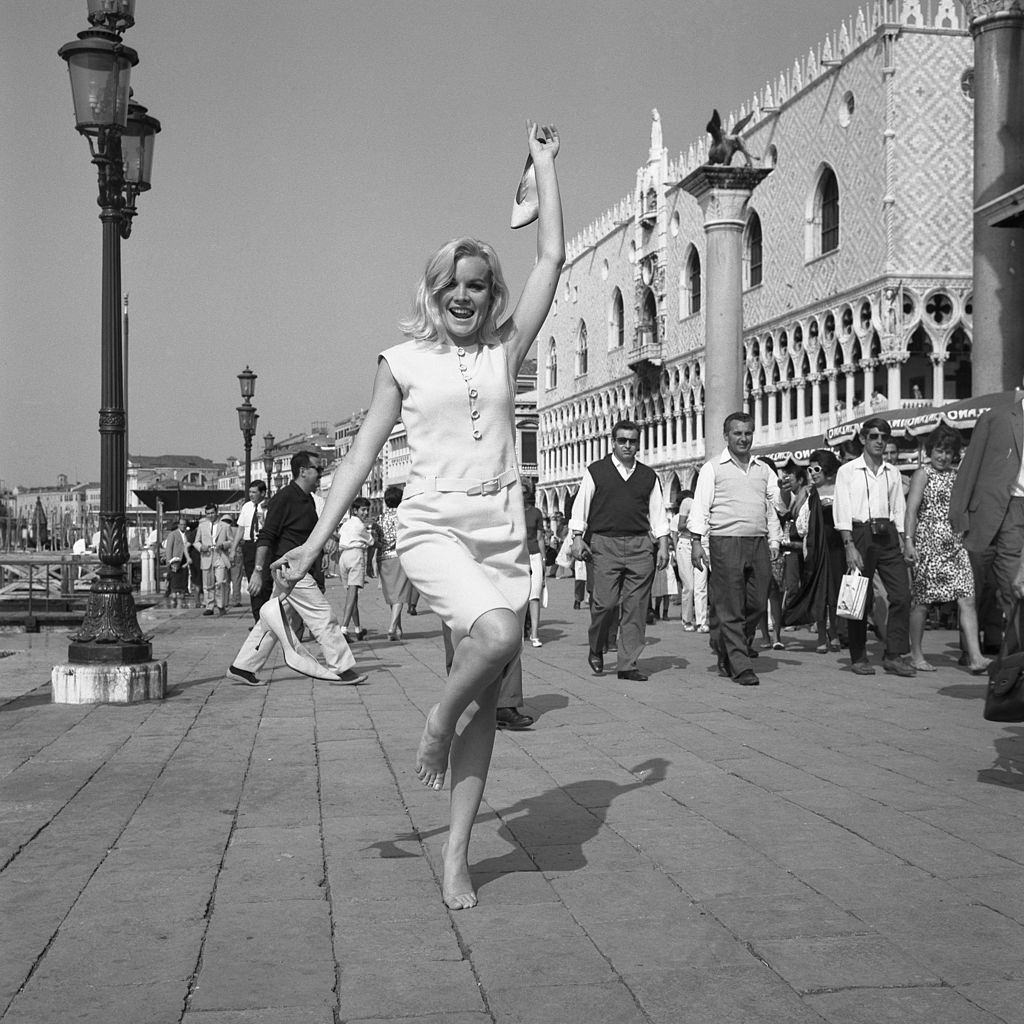
American actress Carroll Baker, wearing a white dress in Riva degli Schiavoni while standing on her tiptoe, barefoot and holding her shoes, Venice, 1960s.
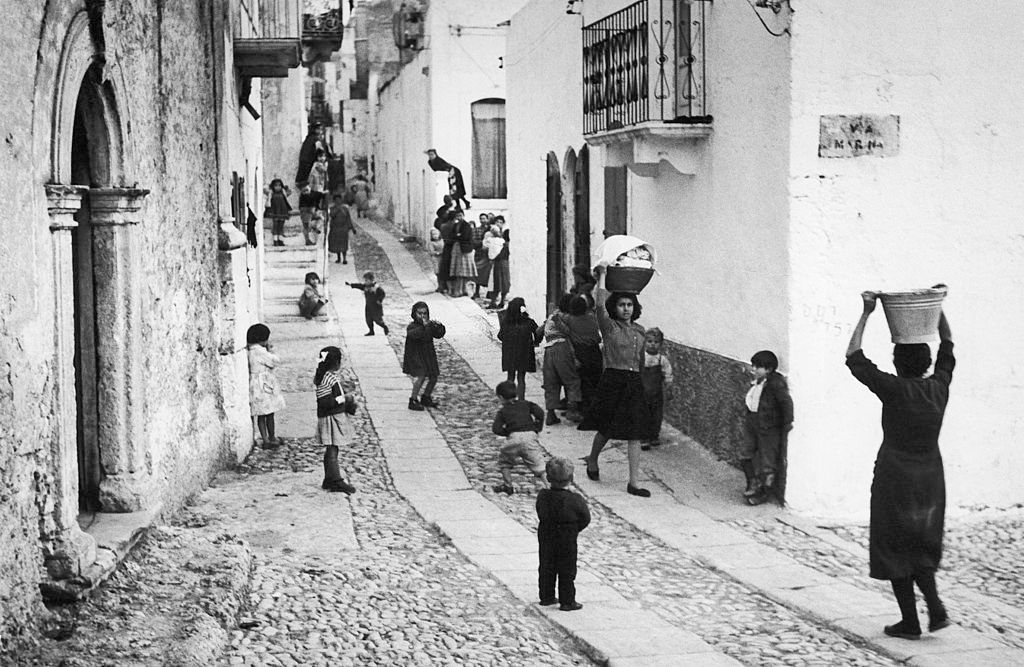
Gragano, Italy, 1960s.
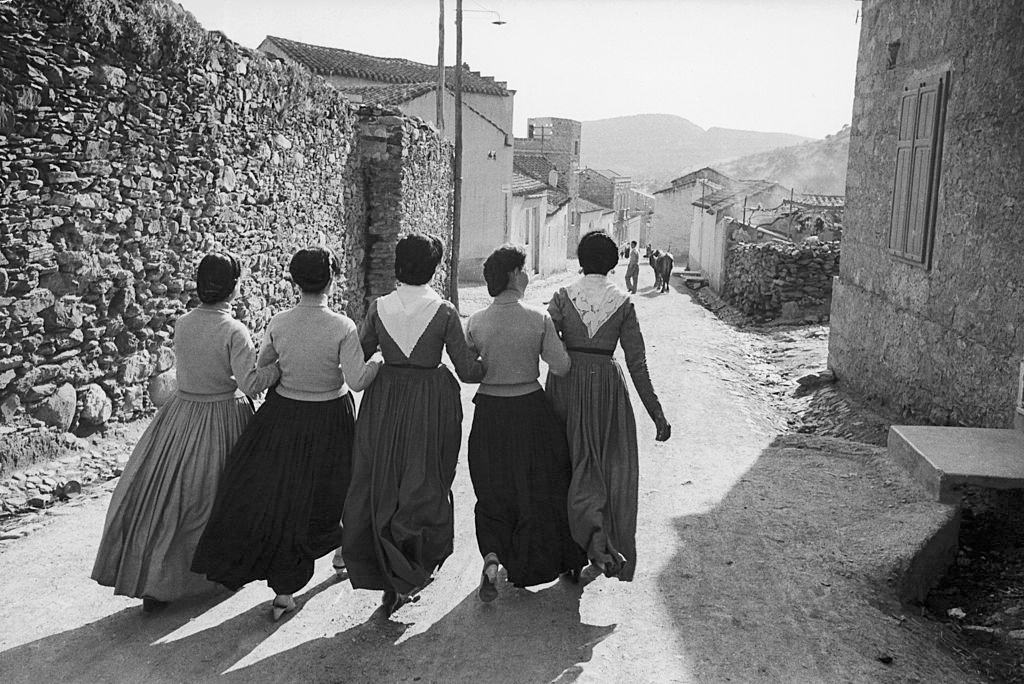
Five Women Walking and Holding Hands, 1960s.
Gargano Street Life, 1960s.

By the end of the decade, the political energy that had been building throughout the 1960s erupted openly on the streets. Anarchist groups marched through Milan’s Corso Europa under black flags, part of a broader wave of mass demonstrations that swept through Italy in 1969. Workers, students, immigrants, and leftist militants all took part. The protests were not an isolated event — they were the concentrated result of a decade of economic pressure, unequal growth, and political frustration that had been building across every layer of Italian society.
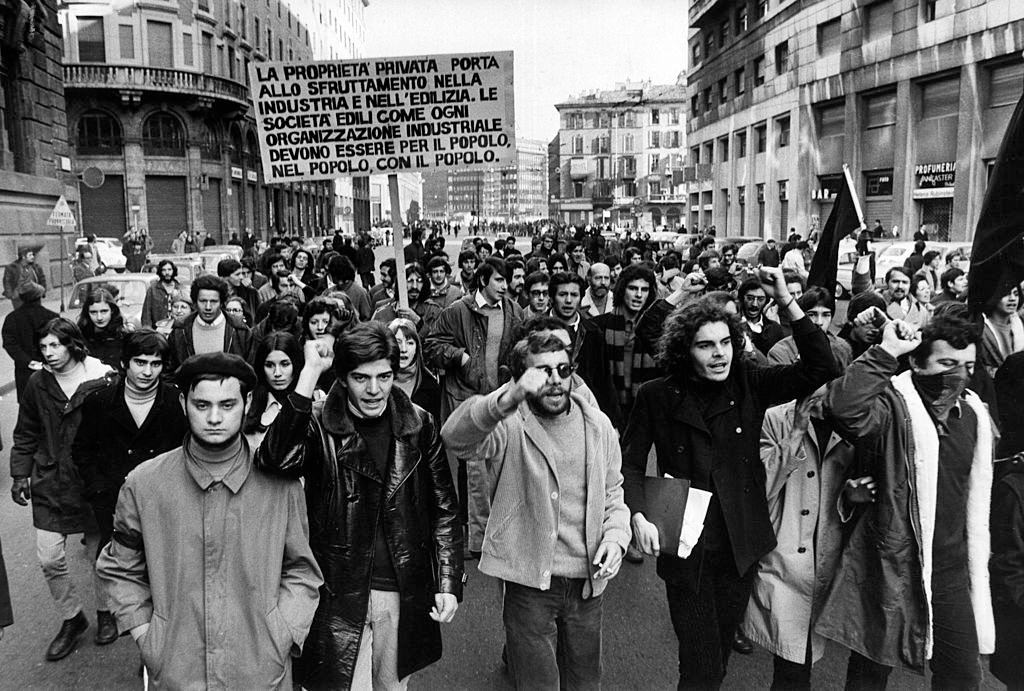

Group of anarchists with black flags demonstrating in Corso Europa, Milan, 1960s.
Enjoyed this post? Get new ones in your inbox.

Leave a Comment

Your email address will not be published. Required fields are marked *

Share this Post 🥺

Please take a moment to share this content. Your support is greatly appreciated! 🙌🙏

Share this Post 🥺

Please take a moment to share this content. Your support is greatly appreciated! 🙌🙏
Scroll to Top
 
Hey Friend, Before You Go.. Please like & follow for more interesting content