
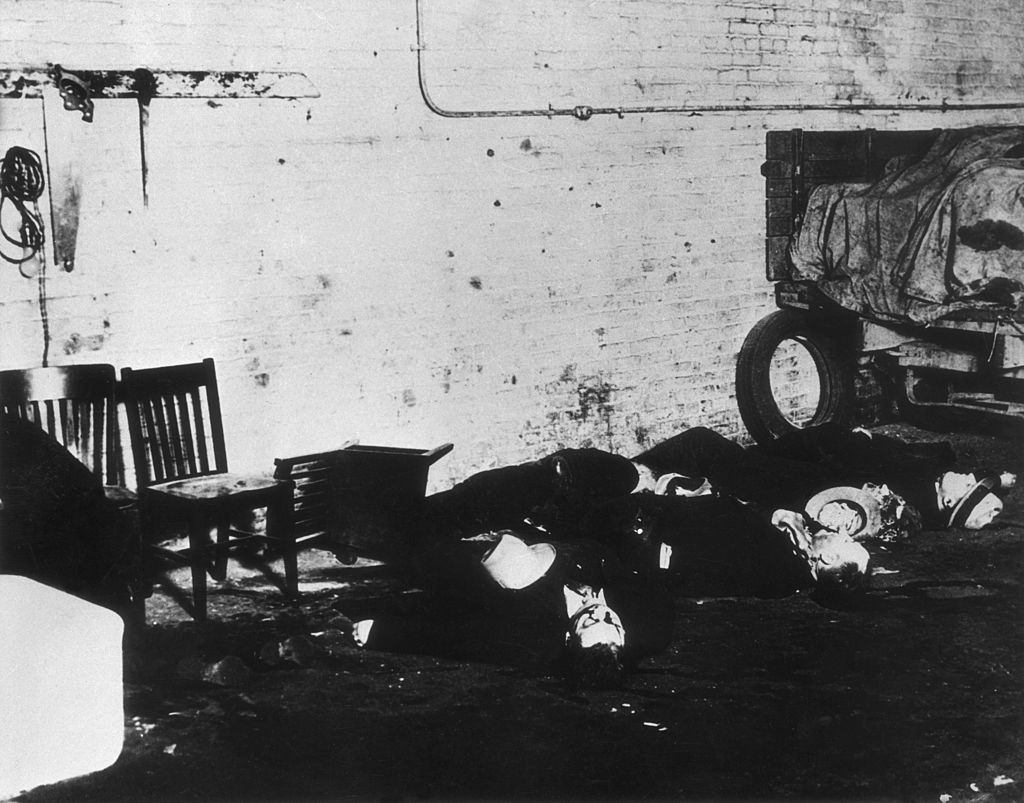
February 14, 1929, was not a day of romance in Chicago. It was the day seven men were lined up against a brick wall inside a garage at 2122 North Clark Street and shot to death. The killers were four men dressed as police officers — two in uniform, two in plain clothes — who had walked into the headquarters of the North Side Gang as if conducting a routine raid. What followed was one of the most cold-blooded mass murders in American criminal history: the St. Valentine’s Day Massacre.
The massacre did not happen in a vacuum. It was the violent peak of a years-long war between two of Chicago’s most powerful bootleggers: Al Capone, who controlled the South Side, and George “Bugs” Moran, the head of the North Side Gang. Throughout the 1920s, both men survived multiple assassination attempts. In one of the most brazen incidents of that era, Moran and six of his associates drove six cars past a Cicero, Illinois, hotel where Capone was eating lunch and fired more than 1,000 rounds into the building. Capone walked away. Moran walked away. The war continued.
Capone eventually had a $50,000 bounty placed on Moran’s head, but killing the man directly proved difficult. Instead, Capone’s plan shifted toward destroying the gang itself — cutting off Moran’s power by eliminating his most trusted enforcers in a single strike.
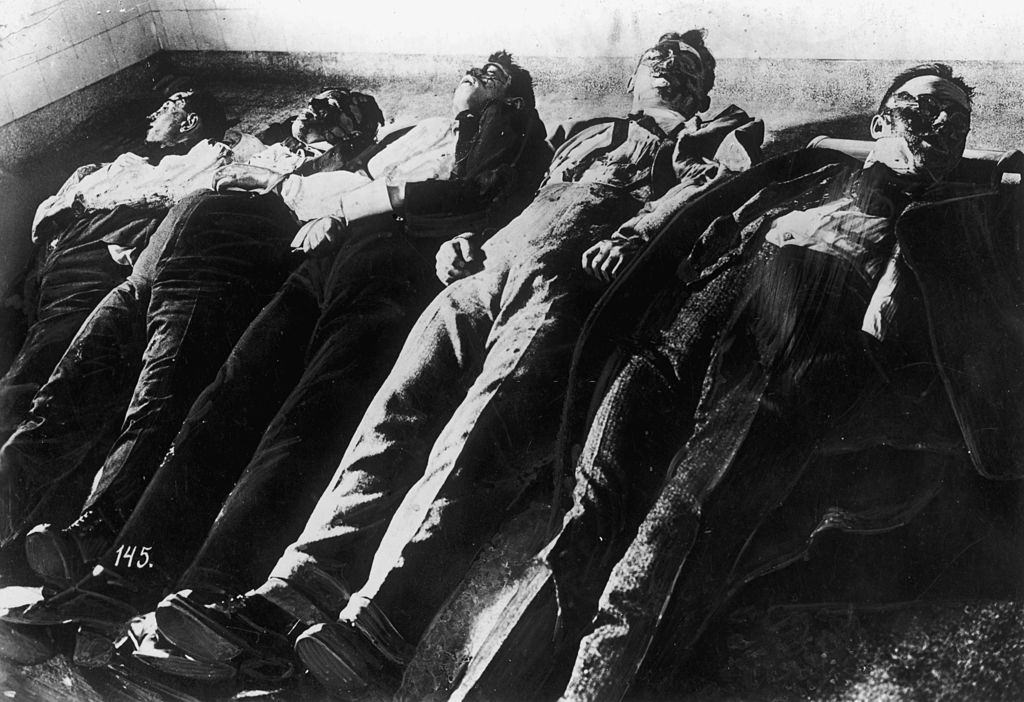
The setup was carefully arranged. Moran’s gang had been told to expect a delivery of bootleg whiskey at the Clark Street garage on February 14. It was a trap. That morning, seven of Moran’s men gathered inside the building to wait for the shipment. Among them were Frank and Pete Gusenberg, two of the most dangerous killers in Moran’s operation, along with other trusted members of the crew.
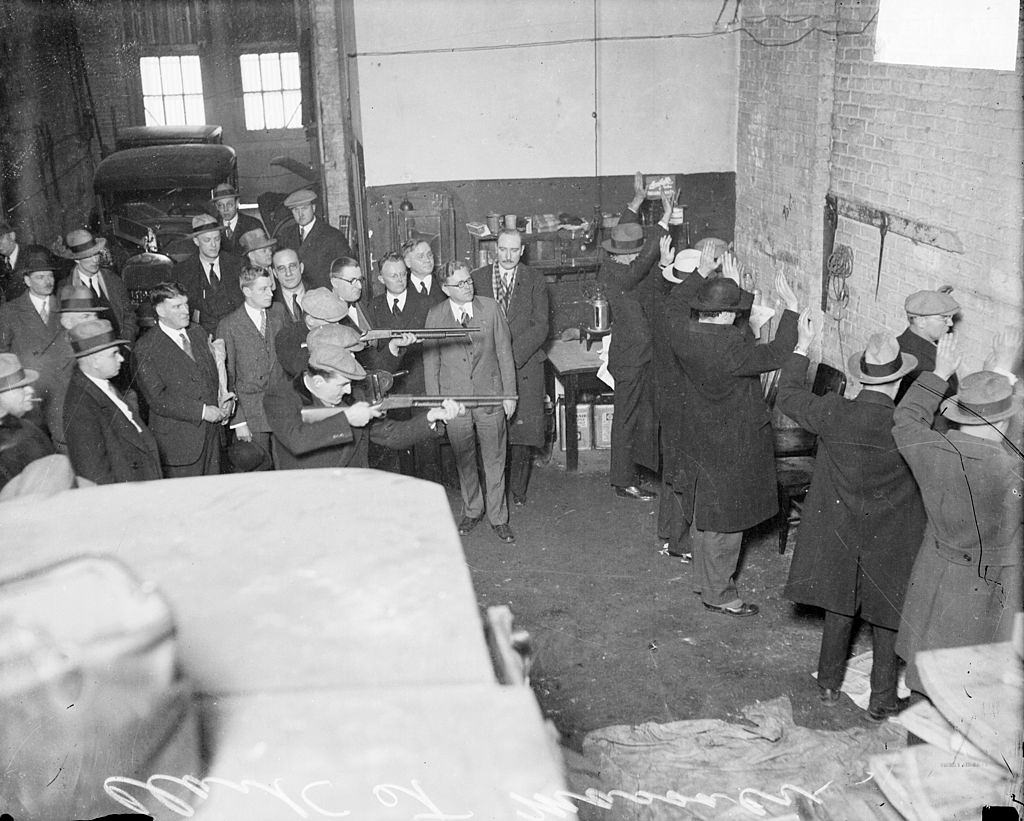
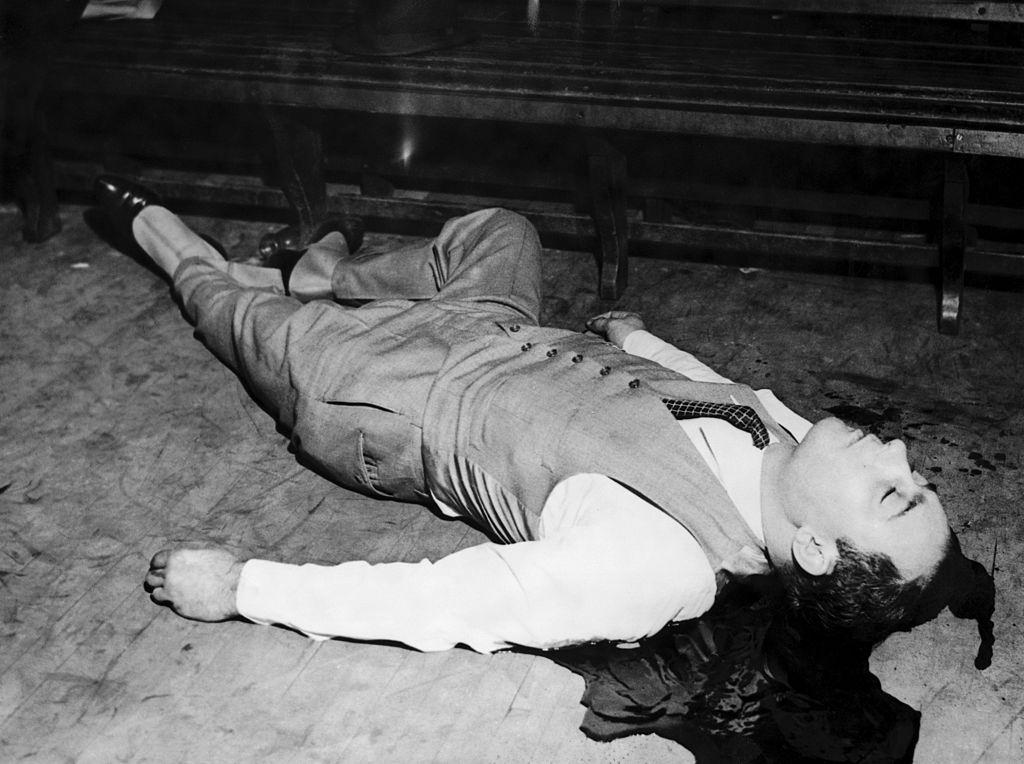
When the four disguised assassins arrived, the men inside likely believed they were being arrested during a police raid. They did not resist. They lined up against the wall as ordered. Then the killers opened fire. The seven men were shot repeatedly at close range. By the time the guns went quiet, all seven were on the ground. The garage floor was soaked in blood.
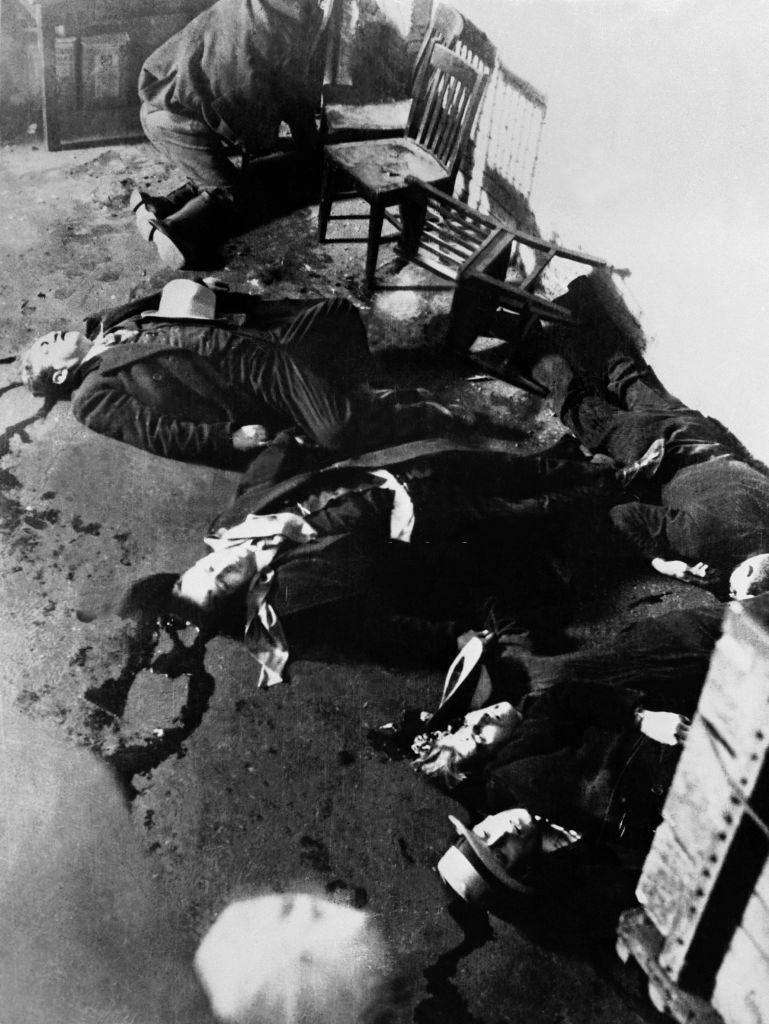
Bugs Moran himself was not among the dead. He had been running late that morning and spotted what appeared to be police officers entering his building from the street. He waited outside, assuming his men were being caught in a raid. By the time the truth became clear, the killers had already slipped away, two of them pretending to be officers escorting the others in custody.
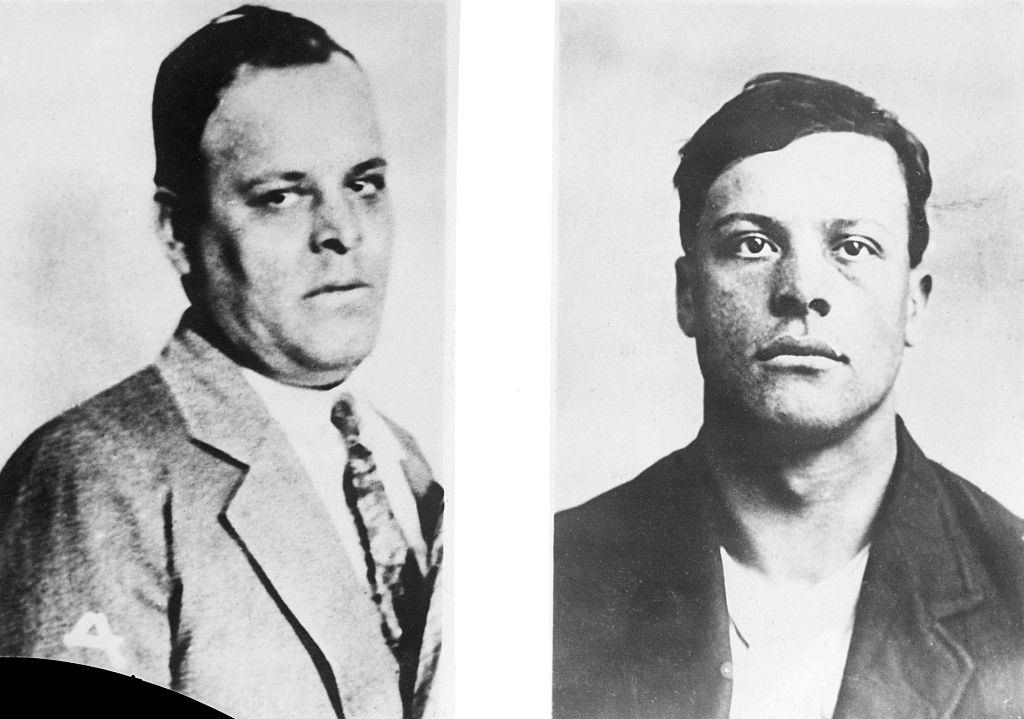
When real police officers arrived on the scene, they found one man still alive — Frank Gusenberg. He had been shot fourteen times but was still breathing. Officers pressed him to identify who had done this. Gusenberg, mortally wounded and fully aware he was dying, refused to give up a single name. “Nobody shot me,” he said. He died three hours after the shooting without saying another word about his killers.
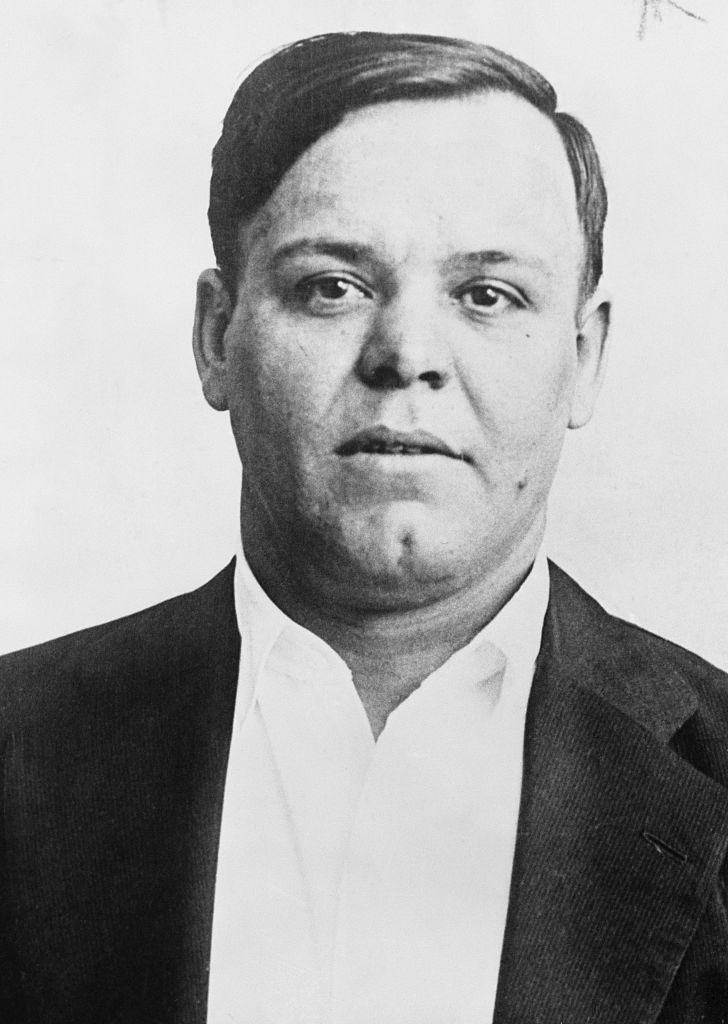
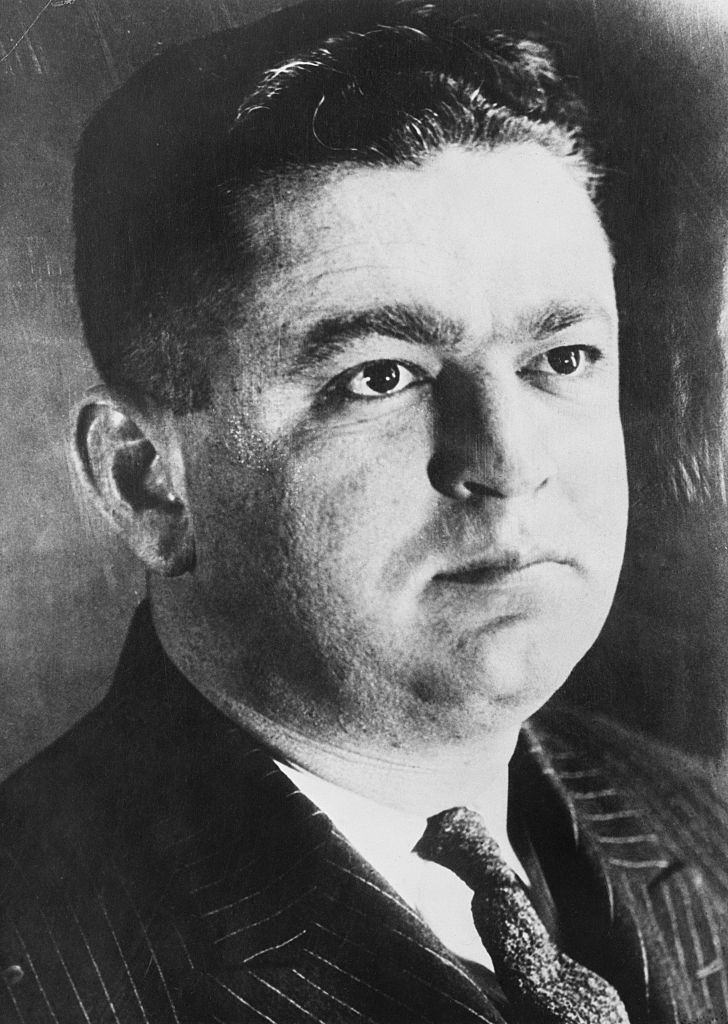
The massacre achieved exactly what Capone’s organization intended. Moran had lost his best gunmen and most capable lieutenants in a single morning. His ability to run the North Side and hold territory collapsed almost immediately. He never rebuilt. By 1931, when Capone was sent to federal prison for tax evasion, Moran was already a diminished figure — stripped of the manpower and muscle that had made him a force in Chicago’s underworld.
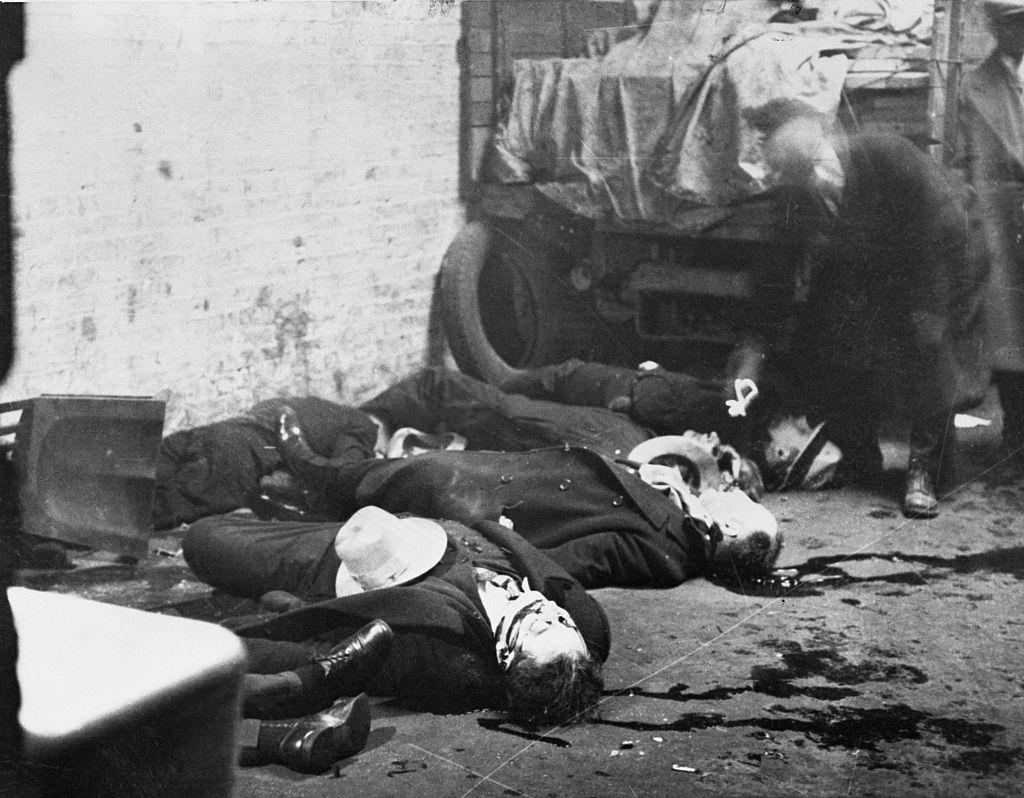
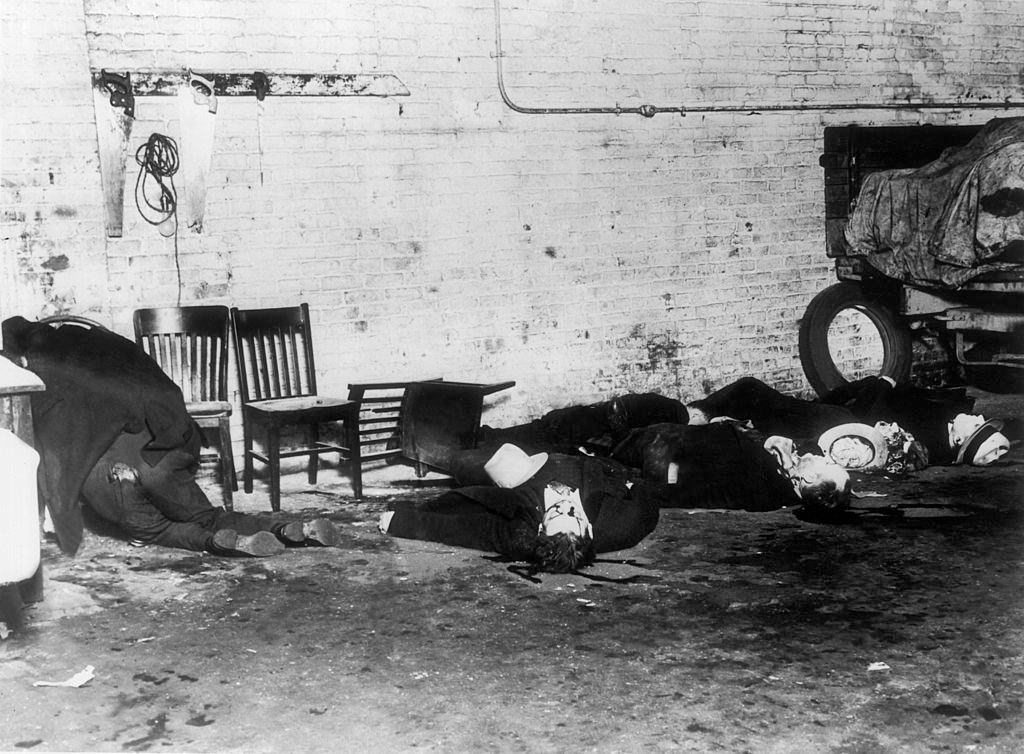
The massacre had a long tail of violence. On February 14, 1936 — exactly seven years to the day after the killings — Jack McGurn was shot dead in a Chicago bowling alley. McGurn had been one of the primary hitmen believed to have carried out the Valentine’s Day killings. His murder was never officially solved, but all signs pointed to Moran ordering the hit as revenge, though he was never charged.
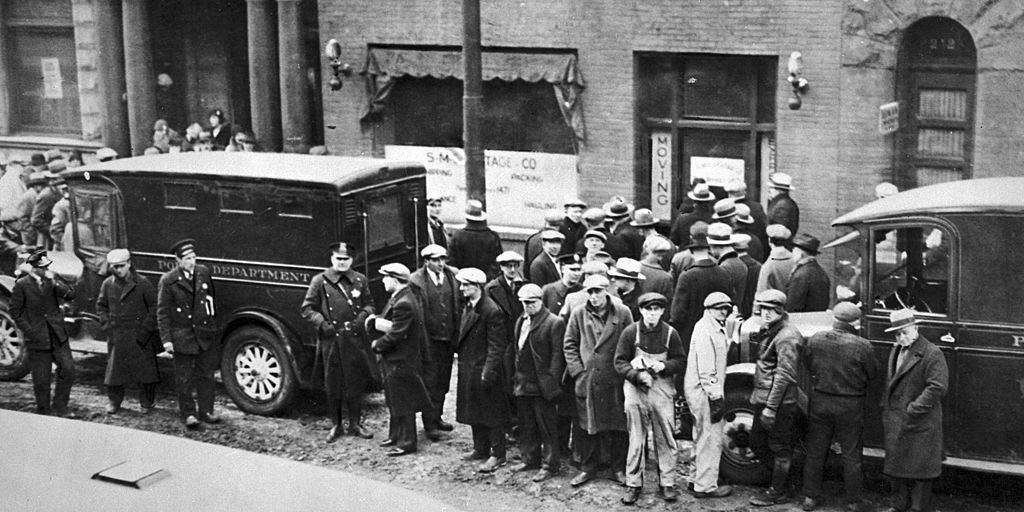
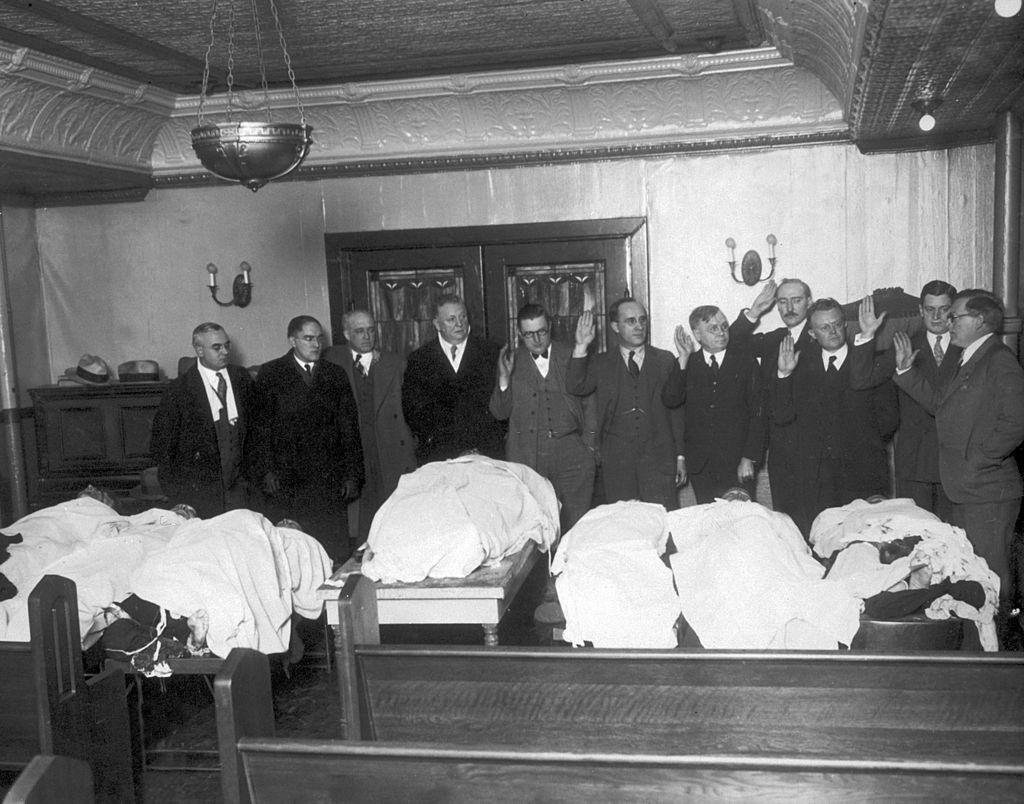
The public reaction to the massacre was enormous. The sheer audacity of the killing — carried out in broad daylight by men posing as law enforcement — shocked even a city that had grown used to gang violence. A special crime committee was formed in its wake, and the bodies of the victims became the backdrop for sworn-in officials pledging to crack down on organized crime in Chicago.
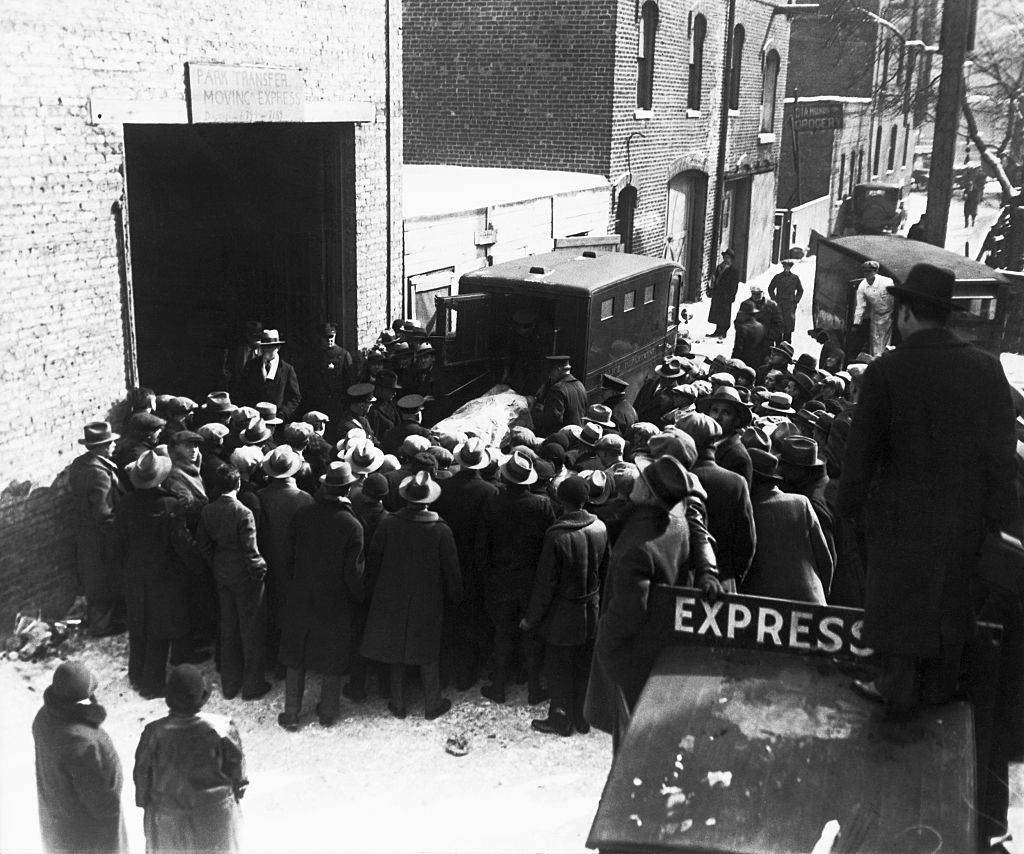
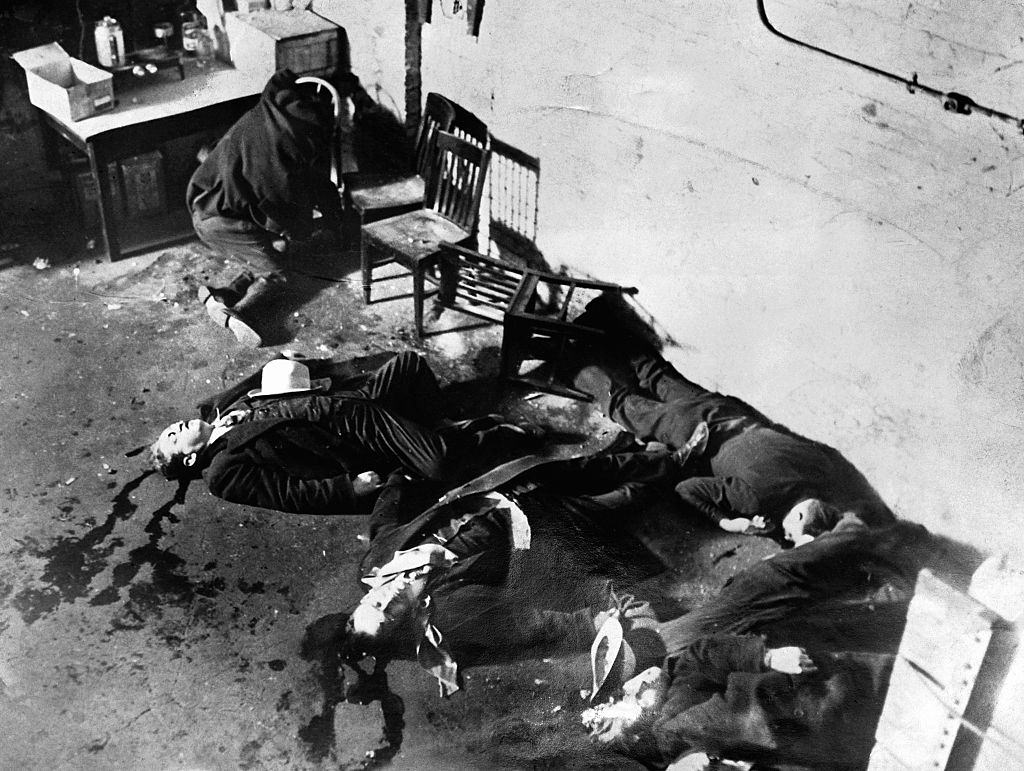
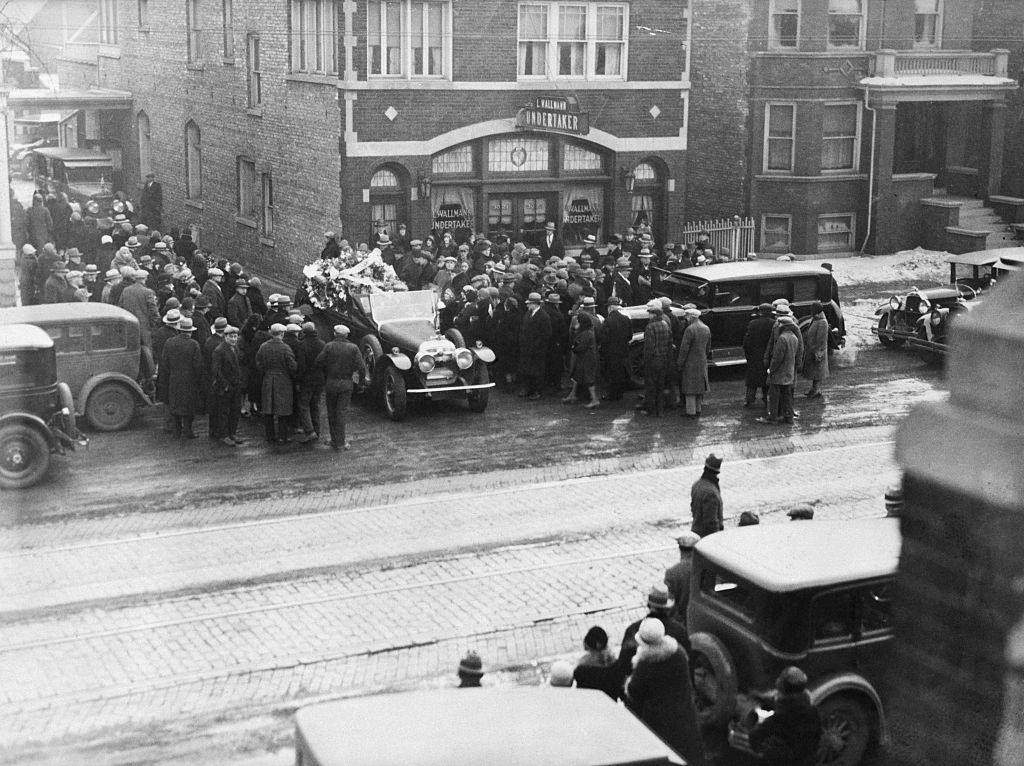
The Gusenberg brothers, Frank and Peter, were mourned publicly, though they were known killers. Their funerals drew crowds of onlookers who had followed the story of the massacre in the days after the shooting. Frank’s dying refusal to name his killers had made him, in a strange way, a figure of dark notoriety — a man who kept the gangland code even with fourteen bullets in him.
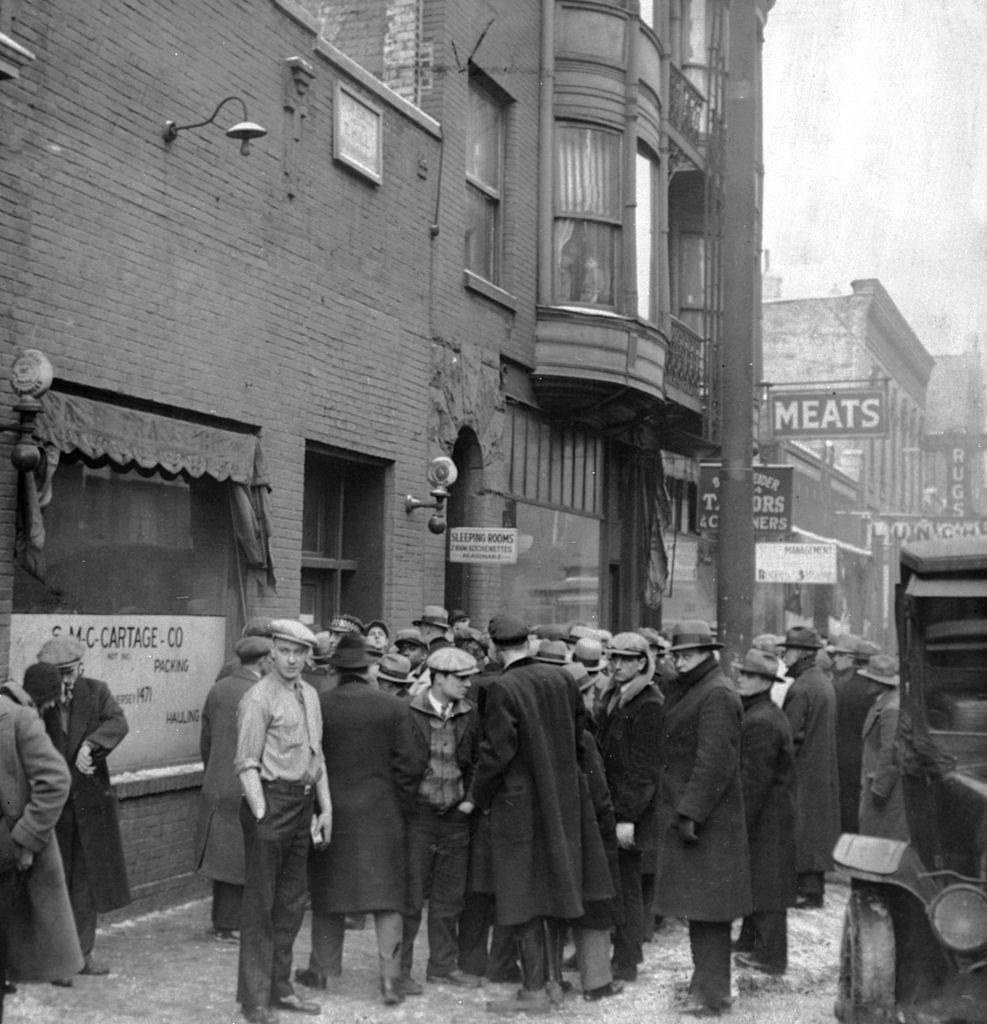
The Clark Street garage itself became one of the most recognized crime scenes in American history. People came from across the city to stand outside the building, stare at the bullet-pocked walls, and absorb what had happened there. The address — 2122 North Clark Street — became synonymous with the massacre itself.
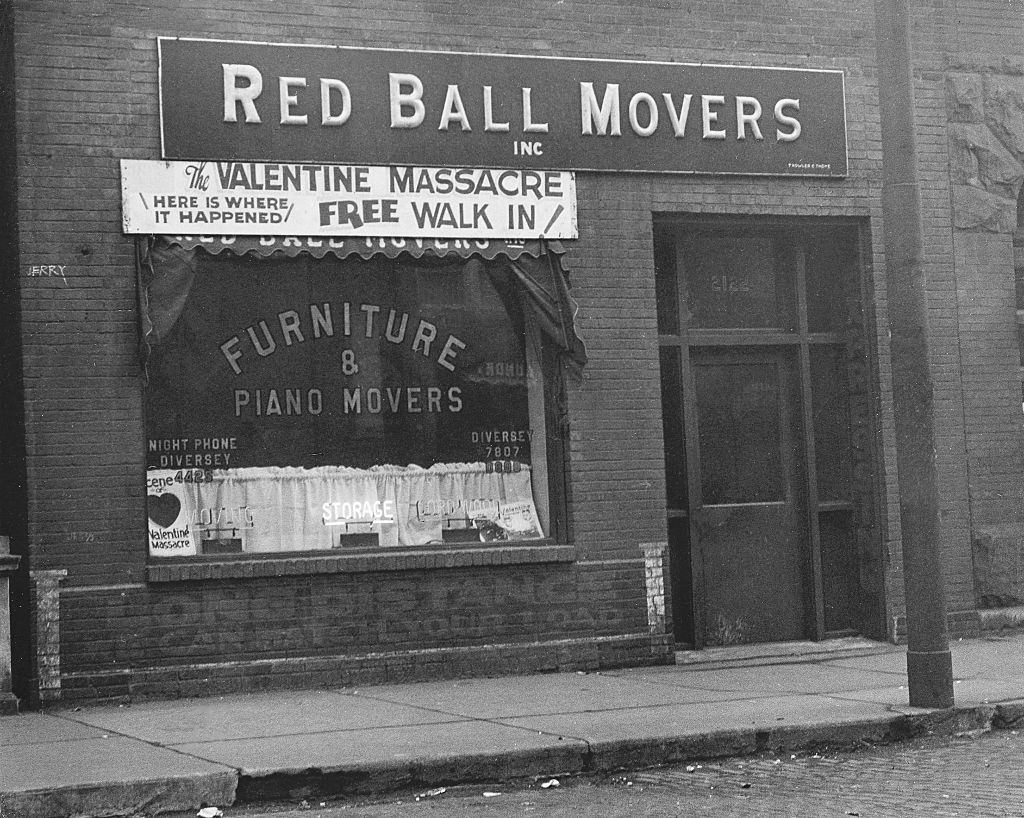
Bugs Moran spent the rest of his life in a slow decline. Without his gang, he was reduced to small-time robberies to get by — a sharp fall for a man who had once controlled large portions of Chicago’s illegal liquor trade. In 1946, he was arrested and sentenced to prison. He never returned to the criminal world he had once dominated. Moran died of lung cancer on February 25, 1957, inside Leavenworth Federal Prison. He was 65 years old.

Additionally, it is essential to note that the garage where the North Side Gang was shot has become a retirement home parking lot. After the massacre, the address of the place was utterly erased. As a result, the blood-stained and bullet hole-ridden wall attracted crowds of curious bystanders to the building after the massacre. It is horrifying to see these pictures.