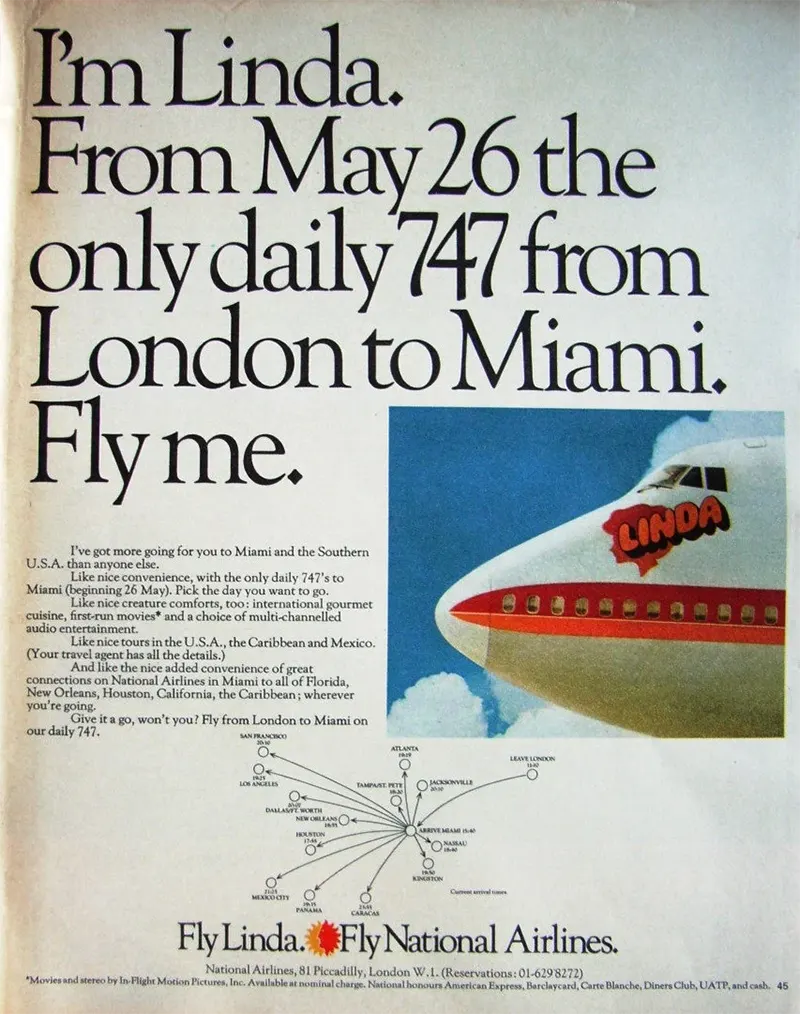
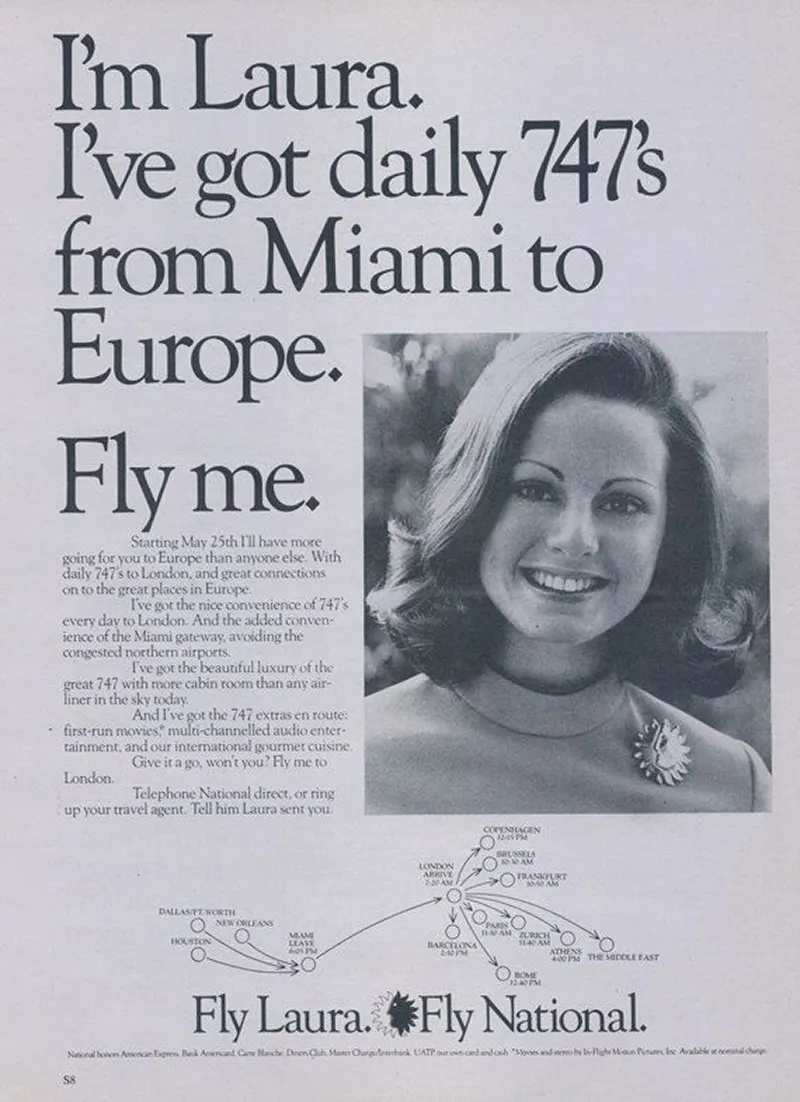
In the early 1970s, National Airlines launched one of the most talked-about — and criticized — advertising campaigns in aviation history. The campaign was called “Fly Me,” and it was built entirely around the airline’s female flight attendants. Developed by the ad agency Wells Rich Greene, the strategy was simple: put a stewardess’s face on print ads with a short, suggestive tagline designed to grab attention, especially from male travelers.
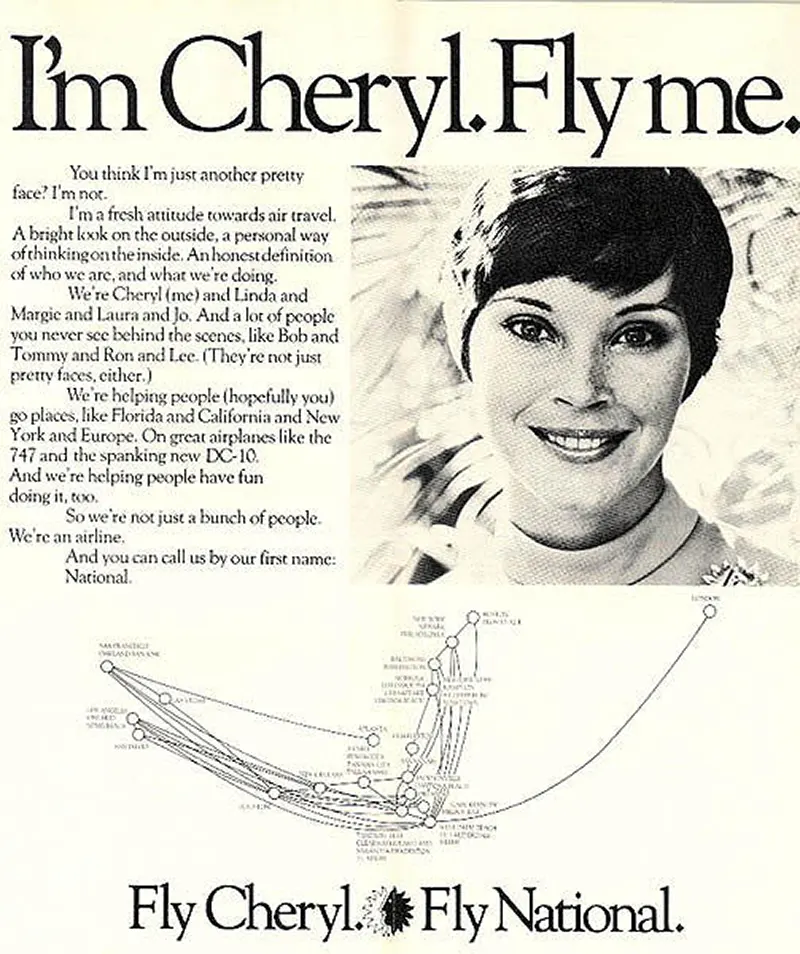
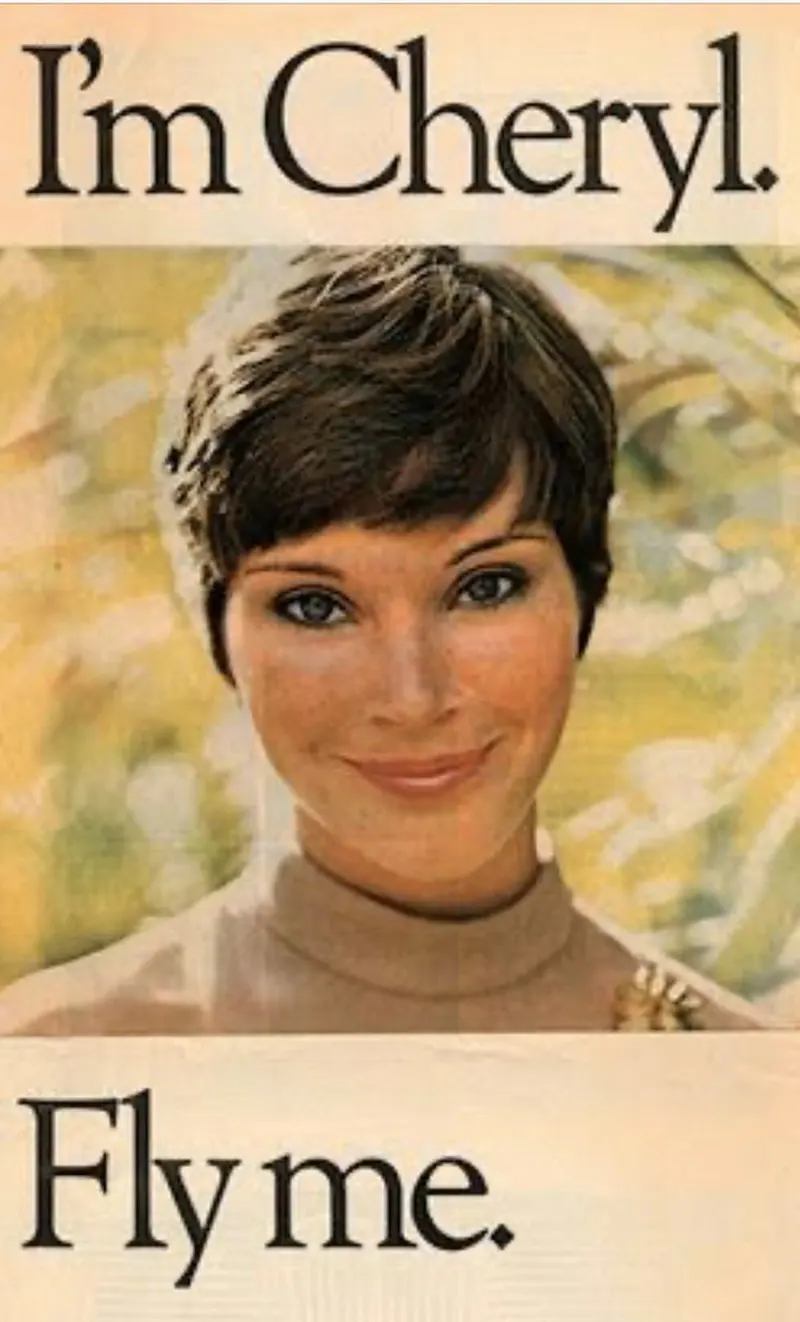
The first ad in the series featured Cheryl Fioravante, a stewardess known for her freckled, girl-next-door look. Her close-up photo ran alongside the line: “Hi, I’m Cheryl. Fly Me.” The mix of casual friendliness and obvious innuendo was deliberate. National Airlines wanted to position itself as a desirable, upscale brand — and it used its female employees as the hook to do it.
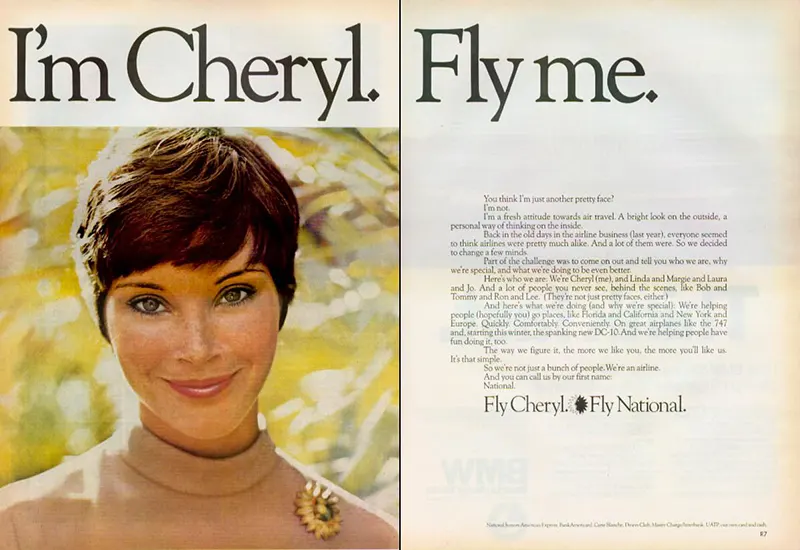
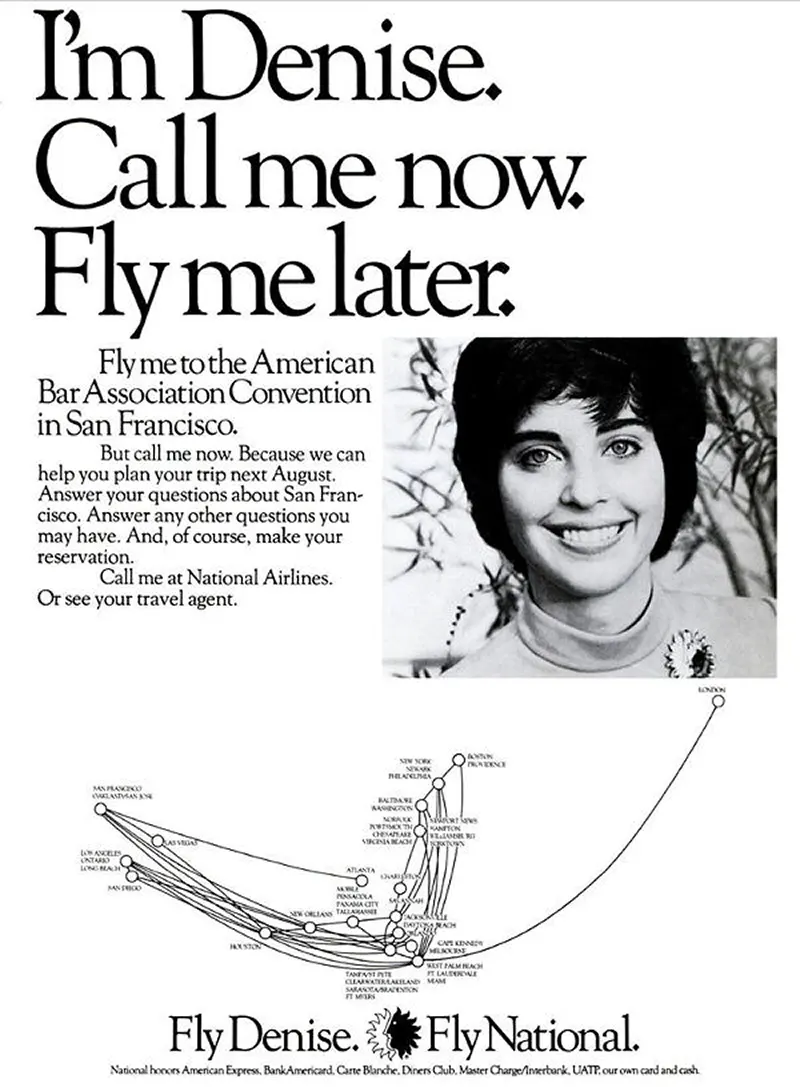
From there, the campaign expanded. New ads rolled out regularly, each featuring a different stewardess with a similar message inviting passengers to fly with her. The formula stayed consistent: a woman’s face, her first name, and a tagline that doubled as a come-on. National Airlines poured roughly $9 million per year into these advertisements — a massive budget for the time.
The money paid off financially. Bookings increased, brand awareness climbed, and the campaign became one of the most recognized in the airline industry. The ads resonated with the male demographic National Airlines was targeting, and the airline saw real returns on its investment.
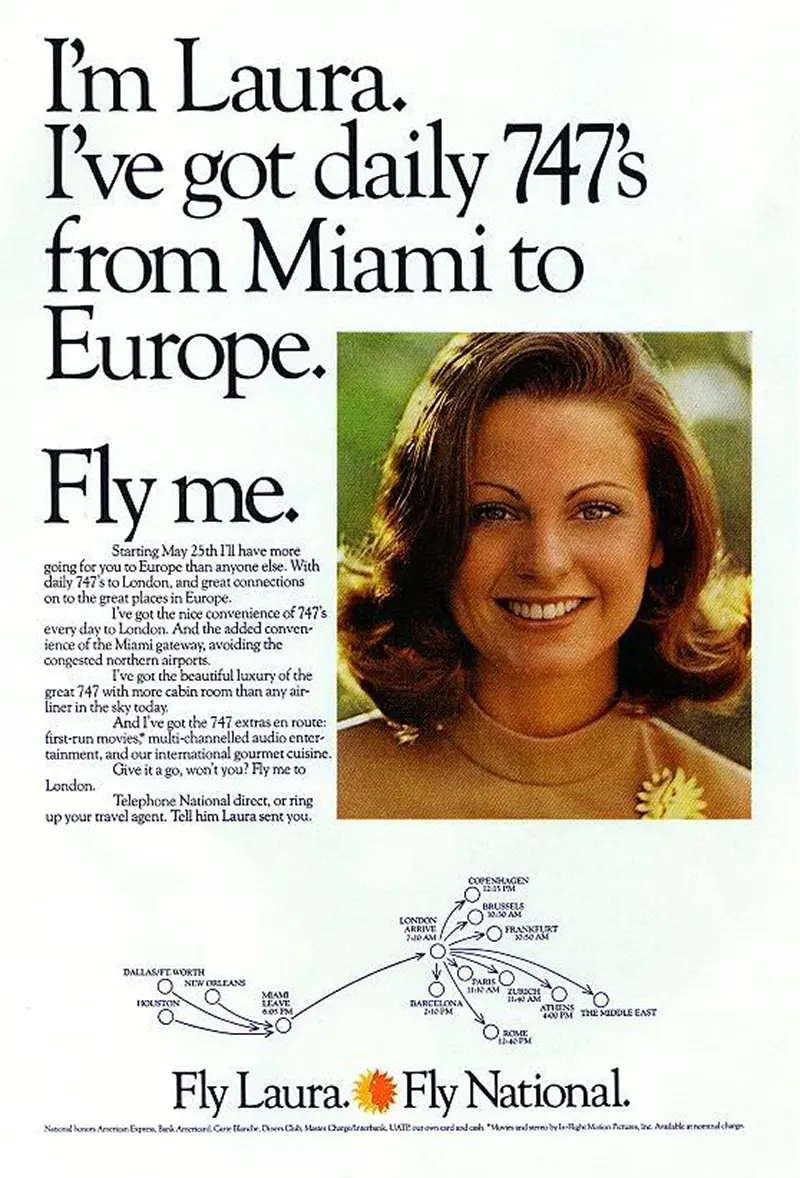
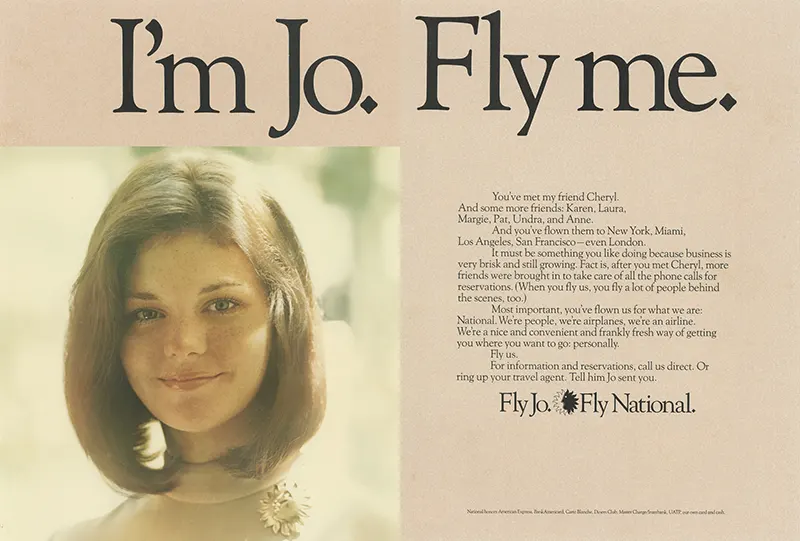
But the backlash was fierce. The National Organization for Women (NOW) publicly condemned the campaign, calling it a “flying meat market.” NOW argued that the ads reduced flight attendants to sexual objects and that the messaging encouraged male passengers to make inappropriate advances toward female crew members. The criticism wasn’t just verbal — it spilled into the streets.
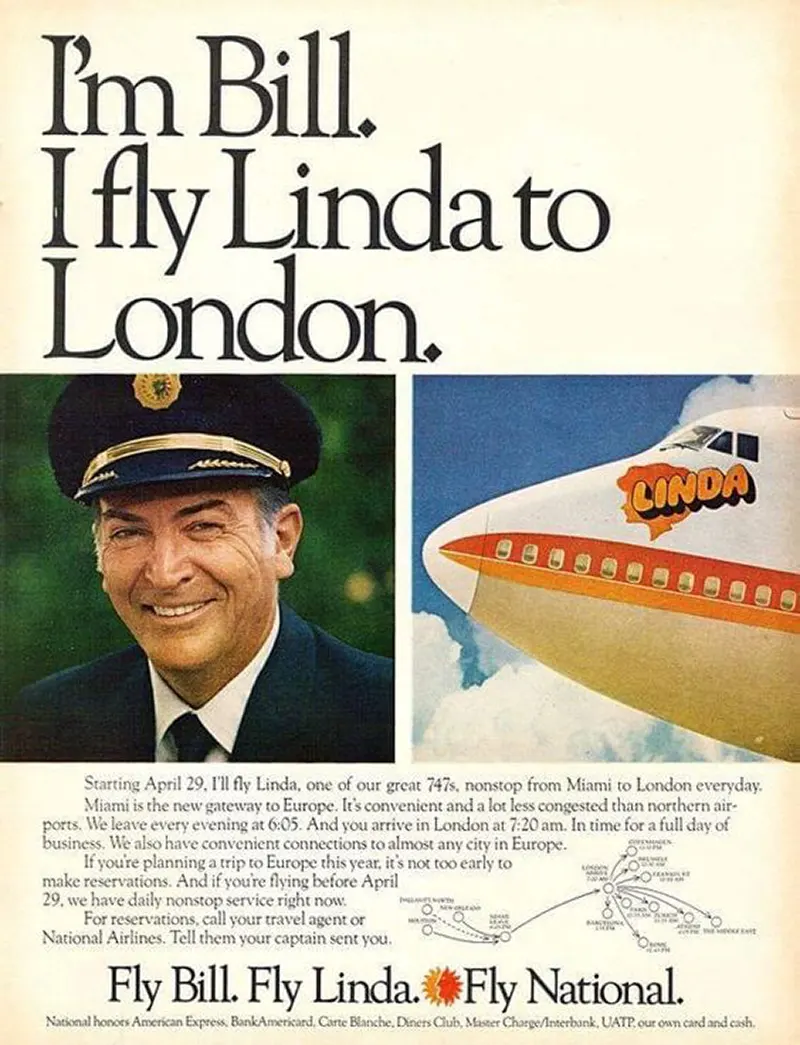
Protesters demonstrated outside the office of F. William Free, the ad executive who created the campaign. Demonstrators carried signs reading “I’m Bill — Fire Me,” a pointed dig at Free by name. The protests drew media coverage and kept the controversy alive in public conversation throughout the early part of the decade.
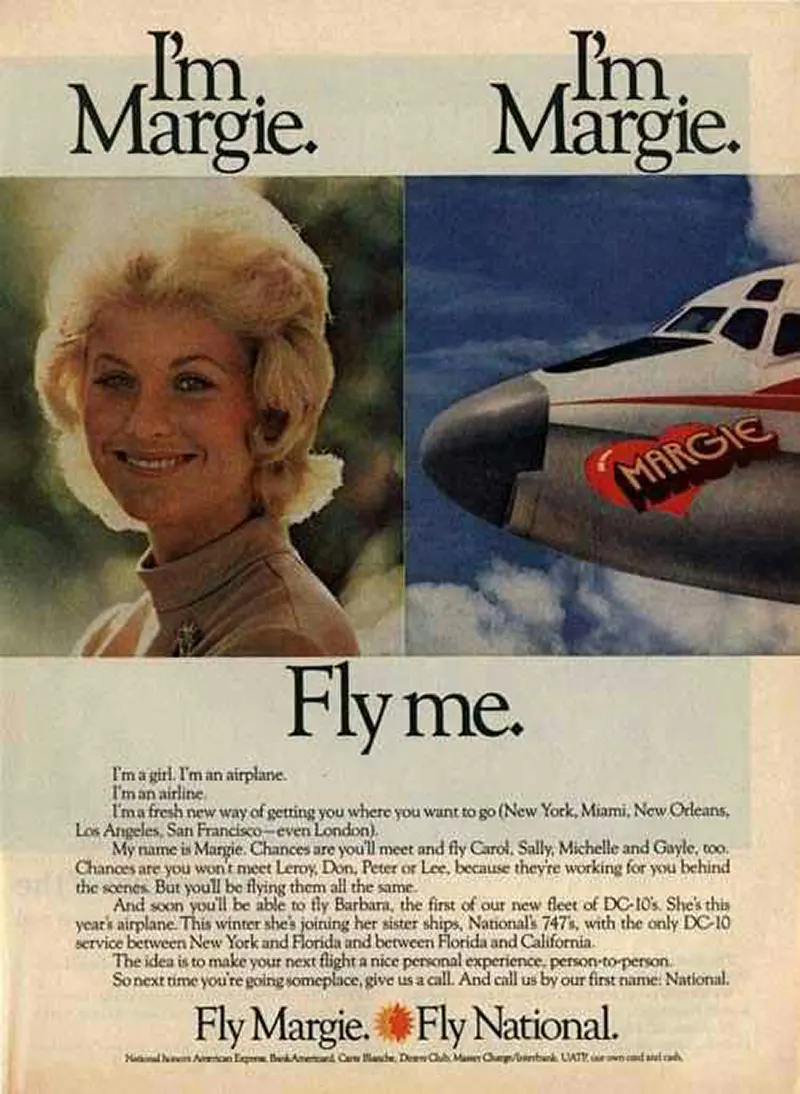
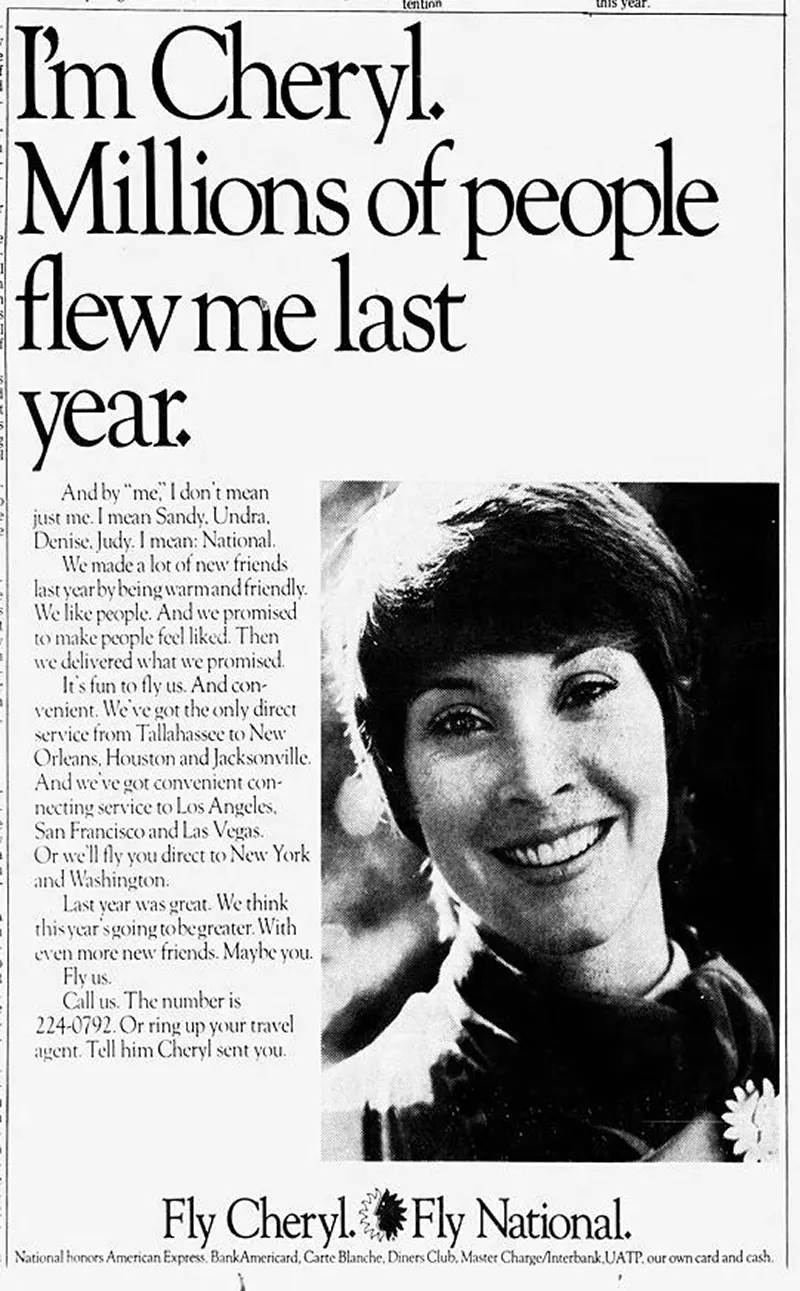
Despite the protests, National Airlines did not pull back. In 1972, the airline doubled down, releasing a new wave of ads in the same vein. One of them brought Cheryl Fioravante back, this time with the line: “Millions of people flew me last year.” The innuendo was even less subtle than before. The airline’s willingness to push further — even as criticism mounted — showed how committed it was to the campaign’s core formula.
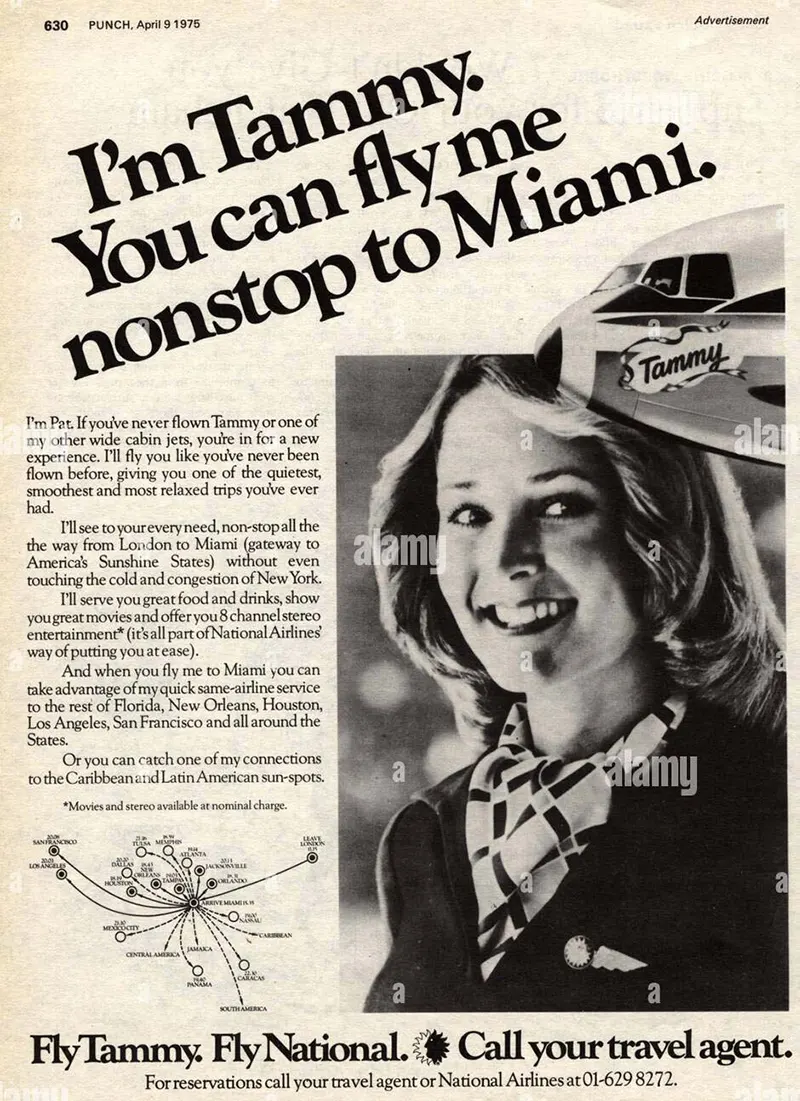
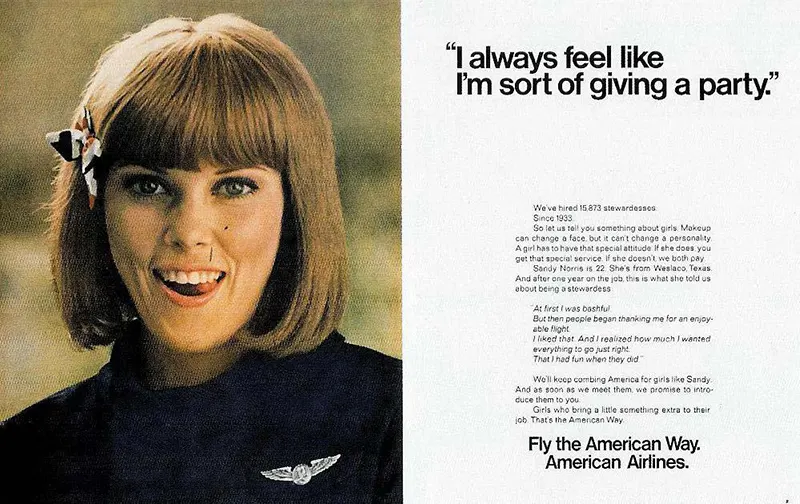
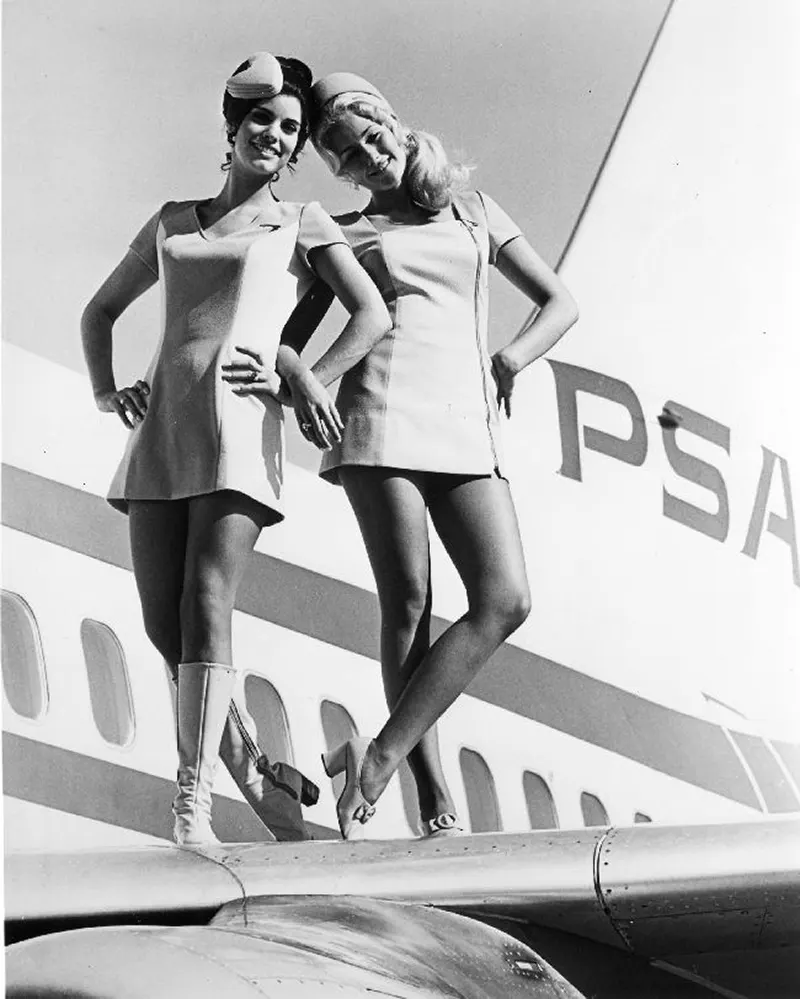
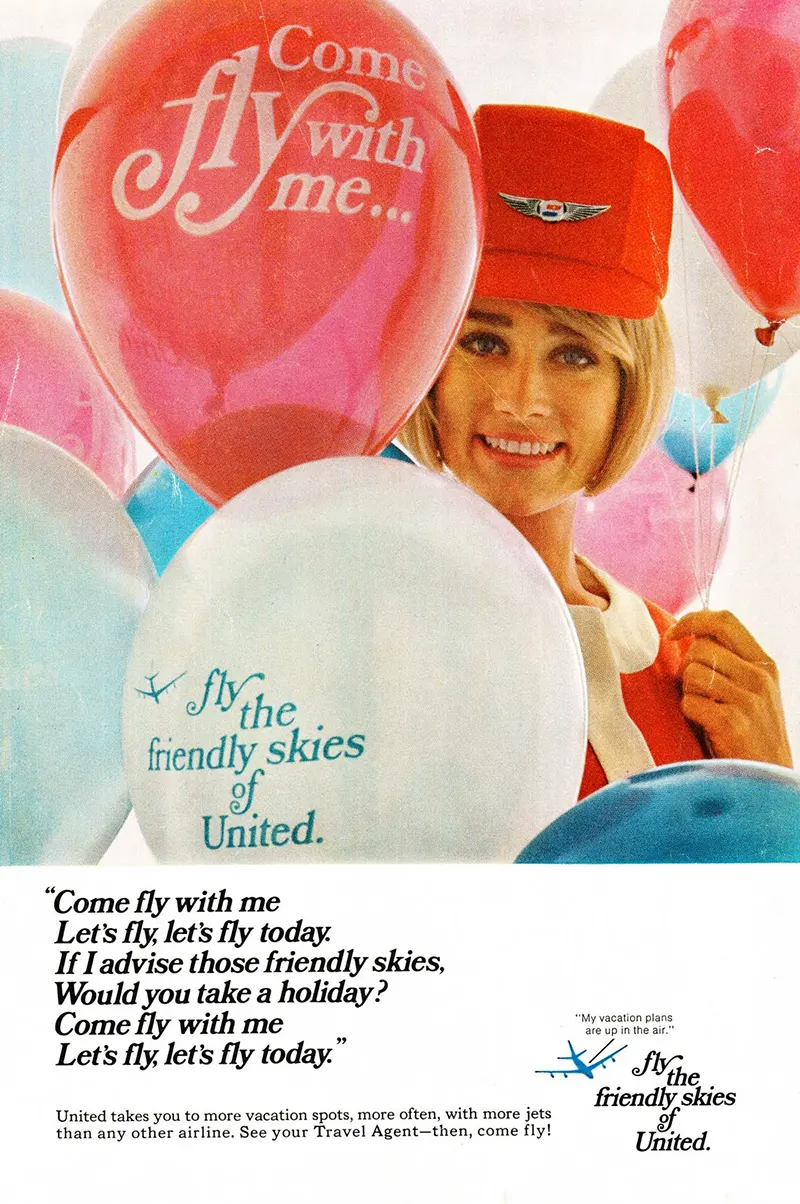
The “Fly Me” campaign reflected a broader reality of 1970s advertising, where airlines frequently marketed to men by centering female employees in their promotions. National Airlines just pushed that approach further than most. The gap between its commercial success and the anger it provoked made it one of the defining examples of how marketing, gender, and public debate collided during that era.