Air France was founded in 1933 and grew quickly into one of the largest airlines in the world. By 1948, it operated a fleet of 130 aircraft and was connecting passengers to destinations across Europe, Africa, Asia, and the Pacific. The Paris-based airline didn’t just move people from place to place — it built a reputation for doing so in style.
In the late 1940s and throughout the 1950s, Air France flew Lockheed Constellations on both passenger and cargo routes around the globe. These long, sleek aircraft with their distinctive triple-tail design became symbols of postwar aviation ambition. The airline also brought the Vickers Viscount turboprop into service on European routes, with twelve of the aircraft entering operation between May 1953 and August 1954.
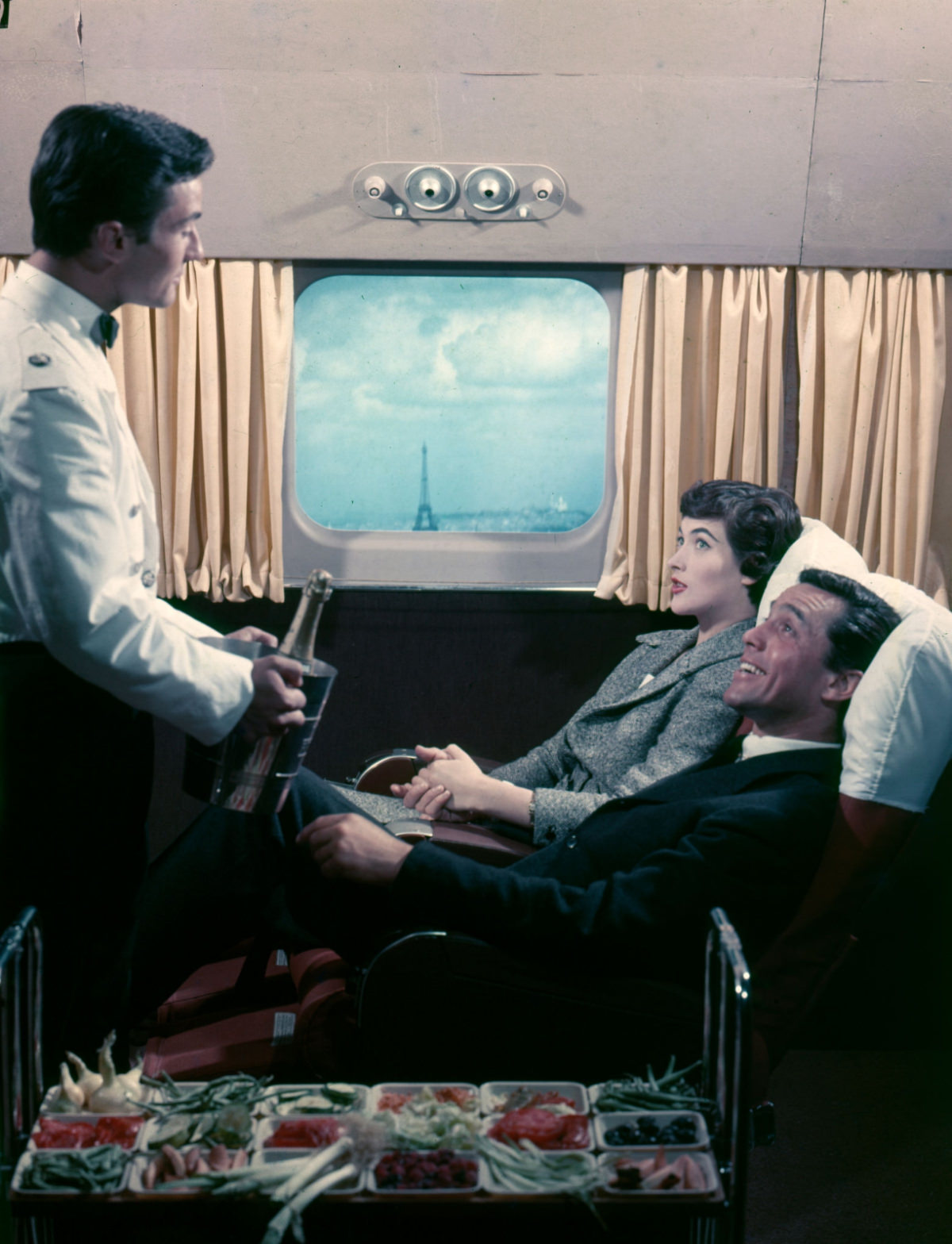
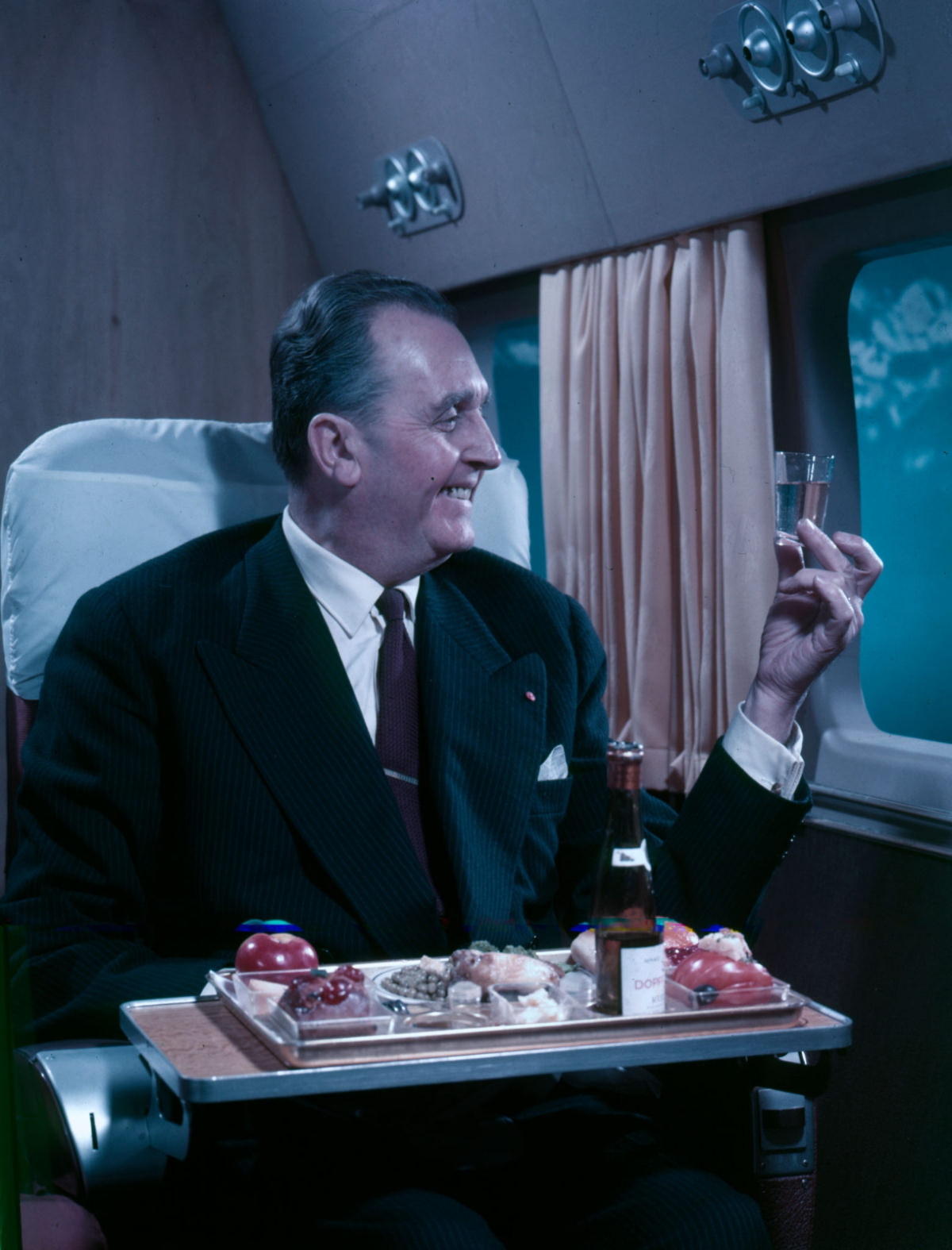
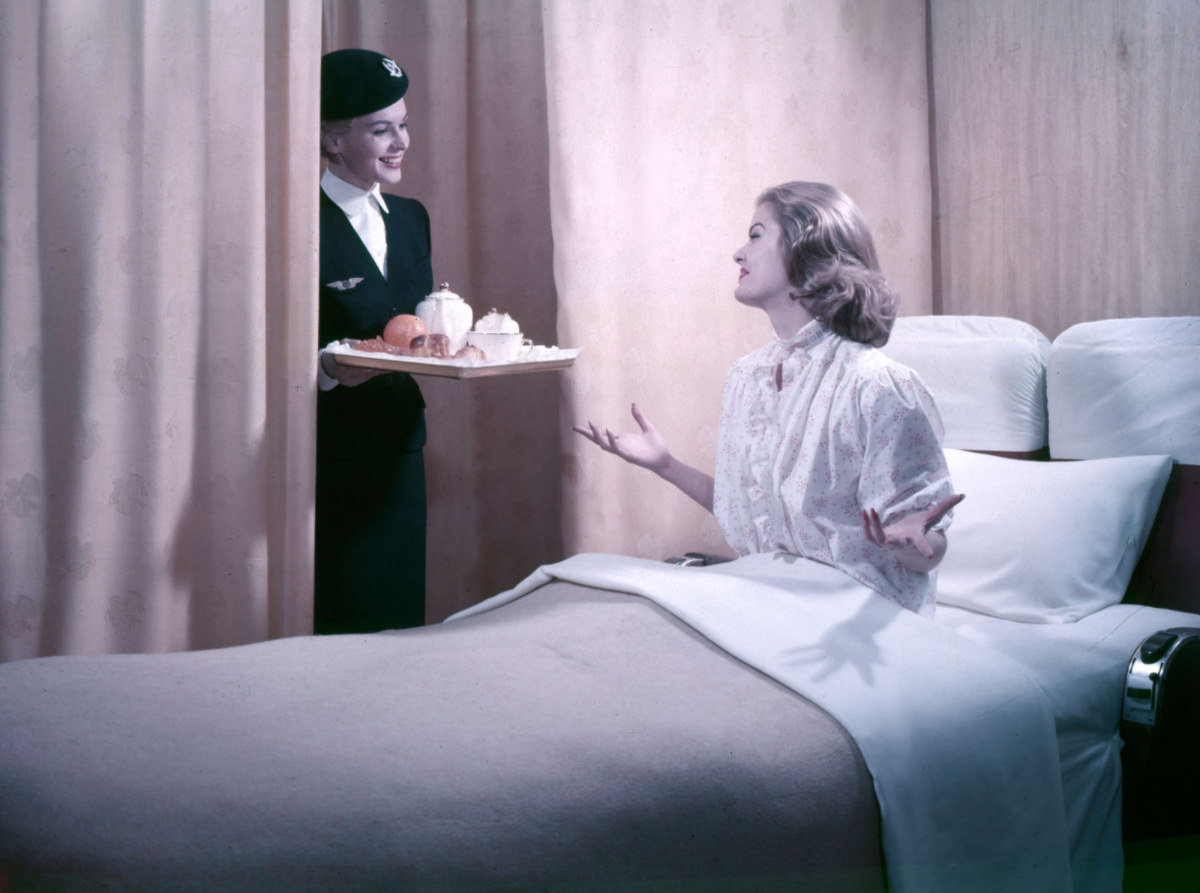
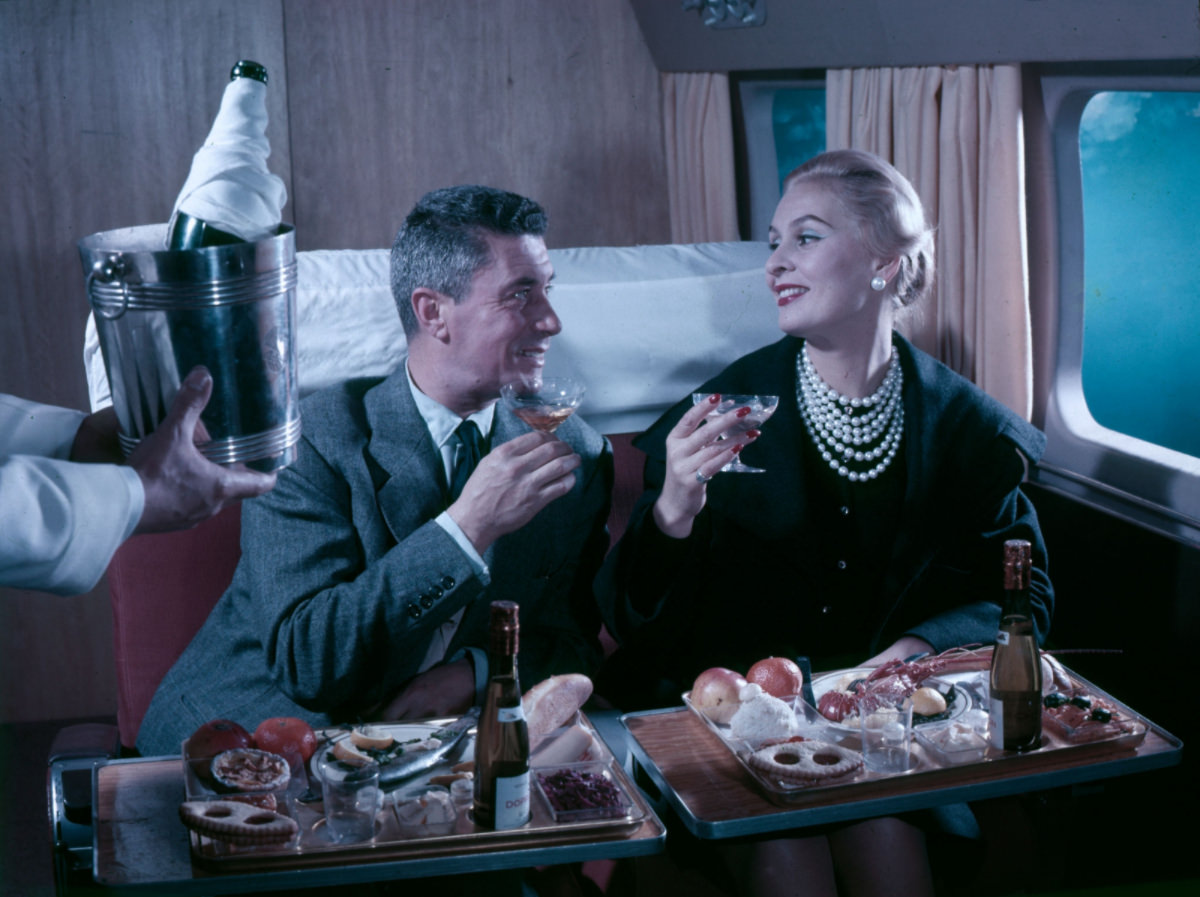
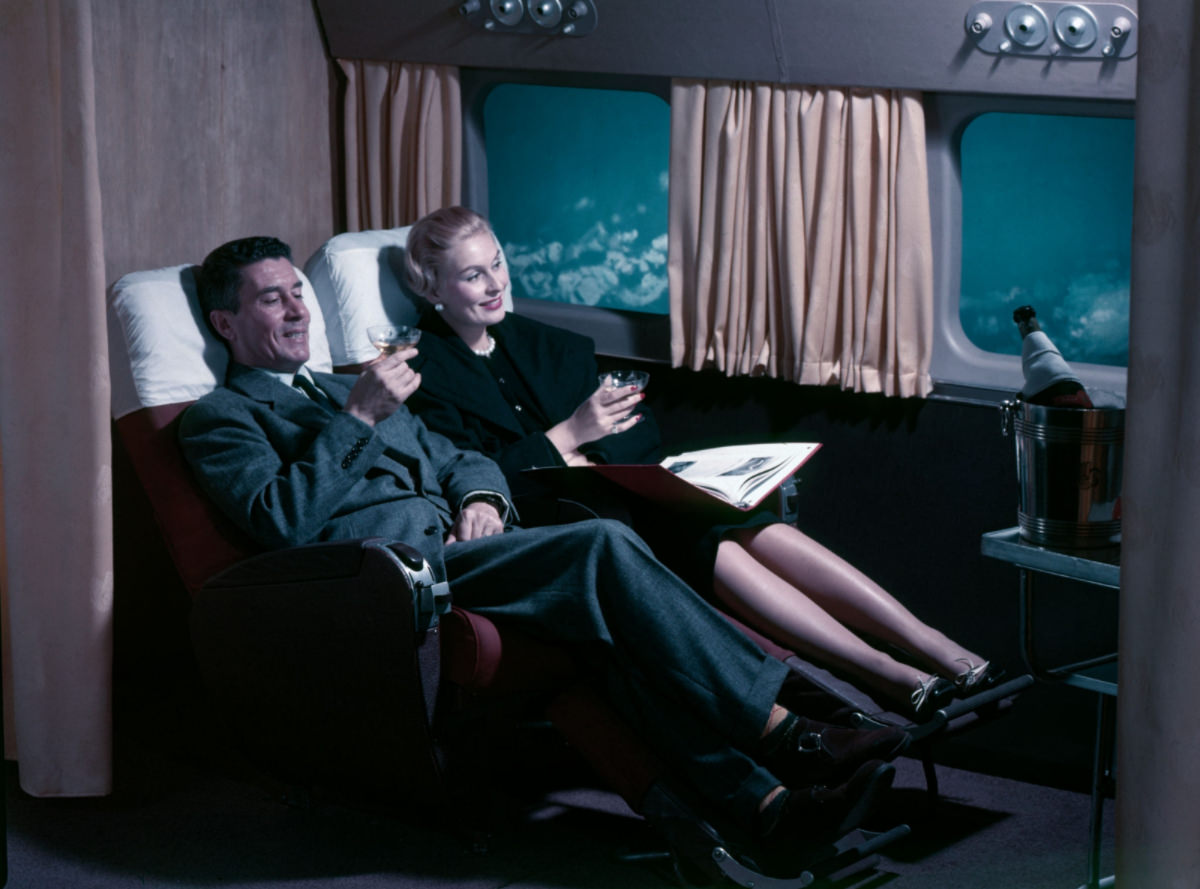
First class travel in the 1950s was a world apart from what most people experienced on the ground. Passengers were served full meals on proper tableware, attended to by uniformed cabin crew who treated each flight like a formal dining occasion. Breakfast in bed — literally served to reclining passengers — was among the luxuries on offer during long-haul flights.
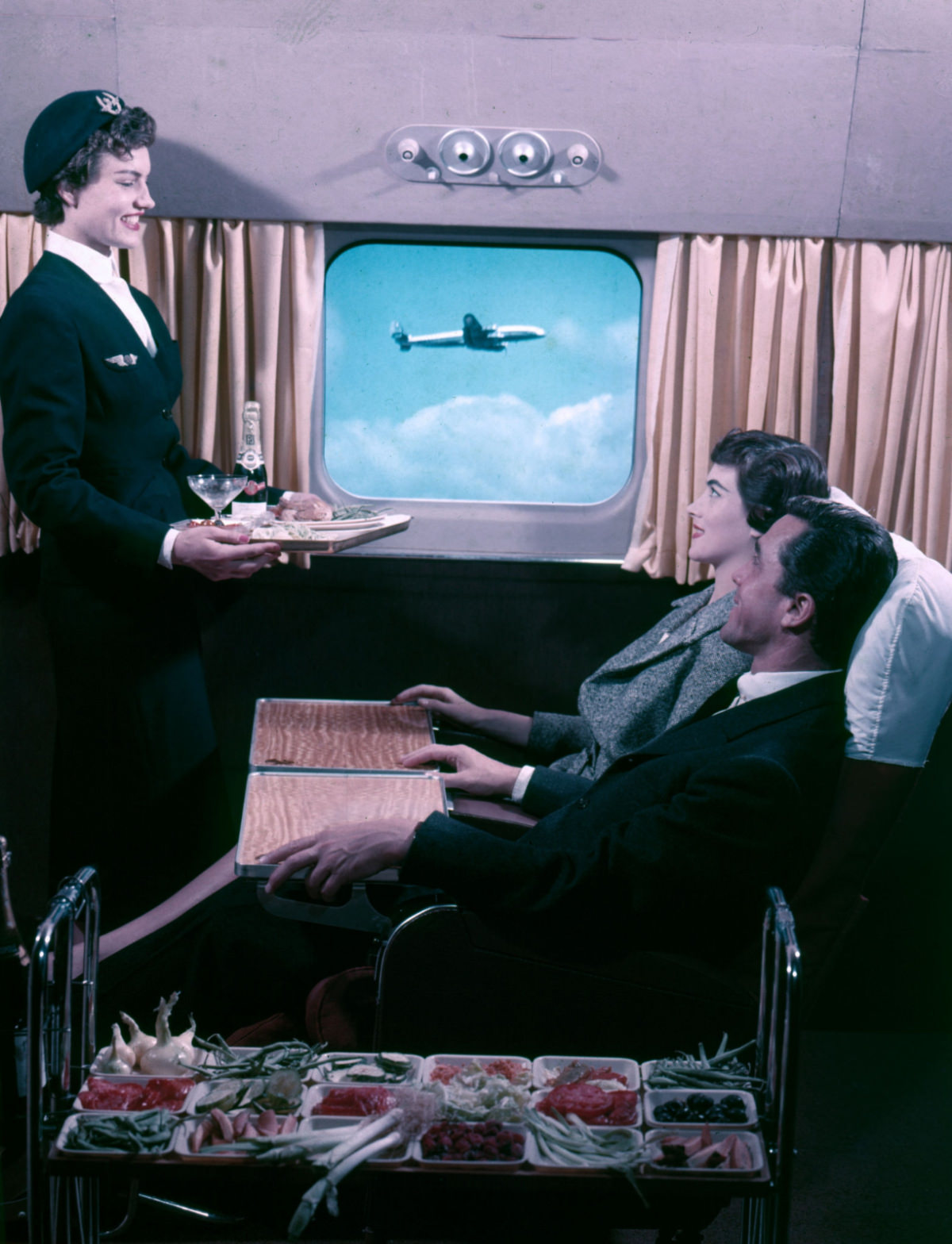
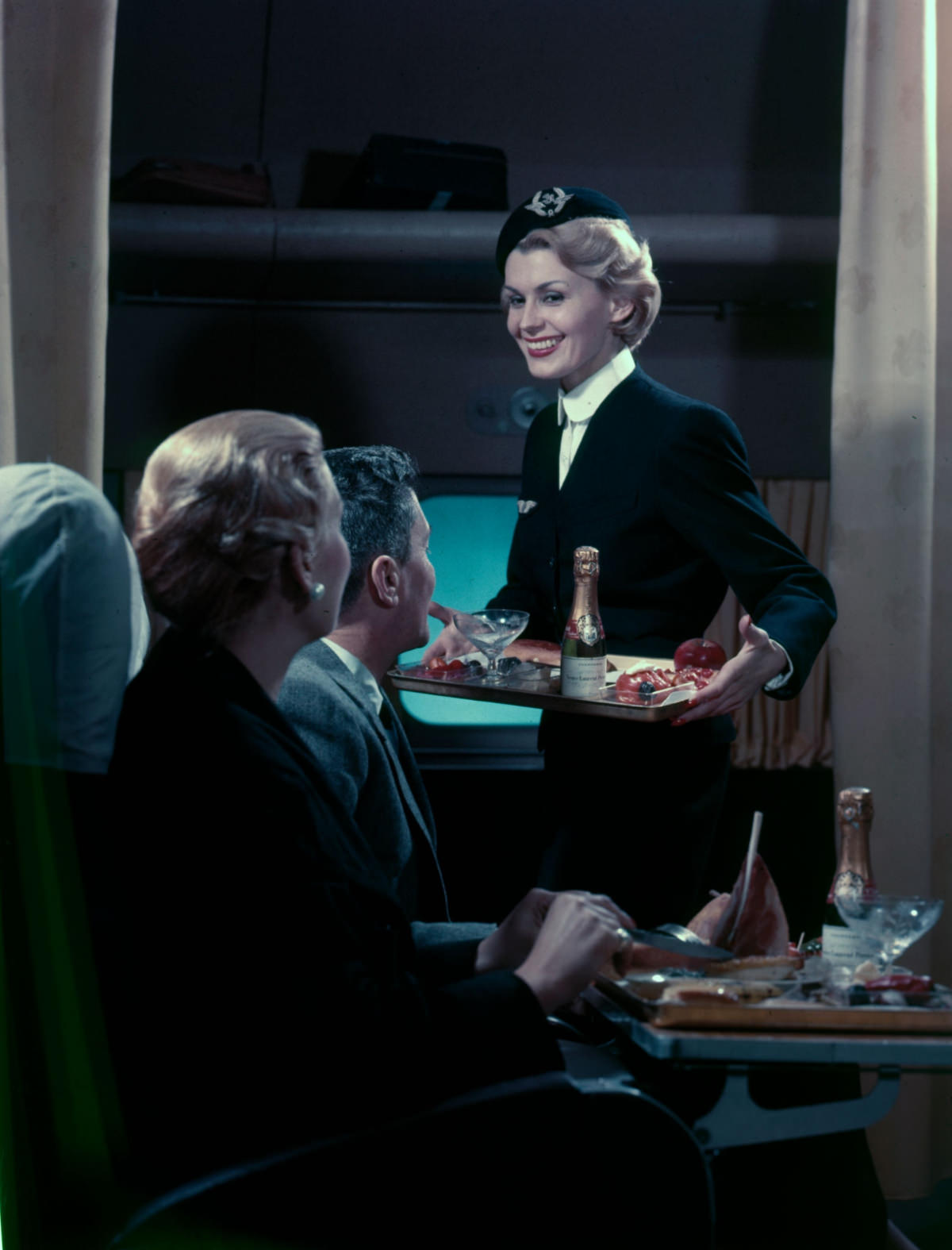
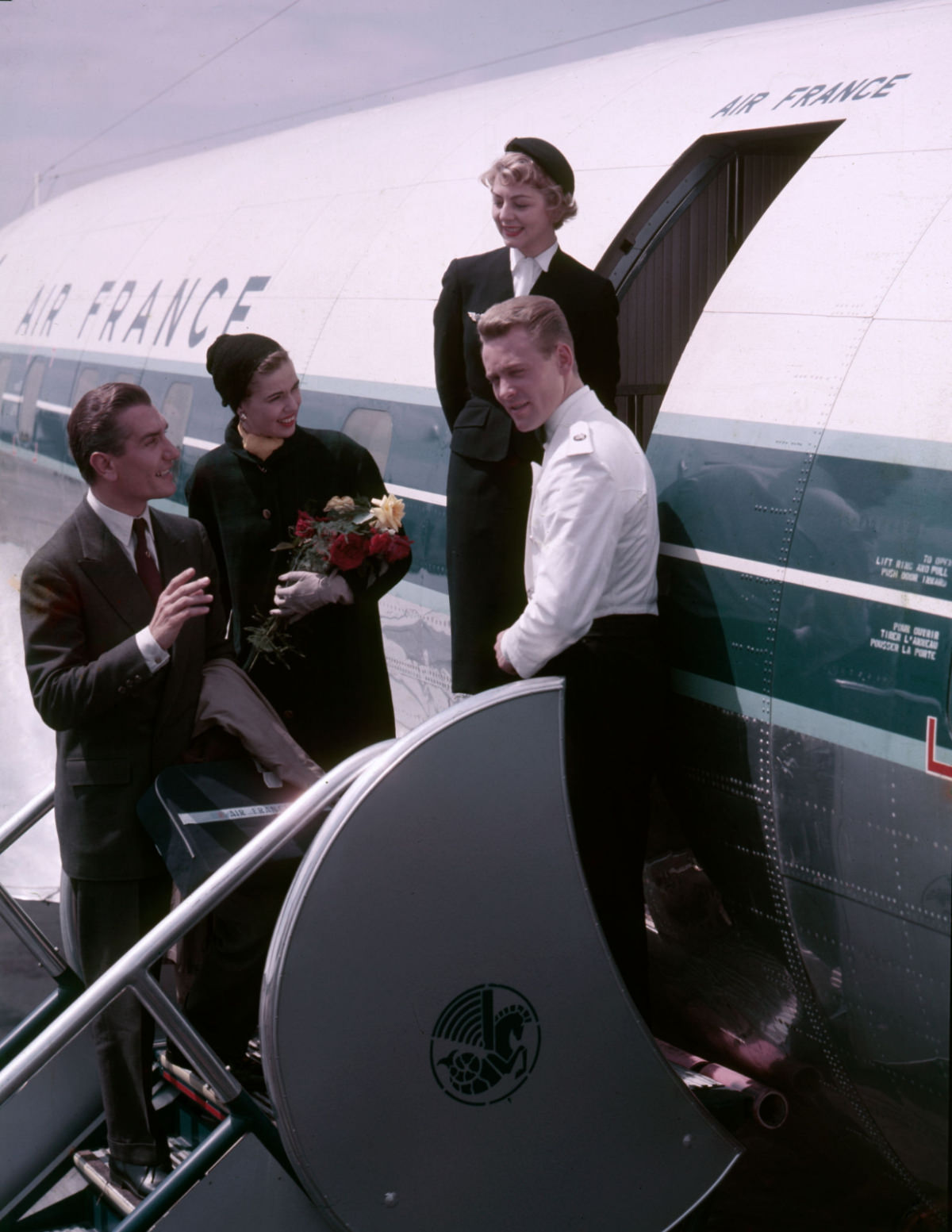
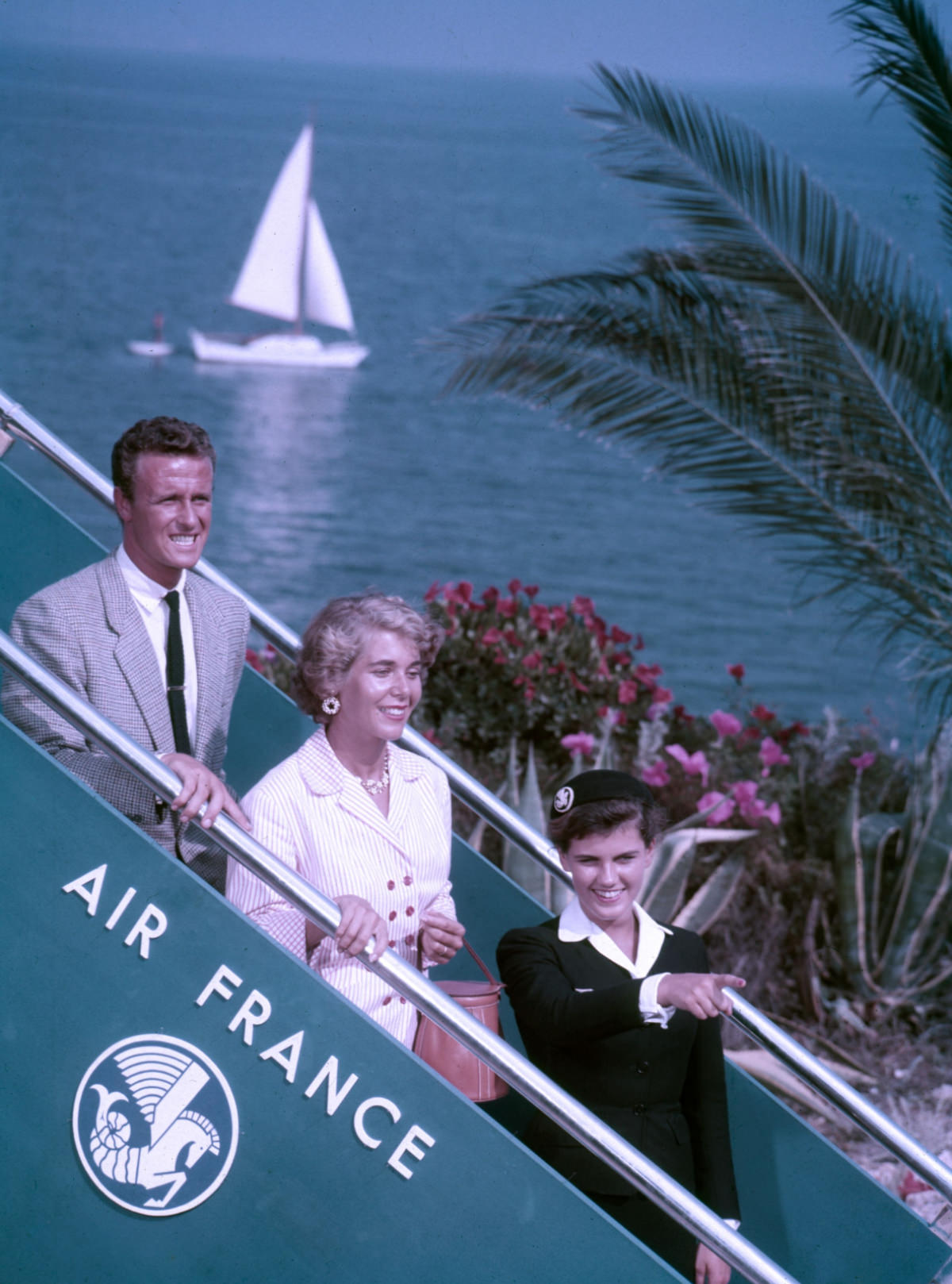
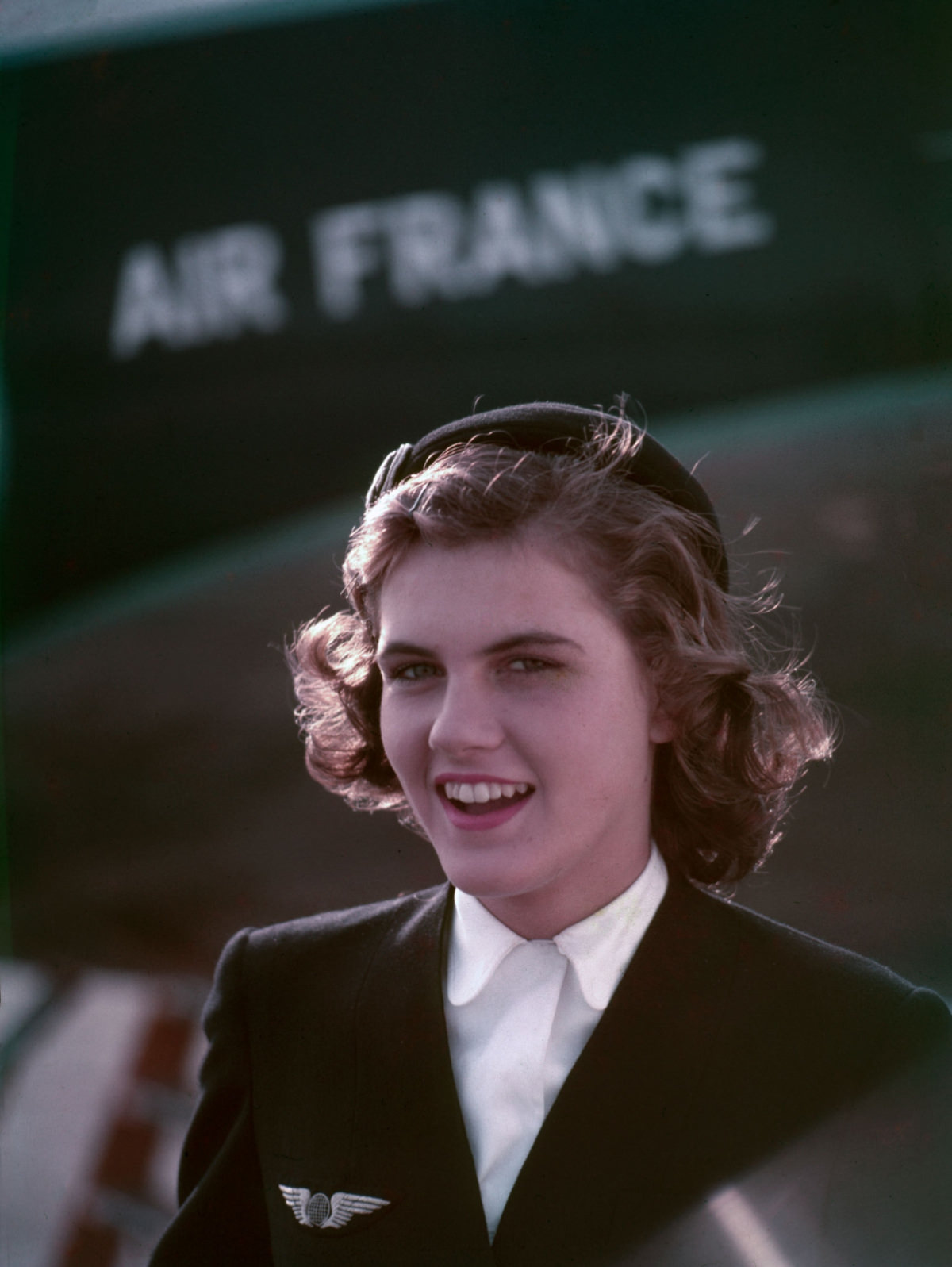
In 1957, Air France commissioned a full advertising campaign to put these luxuries on display. The man behind the lens was Eugene Louis Kammerman, a photographer with an impressive and varied career. He had served as a photographer for the United States Army, and after marrying a French woman, he built deep ties to France and its culture.
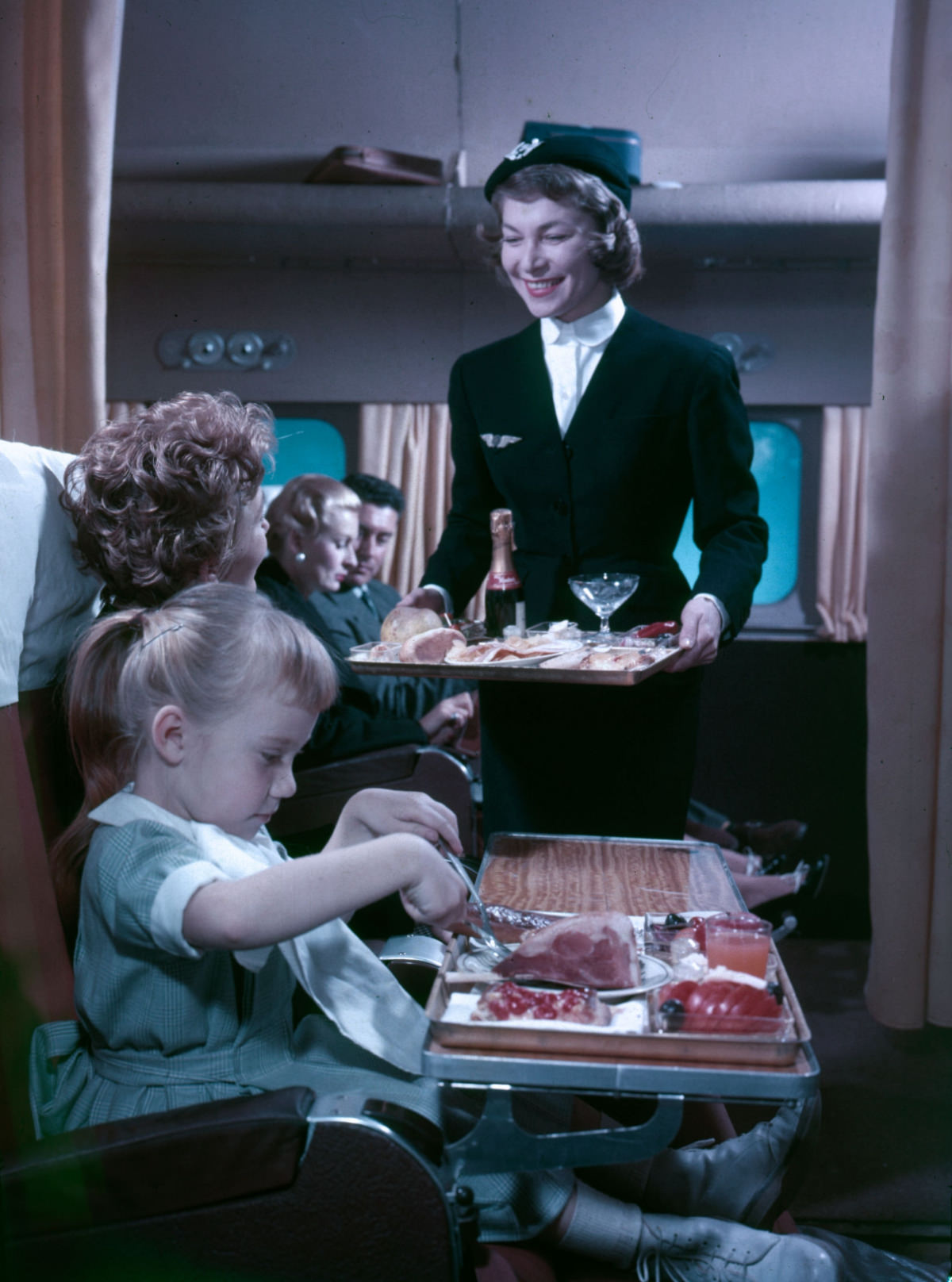
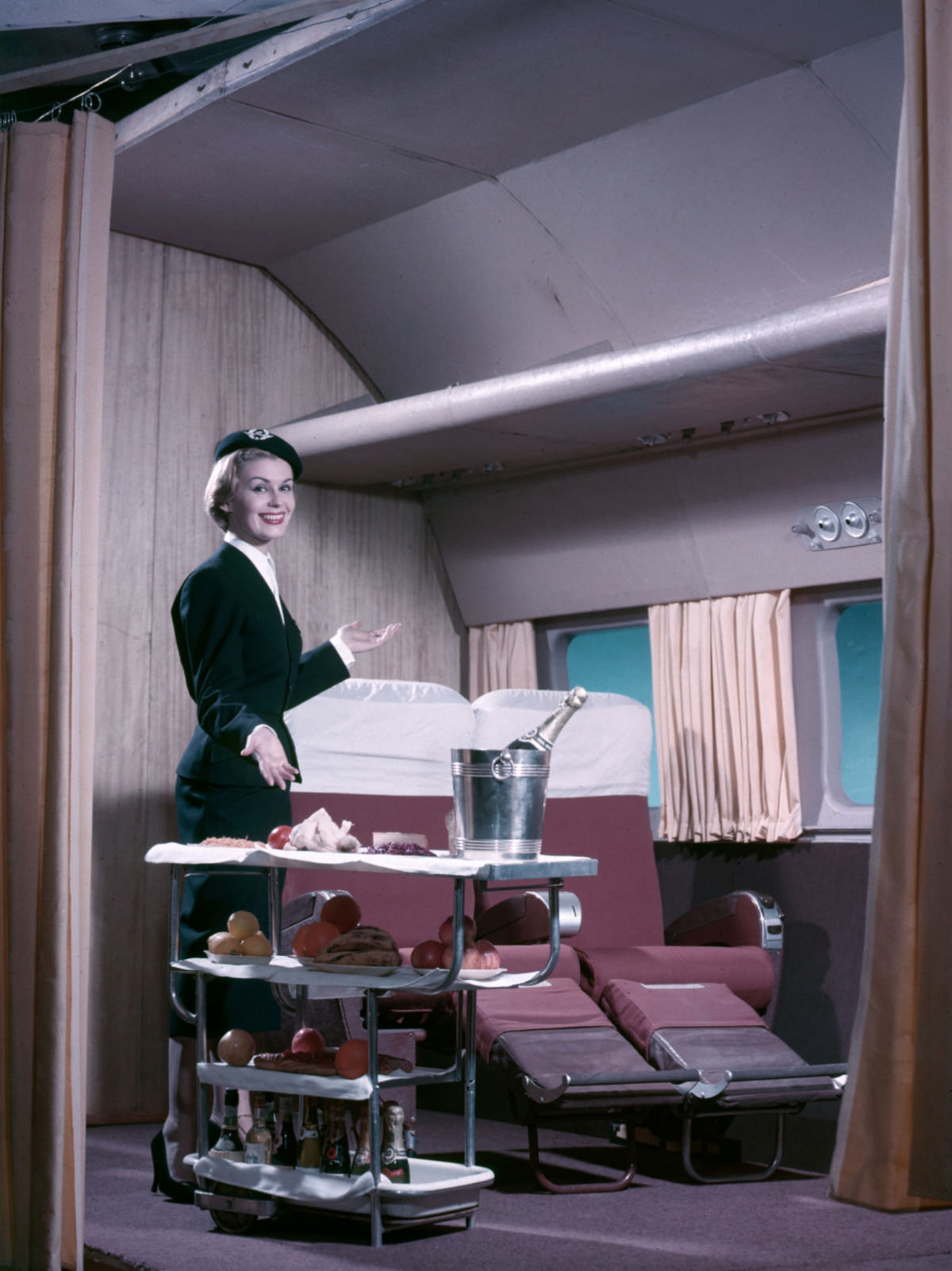
Kammerman worked as a reporter for the Saturday Evening Post and also collaborated with the young French newspaper L’Express — which, at the time, was too short on funds to pay him. Despite that, he contributed his work to the publication. His photographs appeared in major magazines including Elle, Paris Match, and Life, all publications with a strong focus on fashion and lifestyle.
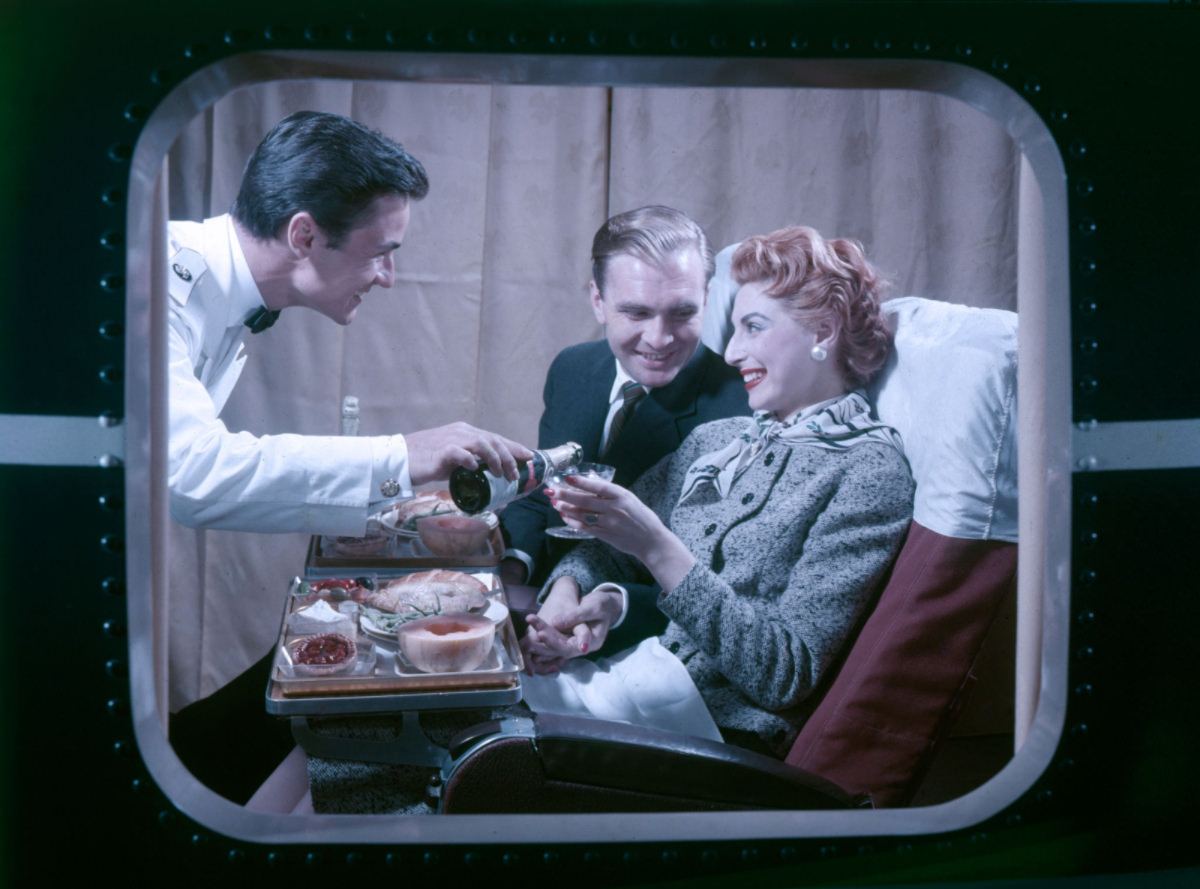
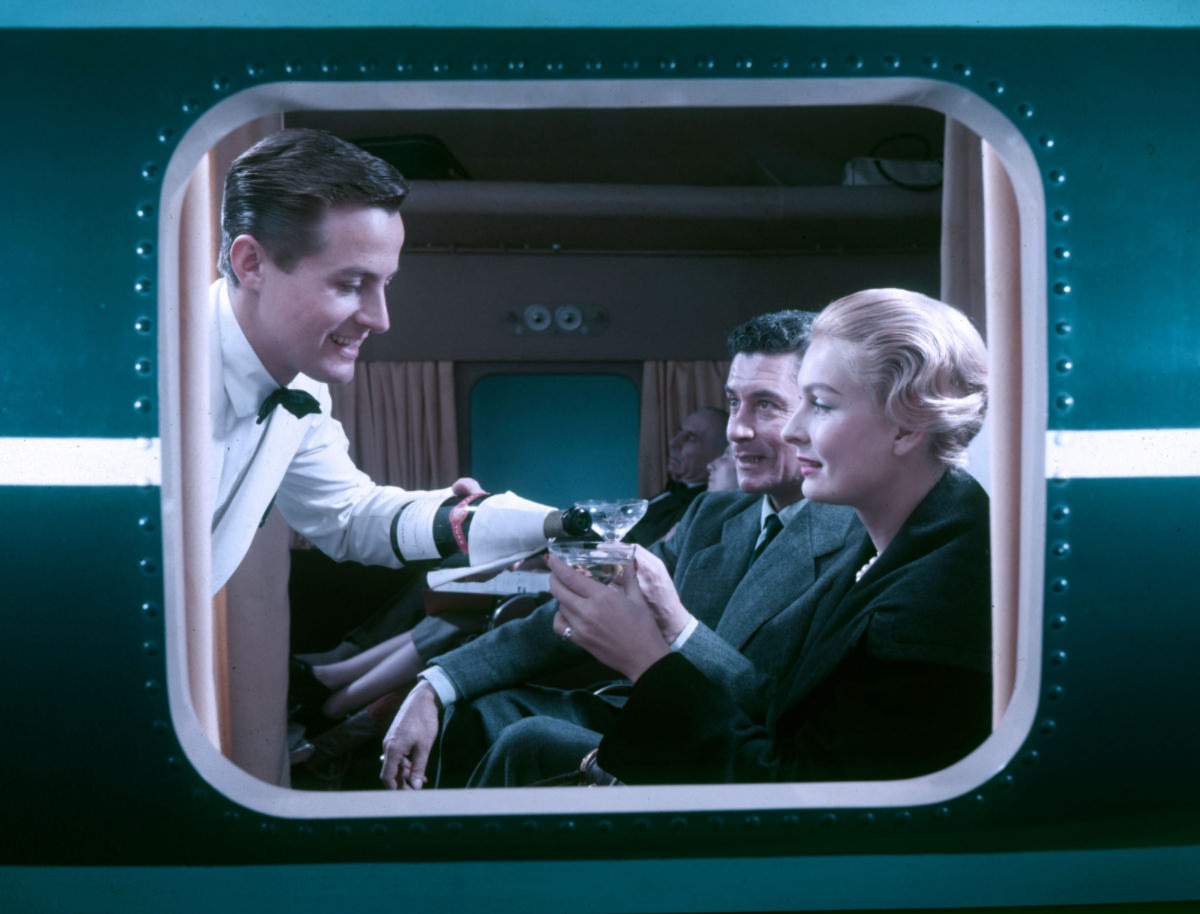
His fashion world connections made him a natural fit for the Air France campaign. Kammerman regularly covered major fashion houses and understood how to photograph luxury in a way that felt aspirational but also real. The Air France images carried that same quality — polished, warm, and carefully composed.
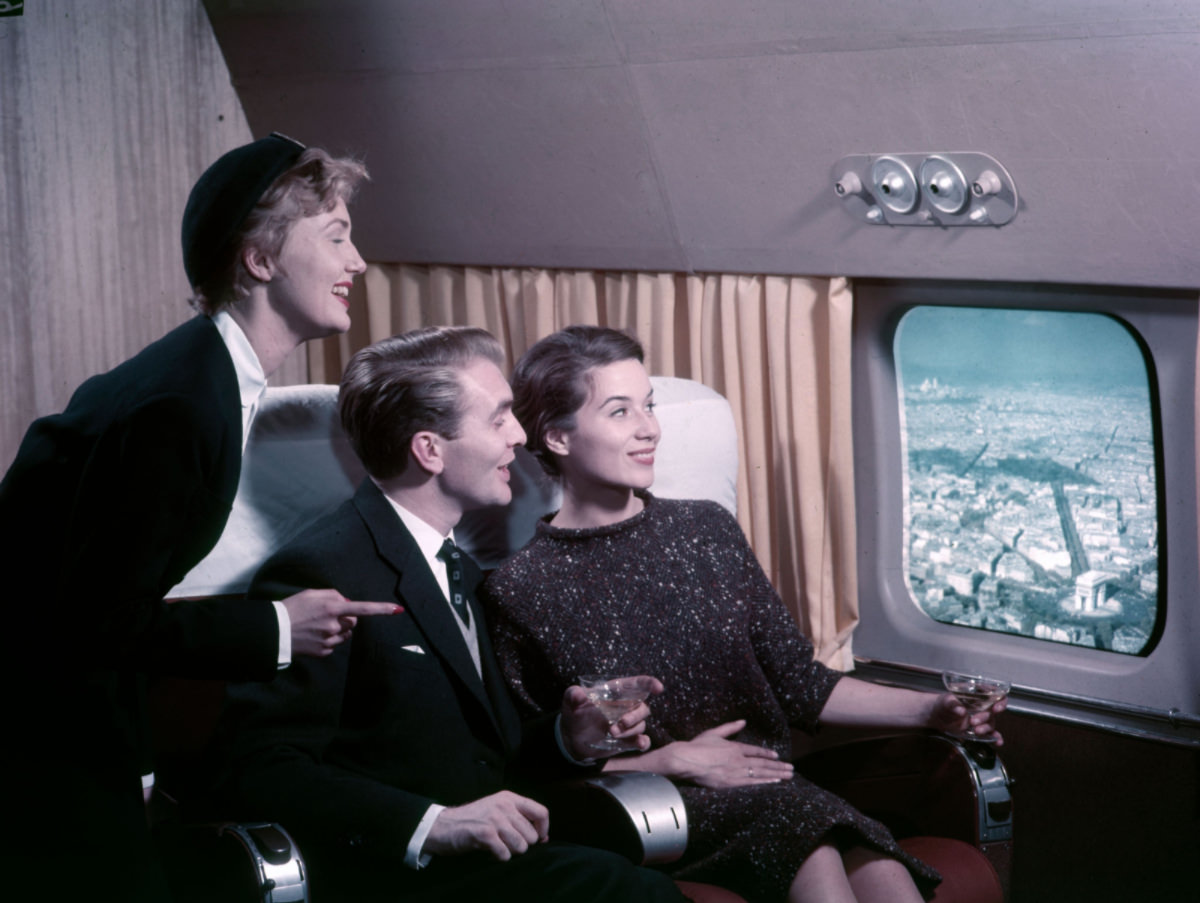
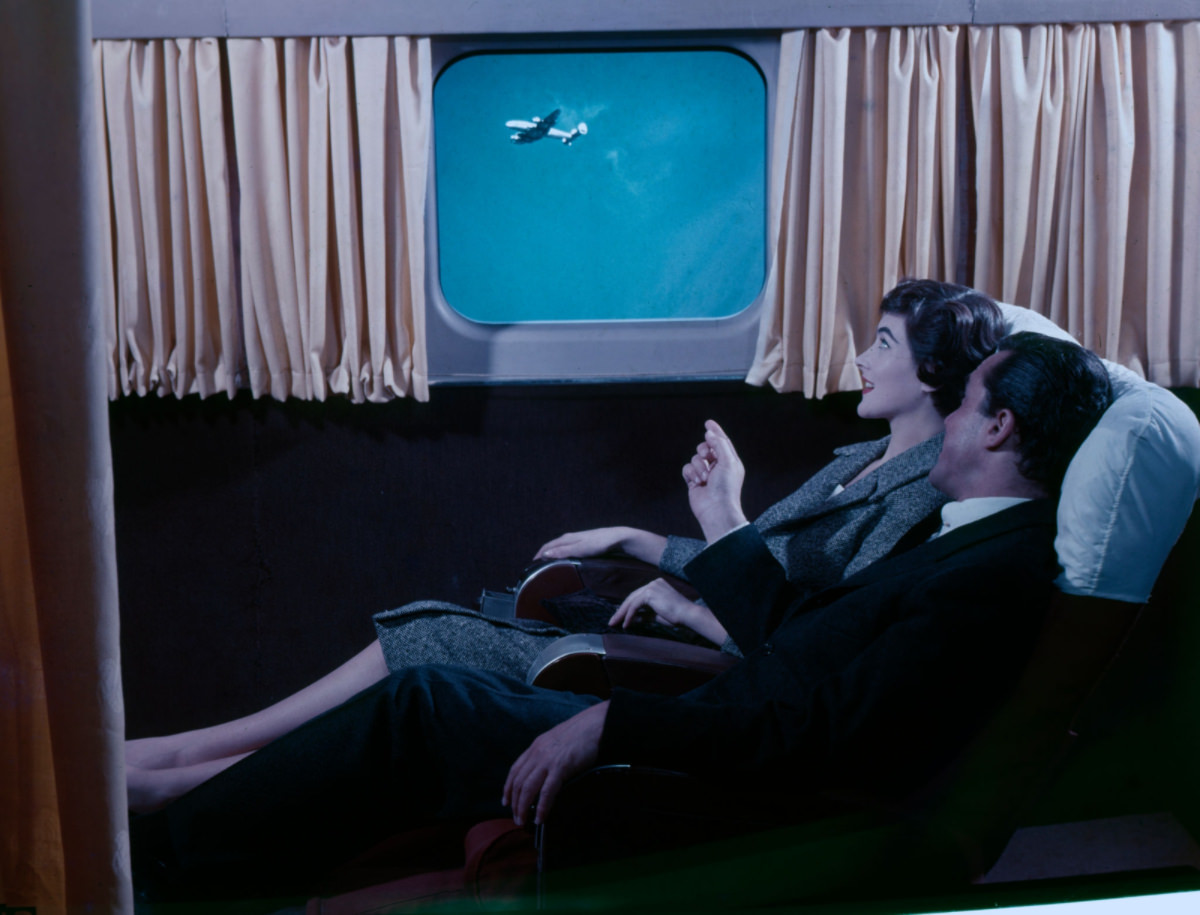
The campaign captured cabin crew presenting trays of food, pouring coffee, and attending to passengers seated in wide, cushioned chairs. The attention to detail in each shot reflected how seriously Air France took its first class product. Every image was designed to show travelers exactly what they could expect when they booked a seat at the front of the plane.
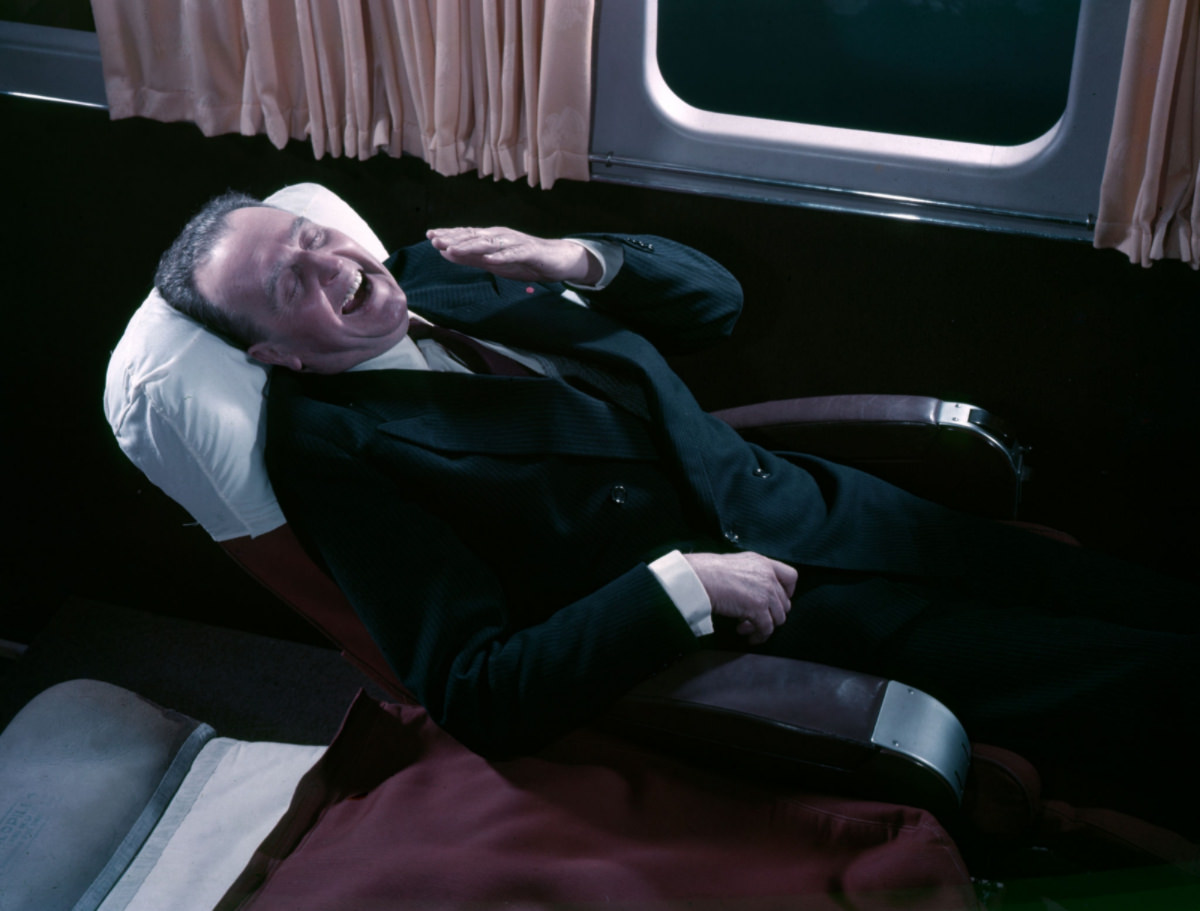
On September 26, 1953, the French government directed Air France to share its long-distance routes with new private airlines. An agreement was signed between the Ministry of Public Works and Transport, Air France, Aigle Azur, TAI, and UAT, distributing routes to Africa, Asia, and the Pacific. Even as competition grew, Air France maintained its position as the flagship carrier of France.
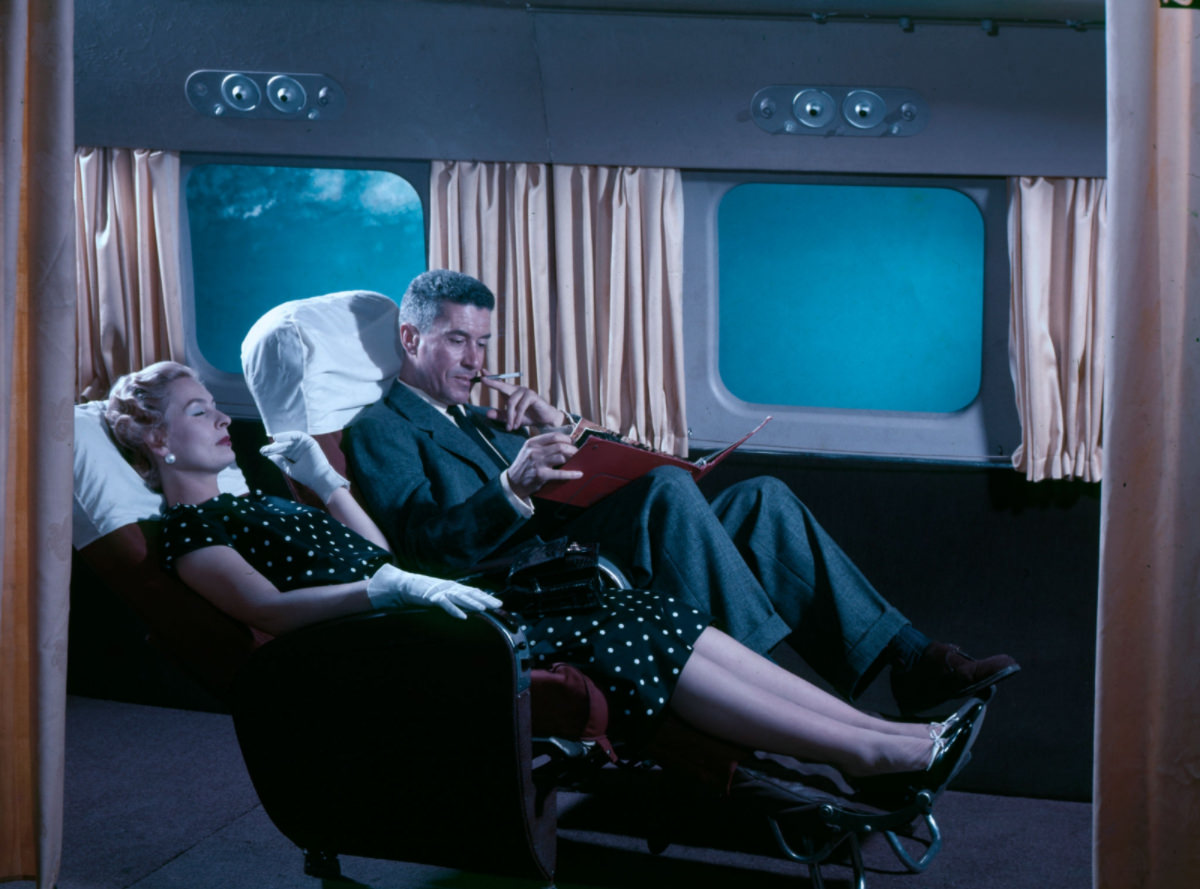
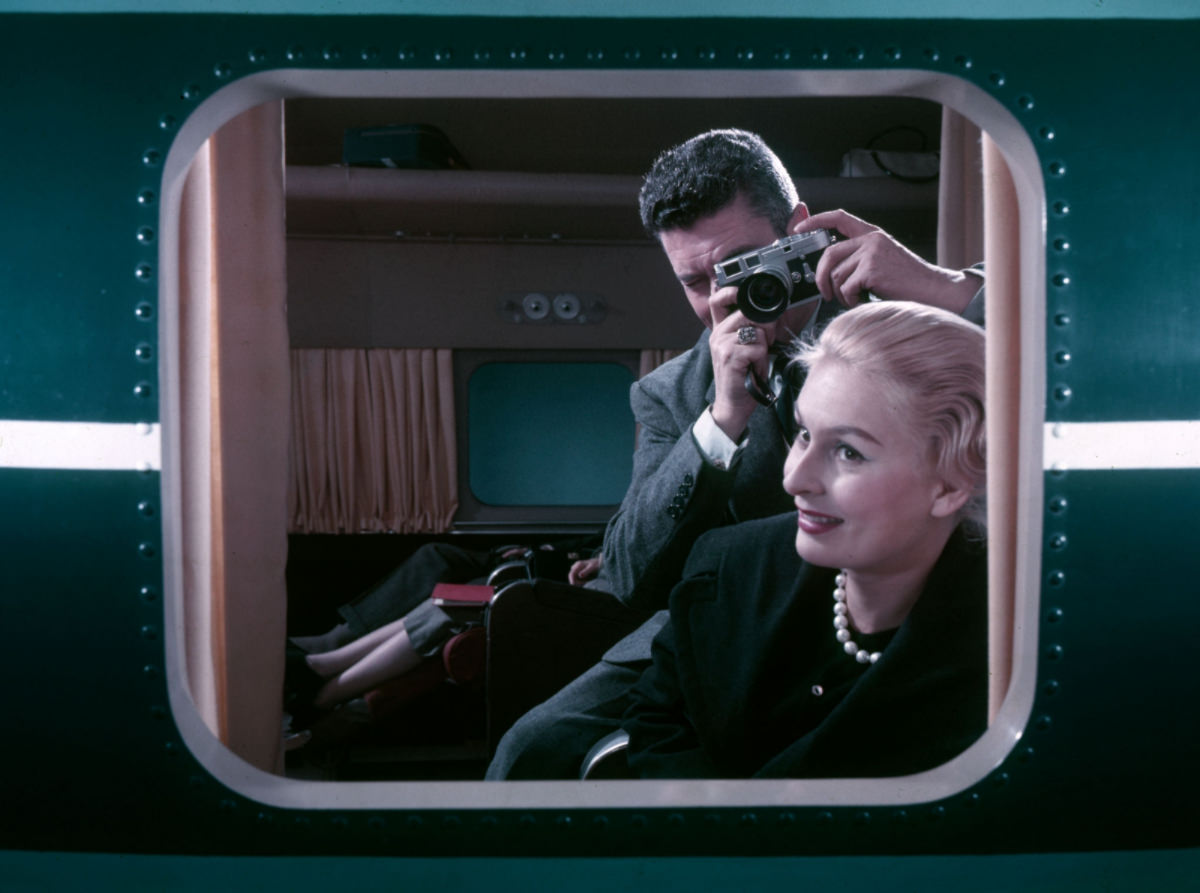
The 1957 campaign came at a moment when air travel was still rare enough to feel extraordinary. Flying across an ocean was not something ordinary people did regularly. For those who could afford first class, the experience was meant to feel like an event in itself — not just a means of getting somewhere.
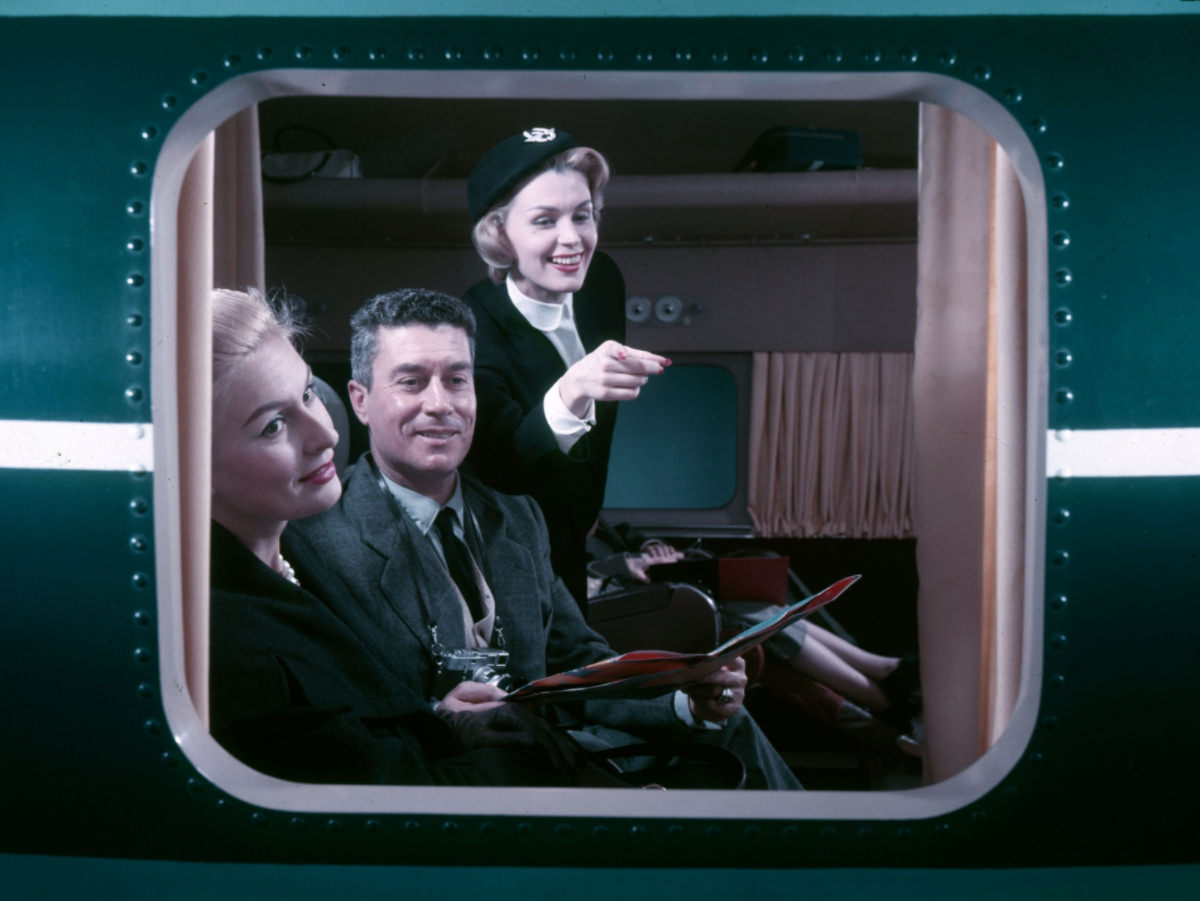
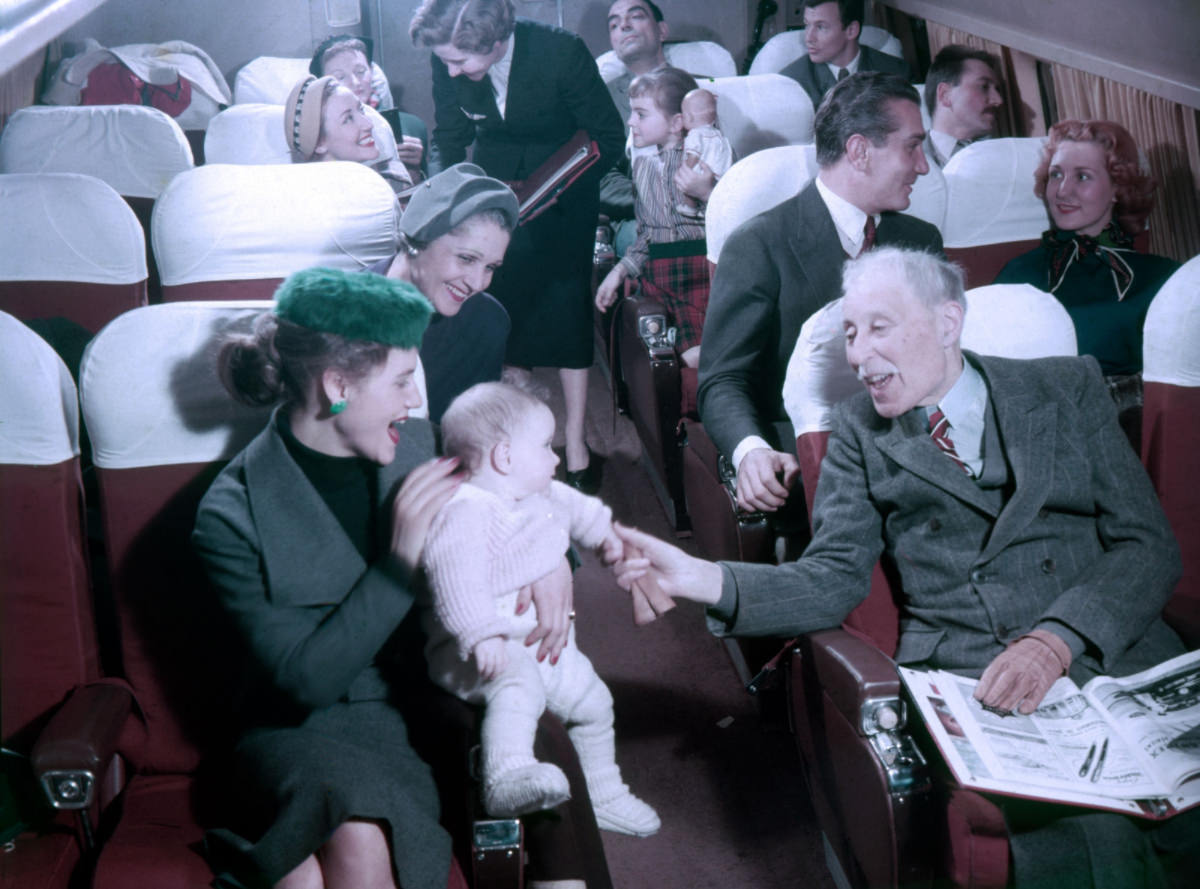
Kammerman’s photographs preserve that moment clearly. The clothing, the tableware, the hairstyles, and the aircraft interiors all speak directly to the era. These are not staged in a studio — they reflect the actual service and environment Air France offered its most premium passengers in the mid-twentieth century.
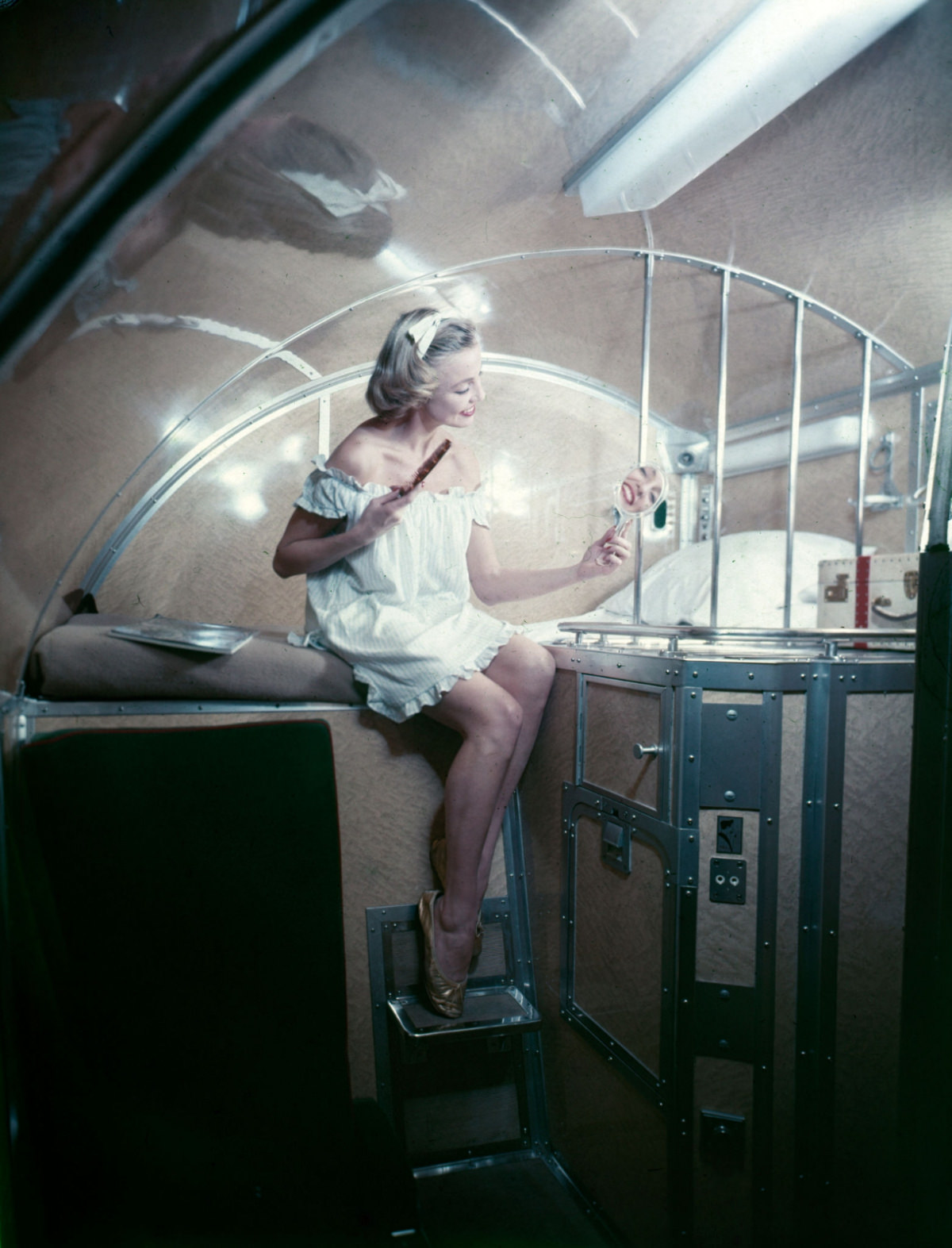
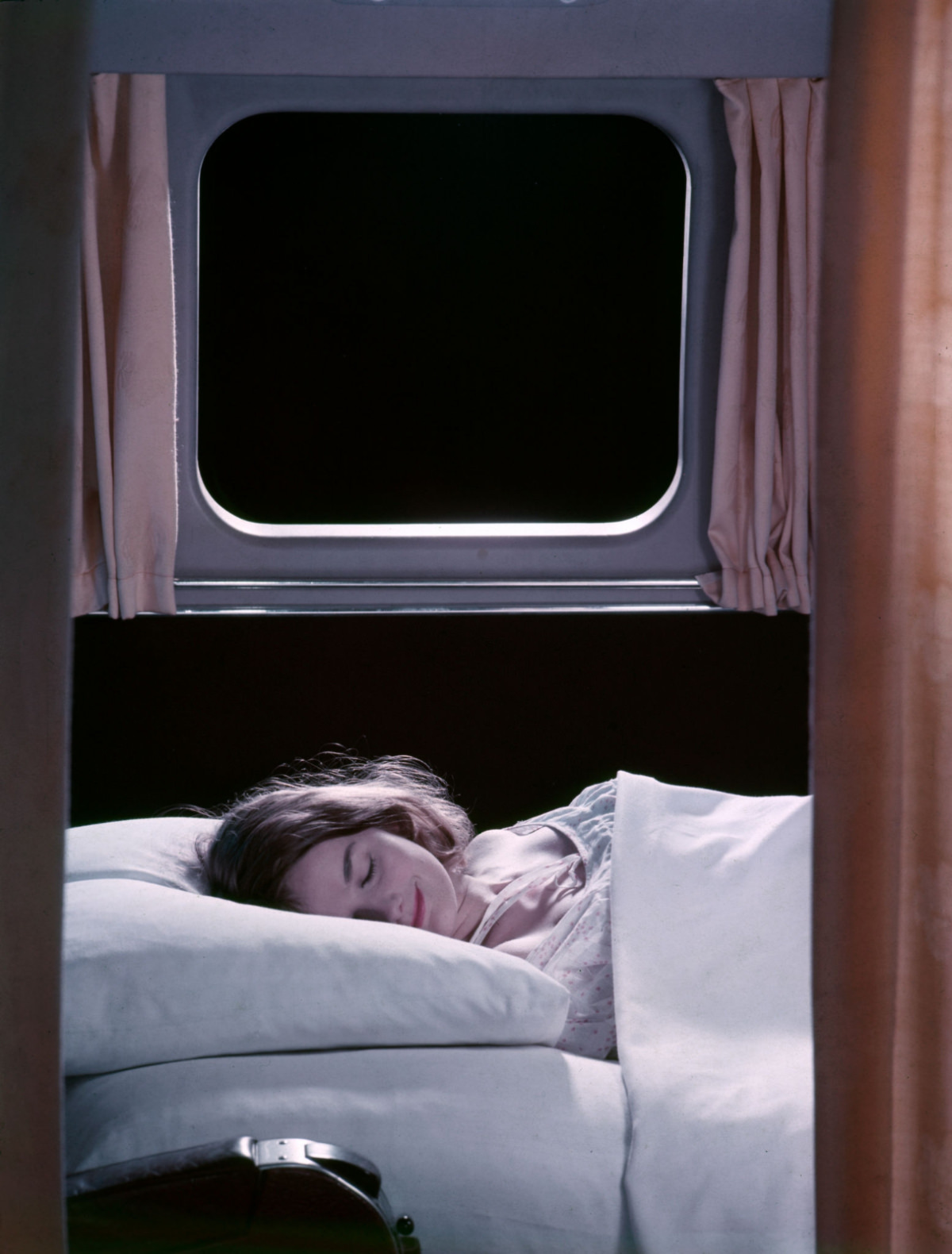
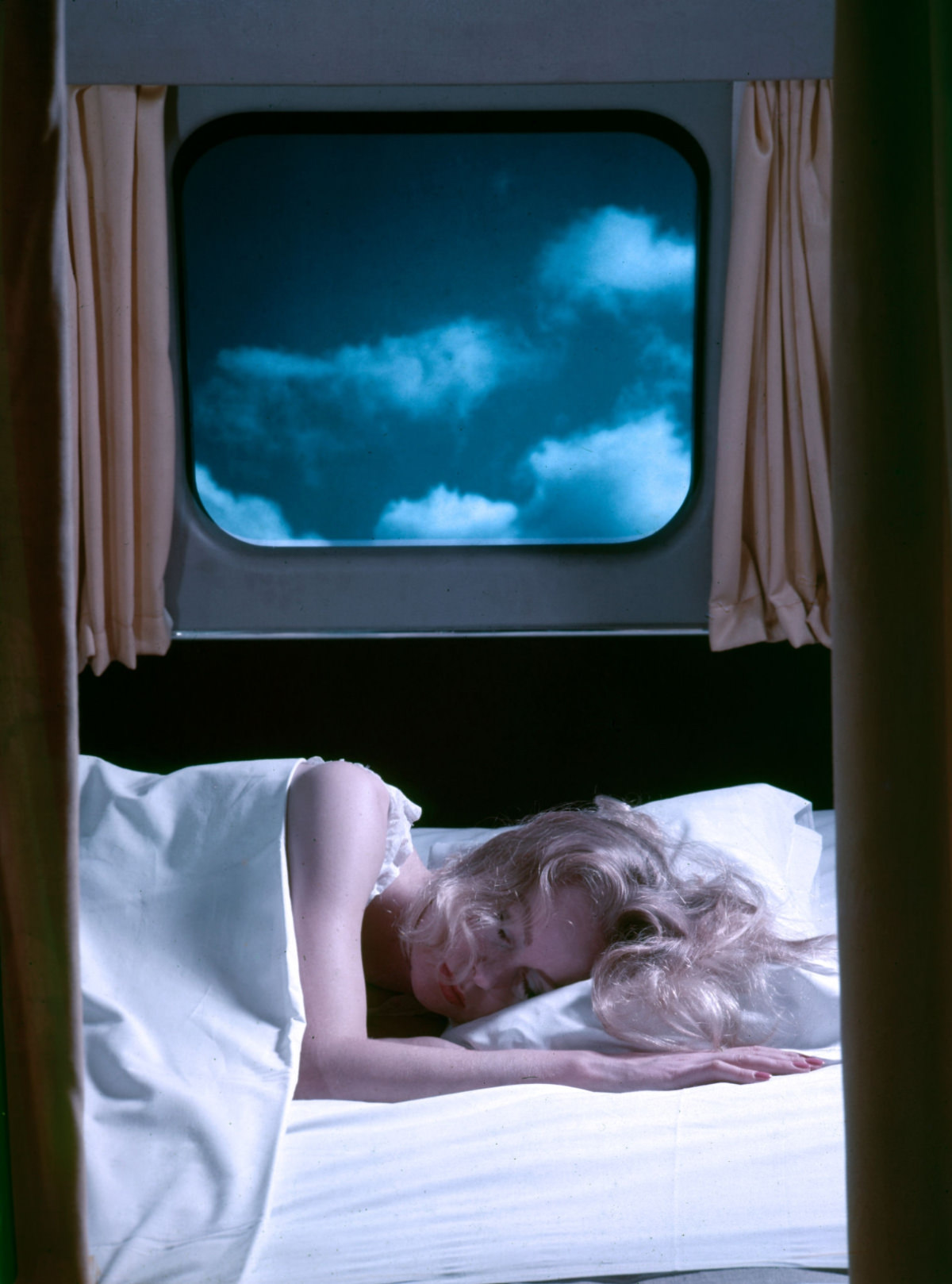
The Lockheed Constellation routes, the Vickers Viscount turboprops humming across European skies, and the white-gloved service aboard — all of it came together in those photographs to form a portrait of what flying once meant to those at the top of the passenger list.