Ormond Gigli was born in New York City in 1925, and by the time the 1960s arrived, he was already one of the most in-demand photographers working. His portraits had graced the covers of Life, Time, and Paris Match throughout the 1950s. Subjects like Sophia Loren at 21, Marlene Dietrich, John F. Kennedy, and Marcel Duchamp all sat before his lens. Each image carried a sense of weight — not just a likeness, but a personality fully realized on film.
In 1960, Gigli staged what became his most recognized work. He arranged models in the open windows of a New York City brownstone set to be demolished, filling every frame of the building’s facade with color, movement, and style.
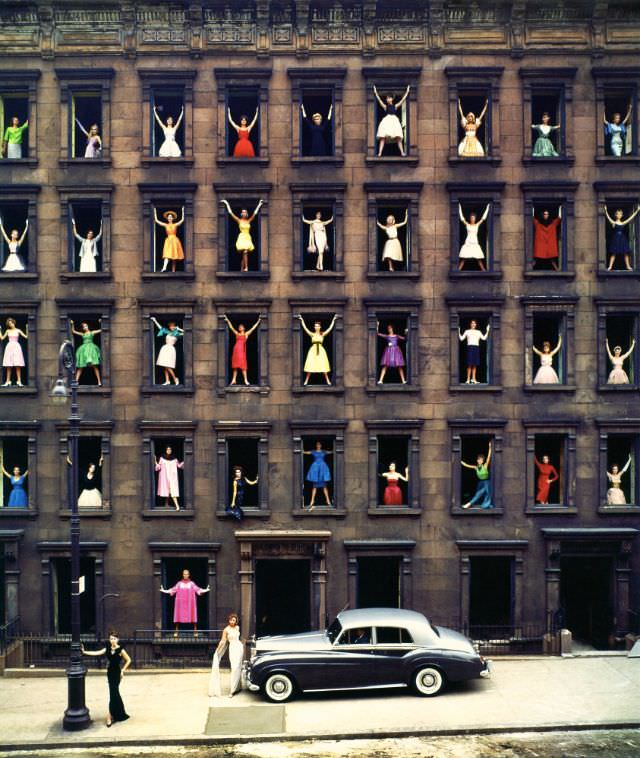
“Girls in the Windows” was entirely self-assigned. No client commissioned it. Gigli organized the shoot himself, coordinating dozens of models and colorful gowns across the building’s many window openings. The result was a single frame that captured the energy and optimism of early 1960s fashion in one sweeping image. That same year, his work took him to Madrid.
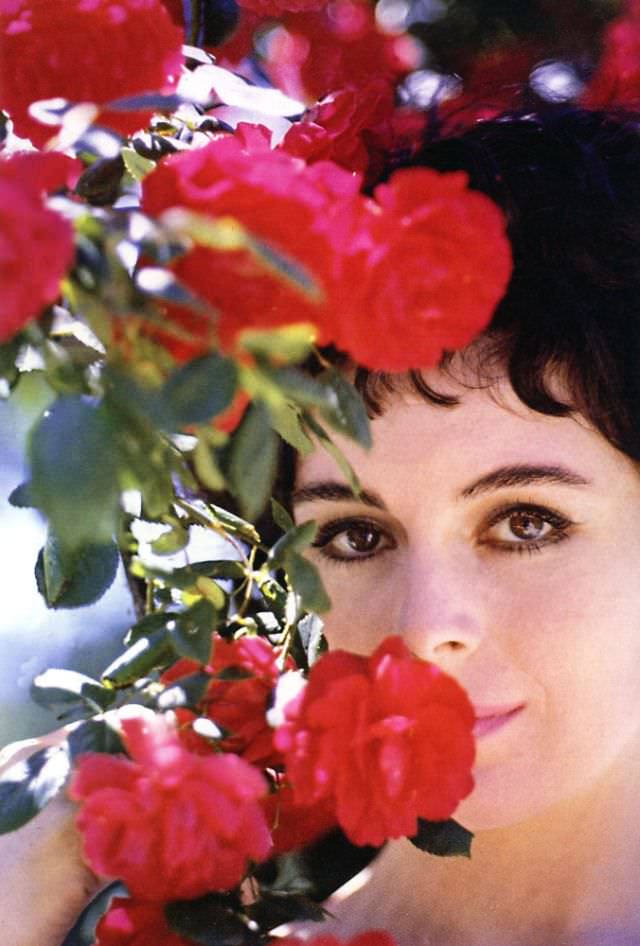
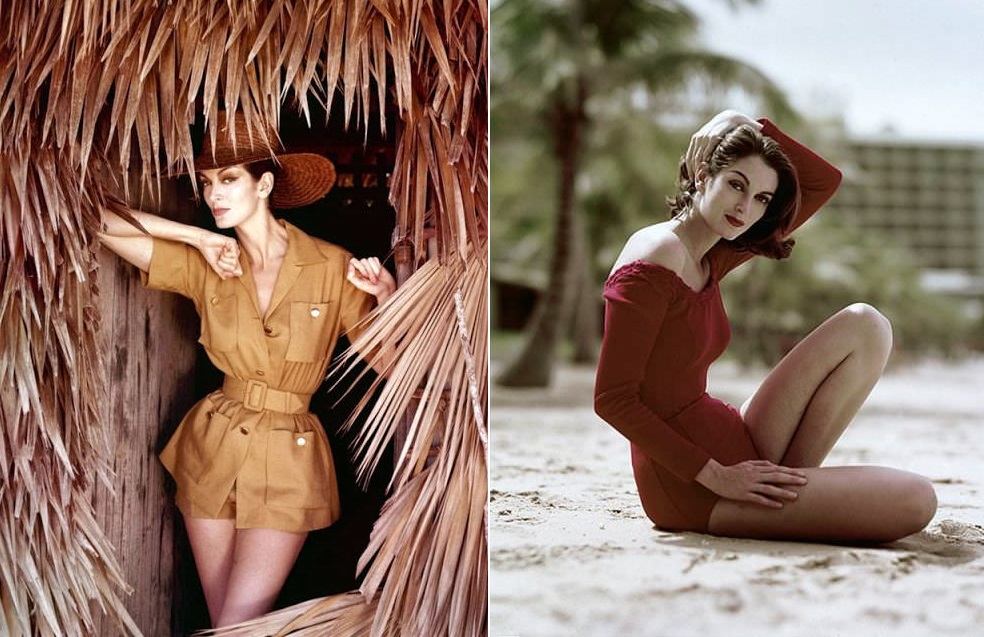
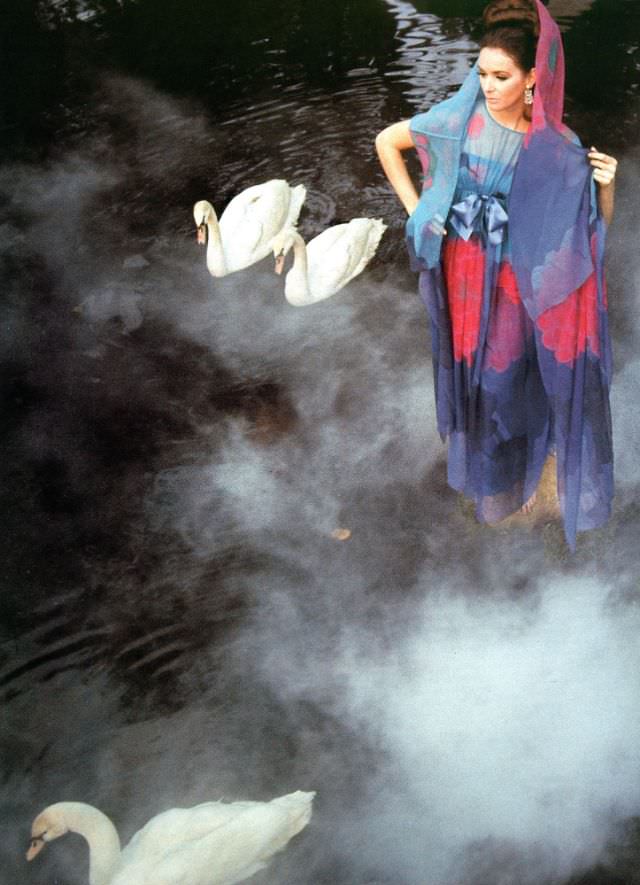
Gigli’s collaborations with designer Pauline Trigere were among the most productive relationships of his early 1960s work. Trigere was known for precise tailoring and bold fabric choices, and Gigli’s photography gave those qualities room to breathe. He shot her designs on location in Fort Lauderdale, placing vivid chiffon against open skies.
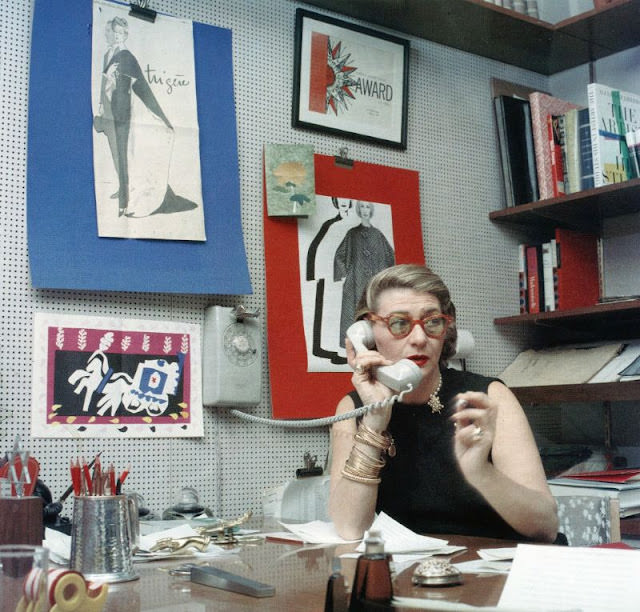
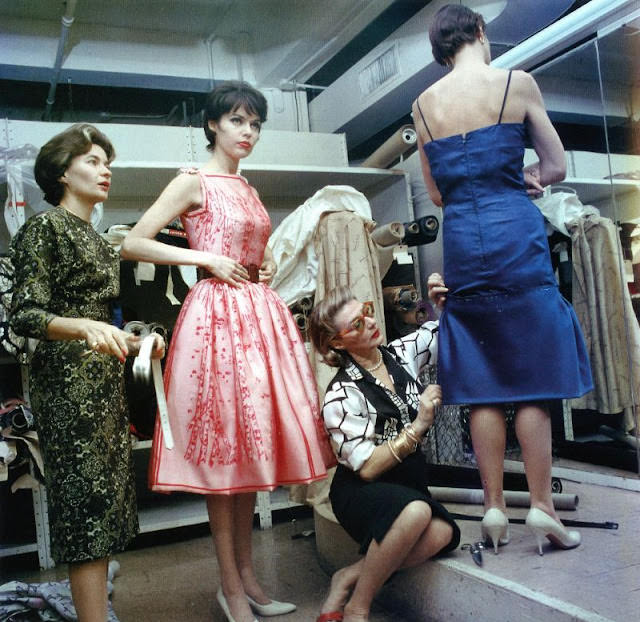
By 1962, Gigli was photographing Trigere inside her New York studio, capturing both her design process and her fittings with models.
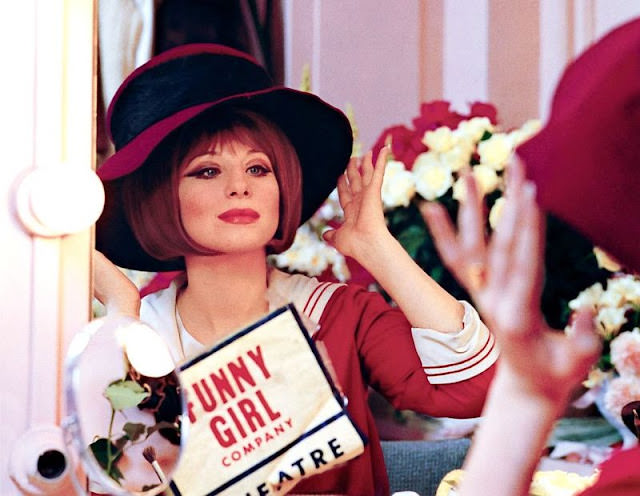
Gigli’s editorial work for Time Magazine ran throughout the decade. In 1964, he photographed Barbra Streisand during the production of “Funny Girl,” placing her on the cover as the show was about to make her a star. That kind of access — to talent at pivotal moments — defined his career.
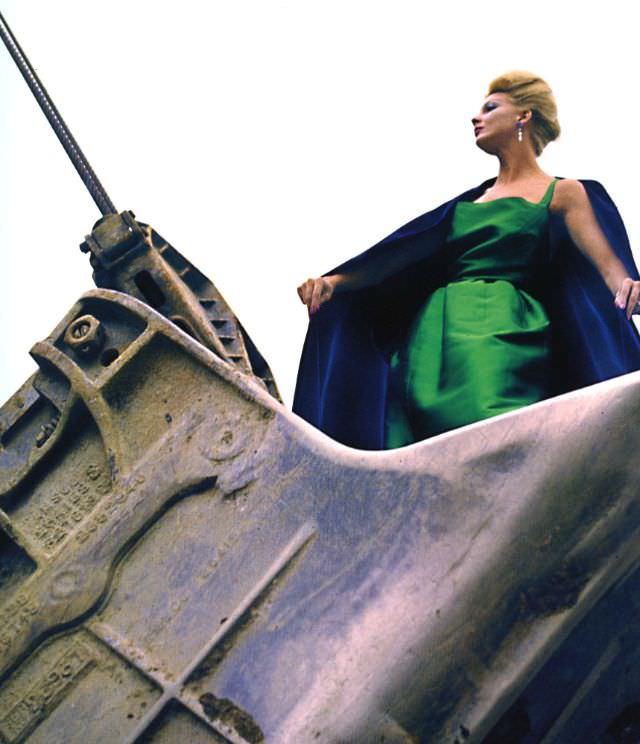
His eye for the unexpected showed up just as clearly in his conceptual work. In 1965, he placed a woman inside the bucket of a steam shovel — an image that combined industrial machinery with high fashion in a way few photographers would have attempted.
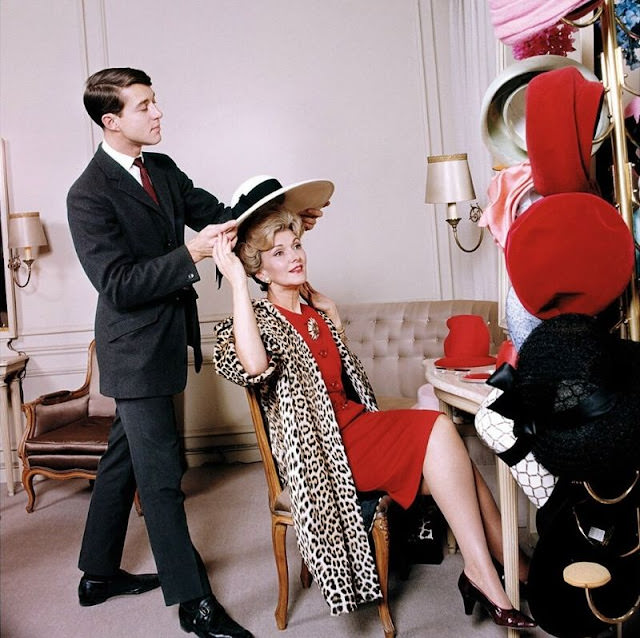
That same year, Gigli documented a young Halston at Bergdorf Goodman, photographing the then-emerging milliner placing a hat on actress Anita Colby’s head. It was an early glimpse of a designer who would go on to reshape American fashion in the following decade.
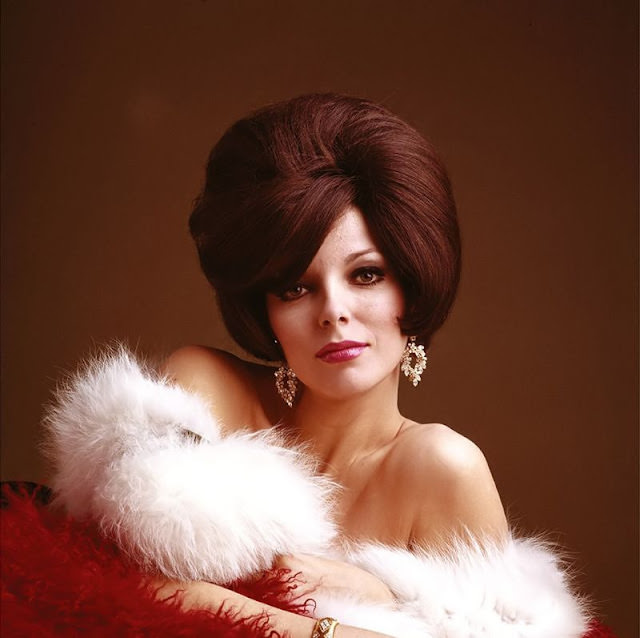
Also in 1965, Gigli photographed actress Joan Collins, adding another prominent face to his long roster of cultural figures captured during the decade.
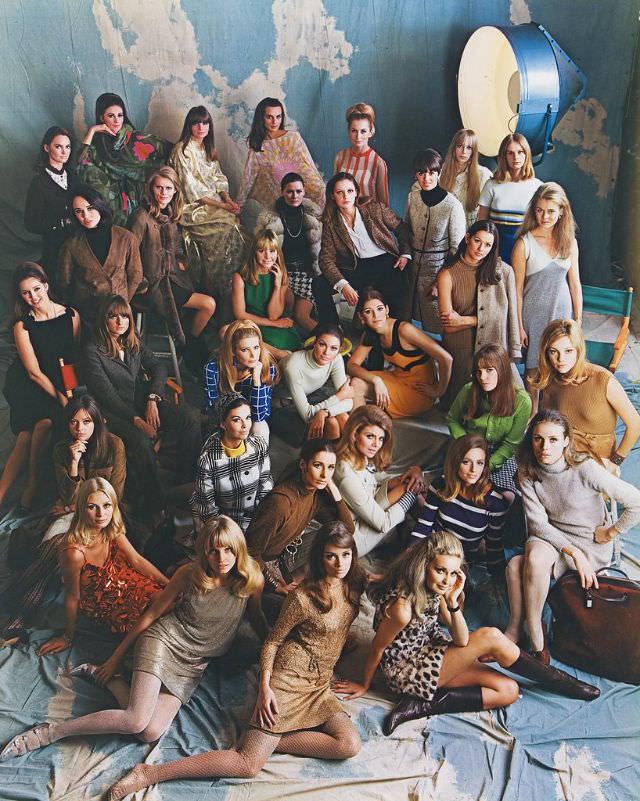
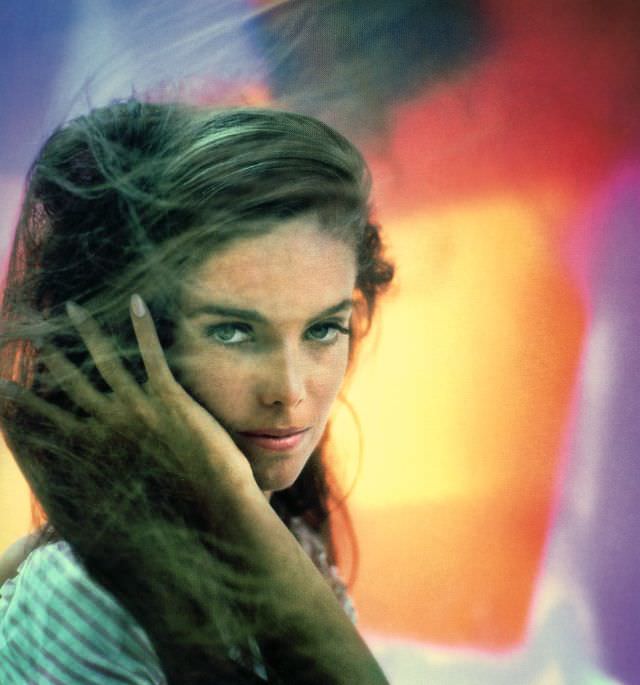
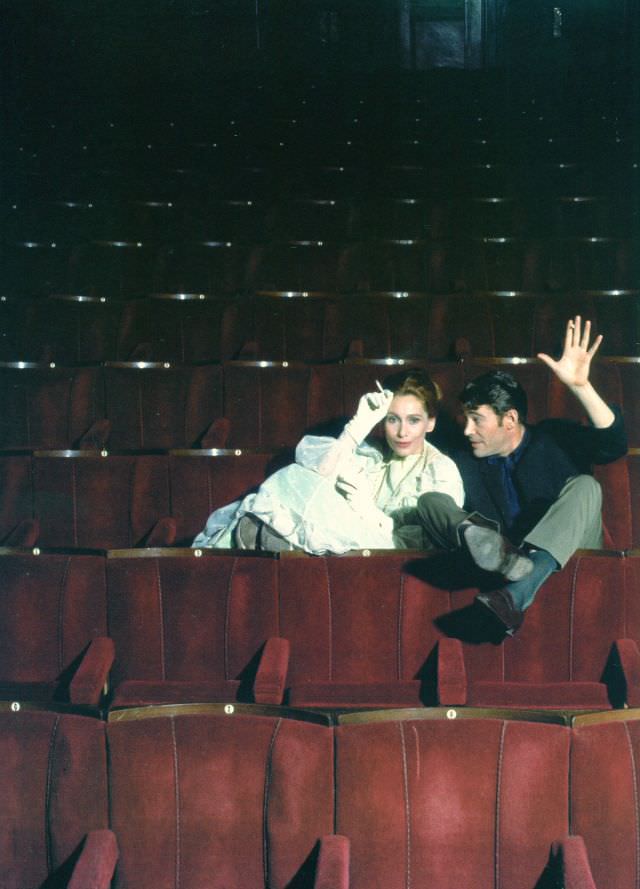
By 1966, Gigli was shooting Ford Models lineups, theatrical portraits in London, and Time Magazine covers in rapid succession. He photographed Susannah York at a London theatre and captured actor Peter O’Toole alongside his wife, actress Siân Phillips, for Time.
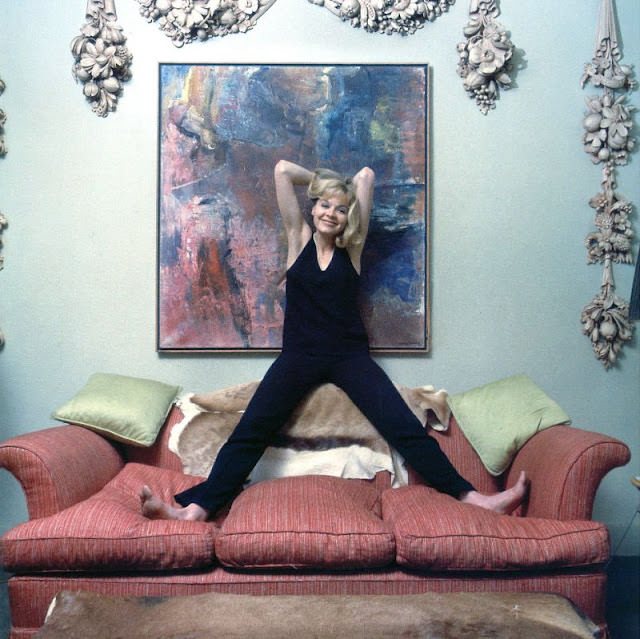
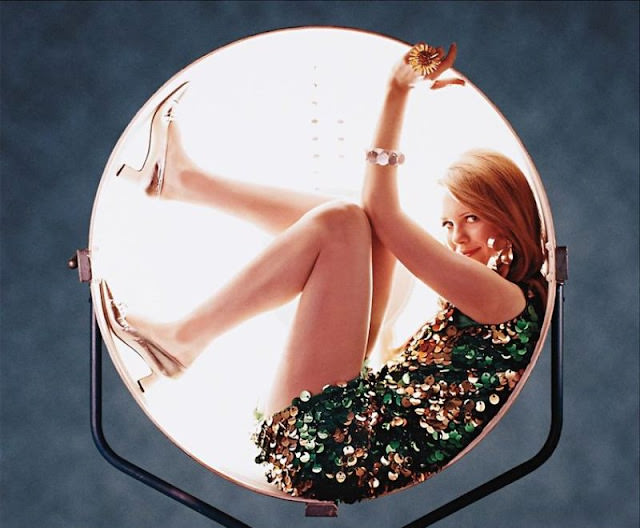
In 1967, Gigli produced “The Girl in the Light,” a studio image that showed his continued interest in dramatic lighting as a compositional tool — stripping a photograph down to its most essential elements.
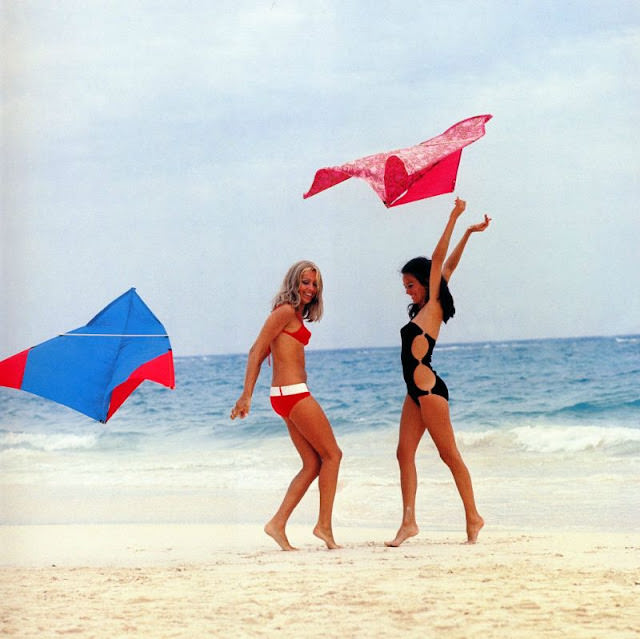
In 1968, Gigli traveled to Bermuda for a swimsuit fashion series for Time. The shoot featured model Isa Stoppi alongside other models in a series of vibrant, sun-lit images that reflected how fashion photography was expanding beyond the studio and into the wider world.
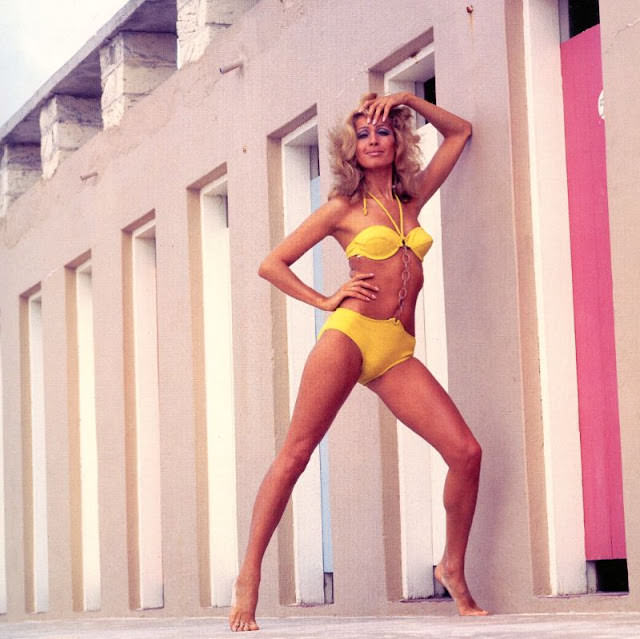
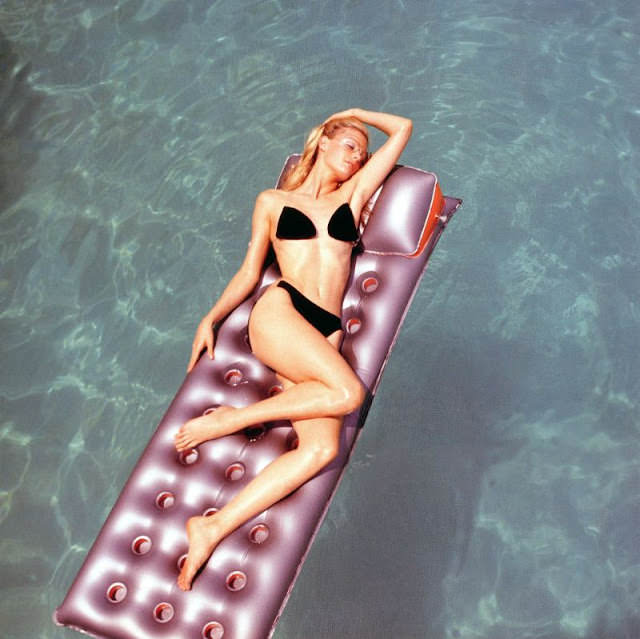
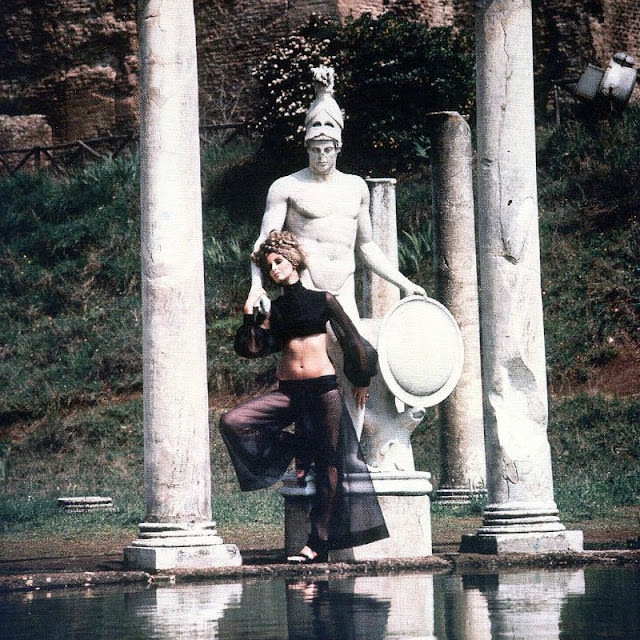
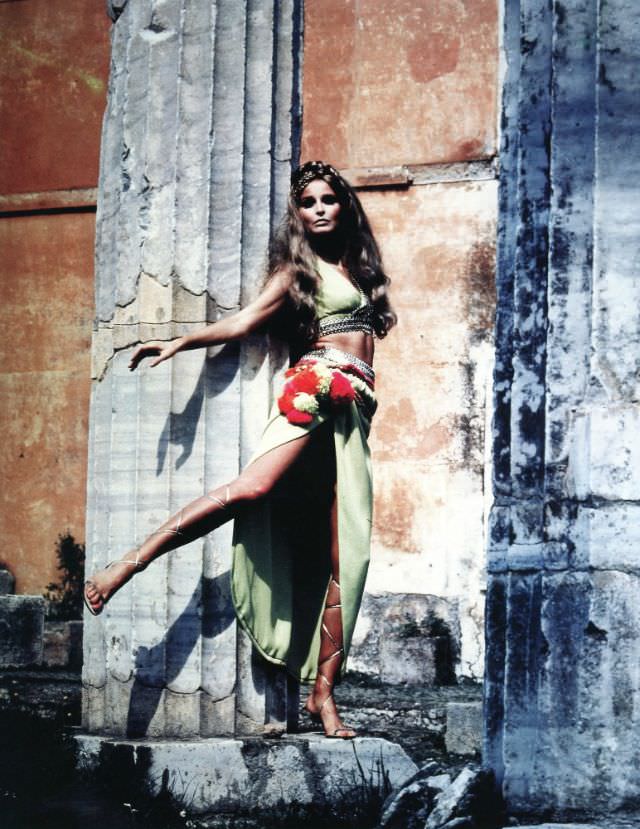
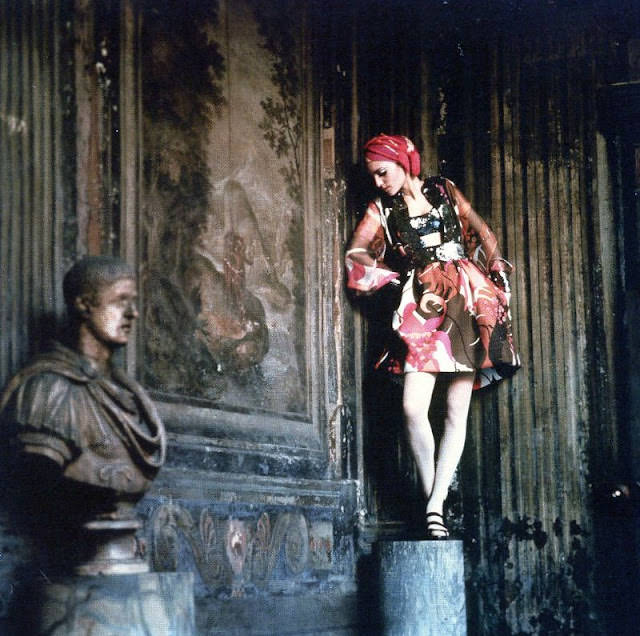
The final year of the decade sent Gigli across Europe. He photographed Italian model Benedetta Barzini in Rome for Time Magazine, and then moved to Greece, where he shot model Maud Adams in a series of striking outdoor images.
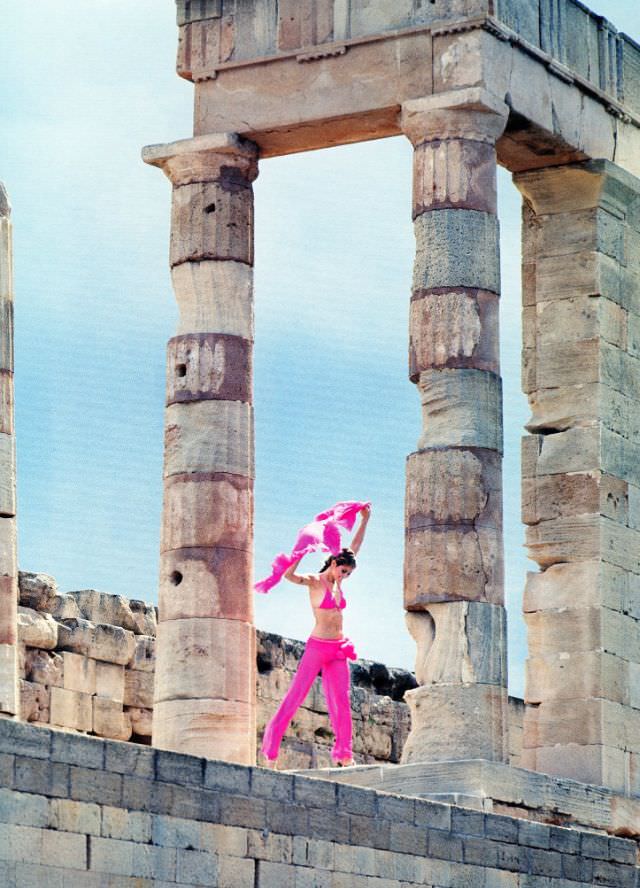
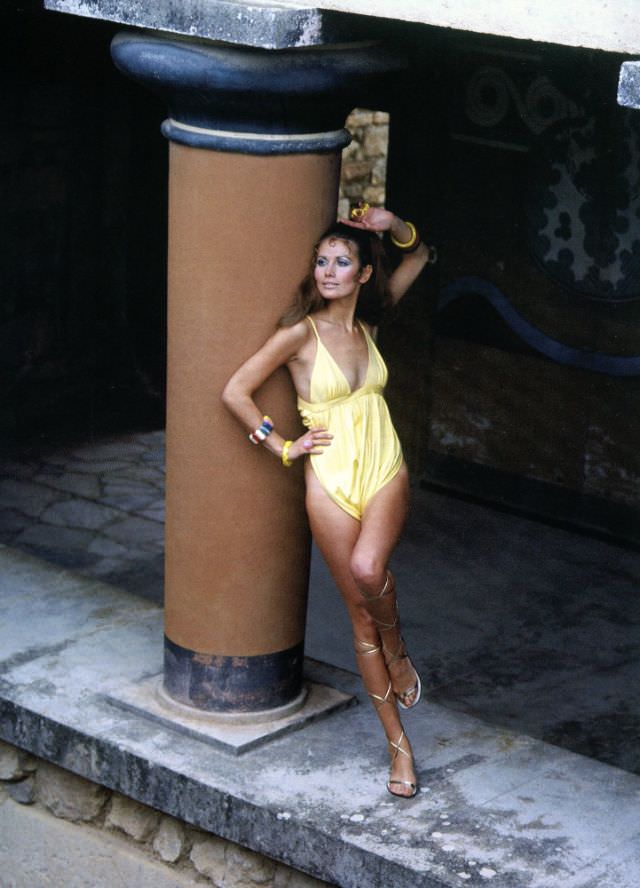
Also in Greece, Gigli photographed models Samantha Jones and Naomi Sims together for a Time Magazine article titled “Sun, Skin and a Hint of Sin.” Naomi Sims was one of the first Black models to achieve mainstream editorial visibility in the United States, and her inclusion in the spread was a notable moment in fashion publishing.
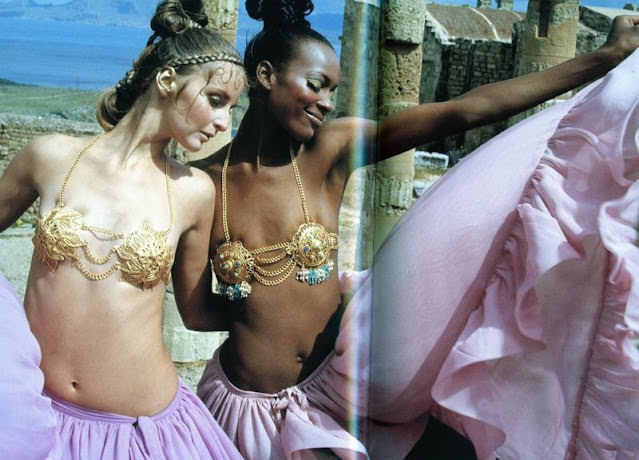
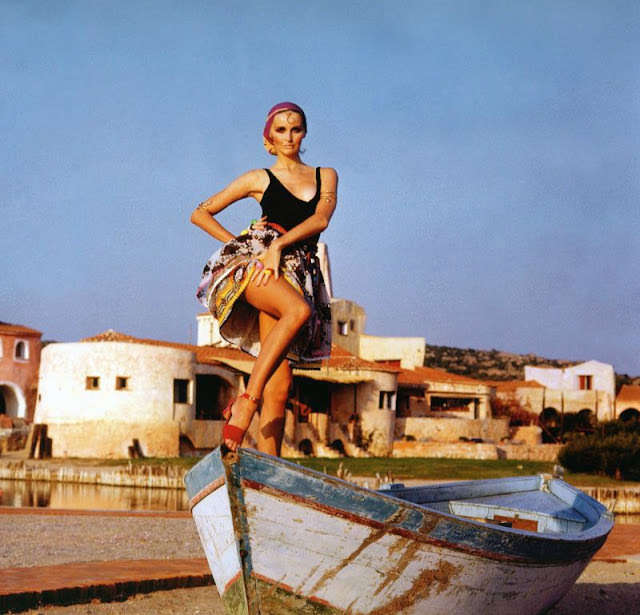
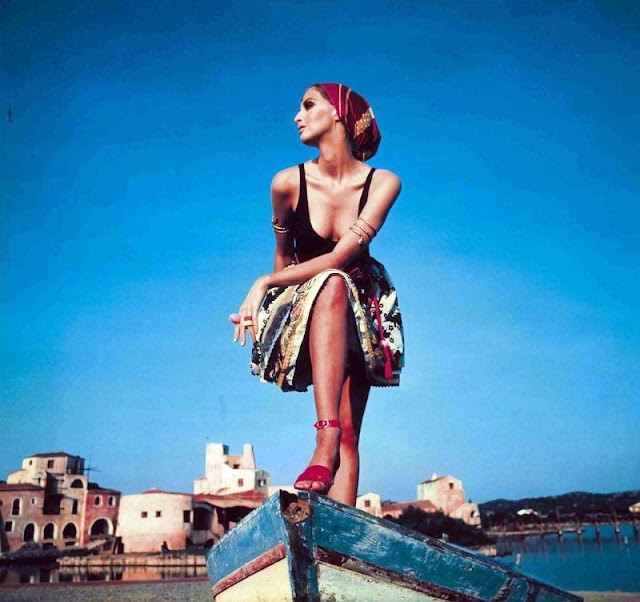
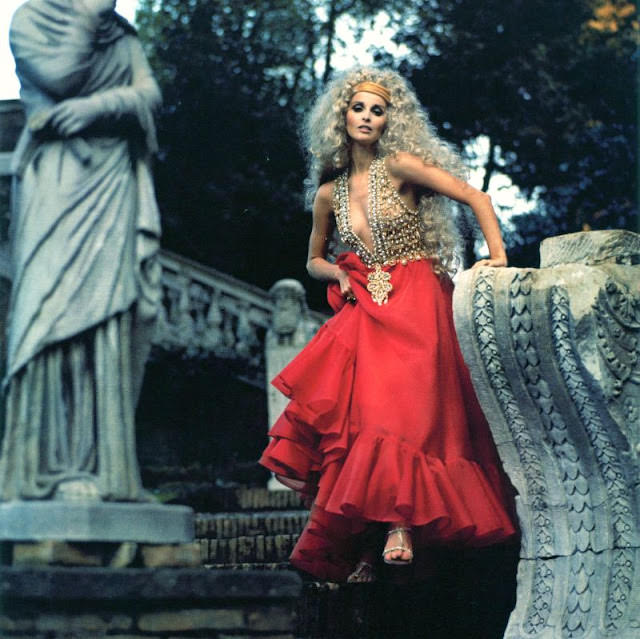
Samantha Jones went on to appear in multiple shoots for Gigli that year, including an extended series on the island of Sardinia and additional work in Rome. The breadth of locations across a single year — Greece, Sardinia, Rome — reflected how fully Gigli operated on an international stage by the close of the decade.